Visual abstracts
New randomized trials and meta-analyses from leading journals at a glance: who was studied, what was compared, and what was found. Every paper is free to read in full.
All specialtiesCardiology 3835Oncology 3293Gastroenterology & Hepatology 1522Infectious Disease 2780Neurology 1525Psychiatry & Mental Health 1807Pulmonology 1645Critical Care 1086Endocrinology & Diabetes 1971Pediatrics 2314Surgery 2037Orthopedics & Sports Medicine 718Neurosurgery 446Cardiothoracic & Vascular Surgery 470Plastic & Reconstructive Surgery 518Nephrology 842Rheumatology 623Hematology 865Dermatology 482Ophthalmology 420Obstetrics & Gynecology 1332Public & Global Health 751Radiology & Imaging 520Anesthesiology 785Urology 626ENT (Otolaryngology) 418Emergency Medicine 411Allergy & Immunology 239Geriatrics 799Family Medicine & Primary Care 455Medical Genetics & Genomics 517Pathology & Laboratory Medicine 131Physical Medicine & Rehabilitation 592Palliative Care 348Nutrition 1167Digital Health & AI 1775General Medicine 271
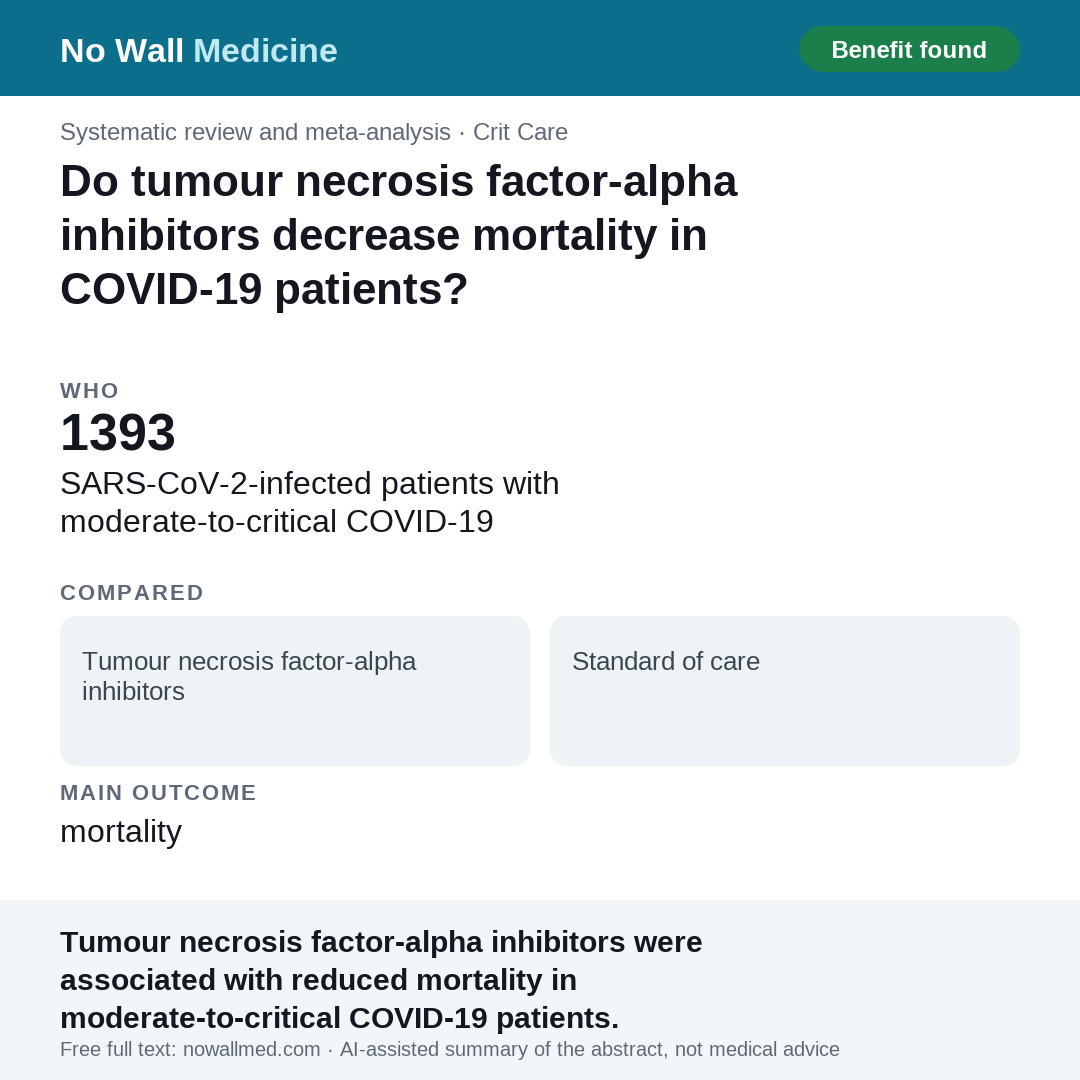
Tumour necrosis factor-alpha inhibitors decrease mortality in COVID-19: a systematic review and meta-analysis
Systematic review and meta-analysisBenefit found
Do tumour necrosis factor-alpha inhibitors decrease mortality in COVID-19 patients?
Who
1393
SARS-CoV-2-infected patients with moderate-to-critical COVID-19
Compared
Tumour necrosis factor-alpha inhibitors
Standard of care
Main outcome
mortality
Result: odds ratio 0.67 (95% CI 0.44 to 1.00)
Bottom line: Tumour necrosis factor-alpha inhibitors were associated with reduced mortality in moderate-to-critical COVID-19 patients.
Crit Care · 2025-06-06Download image
Husband's involvement in maternal antenatal care and associated factors among pregnant women's: study protocol for systematic review and meta-analysis
Systematic review and meta-analysisUnclear result
Husband involvement in maternal care
Who
pregnant women
Compared
husband involved
not involved
Main outcome
husband involvement in care
Bottom line: Husband involvement in care will be examined
AJOG Glob Rep · 2025-06-06Download image

Early Flap Reconstruction and Infection Rates in Open Lower Extremity Fractures: A Systematic Review and Meta-analysis
Systematic review and meta-analysisBenefit found
Does time to flap reconstruction affect infection rates in open lower extremity fractures?
Who
973
Patients undergoing flap reconstruction for open lower extremity fractures
Compared
Flap within 72 hours: 52% reduction in infection
Flap more than 72 hours
Flap within 7 days: 50% reduction in infection
Flap more than 7 days
Main outcome
Infection rates and all complications
Result: risk ratio 0.48 (95% CI 0.25-0.89)
Bottom line: Flap coverage within 72 hours of injury reduces infection risk in open lower extremity fractures.
Plast Reconstr Surg Glob Open · 2025-06-06Download image

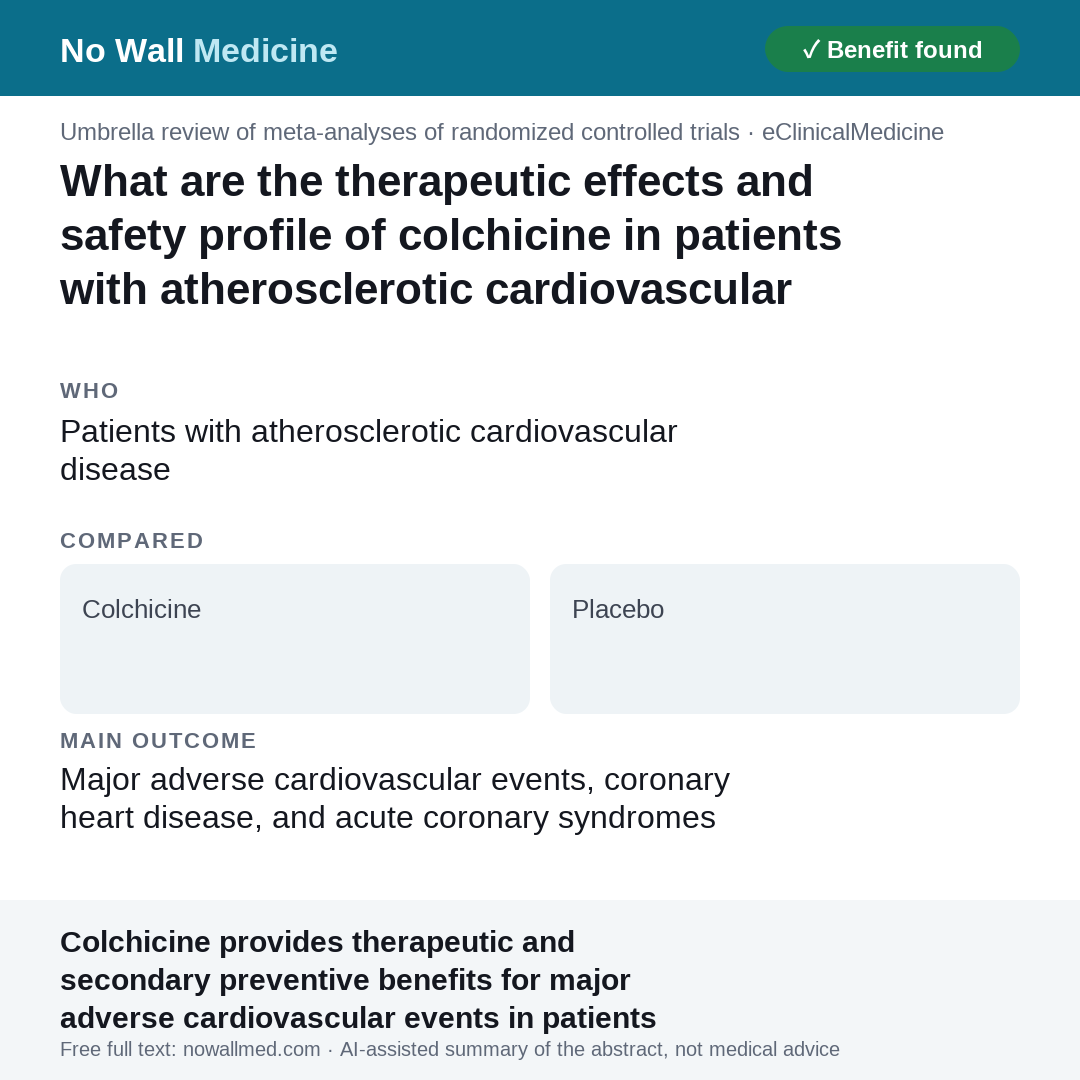
Balancing the benefits and risks of colchicine use among patients with atherosclerotic cardiovascular disease: an umbrella review of meta-analyses of randomised controlled trials
Umbrella review of meta-analyses of randomized controlled trialsBenefit found
What are the therapeutic effects and safety profile of colchicine in patients with atherosclerotic cardiovascular disease?
Who
Patients with atherosclerotic cardiovascular disease
Compared
Colchicine
Placebo
Main outcome
Major adverse cardiovascular events, coronary heart disease, and acute coronary syndromes
Result: RR 0.56 (95% CI 0.47-0.67) for major adverse cardiovascular events
Bottom line: Colchicine provides therapeutic and secondary preventive benefits for major adverse cardiovascular events in patients with atherosclerotic cardiovascular disease.
Limitation: Evidence of publication bias was identified in 18 of 271 tested associations.
Funded by: Liaoning Revitalization Talents Program, Dalian, and Shengjing Hospital
eClinicalMedicine · 2025-06-05Download image
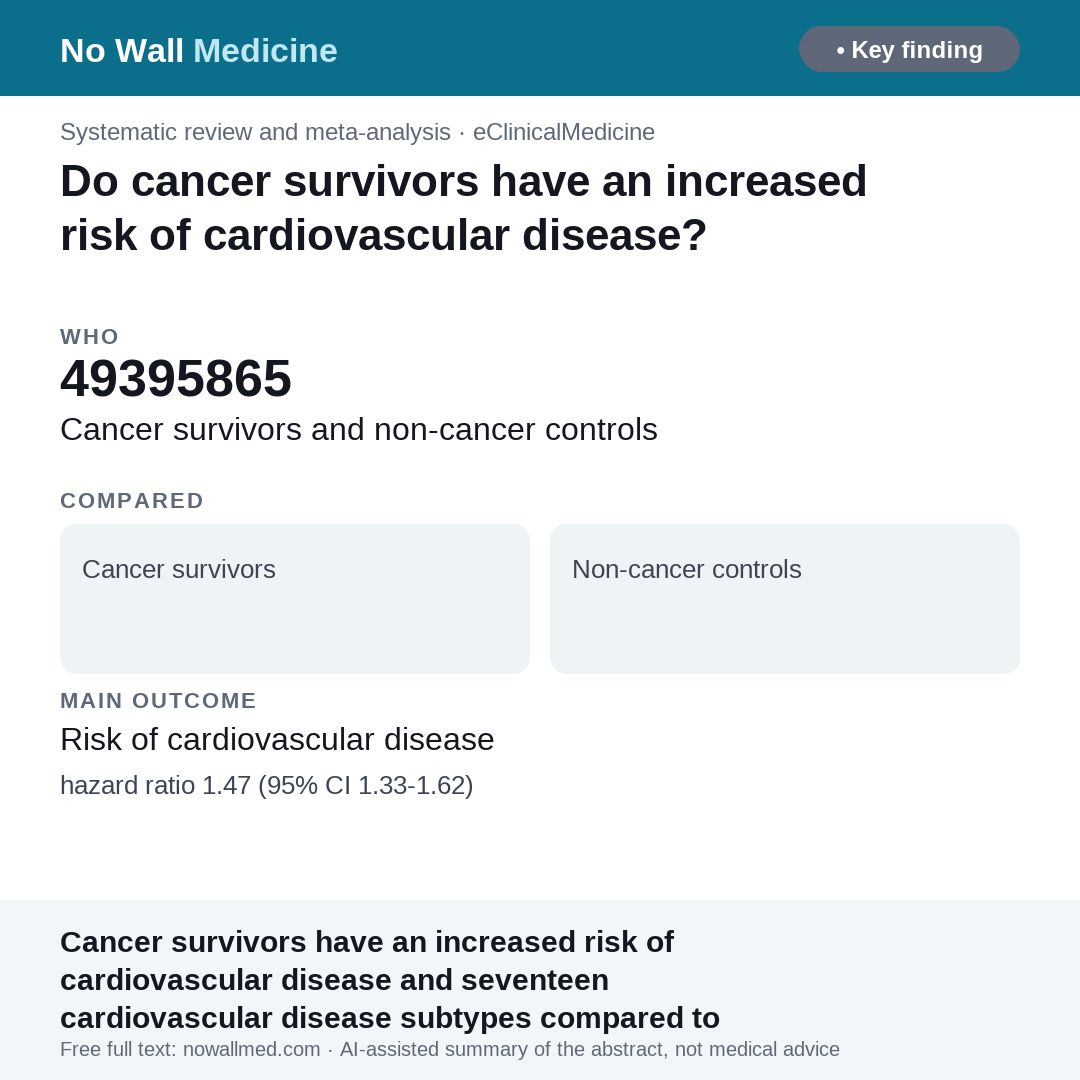
Risk of cardiovascular disease among cancer survivors: systematic review and meta-analysis
Systematic review and meta-analysisHarm found
Do cancer survivors have an increased risk of cardiovascular disease?
Who
49395865
Cancer survivors and non-cancer controls
Compared
Cancer survivors
Non-cancer controls
Main outcome
Risk of cardiovascular disease
Result: hazard ratio 1.47 (95% CI 1.33-1.62)
Bottom line: Cancer survivors have an increased risk of cardiovascular disease and seventeen cardiovascular disease subtypes compared to non-cancer controls.
Funded by: National Key R&D Program of China, National Natural Science Foundation of China
eClinicalMedicine · 2025-06-05Download image
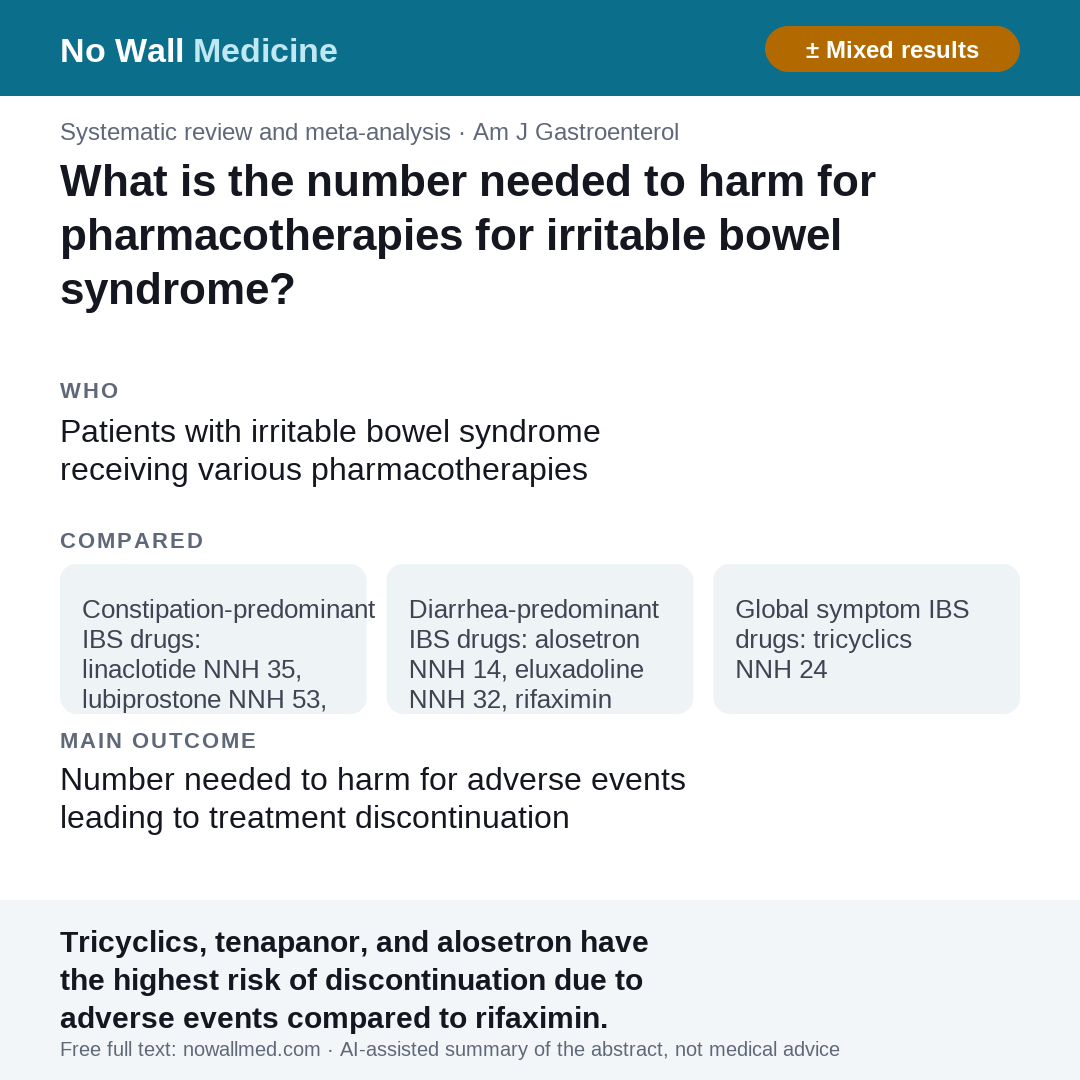
The Safety of Pharmacotherapy for Irritable Bowel Syndrome: A Systematic Review and Meta-Analysis
Systematic review and meta-analysisMixed results
What is the number needed to harm for pharmacotherapies for irritable bowel syndrome?
Who
Patients with irritable bowel syndrome receiving various pharmacotherapies
Compared
Constipation-predominant IBS drugs: linaclotide NNH 35, lubiprostone NNH 53, plecanatide NNH 59, tegaserod NNH 58, tenapanor NNH 16
Diarrhea-predominant IBS drugs: alosetron NNH 14, eluxadoline NNH 32, rifaximin and ramosetron negative value
Global symptom IBS drugs: tricyclics NNH 24
Main outcome
Number needed to harm for adverse events leading to treatment discontinuation
Bottom line: Tricyclics, tenapanor, and alosetron have the highest risk of discontinuation due to adverse events compared to rifaximin.
Am J Gastroenterol · 2025-06-05Download image
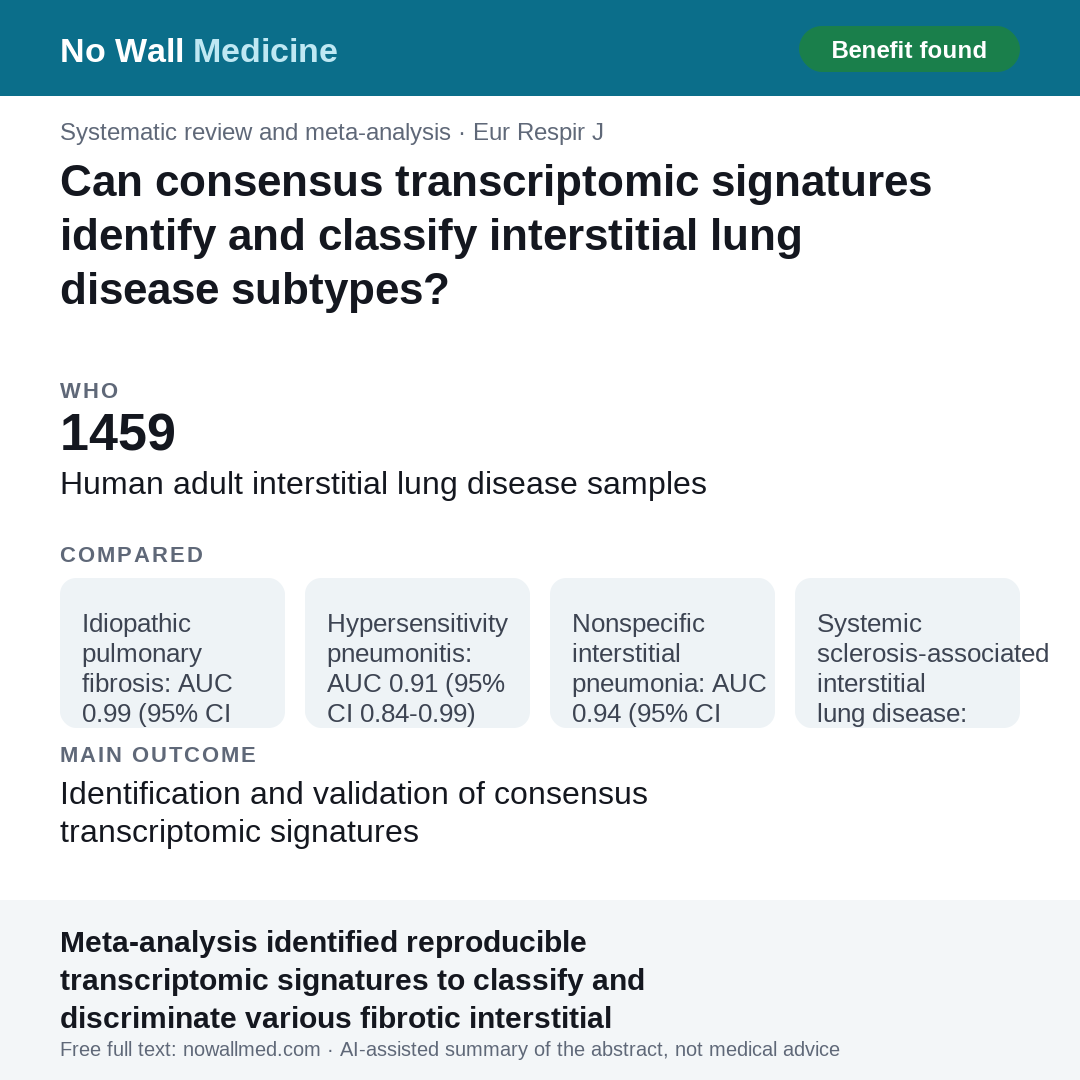
Transcriptomics of interstitial lung disease: a systematic review and meta-analysis
Systematic review and meta-analysisBenefit found
Can consensus transcriptomic signatures identify and classify interstitial lung disease subtypes?
Who
1459
Human adult interstitial lung disease samples
Compared
Idiopathic pulmonary fibrosis: AUC 0.99 (95% CI 0.99-1.00)
Hypersensitivity pneumonitis: AUC 0.91 (95% CI 0.84-0.99)
Nonspecific interstitial pneumonia: AUC 0.94 (95% CI 0.88-0.99)
Systemic sclerosis-associated interstitial lung disease: AUC 0.98 (95% CI 0.93-1.00)
Main outcome
Identification and validation of consensus transcriptomic signatures
Bottom line: Meta-analysis identified reproducible transcriptomic signatures to classify and discriminate various fibrotic interstitial lung disease subtypes.
Eur Respir J · 2025-06-05Download image
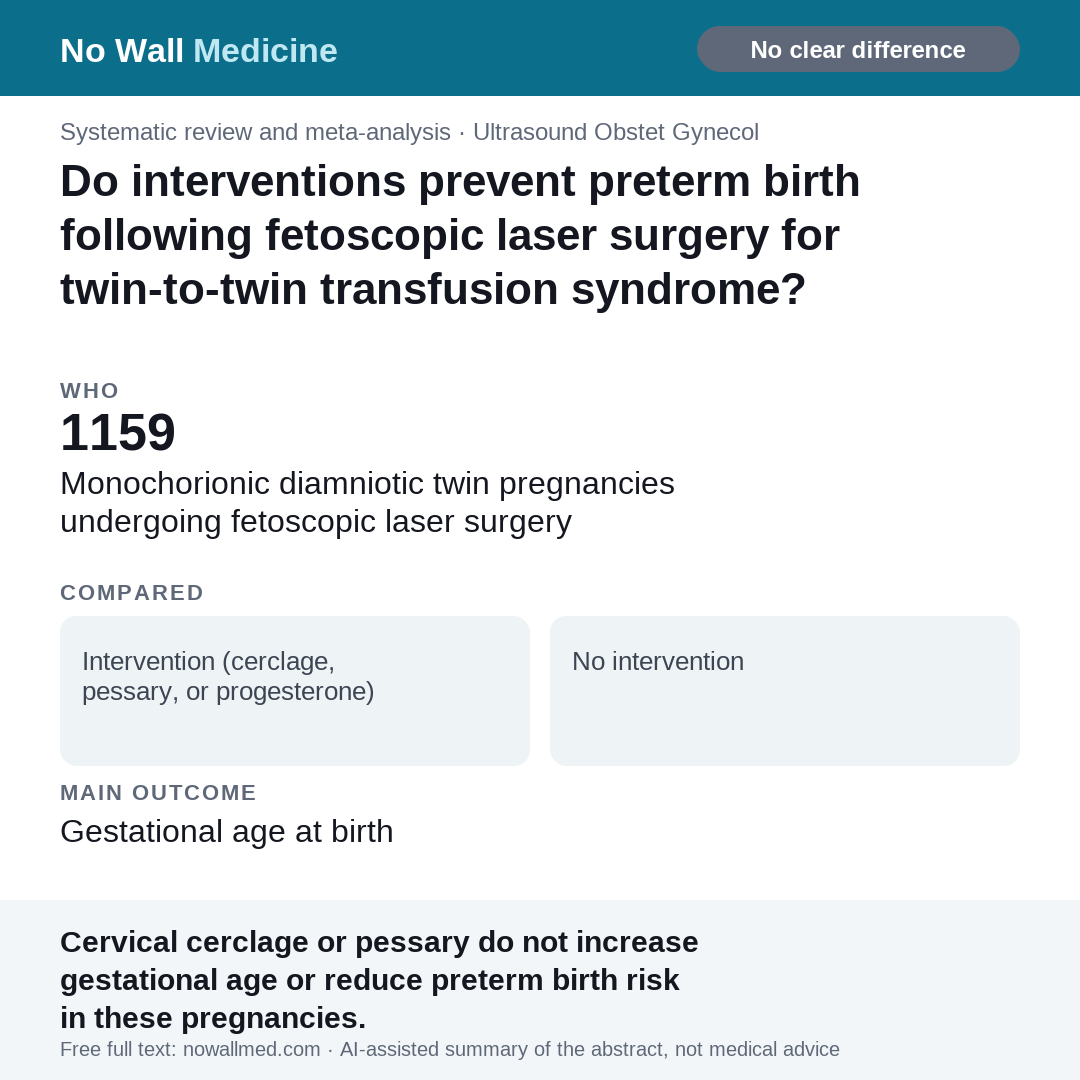
Interventions to prevent preterm birth following fetoscopic laser surgery for twin-to-twin transfusion syndrome: systematic review and meta-analysis
Systematic review and meta-analysisNo clear difference
Do interventions prevent preterm birth following fetoscopic laser surgery for twin-to-twin transfusion syndrome?
Who
1159
Monochorionic diamniotic twin pregnancies undergoing fetoscopic laser surgery
Compared
Intervention (cerclage, pessary, or progesterone)
No intervention
Main outcome
Gestational age at birth
Bottom line: Cervical cerclage or pessary do not increase gestational age or reduce preterm birth risk in these pregnancies.
Limitation: Small sample sizes, lack of comparison, and lack of stratification in original publications.
Ultrasound Obstet Gynecol · 2025-06-05Download image
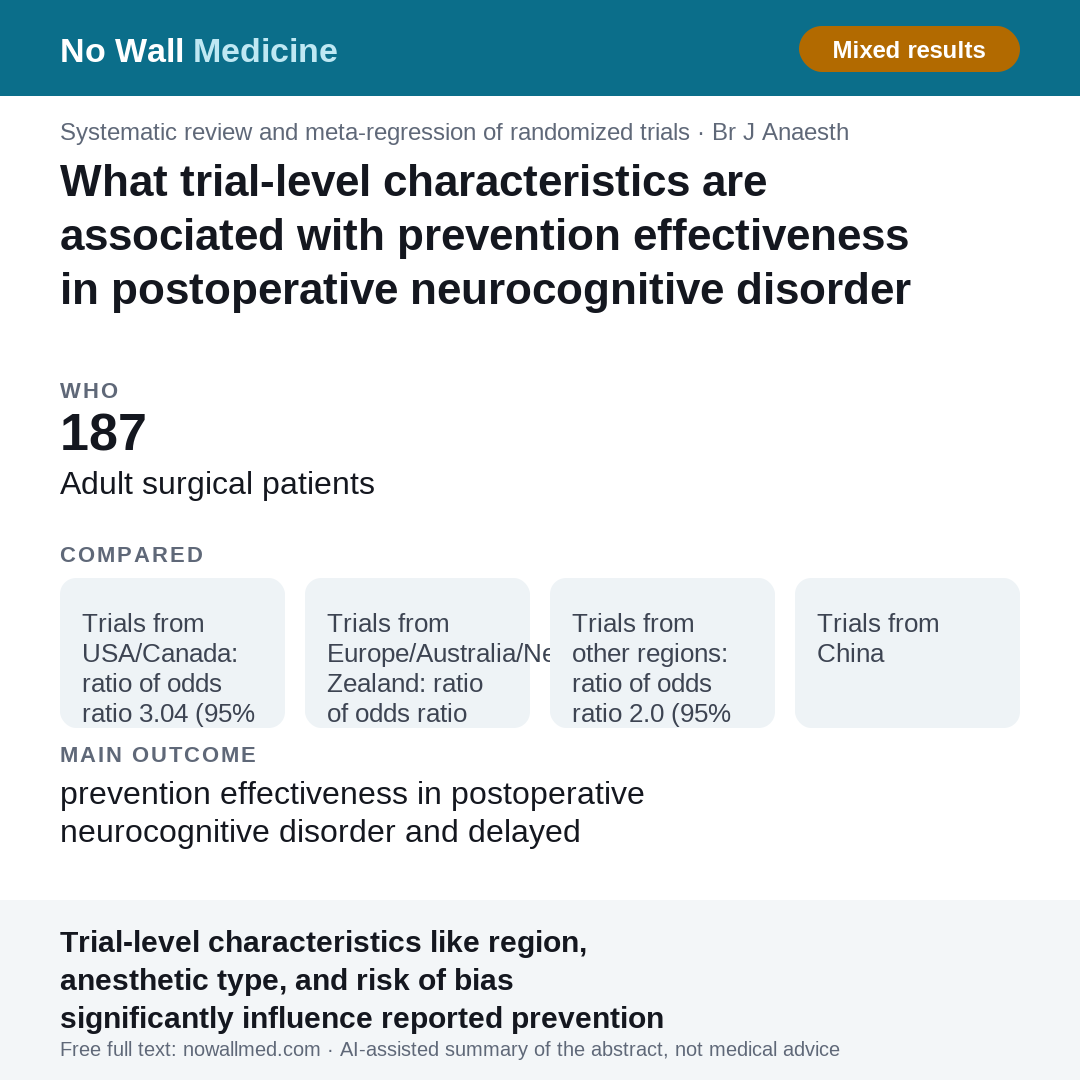
Patterns of prevention effectiveness in postoperative neurocognitive disorder and delayed neurocognitive recovery research: a systematic review with meta-regression of randomised trials
Systematic review and meta-regression of randomized trialsMixed results
What trial-level characteristics are associated with prevention effectiveness in postoperative neurocognitive disorder research?
Who
187
Adult surgical patients
Compared
Trials from USA/Canada: ratio of odds ratio 3.04 (95% CI 1.62-5.73)
Trials from Europe/Australia/New Zealand: ratio of odds ratio 1.58 (95% CI 1.04-2.40)
Trials from other regions: ratio of odds ratio 2.0 (95% CI 1.19-3.36)
Trials from China
Main outcome
prevention effectiveness in postoperative neurocognitive disorder and delayed neurocognitive recovery
Bottom line: Trial-level characteristics like region, anesthetic type, and risk of bias significantly influence reported prevention effectiveness in neurocognitive disorder research.
Limitation: Evidence certainty for dexmedetomidine benefits was very low.
Br J Anaesth · 2025-06-05Download image
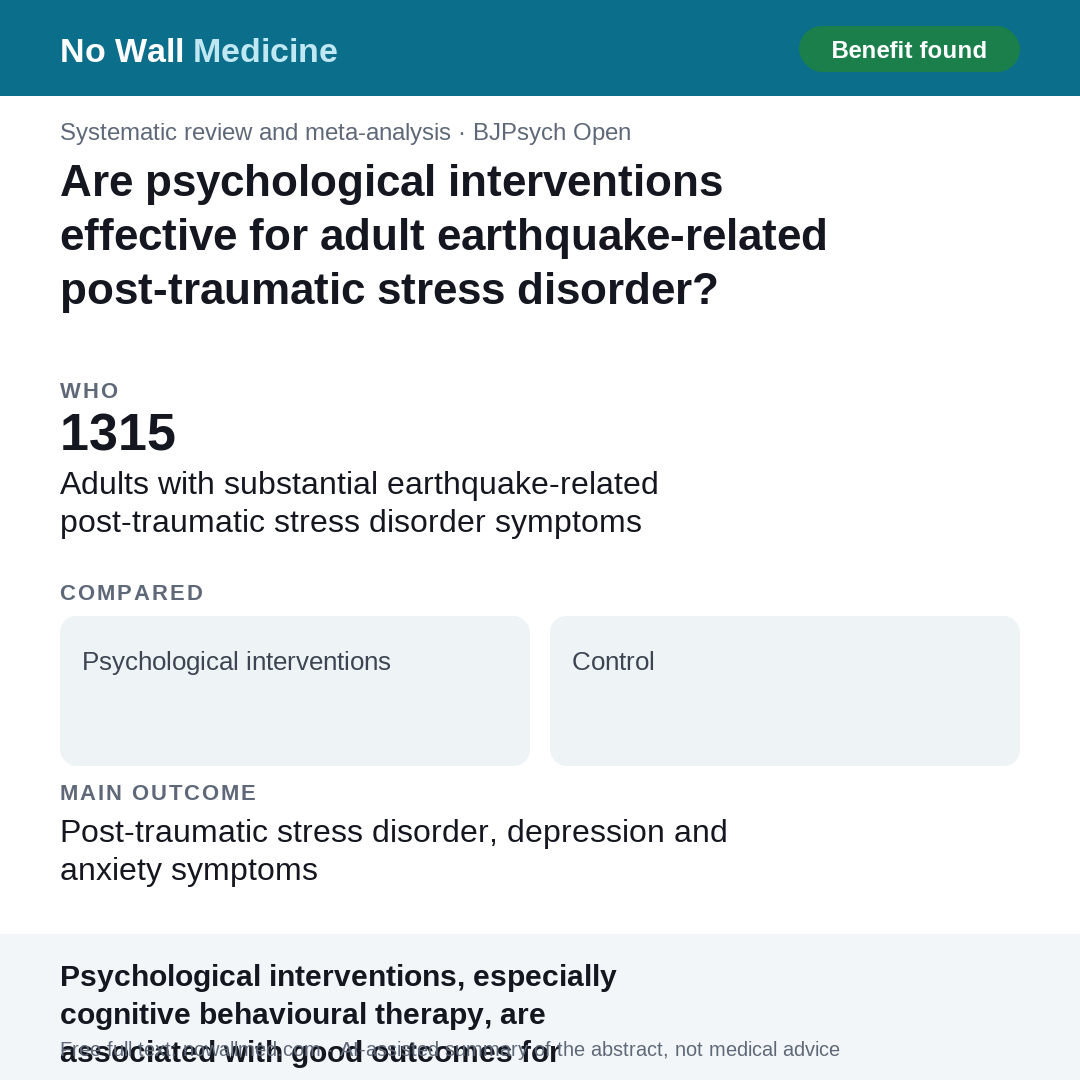
Psychological interventions for adult earthquake-related post-traumatic stress disorder: systematic review and meta-analysis
Systematic review and meta-analysisBenefit found
Are psychological interventions effective for adult earthquake-related post-traumatic stress disorder?
Who
1315
Adults with substantial earthquake-related post-traumatic stress disorder symptoms
Compared
Psychological interventions
Control
Main outcome
Post-traumatic stress disorder, depression and anxiety symptoms
Result: overall effect size 2.11 (95% CI = 0.92, 3.31) for PTSD symptoms
Bottom line: Psychological interventions, especially cognitive behavioural therapy, are associated with good outcomes for earthquake-related post-traumatic stress disorder.
BJPsych Open · 2025-06-05Download image
Volatile sedation in critically ill adults undergoing mechanical ventilation: a meta-analysis of randomized controlled trials
Meta-analysis of 21 randomized controlled trialsHarm found
Does volatile sedation reduce mortality compared to intravenous sedation in critically ill adults?
Who
2367
Critically ill adults undergoing invasive mechanical ventilation
Compared
Volatile sedation: 262/1107
Intravenous sedation: 218/1106
Main outcome
Mortality at the longest follow-up
Result: relative risk 1.17 (95% confidence interval, 1.02 to 1.35)
Bottom line: Volatile sedation may increase mortality compared to intravenous sedation in mechanically ventilated critically ill adults.
Limitation: Trial sequential analysis suggested a lack of definitive conclusion due to insufficient sample size.
Crit Care · 2025-06-05Download image

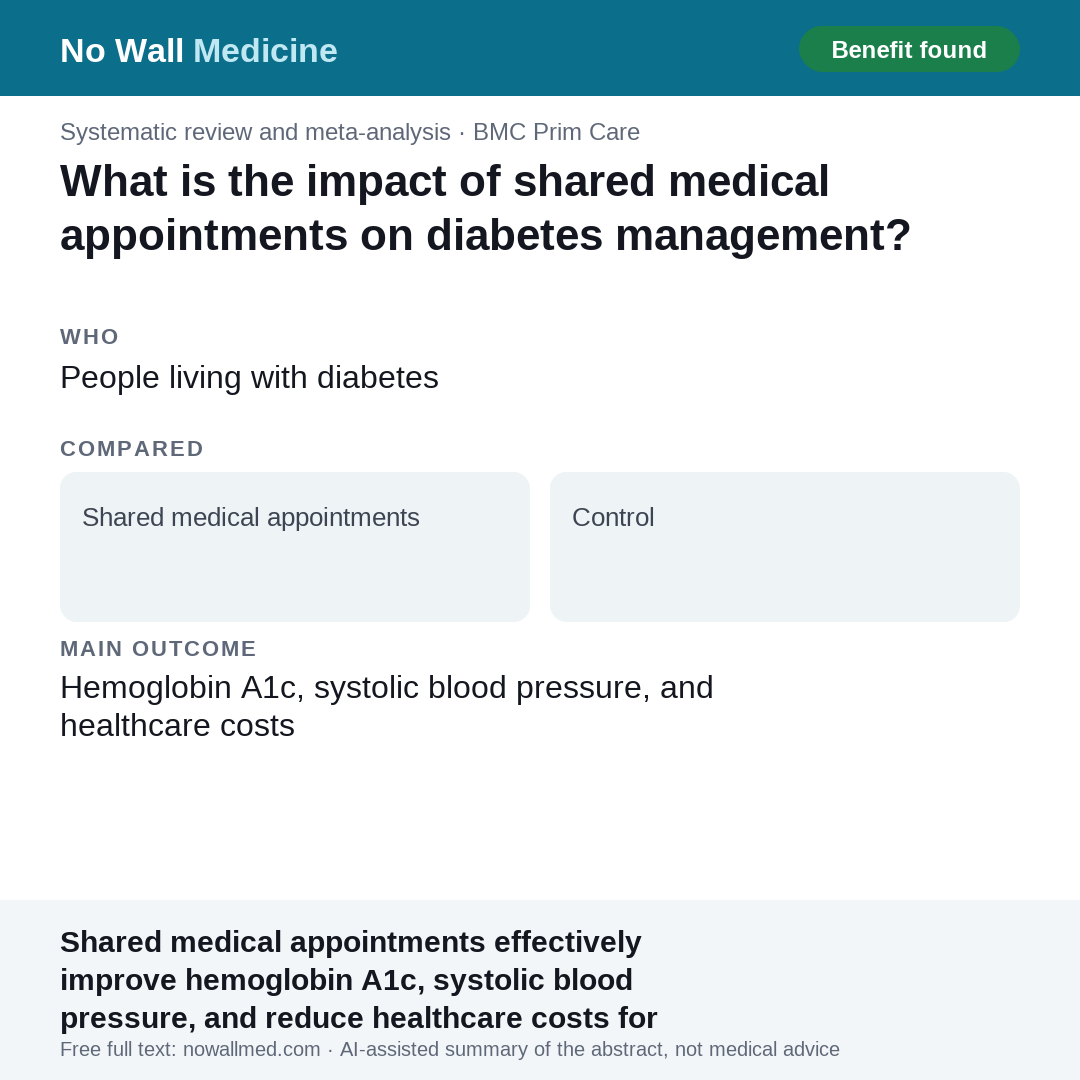
Using the RE-AIM framework to evaluate the impact of shared medical appointments for diabetes mellitus: a systematic review and meta-analysis
Systematic review and meta-analysisBenefit found
What is the impact of shared medical appointments on diabetes management?
Who
People living with diabetes
Compared
Shared medical appointments
Control
Main outcome
Hemoglobin A1c, systolic blood pressure, and healthcare costs
Bottom line: Shared medical appointments effectively improve hemoglobin A1c, systolic blood pressure, and reduce healthcare costs for people living with diabetes.
Limitation: Most studies reported effectiveness well, while other RE-AIM dimensions were poorly reported.
BMC Prim Care · 2025-06-05Download image
Outcome measures of instrumented gait analysis in hereditary spastic paraplegia: a systematic review
Systematic reviewMixed results
What are the outcome measures of instrumented gait analysis in hereditary spastic paraplegia?
Who
Patients with hereditary spastic paraplegia
Compared
General parameters: walking speed and range-of-motion knee
Disease-specific parameters: foot lift, range-of-motion foot, and gait variability
Main outcome
Instrumented gait analysis outcome measures
Bottom line: Walking speed and knee range-of-motion are general, while foot lift and gait variability are promising disease-specific parameters.
Limitation: Need for better longitudinal multicenter studies with larger sample sizes.
J Neuroeng Rehabil · 2025-06-05Download image

P2Y12 inhibitor or aspirin after percutaneous coronary intervention: individual patient data meta-analysis of randomised clinical trials
Individual participant data meta-analysis of randomised clinical trialsBenefit found
Is P2Y12 inhibitor monotherapy more effective than aspirin monotherapy after percutaneous coronary intervention?
Who
16117
Patients with coronary artery disease who underwent percutaneous coronary intervention
Compared
P2Y12 inhibitor monotherapy
Aspirin monotherapy
Main outcome
Major adverse cardiac and cerebrovascular events and major bleeding
Result: hazard ratio 0.77 (95% CI 0.67 to 0.89)
Bottom line: P2Y12 inhibitor monotherapy reduces major adverse cardiac and cerebrovascular events without increasing major bleeding risk compared to aspirin.
BMJ · 2025-06-04Download image

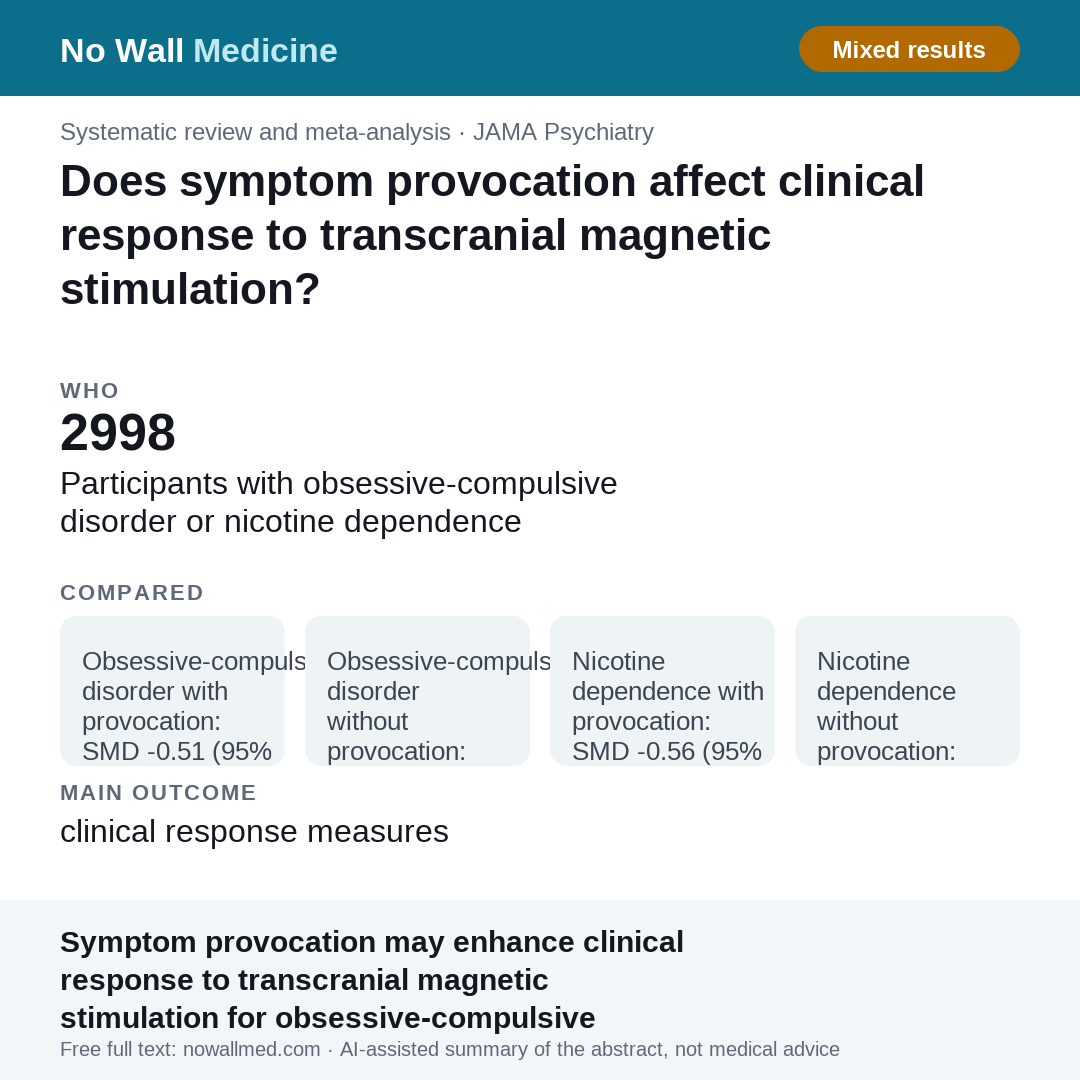
Symptom Provocation and Clinical Response to Transcranial Magnetic Stimulation: A Systematic Review and Meta-Analysis
Systematic review and meta-analysisMixed results
Does symptom provocation affect clinical response to transcranial magnetic stimulation?
Who
2998
Participants with obsessive-compulsive disorder or nicotine dependence
Compared
Obsessive-compulsive disorder with provocation: SMD -0.51 (95% CI, -0.96 to -0.07)
Obsessive-compulsive disorder without provocation: SMD -0.29 (95% CI, -0.40 to -0.17)
Nicotine dependence with provocation: SMD -0.56 (95% CI, -1.12 to 0)
Nicotine dependence without provocation: SMD -0.35 (95% CI, -0.74 to 0.04)
Main outcome
clinical response measures
Bottom line: Symptom provocation may enhance clinical response to transcranial magnetic stimulation for obsessive-compulsive disorder and nicotine dependence.
Limitation: Studies comparing TMS with and without provocation are critical to establish the causal effect of provocation.
JAMA Psychiatry · 2025-06-04Download image
Common driving behaviors in older adults with dementia: Insights from a systematic literature review
Systematic literature reviewHarm found
What are the common driving behaviors in older adults with dementia compared to controls?
Who
26
Drivers with dementia and age-matched healthy controls · Scopus, Medline All, and Embase databases
Compared
Drivers with dementia: higher standard deviations of mean speeds, more traffic light tickets, greater out-of-lane drifting, and increased variability in mean headway distance
Age-matched healthy controls
Main outcome
Driving behaviors during on-road tests, simulator experiments, or naturalistic driving
Bottom line: Drivers with dementia exhibit distinct patterns including greater speed variability, traffic light violations, lane drifting, and headway distance variability.
Limitation: Small samples, lack of confounding factors, non-validated settings, and simulator studies may not reflect real-world conditions.
Alzheimers Dement · 2025-06-04Download image

Nonverbal correlates of paranoid ideation - a systematic literature review
Systematic literature reviewUnclear result
What are the nonverbal correlates of paranoid ideation?
Who
22
Adults with psychosis spectrum diagnosis or healthy populations
Compared
Spatial behavior: n = 6
Brain region activity: n = 5
Visual perception: n = 5
Stress physiology: n = 4
Main outcome
Nonverbal correlates of paranoid ideation
Bottom line: Evidence is strongest for spatial behavior and brain region activity, but other nonverbal correlates require more investigation.
Psychol Med · 2025-06-04Download image

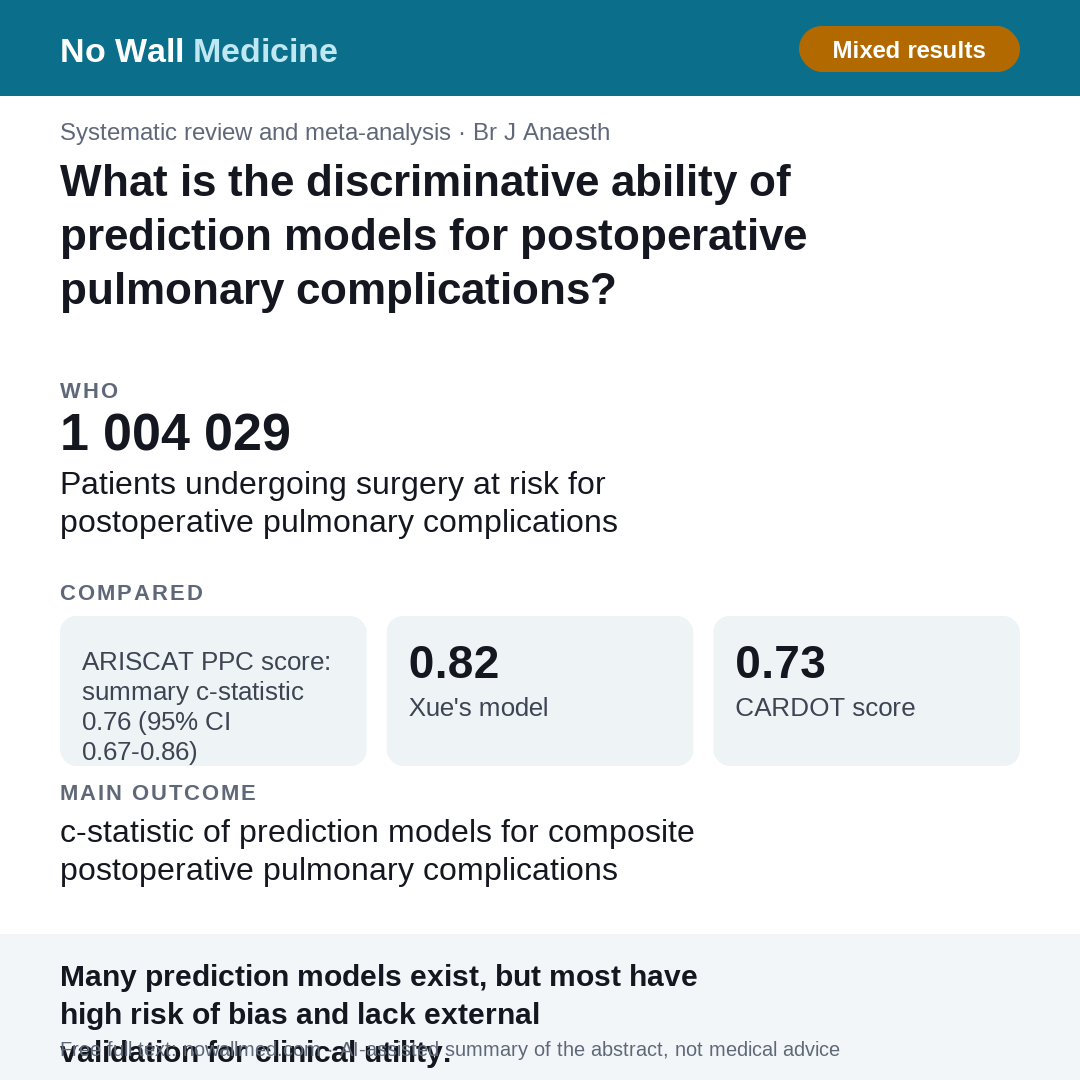
Prediction models for postoperative pulmonary complications: a systematic review and meta-analysis
Systematic review and meta-analysisMixed results
What is the discriminative ability of prediction models for postoperative pulmonary complications?
Who
1 004 029
Patients undergoing surgery at risk for postoperative pulmonary complications
Compared
ARISCAT PPC score: summary c-statistic 0.76 (95% CI 0.67-0.86)
0.82Xue's model (95% CI 0.75-0.89)
0.73CARDOT score (95% CI 0.61-0.85)
Main outcome
c-statistic of prediction models for composite postoperative pulmonary complications
Bottom line: Many prediction models exist, but most have high risk of bias and lack external validation for clinical utility.
Limitation: Reliability is limited by the lack of external validation cohorts and 90.2% of models had high risk of bias.
Br J Anaesth · 2025-06-04Download image
Fluid resuscitation management in patients with sepsis and septic shock: a network meta-analysis
Network meta-analysis of 28 randomized controlled trialsBenefit found
Which fluid resuscitation strategies are most effective for sepsis and septic shock?
Who
8770
Patients with sepsis or septic shock
Compared
Balanced crystalloids
Low molecular weight hydroxyethyl starch
Saline
High molecular weight hydroxyethyl starch
Main outcome
90-day mortality, complications, and treatment responses
Result: RR -0.84 (95 % CrI 0.75 to 0.95) for balanced crystalloids vs low molecular weight hydroxyethyl starch
Bottom line: Balanced crystalloids reduce 90-day mortality compared to saline or low molecular weight hydroxyethyl starch in sepsis patients.
Am J Emerg Med · 2025-06-04Download image

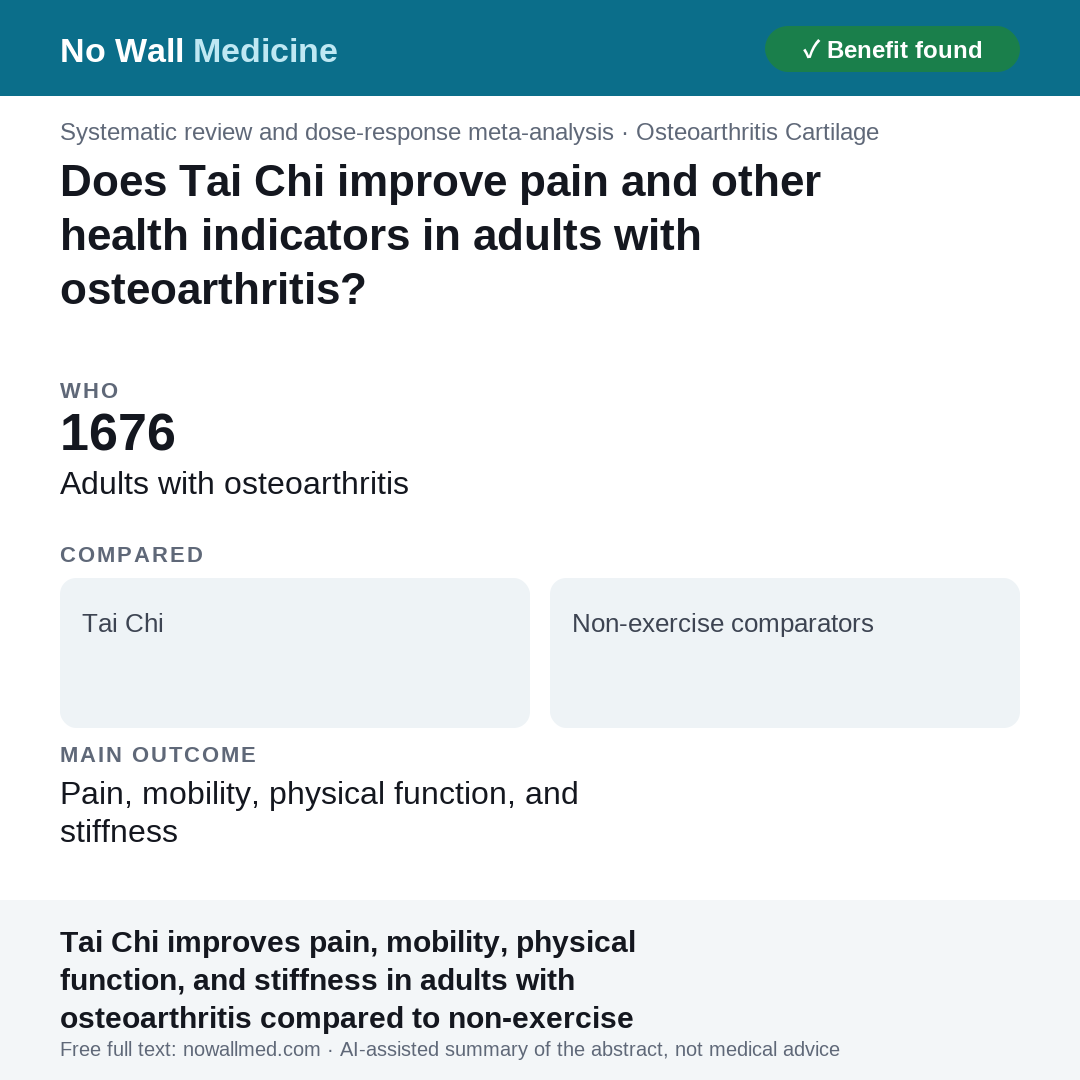
The effects of Tai Chi on pain and other health indicators in people with osteoarthritis: An updated systematic review and dose-response meta-analysis
Systematic review and dose-response meta-analysisBenefit found
Does Tai Chi improve pain and other health indicators in adults with osteoarthritis?
Who
1676
Adults with osteoarthritis
Compared
Tai Chi
Non-exercise comparators
Main outcome
Pain, mobility, physical function, and stiffness
Result: Cohen's d -0.64 (95% CI -0.96 to -0.34) for pain
Bottom line: Tai Chi improves pain, mobility, physical function, and stiffness in adults with osteoarthritis compared to non-exercise controls.
Osteoarthritis Cartilage · 2025-06-04Download image