Visual abstracts
New randomized trials and meta-analyses from leading journals at a glance: who was studied, what was compared, and what was found. Every paper is free to read in full.
All specialtiesCardiology 3633Oncology 3112Gastroenterology & Hepatology 1428Infectious Disease 2583Neurology 1462Psychiatry & Mental Health 1724Pulmonology 1557Critical Care 1034Endocrinology & Diabetes 1857Pediatrics 2205Surgery 1918Orthopedics & Sports Medicine 681Neurosurgery 429Cardiothoracic & Vascular Surgery 439Plastic & Reconstructive Surgery 498Nephrology 795Rheumatology 588Hematology 813Dermatology 452Ophthalmology 402Obstetrics & Gynecology 1246Public & Global Health 696Radiology & Imaging 504Anesthesiology 746Urology 594ENT (Otolaryngology) 399Emergency Medicine 389Allergy & Immunology 224Geriatrics 767Family Medicine & Primary Care 419Medical Genetics & Genomics 473Pathology & Laboratory Medicine 121Physical Medicine & Rehabilitation 563Palliative Care 334Nutrition 1095Digital Health & AI 1702General Medicine 260
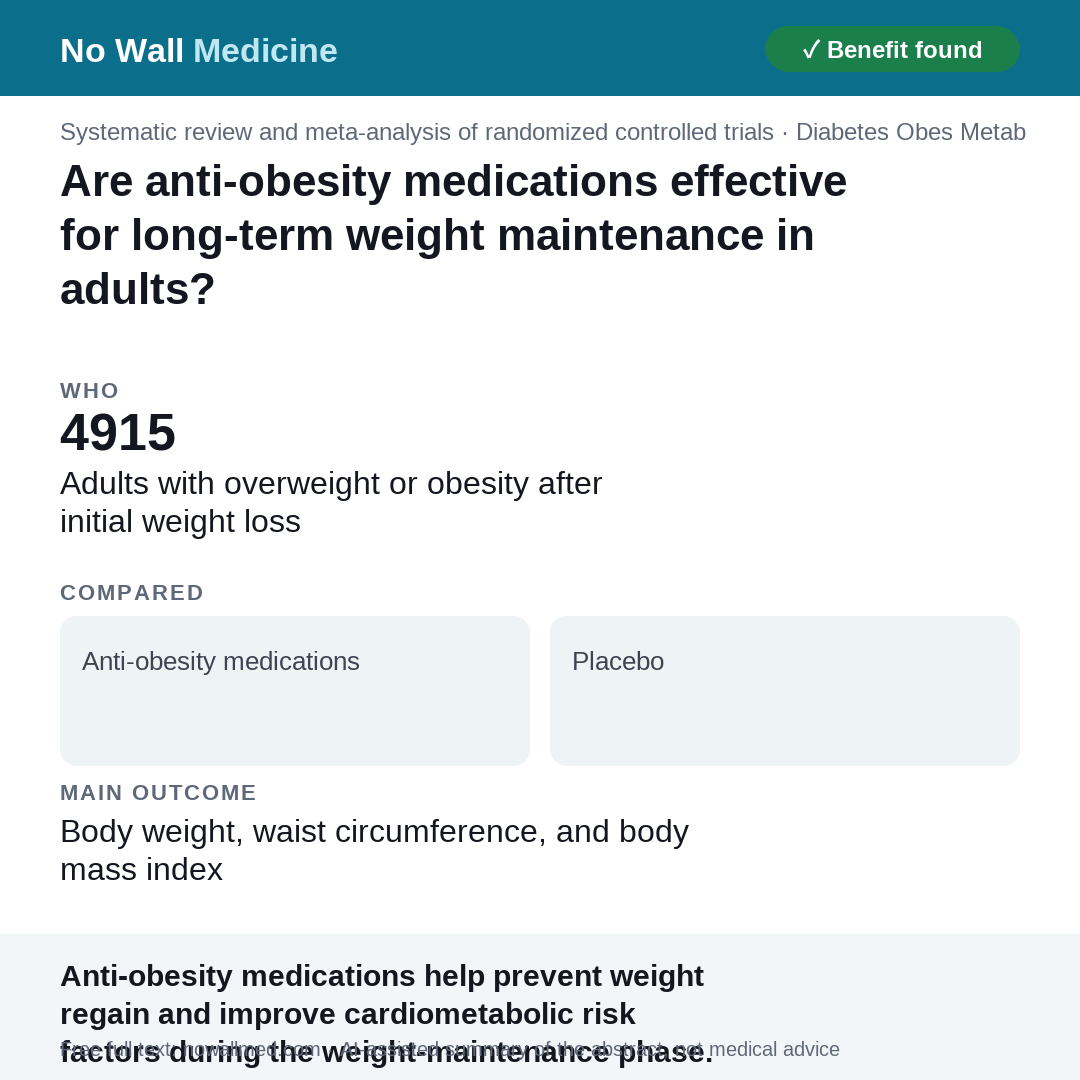
Efficacy and Safety of Anti-Obesity Medications for Weight Loss Maintenance in Adults With Overweight or Obesity: A Systematic Review and Meta-Analysis of Randomised Controlled Trials
Systematic review and meta-analysis of randomized controlled trialsBenefit found
Are anti-obesity medications effective for long-term weight maintenance in adults?
Who
4915
Adults with overweight or obesity after initial weight loss
Compared
Anti-obesity medications
Placebo
Main outcome
Body weight, waist circumference, and body mass index
Result: body weight WMD: -8.68 kg (95% CI: -13.25 to -4.11)
Bottom line: Anti-obesity medications help prevent weight regain and improve cardiometabolic risk factors during the weight-maintenance phase.
Limitation: Further long-term trials are needed to clarify optimal treatment strategies and safety.
Diabetes Obes Metab · 2026-07-09Download image
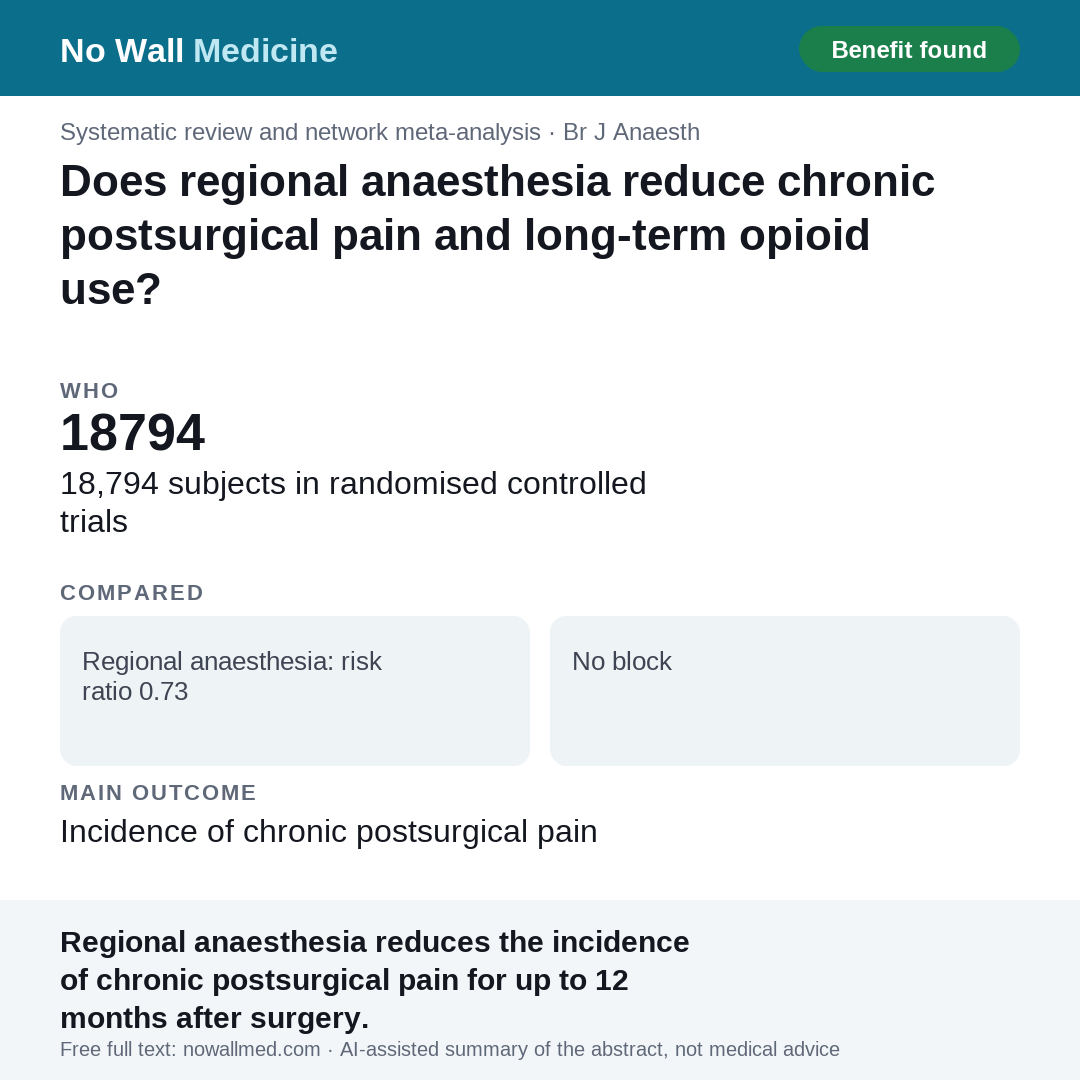
Regional anaesthesia and chronic postsurgical pain: a systematic review and network meta-analysis
Systematic review and network meta-analysisBenefit found
Does regional anaesthesia reduce chronic postsurgical pain and long-term opioid use?
Who
18794
18,794 subjects in randomised controlled trials
Compared
Regional anaesthesia: risk ratio 0.73
No block
Main outcome
Incidence of chronic postsurgical pain
Result: risk ratio 0.73 (95% CI 0.67-0.80)
Bottom line: Regional anaesthesia reduces the incidence of chronic postsurgical pain for up to 12 months after surgery.
Br J Anaesth · 2026-07-09Download image
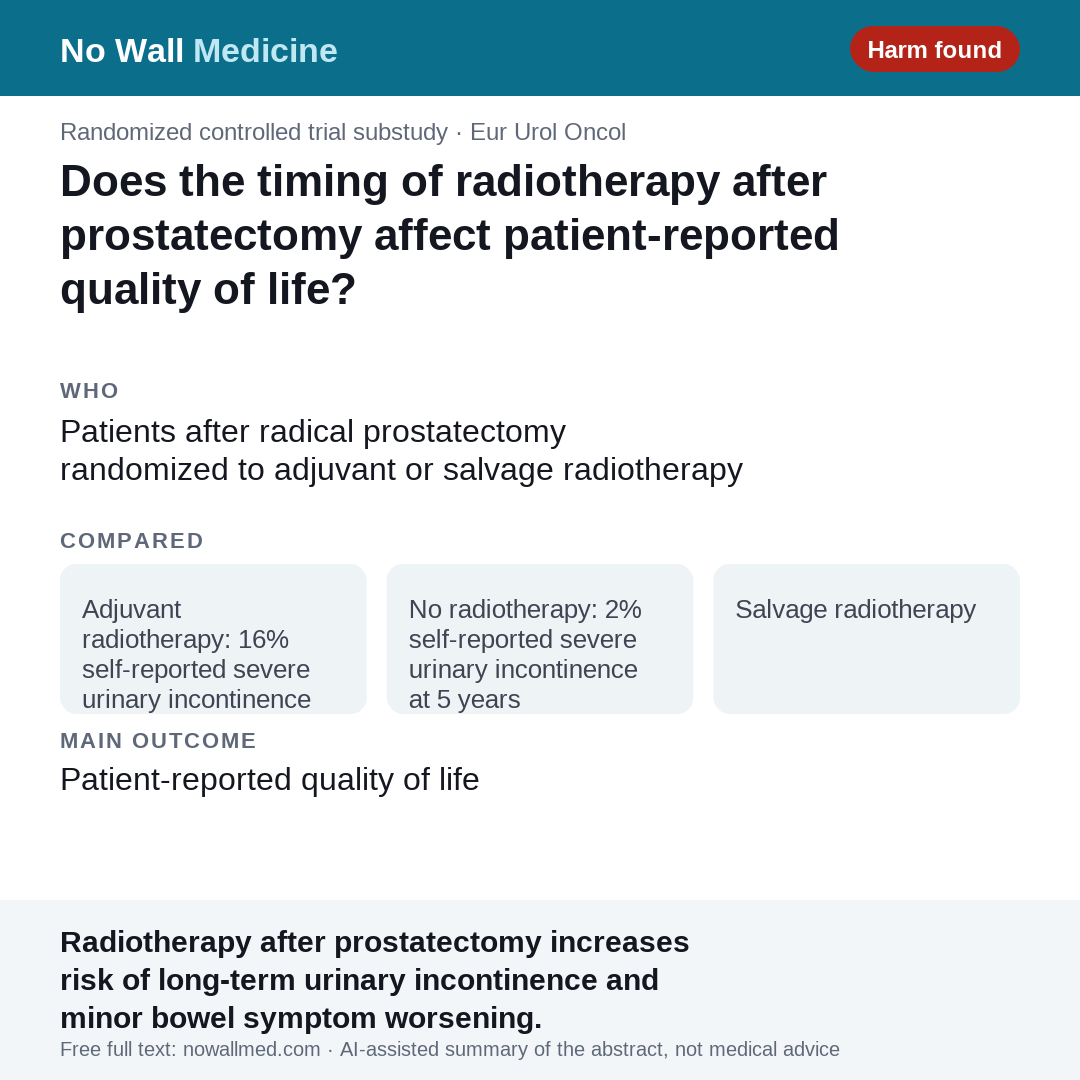
Quality of Life After Postprostatectomy Radiotherapy: A TROG 08.03 RAVES Randomized Controlled Trial Substudy
Randomized controlled trial substudyHarm found
Does the timing of radiotherapy after prostatectomy affect patient-reported quality of life?
Who
Patients after radical prostatectomy randomized to adjuvant or salvage radiotherapy
Compared
Adjuvant radiotherapy: 16% self-reported severe urinary incontinence at 5 years
No radiotherapy: 2% self-reported severe urinary incontinence at 5 years
Salvage radiotherapy
Main outcome
Patient-reported quality of life
Bottom line: Radiotherapy after prostatectomy increases risk of long-term urinary incontinence and minor bowel symptom worsening.
Eur Urol Oncol · 2026-07-09Download image
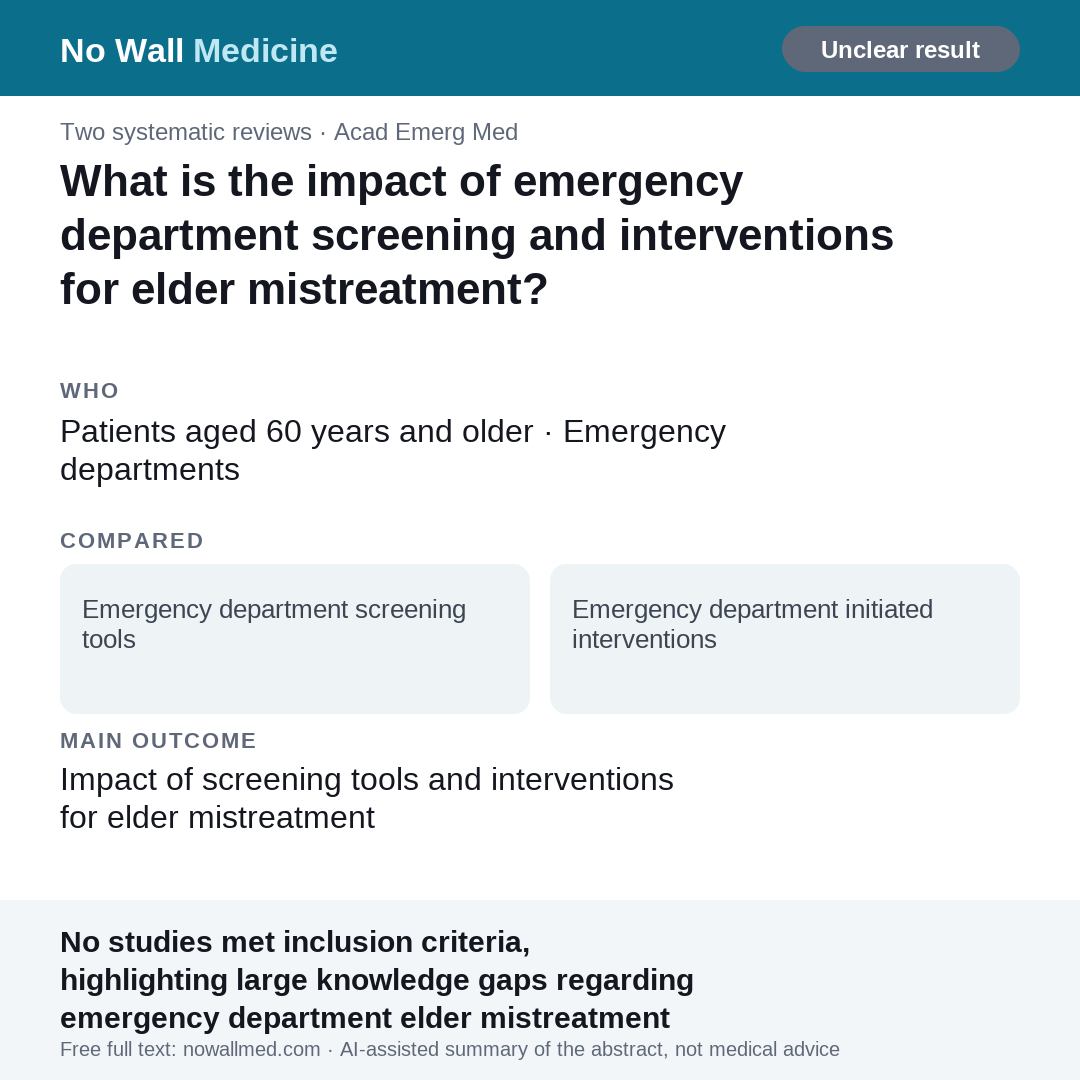
Screening and Interventions for Elder Mistreatment: Geriatric Emergency Department Guidelines 2.0 Systematic Review
Two systematic reviewsUnclear result
What is the impact of emergency department screening and interventions for elder mistreatment?
Who
Patients aged 60 years and older · Emergency departments
Compared
Emergency department screening tools
Emergency department initiated interventions
Main outcome
Impact of screening tools and interventions for elder mistreatment
Bottom line: No studies met inclusion criteria, highlighting large knowledge gaps regarding emergency department elder mistreatment screening and interventions.
Acad Emerg Med · 2026-07-09Download image
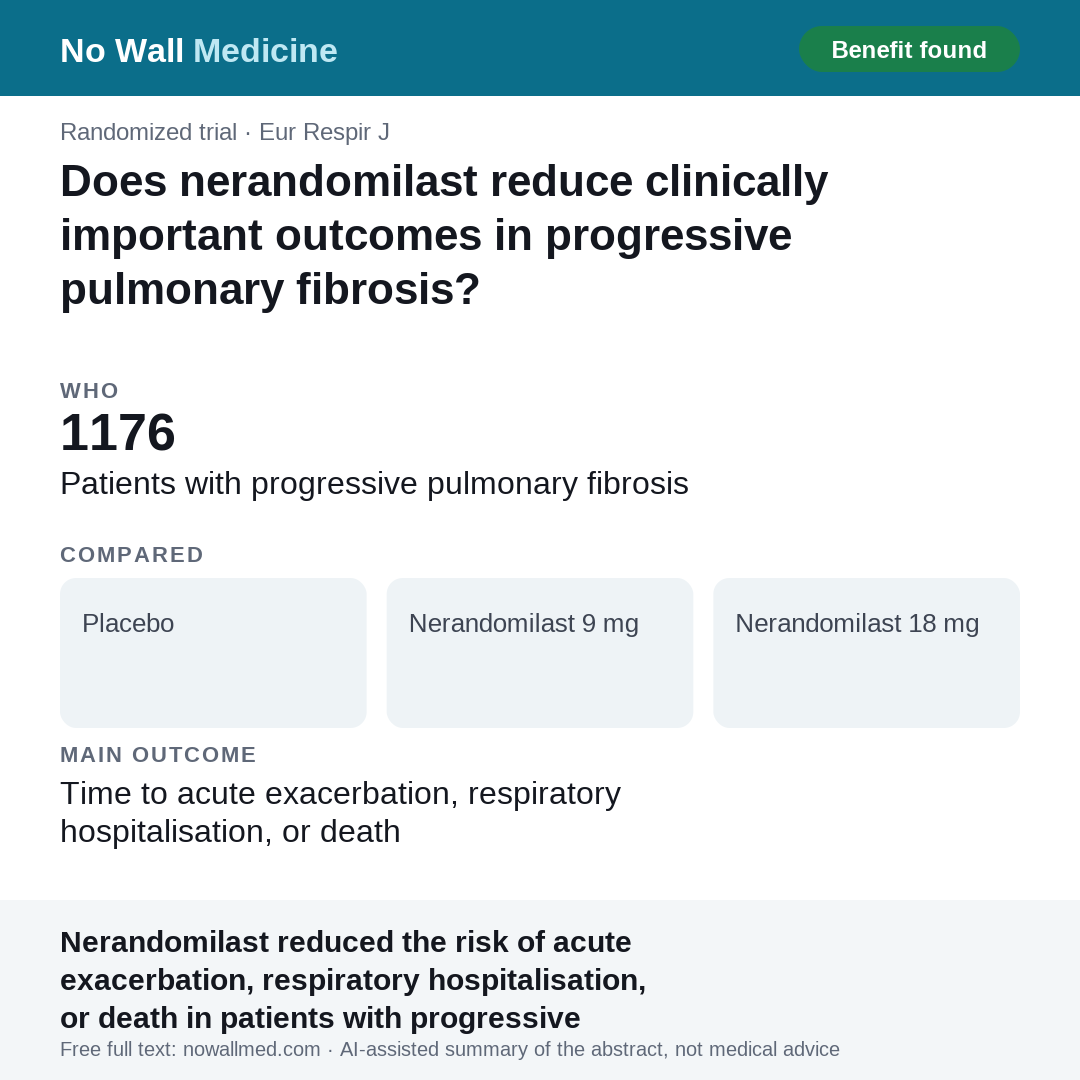
Nerandomilast in progressive pulmonary fibrosis: data from the whole follow-up period of the FIBRONEER-ILD trial
Randomized trialBenefit found
Does nerandomilast reduce clinically important outcomes in progressive pulmonary fibrosis?
Who
1176
Patients with progressive pulmonary fibrosis
Compared
Placebo
Nerandomilast 9 mg
Nerandomilast 18 mg
Main outcome
Time to acute exacerbation, respiratory hospitalisation, or death
Result: hazard ratio 0.78 (95% CI 0.61-1.00) for 9 mg and 0.77 (95% CI 0.60-0.99) for 18 mg
Bottom line: Nerandomilast reduced the risk of acute exacerbation, respiratory hospitalisation, or death in patients with progressive pulmonary fibrosis.
Eur Respir J · 2026-07-09Download image
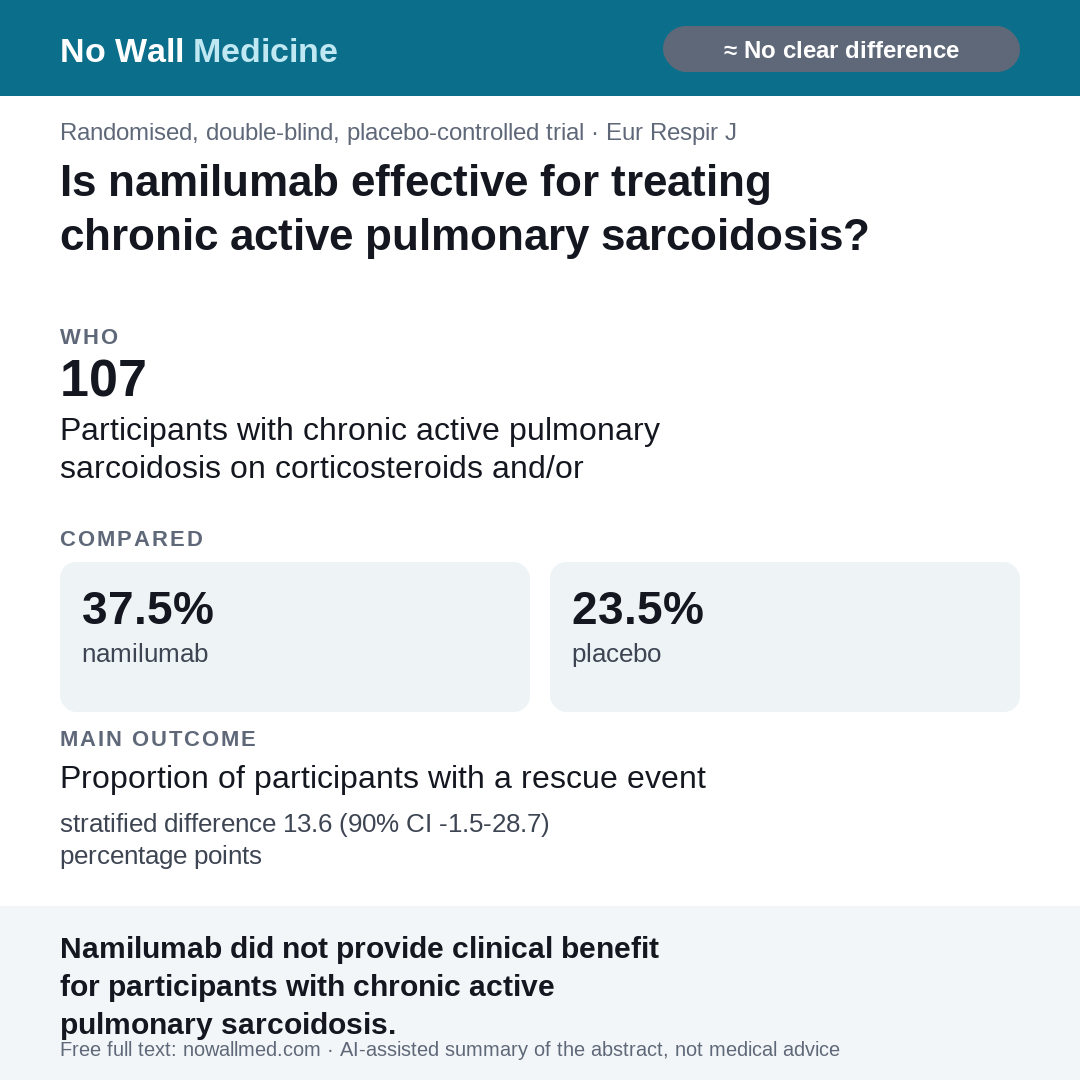
Safety and efficacy of namilumab for the treatment of chronic pulmonary sarcoidosis (RESOLVE-Lung): a randomised, double-blinded, multicentre, phase 2 study
Randomised, double-blind, placebo-controlled trialNo clear difference
Is namilumab effective for treating chronic active pulmonary sarcoidosis?
Who
107
Participants with chronic active pulmonary sarcoidosis on corticosteroids and/or immunosuppressive therapies
Compared
37.5%namilumab
23.5%placebo
Main outcome
Proportion of participants with a rescue event
Result: stratified difference 13.6 (90% CI -1.5-28.7) percentage points
Bottom line: Namilumab did not provide clinical benefit for participants with chronic active pulmonary sarcoidosis.
Eur Respir J · 2026-07-09Download image
Use of Operative Video Technology in Surgical Education: A Systematic Review
Systematic reviewBenefit found
How do real-life operative videos compare to alternative teaching methods in surgical education?
Who
35
Surgical trainees
Compared
Operative videos
Alternative teaching methods
Main outcome
Educational impact including knowledge, skills, and clinical behaviors
Bottom line: Operative videos provide significant benefits for surgical training across knowledge, skills, and clinical behaviors.
Ann Surg Open · 2026-07-09Download image

Efficacy, safety and policy implications of anti-amyloid monoclonal antibodies for Alzheimer's disease: protocol for a living systematic review and meta-analysis
Living systematic review and meta-analysis protocolUnclear result
What are the efficacy and safety of anti-amyloid monoclonal antibodies for Alzheimer's disease?
Who
Adults with Alzheimer's disease
Compared
anti-amyloid monoclonal antibodies
placebo, standard care or active comparators
Main outcome
efficacy, safety, cognitive abilities, functional ability and neuropsychiatric symptoms
Bottom line: This protocol describes a living systematic review to evaluate anti-amyloid monoclonal antibodies for Alzheimer's disease.
Limitation: no review findings are available at this stage
BJPsych Open · 2026-07-09Download image

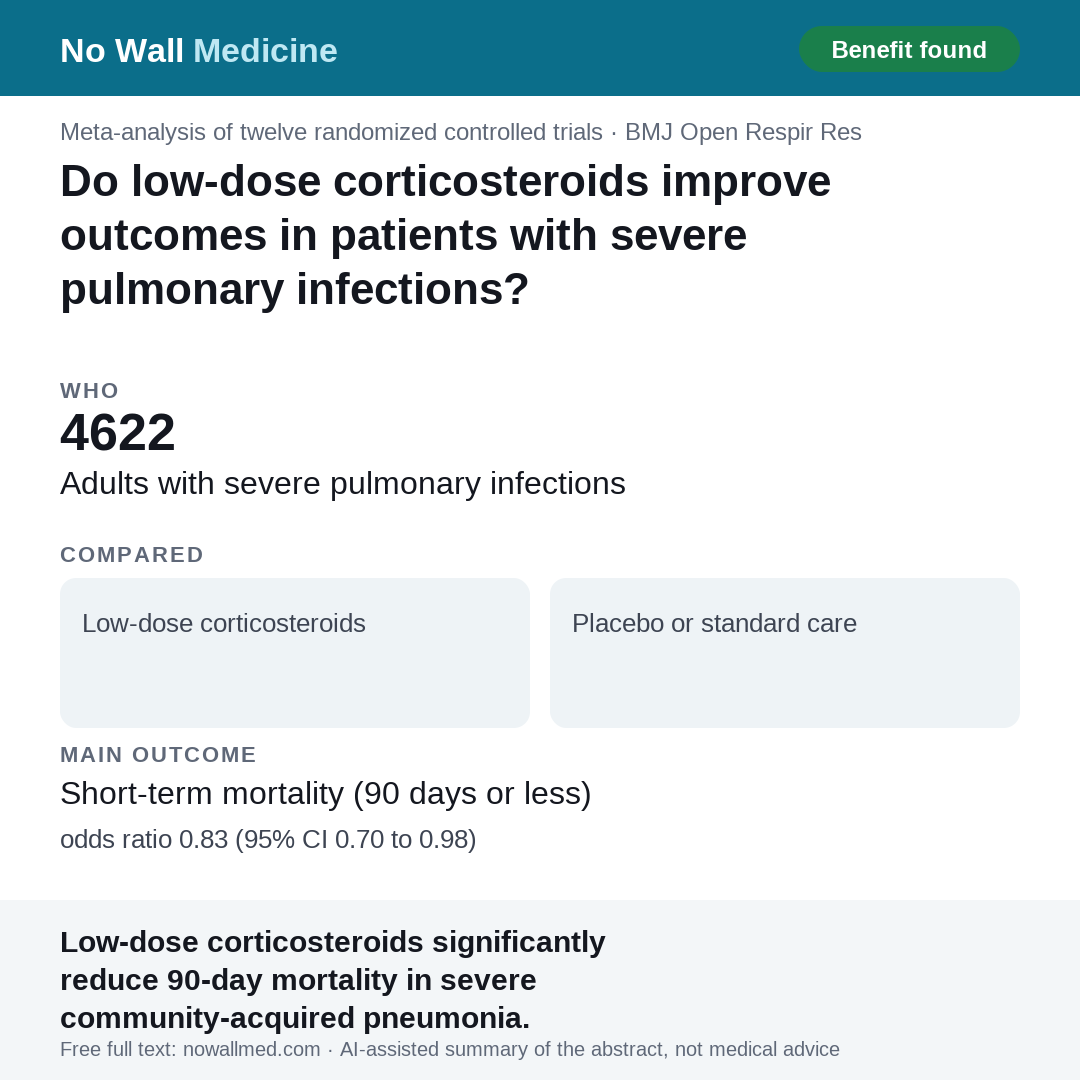
Low-dose corticosteroids in severe pulmonary infection: a meta-analysis of randomised controlled trials
Meta-analysis of twelve randomized controlled trialsBenefit found
Do low-dose corticosteroids improve outcomes in patients with severe pulmonary infections?
Who
4622
Adults with severe pulmonary infections
Compared
Low-dose corticosteroids
Placebo or standard care
Main outcome
Short-term mortality (90 days or less)
Result: odds ratio 0.83 (95% CI 0.70 to 0.98)
Bottom line: Low-dose corticosteroids significantly reduce 90-day mortality in severe community-acquired pneumonia.
BMJ Open Respir Res · 2026-07-09Download image
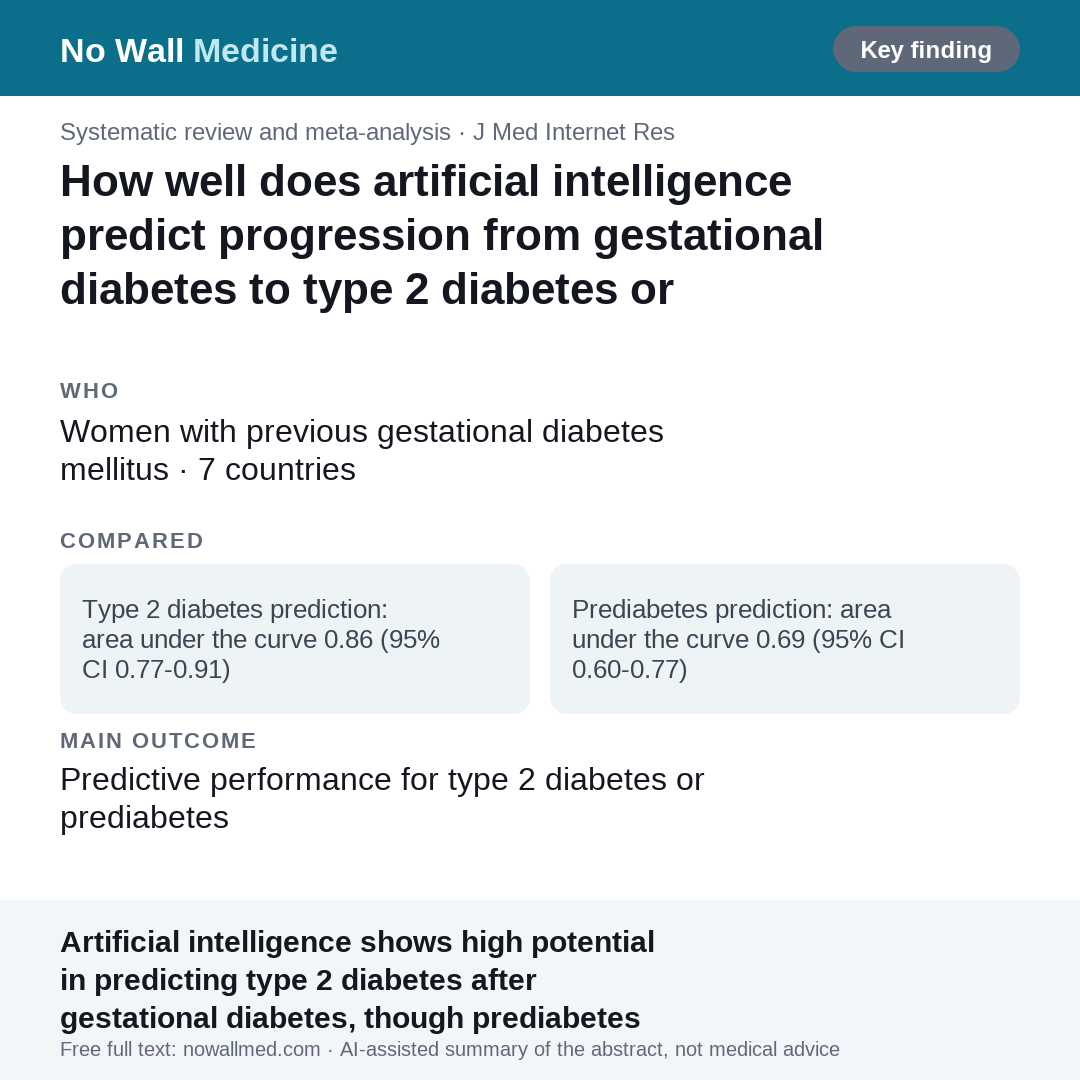
Performance of AI in Predicting the Progression of Gestational Diabetes to Type 2 Diabetes: Systematic Review and Meta-Analysis
Systematic review and meta-analysisBenefit found
How well does artificial intelligence predict progression from gestational diabetes to type 2 diabetes or prediabetes?
Who
Women with previous gestational diabetes mellitus · 7 countries
Compared
Type 2 diabetes prediction: area under the curve 0.86 (95% CI 0.77-0.91)
Prediabetes prediction: area under the curve 0.69 (95% CI 0.60-0.77)
Main outcome
Predictive performance for type 2 diabetes or prediabetes
Result: area under the curve 0.86 (95% CI 0.77-0.91)
Bottom line: Artificial intelligence shows high potential in predicting type 2 diabetes after gestational diabetes, though prediabetes prediction performance is modest.
Limitation: Small sample sizes, high heterogeneity, lack of external validation, and high risk of bias.
J Med Internet Res · 2026-07-09Download image
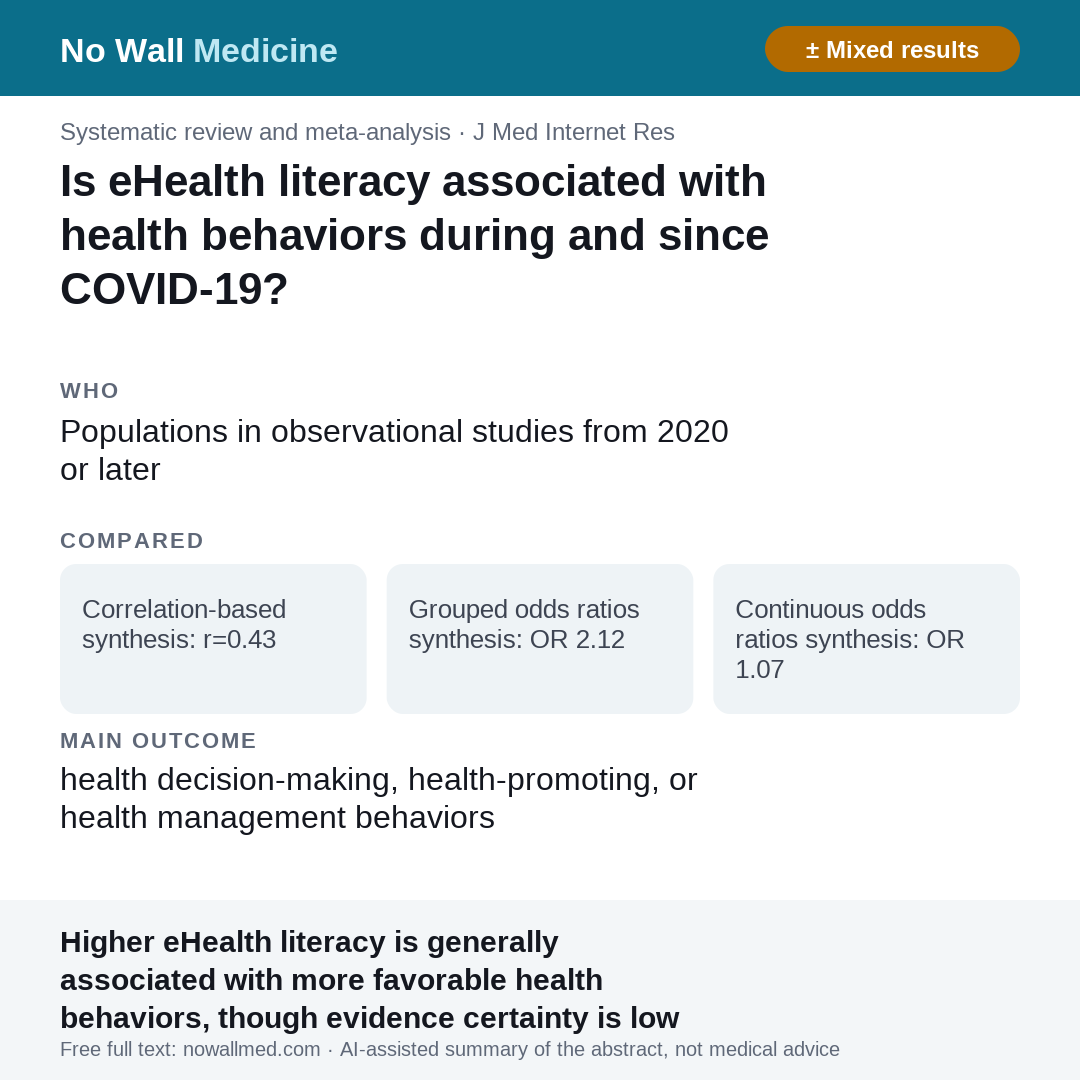
The Association Between eHealth Literacy and Health Behaviors During and Since the COVID-19 Pandemic: Systematic Review and Meta-Analysis
Systematic review and meta-analysisMixed results
Is eHealth literacy associated with health behaviors during and since COVID-19?
Who
19
Populations in observational studies from 2020 or later
Compared
Correlation-based synthesis: r=0.43
Grouped odds ratios synthesis: OR 2.12
Continuous odds ratios synthesis: OR 1.07
Main outcome
health decision-making, health-promoting, or health management behaviors
Result: pooled r=0.43 (95% CI 0.36-0.51); pooled OR 2.12 (95% CI 1.47-3.05); pooled OR 1.07 (95% CI 0.89-1.30)
Bottom line: Higher eHealth literacy is generally associated with more favorable health behaviors, though evidence certainty is low to very low.
Limitation: Predominantly cross-sectional evidence base, heterogeneity, risk-of-bias concerns, and low to very low certainty.
J Med Internet Res · 2026-07-09Download image
Effectiveness of non-pharmacological interventions for lower limb motor impairment in post-stroke hemiplegia: a systematic review and Bayesian network meta-analysis
Systematic review and Bayesian network meta-analysisMixed results
What are the most effective non-pharmacological interventions for post-stroke hemiplegia lower limb impairment?
Who
3514
Individuals with post-stroke hemiplegia
Compared
Repetitive transcranial magnetic stimulation: MD = 3.7 (95% CI 2.5 to 4.9) for motor function
Transcranial direct current stimulation: MD = 1.5 (95% CrI: 0.41 to 2.5) for walking independence
Virtual reality combined with robotic rehabilitation: MD = -6.6 (95% CrI: -8.9 to -4.3) for TUG time
Main outcome
Lower limb motor function, balance, walking ability, and activities of daily living
Bottom line: Different non-pharmacological interventions provide distinct benefits for lower limb rehabilitation after stroke.
Limitation: Further large-scale, multicenter, standardized randomized controlled trials with longer follow-up are needed.
J Neuroeng Rehabil · 2026-07-09Download image

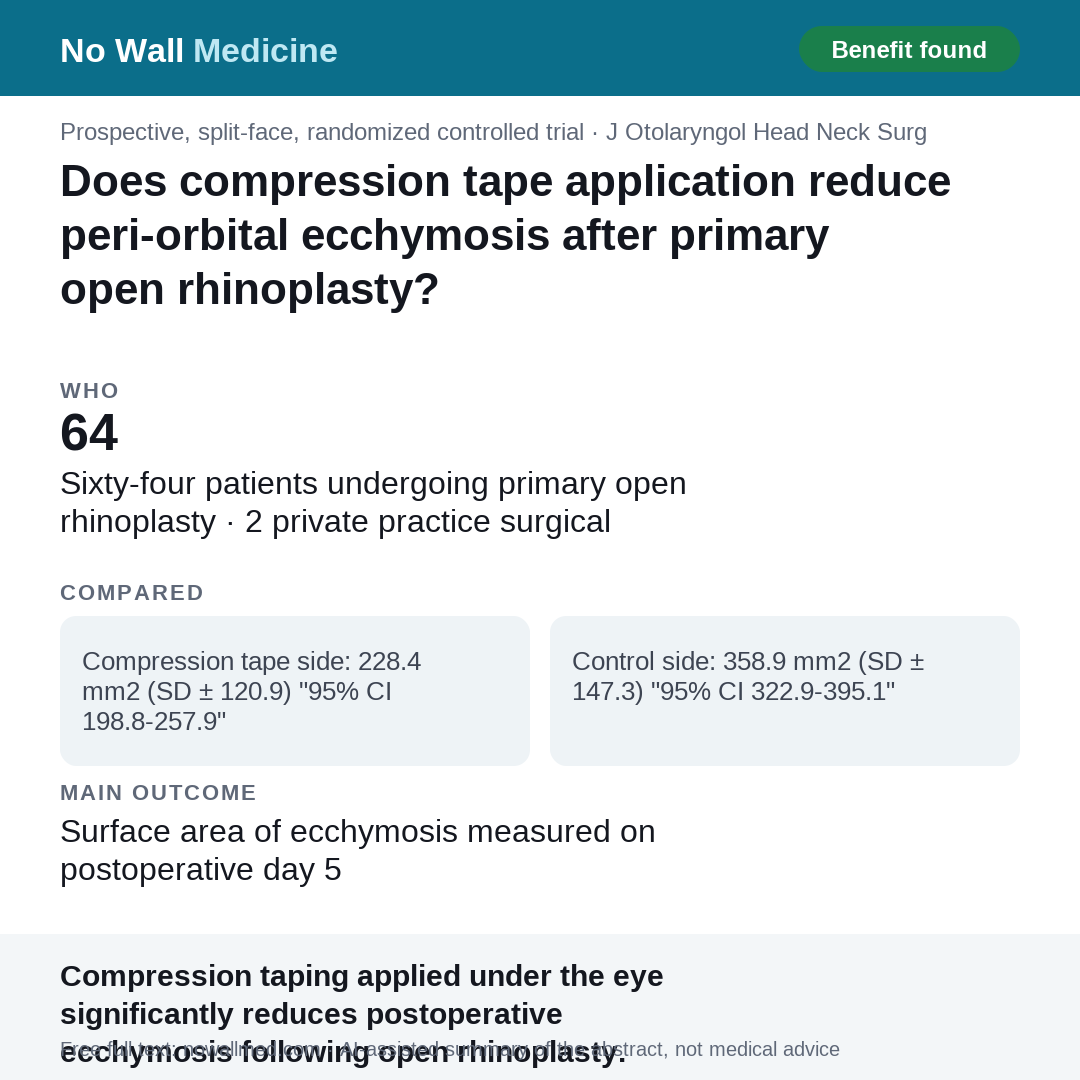
Effect of Compression Tape Application on Peri-orbital Ecchymosis After Rhinoplasty: A Prospective, Randomized, Split-face Study
Prospective, split-face, randomized controlled trialBenefit found
Does compression tape application reduce peri-orbital ecchymosis after primary open rhinoplasty?
Who
64
Sixty-four patients undergoing primary open rhinoplasty · 2 private practice surgical centers
Compared
Compression tape side: 228.4 mm2 (SD ± 120.9) "95% CI 198.8-257.9"
Control side: 358.9 mm2 (SD ± 147.3) "95% CI 322.9-395.1"
Main outcome
Surface area of ecchymosis measured on postoperative day 5
Result: 36.2% reduction in bruising
Bottom line: Compression taping applied under the eye significantly reduces postoperative ecchymosis following open rhinoplasty.
J Otolaryngol Head Neck Surg · 2026-07-09Download image
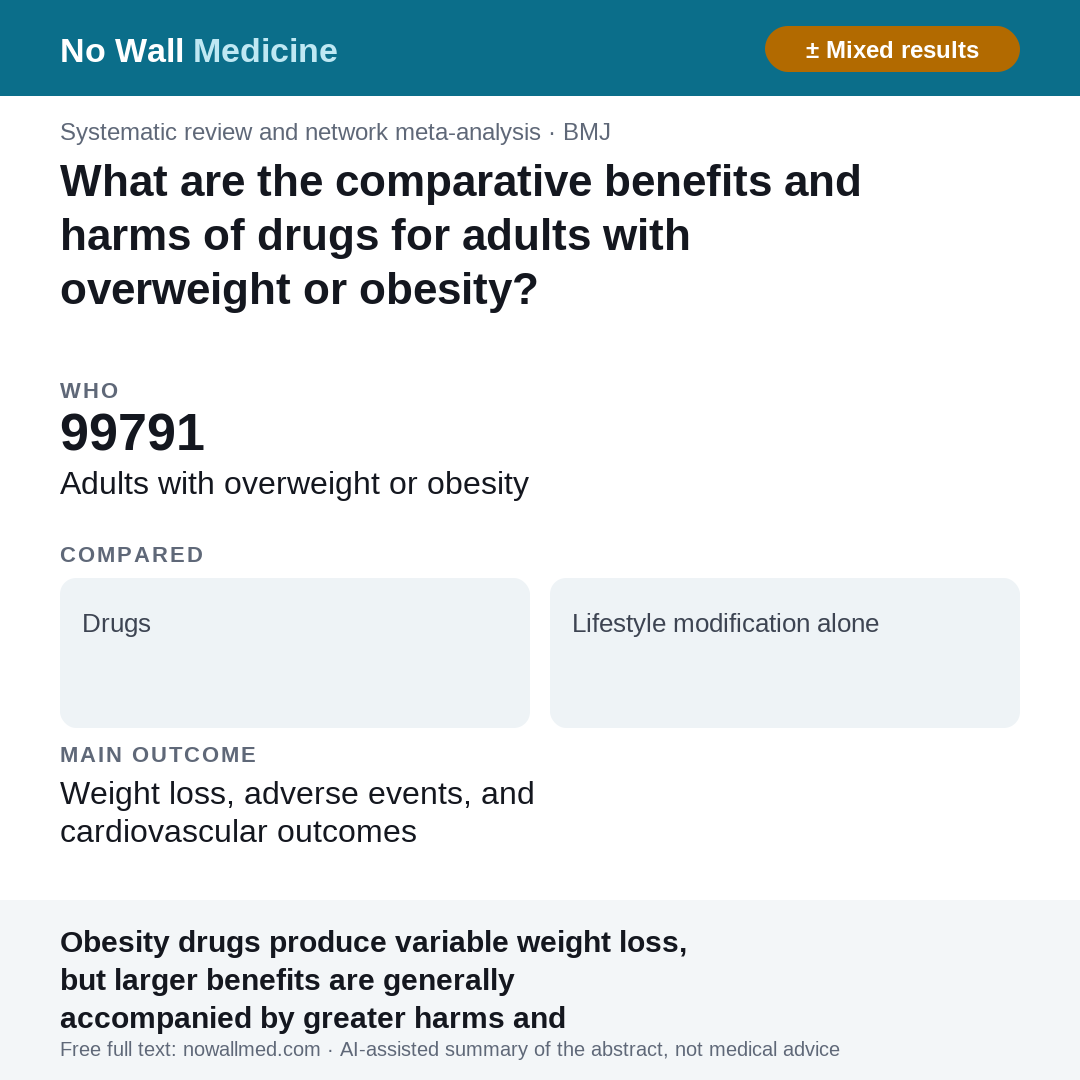
Comparative effects of drugs for adults with overweight or obesity: systematic review and network meta-analysis
Systematic review and network meta-analysisMixed results
What are the comparative benefits and harms of drugs for adults with overweight or obesity?
Who
99791
Adults with overweight or obesity
Compared
Drugs
Lifestyle modification alone
Main outcome
Weight loss, adverse events, and cardiovascular outcomes
Bottom line: Obesity drugs produce variable weight loss, but larger benefits are generally accompanied by greater harms and discontinuation.
Limitation: Subcutaneous semaglutide estimates were largely informed by cardiovascular outcome trials in high risk populations.
BMJ · 2026-07-08Download image
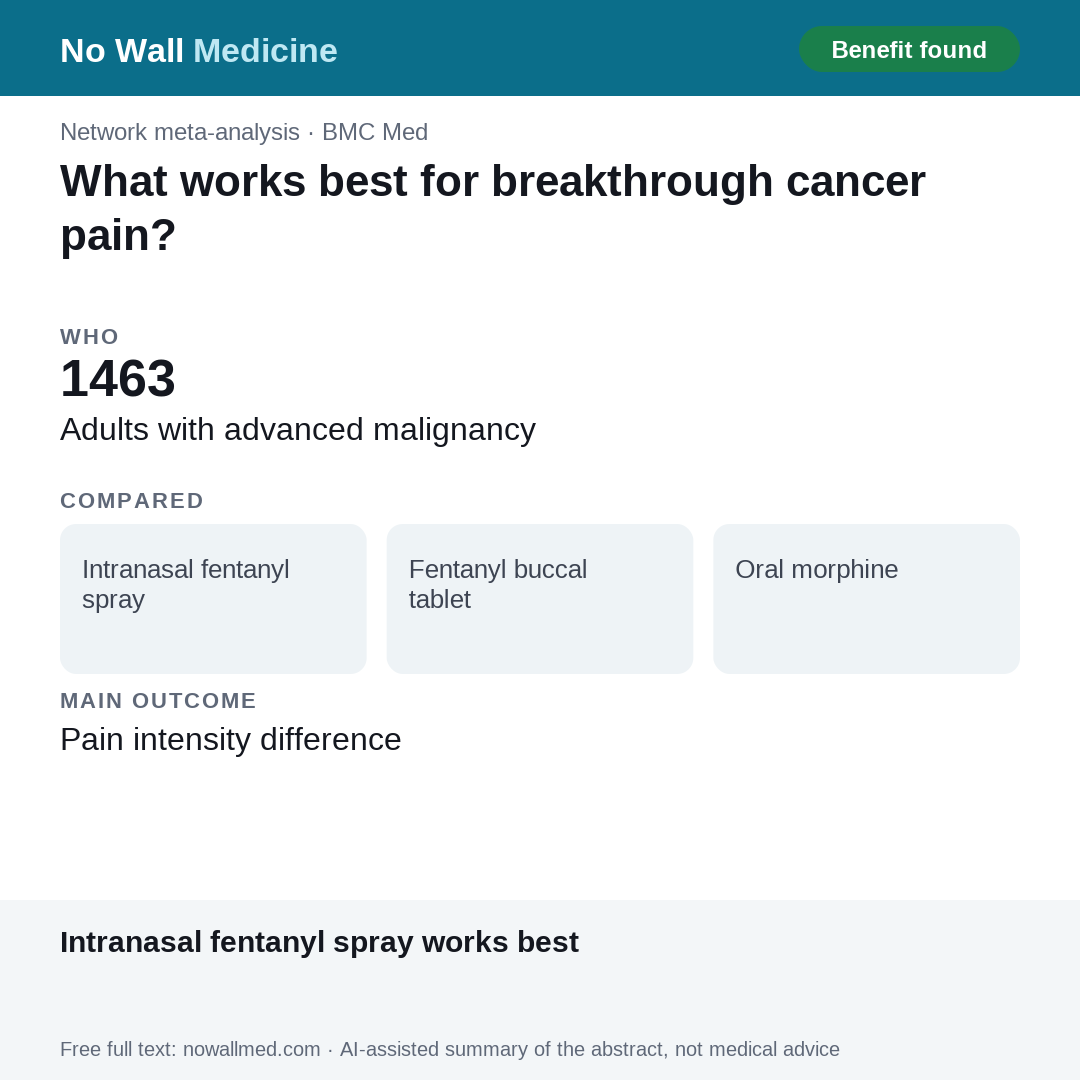
Establishing an efficacy hierarchy for breakthrough cancer pain management: a network meta-analysis of rapid-onset fentanyl formulations and morphine
Network meta-analysisBenefit found
What works best for breakthrough cancer pain?
Who
1463
Adults with advanced malignancy
Compared
Intranasal fentanyl spray
Fentanyl buccal tablet
Oral morphine
Main outcome
Pain intensity difference
Bottom line: Intranasal fentanyl spray works best
BMC Med · 2026-07-08Download image
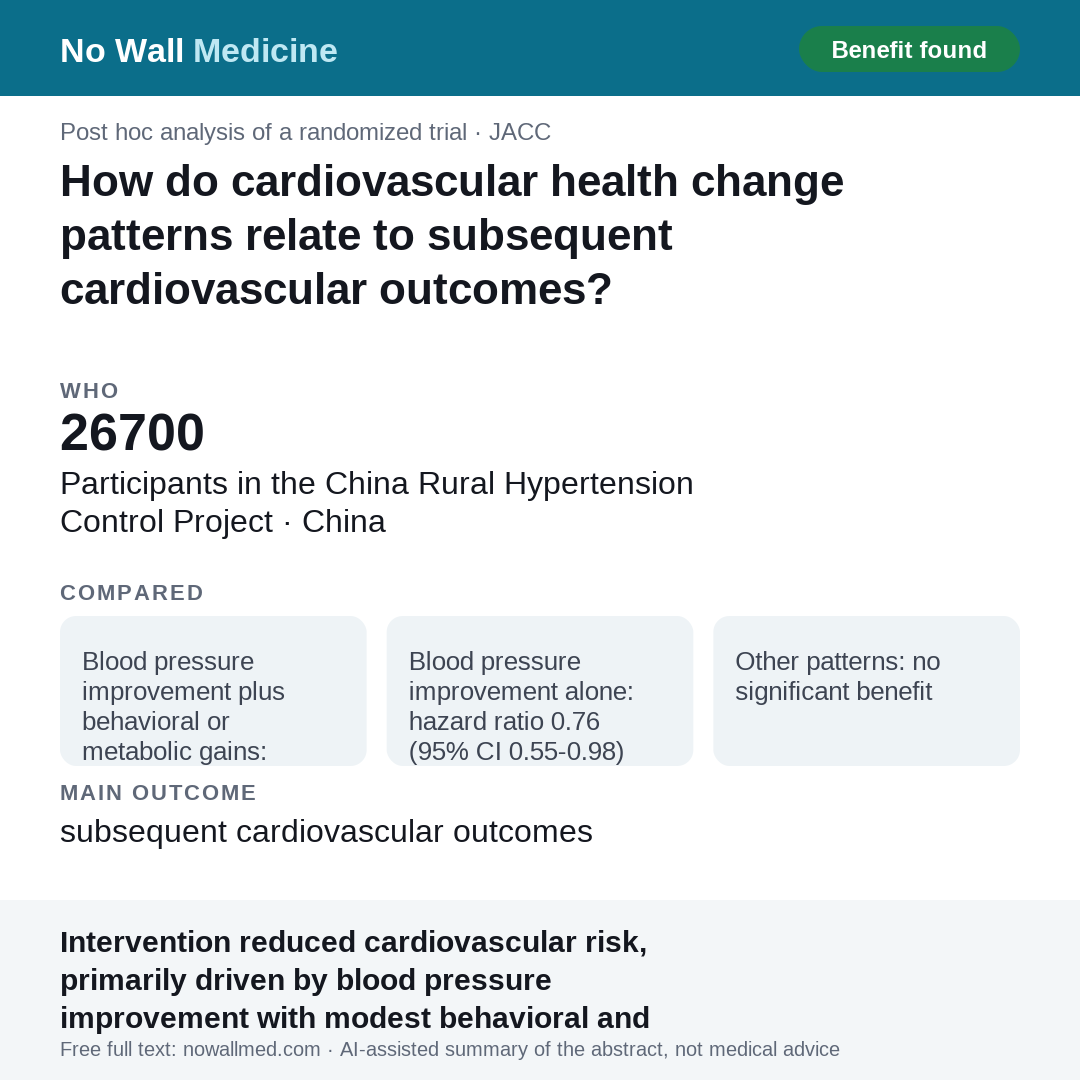
Cardiovascular Health Change Patterns After Multifaceted Antihypertensive Intervention and Cardiovascular Outcomes: A Post Hoc Analysis of CRHCP Trial
Post hoc analysis of a randomized trialBenefit found
How do cardiovascular health change patterns relate to subsequent cardiovascular outcomes?
Who
26700
26,700 participants with hypertension · China rural communities
Compared
BP improvement plus behavioral or metabolic gains: HR 0.57 (95% CI 0.30-0.84)
Blood pressure improvement alone: HR 0.76 (95% CI 0.55-0.98)
Other patterns: no significant benefit
Main outcome
subsequent cardiovascular outcomes
Result: HR 0.71 (95% CI 0.54-0.89)
Bottom line: Multifaceted intervention reduced cardiovascular risk, primarily driven by blood pressure improvement with modest behavioral and metabolic contributions.
JACC · 2026-07-08Download image
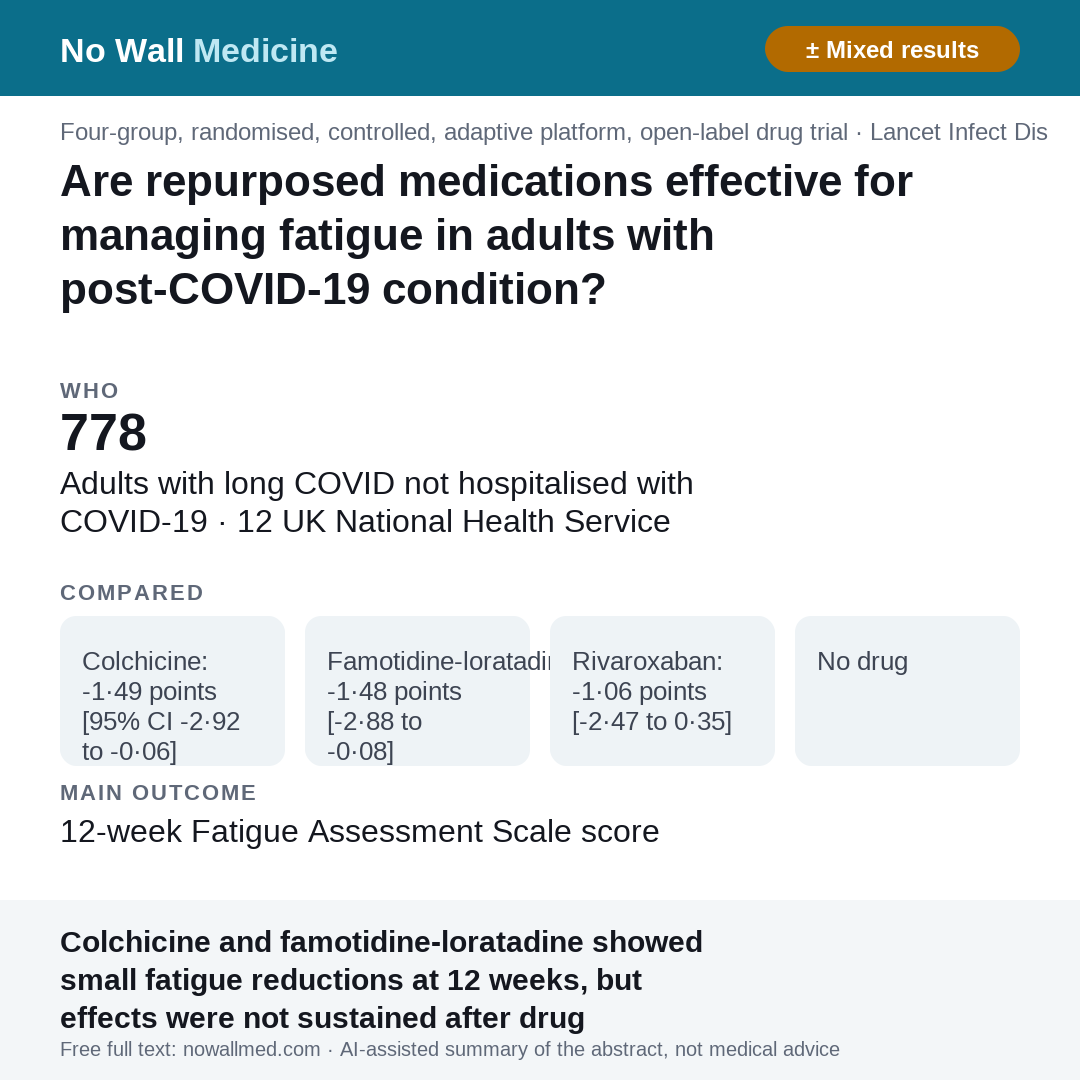
Efficacy and safety of rivaroxaban, colchicine, and famotidine-loratadine with specialist supportive clinical care for fatigue in patients with post-COVID-19 condition in the UK: a multisite, open-label, randomised controlled trial
Four-group, randomised, controlled, adaptive platform, open-label drug trialMixed results
Are repurposed medications effective for managing fatigue in adults with post-COVID-19 condition?
Who
778
Adults with long COVID not hospitalised with COVID-19 · 12 UK National Health Service specialist long COVID care clinics
Compared
Colchicine: -1·49 points [95% CI -2·92 to -0·06]
Famotidine-loratadine: -1·48 points [-2·88 to -0·08]
Rivaroxaban: -1·06 points [-2·47 to 0·35]
No drug
Main outcome
12-week Fatigue Assessment Scale score
Bottom line: Colchicine and famotidine-loratadine showed small fatigue reductions at 12 weeks, but effects were not sustained after drug withdrawal.
Limitation: Modest effects on Fatigue Assessment Scale were not sustained after drug withdrawal.
Funded by: UK National Institute for Health and Care Research
Lancet Infect Dis · 2026-07-08Download image
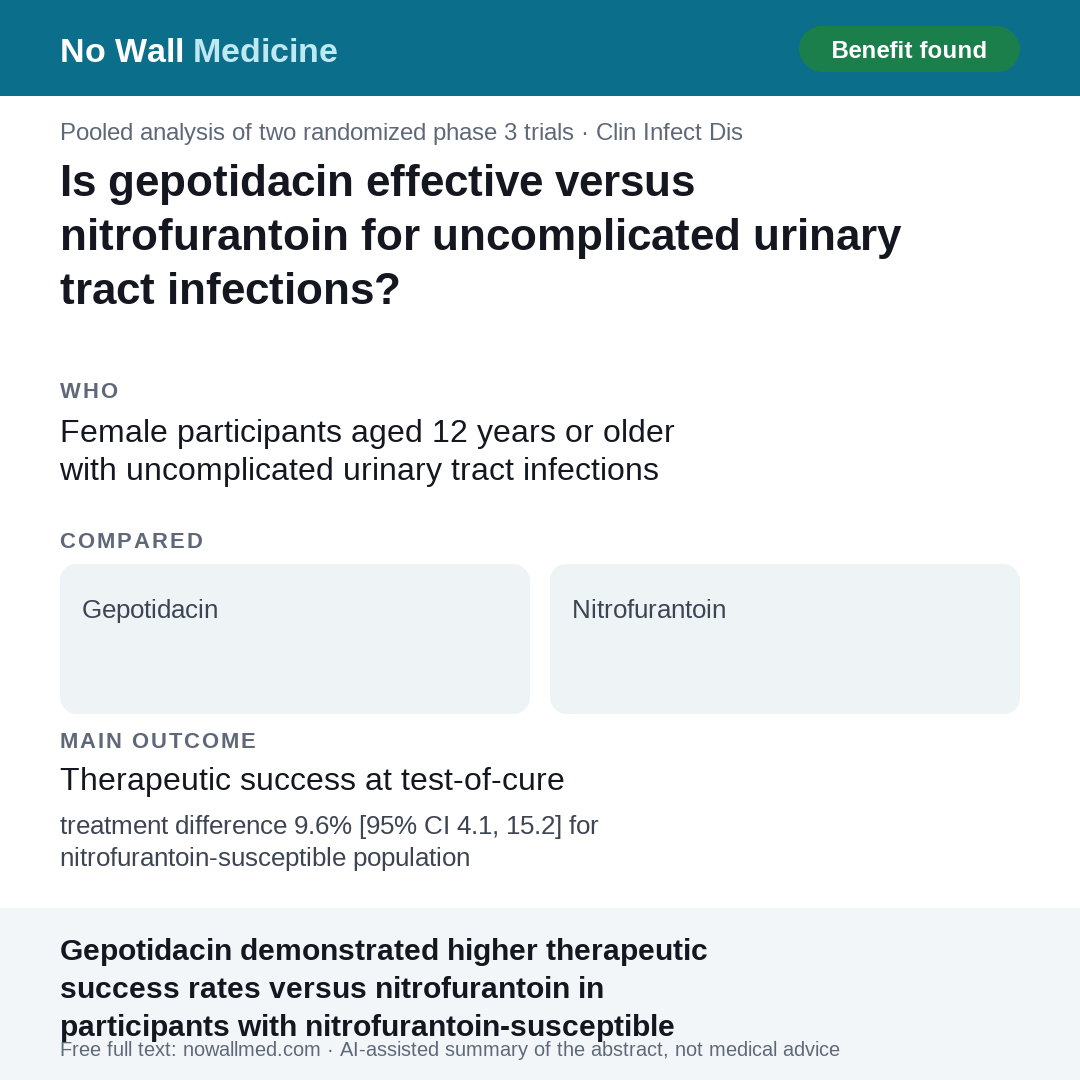
Subgroup Analysis of Pooled Phase 3 Efficacy Data From Two Randomized Trials of Gepotidacin Versus Nitrofurantoin in Uncomplicated Urinary Tract Infections (EAGLE-2 and EAGLE-3) Including Participants With Uropathogens Not-Susceptible to Nitrofurantoin
Pooled analysis of two randomized phase 3 trialsBenefit found
Is gepotidacin effective versus nitrofurantoin for uncomplicated urinary tract infections?
Who
Female participants aged 12 years or older with uncomplicated urinary tract infections
Compared
Gepotidacin in nitrofurantoin-susceptible population
Nitrofurantoin in nitrofurantoin-susceptible population
Gepotidacin in nitrofurantoin not-susceptible population
Nitrofurantoin in nitrofurantoin not-susceptible population
Main outcome
Therapeutic success at test-of-cure
Bottom line: Gepotidacin demonstrated efficacy with higher therapeutic success rates versus nitrofurantoin in both nitrofurantoin-susceptible and not-susceptible populations.
Clin Infect Dis · 2026-07-08Download image
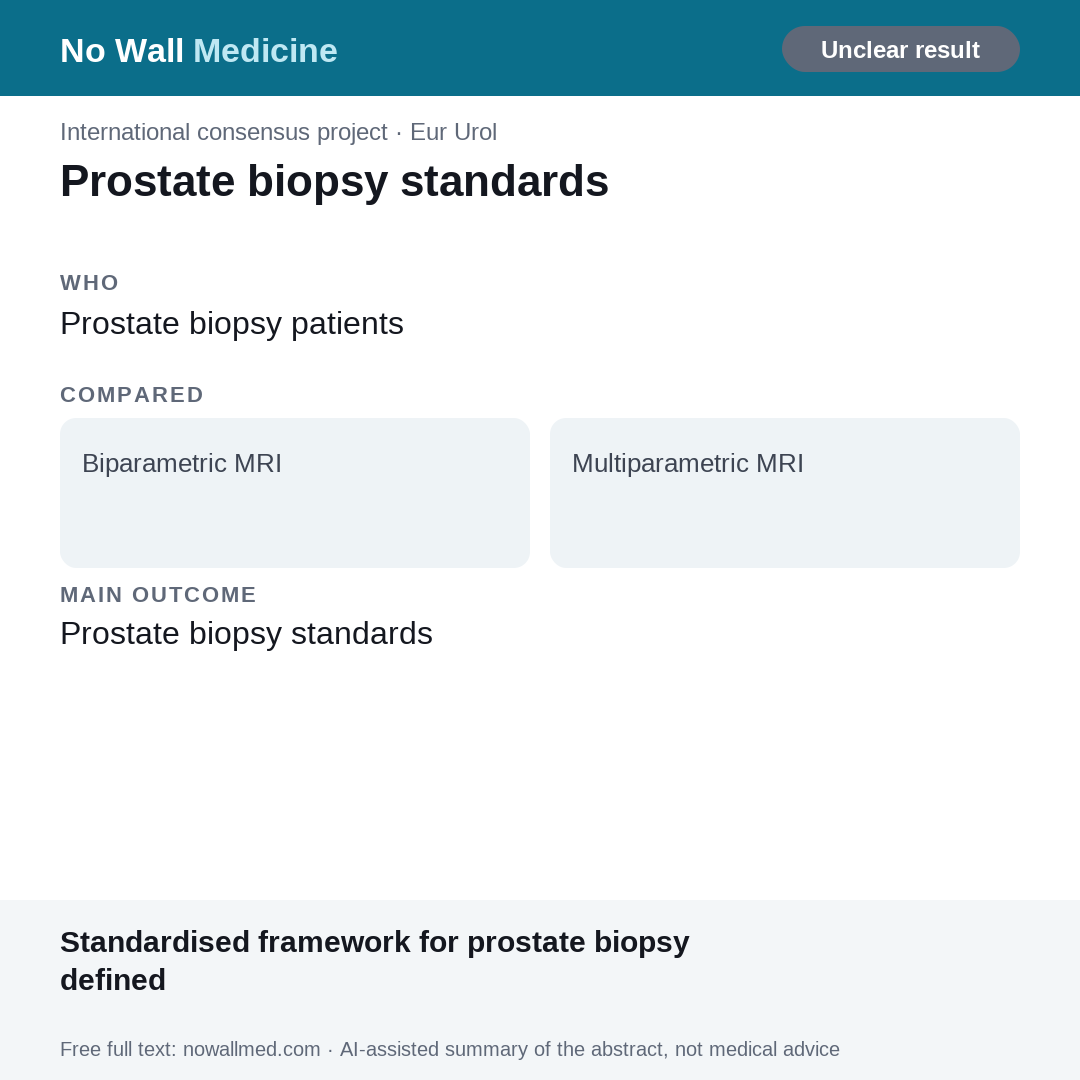
ProBIOPSY: A Multidisciplinary International Consensus on Standards for Prostate Biopsy
International consensus projectUnclear result
Prostate biopsy standards
Who
Prostate biopsy patients
Compared
Biparametric MRI
Multiparametric MRI
Main outcome
Prostate biopsy standards
Bottom line: Standardised framework for prostate biopsy defined
Limitation: Imbalances in specialty representation
Eur Urol · 2026-07-08Download image
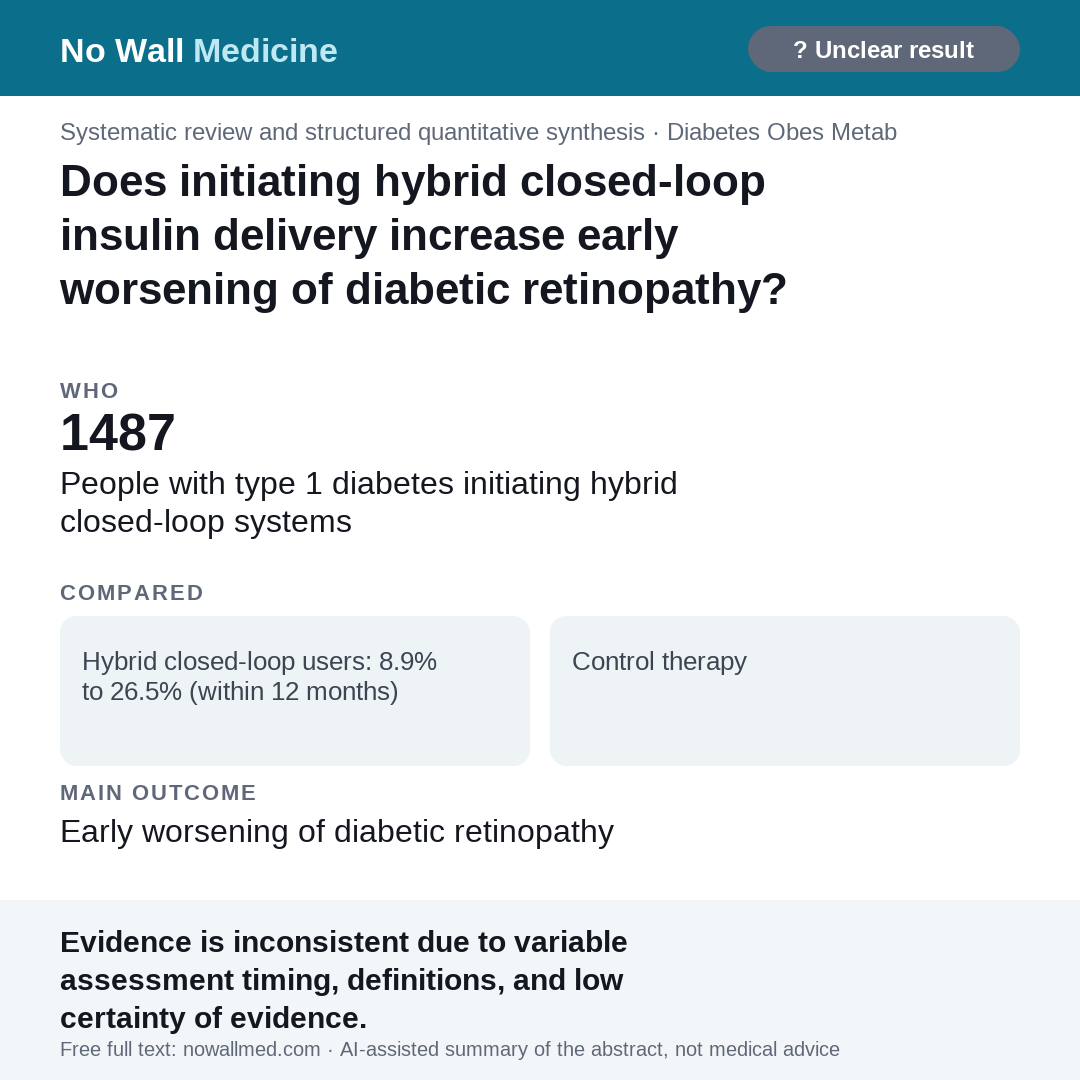
Early Worsening of Diabetic Retinopathy Following Initiation of Hybrid Closed-Loop/Automated Insulin Delivery Systems in Type 1 Diabetes: A Systematic Review and Structured Study-Level Synthesis
Systematic review and structured quantitative synthesisUnclear result
Does initiating hybrid closed-loop insulin delivery increase early worsening of diabetic retinopathy?
Who
1487
People with type 1 diabetes initiating hybrid closed-loop systems
Compared
Hybrid closed-loop users: 8.9% to 26.5% (within 12 months)
Control therapy
Main outcome
Early worsening of diabetic retinopathy
Bottom line: Evidence is inconsistent due to variable assessment timing, definitions, and low certainty of evidence.
Limitation: Substantial heterogeneity in definitions, assessment timing, follow-up duration, and comparator groups.
Diabetes Obes Metab · 2026-07-08Download image