Visual abstracts
New randomized trials and meta-analyses from leading journals at a glance: who was studied, what was compared, and what was found. Every paper is free to read in full.
All specialtiesCardiology 189Oncology 153Gastroenterology & Hepatology 87Infectious Disease 155Neurology 85Psychiatry & Mental Health 124Pulmonology 92Critical Care 52Endocrinology & Diabetes 118Pediatrics 79Surgery 59Orthopedics & Sports Medicine 38Neurosurgery 6Cardiothoracic & Vascular Surgery 17Plastic & Reconstructive Surgery 44Nephrology 37Rheumatology 38Hematology 49Dermatology 19Ophthalmology 33Obstetrics & Gynecology 50Public & Global Health 55Radiology & Imaging 15Anesthesiology 30Urology 45ENT (Otolaryngology) 24Emergency Medicine 18Allergy & Immunology 15Geriatrics 58Family Medicine & Primary Care 22Medical Genetics & Genomics 19Pathology & Laboratory Medicine 5Physical Medicine & Rehabilitation 48Palliative Care 24Nutrition 63Digital Health & AI 172General Medicine 27
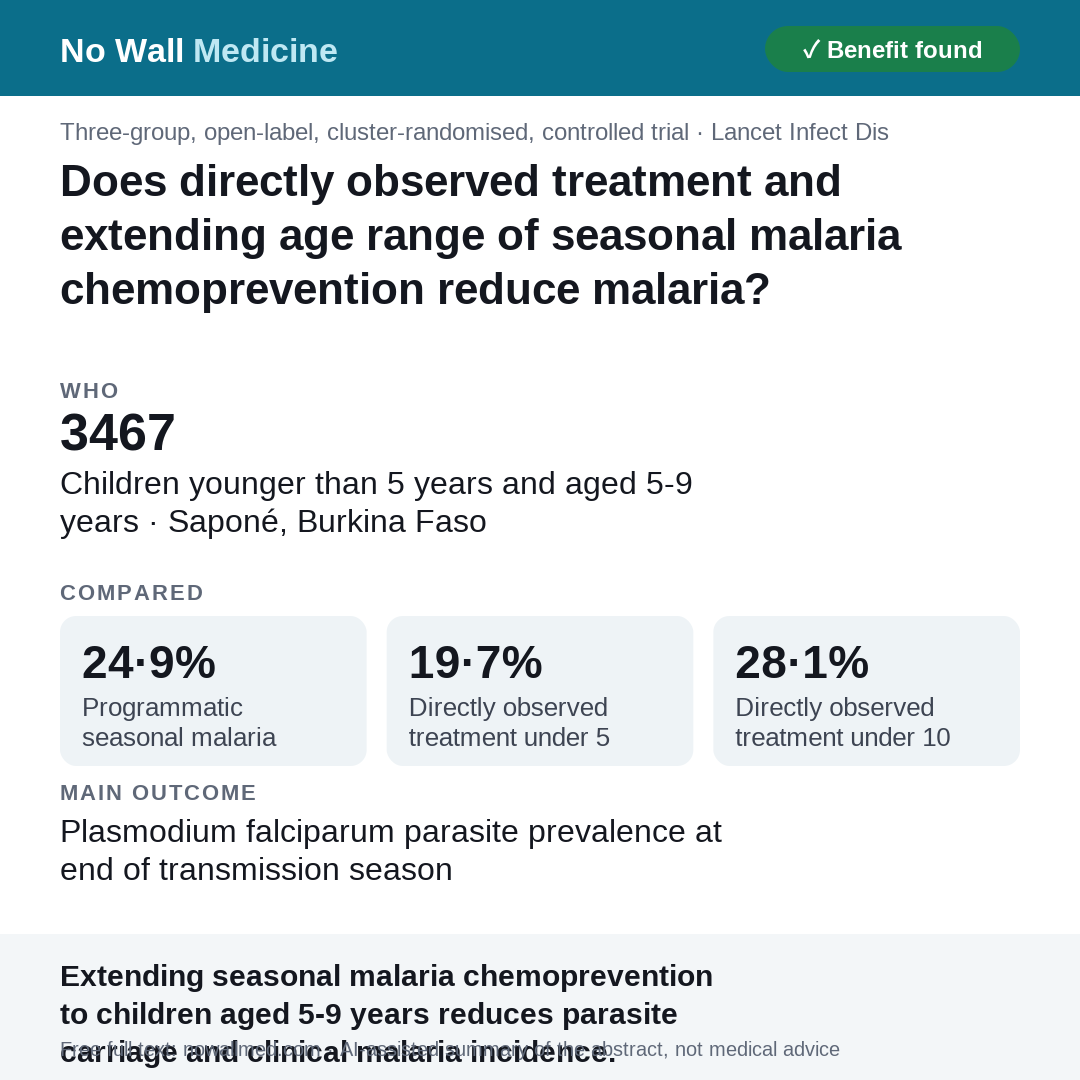
Impact of directly observed treatment and extended age range of seasonal malaria chemoprevention with sulfadoxine-pyrimethamine plus amodiaquine in Burkina Faso: a three-group, open-label, cluster-randomised, controlled trial
Three-group, open-label, cluster-randomised, controlled trialMixed results
Does directly observed treatment or extending age range of seasonal malaria chemoprevention reduce parasite prevalence?
Who
3467
Children younger than 5 and 5-9 years in Burkina Faso · Saponé, Burkina Faso
Compared
24.9%Programmatic SMC under 5 years (52 of 209 participants)
19.7%DOT SMC under 5 years (40 of 203 participants)
28.1%DOT SMC under 10 years (63 of 224 participants)
Main outcome
Plasmodium falciparum parasite prevalence at end of transmission season
Result: RR 0.56 (95% CI 0.43 to 0.74) for DOTu10 vs DOTu5 in 5-9 year olds
Bottom line: Extending seasonal malaria chemoprevention to children aged 5-9 years reduced parasite carriage, but directly observed treatment showed no significant difference for children under 5.
Funded by: Gates Foundation
Lancet Infect Dis · 2026-07-29Download image
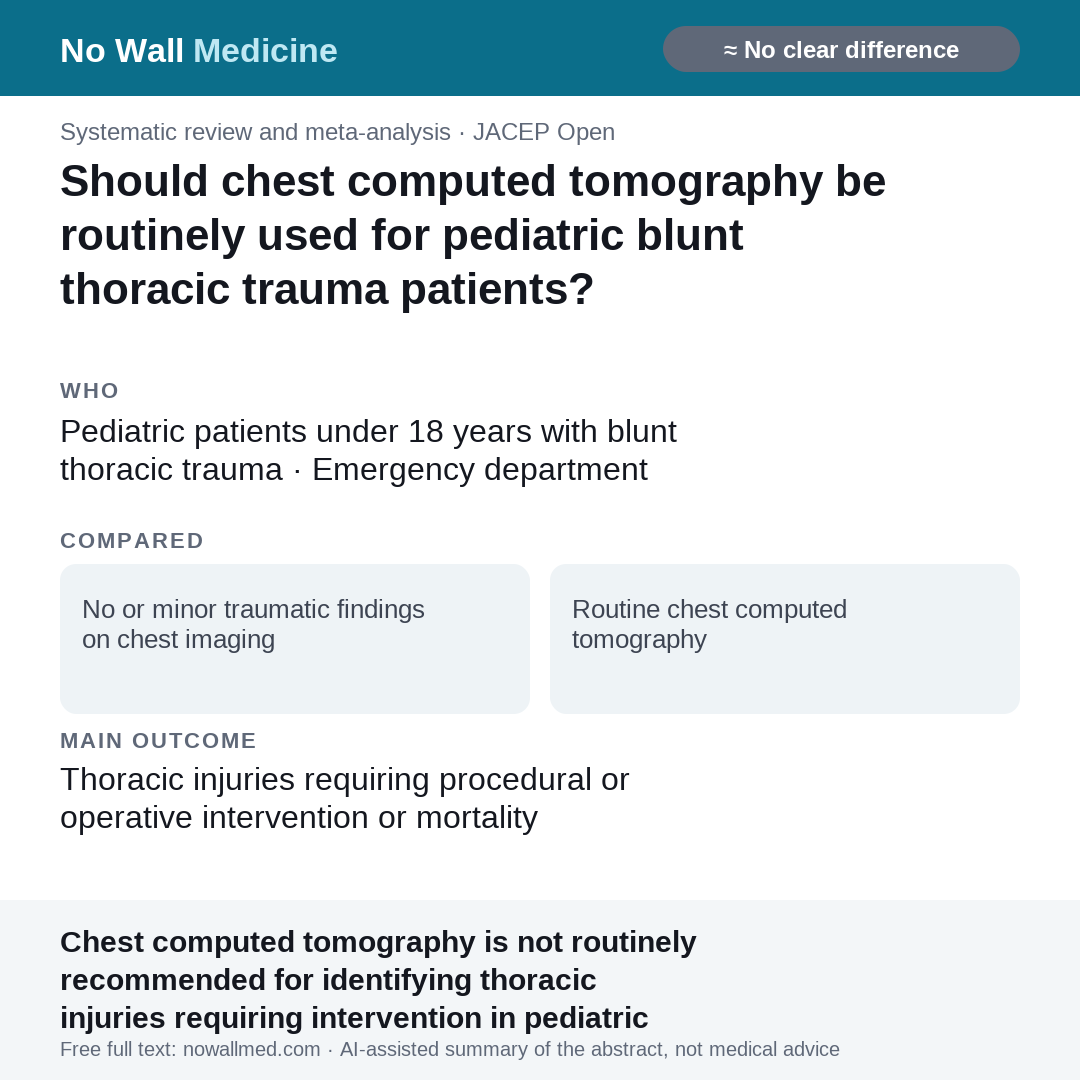
Emergency Department Imaging of Pediatric Patients with Blunt Thoracic Trauma: A Systematic Review, Meta-Analysis, and Practice Management Guideline
Systematic review and meta-analysisNo clear difference
Should chest computed tomography be routinely used for pediatric blunt thoracic trauma patients?
Who
Pediatric patients under 18 years with blunt thoracic trauma · Emergency department
Compared
No or minor traumatic findings on chest imaging
Routine chest computed tomography
Main outcome
Thoracic injuries requiring procedural or operative intervention or mortality
Bottom line: Chest computed tomography is not routinely recommended for identifying thoracic injuries requiring intervention in pediatric patients with minor screening findings.
Limitation: All included studies were retrospective and the quality of available evidence was very low.
JACEP Open · 2026-07-28Download image
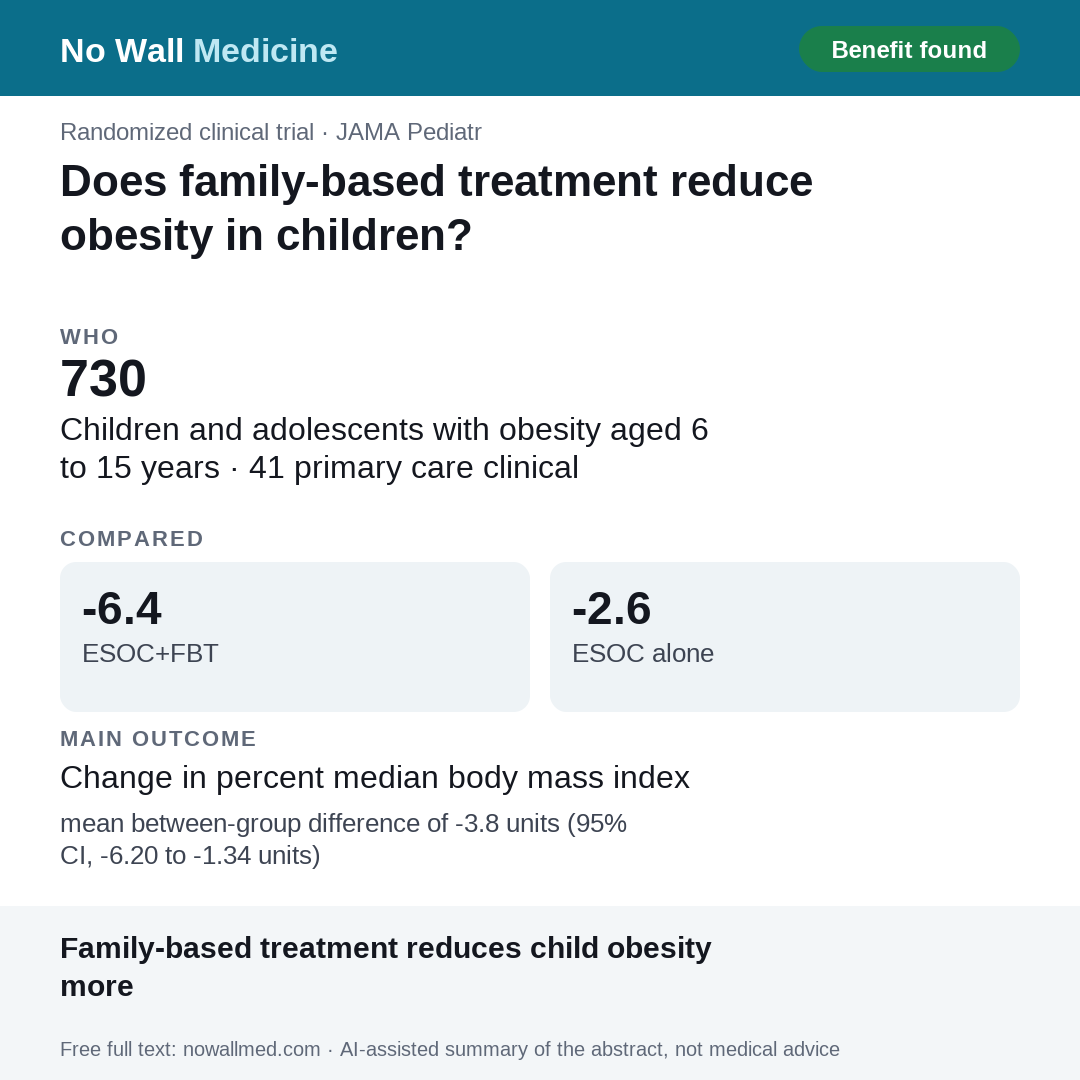
Family-Centered Child Obesity Treatment: The TEAM UP Randomized Clinical Trial
Randomized clinical trialBenefit found
Does family-based treatment reduce obesity in children?
Who
730
Children and adolescents with obesity aged 6 to 15 years · 41 primary care clinical practices
Compared
-6.4ESOC+FBT
-2.6ESOC alone
Main outcome
Change in percent median body mass index
Result: mean between-group difference of -3.8 units (95% CI, -6.20 to -1.34 units)
Bottom line: Family-based treatment reduces child obesity more
JAMA Pediatr · 2026-07-27Download image
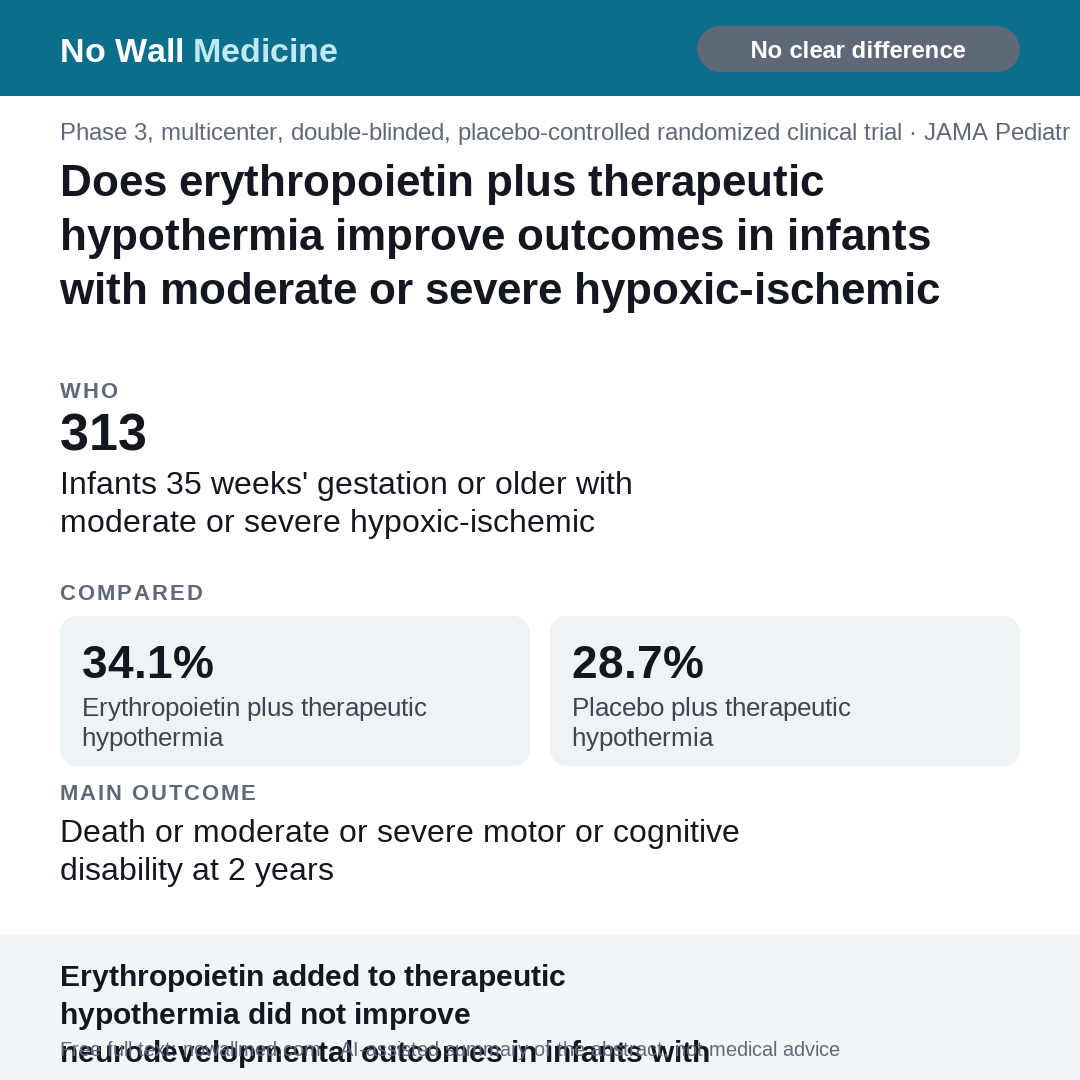
Erythropoietin for Neonatal Hypoxic-Ischemic Encephalopathy: A Randomized Clinical Trial
Phase 3, multicenter, double-blinded, placebo-controlled randomized clinical trialNo clear difference
Does erythropoietin plus therapeutic hypothermia improve outcomes in infants with moderate or severe hypoxic-ischemic encephalopathy?
Who
313
Infants 35 weeks' gestation or older with moderate or severe hypoxic-ischemic encephalopathy · 24 neonatal intensive care units in Australia, New Zealand, and Singapore
Compared
Erythropoietin plus therapeutic hypothermia: 47 of 138 [34.1%]
Placebo plus therapeutic hypothermia: 41 of 143 [28.7%]
Main outcome
Death or moderate or severe motor or cognitive disability at 2 years
Result: relative risk 1.19 (95% CI 0.84-1.68)
Bottom line: Erythropoietin added to therapeutic hypothermia did not improve neurodevelopmental outcomes in infants with hypoxic-ischemic encephalopathy.
JAMA Pediatr · 2026-07-27Download image
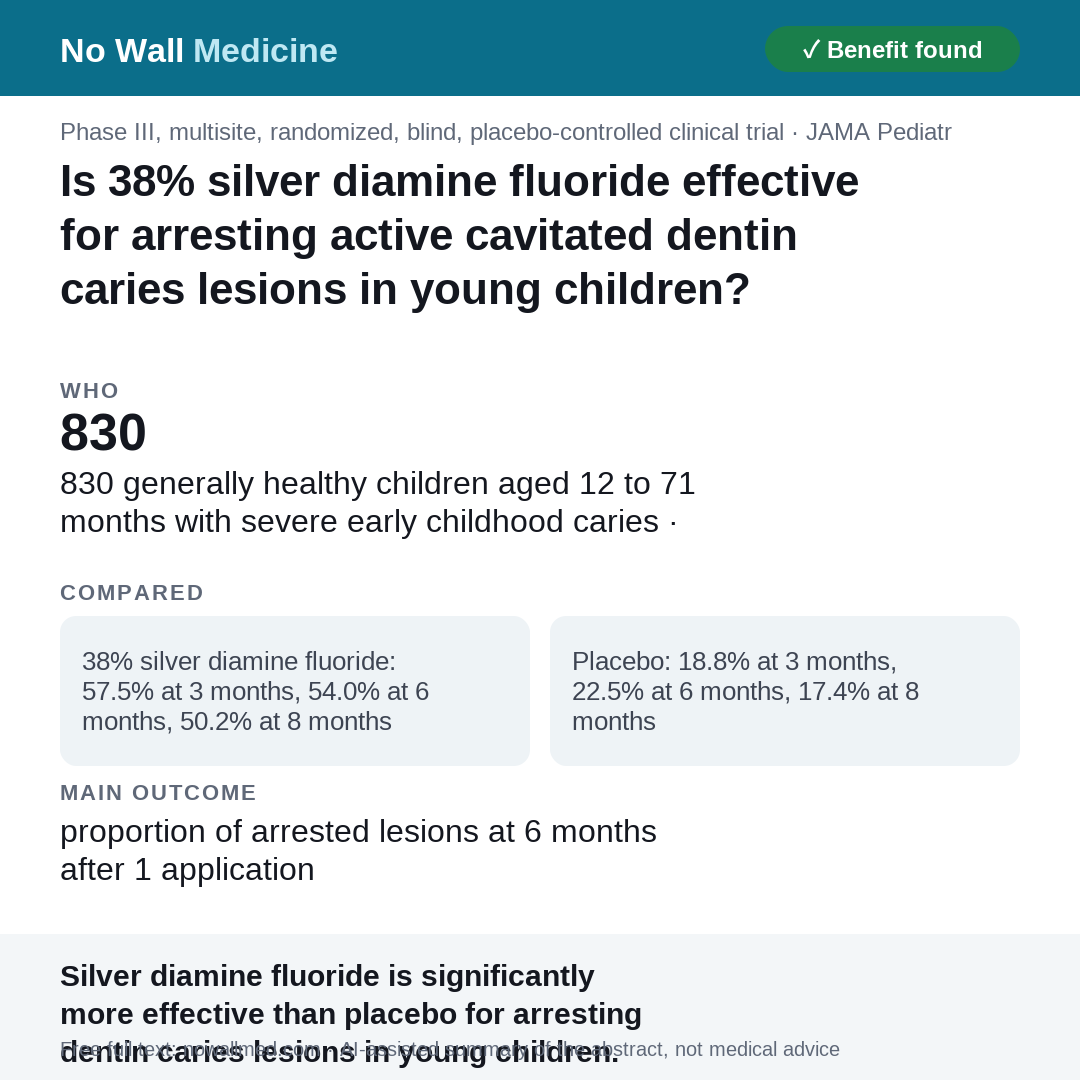
Efficacy of Silver Diamine Fluoride on Young Children With Severe Early Childhood Caries: A Randomized Clinical Trial
Phase III, multisite, randomized, blind, placebo-controlled clinical trialBenefit found
Is 38% silver diamine fluoride effective for arresting active cavitated dentin caries lesions in young children?
Who
830
830 generally healthy children aged 12 to 71 months with severe early childhood caries · Three sites including medical, dental, and preschool programs
Compared
38% silver diamine fluoride: 57.5% at 3 months, 54.0% at 6 months, 50.2% at 8 months
Placebo: 18.8% at 3 months, 22.5% at 6 months, 17.4% at 8 months
Main outcome
proportion of arrested lesions at 6 months after 1 application
Result: 31.5% (99.9% CI 21.5% to 41.6%) at 6 months
Bottom line: Silver diamine fluoride is significantly more effective than placebo for arresting dentin caries lesions in young children.
JAMA Pediatr · 2026-07-27Download image
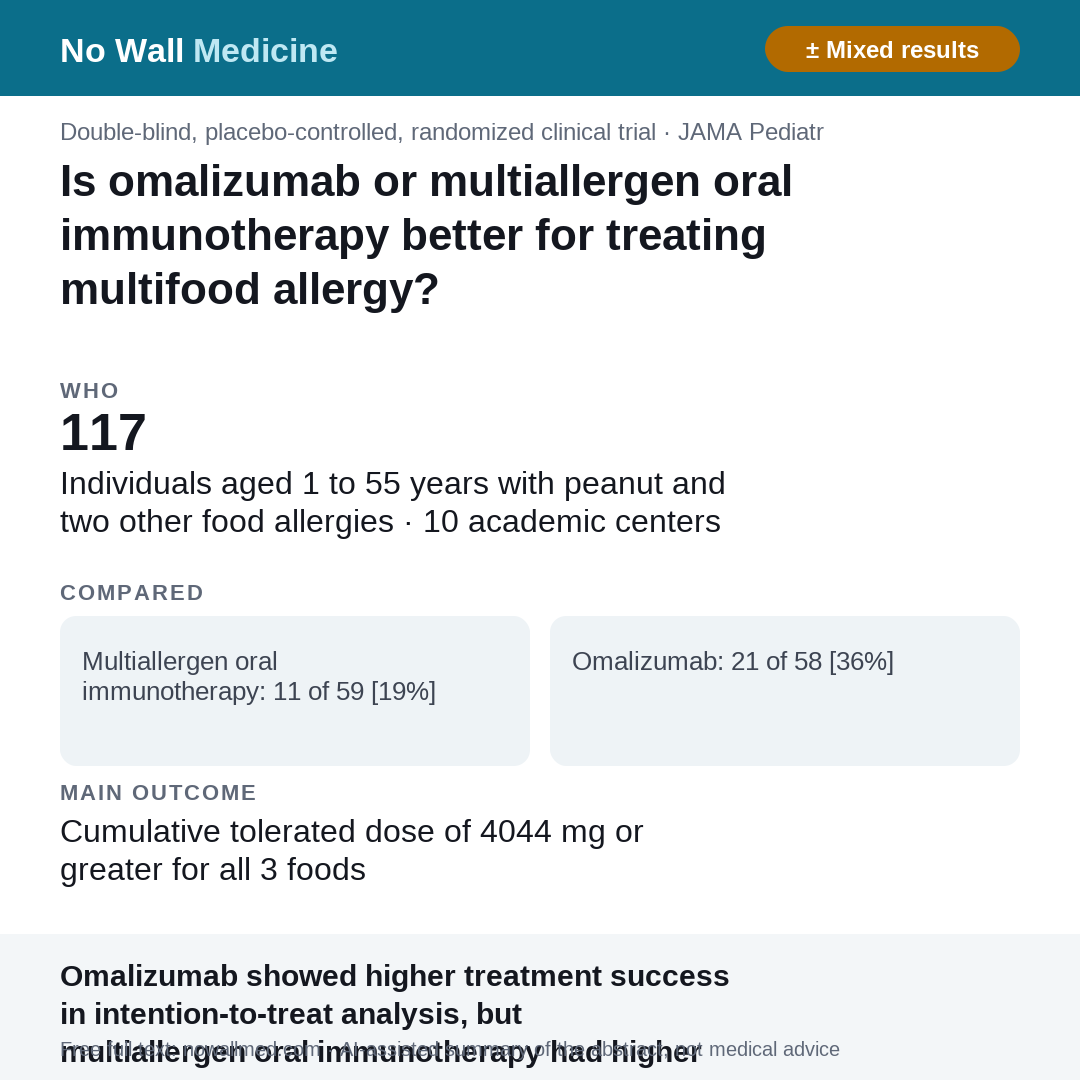
Treatment of Multifood Allergy With Omalizumab or Multiallergen Oral Immunotherapy: A Randomized Clinical Trial
Double-blind, placebo-controlled, randomized clinical trialMixed results
Is omalizumab or multiallergen oral immunotherapy better for treating multifood allergy?
Who
117
Individuals aged 1 to 55 years with peanut and two other food allergies · 10 academic centers across the US
Compared
Multiallergen oral immunotherapy: 11 of 59 [19%]
Omalizumab: 21 of 58 [36%]
Main outcome
Cumulative tolerated dose of 4044 mg or greater for all 3 foods
Result: odds ratio 2.6 (95% CI 1.1-6.3)
Bottom line: Omalizumab showed higher treatment success in intention-to-treat analysis, but multiallergen oral immunotherapy had higher adverse event rates.
JAMA Pediatr · 2026-07-27Download image
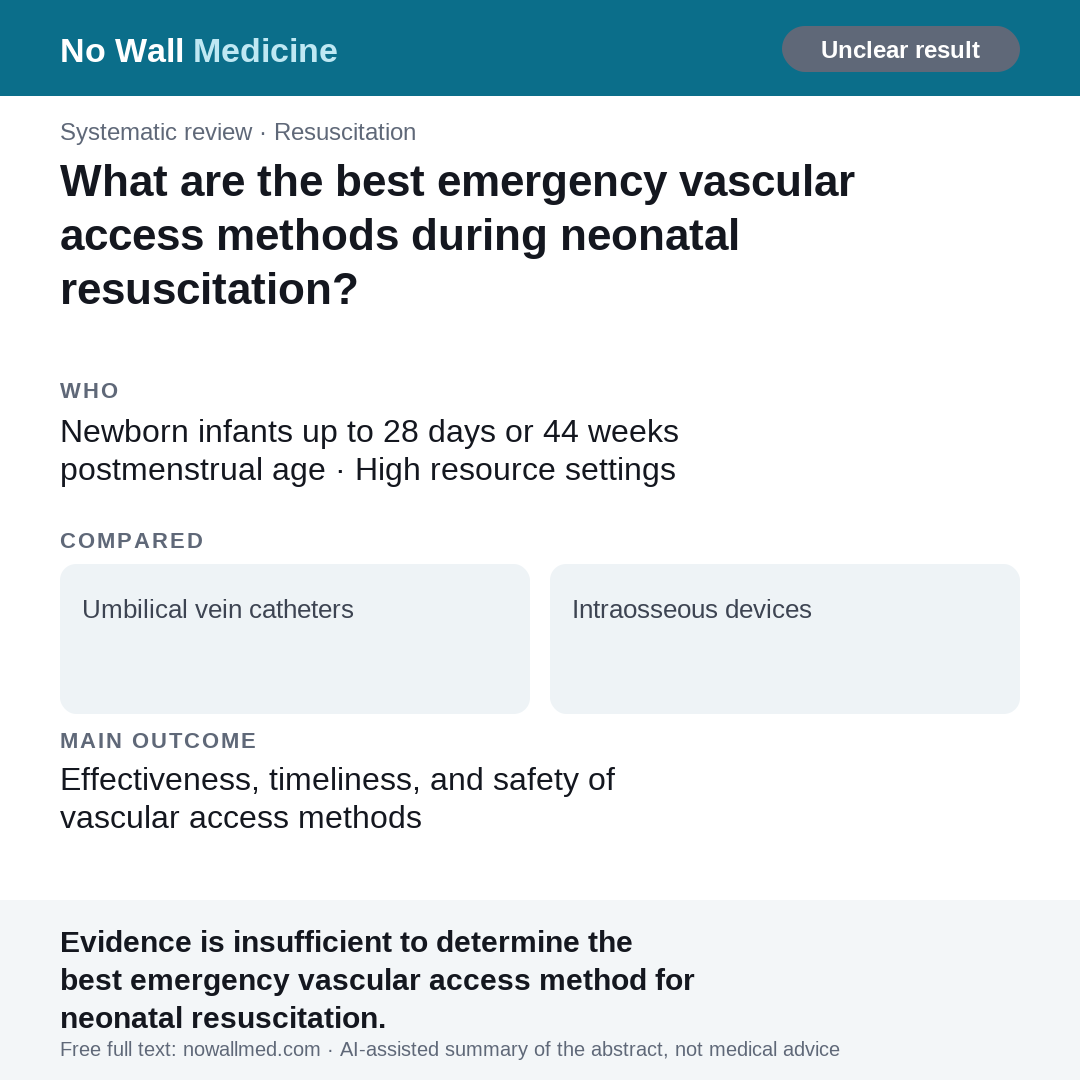
Initial vascular access for neonatal resuscitation: a systematic review
Systematic reviewUnclear result
What are the best emergency vascular access methods during neonatal resuscitation?
Who
Newborn infants up to 28 days or 44 weeks postmenstrual age · High resource settings
Compared
Umbilical vein catheters
Intraosseous devices
Main outcome
Effectiveness, timeliness, and safety of vascular access methods
Bottom line: Evidence is insufficient to determine the best emergency vascular access method for neonatal resuscitation.
Limitation: Lack of randomized controlled trials, small sample size, and heterogeneity of studies.
Resuscitation · 2026-07-27Download image
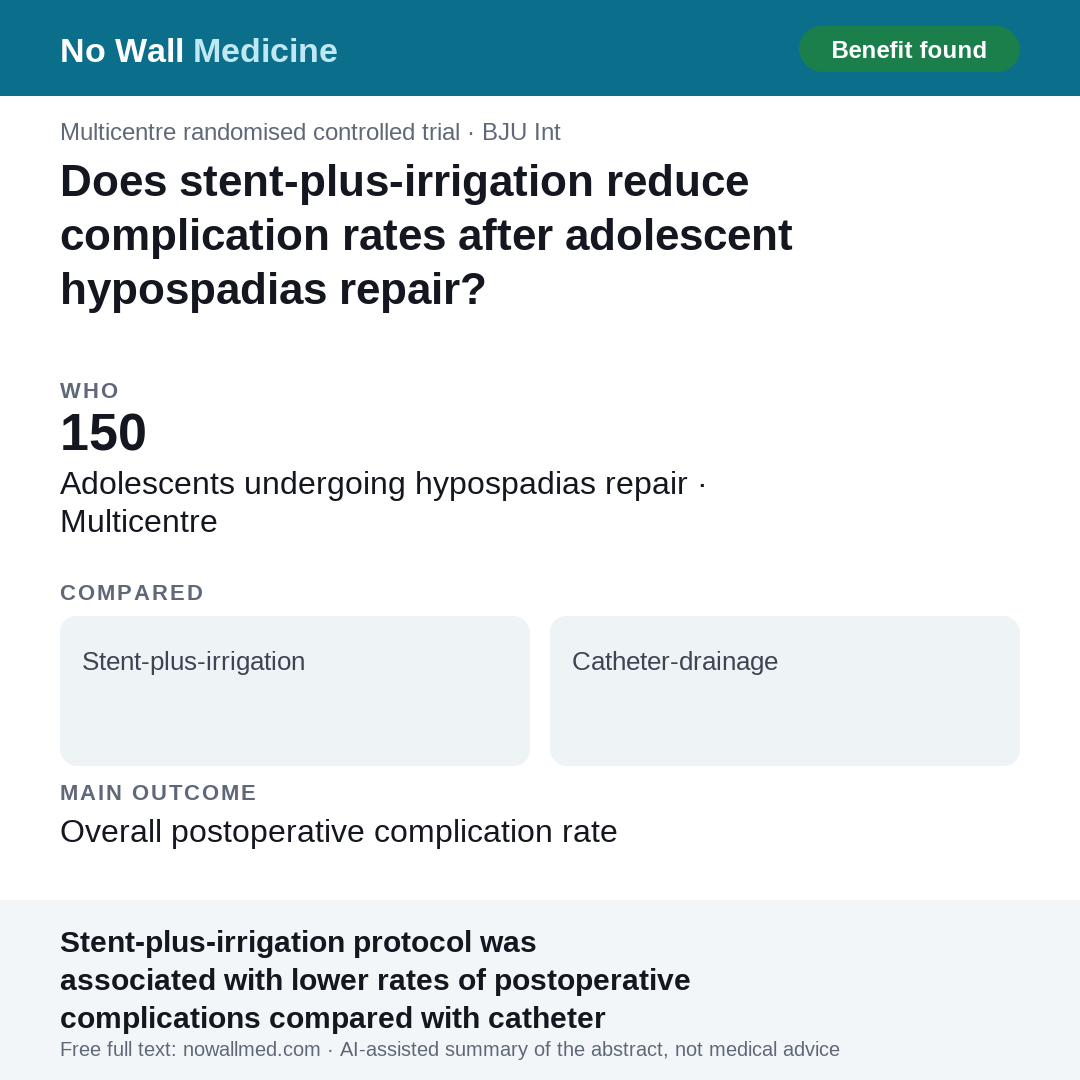
A stent-plus-irrigation protocol after adolescent hypospadias repair: a multicentre randomised controlled trial
Multicentre randomised controlled trialBenefit found
Does a stent-plus-irrigation protocol reduce complication rates after adolescent hypospadias repair?
Who
150
Adolescents undergoing hypospadias repair
Compared
stent-plus-irrigation group: not specified
catheter-drainage group: not specified
Main outcome
overall postoperative complication rate
Result: risk ratio 0.33 (95% CI 0.20-0.56)
Bottom line: A stent-plus-irrigation protocol was associated with lower rates of postoperative complications after adolescent hypospadias repair.
BJU Int · 2026-07-27Download image
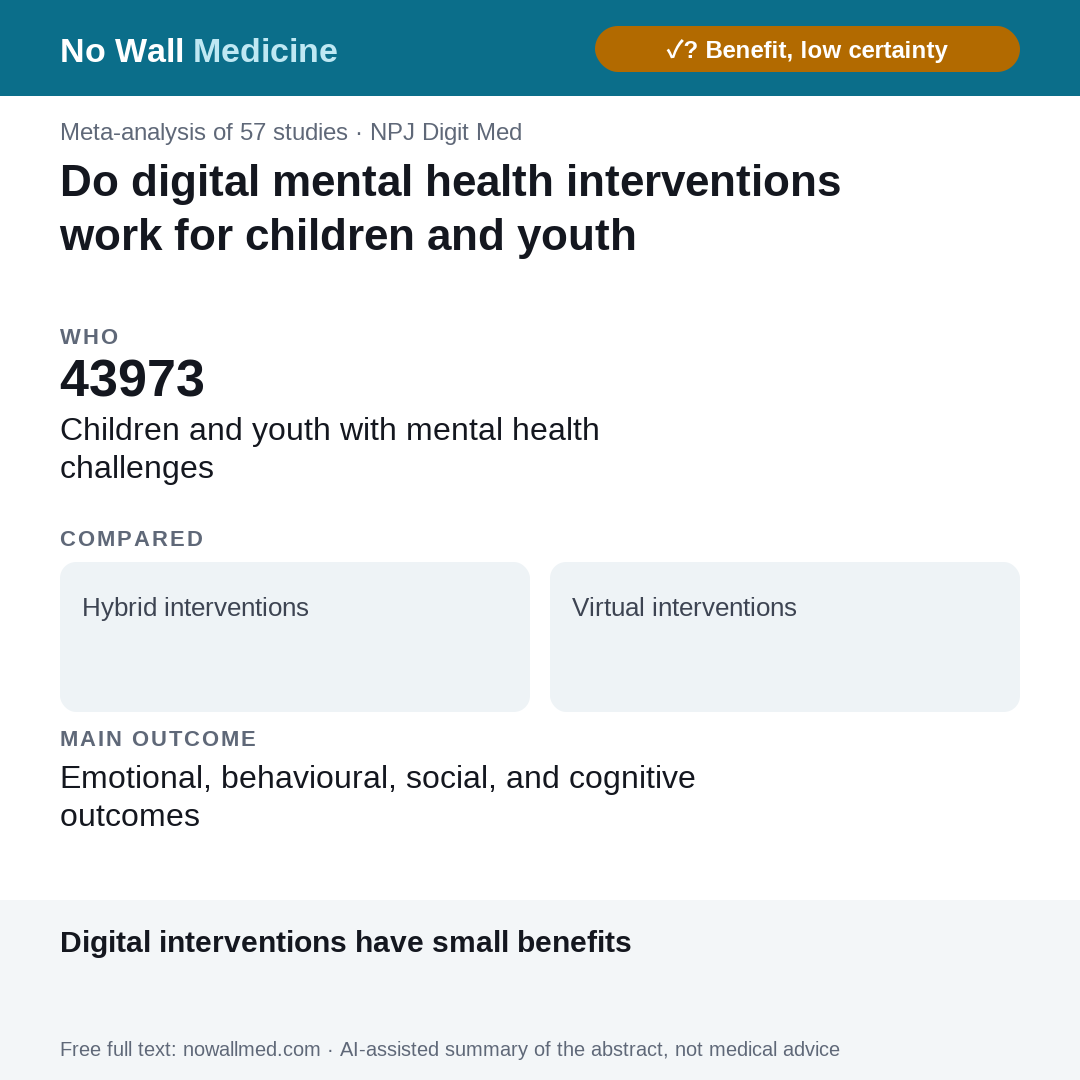
Universal digital mental health interventions for children and youth a systematic review and meta-analysis
Meta-analysis of 57 studiesBenefit found
Do digital mental health interventions work for children and youth
Who
43973
Children and youth with mental health challenges
Compared
Hybrid interventions
Virtual interventions
Main outcome
Emotional, behavioural, social, and cognitive outcomes
Result: small effects
Bottom line: Digital interventions have small benefits
NPJ Digit Med · 2026-07-27Download image
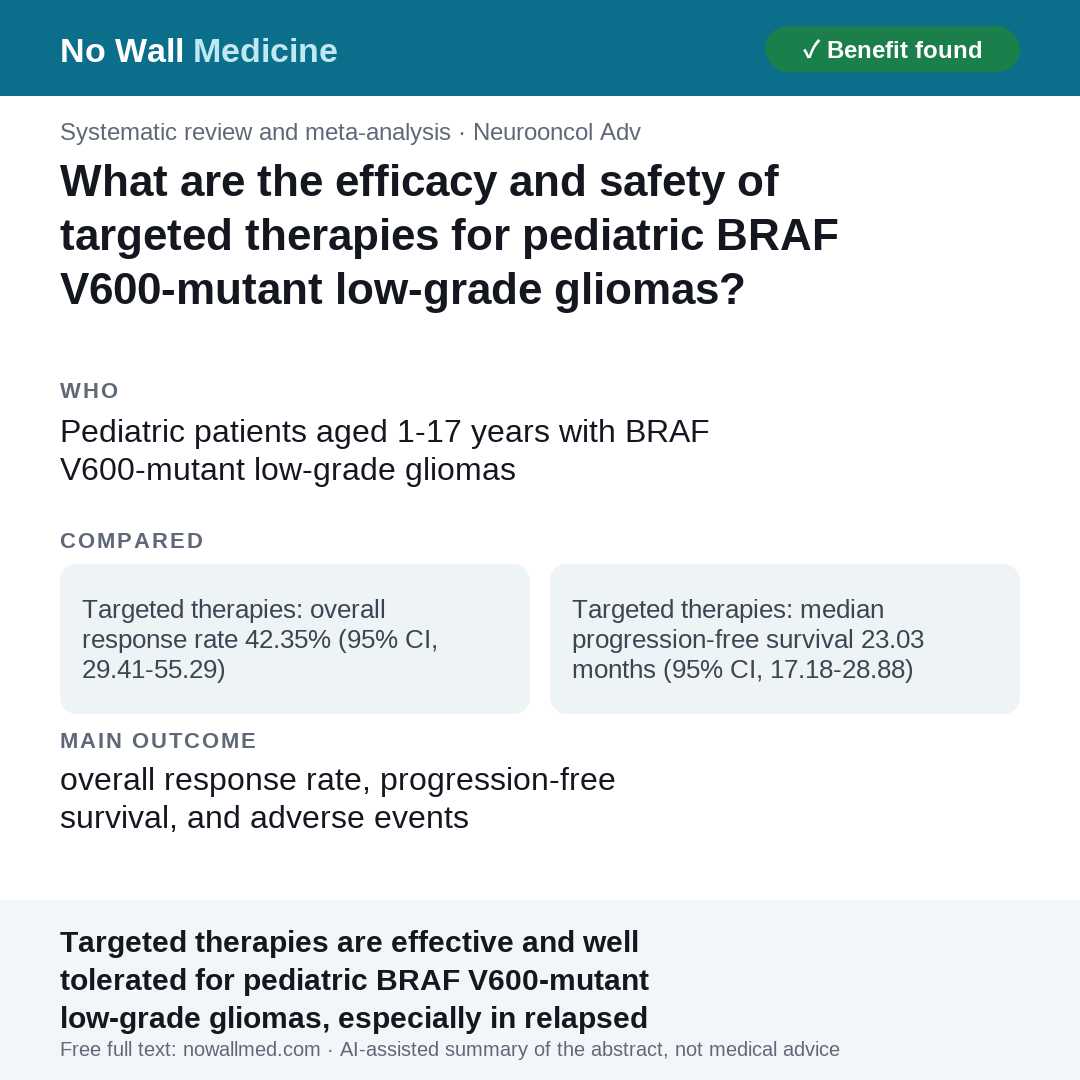
Outcomes of target therapies for pediatric BRAF V600-mutant low-grade gliomas: A systematic review and meta-analysis
Systematic review and meta-analysisBenefit found
What are the efficacy and safety of targeted therapies for pediatric BRAF V600-mutant low-grade gliomas?
Who
Pediatric patients aged 1-17 years with BRAF V600-mutant low-grade gliomas
Compared
Targeted therapies: overall response rate 42.35% (95% CI, 29.41-55.29)
Targeted therapies: median progression-free survival 23.03 months (95% CI, 17.18-28.88)
Main outcome
overall response rate, progression-free survival, and adverse events
Bottom line: Targeted therapies are effective and well tolerated for pediatric BRAF V600-mutant low-grade gliomas, especially in relapsed disease.
Limitation: Functional outcomes were inconsistently reported and further prospective studies are required.
Neurooncol Adv · 2026-07-27Download image
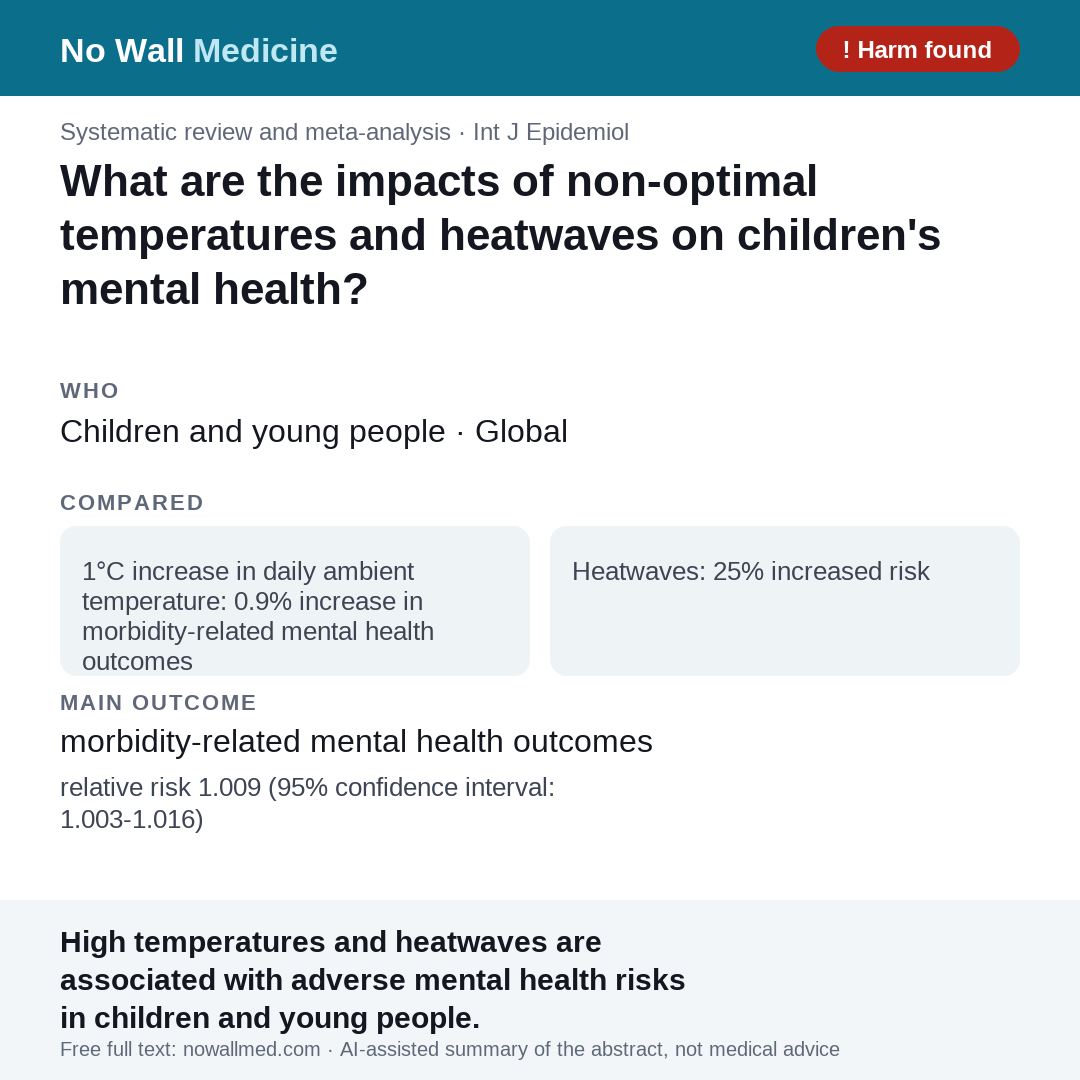
First global synthesis of heat-related mental health impacts in children and young people: a systematic review and meta-analysis
Systematic review and meta-analysisHarm found
What are the impacts of non-optimal temperatures and heatwaves on children's mental health?
Who
Children and young people · Global
Compared
1°C increase in daily ambient temperature: 0.9% increase in morbidity-related mental health outcomes
Heatwaves: 25% increased risk
Main outcome
morbidity-related mental health outcomes
Result: relative risk 1.009 (95% confidence interval: 1.003-1.016)
Bottom line: High temperatures and heatwaves are associated with adverse mental health risks in children and young people.
Limitation: Data were lacking for some hottest and most socio-economically disadvantaged regions.
Int J Epidemiol · 2026-07-25Download image
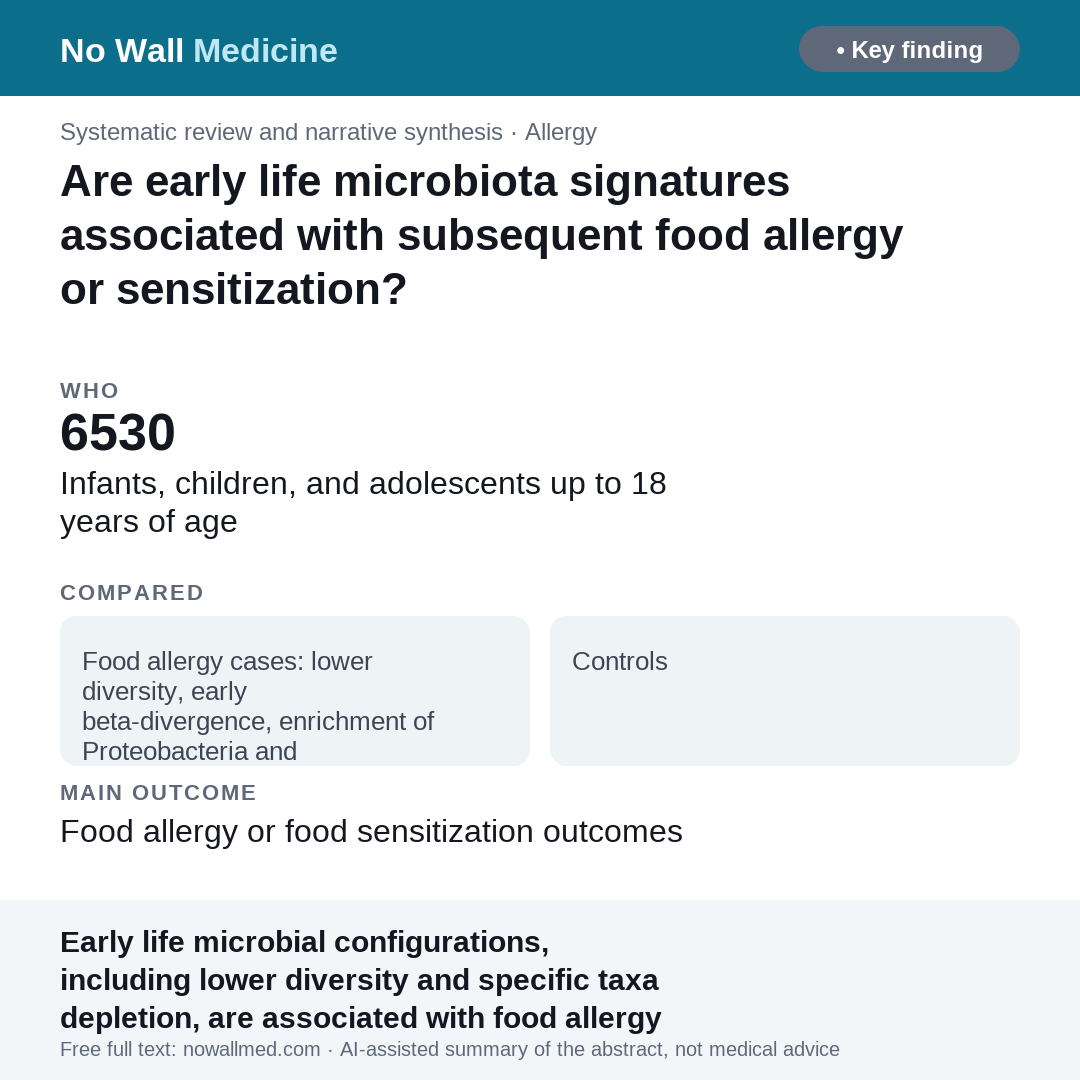
Microbiota Signatures in Early Life and Their Association With Food Allergy: A Systematic Review
Systematic review and narrative synthesisBenefit found
Are early life microbiota signatures associated with subsequent food allergy or sensitization?
Who
6530
Infants, children, and adolescents up to 18 years of age
Compared
Food allergy cases: lower diversity, early beta-divergence, enrichment of Proteobacteria and Enterobacteriaceae
Controls
Main outcome
Food allergy or food sensitization outcomes
Bottom line: Early life microbial configurations, including lower diversity and specific taxa depletion, are associated with food allergy susceptibility.
Limitation: Moderate risk of bias, residual confounding, and heterogeneous outcome definitions.
Allergy · 2026-07-24Download image
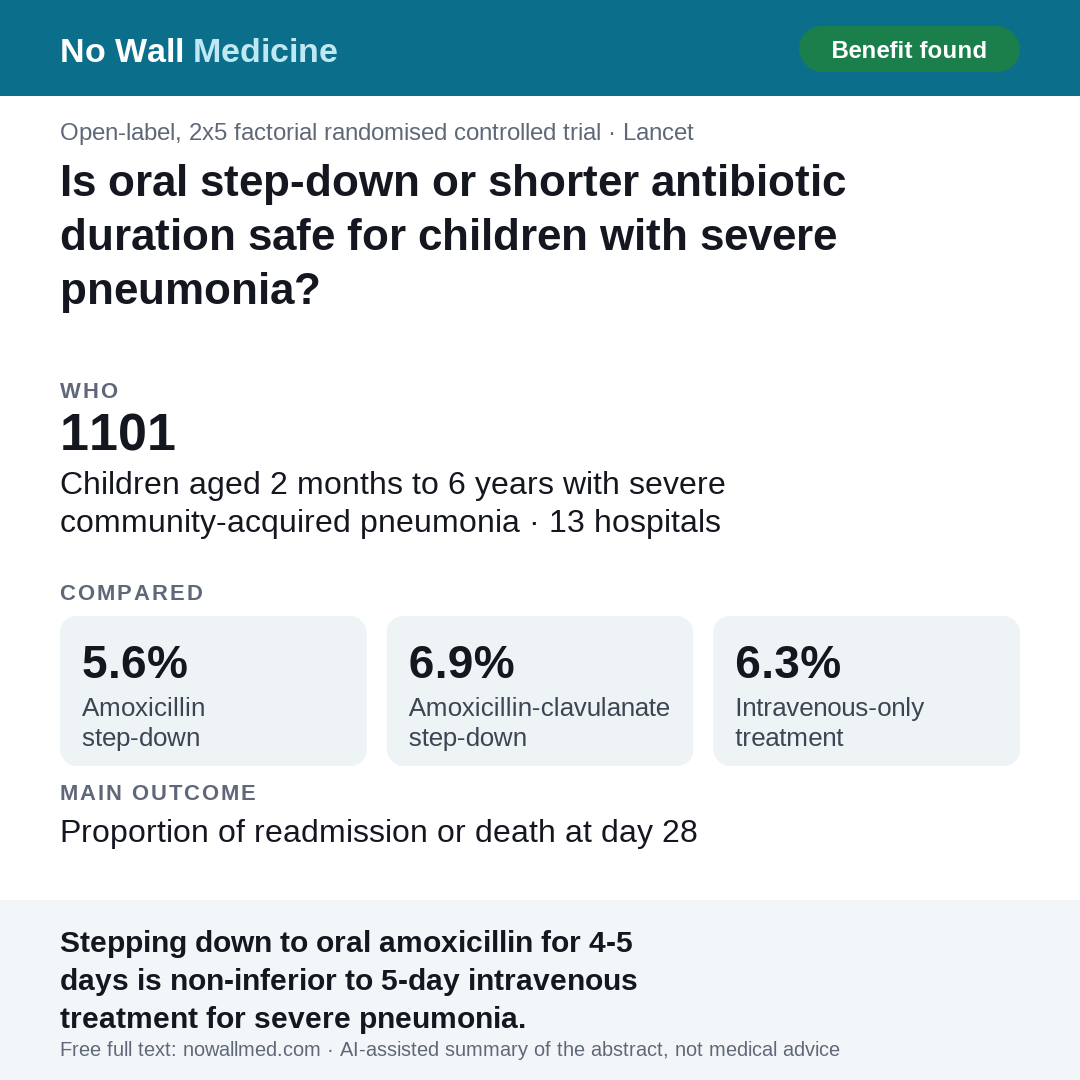
Oral step-down, optimal drug, and total duration of antibiotic treatment in African children hospitalised with severe community-acquired pneumonia (PediCAP): a factorial randomised controlled trial
Open-label, 2x5 factorial randomised controlled trialBenefit found
Is stepping down to oral antibiotics or shorter duration safe for severe pneumonia?
Who
1101
Children aged 2 months to 6 years with severe community-acquired pneumonia · 13 hospitals across five sub-Saharan African countries
Compared
Step-down to oral antibiotics
5-day intravenous-only treatment
Main outcome
Proportion of readmission or death at day 28
Bottom line: Stepping down to oral amoxicillin with 4-5 total days of treatment is non-inferior to 5-day intravenous treatment.
Funded by: Second European and Developing Countries Clinical Trials Partnership
Lancet · 2026-07-23Download image
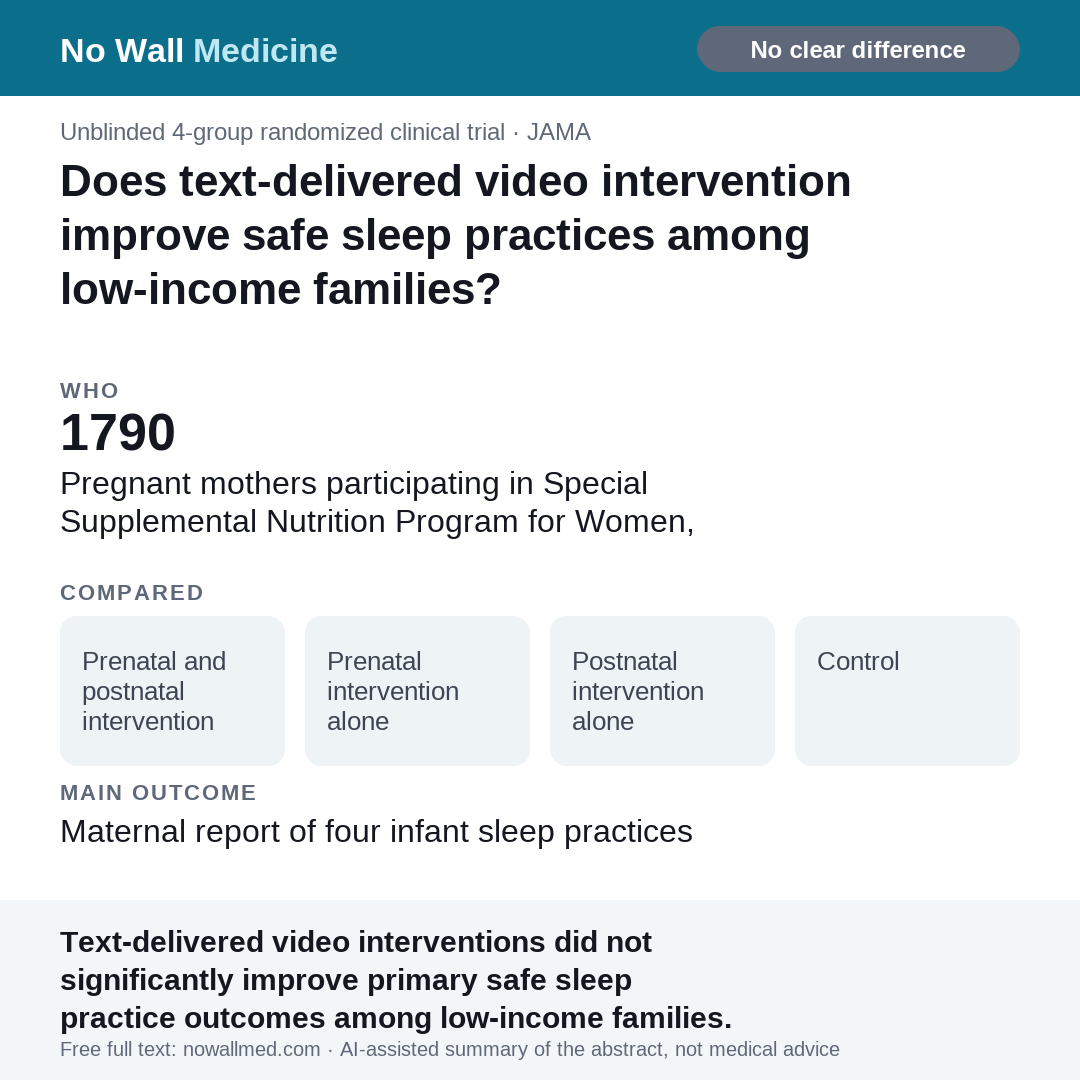
Safe Sleep Video Intervention via Text Messaging to Low-Income Families: The SMARTER Randomized Clinical Trial
Unblinded 4-group randomized clinical trialNo clear difference
Does text-delivered video intervention improve safe sleep practices among low-income families?
Who
1790
Pregnant mothers participating in Special Supplemental Nutrition Program for Women, Infants, and Children · WIC and Federally Qualified Health Centers in 18 states
Compared
Prenatal and postnatal intervention
Prenatal intervention alone
Postnatal intervention alone
Control
Main outcome
Maternal report of four infant sleep practices
Bottom line: Text-delivered video interventions did not significantly improve primary safe sleep practice outcomes among low-income families.
JAMA · 2026-07-23Download image
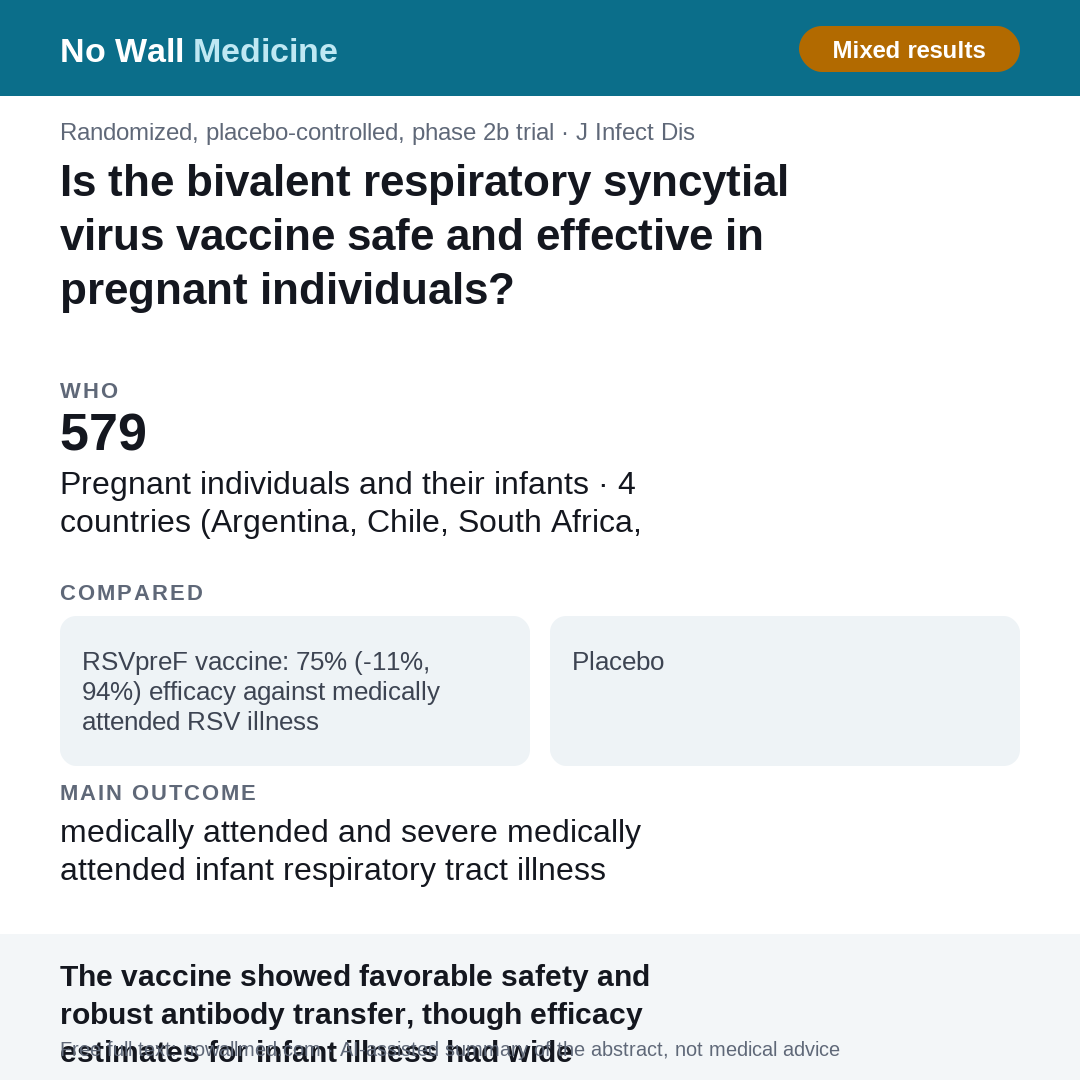
Phase 2 Randomized Bivalent RSVpreF Maternal Vaccine Trial: Final Safety, Antibody Persistence and Efficacy
Randomized, placebo-controlled, phase 2b trialMixed results
Is the bivalent respiratory syncytial virus vaccine safe and effective in pregnant individuals?
Who
579
Pregnant individuals and their infants · 4 countries (Argentina, Chile, South Africa, United States)
Compared
RSVpreF vaccine: 75% (-11%, 94%) efficacy against medically attended RSV illness
Placebo
Main outcome
medically attended and severe medically attended infant respiratory tract illness
Result: 75% (-11%, 94%) for medically attended; 83% (-48%, 99%) for severe
Bottom line: The vaccine showed favorable safety and robust antibody transfer, though efficacy estimates for infant illness had wide confidence intervals.
J Infect Dis · 2026-07-23Download image
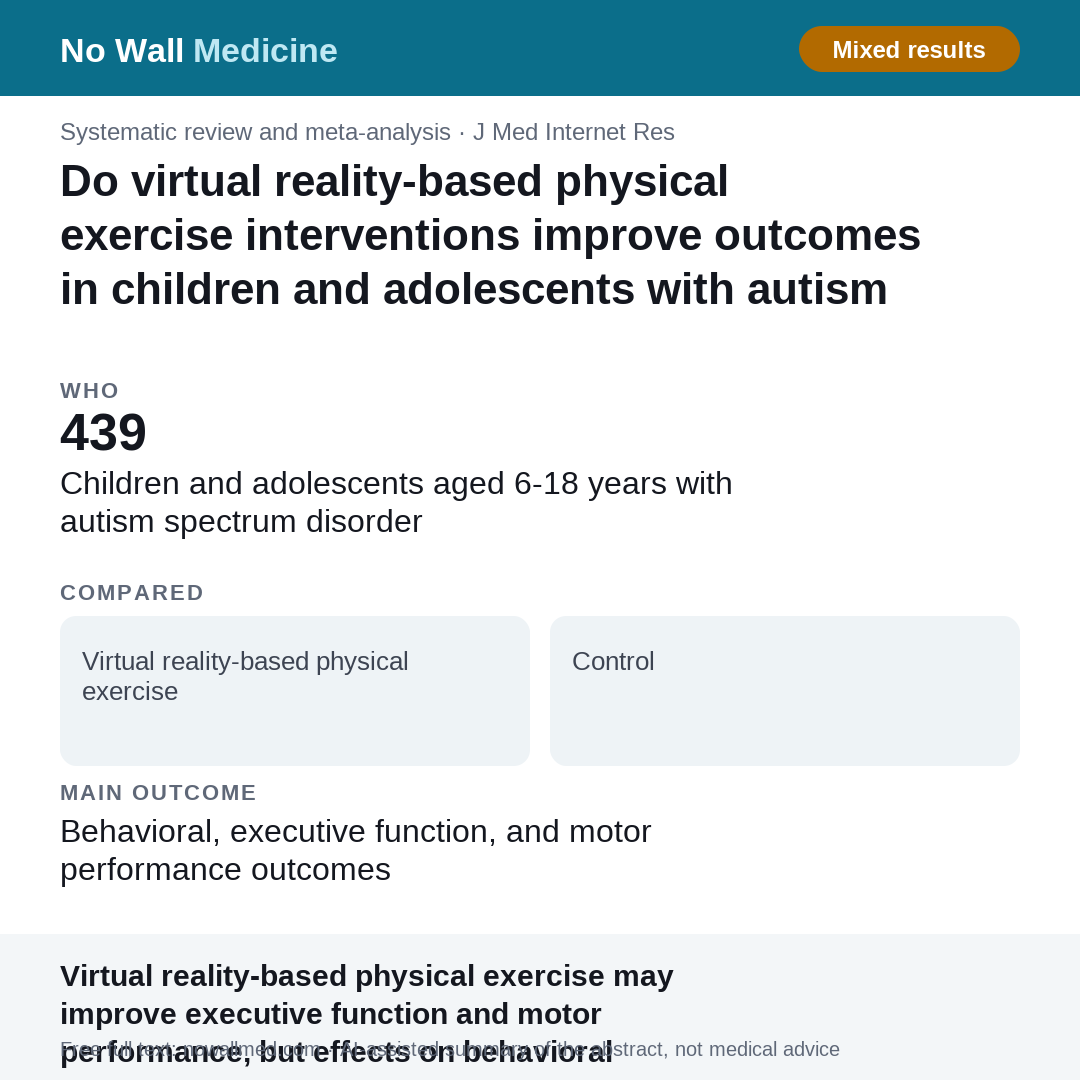
Effects of Virtual Reality-Based Physical Exercise Interventions on Behavioral, Executive Function, and Motor Outcomes in Children and Adolescents With Autism Spectrum Disorder: Systematic Review and Meta-Analysis
Systematic review and meta-analysisMixed results
Do virtual reality-based physical exercise interventions improve outcomes in children and adolescents with autism spectrum disorder?
Who
439
Children and adolescents aged 6-18 years with autism spectrum disorder
Compared
Virtual reality-based physical exercise
Control
Main outcome
Behavioral, executive function, and motor performance outcomes
Result: executive function SMD 0.75 (95% CI 0.32-1.18); motor performance SMD 1.08 (95% CI 0.08-2.08)
Bottom line: Virtual reality-based physical exercise may improve executive function and motor performance, but effects on behavioral outcomes remain inconsistent.
Limitation: Substantial heterogeneity in study designs, assessment instruments, and wide prediction intervals suggest uncertainty.
J Med Internet Res · 2026-07-23Download image
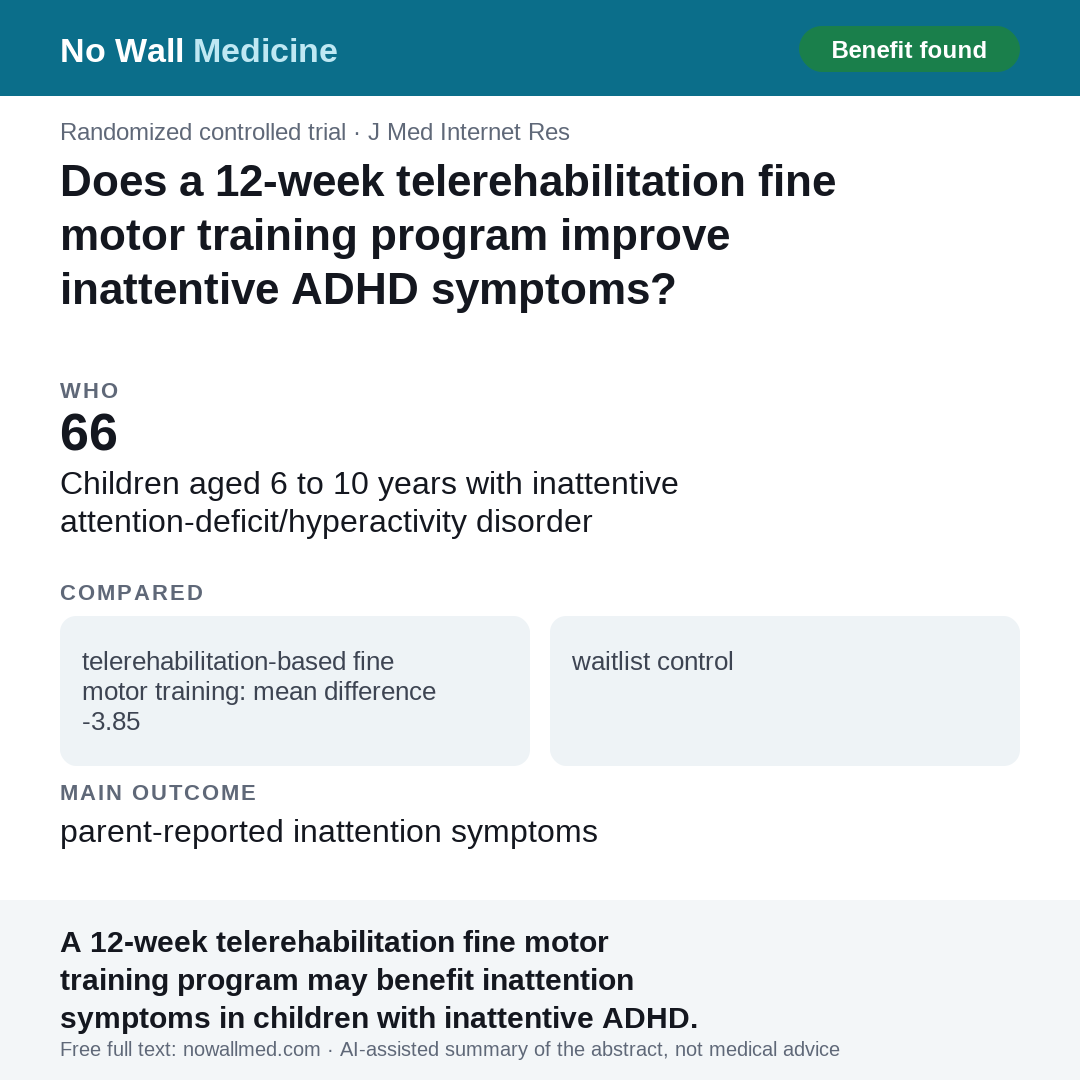
A Telerehabilitation-Based Fine Motor Training Program for Children With Inattentive Attention-Deficit/Hyperactivity Disorder: Randomized Controlled Trial
Randomized controlled trialBenefit found
Does a 12-week telerehabilitation fine motor training program improve inattentive ADHD symptoms?
Who
66
Children aged 6 to 10 years with inattentive attention-deficit/hyperactivity disorder
Compared
telerehabilitation-based fine motor training: mean difference -3.85
waitlist control
Main outcome
parent-reported inattention symptoms
Result: mean difference -3.85 (95% CI -5.01 to -2.68)
Bottom line: A 12-week telerehabilitation fine motor training program may benefit inattention symptoms in children with inattentive ADHD.
Limitation: waitlist control design, parent-reported symptom outcome, and exploratory mediation analysis
J Med Internet Res · 2026-07-23Download image
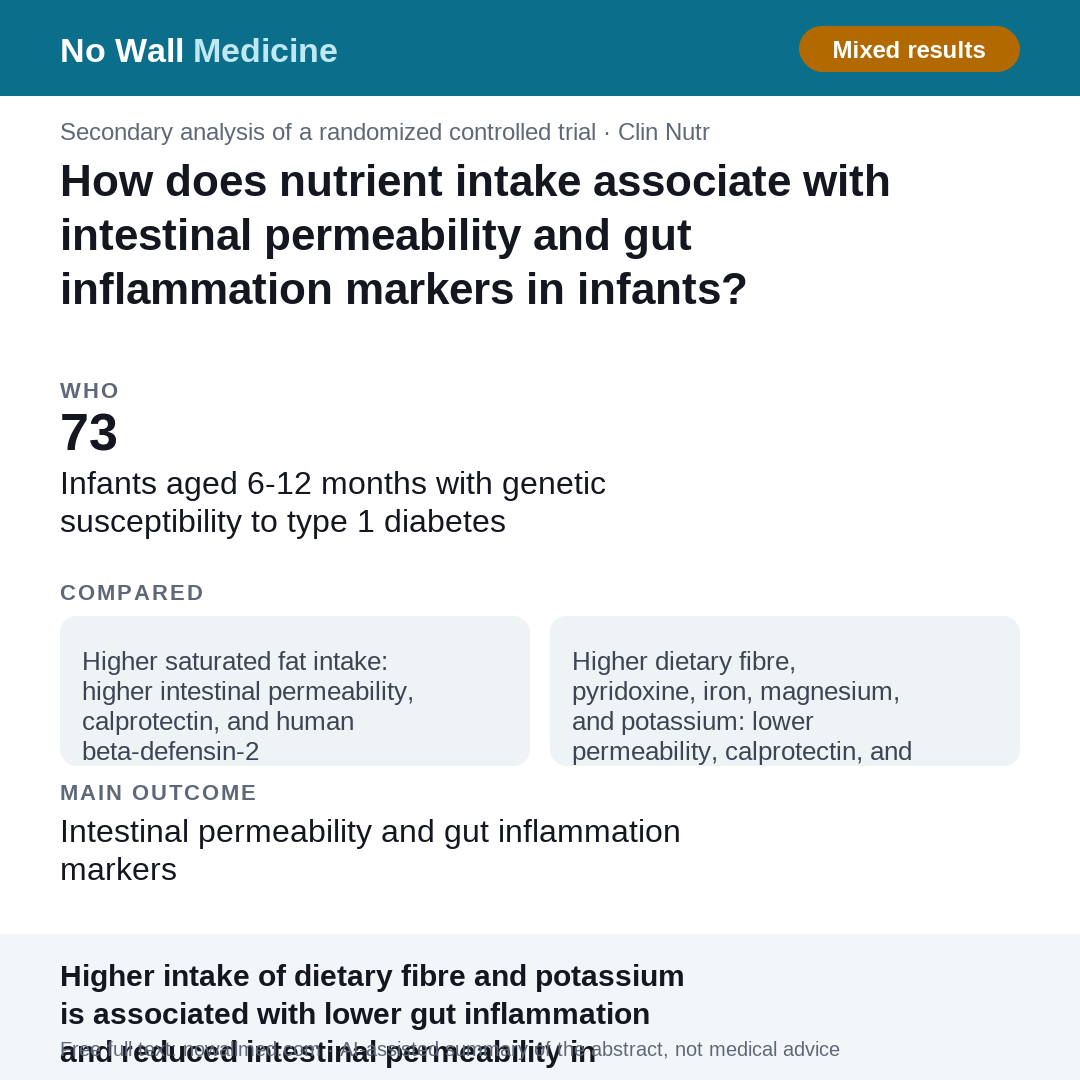
Nutrient intake, gut inflammation markers, and intestinal permeability in infants aged 6-12 months
Secondary analysis of a randomized controlled trialMixed results
How does nutrient intake associate with intestinal permeability and gut inflammation markers in infants?
Who
73
Infants aged 6-12 months with genetic susceptibility to type 1 diabetes
Compared
Higher saturated fat intake: higher intestinal permeability, calprotectin, and human beta-defensin-2
Higher dietary fibre, pyridoxine, iron, magnesium, and potassium: lower permeability, calprotectin, and human beta-defensin-2
Main outcome
Intestinal permeability and gut inflammation markers
Bottom line: Higher intake of dietary fibre and potassium is associated with lower gut inflammation and reduced intestinal permeability in infants.
Limitation: Adjusting for breast milk energy proportion attenuated many nutrient associations.
Clin Nutr · 2026-07-22Download image
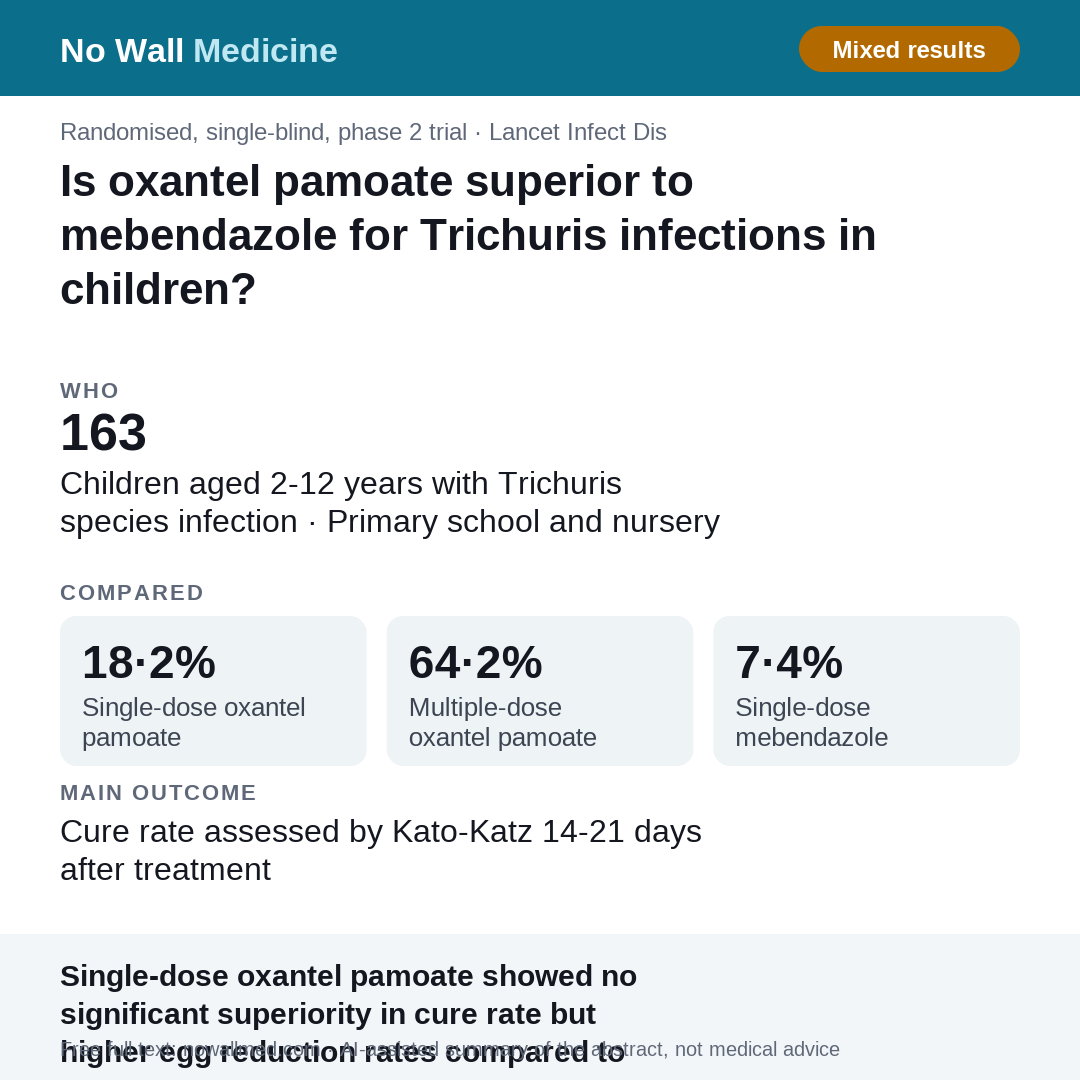
Efficacy, safety, and acceptability of a child-friendly, chewable formulation of oxantel pamoate versus mebendazole for Trichuris spp infections in children aged 2-12 years in Tanzania: a randomised, single-blind, phase 2 trial
Randomised, single-blind, phase 2 trialMixed results
Is oxantel pamoate superior to mebendazole for Trichuris infections in children?
Who
163
Children aged 2-12 years with Trichuris species infection · Primary school and nursery on Pemba Island, Tanzania
Compared
18·2%Single-dose oxantel pamoate (95% CI 9·1-30·9)
64·2%Multiple-dose oxantel pamoate (49·8-76·9)
7·4%Single-dose mebendazole (2·1-17·9)
Main outcome
Cure rate assessed by Kato-Katz 14-21 days after treatment
Result: odds ratio 0·36, 95% CI 0·09-1·16
Bottom line: Single-dose oxantel pamoate showed no significant superiority in cure rate but higher egg reduction rates compared to mebendazole.
Limitation: The study did not provide sufficient evidence of superiority in terms of cure rate.
Funded by: European Union
Lancet Infect Dis · 2026-07-22Download image
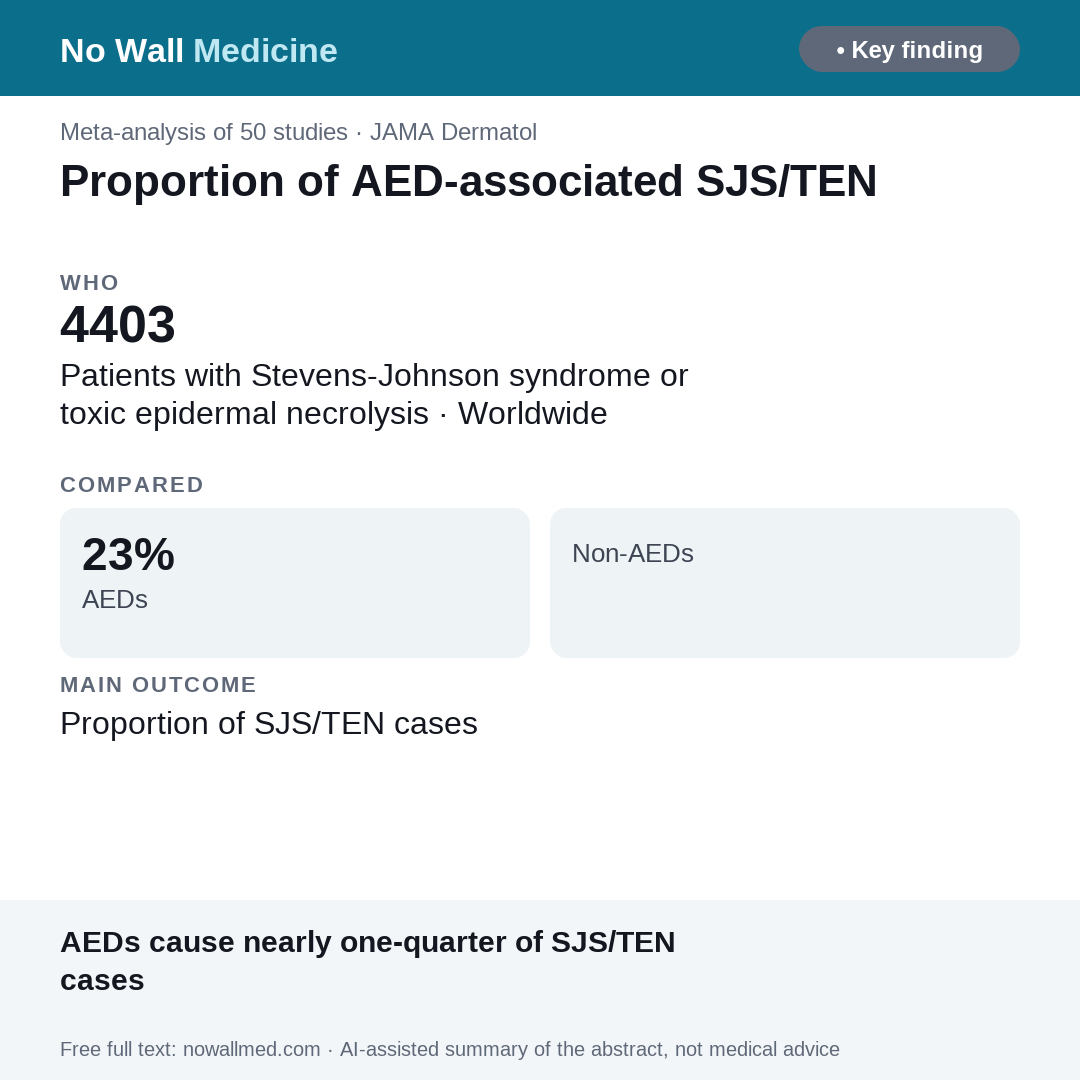
Proportion of Antiepileptic Drug-Associated Stevens-Johnson Syndrome and Toxic Epidermal Necrolysis: A Meta-Analysis
Meta-analysis of 50 studiesHarm found
Proportion of AED-associated SJS/TEN
Who
4403
patients with SJS/TEN · worldwide
Compared
23%AEDs (95% CI, 19-26)
non-AEDs
Main outcome
proportion of SJS/TEN cases
Result: pooled proportion 23% (95% CI, 19-26)
Bottom line: AEDs cause nearly one-quarter of SJS/TEN cases
JAMA Dermatol · 2026-07-22Download image