Visual abstracts
New randomized trials and meta-analyses from leading journals at a glance: who was studied, what was compared, and what was found. Every paper is free to read in full.
All specialtiesCardiology 3539Oncology 3034Gastroenterology & Hepatology 1395Infectious Disease 2484Neurology 1428Psychiatry & Mental Health 1676Pulmonology 1518Critical Care 1014Endocrinology & Diabetes 1811Pediatrics 2148Surgery 1872Orthopedics & Sports Medicine 657Neurosurgery 417Cardiothoracic & Vascular Surgery 423Plastic & Reconstructive Surgery 492Nephrology 768Rheumatology 569Hematology 795Dermatology 439Ophthalmology 392Obstetrics & Gynecology 1216Public & Global Health 682Radiology & Imaging 495Anesthesiology 725Urology 584ENT (Otolaryngology) 389Emergency Medicine 382Allergy & Immunology 221Geriatrics 751Family Medicine & Primary Care 409Medical Genetics & Genomics 453Pathology & Laboratory Medicine 116Physical Medicine & Rehabilitation 551Palliative Care 327Nutrition 1062Digital Health & AI 1660General Medicine 253
Successful Penile Replantation Following Amputation During Neonatal Circumcision: Case Report and Systematic Review
Systematic review and case reportMixed results
What are the outcomes of penile replantation versus composite grafts after circumcision amputation?
Who
26
Children with penile amputation following circumcision
Compared
Microvascular replantation: All achieved good urinary function and erections
Composite grafts: Most reported good function and cosmesis
Main outcome
Urinary function, erections, and cosmesis
Bottom line: Microvascular replantation is preferred for extensive trauma, while composite grafts may suffice for glans-only injuries.
Plast Reconstr Surg Glob Open · 2026-08-03Download image

Spatial exploration of the impact of cattle on risk of malarial infection using data from a cluster randomised trial
Spatial analysis of randomized controlled trial dataHarm found
How does cattle density and cattle-to-human ratio impact malaria risk?
Who
Children 5-15 years old · Coastal Kenya
Compared
Cattle density at 400 m: odds ratio 1.63 (95% CI 1.20 to 2.21)
Cattle density at 500 m: odds ratio 1.84 (95% CI 1.21 to 2.80)
Cattle density at 600 m: odds ratio 2.04 (95% CI 1.13 to 3.67)
Main outcome
Malaria prevalence
Bottom line: Higher cattle density and cattle-to-human ratios at 400 to 600 meters are significantly related to higher malaria risk.
Limitation: No significant association was found at distances closer than 400 meters.
BMJ Glob Health · 2026-08-03Download image
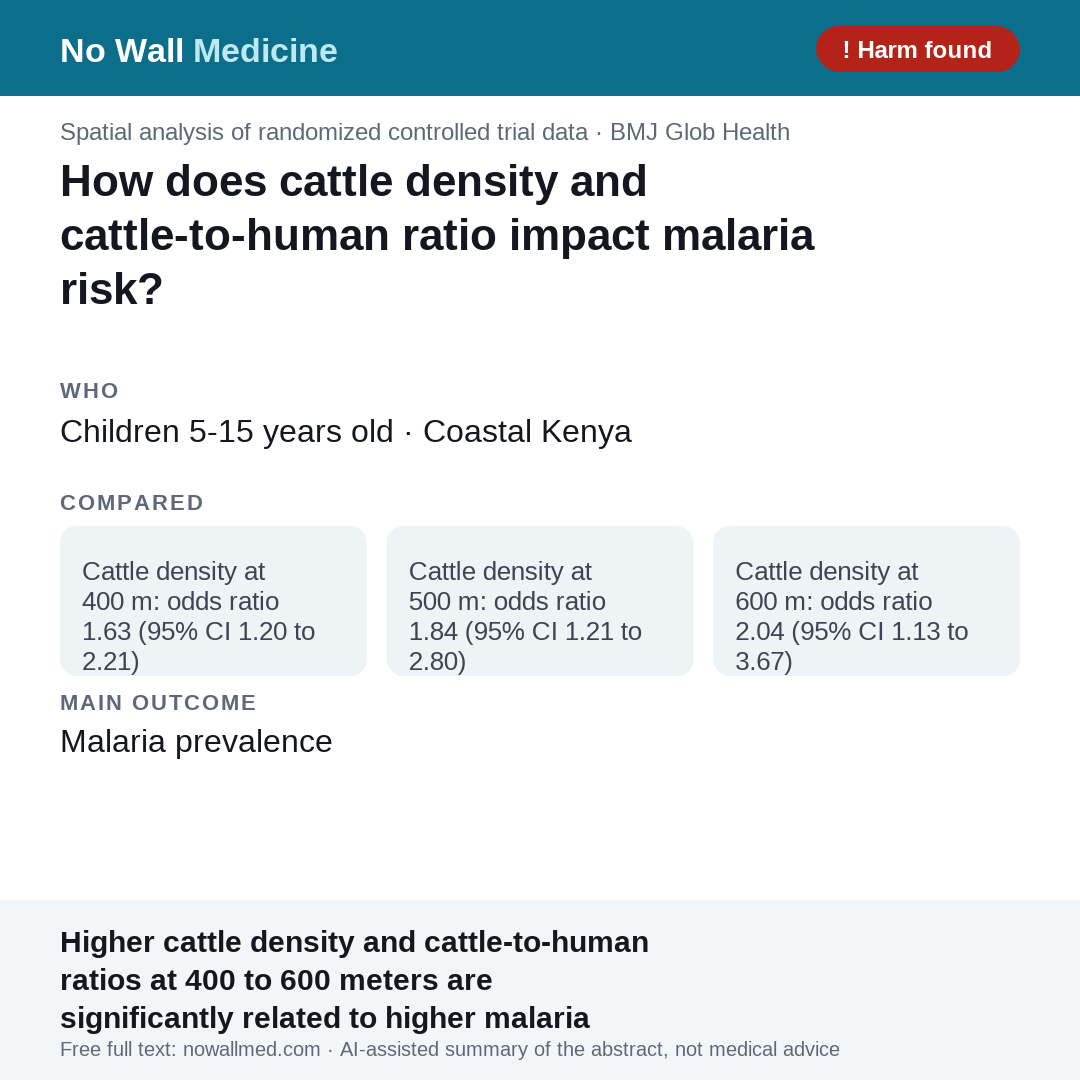
Empathic Communication in Pediatric Palliative Care: A Mixed-Methods Systematic Review
Mixed-methods systematic reviewBenefit found
How does empathic communication influence clinical and bereavement outcomes in pediatric palliative care?
Who
3567
Parents and families in pediatric palliative care · 16 countries
Compared
Better communication: β = -9.08, P = 0.03
Late information about imminent death: OR = 2.73; 95% CI: 1.02-7.33
Main outcome
Parental grief and bereavement outcomes
Bottom line: Empathic communication fosters trust and understanding, reducing parental grief and preventing communication failures.
J Pain Symptom Manage · 2026-08-01Download image
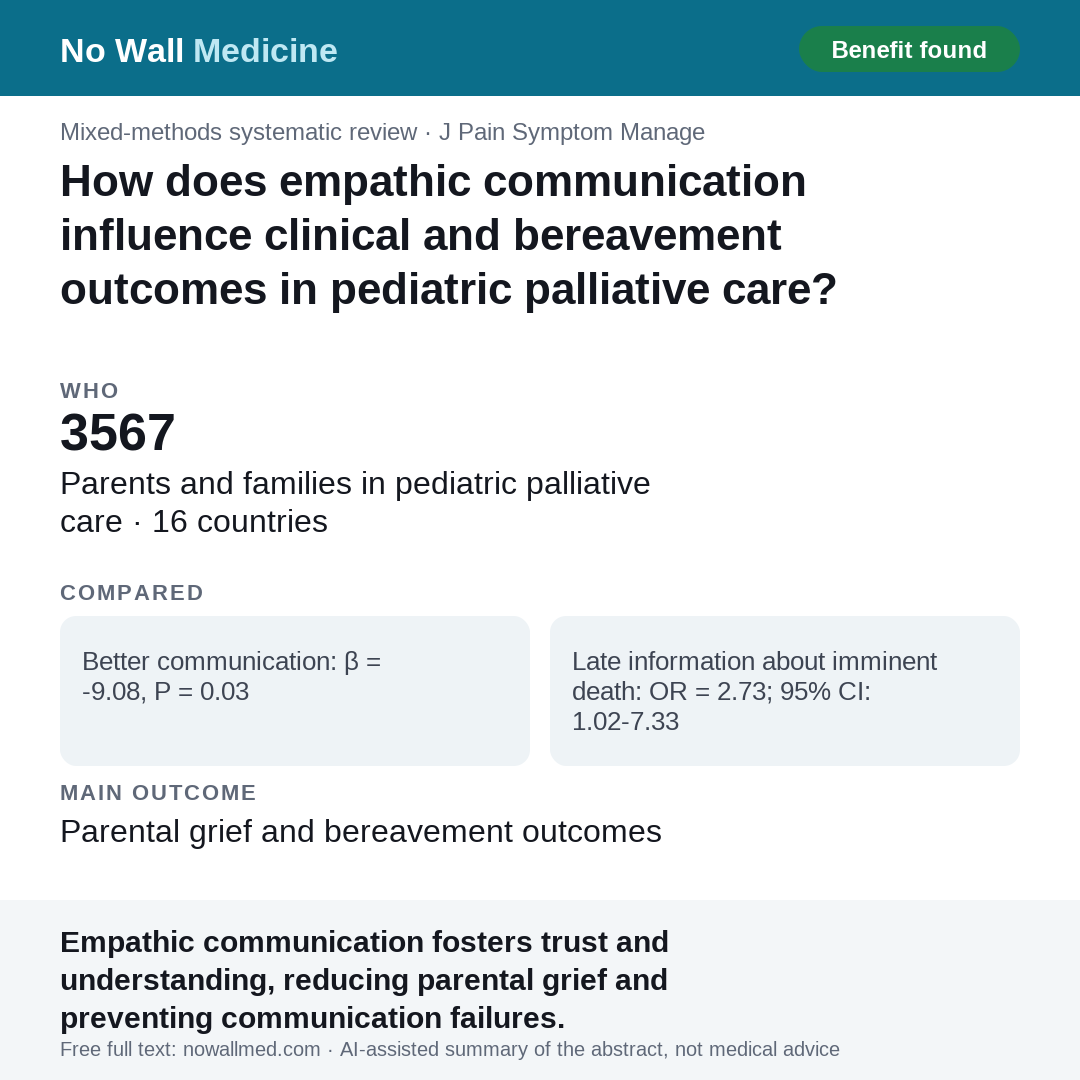
The pharmacogGENEtics in Youth Depression (GENE-YD) study for personalizing antidepressant pharmacotherapy for young Western Australians - A feasibility study
Triple-blind randomized controlled trialBenefit found
Is a triple-blind randomized controlled trial for pharmacogenetic-guided antidepressant treatment feasible?
Who
55
Young Australians aged 16-24 years with major depressive disorder · Australia
Compared
Pharmacogenetic-guided treatment: greater reductions in depressive symptom severity
Treatment-as-usual
Main outcome
Feasibility and clinical outcomes including depressive symptoms and quality-of-life
Bottom line: A triple-blind pharmacogenetic-guided antidepressant trial is feasible and shows preliminary indications of clinical benefit in young people.
Limitation: This was a pilot study intended to inform future fully powered trials.
Transl Psychiatry · 2026-08-01Download image
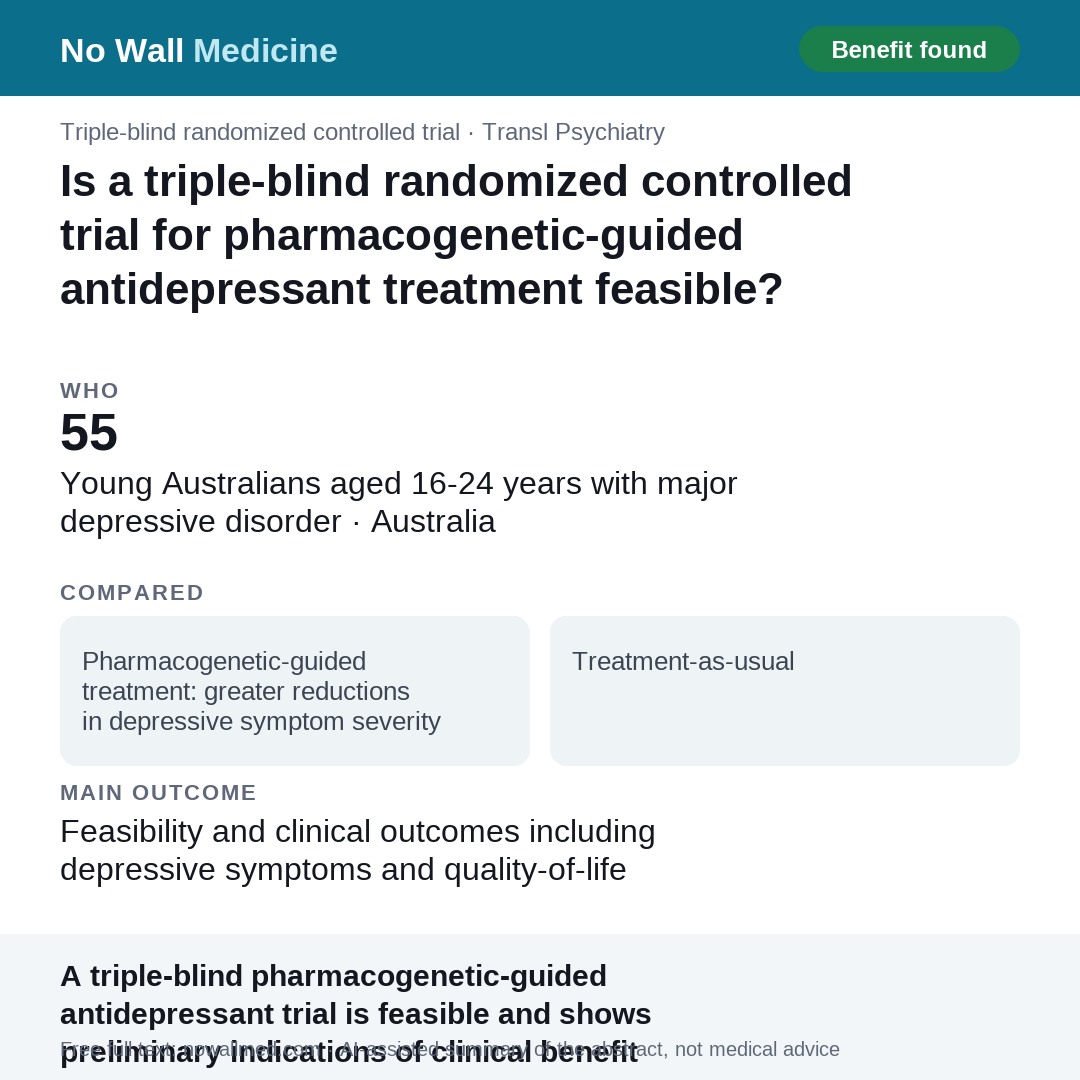
The effect of mindfulness-based cognitive therapy on non-suicidal self-injury in hospitalized adolescents with depressive disorders: a randomized controlled trial
Randomized, single-blind, controlled trialBenefit found
Does mindfulness-based cognitive therapy reduce non-suicidal self-injury in hospitalized adolescents with depressive disorders?
Who
94
Hospitalized adolescents diagnosed with depressive disorder and engaging in non-suicidal self-injury
Compared
Mindfulness-based cognitive therapy plus treatment-as-usual
Treatment-as-usual alone
Main outcome
Severity of non-suicidal self-injury measured by Adolescent Self-Harm Scale
Bottom line: Mindfulness-based cognitive therapy effectively reduces non-suicidal self-injury and improves depressive symptoms in hospitalized adolescents.
Psychol Med · 2026-07-31Download image

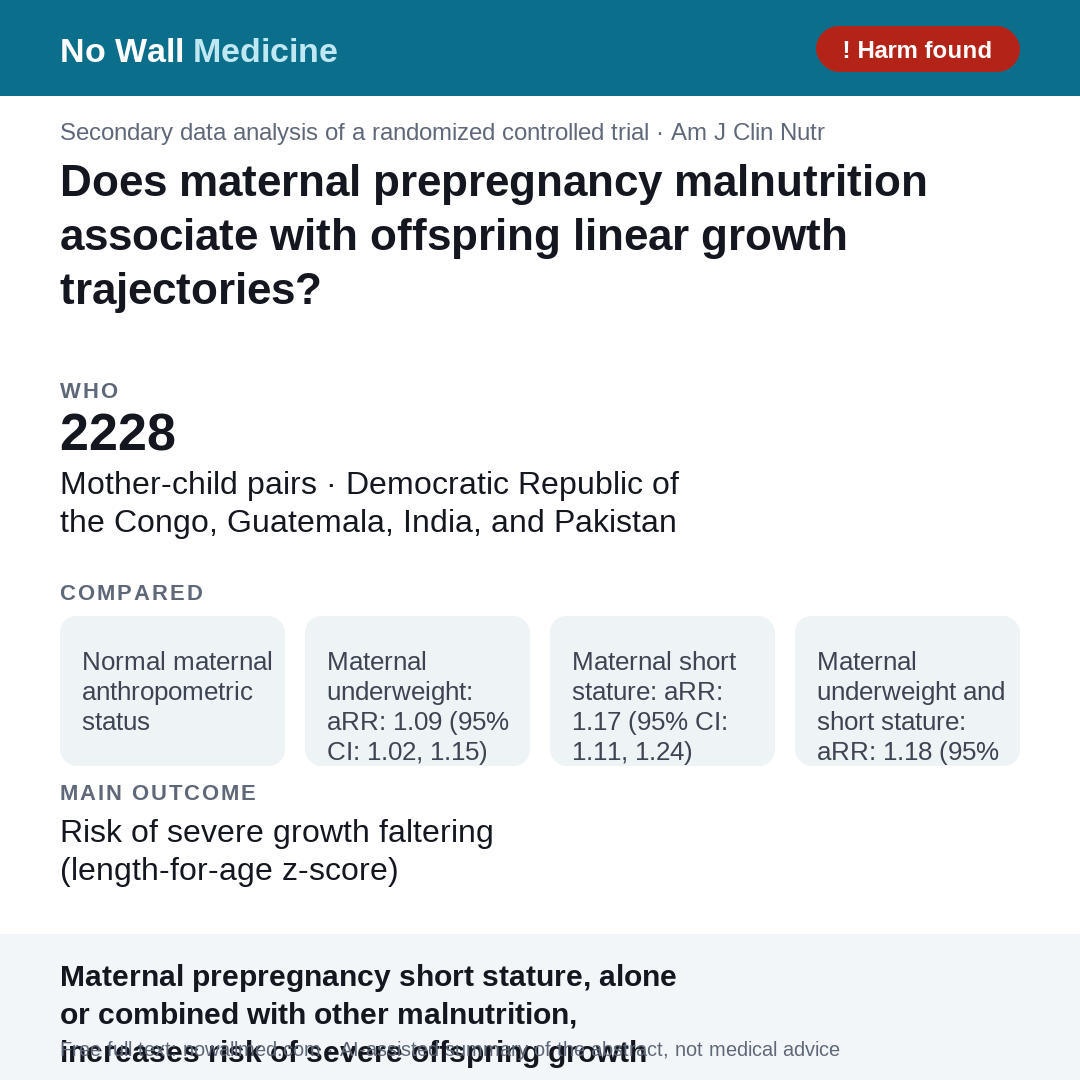
Association of maternal prepregnancy malnutrition with offspring growth trajectories: a secondary data analysis of the Women First Trial
Secondary data analysis of a randomized controlled trialHarm found
Does maternal prepregnancy malnutrition associate with offspring linear growth trajectories?
Who
2228
Mother-child pairs · Democratic Republic of the Congo, Guatemala, India, and Pakistan
Compared
Normal maternal anthropometric status
Maternal underweight: aRR: 1.09 (95% CI: 1.02, 1.15)
Maternal short stature: aRR: 1.17 (95% CI: 1.11, 1.24)
Maternal underweight and short stature: aRR: 1.18 (95% CI: 1.09, 1.27)
Main outcome
Risk of severe growth faltering (length-for-age z-score)
Result: aRR: 1.09 to 1.18 (95% CI varies by group)
Bottom line: Maternal prepregnancy short stature, alone or combined with other malnutrition, increases risk of severe offspring growth faltering.
Am J Clin Nutr · 2026-07-31Download image
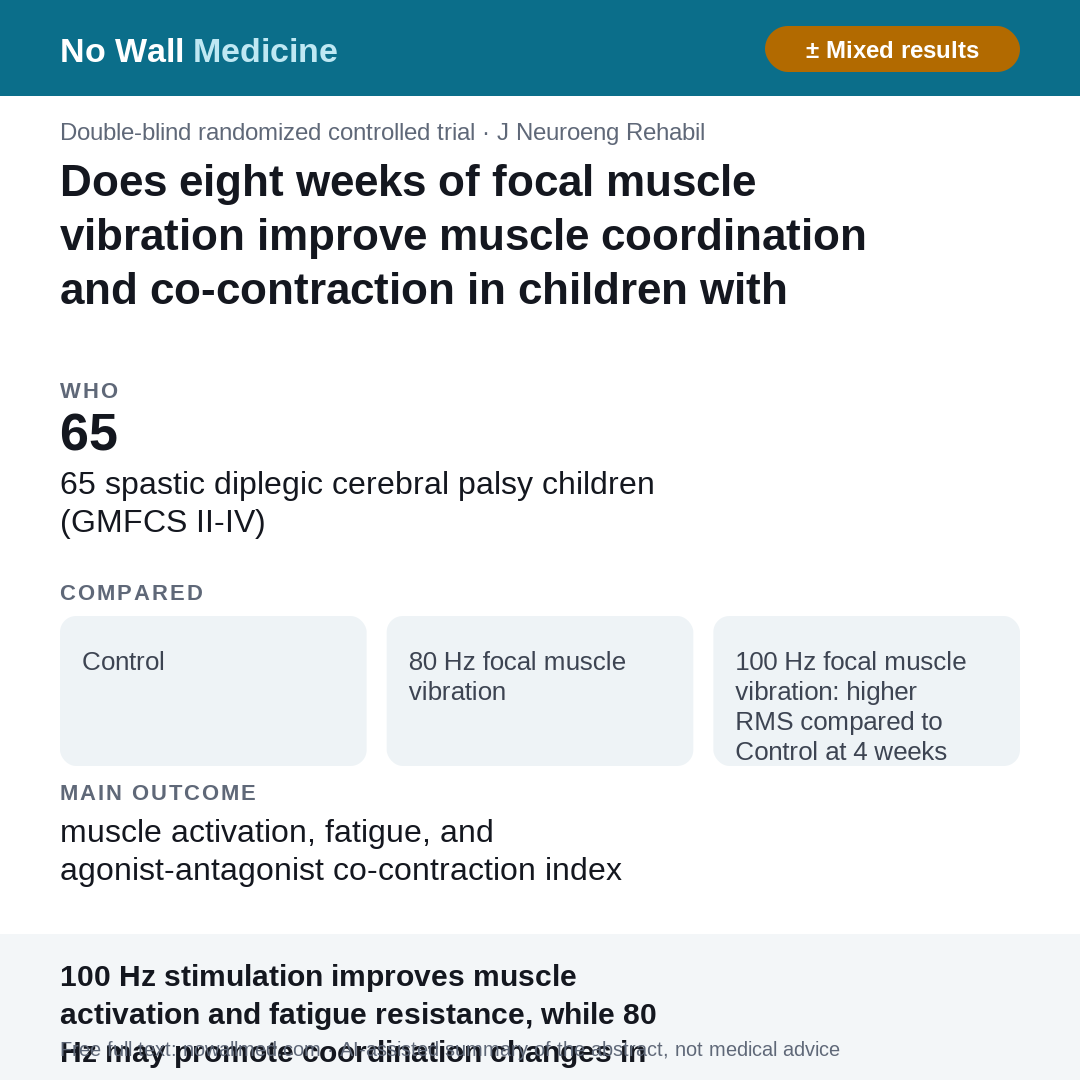
Eight weeks of focal muscle vibration shows improvements in muscle co-ordination and co-contraction in cerebral palsy children: a randomized control trial
Double-blind randomized controlled trialMixed results
Does eight weeks of focal muscle vibration improve muscle coordination and co-contraction in children with cerebral palsy?
Who
65
65 spastic diplegic cerebral palsy children (GMFCS II-IV)
Compared
Control
80 Hz focal muscle vibration
100 Hz focal muscle vibration: higher RMS compared to Control at 4 weeks (p = 0.027)
Main outcome
muscle activation, fatigue, and agonist-antagonist co-contraction index
Bottom line: 100 Hz stimulation improves muscle activation and fatigue resistance, while 80 Hz may promote coordination changes in cerebral palsy children.
J Neuroeng Rehabil · 2026-07-30Download image
What works in educational interventions for teams caring for children and young people admitted to general acute paediatric wards for mental health? A systematic review
Systematic reviewUnclear result
What educational interventions improve care for children and young people admitted for mental health?
Who
Staff working on acute paediatric wards · Not specified
Compared
Educational interventions
Control
Main outcome
Staff care for children and young people with mental health needs
Bottom line: No single intervention could be recommended, but certain components may support behavioural and practice change among staff.
Limitation: Overall quality of evidence was poor and lacked codesign with children and carers.
BMJ Paediatr Open · 2026-07-30Download image

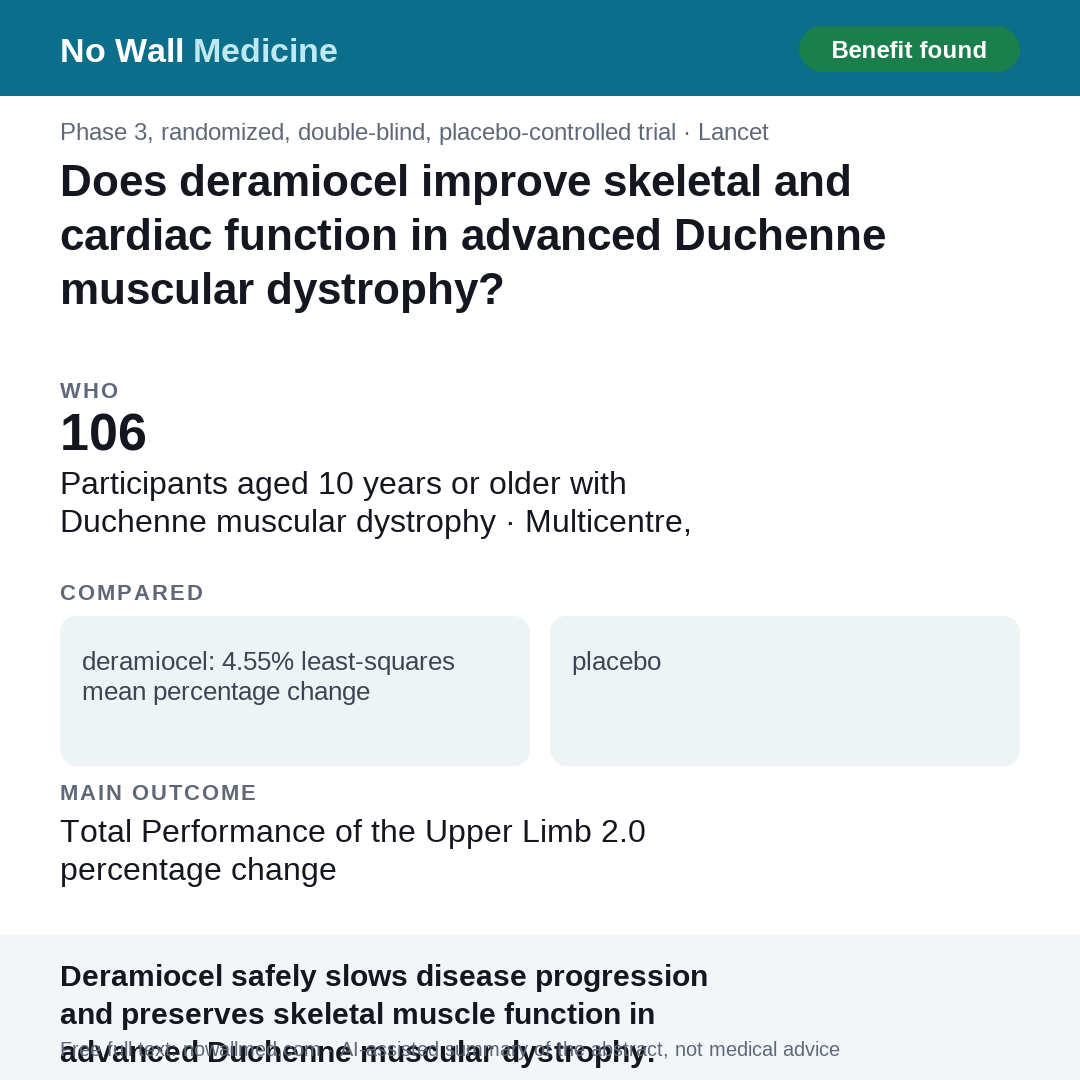
Deramiocel heart-derived cellular therapy in advanced Duchenne muscular dystrophy (HOPE-3): a phase 3, randomised, double-blind, placebo-controlled trial
Phase 3, randomized, double-blind, placebo-controlled trialBenefit found
Does deramiocel improve skeletal and cardiac function in advanced Duchenne muscular dystrophy?
Who
106
Participants aged 10 years or older with Duchenne muscular dystrophy · Multicentre, outpatient settings
Compared
deramiocel: 4.55% least-squares mean percentage change
placebo
Main outcome
Total Performance of the Upper Limb 2.0 percentage change
Result: 4.55% (95% CI 0.47-8.63; p=0.029)
Bottom line: Deramiocel safely slows disease progression and preserves skeletal muscle function in advanced Duchenne muscular dystrophy.
Funded by: Capricor Therapeutics
Lancet · 2026-07-29Download image
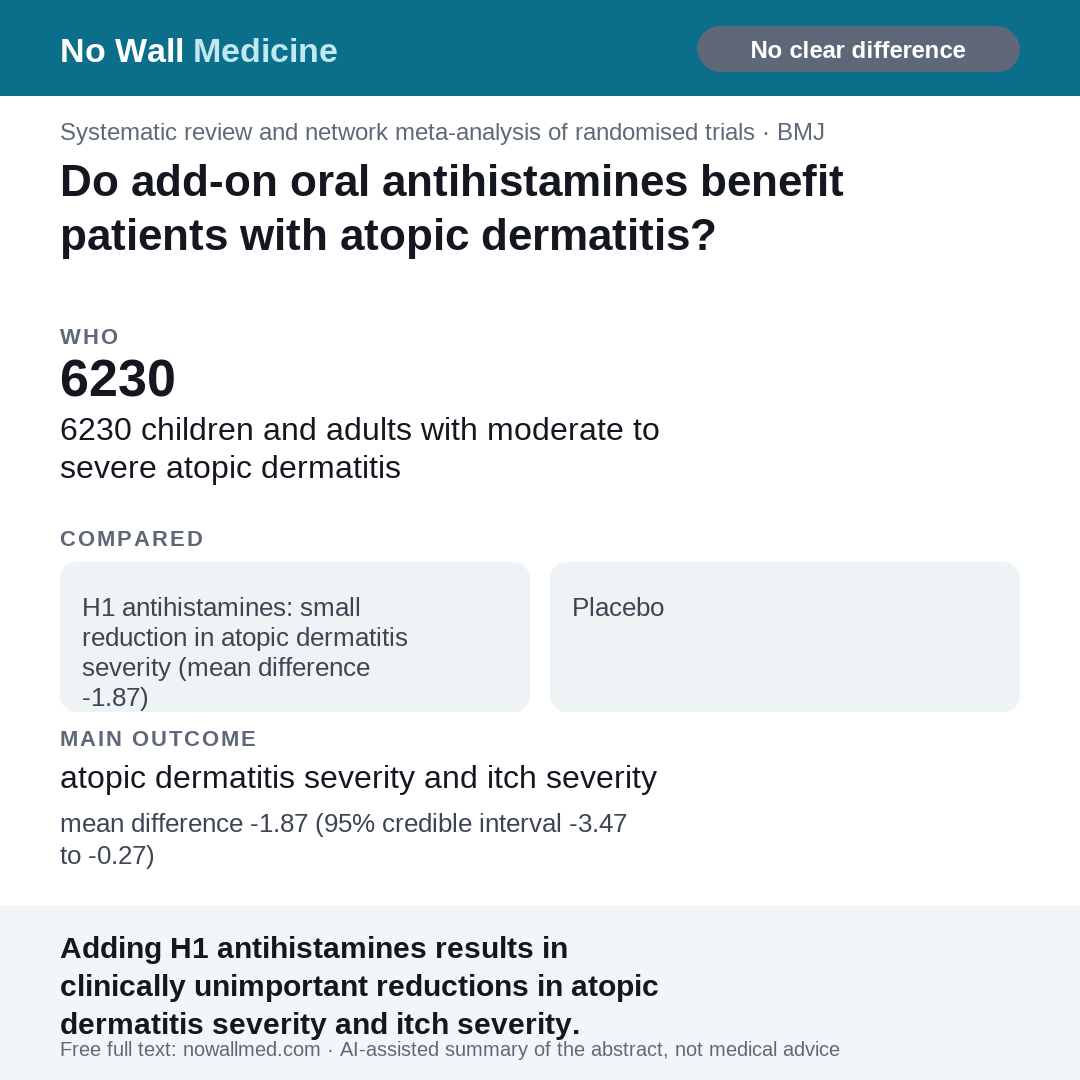
Antihistamines for atopic dermatitis (eczema): systematic review and network meta-analysis of randomised trials
Systematic review and network meta-analysis of randomised trialsNo clear difference
Do add-on oral antihistamines benefit patients with atopic dermatitis?
Who
6230
6230 children and adults with moderate to severe atopic dermatitis
Compared
H1 antihistamines: small reduction in atopic dermatitis severity (mean difference -1.87)
Placebo
Main outcome
atopic dermatitis severity and itch severity
Result: mean difference -1.87 (95% credible interval -3.47 to -0.27)
Bottom line: Adding H1 antihistamines results in clinically unimportant reductions in atopic dermatitis severity and itch severity.
Limitation: Effects are well below established minimal important differences.
BMJ · 2026-07-29Download image
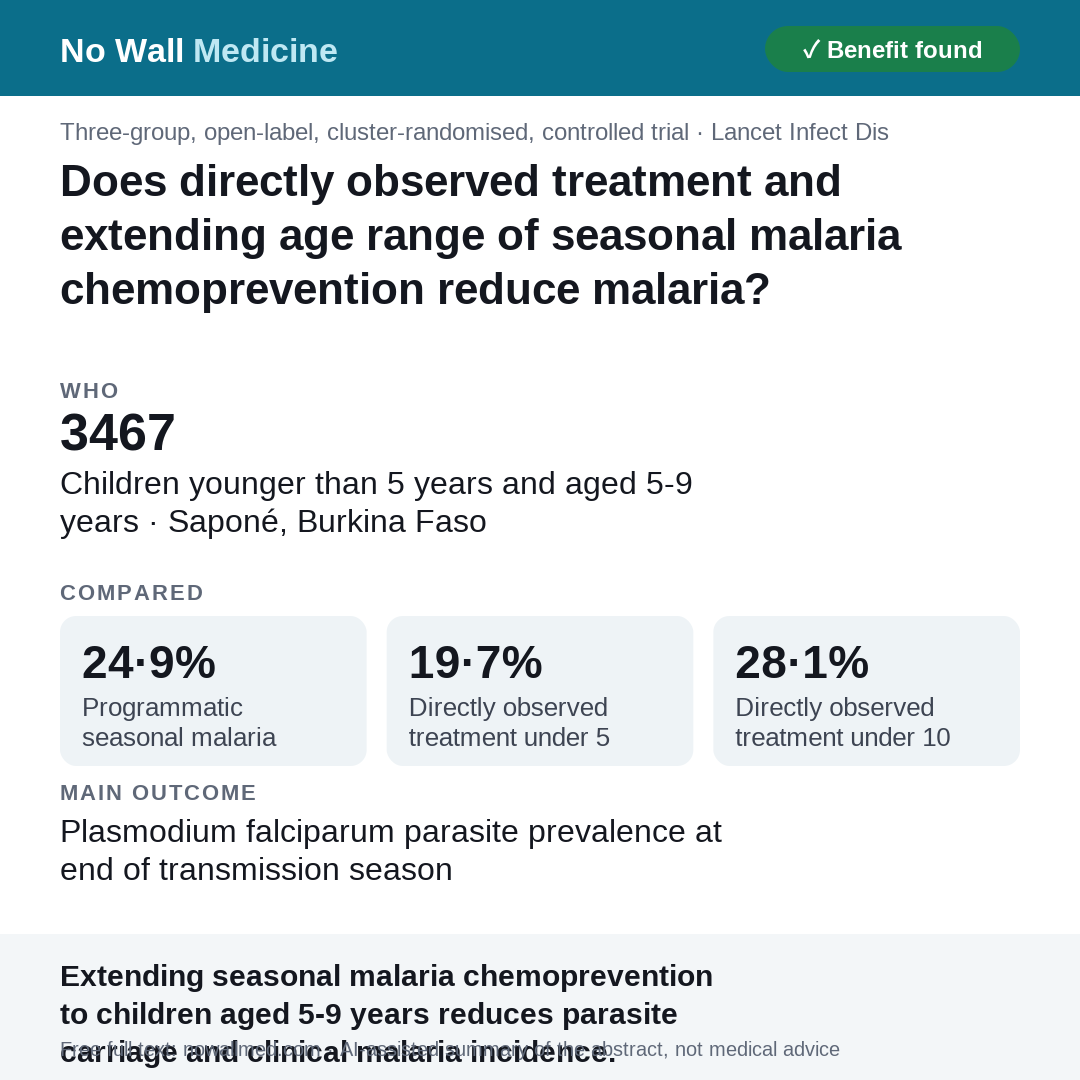
Impact of directly observed treatment and extended age range of seasonal malaria chemoprevention with sulfadoxine-pyrimethamine plus amodiaquine in Burkina Faso: a three-group, open-label, cluster-randomised, controlled trial
Three-group, open-label, cluster-randomised, controlled trialBenefit found
Does directly observed treatment and extending age range of seasonal malaria chemoprevention reduce malaria?
Who
3467
Children younger than 5 years and aged 5-9 years · Saponé, Burkina Faso
Compared
24·9%Programmatic seasonal malaria chemoprevention under 5 years (52 of 209 participants)
19·7%Directly observed treatment under 5 years (40 of 203 participants)
28·1%Directly observed treatment under 10 years (63 of 224 participants)
Main outcome
Plasmodium falciparum parasite prevalence at end of transmission season
Result: RR 0·56 (95% CI 0·43-0·74) for parasite prevalence in 5-9 year olds
Bottom line: Extending seasonal malaria chemoprevention to children aged 5-9 years reduces parasite carriage and clinical malaria incidence.
Funded by: Gates Foundation
Lancet Infect Dis · 2026-07-29Download image
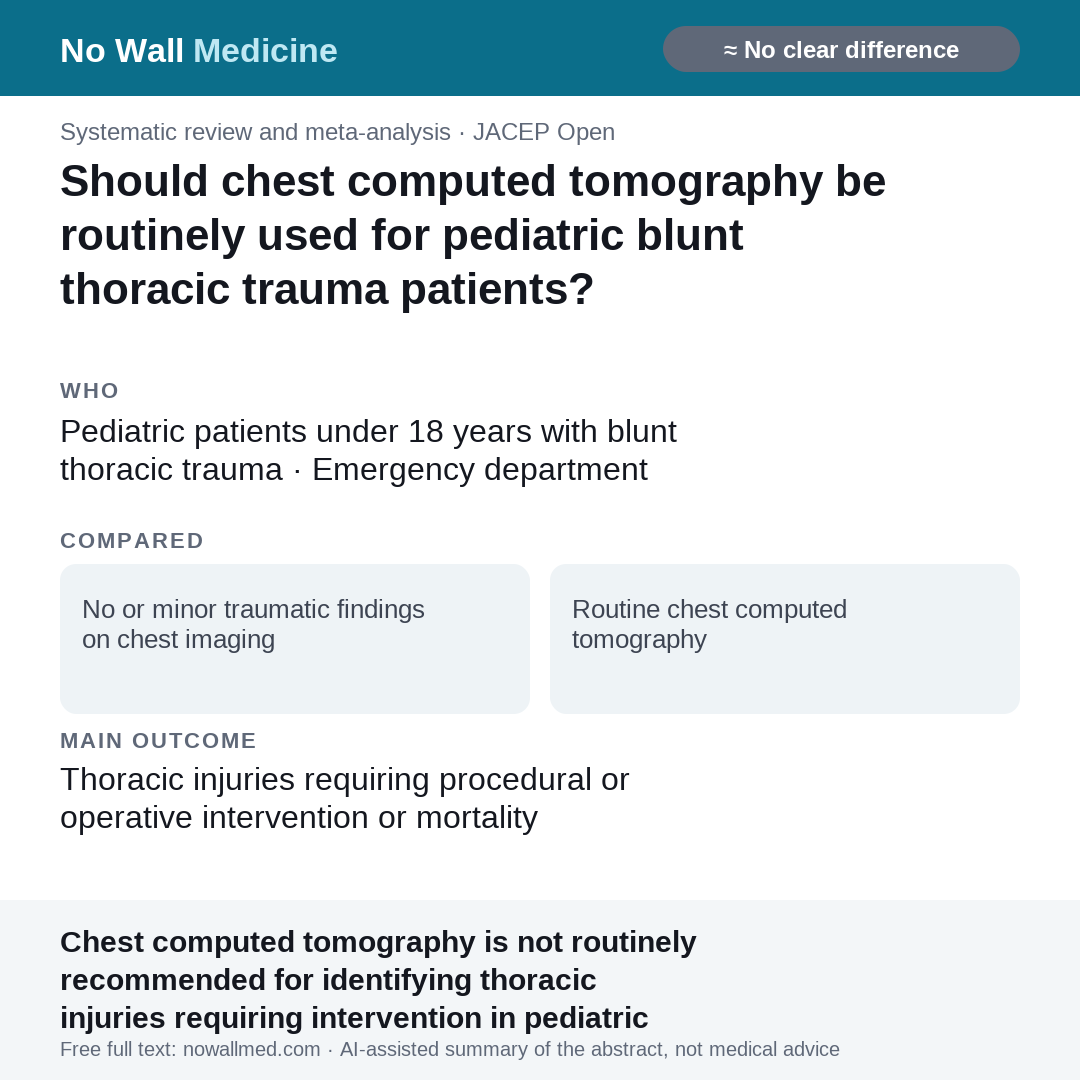
Emergency Department Imaging of Pediatric Patients with Blunt Thoracic Trauma: A Systematic Review, Meta-Analysis, and Practice Management Guideline
Systematic review and meta-analysisNo clear difference
Should chest computed tomography be routinely used for pediatric blunt thoracic trauma patients?
Who
Pediatric patients under 18 years with blunt thoracic trauma · Emergency department
Compared
No or minor traumatic findings on chest imaging
Routine chest computed tomography
Main outcome
Thoracic injuries requiring procedural or operative intervention or mortality
Bottom line: Chest computed tomography is not routinely recommended for identifying thoracic injuries requiring intervention in pediatric patients with minor screening findings.
Limitation: All included studies were retrospective and the quality of available evidence was very low.
JACEP Open · 2026-07-28Download image
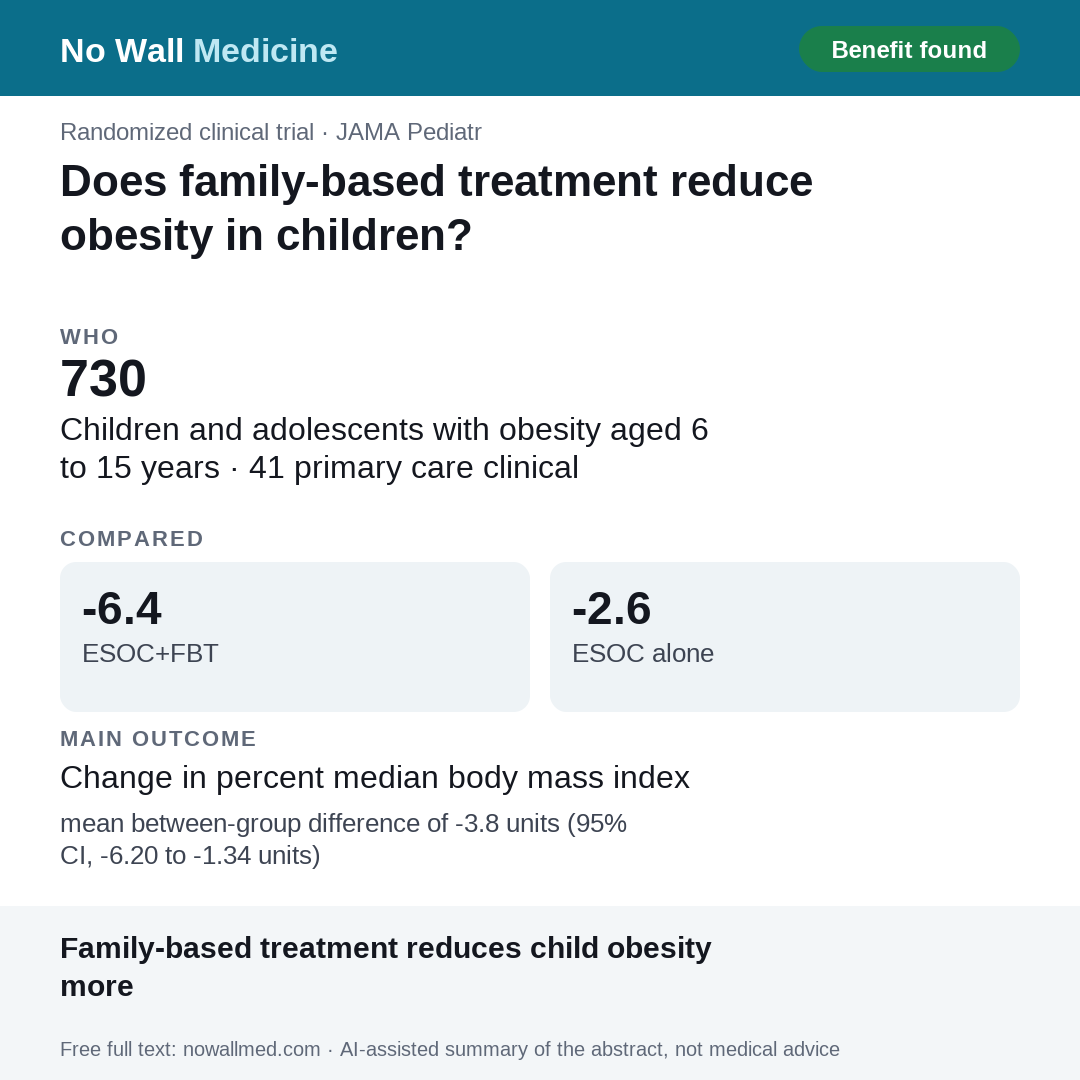
Family-Centered Child Obesity Treatment: The TEAM UP Randomized Clinical Trial
Randomized clinical trialBenefit found
Does family-based treatment reduce obesity in children?
Who
730
Children and adolescents with obesity aged 6 to 15 years · 41 primary care clinical practices
Compared
-6.4ESOC+FBT
-2.6ESOC alone
Main outcome
Change in percent median body mass index
Result: mean between-group difference of -3.8 units (95% CI, -6.20 to -1.34 units)
Bottom line: Family-based treatment reduces child obesity more
JAMA Pediatr · 2026-07-27Download image
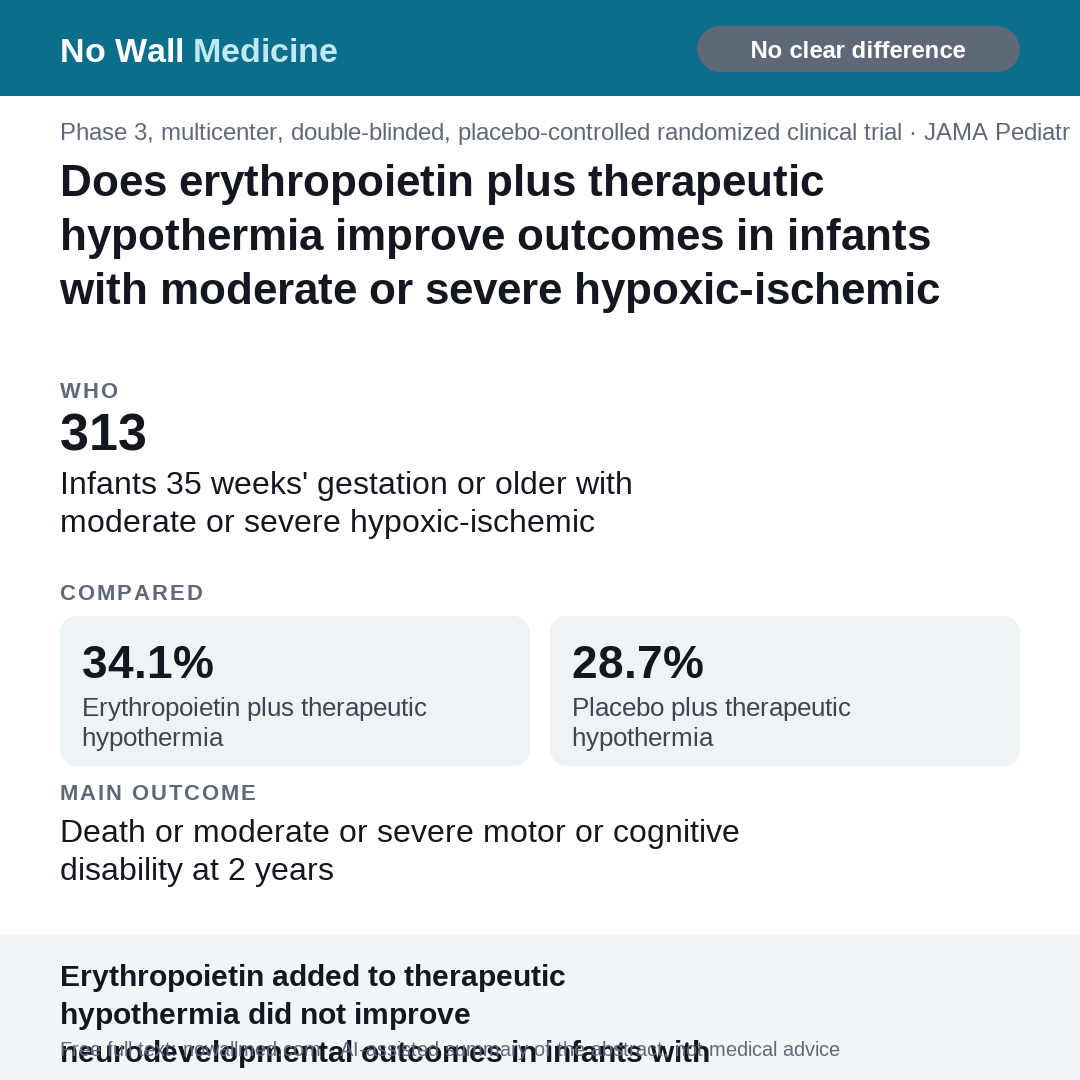
Erythropoietin for Neonatal Hypoxic-Ischemic Encephalopathy: A Randomized Clinical Trial
Phase 3, multicenter, double-blinded, placebo-controlled randomized clinical trialNo clear difference
Does erythropoietin plus therapeutic hypothermia improve outcomes in infants with moderate or severe hypoxic-ischemic encephalopathy?
Who
313
Infants 35 weeks' gestation or older with moderate or severe hypoxic-ischemic encephalopathy · 24 neonatal intensive care units in Australia, New Zealand, and Singapore
Compared
34.1%Erythropoietin plus therapeutic hypothermia
28.7%Placebo plus therapeutic hypothermia
Main outcome
Death or moderate or severe motor or cognitive disability at 2 years
Result: relative risk 1.19 (95% CI 0.84-1.68)
Bottom line: Erythropoietin added to therapeutic hypothermia did not improve neurodevelopmental outcomes in infants with hypoxic-ischemic encephalopathy.
JAMA Pediatr · 2026-07-27Download image
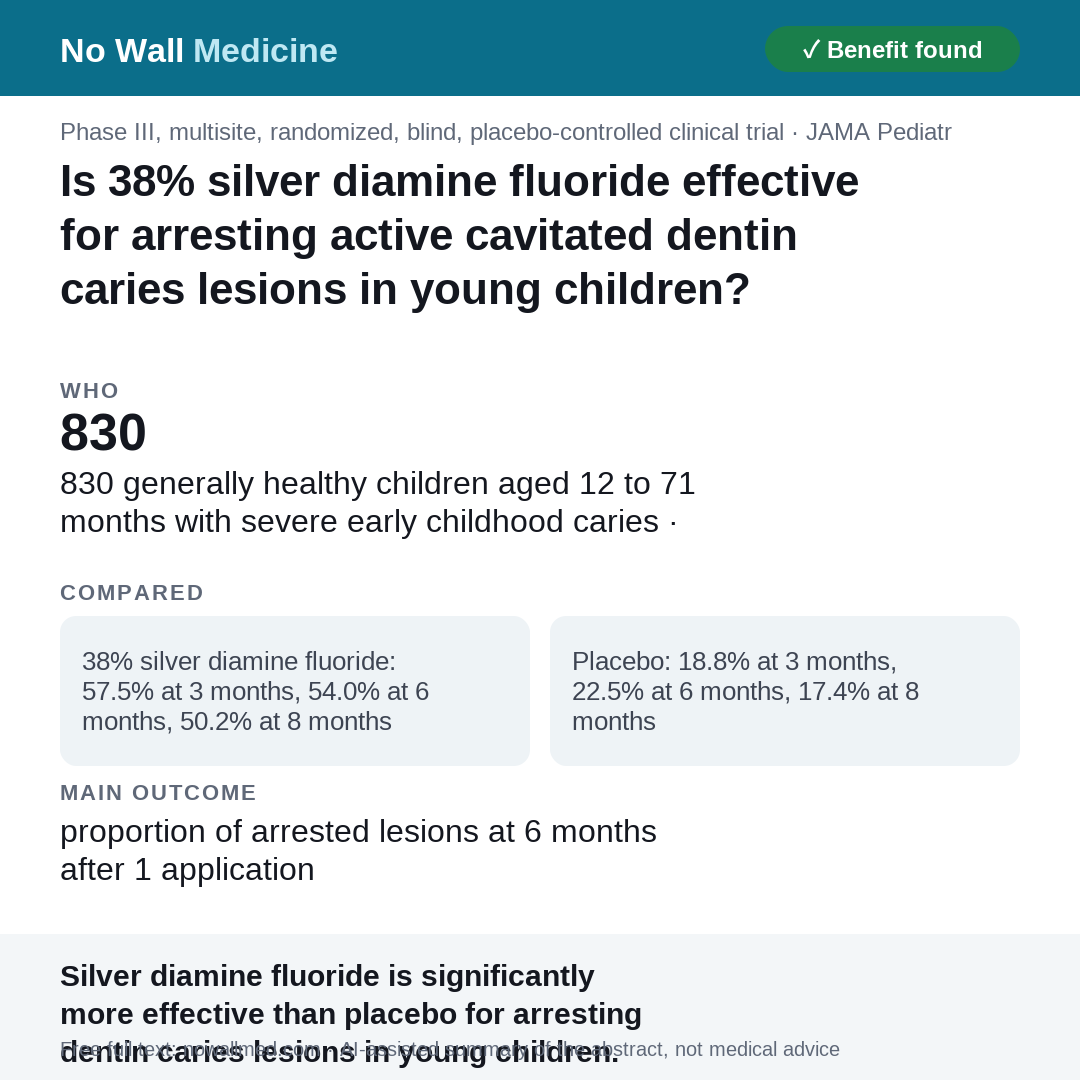
Efficacy of Silver Diamine Fluoride on Young Children With Severe Early Childhood Caries: A Randomized Clinical Trial
Phase III, multisite, randomized, blind, placebo-controlled clinical trialBenefit found
Is 38% silver diamine fluoride effective for arresting active cavitated dentin caries lesions in young children?
Who
830
830 generally healthy children aged 12 to 71 months with severe early childhood caries · Three sites including medical, dental, and preschool programs
Compared
38% silver diamine fluoride: 57.5% at 3 months, 54.0% at 6 months, 50.2% at 8 months
Placebo: 18.8% at 3 months, 22.5% at 6 months, 17.4% at 8 months
Main outcome
proportion of arrested lesions at 6 months after 1 application
Result: 31.5% (99.9% CI 21.5% to 41.6%) at 6 months
Bottom line: Silver diamine fluoride is significantly more effective than placebo for arresting dentin caries lesions in young children.
JAMA Pediatr · 2026-07-27Download image
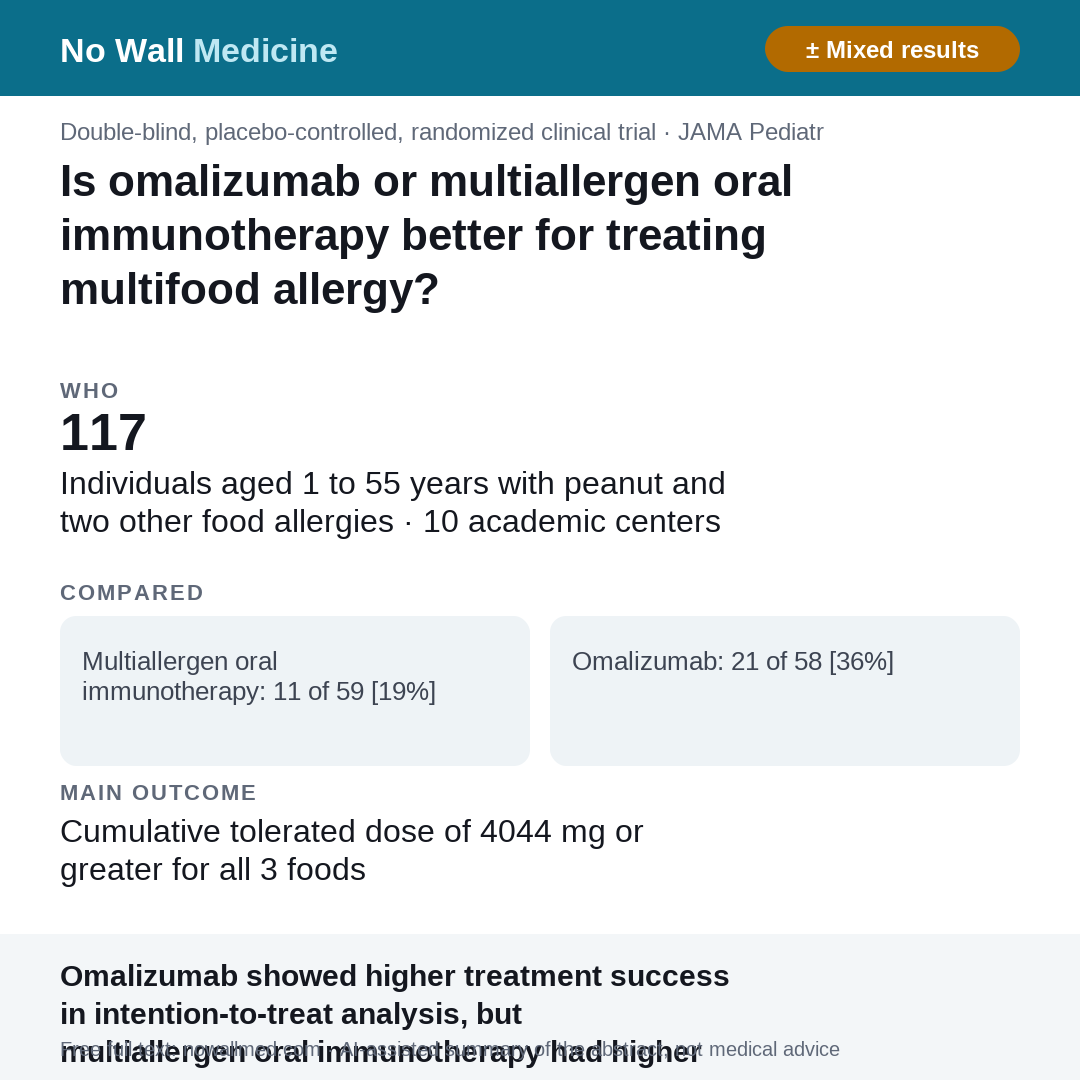
Treatment of Multifood Allergy With Omalizumab or Multiallergen Oral Immunotherapy: A Randomized Clinical Trial
Double-blind, placebo-controlled, randomized clinical trialMixed results
Is omalizumab or multiallergen oral immunotherapy better for treating multifood allergy?
Who
117
Individuals aged 1 to 55 years with peanut and two other food allergies · 10 academic centers across the US
Compared
Multiallergen oral immunotherapy: 11 of 59 [19%]
Omalizumab: 21 of 58 [36%]
Main outcome
Cumulative tolerated dose of 4044 mg or greater for all 3 foods
Result: odds ratio 2.6 (95% CI 1.1-6.3)
Bottom line: Omalizumab showed higher treatment success in intention-to-treat analysis, but multiallergen oral immunotherapy had higher adverse event rates.
JAMA Pediatr · 2026-07-27Download image
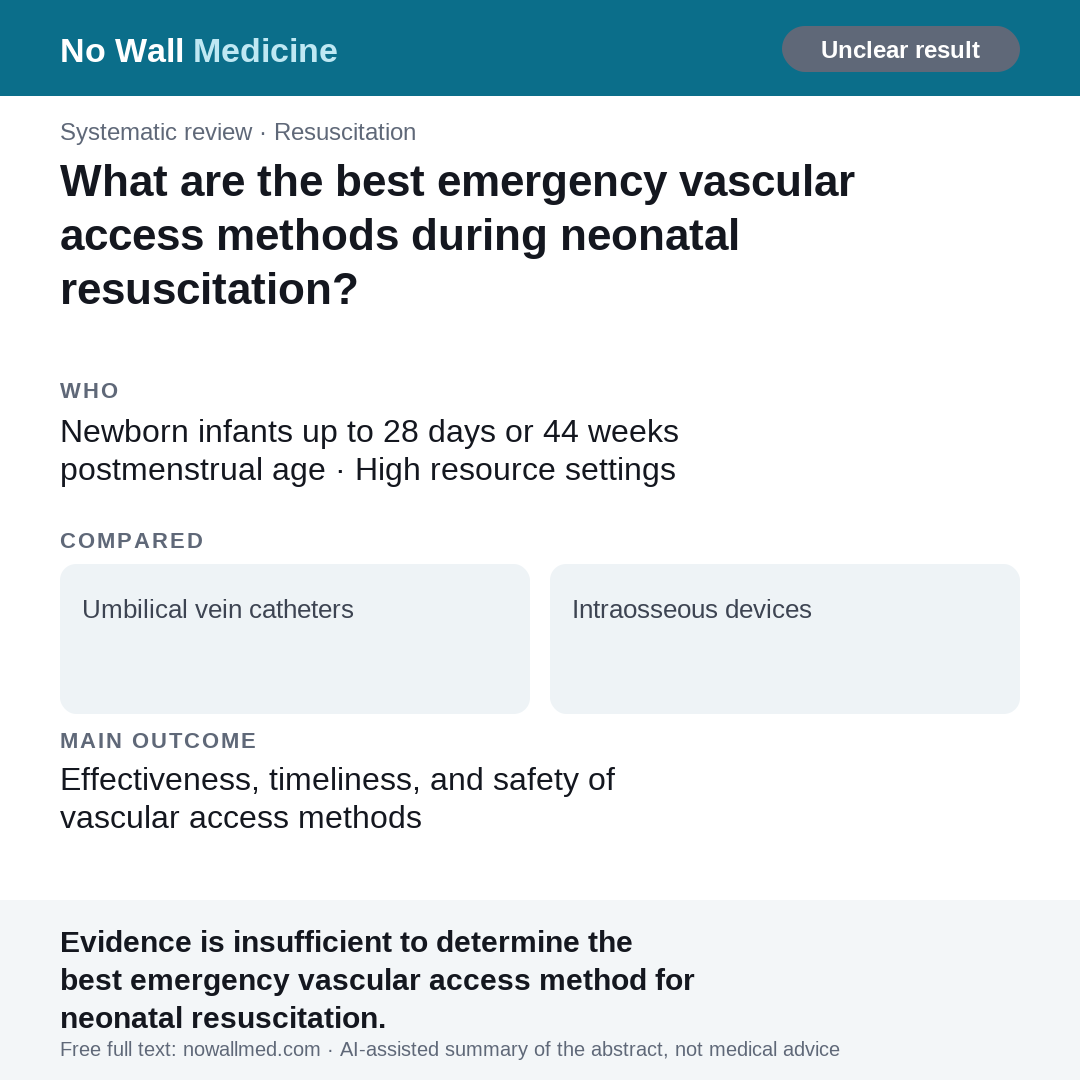
Initial vascular access for neonatal resuscitation: a systematic review
Systematic reviewUnclear result
What are the best emergency vascular access methods during neonatal resuscitation?
Who
Newborn infants up to 28 days or 44 weeks postmenstrual age · High resource settings
Compared
Umbilical vein catheters
Intraosseous devices
Main outcome
Effectiveness, timeliness, and safety of vascular access methods
Bottom line: Evidence is insufficient to determine the best emergency vascular access method for neonatal resuscitation.
Limitation: Lack of randomized controlled trials, small sample size, and heterogeneity of studies.
Resuscitation · 2026-07-27Download image
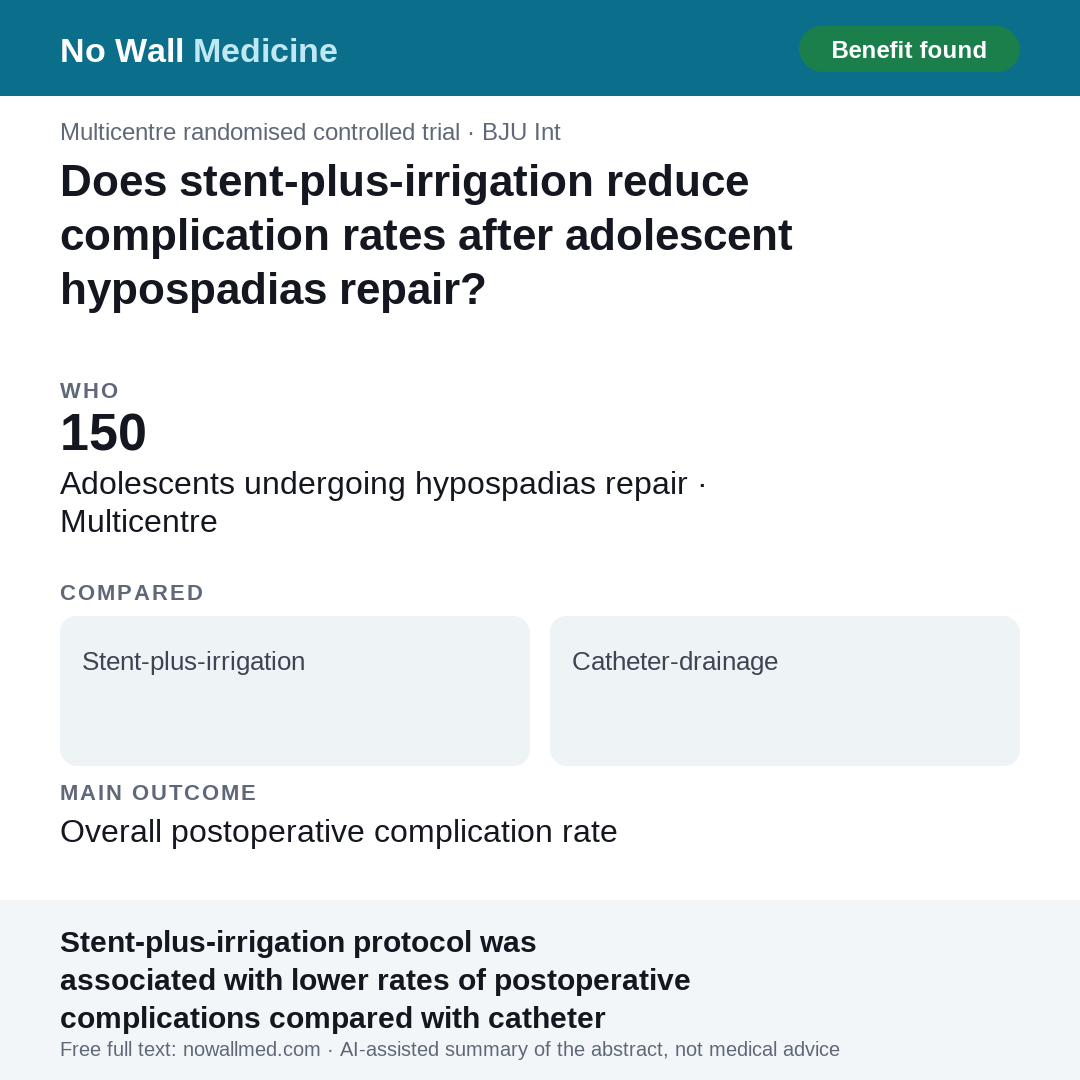
A stent-plus-irrigation protocol after adolescent hypospadias repair: a multicentre randomised controlled trial
Multicentre randomised controlled trialBenefit found
Does stent-plus-irrigation reduce complication rates after adolescent hypospadias repair?
Who
150
Adolescents undergoing hypospadias repair · Multicentre
Compared
Stent-plus-irrigation
Catheter-drainage
Main outcome
Overall postoperative complication rate
Result: risk ratio 0.33 (95% CI 0.20-0.56)
Bottom line: Stent-plus-irrigation protocol was associated with lower rates of postoperative complications compared with catheter drainage alone.
BJU Int · 2026-07-27Download image
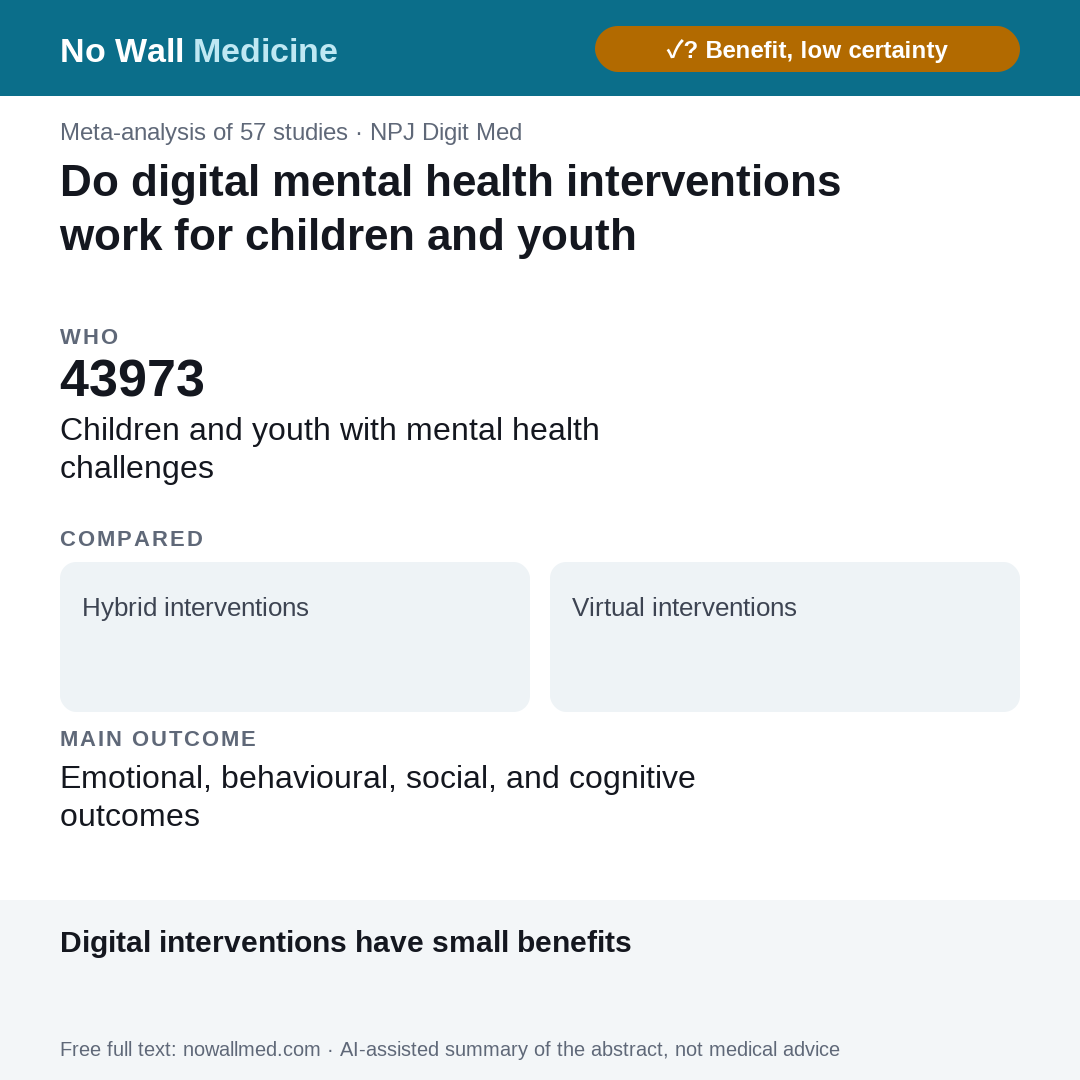
Universal digital mental health interventions for children and youth a systematic review and meta-analysis
Meta-analysis of 57 studiesBenefit found
Do digital mental health interventions work for children and youth
Who
43973
Children and youth with mental health challenges
Compared
Hybrid interventions
Virtual interventions
Main outcome
Emotional, behavioural, social, and cognitive outcomes
Result: small effects
Bottom line: Digital interventions have small benefits
NPJ Digit Med · 2026-07-27Download image
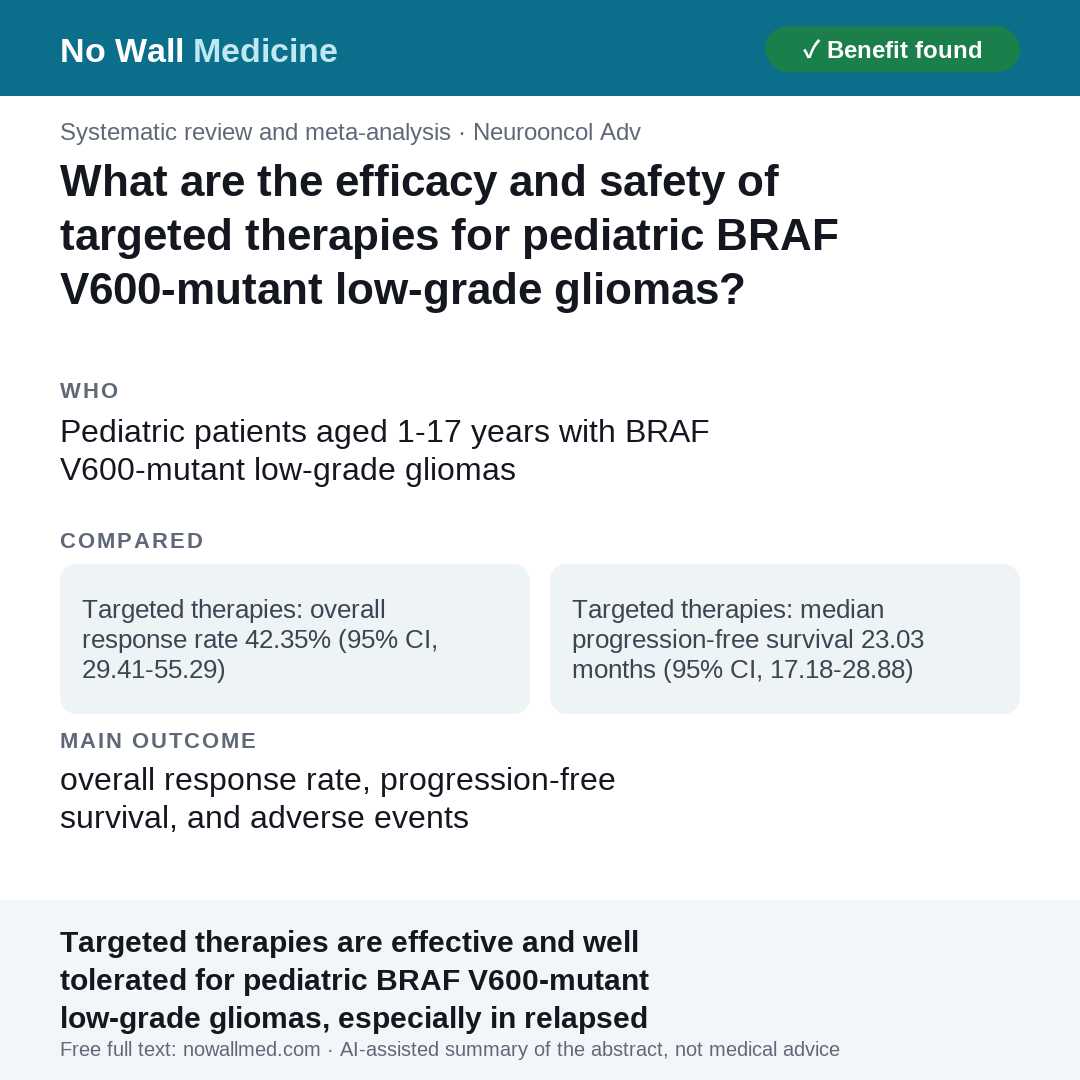
Outcomes of target therapies for pediatric BRAF V600-mutant low-grade gliomas: A systematic review and meta-analysis
Systematic review and meta-analysisBenefit found
What are the efficacy and safety of targeted therapies for pediatric BRAF V600-mutant low-grade gliomas?
Who
Pediatric patients aged 1-17 years with BRAF V600-mutant low-grade gliomas
Compared
Targeted therapies: overall response rate 42.35% (95% CI, 29.41-55.29)
Targeted therapies: median progression-free survival 23.03 months (95% CI, 17.18-28.88)
Main outcome
overall response rate, progression-free survival, and adverse events
Bottom line: Targeted therapies are effective and well tolerated for pediatric BRAF V600-mutant low-grade gliomas, especially in relapsed disease.
Limitation: Functional outcomes were inconsistently reported and further prospective studies are required.
Neurooncol Adv · 2026-07-27Download image