Visual abstracts
New randomized trials and meta-analyses from leading journals at a glance: who was studied, what was compared, and what was found. Every paper is free to read in full.
All specialtiesCardiology 4877Oncology 4138Gastroenterology & Hepatology 1942Infectious Disease 3837Neurology 1905Psychiatry & Mental Health 2273Pulmonology 2143Critical Care 1365Endocrinology & Diabetes 2580Pediatrics 2980Surgery 2559Orthopedics & Sports Medicine 931Neurosurgery 537Cardiothoracic & Vascular Surgery 674Plastic & Reconstructive Surgery 591Nephrology 1133Rheumatology 823Hematology 1109Dermatology 621Ophthalmology 543Obstetrics & Gynecology 1686Public & Global Health 1058Radiology & Imaging 648Anesthesiology 986Urology 764ENT (Otolaryngology) 503Emergency Medicine 511Allergy & Immunology 313Geriatrics 981Family Medicine & Primary Care 562Medical Genetics & Genomics 676Pathology & Laboratory Medicine 159Physical Medicine & Rehabilitation 757Palliative Care 444Nutrition 1588Digital Health & AI 2201General Medicine 321
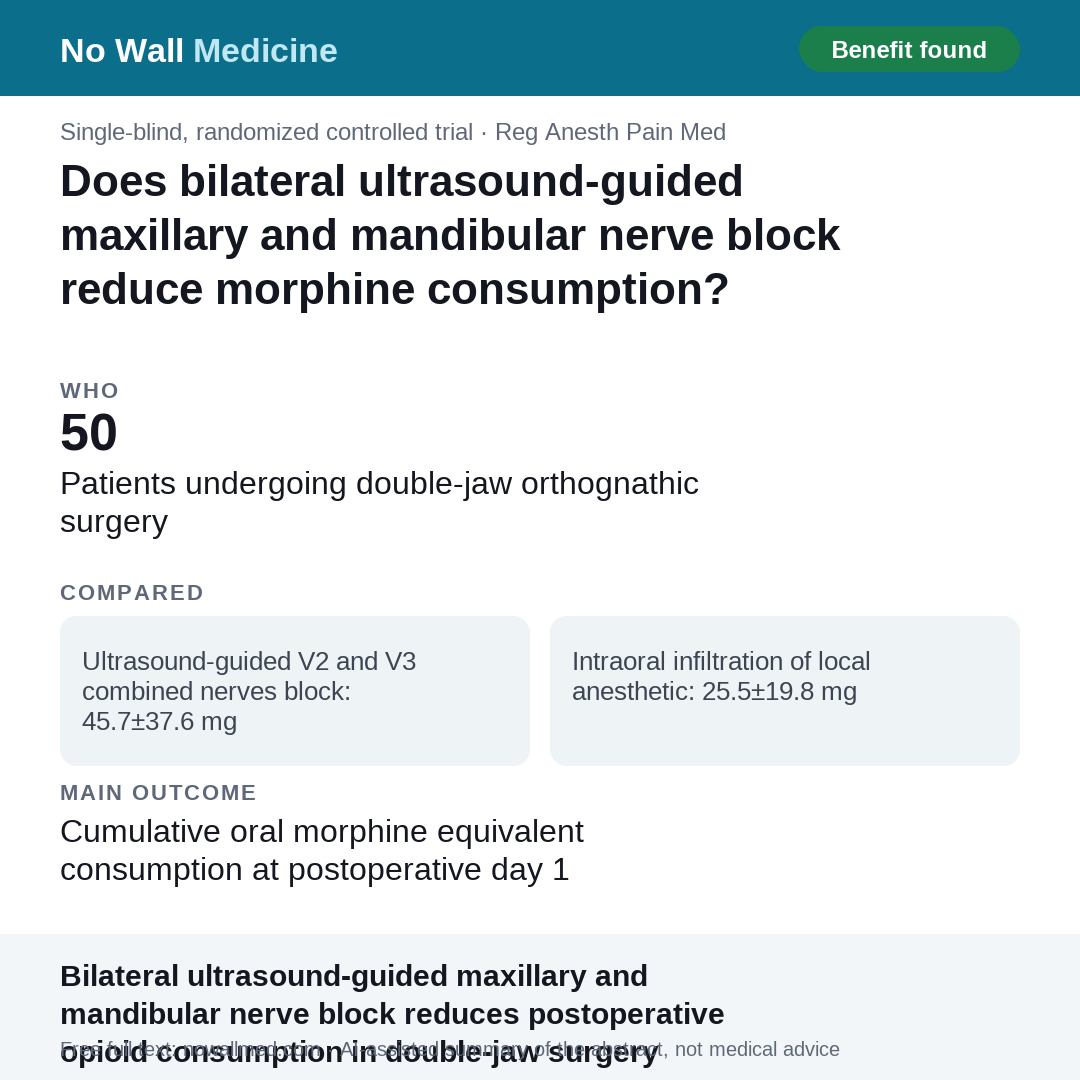
Bilateral ultrasound-guided maxillary and mandibular combined nerves block reduces morphine consumption after double-jaw orthognathic surgery: a randomized controlled trial
Single-blind, randomized controlled trialBenefit found
Does bilateral ultrasound-guided maxillary and mandibular nerve block reduce morphine consumption?
Who
50
Patients undergoing double-jaw orthognathic surgery
Compared
Ultrasound-guided V2 and V3 combined nerves block: 45.7±37.6 mg
Intraoral infiltration of local anesthetic: 25.5±19.8 mg
Main outcome
Cumulative oral morphine equivalent consumption at postoperative day 1
Result: mean difference of -20.1 (95% CI -37.4 to -2.9) mg
Bottom line: Bilateral ultrasound-guided maxillary and mandibular nerve block reduces postoperative opioid consumption in double-jaw surgery patients.
Reg Anesth Pain Med · 2025-07-04Download image
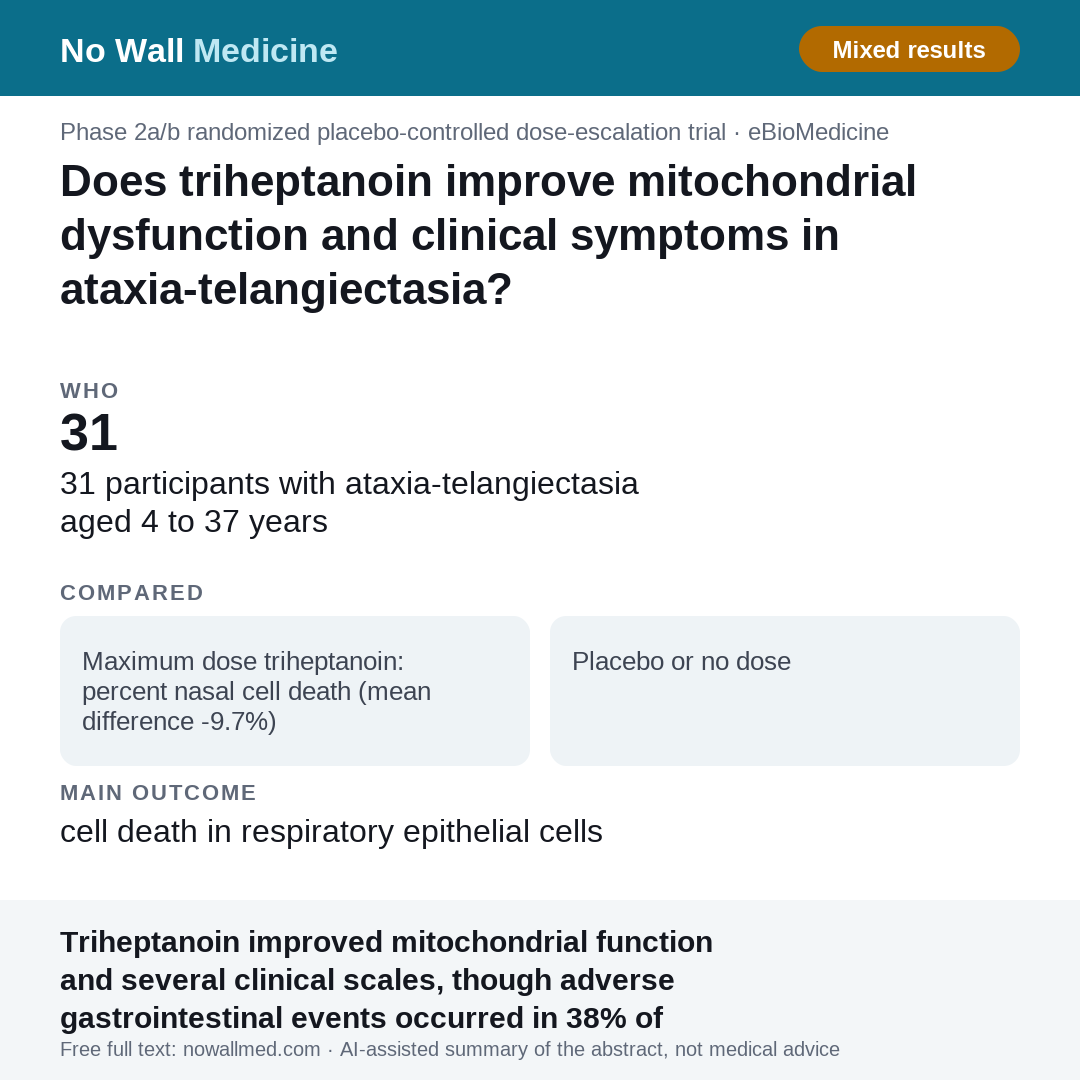
Phase 2a/b randomised placebo-controlled dose-escalation trial of triheptanoin for ataxia-telangiectasia: treating mitochondrial dysfunction with anaplerosis
Phase 2a/b randomized placebo-controlled dose-escalation trialMixed results
Does triheptanoin improve mitochondrial dysfunction and clinical symptoms in ataxia-telangiectasia?
Who
31
31 participants with ataxia-telangiectasia aged 4 to 37 years
Compared
Maximum dose triheptanoin: percent nasal cell death (mean difference -9.7%)
Placebo or no dose
Main outcome
cell death in respiratory epithelial cells
Result: mean difference -9.7%, 95% confidence interval -16.0, 4.6
Bottom line: Triheptanoin improved mitochondrial function and several clinical scales, though adverse gastrointestinal events occurred in 38% of participants.
Funded by: Medical Researcher Futures Fund Australia, University of Queensland, Wesley Research Institute, BrAshA-T
eBioMedicine · 2025-07-04Download image
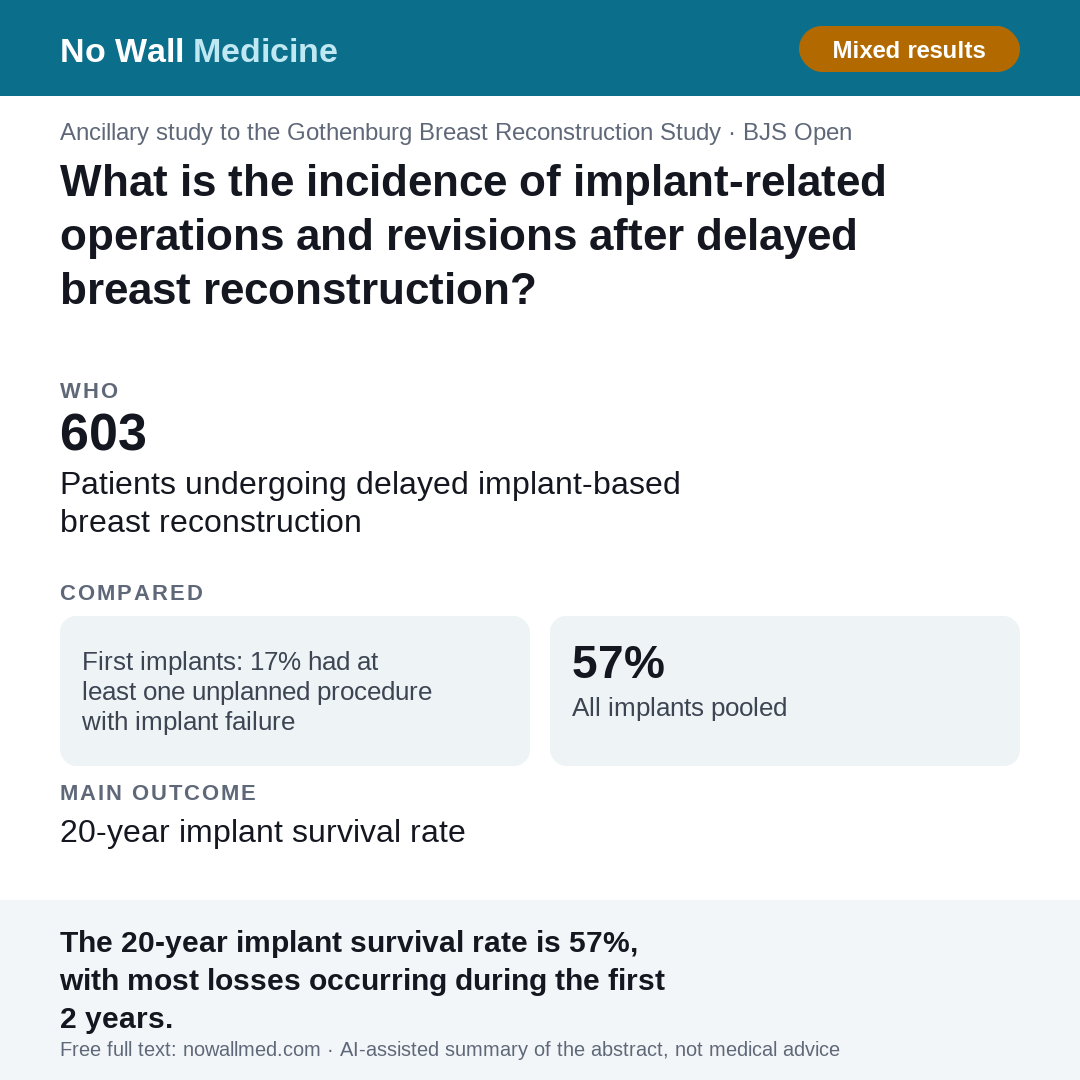
Long-term implant survival in delayed breast reconstruction
Ancillary study to the Gothenburg Breast Reconstruction StudyMixed results
What is the incidence of implant-related operations and revisions after delayed breast reconstruction?
Who
603
Patients undergoing delayed implant-based breast reconstruction
Compared
First implants: 17% had at least one unplanned procedure with implant failure
57%All implants pooled (95% confidence interval 54 to 61%)
Main outcome
20-year implant survival rate
Result: 57% (95% confidence interval 54 to 61%)
Bottom line: The 20-year implant survival rate is 57%, with most losses occurring during the first 2 years.
BJS Open · 2025-07-04Download image
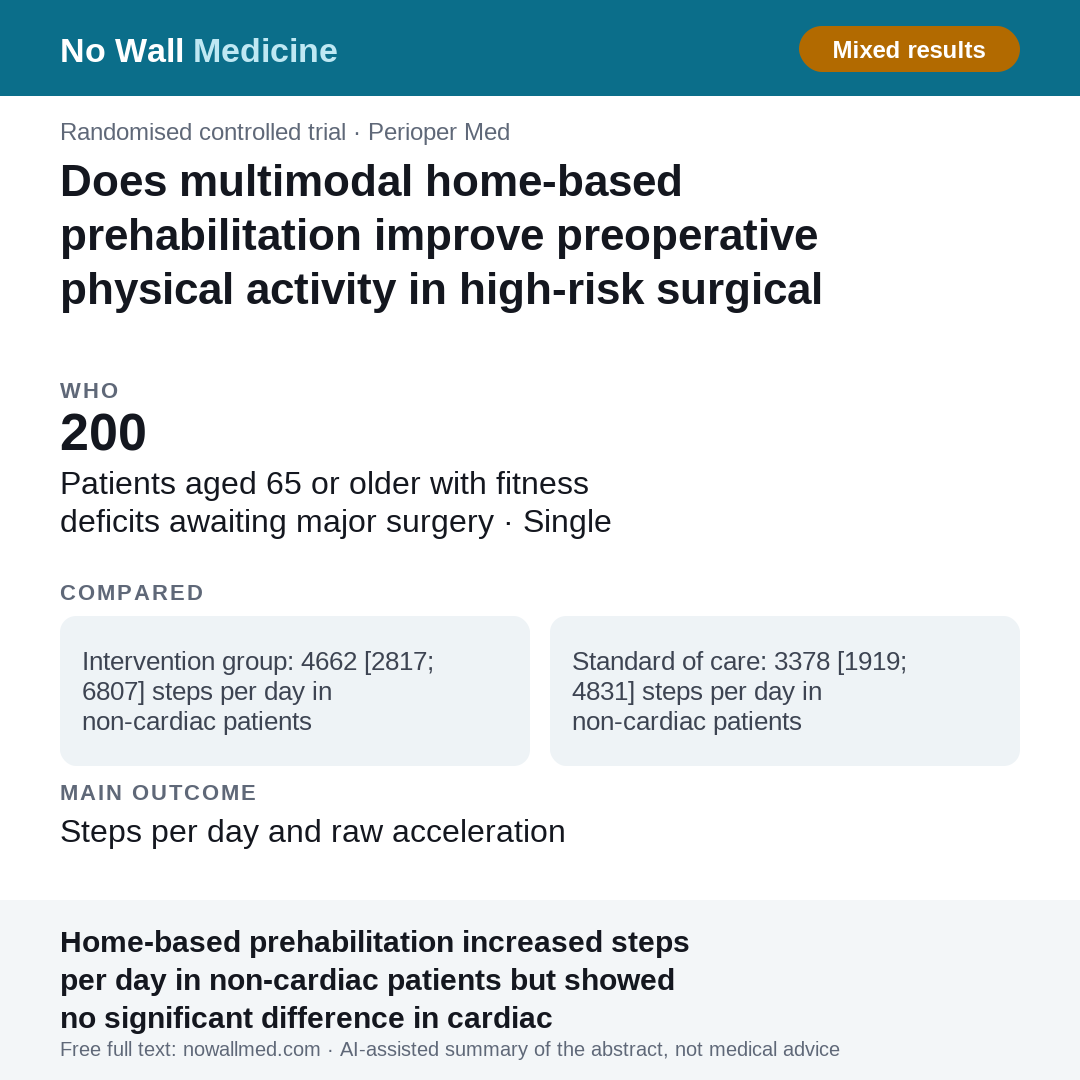
Effect of multimodal home-based prehabilitation on objectively measured physical activity in patients undergoing elective cardiac or non-cardiac major surgery: secondary outcomes from a randomised controlled trial
Randomised controlled trialMixed results
Does multimodal home-based prehabilitation improve preoperative physical activity in high-risk surgical patients?
Who
200
Patients aged 65 or older with fitness deficits awaiting major surgery · Single university hospital in Switzerland
Compared
Intervention group: 4662 [2817; 6807] steps per day in non-cardiac patients
Standard of care: 3378 [1919; 4831] steps per day in non-cardiac patients
Main outcome
Steps per day and raw acceleration
Bottom line: Home-based prehabilitation increased steps per day in non-cardiac patients but showed no significant difference in cardiac patients.
Perioper Med · 2025-07-04Download image
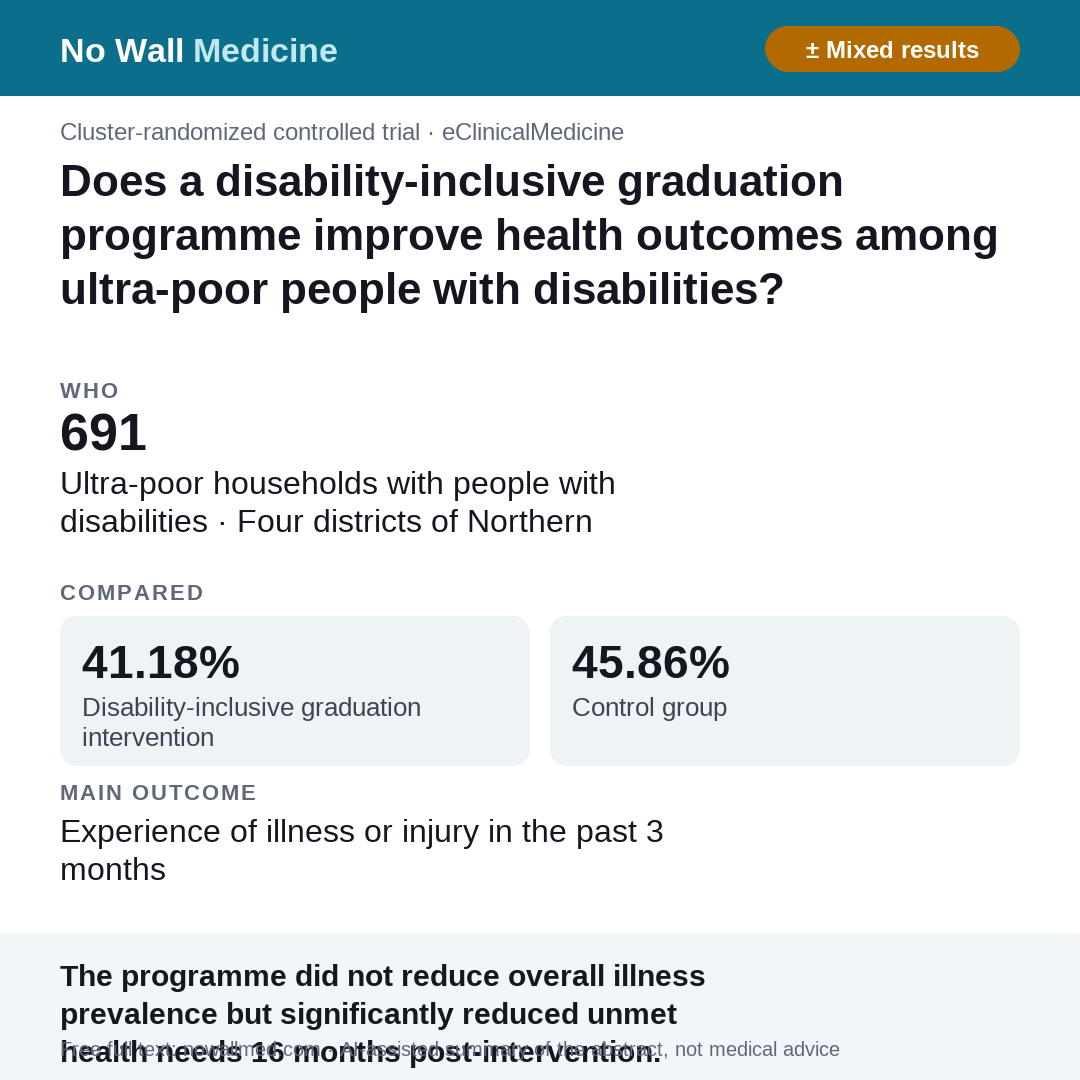
Evaluation of health impacts of a disability-inclusive graduation programme among ultra-poor people with disabilities in Uganda: secondary analysis of a cluster randomized trial
Cluster-randomized controlled trialMixed results
Does a disability-inclusive graduation programme improve health outcomes among ultra-poor people with disabilities?
Who
691
Ultra-poor households with people with disabilities · Four districts of Northern Uganda
Compared
41.18%Disability-inclusive graduation intervention (first follow-up)
45.86%Control group (first follow-up)
Main outcome
Experience of illness or injury in the past 3 months
Result: FAOR 0.84 (95% CI 0.58-1.22)
Bottom line: The programme did not reduce overall illness prevalence but significantly reduced unmet health needs 16 months post-intervention.
Limitation: Subgroup findings regarding sex-differentiated effects require replication in future studies.
Funded by: UK Foreign, Commonwealth and Development Office
eClinicalMedicine · 2025-07-03Download image
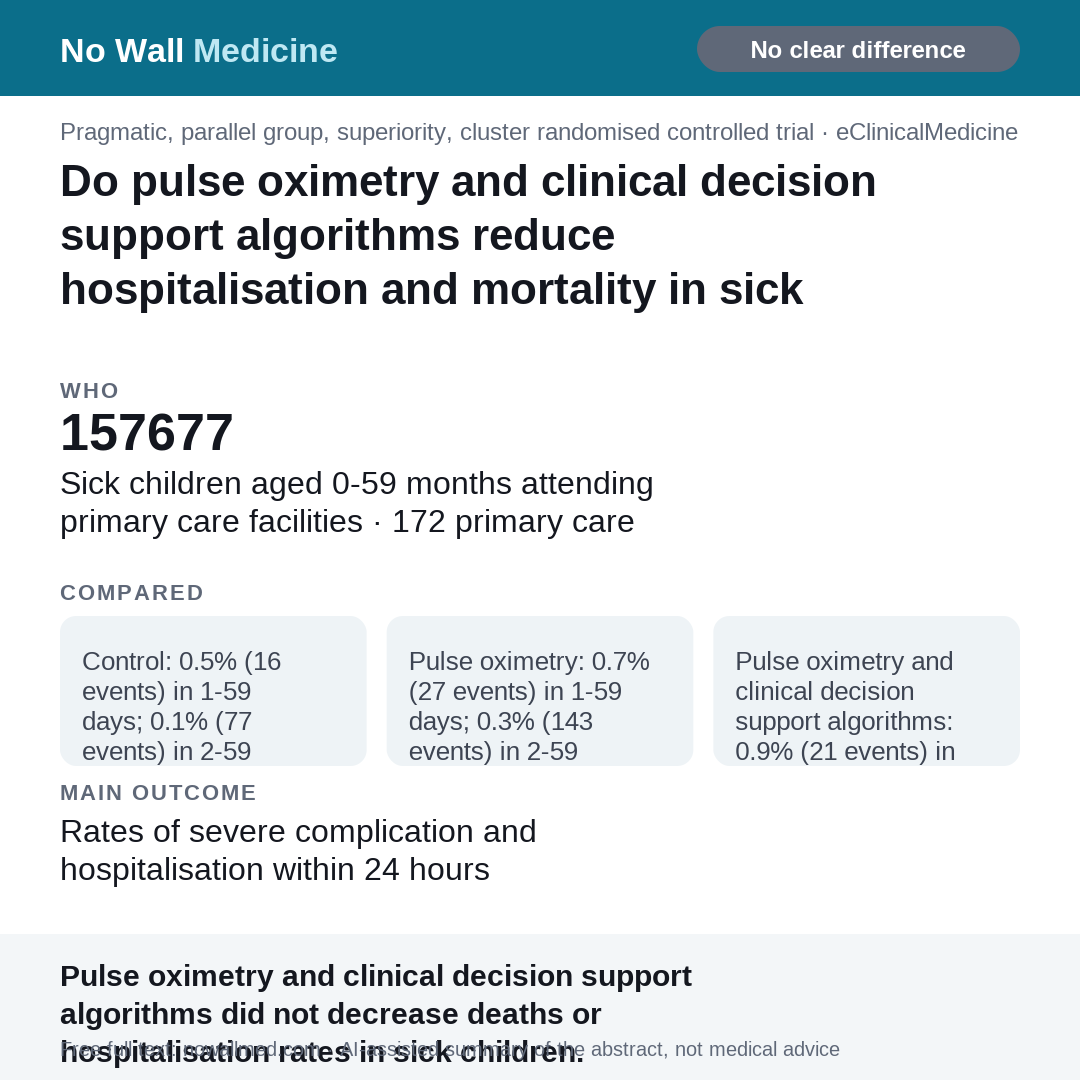
Effectiveness of introducing pulse oximetry and clinical decision support algorithms for the management of sick children in primary care in India and Tanzania on hospitalisation and mortality: the TIMCI pragmatic cluster randomised controlled trial
Pragmatic, parallel group, superiority, cluster randomised controlled trialNo clear difference
Do pulse oximetry and clinical decision support algorithms reduce hospitalisation and mortality in sick children?
Who
157677
Sick children aged 0-59 months attending primary care facilities · 172 primary care facilities in India and Tanzania
Compared
Control: 0.5% (16 events) in 1-59 days; 0.1% (77 events) in 2-59 months
Pulse oximetry: 0.7% (27 events) in 1-59 days; 0.3% (143 events) in 2-59 months
Pulse oximetry and clinical decision support algorithms: 0.9% (21 events) in 1-59 days; 0.3% (128 events) in 2-59 months
Main outcome
Rates of severe complication and hospitalisation within 24 hours
Bottom line: Pulse oximetry and clinical decision support algorithms did not decrease deaths or hospitalisation rates in sick children.
Funded by: Unitaid
eClinicalMedicine · 2025-07-03Download image
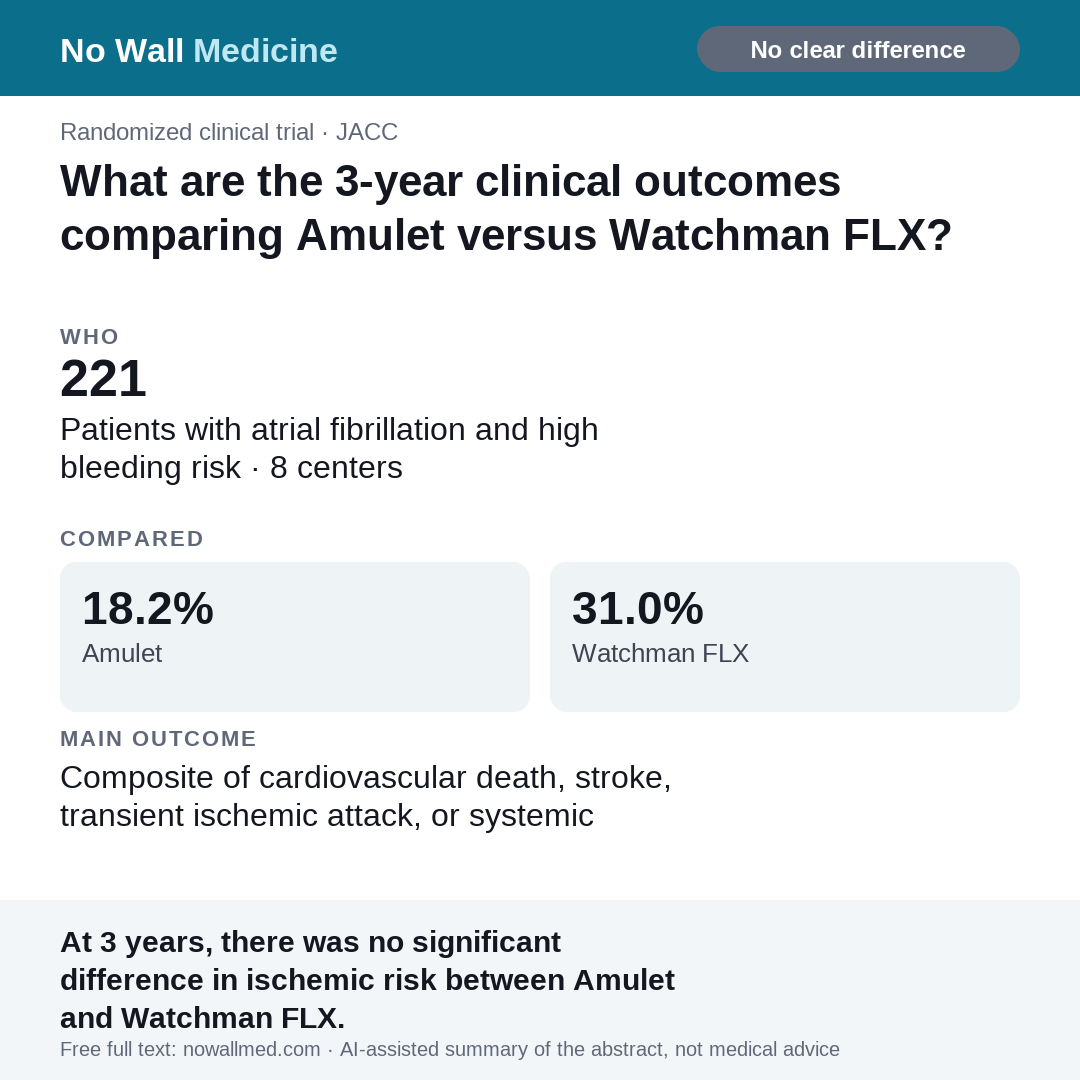
3-Year Clinical Outcomes Comparing the Amulet vs Watchman FLX for Left Atrial Appendage Closure in Patients With Atrial Fibrillation: Results From the SWISS-APERO Randomized Clinical Trial
Randomized clinical trialNo clear difference
What are the 3-year clinical outcomes comparing Amulet versus Watchman FLX?
Who
221
Patients with atrial fibrillation and high bleeding risk · 8 centers
Compared
18.2%Amulet
31.0%Watchman FLX
Main outcome
Composite of cardiovascular death, stroke, transient ischemic attack, or systemic embolism
Result: hazard ratio 0.58 (95% CI 0.33-1.03)
Bottom line: At 3 years, there was no significant difference in ischemic risk between Amulet and Watchman FLX.
JACC · 2025-07-03Download image
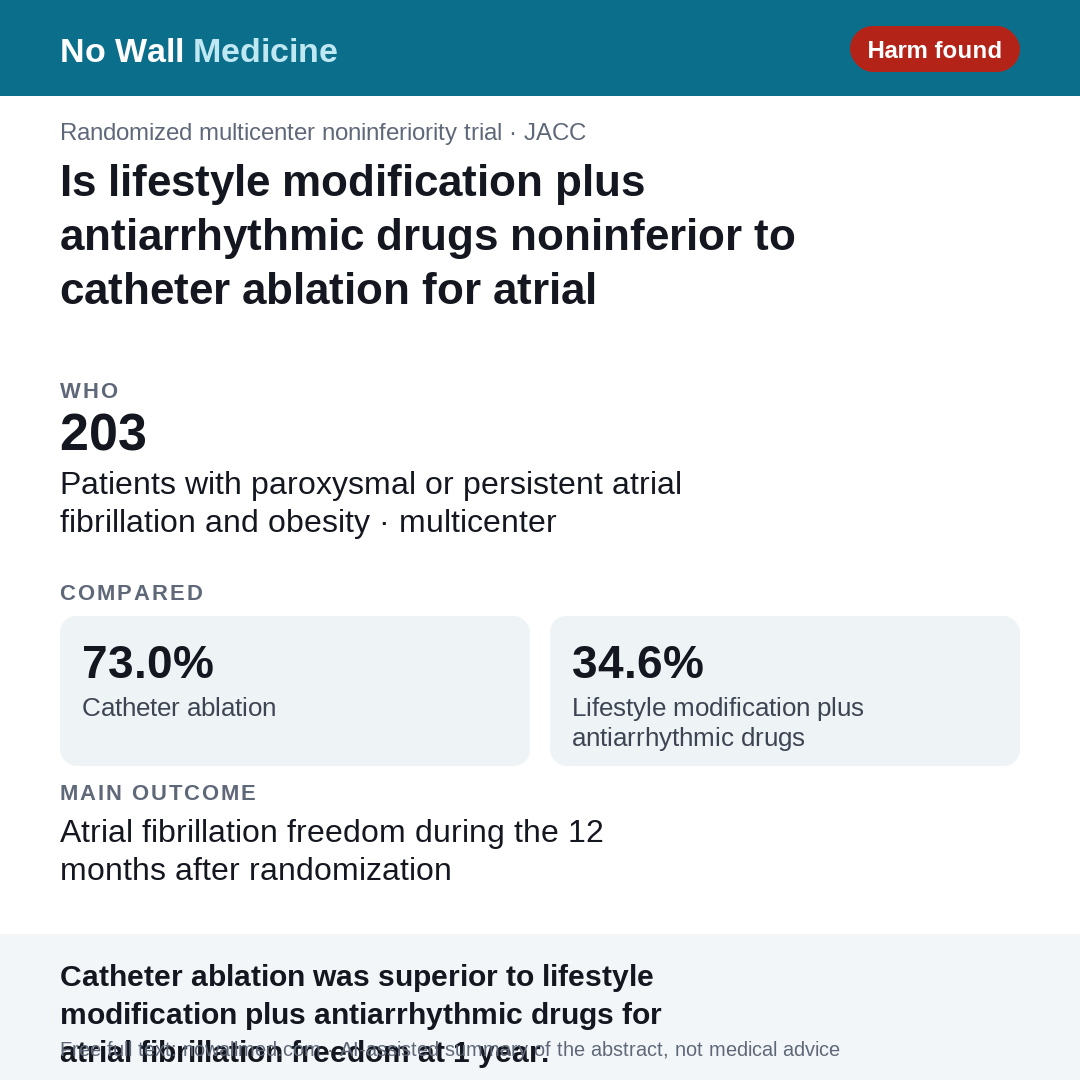
Catheter Ablation vs Lifestyle Modification With Antiarrhythmic Drugs to Treat Atrial Fibrillation: PRAGUE-25 Trial
Randomized multicenter noninferiority trialHarm found
Is lifestyle modification plus antiarrhythmic drugs noninferior to catheter ablation for atrial fibrillation?
Who
203
Patients with paroxysmal or persistent atrial fibrillation and obesity · multicenter
Compared
73.0%Catheter ablation (95% CI: 64.3%-81.7%)
34.6%Lifestyle modification plus antiarrhythmic drugs (95% CI: 25.3%-43.9%)
Main outcome
Atrial fibrillation freedom during the 12 months after randomization
Result: Psuperiority <0.001
Bottom line: Catheter ablation was superior to lifestyle modification plus antiarrhythmic drugs for atrial fibrillation freedom at 1 year.
JACC · 2025-07-03Download image
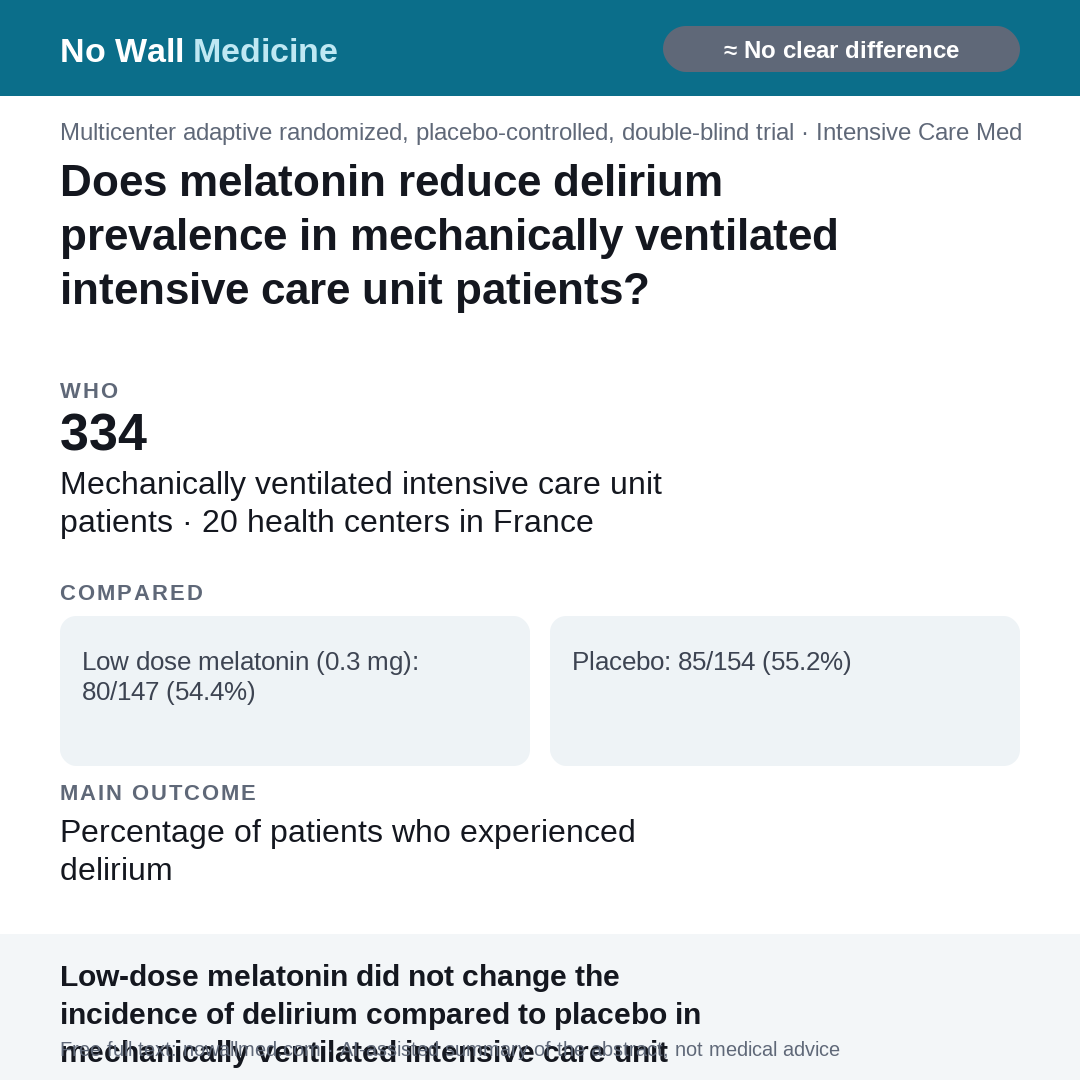
Melatonin for prevention of delirium in patients receiving mechanical ventilation in the intensive care unit: a multiarm multistage adaptive randomized controlled clinical trial (DEMEL)
Multicenter adaptive randomized, placebo-controlled, double-blind trialNo clear difference
Does melatonin reduce delirium prevalence in mechanically ventilated intensive care unit patients?
Who
334
Mechanically ventilated intensive care unit patients · 20 health centers in France
Compared
Low dose melatonin (0.3 mg): 80/147 (54.4%)
Placebo: 85/154 (55.2%)
Main outcome
Percentage of patients who experienced delirium
Result: risk ratio 0.986 [95% CI 0.803 to 1.211]
Bottom line: Low-dose melatonin did not change the incidence of delirium compared to placebo in mechanically ventilated intensive care unit patients.
Intensive Care Med · 2025-07-03Download image
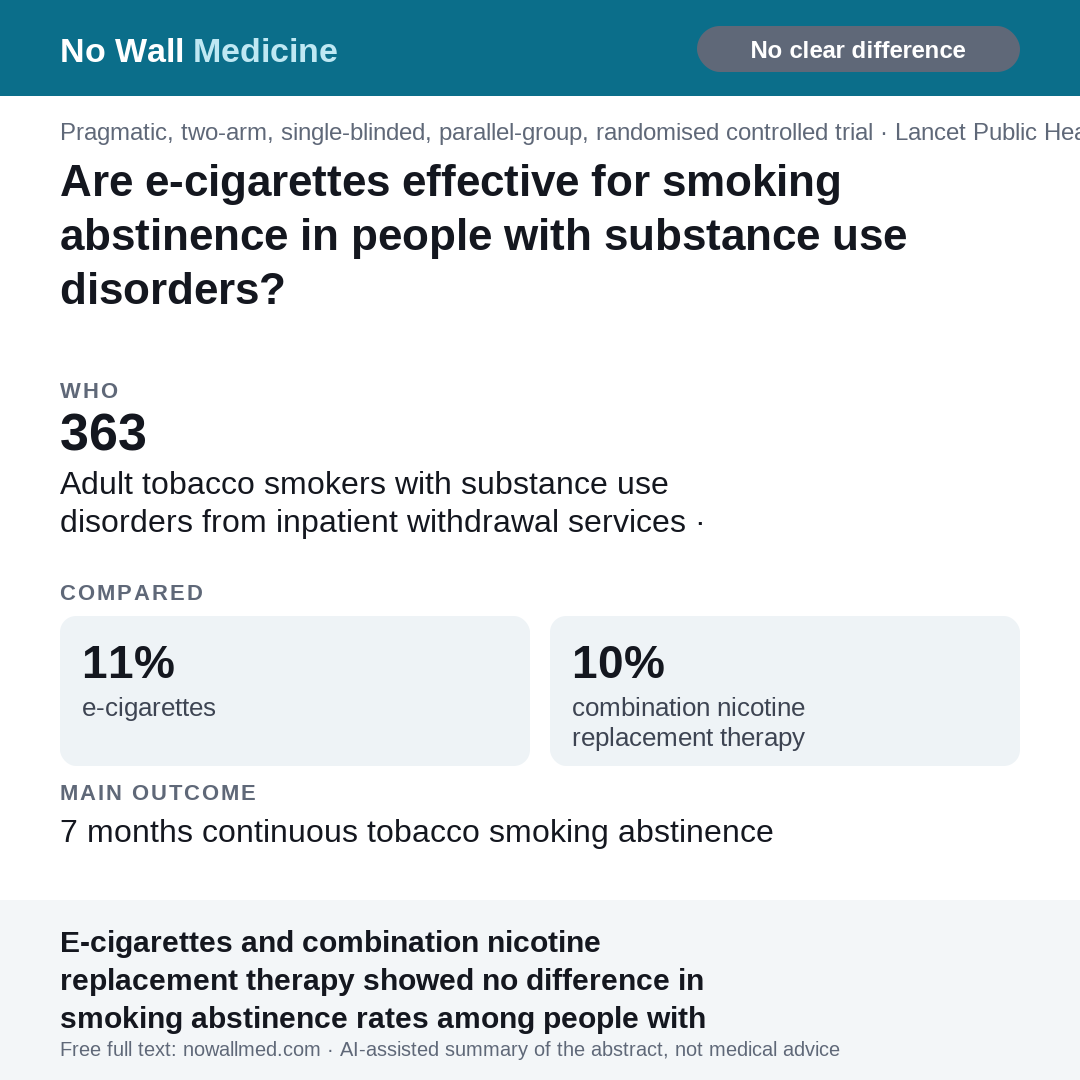
Nicotine e-cigarettes for smoking cessation following discharge from smoke-free inpatient alcohol and other drug withdrawal services: a pragmatic two-arm, single-blinded, parallel-group, randomised controlled trial
Pragmatic, two-arm, single-blinded, parallel-group, randomised controlled trialNo clear difference
Are e-cigarettes effective for smoking abstinence in people with substance use disorders?
Who
363
Adult tobacco smokers with substance use disorders from inpatient withdrawal services · Five smoke-free inpatient withdrawal services in Australia
Compared
11%e-cigarettes (19/179)
10%combination nicotine replacement therapy (18/184)
Main outcome
7 months continuous tobacco smoking abstinence
Result: risk ratio 1·09 (95% credible interval 0·52-1·89)
Bottom line: E-cigarettes and combination nicotine replacement therapy showed no difference in smoking abstinence rates among people with substance use disorders.
Funded by: National Health and Medical Research Council of Australia
Lancet Public Health · 2025-07-03Download image
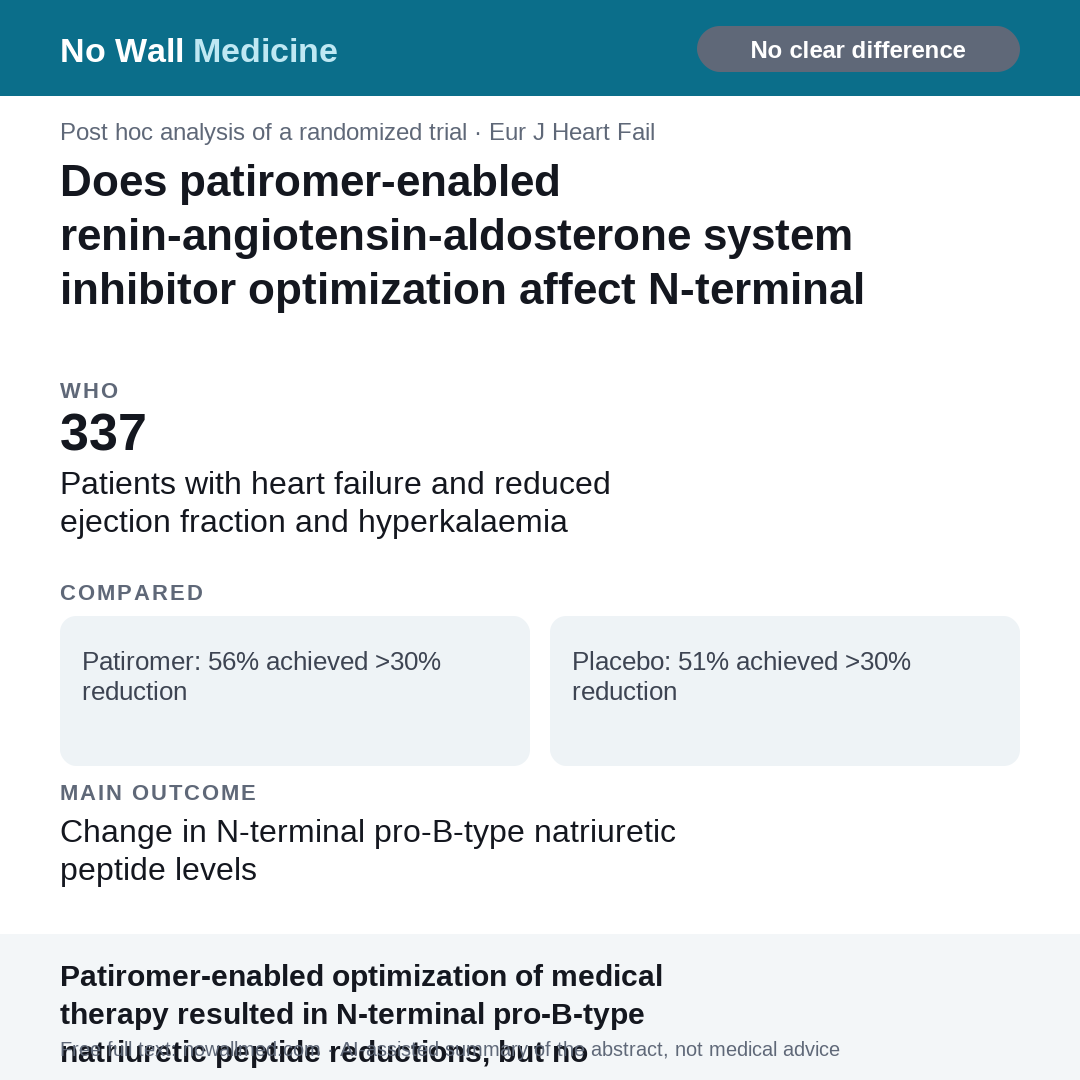
Changes in natriuretic peptide levels following patiromer-enabled optimization of medical therapy in heart failure: A post hoc analysis of the DIAMOND study
Post hoc analysis of a randomized trialNo clear difference
Does patiromer-enabled renin-angiotensin-aldosterone system inhibitor optimization affect N-terminal pro-B-type natriuretic peptide levels?
Who
337
Patients with heart failure and reduced ejection fraction and hyperkalaemia
Compared
Patiromer: 56% achieved >30% reduction
Placebo: 51% achieved >30% reduction
Main outcome
Change in N-terminal pro-B-type natriuretic peptide levels
Result: -53% (95% confidence interval -59% to -46%)
Bottom line: Patiromer-enabled optimization of medical therapy resulted in N-terminal pro-B-type natriuretic peptide reductions, but no significant difference between groups.
Eur J Heart Fail · 2025-07-03Download image
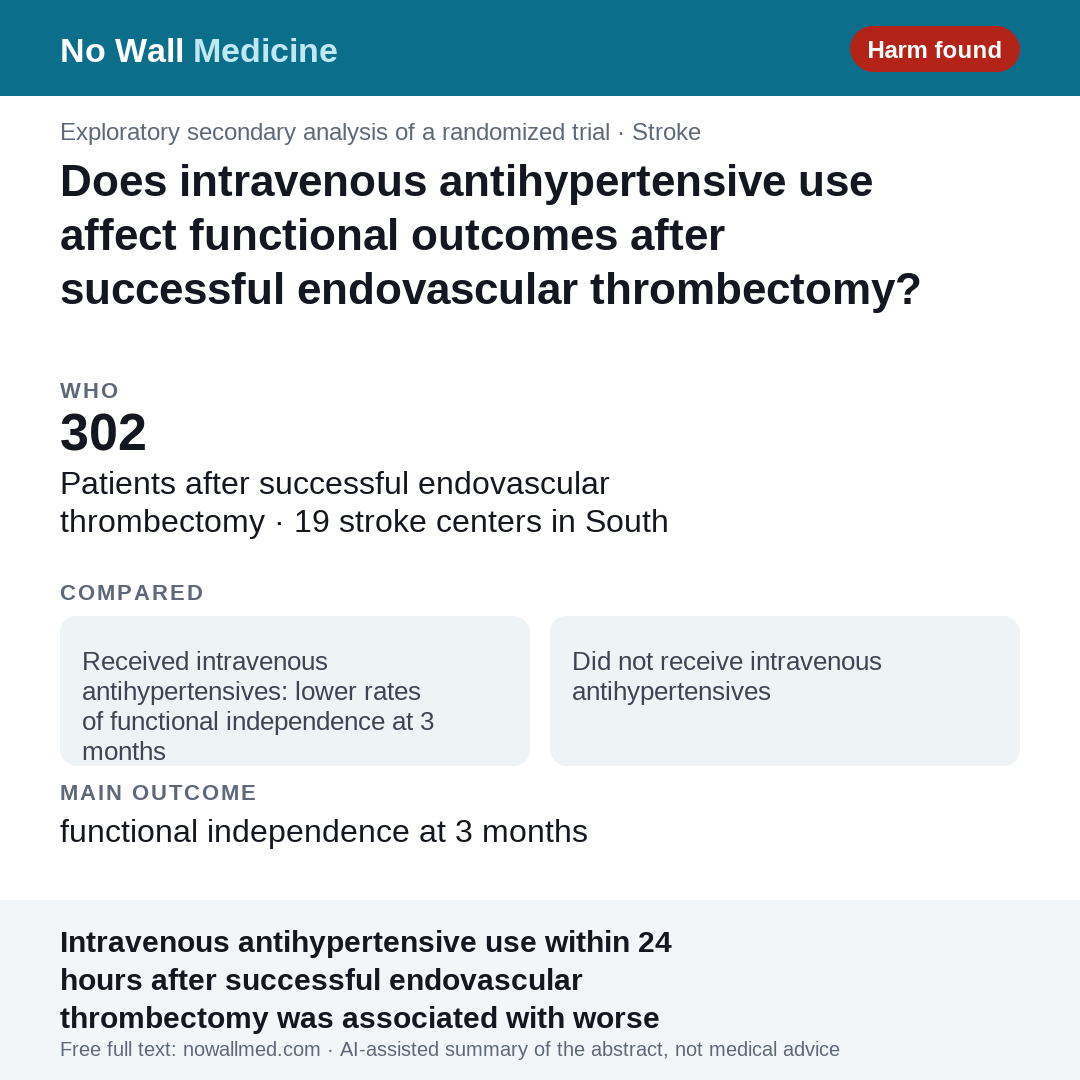
Association Between Intravenous Antihypertensives and Functional Outcome After Successful Endovascular Thrombectomy
Exploratory secondary analysis of a randomized trialHarm found
Does intravenous antihypertensive use affect functional outcomes after successful endovascular thrombectomy?
Who
302
Patients after successful endovascular thrombectomy · 19 stroke centers in South Korea
Compared
Received intravenous antihypertensives: lower rates of functional independence at 3 months
Did not receive intravenous antihypertensives
Main outcome
functional independence at 3 months
Result: adjusted odds ratio 0.51 (95% CI 0.27-0.95)
Bottom line: Intravenous antihypertensive use within 24 hours after successful endovascular thrombectomy was associated with worse functional outcomes.
Stroke · 2025-07-03Download image
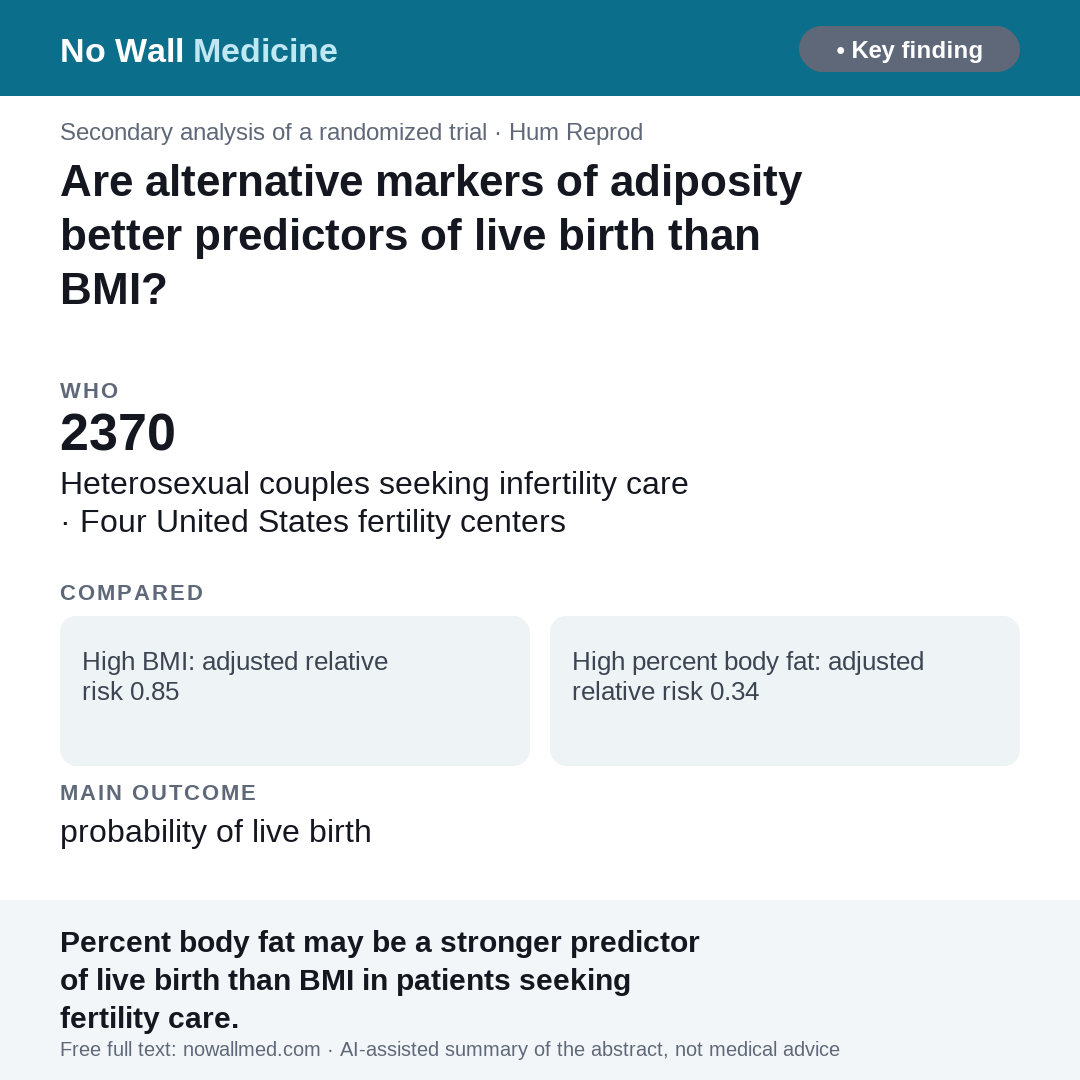
Association between markers of female adiposity and live birth among patients undergoing fertility treatment or attempting unassisted conception
Secondary analysis of a randomized trialBenefit found
Are alternative markers of adiposity better predictors of live birth than BMI?
Who
2370
Heterosexual couples seeking infertility care · Four United States fertility centers
Compared
High BMI: adjusted relative risk 0.85
High percent body fat: adjusted relative risk 0.34
Main outcome
probability of live birth
Result: adjusted relative risk 0.34 (95% CI 0.22 to 0.55) for percent body fat
Bottom line: Percent body fat may be a stronger predictor of live birth than BMI in patients seeking fertility care.
Limitation: Only a subset had percent body fat data, limiting generalizability of that specific finding.
Funded by: National Institutes of Health
Hum Reprod · 2025-07-03Download image
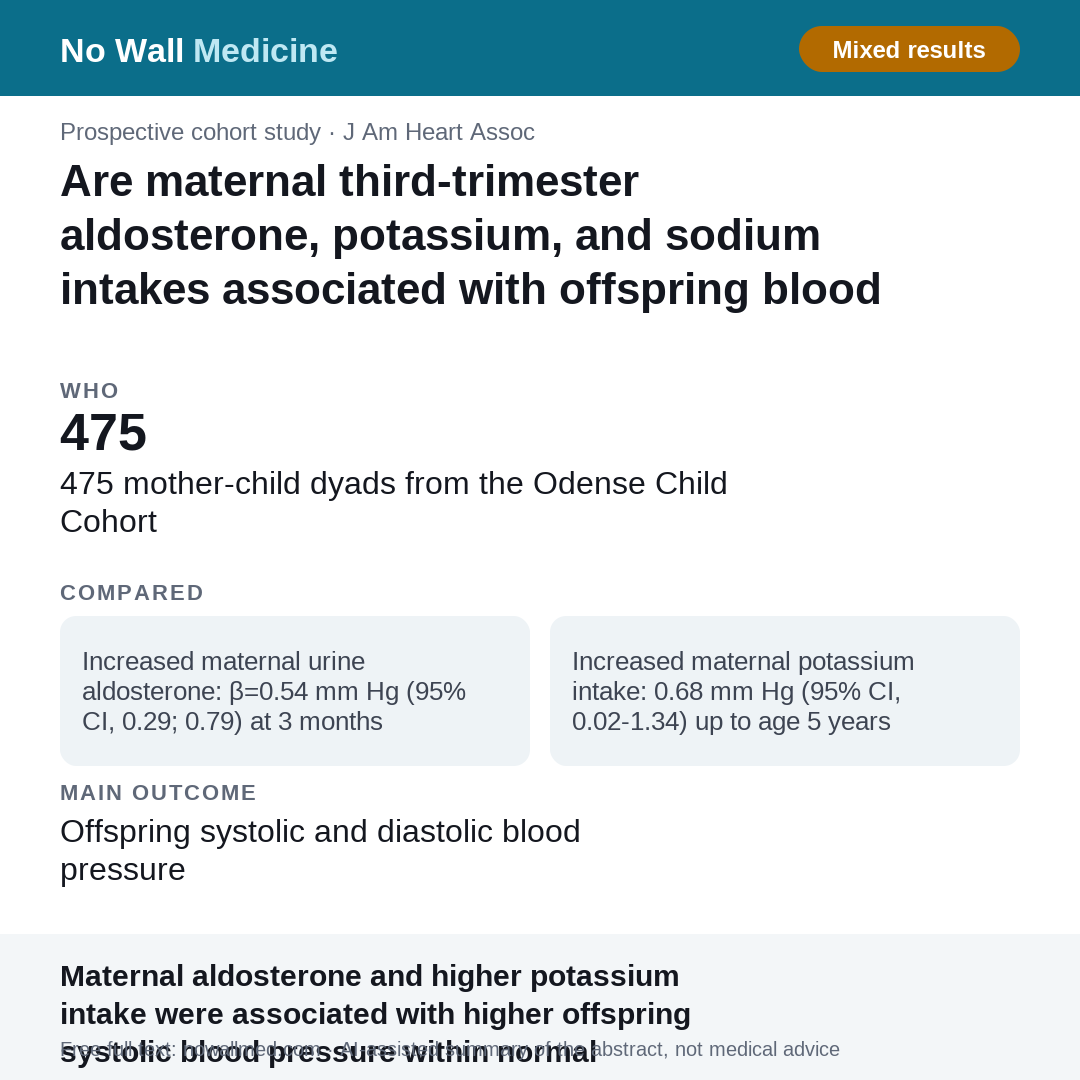
Diurnal Urinary Aldosterone Excretion and Potassium Intake During Pregnancy Are Associated With High Normal Blood Pressure in Early Childhood
Prospective cohort studyMixed results
Are maternal third-trimester aldosterone, potassium, and sodium intakes associated with offspring blood pressure?
Who
475
475 mother-child dyads from the Odense Child Cohort
Compared
Increased maternal urine aldosterone: β=0.54 mm Hg (95% CI, 0.29; 0.79) at 3 months
Increased maternal potassium intake: 0.68 mm Hg (95% CI, 0.02-1.34) up to age 5 years
Main outcome
Offspring systolic and diastolic blood pressure
Bottom line: Maternal aldosterone and higher potassium intake were associated with higher offspring systolic blood pressure within normal ranges.
J Am Heart Assoc · 2025-07-03Download image
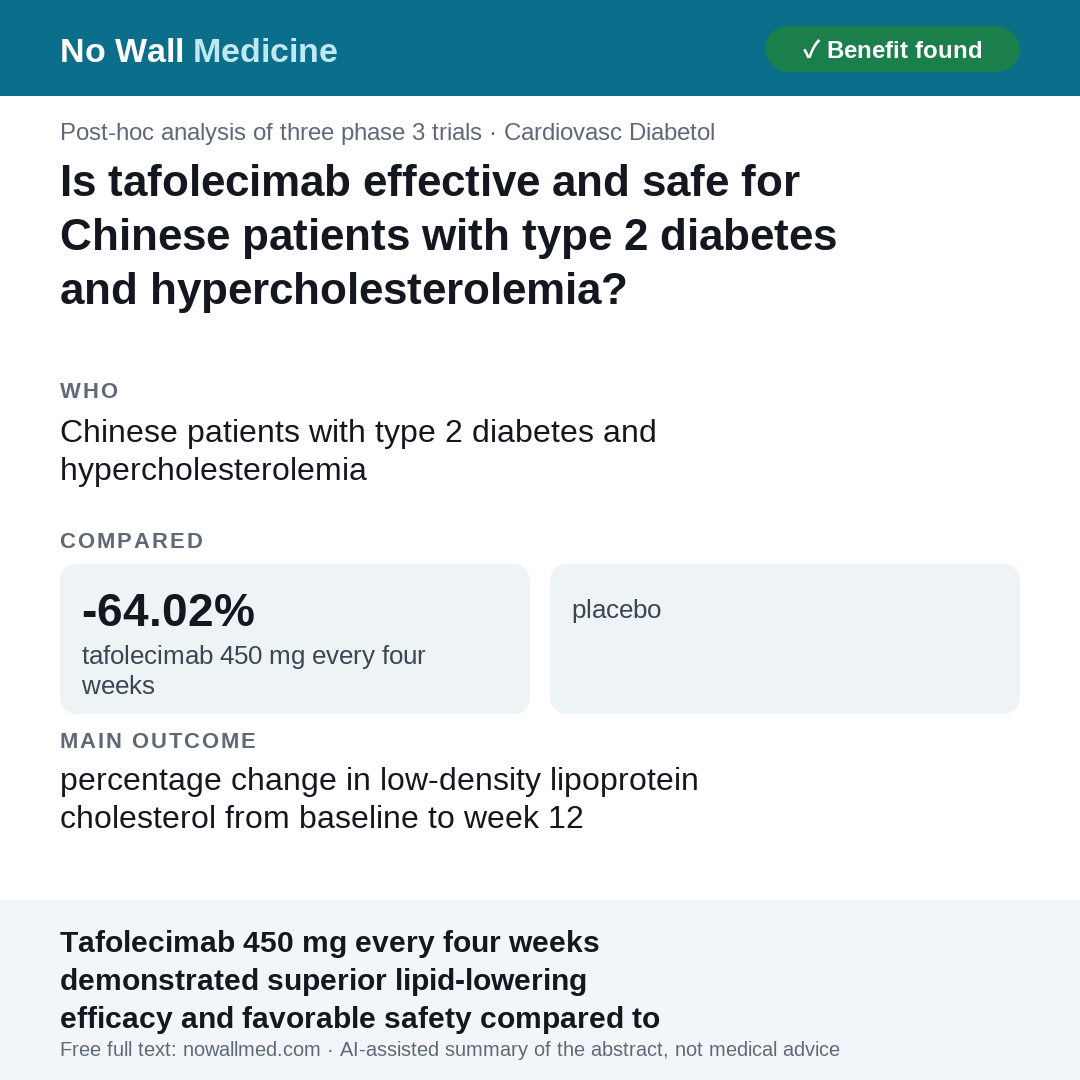
Efficacy and safety of Tafolecimab in Chinese patients with type 2 diabetes and hypercholesterolemia: a post-hoc analysis of pooled data from three phase 3 trials
Post-hoc analysis of three phase 3 trialsBenefit found
Is tafolecimab effective and safe for Chinese patients with type 2 diabetes and hypercholesterolemia?
Who
Chinese patients with type 2 diabetes and hypercholesterolemia
Compared
-64.02%tafolecimab 450 mg every four weeks
placebo
Main outcome
percentage change in low-density lipoprotein cholesterol from baseline to week 12
Result: estimated treatment difference: -64.02%, 95% confidence interval: [-68.08%, -59.96%]
Bottom line: Tafolecimab 450 mg every four weeks demonstrated superior lipid-lowering efficacy and favorable safety compared to placebo.
Cardiovasc Diabetol · 2025-07-03Download image
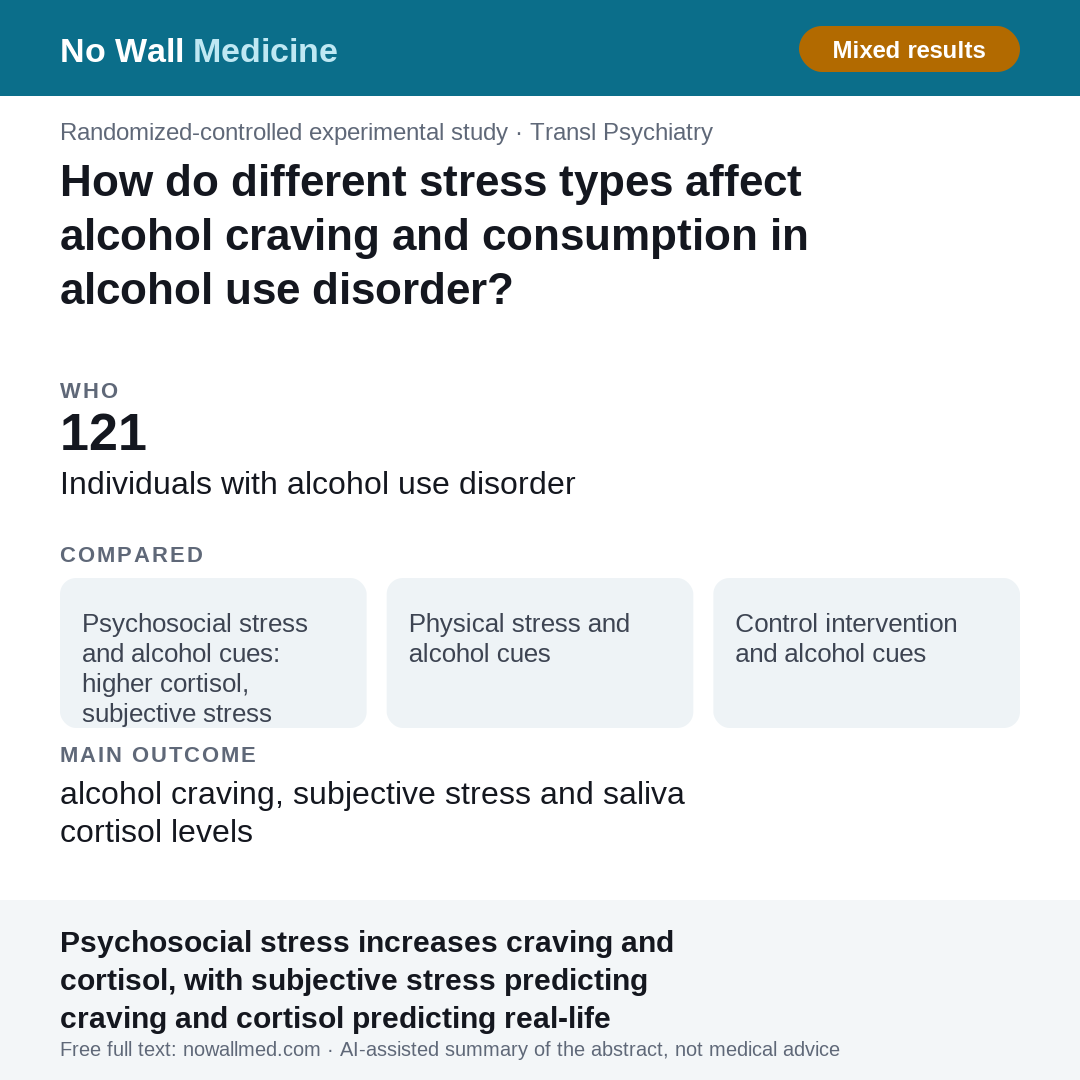
Individual stress reactivity predicts alcohol craving and alcohol consumption in alcohol use disorder in experimental and real-life settings
Randomized-controlled experimental studyMixed results
How do different stress types affect alcohol craving and consumption in alcohol use disorder?
Who
121
Individuals with alcohol use disorder
Compared
Psychosocial stress and alcohol cues: higher cortisol, subjective stress and alcohol craving
Physical stress and alcohol cues
Control intervention and alcohol cues
Main outcome
alcohol craving, subjective stress and saliva cortisol levels
Bottom line: Psychosocial stress increases craving and cortisol, with subjective stress predicting craving and cortisol predicting real-life alcohol consumption.
Transl Psychiatry · 2025-07-03Download image
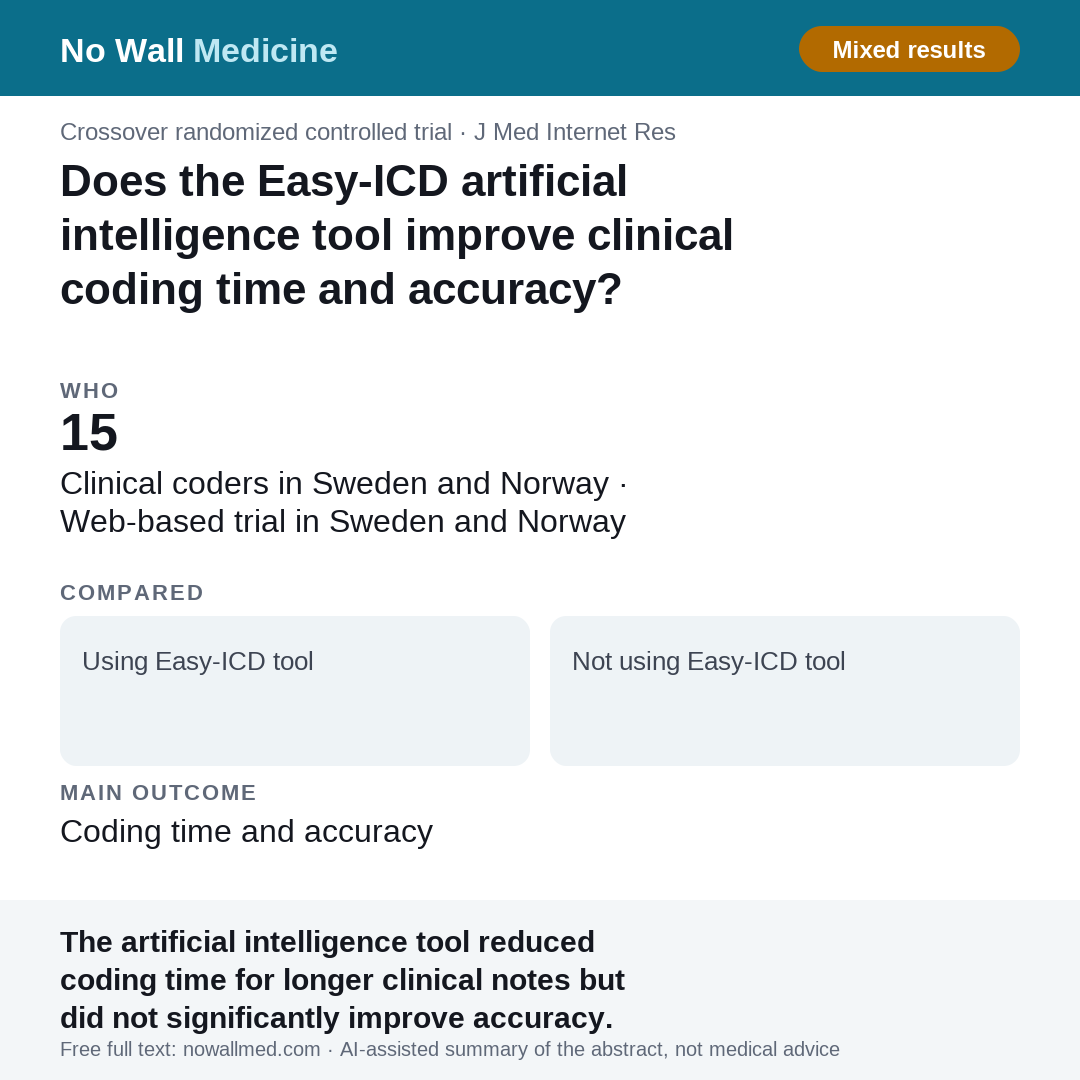
Artificial Intelligence to Improve Clinical Coding Practice in Scandinavia: Crossover Randomized Controlled Trial
Crossover randomized controlled trialMixed results
Does the Easy-ICD artificial intelligence tool improve clinical coding time and accuracy?
Who
15
Clinical coders in Sweden and Norway · Web-based trial in Sweden and Norway
Compared
Using Easy-ICD tool
Not using Easy-ICD tool
Main outcome
Coding time and accuracy
Result: median coding time difference for longer clinical text 123 seconds (95% CI 81-164)
Bottom line: The artificial intelligence tool reduced coding time for longer clinical notes but did not significantly improve accuracy.
Limitation: Further studies within hospital workflows are required before impacts are clearly understood.
J Med Internet Res · 2025-07-03Download image
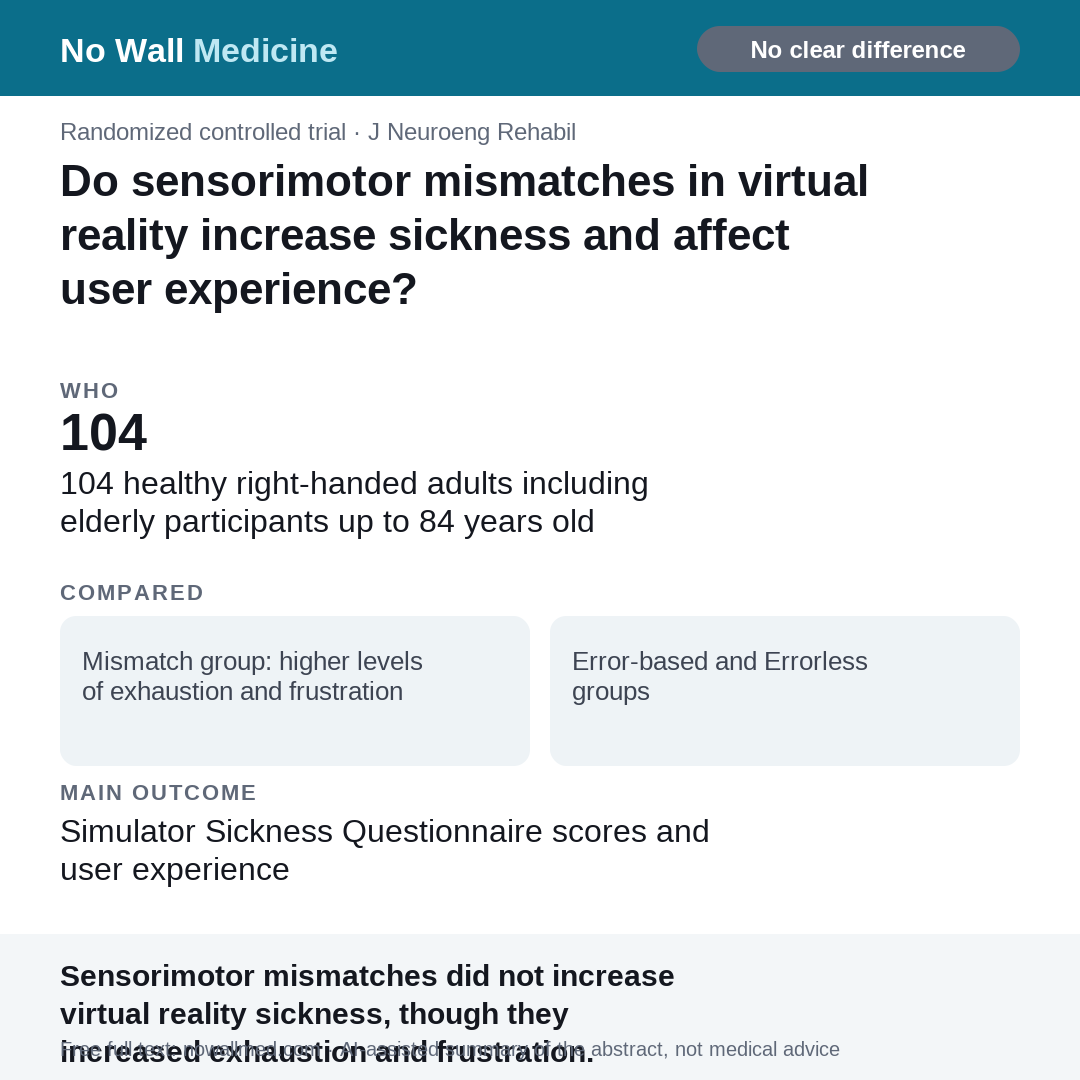
Impact of sensorimotor mismatch on virtual reality sickness and user experience: age-related differences in a randomized trial
Randomized controlled trialNo clear difference
Do sensorimotor mismatches in virtual reality increase sickness and affect user experience?
Who
104
104 healthy right-handed adults including elderly participants up to 84 years old
Compared
Mismatch group: higher levels of exhaustion and frustration
Error-based and Errorless groups
Main outcome
Simulator Sickness Questionnaire scores and user experience
Bottom line: Sensorimotor mismatches did not increase virtual reality sickness, though they increased exhaustion and frustration.
J Neuroeng Rehabil · 2025-07-03Download image
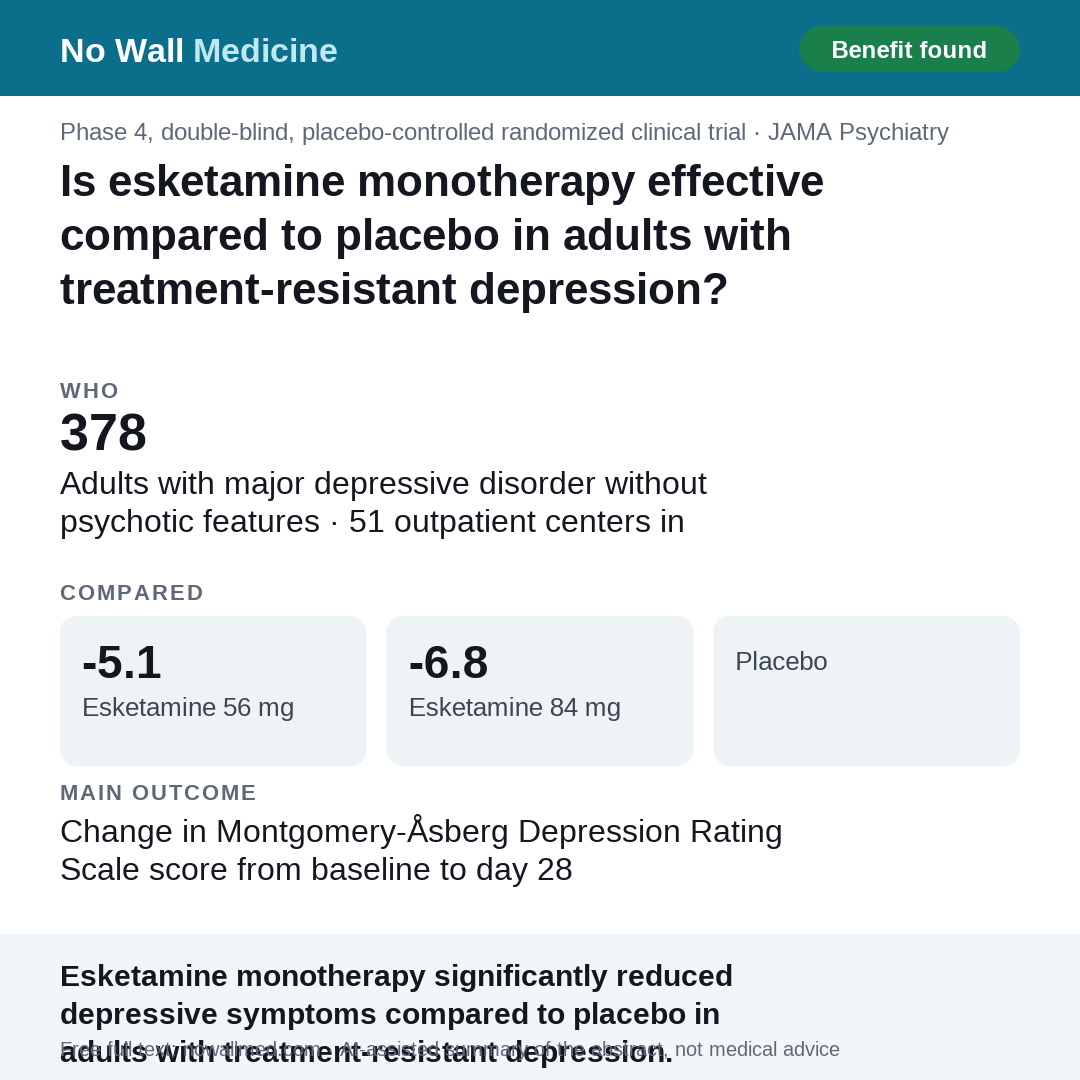
Esketamine Monotherapy in Adults With Treatment-Resistant Depression: A Randomized Clinical Trial
Phase 4, double-blind, placebo-controlled randomized clinical trialBenefit found
Is esketamine monotherapy effective compared to placebo in adults with treatment-resistant depression?
Who
378
Adults with major depressive disorder without psychotic features · 51 outpatient centers in the US
Compared
-5.1Esketamine 56 mg (1.42)
-6.8Esketamine 84 mg (1.38)
Placebo
Main outcome
Change in Montgomery-Åsberg Depression Rating Scale score from baseline to day 28
Result: -5.1 (95% CI, -7.91 to -2.33) for 56-mg and -6.8 (95% CI, -9.48 to -4.07) for 84-mg
Bottom line: Esketamine monotherapy significantly reduced depressive symptoms compared to placebo in adults with treatment-resistant depression.
JAMA Psychiatry · 2025-07-02Download image
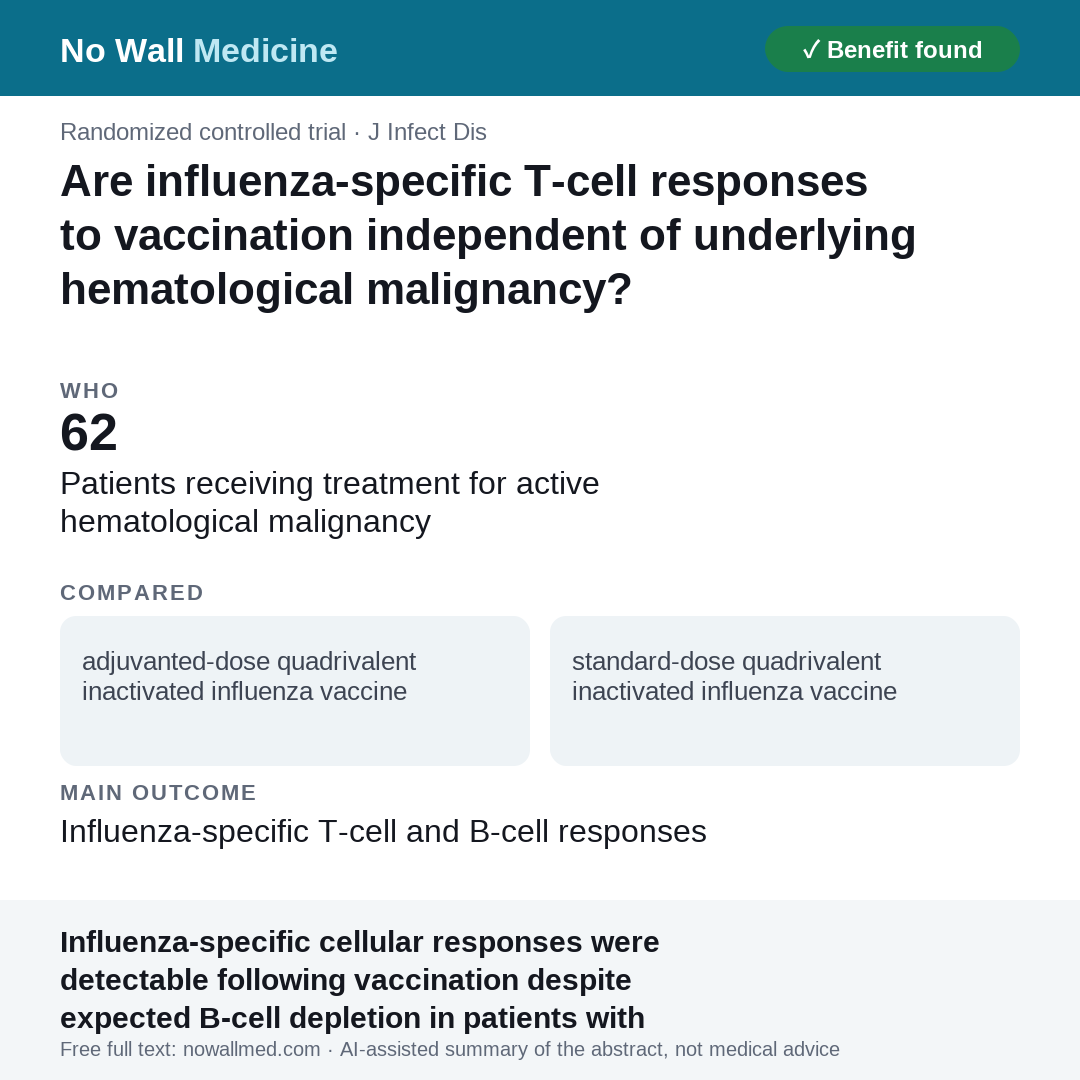
Influenza-Specific T-Cell Responses to Vaccination Are Independent of Underlying Hematological Malignancy: Analysis of a Randomized Influenza Vaccination Trial
Randomized controlled trialBenefit found
Are influenza-specific T-cell responses to vaccination independent of underlying hematological malignancy?
Who
62
Patients receiving treatment for active hematological malignancy
Compared
adjuvanted-dose quadrivalent inactivated influenza vaccine
standard-dose quadrivalent inactivated influenza vaccine
Main outcome
Influenza-specific T-cell and B-cell responses
Bottom line: Influenza-specific cellular responses were detectable following vaccination despite expected B-cell depletion in patients with hematological malignancy.
J Infect Dis · 2025-07-02Download image