Visual abstracts
New randomized trials and meta-analyses from leading journals at a glance: who was studied, what was compared, and what was found. Every paper is free to read in full.
All specialtiesCardiology 4877Oncology 4138Gastroenterology & Hepatology 1942Infectious Disease 3837Neurology 1905Psychiatry & Mental Health 2273Pulmonology 2143Critical Care 1365Endocrinology & Diabetes 2580Pediatrics 2980Surgery 2559Orthopedics & Sports Medicine 931Neurosurgery 537Cardiothoracic & Vascular Surgery 674Plastic & Reconstructive Surgery 591Nephrology 1133Rheumatology 823Hematology 1109Dermatology 621Ophthalmology 543Obstetrics & Gynecology 1686Public & Global Health 1058Radiology & Imaging 648Anesthesiology 986Urology 764ENT (Otolaryngology) 503Emergency Medicine 511Allergy & Immunology 313Geriatrics 981Family Medicine & Primary Care 562Medical Genetics & Genomics 676Pathology & Laboratory Medicine 159Physical Medicine & Rehabilitation 757Palliative Care 444Nutrition 1588Digital Health & AI 2201General Medicine 321
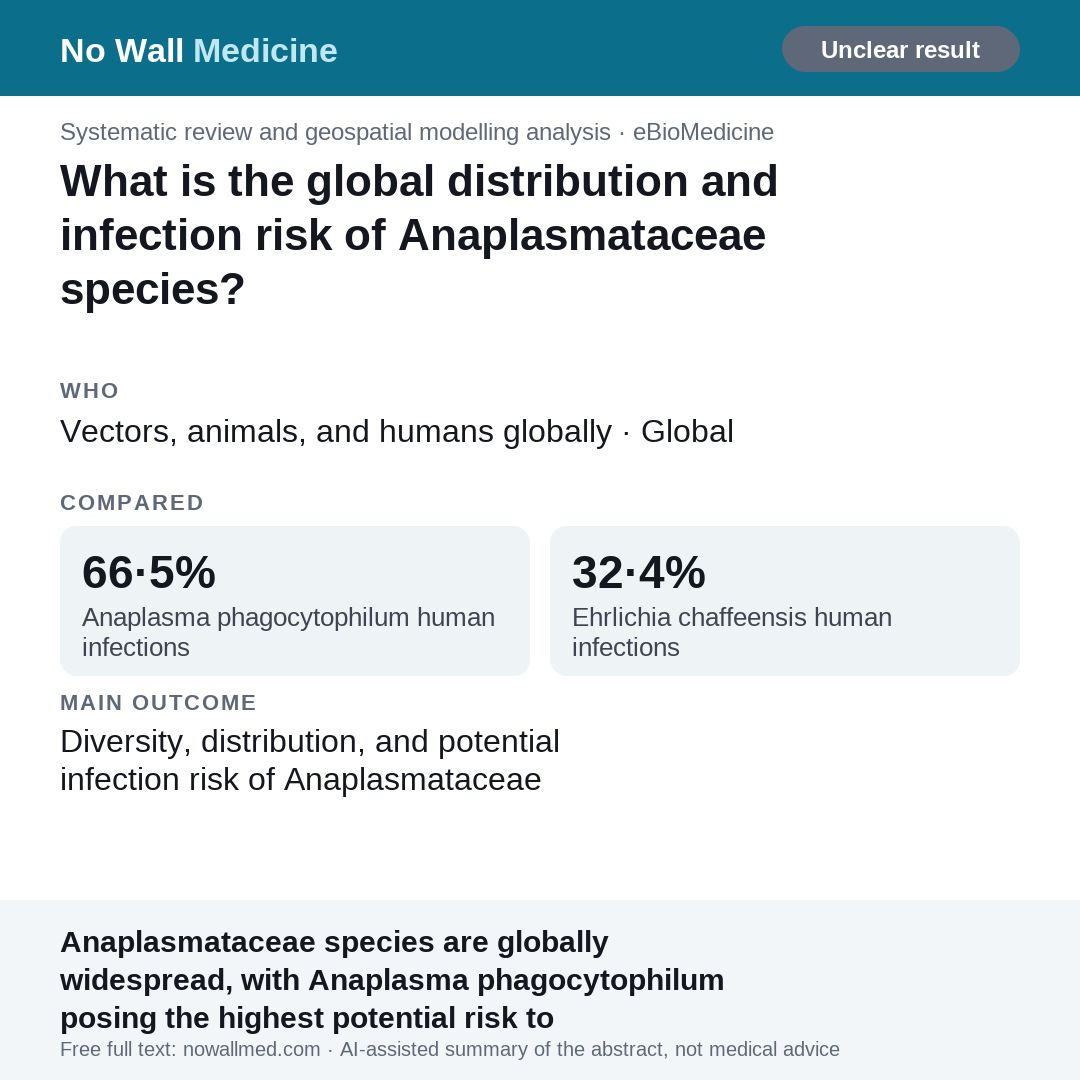
The global distribution and risk prediction of Anaplasmataceae species: a systematic review and geospatial modelling analysis
Systematic review and geospatial modelling analysisUnclear result
What is the global distribution and infection risk of Anaplasmataceae species?
Who
2605
Vectors, animals, and humans globally · Global
Compared
66·5%Anaplasma phagocytophilum human infections
32·4%Ehrlichia chaffeensis human infections
Main outcome
Diversity, distribution, and potential infection risk of Anaplasmataceae
Bottom line: Anaplasmataceae species are globally widespread, with Anaplasma phagocytophilum posing the highest potential risk to billions of individuals.
Funded by: National Key Research and Development Program of China
eBioMedicine · 2025-04-23Download image
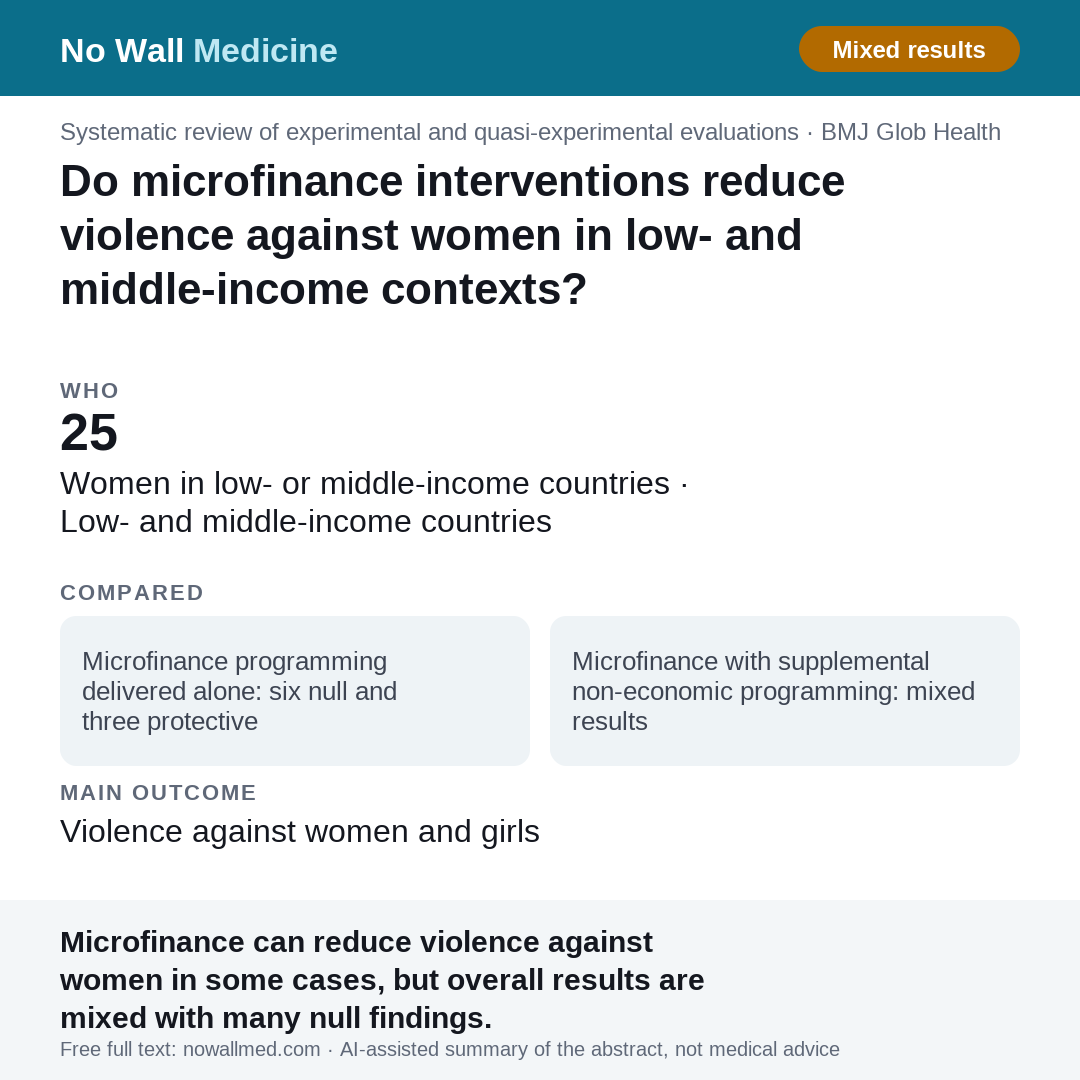
A systematic review of microfinance interventions and violence against women: results from low- and middle-income contexts
Systematic review of experimental and quasi-experimental evaluationsMixed results
Do microfinance interventions reduce violence against women in low- and middle-income contexts?
Who
25
Women in low- or middle-income countries · Low- and middle-income countries
Compared
Microfinance programming delivered alone: six null and three protective
Microfinance with supplemental non-economic programming: mixed results
Main outcome
Violence against women and girls
Bottom line: Microfinance can reduce violence against women in some cases, but overall results are mixed with many null findings.
Limitation: Variability in programme delivery and measurement of economic impact complicates understanding of impact.
BMJ Glob Health · 2025-04-23Download image
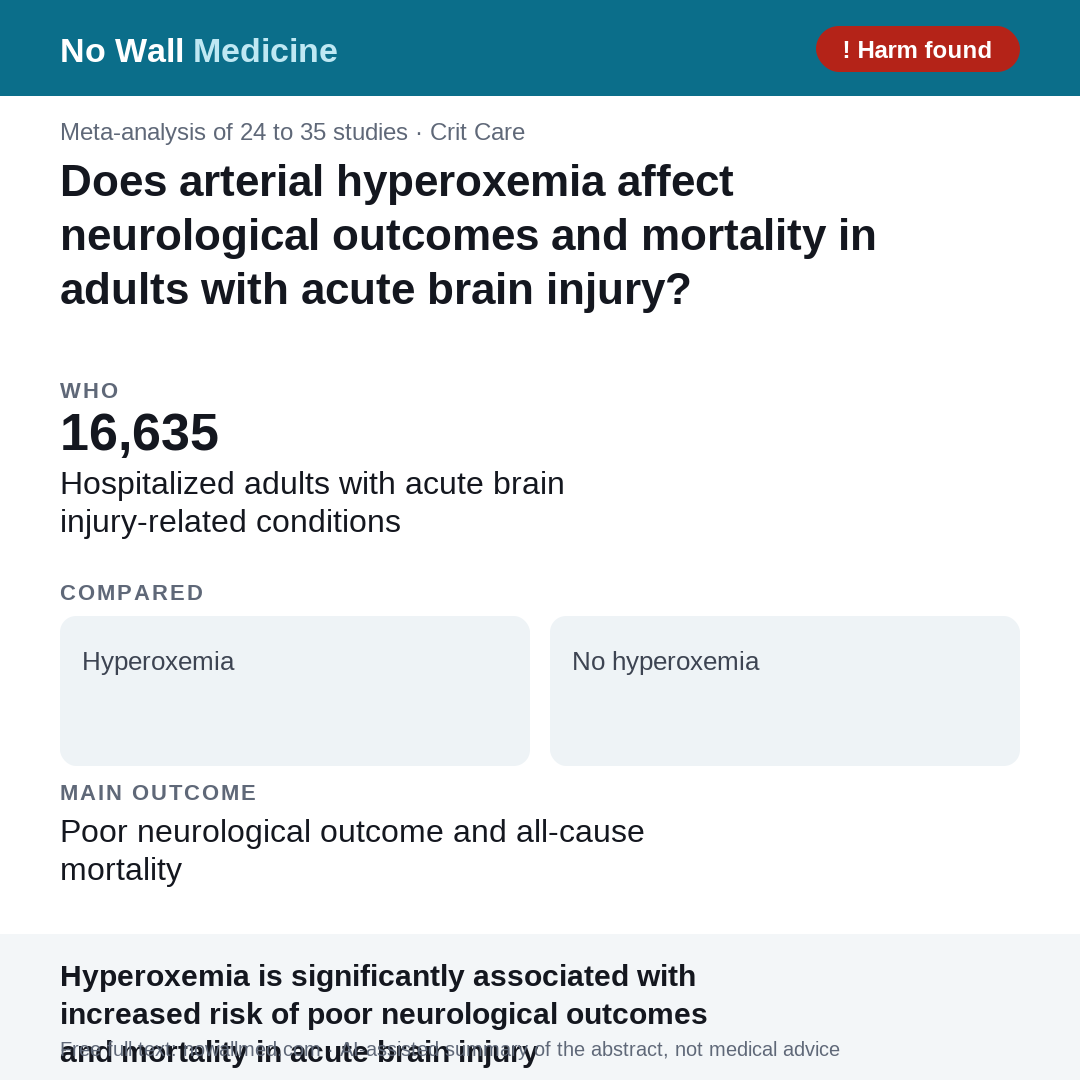
Neurological outcomes and mortality following hyperoxemia in adult patients with acute brain injury: an updated meta-analysis and meta-regression
Meta-analysis of 24 to 35 studiesHarm found
Does arterial hyperoxemia affect neurological outcomes and mortality in adults with acute brain injury?
Who
16,635
Hospitalized adults with acute brain injury-related conditions
Compared
Hyperoxemia
No hyperoxemia
Main outcome
Poor neurological outcome and all-cause mortality
Result: odds ratio 1.295 (95% CI 1.040-1.616) for poor neurological outcomes; OR 1.13 (95% CI 1.002-1.282) for mortality
Bottom line: Hyperoxemia is significantly associated with increased risk of poor neurological outcomes and mortality in acute brain injury patients.
Crit Care · 2025-04-23Download image
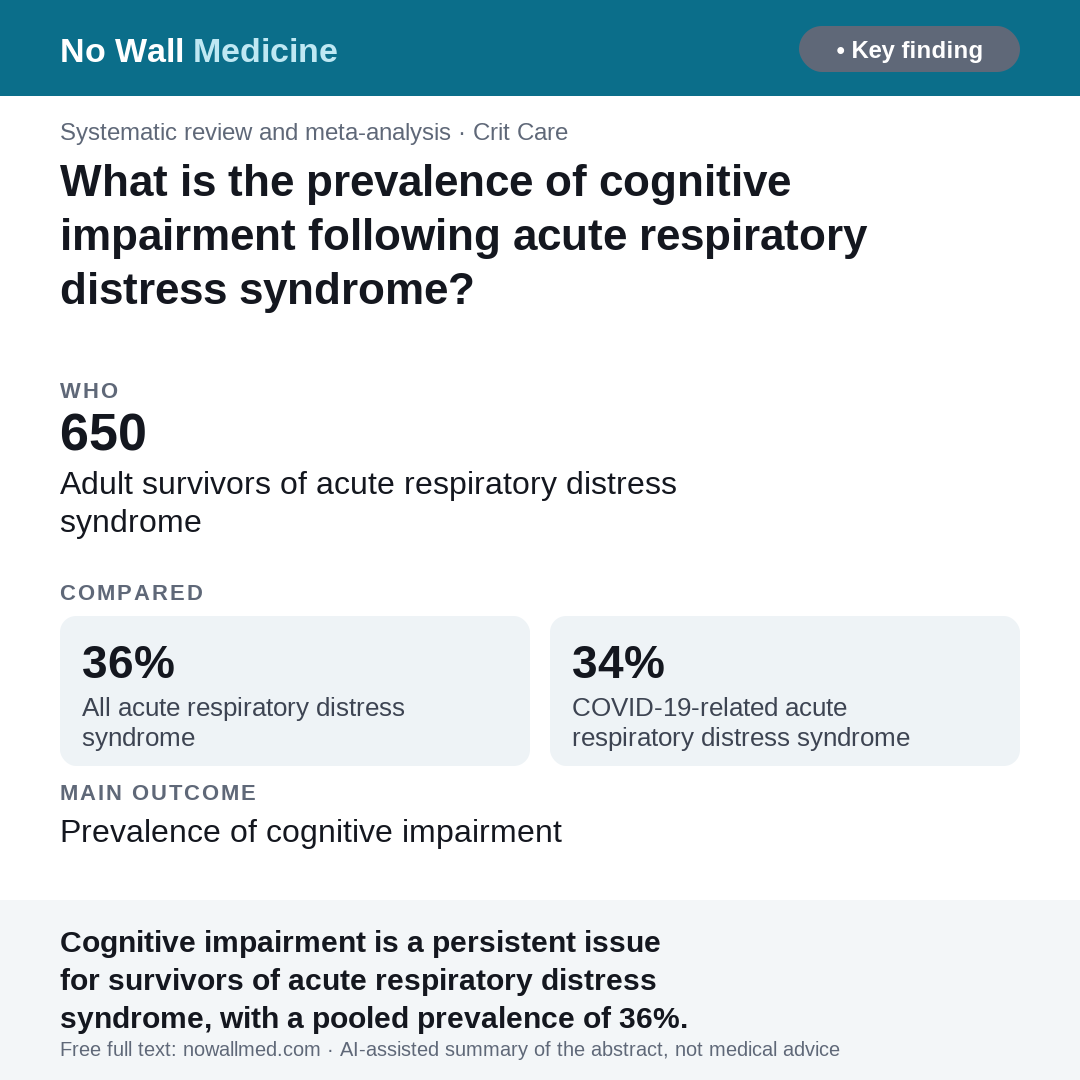
Prevalence and incidence of cognitive impairment following acute respiratory distress syndrome of any cause: a systematic review and meta-analysis
Systematic review and meta-analysisBenefit found
What is the prevalence of cognitive impairment following acute respiratory distress syndrome?
Who
650
Adult survivors of acute respiratory distress syndrome
Compared
36%All acute respiratory distress syndrome (95% CI 26-46%)
34%COVID-19-related acute respiratory distress syndrome (95% CI 22-45%)
Main outcome
Prevalence of cognitive impairment
Result: 36% (95% CI 26-46%)
Bottom line: Cognitive impairment is a persistent issue for survivors of acute respiratory distress syndrome, with a pooled prevalence of 36%.
Limitation: High heterogeneity between studies (I2 = 92%)
Crit Care · 2025-04-23Download image
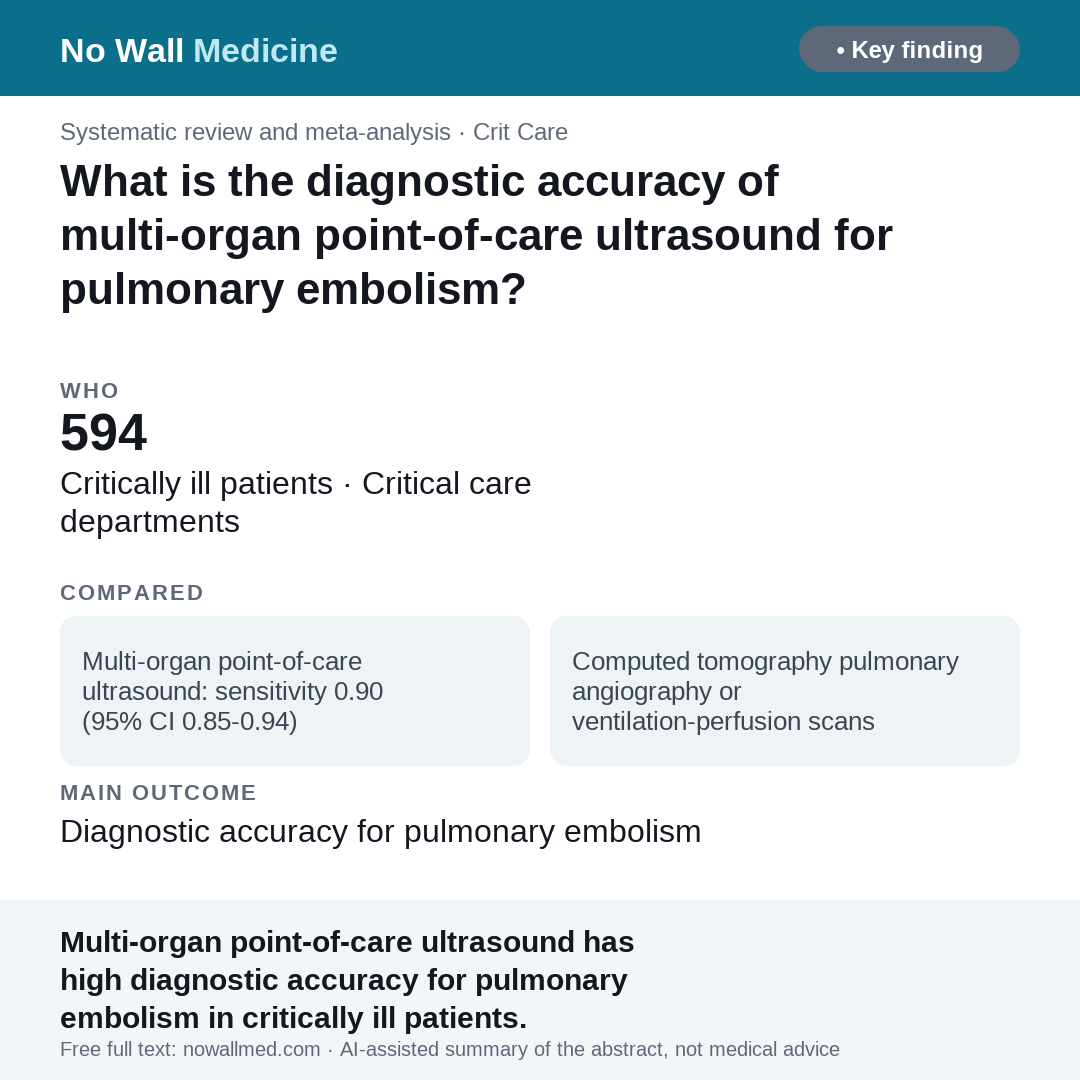
Diagnostic accuracy of multi-organ point-of-care ultrasound for pulmonary embolism in critically ill patients: a systematic review and meta-analysis
Systematic review and meta-analysisBenefit found
What is the diagnostic accuracy of multi-organ point-of-care ultrasound for pulmonary embolism?
Who
594
Critically ill patients · Critical care departments
Compared
Multi-organ point-of-care ultrasound: sensitivity 0.90 (95% CI 0.85-0.94)
Computed tomography pulmonary angiography or ventilation-perfusion scans
Main outcome
Diagnostic accuracy for pulmonary embolism
Result: sensitivity 0.90 (95% CI 0.85-0.94); specificity 0.69 (95% CI 0.42-0.87)
Bottom line: Multi-organ point-of-care ultrasound has high diagnostic accuracy for pulmonary embolism in critically ill patients.
Limitation: Further research is needed to validated these findings across different patient populations.
Crit Care · 2025-04-23Download image
Advanced airway interventions for paediatric cardiac arrest: updated systematic review and meta-analysis
Systematic review and meta-analysisNo clear difference
Do advanced airway interventions improve survival in children in cardiac arrest compared to bag-mask ventilation?
Who
Infants and children excluding newborn infants in cardiac arrest · Any setting
Compared
Advanced airway interventions
Bag-mask ventilation alone
Main outcome
Survival to hospital discharge and survival with good neurological outcome
Bottom line: Advanced airway interventions show no benefit over bag-mask ventilation for survival after paediatric cardiac arrest.
Limitation: The overall certainty of evidence was low to very low.
Resusc Plus · 2025-04-23Download image
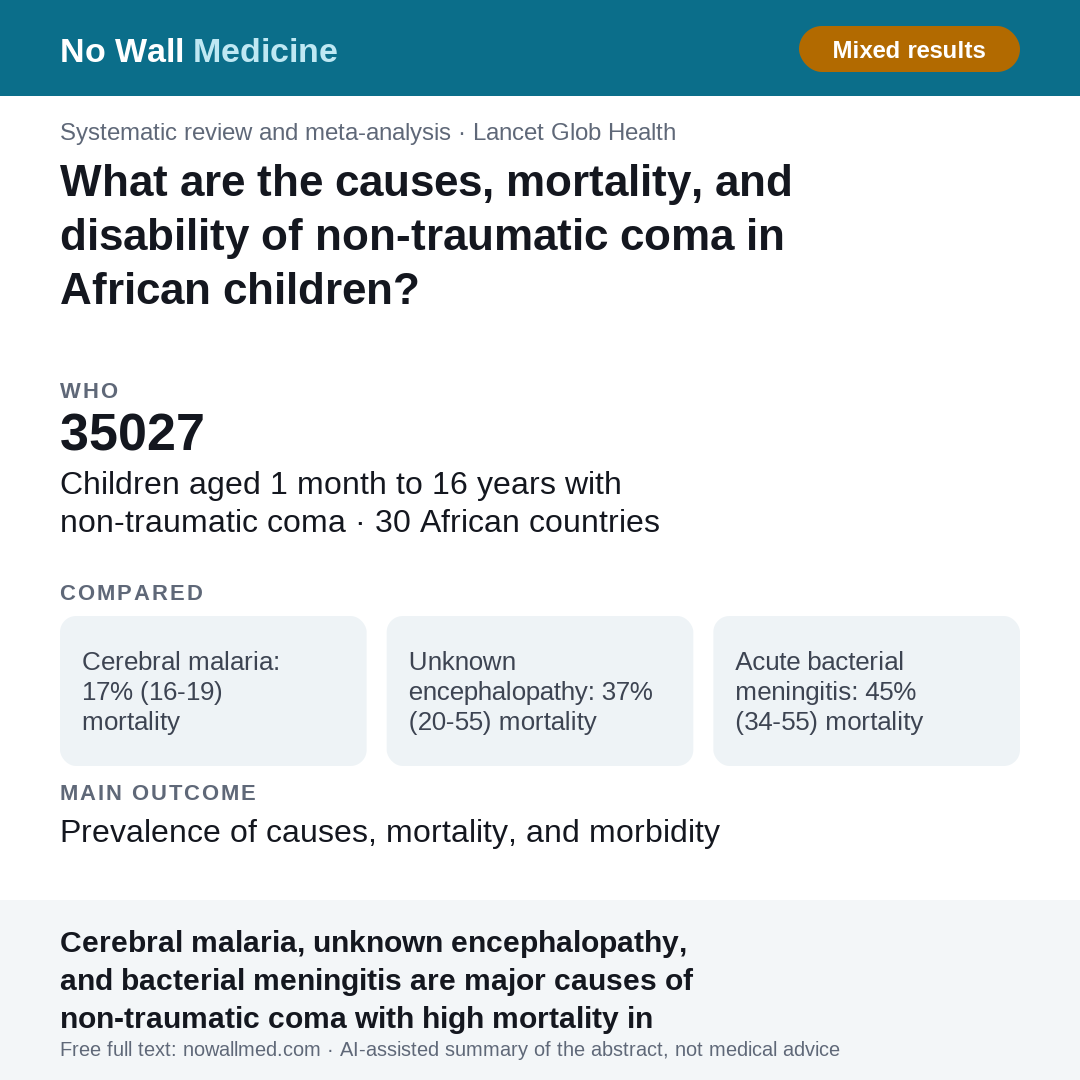
The aetiologies, mortality, and disability of non-traumatic coma in African children: a systematic review and meta-analysis
Systematic review and meta-analysisMixed results
What are the causes, mortality, and disability of non-traumatic coma in African children?
Who
35027
Children aged 1 month to 16 years with non-traumatic coma · 30 African countries
Compared
Cerebral malaria: 17% (16-19) mortality
Unknown encephalopathy: 37% (20-55) mortality
Acute bacterial meningitis: 45% (34-55) mortality
Main outcome
Prevalence of causes, mortality, and morbidity
Bottom line: Cerebral malaria, unknown encephalopathy, and bacterial meningitis are major causes of non-traumatic coma with high mortality in African children.
Funded by: Wellcome Trust
Lancet Glob Health · 2025-04-22Download image
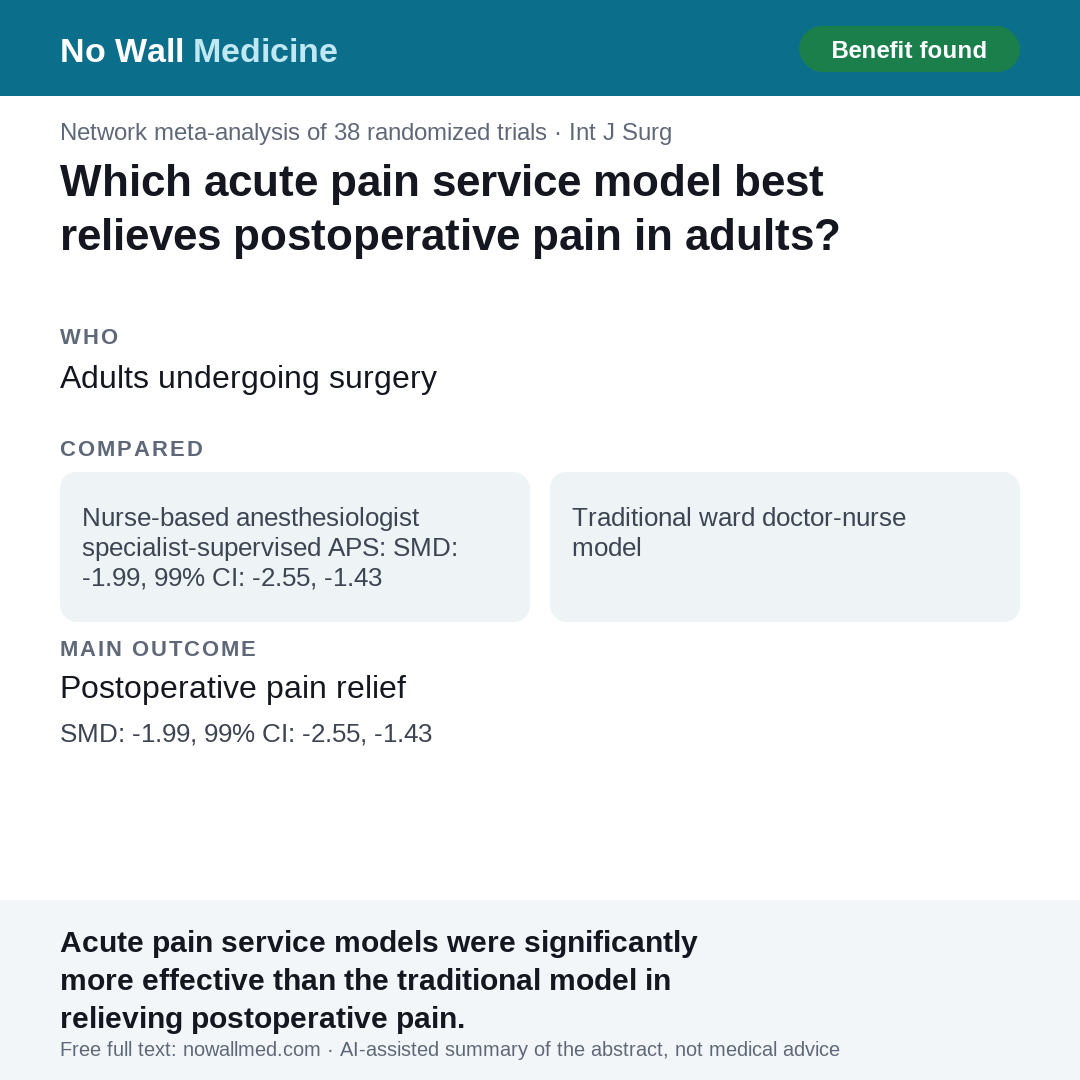
Acute pain service for postoperative pain in adults: a network meta-analysis
Network meta-analysis of 38 randomized controlled trialsBenefit found
Which acute pain service models are most effective for alleviating postoperative pain?
Who
Adult patients undergoing surgery
Compared
Traditional ward doctor-nurse model
Nurse-based anesthesiologist specialist-supervised acute pain service: SMD: -1.99
Nurse-based anesthesiologist-supervised acute pain service: SMD: -1.44
Pain management multidisciplinary team: SMD: -1.31
Main outcome
Alleviation of postoperative pain
Bottom line: All acute pain service models are more effective than traditional models, with nurse-based anesthesiologist specialist-supervised services being most promising.
Int J Surg · 2025-04-22Download image
Application of Biomaterials for the Prevention of Pharyngeal Fistulae: A Systematic Review
Systematic reviewBenefit found
Can biomaterials prevent pharyngocutaneous fistulae after pharyngeal surgery?
Who
Patients undergoing pharyngeal surgery
Compared
Biomaterial to cover mucosal sutures
Biomaterial to replace mucosal defect
Main outcome
Pharyngocutaneous fistulae rate
Bottom line: Biomaterials can decrease pharyngocutaneous fistulae rates when used to cover pharyngeal sutures.
Head Neck · 2025-04-22Download image

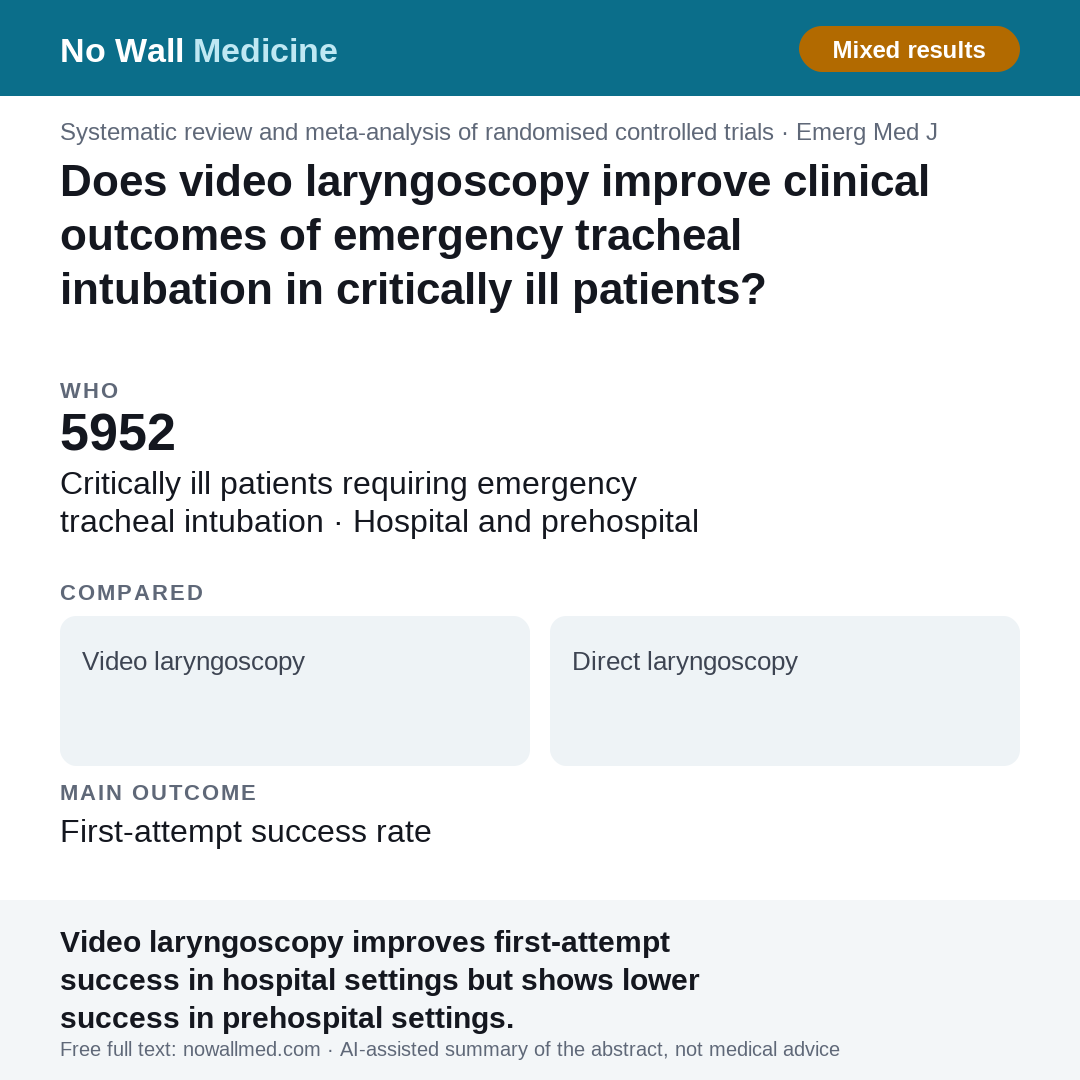
Video laryngoscopy may improve the intubation outcomes in critically ill patients: a systematic review and meta-analysis of randomised controlled trials
Systematic review and meta-analysis of randomised controlled trialsMixed results
Does video laryngoscopy improve clinical outcomes of emergency tracheal intubation in critically ill patients?
Who
5952
Critically ill patients requiring emergency tracheal intubation · Hospital and prehospital settings
Compared
Video laryngoscopy
Direct laryngoscopy
Main outcome
First-attempt success rate
Result: RR 1.05, 95% CI 0.97 to 1.13
Bottom line: Video laryngoscopy improves first-attempt success in hospital settings but shows lower success in prehospital settings.
Limitation: High heterogeneity was observed in several outcomes (I2 up to 95%).
Emerg Med J · 2025-04-22Download image
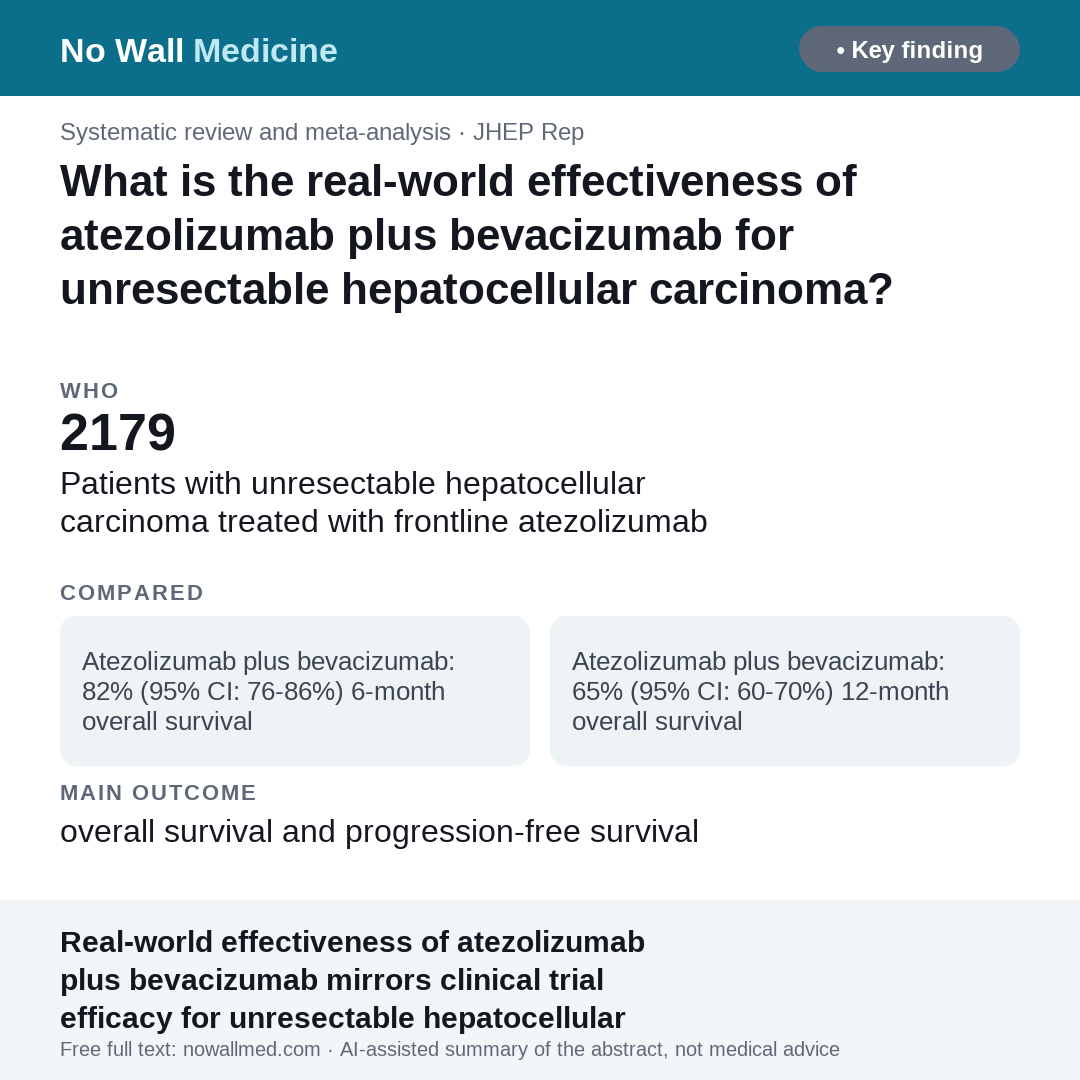
Efficacy of atezolizumab plus bevacizumab for unresectable HCC: Systematic review and meta-analysis of real-world evidence
Systematic review and meta-analysisBenefit found
What is the real-world effectiveness of atezolizumab plus bevacizumab for unresectable hepatocellular carcinoma?
Who
2179
Patients with unresectable hepatocellular carcinoma treated with frontline atezolizumab plus bevacizumab
Compared
Atezolizumab plus bevacizumab: 82% (95% CI: 76-86%) 6-month overall survival
Atezolizumab plus bevacizumab: 65% (95% CI: 60-70%) 12-month overall survival
Main outcome
overall survival and progression-free survival
Bottom line: Real-world effectiveness of atezolizumab plus bevacizumab mirrors clinical trial efficacy for unresectable hepatocellular carcinoma.
Limitation: results should be interpreted with caution because of potential variability in patient populations.
JHEP Rep · 2025-04-22Download image
Metacognitive training for psychosis (MCT): a systematic meta-review of its effectiveness
Systematic meta-reviewBenefit found
Is metacognitive training effective for core symptom features in schizophrenia?
Who
People with schizophrenia
Compared
Metacognitive training
Control
Main outcome
Positive symptoms, delusions, hallucinations, negative symptoms, and overall psychotic symptoms
Bottom line: Metacognitive training shows consistent evidence for ameliorating positive symptoms and delusions in schizophrenia.
Limitation: None of the meta-analyses met criteria for suggestive or convincing evidence or moderate to high methodological quality.
Transl Psychiatry · 2025-04-22Download image

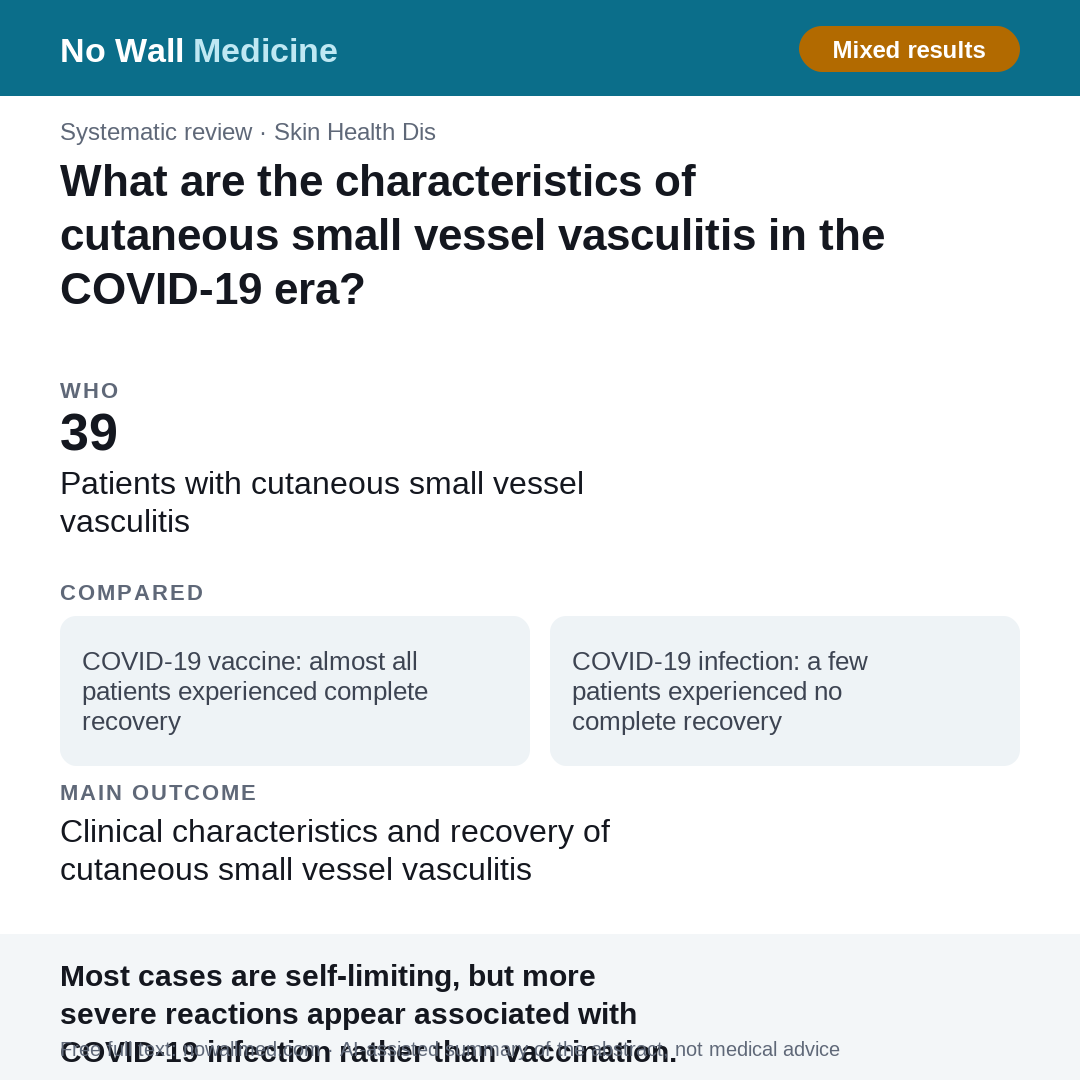
Cutaneous small vessel vasculitis in the COVID-19 era: a systematic review
Systematic reviewMixed results
What are the characteristics of cutaneous small vessel vasculitis in the COVID-19 era?
Who
39
Patients with cutaneous small vessel vasculitis
Compared
COVID-19 vaccine: almost all patients experienced complete recovery
COVID-19 infection: a few patients experienced no complete recovery
Main outcome
Clinical characteristics and recovery of cutaneous small vessel vasculitis
Bottom line: Most cases are self-limiting, but more severe reactions appear associated with COVID-19 infection rather than vaccination.
Limitation: Included only case reports, case series, correspondence articles, and letters to the editor.
Skin Health Dis · 2025-04-22Download image
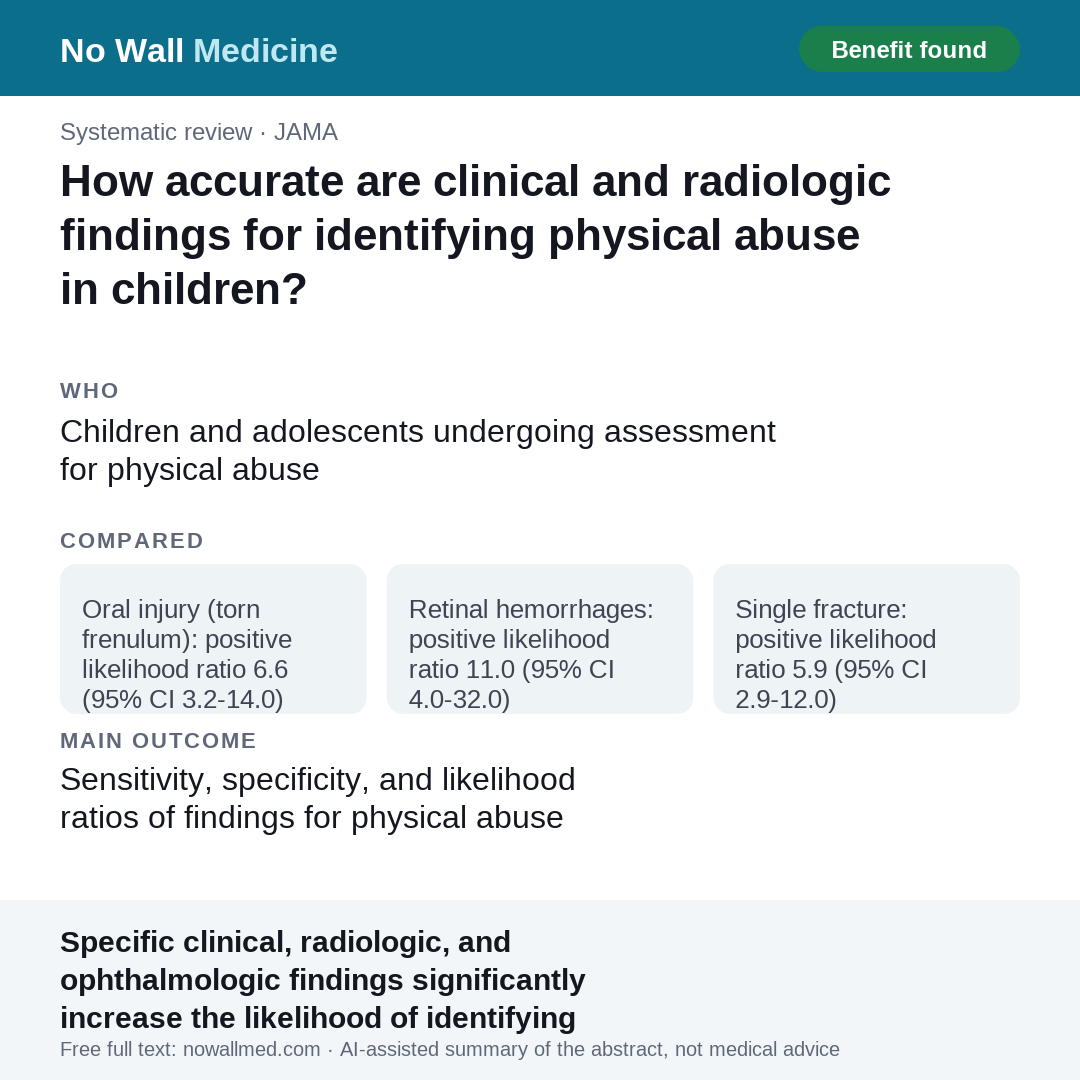
Has This Child Experienced Physical Abuse?: The Rational Clinical Examination Systematic Review
Systematic reviewBenefit found
How accurate are clinical and radiologic findings for identifying physical abuse in children?
Who
Children and adolescents undergoing assessment for physical abuse
Compared
Oral injury (torn frenulum): positive likelihood ratio 6.6 (95% CI 3.2-14.0)
Retinal hemorrhages: positive likelihood ratio 11.0 (95% CI 4.0-32.0)
Single fracture: positive likelihood ratio 5.9 (95% CI 2.9-12.0)
Main outcome
Sensitivity, specificity, and likelihood ratios of findings for physical abuse
Bottom line: Specific clinical, radiologic, and ophthalmologic findings significantly increase the likelihood of identifying physical abuse in children.
JAMA · 2025-04-21Download image
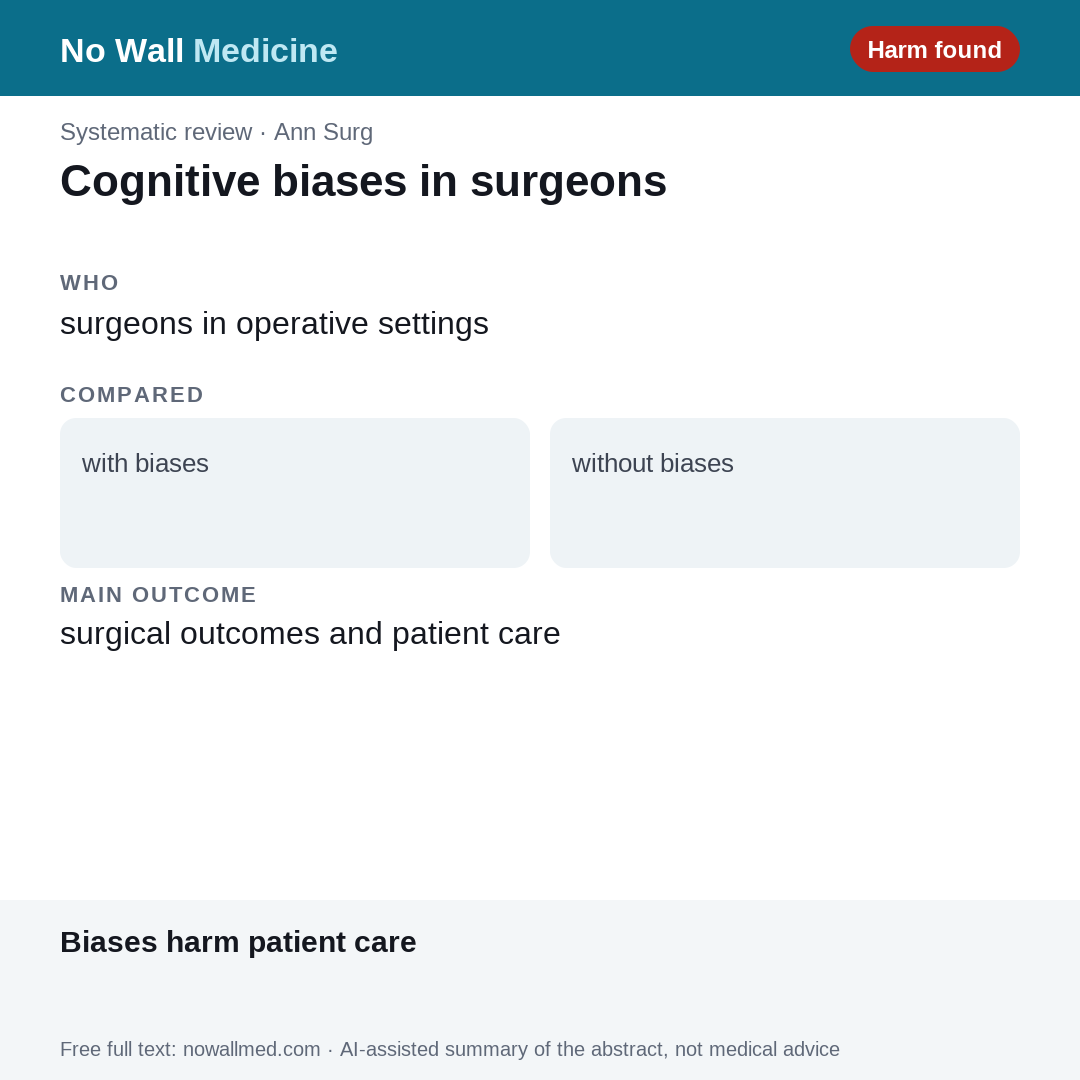
Cognitive Biases and Heuristics in Surgical Settings: A Systematic Review
Systematic reviewHarm found
Cognitive biases in surgeons
Who
surgeons in operative settings
Compared
with biases
without biases
Main outcome
surgical outcomes and patient care
Bottom line: Biases harm patient care
Limitation: moderate risk of bias
Ann Surg · 2025-04-21Download image
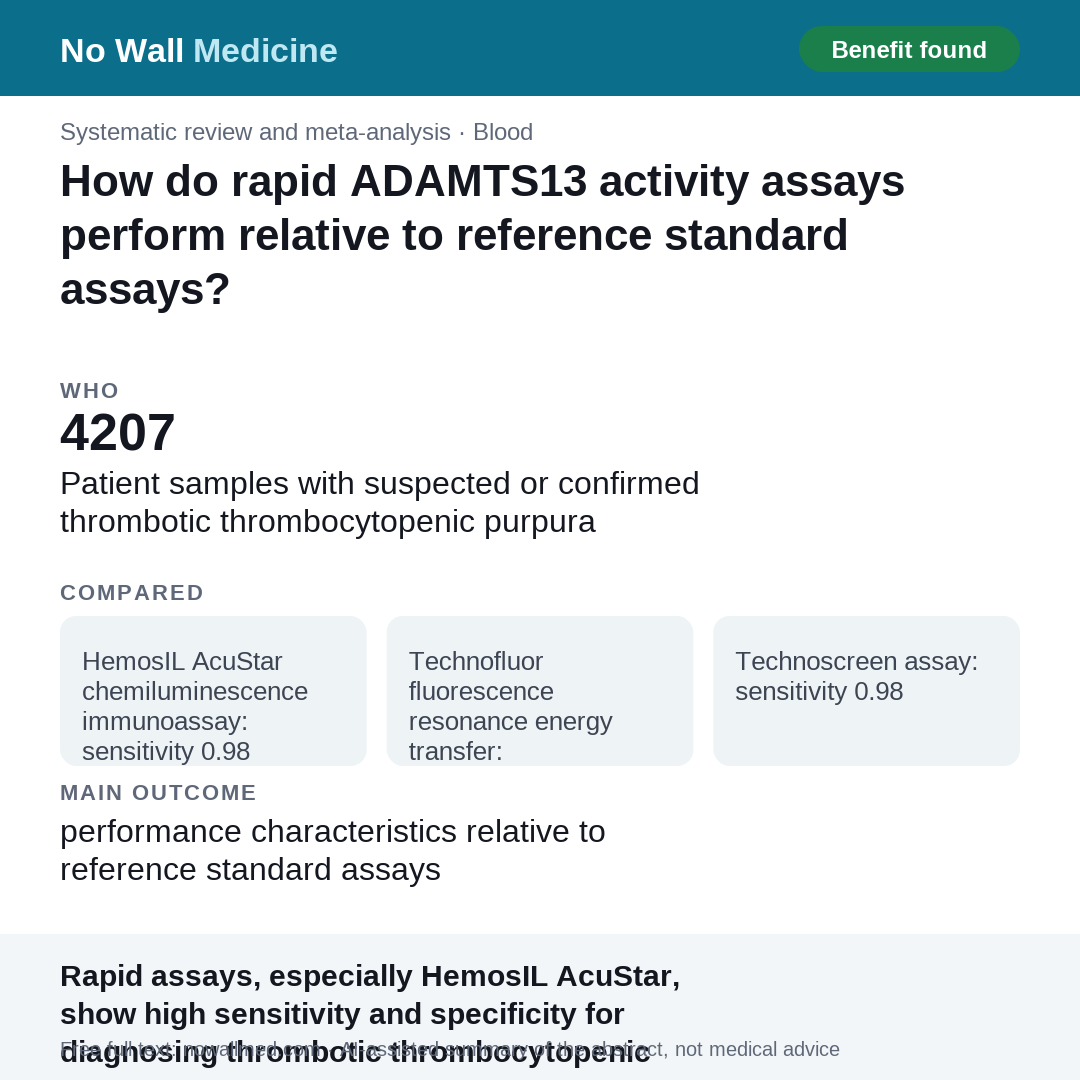
Rapid ADAMTS13 activity assays for thrombotic thrombocytopenic purpura: a systematic review and meta-analysis
Systematic review and meta-analysisBenefit found
How do rapid ADAMTS13 activity assays perform relative to reference standard assays?
Who
4207
Patient samples with suspected or confirmed thrombotic thrombocytopenic purpura
Compared
HemosIL AcuStar chemiluminescence immunoassay: sensitivity 0.98
Technofluor fluorescence resonance energy transfer: sensitivity 0.93
Technoscreen assay: sensitivity 0.98
Main outcome
performance characteristics relative to reference standard assays
Bottom line: Rapid assays, especially HemosIL AcuStar, show high sensitivity and specificity for diagnosing thrombotic thrombocytopenic purpura.
Blood · 2025-04-21Download image
Therapeutic drug monitoring in anti-tuberculosis treatment: a systematic review
Systematic review of 35 observational studiesBenefit found
Is therapeutic drug monitoring effective for anti-tuberculosis treatment?
Who
Adults, children, and patients with MDR-TB, XDR-TB, or HIV co-infection · 21 countries
Compared
Therapeutic drug monitoring
Standard treatment
Main outcome
Treatment efficacy and safety
Bottom line: Therapeutic drug monitoring improves treatment efficacy and safety by individualizing drug dosages for tuberculosis patients.
J Antimicrob Chemother · 2025-04-21Download image

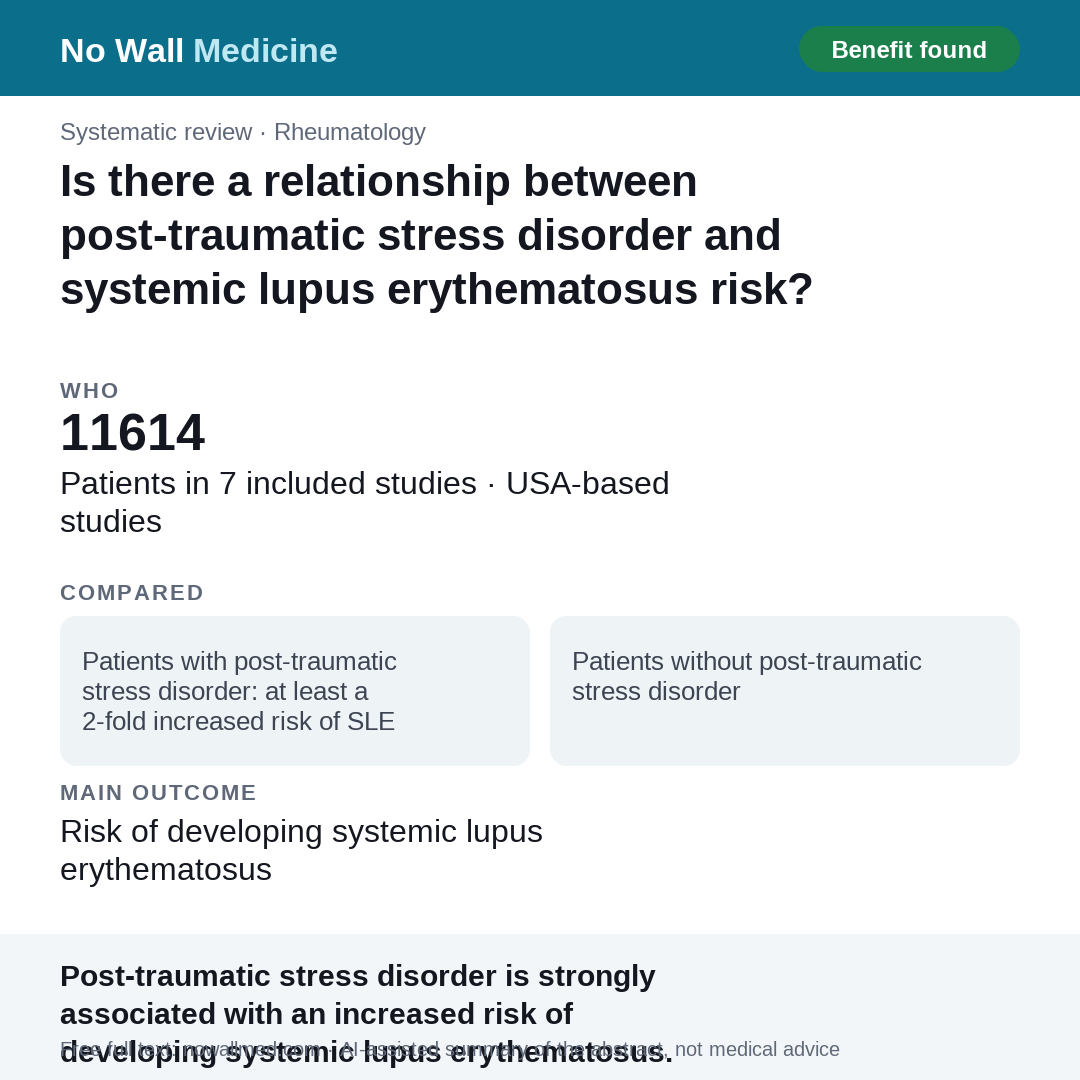
Post-traumatic stress disorder and systemic lupus erythematosus: insights from a systematic review
Systematic reviewBenefit found
Is there a relationship between post-traumatic stress disorder and systemic lupus erythematosus risk?
Who
11614
Patients in 7 included studies · USA-based studies
Compared
Patients with post-traumatic stress disorder: at least a 2-fold increased risk of SLE
Patients without post-traumatic stress disorder
Main outcome
Risk of developing systemic lupus erythematosus
Bottom line: Post-traumatic stress disorder is strongly associated with an increased risk of developing systemic lupus erythematosus.
Rheumatology · 2025-04-21Download image
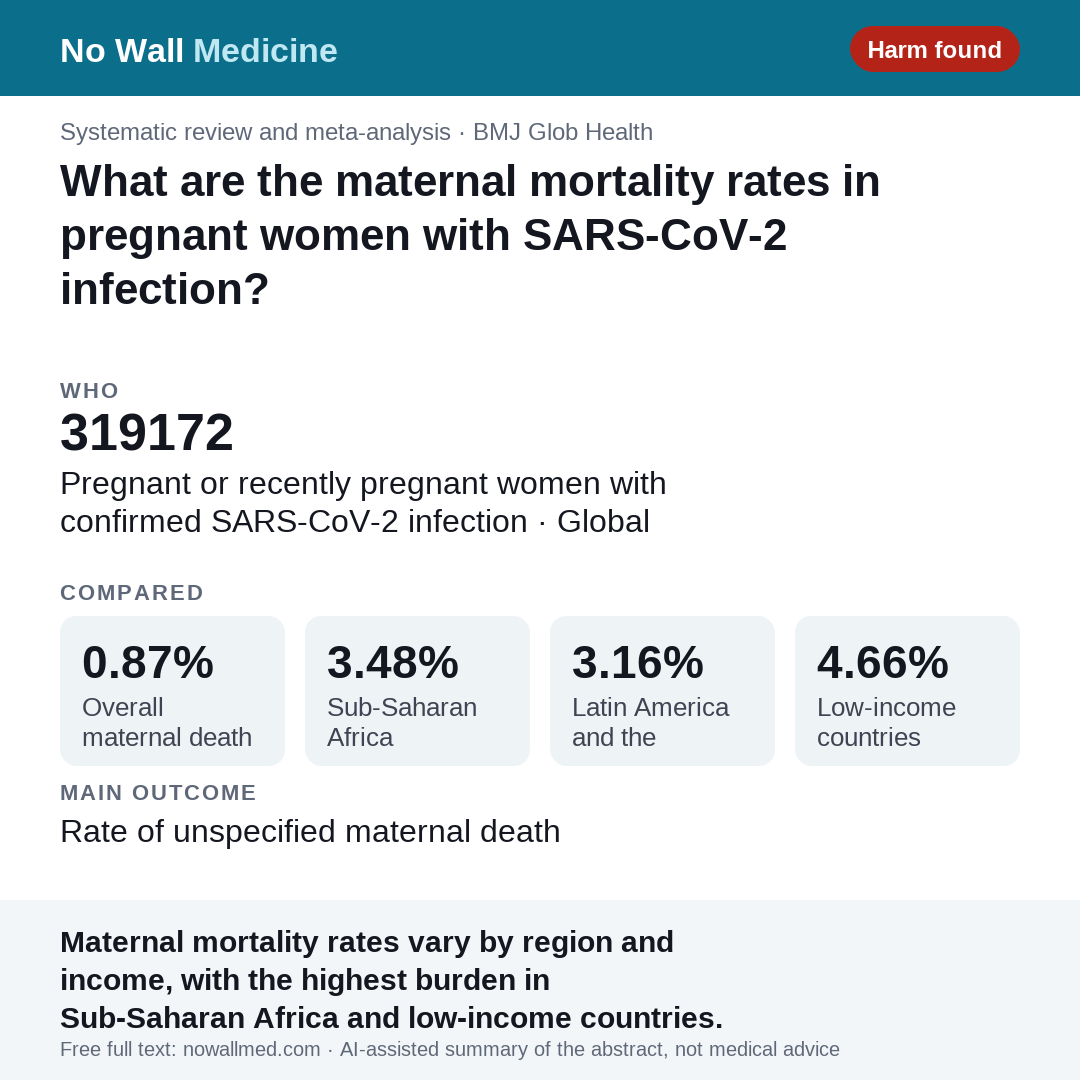
Global maternal mortality associated with SARS-CoV-2 infection: a systematic review and meta-analysis
Systematic review and meta-analysisHarm found
What are the maternal mortality rates in pregnant women with SARS-CoV-2 infection?
Who
319172
Pregnant or recently pregnant women with confirmed SARS-CoV-2 infection · Global
Compared
0.87%Overall maternal death rate (95% CI 0.64% to 1.16%)
3.48%Sub-Saharan Africa (95% CI 0.66% to 16.42%)
3.16%Latin America and the Caribbean (95% CI 1.53% to 6.43%)
4.66%Low-income countries (95% CI 0.75% to 24.07%)
Main outcome
Rate of unspecified maternal death
Bottom line: Maternal mortality rates vary by region and income, with the highest burden in Sub-Saharan Africa and low-income countries.
BMJ Glob Health · 2025-04-21Download image
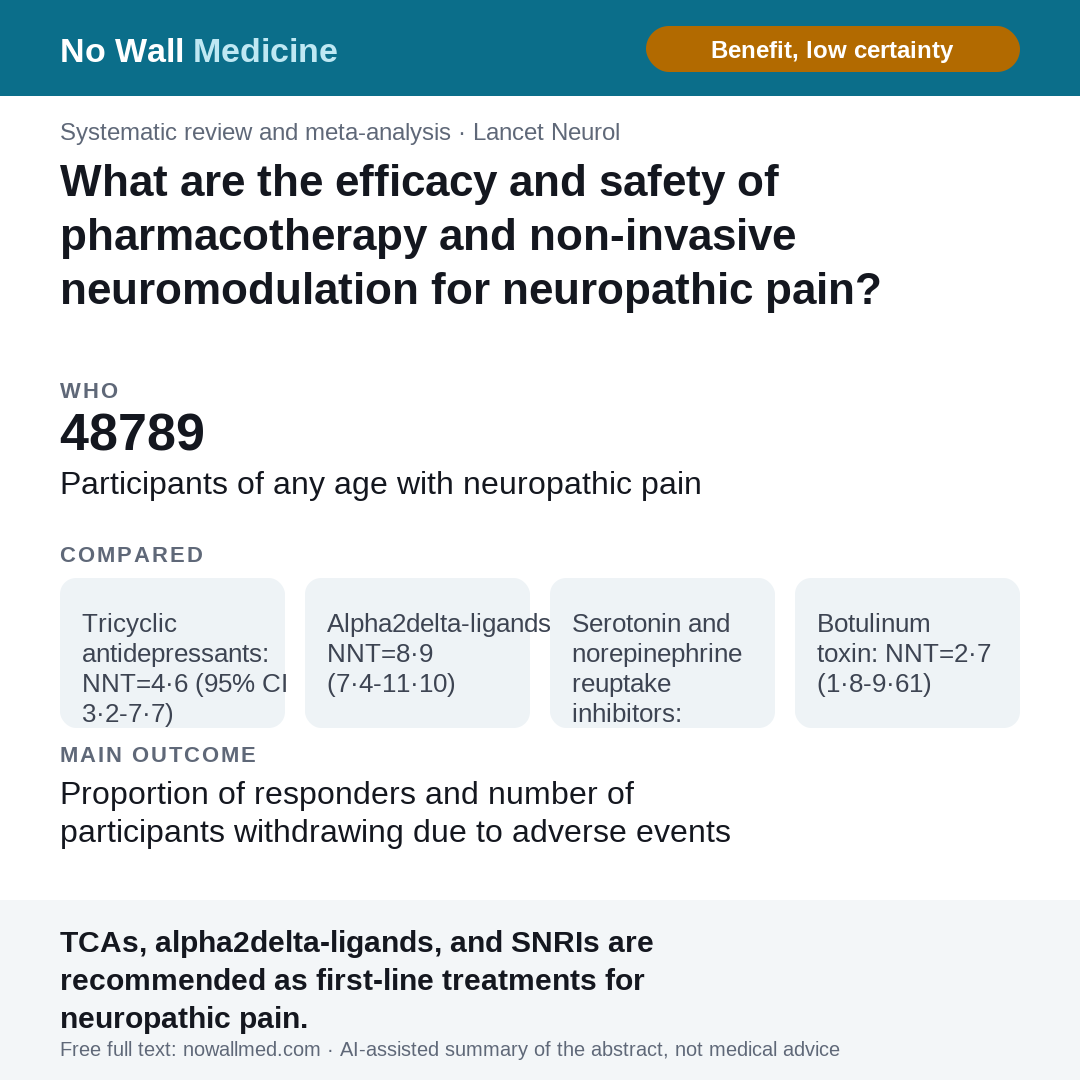
Pharmacotherapy and non-invasive neuromodulation for neuropathic pain: a systematic review and meta-analysis
Systematic review and meta-analysisBenefit found
What are the efficacy and safety of pharmacotherapy and non-invasive neuromodulation for neuropathic pain?
Who
48789
Participants of any age with neuropathic pain
Compared
Tricyclic antidepressants: NNT=4·6 (95% CI 3·2-7·7)
Alpha2delta-ligands: NNT=8·9 (7·4-11·10)
Serotonin and norepinephrine reuptake inhibitors: NNT=7·4 (5·6-10·9)
Botulinum toxin: NNT=2·7 (1·8-9·61)
Main outcome
Proportion of responders and number of participants withdrawing due to adverse events
Bottom line: TCAs, alpha2delta-ligands, and SNRIs are recommended as first-line treatments for neuropathic pain.
Lancet Neurol · 2025-04-20Download image