Visual abstracts
New randomized trials and meta-analyses from leading journals at a glance: who was studied, what was compared, and what was found. Every paper is free to read in full.
All specialtiesCardiology 4877Oncology 4138Gastroenterology & Hepatology 1942Infectious Disease 3837Neurology 1905Psychiatry & Mental Health 2273Pulmonology 2143Critical Care 1365Endocrinology & Diabetes 2580Pediatrics 2980Surgery 2559Orthopedics & Sports Medicine 931Neurosurgery 537Cardiothoracic & Vascular Surgery 674Plastic & Reconstructive Surgery 591Nephrology 1133Rheumatology 823Hematology 1109Dermatology 621Ophthalmology 543Obstetrics & Gynecology 1686Public & Global Health 1058Radiology & Imaging 648Anesthesiology 986Urology 764ENT (Otolaryngology) 503Emergency Medicine 511Allergy & Immunology 313Geriatrics 981Family Medicine & Primary Care 562Medical Genetics & Genomics 676Pathology & Laboratory Medicine 159Physical Medicine & Rehabilitation 757Palliative Care 444Nutrition 1588Digital Health & AI 2201General Medicine 321
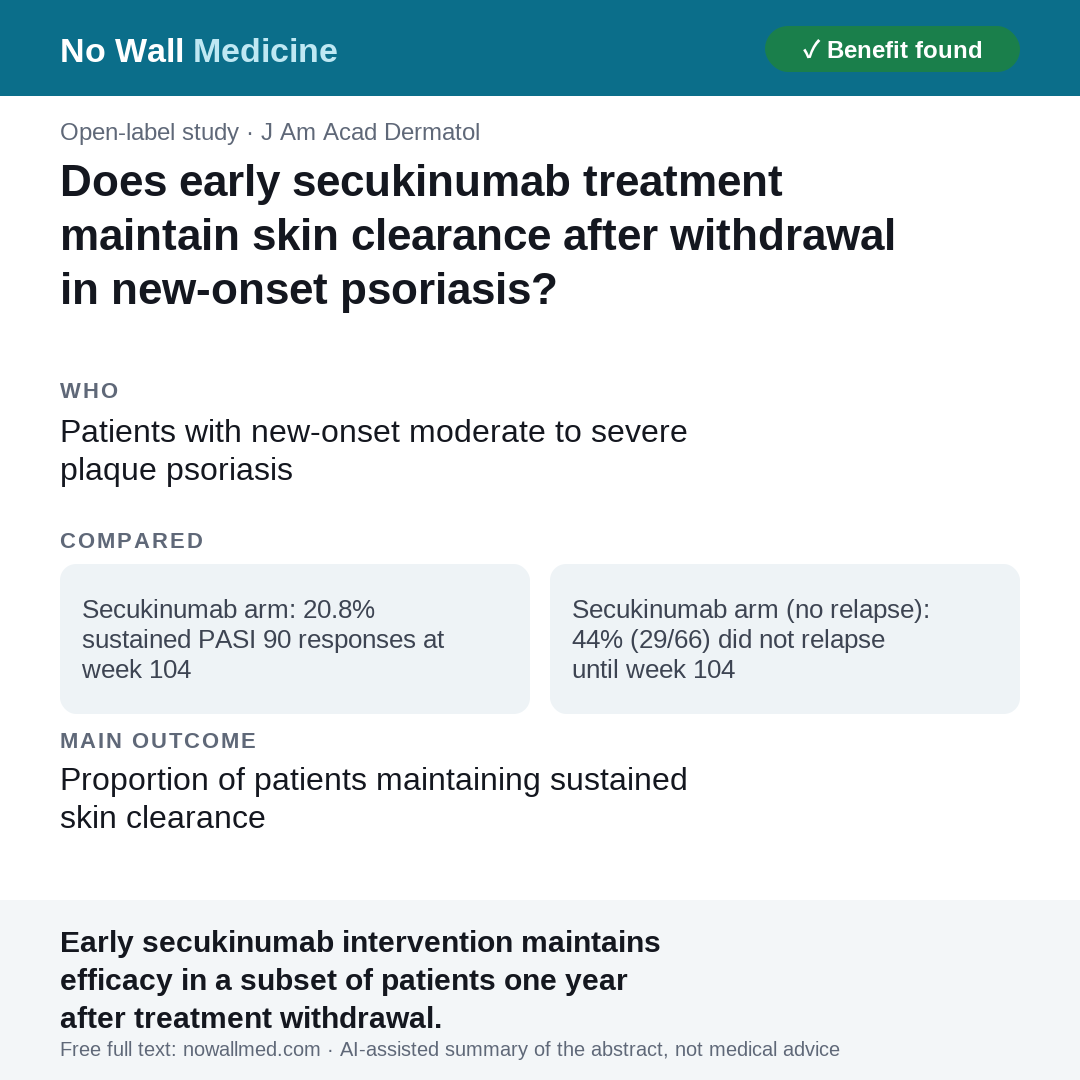
Impact of early treatment of psoriasis on disease recurrence-Results from the STEPIn study
Open-label studyBenefit found
Does early secukinumab treatment maintain skin clearance after withdrawal in new-onset psoriasis?
Who
Patients with new-onset moderate to severe plaque psoriasis
Compared
Secukinumab arm: 20.8% sustained PASI 90 responses at week 104
Secukinumab arm (no relapse): 44% (29/66) did not relapse until week 104
Main outcome
Proportion of patients maintaining sustained skin clearance
Bottom line: Early secukinumab intervention maintains efficacy in a subset of patients one year after treatment withdrawal.
Limitation: Absence of blinding due to open-label nature of the study
J Am Acad Dermatol · 2026-03-23Download image
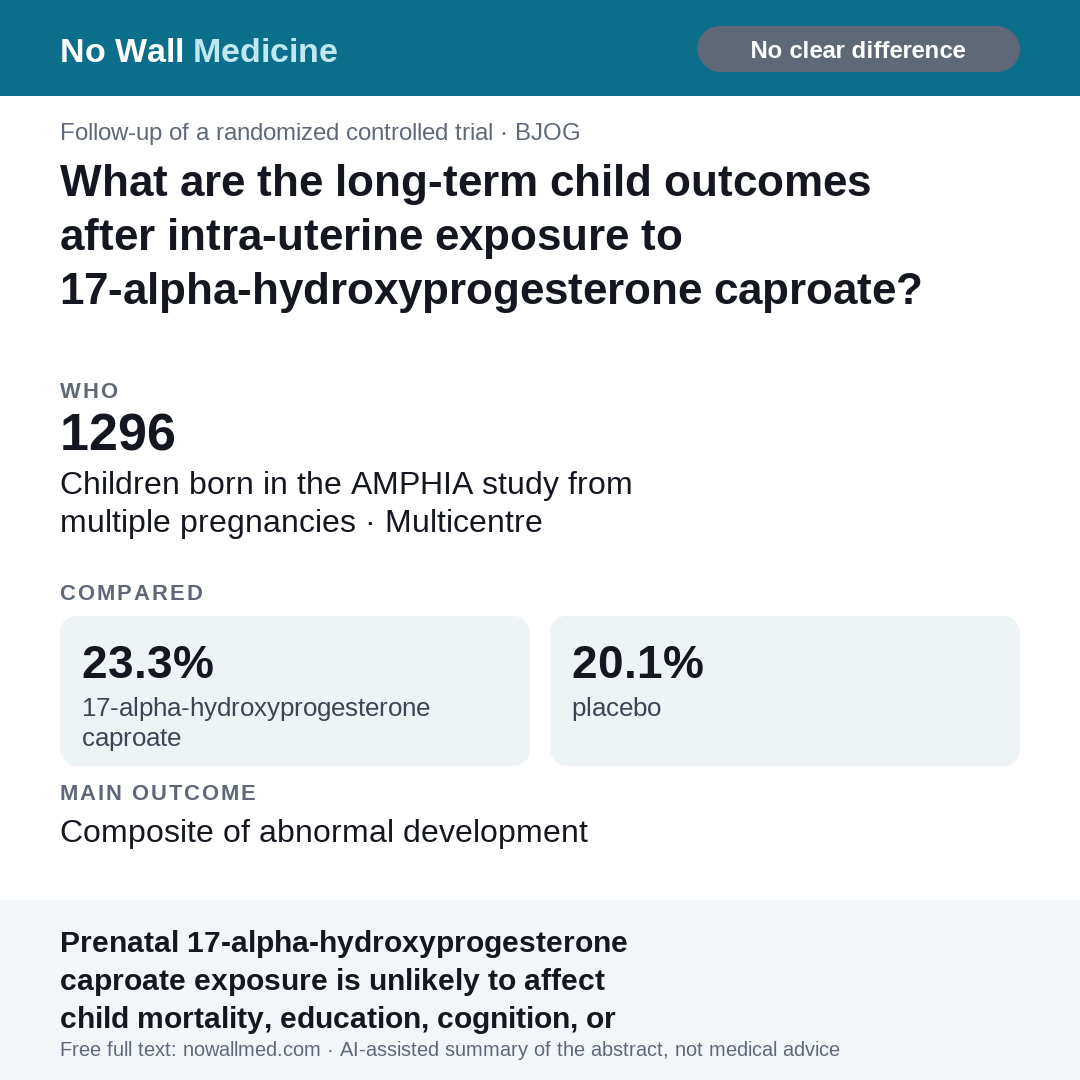
Prenatal 17-Alpha-Hydroxyprogesterone Caproate Exposure in Twins and Childhood Outcomes: 14-Year Follow-Up of a Randomised Trial
Follow-up of a randomized controlled trialNo clear difference
What are the long-term child outcomes after intra-uterine exposure to 17-alpha-hydroxyprogesterone caproate?
Who
1296
Children born in the AMPHIA study from multiple pregnancies · Multicentre
Compared
23.3%17-alpha-hydroxyprogesterone caproate
20.1%placebo
Main outcome
Composite of abnormal development
Result: OR 1.31 (95% CI 0.66-2.56)
Bottom line: Prenatal 17-alpha-hydroxyprogesterone caproate exposure is unlikely to affect child mortality, education, cognition, or behavior.
Limitation: Detailed developmental outcomes were collected for only 23% of surviving children.
BJOG · 2026-03-23Download image
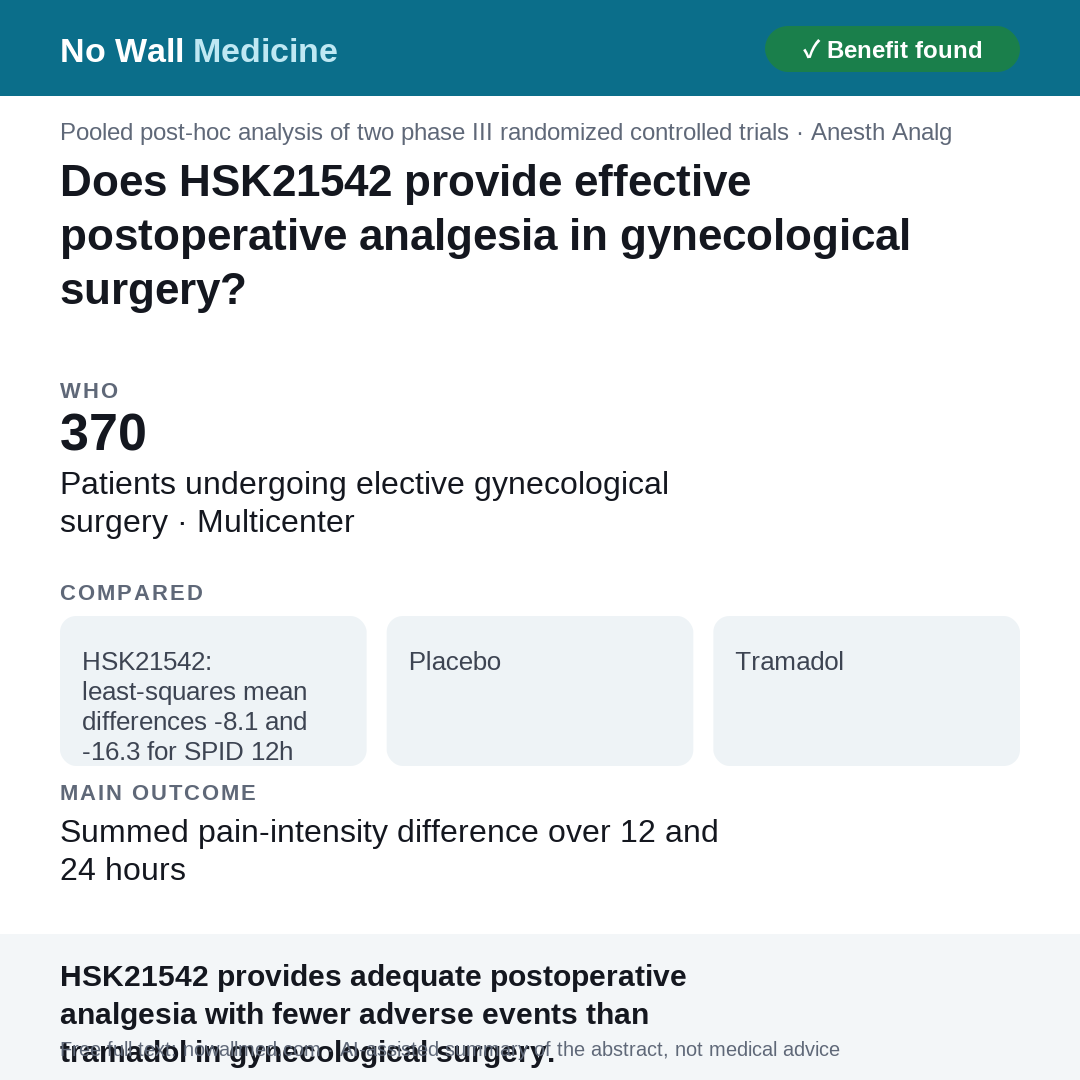
HSK21542 for Postoperative Analgesia in Gynecological Surgery: A Pooled Post-Hoc Analysis of Two Phase III Randomized Controlled Trials
Pooled post-hoc analysis of two phase III randomized controlled trialsBenefit found
Does HSK21542 provide effective postoperative analgesia in gynecological surgery?
Who
370
Patients undergoing elective gynecological surgery · Multicenter
Compared
HSK21542: least-squares mean differences -8.1 and -16.3 for SPID 12h and SPID 24h
Placebo
Tramadol
Main outcome
Summed pain-intensity difference over 12 and 24 hours
Bottom line: HSK21542 provides adequate postoperative analgesia with fewer adverse events than tramadol in gynecological surgery.
Anesth Analg · 2026-03-23Download image
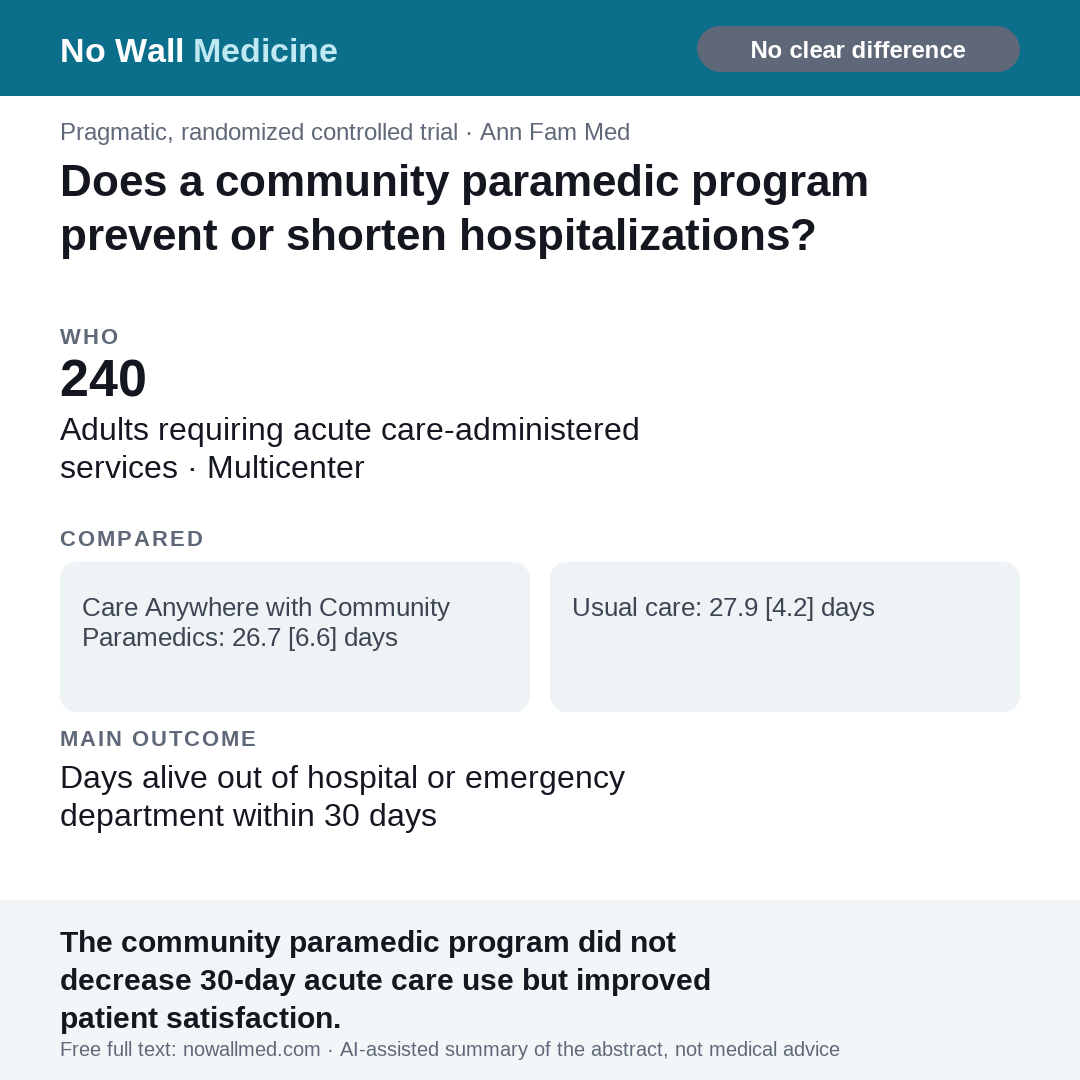
Effect of an Advanced Community Paramedic Program to Shorten or Prevent Hospitalizations: A Pragmatic, Point-of-Care, Randomized Clinical Trial
Pragmatic, randomized controlled trialNo clear difference
Does a community paramedic program prevent or shorten hospitalizations?
Who
240
Adults requiring acute care-administered services · Multicenter
Compared
Care Anywhere with Community Paramedics: 26.7 [6.6] days
Usual care: 27.9 [4.2] days
Main outcome
Days alive out of hospital or emergency department within 30 days
Bottom line: The community paramedic program did not decrease 30-day acute care use but improved patient satisfaction.
Ann Fam Med · 2026-03-23Download image
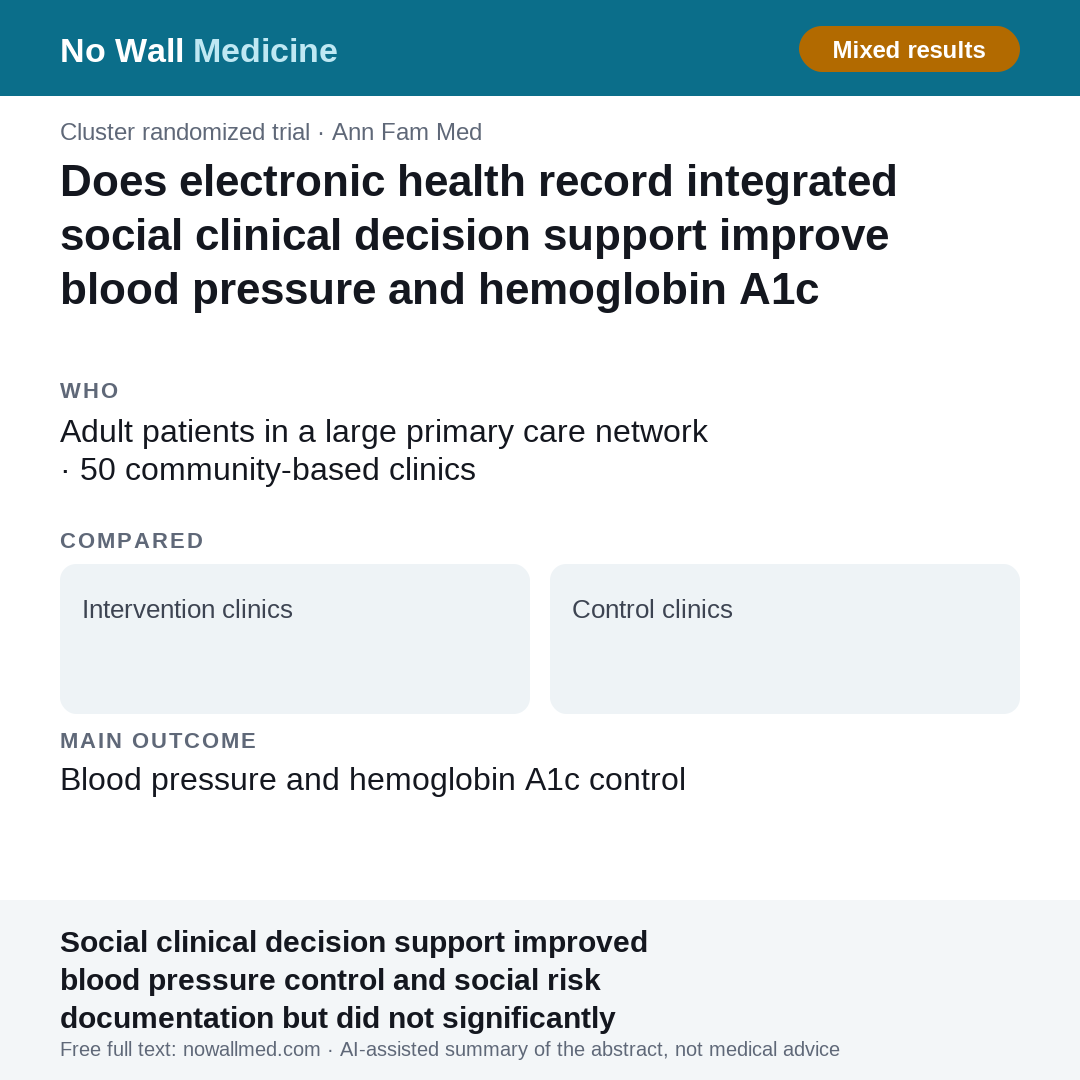
Social Risk-Informed Decision Support and Blood Pressure Control in a Primary Care Cluster Randomized Controlled Trial
Cluster randomized trialMixed results
Does electronic health record integrated social clinical decision support improve blood pressure and hemoglobin A1c control?
Who
Adult patients in a large primary care network · 50 community-based clinics
Compared
Intervention clinics
Control clinics
Main outcome
Blood pressure and hemoglobin A1c control
Bottom line: Social clinical decision support improved blood pressure control and social risk documentation but did not significantly affect hemoglobin A1c.
Ann Fam Med · 2026-03-23Download image
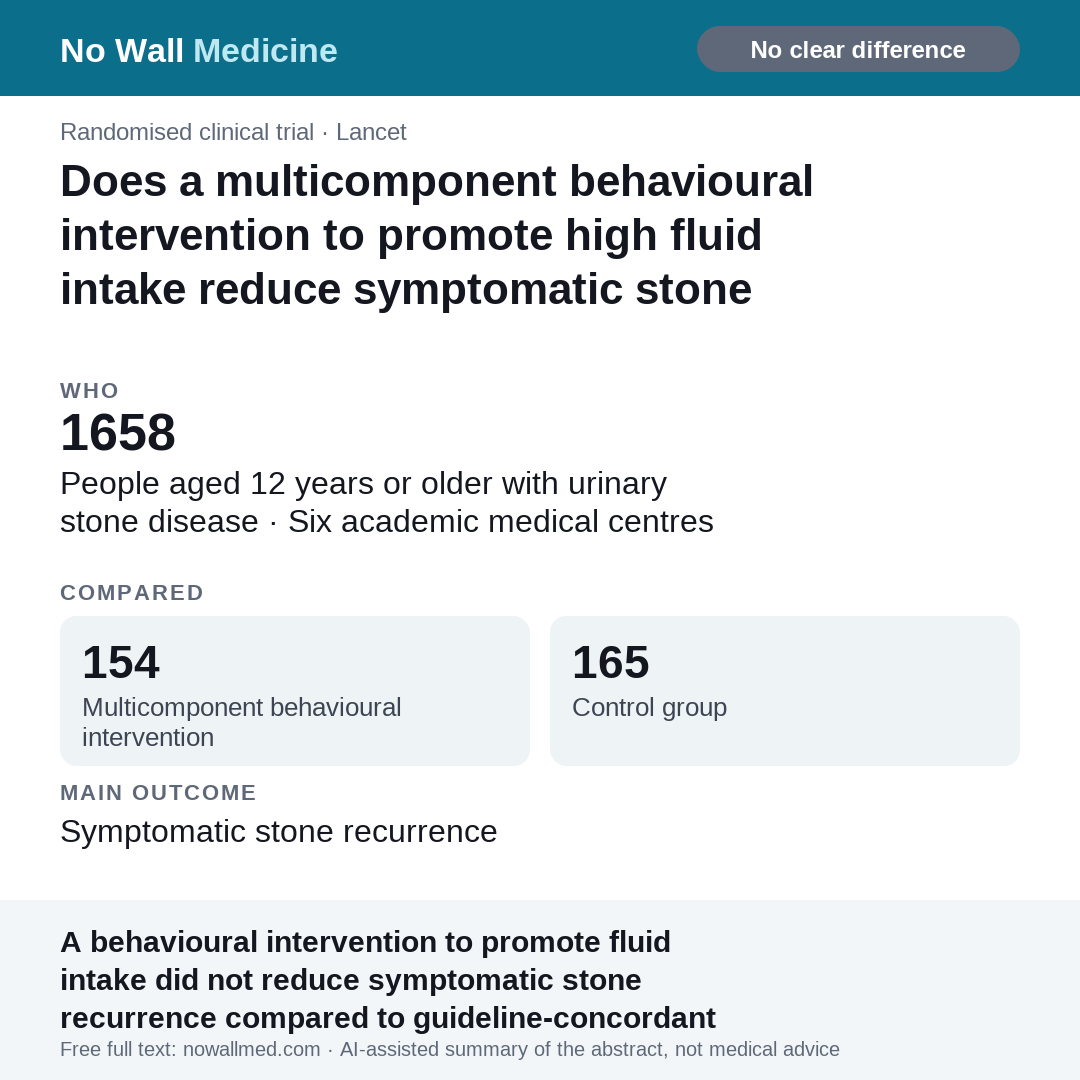
Prevention of urinary stones with hydration: a randomised clinical trial of an adherence intervention
Randomised clinical trialNo clear difference
Does a multicomponent behavioural intervention to promote high fluid intake reduce symptomatic stone recurrence?
Who
1658
People aged 12 years or older with urinary stone disease · Six academic medical centres in the USA
Compared
154Multicomponent behavioural intervention (19%)
165Control group (20%)
Main outcome
Symptomatic stone recurrence
Result: hazard ratio 0·96, 95% CI 0·77-1·20
Bottom line: A behavioural intervention to promote fluid intake did not reduce symptomatic stone recurrence compared to guideline-concordant care.
Funded by: National Institute of Diabetes and Digestive and Kidney Diseases
Lancet · 2026-03-22Download image
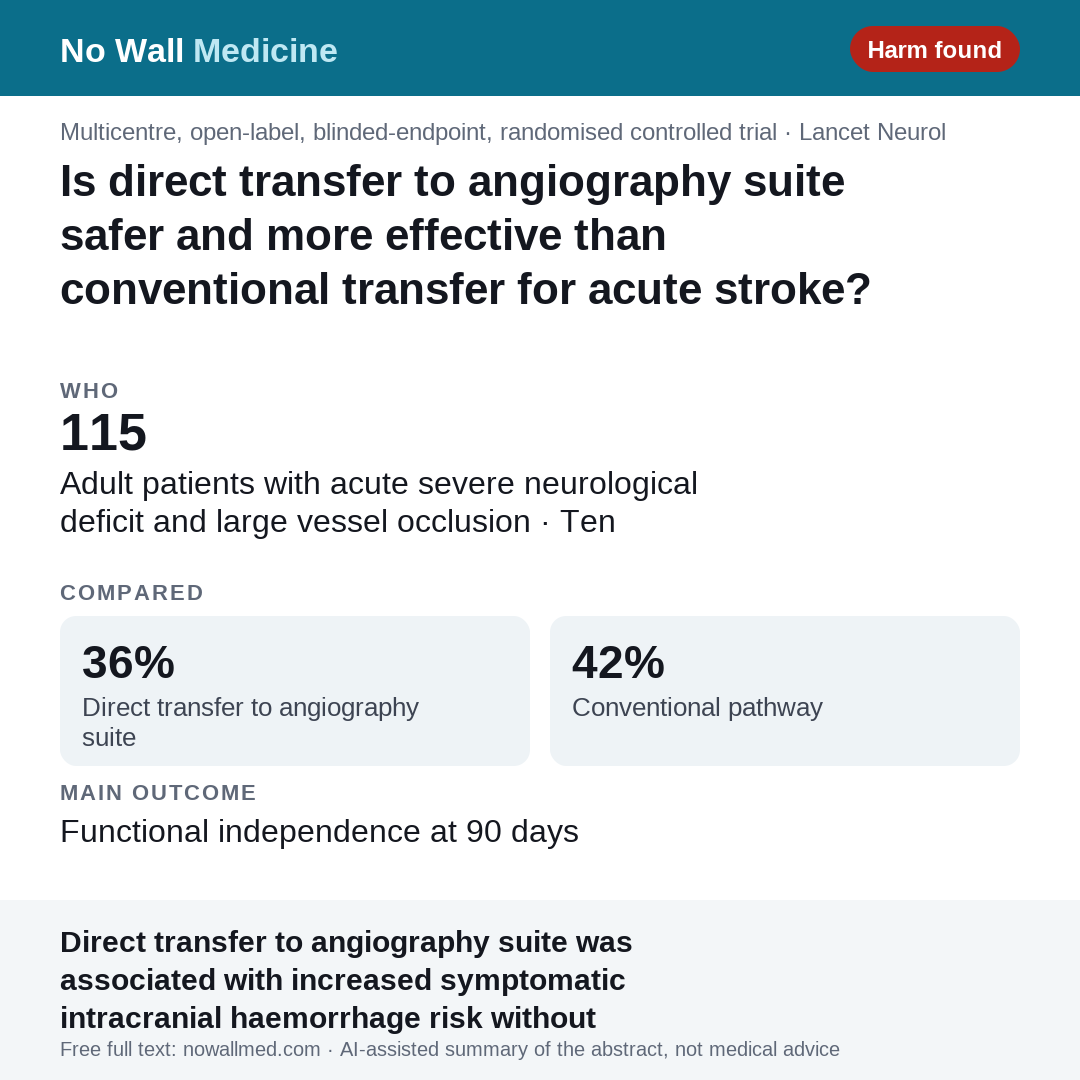
Safety and efficacy of direct versus conventional transfer to angiography suite in patients with severe acute stroke treated with thrombectomy (DIRECT ANGIO) in France: a multicentre, open-label, blinded-endpoint, randomised controlled trial
Multicentre, open-label, blinded-endpoint, randomised controlled trialHarm found
Is direct transfer to angiography suite safer and more effective than conventional transfer for acute stroke?
Who
115
Adult patients with acute severe neurological deficit and large vessel occlusion · Ten comprehensive stroke centres in France
Compared
36%Direct transfer to angiography suite
42%Conventional pathway
Main outcome
Functional independence at 90 days
Result: adjusted odds ratio 0.73 (95% CI 0.32 to 1.69)
Bottom line: Direct transfer to angiography suite was associated with increased symptomatic intracranial haemorrhage risk without improving functional outcomes.
Limitation: The trial was stopped early for safety reasons, limiting precision due to small sample size.
Funded by: French Ministry of Health and Medtronic
Lancet Neurol · 2026-03-22Download image
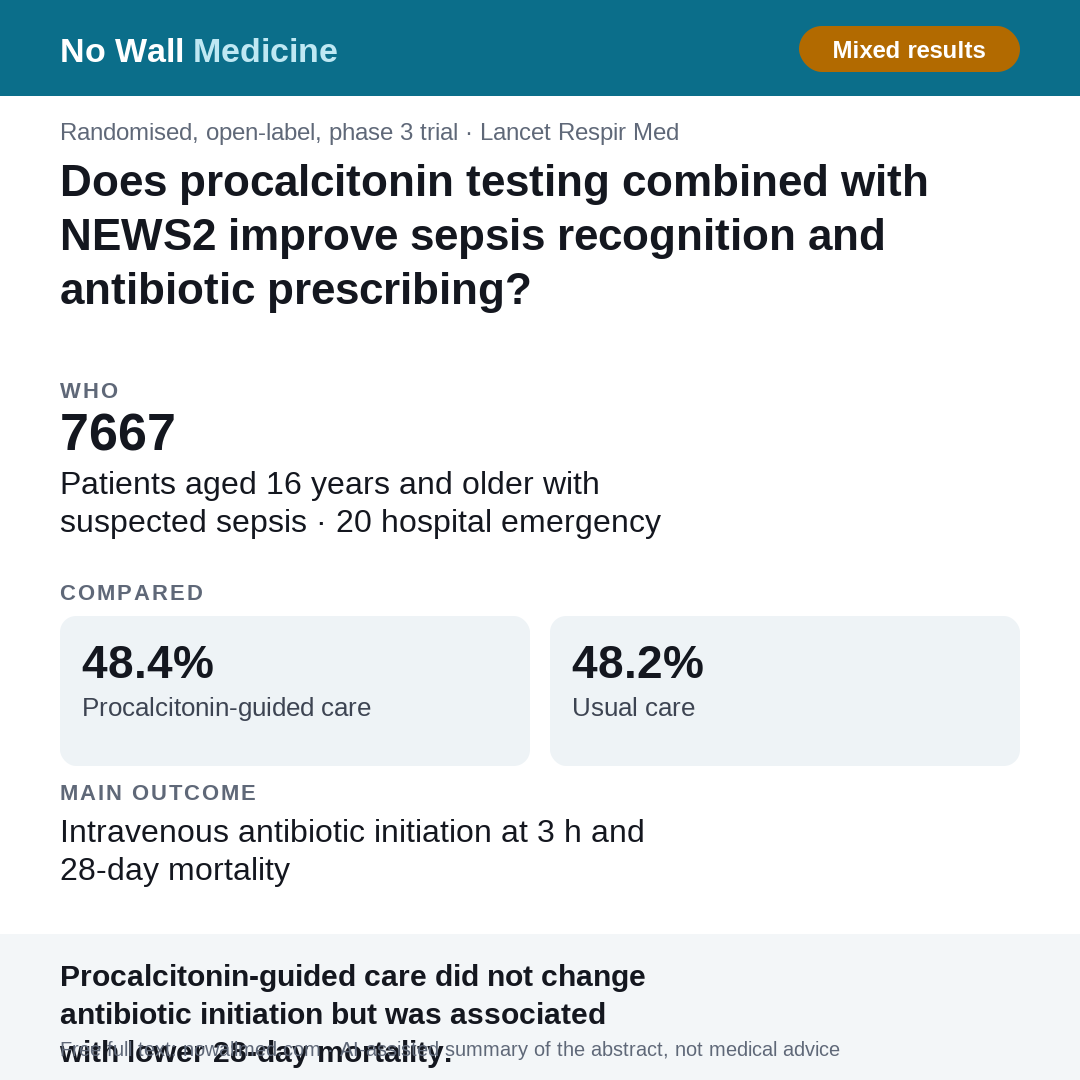
Procalcitonin testing combined with NEWS2 evaluation compared with usual care based on NEWS2 for identification of sepsis and antibiotic initiation in the emergency department in England and Wales (PRONTO): a multicentre, randomised, controlled, open-label, phase 3 trial
Randomised, open-label, phase 3 trialMixed results
Does procalcitonin testing combined with NEWS2 improve sepsis recognition and antibiotic prescribing?
Who
7667
Patients aged 16 years and older with suspected sepsis · 20 hospital emergency departments in England and Wales
Compared
48.4%Procalcitonin-guided care (1325/2738)
48.2%Usual care (1308/2715)
Main outcome
Intravenous antibiotic initiation at 3 h and 28-day mortality
Result: adjusted risk difference -0.08 percentage points, 95% CI -2.58 to 2.42
Bottom line: Procalcitonin-guided care did not change antibiotic initiation but was associated with lower 28-day mortality.
Lancet Respir Med · 2026-03-22Download image
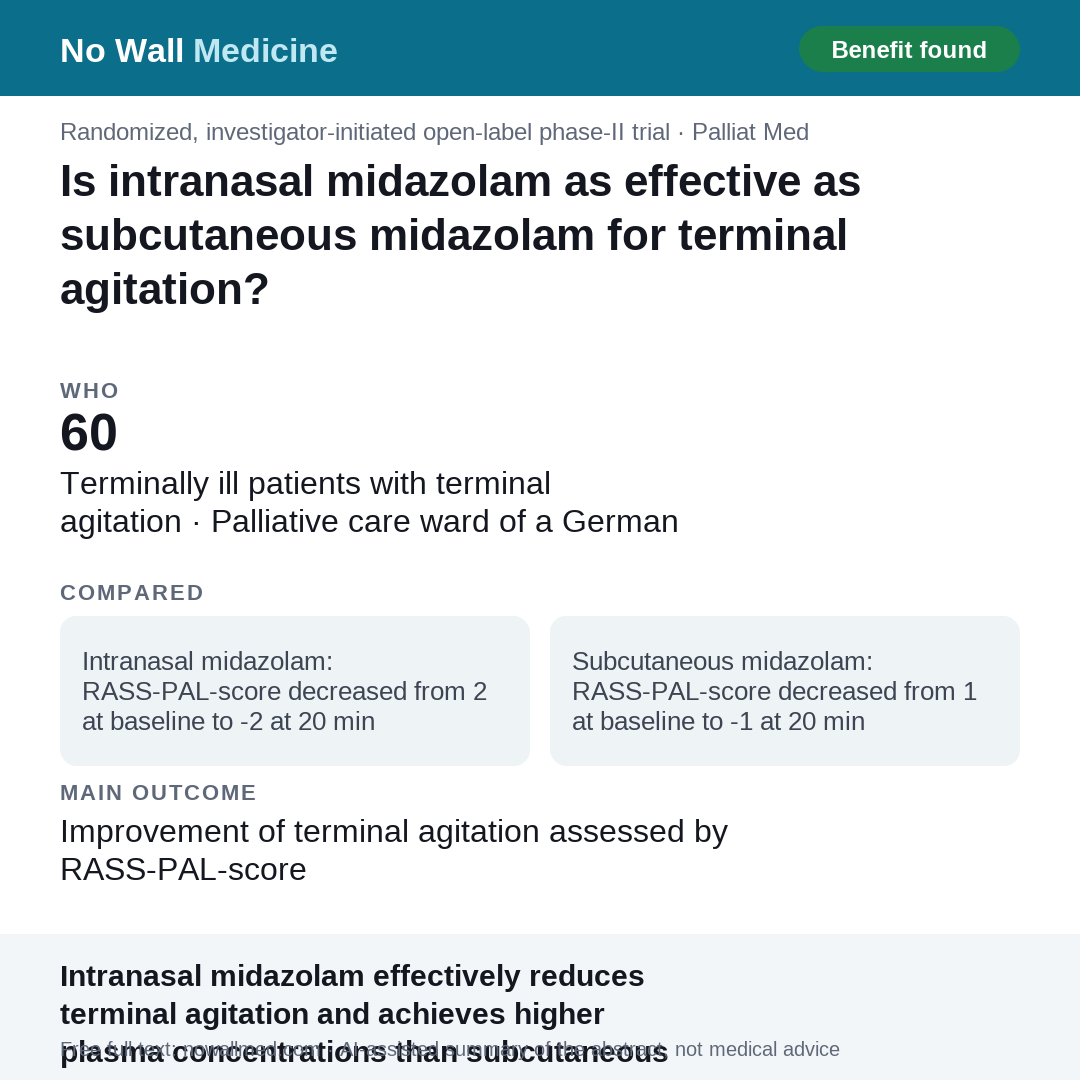
A randomized controlled clinical trial of intranasal versus subcutaneous midazolam for agitation in terminal illness (MinTU study)
Randomized, investigator-initiated open-label phase-II trialBenefit found
Is intranasal midazolam as effective as subcutaneous midazolam for terminal agitation?
Who
60
Terminally ill patients with terminal agitation · Palliative care ward of a German University Hospital
Compared
Intranasal midazolam: RASS-PAL-score decreased from 2 at baseline to -2 at 20 min
Subcutaneous midazolam: RASS-PAL-score decreased from 1 at baseline to -1 at 20 min
Main outcome
Improvement of terminal agitation assessed by RASS-PAL-score
Bottom line: Intranasal midazolam effectively reduces terminal agitation and achieves higher plasma concentrations than subcutaneous administration.
Palliat Med · 2026-03-22Download image
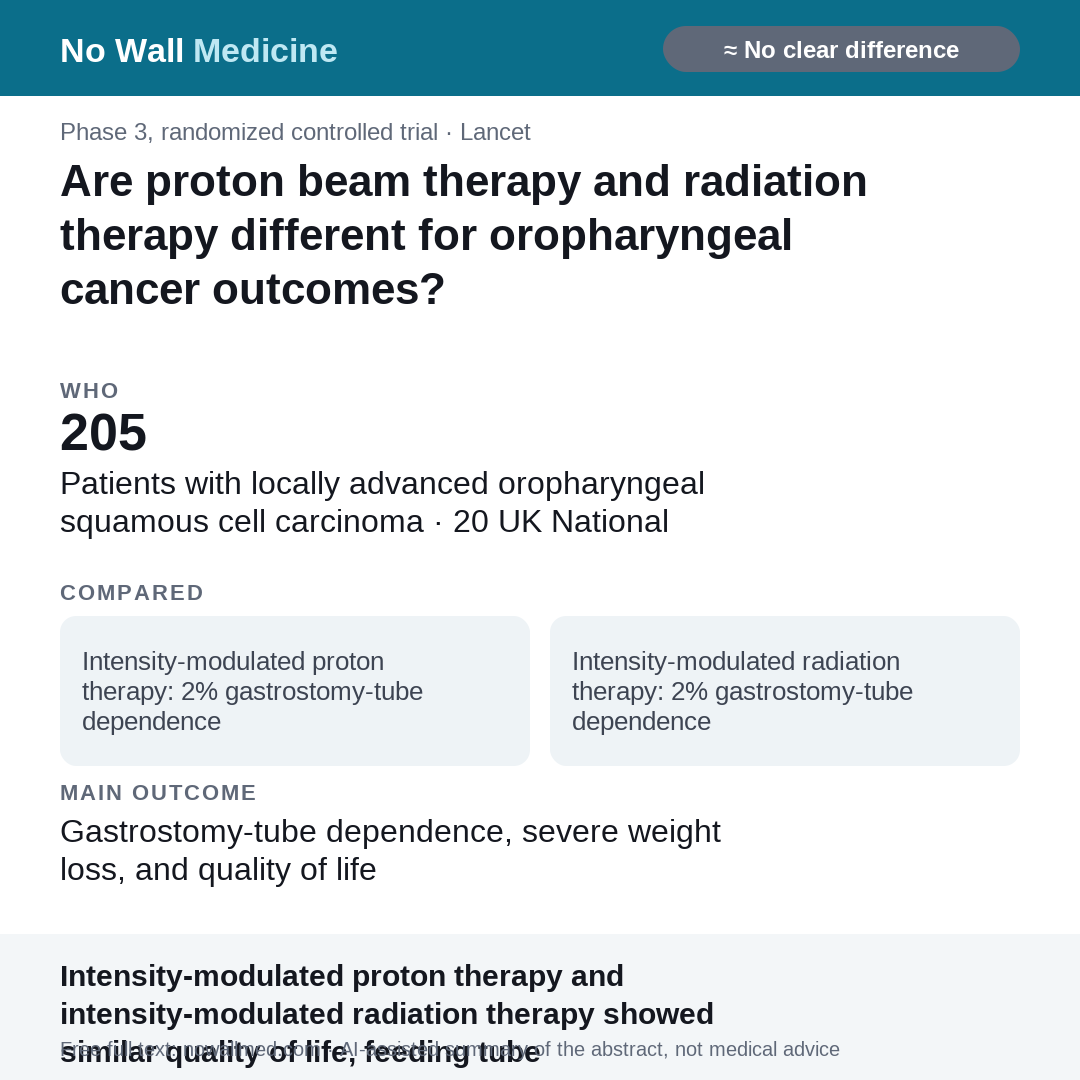
Proton beam therapy for oropharyngeal cancer (TORPEdO): a phase 3, randomised controlled trial
Phase 3, randomized controlled trialNo clear difference
Are proton beam therapy and radiation therapy different for oropharyngeal cancer outcomes?
Who
205
Patients with locally advanced oropharyngeal squamous cell carcinoma · 20 UK National Health Service hospitals
Compared
Intensity-modulated proton therapy: 2% gastrostomy-tube dependence
Intensity-modulated radiation therapy: 2% gastrostomy-tube dependence
Main outcome
Gastrostomy-tube dependence, severe weight loss, and quality of life
Result: combined odds ratio 2·80 (97·5% CI 0·75 to 10·4)
Bottom line: Intensity-modulated proton therapy and intensity-modulated radiation therapy showed similar quality of life, feeding tube dependence, and survival.
Funded by: Cancer Research UK
Lancet · 2026-03-21Download image
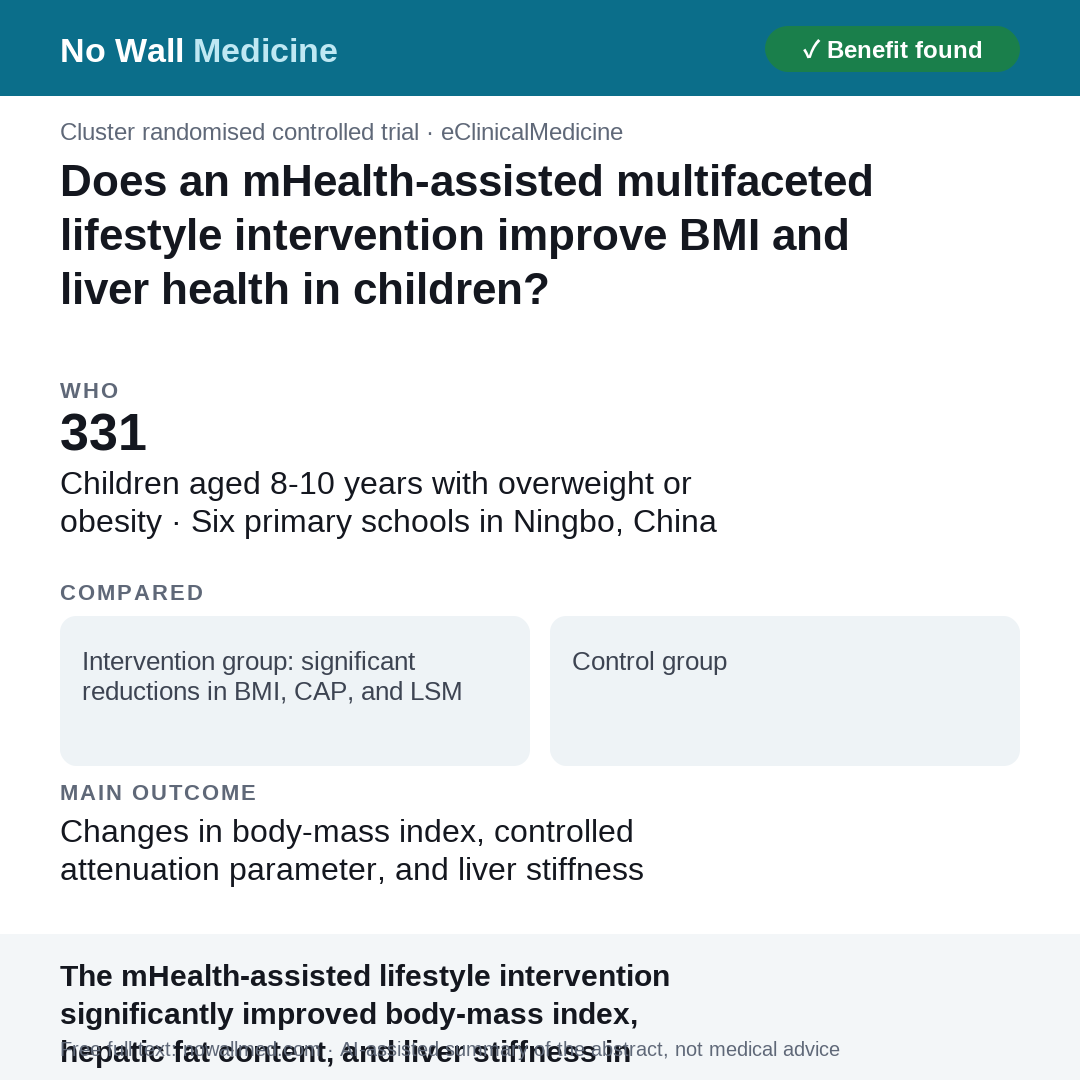
Effect of an mHealth-assisted multifaceted lifestyle intervention on body-mass index, hepatic fat content and stiffness in children with overweight or obesity: a cluster randomised controlled trial
Cluster randomised controlled trialBenefit found
Does an mHealth-assisted multifaceted lifestyle intervention improve BMI and liver health in children?
Who
331
Children aged 8-10 years with overweight or obesity · Six primary schools in Ningbo, China
Compared
Intervention group: significant reductions in BMI, CAP, and LSM
Control group
Main outcome
Changes in body-mass index, controlled attenuation parameter, and liver stiffness measurement
Result: mean difference BMI -0.38 kg/m2 (95% CI -0.59 to -0.16); CAP -15.73 dB/m (-22.39 to -9.07); LSM -0.69 kPa (-0.89 to -0.48)
Bottom line: The mHealth-assisted lifestyle intervention significantly improved body-mass index, hepatic fat content, and liver stiffness in children.
Funded by: Major Science and Technology Projects for Health of Zhejiang Province; Cyrus Tang Foundation 2022
eClinicalMedicine · 2026-03-21Download image
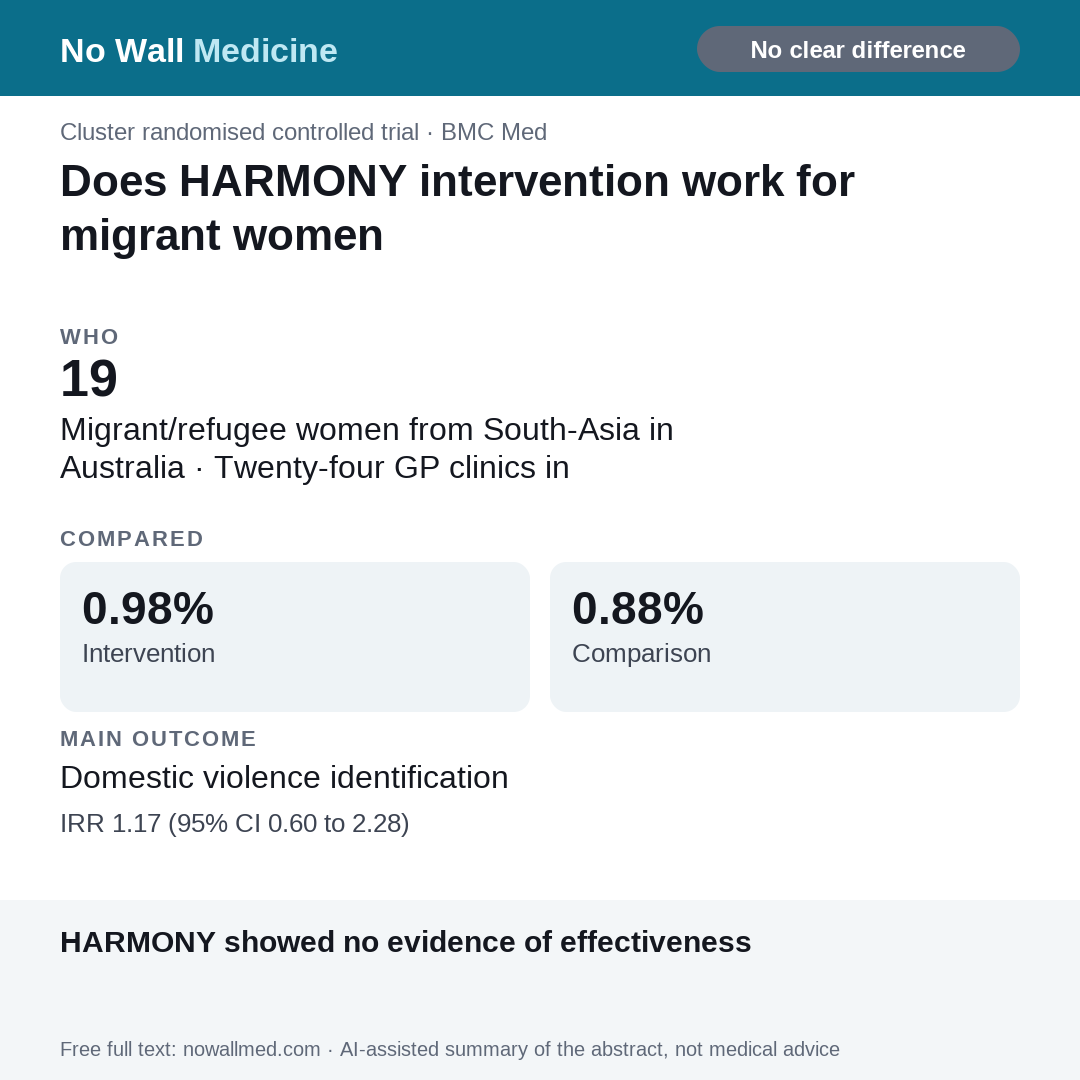
A culturally-safe primary care intervention for migrant/refugee women suffering domestic violence and abuse: HARMONY-a pragmatic cluster randomised controlled trial
Cluster randomised controlled trialNo clear difference
Does HARMONY intervention work for migrant women
Who
19
Migrant/refugee women from South-Asia in Australia · Twenty-four GP clinics in Melbourne
Compared
0.98%Intervention (252/25816)
0.88%Comparison (199/22546)
Main outcome
Domestic violence identification
Result: IRR 1.17 (95% CI 0.60 to 2.28)
Bottom line: HARMONY showed no evidence of effectiveness
Limitation: COVID-19 undermined implementation
BMC Med · 2026-03-21Download image
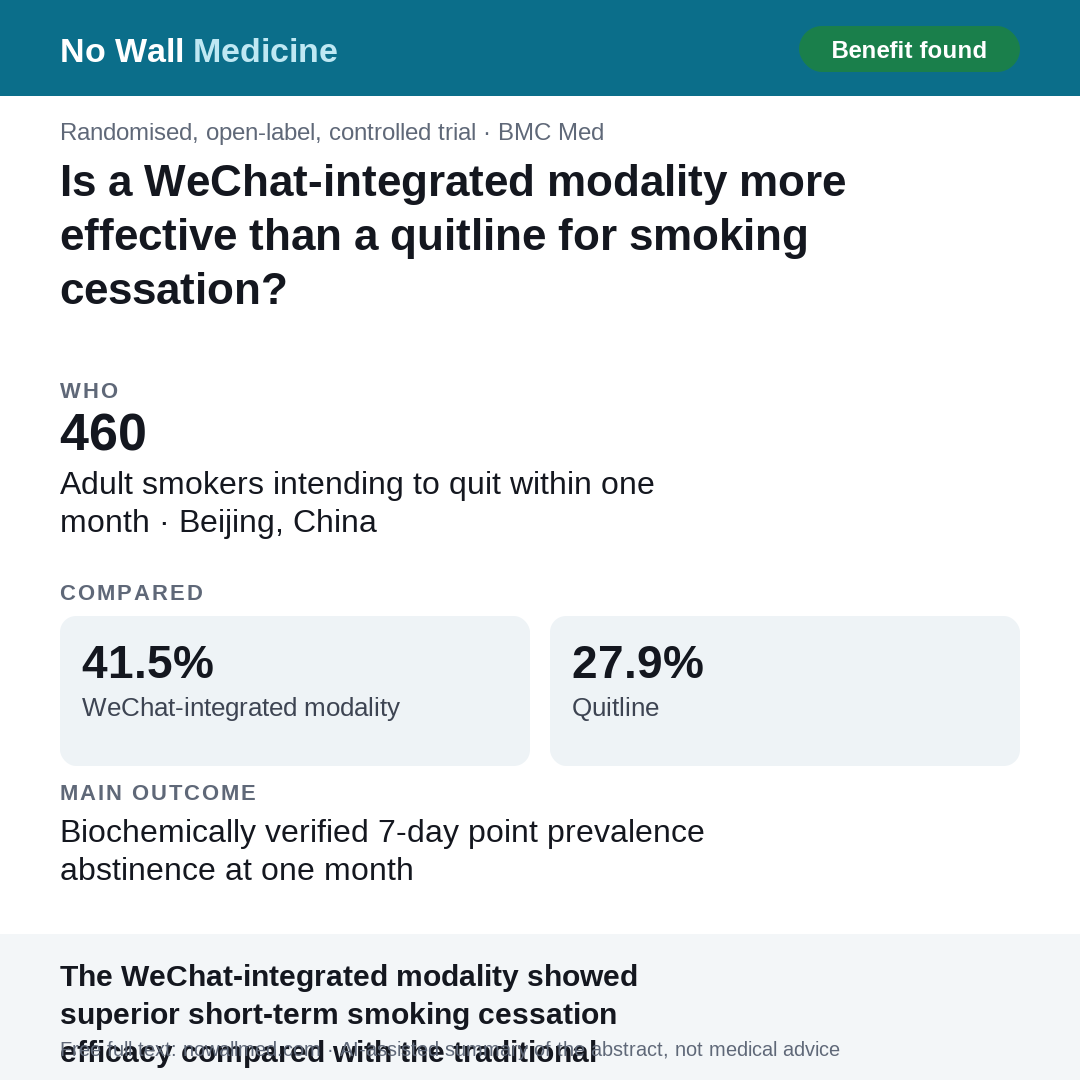
Efficacy and long-term engagement of a WeChat-integrated modality versus a traditional quitline on smoking cessation in China: a randomised controlled trial
Randomised, open-label, controlled trialBenefit found
Is a WeChat-integrated modality more effective than a quitline for smoking cessation?
Who
460
Adult smokers intending to quit within one month · Beijing, China
Compared
41.5%WeChat-integrated modality
27.9%Quitline
Main outcome
Biochemically verified 7-day point prevalence abstinence at one month
Result: RR, 1.49 (95% CI, 1.14-1.95)
Bottom line: The WeChat-integrated modality showed superior short-term smoking cessation efficacy compared with the traditional quitline.
BMC Med · 2026-03-21Download image
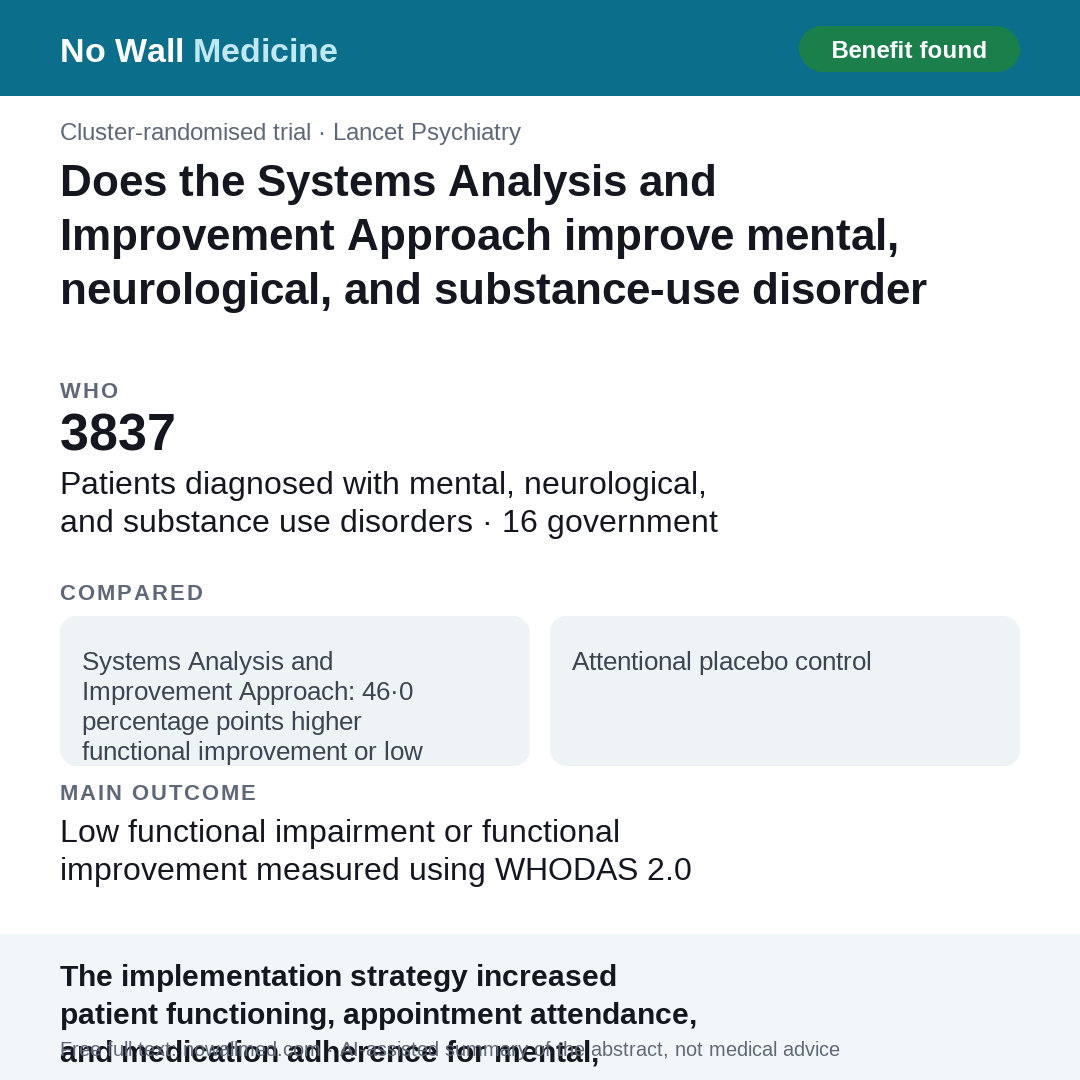
Effectiveness of the Systems Analysis and Improvement Approach to optimise outpatient mental, neurological, and substance-use disorder treatment cascades in Mozambique: a cluster-randomised trial
Cluster-randomised trialBenefit found
Does the Systems Analysis and Improvement Approach improve mental, neurological, and substance-use disorder treatment cascades?
Who
3837
Patients diagnosed with mental, neurological, and substance use disorders · 16 government facilities in Mozambique
Compared
Systems Analysis and Improvement Approach: 46·0 percentage points higher functional improvement or low functional impairment
Attentional placebo control
Main outcome
Low functional impairment or functional improvement measured using WHODAS 2.0
Result: 46·0 percentage points (95% CI 34·0 to 58·0)
Bottom line: The implementation strategy increased patient functioning, appointment attendance, and medication adherence for mental, neurological, and substance use disorders.
Funded by: National Institute of Mental Health
Lancet Psychiatry · 2026-03-21Download image
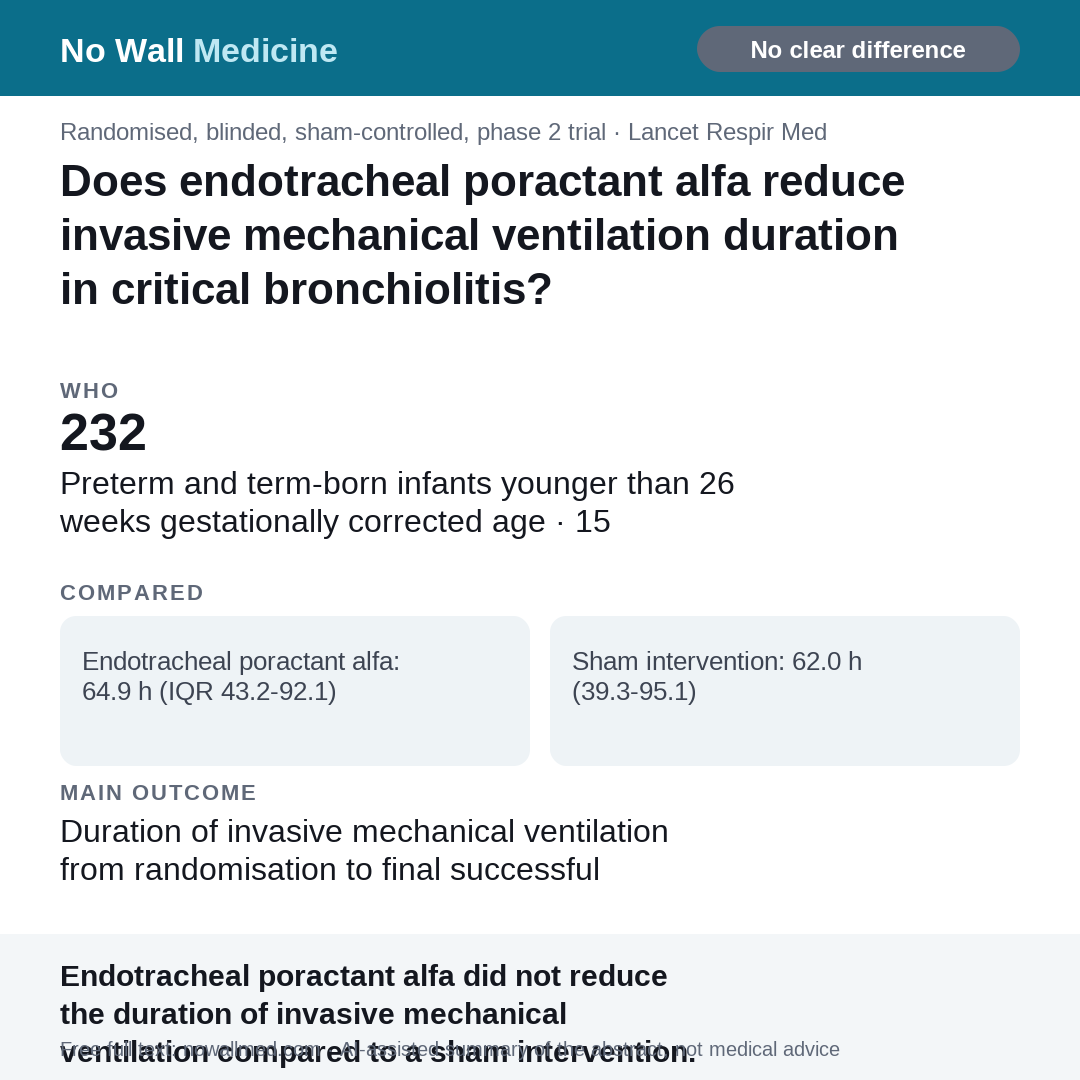
Endotracheal surfactant for infants with life-threatening bronchiolitis (BESS): a randomised, blinded, sham-controlled, phase 2 trial
Randomised, blinded, sham-controlled, phase 2 trialNo clear difference
Does endotracheal poractant alfa reduce invasive mechanical ventilation duration in critical bronchiolitis?
Who
232
Preterm and term-born infants younger than 26 weeks gestationally corrected age · 15 paediatric intensive care units in the United Kingdom
Compared
Endotracheal poractant alfa: 64.9 h (IQR 43.2-92.1)
Sham intervention: 62.0 h (39.3-95.1)
Main outcome
Duration of invasive mechanical ventilation from randomisation to final successful extubation
Result: geometric mean ratio 1.02 (95% CI 0.84-1.24)
Bottom line: Endotracheal poractant alfa did not reduce the duration of invasive mechanical ventilation compared to a sham intervention.
Funded by: UK NIHR, UKRI Medical Research Council, Scotland, Northern Ireland, and Chiesi
Lancet Respir Med · 2026-03-21Download image
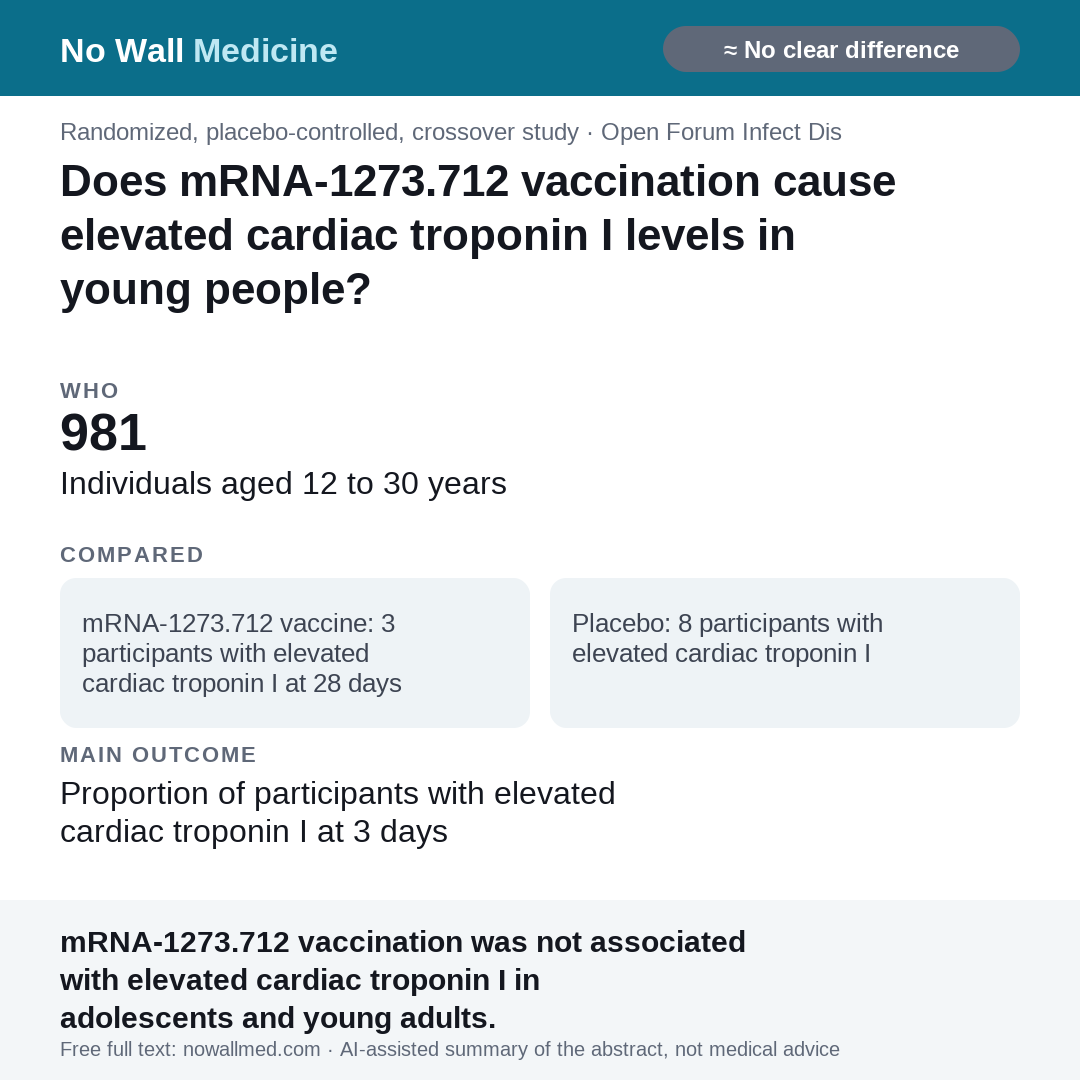
Evaluation of Cardiac Troponin Levels in Individuals Aged 12-30 Years Following mRNA-1273 Vaccination: Results From a Randomized Placebo-Controlled Trial
Randomized, placebo-controlled, crossover studyNo clear difference
Does mRNA-1273.712 vaccination cause elevated cardiac troponin I levels in young people?
Who
981
Individuals aged 12 to 30 years
Compared
mRNA-1273.712 vaccine: 3 participants with elevated cardiac troponin I at 28 days
Placebo: 8 participants with elevated cardiac troponin I
Main outcome
Proportion of participants with elevated cardiac troponin I at 3 days
Bottom line: mRNA-1273.712 vaccination was not associated with elevated cardiac troponin I in adolescents and young adults.
Open Forum Infect Dis · 2026-03-21Download image
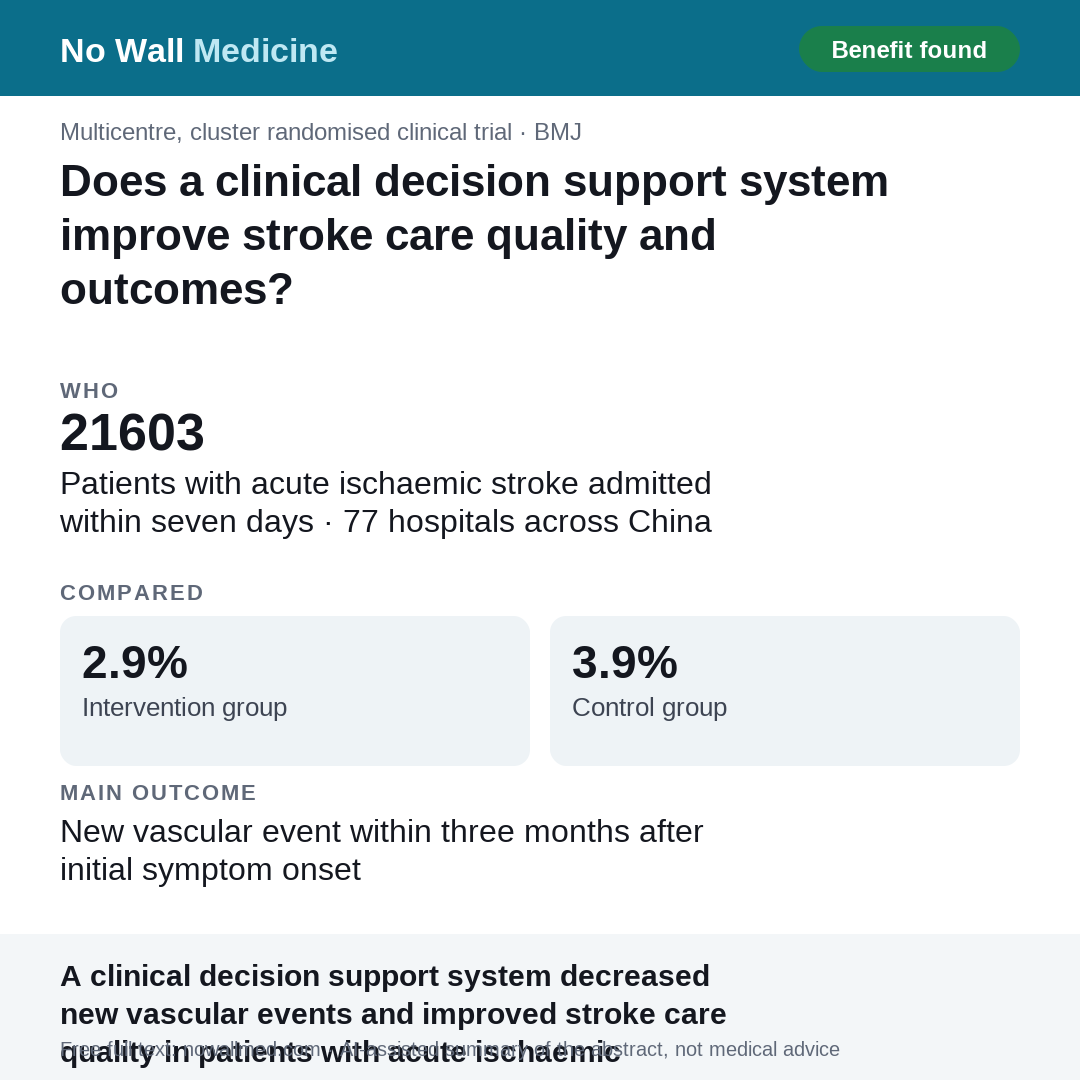
Effect of a clinical decision support system on stroke care quality and outcomes in patients with acute ischaemic stroke (GOLDEN BRIDGE II): cluster randomised clinical trial
Multicentre, cluster randomised clinical trialBenefit found
Does a clinical decision support system improve stroke care quality and outcomes?
Who
21603
Patients with acute ischaemic stroke admitted within seven days · 77 hospitals across China
Compared
2.9%Intervention group (320/11054)
3.9%Control group (416/10549)
Main outcome
New vascular event within three months after initial symptom onset
Result: adjusted hazard ratio 0.74 (95% CI 0.58 to 0.93)
Bottom line: A clinical decision support system decreased new vascular events and improved stroke care quality in patients with acute ischaemic stroke.
BMJ · 2026-03-20Download image
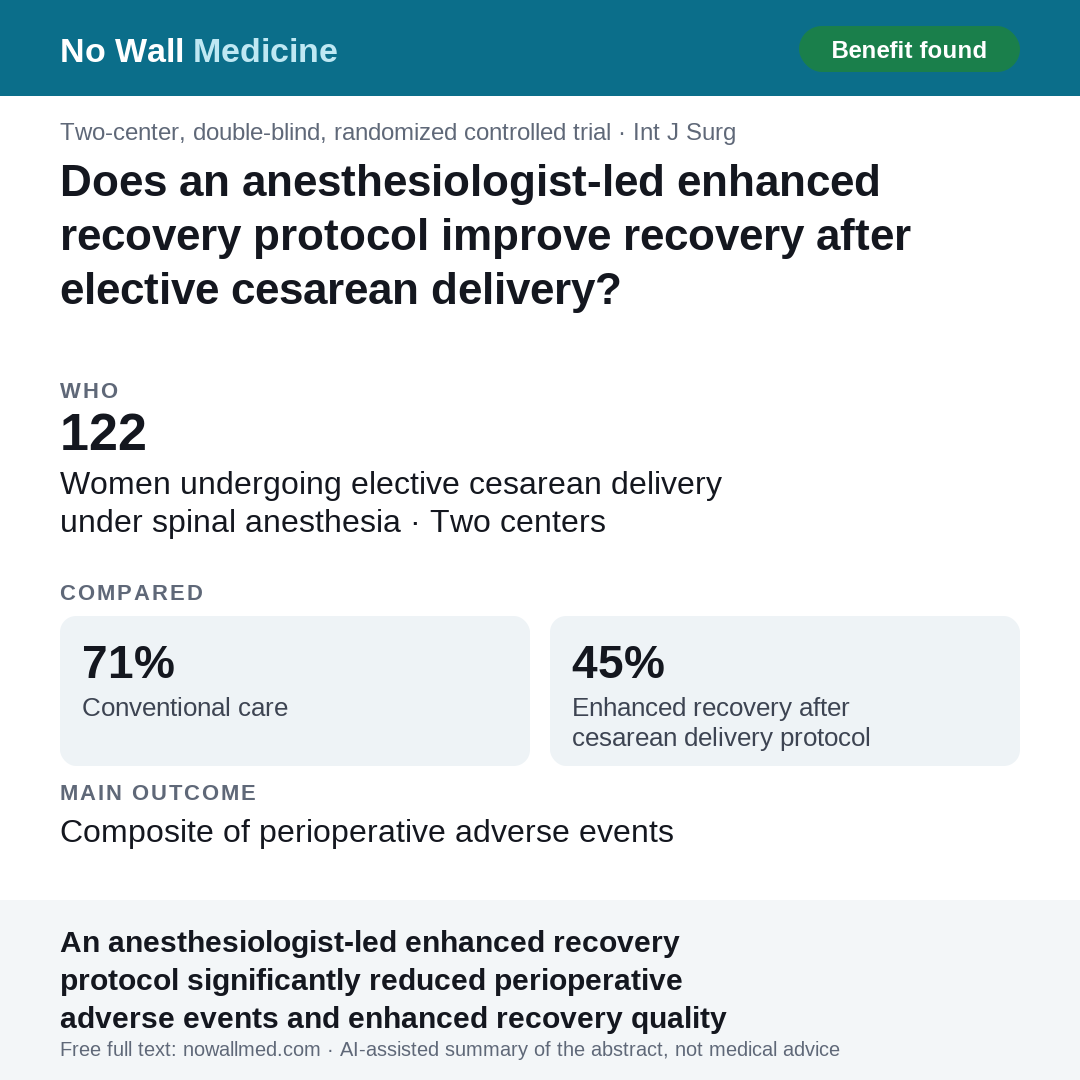
Comparison of enhanced recovery after surgery protocol and standard protocol for cesarean delivery: A two-center, double-blind, randomized controlled trial
Two-center, double-blind, randomized controlled trialBenefit found
Does an anesthesiologist-led enhanced recovery protocol improve recovery after elective cesarean delivery?
Who
122
Women undergoing elective cesarean delivery under spinal anesthesia · Two centers
Compared
71%Conventional care
45%Enhanced recovery after cesarean delivery protocol
Main outcome
Composite of perioperative adverse events
Result: odds ratio 0.25, 95% CI 0.11 to 0.56
Bottom line: An anesthesiologist-led enhanced recovery protocol significantly reduced perioperative adverse events and enhanced recovery quality after elective cesarean delivery.
Int J Surg · 2026-03-20Download image
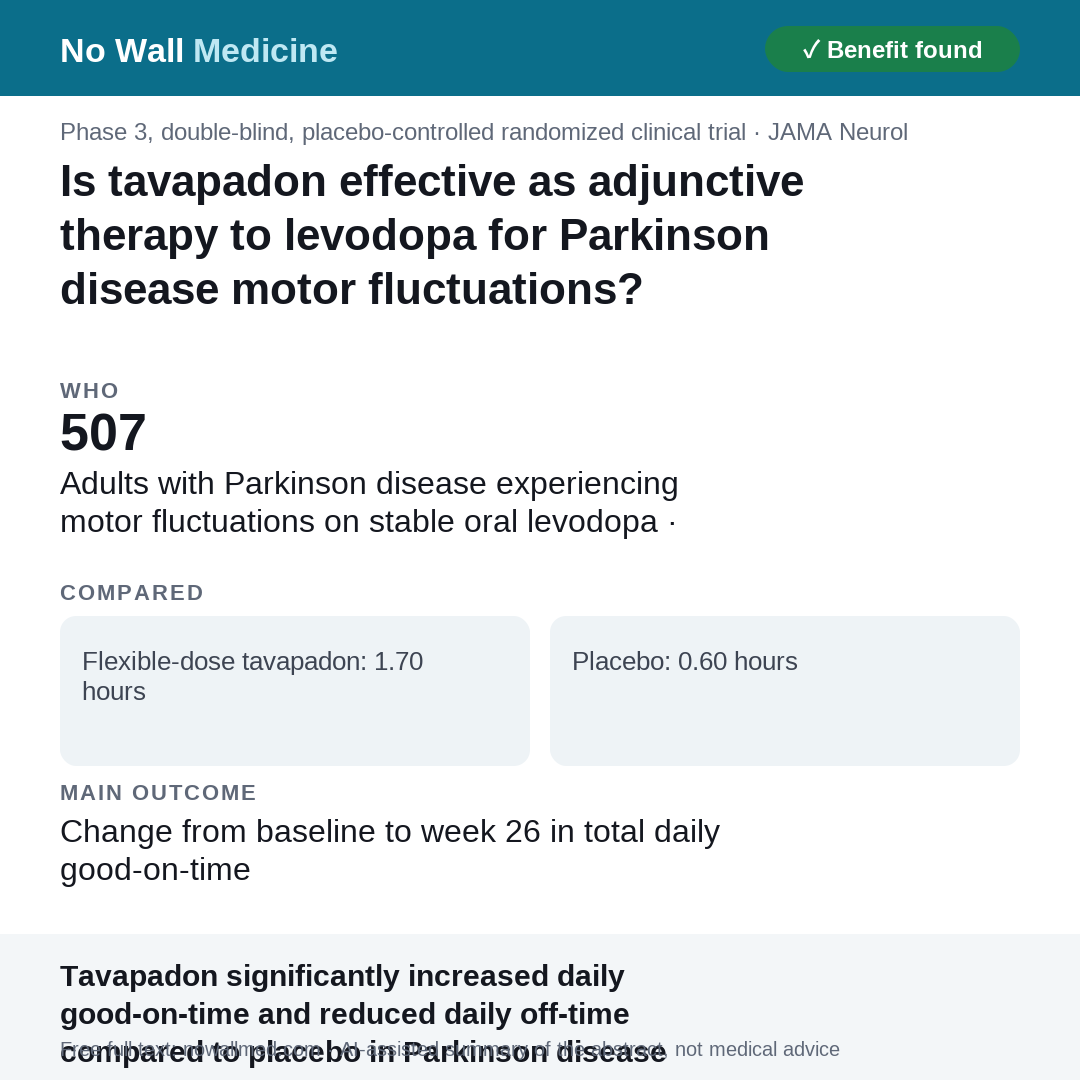
Tavapadon as Adjunctive Treatment for Parkinson Disease: The TEMPO-3 Randomized Clinical Trial
Phase 3, double-blind, placebo-controlled randomized clinical trialBenefit found
Is tavapadon effective as adjunctive therapy to levodopa for Parkinson disease motor fluctuations?
Who
507
Adults with Parkinson disease experiencing motor fluctuations on stable oral levodopa · 148 sites across 14 countries
Compared
Flexible-dose tavapadon: 1.70 hours
Placebo: 0.60 hours
Main outcome
Change from baseline to week 26 in total daily good-on-time
Result: 1.10 hours (95% CI, 0.60-1.70)
Bottom line: Tavapadon significantly increased daily good-on-time and reduced daily off-time compared to placebo in Parkinson disease patients.
JAMA Neurol · 2026-03-20Download image
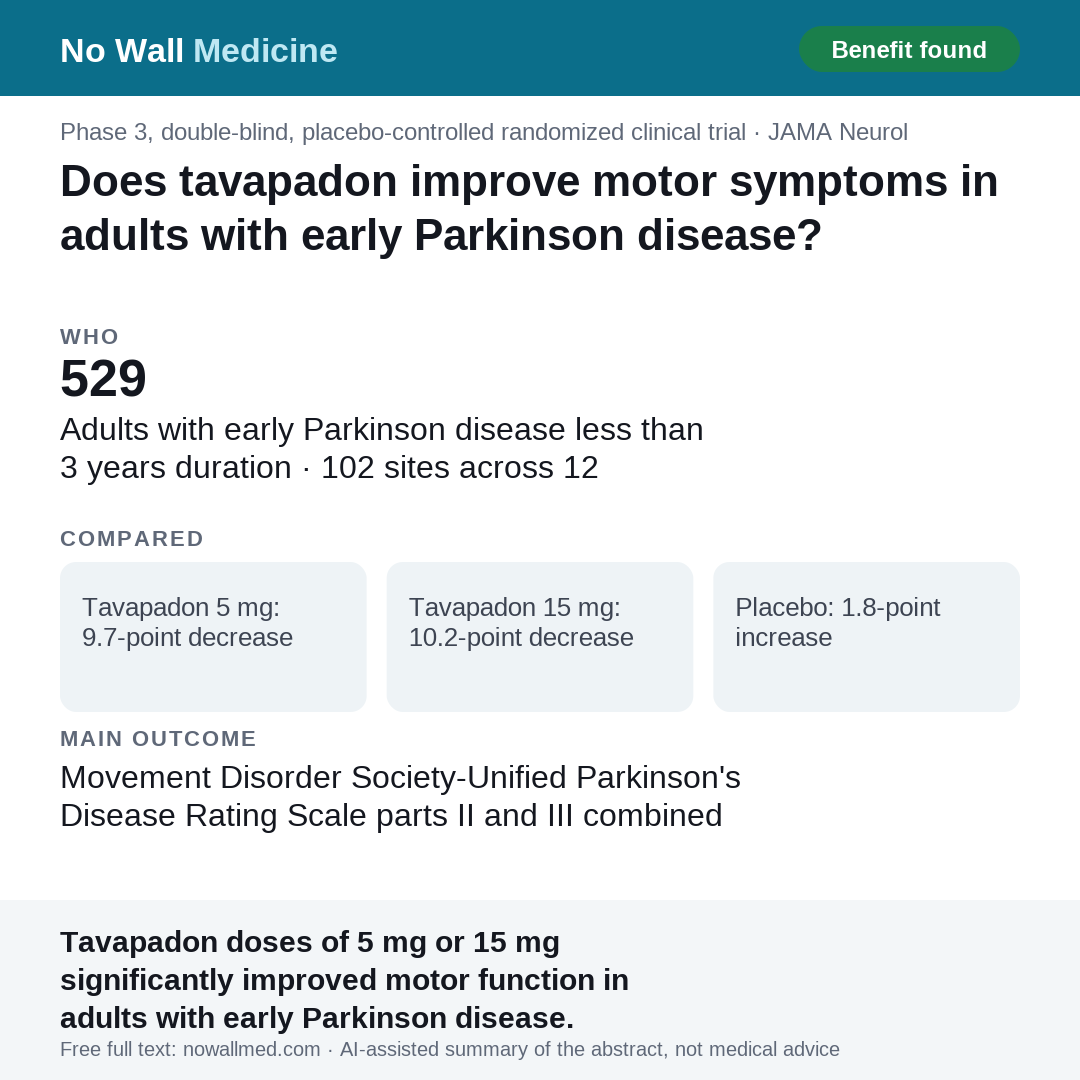
Fixed-Dose Tavapadon for Early Parkinson Disease: A Randomized Clinical Trial
Phase 3, double-blind, placebo-controlled randomized clinical trialBenefit found
Does tavapadon improve motor symptoms in adults with early Parkinson disease?
Who
529
Adults with early Parkinson disease less than 3 years duration · 102 sites across 12 countries
Compared
Tavapadon 5 mg: 9.7-point decrease
Tavapadon 15 mg: 10.2-point decrease
Placebo: 1.8-point increase
Main outcome
Movement Disorder Society-Unified Parkinson's Disease Rating Scale parts II and III combined score
Result: -11.5 points (95% CI, -13.8 to -9.2) for 5 mg; -12.1 points (95% CI, -14.4 to -9.8) for 15 mg
Bottom line: Tavapadon doses of 5 mg or 15 mg significantly improved motor function in adults with early Parkinson disease.
JAMA Neurol · 2026-03-20Download image