Visual abstracts
New randomized trials and meta-analyses from leading journals at a glance: who was studied, what was compared, and what was found. Every paper is free to read in full.
All specialtiesCardiology 1027Oncology 925Gastroenterology & Hepatology 381Infectious Disease 710Neurology 440Psychiatry & Mental Health 542Pulmonology 455Critical Care 317Endocrinology & Diabetes 585Pediatrics 651Surgery 452Orthopedics & Sports Medicine 204Neurosurgery 149Cardiothoracic & Vascular Surgery 106Plastic & Reconstructive Surgery 169Nephrology 232Rheumatology 135Hematology 223Dermatology 99Ophthalmology 121Obstetrics & Gynecology 324Public & Global Health 197Radiology & Imaging 132Anesthesiology 190Urology 199ENT (Otolaryngology) 142Emergency Medicine 116Allergy & Immunology 70Geriatrics 212Family Medicine & Primary Care 135Medical Genetics & Genomics 109Pathology & Laboratory Medicine 31Physical Medicine & Rehabilitation 183Palliative Care 95Nutrition 273Digital Health & AI 542General Medicine 105
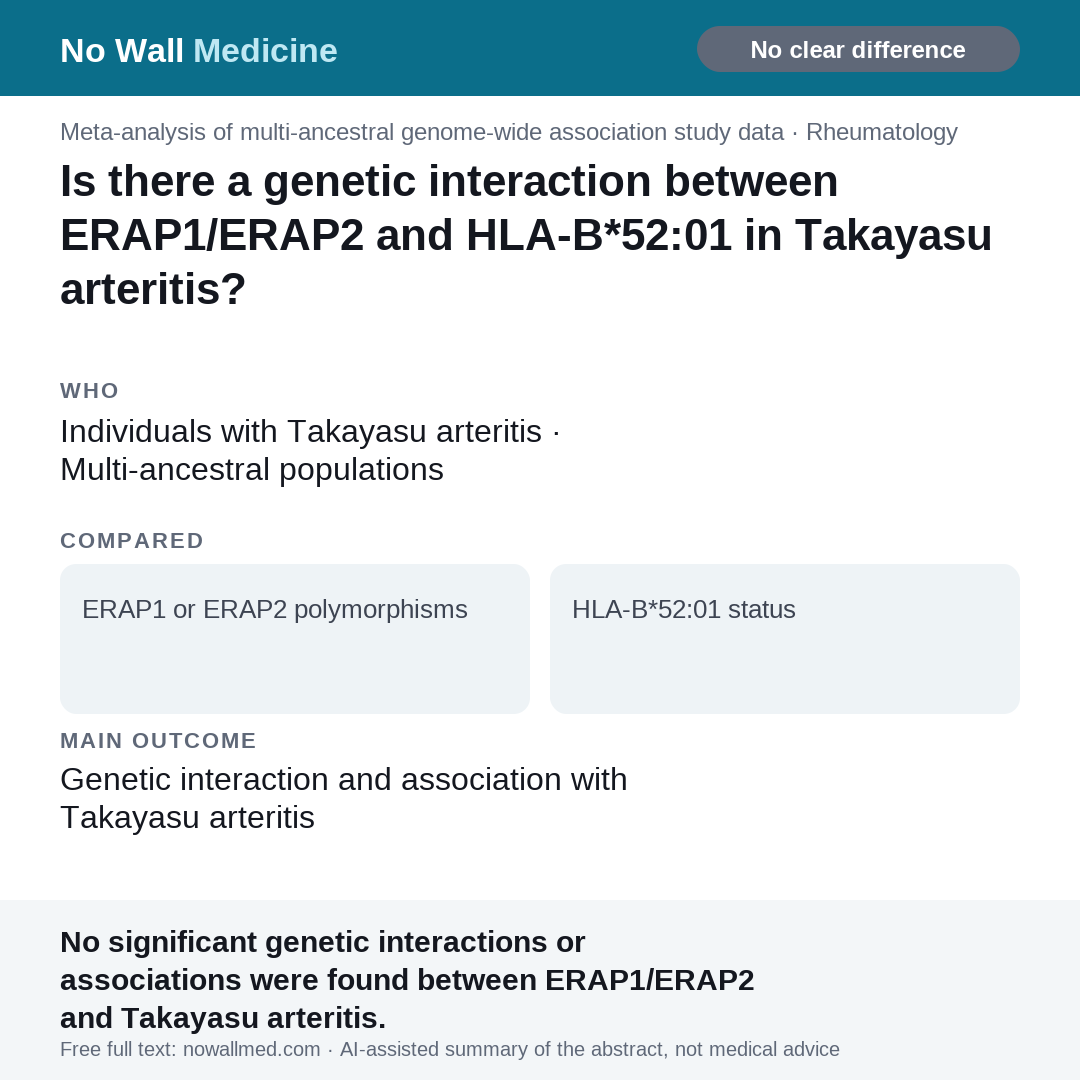
Exploring the genetic interaction between ERAP1/ERAP2 and HLA-B*52:01 in Takayasu arteritis
Meta-analysis of multi-ancestral genome-wide association study dataNo clear difference
Is there a genetic interaction between ERAP1/ERAP2 and HLA-B*52:01 in Takayasu arteritis?
Who
Individuals with Takayasu arteritis · Multi-ancestral populations
Compared
ERAP1 or ERAP2 polymorphisms
HLA-B*52:01 status
Main outcome
Genetic interaction and association with Takayasu arteritis
Bottom line: No significant genetic interactions or associations were found between ERAP1/ERAP2 and Takayasu arteritis.
Rheumatology · 2025-10-16Download image
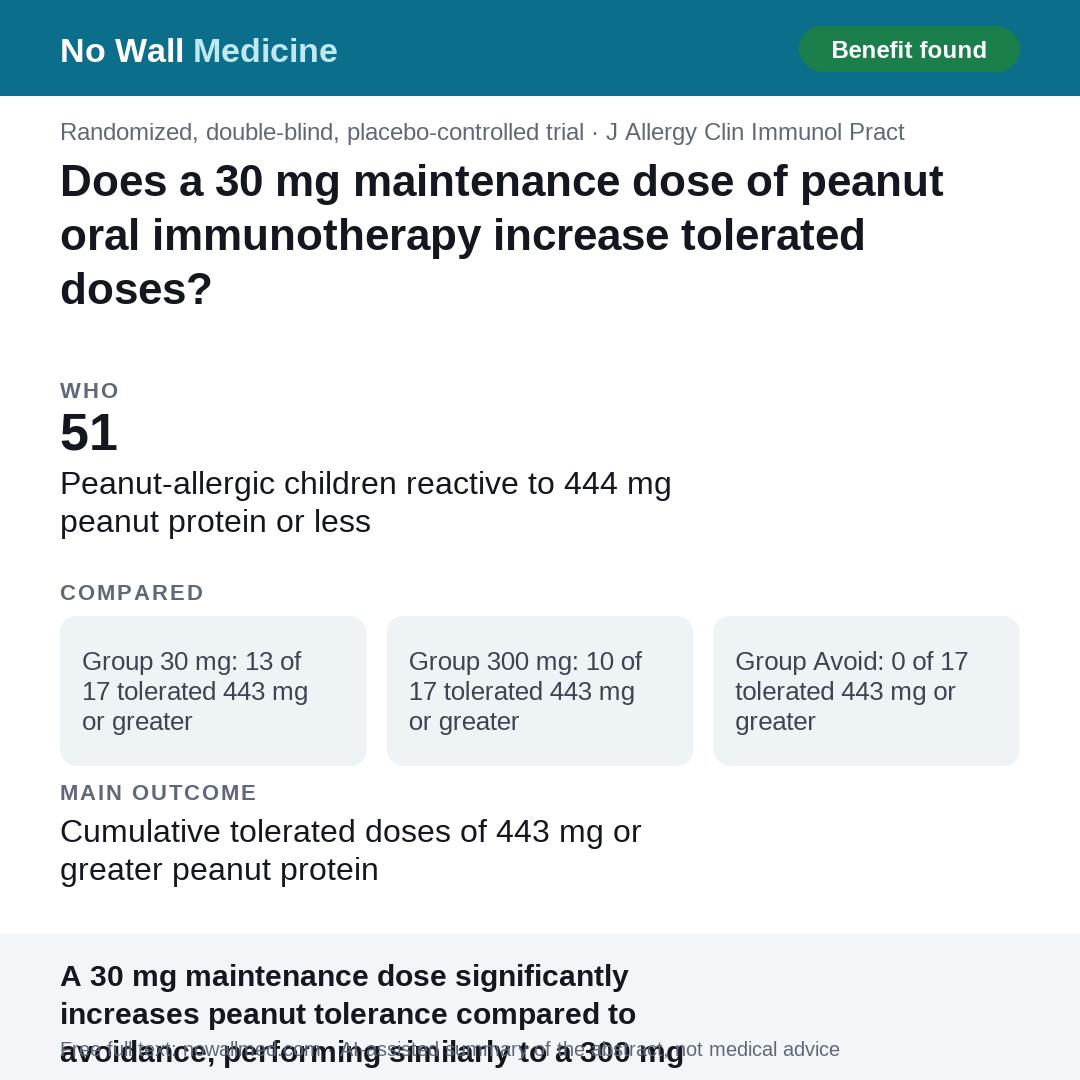
Peanut Oral Immunotherapy Using 30 and 300 mg Maintenance Doses
Randomized, double-blind, placebo-controlled trialBenefit found
Does a 30 mg maintenance dose of peanut oral immunotherapy increase tolerated doses?
Who
51
Peanut-allergic children reactive to 444 mg peanut protein or less
Compared
Group 30 mg: 13 of 17 tolerated 443 mg or greater
Group 300 mg: 10 of 17 tolerated 443 mg or greater
Group Avoid: 0 of 17 tolerated 443 mg or greater
Main outcome
Cumulative tolerated doses of 443 mg or greater peanut protein
Bottom line: A 30 mg maintenance dose significantly increases peanut tolerance compared to avoidance, performing similarly to a 300 mg dose.
J Allergy Clin Immunol Pract · 2025-10-16Download image
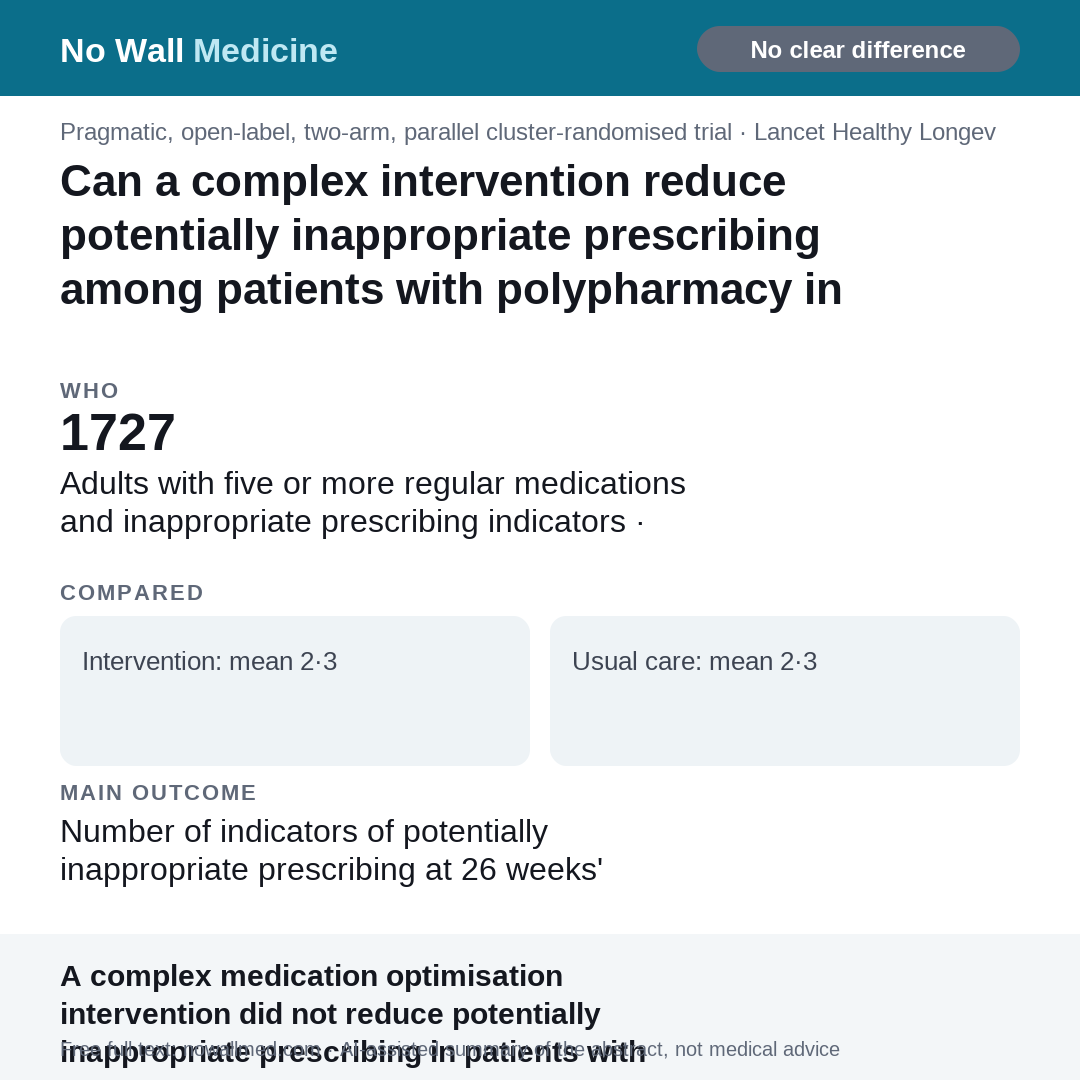
Optimising polypharmacy management in primary care through general practitioner-pharmacist collaboration, informatics, and enhancing clinician engagement: the IMPPP cluster-randomised trial
Pragmatic, open-label, two-arm, parallel cluster-randomised trialNo clear difference
Can a complex intervention reduce potentially inappropriate prescribing among patients with polypharmacy in primary care?
Who
1727
Adults with five or more regular medications and inappropriate prescribing indicators · United Kingdom general practices
Compared
Intervention: mean 2·3
Usual care: mean 2·3
Main outcome
Number of indicators of potentially inappropriate prescribing at 26 weeks' follow-up
Result: difference in means -0·007 (95% CI -0·21 to 0·20)
Bottom line: A complex medication optimisation intervention did not reduce potentially inappropriate prescribing in patients with polypharmacy.
Funded by: National Institute for Health and Care Research
Lancet Healthy Longev · 2025-10-16Download image
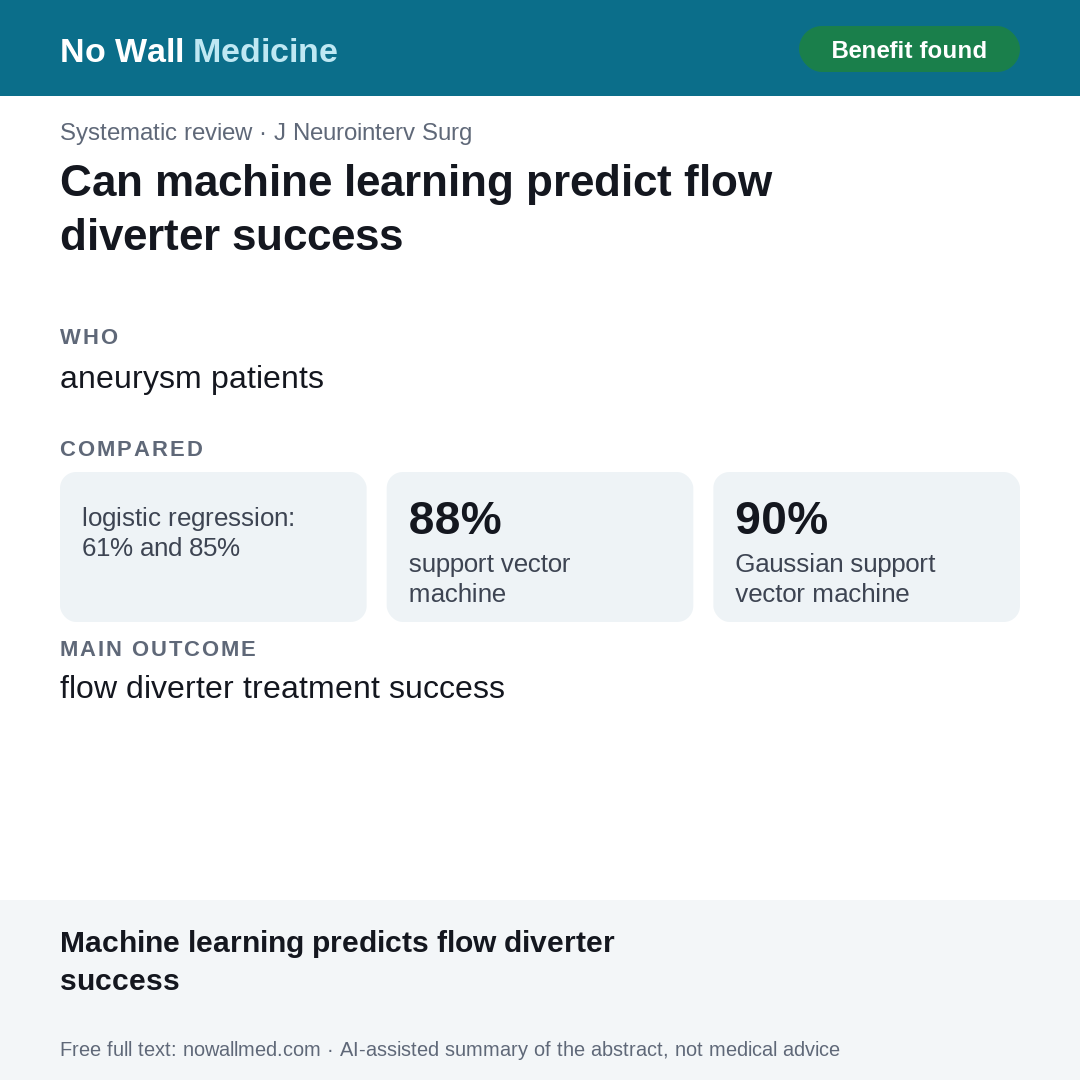
What can we learn from machine learning studies on flow diverter aneurysm embolization? A systematic review
Systematic reviewBenefit found
Can machine learning predict flow diverter success
Who
aneurysm patients
Compared
logistic regression: 61% and 85%
88%support vector machine
90%Gaussian support vector machine
Main outcome
flow diverter treatment success
Bottom line: Machine learning predicts flow diverter success
J Neurointerv Surg · 2025-10-16Download image
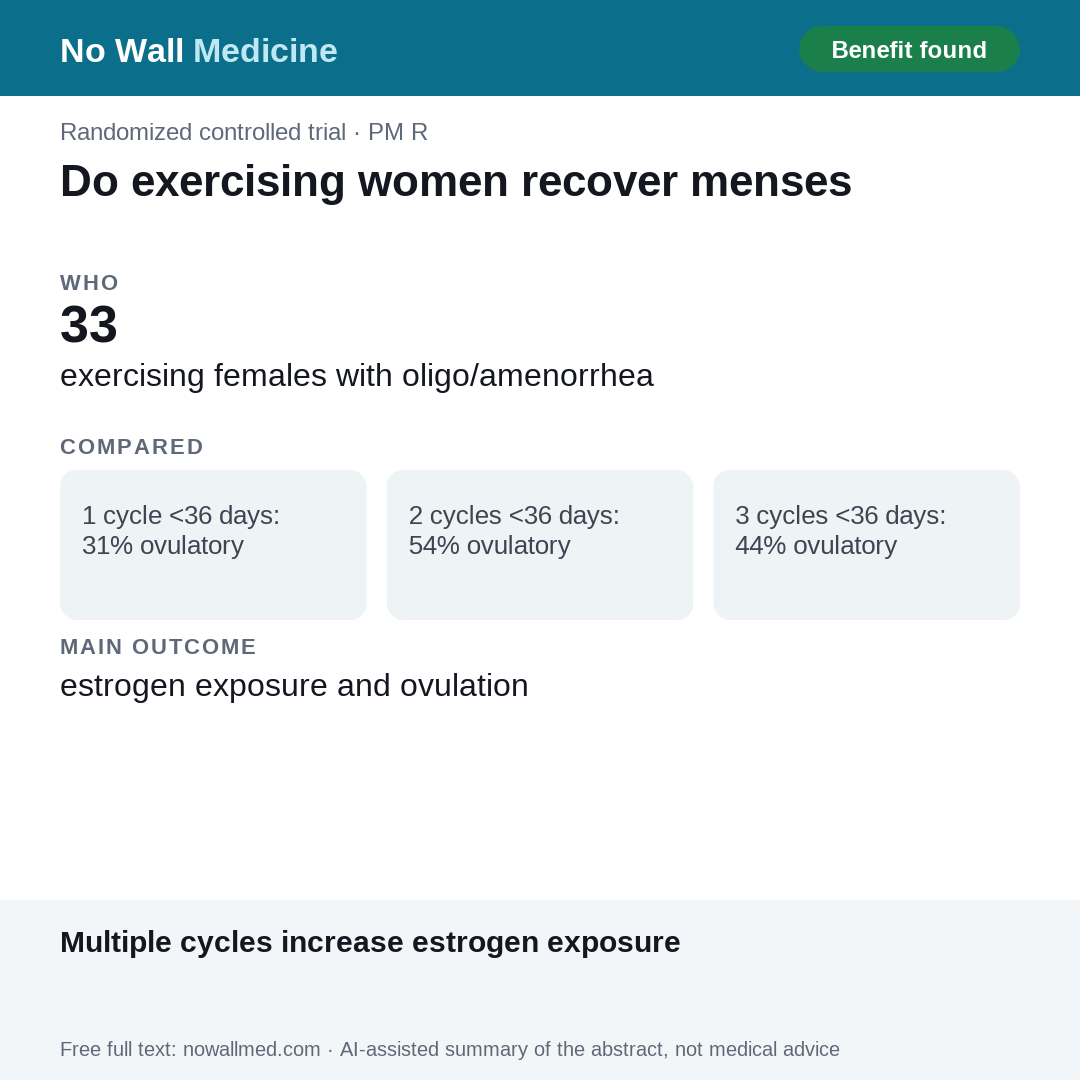
Multiple eumenorrheic cycles are necessary to observe a significant increase in estrogen exposure and ovulation in exercising women with functional hypothalamic oligo/amenorrhea undergoing a nutritional intervention: Insights from the REFUEL study
Randomized controlled trialBenefit found
Do exercising women recover menses
Who
33
exercising females with oligo/amenorrhea
Compared
1 cycle <36 days: 31% ovulatory
2 cycles <36 days: 54% ovulatory
3 cycles <36 days: 44% ovulatory
Main outcome
estrogen exposure and ovulation
Bottom line: Multiple cycles increase estrogen exposure
PM R · 2025-10-16Download image
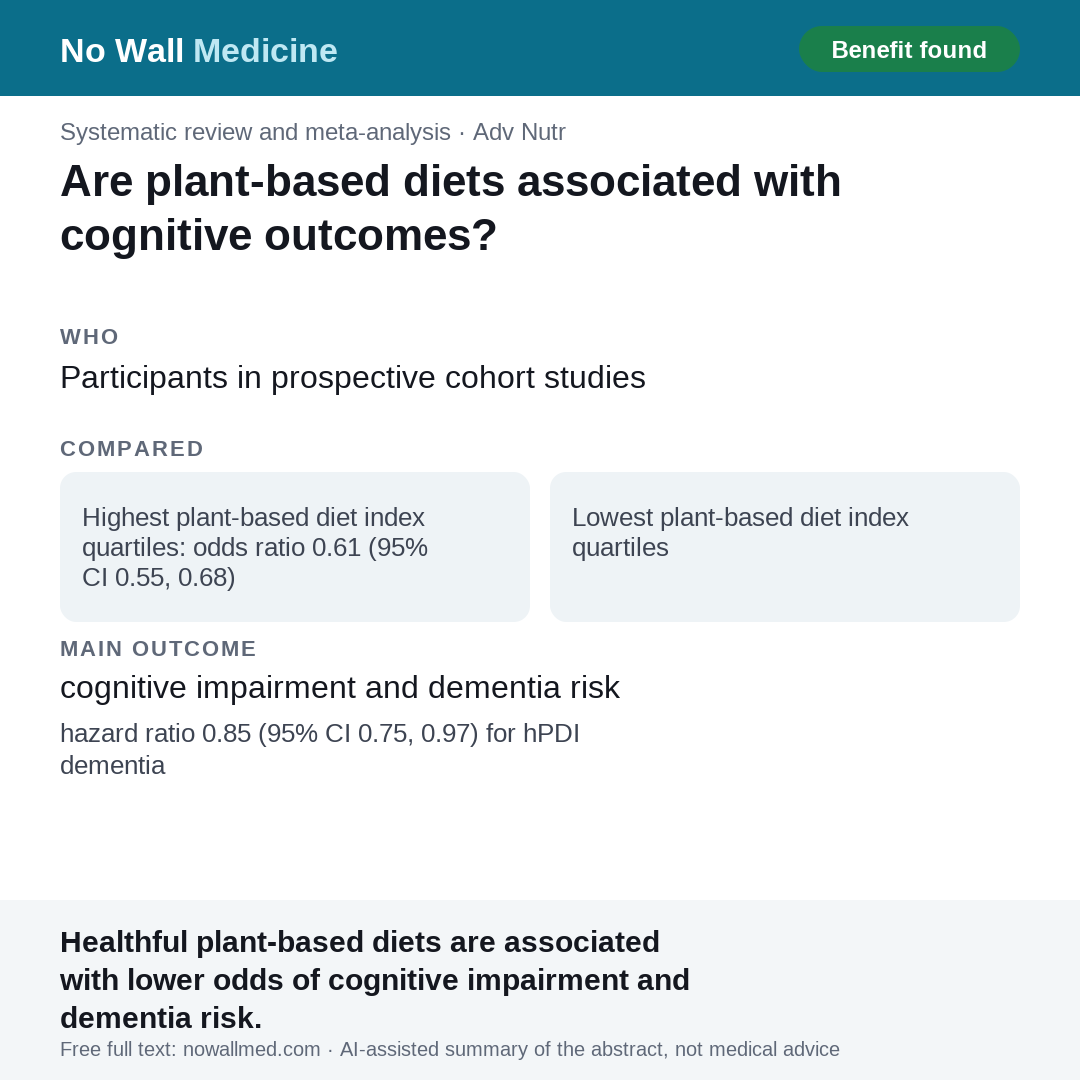
Plant-Based Diets and Cognitive Outcomes: A Systematic Review and Meta-analysis
Systematic review and meta-analysisBenefit found
Are plant-based diets associated with cognitive outcomes?
Who
Participants in prospective cohort studies
Compared
Highest plant-based diet index quartiles: odds ratio 0.61 (95% CI 0.55, 0.68)
Lowest plant-based diet index quartiles
Main outcome
cognitive impairment and dementia risk
Result: hazard ratio 0.85 (95% CI 0.75, 0.97) for hPDI dementia
Bottom line: Healthful plant-based diets are associated with lower odds of cognitive impairment and dementia risk.
Limitation: Findings across individual studies were inconsistent.
Adv Nutr · 2025-10-16Download image
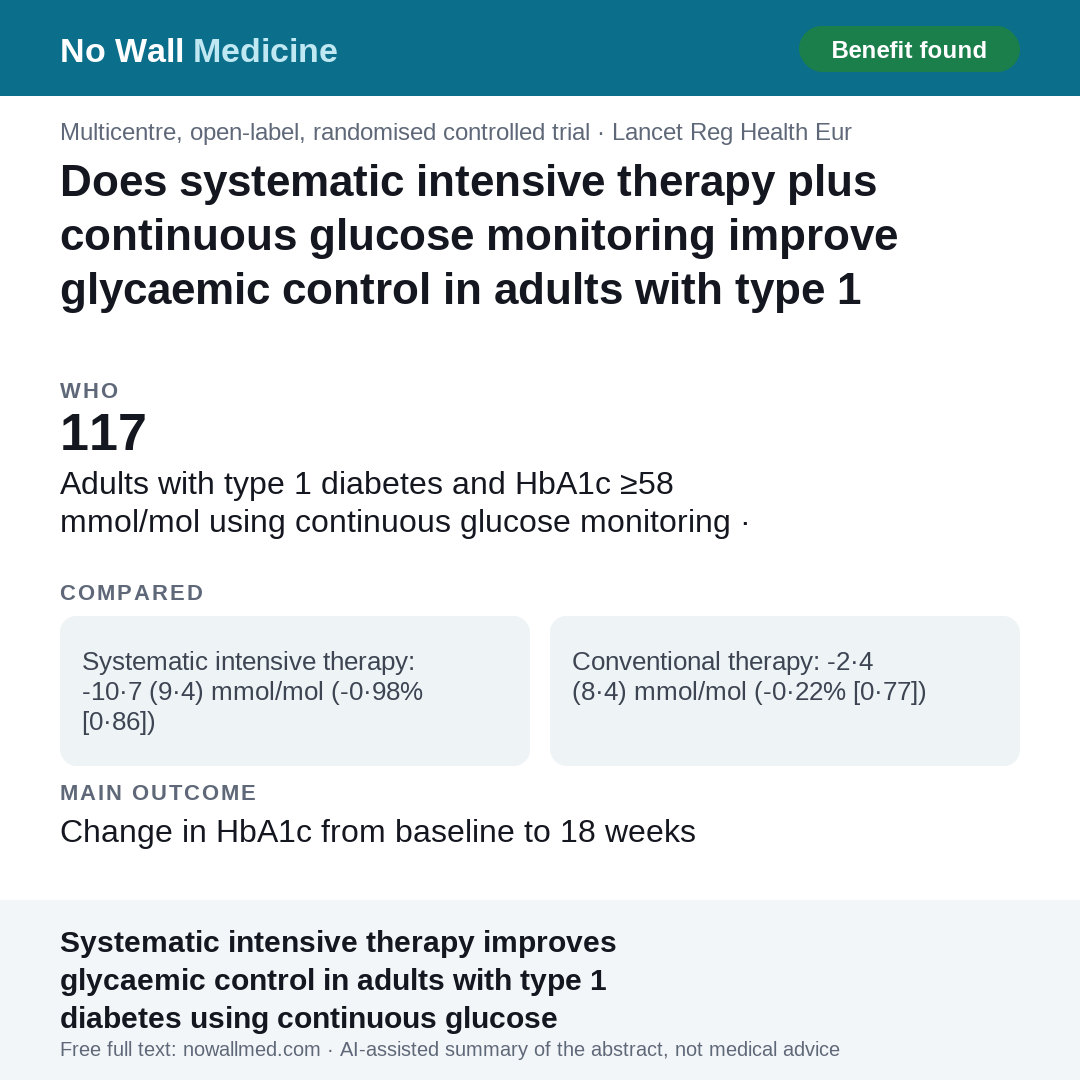
Systematic intensive therapy in addition to continuous glucose monitoring in adults with type 1 diabetes: a multicentre, open-label, randomised controlled trial
Multicentre, open-label, randomised controlled trialBenefit found
Does systematic intensive therapy plus continuous glucose monitoring improve glycaemic control in adults with type 1 diabetes?
Who
117
Adults with type 1 diabetes and HbA1c ≥58 mmol/mol using continuous glucose monitoring · Eight sites in Sweden and Norway
Compared
Systematic intensive therapy: -10·7 (9·4) mmol/mol (-0·98% [0·86])
Conventional therapy: -2·4 (8·4) mmol/mol (-0·22% [0·77])
Main outcome
Change in HbA1c from baseline to 18 weeks
Result: adjusted mean difference of -8·3 mmol/mol (95% CI -11·2 to -5·5)
Bottom line: Systematic intensive therapy improves glycaemic control in adults with type 1 diabetes using continuous glucose monitoring.
Funded by: Swedish state, Region Västra Götaland, and Swedish Diabetes Foundation
Lancet Reg Health Eur · 2025-10-16Download image
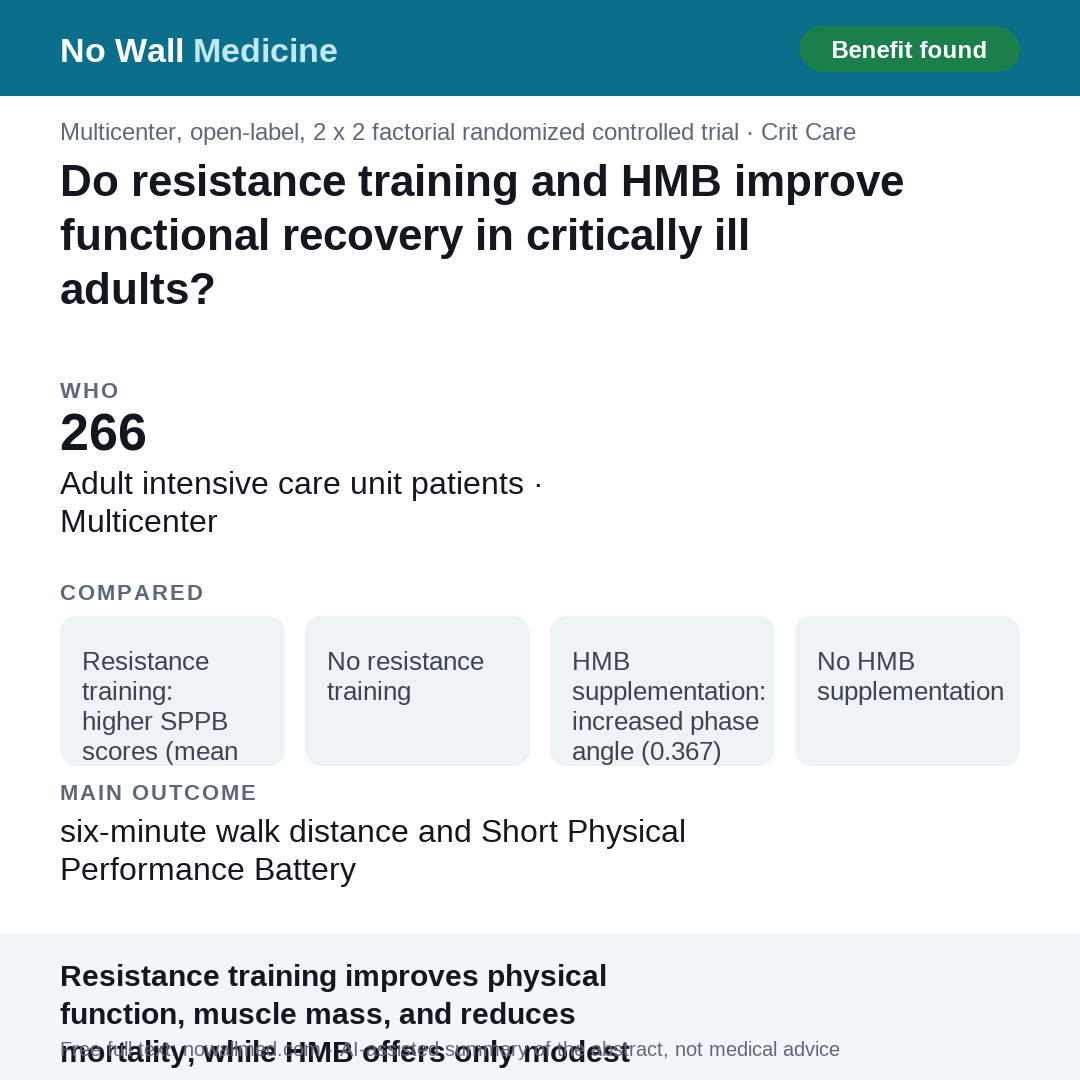
Resistance training and β-hydroxy-β-methylbutyrate for functional recovery in critical illness: a multicenter 2 × 2 factorial randomized trial
Multicenter, open-label, 2 x 2 factorial randomized controlled trialBenefit found
Do resistance training and HMB improve functional recovery in critically ill adults?
Who
266
Adult intensive care unit patients · Multicenter
Compared
Resistance training: higher SPPB scores (mean difference:1.32 points)
No resistance training
HMB supplementation: increased phase angle (0.367)
No HMB supplementation
Main outcome
six-minute walk distance and Short Physical Performance Battery
Result: mean difference:1.32 points; P = 0.003
Bottom line: Resistance training improves physical function, muscle mass, and reduces mortality, while HMB offers only modest benefits.
Crit Care · 2025-10-16Download image
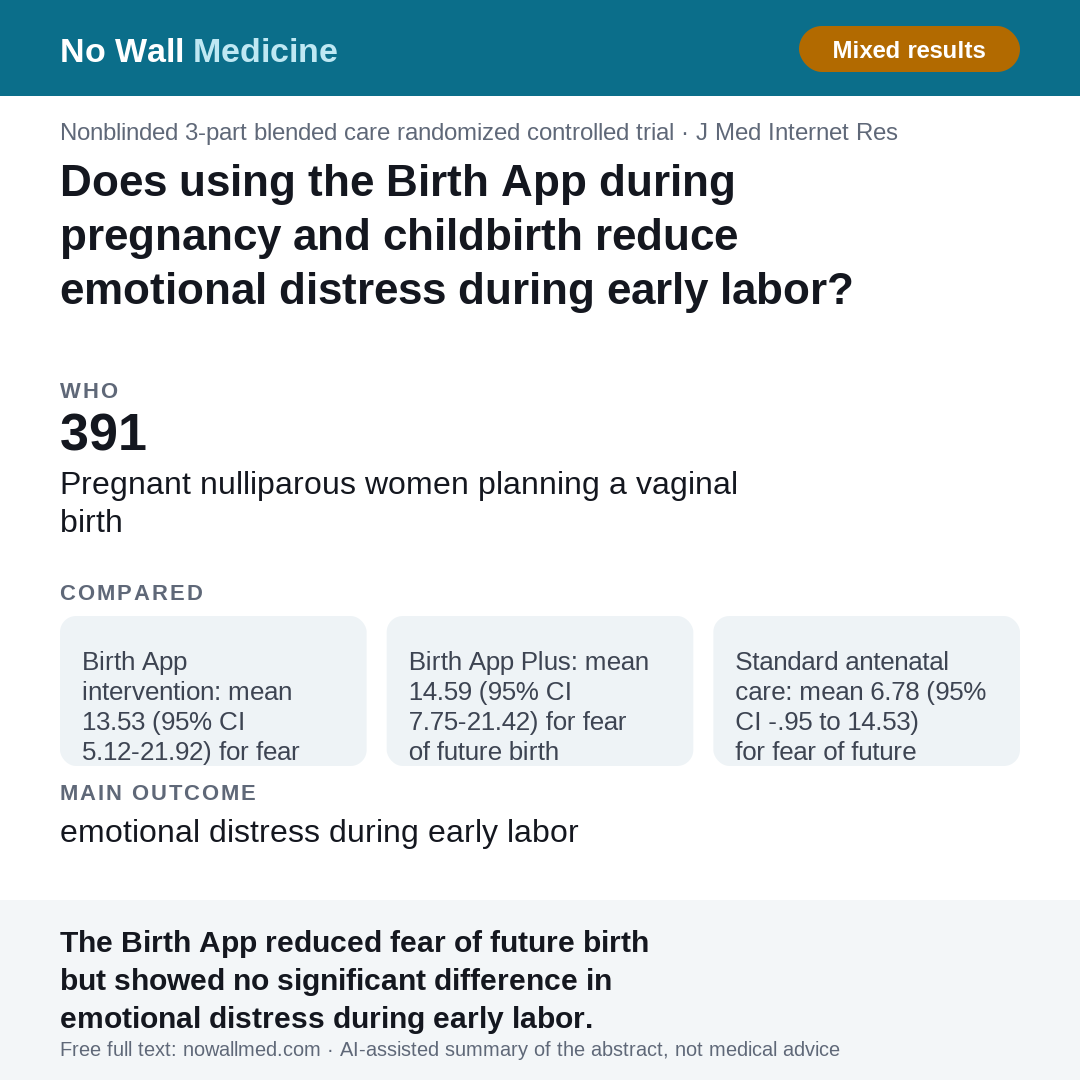
Testing the ELSA Birth App During Pregnancy and Labor for Primiparous Women: Randomized Controlled Trial
Nonblinded 3-part blended care randomized controlled trialMixed results
Does using the Birth App during pregnancy and childbirth reduce emotional distress during early labor?
Who
391
Pregnant nulliparous women planning a vaginal birth
Compared
Birth App intervention: mean 13.53 (95% CI 5.12-21.92) for fear of future birth
Birth App Plus: mean 14.59 (95% CI 7.75-21.42) for fear of future birth
Standard antenatal care: mean 6.78 (95% CI -.95 to 14.53) for fear of future birth
Main outcome
emotional distress during early labor
Bottom line: The Birth App reduced fear of future birth but showed no significant difference in emotional distress during early labor.
Limitation: The study was nonblinded and focused on women with spontaneous onset of labor for primary outcomes.
J Med Internet Res · 2025-10-16Download image
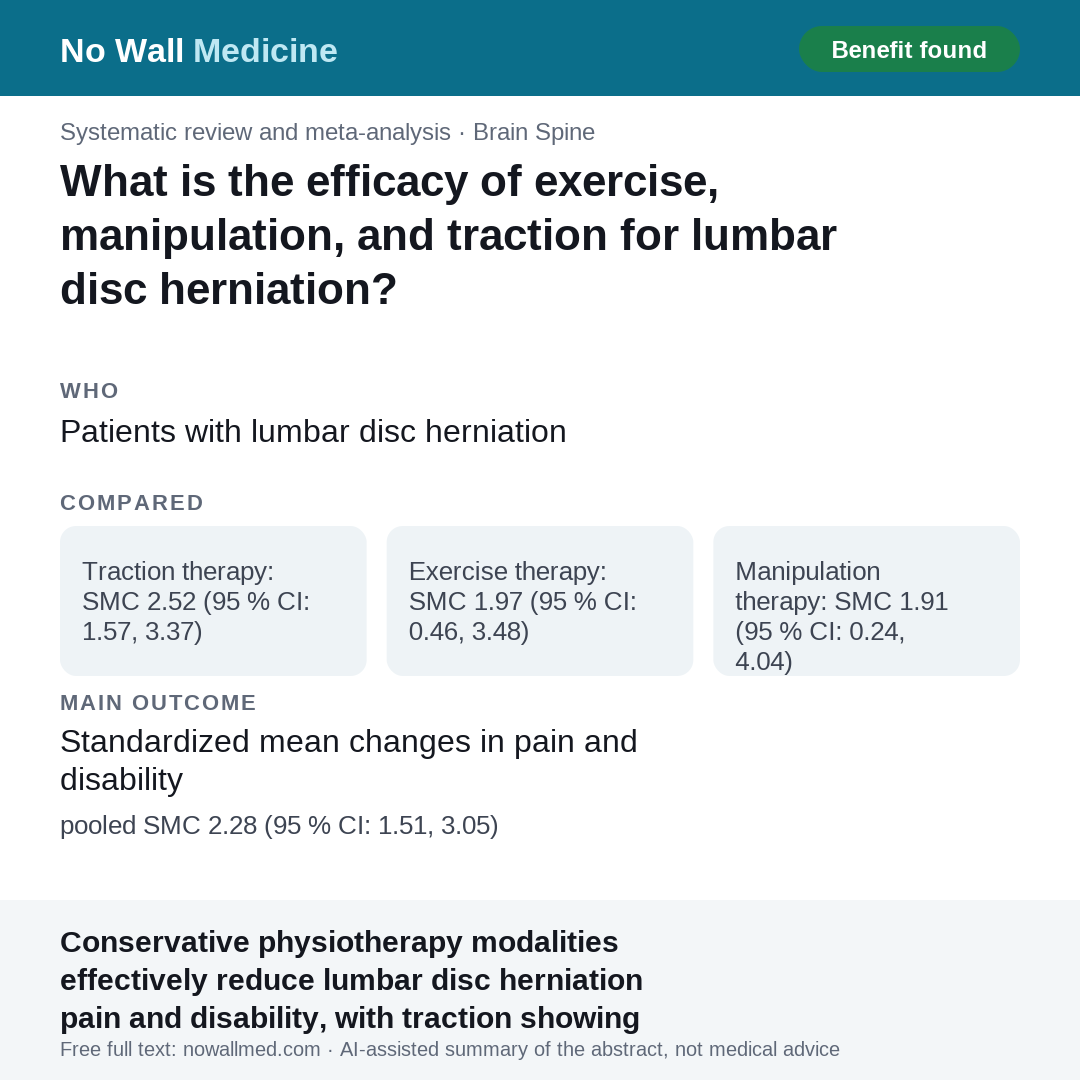
Exercise, manipulation and traction physiotherapy in the conservative management of lumbar disc herniation: A systematic review and meta-analysis
Systematic review and meta-analysisBenefit found
What is the efficacy of exercise, manipulation, and traction for lumbar disc herniation?
Who
Patients with lumbar disc herniation
Compared
Traction therapy: SMC 2.52 (95 % CI: 1.57, 3.37)
Exercise therapy: SMC 1.97 (95 % CI: 0.46, 3.48)
Manipulation therapy: SMC 1.91 (95 % CI: 0.24, 4.04)
Main outcome
Standardized mean changes in pain and disability
Result: pooled SMC 2.28 (95 % CI: 1.51, 3.05)
Bottom line: Conservative physiotherapy modalities effectively reduce lumbar disc herniation pain and disability, with traction showing the largest effect.
Limitation: High heterogeneity and limited quantitative evidence for subgroup differentiation.
Brain Spine · 2025-10-16Download image
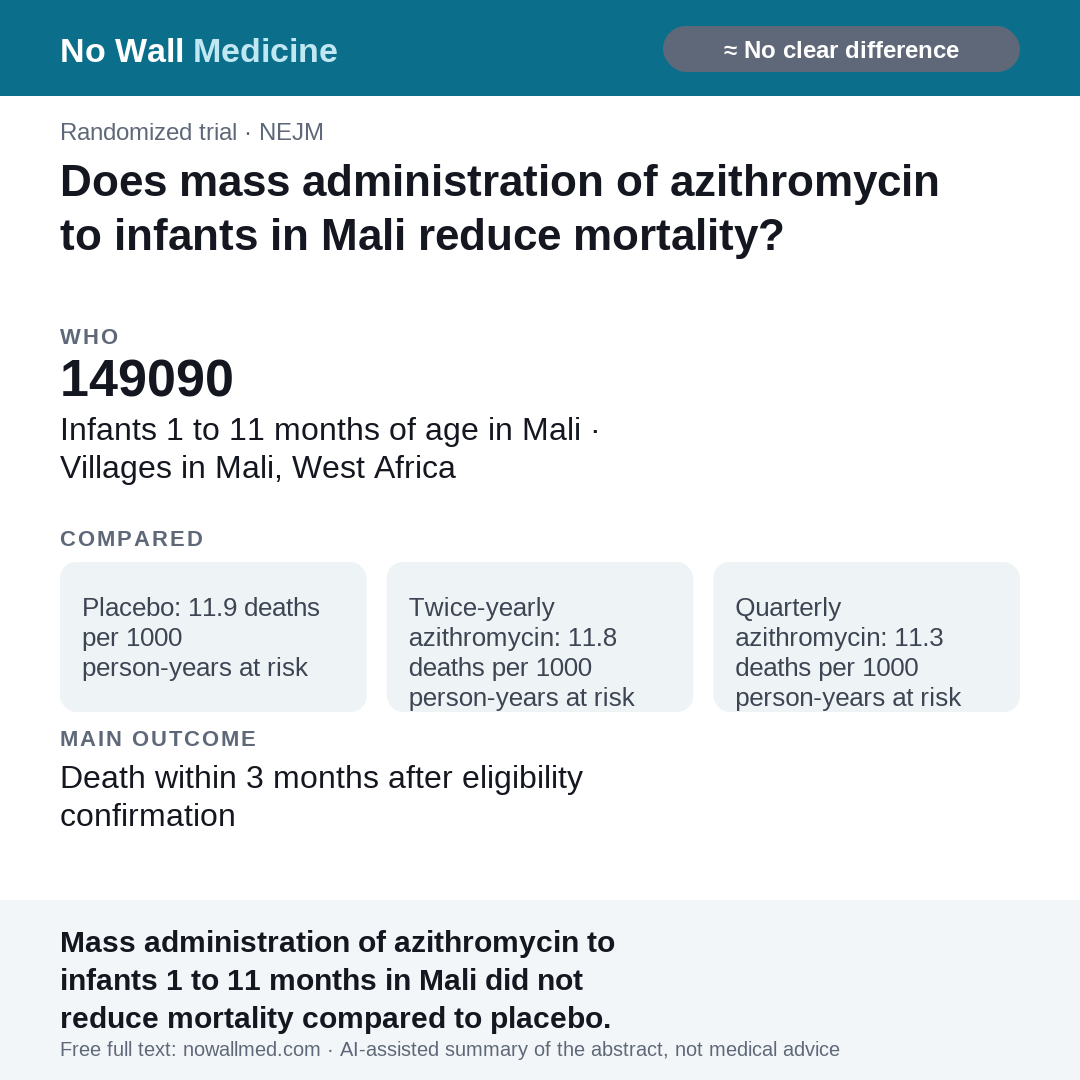
Mass Administration of Azithromycin to Infants in Mali to Reduce Mortality
Randomized trialNo clear difference
Does mass administration of azithromycin to infants in Mali reduce mortality?
Who
149090
Infants 1 to 11 months of age in Mali · Villages in Mali, West Africa
Compared
Placebo: 11.9 deaths per 1000 person-years at risk
Twice-yearly azithromycin: 11.8 deaths per 1000 person-years at risk
Quarterly azithromycin: 11.3 deaths per 1000 person-years at risk
Main outcome
Death within 3 months after eligibility confirmation
Result: incidence rate ratio 1.00 (95% CI 0.83 to 1.19) and 0.93 (95% CI 0.75 to 1.15)
Bottom line: Mass administration of azithromycin to infants 1 to 11 months in Mali did not reduce mortality compared to placebo.
Funded by: Gates Foundation
NEJM · 2025-10-15Download image
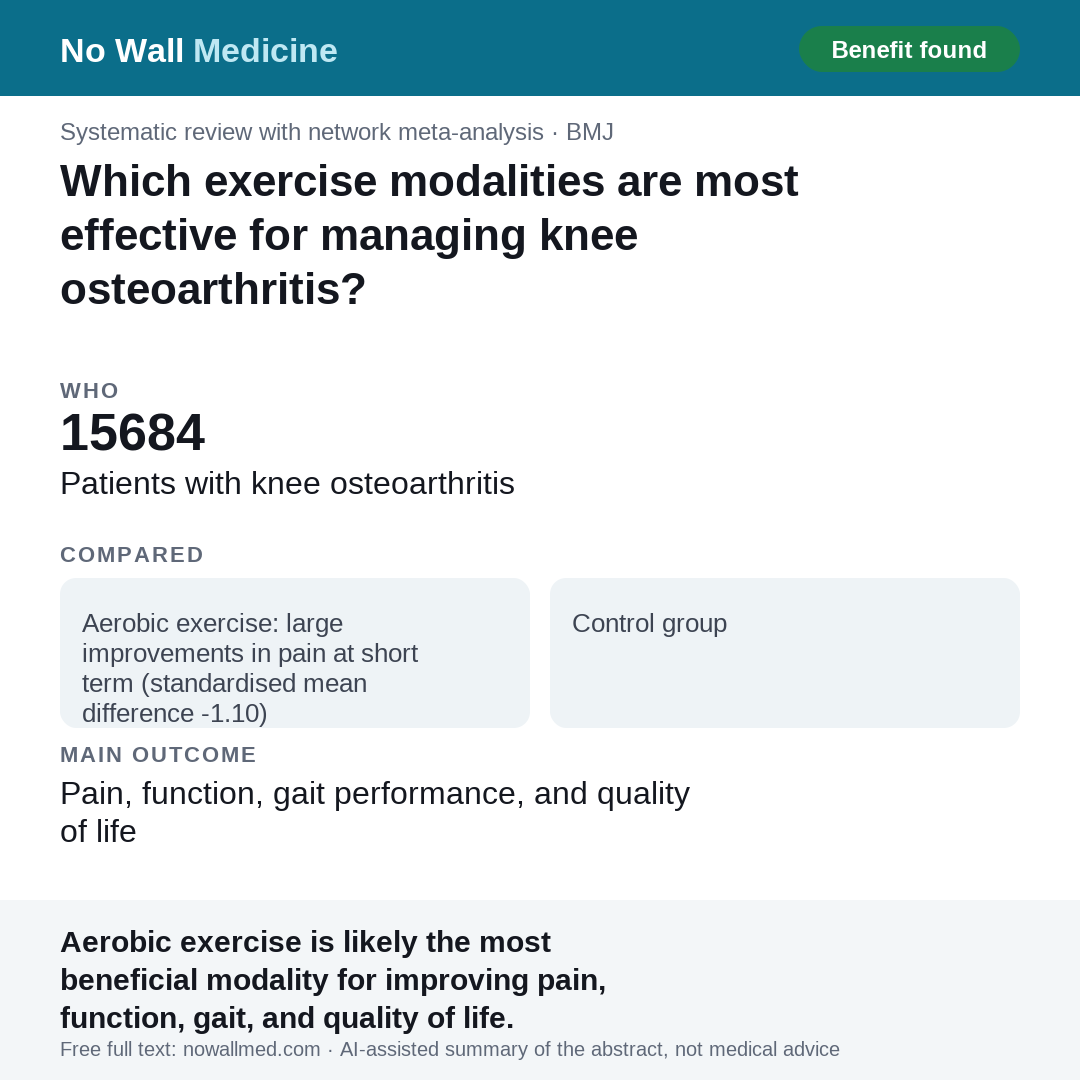
Comparative efficacy and safety of exercise modalities in knee osteoarthritis: systematic review and network meta-analysis
Systematic review with network meta-analysisBenefit found
Which exercise modalities are most effective for managing knee osteoarthritis?
Who
15684
Patients with knee osteoarthritis
Compared
Aerobic exercise: large improvements in pain at short term (standardised mean difference -1.10)
Control group
Main outcome
Pain, function, gait performance, and quality of life
Bottom line: Aerobic exercise is likely the most beneficial modality for improving pain, function, gait, and quality of life.
BMJ · 2025-10-15Download image
Budigalimab, an anti-PD-1 inhibitor, for people living with HIV-1: a randomized, placebo-controlled phase 1b study
Randomized, double-blind, placebo-controlled phase 1 studyBenefit found
Is budigalimab safe and effective for people living with HIV-1?
Who
41
People living with HIV-1 · Multicenter
Compared
Budigalimab 10 mg every 2 weeks: 6 of 11 experienced delayed rebound or off-ART viral control
Placebo
Main outcome
Safety, tolerability and pharmacokinetics
Bottom line: Budigalimab was well tolerated and showed exploratory efficacy in achieving viral control during analytical treatment interruption.
Nat Med · 2025-10-15Download image

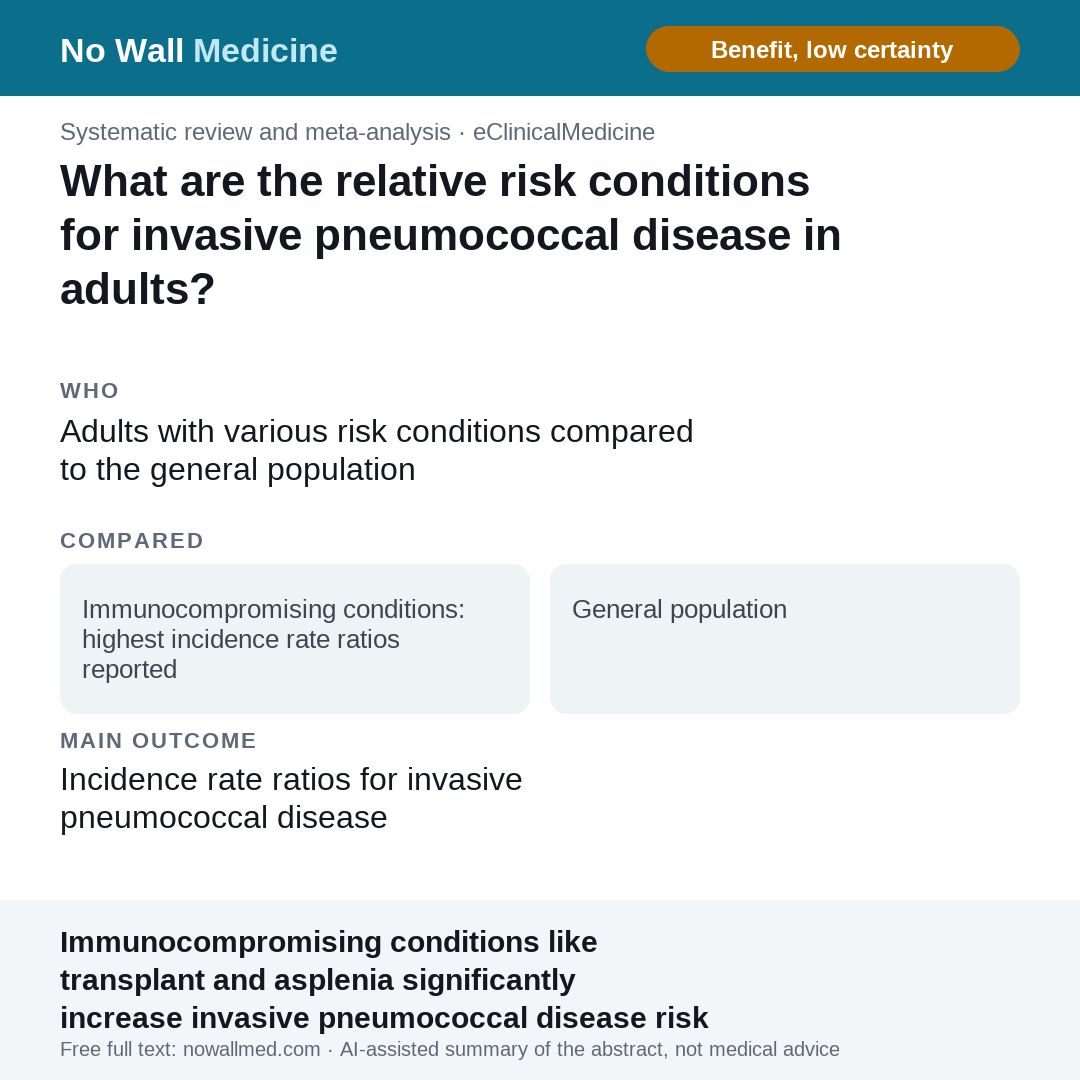
Risk conditions for invasive pneumococcal disease in adults: a systematic review and meta-analysis
Systematic review and meta-analysisBenefit found
What are the relative risk conditions for invasive pneumococcal disease in adults?
Who
Adults with various risk conditions compared to the general population
Compared
Immunocompromising conditions: highest incidence rate ratios reported
General population
Main outcome
Incidence rate ratios for invasive pneumococcal disease
Result: transplant recipients 30.75 (95% CI 17.64-53.60)
Bottom line: Immunocompromising conditions like transplant and asplenia significantly increase invasive pneumococcal disease risk in adults.
Limitation: Very low quality of evidence due to high risk of bias and heterogeneity.
Funded by: Radboudumc Community for Infectious Diseases encouragement Grant
eClinicalMedicine · 2025-10-15Download image
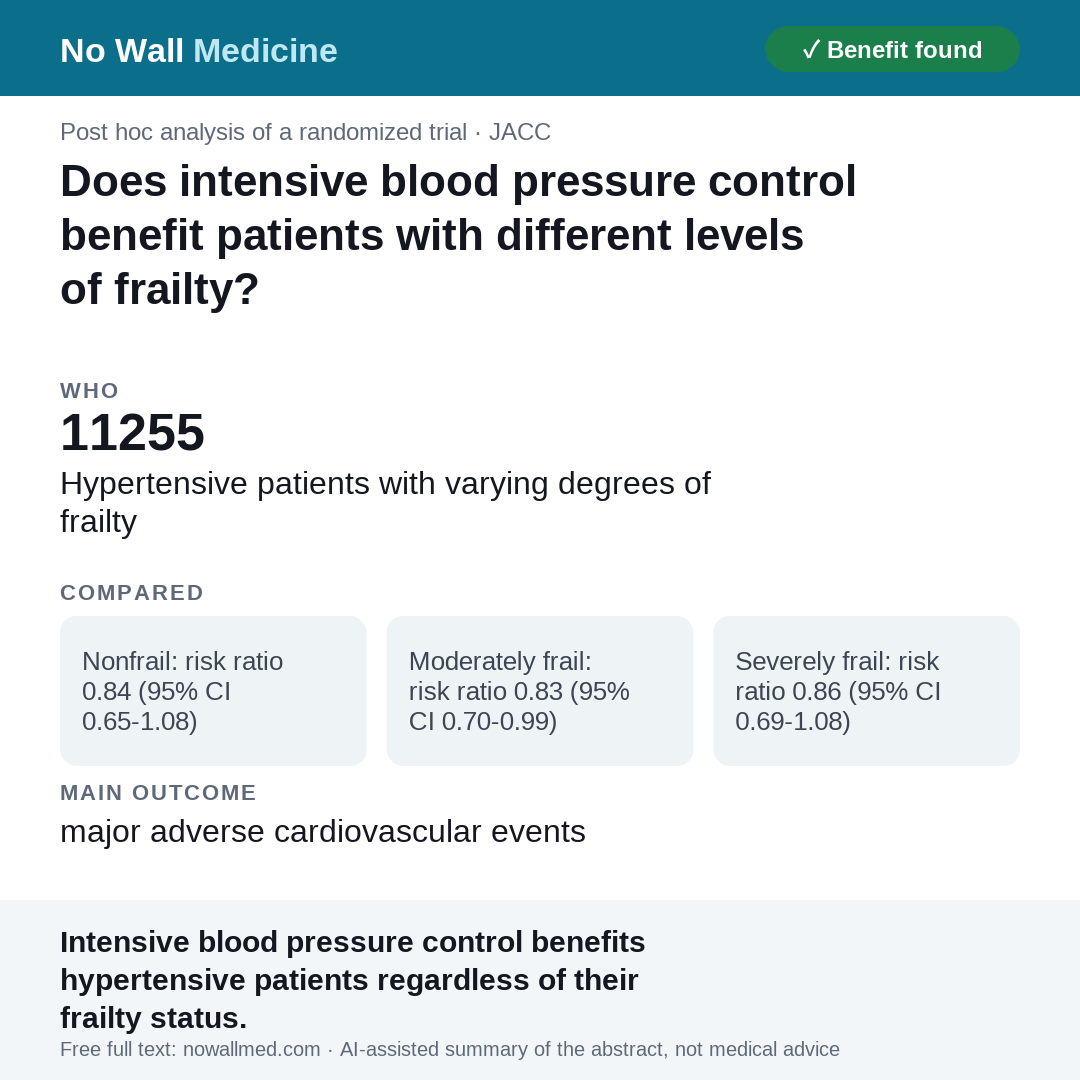
Effects of Intensive Blood Pressure Control in Patients With Frailty: A Post Hoc Analysis From ESPRIT
Post hoc analysis of a randomized trialBenefit found
Does intensive blood pressure control benefit patients with different levels of frailty?
Who
11255
Hypertensive patients with varying degrees of frailty
Compared
Nonfrail: risk ratio 0.84 (95% CI 0.65-1.08)
Moderately frail: risk ratio 0.83 (95% CI 0.70-0.99)
Severely frail: risk ratio 0.86 (95% CI 0.69-1.08)
Main outcome
major adverse cardiovascular events
Result: Pinteraction = 0.67
Bottom line: Intensive blood pressure control benefits hypertensive patients regardless of their frailty status.
Limitation: This was a post hoc analysis of the ESPRIT trial.
JACC · 2025-10-15Download image
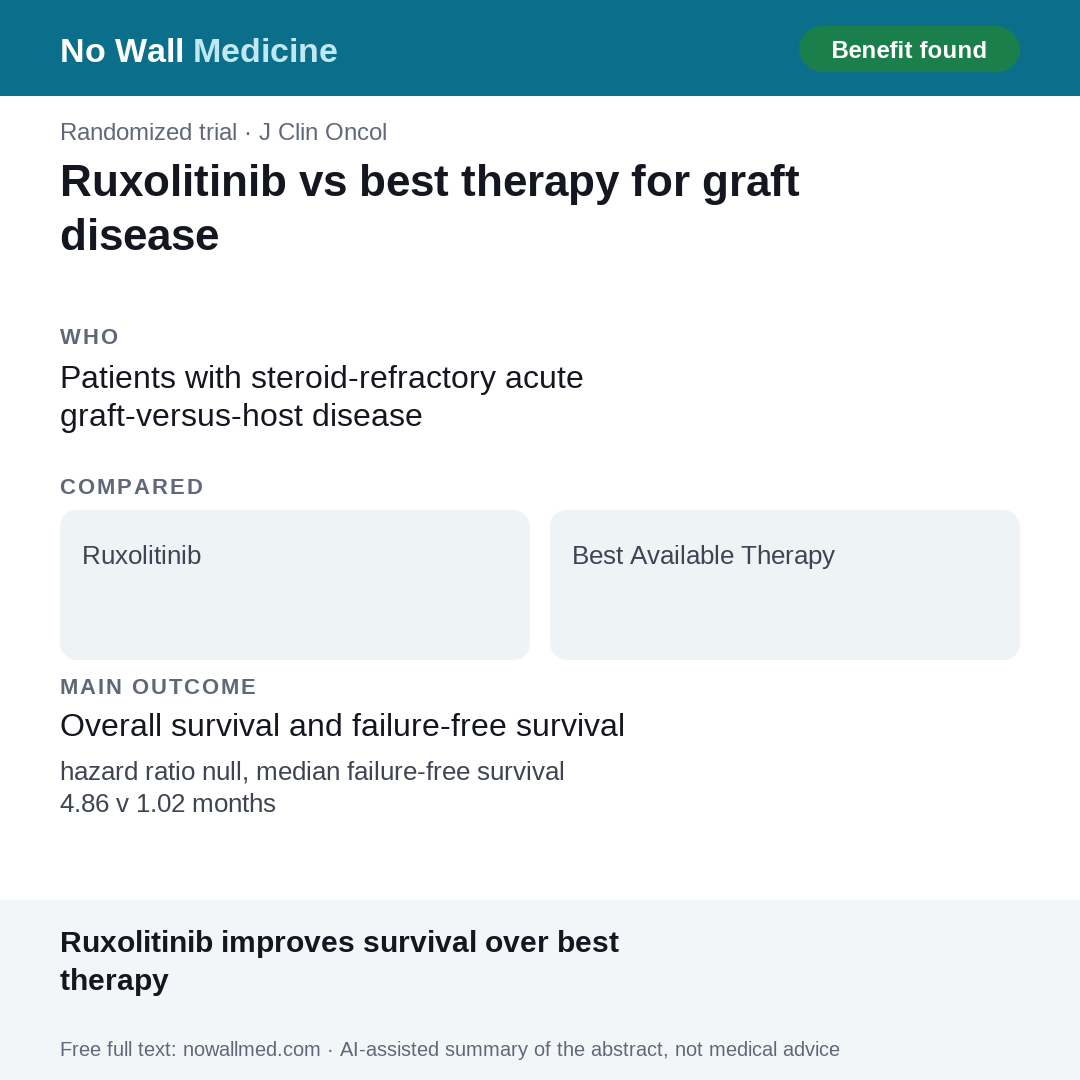
Ruxolitinib Versus Best Available Therapy in Patients With Steroid-Refractory Acute Graft-Versus-Host Disease: Final Analysis From the Randomized Phase III REACH2 Trial
Randomized trialBenefit found
Ruxolitinib vs best therapy for graft disease
Who
Patients with steroid-refractory acute graft-versus-host disease
Compared
Ruxolitinib
Best Available Therapy
Main outcome
Overall survival and failure-free survival
Result: hazard ratio null, median failure-free survival 4.86 v 1.02 months
Bottom line: Ruxolitinib improves survival over best therapy
J Clin Oncol · 2025-10-15Download image
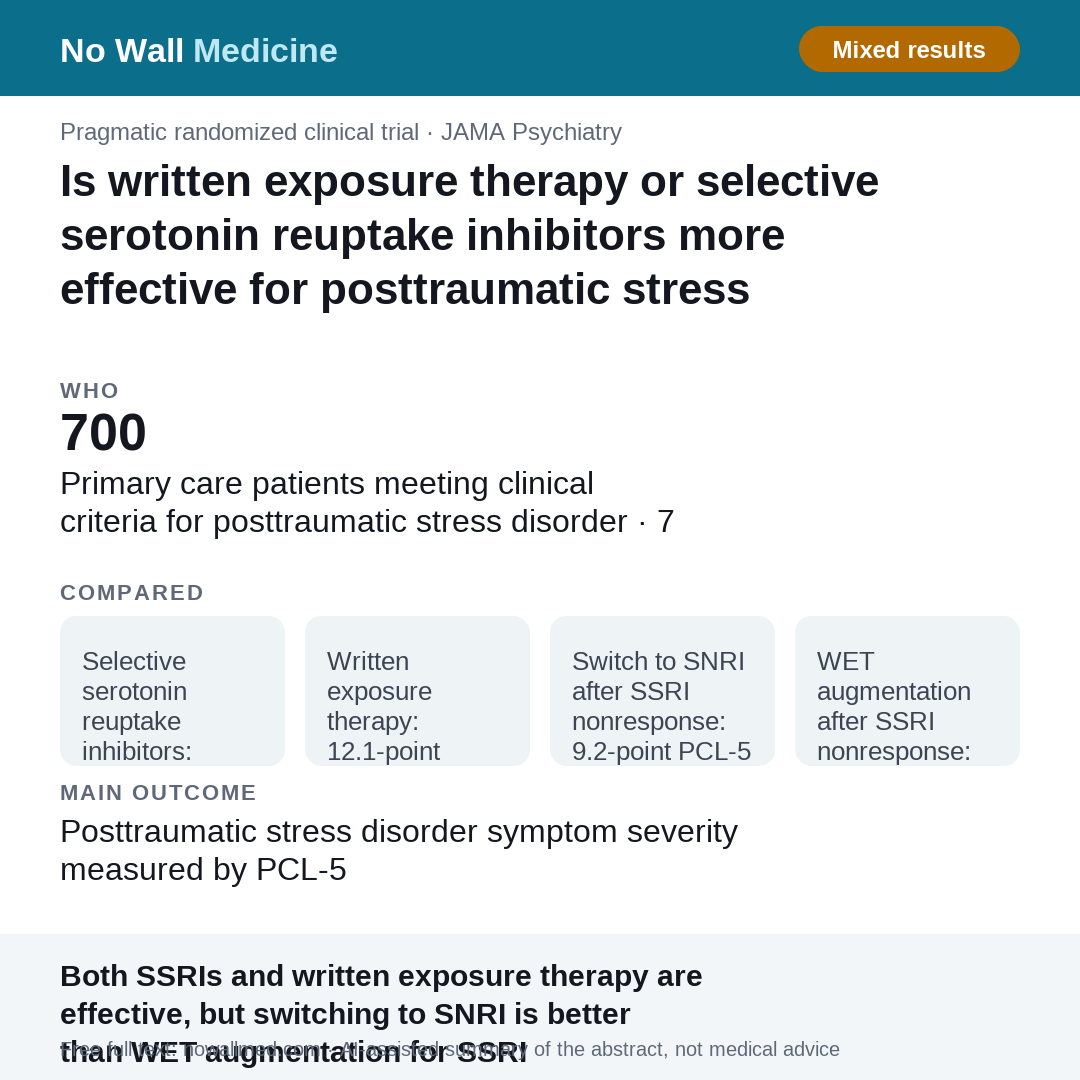
Pragmatic Comparative Effectiveness of Primary Care Treatments for Posttraumatic Stress Disorder: A Randomized Clinical Trial
Pragmatic randomized clinical trialMixed results
Is written exposure therapy or selective serotonin reuptake inhibitors more effective for posttraumatic stress disorder?
Who
700
Primary care patients meeting clinical criteria for posttraumatic stress disorder · 7 federally qualified health centers and 8 Department of Veterans Affairs medical centers
Compared
Selective serotonin reuptake inhibitors: 14.0-point PCL-5 decrease
Written exposure therapy: 12.1-point PCL-5 decrease
Switch to SNRI after SSRI nonresponse: 9.2-point PCL-5 decrease
WET augmentation after SSRI nonresponse: 2.3-point PCL-5 decrease
Main outcome
Posttraumatic stress disorder symptom severity measured by PCL-5
Result: adjusted mean difference 1.79 (95% CI -0.76 to 4.34) for initial treatment; adjusted MD 10.19 (95% CI 4.97-15.41) for nonresponders
Bottom line: Both SSRIs and written exposure therapy are effective, but switching to SNRI is better than WET augmentation for SSRI nonresponders.
JAMA Psychiatry · 2025-10-15Download image
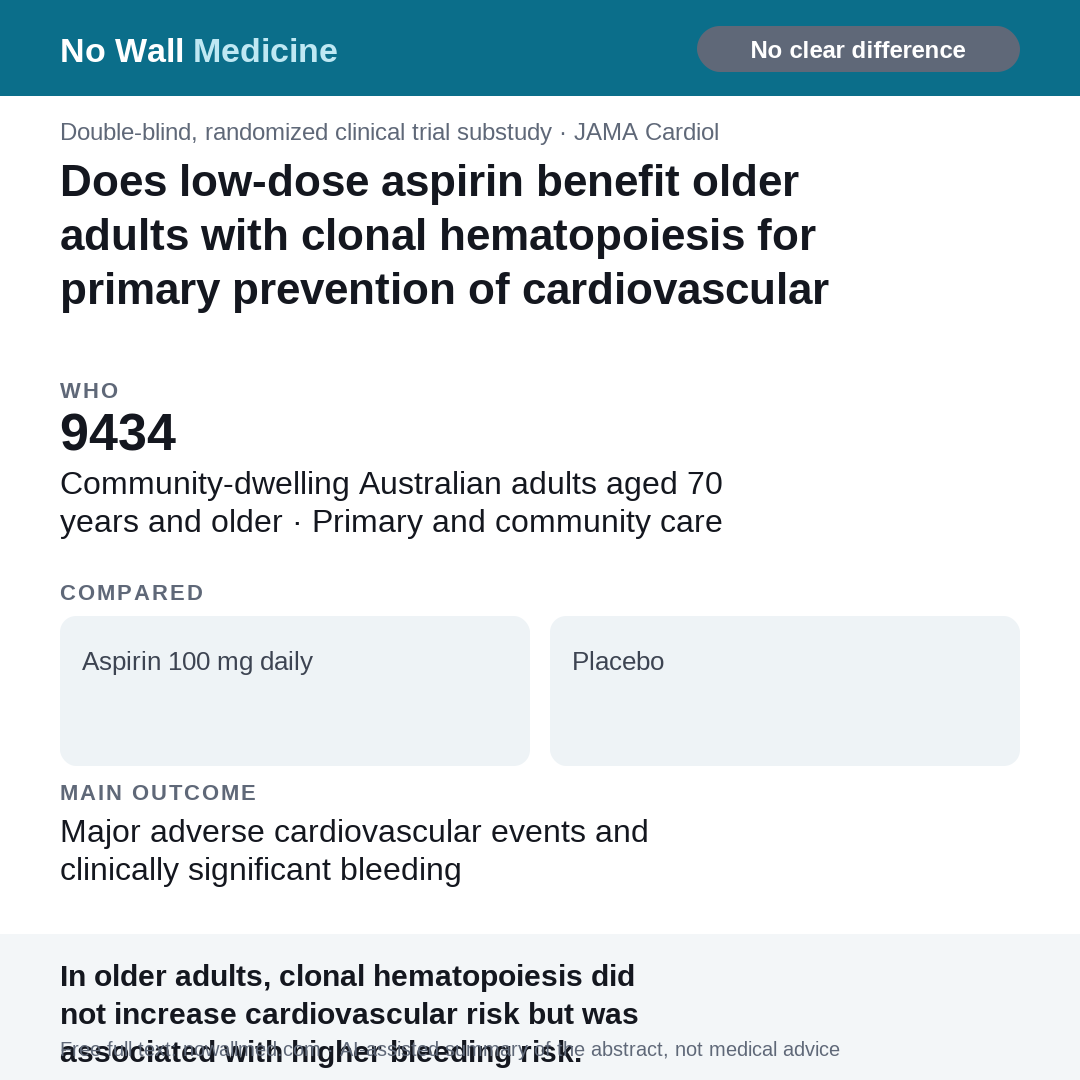
Clonal Hematopoiesis and Cardiovascular Disease and Bleeding Risk and the Effectiveness of Aspirin
Double-blind, randomized clinical trial substudyNo clear difference
Does low-dose aspirin benefit older adults with clonal hematopoiesis for primary prevention of cardiovascular disease?
Who
9434
Community-dwelling Australian adults aged 70 years and older · Primary and community care facilities in Australia
Compared
Aspirin 100 mg daily
Placebo
Main outcome
Major adverse cardiovascular events and clinically significant bleeding
Result: no evidence of a differential effect of aspirin according to presence of CHIP
Bottom line: In older adults, clonal hematopoiesis did not increase cardiovascular risk but was associated with higher bleeding risk.
JAMA Cardiol · 2025-10-15Download image
Subthalamic deep brain stimulation in isolated generalised or segmental dystonia (RELAX Study): a multicentre, randomised, double-blind, controlled trial
Multicentre, randomised, double-blind, controlled trialBenefit found
Is subthalamic nucleus deep brain stimulation effective for isolated generalised or segmental dystonia?
Who
67
Patients aged 6-60 years with genetic or idiopathic isolated generalised or segmental dystonia · Seven hospitals in China
Compared
Subthalamic nucleus neurostimulation: significant improvement (p<0.001)
Subthalamic nucleus sham stimulation
Main outcome
Burke-Fahn-Marsden Dystonia Rating Scale movement score
Bottom line: Subthalamic nucleus deep brain stimulation is a safe and effective treatment for isolated generalised or segmental dystonia.
J Neurol Neurosurg Psychiatry · 2025-10-15Download image

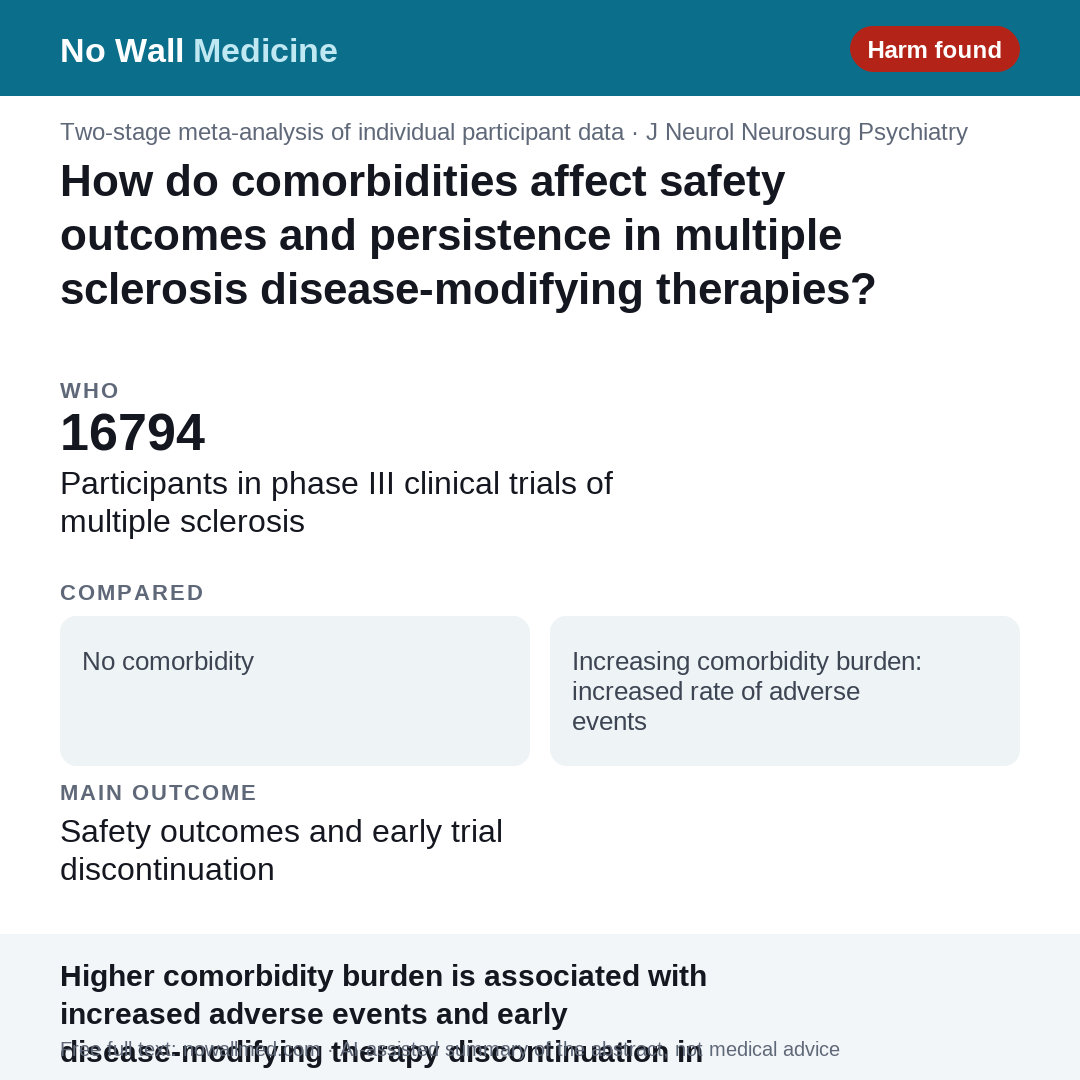
Comorbidities, safety and persistence in phase III clinical trials in multiple sclerosis
Two-stage meta-analysis of individual participant dataHarm found
How do comorbidities affect safety outcomes and persistence in multiple sclerosis disease-modifying therapies?
Who
16794
Participants in phase III clinical trials of multiple sclerosis
Compared
No comorbidity
Increasing comorbidity burden: increased rate of adverse events
Main outcome
Safety outcomes and early trial discontinuation
Result: rate ratio 1: 1.13 (95% CI 1.09 to 1.17)
Bottom line: Higher comorbidity burden is associated with increased adverse events and early disease-modifying therapy discontinuation in multiple sclerosis.
J Neurol Neurosurg Psychiatry · 2025-10-15Download image