Visual abstracts
New randomized trials and meta-analyses from leading journals at a glance: who was studied, what was compared, and what was found. Every paper is free to read in full.
All specialtiesCardiology 1367Oncology 1224Gastroenterology & Hepatology 493Infectious Disease 893Neurology 567Psychiatry & Mental Health 683Pulmonology 589Critical Care 404Endocrinology & Diabetes 754Pediatrics 819Surgery 648Orthopedics & Sports Medicine 261Neurosurgery 186Cardiothoracic & Vascular Surgery 155Plastic & Reconstructive Surgery 215Nephrology 289Rheumatology 183Hematology 286Dermatology 144Ophthalmology 156Obstetrics & Gynecology 433Public & Global Health 270Radiology & Imaging 176Anesthesiology 264Urology 255ENT (Otolaryngology) 187Emergency Medicine 152Allergy & Immunology 91Geriatrics 287Family Medicine & Primary Care 174Medical Genetics & Genomics 144Pathology & Laboratory Medicine 42Physical Medicine & Rehabilitation 242Palliative Care 123Nutrition 359Digital Health & AI 713General Medicine 123
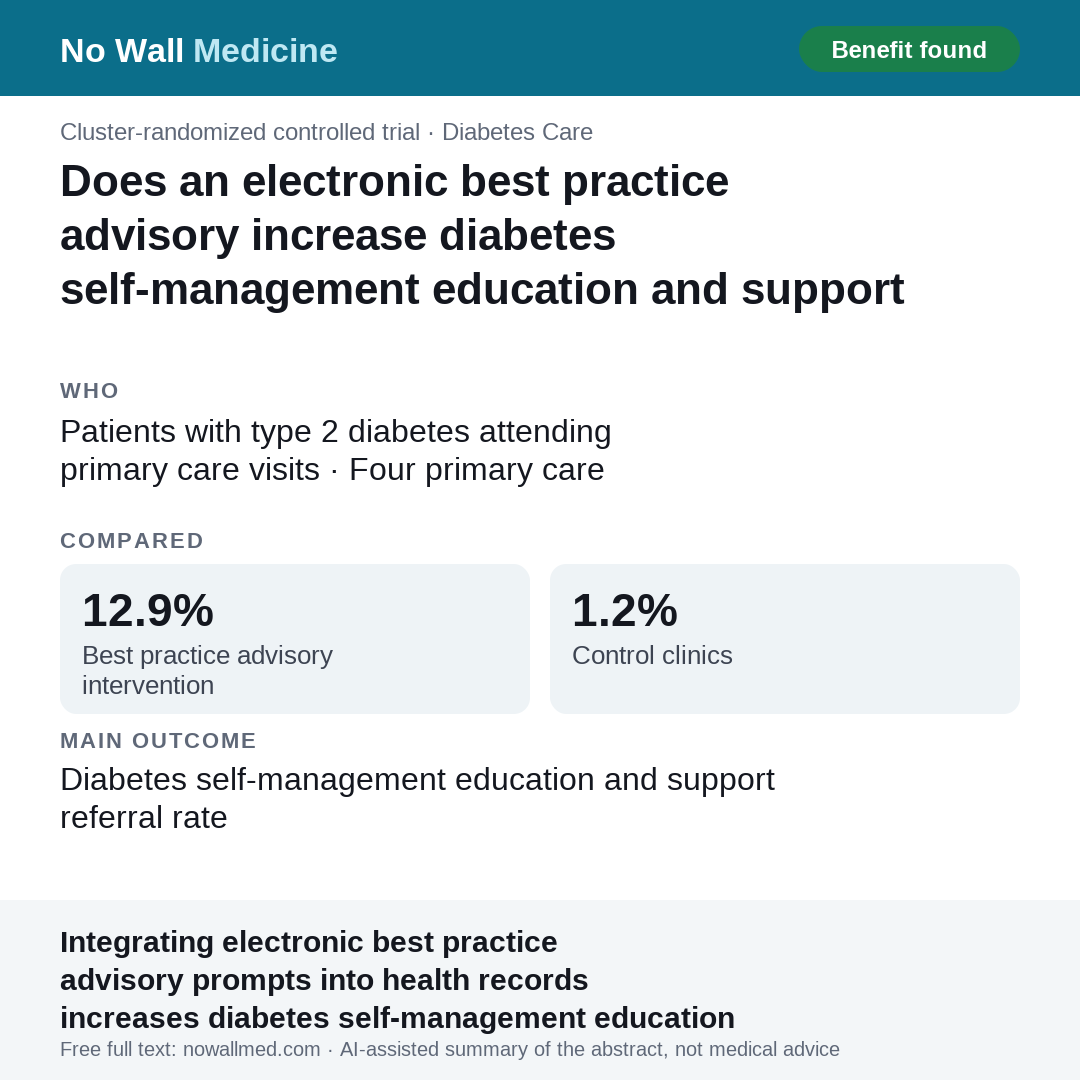
From Alert to Action: Electronic Practice Advisory Improves DSMES Referrals Over 18 Months
Cluster-randomized controlled trialBenefit found
Does an electronic best practice advisory increase diabetes self-management education and support referrals?
Who
Patients with type 2 diabetes attending primary care visits · Four primary care practices in central North Carolina
Compared
13.7%Best practice advisory intervention
1.6%Control clinics
Main outcome
Diabetes self-management education and support referral rate
Result: odds ratio 9.44 (95% CI 4.91-18.17)
Bottom line: Electronic best practice advisory prompts significantly increase diabetes self-management education and support referral rates.
Diabetes Care · 2026-09-16Download image
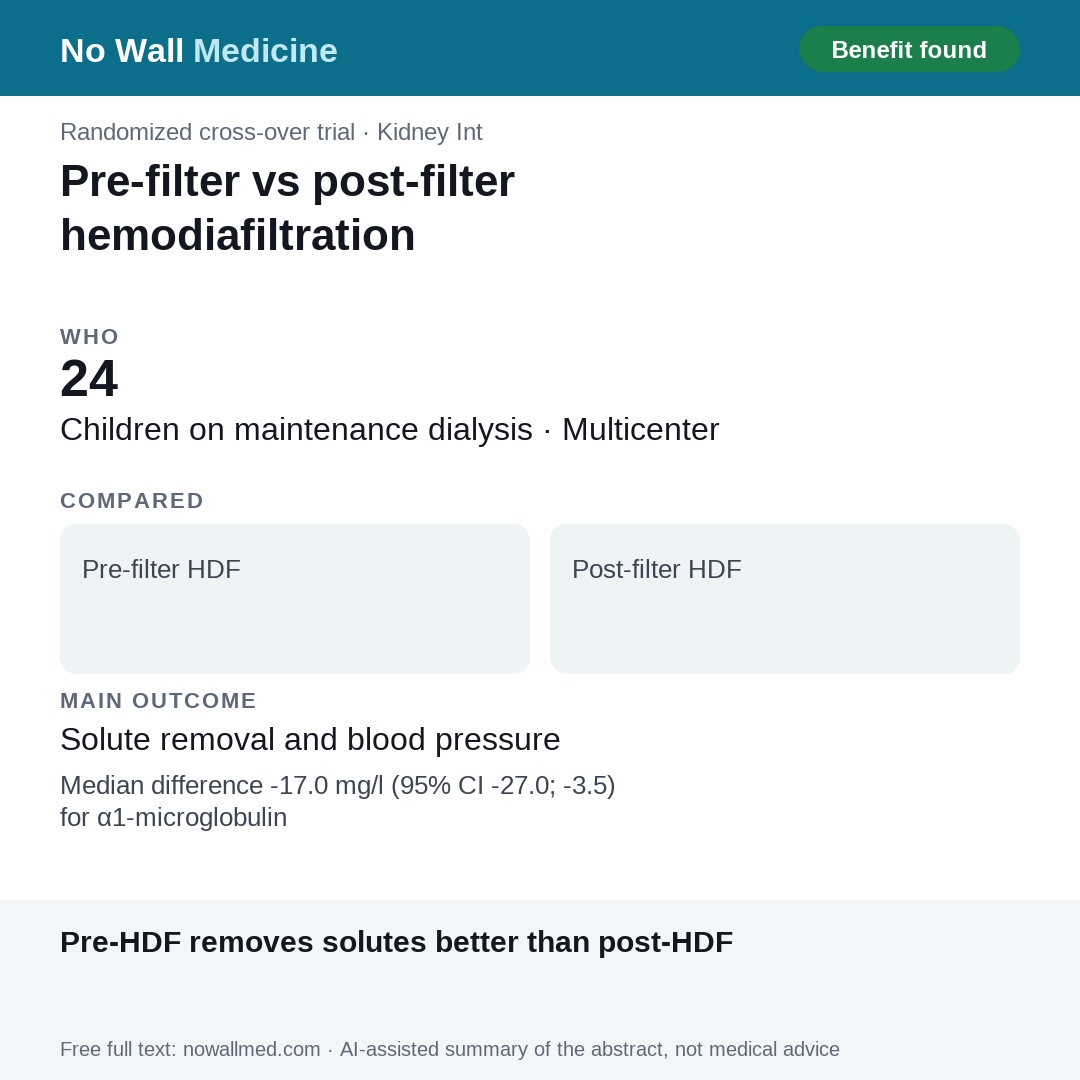
A randomized cross-over trial of pre- and post-filter hemodiafiltration modalities in children on maintenance dialysis - effects on solute removal and blood pressure
Randomized cross-over trialBenefit found
Pre-filter vs post-filter hemodiafiltration
Who
24
Children on maintenance dialysis · Multicenter
Compared
Pre-filter HDF
Post-filter HDF
Main outcome
Solute removal and blood pressure
Result: Median difference -17.0 mg/l (95% CI -27.0; -3.5) for α1-microglobulin
Bottom line: Pre-HDF removes solutes better than post-HDF
Limitation: Small sample size
Kidney Int · 2026-09-16Download image
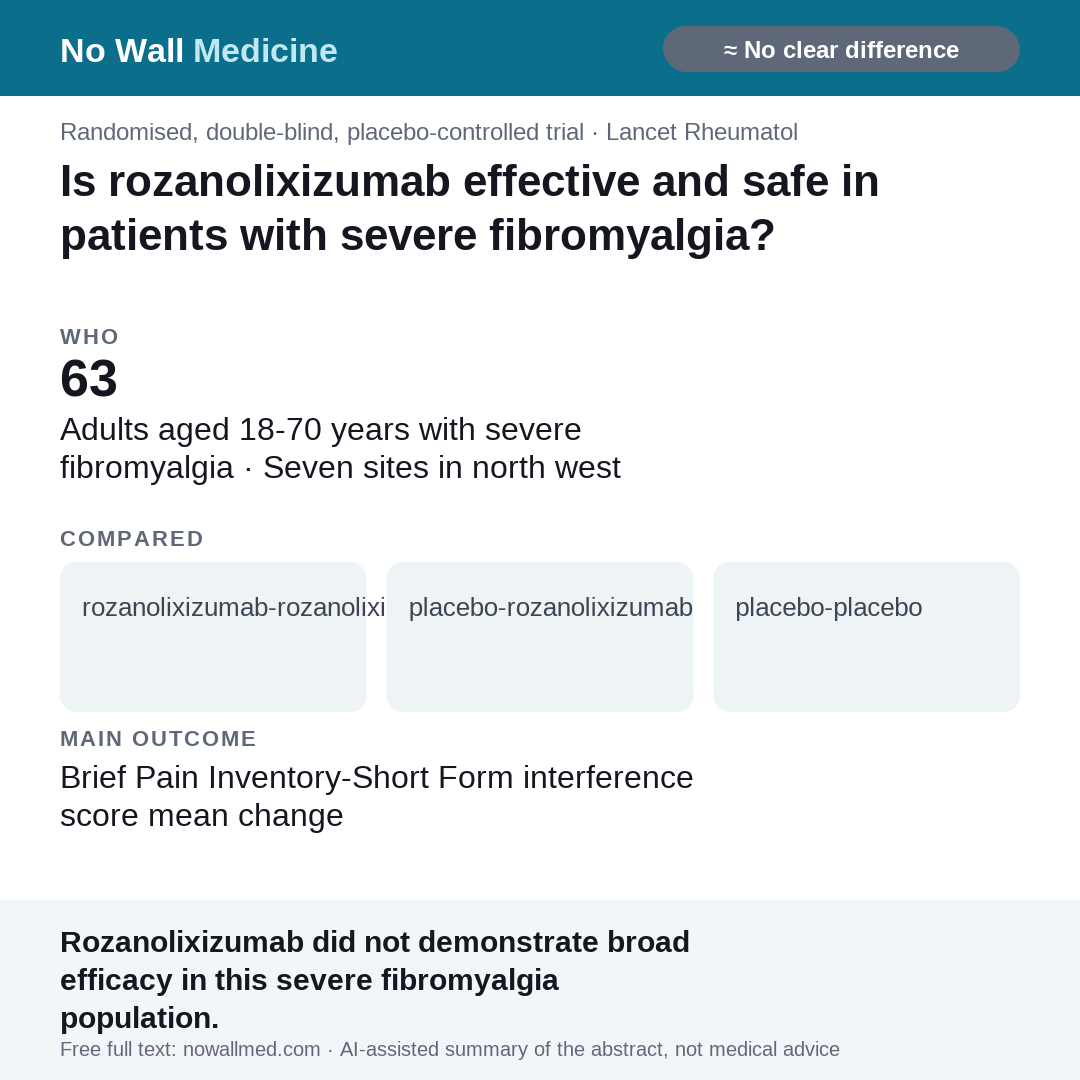
Efficacy and safety of rozanolixizumab in severe fibromyalgia: a phase 2A randomised, double-blind, placebo-controlled, multicentre trial
Randomised, double-blind, placebo-controlled trialNo clear difference
Is rozanolixizumab effective and safe in patients with severe fibromyalgia?
Who
63
Adults aged 18-70 years with severe fibromyalgia · Seven sites in north west England
Compared
rozanolixizumab-rozanolixizumab
placebo-rozanolixizumab
placebo-placebo
Main outcome
Brief Pain Inventory-Short Form interference score mean change
Result: least squares mean difference -0·5, 80% CI -1·0 to -0·1
Bottom line: Rozanolixizumab did not demonstrate broad efficacy in this severe fibromyalgia population.
Funded by: UCB
Lancet Rheumatol · 2026-09-16Download image
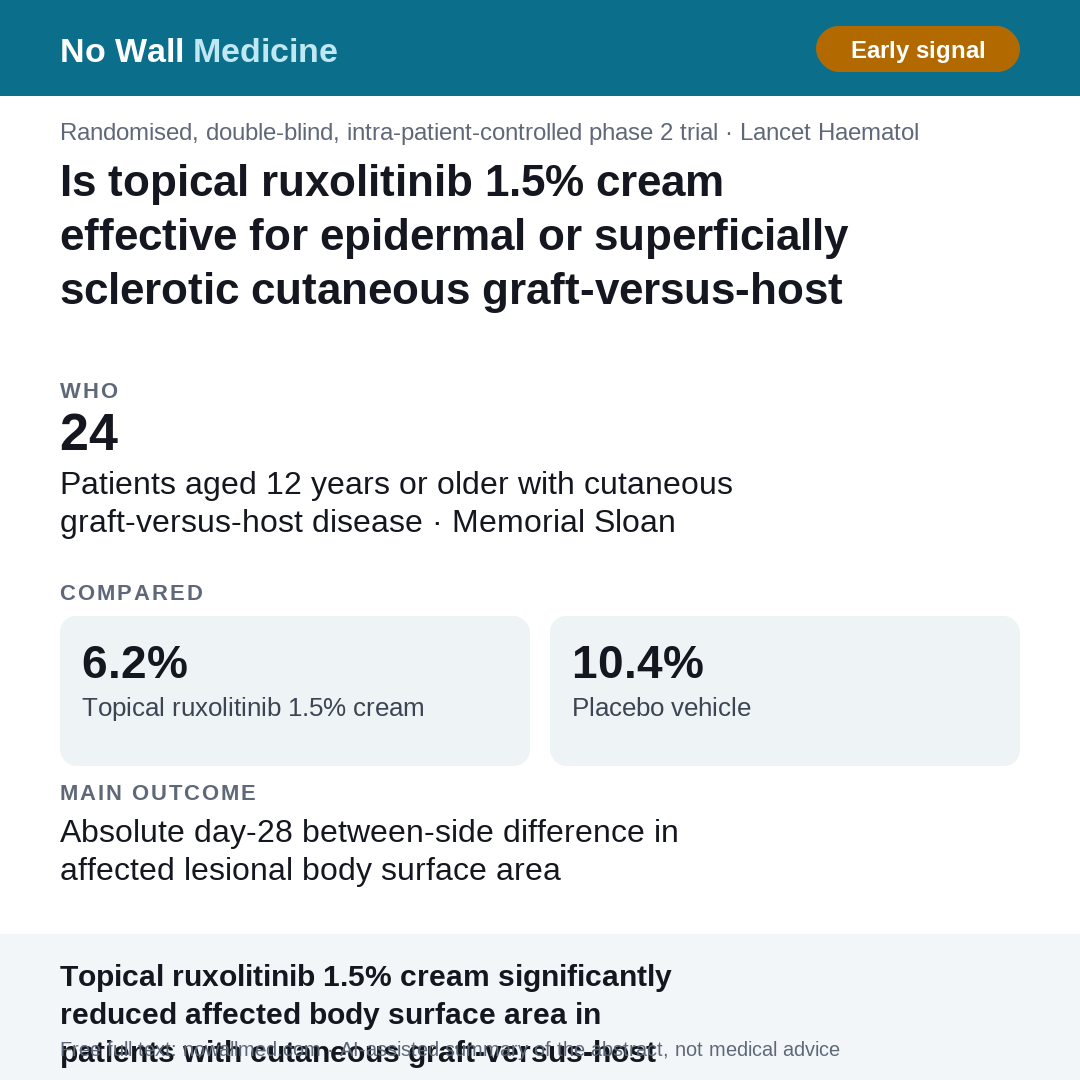
Topical ruxolitinib for chronic cutaneous graft-versus-host disease: a single-centre, randomised, double-blind, intra-patient-controlled phase 2 trial
Randomised, double-blind, intra-patient-controlled phase 2 trialBenefit found
Is topical ruxolitinib 1.5% cream effective for epidermal or superficially sclerotic cutaneous graft-versus-host disease?
Who
24
Patients aged 12 years or older with cutaneous graft-versus-host disease · Memorial Sloan Kettering Cancer Center (NY, USA)
Compared
6.2%Topical ruxolitinib 1.5% cream (SD 6.7)
10.4%Placebo vehicle (SD 9.1)
Main outcome
Absolute day-28 between-side difference in affected lesional body surface area
Result: -4.0 percentage points (-5.5 to -2.4; p<0.0010)
Bottom line: Topical ruxolitinib 1.5% cream significantly reduced affected body surface area in patients with cutaneous graft-versus-host disease.
Funded by: Incyte
Lancet Haematol · 2026-09-16Download image
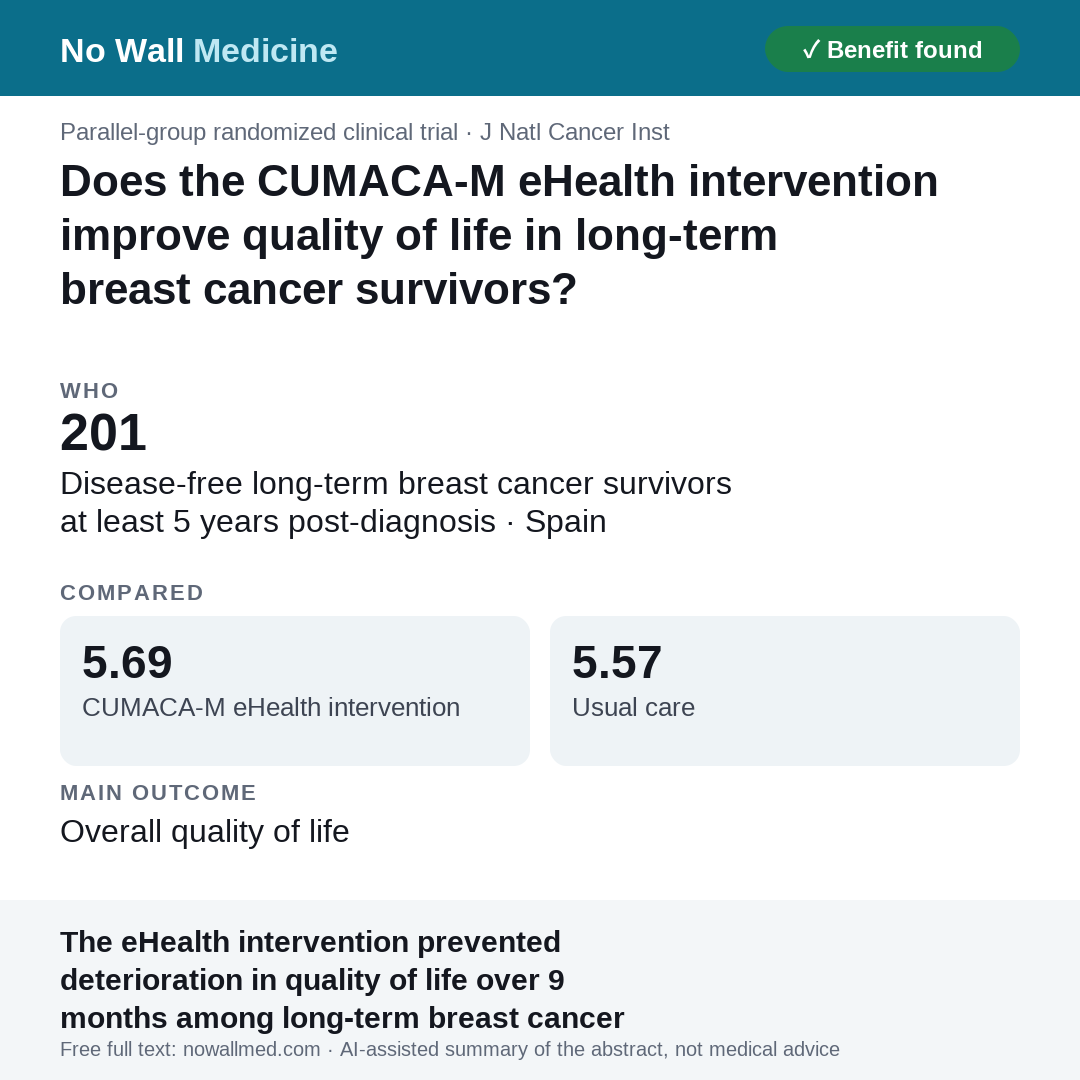
Effectiveness of an eHealth intervention to improve quality of life in long-term breast cancer survivors: a 9-month randomized controlled trial
Parallel-group randomized clinical trialBenefit found
Does the CUMACA-M eHealth intervention improve quality of life in long-term breast cancer survivors?
Who
201
Disease-free long-term breast cancer survivors at least 5 years post-diagnosis · Spain
Compared
5.69CUMACA-M eHealth intervention
5.57Usual care
Main outcome
Overall quality of life
Result: mean difference=0.24, 95% CI=0.03 to 0.44
Bottom line: The eHealth intervention prevented deterioration in quality of life over 9 months among long-term breast cancer survivors.
J Natl Cancer Inst · 2026-09-16Download image
Impact of Botulinum Toxin on Ocular Surface Parameters in Patients With Orbicularis Spasm: A Systematic Review and Meta-Analysis
Systematic review and meta-analysisBenefit found
What is the impact of botulinum toxin on ocular surface parameters in orbicularis spasm?
Who
820
Patients with blepharospasm and hemifacial spasm
Compared
Pre-treatment
Post-treatment: OSDI scores improved at 1 to 4 weeks (MD, -11.77)
Main outcome
Ocular surface parameters and corneal metrics
Result: OSDI MD, -11.77 (95% CI, -19.93 to -0.28)
Bottom line: Botulinum toxin improves ocular surface symptoms and tear film stability in patients with orbicularis oculi spasm.
Limitation: Effects may be due to reduced involuntary eyelid contractions rather than direct biologic effects.
Am J Ophthalmol · 2026-09-16Download image

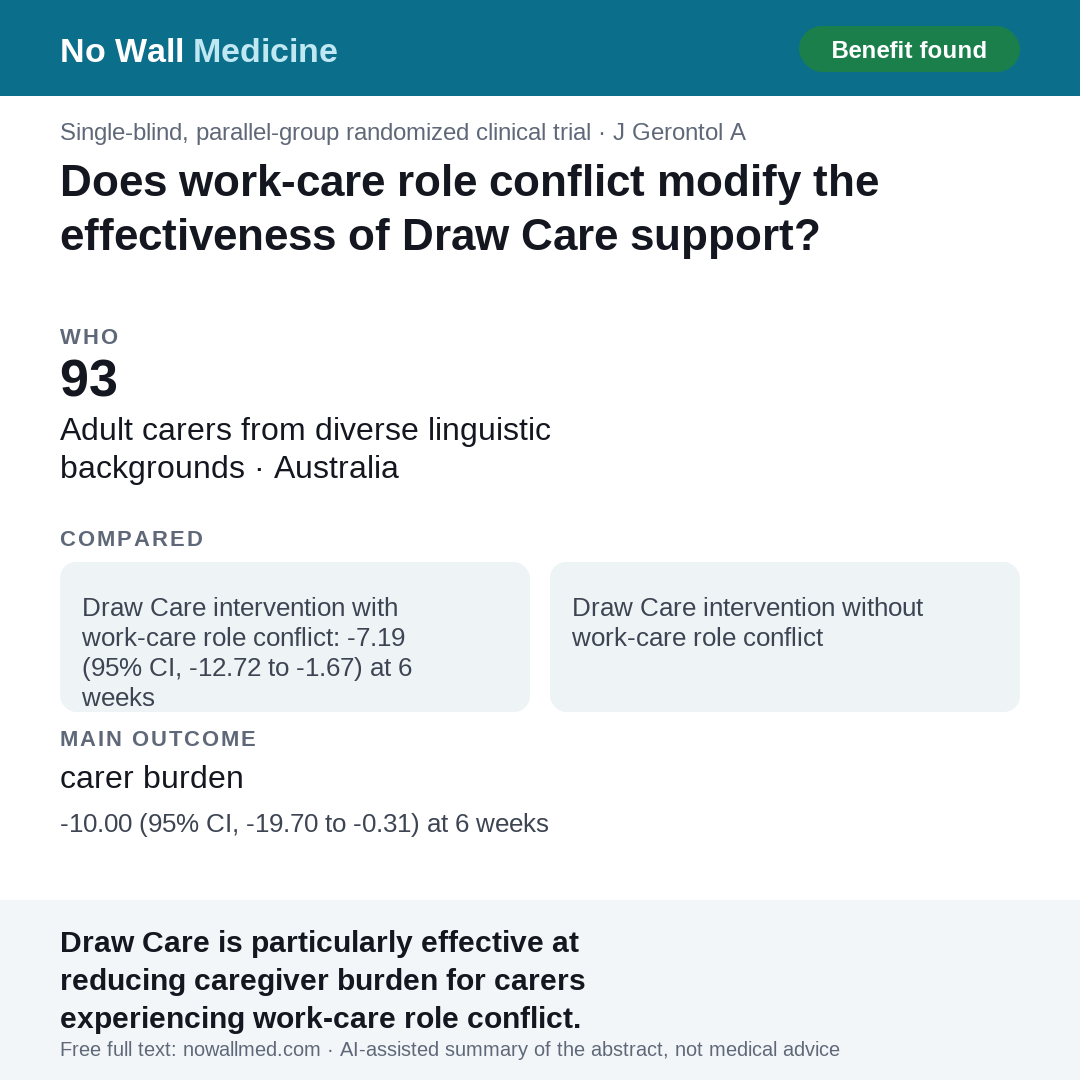
The modifying effect of work-care role conflict on the effectiveness of carer support: results from the Australian Draw Care randomized clinical trial
Single-blind, parallel-group randomized clinical trialBenefit found
Does work-care role conflict modify the effectiveness of Draw Care support?
Who
93
Adult carers from diverse linguistic backgrounds · Australia
Compared
Draw Care intervention with work-care role conflict: -7.19 (95% CI, -12.72 to -1.67) at 6 weeks
Draw Care intervention without work-care role conflict
Main outcome
carer burden
Result: -10.00 (95% CI, -19.70 to -0.31) at 6 weeks
Bottom line: Draw Care is particularly effective at reducing caregiver burden for carers experiencing work-care role conflict.
J Gerontol A · 2026-09-16Download image
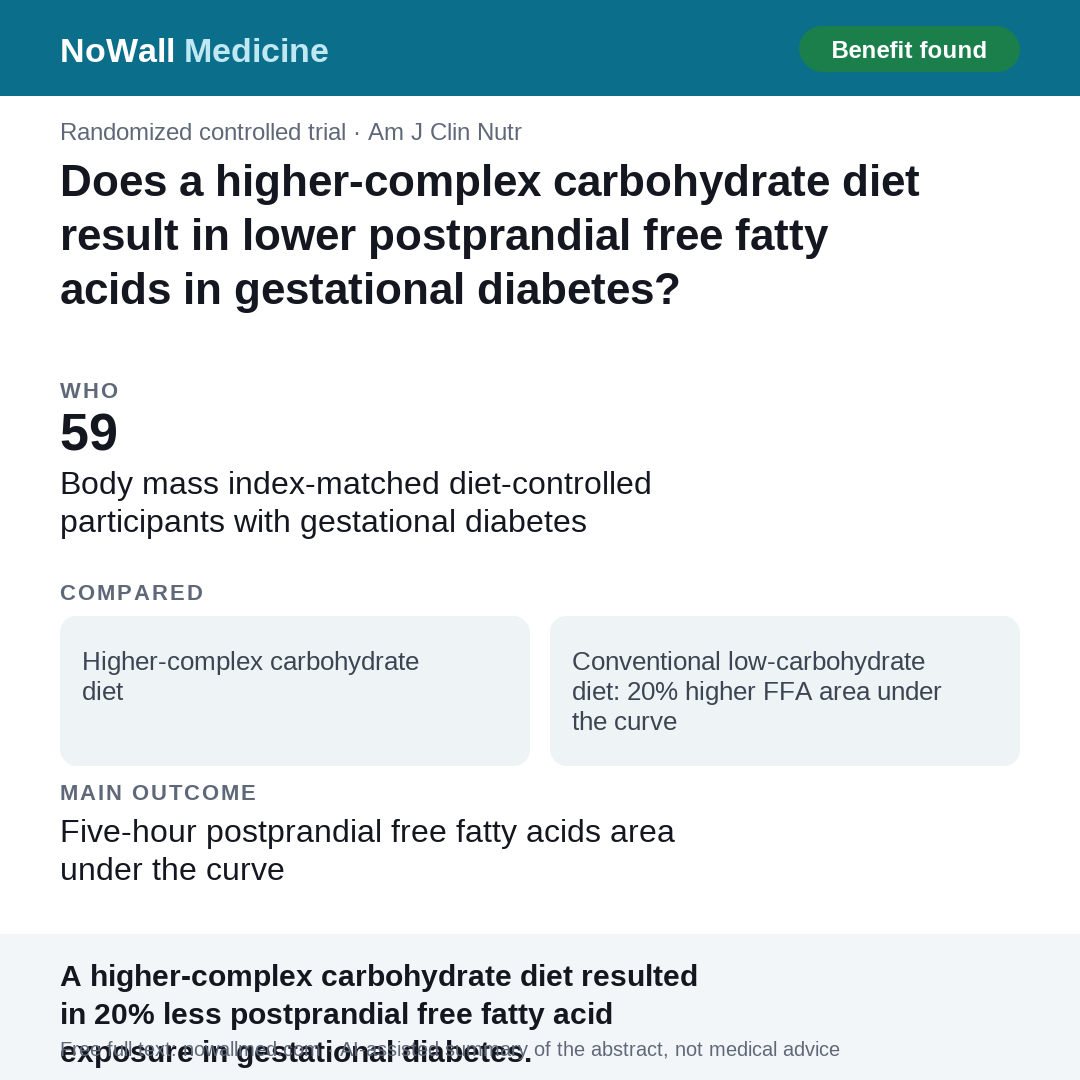
A higher-complex carbohydrate compared with conventional low-carbohydrate diet in gestational diabetes mellitus results in lower postprandial free fatty acids: a randomized controlled trial
Randomized controlled trialBenefit found
Higher complex carbs vs low carbs in gestational diabetes
Who
59
Women with gestational diabetes mellitus
Compared
Higher complex carbs
Conventional low carbs
Main outcome
Postprandial free fatty acids
Result: 20% lower on higher complex carbs
Bottom line: Higher complex carbs lower postprandial free fatty acids
Am J Clin Nutr · 2026-09-16Download image
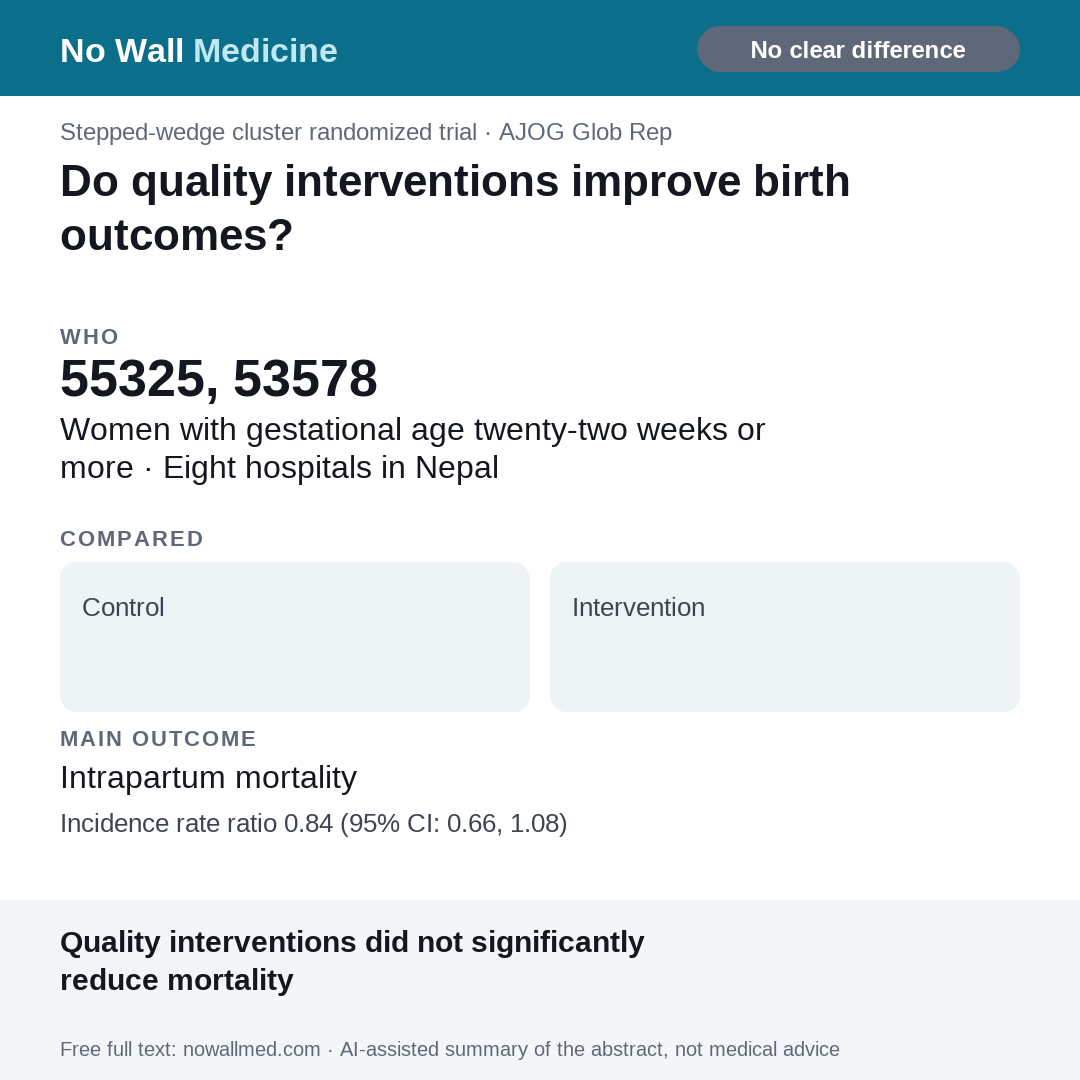
Effect of meso-and micro-level quality improvement interventions to improve intrapartum care and birth outcome in Nepal- stepped wedge cluster randomized trial
Stepped-wedge cluster randomized trialNo clear difference
Do quality interventions improve birth outcomes?
Who
55325, 53578
Women with gestational age twenty-two weeks or more · Eight hospitals in Nepal
Compared
Control
Intervention
Main outcome
Intrapartum mortality
Result: Incidence rate ratio 0.84 (95% CI: 0.66, 1.08)
Bottom line: Quality interventions did not significantly reduce mortality
AJOG Glob Rep · 2026-09-16Download image
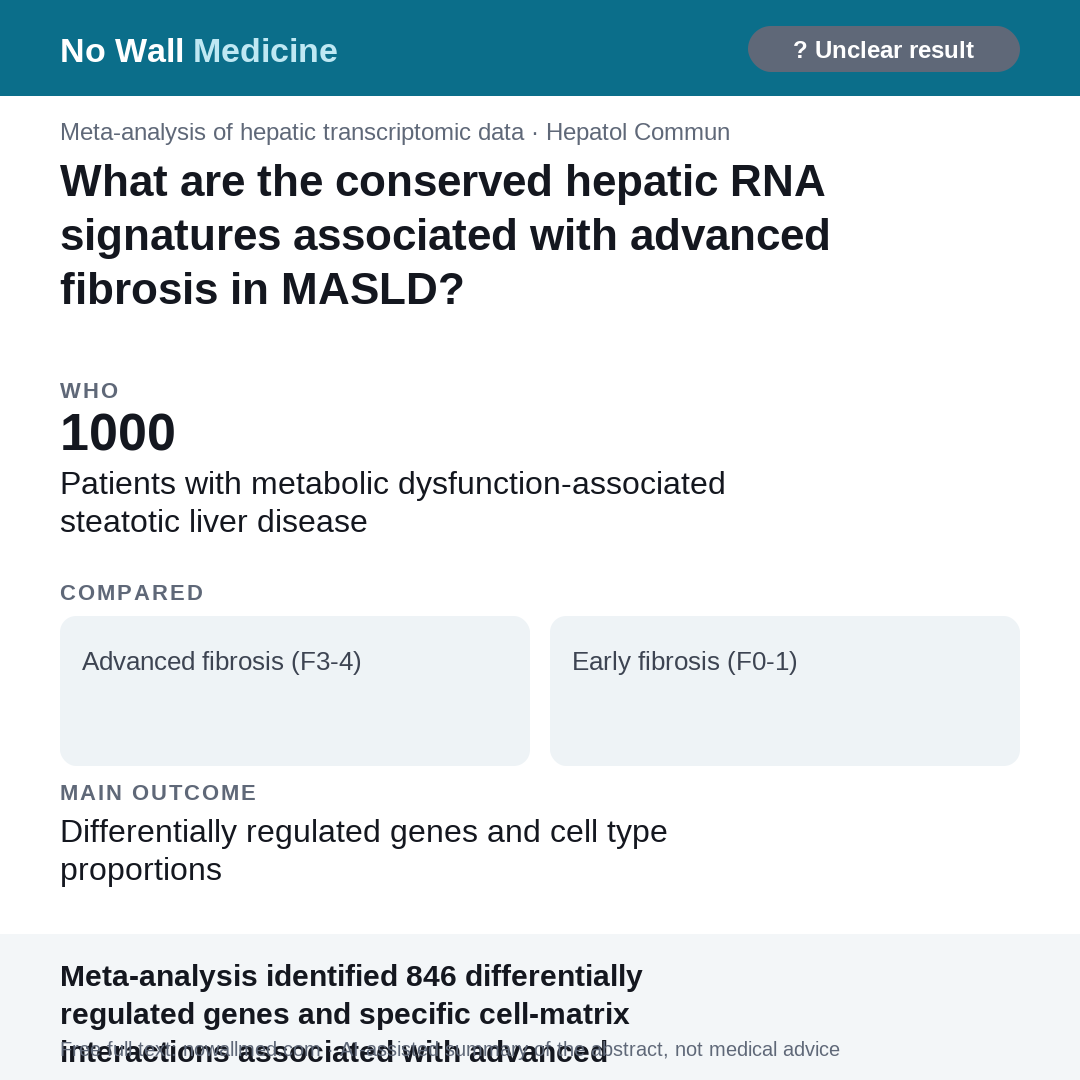
Conserved hepatic RNA signatures across multiple cohorts reveal novel mechanistic clues for advanced fibrosis in human MASLD
Meta-analysis of hepatic transcriptomic dataUnclear result
What are the conserved hepatic RNA signatures associated with advanced fibrosis in MASLD?
Who
1000
Patients with metabolic dysfunction-associated steatotic liver disease
Compared
Advanced fibrosis (F3-4)
Early fibrosis (F0-1)
Main outcome
Differentially regulated genes and cell type proportions
Bottom line: Meta-analysis identified 846 differentially regulated genes and specific cell-matrix interactions associated with advanced fibrosis.
Limitation: Interstudy heterogeneity and limited sample size hinder identification of consistent mechanisms.
Hepatol Commun · 2026-09-16Download image
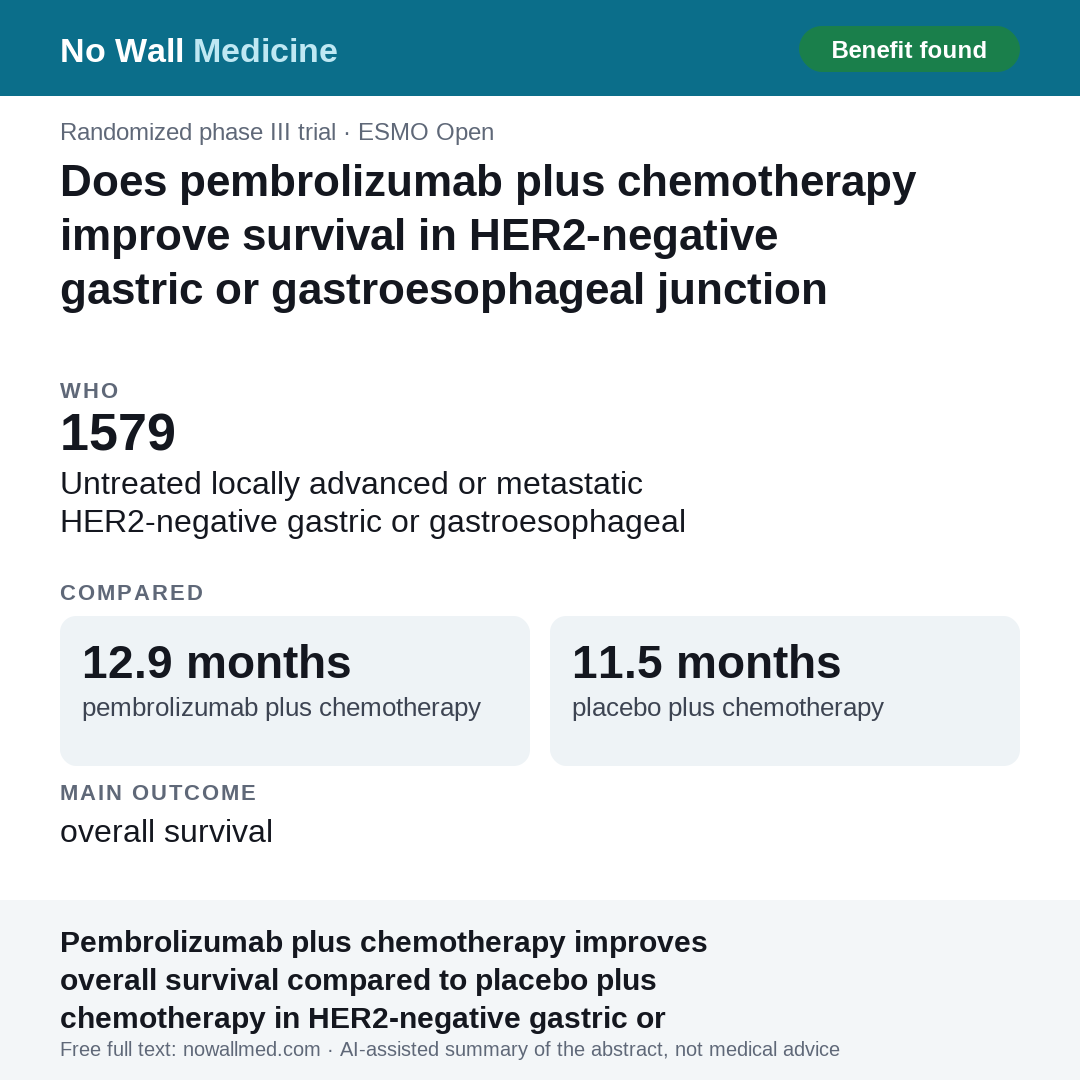
Pembrolizumab plus chemotherapy as first-line therapy for advanced HER2-negative gastric or gastroesophageal junction adenocarcinoma: 4.5-year follow-up from the randomized phase III KEYNOTE-859 study
Randomized phase III trialBenefit found
Does pembrolizumab plus chemotherapy improve survival in HER2-negative gastric or gastroesophageal junction adenocarcinoma?
Who
1579
Untreated locally advanced or metastatic HER2-negative gastric or gastroesophageal junction adenocarcinoma
Compared
12.9 monthspembrolizumab plus chemotherapy
11.5 monthsplacebo plus chemotherapy
Main outcome
overall survival
Result: hazard ratio 0.78 (95% CI 0.70-0.86)
Bottom line: Pembrolizumab plus chemotherapy improves overall survival compared to placebo plus chemotherapy in HER2-negative gastric or gastroesophageal junction adenocarcinoma.
ESMO Open · 2026-09-16Download image
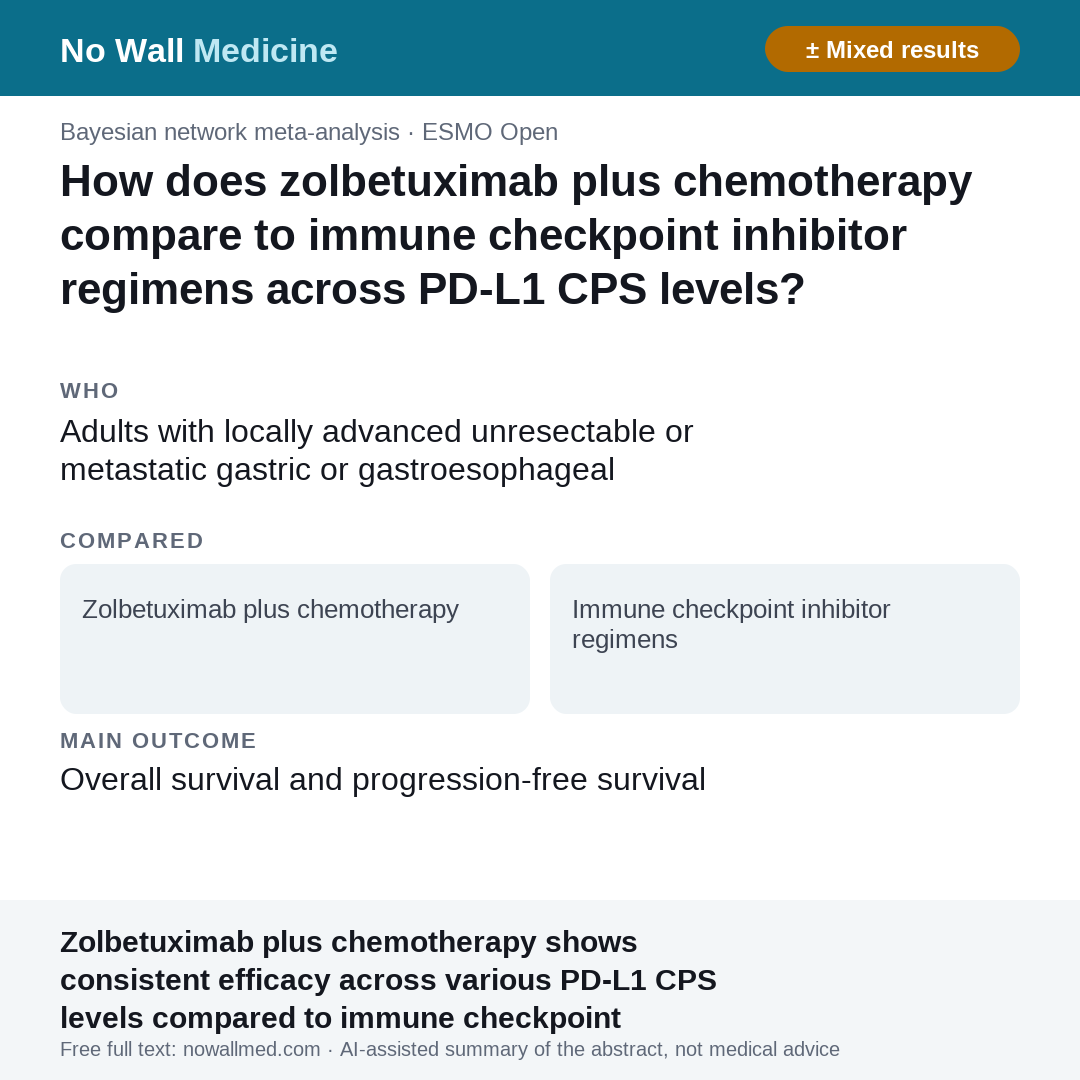
Zolbetuximab plus chemotherapy versus immune checkpoint inhibitor regimens by programmed death-ligand 1 combined positive score in locally advanced or metastatic gastric or gastroesophageal junction adenocarcinoma: a Bayesian network meta-analysis
Bayesian network meta-analysisMixed results
How does zolbetuximab plus chemotherapy compare to immune checkpoint inhibitor regimens across PD-L1 CPS levels?
Who
Adults with locally advanced unresectable or metastatic gastric or gastroesophageal junction adenocarcinoma · Global trials
Compared
Zolbetuximab plus chemotherapy
Immune checkpoint inhibitor regimens
Main outcome
Overall survival and progression-free survival
Bottom line: Zolbetuximab plus chemotherapy shows consistent efficacy across various PD-L1 CPS levels compared to immune checkpoint inhibitors.
Limitation: Results should be interpreted cautiously given these are indirect comparisons.
ESMO Open · 2026-09-16Download image
Drawing and visual art interventions for anxiety in children aged 5-12: a systematic review and meta-analysis of randomised controlled trials
Systematic review and meta-analysis of randomised controlled trialsBenefit found
Do drawing and visual art interventions reduce anxiety in children aged 5-12 years?
Who
816
Children aged 5-12 years · Medical or procedure-related contexts
Compared
Drawing and visual art interventions
Non-art or usual-care comparators
Main outcome
Postintervention anxiety
Result: standardised mean difference -2.70 (95% CI -3.73 to -1.68)
Bottom line: Drawing and visual art interventions may reduce short-term anxiety in acute medical or procedure-related contexts.
Limitation: Substantial heterogeneity and lack of generalisable effect across paediatric settings.
BMJ Paediatr Open · 2026-09-16Download image

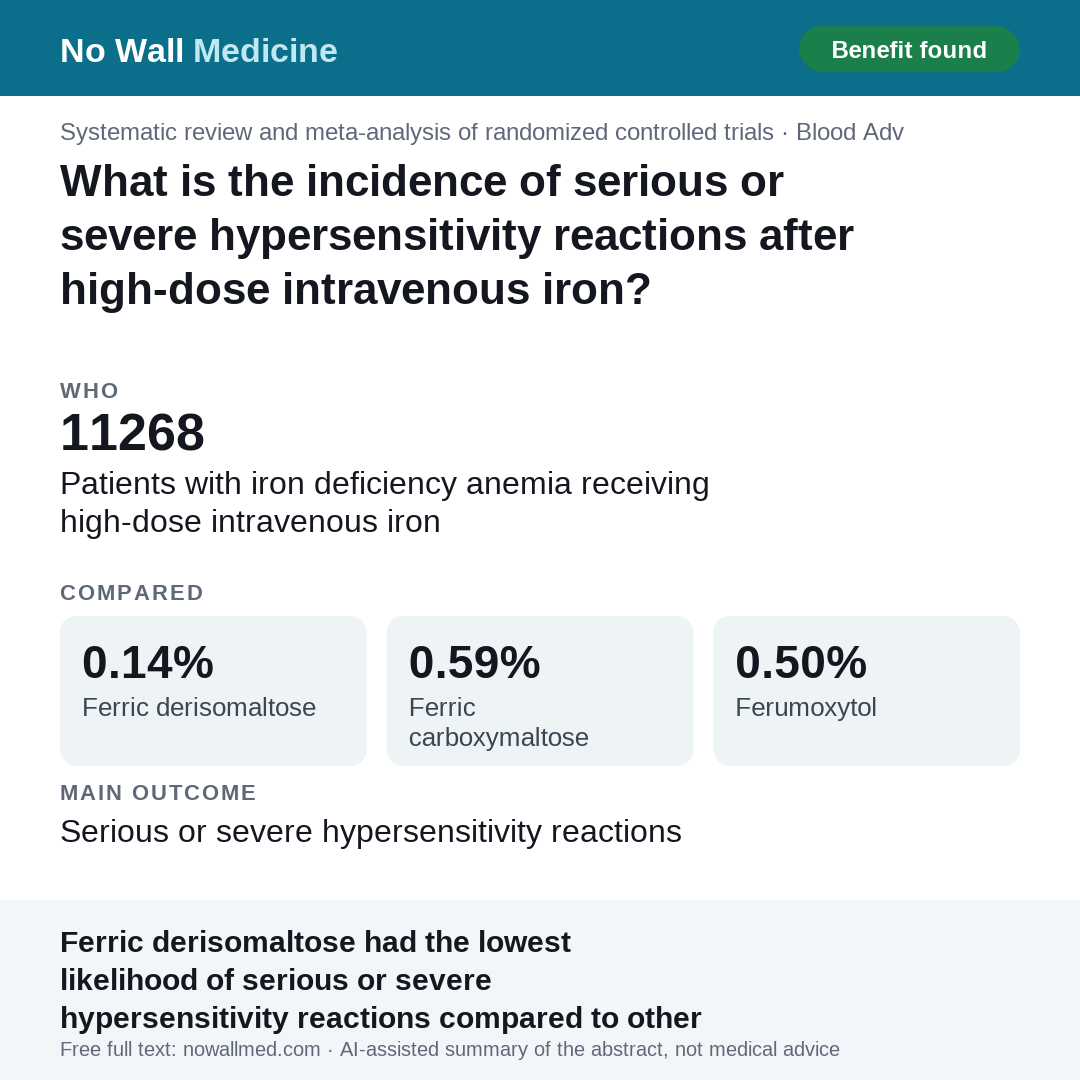
Systematic review and meta-analysis of hypersensitivity reactions after high-dose IV iron
Systematic review and meta-analysis of randomized controlled trialsBenefit found
What is the incidence of serious or severe hypersensitivity reactions after high-dose intravenous iron?
Who
11268
Patients with iron deficiency anemia receiving high-dose intravenous iron
Compared
0.14%Ferric derisomaltose
0.59%Ferric carboxymaltose
0.50%Ferumoxytol
Main outcome
Serious or severe hypersensitivity reactions
Result: FDI vs FCM 0.21 (95% CrI 0.03-1.73); FDI vs FER 0.07 (95% CrI 0.00-1.93)
Bottom line: Ferric derisomaltose had the lowest likelihood of serious or severe hypersensitivity reactions compared to other high-dose intravenous iron formulations.
Blood Adv · 2026-09-16Download image
Feasibility and Acceptability of Perioperative Application of Biofeedback-Based Virtual Reality vs Control for Pain and Anxiety in Children and Adolescents Undergoing Surgery: Pilot Randomized Controlled Trial
Single-blind, 2-arm, randomized pilot trialBenefit found
Is biofeedback-based virtual reality feasible and acceptable for pediatric surgical patients?
Who
65
Children and adolescents aged 12 to 18 years undergoing surgery
Compared
Biofeedback-based virtual reality: median 1-point (IQR 0-2) reduction in pain intensity, unpleasantness, and anxiety
Control group
Main outcome
Feasibility, acceptability, pain intensity, pain unpleasantness, and anxiety
Bottom line: Perioperative biofeedback-based virtual reality is feasible and acceptable for children and adolescents undergoing surgery.
J Med Internet Res · 2026-09-16Download image

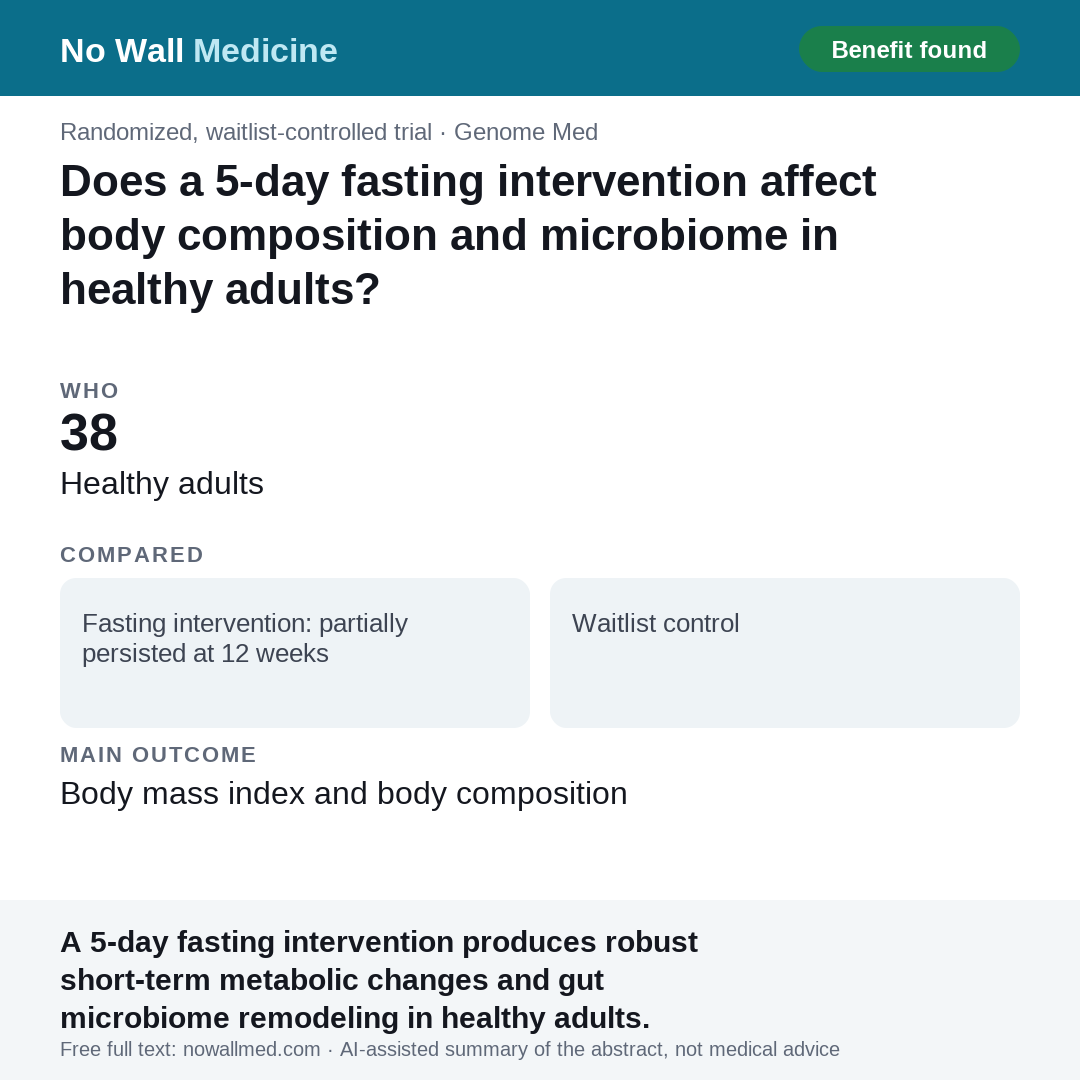
Machine learning identifies microbiome and clinical predictors of sustained weight loss following prolonged fasting
Randomized, waitlist-controlled trialBenefit found
Does a 5-day fasting intervention affect body composition and microbiome in healthy adults?
Who
38
Healthy adults
Compared
Fasting intervention: partially persisted at 12 weeks
Waitlist control
Main outcome
Body mass index and body composition
Bottom line: A 5-day fasting intervention produces robust short-term metabolic changes and gut microbiome remodeling in healthy adults.
Genome Med · 2026-09-16Download image
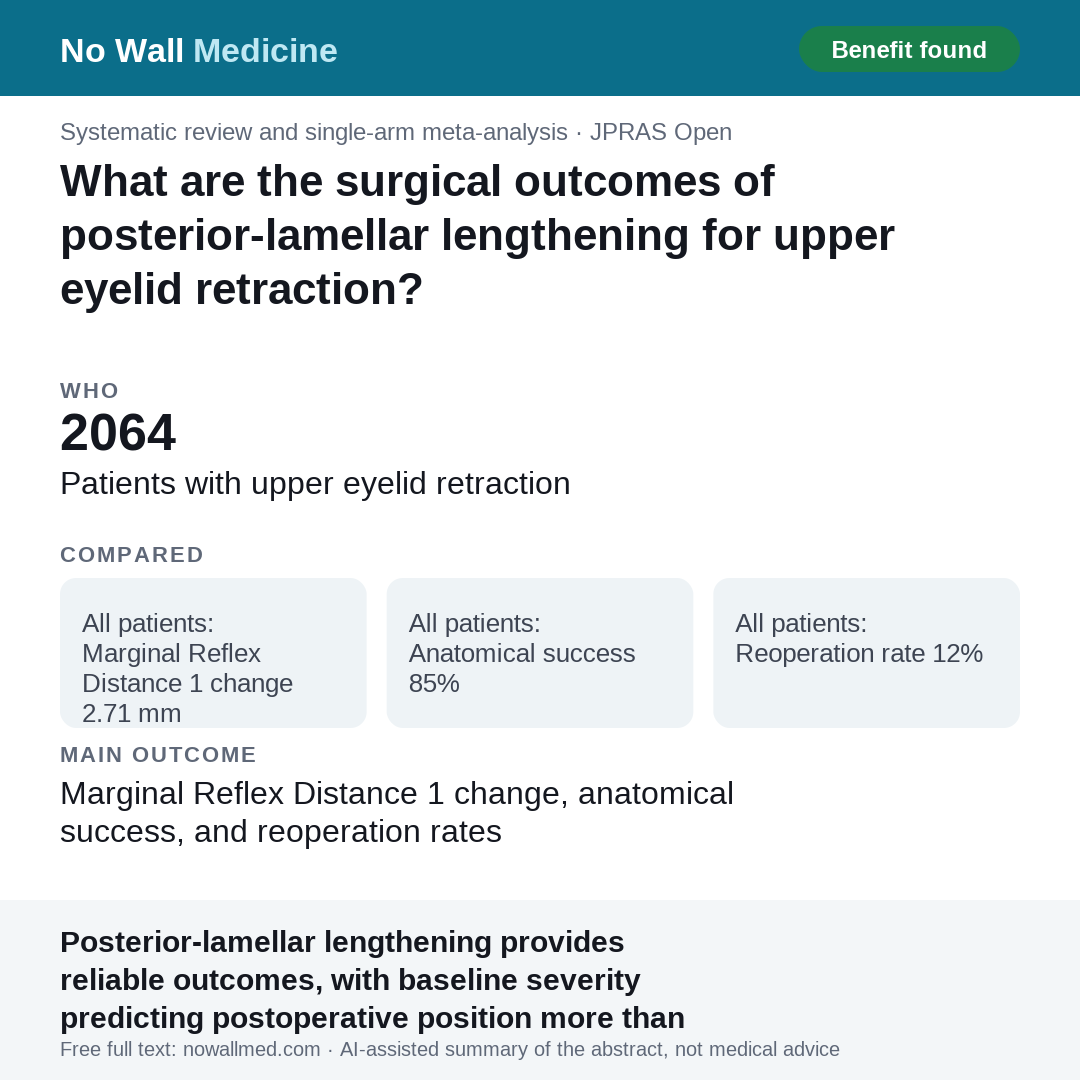
Upper eyelid retraction: meta-analysis & systematic review of surgical outcomes
Systematic review and single-arm meta-analysisBenefit found
What are the surgical outcomes of posterior-lamellar lengthening for upper eyelid retraction?
Who
2064
Patients with upper eyelid retraction
Compared
All patients: Marginal Reflex Distance 1 change 2.71 mm
All patients: Anatomical success 85%
All patients: Reoperation rate 12%
Main outcome
Marginal Reflex Distance 1 change, anatomical success, and reoperation rates
Result: pooled ΔMRD1 2.71 mm (95% CI 2.36-3.06)
Bottom line: Posterior-lamellar lengthening provides reliable outcomes, with baseline severity predicting postoperative position more than surgical technique.
JPRAS Open · 2026-09-16Download image
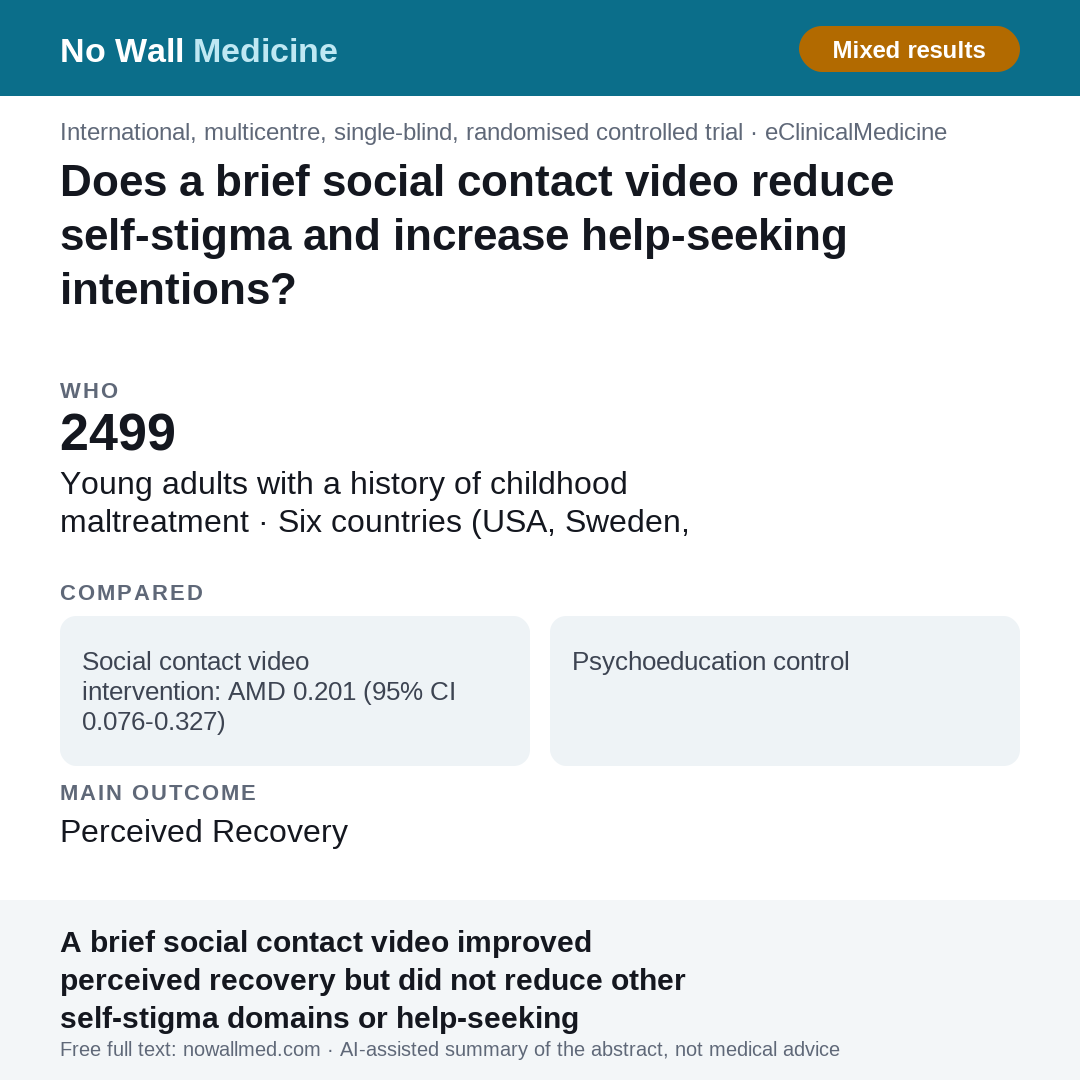
A brief video intervention targeting self-stigma among childhood maltreatment survivors: an international, multicentre, single-blind, randomised controlled trial
International, multicentre, single-blind, randomised controlled trialMixed results
Does a brief social contact video reduce self-stigma and increase help-seeking intentions?
Who
2499
Young adults with a history of childhood maltreatment · Six countries (USA, Sweden, Switzerland, Japan, South Africa, Türkiye)
Compared
Social contact video intervention: AMD 0.201 (95% CI 0.076-0.327)
Psychoeducation control
Main outcome
Perceived Recovery
Result: adjusted mean difference 0.201 (95% CI 0.076-0.327)
Bottom line: A brief social contact video improved perceived recovery but did not reduce other self-stigma domains or help-seeking intentions.
Funded by: Azrieli Foundation, NYSPI, JSPS, KAKENHI, and South African Medical Research Council
eClinicalMedicine · 2026-09-15Download image
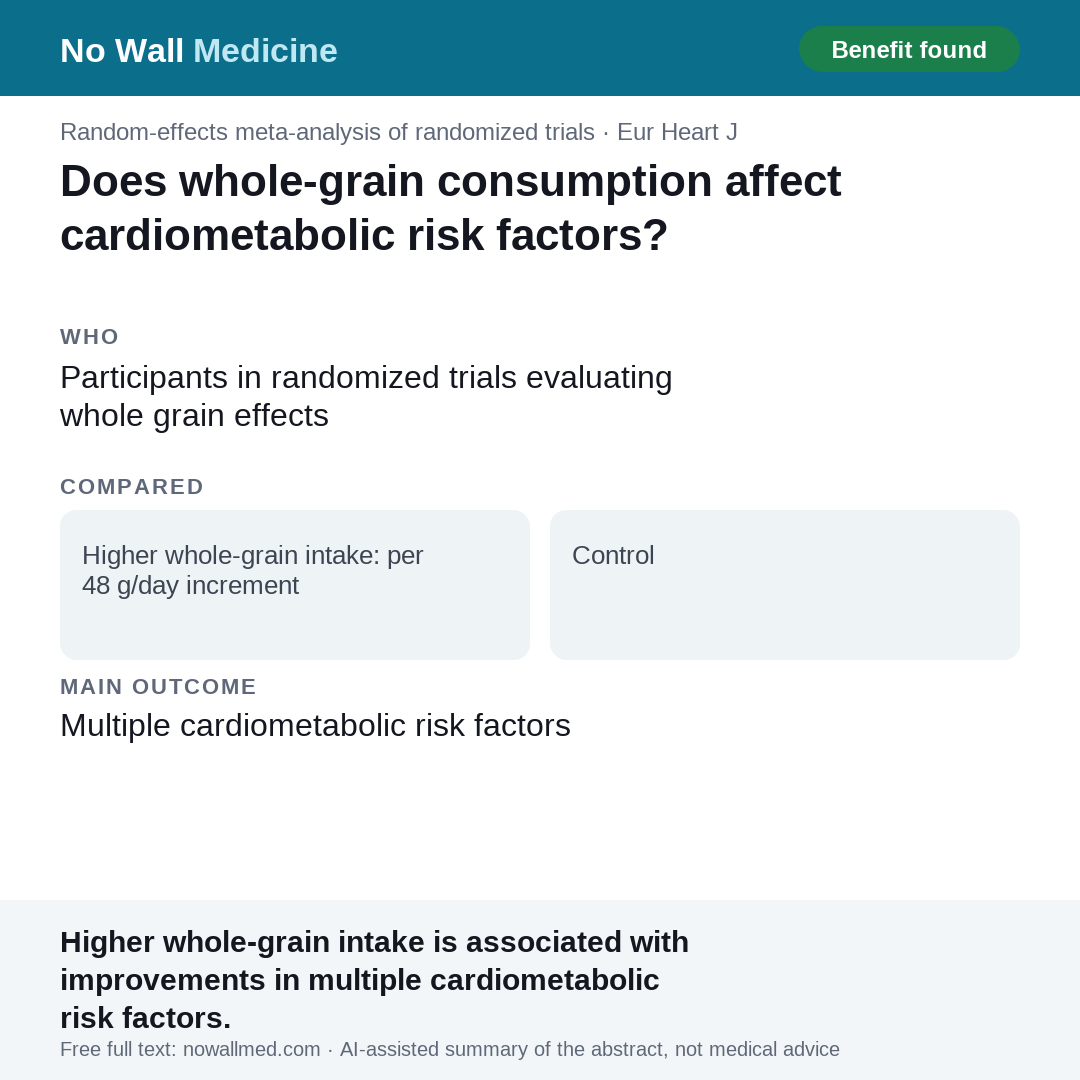
Whole-grain consumption and cardiometabolic risk: a meta-analysis of randomized trials
Random-effects meta-analysis of randomized trialsBenefit found
Does whole-grain consumption affect cardiometabolic risk factors?
Who
Participants in randomized trials evaluating whole grain effects
Compared
Higher whole-grain intake: per 48 g/day increment
Control
Main outcome
Multiple cardiometabolic risk factors
Bottom line: Higher whole-grain intake is associated with improvements in multiple cardiometabolic risk factors.
Limitation: Sparse data at higher intake levels limit firm conclusions regarding dose thresholds.
Eur Heart J · 2026-09-15Download image
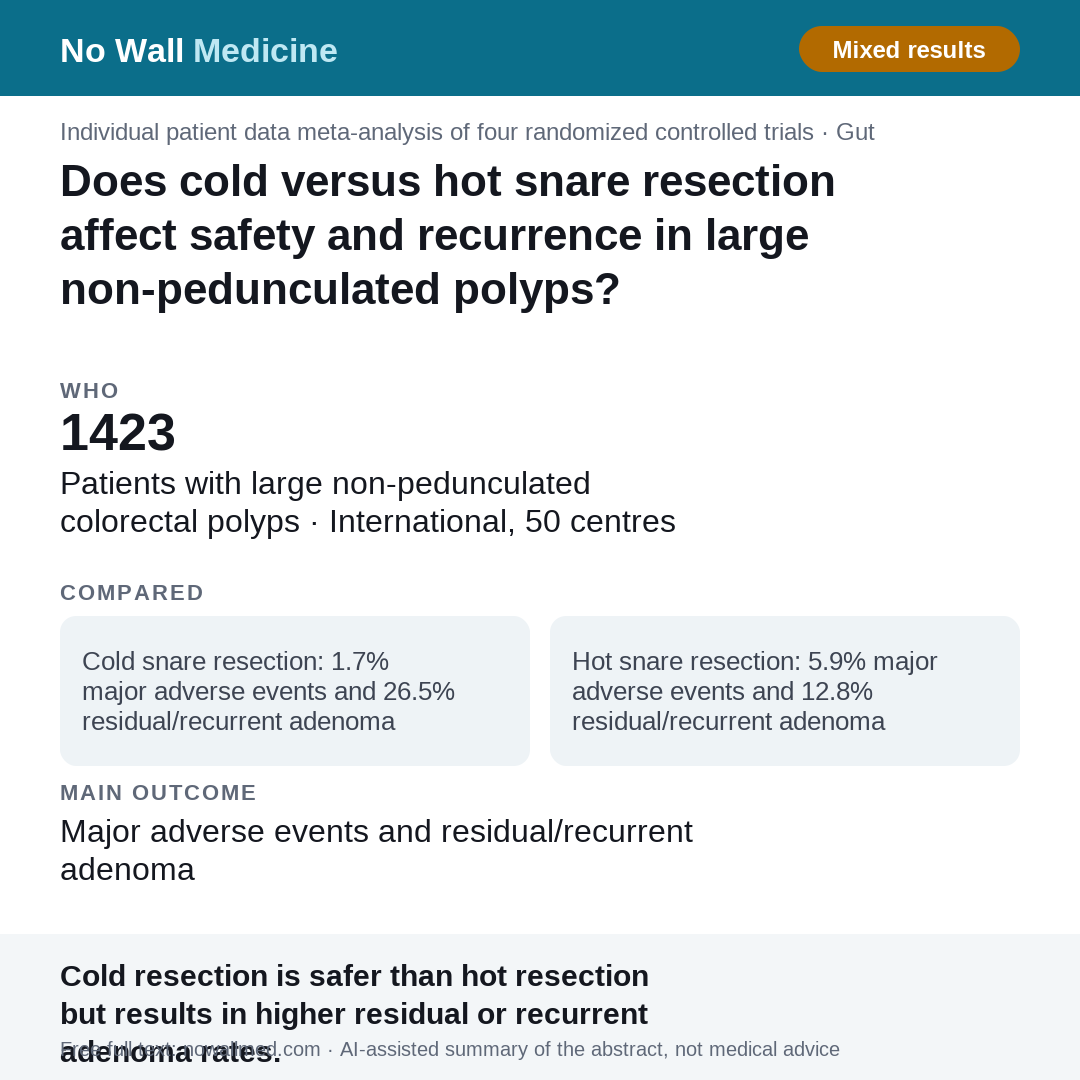
Patient-level predictors of safety and recurrence after cold versus hot snare resection of large, non-pedunculated colorectal polyps: an individual patient data meta-analysis of four randomised-controlled trials
Individual patient data meta-analysis of four randomized controlled trialsMixed results
Does cold versus hot snare resection affect safety and recurrence in large non-pedunculated polyps?
Who
1423
Patients with large non-pedunculated colorectal polyps · International, 50 centres
Compared
Cold snare resection: 1.7% major adverse events and 26.5% residual/recurrent adenoma
Hot snare resection: 5.9% major adverse events and 12.8% residual/recurrent adenoma
Main outcome
Major adverse events and residual/recurrent adenoma
Result: OR 0.26 for major adverse events; OR 2.61 for residual/recurrent adenoma
Bottom line: Cold resection is safer than hot resection but results in higher residual or recurrent adenoma rates.
Gut · 2026-09-15Download image