Visual abstracts
New randomized trials and meta-analyses from leading journals at a glance: who was studied, what was compared, and what was found. Every paper is free to read in full.
All specialtiesCardiology 2525Oncology 2155Gastroenterology & Hepatology 962Infectious Disease 1580Neurology 1000Psychiatry & Mental Health 1171Pulmonology 1049Critical Care 693Endocrinology & Diabetes 1308Pediatrics 1476Surgery 1279Orthopedics & Sports Medicine 462Neurosurgery 308Cardiothoracic & Vascular Surgery 276Plastic & Reconstructive Surgery 376Nephrology 521Rheumatology 365Hematology 550Dermatology 287Ophthalmology 298Obstetrics & Gynecology 826Public & Global Health 461Radiology & Imaging 344Anesthesiology 502Urology 430ENT (Otolaryngology) 310Emergency Medicine 282Allergy & Immunology 157Geriatrics 532Family Medicine & Primary Care 291Medical Genetics & Genomics 277Pathology & Laboratory Medicine 78Physical Medicine & Rehabilitation 420Palliative Care 215Nutrition 659Digital Health & AI 1218General Medicine 184
Critical appraise of inter-professional clinical practice guidelines for the spiritual care of patients with chronic illness: a systematic review
Systematic reviewMixed results
What constitutes the structure and content of an appropriate inter-professional spiritual care guideline?
Who
8
Clinical guidelines for spiritual care of patients with chronic illness
Compared
Strongly endorsed guidelines: achieved acceptable scores across all 6 domains
Other evaluated guidelines
Main outcome
evaluated quality of the clinical guidelines
Bottom line: Existing guidelines showed variable methodological quality and lacked cohesive guidance on various aspects of spiritual care.
BMC Palliat Care · 2025-10-21Download image

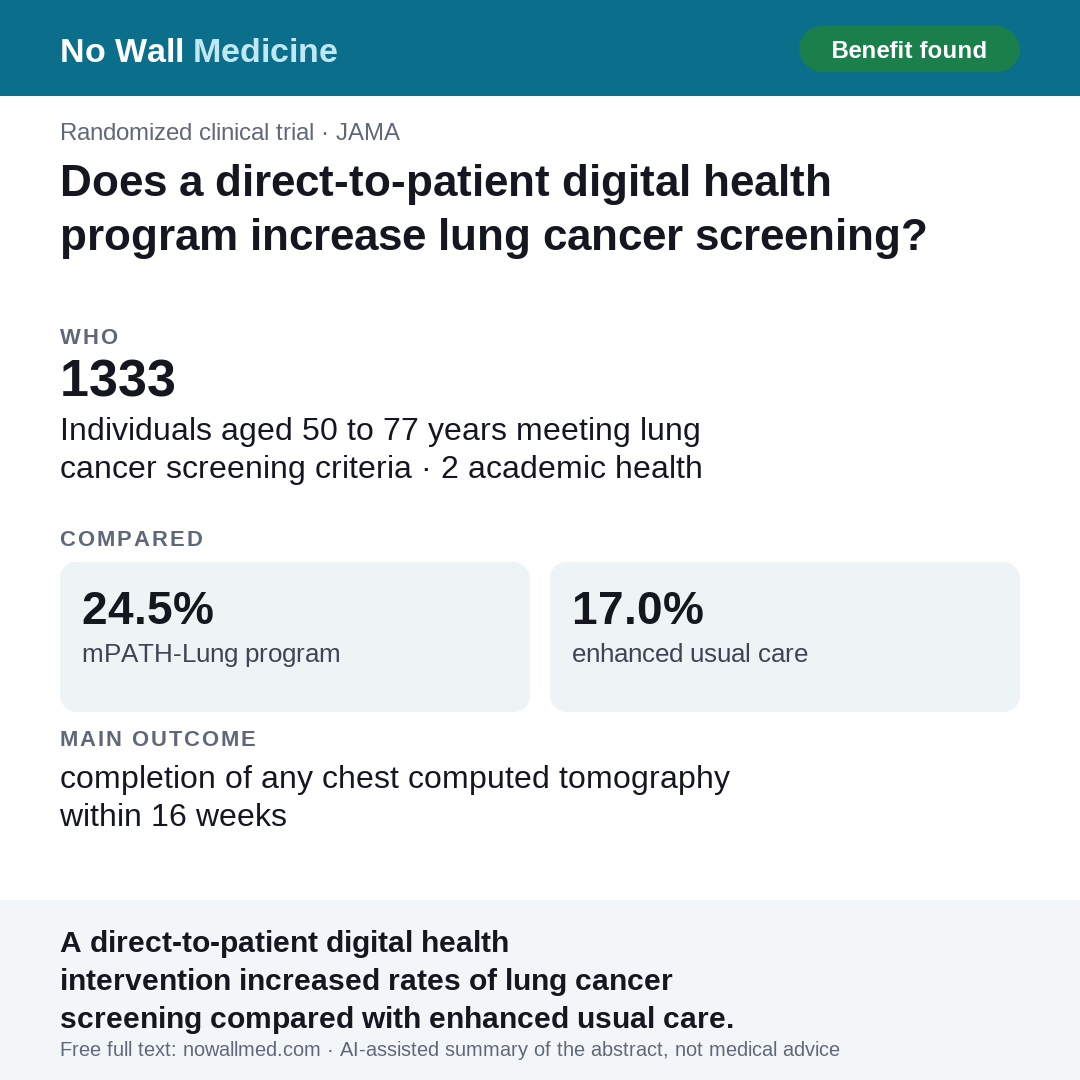
A Direct-to-Patient Digital Health Program for Lung Cancer Screening: A Randomized Clinical Trial
Randomized clinical trialBenefit found
Does a direct-to-patient digital health program increase lung cancer screening?
Who
1333
Individuals aged 50 to 77 years meeting lung cancer screening criteria · 2 academic health systems in the southeastern US
Compared
24.5%mPATH-Lung program (164/669)
17.0%enhanced usual care (113/664)
Main outcome
completion of any chest computed tomography within 16 weeks
Result: odds ratio, 1.6 (95% CI, 1.2-2.1)
Bottom line: A direct-to-patient digital health intervention increased rates of lung cancer screening compared with enhanced usual care.
JAMA · 2025-10-20Download image
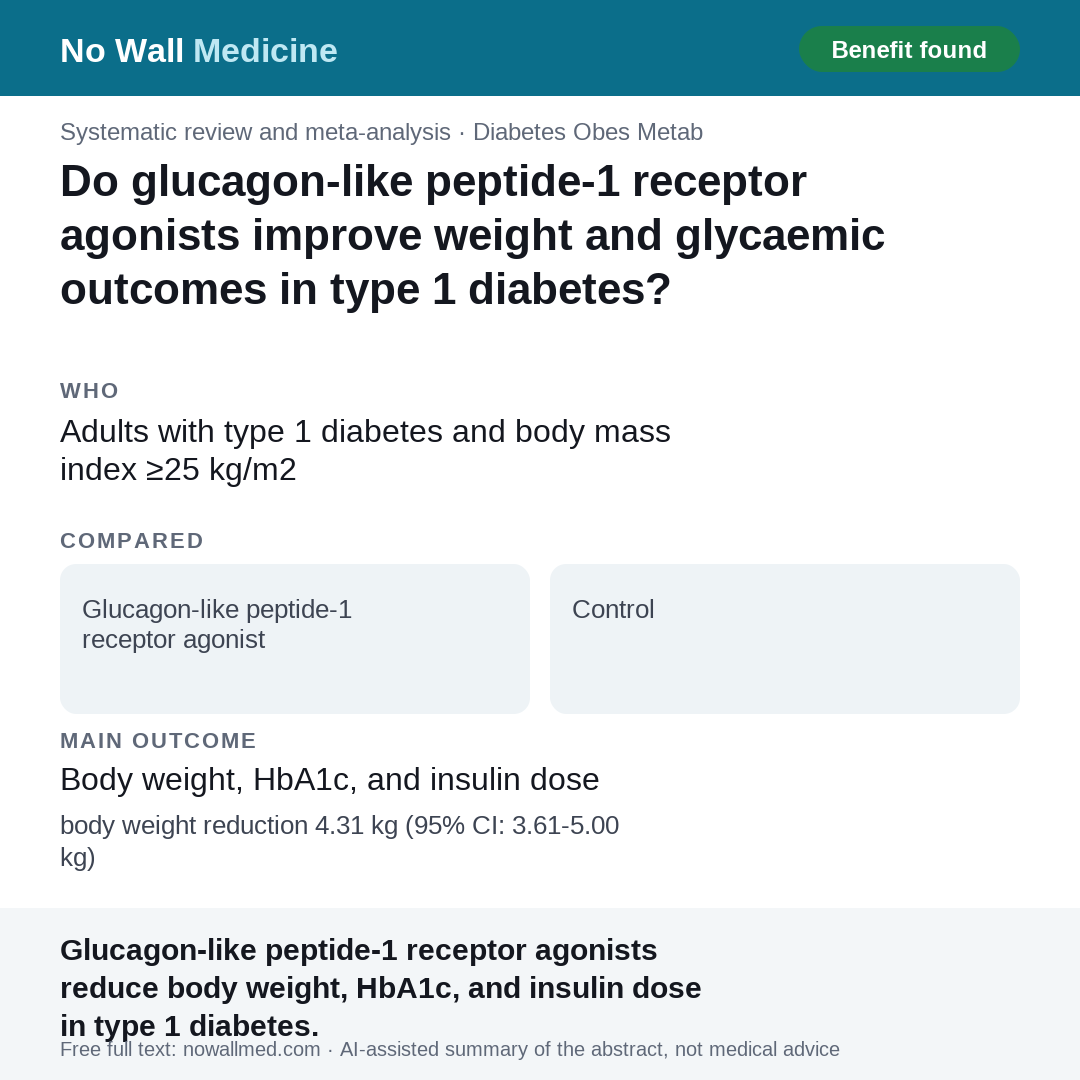
Glucagon-like peptide-1 receptor agonist treatment reduces body weight and improves glycaemic outcomes in patients with concurrent overweight/obesity and type 1 diabetes: A systematic review and meta-analysis
Systematic review and meta-analysisBenefit found
Do glucagon-like peptide-1 receptor agonists improve weight and glycaemic outcomes in type 1 diabetes?
Who
Adults with type 1 diabetes and body mass index ≥25 kg/m2
Compared
Glucagon-like peptide-1 receptor agonist
Control
Main outcome
Body weight, HbA1c, and insulin dose
Result: body weight reduction 4.31 kg (95% CI: 3.61-5.00 kg)
Bottom line: Glucagon-like peptide-1 receptor agonists reduce body weight, HbA1c, and insulin dose in type 1 diabetes.
Diabetes Obes Metab · 2025-10-20Download image
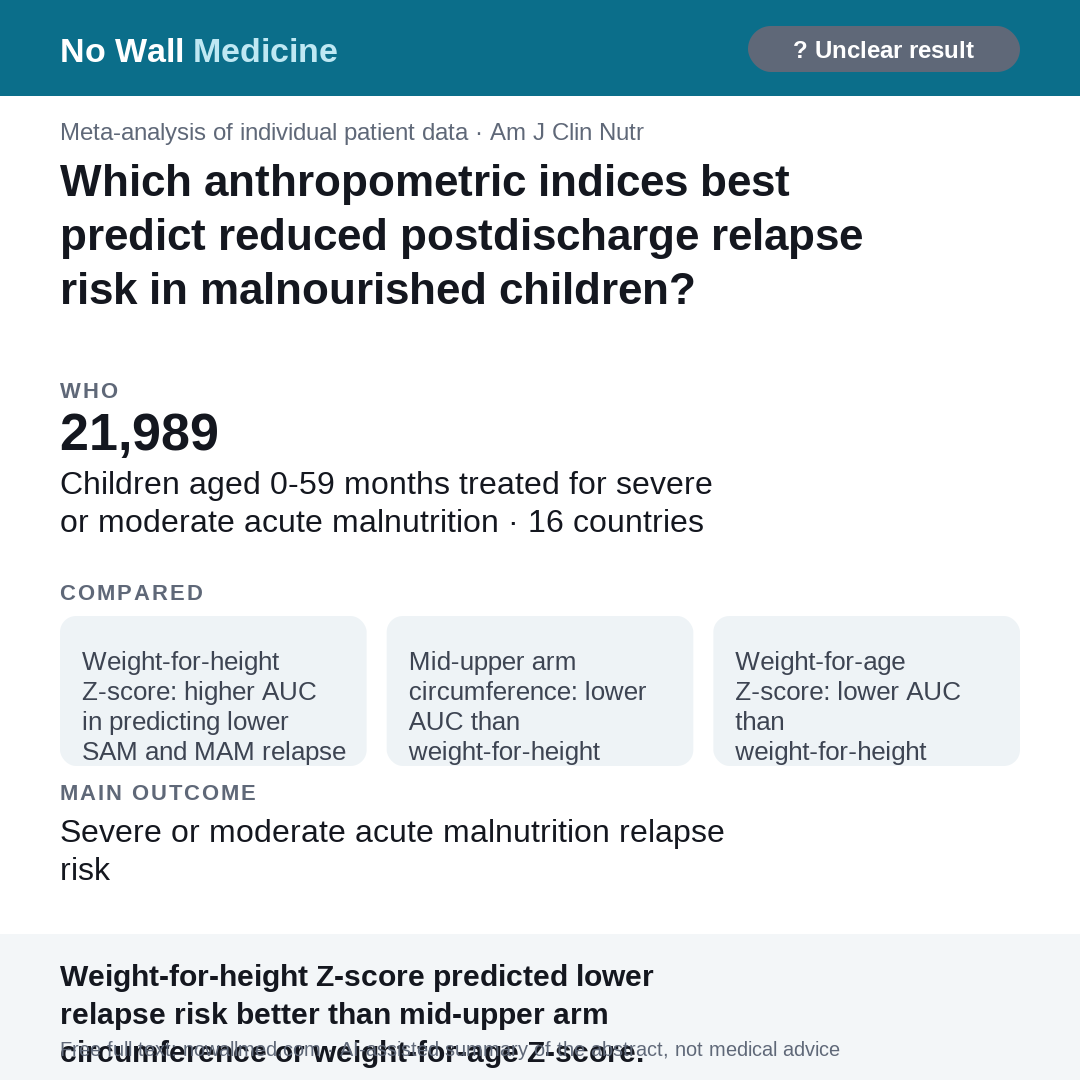
Optimal anthropometric discharge criteria from treatment of wasting: meta-analysis of individual patient data from 34 studies
Meta-analysis of individual patient dataUnclear result
Which anthropometric indices best predict reduced postdischarge relapse risk in malnourished children?
Who
21,989
Children aged 0-59 months treated for severe or moderate acute malnutrition · 16 countries
Compared
Weight-for-height Z-score: higher AUC in predicting lower SAM and MAM relapse risk
Mid-upper arm circumference: lower AUC than weight-for-height Z-score
Weight-for-age Z-score: lower AUC than weight-for-height Z-score
Main outcome
Severe or moderate acute malnutrition relapse risk
Bottom line: Weight-for-height Z-score predicted lower relapse risk better than mid-upper arm circumference or weight-for-age Z-score.
Am J Clin Nutr · 2025-10-20Download image
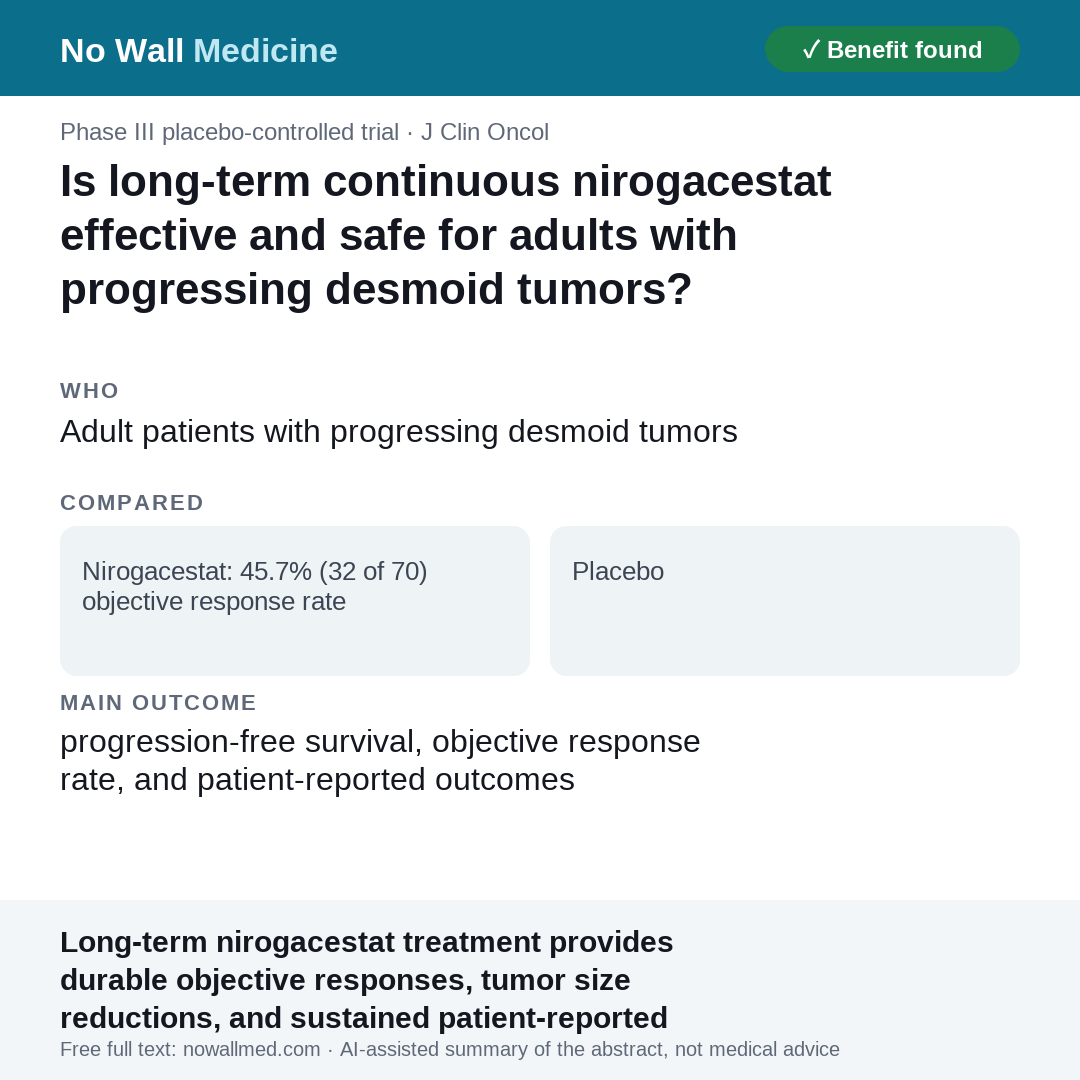
Efficacy and Safety of Long-Term Continuous Nirogacestat Treatment in Adults With Desmoid Tumors: Results From the DeFi Trial
Phase III placebo-controlled trialBenefit found
Is long-term continuous nirogacestat effective and safe for adults with progressing desmoid tumors?
Who
Adult patients with progressing desmoid tumors
Compared
Nirogacestat: 45.7% (32 of 70) objective response rate
Placebo
Main outcome
progression-free survival, objective response rate, and patient-reported outcomes
Bottom line: Long-term nirogacestat treatment provides durable objective responses, tumor size reductions, and sustained patient-reported benefits.
J Clin Oncol · 2025-10-20Download image
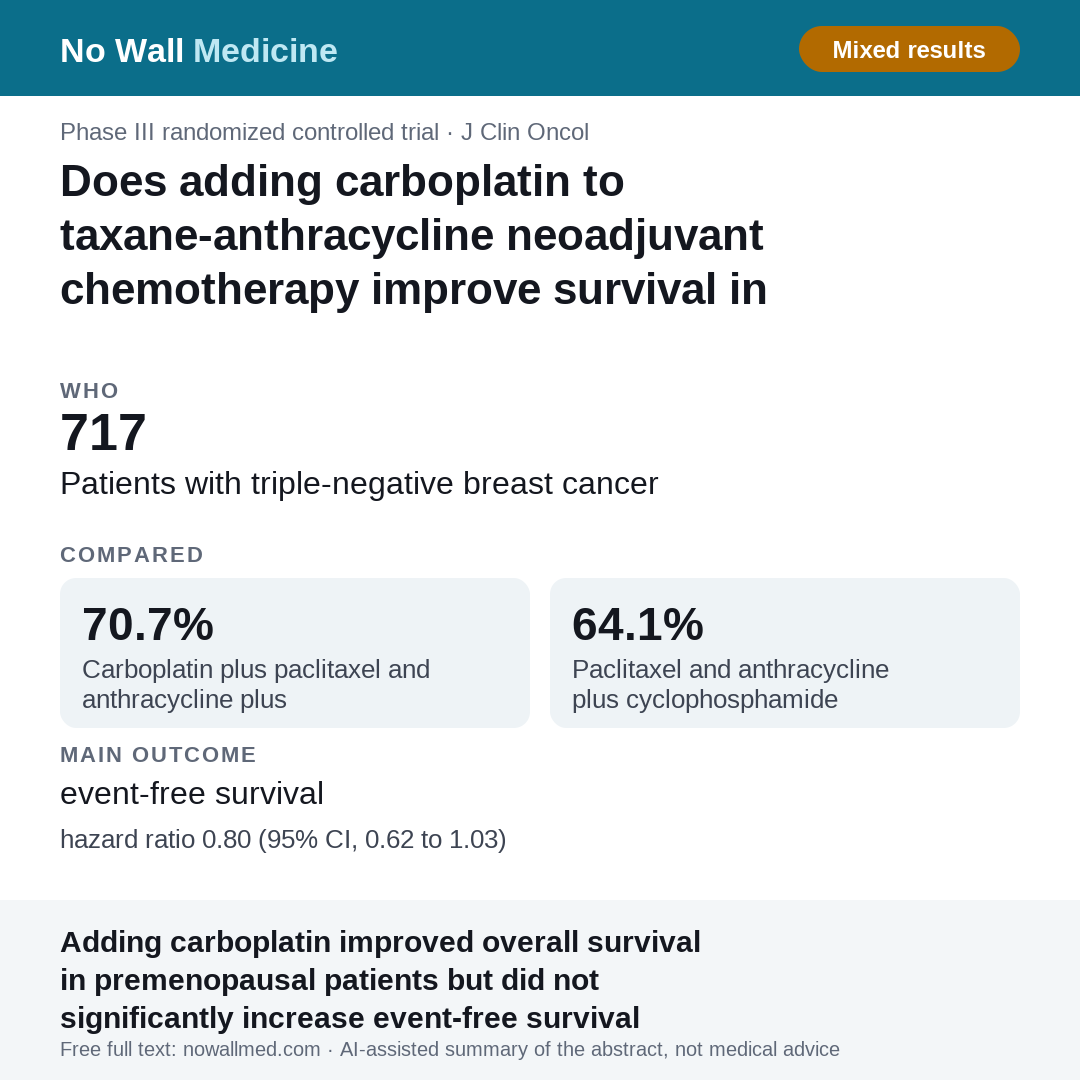
Addition of Carboplatin to Sequential Taxane-Anthracycline Neoadjuvant Chemotherapy in Triple-Negative Breast Cancer: A Phase III Randomized Controlled Trial
Phase III randomized controlled trialMixed results
Does adding carboplatin to taxane-anthracycline neoadjuvant chemotherapy improve survival in triple-negative breast cancer?
Who
717
Patients with triple-negative breast cancer
Compared
70.7%Carboplatin plus paclitaxel and anthracycline plus cyclophosphamide (5-year event-free survival)
64.1%Paclitaxel and anthracycline plus cyclophosphamide (5-year event-free survival)
Main outcome
event-free survival
Result: hazard ratio 0.80 (95% CI, 0.62 to 1.03)
Bottom line: Adding carboplatin improved overall survival in premenopausal patients but did not significantly increase event-free survival overall.
J Clin Oncol · 2025-10-20Download image
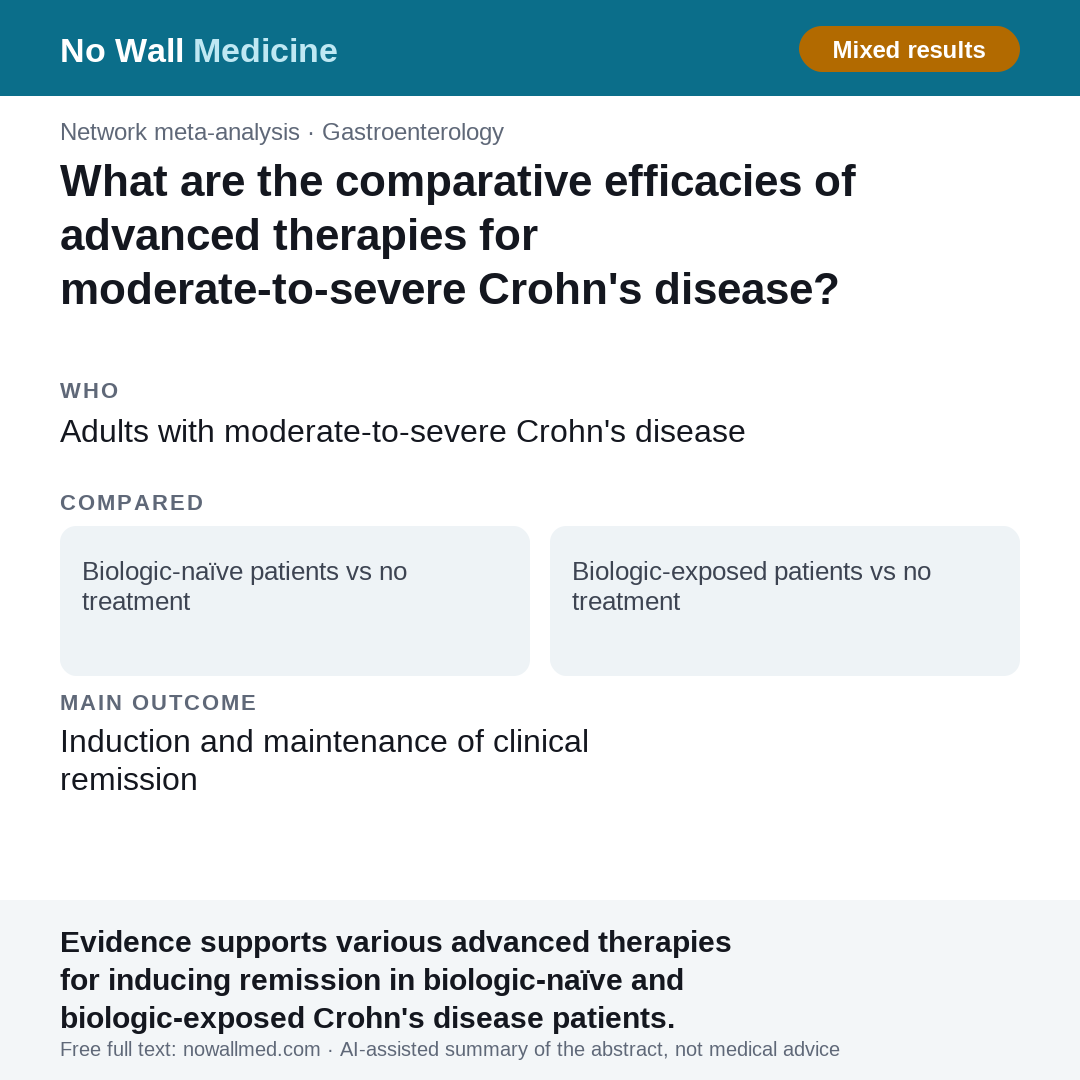
Comparative Efficacy of Advanced Therapies for Management of Moderate-to-Severe Crohn's Disease: 2025 AGA Evidence Synthesis
Network meta-analysisMixed results
What are the comparative efficacies of advanced therapies for moderate-to-severe Crohn's disease?
Who
Adults with moderate-to-severe Crohn's disease
Compared
Biologic-naïve patients vs no treatment
Biologic-exposed patients vs no treatment
Main outcome
Induction and maintenance of clinical remission
Bottom line: Evidence supports various advanced therapies for inducing remission in biologic-naïve and biologic-exposed Crohn's disease patients.
Gastroenterology · 2025-10-20Download image
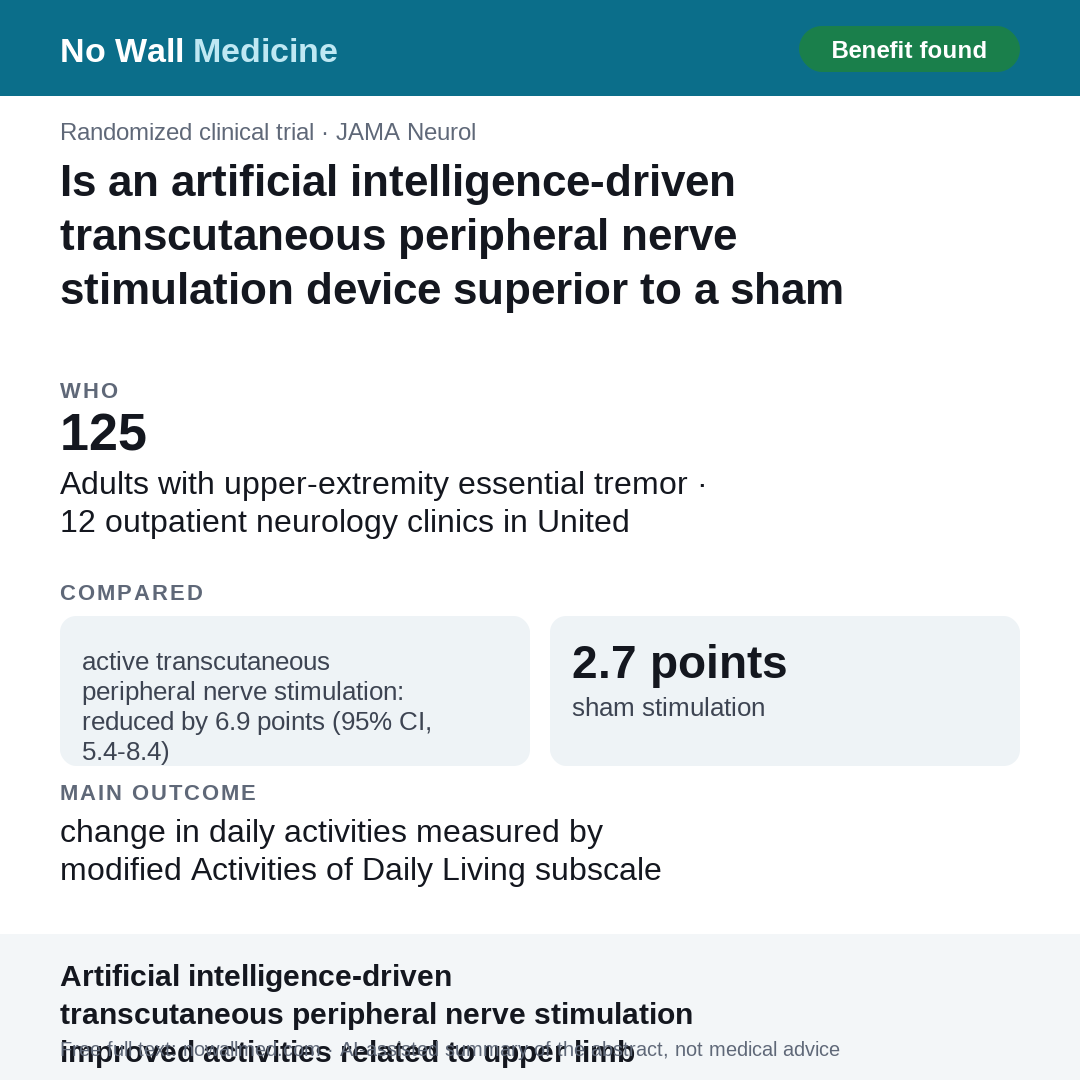
Transcutaneous Peripheral Nerve Stimulation for Essential Tremor: A Randomized Clinical Trial
Randomized clinical trialBenefit found
Is an artificial intelligence-driven transcutaneous peripheral nerve stimulation device superior to a sham device?
Who
125
Adults with upper-extremity essential tremor · 12 outpatient neurology clinics in United States and China
Compared
active transcutaneous peripheral nerve stimulation: reduced by 6.9 points (95% CI, 5.4-8.4)
2.7 pointssham stimulation (95% CI, 1.3-4.0)
Main outcome
change in daily activities measured by modified Activities of Daily Living subscale
Result: 6.9 points (95% CI, 5.4-8.4) vs 2.7 points (95% CI, 1.3-4.0)
Bottom line: Artificial intelligence-driven transcutaneous peripheral nerve stimulation improved activities related to upper limb tremor at 90 days.
JAMA Neurol · 2025-10-20Download image
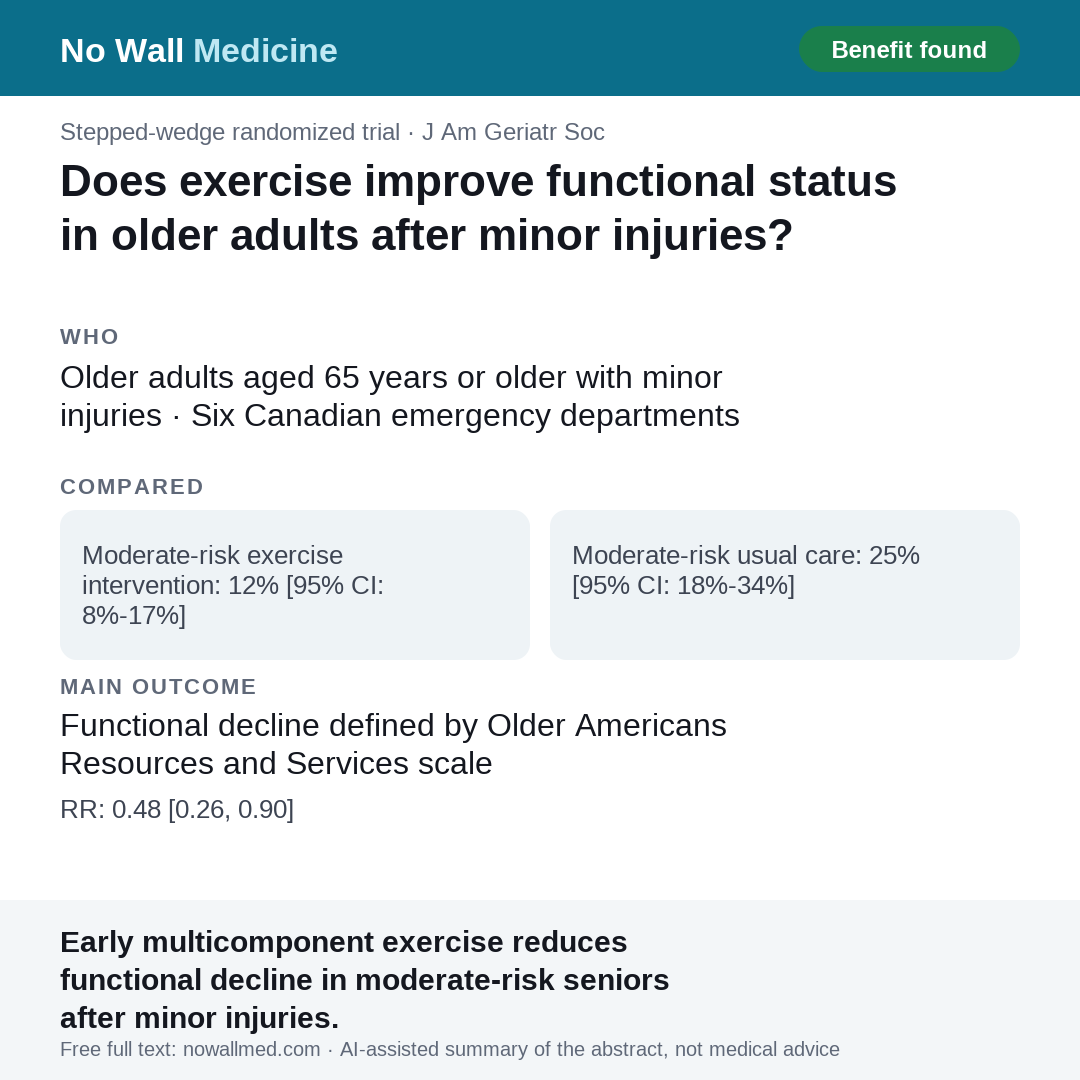
Effectiveness of Exercise in Older Adults Discharged From the ER After Minor Injuries: The CEDeComS Stepped-Wedge Trial
Stepped-wedge randomized trialBenefit found
Does exercise improve functional status in older adults after minor injuries?
Who
Older adults aged 65 years or older with minor injuries · Six Canadian emergency departments
Compared
Moderate-risk exercise intervention: 12% [95% CI: 8%-17%]
Moderate-risk usual care: 25% [95% CI: 18%-34%]
Main outcome
Functional decline defined by Older Americans Resources and Services scale
Result: RR: 0.48 [0.26, 0.90]
Bottom line: Early multicomponent exercise reduces functional decline in moderate-risk seniors after minor injuries.
J Am Geriatr Soc · 2025-10-20Download image
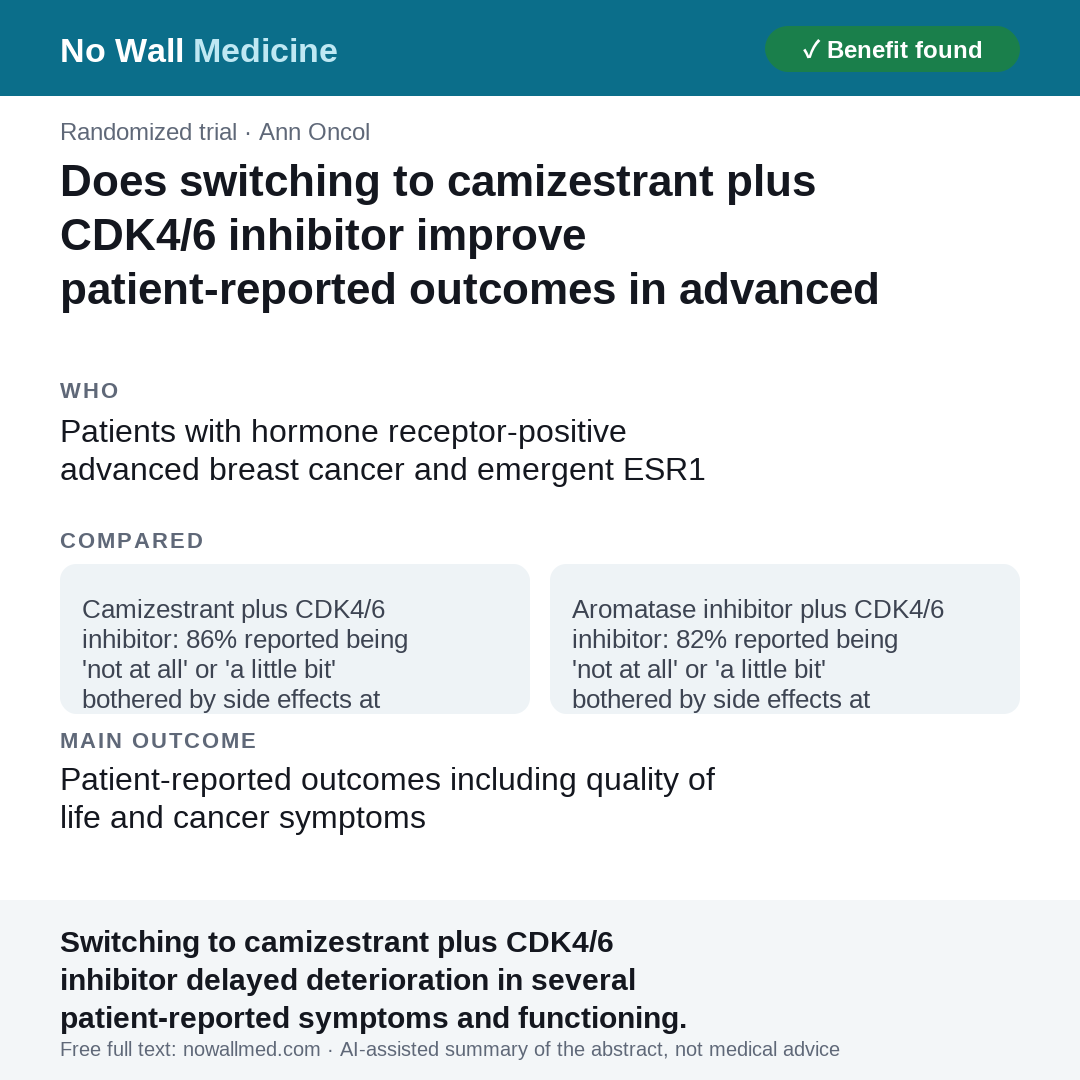
Patient-reported outcomes in the SERENA-6 trial of camizestrant plus CDK4/6 inhibitor in patients with advanced breast cancer and emergent ESR1 mutations during first-line endocrine-based therapy
Randomized trialBenefit found
Does switching to camizestrant plus CDK4/6 inhibitor improve patient-reported outcomes in advanced breast cancer?
Who
Patients with hormone receptor-positive advanced breast cancer and emergent ESR1 mutations
Compared
Camizestrant plus CDK4/6 inhibitor: 86% reported being 'not at all' or 'a little bit' bothered by side effects at week 2
Aromatase inhibitor plus CDK4/6 inhibitor: 82% reported being 'not at all' or 'a little bit' bothered by side effects at week 2
Main outcome
Patient-reported outcomes including quality of life and cancer symptoms
Result: hazard ratio 0.54 for risk of deterioration in global health status
Bottom line: Switching to camizestrant plus CDK4/6 inhibitor delayed deterioration in several patient-reported symptoms and functioning.
Ann Oncol · 2025-10-20Download image
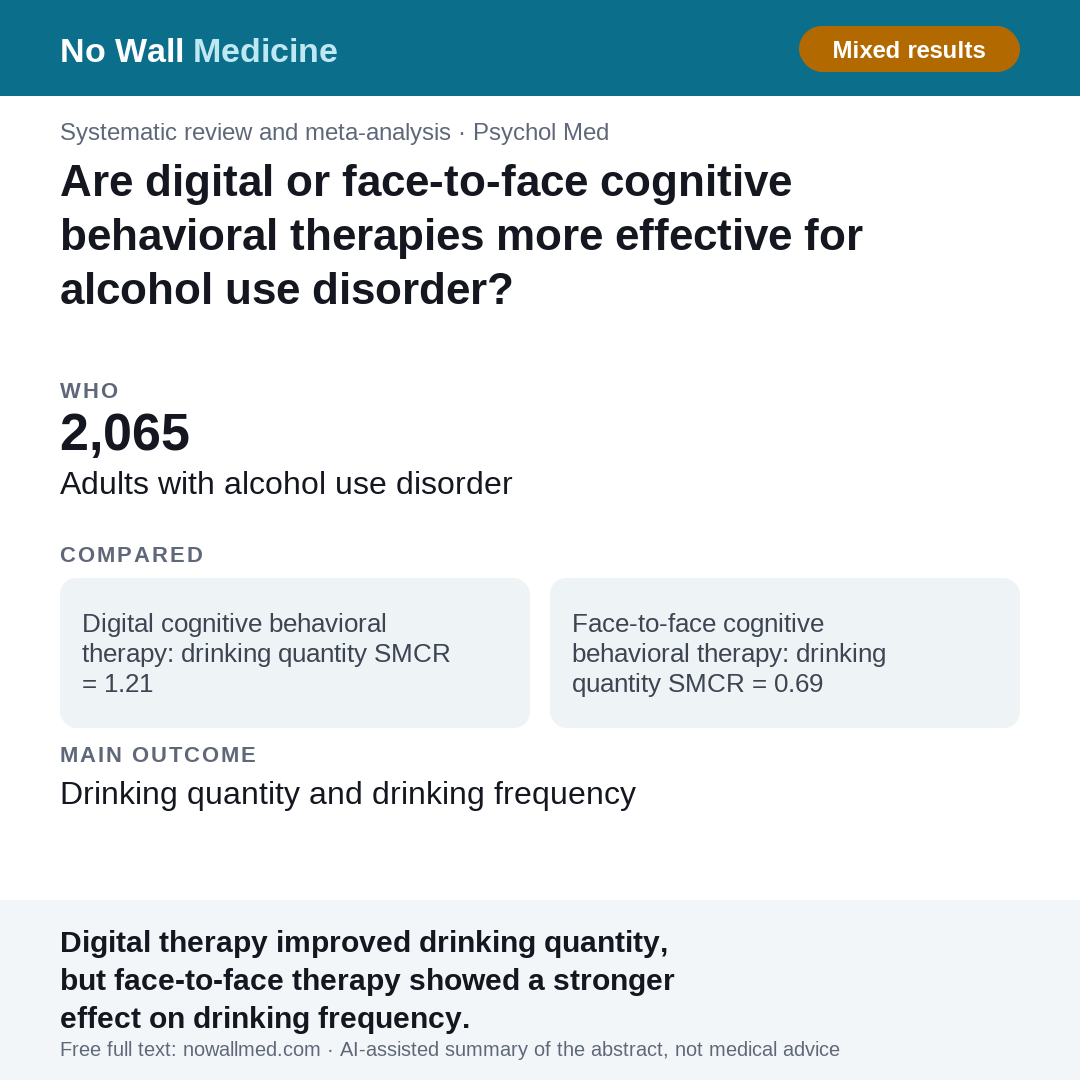
Comparative effectiveness of digital versus face-to-face cognitive behavioral therapy for alcohol use disorder: a systematic review and meta-analysis
Systematic review and meta-analysisMixed results
Are digital or face-to-face cognitive behavioral therapies more effective for alcohol use disorder?
Who
2,065
Adults with alcohol use disorder
Compared
Digital cognitive behavioral therapy: drinking quantity SMCR = 1.21
Face-to-face cognitive behavioral therapy: drinking quantity SMCR = 0.69
Main outcome
Drinking quantity and drinking frequency
Bottom line: Digital therapy improved drinking quantity, but face-to-face therapy showed a stronger effect on drinking frequency.
Psychol Med · 2025-10-20Download image
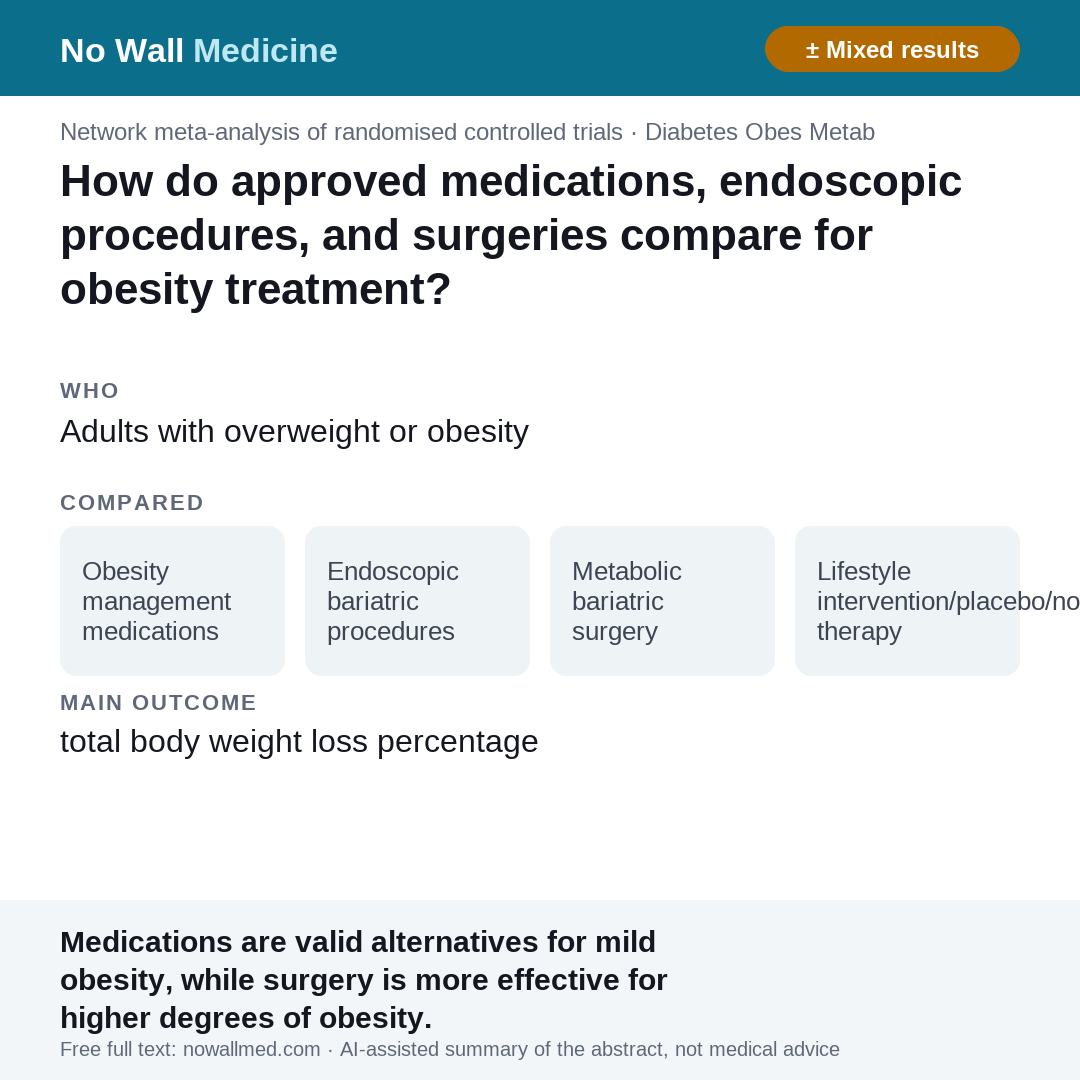
Efficacy and safety of European Medicines Agency (EMA)-approved pharmacological, endoscopic, and surgical treatments in different classes of obesity: A network meta-analysis of randomised controlled trials for the development of the SIO (Società Italiana Obesità) Italian guidelines for the diagnosis and treatment of overweight and obesity
Network meta-analysis of randomised controlled trialsMixed results
How do approved medications, endoscopic procedures, and surgeries compare for obesity treatment?
Who
Adults with overweight or obesity
Compared
Obesity management medications
Endoscopic bariatric procedures
Metabolic bariatric surgery
Lifestyle intervention/placebo/no therapy
Main outcome
total body weight loss percentage
Bottom line: Medications are valid alternatives for mild obesity, while surgery is more effective for higher degrees of obesity.
Diabetes Obes Metab · 2025-10-20Download image
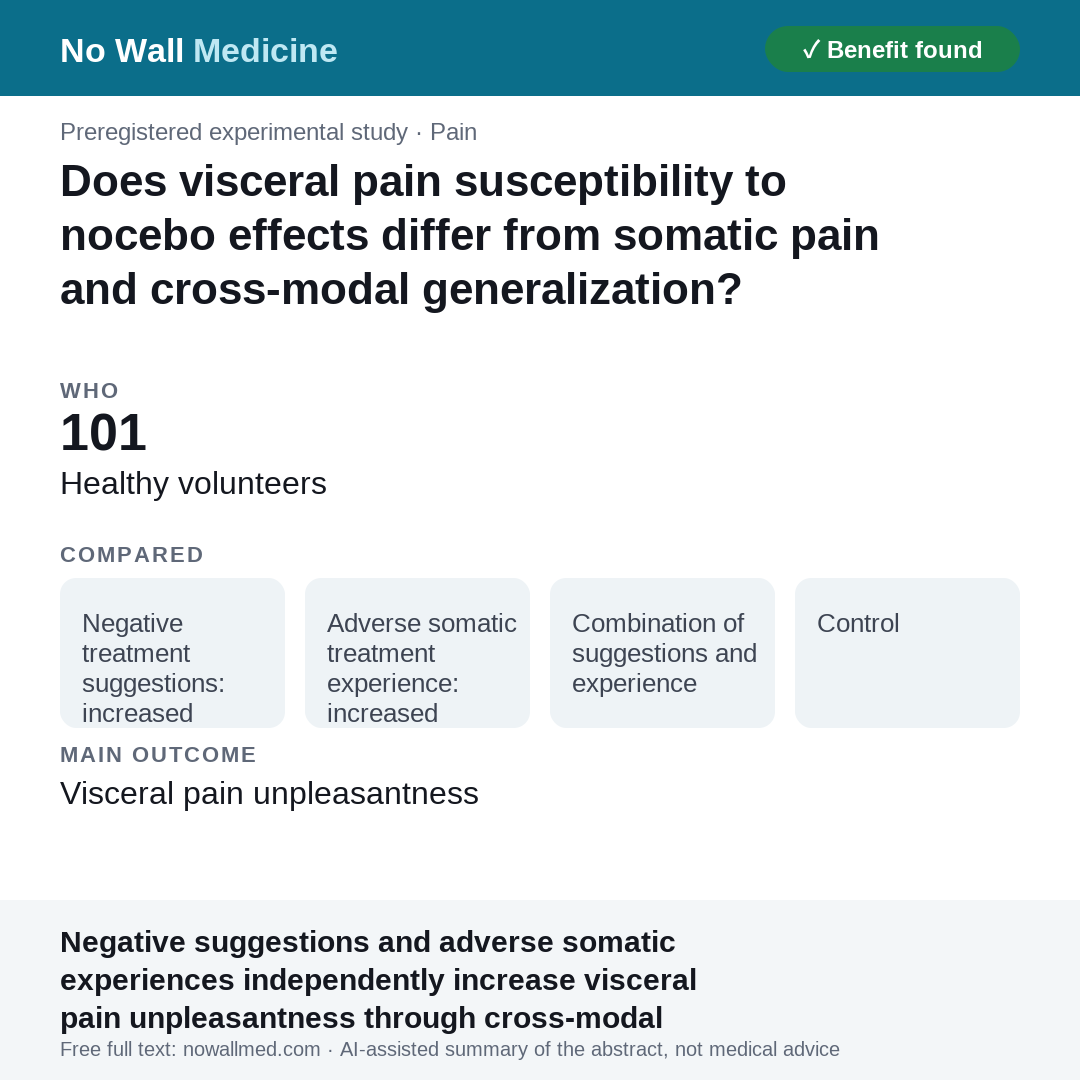
Unraveling nocebo effects in visceral pain: negative suggestion and adverse treatment experience uniquely shape visceral pain unpleasantness
Preregistered experimental studyBenefit found
Does visceral pain susceptibility to nocebo effects differ from somatic pain and cross-modal generalization?
Who
101
Healthy volunteers
Compared
Negative treatment suggestions: increased visceral pain unpleasantness
Adverse somatic treatment experience: increased visceral pain unpleasantness
Combination of suggestions and experience
Control
Main outcome
Visceral pain unpleasantness
Bottom line: Negative suggestions and adverse somatic experiences independently increase visceral pain unpleasantness through cross-modal transfer.
Pain · 2025-10-20Download image
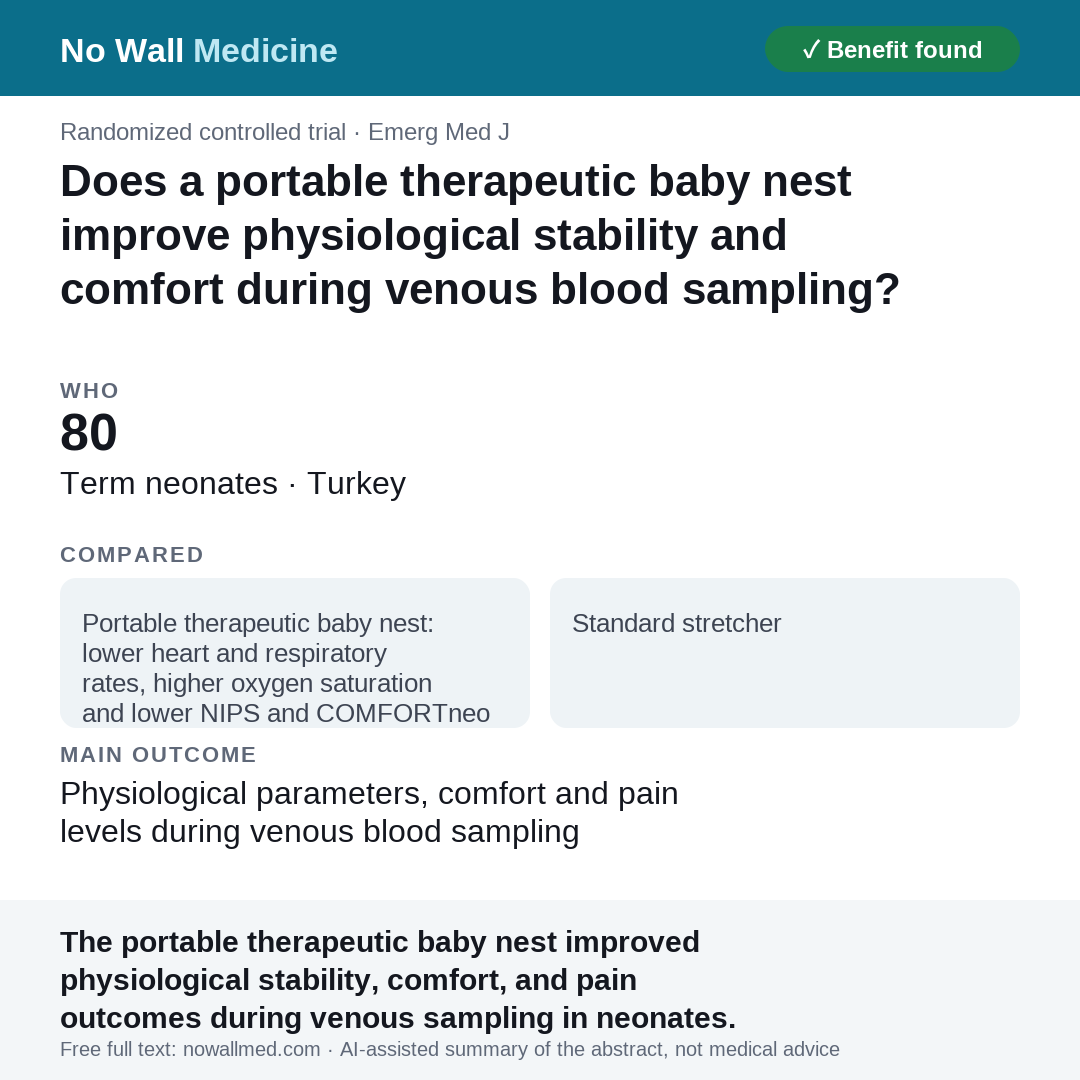
Effect of a portable therapeutic baby nest designed for neonates on physiological parameters, comfort and pain levels during venous blood sampling: a randomised controlled trial
Randomized controlled trialBenefit found
Does a portable therapeutic baby nest improve physiological stability and comfort during venous blood sampling?
Who
80
Term neonates · Turkey
Compared
Portable therapeutic baby nest: lower heart and respiratory rates, higher oxygen saturation and lower NIPS and COMFORTneo scores
Standard stretcher
Main outcome
Physiological parameters, comfort and pain levels during venous blood sampling
Bottom line: The portable therapeutic baby nest improved physiological stability, comfort, and pain outcomes during venous sampling in neonates.
Emerg Med J · 2025-10-20Download image
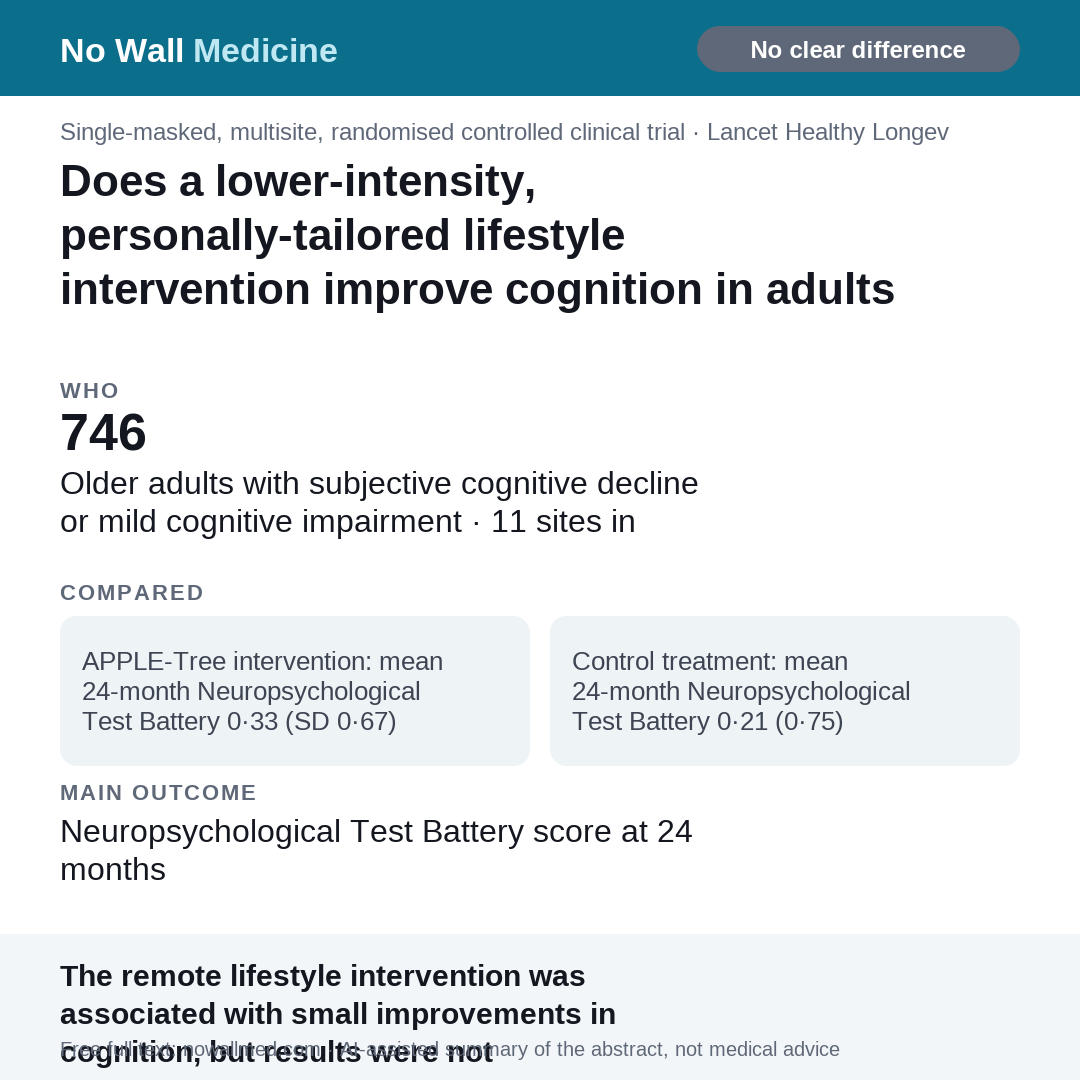
Remote, lower-intensity, multidomain lifestyle intervention for subjective cognitive decline or mild cognitive impairment (APPLE-Tree): a multicentre, single-masked, randomised controlled trial
Single-masked, multisite, randomised controlled clinical trialNo clear difference
Does a lower-intensity, personally-tailored lifestyle intervention improve cognition in adults with cognitive decline?
Who
746
Older adults with subjective cognitive decline or mild cognitive impairment · 11 sites in England
Compared
APPLE-Tree intervention: mean 24-month Neuropsychological Test Battery 0·33 (SD 0·67)
Control treatment: mean 24-month Neuropsychological Test Battery 0·21 (0·75)
Main outcome
Neuropsychological Test Battery score at 24 months
Result: adjusted mean difference 0·06 (95% CI -0·001 to 0·128)
Bottom line: The remote lifestyle intervention was associated with small improvements in cognition, but results were not statistically significant.
Limitation: further work is needed to optimise the intervention for delivery in routine settings
Funded by: Economic and Social Research Council and National Institute for Health and Care Research
Lancet Healthy Longev · 2025-10-20Download image
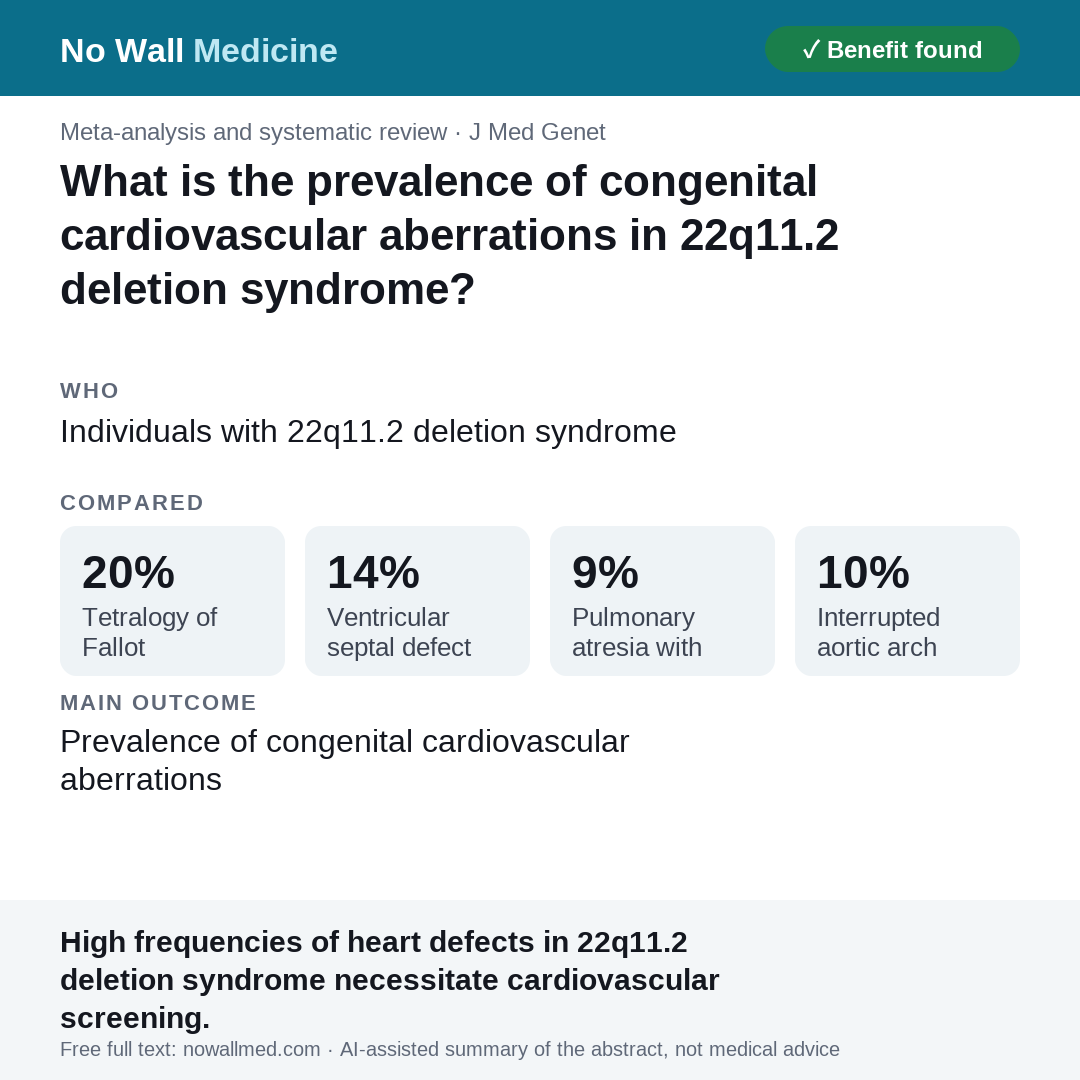
Congenital heart disease in 22q11.2 deletion syndrome: a meta-analysis and systematic review of the literature
Meta-analysis and systematic reviewBenefit found
What is the prevalence of congenital cardiovascular aberrations in 22q11.2 deletion syndrome?
Who
Individuals with 22q11.2 deletion syndrome
Compared
20%Tetralogy of Fallot (95% CI 0.17 to 0.23)
14%Ventricular septal defect (95% CI 0.12 to 0.16)
9%Pulmonary atresia with ventricular septal defect (95% CI 0.06 to 0.12)
10%Interrupted aortic arch (95% CI 0.06 to 0.15)
Main outcome
Prevalence of congenital cardiovascular aberrations
Bottom line: High frequencies of heart defects in 22q11.2 deletion syndrome necessitate cardiovascular screening.
J Med Genet · 2025-10-20Download image
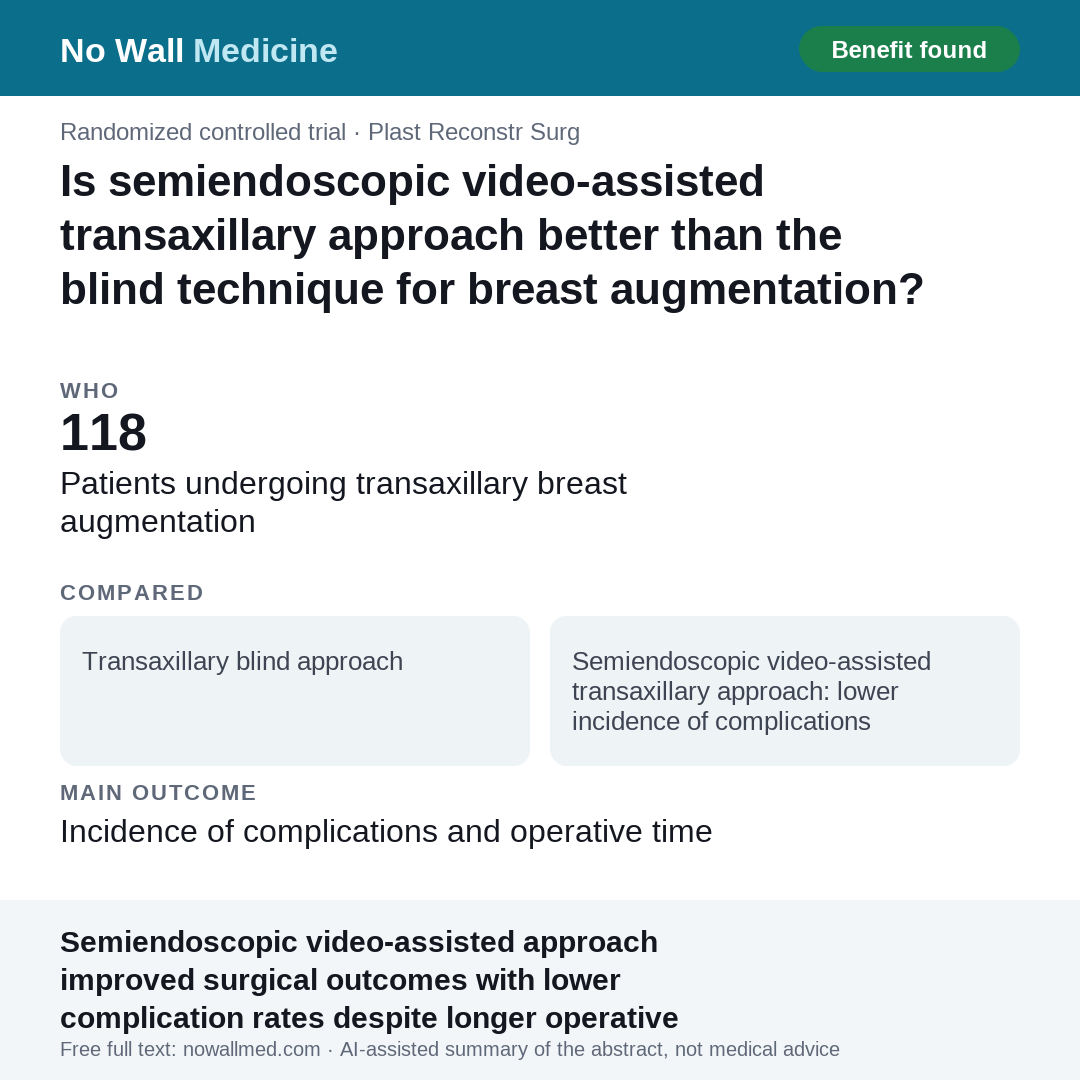
Transaxillary Breast Augmentation: A Randomized Controlled Trial Comparing a New Semiendoscopic Video-Assisted Technique versus the Blind Technique
Randomized controlled trialBenefit found
Is semiendoscopic video-assisted transaxillary approach better than the blind technique for breast augmentation?
Who
118
Patients undergoing transaxillary breast augmentation
Compared
Transaxillary blind approach
Semiendoscopic video-assisted transaxillary approach: lower incidence of complications
Main outcome
Incidence of complications and operative time
Bottom line: Semiendoscopic video-assisted approach improved surgical outcomes with lower complication rates despite longer operative times.
Plast Reconstr Surg · 2025-10-20Download image
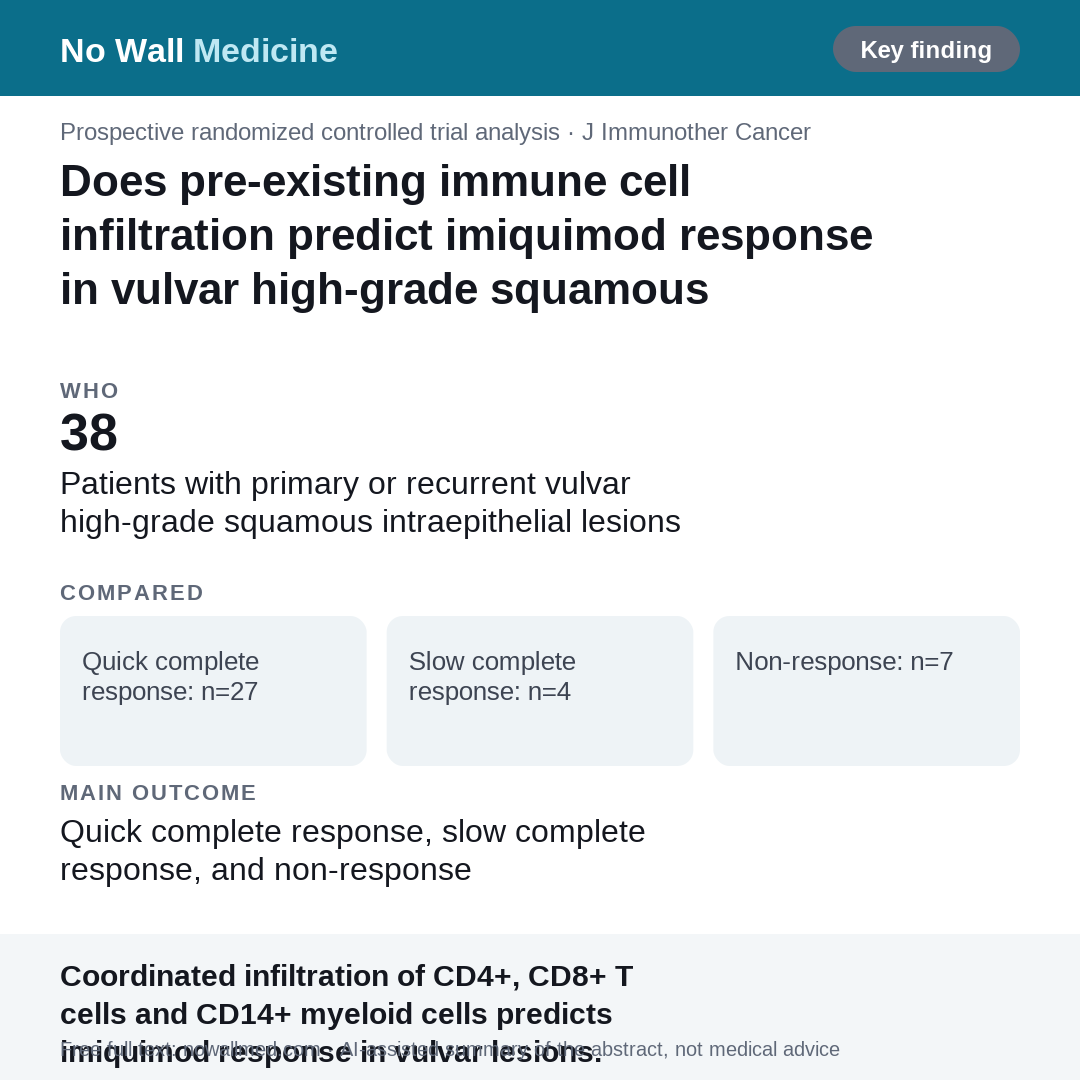
Pre-existing infiltration with T cells and CD14+ myeloid cells is associated with treatment response to imiquimod in primary and recurrent vulvar high-grade squamous intraepithelial lesions
Prospective randomized controlled trial analysisBenefit found
Does pre-existing immune cell infiltration predict imiquimod response in vulvar high-grade squamous intraepithelial lesions?
Who
38
Patients with primary or recurrent vulvar high-grade squamous intraepithelial lesions
Compared
Quick complete response: n=27
Slow complete response: n=4
Non-response: n=7
Main outcome
Quick complete response, slow complete response, and non-response
Bottom line: Coordinated infiltration of CD4+, CD8+ T cells and CD14+ myeloid cells predicts imiquimod response in vulvar lesions.
J Immunother Cancer · 2025-10-20Download image
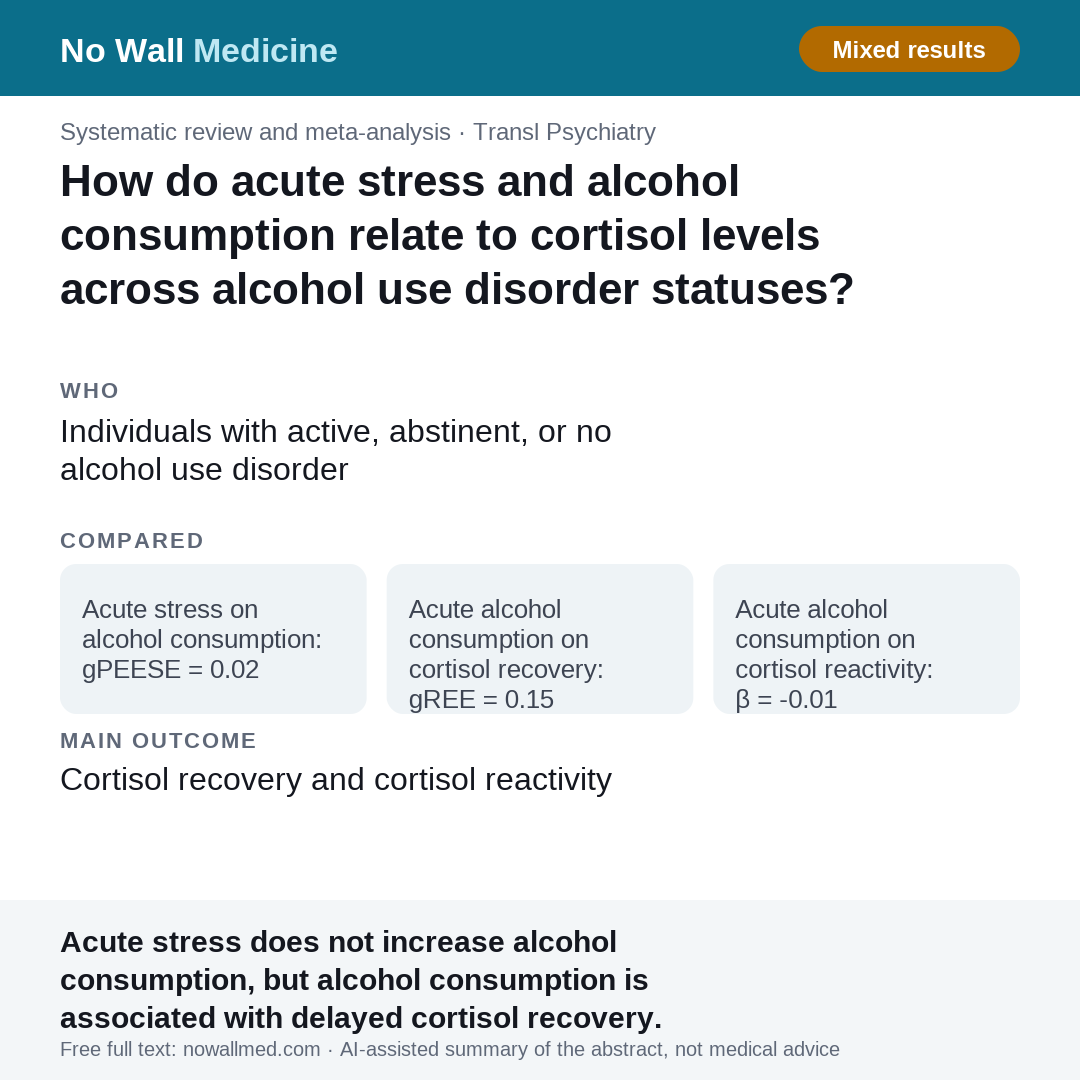
A systematic review with meta-analysis on the relation between acute stress, alcohol consumption and cortisol levels in individuals with a personal, familial or no alcohol use disorder
Systematic review and meta-analysisMixed results
How do acute stress and alcohol consumption relate to cortisol levels across alcohol use disorder statuses?
Who
Individuals with active, abstinent, or no alcohol use disorder
Compared
Acute stress on alcohol consumption: gPEESE = 0.02
Acute alcohol consumption on cortisol recovery: gREE = 0.15
Acute alcohol consumption on cortisol reactivity: β = -0.01
Main outcome
Cortisol recovery and cortisol reactivity
Bottom line: Acute stress does not increase alcohol consumption, but alcohol consumption is associated with delayed cortisol recovery.
Limitation: Small-study effects influenced initial findings regarding stress and alcohol consumption.
Transl Psychiatry · 2025-10-20Download image
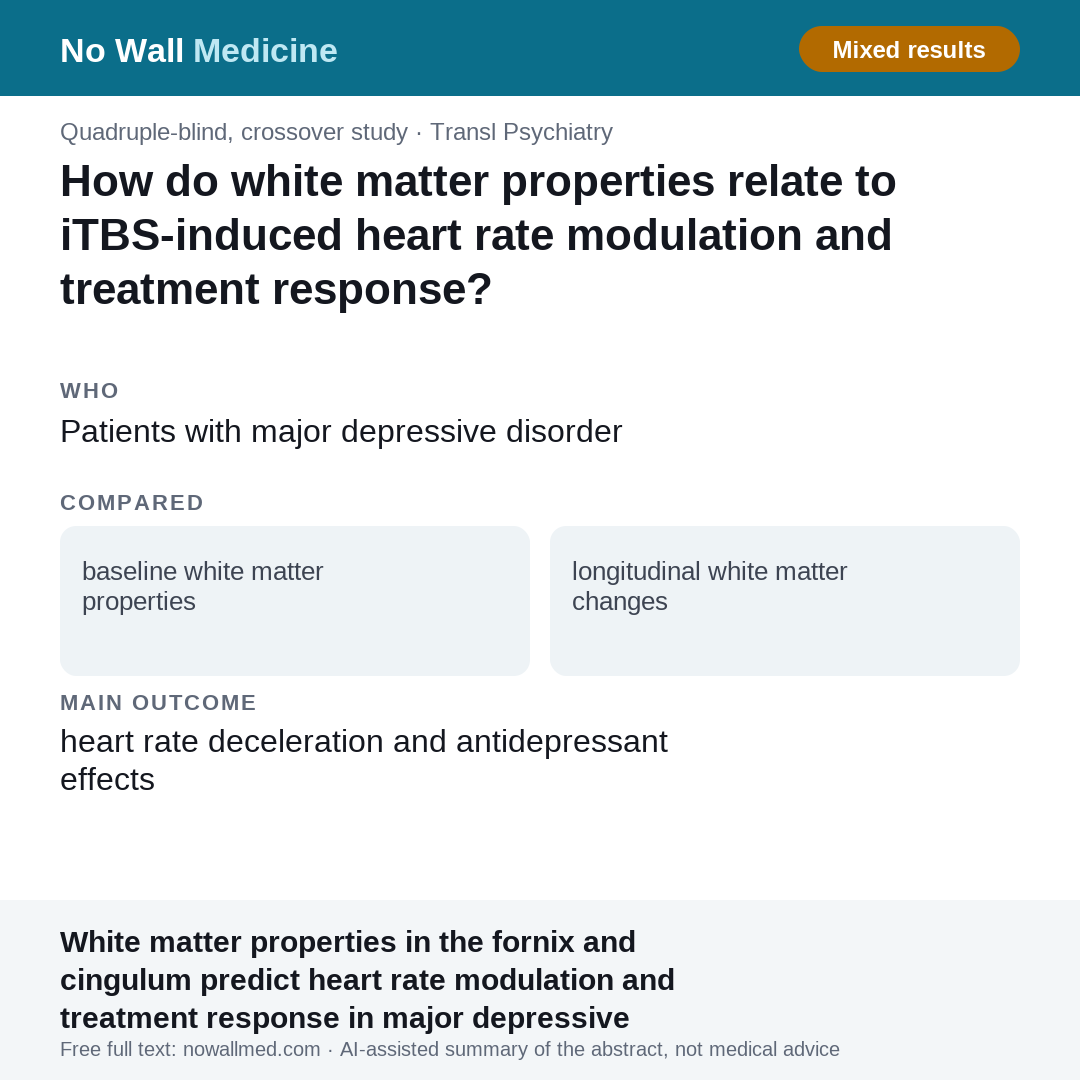
White matter tracts associated with iTBS-induced heart rate deceleration and treatment response in major depressive disorder
Quadruple-blind, crossover studyMixed results
How do white matter properties relate to iTBS-induced heart rate modulation and treatment response?
Who
Patients with major depressive disorder
Compared
baseline white matter properties
longitudinal white matter changes
Main outcome
heart rate deceleration and antidepressant effects
Bottom line: White matter properties in the fornix and cingulum predict heart rate modulation and treatment response in major depressive disorder.
Transl Psychiatry · 2025-10-20Download image