Visual abstracts
New randomized trials and meta-analyses from leading journals at a glance: who was studied, what was compared, and what was found. Every paper is free to read in full.
All specialtiesCardiology 2697Oncology 2273Gastroenterology & Hepatology 1035Infectious Disease 1699Neurology 1076Psychiatry & Mental Health 1248Pulmonology 1131Critical Care 744Endocrinology & Diabetes 1385Pediatrics 1572Surgery 1384Orthopedics & Sports Medicine 495Neurosurgery 331Cardiothoracic & Vascular Surgery 296Plastic & Reconstructive Surgery 401Nephrology 558Rheumatology 414Hematology 583Dermatology 317Ophthalmology 308Obstetrics & Gynecology 883Public & Global Health 494Radiology & Imaging 373Anesthesiology 539Urology 447ENT (Otolaryngology) 319Emergency Medicine 300Allergy & Immunology 174Geriatrics 577Family Medicine & Primary Care 308Medical Genetics & Genomics 303Pathology & Laboratory Medicine 85Physical Medicine & Rehabilitation 438Palliative Care 238Nutrition 717Digital Health & AI 1291General Medicine 194
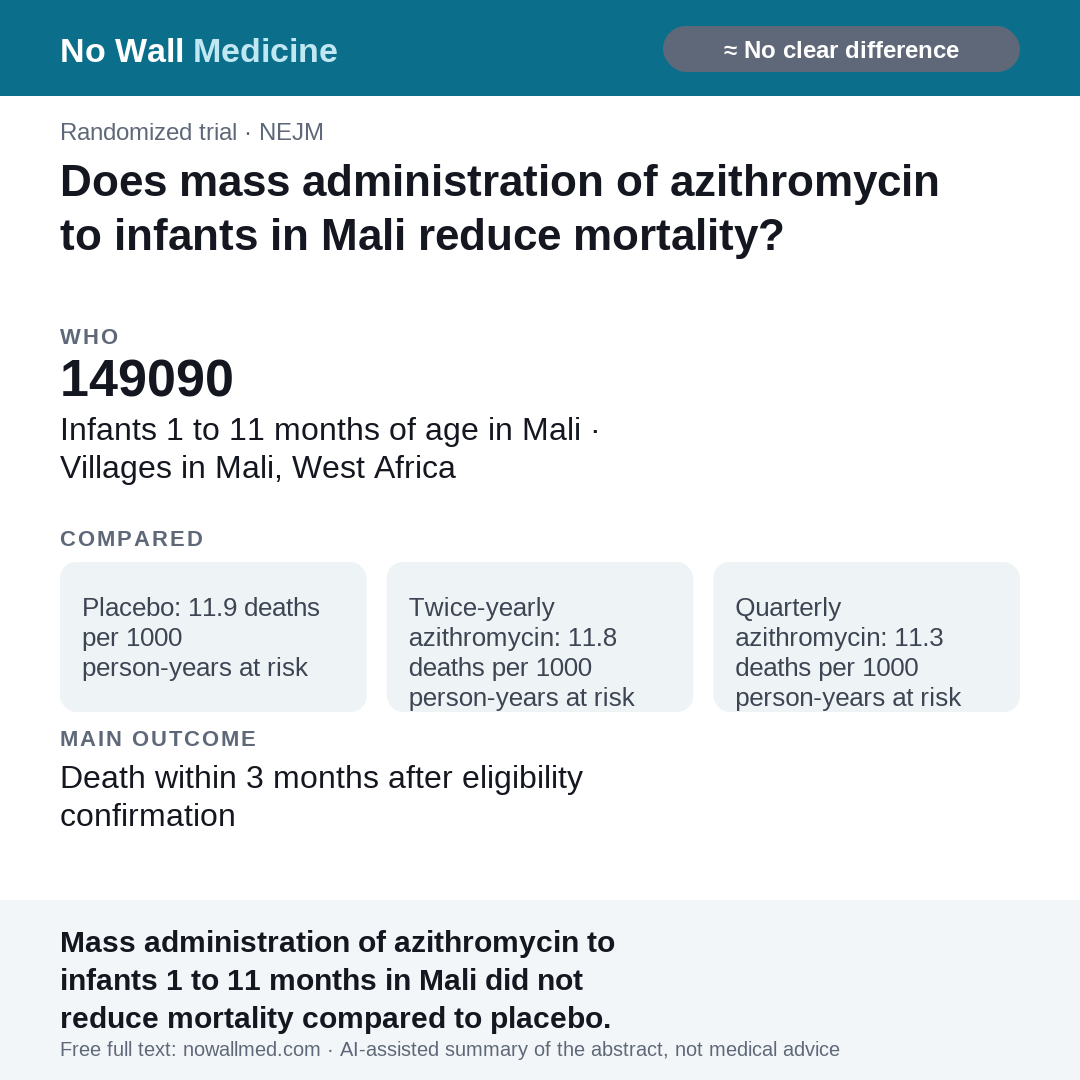
Mass Administration of Azithromycin to Infants in Mali to Reduce Mortality
Randomized trialNo clear difference
Does mass administration of azithromycin to infants in Mali reduce mortality?
Who
149090
Infants 1 to 11 months of age in Mali · Villages in Mali, West Africa
Compared
Placebo: 11.9 deaths per 1000 person-years at risk
Twice-yearly azithromycin: 11.8 deaths per 1000 person-years at risk
Quarterly azithromycin: 11.3 deaths per 1000 person-years at risk
Main outcome
Death within 3 months after eligibility confirmation
Result: incidence rate ratio 1.00 (95% CI 0.83 to 1.19) and 0.93 (95% CI 0.75 to 1.15)
Bottom line: Mass administration of azithromycin to infants 1 to 11 months in Mali did not reduce mortality compared to placebo.
Funded by: Gates Foundation
NEJM · 2025-10-15Download image
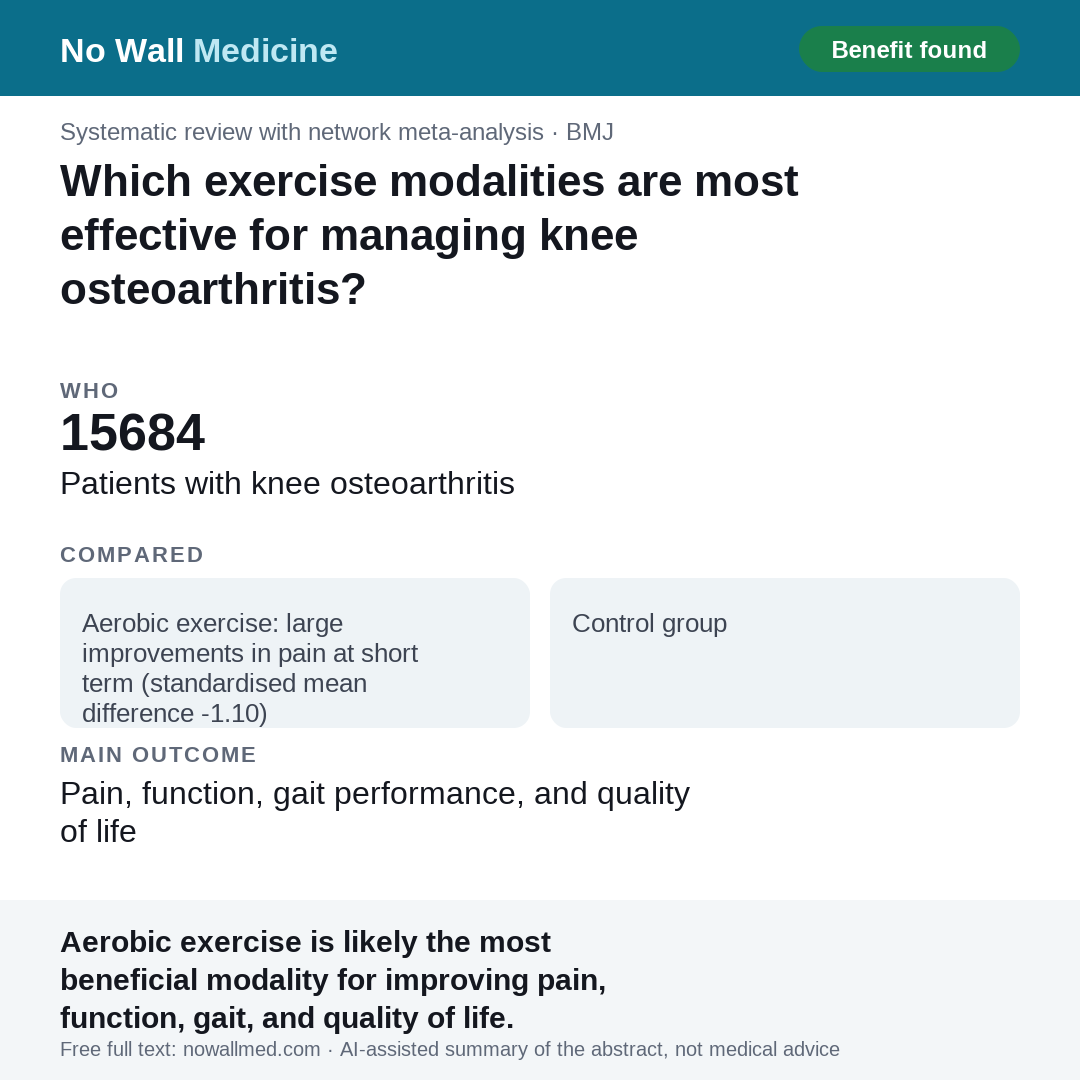
Comparative efficacy and safety of exercise modalities in knee osteoarthritis: systematic review and network meta-analysis
Systematic review with network meta-analysisBenefit found
Which exercise modalities are most effective for managing knee osteoarthritis?
Who
15684
Patients with knee osteoarthritis
Compared
Aerobic exercise: large improvements in pain at short term (standardised mean difference -1.10)
Control group
Main outcome
Pain, function, gait performance, and quality of life
Bottom line: Aerobic exercise is likely the most beneficial modality for improving pain, function, gait, and quality of life.
BMJ · 2025-10-15Download image
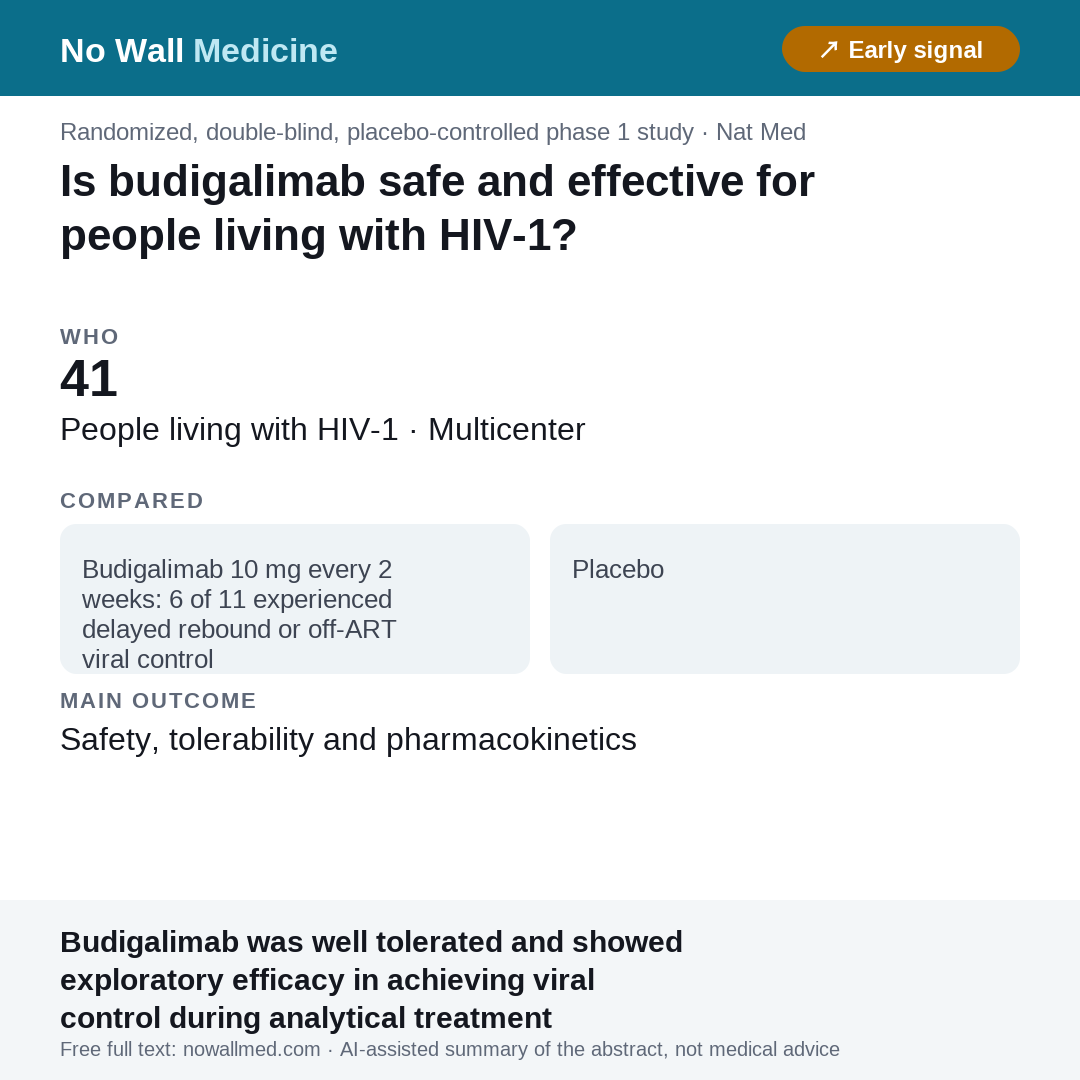
Budigalimab, an anti-PD-1 inhibitor, for people living with HIV-1: a randomized, placebo-controlled phase 1b study
Randomized, double-blind, placebo-controlled phase 1 studyBenefit found
Is budigalimab safe and effective for people living with HIV-1?
Who
41
People living with HIV-1 · Multicenter
Compared
Budigalimab 10 mg every 2 weeks: 6 of 11 experienced delayed rebound or off-ART viral control
Placebo
Main outcome
Safety, tolerability and pharmacokinetics
Bottom line: Budigalimab was well tolerated and showed exploratory efficacy in achieving viral control during analytical treatment interruption.
Nat Med · 2025-10-15Download image
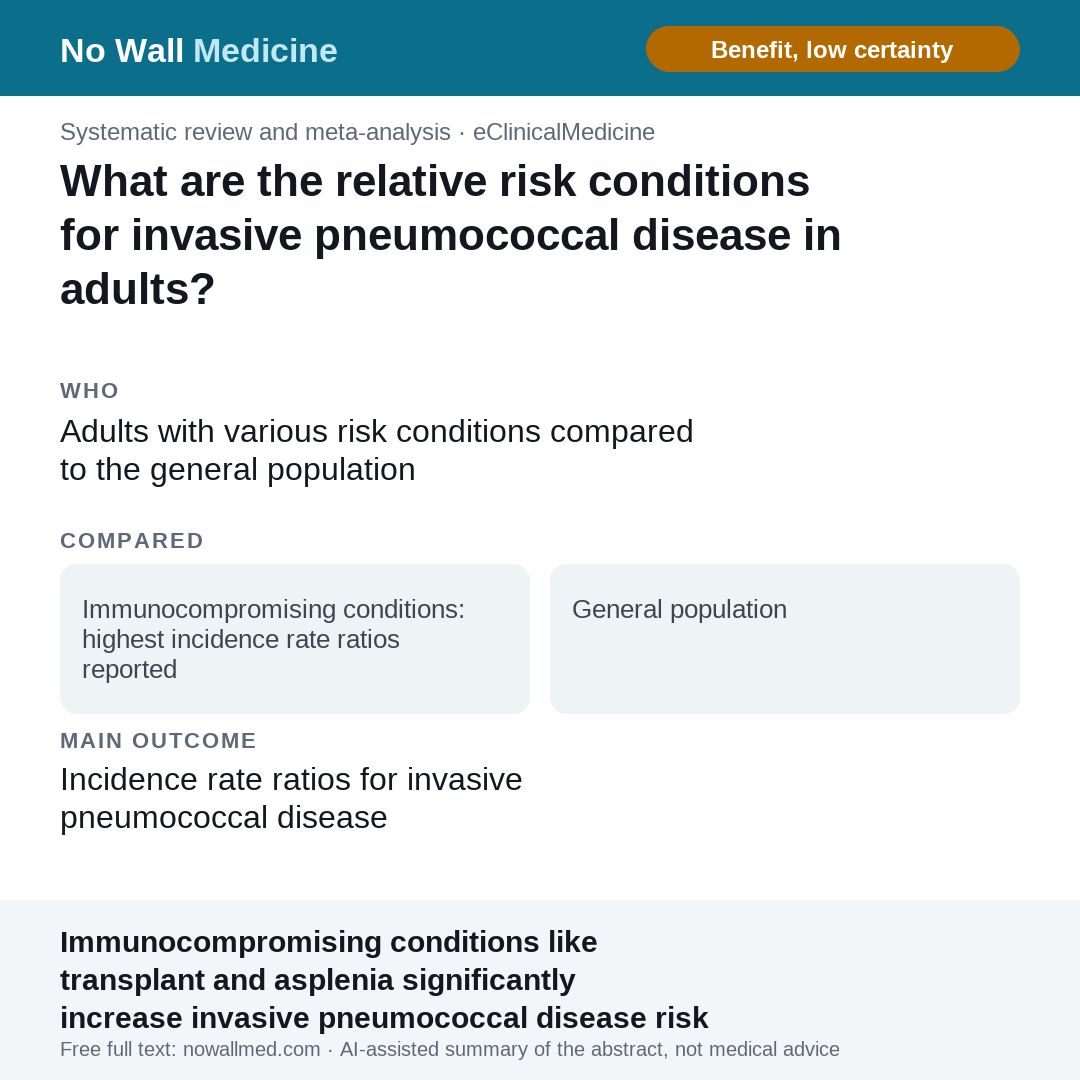
Risk conditions for invasive pneumococcal disease in adults: a systematic review and meta-analysis
Systematic review and meta-analysisBenefit found
What are the relative risk conditions for invasive pneumococcal disease in adults?
Who
Adults with various risk conditions compared to the general population
Compared
Immunocompromising conditions: highest incidence rate ratios reported
General population
Main outcome
Incidence rate ratios for invasive pneumococcal disease
Result: transplant recipients 30.75 (95% CI 17.64-53.60)
Bottom line: Immunocompromising conditions like transplant and asplenia significantly increase invasive pneumococcal disease risk in adults.
Limitation: Very low quality of evidence due to high risk of bias and heterogeneity.
Funded by: Radboudumc Community for Infectious Diseases encouragement Grant
eClinicalMedicine · 2025-10-15Download image
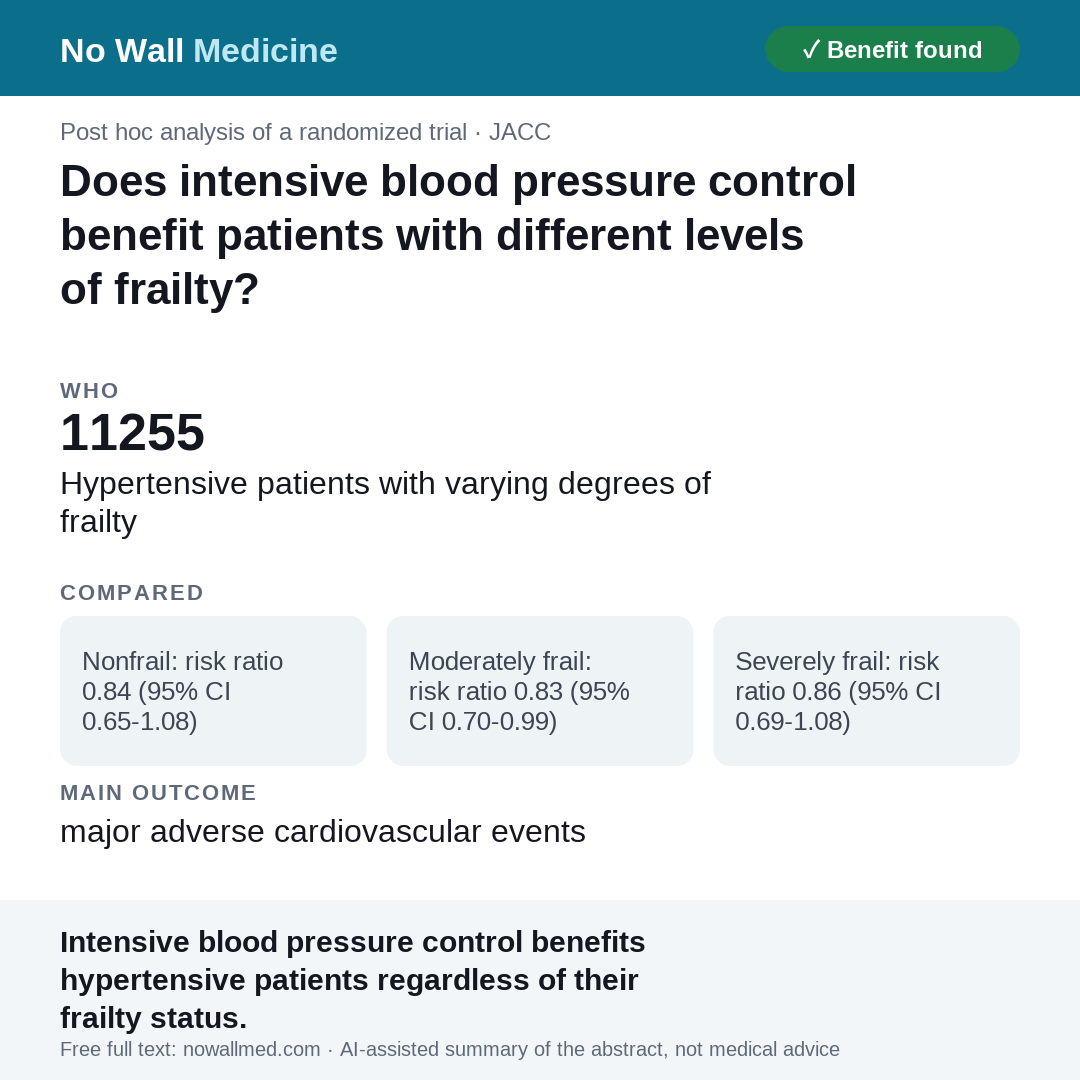
Effects of Intensive Blood Pressure Control in Patients With Frailty: A Post Hoc Analysis From ESPRIT
Post hoc analysis of a randomized trialBenefit found
Does intensive blood pressure control benefit patients with different levels of frailty?
Who
11255
Hypertensive patients with varying degrees of frailty
Compared
Nonfrail: risk ratio 0.84 (95% CI 0.65-1.08)
Moderately frail: risk ratio 0.83 (95% CI 0.70-0.99)
Severely frail: risk ratio 0.86 (95% CI 0.69-1.08)
Main outcome
major adverse cardiovascular events
Result: Pinteraction = 0.67
Bottom line: Intensive blood pressure control benefits hypertensive patients regardless of their frailty status.
Limitation: This was a post hoc analysis of the ESPRIT trial.
JACC · 2025-10-15Download image
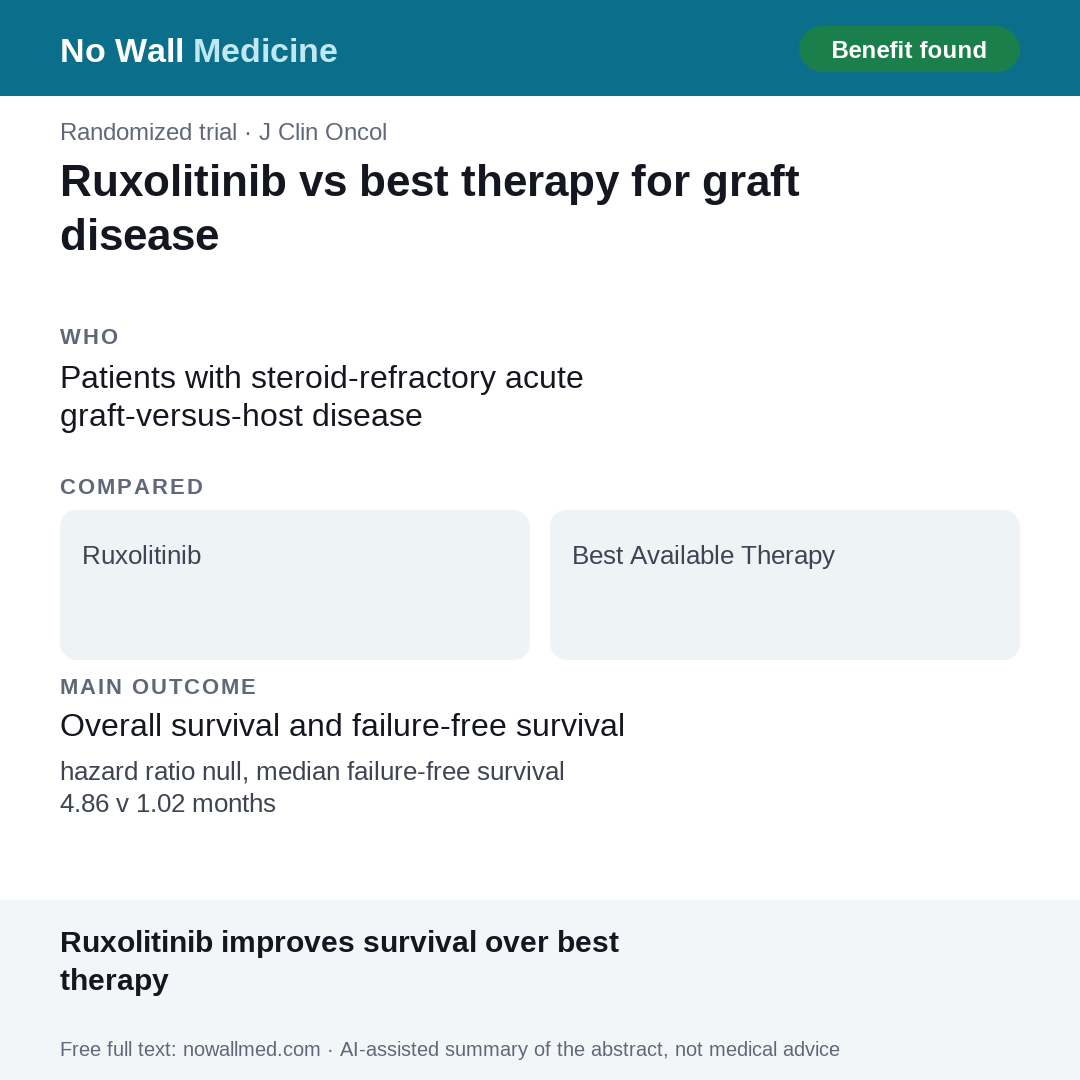
Ruxolitinib Versus Best Available Therapy in Patients With Steroid-Refractory Acute Graft-Versus-Host Disease: Final Analysis From the Randomized Phase III REACH2 Trial
Randomized trialBenefit found
Ruxolitinib vs best therapy for graft disease
Who
Patients with steroid-refractory acute graft-versus-host disease
Compared
Ruxolitinib
Best Available Therapy
Main outcome
Overall survival and failure-free survival
Result: hazard ratio null, median failure-free survival 4.86 v 1.02 months
Bottom line: Ruxolitinib improves survival over best therapy
J Clin Oncol · 2025-10-15Download image
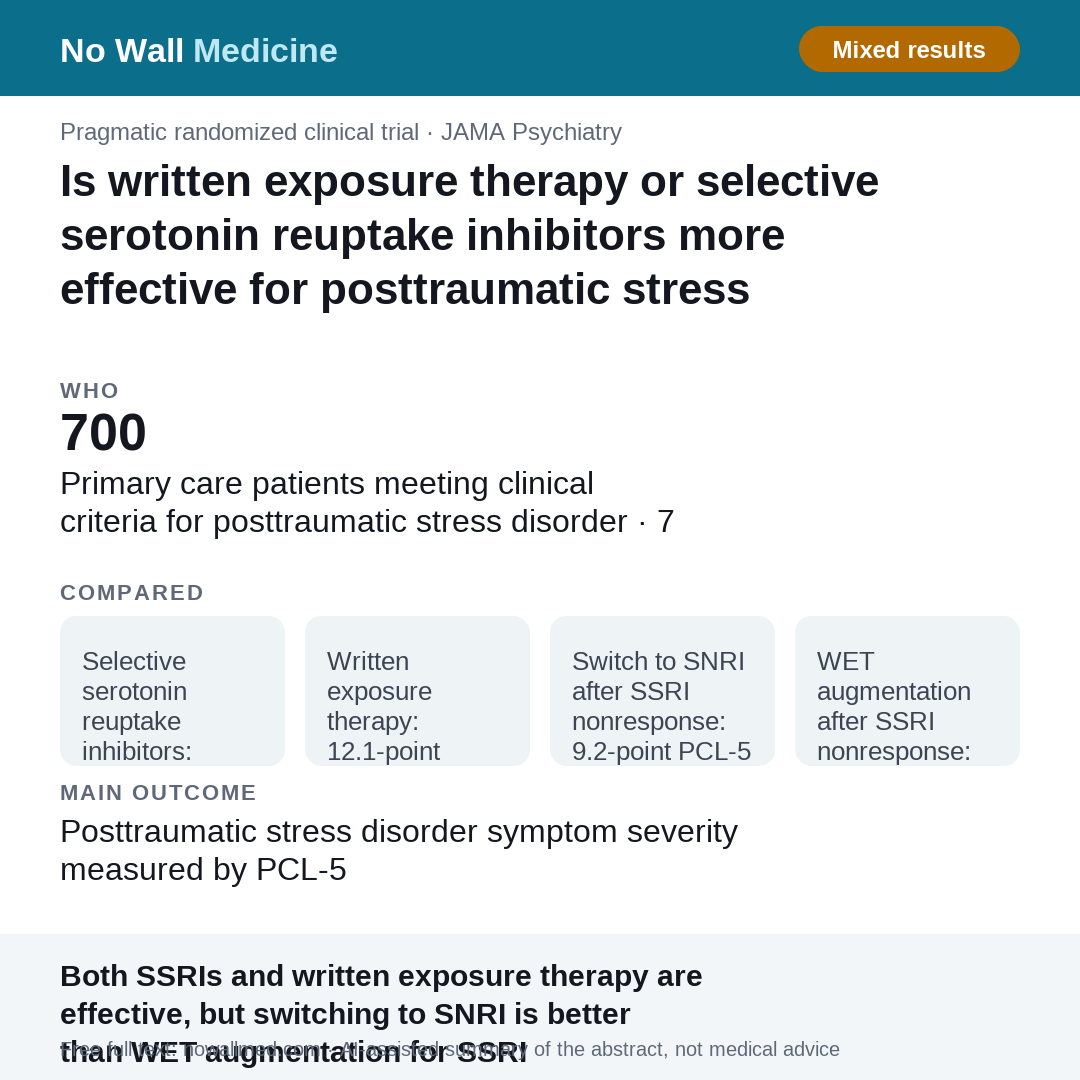
Pragmatic Comparative Effectiveness of Primary Care Treatments for Posttraumatic Stress Disorder: A Randomized Clinical Trial
Pragmatic randomized clinical trialMixed results
Is written exposure therapy or selective serotonin reuptake inhibitors more effective for posttraumatic stress disorder?
Who
700
Primary care patients meeting clinical criteria for posttraumatic stress disorder · 7 federally qualified health centers and 8 Department of Veterans Affairs medical centers
Compared
Selective serotonin reuptake inhibitors: 14.0-point PCL-5 decrease
Written exposure therapy: 12.1-point PCL-5 decrease
Switch to SNRI after SSRI nonresponse: 9.2-point PCL-5 decrease
WET augmentation after SSRI nonresponse: 2.3-point PCL-5 decrease
Main outcome
Posttraumatic stress disorder symptom severity measured by PCL-5
Result: adjusted mean difference 1.79 (95% CI -0.76 to 4.34) for initial treatment; adjusted MD 10.19 (95% CI 4.97-15.41) for nonresponders
Bottom line: Both SSRIs and written exposure therapy are effective, but switching to SNRI is better than WET augmentation for SSRI nonresponders.
JAMA Psychiatry · 2025-10-15Download image
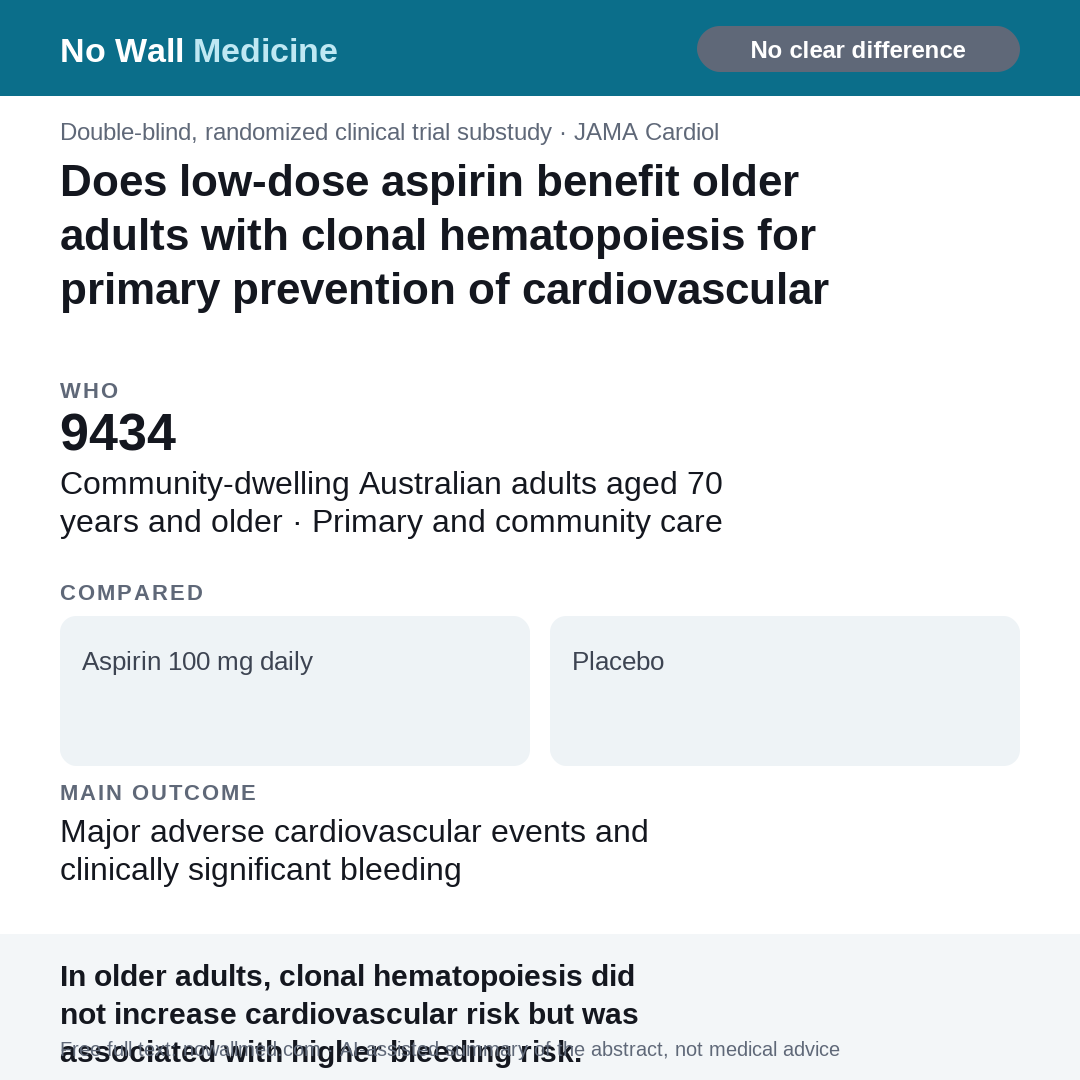
Clonal Hematopoiesis and Cardiovascular Disease and Bleeding Risk and the Effectiveness of Aspirin
Double-blind, randomized clinical trial substudyNo clear difference
Does low-dose aspirin benefit older adults with clonal hematopoiesis for primary prevention of cardiovascular disease?
Who
9434
Community-dwelling Australian adults aged 70 years and older · Primary and community care facilities in Australia
Compared
Aspirin 100 mg daily
Placebo
Main outcome
Major adverse cardiovascular events and clinically significant bleeding
Result: no evidence of a differential effect of aspirin according to presence of CHIP
Bottom line: In older adults, clonal hematopoiesis did not increase cardiovascular risk but was associated with higher bleeding risk.
JAMA Cardiol · 2025-10-15Download image
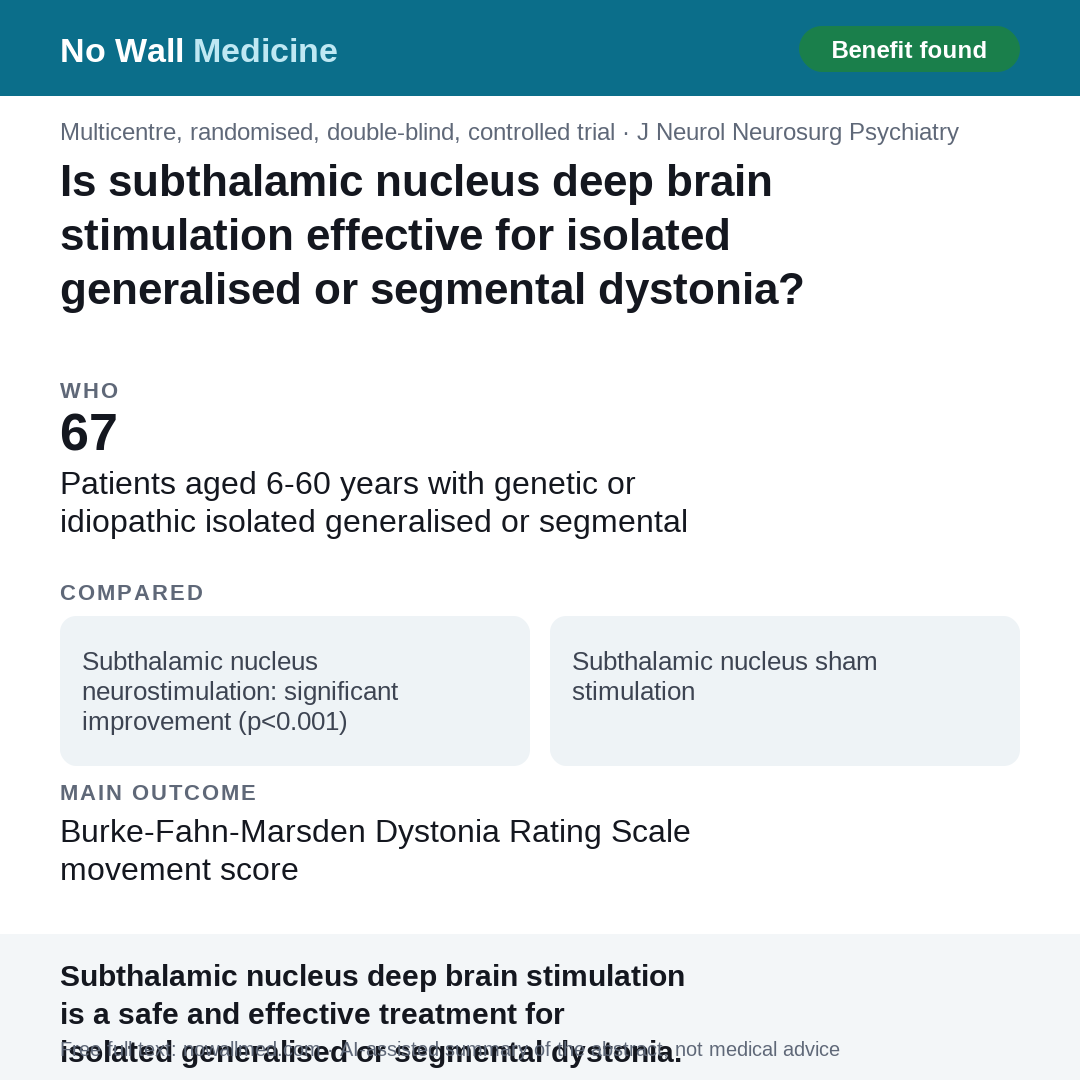
Subthalamic deep brain stimulation in isolated generalised or segmental dystonia (RELAX Study): a multicentre, randomised, double-blind, controlled trial
Multicentre, randomised, double-blind, controlled trialBenefit found
Is subthalamic nucleus deep brain stimulation effective for isolated generalised or segmental dystonia?
Who
67
Patients aged 6-60 years with genetic or idiopathic isolated generalised or segmental dystonia · Seven hospitals in China
Compared
Subthalamic nucleus neurostimulation: significant improvement (p<0.001)
Subthalamic nucleus sham stimulation
Main outcome
Burke-Fahn-Marsden Dystonia Rating Scale movement score
Bottom line: Subthalamic nucleus deep brain stimulation is a safe and effective treatment for isolated generalised or segmental dystonia.
J Neurol Neurosurg Psychiatry · 2025-10-15Download image
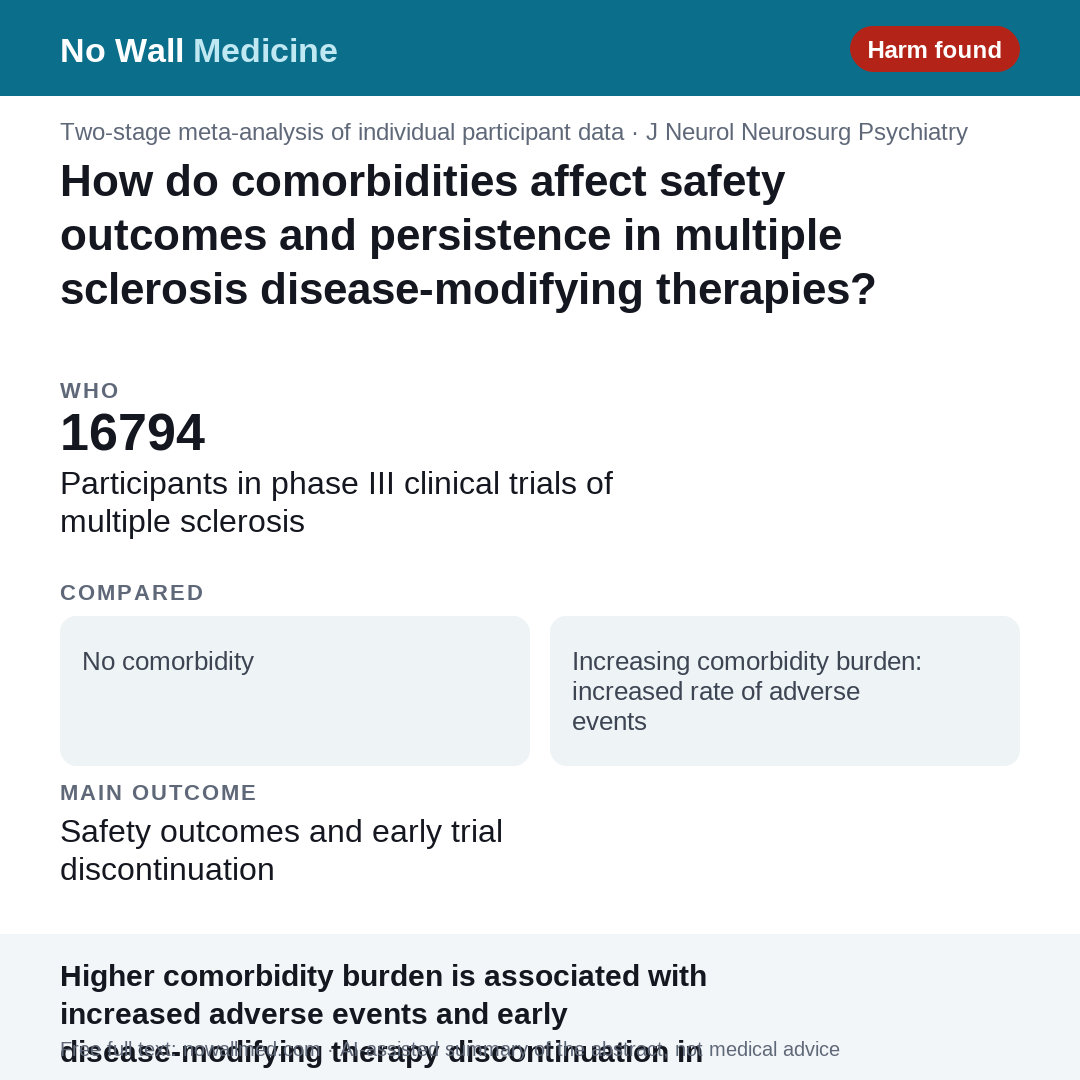
Comorbidities, safety and persistence in phase III clinical trials in multiple sclerosis
Two-stage meta-analysis of individual participant dataHarm found
How do comorbidities affect safety outcomes and persistence in multiple sclerosis disease-modifying therapies?
Who
16794
Participants in phase III clinical trials of multiple sclerosis
Compared
No comorbidity
Increasing comorbidity burden: increased rate of adverse events
Main outcome
Safety outcomes and early trial discontinuation
Result: rate ratio 1: 1.13 (95% CI 1.09 to 1.17)
Bottom line: Higher comorbidity burden is associated with increased adverse events and early disease-modifying therapy discontinuation in multiple sclerosis.
J Neurol Neurosurg Psychiatry · 2025-10-15Download image
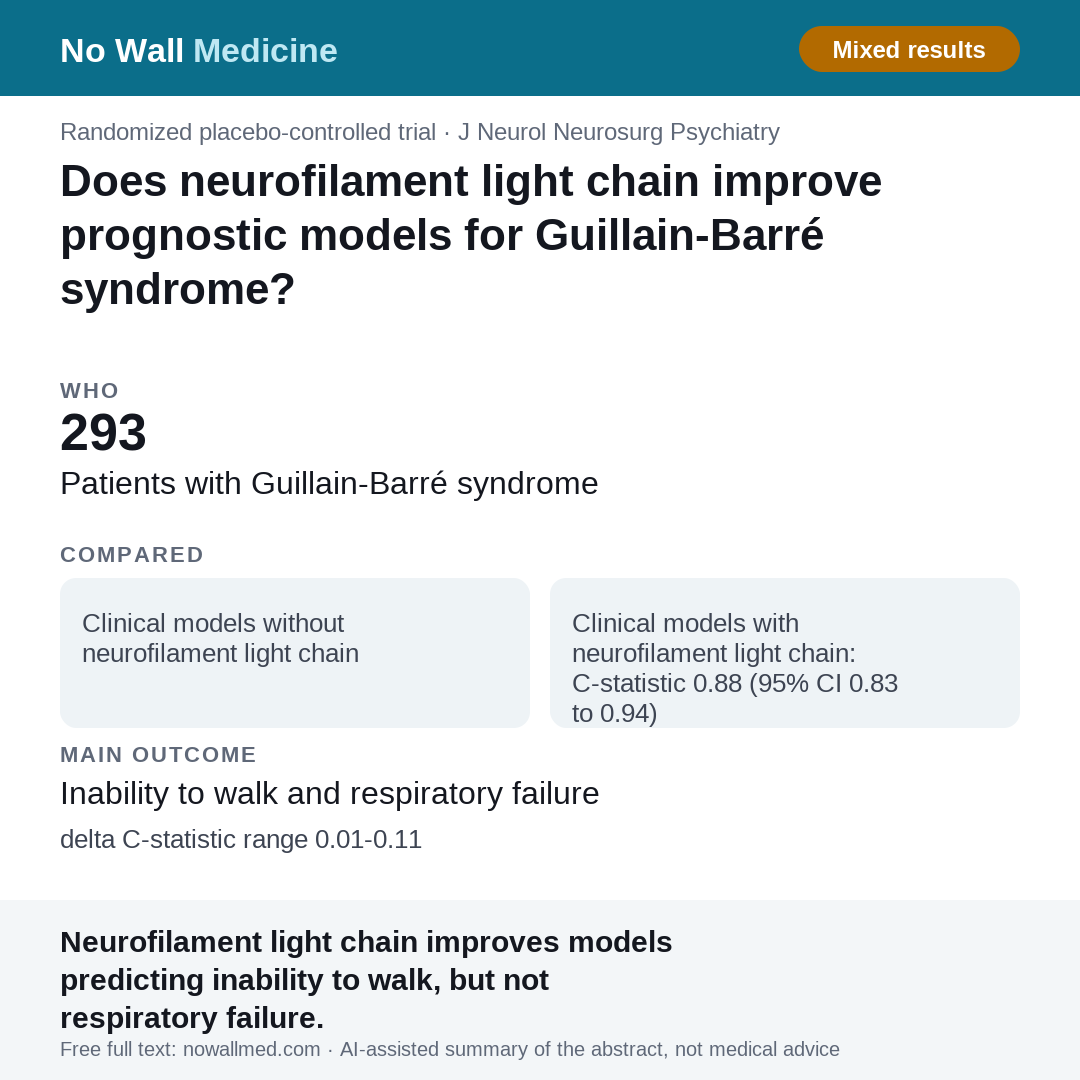
Neurofilament light chain improves clinical prognostic models for Guillain-Barré syndrome
Randomized placebo-controlled trialMixed results
Does neurofilament light chain improve prognostic models for Guillain-Barré syndrome?
Who
293
Patients with Guillain-Barré syndrome
Compared
Clinical models without neurofilament light chain
Clinical models with neurofilament light chain: C-statistic 0.88 (95% CI 0.83 to 0.94)
Main outcome
Inability to walk and respiratory failure
Result: delta C-statistic range 0.01-0.11
Bottom line: Neurofilament light chain improves models predicting inability to walk, but not respiratory failure.
J Neurol Neurosurg Psychiatry · 2025-10-15Download image
Real-world effectiveness and safety of nirsevimab, RSV maternal vaccine and RSV vaccines for older adults: a living systematic review and meta-analysis
Living systematic review and meta-analysisBenefit found
What is the real-world effectiveness and safety of nirsevimab, maternal vaccine, and older adult vaccines?
Who
7
Infants, pregnant people, and older adults
Compared
Nirsevimab: 80.7% effectiveness against emergency department visits
RSV vaccines for older adults: 79.6% effectiveness against hospital admissions
Main outcome
Effectiveness against RSV-related healthcare utilisation and safety
Result: nirsevimab effectiveness against hospital admissions 80.7% (95% CI: 76.1% to 85.2%)
Bottom line: Nirsevimab shows high effectiveness in reducing RSV-related healthcare use in infants with a favourable safety profile.
Limitation: More evidence is needed for evaluating RSV vaccines in pregnant people and older adults.
Thorax · 2025-10-15Download image

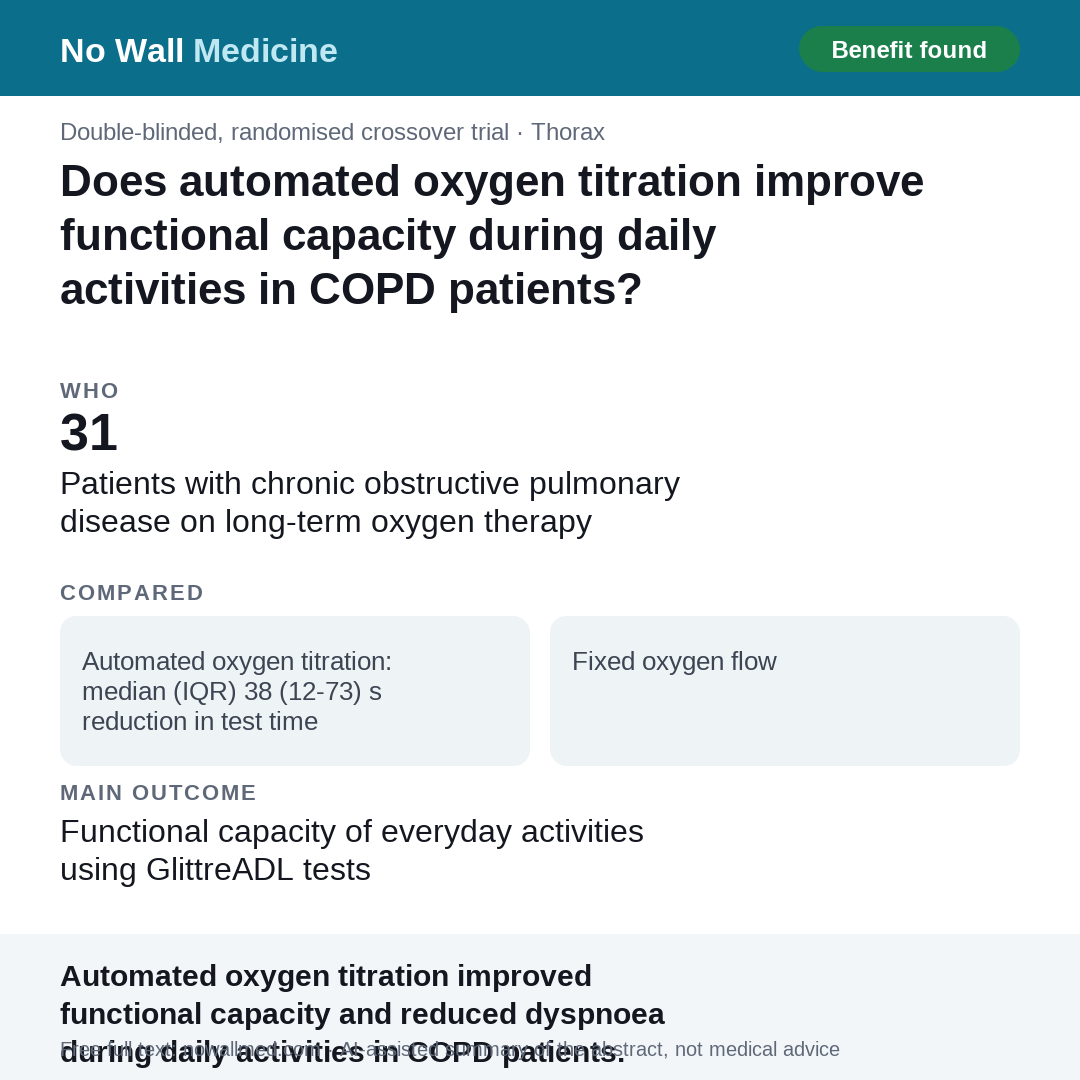
Optimised oxygenation improves functional capacity during daily activities in patients with COPD on long-term oxygen therapy: a randomised crossover trial
Double-blinded, randomised crossover trialBenefit found
Does automated oxygen titration improve functional capacity during daily activities in COPD patients?
Who
31
Patients with chronic obstructive pulmonary disease on long-term oxygen therapy
Compared
Automated oxygen titration: median (IQR) 38 (12-73) s reduction in test time
Fixed oxygen flow
Main outcome
Functional capacity of everyday activities using GlittreADL tests
Bottom line: Automated oxygen titration improved functional capacity and reduced dyspnoea during daily activities in COPD patients.
Thorax · 2025-10-15Download image
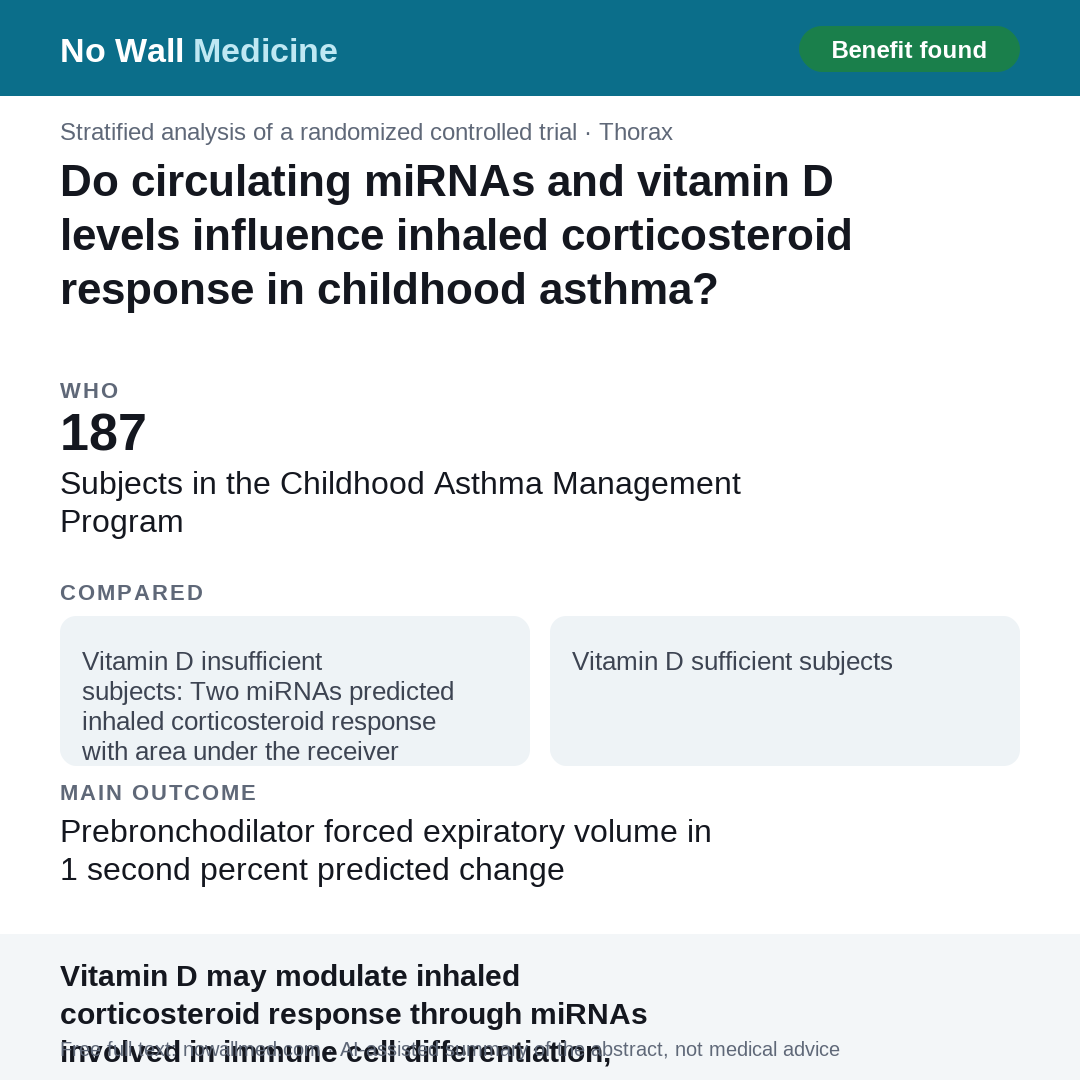
Circulating miRNAs and childhood asthma ICS response: a stratified analysis in the intervention arm of an RCT with vitamin D effect modification
Stratified analysis of a randomized controlled trialBenefit found
Do circulating miRNAs and vitamin D levels influence inhaled corticosteroid response in childhood asthma?
Who
187
Subjects in the Childhood Asthma Management Program
Compared
Vitamin D insufficient subjects: Two miRNAs predicted inhaled corticosteroid response with area under the receiver operating characteristic curve of 0.86
Vitamin D sufficient subjects
Main outcome
Prebronchodilator forced expiratory volume in 1 second percent predicted change
Bottom line: Vitamin D may modulate inhaled corticosteroid response through miRNAs involved in immune cell differentiation, especially in vitamin D insufficient individuals.
Thorax · 2025-10-15Download image
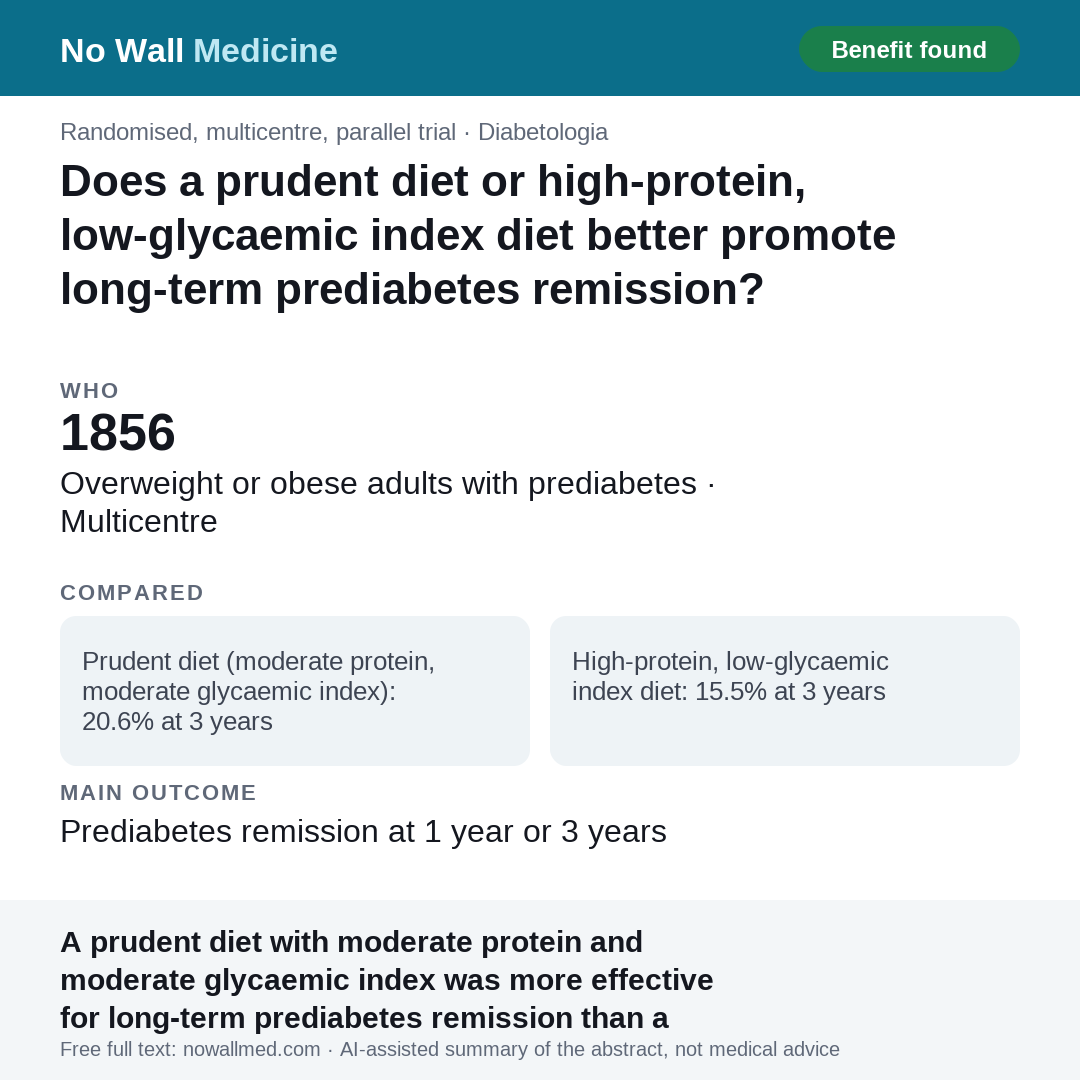
Long-term effects of dietary protein and carbohydrate quality on prediabetes remission: results from the PREVIEW randomised multinational diabetes prevention trial
Randomised, multicentre, parallel trialBenefit found
Does a prudent diet or high-protein, low-glycaemic index diet better promote long-term prediabetes remission?
Who
1856
Overweight or obese adults with prediabetes · Multicentre
Compared
Prudent diet (moderate protein, moderate glycaemic index): 20.6% at 3 years
High-protein, low-glycaemic index diet: 15.5% at 3 years
Main outcome
Prediabetes remission at 1 year or 3 years
Result: risk ratio 1.26 (95% CI 1.06 to 1.50)
Bottom line: A prudent diet with moderate protein and moderate glycaemic index was more effective for long-term prediabetes remission than a high-protein, low-glycaemic index diet.
Diabetologia · 2025-10-15Download image
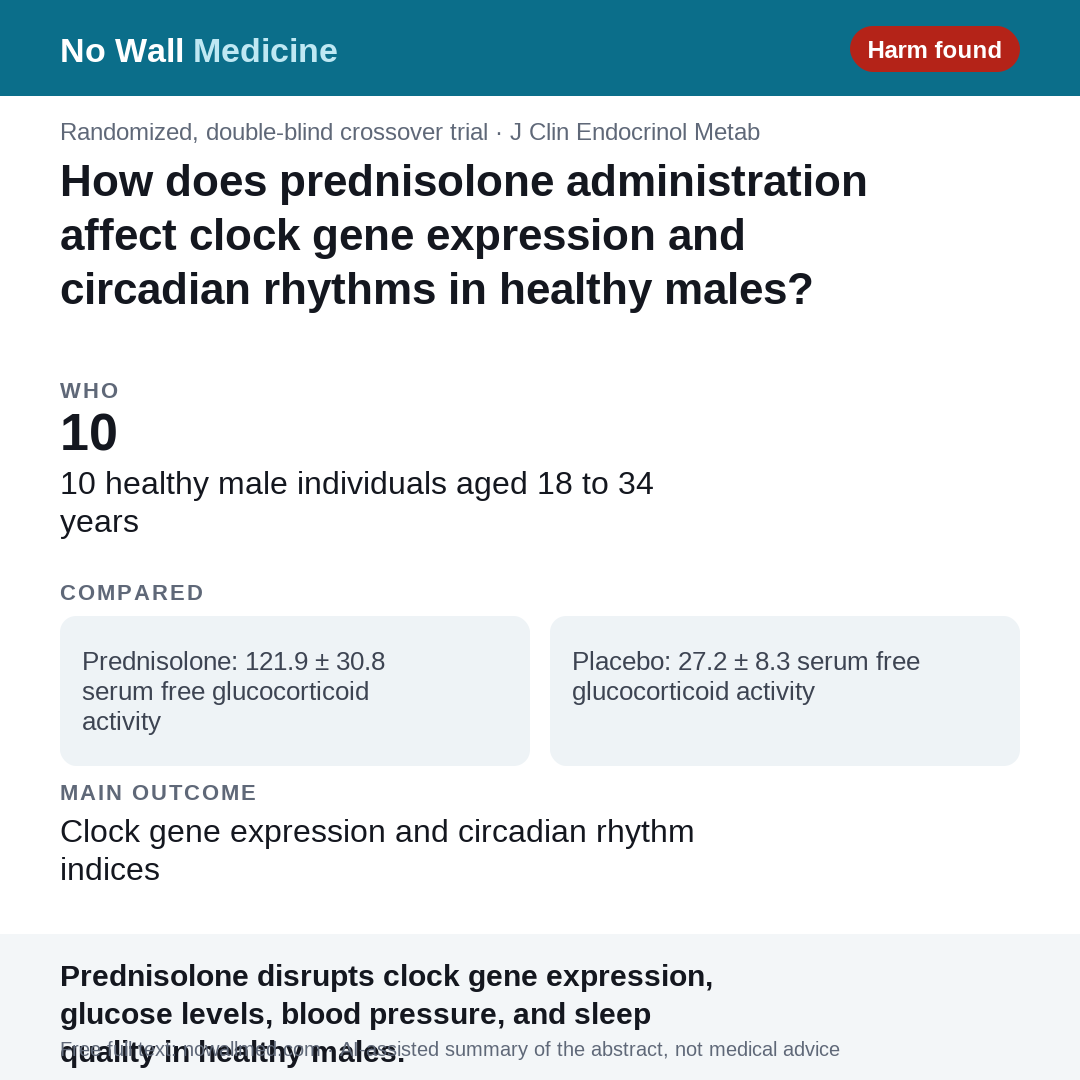
Effects of Prednisolone Administration on Clock Gene Expression and Indices of Circadian Rhythms in Healthy Human Males
Randomized, double-blind crossover trialHarm found
How does prednisolone administration affect clock gene expression and circadian rhythms in healthy males?
Who
10
10 healthy male individuals aged 18 to 34 years
Compared
Prednisolone: 121.9 ± 30.8 serum free glucocorticoid activity
Placebo: 27.2 ± 8.3 serum free glucocorticoid activity
Main outcome
Clock gene expression and circadian rhythm indices
Bottom line: Prednisolone disrupts clock gene expression, glucose levels, blood pressure, and sleep quality in healthy males.
J Clin Endocrinol Metab · 2025-10-15Download image
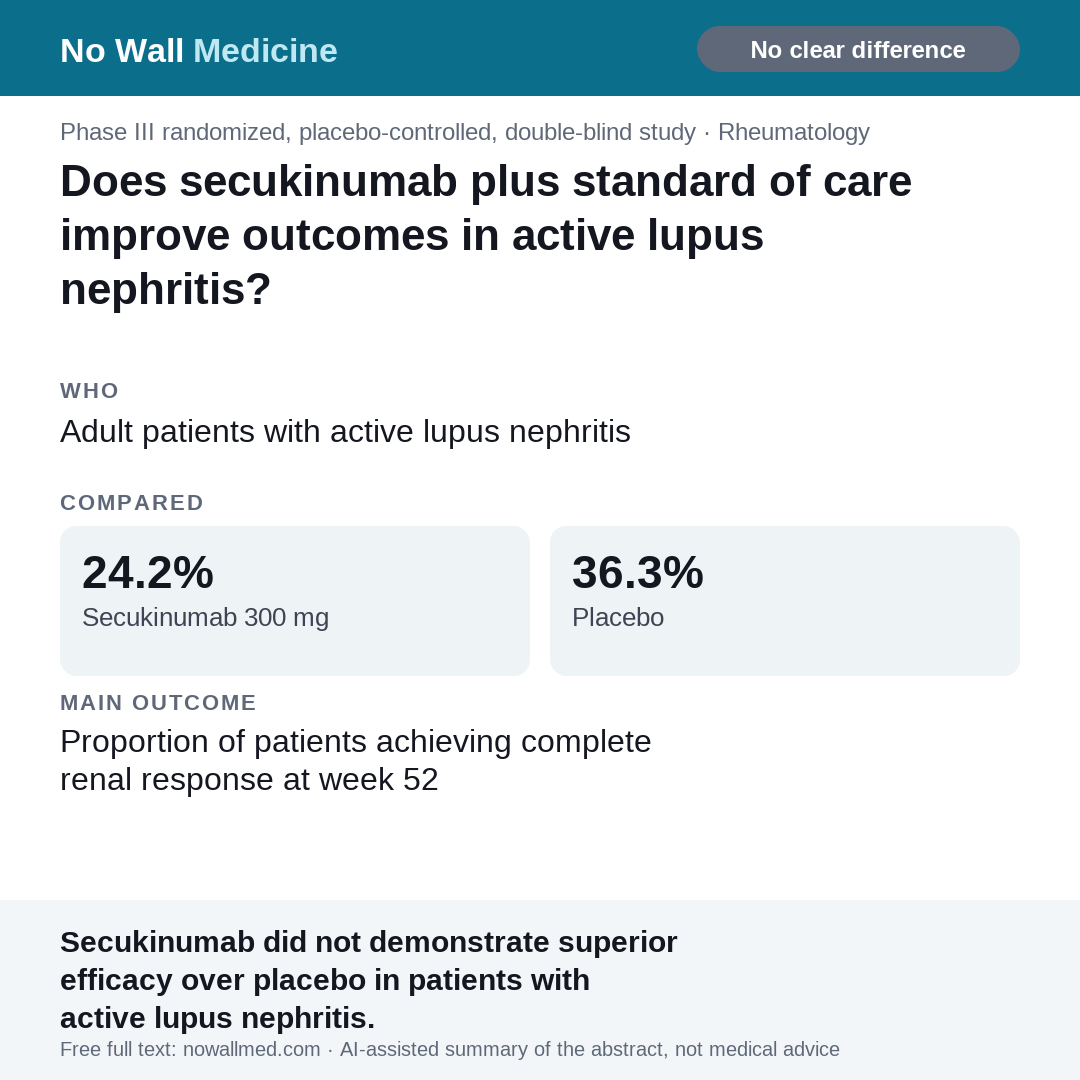
Secukinumab in active lupus nephritis: results from a phase III randomized, placebo-controlled study (SELUNE) and an open-label extension study
Phase III randomized, placebo-controlled, double-blind studyNo clear difference
Does secukinumab plus standard of care improve outcomes in active lupus nephritis?
Who
Adult patients with active lupus nephritis
Compared
24.2%Secukinumab 300 mg
36.3%Placebo
Main outcome
Proportion of patients achieving complete renal response at week 52
Bottom line: Secukinumab did not demonstrate superior efficacy over placebo in patients with active lupus nephritis.
Rheumatology · 2025-10-15Download image
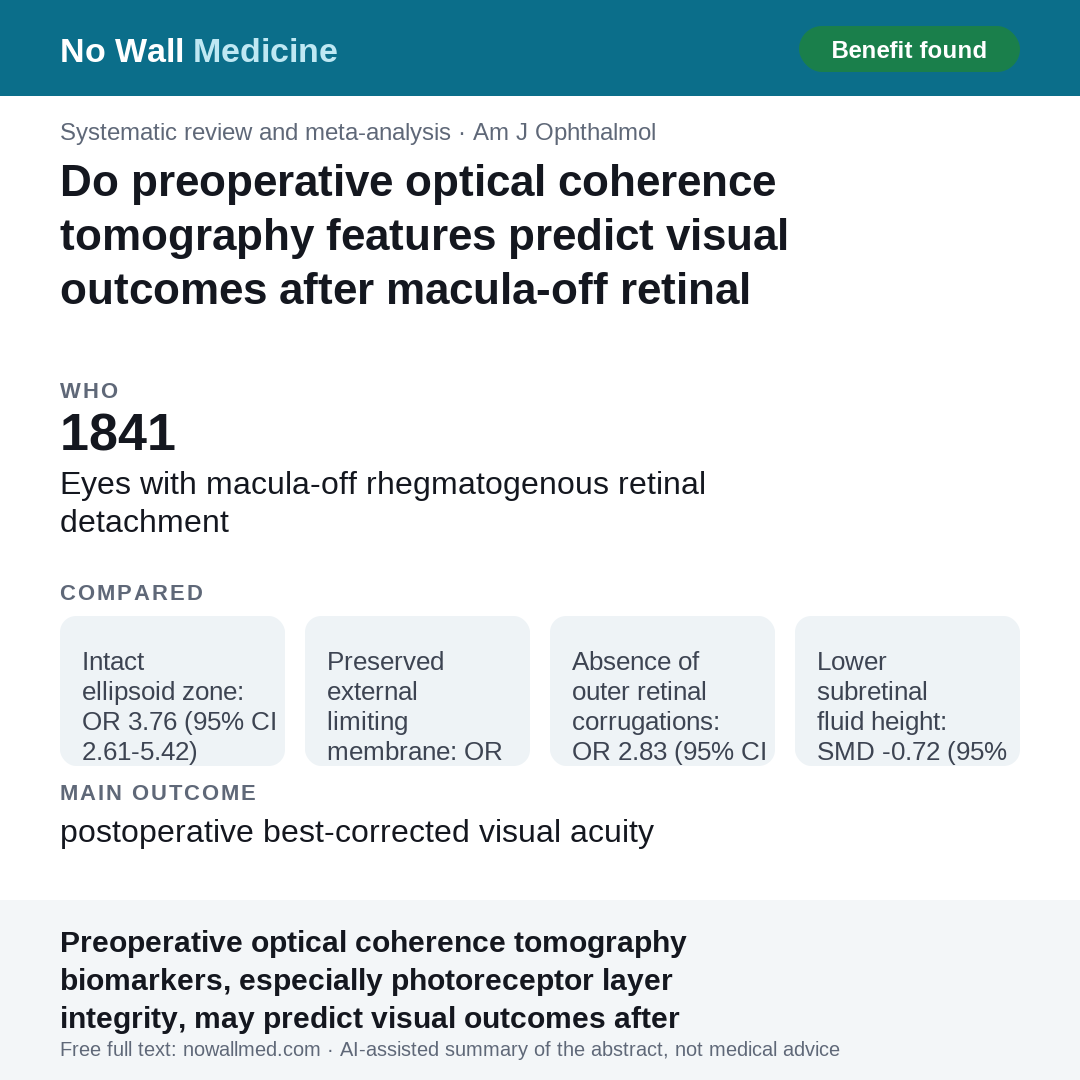
Optical Coherence Tomography Predictive Biomarkers for Visual Outcomes after Macula-Off Rhegmatogenous Retinal Detachment: A Systematic Review and Meta-Analysis
Systematic review and meta-analysisBenefit found
Do preoperative optical coherence tomography features predict visual outcomes after macula-off retinal detachment surgery?
Who
1841
Eyes with macula-off rhegmatogenous retinal detachment
Compared
Intact ellipsoid zone: OR 3.76 (95% CI 2.61-5.42)
Preserved external limiting membrane: OR 3.24 (95% CI 2.13-4.92)
Absence of outer retinal corrugations: OR 2.83 (95% CI 1.94-4.13)
Lower subretinal fluid height: SMD -0.72 (95% CI -1.08 to -0.36)
Main outcome
postoperative best-corrected visual acuity
Bottom line: Preoperative optical coherence tomography biomarkers, especially photoreceptor layer integrity, may predict visual outcomes after macula-off retinal detachment surgery.
Limitation: High heterogeneity, predominance of retrospective studies, and low to very low-quality evidence.
Am J Ophthalmol · 2025-10-15Download image
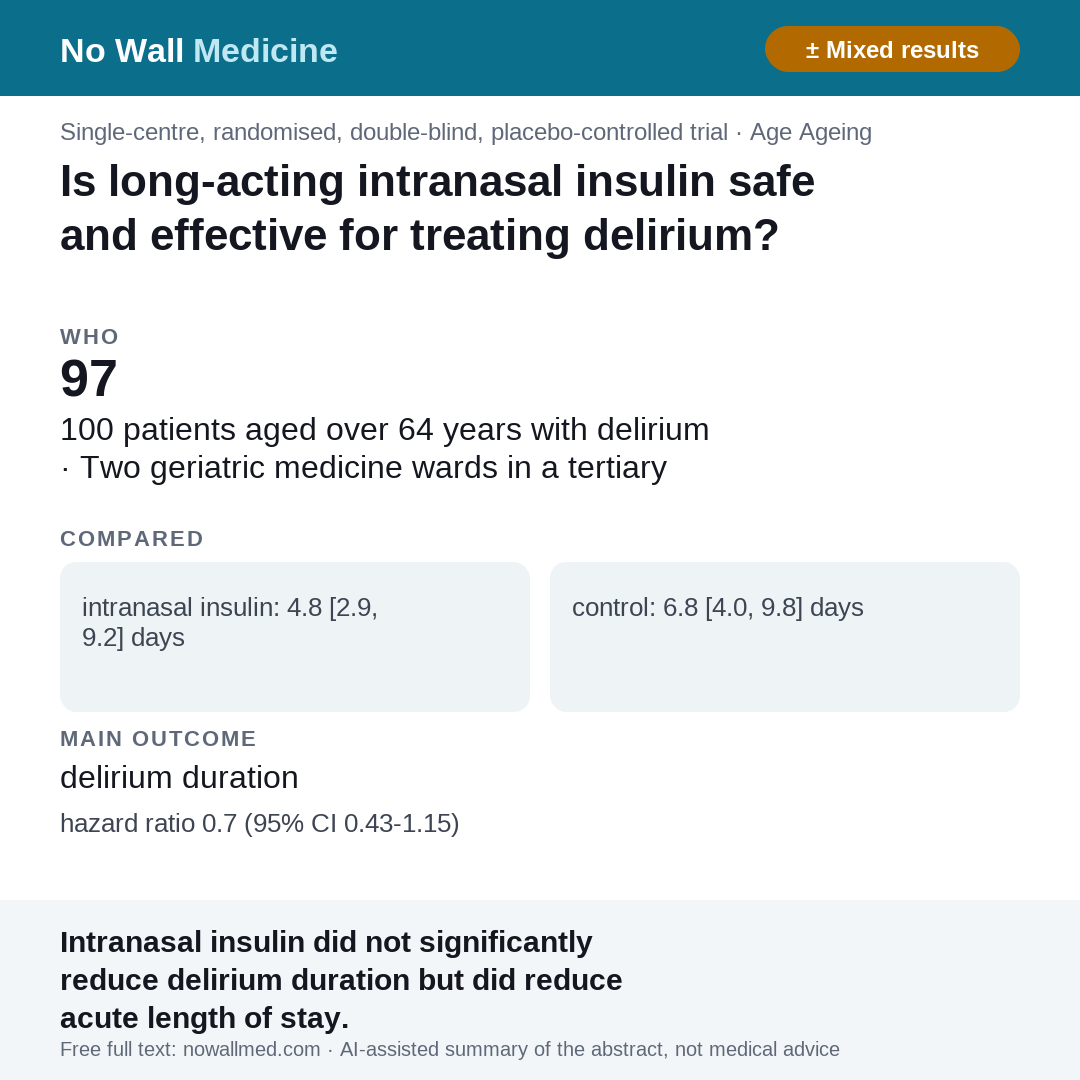
Long-acting intranasal insulin for the treatment of delirium-a randomised clinical trial
Single-centre, randomised, double-blind, placebo-controlled trialMixed results
Is long-acting intranasal insulin safe and effective for treating delirium?
Who
97
100 patients aged over 64 years with delirium · Two geriatric medicine wards in a tertiary hospital
Compared
intranasal insulin: 4.8 [2.9, 9.2] days
control: 6.8 [4.0, 9.8] days
Main outcome
delirium duration
Result: hazard ratio 0.7 (95% CI 0.43-1.15)
Bottom line: Intranasal insulin did not significantly reduce delirium duration but did reduce acute length of stay.
Age Ageing · 2025-10-15Download image
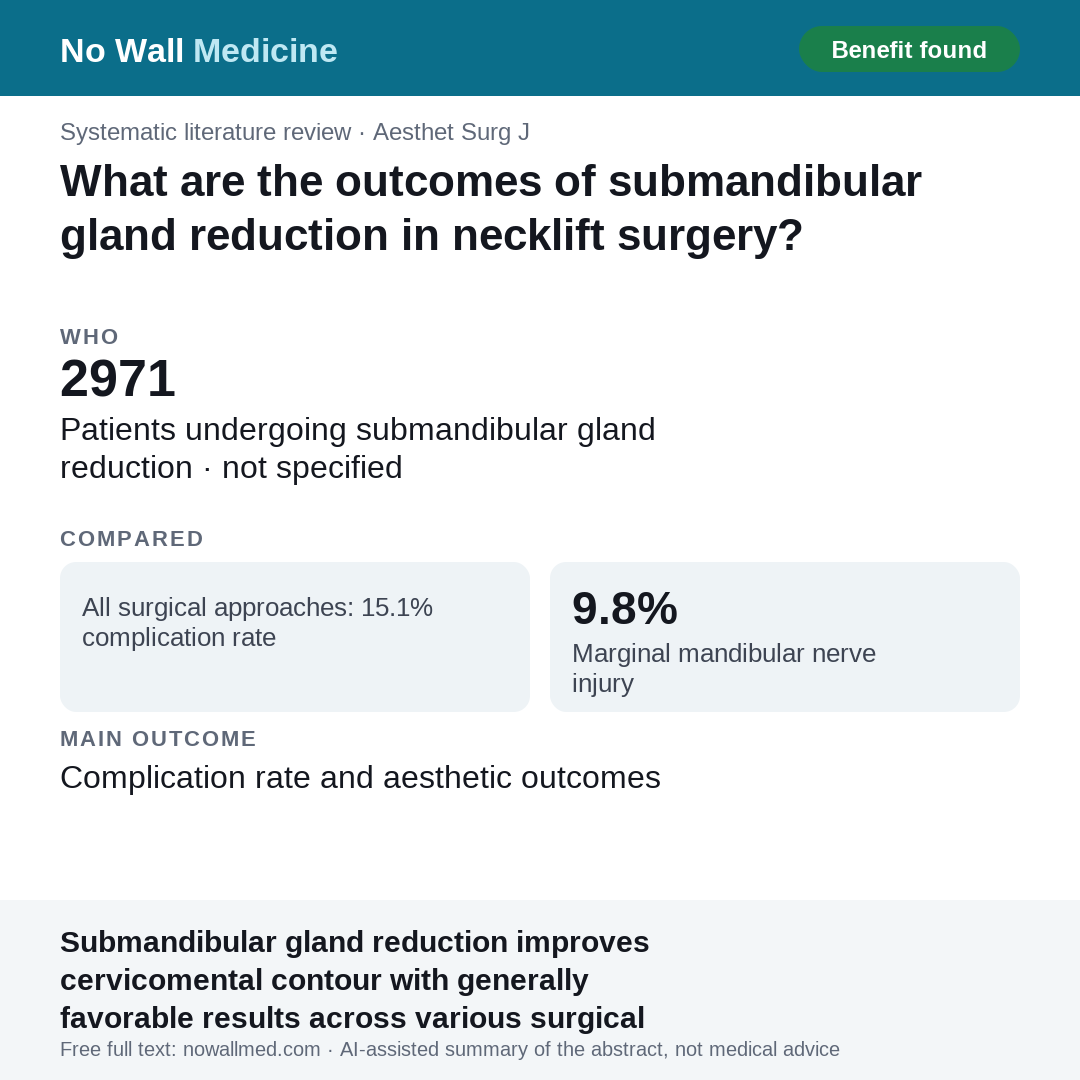
Submandibular Gland Reduction in the Modern Necklift Surgery: A Systematic Literature Review
Systematic literature reviewBenefit found
What are the outcomes of submandibular gland reduction in necklift surgery?
Who
2971
Patients undergoing submandibular gland reduction · not specified
Compared
All surgical approaches: 15.1% complication rate
9.8%Marginal mandibular nerve injury
Main outcome
Complication rate and aesthetic outcomes
Bottom line: Submandibular gland reduction improves cervicomental contour with generally favorable results across various surgical techniques.
Aesthet Surg J · 2025-10-15Download image