Visual abstracts
New randomized trials and meta-analyses from leading journals at a glance: who was studied, what was compared, and what was found. Every paper is free to read in full.
All specialtiesCardiology 3050Oncology 2580Gastroenterology & Hepatology 1177Infectious Disease 2001Neurology 1211Psychiatry & Mental Health 1429Pulmonology 1273Critical Care 851Endocrinology & Diabetes 1537Pediatrics 1815Surgery 1598Orthopedics & Sports Medicine 543Neurosurgery 363Cardiothoracic & Vascular Surgery 349Plastic & Reconstructive Surgery 438Nephrology 630Rheumatology 473Hematology 675Dermatology 361Ophthalmology 337Obstetrics & Gynecology 1011Public & Global Health 571Radiology & Imaging 426Anesthesiology 623Urology 510ENT (Otolaryngology) 338Emergency Medicine 333Allergy & Immunology 193Geriatrics 641Family Medicine & Primary Care 348Medical Genetics & Genomics 360Pathology & Laboratory Medicine 103Physical Medicine & Rehabilitation 484Palliative Care 261Nutrition 840Digital Health & AI 1449General Medicine 215
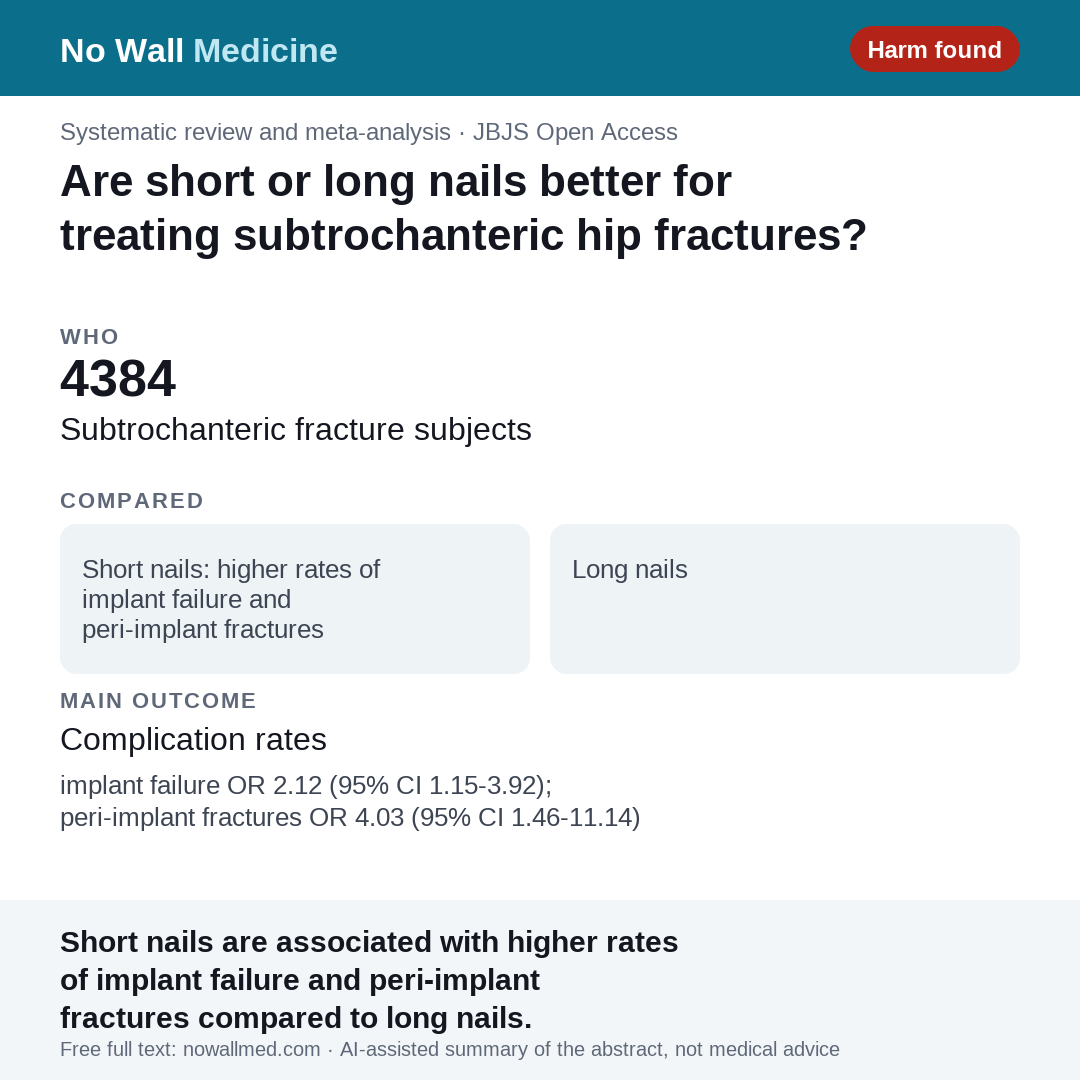
Short Versus Long Nails in Treating Subtrochanteric Hip Fractures: A Systematic Review and Meta-analysis of Complication Rates
Systematic review and meta-analysisHarm found
Are short or long nails better for treating subtrochanteric hip fractures?
Who
4384
Subtrochanteric fracture subjects
Compared
Short nails: higher rates of implant failure and peri-implant fractures
Long nails
Main outcome
Complication rates
Result: implant failure OR 2.12 (95% CI 1.15-3.92); peri-implant fractures OR 4.03 (95% CI 1.46-11.14)
Bottom line: Short nails are associated with higher rates of implant failure and peri-implant fractures compared to long nails.
JBJS Open Access · 2025-10-09Download image
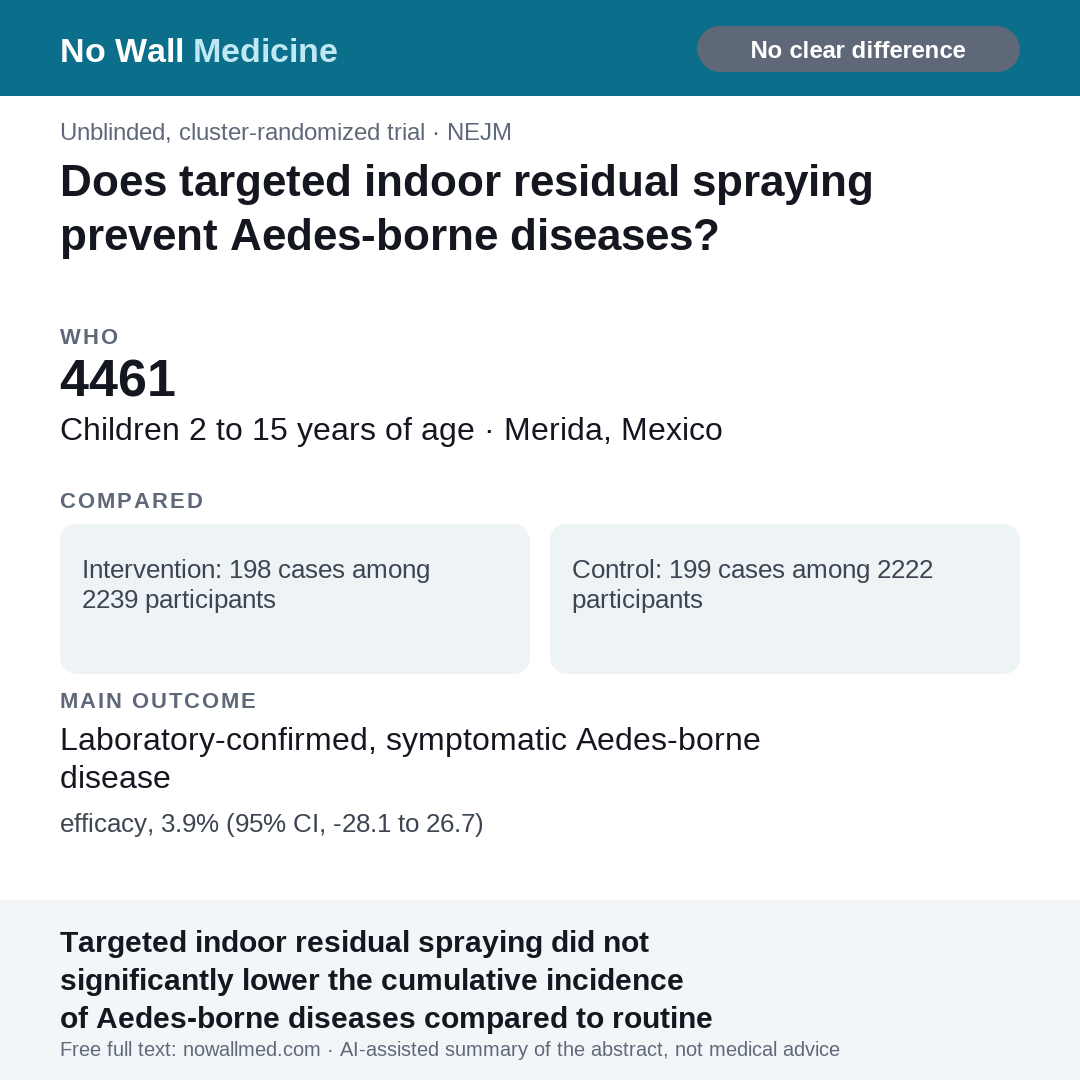
Randomized Trial of Targeted Indoor Spraying to Prevent Aedes-Borne Diseases
Unblinded, cluster-randomized trialNo clear difference
Does targeted indoor residual spraying prevent Aedes-borne diseases?
Who
4461
Children 2 to 15 years of age · Merida, Mexico
Compared
Intervention: 198 cases among 2239 participants
Control: 199 cases among 2222 participants
Main outcome
Laboratory-confirmed, symptomatic Aedes-borne disease
Result: efficacy, 3.9% (95% CI, -28.1 to 26.7)
Bottom line: Targeted indoor residual spraying did not significantly lower the cumulative incidence of Aedes-borne diseases compared to routine vector control.
Funded by: National Institutes of Health and Innovative Vector Control Consortium
NEJM · 2025-10-08Download image
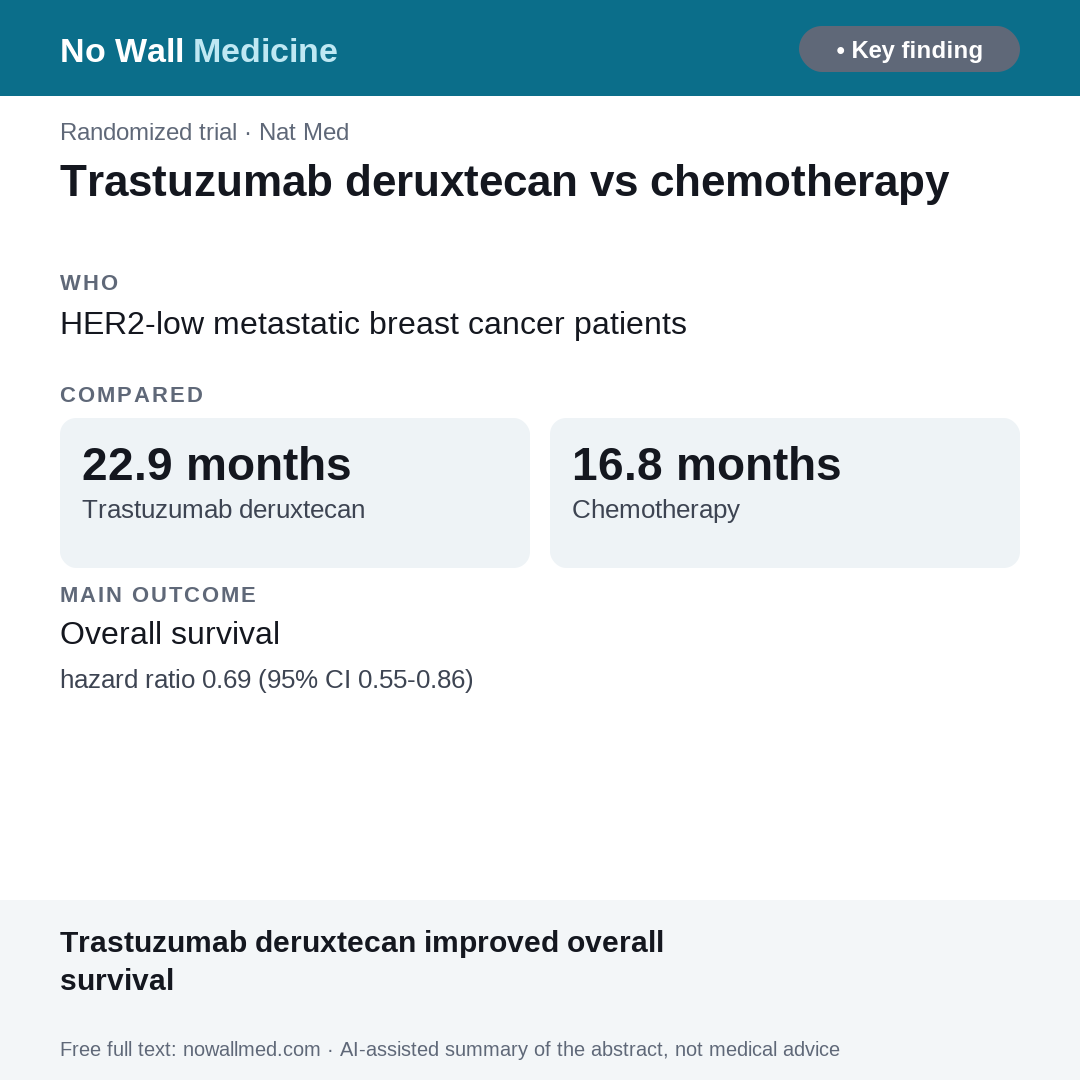
Trastuzumab deruxtecan in HER2-low metastatic breast cancer: long-term survival analysis of the randomized, phase 3 DESTINY-Breast04 trial
Randomized trialBenefit found
Trastuzumab deruxtecan vs chemotherapy
Who
HER2-low metastatic breast cancer patients
Compared
22.9 monthsTrastuzumab deruxtecan
16.8 monthsChemotherapy
Main outcome
Overall survival
Result: hazard ratio 0.69 (95% CI 0.55-0.86)
Bottom line: Trastuzumab deruxtecan improved overall survival
Nat Med · 2025-10-08Download image
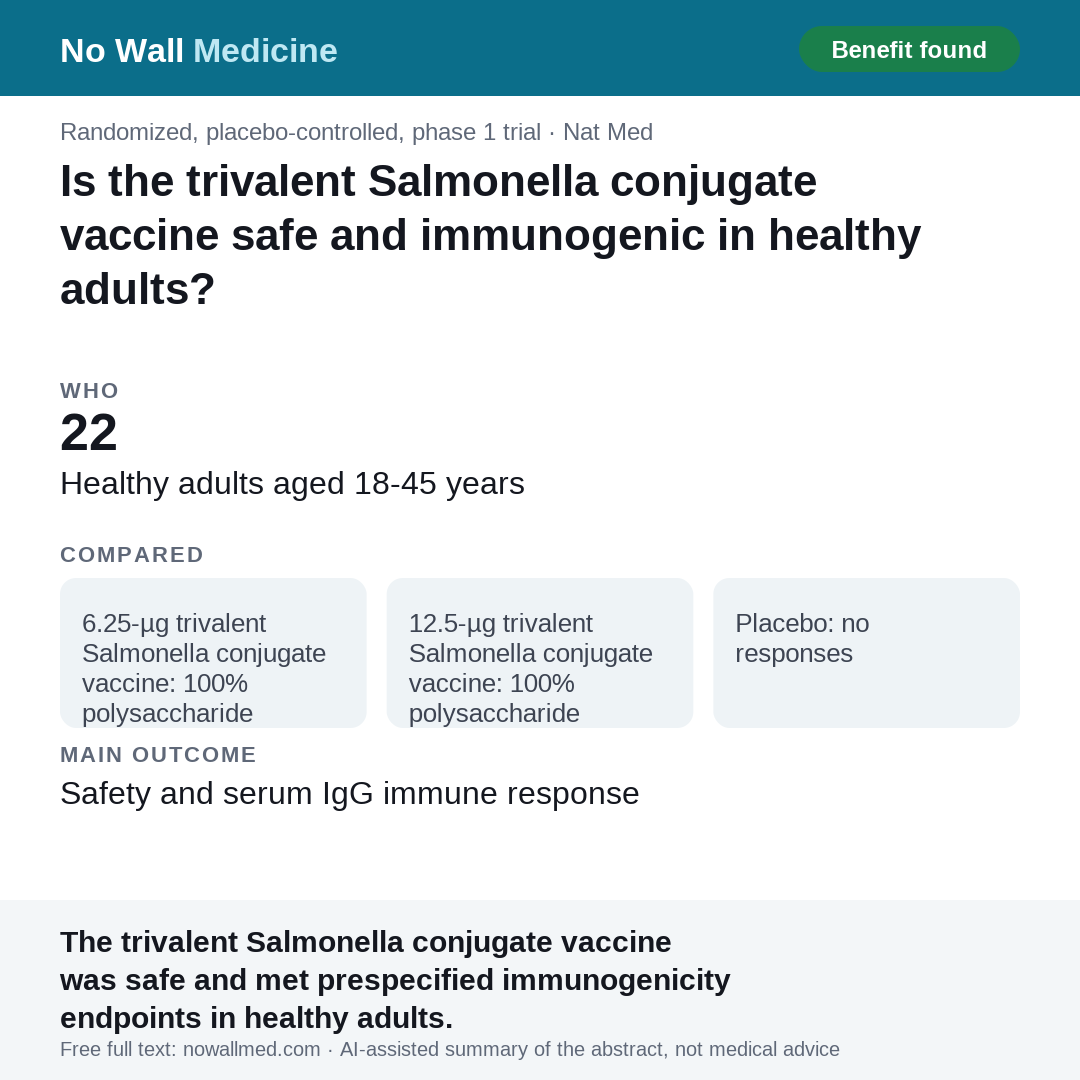
A combination typhoid and non-typhoidal Salmonella polysaccharide conjugate vaccine in healthy adults: a randomized, placebo-controlled phase 1 trial
Randomized, placebo-controlled, phase 1 trialBenefit found
Is the trivalent Salmonella conjugate vaccine safe and immunogenic in healthy adults?
Who
22
Healthy adults aged 18-45 years
Compared
6.25-µg trivalent Salmonella conjugate vaccine: 100% polysaccharide response; 88% (7/8) flagellin response
12.5-µg trivalent Salmonella conjugate vaccine: 100% polysaccharide response; 100% (8/8) flagellin response
Placebo: no responses
Main outcome
Safety and serum IgG immune response
Bottom line: The trivalent Salmonella conjugate vaccine was safe and met prespecified immunogenicity endpoints in healthy adults.
Nat Med · 2025-10-08Download image
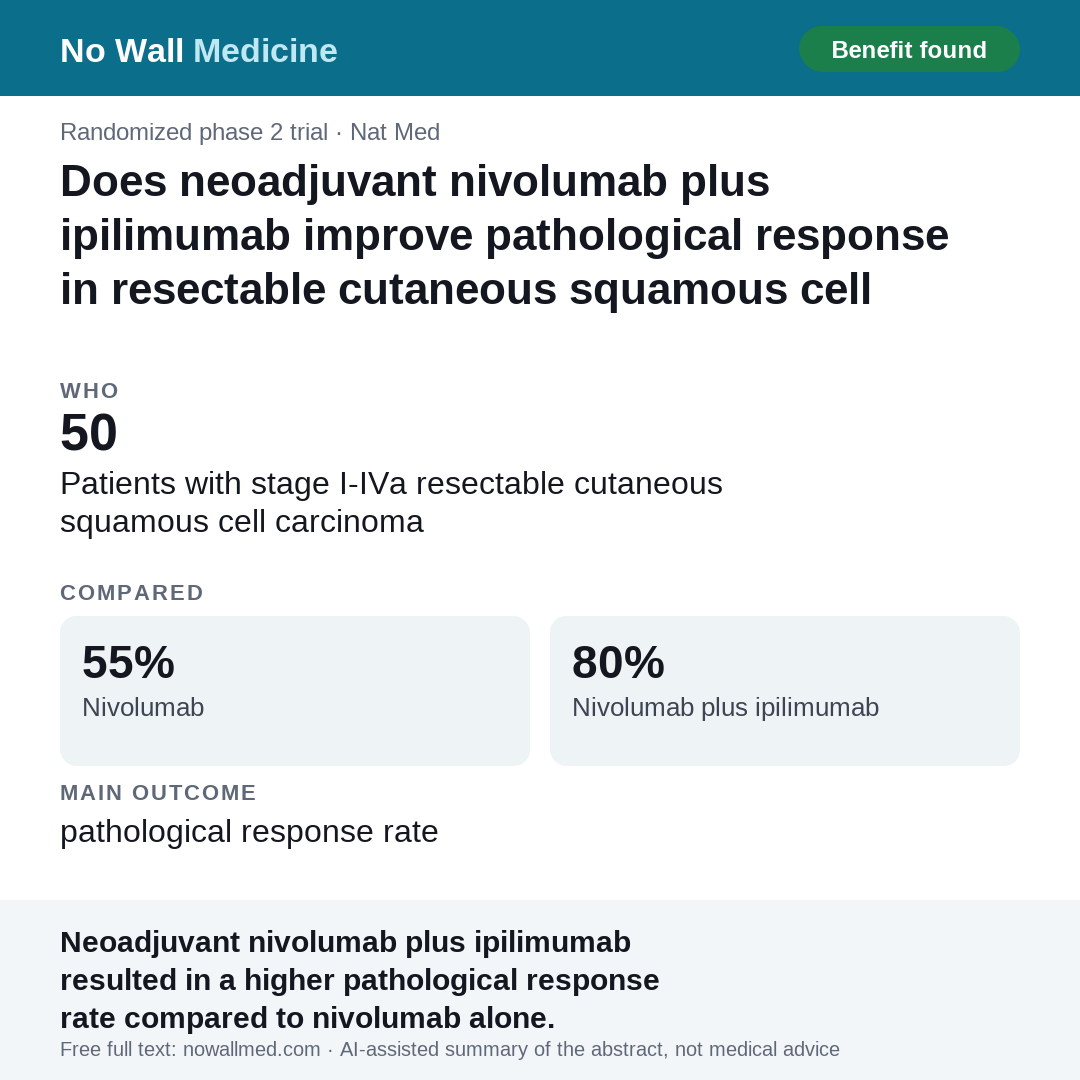
Neoadjuvant ipilimumab and nivolumab in resectable cutaneous squamous cell carcinoma: a randomized phase 2 trial
Randomized phase 2 trialBenefit found
Does neoadjuvant nivolumab plus ipilimumab improve pathological response in resectable cutaneous squamous cell carcinoma?
Who
50
Patients with stage I-IVa resectable cutaneous squamous cell carcinoma
Compared
55%Nivolumab
80%Nivolumab plus ipilimumab
Main outcome
pathological response rate
Bottom line: Neoadjuvant nivolumab plus ipilimumab resulted in a higher pathological response rate compared to nivolumab alone.
Nat Med · 2025-10-08Download image
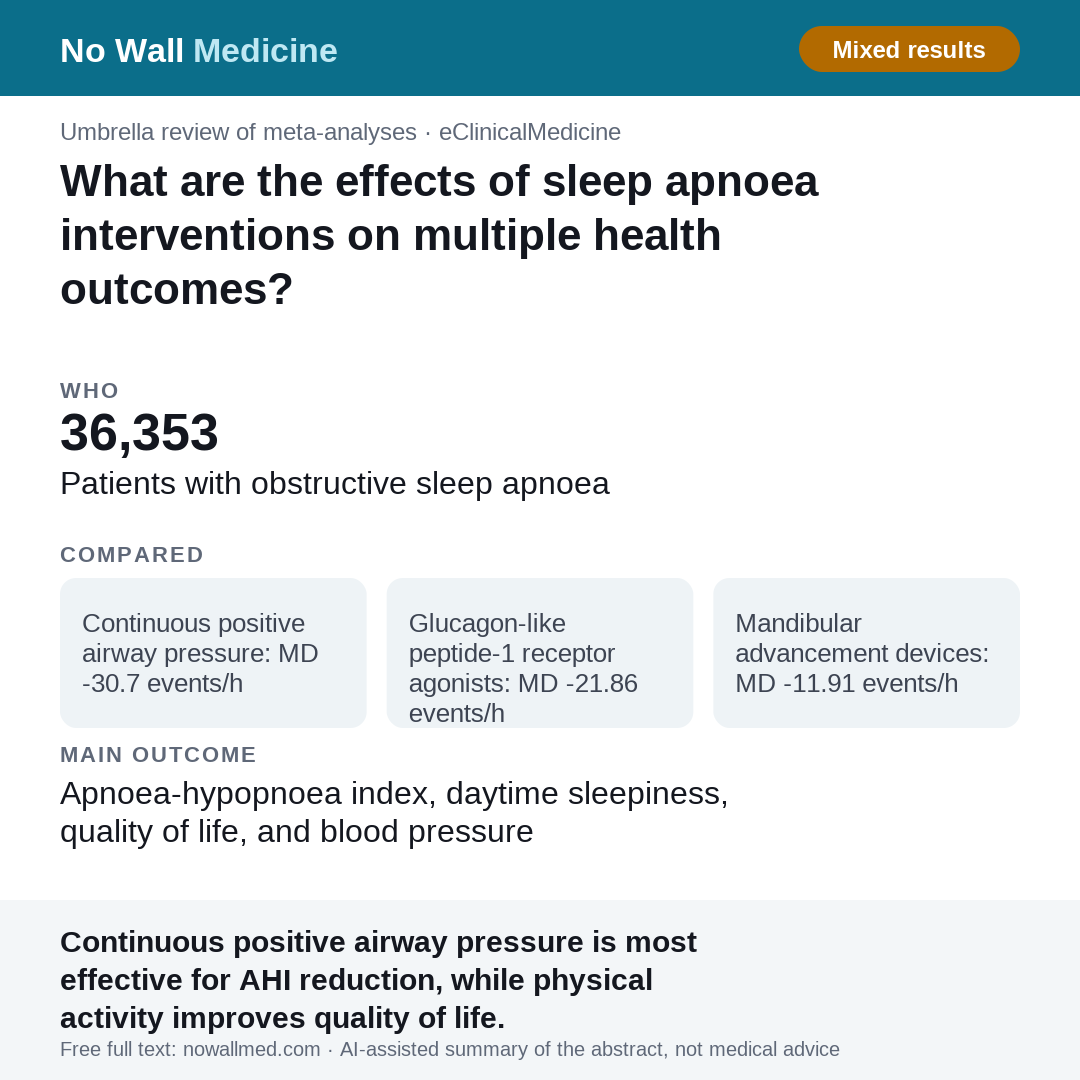
Effect of sleep apnoea interventions on multiple health outcomes: an umbrella review of meta-analyses of randomised controlled trials
Umbrella review of meta-analysesMixed results
What are the effects of sleep apnoea interventions on multiple health outcomes?
Who
36,353
Patients with obstructive sleep apnoea
Compared
Continuous positive airway pressure: MD -30.7 events/h
Glucagon-like peptide-1 receptor agonists: MD -21.86 events/h
Mandibular advancement devices: MD -11.91 events/h
Main outcome
Apnoea-hypopnoea index, daytime sleepiness, quality of life, and blood pressure
Result: CPAP AHI reduction SMD -1.65 (95% CI -1.87 to -1.43)
Bottom line: Continuous positive airway pressure is most effective for AHI reduction, while physical activity improves quality of life.
Limitation: Data on safety, long-term adherence, and combination therapies remain scarce.
eClinicalMedicine · 2025-10-08Download image
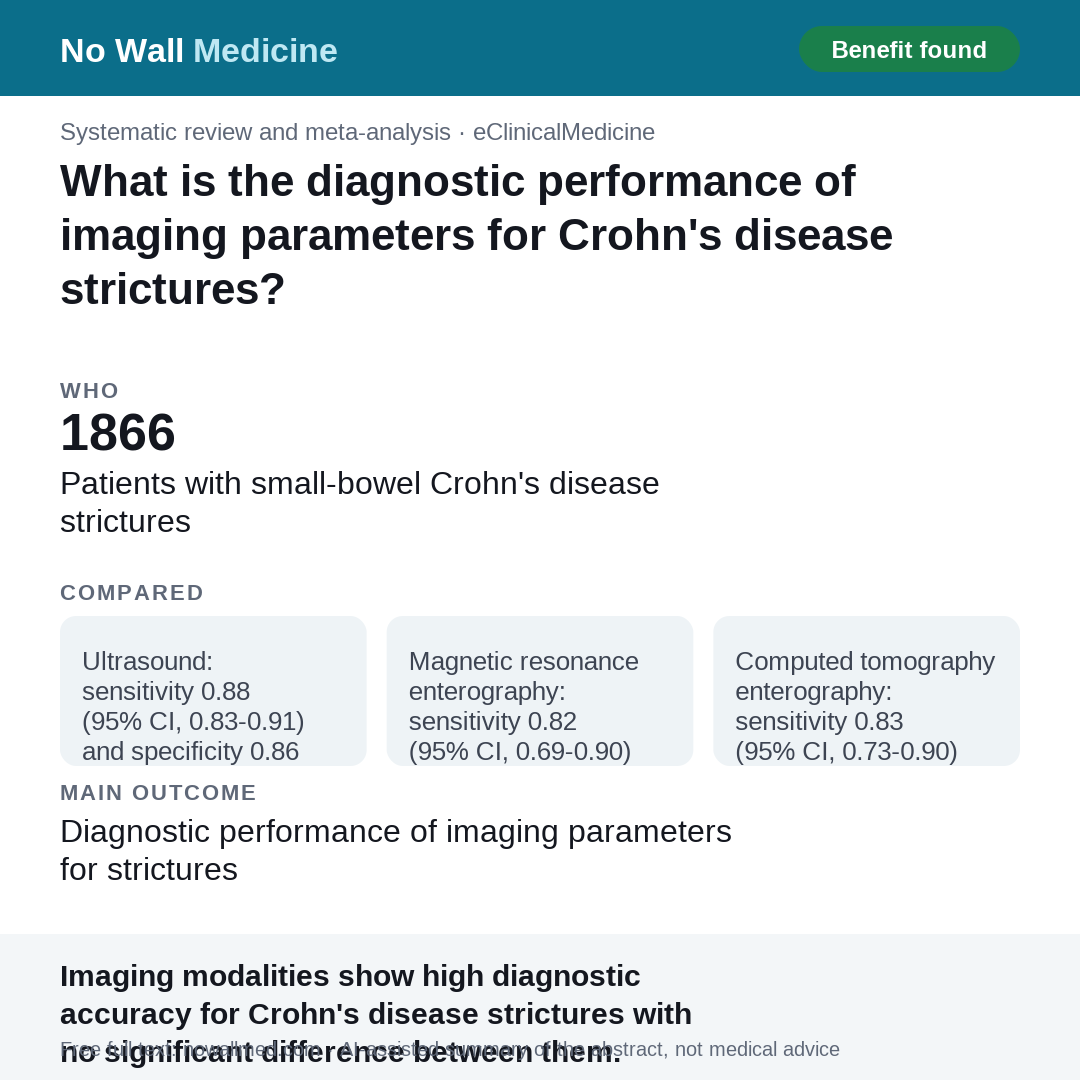
Variability and performance of radiologic stricture parameters in Crohn's disease: a systematic review and meta-analysis
Systematic review and meta-analysisBenefit found
What is the diagnostic performance of imaging parameters for Crohn's disease strictures?
Who
1866
Patients with small-bowel Crohn's disease strictures
Compared
Ultrasound: sensitivity 0.88 (95% CI, 0.83-0.91) and specificity 0.86 (95% CI, 0.79-0.91)
Magnetic resonance enterography: sensitivity 0.82 (95% CI, 0.69-0.90) and specificity 0.80 (95% CI, 0.44-0.95)
Computed tomography enterography: sensitivity 0.83 (95% CI, 0.73-0.90) and specificity 0.77 (95% CI, 0.47-0.93)
Main outcome
Diagnostic performance of imaging parameters for strictures
Bottom line: Imaging modalities show high diagnostic accuracy for Crohn's disease strictures with no significant difference between them.
Limitation: Variations in histological criteria and limited evidence for some modalities may limit generalizability.
eClinicalMedicine · 2025-10-08Download image
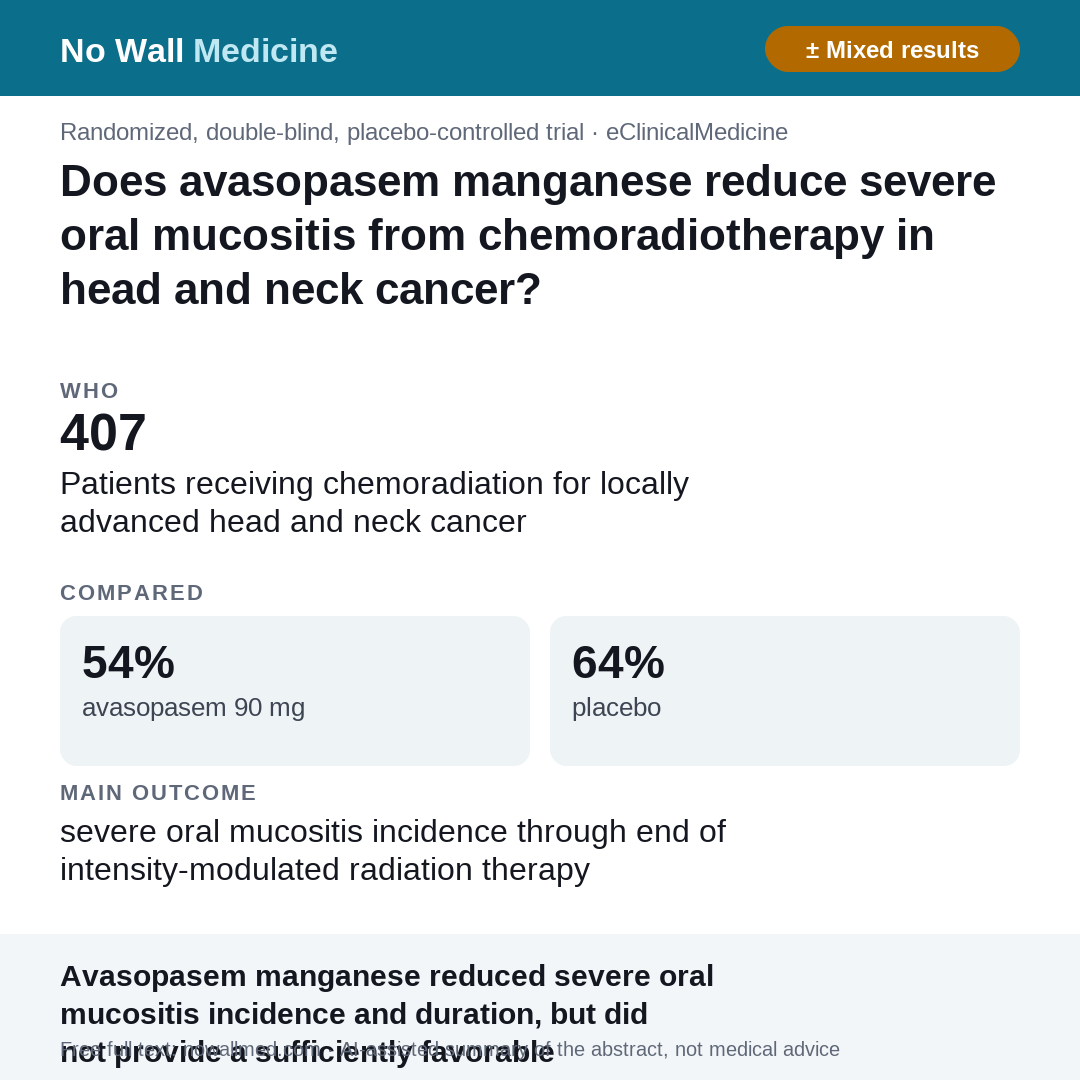
Avasopasem manganese treatment for severe oral mucositis from chemoradiotherapy for locally advanced head and neck cancer: phase 3 randomized controlled trial (ROMAN)
Randomized, double-blind, placebo-controlled trialMixed results
Does avasopasem manganese reduce severe oral mucositis from chemoradiotherapy in head and neck cancer?
Who
407
Patients receiving chemoradiation for locally advanced head and neck cancer
Compared
54%avasopasem 90 mg
64%placebo
Main outcome
severe oral mucositis incidence through end of intensity-modulated radiation therapy
Result: relative risk 0·84 (95% CI 0·71, 1·00)
Bottom line: Avasopasem manganese reduced severe oral mucositis incidence and duration, but did not provide a sufficiently favorable benefit-risk determination.
Funded by: Galera Therapeutics, Inc.
eClinicalMedicine · 2025-10-08Download image
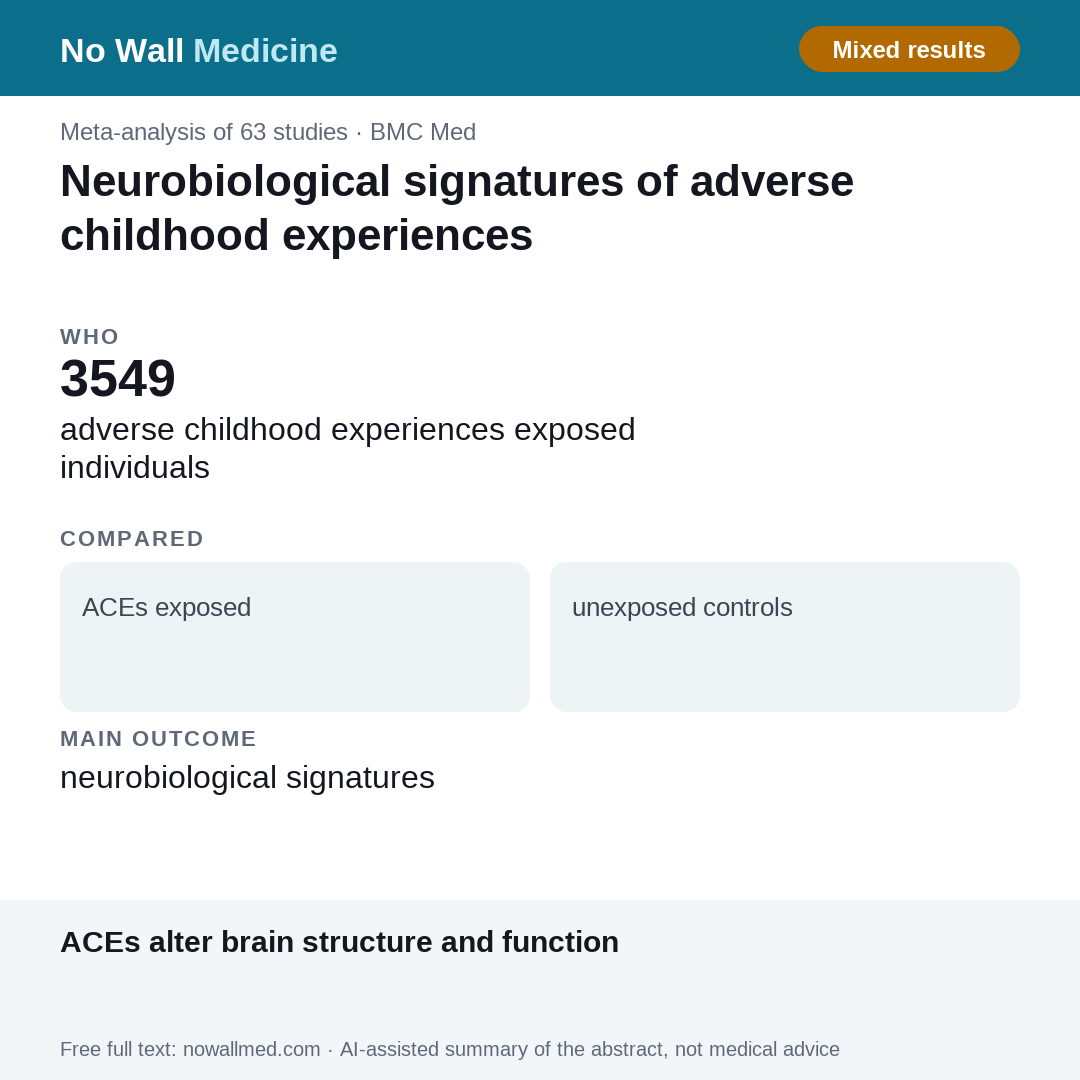
The multimodal neuroimaging signatures and gene expression profiles for adverse childhood experiences
Meta-analysis of 63 studiesMixed results
Neurobiological signatures of adverse childhood experiences
Who
3549
adverse childhood experiences exposed individuals
Compared
ACEs exposed
unexposed controls
Main outcome
neurobiological signatures
Bottom line: ACEs alter brain structure and function
BMC Med · 2025-10-08Download image
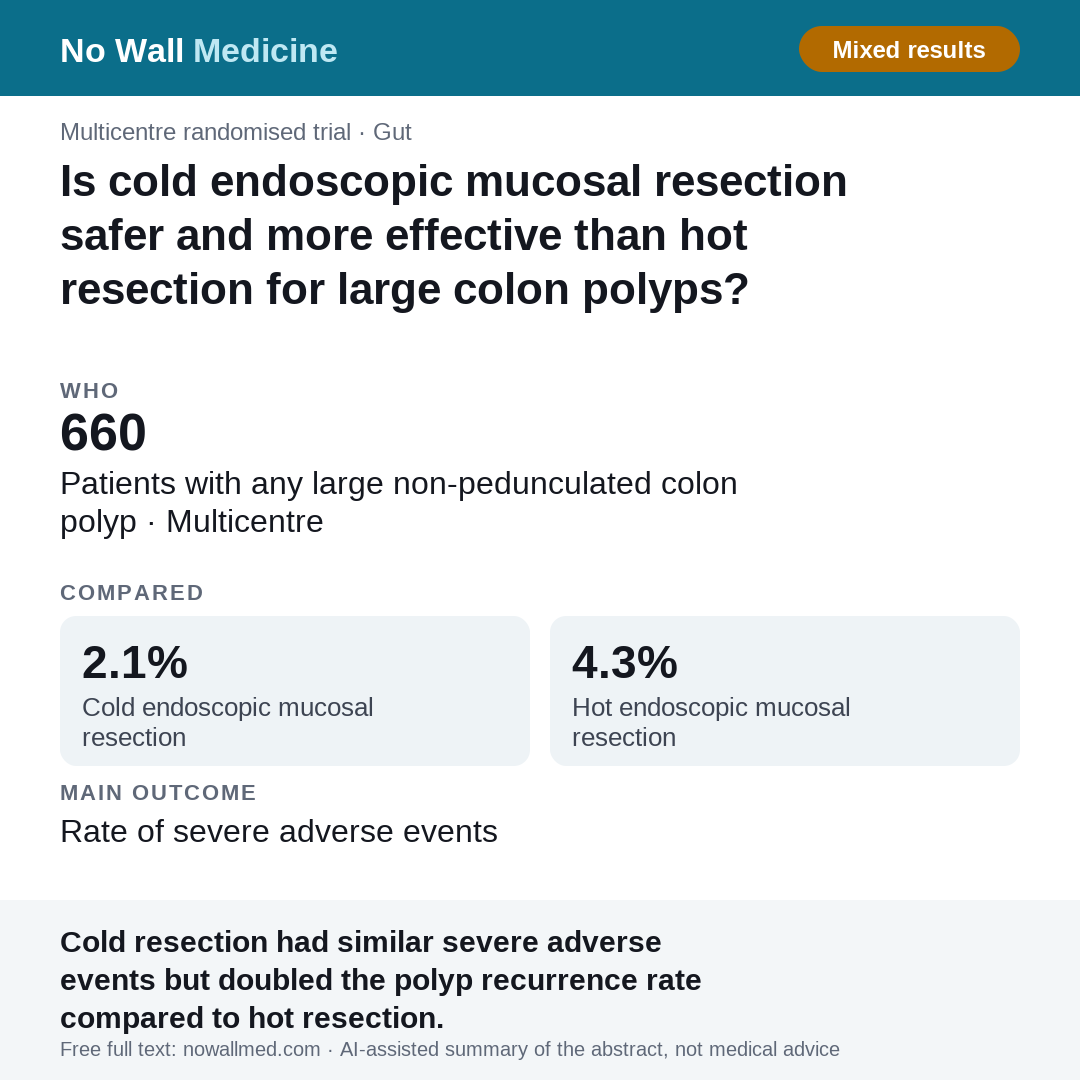
Cold snare endoscopic resection for large colon polyps: a randomised trial
Multicentre randomised trialMixed results
Is cold endoscopic mucosal resection safer and more effective than hot resection for large colon polyps?
Who
660
Patients with any large non-pedunculated colon polyp · Multicentre
Compared
2.1%Cold endoscopic mucosal resection
4.3%Hot endoscopic mucosal resection
Main outcome
Rate of severe adverse events
Bottom line: Cold resection had similar severe adverse events but doubled the polyp recurrence rate compared to hot resection.
Gut · 2025-10-08Download image
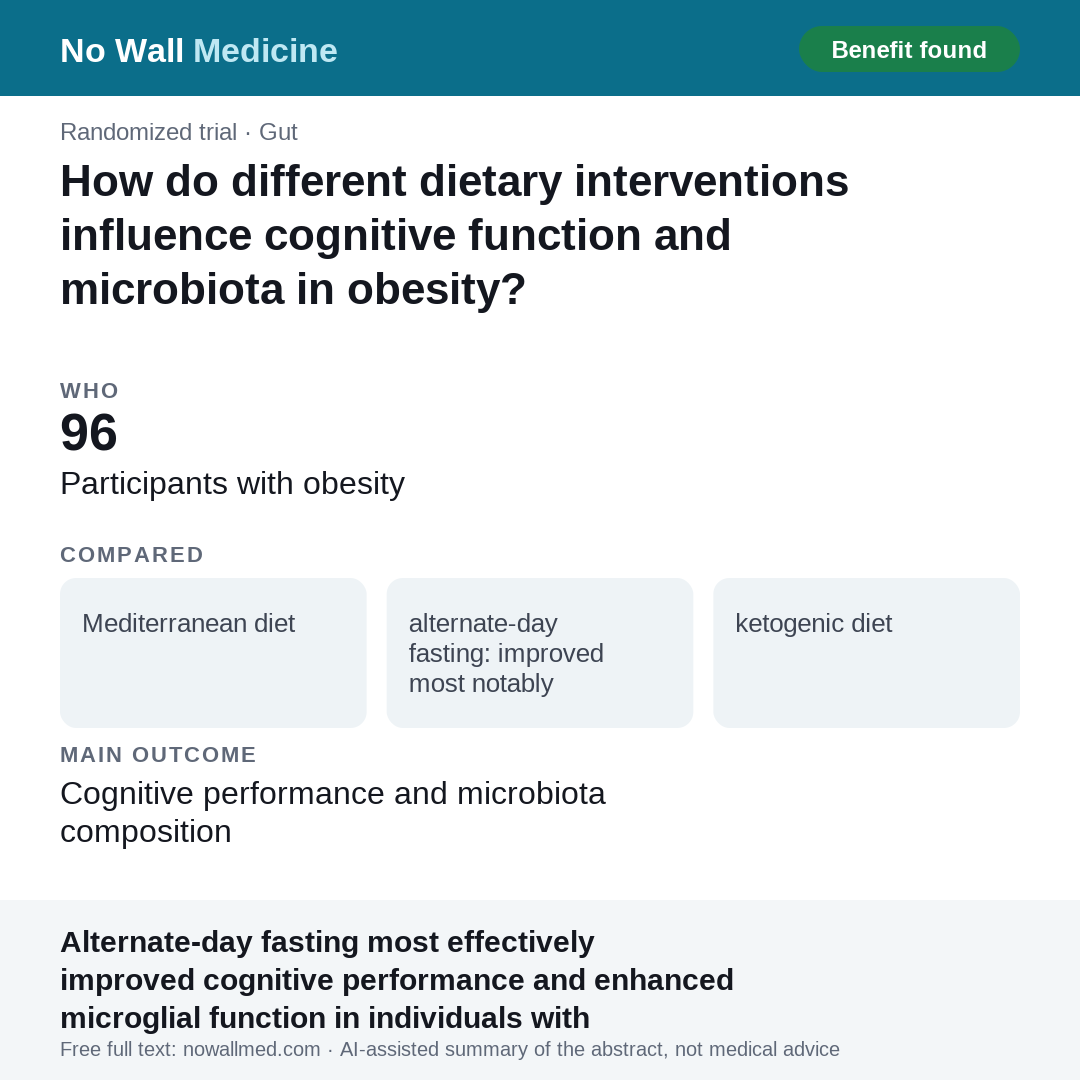
Microbiota fasting-related changes ameliorate cognitive decline in obesity and boost ex vivo microglial function through the gut-brain axis
Randomized trialBenefit found
How do different dietary interventions influence cognitive function and microbiota in obesity?
Who
96
Participants with obesity
Compared
Mediterranean diet
alternate-day fasting: improved most notably
ketogenic diet
Main outcome
Cognitive performance and microbiota composition
Bottom line: Alternate-day fasting most effectively improved cognitive performance and enhanced microglial function in individuals with obesity.
Gut · 2025-10-08Download image
Brief Cognitive Behavioral Therapy for Suicidal Military Personnel and Veterans: The Military Suicide Prevention Intervention Research (MSPIRE) Randomized Clinical Trial
2-arm, parallel randomized clinical trialBenefit found
Does brief cognitive behavioral therapy reduce suicide attempts in military personnel and veterans?
Who
108
US military personnel and veterans with recent suicidal ideation or behavior · 3 US-based outpatient psychiatric clinics
Compared
5.6%Brief cognitive behavioral therapy
27.9%Present-centered therapy
Main outcome
suicide attempt
Result: hazard ratio 0.25 (90% CI 0.07-0.90)
Bottom line: Brief cognitive behavioral therapy significantly reduced the risk of suicide attempts among high-risk military personnel and veterans.
JAMA Psychiatry · 2025-10-08Download image

Sustained Effectiveness of a 211 Call Center With Early Childhood Care Coordination
Randomized trialBenefit found
Does early childhood care coordination sustain increased referrals and service receipt over 24 months?
Who
565
Children aged 11 to 42 months without developmental delays · 4 clinic systems in Los Angeles County
Compared
Intervention (care coordination): 43% referrals and 28% enrolled in services
Control (usual care alone): 35% referrals and 20% enrolled in services
Main outcome
Referrals made, services received, and time to service receipt
Bottom line: Care coordination through 211LA resulted in more referrals, more service enrollment, and earlier service receipt over 24 months.
Pediatrics · 2025-10-08Download image

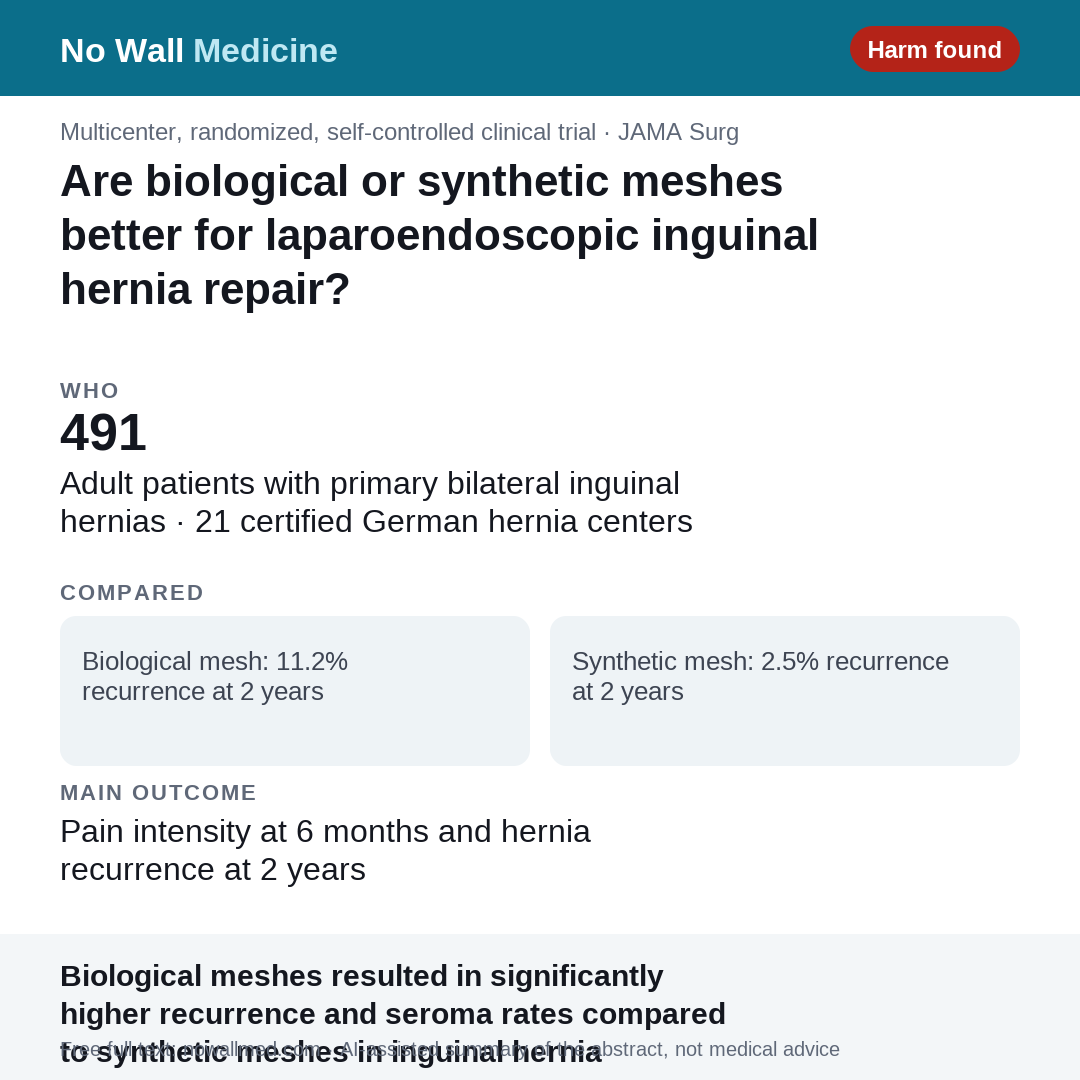
Biological vs Synthetic Mesh in Laparoendoscopic Inguinal Hernia Repair: The BIOLAP Randomized Clinical Trial
Multicenter, randomized, self-controlled clinical trialHarm found
Are biological or synthetic meshes better for laparoendoscopic inguinal hernia repair?
Who
491
Adult patients with primary bilateral inguinal hernias · 21 certified German hernia centers
Compared
Biological mesh: 11.2% recurrence at 2 years
Synthetic mesh: 2.5% recurrence at 2 years
Main outcome
Pain intensity at 6 months and hernia recurrence at 2 years
Bottom line: Biological meshes resulted in significantly higher recurrence and seroma rates compared to synthetic meshes in inguinal hernia repair.
JAMA Surg · 2025-10-08Download image
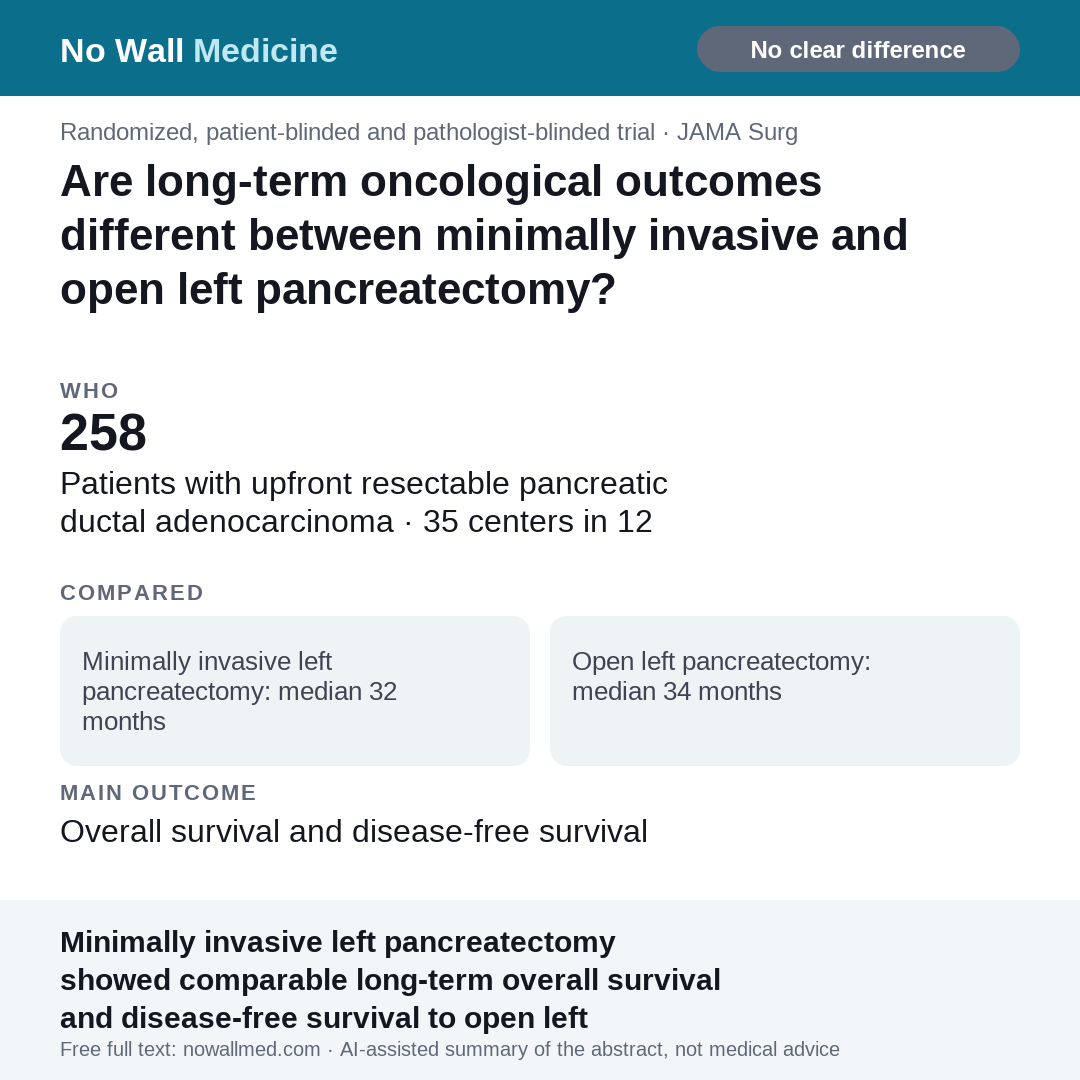
Minimally Invasive vs Open Left Pancreatectomy for Resectable Pancreatic Cancer: Long-Term Results of the Randomized DIPLOMA Trial
Randomized, patient-blinded and pathologist-blinded trialNo clear difference
Are long-term oncological outcomes different between minimally invasive and open left pancreatectomy?
Who
258
Patients with upfront resectable pancreatic ductal adenocarcinoma · 35 centers in 12 countries worldwide
Compared
Minimally invasive left pancreatectomy: median 32 months
Open left pancreatectomy: median 34 months
Main outcome
Overall survival and disease-free survival
Result: hazard ratio 1.02 (95% CI 0.72-1.44)
Bottom line: Minimally invasive left pancreatectomy showed comparable long-term overall survival and disease-free survival to open left pancreatectomy.
JAMA Surg · 2025-10-08Download image
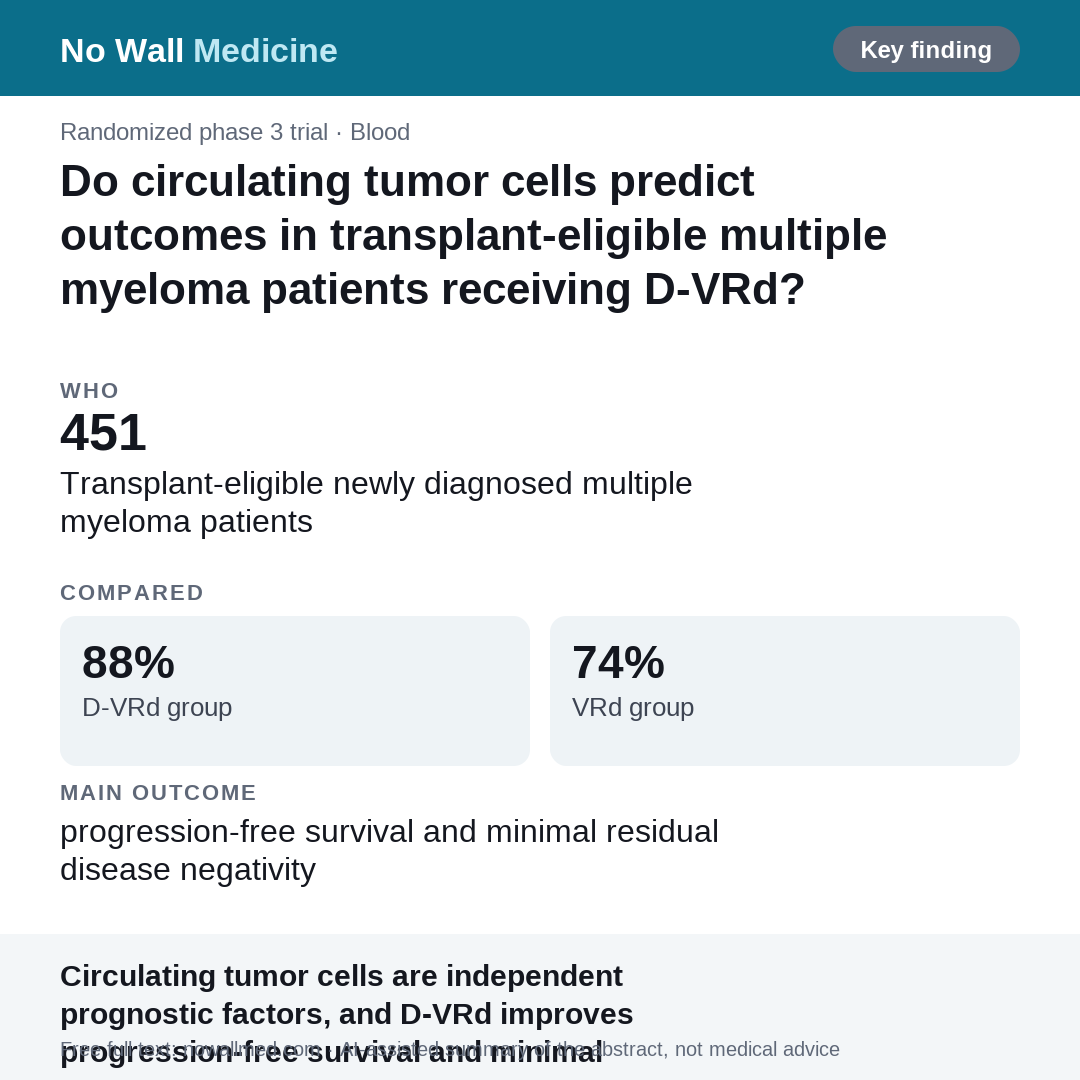
Circulating tumor cells predict myeloma outcomes in patients treated with daratumumab, bortezomib, lenalidomide, and dexamethasone
Randomized phase 3 trialBenefit found
Do circulating tumor cells predict outcomes in transplant-eligible multiple myeloma patients receiving D-VRd?
Who
451
Transplant-eligible newly diagnosed multiple myeloma patients
Compared
88%D-VRd group (4-year PFS rate in CTC-low)
74%VRd group (4-year PFS rate in CTC-low)
Main outcome
progression-free survival and minimal residual disease negativity
Result: hazard ratio 1.36 (95% confidence interval 1.15-1.60)
Bottom line: Circulating tumor cells are independent prognostic factors, and D-VRd improves progression-free survival and minimal residual disease negativity.
Limitation: CTC analysis was performed on a subset of the total trial patients
Blood · 2025-10-08Download image
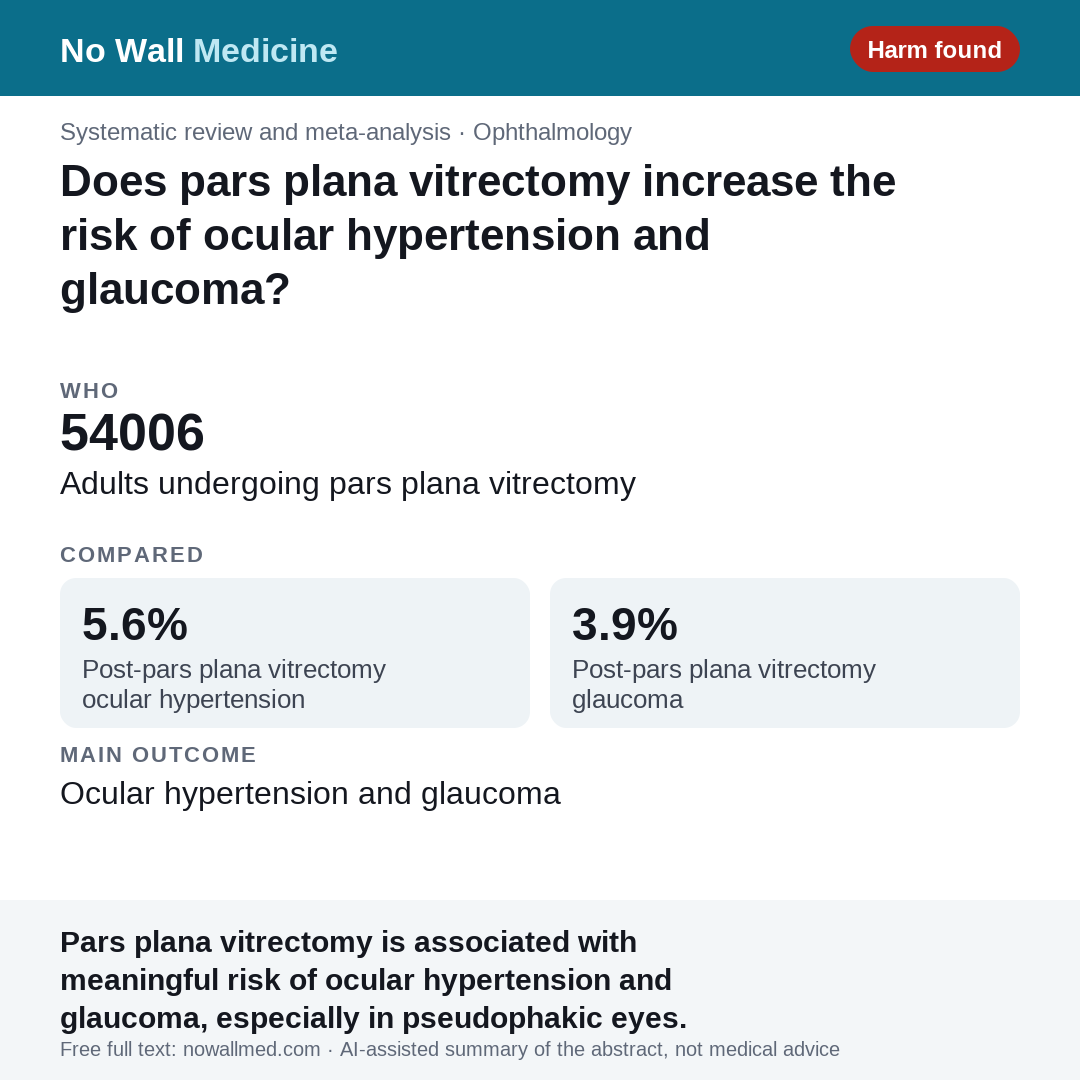
Ocular Hypertension and Glaucoma After Pars Plana Vitrectomy: A Systematic Review and Meta-Analysis
Systematic review and meta-analysisHarm found
Does pars plana vitrectomy increase the risk of ocular hypertension and glaucoma?
Who
54006
Adults undergoing pars plana vitrectomy
Compared
5.6%Post-pars plana vitrectomy ocular hypertension (95% CI: 3.1-9.9)
3.9%Post-pars plana vitrectomy glaucoma (95% CI: 2.0-7.2)
Main outcome
Ocular hypertension and glaucoma
Bottom line: Pars plana vitrectomy is associated with meaningful risk of ocular hypertension and glaucoma, especially in pseudophakic eyes.
Limitation: Limitations from nonrandomized data and heterogeneity.
Ophthalmology · 2025-10-08Download image
Intracardiac vs Transesophageal Echocardiography in Atrial Fibrillation Ablation: A Randomized Clinical Trial
Multicenter randomized clinical trialBenefit found
Is intracardiac echocardiography noninferior to transesophageal echocardiography in preventing periprocedural thromboembolic events?
Who
1810
Adults with atrial fibrillation scheduled for catheter ablation · 10 hospitals in China
Compared
0.4%Intracardiac echocardiography
0.6%Transesophageal echocardiography
Main outcome
Incidence of periprocedural thromboembolic events
Result: risk difference, -0.11%; Farrington-Manning 95% CI, -0.84% to 0.62%
Bottom line: Intracardiac echocardiography is noninferior to transesophageal echocardiography for preventing thromboembolic events and offers procedural advantages.
JAMA Cardiol · 2025-10-08Download image

Diagnostic potential of near-infrared spectroscopy in mild cognitive impairment and neurodegenerative disorders: Implications for resource-limited settings
Systematic reviewBenefit found
What is the diagnostic potential of near-infrared spectroscopy for cognitive impairment?
Who
Individuals with mild cognitive impairment and neurodegenerative disorders
Compared
Mild cognitive impairment and neurodegenerative disorders: reduced prefrontal connectivity and decreased oxyhemoglobin levels
Healthy controls
Main outcome
Diagnostic accuracy for cognitive assessment and neurodegeneration
Bottom line: Near-infrared spectroscopy shows considerable potential for early detection of cognitive impairment and neurodegenerative diseases.
Alzheimers Dement · 2025-10-08Download image

Cholesterol-lowering drug targets reduce risk of dementia: Mendelian randomization and meta-analyses of 1 million individuals
Mendelian randomization and meta-analysesBenefit found
Do genetically proxied non-high-density lipoprotein cholesterol-lowering drug targets reduce dementia risk?
Who
1091775
1,091,775 individuals from general population cohorts and consortia · three prospective general population cohorts
Compared
HMGCR: odds ratio 0.24 (0.18-0.31)
NPC1L1: odds ratio 0.18 (0.12-0.25)
PCSK9: odds ratio 0.97 (0.70-1.35)
ANGPTL4: odds ratio 1.66 (0.52-5.36)
Main outcome
all-cause dementia risk
Bottom line: Genetic lowering of non-high-density lipoprotein cholesterol via HMGCR, NPC1L1, and CETP reduces dementia risk.
Alzheimers Dement · 2025-10-08Download image
