Visual abstracts
New randomized trials and meta-analyses from leading journals at a glance: who was studied, what was compared, and what was found. Every paper is free to read in full.
All specialtiesCardiology 4763Oncology 4043Gastroenterology & Hepatology 1903Infectious Disease 3756Neurology 1872Psychiatry & Mental Health 2216Pulmonology 2044Critical Care 1319Endocrinology & Diabetes 2544Pediatrics 2889Surgery 2480Orthopedics & Sports Medicine 917Neurosurgery 525Cardiothoracic & Vascular Surgery 656Plastic & Reconstructive Surgery 574Nephrology 1107Rheumatology 810Hematology 1090Dermatology 611Ophthalmology 532Obstetrics & Gynecology 1645Public & Global Health 1037Radiology & Imaging 619Anesthesiology 958Urology 745ENT (Otolaryngology) 494Emergency Medicine 481Allergy & Immunology 309Geriatrics 972Family Medicine & Primary Care 534Medical Genetics & Genomics 659Pathology & Laboratory Medicine 156Physical Medicine & Rehabilitation 734Palliative Care 421Nutrition 1560Digital Health & AI 2137General Medicine 318
BEYOND: a randomized controlled trial comparing efficacy and safety of individualized follitropin delta dosing in a GnRH agonist versus antagonist protocol during the first ovarian stimulation cycle
Randomized, controlled, open-label, multi-centre trialBenefit found
Does GnRH agonist versus antagonist protocol affect ovarian response with individualized follitropin delta dosing?
Who
437
Women aged 18-40 years with anti-Müllerian hormone ≤35 pmol/l · Specialist reproductive health clinics in seven European and Middle Eastern countries
Compared
GnRH agonist protocol: 11.1 ± 5.9 oocytes retrieved
GnRH antagonist protocol: 9.6 ± 5.5 oocytes retrieved
Main outcome
Number of oocytes retrieved
Result: mean difference of 1.31 oocytes (95% CI: 0.22; 2.40)
Bottom line: Individualized follitropin delta dosing in a GnRH agonist protocol resulted in significantly more retrieved oocytes than an antagonist protocol.
Hum Reprod · 2024-05-09 · Save PNG

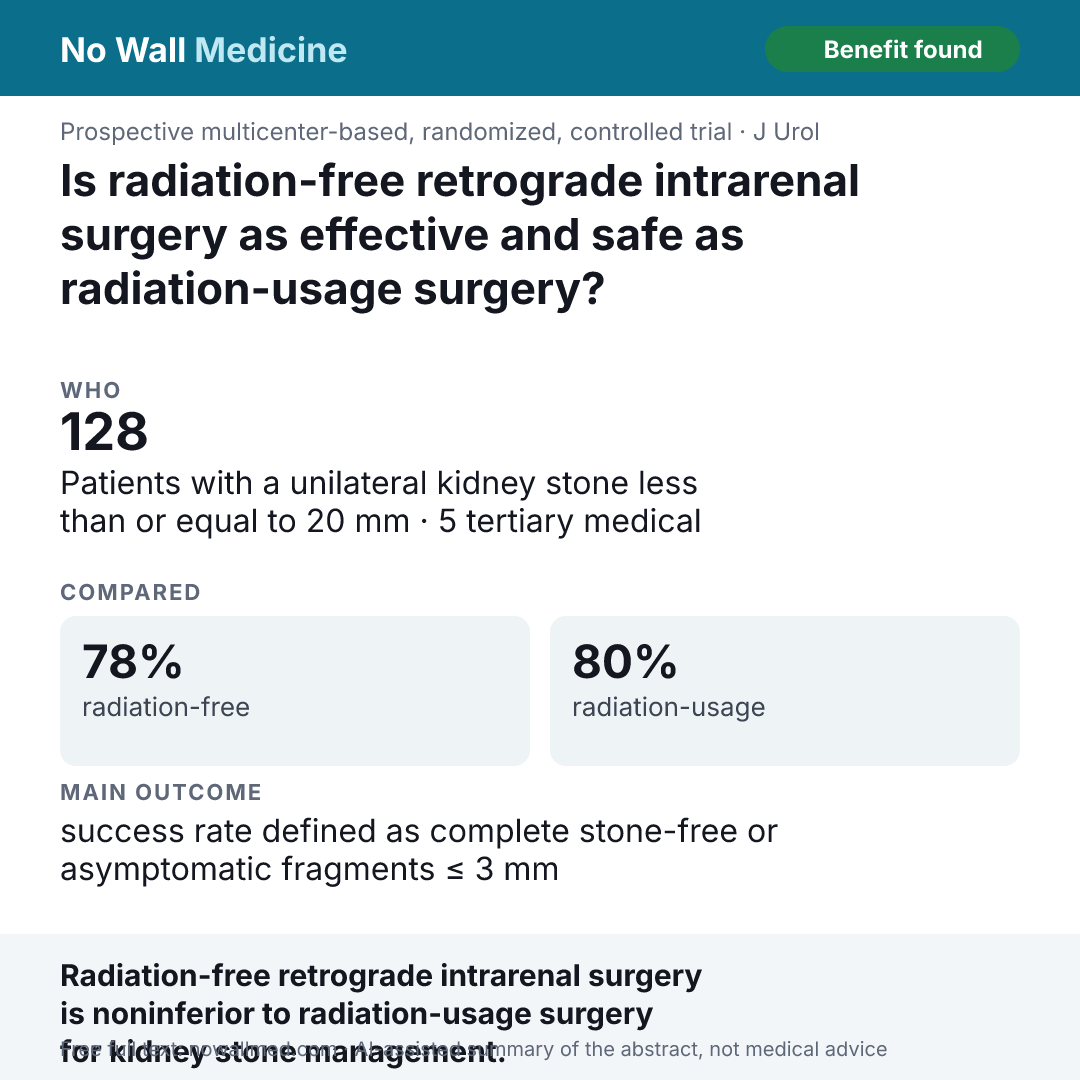
The Efficacy and Safety of Radiation-Free Retrograde Intrarenal Surgery: A Prospective Multicenter-Based, Randomized, Controlled Trial
Prospective multicenter-based, randomized, controlled trialBenefit found
Is radiation-free retrograde intrarenal surgery as effective and safe as radiation-usage surgery?
Who
128
Patients with a unilateral kidney stone less than or equal to 20 mm · 5 tertiary medical centers
Compared
78%radiation-free
80%radiation-usage
Main outcome
success rate defined as complete stone-free or asymptomatic fragments ≤ 3 mm
Result: difference was 2.2% (95% CI, 0.16-0.12)
Bottom line: Radiation-free retrograde intrarenal surgery is noninferior to radiation-usage surgery for kidney stone management.
J Urol · 2024-05-09 · Save PNG
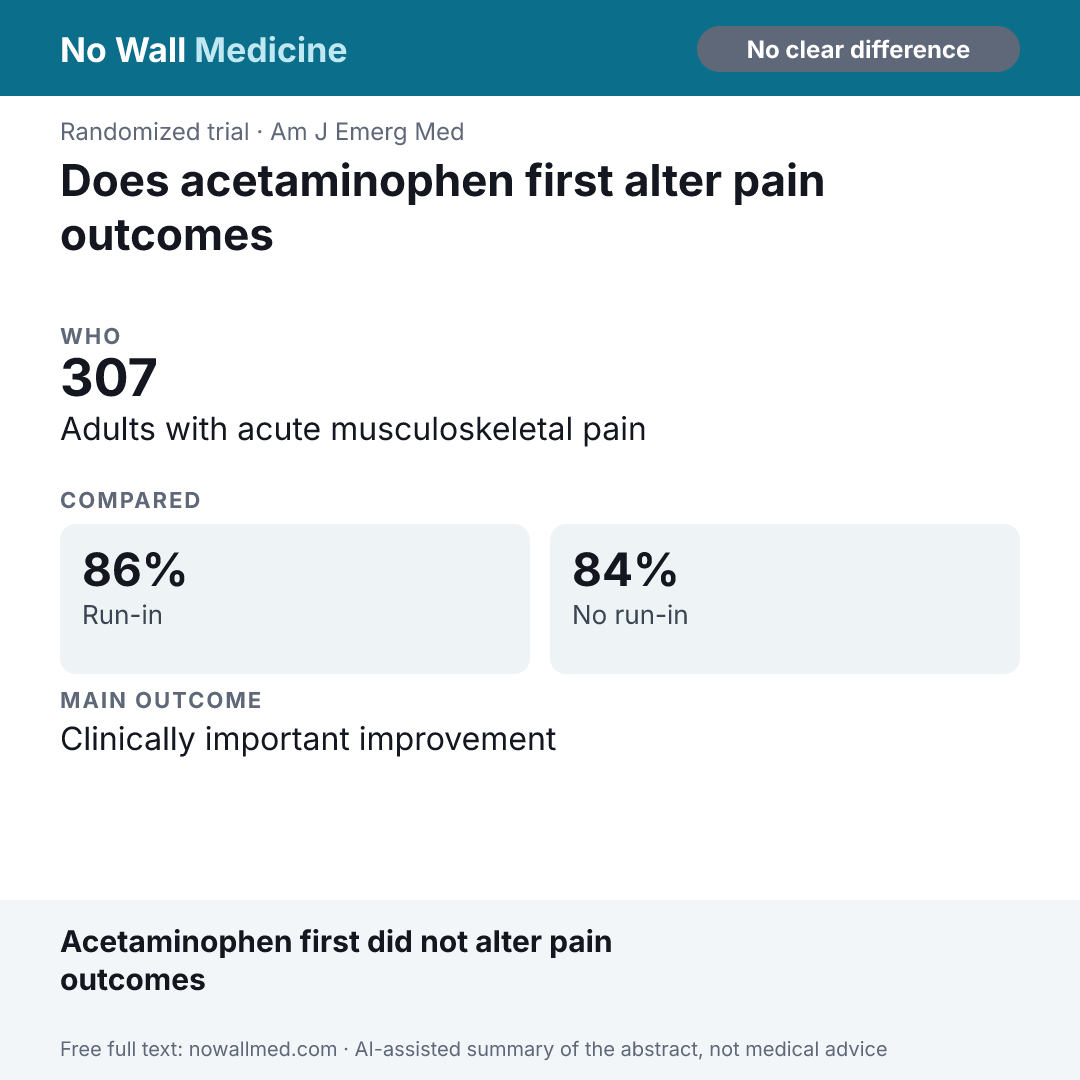
A sequential, multiple-assignment, randomized trial of analgesic strategies for acute musculoskeletal Pain
Randomized trialNo clear difference
Does acetaminophen first alter pain outcomes
Who
307
Adults with acute musculoskeletal pain
Compared
86%Run-in (246/287)
84%No run-in (84/100)
Main outcome
Clinically important improvement
Bottom line: Acetaminophen first did not alter pain outcomes
Am J Emerg Med · 2024-05-09 · Save PNG
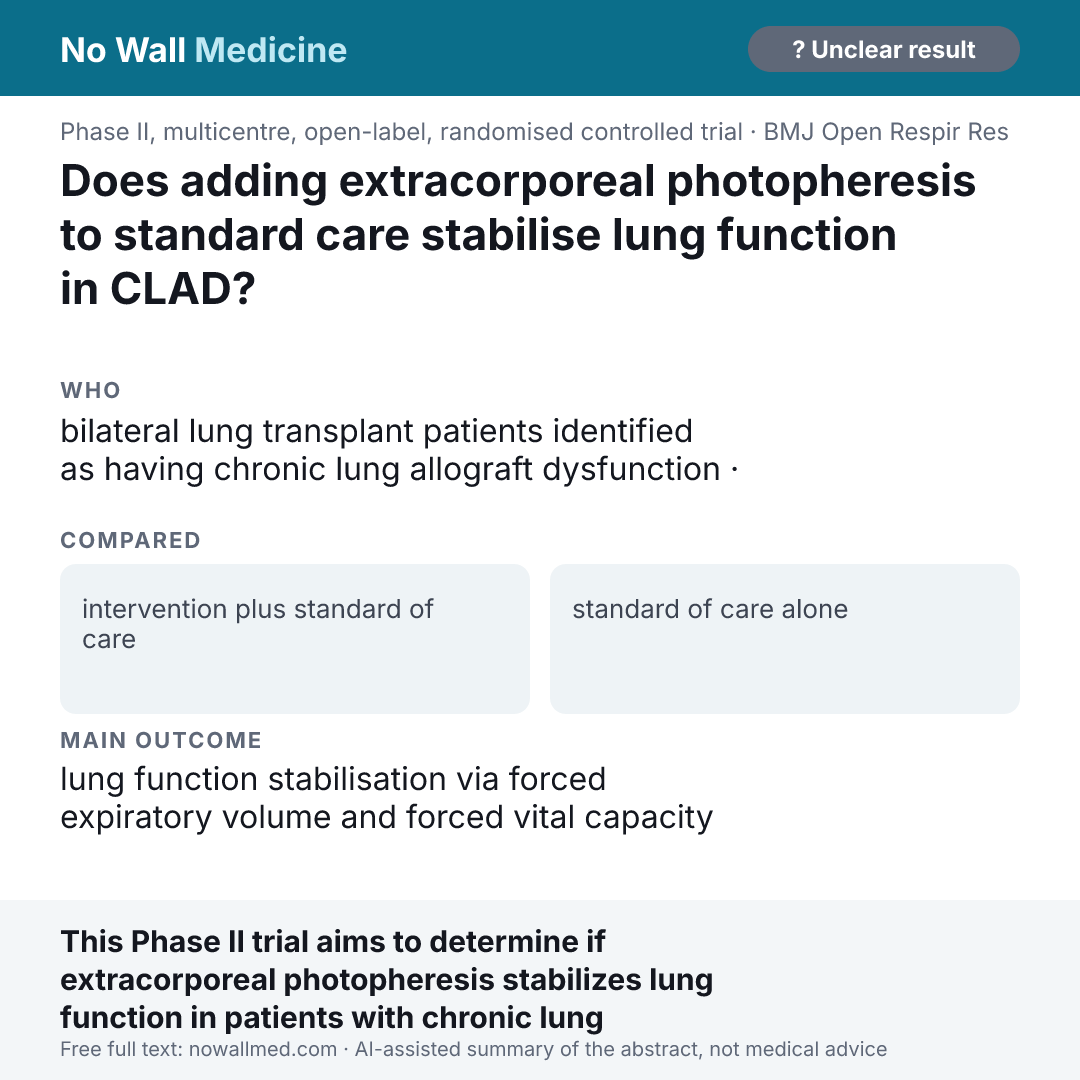
Extracorporeal photopheresis (ECP) in the treatment of chronic lung allograft dysfunction (CLAD): a prospective, multicentre, open-label, randomised controlled trial studying the addition of ECP to standard care in the treatment of bilateral lung transplant patients with CLAD (E-CLAD UK)
Phase II, multicentre, open-label, randomised controlled trialUnclear result
Does adding extracorporeal photopheresis to standard care stabilise lung function in CLAD?
Who
bilateral lung transplant patients identified as having chronic lung allograft dysfunction · five United Kingdom adult lung transplant centres
Compared
intervention plus standard of care
standard of care alone
Main outcome
lung function stabilisation via forced expiratory volume and forced vital capacity
Bottom line: This Phase II trial aims to determine if extracorporeal photopheresis stabilizes lung function in patients with chronic lung allograft dysfunction.
BMJ Open Respir Res · 2024-05-09 · Save PNG
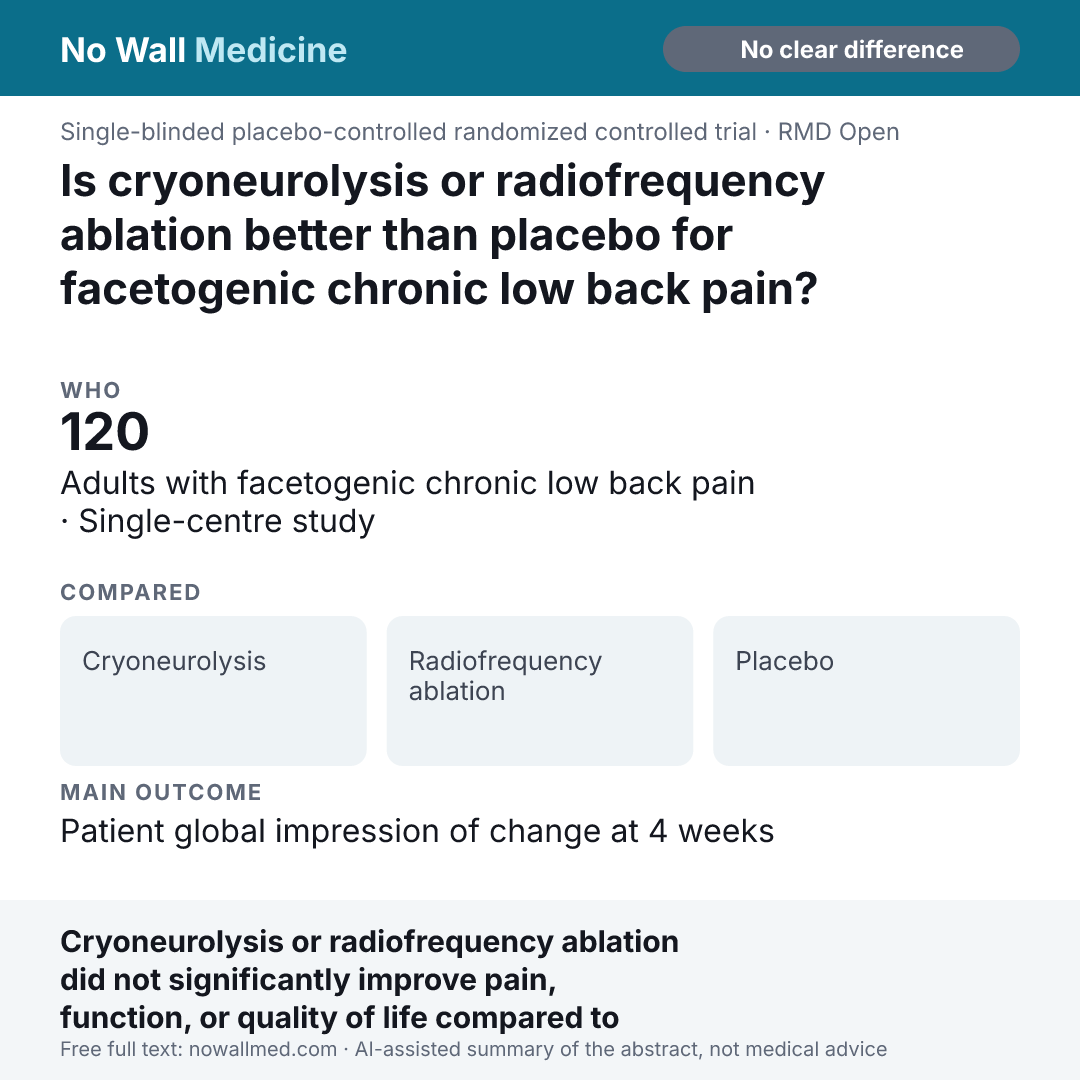
Cryoneurolysis versus radiofrequency ablation outcome on pain experience in chronic low back pain (COPE): a single-blinded randomised controlled trial
Single-blinded placebo-controlled randomized controlled trialNo clear difference
Is cryoneurolysis or radiofrequency ablation better than placebo for facetogenic chronic low back pain?
Who
120
Adults with facetogenic chronic low back pain · Single-centre study
Compared
Cryoneurolysis
Radiofrequency ablation
Placebo
Main outcome
Patient global impression of change at 4 weeks
Result: risk ratio 2 (95% CI 0.75 to 5.33) for cryoneurolysis vs placebo
Bottom line: Cryoneurolysis or radiofrequency ablation did not significantly improve pain, function, or quality of life compared to placebo.
RMD Open · 2024-05-09 · Save PNG
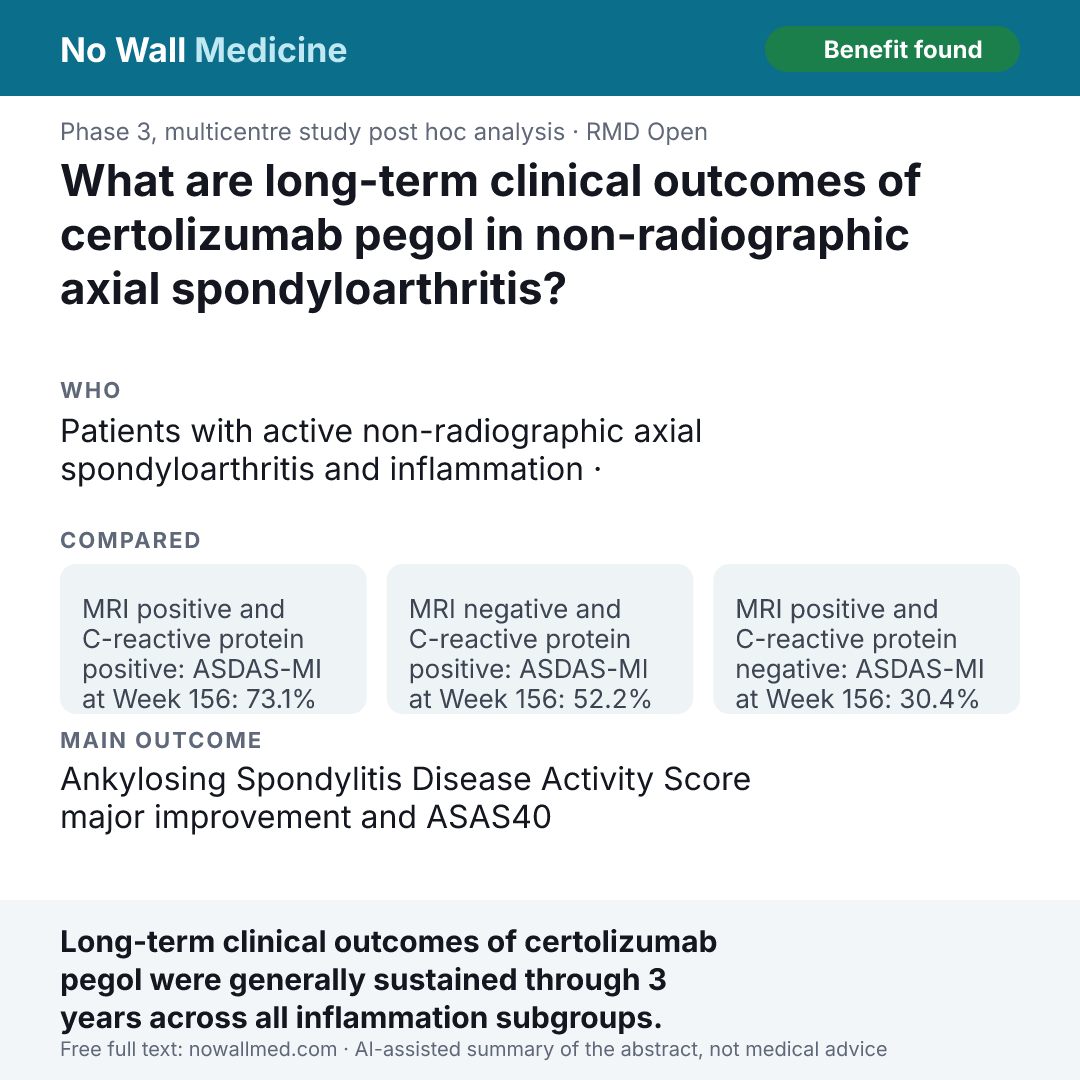
Long-term clinical outcomes of certolizumab pegol treatment in non-radiographic axial spondyloarthritis stratified by baseline MRI and CRP status
Phase 3, multicentre study post hoc analysisBenefit found
What are long-term clinical outcomes of certolizumab pegol in non-radiographic axial spondyloarthritis?
Who
Patients with active non-radiographic axial spondyloarthritis and inflammation · Multicentre
Compared
MRI positive and C-reactive protein positive: ASDAS-MI at Week 156: 73.1%
MRI negative and C-reactive protein positive: ASDAS-MI at Week 156: 52.2%
MRI positive and C-reactive protein negative: ASDAS-MI at Week 156: 30.4%
Main outcome
Ankylosing Spondylitis Disease Activity Score major improvement and ASAS40
Bottom line: Long-term clinical outcomes of certolizumab pegol were generally sustained through 3 years across all inflammation subgroups.
Limitation: This was a post hoc analysis of the C-axSpAnd trial.
RMD Open · 2024-05-09 · Save PNG
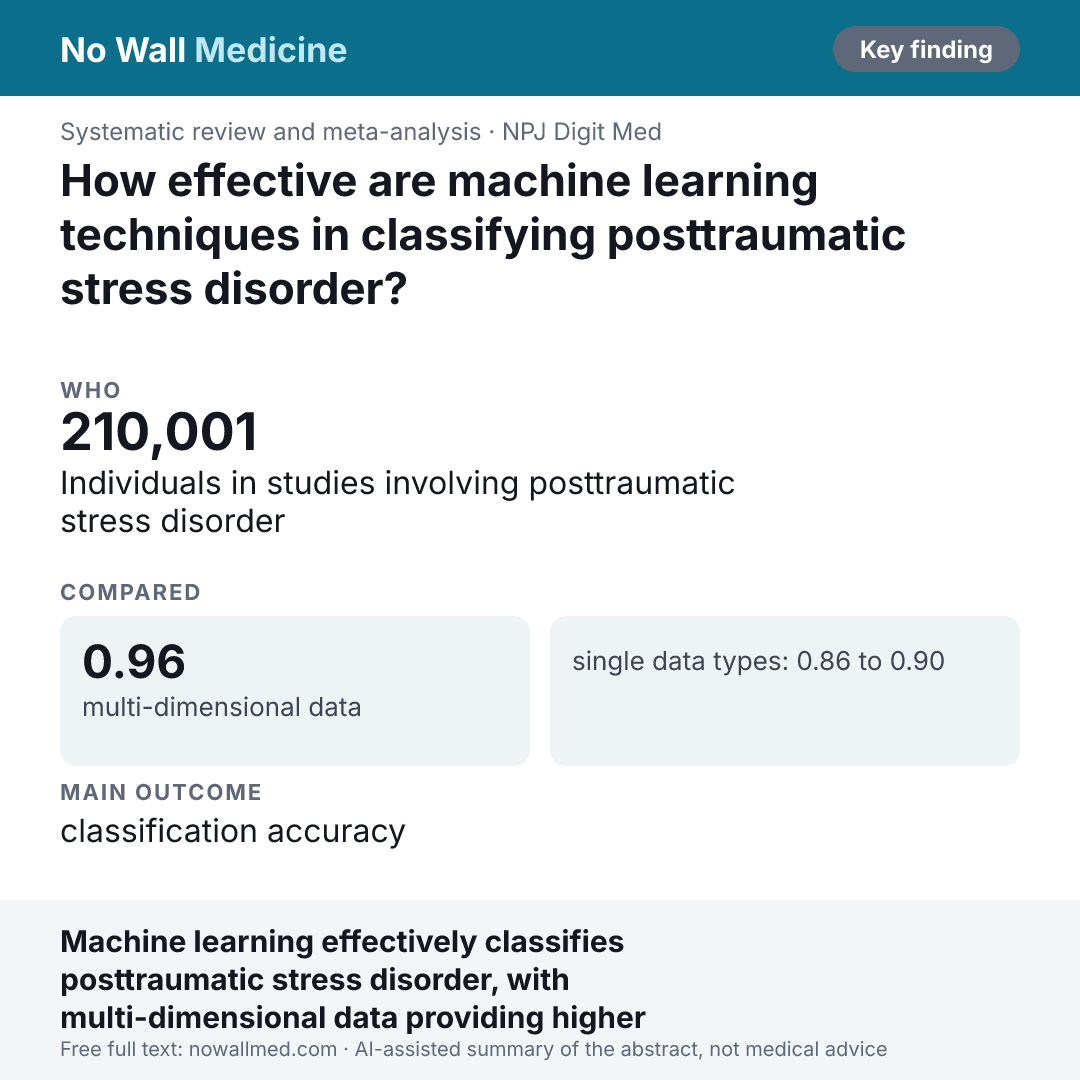
The application of machine learning techniques in posttraumatic stress disorder: a systematic review and meta-analysis
Systematic review and meta-analysisKey finding
How effective are machine learning techniques in classifying posttraumatic stress disorder?
Who
210,001
Individuals in studies involving posttraumatic stress disorder
Compared
0.96multi-dimensional data
single data types: 0.86 to 0.90
Main outcome
classification accuracy
Result: overall accuracy of 0.89
Bottom line: Machine learning effectively classifies posttraumatic stress disorder, with multi-dimensional data providing higher accuracy than single data types.
Limitation: Selecting optimal combinations of data types and algorithms for clinical application remains a challenge.
NPJ Digit Med · 2024-05-09 · Save PNG
Diet-microbiota associations in gastrointestinal research: a systematic review
Systematic reviewUnclear result
What foods and nutrients influence the human gut microbiota?
Who
Human diet-microbiota associations
Compared
Routinely analyzed nutrients: dominated reported associations
Microbiota-relevant nutrients: underrepresented in included studies
Main outcome
Identification of foods and nutrients influencing gut microbiota
Bottom line: Current dietary assessment methods underrepresent microbiota-relevant nutrients, necessitating advancements in food composition databases.
Limitation: Current dietary assessment methods focus on components relevant to human digestion only.
Gut Microbes · 2024-05-09 · Save PNG

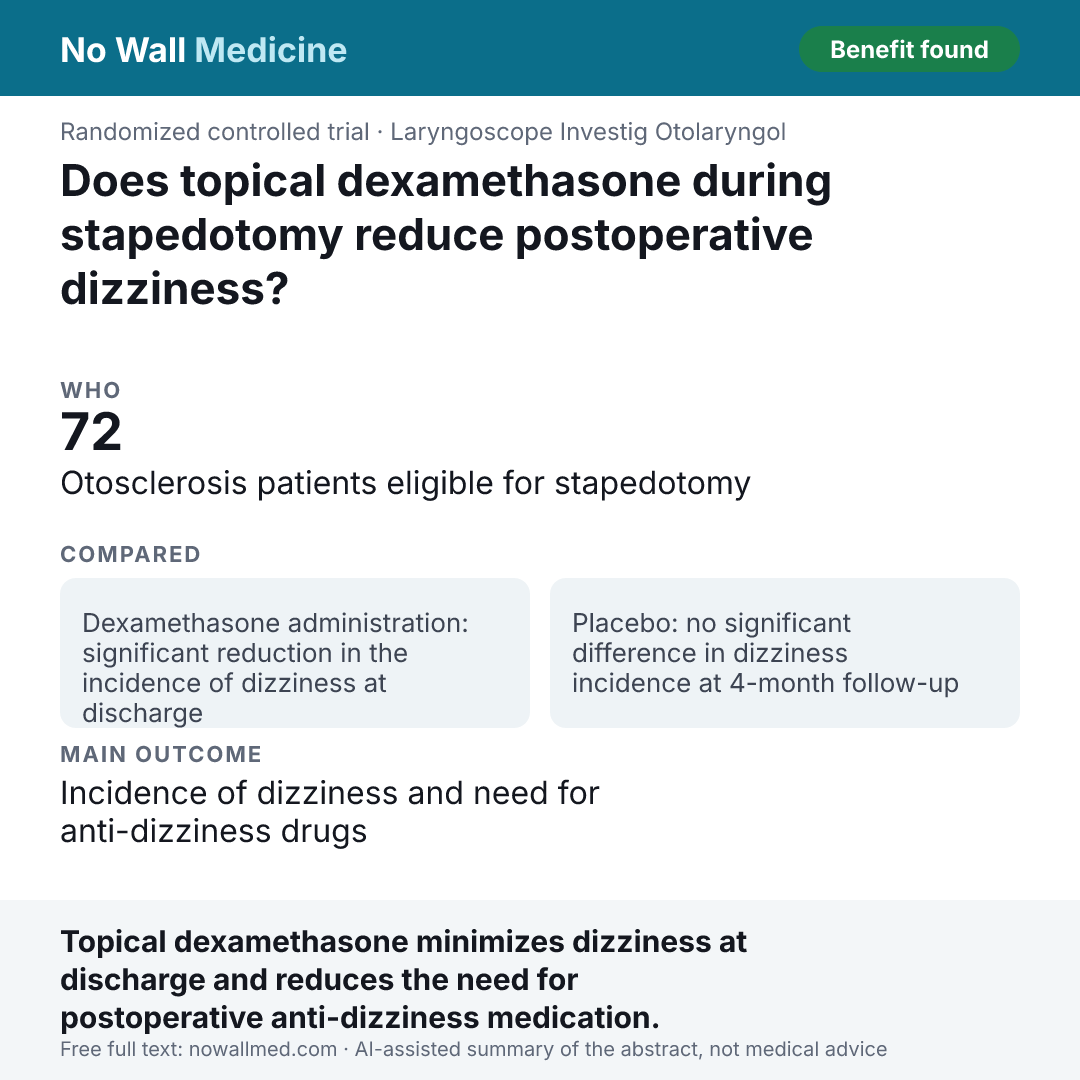
Post-stapedotomy dizziness after applying topical steroid on footplate: A randomized controlled trial
Randomized controlled trialBenefit found
Does topical dexamethasone during stapedotomy reduce postoperative dizziness?
Who
72
Otosclerosis patients eligible for stapedotomy
Compared
Dexamethasone administration: significant reduction in the incidence of dizziness at discharge
Placebo: no significant difference in dizziness incidence at 4-month follow-up
Main outcome
Incidence of dizziness and need for anti-dizziness drugs
Bottom line: Topical dexamethasone minimizes dizziness at discharge and reduces the need for postoperative anti-dizziness medication.
Laryngoscope Investig Otolaryngol · 2024-05-09 · Save PNG
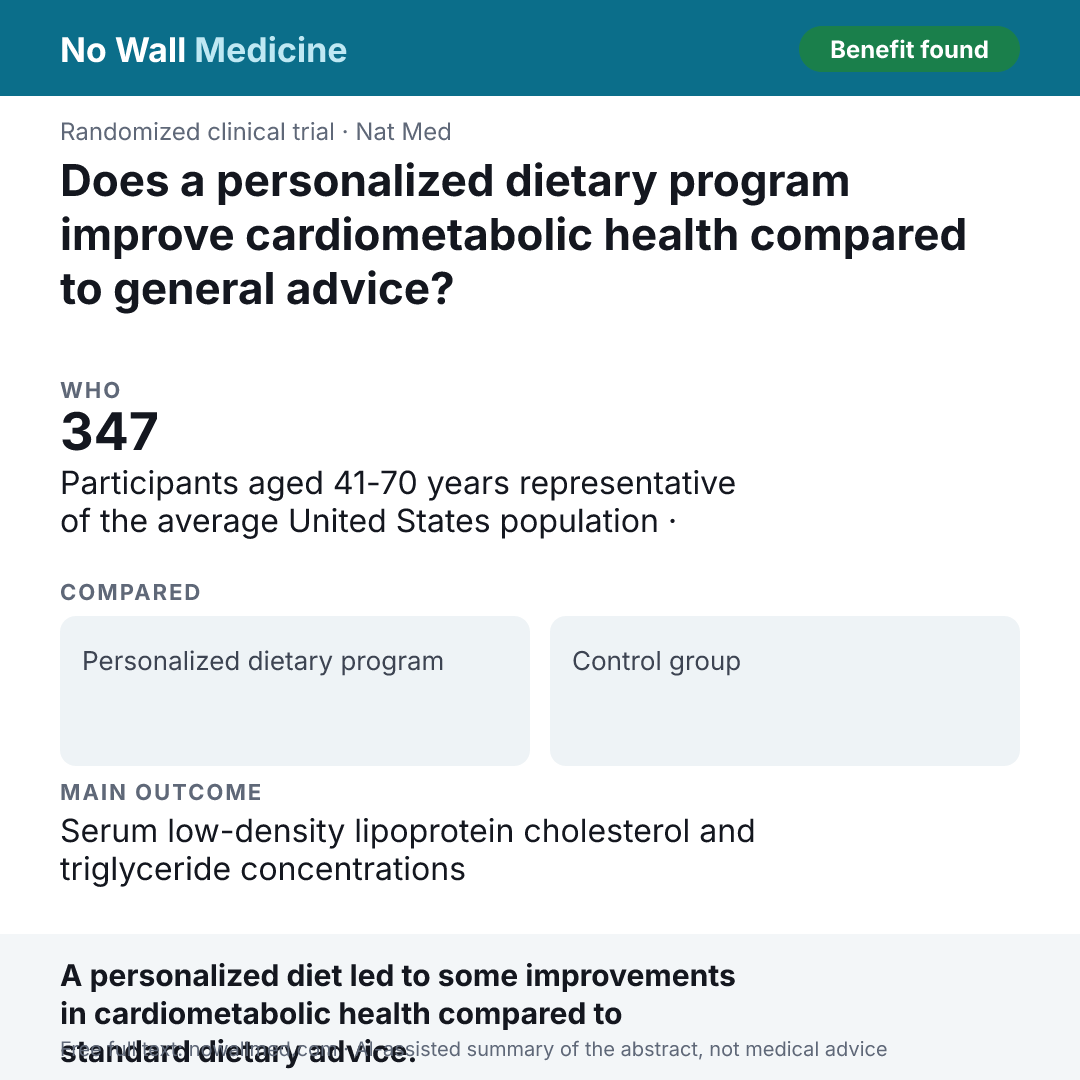
Effects of a personalized nutrition program on cardiometabolic health: a randomized controlled trial
Randomized clinical trialBenefit found
Does a personalized dietary program improve cardiometabolic health compared to general advice?
Who
347
Participants aged 41-70 years representative of the average United States population · United States
Compared
Personalized dietary program
Control group
Main outcome
Serum low-density lipoprotein cholesterol and triglyceride concentrations
Result: mean difference -0.13 mmol l-1 (log-transformed 95% confidence interval -0.07 to -0.01)
Bottom line: A personalized diet led to some improvements in cardiometabolic health compared to standard dietary advice.
Nat Med · 2024-05-08 · Save PNG
Burden of Mental Disorders and Suicide Attributable to Childhood Maltreatment
Meta-analysis of quasi-experimental studiesKey finding
What is the contribution of childhood maltreatment to mental health in Australia?
Who
54646
Australians aged 16 to 85 years · Australia
Compared
21%Depression (95% CI, 13%-28%)
41%Suicide attempts (95% CI, 27%-54%)
Main outcome
Proportion and burden of mental health conditions attributable to maltreatment
Bottom line: Childhood maltreatment accounts for a substantial proportion of mental health conditions and burden in Australia.
JAMA Psychiatry · 2024-05-08 · Save PNG

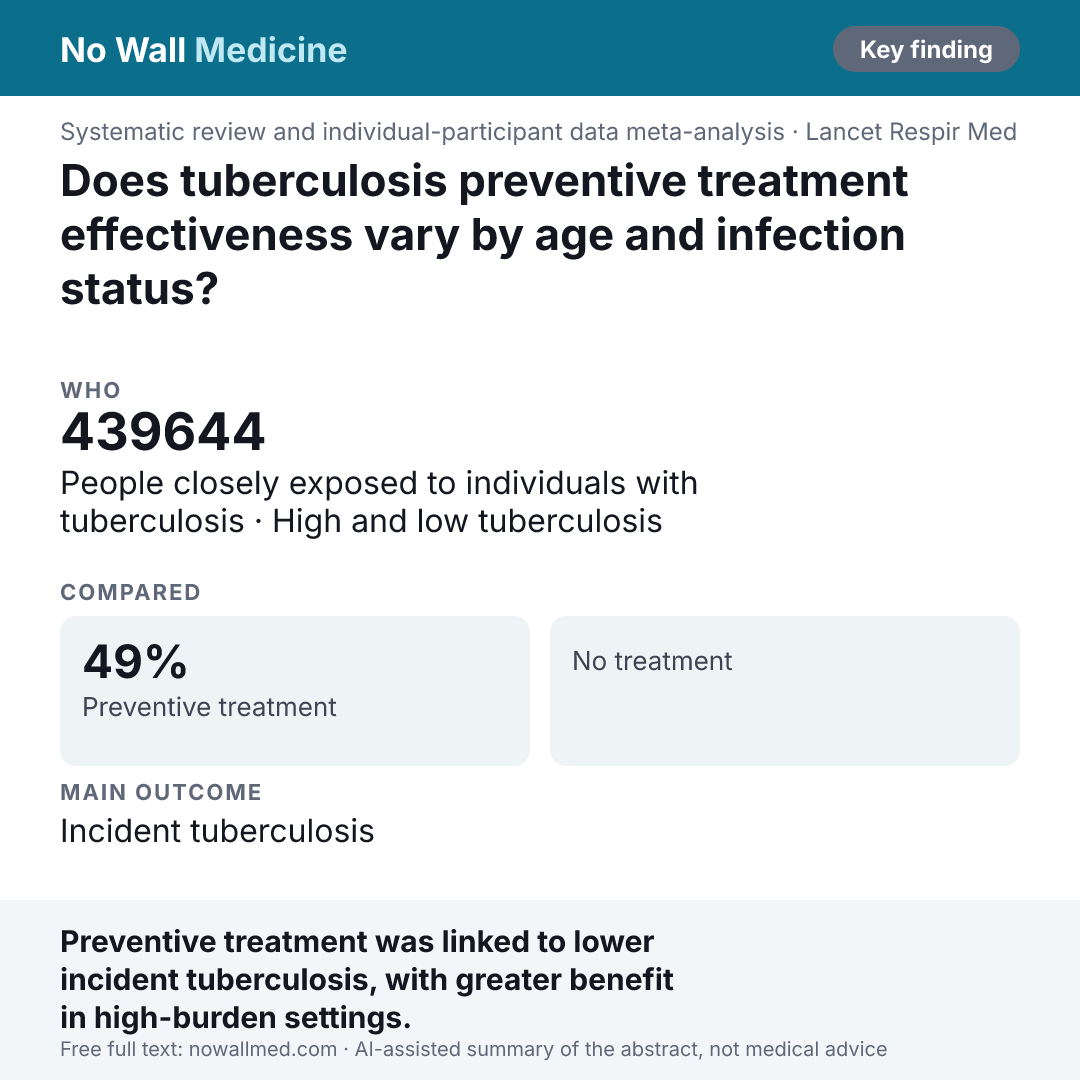
Effectiveness of preventive treatment among different age groups and Mycobacterium tuberculosis infection status: a systematic review and individual-participant data meta-analysis of contact tracing studies
Systematic review and individual-participant data meta-analysisKey finding
Does tuberculosis preventive treatment effectiveness vary by age and infection status?
Who
439644
People closely exposed to individuals with tuberculosis · High and low tuberculosis burden settings
Compared
49%Preventive treatment (aHR 0.51)
No treatment
Main outcome
Incident tuberculosis
Result: aHR 0.51 (95% CI 0.44-0.60)
Bottom line: Preventive treatment was linked to lower incident tuberculosis, with greater benefit in high-burden settings.
Lancet Respir Med · 2024-05-08 · Save PNG
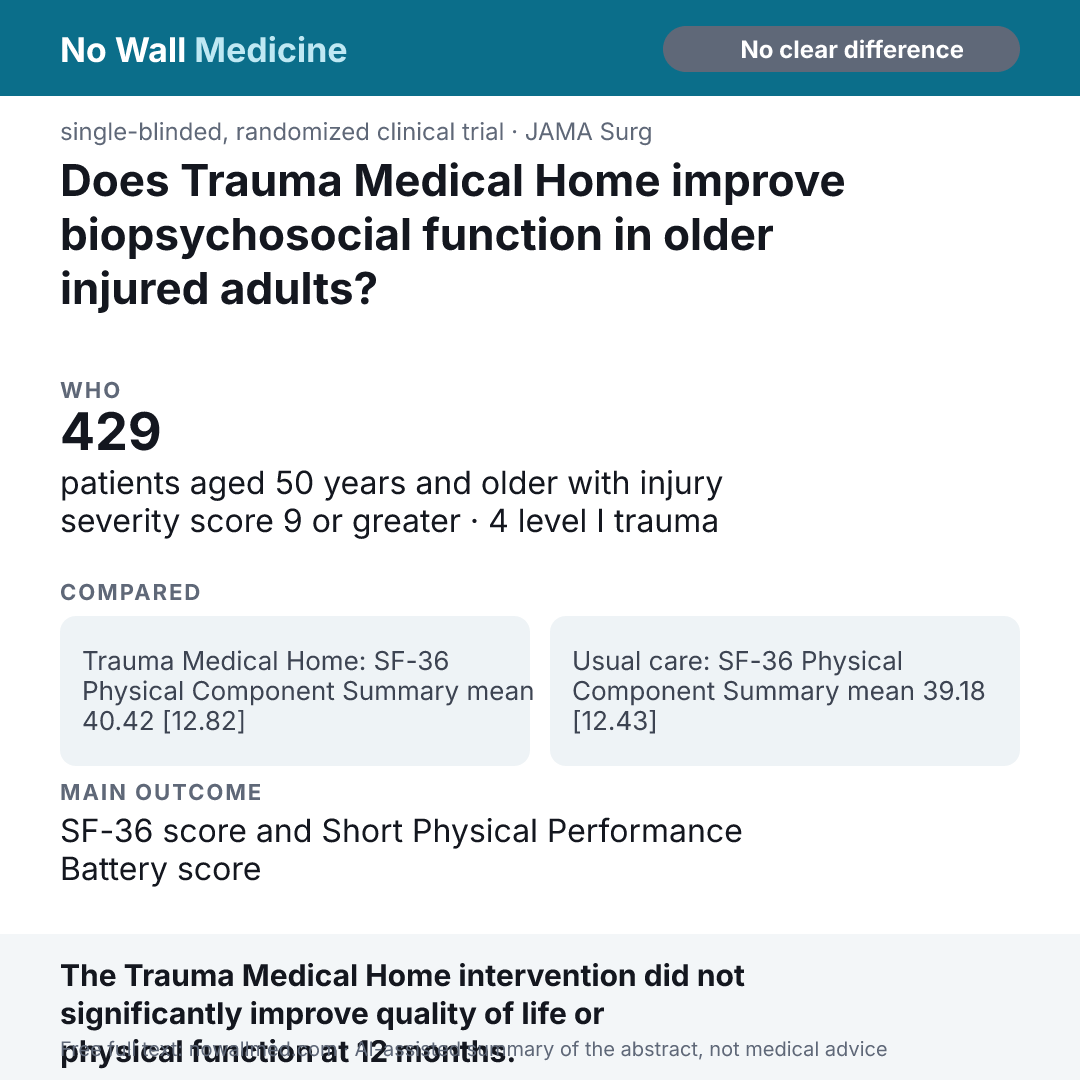
Collaborative Care for Injured Older Adults: The Trauma Medical Home Randomized Clinical Trial
single-blinded, randomized clinical trialNo clear difference
Does Trauma Medical Home improve biopsychosocial function in older injured adults?
Who
429
patients aged 50 years and older with injury severity score 9 or greater · 4 level I trauma centers in Indiana and Wisconsin
Compared
Trauma Medical Home: SF-36 Physical Component Summary mean 40.42 [12.82]
Usual care: SF-36 Physical Component Summary mean 39.18 [12.43]
Main outcome
SF-36 score and Short Physical Performance Battery score
Bottom line: The Trauma Medical Home intervention did not significantly improve quality of life or physical function at 12 months.
Limitation: Subgroup analysis showed positive impact only in patients with high baseline anxiety or depression symptoms.
JAMA Surg · 2024-05-08 · Save PNG
Immunogenicity of third dose COVID-19 vaccine strategies in patients who are immunocompromised with suboptimal immunity following two doses (OCTAVE-DUO): an open-label, multicentre, randomised, controlled, phase 3 trial
Open-label, multicentre, randomised, controlled, phase 3 trialKey finding
What are the humoral and T-cell responses to third dose COVID-19 vaccine strategies in immunocompromised patients?
Who
804
Immunocompromised patients aged at least 18 years with suboptimal two-dose immunity · 11 United Kingdom hospitals
Compared
BNT162b2
mRNA-1273
NVX-CoV2373
Main outcome
Vaccine-specific immunity defined by anti-SARS-CoV-2 spike antibodies and T-cell responses
Bottom line: A third vaccine dose improved serological and T-cell responses in most immunocompromised patients.
Funded by: Medical Research Council, Blood Cancer UK
Lancet Rheumatol · 2024-05-08 · Save PNG

Risk loci involved in giant cell arteritis susceptibility: a genome-wide association study
Genome-wide association studyUnclear result
Genetic basis of giant cell arteritis
Who
3498
Patients with giant cell arteritis and healthy controls · Europe and North America
Compared
Patients
Controls
Main outcome
Risk of giant cell arteritis
Result: OR 1·19 (95% CI 1·12-1·26) and OR 0·84 (0·79-0·89)
Bottom line: Identified genetic loci associated with giant cell arteritis
Funded by: Institute of Health Carlos III
Lancet Rheumatol · 2024-05-08 · Save PNG

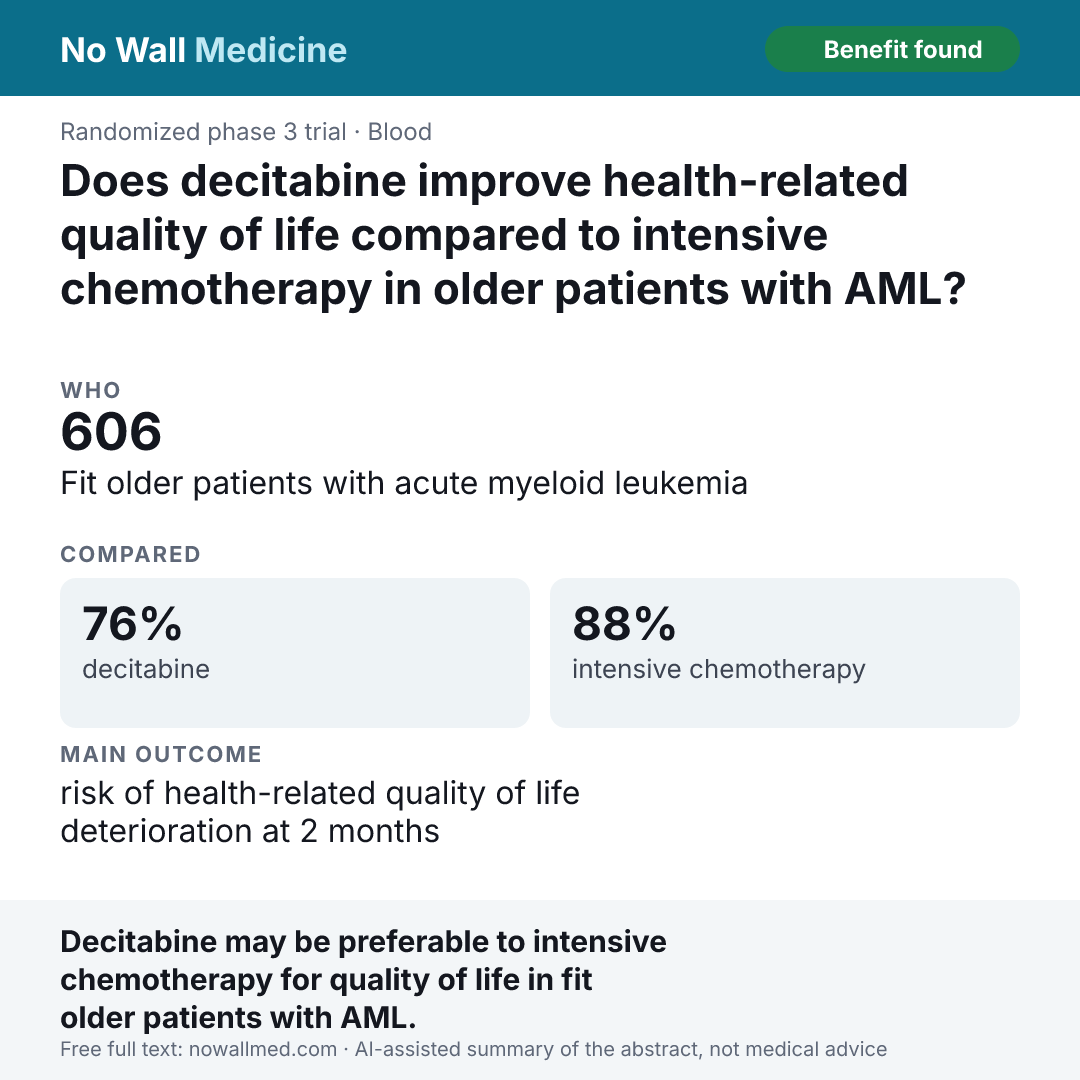
Decitabine in older patients with AML: quality of life results of the EORTC-GIMEMA-GMDS-SG randomized phase 3 trial
Randomized phase 3 trialBenefit found
Does decitabine improve health-related quality of life compared to intensive chemotherapy in older patients with AML?
Who
606
Fit older patients with acute myeloid leukemia
Compared
76%decitabine (95% confidence interval, 69-82)
88%intensive chemotherapy (95% CI, 82-93)
Main outcome
risk of health-related quality of life deterioration at 2 months
Result: odds ratio 0.43 (95% CI 0.24-0.76)
Bottom line: Decitabine may be preferable to intensive chemotherapy for quality of life in fit older patients with AML.
Blood · 2024-05-08 · Save PNG
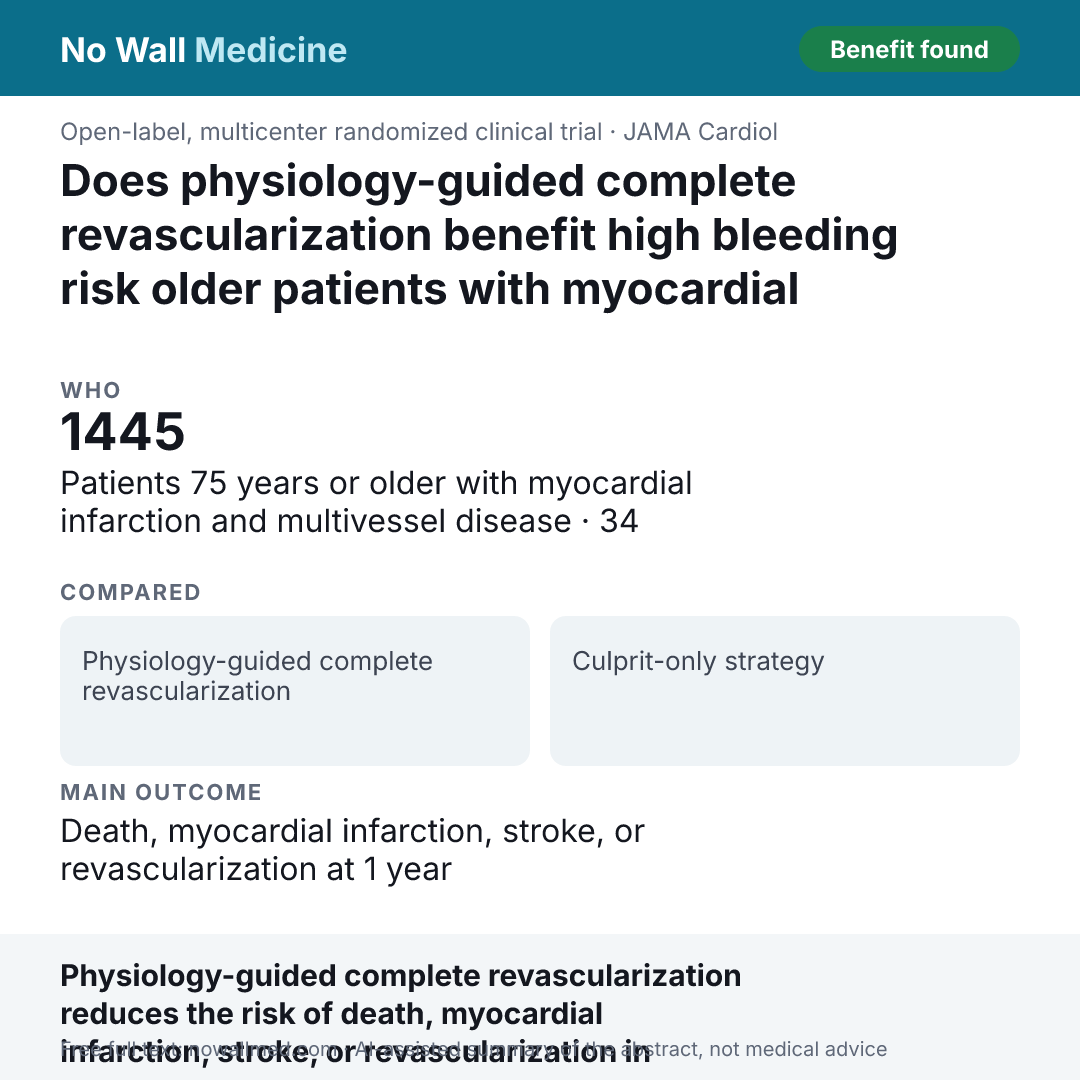
Complete vs Culprit-Only Revascularization in Older Patients With Myocardial Infarction and High Bleeding Risk: A Randomized Clinical Trial
Open-label, multicenter randomized clinical trialBenefit found
Does physiology-guided complete revascularization benefit high bleeding risk older patients with myocardial infarction?
Who
1445
Patients 75 years or older with myocardial infarction and multivessel disease · 34 European centers
Compared
Physiology-guided complete revascularization
Culprit-only strategy
Main outcome
Death, myocardial infarction, stroke, or revascularization at 1 year
Result: hazard ratio 0.73 (95% CI 0.55-0.96)
Bottom line: Physiology-guided complete revascularization reduces the risk of death, myocardial infarction, stroke, or revascularization in high bleeding risk patients.
JAMA Cardiol · 2024-05-08 · Save PNG
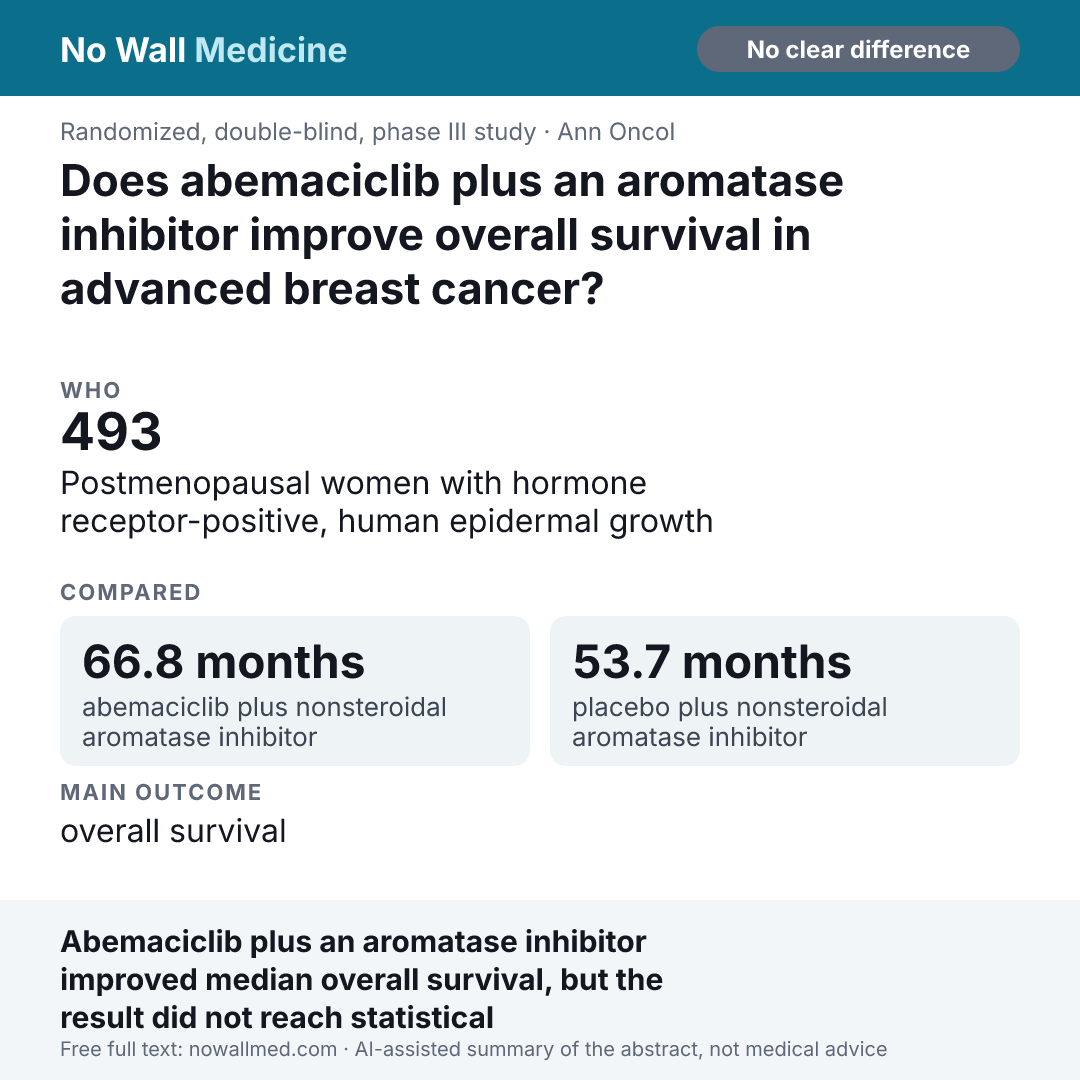
Abemaciclib plus a nonsteroidal aromatase inhibitor as initial therapy for HR+, HER2- advanced breast cancer: final overall survival results of MONARCH 3
Randomized, double-blind, phase III studyNo clear difference
Does abemaciclib plus an aromatase inhibitor improve overall survival in advanced breast cancer?
Who
493
Postmenopausal women with hormone receptor-positive, human epidermal growth factor receptor 2-negative advanced breast cancer
Compared
66.8 monthsabemaciclib plus nonsteroidal aromatase inhibitor
53.7 monthsplacebo plus nonsteroidal aromatase inhibitor
Main outcome
overall survival
Result: hazard ratio 0.804; 95% confidence interval 0.637-1.015
Bottom line: Abemaciclib plus an aromatase inhibitor improved median overall survival, but the result did not reach statistical significance.
Limitation: statistical significance was not reached
Ann Oncol · 2024-05-08 · Save PNG
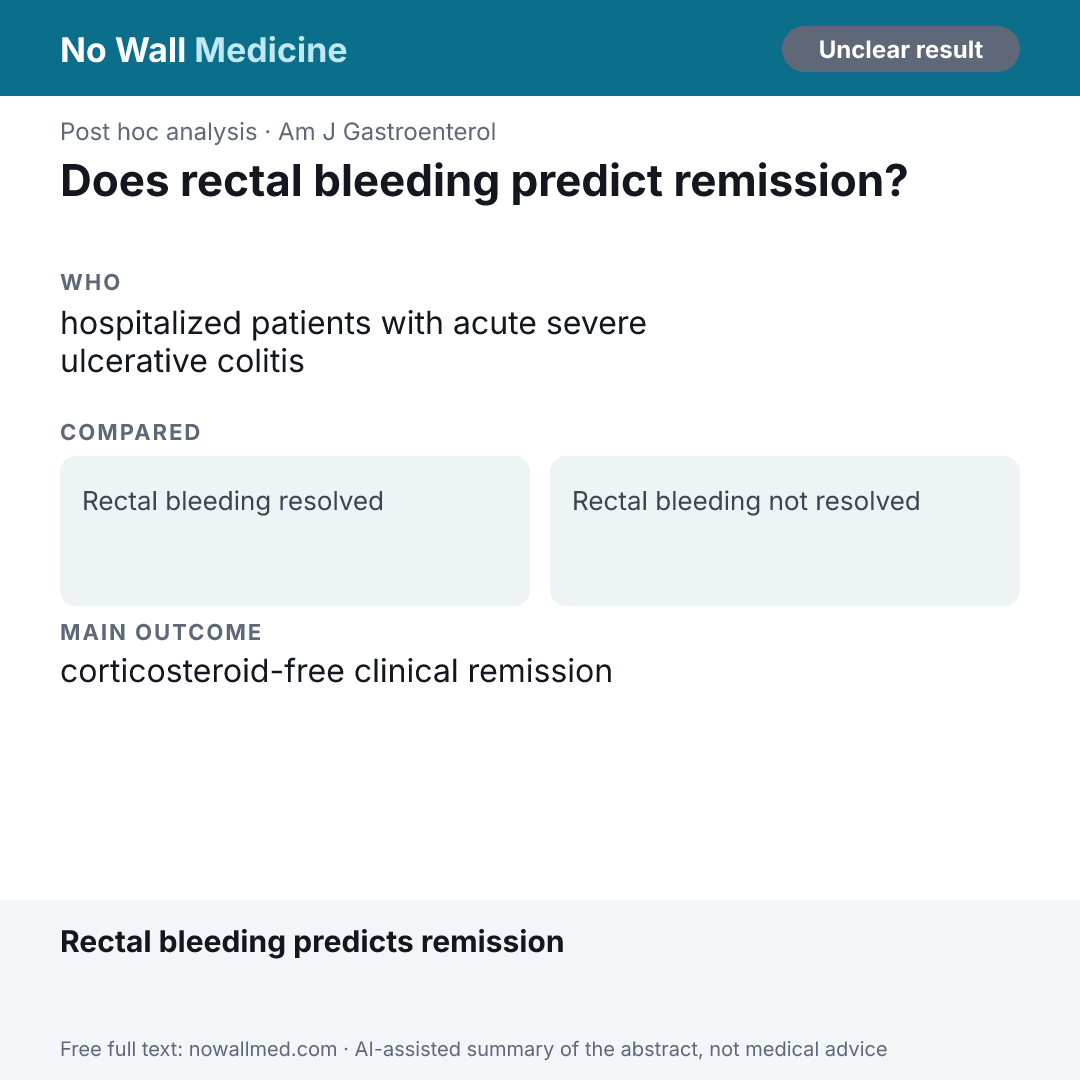
Resolution of Rectal Bleeding by Day 7 in Acute Severe Ulcerative Colitis Is Prognostic for Postdischarge Corticosteroid-Free Clinical Remission and Endoscopic Improvement
Post hoc analysisUnclear result
Does rectal bleeding predict remission?
Who
hospitalized patients with acute severe ulcerative colitis
Compared
Rectal bleeding resolved
Rectal bleeding not resolved
Main outcome
corticosteroid-free clinical remission
Bottom line: Rectal bleeding predicts remission
Am J Gastroenterol · 2024-05-08 · Save PNG
Ozanimod in Patients With Moderate to Severe Ulcerative Colitis Naive to Advanced Therapies
Randomized, double-blind, placebo-controlled trialBenefit found
Is ozanimod effective in patients with moderate to severe ulcerative colitis naive to advanced therapies?
Who
616
Patients with moderate to severely active ulcerative colitis naive to advanced therapies
Compared
Ozanimod: 56% symptomatic response by week 4
Placebo: 39% symptomatic response by week 4
Main outcome
Symptomatic response, clinical, endoscopic, and mucosal outcomes
Result: 95% confidence interval, 6.3-26.3
Bottom line: Ozanimod is an effective, durable, and well-tolerated oral therapy for advanced therapy-naive ulcerative colitis patients.
Clin Gastroenterol Hepatol · 2024-05-08 · Save PNG