Visual abstracts
New randomized trials and meta-analyses from leading journals at a glance: who was studied, what was compared, and what was found. Every paper is free to read in full.
All specialtiesCardiology 4877Oncology 4138Gastroenterology & Hepatology 1942Infectious Disease 3837Neurology 1905Psychiatry & Mental Health 2273Pulmonology 2143Critical Care 1365Endocrinology & Diabetes 2580Pediatrics 2980Surgery 2559Orthopedics & Sports Medicine 931Neurosurgery 537Cardiothoracic & Vascular Surgery 674Plastic & Reconstructive Surgery 591Nephrology 1133Rheumatology 823Hematology 1109Dermatology 621Ophthalmology 543Obstetrics & Gynecology 1686Public & Global Health 1058Radiology & Imaging 648Anesthesiology 986Urology 764ENT (Otolaryngology) 503Emergency Medicine 511Allergy & Immunology 313Geriatrics 981Family Medicine & Primary Care 562Medical Genetics & Genomics 676Pathology & Laboratory Medicine 159Physical Medicine & Rehabilitation 757Palliative Care 444Nutrition 1588Digital Health & AI 2201General Medicine 321
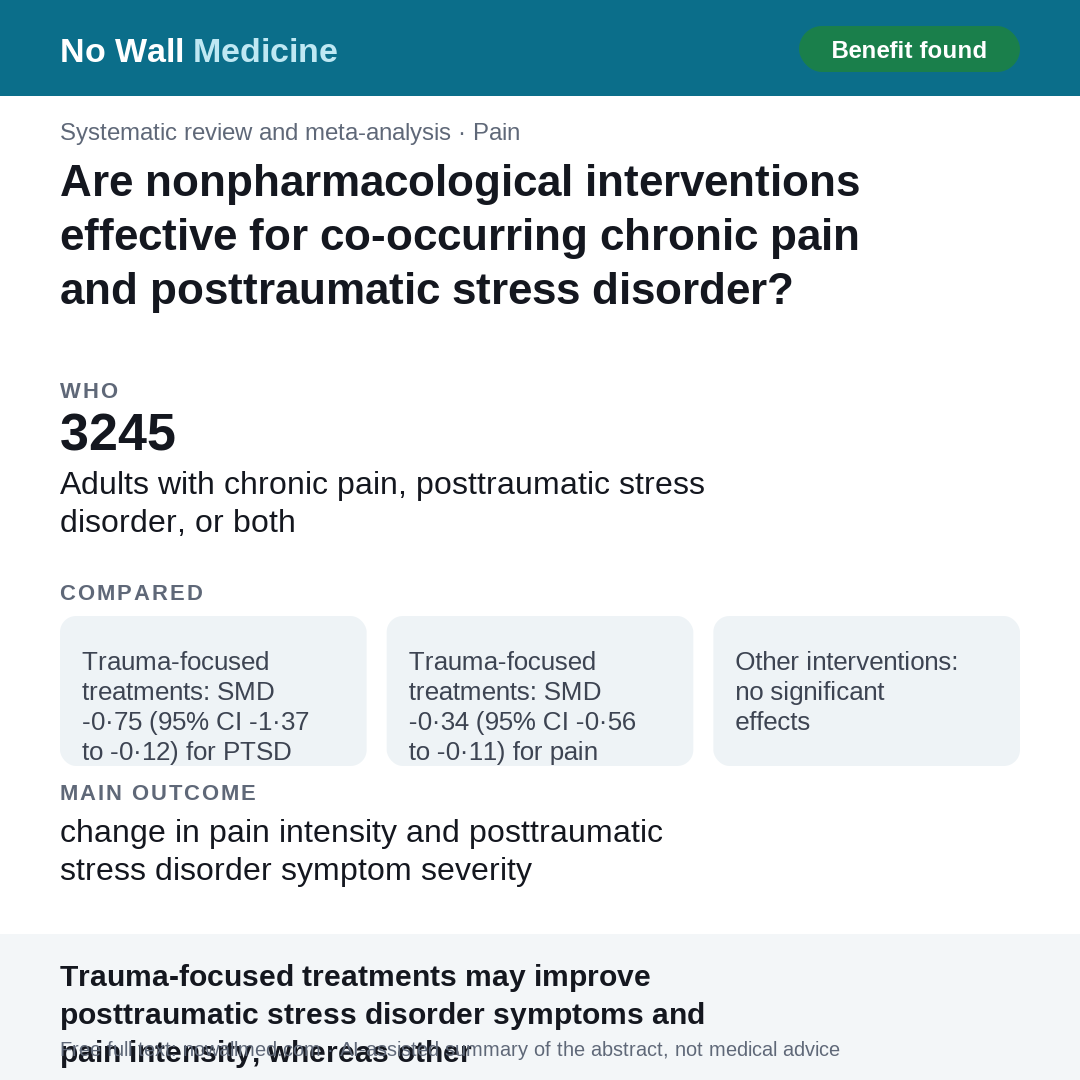
Systematic review and meta-analyses of nonpharmacological interventions for co-occurring chronic pain and posttraumatic stress disorder
Systematic review and meta-analysisBenefit found
Are nonpharmacological interventions effective for co-occurring chronic pain and posttraumatic stress disorder?
Who
3245
Adults with chronic pain, posttraumatic stress disorder, or both
Compared
Trauma-focused treatments: SMD -0·75 (95% CI -1·37 to -0·12) for PTSD
Trauma-focused treatments: SMD -0·34 (95% CI -0·56 to -0·11) for pain
Other interventions: no significant effects
Main outcome
change in pain intensity and posttraumatic stress disorder symptom severity
Result: SMD -0·75 (95% CI -1·37 to -0·12) for PTSD; SMD -0·34 (95% CI -0·56 to -0·11) for pain
Bottom line: Trauma-focused treatments may improve posttraumatic stress disorder symptoms and pain intensity, whereas other nonpharmacological therapies showed no significant effects.
Limitation: Most studies were methodologically weak and evidence quality was low.
Pain · 2025-12-03Download image
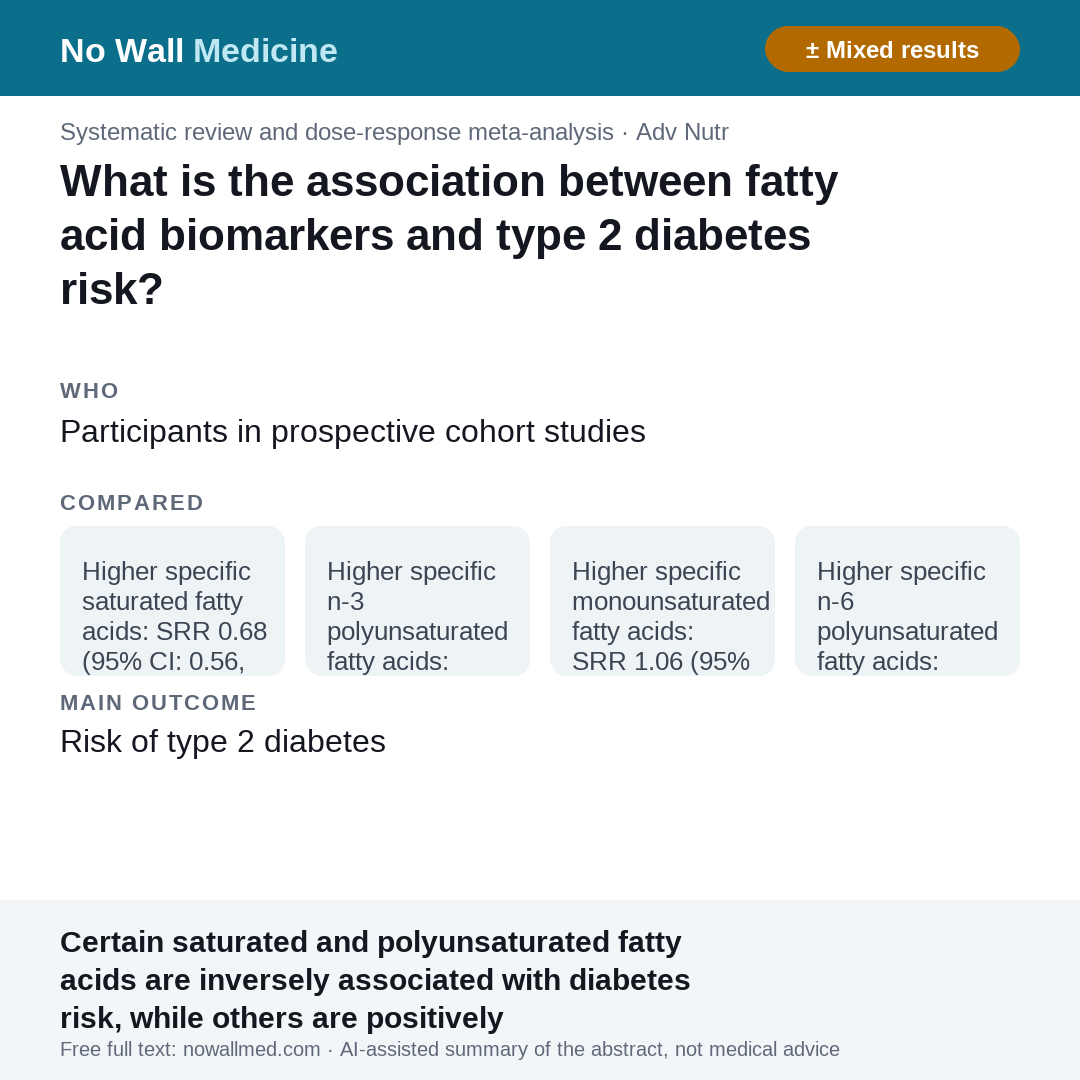
Fatty Acid Biomarkers and Incidence of Type 2 diabetes: A Systematic Review and Dose-Response Meta-analysis of Prospective Observational Studies
Systematic review and dose-response meta-analysisMixed results
What is the association between fatty acid biomarkers and type 2 diabetes risk?
Who
27
Participants in prospective cohort studies
Compared
Higher specific saturated fatty acids: SRR 0.68 (95% CI: 0.56, 0.81)
Higher specific n-3 polyunsaturated fatty acids: SRR 0.97 (95% CI: 0.95, 0.99)
Higher specific monounsaturated fatty acids: SRR 1.06 (95% CI: 1.03, 1.10)
Higher specific n-6 polyunsaturated fatty acids: SRR 1.07 (95% CI: 1.03, 1.11)
Main outcome
Risk of type 2 diabetes
Bottom line: Certain saturated and polyunsaturated fatty acids are inversely associated with diabetes risk, while others are positively associated.
Adv Nutr · 2025-12-03Download image
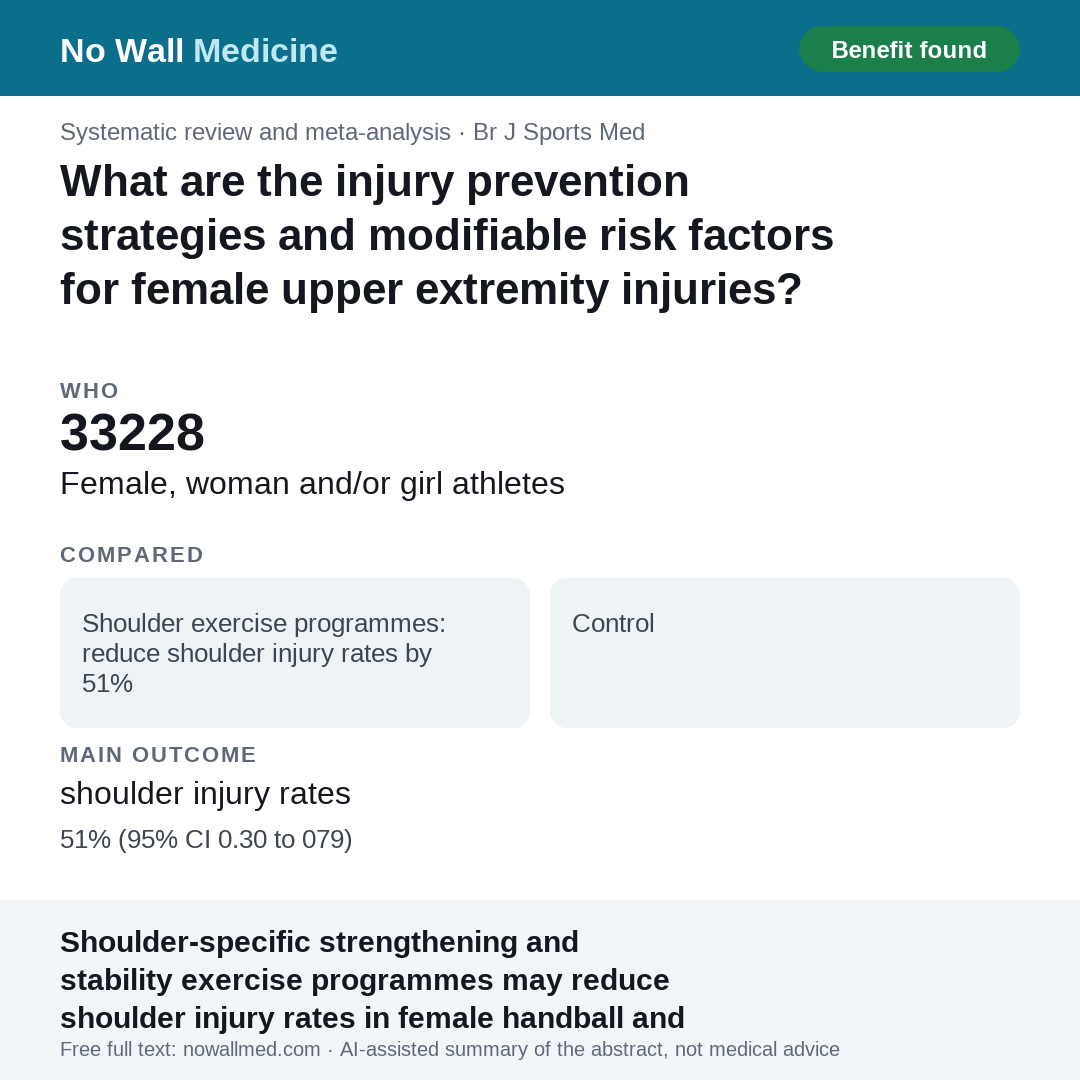
Prevention strategies and modifiable risk factors for upper extremity injury: a systematic review and meta-analysis for the Female, woman and/or girl Athlete Injury pRevention (FAIR) consensus
Systematic review and meta-analysisBenefit found
What are the injury prevention strategies and modifiable risk factors for female upper extremity injuries?
Who
33228
Female, woman and/or girl athletes
Compared
Shoulder exercise programmes: reduce shoulder injury rates by 51%
Control
Main outcome
shoulder injury rates
Result: 51% (95% CI 0.30 to 079)
Bottom line: Shoulder-specific strengthening and stability exercise programmes may reduce shoulder injury rates in female handball and volleyball players.
Limitation: Heterogeneity across injury outcomes, interventions, modifiable risk factors and limited female-specific data.
Br J Sports Med · 2025-12-03Download image
Prevention strategies and modifiable risk factors for concussion: a systematic review and meta-analysis for the Female, woman and girl/or Athlete Injury pRevention (FAIR) consensus
Systematic review and meta-analysisMixed results
What are the prevention strategies and modifiable risk factors for concussion in female athletes?
Who
Female, woman and/or girl athletes
Compared
Headgear use: 30% lower sport-related concussion rates
Eyewear use: not protective
Artificial turf versus grass: did not differ
Main outcome
sport-related concussion and head impact/head acceleration event outcomes
Result: headgear IRR=0.70 (95% CI 0.50 to 0.99); eyewear IRR=1.08 (95% CI 0.69 to 1.68); turf vs grass IRR=0.95 (95% CI 0.62 to 1.45)
Bottom line: Headgear may reduce concussion rates in adolescent female lacrosse and soccer, but evidence for other strategies remains limited.
Limitation: very-low certainty evidence
Br J Sports Med · 2025-12-03Download image

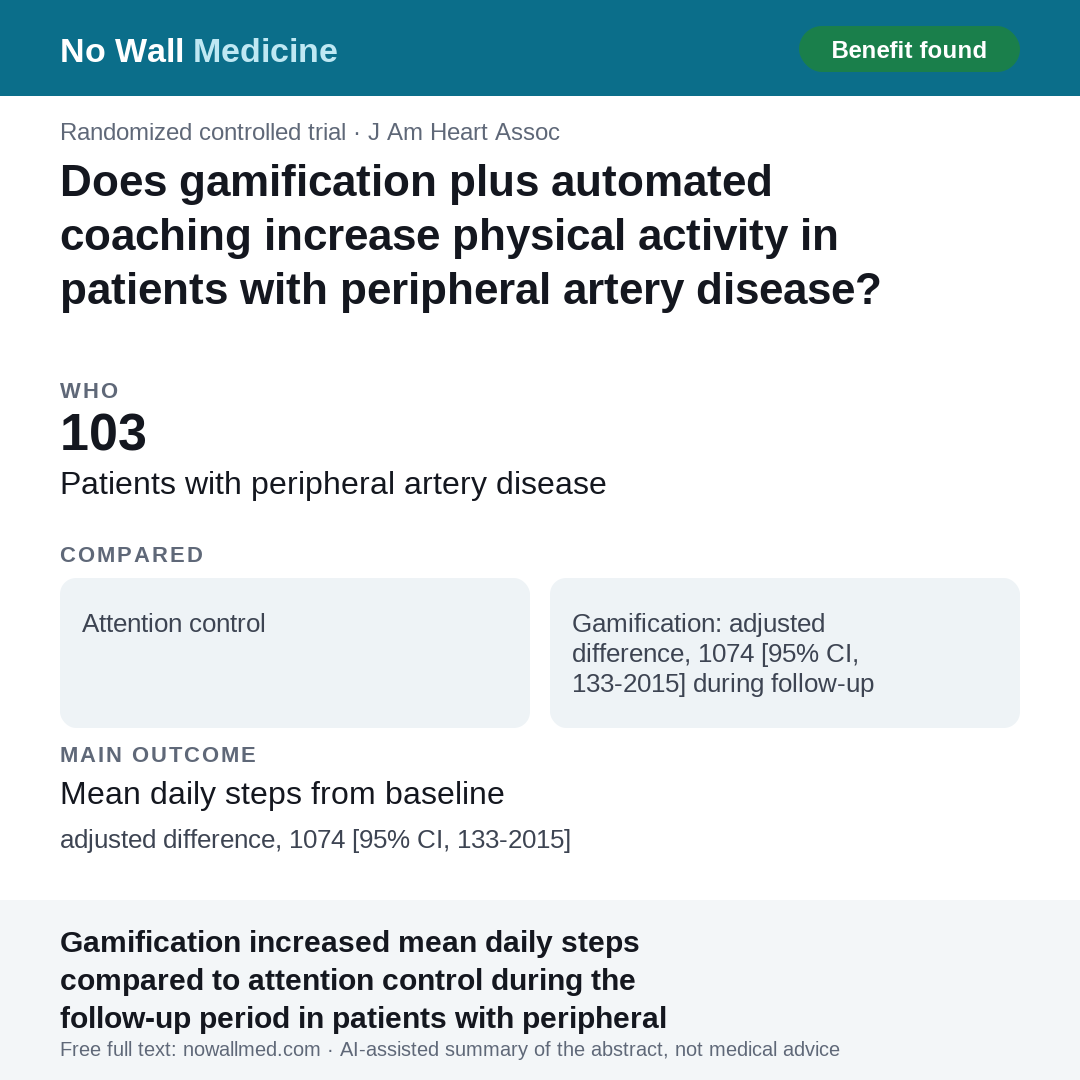
Effect of Gamification Plus Automated Coaching to Increase Physical Activity Among Patients With Peripheral Artery Disease: The GAMEPAD Randomized Controlled Trial
Randomized controlled trialBenefit found
Does gamification plus automated coaching increase physical activity in patients with peripheral artery disease?
Who
103
Patients with peripheral artery disease
Compared
Attention control
Gamification: adjusted difference, 1074 [95% CI, 133-2015] during follow-up
Main outcome
Mean daily steps from baseline
Result: adjusted difference, 1074 [95% CI, 133-2015]
Bottom line: Gamification increased mean daily steps compared to attention control during the follow-up period in patients with peripheral artery disease.
J Am Heart Assoc · 2025-12-03Download image
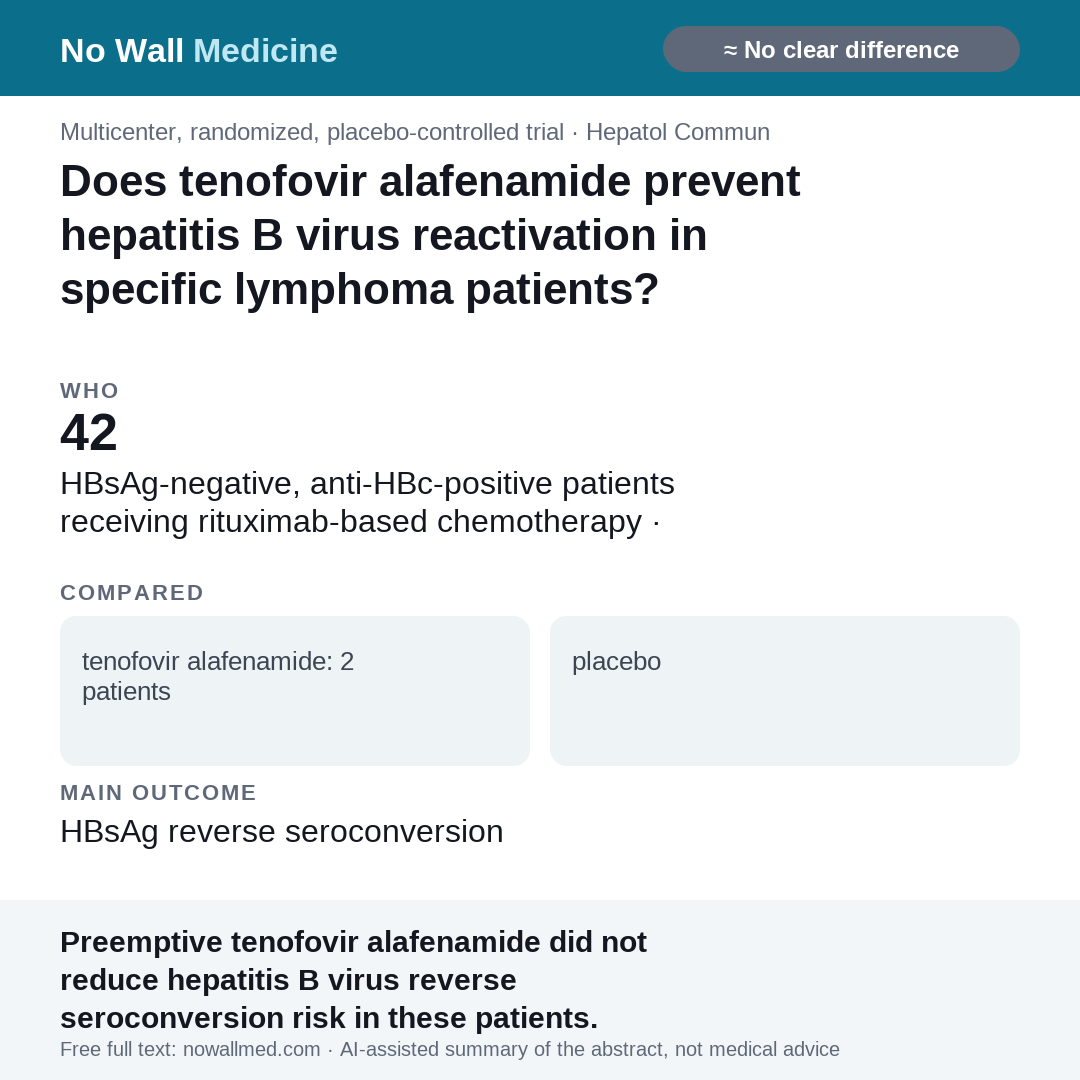
Tenofovir alafenamide for prevention of HBV reactivation in HBsAg-negative, anti-HBc-positive patients undergoing rituximab-based chemotherapy: A multicenter randomized controlled trial
Multicenter, randomized, placebo-controlled trialNo clear difference
Does tenofovir alafenamide prevent hepatitis B virus reactivation in specific lymphoma patients?
Who
42
HBsAg-negative, anti-HBc-positive patients receiving rituximab-based chemotherapy · multicenter
Compared
tenofovir alafenamide: 2 patients
placebo
Main outcome
HBsAg reverse seroconversion
Bottom line: Preemptive tenofovir alafenamide did not reduce hepatitis B virus reverse seroconversion risk in these patients.
Limitation: The study was underpowered due to slow enrolment leading to early termination.
Hepatol Commun · 2025-12-03Download image
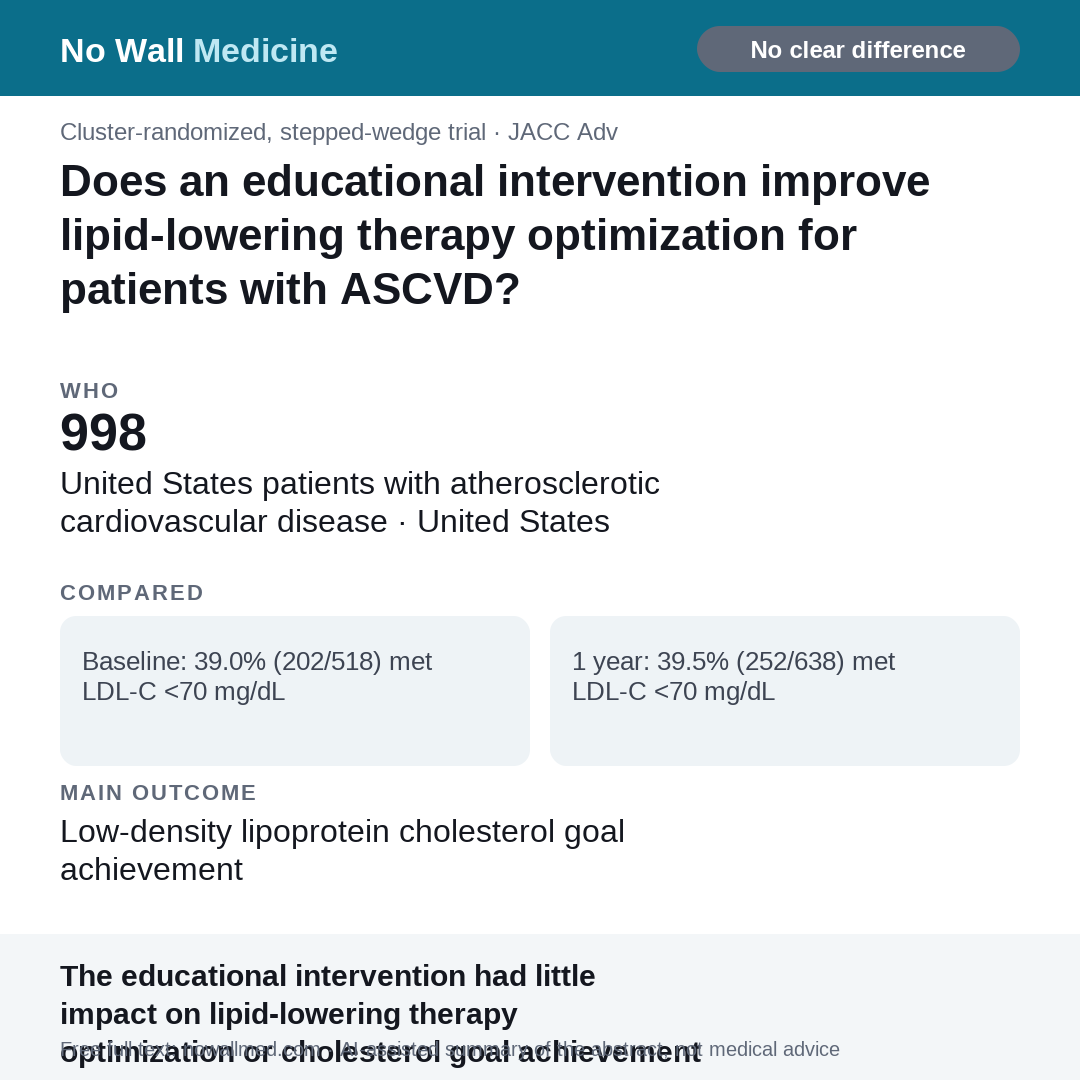
GOULD EDU: Cluster-Randomized Trial of an Educational Intervention to Improve Lipid-Lowering Guideline Adherence
Cluster-randomized, stepped-wedge trialNo clear difference
Does an educational intervention improve lipid-lowering therapy optimization for patients with ASCVD?
Who
998
United States patients with atherosclerotic cardiovascular disease · United States
Compared
Baseline: 39.0% (202/518) met LDL-C <70 mg/dL
1 year: 39.5% (252/638) met LDL-C <70 mg/dL
Main outcome
Low-density lipoprotein cholesterol goal achievement
Bottom line: The educational intervention had little impact on lipid-lowering therapy optimization or cholesterol goal achievement over one year.
JACC Adv · 2025-12-03Download image
Epigenetic and blood markers associated with response to electroconvulsive therapy in patients with depressive disorders
Epigenome-wide association study and meta-analysisMixed results
What epigenetic and blood markers are associated with response to electroconvulsive therapy?
Who
99
Patients with depressive disorders · Norway and Germany
Compared
Norwegian cohort
German cohort
Main outcome
Percent clinical response and remission
Bottom line: DNA methylation and neutrophil to lymphocyte ratios are associated with electroconvulsive therapy response and remission.
Transl Psychiatry · 2025-12-03Download image

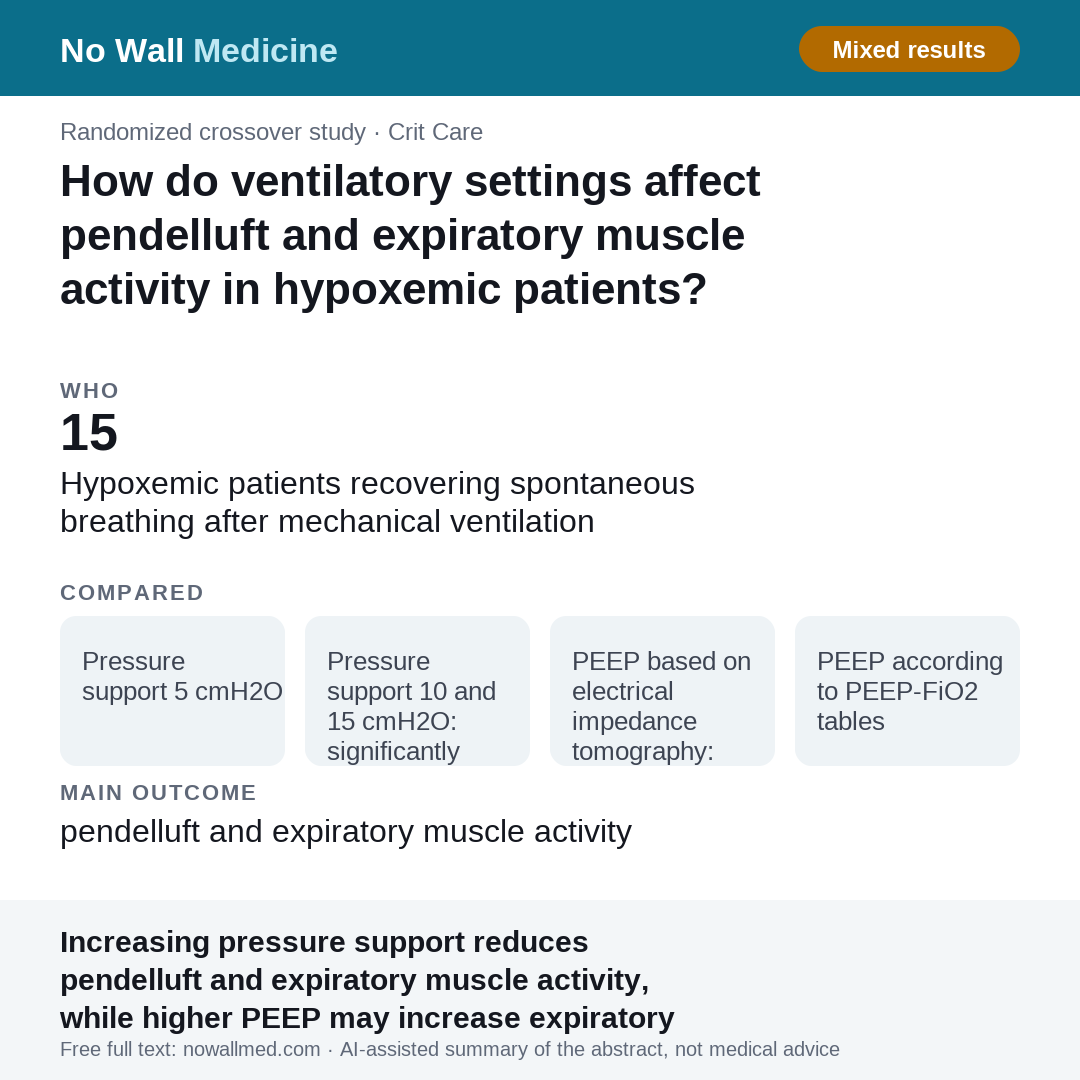
Influence of ventilatory settings on pendelluft and expiratory muscle activity in hypoxemic patients resuming spontaneous breathing
Randomized crossover studyMixed results
How do ventilatory settings affect pendelluft and expiratory muscle activity in hypoxemic patients?
Who
15
Hypoxemic patients recovering spontaneous breathing after mechanical ventilation
Compared
Pressure support 5 cmH2O
Pressure support 10 and 15 cmH2O: significantly reduced both pendelluft and ΔPgaEXP
PEEP based on electrical impedance tomography: slight reduction in pendelluft and increase in ΔPgaEXP
PEEP according to PEEP-FiO2 tables
Main outcome
pendelluft and expiratory muscle activity
Bottom line: Increasing pressure support reduces pendelluft and expiratory muscle activity, while higher PEEP may increase expiratory activity.
Crit Care · 2025-12-03Download image
Systematic review and meta-analysis of effects of standalone digital mindfulness-based interventions on sleep in adults
Systematic review and meta-analysis of randomized controlled trialsBenefit found
Do standalone digital mindfulness-based interventions improve sleep and mental health in adults?
Who
4870
Adults
Compared
Standalone digital mindfulness-based interventions
Control
Main outcome
Sleep health and mental health
Result: Hedges' g = 0.38 for sleep and 0.33 for mental health
Bottom line: Standalone digital mindfulness-based interventions significantly improve sleep and mental health, though evidence certainty is very low.
Limitation: High heterogeneity and publication bias reduced the certainty of evidence to very low levels.
NPJ Digit Med · 2025-12-03Download image

Complications associated with anterior cervical spine surgery: A systematic review of literature
Systematic reviewMixed results
What are the frequency, etiology and outcomes of complications from anterior cervical spine surgery?
Who
Adult patients undergoing anterior cervical spine surgery
Compared
Dysphagia: 2.3 %-87.5 %
Adjacent segment disease: 0.4 % to 32 %
Recurrent laryngeal nerve palsy: 0.1 %-9 %
Infection: 0.39 %-8.5 %
Main outcome
Frequency and etiology of complications
Bottom line: Anterior cervical spine surgery is generally safe but carries risks ranging from common self-limiting to rare severe complications.
Brain Spine · 2025-12-03Download image

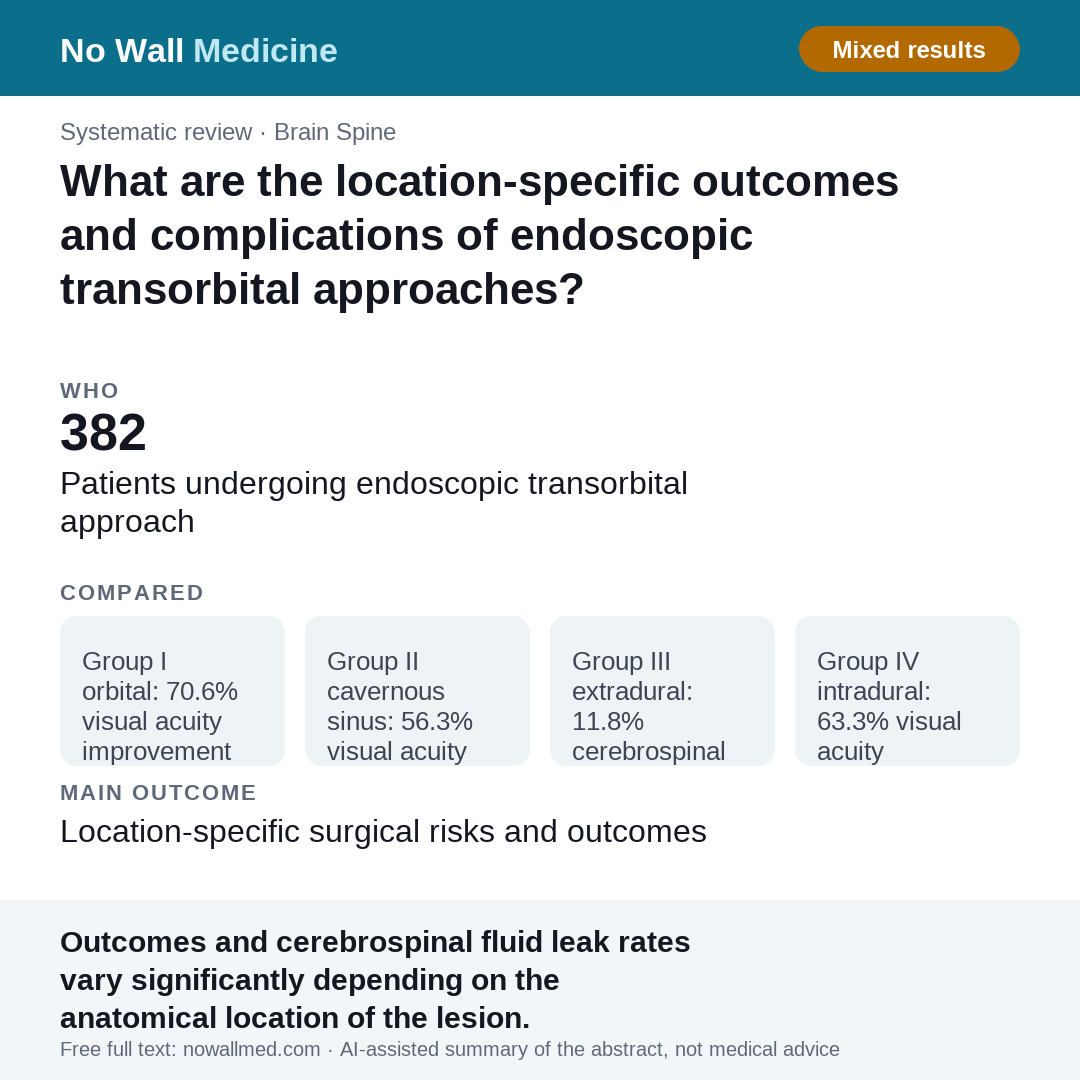
Location-specific outcomes and complications of endoscopic transorbital approaches: A systematic review with novel anatomical grouping
Systematic reviewMixed results
What are the location-specific outcomes and complications of endoscopic transorbital approaches?
Who
382
Patients undergoing endoscopic transorbital approach
Compared
Group I orbital: 70.6% visual acuity improvement
Group II cavernous sinus: 56.3% visual acuity improvement
Group III extradural: 11.8% cerebrospinal fluid leak
Group IV intradural: 63.3% visual acuity improvement
Main outcome
Location-specific surgical risks and outcomes
Bottom line: Outcomes and cerebrospinal fluid leak rates vary significantly depending on the anatomical location of the lesion.
Brain Spine · 2025-12-03Download image
Arthroscopic subacromial decompression versus placebo surgery for subacromial pain syndrome: 10 year follow-up of the FIMPACT randomised, placebo surgery controlled trial
Randomised, placebo surgery controlled trialNo clear difference
Is arthroscopic subacromial decompression more effective than placebo surgery or exercise therapy?
Who
210
Adults aged 35 to 65 years with subacromial pain syndrome · Three public hospitals in Finland
Compared
Arthroscopic subacromial decompression
Placebo surgery
Exercise therapy
Main outcome
Shoulder pain at rest and on arm activity
Result: -1.5 points (95% CI -8.6 to 5.6) for rest pain
Bottom line: Arthroscopic subacromial decompression offered no benefit over placebo surgery or exercise therapy during 10 year follow-up.
BMJ · 2025-12-02Download image

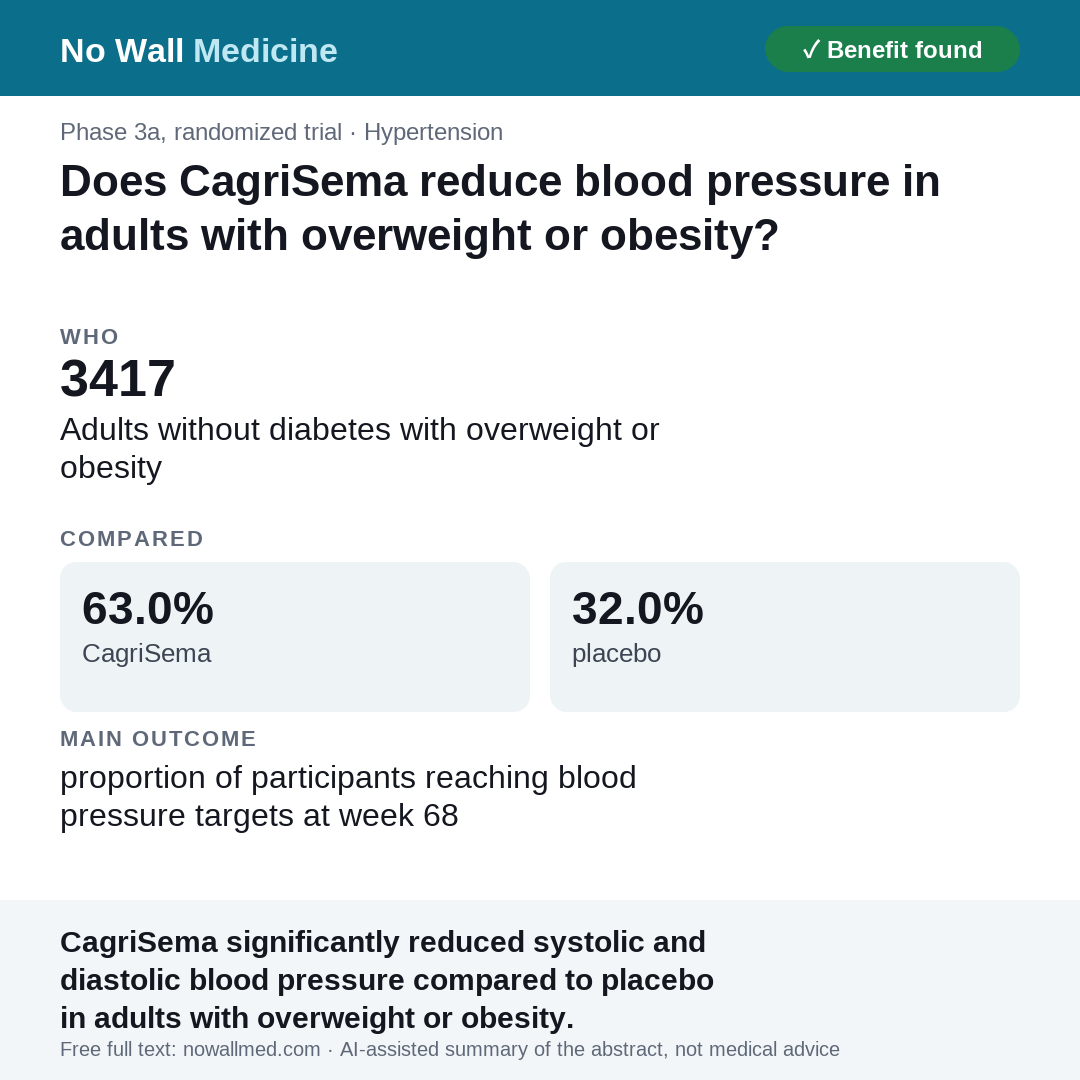
CagriSema Reduces Blood Pressure in Adults With Overweight or Obesity: REDEFINE 1
Phase 3a, randomized trialBenefit found
Does CagriSema reduce blood pressure in adults with overweight or obesity?
Who
3417
Adults without diabetes with overweight or obesity
Compared
63.0%CagriSema
32.0%placebo
Main outcome
proportion of participants reaching blood pressure targets at week 68
Result: odds ratio, 1.7 (95% CI, 0.7-4.4)
Bottom line: CagriSema significantly reduced systolic and diastolic blood pressure compared to placebo in adults with overweight or obesity.
Hypertension · 2025-12-02Download image
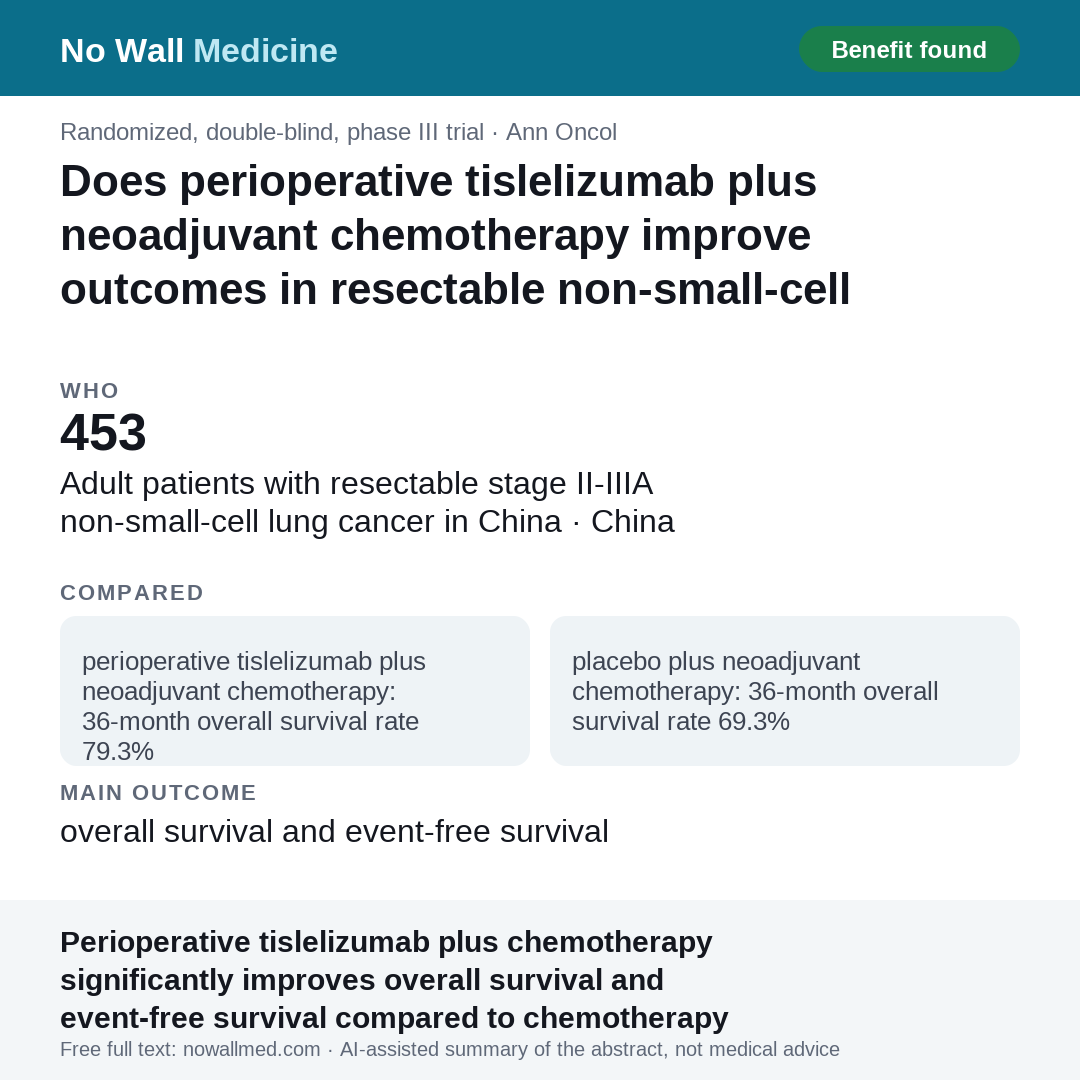
Perioperative tislelizumab plus neoadjuvant chemotherapy for patients with resectable non-small-cell lung cancer: final analysis of the randomized RATIONALE-315 trial
Randomized, double-blind, phase III trialBenefit found
Does perioperative tislelizumab plus neoadjuvant chemotherapy improve outcomes in resectable non-small-cell lung cancer?
Who
453
Adult patients with resectable stage II-IIIA non-small-cell lung cancer in China · China
Compared
perioperative tislelizumab plus neoadjuvant chemotherapy: 36-month overall survival rate 79.3%
placebo plus neoadjuvant chemotherapy: 36-month overall survival rate 69.3%
Main outcome
overall survival and event-free survival
Result: hazard ratio 0.65 (95% CI 0.45-0.93)
Bottom line: Perioperative tislelizumab plus chemotherapy significantly improves overall survival and event-free survival compared to chemotherapy alone.
Ann Oncol · 2025-12-02Download image
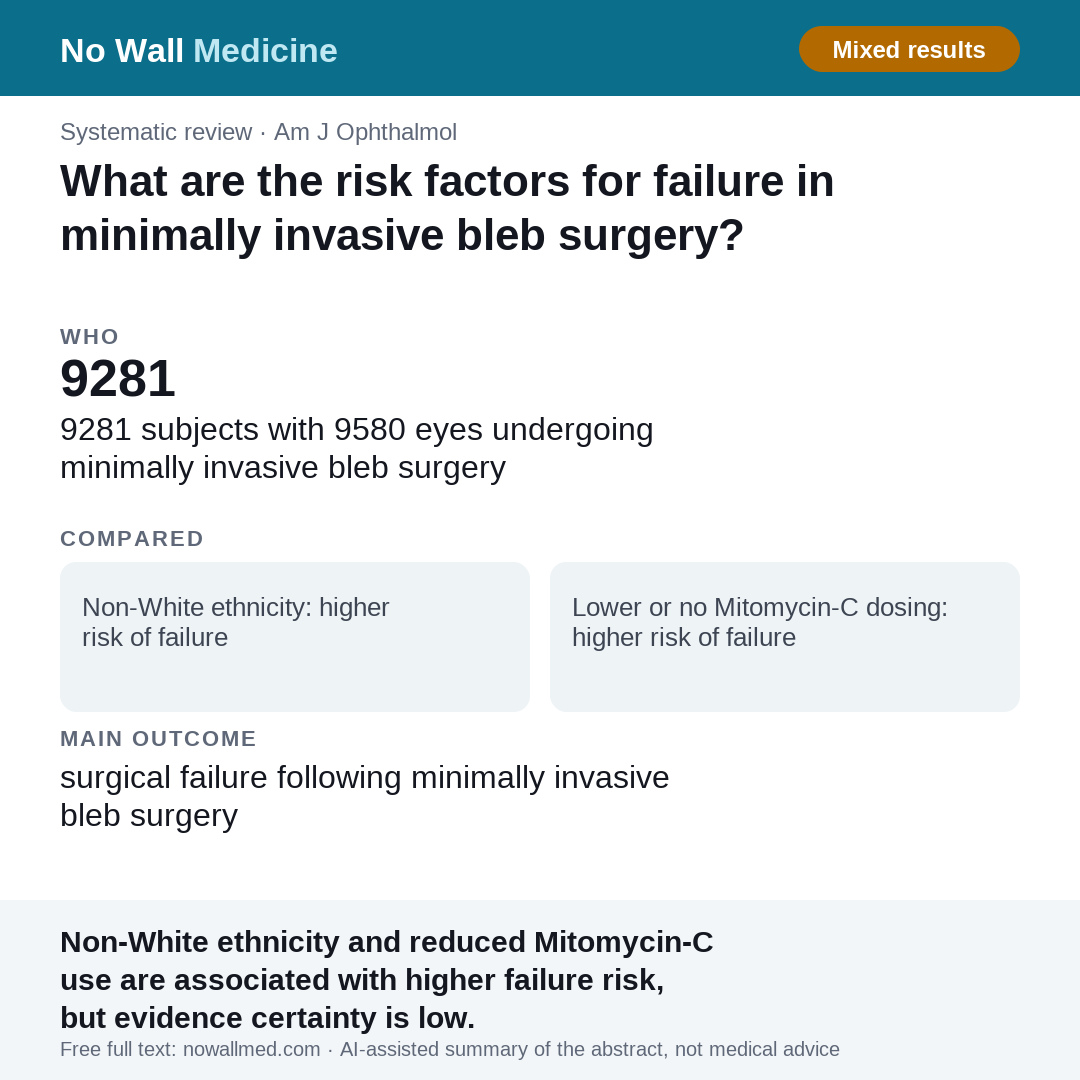
Risk Factors for Failure in Minimally Invasive Bleb Surgery: A Systematic Review
Systematic reviewMixed results
What are the risk factors for failure in minimally invasive bleb surgery?
Who
9281
9281 subjects with 9580 eyes undergoing minimally invasive bleb surgery
Compared
Non-White ethnicity: higher risk of failure
Lower or no Mitomycin-C dosing: higher risk of failure
Main outcome
surgical failure following minimally invasive bleb surgery
Bottom line: Non-White ethnicity and reduced Mitomycin-C use are associated with higher failure risk, but evidence certainty is low.
Limitation: low certainty of evidence and low to moderate evidence quality
Am J Ophthalmol · 2025-12-02Download image
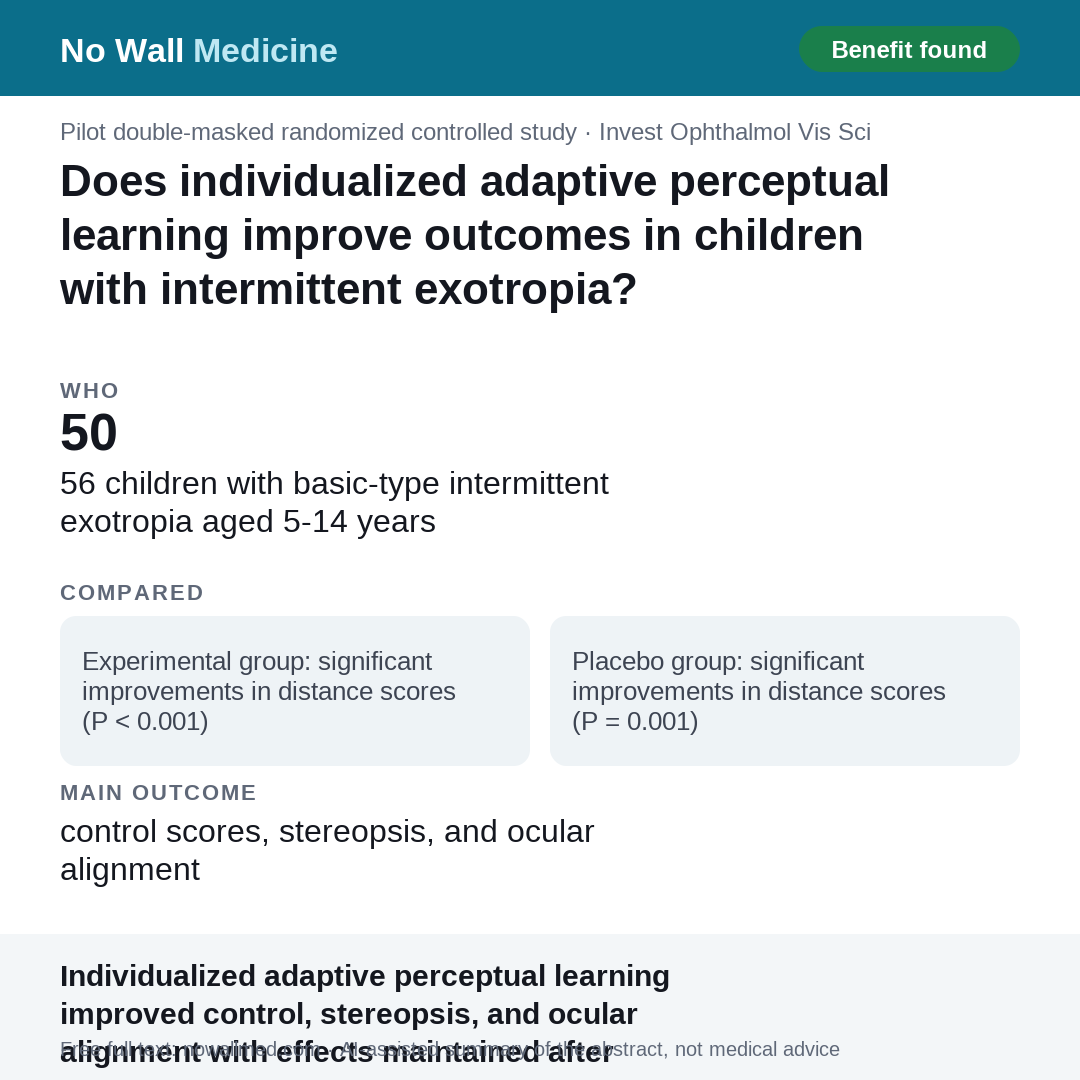
Perceptual Learning Based on Adaptive Contrast Detection Training for Intermittent Exotropia: A Pilot Double-Masked Randomized Controlled Study
Pilot double-masked randomized controlled studyBenefit found
Does individualized adaptive perceptual learning improve outcomes in children with intermittent exotropia?
Who
50
56 children with basic-type intermittent exotropia aged 5-14 years
Compared
Experimental group: significant improvements in distance scores (P < 0.001)
Placebo group: significant improvements in distance scores (P = 0.001)
Main outcome
control scores, stereopsis, and ocular alignment
Bottom line: Individualized adaptive perceptual learning improved control, stereopsis, and ocular alignment with effects maintained after treatment cessation.
Invest Ophthalmol Vis Sci · 2025-12-02Download image
Economic evaluation of next-generation sequencing technologies in pediatric patient groups with confirmed or possible rare diseases: A systematic literature review
Systematic literature reviewBenefit found
Is next-generation sequencing cost-effective for diagnosing rare diseases in pediatric populations?
Who
25
Pediatric patients with confirmed or possible rare diseases · Organization for Economic Co-operation and Development or European Union countries
Compared
Next-generation sequencing
Standard diagnostic methods
Main outcome
Cost-effectiveness of next-generation sequencing technologies
Bottom line: Next-generation sequencing is generally cost-effective for diagnosing rare diseases in pediatrics, especially when used early.
Limitation: Significant variability in study methodology and limited evaluation of newborn screening.
Genet Med · 2025-12-02Download image

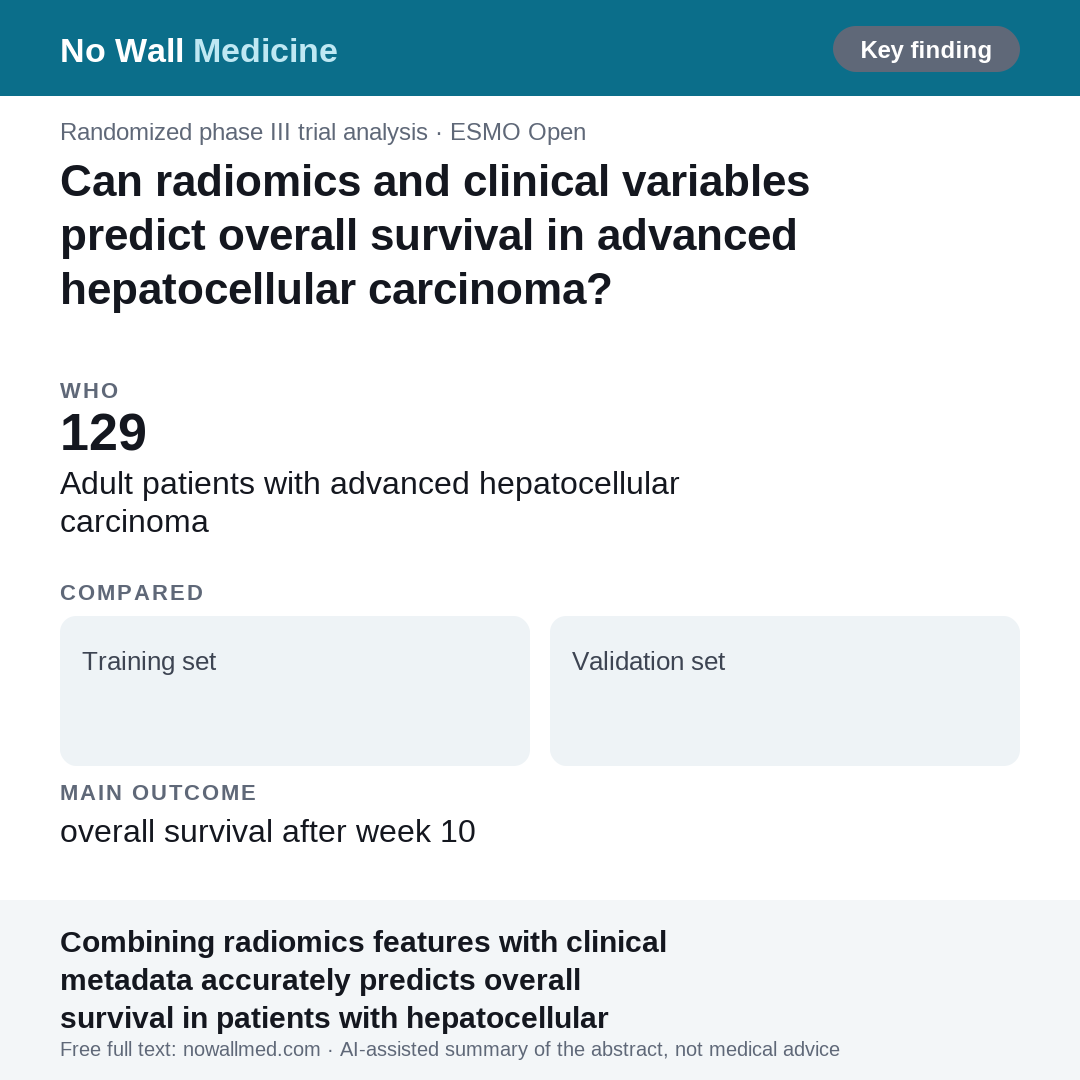
Radiomic signatures to estimate survival in patients with advanced hepatocellular carcinoma treated with sorafenib: Cancer and Leukemia Group B 80802 (Alliance)
Randomized phase III trial analysisBenefit found
Can radiomics and clinical variables predict overall survival in advanced hepatocellular carcinoma?
Who
129
Adult patients with advanced hepatocellular carcinoma
Compared
Training set
Validation set
Main outcome
overall survival after week 10
Result: hazard ratio 2398 (95% confidence interval 121-47 371)
Bottom line: Combining radiomics features with clinical metadata accurately predicts overall survival in patients with hepatocellular carcinoma receiving sorafenib.
ESMO Open · 2025-12-02Download image
The effect of age on the clinical presentation and treatment of women with psychosis: secondary analysis of the IMPaCT Randomised Clinical Trial
Secondary analysis of a randomized controlled trialHarm found
How does age affect clinical presentation and treatment in women with psychosis?
Who
174
Women aged 18 to 65 years with psychosis
Compared
Women aged below 40: PANSS total score 48.0 ± 13.0
Women aged above 40: PANSS total score 53.4 ± 14.1
Main outcome
Mental health status using PANSS and Montgomery Asberg Depression Rating Scale
Bottom line: Women aged above 40 showed worse psychotic symptoms than younger women, particularly in non-affective psychosis.
BJPsych Open · 2025-12-02Download image