Visual abstracts
New randomized trials and meta-analyses from leading journals at a glance: who was studied, what was compared, and what was found. Every paper is free to read in full.
All specialtiesCardiology 838Oncology 760Gastroenterology & Hepatology 306Infectious Disease 626Neurology 350Psychiatry & Mental Health 430Pulmonology 365Critical Care 242Endocrinology & Diabetes 480Pediatrics 534Surgery 318Orthopedics & Sports Medicine 161Neurosurgery 87Cardiothoracic & Vascular Surgery 87Plastic & Reconstructive Surgery 112Nephrology 197Rheumatology 108Hematology 181Dermatology 74Ophthalmology 97Obstetrics & Gynecology 261Public & Global Health 167Radiology & Imaging 96Anesthesiology 107Urology 162ENT (Otolaryngology) 85Emergency Medicine 66Allergy & Immunology 58Geriatrics 160Family Medicine & Primary Care 111Medical Genetics & Genomics 91Pathology & Laboratory Medicine 24Physical Medicine & Rehabilitation 148Palliative Care 81Nutrition 223Digital Health & AI 460General Medicine 101
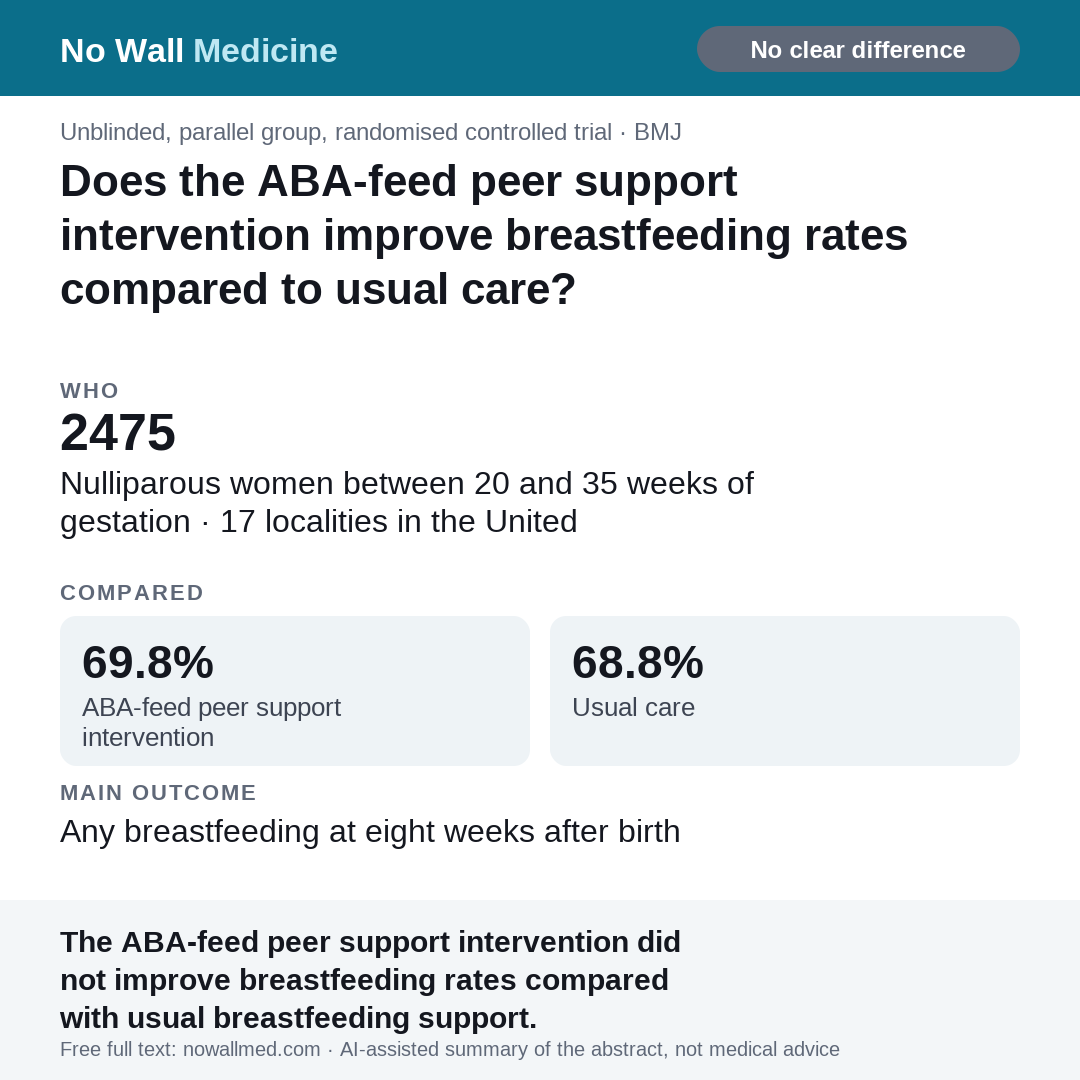
Peer support intervention (ABA-feed) to improve breastfeeding: UK based, multicentre, parallel group, randomised controlled trial
Unblinded, parallel group, randomised controlled trialNo clear difference
Does the ABA-feed peer support intervention improve breastfeeding rates compared to usual care?
Who
2475
Nulliparous women between 20 and 35 weeks of gestation · 17 localities in the United Kingdom
Compared
69.8%ABA-feed peer support intervention (1013/1452)
68.8%Usual care (698/1015)
Main outcome
Any breastfeeding at eight weeks after birth
Result: adjusted risk difference 0.01, 95% confidence interval -0.03 to 0.04
Bottom line: The ABA-feed peer support intervention did not improve breastfeeding rates compared with usual breastfeeding support.
BMJ · 2026-03-31Download image
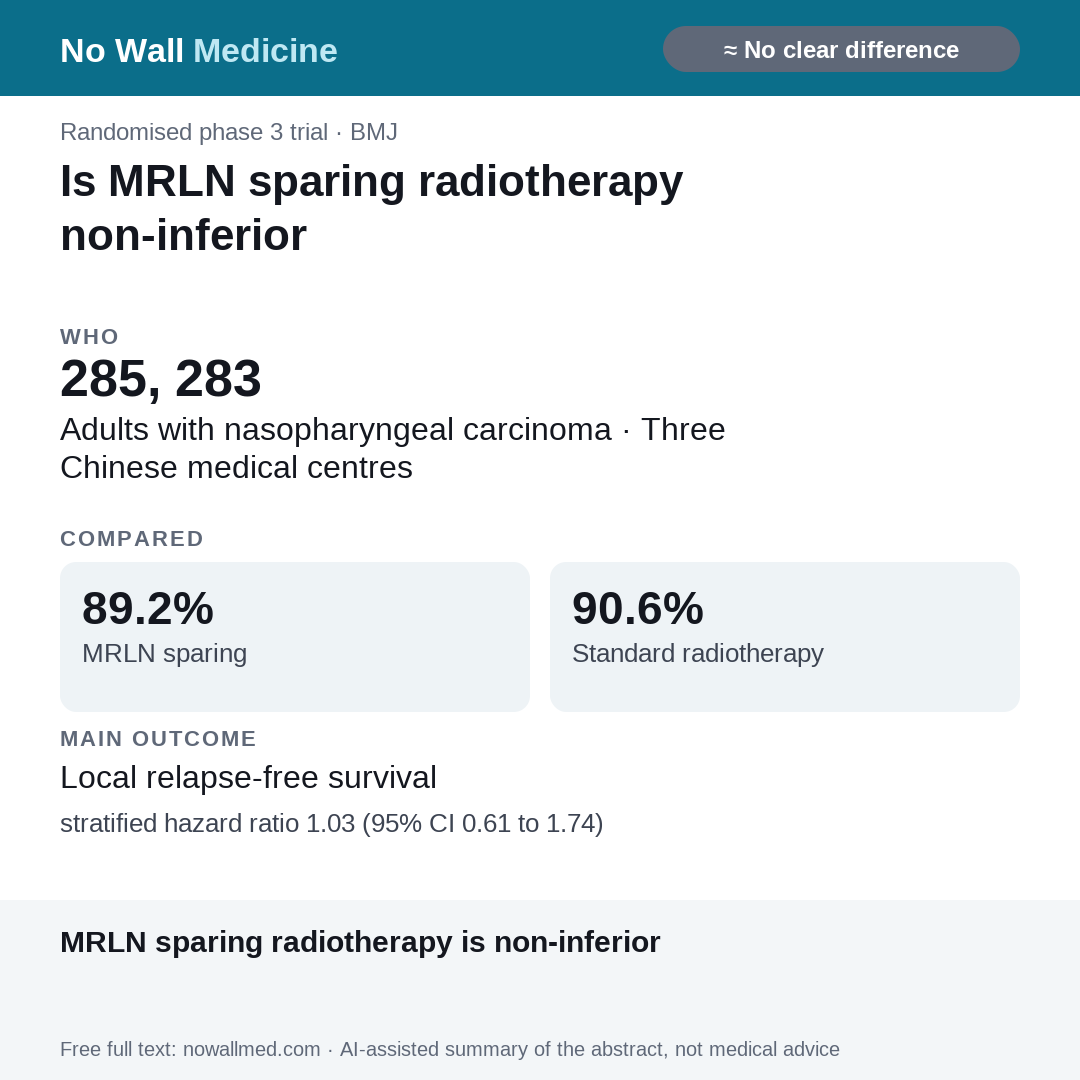
Medial retropharyngeal nodal region sparing radiotherapy in nasopharyngeal carcinoma: five year analysis of open label, non-inferiority, multicentre, randomised phase 3 trial
Randomised phase 3 trialNo clear difference
Is MRLN sparing radiotherapy non-inferior
Who
285, 283
Adults with nasopharyngeal carcinoma · Three Chinese medical centres
Compared
89.2%MRLN sparing (95% CI 85% to 92%)
90.6%Standard radiotherapy (87% to 94%)
Main outcome
Local relapse-free survival
Result: stratified hazard ratio 1.03 (95% CI 0.61 to 1.74)
Bottom line: MRLN sparing radiotherapy is non-inferior
BMJ · 2026-03-31Download image
Benralizumab versus placebo for hypereosinophilic syndrome: a randomized, placebo-controlled phase 3 trial
Randomized, double-blind placebo-controlled phase 3 trialBenefit found
Is benralizumab effective for FIP1L1::PDGFRA-negative hypereosinophilic syndrome?
Who
133
Patients with FIP1L1::PDGFRA-negative hypereosinophilic syndrome
Compared
Benralizumab 30 mg every 4 weeks
Placebo
Main outcome
Time to first hypereosinophilic syndrome flare
Result: hazard ratio 0.35 (95% CI 0.18 to 0.69)
Bottom line: Benralizumab significantly reduced the risk of the first hypereosinophilic syndrome flare compared to placebo.
Nat Med · 2026-03-31Download image

Quality-of-life impact of lymphovenous anastomosis in breast cancer-related lymphedema: A systematic review and meta-analysis
Systematic review and meta-analysisMixed results
Does lymphovenous anastomosis improve quality of life in breast cancer-related lymphedema?
Who
Patients with breast cancer-related lymphedema
Compared
Immediate lymphatic reconstruction plus axillary lymph node dissection: SMD 0.77 (95% CI -1.17 to 2.70)
Axillary lymph node dissection only
Therapeutic lymphovenous anastomosis for established lymphedema: SMD 0.86 (95% CI 0.62-1.10)
Main outcome
Quality of life
Result: SMD 0.86 (95% CI 0.62-1.10) for therapeutic lymphovenous anastomosis
Bottom line: Therapeutic lymphovenous anastomosis improves quality of life, but evidence for prophylactic reconstruction remains insufficient.
Limitation: Few studies, substantial heterogeneity, and inclusion of all axillary lymph node dissection patients.
J Plast Reconstr Aesthet Surg · 2026-03-31Download image

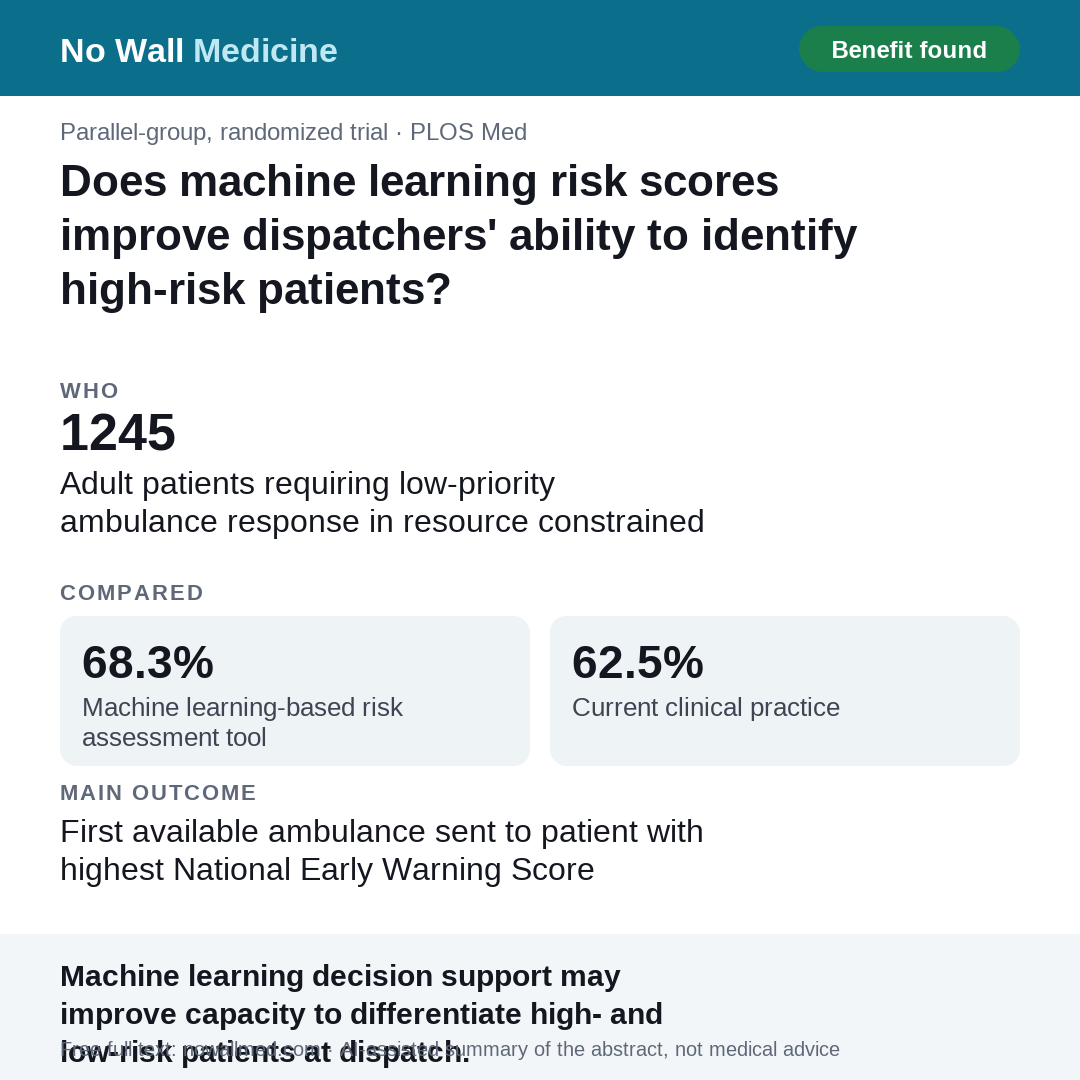
Machine learning assisted differentiation of low acuity patients at dispatch: The MADLAD randomized controlled trial
Parallel-group, randomized trialBenefit found
Does machine learning risk scores improve dispatchers' ability to identify high-risk patients?
Who
1245
Adult patients requiring low-priority ambulance response in resource constrained situations · Two study sites in Sweden
Compared
68.3%Machine learning-based risk assessment tool
62.5%Current clinical practice
Main outcome
First available ambulance sent to patient with highest National Early Warning Score
Result: odds ratio 1.28 (95% CI 1.00 to 1.63)
Bottom line: Machine learning decision support may improve capacity to differentiate high- and low-risk patients at dispatch.
Limitation: Limited to low-priority ambulance response in two Swedish regions and underpowered due to small sample size.
PLOS Med · 2026-03-31Download image
Computationally Derived Spatial Immune Signature Identifies Trastuzumab Responders in HER2+ Breast Cancer: NSABP B-41 Clinical Trial Validation
Randomized clinical trial validationBenefit found
Can the DeSTIL signature identify trastuzumab responders in HER2+ breast cancer?
Who
221
Patients with human epidermal growth factor receptor 2 positive breast cancer · National Surgical Adjuvant Breast and Bowel Project
Compared
DeSTIL-positive patients with trastuzumab: significantly improved event-free survival
DeSTIL-negative patients: No EFS difference
Main outcome
event-free survival
Result: hazard ratio 0.09 (95% CI 0.01-0.77)
Bottom line: The DeSTIL signature identifies HER2+ patients who derive greater benefit from trastuzumab compared to other treatments.
Clin Cancer Res · 2026-03-31Download image

Extrapolation of oritavancin PK/PD targets to inform therapeutic drug monitoring: a systematic review
Systematic reviewMixed results
What is the most relevant pharmacokinetics/pharmacodynamics target for oritavancin dose optimization?
Who
In vitro, in vivo, and human studies
Compared
In vitro and in vivo models: fCmax/MIC > 6 to 14
Human daily repeated doses: %fT > MIC
Main outcome
Pharmacokinetics/pharmacodynamics targets for microbiological and clinical success
Bottom line: Both concentration-dependent indices and time above minimum inhibitory concentration are relevant for oritavancin success.
Limitation: Only one identified human daily repeated doses study was available.
J Antimicrob Chemother · 2026-03-31Download image

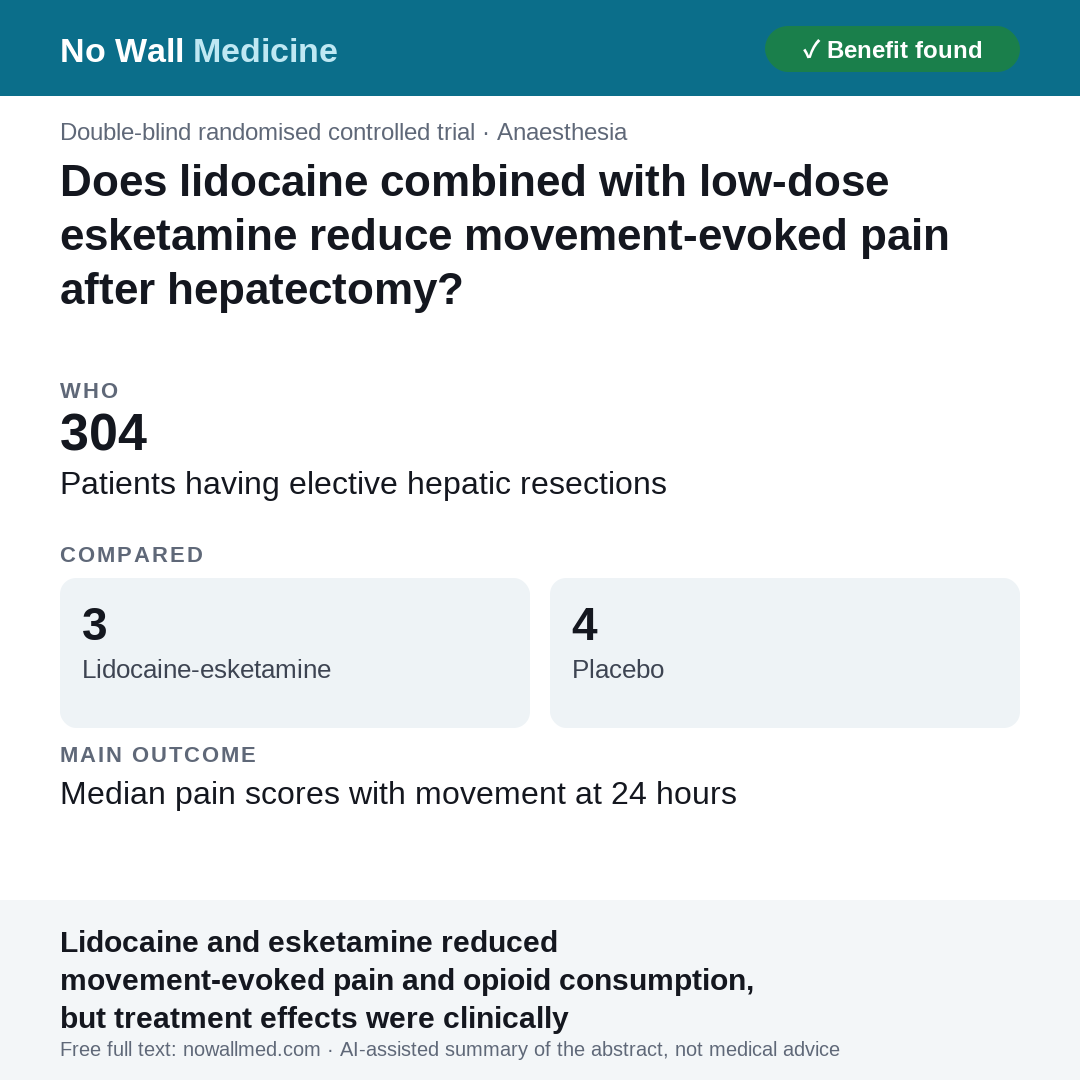
Lidocaine combined with low-dose esketamine for movement-evoked pain after hepatectomy: a double-blind randomised controlled trial
Double-blind randomised controlled trialBenefit found
Does lidocaine combined with low-dose esketamine reduce movement-evoked pain after hepatectomy?
Who
304
Patients having elective hepatic resections
Compared
3Lidocaine-esketamine (2-4 [1-6])
4Placebo (3-5 [1-9])
Main outcome
Median pain scores with movement at 24 hours
Bottom line: Lidocaine and esketamine reduced movement-evoked pain and opioid consumption, but treatment effects were clinically modest.
Limitation: Treatment effects were modest and of limited clinical importance.
Anaesthesia · 2026-03-31Download image
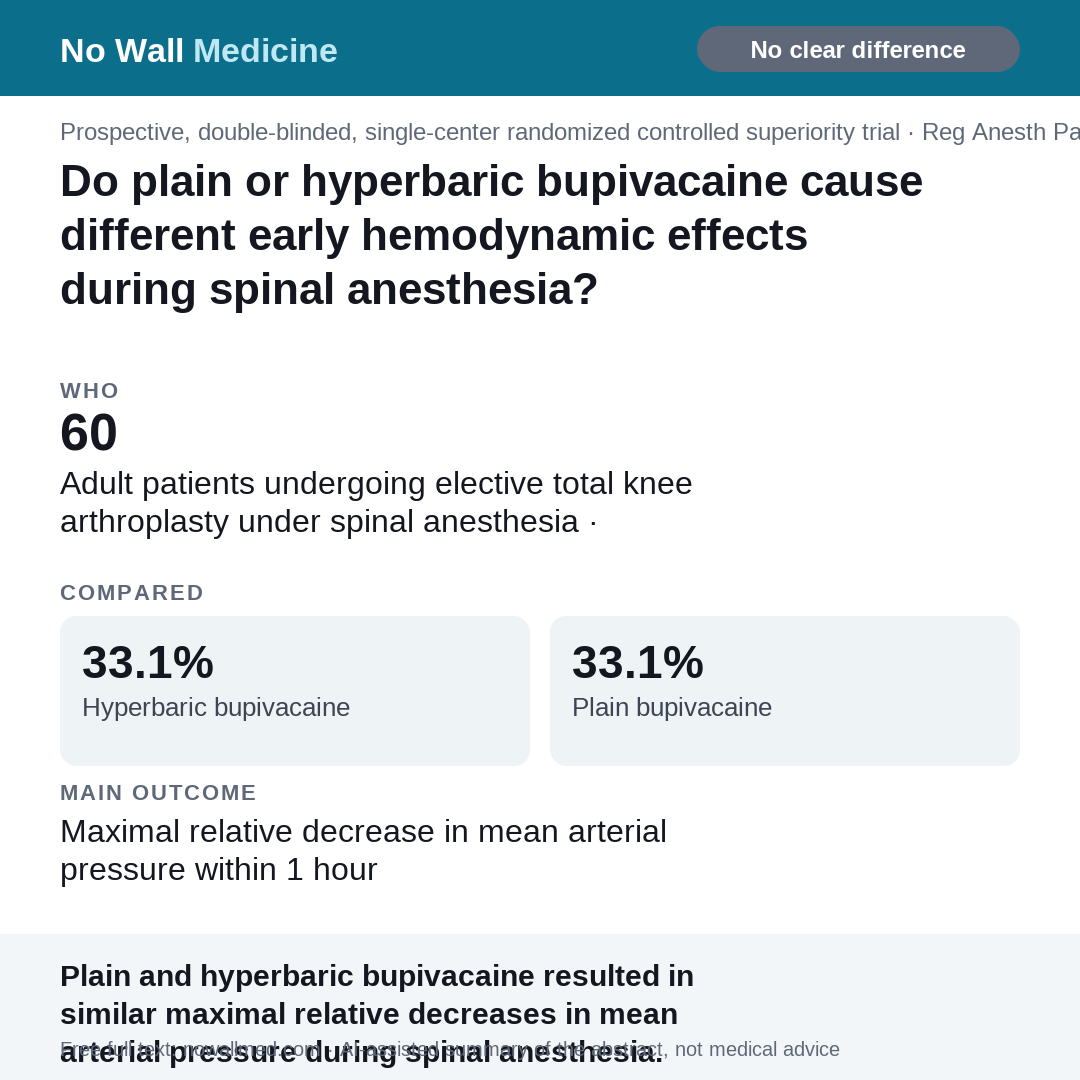
Hemodynamic effects of plain versus hyperbaric bupivacaine during spinal anesthesia for total knee arthroplasty: a randomized clinical trial
Prospective, double-blinded, single-center randomized controlled superiority trialNo clear difference
Do plain or hyperbaric bupivacaine cause different early hemodynamic effects during spinal anesthesia?
Who
60
Adult patients undergoing elective total knee arthroplasty under spinal anesthesia · Single-center
Compared
33.1%Hyperbaric bupivacaine (13.3)
33.1%Plain bupivacaine (11.5)
Main outcome
Maximal relative decrease in mean arterial pressure within 1 hour
Bottom line: Plain and hyperbaric bupivacaine resulted in similar maximal relative decreases in mean arterial pressure during spinal anesthesia.
Reg Anesth Pain Med · 2026-03-31Download image
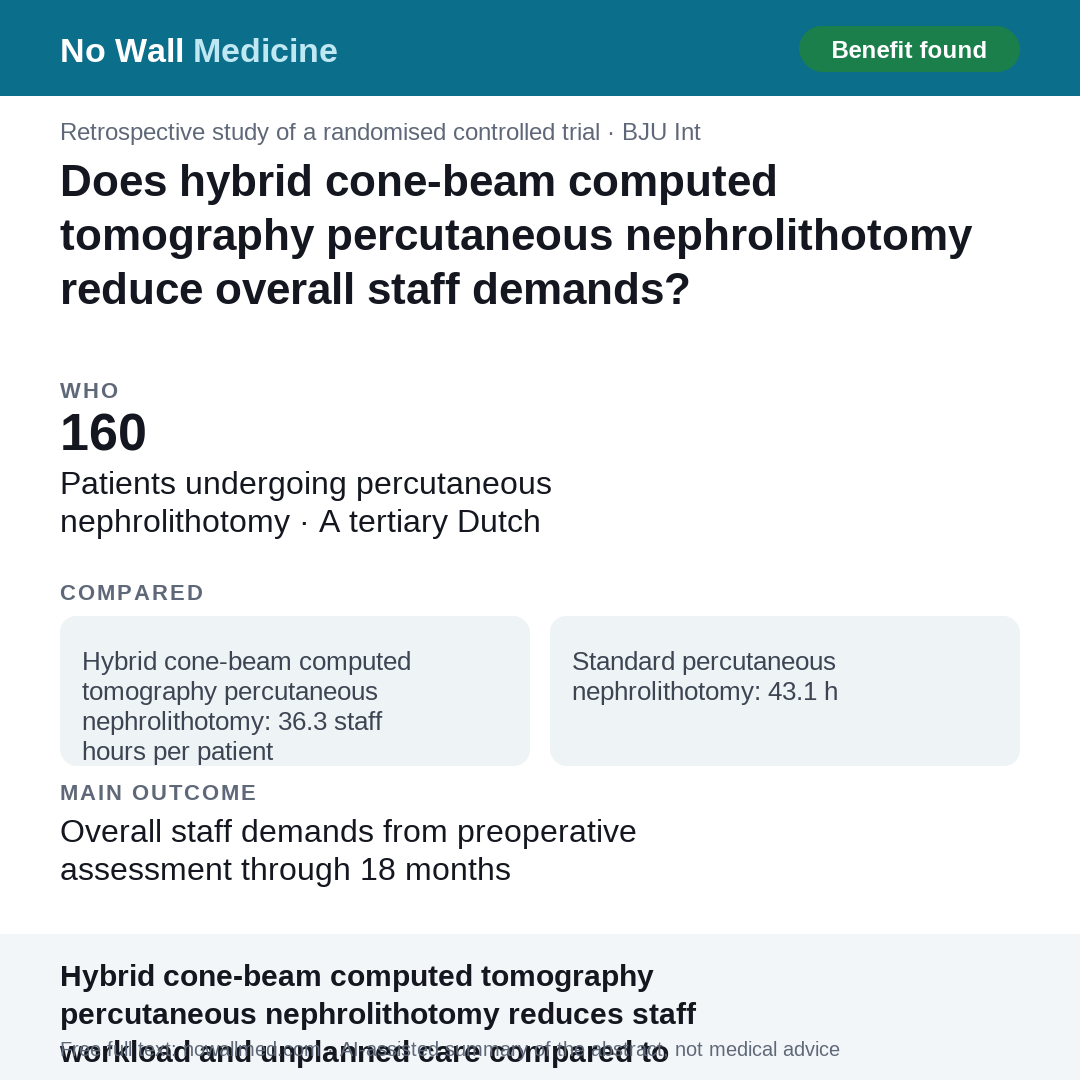
Comparison of staff workload between percutaneous nephrolithotomy with and without intraoperative cone-beam CT: an 18-month postoperative analysis
Retrospective study of a randomised controlled trialBenefit found
Does hybrid cone-beam computed tomography percutaneous nephrolithotomy reduce overall staff demands?
Who
160
Patients undergoing percutaneous nephrolithotomy · A tertiary Dutch urolithiasis centre
Compared
Hybrid cone-beam computed tomography percutaneous nephrolithotomy: 36.3 staff hours per patient
Standard percutaneous nephrolithotomy: 43.1 h
Main outcome
Overall staff demands from preoperative assessment through 18 months
Result: 19% reduction
Bottom line: Hybrid cone-beam computed tomography percutaneous nephrolithotomy reduces staff workload and unplanned care compared to standard percutaneous nephrolithotomy.
BJU Int · 2026-03-31Download image
Bivalent RSV prefusion vaccine effectiveness against hospitalisation in older adults: meta-analysis of case-control studies in England, Wales, Scotland, and Northern Ireland
Meta-analysis of case-control studiesBenefit found
What is the effectiveness of bivalent respiratory syncytial virus prefusion vaccine against hospitalisation in older adults?
Who
11117
Adults aged 74-79 years · England, Wales, Scotland, and Northern Ireland
Compared
Vaccinated
Unvaccinated
Main outcome
Respiratory syncytial virus related hospitalisation
Result: 75% (95% CI 69-80)
Bottom line: Bivalent respiratory syncytial virus prefusion vaccination provides high real-world protection against hospitalisation in older adults.
Lancet Reg Health Eur · 2026-03-31Download image

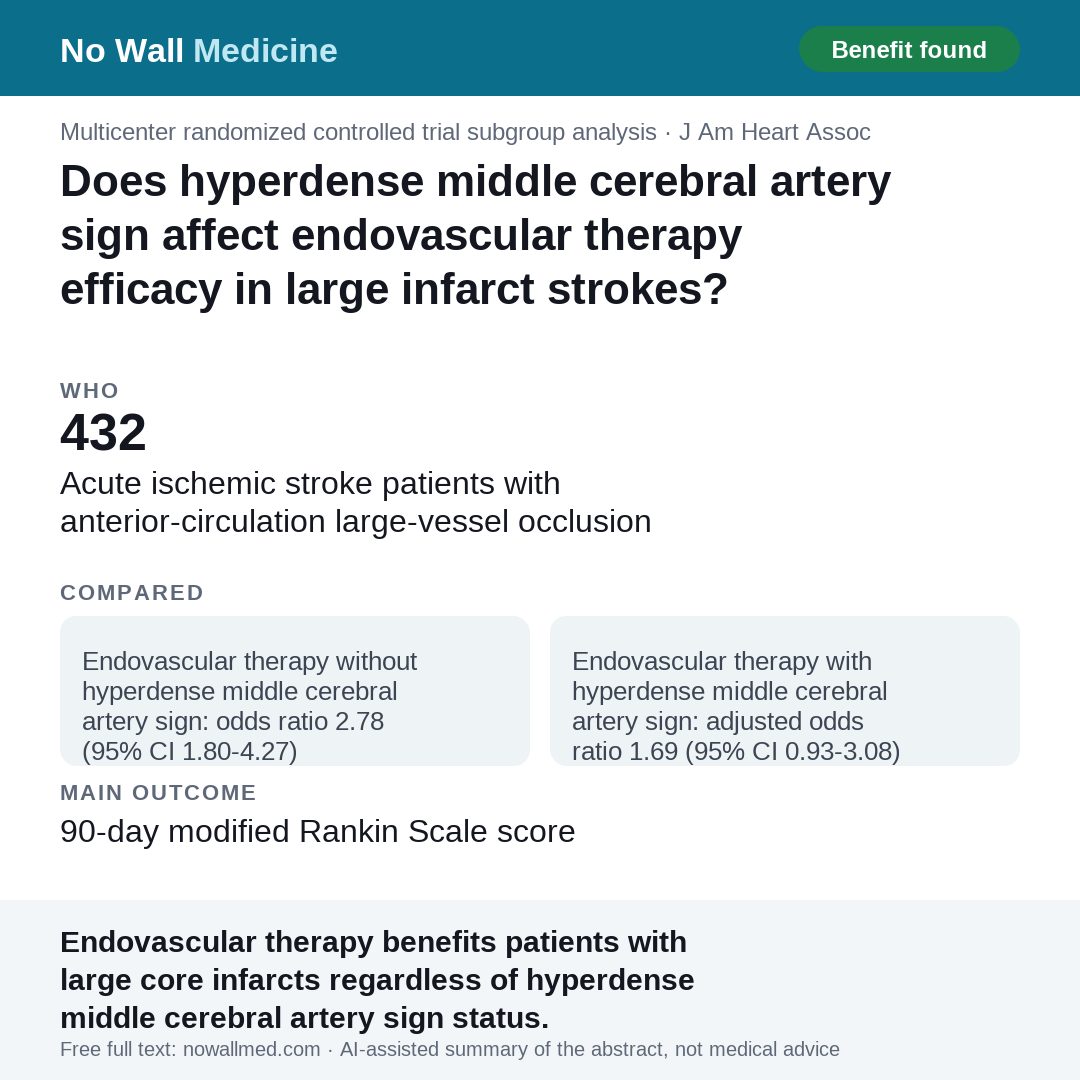
Effects of Computed Tomography Hyperdense Middle Cerebral Artery Sign on the Efficacy of Endovascular Therapy in Acute Ischemic Stroke With Large Infarcts: A Subgroup Analysis of the ANGEL-ASPECT Trial
Multicenter randomized controlled trial subgroup analysisBenefit found
Does hyperdense middle cerebral artery sign affect endovascular therapy efficacy in large infarct strokes?
Who
432
Acute ischemic stroke patients with anterior-circulation large-vessel occlusion and large infarct cores · China
Compared
Endovascular therapy without hyperdense middle cerebral artery sign: odds ratio 2.78 (95% CI 1.80-4.27)
Endovascular therapy with hyperdense middle cerebral artery sign: adjusted odds ratio 1.69 (95% CI 0.93-3.08)
Main outcome
90-day modified Rankin Scale score
Result: no significant interaction between hyperdense middle cerebral artery sign and treatment (P=0.19)
Bottom line: Endovascular therapy benefits patients with large core infarcts regardless of hyperdense middle cerebral artery sign status.
J Am Heart Assoc · 2026-03-31Download image
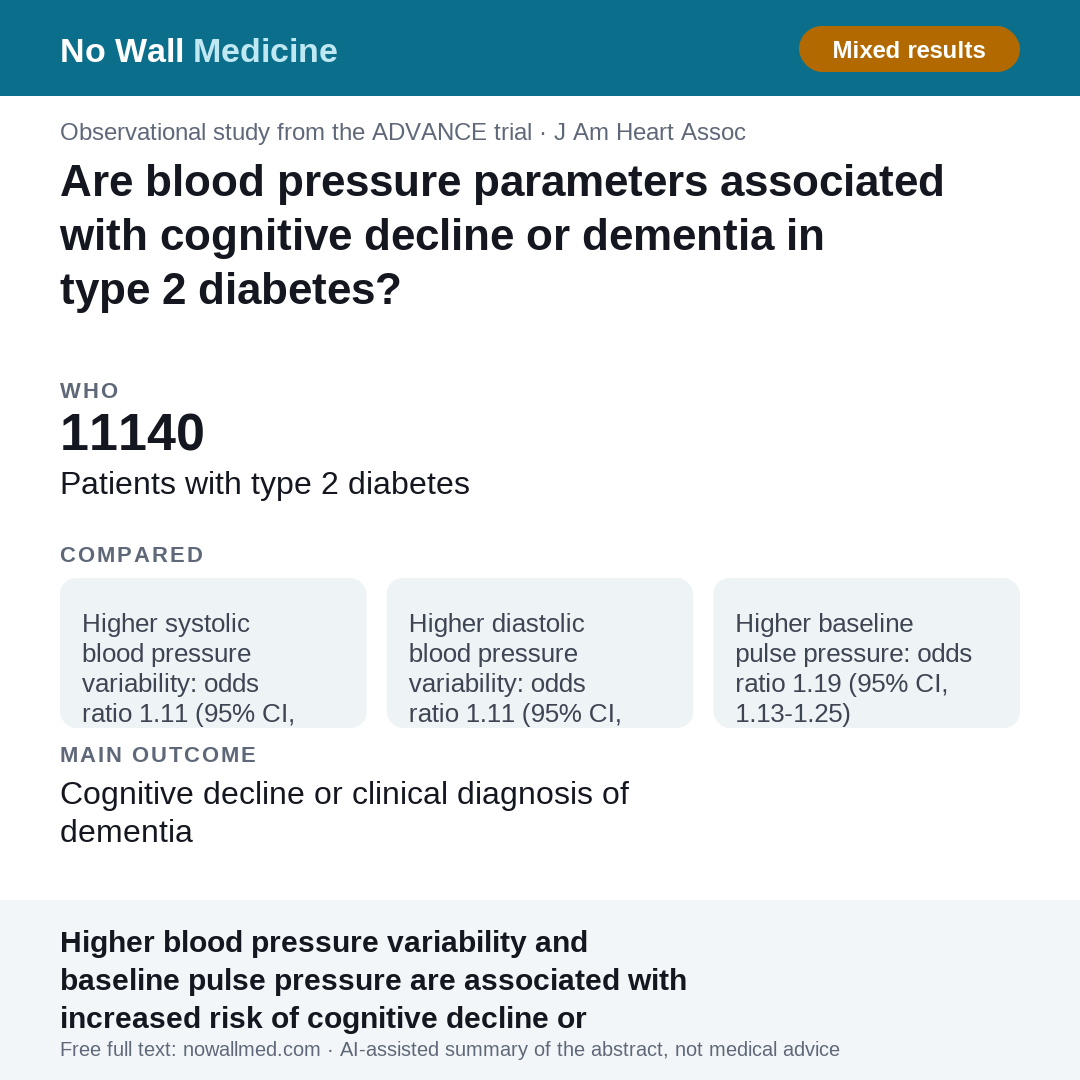
Blood Pressure Parameters and Risk of Cognitive Decline and Dementia in Type 2 Diabetes: Results From the ADVANCE Trial
Observational study from the ADVANCE trialMixed results
Are blood pressure parameters associated with cognitive decline or dementia in type 2 diabetes?
Who
11140
Patients with type 2 diabetes
Compared
Higher systolic blood pressure variability: odds ratio 1.11 (95% CI, 1.05-1.17)
Higher diastolic blood pressure variability: odds ratio 1.11 (95% CI, 1.05-1.17)
Higher baseline pulse pressure: odds ratio 1.19 (95% CI, 1.13-1.25)
Main outcome
Cognitive decline or clinical diagnosis of dementia
Result: baseline pulse pressure odds ratio 1.19 (95% CI, 1.13-1.25)
Bottom line: Higher blood pressure variability and baseline pulse pressure are associated with increased risk of cognitive decline or dementia.
J Am Heart Assoc · 2026-03-31Download image
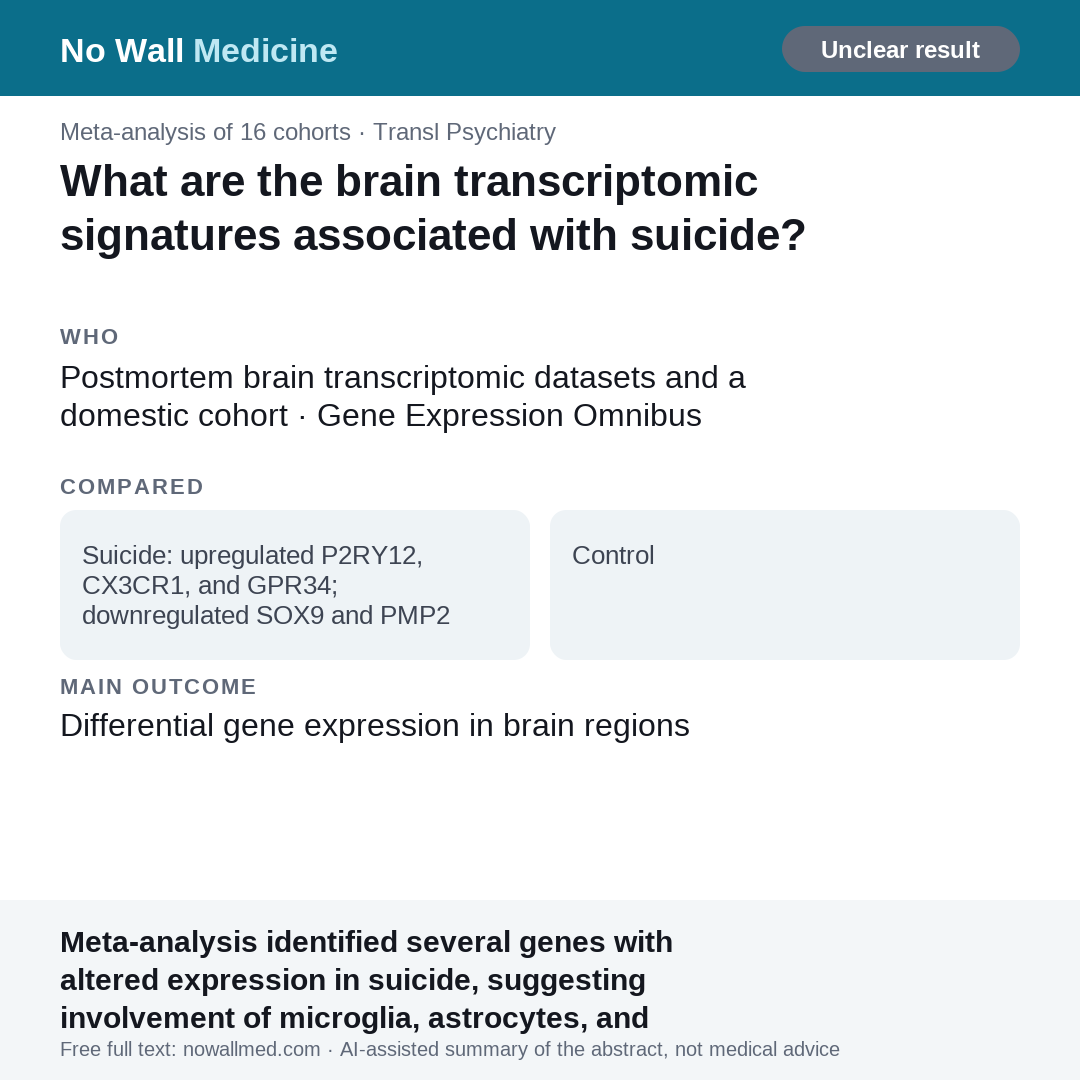
Identification of suicide brain transcriptomic signatures using meta-analysis of multiple cohorts
Meta-analysis of 16 cohortsUnclear result
What are the brain transcriptomic signatures associated with suicide?
Who
Postmortem brain transcriptomic datasets and a domestic cohort · Gene Expression Omnibus repository and domestic cohort
Compared
Suicide: upregulated P2RY12, CX3CR1, and GPR34; downregulated SOX9 and PMP2
Control
Main outcome
Differential gene expression in brain regions
Bottom line: Meta-analysis identified several genes with altered expression in suicide, suggesting involvement of microglia, astrocytes, and immune responses.
Transl Psychiatry · 2026-03-31Download image
Subgenual anterior cingulate cortex in major depression: a systematic review and meta-analysis of MRI studies with patients and healthy controls
Systematic review and meta-analysisMixed results
Are there anatomical and functional MRI differences in the subgenual anterior cingulate cortex in major depression?
Who
Medication-free patients with major depressive disorder and healthy controls
Compared
Major depressive disorder
Healthy controls
Main outcome
Subgenual anterior cingulate cortex gray matter volume, activity, and network coherence
Bottom line: Major depression shows non-uniform gray matter volume, activity, and network coherence patterns in the subgenual anterior cingulate cortex.
Transl Psychiatry · 2026-03-31Download image

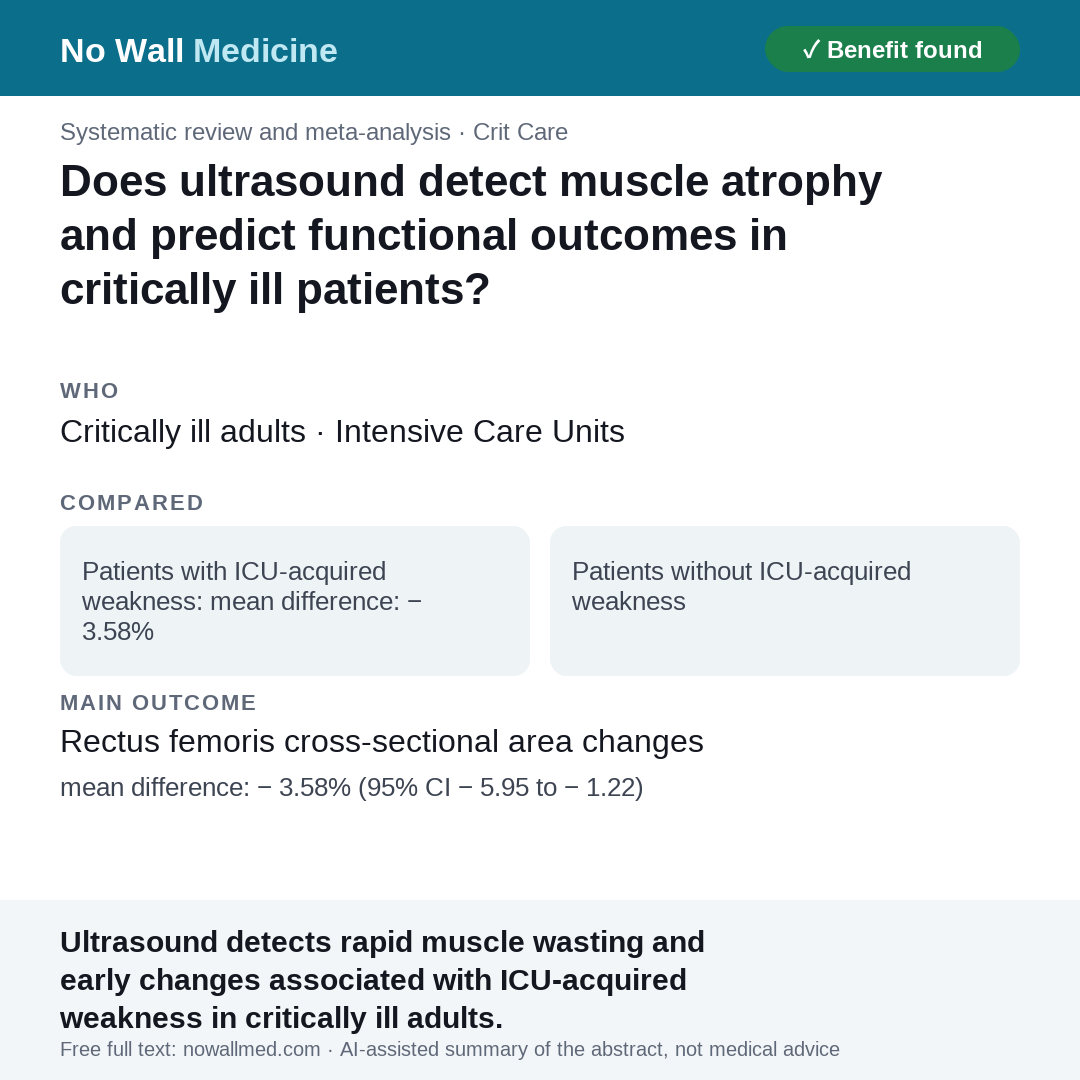
Ultrasound assessment of muscle atrophy and its association with functional outcomes in critically ill patients: a systematic review and meta-analysis
Systematic review and meta-analysisBenefit found
Does ultrasound detect muscle atrophy and predict functional outcomes in critically ill patients?
Who
Critically ill adults · Intensive Care Units
Compared
Patients with ICU-acquired weakness: mean difference: − 3.58%
Patients without ICU-acquired weakness
Main outcome
Rectus femoris cross-sectional area changes
Result: mean difference: − 3.58% (95% CI − 5.95 to − 1.22)
Bottom line: Ultrasound detects rapid muscle wasting and early changes associated with ICU-acquired weakness in critically ill adults.
Limitation: Very low certainty of evidence due to heterogeneity and methodological limitations.
Crit Care · 2026-03-31Download image
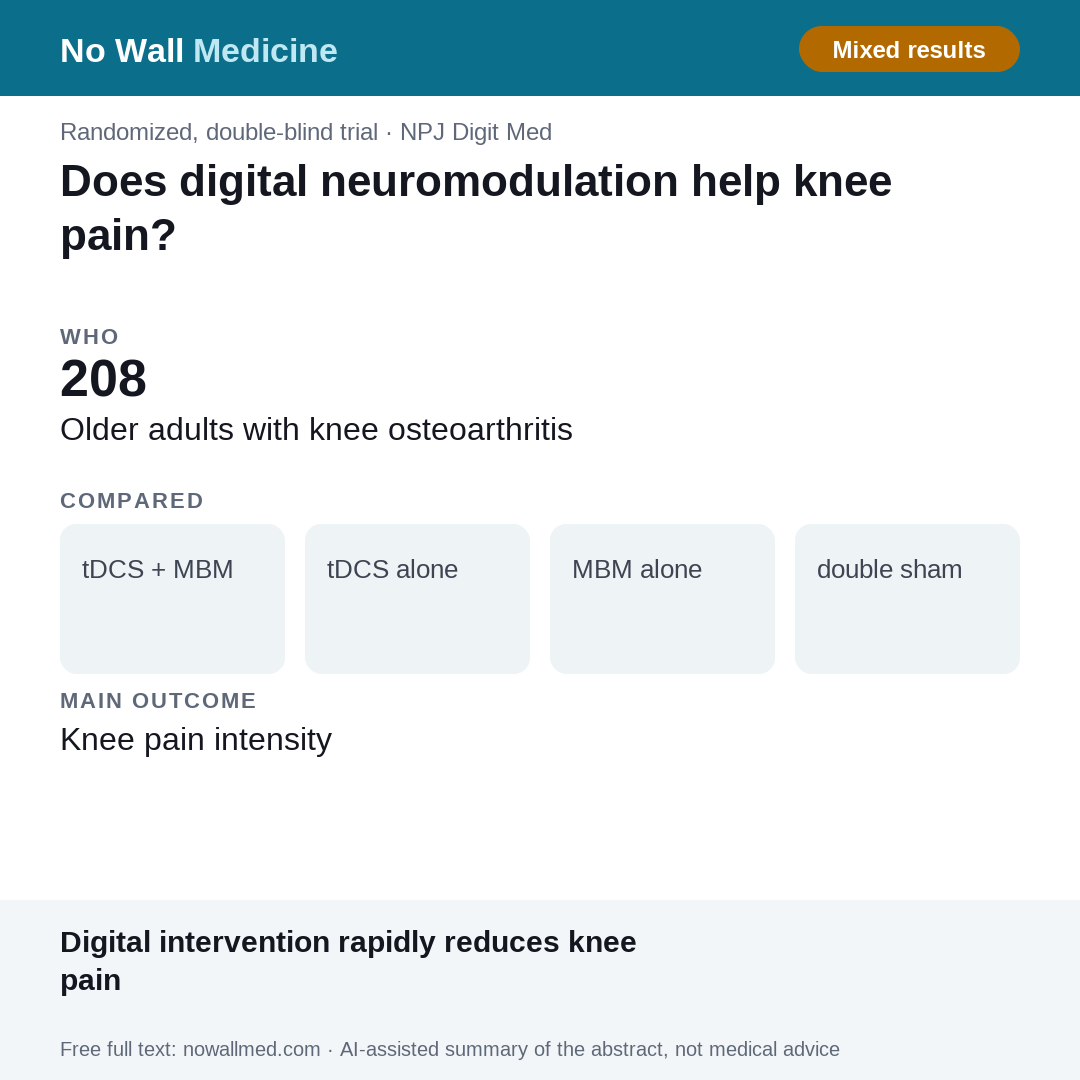
A randomized trial of a digitally delivered, home-based neuromodulation and mindfulness intervention for pain management in older adults with knee osteoarthritis
Randomized, double-blind trialMixed results
Does digital neuromodulation help knee pain?
Who
208
Older adults with knee osteoarthritis
Compared
tDCS + MBM
tDCS alone
MBM alone
double sham
Main outcome
Knee pain intensity
Bottom line: Digital intervention rapidly reduces knee pain
Limitation: Benefits not sustained at 3 months
NPJ Digit Med · 2026-03-31Download image
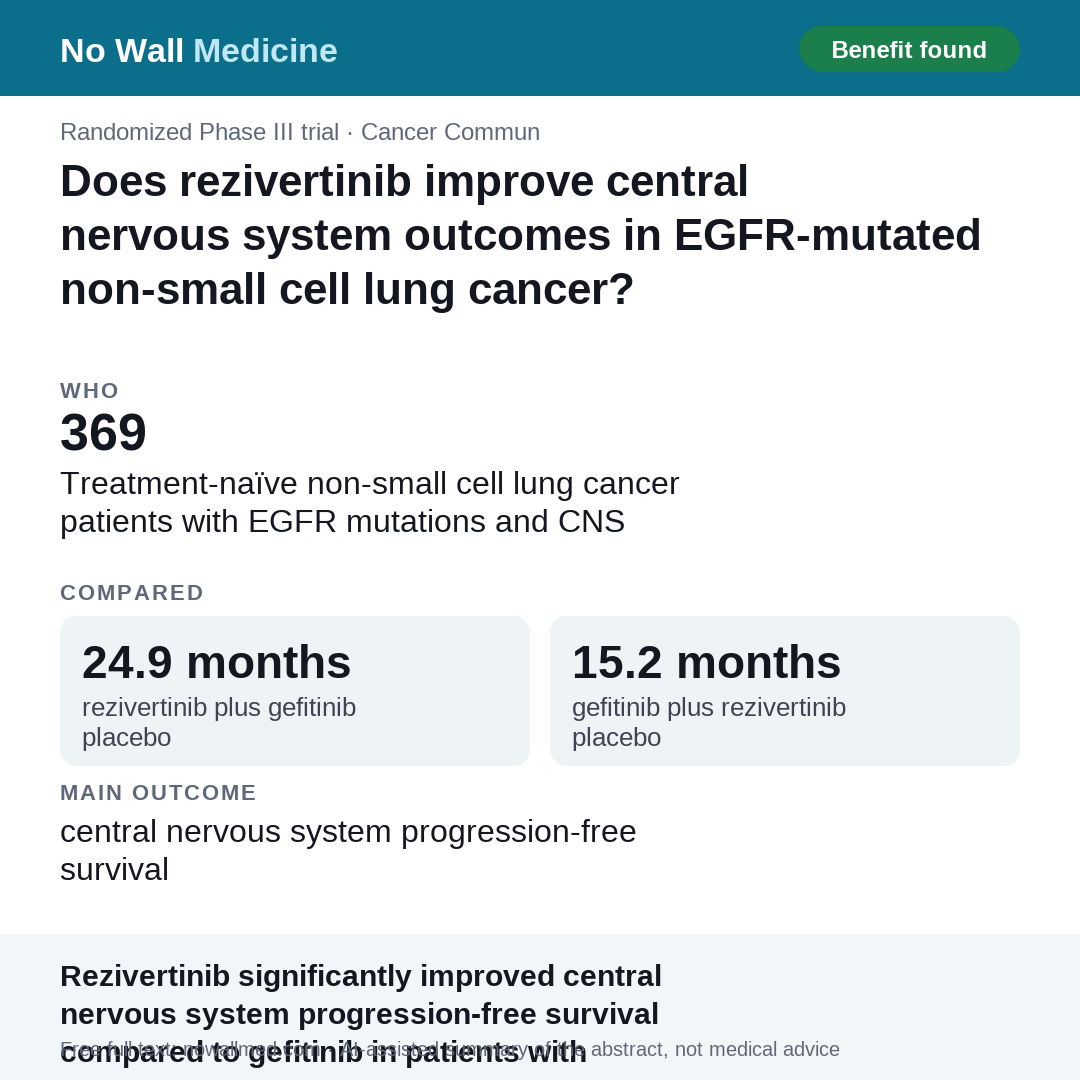
Rezivertinib in EGFR-Mutated Non-Small Cell Lung Cancer Patients with Central Nervous System Metastasis: Central Nervous System Efficacy from the Phase III REZOR Study
Randomized Phase III trialBenefit found
Does rezivertinib improve central nervous system outcomes in EGFR-mutated non-small cell lung cancer?
Who
369
Treatment-naïve non-small cell lung cancer patients with EGFR mutations and CNS metastases
Compared
24.9 monthsrezivertinib plus gefitinib placebo
15.2 monthsgefitinib plus rezivertinib placebo
Main outcome
central nervous system progression-free survival
Result: hazard ratio 0.58 (95% CI, 0.34 to 0.99)
Bottom line: Rezivertinib significantly improved central nervous system progression-free survival compared to gefitinib in patients with EGFR-mutated lung cancer.
Cancer Commun · 2026-03-31Download image
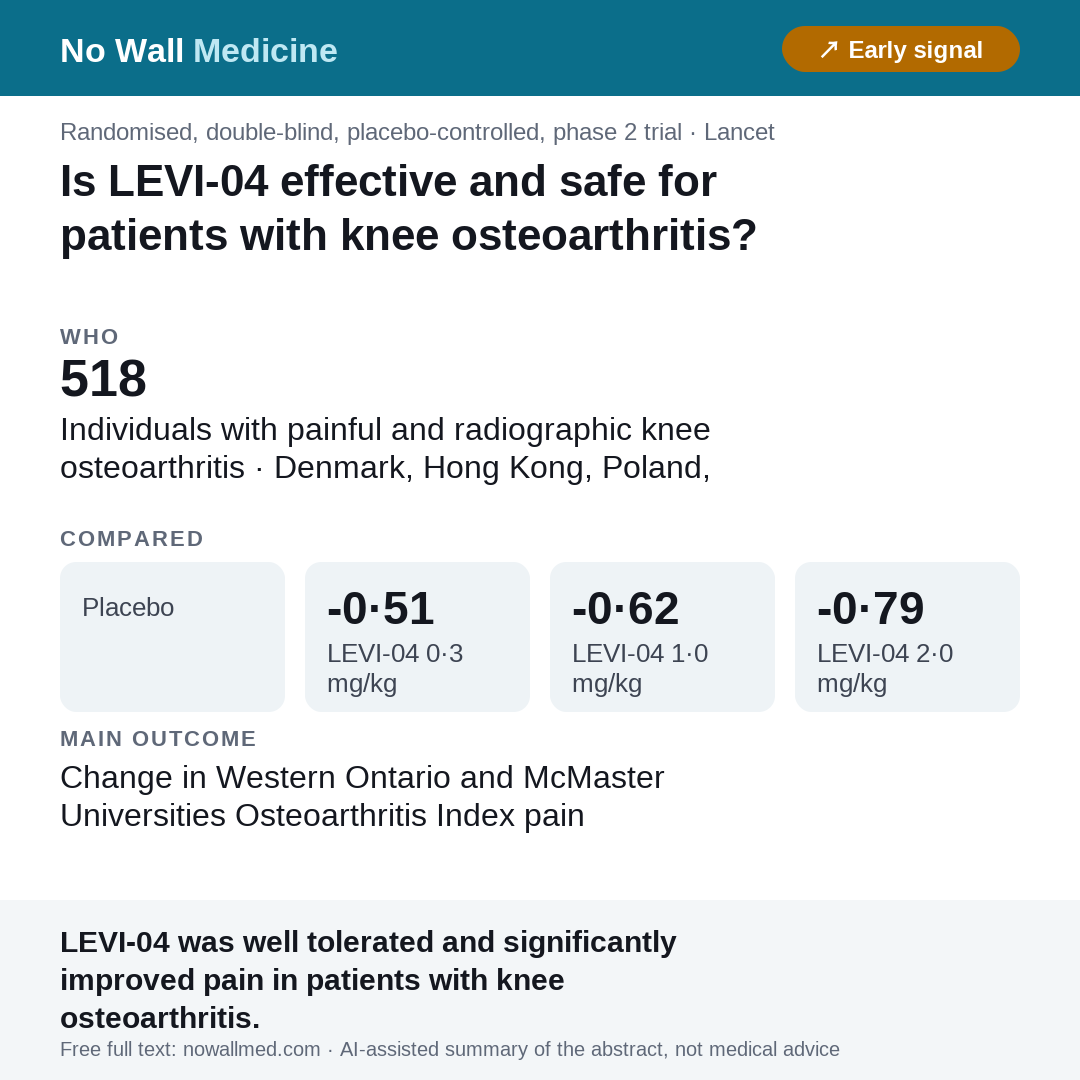
Efficacy and safety of LEVI-04 in patients with osteoarthritis of the knee: a randomised, double-blind, placebo-controlled, phase 2 trial
Randomised, double-blind, placebo-controlled, phase 2 trialBenefit found
Is LEVI-04 effective and safe for patients with knee osteoarthritis?
Who
518
Individuals with painful and radiographic knee osteoarthritis · Denmark, Hong Kong, Poland, Moldova, and the Czech Republic
Compared
Placebo
-0·51LEVI-04 0·3 mg/kg (95% CI -0·96 to -0·07)
-0·62LEVI-04 1·0 mg/kg (-1·07 to -0·17)
-0·79LEVI-04 2·0 mg/kg (-1·24 to -0·35)
Main outcome
Change in Western Ontario and McMaster Universities Osteoarthritis Index pain
Result: least squares mean difference versus placebo: -0·51 (95% CI -0·96 to -0·07) to -0·79 (95% CI -1·24 to -0·35)
Bottom line: LEVI-04 was well tolerated and significantly improved pain in patients with knee osteoarthritis.
Funded by: Levicept
Lancet · 2026-03-30Download image
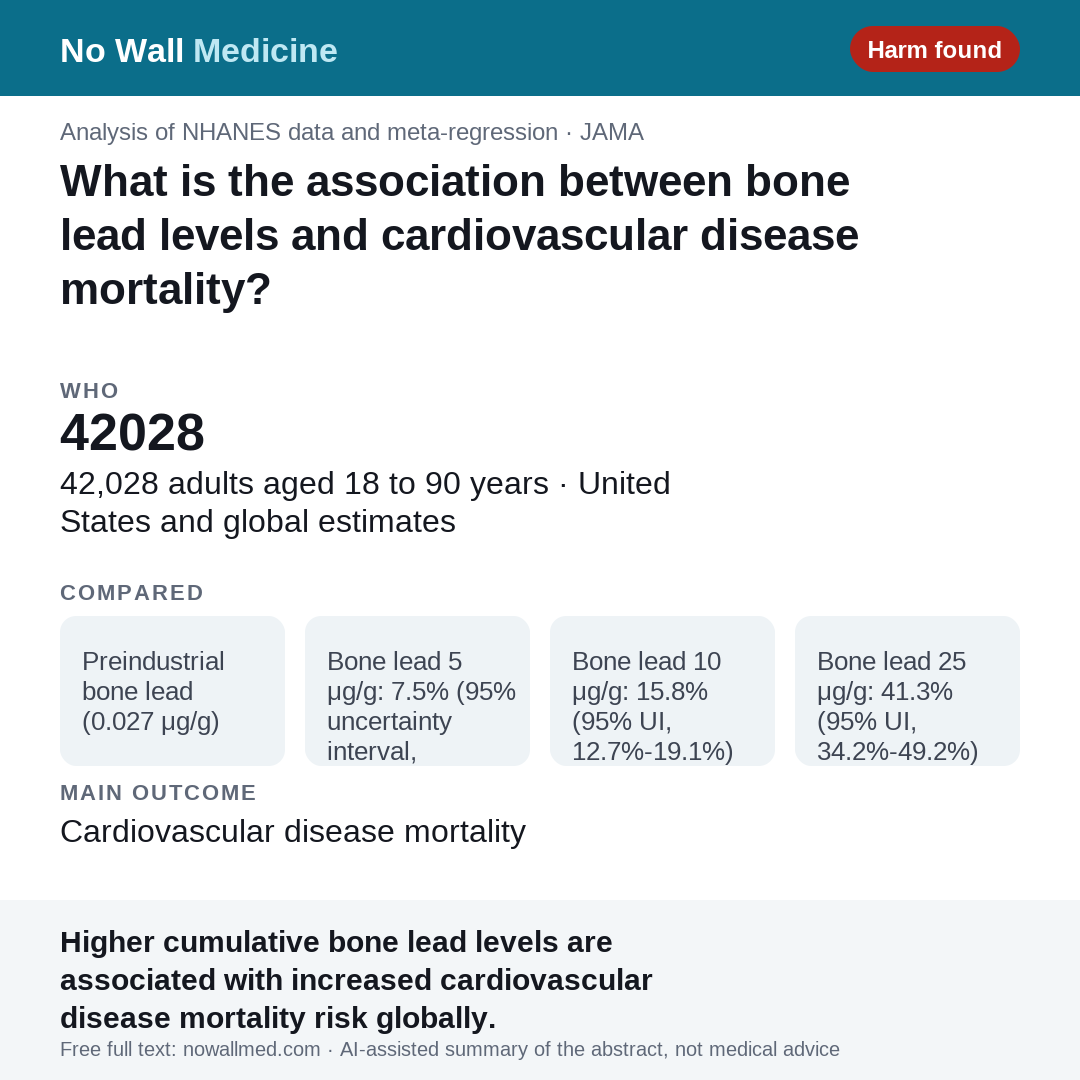
Lead-Attributable Cardiovascular Disease Burden: Global Burden of Disease Study 2023
Analysis of NHANES data and meta-regressionHarm found
What is the association between bone lead levels and cardiovascular disease mortality?
Who
42028
42,028 adults aged 18 to 90 years · United States and global estimates
Compared
Preindustrial bone lead (0.027 μg/g)
Bone lead 5 μg/g: 7.5% (95% uncertainty interval, 1.7%-14.1%) greater risk
Bone lead 10 μg/g: 15.8% (95% UI, 12.7%-19.1%) greater risk
Bone lead 25 μg/g: 41.3% (95% UI, 34.2%-49.2%) greater risk
Main outcome
Cardiovascular disease mortality
Bottom line: Higher cumulative bone lead levels are associated with increased cardiovascular disease mortality risk globally.
JAMA · 2026-03-30Download image