Visual abstracts
New randomized trials and meta-analyses from leading journals at a glance: who was studied, what was compared, and what was found. Every paper is free to read in full.
All specialtiesCardiology 1132Oncology 988Gastroenterology & Hepatology 395Infectious Disease 739Neurology 466Psychiatry & Mental Health 574Pulmonology 483Critical Care 328Endocrinology & Diabetes 634Pediatrics 680Surgery 496Orthopedics & Sports Medicine 219Neurosurgery 153Cardiothoracic & Vascular Surgery 121Plastic & Reconstructive Surgery 177Nephrology 243Rheumatology 147Hematology 229Dermatology 107Ophthalmology 126Obstetrics & Gynecology 347Public & Global Health 219Radiology & Imaging 139Anesthesiology 201Urology 207ENT (Otolaryngology) 155Emergency Medicine 122Allergy & Immunology 76Geriatrics 226Family Medicine & Primary Care 143Medical Genetics & Genomics 118Pathology & Laboratory Medicine 33Physical Medicine & Rehabilitation 193Palliative Care 105Nutrition 294Digital Health & AI 561General Medicine 109
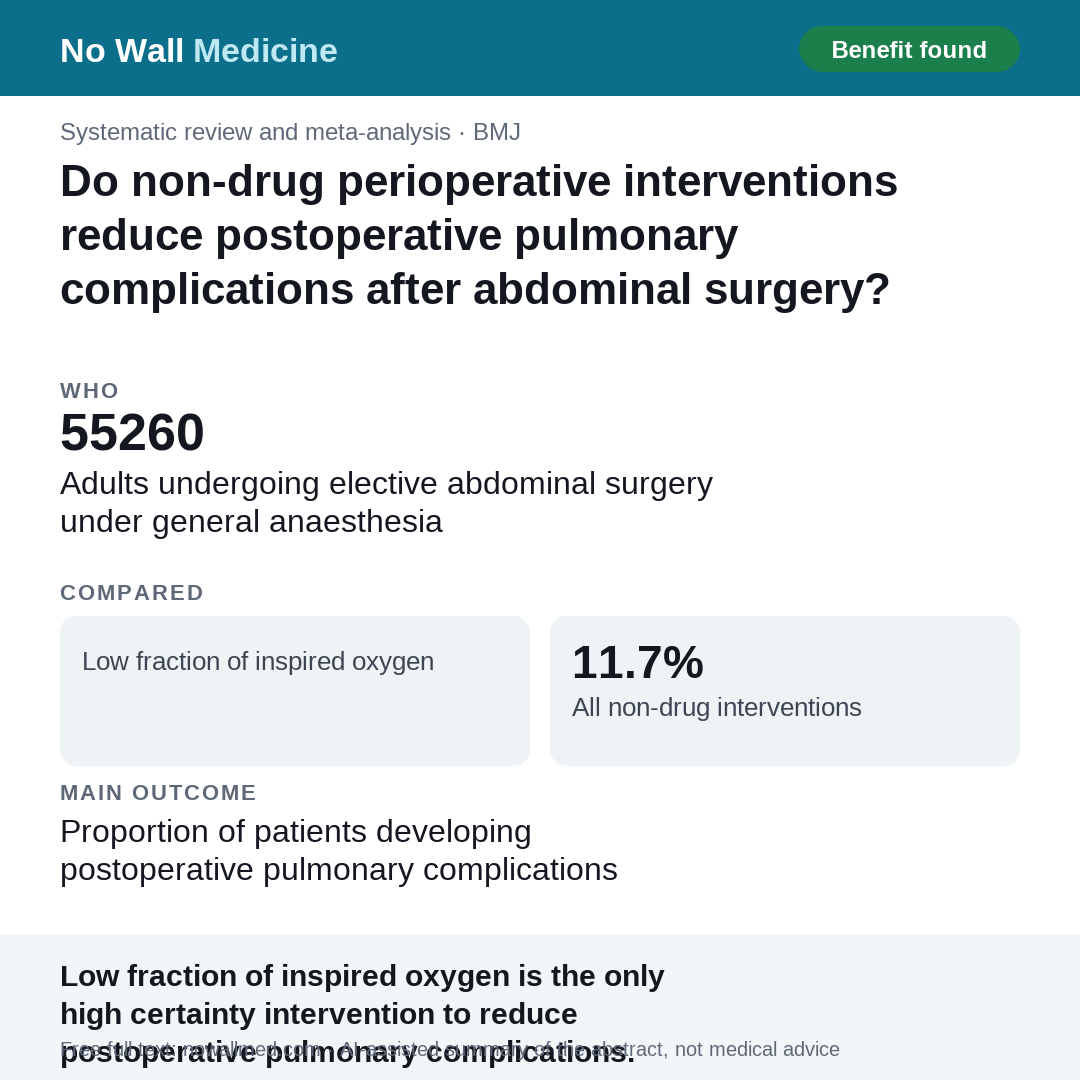
Non-drug perioperative interventions to reduce postoperative pulmonary complications after abdominal surgery: systematic review and meta-analysis
Systematic review and meta-analysisBenefit found
Do non-drug perioperative interventions reduce postoperative pulmonary complications after abdominal surgery?
Who
55260
Adults undergoing elective abdominal surgery under general anaesthesia
Compared
Low fraction of inspired oxygen
11.7%All non-drug interventions
Main outcome
Proportion of patients developing postoperative pulmonary complications
Result: risk ratio 0.81 (95% confidence interval 0.71 to 0.92)
Bottom line: Low fraction of inspired oxygen is the only high certainty intervention to reduce postoperative pulmonary complications.
BMJ · 2026-04-09Download image
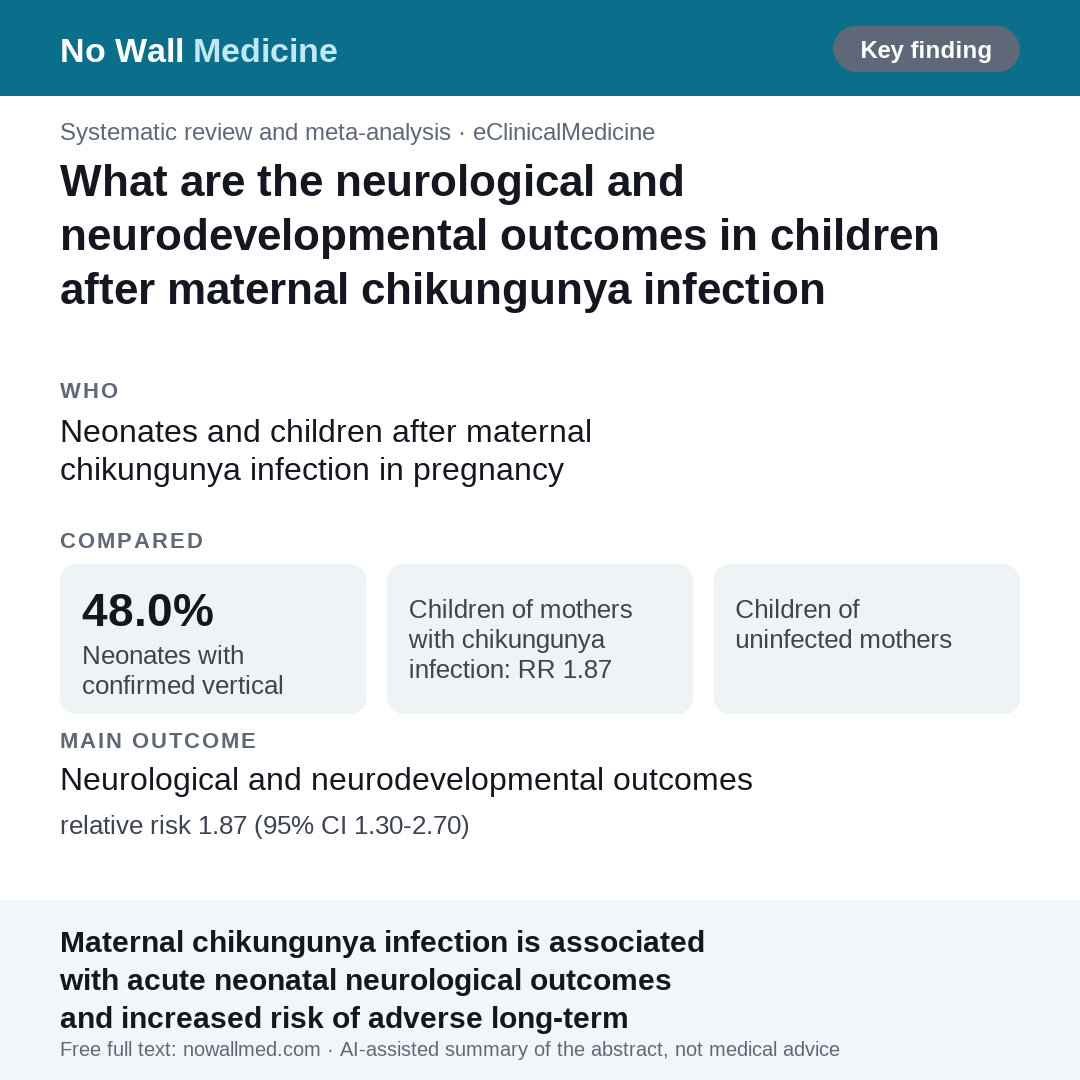
Neurological and neurodevelopmental outcomes in neonates and children after maternal chikungunya infection in pregnancy: a systematic review and meta-analysis
Systematic review and meta-analysisHarm found
What are the neurological and neurodevelopmental outcomes in children after maternal chikungunya infection during pregnancy?
Who
Neonates and children after maternal chikungunya infection in pregnancy
Compared
48.0%Neonates with confirmed vertical chikungunya infection (95% CI 24.0-73.0)
Children of mothers with chikungunya infection: RR 1.87
Children of uninfected mothers
Main outcome
Neurological and neurodevelopmental outcomes
Result: relative risk 1.87 (95% CI 1.30-2.70)
Bottom line: Maternal chikungunya infection is associated with acute neonatal neurological outcomes and increased risk of adverse long-term neurodevelopment.
Limitation: Small, predominantly observational evidence base with heterogeneous outcome definitions and ascertainment.
eClinicalMedicine · 2026-04-09Download image
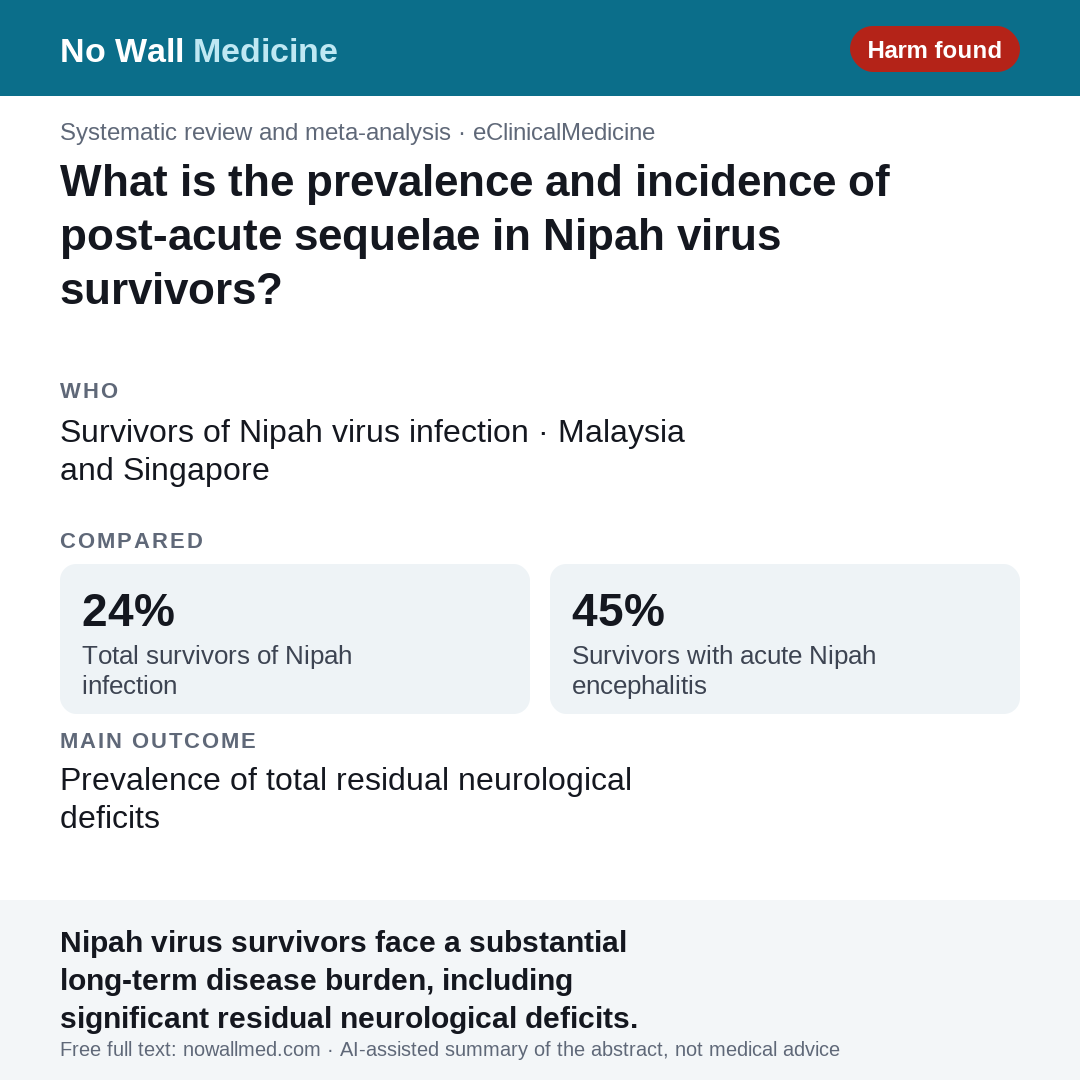
Post-acute sequelae after Nipah virus infection: a systematic review and meta-analysis
Systematic review and meta-analysisHarm found
What is the prevalence and incidence of post-acute sequelae in Nipah virus survivors?
Who
Survivors of Nipah virus infection · Malaysia and Singapore
Compared
24%Total survivors of Nipah infection (95% CI 9-49; I2 = 0%)
45%Survivors with acute Nipah encephalitis (95% CI 11-85; I2 = 64%)
Main outcome
Prevalence of total residual neurological deficits
Bottom line: Nipah virus survivors face a substantial long-term disease burden, including significant residual neurological deficits.
Limitation: Estimates based on limited data, subjective outcome assessment, and heterogeneous populations.
eClinicalMedicine · 2026-04-09Download image
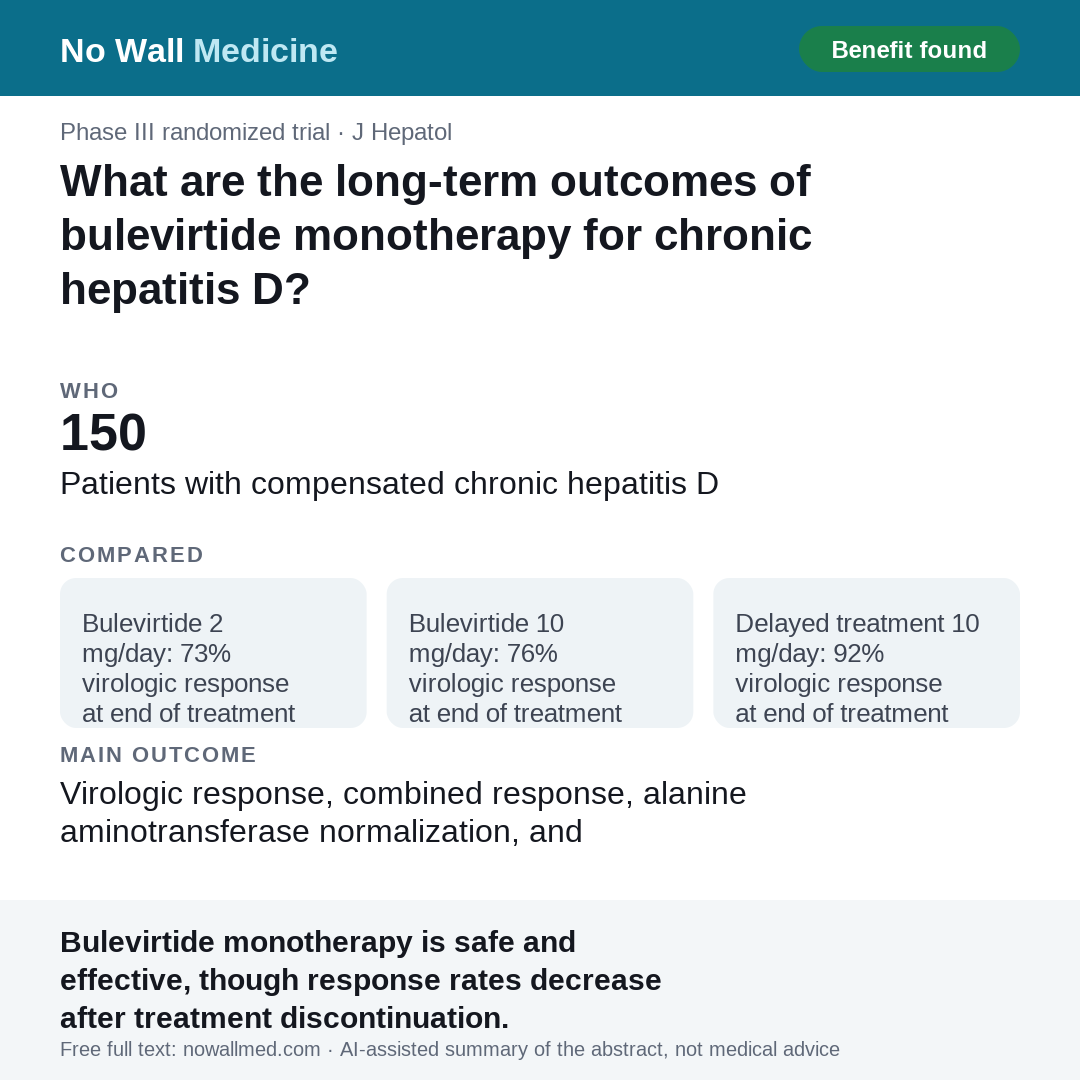
144 Weeks of bulevirtide monotherapy for chronic hepatitis D: Final and post-treatment results from a phase III randomized trial
Phase III randomized trialBenefit found
What are the long-term outcomes of bulevirtide monotherapy for chronic hepatitis D?
Who
150
Patients with compensated chronic hepatitis D
Compared
Bulevirtide 2 mg/day: 73% virologic response at end of treatment
Bulevirtide 10 mg/day: 76% virologic response at end of treatment
Delayed treatment 10 mg/day: 92% virologic response at end of treatment
Main outcome
Virologic response, combined response, alanine aminotransferase normalization, and undetectable hepatitis D virus RNA
Bottom line: Bulevirtide monotherapy is safe and effective, though response rates decrease after treatment discontinuation.
Limitation: Treatment outcomes beyond 2 years and after bulevirtide discontinuation remain unknown.
J Hepatol · 2026-04-09Download image
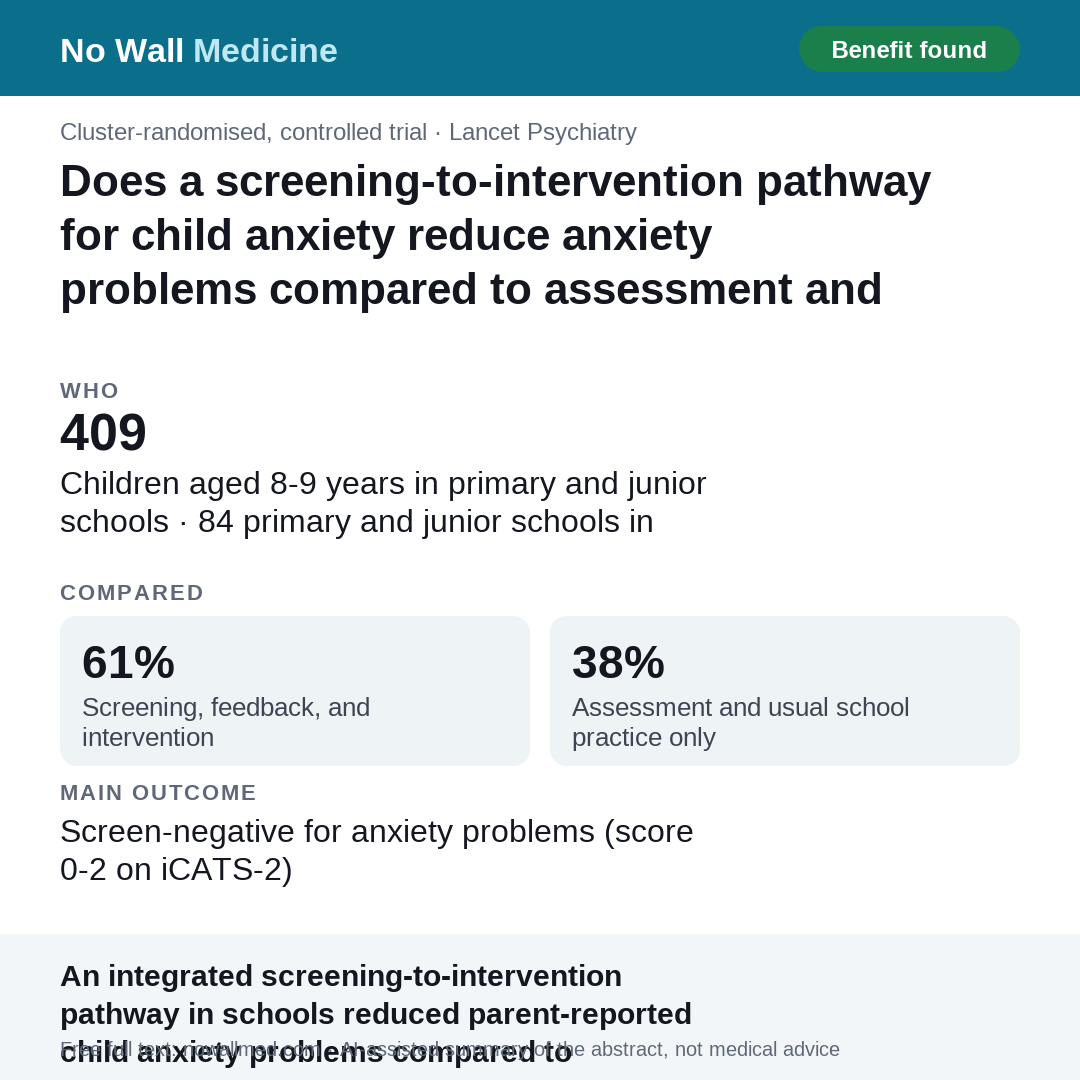
Screening-to-intervention pathway for child anxiety problems alongside usual school practice versus usual school practice only (iCATSi2i): a cluster-randomised, controlled trial in primary schools in England
Cluster-randomised, controlled trialBenefit found
Does a screening-to-intervention pathway for child anxiety reduce anxiety problems compared to assessment and usual school practice?
Who
409
Children aged 8-9 years in primary and junior schools · 84 primary and junior schools in England
Compared
61%Screening, feedback, and intervention (89/145)
38%Assessment and usual school practice only (62/163)
Main outcome
Screen-negative for anxiety problems (score 0-2 on iCATS-2)
Result: adjusted odds ratio 2.32 (95% CI 1.41-3.81)
Bottom line: An integrated screening-to-intervention pathway in schools reduced parent-reported child anxiety problems compared to assessment and usual provision.
Lancet Psychiatry · 2026-04-09Download image
Associations between psychological and trauma-related factors and urinary incontinence severity and treatment response among women veterans
Secondary analysis of a randomized controlled trialMixed results
How do psychological and trauma-related factors associate with urinary incontinence severity and treatment response?
Who
200
Women veterans · 3 southeastern Veterans Healthcare Administration systems
Compared
55%Treatment responders (109/200)
Non-responders
Main outcome
Urinary incontinence severity and response to behavioral treatment
Result: adjusted odds ratio 0.98 (95% CI 0.97 to 0.99)
Bottom line: Higher stress, anxiety, post-traumatic stress disorder, and military sexual trauma associate with greater urinary incontinence severity.
AJOG · 2026-04-09Download image

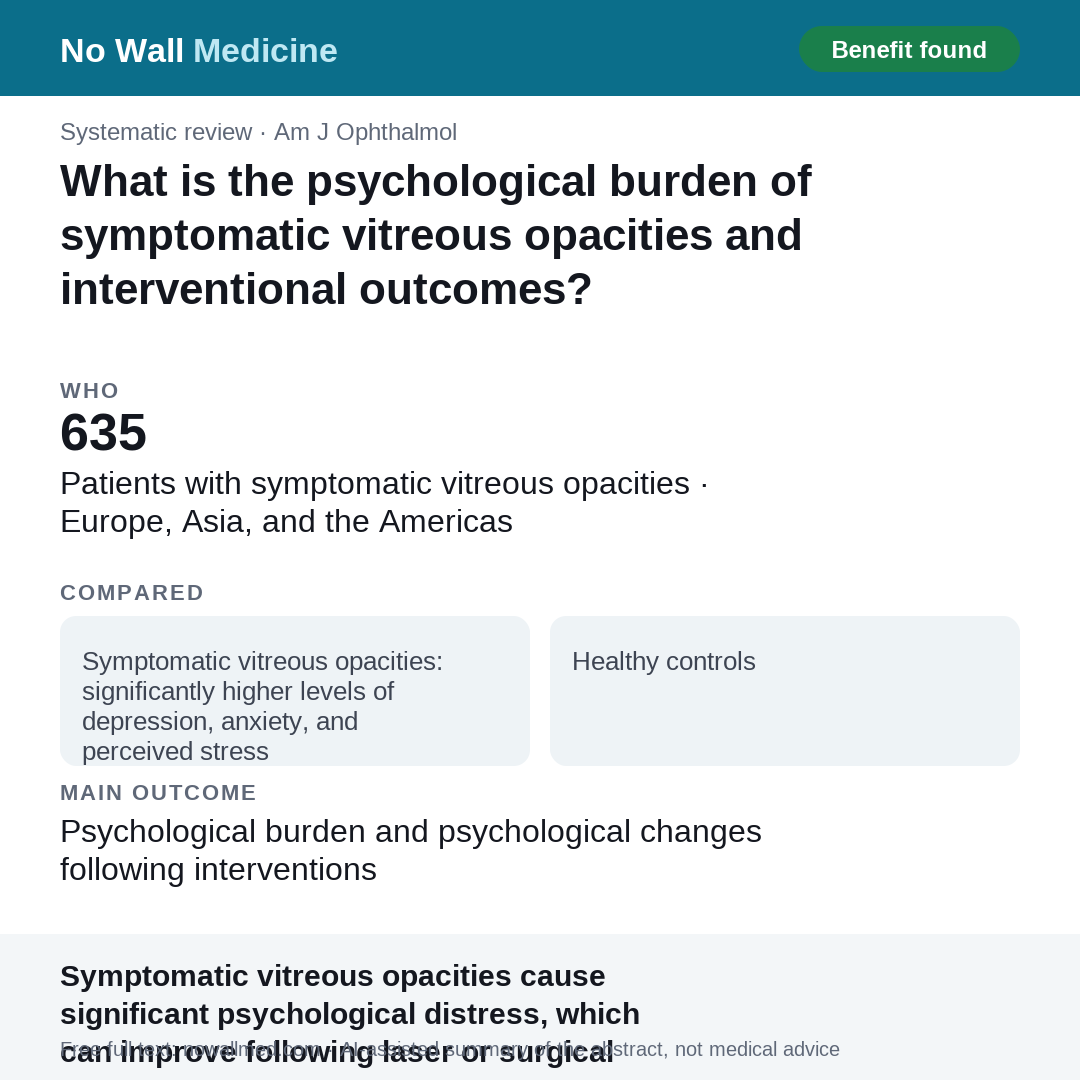
Psychological Burden and Interventional Outcomes in Symptomatic Vitreous Opacities: A Systematic Review
Systematic reviewBenefit found
What is the psychological burden of symptomatic vitreous opacities and interventional outcomes?
Who
635
Patients with symptomatic vitreous opacities · Europe, Asia, and the Americas
Compared
Symptomatic vitreous opacities: significantly higher levels of depression, anxiety, and perceived stress
Healthy controls
Main outcome
Psychological burden and psychological changes following interventions
Bottom line: Symptomatic vitreous opacities cause significant psychological distress, which can improve following laser or surgical interventions.
Am J Ophthalmol · 2026-04-09Download image
The effectiveness and safety of restorative reproductive medicine (RRM) compared to assisted reproductive technology or medically unassisted conception: a systematic review
Systematic reviewUnclear result
Is restorative reproductive medicine effective and safe compared to assisted reproductive technology or unassisted conception?
Who
Couples experiencing infertility
Compared
Restorative reproductive medicine
Assisted reproductive technology or unassisted conception
Main outcome
Reproductive and safety outcomes
Bottom line: No comparative studies exist to provide reliable estimates of restorative reproductive medicine effectiveness or safety.
Fertil Steril · 2026-04-09Download image
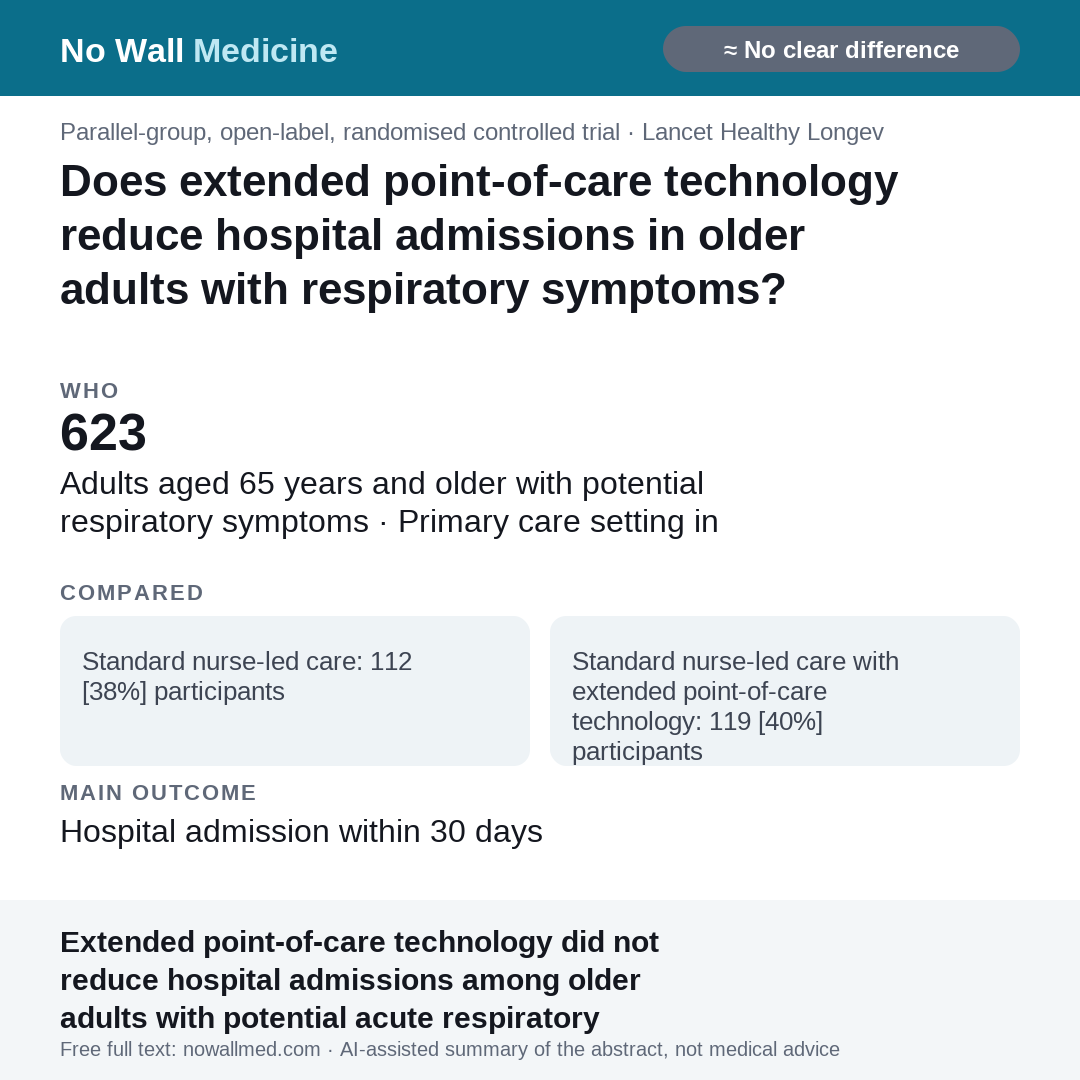
Extended use of point-of-care technology by acute community nurses during in-home assessment of older adults with potential acute respiratory conditions: a parallel-group, open-label, randomised controlled trial
Parallel-group, open-label, randomised controlled trialNo clear difference
Does extended point-of-care technology reduce hospital admissions in older adults with respiratory symptoms?
Who
623
Adults aged 65 years and older with potential respiratory symptoms · Primary care setting in Denmark
Compared
Standard nurse-led care: 112 [38%] participants
Standard nurse-led care with extended point-of-care technology: 119 [40%] participants
Main outcome
Hospital admission within 30 days
Result: risk ratio 1·06, 95% CI 0·86-1·30
Bottom line: Extended point-of-care technology did not reduce hospital admissions among older adults with potential acute respiratory conditions.
Funded by: Region of Southern Denmark and several foundations
Lancet Healthy Longev · 2026-04-09Download image
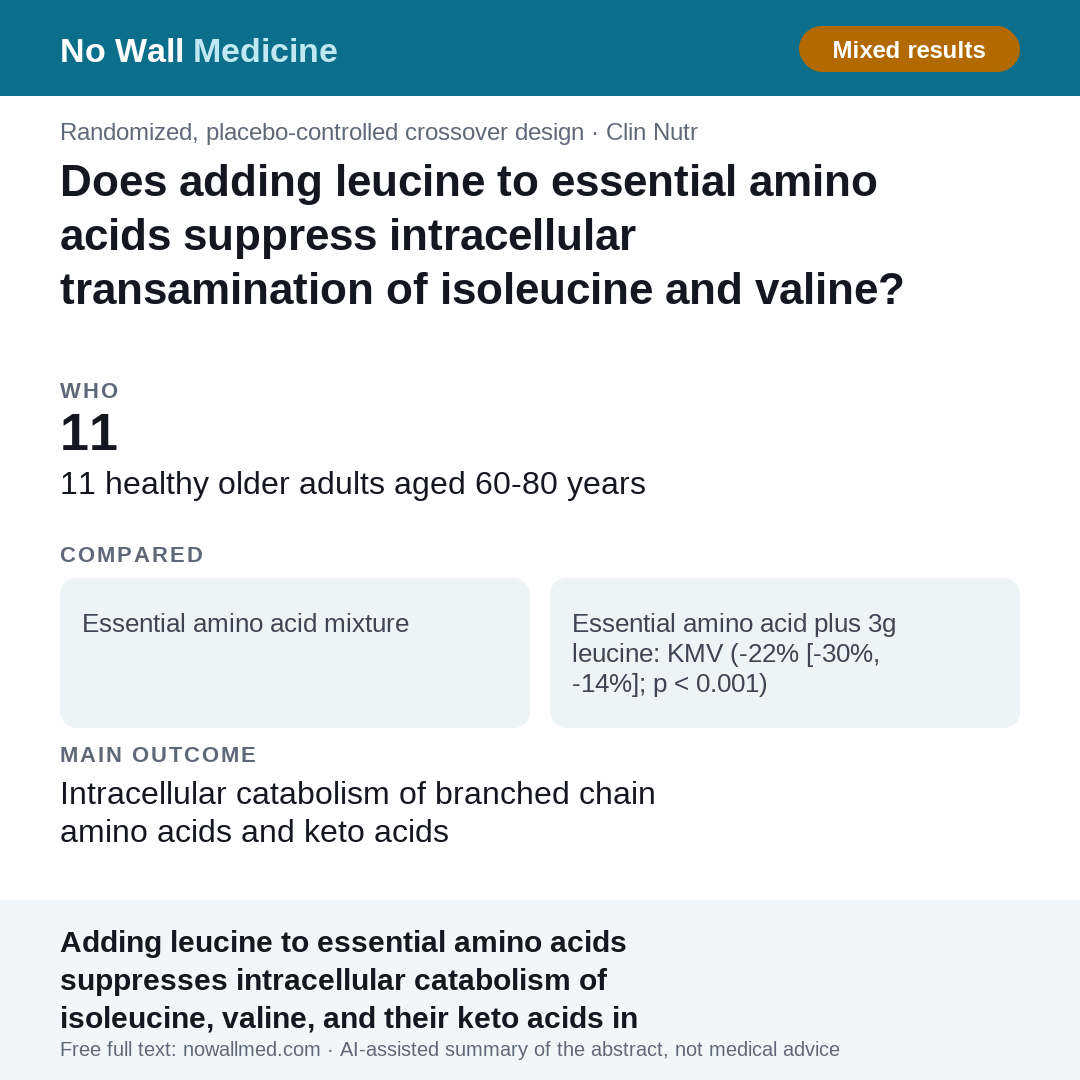
Adding free leucine to a balanced essential amino acid mixture suppresses intracellular transamination of isoleucine and valine in healthy older adults
Randomized, placebo-controlled crossover designMixed results
Does adding leucine to essential amino acids suppress intracellular transamination of isoleucine and valine?
Who
11
11 healthy older adults aged 60-80 years
Compared
Essential amino acid mixture
Essential amino acid plus 3g leucine: KMV (-22% [-30%, -14%]; p < 0.001)
Main outcome
Intracellular catabolism of branched chain amino acids and keto acids
Result: KMV (-22% [-30%, -14%]; p < 0.001)
Bottom line: Adding leucine to essential amino acids suppresses intracellular catabolism of isoleucine, valine, and their keto acids in older adults.
Clin Nutr · 2026-04-09Download image
Bioavailability of and US Infant Exposure to Arsenic, Cadmium, Lead, Mercury, and Per- and Polyfluoroalkyls from Human Milk and Infant Formula: Results from a Series of Systematic Reviews
Meta-analysis of 4 studiesUnclear result
Infant exposure to contaminants from milk or formula
Who
United States infants · United States
Compared
Human Milk
Infant Formula
Main outcome
contaminant exposure
Bottom line: Insufficient evidence on infant exposure
Limitation: lacked demographic diversity
Adv Nutr · 2026-04-09Download image
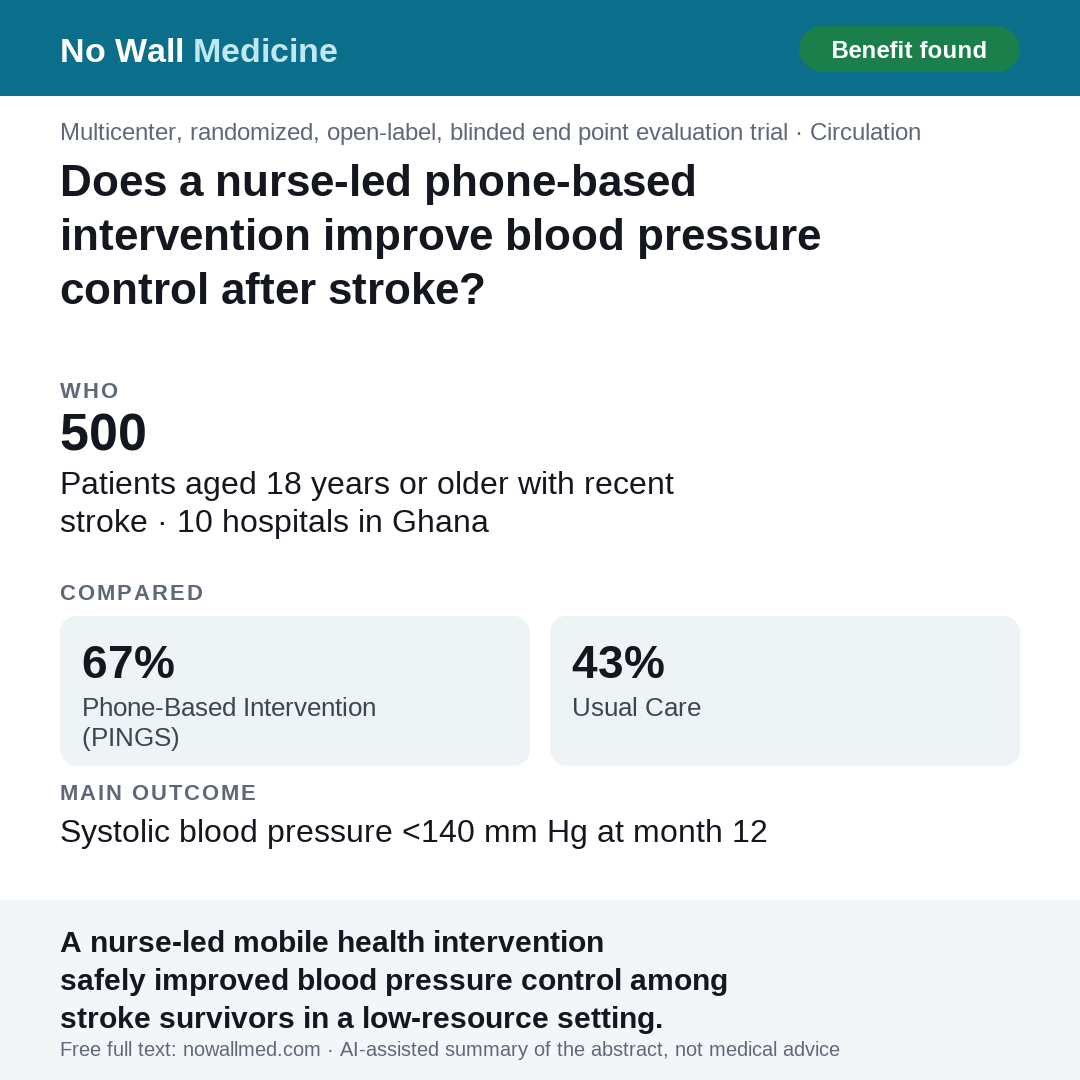
Phone-Based Intervention Under Nurse Guidance for Control of Hypertension After Stroke: A Randomized Multicenter Phase 3 Trial in Ghana
Multicenter, randomized, open-label, blinded end point evaluation trialBenefit found
Does a nurse-led phone-based intervention improve blood pressure control after stroke?
Who
500
Patients aged 18 years or older with recent stroke · 10 hospitals in Ghana
Compared
67%Phone-Based Intervention (PINGS) (163/244)
43%Usual Care (109/256)
Main outcome
Systolic blood pressure <140 mm Hg at month 12
Result: between-group difference of 24% (95% CI, 15%-33%; P<0.001)
Bottom line: A nurse-led mobile health intervention safely improved blood pressure control among stroke survivors in a low-resource setting.
Limitation: Further study is warranted to confirm these findings and understand outcome drivers.
Circulation · 2026-04-09Download image
Survival after breast-conserving surgery and radiotherapy versus mastectomy: propensity score analyses within a randomized anaesthesiology trial
Propensity score analyses within a randomized trialNo clear difference
Is survival equivalent after breast-conserving surgery with radiotherapy versus mastectomy?
Who
830
Women with tumours between 10 mm and 30 mm
Compared
Breast-conserving surgery plus radiotherapy
Mastectomy
Main outcome
Overall survival and breast cancer-specific survival
Result: adjusted hazard ratio 1.02 (95% c.i. 0.43 to 2.42)
Bottom line: No significant difference in breast cancer-specific survival was observed between breast-conserving surgery with radiotherapy and mastectomy.
Limitation: Differences in overall survival likely reflect selection bias of patients with higher co-morbidity burden.
Br J Surg · 2026-04-09Download image

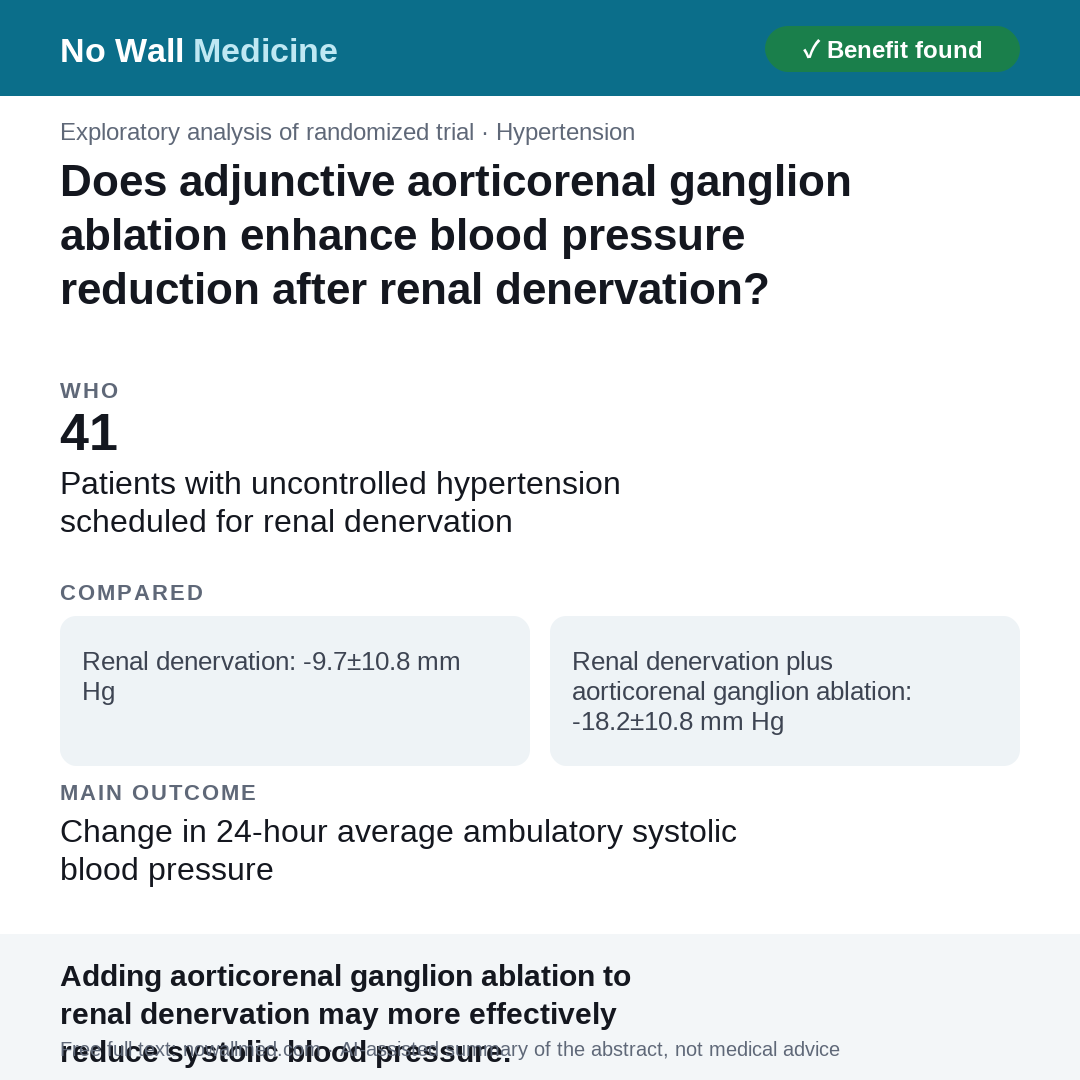
Aorticorenal Ganglion Ablation Enhances Blood Pressure Reduction After Renal Denervation
Exploratory analysis of randomized trialBenefit found
Does adjunctive aorticorenal ganglion ablation enhance blood pressure reduction after renal denervation?
Who
41
Patients with uncontrolled hypertension scheduled for renal denervation
Compared
Renal denervation: -9.7±10.8 mm Hg
Renal denervation plus aorticorenal ganglion ablation: -18.2±10.8 mm Hg
Main outcome
Change in 24-hour average ambulatory systolic blood pressure
Result: -7.5 mm Hg (95% CI, -13.9 to -1.2 mm Hg)
Bottom line: Adding aorticorenal ganglion ablation to renal denervation may more effectively reduce systolic blood pressure.
Hypertension · 2026-04-09Download image
Safety, Pharmacokinetics, and Pharmacodynamics of Single-Dose Programmed Cell Death Protein 1 Inhibitor, Budigalimab, in People With HIV-1 With Antiretroviral Therapy-Suppressed Viral Load
Randomized, placebo-controlled, Phase 1b studyBenefit found
What are the safety, pharmacokinetics, and pharmacodynamics of single-dose budigalimab in people with HIV-1?
Who
32
People with HIV-1 with antiretroviral therapy-suppressed viral load
Compared
10 mg subcutaneous: 0.37 µg/mL geometric mean maximum serum concentration
20 mg subcutaneous: 1.57 µg/mL geometric mean maximum serum concentration
10 mg intravenous: 3.2 µg/mL geometric mean maximum serum concentration
placebo
Main outcome
safety, tolerability, pharmacokinetics, and pharmacodynamics
Bottom line: Single-dose budigalimab showed an acceptable safety profile and favorable pharmacokinetics in people with HIV-1.
J Infect Dis · 2026-04-09Download image

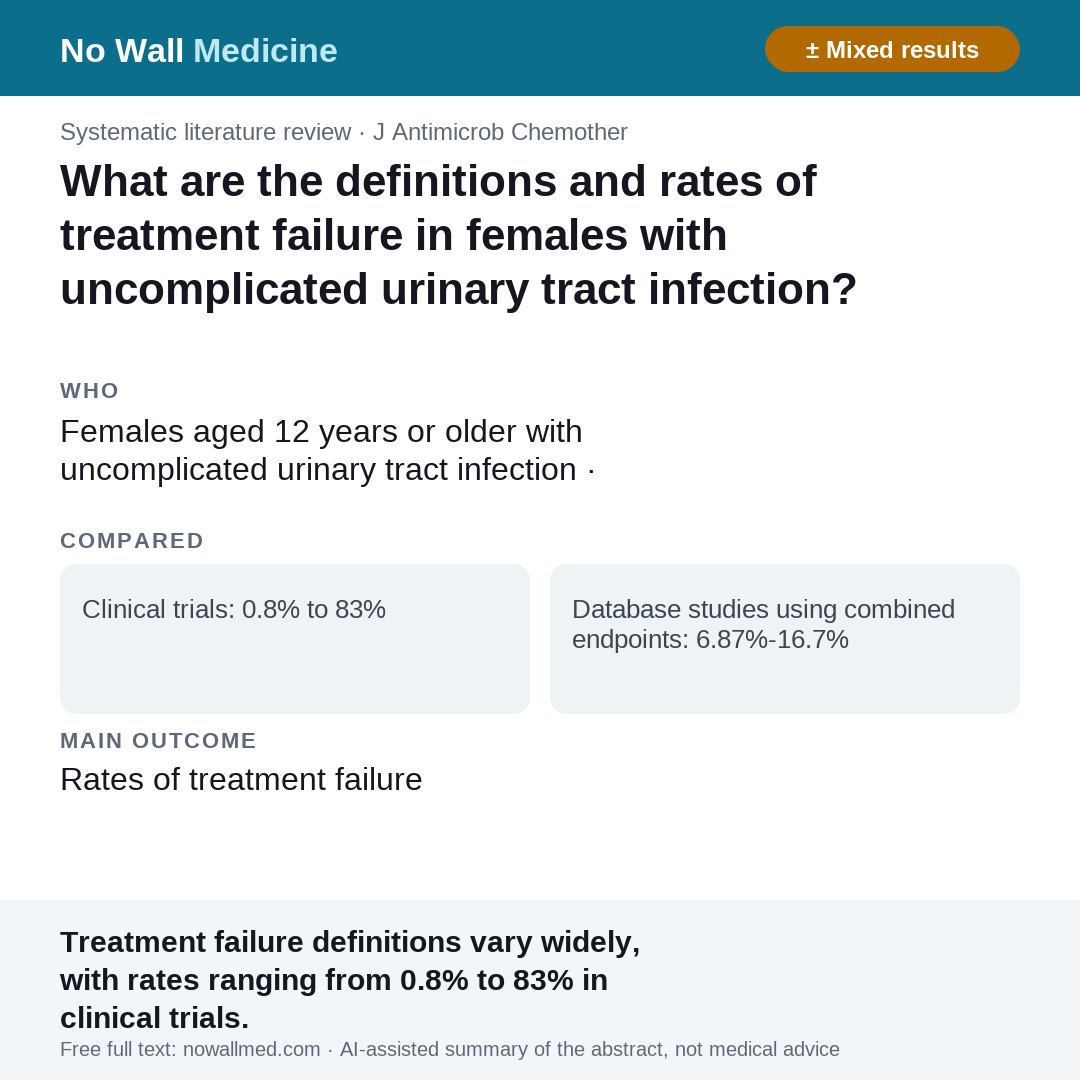
Definitions and rates of treatment failure in females with uncomplicated urinary tract infection: a systematic literature review
Systematic literature reviewMixed results
What are the definitions and rates of treatment failure in females with uncomplicated urinary tract infection?
Who
Females aged 12 years or older with uncomplicated urinary tract infection · MEDLINE, Embase and CENTRAL databases
Compared
Clinical trials: 0.8% to 83%
Database studies using combined endpoints: 6.87%-16.7%
Main outcome
Rates of treatment failure
Bottom line: Treatment failure definitions vary widely, with rates ranging from 0.8% to 83% in clinical trials.
J Antimicrob Chemother · 2026-04-09Download image
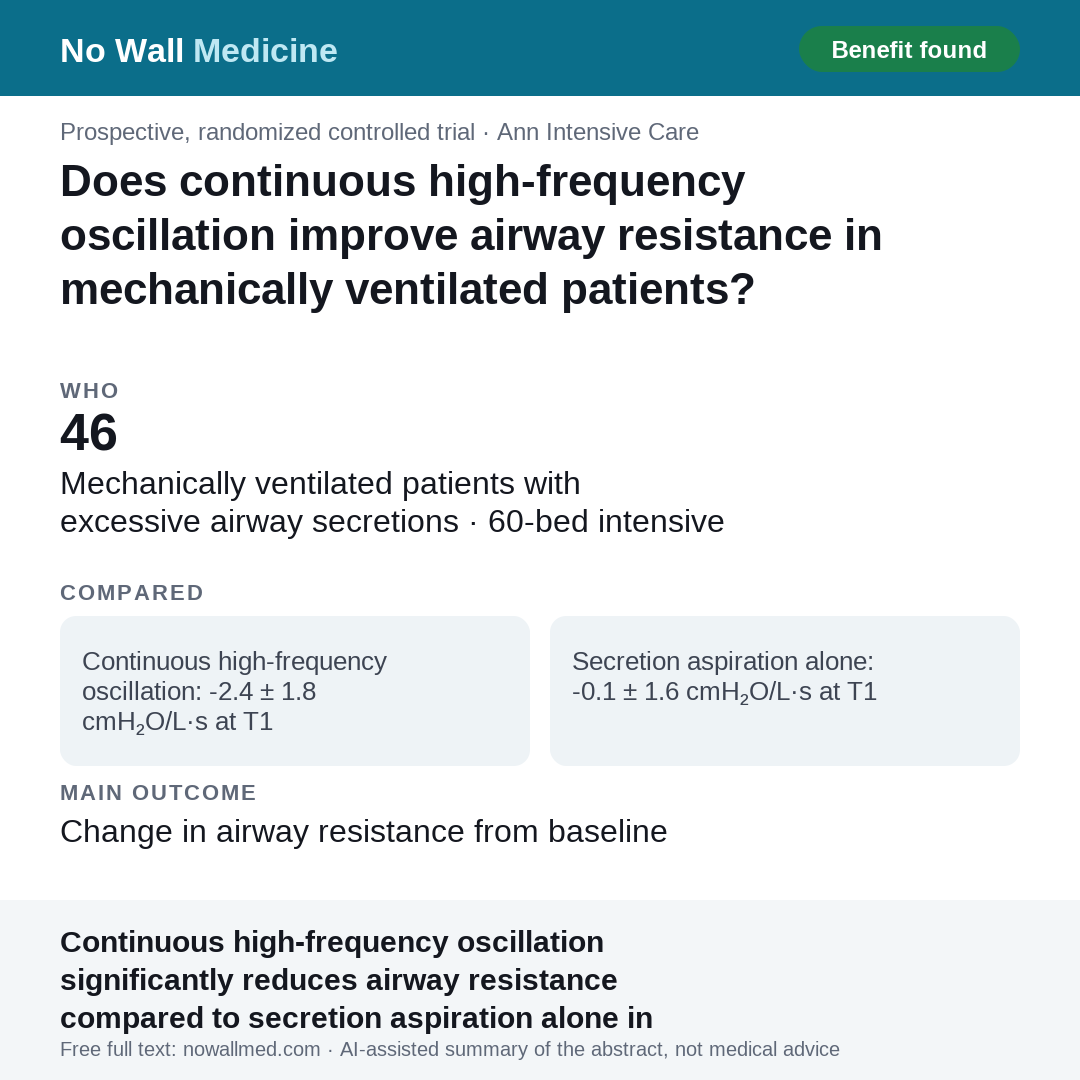
High-frequency oscillation improves mucus clearance and airway resistance in mechanically ventilated patients: a randomized clinical trial
Prospective, randomized controlled trialBenefit found
Does continuous high-frequency oscillation improve airway resistance in mechanically ventilated patients?
Who
46
Mechanically ventilated patients with excessive airway secretions · 60-bed intensive care unit
Compared
Continuous high-frequency oscillation: -2.4 ± 1.8 cmH₂O/L·s at T1
Secretion aspiration alone: -0.1 ± 1.6 cmH₂O/L·s at T1
Main outcome
Change in airway resistance from baseline
Bottom line: Continuous high-frequency oscillation significantly reduces airway resistance compared to secretion aspiration alone in mechanically ventilated patients.
Ann Intensive Care · 2026-04-09Download image
Effects of Nonpharmacological and Nonsurgical Intervention for Lower Urinary Tract Symptoms in Parkinson's Disease: A Systematic Review and Meta-analysis
Systematic review and meta-analysisBenefit found
Do nonpharmacological and nonsurgical interventions improve lower urinary tract symptoms in Parkinson's disease?
Who
Adults with Parkinson's disease
Compared
Nonpharmacological and nonsurgical interventions
No intervention, sham/placebo, or usual care
Main outcome
24-hour bladder-diary episodes and quality-of-life scales
Result: mean difference -0.91 episodes/24 h (95% confidence interval -1.74 to -0.08)
Bottom line: Nonpharmacological and nonsurgical interventions may improve urinary incontinence episodes in Parkinson's disease patients.
Limitation: Substantial heterogeneity and low certainty for many outcomes; publication bias could not be assessed.
Eur Urol Open Sci · 2026-04-09Download image

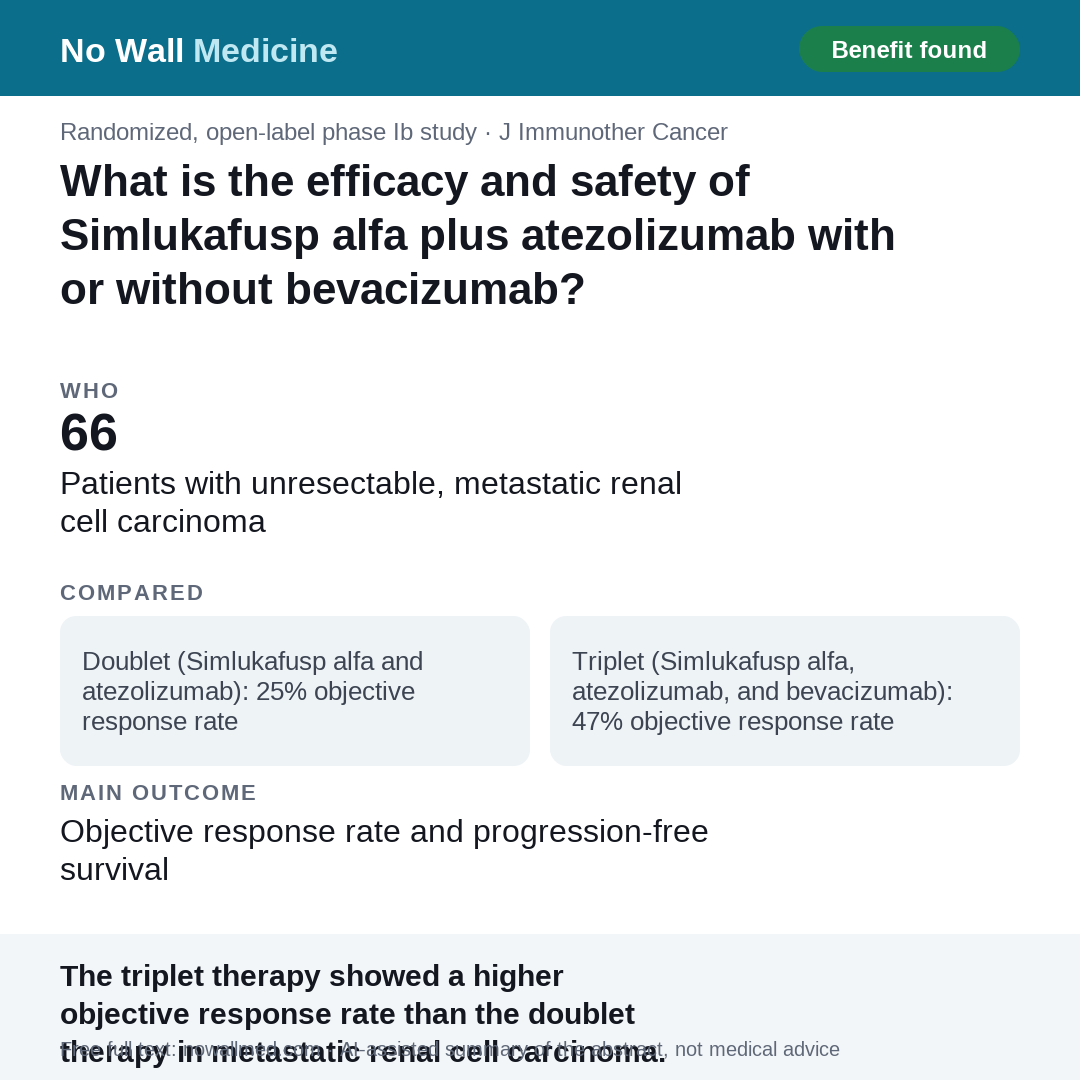
Simlukafusp alfa (FAP-IL2v) plus atezolizumab with or without bevacizumab in unresectable, metastatic renal cell carcinoma: a randomized, open-label phase Ib study
Randomized, open-label phase Ib studyBenefit found
What is the efficacy and safety of Simlukafusp alfa plus atezolizumab with or without bevacizumab?
Who
66
Patients with unresectable, metastatic renal cell carcinoma
Compared
Doublet (Simlukafusp alfa and atezolizumab): 25% objective response rate
Triplet (Simlukafusp alfa, atezolizumab, and bevacizumab): 47% objective response rate
Main outcome
Objective response rate and progression-free survival
Bottom line: The triplet therapy showed a higher objective response rate than the doublet therapy in metastatic renal cell carcinoma.
J Immunother Cancer · 2026-04-09Download image
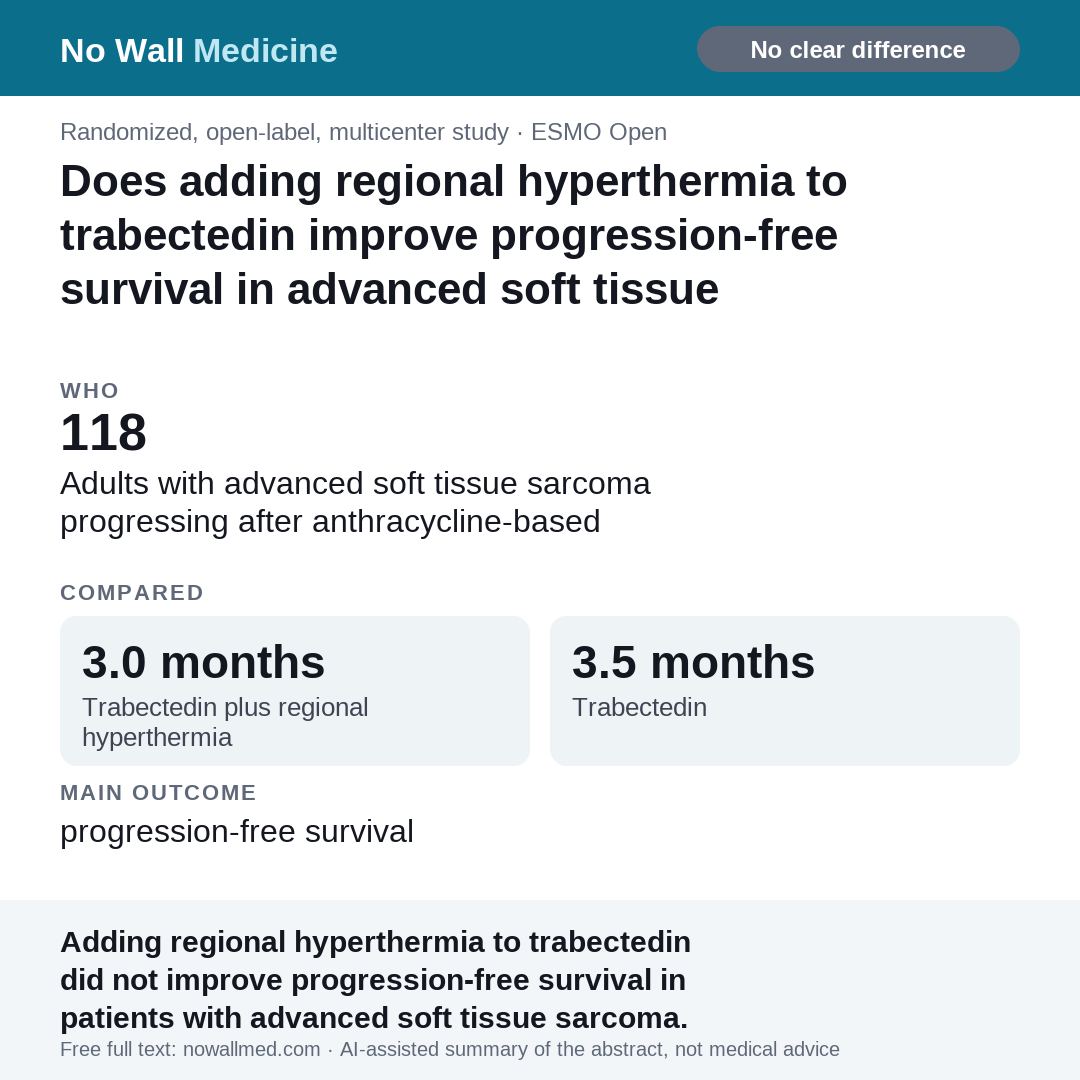
A randomized clinical study comparing trabectedin combined with regional hyperthermia with trabectedin in patients with advanced soft tissue sarcoma: HyperTET, a German Interdisciplinary Sarcoma Group trial
Randomized, open-label, multicenter studyNo clear difference
Does adding regional hyperthermia to trabectedin improve progression-free survival in advanced soft tissue sarcoma?
Who
118
Adults with advanced soft tissue sarcoma progressing after anthracycline-based chemotherapy · Five German Interdisciplinary Sarcoma Group centers
Compared
3.0 monthsTrabectedin plus regional hyperthermia
3.5 monthsTrabectedin
Main outcome
progression-free survival
Result: stratified hazard ratio 0.86 (95% CI 0.57 to 1.29)
Bottom line: Adding regional hyperthermia to trabectedin did not improve progression-free survival in patients with advanced soft tissue sarcoma.
ESMO Open · 2026-04-09Download image