Visual abstracts
New randomized trials and meta-analyses from leading journals at a glance: who was studied, what was compared, and what was found. Every paper is free to read in full.
All specialtiesCardiology 855Oncology 770Gastroenterology & Hepatology 311Infectious Disease 626Neurology 354Psychiatry & Mental Health 430Pulmonology 370Critical Care 259Endocrinology & Diabetes 484Pediatrics 542Surgery 349Orthopedics & Sports Medicine 166Neurosurgery 115Cardiothoracic & Vascular Surgery 87Plastic & Reconstructive Surgery 144Nephrology 197Rheumatology 108Hematology 183Dermatology 81Ophthalmology 97Obstetrics & Gynecology 266Public & Global Health 168Radiology & Imaging 104Anesthesiology 128Urology 162ENT (Otolaryngology) 114Emergency Medicine 103Allergy & Immunology 58Geriatrics 160Family Medicine & Primary Care 111Medical Genetics & Genomics 91Pathology & Laboratory Medicine 27Physical Medicine & Rehabilitation 149Palliative Care 81Nutrition 223Digital Health & AI 462General Medicine 101
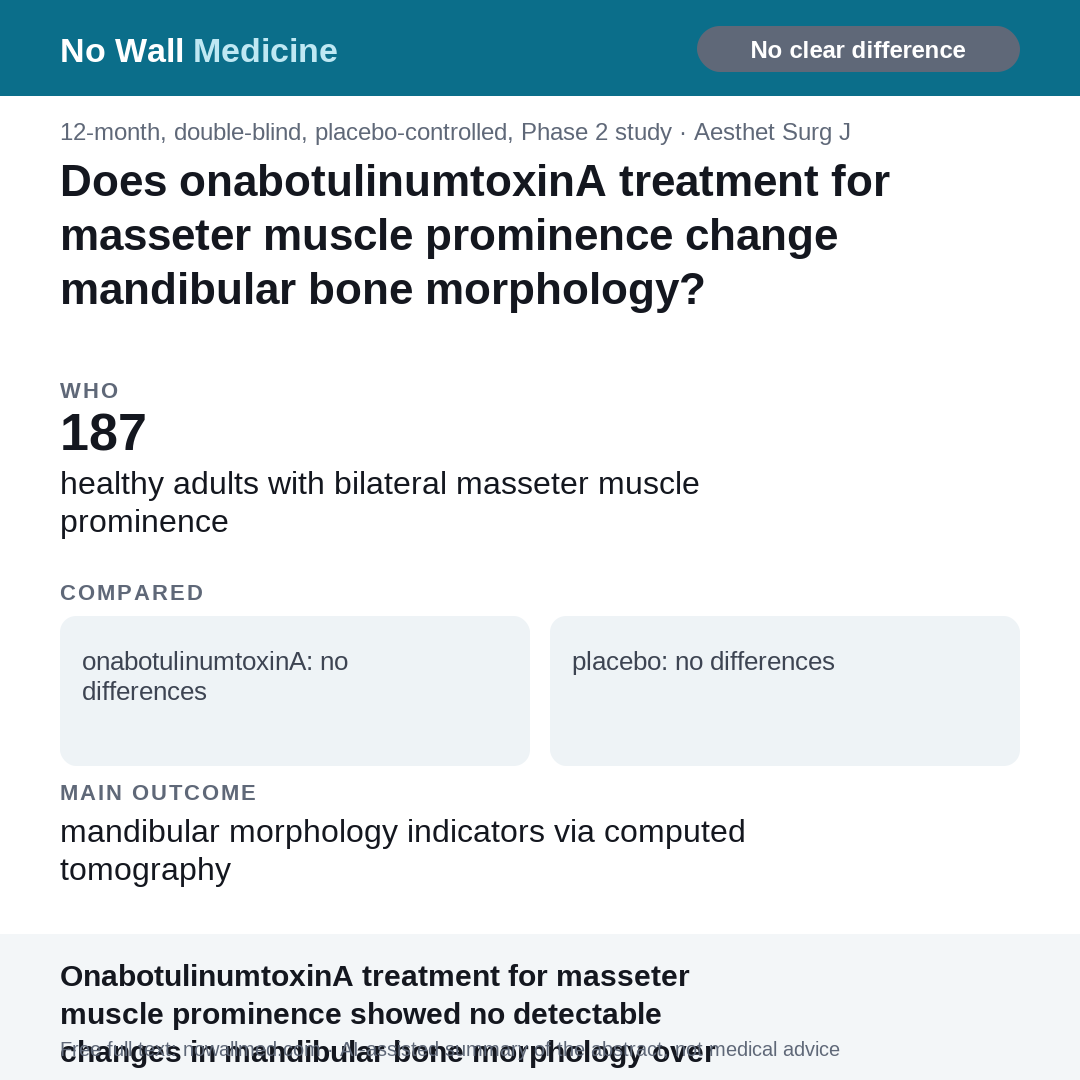
Longitudinal Computed Tomographic Evaluation of Mandibular Bone Morphology Following OnabotulinumtoxinA Treatment of Masseter Muscle Prominence: Results of a 12-Month, Repeat-Treatment, Placebo-Controlled Study in Healthy Adults
12-month, double-blind, placebo-controlled, Phase 2 studyNo clear difference
Does onabotulinumtoxinA treatment for masseter muscle prominence change mandibular bone morphology?
Who
187
healthy adults with bilateral masseter muscle prominence
Compared
onabotulinumtoxinA: no differences
placebo: no differences
Main outcome
mandibular morphology indicators via computed tomography
Bottom line: OnabotulinumtoxinA treatment for masseter muscle prominence showed no detectable changes in mandibular bone morphology over 12 months.
Limitation: Late-emerging effects beyond 12 months cannot be excluded.
Aesthet Surg J · 2026-04-26Download image
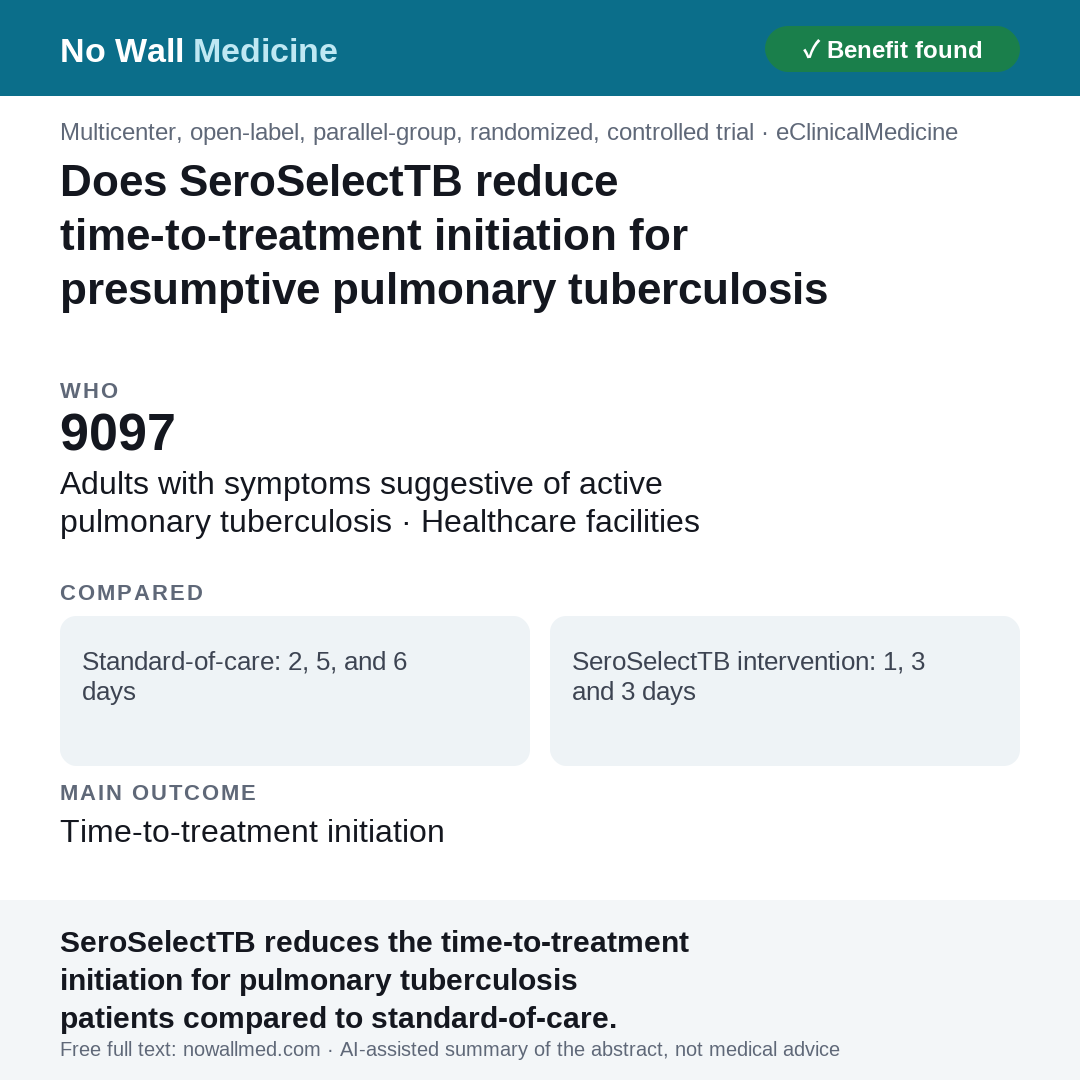
Feasibility, accuracy, and effect of a rapid point-of-care serological test (SeroSelectTB) to identify presumptive pulmonary TB patients for confirmatory testing in Ethiopia, South Africa, and Tanzania: a multicenter, open-label, parallel-group, randomized, controlled trial
Multicenter, open-label, parallel-group, randomized, controlled trialBenefit found
Does SeroSelectTB reduce time-to-treatment initiation for presumptive pulmonary tuberculosis patients?
Who
9097
Adults with symptoms suggestive of active pulmonary tuberculosis · Healthcare facilities in Ethiopia, South Africa, and Tanzania
Compared
Standard-of-care: 2, 5, and 6 days
SeroSelectTB intervention: 1, 3 and 3 days
Main outcome
Time-to-treatment initiation
Result: crude hazard ratio 1.20 (95% CI 1.06-1.35)
Bottom line: SeroSelectTB reduces the time-to-treatment initiation for pulmonary tuberculosis patients compared to standard-of-care.
Funded by: EDCTP2 Programme, European Union, and UK NIHR
eClinicalMedicine · 2026-04-25Download image
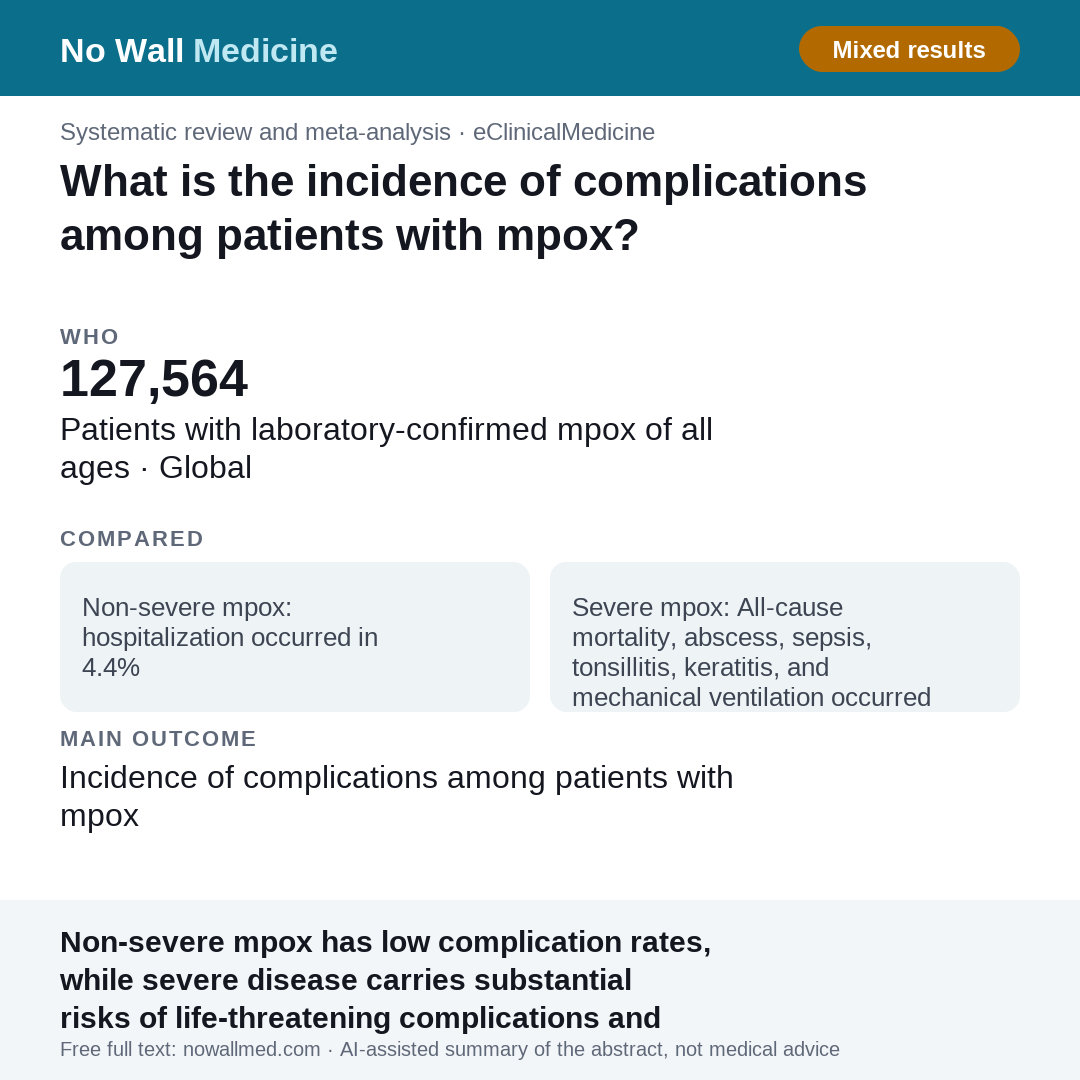
Global complications among patients with mpox: a systematic review and meta-analysis
Systematic review and meta-analysisMixed results
What is the incidence of complications among patients with mpox?
Who
127,564
Patients with laboratory-confirmed mpox of all ages · Global
Compared
Non-severe mpox: hospitalization occurred in 4.4%
Severe mpox: All-cause mortality, abscess, sepsis, tonsillitis, keratitis, and mechanical ventilation occurred in 2.5%-5.5%
Main outcome
Incidence of complications among patients with mpox
Bottom line: Non-severe mpox has low complication rates, while severe disease carries substantial risks of life-threatening complications and death.
Limitation: low certainty evidence for hospitalization rates
Funded by: World Health Organization
eClinicalMedicine · 2026-04-25Download image
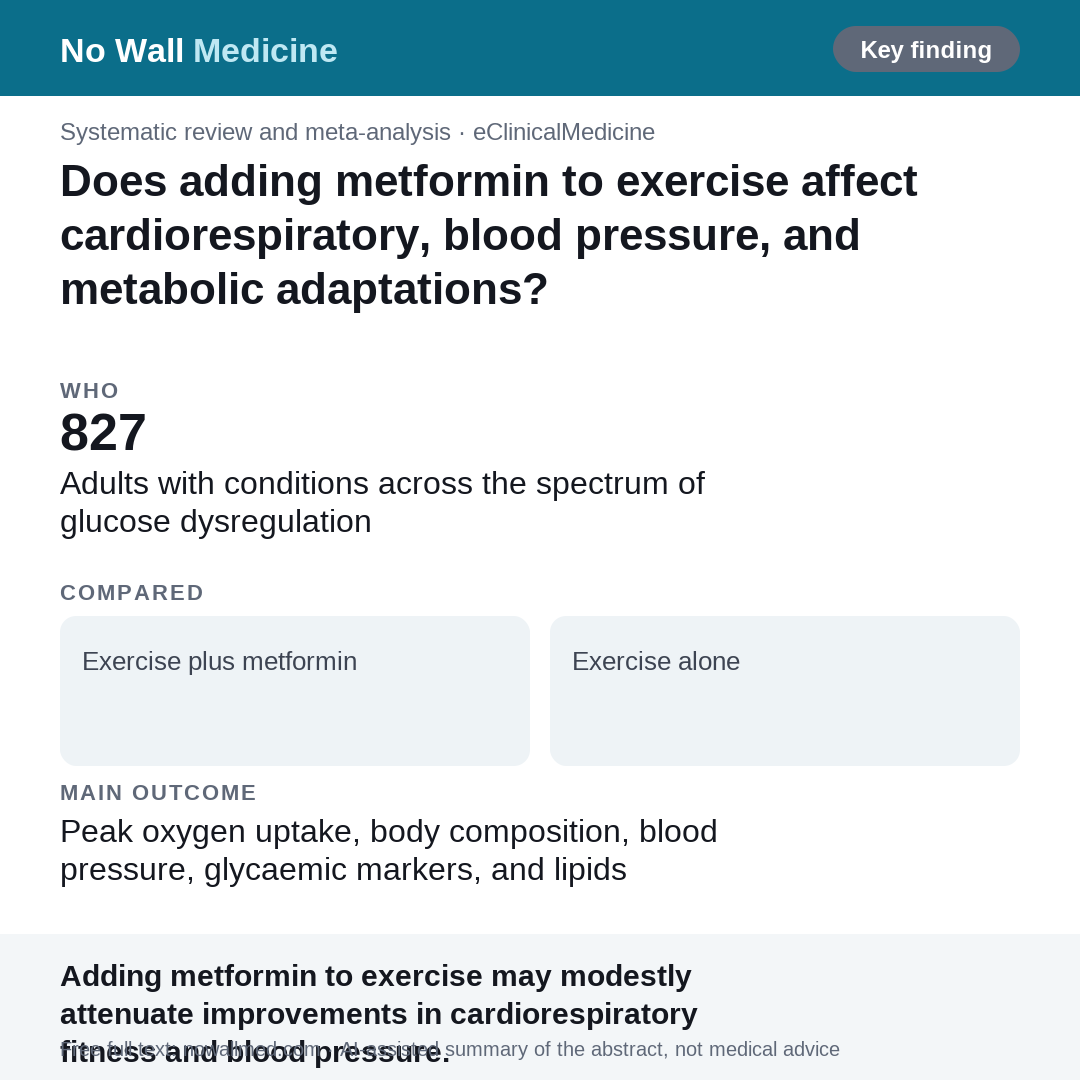
The effects of metformin and exercise training on cardiorespiratory, blood pressure, and metabolic adaptations across the spectrum of glucose dysregulation: a systematic review and meta-analysis
Systematic review and meta-analysisHarm found
Does adding metformin to exercise affect cardiorespiratory, blood pressure, and metabolic adaptations?
Who
827
Adults with conditions across the spectrum of glucose dysregulation
Compared
Exercise plus metformin
Exercise alone
Main outcome
Peak oxygen uptake, body composition, blood pressure, glycaemic markers, and lipids
Result: mean difference -1.19 (95% CI -2.33 to -0.04) for VO2peak
Bottom line: Adding metformin to exercise may modestly attenuate improvements in cardiorespiratory fitness and blood pressure.
Limitation: Certainty of evidence was low to very low for most glycaemic and lipid markers.
eClinicalMedicine · 2026-04-25Download image
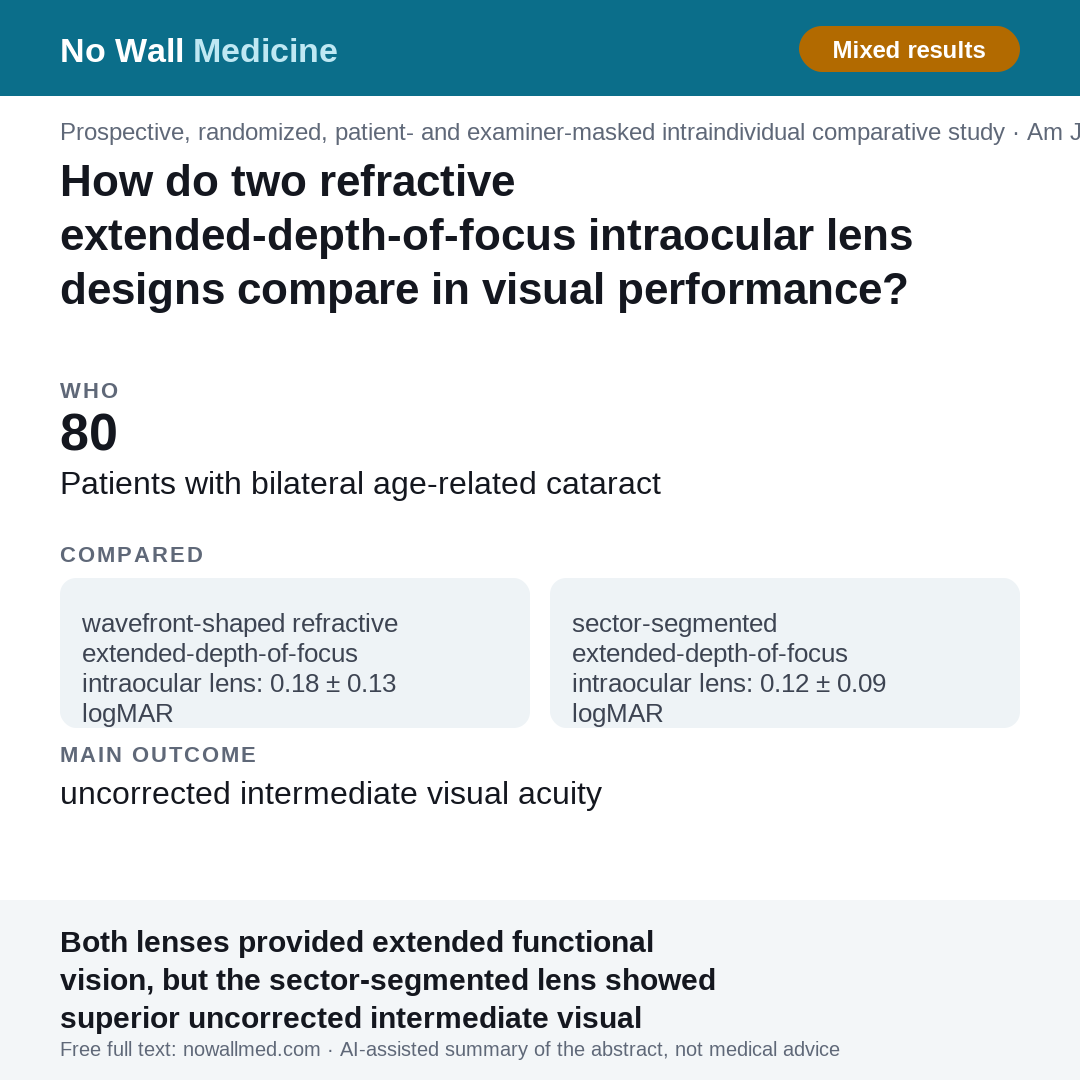
Intraindividual Comparison of Two Refractive Extended-Depth-of-Focus Intraocular Lens Designs
Prospective, randomized, patient- and examiner-masked intraindividual comparative studyMixed results
How do two refractive extended-depth-of-focus intraocular lens designs compare in visual performance?
Who
80
Patients with bilateral age-related cataract
Compared
wavefront-shaped refractive extended-depth-of-focus intraocular lens: 0.18 ± 0.13 logMAR
sector-segmented extended-depth-of-focus intraocular lens: 0.12 ± 0.09 logMAR
Main outcome
uncorrected intermediate visual acuity
Bottom line: Both lenses provided extended functional vision, but the sector-segmented lens showed superior uncorrected intermediate visual acuity.
Am J Ophthalmol · 2026-04-25Download image
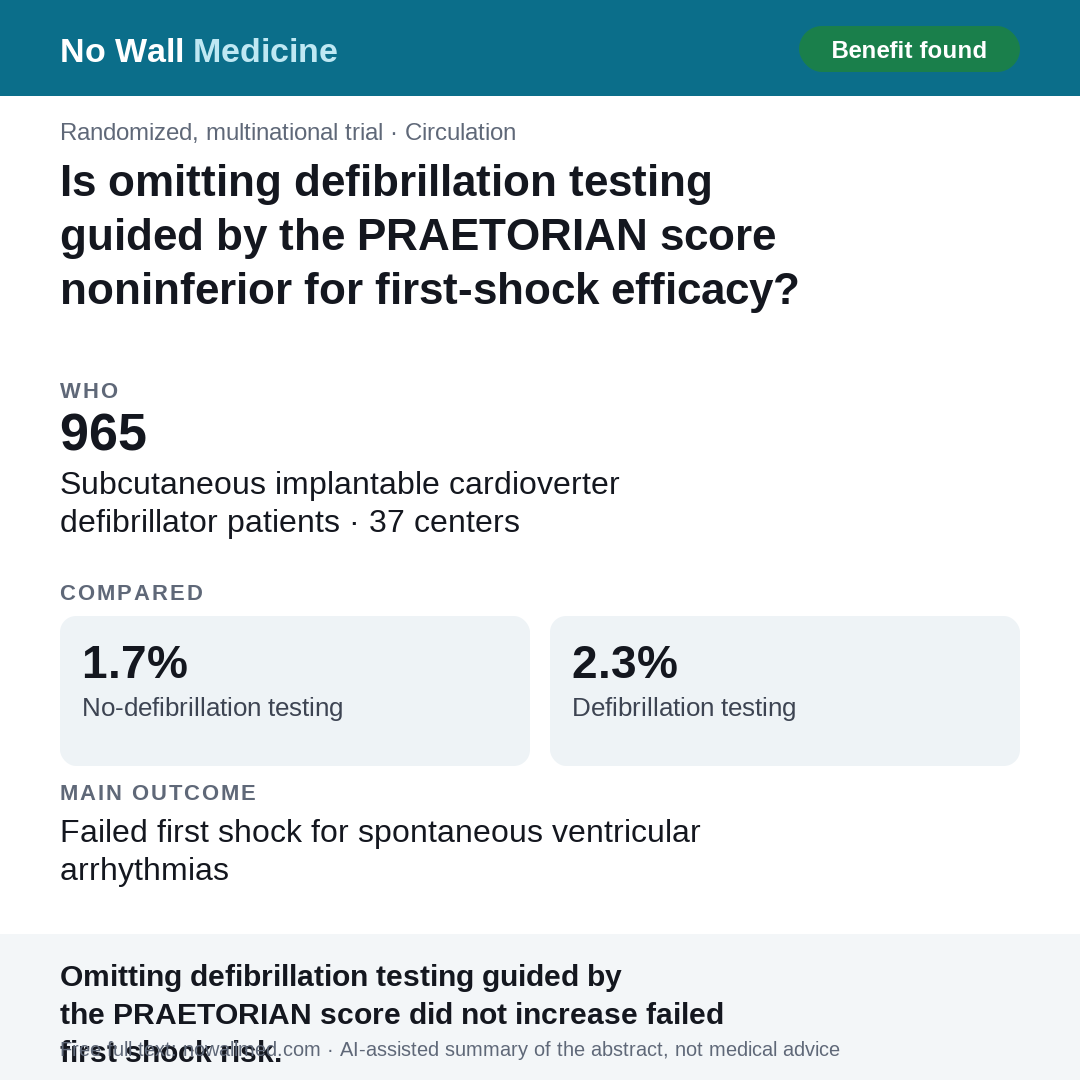
Subcutaneous Defibrillator Implantation With or Without Defibrillation Test: The Primary Results of the Randomized PRAETORIAN-DFT Trial
Randomized, multinational trialBenefit found
Is omitting defibrillation testing guided by the PRAETORIAN score noninferior for first-shock efficacy?
Who
965
Subcutaneous implantable cardioverter defibrillator patients · 37 centers
Compared
1.7%No-defibrillation testing
2.3%Defibrillation testing
Main outcome
Failed first shock for spontaneous ventricular arrhythmias
Result: -0.6% (95% CI, -2.6 to 1.4)
Bottom line: Omitting defibrillation testing guided by the PRAETORIAN score did not increase failed first shock risk.
Circulation · 2026-04-25Download image
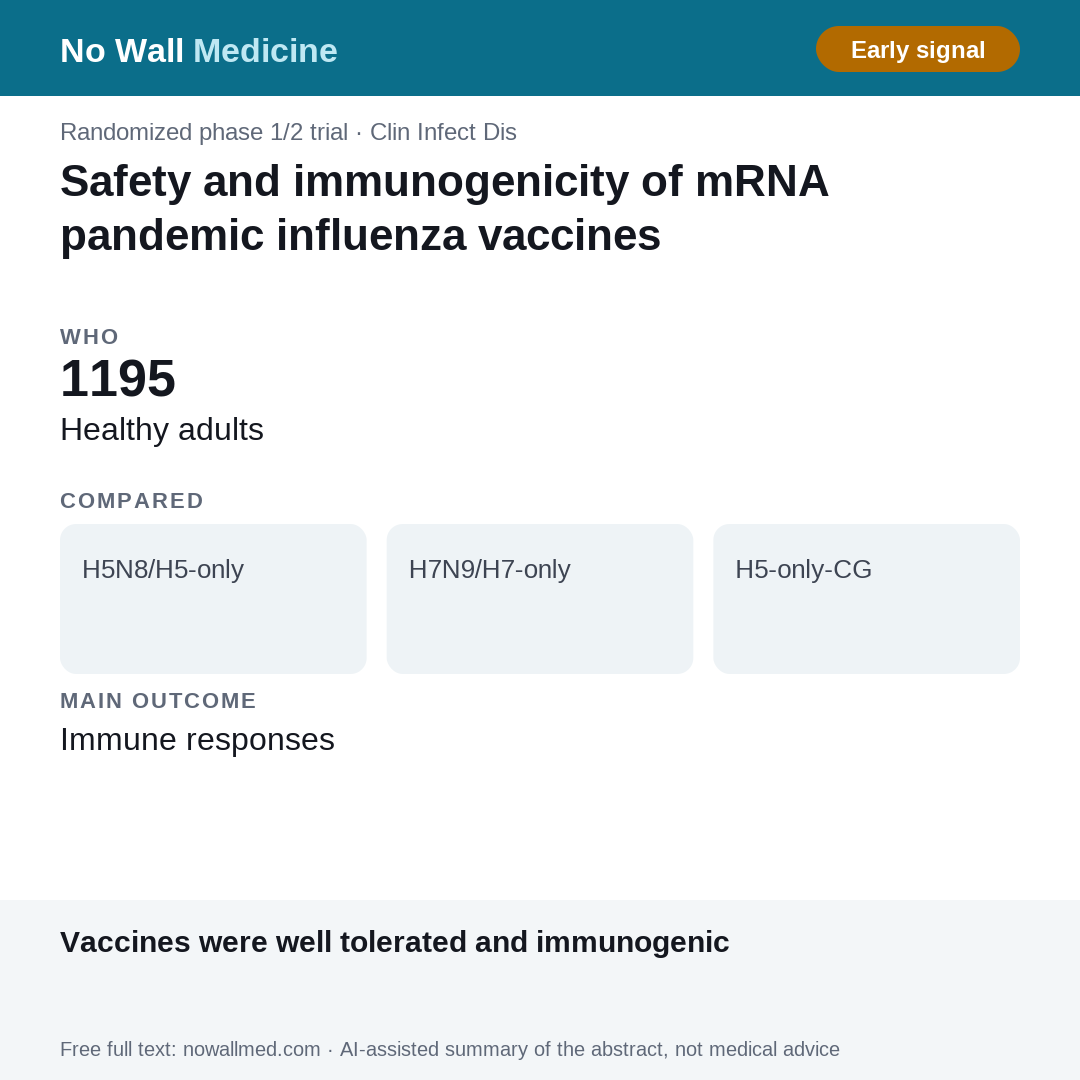
A Phase 1/2 Dose-Ranging Safety and Immunogenicity Study of mRNA-Based Candidate Pandemic Influenza Vaccines in Healthy Adults
Randomized phase 1/2 trialBenefit found
Safety and immunogenicity of mRNA pandemic influenza vaccines
Who
1195
Healthy adults
Compared
H5N8/H5-only
H7N9/H7-only
H5-only-CG
Main outcome
Immune responses
Bottom line: Vaccines were well tolerated and immunogenic
Clin Infect Dis · 2026-04-25Download image
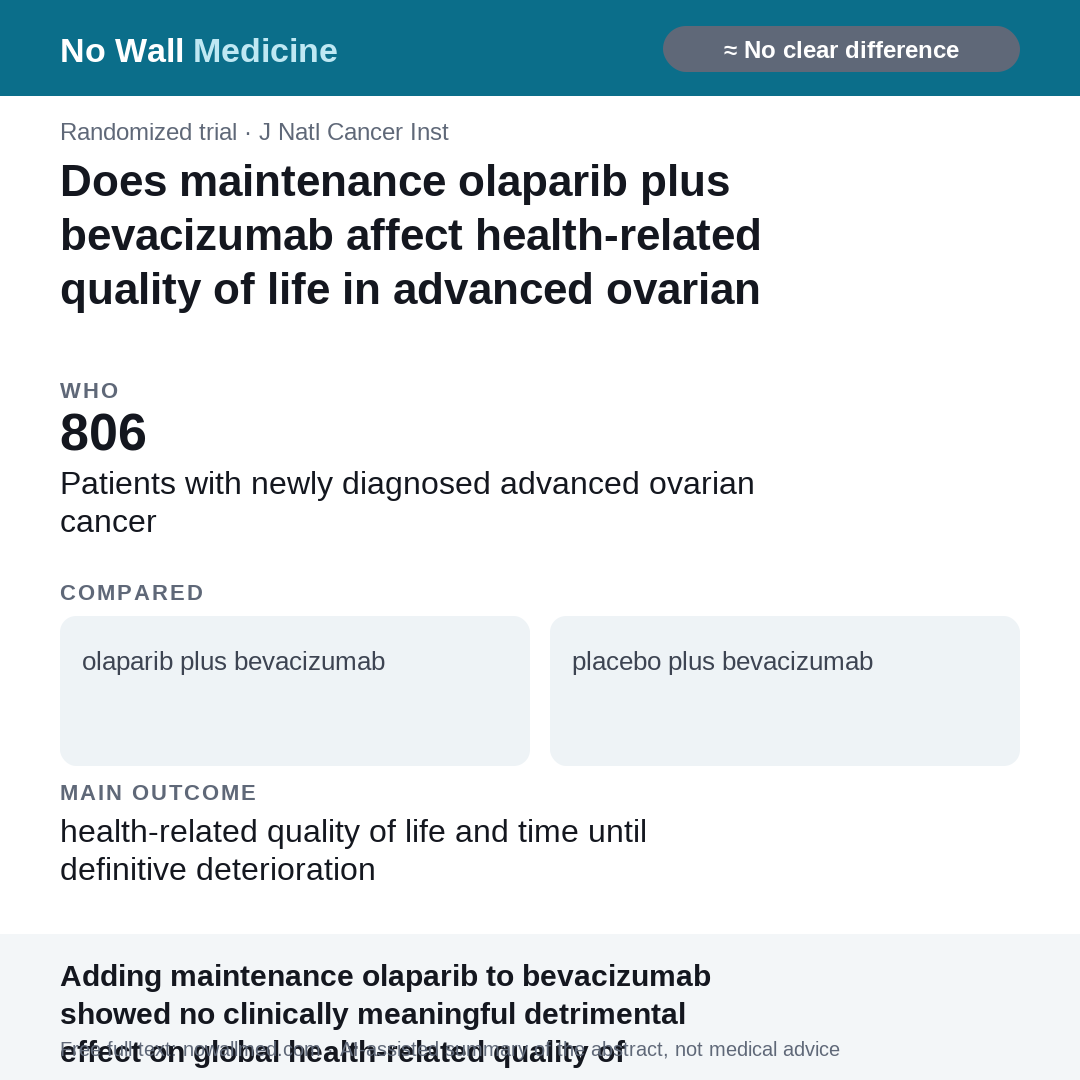
Health-related quality of life in patients with newly diagnosed advanced ovarian cancer receiving maintenance olaparib plus bevacizumab (PAOLA-1/ENGOT-ov25)
Randomized trialNo clear difference
Does maintenance olaparib plus bevacizumab affect health-related quality of life in advanced ovarian cancer?
Who
806
Patients with newly diagnosed advanced ovarian cancer
Compared
olaparib plus bevacizumab
placebo plus bevacizumab
Main outcome
health-related quality of life and time until definitive deterioration
Result: hazard ratio 0.88 (95% CI 0.72 to 1.07)
Bottom line: Adding maintenance olaparib to bevacizumab showed no clinically meaningful detrimental effect on global health-related quality of life.
J Natl Cancer Inst · 2026-04-25Download image
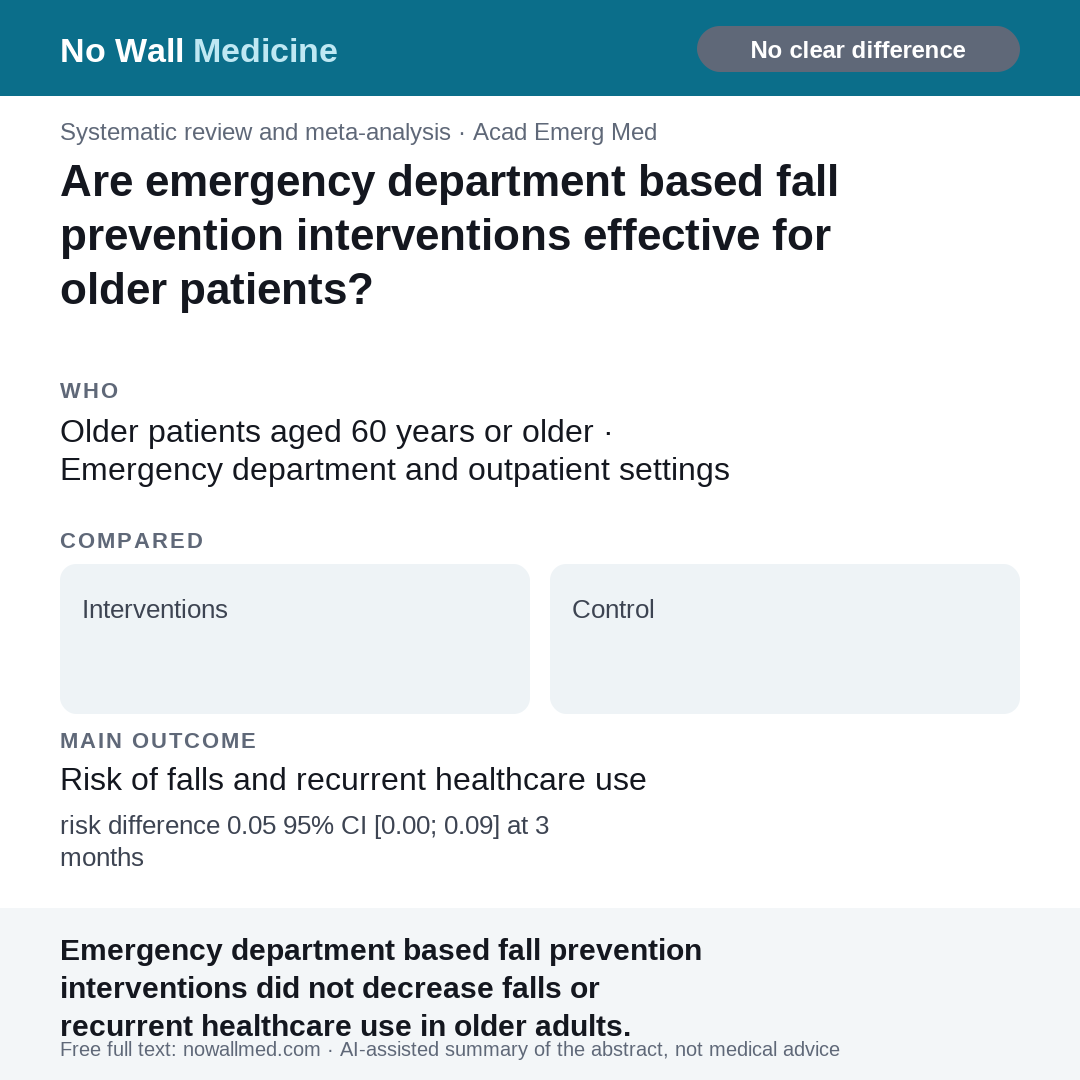
Multi-Factorial and Multi-Component Fall Prevention Interventions Initiated From the Emergency Department: A Systemic Review and Meta-Analysis
Systematic review and meta-analysisNo clear difference
Are emergency department based fall prevention interventions effective for older patients?
Who
Older patients aged 60 years or older · Emergency department and outpatient settings
Compared
Interventions
Control
Main outcome
Risk of falls and recurrent healthcare use
Result: risk difference 0.05 95% CI [0.00; 0.09] at 3 months
Bottom line: Emergency department based fall prevention interventions did not decrease falls or recurrent healthcare use in older adults.
Limitation: Comparisons are limited by heterogeneity in intervention types, compliance, and timing of outcomes.
Acad Emerg Med · 2026-04-25Download image
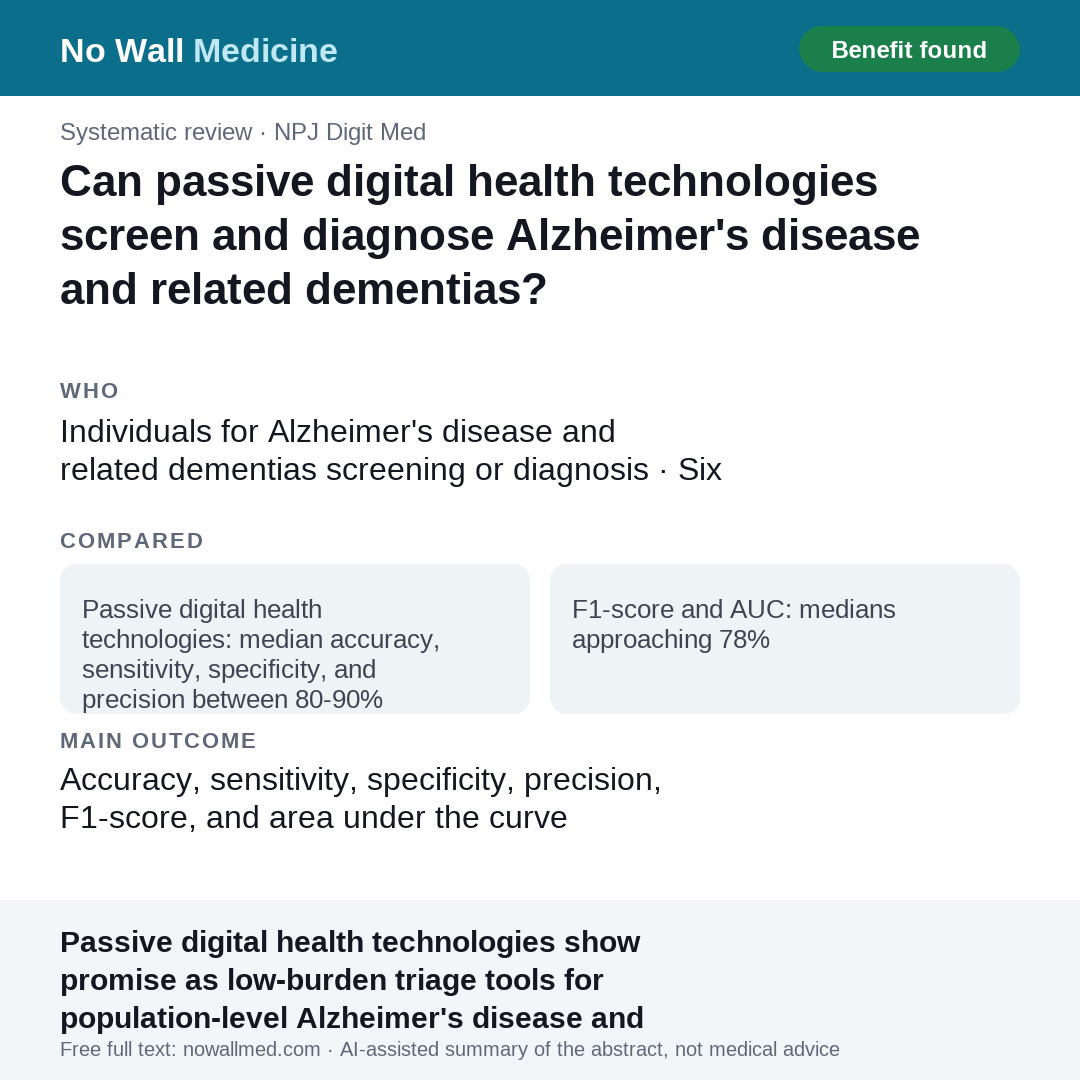
Passive digital health technologies for Alzheimer's disease screening and diagnosis: a systematic review
Systematic reviewBenefit found
Can passive digital health technologies screen and diagnose Alzheimer's disease and related dementias?
Who
Individuals for Alzheimer's disease and related dementias screening or diagnosis · Six major databases
Compared
Passive digital health technologies: median accuracy, sensitivity, specificity, and precision between 80-90%
F1-score and AUC: medians approaching 78%
Main outcome
Accuracy, sensitivity, specificity, precision, F1-score, and area under the curve
Bottom line: Passive digital health technologies show promise as low-burden triage tools for population-level Alzheimer's disease and related dementias screening.
NPJ Digit Med · 2026-04-25Download image
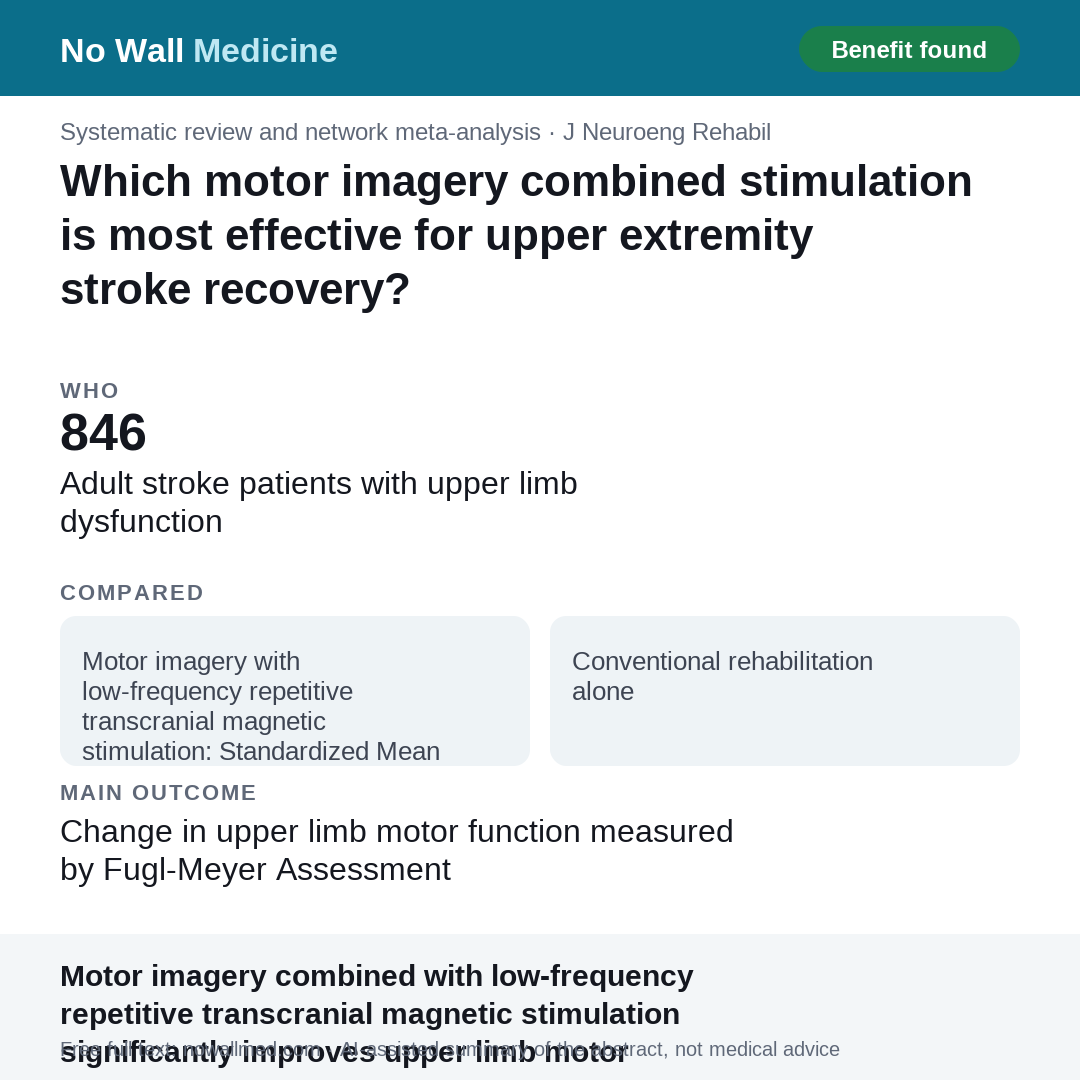
Comparative efficacy of motor imagery augmented with central non-invasive brain stimulation versus peripheral electrical stimulation for upper extremity rehabilitation post-stroke: a systematic review and network meta-analysis
Systematic review and network meta-analysisBenefit found
Which motor imagery combined stimulation is most effective for upper extremity stroke recovery?
Who
846
Adult stroke patients with upper limb dysfunction
Compared
Motor imagery with low-frequency repetitive transcranial magnetic stimulation: Standardized Mean Difference 1.755
Conventional rehabilitation alone
Main outcome
Change in upper limb motor function measured by Fugl-Meyer Assessment
Result: Standardized Mean Difference 1.755 (95% CI 0.631 to 2.879)
Bottom line: Motor imagery combined with low-frequency repetitive transcranial magnetic stimulation significantly improves upper limb motor function compared to conventional rehabilitation.
Limitation: Heterogeneity was influenced by brain-computer interface use, publication year, and patient mean age.
J Neuroeng Rehabil · 2026-04-25Download image
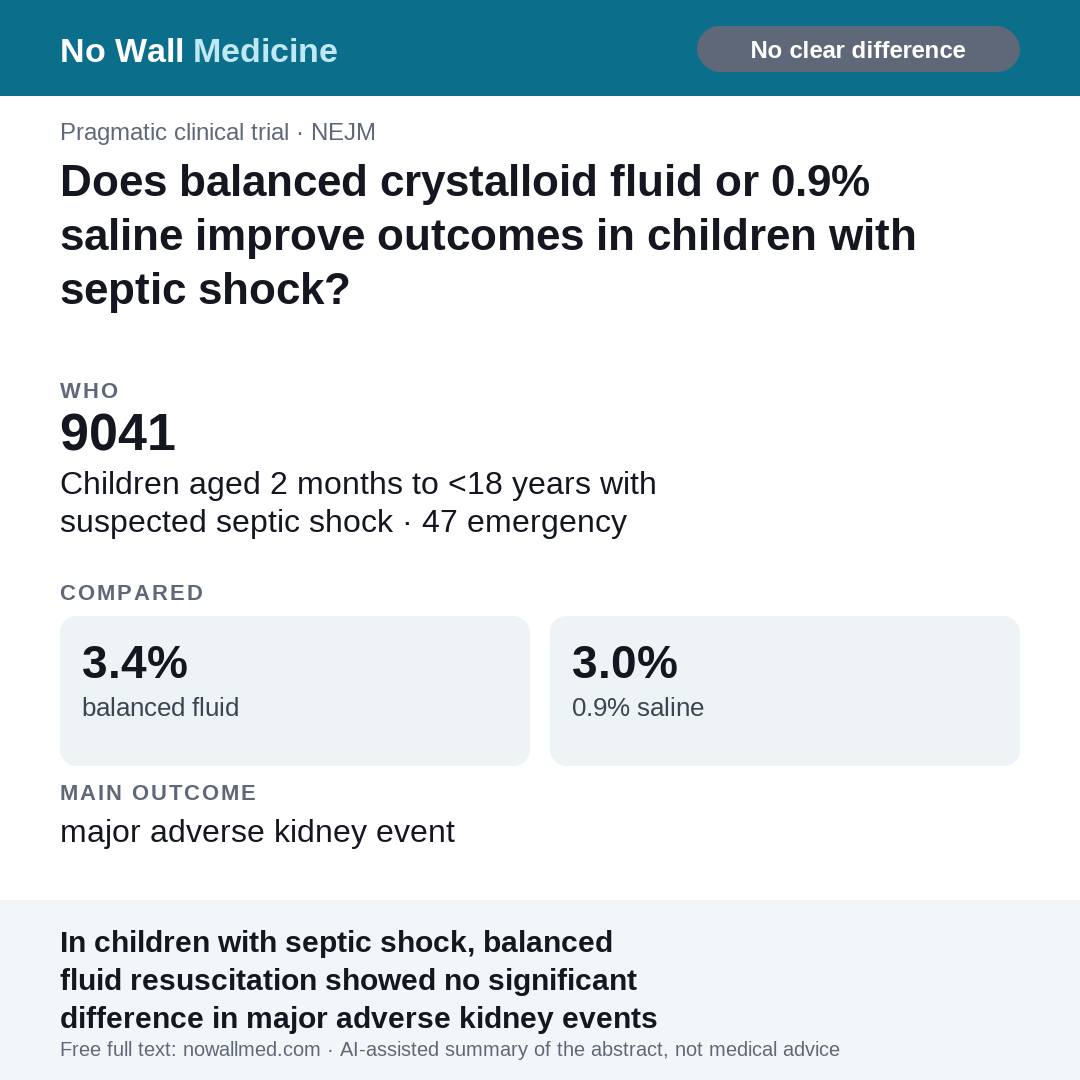
Balanced Fluid or 0.9% Saline in Children Treated for Septic Shock
Pragmatic clinical trialNo clear difference
Does balanced crystalloid fluid or 0.9% saline improve outcomes in children with septic shock?
Who
9041
Children aged 2 months to <18 years with suspected septic shock · 47 emergency departments in five countries
Compared
3.4%balanced fluid
3.0%0.9% saline
Main outcome
major adverse kidney event
Result: risk ratio 1.10 (95% CI 0.88 to 1.40)
Bottom line: In children with septic shock, balanced fluid resuscitation showed no significant difference in major adverse kidney events compared to 0.9% saline.
Funded by: Eunice Kennedy Shriver National Institute of Child Health and Human Development
NEJM · 2026-04-24Download image
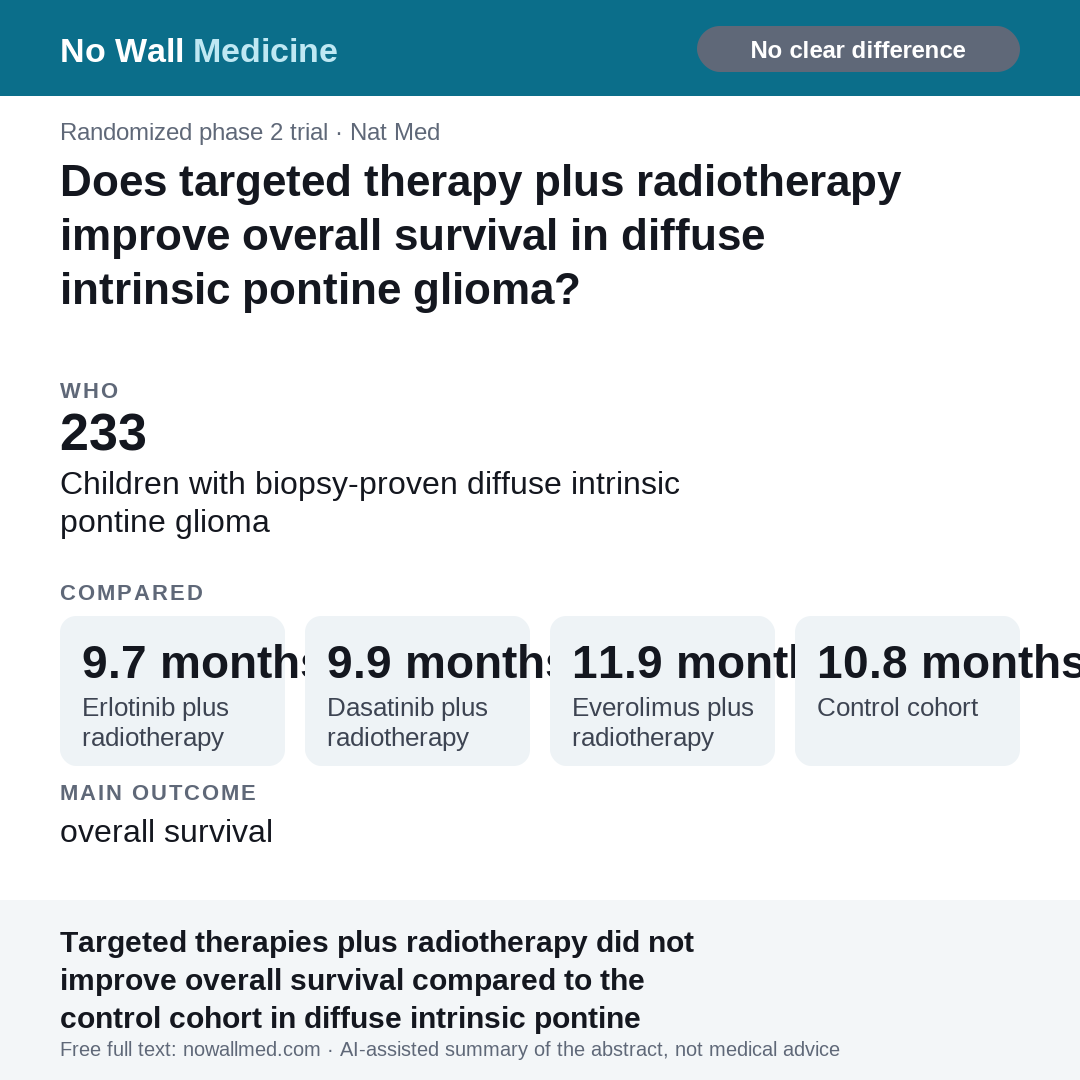
Targeted therapies plus radiotherapy for diffuse intrinsic pontine glioma: the randomized phase 2 BIOMEDE trial
Randomized phase 2 trialNo clear difference
Does targeted therapy plus radiotherapy improve overall survival in diffuse intrinsic pontine glioma?
Who
233
Children with biopsy-proven diffuse intrinsic pontine glioma
Compared
9.7 monthsErlotinib plus radiotherapy (95% CI: 7.8-14.6)
9.9 monthsDasatinib plus radiotherapy (95% CI: 8.8-11.2)
11.9 monthsEverolimus plus radiotherapy (95% CI: 10.7-14.2)
10.8 monthsControl cohort (95% CI: 9.5-13.0)
Main outcome
overall survival
Bottom line: Targeted therapies plus radiotherapy did not improve overall survival compared to the control cohort in diffuse intrinsic pontine glioma.
Nat Med · 2026-04-24Download image
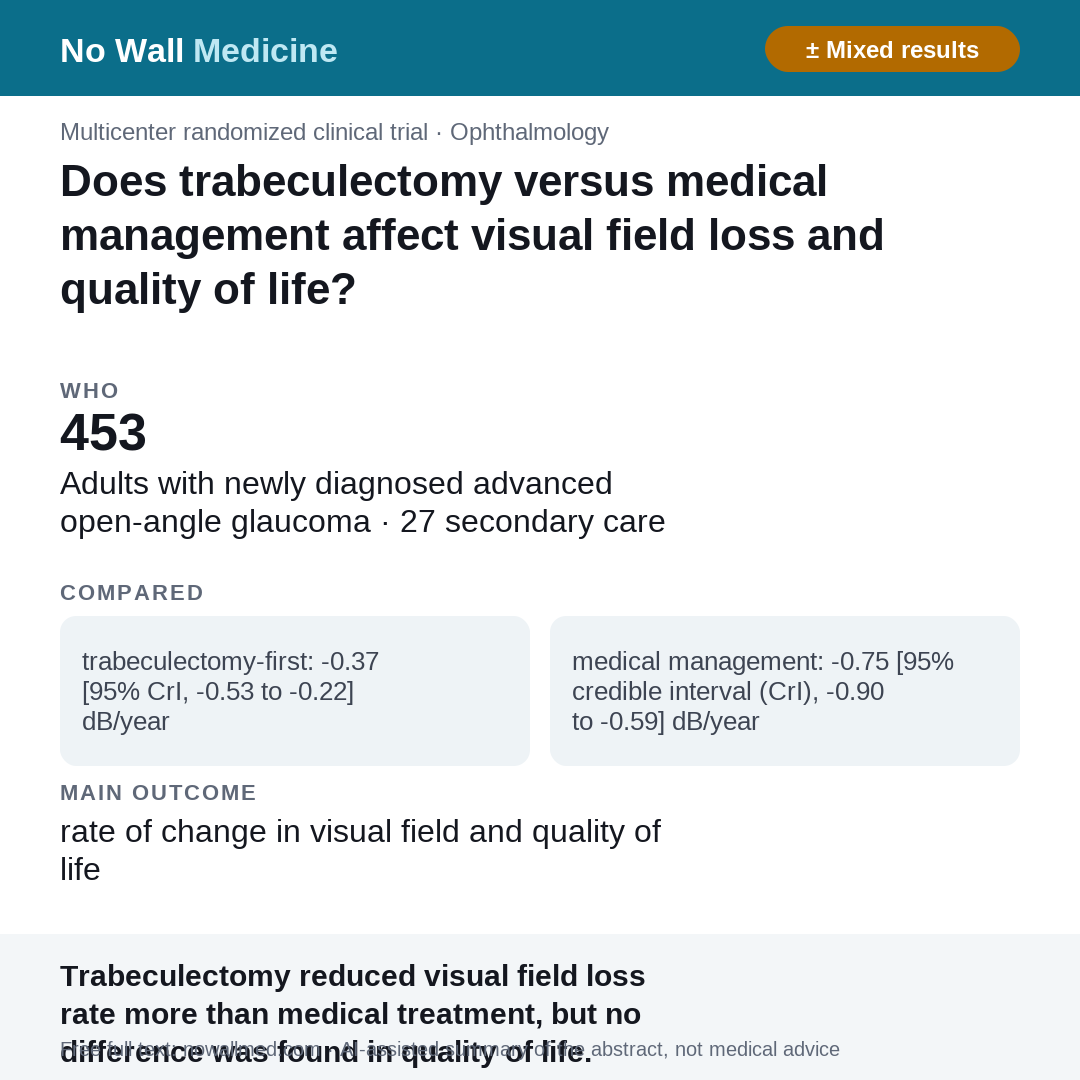
Longitudinal Visual Field and Quality-of-Life Change in the Treatment for Advanced Glaucoma Study
Multicenter randomized clinical trialMixed results
Does trabeculectomy versus medical management affect visual field loss and quality of life?
Who
453
Adults with newly diagnosed advanced open-angle glaucoma · 27 secondary care glaucoma departments in the UK
Compared
trabeculectomy-first: -0.37 [95% CrI, -0.53 to -0.22] dB/year
medical management: -0.75 [95% credible interval (CrI), -0.90 to -0.59] dB/year
Main outcome
rate of change in visual field and quality of life
Bottom line: Trabeculectomy reduced visual field loss rate more than medical treatment, but no difference was found in quality of life.
Ophthalmology · 2026-04-24Download image
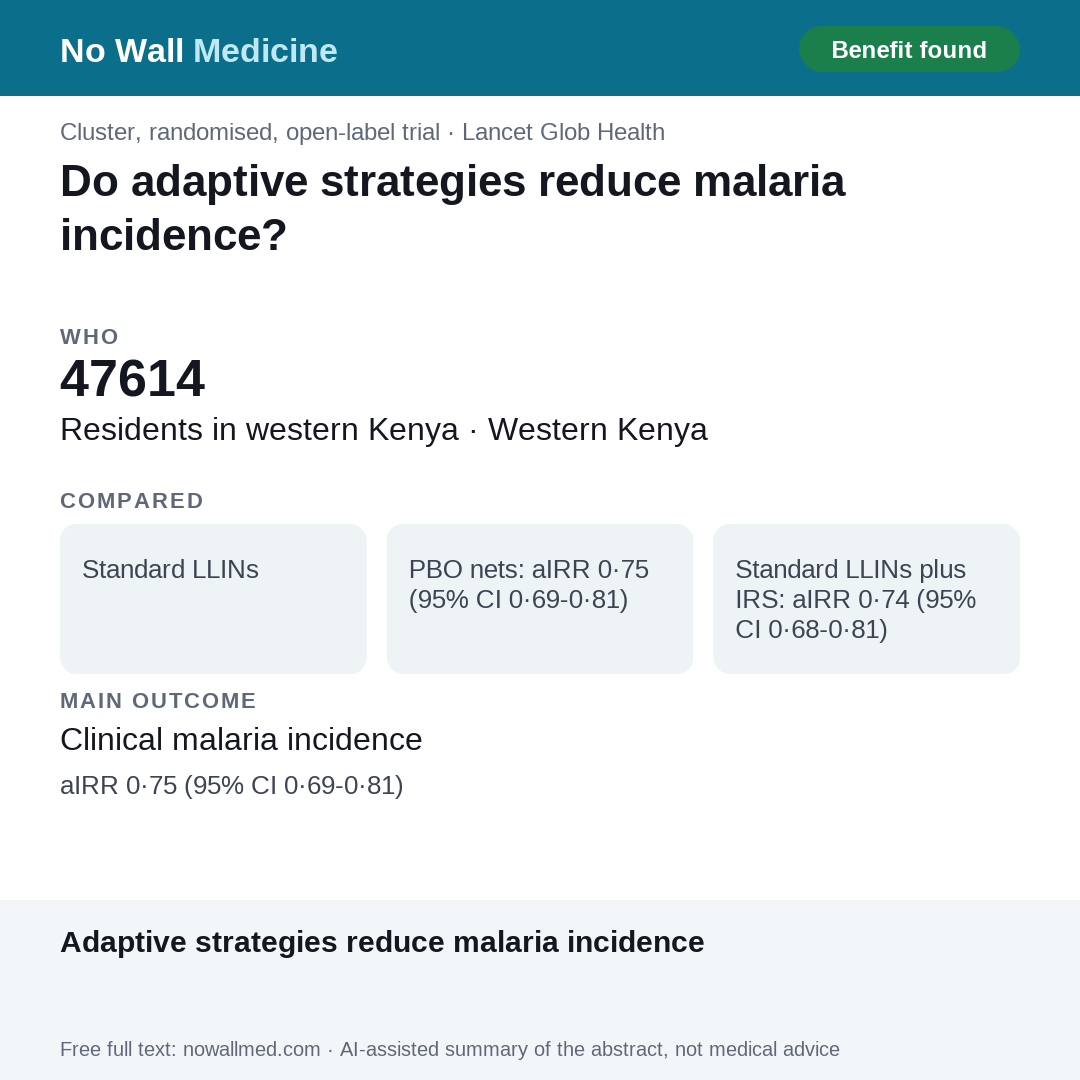
Adaptive intervention strategies for malaria vector control in western Kenya: a cluster, sequential, multiple-assignment, randomised, open-label trial
Cluster, randomised, open-label trialBenefit found
Do adaptive strategies reduce malaria incidence?
Who
47614
Residents in western Kenya · Western Kenya
Compared
Standard LLINs
PBO nets: aIRR 0·75 (95% CI 0·69-0·81)
Standard LLINs plus IRS: aIRR 0·74 (95% CI 0·68-0·81)
Main outcome
Clinical malaria incidence
Result: aIRR 0·75 (95% CI 0·69-0·81)
Bottom line: Adaptive strategies reduce malaria incidence
Funded by: US National Institutes of Health
Lancet Glob Health · 2026-04-24Download image
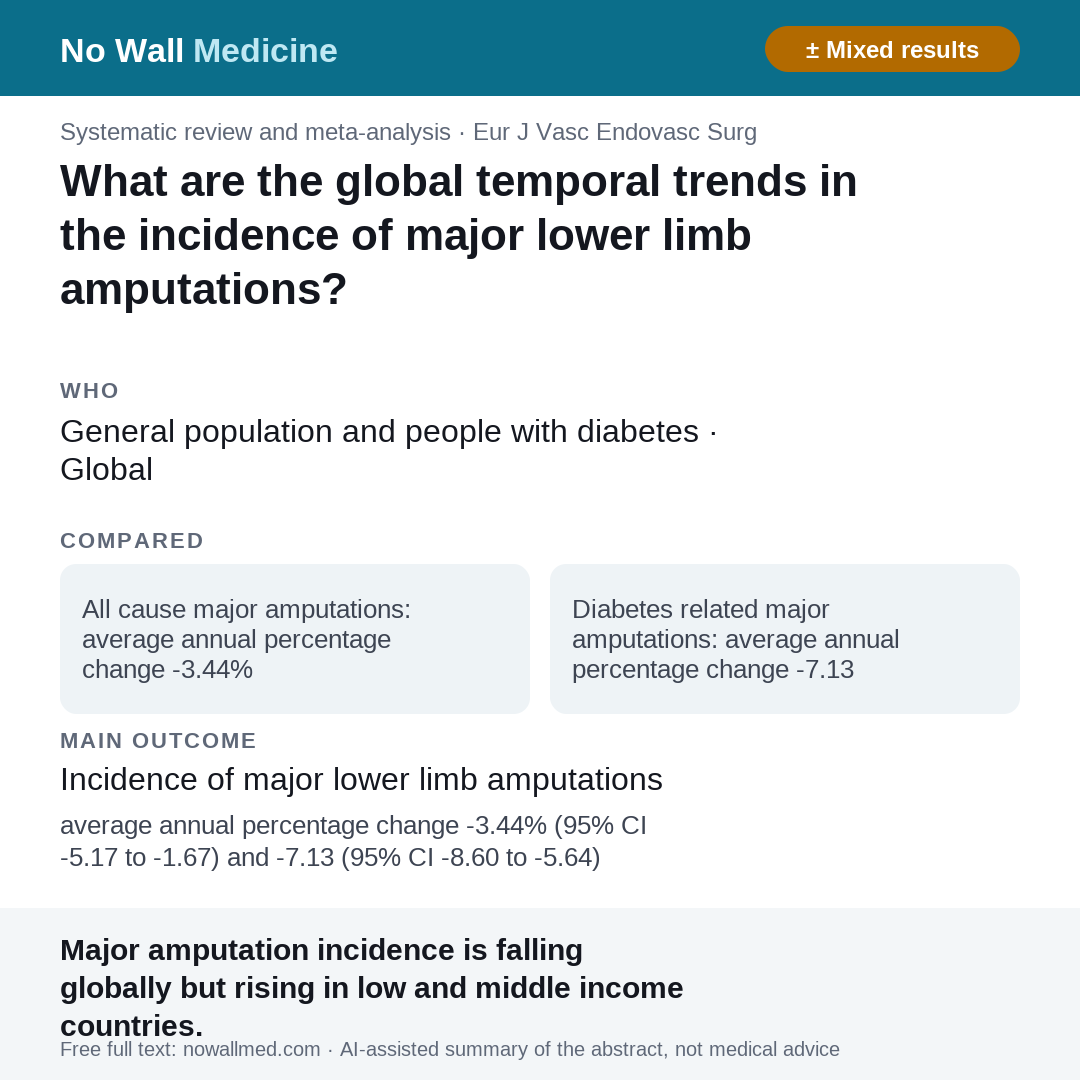
Editor's Choice - Global Temporal Trends in the Incidence of Major Lower Limb Amputations: A Systematic Review and Meta-analysis
Systematic review and meta-analysisMixed results
What are the global temporal trends in the incidence of major lower limb amputations?
Who
General population and people with diabetes · Global
Compared
All cause major amputations: average annual percentage change -3.44%
Diabetes related major amputations: average annual percentage change -7.13
Main outcome
Incidence of major lower limb amputations
Result: average annual percentage change -3.44% (95% CI -5.17 to -1.67) and -7.13 (95% CI -8.60 to -5.64)
Bottom line: Major amputation incidence is falling globally but rising in low and middle income countries.
Eur J Vasc Endovasc Surg · 2026-04-24Download image
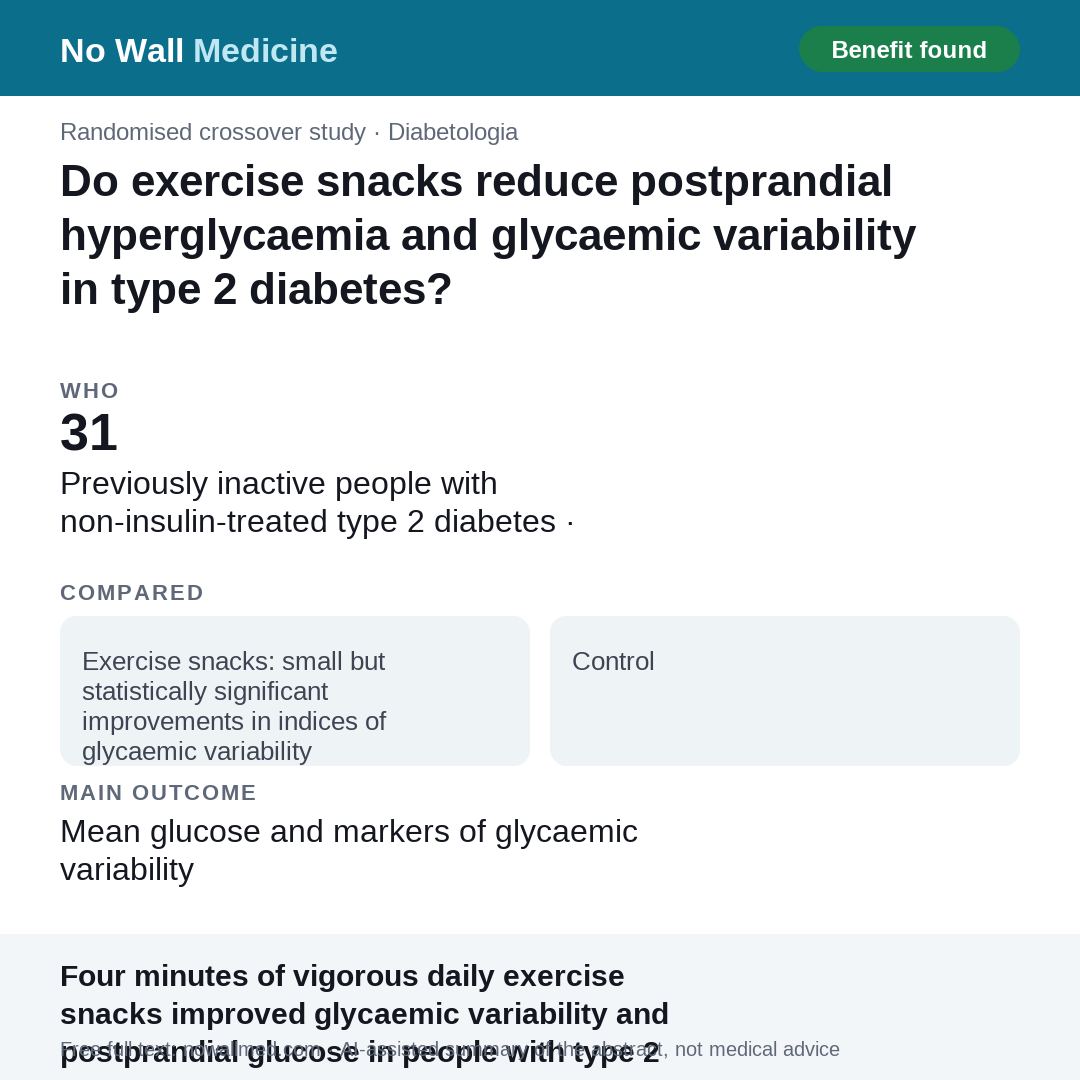
Exercise snacks performed in real-world settings reduce postprandial hyperglycaemia and glycaemic variability in individuals living with type 2 diabetes: a randomised crossover study
Randomised crossover studyBenefit found
Do exercise snacks reduce postprandial hyperglycaemia and glycaemic variability in type 2 diabetes?
Who
31
Previously inactive people with non-insulin-treated type 2 diabetes · Real-world settings
Compared
Exercise snacks: small but statistically significant improvements in indices of glycaemic variability
Control
Main outcome
Mean glucose and markers of glycaemic variability
Bottom line: Four minutes of vigorous daily exercise snacks improved glycaemic variability and postprandial glucose in people with type 2 diabetes.
Diabetologia · 2026-04-24Download image
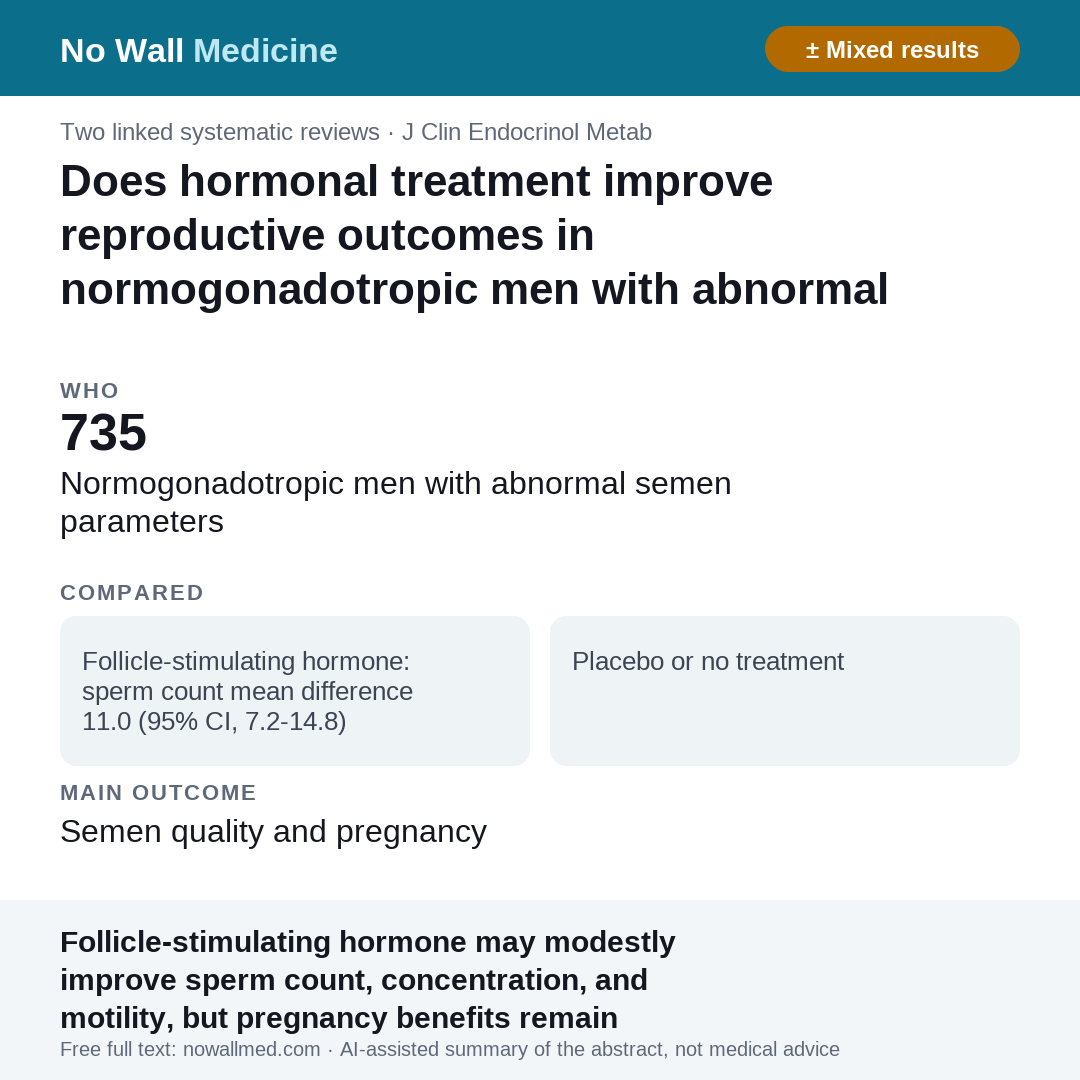
The effectiveness of hormonal treatment to improve reproductive outcomes in normogonadotropic men with abnormal semen parameters: results of 2 linked systematic reviews
Two linked systematic reviewsMixed results
Does hormonal treatment improve reproductive outcomes in normogonadotropic men with abnormal semen parameters?
Who
735
Normogonadotropic men with abnormal semen parameters
Compared
Follicle-stimulating hormone: sperm count mean difference 11.0 (95% CI, 7.2-14.8)
Placebo or no treatment
Main outcome
Semen quality and pregnancy
Result: mean difference 11.0 (95% CI, 7.2-14.8)
Bottom line: Follicle-stimulating hormone may modestly improve sperm count, concentration, and motility, but pregnancy benefits remain uncertain.
Limitation: Expected benefits are modest and short-term, with uncertain translation to pregnancy or live birth.
J Clin Endocrinol Metab · 2026-04-24Download image
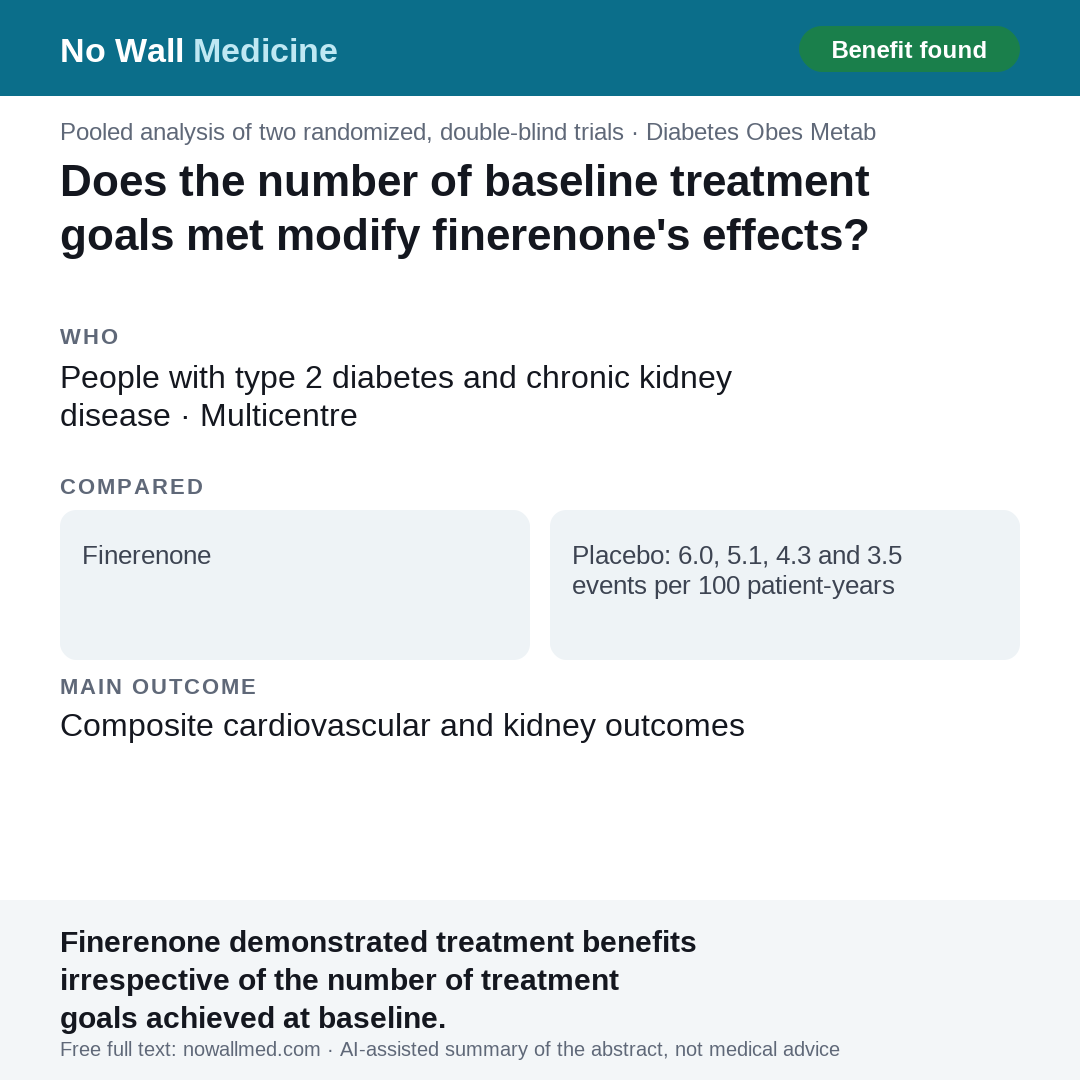
Outcomes With Finerenone by Baseline Treatment Goals in Type 2 Diabetes and Chronic Kidney Disease: A FIDELITY Analysis
Pooled analysis of two randomized, double-blind trialsBenefit found
Does the number of baseline treatment goals met modify finerenone's effects?
Who
People with type 2 diabetes and chronic kidney disease · Multicentre
Compared
Finerenone
Placebo: 6.0, 5.1, 4.3 and 3.5 events per 100 patient-years
Main outcome
Composite cardiovascular and kidney outcomes
Bottom line: Finerenone demonstrated treatment benefits irrespective of the number of treatment goals achieved at baseline.
Diabetes Obes Metab · 2026-04-24Download image
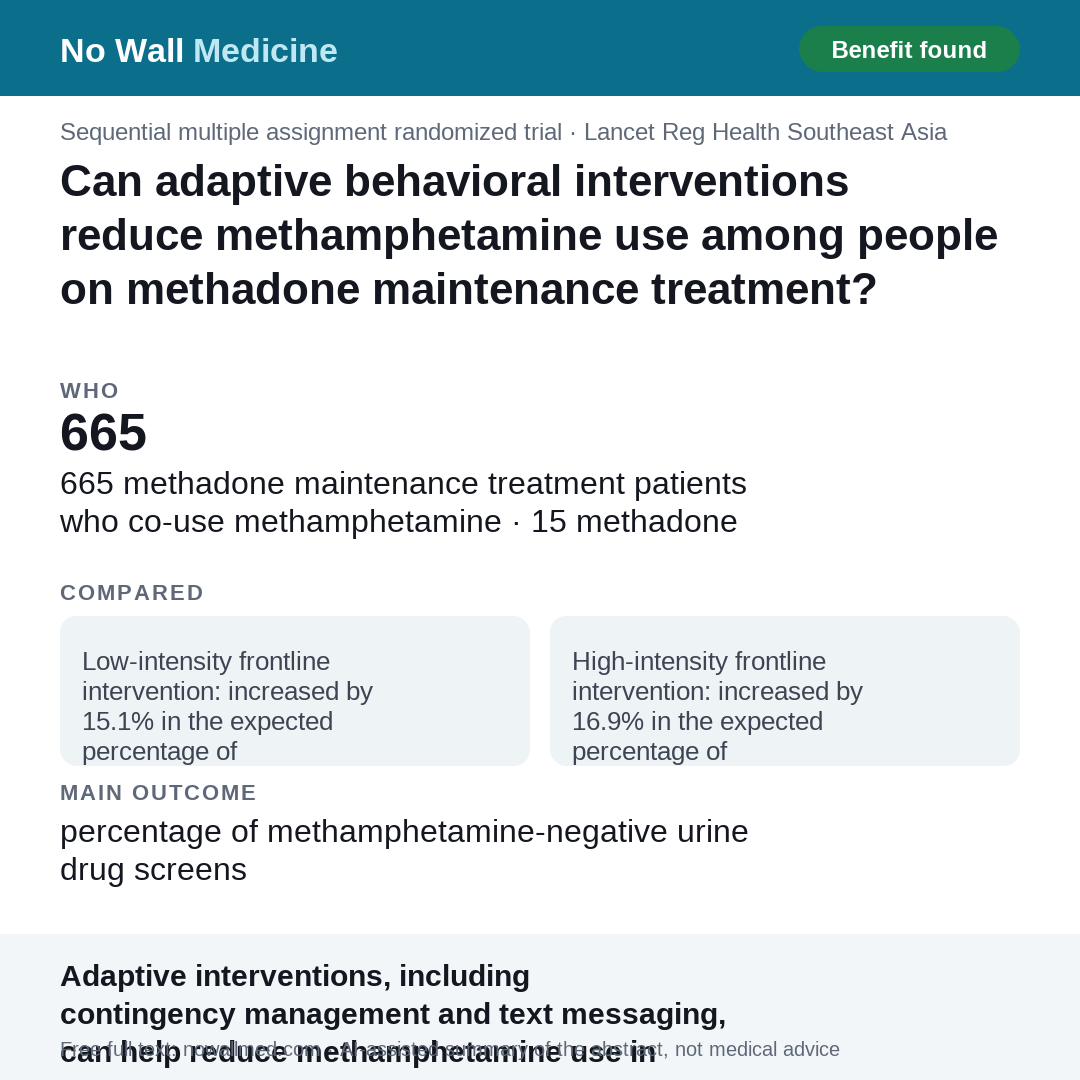
Interventions for methamphetamine use among people on methadone maintenance treatment in Vietnam: a sequential multiple assignment randomized trial (STAR-OM)
Sequential multiple assignment randomized trialBenefit found
Can adaptive behavioral interventions reduce methamphetamine use among people on methadone maintenance treatment?
Who
665
665 methadone maintenance treatment patients who co-use methamphetamine · 15 methadone maintenance treatment clinics in Vietnam
Compared
Low-intensity frontline intervention: increased by 15.1% in the expected percentage of methamphetamine-negative urine drug screens
High-intensity frontline intervention: increased by 16.9% in the expected percentage of methamphetamine-negative urine drug screens
Main outcome
percentage of methamphetamine-negative urine drug screens
Bottom line: Adaptive interventions, including contingency management and text messaging, can help reduce methamphetamine use in methadone maintenance patients.
Funded by: National Institute of Drug Abuse and National Institute of Mental Health
Lancet Reg Health Southeast Asia · 2026-04-24Download image