Visual abstracts
New randomized trials and meta-analyses from leading journals at a glance: who was studied, what was compared, and what was found. Every paper is free to read in full.
All specialtiesCardiology 840Oncology 760Gastroenterology & Hepatology 306Infectious Disease 626Neurology 350Psychiatry & Mental Health 430Pulmonology 365Critical Care 243Endocrinology & Diabetes 480Pediatrics 534Surgery 319Orthopedics & Sports Medicine 161Neurosurgery 89Cardiothoracic & Vascular Surgery 87Plastic & Reconstructive Surgery 118Nephrology 197Rheumatology 108Hematology 181Dermatology 78Ophthalmology 97Obstetrics & Gynecology 261Public & Global Health 167Radiology & Imaging 96Anesthesiology 107Urology 162ENT (Otolaryngology) 86Emergency Medicine 68Allergy & Immunology 58Geriatrics 160Family Medicine & Primary Care 111Medical Genetics & Genomics 91Pathology & Laboratory Medicine 24Physical Medicine & Rehabilitation 148Palliative Care 81Nutrition 223Digital Health & AI 460General Medicine 101
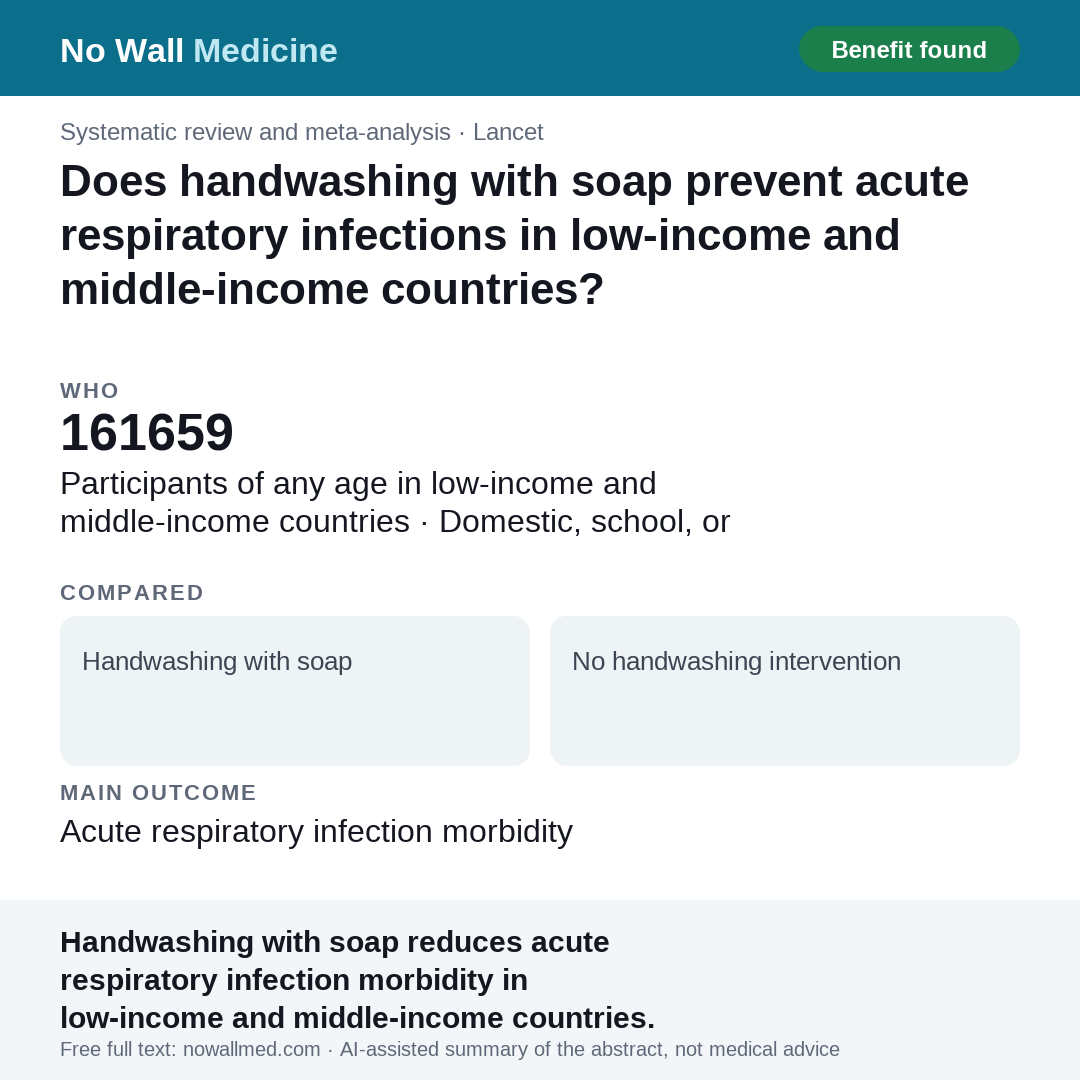
Effectiveness of handwashing with soap for preventing acute respiratory infections in low-income and middle-income countries: a systematic review and meta-analysis
Systematic review and meta-analysisBenefit found
Does handwashing with soap prevent acute respiratory infections in low-income and middle-income countries?
Who
161659
Participants of any age in low-income and middle-income countries · Domestic, school, or childcare settings
Compared
Handwashing with soap
No handwashing intervention
Main outcome
Acute respiratory infection morbidity
Result: relative risk 0·83 (95% CI 0·76-0·90)
Bottom line: Handwashing with soap reduces acute respiratory infection morbidity in low-income and middle-income countries.
Limitation: The GRADE rating for acute respiratory infection was moderate certainty evidence.
Funded by: Bill & Melinda Gates Foundation, Reckitt Global Hygiene Institute, UK FCDO
Lancet · 2023-04-27Download image
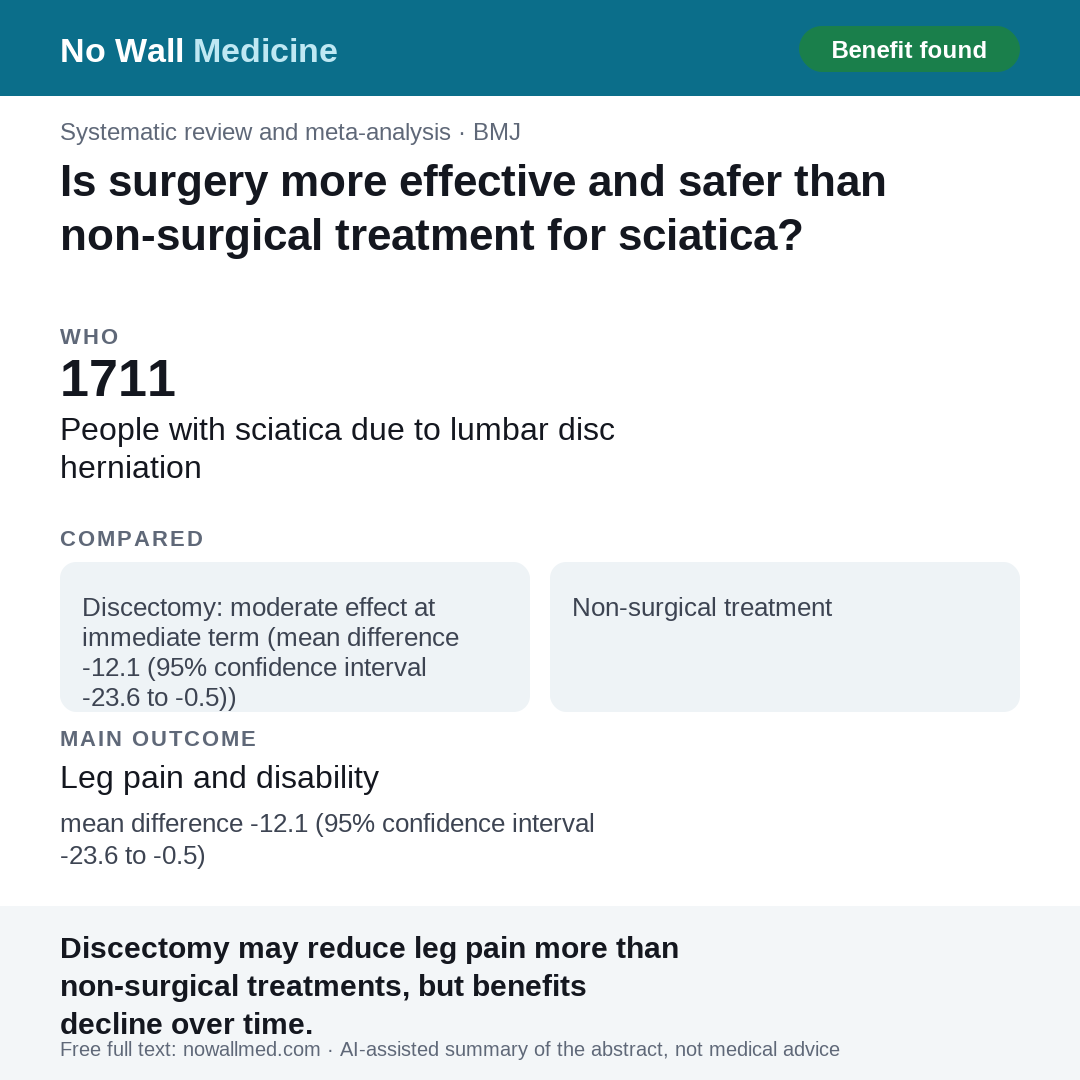
Surgical versus non-surgical treatment for sciatica: systematic review and meta-analysis of randomised controlled trials
Systematic review and meta-analysisBenefit found
Is surgery more effective and safer than non-surgical treatment for sciatica?
Who
1711
People with sciatica due to lumbar disc herniation
Compared
Discectomy: moderate effect at immediate term (mean difference -12.1 (95% confidence interval -23.6 to -0.5))
Non-surgical treatment
Main outcome
Leg pain and disability
Result: mean difference -12.1 (95% confidence interval -23.6 to -0.5)
Bottom line: Discectomy may reduce leg pain more than non-surgical treatments, but benefits decline over time.
Limitation: Very low to low certainty evidence
BMJ · 2023-04-19Download image
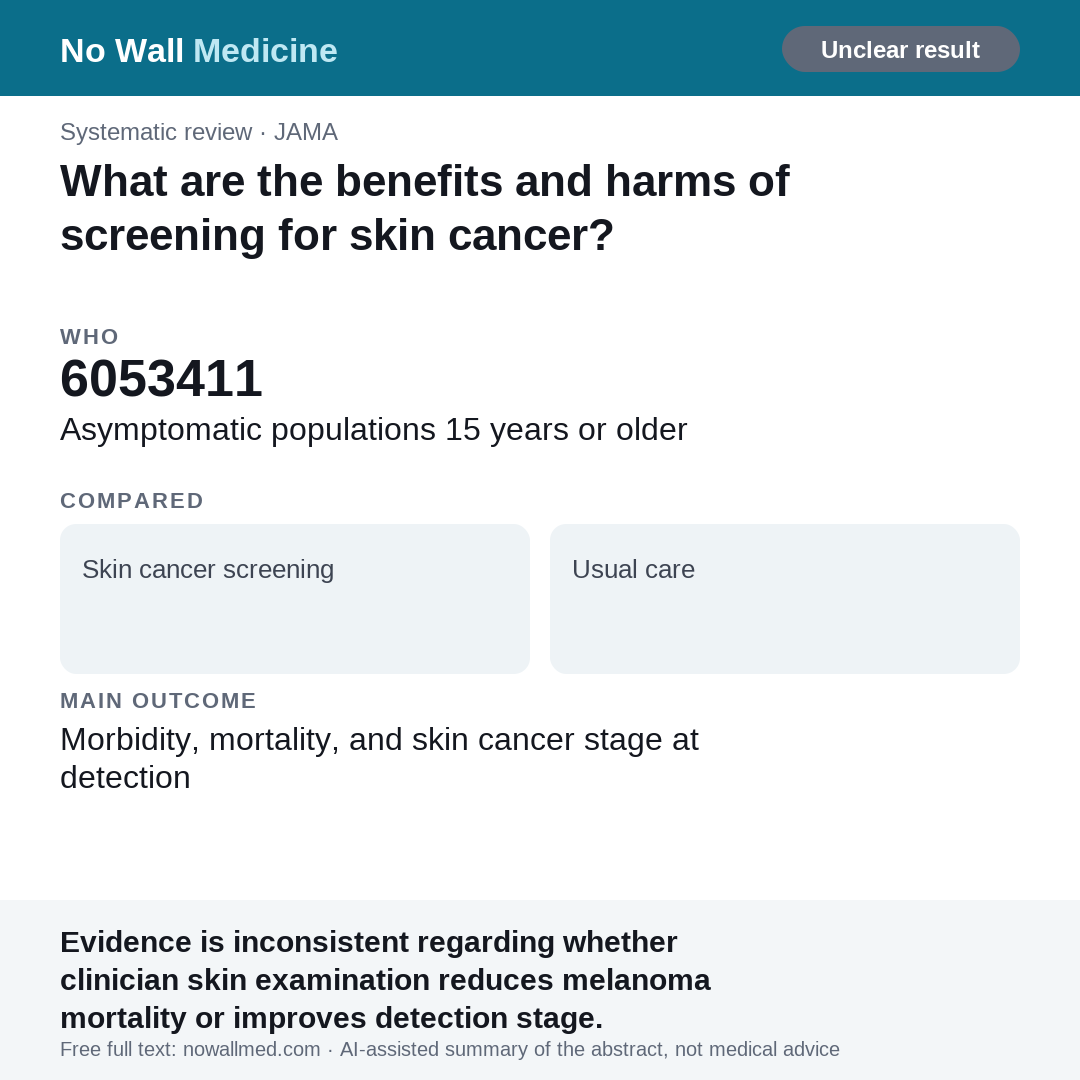
Skin Cancer Screening: Updated Evidence Report and Systematic Review for the US Preventive Services Task Force
Systematic reviewUnclear result
What are the benefits and harms of screening for skin cancer?
Who
6053411
Asymptomatic populations 15 years or older
Compared
Skin cancer screening
Usual care
Main outcome
Morbidity, mortality, and skin cancer stage at detection
Bottom line: Evidence is inconsistent regarding whether clinician skin examination reduces melanoma mortality or improves detection stage.
Limitation: Evidence is based on nonrandomized studies and results are inconsistent.
JAMA · 2023-04-18Download image
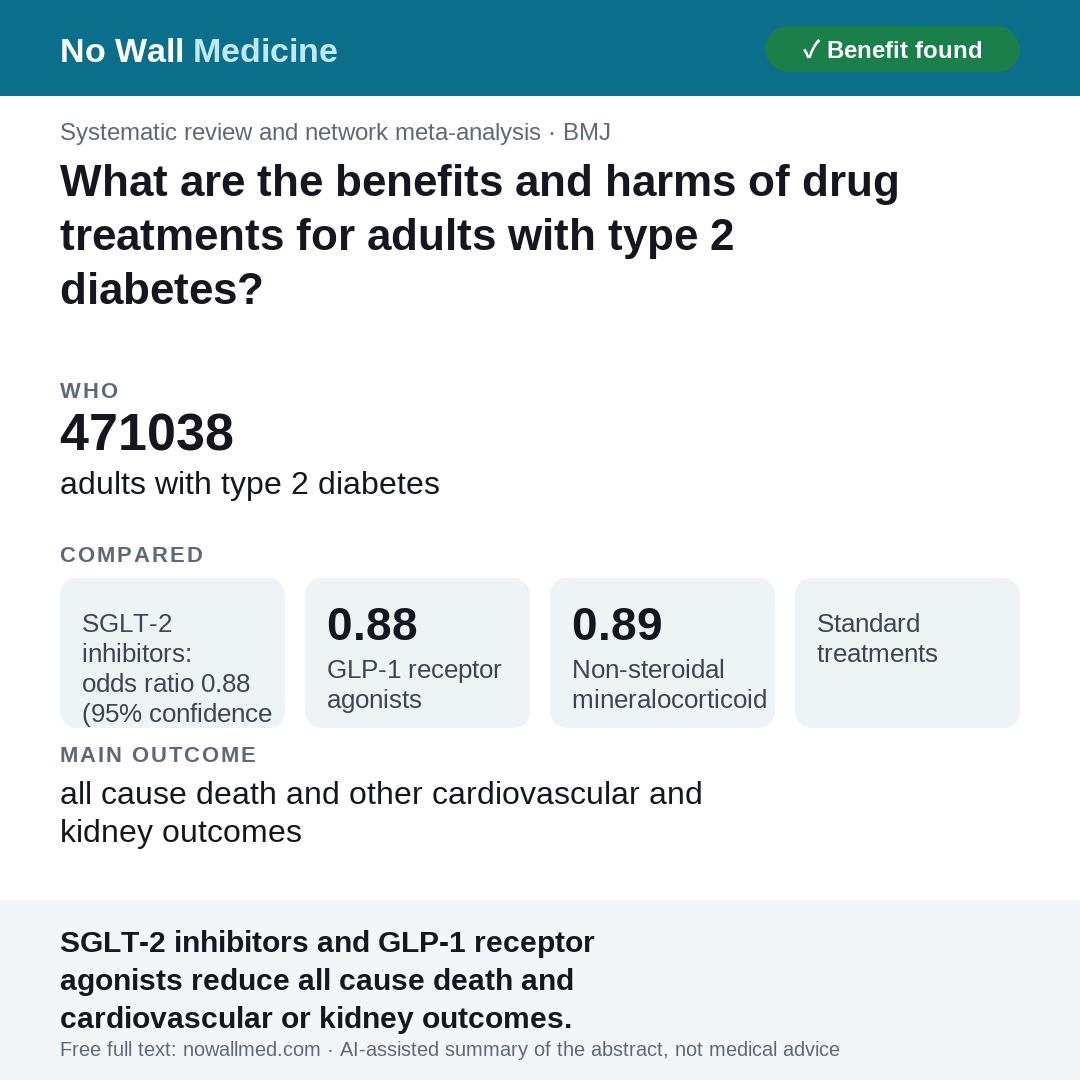
Benefits and harms of drug treatment for type 2 diabetes: systematic review and network meta-analysis of randomised controlled trials
Systematic review and network meta-analysisBenefit found
What are the benefits and harms of drug treatments for adults with type 2 diabetes?
Who
471038
adults with type 2 diabetes
Compared
SGLT-2 inhibitors: odds ratio 0.88 (95% confidence interval 0.83 to 0.94)
0.88GLP-1 receptor agonists (0.82 to 0.93)
0.89Non-steroidal mineralocorticoid receptor antagonists (0.79 to 1.00)
Standard treatments
Main outcome
all cause death and other cardiovascular and kidney outcomes
Result: odds ratio 0.88 (95% CI 0.83 to 0.94) for SGLT-2 inhibitors
Bottom line: SGLT-2 inhibitors and GLP-1 receptor agonists reduce all cause death and cardiovascular or kidney outcomes.
BMJ · 2023-04-06Download image
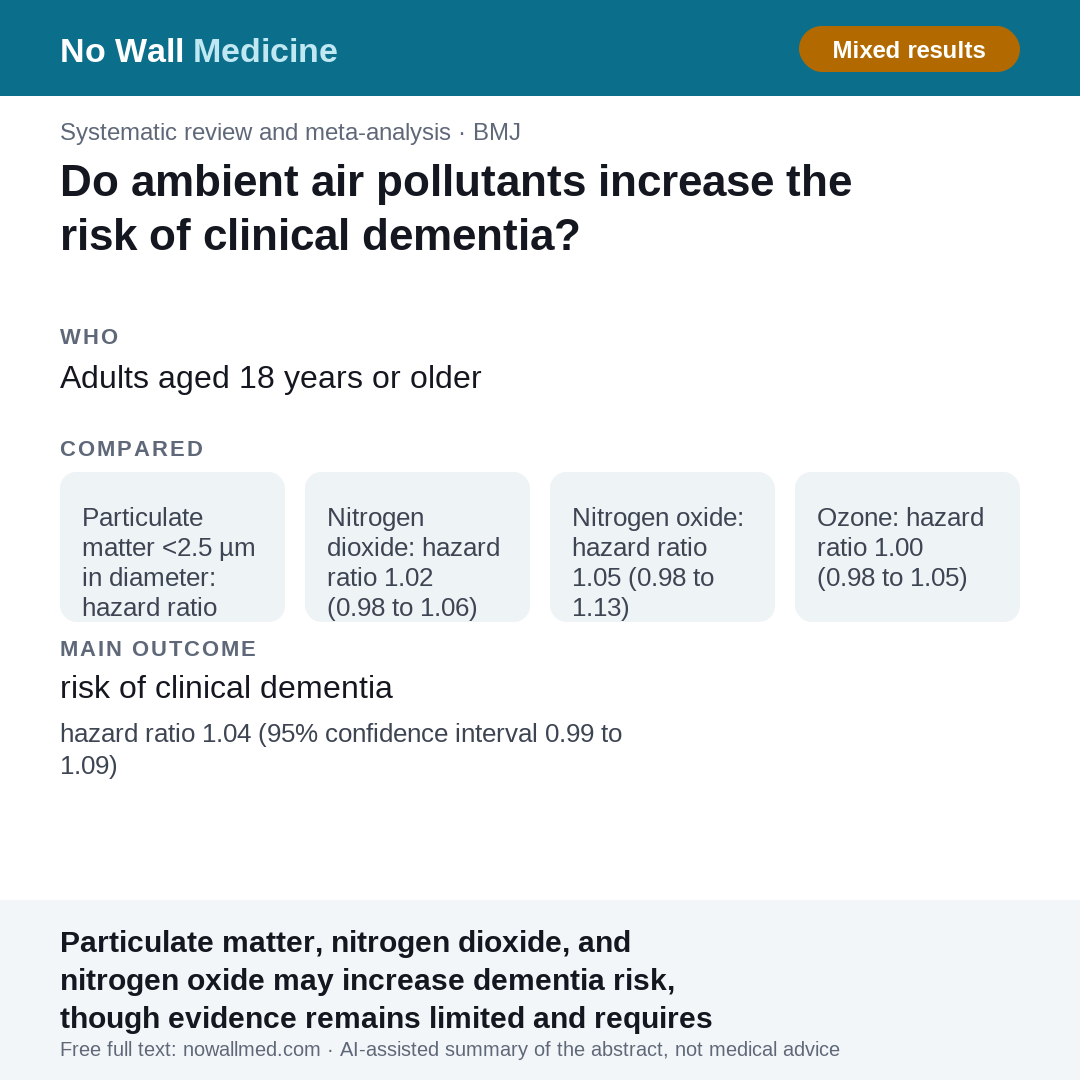
Ambient air pollution and clinical dementia: systematic review and meta-analysis
Systematic review and meta-analysisMixed results
Do ambient air pollutants increase the risk of clinical dementia?
Who
Adults aged 18 years or older
Compared
Particulate matter <2.5 µm in diameter: hazard ratio 1.04 (95% confidence interval 0.99 to 1.09)
Nitrogen dioxide: hazard ratio 1.02 (0.98 to 1.06)
Nitrogen oxide: hazard ratio 1.05 (0.98 to 1.13)
Ozone: hazard ratio 1.00 (0.98 to 1.05)
Main outcome
risk of clinical dementia
Result: hazard ratio 1.04 (95% confidence interval 0.99 to 1.09)
Bottom line: Particulate matter, nitrogen dioxide, and nitrogen oxide may increase dementia risk, though evidence remains limited and requires cautious interpretation.
Limitation: Most studies were at high risk of bias and outcome ascertainment approaches differ across studies.
BMJ · 2023-04-05Download image
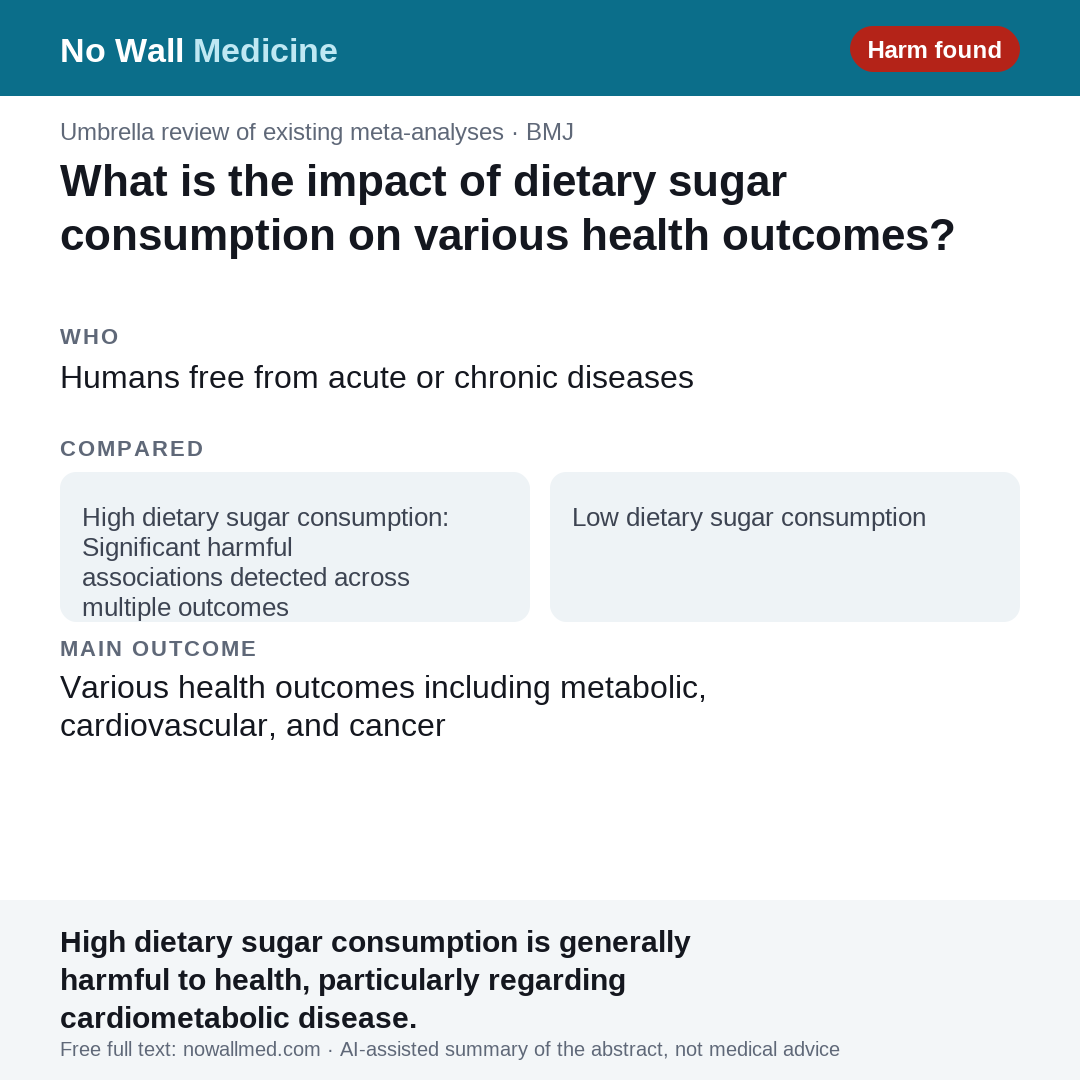
Dietary sugar consumption and health: umbrella review
Umbrella review of existing meta-analysesHarm found
What is the impact of dietary sugar consumption on various health outcomes?
Who
Humans free from acute or chronic diseases
Compared
High dietary sugar consumption: Significant harmful associations detected across multiple outcomes
Low dietary sugar consumption
Main outcome
Various health outcomes including metabolic, cardiovascular, and cancer
Bottom line: High dietary sugar consumption is generally harmful to health, particularly regarding cardiometabolic disease.
BMJ · 2023-04-05Download image
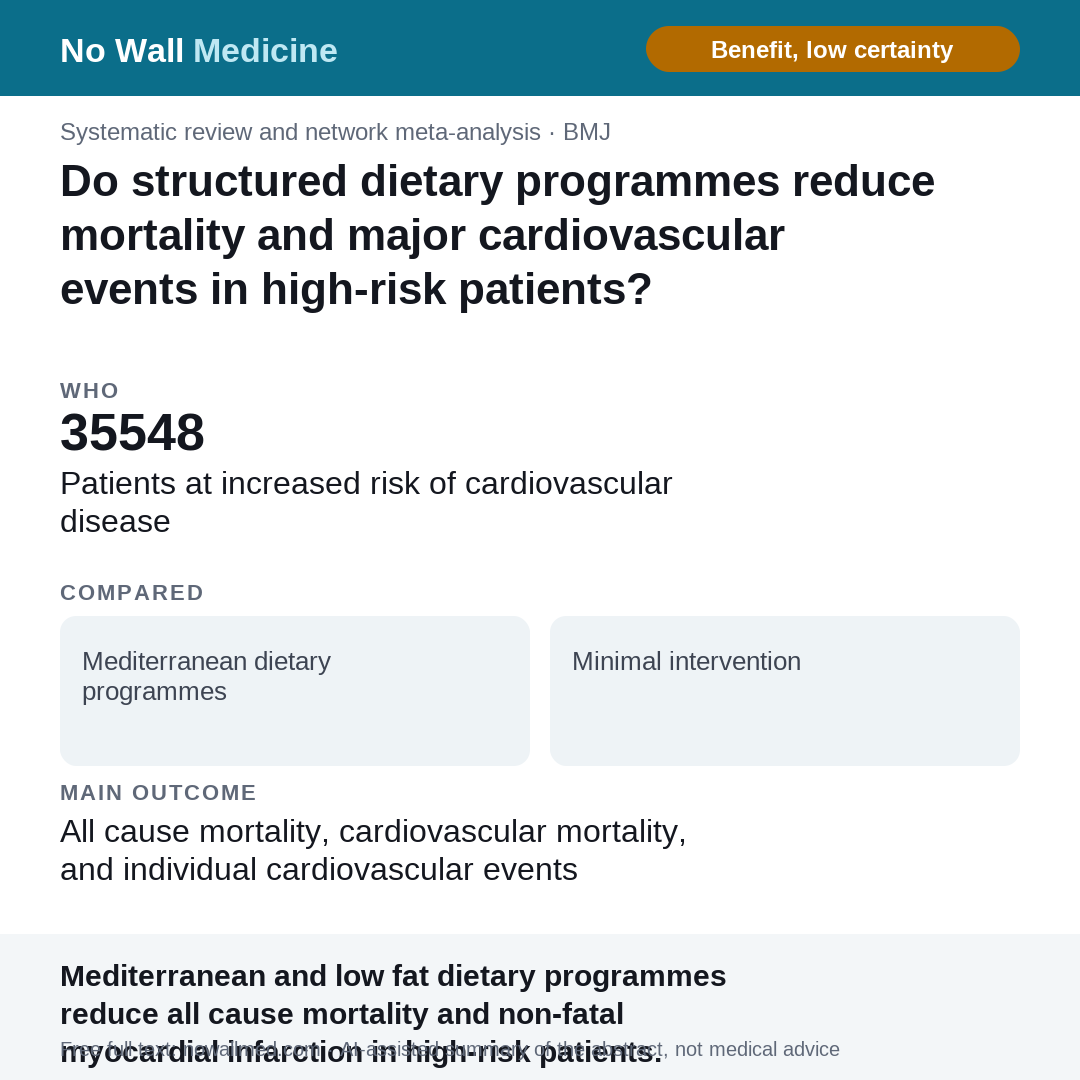
Comparison of seven popular structured dietary programmes and risk of mortality and major cardiovascular events in patients at increased cardiovascular risk: systematic review and network meta-analysis
Systematic review and network meta-analysisBenefit found
Do structured dietary programmes reduce mortality and major cardiovascular events in high-risk patients?
Who
35548
Patients at increased risk of cardiovascular disease
Compared
Mediterranean dietary programmes
Minimal intervention
Main outcome
All cause mortality, cardiovascular mortality, and individual cardiovascular events
Result: odds ratio 0.72 (95% confidence interval 0.56 to 0.92) for all cause mortality
Bottom line: Mediterranean and low fat dietary programmes reduce all cause mortality and non-fatal myocardial infarction in high-risk patients.
BMJ · 2023-03-29Download image
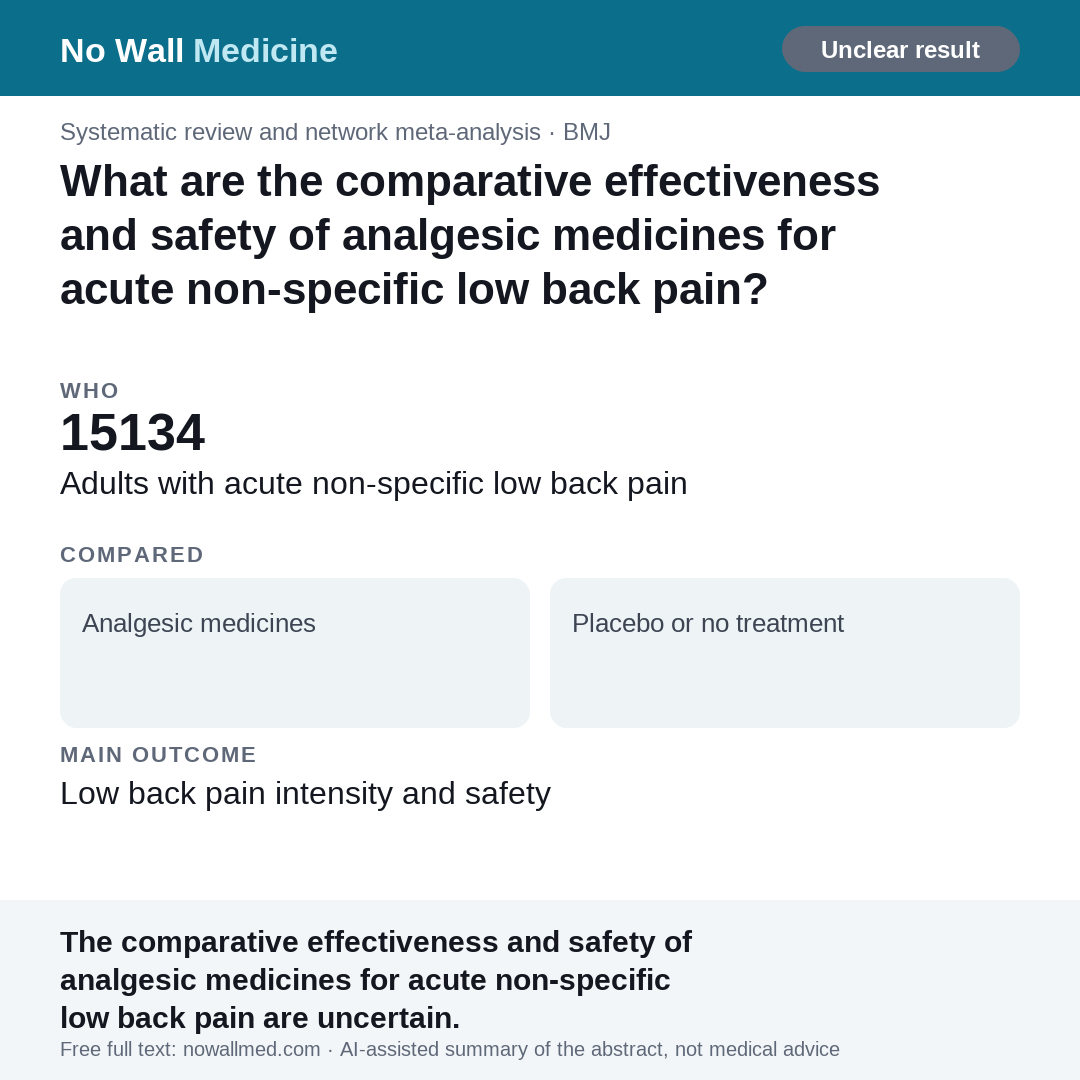
Comparative effectiveness and safety of analgesic medicines for adults with acute non-specific low back pain: systematic review and network meta-analysis
Systematic review and network meta-analysisUnclear result
What are the comparative effectiveness and safety of analgesic medicines for acute non-specific low back pain?
Who
15134
Adults with acute non-specific low back pain
Compared
Analgesic medicines
Placebo or no treatment
Main outcome
Low back pain intensity and safety
Bottom line: The comparative effectiveness and safety of analgesic medicines for acute non-specific low back pain are uncertain.
Limitation: Low or very low confidence in evidence for many medicines and secondary outcomes.
BMJ · 2023-03-22Download image
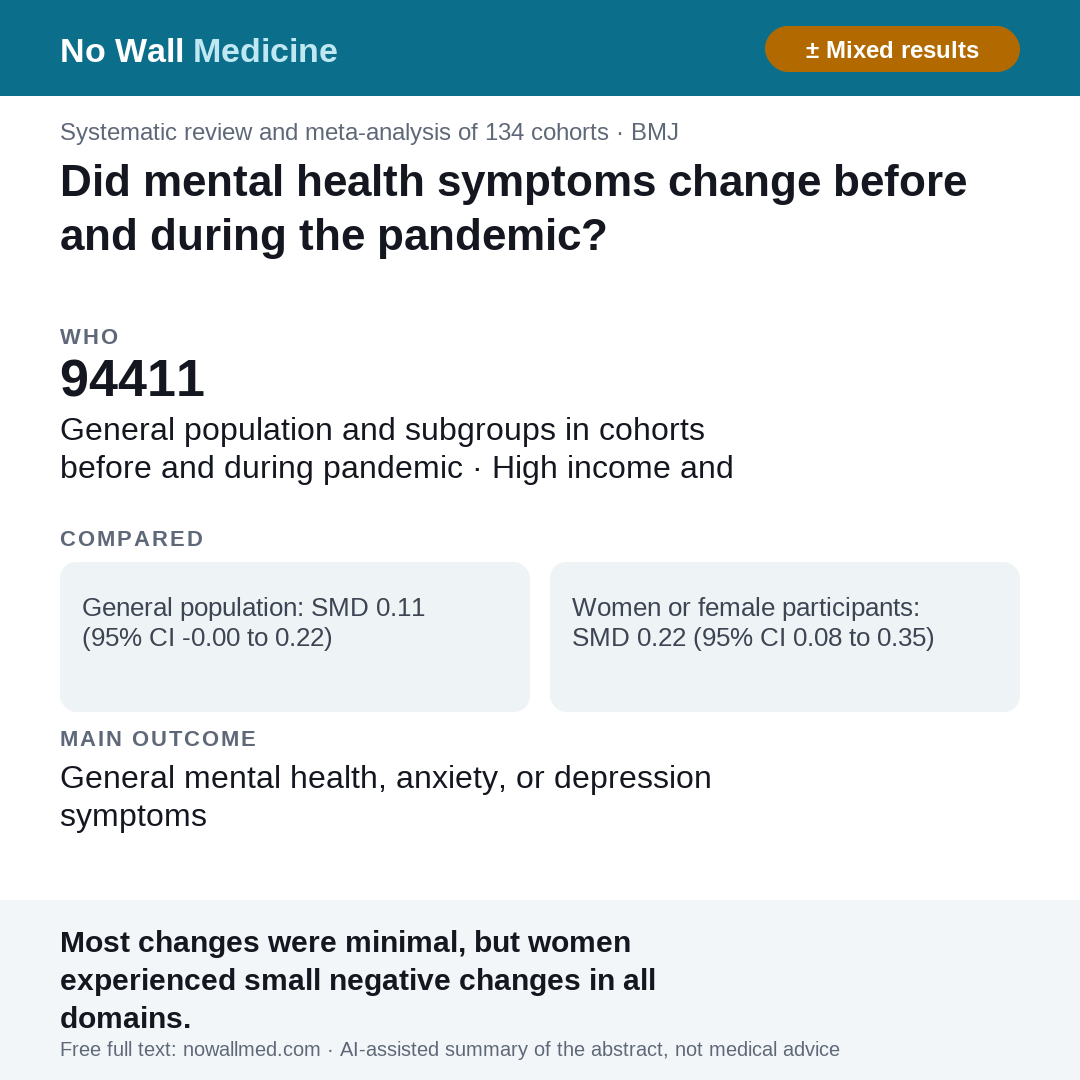
Comparison of mental health symptoms before and during the covid-19 pandemic: evidence from a systematic review and meta-analysis of 134 cohorts
Systematic review and meta-analysisMixed results
How did mental health symptoms change before and during the covid-19 pandemic?
Who
Any population in 134 cohorts · High income and upper middle income countries
Compared
General population: general mental health: standardised mean difference change 0.11
0.05General population: anxiety symptoms
0.12General population: depression symptoms
0.22Women or female participants: general mental health
Main outcome
General mental health, anxiety symptoms, or depression symptoms
Bottom line: Most symptom changes were minimal or not statistically significant, though women experienced small increases in mental health symptoms.
Limitation: Substantial heterogeneity and risk of bias were present across analyses.
BMJ · 2023-03-08Download image
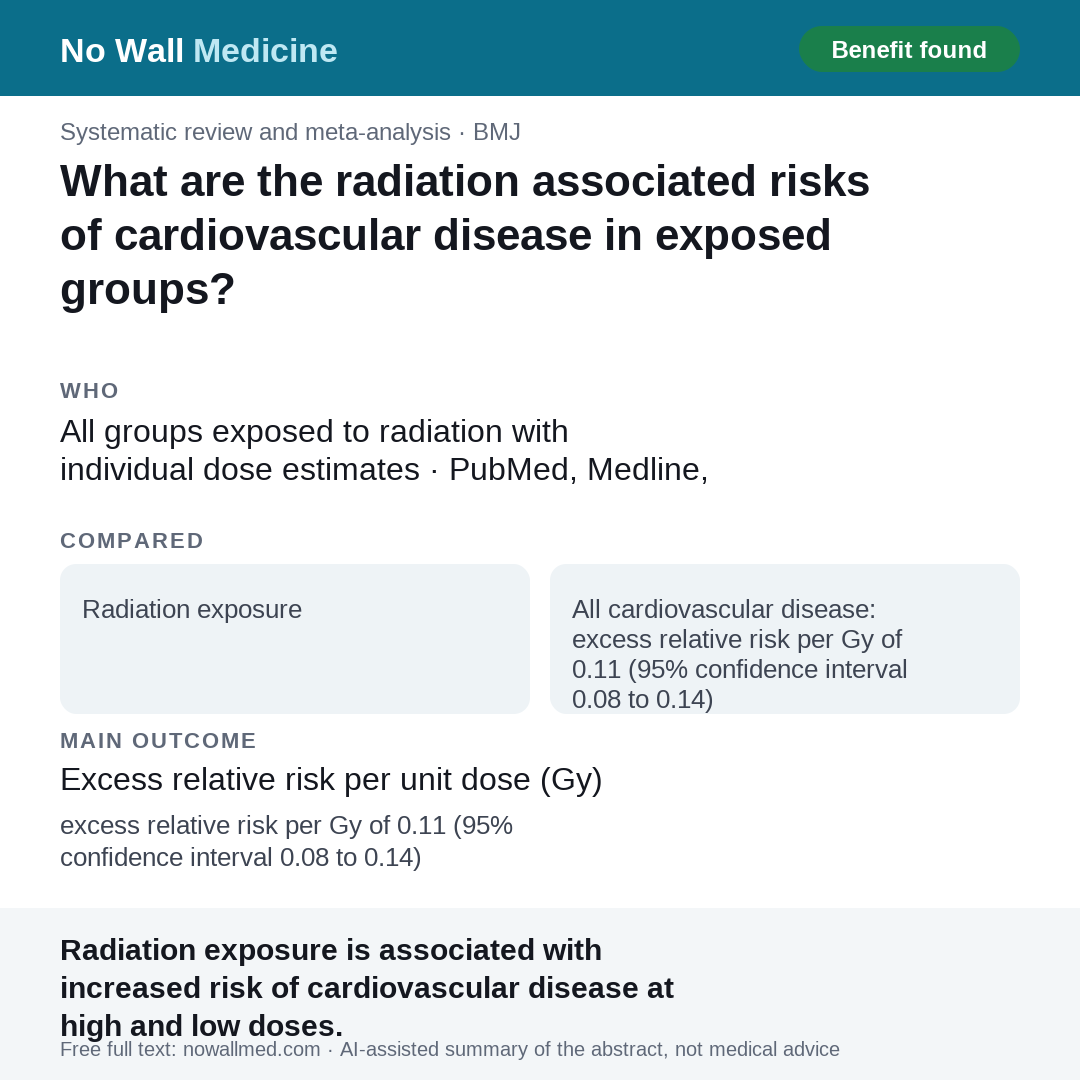
Ionising radiation and cardiovascular disease: systematic review and meta-analysis
Systematic review and meta-analysisBenefit found
What are the radiation associated risks of cardiovascular disease in exposed groups?
Who
All groups exposed to radiation with individual dose estimates · PubMed, Medline, Embase, Scopus, and Web of Science
Compared
Radiation exposure
All cardiovascular disease: excess relative risk per Gy of 0.11 (95% confidence interval 0.08 to 0.14)
Main outcome
Excess relative risk per unit dose (Gy)
Result: excess relative risk per Gy of 0.11 (95% confidence interval 0.08 to 0.14)
Bottom line: Radiation exposure is associated with increased risk of cardiovascular disease at high and low doses.
Limitation: Interstudy heterogeneity possibly resulting from unmeasured confounders or effect modifiers.
BMJ · 2023-03-08Download image
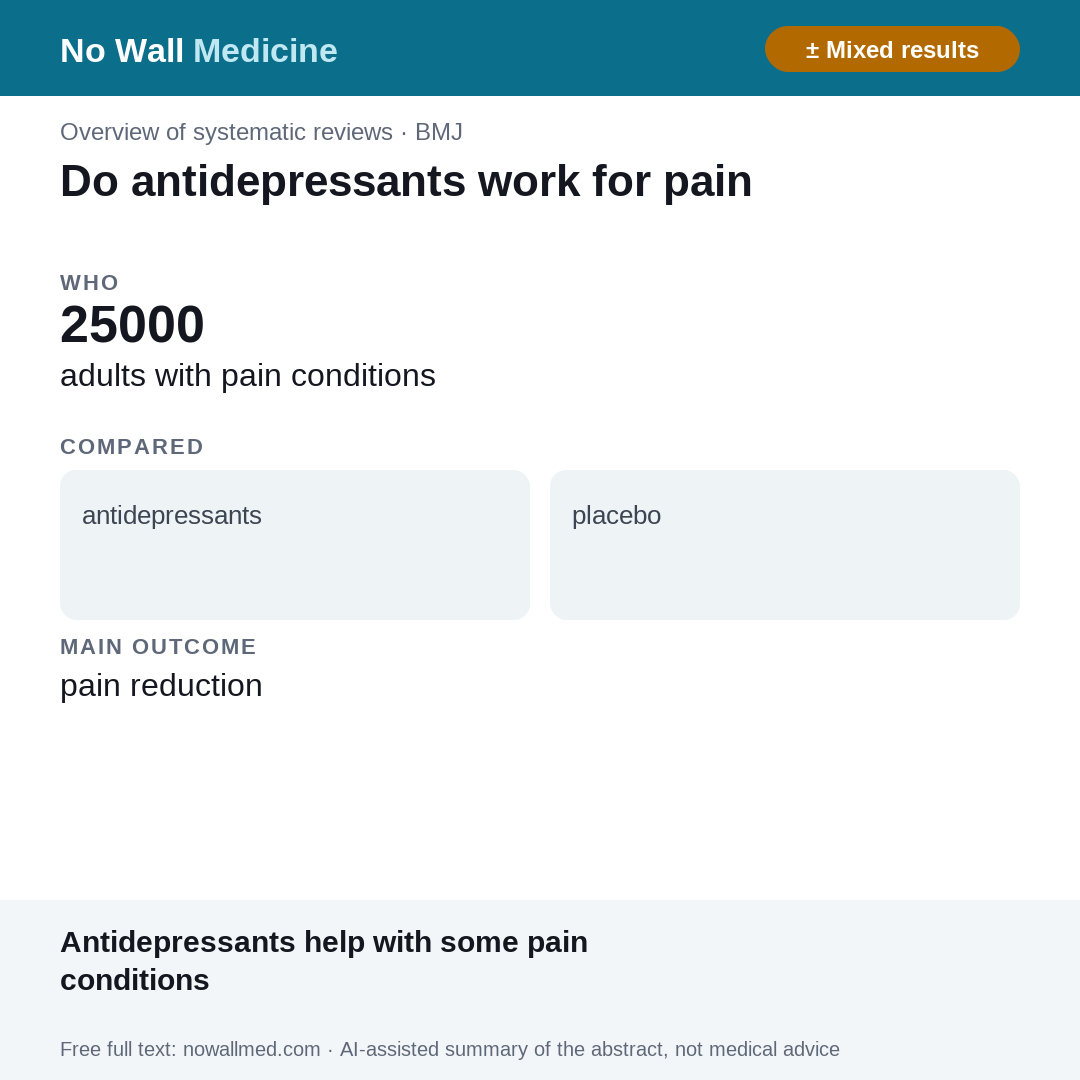
Efficacy, safety, and tolerability of antidepressants for pain in adults: overview of systematic reviews
Overview of systematic reviewsMixed results
Do antidepressants work for pain
Who
25000
adults with pain conditions
Compared
antidepressants
placebo
Main outcome
pain reduction
Bottom line: Antidepressants help with some pain conditions
BMJ · 2023-02-01Download image
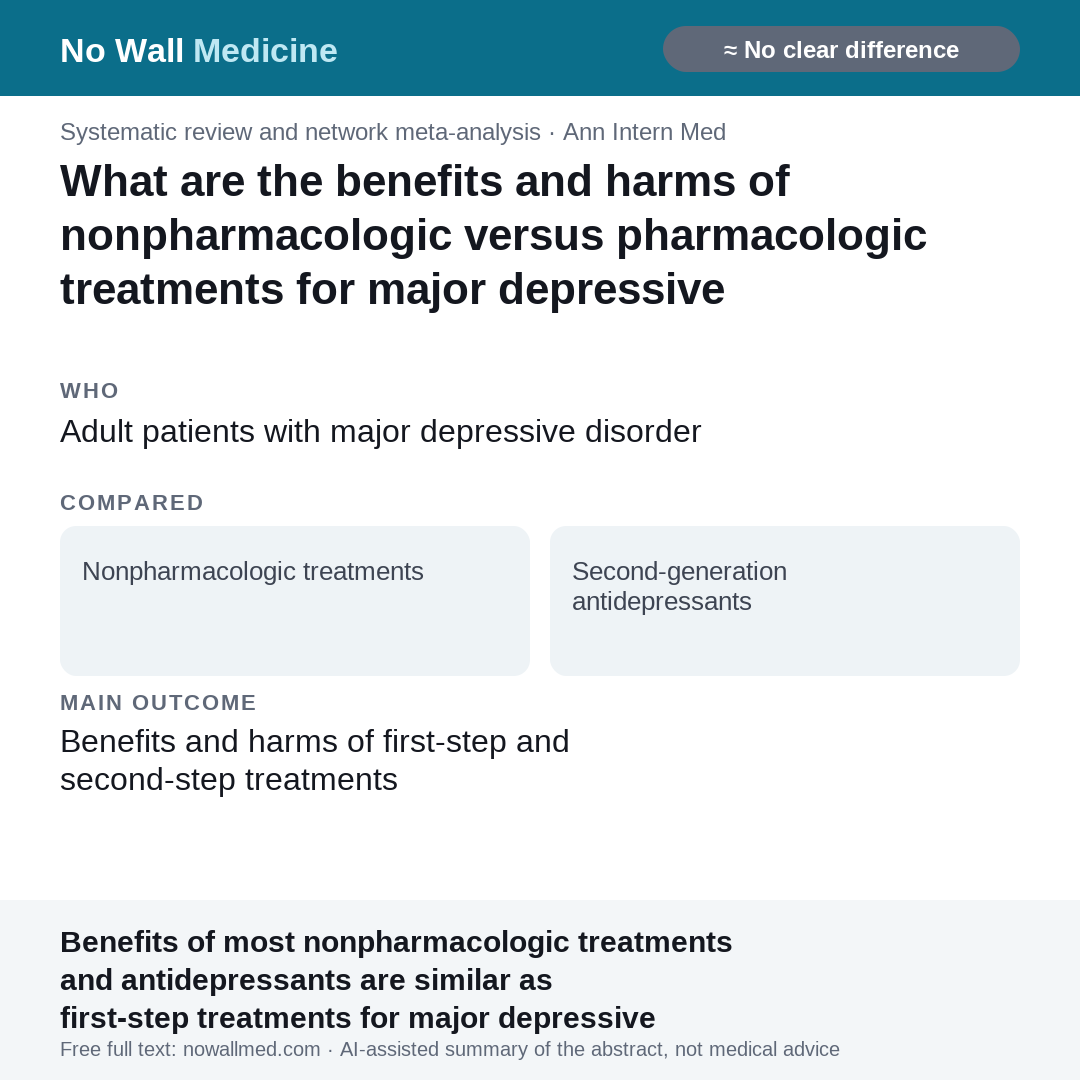
Nonpharmacologic and Pharmacologic Treatments of Adult Patients With Major Depressive Disorder: A Systematic Review and Network Meta-analysis for a Clinical Guideline by the American College of Physicians
Systematic review and network meta-analysisNo clear difference
What are the benefits and harms of nonpharmacologic versus pharmacologic treatments for major depressive disorder?
Who
65
Adult patients with major depressive disorder
Compared
Nonpharmacologic treatments
Second-generation antidepressants
Main outcome
Benefits and harms of first-step and second-step treatments
Bottom line: Benefits of most nonpharmacologic treatments and antidepressants are similar as first-step treatments for major depressive disorder.
Limitation: Low certainty of evidence, methodological limitations, dosing inequalities, and potential publication bias.
Funded by: American College of Physicians
Ann Intern Med · 2023-01-24Download image
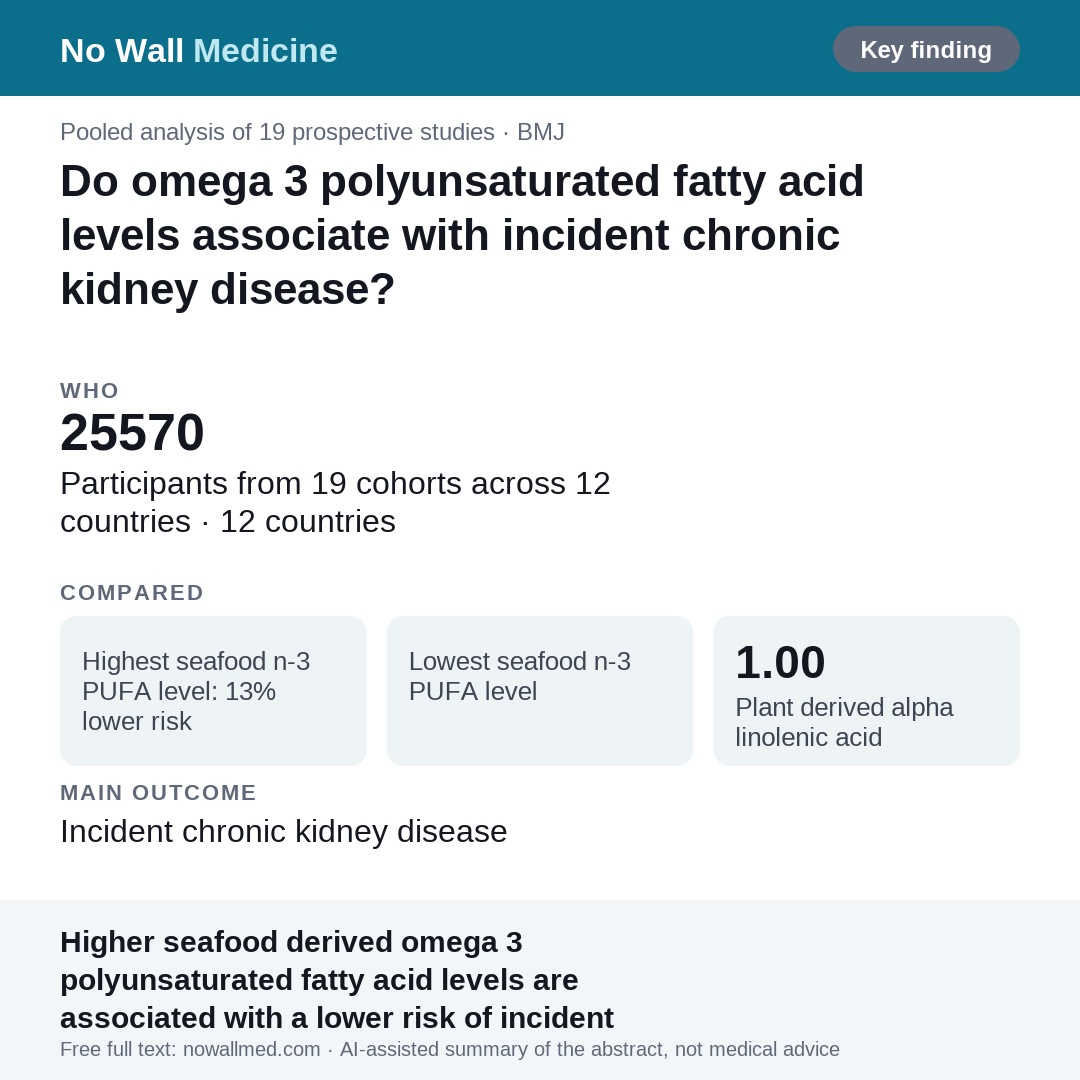
Association of omega 3 polyunsaturated fatty acids with incident chronic kidney disease: pooled analysis of 19 cohorts
Pooled analysis of 19 prospective studiesBenefit found
Do omega 3 polyunsaturated fatty acid levels associate with incident chronic kidney disease?
Who
25570
Participants from 19 cohorts across 12 countries · 12 countries
Compared
Highest seafood n-3 PUFA level: 13% lower risk
Lowest seafood n-3 PUFA level
1.00Plant derived alpha linolenic acid (95% CI 0.94 to 1.06)
Main outcome
Incident chronic kidney disease
Result: relative risk per interquintile range 0.92 (95% CI 0.86 to 0.98)
Bottom line: Higher seafood derived omega 3 polyunsaturated fatty acid levels are associated with a lower risk of incident chronic kidney disease.
BMJ · 2023-01-18Download image
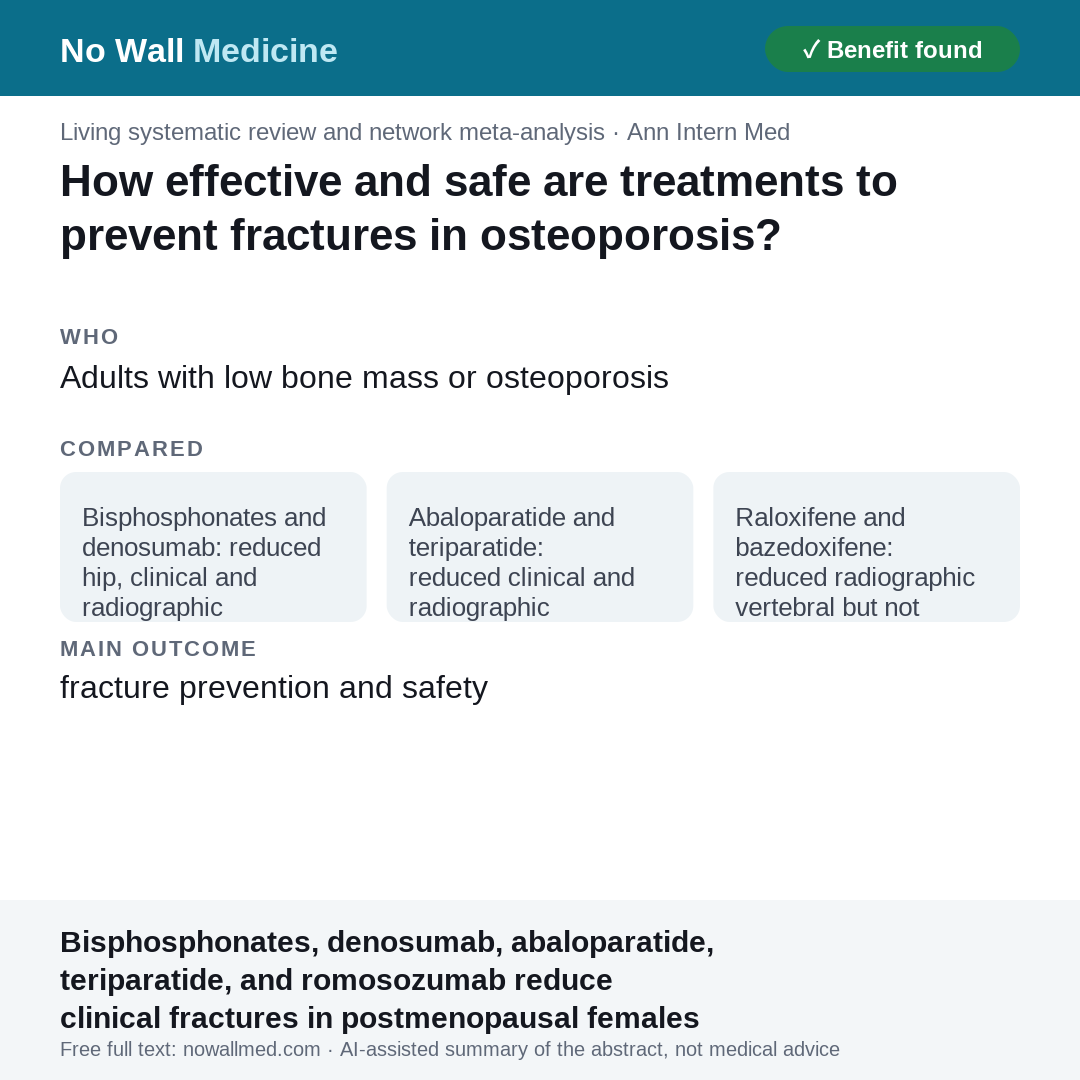
Effectiveness and Safety of Treatments to Prevent Fractures in People With Low Bone Mass or Primary Osteoporosis: A Living Systematic Review and Network Meta-analysis for the American College of Physicians
Living systematic review and network meta-analysisBenefit found
How effective and safe are treatments to prevent fractures in osteoporosis?
Who
Adults with low bone mass or osteoporosis
Compared
Bisphosphonates and denosumab: reduced hip, clinical and radiographic vertebral, and other clinical fractures
Abaloparatide and teriparatide: reduced clinical and radiographic vertebral fractures
Raloxifene and bazedoxifene: reduced radiographic vertebral but not clinical fractures
Main outcome
fracture prevention and safety
Bottom line: Bisphosphonates, denosumab, abaloparatide, teriparatide, and romosozumab reduce clinical fractures in postmenopausal females with osteoporosis.
Limitation: Few studies examined low bone mass, males, Black-identifying persons, or sequential therapy.
Funded by: American College of Physicians
Ann Intern Med · 2023-01-03Download image
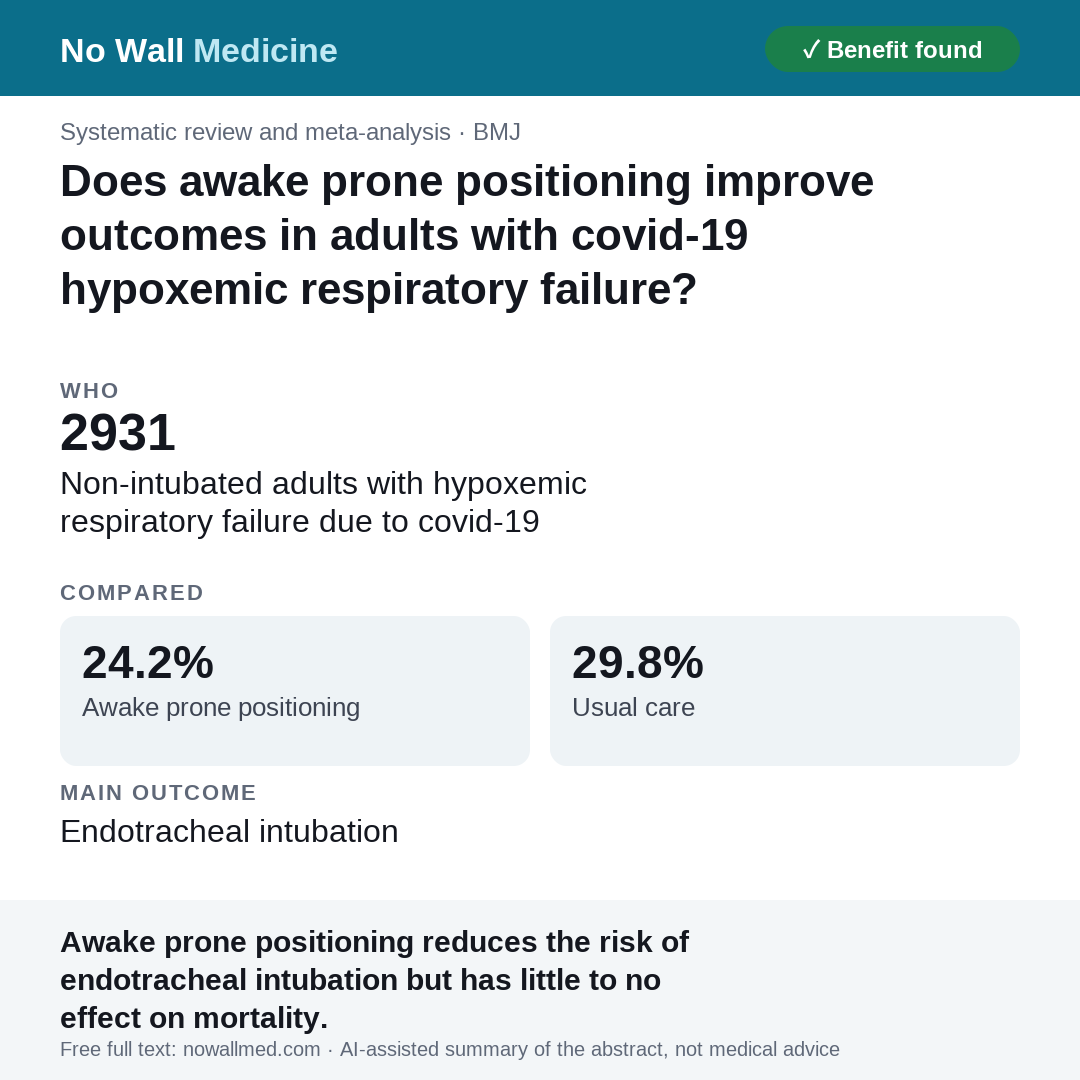
Efficacy of awake prone positioning in patients with covid-19 related hypoxemic respiratory failure: systematic review and meta-analysis of randomized trials
Systematic review and meta-analysisBenefit found
Does awake prone positioning improve outcomes in adults with covid-19 hypoxemic respiratory failure?
Who
2931
Non-intubated adults with hypoxemic respiratory failure due to covid-19
Compared
24.2%Awake prone positioning
29.8%Usual care
Main outcome
Endotracheal intubation
Result: relative risk 0.83 (95% confidence interval 0.73 to 0.94)
Bottom line: Awake prone positioning reduces the risk of endotracheal intubation but has little to no effect on mortality.
BMJ · 2022-12-07Download image
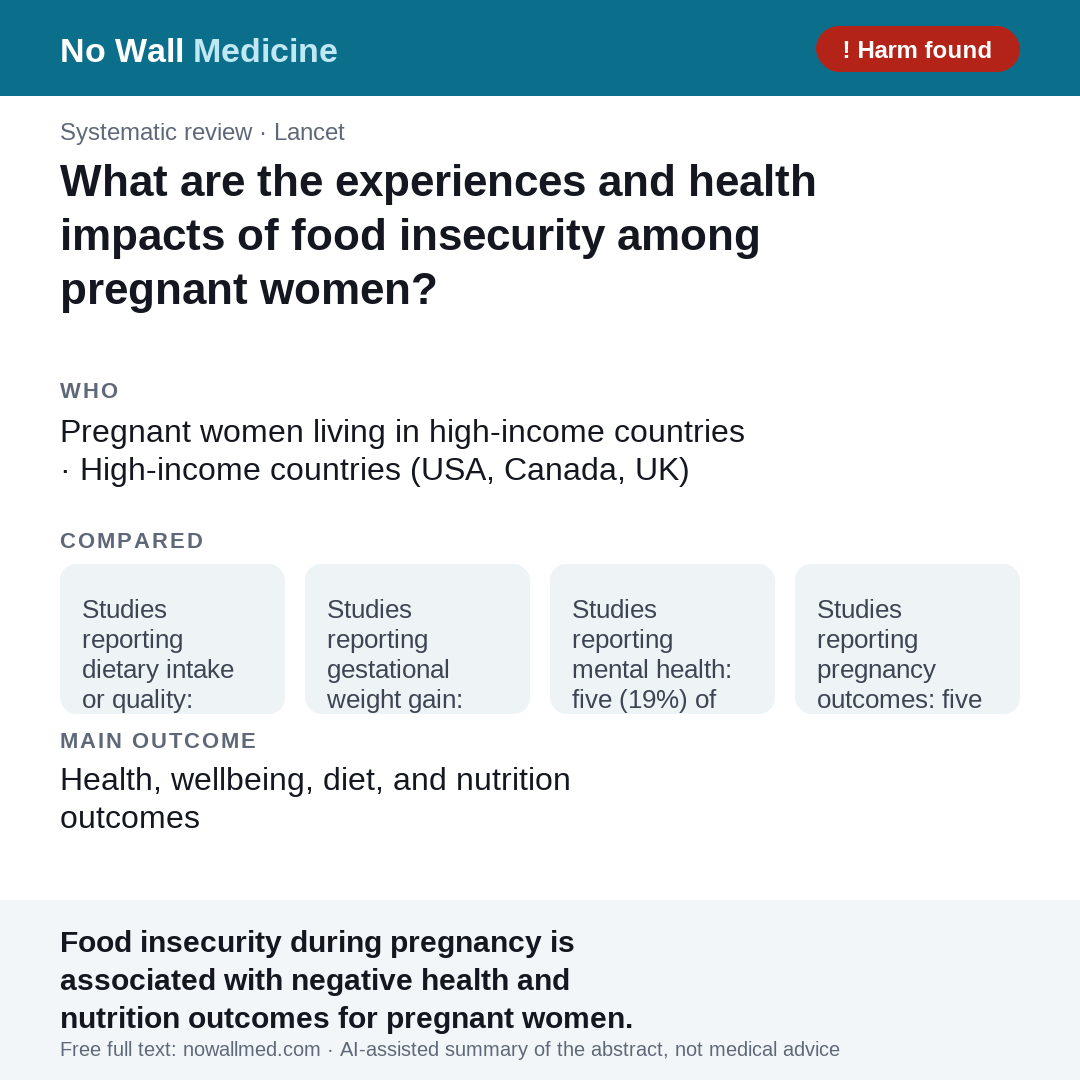
Food insecurity among pregnant women living in high-income countries: a systematic review
Systematic reviewHarm found
What are the experiences and health impacts of food insecurity among pregnant women?
Who
27
Pregnant women living in high-income countries · High-income countries (USA, Canada, UK)
Compared
Studies reporting dietary intake or quality: seven (26%) of 27
Studies reporting gestational weight gain: seven (26%) of 27
Studies reporting mental health: five (19%) of 27
Studies reporting pregnancy outcomes: five (19%) of 27
Main outcome
Health, wellbeing, diet, and nutrition outcomes
Bottom line: Food insecurity during pregnancy is associated with negative health and nutrition outcomes for pregnant women.
Limitation: The review had a restricted focus on studies conducted from 2008 onward.
Lancet · 2022-11-24Download image