Visual abstracts
New randomized trials and meta-analyses from leading journals at a glance: who was studied, what was compared, and what was found. Every paper is free to read in full.
All specialtiesCardiology 1341Oncology 1193Gastroenterology & Hepatology 479Infectious Disease 880Neurology 556Psychiatry & Mental Health 670Pulmonology 576Critical Care 398Endocrinology & Diabetes 745Pediatrics 799Surgery 635Orthopedics & Sports Medicine 259Neurosurgery 181Cardiothoracic & Vascular Surgery 151Plastic & Reconstructive Surgery 211Nephrology 283Rheumatology 179Hematology 283Dermatology 142Ophthalmology 151Obstetrics & Gynecology 424Public & Global Health 261Radiology & Imaging 173Anesthesiology 256Urology 249ENT (Otolaryngology) 182Emergency Medicine 147Allergy & Immunology 90Geriatrics 281Family Medicine & Primary Care 171Medical Genetics & Genomics 143Pathology & Laboratory Medicine 41Physical Medicine & Rehabilitation 233Palliative Care 122Nutrition 350Digital Health & AI 695General Medicine 123
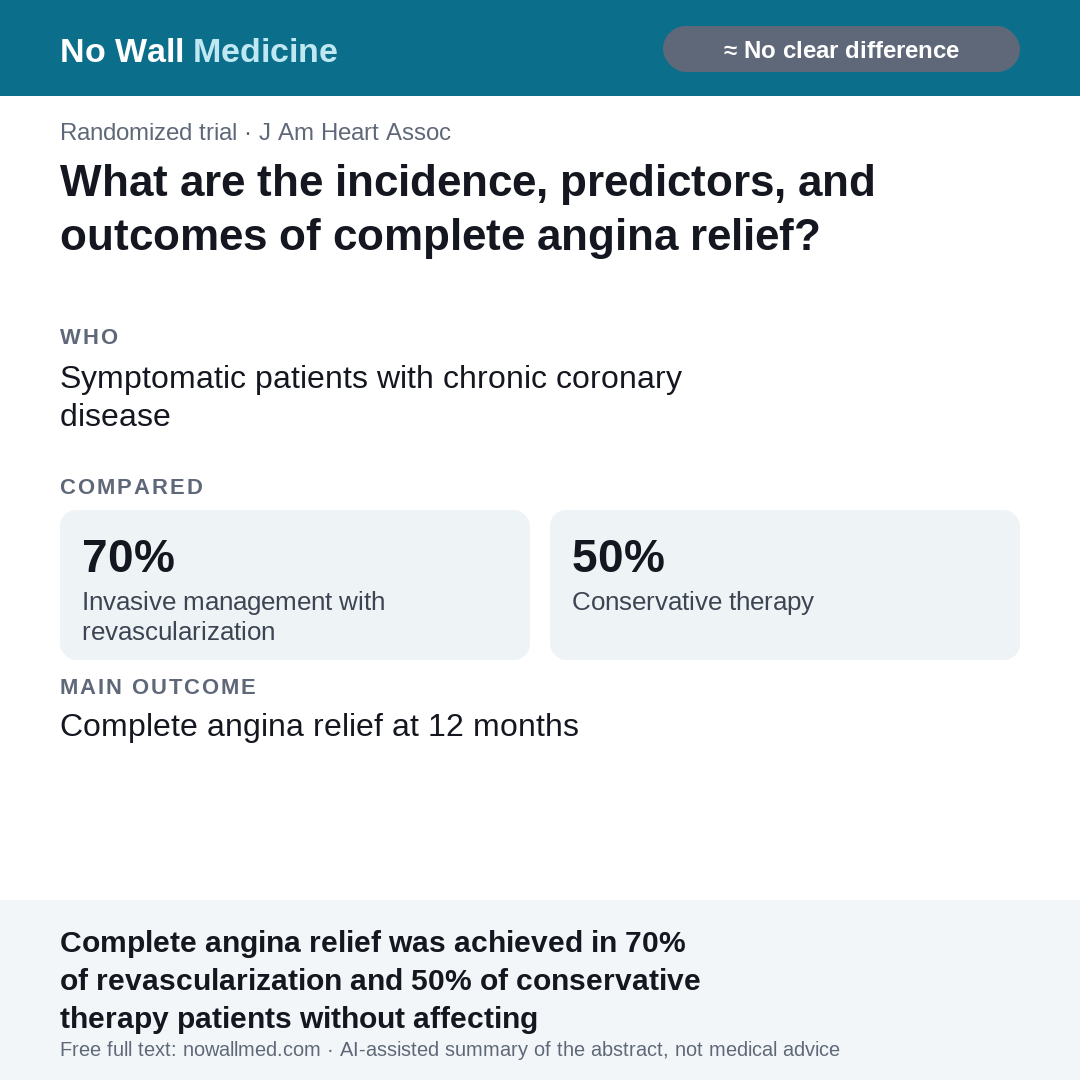
Incidence, Predictors, and Outcomes of Complete Angina Relief in Symptomatic Patients in the ISCHEMIA Trial
Randomized trialNo clear difference
What are the incidence, predictors, and outcomes of complete angina relief?
Who
Symptomatic patients with chronic coronary disease
Compared
70%Invasive management with revascularization
50%Conservative therapy
Main outcome
Complete angina relief at 12 months
Bottom line: Complete angina relief was achieved in 70% of revascularization and 50% of conservative therapy patients without affecting cardiovascular outcomes.
J Am Heart Assoc · 2025-06-05Download image
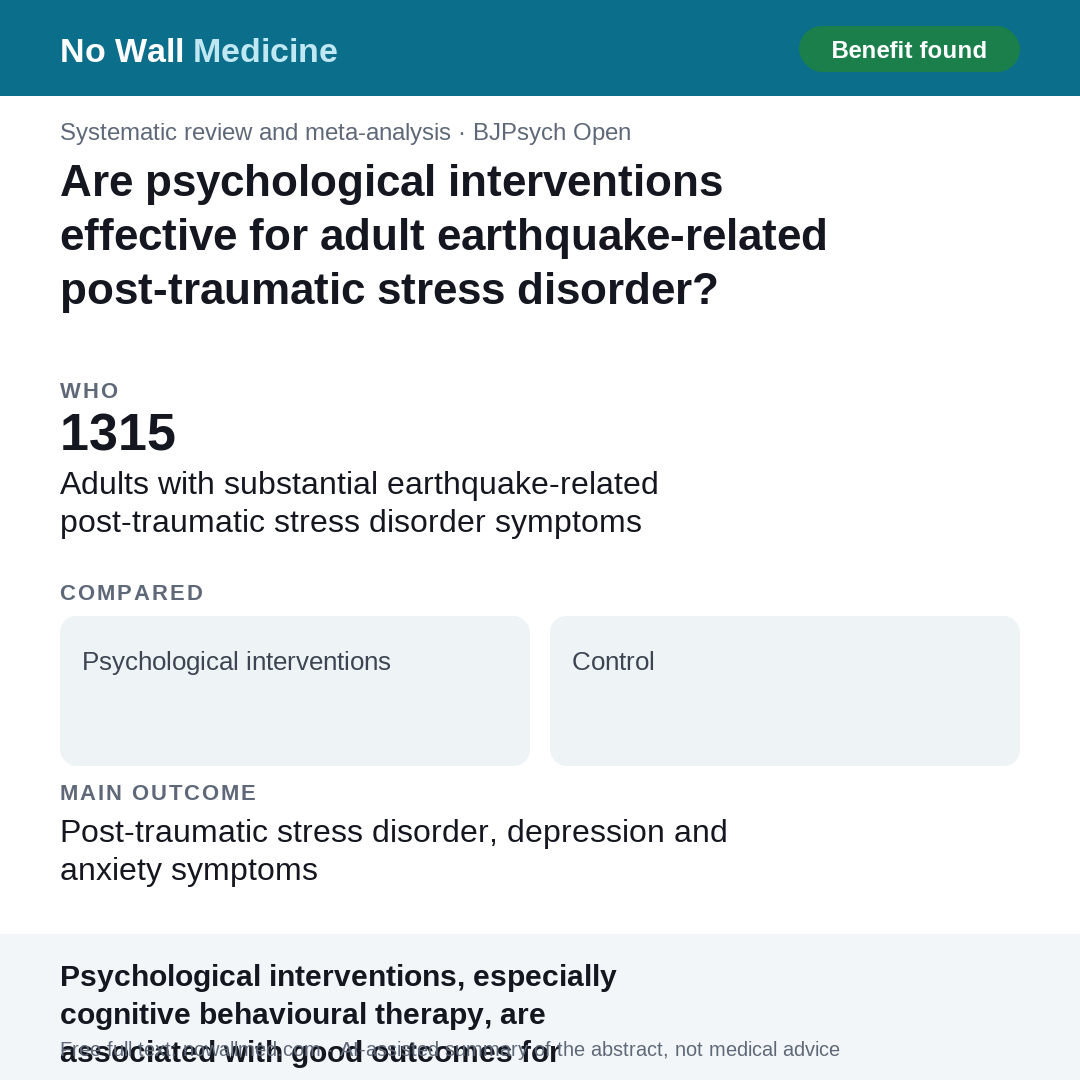
Psychological interventions for adult earthquake-related post-traumatic stress disorder: systematic review and meta-analysis
Systematic review and meta-analysisBenefit found
Are psychological interventions effective for adult earthquake-related post-traumatic stress disorder?
Who
1315
Adults with substantial earthquake-related post-traumatic stress disorder symptoms
Compared
Psychological interventions
Control
Main outcome
Post-traumatic stress disorder, depression and anxiety symptoms
Result: overall effect size 2.11 (95% CI = 0.92, 3.31) for PTSD symptoms
Bottom line: Psychological interventions, especially cognitive behavioural therapy, are associated with good outcomes for earthquake-related post-traumatic stress disorder.
BJPsych Open · 2025-06-05Download image
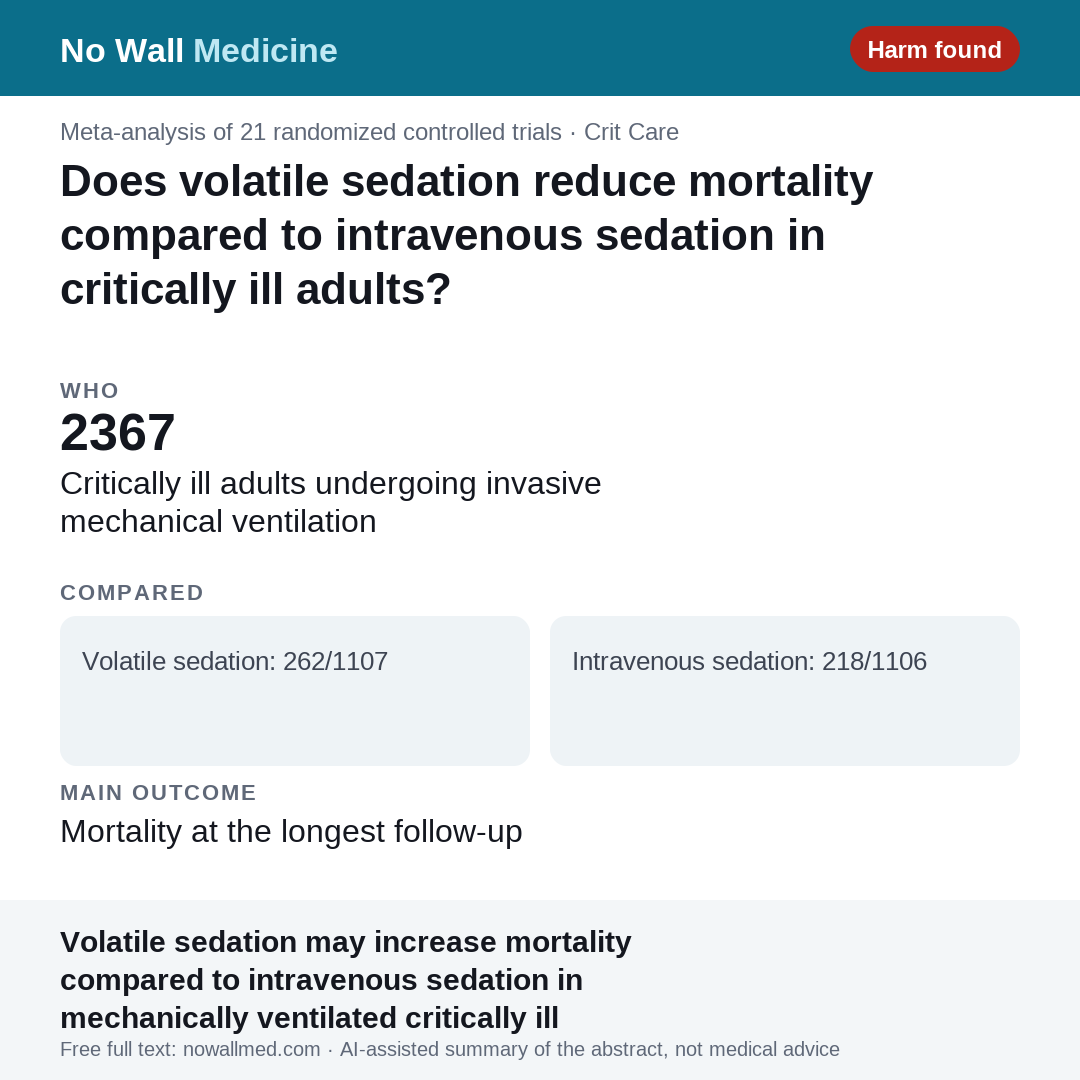
Volatile sedation in critically ill adults undergoing mechanical ventilation: a meta-analysis of randomized controlled trials
Meta-analysis of 21 randomized controlled trialsHarm found
Does volatile sedation reduce mortality compared to intravenous sedation in critically ill adults?
Who
2367
Critically ill adults undergoing invasive mechanical ventilation
Compared
Volatile sedation: 262/1107
Intravenous sedation: 218/1106
Main outcome
Mortality at the longest follow-up
Result: relative risk 1.17 (95% confidence interval, 1.02 to 1.35)
Bottom line: Volatile sedation may increase mortality compared to intravenous sedation in mechanically ventilated critically ill adults.
Limitation: Trial sequential analysis suggested a lack of definitive conclusion due to insufficient sample size.
Crit Care · 2025-06-05Download image
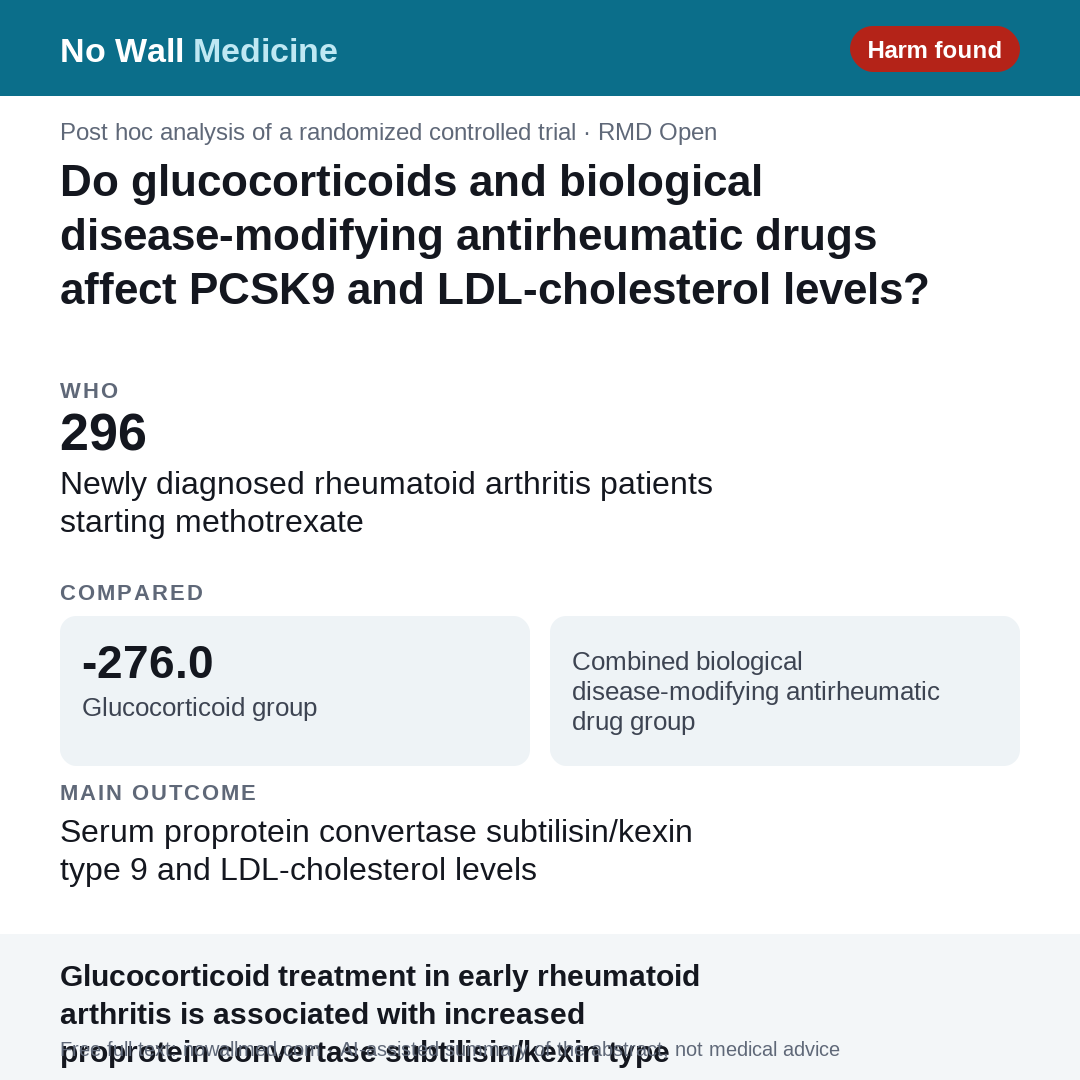
Glucocorticoid treatment in early rheumatoid arthritis is independently associated with increased PCSK9 levels: data from a randomised controlled trial
Post hoc analysis of a randomized controlled trialHarm found
Do glucocorticoids and biological disease-modifying antirheumatic drugs affect PCSK9 and LDL-cholesterol levels?
Who
296
Newly diagnosed rheumatoid arthritis patients starting methotrexate
Compared
-276.0Glucocorticoid group (95% CI -468.2 to -83.9)
Combined biological disease-modifying antirheumatic drug group
Main outcome
Serum proprotein convertase subtilisin/kexin type 9 and LDL-cholesterol levels
Result: -276.0 (95% CI -468.2 to -83.9)
Bottom line: Glucocorticoid treatment in early rheumatoid arthritis is associated with increased proprotein convertase subtilisin/kexin type 9 levels.
Funded by: Inger Bendix Foundation for Medical Research
RMD Open · 2025-06-05Download image
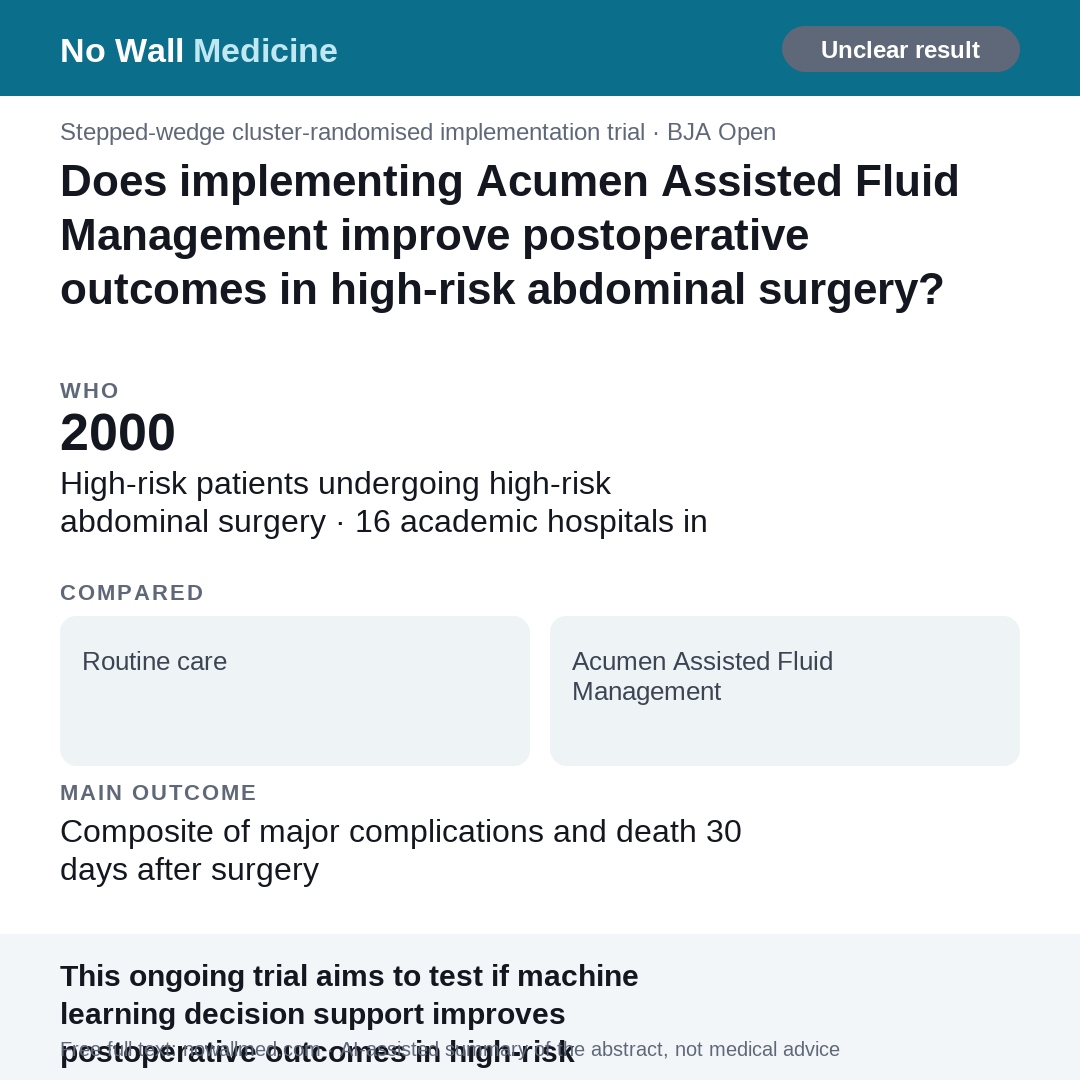
Investigating the effectiveness of an intraoperative decision support guided fluid therapy intervention on postoperative outcome of high-risk patients undergoing high-risk abdominal surgery: protocol for an international multicentre stepped-wedge cluster-randomised implementation trial
Stepped-wedge cluster-randomised implementation trialUnclear result
Does implementing Acumen Assisted Fluid Management improve postoperative outcomes in high-risk abdominal surgery?
Who
2000
High-risk patients undergoing high-risk abdominal surgery · 16 academic hospitals in France, Belgium, Canada, and the USA
Compared
Routine care
Acumen Assisted Fluid Management
Main outcome
Composite of major complications and death 30 days after surgery
Bottom line: This ongoing trial aims to test if machine learning decision support improves postoperative outcomes in high-risk abdominal surgery.
BJA Open · 2025-06-05Download image
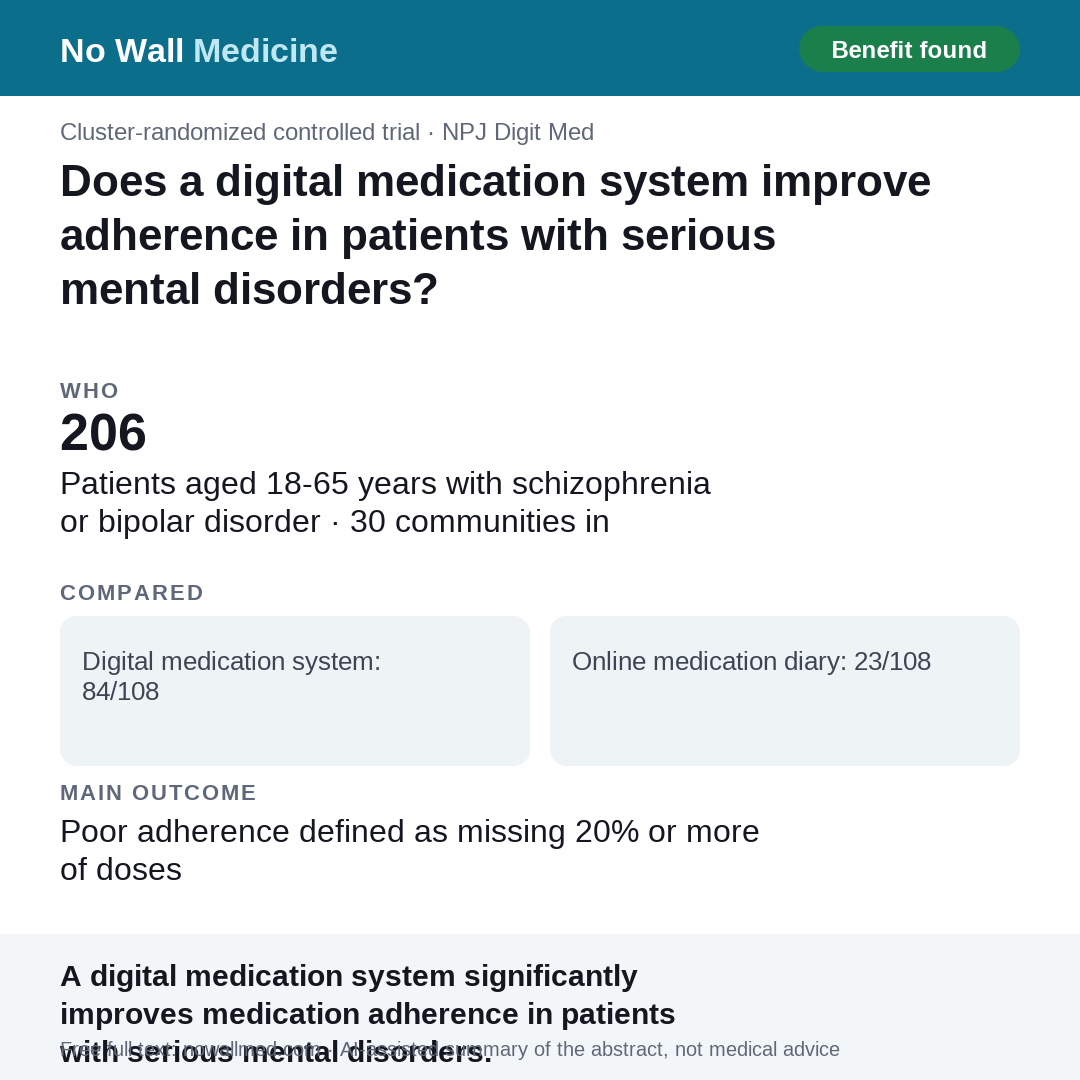
Randomized clinical trial of a digital medication system to enhance adherence in patients with severe mental disorders
Cluster-randomized controlled trialBenefit found
Does a digital medication system improve adherence in patients with serious mental disorders?
Who
206
Patients aged 18-65 years with schizophrenia or bipolar disorder · 30 communities in Beijing
Compared
Digital medication system: 84/108
Online medication diary: 23/108
Main outcome
Poor adherence defined as missing 20% or more of doses
Result: adjusted risk difference 52.34% (95% CI 34.65%-70.03%)
Bottom line: A digital medication system significantly improves medication adherence in patients with serious mental disorders.
NPJ Digit Med · 2025-06-05Download image
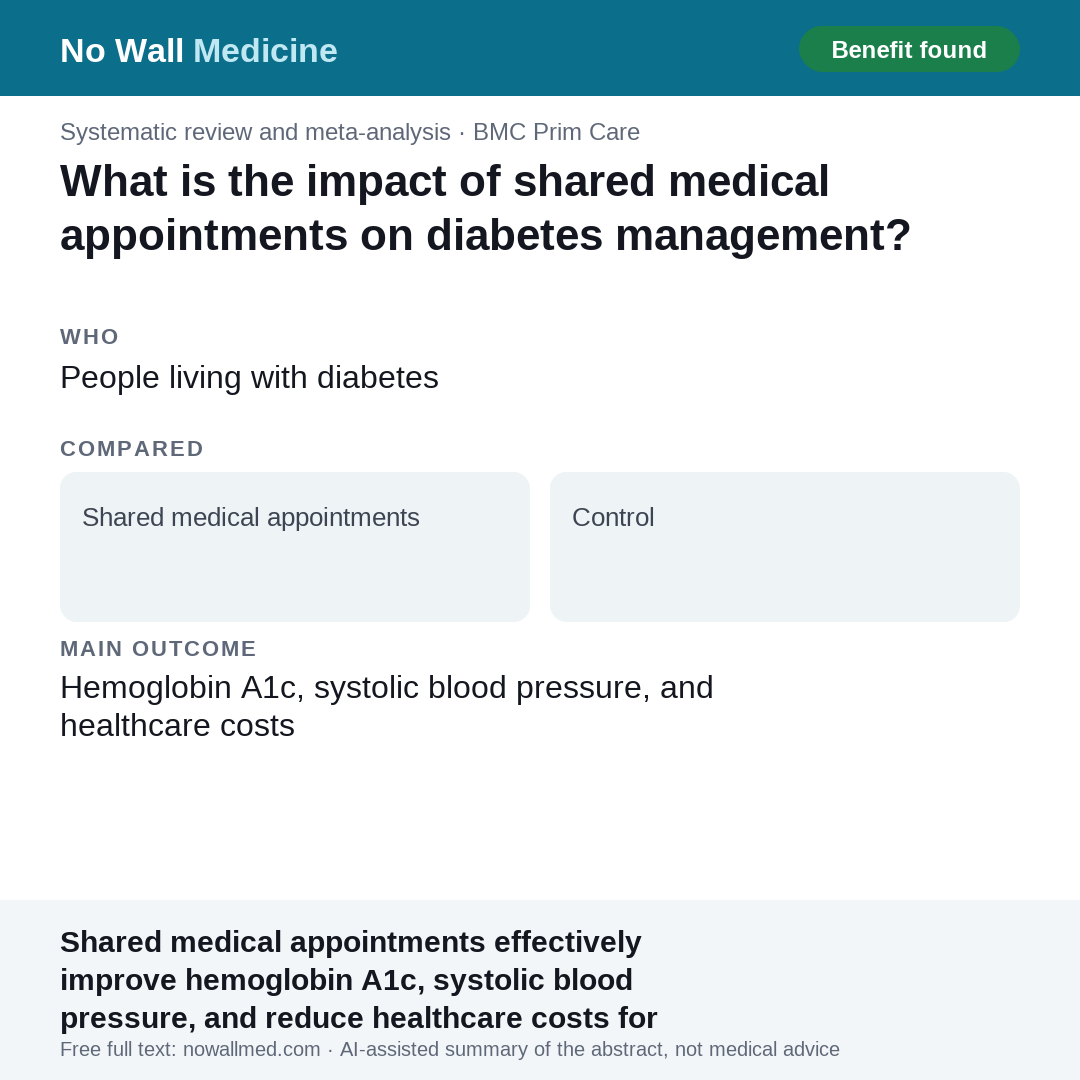
Using the RE-AIM framework to evaluate the impact of shared medical appointments for diabetes mellitus: a systematic review and meta-analysis
Systematic review and meta-analysisBenefit found
What is the impact of shared medical appointments on diabetes management?
Who
People living with diabetes
Compared
Shared medical appointments
Control
Main outcome
Hemoglobin A1c, systolic blood pressure, and healthcare costs
Bottom line: Shared medical appointments effectively improve hemoglobin A1c, systolic blood pressure, and reduce healthcare costs for people living with diabetes.
Limitation: Most studies reported effectiveness well, while other RE-AIM dimensions were poorly reported.
BMC Prim Care · 2025-06-05Download image
Outcome measures of instrumented gait analysis in hereditary spastic paraplegia: a systematic review
Systematic reviewMixed results
What are the outcome measures of instrumented gait analysis in hereditary spastic paraplegia?
Who
Patients with hereditary spastic paraplegia
Compared
General parameters: walking speed and range-of-motion knee
Disease-specific parameters: foot lift, range-of-motion foot, and gait variability
Main outcome
Instrumented gait analysis outcome measures
Bottom line: Walking speed and knee range-of-motion are general, while foot lift and gait variability are promising disease-specific parameters.
Limitation: Need for better longitudinal multicenter studies with larger sample sizes.
J Neuroeng Rehabil · 2025-06-05Download image

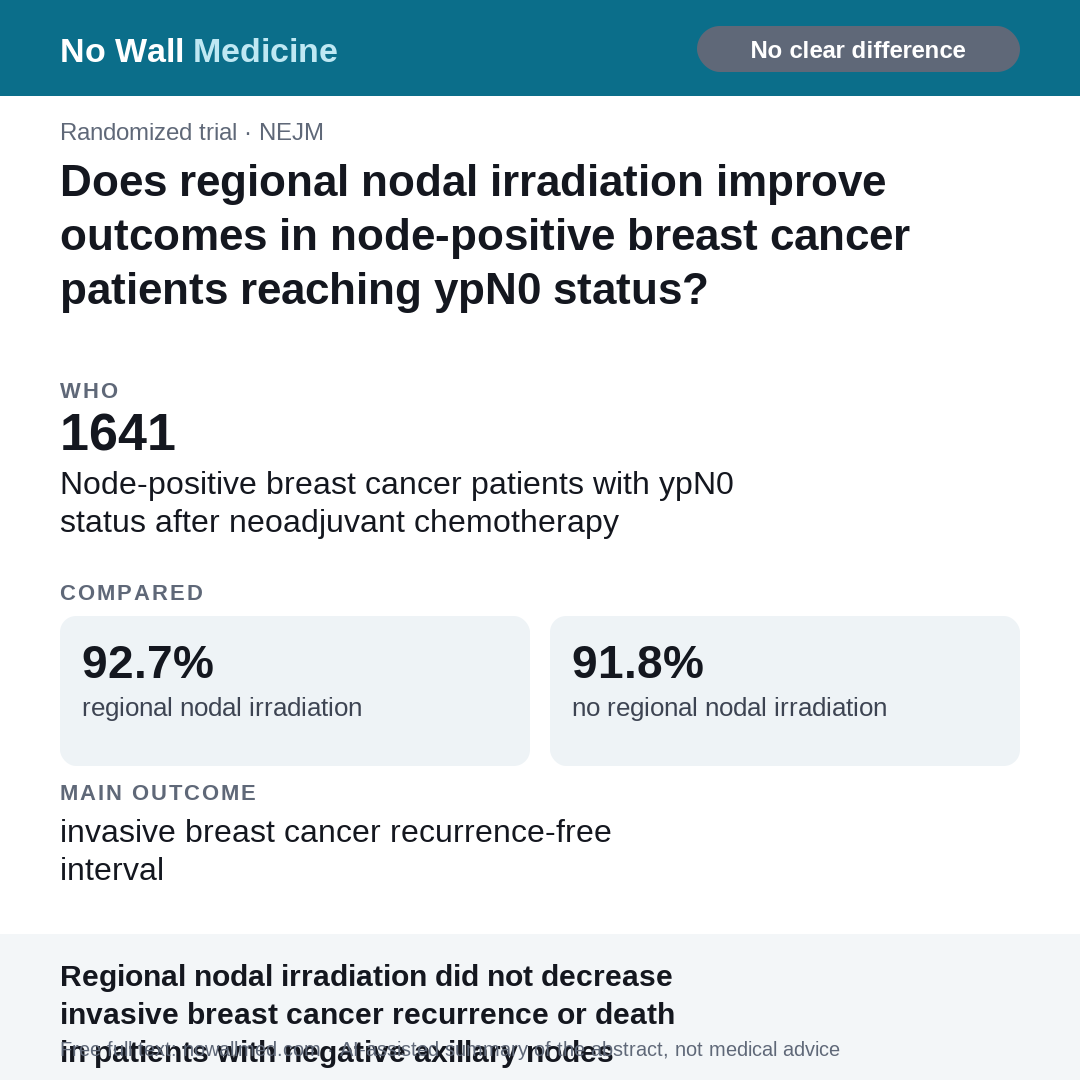
Omitting Regional Nodal Irradiation after Response to Neoadjuvant Chemotherapy
Randomized trialNo clear difference
Does regional nodal irradiation improve outcomes in node-positive breast cancer patients reaching ypN0 status?
Who
1641
Node-positive breast cancer patients with ypN0 status after neoadjuvant chemotherapy
Compared
92.7%regional nodal irradiation
91.8%no regional nodal irradiation
Main outcome
invasive breast cancer recurrence-free interval
Result: hazard ratio 0.88 (95% confidence interval 0.60 to 1.28)
Bottom line: Regional nodal irradiation did not decrease invasive breast cancer recurrence or death in patients with negative axillary nodes after chemotherapy.
Funded by: National Institutes of Health
NEJM · 2025-06-04Download image
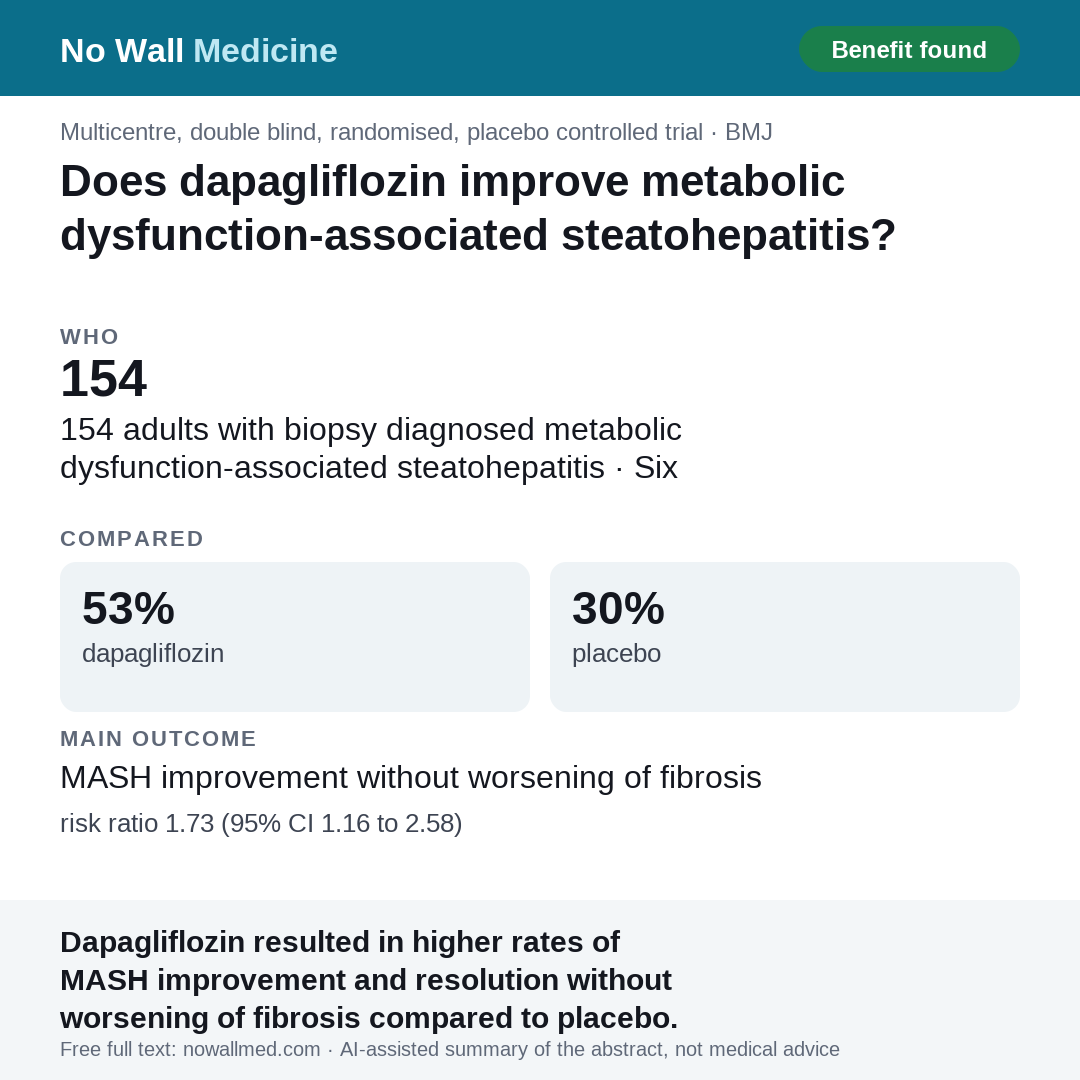
Effect of dapagliflozin on metabolic dysfunction-associated steatohepatitis: multicentre, double blind, randomised, placebo controlled trial
Multicentre, double blind, randomised, placebo controlled trialBenefit found
Does dapagliflozin improve metabolic dysfunction-associated steatohepatitis?
Who
154
154 adults with biopsy diagnosed metabolic dysfunction-associated steatohepatitis · Six tertiary hospitals in China
Compared
53%dapagliflozin (41/78)
30%placebo (23/76)
Main outcome
MASH improvement without worsening of fibrosis
Result: risk ratio 1.73 (95% CI 1.16 to 2.58)
Bottom line: Dapagliflozin resulted in higher rates of MASH improvement and resolution without worsening of fibrosis compared to placebo.
BMJ · 2025-06-04Download image
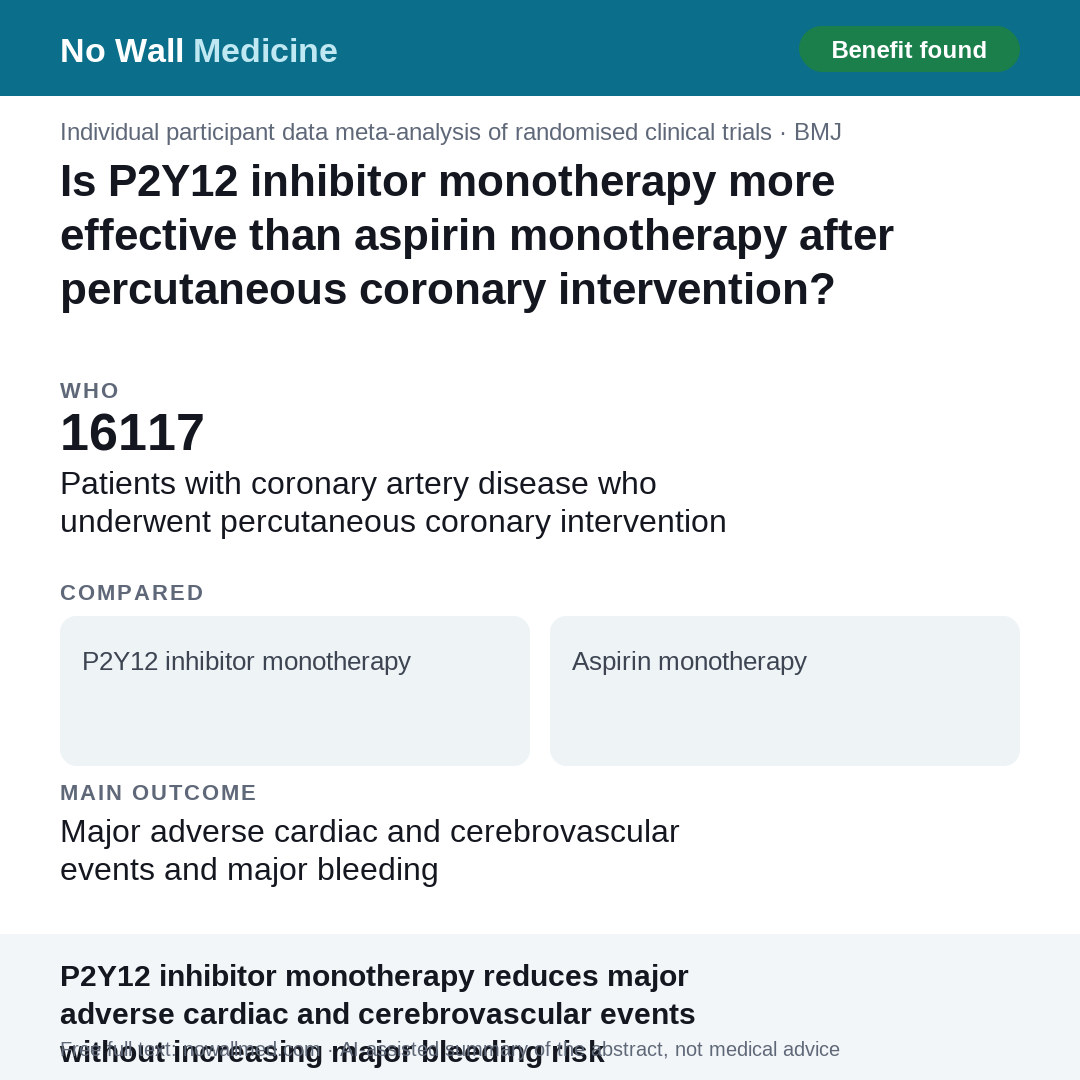
P2Y12 inhibitor or aspirin after percutaneous coronary intervention: individual patient data meta-analysis of randomised clinical trials
Individual participant data meta-analysis of randomised clinical trialsBenefit found
Is P2Y12 inhibitor monotherapy more effective than aspirin monotherapy after percutaneous coronary intervention?
Who
16117
Patients with coronary artery disease who underwent percutaneous coronary intervention
Compared
P2Y12 inhibitor monotherapy
Aspirin monotherapy
Main outcome
Major adverse cardiac and cerebrovascular events and major bleeding
Result: hazard ratio 0.77 (95% CI 0.67 to 0.89)
Bottom line: P2Y12 inhibitor monotherapy reduces major adverse cardiac and cerebrovascular events without increasing major bleeding risk compared to aspirin.
BMJ · 2025-06-04Download image
Impact of multifaceted health education on influenza vaccination health literacy in primary school students: a cluster randomized controlled trial
Cluster randomized controlled trialBenefit found
Does multifaceted health education impact influenza vaccination rates and health literacy in primary school students?
Who
3463
Fourth- and fifth-grade students · 20 primary schools in Dongguan, China
Compared
Intervention group: 173 [10.9%]
Control group: 130 [7.4%]
Main outcome
Influenza vaccination rate
Result: adjusted risk ratios 1.54 (95% CI 1.23-1.93)
Bottom line: Multifaceted health education significantly enhanced influenza vaccination uptake in primary school students, though the increase was modest.
Limitation: The increase in vaccination uptake was modest.
BMC Med · 2025-06-04Download image

Safety, Tolerability, and Immunogenicity of mRNA-1345 in Adults at Increased Risk for Respiratory Syncytial Virus Disease Aged 18-59 Years
Randomized, double-blind phase 3 trialBenefit found
Is mRNA-1345 safe and immunogenic in adults aged 18-59 at increased RSV risk?
Who
999
Adults aged 18-59 years at increased risk for respiratory syncytial virus
Compared
50-µg dose: RSV-A GMT ratio (GMR), 1.2 (95% CI, 1.1-1.3)
30-µg dose
Main outcome
Safety, tolerability, and neutralizing antibody geometric mean titers
Result: RSV-A GMT ratio (GMR), 1.2 (95% CI, 1.1-1.3)
Bottom line: A 50-µg dose of mRNA-1345 was well tolerated and elicited noninferior antibody responses in adults aged 18-59 years.
Clin Infect Dis · 2025-06-04Download image

Optimal Head-of-Bed Positioning Before Thrombectomy in Large Vessel Occlusion Stroke: A Randomized Clinical Trial
Prospective randomized clinical trialBenefit found
Is 0° head positioning superior to 30° head positioning for maintaining clinical stability?
Who
92
Patients with large vessel occlusion stroke candidates for thrombectomy · Certified thrombectomy hospitals in the US
Compared
0° head positioning: score stability
30° head positioning: worsening on the NIHSS of 2 points or more
Main outcome
Worsening of 2 or more National Institutes of Health Stroke Scale points
Result: hazard ratio 34.40 (95% CI 4.65-254.37)
Bottom line: Zero degree head positioning maintains clinical stability better than 30 degree positioning before thrombectomy in large vessel occlusion stroke.
Limitation: Patients with disabilities lacking a legal representative could not participate.
JAMA Neurol · 2025-06-04Download image

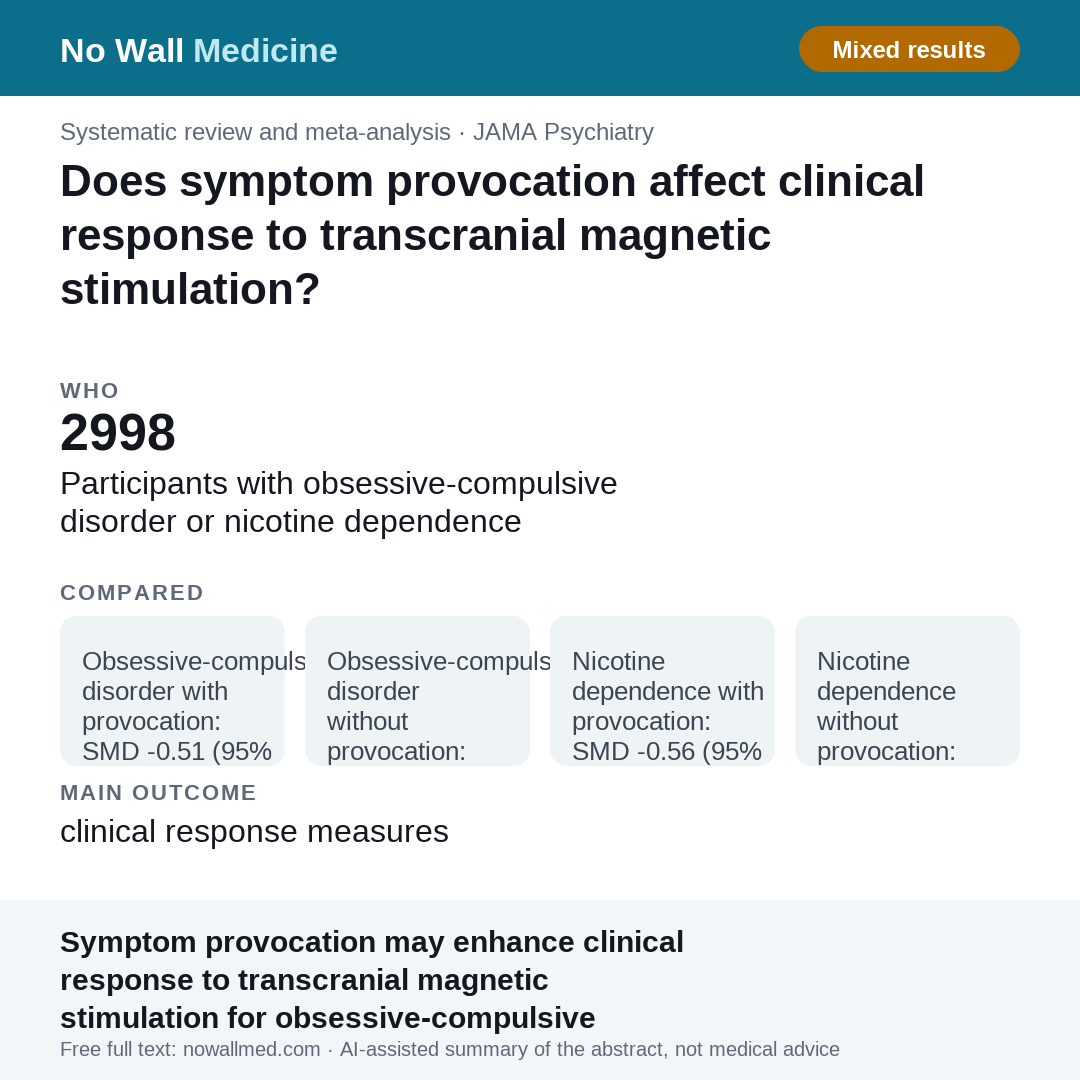
Symptom Provocation and Clinical Response to Transcranial Magnetic Stimulation: A Systematic Review and Meta-Analysis
Systematic review and meta-analysisMixed results
Does symptom provocation affect clinical response to transcranial magnetic stimulation?
Who
2998
Participants with obsessive-compulsive disorder or nicotine dependence
Compared
Obsessive-compulsive disorder with provocation: SMD -0.51 (95% CI, -0.96 to -0.07)
Obsessive-compulsive disorder without provocation: SMD -0.29 (95% CI, -0.40 to -0.17)
Nicotine dependence with provocation: SMD -0.56 (95% CI, -1.12 to 0)
Nicotine dependence without provocation: SMD -0.35 (95% CI, -0.74 to 0.04)
Main outcome
clinical response measures
Bottom line: Symptom provocation may enhance clinical response to transcranial magnetic stimulation for obsessive-compulsive disorder and nicotine dependence.
Limitation: Studies comparing TMS with and without provocation are critical to establish the causal effect of provocation.
JAMA Psychiatry · 2025-06-04Download image
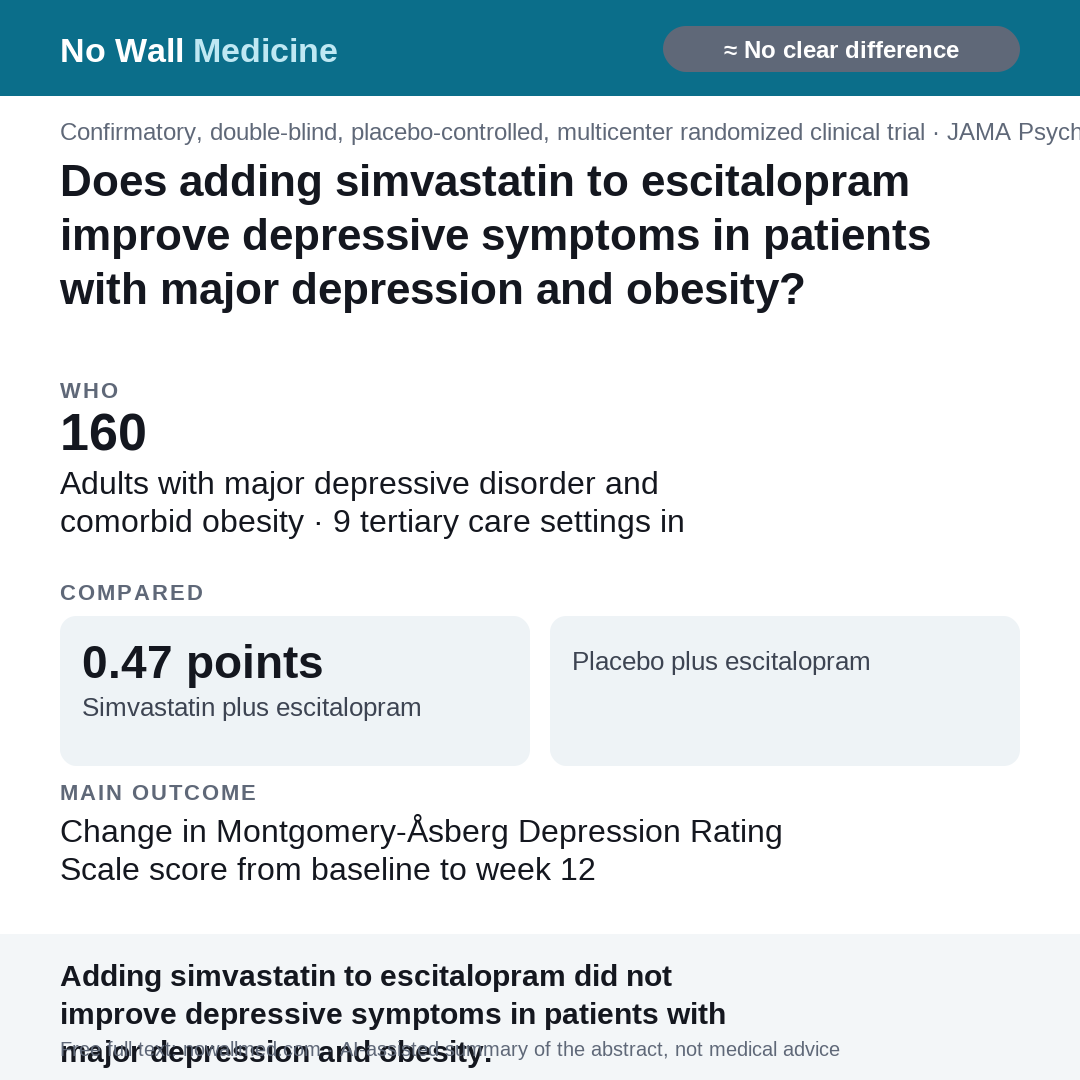
Simvastatin as Add-On Treatment to Escitalopram in Patients With Major Depression and Obesity: A Randomized Clinical Trial
Confirmatory, double-blind, placebo-controlled, multicenter randomized clinical trialNo clear difference
Does adding simvastatin to escitalopram improve depressive symptoms in patients with major depression and obesity?
Who
160
Adults with major depressive disorder and comorbid obesity · 9 tertiary care settings in Germany
Compared
0.47 pointsSimvastatin plus escitalopram
Placebo plus escitalopram
Main outcome
Change in Montgomery-Åsberg Depression Rating Scale score from baseline to week 12
Result: least squares mean difference, 0.47 points; 95% CI, -2.08 to 3.02
Bottom line: Adding simvastatin to escitalopram did not improve depressive symptoms in patients with major depression and obesity.
JAMA Psychiatry · 2025-06-04Download image
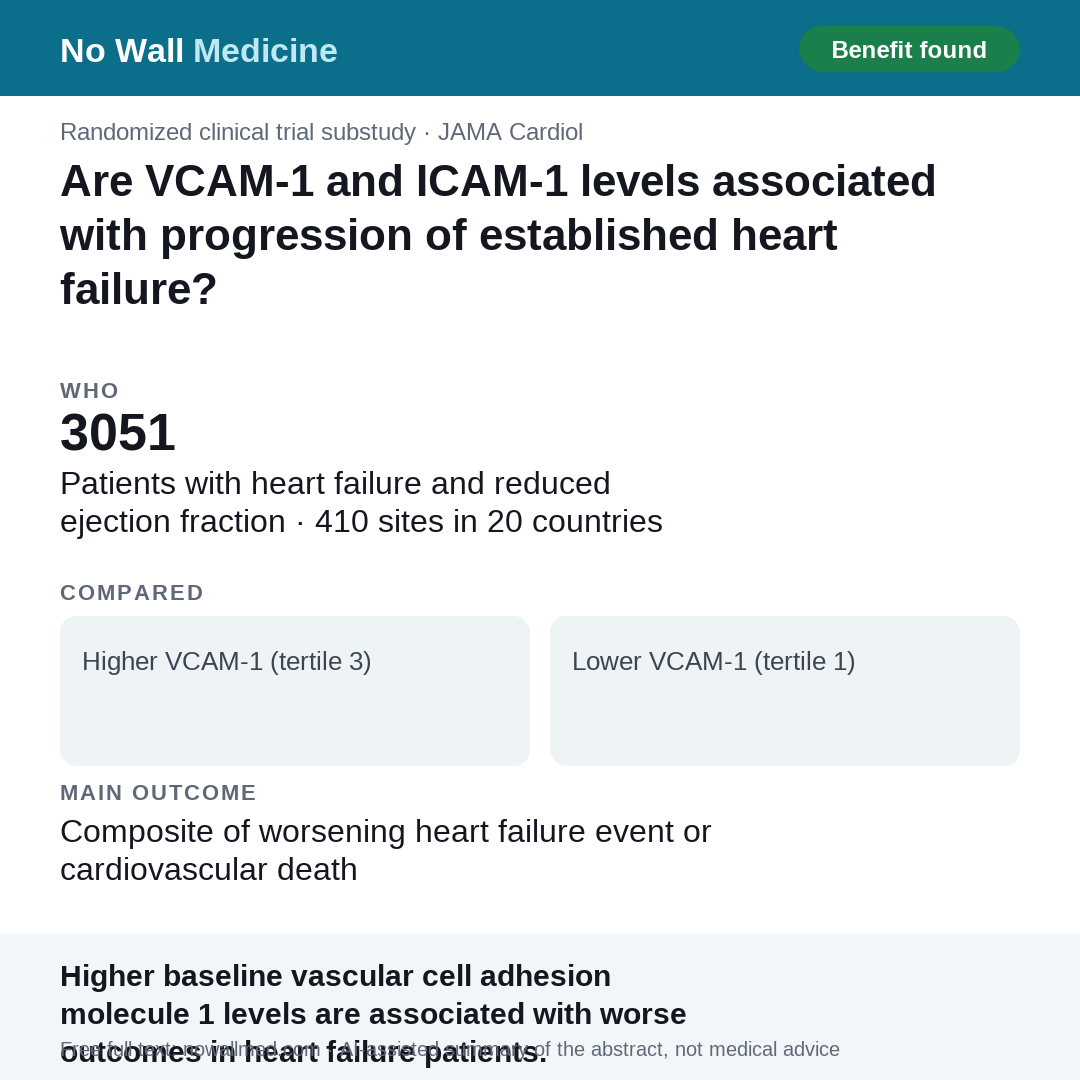
Cellular Adhesion Molecules and Adverse Outcomes in Chronic Heart Failure: Findings From the DAPA-HF Randomized Clinical Trial
Randomized clinical trial substudyBenefit found
Are VCAM-1 and ICAM-1 levels associated with progression of established heart failure?
Who
3051
Patients with heart failure and reduced ejection fraction · 410 sites in 20 countries
Compared
Higher VCAM-1 (tertile 3)
Lower VCAM-1 (tertile 1)
Main outcome
Composite of worsening heart failure event or cardiovascular death
Result: hazard ratio 1.40 (95% CI 1.11-1.77)
Bottom line: Higher baseline vascular cell adhesion molecule 1 levels are associated with worse outcomes in heart failure patients.
JAMA Cardiol · 2025-06-04Download image
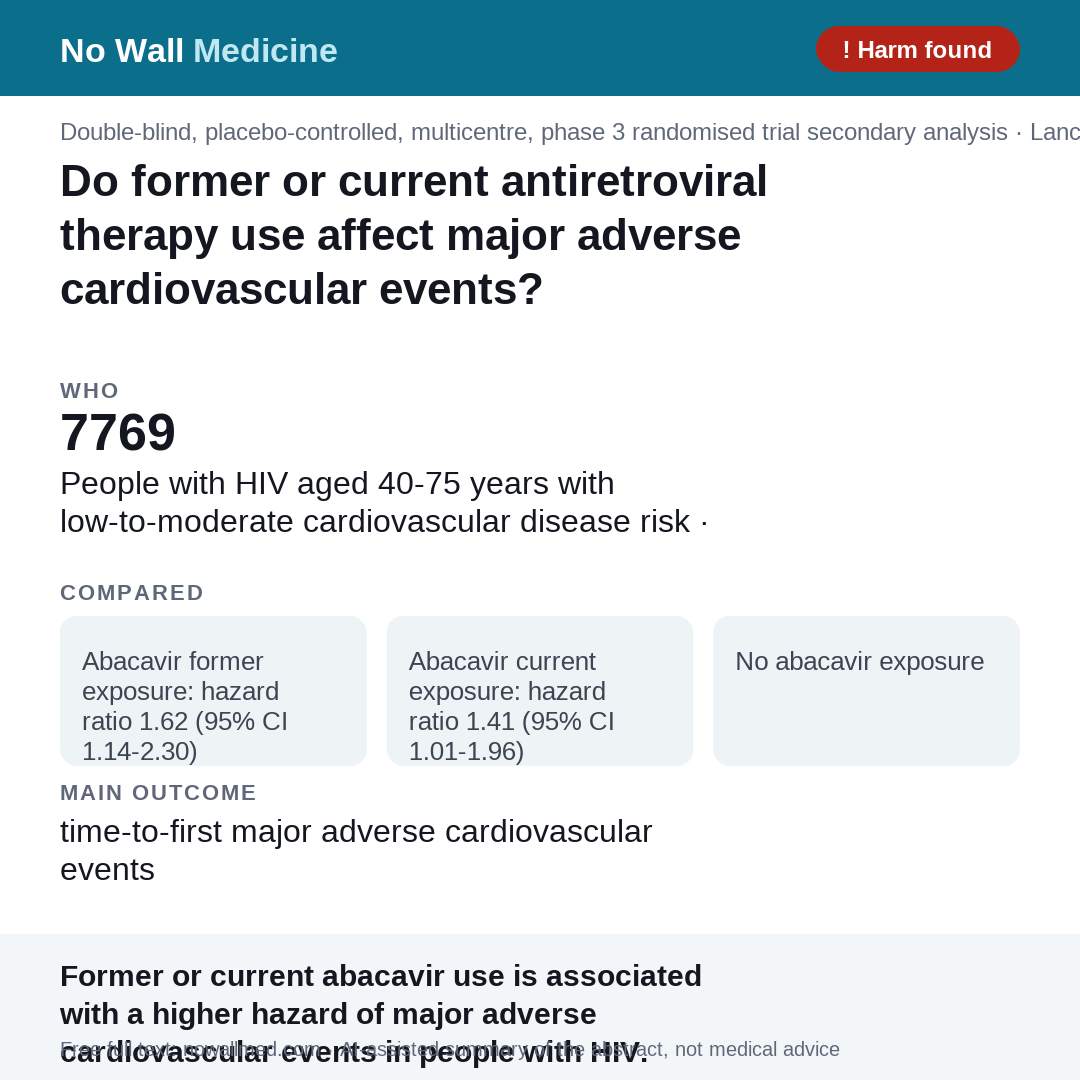
Effects of antiretrovirals on major adverse cardiovascular events in the REPRIEVE trial: a longitudinal cohort analysis
Double-blind, placebo-controlled, multicentre, phase 3 randomised trial secondary analysisHarm found
Do former or current antiretroviral therapy use affect major adverse cardiovascular events?
Who
7769
People with HIV aged 40-75 years with low-to-moderate cardiovascular disease risk · 137 sites in 12 countries
Compared
Abacavir former exposure: hazard ratio 1.62 (95% CI 1.14-2.30)
Abacavir current exposure: hazard ratio 1.41 (95% CI 1.01-1.96)
No abacavir exposure
Main outcome
time-to-first major adverse cardiovascular events
Result: hazard ratio 1.62 (95% CI 1.14-2.30) for former abacavir exposure
Bottom line: Former or current abacavir use is associated with a higher hazard of major adverse cardiovascular events in people with HIV.
Funded by: National Institutes of Health, Kowa Pharmaceuticals America, Gilead Sciences, and ViiV Healthcare
Lancet HIV · 2025-06-04Download image
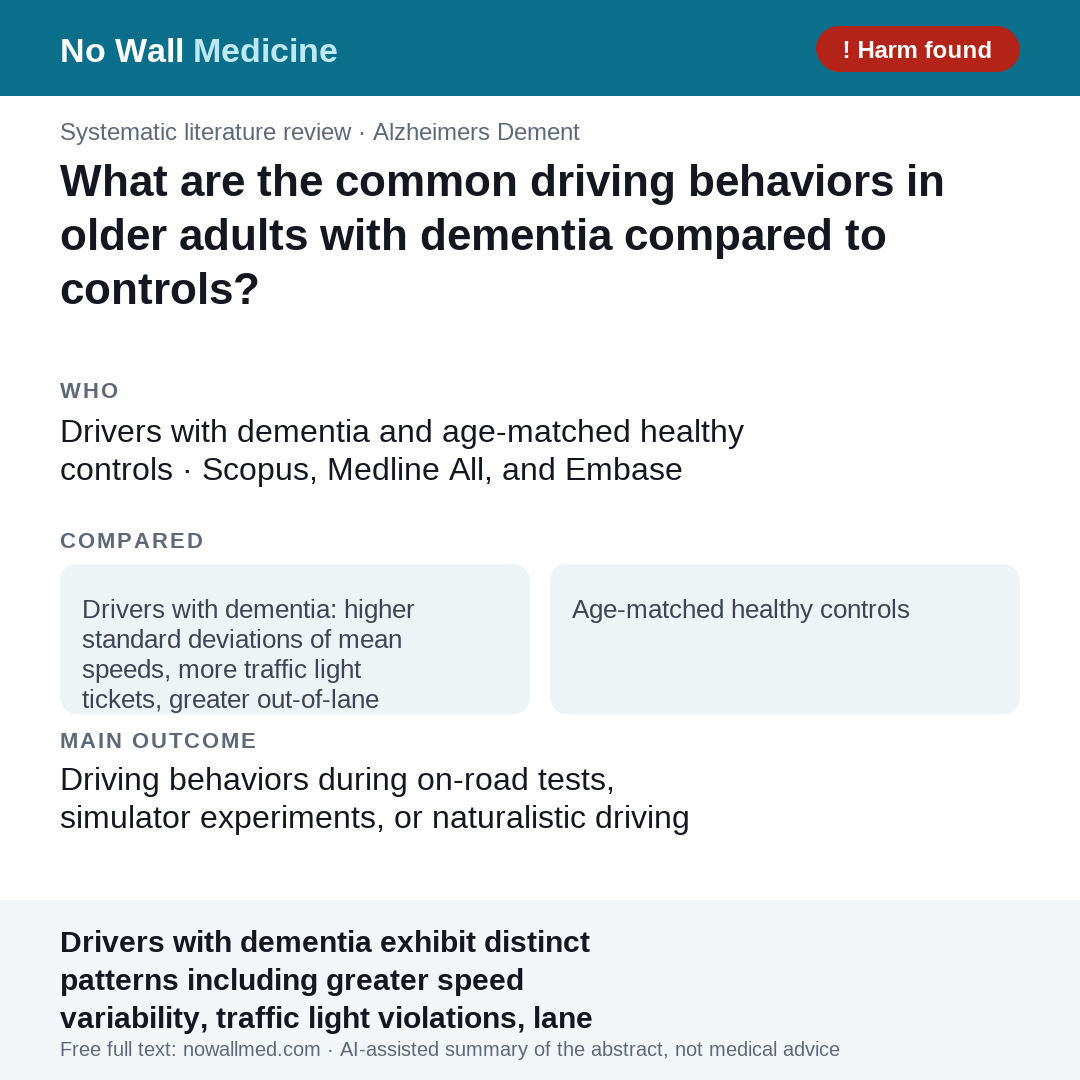
Common driving behaviors in older adults with dementia: Insights from a systematic literature review
Systematic literature reviewHarm found
What are the common driving behaviors in older adults with dementia compared to controls?
Who
26
Drivers with dementia and age-matched healthy controls · Scopus, Medline All, and Embase databases
Compared
Drivers with dementia: higher standard deviations of mean speeds, more traffic light tickets, greater out-of-lane drifting, and increased variability in mean headway distance
Age-matched healthy controls
Main outcome
Driving behaviors during on-road tests, simulator experiments, or naturalistic driving
Bottom line: Drivers with dementia exhibit distinct patterns including greater speed variability, traffic light violations, lane drifting, and headway distance variability.
Limitation: Small samples, lack of confounding factors, non-validated settings, and simulator studies may not reflect real-world conditions.
Alzheimers Dement · 2025-06-04Download image
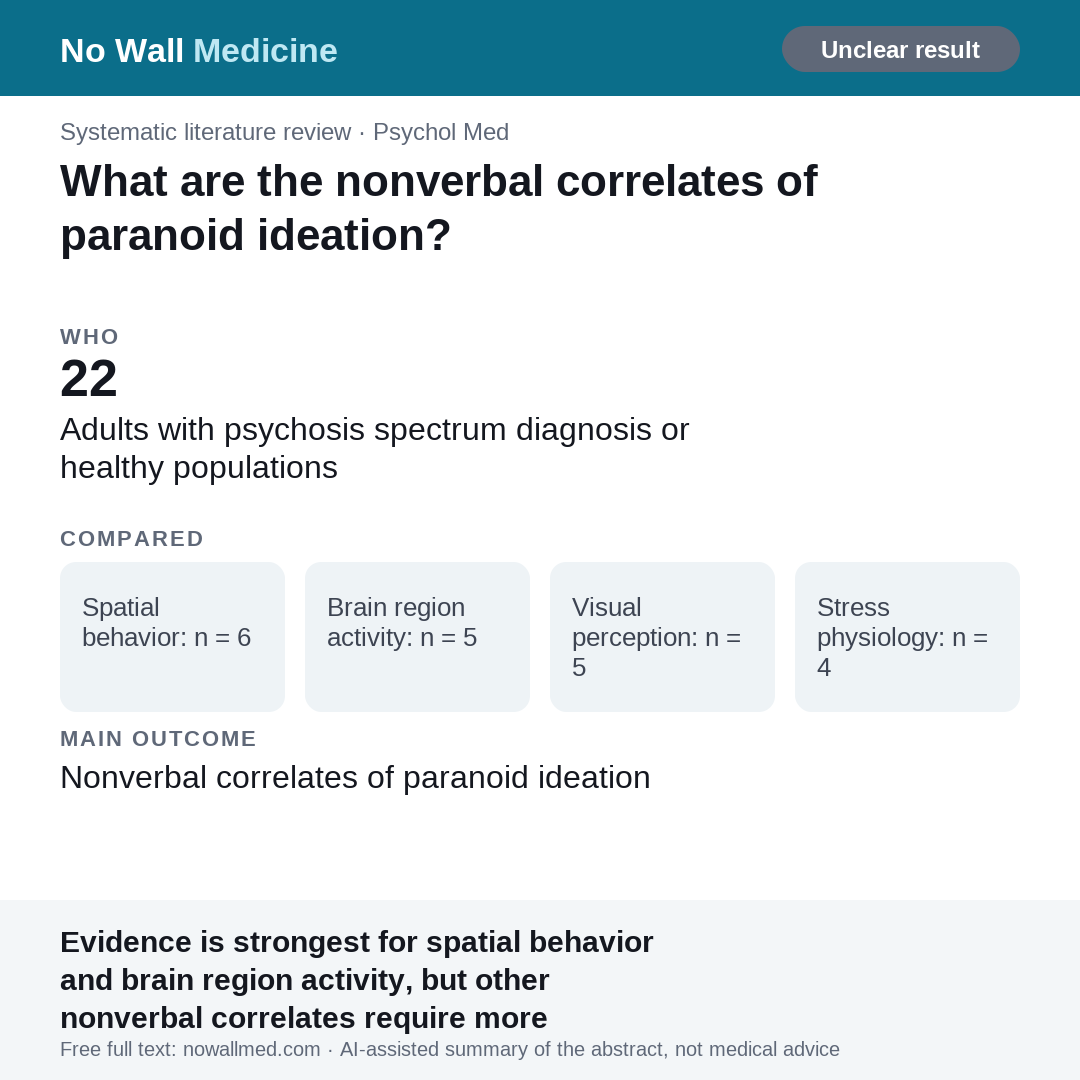
Nonverbal correlates of paranoid ideation - a systematic literature review
Systematic literature reviewUnclear result
What are the nonverbal correlates of paranoid ideation?
Who
22
Adults with psychosis spectrum diagnosis or healthy populations
Compared
Spatial behavior: n = 6
Brain region activity: n = 5
Visual perception: n = 5
Stress physiology: n = 4
Main outcome
Nonverbal correlates of paranoid ideation
Bottom line: Evidence is strongest for spatial behavior and brain region activity, but other nonverbal correlates require more investigation.
Psychol Med · 2025-06-04Download image