Visual abstracts
New randomized trials and meta-analyses from leading journals at a glance: who was studied, what was compared, and what was found. Every paper is free to read in full.
All specialtiesCardiology 1417Oncology 1252Gastroenterology & Hepatology 515Infectious Disease 914Neurology 583Psychiatry & Mental Health 706Pulmonology 613Critical Care 414Endocrinology & Diabetes 778Pediatrics 842Surgery 677Orthopedics & Sports Medicine 269Neurosurgery 189Cardiothoracic & Vascular Surgery 158Plastic & Reconstructive Surgery 226Nephrology 301Rheumatology 189Hematology 297Dermatology 150Ophthalmology 159Obstetrics & Gynecology 449Public & Global Health 273Radiology & Imaging 179Anesthesiology 276Urology 265ENT (Otolaryngology) 193Emergency Medicine 157Allergy & Immunology 92Geriatrics 296Family Medicine & Primary Care 175Medical Genetics & Genomics 151Pathology & Laboratory Medicine 43Physical Medicine & Rehabilitation 248Palliative Care 127Nutrition 372Digital Health & AI 743General Medicine 123
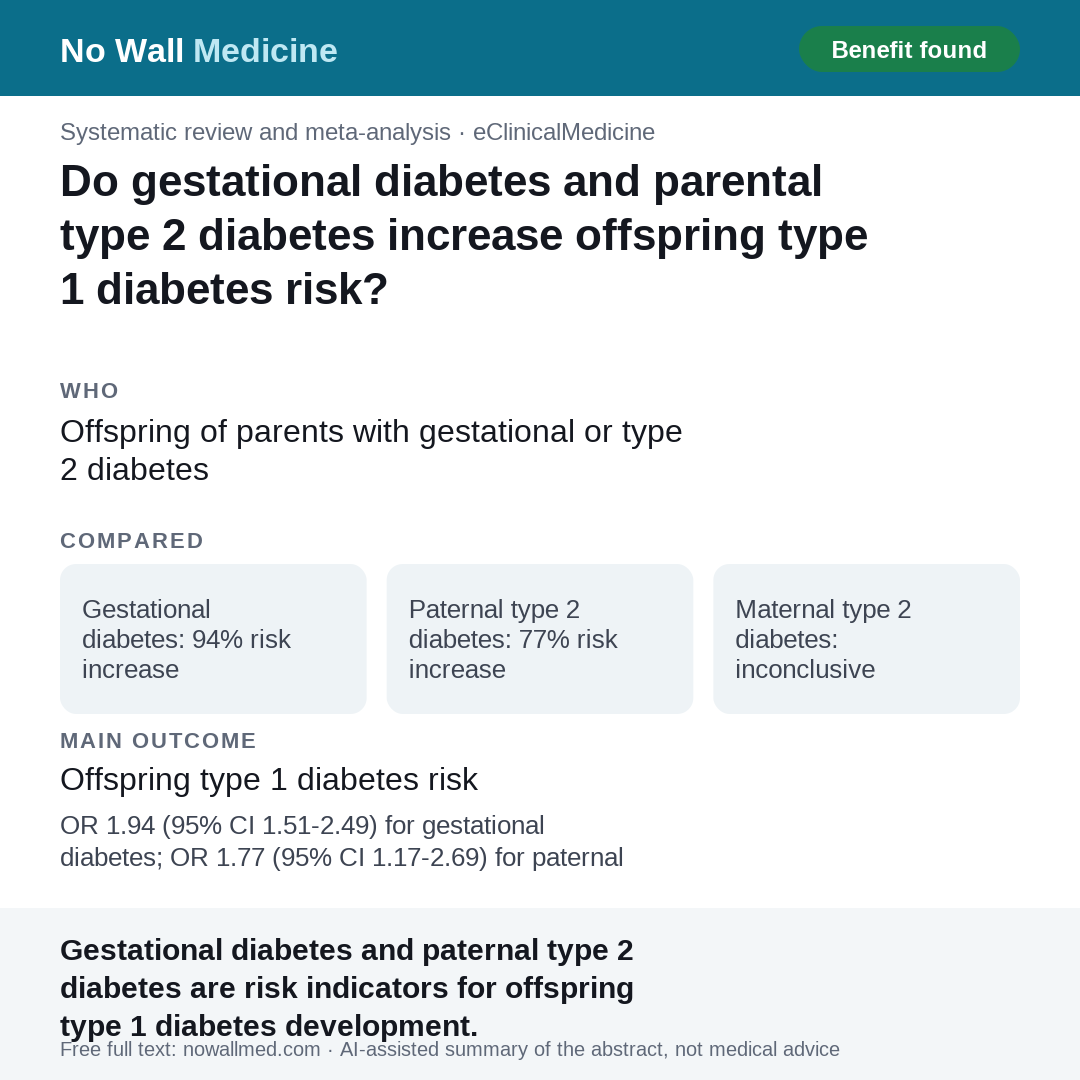
Gestational diabetes and parental type 2 diabetes as risk indicators for type 1 diabetes in offspring: a systematic review and meta-analysis
Systematic review and meta-analysisBenefit found
Do gestational diabetes and parental type 2 diabetes increase offspring type 1 diabetes risk?
Who
Offspring of parents with gestational or type 2 diabetes
Compared
Gestational diabetes: 94% risk increase
Paternal type 2 diabetes: 77% risk increase
Maternal type 2 diabetes: inconclusive
Main outcome
Offspring type 1 diabetes risk
Result: OR 1.94 (95% CI 1.51-2.49) for gestational diabetes; OR 1.77 (95% CI 1.17-2.69) for paternal type 2 diabetes
Bottom line: Gestational diabetes and paternal type 2 diabetes are risk indicators for offspring type 1 diabetes development.
eClinicalMedicine · 2025-07-04Download image
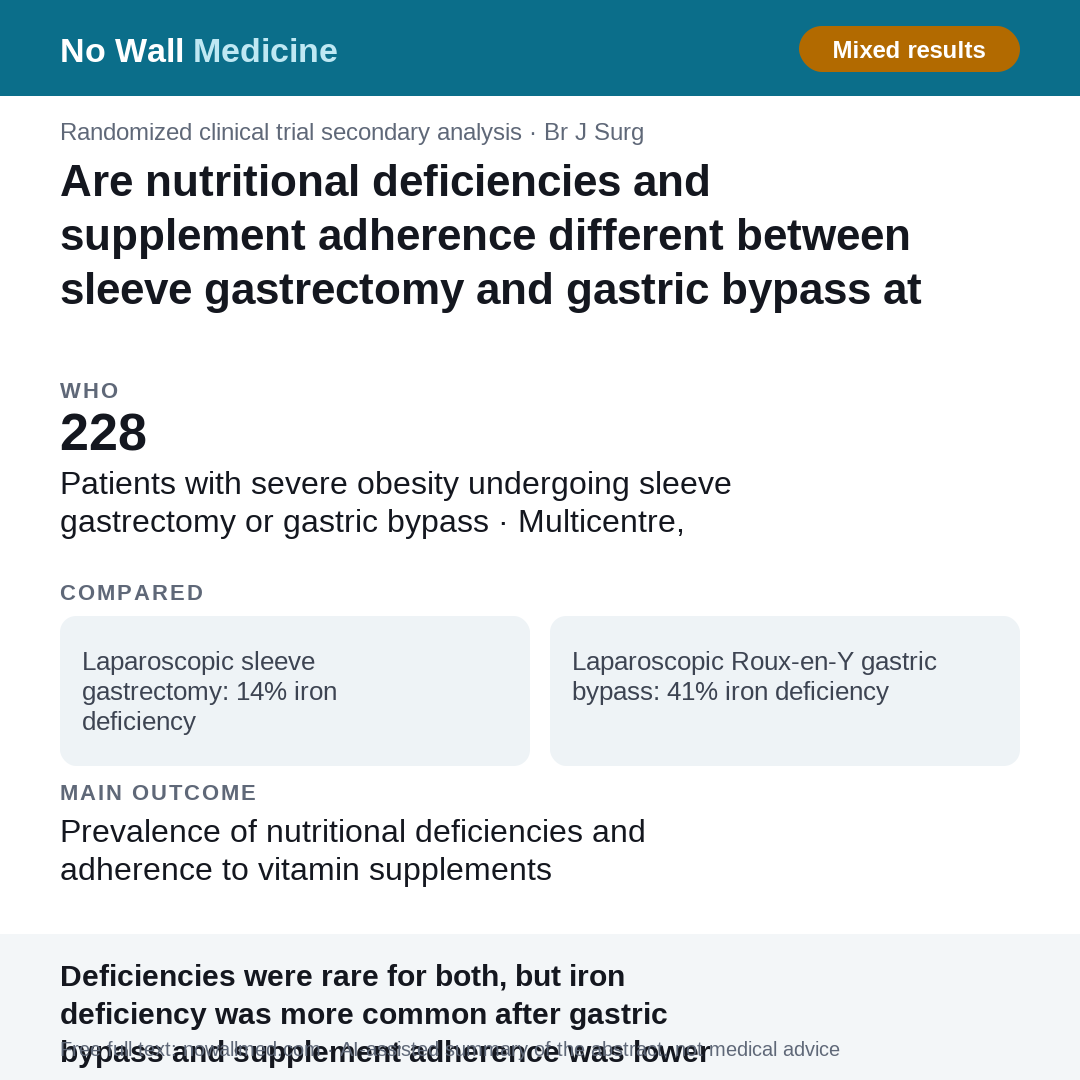
Nutritional deficiencies after sleeve gastrectomy and Roux-en-Y gastric bypass at 10 years: secondary analysis of the SLEEVEPASS randomized clinical trial
Randomized clinical trial secondary analysisMixed results
Are nutritional deficiencies and supplement adherence different between sleeve gastrectomy and gastric bypass at 10 years?
Who
228
Patients with severe obesity undergoing sleeve gastrectomy or gastric bypass · Multicentre, Finland
Compared
Laparoscopic sleeve gastrectomy: 14% iron deficiency
Laparoscopic Roux-en-Y gastric bypass: 41% iron deficiency
Main outcome
Prevalence of nutritional deficiencies and adherence to vitamin supplements
Bottom line: Deficiencies were rare for both, but iron deficiency was more common after gastric bypass and supplement adherence was lower after sleeve gastrectomy.
Br J Surg · 2025-07-04Download image
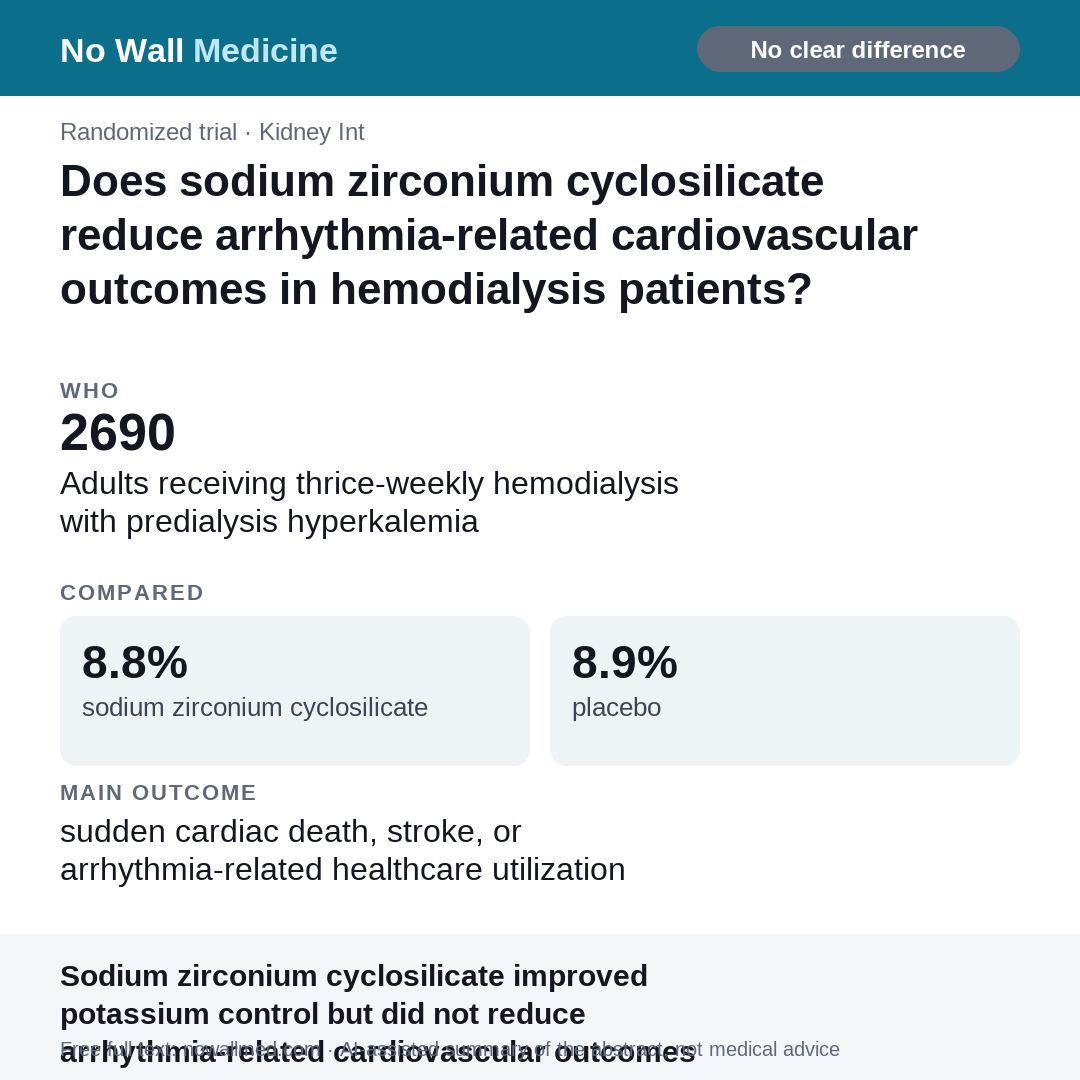
The randomized DIALIZE-Outcomes trial evaluated sodium zirconium cyclosilicate in hemodialysis
Randomized trialNo clear difference
Does sodium zirconium cyclosilicate reduce arrhythmia-related cardiovascular outcomes in hemodialysis patients?
Who
2690
Adults receiving thrice-weekly hemodialysis with predialysis hyperkalemia
Compared
8.8%sodium zirconium cyclosilicate (119 patients)
8.9%placebo (119 patients)
Main outcome
sudden cardiac death, stroke, or arrhythmia-related healthcare utilization
Result: hazard ratio 0.98 (95% confidence interval 0.76-1.26)
Bottom line: Sodium zirconium cyclosilicate improved potassium control but did not reduce arrhythmia-related cardiovascular outcomes in hemodialysis patients.
Limitation: Early termination due to low event rates and high medication discontinuation rates.
Kidney Int · 2025-07-04Download image
Highly selective tyrosine kinase 2 inhibition with zasocitinib (TAK-279) improves outcomes in patients with active psoriatic arthritis: a randomised phase 2b study
Randomised, double-blind, placebo-controlled, phase 2b studyBenefit found
Does zasocitinib improve outcomes in patients with active psoriatic arthritis?
Who
290
Adults with active psoriatic arthritis symptoms for at least 6 months · Multicentre
Compared
30 mg zasocitinib: 54.2% ACR20 response
15 mg zasocitinib: 53.3% ACR20 response
5 mg zasocitinib
Placebo: 29.2% ACR20 response
Main outcome
American College of Rheumatology 20 response at week 12
Bottom line: Zasocitinib at 30 mg and 15 mg doses improved ACR20 responses in patients with active psoriatic arthritis.
Limitation: Small study of limited duration and small sample size.
Ann Rheum Dis · 2025-07-04Download image

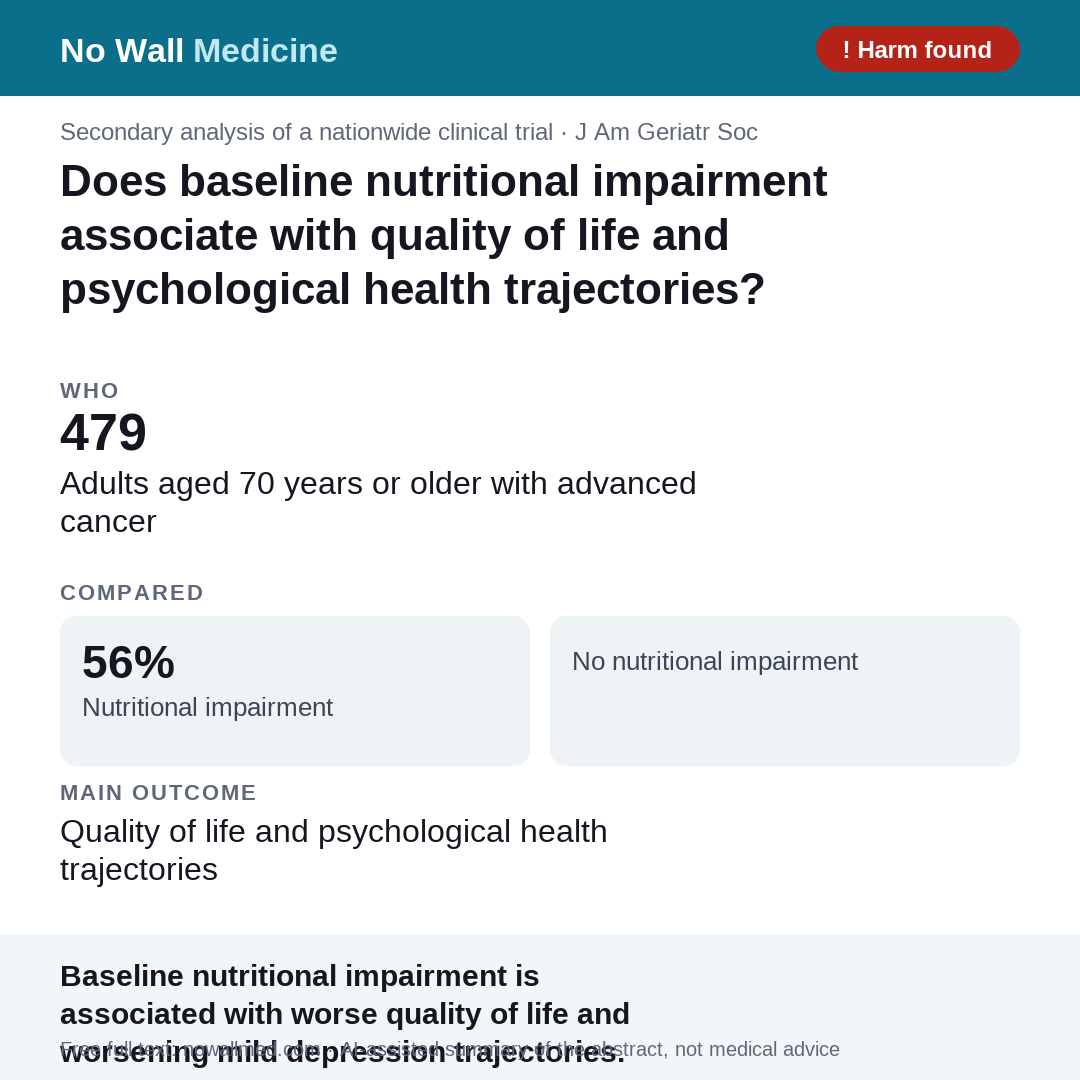
Nutritional Impairment and Quality of Life Trajectories Among Older Adults With Advanced Cancer
Secondary analysis of a nationwide clinical trialHarm found
Does baseline nutritional impairment associate with quality of life and psychological health trajectories?
Who
479
Adults aged 70 years or older with advanced cancer
Compared
56%Nutritional impairment
No nutritional impairment
Main outcome
Quality of life and psychological health trajectories
Result: OR 4.2 (95% CI 2.0-8.9) for Lowest QOL
Bottom line: Baseline nutritional impairment is associated with worse quality of life and worsening mild depression trajectories.
J Am Geriatr Soc · 2025-07-04Download image
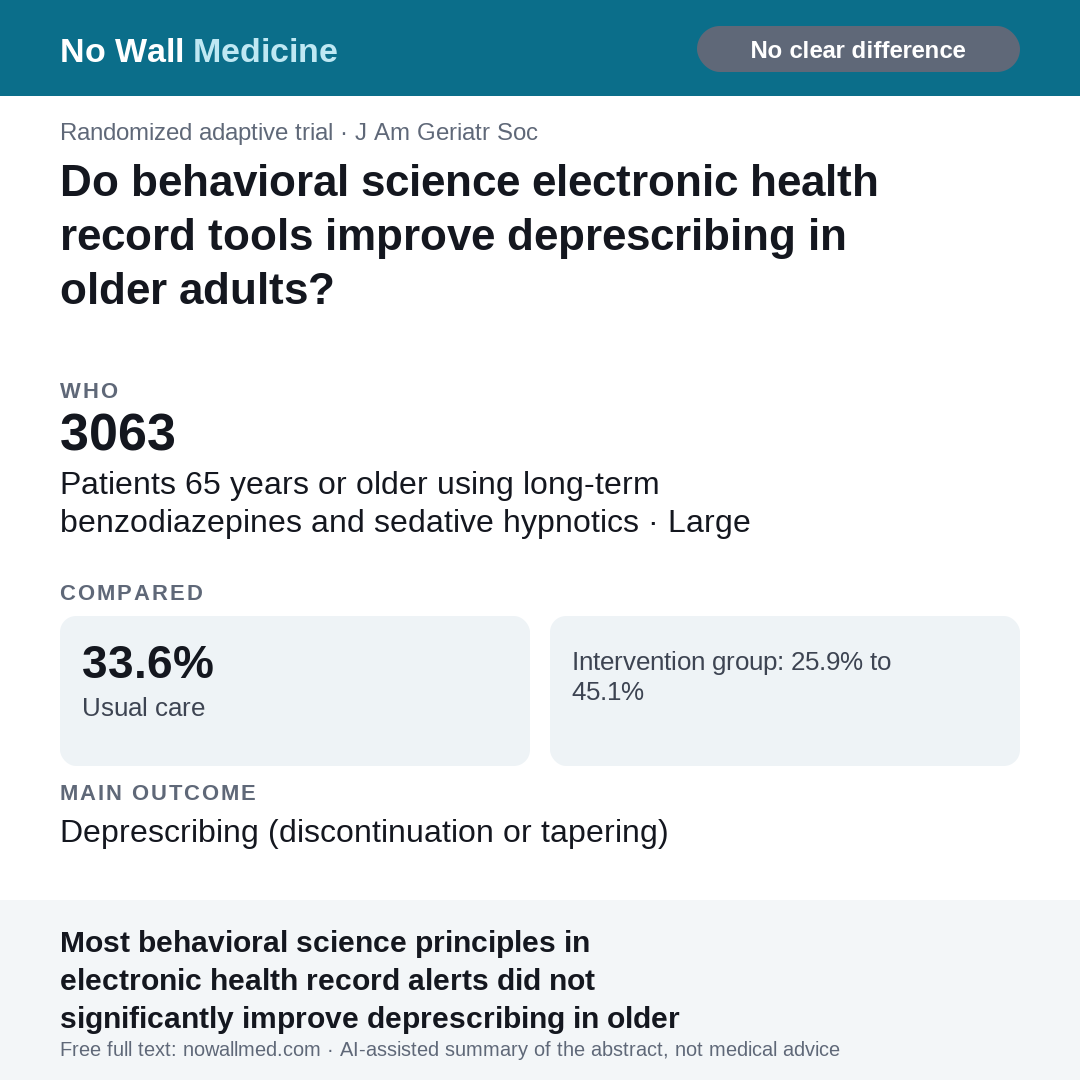
Comparing Fourteen Behavioral Science Electronic Health Record Deprescribing Tools in Older Adults: NUDGE-EHR Adaptive Trial
Randomized adaptive trialNo clear difference
Do behavioral science electronic health record tools improve deprescribing in older adults?
Who
3063
Patients 65 years or older using long-term benzodiazepines and sedative hypnotics · Large healthcare system
Compared
33.6%Usual care
Intervention group: 25.9% to 45.1%
Main outcome
Deprescribing (discontinuation or tapering)
Bottom line: Most behavioral science principles in electronic health record alerts did not significantly improve deprescribing in older adults.
J Am Geriatr Soc · 2025-07-04Download image
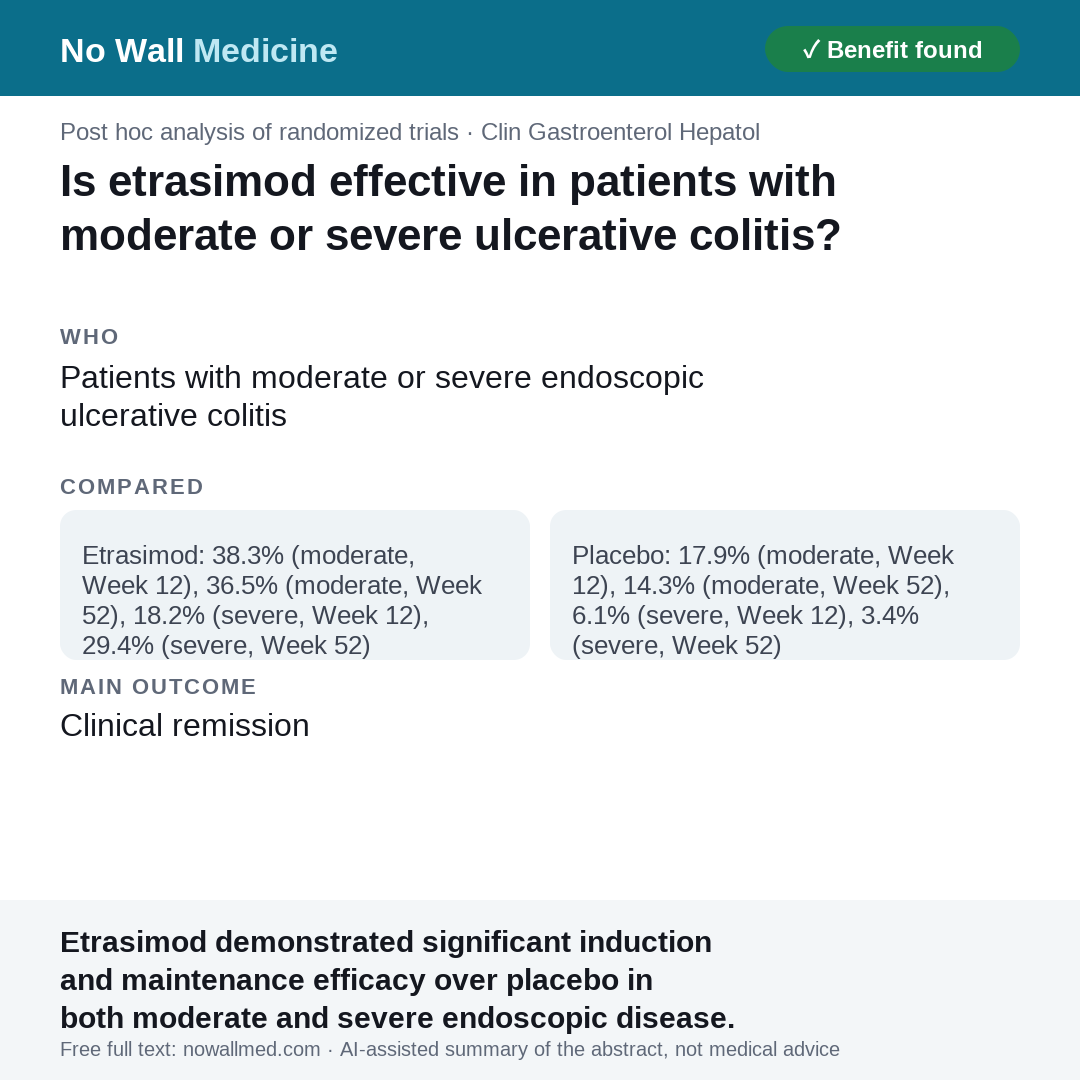
Efficacy of Etrasimod in Ulcerative Colitis: Analysis of ELEVATE UC 52 and ELEVATE UC 12 by Baseline Endoscopic Severity
Post hoc analysis of randomized trialsBenefit found
Is etrasimod effective in patients with moderate or severe ulcerative colitis?
Who
Patients with moderate or severe endoscopic ulcerative colitis
Compared
Etrasimod: 38.3% (moderate, Week 12), 36.5% (moderate, Week 52), 18.2% (severe, Week 12), 29.4% (severe, Week 52)
Placebo: 17.9% (moderate, Week 12), 14.3% (moderate, Week 52), 6.1% (severe, Week 12), 3.4% (severe, Week 52)
Main outcome
Clinical remission
Bottom line: Etrasimod demonstrated significant induction and maintenance efficacy over placebo in both moderate and severe endoscopic disease.
Clin Gastroenterol Hepatol · 2025-07-04Download image
The prevalence of apathy in Lewy body dementia: A systematic review and meta-analysis
Systematic review and meta-analysisBenefit found
What is the prevalence of apathy in Lewy body dementia?
Who
Individuals with Lewy body dementia and mild cognitive impairment
Compared
57%Dementia with Lewy bodies (95% confidence interval 52%-63%)
56%Parkinson's disease dementia (95% CI 43%-70%)
46%Lewy body mild cognitive impairment (95% CI 32%-61%)
38%Parkinson's disease mild cognitive impairment (95% CI 25%-50%)
Main outcome
Prevalence of apathy
Bottom line: Apathy affects more than half of individuals with Lewy body dementia and may assist in earlier diagnosis.
Alzheimers Dement · 2025-07-04Download image

A common symptom geometry of mood improvement under sertraline and placebo associated with distinct neural patterns
Secondary analysis of a randomized trialMixed results
What are the symptom and neural patterns of improvement under sertraline and placebo?
Who
Participants with major depressive disorder · EMBARC dataset
Compared
sertraline: baseline global brain connectivity correlated with Stage 1 principal component 1 scores
placebo: no correlation between baseline global brain connectivity and Stage 1 principal component 1 scores
Main outcome
principal component 1 of clinical scale variations
Bottom line: Sertraline and placebo show a shared symptom improvement pattern but distinct neural-to-symptom relationships.
Psychol Med · 2025-07-04Download image

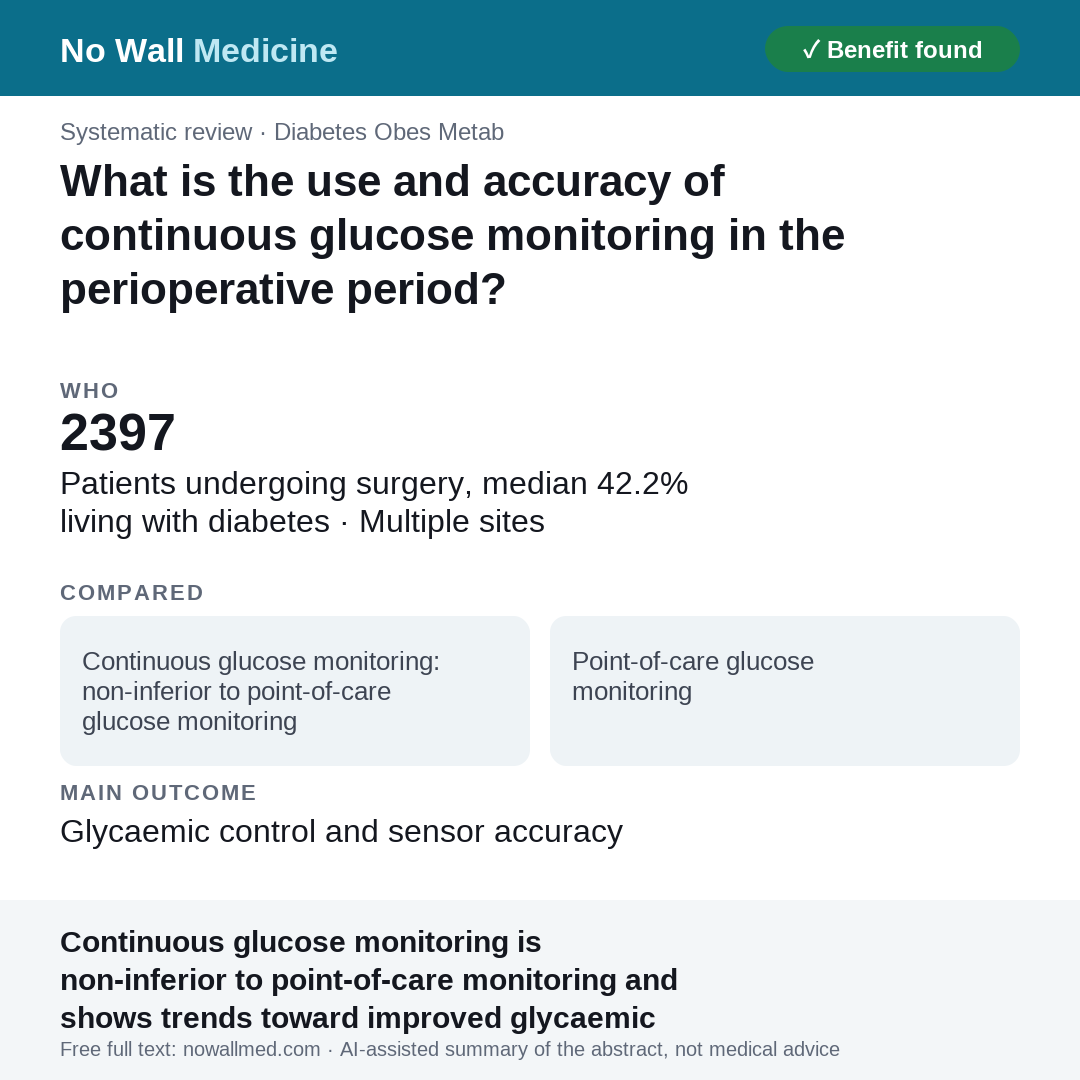
Perioperative use and accuracy of continuous glucose monitoring: A systematic review
Systematic reviewBenefit found
What is the use and accuracy of continuous glucose monitoring in the perioperative period?
Who
2397
Patients undergoing surgery, median 42.2% living with diabetes · Multiple sites including operating room and intensive care unit
Compared
Continuous glucose monitoring: non-inferior to point-of-care glucose monitoring
Point-of-care glucose monitoring
Main outcome
Glycaemic control and sensor accuracy
Bottom line: Continuous glucose monitoring is non-inferior to point-of-care monitoring and shows trends toward improved glycaemic control.
Limitation: Clinical interest remains to be proven by high quality randomized controlled trials regarding technical issues.
Diabetes Obes Metab · 2025-07-04Download image
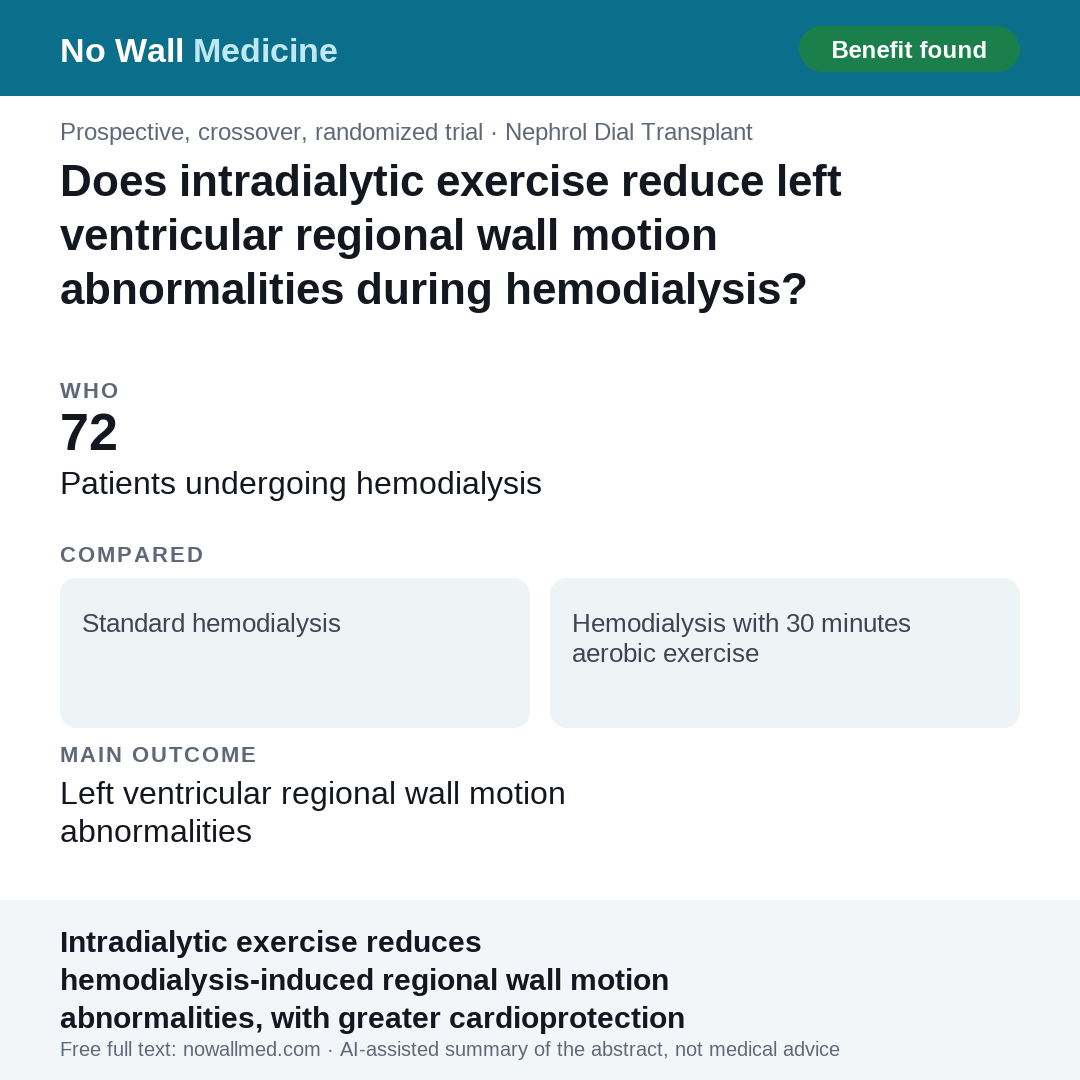
Cardioprotection from intradialytic exercise: a randomized trial
Prospective, crossover, randomized trialBenefit found
Does intradialytic exercise reduce left ventricular regional wall motion abnormalities during hemodialysis?
Who
72
Patients undergoing hemodialysis
Compared
Standard hemodialysis
Hemodialysis with 30 minutes aerobic exercise
Main outcome
Left ventricular regional wall motion abnormalities
Result: estimated difference: 1.1 segment, 95%CI: 0.33/1.90
Bottom line: Intradialytic exercise reduces hemodialysis-induced regional wall motion abnormalities, with greater cardioprotection observed at the apex.
Limitation: Further studies are needed to elucidate the mechanisms underlying the heterogeneous benefits.
Nephrol Dial Transplant · 2025-07-04Download image
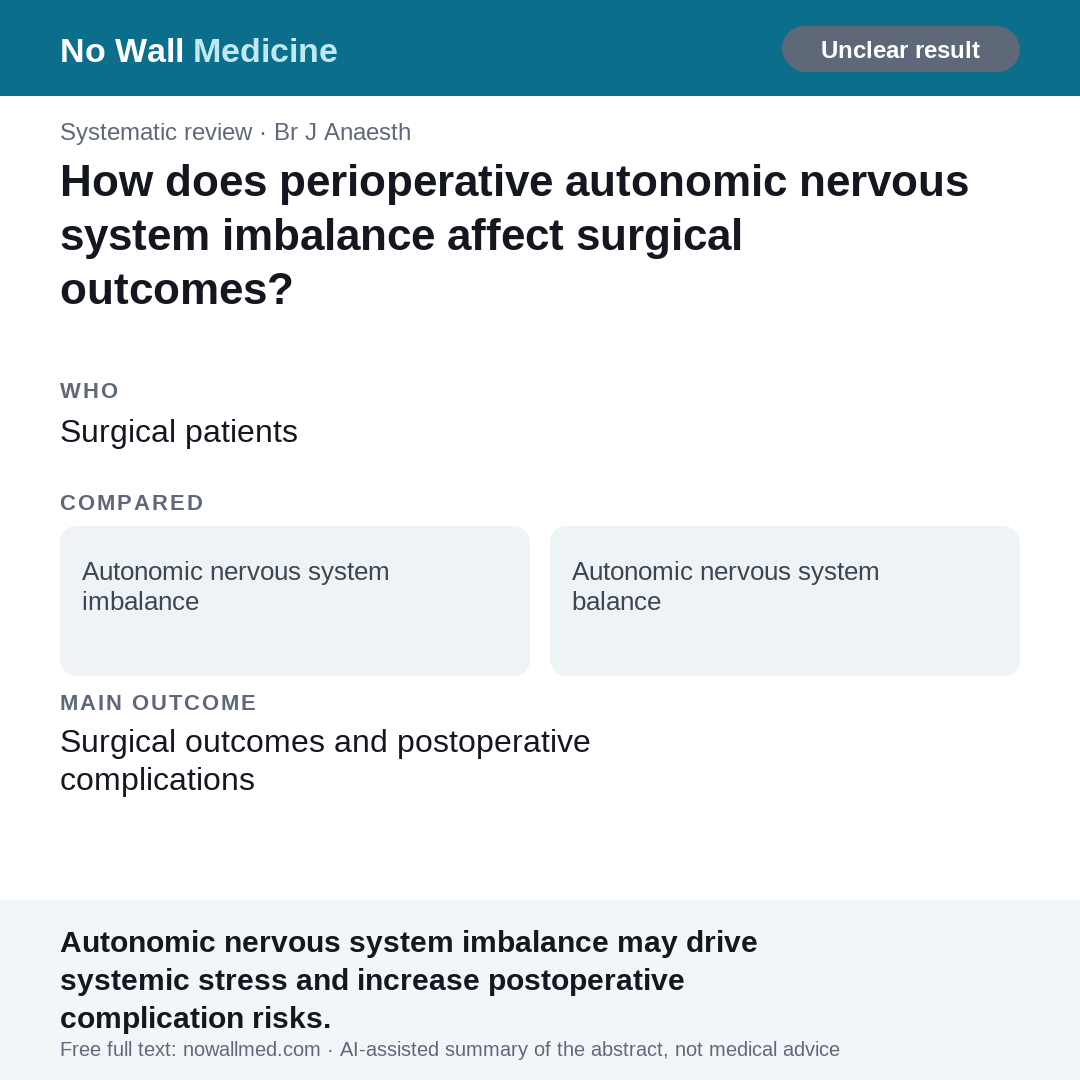
Effect of perioperative autonomic nervous system imbalance on surgical outcomes: a systematic review
Systematic reviewUnclear result
How does perioperative autonomic nervous system imbalance affect surgical outcomes?
Who
Surgical patients
Compared
Autonomic nervous system imbalance
Autonomic nervous system balance
Main outcome
Surgical outcomes and postoperative complications
Bottom line: Autonomic nervous system imbalance may drive systemic stress and increase postoperative complication risks.
Br J Anaesth · 2025-07-04Download image
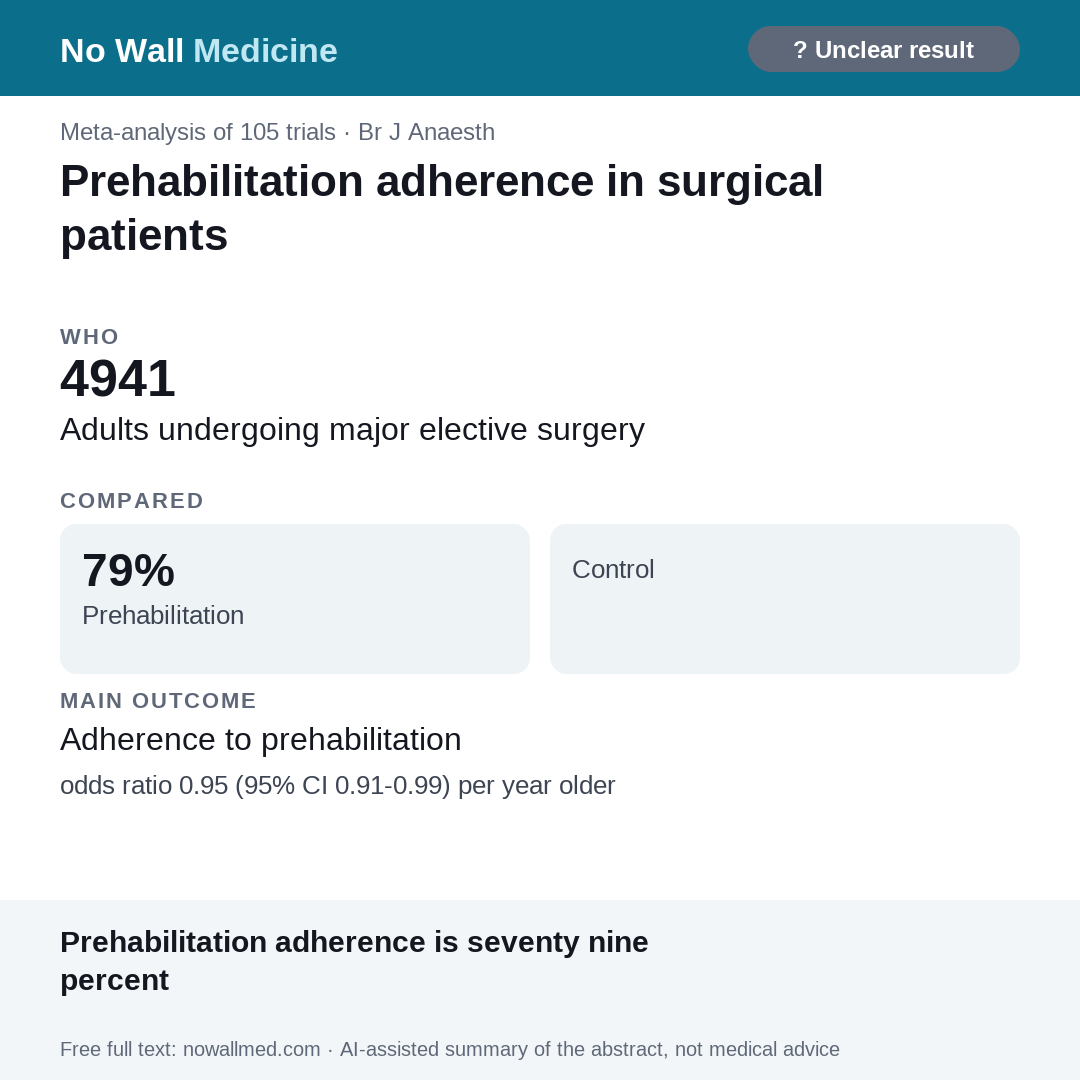
Adherence to prehabilitation in adult surgical patients: a systematic review, meta-analysis, meta-regression, and qualitative synthesis
Meta-analysis of 105 trialsUnclear result
Prehabilitation adherence in surgical patients
Who
4941
Adults undergoing major elective surgery
Compared
79%Prehabilitation (95% CI 70-88)
Control
Main outcome
Adherence to prehabilitation
Result: odds ratio 0.95 (95% CI 0.91-0.99) per year older
Bottom line: Prehabilitation adherence is seventy nine percent
Limitation: Variable adherence metrics across trials
Br J Anaesth · 2025-07-04Download image
AIRWEIGHS: A Randomized Controlled Trial of Air Cleaners in Normal Weight and Overweight/Obese Children With Asthma
Randomized, placebo-controlled trialNo clear difference
Do air cleaners improve asthma outcomes in normal weight and overweight/obese children?
Who
164
Children with asthma, 59% overweight/obese and 85% Black
Compared
Portable air cleaners with high-efficiency particulate air filters
Identical devices without filters
Main outcome
Maximum symptom days over 2 weeks
Bottom line: Air cleaners effectively reduced indoor air pollution, but there was no observable benefit in asthma outcomes in children.
J Allergy Clin Immunol Pract · 2025-07-04Download image

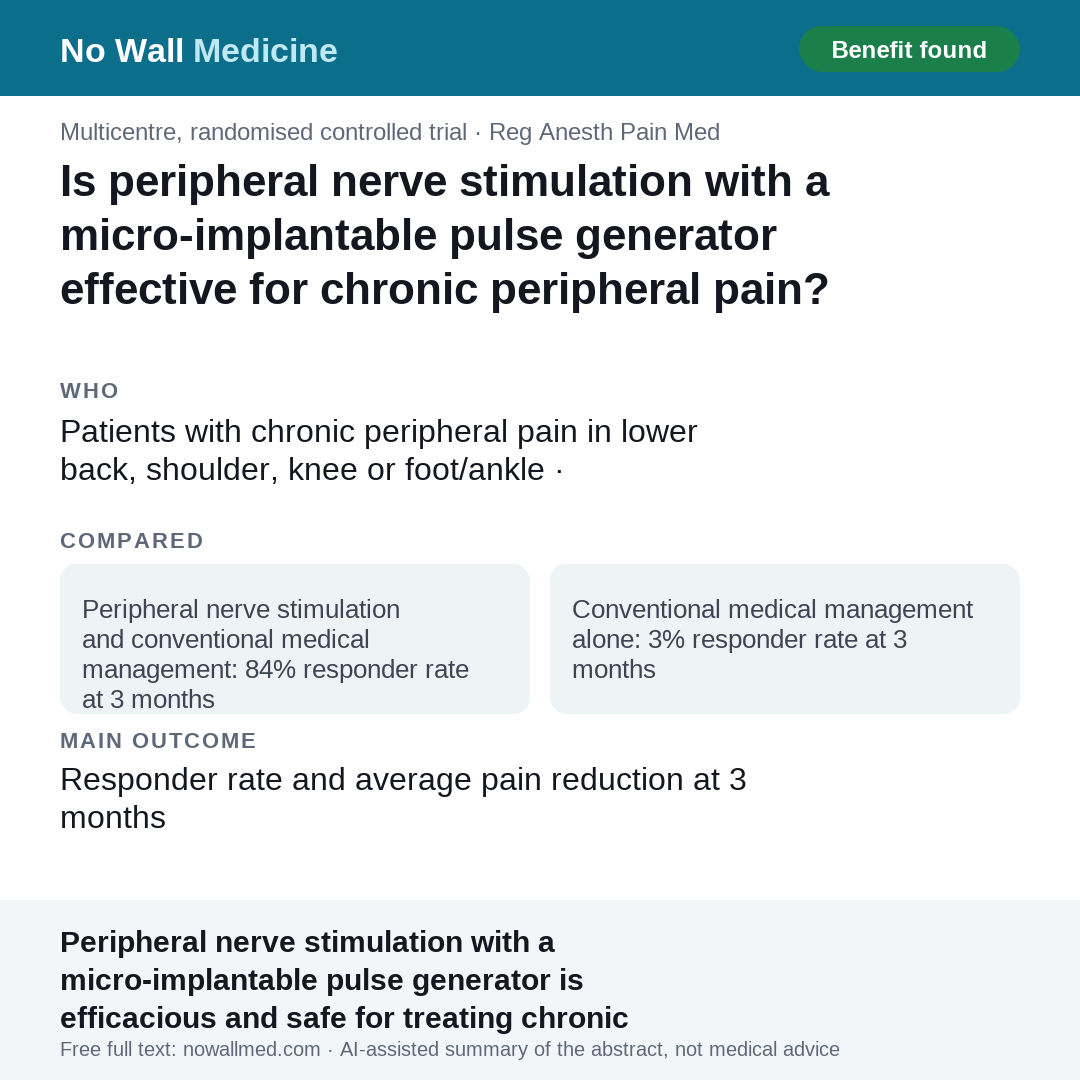
Clinical study of a micro-implantable pulse generator for the treatment of peripheral neuropathic pain: 3-month and 6-month results from the COMFORT-randomised controlled trial
Multicentre, randomised controlled trialBenefit found
Is peripheral nerve stimulation with a micro-implantable pulse generator effective for chronic peripheral pain?
Who
Patients with chronic peripheral pain in lower back, shoulder, knee or foot/ankle · Multicentre
Compared
Peripheral nerve stimulation and conventional medical management: 84% responder rate at 3 months
Conventional medical management alone: 3% responder rate at 3 months
Main outcome
Responder rate and average pain reduction at 3 months
Bottom line: Peripheral nerve stimulation with a micro-implantable pulse generator is efficacious and safe for treating chronic peripheral pain.
Limitation: This is an ongoing study with results to be reported as they become available.
Reg Anesth Pain Med · 2025-07-04Download image
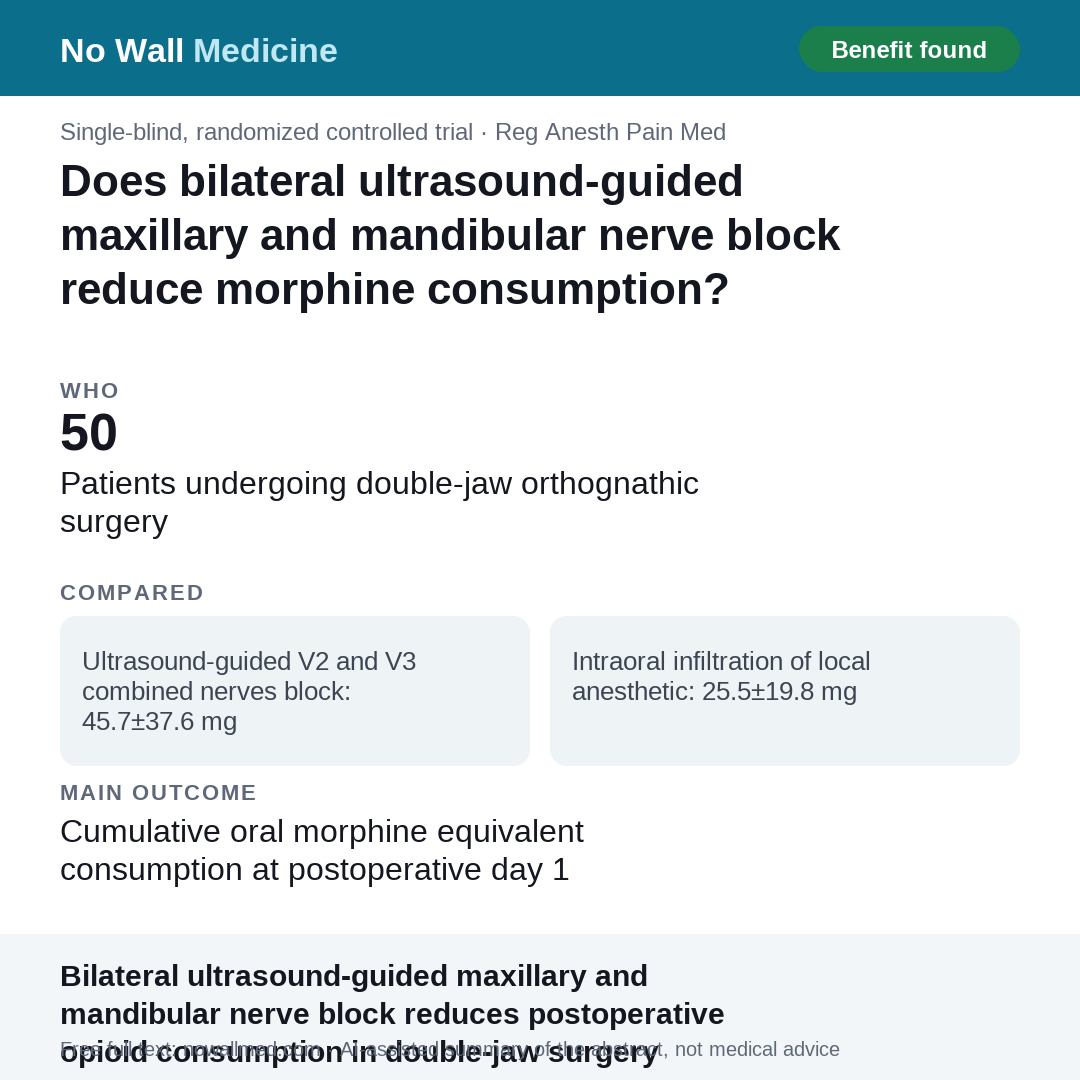
Bilateral ultrasound-guided maxillary and mandibular combined nerves block reduces morphine consumption after double-jaw orthognathic surgery: a randomized controlled trial
Single-blind, randomized controlled trialBenefit found
Does bilateral ultrasound-guided maxillary and mandibular nerve block reduce morphine consumption?
Who
50
Patients undergoing double-jaw orthognathic surgery
Compared
Ultrasound-guided V2 and V3 combined nerves block: 45.7±37.6 mg
Intraoral infiltration of local anesthetic: 25.5±19.8 mg
Main outcome
Cumulative oral morphine equivalent consumption at postoperative day 1
Result: mean difference of -20.1 (95% CI -37.4 to -2.9) mg
Bottom line: Bilateral ultrasound-guided maxillary and mandibular nerve block reduces postoperative opioid consumption in double-jaw surgery patients.
Reg Anesth Pain Med · 2025-07-04Download image
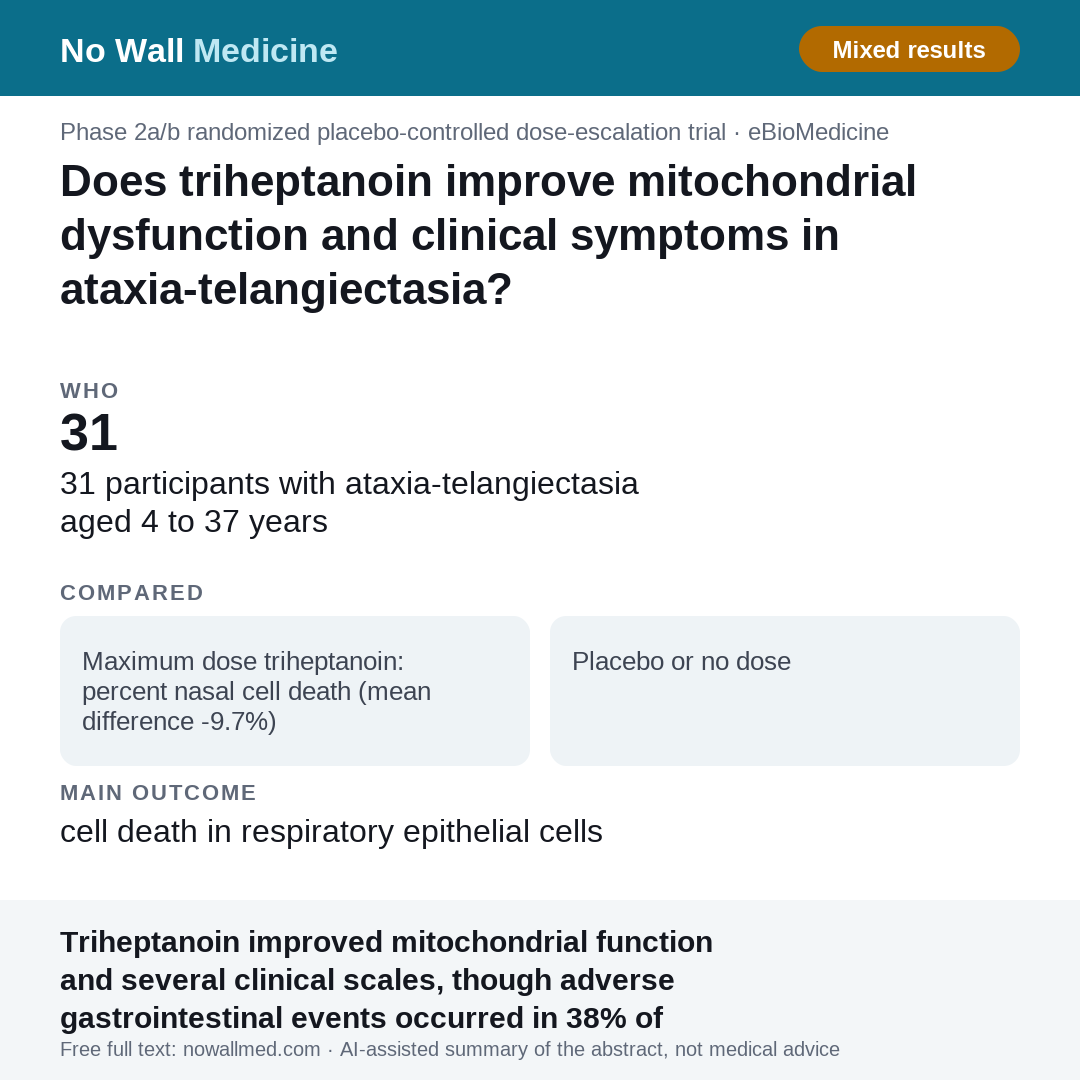
Phase 2a/b randomised placebo-controlled dose-escalation trial of triheptanoin for ataxia-telangiectasia: treating mitochondrial dysfunction with anaplerosis
Phase 2a/b randomized placebo-controlled dose-escalation trialMixed results
Does triheptanoin improve mitochondrial dysfunction and clinical symptoms in ataxia-telangiectasia?
Who
31
31 participants with ataxia-telangiectasia aged 4 to 37 years
Compared
Maximum dose triheptanoin: percent nasal cell death (mean difference -9.7%)
Placebo or no dose
Main outcome
cell death in respiratory epithelial cells
Result: mean difference -9.7%, 95% confidence interval -16.0, 4.6
Bottom line: Triheptanoin improved mitochondrial function and several clinical scales, though adverse gastrointestinal events occurred in 38% of participants.
Funded by: Medical Researcher Futures Fund Australia, University of Queensland, Wesley Research Institute, BrAshA-T
eBioMedicine · 2025-07-04Download image
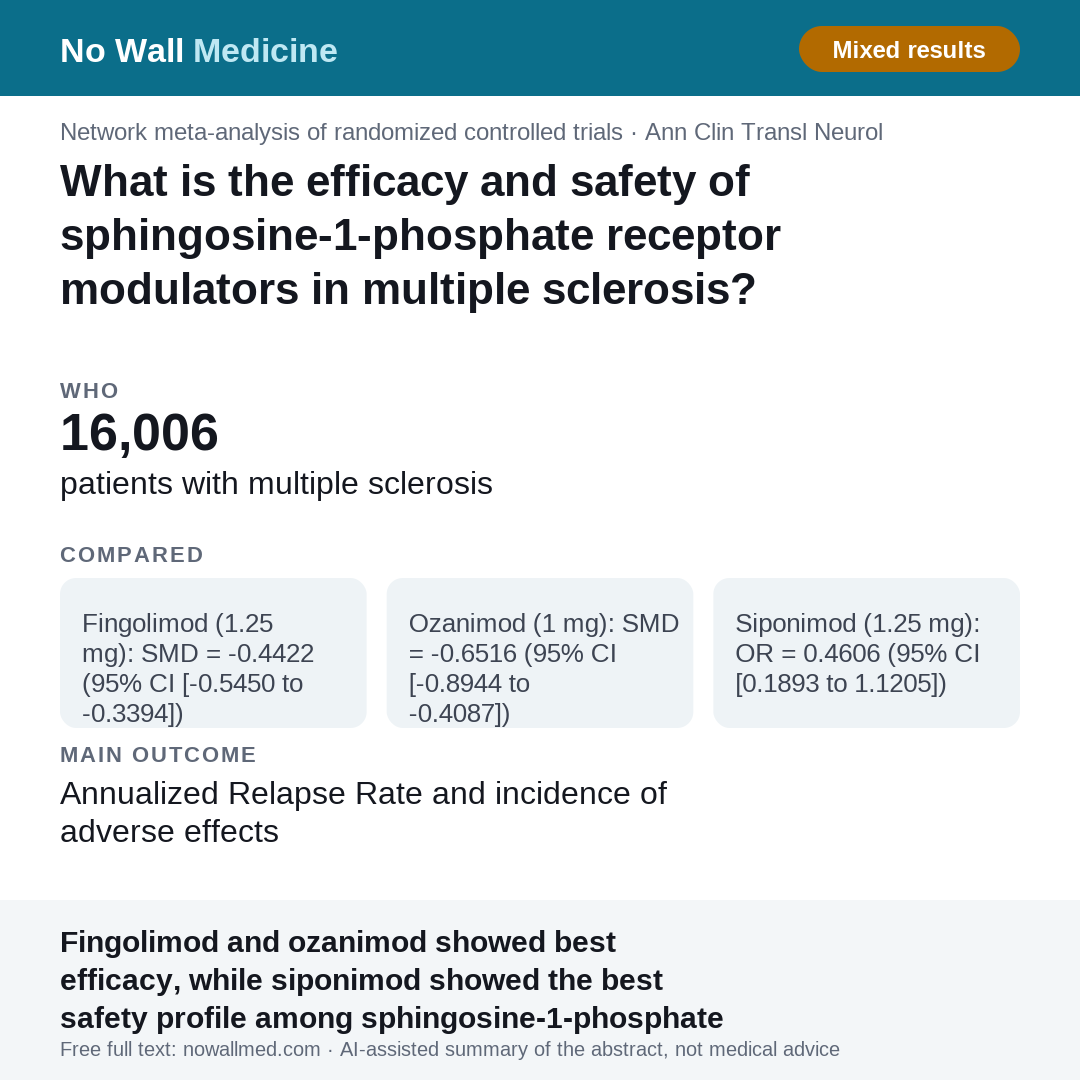
The Comparative Effectiveness and Tolerability of Sphingosine-1-Phosphate Receptor Modulators in Patients With Multiple Sclerosis: A Network Meta-Analysis of Randomized Controlled Trials
Network meta-analysis of randomized controlled trialsMixed results
What is the efficacy and safety of sphingosine-1-phosphate receptor modulators in multiple sclerosis?
Who
16,006
patients with multiple sclerosis
Compared
Fingolimod (1.25 mg): SMD = -0.4422 (95% CI [-0.5450 to -0.3394])
Ozanimod (1 mg): SMD = -0.6516 (95% CI [-0.8944 to -0.4087])
Siponimod (1.25 mg): OR = 0.4606 (95% CI [0.1893 to 1.1205])
Main outcome
Annualized Relapse Rate and incidence of adverse effects
Bottom line: Fingolimod and ozanimod showed best efficacy, while siponimod showed the best safety profile among sphingosine-1-phosphate receptor modulators.
Limitation: Further longitudinal studies should be conducted to assess long-term effects on patient-reported outcomes.
Ann Clin Transl Neurol · 2025-07-04Download image
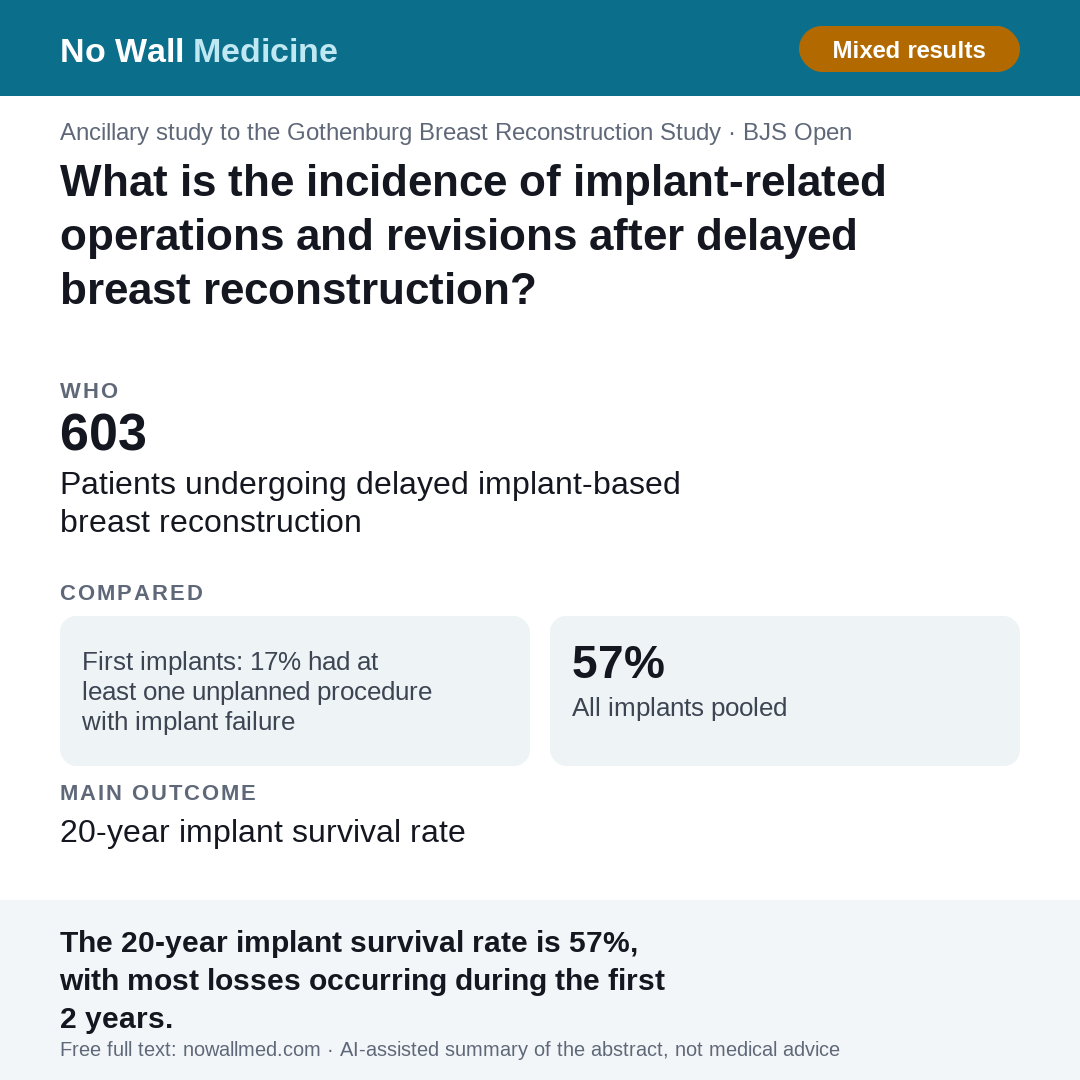
Long-term implant survival in delayed breast reconstruction
Ancillary study to the Gothenburg Breast Reconstruction StudyMixed results
What is the incidence of implant-related operations and revisions after delayed breast reconstruction?
Who
603
Patients undergoing delayed implant-based breast reconstruction
Compared
First implants: 17% had at least one unplanned procedure with implant failure
57%All implants pooled (95% confidence interval 54 to 61%)
Main outcome
20-year implant survival rate
Result: 57% (95% confidence interval 54 to 61%)
Bottom line: The 20-year implant survival rate is 57%, with most losses occurring during the first 2 years.
BJS Open · 2025-07-04Download image
A PRISMA systematic review through time on predictive musculoskeletal simulations
PRISMA systematic reviewUnclear result
What are the current methods and trends in predictive musculoskeletal simulations?
Who
literature on predictive musculoskeletal simulations
Compared
Neural models
Optimization methods
Main outcome
methods, accuracies, simulation times, and limitations of predictive simulations
Bottom line: The review categorizes predictive musculoskeletal simulation methods into neural models and optimization-based approaches.
Limitation: The review calls for quantitative validation to establish comprehensive comparisons between methods.
J Neuroeng Rehabil · 2025-07-04Download image