Visual abstracts
New randomized trials and meta-analyses from leading journals at a glance: who was studied, what was compared, and what was found. Every paper is free to read in full.
All specialtiesCardiology 1449Oncology 1294Gastroenterology & Hepatology 529Infectious Disease 931Neurology 598Psychiatry & Mental Health 727Pulmonology 626Critical Care 427Endocrinology & Diabetes 798Pediatrics 861Surgery 705Orthopedics & Sports Medicine 278Neurosurgery 193Cardiothoracic & Vascular Surgery 163Plastic & Reconstructive Surgery 230Nephrology 307Rheumatology 190Hematology 308Dermatology 152Ophthalmology 162Obstetrics & Gynecology 471Public & Global Health 280Radiology & Imaging 189Anesthesiology 286Urology 273ENT (Otolaryngology) 203Emergency Medicine 160Allergy & Immunology 94Geriatrics 304Family Medicine & Primary Care 180Medical Genetics & Genomics 156Pathology & Laboratory Medicine 45Physical Medicine & Rehabilitation 253Palliative Care 134Nutrition 388Digital Health & AI 765General Medicine 126
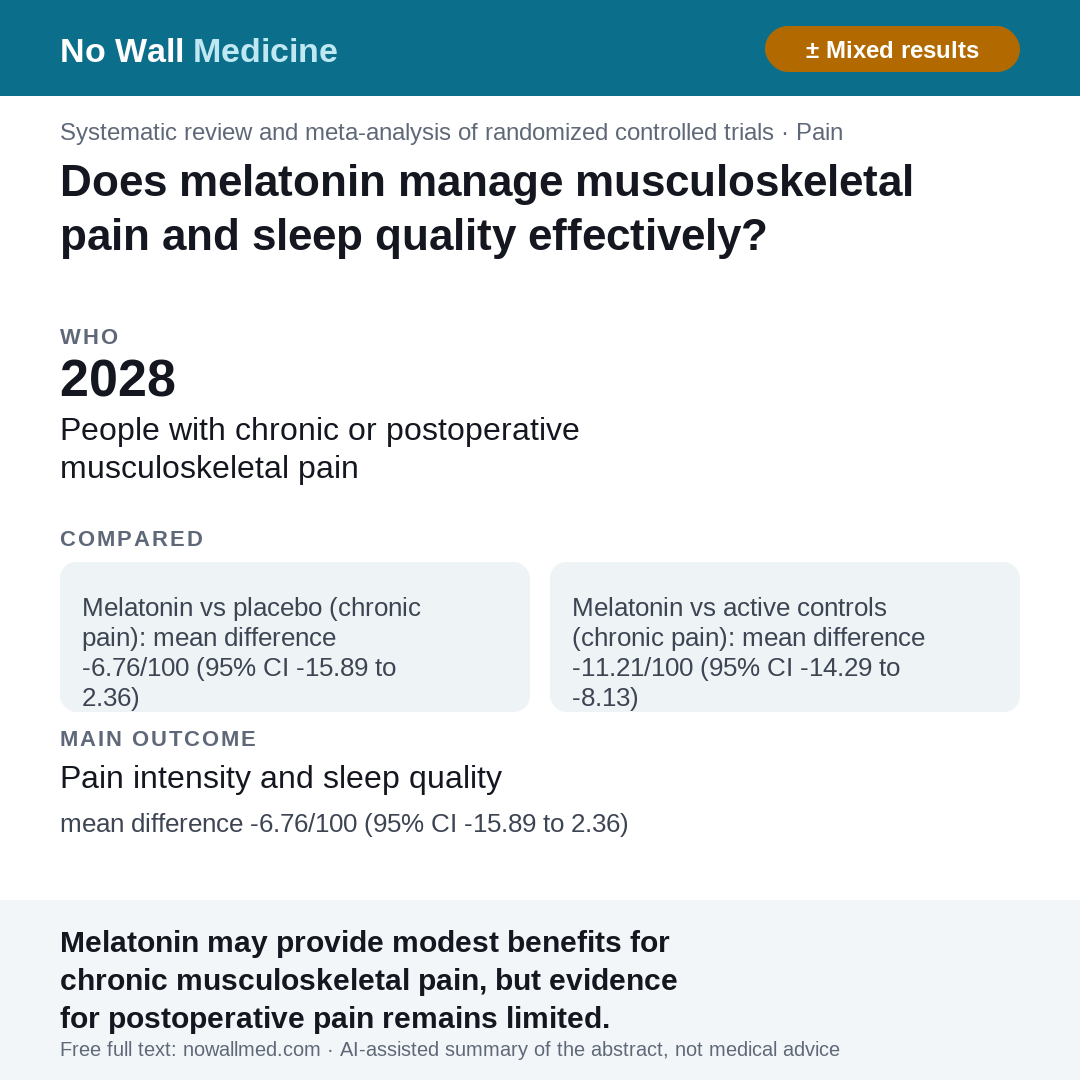
Efficacy and effectiveness of melatonin for the management of musculoskeletal pain: a systematic review and meta-analysis of placebo and active controlled trials
Systematic review and meta-analysis of randomized controlled trialsMixed results
Does melatonin manage musculoskeletal pain and sleep quality effectively?
Who
2028
People with chronic or postoperative musculoskeletal pain
Compared
Melatonin vs placebo (chronic pain): mean difference -6.76/100 (95% CI -15.89 to 2.36)
Melatonin vs active controls (chronic pain): mean difference -11.21/100 (95% CI -14.29 to -8.13)
Main outcome
Pain intensity and sleep quality
Result: mean difference -6.76/100 (95% CI -15.89 to 2.36)
Bottom line: Melatonin may provide modest benefits for chronic musculoskeletal pain, but evidence for postoperative pain remains limited.
Limitation: Most effects did not reach minimal clinically important difference thresholds and certainty of evidence was low to moderate.
Pain · 2026-06-30Download image
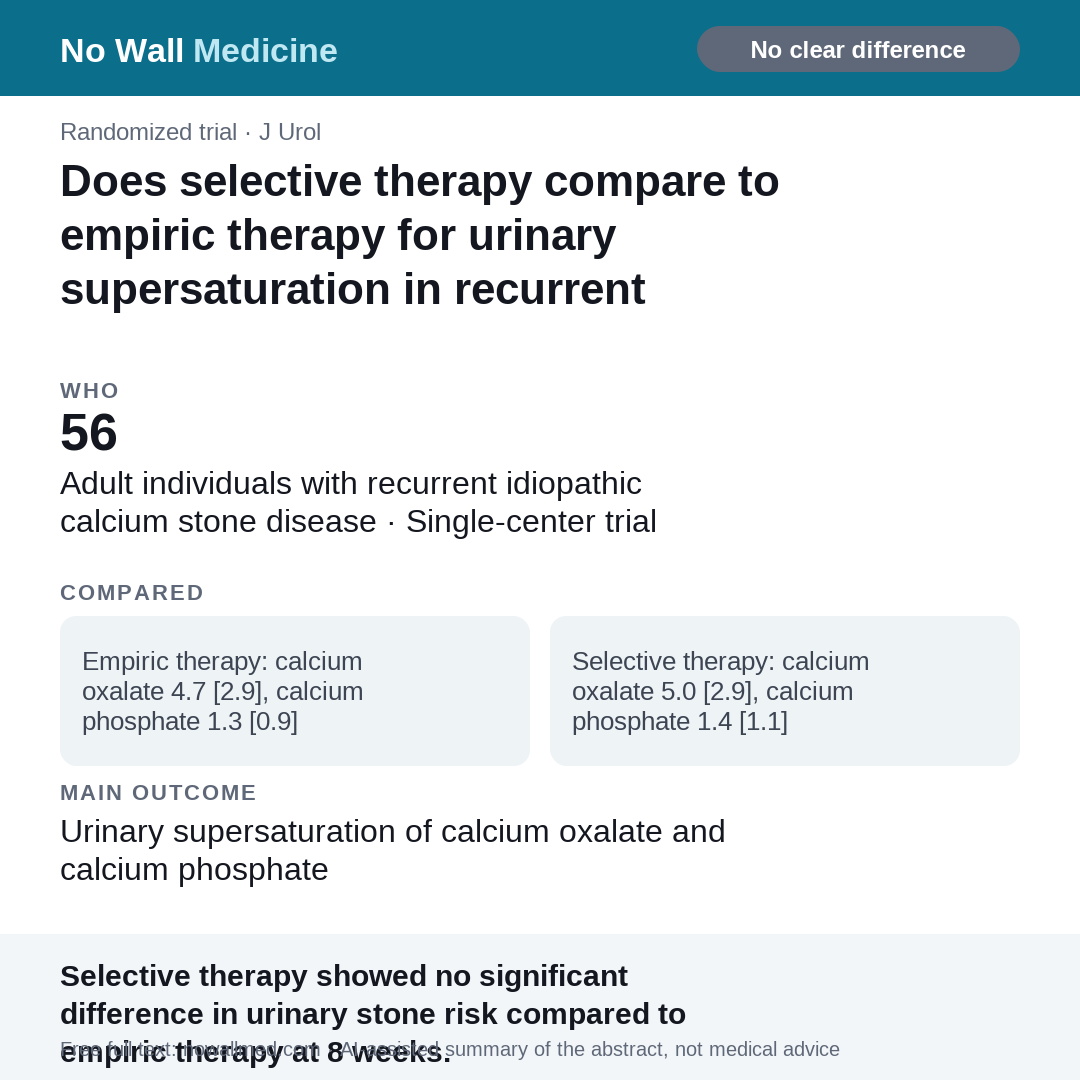
Urinary Supersaturation in a Randomized Trial Among Individuals With Recurrent Nephrolithiasis Comparing Empiric vs Selective Preventive Therapy: The URINE Trial
Randomized trialNo clear difference
Does selective therapy compare to empiric therapy for urinary supersaturation in recurrent nephrolithiasis?
Who
56
Adult individuals with recurrent idiopathic calcium stone disease · Single-center trial
Compared
Empiric therapy: calcium oxalate 4.7 [2.9], calcium phosphate 1.3 [0.9]
Selective therapy: calcium oxalate 5.0 [2.9], calcium phosphate 1.4 [1.1]
Main outcome
Urinary supersaturation of calcium oxalate and calcium phosphate
Bottom line: Selective therapy showed no significant difference in urinary stone risk compared to empiric therapy at 8 weeks.
J Urol · 2026-06-30Download image
Population-level interventions for dementia prevention: a systematic review
Systematic reviewMixed results
How effective are population-level interventions for dementia prevention?
Who
51
General populations in eight countries · Eight countries
Compared
Mass media campaigns: marginal knowledge gains
Educational and interactive interventions: consistent improvements in knowledge and risk-reducing behaviours
Combined risk assessment and structured education: 26% improvement in modifiable risk factor status
Main outcome
Knowledge and risk-reducing behaviours
Bottom line: Educational and interactive interventions show more consistent improvements than mass media campaigns for dementia prevention.
Lancet Healthy Longev · 2026-06-30Download image

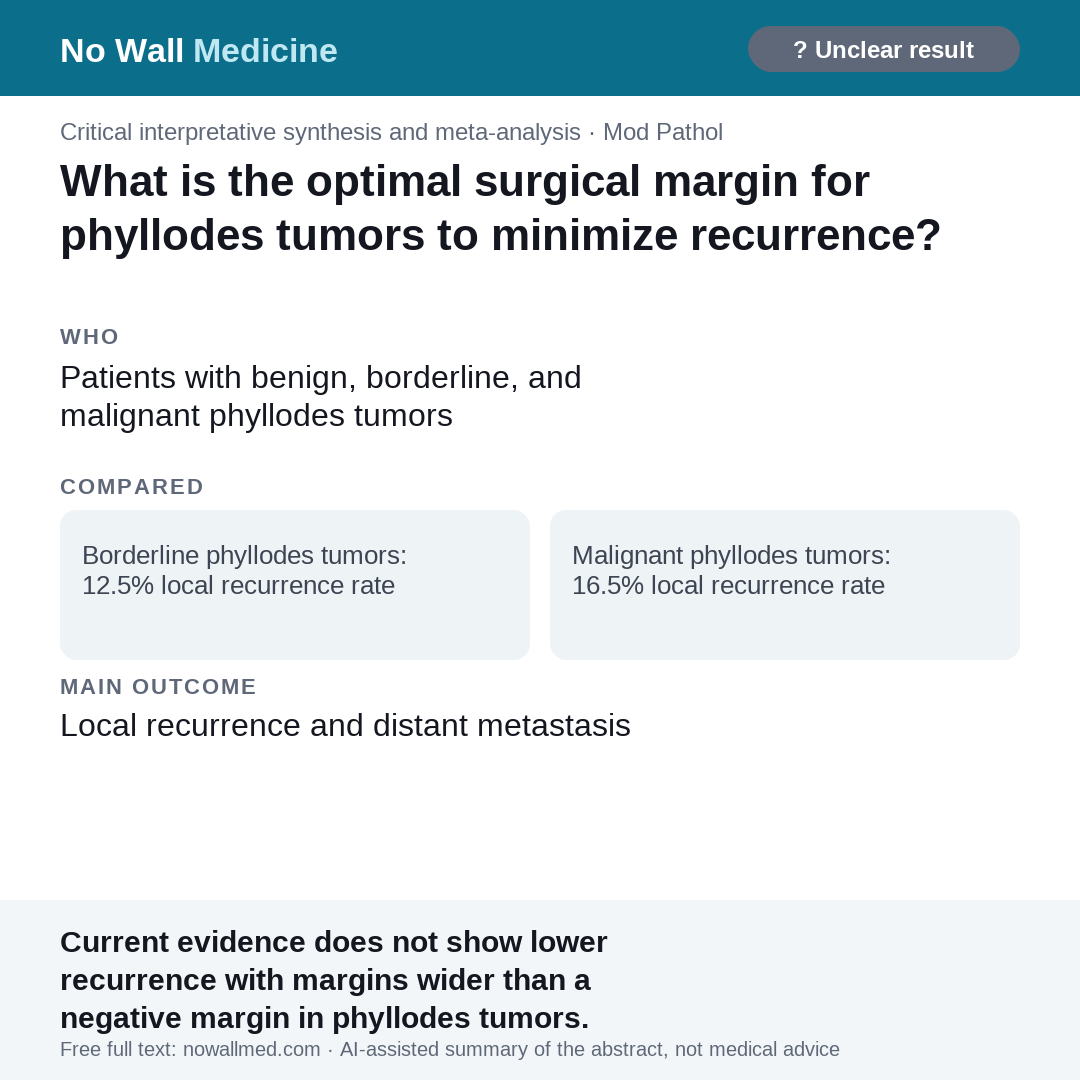
Margin Adequacy in Phyllodes Tumors Revisited: Reappraisal of the Evidence Base and Knowledge Gaps
Critical interpretative synthesis and meta-analysisUnclear result
What is the optimal surgical margin for phyllodes tumors to minimize recurrence?
Who
40
Patients with benign, borderline, and malignant phyllodes tumors
Compared
Borderline phyllodes tumors: 12.5% local recurrence rate
Malignant phyllodes tumors: 16.5% local recurrence rate
Main outcome
Local recurrence and distant metastasis
Bottom line: Current evidence does not show lower recurrence with margins wider than a negative margin in phyllodes tumors.
Limitation: Current heterogeneous evidence does not show lower recurrence with margins wider than a negative margin.
Mod Pathol · 2026-06-30Download image
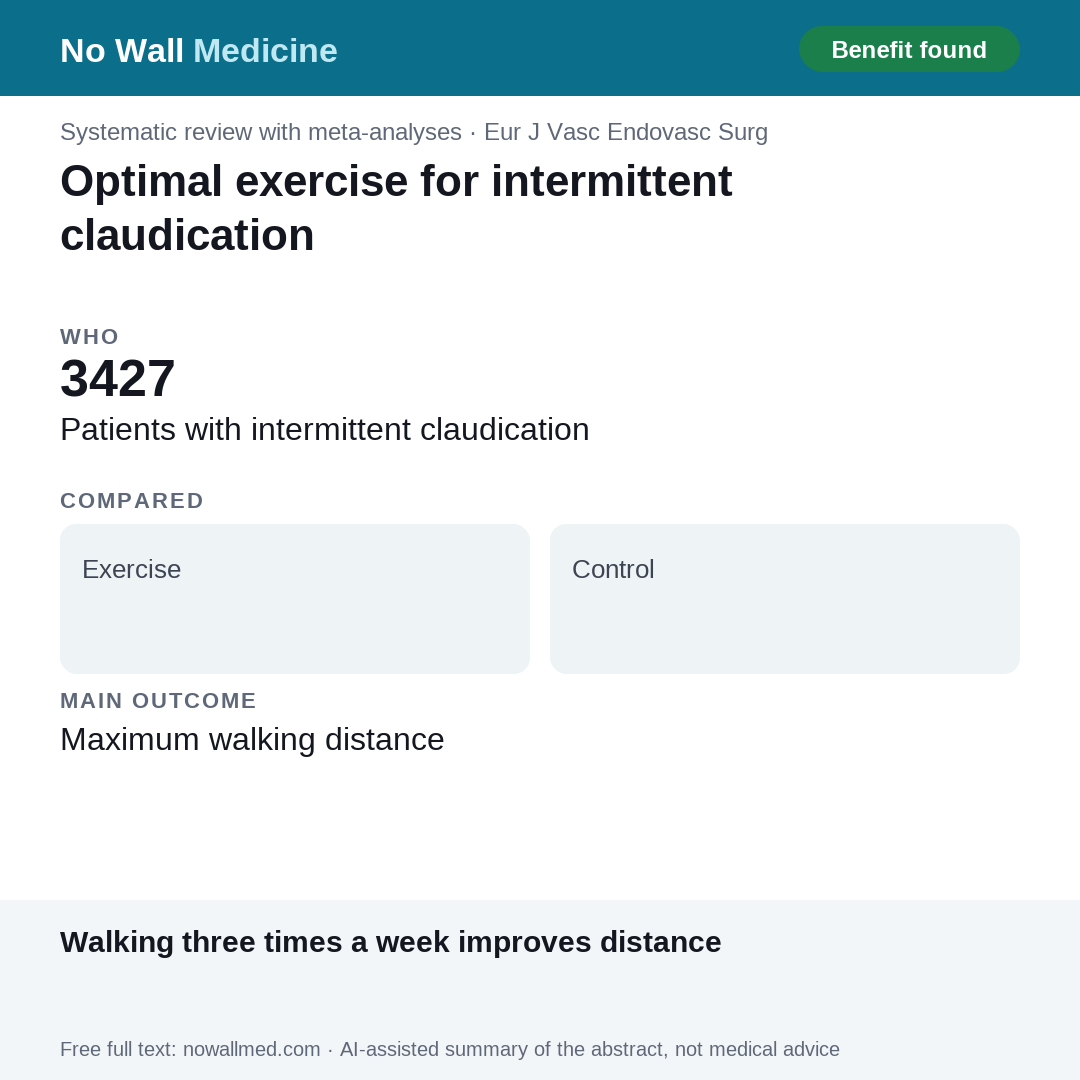
Identifying the Most Clinically Effective Exercise Prescription for Improving Maximum Walking Distance in People with Intermittent Claudication (MAXIMISE): A Systematic Review with Network and Component Network Meta-analysis
Systematic review with meta-analysesBenefit found
Optimal exercise for intermittent claudication
Who
3427
Patients with intermittent claudication
Compared
Exercise
Control
Main outcome
Maximum walking distance
Bottom line: Walking three times a week improves distance
Eur J Vasc Endovasc Surg · 2026-06-30Download image
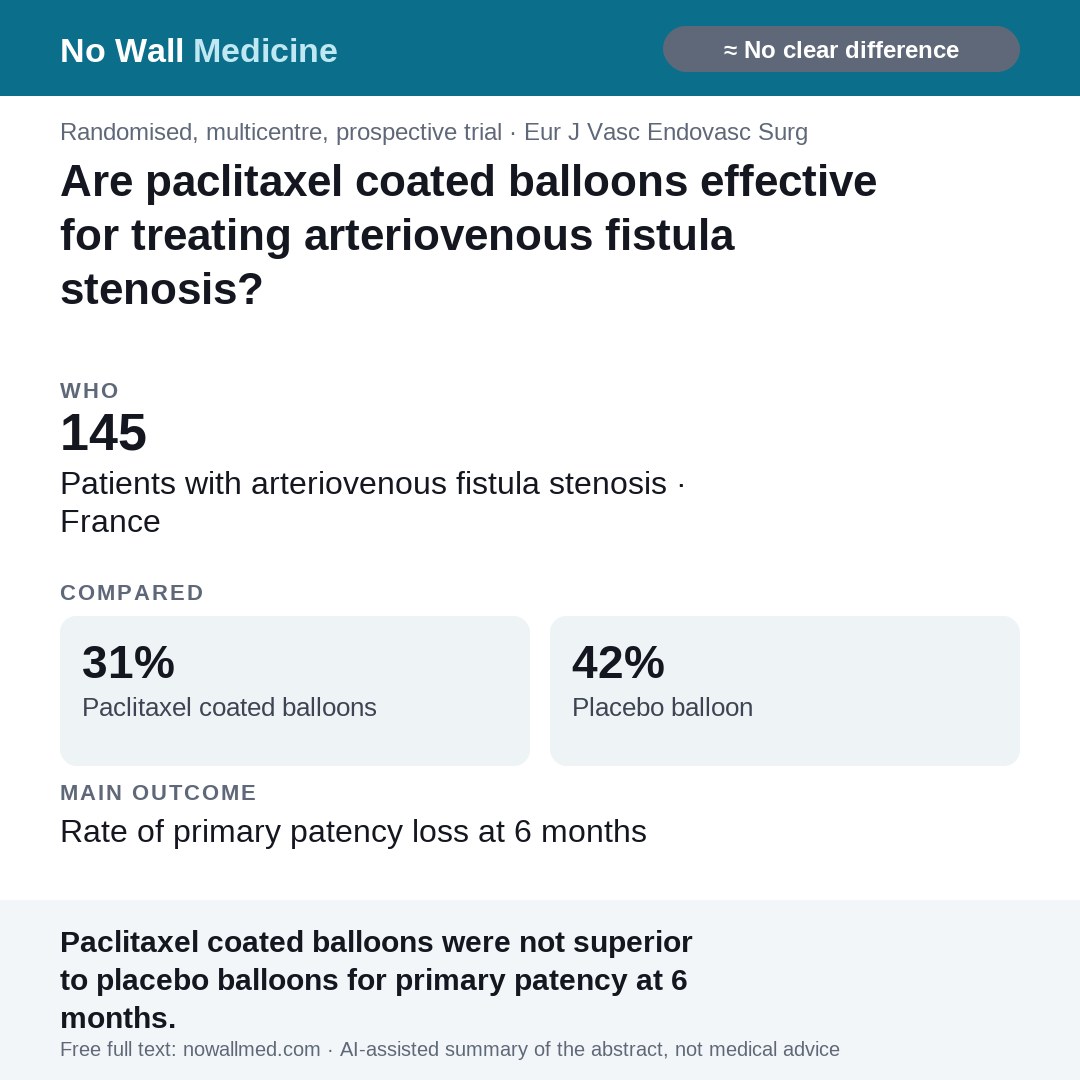
A Randomised Trial of Paclitaxel Coated Balloons for Arteriovenous Fistula Stenosis with Blinded Re-intervention Criteria
Randomised, multicentre, prospective trialNo clear difference
Are paclitaxel coated balloons effective for treating arteriovenous fistula stenosis?
Who
145
Patients with arteriovenous fistula stenosis · France
Compared
31%Paclitaxel coated balloons (22 of 70)
42%Placebo balloon (30 of 71)
Main outcome
Rate of primary patency loss at 6 months
Result: hazard ratio 0.62 (95% CI 0.36 - 1.07)
Bottom line: Paclitaxel coated balloons were not superior to placebo balloons for primary patency at 6 months.
Eur J Vasc Endovasc Surg · 2026-06-30Download image
US race/ethnic disparities in diabetes technologies: a systematic review and meta-analysis of 950 000 individuals
Systematic review and meta-analysisHarm found
Are there racial and ethnic disparities in continuous glucose monitoring and insulin pump use?
Who
955 556
People living with diabetes in the United States · United States
Compared
Continuous glucose monitoring: Black/African American: OR = 0.47 (95% CI = 0.38-0.60)
Continuous glucose monitoring: Hispanic: OR = 0.59 (95% CI = 0.50-0.69)
Continuous glucose monitoring: Other: OR = 0.69 (95% CI = 0.58-0.83)
Continuous subcutaneous insulin infusion: Black/African American: OR = 0.31 (95% CI = 0.23-0.42)
Main outcome
Use of continuous glucose monitoring and continuous subcutaneous insulin infusion
Bottom line: Racial and ethnic disparities exist in the use of diabetes technologies among people in the United States.
Limitation: Moderate/substantial heterogeneity and reliance on electronic medical record data.
J Endocr Soc · 2026-06-30Download image

Conservative treatments for chronic non-specific low back pain: time course network meta-analysis
Time course network meta-analysisMixed results
What is the efficacy of conservative treatments for chronic radicular and non-specific low back pain?
Who
71126
Adults with non-specific or radicular chronic low back pain
Compared
Acupuncture: mean difference -20.91 (95% credible interval -24.00 to -11.95)
Massage: mean difference -25.61 (95% credible interval -30.42 to -10.91)
No treatment
Main outcome
Back pain intensity, leg pain intensity, disability, and mental health
Bottom line: Some conservative treatments improve pain and function in the short term, but improvements do not persist long term.
Limitation: The certainty of the evidence was low to very low across interventions and time points.
BMJ Med · 2026-06-30Download image

Assessing the reliability of Response Evaluation Criteria In Solid Tumors (RECIST): a systematic review of the factors contributing to inter-observer variability
Systematic reviewUnclear result
What affects interobserver variability in RECIST
Who
Patients with solid tumors
Compared
RECIST 1.0
RECIST 1.1
Main outcome
Interobserver variability
Bottom line: Interobserver variability affects clinical trial outcomes
Insights Imaging · 2026-06-30Download image
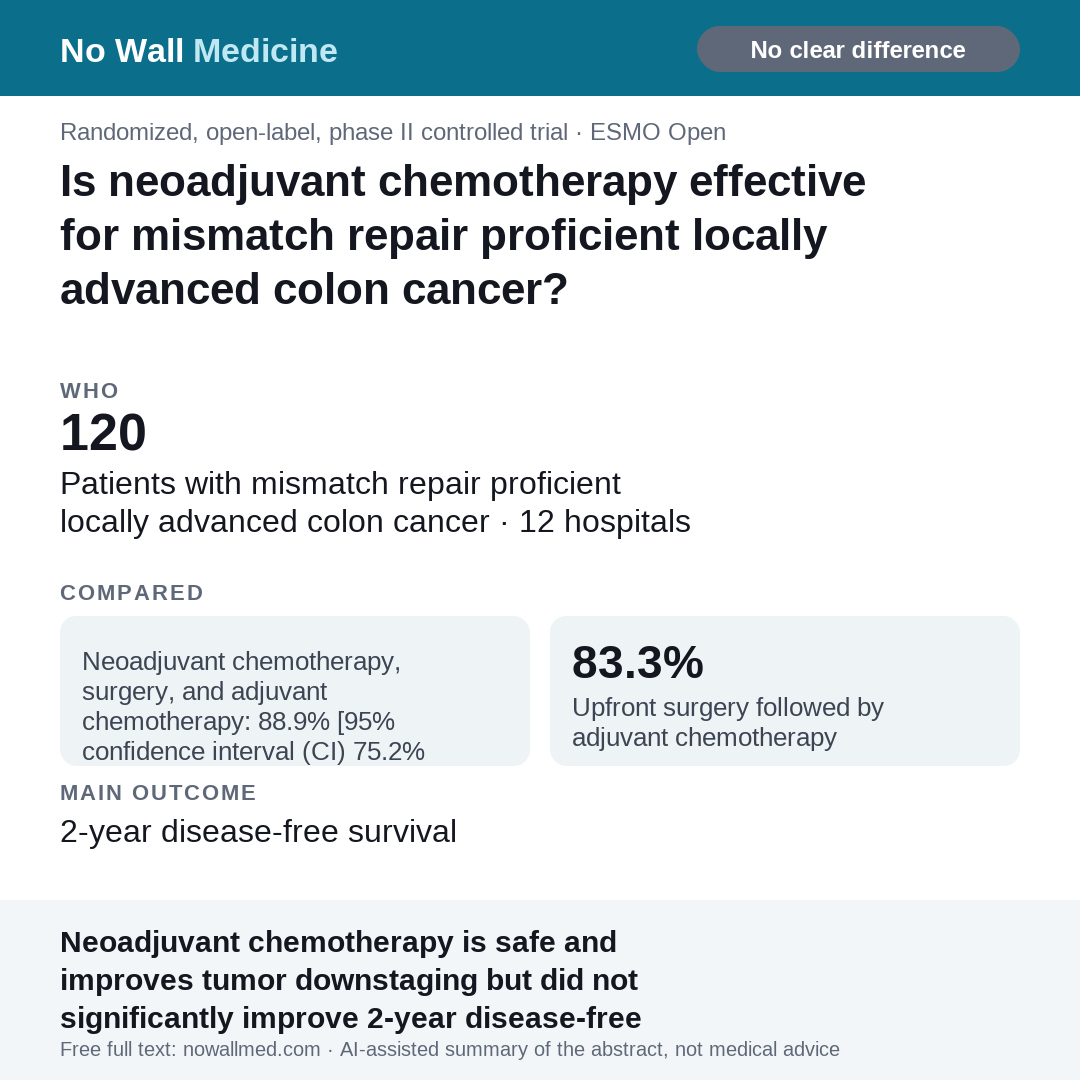
ELECLA trial: final results of perioperative chemotherapy with fluoropyrimidine and oxaliplatin in mismatch repair proficient locally advanced colon cancer
Randomized, open-label, phase II controlled trialNo clear difference
Is neoadjuvant chemotherapy effective for mismatch repair proficient locally advanced colon cancer?
Who
120
Patients with mismatch repair proficient locally advanced colon cancer · 12 hospitals in Spain
Compared
Neoadjuvant chemotherapy, surgery, and adjuvant chemotherapy: 88.9% [95% confidence interval (CI) 75.2% to 95.2%]
83.3%Upfront surgery followed by adjuvant chemotherapy (95% CI 70.9% to 90.7%)
Main outcome
2-year disease-free survival
Bottom line: Neoadjuvant chemotherapy is safe and improves tumor downstaging but did not significantly improve 2-year disease-free survival.
ESMO Open · 2026-06-30Download image
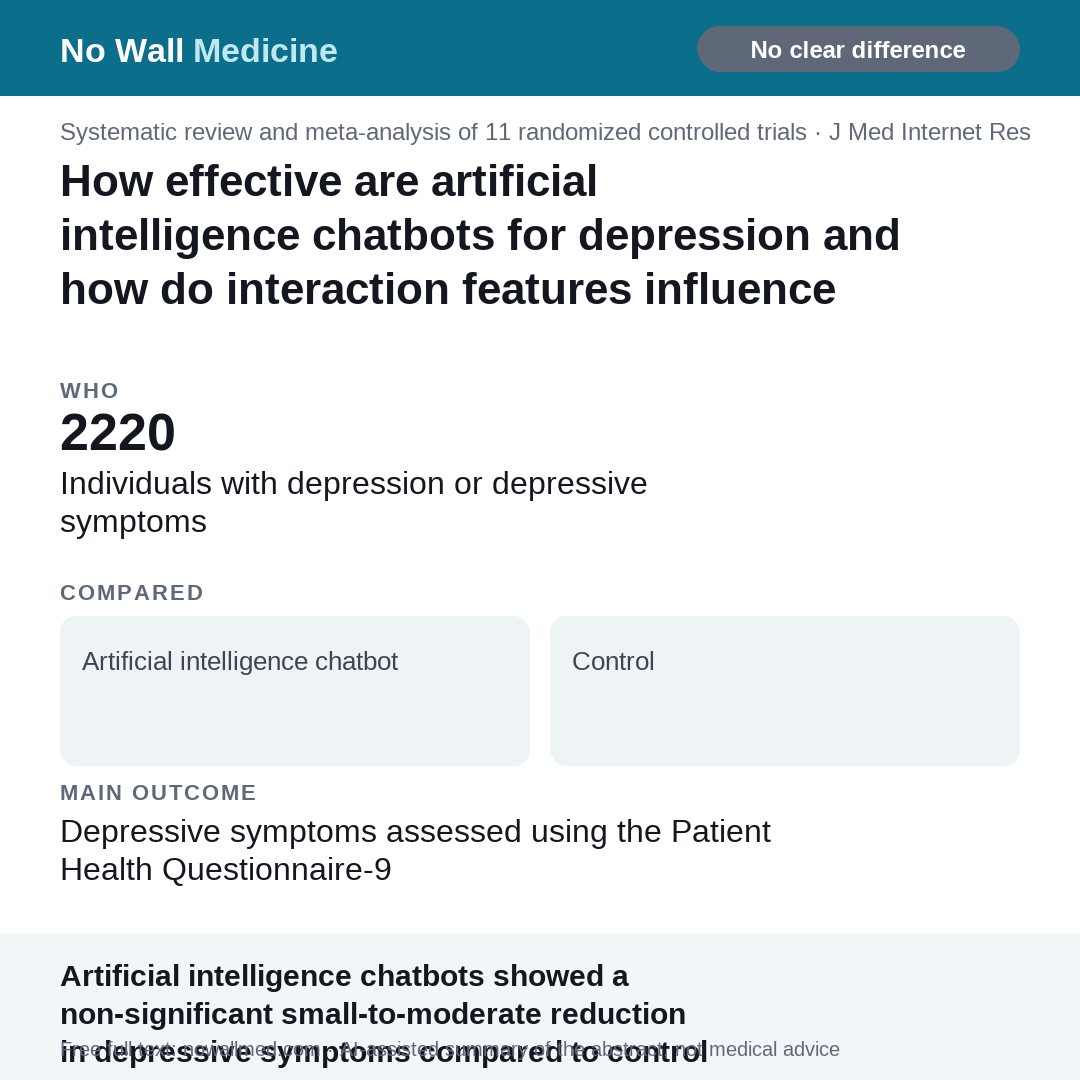
Therapeutic Interaction Features of AI Chatbots in Depression Interventions: Systematic Review and Meta-Analysis
Systematic review and meta-analysis of 11 randomized controlled trialsNo clear difference
How effective are artificial intelligence chatbots for depression and how do interaction features influence outcomes?
Who
2220
Individuals with depression or depressive symptoms
Compared
Artificial intelligence chatbot
Control
Main outcome
Depressive symptoms assessed using the Patient Health Questionnaire-9
Result: standardized mean difference -0.46 (95% CI -1.02 to 0.10)
Bottom line: Artificial intelligence chatbots showed a non-significant small-to-moderate reduction in depressive symptoms compared to control conditions.
Limitation: Small number of randomized controlled trials, heterogeneity, and potential publication bias.
J Med Internet Res · 2026-06-30Download image
Care Robots as Emerging Health Technologies: Systematic Review and Meta-Analysis of Randomized Controlled Trials
Systematic review and meta-analysis of randomized controlled trialsMixed results
What are the pooled effects of care-robot interventions across seven outcome domains?
Who
2476
Older adult and pediatric populations · 17 countries
Compared
Care robots
Standard care, active controls, or waitlist
Main outcome
Seven prespecified outcome domains including neuropsychiatric symptoms
Result: Hedges g=0.44 (95% CI 0.03-0.84) for neuropsychiatric symptoms
Bottom line: Care robots showed significant reduction in neuropsychiatric symptoms, but evidence certainty is low and routine clinical adoption is not yet supported.
Limitation: The neuropsychiatric symptom result was fragile and significance was lost in most leave-one-out iterations.
J Med Internet Res · 2026-06-30Download image

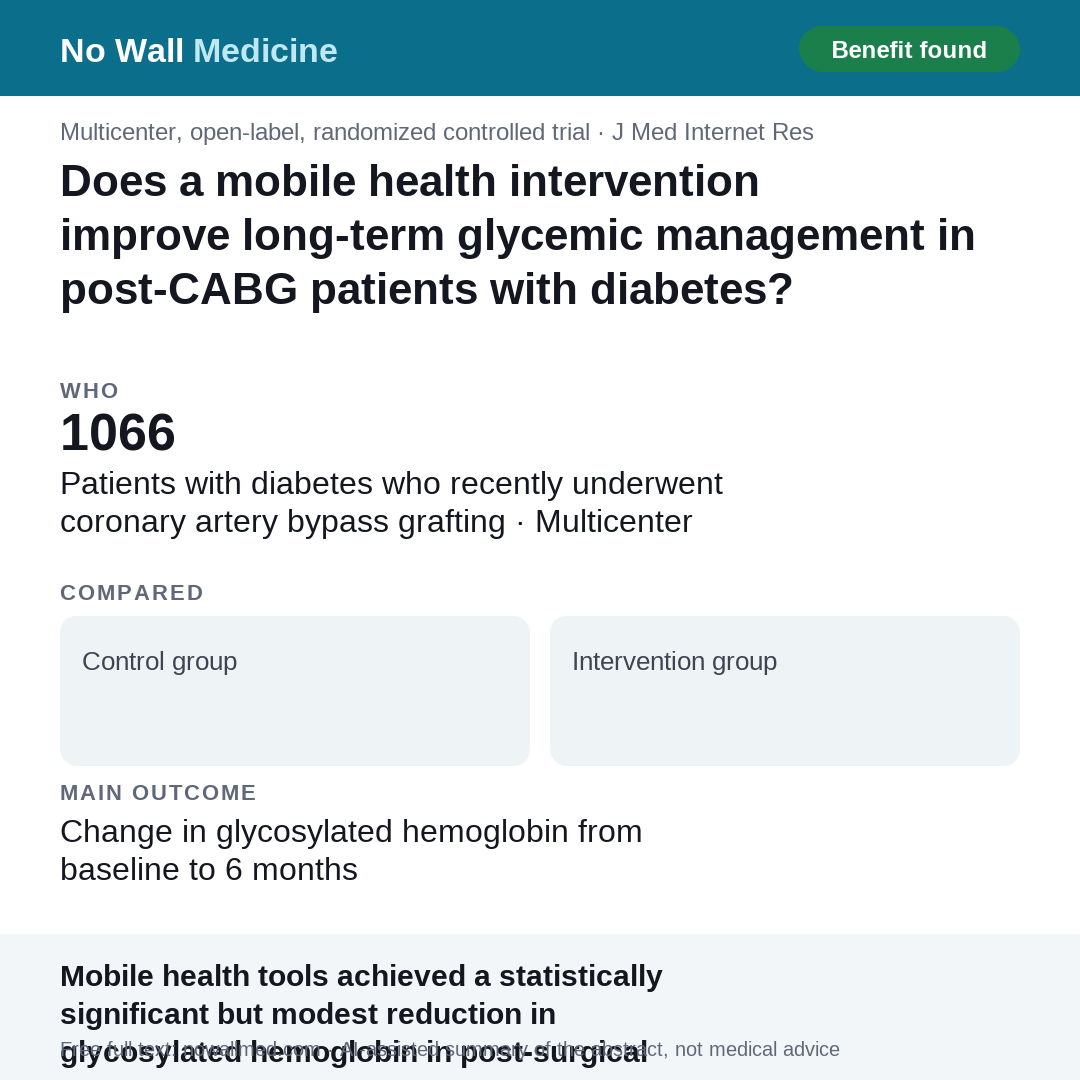
Long-Term Mobile-Based Glycemic Intervention for Secondary Prevention in Patients With Diabetes Undergoing Surgical Revascularization: Multicenter Randomized Controlled Trial
Multicenter, open-label, randomized controlled trialBenefit found
Does a mobile health intervention improve long-term glycemic management in post-CABG patients with diabetes?
Who
1066
Patients with diabetes who recently underwent coronary artery bypass grafting · Multicenter
Compared
Control group
Intervention group
Main outcome
Change in glycosylated hemoglobin from baseline to 6 months
Result: adjusted between-group mean difference -0.13 (95% CI -0.25 to -0.01)
Bottom line: Mobile health tools achieved a statistically significant but modest reduction in glycosylated hemoglobin in post-surgical diabetes patients.
J Med Internet Res · 2026-06-30Download image
Exploring tools used in the assessment of Trauma Team Leadership using video review: a systematic review
Systematic reviewMixed results
What structured observational tools assess trauma team leadership during video review?
Who
Studies using retrospective video review of trauma resuscitations · United States, Canada, and the Netherlands
Compared
Identified tools: Nineteen distinct structured assessment tools
Most frequent tool: Non-Technical Skills Scale for Trauma (n = 7)
Main outcome
Characterization of structured observational tools for leadership assessment
Bottom line: Multiple heterogeneous tools exist for assessing trauma leadership, which limits comparability and evaluation of quality improvement initiatives.
Limitation: Substantial heterogeneity in tool design, rater approach, and reliability reporting.
Scand J Trauma Resusc Emerg Med · 2026-06-30Download image

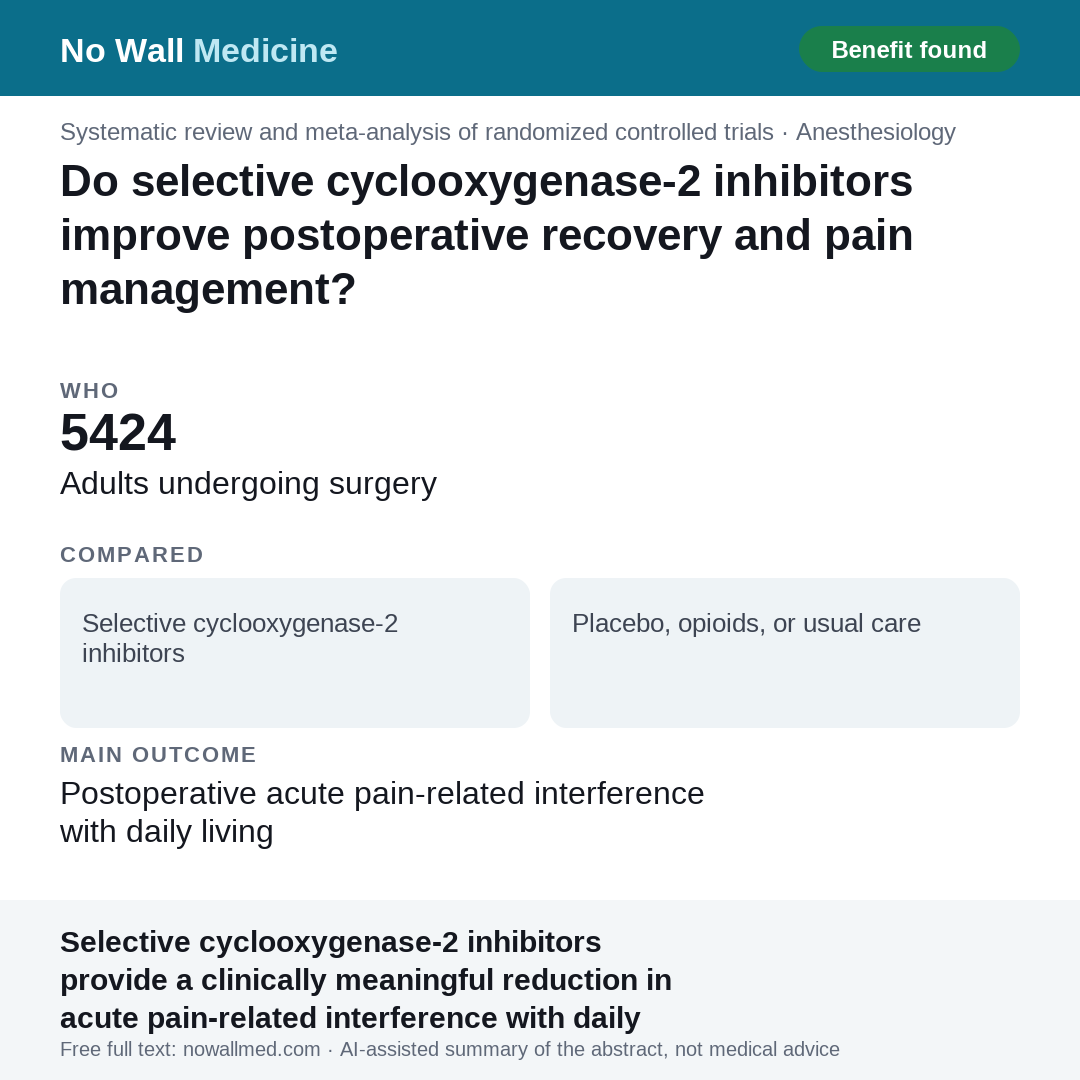
Effectiveness of Selective Cyclooxygenase-2 Inhibitors for Postoperative Pain Management Using Multidimensional Pain Assessment: A Systematic Review and Meta-analysis of Randomized Controlled Trials
Systematic review and meta-analysis of randomized controlled trialsBenefit found
Do selective cyclooxygenase-2 inhibitors improve postoperative recovery and pain management?
Who
5424
Adults undergoing surgery
Compared
Selective cyclooxygenase-2 inhibitors
Placebo, opioids, or usual care
Main outcome
Postoperative acute pain-related interference with daily living
Result: mean difference -1.1 (95% CI -1.4 to -0.8)
Bottom line: Selective cyclooxygenase-2 inhibitors provide a clinically meaningful reduction in acute pain-related interference with daily function.
Limitation: Certainty of evidence ranged from very low to moderate.
Anesthesiology · 2026-06-29Download image
Including randomized and non-randomized studies of interventions in evidence synthesis for harms: a meta-epidemiological study
Meta-epidemiological studyHarm found
How is evidence from randomized and non-randomized studies synthesized for harms?
Who
195
Systematic reviews synthesizing randomized and non-randomized studies · PubMed indexed reviews
Compared
Combined in single meta-analysis: 72.5% included NRSIs at moderate or high risk of bias
Separate meta-analyses: 67.6% showed qualitative disagreement between study designs
Main outcome
Methodological practices and handling of conflicting findings
Bottom line: Systematic reviews often overlook methodological gaps and fail to adequately address conflicting findings between study designs when assessing harms.
BMC Med · 2026-06-29Download image

Trimester-specific safety of laparoscopic versus open abdominal surgery during pregnancy: systematic review and meta-analysis
Systematic review and meta-analysisMixed results
Is laparoscopic versus open abdominal surgery safer for maternal and fetal outcomes during pregnancy?
Who
28160
Pregnant women undergoing surgery for appendicitis, gallstone disease, or adnexal masses
Compared
Laparoscopic surgery: higher risk of fetal loss
Open surgery
Main outcome
maternal and fetal safety outcomes
Result: OR 2.02 (95% c.i. 1.40 to 2.92) for fetal loss
Bottom line: Laparoscopy reduces preterm delivery and maternal complications but increases fetal loss and second trimester adverse outcomes.
Br J Surg · 2026-06-29Download image

Effectiveness of interventions to promote couples-based HIV testing and family health during pregnancy and postpartum in Kenya: a multicentre, couples-based, randomised controlled trial
Multicentre, couples-based, randomised controlled trialBenefit found
Are couples-focused interventions effective for HIV testing and family health during pregnancy and postpartum?
Who
800
HIV status-concordant and HIV status-discordant pregnant couples aged 15 years or older · 24 antenatal clinics in Migori and Kisumu counties, Kenya
Compared
56.2%home visit group
50.0%HIV self-test group
13.6%standard care group
Main outcome
both couple members reporting couples HIV testing and counselling uptake
Result: adjusted risk ratio 4.22 (95% CI 2.88-6.18)
Bottom line: Home visits and HIV self-test kits increased couples HIV testing uptake compared to standard care in Kenya.
Funded by: National Institute of Mental Health
Lancet HIV · 2026-06-29Download image

Genome-wide genetic overlap between fear-based disorders and generalised anxiety disorder
Genome-wide association studies meta-analysesMixed results
Is there genetic overlap between fear-based disorders and generalised anxiety disorder?
Who
Individuals with fear-based disorders and generalised anxiety disorder
Compared
Fear: up to 35,523 cases and 157,447 controls
Generalised anxiety disorder: up to 60,879 cases and 117,064 controls
Main outcome
Genetic correlation between fear and generalised anxiety disorder
Result: rg = 0.87; P = 9.32 × 10⁻³
Bottom line: Findings partially support a genetic distinction between fear and distress but suggest an overarching genetic liability to internalising psychopathology.
Limitation: Limited datasets with detailed phenotyping across anxiety disorders have restricted most studies.
Mol Psychiatry · 2026-06-29Download image

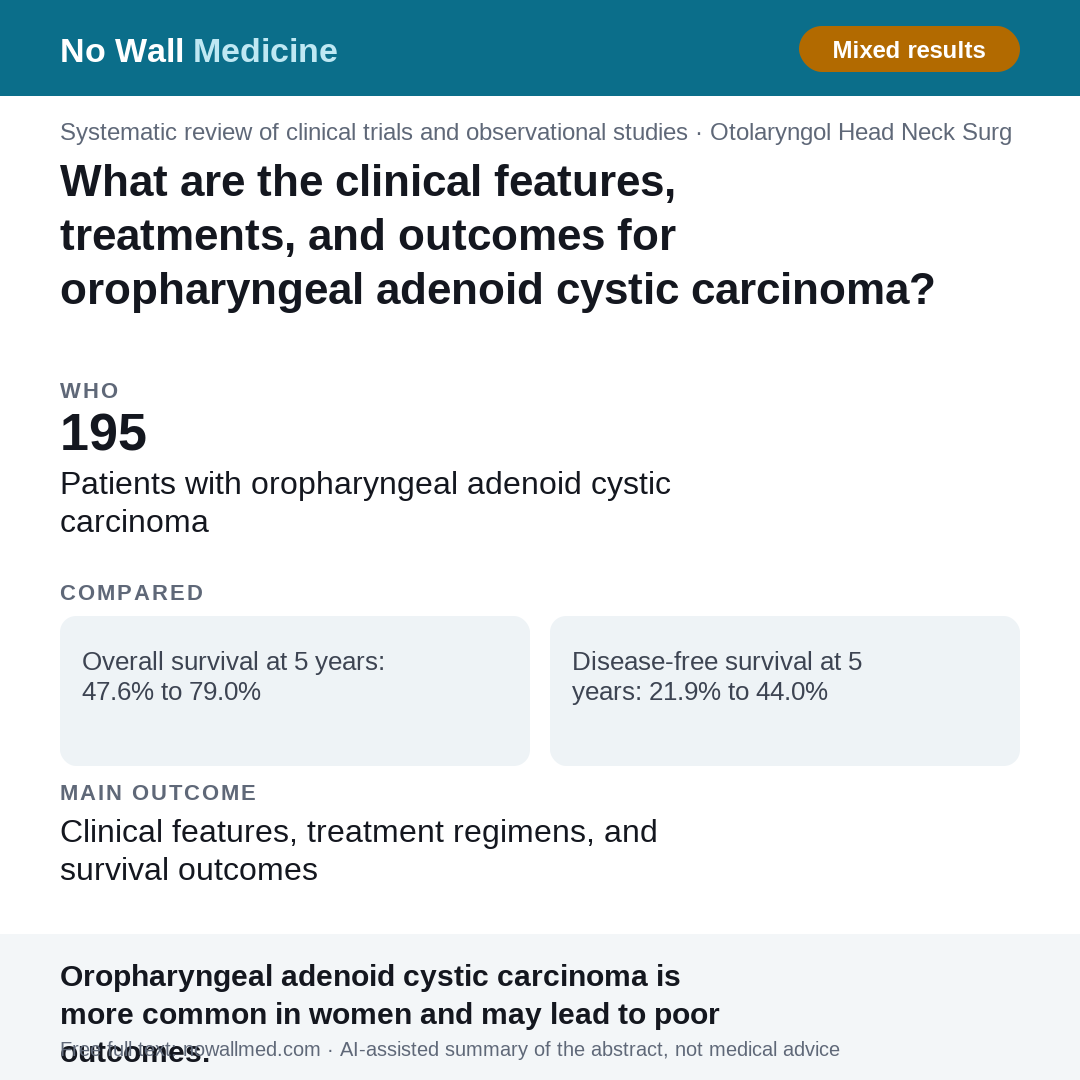
Clinical Features, Treatment, and Outcomes for Oropharyngeal Adenoid Cystic Carcinoma: A Systematic Review
Systematic review of clinical trials and observational studiesMixed results
What are the clinical features, treatments, and outcomes for oropharyngeal adenoid cystic carcinoma?
Who
195
Patients with oropharyngeal adenoid cystic carcinoma
Compared
Overall survival at 5 years: 47.6% to 79.0%
Disease-free survival at 5 years: 21.9% to 44.0%
Main outcome
Clinical features, treatment regimens, and survival outcomes
Bottom line: Oropharyngeal adenoid cystic carcinoma is more common in women and may lead to poor outcomes.
Limitation: High proportion of missing data.
Otolaryngol Head Neck Surg · 2026-06-29Download image