Visual abstracts
New randomized trials and meta-analyses from leading journals at a glance: who was studied, what was compared, and what was found. Every paper is free to read in full.
All specialtiesCardiology 4656Oncology 3931Gastroenterology & Hepatology 1857Infectious Disease 3649Neurology 1815Psychiatry & Mental Health 2168Pulmonology 2056Critical Care 1305Endocrinology & Diabetes 2440Pediatrics 2820Surgery 2440Orthopedics & Sports Medicine 873Neurosurgery 508Cardiothoracic & Vascular Surgery 622Plastic & Reconstructive Surgery 581Nephrology 1048Rheumatology 780Hematology 1059Dermatology 597Ophthalmology 513Obstetrics & Gynecology 1621Public & Global Health 984Radiology & Imaging 615Anesthesiology 944Urology 730ENT (Otolaryngology) 487Emergency Medicine 485Allergy & Immunology 300Geriatrics 947Family Medicine & Primary Care 538Medical Genetics & Genomics 645Pathology & Laboratory Medicine 153Physical Medicine & Rehabilitation 722Palliative Care 424Nutrition 1489Digital Health & AI 2107General Medicine 307
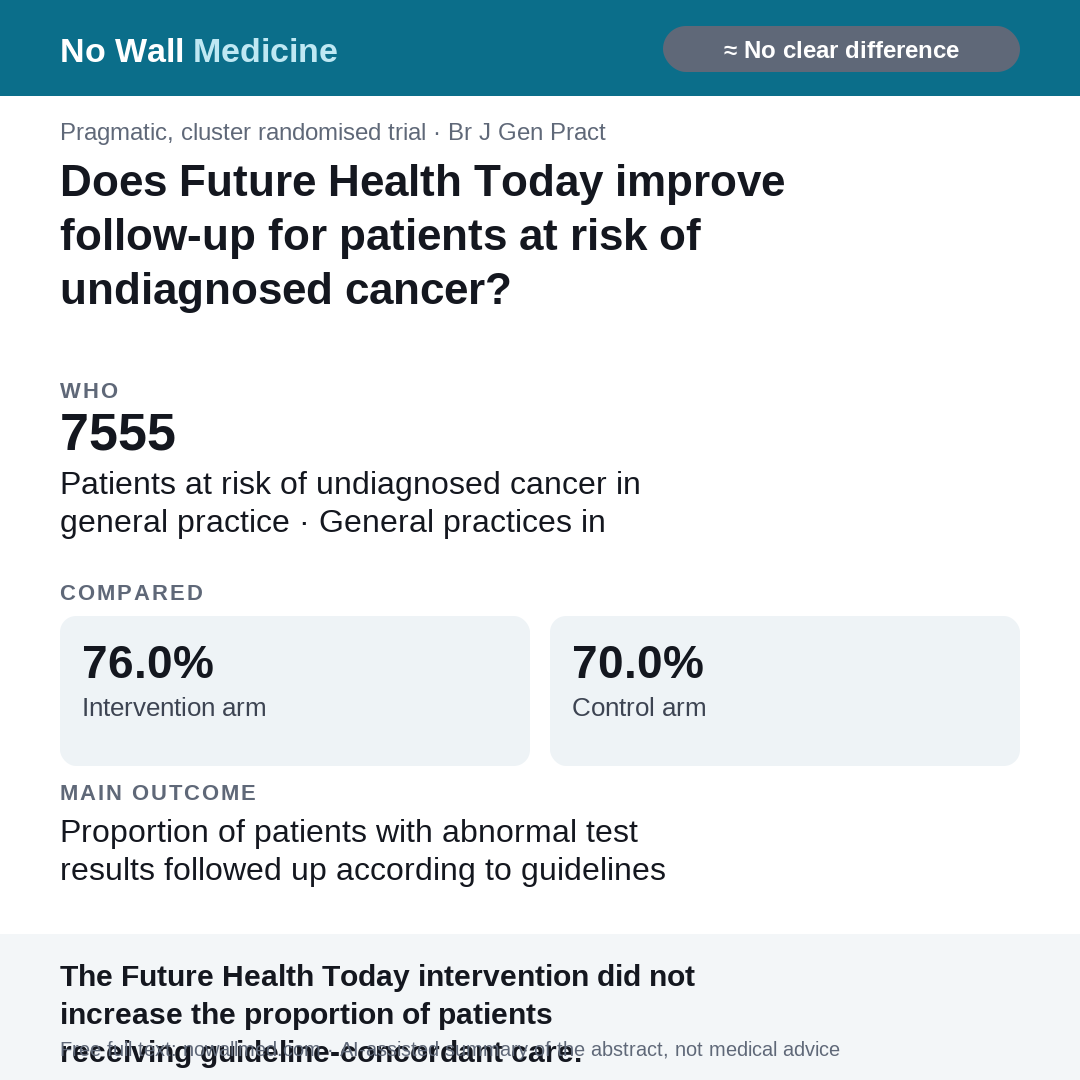
Future Health Today and patients at risk of undiagnosed cancer: a pragmatic cluster randomised trial of quality- improvement activities in general practice
Pragmatic, cluster randomised trialNo clear difference
Does Future Health Today improve follow-up for patients at risk of undiagnosed cancer?
Who
7555
Patients at risk of undiagnosed cancer in general practice · General practices in Victoria and Tasmania, Australia
Compared
76.0%Intervention arm (2820/3709)
70.0%Control arm (2693/3846)
Main outcome
Proportion of patients with abnormal test results followed up according to guidelines
Result: odds ratio 1.15 (95% CI 0.87 to 1.53)
Bottom line: The Future Health Today intervention did not increase the proportion of patients receiving guideline-concordant care.
Br J Gen Pract · 2025-05-02Download image
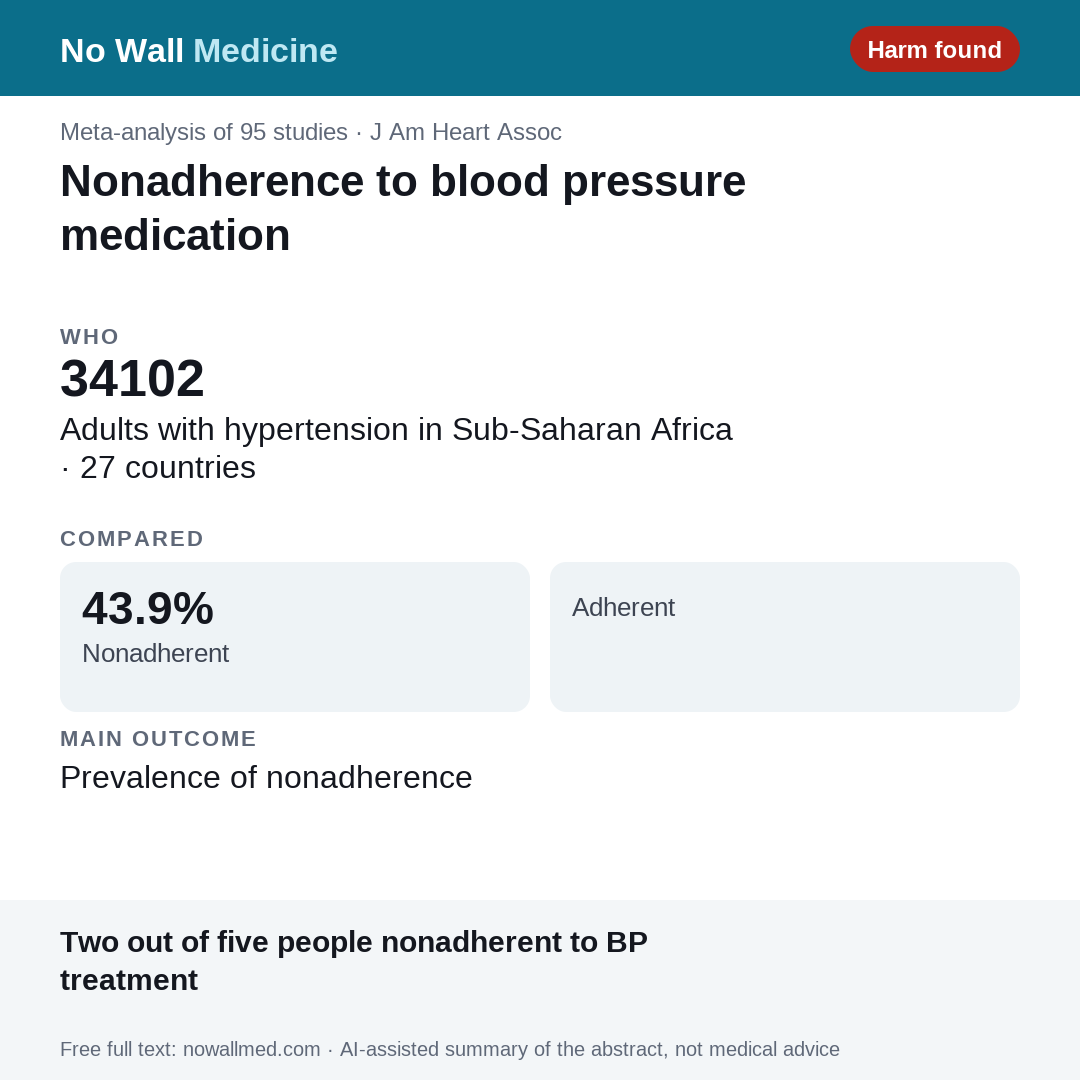
High Burden and Trend in Nonadherence to Blood Pressure-Lowering Medications: Meta-Analysis of Data From Over 34 000 Adults With Hypertension in Sub-Saharan Africa
Meta-analysis of 95 studiesHarm found
Nonadherence to blood pressure medication
Who
34102
Adults with hypertension in Sub-Saharan Africa · 27 countries
Compared
43.9%Nonadherent (95% CI, 39.2-48.6)
Adherent
Main outcome
Prevalence of nonadherence
Bottom line: Two out of five people nonadherent to BP treatment
J Am Heart Assoc · 2025-05-02Download image
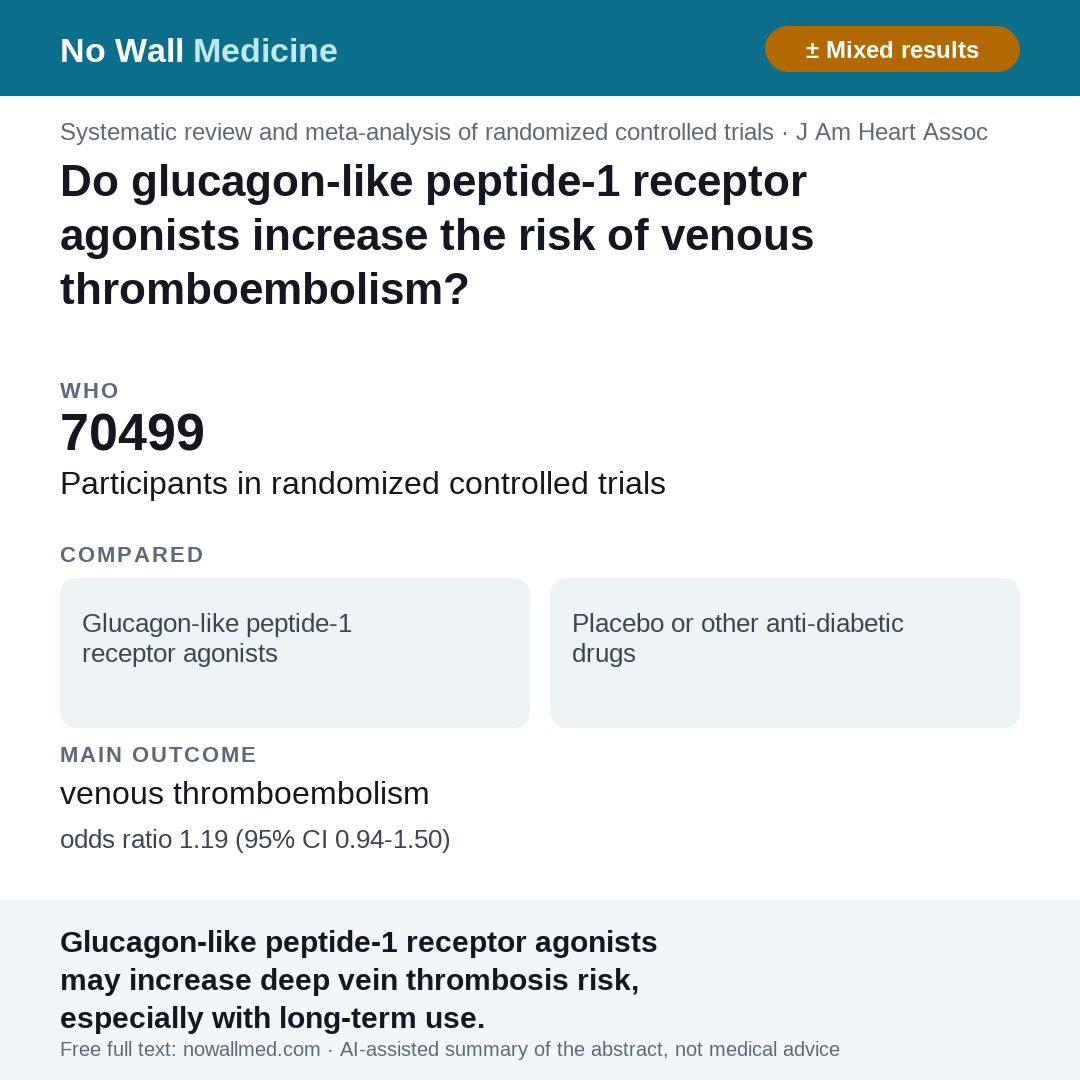
Glucagon-Like Peptide-1 Receptor Agonists and Risk of Venous Thromboembolism: A Systematic Review and Meta-Analysis of Randomized Controlled Trials
Systematic review and meta-analysis of randomized controlled trialsMixed results
Do glucagon-like peptide-1 receptor agonists increase the risk of venous thromboembolism?
Who
70499
Participants in randomized controlled trials
Compared
Glucagon-like peptide-1 receptor agonists
Placebo or other anti-diabetic drugs
Main outcome
venous thromboembolism
Result: odds ratio 1.19 (95% CI 0.94-1.50)
Bottom line: Glucagon-like peptide-1 receptor agonists may increase deep vein thrombosis risk, especially with long-term use.
J Am Heart Assoc · 2025-05-02Download image
Adverse childhood experiences and suicidality in low-income and middle-income countries: a systematic review and meta-analysis
Systematic review and meta-analysisBenefit found
Are adverse childhood experiences associated with suicidality in low-income and middle-income countries?
Who
People in low-income and middle-income countries · Low-income and middle-income countries
Compared
Adverse childhood experiences: Significant odds ratios ranged from 1.19 to 2.61
No adverse childhood experiences
Main outcome
Suicidal outcomes
Result: odds ratios ranged from 1.19 to 2.61
Bottom line: Adverse childhood experiences are significantly associated with increased odds of suicidal outcomes in low-income and middle-income countries.
Limitation: None of the included articles reported on suicide mortality.
BMJ Glob Health · 2025-05-02Download image
Impact of baseline left ventricular ejection fraction and body mass index on the effect of 24-week Ipragliflozin treatment on left ventricular diastolic function in patients with type 2 diabetes and chronic kidney disease: insights from the PROCEED trial
Randomized trial sub-analysisMixed results
Does ipragliflozin affect left ventricular diastolic function in type 2 diabetes and chronic kidney disease?
Who
57
Patients with type 2 diabetes mellitus and chronic kidney disease
Compared
Ipragliflozin group
Control group
Main outcome
Change in the E/e' ratio from baseline to 24 weeks
Result: group difference -0.82 (95% CI -2.44 to 0.81)
Bottom line: Ipragliflozin improved diastolic function in subgroups with higher ejection fraction or higher body mass index.
Cardiovasc Diabetol · 2025-05-02Download image
Relationship between stress hyperglycaemic ratio (SHR) and critical illness: a systematic review
Systematic reviewMixed results
What is the relationship between stress hyperglycaemic ratio and critical illness?
Who
Patients with acute or critical illnesses
Compared
Low stress hyperglycaemic ratio: increased mortality and morbidity
High stress hyperglycaemic ratio: increased mortality and morbidity
Main outcome
mortality and morbidity
Bottom line: Both low and high stress hyperglycaemic ratios are associated with increased mortality and morbidity in critical illness.
Cardiovasc Diabetol · 2025-05-02Download image
Randomised controlled feasibility trial of online group acceptance and commitment therapy for functional cognitive disorder
Single-blind randomized controlled feasibility trialBenefit found
Is online group acceptance and commitment therapy feasible for functional cognitive disorder?
Who
44
Participants from cognitive neurology, neuropsychiatry and memory clinics · London
Compared
Acceptance and commitment therapy plus treatment as usual: 64.3% reported being 'satisfied' or 'very satisfied'
Treatment as usual alone: 0% reported being 'satisfied' or 'very satisfied'
Main outcome
Acceptance and Action Questionnaire II score
Bottom line: Online group acceptance and commitment therapy is feasible for functional cognitive disorder with positive trends in psychological flexibility.
Limitation: The study was not powered to demonstrate efficacy statistically.
BJPsych Open · 2025-05-02Download image
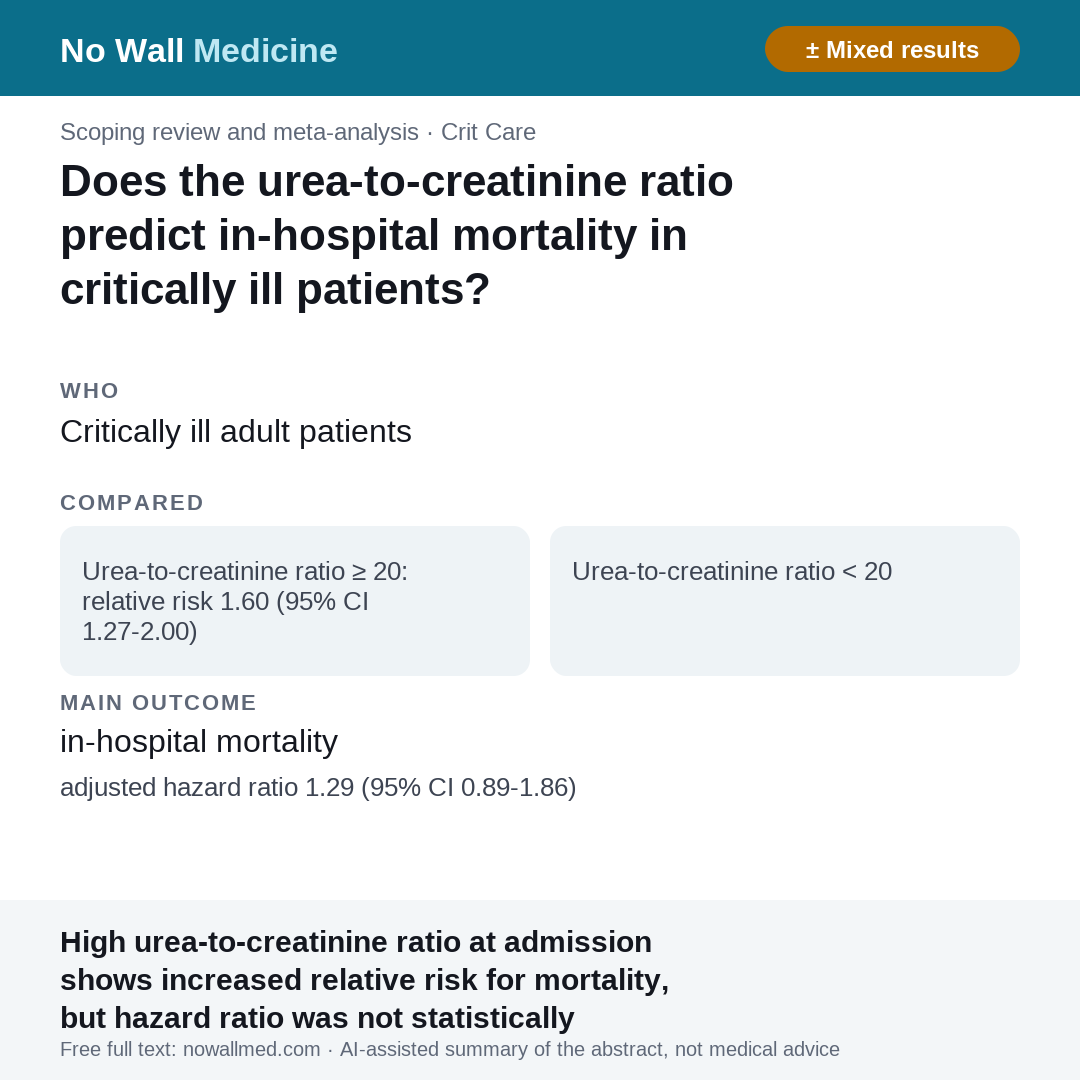
The urea-to-creatinine ratio as an emerging biomarker in critical care: a scoping review and meta-analysis
Scoping review and meta-analysisMixed results
Does the urea-to-creatinine ratio predict in-hospital mortality in critically ill patients?
Who
Critically ill adult patients
Compared
Urea-to-creatinine ratio ≥ 20: relative risk 1.60 (95% CI 1.27-2.00)
Urea-to-creatinine ratio < 20
Main outcome
in-hospital mortality
Result: adjusted hazard ratio 1.29 (95% CI 0.89-1.86)
Bottom line: High urea-to-creatinine ratio at admission shows increased relative risk for mortality, but hazard ratio was not statistically significant.
Crit Care · 2025-05-02Download image
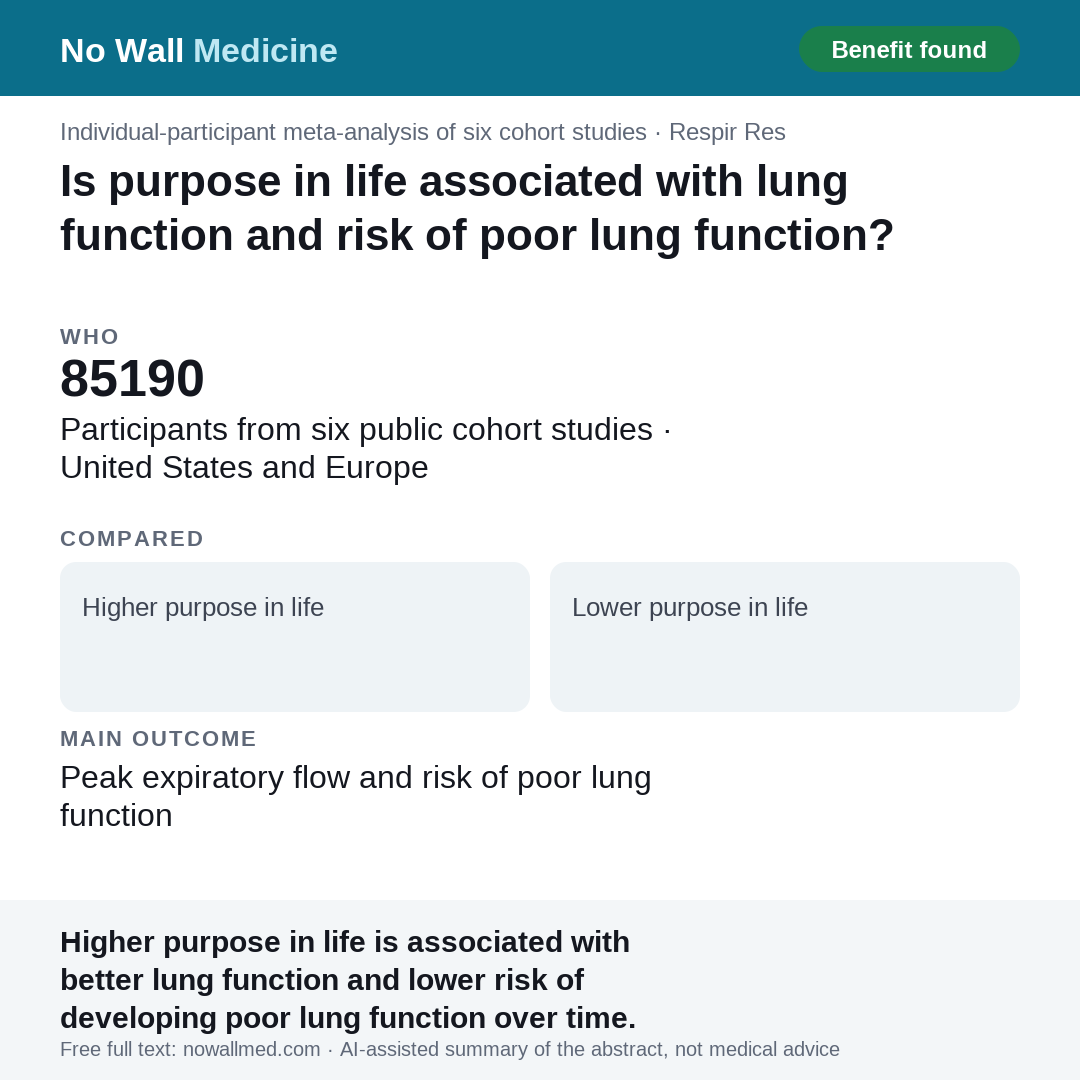
Purpose in life and lung function: an individual-participant meta-analysis of six cohort studies
Individual-participant meta-analysis of six cohort studiesBenefit found
Is purpose in life associated with lung function and risk of poor lung function?
Who
85190
Participants from six public cohort studies · United States and Europe
Compared
Higher purpose in life
Lower purpose in life
Main outcome
Peak expiratory flow and risk of poor lung function
Result: hazard ratio 0.91 (95% confidence interval 0.88, 0.94)
Bottom line: Higher purpose in life is associated with better lung function and lower risk of developing poor lung function over time.
Respir Res · 2025-05-02Download image
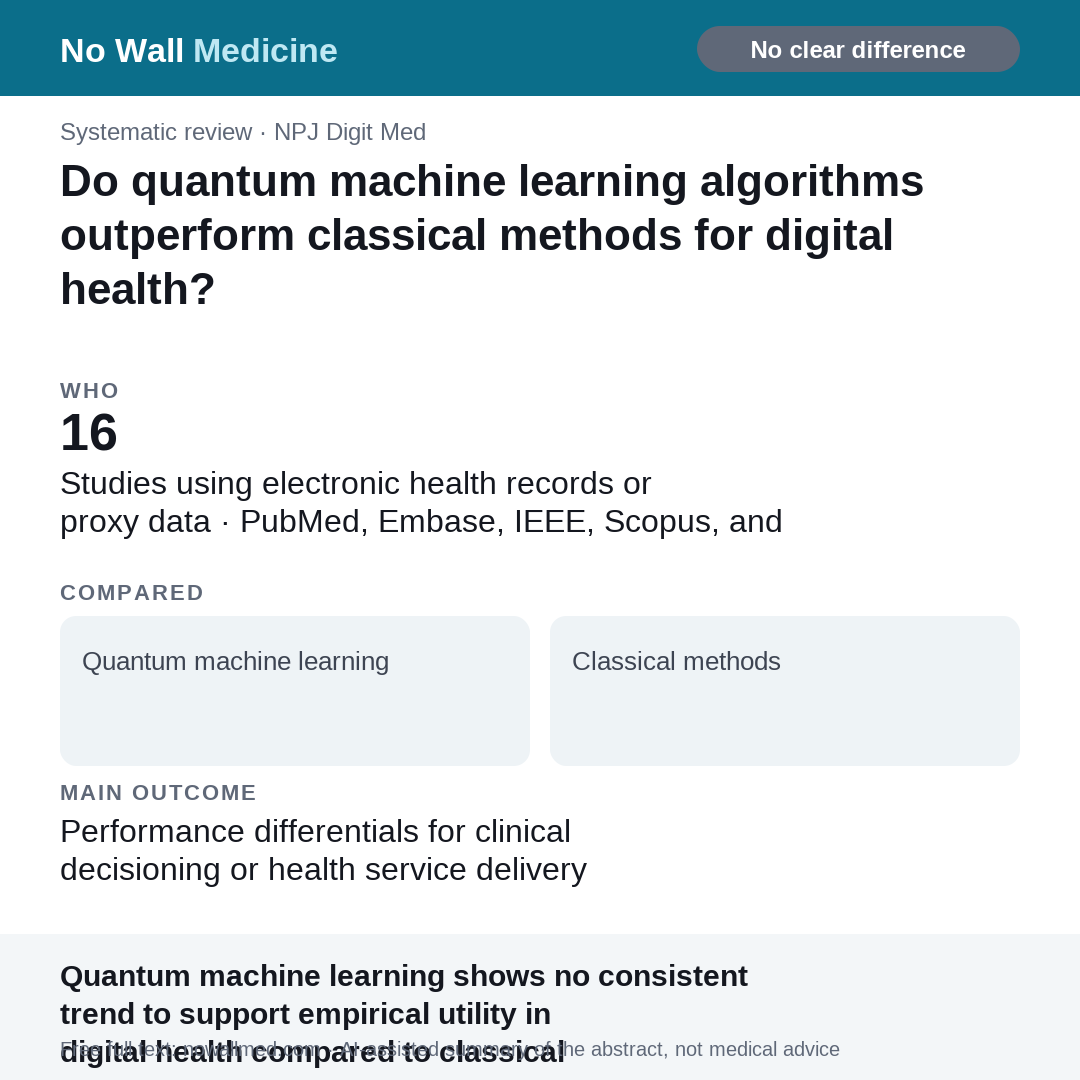
A systematic review of quantum machine learning for digital health
Systematic reviewNo clear difference
Do quantum machine learning algorithms outperform classical methods for digital health?
Who
16
Studies using electronic health records or proxy data · PubMed, Embase, IEEE, Scopus, and arXiv
Compared
Quantum machine learning
Classical methods
Main outcome
Performance differentials for clinical decisioning or health service delivery
Bottom line: Quantum machine learning shows no consistent trend to support empirical utility in digital health compared to classical algorithms.
NPJ Digit Med · 2025-05-02Download image
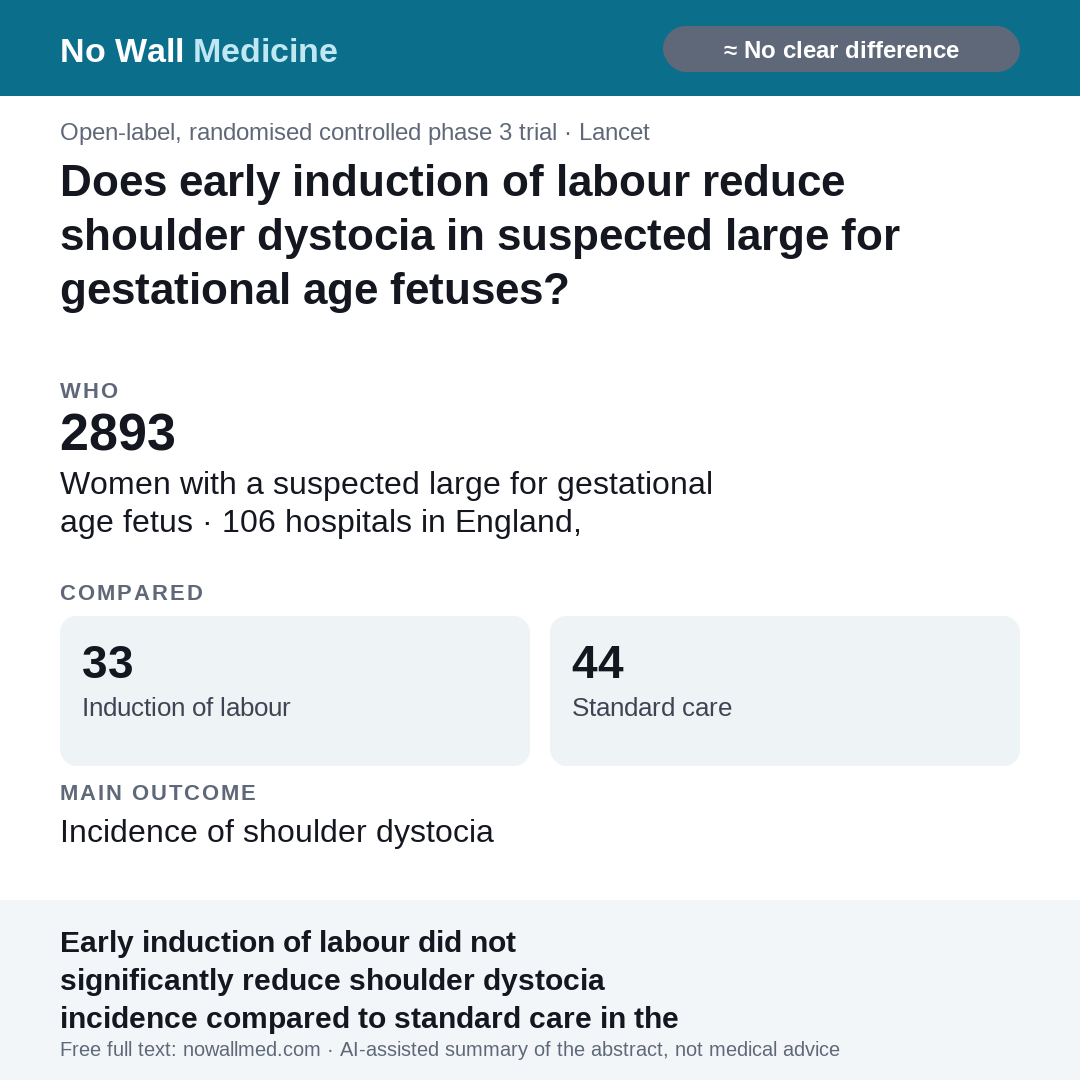
Induction of labour versus standard care to prevent shoulder dystocia in fetuses suspected to be large for gestational age in the UK (the Big Baby trial): a multicentre, open-label, randomised controlled trial
Open-label, randomised controlled phase 3 trialNo clear difference
Does early induction of labour reduce shoulder dystocia in suspected large for gestational age fetuses?
Who
2893
Women with a suspected large for gestational age fetus · 106 hospitals in England, Scotland, and Wales
Compared
33Induction of labour (2·3%)
44Standard care (3·1%)
Main outcome
Incidence of shoulder dystocia
Result: risk ratio 0·75 (95% CI 0·51-1·09)
Bottom line: Early induction of labour did not significantly reduce shoulder dystocia incidence compared to standard care in the intention-to-treat analysis.
Limitation: High proportion of earlier-than-expected deliveries in standard care reduced intended between-group differences.
Lancet · 2025-05-01Download image
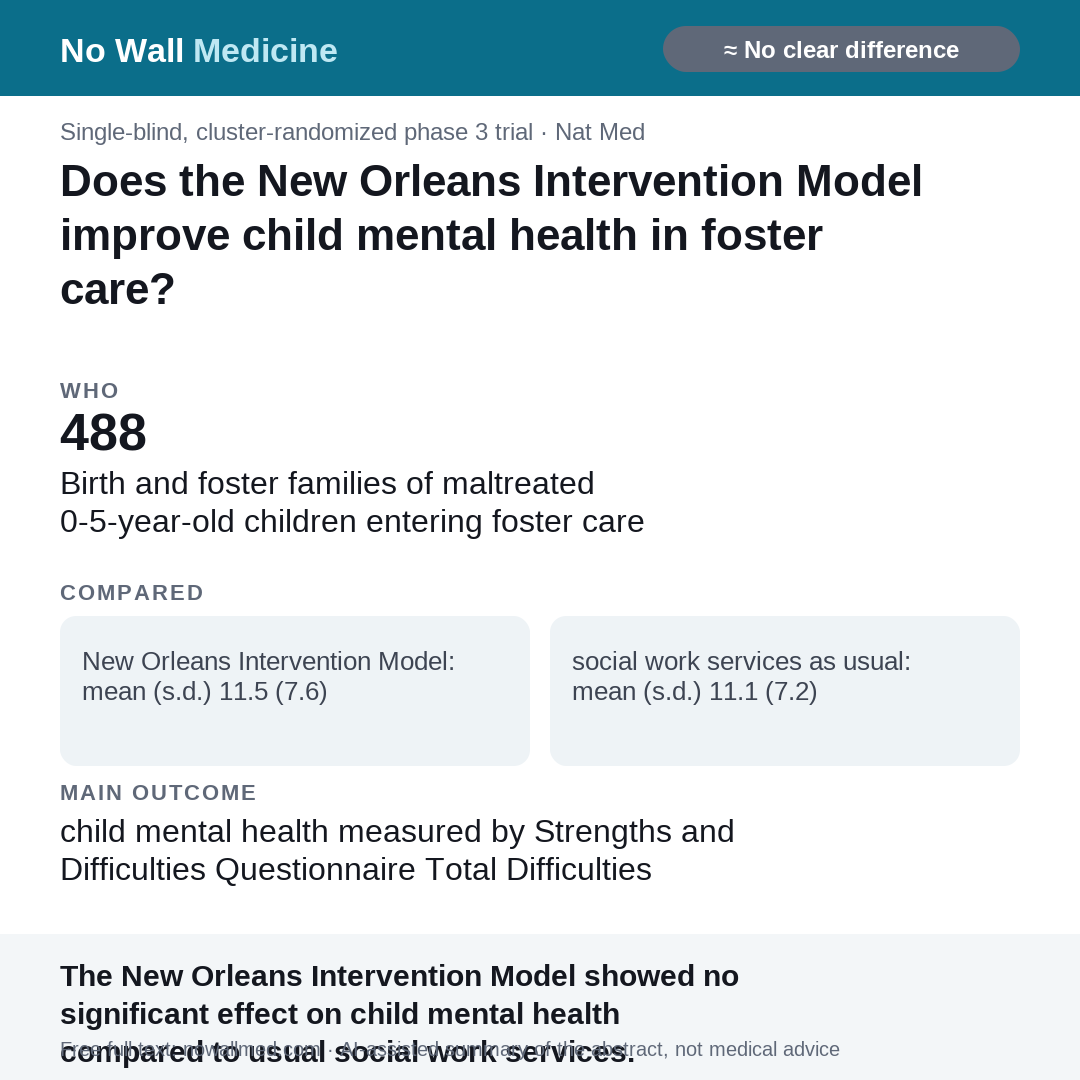
Infant mental health services for birth and foster families of maltreated pre-school children in foster care (BeST?): a cluster-randomized phase 3 clinical effectiveness trial
Single-blind, cluster-randomized phase 3 trialNo clear difference
Does the New Orleans Intervention Model improve child mental health in foster care?
Who
488
Birth and foster families of maltreated 0-5-year-old children entering foster care
Compared
New Orleans Intervention Model: mean (s.d.) 11.5 (7.6)
social work services as usual: mean (s.d.) 11.1 (7.2)
Main outcome
child mental health measured by Strengths and Difficulties Questionnaire Total Difficulties scale
Result: adjusted mean difference 1.4 (95% CI -0.63, 3.53)
Bottom line: The New Orleans Intervention Model showed no significant effect on child mental health compared to usual social work services.
Nat Med · 2025-05-01Download image
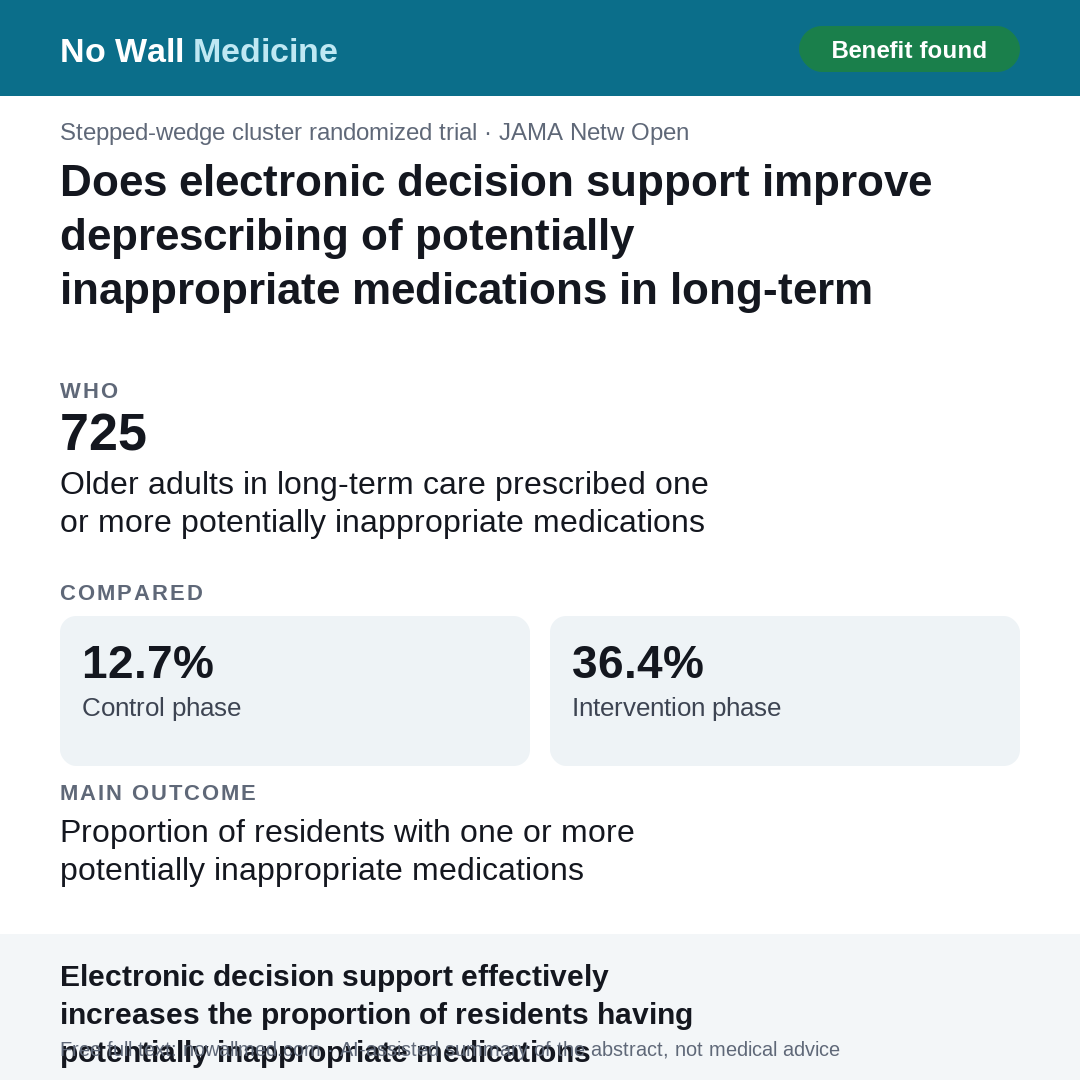
Electronic Decision Support for Deprescribing in Older Adults Living in Long-Term Care: A Stepped-Wedge Cluster Randomized Trial
Stepped-wedge cluster randomized trialBenefit found
Does electronic decision support improve deprescribing of potentially inappropriate medications in long-term care?
Who
725
Older adults in long-term care prescribed one or more potentially inappropriate medications · 5 long-term care homes in New Brunswick, Canada
Compared
12.7%Control phase
36.4%Intervention phase
Main outcome
Proportion of residents with one or more potentially inappropriate medications deprescribed
Result: adjusted odds ratio 1.58 (95% CI 1.07-2.34)
Bottom line: Electronic decision support effectively increases the proportion of residents having potentially inappropriate medications deprescribed in long-term care.
Limitation: The study took place during the COVID-19 pandemic.
JAMA Netw Open · 2025-05-01Download image
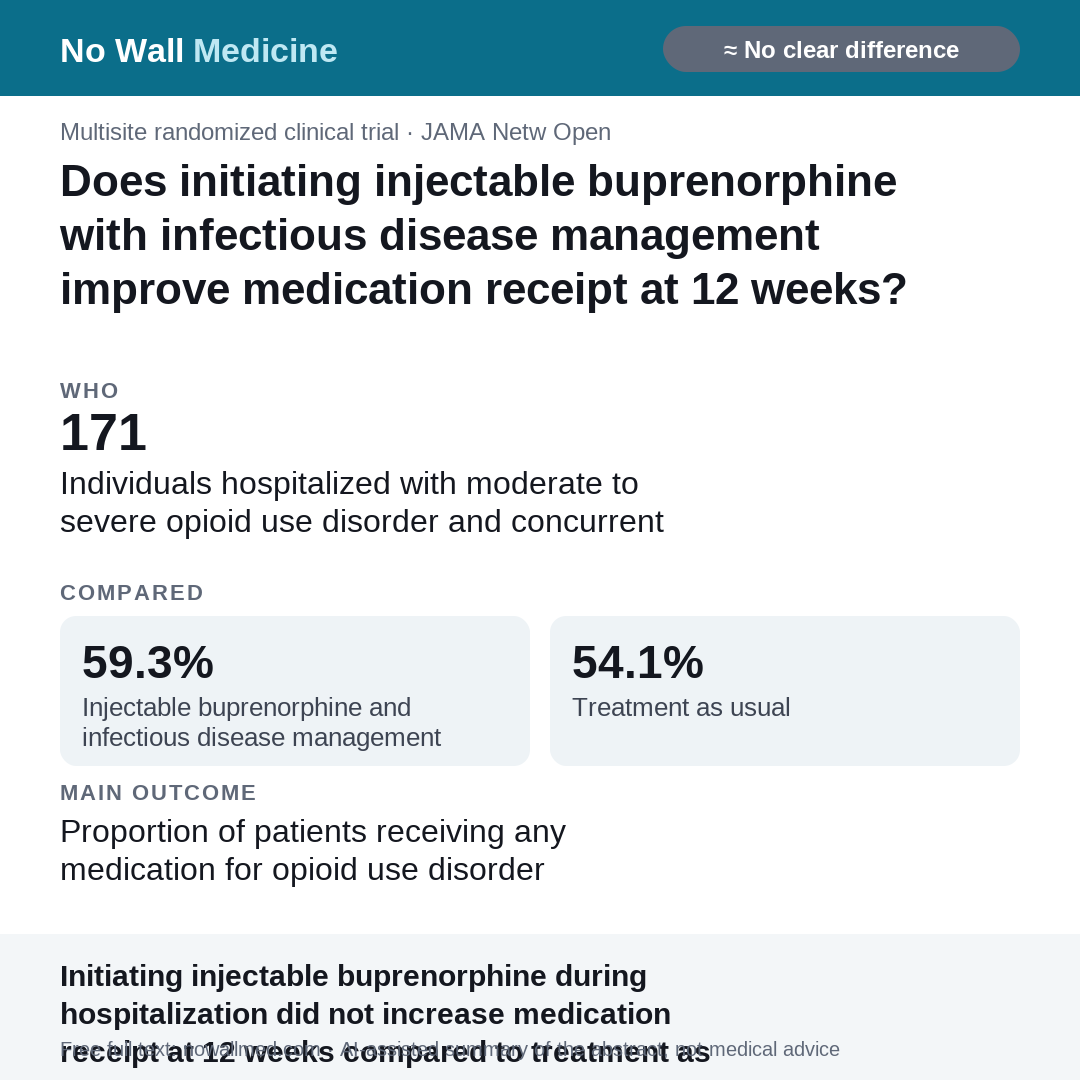
Initiating Injectable Buprenorphine in People Hospitalized With Infections: A Randomized Clinical Trial
Multisite randomized clinical trialNo clear difference
Does initiating injectable buprenorphine with infectious disease management improve medication receipt at 12 weeks?
Who
171
Individuals hospitalized with moderate to severe opioid use disorder and concurrent infection · 3 US hospital systems
Compared
59.3%Injectable buprenorphine and infectious disease management
54.1%Treatment as usual
Main outcome
Proportion of patients receiving any medication for opioid use disorder
Result: adjusted rate ratio 1.01 (95% CI 0.78-1.30)
Bottom line: Initiating injectable buprenorphine during hospitalization did not increase medication receipt at 12 weeks compared to treatment as usual.
Limitation: The treatment as usual arm had higher retention than anticipated.
JAMA Netw Open · 2025-05-01Download image
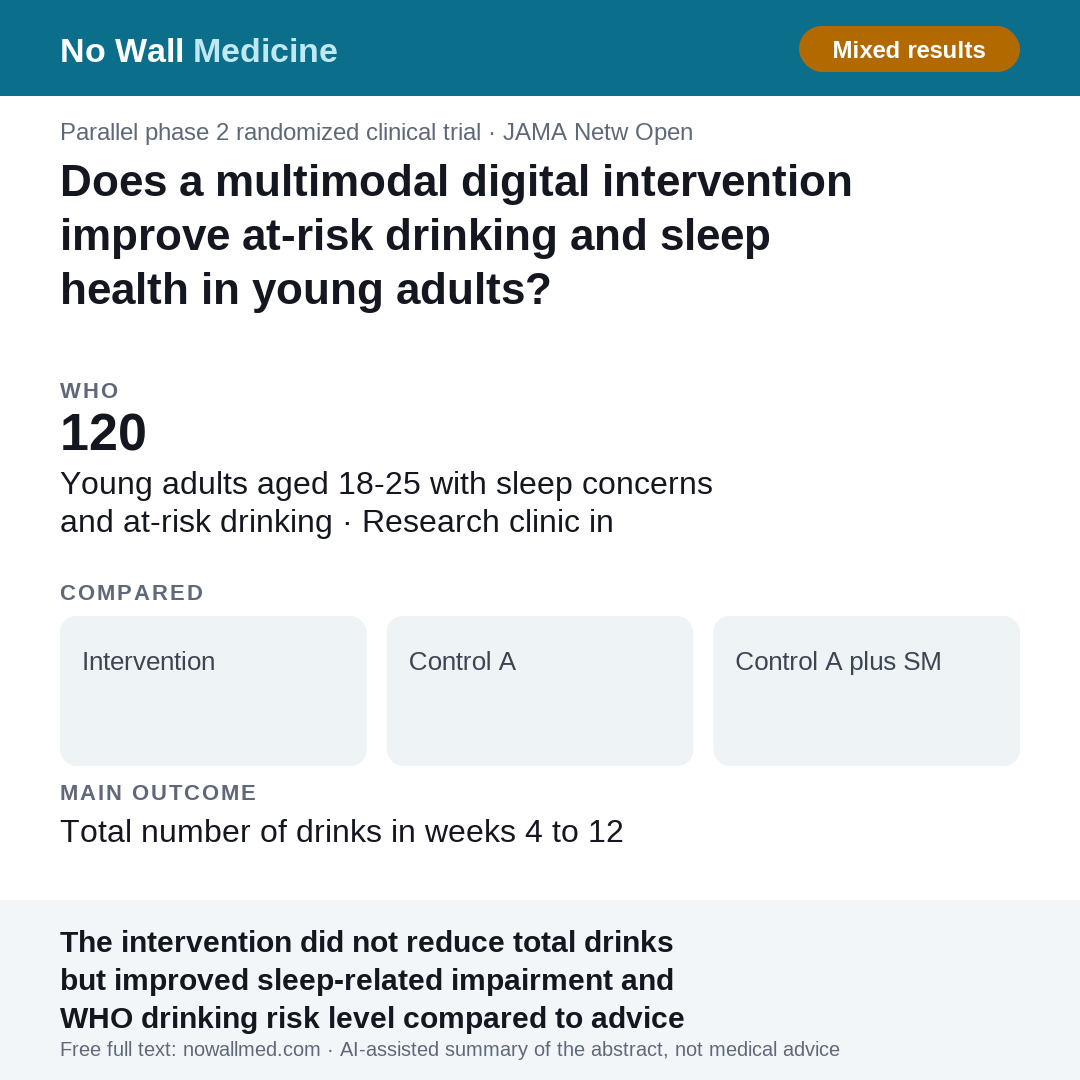
Wearable Intervention for Alcohol Use Risk and Sleep in Young Adults: A Randomized Clinical Trial
Parallel phase 2 randomized clinical trialMixed results
Does a multimodal digital intervention improve at-risk drinking and sleep health in young adults?
Who
120
Young adults aged 18-25 with sleep concerns and at-risk drinking · Research clinic in Connecticut
Compared
Intervention
Control A
Control A plus SM
Main outcome
Total number of drinks in weeks 4 to 12
Result: no significant difference in total drinks
Bottom line: The intervention did not reduce total drinks but improved sleep-related impairment and WHO drinking risk level compared to advice alone.
JAMA Netw Open · 2025-05-01Download image
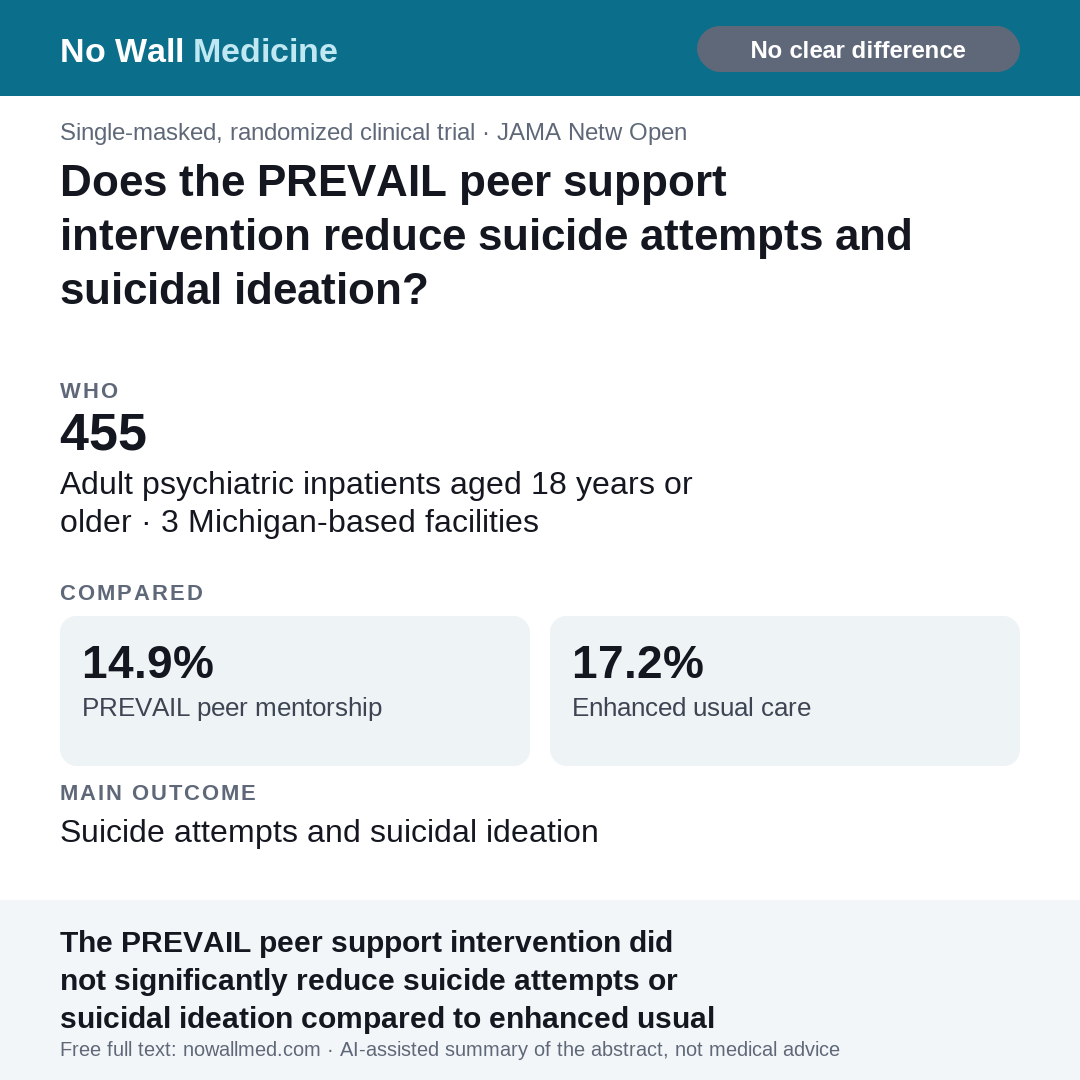
Peer Support Intervention for Suicide Prevention Among High-Risk Adults in Michigan: A Randomized Clinical Trial
Single-masked, randomized clinical trialNo clear difference
Does the PREVAIL peer support intervention reduce suicide attempts and suicidal ideation?
Who
455
Adult psychiatric inpatients aged 18 years or older · 3 Michigan-based facilities
Compared
14.9%PREVAIL peer mentorship (24 of 161)
17.2%Enhanced usual care (28 of 163)
Main outcome
Suicide attempts and suicidal ideation
Bottom line: The PREVAIL peer support intervention did not significantly reduce suicide attempts or suicidal ideation compared to enhanced usual care.
JAMA Netw Open · 2025-05-01Download image
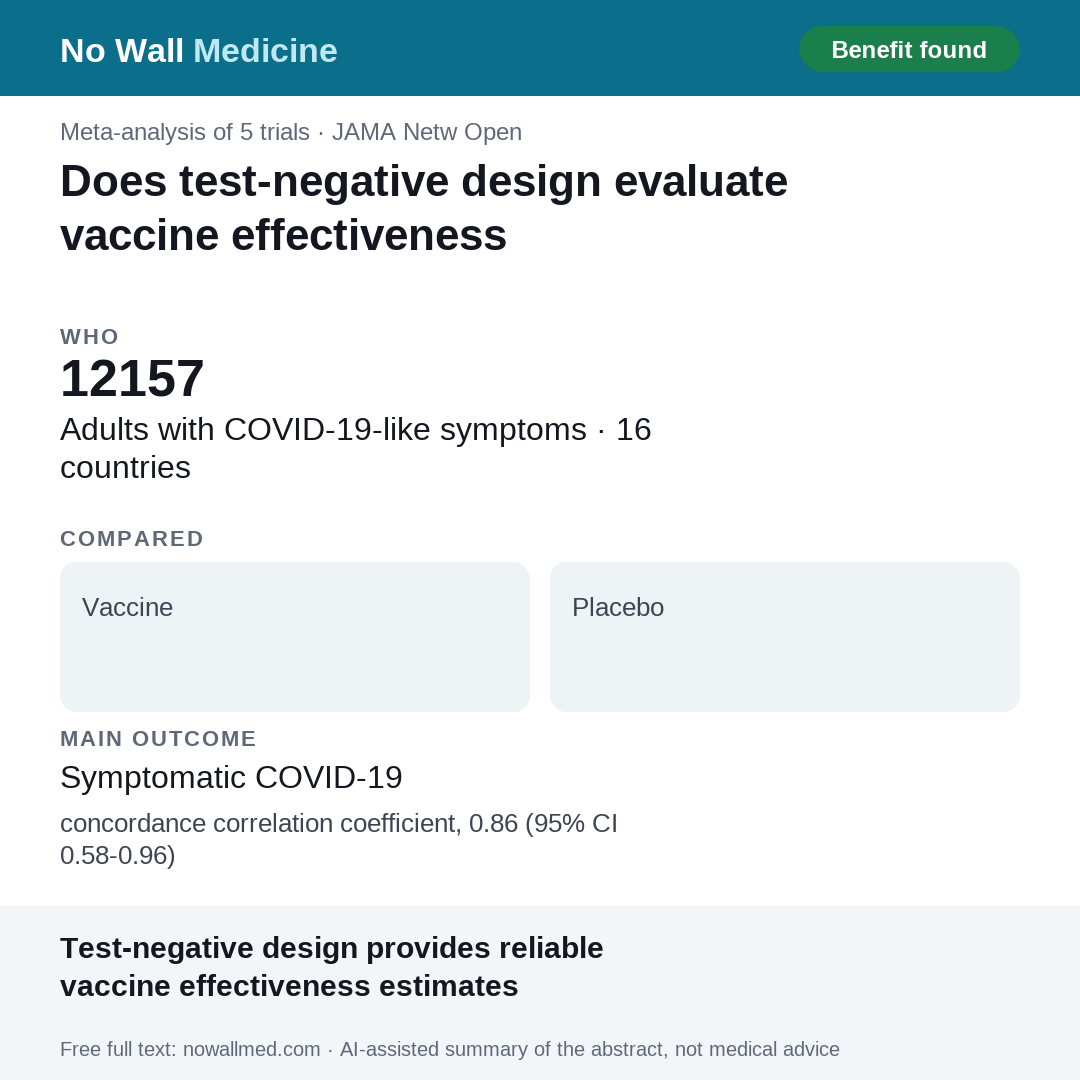
Evaluating the Test-Negative Design for COVID-19 Vaccine Effectiveness Using Randomized Trial Data: A Secondary Cross-Protocol Analysis of 5 Randomized Clinical Trials
Meta-analysis of 5 trialsBenefit found
Does test-negative design evaluate vaccine effectiveness
Who
12157
Adults with COVID-19-like symptoms · 16 countries
Compared
Vaccine
Placebo
Main outcome
Symptomatic COVID-19
Result: concordance correlation coefficient, 0.86 (95% CI 0.58-0.96)
Bottom line: Test-negative design provides reliable vaccine effectiveness estimates
Limitation: confounding and selection bias
JAMA Netw Open · 2025-05-01Download image
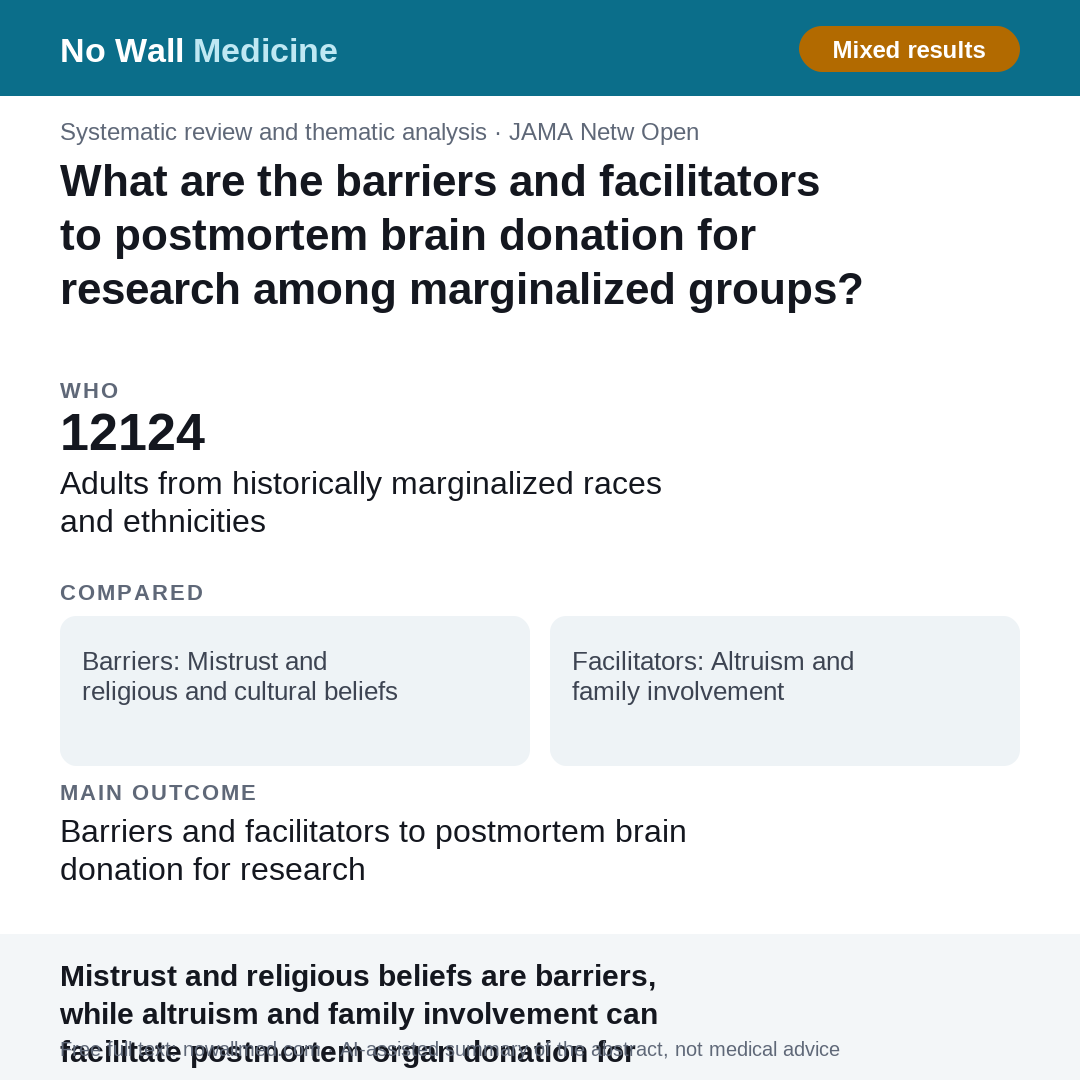
Organ Donation for Research Biobanking Among Historically Marginalized Racial and Ethnic Groups: A Systematic Review
Systematic review and thematic analysisMixed results
What are the barriers and facilitators to postmortem brain donation for research among marginalized groups?
Who
12124
Adults from historically marginalized races and ethnicities
Compared
Barriers: Mistrust and religious and cultural beliefs
Facilitators: Altruism and family involvement
Main outcome
Barriers and facilitators to postmortem brain donation for research
Bottom line: Mistrust and religious beliefs are barriers, while altruism and family involvement can facilitate postmortem organ donation for research.
JAMA Netw Open · 2025-05-01Download image
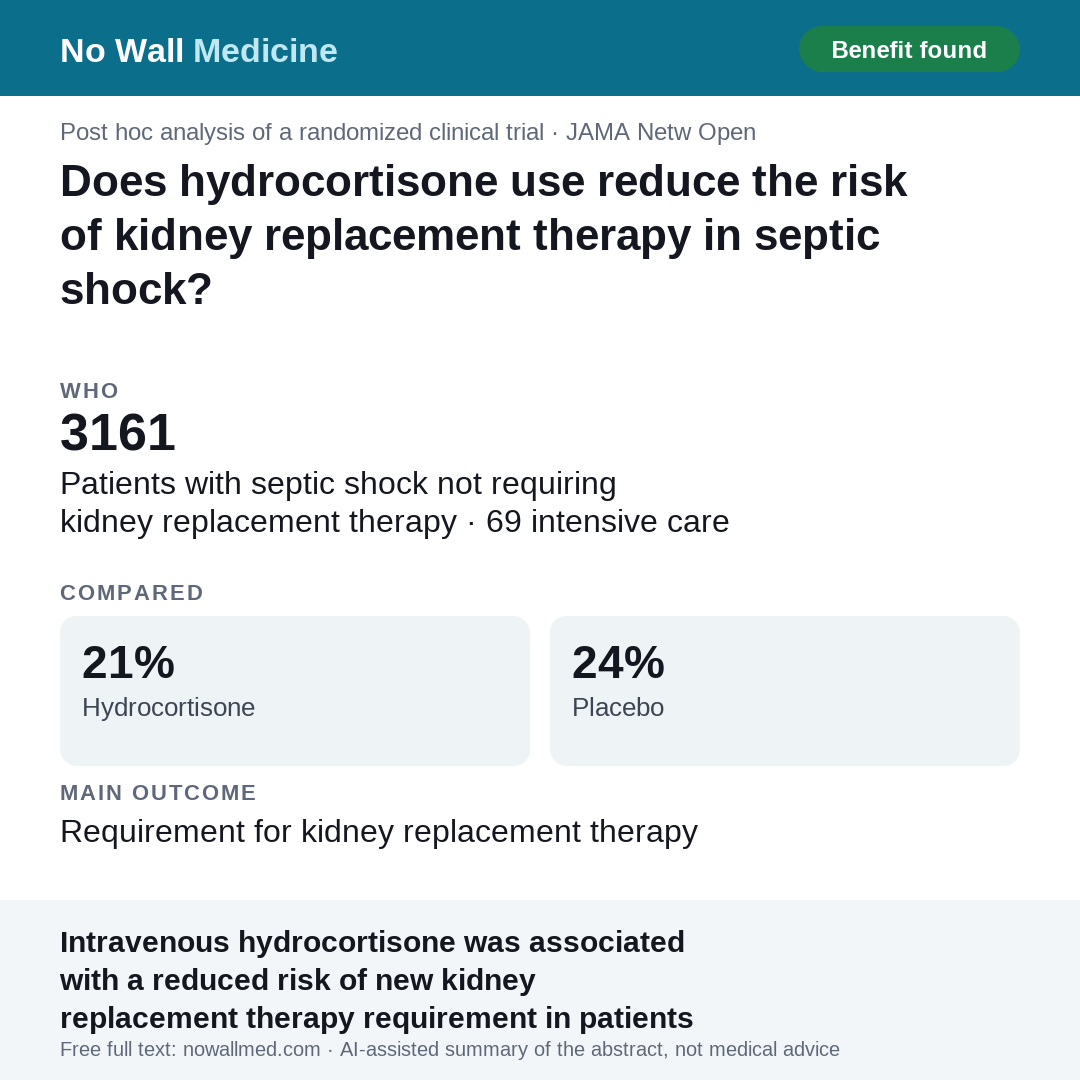
Hydrocortisone and Risk Factors for Kidney Replacement Therapy in Septic Shock
Post hoc analysis of a randomized clinical trialBenefit found
Does hydrocortisone use reduce the risk of kidney replacement therapy in septic shock?
Who
3161
Patients with septic shock not requiring kidney replacement therapy · 69 intensive care units in five countries
Compared
21%Hydrocortisone (329/1589)
24%Placebo (372/1572)
Main outcome
Requirement for kidney replacement therapy
Result: odds ratio 0.84 (95% CI 0.70 to 0.99)
Bottom line: Intravenous hydrocortisone was associated with a reduced risk of new kidney replacement therapy requirement in patients with septic shock.
JAMA Netw Open · 2025-05-01Download image
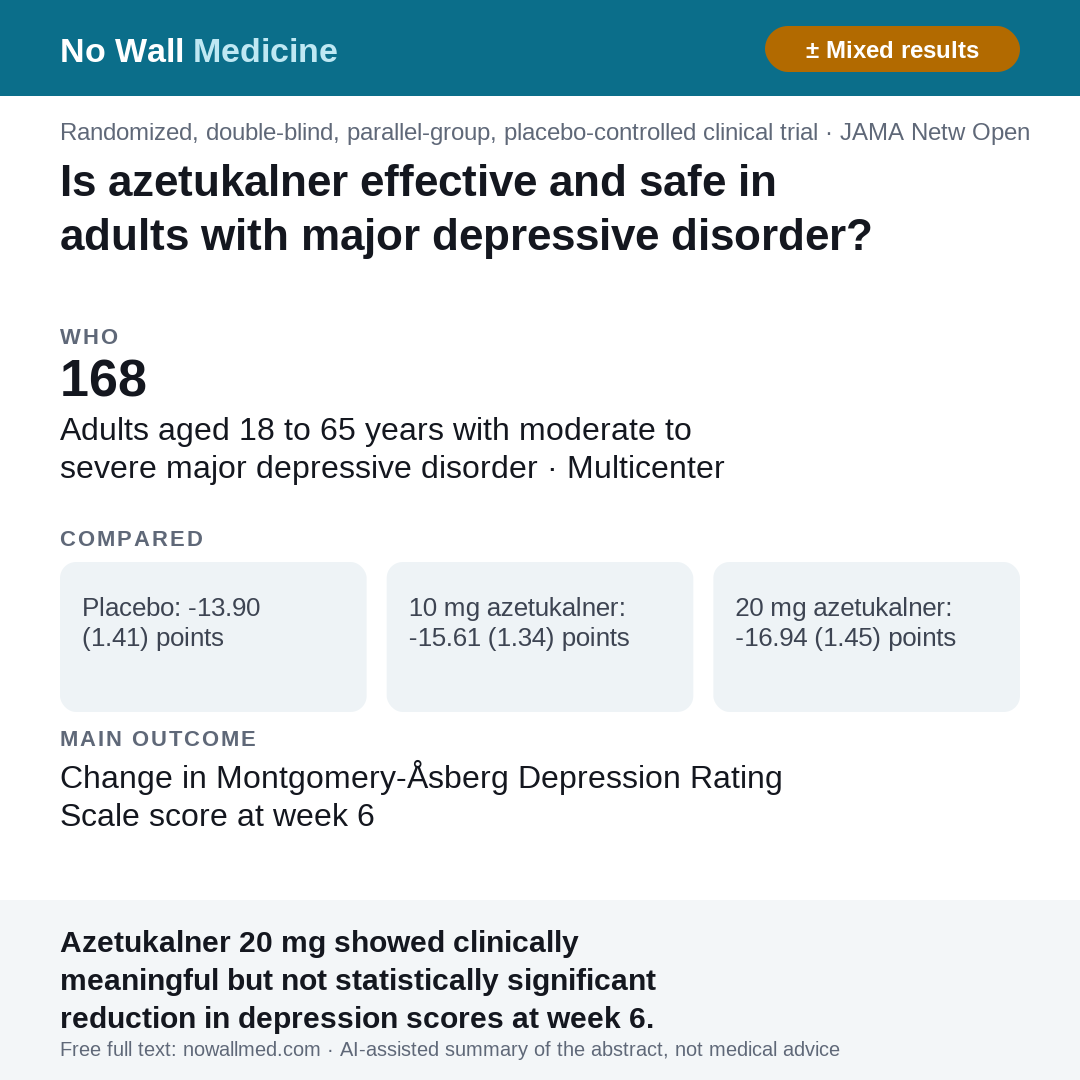
Azetukalner, a Novel KV7 Potassium Channel Opener, in Adults With Major Depressive Disorder: A Randomized Clinical Trial
Randomized, double-blind, parallel-group, placebo-controlled clinical trialMixed results
Is azetukalner effective and safe in adults with major depressive disorder?
Who
168
Adults aged 18 to 65 years with moderate to severe major depressive disorder · Multicenter
Compared
Placebo: -13.90 (1.41) points
10 mg azetukalner: -15.61 (1.34) points
20 mg azetukalner: -16.94 (1.45) points
Main outcome
Change in Montgomery-Åsberg Depression Rating Scale score at week 6
Result: -3.04 points; 95% CI, -7.04 to 0.96 points
Bottom line: Azetukalner 20 mg showed clinically meaningful but not statistically significant reduction in depression scores at week 6.
JAMA Netw Open · 2025-05-01Download image