Visual abstracts
New randomized trials and meta-analyses from leading journals at a glance: who was studied, what was compared, and what was found. Every paper is free to read in full.
All specialtiesCardiology 4877Oncology 4138Gastroenterology & Hepatology 1942Infectious Disease 3837Neurology 1905Psychiatry & Mental Health 2273Pulmonology 2143Critical Care 1365Endocrinology & Diabetes 2580Pediatrics 2980Surgery 2559Orthopedics & Sports Medicine 931Neurosurgery 537Cardiothoracic & Vascular Surgery 674Plastic & Reconstructive Surgery 591Nephrology 1133Rheumatology 823Hematology 1109Dermatology 621Ophthalmology 543Obstetrics & Gynecology 1686Public & Global Health 1058Radiology & Imaging 648Anesthesiology 986Urology 764ENT (Otolaryngology) 503Emergency Medicine 511Allergy & Immunology 313Geriatrics 981Family Medicine & Primary Care 562Medical Genetics & Genomics 676Pathology & Laboratory Medicine 159Physical Medicine & Rehabilitation 757Palliative Care 444Nutrition 1588Digital Health & AI 2201General Medicine 321
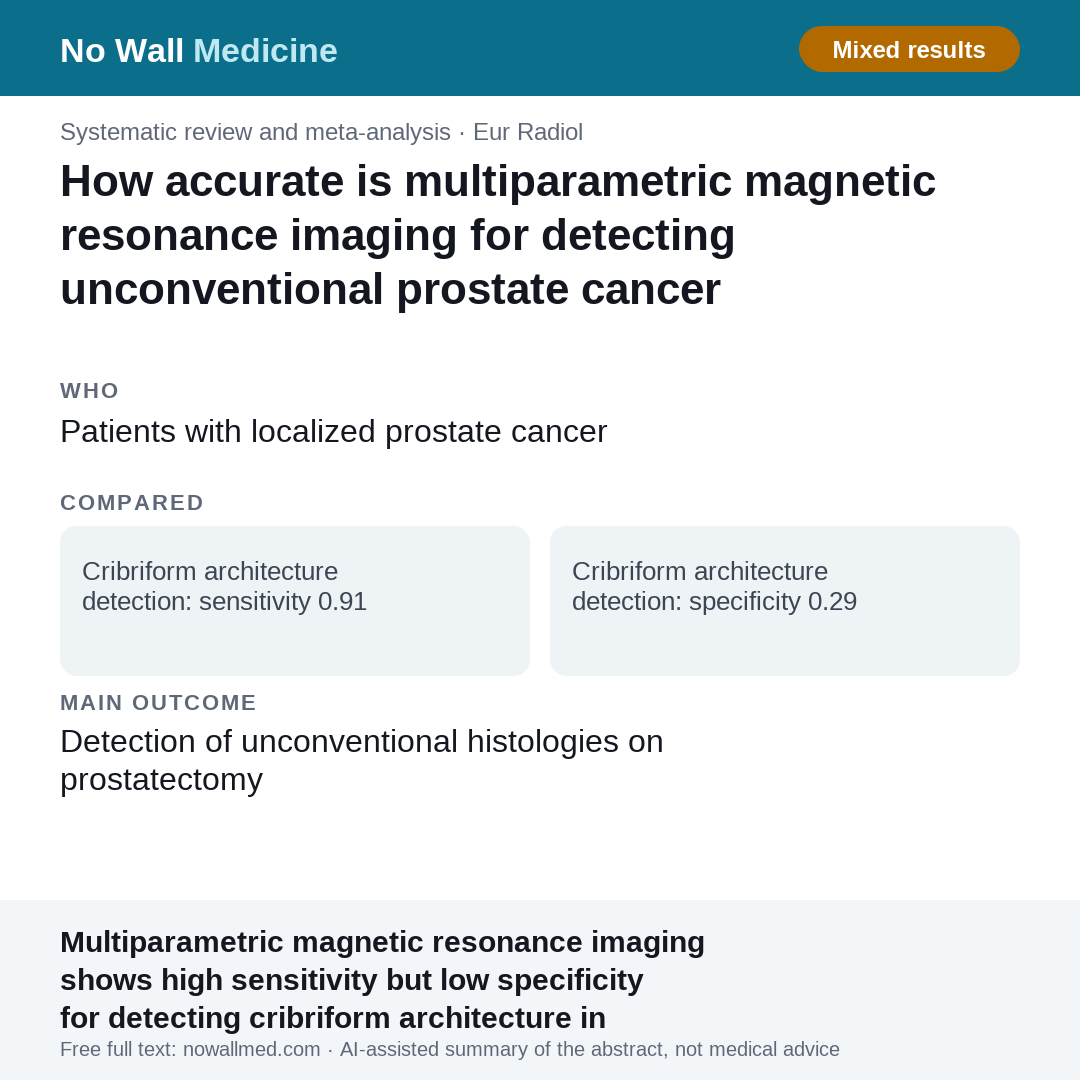
Diagnostic accuracy of multiparametric MRI for detecting unconventional prostate cancer histology: a systematic review and meta-analysis
Systematic review and meta-analysisMixed results
How accurate is multiparametric magnetic resonance imaging for detecting unconventional prostate cancer histology?
Who
Patients with localized prostate cancer
Compared
Cribriform architecture detection: sensitivity 0.91
Cribriform architecture detection: specificity 0.29
Main outcome
Detection of unconventional histologies on prostatectomy
Bottom line: Multiparametric magnetic resonance imaging shows high sensitivity but low specificity for detecting cribriform architecture in prostate cancer.
Limitation: Continued challenges in accurate sampling and characterization of multiparametric magnetic resonance imaging.
Eur Radiol · 2025-04-30Download image
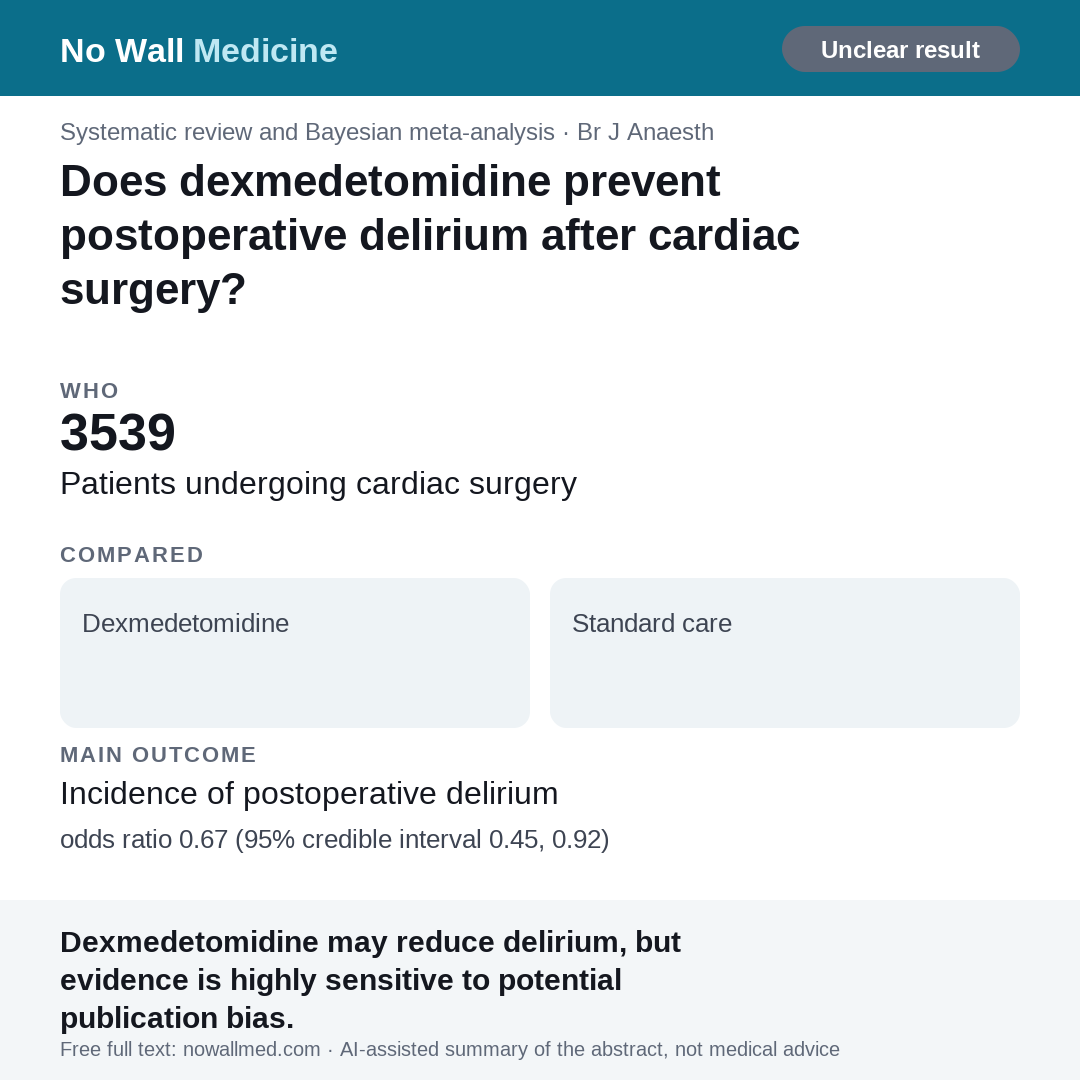
Perioperative dexmedetomidine for the prevention of postoperative delirium after cardiac surgery: a systematic review, Bayesian meta-analysis, and Bayesian re-analysis of the DECADE trial
Systematic review and Bayesian meta-analysisUnclear result
Does dexmedetomidine prevent postoperative delirium after cardiac surgery?
Who
3539
Patients undergoing cardiac surgery
Compared
Dexmedetomidine
Standard care
Main outcome
Incidence of postoperative delirium
Result: odds ratio 0.67 (95% credible interval 0.45, 0.92)
Bottom line: Dexmedetomidine may reduce delirium, but evidence is highly sensitive to potential publication bias.
Limitation: Results are highly sensitive to the possibility of publication bias.
Br J Anaesth · 2025-04-30Download image
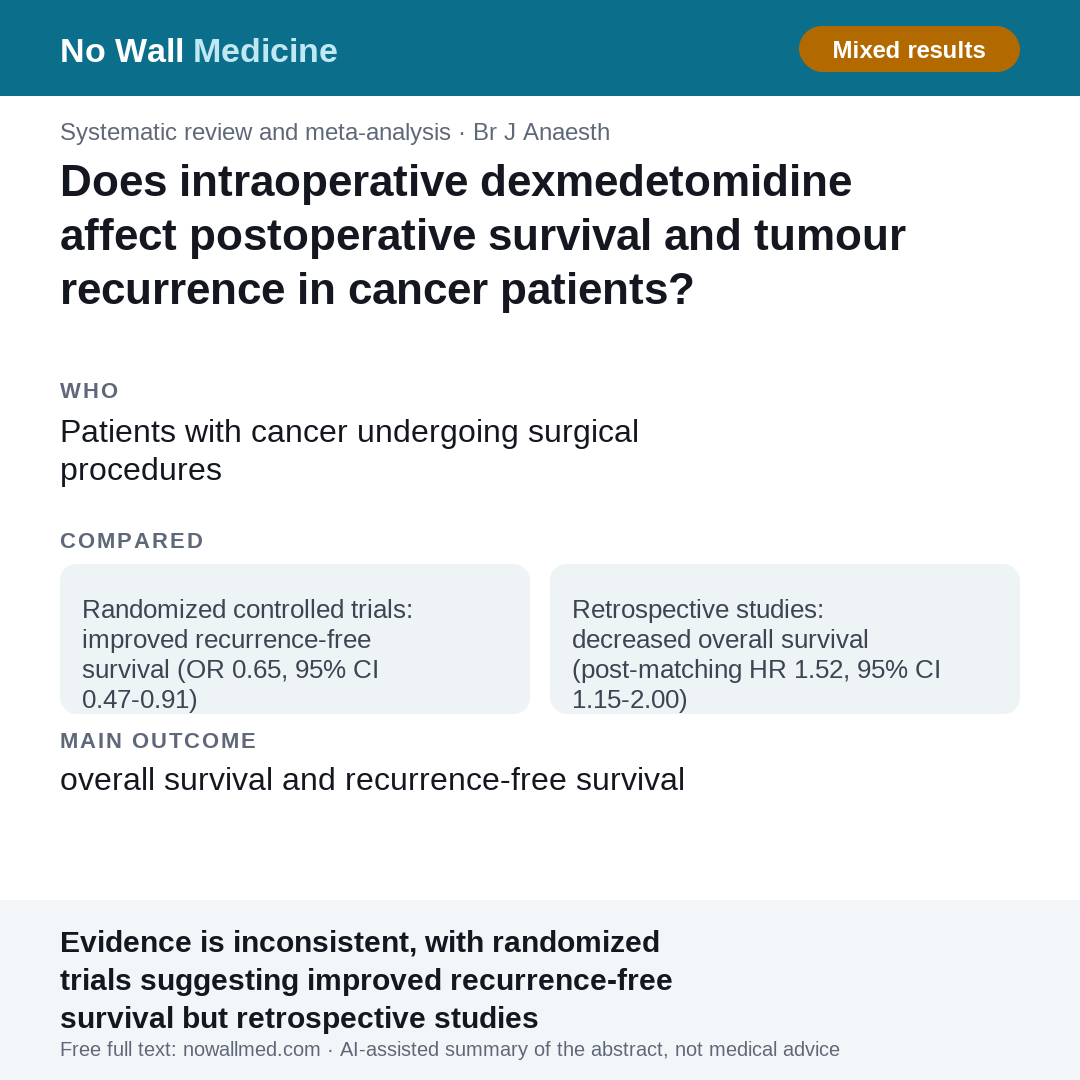
Effect of intraoperative dexmedetomidine on prognosis in patients with cancer undergoing surgical procedures: a systematic review and meta-analysis
Systematic review and meta-analysisMixed results
Does intraoperative dexmedetomidine affect postoperative survival and tumour recurrence in cancer patients?
Who
Patients with cancer undergoing surgical procedures
Compared
Randomized controlled trials: improved recurrence-free survival (OR 0.65, 95% CI 0.47-0.91)
Retrospective studies: decreased overall survival (post-matching HR 1.52, 95% CI 1.15-2.00)
Main outcome
overall survival and recurrence-free survival
Bottom line: Evidence is inconsistent, with randomized trials suggesting improved recurrence-free survival but retrospective studies suggesting decreased overall survival.
Limitation: Limited and contradictory data highlight the necessity for more high-quality randomized controlled trials.
Br J Anaesth · 2025-04-30Download image
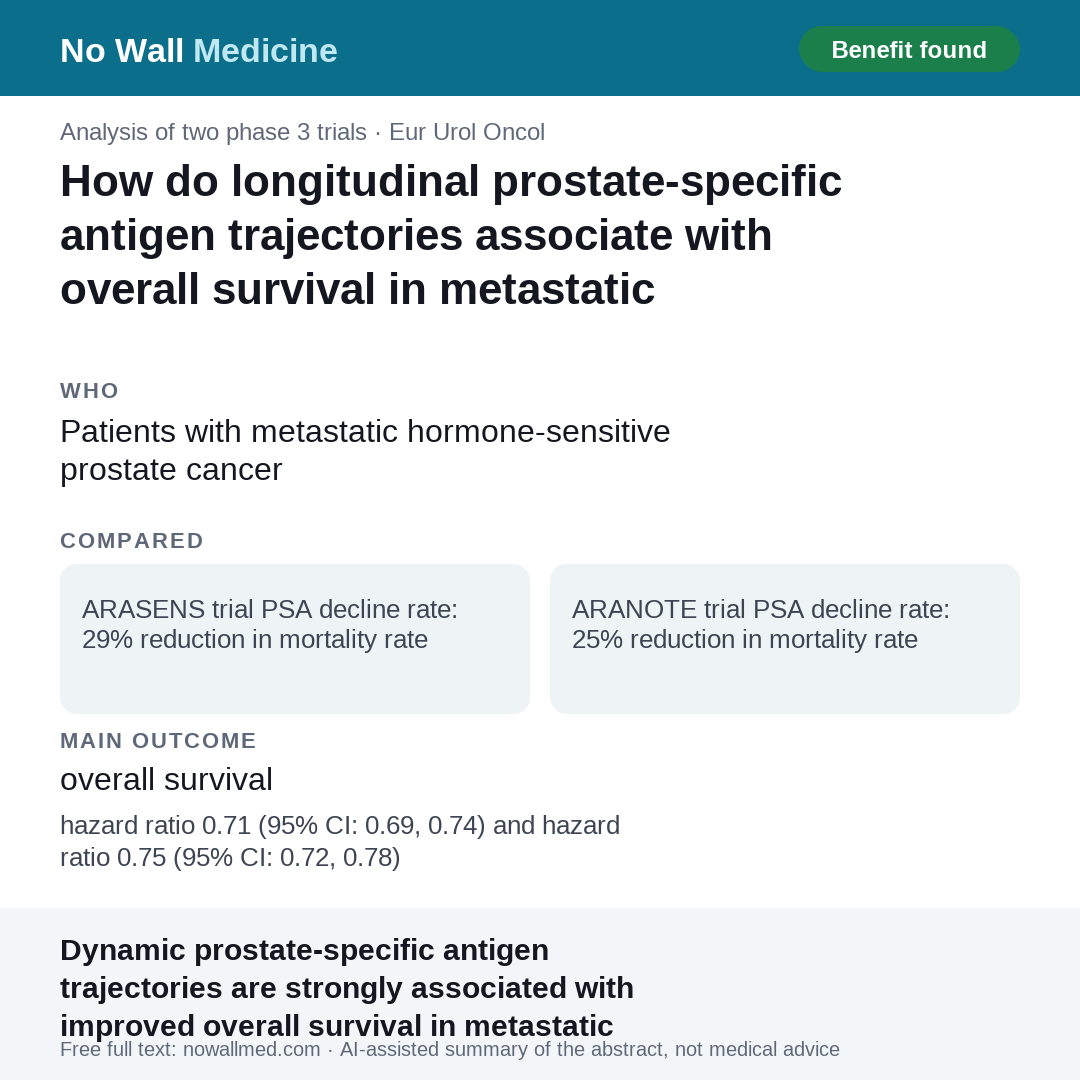
Association of Deep and Durable Prostate-specific Antigen Responses with Outcomes in Metastatic Hormone-sensitive Prostate Cancer: Insights from ARASENS and ARANOTE Trials
Analysis of two phase 3 trialsBenefit found
How do longitudinal prostate-specific antigen trajectories associate with overall survival in metastatic hormone-sensitive prostate cancer?
Who
Patients with metastatic hormone-sensitive prostate cancer
Compared
ARASENS trial PSA decline rate: 29% reduction in mortality rate
ARANOTE trial PSA decline rate: 25% reduction in mortality rate
Main outcome
overall survival
Result: hazard ratio 0.71 (95% CI: 0.69, 0.74) and hazard ratio 0.75 (95% CI: 0.72, 0.78)
Bottom line: Dynamic prostate-specific antigen trajectories are strongly associated with improved overall survival in metastatic hormone-sensitive prostate cancer.
Limitation: Interim overall survival data in ARANOTE and influence of prior treatments on baseline prostate-specific antigen.
Eur Urol Oncol · 2025-04-30Download image
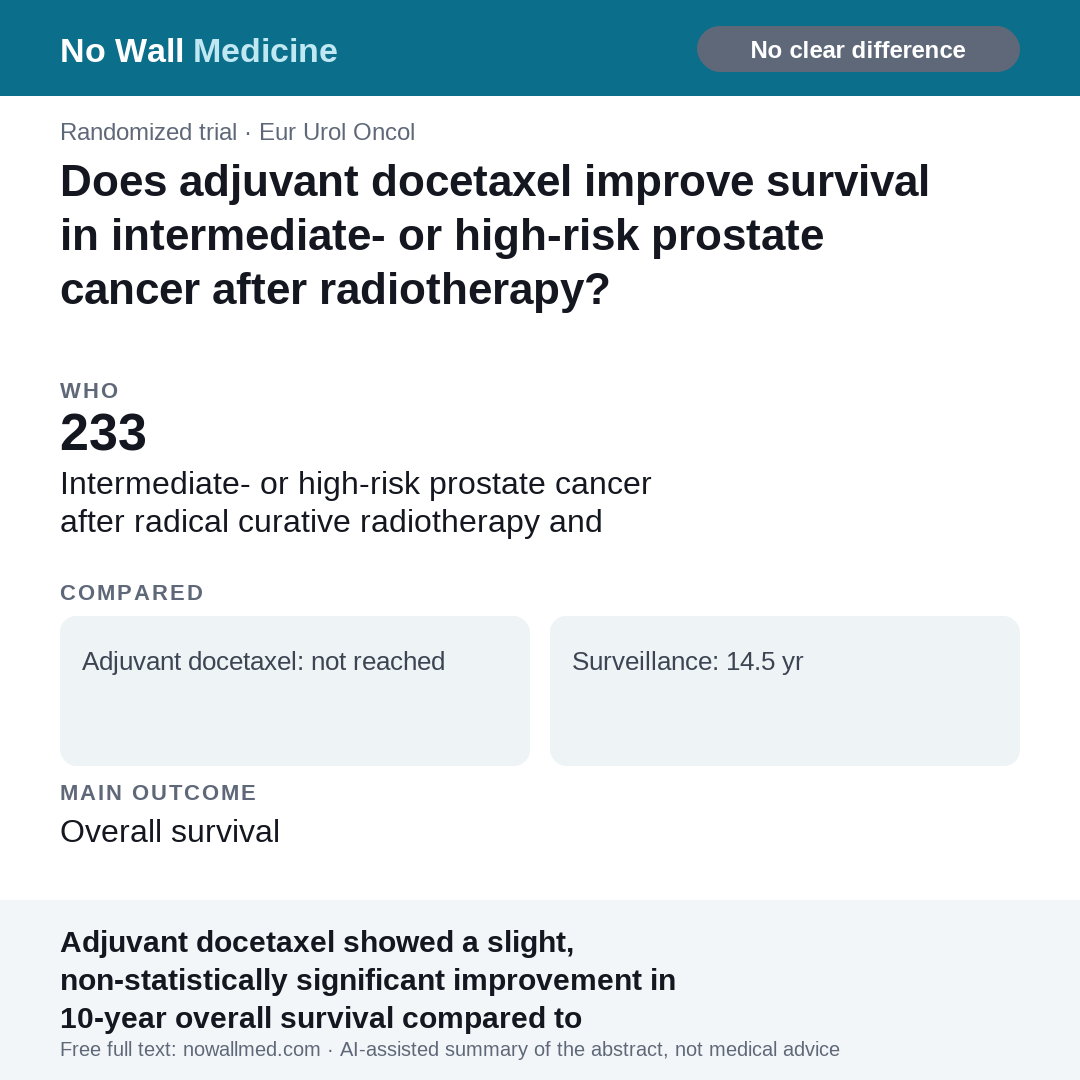
Adjuvant Docetaxel Versus Surveillance in Intermediate- or High-risk Prostate Cancer After Radical Curative Radiotherapy: Final Survival Results from the SPCG-13 Trial
Randomized trialNo clear difference
Does adjuvant docetaxel improve survival in intermediate- or high-risk prostate cancer after radiotherapy?
Who
233
Intermediate- or high-risk prostate cancer after radical curative radiotherapy and androgen deprivation therapy
Compared
Adjuvant docetaxel: not reached
Surveillance: 14.5 yr
Main outcome
Overall survival
Result: hazard ratio 0.776 (95% CI 0.508-1.187)
Bottom line: Adjuvant docetaxel showed a slight, non-statistically significant improvement in 10-year overall survival compared to surveillance.
Eur Urol Oncol · 2025-04-30Download image
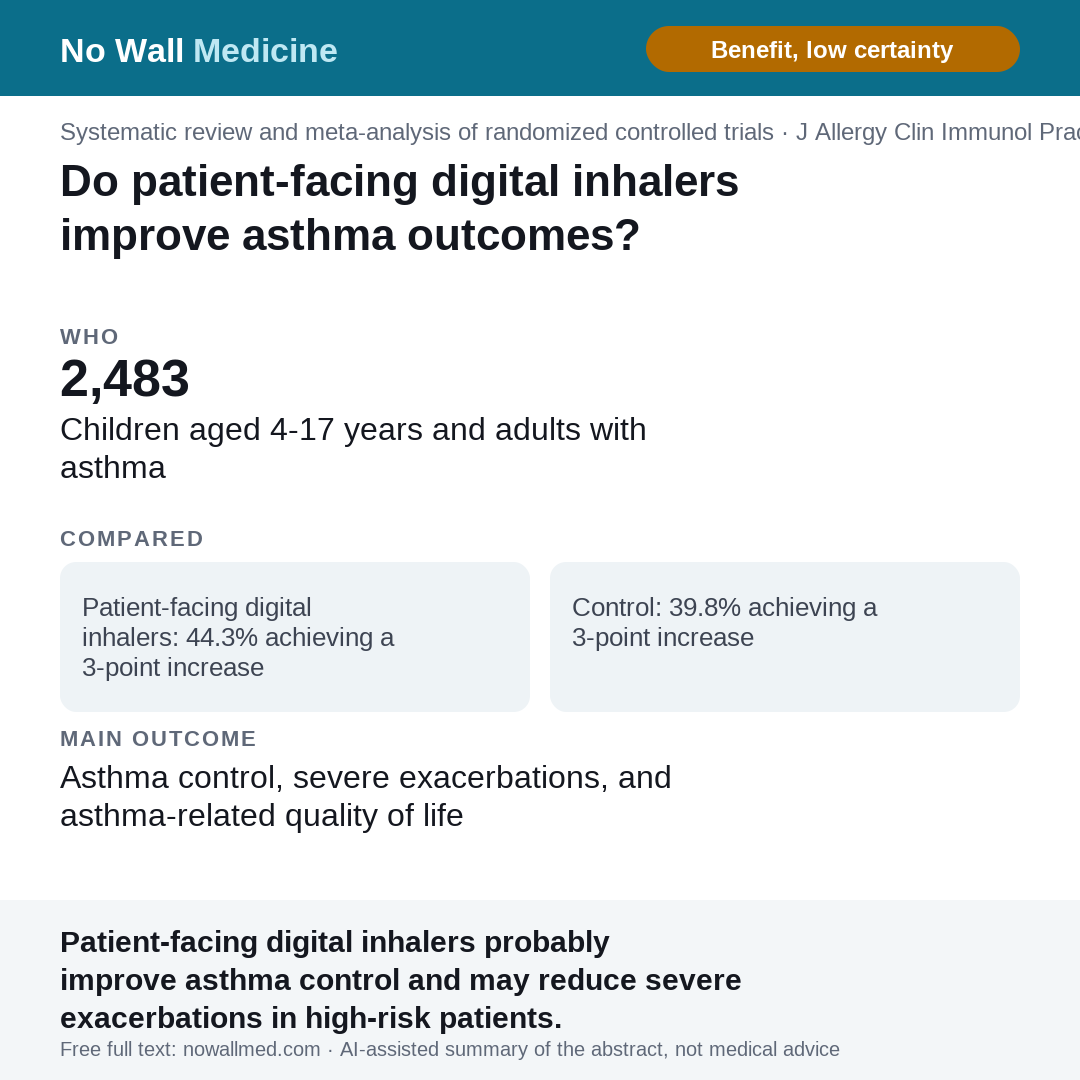
Patient-Facing Digital Inhalers for Asthma: A Systematic Review and Meta-Analysis
Systematic review and meta-analysis of randomized controlled trialsBenefit found
Do patient-facing digital inhalers improve asthma outcomes?
Who
2,483
Children aged 4-17 years and adults with asthma
Compared
Patient-facing digital inhalers: 44.3% achieving a 3-point increase
Control: 39.8% achieving a 3-point increase
Main outcome
Asthma control, severe exacerbations, and asthma-related quality of life
Result: mean difference 0.63 (95% CI 0.29-0.96)
Bottom line: Patient-facing digital inhalers probably improve asthma control and may reduce severe exacerbations in high-risk patients.
J Allergy Clin Immunol Pract · 2025-04-30Download image
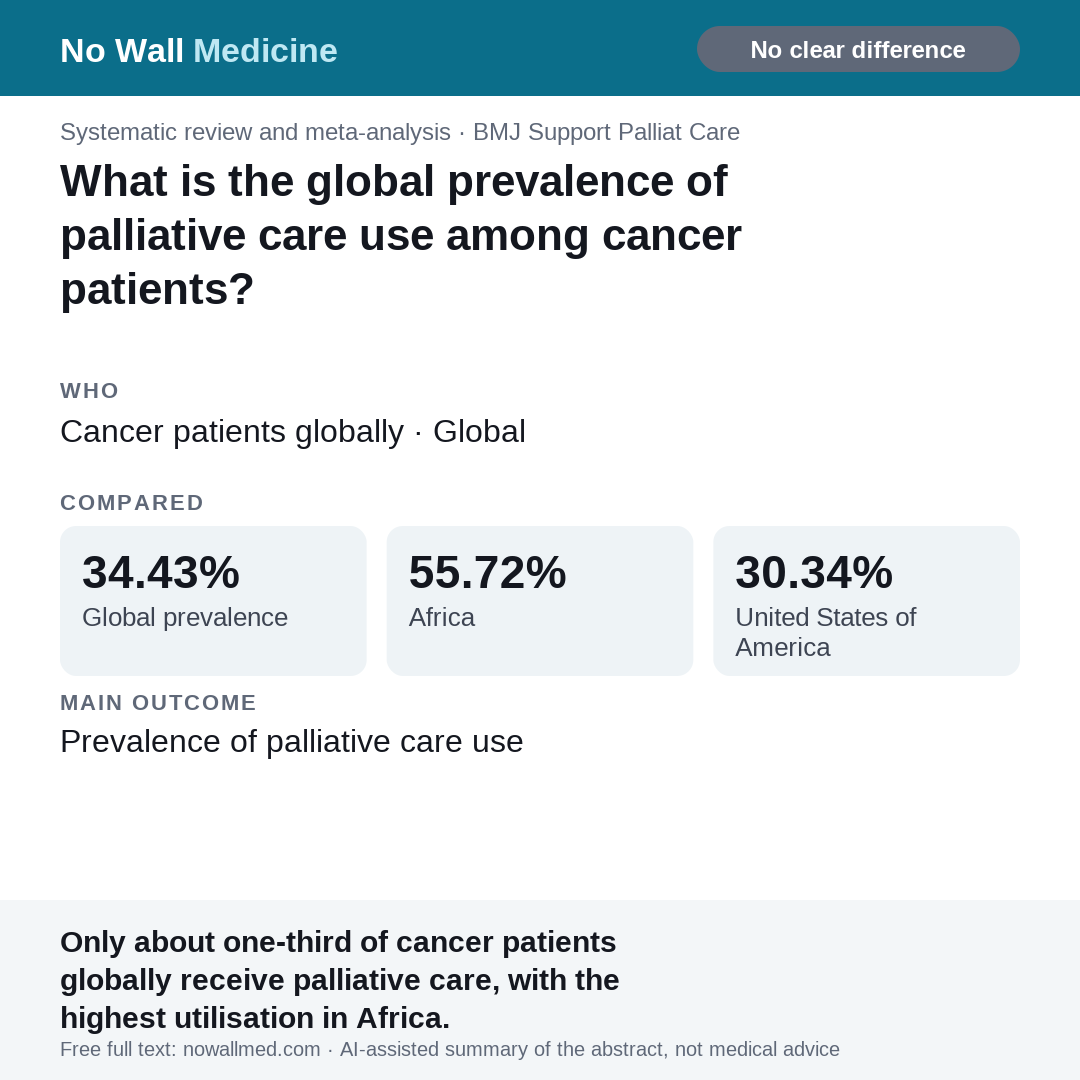
Palliative care utilisation globally by cancer patients: systematic review and meta-analysis
Systematic review and meta-analysisNo clear difference
What is the global prevalence of palliative care use among cancer patients?
Who
Cancer patients globally · Global
Compared
34.43%Global prevalence (95% CI: 26.60 to 42.25)
55.72%Africa (95% CI: 35.45 to 75.99)
30.34%United States of America (95% CI: 19.83 to 40.86)
Main outcome
Prevalence of palliative care use
Bottom line: Only about one-third of cancer patients globally receive palliative care, with the highest utilisation in Africa.
BMJ Support Palliat Care · 2025-04-30Download image
Sex differences in bacterial meningitis and associations with socioeconomic indicators: a systematic review and meta-analysis with metaregression
Systematic review and meta-analysis with metaregressionMixed results
What are the global sex-specific proportions and case fatality ratios of bacterial meningitis?
Who
157 656
Patients with community-acquired bacterial meningitis · Global
Compared
58%Males (95% CI 57%-59%)
Females
Main outcome
Sex-specific proportions and case fatality ratios
Result: male-to-female fatality ratio, 0.89, 95% CI 0.78 to 1.01
Bottom line: Human development and gender inequality indicators are associated with sex-based disparities and case fatality ratios in bacterial meningitis.
BMJ Glob Health · 2025-04-30Download image

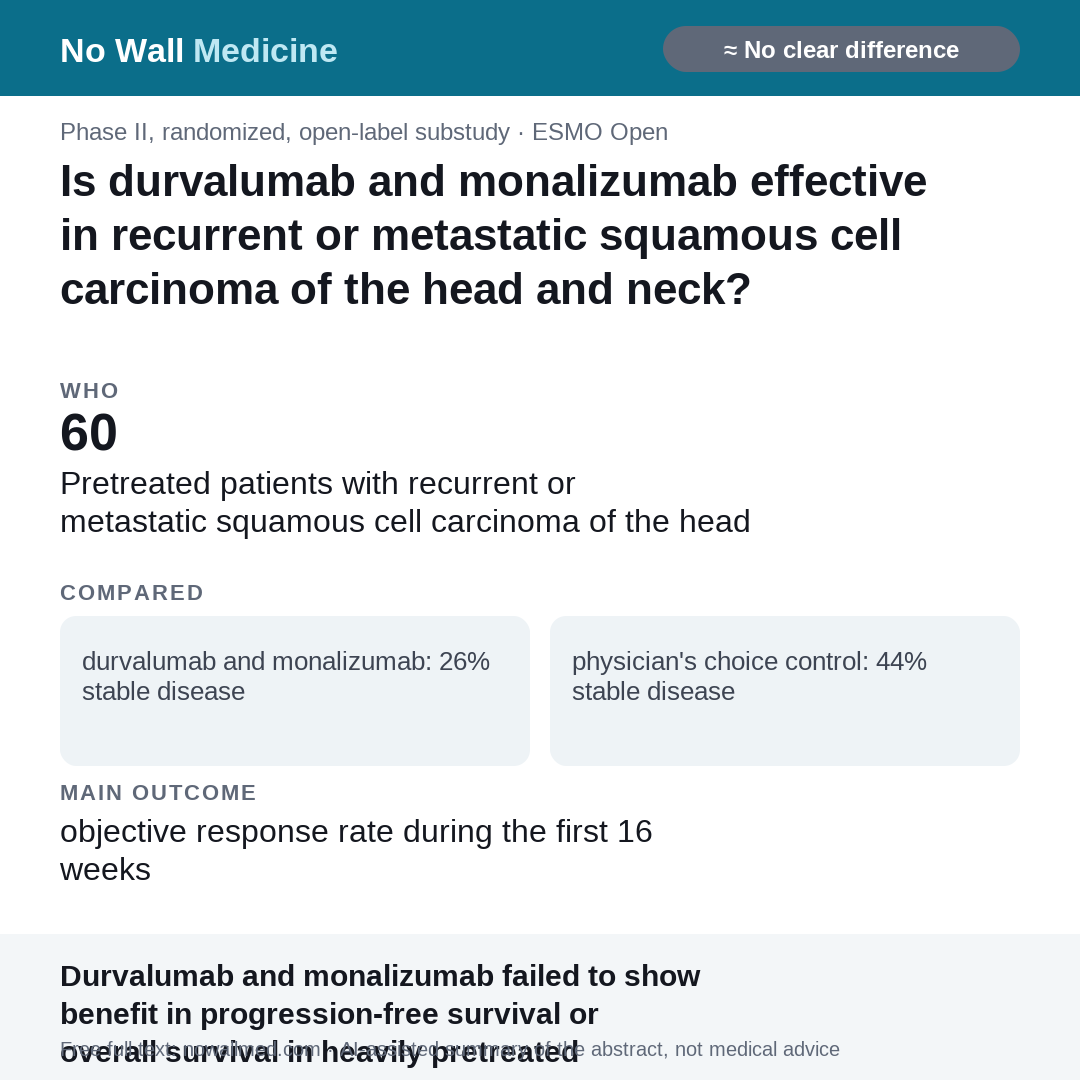
A phase II study of monalizumab and durvalumab in patients with recurrent/metastatic squamous cell carcinoma of the head and neck: results of the I2 cohort of the EORTC-HNCG-1559 trial (UPSTREAM)
Phase II, randomized, open-label substudyNo clear difference
Is durvalumab and monalizumab effective in recurrent or metastatic squamous cell carcinoma of the head and neck?
Who
60
Pretreated patients with recurrent or metastatic squamous cell carcinoma of the head and neck
Compared
durvalumab and monalizumab: 26% stable disease
physician's choice control: 44% stable disease
Main outcome
objective response rate during the first 16 weeks
Bottom line: Durvalumab and monalizumab failed to show benefit in progression-free survival or overall survival in heavily pretreated patients.
Limitation: The study was a phase II substudy of an umbrella trial.
ESMO Open · 2025-04-30Download image
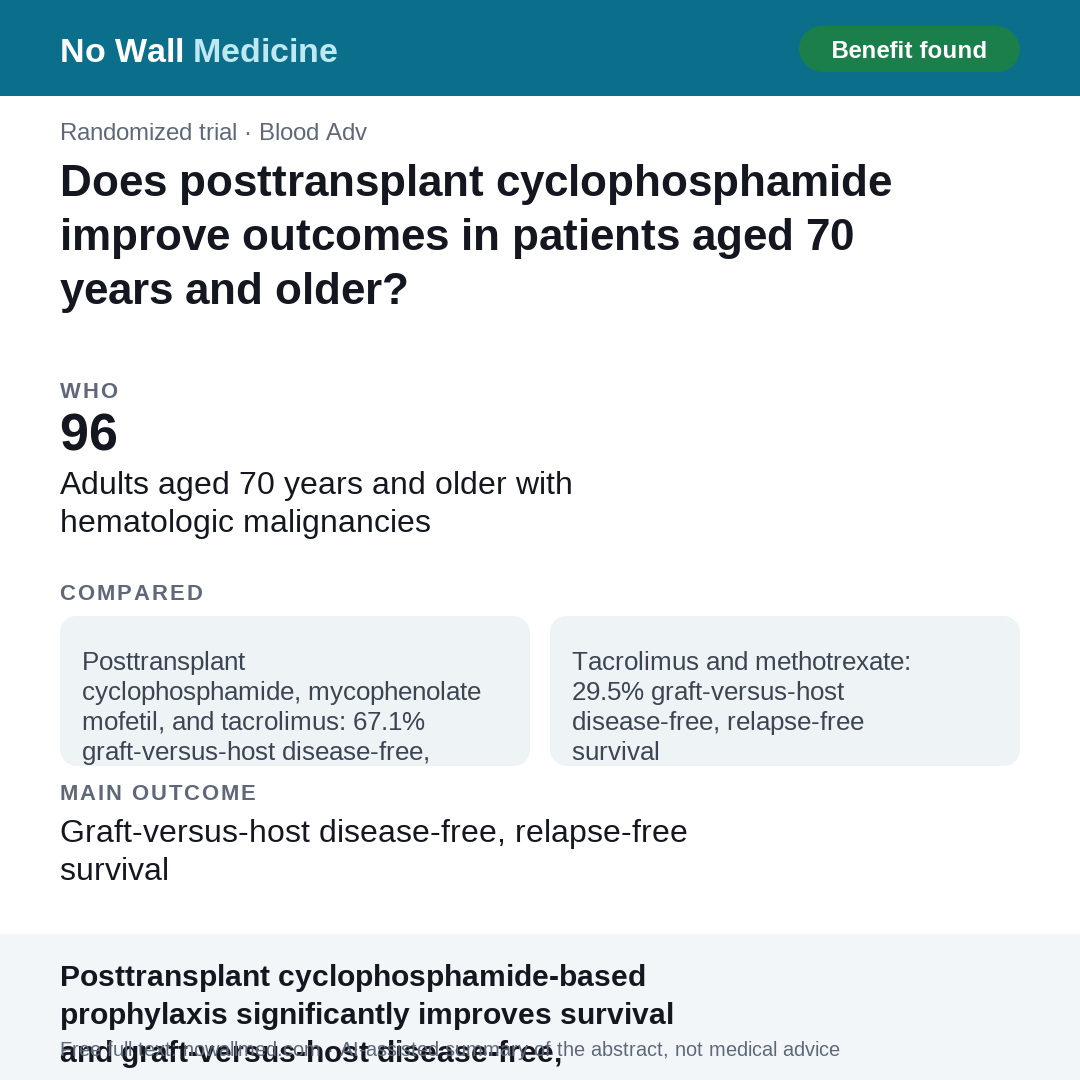
Impact of posttransplant cyclophosphamide-based GVHD prophylaxis in patients 70 years and older: an update from BMT CTN 1703
Randomized trialBenefit found
Does posttransplant cyclophosphamide improve outcomes in patients aged 70 years and older?
Who
96
Adults aged 70 years and older with hematologic malignancies
Compared
Posttransplant cyclophosphamide, mycophenolate mofetil, and tacrolimus: 67.1% graft-versus-host disease-free, relapse-free survival
Tacrolimus and methotrexate: 29.5% graft-versus-host disease-free, relapse-free survival
Main outcome
Graft-versus-host disease-free, relapse-free survival
Bottom line: Posttransplant cyclophosphamide-based prophylaxis significantly improves survival and graft-versus-host disease-free, relapse-free survival in older adults.
Blood Adv · 2025-04-30Download image
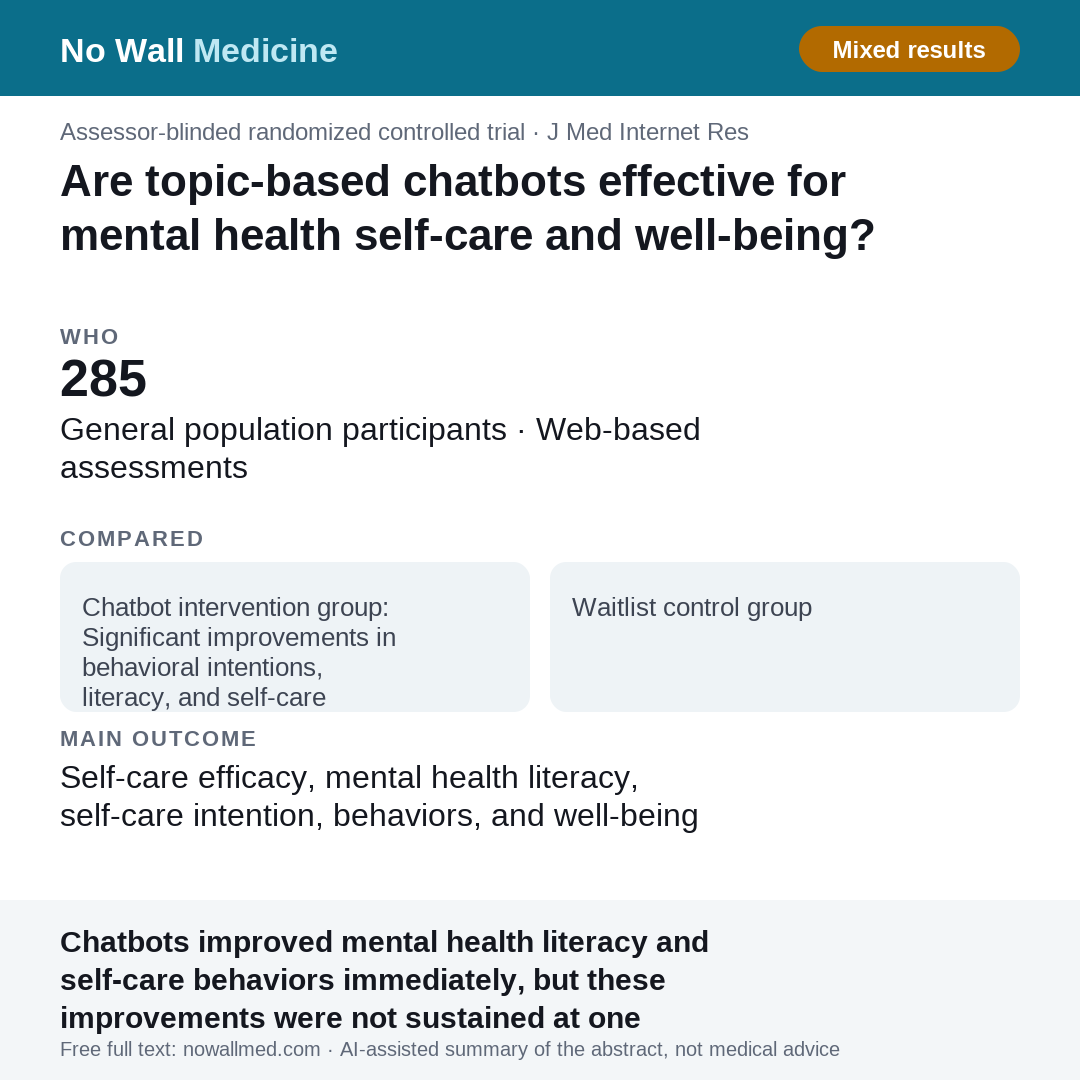
Effectiveness of Topic-Based Chatbots on Mental Health Self-Care and Mental Well-Being: Randomized Controlled Trial
Assessor-blinded randomized controlled trialMixed results
Are topic-based chatbots effective for mental health self-care and well-being?
Who
285
General population participants · Web-based assessments
Compared
Chatbot intervention group: Significant improvements in behavioral intentions, literacy, and self-care behaviors
Waitlist control group
Main outcome
Self-care efficacy, mental health literacy, self-care intention, behaviors, and well-being
Result: Cohen d=0.36 (95% CI 0.08-0.30) for self-care behaviors
Bottom line: Chatbots improved mental health literacy and self-care behaviors immediately, but these improvements were not sustained at one month.
Limitation: Lack of sustained effects suggests a need for greater personalization and interactive features.
J Med Internet Res · 2025-04-30Download image
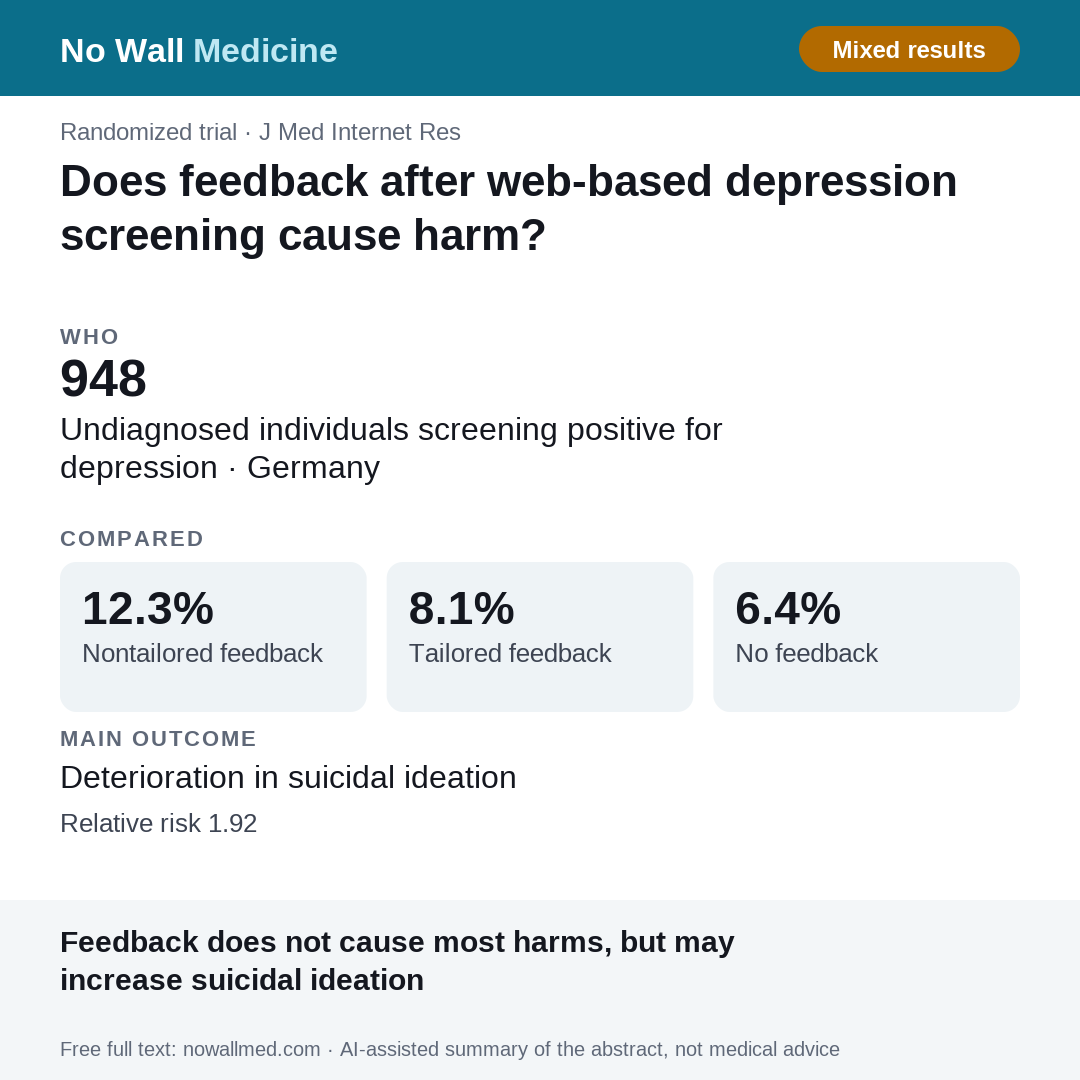
Potential Harms of Feedback After Web-Based Depression Screening: Secondary Analysis of Negative Effects in the Randomized Controlled DISCOVER Trial
Randomized trialMixed results
Does feedback after web-based depression screening cause harm?
Who
948
Undiagnosed individuals screening positive for depression · Germany
Compared
12.3%Nontailored feedback
8.1%Tailored feedback
6.4%No feedback
Main outcome
Deterioration in suicidal ideation
Result: Relative risk 1.92
Bottom line: Feedback does not cause most harms, but may increase suicidal ideation
Limitation: Secondary analysis
J Med Internet Res · 2025-04-30Download image
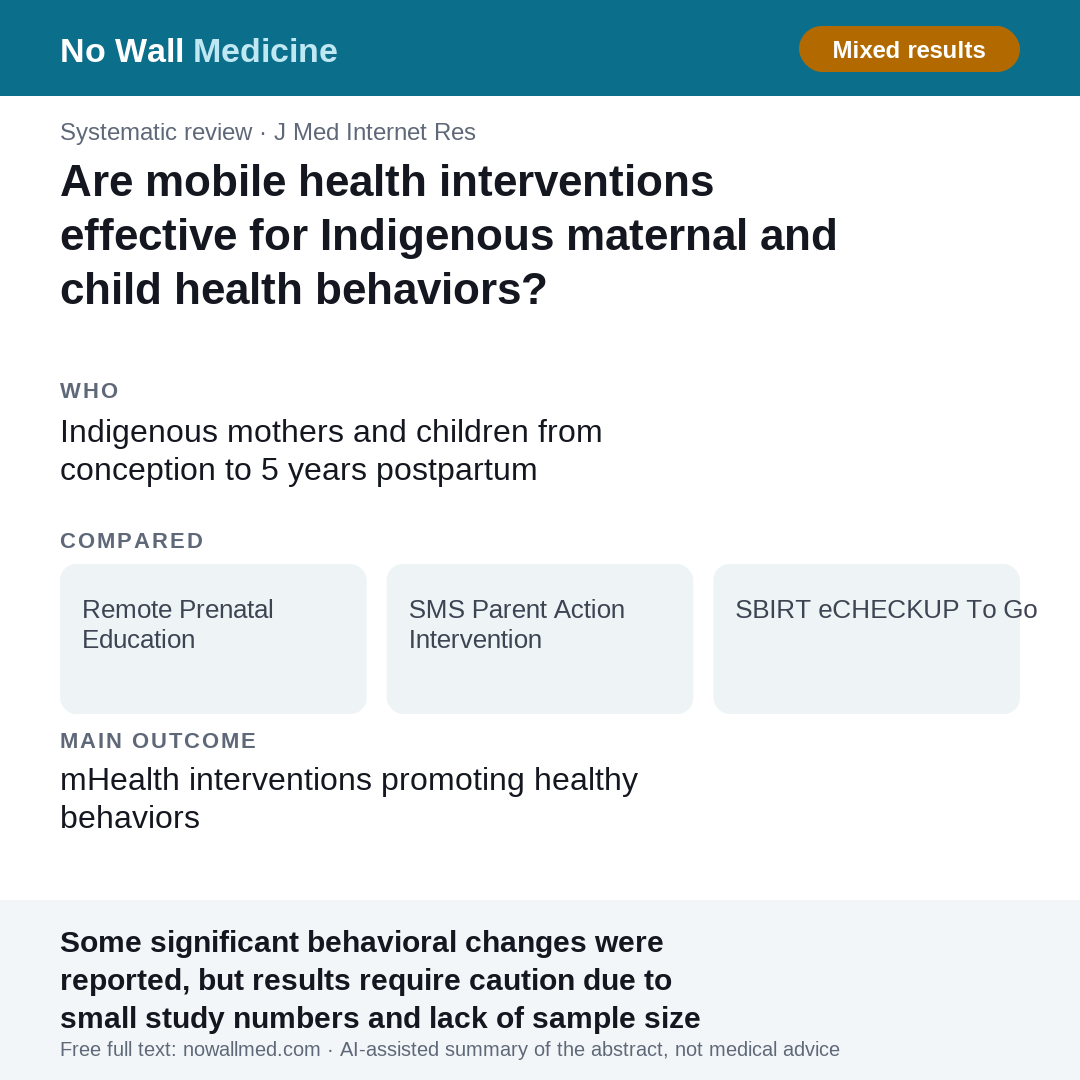
Mobile Health Interventions for Modifying Indigenous Maternal and Child-Health Related Behaviors: Systematic Review
Systematic reviewMixed results
Are mobile health interventions effective for Indigenous maternal and child health behaviors?
Who
Indigenous mothers and children from conception to 5 years postpartum
Compared
Remote Prenatal Education
SMS Parent Action Intervention
SBIRT eCHECKUP To Go
Main outcome
mHealth interventions promoting healthy behaviors
Bottom line: Some significant behavioral changes were reported, but results require caution due to small study numbers and lack of sample size calculations.
Limitation: Small number of studies and lack of sample size calculations for reported significant outcomes.
J Med Internet Res · 2025-04-30Download image
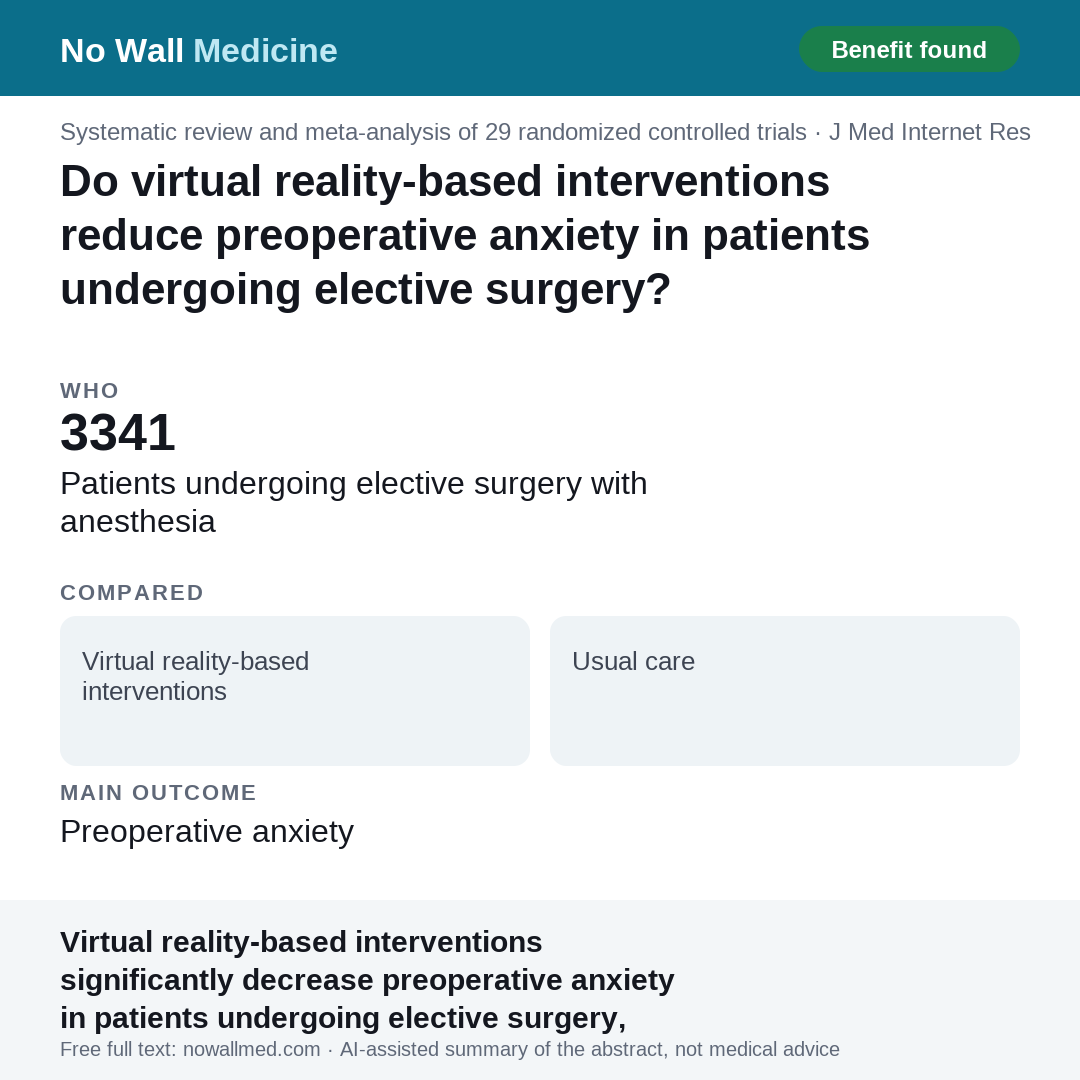
Effects of Virtual Reality-Based Interventions on Preoperative Anxiety in Patients Undergoing Elective Surgery With Anesthesia: Systematic Review and Meta-Analysis
Systematic review and meta-analysis of 29 randomized controlled trialsBenefit found
Do virtual reality-based interventions reduce preoperative anxiety in patients undergoing elective surgery?
Who
3341
Patients undergoing elective surgery with anesthesia
Compared
Virtual reality-based interventions
Usual care
Main outcome
Preoperative anxiety
Result: standardized mean difference 0.65 (95% CI 0.37 to 0.92)
Bottom line: Virtual reality-based interventions significantly decrease preoperative anxiety in patients undergoing elective surgery, especially pediatric patients using distraction.
Limitation: More rigorous research is needed to confirm effectiveness.
J Med Internet Res · 2025-04-30Download image
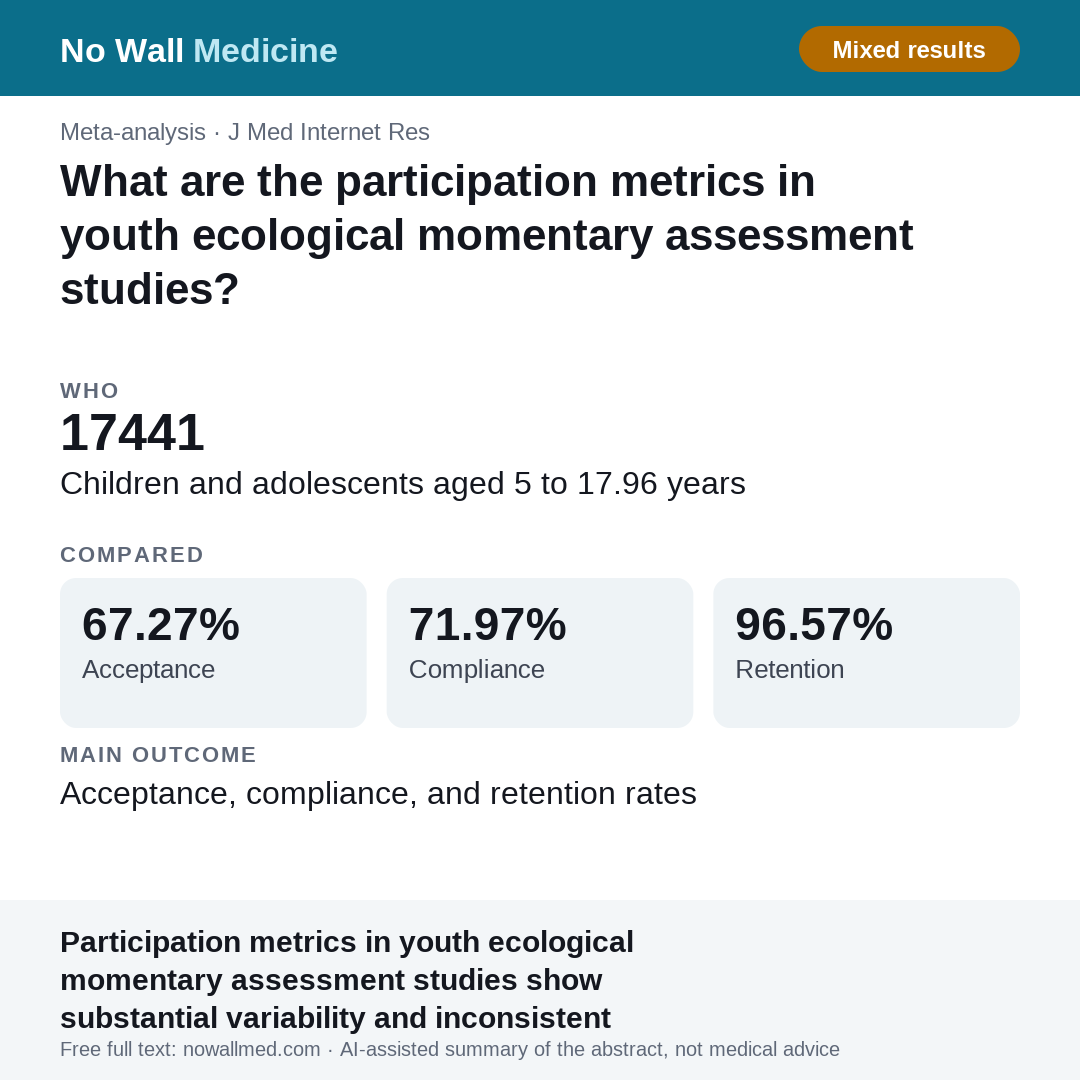
Readdressing the Ongoing Challenge of Missing Data in Youth Ecological Momentary Assessment Studies: Meta-Analysis Update
Meta-analysisMixed results
What are the participation metrics in youth ecological momentary assessment studies?
Who
17441
Children and adolescents aged 5 to 17.96 years
Compared
67.27%Acceptance (k=88, 95% CI 62.39-71.96)
71.97%Compliance (k=216, 95% CI 69.83-74.11)
96.57%Retention (k=169, 95% CI 95.42-97.56)
Main outcome
Acceptance, compliance, and retention rates
Bottom line: Participation metrics in youth ecological momentary assessment studies show substantial variability and inconsistent moderators for missing data.
Limitation: The inconsistency in identifying robust moderators highlights the need for greater attention to missing data.
J Med Internet Res · 2025-04-30Download image
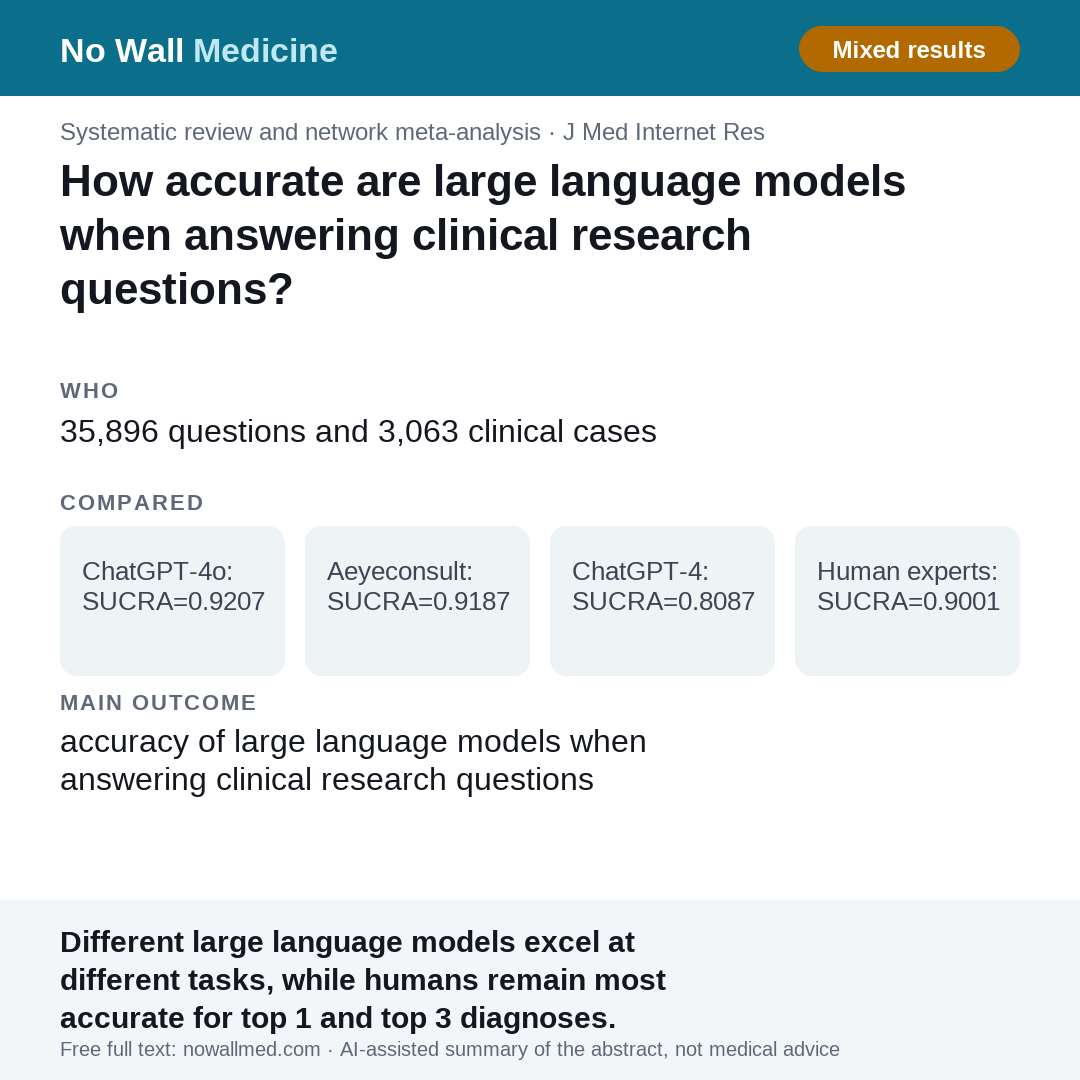
Accuracy of Large Language Models When Answering Clinical Research Questions: Systematic Review and Network Meta-Analysis
Systematic review and network meta-analysisMixed results
How accurate are large language models when answering clinical research questions?
Who
35,896 questions and 3,063 clinical cases
Compared
ChatGPT-4o: SUCRA=0.9207
Aeyeconsult: SUCRA=0.9187
ChatGPT-4: SUCRA=0.8087
Human experts: SUCRA=0.9001
Main outcome
accuracy of large language models when answering clinical research questions
Bottom line: Different large language models excel at different tasks, while humans remain most accurate for top 1 and top 3 diagnoses.
J Med Internet Res · 2025-04-30Download image
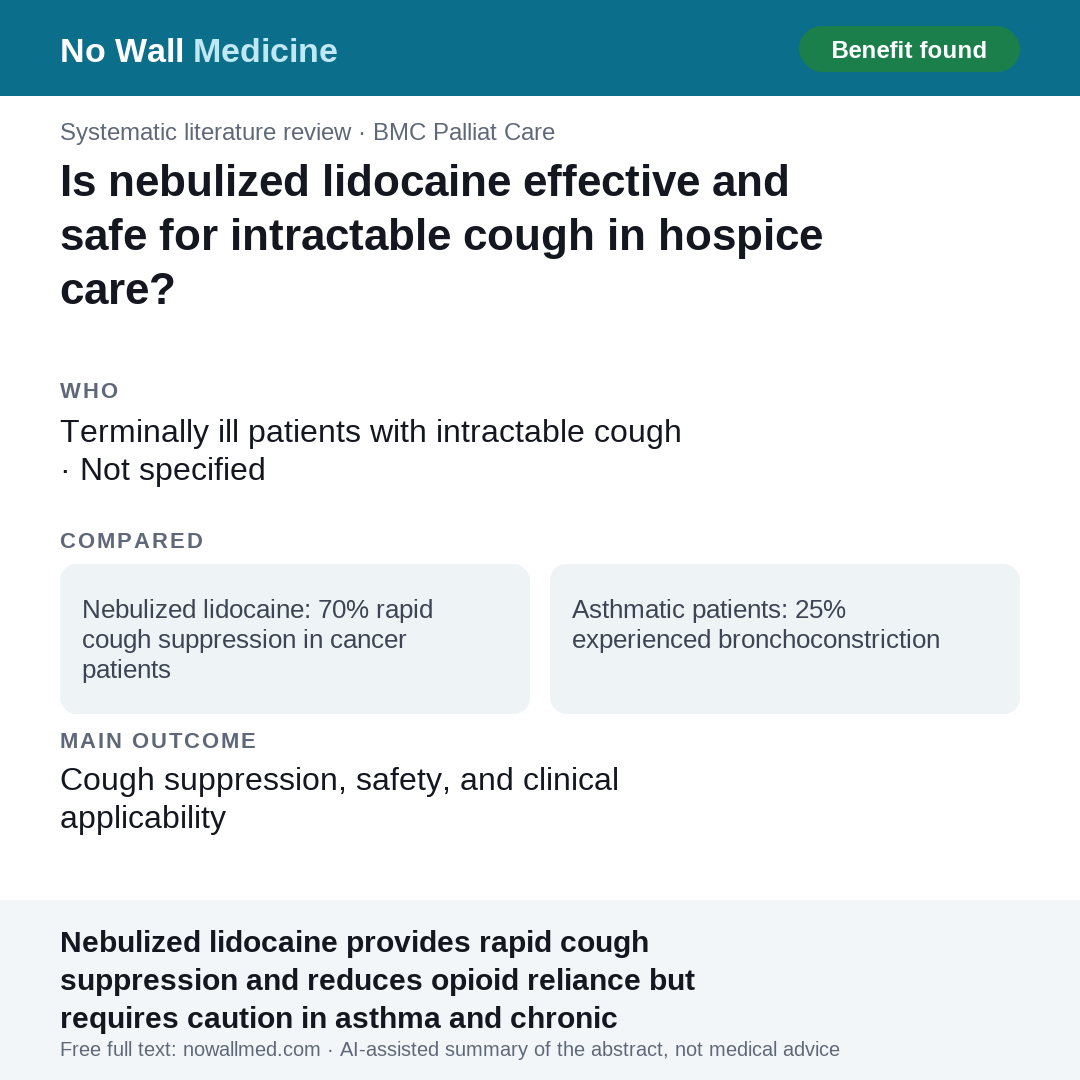
"Nebulized lidocaine for intractable cough in hospice care: a comprehensive review of efficacy, safety, and future perspectives"
Systematic literature reviewBenefit found
Is nebulized lidocaine effective and safe for intractable cough in hospice care?
Who
Terminally ill patients with intractable cough · Not specified
Compared
Nebulized lidocaine: 70% rapid cough suppression in cancer patients
Asthmatic patients: 25% experienced bronchoconstriction
Main outcome
Cough suppression, safety, and clinical applicability
Bottom line: Nebulized lidocaine provides rapid cough suppression and reduces opioid reliance but requires caution in asthma and chronic obstructive pulmonary disease.
Limitation: Variability in efficacy and limited benefits in severe chronic obstructive pulmonary disease with acute respiratory failure.
BMC Palliat Care · 2025-04-30Download image
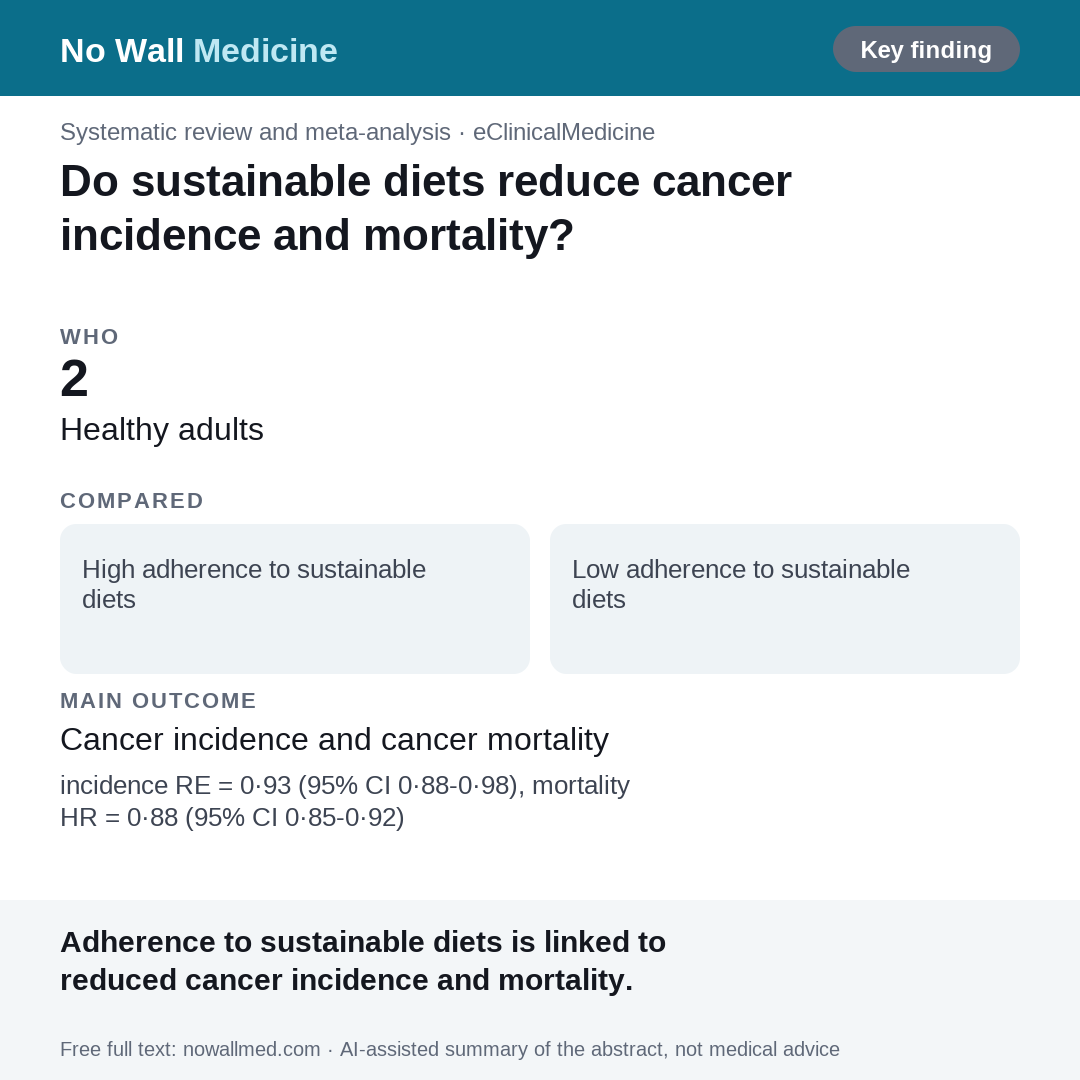
Sustainable diets and cancer: a systematic review and meta-analysis
Systematic review and meta-analysisBenefit found
Do sustainable diets reduce cancer incidence and mortality?
Who
2
Healthy adults
Compared
High adherence to sustainable diets
Low adherence to sustainable diets
Main outcome
Cancer incidence and cancer mortality
Result: incidence RE = 0·93 (95% CI 0·88-0·98), mortality HR = 0·88 (95% CI 0·85-0·92)
Bottom line: Adherence to sustainable diets is linked to reduced cancer incidence and mortality.
Limitation: High heterogeneity, risk of bias, and potential residual confounding resulted in low evidence.
eClinicalMedicine · 2025-04-29Download image
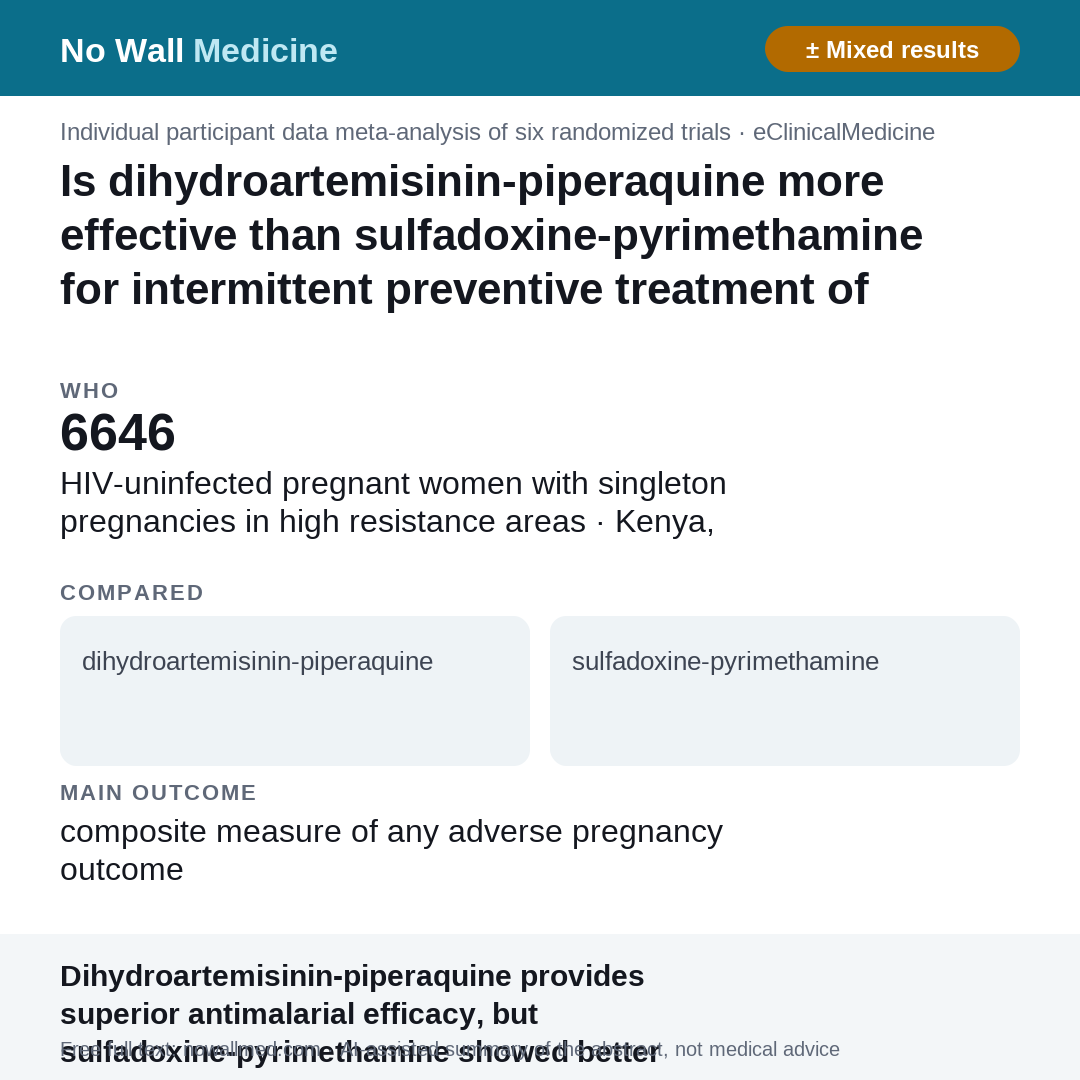
Dihydroartemisinin-piperaquine versus sulfadoxine-pyrimethamine for intermittent preventive treatment of malaria in pregnancy: a systematic review and individual participant data meta-analysis
Individual participant data meta-analysis of six randomized trialsMixed results
Is dihydroartemisinin-piperaquine more effective than sulfadoxine-pyrimethamine for intermittent preventive treatment of malaria in pregnancy?
Who
6646
HIV-uninfected pregnant women with singleton pregnancies in high resistance areas · Kenya, Malawi, Uganda and Tanzania
Compared
dihydroartemisinin-piperaquine
sulfadoxine-pyrimethamine
Main outcome
composite measure of any adverse pregnancy outcome
Result: RR 1.05 (95% CI 0.92 to 1.19)
Bottom line: Dihydroartemisinin-piperaquine provides superior antimalarial efficacy, but sulfadoxine-pyrimethamine showed better newborn birthweight and small-for-gestational-age outcomes.
Limitation: findings may have been underpowered
eClinicalMedicine · 2025-04-29Download image
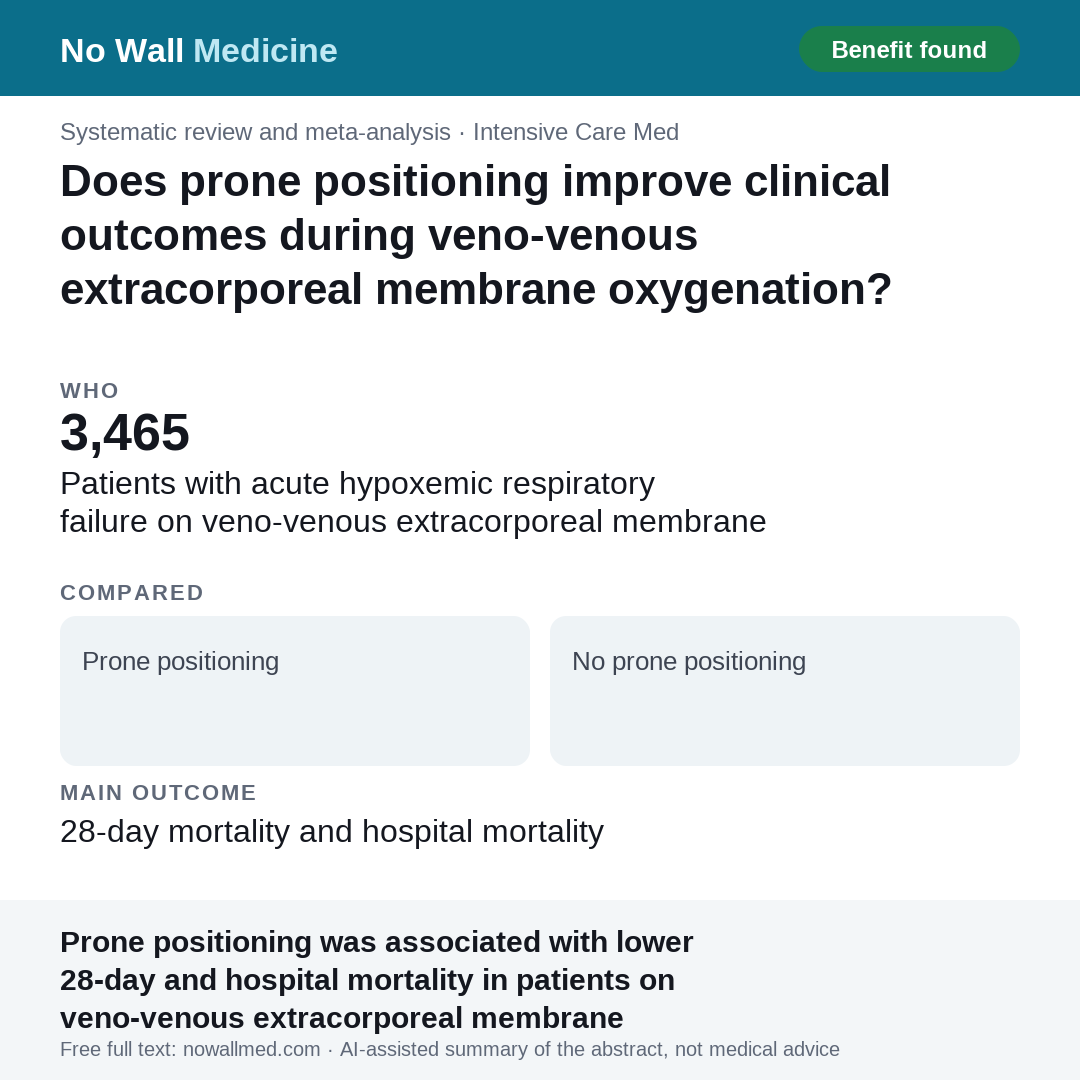
Prone positioning during veno-venous extracorporeal membrane oxygenation: a systematic review and meta-analysis
Systematic review and meta-analysisBenefit found
Does prone positioning improve clinical outcomes during veno-venous extracorporeal membrane oxygenation?
Who
3,465
Patients with acute hypoxemic respiratory failure on veno-venous extracorporeal membrane oxygenation
Compared
Prone positioning
No prone positioning
Main outcome
28-day mortality and hospital mortality
Result: odds ratio 0.64 (95% CI 0.42-0.98) for 28-day mortality
Bottom line: Prone positioning was associated with lower 28-day and hospital mortality in patients on veno-venous extracorporeal membrane oxygenation.
Limitation: Findings do not imply causation and evidence certainty is low.
Intensive Care Med · 2025-04-29Download image