Visual abstracts
New randomized trials and meta-analyses from leading journals at a glance: who was studied, what was compared, and what was found. Every paper is free to read in full.
All specialtiesCardiology 4763Oncology 4042Gastroenterology & Hepatology 1902Infectious Disease 3756Neurology 1872Psychiatry & Mental Health 2214Pulmonology 2042Critical Care 1319Endocrinology & Diabetes 2544Pediatrics 2889Surgery 2479Orthopedics & Sports Medicine 917Neurosurgery 525Cardiothoracic & Vascular Surgery 656Plastic & Reconstructive Surgery 574Nephrology 1107Rheumatology 810Hematology 1090Dermatology 611Ophthalmology 532Obstetrics & Gynecology 1645Public & Global Health 1037Radiology & Imaging 617Anesthesiology 957Urology 745ENT (Otolaryngology) 494Emergency Medicine 481Allergy & Immunology 309Geriatrics 972Family Medicine & Primary Care 533Medical Genetics & Genomics 659Pathology & Laboratory Medicine 156Physical Medicine & Rehabilitation 734Palliative Care 421Nutrition 1560Digital Health & AI 2133General Medicine 318
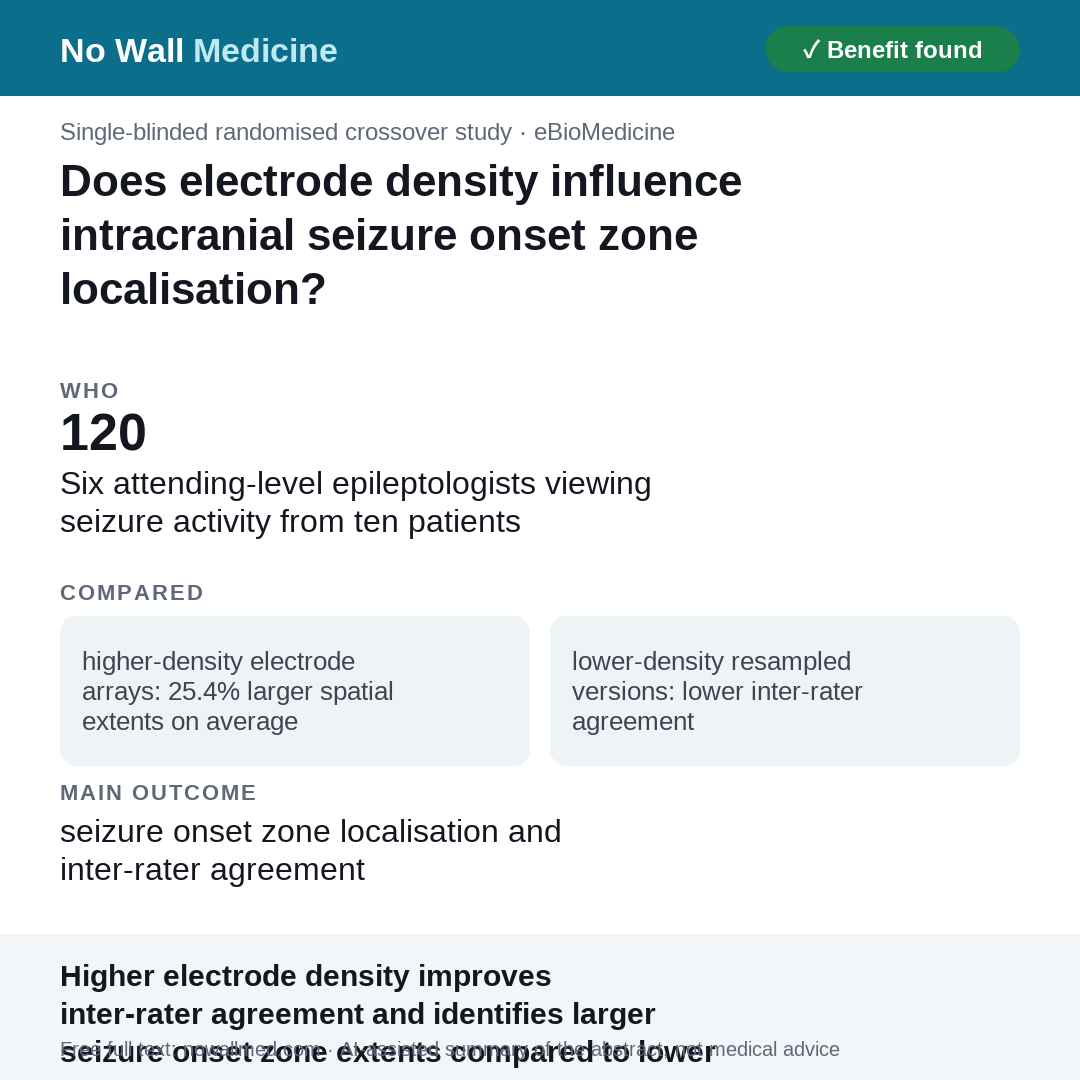
Influences of electrode density on intracranial seizure localisation: a single-blinded randomised crossover study
Single-blinded randomised crossover studyBenefit found
Does electrode density influence intracranial seizure onset zone localisation?
Who
120
Six attending-level epileptologists viewing seizure activity from ten patients
Compared
higher-density electrode arrays: 25.4% larger spatial extents on average
lower-density resampled versions: lower inter-rater agreement
Main outcome
seizure onset zone localisation and inter-rater agreement
Bottom line: Higher electrode density improves inter-rater agreement and identifies larger seizure onset zone extents compared to lower density.
Funded by: National Institutes of Health and UCSF Weill Institute
eBioMedicine · 2025-03-03Download image
Care for Atrial Fibrillation and Outcomes in Rural Versus Urban Communities in the United States: A Systematic and Narrative Review
Systematic and narrative reviewHarm found
Does rurality affect atrial fibrillation care and outcomes in the United States?
Who
41
Patients with atrial fibrillation in the United States · United States
Compared
Rural residence: less likely to receive direct oral anticoagulant
Urban residence
Main outcome
Atrial fibrillation care and outcomes
Result: in-hospital mortality OR 1.19 (95% CI 1.01-1.39)
Bottom line: Rural patients face disparities including less direct oral anticoagulant use and higher in-hospital mortality compared to urban patients.
J Am Heart Assoc · 2025-03-03Download image

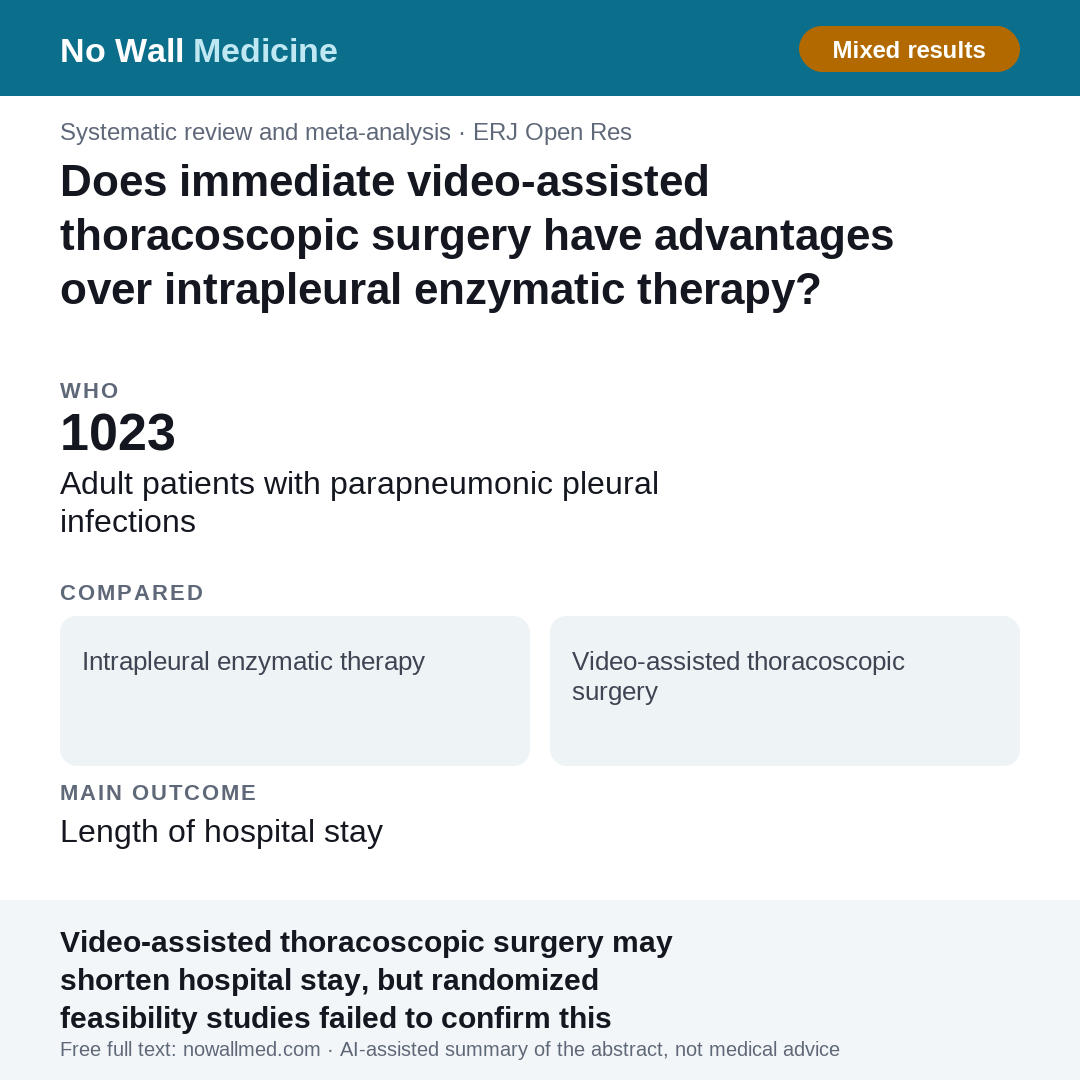
Enzymatic therapy versus video-assisted thoracoscopic surgery for pleural infections: a systematic review and meta-analysis
Systematic review and meta-analysisMixed results
Does immediate video-assisted thoracoscopic surgery have advantages over intrapleural enzymatic therapy?
Who
1023
Adult patients with parapneumonic pleural infections
Compared
Intrapleural enzymatic therapy
Video-assisted thoracoscopic surgery
Main outcome
Length of hospital stay
Result: mean difference 4.2 days (95% CI 1.5-7.0)
Bottom line: Video-assisted thoracoscopic surgery may shorten hospital stay, but randomized feasibility studies failed to confirm this finding.
Limitation: High risk of selection bias in non-randomised studies and randomized studies not designed to detect length of stay differences.
ERJ Open Res · 2025-03-03Download image
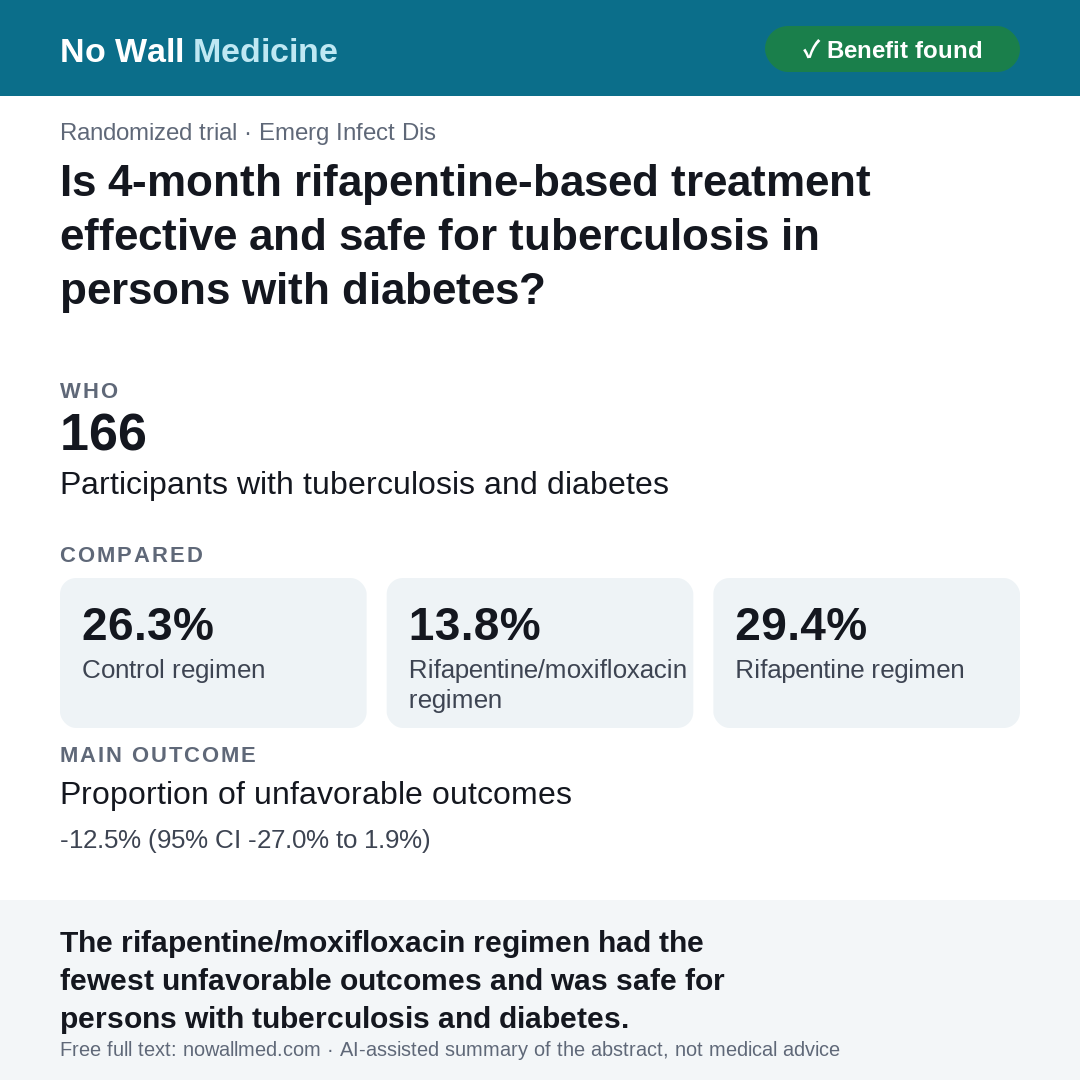
Efficacy and Safety of 4-Month Rifapentine-Based Tuberculosis Treatments in Persons with Diabetes
Randomized trialBenefit found
Is 4-month rifapentine-based treatment effective and safe for tuberculosis in persons with diabetes?
Who
166
Participants with tuberculosis and diabetes
Compared
26.3%Control regimen (15/57)
13.8%Rifapentine/moxifloxacin regimen (8/58)
29.4%Rifapentine regimen (15/51)
Main outcome
Proportion of unfavorable outcomes
Result: -12.5% (95% CI -27.0% to 1.9%)
Bottom line: The rifapentine/moxifloxacin regimen had the fewest unfavorable outcomes and was safe for persons with tuberculosis and diabetes.
Emerg Infect Dis · 2025-03-03Download image
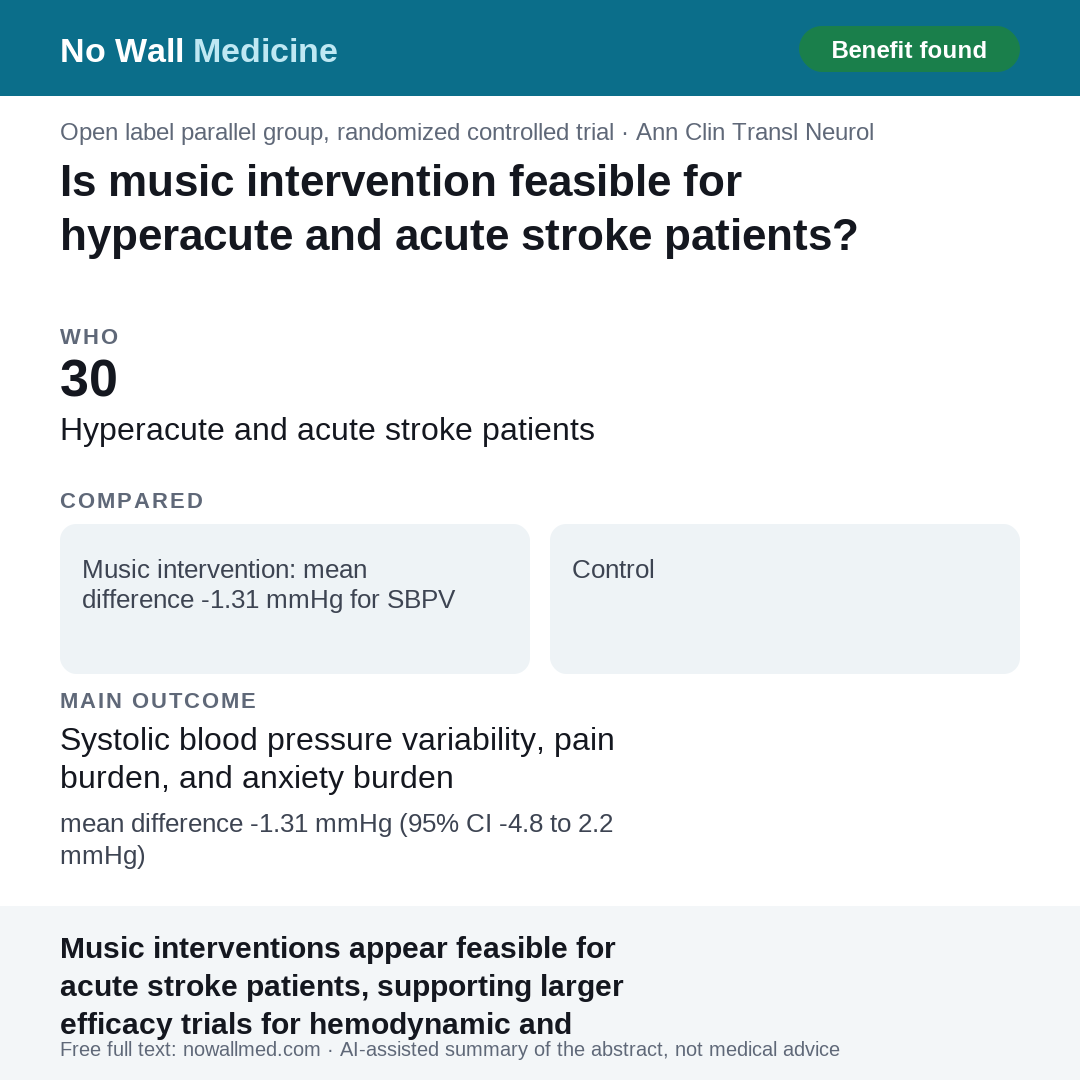
Music Interventions in Hyperacute and Acute Stroke Patients: A Randomized Controlled Pilot Feasibility Study
Open label parallel group, randomized controlled trialEarly signal
Is music intervention feasible for hyperacute and acute stroke patients?
Who
30
Hyperacute and acute stroke patients
Compared
Music intervention: mean difference -1.31 mmHg for SBPV
Control
Main outcome
Systolic blood pressure variability, pain burden, and anxiety burden
Result: mean difference -1.31 mmHg (95% CI -4.8 to 2.2 mmHg)
Bottom line: Music interventions appear feasible for acute stroke patients, supporting larger efficacy trials for hemodynamic and psychological parameters.
Limitation: This was a pilot feasibility study to inform a larger efficacy trial.
Ann Clin Transl Neurol · 2025-03-03Download image
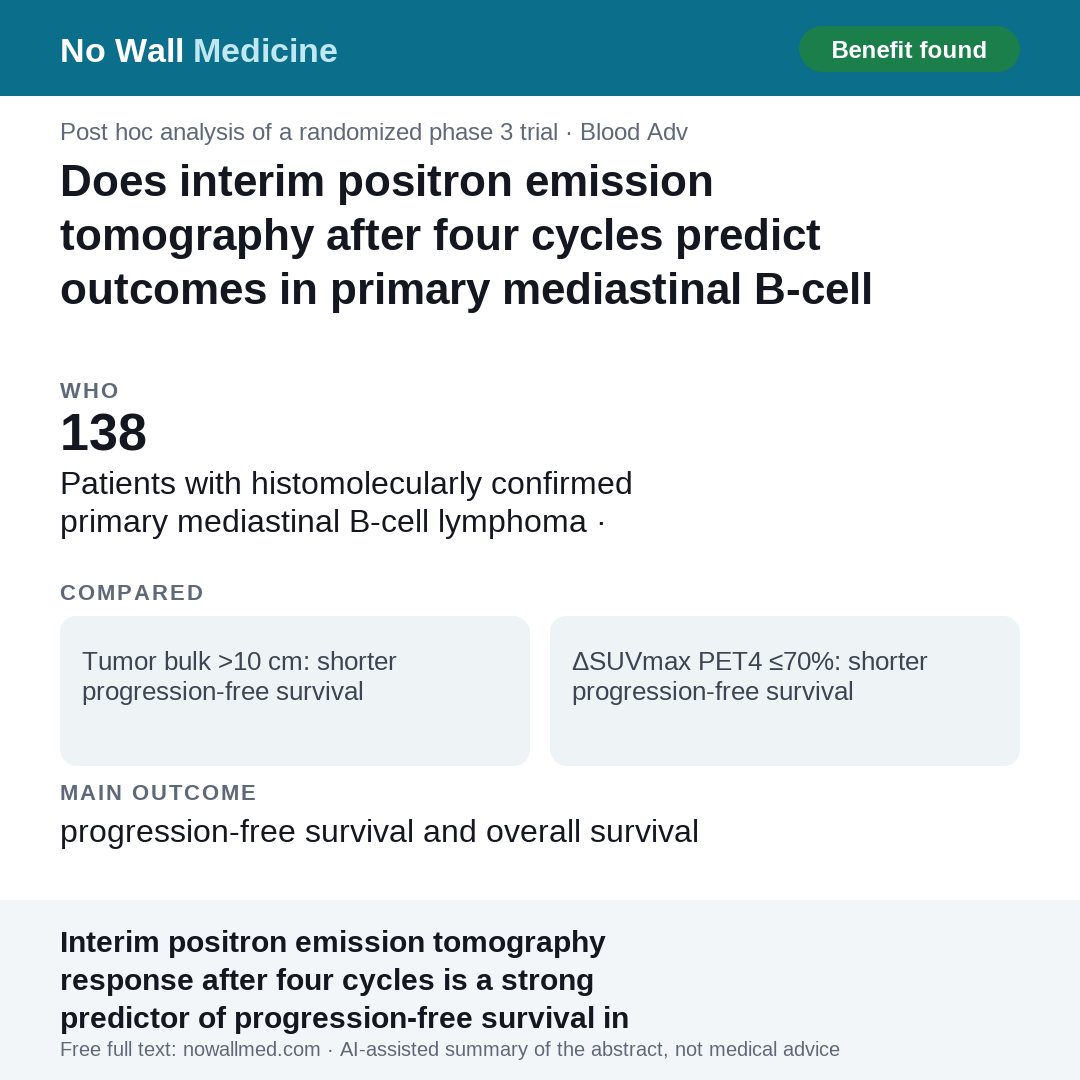
Interim PET after 4 cycles predicts outcome in histomolecularly confirmed primary mediastinal B-cell lymphoma
Post hoc analysis of a randomized phase 3 trialKey finding
Does interim positron emission tomography after four cycles predict outcomes in primary mediastinal B-cell lymphoma?
Who
138
Patients with histomolecularly confirmed primary mediastinal B-cell lymphoma · Centrally reviewed
Compared
Tumor bulk >10 cm: shorter progression-free survival
ΔSUVmax PET4 ≤70%: shorter progression-free survival
Main outcome
progression-free survival and overall survival
Result: hazard ratio 4.95 (95% CI 1.71 to 14.3) for ΔSUVmax PET4 ≤70%
Bottom line: Interim positron emission tomography response after four cycles is a strong predictor of progression-free survival in primary mediastinal B-cell lymphoma.
Blood Adv · 2025-03-03Download image
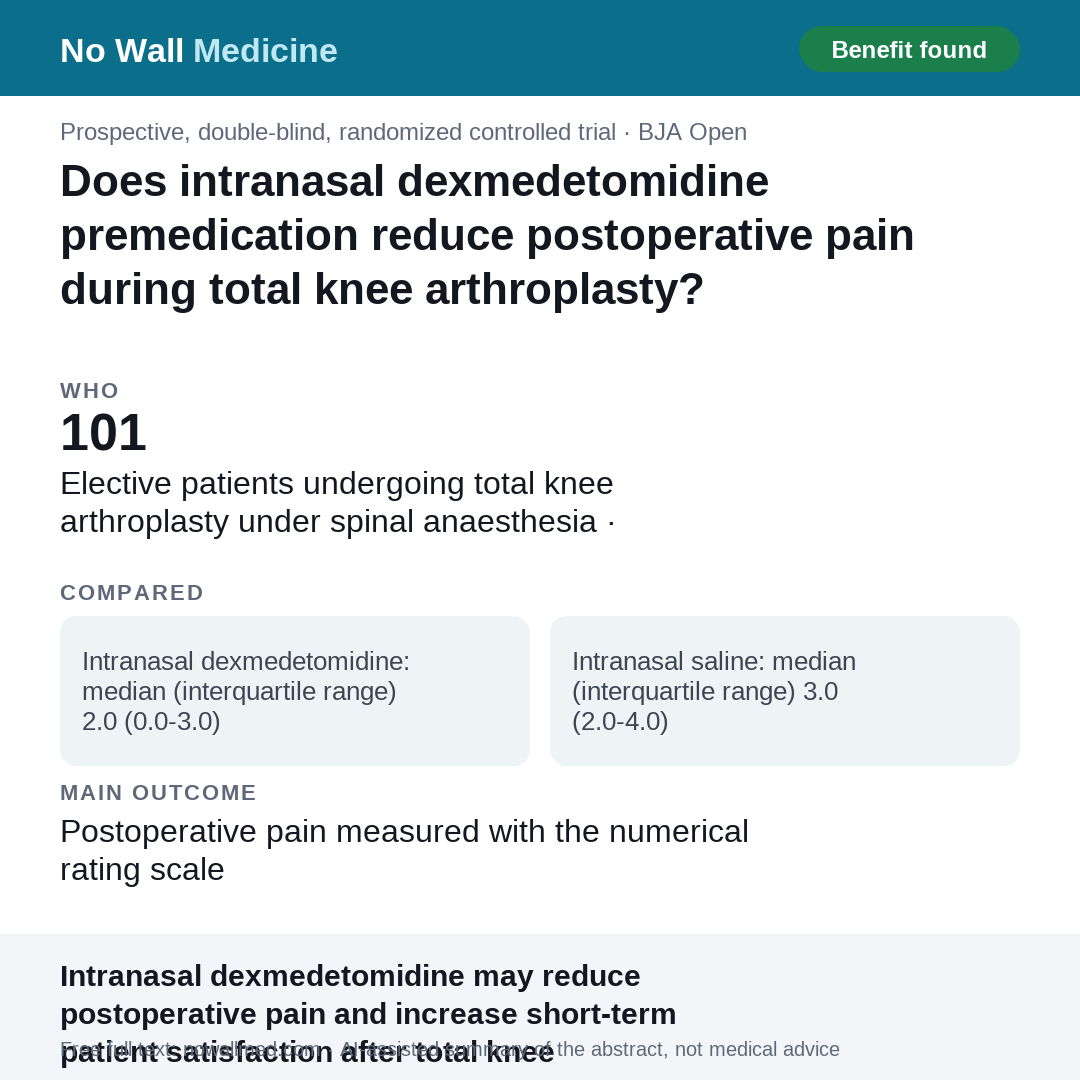
Premedication with intranasal dexmedetomidine in patients undergoing total knee arthroplasty under spinal anaesthesia (TKADEX)-a prospective, double-blinded, randomised controlled trial
Prospective, double-blind, randomized controlled trialBenefit found
Does intranasal dexmedetomidine premedication reduce postoperative pain during total knee arthroplasty?
Who
101
Elective patients undergoing total knee arthroplasty under spinal anaesthesia · Single-centre
Compared
Intranasal dexmedetomidine: median (interquartile range) 2.0 (0.0-3.0)
Intranasal saline: median (interquartile range) 3.0 (2.0-4.0)
Main outcome
Postoperative pain measured with the numerical rating scale
Bottom line: Intranasal dexmedetomidine may reduce postoperative pain and increase short-term patient satisfaction after total knee arthroplasty.
BJA Open · 2025-03-03Download image
Perioperative, Oncological, and Functional Outcomes of New Multiport Robotic Platforms in Urology: A Systematic Review and Meta-analysis
Systematic review and meta-analysisNo clear difference
Are new multiport surgical robots as safe and effective as Da Vinci multiport robots?
Who
5487
Patients undergoing major urological surgeries
Compared
New multiport surgical robots
Da Vinci multiport surgical robot
Main outcome
Perioperative, oncological, and functional outcomes
Result: no difference in safety, functional, and oncological outcomes
Bottom line: New multiport surgical robots show similar safety, oncological, and functional outcomes compared to the Da Vinci system.
Limitation: Small sample size of the included studies and the preliminary nature of the results.
Eur Urol Open Sci · 2025-03-03Download image

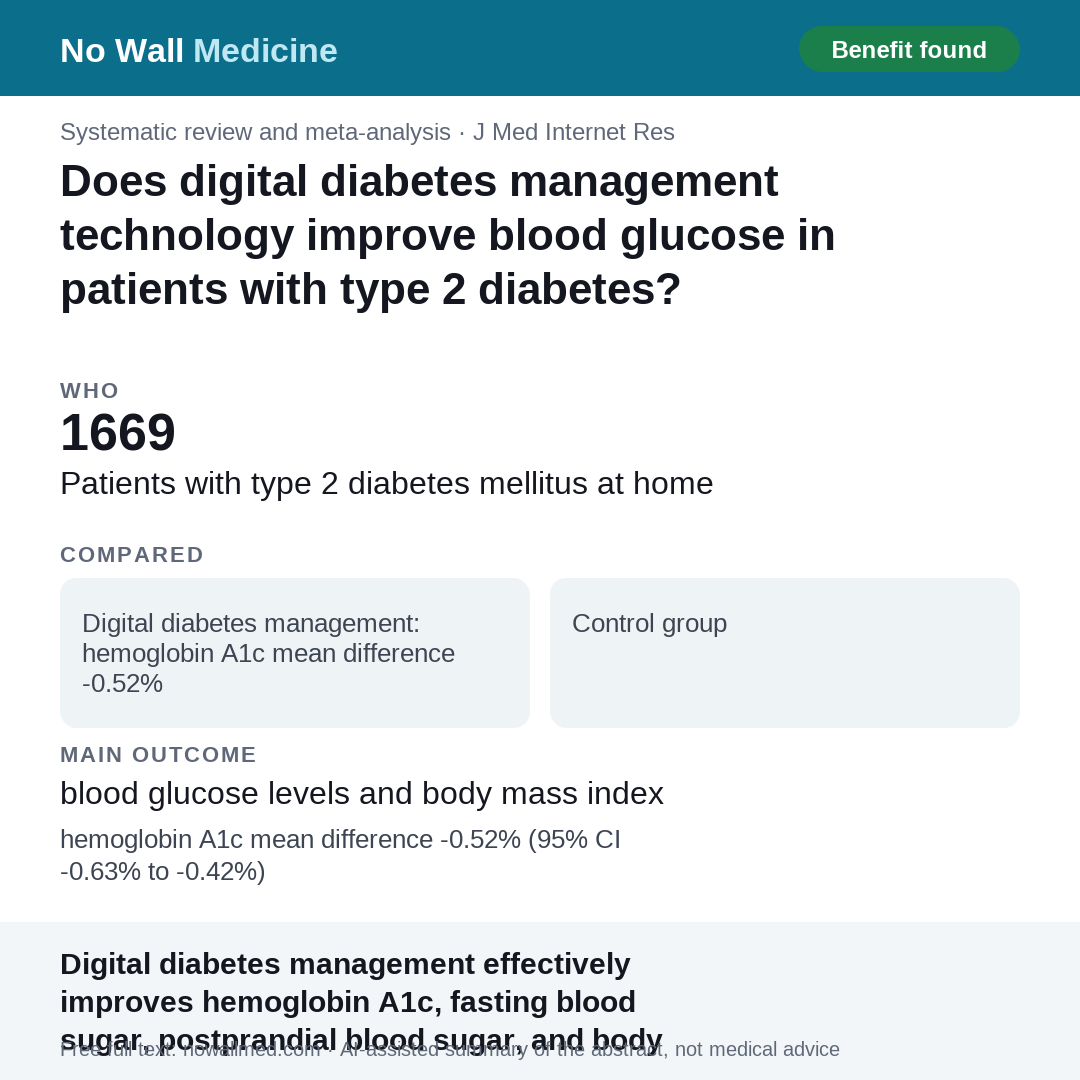
Effectiveness of Digital Diabetes Management Technology on Blood Glucose in Patients With Type 2 Diabetes at Home: Systematic Review and Meta-Analysis
Systematic review and meta-analysisBenefit found
Does digital diabetes management technology improve blood glucose in patients with type 2 diabetes?
Who
1669
Patients with type 2 diabetes mellitus at home
Compared
Digital diabetes management: hemoglobin A1c mean difference -0.52%
Control group
Main outcome
blood glucose levels and body mass index
Result: hemoglobin A1c mean difference -0.52% (95% CI -0.63% to -0.42%)
Bottom line: Digital diabetes management effectively improves hemoglobin A1c, fasting blood sugar, postprandial blood sugar, and body mass index.
J Med Internet Res · 2025-03-03Download image
Somatosensory training: a systematic review and meta-analysis with methodological considerations and clinical insights
Systematic review and meta-analysisBenefit found
Is somatosensory training effective in healthy individuals and stroke patients?
Who
Healthy individuals and stroke patients
Compared
Somatosensory training: 61.2% datasets improved performance
Non-stimulated site: no significant changes
Main outcome
Somatosensory performance and tactile two-point discrimination
Bottom line: Somatosensory training improves performance and tactile discrimination in healthy individuals at the stimulated site.
Limitation: Methodological concerns including randomization, control conditions, blinding, and missing data.
J Neuroeng Rehabil · 2025-03-03Download image
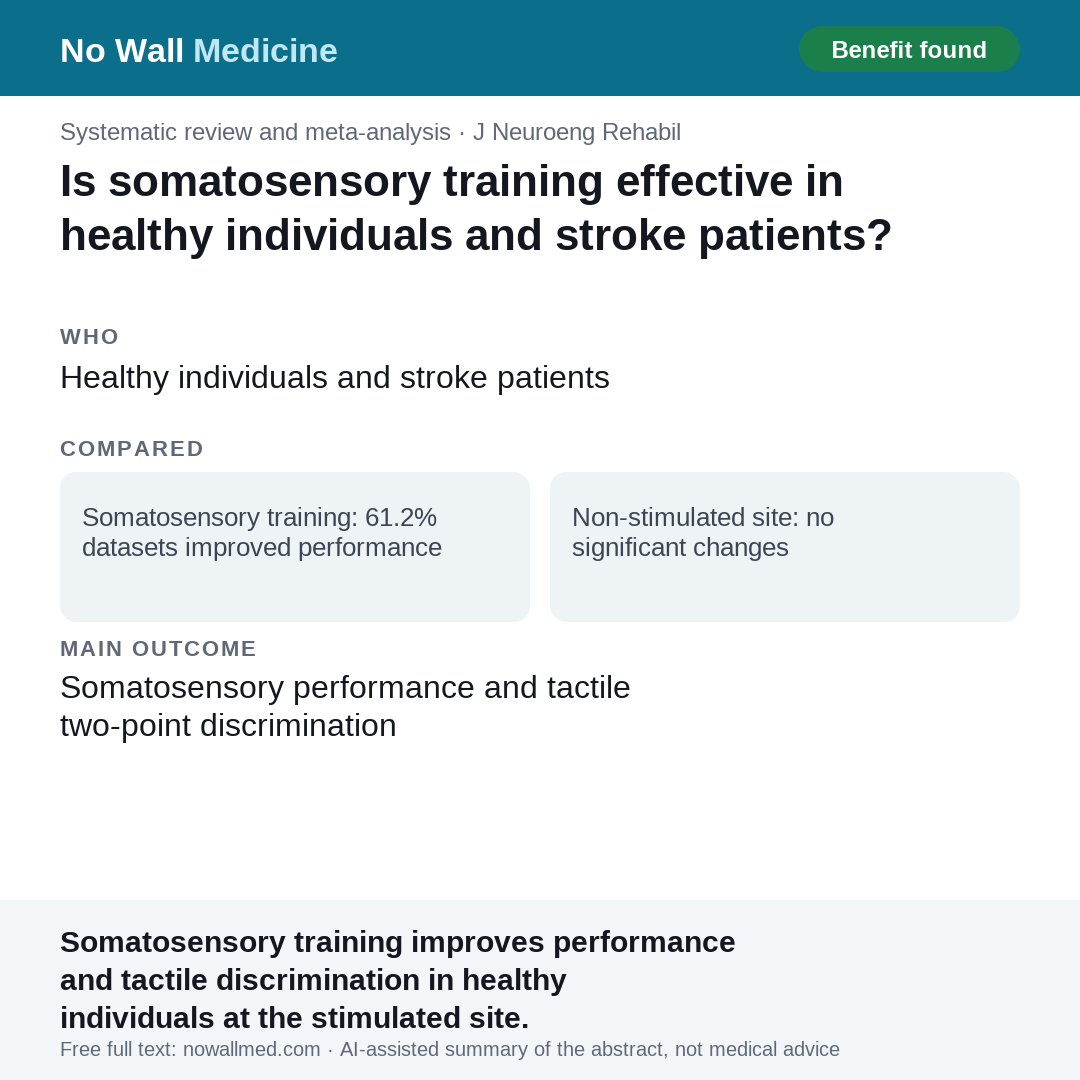
Microsurgical resection of intracranial meningiomas in patients aged 80 years old or more: A systematic review and meta-analysis
Systematic review and meta-analysisBenefit found
Are surgical outcomes for intracranial meningiomas similar in patients aged 80 or older?
Who
690
Patients aged 80 years or older with intracranial meningiomas
Compared
88%Total tumor resection
12%Partial tumor resection
Main outcome
Extent of resection, morbidity, and mortality
Bottom line: Achieving high total resection rates of 88% is feasible with a 5% surgical mortality rate in patients aged 80 or older.
Brain Spine · 2025-03-03Download image
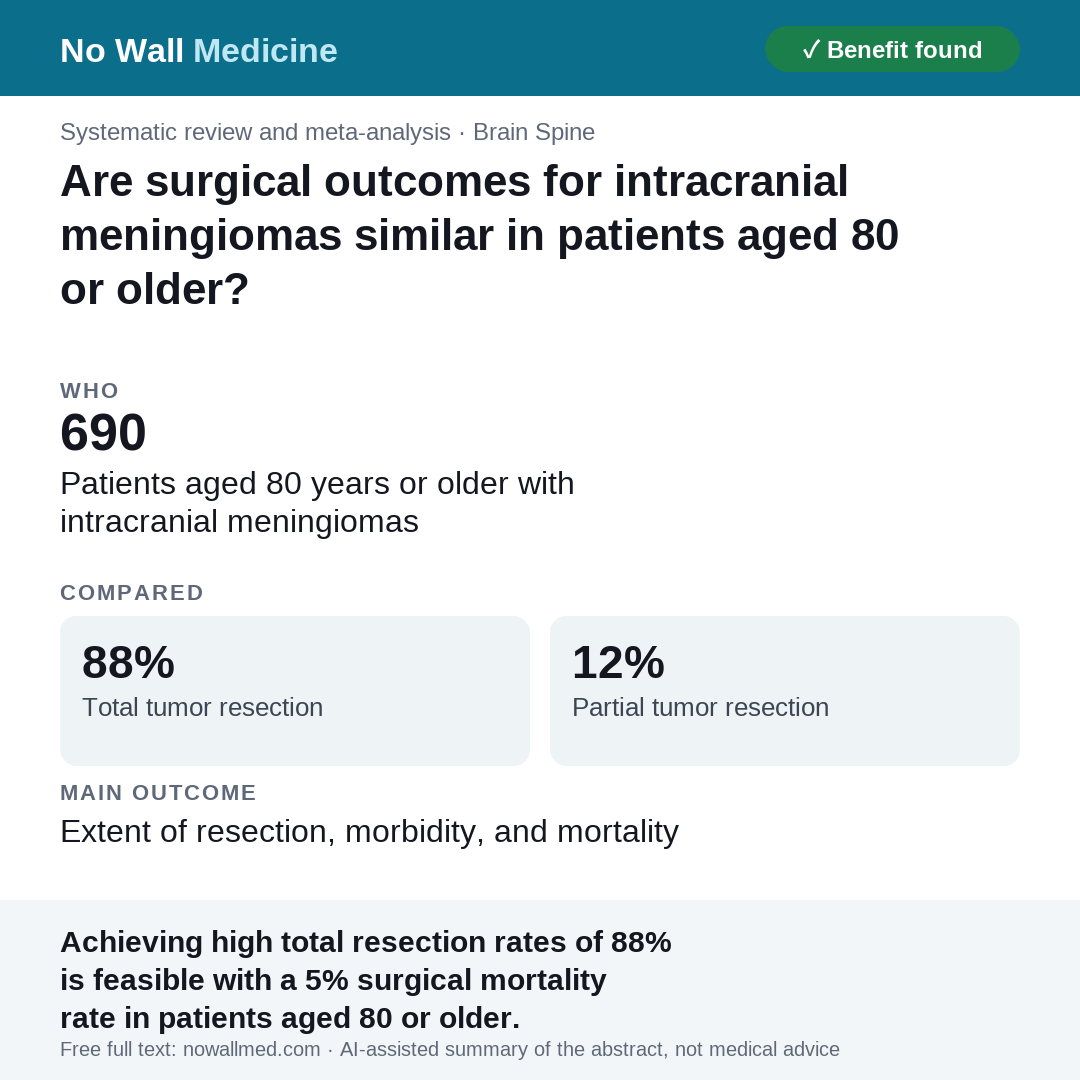
Lack of association between pretreatment glutamate/GABA and major depressive disorder treatment response
Randomized, double-blind trialNo clear difference
Do pretreatment GABA and Glx levels predict antidepressant treatment response in major depressive disorder?
Who
74
Antidepressant naïve or medication-free patients with major depressive disorder
Compared
Escitalopram
Placebo
Main outcome
Depression remission status and percent change in symptom severity
Bottom line: Pretreatment GABA, Glx, or their ratio cannot predict antidepressant treatment response in major depressive disorder.
Transl Psychiatry · 2025-03-02Download image
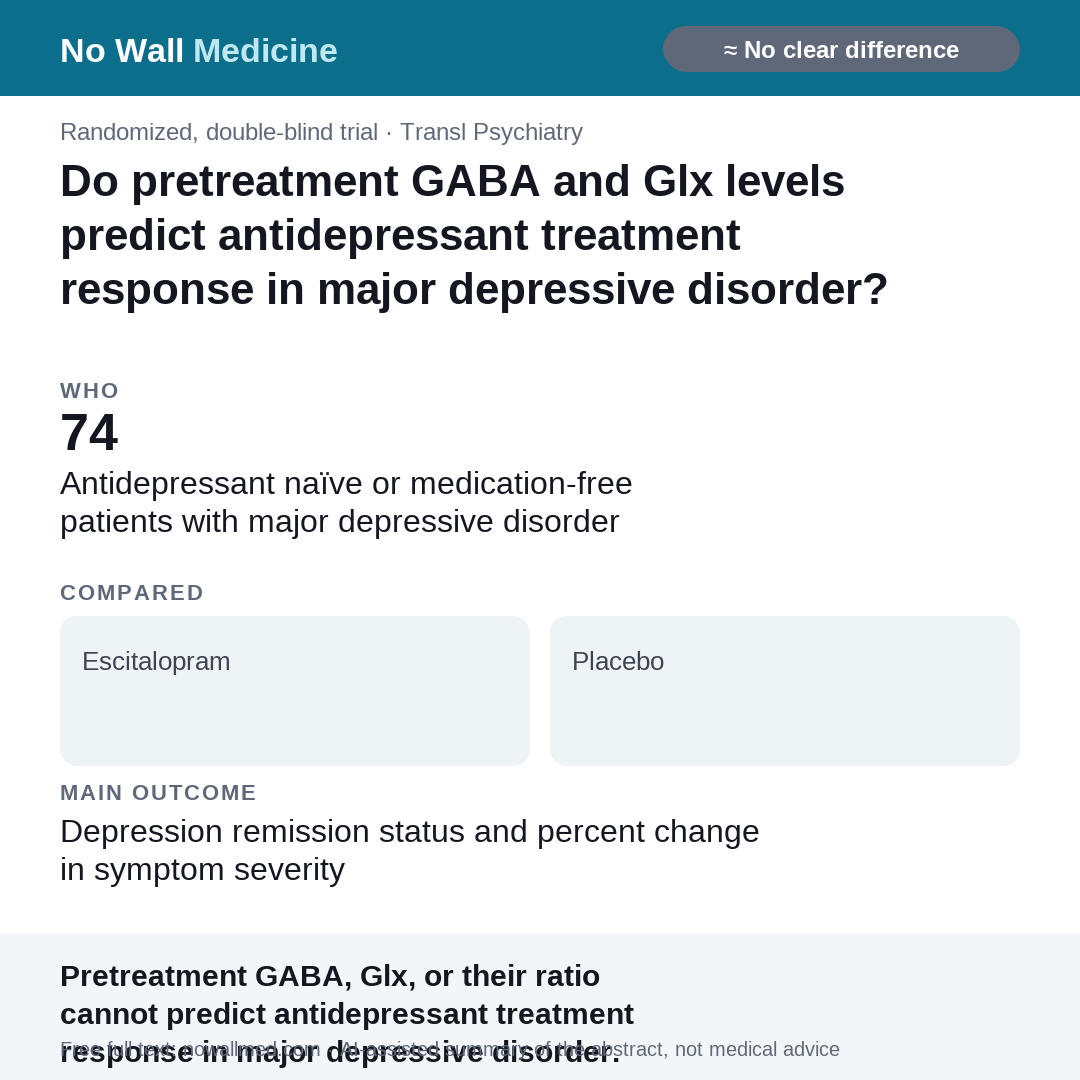
Comparative effectiveness of daily therapeutic supplementation with multiple micronutrients and iron-folic acid versus iron-folic acid alone in children with mild-to-moderate anaemia in rural India: an open-label, randomised controlled trial
Open-label, randomised controlled trialNo clear difference
Does multiple micronutrients plus iron-folic acid improve anaemia compared to iron-folic acid alone?
Who
1300
Children aged 6-59 months with mild-to-moderate anaemia · Rural Haryana, India
Compared
Iron-folic acid plus multiple micronutrients: 489 (80%) cured of anaemia
Iron-folic acid alone: 492 (79%) cured of anaemia
Main outcome
Mean haemoglobin concentration and proportion of children cured of anaemia
Result: risk ratio 1·02 (95% CI 0·90 to 1·16)
Bottom line: Adding multiple micronutrients to iron-folic acid did not significantly improve anaemia outcomes in children compared to iron-folic acid alone.
Funded by: Indian Council of Medical Research and the Government of India
Lancet Glob Health · 2025-03-01Download image
Prenatal exposure to HIV pre-exposure prophylaxis and birth, growth, and social-emotional developmental outcomes throughout early childhood in Kenya: a prospective cohort study
Prospective cohort studyNo clear difference
Does prenatal pre-exposure prophylaxis exposure affect birth, growth, and social-emotional development?
Who
4063
Pregnant individuals in western Kenya · 20 maternal and child health clinics in western Kenya
Compared
Prenatally pre-exposure prophylaxis exposed: no difference in pregnancy loss, stillbirth, preterm birth, or neonatal death
Prenatally pre-exposure prophylaxis unexposed: no difference in pregnancy loss, stillbirth, preterm birth, or neonatal death
Main outcome
Perinatal outcomes including birth, growth, and neurodevelopment
Bottom line: Prenatal pre-exposure prophylaxis exposure was not associated with adverse birth, growth, or social-emotional developmental outcomes through 36 months.
Funded by: National Institutes of Health and several other organizations
Lancet Glob Health · 2025-03-01Download image

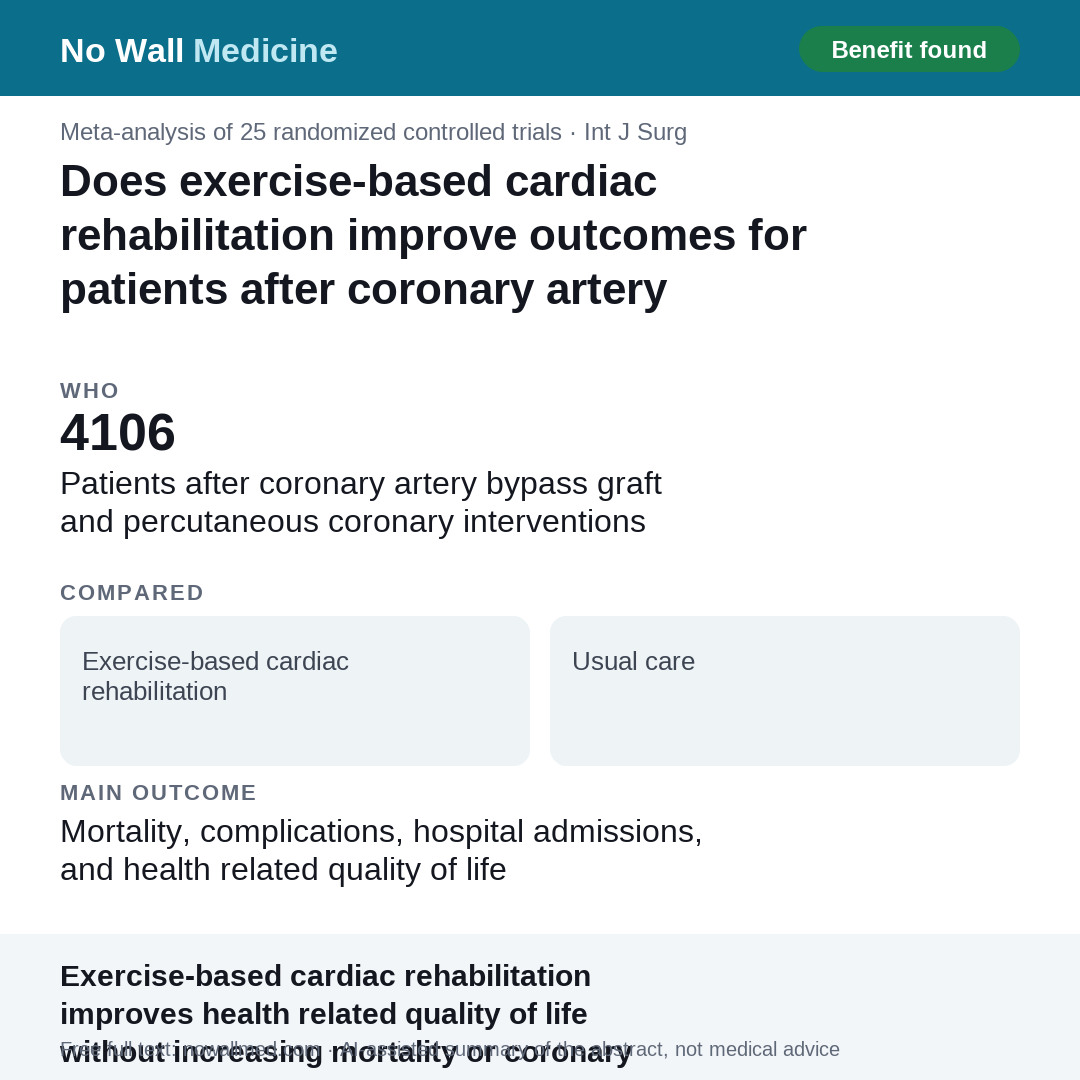
Exercise-based cardiac rehabilitation for patients undergoing coronary artery operation: a systematic review and meta-analysis based on current randomized controlled trials
Meta-analysis of 25 randomized controlled trialsBenefit found
Does exercise-based cardiac rehabilitation improve outcomes for patients after coronary artery operation?
Who
4106
Patients after coronary artery bypass graft and percutaneous coronary interventions
Compared
Exercise-based cardiac rehabilitation
Usual care
Main outcome
Mortality, complications, hospital admissions, and health related quality of life
Result: standardized mean difference 0.24 (95% CI 0.11-0.38) for health related quality of life
Bottom line: Exercise-based cardiac rehabilitation improves health related quality of life without increasing mortality or coronary artery complications.
Int J Surg · 2025-03-01Download image
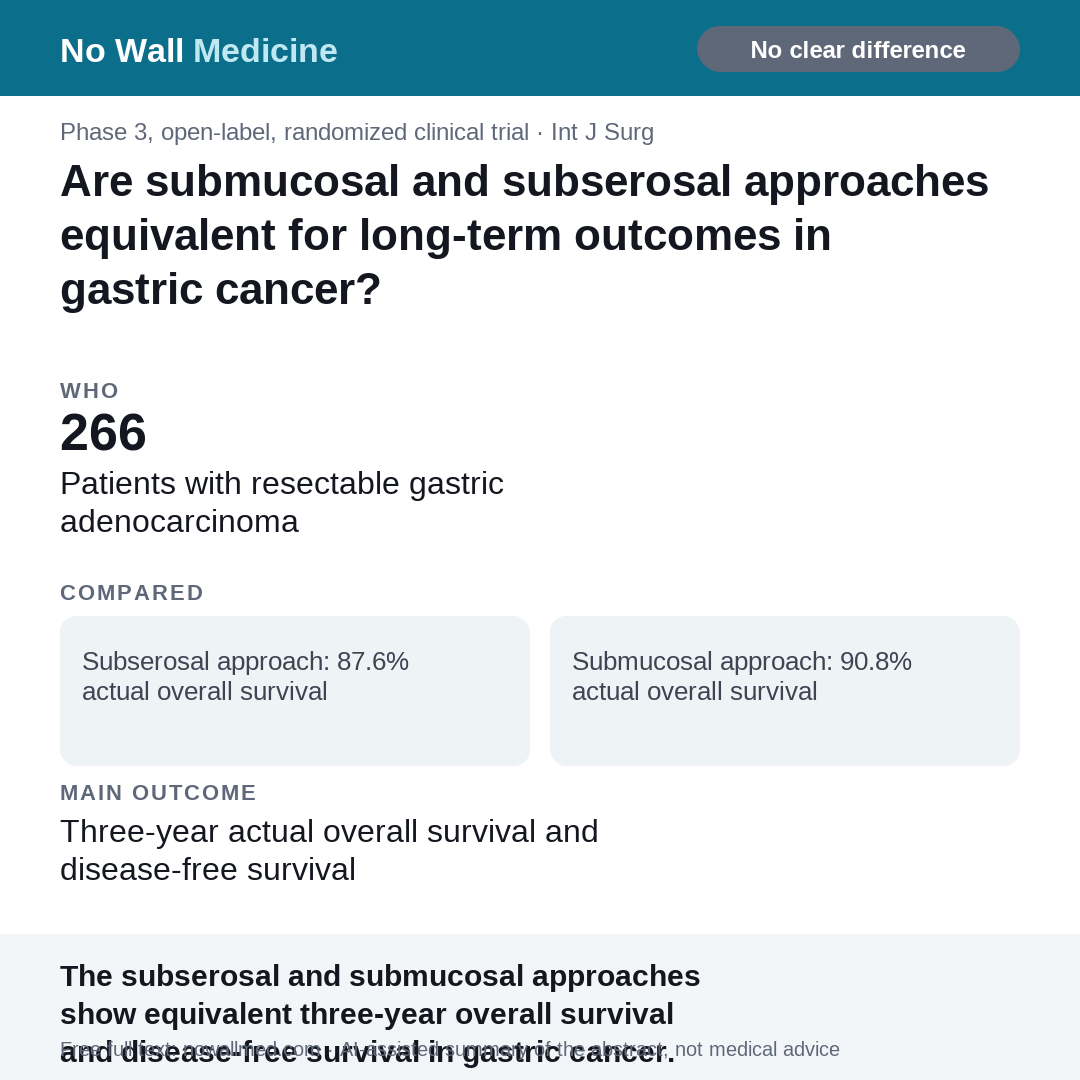
Comparison of a submucosal and subserosal approach in ICG-guided laparoscopic lymphadenectomy in gastric cancer patients: long-term outcomes of a phase 3 randomized clinical trial
Phase 3, open-label, randomized clinical trialNo clear difference
Are submucosal and subserosal approaches equivalent for long-term outcomes in gastric cancer?
Who
266
Patients with resectable gastric adenocarcinoma
Compared
Subserosal approach: 87.6% actual overall survival
Submucosal approach: 90.8% actual overall survival
Main outcome
Three-year actual overall survival and disease-free survival
Bottom line: The subserosal and submucosal approaches show equivalent three-year overall survival and disease-free survival in gastric cancer.
Int J Surg · 2025-03-01Download image
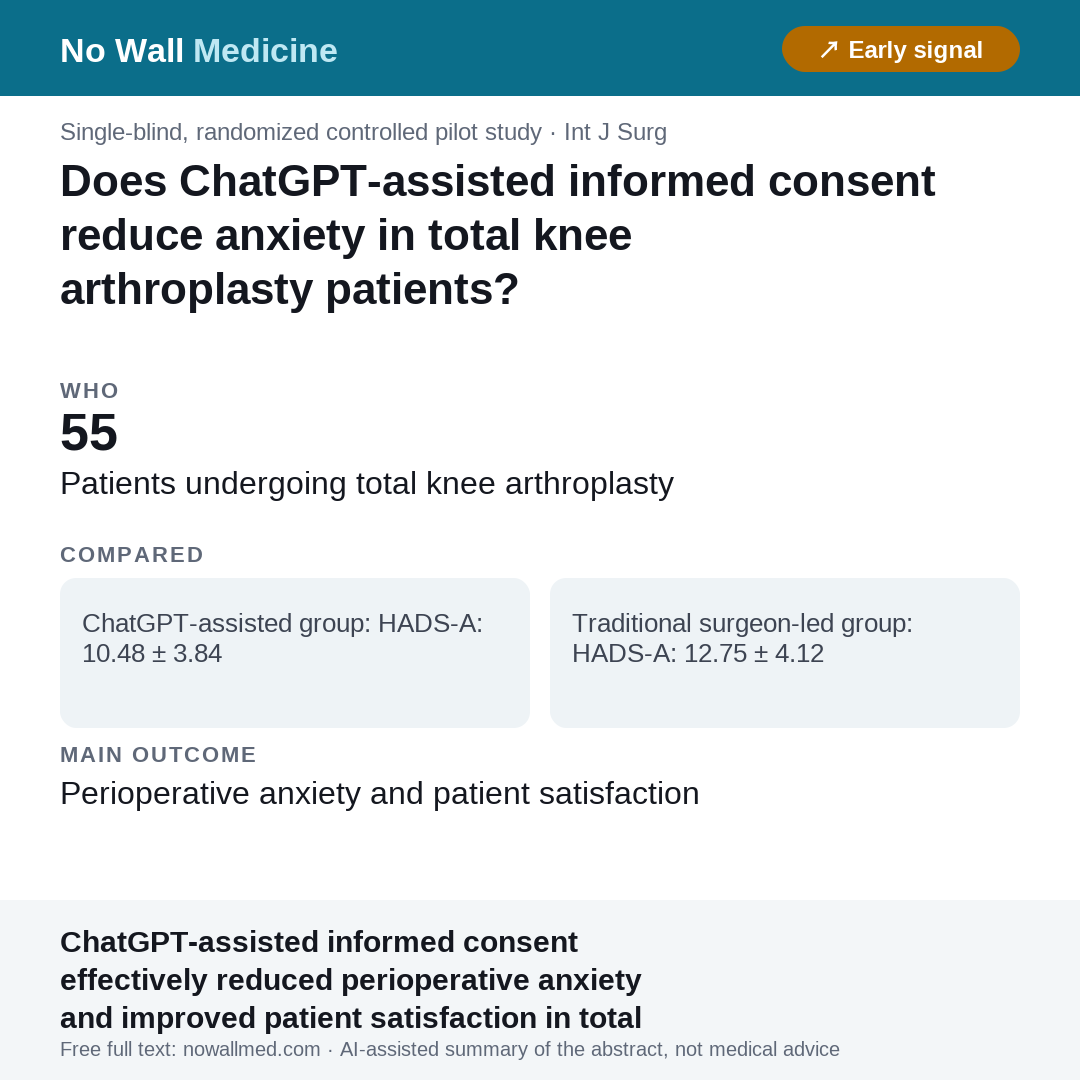
ChatGPT's role in alleviating anxiety in total knee arthroplasty consent process: a randomized controlled trial pilot study
Single-blind, randomized controlled pilot studyEarly signal
Does ChatGPT-assisted informed consent reduce anxiety in total knee arthroplasty patients?
Who
55
Patients undergoing total knee arthroplasty
Compared
ChatGPT-assisted group: HADS-A: 10.48 ± 3.84
Traditional surgeon-led group: HADS-A: 12.75 ± 4.12
Main outcome
Perioperative anxiety and patient satisfaction
Bottom line: ChatGPT-assisted informed consent effectively reduced perioperative anxiety and improved patient satisfaction in total knee arthroplasty patients.
Int J Surg · 2025-03-01Download image
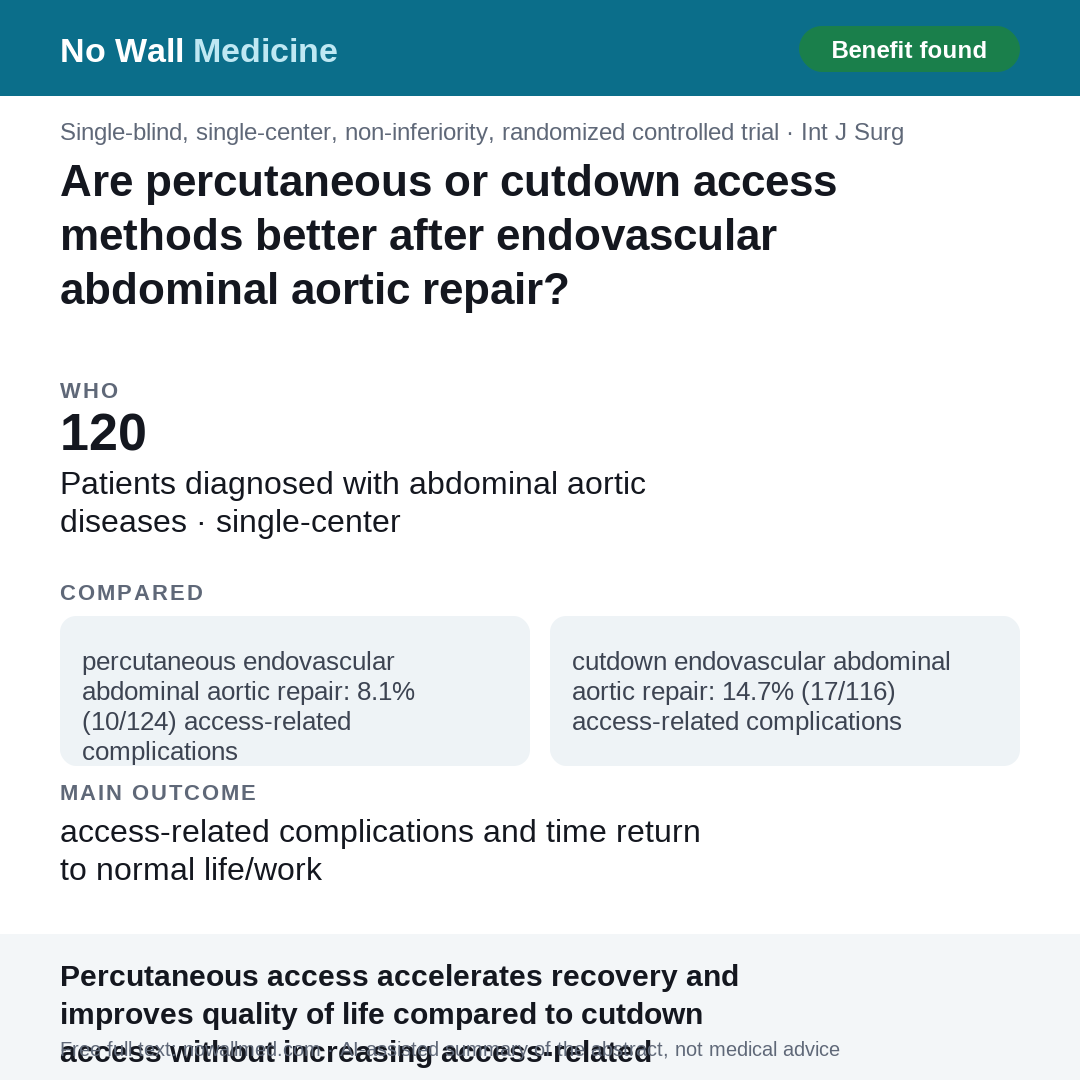
Comparison of percutaneous versus cutdown access in patients after endovascular abdominal aortic repair: a randomized controlled trial (SWEET-EVAR trial)
Single-blind, single-center, non-inferiority, randomized controlled trialBenefit found
Are percutaneous or cutdown access methods better after endovascular abdominal aortic repair?
Who
120
Patients diagnosed with abdominal aortic diseases · single-center
Compared
percutaneous endovascular abdominal aortic repair: 8.1% (10/124) access-related complications
cutdown endovascular abdominal aortic repair: 14.7% (17/116) access-related complications
Main outcome
access-related complications and time return to normal life/work
Result: median difference: 7 days, 95% CI 0-13 days
Bottom line: Percutaneous access accelerates recovery and improves quality of life compared to cutdown access without increasing access-related complications.
Int J Surg · 2025-03-01Download image
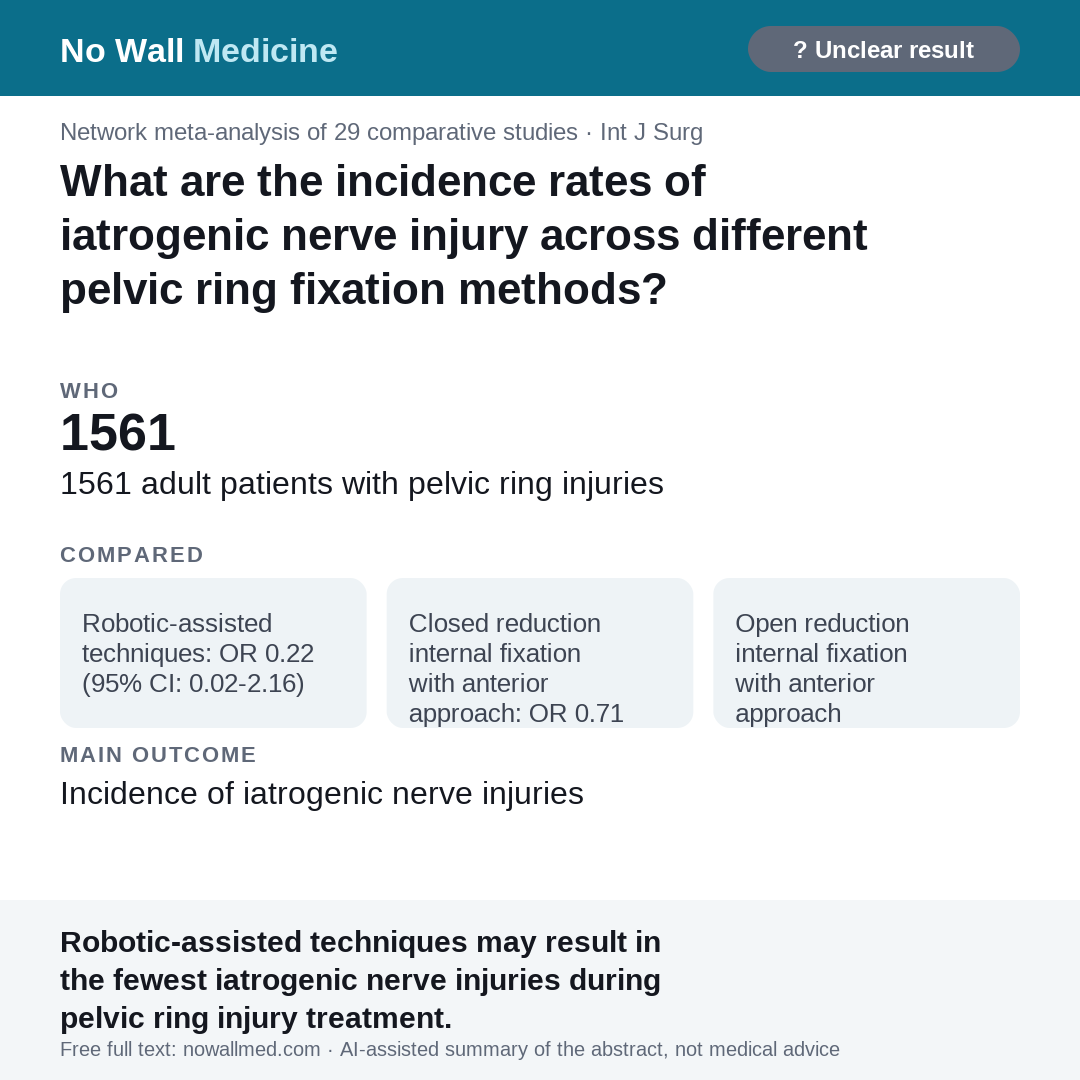
Iatrogenic nerve injury following pelvic ring injury: a network meta-analysis
Network meta-analysis of 29 comparative studiesUnclear result
What are the incidence rates of iatrogenic nerve injury across different pelvic ring fixation methods?
Who
1561
1561 adult patients with pelvic ring injuries
Compared
Robotic-assisted techniques: OR 0.22 (95% CI: 0.02-2.16)
Closed reduction internal fixation with anterior approach: OR 0.71 (95% CI: 0.21-2.48)
Open reduction internal fixation with anterior approach
Main outcome
Incidence of iatrogenic nerve injuries
Bottom line: Robotic-assisted techniques may result in the fewest iatrogenic nerve injuries during pelvic ring injury treatment.
Int J Surg · 2025-03-01Download image
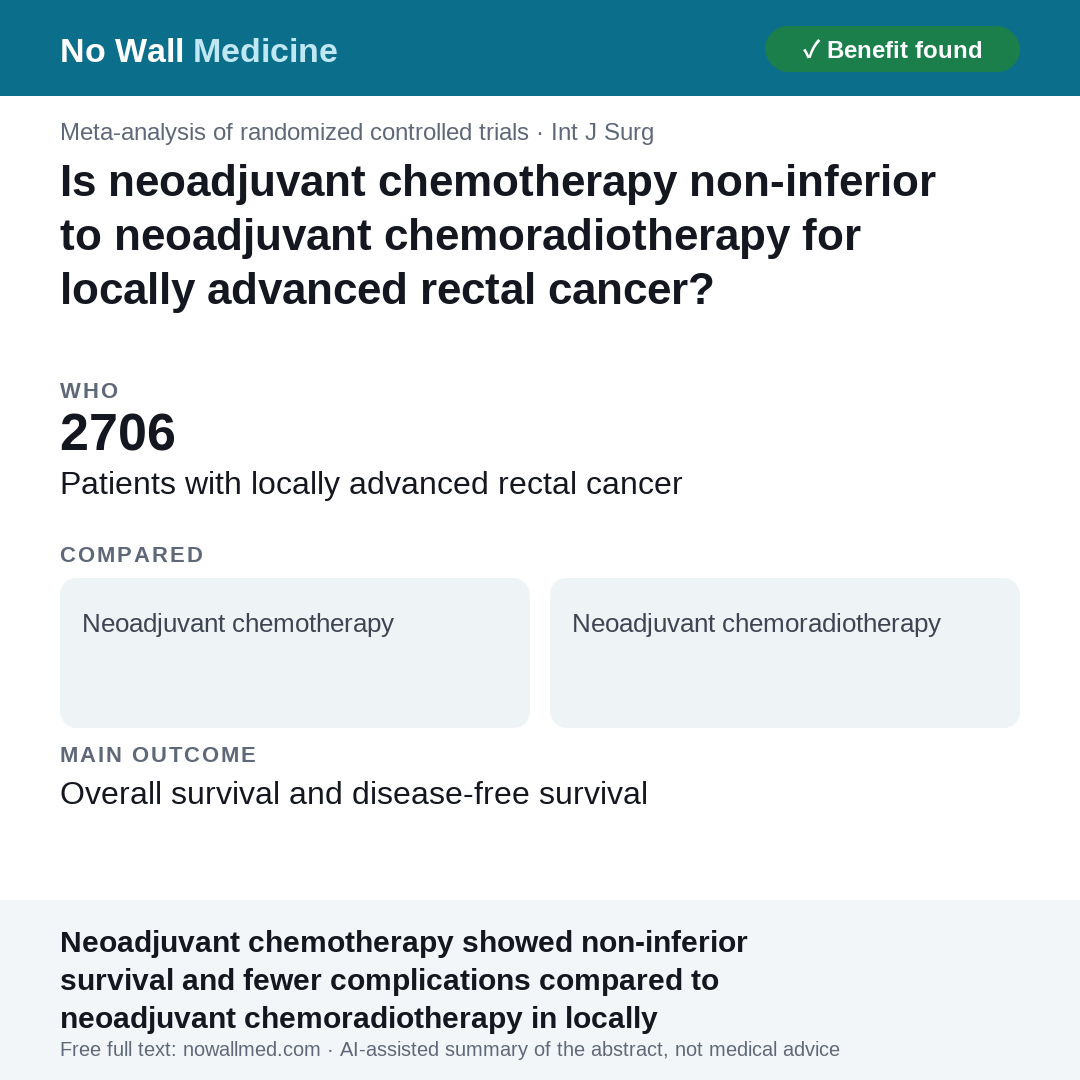
Comparison of the efficacy of neoadjuvant chemotherapy and neoadjuvant chemoradiotherapy in locally advanced rectal cancer patients: meta-analysis of randomized controlled trials
Meta-analysis of randomized controlled trialsBenefit found
Is neoadjuvant chemotherapy non-inferior to neoadjuvant chemoradiotherapy for locally advanced rectal cancer?
Who
2706
Patients with locally advanced rectal cancer
Compared
Neoadjuvant chemotherapy
Neoadjuvant chemoradiotherapy
Main outcome
Overall survival and disease-free survival
Bottom line: Neoadjuvant chemotherapy showed non-inferior survival and fewer complications compared to neoadjuvant chemoradiotherapy in locally advanced rectal cancer.
Limitation: Radiotherapy may still be necessary for patients requiring guaranteed conversion effect or organ preservation.
Int J Surg · 2025-03-01Download image