Visual abstracts
New randomized trials and meta-analyses from leading journals at a glance: who was studied, what was compared, and what was found. Every paper is free to read in full.
All specialtiesCardiology 2020Oncology 1741Gastroenterology & Hepatology 768Infectious Disease 1281Neurology 831Psychiatry & Mental Health 992Pulmonology 865Critical Care 576Endocrinology & Diabetes 1078Pediatrics 1201Surgery 1024Orthopedics & Sports Medicine 376Neurosurgery 251Cardiothoracic & Vascular Surgery 216Plastic & Reconstructive Surgery 309Nephrology 420Rheumatology 285Hematology 444Dermatology 231Ophthalmology 232Obstetrics & Gynecology 657Public & Global Health 391Radiology & Imaging 278Anesthesiology 404Urology 356ENT (Otolaryngology) 269Emergency Medicine 223Allergy & Immunology 128Geriatrics 433Family Medicine & Primary Care 238Medical Genetics & Genomics 219Pathology & Laboratory Medicine 66Physical Medicine & Rehabilitation 356Palliative Care 174Nutrition 550Digital Health & AI 1051General Medicine 155
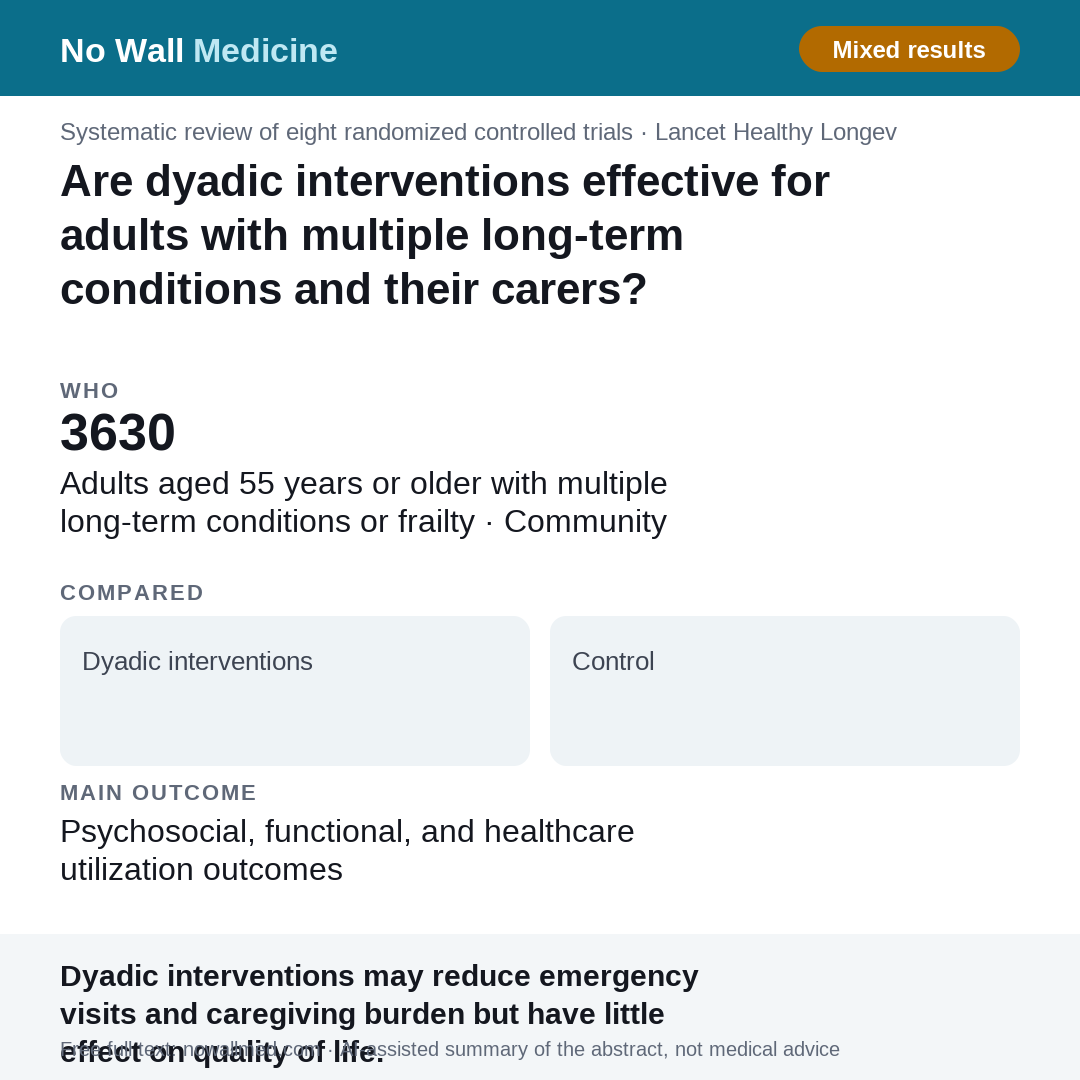
Effectiveness of dyadic interventions in improving outcomes for adults with multiple long-term conditions or frailty and their informal carers: a systematic review
Systematic review of eight randomized controlled trialsMixed results
Are dyadic interventions effective for adults with multiple long-term conditions and their carers?
Who
3630
Adults aged 55 years or older with multiple long-term conditions or frailty · Community
Compared
Dyadic interventions
Control
Main outcome
Psychosocial, functional, and healthcare utilization outcomes
Bottom line: Dyadic interventions may reduce emergency visits and caregiving burden but have little effect on quality of life.
Limitation: Low or very low certainty of evidence for most outcomes.
Lancet Healthy Longev · 2026-08-06Download image
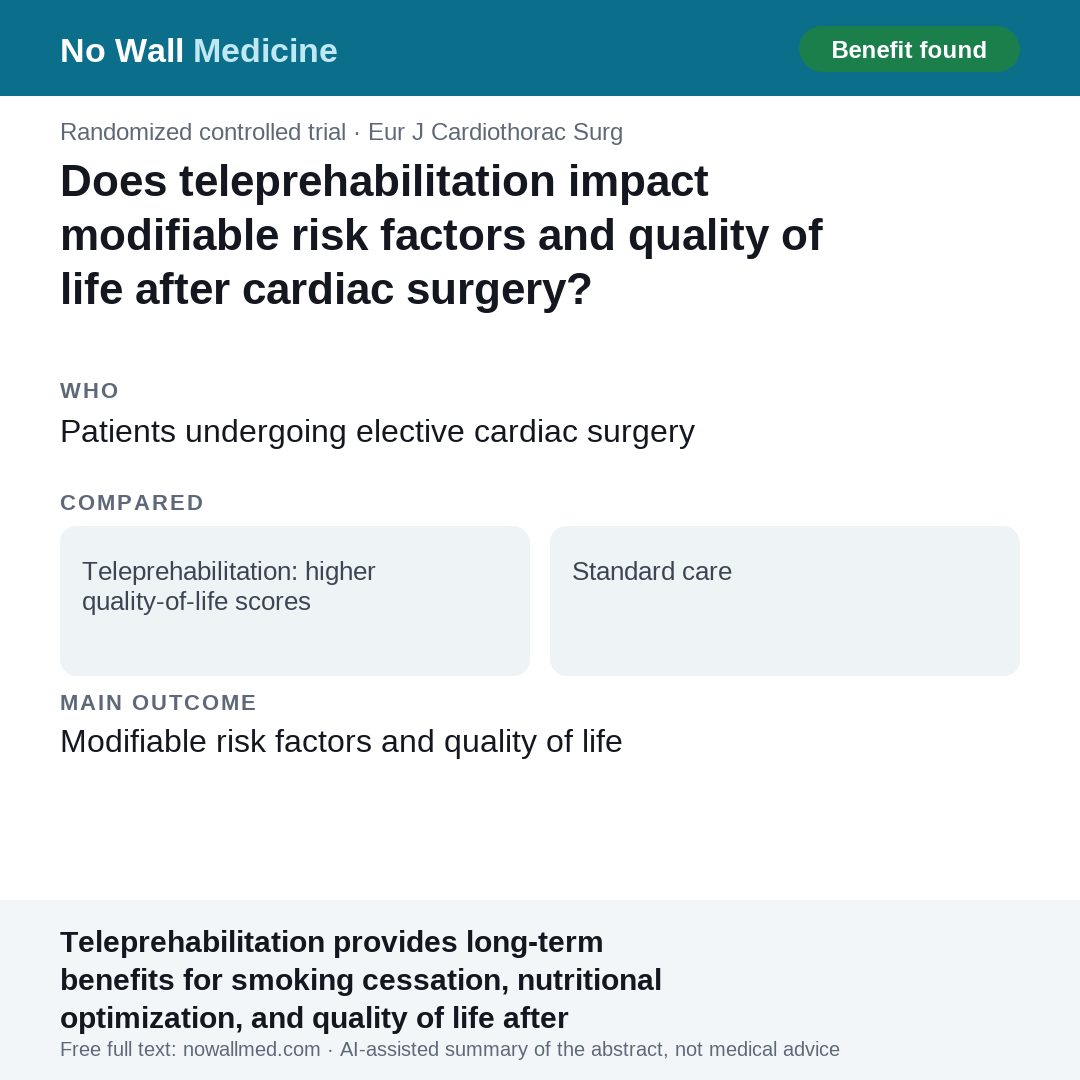
The Long-Term Impact of a Teleprehabilitation Programme on Modifiable Risk Factors and Quality of Life After Cardiac Surgery
Randomized controlled trialBenefit found
Does teleprehabilitation impact modifiable risk factors and quality of life after cardiac surgery?
Who
Patients undergoing elective cardiac surgery
Compared
Teleprehabilitation: higher quality-of-life scores
Standard care
Main outcome
Modifiable risk factors and quality of life
Bottom line: Teleprehabilitation provides long-term benefits for smoking cessation, nutritional optimization, and quality of life after cardiac surgery.
Eur J Cardiothorac Surg · 2026-08-06Download image
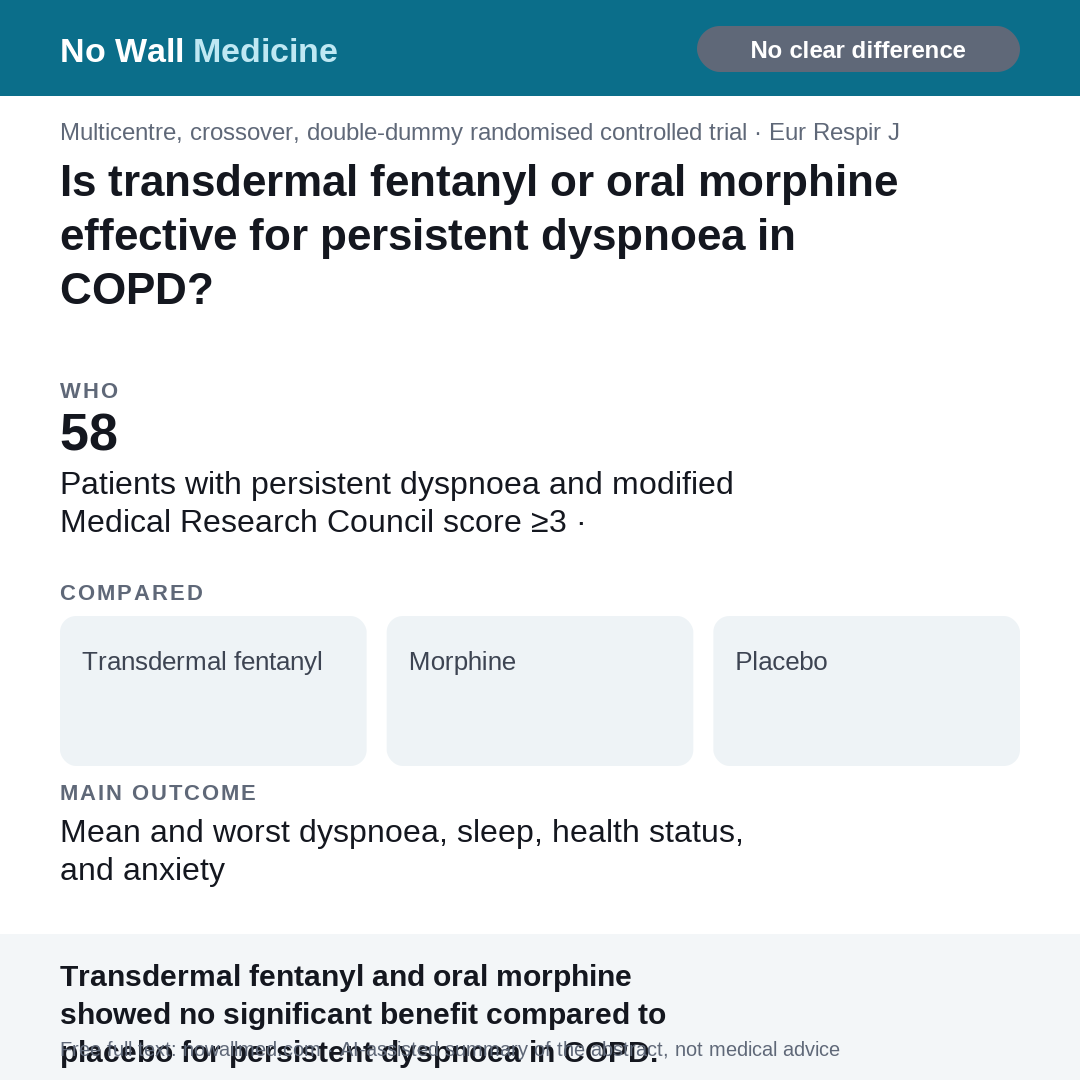
Fentanyl or morphine for persistent dyspnoea in COPD: a multicentre randomised crossover trial
Multicentre, crossover, double-dummy randomised controlled trialNo clear difference
Is transdermal fentanyl or morphine effective for persistent dyspnoea in COPD?
Who
58
Patients with persistent dyspnoea, COPD, and FEV1 <50% predicted
Compared
Transdermal fentanyl
Morphine
Placebo
Main outcome
Change in mean daily dyspnoea score on Numeric Rating Scale
Bottom line: Transdermal fentanyl and oral morphine showed no significant benefit over placebo for persistent dyspnoea in COPD.
Limitation: Study discontinuation due to exacerbations and side-effects.
Eur Respir J · 2026-08-06Download image
Patient experiences of coercion in mental healthcare: systematic review and metasummary of qualitative studies from 1991 to 2025
Systematic review and metasummary of qualitative studiesHarm found
What are the reported patient experiences of coercion in mental healthcare?
Who
291
Patients experiencing coercion in mental healthcare · Global, including 18 studies from low-and middle-income countries
Compared
279Studies reporting negative experiences
166Studies reporting mixed experiences
167Studies reporting positive experiences
Main outcome
Qualitative categories of reported patient experiences of coercion
Bottom line: A large body of research shows a near-universal presence of negative patient experiences regarding coercion.
Limitation: Limited author reflexivity and lack of involvement of experts by experience.
BJPsych Open · 2026-08-06Download image

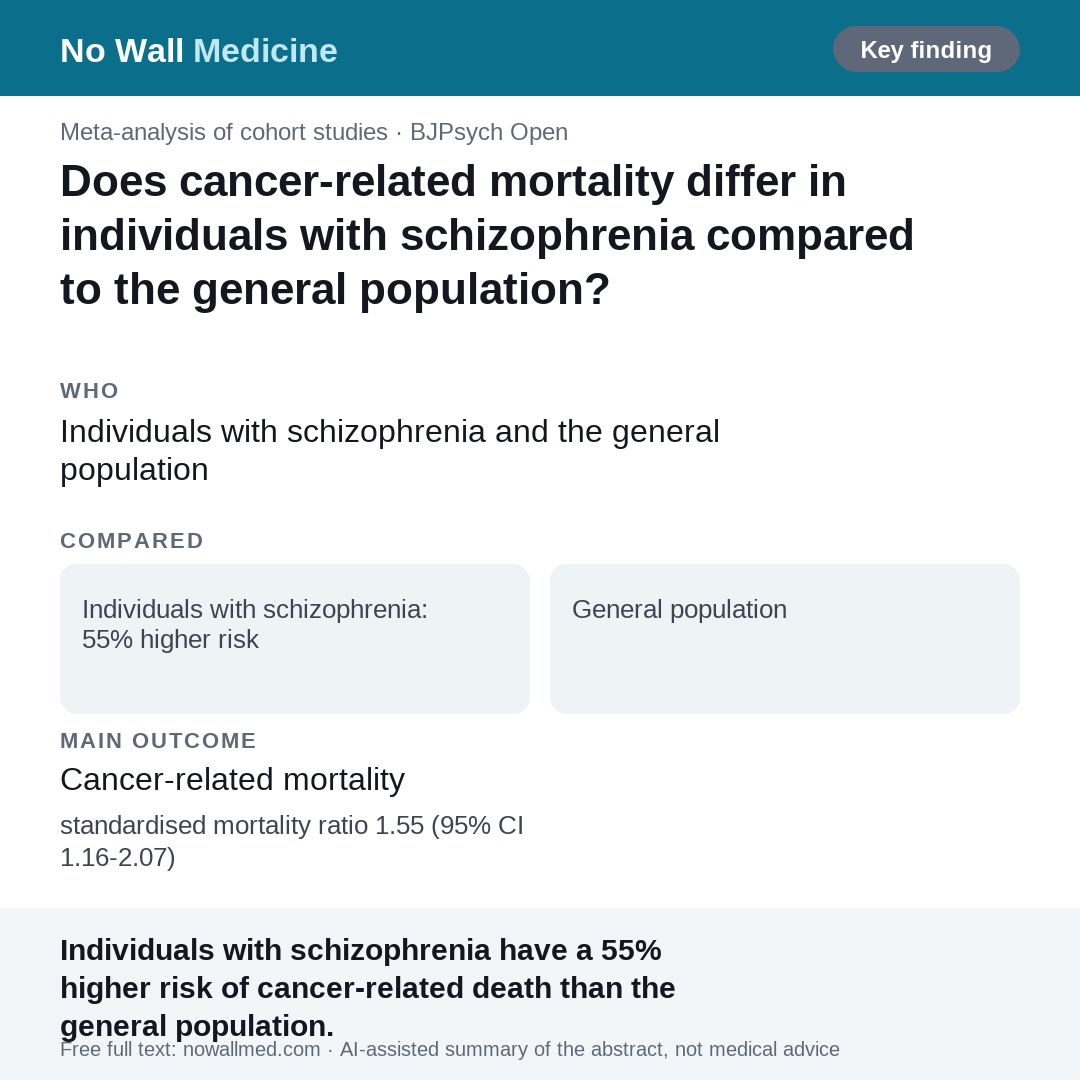
Cancer-related mortality among individuals with schizophrenia: systematic review and meta-analysis of cohort studies
Meta-analysis of cohort studiesHarm found
Does cancer-related mortality differ in individuals with schizophrenia compared to the general population?
Who
Individuals with schizophrenia and the general population
Compared
Individuals with schizophrenia: 55% higher risk
General population
Main outcome
Cancer-related mortality
Result: standardised mortality ratio 1.55 (95% CI 1.16-2.07)
Bottom line: Individuals with schizophrenia have a 55% higher risk of cancer-related death than the general population.
BJPsych Open · 2026-08-06Download image
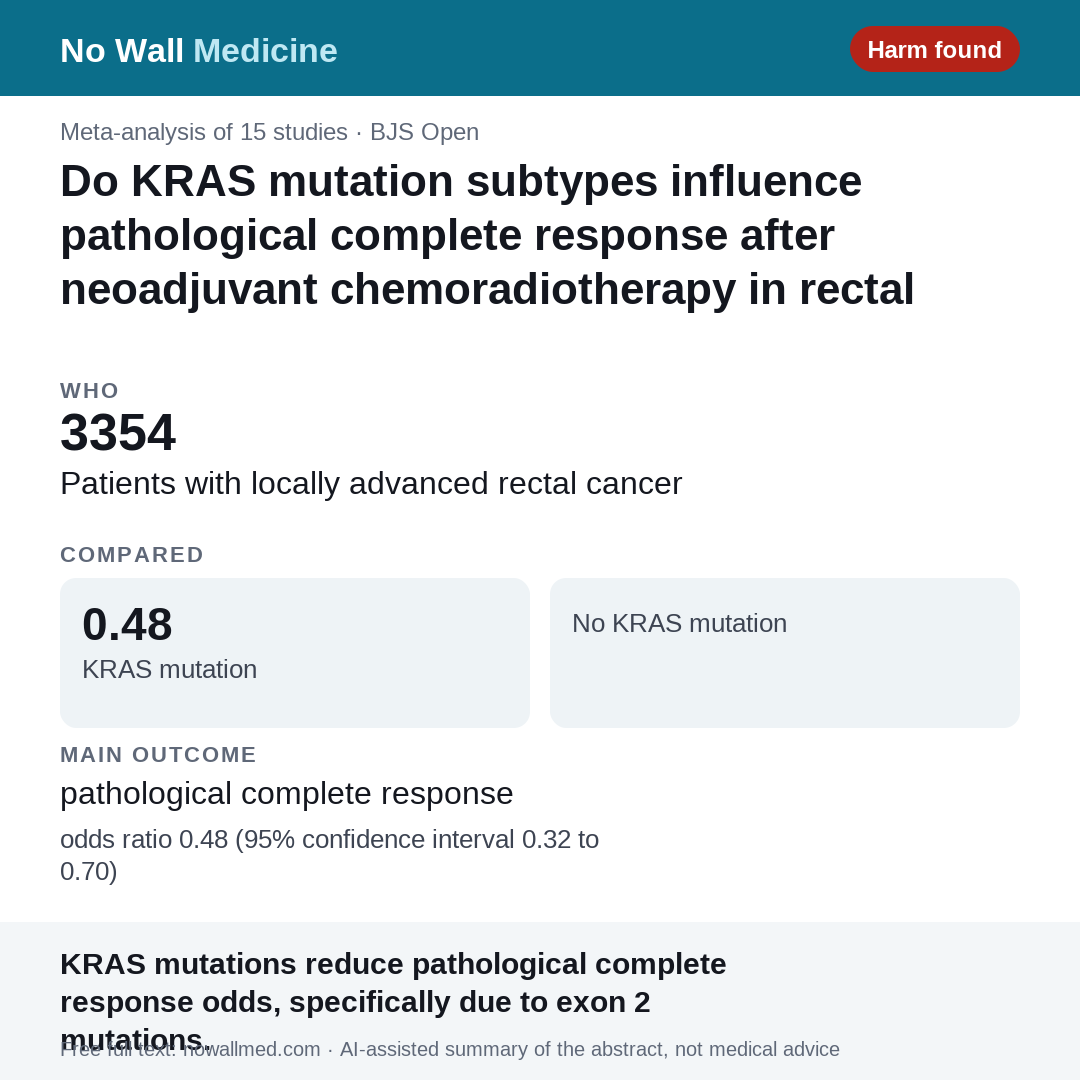
Influence of KRAS mutation subtypes on response to neoadjuvant chemoradiotherapy in locally advanced rectal cancer: meta-analysis
Meta-analysis of 15 studiesHarm found
Do KRAS mutation subtypes influence pathological complete response after neoadjuvant chemoradiotherapy in rectal cancer?
Who
3354
Patients with locally advanced rectal cancer
Compared
0.48KRAS mutation (95% confidence interval 0.32 to 0.70)
No KRAS mutation
Main outcome
pathological complete response
Result: odds ratio 0.48 (95% confidence interval 0.32 to 0.70)
Bottom line: KRAS mutations reduce pathological complete response odds, specifically due to exon 2 mutations.
BJS Open · 2026-08-06Download image
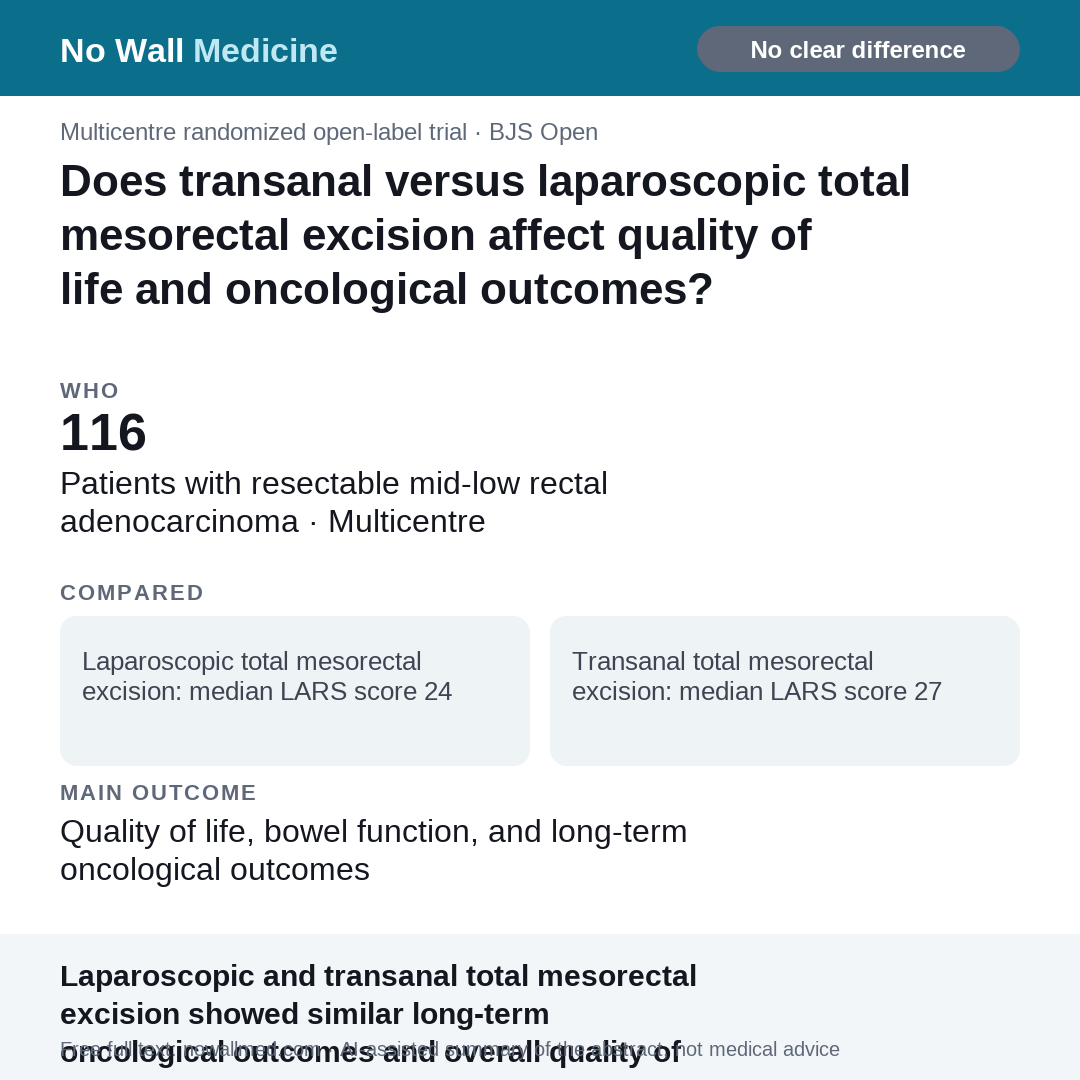
Quality of life, bowel dysfunction, and long-term oncological outcomes after transanal versus laparoscopic total mesorectal excision for mid- and low- rectal cancer (Ta-LaTME study): multicentre randomized open-label trial
Multicentre randomized open-label trialNo clear difference
Does transanal versus laparoscopic total mesorectal excision affect quality of life and oncological outcomes?
Who
116
Patients with resectable mid-low rectal adenocarcinoma · Multicentre
Compared
Laparoscopic total mesorectal excision: median LARS score 24
Transanal total mesorectal excision: median LARS score 27
Main outcome
Quality of life, bowel function, and long-term oncological outcomes
Bottom line: Laparoscopic and transanal total mesorectal excision showed similar long-term oncological outcomes and overall quality of life.
BJS Open · 2026-08-06Download image
Omission of axillary lymph node dissection in ultrasound-detectable axillary metastases in primary breast cancer treated by upfront surgery: prospective randomized SENOMAC-ULTRA non-inferiority trial
Prospective, international, multicentre, randomized non-inferiority trialUnclear result
Can targeted axillary dissection safely replace axillary lymph node dissection in clinically node-positive breast cancer?
Who
Adults with stage II-III invasive breast cancer and ultrasound-detectable axillary metastases · International, multicentre
Compared
Targeted axillary dissection
Standard axillary lymph node dissection
Main outcome
recurrence-free survival
Bottom line: The trial is ongoing to evaluate if targeted axillary dissection is non-inferior to standard dissection.
BJS Open · 2026-08-06Download image
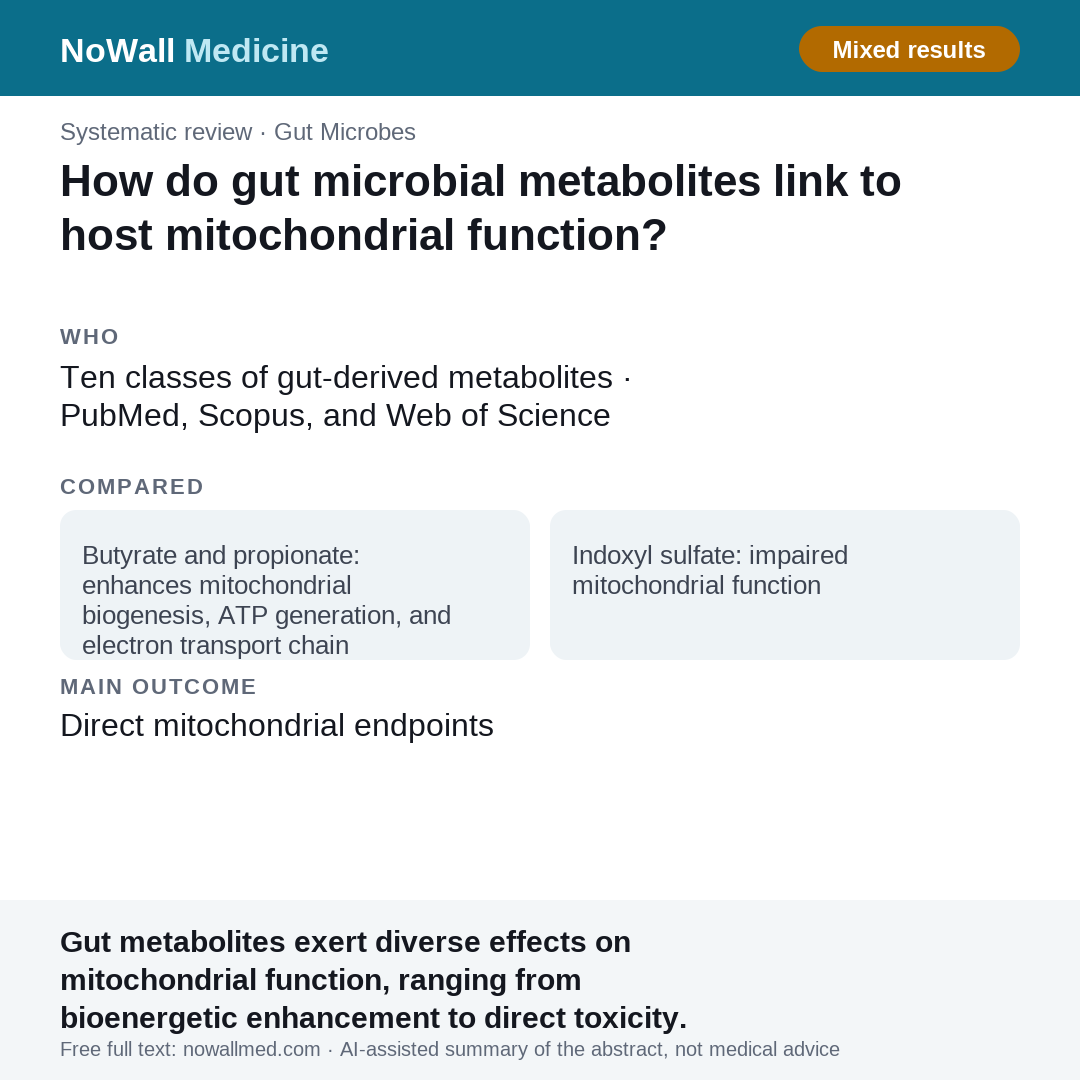
Mechanistic pathways linking gut microbial metabolites, microbial structural products, and host-microbe co-metabolites to mitochondrial function
Systematic reviewMixed results
How do gut microbial metabolites link to host mitochondrial function?
Who
Ten classes of gut-derived metabolites · PubMed, Scopus, and Web of Science
Compared
Butyrate and propionate: enhances mitochondrial biogenesis, ATP generation, and electron transport chain activity
Indoxyl sulfate: impaired mitochondrial function
Main outcome
Direct mitochondrial endpoints
Bottom line: Gut metabolites exert diverse effects on mitochondrial function, ranging from bioenergetic enhancement to direct toxicity.
Limitation: The evidence base is predominantly preclinical; findings should be considered hypothesis-generating.
Gut Microbes · 2026-08-06Download image
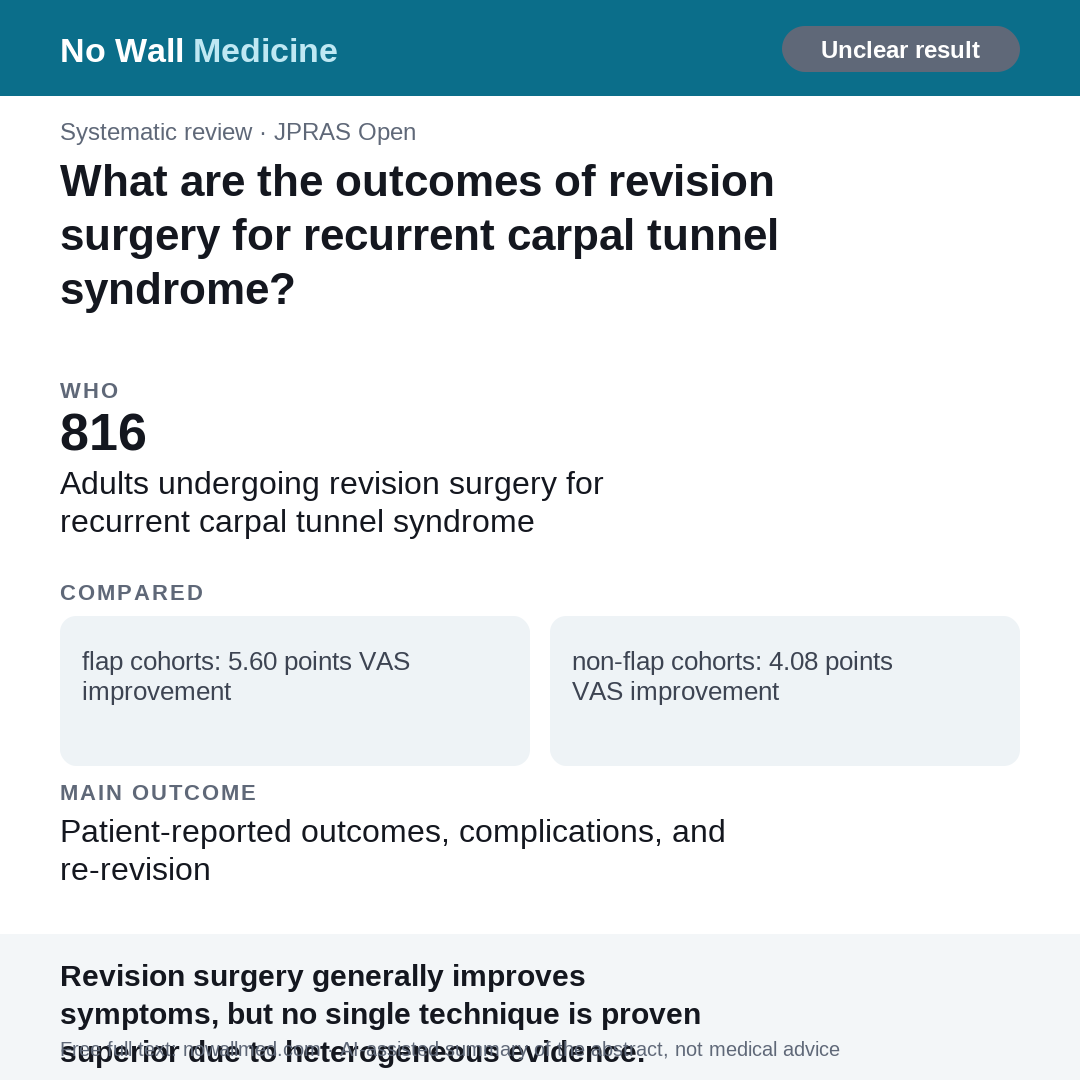
Where do we stand with revision surgery for recurrent carpal tunnel syndrome? A systematic review
Systematic reviewUnclear result
What are the outcomes of revision surgery for recurrent carpal tunnel syndrome?
Who
816
Adults undergoing revision surgery for recurrent carpal tunnel syndrome
Compared
flap cohorts: 5.60 points VAS improvement
non-flap cohorts: 4.08 points VAS improvement
Main outcome
Patient-reported outcomes, complications, and re-revision
Bottom line: Revision surgery generally improves symptoms, but no single technique is proven superior due to heterogeneous evidence.
Limitation: Heterogeneity in recurrence definitions, indications, surgical techniques, follow-up, and outcome reporting.
JPRAS Open · 2026-08-06Download image
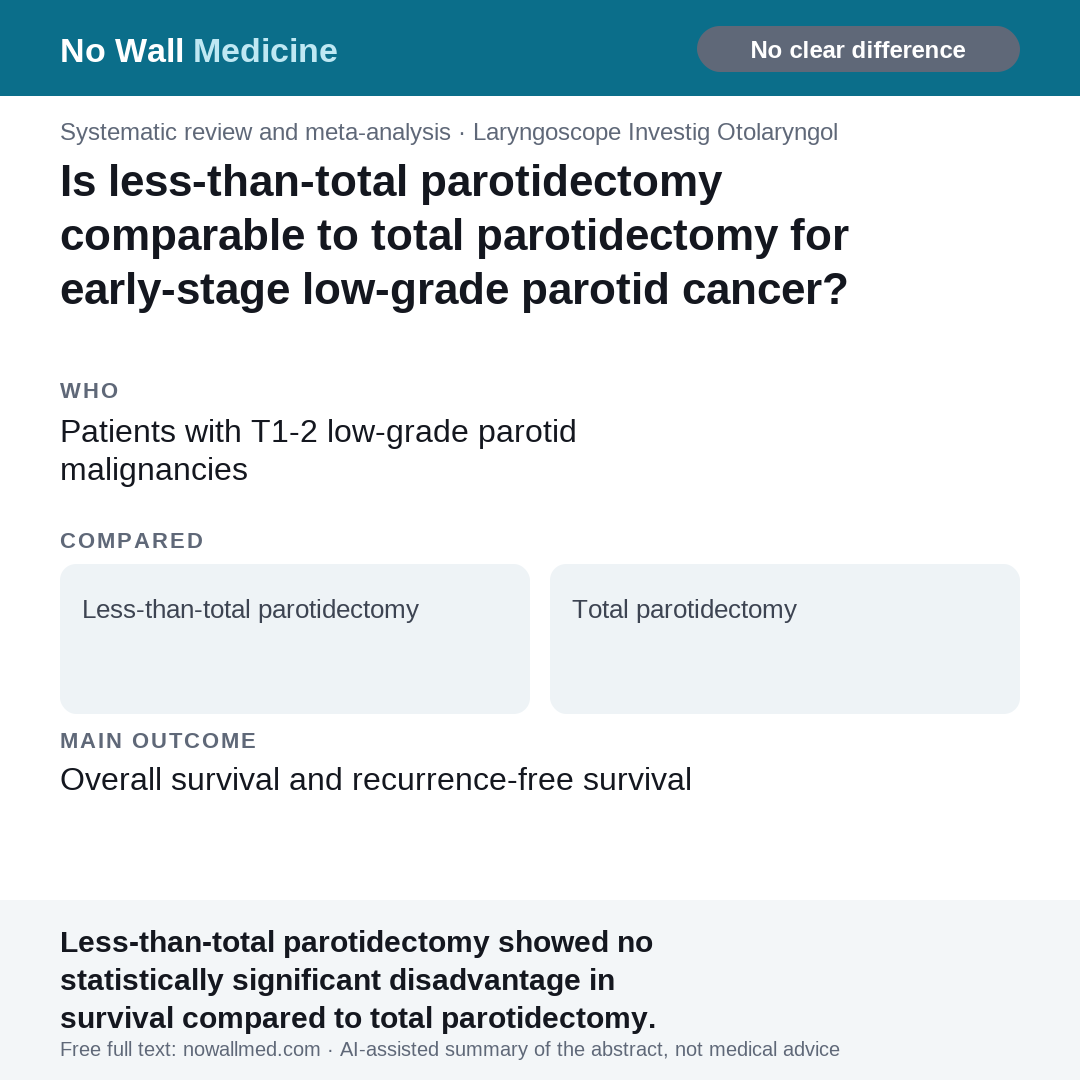
Total Parotidectomy Versus Less-Than-Total Parotidectomy for Early-Stage Low Grade Parotid Cancer: A Systematic Review and Meta-Analysis
Systematic review and meta-analysisNo clear difference
Is less-than-total parotidectomy comparable to total parotidectomy for early-stage low-grade parotid cancer?
Who
Patients with T1-2 low-grade parotid malignancies
Compared
Less-than-total parotidectomy
Total parotidectomy
Main outcome
Overall survival and recurrence-free survival
Bottom line: Less-than-total parotidectomy showed no statistically significant disadvantage in survival compared to total parotidectomy.
Limitation: High risk of bias across included retrospective cohort studies limits causal interpretation.
Laryngoscope Investig Otolaryngol · 2026-08-06Download image
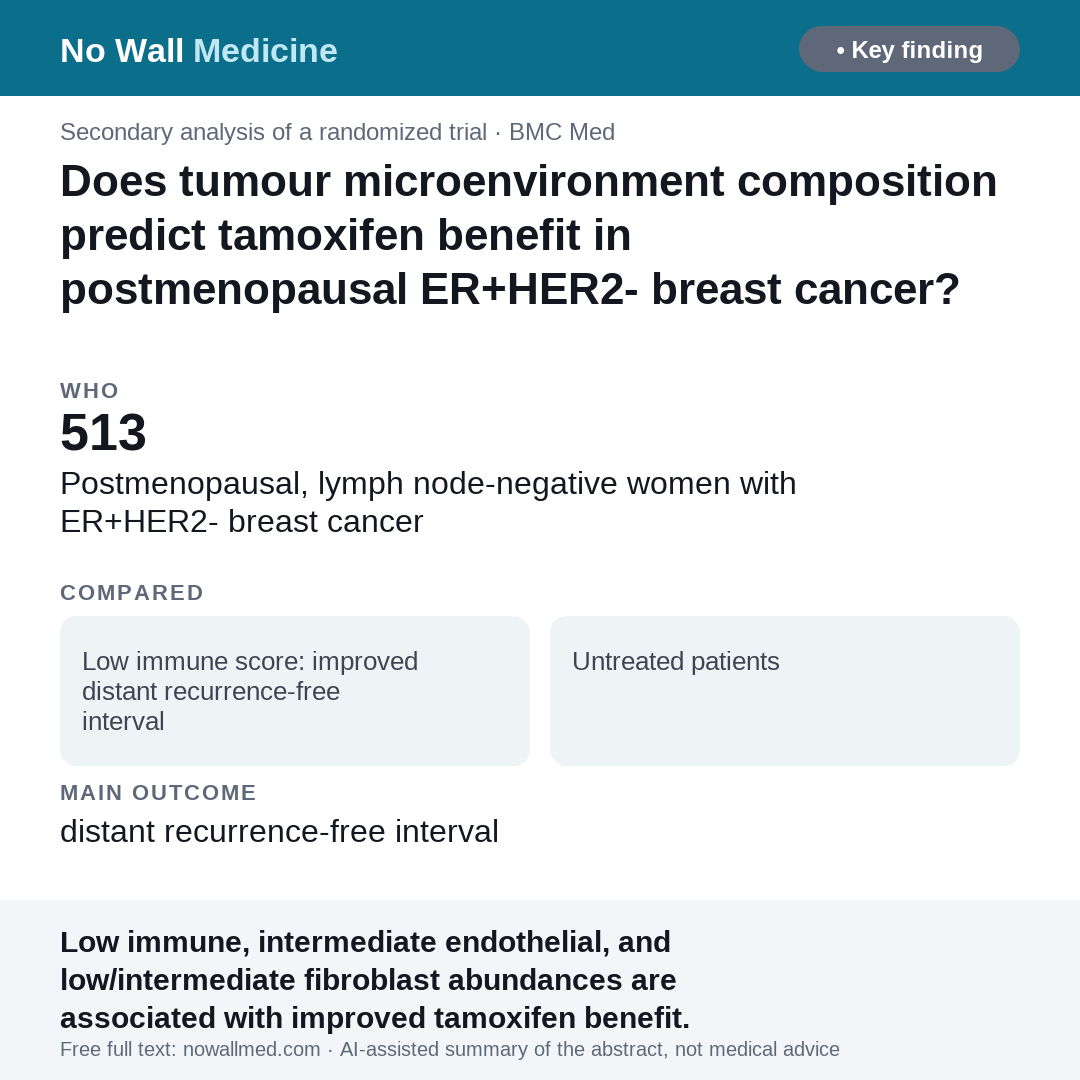
The tumour microenvironment influences long-term tamoxifen benefit in postmenopausal ER+/HER2- breast cancer patients: a secondary analysis of the randomised Stockholm Tamoxifen (STO-3) trial
Secondary analysis of a randomized trialBenefit found
Does tumour microenvironment composition predict tamoxifen benefit in postmenopausal ER+HER2- breast cancer?
Who
513
Postmenopausal, lymph node-negative women with ER+HER2- breast cancer
Compared
Low immune score: improved distant recurrence-free interval
Untreated patients
Main outcome
distant recurrence-free interval
Result: adjusted hazard ratio 0.17 (95% CI 0.08-0.40)
Bottom line: Low immune, intermediate endothelial, and low/intermediate fibroblast abundances are associated with improved tamoxifen benefit.
BMC Med · 2026-08-05Download image
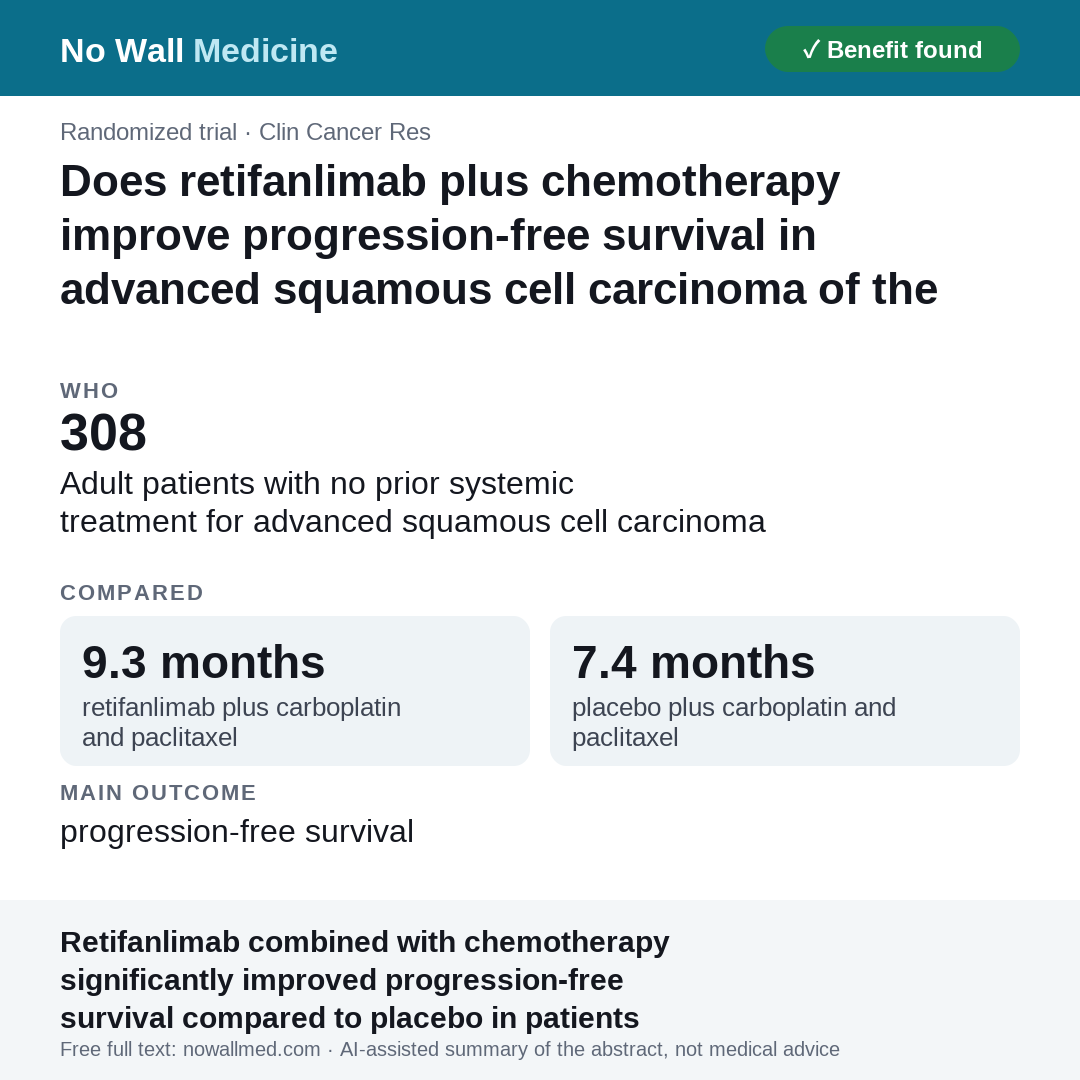
FDA Approval Summary: Retifanlimab for the Treatment of Adult Patients with Metastatic or Inoperable Locally Recurrent Squamous Cell Carcinoma of the Anal Canal
Randomized trialBenefit found
Does retifanlimab plus chemotherapy improve progression-free survival in advanced squamous cell carcinoma of the anal canal?
Who
308
Adult patients with no prior systemic treatment for advanced squamous cell carcinoma of the anal canal
Compared
9.3 monthsretifanlimab plus carboplatin and paclitaxel (95% CI, 7.5-11.3)
7.4 monthsplacebo plus carboplatin and paclitaxel (95% CI, 7.1-7.7)
Main outcome
progression-free survival
Result: hazard ratio 0.63 (95% CI 0.47-0.84)
Bottom line: Retifanlimab combined with chemotherapy significantly improved progression-free survival compared to placebo in patients with advanced squamous cell carcinoma of the anal canal.
Clin Cancer Res · 2026-08-05Download image
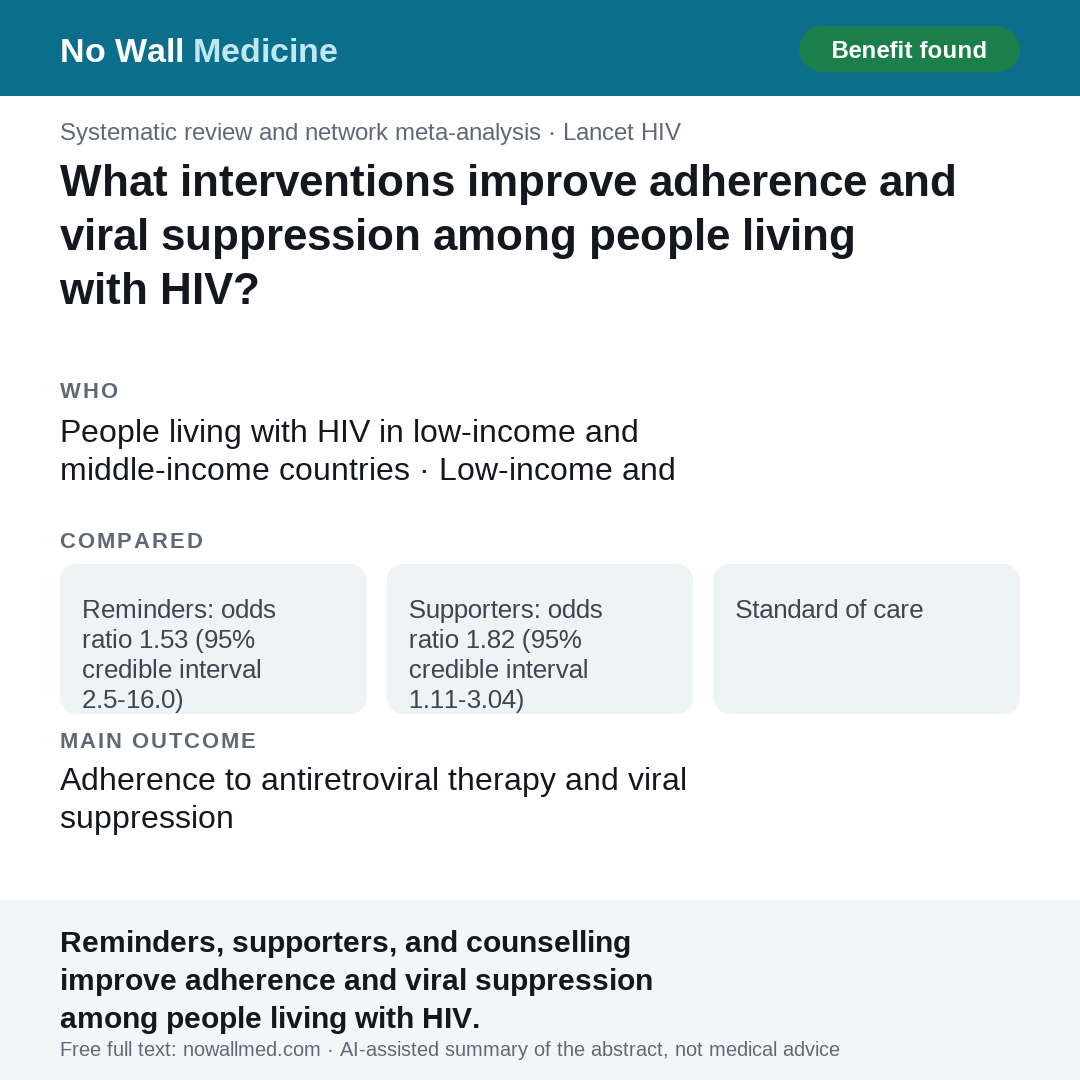
Interventions to improve viral suppression and adherence to antiretroviral therapy among people living with HIV: a systematic review and network meta-analysis
Systematic review and network meta-analysisBenefit found
What interventions improve adherence and viral suppression among people living with HIV?
Who
People living with HIV in low-income and middle-income countries · Low-income and middle-income countries
Compared
Reminders: odds ratio 1.53 (95% credible interval 2.5-16.0)
Supporters: odds ratio 1.82 (95% credible interval 1.11-3.04)
Standard of care
Main outcome
Adherence to antiretroviral therapy and viral suppression
Result: reminders odds ratio 1.53 (95% credible interval 2.5-16.0)
Bottom line: Reminders, supporters, and counselling improve adherence and viral suppression among people living with HIV.
Funded by: The Gates Foundation
Lancet HIV · 2026-08-05Download image
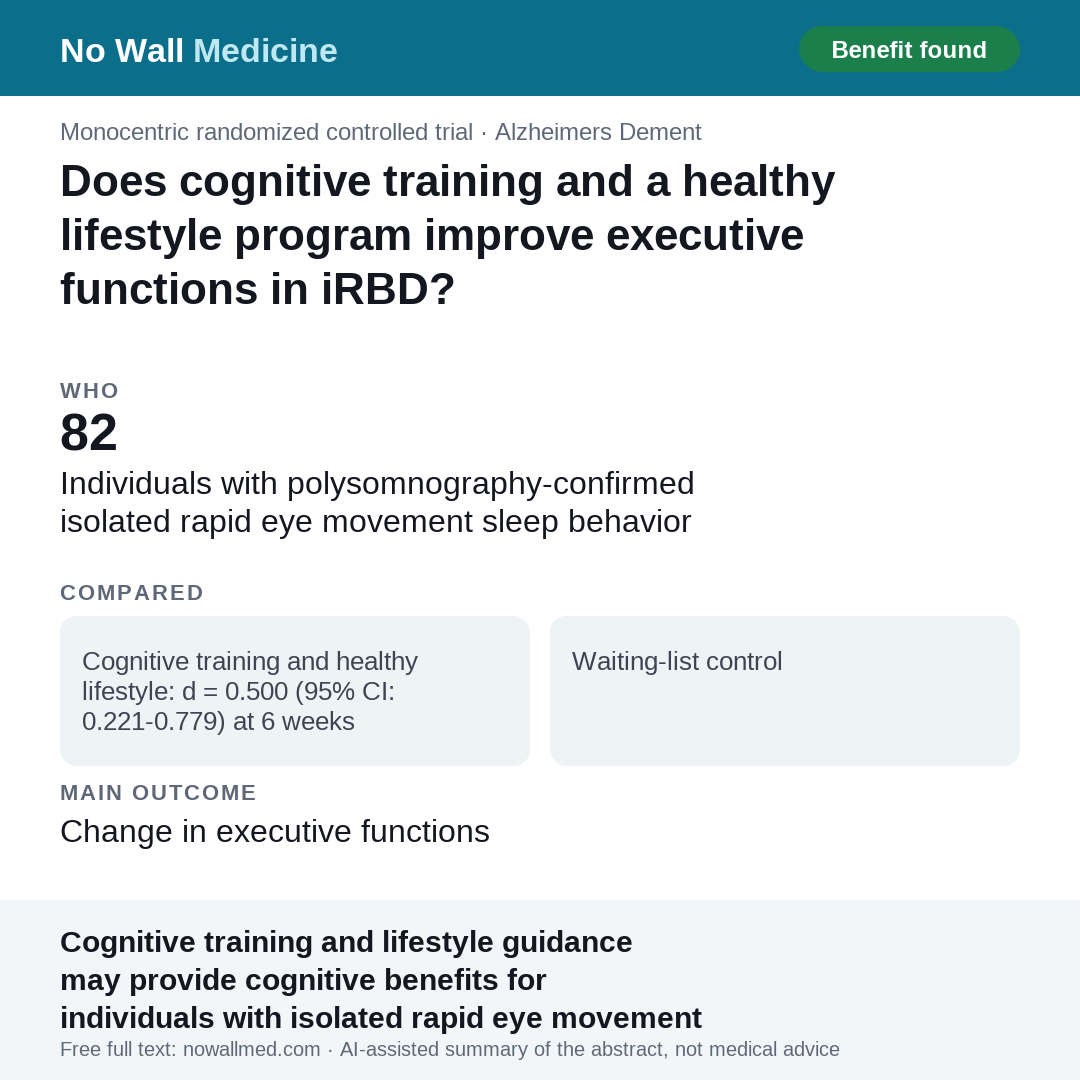
Cognitive training and promoting a healthy lifestyle in isolated REM sleep behavior disorder: The randomized controlled trial CogTrAiL-RBD
Monocentric randomized controlled trialBenefit found
Does cognitive training and a healthy lifestyle program improve executive functions in iRBD?
Who
82
Individuals with polysomnography-confirmed isolated rapid eye movement sleep behavior disorder · Monocentric
Compared
Cognitive training and healthy lifestyle: d = 0.500 (95% CI: 0.221-0.779) at 6 weeks
Waiting-list control
Main outcome
Change in executive functions
Result: d = 0.500 (95% CI: 0.221-0.779) at 6 weeks; d = 0.397 (95% CI: 0.115-0.679) at 6 months
Bottom line: Cognitive training and lifestyle guidance may provide cognitive benefits for individuals with isolated rapid eye movement sleep behavior disorder.
Alzheimers Dement · 2026-08-05Download image
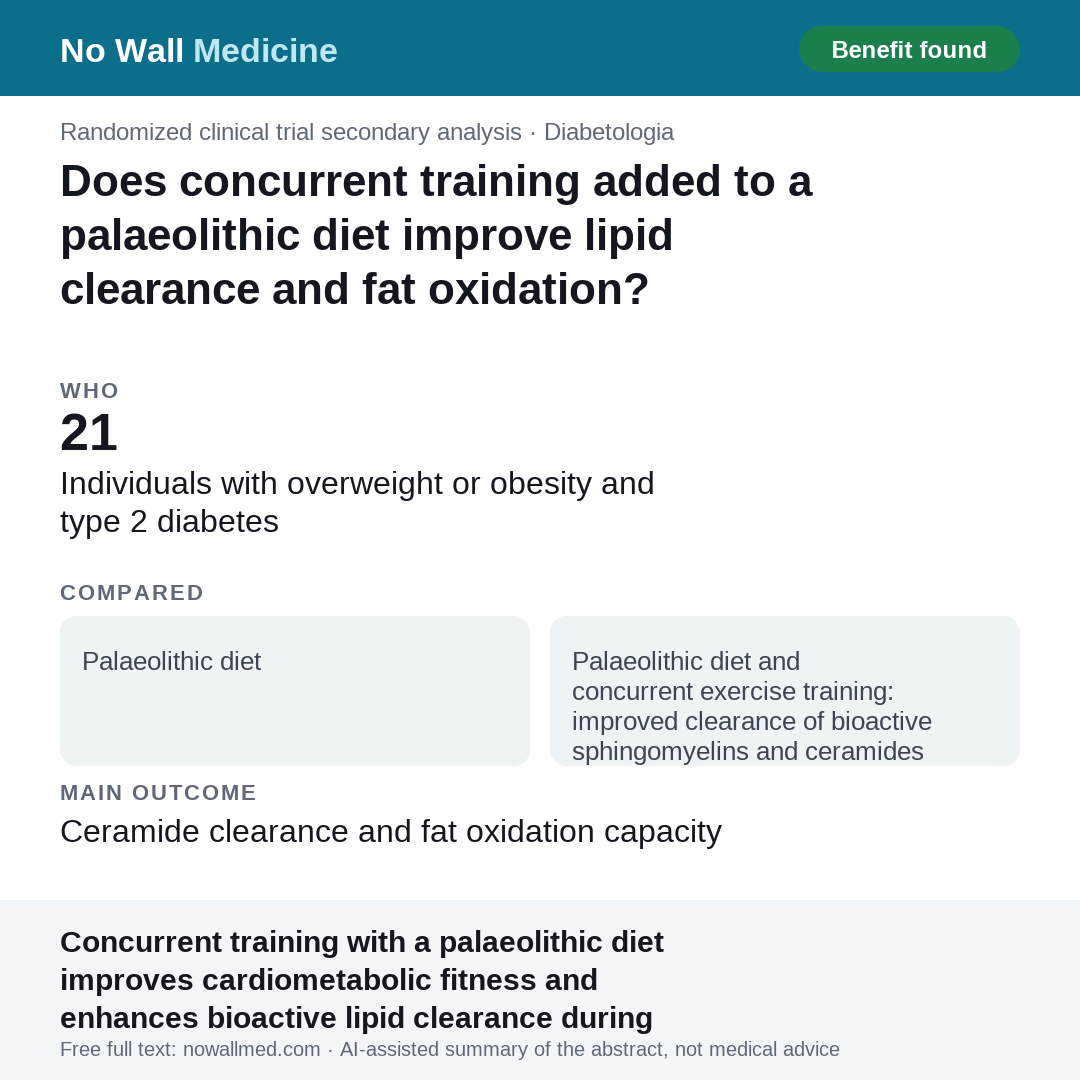
Concurrent training is associated with enhanced post-exercise ceramide clearance and fat oxidation capacity in individuals with type 2 diabetes following lifestyle intervention
Randomized clinical trial secondary analysisBenefit found
Does concurrent training added to a palaeolithic diet improve lipid clearance and fat oxidation?
Who
21
Individuals with overweight or obesity and type 2 diabetes
Compared
Palaeolithic diet
Palaeolithic diet and concurrent exercise training: improved clearance of bioactive sphingomyelins and ceramides during recovery
Main outcome
Ceramide clearance and fat oxidation capacity
Bottom line: Concurrent training with a palaeolithic diet improves cardiometabolic fitness and enhances bioactive lipid clearance during recovery.
Diabetologia · 2026-08-05Download image
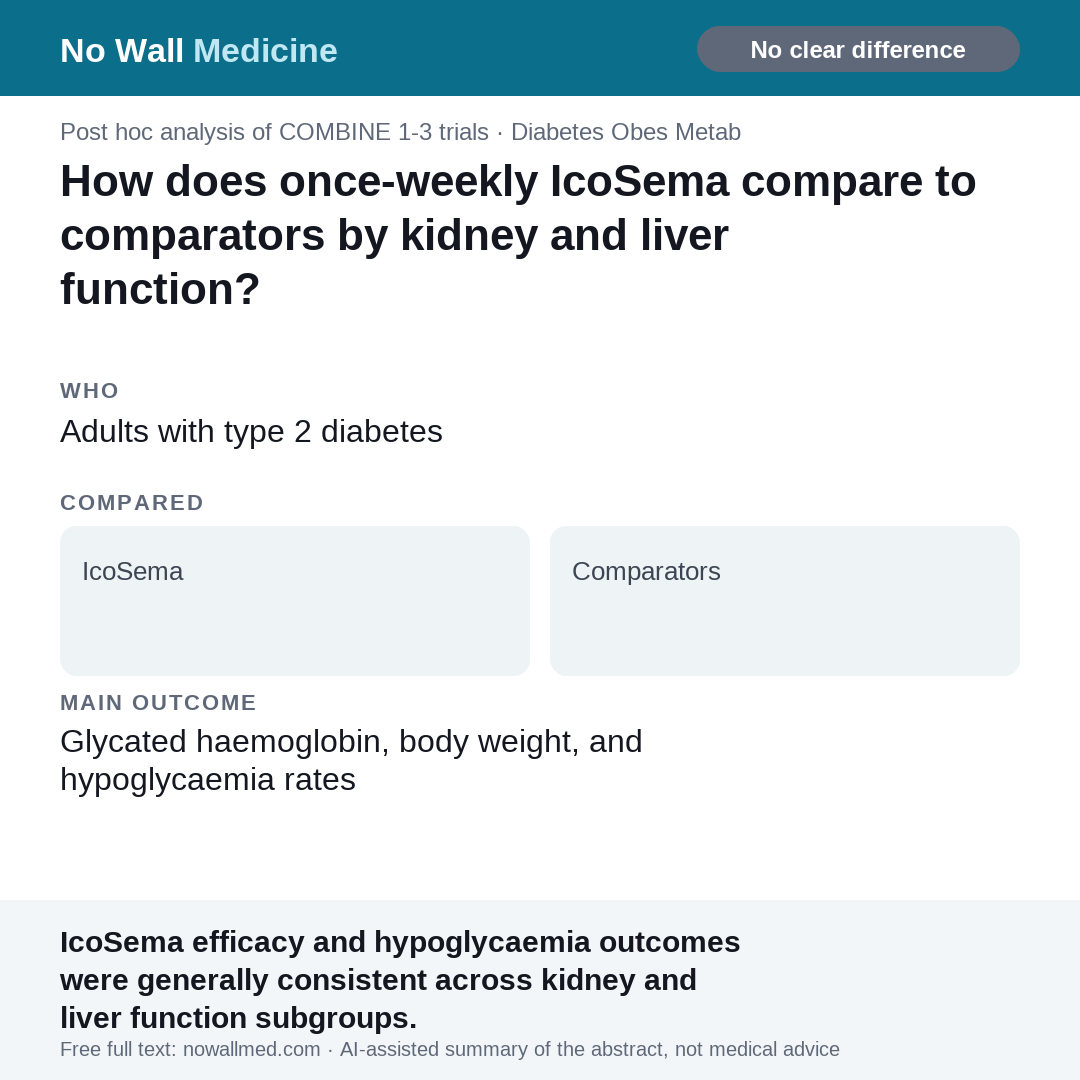
Efficacy and Hypoglycaemia Outcomes With Once-Weekly IcoSema Versus Comparators in Individuals With Type 2 Diabetes by Kidney and Liver Function: A Post Hoc Analysis of the COMBINE 1-3 Trials
Post hoc analysis of COMBINE 1-3 trialsNo clear difference
How does once-weekly IcoSema compare to comparators by kidney and liver function?
Who
Adults with type 2 diabetes
Compared
IcoSema
Comparators
Main outcome
Glycated haemoglobin, body weight, and hypoglycaemia rates
Bottom line: IcoSema efficacy and hypoglycaemia outcomes were generally consistent across kidney and liver function subgroups.
Funded by: Novo Nordisk
Diabetes Obes Metab · 2026-08-05Download image
Radical, transformative, or decolonial? A systematic review of The Lancet Planetary Health's progress on embracing Indigenous Peoples' knowledge systems
Systematic reviewMixed results
Indigenous knowledge in planetary health
Who
1172
Indigenous Peoples
Compared
Articles with Indigenous features
Articles without Indigenous features: 1137/1172
Main outcome
Recognition of Indigenous knowledge
Bottom line: Most articles lack Indigenous perspectives
Lancet Planet Health · 2026-08-05Download image

Frailty, clinical outcomes, and treatment effects of a care bundle in acute intracerebral haemorrhage: a post-hoc analysis of the INTERACT3 trial
Post-hoc analysis of a cluster-randomised controlled trialNo clear difference
Does frailty associate with outcomes and modify care bundle treatment effects in acute intracerebral haemorrhage?
Who
7035
Individuals with acute spontaneous intracerebral haemorrhage · 121 hospitals in ten countries
Compared
Non-frail
Pre-frail
Frail
Main outcome
6-month all-cause mortality
Result: p for interaction=0·30
Bottom line: Frailty is associated with higher mortality, but does not modify the care bundle's effect on mortality.
Lancet Healthy Longev · 2026-08-05Download image

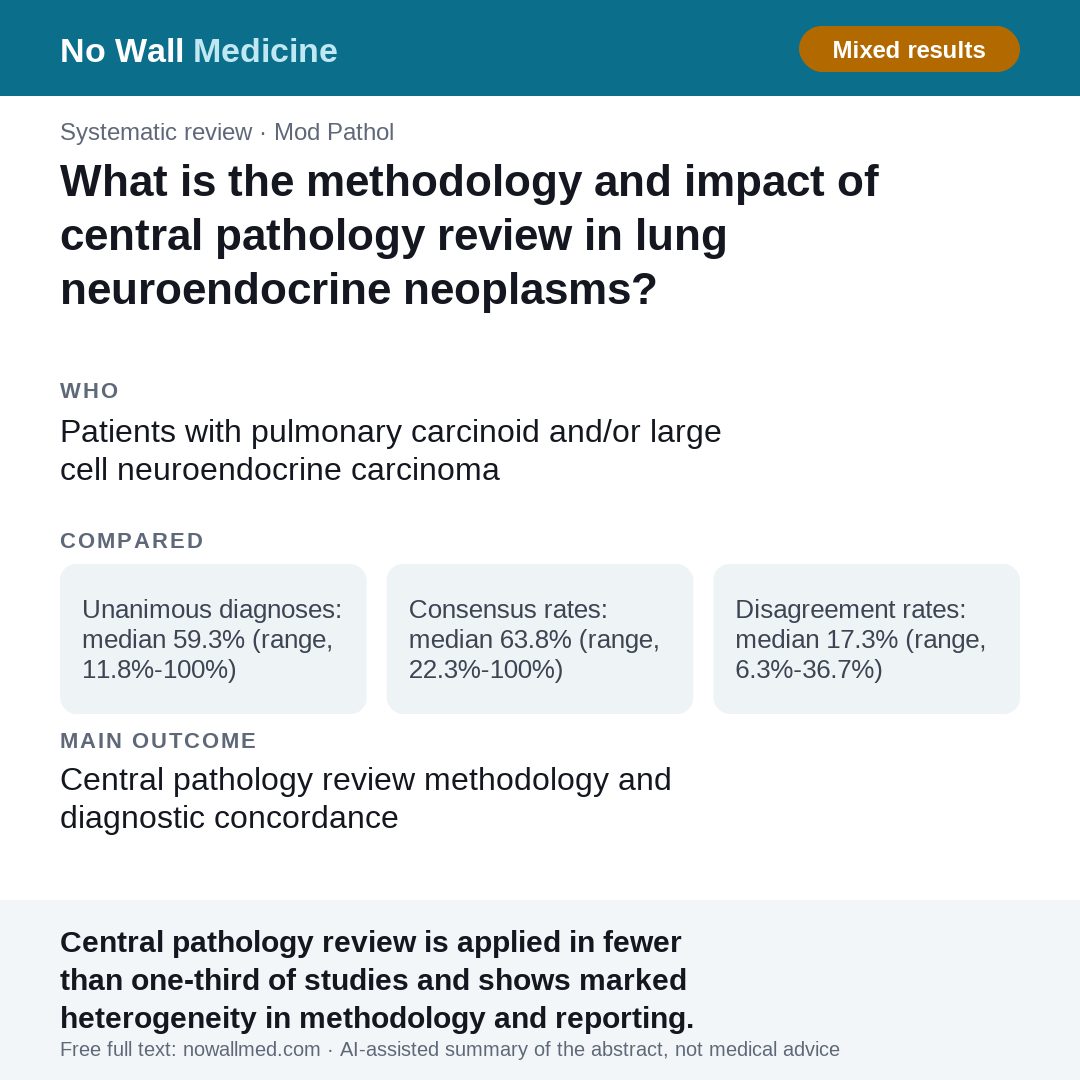
Quality in Central Pathology Assessment in Pulmonary Carcinoid and Large Cell Neuroendocrine Carcinoma: A Systematic Review
Systematic reviewMixed results
What is the methodology and impact of central pathology review in lung neuroendocrine neoplasms?
Who
Patients with pulmonary carcinoid and/or large cell neuroendocrine carcinoma
Compared
Unanimous diagnoses: median 59.3% (range, 11.8%-100%)
Consensus rates: median 63.8% (range, 22.3%-100%)
Disagreement rates: median 17.3% (range, 6.3%-36.7%)
Main outcome
Central pathology review methodology and diagnostic concordance
Bottom line: Central pathology review is applied in fewer than one-third of studies and shows marked heterogeneity in methodology and reporting.
Mod Pathol · 2026-08-05Download image