Visual abstracts
New randomized trials and meta-analyses from leading journals at a glance: who was studied, what was compared, and what was found. Every paper is free to read in full.
All specialtiesCardiology 4763Oncology 4042Gastroenterology & Hepatology 1902Infectious Disease 3756Neurology 1872Psychiatry & Mental Health 2214Pulmonology 2042Critical Care 1319Endocrinology & Diabetes 2544Pediatrics 2889Surgery 2479Orthopedics & Sports Medicine 917Neurosurgery 525Cardiothoracic & Vascular Surgery 656Plastic & Reconstructive Surgery 574Nephrology 1107Rheumatology 810Hematology 1090Dermatology 611Ophthalmology 532Obstetrics & Gynecology 1645Public & Global Health 1037Radiology & Imaging 617Anesthesiology 957Urology 745ENT (Otolaryngology) 494Emergency Medicine 481Allergy & Immunology 309Geriatrics 972Family Medicine & Primary Care 533Medical Genetics & Genomics 659Pathology & Laboratory Medicine 156Physical Medicine & Rehabilitation 734Palliative Care 421Nutrition 1560Digital Health & AI 2133General Medicine 318
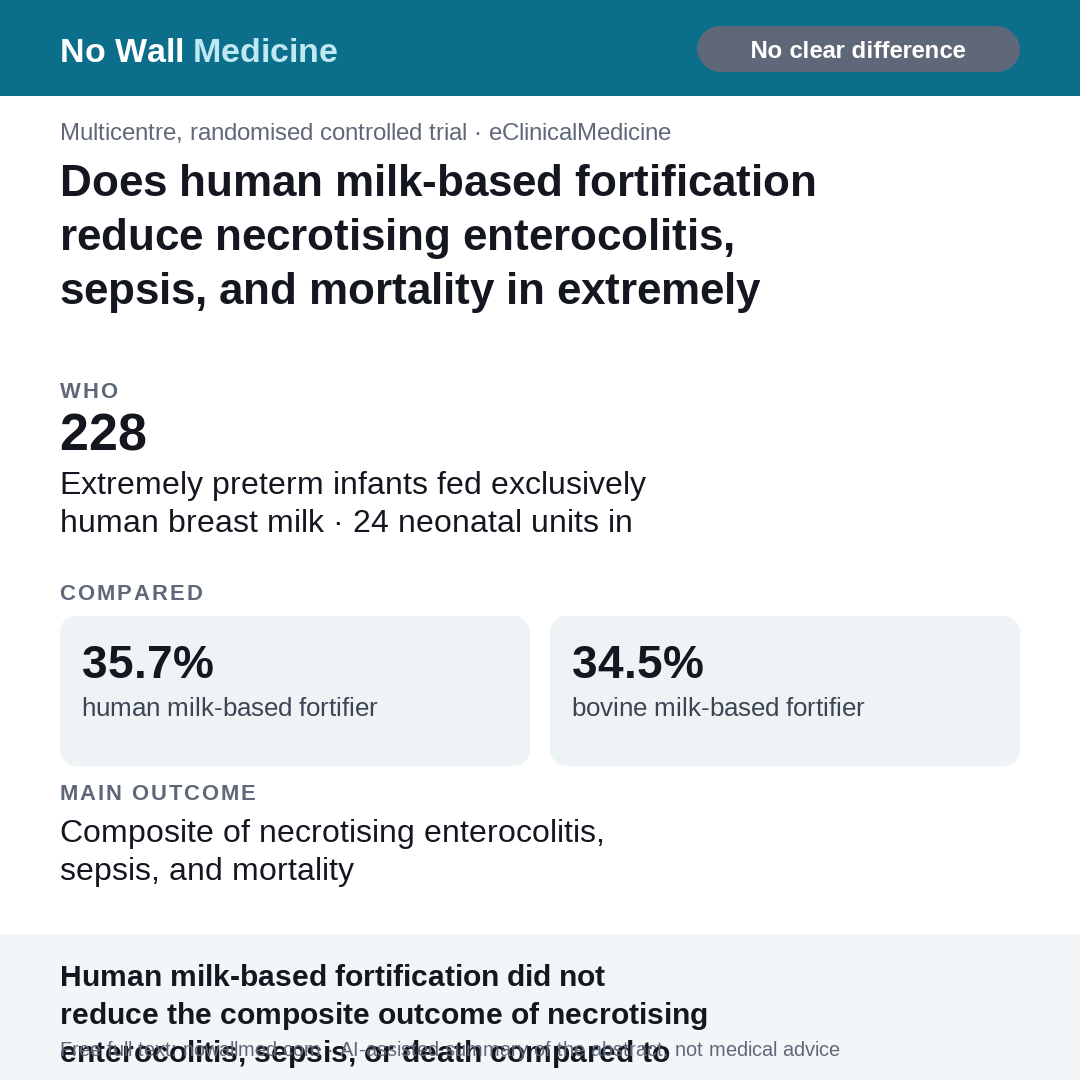
Effect of human milk-based fortification in extremely preterm infants fed exclusively with breast milk: a randomised controlled trial
Multicentre, randomised controlled trialNo clear difference
Does human milk-based fortification reduce necrotising enterocolitis, sepsis, and mortality in extremely preterm infants?
Who
228
Extremely preterm infants fed exclusively human breast milk · 24 neonatal units in Sweden
Compared
35.7%human milk-based fortifier
34.5%bovine milk-based fortifier
Main outcome
Composite of necrotising enterocolitis, sepsis, and mortality
Result: OR 1.05, 95% CI 0.61-1.81
Bottom line: Human milk-based fortification did not reduce the composite outcome of necrotising enterocolitis, sepsis, or death compared to bovine milk-based fortification.
Funded by: ALF grant, Prolacta Bioscience, Swedish Research Council, and Research Council for Southeast Sweden
eClinicalMedicine · 2024-01-02Download image
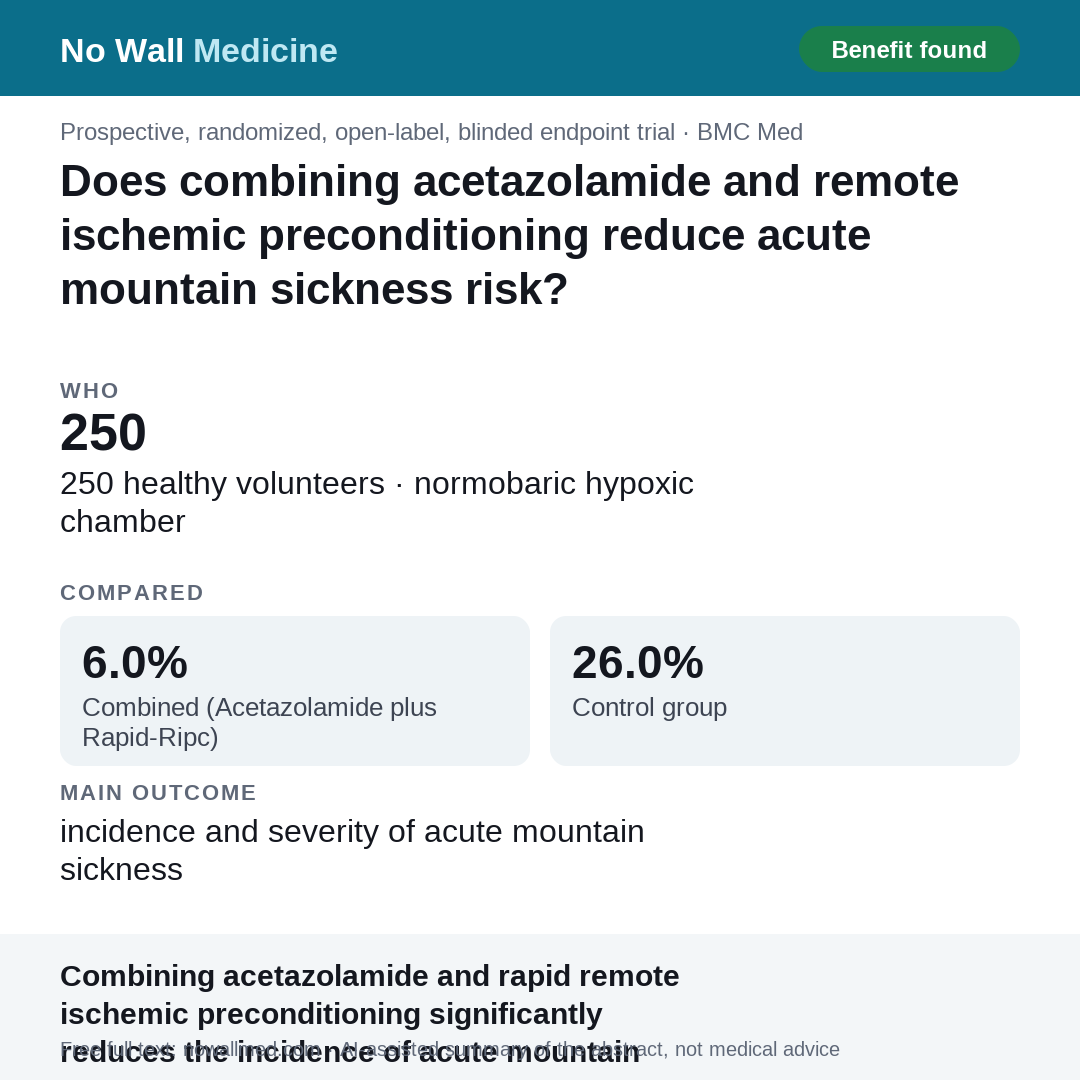
Effects of acetazolamide combined with remote ischemic preconditioning on risk of acute mountain sickness: a randomized clinical trial
Prospective, randomized, open-label, blinded endpoint trialBenefit found
Does combining acetazolamide and remote ischemic preconditioning reduce acute mountain sickness risk?
Who
250
250 healthy volunteers · normobaric hypoxic chamber
Compared
6.0%Combined (Acetazolamide plus Rapid-Ripc)
26.0%Control group
Main outcome
incidence and severity of acute mountain sickness
Result: RR 0.23, 95% CI 0.07-0.70
Bottom line: Combining acetazolamide and rapid remote ischemic preconditioning significantly reduces the incidence of acute mountain sickness.
BMC Med · 2024-01-02Download image
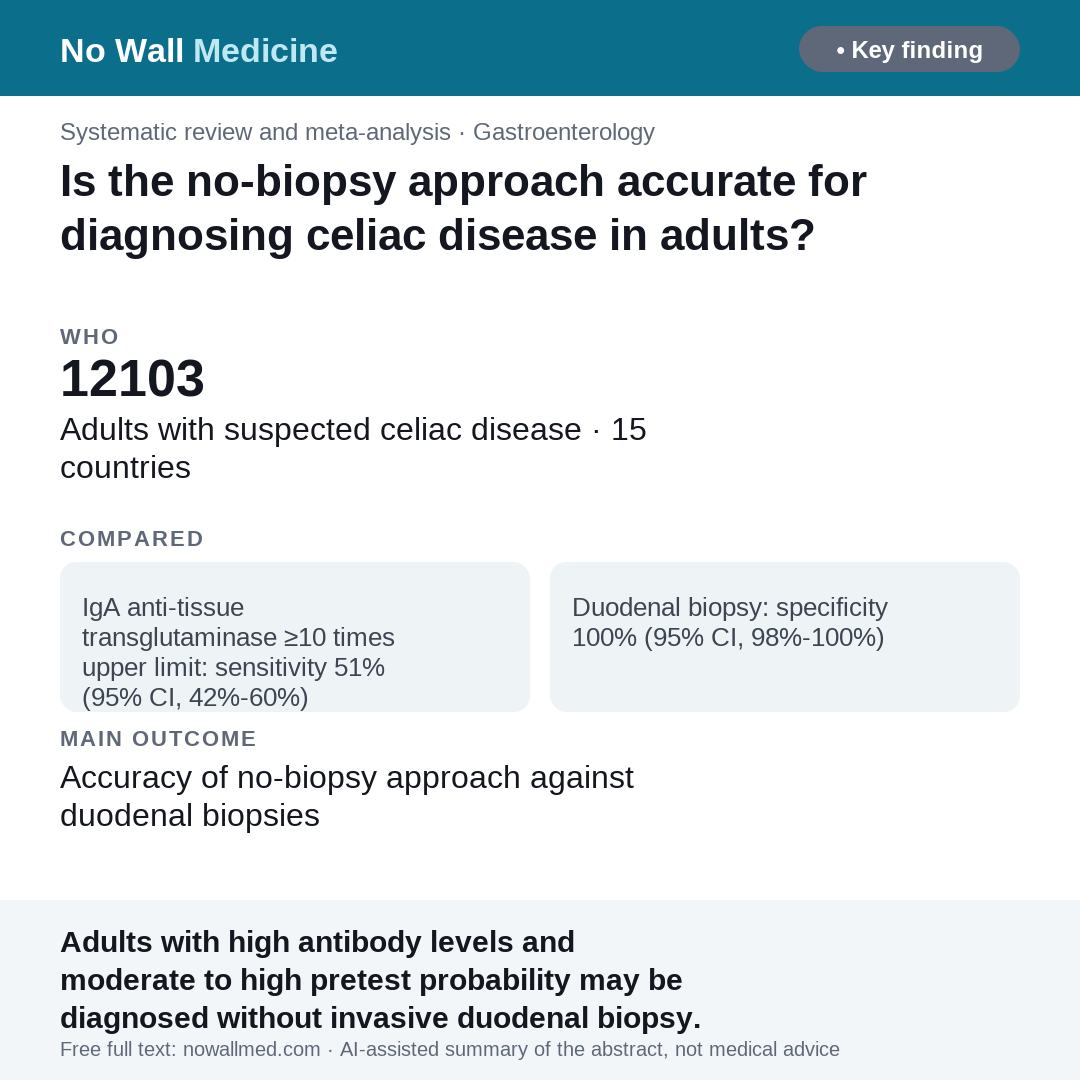
Accuracy of the No-Biopsy Approach for the Diagnosis of Celiac Disease in Adults: A Systematic Review and Meta-Analysis
Systematic review and meta-analysisKey finding
Is the no-biopsy approach accurate for diagnosing celiac disease in adults?
Who
12103
Adults with suspected celiac disease · 15 countries
Compared
IgA anti-tissue transglutaminase ≥10 times upper limit: sensitivity 51% (95% CI, 42%-60%)
Duodenal biopsy: specificity 100% (95% CI, 98%-100%)
Main outcome
Accuracy of no-biopsy approach against duodenal biopsies
Result: area under the summary receiver operating characteristic curve 0.83 (95% CI, 0.77 - 0.89)
Bottom line: Adults with high antibody levels and moderate to high pretest probability may be diagnosed without invasive duodenal biopsy.
Limitation: Only 1 study had a low risk of bias across all domains.
Gastroenterology · 2024-01-02Download image
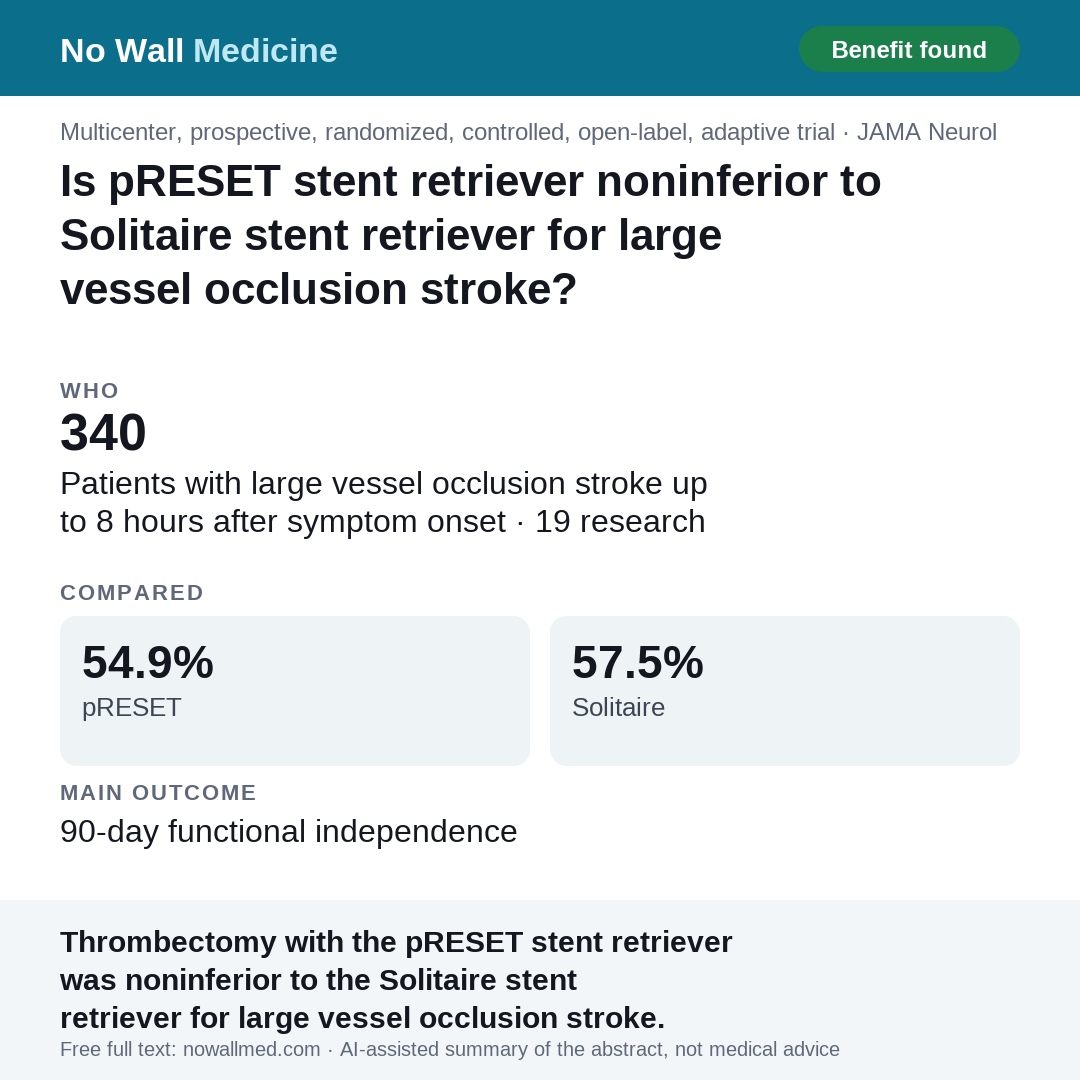
Thrombectomy With the pRESET vs Solitaire Stent Retrievers as First-Line Large Vessel Occlusion Stroke Treatment: A Randomized Clinical Trial
Multicenter, prospective, randomized, controlled, open-label, adaptive trialBenefit found
Is pRESET stent retriever noninferior to Solitaire stent retriever for large vessel occlusion stroke?
Who
340
Patients with large vessel occlusion stroke up to 8 hours after symptom onset · 19 research hospitals in US and 5 in Germany
Compared
54.9%pRESET (95% CI, 48.7-61.1)
57.5%Solitaire (95% CI, 51.2-63.8)
Main outcome
90-day functional independence
Result: absolute difference, -2.57%; 95% CI, -11.42 to 6.28
Bottom line: Thrombectomy with the pRESET stent retriever was noninferior to the Solitaire stent retriever for large vessel occlusion stroke.
JAMA Neurol · 2024-01-02Download image
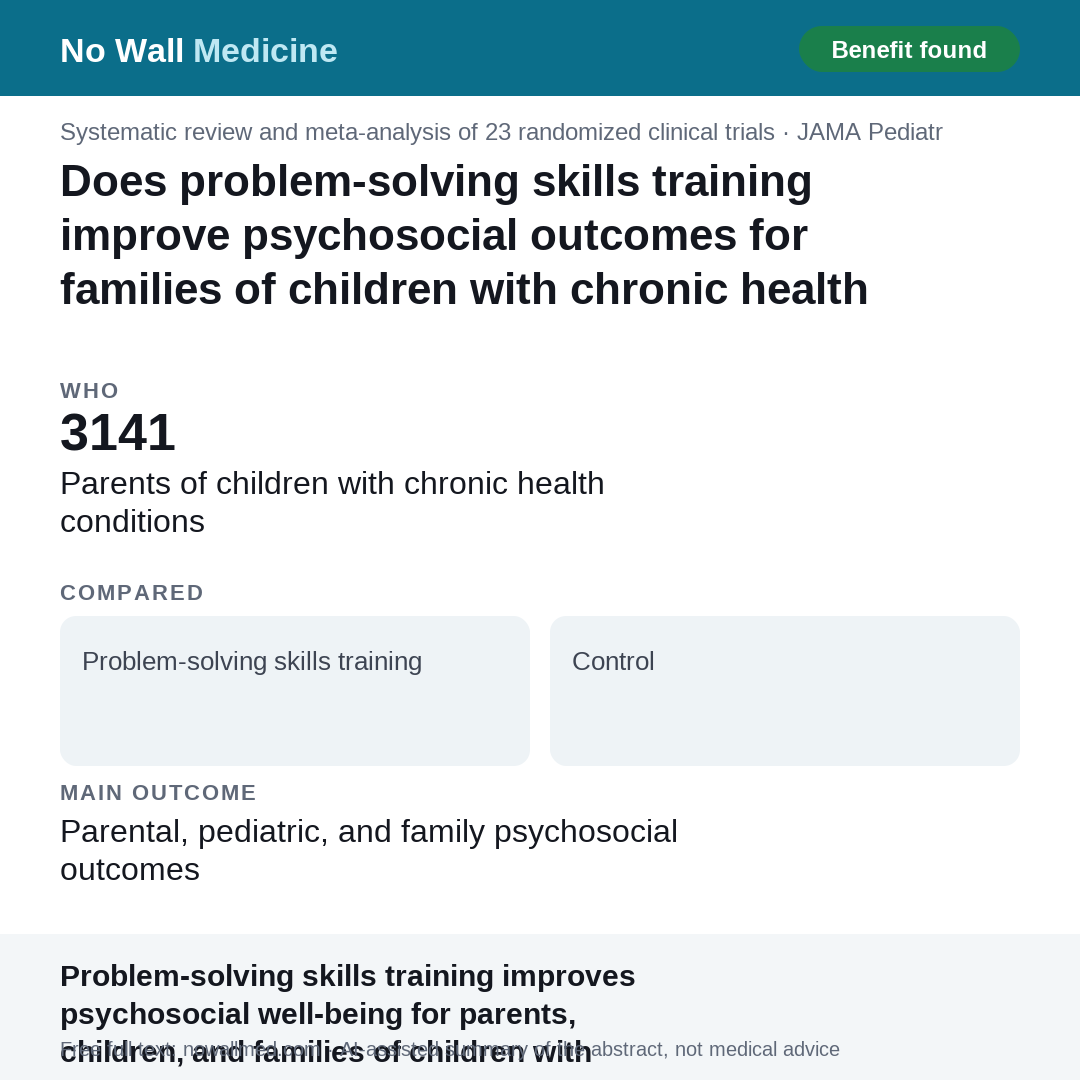
Problem-Solving Skills Training for Parents of Children With Chronic Health Conditions: A Systematic Review and Meta-Analysis
Systematic review and meta-analysis of 23 randomized clinical trialsBenefit found
Does problem-solving skills training improve psychosocial outcomes for families of children with chronic health conditions?
Who
3141
Parents of children with chronic health conditions
Compared
Problem-solving skills training
Control
Main outcome
Parental, pediatric, and family psychosocial outcomes
Result: not explicitly provided as a single pooled effect for all outcomes
Bottom line: Problem-solving skills training improves psychosocial well-being for parents, children, and families of children with chronic health conditions.
JAMA Pediatr · 2024-01-02Download image
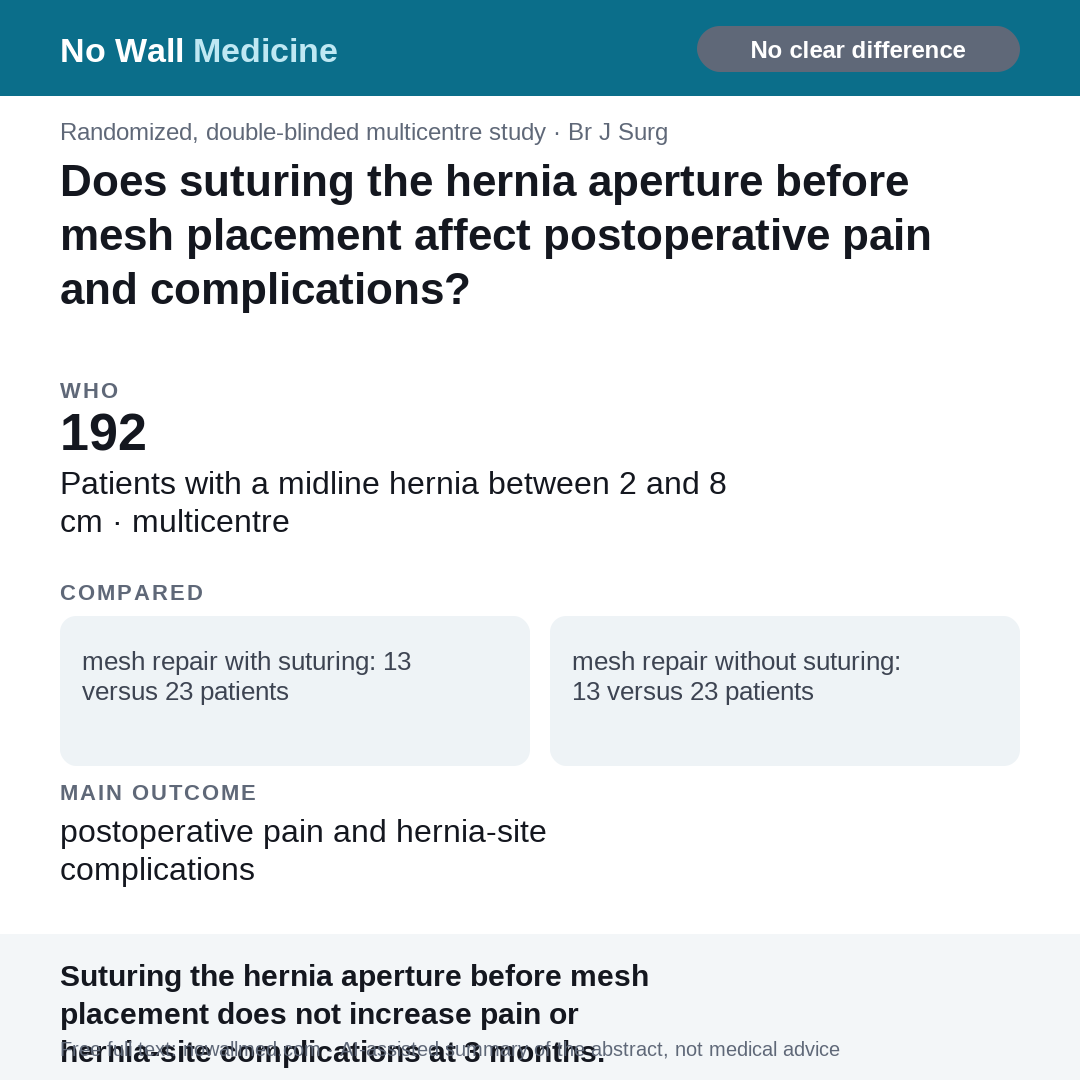
Laparoscopic ventral hernia repair: early follow-up of a randomized controlled study of primary fascial closure before mesh placement
Randomized, double-blinded multicentre studyNo clear difference
Does suturing the hernia aperture before mesh placement affect postoperative pain and complications?
Who
192
Patients with a midline hernia between 2 and 8 cm · multicentre
Compared
mesh repair with suturing: 13 versus 23 patients
mesh repair without suturing: 13 versus 23 patients
Main outcome
postoperative pain and hernia-site complications
Bottom line: Suturing the hernia aperture before mesh placement does not increase pain or hernia-site complications at 3 months.
Br J Surg · 2024-01-02Download image
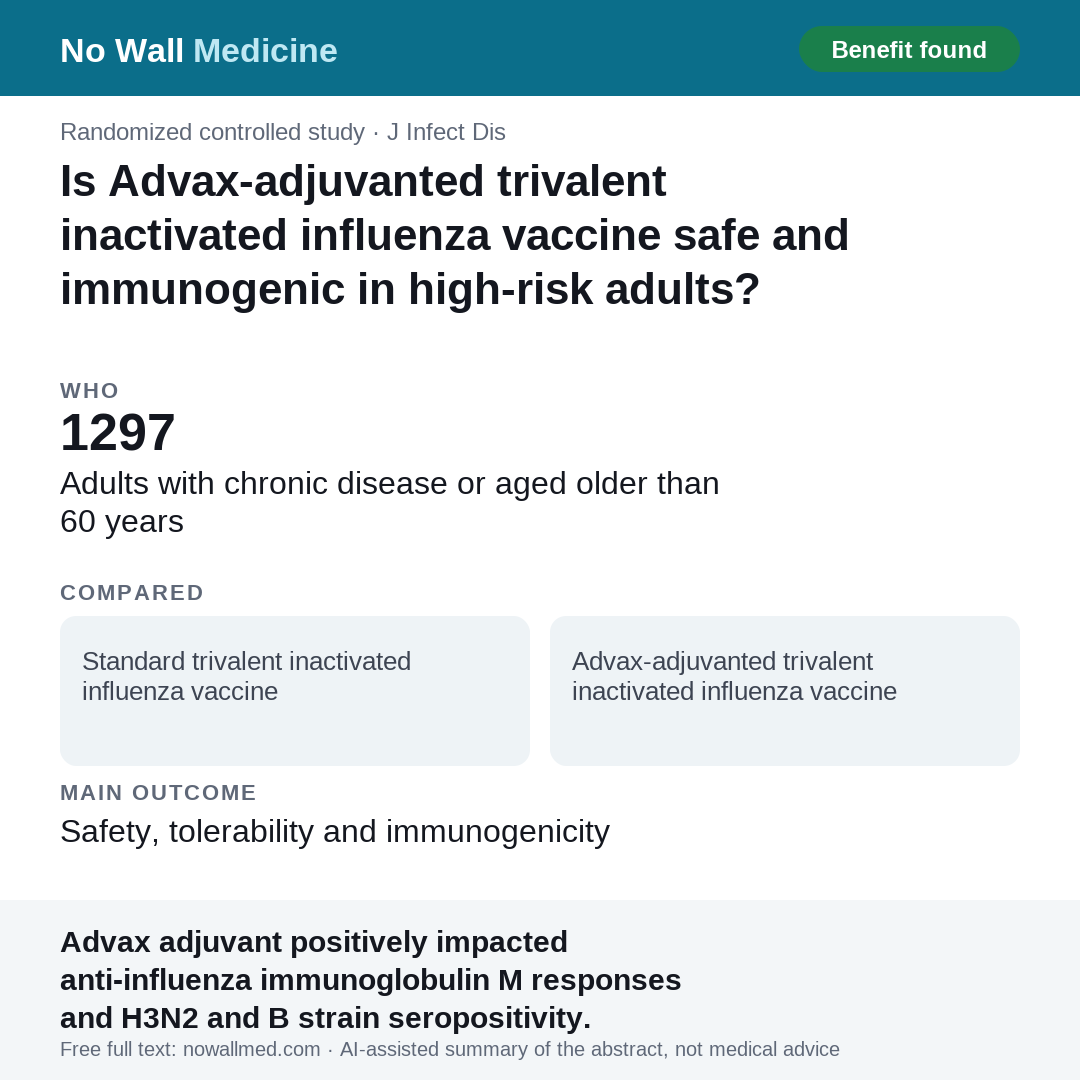
A Multiseason Randomized Controlled Trial of Advax-Adjuvanted Seasonal Influenza Vaccine in Participants With Chronic Disease or Older Age
Randomized controlled studyBenefit found
Is Advax-adjuvanted trivalent inactivated influenza vaccine safe and immunogenic in high-risk adults?
Who
1297
Adults with chronic disease or aged older than 60 years
Compared
Standard trivalent inactivated influenza vaccine
Advax-adjuvanted trivalent inactivated influenza vaccine
Main outcome
Safety, tolerability and immunogenicity
Bottom line: Advax adjuvant positively impacted anti-influenza immunoglobulin M responses and H3N2 and B strain seropositivity.
J Infect Dis · 2024-01-02Download image
Inositol for Polycystic Ovary Syndrome: A Systematic Review and Meta-analysis to Inform the 2023 Update of the International Evidence-based PCOS Guidelines
Systematic review and meta-analysisUnclear result
Is inositol effective for the management of polycystic ovary syndrome?
Who
2230
Women with polycystic ovary syndrome
Compared
Inositol
Control
Main outcome
Hormonal, metabolic, lipids, psychological, anthropometric, reproductive, and adverse effects
Bottom line: Evidence for inositol in managing polycystic ovary syndrome is limited and inconclusive.
Limitation: The evidence is limited and inconclusive.
J Clin Endocrinol Metab · 2024-01-02Download image
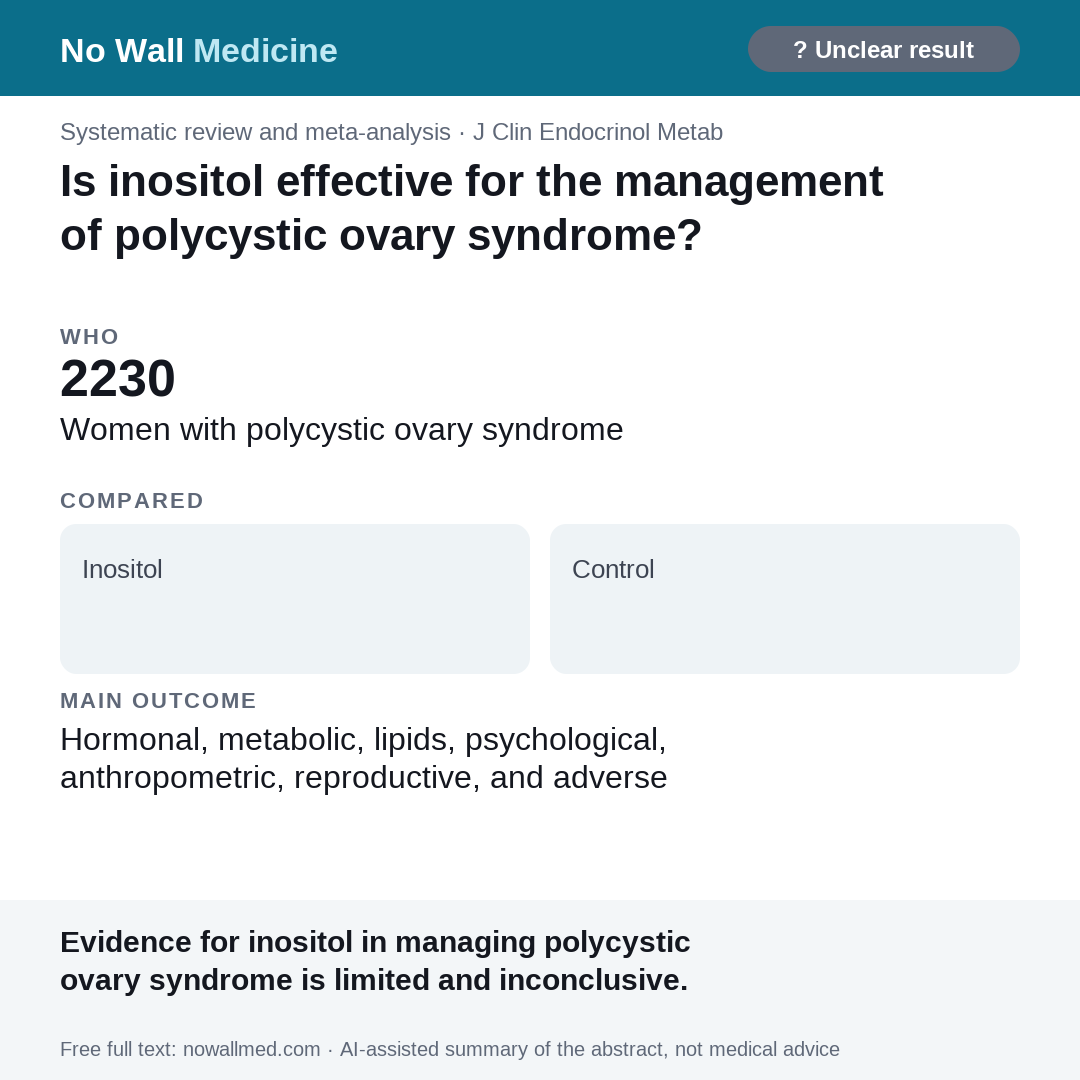
The effects of neuromuscular electrical stimulation on hospitalised adults: systematic review and meta-analysis of randomised controlled trials
Systematic review and meta-analysis of randomised controlled trialsBenefit, low certainty
Does neuromuscular electrical stimulation improve outcomes in hospitalised adults?
Who
1,452
Hospitalised adult patients
Compared
Neuromuscular electrical stimulation
Control or usual care
Main outcome
Muscle strength
Result: standardised mean difference 0.33 (P < 0.00001)
Bottom line: Neuromuscular electrical stimulation may help reduce or prevent hospital-acquired disability by improving muscle strength, size, and function.
Limitation: Most studies had unclear or high risk of bias.
Age Ageing · 2024-01-02Download image
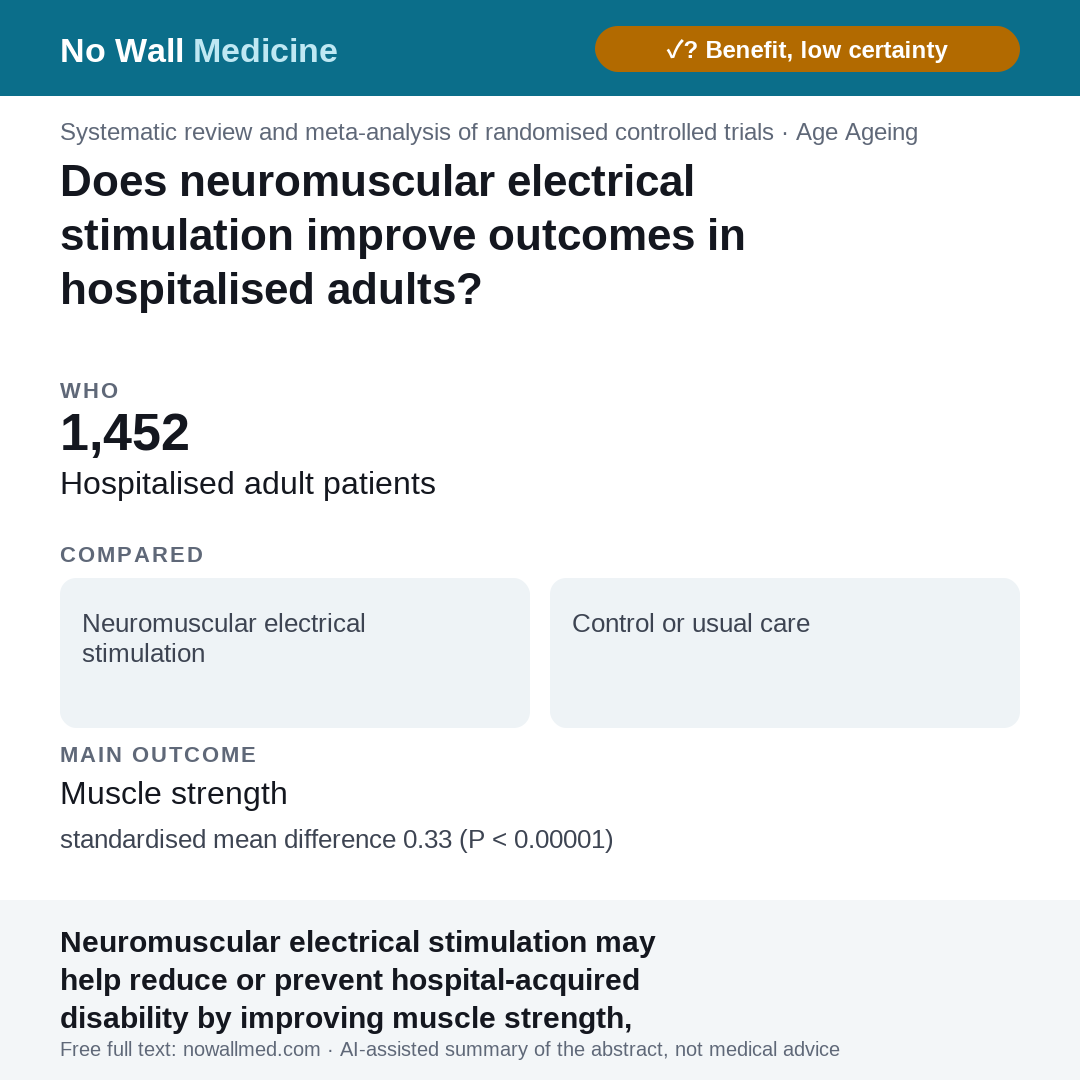
Data quality and patient characteristics in European ANCA-associated vasculitis registries: data retrieval by federated querying
Federated registry study and meta-analysisMixed results
What are the data quality, characteristics, and outcomes in six federated vasculitis registries?
Who
5282
Patients with antineutrophil cytoplasmic antibody-associated vasculitis · Six European registries
Compared
Overall mortality: 28.8 per 1000 patient-years
End-stage kidney disease incidence: 24.8 per 1000 patient-years
Main outcome
Data quality, patient characteristics, treatment, and outcomes
Result: mortality 28.8 (95% CI 19.7 to 42.2); end-stage kidney disease 24.8 (95% CI 19.7 to 31.1)
Bottom line: Federated registries showed high uniqueness and consistency but variable completeness and correctness regarding patient data.
Ann Rheum Dis · 2024-01-02Download image
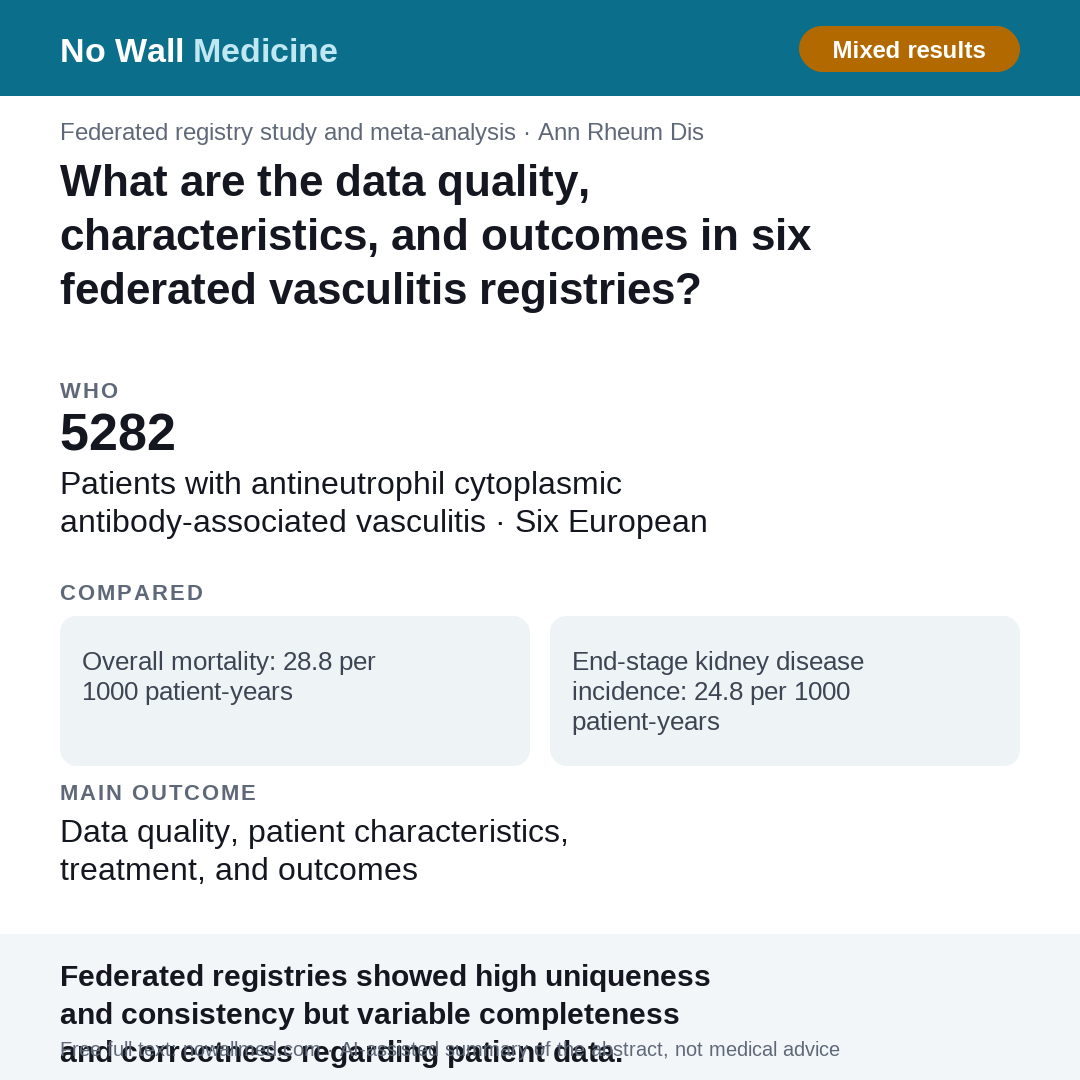
Determination of the most appropriate ACR response definition for contemporary drug approval trials in rheumatoid arthritis
Systematic review and meta-analysisMixed results
Which American College of Rheumatology response definition is best for rheumatoid arthritis drug trials?
Who
45
Patients in randomized controlled rheumatoid arthritis drug approval trials · Not specified
Compared
ACR20: high discriminative capacity across all time points
ACR50 and ACR70: highest discrimination towards the end of placebo-controlled periods
Main outcome
Discriminant validity of American College of Rheumatology response metrics
Bottom line: ACR20 is best for early discrimination, while ACR50 and ACR70 are better for later time points.
Ann Rheum Dis · 2024-01-02Download image
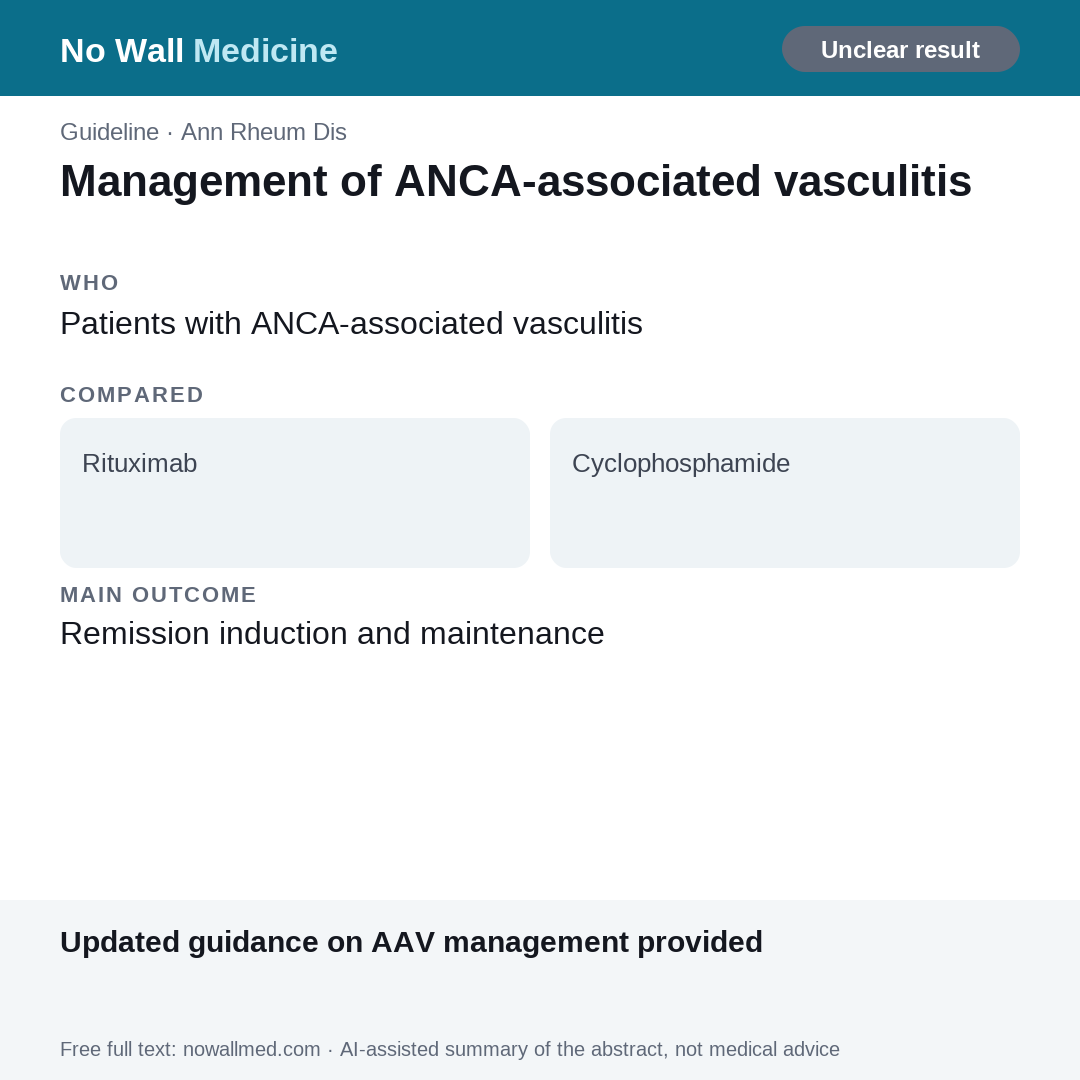
EULAR recommendations for the management of ANCA-associated vasculitis: 2022 update
GuidelineUnclear result
Management of ANCA-associated vasculitis
Who
Patients with ANCA-associated vasculitis
Compared
Rituximab
Cyclophosphamide
Main outcome
Remission induction and maintenance
Bottom line: Updated guidance on AAV management provided
Ann Rheum Dis · 2024-01-02Download image
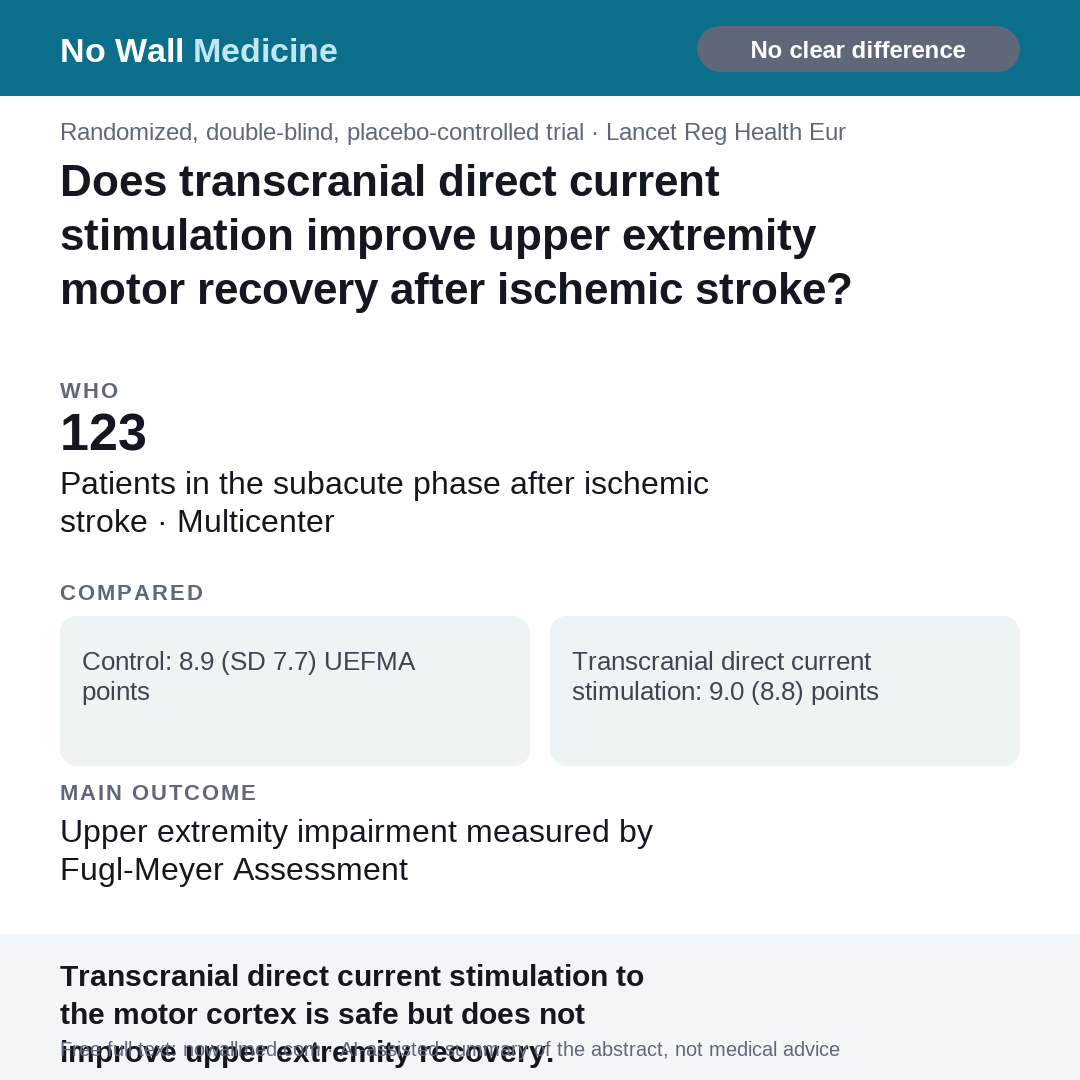
Efficacy and safety of transcranial direct current stimulation to the ipsilesional motor cortex in subacute stroke (NETS): a multicenter, randomized, double-blind, placebo-controlled trial
Randomized, double-blind, placebo-controlled trialNo clear difference
Does transcranial direct current stimulation improve upper extremity motor recovery after ischemic stroke?
Who
123
Patients in the subacute phase after ischemic stroke · Multicenter
Compared
Control: 8.9 (SD 7.7) UEFMA points
Transcranial direct current stimulation: 9.0 (8.8) points
Main outcome
Upper extremity impairment measured by Fugl-Meyer Assessment
Bottom line: Transcranial direct current stimulation to the motor cortex is safe but does not improve upper extremity recovery.
Funded by: Deutsche Forschungsgemeinschaft
Lancet Reg Health Eur · 2024-01-02Download image
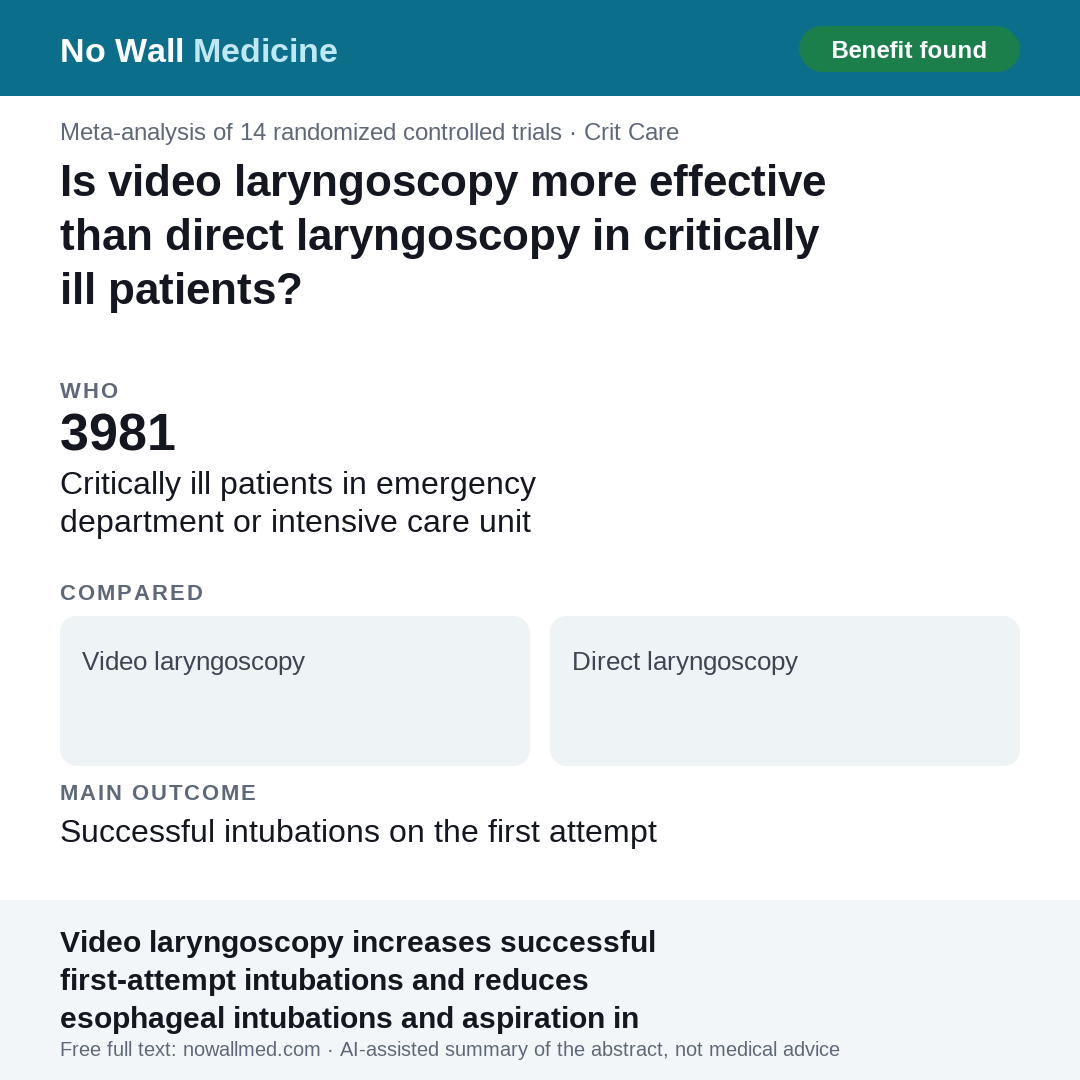
Video versus direct laryngoscopy in critically ill patients: an updated systematic review and meta-analysis of randomized controlled trials
Meta-analysis of 14 randomized controlled trialsBenefit found
Is video laryngoscopy more effective than direct laryngoscopy in critically ill patients?
Who
3981
Critically ill patients in emergency department or intensive care unit
Compared
Video laryngoscopy
Direct laryngoscopy
Main outcome
Successful intubations on the first attempt
Result: relative risk 1.12 (95% CI 1.04-1.20)
Bottom line: Video laryngoscopy increases successful first-attempt intubations and reduces esophageal intubations and aspiration in critically ill patients.
Crit Care · 2024-01-02Download image
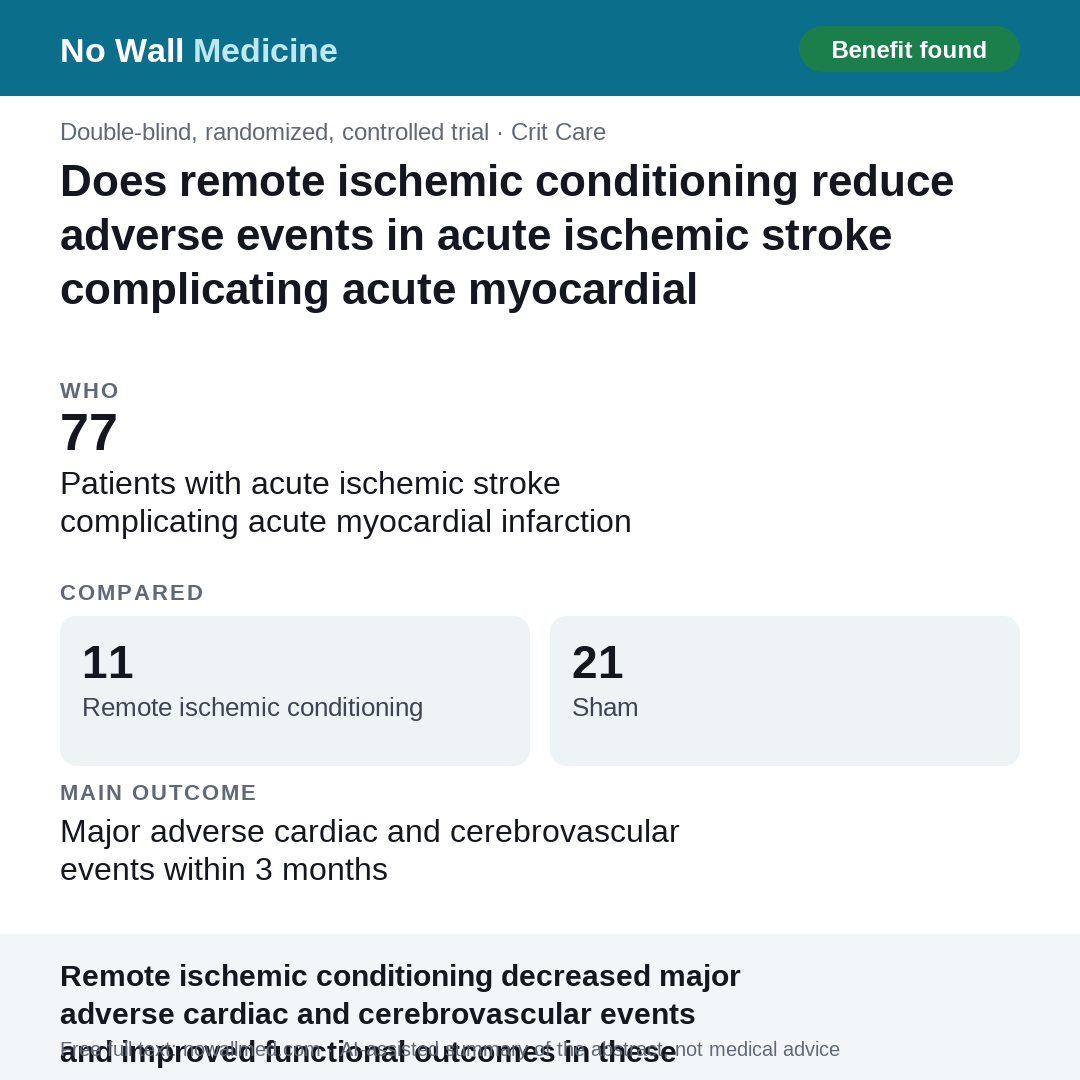
Remote ischemic conditioning reduces adverse events in patients with acute ischemic stroke complicating acute myocardial infarction: a randomized controlled trial
Double-blind, randomized, controlled trialBenefit found
Does remote ischemic conditioning reduce adverse events in acute ischemic stroke complicating acute myocardial infarction?
Who
77
Patients with acute ischemic stroke complicating acute myocardial infarction
Compared
11Remote ischemic conditioning (29.7%)
21Sham (52.5%)
Main outcome
Major adverse cardiac and cerebrovascular events within 3 months
Result: hazard ratio 0.396 (95% confidence interval 0.187-0.838)
Bottom line: Remote ischemic conditioning decreased major adverse cardiac and cerebrovascular events and improved functional outcomes in these patients.
Crit Care · 2024-01-02Download image
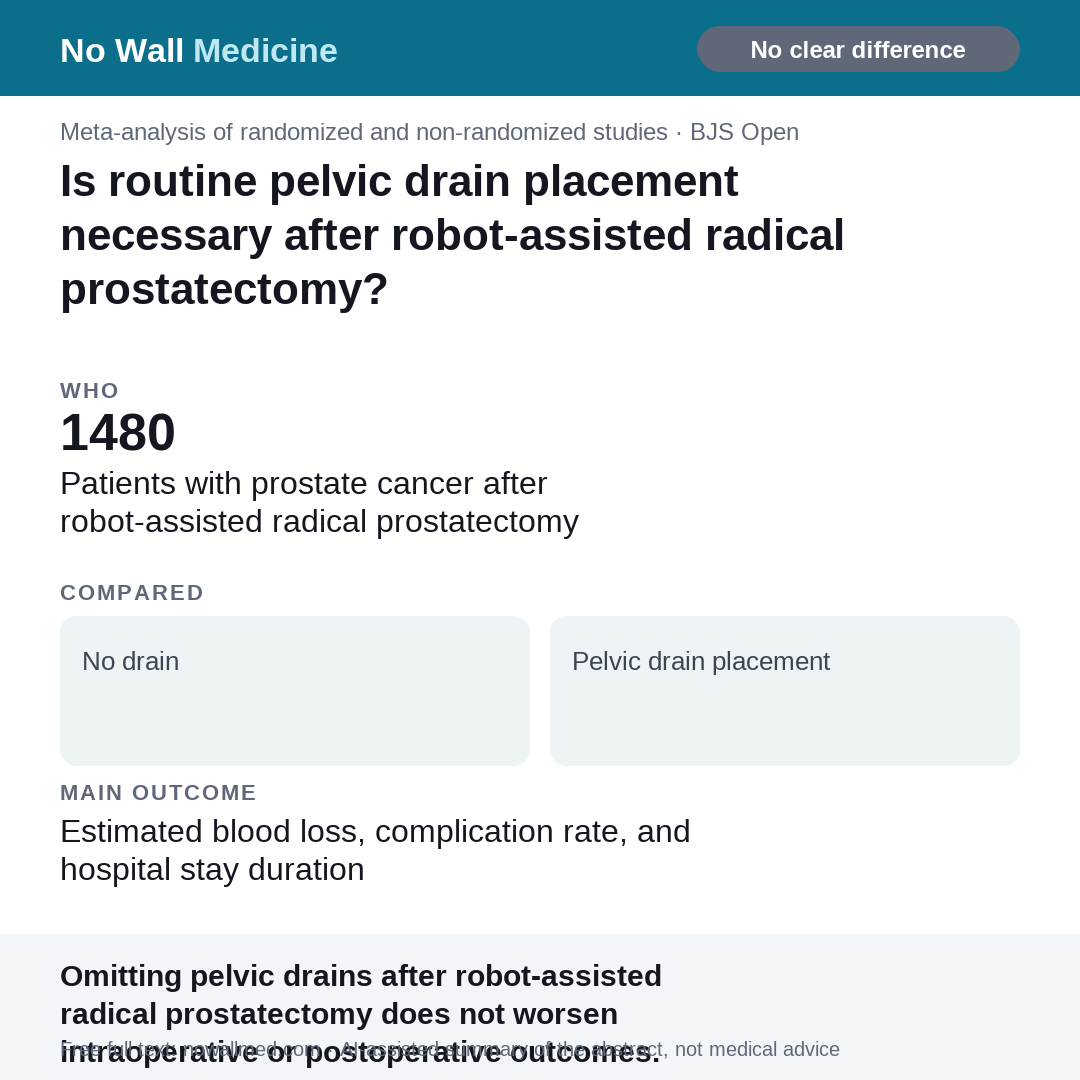
Pelvic drain placement after robot-assisted radical prostatectomy: meta-analysis
Meta-analysis of randomized and non-randomized studiesNo clear difference
Is routine pelvic drain placement necessary after robot-assisted radical prostatectomy?
Who
1480
Patients with prostate cancer after robot-assisted radical prostatectomy
Compared
No drain
Pelvic drain placement
Main outcome
Estimated blood loss, complication rate, and hospital stay duration
Result: OR 0.60 (95% CI 0.35 to 1.04) for overall complication rate
Bottom line: Omitting pelvic drains after robot-assisted radical prostatectomy does not worsen intraoperative or postoperative outcomes.
BJS Open · 2024-01-02Download image
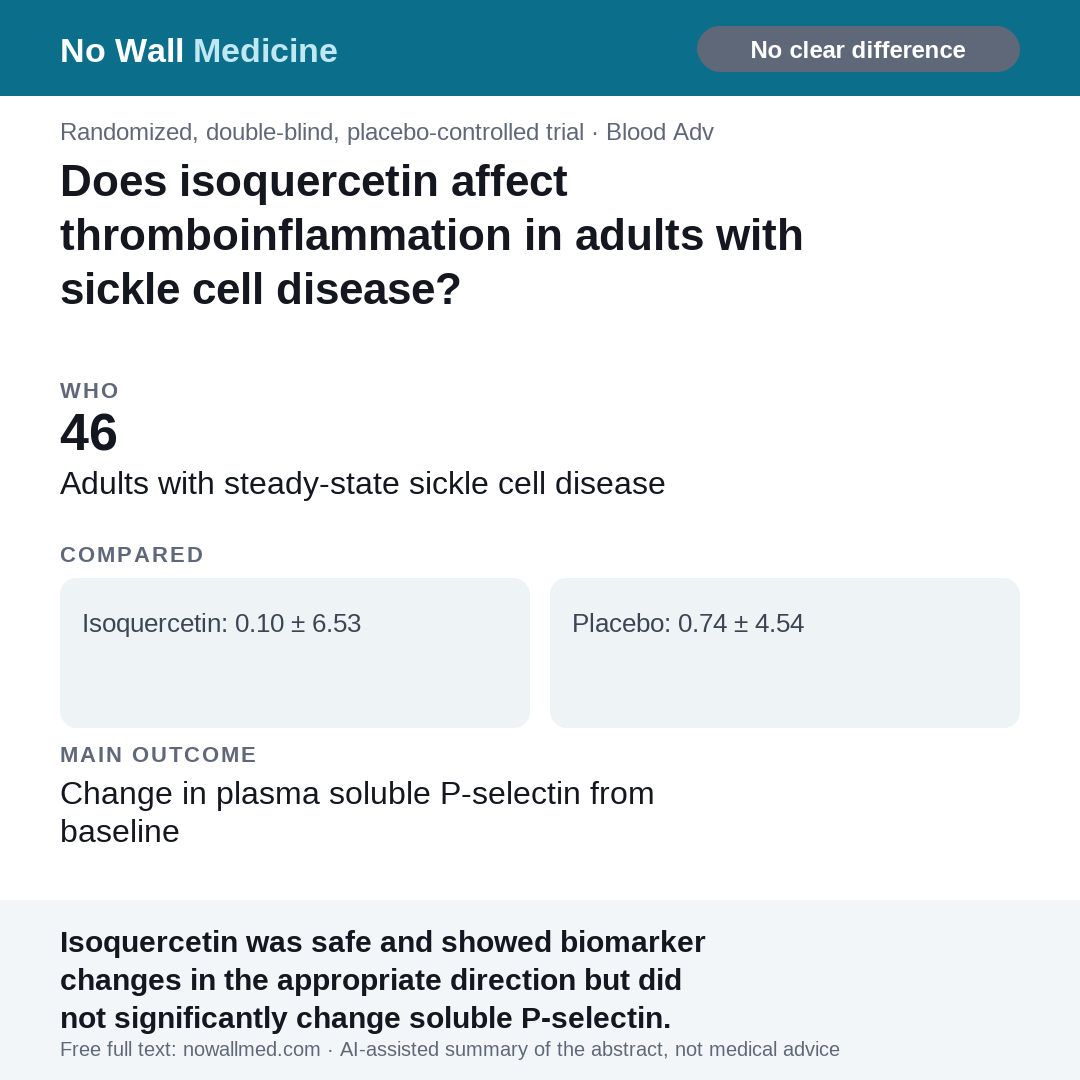
Isoquercetin for thromboinflammation in sickle cell disease: a randomized double-blind placebo-controlled trial
Randomized, double-blind, placebo-controlled trialNo clear difference
Does isoquercetin affect thromboinflammation in adults with sickle cell disease?
Who
46
Adults with steady-state sickle cell disease
Compared
Isoquercetin: 0.10 ± 6.53
Placebo: 0.74 ± 4.54
Main outcome
Change in plasma soluble P-selectin from baseline
Bottom line: Isoquercetin was safe and showed biomarker changes in the appropriate direction but did not significantly change soluble P-selectin.
Blood Adv · 2024-01-02Download image
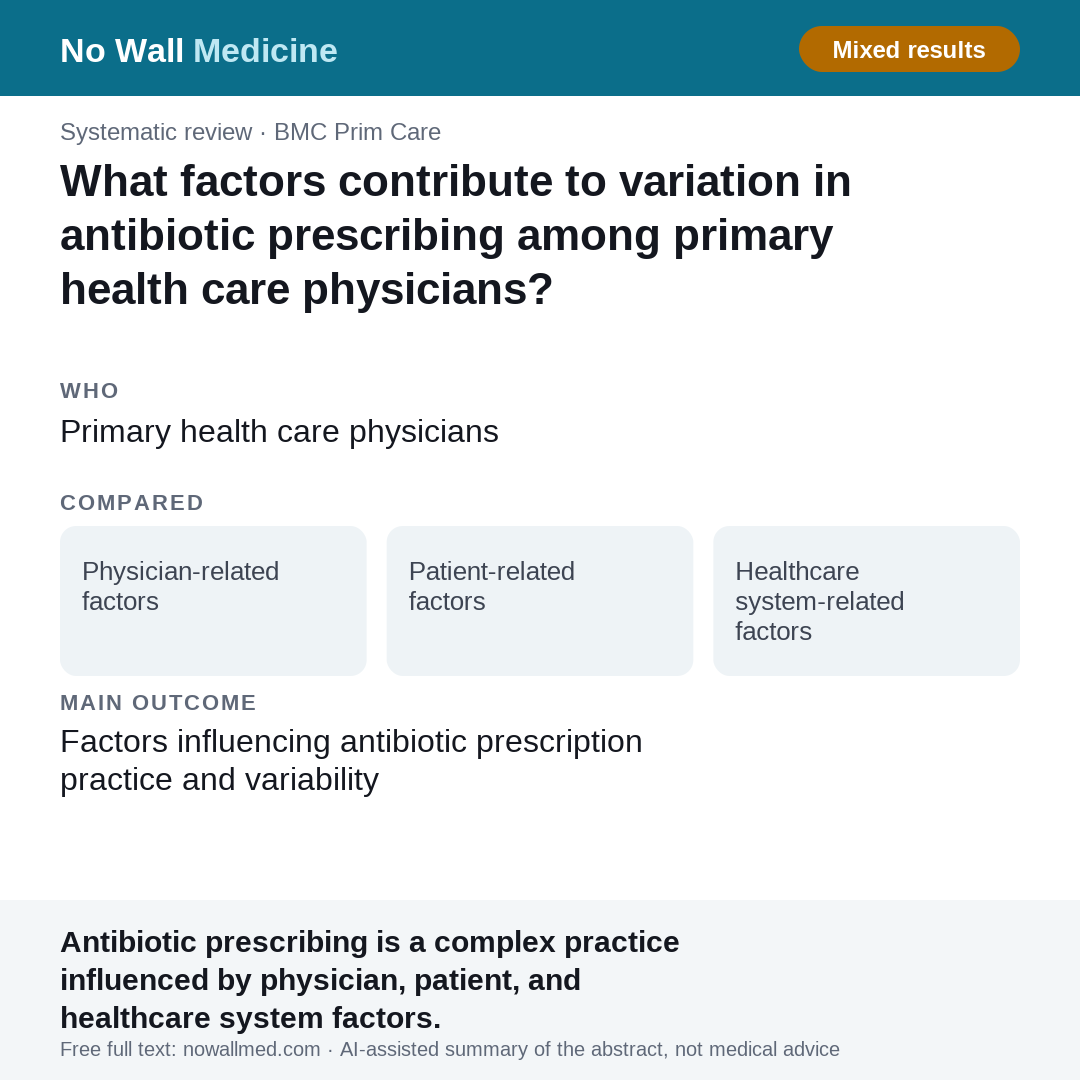
Factors contributing to the variation in antibiotic prescribing among primary health care physicians: a systematic review
Systematic reviewMixed results
What factors contribute to variation in antibiotic prescribing among primary health care physicians?
Who
Primary health care physicians
Compared
Physician-related factors
Patient-related factors
Healthcare system-related factors
Main outcome
Factors influencing antibiotic prescription practice and variability
Bottom line: Antibiotic prescribing is a complex practice influenced by physician, patient, and healthcare system factors.
BMC Prim Care · 2024-01-02Download image
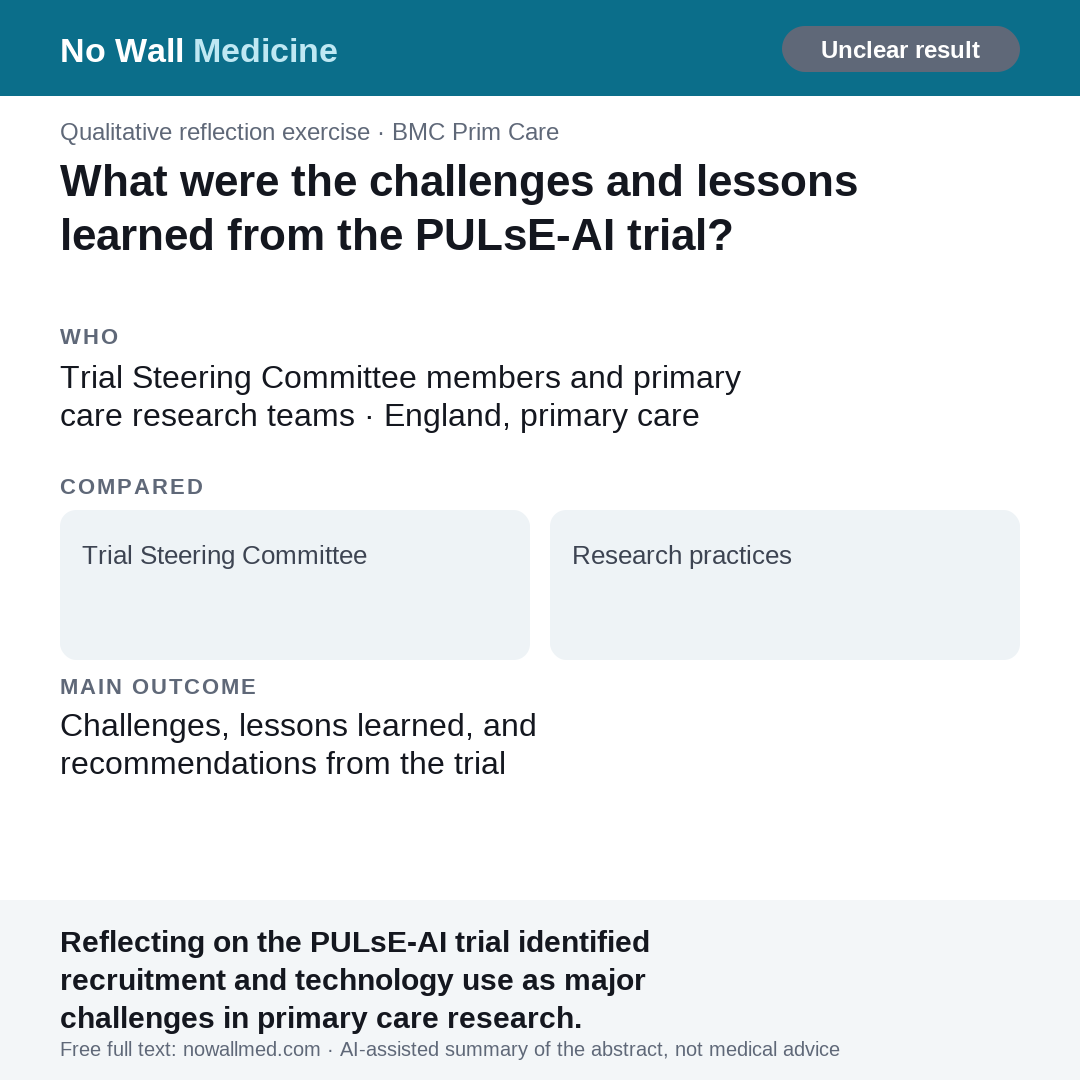
Undertaking multi-centre randomised controlled trials in primary care: learnings and recommendations from the PULsE-AI trial researchers
Qualitative reflection exerciseUnclear result
What were the challenges and lessons learned from the PULsE-AI trial?
Who
Trial Steering Committee members and primary care research teams · England, primary care
Compared
Trial Steering Committee
Research practices
Main outcome
Challenges, lessons learned, and recommendations from the trial
Bottom line: Reflecting on the PULsE-AI trial identified recruitment and technology use as major challenges in primary care research.
BMC Prim Care · 2024-01-02Download image
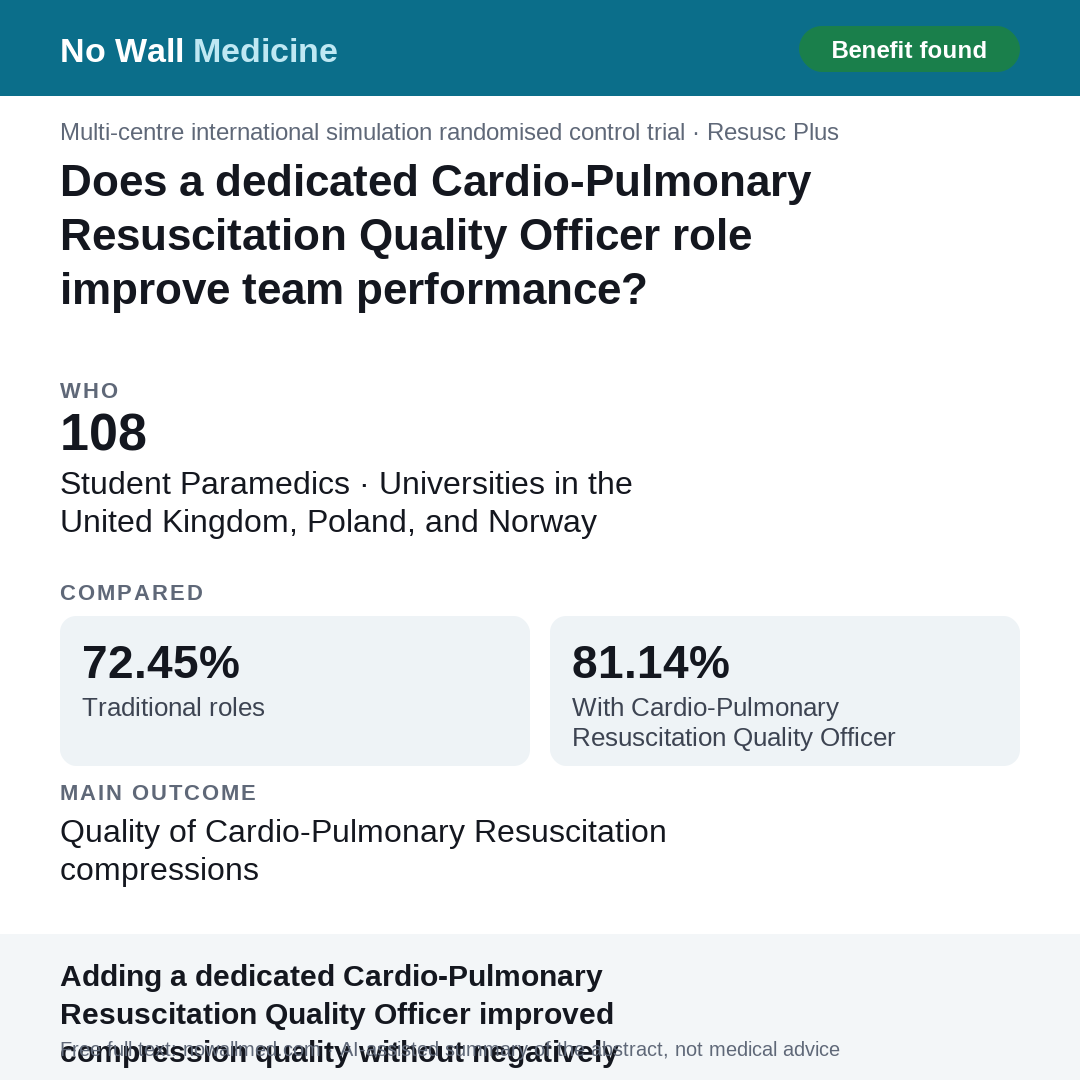
CPR Quality Officer role to improve CPR quality: A multi-centred international simulation randomised control trial
Multi-centre international simulation randomised control trialBenefit found
Does a dedicated Cardio-Pulmonary Resuscitation Quality Officer role improve team performance?
Who
108
Student Paramedics · Universities in the United Kingdom, Poland, and Norway
Compared
72.45%Traditional roles (95% CI 64.94 to 79.97)
81.14%With Cardio-Pulmonary Resuscitation Quality Officer (95% CI 74.20 to 88.07)
Main outcome
Quality of Cardio-Pulmonary Resuscitation compressions
Bottom line: Adding a dedicated Cardio-Pulmonary Resuscitation Quality Officer improved compression quality without negatively impacting defibrillation or airway management times.
Resusc Plus · 2024-01-02Download image