Visual abstracts
New randomized trials and meta-analyses from leading journals at a glance: who was studied, what was compared, and what was found. Every paper is free to read in full.
All specialtiesCardiology 2108Oncology 1787Gastroenterology & Hepatology 792Infectious Disease 1311Neurology 851Psychiatry & Mental Health 1020Pulmonology 881Critical Care 591Endocrinology & Diabetes 1117Pediatrics 1223Surgery 1056Orthopedics & Sports Medicine 386Neurosurgery 257Cardiothoracic & Vascular Surgery 224Plastic & Reconstructive Surgery 315Nephrology 441Rheumatology 292Hematology 462Dermatology 240Ophthalmology 239Obstetrics & Gynecology 682Public & Global Health 394Radiology & Imaging 289Anesthesiology 414Urology 367ENT (Otolaryngology) 275Emergency Medicine 229Allergy & Immunology 132Geriatrics 442Family Medicine & Primary Care 244Medical Genetics & Genomics 226Pathology & Laboratory Medicine 71Physical Medicine & Rehabilitation 361Palliative Care 179Nutrition 567Digital Health & AI 1071General Medicine 162
A Systematic Review of Health-Related Quality-of-Life Measurement in Patients With Acute Bacterial Skin and Skin Structure Infections
Systematic reviewUnclear result
How has health-related quality of life been measured in patients with acute bacterial skin infections?
Who
Patients with acute bacterial skin and skin structure infections
Compared
26Generic measures
14Condition-specific measures
2Author-developed questionnaires
Main outcome
Health-related quality of life measurement methods
Bottom line: No repurposed or novel tool was identified that best captures health-related quality of life in these patients.
Clin Infect Dis · 2025-08-12Download image

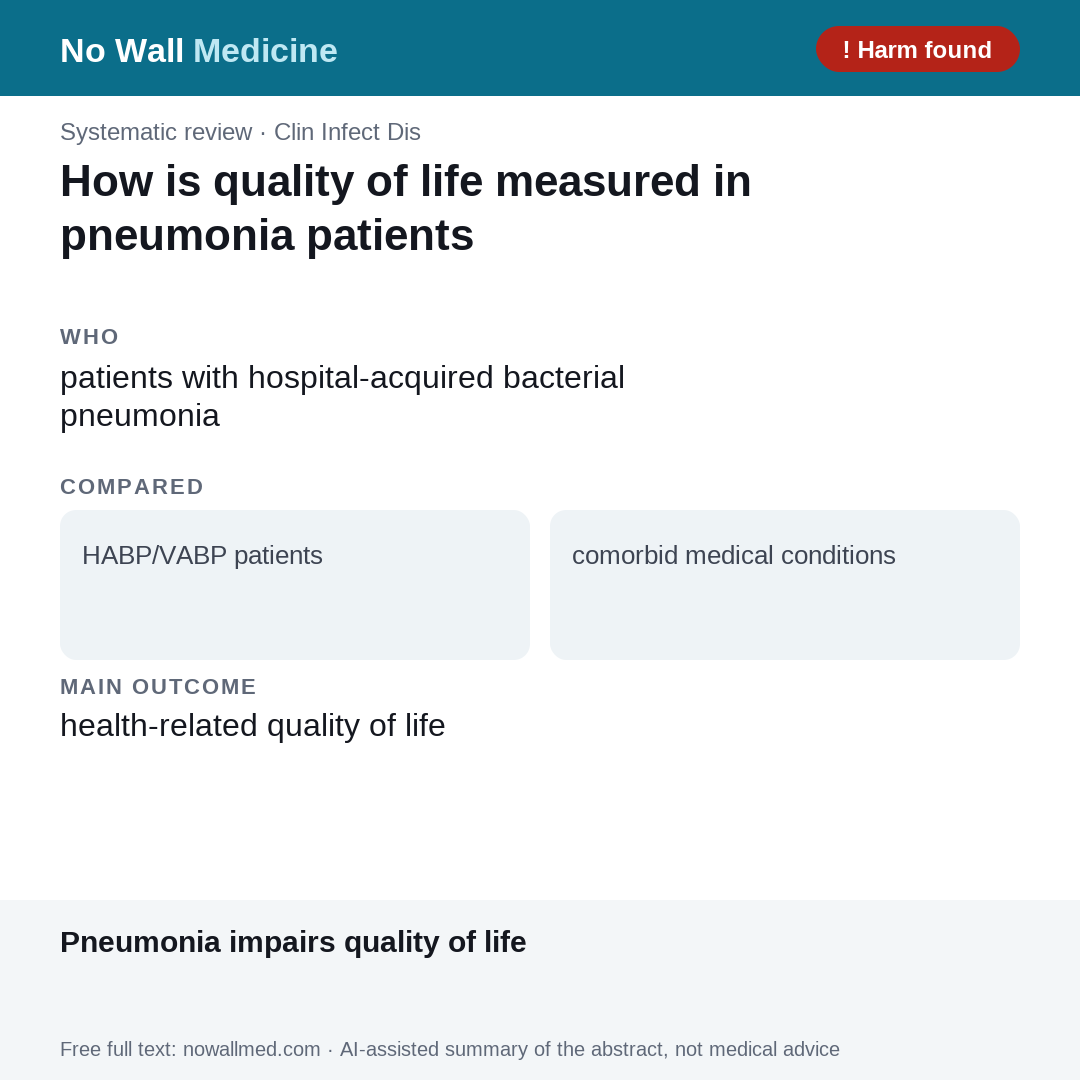
A Systematic Review of Health-Related Quality-of-Life Measurement in Patients With Hospital-Acquired/Ventilator-Associated Bacterial Pneumonia
Systematic reviewHarm found
How is quality of life measured in pneumonia patients
Who
patients with hospital-acquired bacterial pneumonia
Compared
HABP/VABP patients
comorbid medical conditions
Main outcome
health-related quality of life
Bottom line: Pneumonia impairs quality of life
Limitation: limited measurement of quality of life
Clin Infect Dis · 2025-08-12Download image
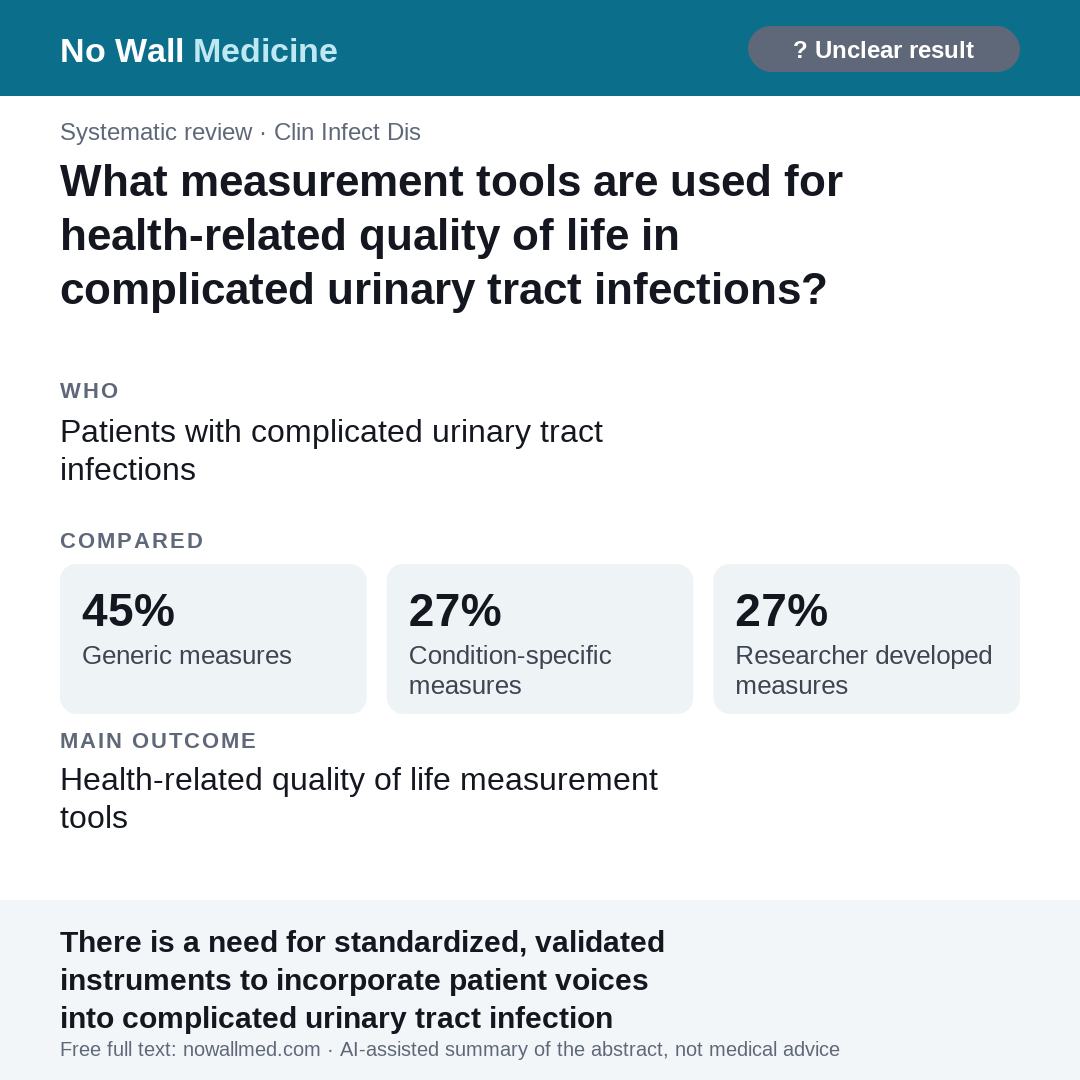
A Systematic Review of Health-Related Quality-of-Life Measurement in Patients With Complicated Urinary Tract Infections
Systematic reviewUnclear result
What measurement tools are used for health-related quality of life in complicated urinary tract infections?
Who
Patients with complicated urinary tract infections
Compared
45%Generic measures
27%Condition-specific measures
27%Researcher developed measures
Main outcome
Health-related quality of life measurement tools
Bottom line: There is a need for standardized, validated instruments to incorporate patient voices into complicated urinary tract infection trials.
Clin Infect Dis · 2025-08-12Download image
The Association Between Patient-Ventilator Asynchrony and Clinical Outcomes in Mechanically Ventilated Patients: A Systematic Review
Systematic review and meta-analysisHarm found
Is patient-ventilator asynchrony associated with clinical outcomes in mechanically ventilated patients?
Who
2672
Mechanically ventilated patients
Compared
Patient-ventilator asynchrony
No asynchrony
Main outcome
mechanical ventilation duration, ICU length of stay, and mortality
Result: mean difference 3.29 d (95% CI 0.13-6.44 d) for ventilation duration
Bottom line: Patient-ventilator asynchrony is associated with longer mechanical ventilation and longer intensive care unit stay.
Crit Care Med · 2025-08-12Download image

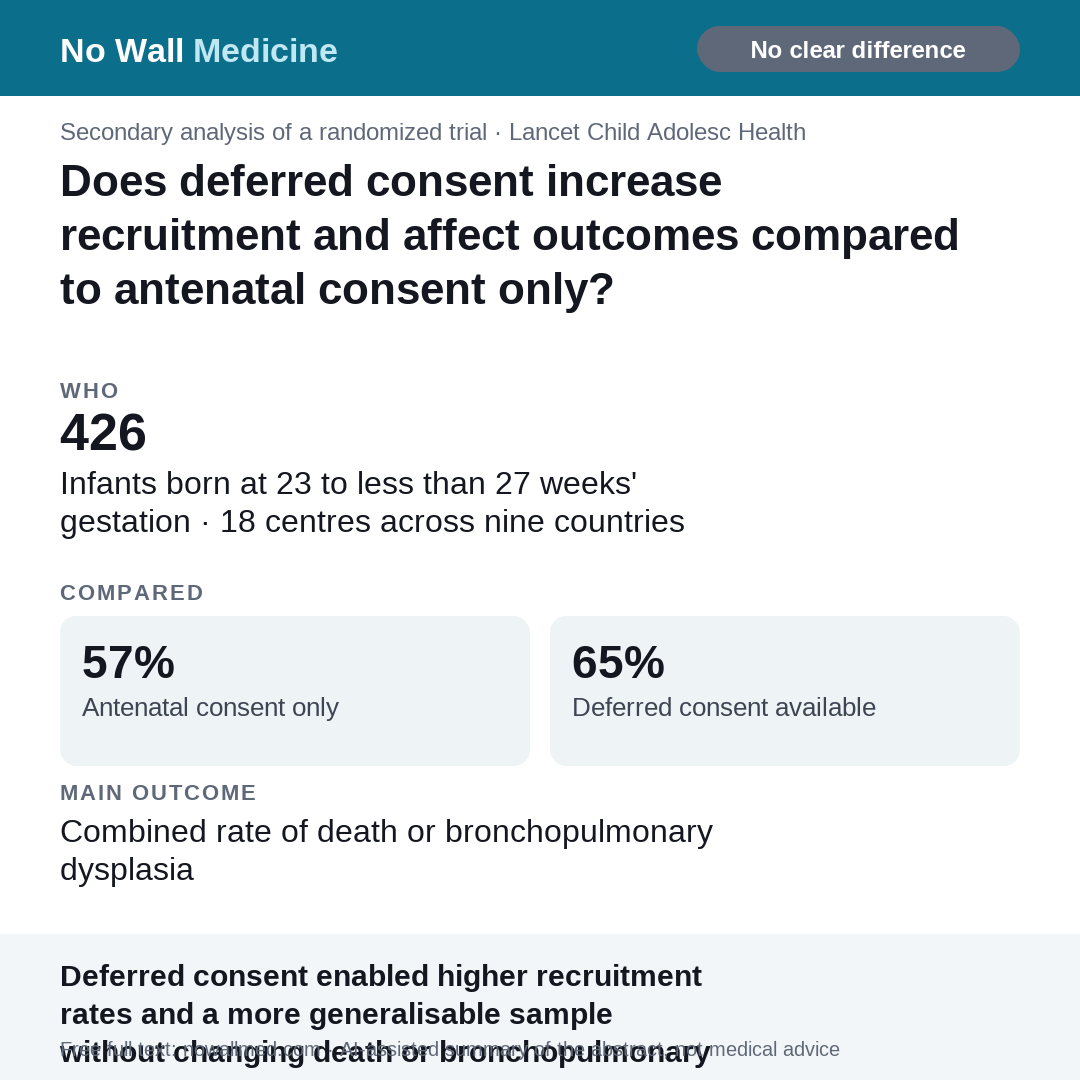
Alternative consent processes in a neonatal resuscitation trial (SAIL): secondary analysis of an open-label, international, multicentre, randomised trial
Secondary analysis of a randomized trialNo clear difference
Does deferred consent increase recruitment and affect outcomes compared to antenatal consent only?
Who
426
Infants born at 23 to less than 27 weeks' gestation · 18 centres across nine countries
Compared
57%Antenatal consent only (113/197)
65%Deferred consent available (149/229)
Main outcome
Combined rate of death or bronchopulmonary dysplasia
Result: adjusted relative risk 1.18 (95% CI 0.98 to 1.42)
Bottom line: Deferred consent enabled higher recruitment rates and a more generalisable sample without changing death or bronchopulmonary dysplasia rates.
Funded by: Eunice Kennedy Shriver National Institute of Child Health and Human Development
Lancet Child Adolesc Health · 2025-08-12Download image
Intensive care after vascular surgery: systematic review
Systematic reviewHarm found
Does intensive care admission impact clinical outcomes and costs after vascular surgery?
Who
157 932
Patients undergoing elective and emergency vascular surgery
Compared
Intensive care unit admission: OR 4.14 (95% c.i. 1.65 to 10.41)
Intermediary or ward-based care
Main outcome
30-day or in-hospital mortality
Result: odds ratio 4.14 (95% c.i. 1.65 to 10.41)
Bottom line: Intensive care admission was associated with higher mortality and adverse events after vascular surgery without clear clinical benefit.
Limitation: Potential residual confounding and insufficient risk stratification.
Br J Surg · 2025-08-12Download image

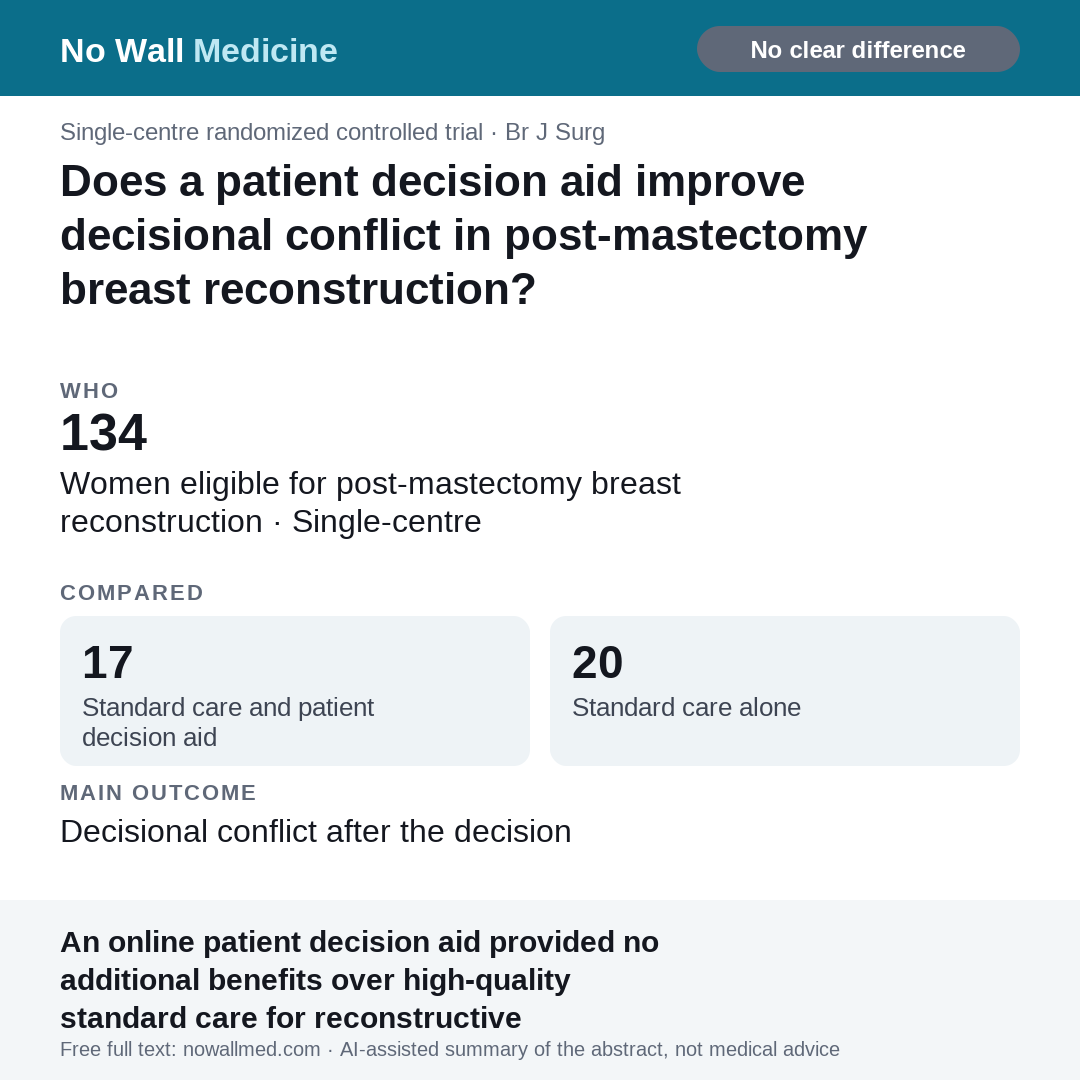
Effectiveness of a patient decision aid for women considering post-mastectomy breast reconstruction: randomized controlled trial
Single-centre randomized controlled trialNo clear difference
Does a patient decision aid improve decisional conflict in post-mastectomy breast reconstruction?
Who
134
Women eligible for post-mastectomy breast reconstruction · Single-centre
Compared
17Standard care and patient decision aid
20Standard care alone
Main outcome
Decisional conflict after the decision
Result: mean difference -2.8 (95% confidence interval -8.4 to 2.8)
Bottom line: An online patient decision aid provided no additional benefits over high-quality standard care for reconstructive decision-making.
Br J Surg · 2025-08-12Download image
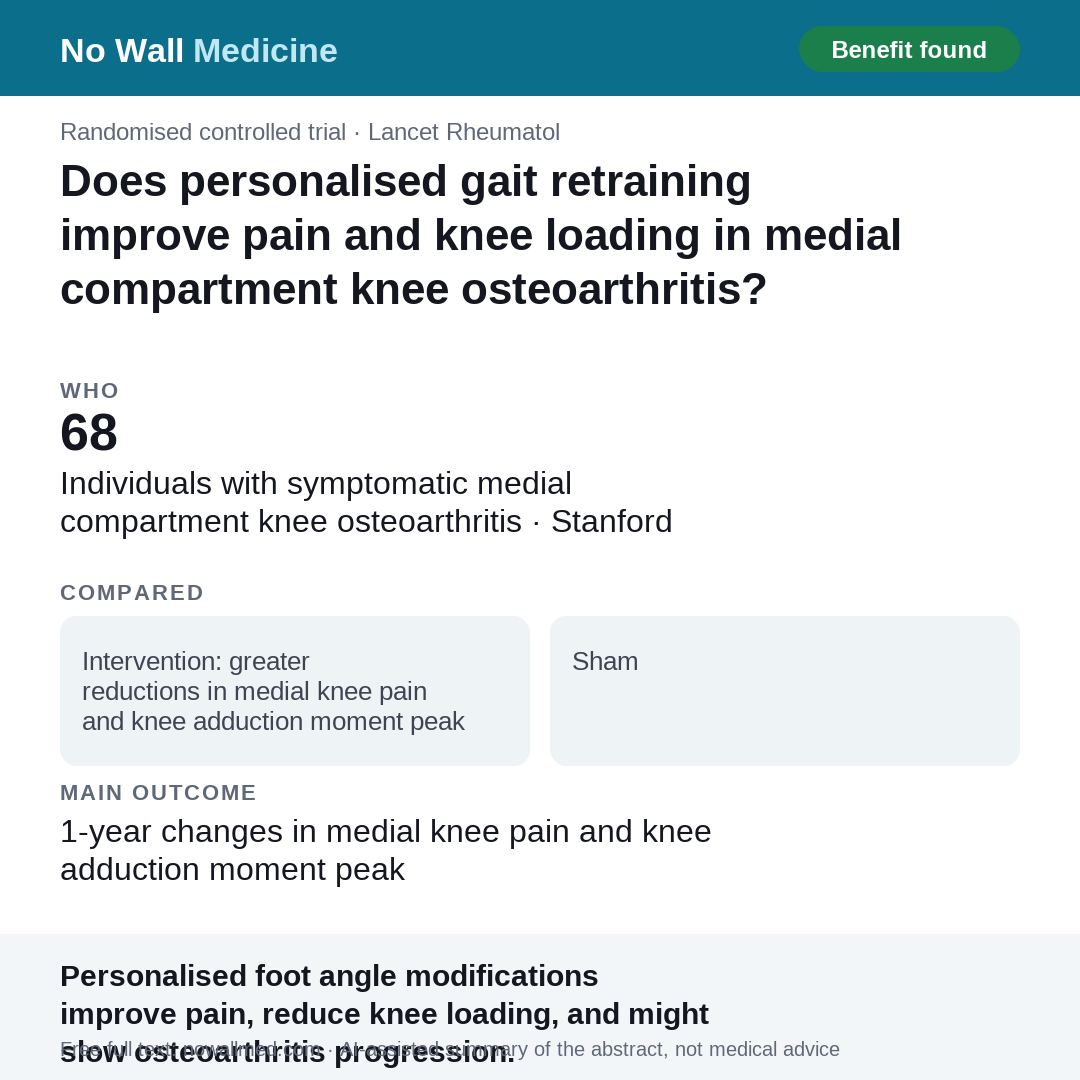
Personalised gait retraining for medial compartment knee osteoarthritis: a randomised controlled trial
Randomised controlled trialBenefit found
Does personalised gait retraining improve pain and knee loading in medial compartment knee osteoarthritis?
Who
68
Individuals with symptomatic medial compartment knee osteoarthritis · Stanford University, CA, USA
Compared
Intervention: greater reductions in medial knee pain and knee adduction moment peak
Sham
Main outcome
1-year changes in medial knee pain and knee adduction moment peak
Result: between-group difference -1·2, 95% CI -1·9 to -0·5 for pain
Bottom line: Personalised foot angle modifications improve pain, reduce knee loading, and might slow osteoarthritis progression.
Limitation: Staff performing the gait analysis visits were not masked to group allocation.
Funded by: US Department of Veterans Affairs
Lancet Rheumatol · 2025-08-12Download image
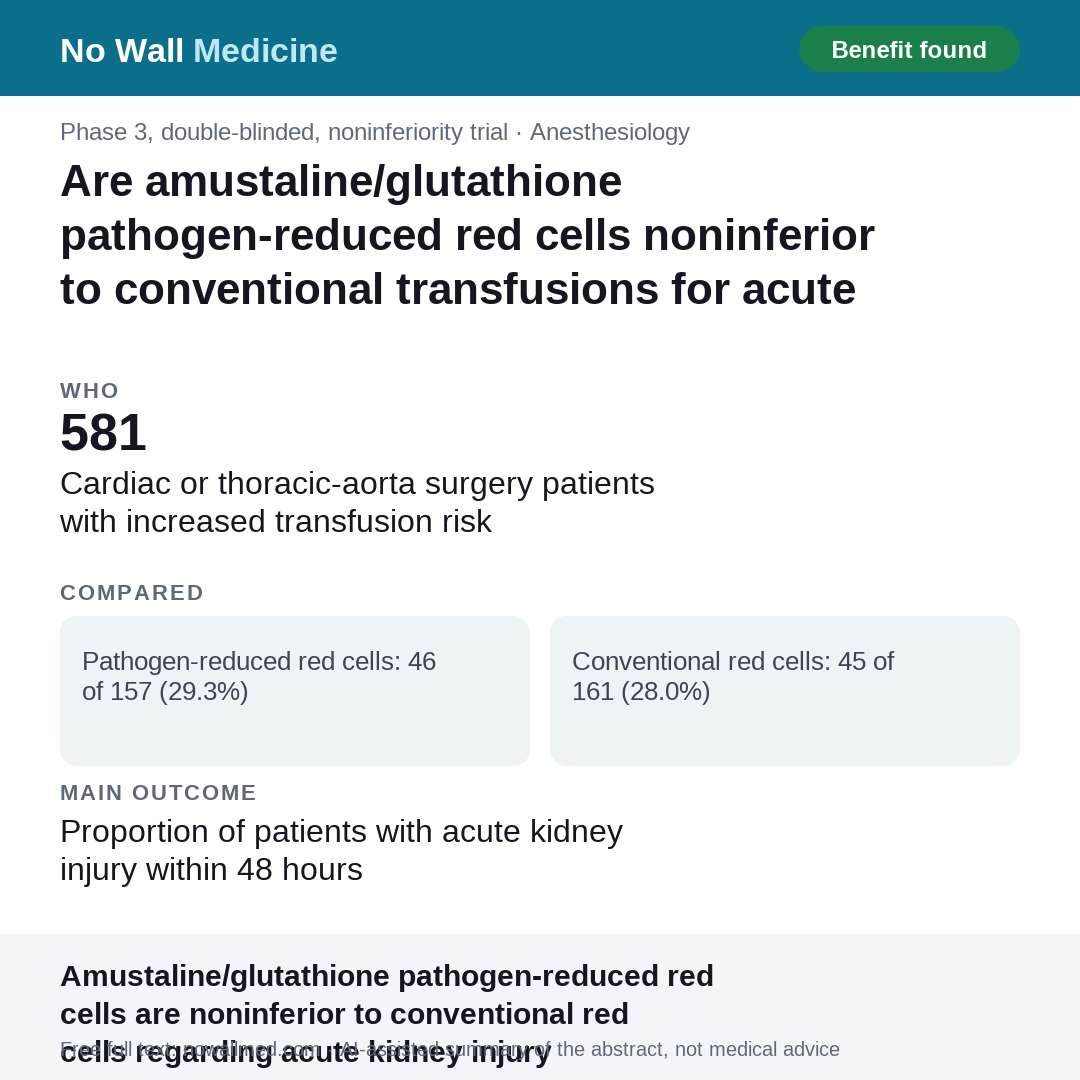
Transfusion of Amustaline/Glutathione Pathogen-reduced Red Blood Cells in Cardiac Surgery: A Randomized Phase 3 Clinical Trial
Phase 3, double-blinded, noninferiority trialBenefit found
Are amustaline/glutathione pathogen-reduced red cells noninferior to conventional transfusions for acute surgical blood loss?
Who
581
Cardiac or thoracic-aorta surgery patients with increased transfusion risk
Compared
Pathogen-reduced red cells: 46 of 157 (29.3%)
Conventional red cells: 45 of 161 (28.0%)
Main outcome
Proportion of patients with acute kidney injury within 48 hours
Result: treatment difference, 0.7%; 95% CI, -8.9 to 10.4%
Bottom line: Amustaline/glutathione pathogen-reduced red cells are noninferior to conventional red cells regarding acute kidney injury incidence.
Anesthesiology · 2025-08-12Download image
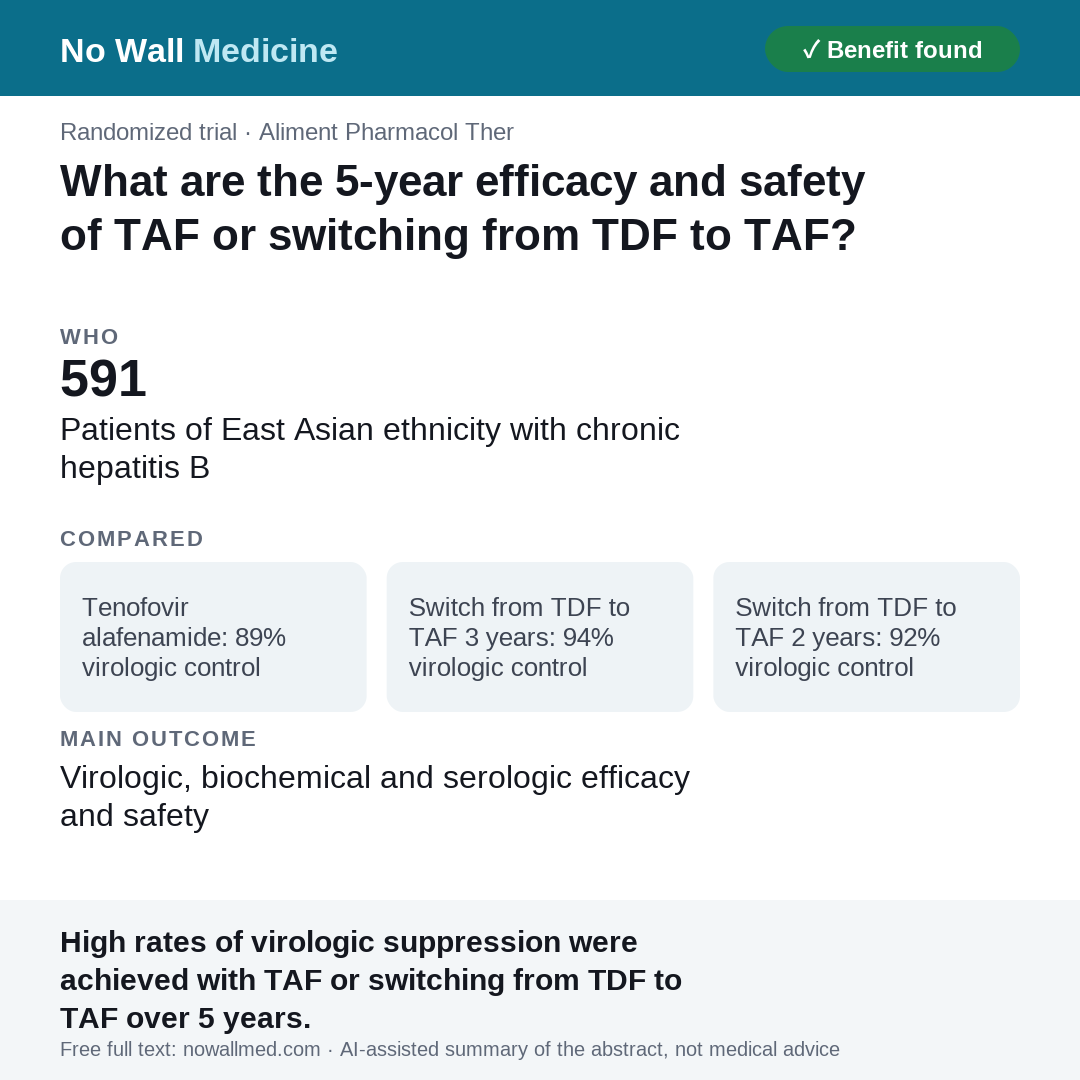
Efficacy and Safety of Tenofovir Alafenamide (TAF) and Tenofovir Disoproxil Fumarate (TDF) Followed by TAF in Chronic Hepatitis B Patients of East Asian Ethnicity Following 5 Years of Treatment
Randomized trialBenefit found
What are the 5-year efficacy and safety of TAF or switching from TDF to TAF?
Who
591
Patients of East Asian ethnicity with chronic hepatitis B
Compared
Tenofovir alafenamide: 89% virologic control
Switch from TDF to TAF 3 years: 94% virologic control
Switch from TDF to TAF 2 years: 92% virologic control
Main outcome
Virologic, biochemical and serologic efficacy and safety
Bottom line: High rates of virologic suppression were achieved with TAF or switching from TDF to TAF over 5 years.
Aliment Pharmacol Ther · 2025-08-12Download image
Systematic Review: The Relationship Between the Faecal Microbiome and Colorectal Neoplasia in Shotgun Metagenomic Studies
Systematic review of shotgun metagenomic studiesMixed results
What is the relationship between the faecal microbiome and colorectal neoplasia?
Who
Patients with colorectal neoplasia and control populations · Asia, Europe, and North America
Compared
Colorectal cancer patients: significant enrichment of Fusobacterium nucleatum and Parvimonas micra
Controls
Main outcome
Association between gut microbiome organisms and colorectal neoplasia
Bottom line: Fusobacterium nucleatum and Parvimonas micra are enriched in colorectal cancer, but findings require caution due to heterogeneity.
Limitation: Poor quality appraisal regarding selection of cases and controls and varied control definitions.
Aliment Pharmacol Ther · 2025-08-12Download image

Cefixime versus benzathine penicillin G for the treatment of early syphilis-a randomized, controlled open label trial
Randomized, controlled, open label trialNo clear difference
Is cefixime effective and safe for treating early syphilis compared to benzathine penicillin G?
Who
61
Patients with confirmed early syphilis
Compared
cefixime 400 mg twice a day: 73.3% (22/30) at 3 months
benzathine penicillin G 2.4 MIU: 87.1% (27/31) at 3 months
Main outcome
Four-fold or more decrease in Venereal Disease Research Laboratory titre
Bottom line: Oral cefixime is an effective and safe therapy for early syphilis compared to benzathine penicillin G.
Limitation: Additional efficacy data from larger treatment studies are imperative.
J Antimicrob Chemother · 2025-08-12Download image

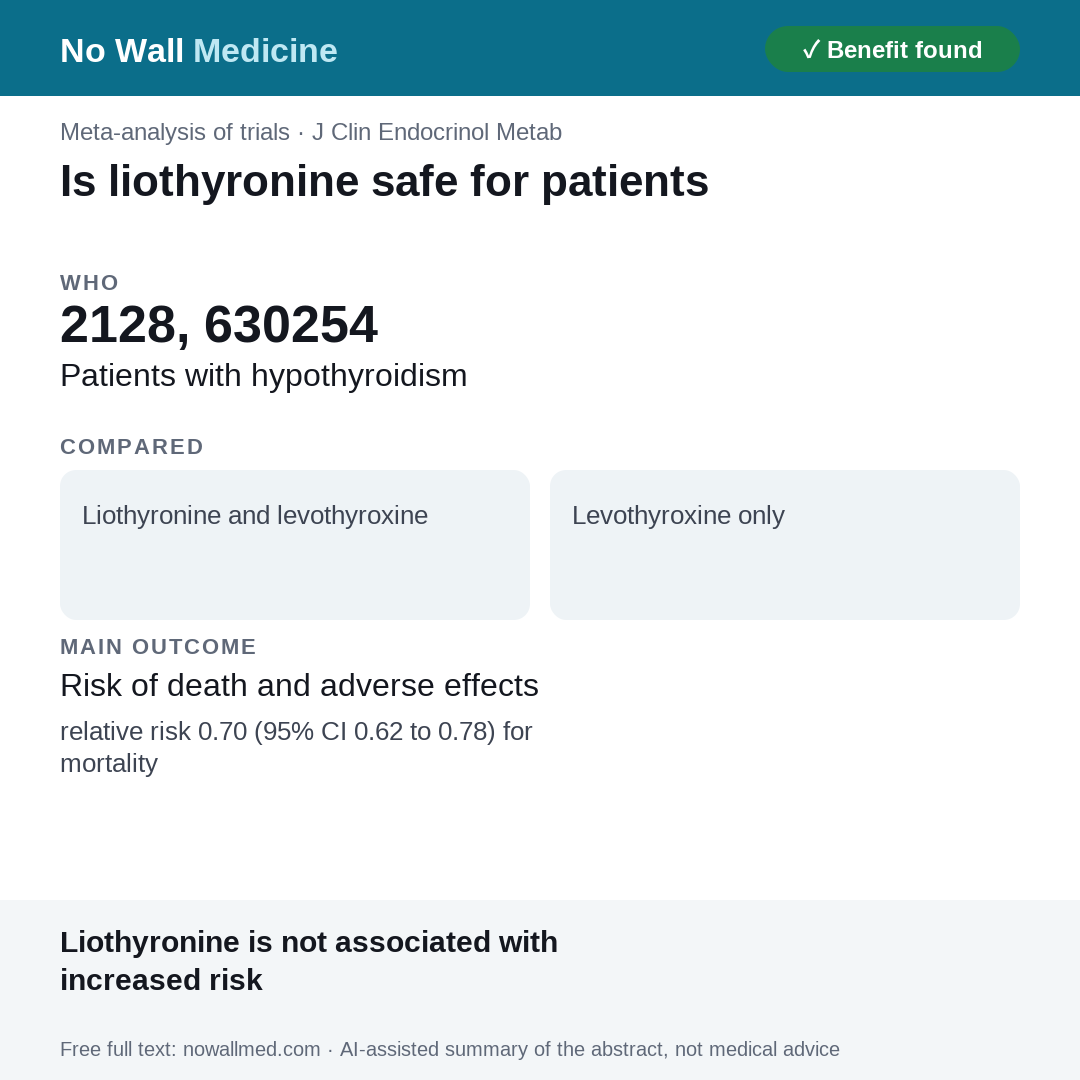
Risk of Death and Adverse Effects in Patients on Liothyronine: A Multisource Systematic Review and Meta-analysis
Meta-analysis of trialsBenefit found
Is liothyronine safe for patients
Who
2128, 630254
Patients with hypothyroidism
Compared
Liothyronine and levothyroxine
Levothyroxine only
Main outcome
Risk of death and adverse effects
Result: relative risk 0.70 (95% CI 0.62 to 0.78) for mortality
Bottom line: Liothyronine is not associated with increased risk
J Clin Endocrinol Metab · 2025-08-12Download image
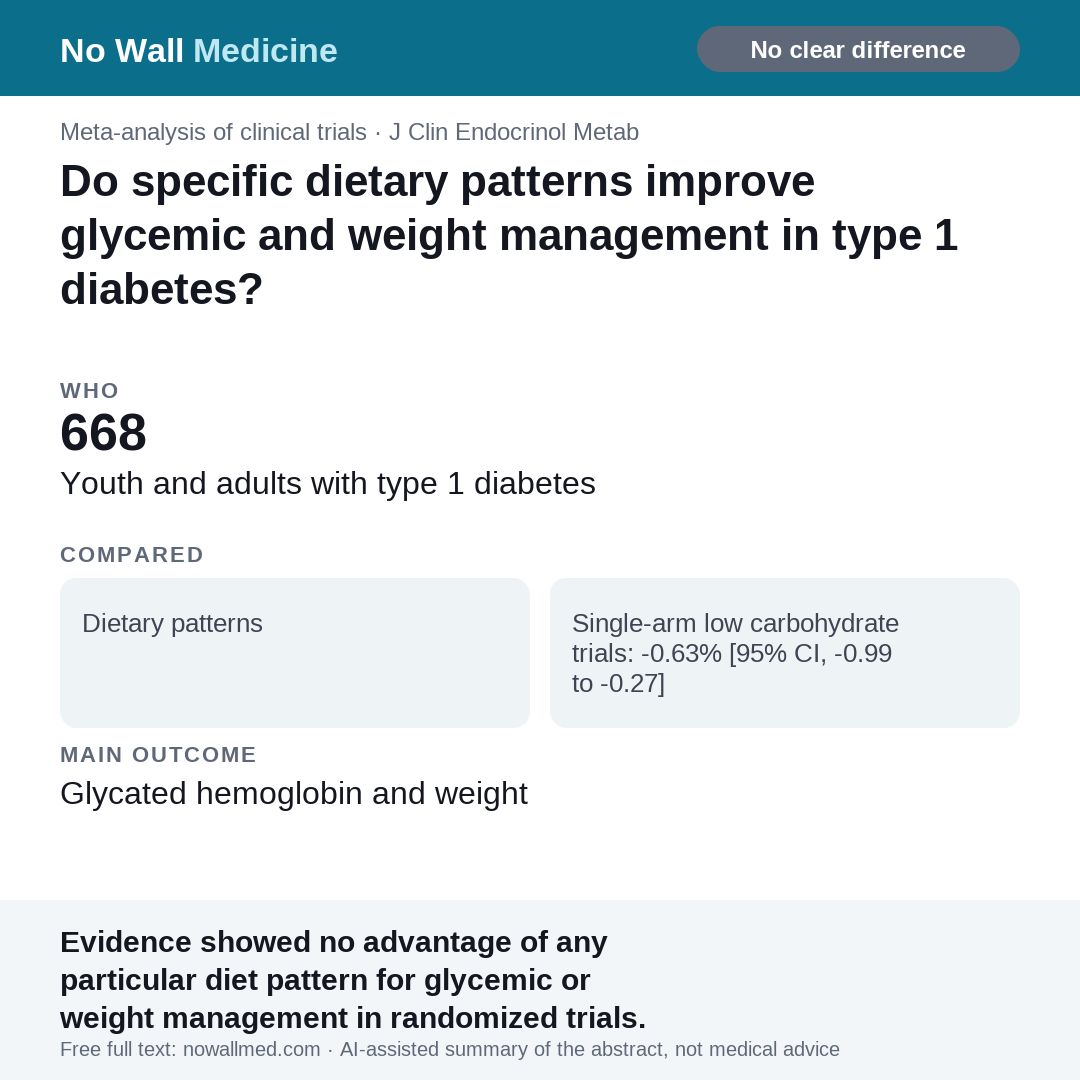
Dietary Patterns for Weight and Glycemic Management in Persons With Type 1 Diabetes: A Meta-analysis of Clinical Trials
Meta-analysis of clinical trialsNo clear difference
Do specific dietary patterns improve glycemic and weight management in type 1 diabetes?
Who
668
Youth and adults with type 1 diabetes
Compared
Dietary patterns
Single-arm low carbohydrate trials: -0.63% [95% CI, -0.99 to -0.27]
Main outcome
Glycated hemoglobin and weight
Bottom line: Evidence showed no advantage of any particular diet pattern for glycemic or weight management in randomized trials.
Limitation: Limited evidence precluded subgroup analyses to inform precision nutrition approaches.
J Clin Endocrinol Metab · 2025-08-12Download image
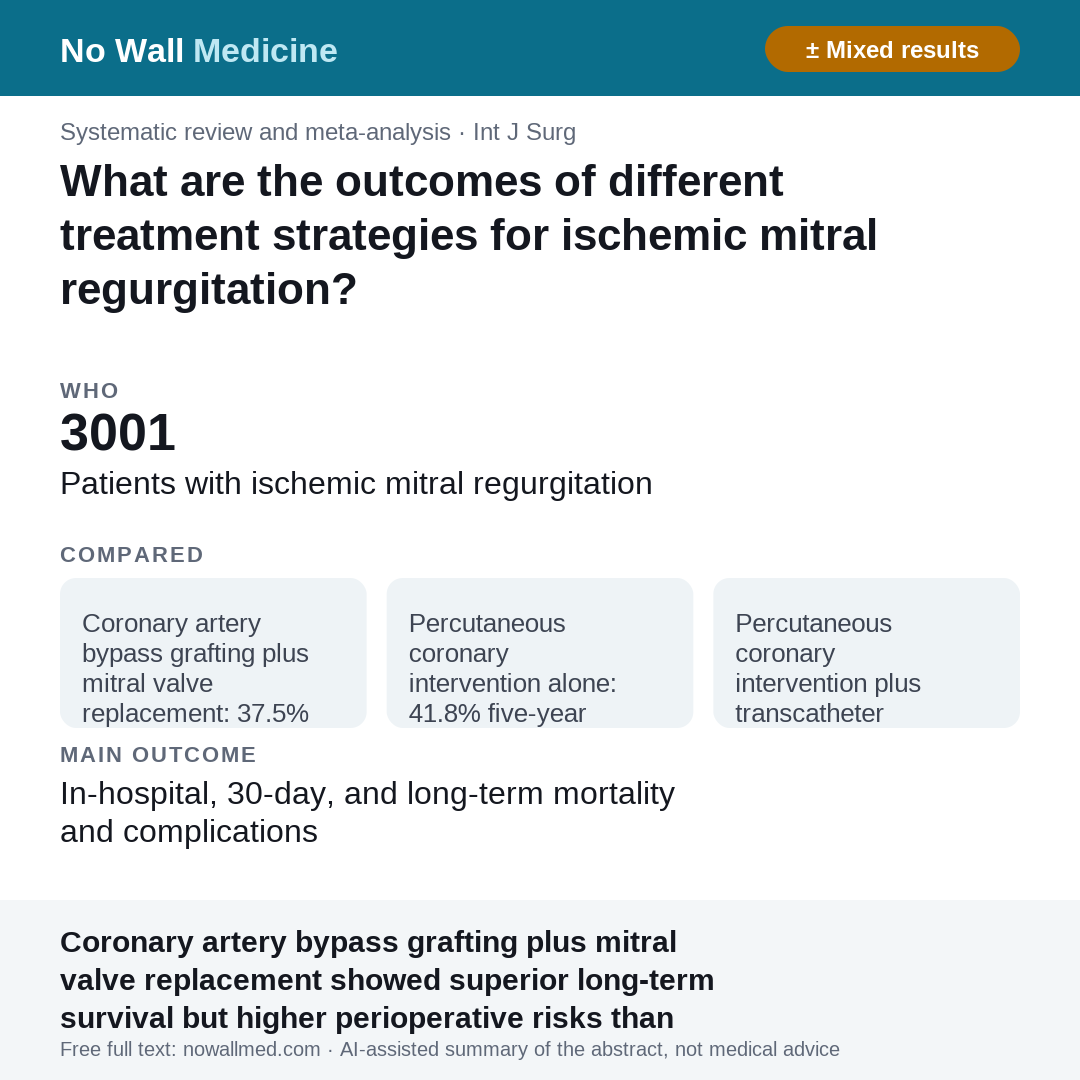
Treatment strategies for patients with ischemic mitral regurgitation: a systematic review and meta-analysis
Systematic review and meta-analysisMixed results
What are the outcomes of different treatment strategies for ischemic mitral regurgitation?
Who
3001
Patients with ischemic mitral regurgitation
Compared
Coronary artery bypass grafting plus mitral valve replacement: 37.5% five-year mortality
Percutaneous coronary intervention alone: 41.8% five-year mortality
Percutaneous coronary intervention plus transcatheter edge-to-edge repair: 13.8% (95% CI 3.9%-31.7%) in-hospital/30-day mortality
Main outcome
In-hospital, 30-day, and long-term mortality and complications
Bottom line: Coronary artery bypass grafting plus mitral valve replacement showed superior long-term survival but higher perioperative risks than percutaneous coronary intervention.
Limitation: Robust comparative trials are needed to optimize ischemic mitral regurgitation management.
Int J Surg · 2025-08-12Download image
Circulating tumor DNA as a biomarker for progression and survival in esophageal cancer after neoadjuvant therapy and esophagectomy: a systematic review and meta-analysis
Systematic review and meta-analysisBenefit found
Does circulating tumor DNA predict survival and pathologic complete response in esophageal cancer?
Who
334
Esophageal cancer patients undergoing neoadjuvant therapy and esophagectomy
Compared
ctDNA detection post-neoadjuvant therapy: HR 3.81 (95% CI: 2.19-6.64) for progression-free survival
ctDNA detection post-surgery: HR 4.17 (95% CI: 2.17-8.04) for progression-free survival
Main outcome
progression-free survival, overall survival, and pathologic complete response
Result: HR 3.81 (95% CI: 2.19-6.64) for progression-free survival post-neoadjuvant therapy
Bottom line: Circulating tumor DNA detection after neoadjuvant therapy or surgery predicts worse survival and lower pathologic complete response rates.
Limitation: Further standardization of circulating tumor DNA detection methods is essential.
Int J Surg · 2025-08-12Download image

Acute Exercise before Dialysis Is as Cardioprotective as during Dialysis: A Randomized Controlled Trial
Open-label, randomized cross-over trialBenefit found
Is predialysis exercise as cardioprotective as intradialytic exercise for hemodialysis-induced myocardial stunning?
Who
25
Patients with end-stage kidney disease
Compared
Standard hemodialysis
Hemodialysis with intradialytic exercise: estimated difference, 1.60 segments (95% confidence interval, 0.09 to 3.10)
Hemodialysis preceded by exercise: estimated difference, 1.72 segments (95% confidence interval, 0.21 to 3.22)
Main outcome
Left ventricular regional wall motion abnormalities
Bottom line: Physical exercise before hemodialysis provides cardioprotective effects comparable to exercise during hemodialysis.
CJASN · 2025-08-12Download image

Treatment and prognostic factors in PMR: a systematic literature review informing German, Austrian and Swiss guidelines
Systematic literature reviewBenefit found
What are the effective therapeutic interventions and prognostic factors in polymyalgia rheumatica?
Who
Patients with pure polymyalgia rheumatica · Not specified
Compared
Interleukin-6 receptor inhibitors: higher remission rates and reduced glucocorticoid use
Rituximab and tofacitinib: indicated benefit
Methotrexate: showed limited efficacy
Main outcome
therapeutic interventions and prognostic factors
Bottom line: Interleukin-6 receptor inhibitors are effective glucocorticoid-sparing agents in polymyalgia rheumatica.
Limitation: Studies on prognostic factors were of variable quality and yielded inconclusive results.
Rheumatology · 2025-08-12Download image

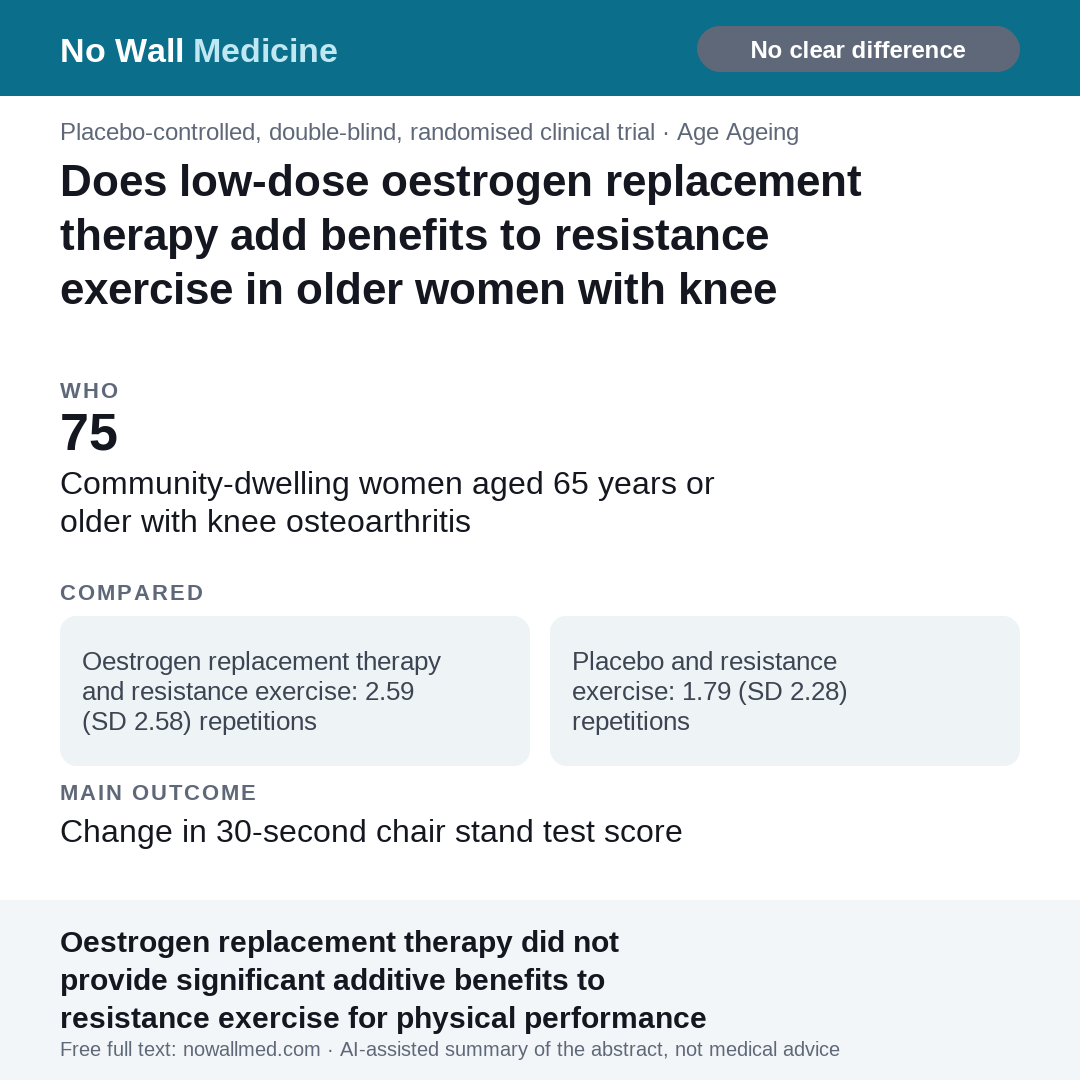
Oestrogen replacement combined with resistance exercise in older women with knee osteoarthritis: a randomised, double-blind, placebo-controlled clinical trial
Placebo-controlled, double-blind, randomised clinical trialNo clear difference
Does low-dose oestrogen replacement therapy add benefits to resistance exercise in older women with knee osteoarthritis?
Who
75
Community-dwelling women aged 65 years or older with knee osteoarthritis
Compared
Oestrogen replacement therapy and resistance exercise: 2.59 (SD 2.58) repetitions
Placebo and resistance exercise: 1.79 (SD 2.28) repetitions
Main outcome
Change in 30-second chair stand test score
Result: regression coefficient: 0.81 (95% CI: -0.31, 1.92)
Bottom line: Oestrogen replacement therapy did not provide significant additive benefits to resistance exercise for physical performance in older women.
Age Ageing · 2025-08-12Download image
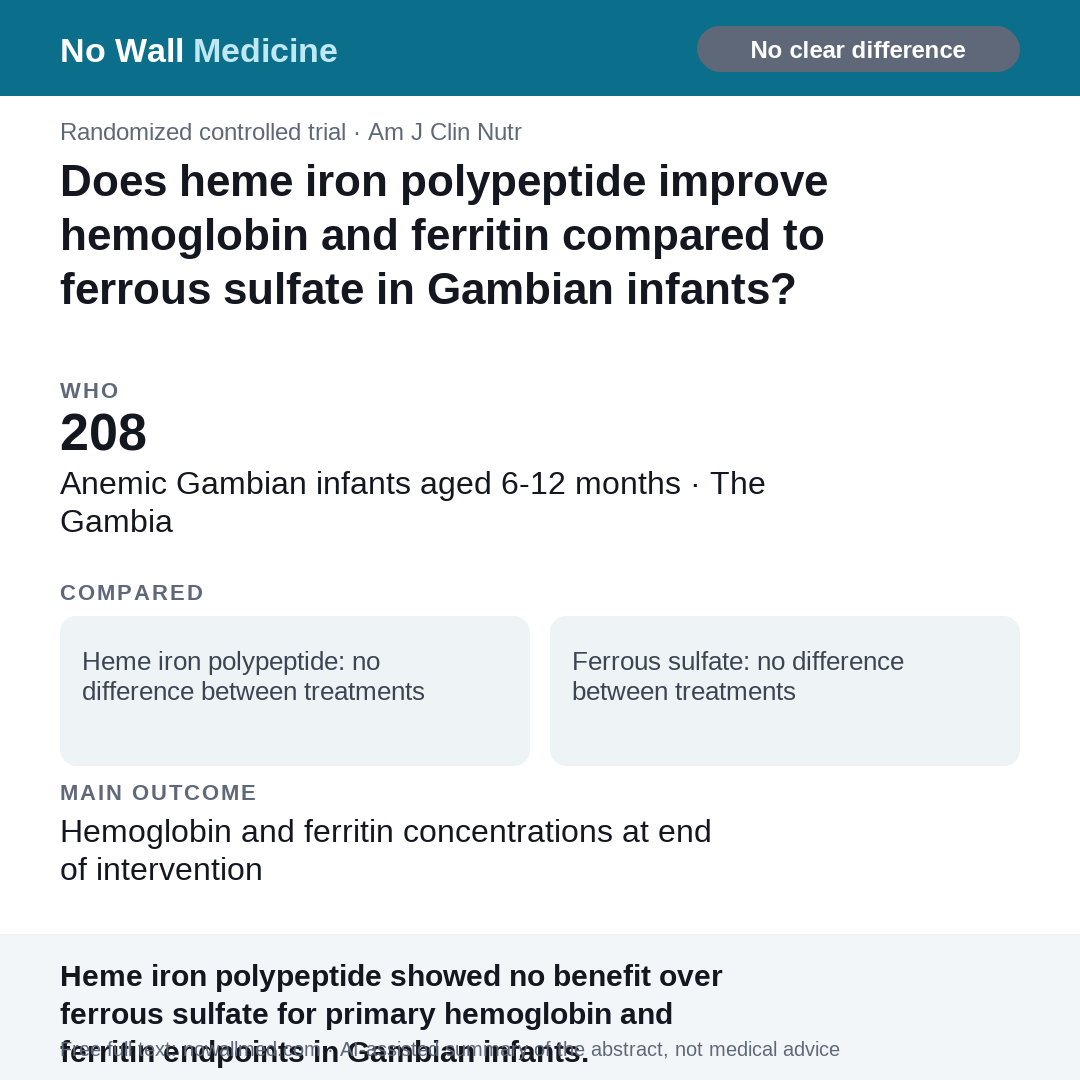
Heme iron compared with ferrous iron salts to treat iron deficiency anemia in Gambian children: a randomized controlled trial
Randomized controlled trialNo clear difference
Does heme iron polypeptide improve hemoglobin and ferritin compared to ferrous sulfate in Gambian infants?
Who
208
Anemic Gambian infants aged 6-12 months · The Gambia
Compared
Heme iron polypeptide: no difference between treatments
Ferrous sulfate: no difference between treatments
Main outcome
Hemoglobin and ferritin concentrations at end of intervention
Bottom line: Heme iron polypeptide showed no benefit over ferrous sulfate for primary hemoglobin and ferritin endpoints in Gambian infants.
Am J Clin Nutr · 2025-08-12Download image