Visual abstracts
New randomized trials and meta-analyses from leading journals at a glance: who was studied, what was compared, and what was found. Every paper is free to read in full.
All specialtiesCardiology 4129Oncology 3537Gastroenterology & Hepatology 1640Infectious Disease 3106Neurology 1644Psychiatry & Mental Health 1944Pulmonology 1789Critical Care 1169Endocrinology & Diabetes 2136Pediatrics 2491Surgery 2189Orthopedics & Sports Medicine 777Neurosurgery 467Cardiothoracic & Vascular Surgery 520Plastic & Reconstructive Surgery 545Nephrology 931Rheumatology 685Hematology 925Dermatology 524Ophthalmology 450Obstetrics & Gynecology 1443Public & Global Health 830Radiology & Imaging 551Anesthesiology 844Urology 663ENT (Otolaryngology) 445Emergency Medicine 443Allergy & Immunology 259Geriatrics 856Family Medicine & Primary Care 488Medical Genetics & Genomics 579Pathology & Laboratory Medicine 142Physical Medicine & Rehabilitation 634Palliative Care 374Nutrition 1273Digital Health & AI 1913General Medicine 287
Radiation exposure and screening yield by digital breast tomosynthesis compared to mammography: results of the TOSYMA Trial breast density related
Randomized trialBenefit found
How do radiation dose and cancer detection rates compare between DBT plus SM and DM?
Who
99689
Women aged 50 to 69 years
Compared
Digital breast tomosynthesis plus synthesized mammography: AGD declined from 2.41 mGy to 1.89 mGy
Digital mammography: AGD was 1.46 and 1.51 mGy
Main outcome
Average glandular dose and invasive cancer detection rates
Bottom line: Digital breast tomosynthesis plus synthesized mammography offers higher cancer detection with moderate radiation dose increases in dense breasts.
Eur Radiol · 2024-07-16Download image

Effectiveness of dexmedetomidine on patient-centred outcomes in surgical patients: a systematic review and Bayesian meta-analysis
Systematic review and Bayesian meta-analysisMixed results
Is intraoperative dexmedetomidine effective for patient-centred outcomes in surgical patients?
Who
5904
Adult patients requiring surgery under general anaesthesia
Compared
Dexmedetomidine
Placebo, opioid, or usual care
Main outcome
Quality of recovery after surgery
Result: mean difference 9, 95% CrI 4-14
Bottom line: Intraoperative dexmedetomidine improves quality of recovery and reduces chronic pain but may increase hypotension and bradycardia risks.
Limitation: Very low certainty of evidence for hypotension and bradycardia risks.
Br J Anaesth · 2024-07-16Download image

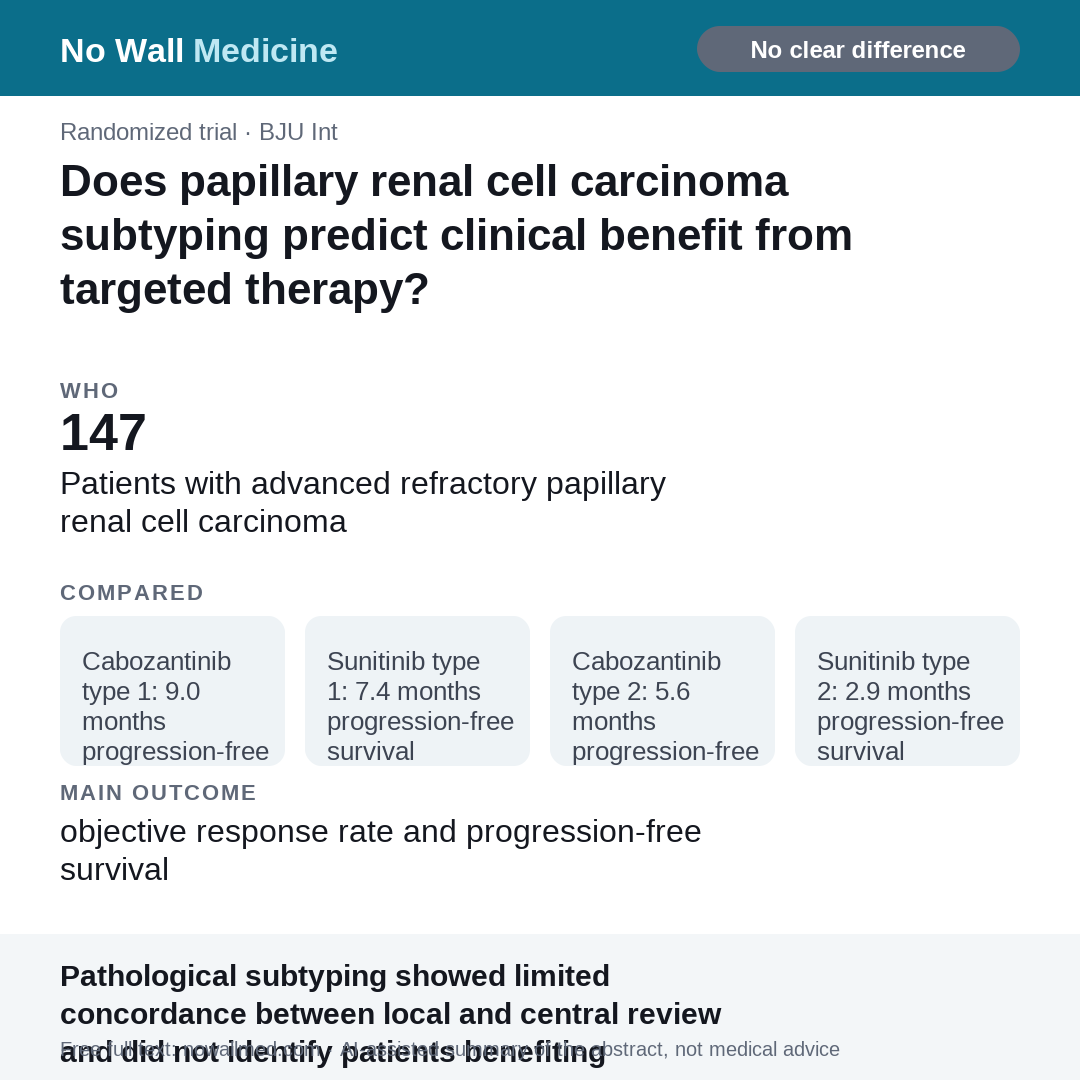
Pathological concordance rate and outcomes by subtype in advanced papillary renal cell carcinoma
Randomized trialNo clear difference
Does papillary renal cell carcinoma subtyping predict clinical benefit from targeted therapy?
Who
147
Patients with advanced refractory papillary renal cell carcinoma
Compared
Cabozantinib type 1: 9.0 months progression-free survival
Sunitinib type 1: 7.4 months progression-free survival
Cabozantinib type 2: 5.6 months progression-free survival
Sunitinib type 2: 2.9 months progression-free survival
Main outcome
objective response rate and progression-free survival
Bottom line: Pathological subtyping showed limited concordance between local and central review and did not identify patients benefiting more from cabozantinib.
BJU Int · 2024-07-16Download image
Effect of digital tools to promote hospital quality and safety on adverse events after discharge
Randomized trialNo clear difference
Do electronic health record integrated digital tools reduce post-discharge adverse events?
Who
260
Adult general medicine patients at a community hospital · A community hospital
Compared
Pre-implementation
Dashboard
Dashboard plus discharge checklist
Main outcome
New and worsening symptoms and adverse events after discharge
Bottom line: Digital tools did not significantly reduce post-discharge adverse events or new and worsening symptoms.
J Am Med Inform Assoc · 2024-07-16Download image

Diagnostic accuracy of deep learning using speech samples in depression: a systematic review and meta-analysis
Systematic review and meta-analysisBenefit found
What is the diagnostic accuracy of deep learning using speech samples in depression?
Who
8
Studies reporting diagnostic results of deep learning algorithms in depression using speech data
Compared
0.89Handcrafted group (95% CI, 0.81-0.97)
End-to-end model
Main outcome
Diagnostic accuracy, sensitivity, and specificity
Result: accuracy 0.87 (95% CI, 0.81-0.93)
Bottom line: Deep learning using speech samples is a useful tool for depression detection, especially with handcrafted acoustic features.
Limitation: All studies used convolutional neural network models, making it hard to decipher other deep learning algorithms.
J Am Med Inform Assoc · 2024-07-16Download image

Spatial distribution of tumour immune infiltrate predicts outcomes of patients with high-risk soft tissue sarcomas after neoadjuvant chemotherapy
Randomized trialMixed results
Does spatial distribution of tumour immune infiltrate predict outcomes in high-risk soft tissue sarcomas?
Who
Patients with primary high-risk soft tissue sarcomas
Compared
Anthracycline plus ifosfamide
Histology-tailored neoadjuvant chemotherapy
Main outcome
Disease-free survival and overall survival
Bottom line: Spatial distribution of immune cells and sarcoma immune index scores predict patient outcomes after chemotherapy.
Funded by: Pharmamar, Italian Ministry of Health, and AIRC
eBioMedicine · 2024-07-16Download image

The performance of digital technologies for measuring tuberculosis medication adherence: a systematic review
Systematic reviewMixed results
How do digital technologies perform for measuring tuberculosis medication adherence?
Who
Persons with tuberculosis disease
Compared
Medication sleeves with phone calls: sensitivity 70%-94% and specificity 0%-61%
Digital pillboxes: sensitivity 25%-99% and specificity 69%-100%
Ingestible sensors: sensitivity ≥95%
Main outcome
Sensitivity and specificity for measuring medication adherence
Bottom line: Digital technologies show suboptimal and variable performance for tuberculosis dose monitoring with significant evidence gaps.
Limitation: Participant selection was the most frequent potential source of bias.
BMJ Glob Health · 2024-07-16Download image

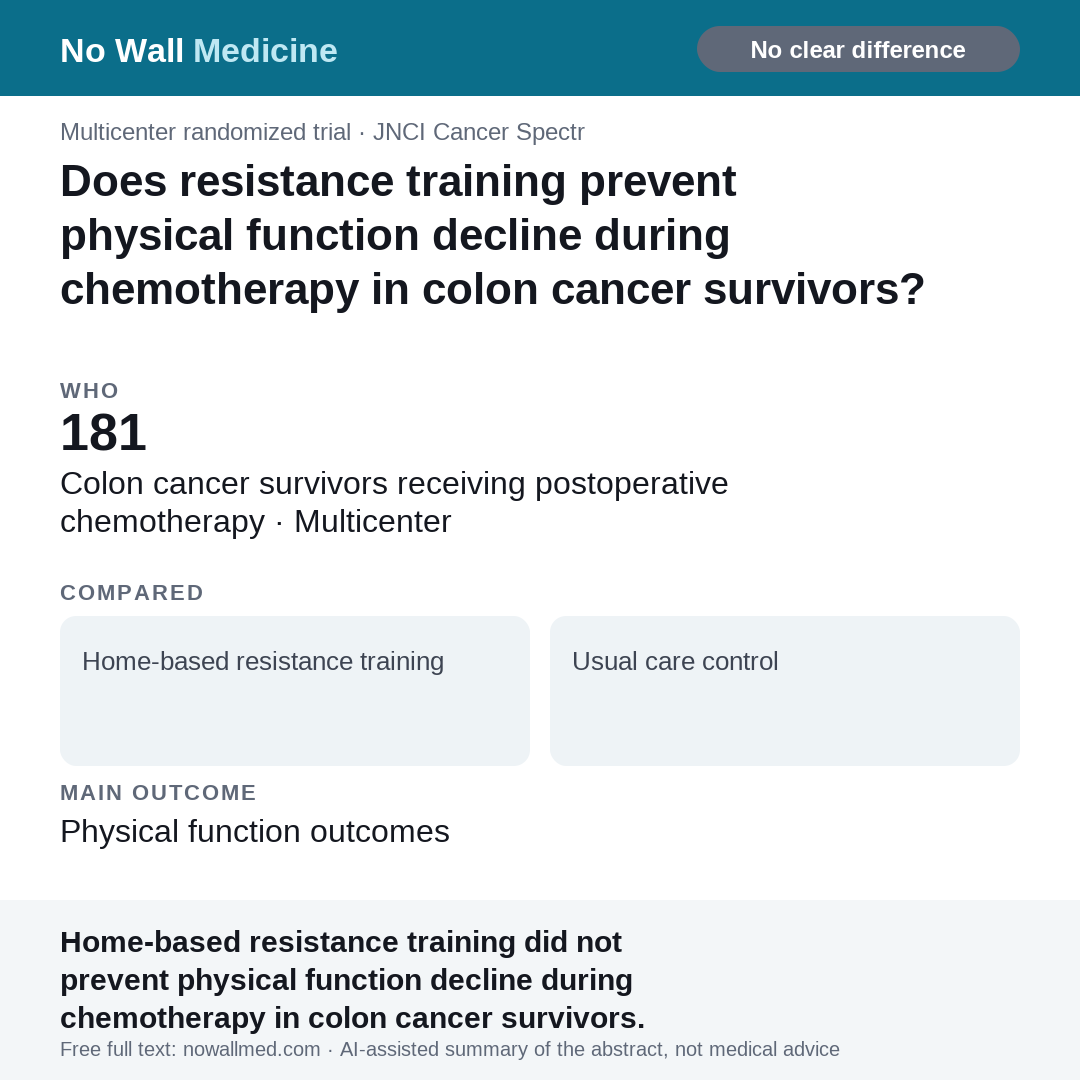
Effect of resistance training on physical function during chemotherapy in colon cancer
Multicenter randomized trialNo clear difference
Does resistance training prevent physical function decline during chemotherapy in colon cancer survivors?
Who
181
Colon cancer survivors receiving postoperative chemotherapy · Multicenter
Compared
Home-based resistance training
Usual care control
Main outcome
Physical function outcomes
Result: estimated treatment difference -0.01 (95% CI -0.32 to 0.31)
Bottom line: Home-based resistance training did not prevent physical function decline during chemotherapy in colon cancer survivors.
JNCI Cancer Spectr · 2024-07-16Download image
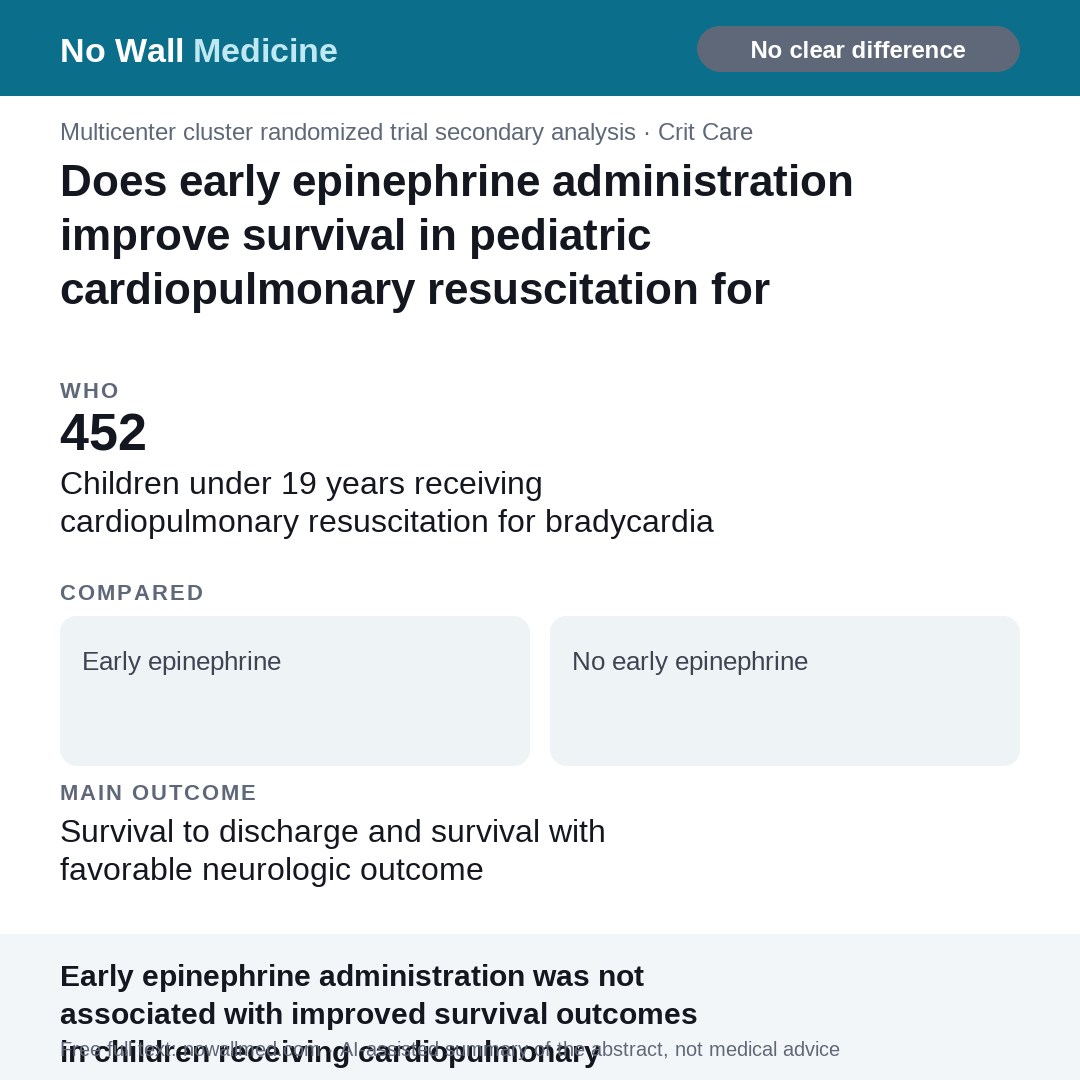
Early bolus epinephrine administration during pediatric cardiopulmonary resuscitation for bradycardia with poor perfusion: an ICU-resuscitation study
Multicenter cluster randomized trial secondary analysisNo clear difference
Does early epinephrine administration improve survival in pediatric cardiopulmonary resuscitation for bradycardia?
Who
452
Children under 19 years receiving cardiopulmonary resuscitation for bradycardia · 18 intensive care units in the United States
Compared
Early epinephrine
No early epinephrine
Main outcome
Survival to discharge and survival with favorable neurologic outcome
Result: aRR 0.97 (95% CI 0.82 to 1.14) for survival to discharge
Bottom line: Early epinephrine administration was not associated with improved survival outcomes in children receiving cardiopulmonary resuscitation for bradycardia.
Crit Care · 2024-07-16Download image
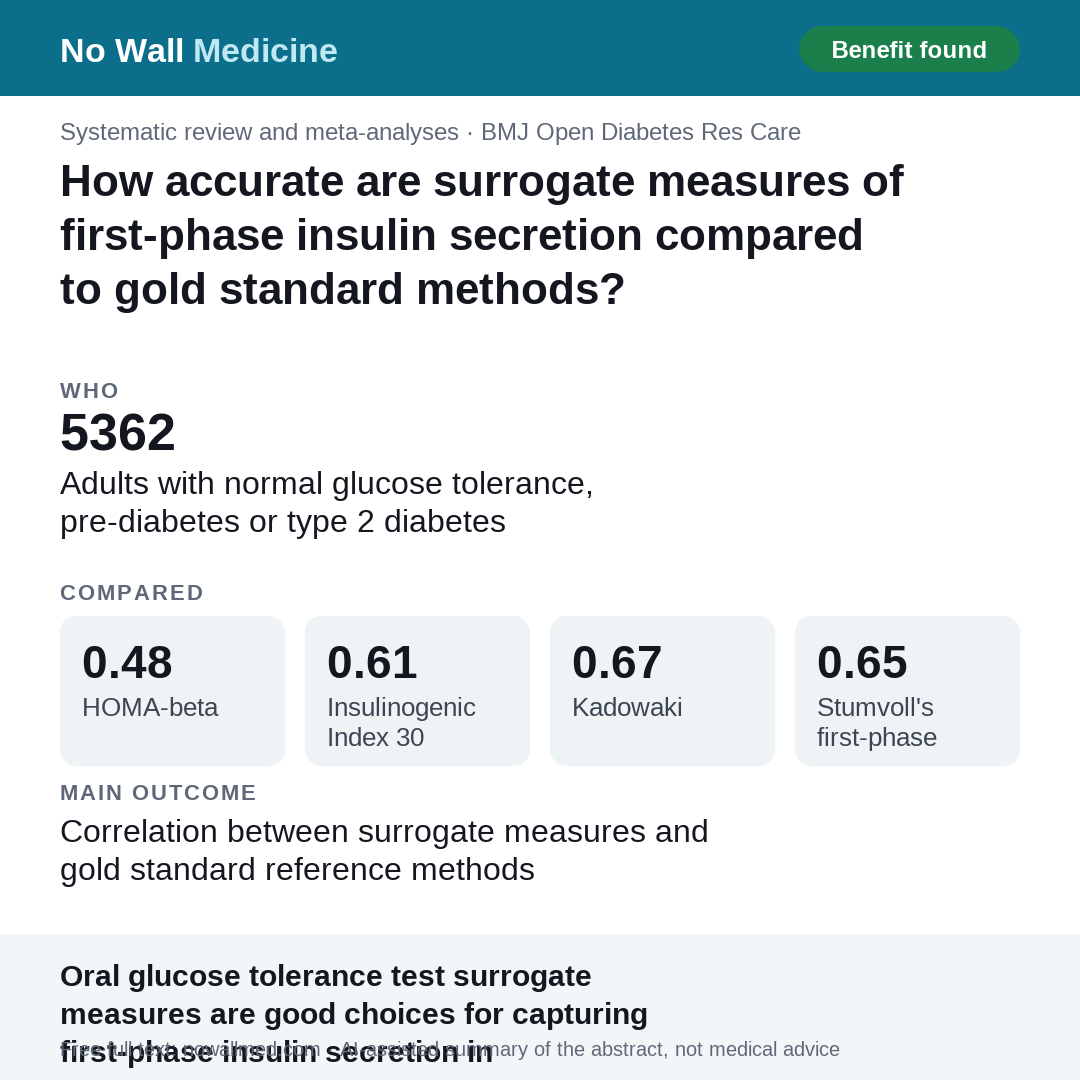
Surrogate measures of first-phase insulin secretion versus reference methods intravenous glucose tolerance test and hyperglycemic clamp: a systematic review and meta-analyses
Systematic review and meta-analysesBenefit found
How accurate are surrogate measures of first-phase insulin secretion compared to gold standard methods?
Who
5362
Adults with normal glucose tolerance, pre-diabetes or type 2 diabetes
Compared
0.48HOMA-beta (95% CI 0.40 to 0.56)
0.61Insulinogenic Index 30 (95% CI 0.54 to 0.68)
0.67Kadowaki (95% CI 0.61 to 0.73)
0.65Stumvoll's first-phase secretion (95% CI 0.58 to 0.71)
Main outcome
Correlation between surrogate measures and gold standard reference methods
Bottom line: Oral glucose tolerance test surrogate measures are good choices for capturing first-phase insulin secretion in epidemiological studies.
BMJ Open Diabetes Res Care · 2024-07-16Download image
Performance and safety of the PRICO closed-loop oxygen saturation targeting system in neonates: pragmatic multicentre cross-over study (TarOx Study)
Multicentre randomised cross-over studyBenefit found
Does the PRICO system improve automated fraction of inspired oxygen control in neonates?
Who
39
39 infants receiving non-invasive or invasive respiratory support · Five neonatal intensive care units
Compared
Automated control: 74%±22%
Manual control: 51%±22%
Main outcome
Proportion of time in normoxaemia
Bottom line: The PRICO automated oxygen control algorithm improves time in normoxaemia and avoids hyperoxaemia without increasing hypoxaemia.
BMJ Paediatr Open · 2024-07-16Download image

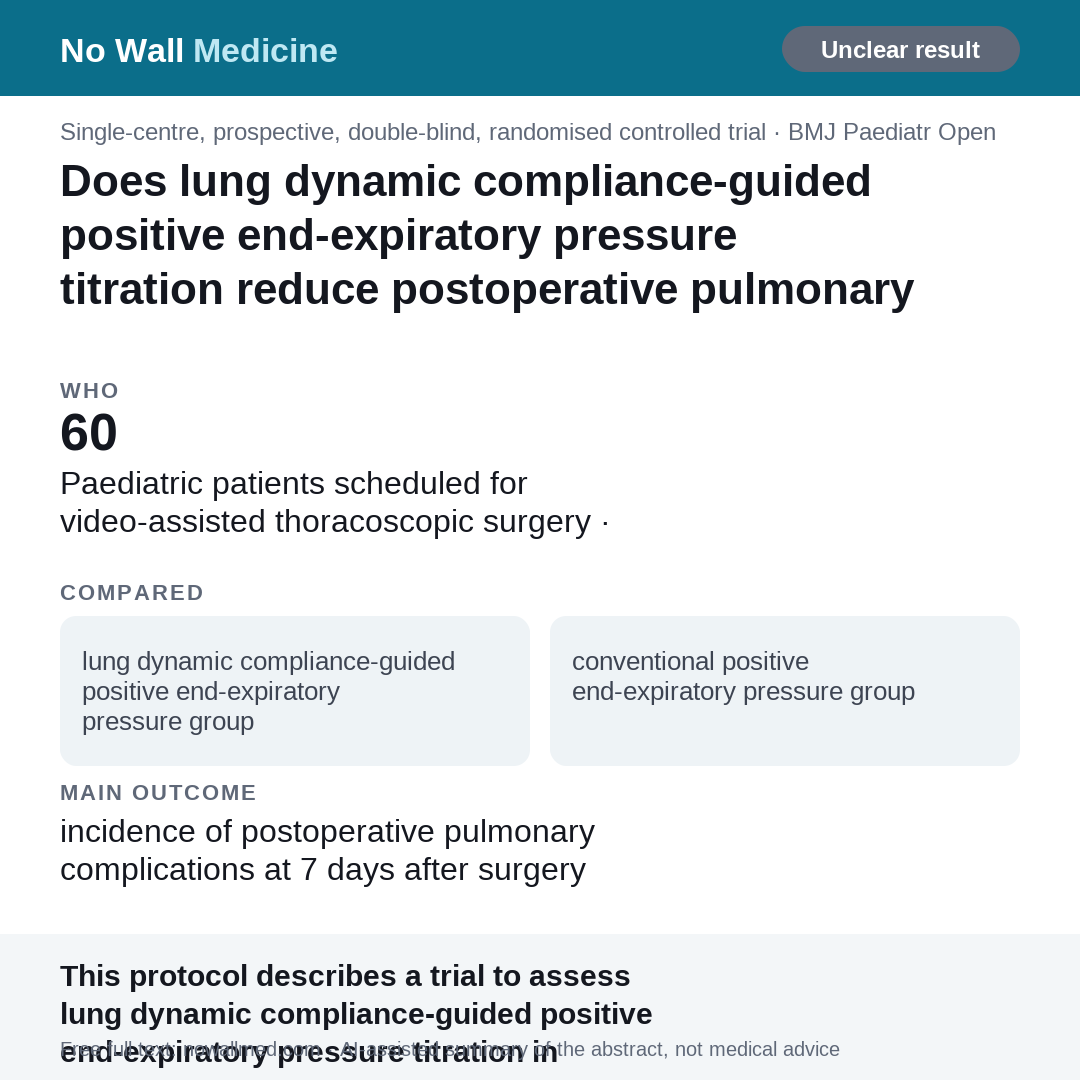
Effects of individualised lung-protective ventilation with lung dynamic compliance-guided positive end-expiratory pressure titration on postoperative pulmonary complications of paediatric video-assisted thoracoscopic surgery: protocol for a randomised controlled trial
Single-centre, prospective, double-blind, randomised controlled trialUnclear result
Does lung dynamic compliance-guided positive end-expiratory pressure titration reduce postoperative pulmonary complications?
Who
60
Paediatric patients scheduled for video-assisted thoracoscopic surgery · Shenzhen Children's Hospital
Compared
lung dynamic compliance-guided positive end-expiratory pressure group
conventional positive end-expiratory pressure group
Main outcome
incidence of postoperative pulmonary complications at 7 days after surgery
Bottom line: This protocol describes a trial to assess lung dynamic compliance-guided positive end-expiratory pressure titration in children.
BMJ Paediatr Open · 2024-07-16Download image
Digital Health Interventions for Chronic Wound Management: A Systematic Review and Meta-Analysis
Systematic review and meta-analysisNo clear difference
Are digital health interventions effective for chronic wound management in adult patients?
Who
6535
Adult patients with chronic wounds
Compared
Digital health interventions
Control
Main outcome
Wound healing
Result: relative risk 1.02 (95% CI 0.93-1.12)
Bottom line: Digital health interventions showed no significant difference in wound healing compared to control groups.
Limitation: More prominent, high-quality randomized controlled trials and detailed clinical efficacy research are needed.
J Med Internet Res · 2024-07-16Download image

Consumer wearable devices for evaluation of heart rate control using digoxin versus beta-blockers: the RATE-AF randomized trial
Randomized trialNo clear difference
Are digoxin or beta-blockers more effective for heart rate control in atrial fibrillation?
Who
53
Older, multimorbid patients with permanent atrial fibrillation and heart failure
Compared
Digoxin
Beta-blockers
Main outcome
Heart rate
Result: regression coefficient 1.22 (95% CI -2.82 to 5.27)
Bottom line: Digoxin and beta-blockers have equivalent effects on heart rate in atrial fibrillation at rest and on exertion.
Nat Med · 2024-07-15Download image

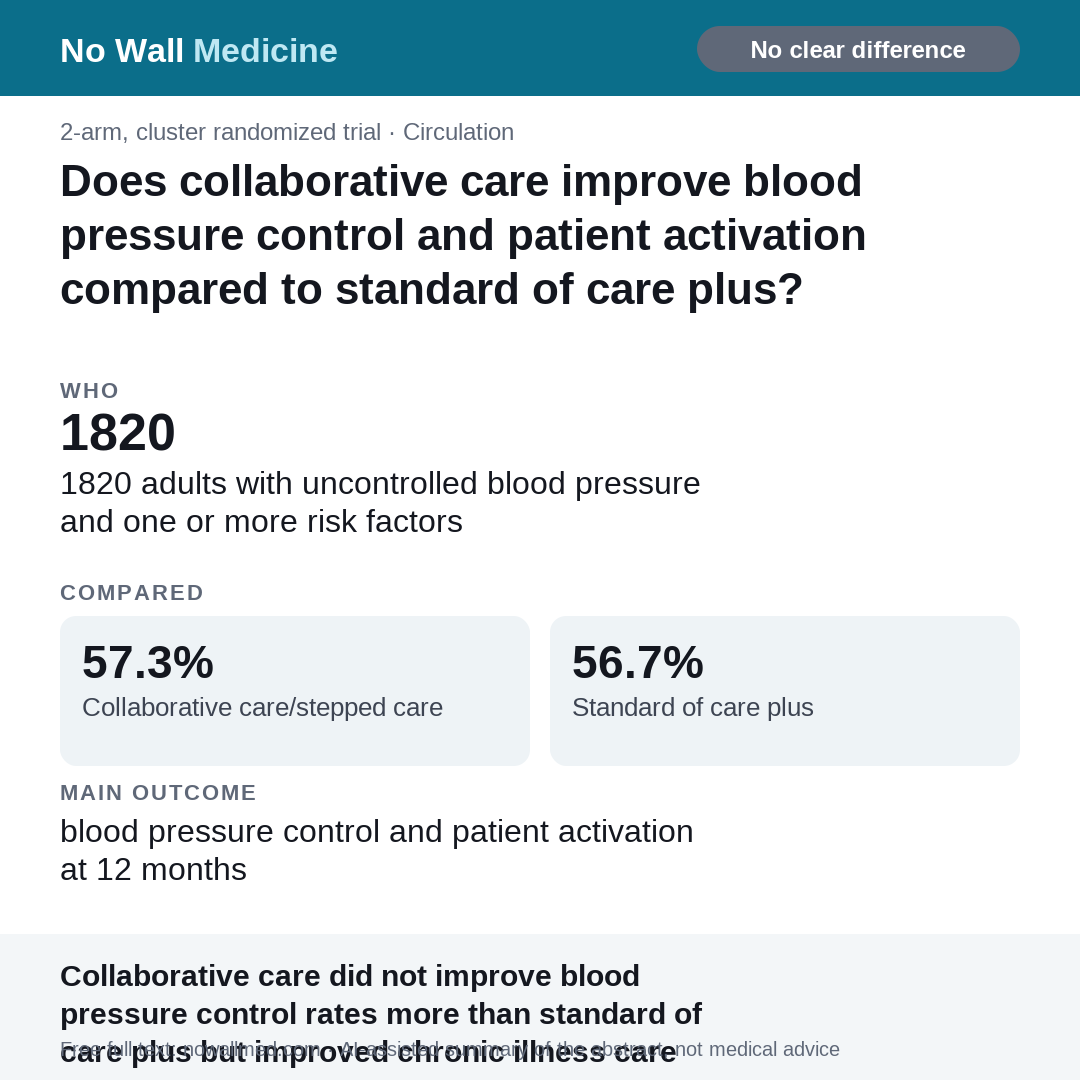
Equitable Care for Hypertension: Blood Pressure and Patient-Reported Outcomes of the RICH LIFE Cluster Randomized Trial
2-arm, cluster randomized trialNo clear difference
Does collaborative care improve blood pressure control and patient activation compared to standard of care plus?
Who
1820
1820 adults with uncontrolled blood pressure and one or more risk factors
Compared
57.3%Collaborative care/stepped care (95% CI, 52.7%-62.0%)
56.7%Standard of care plus (95% CI, 51.9%-61.5%)
Main outcome
blood pressure control and patient activation at 12 months
Bottom line: Collaborative care did not improve blood pressure control rates more than standard of care plus but improved chronic illness care ratings.
Circulation · 2024-07-15Download image
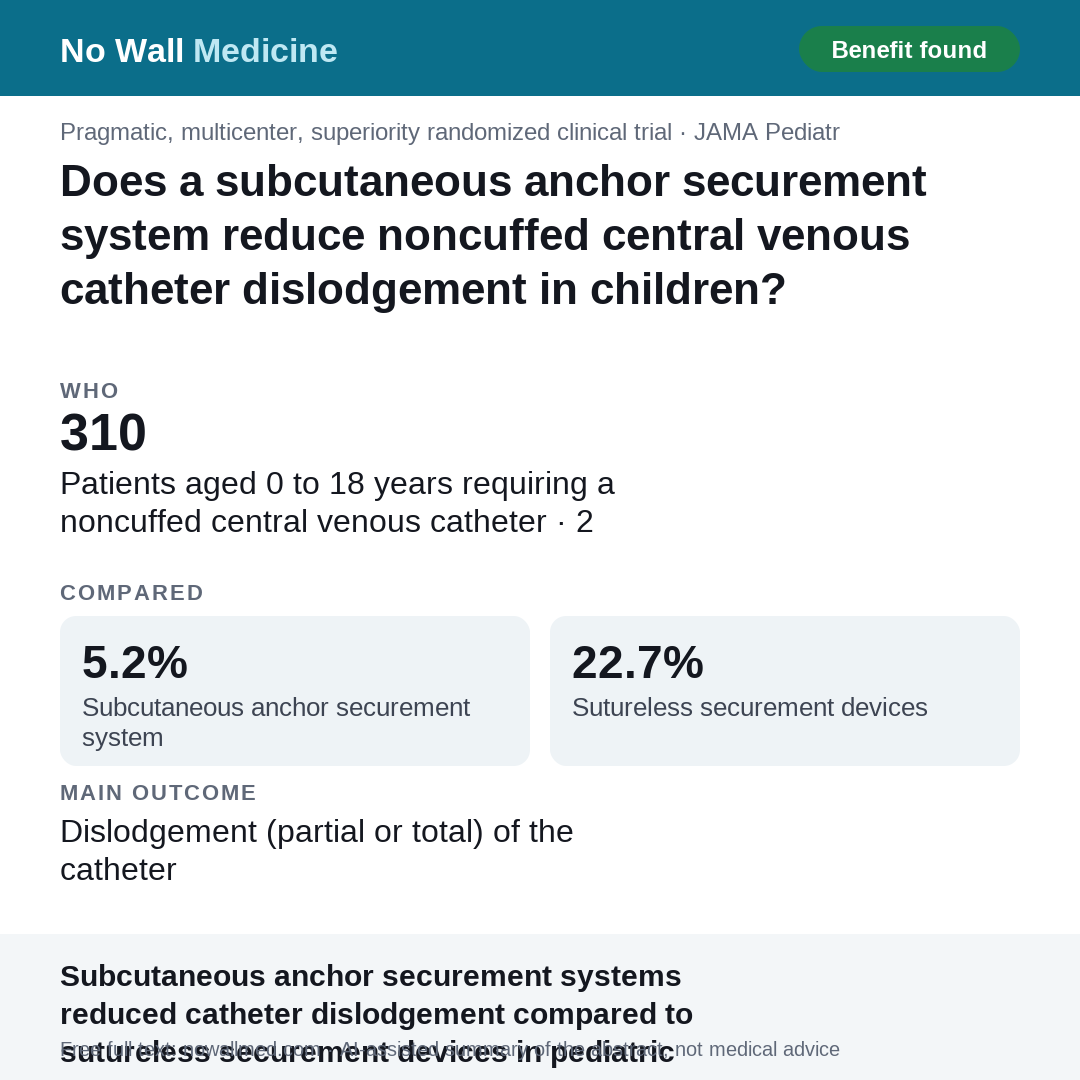
Securement to Prevent Noncuffed Central Venous Catheter Dislodgement in Pediatrics: The SECURED Superiority Randomized Clinical Trial
Pragmatic, multicenter, superiority randomized clinical trialBenefit found
Does a subcutaneous anchor securement system reduce noncuffed central venous catheter dislodgement in children?
Who
310
Patients aged 0 to 18 years requiring a noncuffed central venous catheter · 2 Australian quaternary pediatric hospitals
Compared
5.2%Subcutaneous anchor securement system (8/153)
22.7%Sutureless securement devices (35/154)
Main outcome
Dislodgement (partial or total) of the catheter
Result: risk ratio 0.23 (95% CI, 0.11-0.48)
Bottom line: Subcutaneous anchor securement systems reduced catheter dislodgement compared to sutureless securement devices in pediatric patients.
JAMA Pediatr · 2024-07-15Download image
The prevalence of gambling and problematic gambling: a systematic review and meta-analysis
Systematic review and meta-analysisMixed results
What is the global prevalence of gambling and problematic gambling among adults and adolescents?
Who
380
Adults and adolescents · 68 countries and territories
Compared
46.2%Adults gambling in past 12 months (95% CI 41.7-50.8)
17.9%Adolescents gambling in past 12 months (14.8-21.2)
8.7%Adults engaging in any risk gambling (6.6-11.3)
1.41%Adults engaging in problematic gambling (1.06-1.84)
Main outcome
Prevalence of gambling and problematic gambling
Bottom line: Gambling is globally prevalent, with problematic gambling rates highest among those using online casino or slots formats.
Limitation: There were few data reported on any risk and problematic gambling among adolescent samples.
Funded by: Australian National Health and Medical Research Council
Lancet Public Health · 2024-07-15Download image

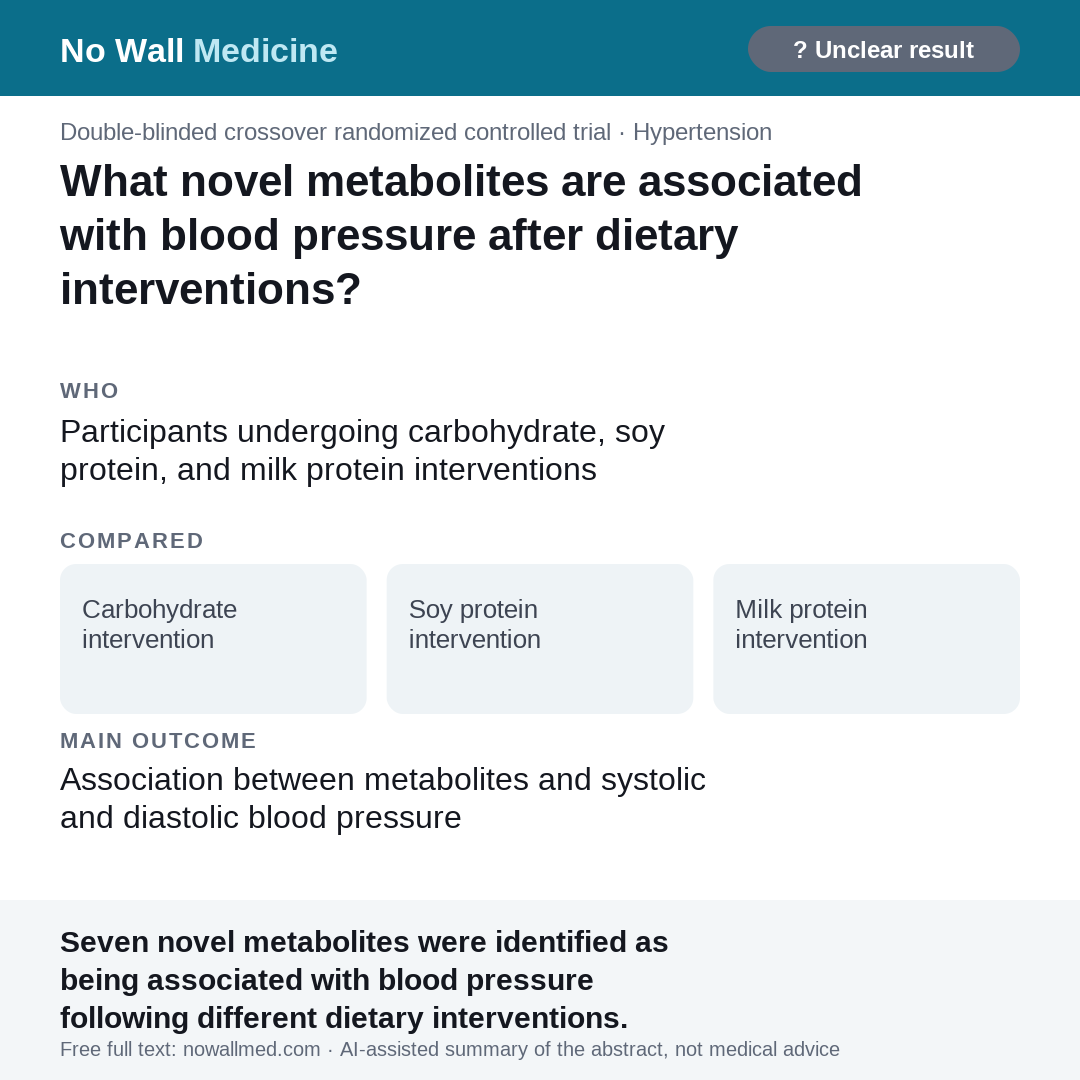
Novel Metabolites Associated With Blood Pressure After Dietary Interventions
Double-blinded crossover randomized controlled trialUnclear result
What novel metabolites are associated with blood pressure after dietary interventions?
Who
Participants undergoing carbohydrate, soy protein, and milk protein interventions
Compared
Carbohydrate intervention
Soy protein intervention
Milk protein intervention
Main outcome
Association between metabolites and systolic and diastolic blood pressure
Bottom line: Seven novel metabolites were identified as being associated with blood pressure following different dietary interventions.
Hypertension · 2024-07-15Download image
Comparison of Gout Flares With the Initiation of Treat-to-Target Allopurinol and Febuxostat: A Post-Hoc Analysis of a Randomized Multicenter Trial
Post-hoc analysis of a randomized, double-blind trialNo clear difference
Is gout flare risk different between allopurinol and febuxostat during treatment initiation?
Who
940
Predominantly male participants with gout · Multicenter trial
Compared
Allopurinol
Febuxostat
Main outcome
Occurrence of gout flares during weeks 0 to 24
Result: hazard ratio 1.17 (febuxostat vs allopurinol)
Bottom line: Gout flare risk during allopurinol initiation and titration is similar to febuxostat when using treat-to-target strategies.
Limitation: This was a post-hoc analysis of a randomized trial
Arthritis Rheumatol · 2024-07-15Download image

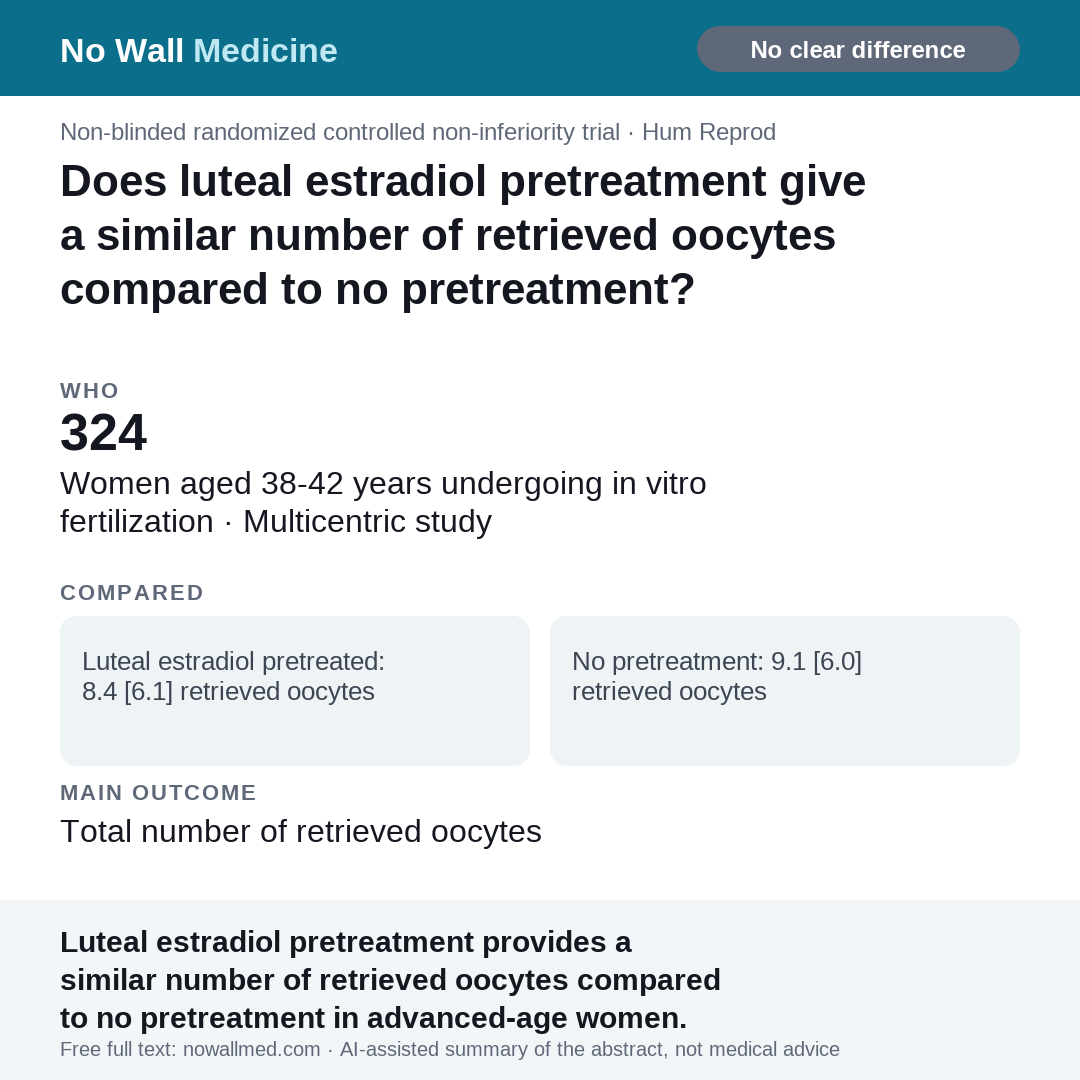
Pretreatment with luteal estradiol for programming antagonist cycles compared to no pretreatment in advanced age women stimulated with corifollitropin alfa: a non-inferiority randomized controlled trial
Non-blinded randomized controlled non-inferiority trialNo clear difference
Does luteal estradiol pretreatment give a similar number of retrieved oocytes compared to no pretreatment?
Who
324
Women aged 38-42 years undergoing in vitro fertilization · Multicentric study
Compared
Luteal estradiol pretreated: 8.4 [6.1] retrieved oocytes
No pretreatment: 9.1 [6.0] retrieved oocytes
Main outcome
Total number of retrieved oocytes
Result: mean difference of -0.44 oocyte 95% CI [-1.84; 0.97]
Bottom line: Luteal estradiol pretreatment provides a similar number of retrieved oocytes compared to no pretreatment in advanced-age women.
Hum Reprod · 2024-07-15Download image