Visual abstracts
New randomized trials and meta-analyses from leading journals at a glance: who was studied, what was compared, and what was found. Every paper is free to read in full.
All specialtiesCardiology 4877Oncology 4138Gastroenterology & Hepatology 1942Infectious Disease 3837Neurology 1905Psychiatry & Mental Health 2273Pulmonology 2143Critical Care 1365Endocrinology & Diabetes 2580Pediatrics 2980Surgery 2559Orthopedics & Sports Medicine 931Neurosurgery 537Cardiothoracic & Vascular Surgery 674Plastic & Reconstructive Surgery 591Nephrology 1133Rheumatology 823Hematology 1109Dermatology 621Ophthalmology 543Obstetrics & Gynecology 1686Public & Global Health 1058Radiology & Imaging 648Anesthesiology 986Urology 764ENT (Otolaryngology) 503Emergency Medicine 511Allergy & Immunology 313Geriatrics 981Family Medicine & Primary Care 562Medical Genetics & Genomics 676Pathology & Laboratory Medicine 159Physical Medicine & Rehabilitation 757Palliative Care 444Nutrition 1588Digital Health & AI 2201General Medicine 321
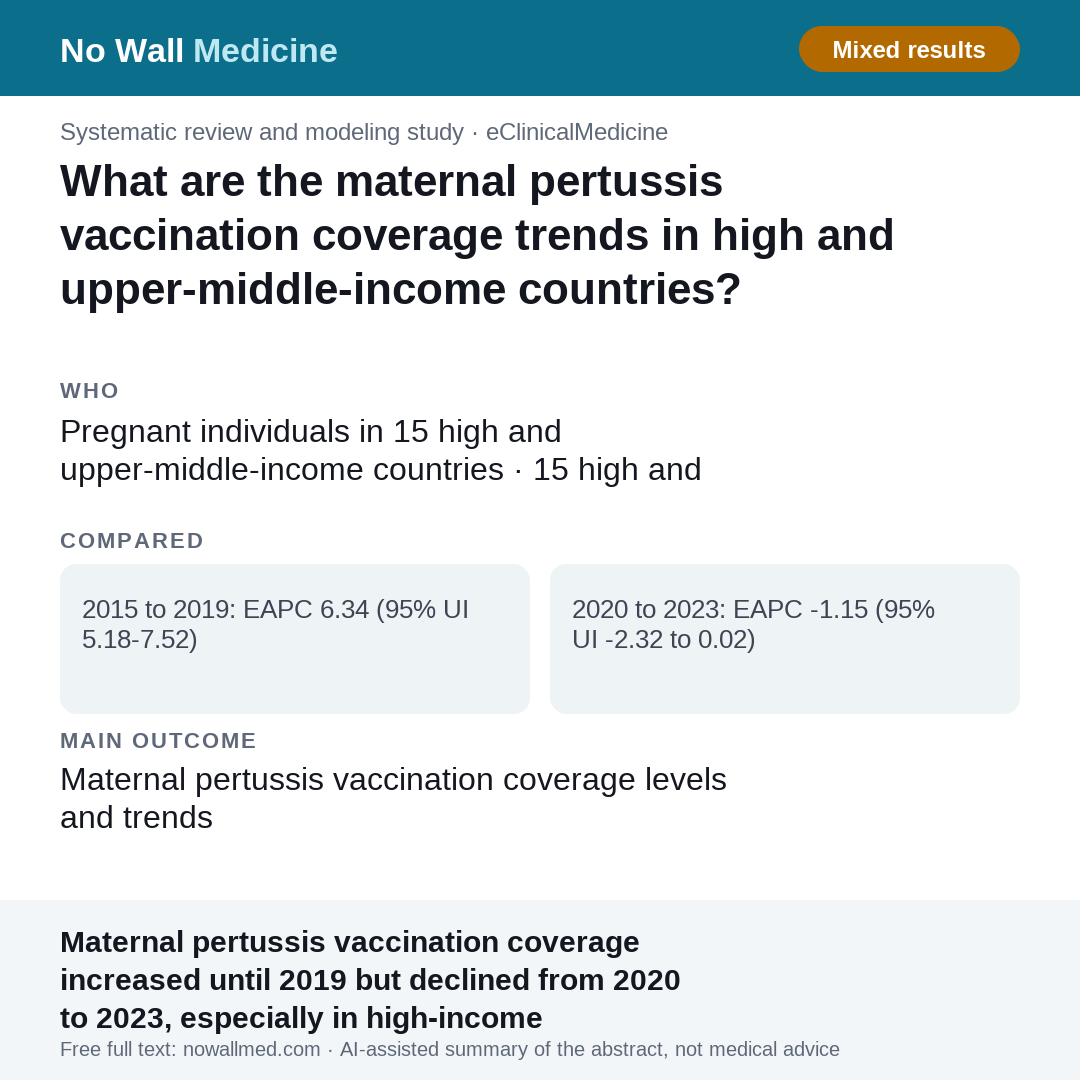
Tracking the progress of maternal pertussis vaccination coverage among upper-middle- and high-income countries and territories - a systematic review and modeling study
Systematic review and modeling studyMixed results
What are the maternal pertussis vaccination coverage trends in high and upper-middle-income countries?
Who
Pregnant individuals in 15 high and upper-middle-income countries · 15 high and upper-middle-income countries and territories
Compared
2015 to 2019: EAPC 6.34 (95% UI 5.18-7.52)
2020 to 2023: EAPC -1.15 (95% UI -2.32 to 0.02)
Main outcome
Maternal pertussis vaccination coverage levels and trends
Bottom line: Maternal pertussis vaccination coverage increased until 2019 but declined from 2020 to 2023, especially in high-income countries.
Funded by: National Social Science Foundation of China and others
eClinicalMedicine · 2025-11-18Download image
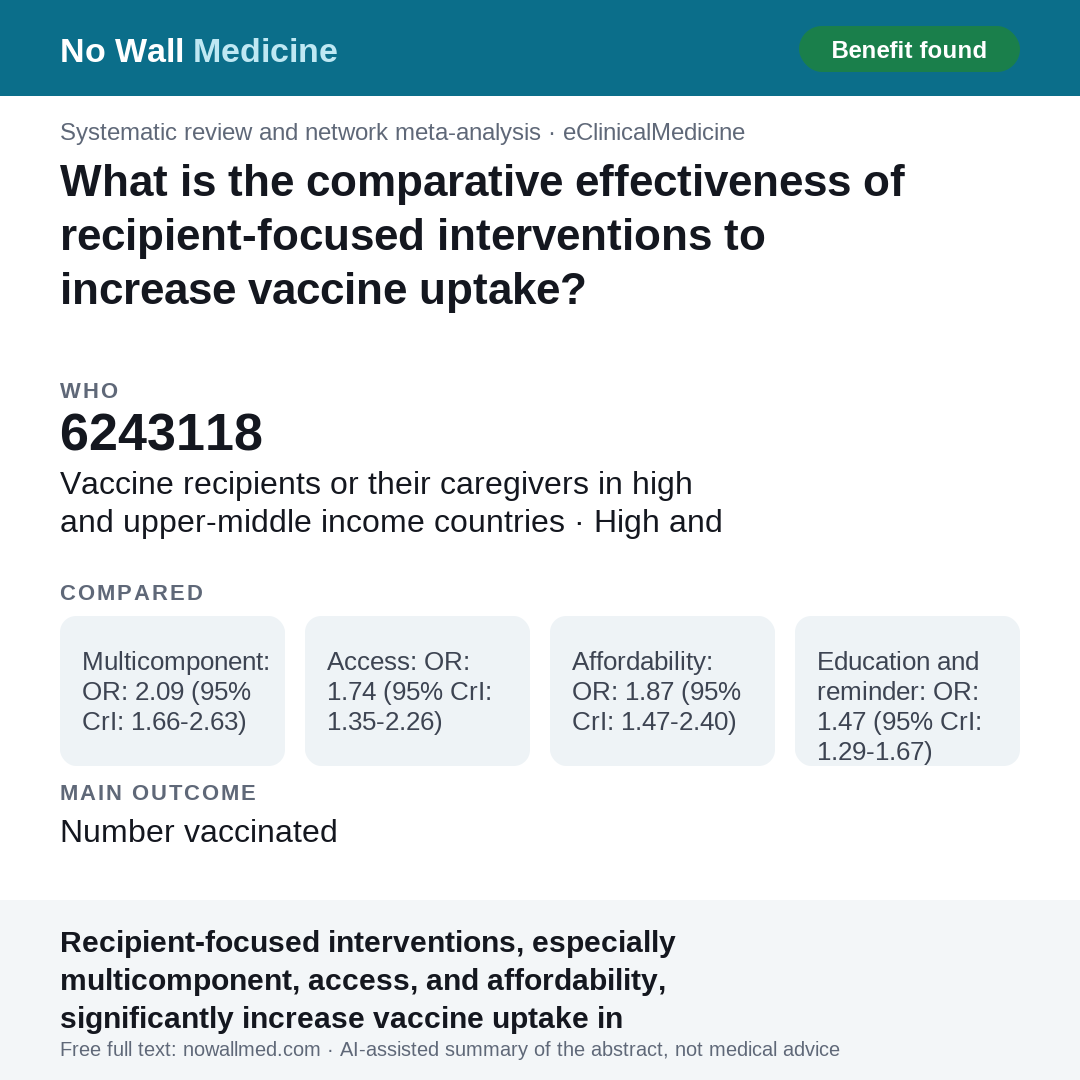
Recipient-focused interventions to increase vaccine uptake in high and upper-middle income countries: a systematic review and network meta-analysis
Systematic review and network meta-analysisBenefit found
What is the comparative effectiveness of recipient-focused interventions to increase vaccine uptake?
Who
6243118
Vaccine recipients or their caregivers in high and upper-middle income countries · High and upper-middle income countries
Compared
Multicomponent: OR: 2.09 (95% CrI: 1.66-2.63)
Access: OR: 1.74 (95% CrI: 1.35-2.26)
Affordability: OR: 1.87 (95% CrI: 1.47-2.40)
Education and reminder: OR: 1.47 (95% CrI: 1.29-1.67)
Main outcome
Number vaccinated
Result: ORs and 95% credible intervals > 1 for all six categories
Bottom line: Recipient-focused interventions, especially multicomponent, access, and affordability, significantly increase vaccine uptake in high and upper-middle income countries.
Limitation: The effectiveness of affordability and multicomponent interventions may have decreased post-2020 due to the COVID-19 pandemic.
Funded by: NIHR Public Health Research Programme
eClinicalMedicine · 2025-11-18Download image
Diagnostic accuracy of the WHO tuberculosis treatment decision algorithms for children with presumptive tuberculosis: An individual participant data meta-analysis
Individual participant data meta-analysisMixed results
What is the diagnostic accuracy of WHO tuberculosis treatment decision algorithms for children?
Who
1886
Children under 10 years with presumptive pulmonary tuberculosis · Four paediatric cohorts
Compared
Algorithm A (including chest X-ray): sensitivity 84.3% (95% CI: 74.8, 90.6), specificity 50.6% (95% CI: 30.4, 70.7)
Algorithm B (without chest X-ray): sensitivity 90.6% (95% CI: 83.8, 94.7), specificity 30.8% (95% CI: 21.5, 42.0)
Main outcome
Sensitivity and specificity against a composite reference standard
Bottom line: Both algorithms show high sensitivity but sub-optimal specificity for diagnosing tuberculosis in children.
Limitation: Studies performed at secondary or tertiary hospitals might limit the generalisability of results.
PLOS Med · 2025-11-18Download image

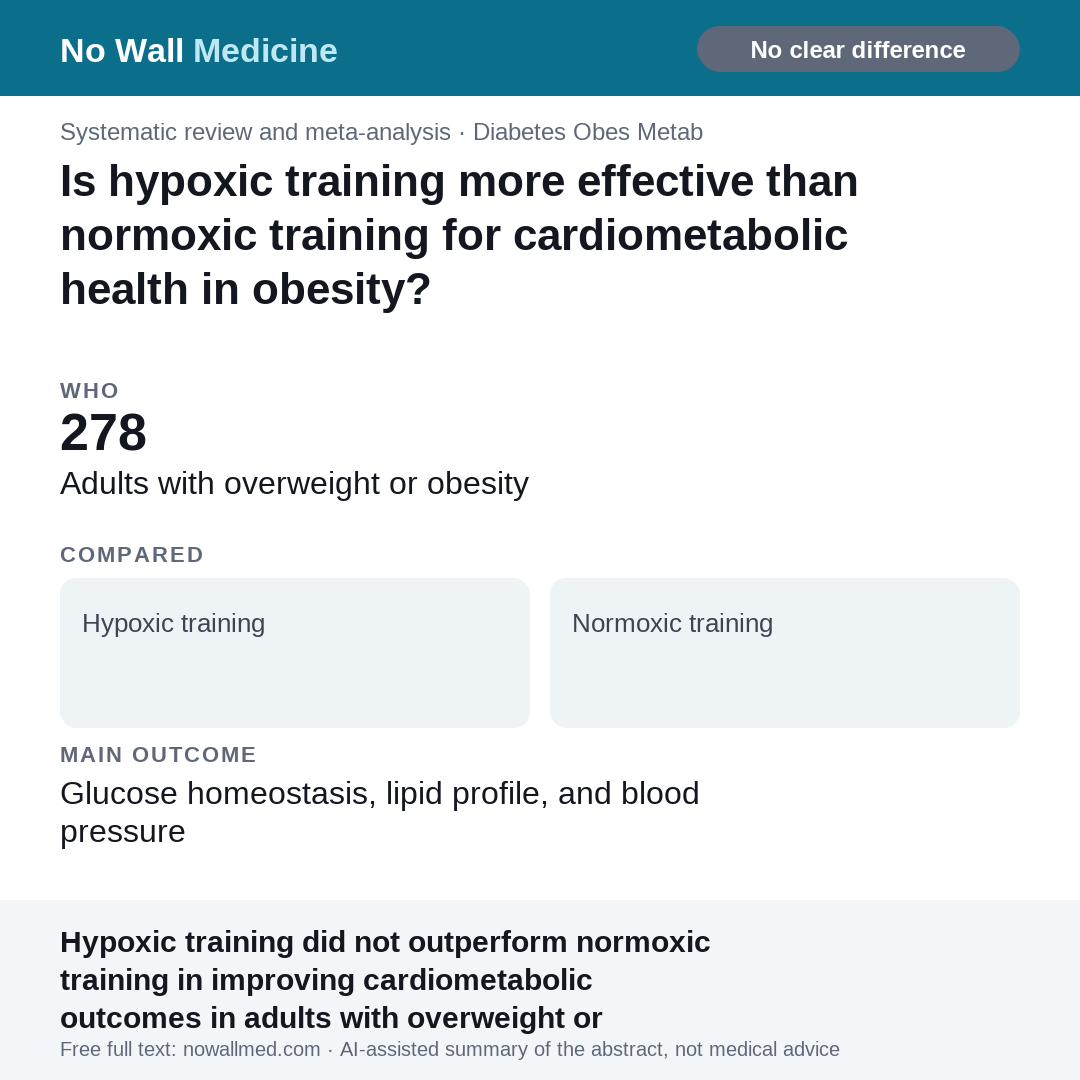
Effects of hypoxic training interventions on cardiometabolic health of adults with overweight and obesity: A systematic review and meta-analysis
Systematic review and meta-analysisNo clear difference
Is hypoxic training more effective than normoxic training for cardiometabolic health in obesity?
Who
278
Adults with overweight or obesity
Compared
Hypoxic training
Normoxic training
Main outcome
Glucose homeostasis, lipid profile, and blood pressure
Bottom line: Hypoxic training did not outperform normoxic training in improving cardiometabolic outcomes in adults with overweight or obesity.
Limitation: Considerable variability in intervention duration, hypoxic dose, and exercise intensity across studies.
Diabetes Obes Metab · 2025-11-18Download image
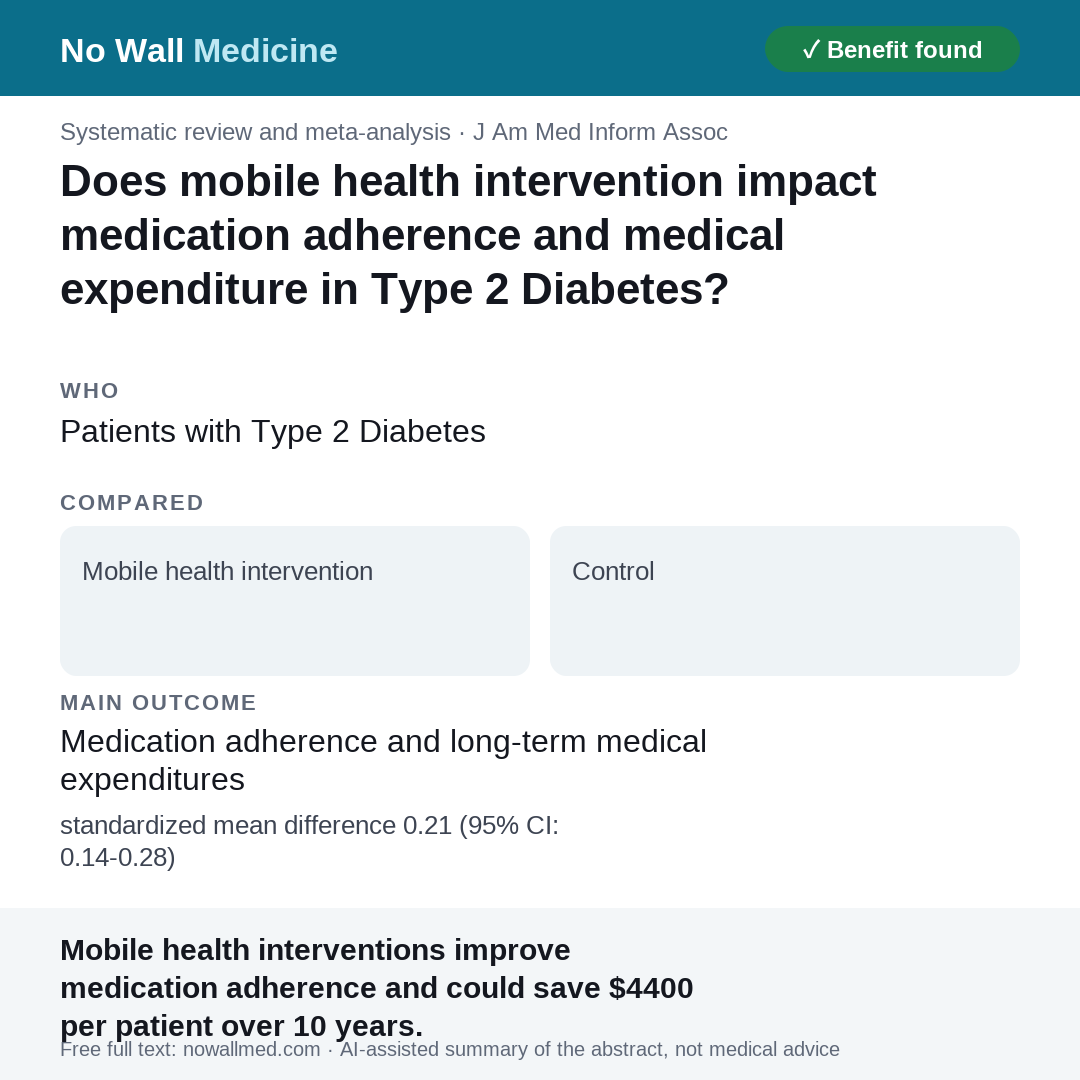
Does it save me money? The economic impact of mobile health interventions on medical expenditure of diabetic patients
Systematic review and meta-analysisBenefit found
Does mobile health intervention impact medication adherence and medical expenditure in Type 2 Diabetes?
Who
Patients with Type 2 Diabetes
Compared
Mobile health intervention
Control
Main outcome
Medication adherence and long-term medical expenditures
Result: standardized mean difference 0.21 (95% CI: 0.14-0.28)
Bottom line: Mobile health interventions improve medication adherence and could save $4400 per patient over 10 years.
J Am Med Inform Assoc · 2025-11-18Download image
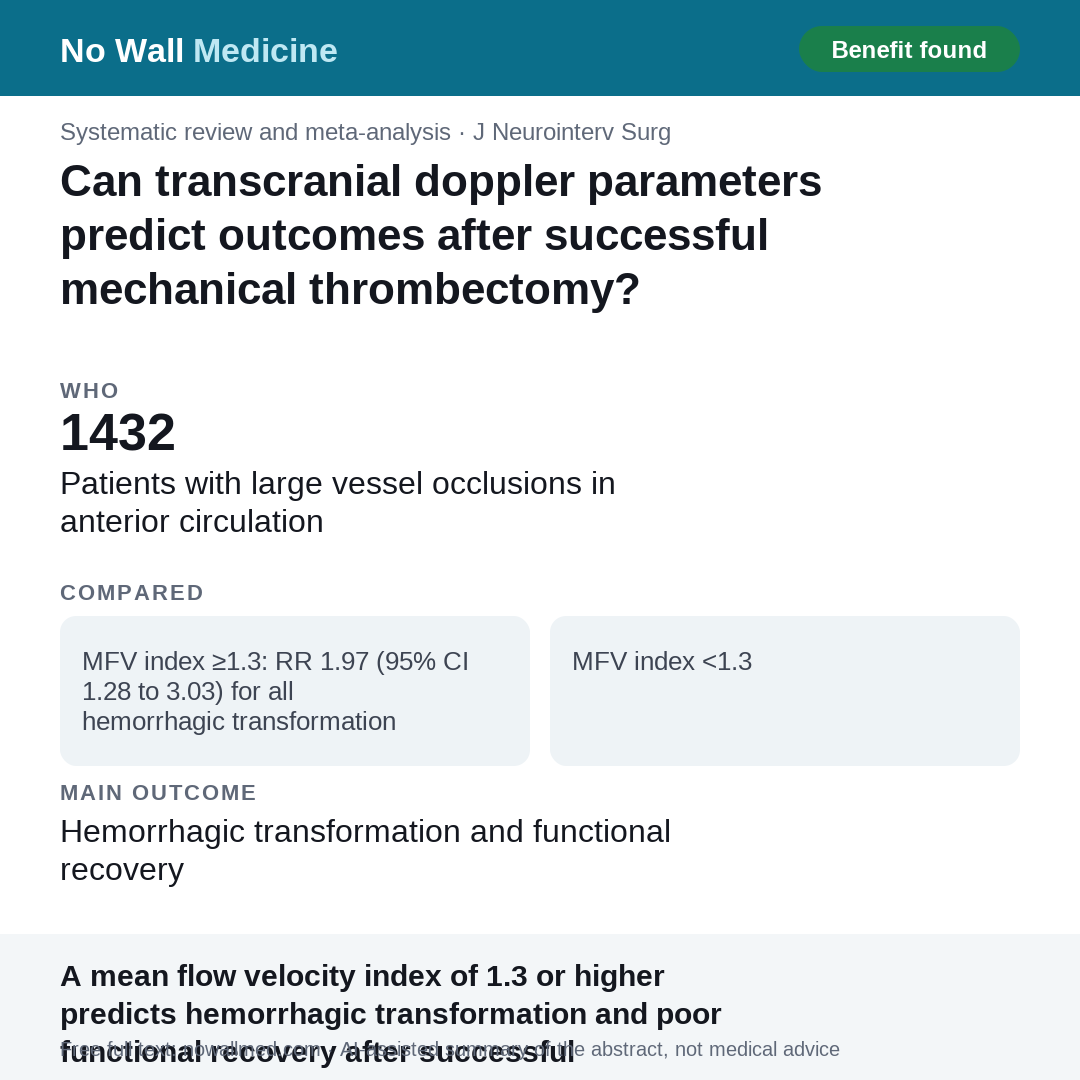
Transcranial doppler (TCD) in predicting outcomes following successful mechanical thrombectomy of large vessel occlusions in anterior circulation: a systematic review and meta-analysis
Systematic review and meta-analysisBenefit found
Can transcranial doppler parameters predict outcomes after successful mechanical thrombectomy?
Who
1432
Patients with large vessel occlusions in anterior circulation
Compared
MFV index ≥1.3: RR 1.97 (95% CI 1.28 to 3.03) for all hemorrhagic transformation
MFV index <1.3
Main outcome
Hemorrhagic transformation and functional recovery
Result: RR 1.65 (95% CI 1.27 to 2.14) for poor functional status
Bottom line: A mean flow velocity index of 1.3 or higher predicts hemorrhagic transformation and poor functional recovery after successful mechanical thrombectomy.
J Neurointerv Surg · 2025-11-18Download image
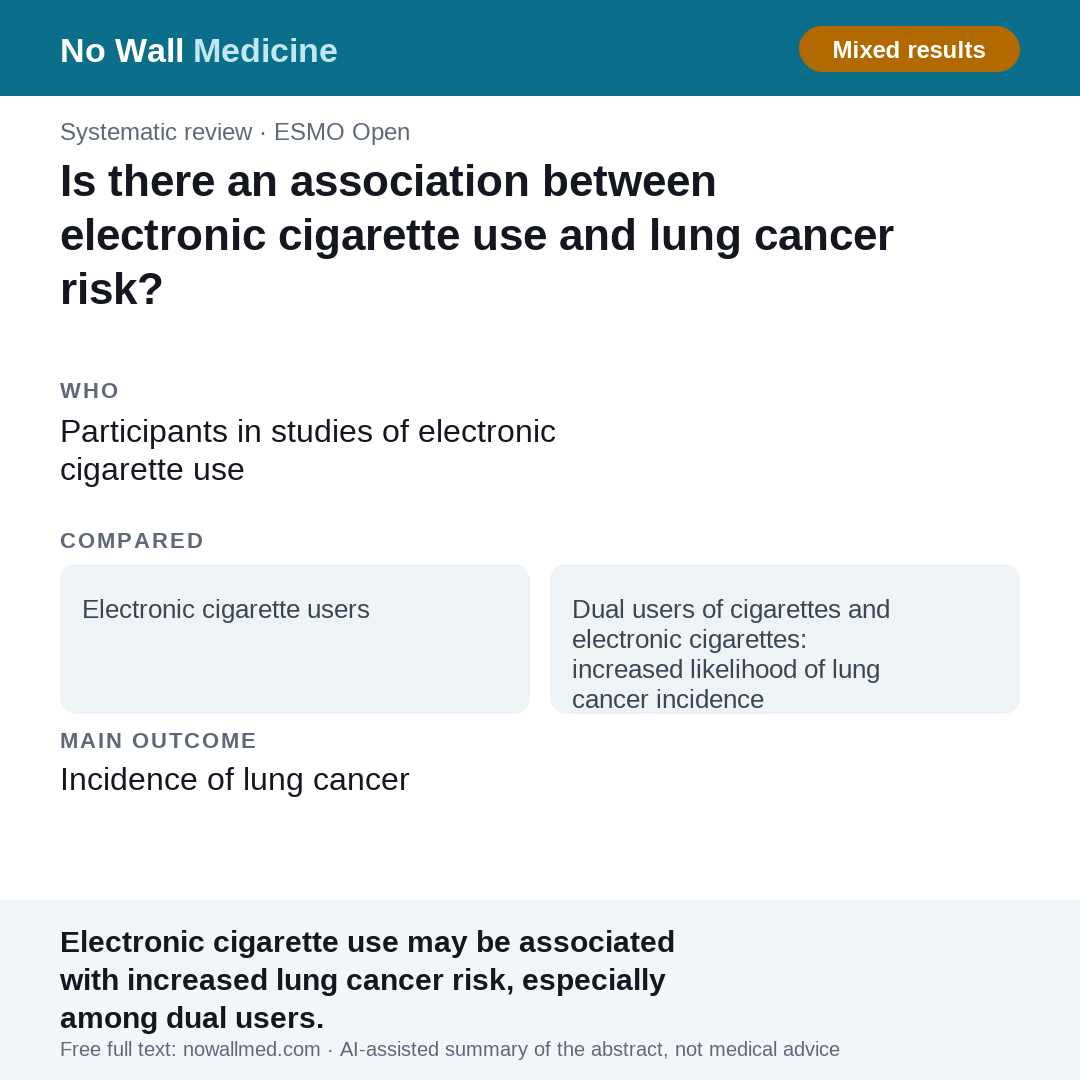
The risk of lung cancer from vaping or e-cigarette usage: a systematic review
Systematic reviewMixed results
Is there an association between electronic cigarette use and lung cancer risk?
Who
Participants in studies of electronic cigarette use
Compared
Electronic cigarette users
Dual users of cigarettes and electronic cigarettes: increased likelihood of lung cancer incidence
Main outcome
Incidence of lung cancer
Bottom line: Electronic cigarette use may be associated with increased lung cancer risk, especially among dual users.
Limitation: Causality cannot be established due to heterogeneity and limited longitudinal data.
ESMO Open · 2025-11-18Download image
Identification of 1q25.2 as a novel shared locus between schizophrenia and major depressive disorder in east Asians by integrative analyses
Linkage disequilibrium score regression and MiXeR analysesBenefit found
Is there polygenic overlap between schizophrenia and major depressive disorder in East Asians?
Who
East Asian individuals with schizophrenia and major depressive disorder
Compared
Schizophrenia: 29,519 cases and 44,392 controls
Major depressive disorder: 7,753 cases and 14,046 controls
Main outcome
Polygenic overlap and shared genomic loci
Bottom line: Substantial genetic overlap exists between schizophrenia and major depressive disorder in East Asians, including a novel locus at 1q25.2.
Transl Psychiatry · 2025-11-18Download image

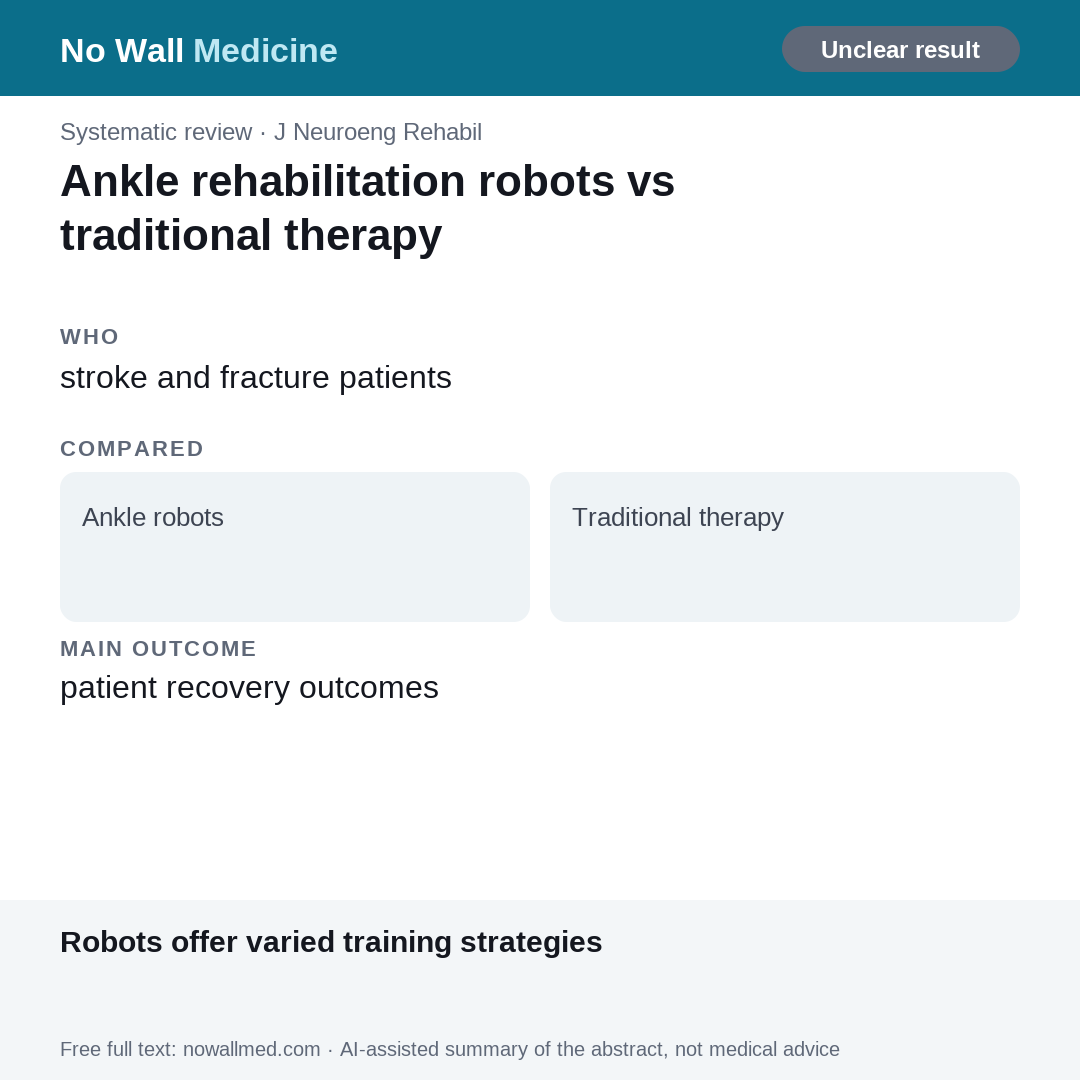
Configuration design of ankle rehabilitation robots: a systematic review and future prospects
Systematic reviewUnclear result
Ankle rehabilitation robots vs traditional therapy
Who
stroke and fracture patients
Compared
Ankle robots
Traditional therapy
Main outcome
patient recovery outcomes
Bottom line: Robots offer varied training strategies
Limitation: shortcomings in human-machine compatibility
J Neuroeng Rehabil · 2025-11-18Download image
Perineural versus intravenous dexamethasone for single-shot interscalene block in arthroscopic shoulder surgery: a systematic review and meta-analysis of studies published through May 2021
Systematic review and meta-analysisMixed results
Is perineural or intravenous dexamethasone better for single-shot interscalene block in shoulder surgery?
Who
846
Patients undergoing arthroscopic shoulder surgery
Compared
Perineural dexamethasone
Intravenous dexamethasone
Main outcome
Analgesia duration, sensory block duration, and motor block duration
Result: weighted mean difference 1.699 h (95% CI 0.014 to 3.384)
Bottom line: Perineural dexamethasone modestly prolongs analgesia duration, but clinical importance remains uncertain due to small pain score reductions.
Limitation: Reductions in postoperative pain scores are small and unlikely to reach clinically important thresholds.
Perioper Med · 2025-11-18Download image
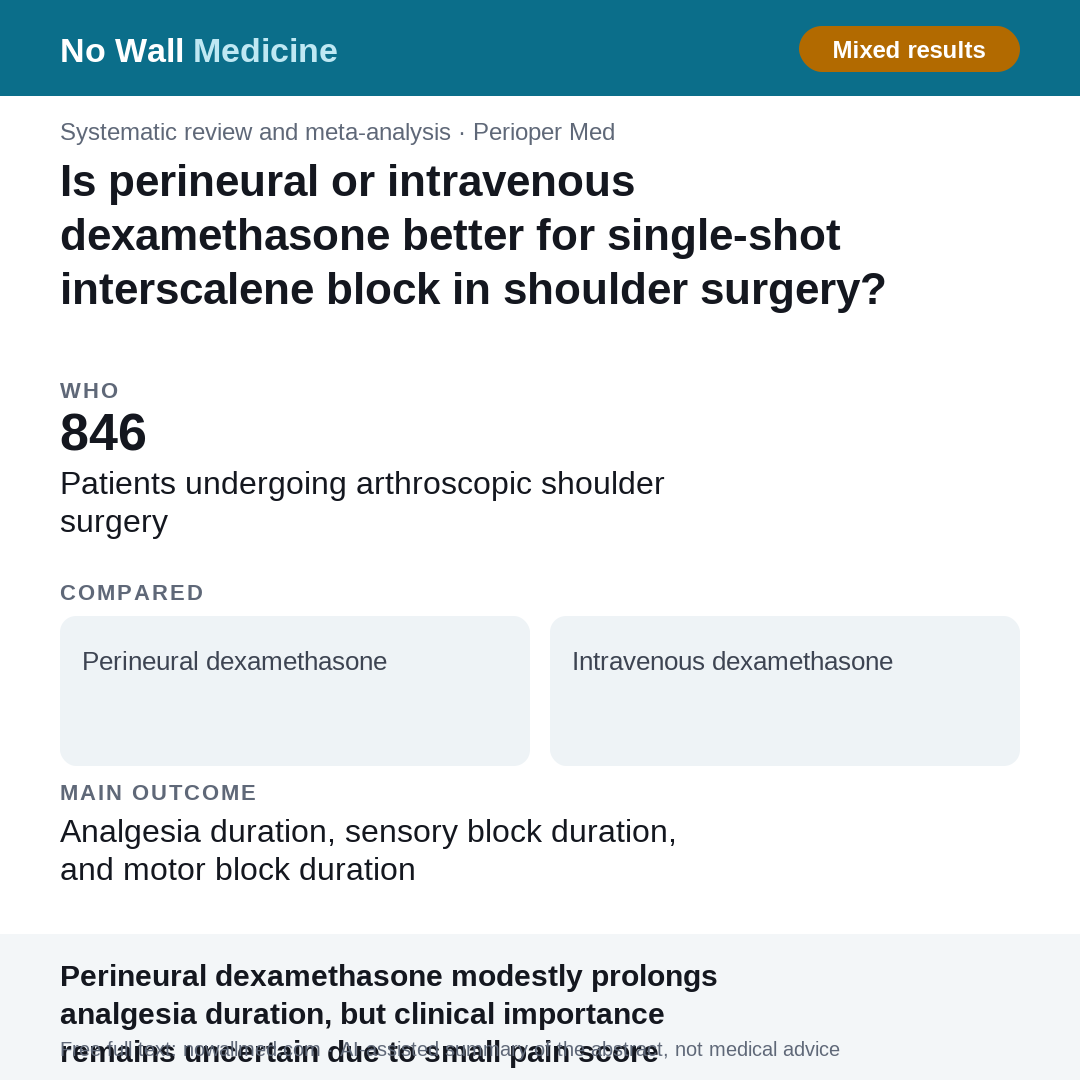
Built environment and the evolution of cardiometabolic risk factors: a systematic review and meta-analysis of longitudinal studies
Systematic review and meta-analysis of longitudinal studiesBenefit found
How do built environment features influence the evolution of cardiometabolic risk factors?
Who
Participants in longitudinal studies assessing cardiometabolic risk factors
Compared
Greater green/open space: lesser increases over time in systolic blood pressure (weighted z=3.43, p<0.001)
Greater green/open space: lesser increases over time in diastolic blood pressure (weighted z=2.89, p<0.01)
Greater walkability: lesser increases over time in systolic blood pressure (weighted z=2.95, p<0.01)
Greater walkability: lesser increases over time in glycated haemoglobin
Main outcome
Progression of continuous cardiometabolic risk biological indicators
Bottom line: Greater green/open space and healthful food environments are associated with lesser progression of cardiometabolic risk factors over time.
BMC Med · 2025-11-17Download image
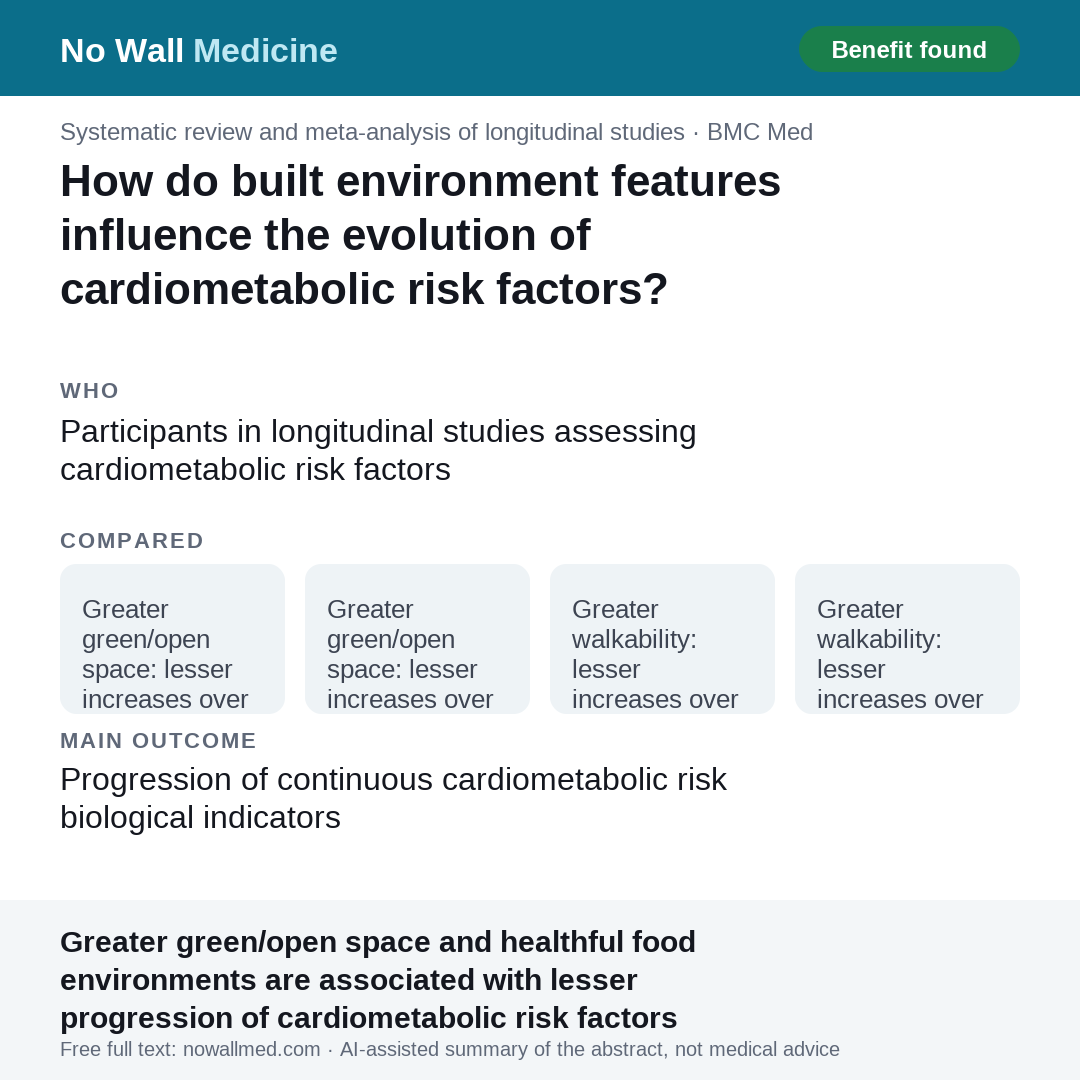
Long-Term Outcomes After Acute Kidney Injury During Hospitalization: A Systematic Review and Meta-Analysis of Matched Controls Studies
Systematic review and meta-analysisHarm found
What are the long-term outcomes for hospital survivors after acute kidney injury?
Who
1,058,109
Hospitalized patients with and without acute kidney injury
Compared
Patients with acute kidney injury: 137,506/519,672 [26.4%] mortality
Control group without acute kidney injury: 93,702/530,663 [17.6%] mortality
Main outcome
Long-term mortality, dialysis, and chronic kidney disease
Result: relative risk 1.42 (95% CI 1.13-1.78)
Bottom line: Survivors of acute kidney injury have increased risks of mortality, dialysis, and chronic kidney disease compared to controls.
Crit Care Med · 2025-11-17Download image
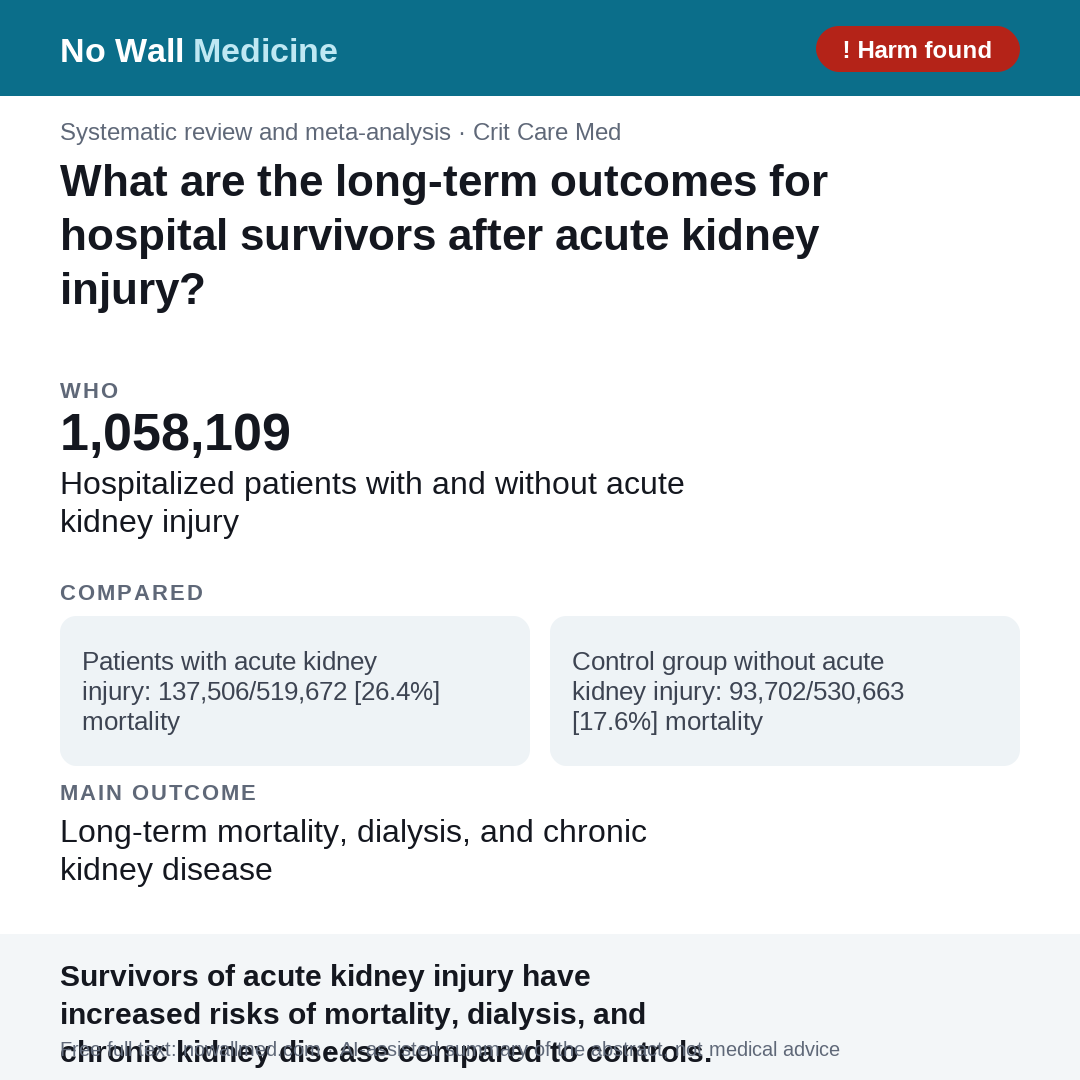
Effectiveness of digital psychological and psychoeducational interventions to prevent anxiety: Systematic review and meta-analysis of randomized controlled trials
Systematic review and meta-analysis of randomized controlled trialsBenefit found
Are digital psychological and psychoeducational interventions effective to prevent anxiety disorders?
Who
6093
Non-anxious and varied populations
Compared
Digital interventions
Control
Main outcome
Prevention of anxiety disorders
Result: standardized mean difference = -0.32 (95% confidence interval: -0.44 to -0.20)
Bottom line: Digital psychological and psychoeducational interventions show a small effect in preventing anxiety disorders.
Limitation: High heterogeneity and very low quality of evidence according to Grading of Recommendations Assessment, Development, and Evaluation.
Psychol Med · 2025-11-17Download image

The impact of vasopressor choice in patients with hypotension after cardiac arrest: a systematic review
Systematic reviewNo clear difference
What is the effect of vasopressor choice in adults with hypotension after cardiac arrest?
Who
Adults with hypotension following return of spontaneous circulation
Compared
Noradrenaline
Adrenaline
Main outcome
Survival and survival with favourable neurologic function
Bottom line: Existing evidence does not support using any specific vasopressor to treat hypotension after cardiac arrest.
Limitation: Risk of bias was moderate or high and evidence certainty was very low.
Resuscitation · 2025-11-17Download image
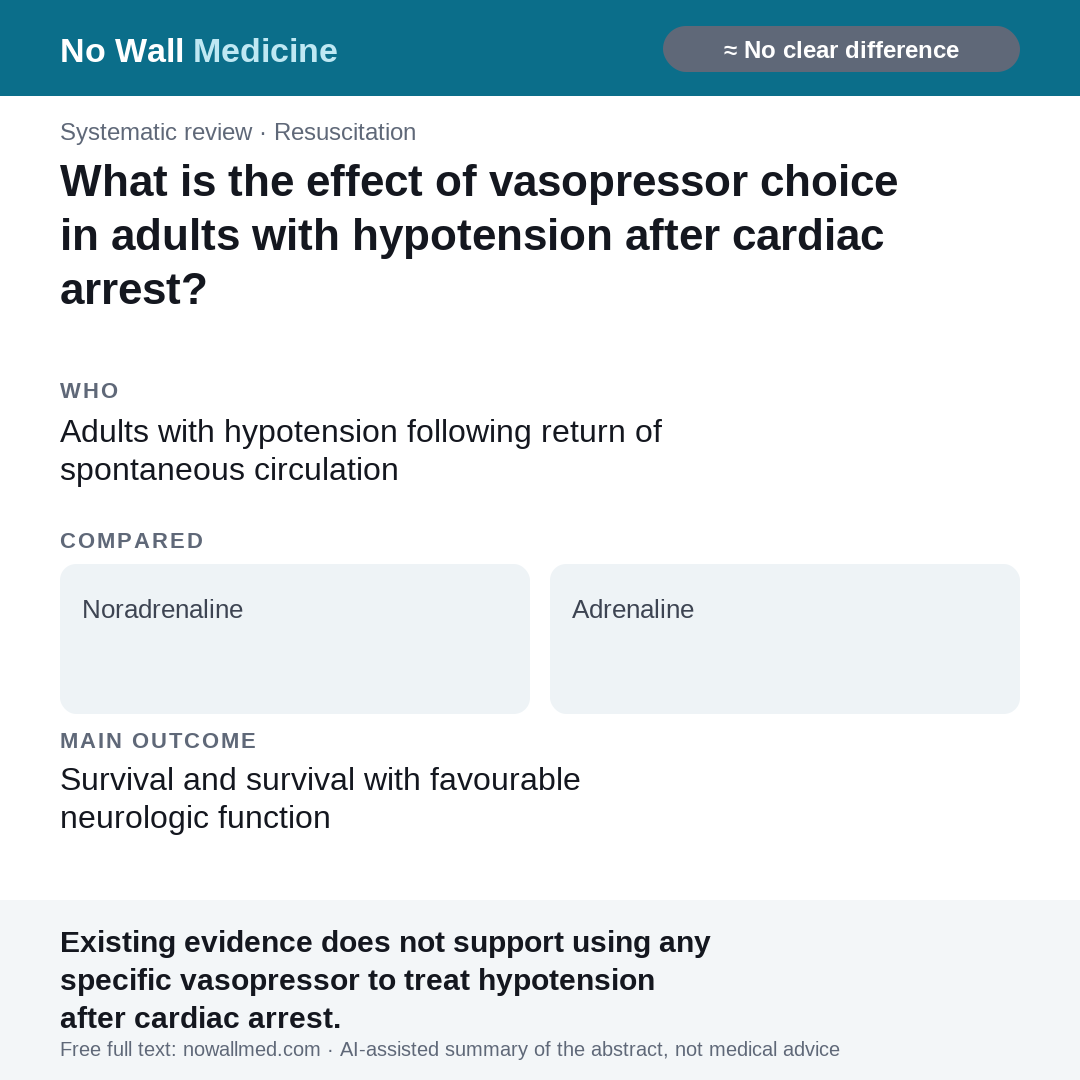
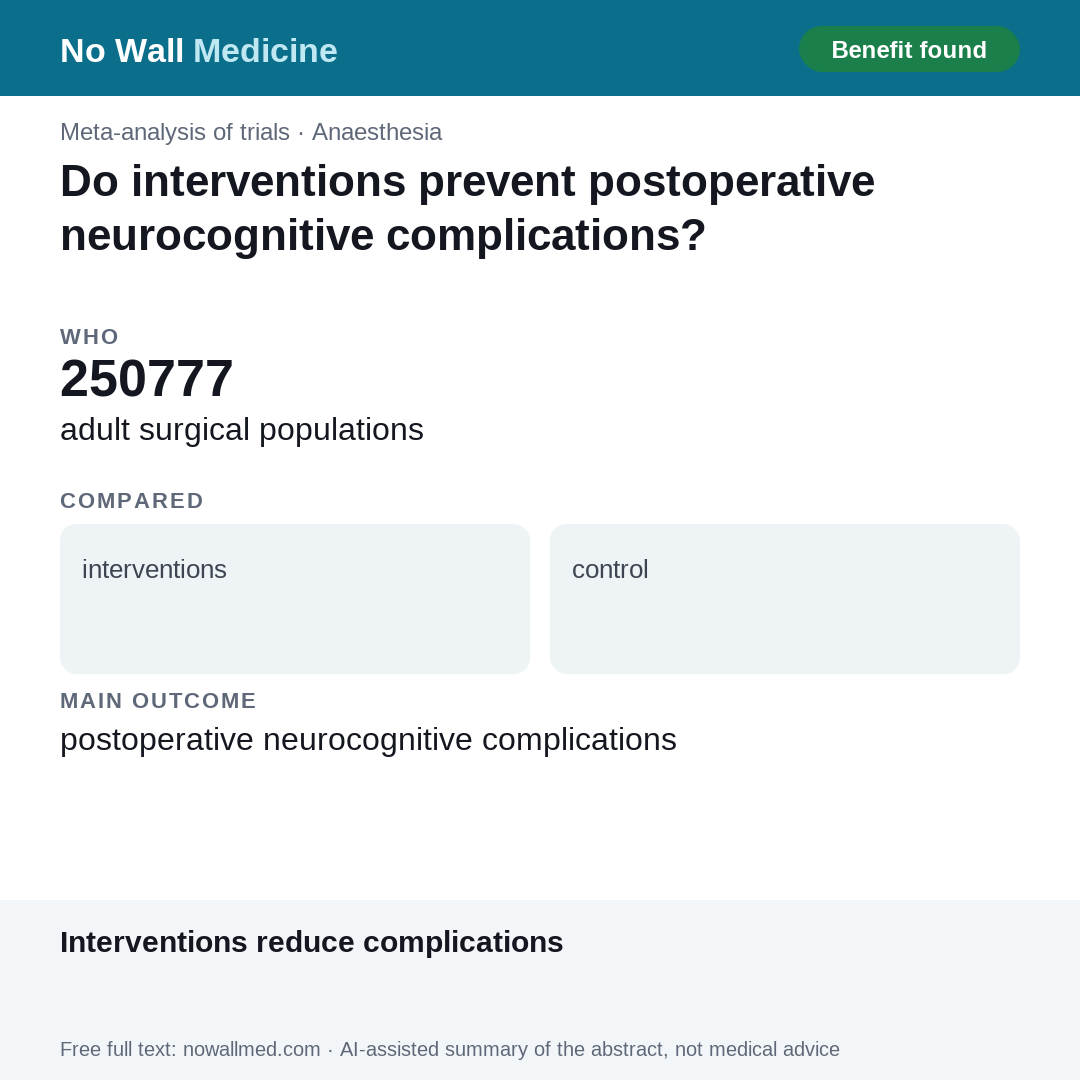
Interventions to prevent postoperative neurocognitive complications: an umbrella review of meta-analyses of randomised controlled trials
Meta-analysis of trialsBenefit found
Do interventions prevent postoperative neurocognitive complications?
Who
250777
adult surgical populations
Compared
interventions
control
Main outcome
postoperative neurocognitive complications
Bottom line: Interventions reduce complications
Limitation: very low certainty of evidence
Anaesthesia · 2025-11-17Download image
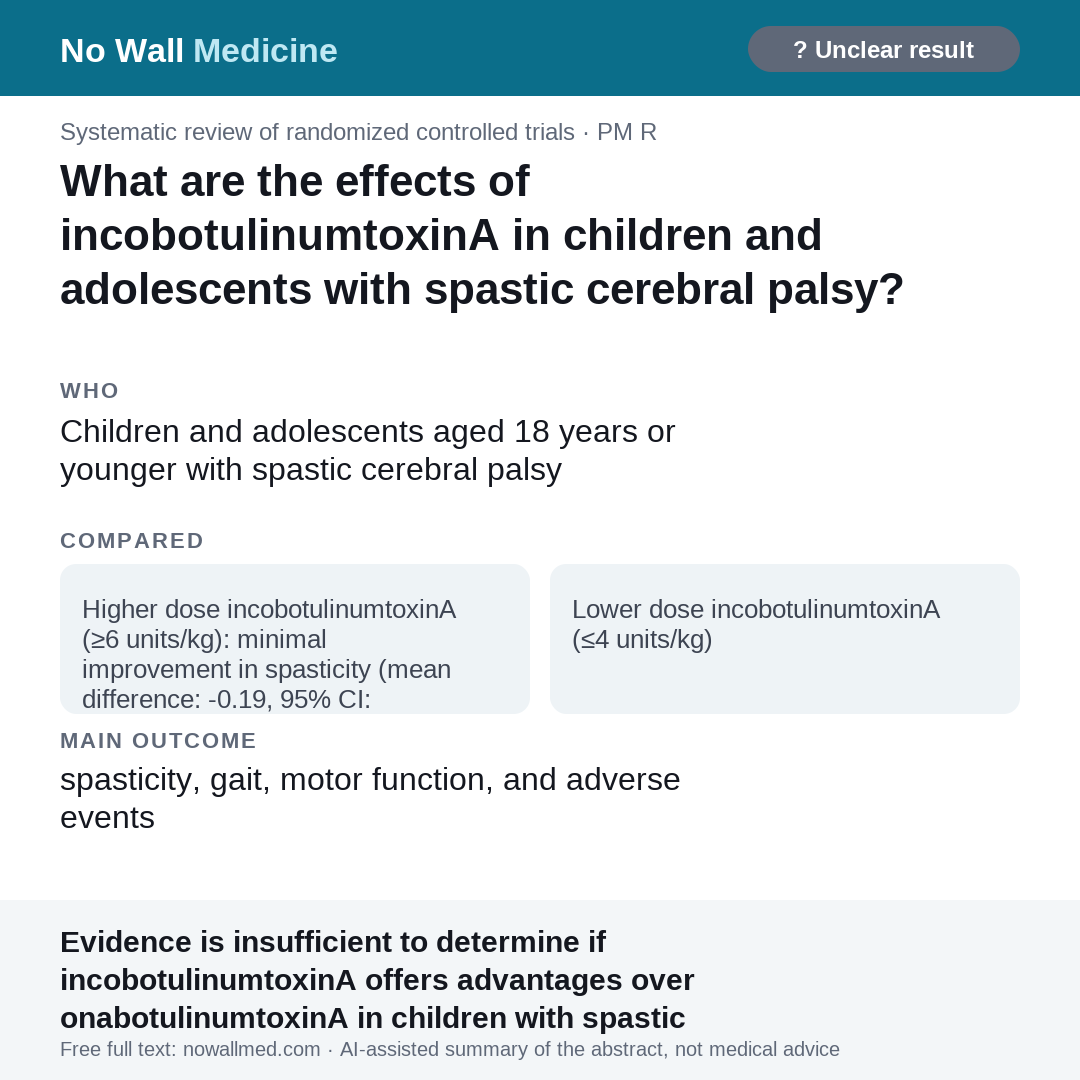
Effects of incobotulinumtoxinA in children and adolescents with spastic cerebral palsy: A systematic review of randomized controlled trials
Systematic review of randomized controlled trialsUnclear result
What are the effects of incobotulinumtoxinA in children and adolescents with spastic cerebral palsy?
Who
Children and adolescents aged 18 years or younger with spastic cerebral palsy
Compared
Higher dose incobotulinumtoxinA (≥6 units/kg): minimal improvement in spasticity (mean difference: -0.19, 95% CI: -0.36 to -0.01)
Lower dose incobotulinumtoxinA (≤4 units/kg)
Main outcome
spasticity, gait, motor function, and adverse events
Result: mean difference: -0.19, 95% confidence interval: -0.36 to -0.01
Bottom line: Evidence is insufficient to determine if incobotulinumtoxinA offers advantages over onabotulinumtoxinA in children with spastic cerebral palsy.
PM R · 2025-11-17Download image
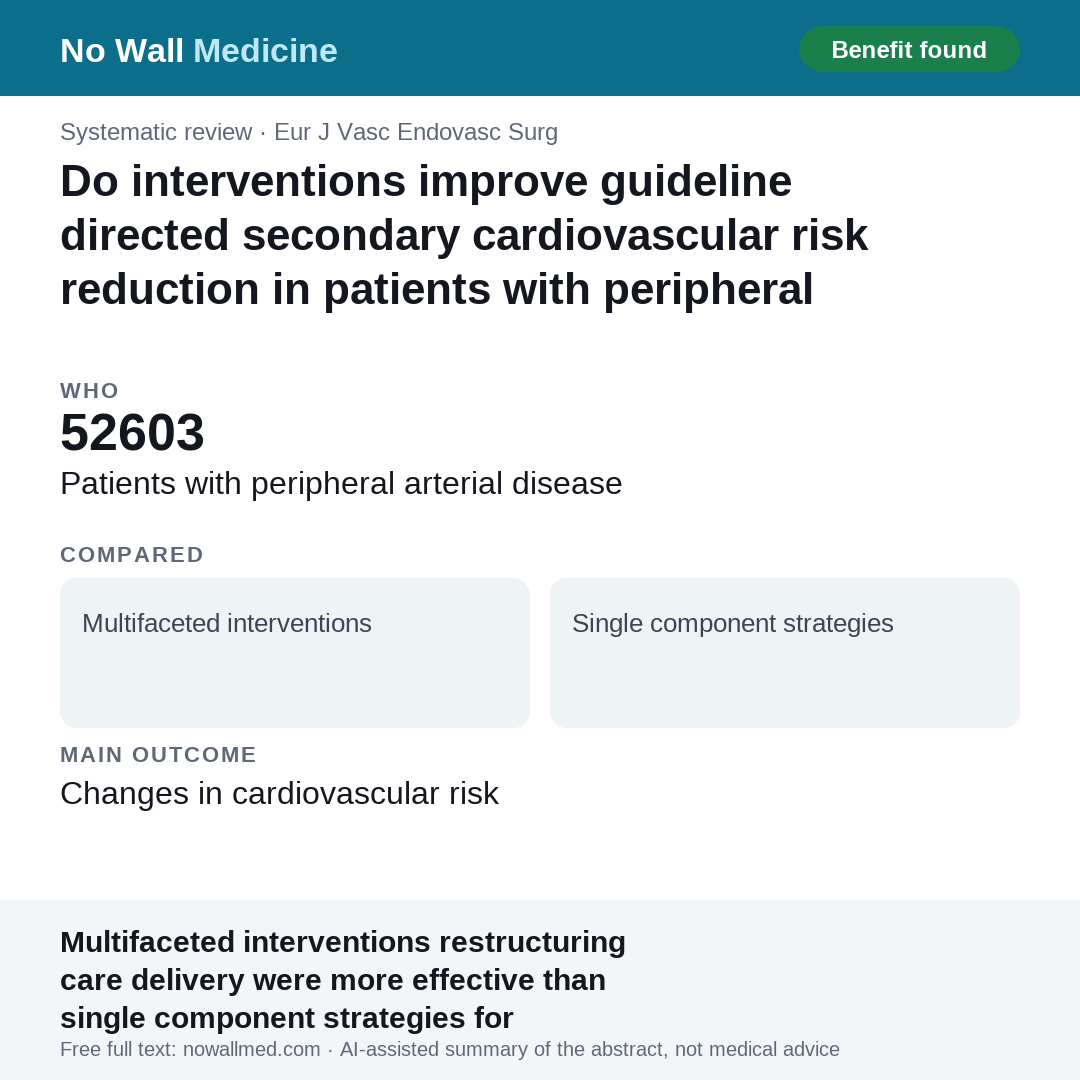
Editor's Choice - A Systematic Review of Interventions to Improve Guideline Directed Secondary Cardiovascular Risk Reduction in Patients with Peripheral Arterial Disease
Systematic reviewBenefit found
Do interventions improve guideline directed secondary cardiovascular risk reduction in patients with peripheral arterial disease?
Who
52603
Patients with peripheral arterial disease
Compared
Multifaceted interventions
Single component strategies
Main outcome
Changes in cardiovascular risk
Bottom line: Multifaceted interventions restructuring care delivery were more effective than single component strategies for cardiovascular risk reduction.
Limitation: Study quality was limited, and consistent outcome measurements were lacking.
Eur J Vasc Endovasc Surg · 2025-11-17Download image
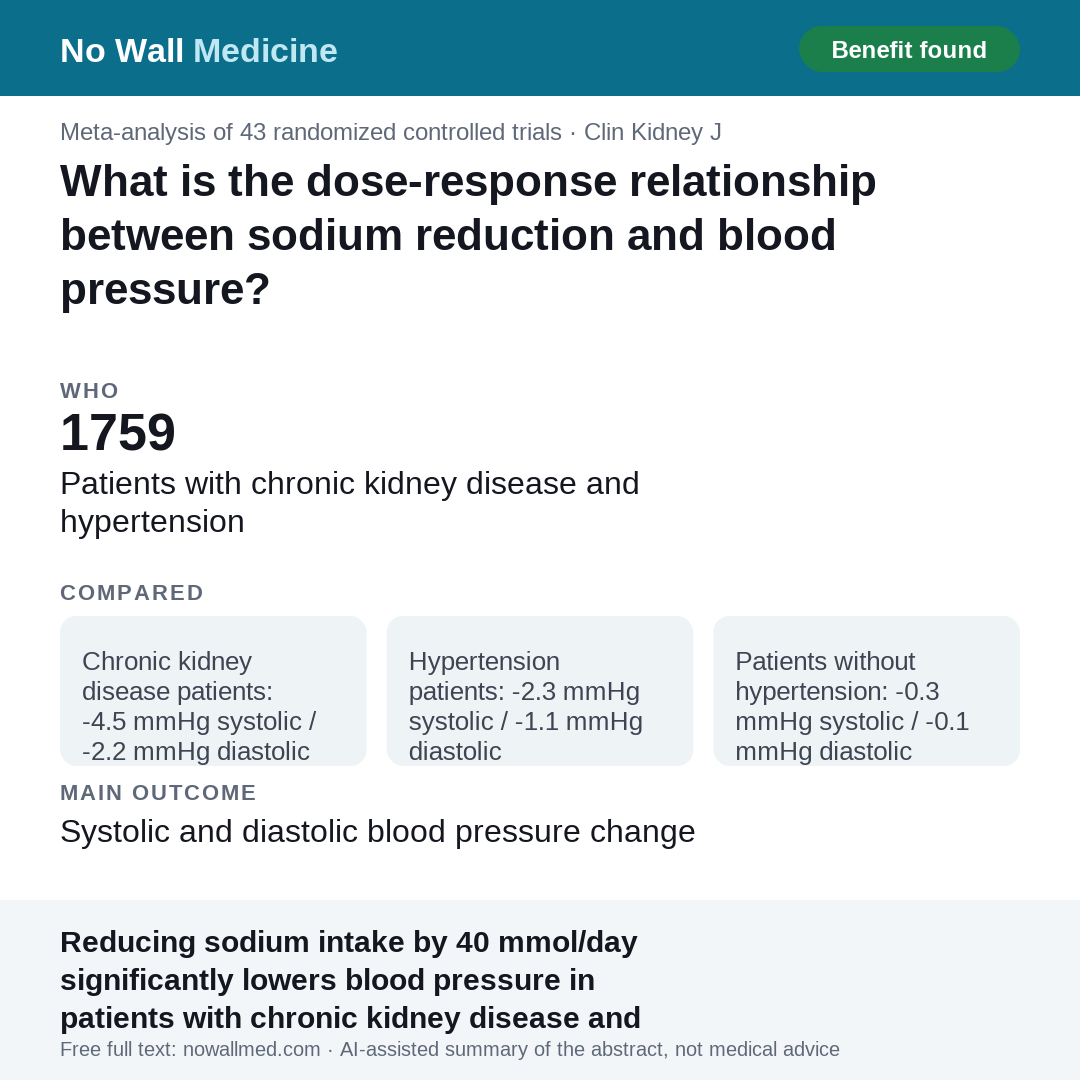
Dietary sodium reduction and blood pressure: a dose-response meta-analysis in hypertensive and chronic kidney disease patients
Meta-analysis of 43 randomized controlled trialsBenefit found
What is the dose-response relationship between sodium reduction and blood pressure?
Who
1759
Patients with chronic kidney disease and hypertension
Compared
Chronic kidney disease patients: -4.5 mmHg systolic / -2.2 mmHg diastolic
Hypertension patients: -2.3 mmHg systolic / -1.1 mmHg diastolic
Patients without hypertension: -0.3 mmHg systolic / -0.1 mmHg diastolic
Main outcome
Systolic and diastolic blood pressure change
Bottom line: Reducing sodium intake by 40 mmol/day significantly lowers blood pressure in patients with chronic kidney disease and hypertension.
Clin Kidney J · 2025-11-17Download image
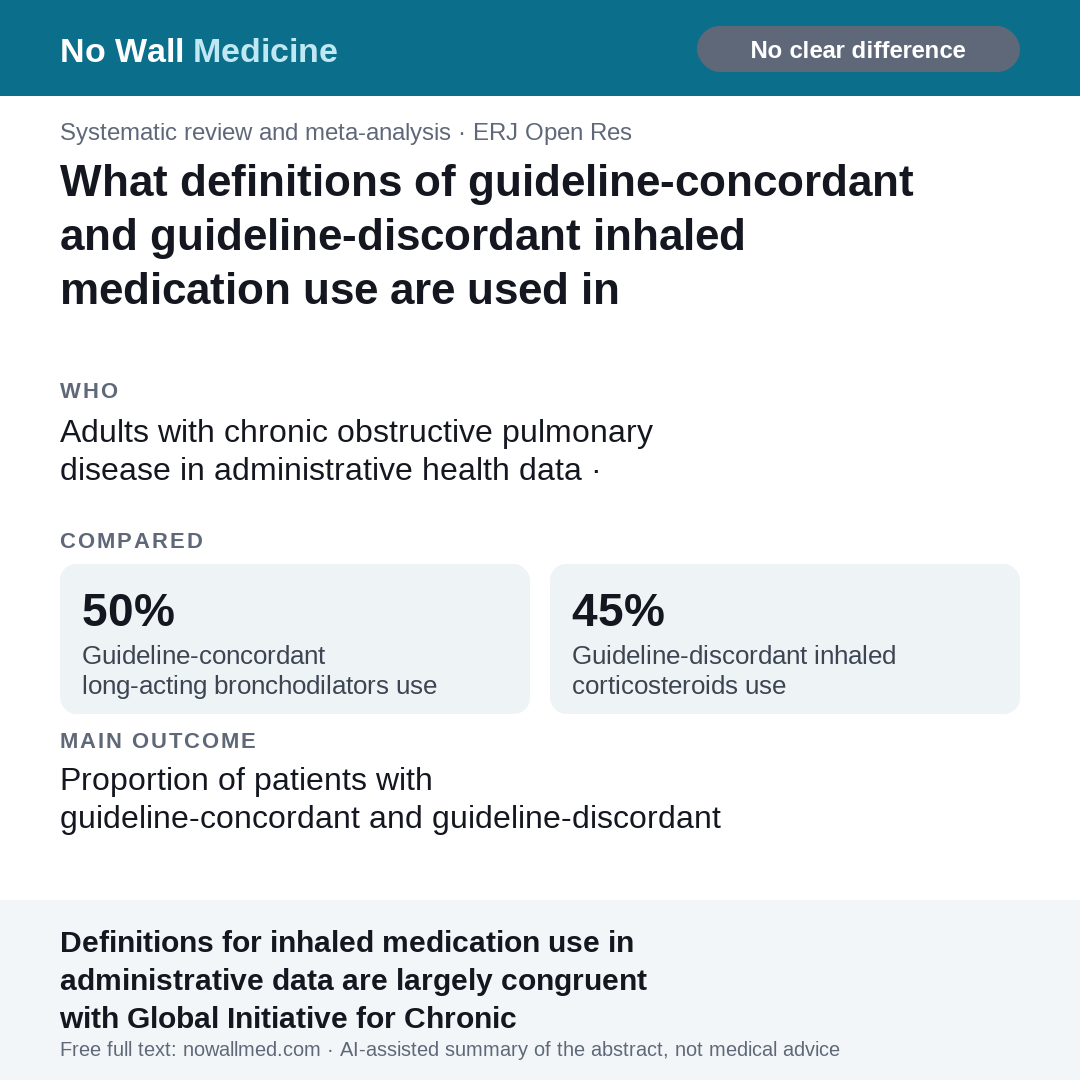
Guideline-concordant inhaled medication use in COPD: a systematic review of definitions used in administrative health data
Systematic review and meta-analysisNo clear difference
What definitions of guideline-concordant and guideline-discordant inhaled medication use are used in administrative health data?
Who
Adults with chronic obstructive pulmonary disease in administrative health data · MEDLINE and Embase databases
Compared
50%Guideline-concordant long-acting bronchodilators use
45%Guideline-discordant inhaled corticosteroids use
Main outcome
Proportion of patients with guideline-concordant and guideline-discordant medication use
Bottom line: Definitions for inhaled medication use in administrative data are largely congruent with Global Initiative for Chronic Obstructive Lung Disease recommendations.
ERJ Open Res · 2025-11-17Download image
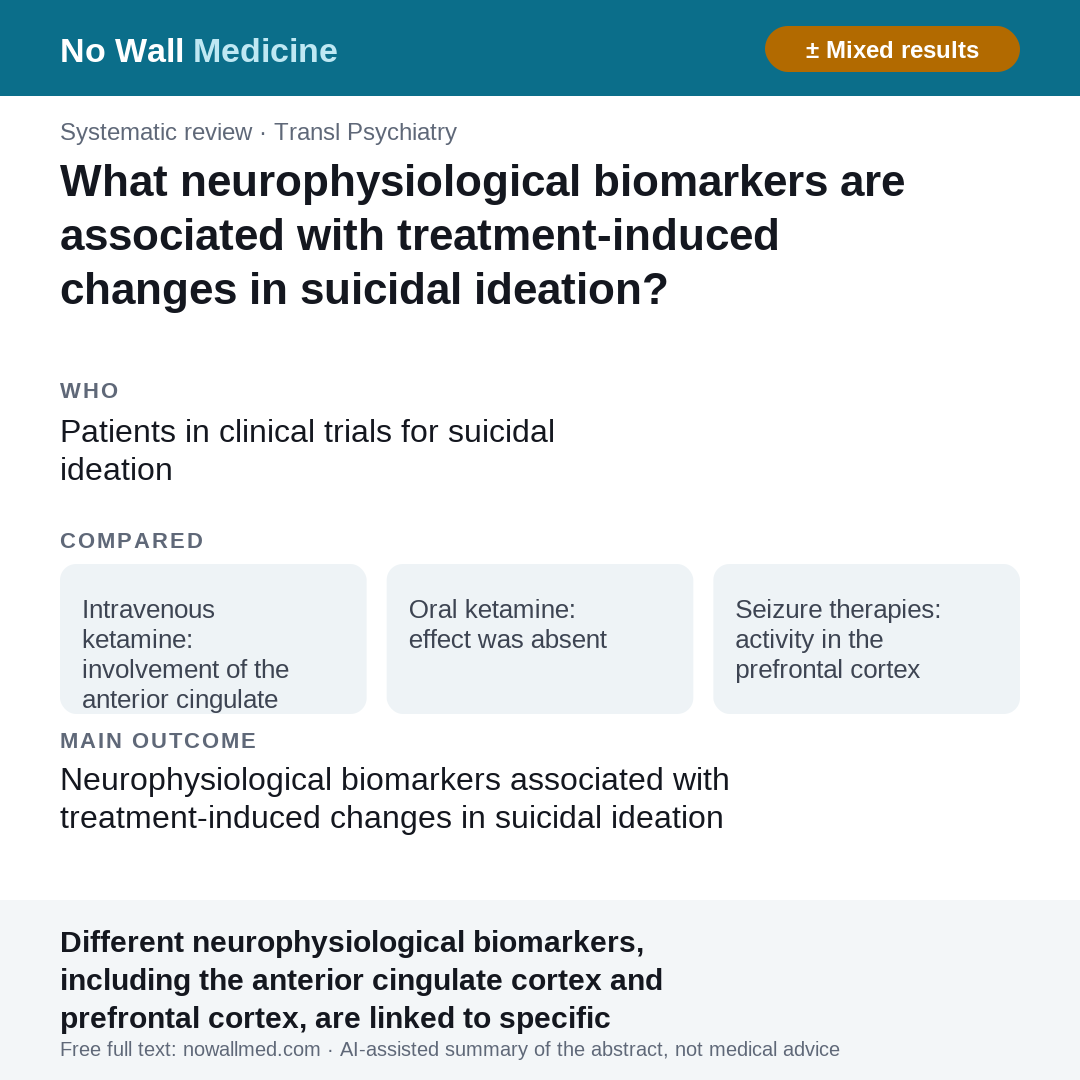
Neurophysiological biomarkers of treatment response in suicidal ideation: a systematic review
Systematic reviewMixed results
What neurophysiological biomarkers are associated with treatment-induced changes in suicidal ideation?
Who
Patients in clinical trials for suicidal ideation
Compared
Intravenous ketamine: involvement of the anterior cingulate cortex
Oral ketamine: effect was absent
Seizure therapies: activity in the prefrontal cortex
Main outcome
Neurophysiological biomarkers associated with treatment-induced changes in suicidal ideation
Bottom line: Different neurophysiological biomarkers, including the anterior cingulate cortex and prefrontal cortex, are linked to specific suicidal ideation treatments.
Limitation: Methodological heterogeneity, non-randomized designs, concurrent interventions, and unvalidated assessments of suicidal ideation.
Transl Psychiatry · 2025-11-17Download image