Visual abstracts
New randomized trials and meta-analyses from leading journals at a glance: who was studied, what was compared, and what was found. Every paper is free to read in full.
All specialtiesCardiology 4877Oncology 4138Gastroenterology & Hepatology 1942Infectious Disease 3837Neurology 1905Psychiatry & Mental Health 2273Pulmonology 2143Critical Care 1365Endocrinology & Diabetes 2580Pediatrics 2980Surgery 2559Orthopedics & Sports Medicine 931Neurosurgery 537Cardiothoracic & Vascular Surgery 674Plastic & Reconstructive Surgery 591Nephrology 1133Rheumatology 823Hematology 1109Dermatology 621Ophthalmology 543Obstetrics & Gynecology 1686Public & Global Health 1058Radiology & Imaging 648Anesthesiology 986Urology 764ENT (Otolaryngology) 503Emergency Medicine 511Allergy & Immunology 313Geriatrics 981Family Medicine & Primary Care 562Medical Genetics & Genomics 676Pathology & Laboratory Medicine 159Physical Medicine & Rehabilitation 757Palliative Care 444Nutrition 1588Digital Health & AI 2201General Medicine 321
Application of artificial intelligence to ultrasound imaging for benign gynecological disorders: systematic review
Systematic reviewUnclear result
What is the role of artificial intelligence applied to ultrasound imaging in benign gynecological disorders?
Who
59
Studies on benign gynecological disorders using ultrasound and artificial intelligence · Global, most studies from China
Compared
Classification models: 40/59
Segmentation or measurement models: 19/59
Main outcome
Role of artificial intelligence in diagnosis and management
Bottom line: Artificial intelligence in benign gynecological ultrasound focuses on classification models and automatic segmentation or measurement.
Limitation: Most studies had high risk of bias for subject selection and index test domains.
Ultrasound Obstet Gynecol · 2025-01-31Download image

Behavioural and psychological symptoms of people with dementia in acute hospital settings: a systematic review and meta-analysis
Systematic review and meta-analysisMixed results
What is the prevalence of behavioural and psychological symptoms of dementia in acute hospitals?
Who
Older people with dementia during acute hospital admissions · Acute hospitals
Compared
60%Overall BPSD prevalence (95% CI 43-78%)
85%BEHAVE-ad assessment tool
74%Neuropsychiatric Inventory Questionnaire assessment tool
40%Other assessment tools
Main outcome
Prevalence of behavioural and psychological symptoms of dementia
Result: 60% (95% CI 43-78%)
Bottom line: The pooled prevalence of behavioural and psychological symptoms of dementia in acute hospitals is 60%.
Age Ageing · 2025-01-31Download image

Treatment of Merkel cell carcinoma in organ transplant recipients-A systematic review
Systematic reviewUnclear result
What are the treatment outcomes for Merkel cell carcinoma in organ transplant recipients?
Who
Merkel cell carcinoma patients with prior solid organ transplantation
Compared
Case reports and clinical trials: surgery (77.7%), radiotherapy (62.9%), and chemotherapy (25.9%)
Cohort studies: varying usage of surgery, radiotherapy, chemotherapy, and immunosuppression regime modifications
Main outcome
treatment modalities and outcomes
Bottom line: Treatment modalities vary, and oncolytic virotherapy shows potential for localized response in these patients.
Limitation: Heterogeneity in methodologies and data reporting impeded meaningful comparisons.
JAAD Int · 2025-01-31Download image

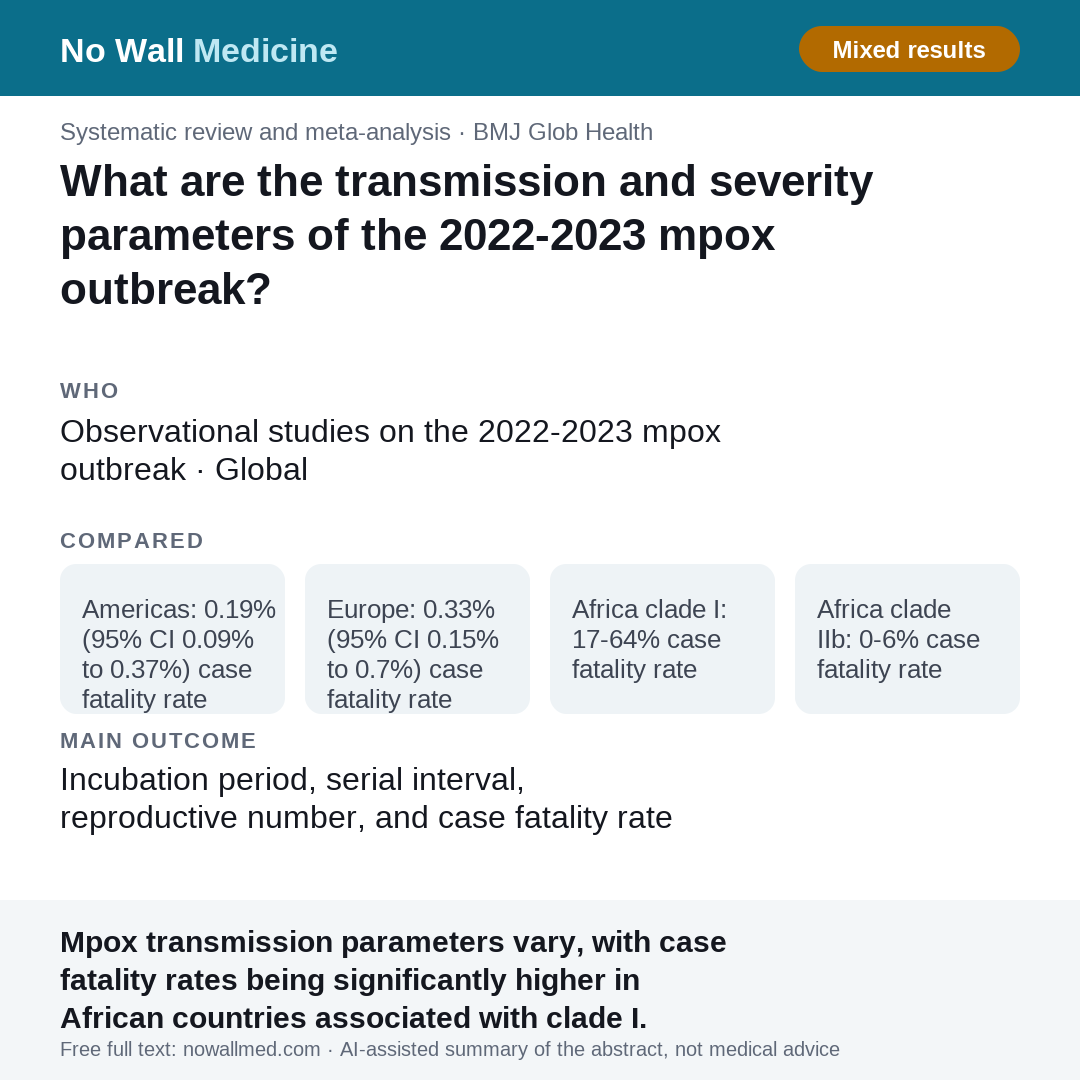
Decoding mpox: a systematic review and meta-analysis of the transmission and severity parameters of the 2022-2023 global outbreak
Systematic review and meta-analysisMixed results
What are the transmission and severity parameters of the 2022-2023 mpox outbreak?
Who
Observational studies on the 2022-2023 mpox outbreak · Global
Compared
Americas: 0.19% (95% CI 0.09% to 0.37%) case fatality rate
Europe: 0.33% (95% CI 0.15% to 0.7%) case fatality rate
Africa clade I: 17-64% case fatality rate
Africa clade IIb: 0-6% case fatality rate
Main outcome
Incubation period, serial interval, reproductive number, and case fatality rate
Bottom line: Mpox transmission parameters vary, with case fatality rates being significantly higher in African countries associated with clade I.
BMJ Glob Health · 2025-01-31Download image
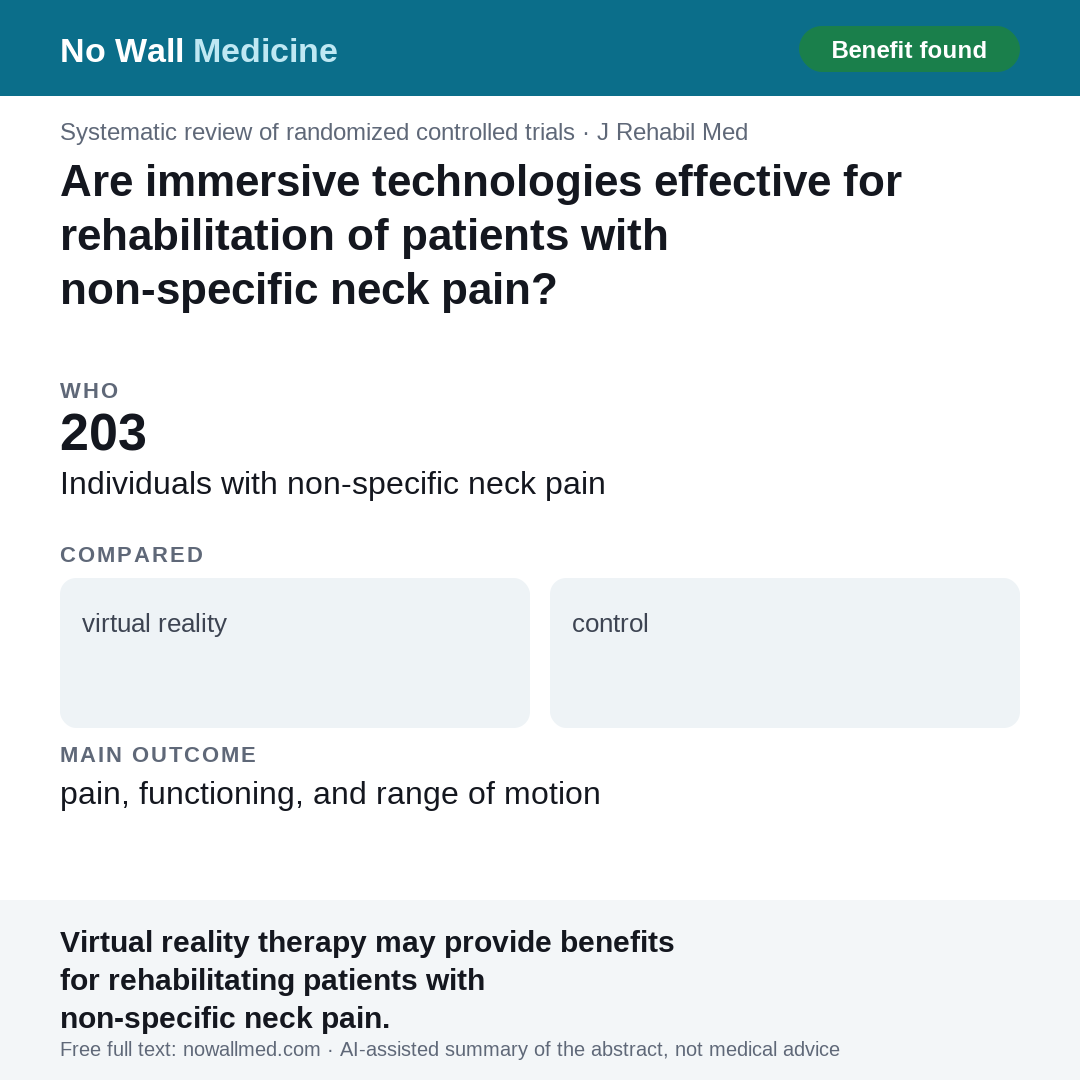
Effectiveness and adverse effects of immersive technologies used for rehabilitation of patients with non-specific neck pain: a systematic review
Systematic review of randomized controlled trialsBenefit found
Are immersive technologies effective for rehabilitation of patients with non-specific neck pain?
Who
203
Individuals with non-specific neck pain
Compared
virtual reality
control
Main outcome
pain, functioning, and range of motion
Bottom line: Virtual reality therapy may provide benefits for rehabilitating patients with non-specific neck pain.
Limitation: Studies lack information regarding the applicability of virtual reality therapy and safety data.
J Rehabil Med · 2025-01-31Download image
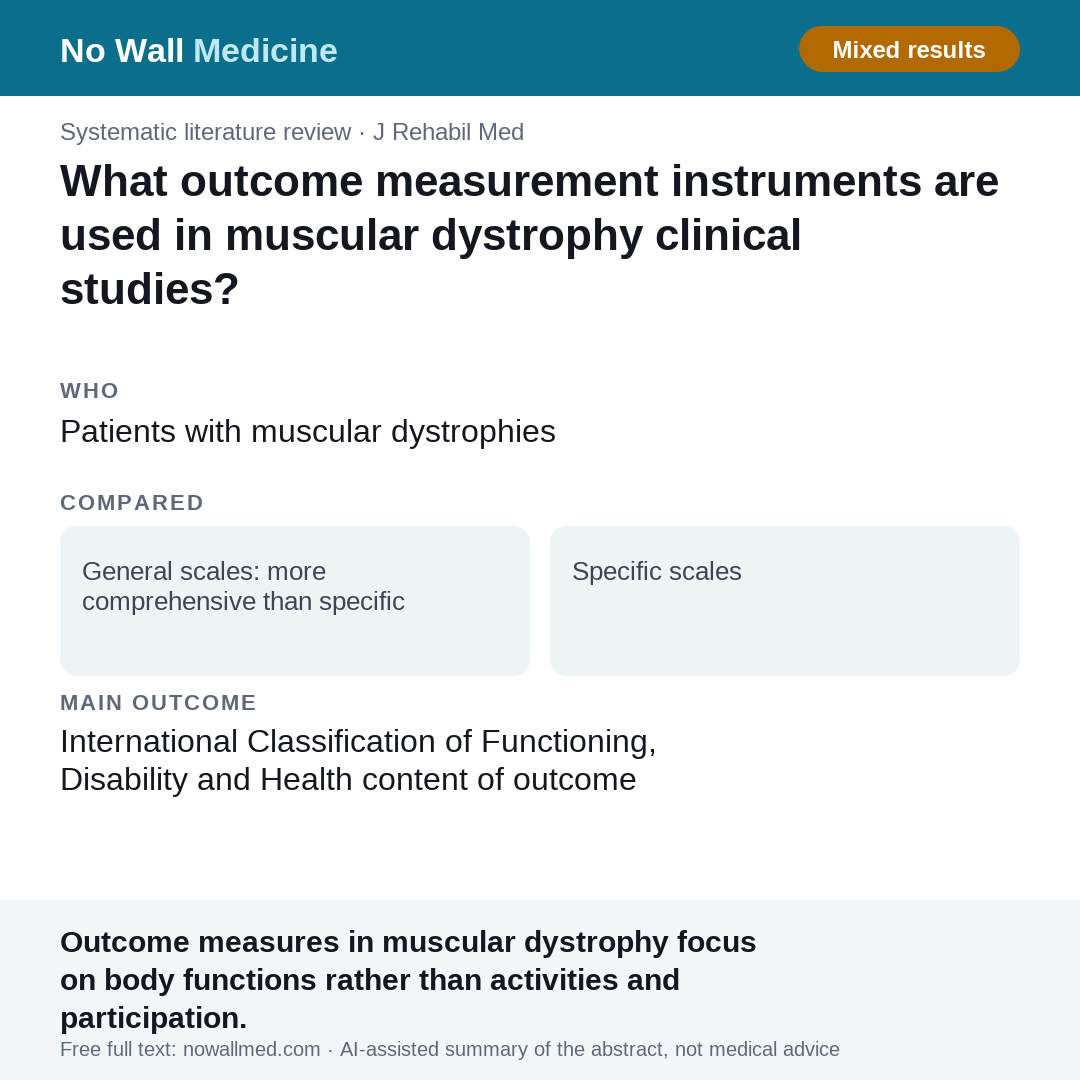
Outcome measures in muscular dystrophy rehabilitation: an ICF content comparison approach to the most commonly used MD scales
Systematic literature reviewMixed results
What outcome measurement instruments are used in muscular dystrophy clinical studies?
Who
Patients with muscular dystrophies
Compared
General scales: more comprehensive than specific
Specific scales
Main outcome
International Classification of Functioning, Disability and Health content of outcome measures
Bottom line: Outcome measures in muscular dystrophy focus on body functions rather than activities and participation.
J Rehabil Med · 2025-01-31Download image
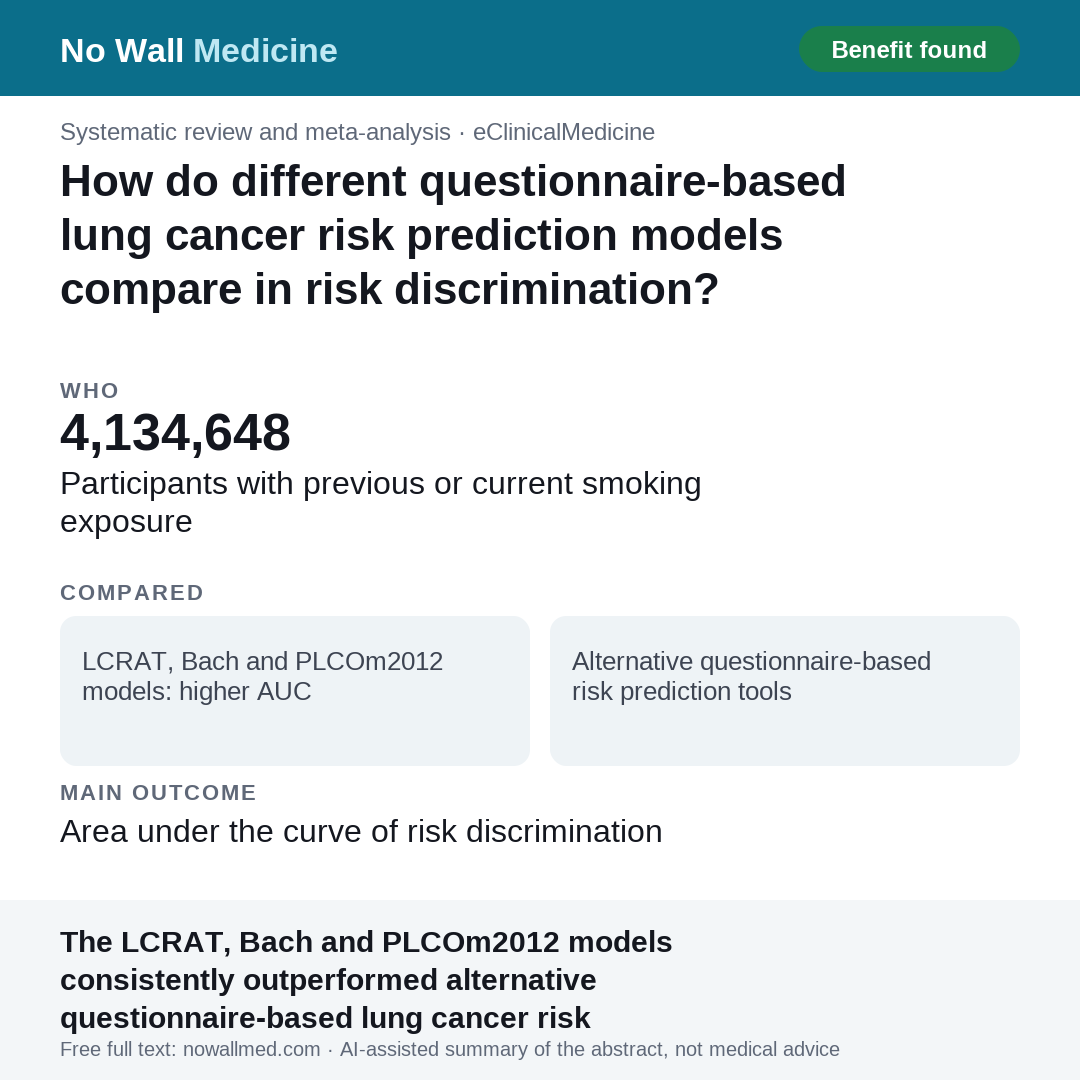
Head-to-head comparisons of risk discrimination by questionnaire-based lung cancer risk prediction models: a systematic review and meta-analysis
Systematic review and meta-analysisBenefit found
How do different questionnaire-based lung cancer risk prediction models compare in risk discrimination?
Who
4,134,648
Participants with previous or current smoking exposure
Compared
LCRAT, Bach and PLCOm2012 models: higher AUC
Alternative questionnaire-based risk prediction tools
Main outcome
Area under the curve of risk discrimination
Result: AUC differences ranging between 0.018 (95% CI 0.011, 0.026) and 0.044 (95% CI 0.038, 0.049)
Bottom line: The LCRAT, Bach and PLCOm2012 models consistently outperformed alternative questionnaire-based lung cancer risk prediction tools.
Limitation: Limited to the availability of head-to-head comparisons
Funded by: European Union
eClinicalMedicine · 2025-01-30Download image
The interplay between acute and late toxicity among patients receiving prostate radiotherapy: an individual patient data meta-analysis of six randomised trials
Individual patient data meta-analysisBenefit found
Is there an association between acute and late toxicity in prostate radiotherapy?
Who
6593
Patients receiving conventionally fractionated or moderately hypofractionated prostate radiotherapy
Compared
Acute grade 2 or greater genitourinary toxicity: odds ratio 2·20 [95% CI 1·88-2·57] for late genitourinary toxicity
Acute grade 2 or greater gastrointestinal toxicity: 2·53 [2·07-3·08] for late gastrointestinal toxicity
Main outcome
Acute and late genitourinary and gastrointestinal toxicity
Result: odds ratio 2·20 [95% CI 1·88-2·57] for genitourinary toxicity
Bottom line: Acute toxicity following prostate radiotherapy is significantly associated with late toxicity and decrements in patient-reported quality of life.
Funded by: National Institutes of Health and US Department of Defense
Lancet Oncol · 2025-01-30Download image

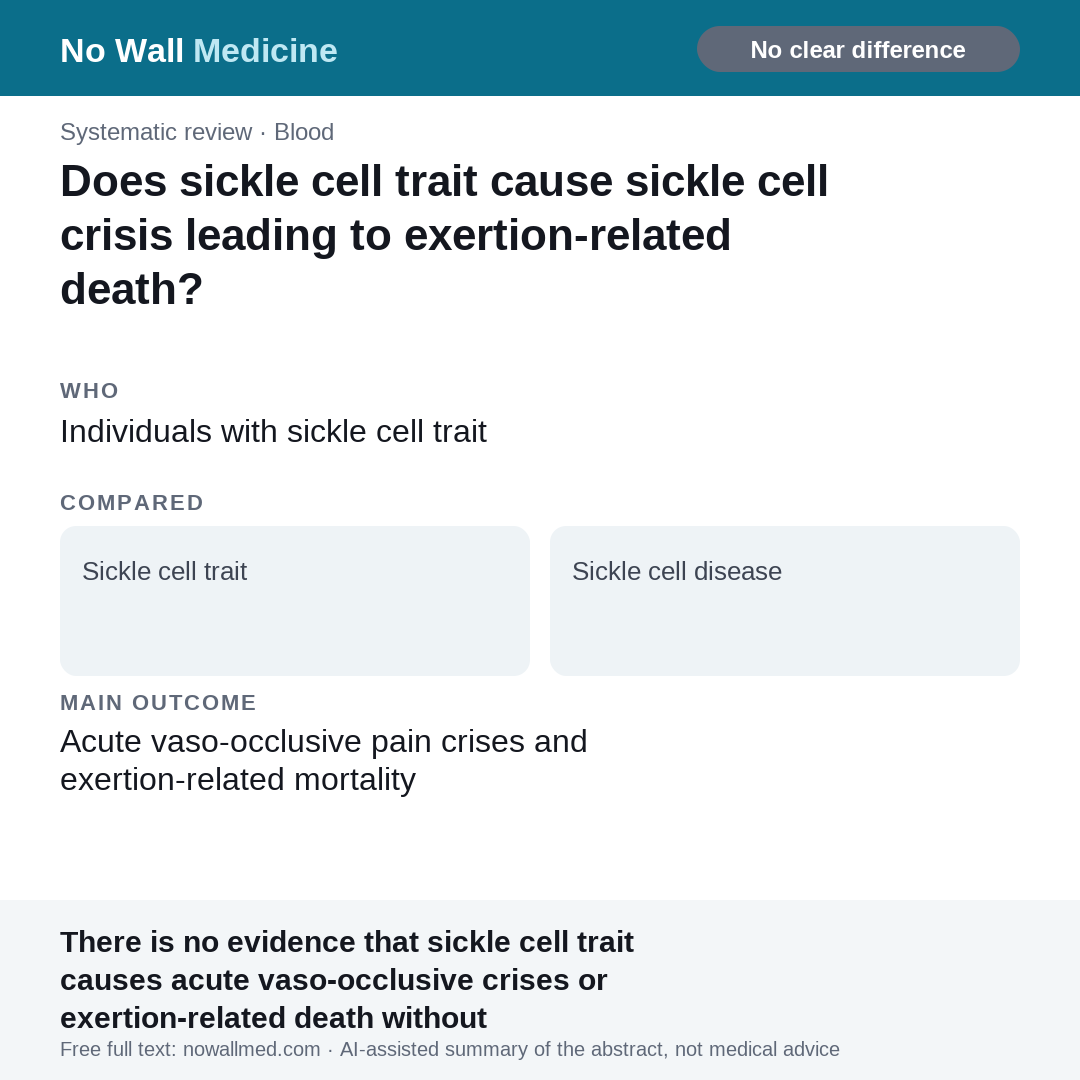
Sickle cell trait does not cause "sickle cell crisis" leading to exertion-related death: a systematic review
Systematic reviewNo clear difference
Does sickle cell trait cause sickle cell crisis leading to exertion-related death?
Who
Individuals with sickle cell trait
Compared
Sickle cell trait
Sickle cell disease
Main outcome
Acute vaso-occlusive pain crises and exertion-related mortality
Bottom line: There is no evidence that sickle cell trait causes acute vaso-occlusive crises or exertion-related death without rhabdomyolysis.
Limitation: No studies were found comparing uncomplicated acute pain crises in individuals with sickle cell trait and sickle cell disease.
Blood · 2025-01-30Download image
Dual sensory impairment: Global prevalence, future projections, and its association with cognitive decline
Random-effects meta-analysisHarm found
What is the global prevalence of dual sensory impairment and its association with cognitive decline?
Who
5,246,796
Participants from epidemiological studies · Global
Compared
5.50%Dual sensory impairment (95% confidence interval 2.88%-10.26%)
59.83%Cognitive impairment in DSI patients (95%CI 41.03-76.12)
Main outcome
Dual sensory impairment prevalence and incident cognitive decline
Result: odds ratio 1.72 (95%CI 1.37-2.15)
Bottom line: Dual sensory impairment is globally prevalent, increasing, and associated with a higher risk of incident cognitive decline.
Alzheimers Dement · 2025-01-30Download image

Aesthetic Efficacy and Safety of Combined Microfocused Ultrasound With Visualization and Calcium Hydroxylapatite Treatment: A Systematic Review of Human Evidence
Meta-analysis of 11 studiesBenefit found
Does combined treatment improve aesthetics?
Who
adults with skin laxity
Compared
Combined treatment
Control
Main outcome
aesthetic improvement
Bottom line: Combined treatment improves aesthetics
Limitation: limited number of studies
Aesthet Surg J · 2025-01-30Download image

Effectiveness of safety-netting approaches for acutely ill children: a network meta-analysis
Network meta-analysis of various study designsBenefit found
How do different safety-netting advice methods affect antibiotic use and parental outcomes?
Who
Acutely ill children in ambulatory care in high-income countries · Ambulatory care in high-income countries
Compared
Usual care
Paper safety-netting advice: OR 0.66 (95% CI 0.53 to 0.82)
Main outcome
Antibiotic prescribing, consumption, and return visits
Result: odds ratio 0.66 (95% CI 0.53 to 0.82)
Bottom line: Paper safety-netting advice may reduce antibiotic prescribing and return visits compared to usual care.
Limitation: Certainty of evidence for some outcomes was very low.
Br J Gen Pract · 2025-01-30Download image

Preconception indicators and associations with health outcomes reported in UK routine primary care data: a systematic review
Systematic reviewUnclear result
Can primary care data inform preconception care
Who
individuals aged 15-49 years · UK
Compared
female patients
male patients
Main outcome
maternal and offspring health
Bottom line: Primary care data can identify preconception needs
Limitation: missing data may limit generalisability
Br J Gen Pract · 2025-01-30Download image

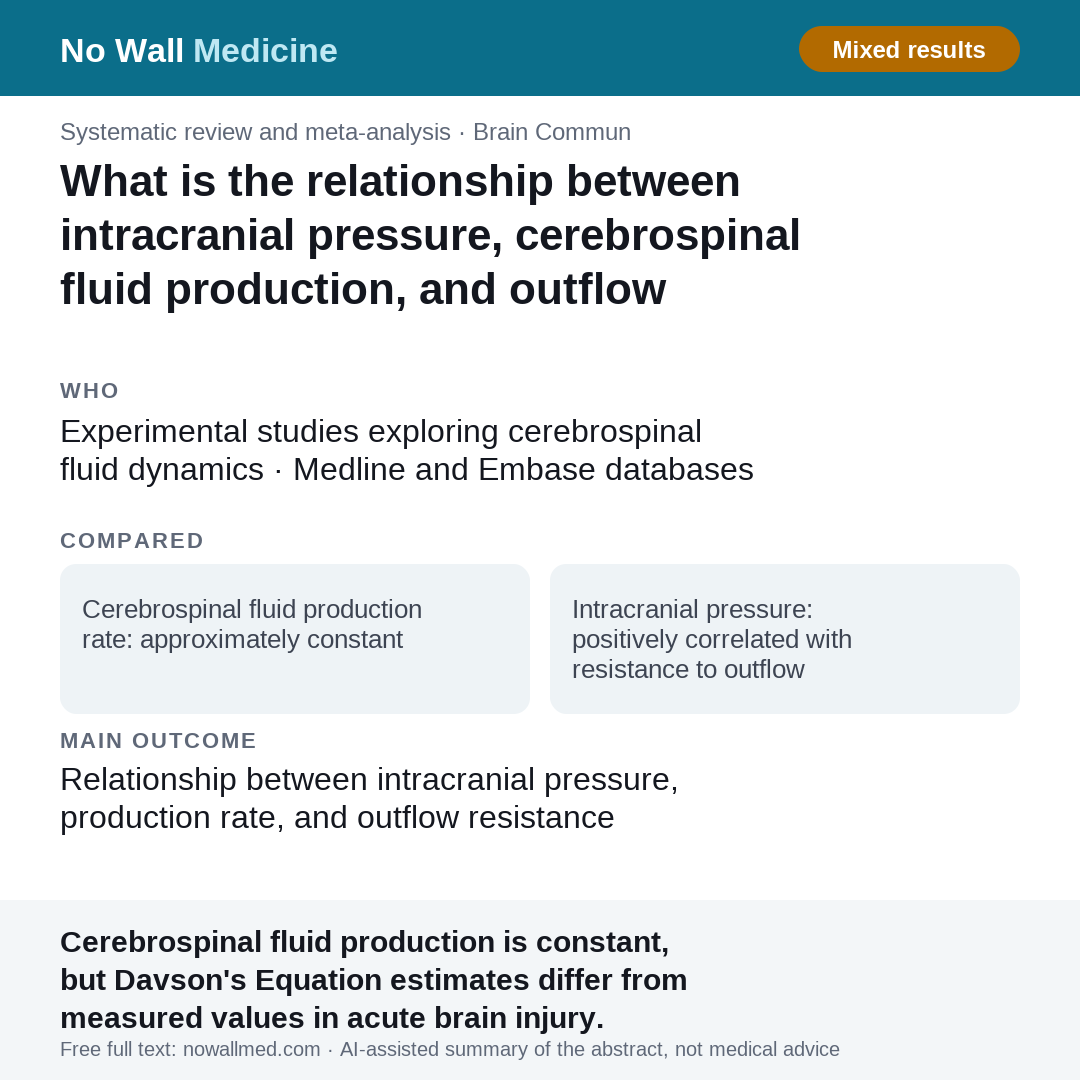
CSF production rate, resistance to reabsorption, and intracranial pressure: a systematic review and meta-analysis
Systematic review and meta-analysisMixed results
What is the relationship between intracranial pressure, cerebrospinal fluid production, and outflow resistance?
Who
25
Experimental studies exploring cerebrospinal fluid dynamics · Medline and Embase databases
Compared
Cerebrospinal fluid production rate: approximately constant
Intracranial pressure: positively correlated with resistance to outflow
Main outcome
Relationship between intracranial pressure, production rate, and outflow resistance
Bottom line: Cerebrospinal fluid production is constant, but Davson's Equation estimates differ from measured values in acute brain injury.
Limitation: Estimations differ for patients with acute brain injury compared to measured values.
Brain Commun · 2025-01-30Download image
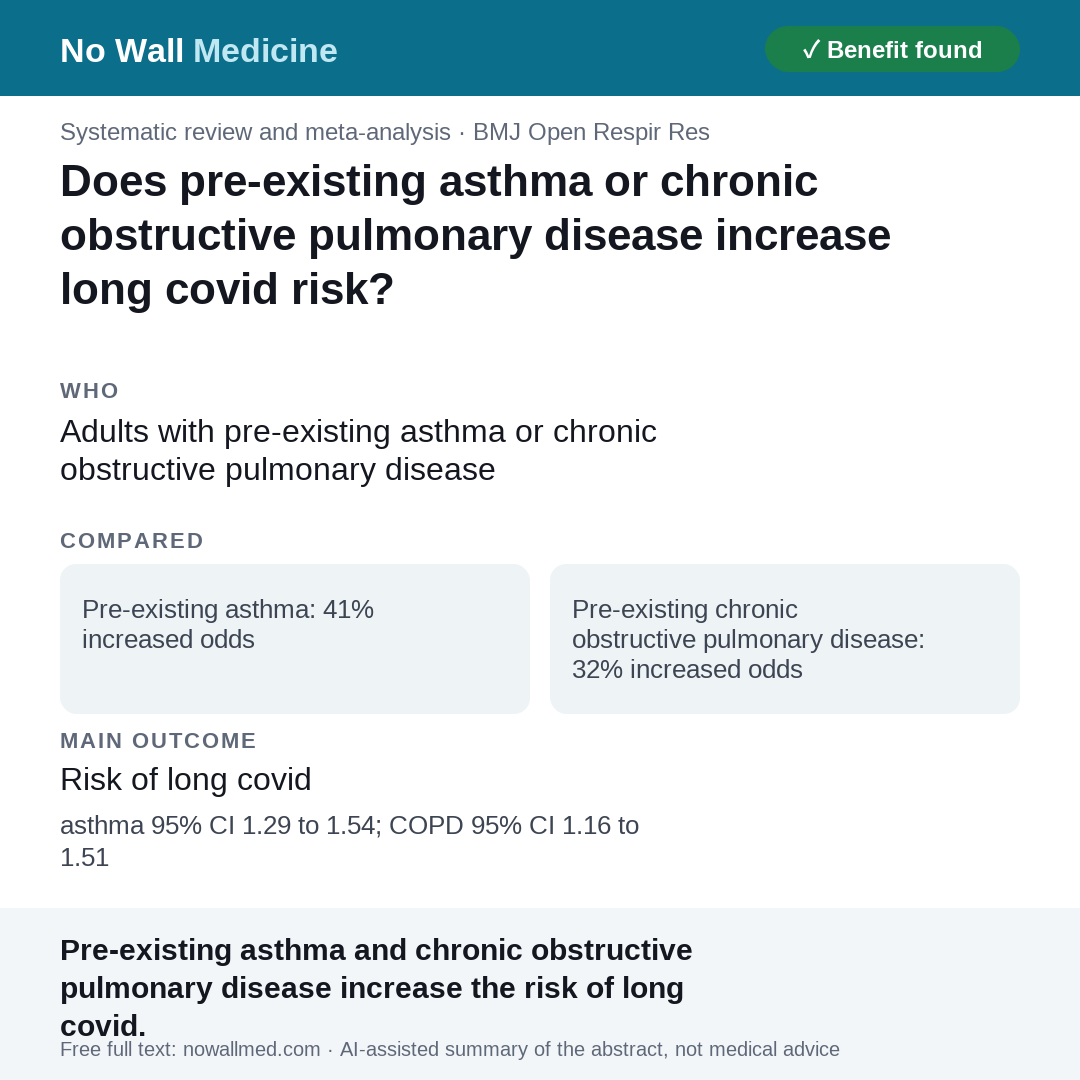
Risk of long covid in patients with pre-existing chronic respiratory diseases: a systematic review and meta-analysis
Systematic review and meta-analysisBenefit found
Does pre-existing asthma or chronic obstructive pulmonary disease increase long covid risk?
Who
Adults with pre-existing asthma or chronic obstructive pulmonary disease
Compared
Pre-existing asthma: 41% increased odds
Pre-existing chronic obstructive pulmonary disease: 32% increased odds
Main outcome
Risk of long covid
Result: asthma 95% CI 1.29 to 1.54; COPD 95% CI 1.16 to 1.51
Bottom line: Pre-existing asthma and chronic obstructive pulmonary disease increase the risk of long covid.
Limitation: Potential confounding and inconsistent measurement of exposure and outcome variables.
BMJ Open Respir Res · 2025-01-30Download image
Systematic literature review on Calcium Pyrophosphate Deposition (CPPD) nomenclature: condition elements and clinical states- A Gout, Hyperuricaemia and Crystal-Associated Disease Network (G-CAN) consensus project
Systematic literature reviewMixed results
What are the most common labels used for calcium pyrophosphate deposition concepts?
Who
886
Medical literature from 2000 to 2022
Compared
Pseudogout: 365/783 (46.6%)
Chondrocalcinosis: 207/783 (26.4%)
Calcium pyrophosphate deposition disease: 181/783 (23.1%)
Main outcome
Frequency of labels for calcium pyrophosphate deposition concepts
Bottom line: Medical literature shows wide variation and heterogeneity in labels used to describe calcium pyrophosphate deposition concepts.
RMD Open · 2025-01-30Download image

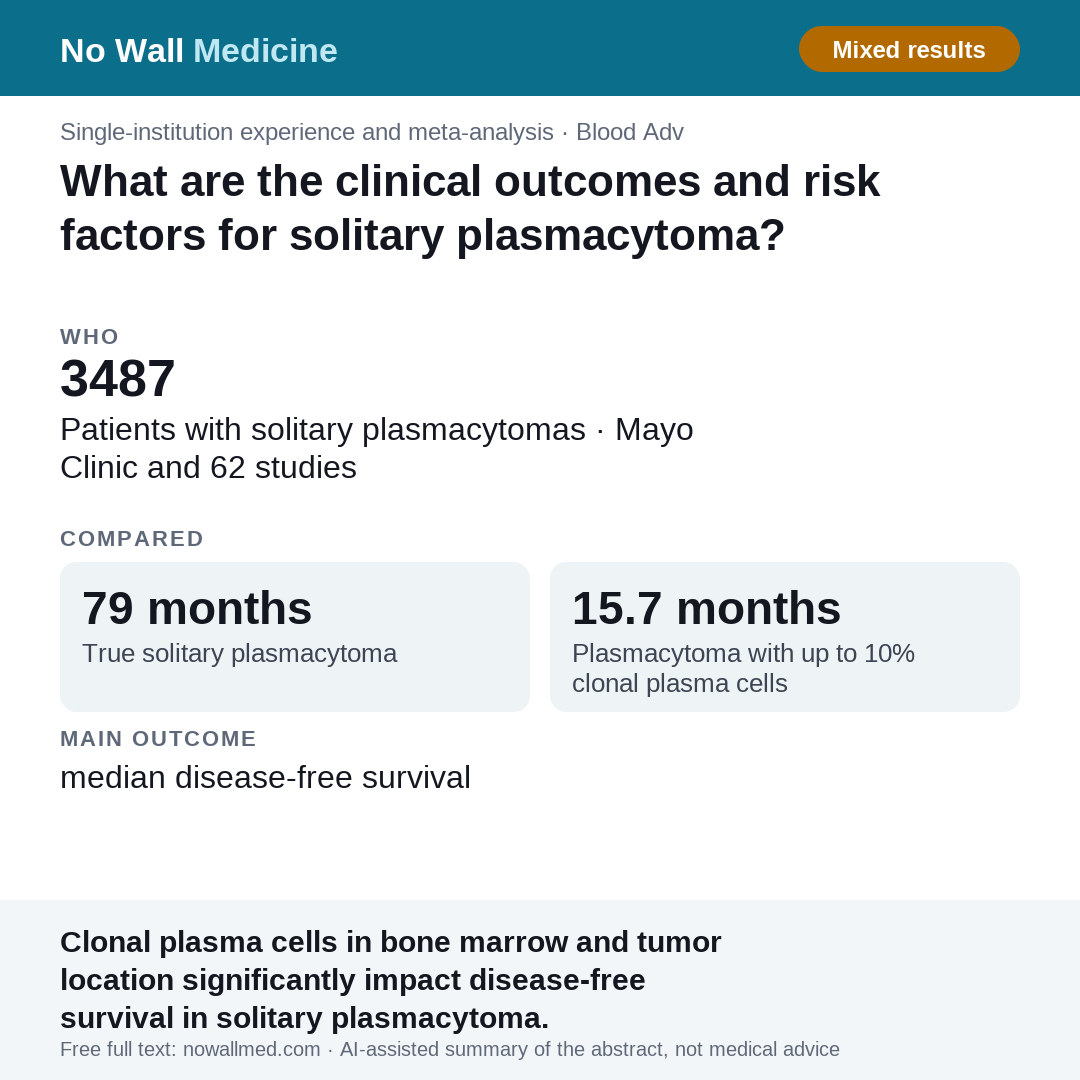
Solitary plasmacytoma: single-institution experience, and systematic review and meta-analysis of clinical outcomes
Single-institution experience and meta-analysisMixed results
What are the clinical outcomes and risk factors for solitary plasmacytoma?
Who
3487
Patients with solitary plasmacytomas · Mayo Clinic and 62 studies
Compared
79 monthsTrue solitary plasmacytoma
15.7 monthsPlasmacytoma with up to 10% clonal plasma cells
Main outcome
median disease-free survival
Bottom line: Clonal plasma cells in bone marrow and tumor location significantly impact disease-free survival in solitary plasmacytoma.
Blood Adv · 2025-01-30Download image
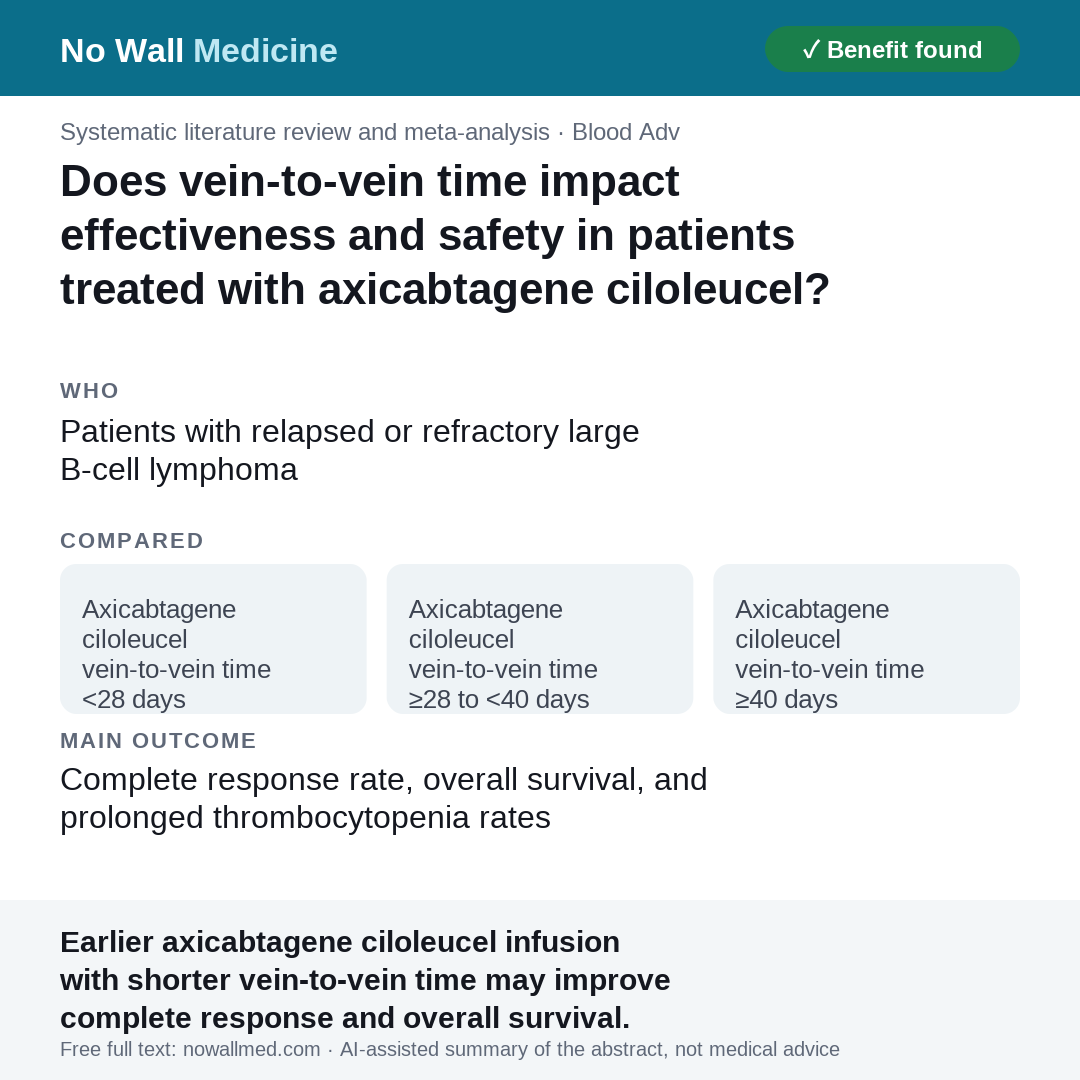
Impact of vein-to-vein time in patients with R/R LBCL treated with axicabtagene ciloleucel
Systematic literature review and meta-analysisBenefit found
Does vein-to-vein time impact effectiveness and safety in patients treated with axicabtagene ciloleucel?
Who
Patients with relapsed or refractory large B-cell lymphoma
Compared
Axicabtagene ciloleucel vein-to-vein time <28 days
Axicabtagene ciloleucel vein-to-vein time ≥28 to <40 days
Axicabtagene ciloleucel vein-to-vein time ≥40 days
Main outcome
Complete response rate, overall survival, and prolonged thrombocytopenia rates
Result: hazard ratio 1.33 (for overall survival vs <28 days)
Bottom line: Earlier axicabtagene ciloleucel infusion with shorter vein-to-vein time may improve complete response and overall survival.
Blood Adv · 2025-01-30Download image
Understanding the local-level variations in seasonality of human respiratory syncytial virus infection: a systematic analysis
Systematic review and meta-analysisMixed results
What are the local-level variations in human respiratory syncytial virus seasonality?
Who
888447
888,447 respiratory syncytial virus-positive cases from 101 local sites · Japan, Spain, Scotland, and 7 other published studies
Compared
6 weeksSeason onset variation (41 days, 95% CI: 25-57)
5 weeksSeason offset variation (32 days, 13-50)
6 weeksSeason duration variation (40 days, 20-59)
Main outcome
Local-level variations in respiratory syncytial virus season onset, offset, and duration
Bottom line: Local respiratory syncytial virus season onset varies by 6 weeks, influenced by meteorological, geographical, and socio-demographic factors.
BMC Med · 2025-01-29Download image

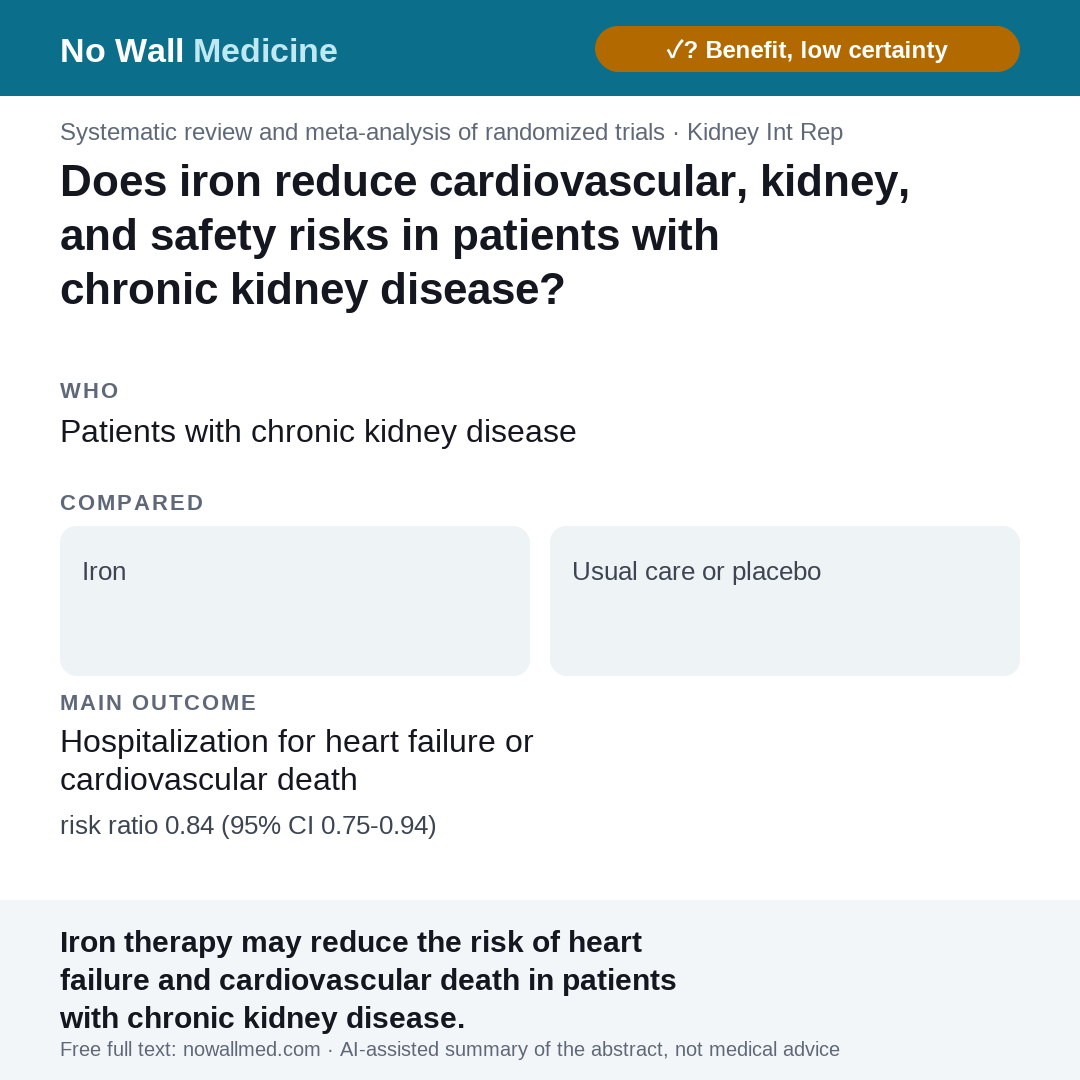
Systematic Review of the Effects of Iron on Cardiovascular, Kidney, and Safety Outcomes in Patients With CKD
Systematic review and meta-analysis of randomized trialsBenefit found
Does iron reduce cardiovascular, kidney, and safety risks in patients with chronic kidney disease?
Who
Patients with chronic kidney disease
Compared
Iron
Usual care or placebo
Main outcome
Hospitalization for heart failure or cardiovascular death
Result: risk ratio 0.84 (95% CI 0.75-0.94)
Bottom line: Iron therapy may reduce the risk of heart failure and cardiovascular death in patients with chronic kidney disease.
Limitation: Randomized trials evaluating iron on clinical outcomes are needed, especially in nondialysis patients.
Kidney Int Rep · 2025-01-29Download image