Visual abstracts
New randomized trials and meta-analyses from leading journals at a glance: who was studied, what was compared, and what was found. Every paper is free to read in full.
All specialtiesCardiology 1215Oncology 1055Gastroenterology & Hepatology 421Infectious Disease 795Neurology 504Psychiatry & Mental Health 614Pulmonology 512Critical Care 352Endocrinology & Diabetes 675Pediatrics 720Surgery 537Orthopedics & Sports Medicine 228Neurosurgery 164Cardiothoracic & Vascular Surgery 135Plastic & Reconstructive Surgery 187Nephrology 253Rheumatology 160Hematology 250Dermatology 117Ophthalmology 137Obstetrics & Gynecology 376Public & Global Health 238Radiology & Imaging 158Anesthesiology 218Urology 219ENT (Otolaryngology) 166Emergency Medicine 127Allergy & Immunology 83Geriatrics 248Family Medicine & Primary Care 150Medical Genetics & Genomics 126Pathology & Laboratory Medicine 36Physical Medicine & Rehabilitation 207Palliative Care 109Nutrition 313Digital Health & AI 610General Medicine 114
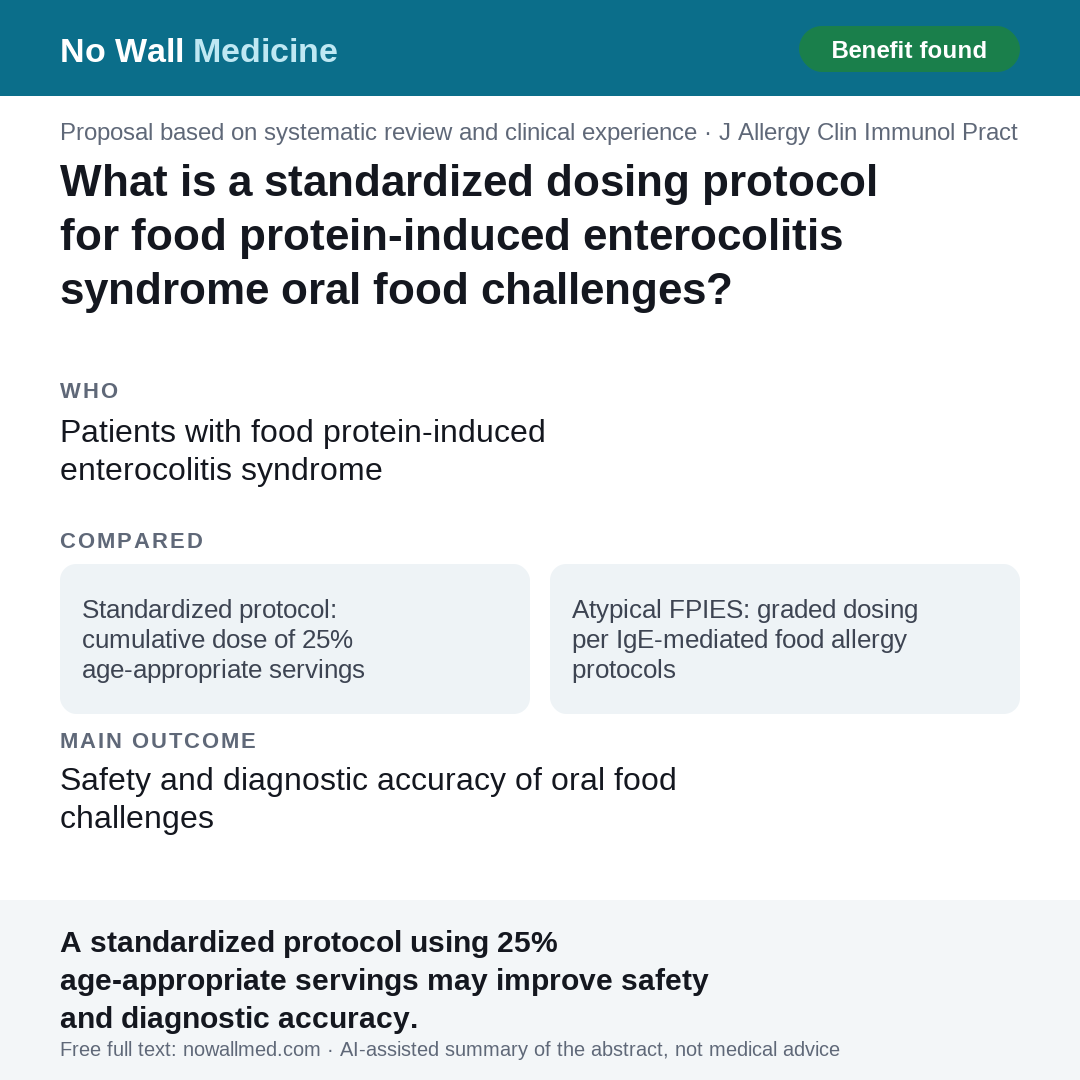
Age-Appropriate Low Dosing for Food Protein-Induced Enterocolitis Syndrome Oral Food Challenges: Proposing a Standardized Approach
Proposal based on systematic review and clinical experienceBenefit found
What is a standardized dosing protocol for food protein-induced enterocolitis syndrome oral food challenges?
Who
Patients with food protein-induced enterocolitis syndrome
Compared
Standardized protocol: cumulative dose of 25% age-appropriate servings
Atypical FPIES: graded dosing per IgE-mediated food allergy protocols
Main outcome
Safety and diagnostic accuracy of oral food challenges
Bottom line: A standardized protocol using 25% age-appropriate servings may improve safety and diagnostic accuracy.
J Allergy Clin Immunol Pract · 2026-04-16Download image
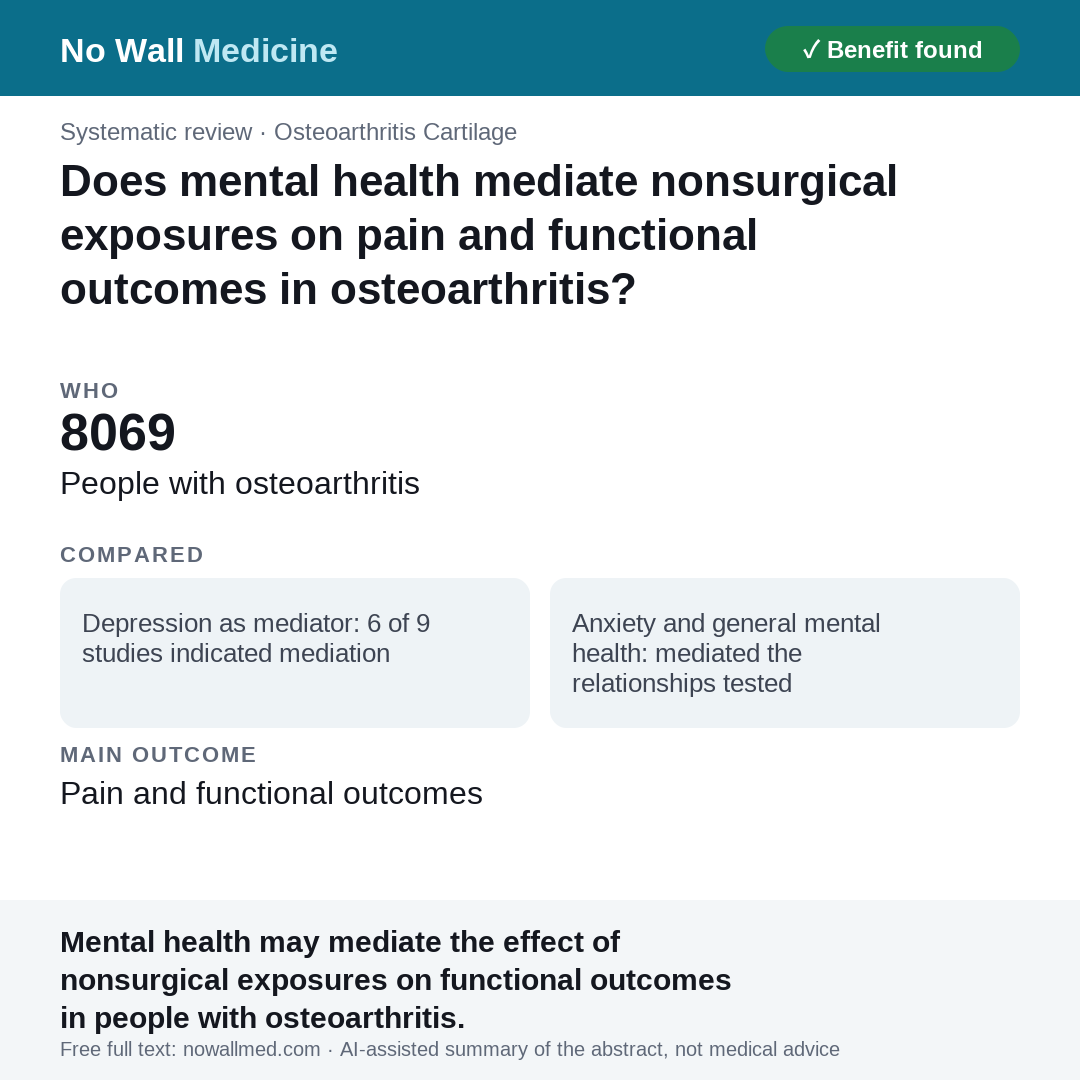
Does mental health mediate the effect of nonsurgical exposures on pain and functional outcomes in osteoarthritis? A systematic review
Systematic reviewBenefit found
Does mental health mediate nonsurgical exposures on pain and functional outcomes in osteoarthritis?
Who
8069
People with osteoarthritis
Compared
Depression as mediator: 6 of 9 studies indicated mediation
Anxiety and general mental health: mediated the relationships tested
Main outcome
Pain and functional outcomes
Bottom line: Mental health may mediate the effect of nonsurgical exposures on functional outcomes in people with osteoarthritis.
Limitation: High heterogeneity across proposed models and key methodological weaknesses in included studies.
Osteoarthritis Cartilage · 2026-04-16Download image
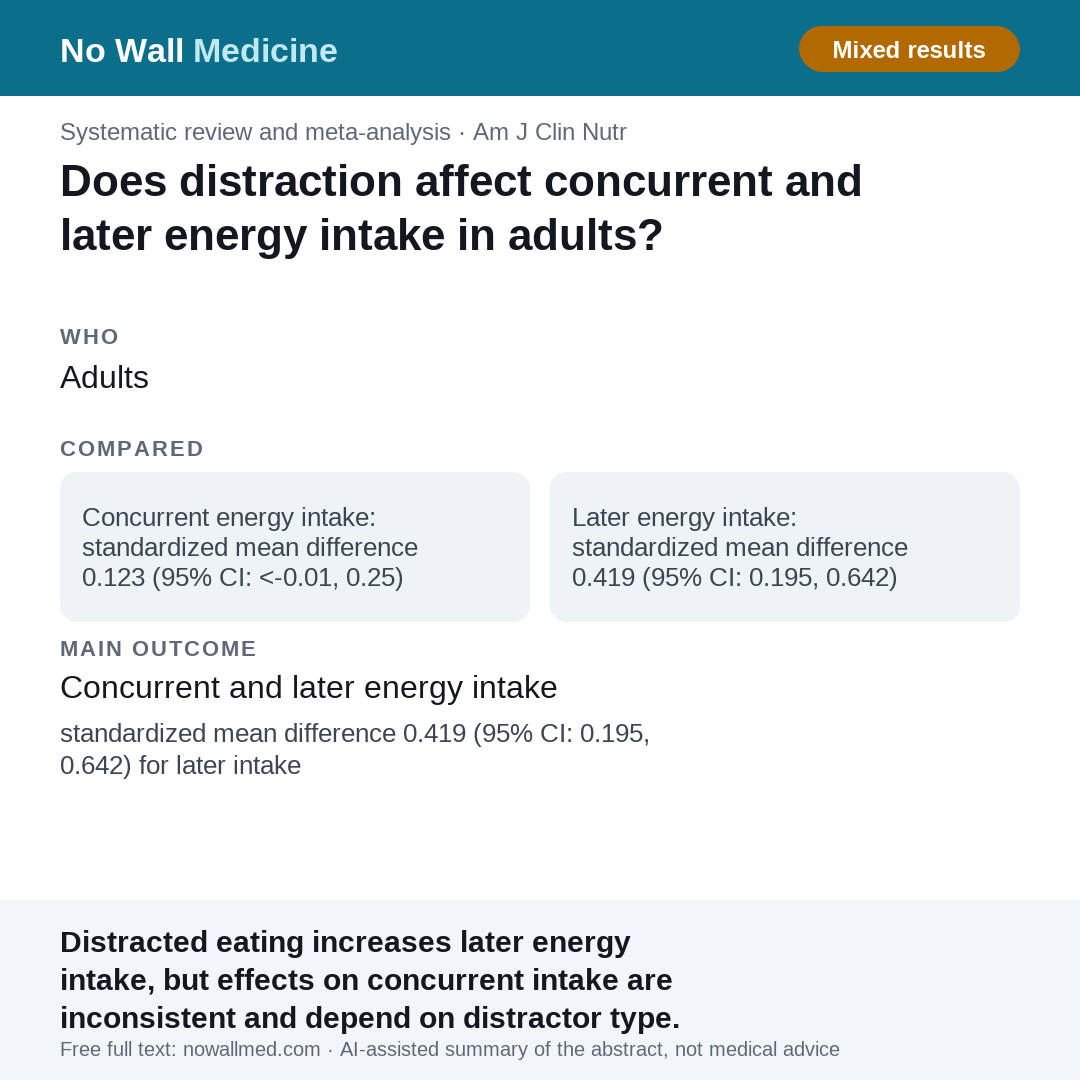
Eating while distracted: a systematic review and meta-analysis of the effect of distraction on concurrent and later energy intake in adults
Systematic review and meta-analysisMixed results
Does distraction affect concurrent and later energy intake in adults?
Who
Adults
Compared
Concurrent energy intake: standardized mean difference 0.123 (95% CI: <-0.01, 0.25)
Later energy intake: standardized mean difference 0.419 (95% CI: 0.195, 0.642)
Main outcome
Concurrent and later energy intake
Result: standardized mean difference 0.419 (95% CI: 0.195, 0.642) for later intake
Bottom line: Distracted eating increases later energy intake, but effects on concurrent intake are inconsistent and depend on distractor type.
Am J Clin Nutr · 2026-04-16Download image
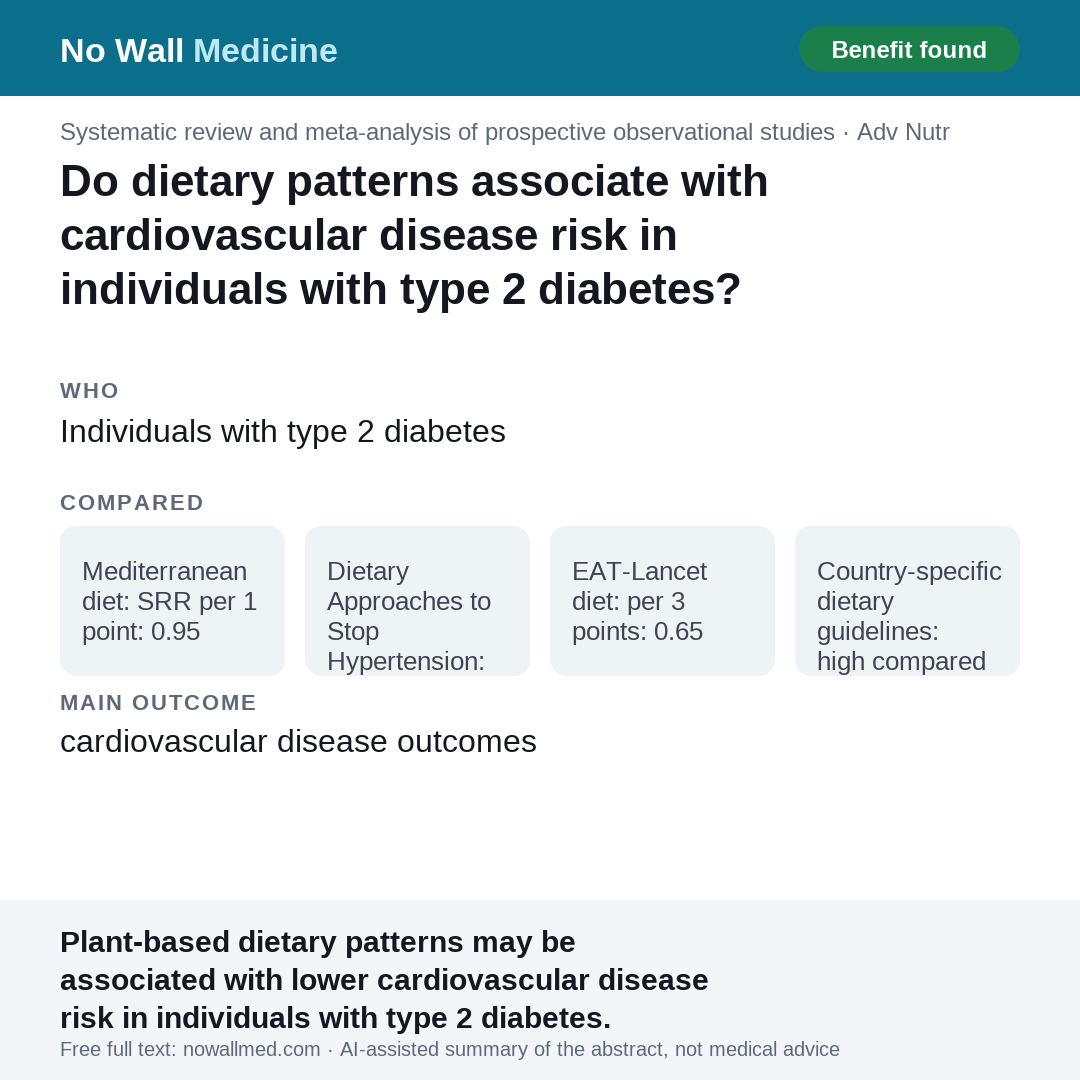
Dietary Patterns and Cardiovascular Diseases in Individuals with Type 2 Diabetes: A Systematic Review and Meta-Analysis of Prospective Observational Studies
Systematic review and meta-analysis of prospective observational studiesBenefit found
Do dietary patterns associate with cardiovascular disease risk in individuals with type 2 diabetes?
Who
Individuals with type 2 diabetes
Compared
Mediterranean diet: SRR per 1 point: 0.95
Dietary Approaches to Stop Hypertension: per 5 points: 0.96
EAT-Lancet diet: per 3 points: 0.65
Country-specific dietary guidelines: high compared with low: 0.80
Main outcome
cardiovascular disease outcomes
Bottom line: Plant-based dietary patterns may be associated with lower cardiovascular disease risk in individuals with type 2 diabetes.
Limitation: Most studies were rated as high risk of bias due to confounding.
Adv Nutr · 2026-04-16Download image
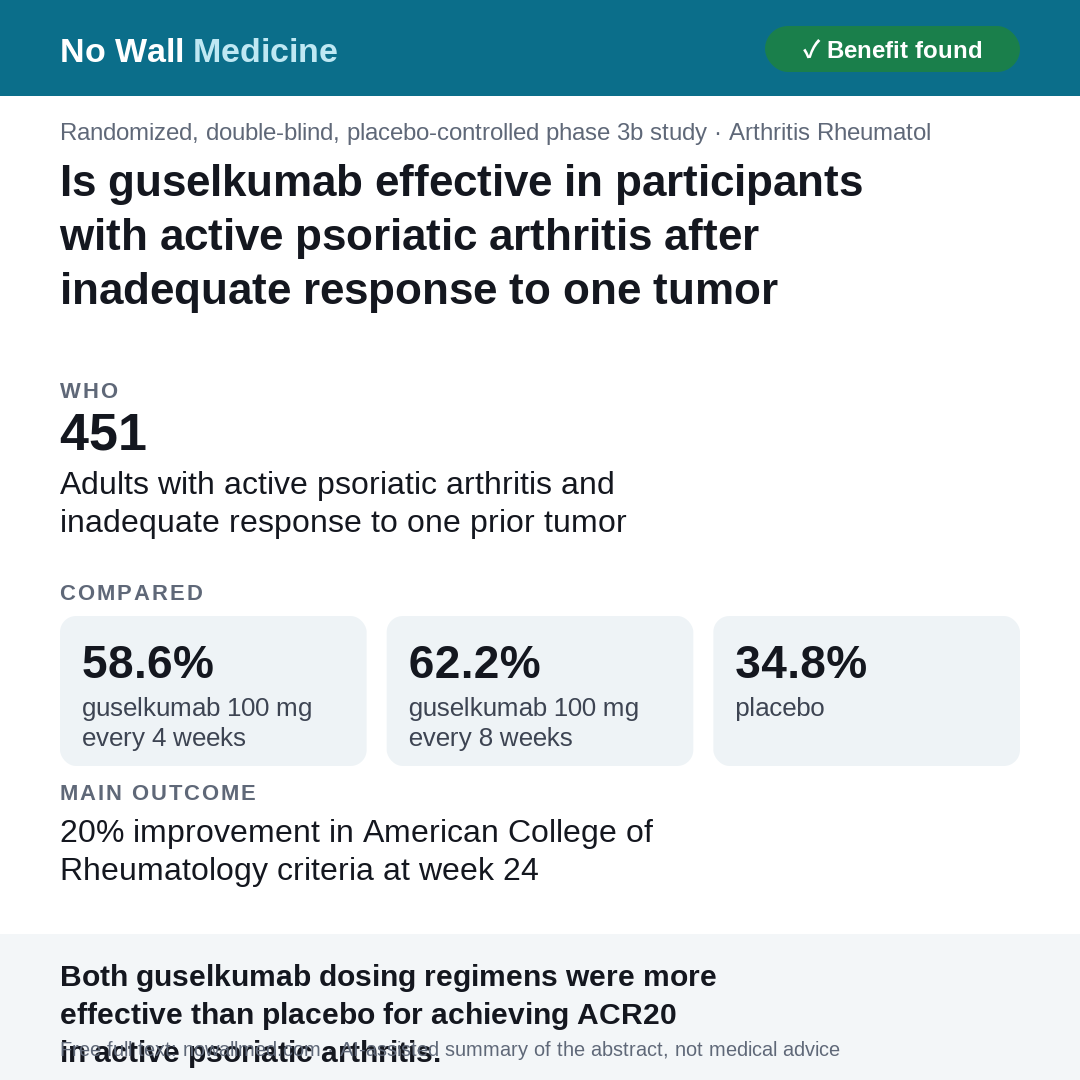
Efficacy and Safety of Guselkumab in Participants With Active Psoriatic Arthritis After Inadequate Response to One Prior Tumor Necrosis Factor Inhibitor: Week-24 Results of a Phase 3, Randomized, Placebo-Controlled Study
Randomized, double-blind, placebo-controlled phase 3b studyBenefit found
Is guselkumab effective in participants with active psoriatic arthritis after inadequate response to one tumor necrosis factor inhibitor?
Who
451
Adults with active psoriatic arthritis and inadequate response to one prior tumor necrosis factor inhibitor · multicenter
Compared
58.6%guselkumab 100 mg every 4 weeks
62.2%guselkumab 100 mg every 8 weeks
34.8%placebo
Main outcome
20% improvement in American College of Rheumatology criteria at week 24
Bottom line: Both guselkumab dosing regimens were more effective than placebo for achieving ACR20 in active psoriatic arthritis.
Arthritis Rheumatol · 2026-04-16Download image
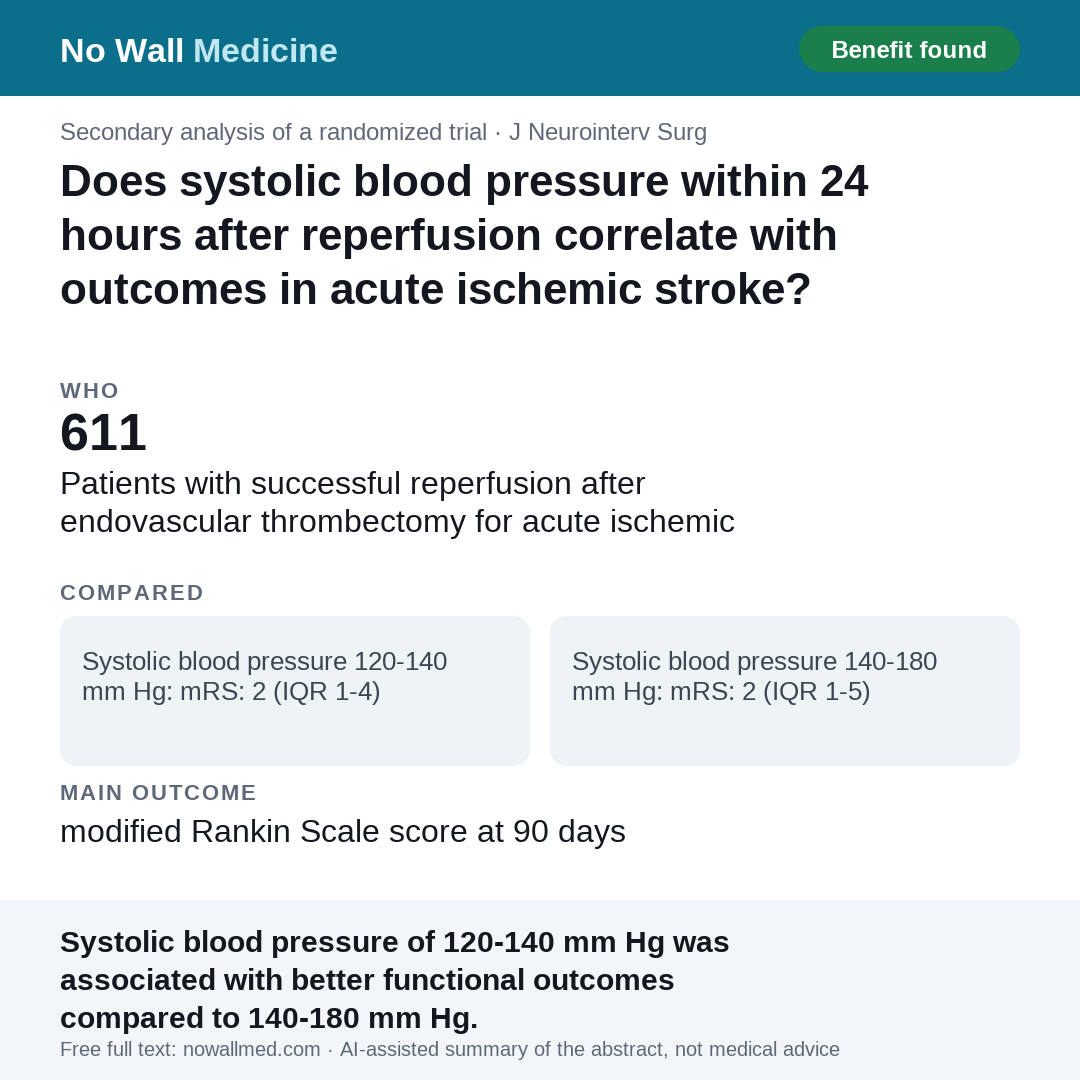
Systolic blood pressure within 24 hours after successful reperfusion correlates with outcomes in acute ischemic stroke: a secondary analysis of the EHCHANTED2/MT Trial
Secondary analysis of a randomized trialBenefit found
Does systolic blood pressure within 24 hours after reperfusion correlate with outcomes in acute ischemic stroke?
Who
611
Patients with successful reperfusion after endovascular thrombectomy for acute ischemic stroke
Compared
Systolic blood pressure 120-140 mm Hg: mRS: 2 (IQR 1-4)
Systolic blood pressure 140-180 mm Hg: mRS: 2 (IQR 1-5)
Main outcome
modified Rankin Scale score at 90 days
Result: adjusted OR 1.54 (95% CI 1.10 to 2.17)
Bottom line: Systolic blood pressure of 120-140 mm Hg was associated with better functional outcomes compared to 140-180 mm Hg.
J Neurointerv Surg · 2026-04-16Download image
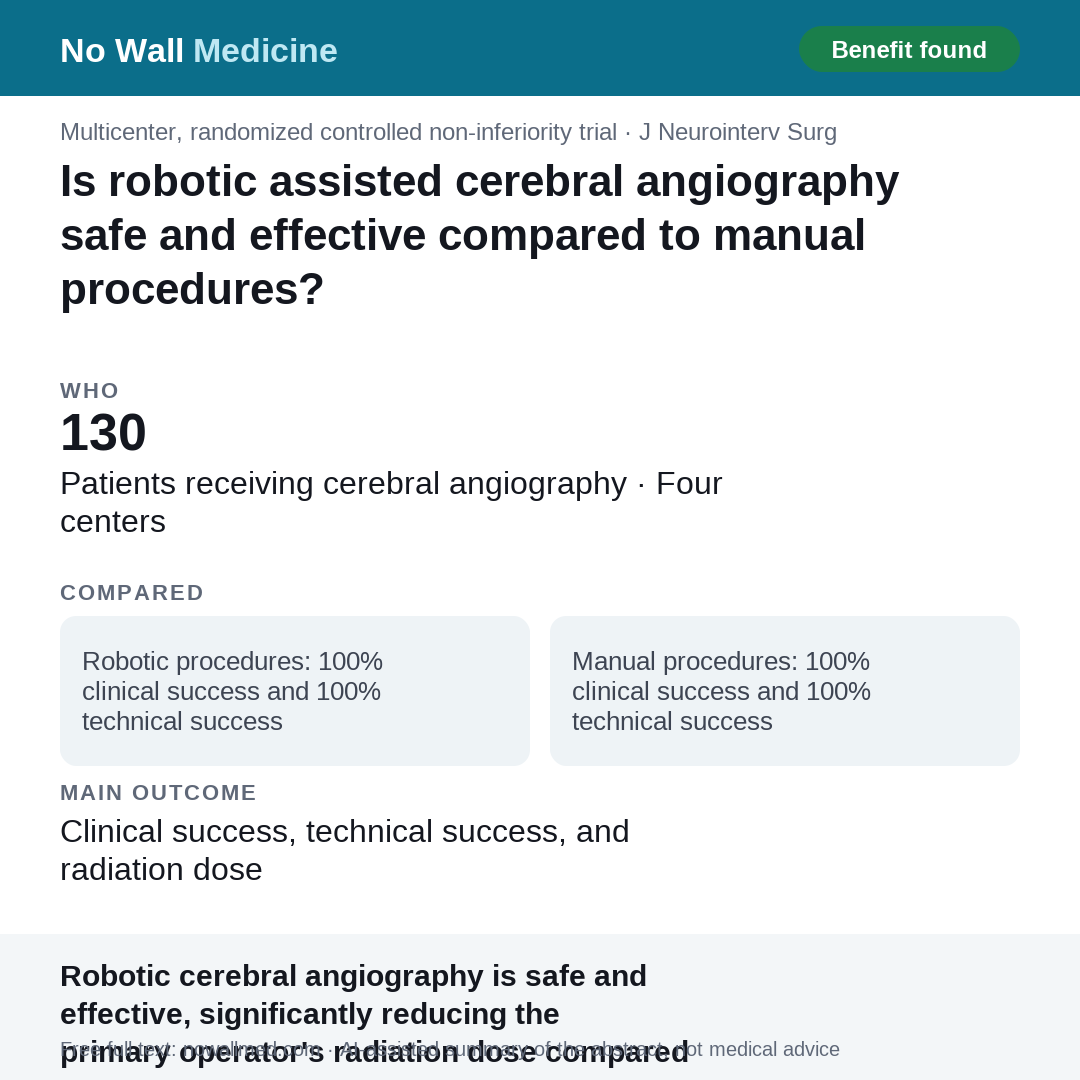
Safety and efficacy of cerebral robot assisted angiography: randomized comparison of robotic versus manual procedures
Multicenter, randomized controlled non-inferiority trialBenefit found
Is robotic assisted cerebral angiography safe and effective compared to manual procedures?
Who
130
Patients receiving cerebral angiography · Four centers
Compared
Robotic procedures: 100% clinical success and 100% technical success
Manual procedures: 100% clinical success and 100% technical success
Main outcome
Clinical success, technical success, and radiation dose
Result: primary operator's radiation dose 1.67±3.49 μSv vs 43.63±38.95 μSv
Bottom line: Robotic cerebral angiography is safe and effective, significantly reducing the primary operator's radiation dose compared to manual procedures.
J Neurointerv Surg · 2026-04-16Download image
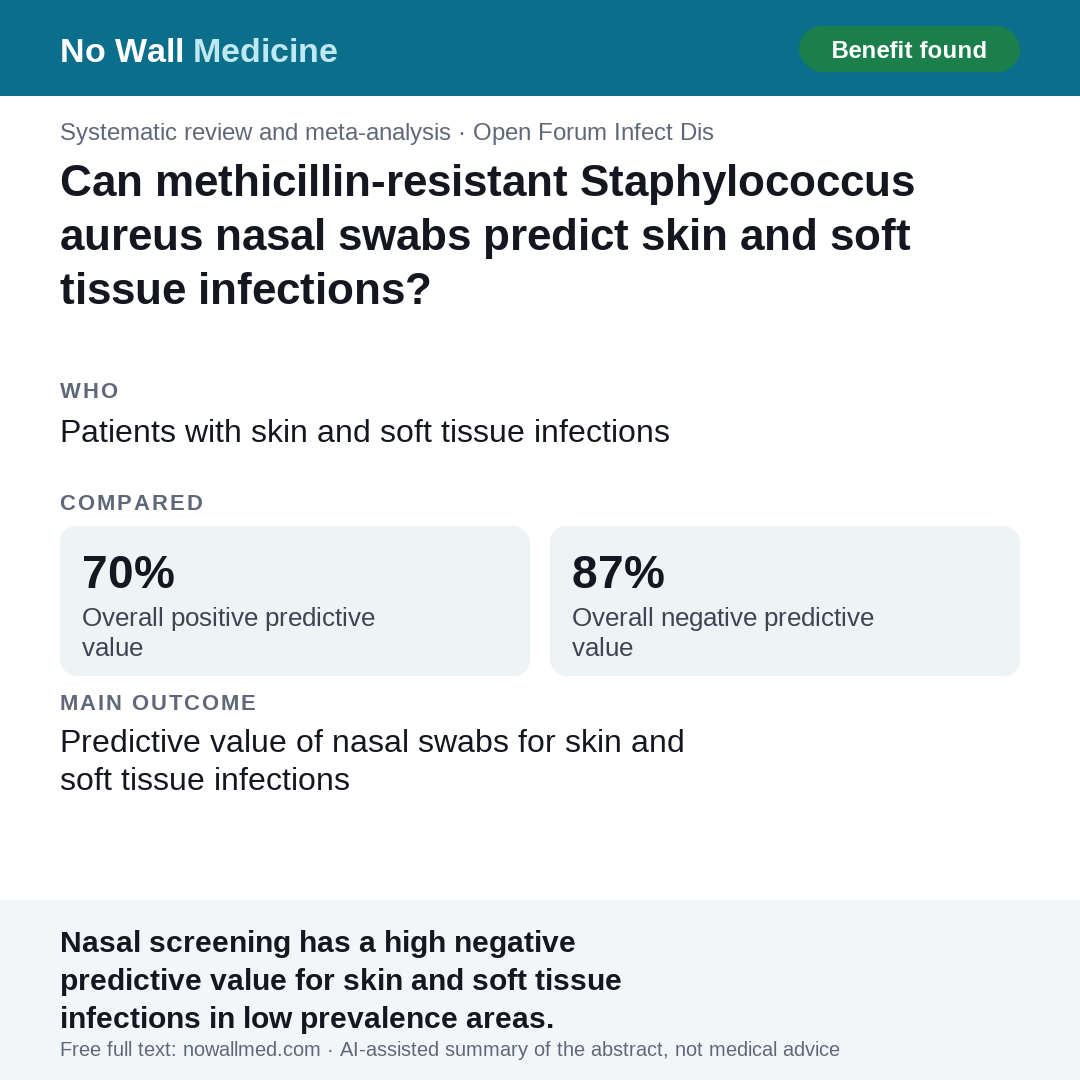
Methicillin-Resistant Staphylococcus aureus Nasal Swab Utilization as a Predictor for Methicillin-Resistant Staphylococcus aureus Skin and Soft Tissue Infections: A Systematic Review and Meta-analysis
Systematic review and meta-analysisBenefit found
Can methicillin-resistant Staphylococcus aureus nasal swabs predict skin and soft tissue infections?
Who
Patients with skin and soft tissue infections
Compared
70%Overall positive predictive value
87%Overall negative predictive value
Main outcome
Predictive value of nasal swabs for skin and soft tissue infections
Bottom line: Nasal screening has a high negative predictive value for skin and soft tissue infections in low prevalence areas.
Open Forum Infect Dis · 2026-04-16Download image
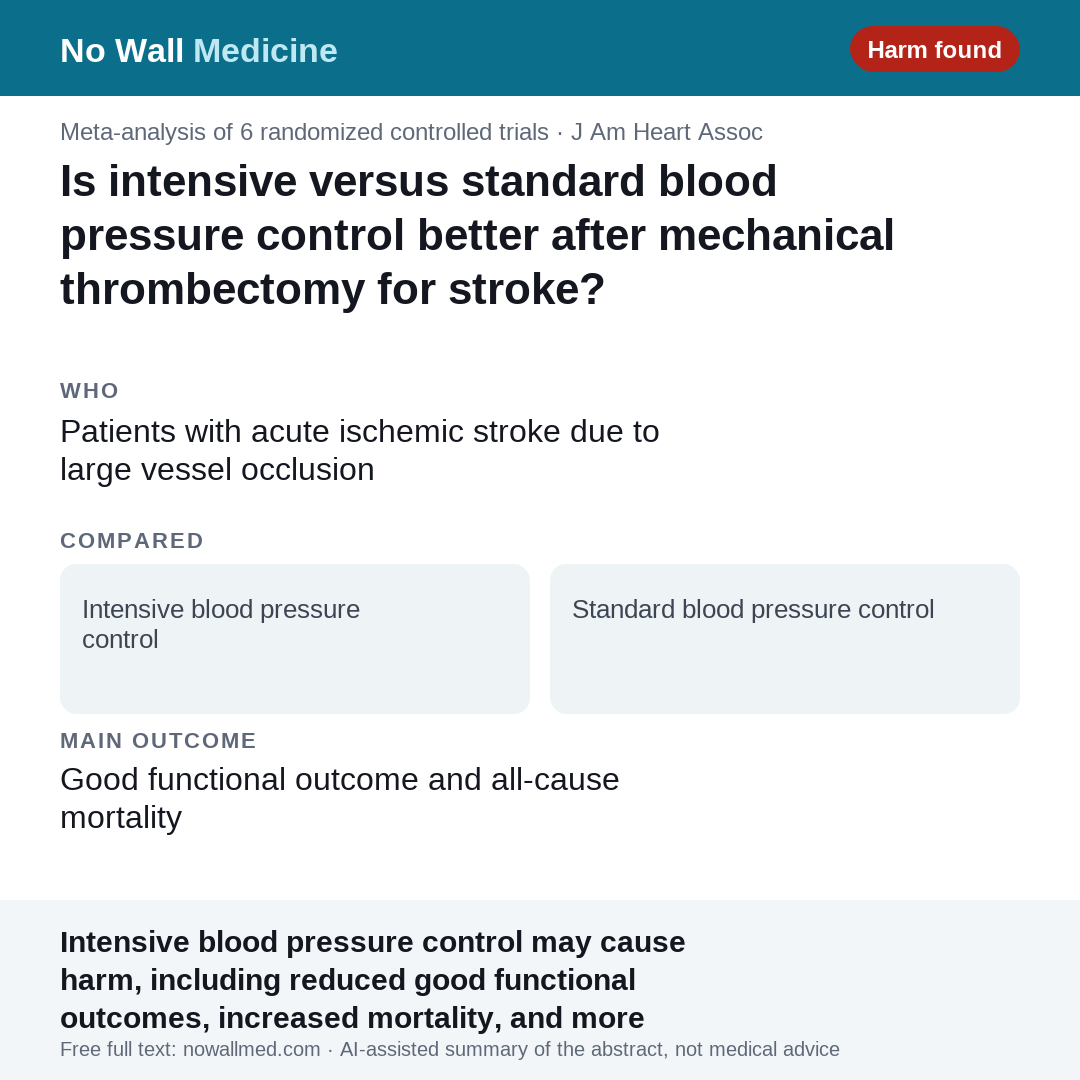
Intensive Versus Standard Blood Pressure Control After Endovascular Thrombectomy in Acute Ischemic Stroke: A Meta-Analysis of Randomized Controlled Trials
Meta-analysis of 6 randomized controlled trialsHarm found
Is intensive versus standard blood pressure control better after mechanical thrombectomy for stroke?
Who
Patients with acute ischemic stroke due to large vessel occlusion
Compared
Intensive blood pressure control
Standard blood pressure control
Main outcome
Good functional outcome and all-cause mortality
Result: OR 0.70 (95% CI 0.54-0.91) for good functional outcome
Bottom line: Intensive blood pressure control may cause harm, including reduced good functional outcomes, increased mortality, and more hypotensive episodes.
J Am Heart Assoc · 2026-04-16Download image
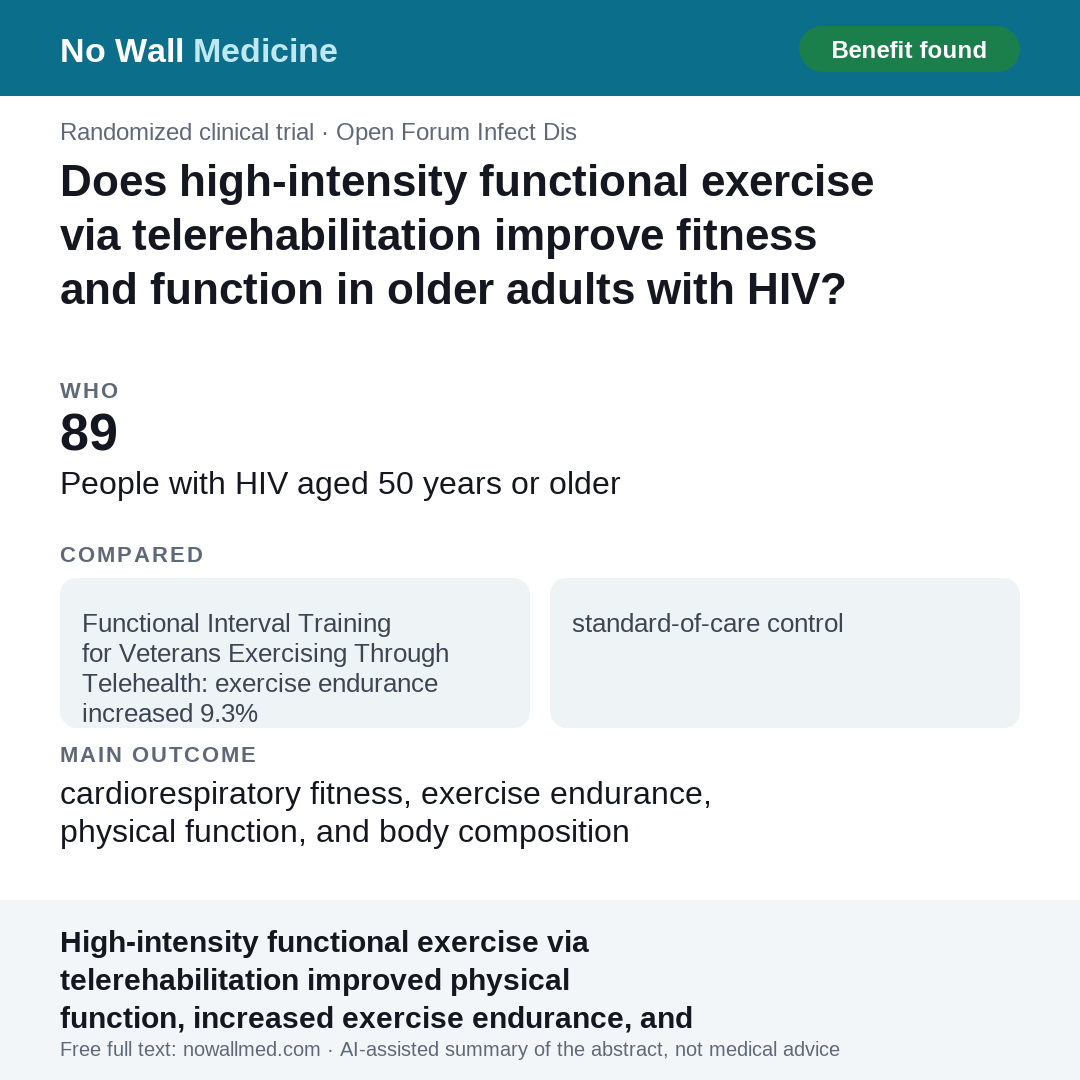
Effects of High-Intensity Functional Exercise on Cardiorespiratory Fitness and Physical Function in Older Adults With HIV: A Telerehabilitation Randomized Trial
Randomized clinical trialBenefit found
Does high-intensity functional exercise via telerehabilitation improve fitness and function in older adults with HIV?
Who
89
People with HIV aged 50 years or older
Compared
Functional Interval Training for Veterans Exercising Through Telehealth: exercise endurance increased 9.3%
standard-of-care control
Main outcome
cardiorespiratory fitness, exercise endurance, physical function, and body composition
Bottom line: High-intensity functional exercise via telerehabilitation improved physical function, increased exercise endurance, and reduced adiposity in older adults with HIV.
Open Forum Infect Dis · 2026-04-16Download image
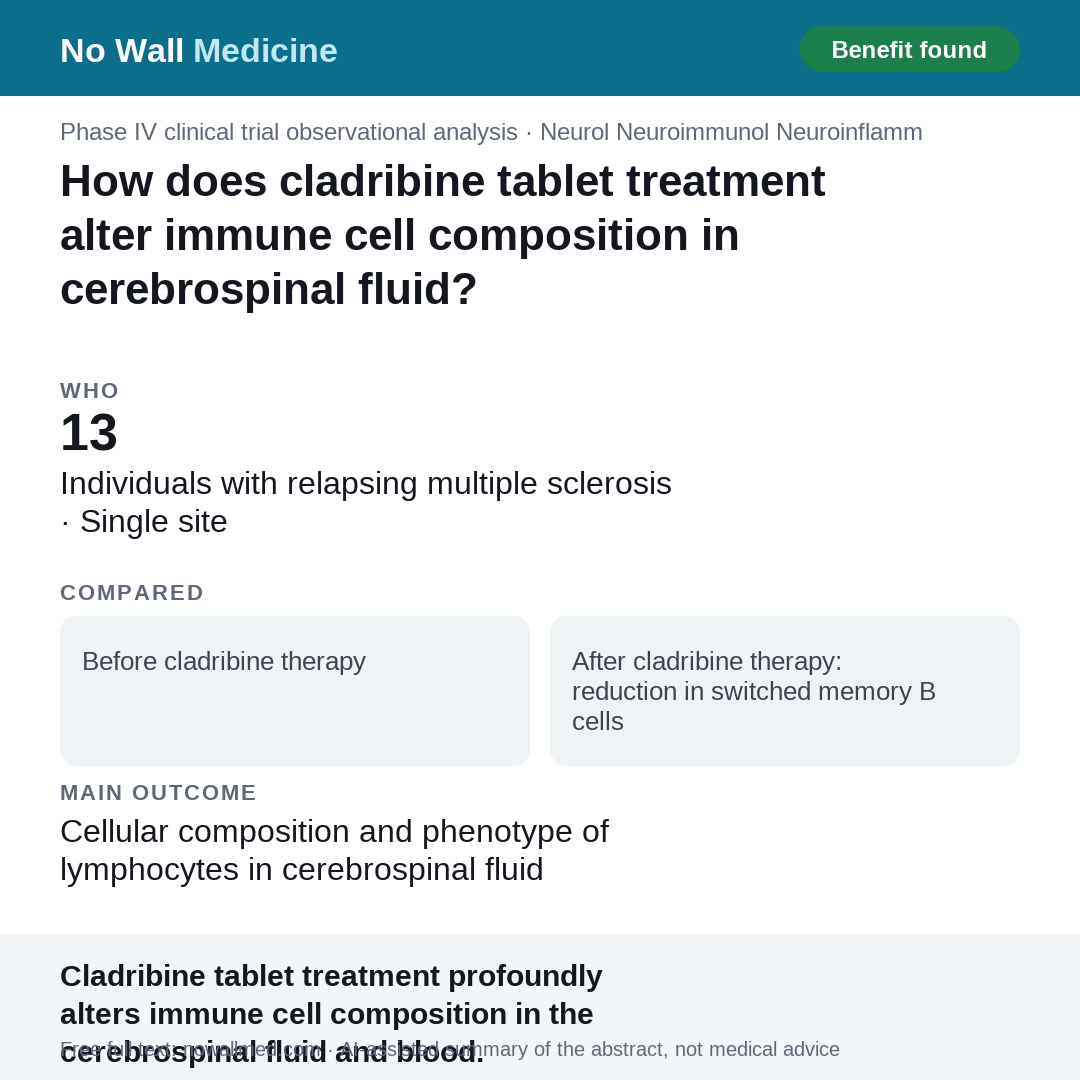
Dynamics of Spinal Fluid Immune Cell Alterations Following Cladribine Tablet Treatment in Multiple Sclerosis
Phase IV clinical trial observational analysisBenefit found
How does cladribine tablet treatment alter immune cell composition in cerebrospinal fluid?
Who
13
Individuals with relapsing multiple sclerosis · Single site
Compared
Before cladribine therapy
After cladribine therapy: reduction in switched memory B cells
Main outcome
Cellular composition and phenotype of lymphocytes in cerebrospinal fluid
Bottom line: Cladribine tablet treatment profoundly alters immune cell composition in the cerebrospinal fluid and blood.
Limitation: Small sample size of 13 individuals
Neurol Neuroimmunol Neuroinflamm · 2026-04-16Download image
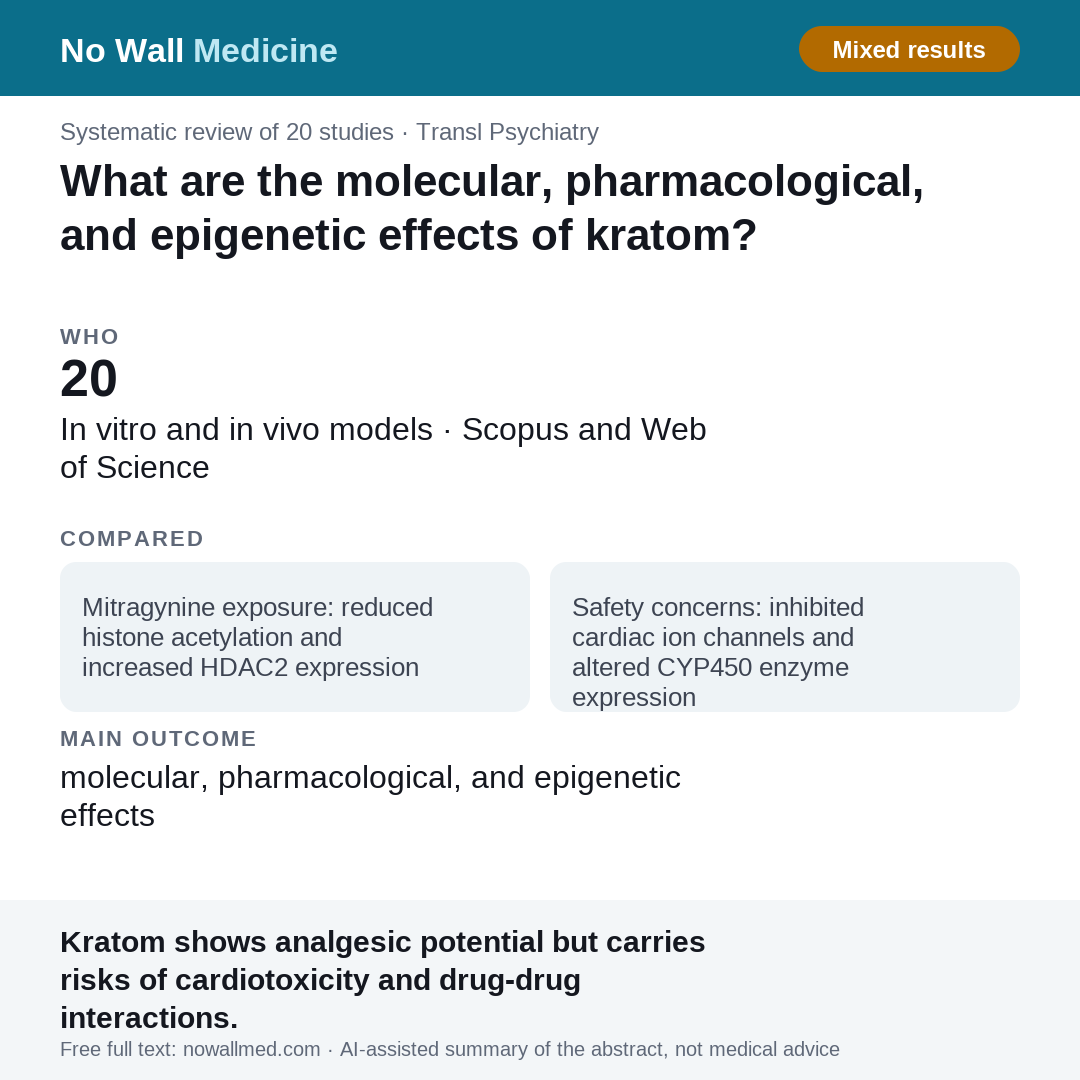
Decoding kratom: molecular mechanisms and epigenetic factors in use and dependence
Systematic review of 20 studiesMixed results
What are the molecular, pharmacological, and epigenetic effects of kratom?
Who
20
In vitro and in vivo models · Scopus and Web of Science
Compared
Mitragynine exposure: reduced histone acetylation and increased HDAC2 expression
Safety concerns: inhibited cardiac ion channels and altered CYP450 enzyme expression
Main outcome
molecular, pharmacological, and epigenetic effects
Bottom line: Kratom shows analgesic potential but carries risks of cardiotoxicity and drug-drug interactions.
Limitation: limitations in pharmacokinetic data, standardized dosing, and long-term safety
Transl Psychiatry · 2026-04-16Download image
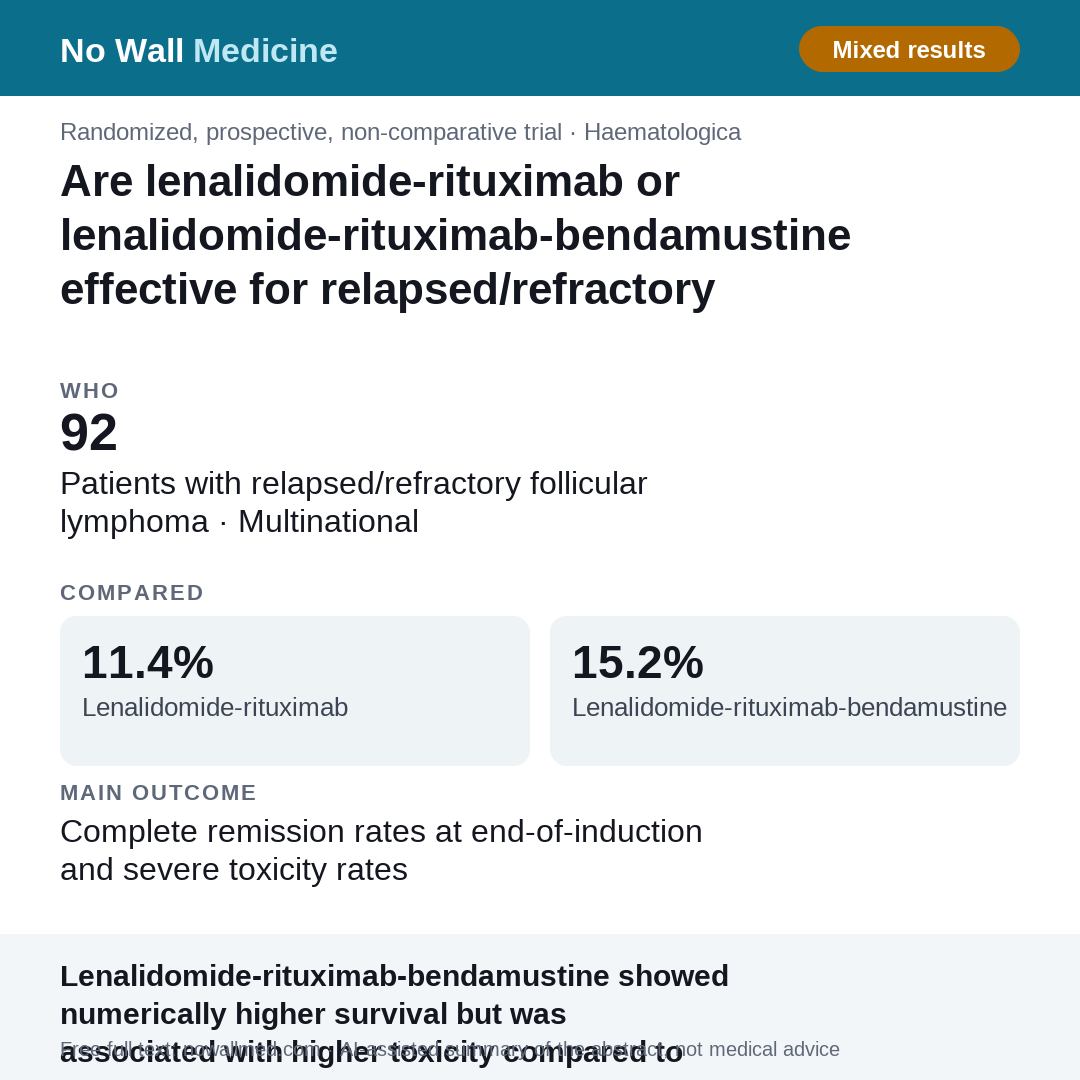
Lenalidomide-rituximab or lenalidomide-rituximabbendamustine for relapsed/refractory follicular lymphoma: primary and final analysis of the randomized phase II HOVON110/ReBeL study
Randomized, prospective, non-comparative trialMixed results
Are lenalidomide-rituximab or lenalidomide-rituximab-bendamustine effective for relapsed/refractory follicular lymphoma?
Who
92
Patients with relapsed/refractory follicular lymphoma · Multinational
Compared
11.4%Lenalidomide-rituximab (95% CI: 3.8-24.6%)
15.2%Lenalidomide-rituximab-bendamustine (95% CI: 6.3-28.9%)
Main outcome
Complete remission rates at end-of-induction and severe toxicity rates
Bottom line: Lenalidomide-rituximab-bendamustine showed numerically higher survival but was associated with higher toxicity compared to lenalidomide-rituximab.
Haematologica · 2026-04-16Download image
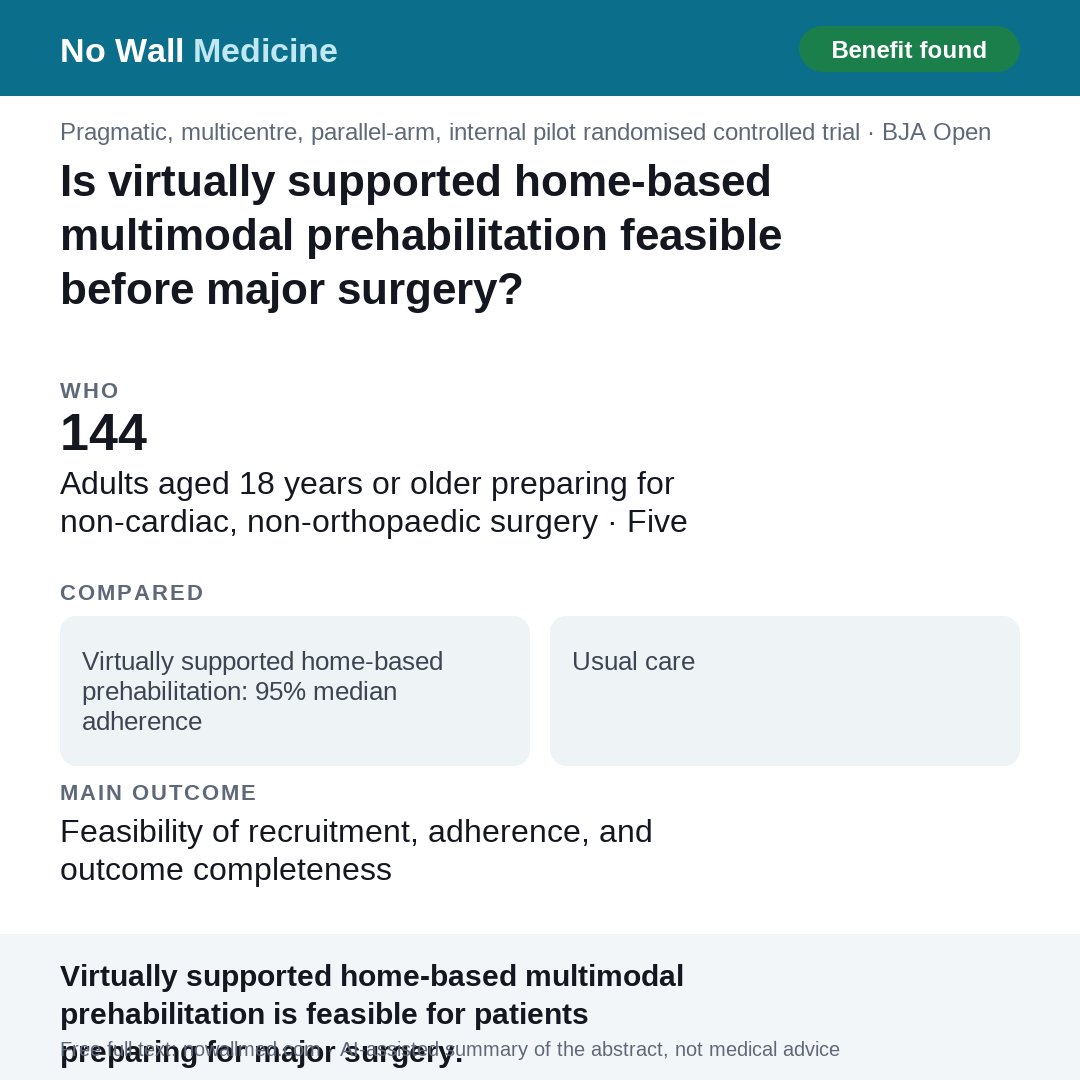
Home-based, virtually supported multimodal prehabilitation compared with usual care prior to major surgery: a multicentre, pragmatic pilot randomised trial
Pragmatic, multicentre, parallel-arm, internal pilot randomised controlled trialBenefit found
Is virtually supported home-based multimodal prehabilitation feasible before major surgery?
Who
144
Adults aged 18 years or older preparing for non-cardiac, non-orthopaedic surgery · Five Canadian centres
Compared
Virtually supported home-based prehabilitation: 95% median adherence
Usual care
Main outcome
Feasibility of recruitment, adherence, and outcome completeness
Bottom line: Virtually supported home-based multimodal prehabilitation is feasible for patients preparing for major surgery.
Limitation: This was an internal pilot trial; associations should be validated in a fully powered trial.
BJA Open · 2026-04-16Download image
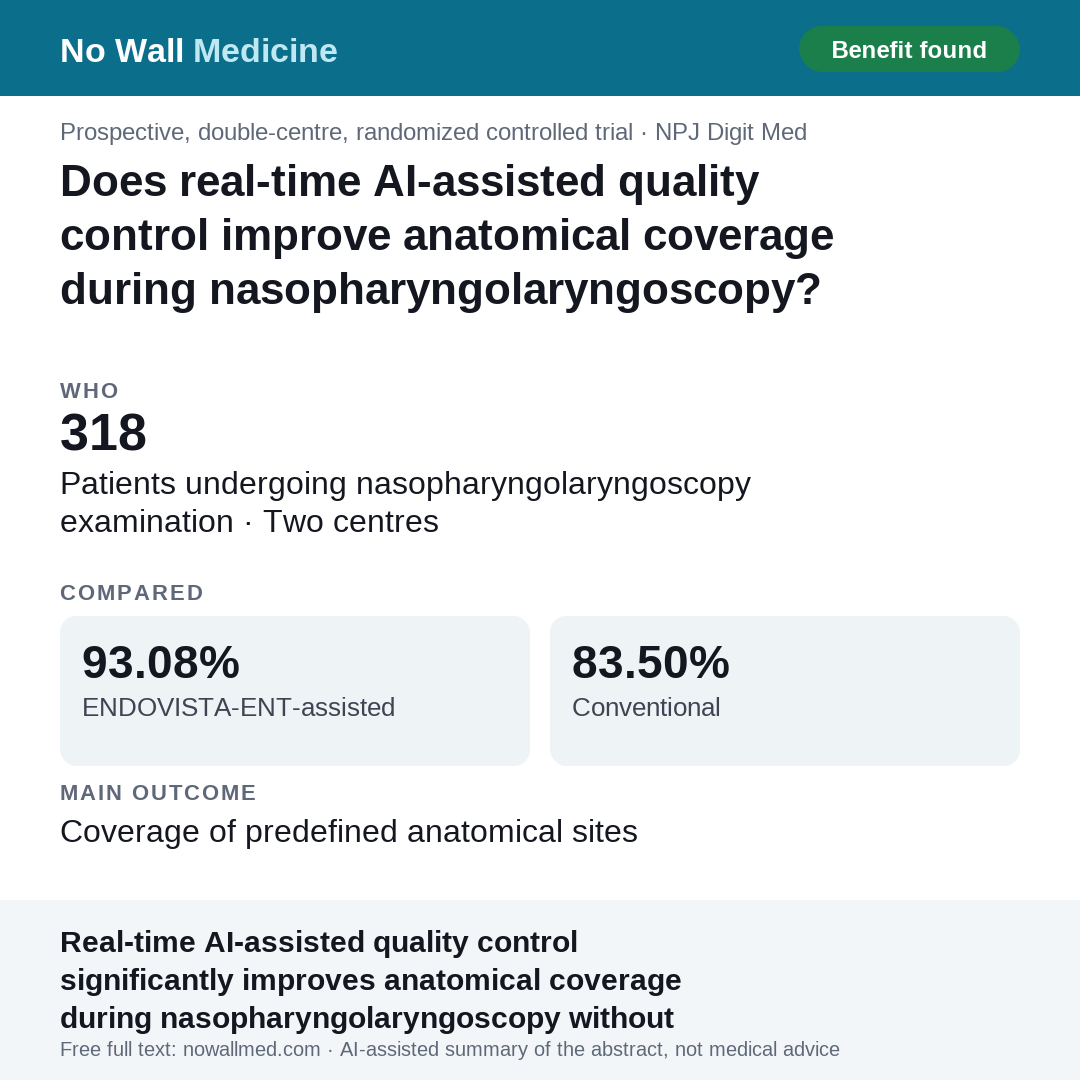
Real-time AI-assisted quality control during nasopharyngolaryngoscopy: a randomized controlled trial
Prospective, double-centre, randomized controlled trialBenefit found
Does real-time AI-assisted quality control improve anatomical coverage during nasopharyngolaryngoscopy?
Who
318
Patients undergoing nasopharyngolaryngoscopy examination · Two centres
Compared
93.08%ENDOVISTA-ENT-assisted
83.50%Conventional
Main outcome
Coverage of predefined anatomical sites
Bottom line: Real-time AI-assisted quality control significantly improves anatomical coverage during nasopharyngolaryngoscopy without increasing examination time.
NPJ Digit Med · 2026-04-16Download image
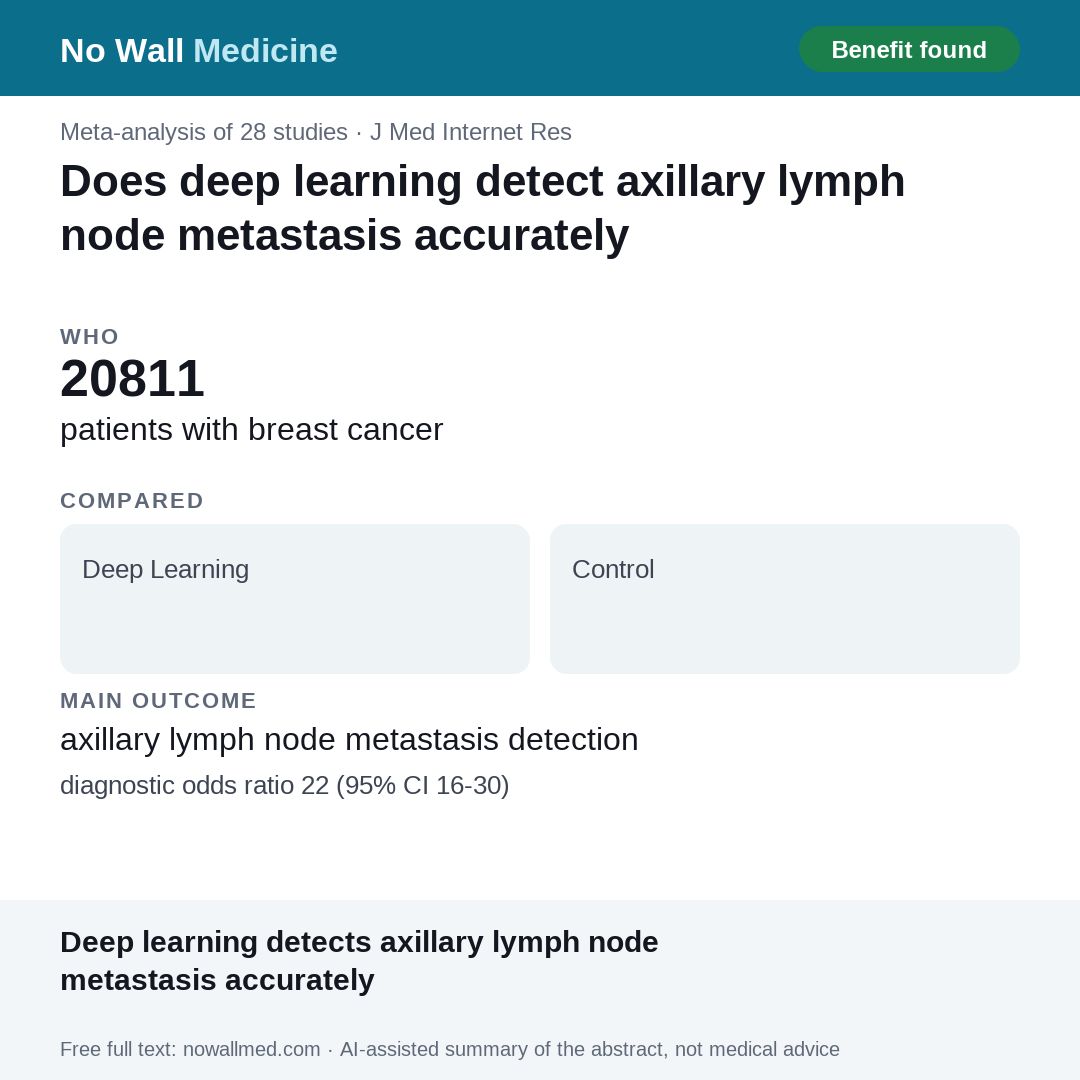
Accuracy of Deep Learning for Detecting Axillary Lymph Node Metastasis in Breast Cancer: Systematic Review and Meta-Analysis
Meta-analysis of 28 studiesBenefit found
Does deep learning detect axillary lymph node metastasis accurately
Who
20811
patients with breast cancer
Compared
Deep Learning
Control
Main outcome
axillary lymph node metastasis detection
Result: diagnostic odds ratio 22 (95% CI 16-30)
Bottom line: Deep learning detects axillary lymph node metastasis accurately
J Med Internet Res · 2026-04-16Download image
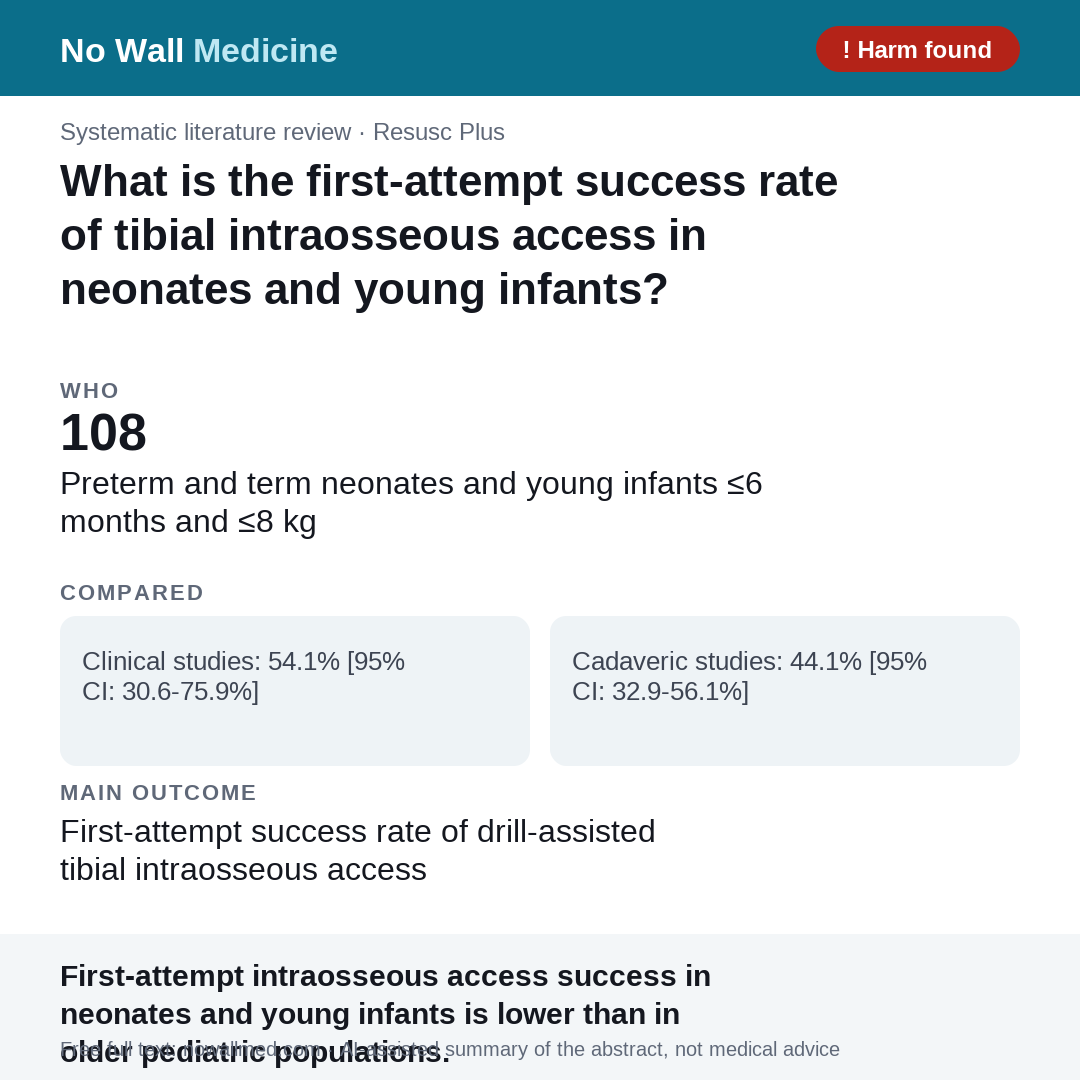
First attempt success rate of intraosseous access in preterm infants and neonates: a systematic review
Systematic literature reviewHarm found
What is the first-attempt success rate of tibial intraosseous access in neonates and young infants?
Who
108
Preterm and term neonates and young infants ≤6 months and ≤8 kg
Compared
Clinical studies: 54.1% [95% CI: 30.6-75.9%]
Cadaveric studies: 44.1% [95% CI: 32.9-56.1%]
Main outcome
First-attempt success rate of drill-assisted tibial intraosseous access
Bottom line: First-attempt intraosseous access success in neonates and young infants is lower than in older pediatric populations.
Limitation: Success rates are lower due to anatomical, technical, and procedural challenges unique to this population.
Resusc Plus · 2026-04-16Download image
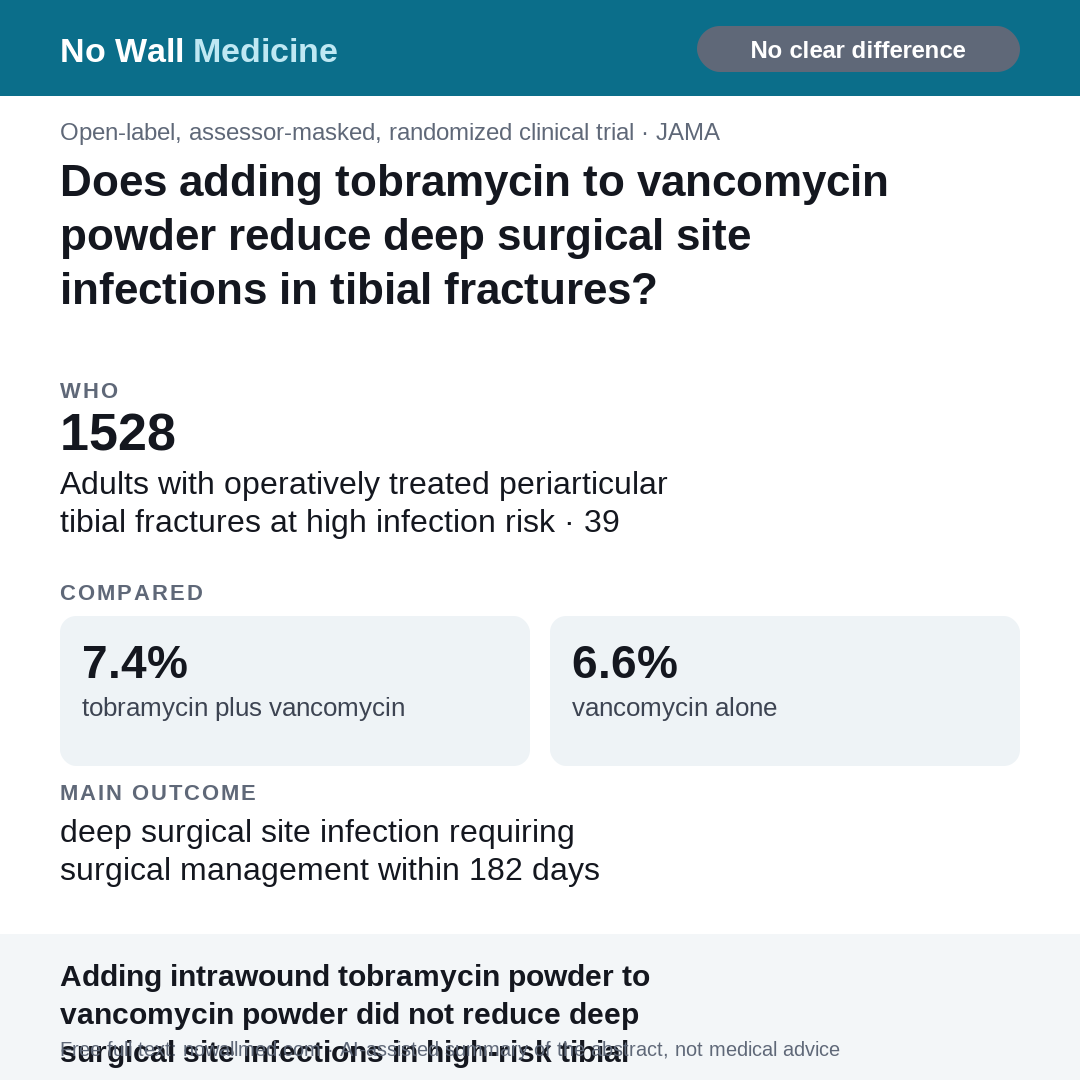
Intrawound Tobramycin Plus Vancomycin to Prevent Surgical Site Infection in Tibial Fractures: The TOBRA Randomized Clinical Trial
Open-label, assessor-masked, randomized clinical trialNo clear difference
Does adding tobramycin to vancomycin powder reduce deep surgical site infections in tibial fractures?
Who
1528
Adults with operatively treated periarticular tibial fractures at high infection risk · 39 US trauma centers
Compared
7.4%tobramycin plus vancomycin
6.6%vancomycin alone
Main outcome
deep surgical site infection requiring surgical management within 182 days
Result: hazard ratio 1.11 (95% bayesian credible interval 0.75-1.66)
Bottom line: Adding intrawound tobramycin powder to vancomycin powder did not reduce deep surgical site infections in high-risk tibial fracture patients.
JAMA · 2026-04-15Download image
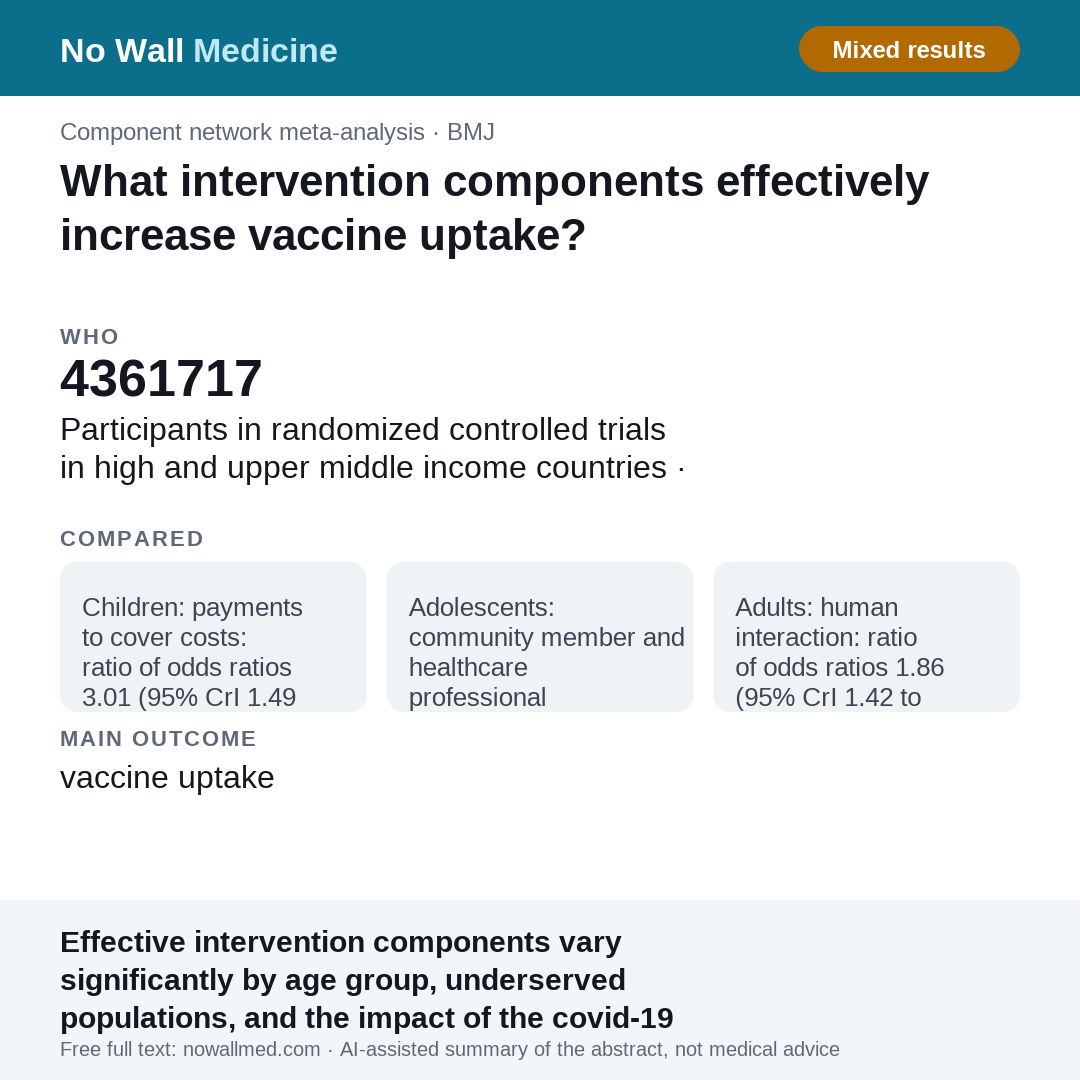
Effectiveness of interventions to increase vaccine uptake: component network meta-analysis
Component network meta-analysisMixed results
What intervention components effectively increase vaccine uptake?
Who
4361717
Participants in randomized controlled trials in high and upper middle income countries · High and upper middle income countries
Compared
Children: payments to cover costs: ratio of odds ratios 3.01 (95% CrI 1.49 to 6.06)
Adolescents: community member and healthcare professional delivery: ratio of odds ratios 6.42 (95% CrI 1.94 to 25.62)
Adults: human interaction: ratio of odds ratios 1.86 (95% CrI 1.42 to 2.45)
Main outcome
vaccine uptake
Bottom line: Effective intervention components vary significantly by age group, underserved populations, and the impact of the covid-19 pandemic.
BMJ · 2026-04-15Download image
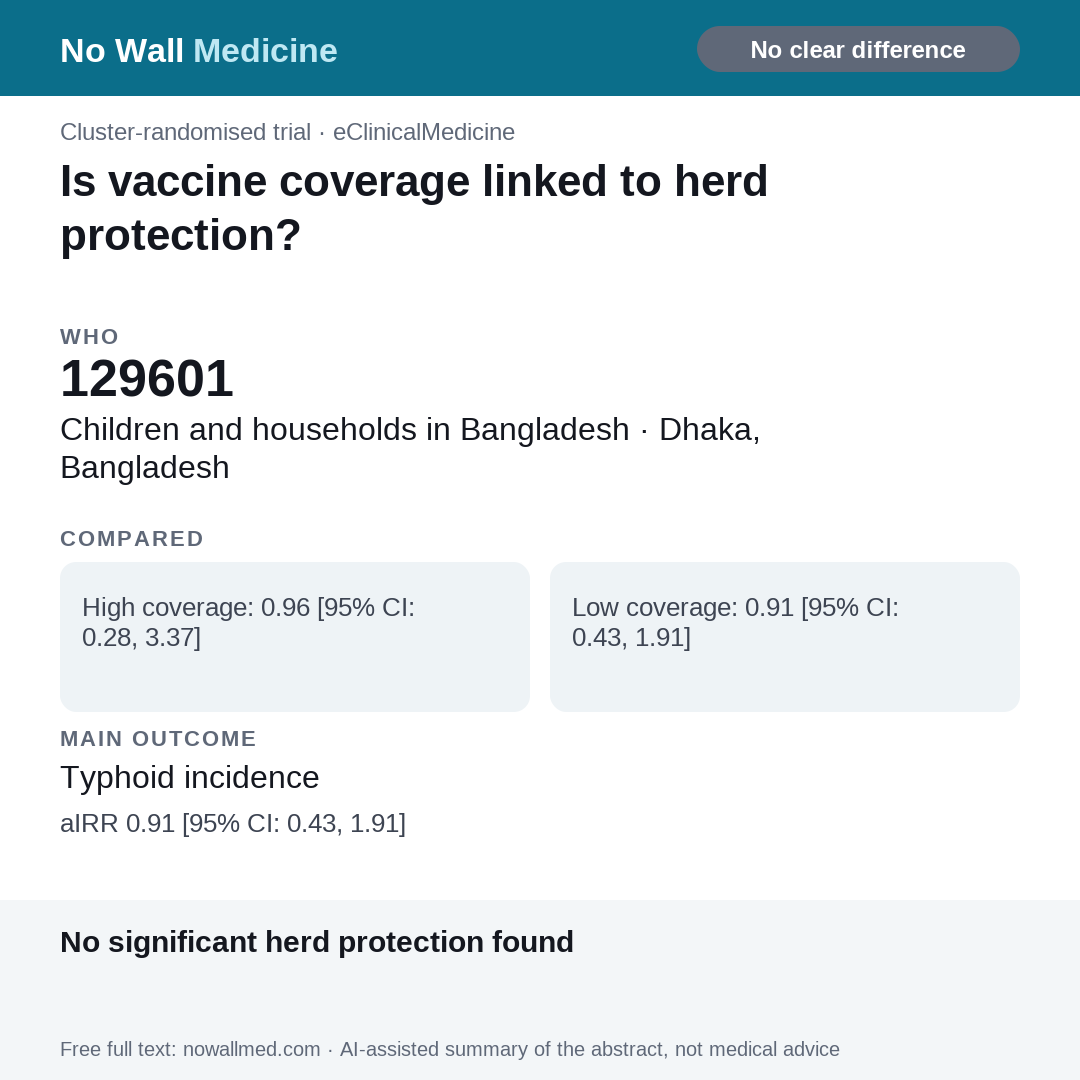
The association between vaccine coverage and herd protection: exploratory analyses of a cluster-randomised trial of Vi conjugate vaccine
Cluster-randomised trialNo clear difference
Vaccine coverage and herd protection
Who
150
Children and residents in Bangladesh · Dhaka, Bangladesh
Compared
TCV clusters: 0.91 [95% CI: 0.43, 1.91]
JE clusters
Main outcome
Typhoid incidence
Result: hazard ratio 0.91 (95% CI 0.43 to 1.91)
Bottom line: No significant herd protection found
Limitation: estimates were imprecise
Funded by: Gates Foundation
eClinicalMedicine · 2026-04-15Download image