Visual abstracts
New randomized trials and meta-analyses from leading journals at a glance: who was studied, what was compared, and what was found. Every paper is free to read in full.
All specialtiesCardiology 4763Oncology 4042Gastroenterology & Hepatology 1902Infectious Disease 3756Neurology 1872Psychiatry & Mental Health 2214Pulmonology 2042Critical Care 1319Endocrinology & Diabetes 2544Pediatrics 2889Surgery 2479Orthopedics & Sports Medicine 917Neurosurgery 525Cardiothoracic & Vascular Surgery 656Plastic & Reconstructive Surgery 574Nephrology 1107Rheumatology 810Hematology 1090Dermatology 611Ophthalmology 532Obstetrics & Gynecology 1645Public & Global Health 1037Radiology & Imaging 617Anesthesiology 957Urology 745ENT (Otolaryngology) 494Emergency Medicine 481Allergy & Immunology 309Geriatrics 972Family Medicine & Primary Care 533Medical Genetics & Genomics 659Pathology & Laboratory Medicine 156Physical Medicine & Rehabilitation 734Palliative Care 421Nutrition 1560Digital Health & AI 2133General Medicine 318
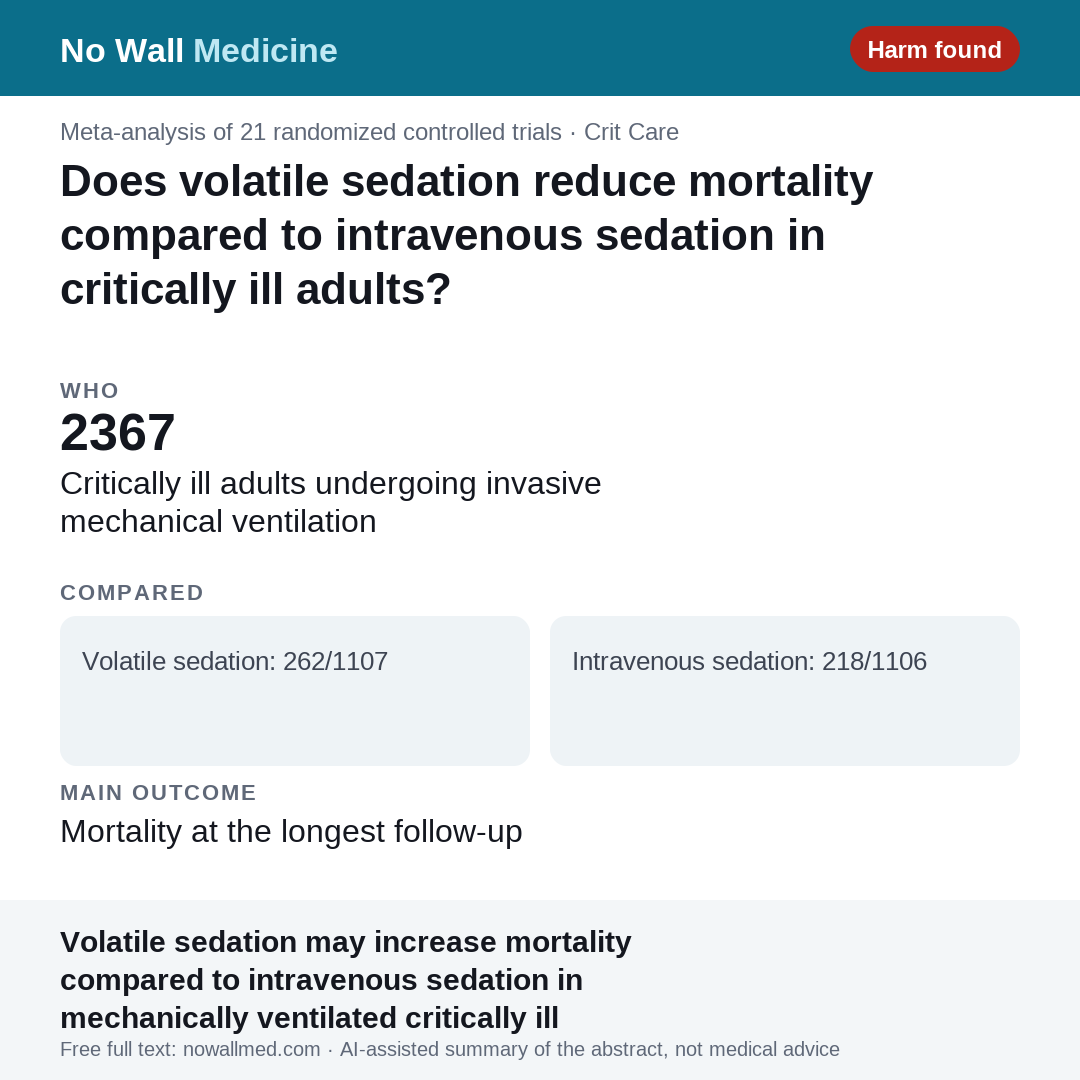
Volatile sedation in critically ill adults undergoing mechanical ventilation: a meta-analysis of randomized controlled trials
Meta-analysis of 21 randomized controlled trialsHarm found
Does volatile sedation reduce mortality compared to intravenous sedation in critically ill adults?
Who
2367
Critically ill adults undergoing invasive mechanical ventilation
Compared
Volatile sedation: 262/1107
Intravenous sedation: 218/1106
Main outcome
Mortality at the longest follow-up
Result: relative risk 1.17 (95% confidence interval, 1.02 to 1.35)
Bottom line: Volatile sedation may increase mortality compared to intravenous sedation in mechanically ventilated critically ill adults.
Limitation: Trial sequential analysis suggested a lack of definitive conclusion due to insufficient sample size.
Crit Care · 2025-06-05Download image
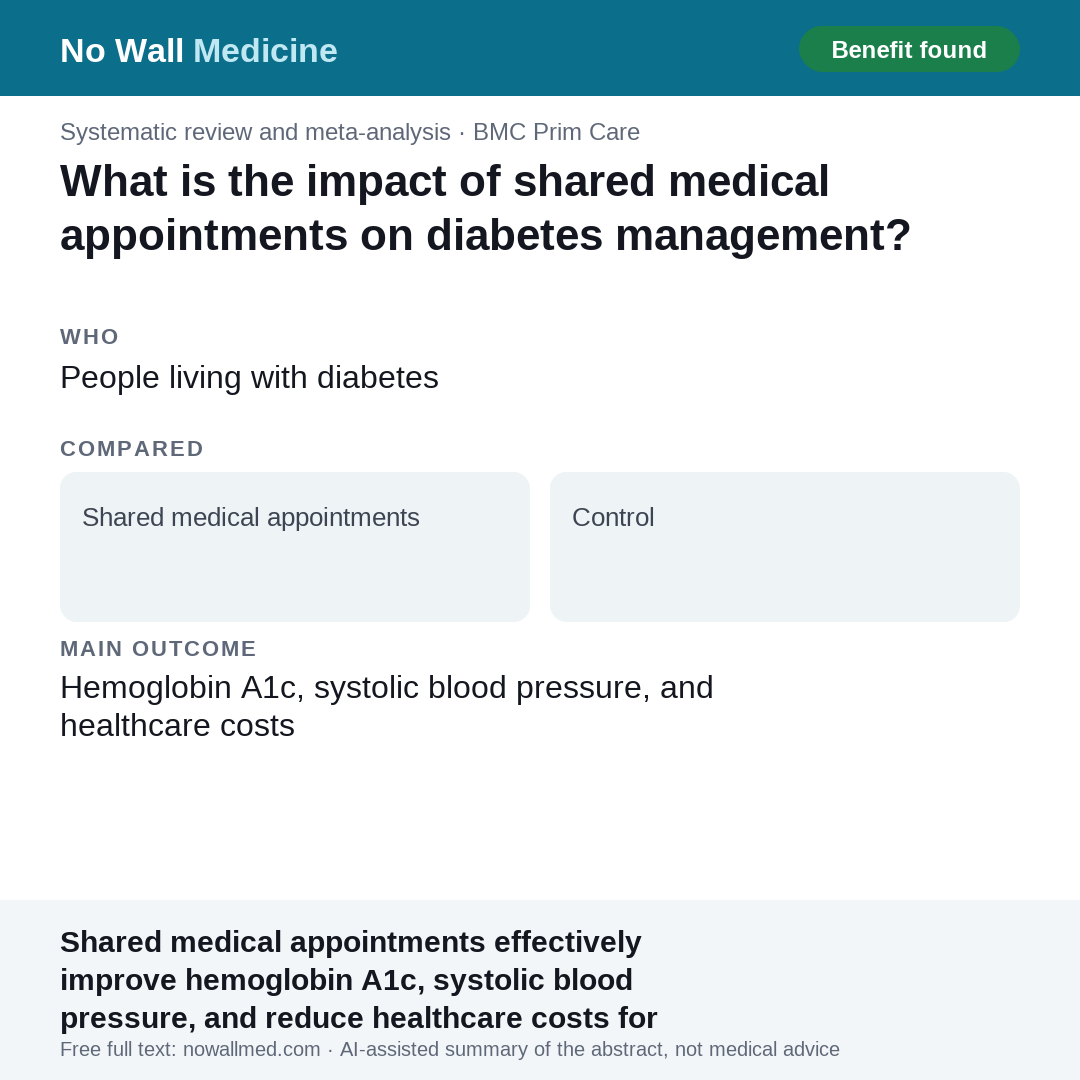
Using the RE-AIM framework to evaluate the impact of shared medical appointments for diabetes mellitus: a systematic review and meta-analysis
Systematic review and meta-analysisBenefit found
What is the impact of shared medical appointments on diabetes management?
Who
People living with diabetes
Compared
Shared medical appointments
Control
Main outcome
Hemoglobin A1c, systolic blood pressure, and healthcare costs
Bottom line: Shared medical appointments effectively improve hemoglobin A1c, systolic blood pressure, and reduce healthcare costs for people living with diabetes.
Limitation: Most studies reported effectiveness well, while other RE-AIM dimensions were poorly reported.
BMC Prim Care · 2025-06-05Download image
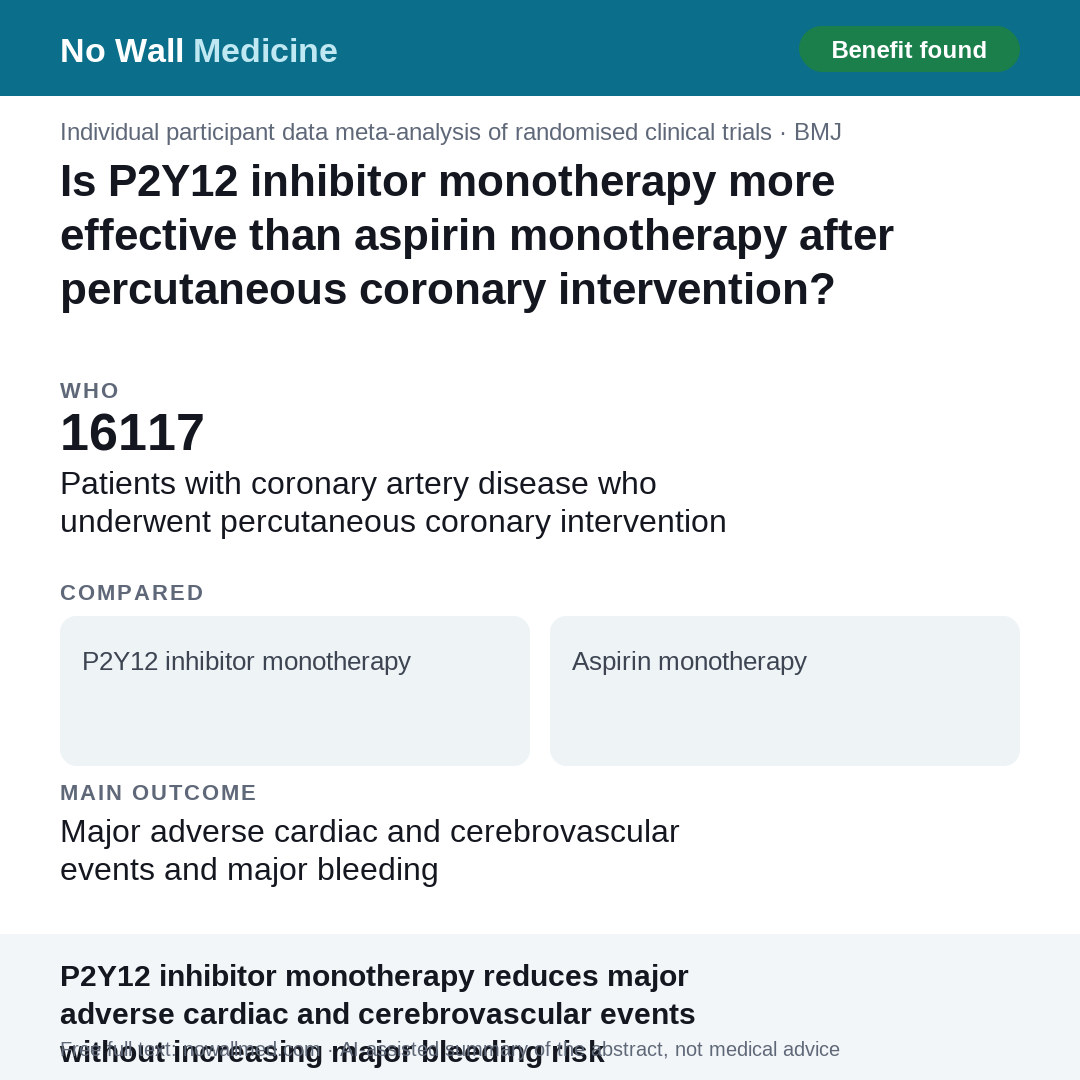
P2Y12 inhibitor or aspirin after percutaneous coronary intervention: individual patient data meta-analysis of randomised clinical trials
Individual participant data meta-analysis of randomised clinical trialsBenefit found
Is P2Y12 inhibitor monotherapy more effective than aspirin monotherapy after percutaneous coronary intervention?
Who
16117
Patients with coronary artery disease who underwent percutaneous coronary intervention
Compared
P2Y12 inhibitor monotherapy
Aspirin monotherapy
Main outcome
Major adverse cardiac and cerebrovascular events and major bleeding
Result: hazard ratio 0.77 (95% CI 0.67 to 0.89)
Bottom line: P2Y12 inhibitor monotherapy reduces major adverse cardiac and cerebrovascular events without increasing major bleeding risk compared to aspirin.
BMJ · 2025-06-04Download image
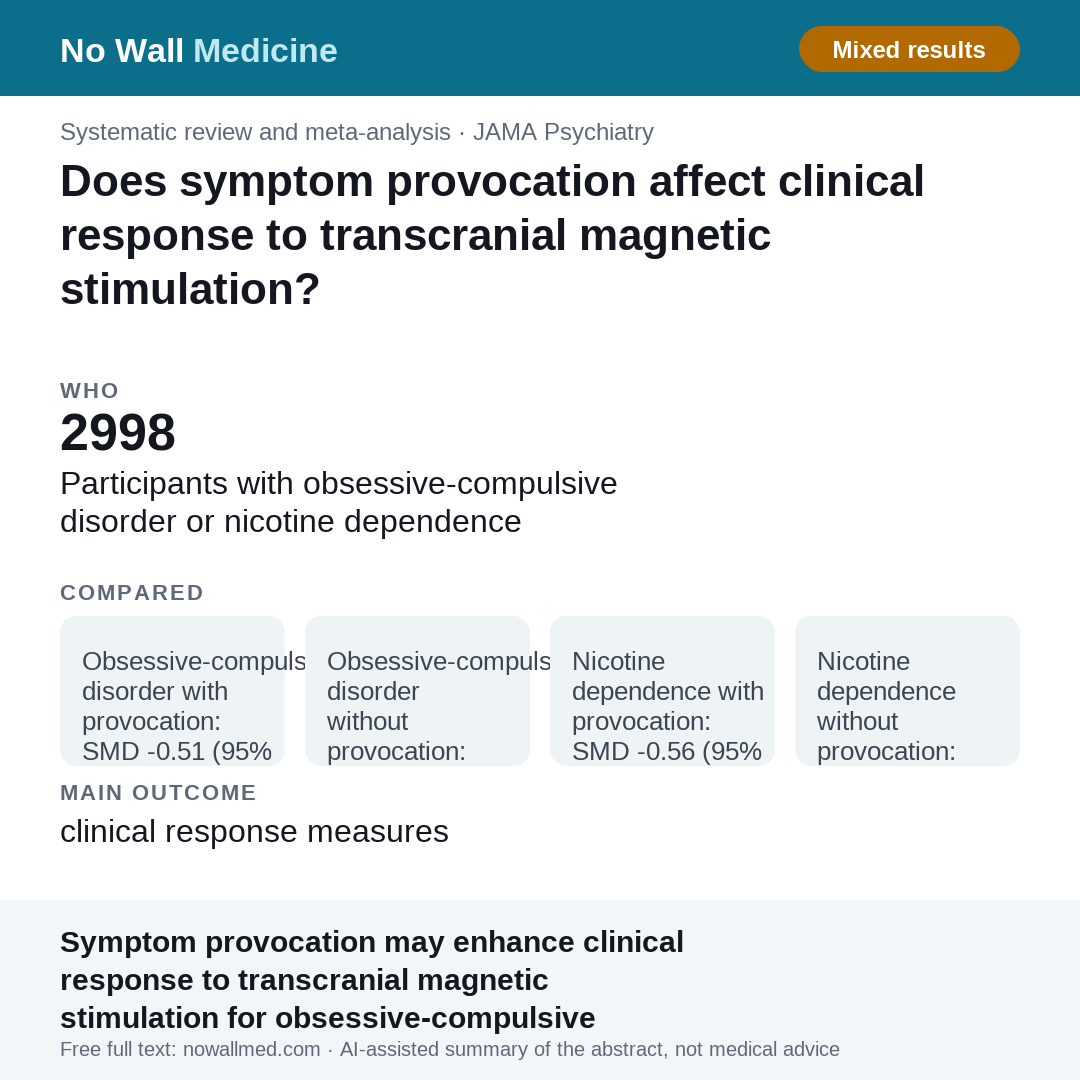
Symptom Provocation and Clinical Response to Transcranial Magnetic Stimulation: A Systematic Review and Meta-Analysis
Systematic review and meta-analysisMixed results
Does symptom provocation affect clinical response to transcranial magnetic stimulation?
Who
2998
Participants with obsessive-compulsive disorder or nicotine dependence
Compared
Obsessive-compulsive disorder with provocation: SMD -0.51 (95% CI, -0.96 to -0.07)
Obsessive-compulsive disorder without provocation: SMD -0.29 (95% CI, -0.40 to -0.17)
Nicotine dependence with provocation: SMD -0.56 (95% CI, -1.12 to 0)
Nicotine dependence without provocation: SMD -0.35 (95% CI, -0.74 to 0.04)
Main outcome
clinical response measures
Bottom line: Symptom provocation may enhance clinical response to transcranial magnetic stimulation for obsessive-compulsive disorder and nicotine dependence.
Limitation: Studies comparing TMS with and without provocation are critical to establish the causal effect of provocation.
JAMA Psychiatry · 2025-06-04Download image
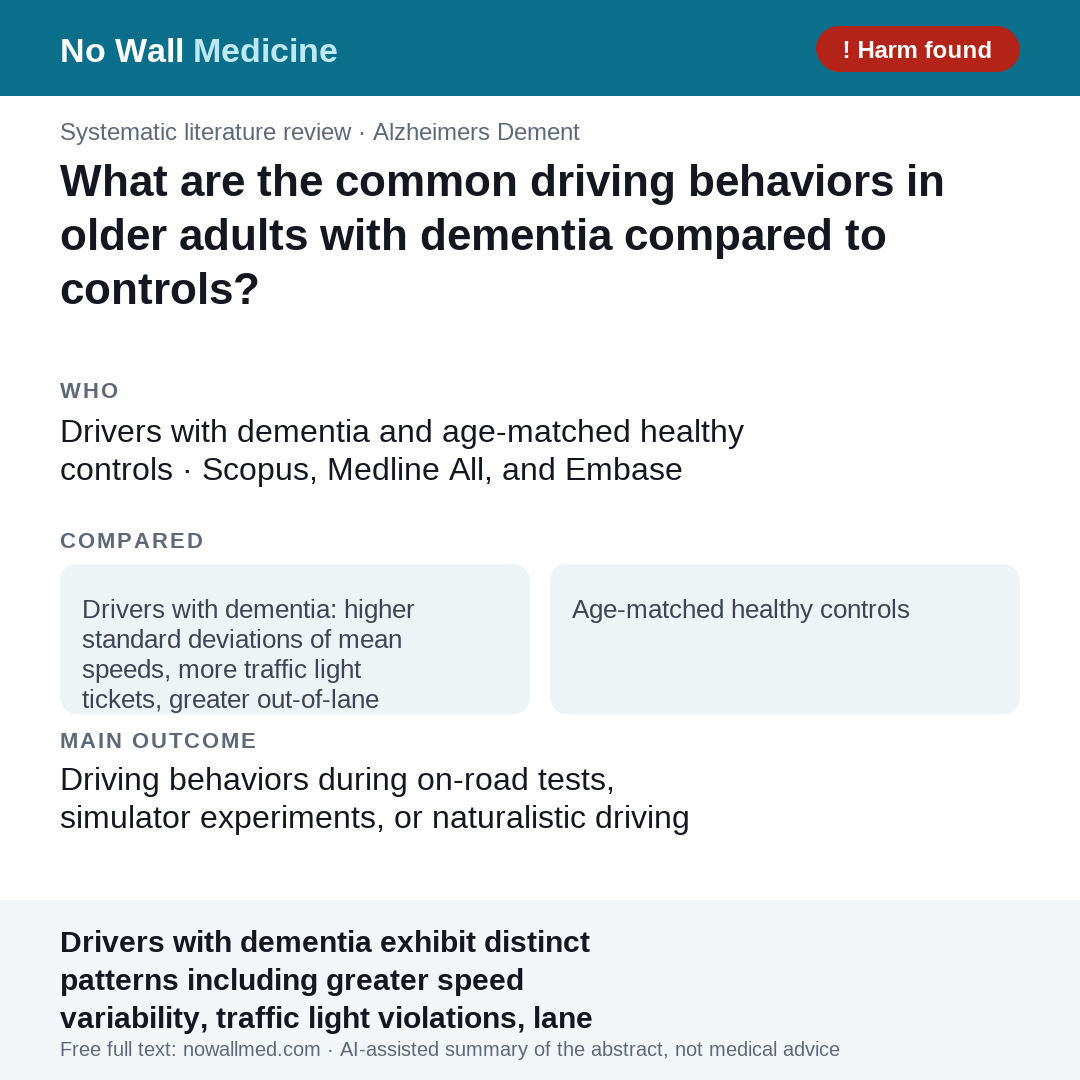
Common driving behaviors in older adults with dementia: Insights from a systematic literature review
Systematic literature reviewHarm found
What are the common driving behaviors in older adults with dementia compared to controls?
Who
Drivers with dementia and age-matched healthy controls · Scopus, Medline All, and Embase databases
Compared
Drivers with dementia: higher standard deviations of mean speeds, more traffic light tickets, greater out-of-lane drifting, and increased variability in mean headway distance
Age-matched healthy controls
Main outcome
Driving behaviors during on-road tests, simulator experiments, or naturalistic driving
Bottom line: Drivers with dementia exhibit distinct patterns including greater speed variability, traffic light violations, lane drifting, and headway distance variability.
Limitation: Small samples, lack of confounding factors, non-validated settings, and simulator studies may not reflect real-world conditions.
Alzheimers Dement · 2025-06-04Download image
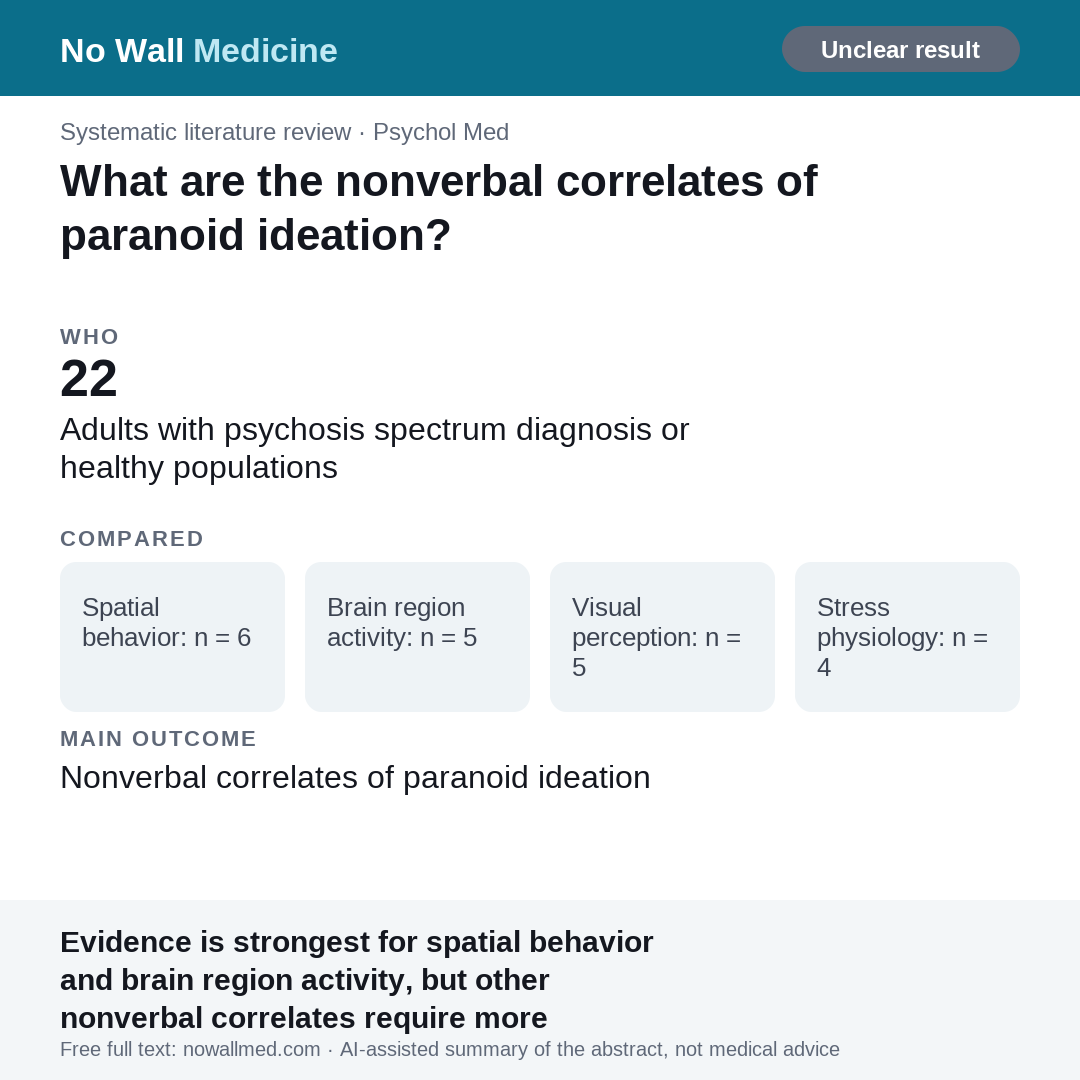
Nonverbal correlates of paranoid ideation - a systematic literature review
Systematic literature reviewUnclear result
What are the nonverbal correlates of paranoid ideation?
Who
Adults with psychosis spectrum diagnosis or healthy populations
Compared
Spatial behavior: n = 6
Brain region activity: n = 5
Visual perception: n = 5
Stress physiology: n = 4
Main outcome
Nonverbal correlates of paranoid ideation
Bottom line: Evidence is strongest for spatial behavior and brain region activity, but other nonverbal correlates require more investigation.
Psychol Med · 2025-06-04Download image
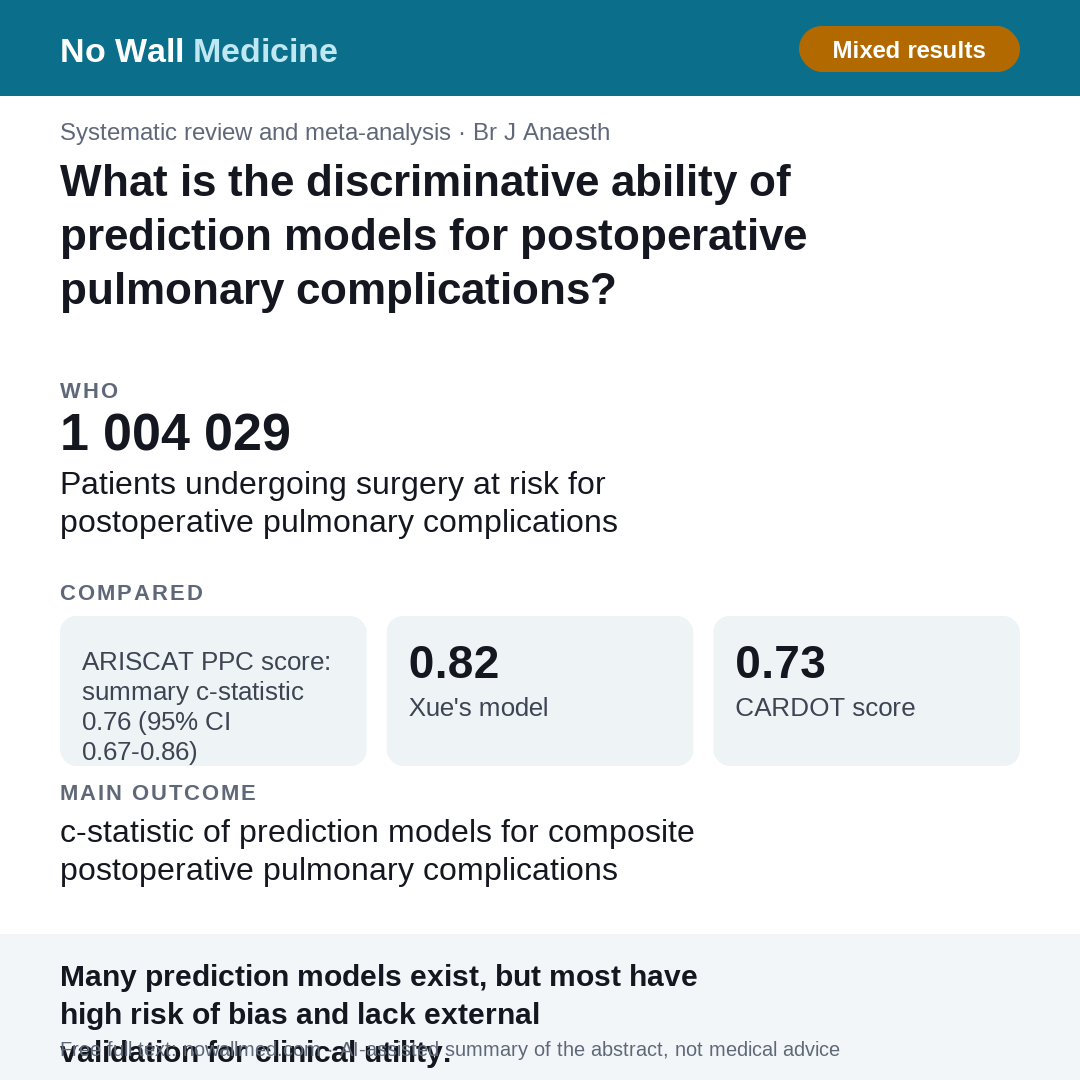
Prediction models for postoperative pulmonary complications: a systematic review and meta-analysis
Systematic review and meta-analysisMixed results
What is the discriminative ability of prediction models for postoperative pulmonary complications?
Who
1 004 029
Patients undergoing surgery at risk for postoperative pulmonary complications
Compared
ARISCAT PPC score: summary c-statistic 0.76 (95% CI 0.67-0.86)
0.82Xue's model (95% CI 0.75-0.89)
0.73CARDOT score (95% CI 0.61-0.85)
Main outcome
c-statistic of prediction models for composite postoperative pulmonary complications
Bottom line: Many prediction models exist, but most have high risk of bias and lack external validation for clinical utility.
Limitation: Reliability is limited by the lack of external validation cohorts and 90.2% of models had high risk of bias.
Br J Anaesth · 2025-06-04Download image
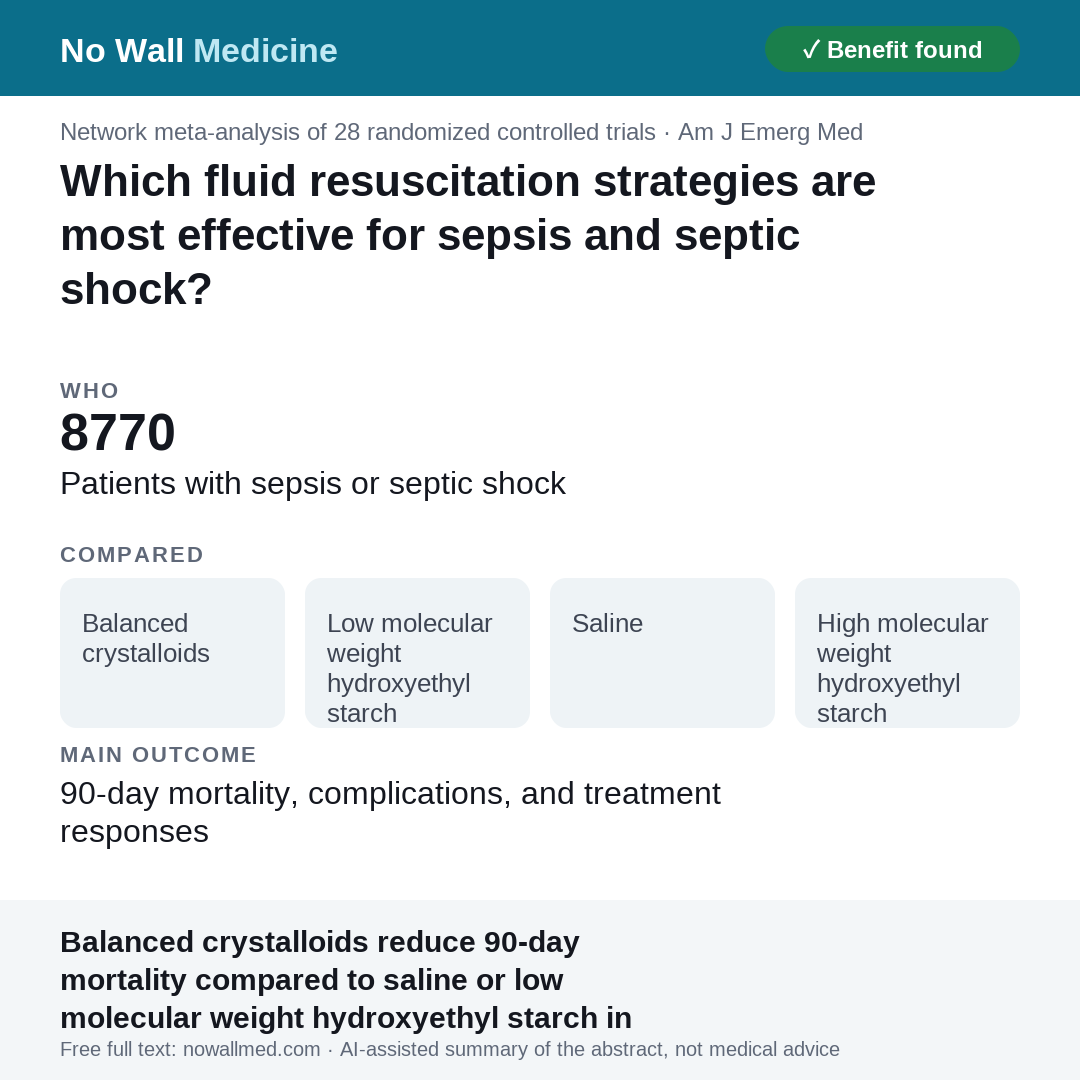
Fluid resuscitation management in patients with sepsis and septic shock: a network meta-analysis
Network meta-analysis of 28 randomized controlled trialsBenefit found
Which fluid resuscitation strategies are most effective for sepsis and septic shock?
Who
8770
Patients with sepsis or septic shock
Compared
Balanced crystalloids
Low molecular weight hydroxyethyl starch
Saline
High molecular weight hydroxyethyl starch
Main outcome
90-day mortality, complications, and treatment responses
Result: RR -0.84 (95 % CrI 0.75 to 0.95) for balanced crystalloids vs low molecular weight hydroxyethyl starch
Bottom line: Balanced crystalloids reduce 90-day mortality compared to saline or low molecular weight hydroxyethyl starch in sepsis patients.
Am J Emerg Med · 2025-06-04Download image
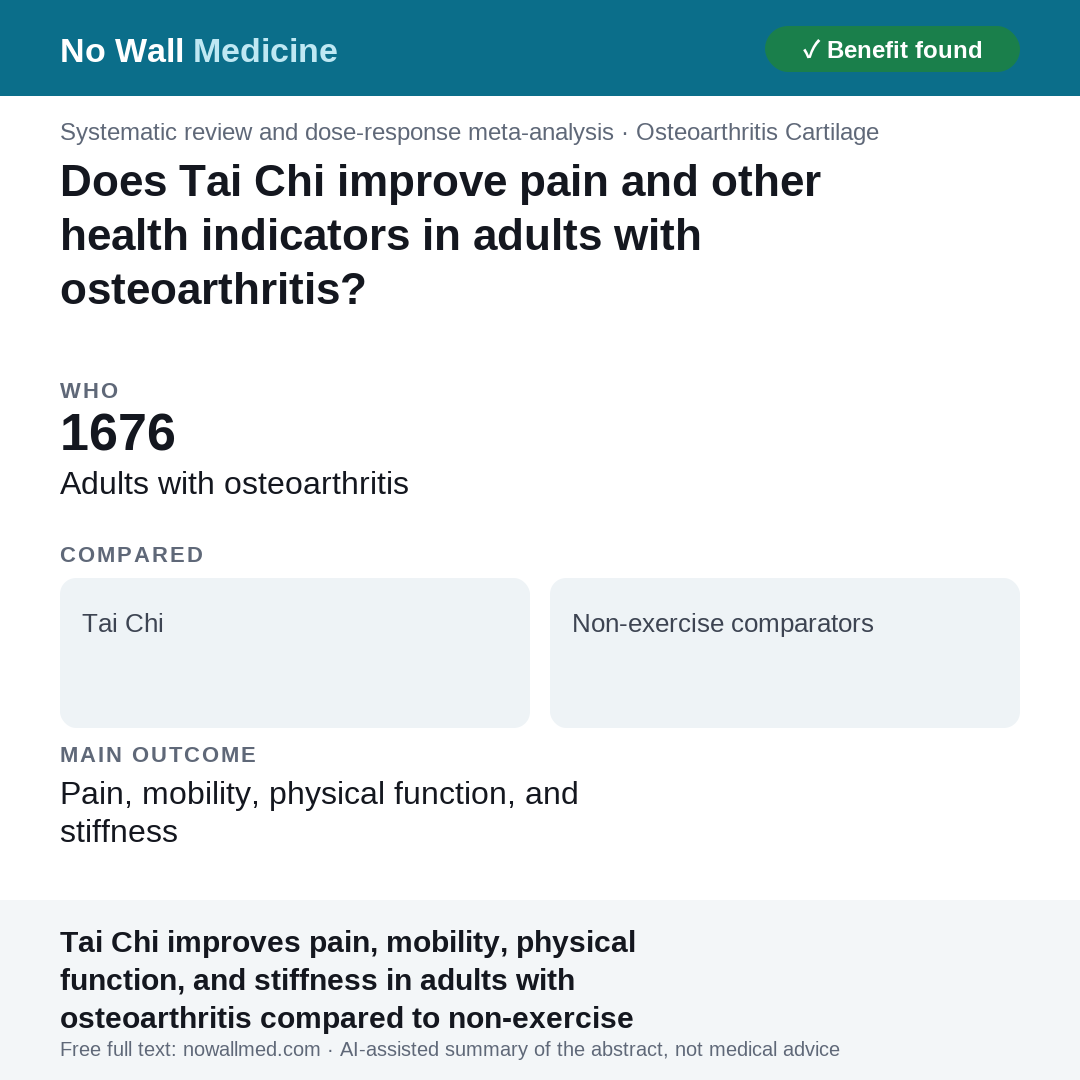
The effects of Tai Chi on pain and other health indicators in people with osteoarthritis: An updated systematic review and dose-response meta-analysis
Systematic review and dose-response meta-analysisBenefit found
Does Tai Chi improve pain and other health indicators in adults with osteoarthritis?
Who
1676
Adults with osteoarthritis
Compared
Tai Chi
Non-exercise comparators
Main outcome
Pain, mobility, physical function, and stiffness
Result: Cohen's d -0.64 (95% CI -0.96 to -0.34) for pain
Bottom line: Tai Chi improves pain, mobility, physical function, and stiffness in adults with osteoarthritis compared to non-exercise controls.
Osteoarthritis Cartilage · 2025-06-04Download image
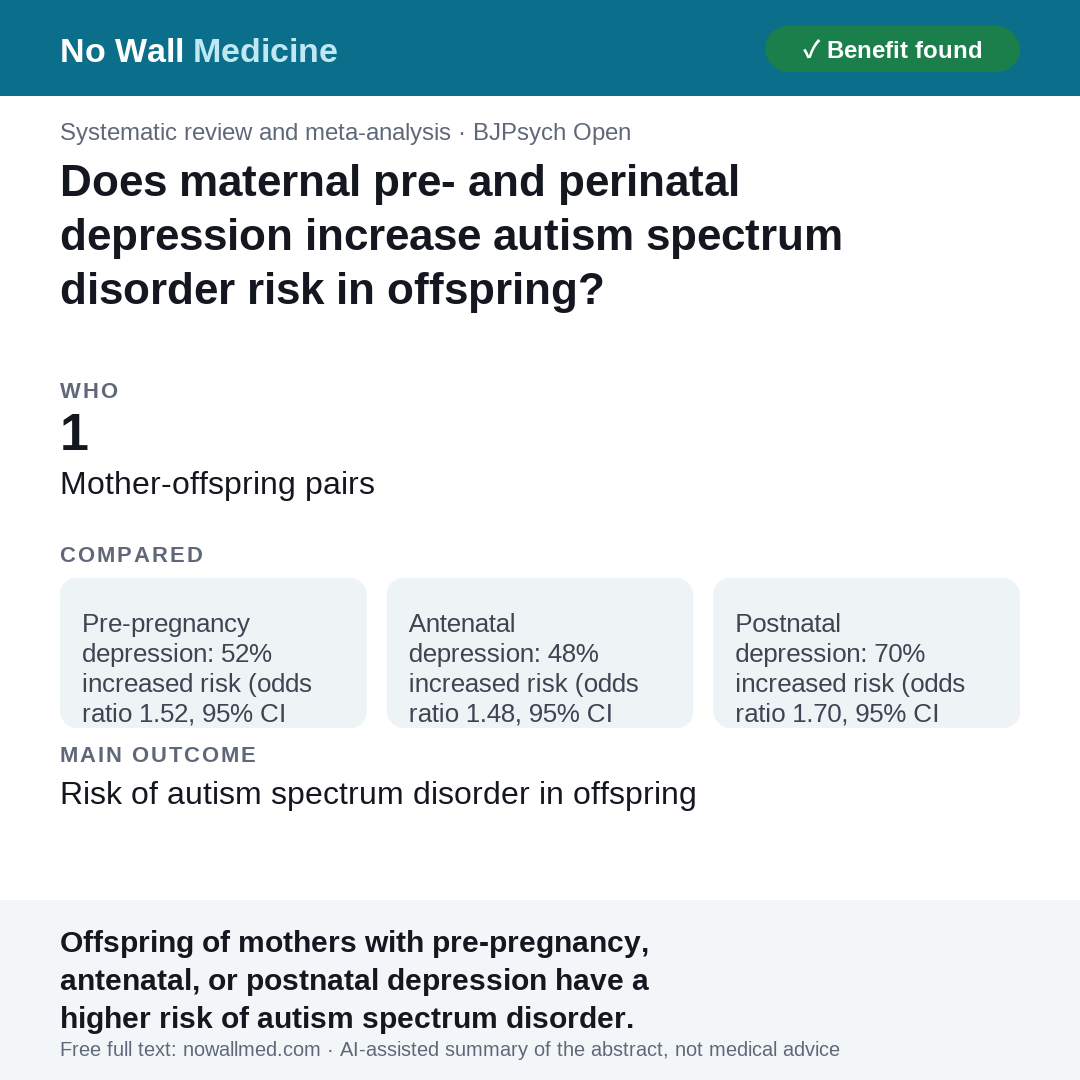
Maternal pre- and perinatal depression and the risk of autism spectrum disorders in offspring: systematic review and meta-analysis
Systematic review and meta-analysisBenefit found
Does maternal pre- and perinatal depression increase autism spectrum disorder risk in offspring?
Who
1
Mother-offspring pairs
Compared
Pre-pregnancy depression: 52% increased risk (odds ratio 1.52, 95% CI 1.13-1.90)
Antenatal depression: 48% increased risk (odds ratio 1.48, 95% CI 1.32-1.64)
Postnatal depression: 70% increased risk (odds ratio 1.70, 95% CI 1.41-1.99)
Main outcome
Risk of autism spectrum disorder in offspring
Bottom line: Offspring of mothers with pre-pregnancy, antenatal, or postnatal depression have a higher risk of autism spectrum disorder.
BJPsych Open · 2025-06-04Download image
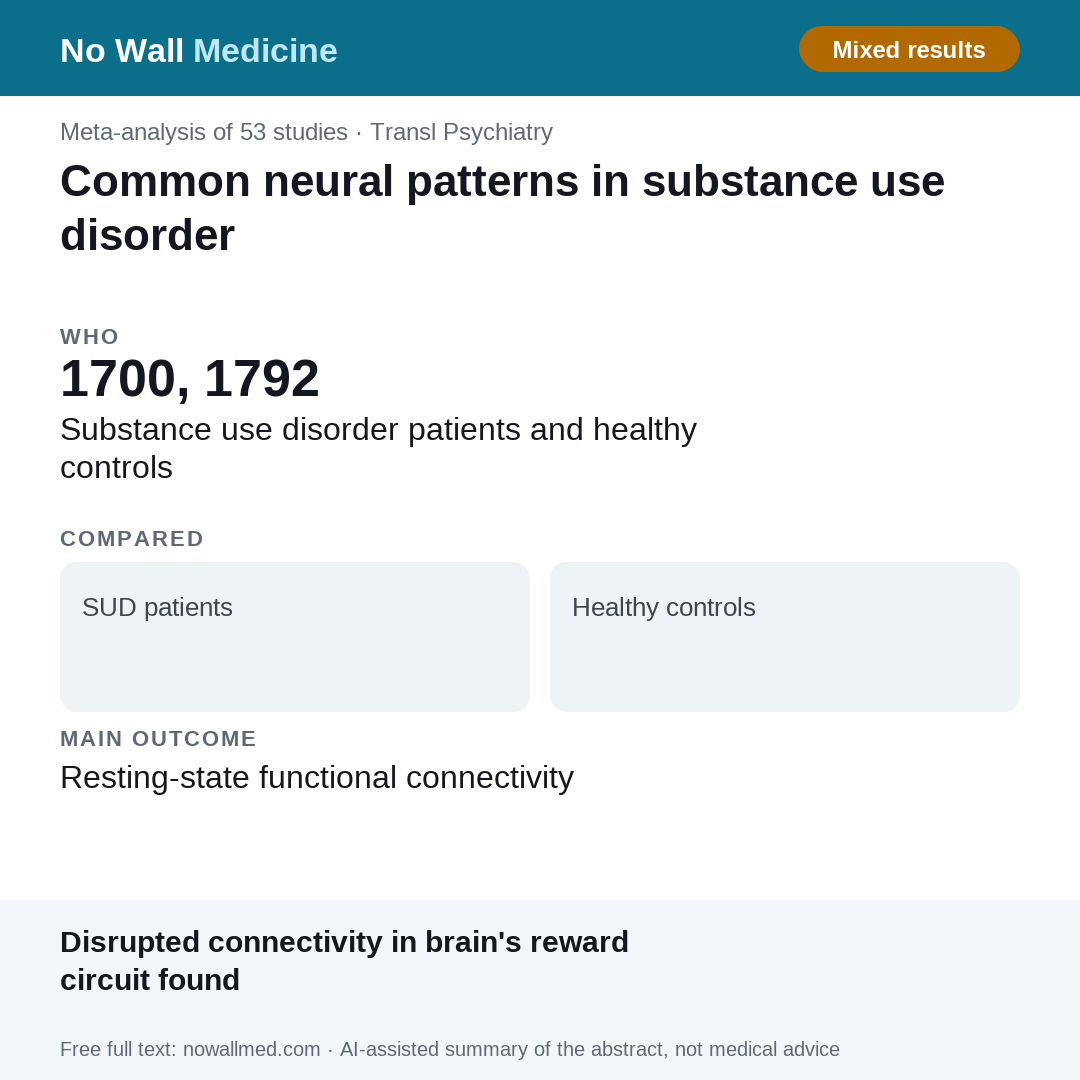
Common neural patterns of substance use disorder: a seed-based resting-state functional connectivity meta-analysis
Meta-analysis of 53 studiesMixed results
Common neural patterns in substance use disorder
Who
1700, 1792
Substance use disorder patients and healthy controls
Compared
SUD patients
Healthy controls
Main outcome
Resting-state functional connectivity
Bottom line: Disrupted connectivity in brain's reward circuit found
Transl Psychiatry · 2025-06-04Download image
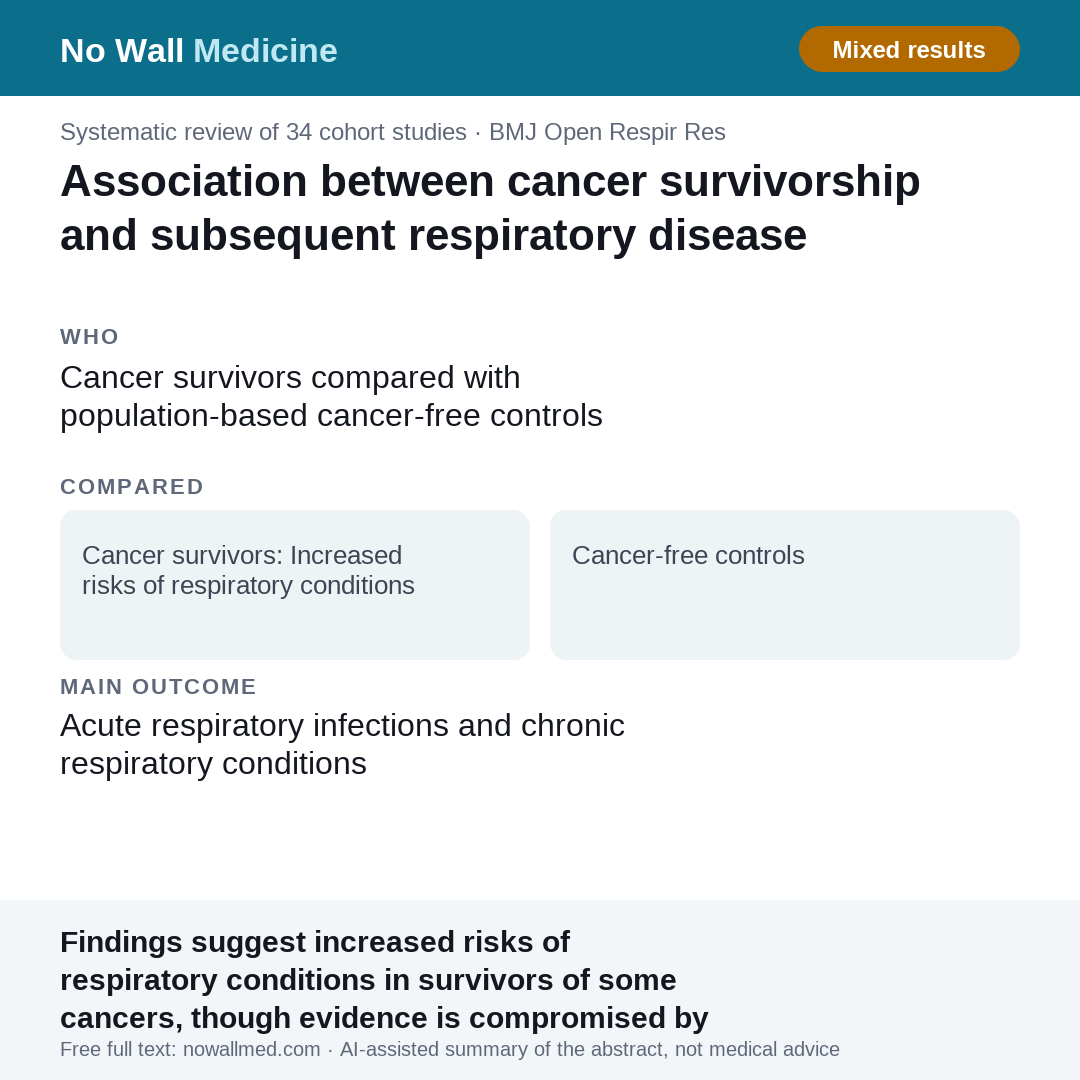
Associations between cancer survivorship and subsequent respiratory disease: a systematic literature review
Systematic review of 34 cohort studiesMixed results
Association between cancer survivorship and subsequent respiratory disease
Who
Cancer survivors compared with population-based cancer-free controls
Compared
Cancer survivors: Increased risks of respiratory conditions
Cancer-free controls
Main outcome
Acute respiratory infections and chronic respiratory conditions
Bottom line: Findings suggest increased risks of respiratory conditions in survivors of some cancers, though evidence is compromised by confounding.
Limitation: Lack of control for key potential confounders, like smoking
BMJ Open Respir Res · 2025-06-04Download image
Dynamic Eyelid Reanimation in Facial Paralysis: A Systematic Review of Techniques and Outcomes
Systematic reviewBenefit found
What are the techniques and outcomes of dynamic eyelid reanimation in facial paralysis?
Who
Patients with facial nerve palsy
Compared
Dynamic eyelid reanimation
Static procedures
Main outcome
Functional and aesthetic outcomes
Bottom line: Dynamic reanimation provides better results than static procedures for facial paralysis eyelid reconstruction.
Plast Reconstr Surg Glob Open · 2025-06-04Download image

"A systematic review of mesh support of the breast in aesthetic breast surgery"
Narrative systematic reviewUnclear result
Is mesh support effective and safe in aesthetic breast surgeries?
Who
2425
Patients undergoing reduction mammoplasty, mastopexy, and breast augmentation
Compared
Mesh support: favourable outcomes with improved breast shape and high patient satisfaction
Complications: low, with issues such as seroma, haematoma, and infection
Main outcome
effectiveness and safety of mesh in aesthetic breast surgeries
Bottom line: Evidence is insufficient to recommend the routine use of mesh in aesthetic breast surgery.
Limitation: Studies were mostly retrospective case series and a few prospective observational studies.
JPRAS Open · 2025-06-04Download image

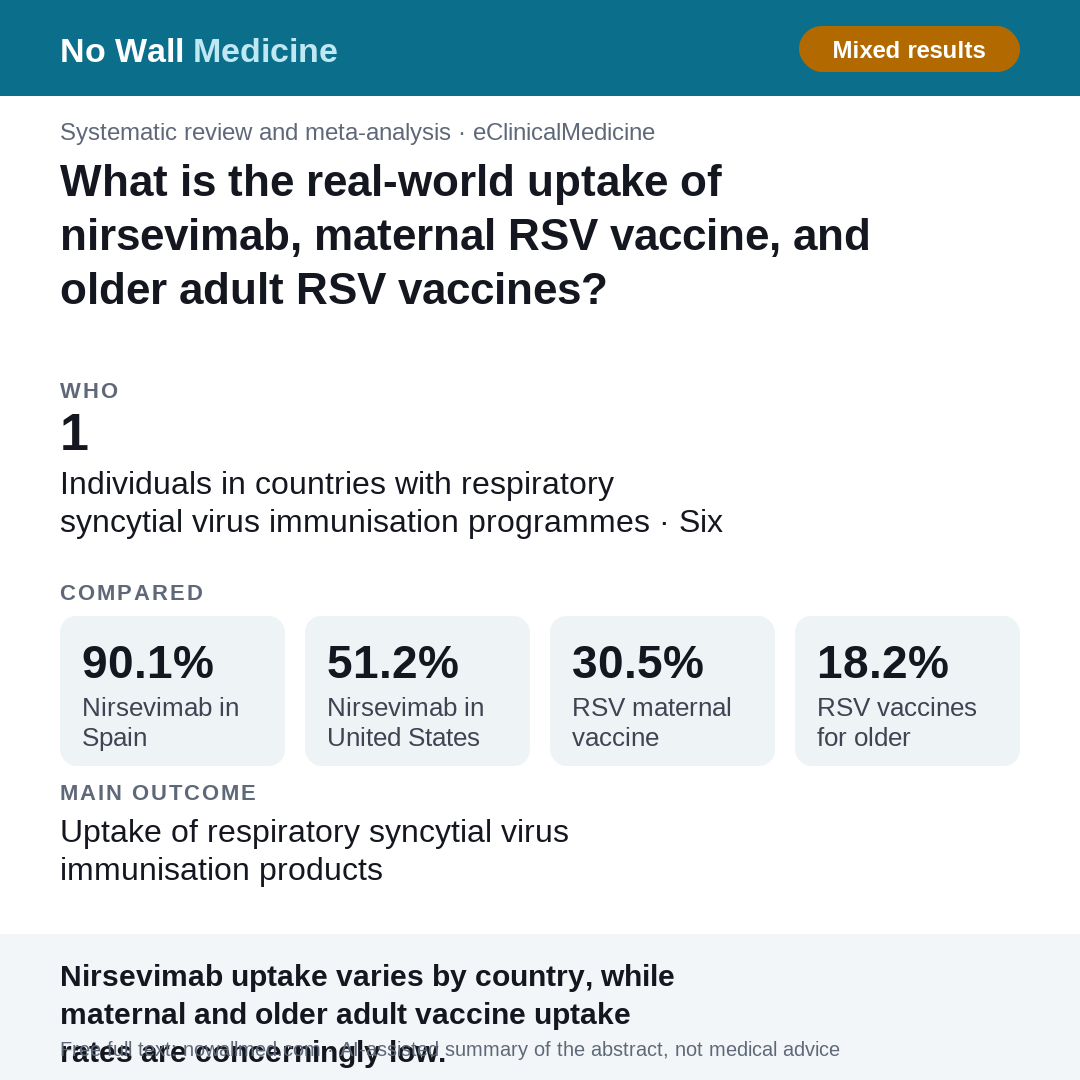
Real-world uptake of nirsevimab, RSV maternal vaccine, and RSV vaccines for older adults: a systematic review and meta-analysis
Systematic review and meta-analysisMixed results
What is the real-world uptake of nirsevimab, maternal RSV vaccine, and older adult RSV vaccines?
Who
1
Individuals in countries with respiratory syncytial virus immunisation programmes · Six countries
Compared
90.1%Nirsevimab in Spain (95% CI: 86.4-92.9)
51.2%Nirsevimab in United States (95% CI: 29.3-72.7)
30.5%RSV maternal vaccine (95% CI: 20.6-42.6)
18.2%RSV vaccines for older adults (95% CI: 10.8-28.9)
Main outcome
Uptake of respiratory syncytial virus immunisation products
Bottom line: Nirsevimab uptake varies by country, while maternal and older adult vaccine uptake rates are concerningly low.
Limitation: Limited number of studies and lack of more accurate data at national level
Funded by: Health Data Research UK, Inflammation and Immunity Driver Programme
eClinicalMedicine · 2025-06-03Download image
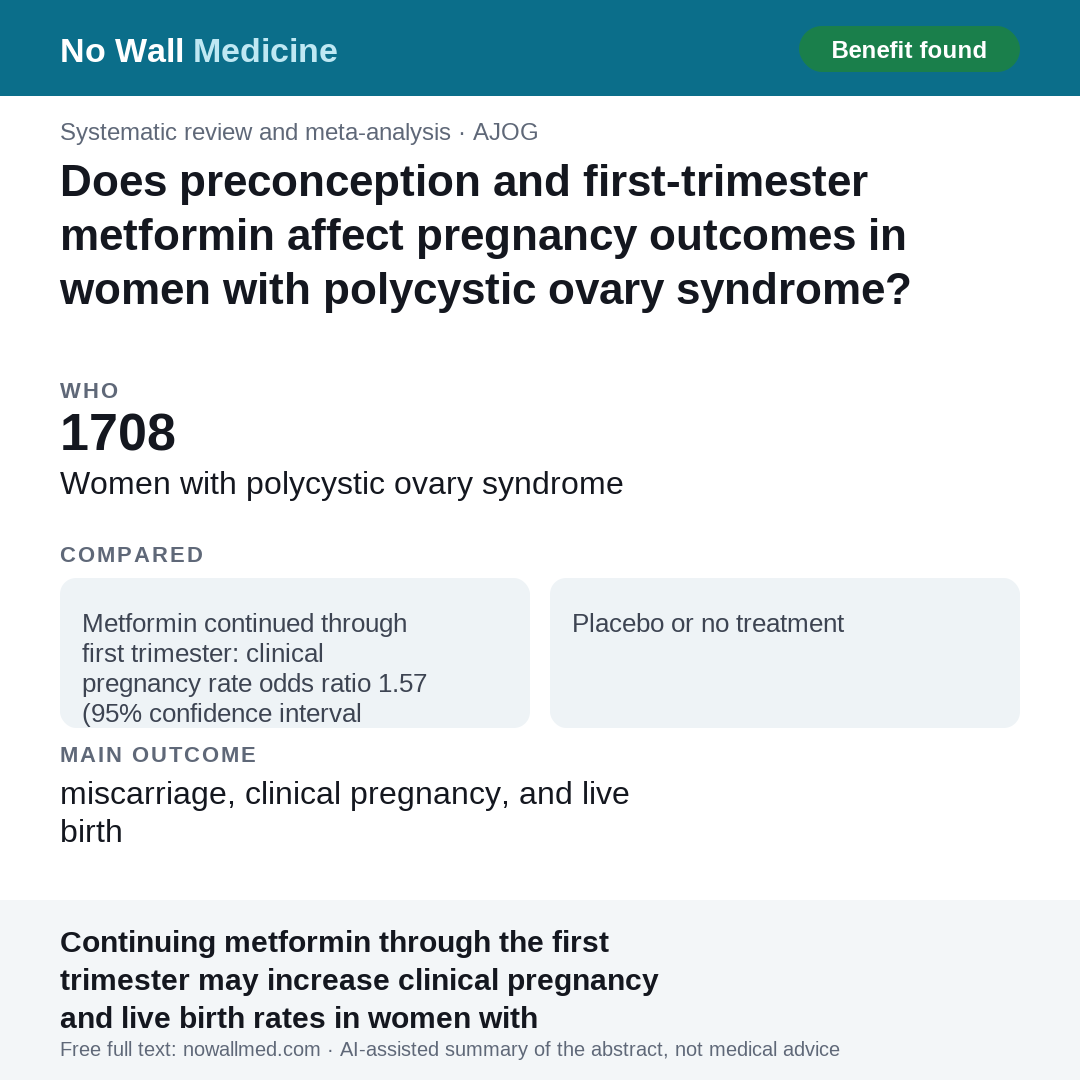
Preconception and first-trimester metformin on pregnancy outcomes in women with polycystic ovary syndrome: a systematic review and meta-analysis
Systematic review and meta-analysisBenefit found
Does preconception and first-trimester metformin affect pregnancy outcomes in women with polycystic ovary syndrome?
Who
1708
Women with polycystic ovary syndrome
Compared
Metformin continued through first trimester: clinical pregnancy rate odds ratio 1.57 (95% confidence interval 1.11-2.23)
Placebo or no treatment
Main outcome
miscarriage, clinical pregnancy, and live birth
Result: odds ratio 1.57 (95% confidence interval 1.11-2.23)
Bottom line: Continuing metformin through the first trimester may increase clinical pregnancy and live birth rates in women with polycystic ovary syndrome.
Limitation: All included studies were graded low to moderate quality.
AJOG · 2025-06-03Download image
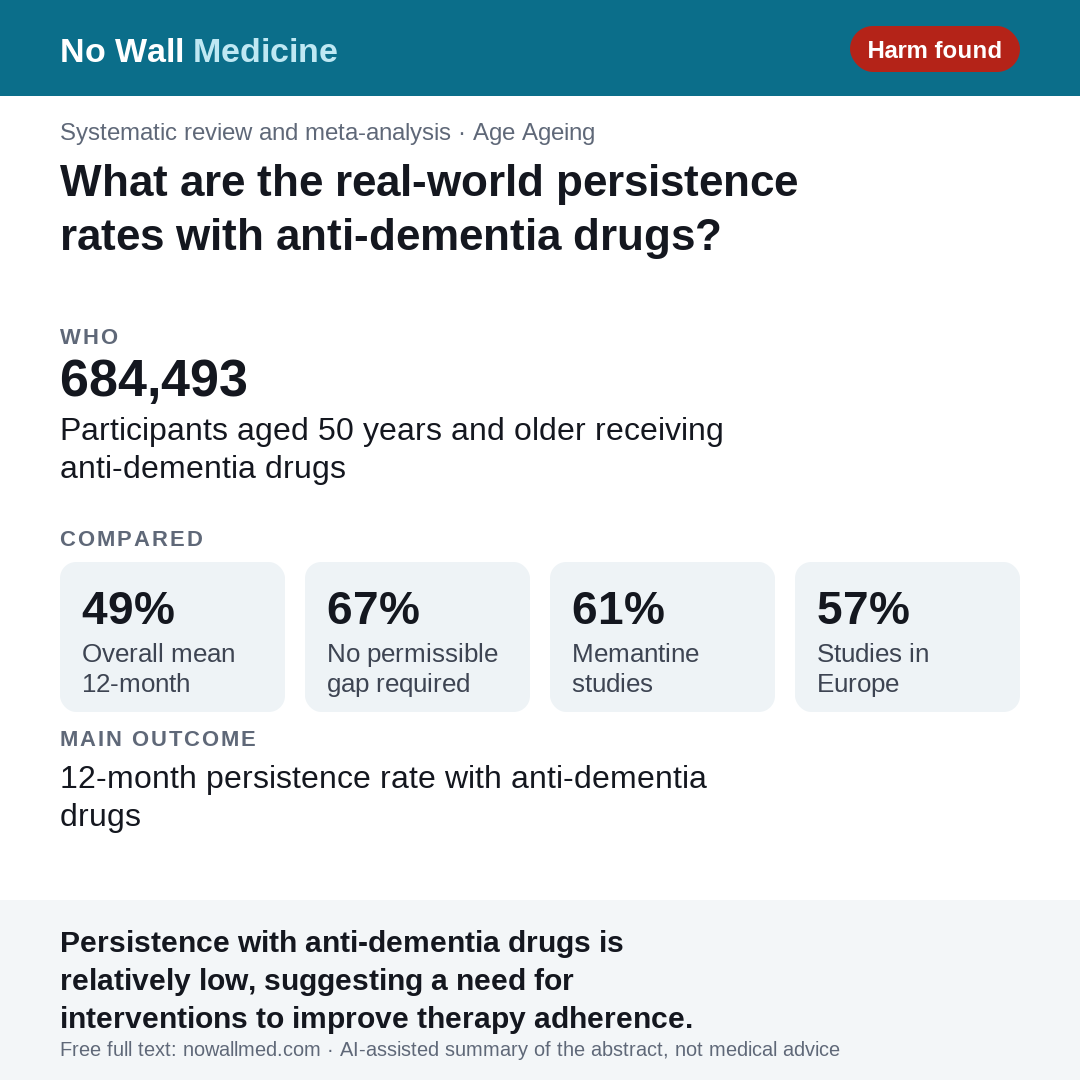
Persistence with anti-dementia medications: a systematic review and meta-analysis
Systematic review and meta-analysisHarm found
What are the real-world persistence rates with anti-dementia drugs?
Who
684,493
Participants aged 50 years and older receiving anti-dementia drugs
Compared
49%Overall mean 12-month persistence (95% CI: 42%-56%)
67%No permissible gap required (95% CI: 38%-90%)
61%Memantine studies (95% CI: 38%-82%)
57%Studies in Europe (95% CI: 43%-71%)
Main outcome
12-month persistence rate with anti-dementia drugs
Bottom line: Persistence with anti-dementia drugs is relatively low, suggesting a need for interventions to improve therapy adherence.
Limitation: Persistence rates varied according to the evaluation criteria used.
Age Ageing · 2025-06-03Download image
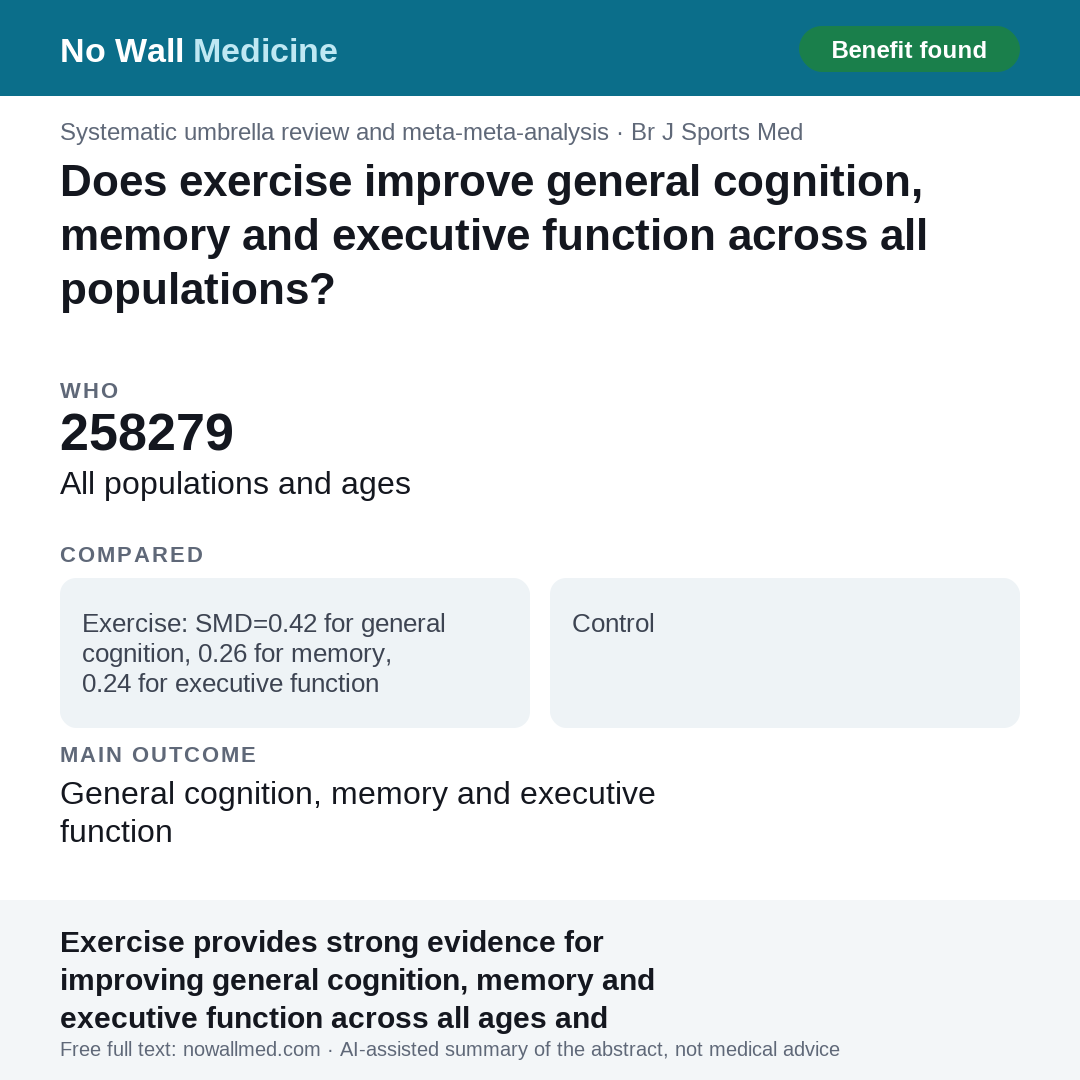
Effectiveness of exercise for improving cognition, memory and executive function: a systematic umbrella review and meta-meta-analysis
Systematic umbrella review and meta-meta-analysisBenefit found
Does exercise improve general cognition, memory and executive function across all populations?
Who
258279
All populations and ages
Compared
Exercise: SMD=0.42 for general cognition, 0.26 for memory, 0.24 for executive function
Control
Main outcome
General cognition, memory and executive function
Result: SMD=0.42 for general cognition, 0.26 for memory and 0.24 for executive function
Bottom line: Exercise provides strong evidence for improving general cognition, memory and executive function across all ages and populations.
Br J Sports Med · 2025-06-03Download image
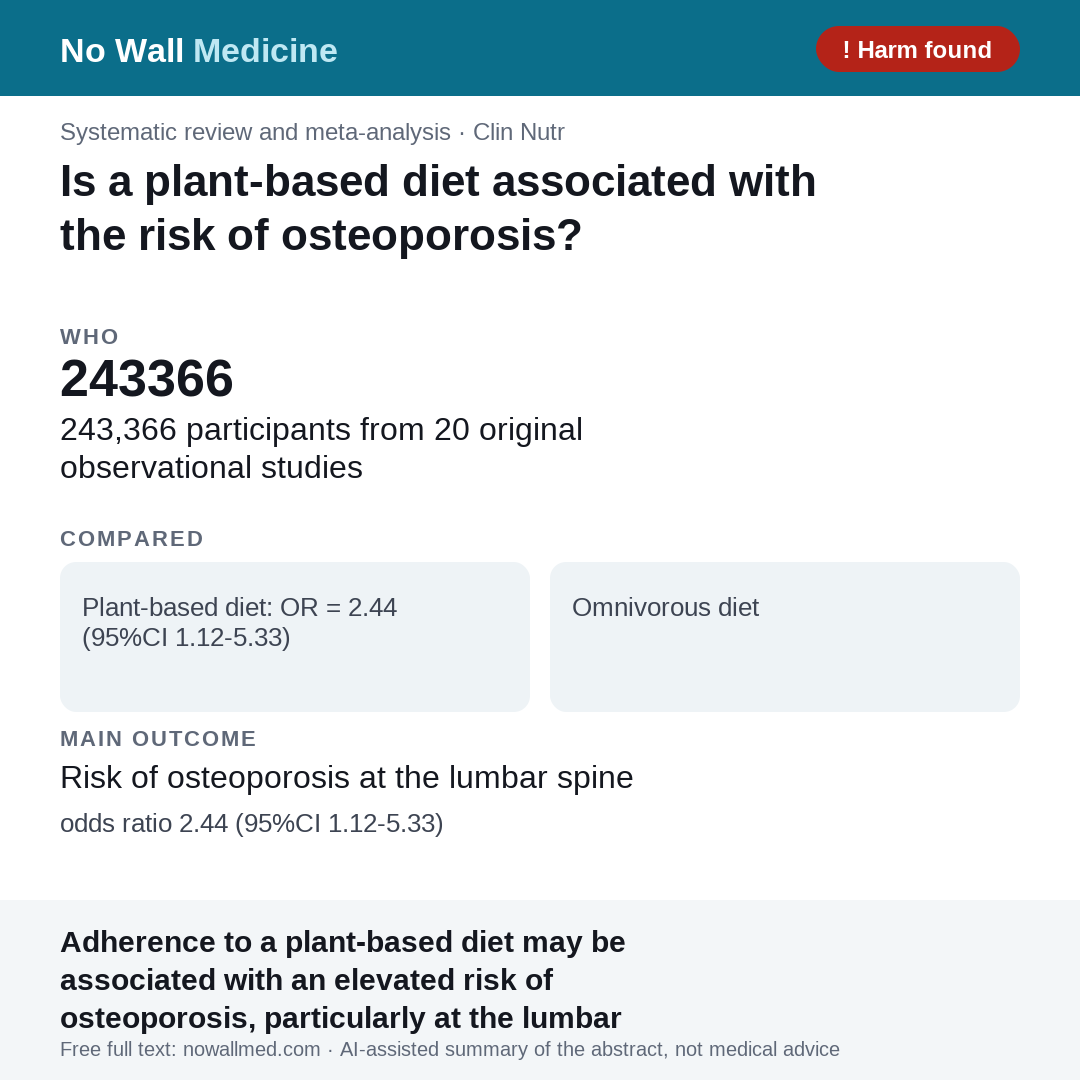
Plant-based diet and risk of osteoporosis: A systematic review and meta-analysis
Systematic review and meta-analysisHarm found
Is a plant-based diet associated with the risk of osteoporosis?
Who
243366
243,366 participants from 20 original observational studies
Compared
Plant-based diet: OR = 2.44 (95%CI 1.12-5.33)
Omnivorous diet
Main outcome
Risk of osteoporosis at the lumbar spine
Result: odds ratio 2.44 (95%CI 1.12-5.33)
Bottom line: Adherence to a plant-based diet may be associated with an elevated risk of osteoporosis, particularly at the lumbar spine.
Limitation: High heterogeneity observed across studies highlights the need for well-designed prospective studies.
Clin Nutr · 2025-06-03Download image
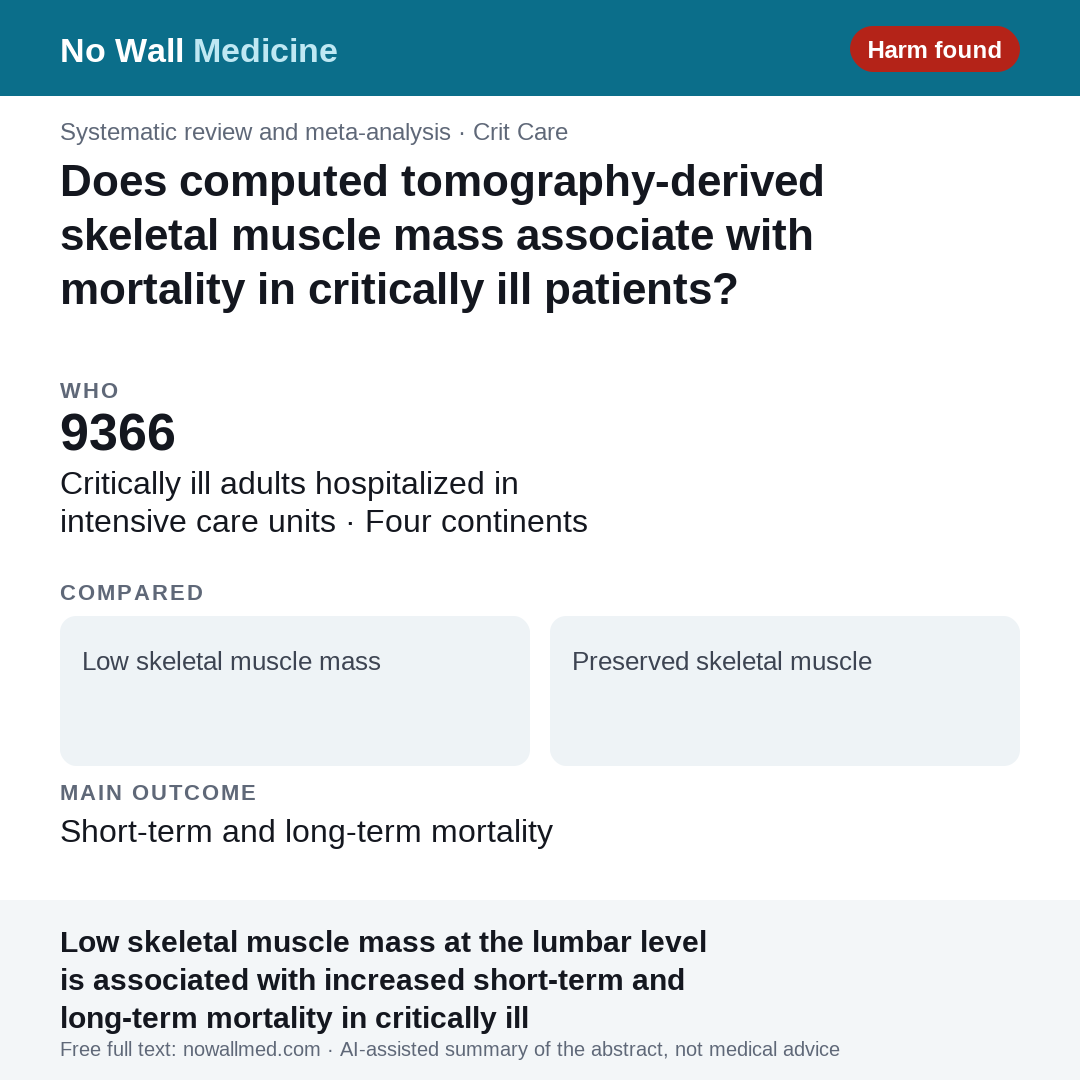
Exploring the association between computed tomography (CT)-derived skeletal muscle mass and short- and long-term mortality in critically ill patients: a systematic review and meta-analysis
Systematic review and meta-analysisHarm found
Does computed tomography-derived skeletal muscle mass associate with mortality in critically ill patients?
Who
9366
Critically ill adults hospitalized in intensive care units · Four continents
Compared
Low skeletal muscle mass
Preserved skeletal muscle
Main outcome
Short-term and long-term mortality
Result: short-term mortality OR = 2.33 (CI 1.90-2.87); long-term mortality OR = 2.67 (CI 1.45-4.92)
Bottom line: Low skeletal muscle mass at the lumbar level is associated with increased short-term and long-term mortality in critically ill patients.
Crit Care · 2025-06-03Download image