Visual abstracts
New randomized trials and meta-analyses from leading journals at a glance: who was studied, what was compared, and what was found. Every paper is free to read in full.
All specialtiesCardiology 4877Oncology 4138Gastroenterology & Hepatology 1942Infectious Disease 3837Neurology 1905Psychiatry & Mental Health 2273Pulmonology 2143Critical Care 1365Endocrinology & Diabetes 2580Pediatrics 2980Surgery 2559Orthopedics & Sports Medicine 931Neurosurgery 537Cardiothoracic & Vascular Surgery 674Plastic & Reconstructive Surgery 591Nephrology 1133Rheumatology 823Hematology 1109Dermatology 621Ophthalmology 543Obstetrics & Gynecology 1686Public & Global Health 1058Radiology & Imaging 648Anesthesiology 986Urology 764ENT (Otolaryngology) 503Emergency Medicine 511Allergy & Immunology 313Geriatrics 981Family Medicine & Primary Care 562Medical Genetics & Genomics 676Pathology & Laboratory Medicine 159Physical Medicine & Rehabilitation 757Palliative Care 444Nutrition 1588Digital Health & AI 2201General Medicine 321
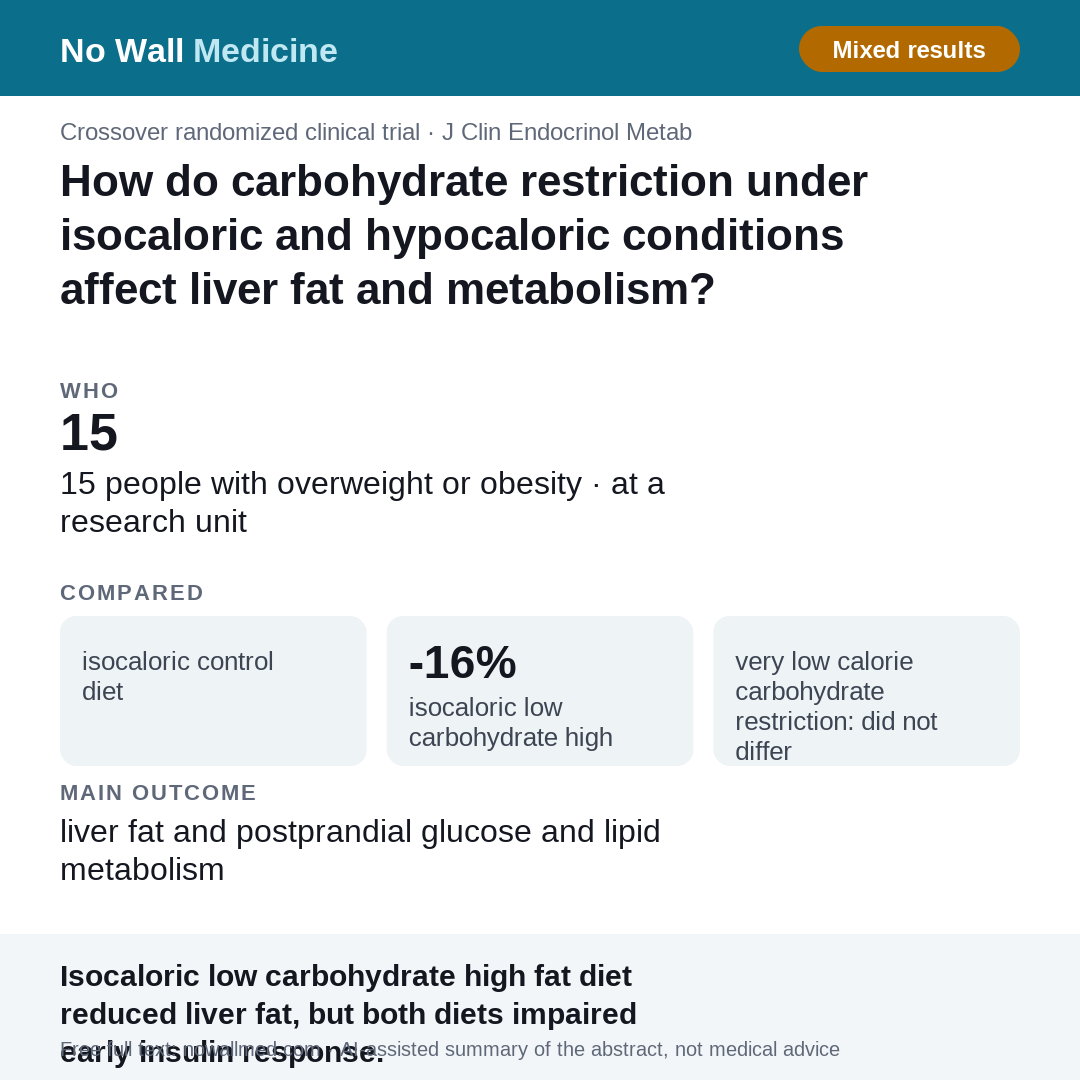
Effects of Acute Iso- and Hypocaloric Carbohydrate Restriction on Liver Fat and Glucose and Lipid Metabolism
Crossover randomized clinical trialMixed results
How do carbohydrate restriction under isocaloric and hypocaloric conditions affect liver fat and metabolism?
Who
15
15 people with overweight or obesity · at a research unit
Compared
isocaloric control diet
-16%isocaloric low carbohydrate high fat diet (-34; 4)
very low calorie carbohydrate restriction: did not differ
Main outcome
liver fat and postprandial glucose and lipid metabolism
Bottom line: Isocaloric low carbohydrate high fat diet reduced liver fat, but both diets impaired early insulin response.
J Clin Endocrinol Metab · 2025-07-02Download image
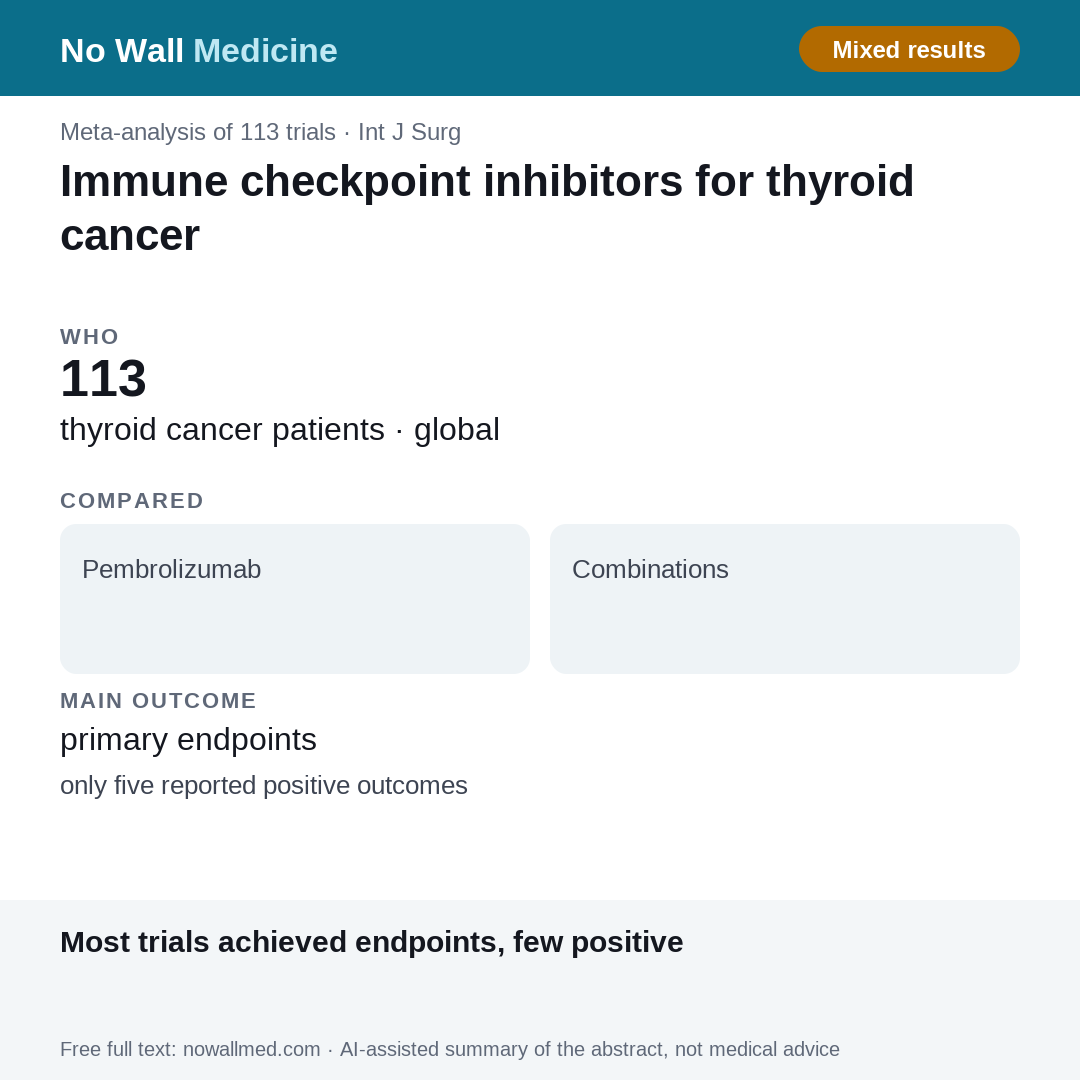
Immune checkpoint inhibitors against thyroid cancer
Meta-analysis of 113 trialsMixed results
Immune checkpoint inhibitors for thyroid cancer
Who
113
thyroid cancer patients · global
Compared
Pembrolizumab
Combinations
Main outcome
primary endpoints
Result: only five reported positive outcomes
Bottom line: Most trials achieved endpoints, few positive
Int J Surg · 2025-07-02Download image
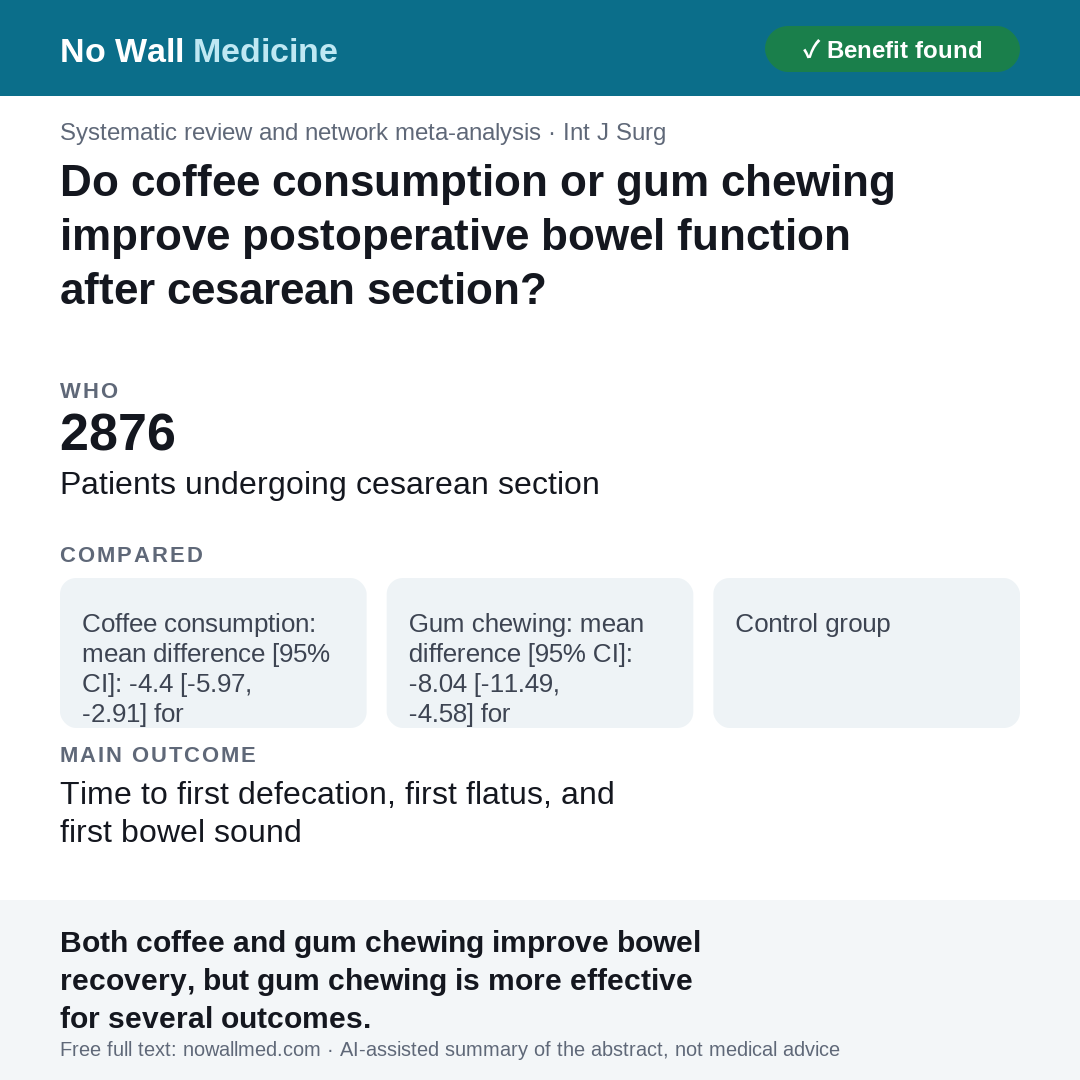
The effects of coffee versus gum chewing after cesarean on bowel functions: a systematic review and network meta-analysis
Systematic review and network meta-analysisBenefit found
Do coffee consumption or gum chewing improve postoperative bowel function after cesarean section?
Who
2876
Patients undergoing cesarean section
Compared
Coffee consumption: mean difference [95% CI]: -4.4 [-5.97, -2.91] for defecation
Gum chewing: mean difference [95% CI]: -8.04 [-11.49, -4.58] for defecation
Control group
Main outcome
Time to first defecation, first flatus, and first bowel sound
Bottom line: Both coffee and gum chewing improve bowel recovery, but gum chewing is more effective for several outcomes.
Int J Surg · 2025-07-02Download image
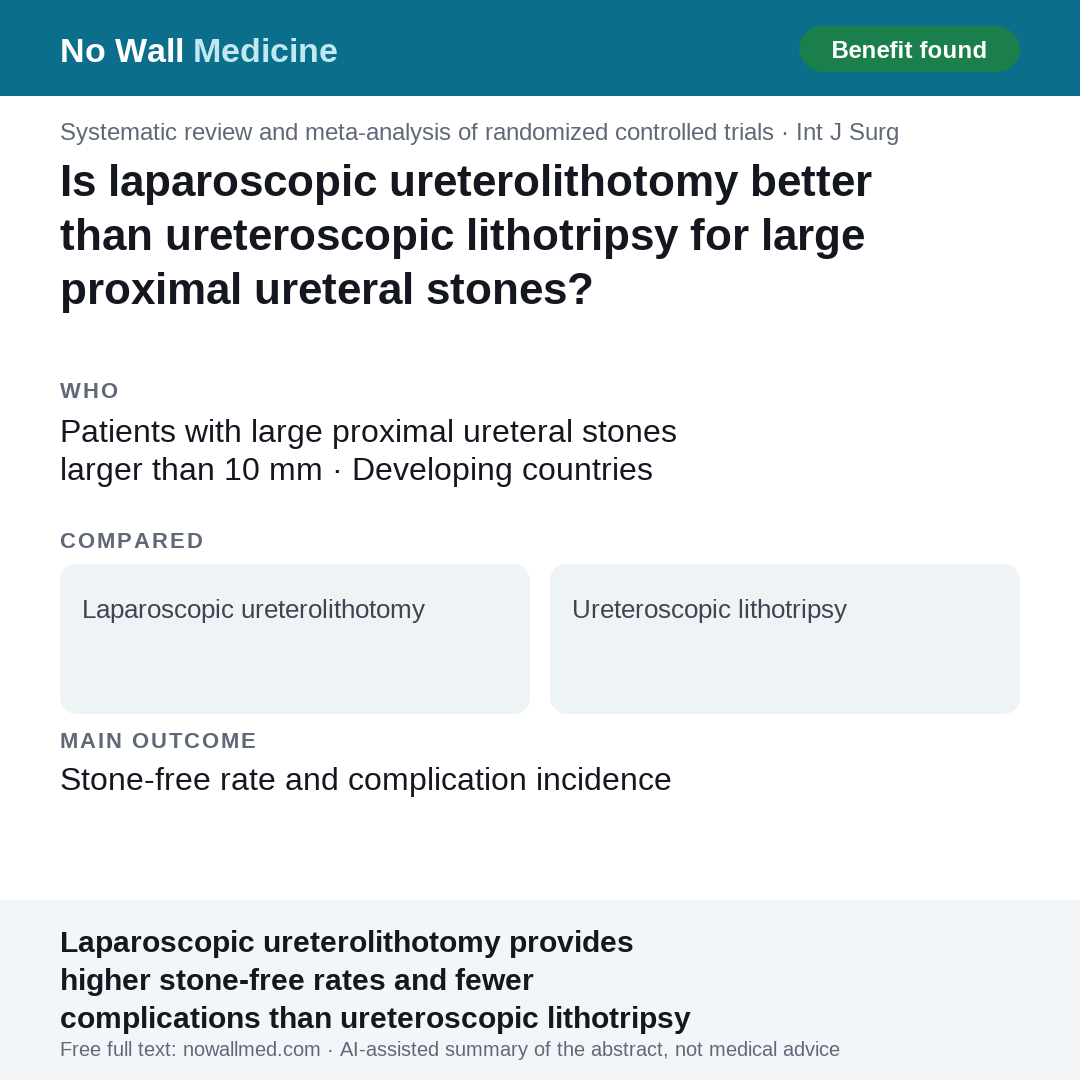
Comparison of ureteroscopic lithotripsy and laparoscopic ureterolithotomy in the treatment of large proximal ureteral stones in developing countries: a systematic review and meta-analysis
Systematic review and meta-analysis of randomized controlled trialsBenefit found
Is laparoscopic ureterolithotomy better than ureteroscopic lithotripsy for large proximal ureteral stones?
Who
Patients with large proximal ureteral stones larger than 10 mm · Developing countries
Compared
Laparoscopic ureterolithotomy
Ureteroscopic lithotripsy
Main outcome
Stone-free rate and complication incidence
Bottom line: Laparoscopic ureterolithotomy provides higher stone-free rates and fewer complications than ureteroscopic lithotripsy for large proximal ureteral stones.
Int J Surg · 2025-07-02Download image
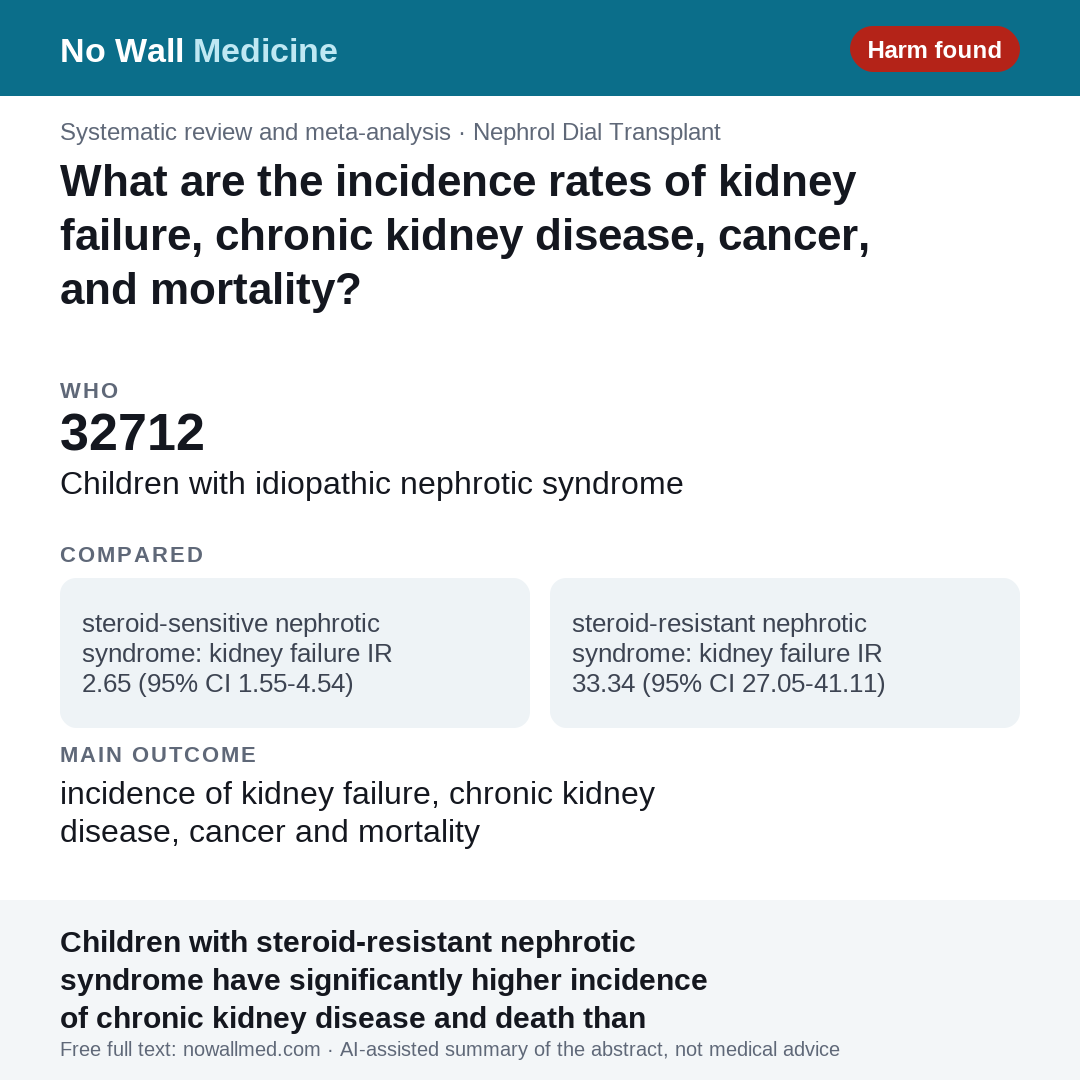
Kidney function and mortality in childhood nephrotic syndrome
Systematic review and meta-analysisHarm found
What are the incidence rates of kidney failure, chronic kidney disease, cancer, and mortality?
Who
32712
Children with idiopathic nephrotic syndrome
Compared
steroid-sensitive nephrotic syndrome: kidney failure IR 2.65 (95% CI 1.55-4.54)
steroid-resistant nephrotic syndrome: kidney failure IR 33.34 (95% CI 27.05-41.11)
Main outcome
incidence of kidney failure, chronic kidney disease, cancer and mortality
Bottom line: Children with steroid-resistant nephrotic syndrome have significantly higher incidence of chronic kidney disease and death than steroid-sensitive children.
Limitation: Many studies were at moderate-to-high risk of bias and used variable surveillance strategies and outcome definitions.
Nephrol Dial Transplant · 2025-07-02Download image
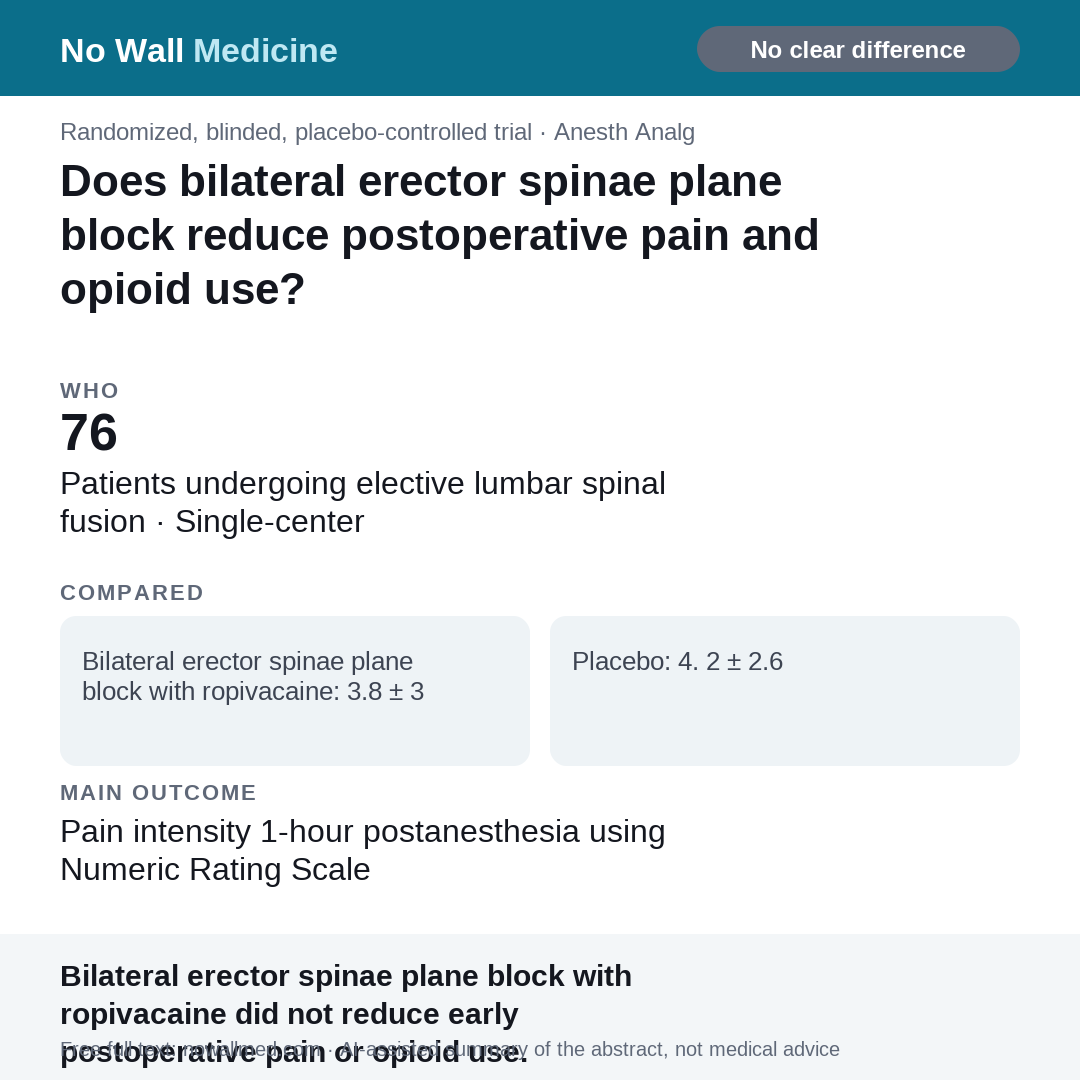
Erector Spinae Plane Block in Multimodal Analgesia After Lumbar Spinal Fusion Surgery: A Blinded Randomized Placebo-Controlled Trial
Randomized, blinded, placebo-controlled trialNo clear difference
Does bilateral erector spinae plane block reduce postoperative pain and opioid use?
Who
76
Patients undergoing elective lumbar spinal fusion · Single-center
Compared
Bilateral erector spinae plane block with ropivacaine: 3.8 ± 3
Placebo: 4. 2 ± 2.6
Main outcome
Pain intensity 1-hour postanesthesia using Numeric Rating Scale
Bottom line: Bilateral erector spinae plane block with ropivacaine did not reduce early postoperative pain or opioid use.
Anesth Analg · 2025-07-02Download image
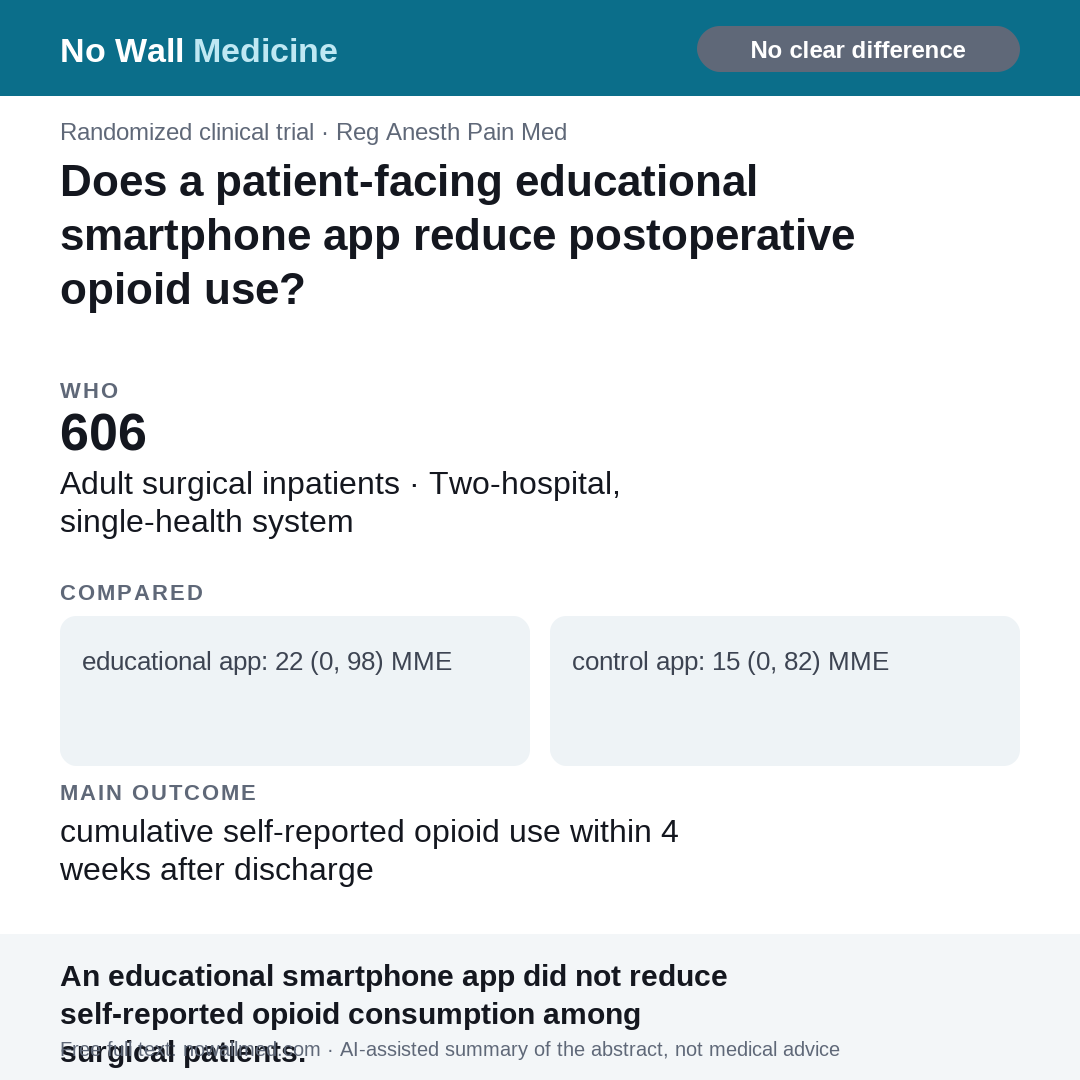
Postsurgical Medication Awareness, Recovery, and Tracking using a Phone-Based App (SMART-APP): a randomized clinical trial
Randomized clinical trialNo clear difference
Does a patient-facing educational smartphone app reduce postoperative opioid use?
Who
606
Adult surgical inpatients · Two-hospital, single-health system
Compared
educational app: 22 (0, 98) MME
control app: 15 (0, 82) MME
Main outcome
cumulative self-reported opioid use within 4 weeks after discharge
Result: ratio of geometric means 1.21 (95% CI 0.87 to 1.69)
Bottom line: An educational smartphone app did not reduce self-reported opioid consumption among surgical patients.
Reg Anesth Pain Med · 2025-07-02Download image
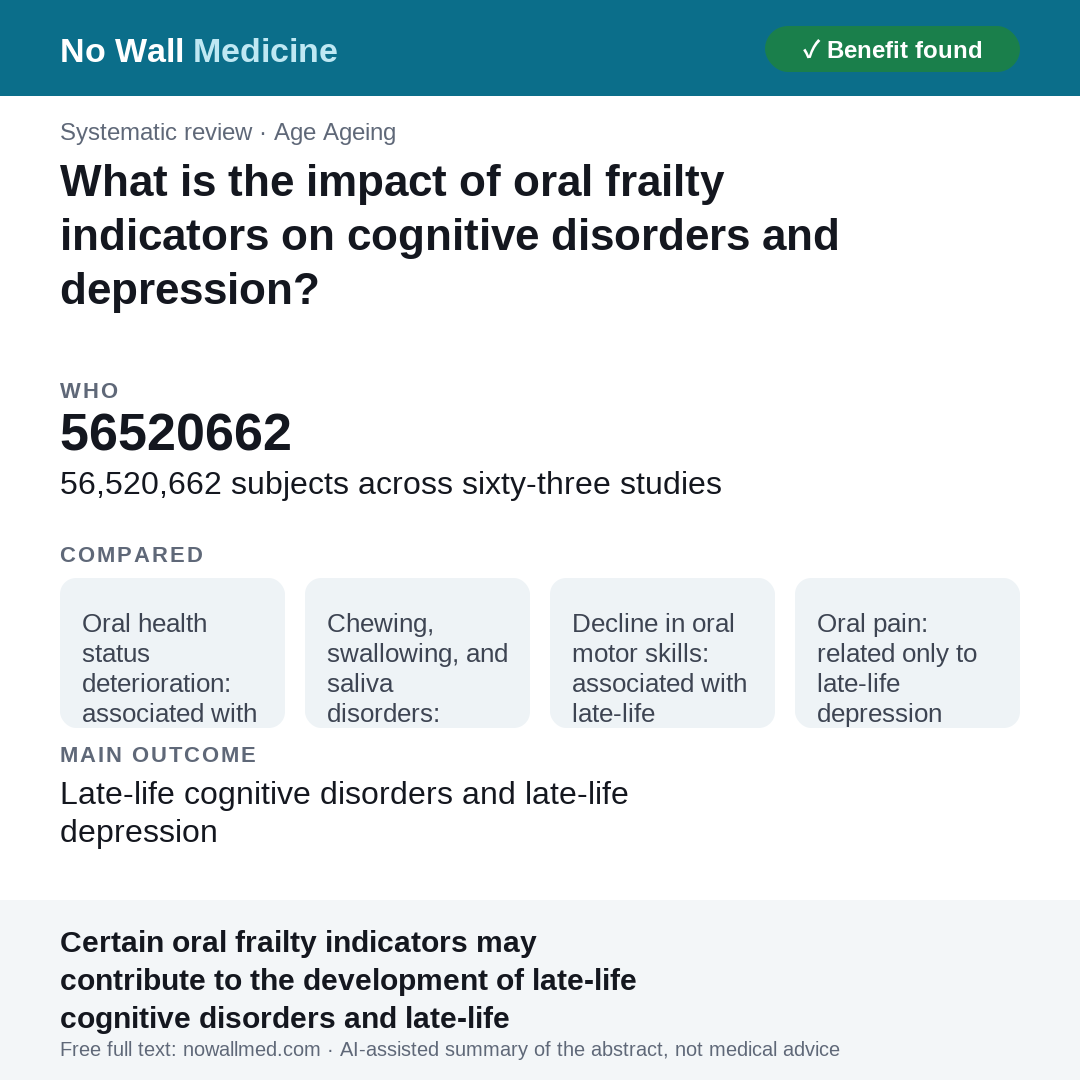
Targeting oral frailty indicators of late-life cognitive disorders and depression: a systematic review
Systematic reviewBenefit found
What is the impact of oral frailty indicators on cognitive disorders and depression?
Who
56520662
56,520,662 subjects across sixty-three studies
Compared
Oral health status deterioration: associated with cognitive impairment, mild cognitive impairment, dementia, and late-life depression
Chewing, swallowing, and saliva disorders: associated with cognitive impairment, mild cognitive impairment, dementia, and late-life depression
Decline in oral motor skills: associated with late-life cognitive impairment/decline
Oral pain: related only to late-life depression
Main outcome
Late-life cognitive disorders and late-life depression
Bottom line: Certain oral frailty indicators may contribute to the development of late-life cognitive disorders and late-life depression.
Age Ageing · 2025-07-02Download image
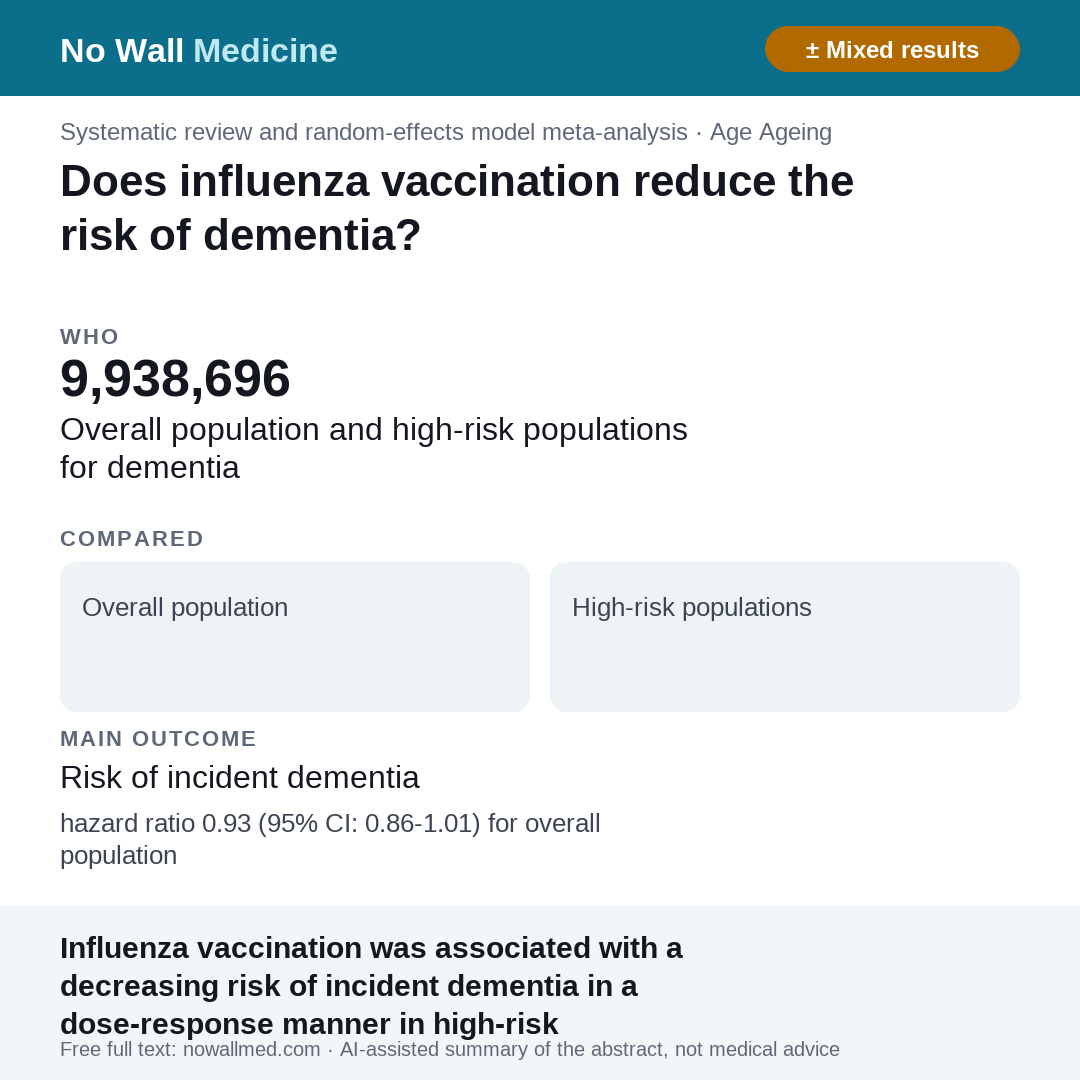
Influenza vaccination and risk of dementia: a systematic review and meta-analysis
Systematic review and random-effects model meta-analysisMixed results
Does influenza vaccination reduce the risk of dementia?
Who
9,938,696
Overall population and high-risk populations for dementia
Compared
Overall population
High-risk populations
Main outcome
Risk of incident dementia
Result: hazard ratio 0.93 (95% CI: 0.86-1.01) for overall population
Bottom line: Influenza vaccination was associated with a decreasing risk of incident dementia in a dose-response manner in high-risk populations.
Age Ageing · 2025-07-02Download image
A systematic review of consumers' knowledge, attitudes and experiences of primary health professionals' role in genomic medicine
Systematic reviewMixed results
Consumers' views on genomic medicine
Who
3557
consumers of primary health services · primary care
Compared
positive experience
negative experience
Main outcome
consumer experiences
Bottom line: Consumers have mixed views on genomic medicine
Eur J Hum Genet · 2025-07-02Download image

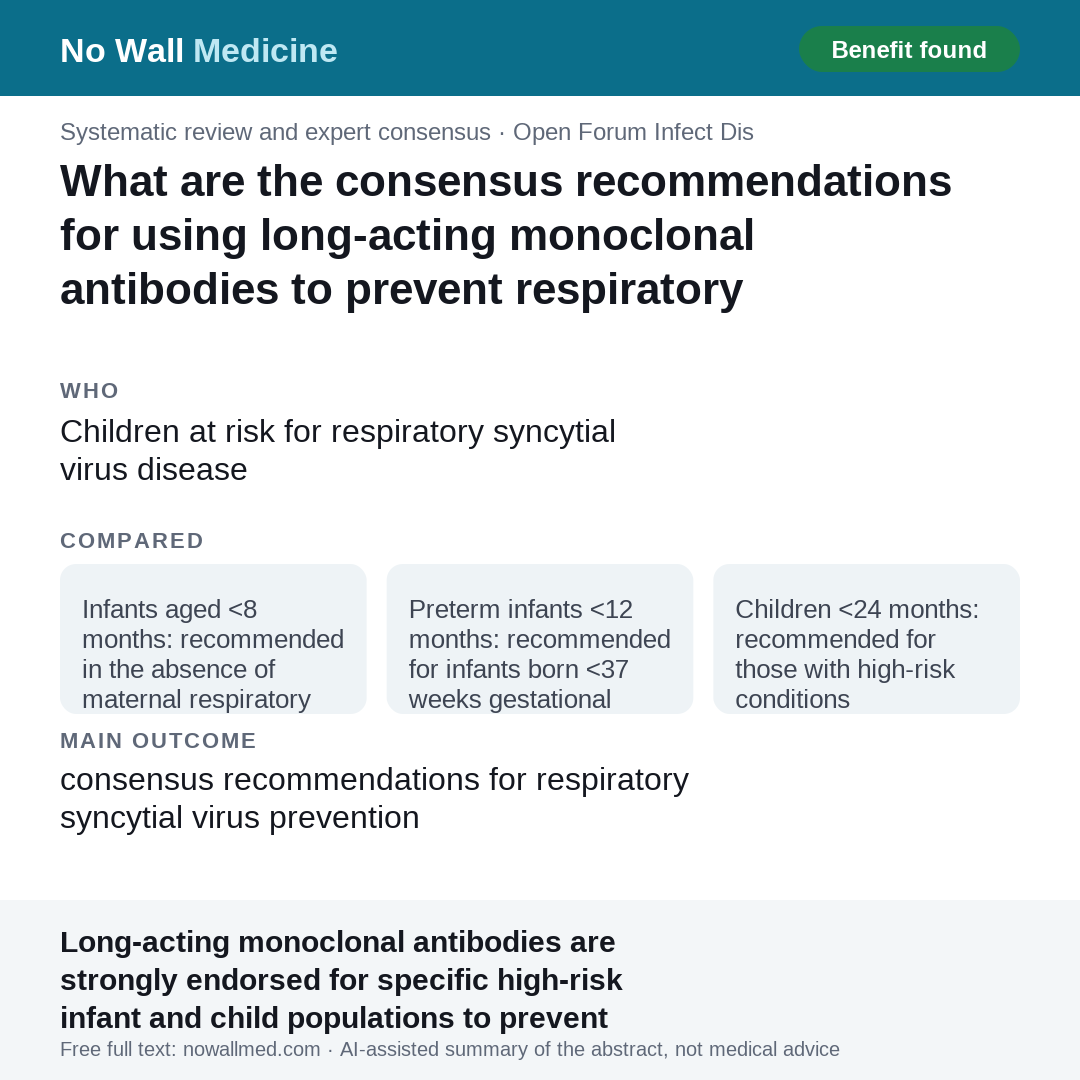
Systematic Review and Expert Consensus on the Use of Long-acting Monoclonal Antibodies for Prevention of Respiratory Syncytial Virus Disease: ARMADA (Advancing RSV Management And Disease Awareness) Taskforce
Systematic review and expert consensusBenefit found
What are the consensus recommendations for using long-acting monoclonal antibodies to prevent respiratory syncytial virus?
Who
Children at risk for respiratory syncytial virus disease
Compared
Infants aged <8 months: recommended in the absence of maternal respiratory syncytial virus vaccination
Preterm infants <12 months: recommended for infants born <37 weeks gestational age
Children <24 months: recommended for those with high-risk conditions
Main outcome
consensus recommendations for respiratory syncytial virus prevention
Bottom line: Long-acting monoclonal antibodies are strongly endorsed for specific high-risk infant and child populations to prevent respiratory syncytial virus.
Open Forum Infect Dis · 2025-07-02Download image
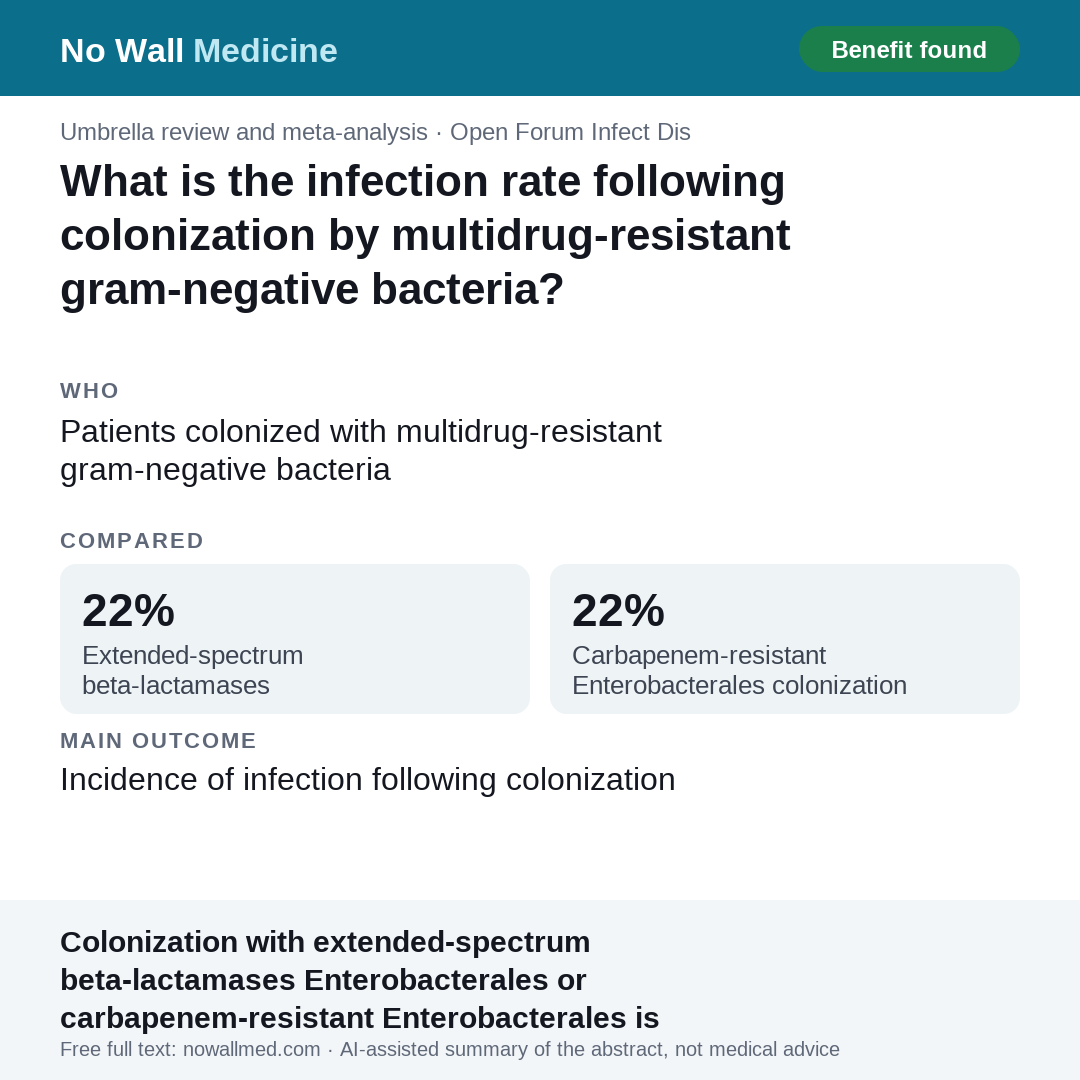
Infection Risk Associated With Colonization by Multidrug-Resistant Gram-Negative Bacteria: An Umbrella Review and Meta-analysis
Umbrella review and meta-analysisBenefit found
What is the infection rate following colonization by multidrug-resistant gram-negative bacteria?
Who
Patients colonized with multidrug-resistant gram-negative bacteria
Compared
22%Extended-spectrum beta-lactamases Enterobacterales colonization
22%Carbapenem-resistant Enterobacterales colonization
Main outcome
Incidence of infection following colonization
Bottom line: Colonization with extended-spectrum beta-lactamases Enterobacterales or carbapenem-resistant Enterobacterales is associated with a 22% infection rate.
Limitation: Heterogeneity of the included populations may limit the generalizability of these findings.
Open Forum Infect Dis · 2025-07-02Download image
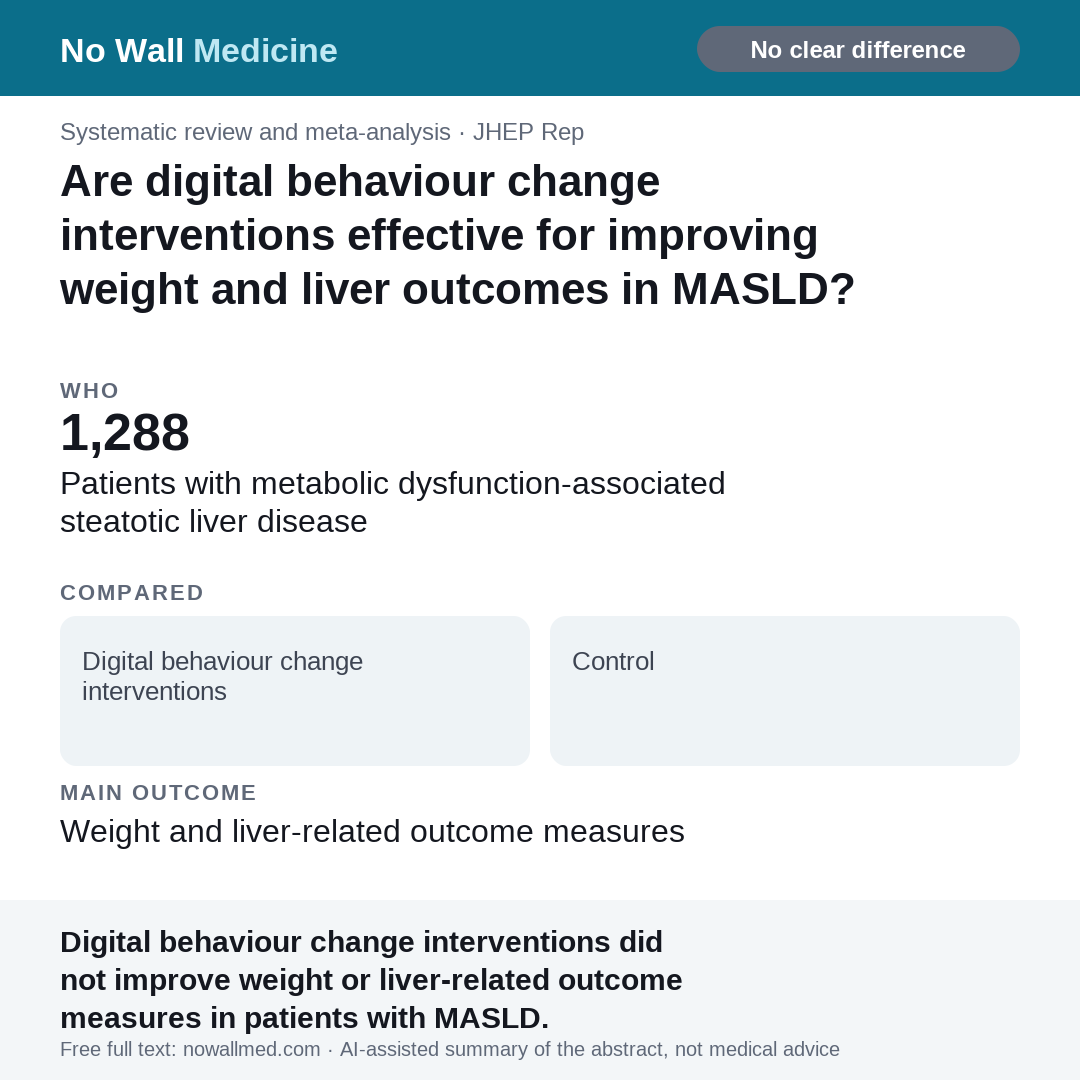
Effectiveness and active ingredients of digital behaviour change interventions for MASLD: A systematic review and meta-analysis
Systematic review and meta-analysisNo clear difference
Are digital behaviour change interventions effective for improving weight and liver outcomes in MASLD?
Who
1,288
Patients with metabolic dysfunction-associated steatotic liver disease
Compared
Digital behaviour change interventions
Control
Main outcome
Weight and liver-related outcome measures
Result: weighted mean difference -2.07 kg [-6.08 to 1.94 kg]
Bottom line: Digital behaviour change interventions did not improve weight or liver-related outcome measures in patients with MASLD.
Limitation: Significant heterogeneity between interventions in delivery, content, duration, and frequency.
JHEP Rep · 2025-07-02Download image
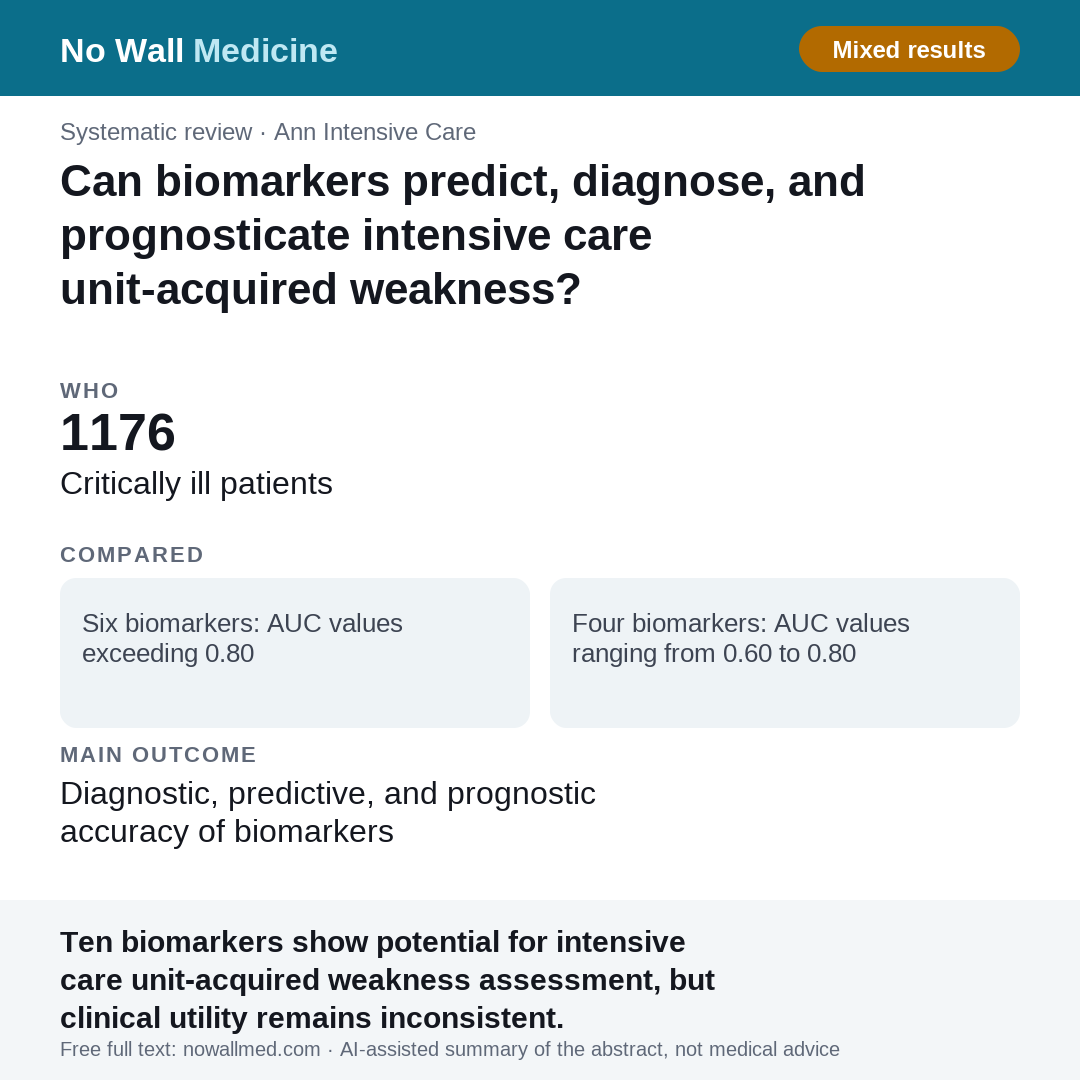
Biomarkers for intensive care unit-acquired weakness: a systematic review for prediction, diagnosis and prognosis
Systematic reviewMixed results
Can biomarkers predict, diagnose, and prognosticate intensive care unit-acquired weakness?
Who
1176
Critically ill patients
Compared
Six biomarkers: AUC values exceeding 0.80
Four biomarkers: AUC values ranging from 0.60 to 0.80
Main outcome
Diagnostic, predictive, and prognostic accuracy of biomarkers
Bottom line: Ten biomarkers show potential for intensive care unit-acquired weakness assessment, but clinical utility remains inconsistent.
Ann Intensive Care · 2025-07-02Download image
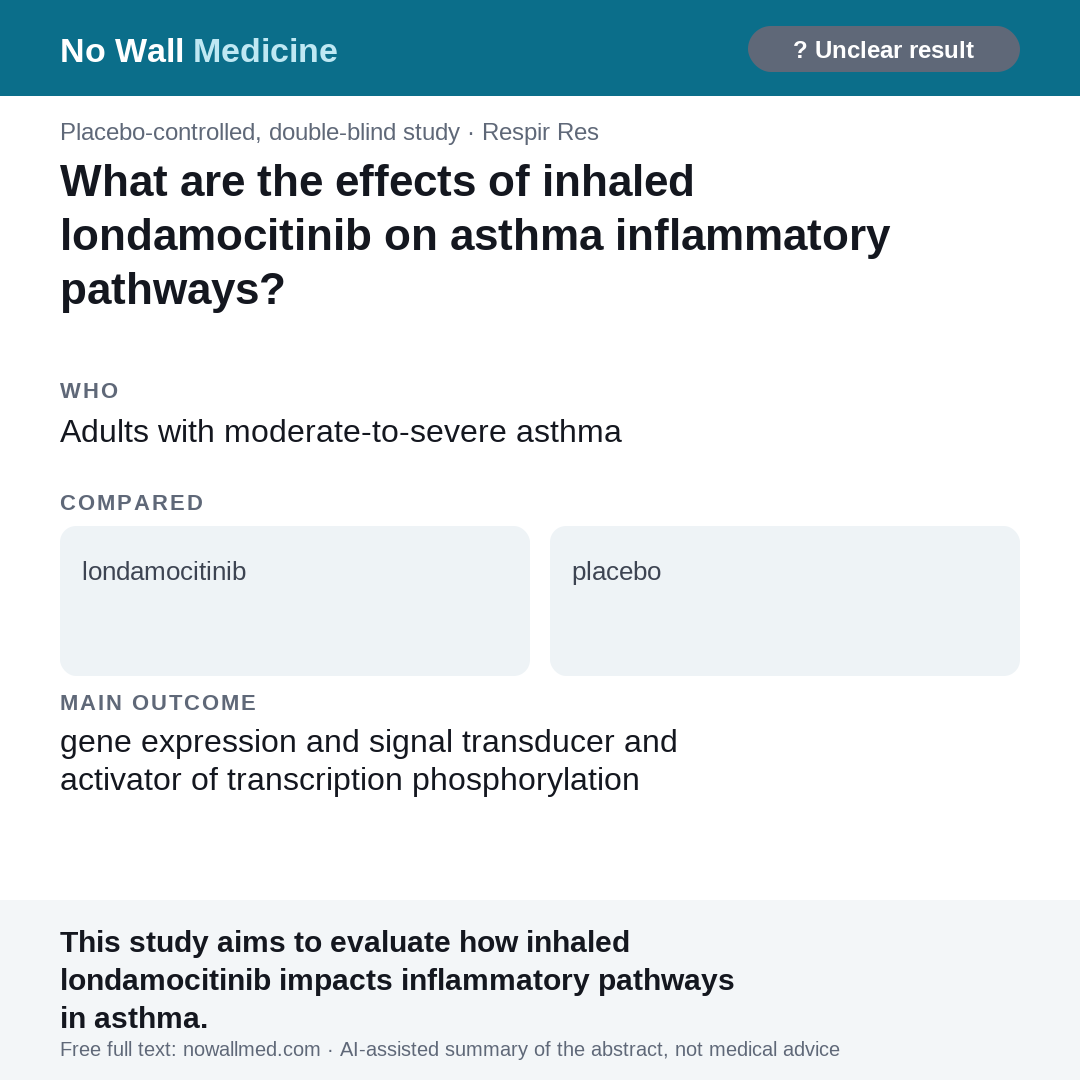
ARTEMISIA: a mechanistic study of a novel Janus kinase 1 inhibitor to advance molecular understanding and precision medicine in asthma
Placebo-controlled, double-blind studyUnclear result
What are the effects of inhaled londamocitinib on asthma inflammatory pathways?
Who
Adults with moderate-to-severe asthma
Compared
londamocitinib
placebo
Main outcome
gene expression and signal transducer and activator of transcription phosphorylation
Bottom line: This study aims to evaluate how inhaled londamocitinib impacts inflammatory pathways in asthma.
Respir Res · 2025-07-02Download image
eHealth Literacy and Its Outcomes Among Postsecondary Students: Systematic Review
Systematic review of 89 cross-sectional studiesBenefit found
What are the eHealth literacy levels and associated outcomes among postsecondary students?
Who
89
Postsecondary students
Compared
Cognitive outcomes: positively associated
Emotional outcomes: linked to higher psychosocial well-being and positive emotions
Behavioral outcomes: associated with greater use of electronic information and disease prevention
Main outcome
eHealth literacy levels and associated cognitive, emotional, and behavioral outcomes
Bottom line: eHealth literacy is positively associated with cognitive, emotional, and behavioral health outcomes among postsecondary students.
Limitation: Variations in results due to inconsistent assessment tools.
J Med Internet Res · 2025-07-02Download image

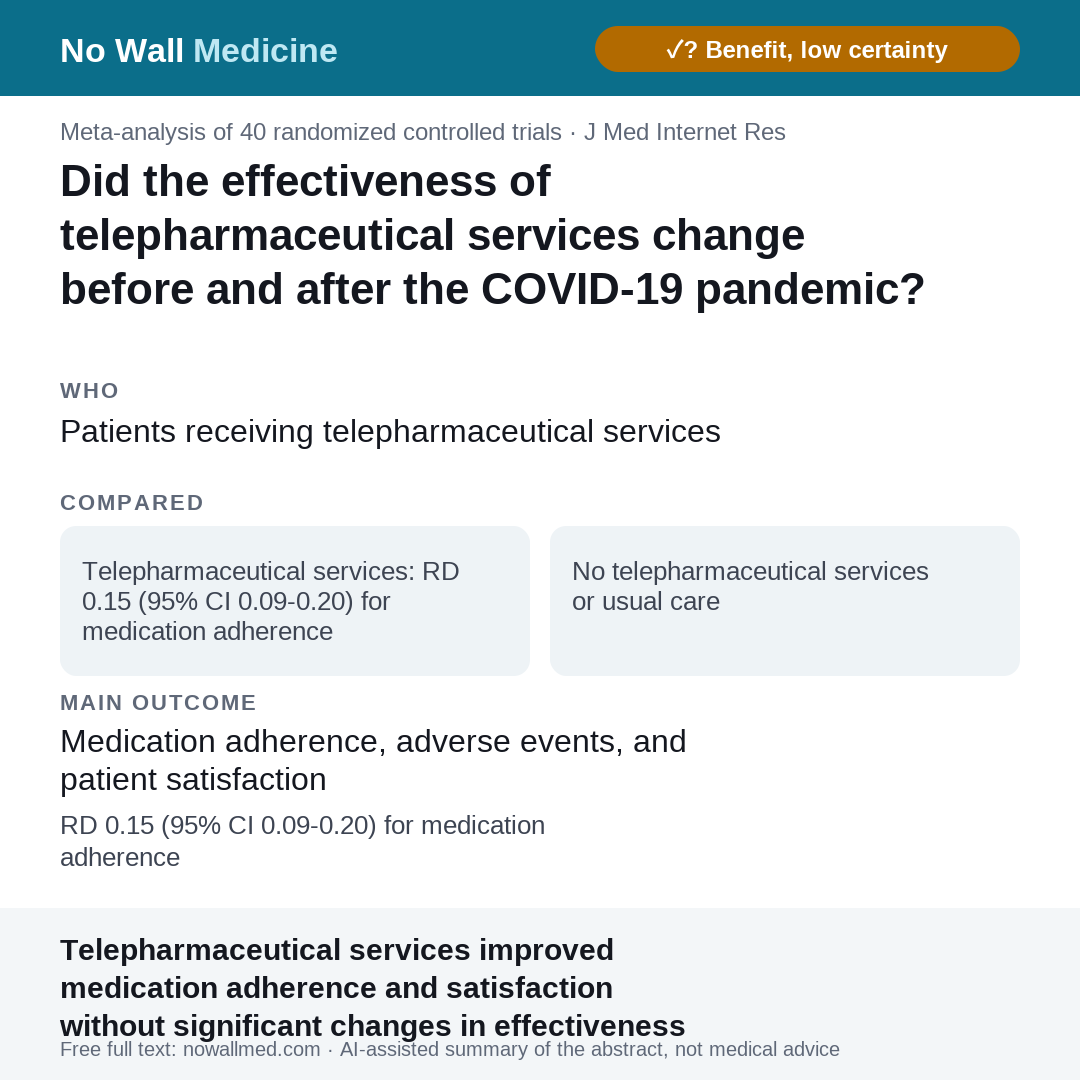
Evaluating the Impact of the COVID-19 Pandemic on Telepharmaceutical Service Effectiveness: Systematic Review and Meta-Analysis
Meta-analysis of 40 randomized controlled trialsBenefit found
Did the effectiveness of telepharmaceutical services change before and after the COVID-19 pandemic?
Who
Patients receiving telepharmaceutical services
Compared
Telepharmaceutical services: RD 0.15 (95% CI 0.09-0.20) for medication adherence
No telepharmaceutical services or usual care
Main outcome
Medication adherence, adverse events, and patient satisfaction
Result: RD 0.15 (95% CI 0.09-0.20) for medication adherence
Bottom line: Telepharmaceutical services improved medication adherence and satisfaction without significant changes in effectiveness after the COVID-19 pandemic outbreak.
J Med Internet Res · 2025-07-02Download image
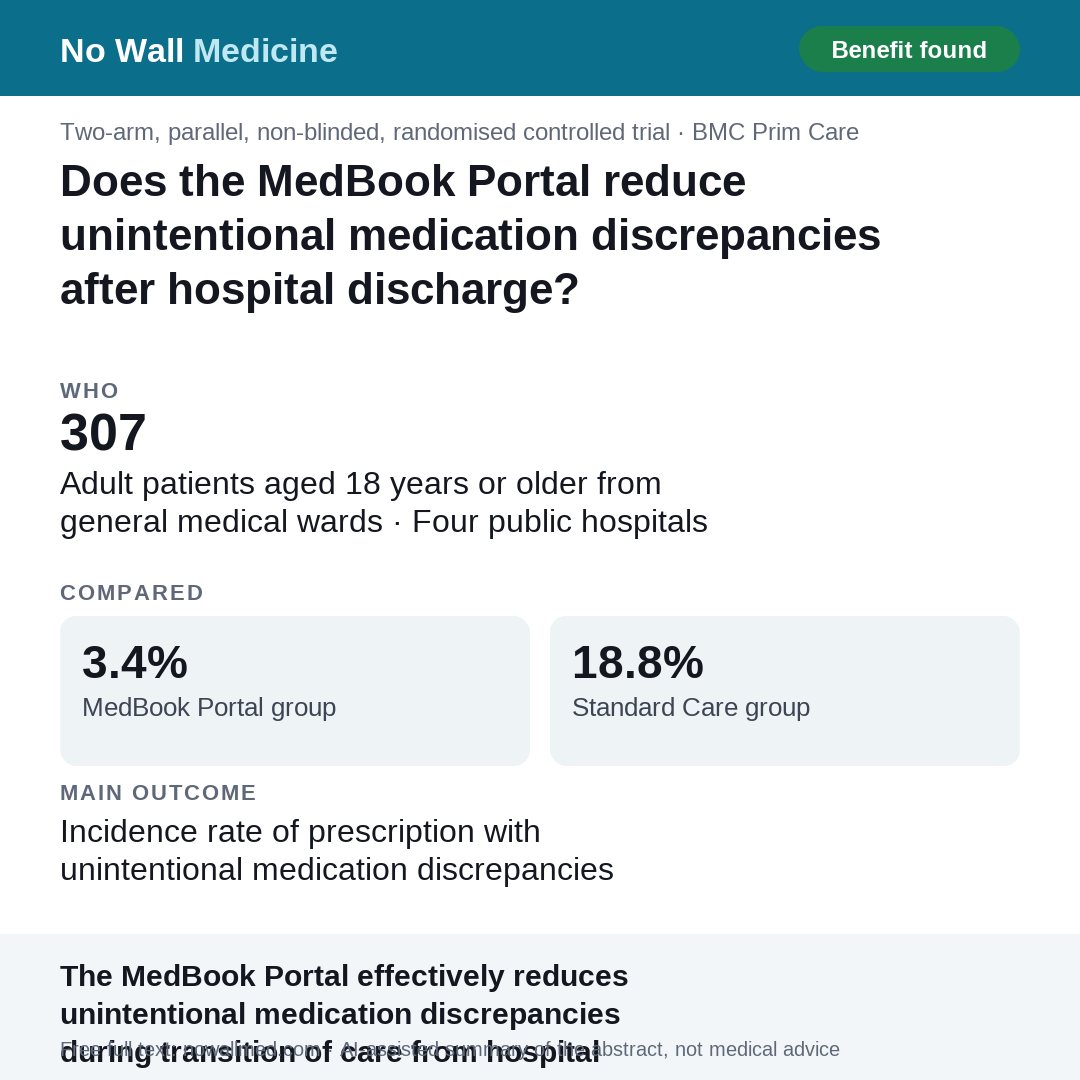
Effectiveness of digital platform in reducing unintentional medication discrepancies at transition of care from hospital discharge to primary healthcare settings: a randomised controlled trial
Two-arm, parallel, non-blinded, randomised controlled trialBenefit found
Does the MedBook Portal reduce unintentional medication discrepancies after hospital discharge?
Who
307
Adult patients aged 18 years or older from general medical wards · Four public hospitals and ten public primary health clinics, Malaysia
Compared
3.4%MedBook Portal group
18.8%Standard Care group
Main outcome
Incidence rate of prescription with unintentional medication discrepancies
Result: adjusted odds ratio 0.134 (95% CI 0.049-0.336)
Bottom line: The MedBook Portal effectively reduces unintentional medication discrepancies during transition of care from hospital discharge to primary health clinics.
BMC Prim Care · 2025-07-02Download image
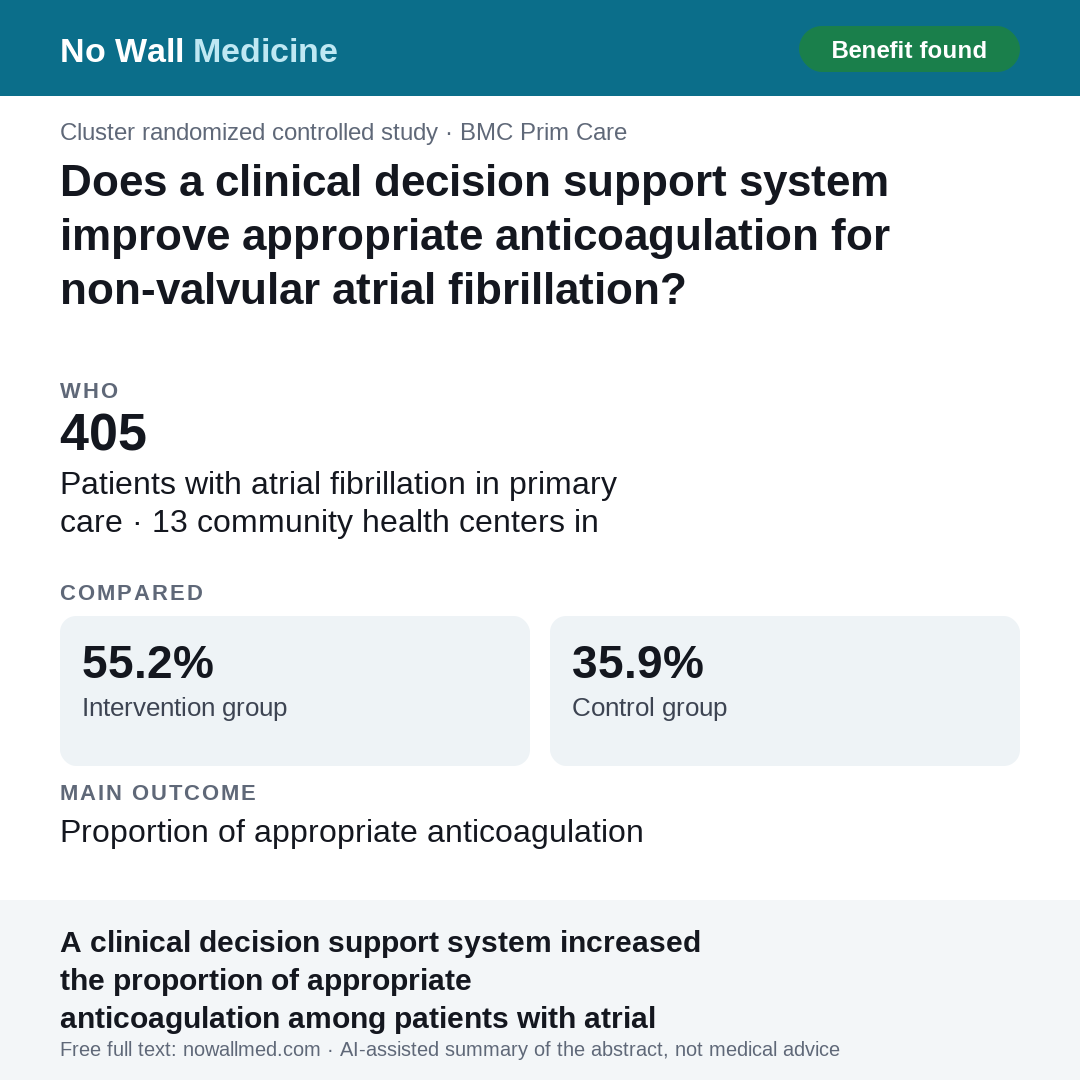
Effect of a clinical decision support system for non-valvular atrial fibrillation on improving appropriate anticoagulation treatment in China's primary care: a cluster randomized controlled trial
Cluster randomized controlled studyBenefit found
Does a clinical decision support system improve appropriate anticoagulation for non-valvular atrial fibrillation?
Who
405
Patients with atrial fibrillation in primary care · 13 community health centers in Shanghai, China
Compared
55.2%Intervention group
35.9%Control group
Main outcome
Proportion of appropriate anticoagulation
Result: relative risk 1.441 (95% CI 1.429-1.453)
Bottom line: A clinical decision support system increased the proportion of appropriate anticoagulation among patients with atrial fibrillation in primary care.
BMC Prim Care · 2025-07-02Download image
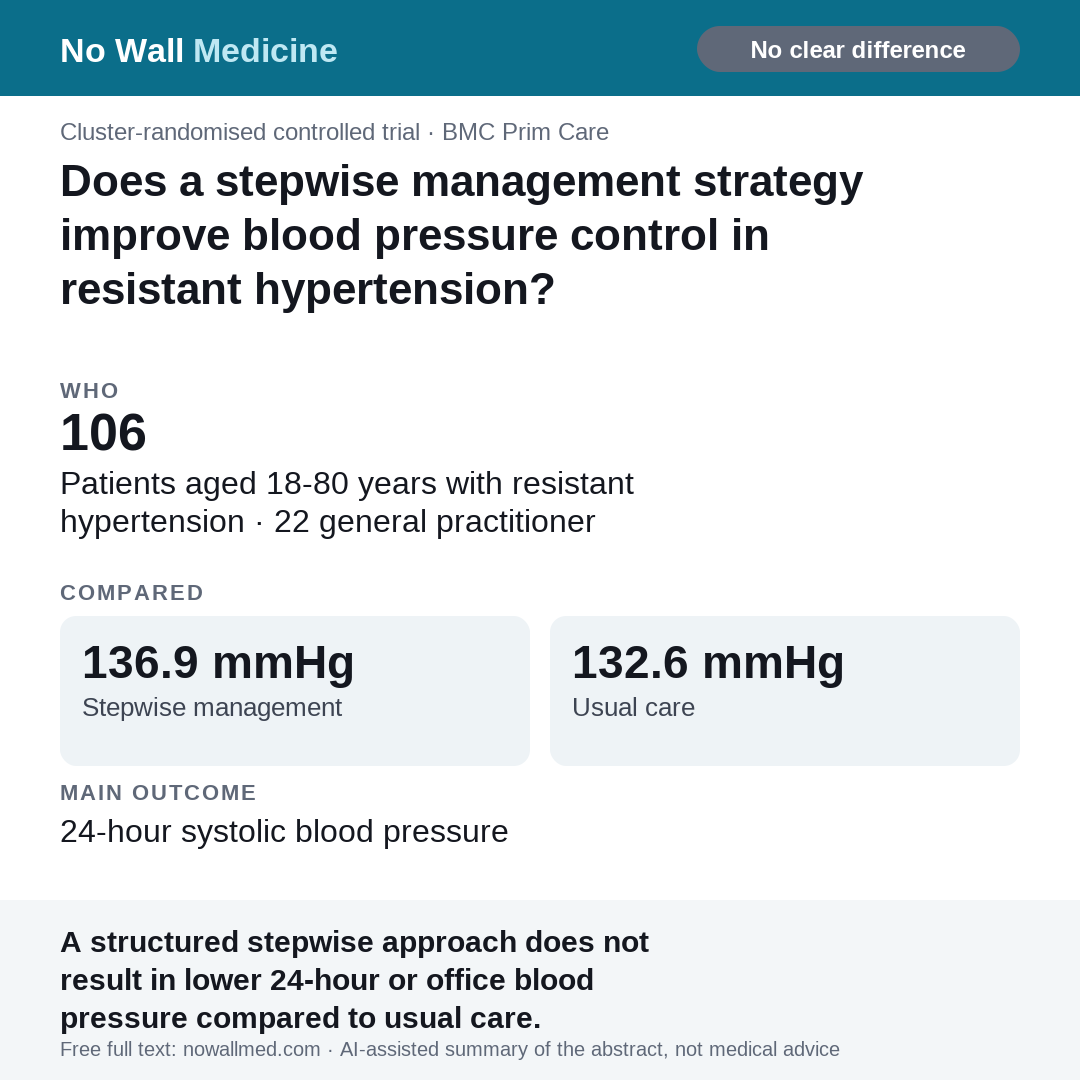
STEPWISE management of clinically apparent resistant hypertension in primary care: a cluster randomised controlled trial
Cluster-randomised controlled trialNo clear difference
Does a stepwise management strategy improve blood pressure control in resistant hypertension?
Who
106
Patients aged 18-80 years with resistant hypertension · 22 general practitioner practices
Compared
136.9 mmHgStepwise management
132.6 mmHgUsual care
Main outcome
24-hour systolic blood pressure
Bottom line: A structured stepwise approach does not result in lower 24-hour or office blood pressure compared to usual care.
BMC Prim Care · 2025-07-02Download image