Visual abstracts
New randomized trials and meta-analyses from leading journals at a glance: who was studied, what was compared, and what was found. Every paper is free to read in full.
All specialtiesCardiology 4763Oncology 4042Gastroenterology & Hepatology 1902Infectious Disease 3756Neurology 1872Psychiatry & Mental Health 2214Pulmonology 2042Critical Care 1319Endocrinology & Diabetes 2544Pediatrics 2889Surgery 2479Orthopedics & Sports Medicine 917Neurosurgery 525Cardiothoracic & Vascular Surgery 656Plastic & Reconstructive Surgery 574Nephrology 1107Rheumatology 810Hematology 1090Dermatology 611Ophthalmology 532Obstetrics & Gynecology 1645Public & Global Health 1037Radiology & Imaging 617Anesthesiology 957Urology 745ENT (Otolaryngology) 494Emergency Medicine 481Allergy & Immunology 309Geriatrics 972Family Medicine & Primary Care 533Medical Genetics & Genomics 659Pathology & Laboratory Medicine 156Physical Medicine & Rehabilitation 734Palliative Care 421Nutrition 1560Digital Health & AI 2133General Medicine 318
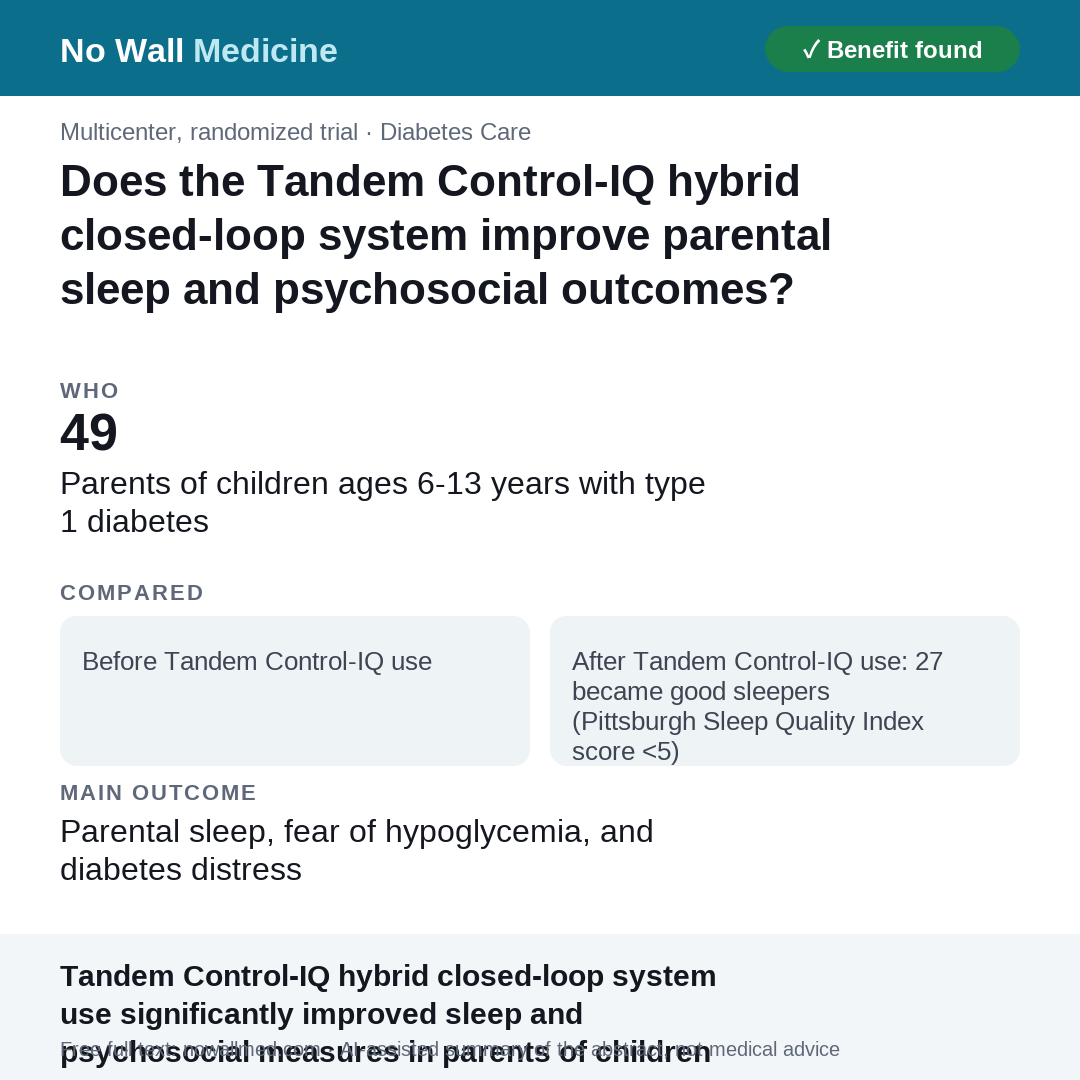
Improvements in Parental Sleep, Fear of Hypoglycemia, and Diabetes Distress With Use of an Advanced Hybrid Closed-Loop System
Multicenter, randomized trialBenefit found
Does the Tandem Control-IQ hybrid closed-loop system improve parental sleep and psychosocial outcomes?
Who
49
Parents of children ages 6-13 years with type 1 diabetes
Compared
Before Tandem Control-IQ use
After Tandem Control-IQ use: 27 became good sleepers (Pittsburgh Sleep Quality Index score <5)
Main outcome
Parental sleep, fear of hypoglycemia, and diabetes distress
Bottom line: Tandem Control-IQ hybrid closed-loop system use significantly improved sleep and psychosocial measures in parents of children with type 1 diabetes.
Diabetes Care · 2022-02-25Download image
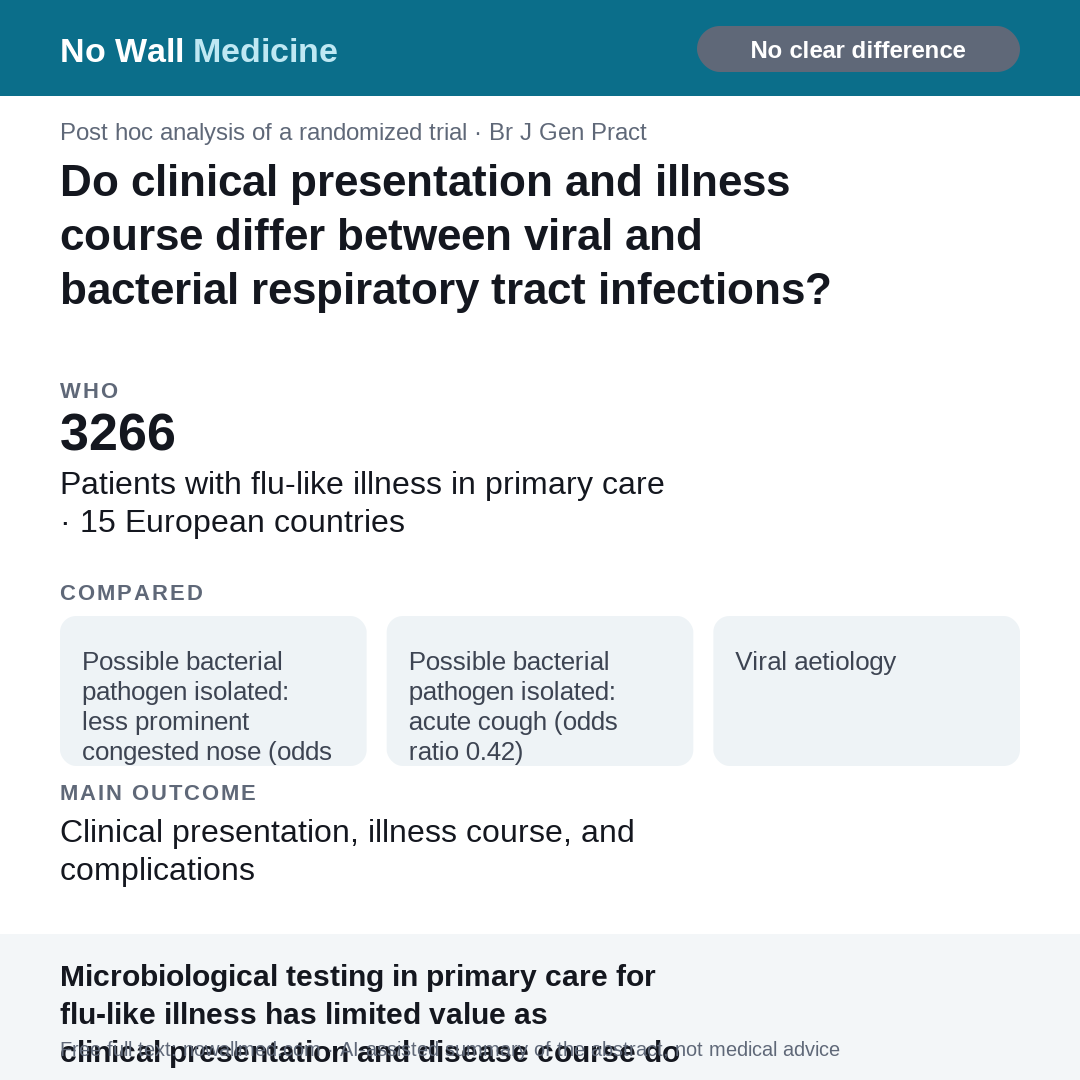
Clinical presentation, microbiological aetiology and disease course in patients with flu-like illness: a post hoc analysis of randomised controlled trial data
Post hoc analysis of a randomized trialNo clear difference
Do clinical presentation and illness course differ between viral and bacterial respiratory tract infections?
Who
3266
Patients with flu-like illness in primary care · 15 European countries
Compared
Possible bacterial pathogen isolated: less prominent congested nose (odds ratio 0.55)
Possible bacterial pathogen isolated: acute cough (odds ratio 0.42)
Viral aetiology
Main outcome
Clinical presentation, illness course, and complications
Result: odds ratio 0.55 (95% confidence interval 0.35 to 0.86) for congested nose; odds ratio 0.42 (95% confidence interval 0.27 to 0.65) for acute cough
Bottom line: Microbiological testing in primary care for flu-like illness has limited value as clinical presentation and disease course do not differ by aetiology.
Br J Gen Pract · 2022-02-24Download image
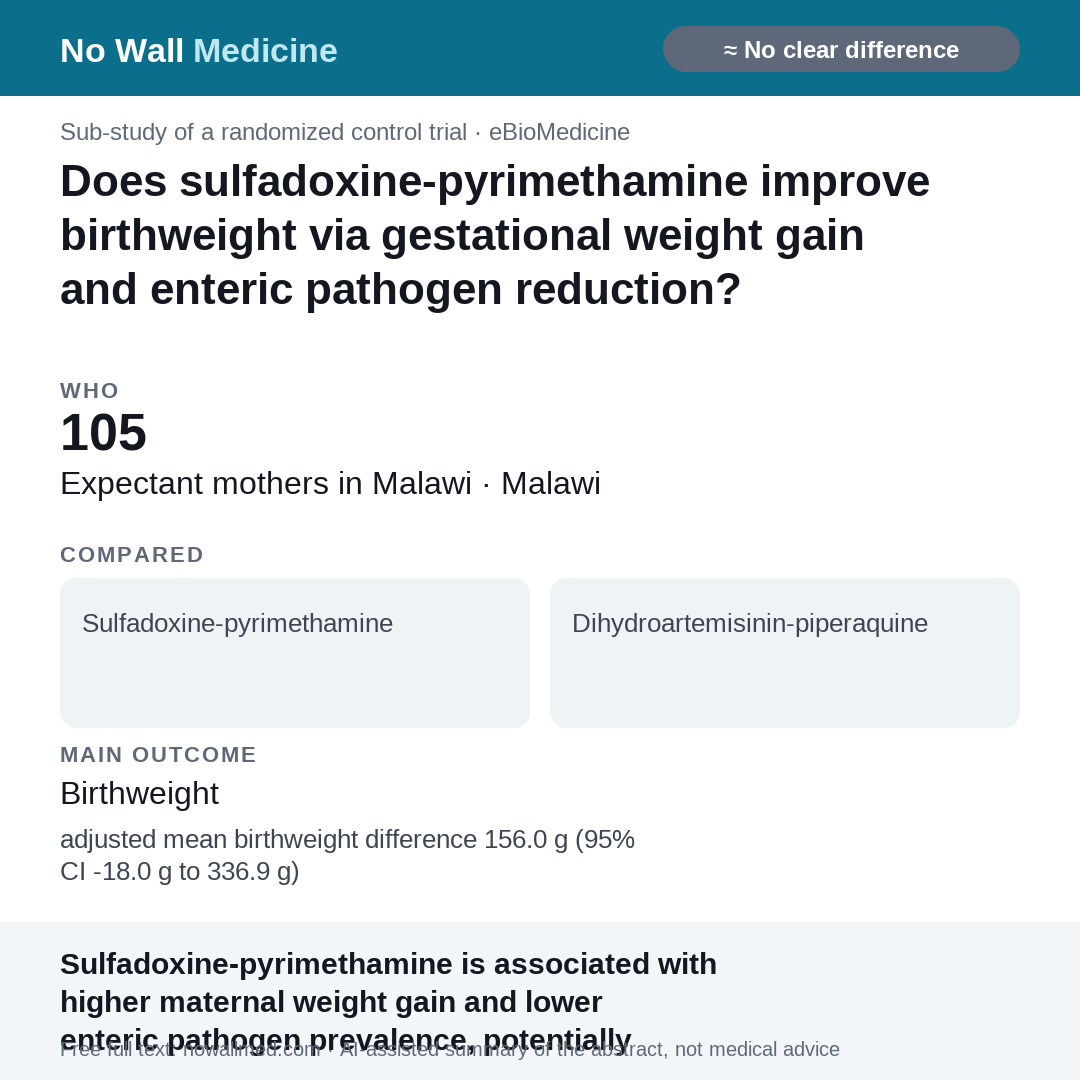
The positive effect of malaria IPTp-SP on birthweight is mediated by gestational weight gain but modifiable by maternal carriage of enteric pathogens
Sub-study of a randomized control trialNo clear difference
Does sulfadoxine-pyrimethamine improve birthweight via gestational weight gain and enteric pathogen reduction?
Who
105
Expectant mothers in Malawi · Malawi
Compared
Sulfadoxine-pyrimethamine
Dihydroartemisinin-piperaquine
Main outcome
Birthweight
Result: adjusted mean birthweight difference 156.0 g (95% CI -18.0 g to 336.9 g)
Bottom line: Sulfadoxine-pyrimethamine is associated with higher maternal weight gain and lower enteric pathogen prevalence, potentially improving birthweight.
eBioMedicine · 2022-02-23Download image
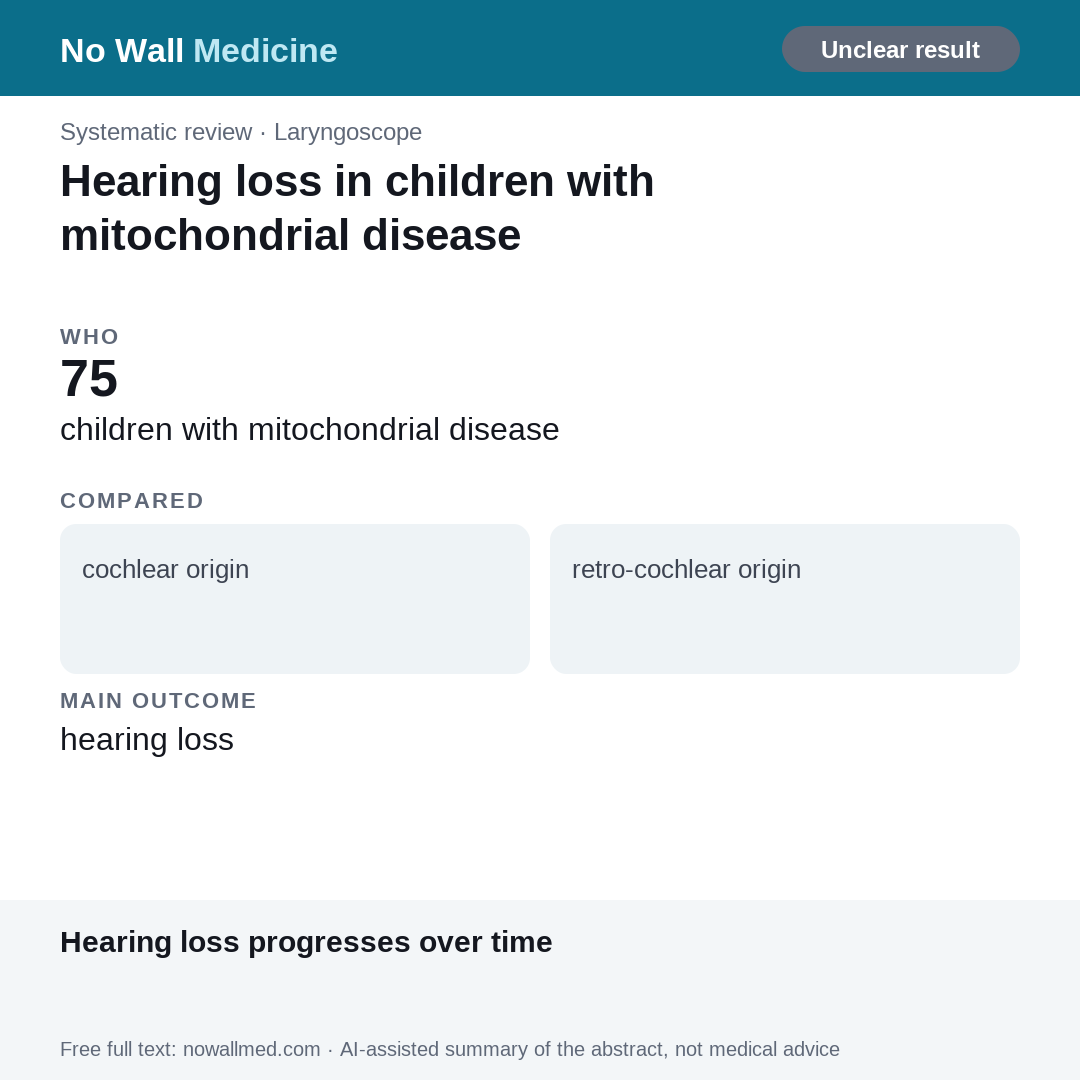
Mitochondrial Disease and Hearing Loss in Children: A Systematic Review
Systematic reviewUnclear result
Hearing loss in children with mitochondrial disease
Who
75
children with mitochondrial disease
Compared
cochlear origin
retro-cochlear origin
Main outcome
hearing loss
Bottom line: Hearing loss progresses over time
Limitation: inhomogeneous reporting
Laryngoscope · 2022-02-21Download image
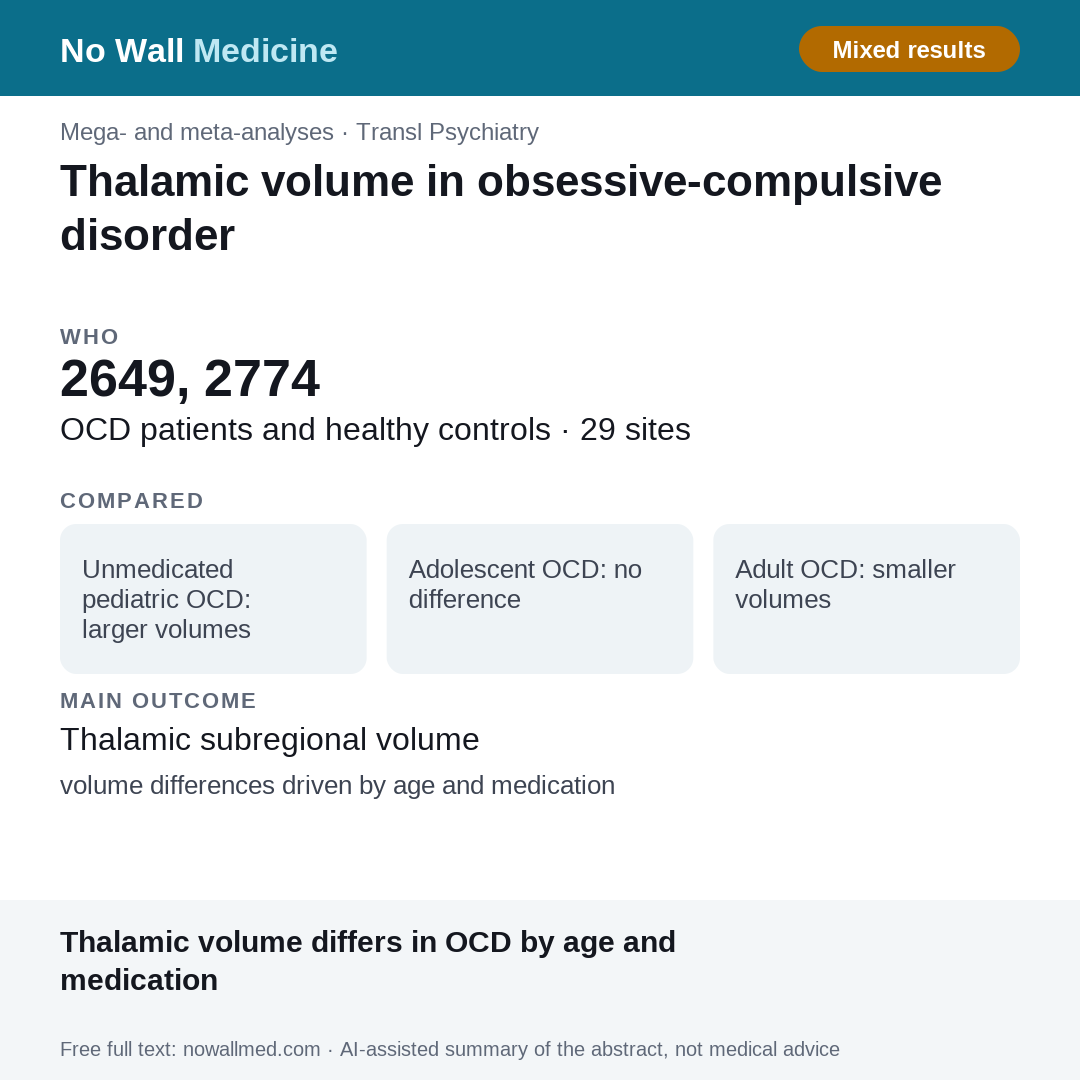
The thalamus and its subnuclei-a gateway to obsessive-compulsive disorder
Mega- and meta-analysesMixed results
Thalamic volume in obsessive-compulsive disorder
Who
2649, 2774
OCD patients and healthy controls · 29 sites
Compared
Unmedicated pediatric OCD: larger volumes
Adolescent OCD: no difference
Adult OCD: smaller volumes
Main outcome
Thalamic subregional volume
Result: volume differences driven by age and medication
Bottom line: Thalamic volume differs in OCD by age and medication
Transl Psychiatry · 2022-02-21Download image
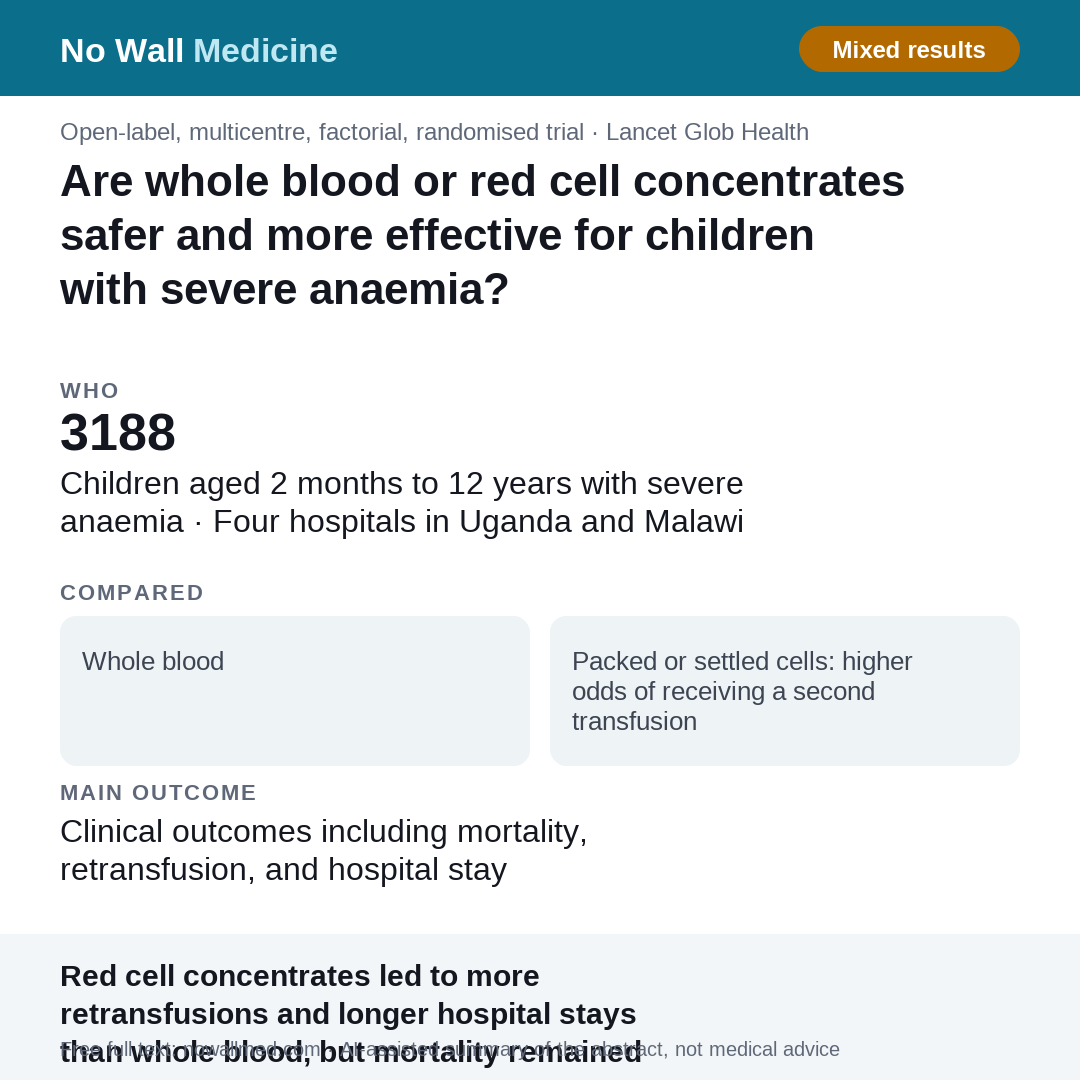
Whole blood versus red cell concentrates for children with severe anaemia: a secondary analysis of the Transfusion and Treatment of African Children (TRACT) trial
Open-label, multicentre, factorial, randomised trialMixed results
Are whole blood or red cell concentrates safer and more effective for children with severe anaemia?
Who
3188
Children aged 2 months to 12 years with severe anaemia · Four hospitals in Uganda and Malawi
Compared
Whole blood
Packed or settled cells: higher odds of receiving a second transfusion
Main outcome
Clinical outcomes including mortality, retransfusion, and hospital stay
Result: odds ratio 2.32 (95% CI 1.30 to 4.12) for packed cells
Bottom line: Red cell concentrates led to more retransfusions and longer hospital stays than whole blood, but mortality remained unchanged.
Funded by: UK Medical Research Council and Department for International Development
Lancet Glob Health · 2022-02-19Download image
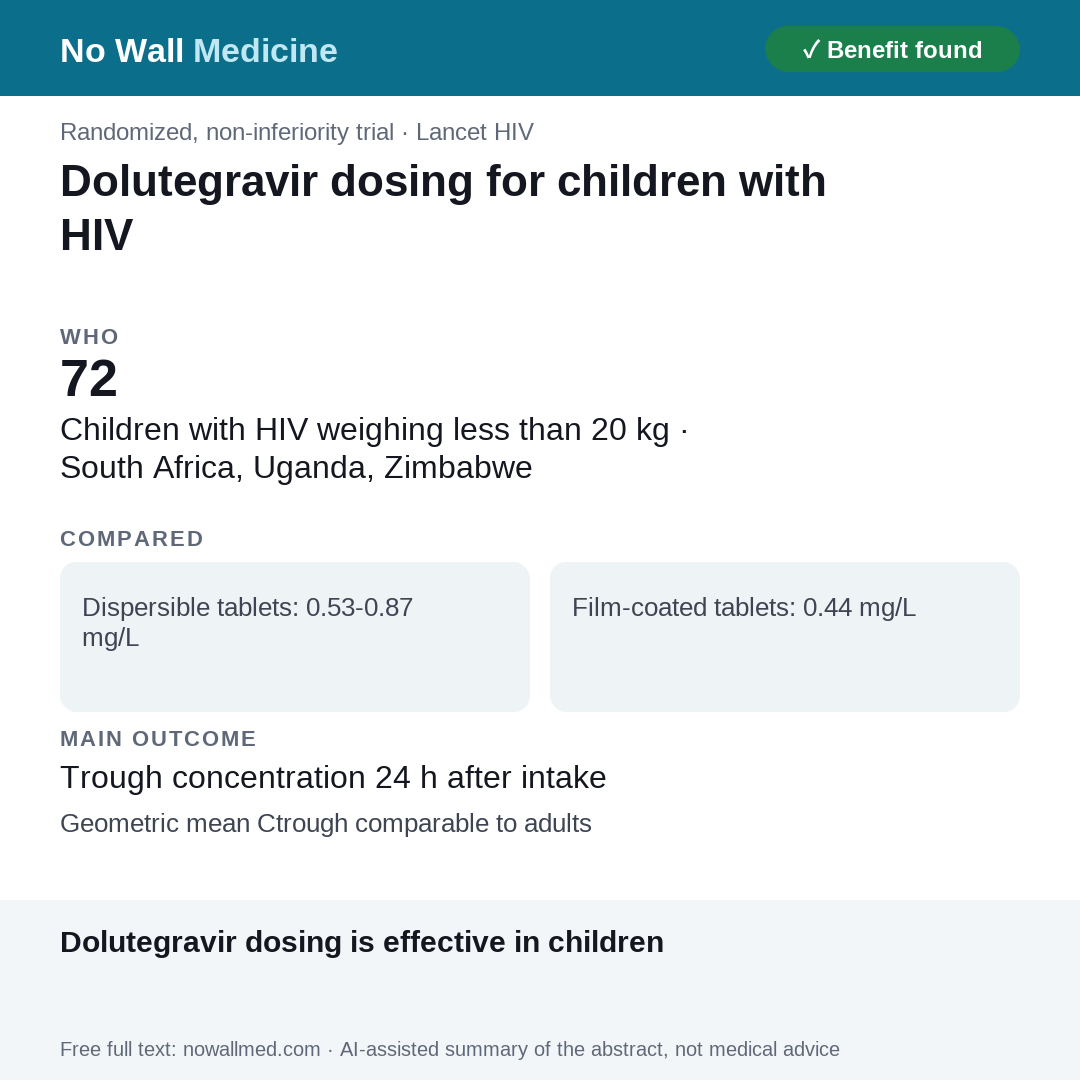
Dolutegravir dosing for children with HIV weighing less than 20 kg: pharmacokinetic and safety substudies nested in the open-label, multicentre, randomised, non-inferiority ODYSSEY trial
Randomized, non-inferiority trialBenefit found
Dolutegravir dosing for children with HIV
Who
72
Children with HIV weighing less than 20 kg · South Africa, Uganda, Zimbabwe
Compared
Dispersible tablets: 0.53-0.87 mg/L
Film-coated tablets: 0.44 mg/L
Main outcome
Trough concentration 24 h after intake
Result: Geometric mean Ctrough comparable to adults
Bottom line: Dolutegravir dosing is effective in children
Limitation: High variability in pharmacokinetic parameters
Funded by: Paediatric European Network for Treatment of AIDS Foundation
Lancet HIV · 2022-02-18Download image
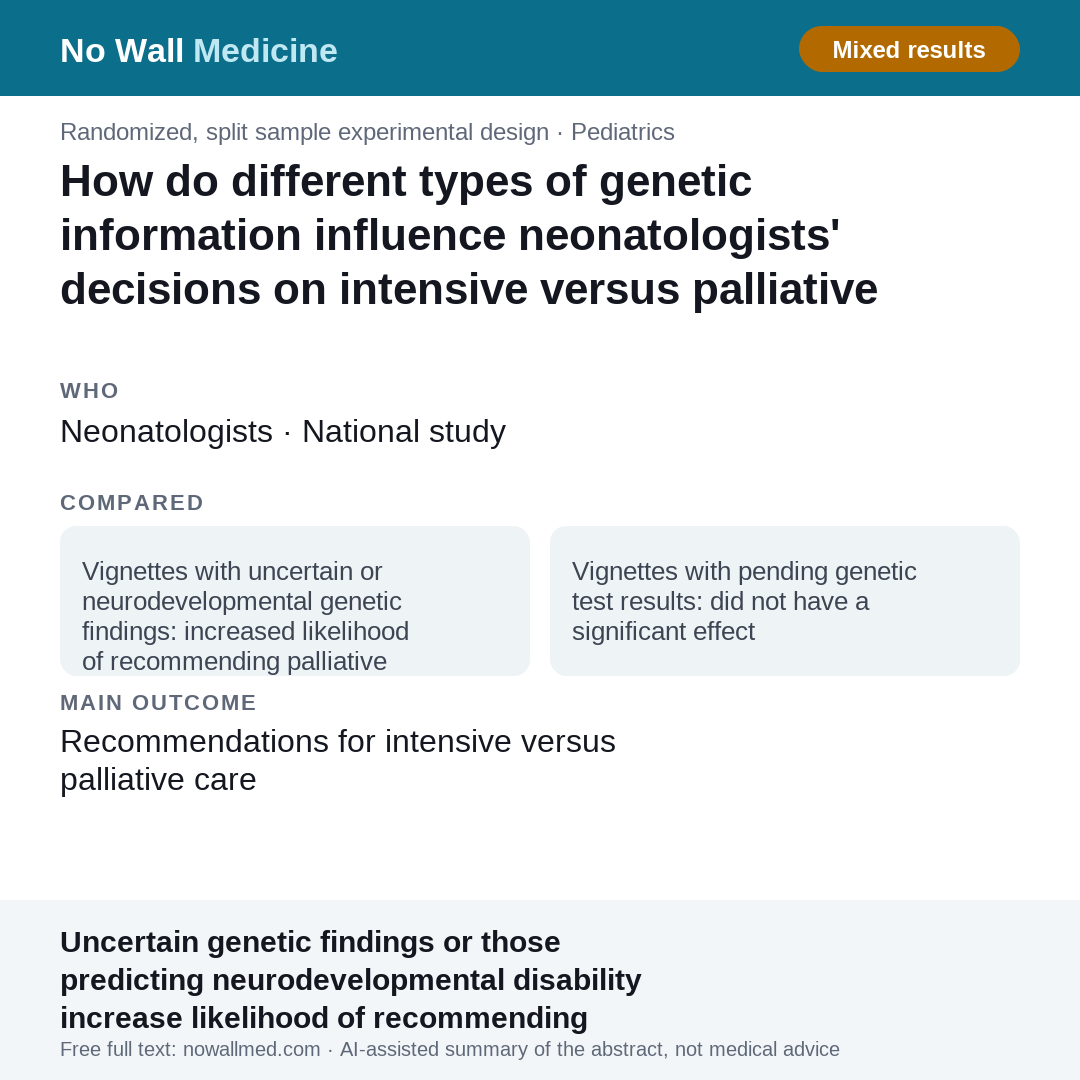
Influence of Genetic Information on Neonatologists' Decisions: A Psychological Experiment
Randomized, split sample experimental designMixed results
How do different types of genetic information influence neonatologists' decisions on intensive versus palliative care?
Who
Neonatologists · National study
Compared
Vignettes with uncertain or neurodevelopmental genetic findings: increased likelihood of recommending palliative rather than intensive care
Vignettes with pending genetic test results: did not have a significant effect
Main outcome
Recommendations for intensive versus palliative care
Bottom line: Uncertain genetic findings or those predicting neurodevelopmental disability increase likelihood of recommending palliative care over intensive care.
Pediatrics · 2022-02-17Download image
Dupilumab ocular side effects in patients with atopic dermatitis: a systematic review
Systematic reviewMixed results
What is the incidence of dupilumab-induced ocular surface disease in atopic dermatitis patients?
Who
Patients with moderate-to-severe atopic dermatitis
Compared
Dupilumab in atopic dermatitis
Other conditions or placebo
Main outcome
Dupilumab-induced ocular surface disease
Bottom line: Dupilumab-induced ocular surface disease occurs most frequently in atopic dermatitis patients compared to other conditions.
Limitation: Further studies are warranted to establish a causal relationship between dupilumab and ocular surface disease.
J Eur Acad Dermatol Venereol · 2022-02-17Download image

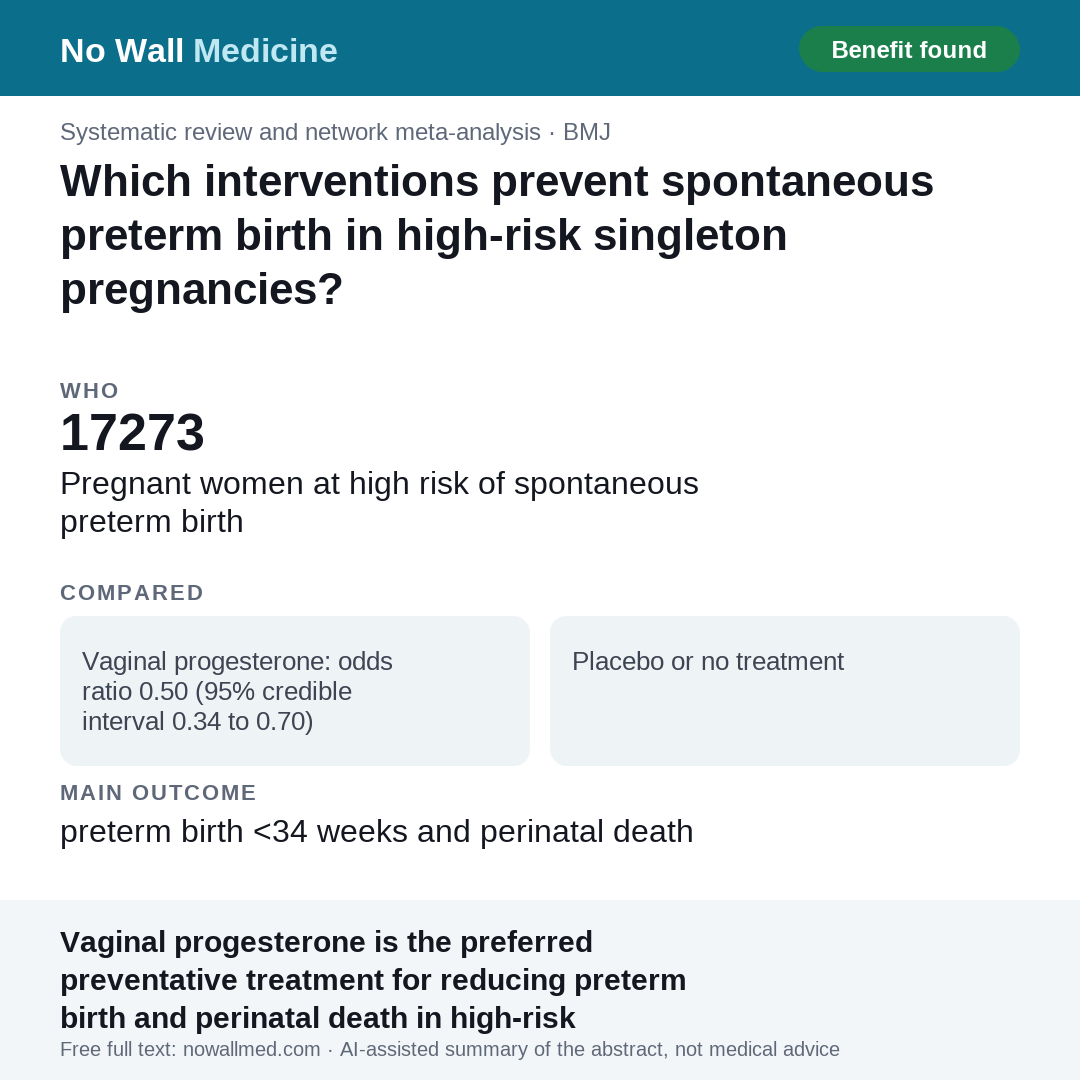
Interventions to prevent spontaneous preterm birth in women with singleton pregnancy who are at high risk: systematic review and network meta-analysis
Systematic review and network meta-analysisBenefit, low certainty
Which interventions prevent spontaneous preterm birth in high-risk singleton pregnancies?
Who
17273
Pregnant women at high risk of spontaneous preterm birth
Compared
Vaginal progesterone: odds ratio 0.50 (95% credible interval 0.34 to 0.70)
Placebo or no treatment
Main outcome
preterm birth <34 weeks and perinatal death
Result: odds ratio 0.50 (95% credible interval 0.34 to 0.70)
Bottom line: Vaginal progesterone is the preferred preventative treatment for reducing preterm birth and perinatal death in high-risk women.
BMJ · 2022-02-15Download image
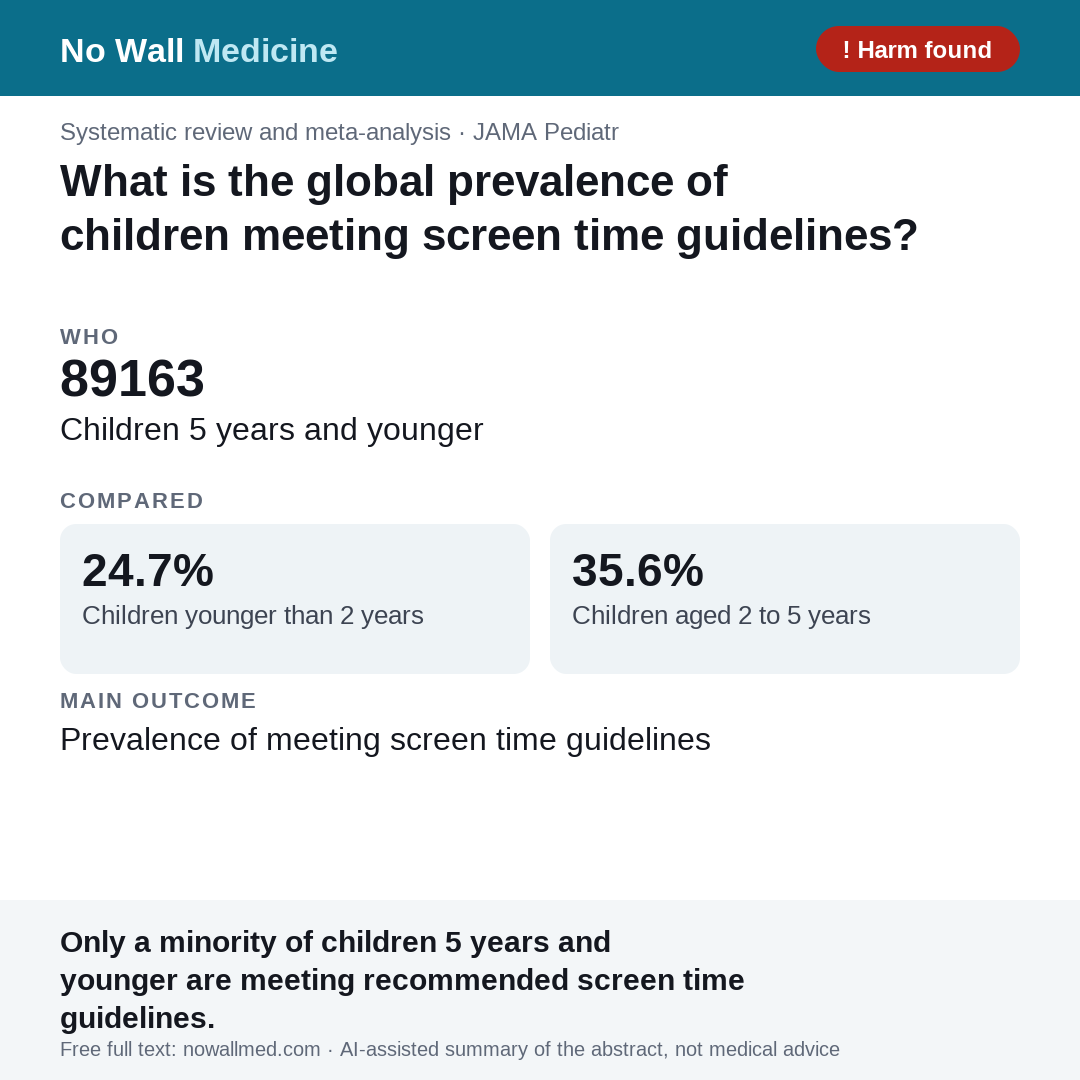
Global Prevalence of Meeting Screen Time Guidelines Among Children 5 Years and Younger: A Systematic Review and Meta-analysis
Systematic review and meta-analysisHarm found
What is the global prevalence of children meeting screen time guidelines?
Who
89163
Children 5 years and younger
Compared
24.7%Children younger than 2 years (95% CI, 19.0%-31.5%)
35.6%Children aged 2 to 5 years (95% CI, 30.6%-40.9%)
Main outcome
Prevalence of meeting screen time guidelines
Bottom line: Only a minority of children 5 years and younger are meeting recommended screen time guidelines.
JAMA Pediatr · 2022-02-15Download image
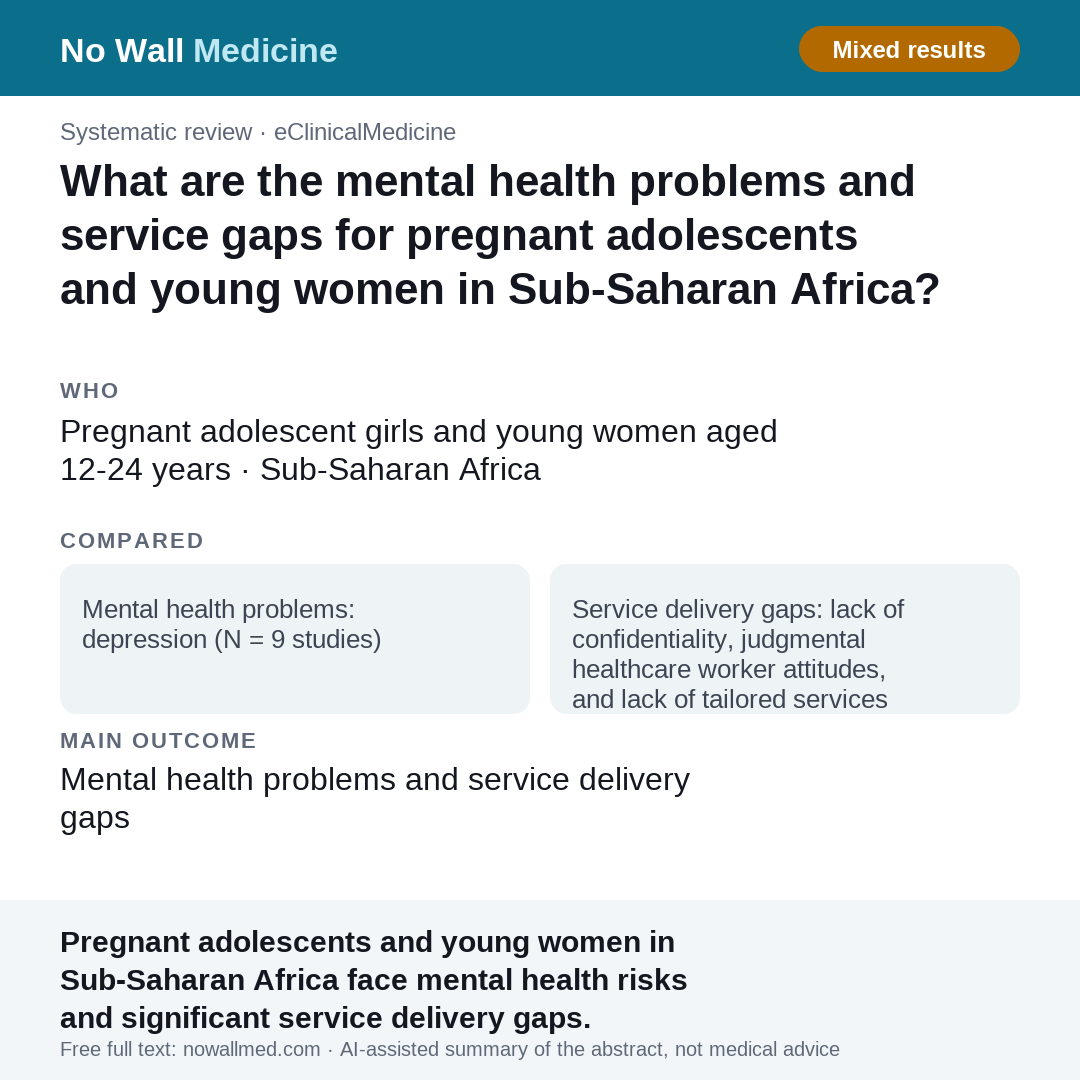
Mental health problems and service gaps experienced by pregnant adolescents and young women in Sub-Saharan Africa: A systematic review
Systematic reviewMixed results
What are the mental health problems and service gaps for pregnant adolescents and young women in Sub-Saharan Africa?
Who
Pregnant adolescent girls and young women aged 12-24 years · Sub-Saharan Africa
Compared
Mental health problems: depression (N = 9 studies)
Service delivery gaps: lack of confidentiality, judgmental healthcare worker attitudes, and lack of tailored services
Main outcome
Mental health problems and service delivery gaps
Bottom line: Pregnant adolescents and young women in Sub-Saharan Africa face mental health risks and significant service delivery gaps.
eClinicalMedicine · 2022-02-14Download image
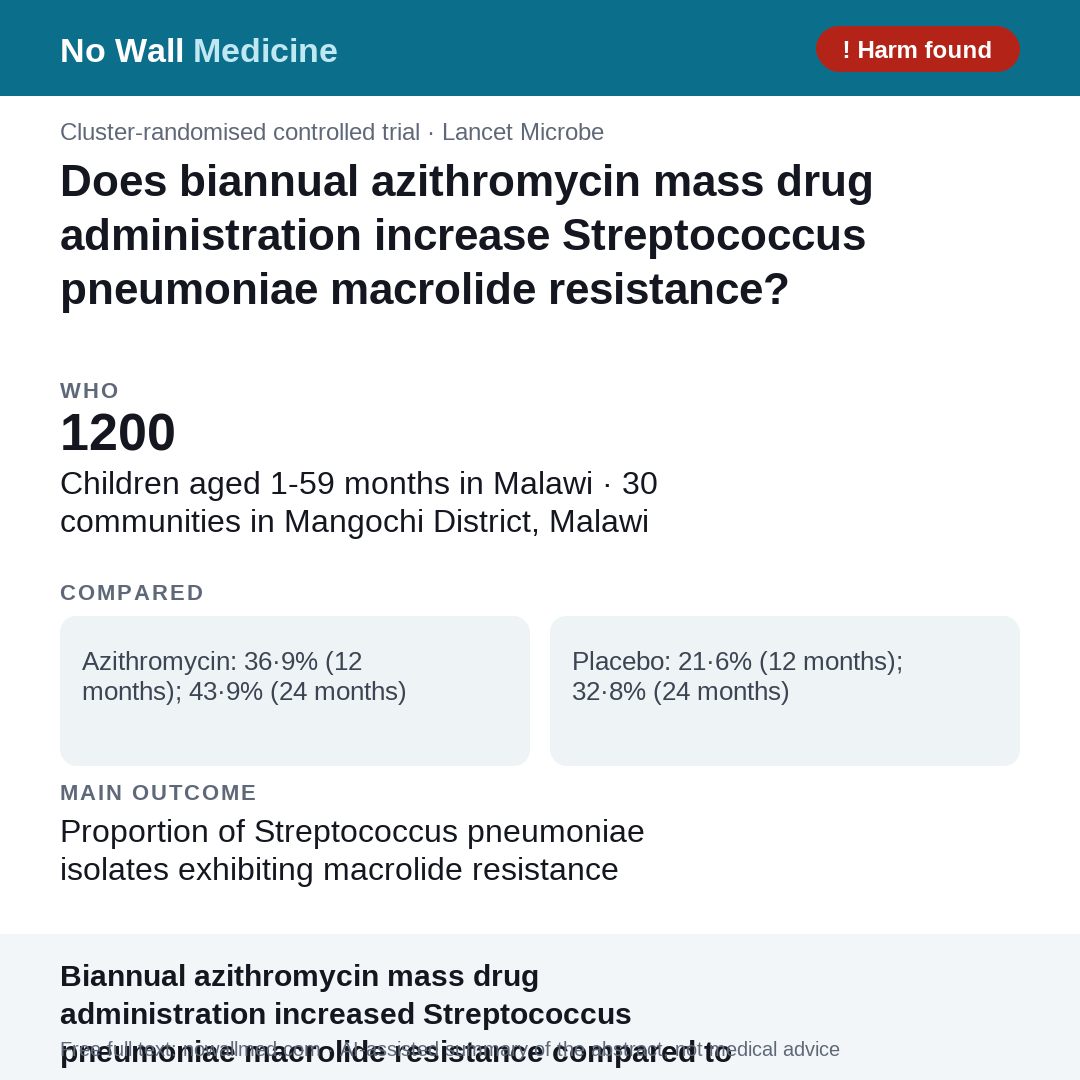
Prevalence of nasopharyngeal Streptococcus pneumoniae carriage and resistance to macrolides in the setting of azithromycin mass drug administration: analysis from a cluster-randomised controlled trial in Malawi, 2015-17
Cluster-randomised controlled trialHarm found
Does biannual azithromycin mass drug administration increase Streptococcus pneumoniae macrolide resistance?
Who
1200
Children aged 1-59 months in Malawi · 30 communities in Mangochi District, Malawi
Compared
Azithromycin: 36·9% (12 months); 43·9% (24 months)
Placebo: 21·6% (12 months); 32·8% (24 months)
Main outcome
Proportion of Streptococcus pneumoniae isolates exhibiting macrolide resistance
Result: OR 2·26, 95% CI 1·46-3·49 (12 months); OR 1·66, 95% CI 1·15-2·40 (24 months)
Bottom line: Biannual azithromycin mass drug administration increased Streptococcus pneumoniae macrolide resistance compared to placebo at 12 and 24 months.
Funded by: Bill & Melinda Gates Foundation
Lancet Microbe · 2022-02-14Download image
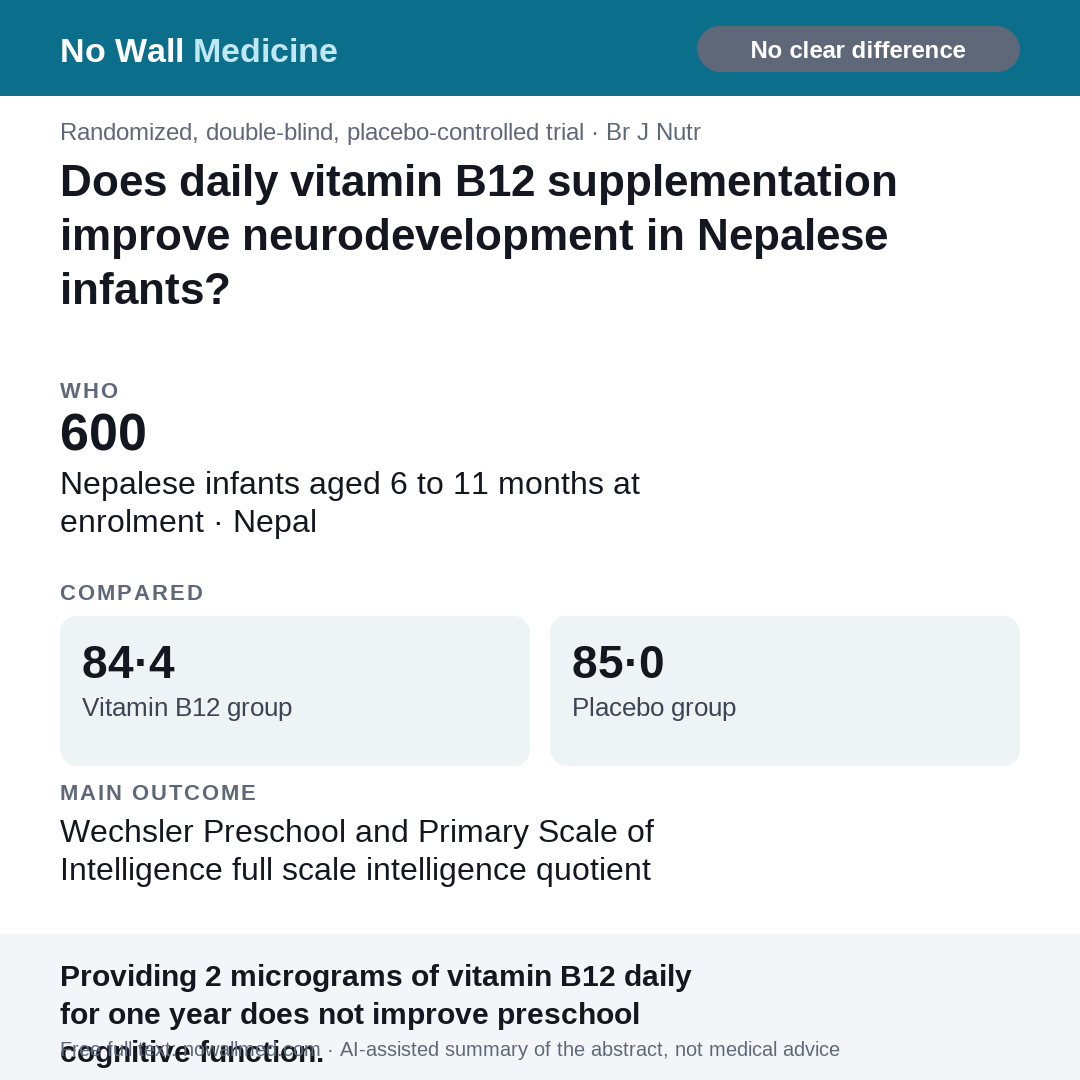
The effect of infant vitamin B12 supplementation on neurodevelopment: a follow-up of a randomised placebo-controlled trial in Nepal
Randomized, double-blind, placebo-controlled trialNo clear difference
Does daily vitamin B12 supplementation improve neurodevelopment in Nepalese infants?
Who
600
Nepalese infants aged 6 to 11 months at enrolment · Nepal
Compared
84·4Vitamin B12 group (8·4)
85·0Placebo group (8·6)
Main outcome
Wechsler Preschool and Primary Scale of Intelligence full scale intelligence quotient
Result: mean difference -0·5 (95 % CI -1·97, 0·94)
Bottom line: Providing 2 micrograms of vitamin B12 daily for one year does not improve preschool cognitive function.
Br J Nutr · 2022-02-14Download image
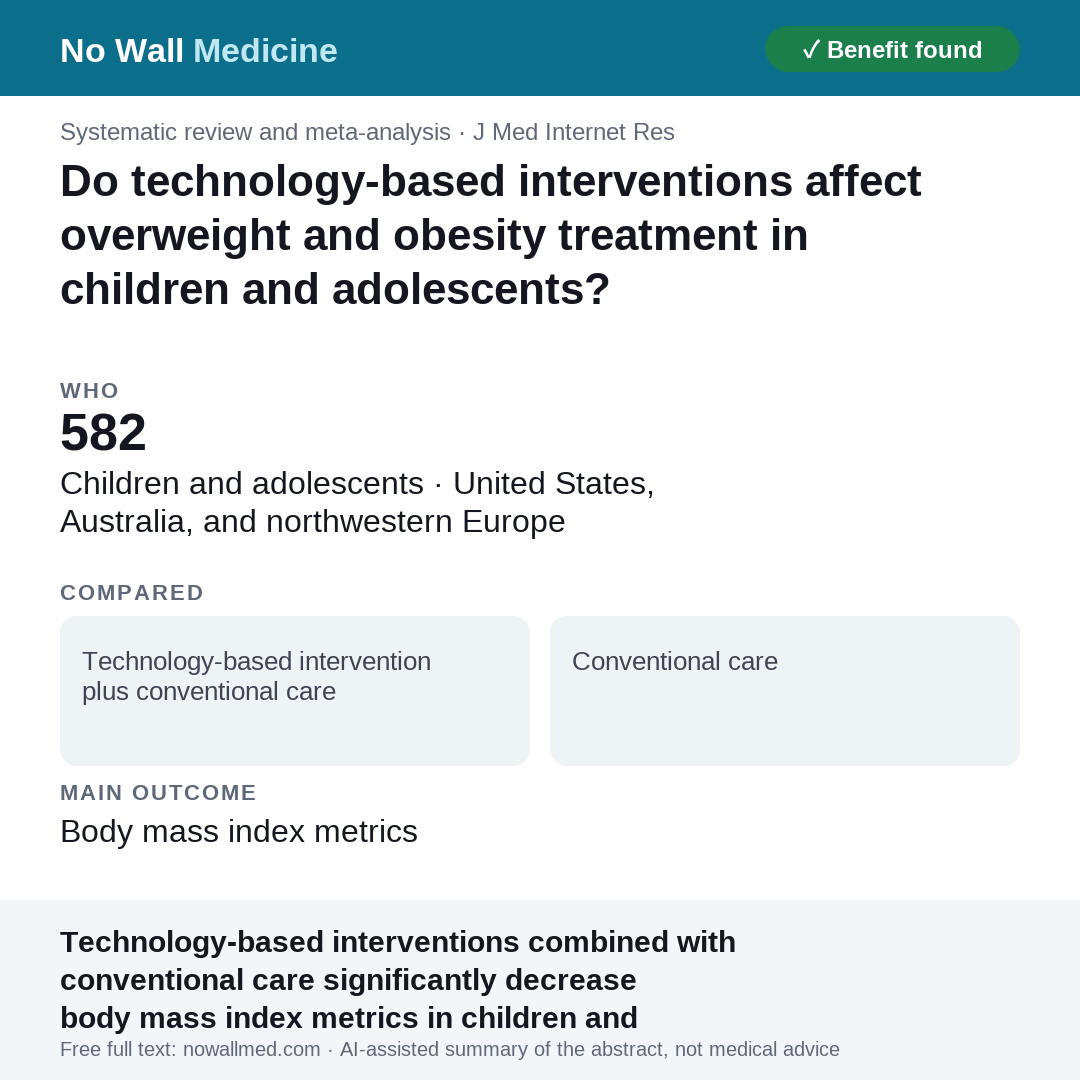
Digital Health Interventions for Weight Management in Children and Adolescents: Systematic Review and Meta-analysis
Systematic review and meta-analysisBenefit found
Do technology-based interventions affect overweight and obesity treatment in children and adolescents?
Who
582
Children and adolescents · United States, Australia, and northwestern Europe
Compared
Technology-based intervention plus conventional care
Conventional care
Main outcome
Body mass index metrics
Result: standardized mean difference -0.61 (95% CI -1.10 to -0.13)
Bottom line: Technology-based interventions combined with conventional care significantly decrease body mass index metrics in children and adolescents.
Limitation: Small number of clinical trials, varying study quality, and study heterogeneity.
J Med Internet Res · 2022-02-14Download image
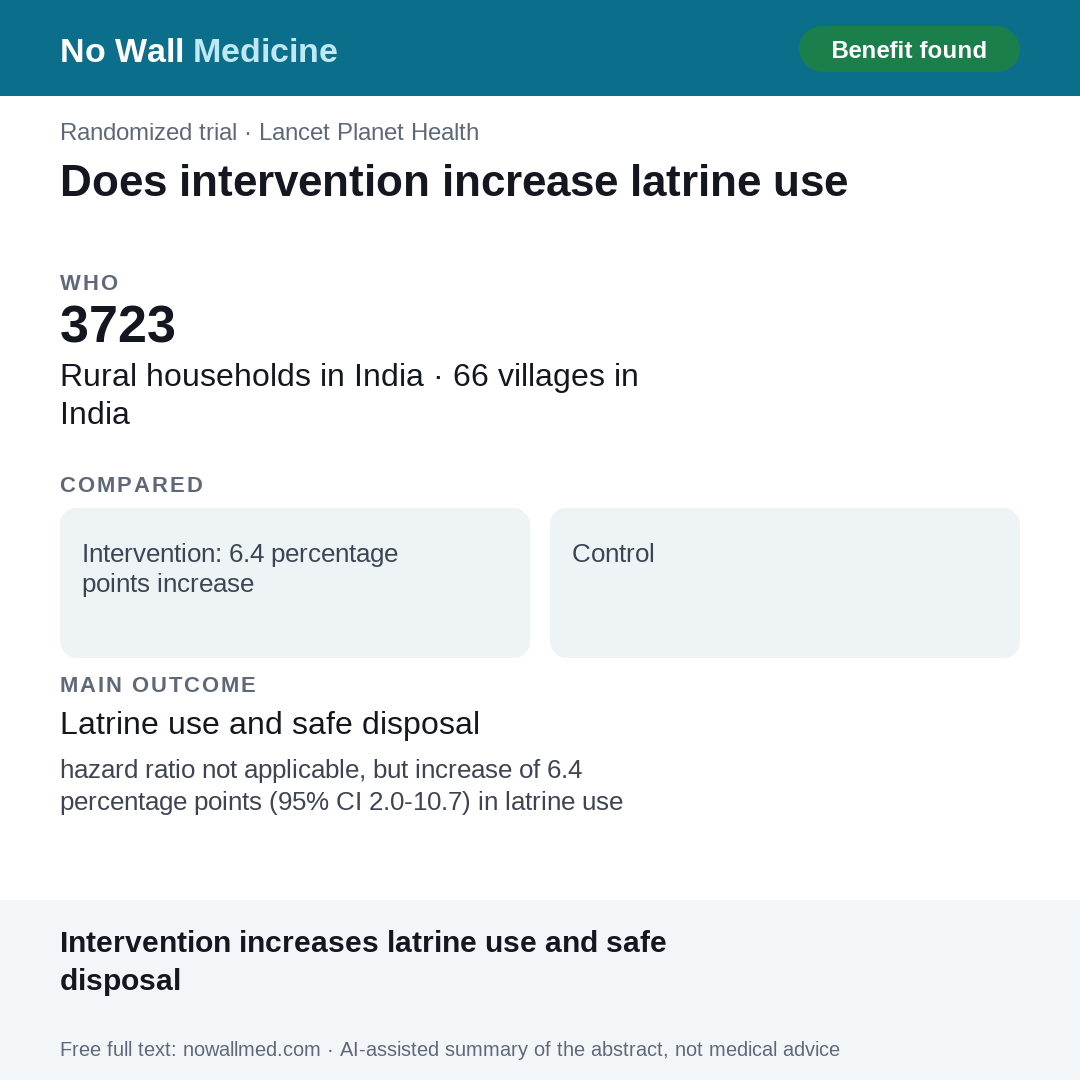
Effect of a low-cost, behaviour-change intervention on latrine use and safe disposal of child faeces in rural Odisha, India: a cluster-randomised controlled trial
Randomized trialBenefit found
Does intervention increase latrine use
Who
3723
Rural households in India · 66 villages in India
Compared
Intervention: 6.4 percentage points increase
Control
Main outcome
Latrine use and safe disposal
Result: hazard ratio not applicable, but increase of 6.4 percentage points (95% CI 2.0-10.7) in latrine use
Bottom line: Intervention increases latrine use and safe disposal
Funded by: Bill & Melinda Gates Foundation
Lancet Planet Health · 2022-02-13Download image
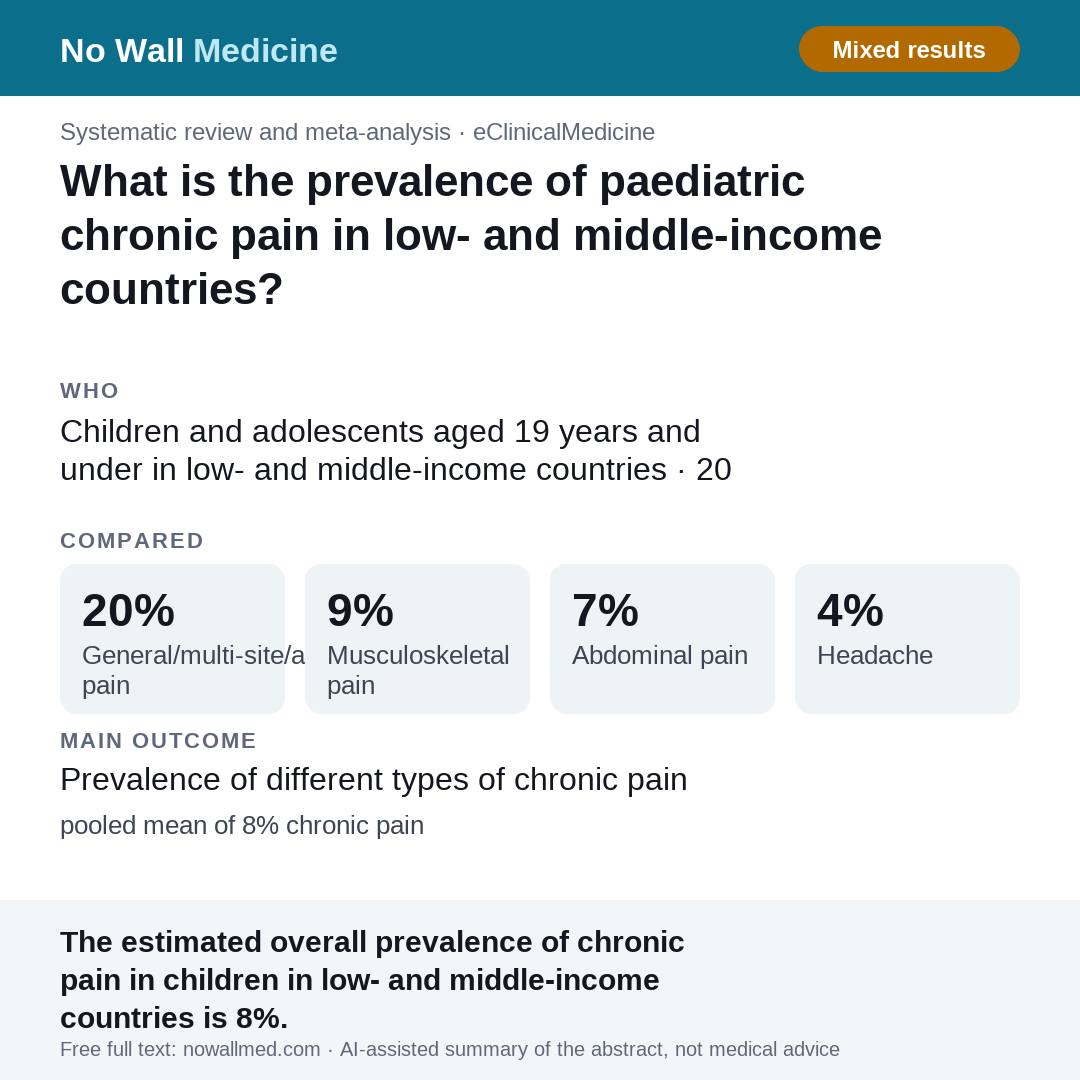
Paediatric chronic pain prevalence in low- and middle-income countries: A systematic review and meta-analysis
Systematic review and meta-analysisMixed results
What is the prevalence of paediatric chronic pain in low- and middle-income countries?
Who
Children and adolescents aged 19 years and under in low- and middle-income countries · 20 low- and middle-income countries
Compared
20%General/multi-site/any pain (16-25)
9%Musculoskeletal pain (7-13)
7%Abdominal pain (5-10)
4%Headache (2-10)
Main outcome
Prevalence of different types of chronic pain
Result: pooled mean of 8% chronic pain
Bottom line: The estimated overall prevalence of chronic pain in children in low- and middle-income countries is 8%.
Limitation: Paucity of data and significant heterogeneity in the assessment methods.
eClinicalMedicine · 2022-02-12Download image
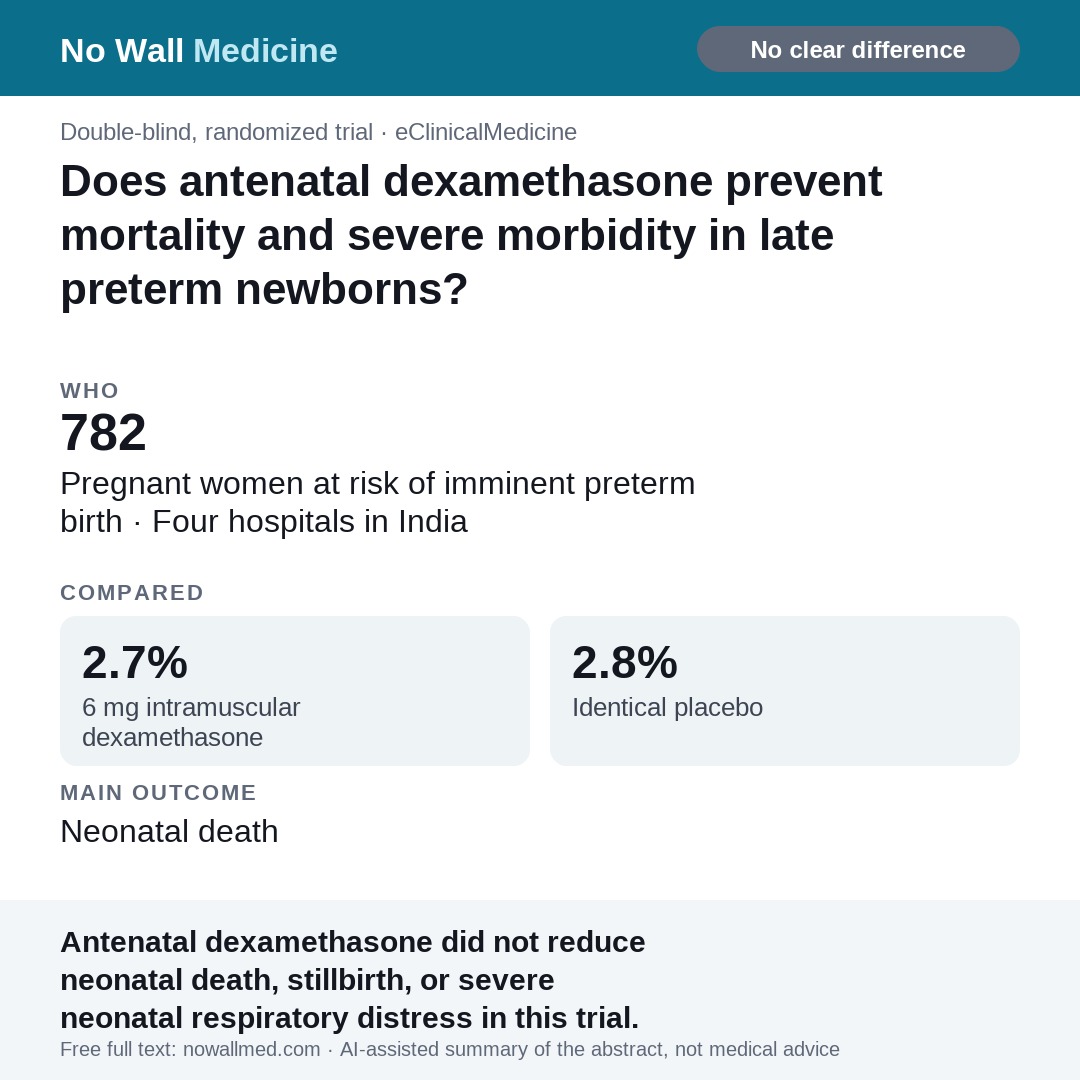
Antenatal dexamethasone for late preterm birth: A multi-centre, two-arm, parallel, double-blind, placebo-controlled, randomized trial
Double-blind, randomized trialNo clear difference
Does antenatal dexamethasone prevent mortality and severe morbidity in late preterm newborns?
Who
782
Pregnant women at risk of imminent preterm birth · Four hospitals in India
Compared
2.7%6 mg intramuscular dexamethasone
2.8%Identical placebo
Main outcome
Neonatal death
Result: RR 0.95 (95% CI 0.42-2.12)
Bottom line: Antenatal dexamethasone did not reduce neonatal death, stillbirth, or severe neonatal respiratory distress in this trial.
Funded by: Bill and Melinda Gates Foundation
eClinicalMedicine · 2022-02-12Download image
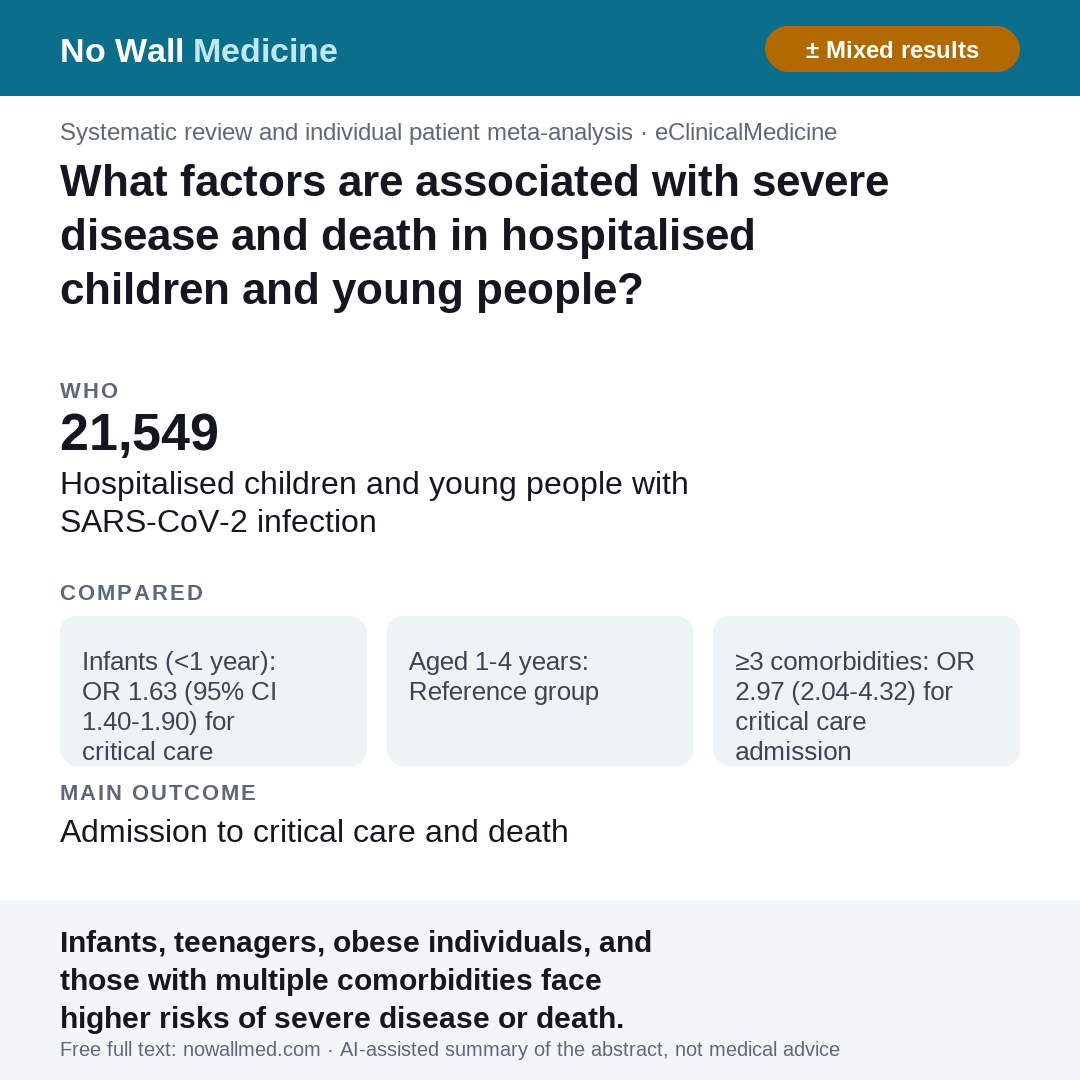
Which children and young people are at higher risk of severe disease and death after hospitalisation with SARS-CoV-2 infection in children and young people: A systematic review and individual patient meta-analysis
Systematic review and individual patient meta-analysisMixed results
What factors are associated with severe disease and death in hospitalised children and young people?
Who
21,549
Hospitalised children and young people with SARS-CoV-2 infection
Compared
Infants (<1 year): OR 1.63 (95% CI 1.40-1.90) for critical care
Aged 1-4 years: Reference group
≥3 comorbidities: OR 2.97 (2.04-4.32) for critical care admission
Main outcome
Admission to critical care and death
Bottom line: Infants, teenagers, obese individuals, and those with multiple comorbidities face higher risks of severe disease or death.
Limitation: Most studies had an element of bias in their design or reporting.
Funded by: Kidney Research UK, Medical Research Council, Martin House Children's Hospice, NIHR
eClinicalMedicine · 2022-02-11Download image
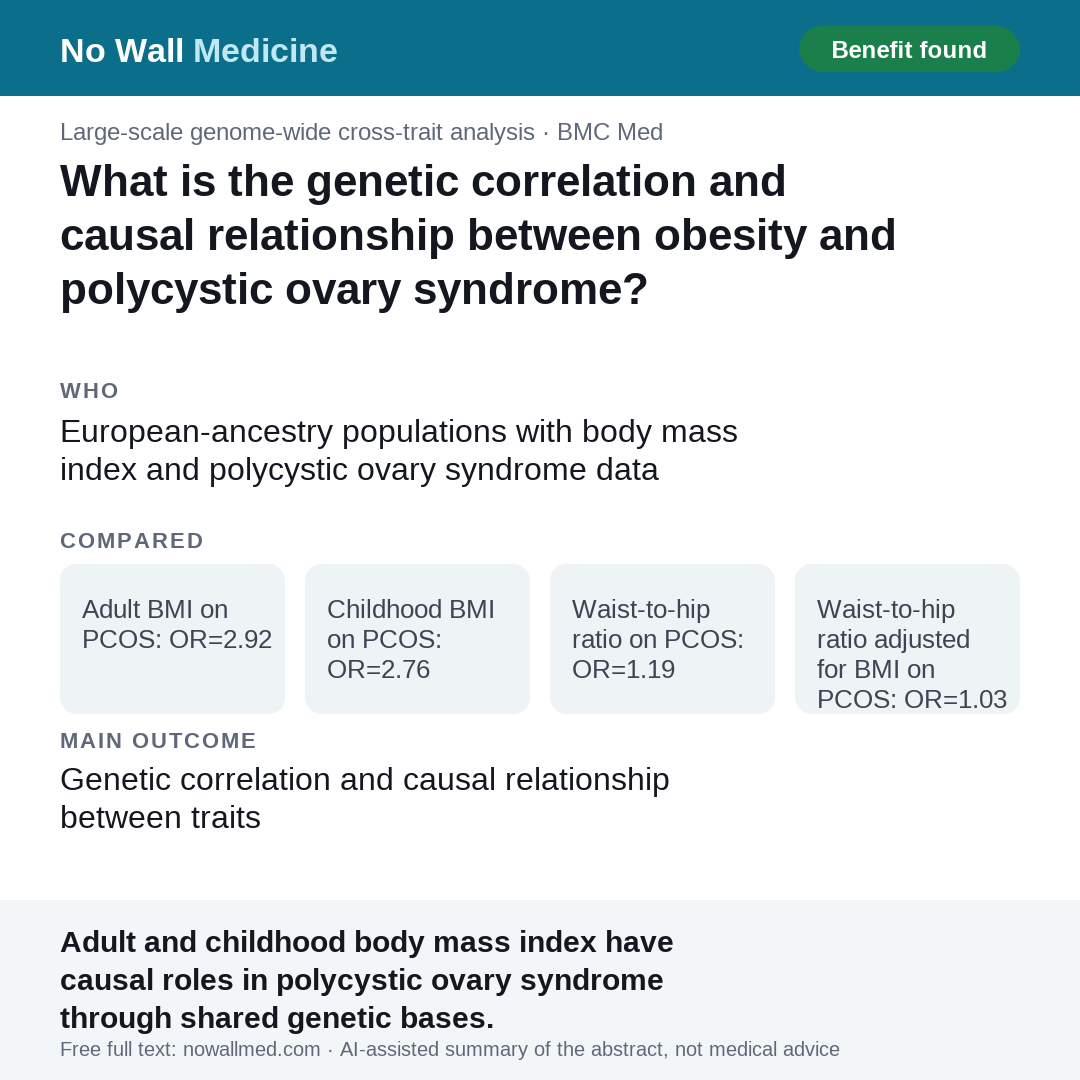
Genomic correlation, shared loci, and causal relationship between obesity and polycystic ovary syndrome: a large-scale genome-wide cross-trait analysis
Large-scale genome-wide cross-trait analysisBenefit found
What is the genetic correlation and causal relationship between obesity and polycystic ovary syndrome?
Who
European-ancestry populations with body mass index and polycystic ovary syndrome data
Compared
Adult BMI on PCOS: OR=2.92
Childhood BMI on PCOS: OR=2.76
Waist-to-hip ratio on PCOS: OR=1.19
Waist-to-hip ratio adjusted for BMI on PCOS: OR=1.03
Main outcome
Genetic correlation and causal relationship between traits
Result: adult BMI OR=2.92 (95% CI=2.33-3.67); childhood BMI OR=2.76 (95% CI=2.09-3.66)
Bottom line: Adult and childhood body mass index have causal roles in polycystic ovary syndrome through shared genetic bases.
BMC Med · 2022-02-11Download image