Visual abstracts
New randomized trials and meta-analyses from leading journals at a glance: who was studied, what was compared, and what was found. Every paper is free to read in full.
All specialtiesCardiology 4763Oncology 4042Gastroenterology & Hepatology 1902Infectious Disease 3756Neurology 1872Psychiatry & Mental Health 2214Pulmonology 2042Critical Care 1319Endocrinology & Diabetes 2544Pediatrics 2889Surgery 2479Orthopedics & Sports Medicine 917Neurosurgery 525Cardiothoracic & Vascular Surgery 656Plastic & Reconstructive Surgery 574Nephrology 1107Rheumatology 810Hematology 1090Dermatology 611Ophthalmology 532Obstetrics & Gynecology 1645Public & Global Health 1037Radiology & Imaging 617Anesthesiology 957Urology 745ENT (Otolaryngology) 494Emergency Medicine 481Allergy & Immunology 309Geriatrics 972Family Medicine & Primary Care 533Medical Genetics & Genomics 659Pathology & Laboratory Medicine 156Physical Medicine & Rehabilitation 734Palliative Care 421Nutrition 1560Digital Health & AI 2133General Medicine 318
Comparative efficacy and tolerability of nutraceuticals for depressive disorder: A systematic review and network meta-analysis
Systematic review and network meta-analysisBenefit found
What is the comparative efficacy and tolerability of nutraceuticals for depressive disorder?
Who
17437
Adults with depressive disorder
Compared
Adjunctive nutraceuticals: better efficacy than antidepressants alone
Antidepressants alone
Main outcome
change in depressive symptoms
Bottom line: Several nutraceuticals offer benefits as either adjuncts or monotherapies for treating depressive disorders.
Psychol Med · 2025-05-02Download image

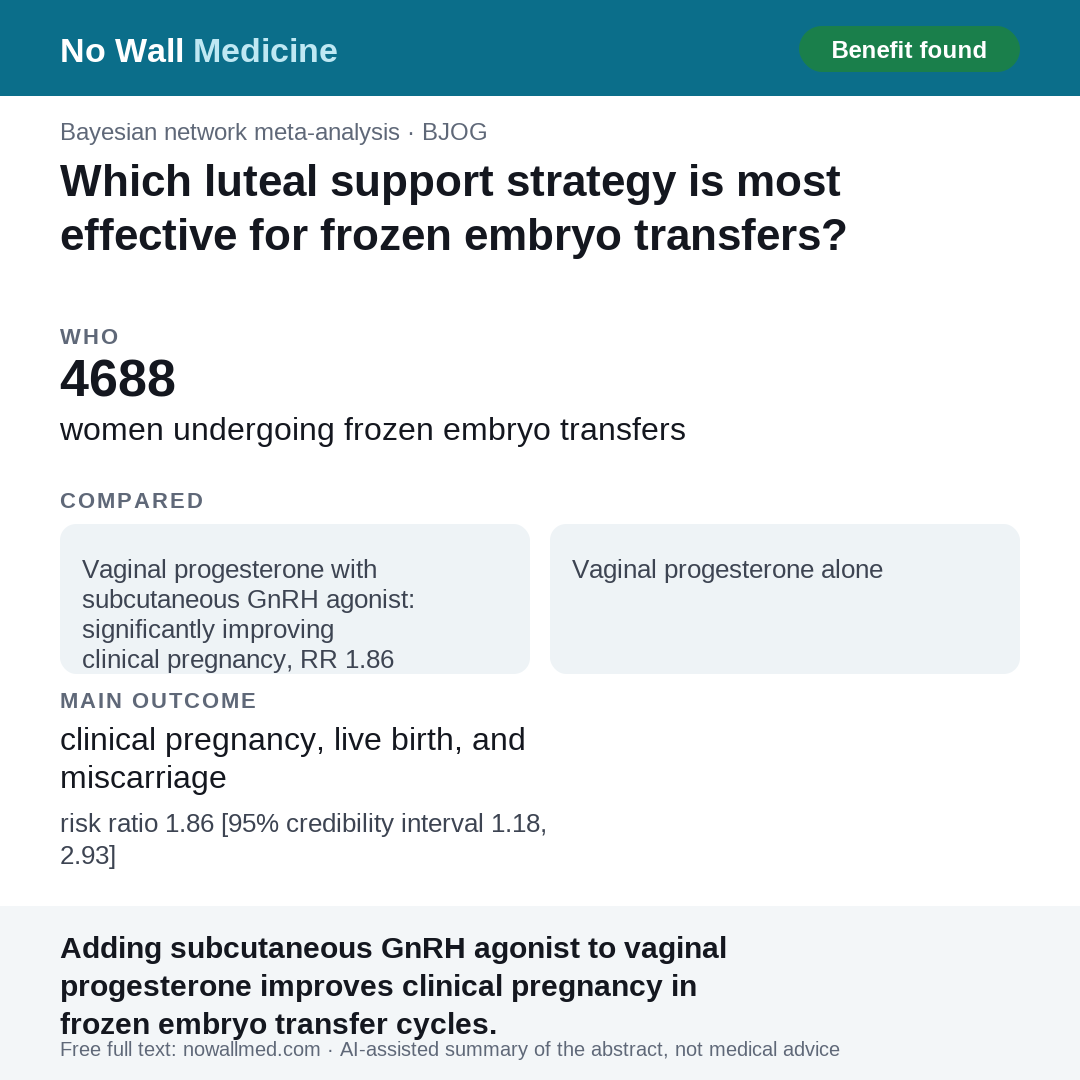
Comparison of Luteal Support Protocols in Frozen IVF/ICSI Cycles: A Network Meta-Analysis
Bayesian network meta-analysisBenefit found
Which luteal support strategy is most effective for frozen embryo transfers?
Who
4688
women undergoing frozen embryo transfers
Compared
Vaginal progesterone with subcutaneous GnRH agonist: significantly improving clinical pregnancy, RR 1.86 [95% CrI 1.18, 2.93]
Vaginal progesterone alone
Main outcome
clinical pregnancy, live birth, and miscarriage
Result: risk ratio 1.86 [95% credibility interval 1.18, 2.93]
Bottom line: Adding subcutaneous GnRH agonist to vaginal progesterone improves clinical pregnancy in frozen embryo transfer cycles.
Limitation: Overall CiNeMa risk of bias was moderate
BJOG · 2025-05-02Download image
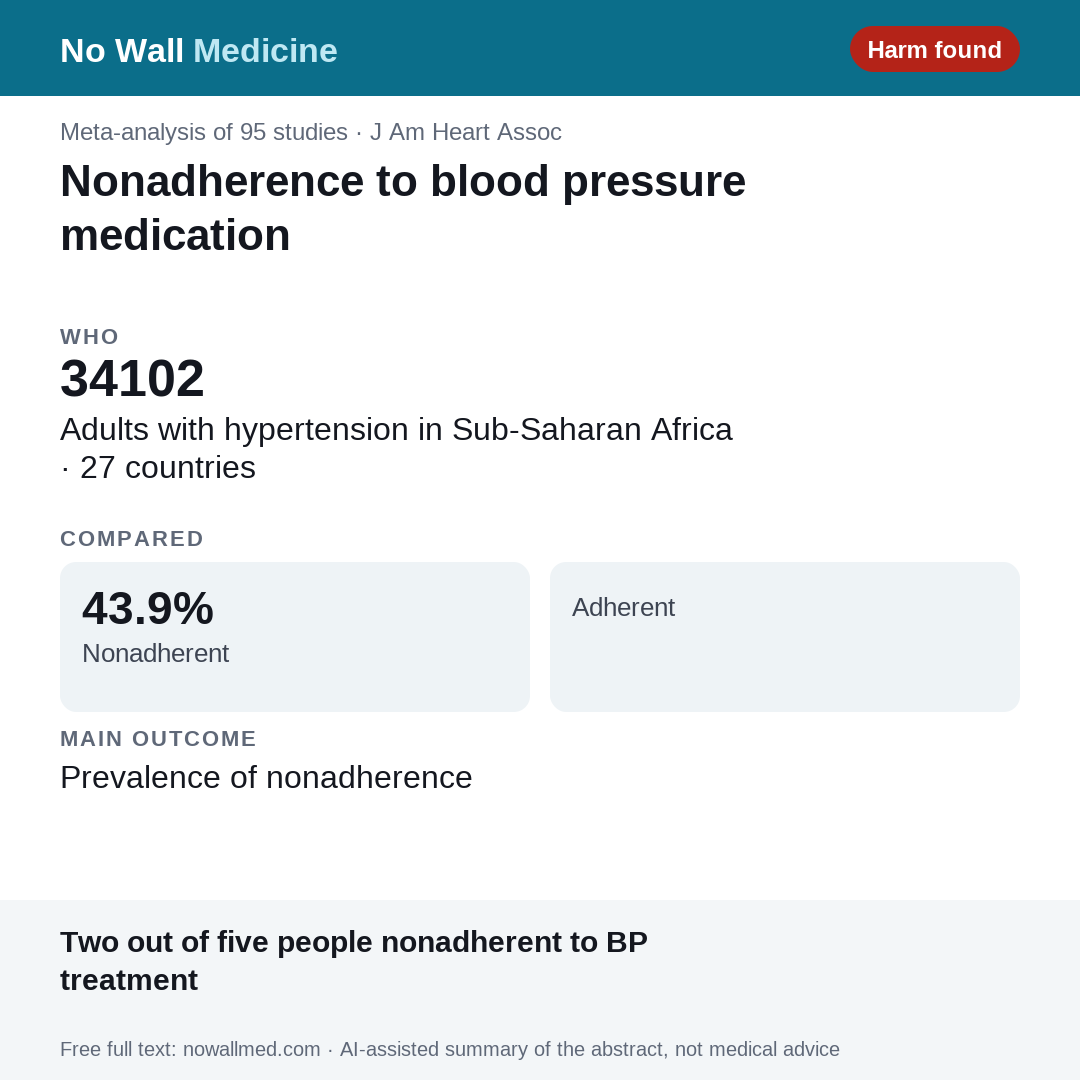
High Burden and Trend in Nonadherence to Blood Pressure-Lowering Medications: Meta-Analysis of Data From Over 34 000 Adults With Hypertension in Sub-Saharan Africa
Meta-analysis of 95 studiesHarm found
Nonadherence to blood pressure medication
Who
34102
Adults with hypertension in Sub-Saharan Africa · 27 countries
Compared
43.9%Nonadherent (95% CI, 39.2-48.6)
Adherent
Main outcome
Prevalence of nonadherence
Bottom line: Two out of five people nonadherent to BP treatment
J Am Heart Assoc · 2025-05-02Download image
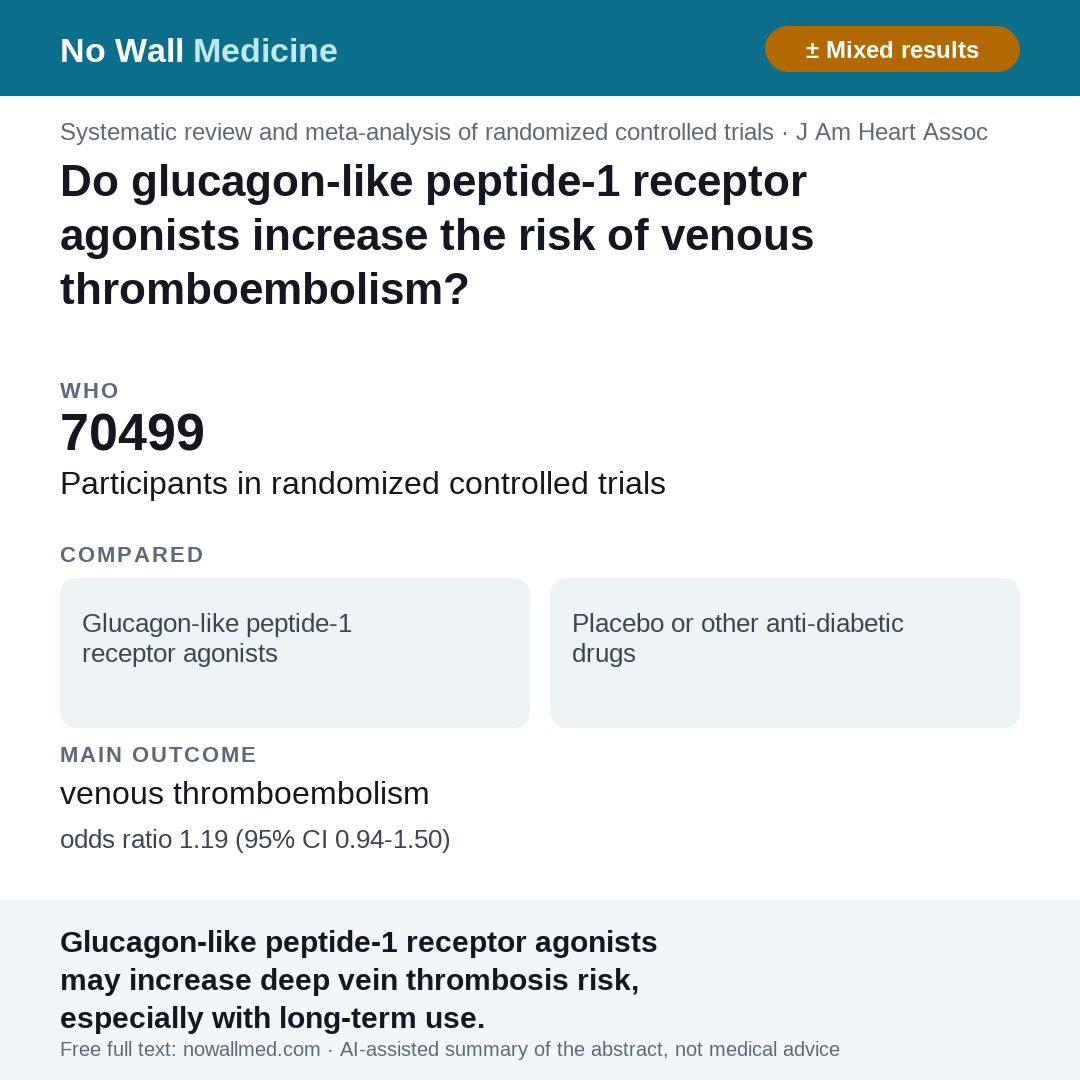
Glucagon-Like Peptide-1 Receptor Agonists and Risk of Venous Thromboembolism: A Systematic Review and Meta-Analysis of Randomized Controlled Trials
Systematic review and meta-analysis of randomized controlled trialsMixed results
Do glucagon-like peptide-1 receptor agonists increase the risk of venous thromboembolism?
Who
70499
Participants in randomized controlled trials
Compared
Glucagon-like peptide-1 receptor agonists
Placebo or other anti-diabetic drugs
Main outcome
venous thromboembolism
Result: odds ratio 1.19 (95% CI 0.94-1.50)
Bottom line: Glucagon-like peptide-1 receptor agonists may increase deep vein thrombosis risk, especially with long-term use.
J Am Heart Assoc · 2025-05-02Download image
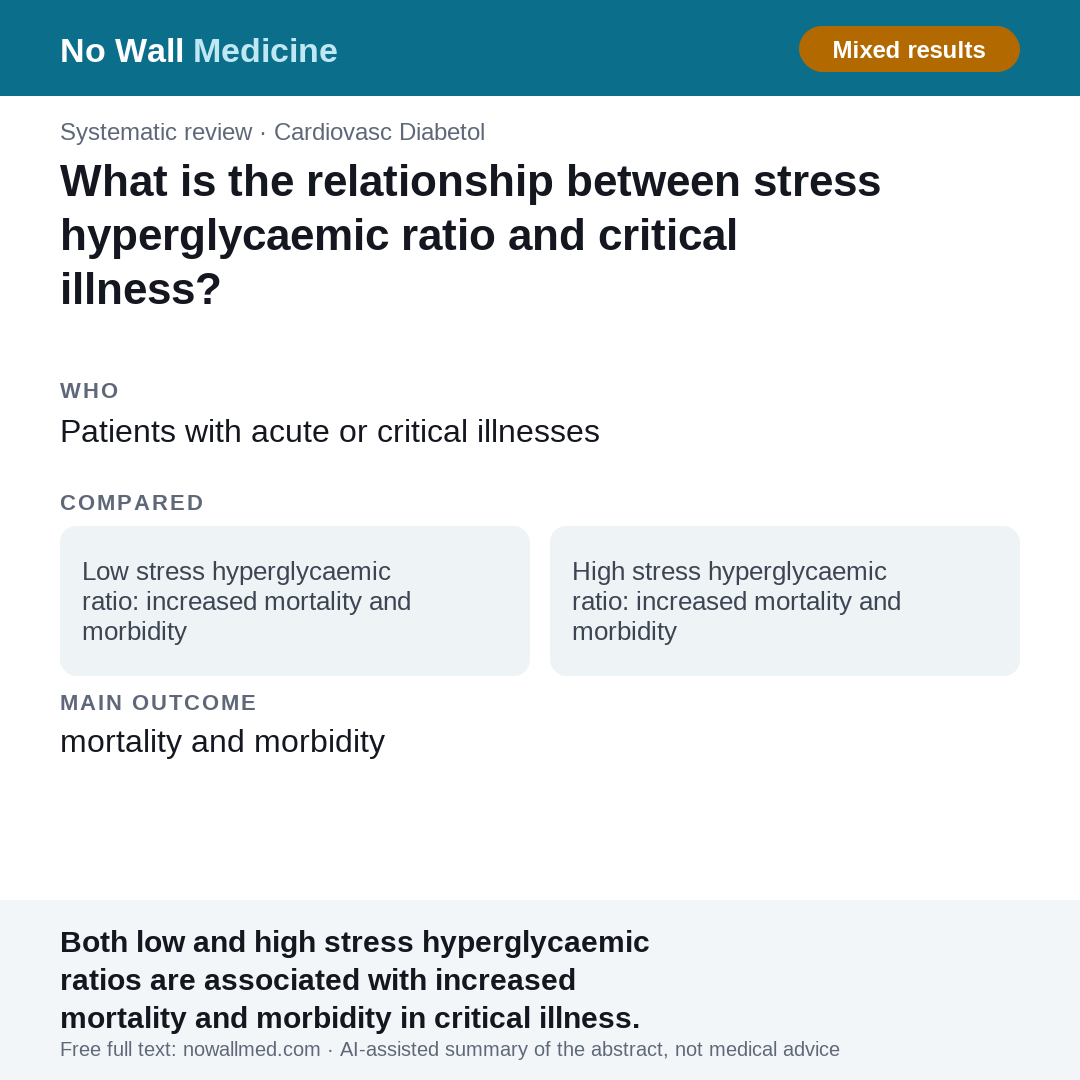
Relationship between stress hyperglycaemic ratio (SHR) and critical illness: a systematic review
Systematic reviewMixed results
What is the relationship between stress hyperglycaemic ratio and critical illness?
Who
Patients with acute or critical illnesses
Compared
Low stress hyperglycaemic ratio: increased mortality and morbidity
High stress hyperglycaemic ratio: increased mortality and morbidity
Main outcome
mortality and morbidity
Bottom line: Both low and high stress hyperglycaemic ratios are associated with increased mortality and morbidity in critical illness.
Cardiovasc Diabetol · 2025-05-02Download image
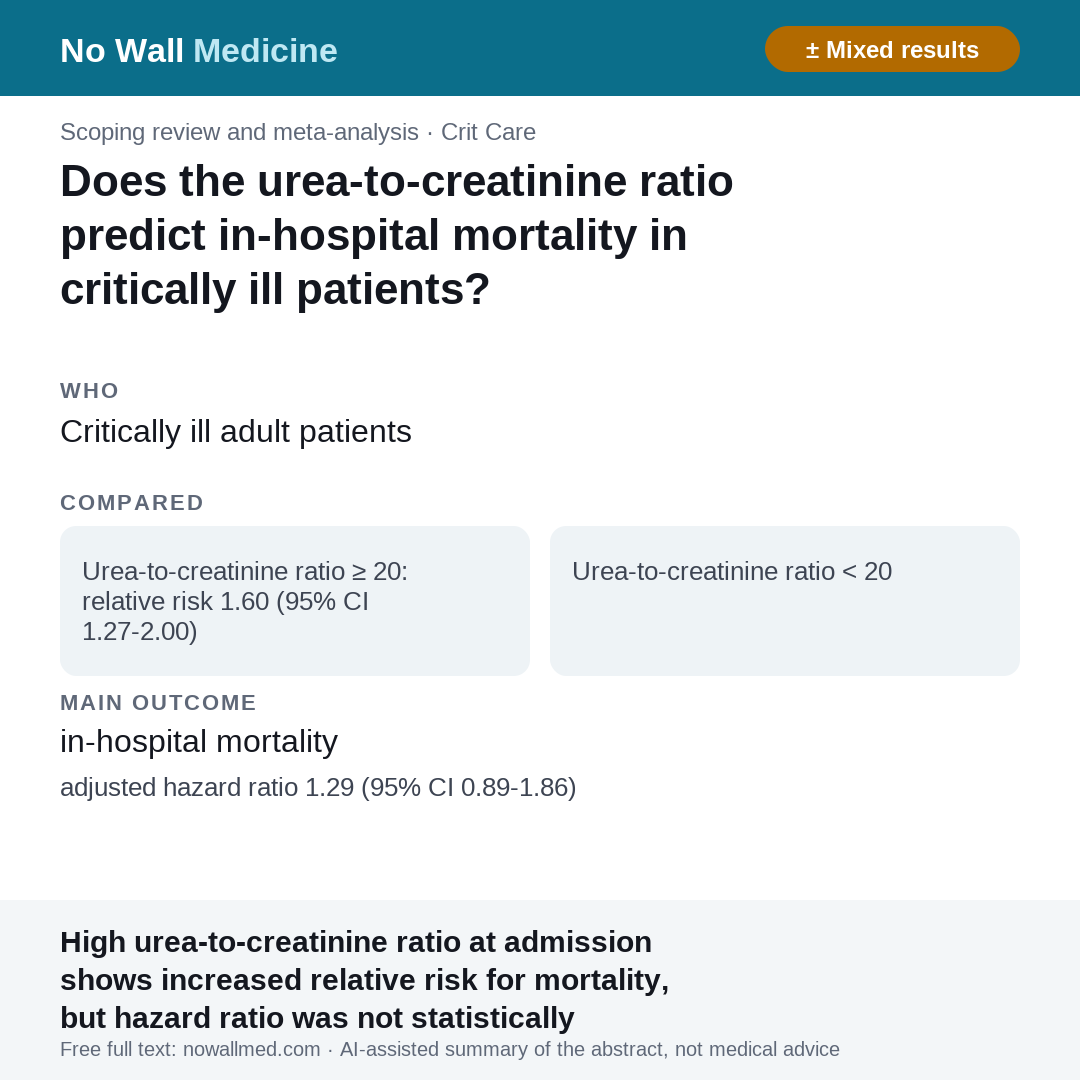
The urea-to-creatinine ratio as an emerging biomarker in critical care: a scoping review and meta-analysis
Scoping review and meta-analysisMixed results
Does the urea-to-creatinine ratio predict in-hospital mortality in critically ill patients?
Who
Critically ill adult patients
Compared
Urea-to-creatinine ratio ≥ 20: relative risk 1.60 (95% CI 1.27-2.00)
Urea-to-creatinine ratio < 20
Main outcome
in-hospital mortality
Result: adjusted hazard ratio 1.29 (95% CI 0.89-1.86)
Bottom line: High urea-to-creatinine ratio at admission shows increased relative risk for mortality, but hazard ratio was not statistically significant.
Crit Care · 2025-05-02Download image
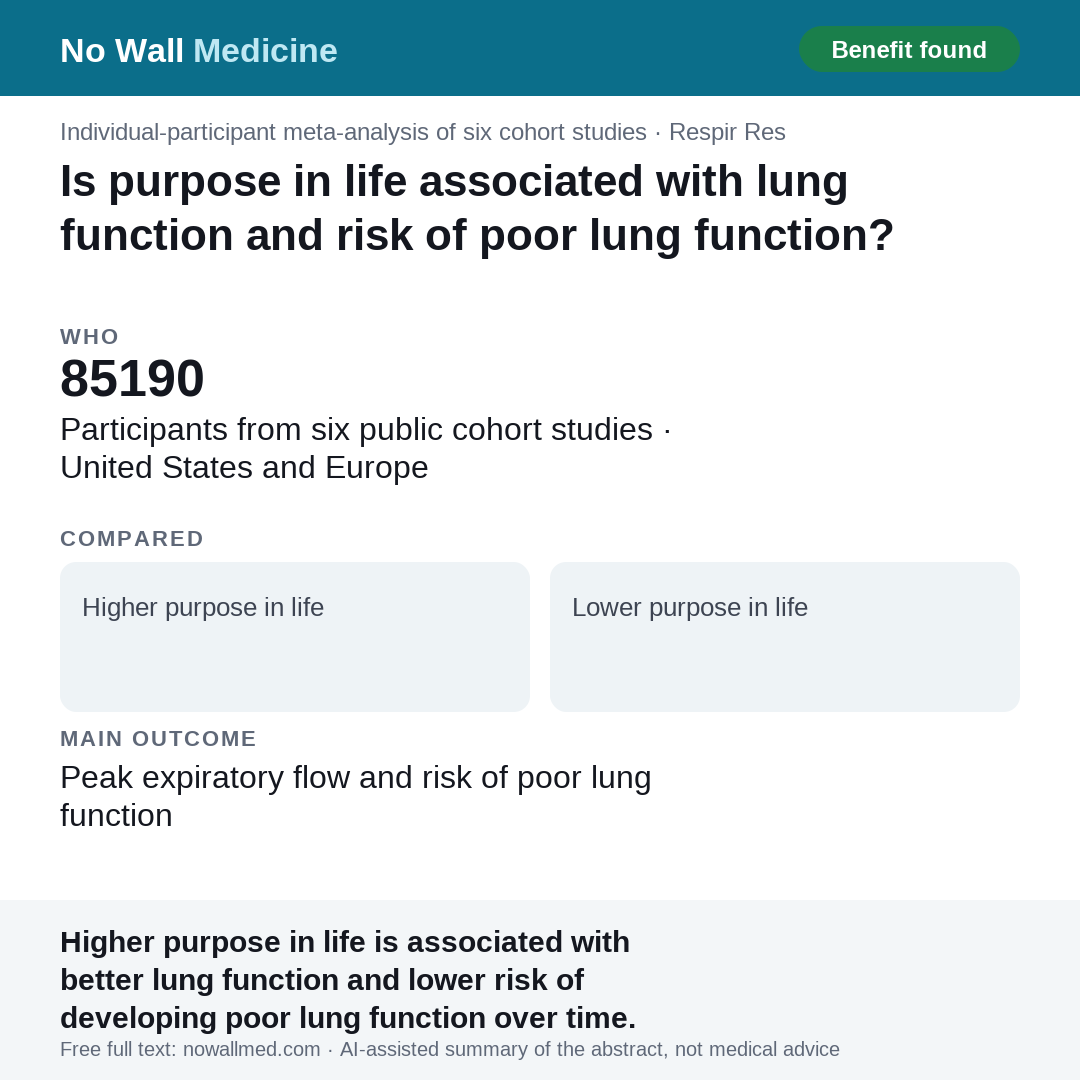
Purpose in life and lung function: an individual-participant meta-analysis of six cohort studies
Individual-participant meta-analysis of six cohort studiesKey finding
Is purpose in life associated with lung function and risk of poor lung function?
Who
85190
Participants from six public cohort studies · United States and Europe
Compared
Higher purpose in life
Lower purpose in life
Main outcome
Peak expiratory flow and risk of poor lung function
Result: hazard ratio 0.91 (95% confidence interval 0.88, 0.94)
Bottom line: Higher purpose in life is associated with better lung function and lower risk of developing poor lung function over time.
Respir Res · 2025-05-02Download image
A systematic review of quantum machine learning for digital health
Systematic reviewNo clear difference
Do quantum machine learning algorithms outperform classical methods for digital health?
Who
Studies using electronic health records or proxy data · PubMed, Embase, IEEE, Scopus, and arXiv
Compared
Quantum machine learning
Classical methods
Main outcome
Performance differentials for clinical decisioning or health service delivery
Bottom line: Quantum machine learning shows no consistent trend to support empirical utility in digital health compared to classical algorithms.
NPJ Digit Med · 2025-05-02Download image

Organ Donation for Research Biobanking Among Historically Marginalized Racial and Ethnic Groups: A Systematic Review
Systematic review and thematic analysisMixed results
What are the barriers and facilitators to postmortem brain donation for research among marginalized groups?
Who
12124
Adults from historically marginalized races and ethnicities
Compared
Barriers: Mistrust and religious and cultural beliefs
Facilitators: Altruism and family involvement
Main outcome
Barriers and facilitators to postmortem brain donation for research
Bottom line: Mistrust and religious beliefs are barriers, while altruism and family involvement can facilitate postmortem organ donation for research.
JAMA Netw Open · 2025-05-01Download image

Safety of Stimulants Across Patient Populations: A Meta-Analysis
Meta-analysis of 93 randomized clinical trialsHarm found
What is the safety of stimulant medications compared to placebo?
Who
Patients with ADHD, depression, binge eating disorder, schizophrenia, Alzheimer disease, or stimulant use disorders
Compared
Stimulants
Placebo
Main outcome
Risk ratio of developing any adverse event
Result: risk ratio 1.34 (90% CI 1.27-1.41)
Bottom line: Stimulant medications are associated with an increased risk of overall adverse events compared with placebo.
Limitation: High heterogeneity (I2 = 67%) and need for more standardized assessments.
JAMA Netw Open · 2025-05-01Download image

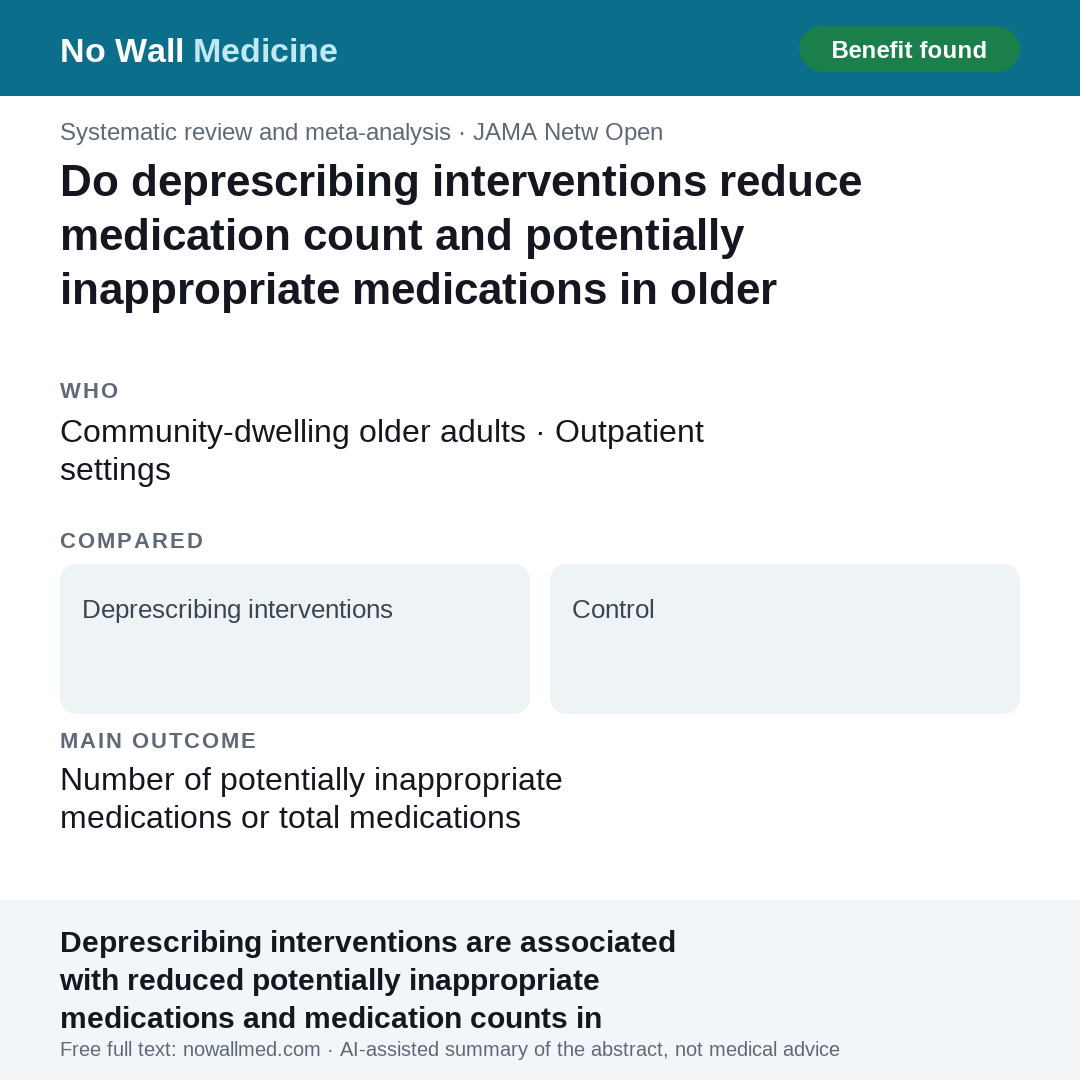
Deprescribing in Community-Dwelling Older Adults: A Systematic Review and Meta-Analysis
Systematic review and meta-analysisBenefit found
Do deprescribing interventions reduce medication count and potentially inappropriate medications in older adults?
Who
Community-dwelling older adults · Outpatient settings
Compared
Deprescribing interventions
Control
Main outcome
Number of potentially inappropriate medications or total medications
Result: mean difference -0.14 (95% CI, -0.27 to -0.01) medications prescribed
Bottom line: Deprescribing interventions are associated with reduced potentially inappropriate medications and medication counts in community-dwelling older adults.
JAMA Netw Open · 2025-05-01Download image
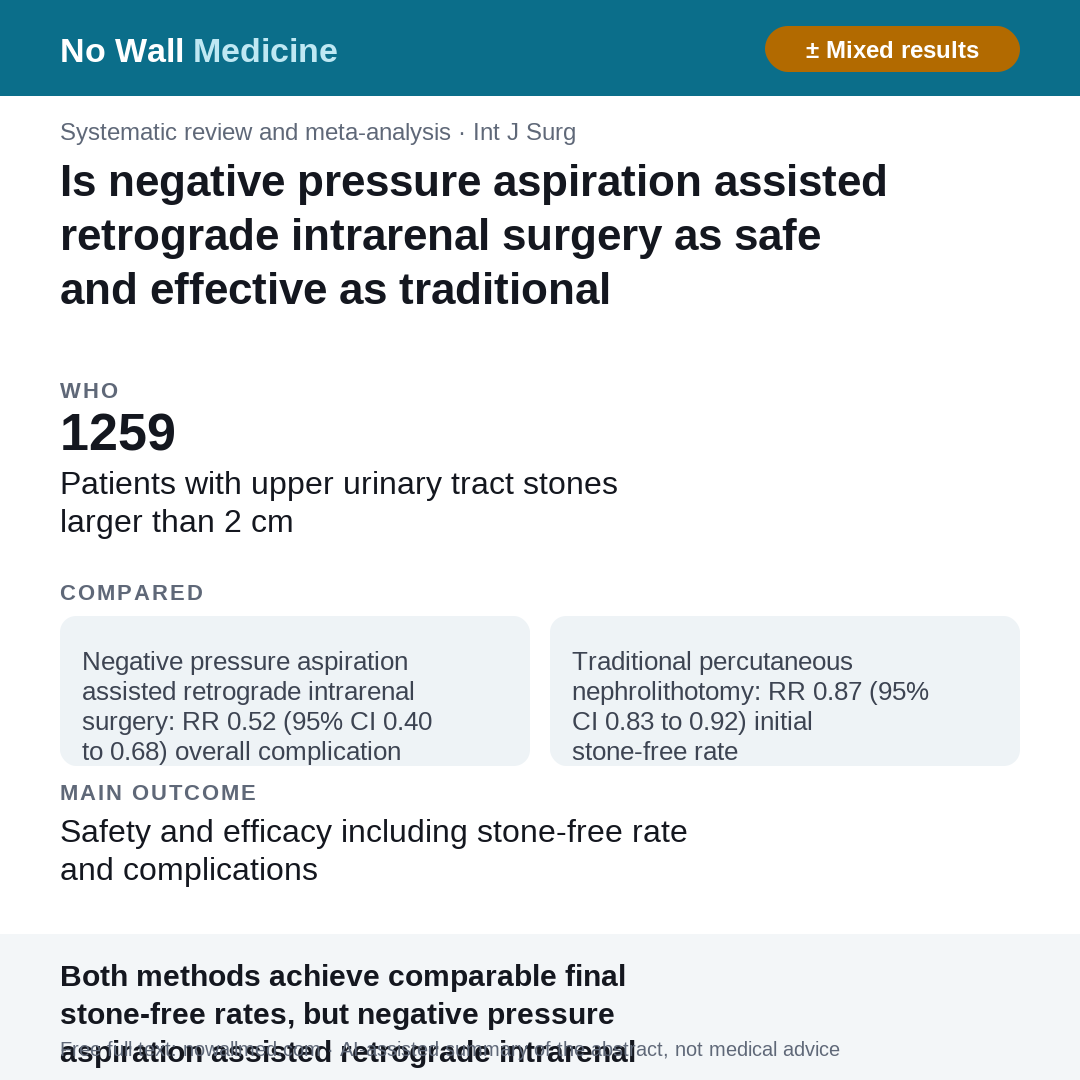
Comparison of safety and efficacy of negative pressure aspiration assisted retrograde intrarenal surgery and traditional percutaneous nephrolithotomy in the treatment of upper urinary tract stones larger than 2 cm: a systematic review and meta-analysis
Systematic review and meta-analysisMixed results
Is negative pressure aspiration assisted retrograde intrarenal surgery as safe and effective as traditional percutaneous nephrolithotomy?
Who
1259
Patients with upper urinary tract stones larger than 2 cm
Compared
Negative pressure aspiration assisted retrograde intrarenal surgery: RR 0.52 (95% CI 0.40 to 0.68) overall complication rate
Traditional percutaneous nephrolithotomy: RR 0.87 (95% CI 0.83 to 0.92) initial stone-free rate
Main outcome
Safety and efficacy including stone-free rate and complications
Result: final stone-free rate RR 0.98 (95% CI 0.94 to 1.01)
Bottom line: Both methods achieve comparable final stone-free rates, but negative pressure aspiration assisted retrograde intrarenal surgery reduces complications and blood transfusion.
Int J Surg · 2025-05-01Download image
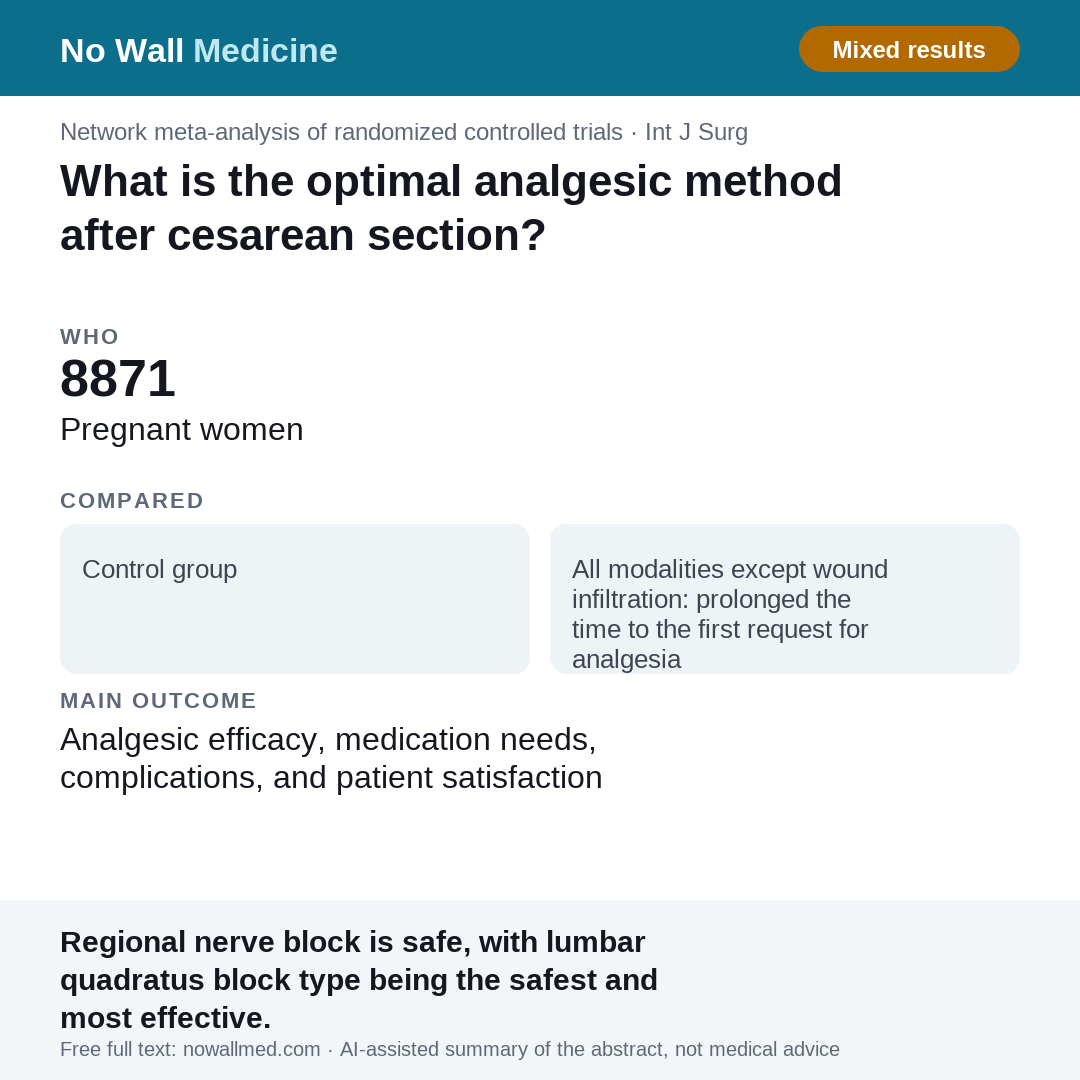
Comparison of analgesic modalities after cesarean section: a network meta-analysis and systematic review
Network meta-analysis of randomized controlled trialsMixed results
What is the optimal analgesic method after cesarean section?
Who
8871
Pregnant women
Compared
Control group
All modalities except wound infiltration: prolonged the time to the first request for analgesia
Main outcome
Analgesic efficacy, medication needs, complications, and patient satisfaction
Bottom line: Regional nerve block is safe, with lumbar quadratus block type being the safest and most effective.
Int J Surg · 2025-05-01Download image
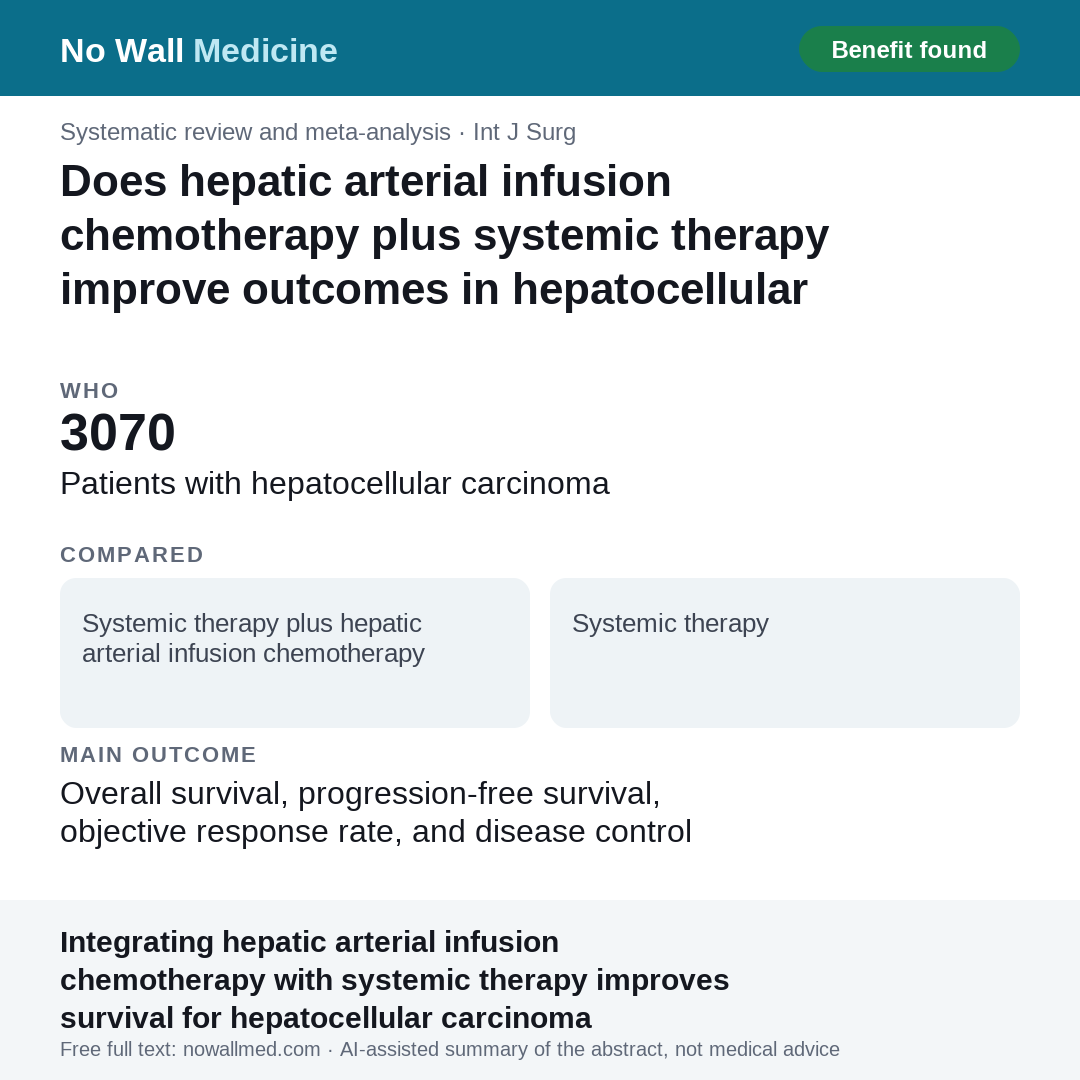
Systemic therapy plus HAIC versus systemic therapy for hepatocellular carcinoma: a systematic review and meta-analysis
Systematic review and meta-analysisBenefit found
Does hepatic arterial infusion chemotherapy plus systemic therapy improve outcomes in hepatocellular carcinoma?
Who
3070
Patients with hepatocellular carcinoma
Compared
Systemic therapy plus hepatic arterial infusion chemotherapy
Systemic therapy
Main outcome
Overall survival, progression-free survival, objective response rate, and disease control rate
Result: hazard ratio 0.52 (95% CI 0.48-0.58)
Bottom line: Integrating hepatic arterial infusion chemotherapy with systemic therapy improves survival for hepatocellular carcinoma patients with manageable toxicity.
Limitation: Further evidence is necessary to standardize integration with first-line systemic therapy.
Int J Surg · 2025-05-01Download image
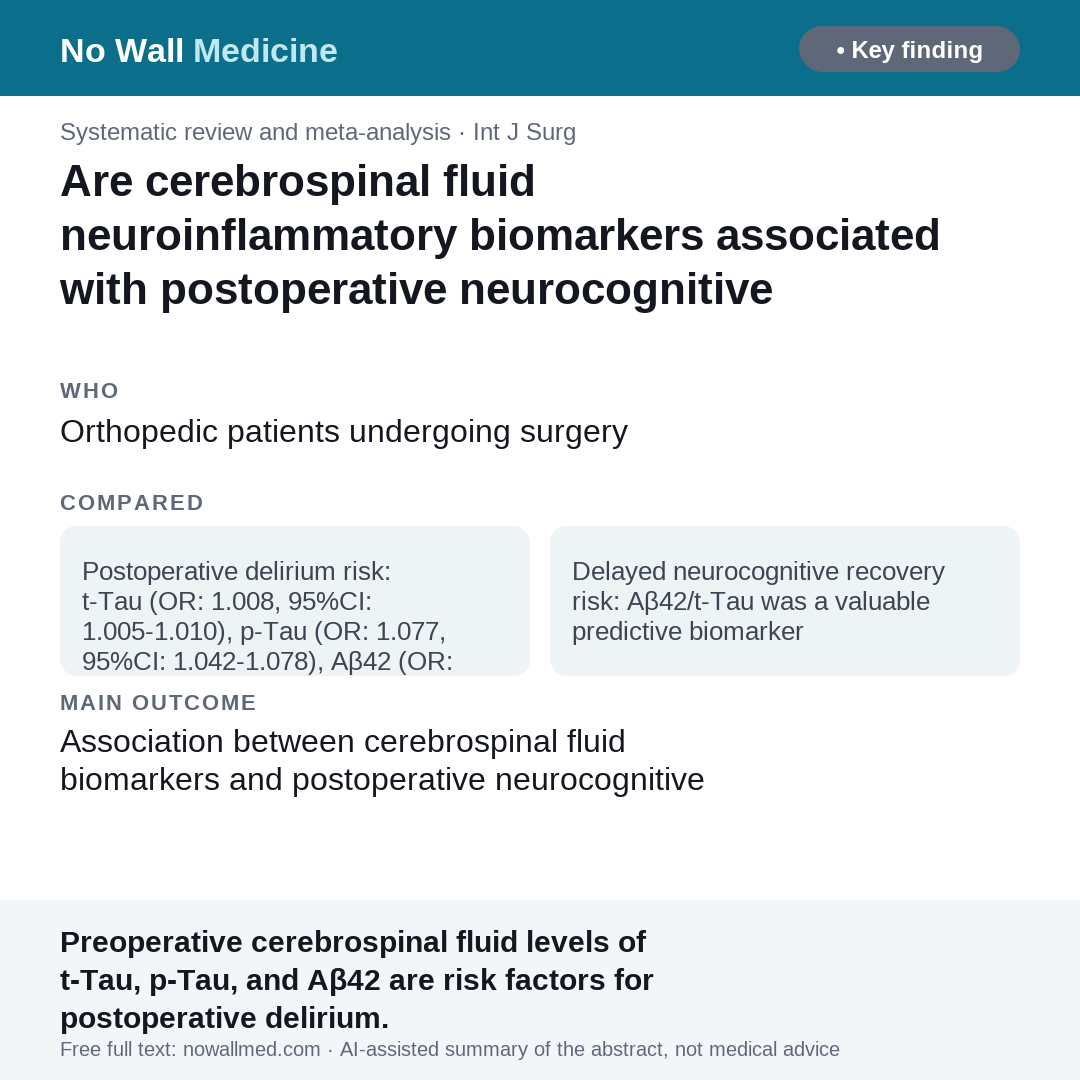
Cerebrospinal fluid biomarkers of neuroinflammation and postoperative neurocognitive disorders in patients undergoing orthopedic surgery: a systematic review and meta-analysis
Systematic review and meta-analysisKey finding
Are cerebrospinal fluid neuroinflammatory biomarkers associated with postoperative neurocognitive disorders in orthopedic patients?
Who
Orthopedic patients undergoing surgery
Compared
Postoperative delirium risk: t-Tau (OR: 1.008, 95%CI: 1.005-1.010), p-Tau (OR: 1.077, 95%CI: 1.042-1.078), Aβ42 (OR: 0.998, 95% CI: 0.997-0.999)
Delayed neurocognitive recovery risk: Aβ42/t-Tau was a valuable predictive biomarker
Main outcome
Association between cerebrospinal fluid biomarkers and postoperative neurocognitive disorders
Bottom line: Preoperative cerebrospinal fluid levels of t-Tau, p-Tau, and Aβ42 are risk factors for postoperative delirium.
Limitation: Studies concerning delayed neurocognitive recovery and postoperative cognitive dysfunction are needed.
Int J Surg · 2025-05-01Download image
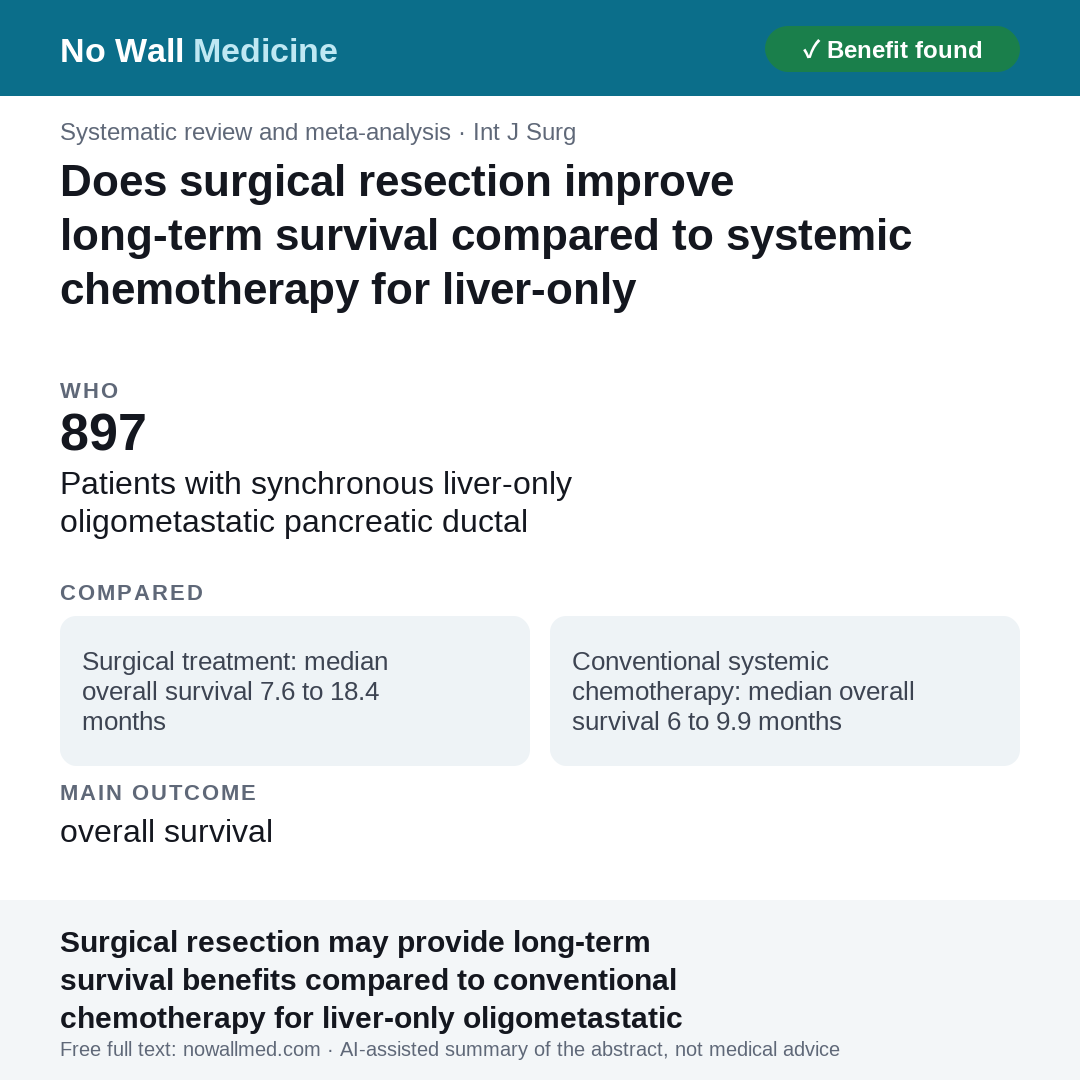
Surgical treatment of synchronous liver-only oligometastatic pancreatic adenocarcinoma: a systematic review and meta-analysis of long-term outcomes
Systematic review and meta-analysisBenefit found
Does surgical resection improve long-term survival compared to systemic chemotherapy for liver-only oligometastatic pancreatic adenocarcinoma?
Who
897
Patients with synchronous liver-only oligometastatic pancreatic ductal adenocarcinoma
Compared
Surgical treatment: median overall survival 7.6 to 18.4 months
Conventional systemic chemotherapy: median overall survival 6 to 9.9 months
Main outcome
overall survival
Result: OR: 0.286, 95% CI: 0.100-0.409
Bottom line: Surgical resection may provide long-term survival benefits compared to conventional chemotherapy for liver-only oligometastatic pancreatic adenocarcinoma.
Limitation: Prospective randomized trials are required to further validate these findings.
Int J Surg · 2025-05-01Download image
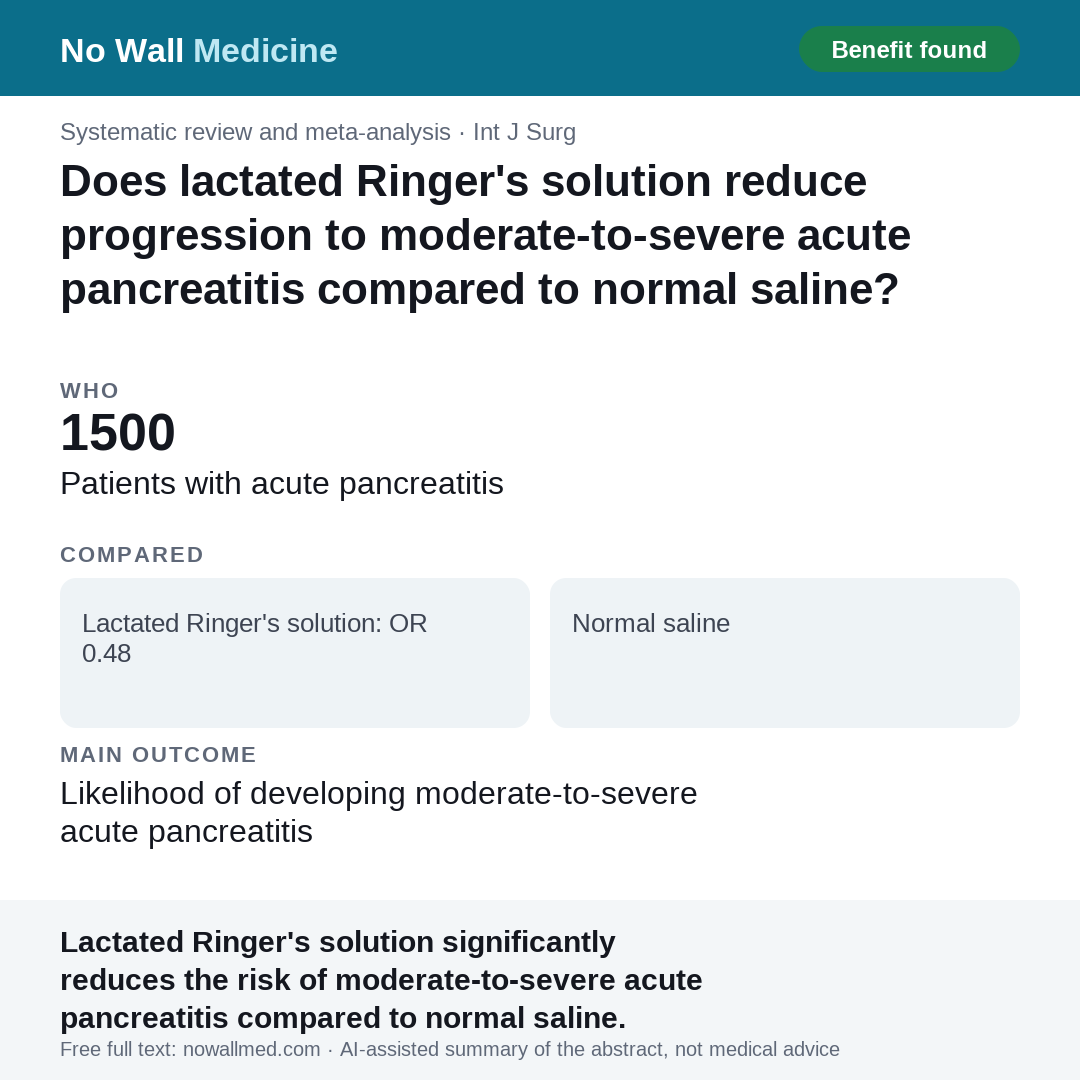
Lactated Ringer's solution versus saline fluid resuscitation for reducing progression to moderate-to-severe acute pancreatitis: a systematic review and meta-analysis
Systematic review and meta-analysisBenefit found
Does lactated Ringer's solution reduce progression to moderate-to-severe acute pancreatitis compared to normal saline?
Who
1500
Patients with acute pancreatitis
Compared
Lactated Ringer's solution: OR 0.48
Normal saline
Main outcome
Likelihood of developing moderate-to-severe acute pancreatitis
Result: OR 0.48 (95%CI 0.34 to 0.67)
Bottom line: Lactated Ringer's solution significantly reduces the risk of moderate-to-severe acute pancreatitis compared to normal saline.
Limitation: Subgroup analyses regarding pancreatic necrosis and other indices necessitate corroboration through extensive experimentation.
Int J Surg · 2025-05-01Download image
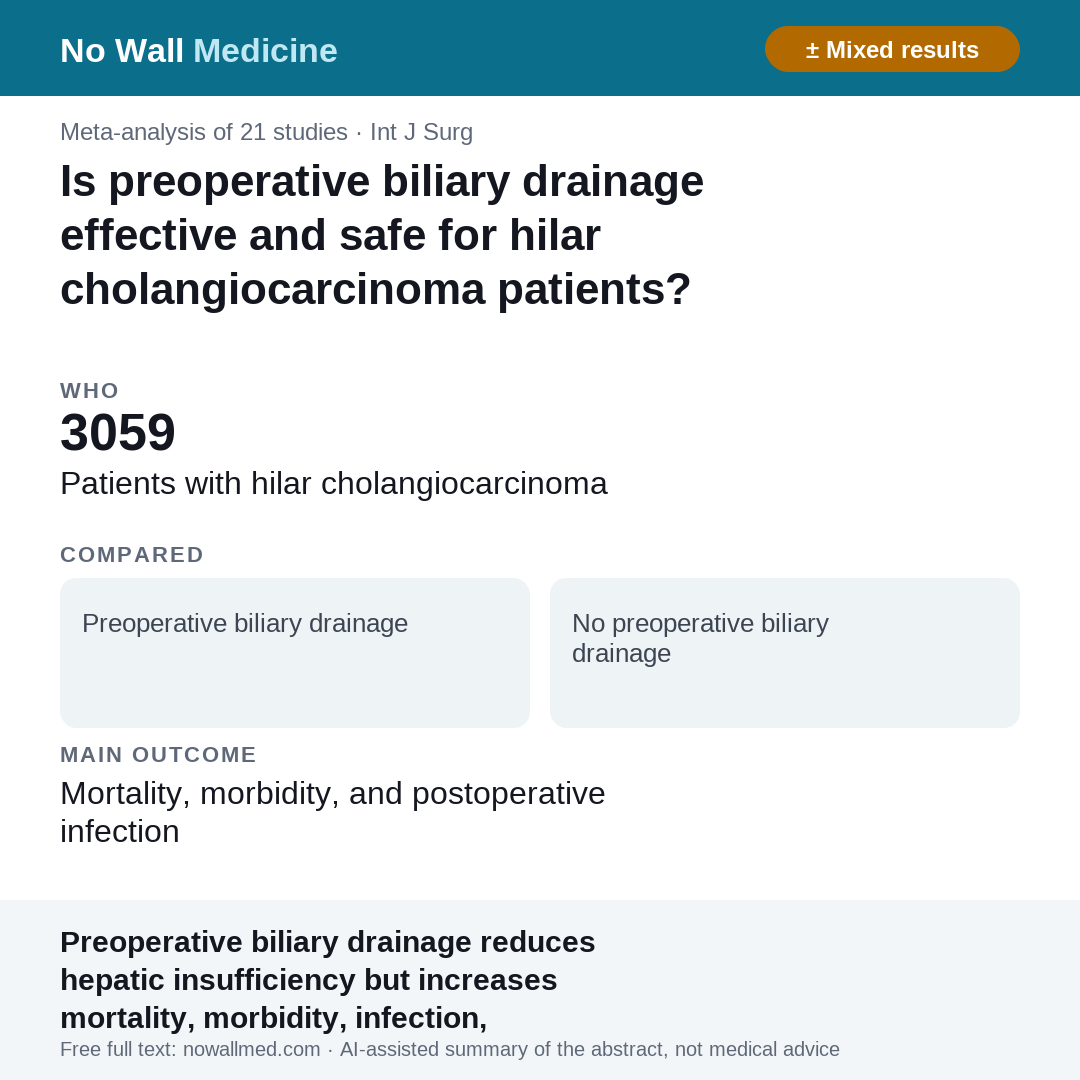
Efficacy and safety of preoperative biliary drainage in patients with Hilar Cholangiocarcinoma: a systematic review and meta-analysis
Meta-analysis of 21 studiesMixed results
Is preoperative biliary drainage effective and safe for hilar cholangiocarcinoma patients?
Who
3059
Patients with hilar cholangiocarcinoma
Compared
Preoperative biliary drainage
No preoperative biliary drainage
Main outcome
Mortality, morbidity, and postoperative infection
Result: OR 1.47 (95% CI 1.12-1.92) for morbidity
Bottom line: Preoperative biliary drainage reduces hepatic insufficiency but increases mortality, morbidity, infection, transfusion, leakage, cholangitis, and hospital stay.
Limitation: Further multicenter randomized studies are needed to identify clear patient selection criteria.
Int J Surg · 2025-05-01Download image
Efficacy of perioperative dexmedetomidine in postoperative pain and neurocognitive functions in orthopedic surgery: a systematic review and meta-analysis with trial sequential analysis of randomized controlled trials
Meta-analysis of 59 randomized controlled trialsBenefit found
Does perioperative dexmedetomidine improve postoperative pain and neurocognitive functions in orthopedic surgery?
Who
7713
Patients undergoing orthopedic surgery
Compared
Dexmedetomidine
Control
Main outcome
Pain, opioid consumption, postoperative cognitive dysfunction, and postoperative delirium
Result: mean difference -0.50 for VAS; mean difference -11.91 for opioid consumption; risk ratio 0.59 for postoperative cognitive dysfunction; risk ratio 0.49 for postoperative delirium
Bottom line: Intravenous dexmedetomidine significantly improves postoperative pain and neurocognitive functions in orthopedic surgery patients.
Int J Surg · 2025-05-01Download image

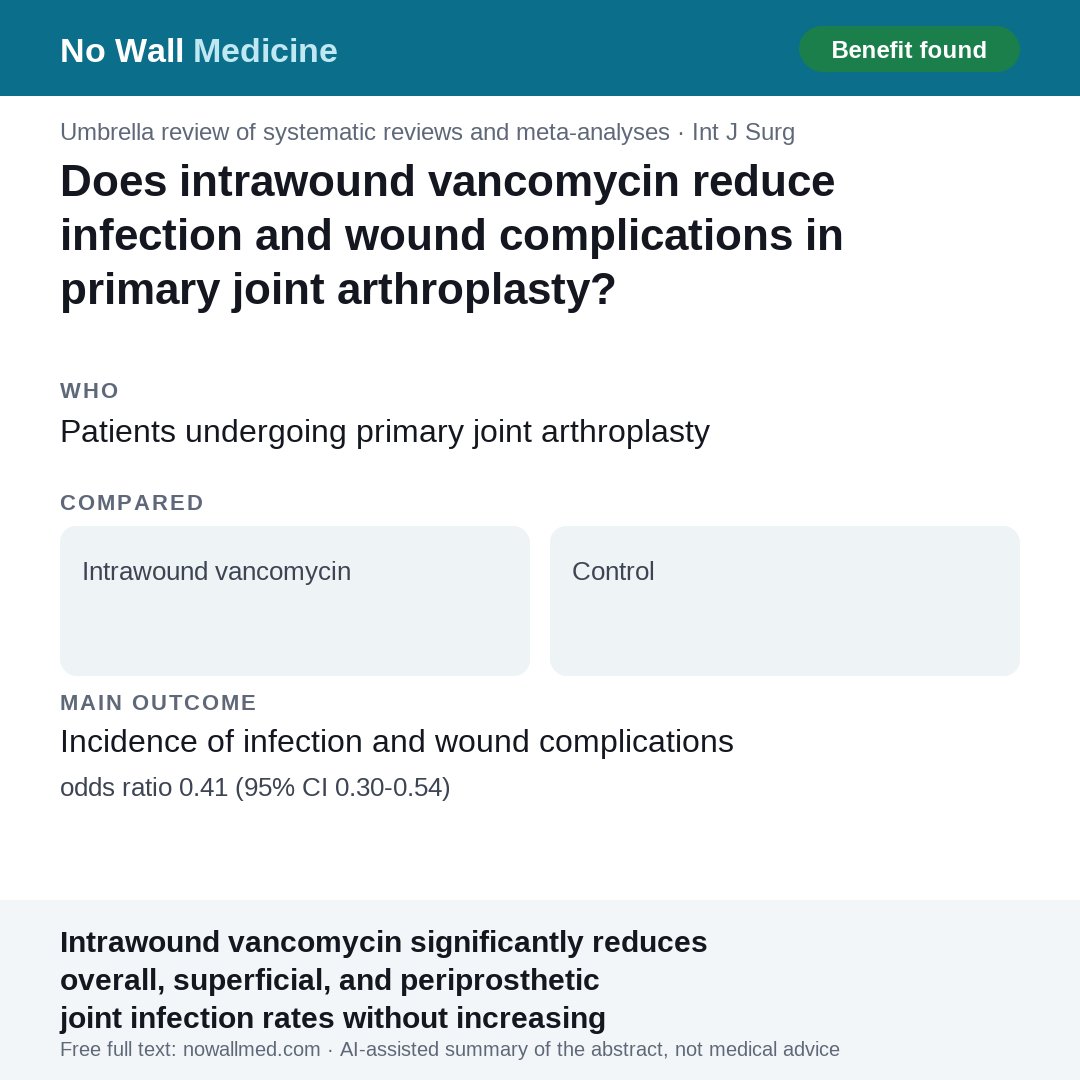
Intrawound vancomycin powder for prevention of surgical site infections in primary joint arthroplasty: an umbrella review of systematic reviews and meta-analyses
Umbrella review of systematic reviews and meta-analysesBenefit found
Does intrawound vancomycin reduce infection and wound complications in primary joint arthroplasty?
Who
Patients undergoing primary joint arthroplasty
Compared
Intrawound vancomycin
Control
Main outcome
Incidence of infection and wound complications
Result: odds ratio 0.41 (95% CI 0.30-0.54)
Bottom line: Intrawound vancomycin significantly reduces overall, superficial, and periprosthetic joint infection rates without increasing aseptic wound complications.
Limitation: Inclusion of studies with varying quality requires findings to be interpreted with caution.
Int J Surg · 2025-05-01Download image