Visual abstracts
New randomized trials and meta-analyses from leading journals at a glance: who was studied, what was compared, and what was found. Every paper is free to read in full.
All specialtiesCardiology 4763Oncology 4042Gastroenterology & Hepatology 1902Infectious Disease 3756Neurology 1872Psychiatry & Mental Health 2214Pulmonology 2042Critical Care 1319Endocrinology & Diabetes 2544Pediatrics 2889Surgery 2479Orthopedics & Sports Medicine 917Neurosurgery 525Cardiothoracic & Vascular Surgery 656Plastic & Reconstructive Surgery 574Nephrology 1107Rheumatology 810Hematology 1090Dermatology 611Ophthalmology 532Obstetrics & Gynecology 1645Public & Global Health 1037Radiology & Imaging 617Anesthesiology 957Urology 745ENT (Otolaryngology) 494Emergency Medicine 481Allergy & Immunology 309Geriatrics 972Family Medicine & Primary Care 533Medical Genetics & Genomics 659Pathology & Laboratory Medicine 156Physical Medicine & Rehabilitation 734Palliative Care 421Nutrition 1560Digital Health & AI 2133General Medicine 318
How is 3D modeling in metabolic surgery utilized and what is its clinical benefit: a systematic review and meta-analysis
Systematic review and meta-analysisBenefit found
How is 3D modeling utilized and what is its clinical benefit in metabolic surgery?
Who
29
Patients undergoing metabolic surgery
Compared
Preoperative stomach volume: 794.93 mL (95% CI: 518.61-1071.26 mL)
Postoperative LSG gastric volume: 171.71 mL (95% CI: 113.37-288.58 mL)
Postoperative RYGB/OAGB gastric volume: 35.73 mL (95% CI: 29.32-42.14 mL)
Main outcome
Volumetric assessments and abdominal circumference
Bottom line: 3D modeling provides accurate volumetric assessments for surgical planning and postoperative assessment in metabolic surgery.
Limitation: Potential benefits in augmented reality, 3D printing, or patient education remain underutilized.
Int J Surg · 2025-05-01Download image

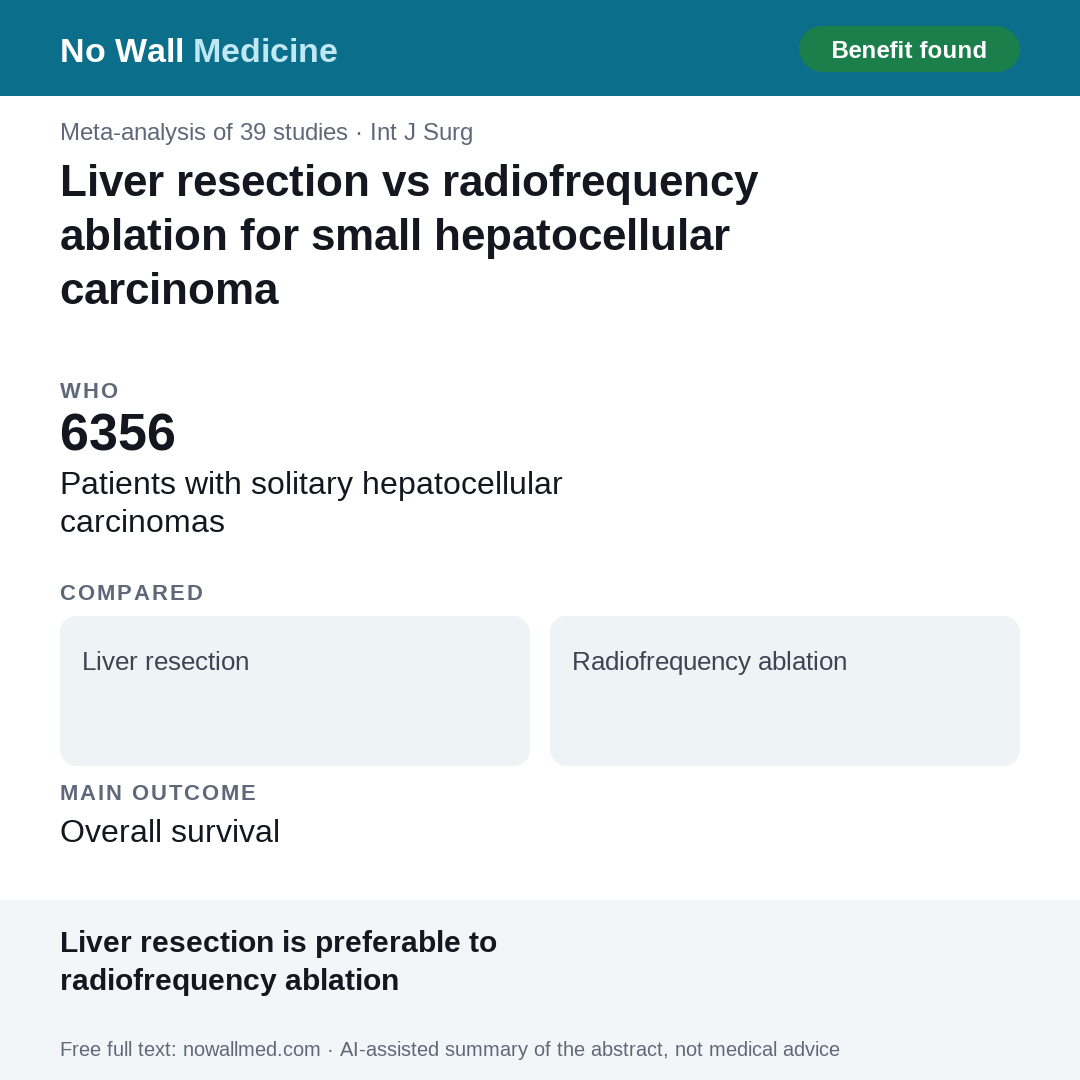
Liver resection versus radiofrequency ablation for solitary small hepatocellular carcinoma measuring ≤3 cm: a systematic review and meta-analysis
Meta-analysis of 39 studiesBenefit found
Liver resection vs radiofrequency ablation for small hepatocellular carcinoma
Who
6356
Patients with solitary hepatocellular carcinomas
Compared
Liver resection
Radiofrequency ablation
Main outcome
Overall survival
Result: hazard ratio 0.80 (95% CI: 0.68-0.93)
Bottom line: Liver resection is preferable to radiofrequency ablation
Limitation: Need for additional RCTs
Int J Surg · 2025-05-01Download image
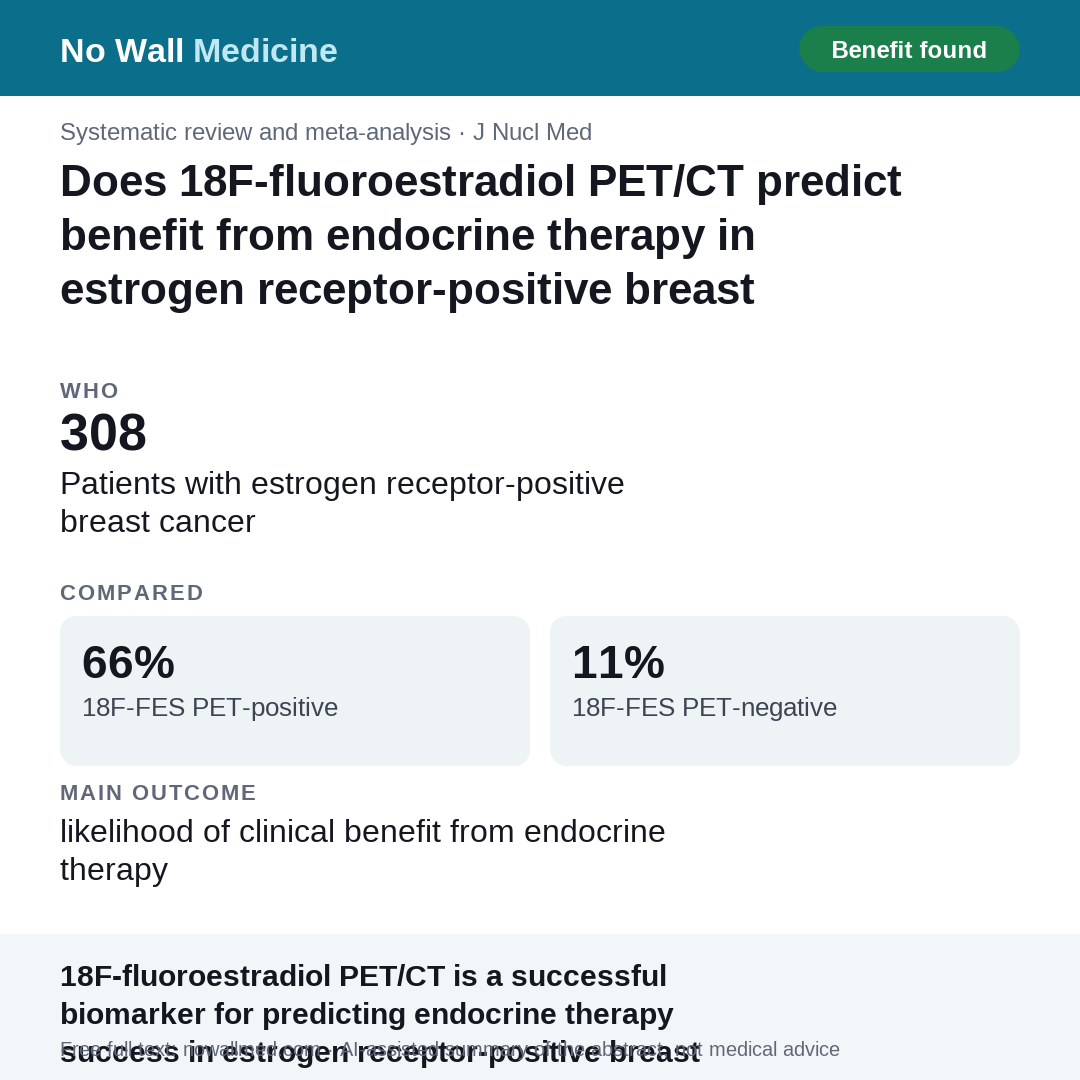
18F-Fluoroestradiol PET/CT for Predicting Benefit from Endocrine Therapy in Patients with Estrogen Receptor-Positive Breast Cancer: A Systematic Review and Metaanalysis
Systematic review and meta-analysisKey finding
Does 18F-fluoroestradiol PET/CT predict benefit from endocrine therapy in estrogen receptor-positive breast cancer?
Who
308
Patients with estrogen receptor-positive breast cancer
Compared
66%18F-FES PET-positive (95% CI, 51%-79%)
11%18F-FES PET-negative (95% CI, 3.5%-22%)
Main outcome
likelihood of clinical benefit from endocrine therapy
Result: risk ratio 3.21 (95% CI, 1.96-5.25)
Bottom line: 18F-fluoroestradiol PET/CT is a successful biomarker for predicting endocrine therapy success in estrogen receptor-positive breast cancer.
J Nucl Med · 2025-05-01Download image
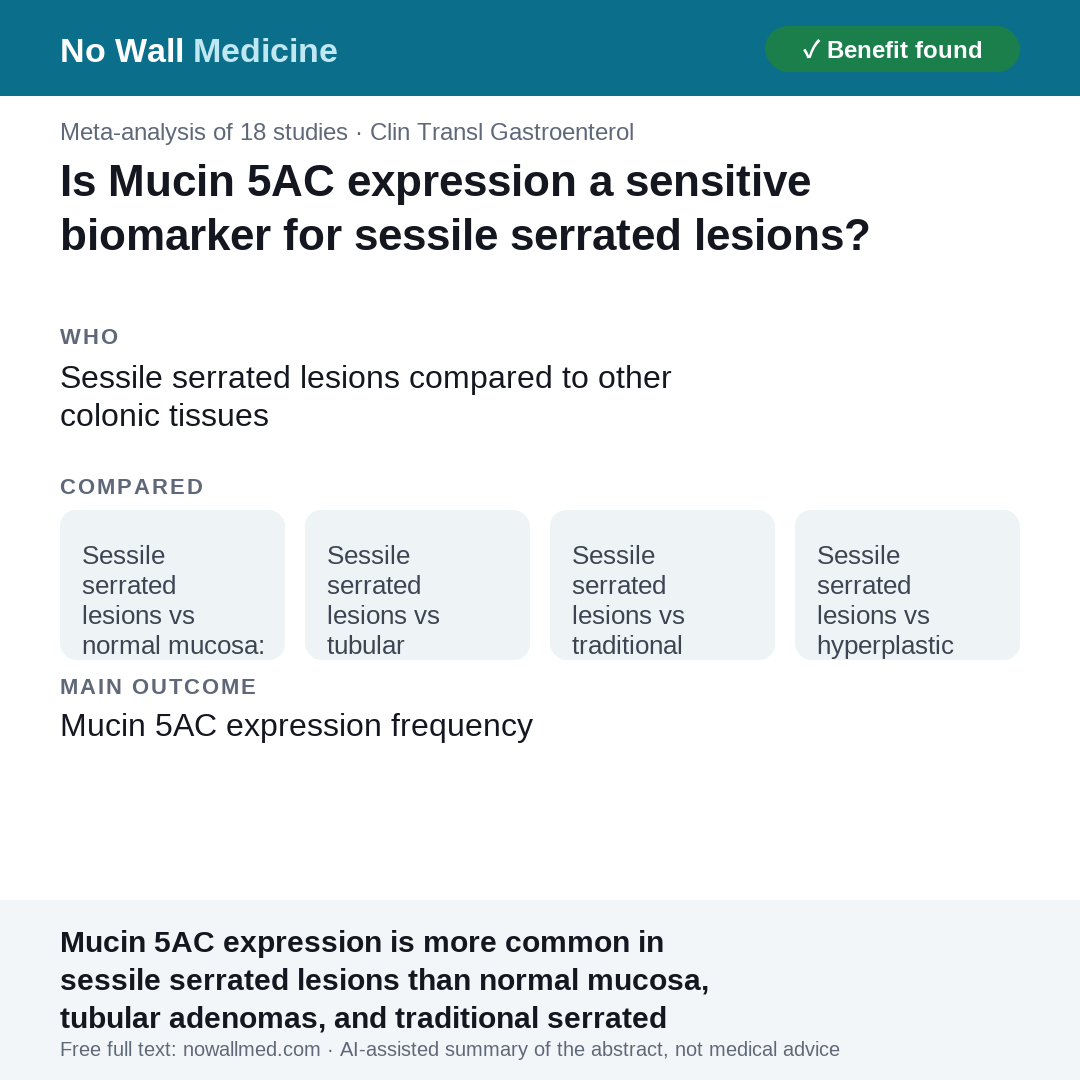
Mucin 5AC as a Biomarker for Sessile Serrated Lesions: Results From a Systematic Review and Meta-Analysis
Meta-analysis of 18 studiesBenefit found
Is Mucin 5AC expression a sensitive biomarker for sessile serrated lesions?
Who
Sessile serrated lesions compared to other colonic tissues
Compared
Sessile serrated lesions vs normal mucosa: OR = 82.9
Sessile serrated lesions vs tubular adenoma: OR = 11
Sessile serrated lesions vs traditional serrated adenomas: OR = 3.6
Sessile serrated lesions vs hyperplastic polyps: OR = 2.1
Main outcome
Mucin 5AC expression frequency
Bottom line: Mucin 5AC expression is more common in sessile serrated lesions than normal mucosa, tubular adenomas, and traditional serrated adenomas.
Clin Transl Gastroenterol · 2025-05-01Download image
Long-Term Outcomes Following Reverse Total Shoulder Arthroplasty: A Systematic Review with a Minimum Follow-Up of 10 Years
Systematic review of 7 retrospective case seriesMixed results
What are the long-term clinical and radiological outcomes of reverse total shoulder arthroplasty?
Who
460
Patients undergoing reverse total shoulder arthroplasty
Compared
Reverse total shoulder arthroplasty: 88% revision-free implant survivorship at 10 years
Complications: 36% complication rate
Main outcome
Long-term clinical and radiological outcomes
Bottom line: Reverse total shoulder arthroplasty provides substantial long-term functional improvements despite significant complication and revision rates.
Limitation: High lost-to-follow-up rates and limited data quality in contemporary literature.
JBJS Open Access · 2025-05-01Download image

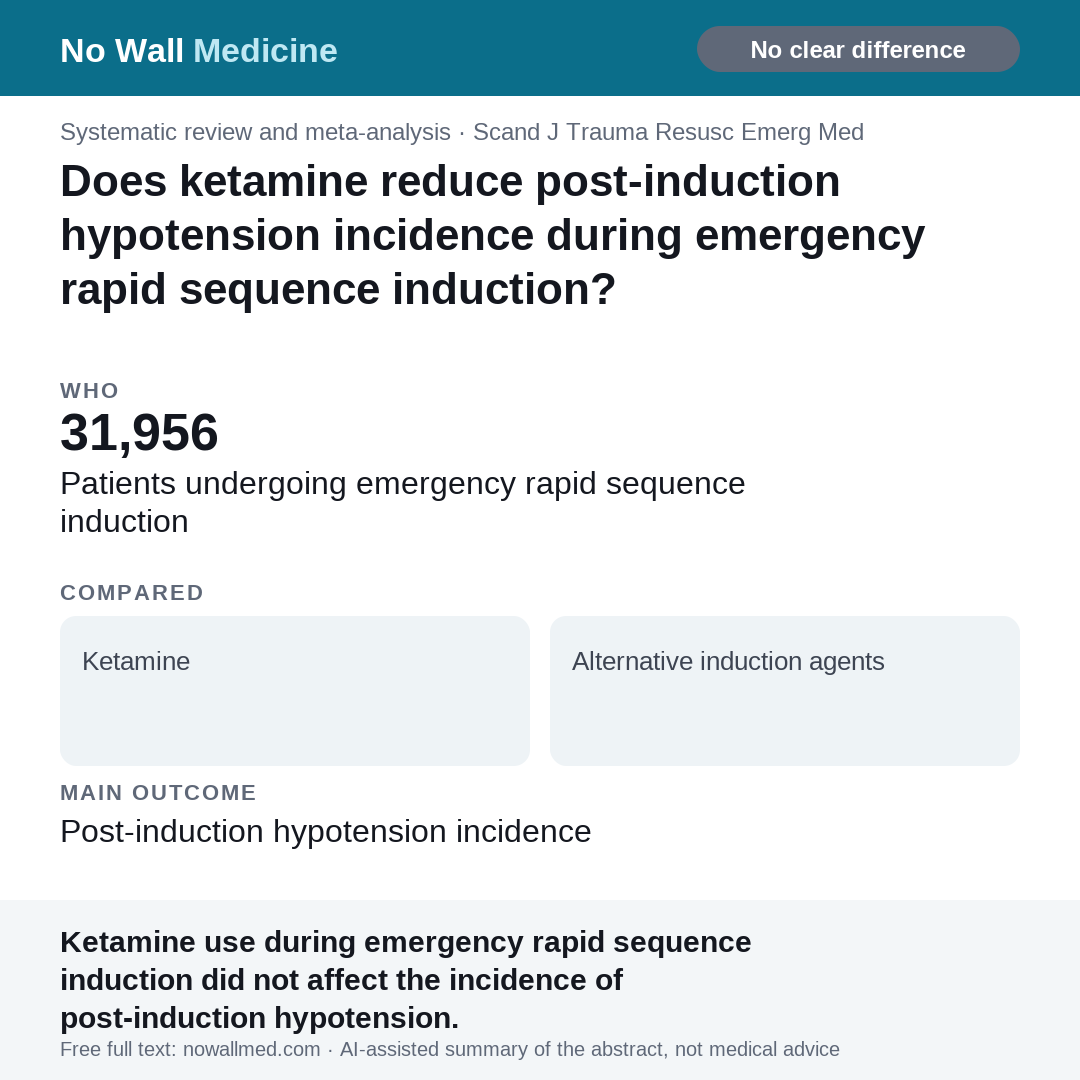
Incidence of post-induction hypotension following emergency rapid sequence induction with ketamine: a systematic review and meta-analysis
Systematic review and meta-analysisNo clear difference
Does ketamine reduce post-induction hypotension incidence during emergency rapid sequence induction?
Who
31,956
Patients undergoing emergency rapid sequence induction
Compared
Ketamine
Alternative induction agents
Main outcome
Post-induction hypotension incidence
Result: odds ratio 1.10 (95% CI 0.78-1.56)
Bottom line: Ketamine use during emergency rapid sequence induction did not affect the incidence of post-induction hypotension.
Limitation: Considerable methodological heterogeneity and breadth of inclusion criteria may limit universal applicability.
Scand J Trauma Resusc Emerg Med · 2025-05-01Download image
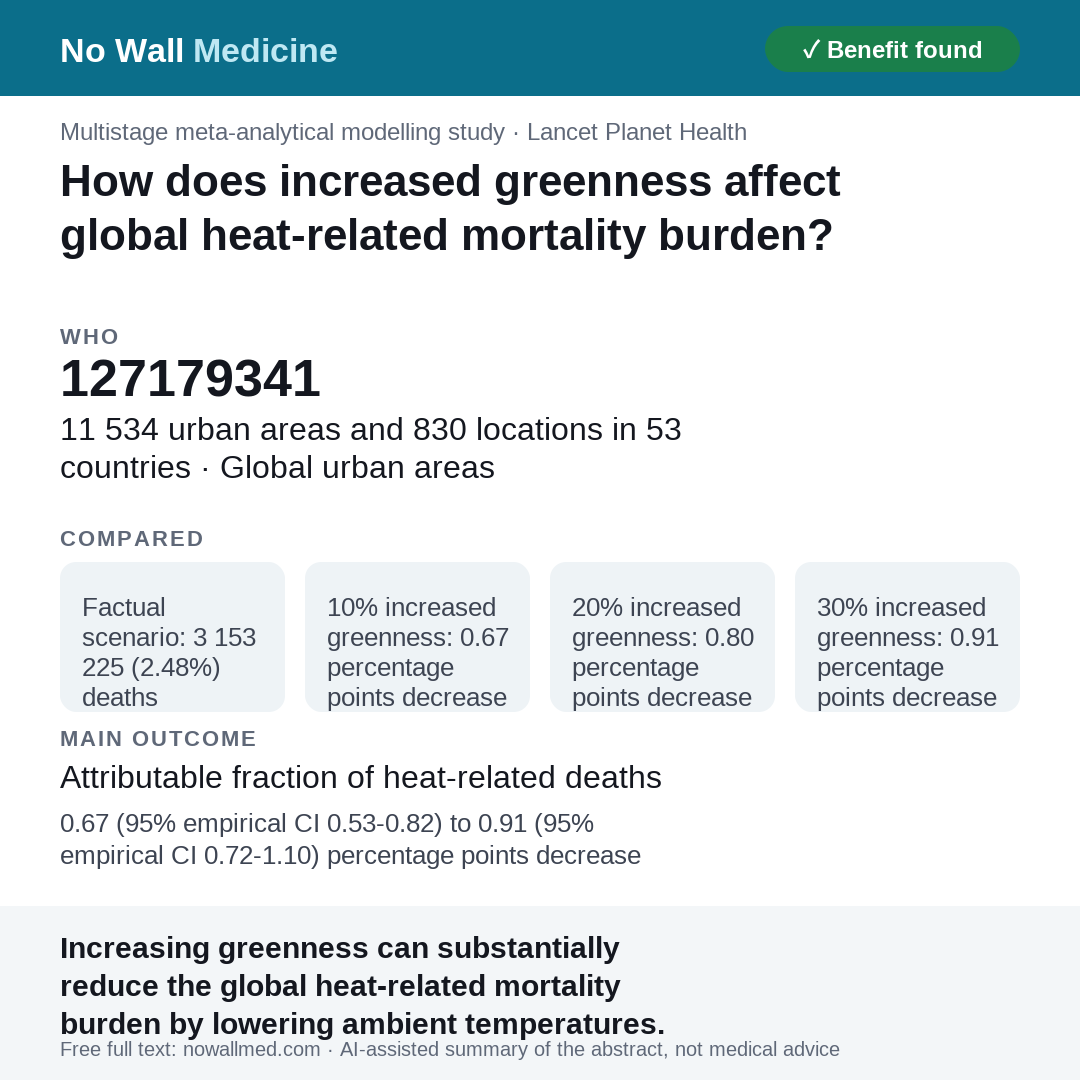
Estimating the urban heat-related mortality burden due to greenness: a global modelling study
Multistage meta-analytical modelling studyBenefit found
How does increased greenness affect global heat-related mortality burden?
Who
127179341
11 534 urban areas and 830 locations in 53 countries · Global urban areas
Compared
Factual scenario: 3 153 225 (2.48%) deaths attributed to heat
10% increased greenness: 0.67 percentage points decrease
20% increased greenness: 0.80 percentage points decrease
30% increased greenness: 0.91 percentage points decrease
Main outcome
Attributable fraction of heat-related deaths
Result: 0.67 (95% empirical CI 0.53-0.82) to 0.91 (95% empirical CI 0.72-1.10) percentage points decrease
Bottom line: Increasing greenness can substantially reduce the global heat-related mortality burden by lowering ambient temperatures.
Funded by: Australian Research Council and Australian National Health and Medical Research Council
Lancet Planet Health · 2025-04-30Download image
Diagnostic accuracy of multiparametric MRI for detecting unconventional prostate cancer histology: a systematic review and meta-analysis
Systematic review and meta-analysisMixed results
How accurate is multiparametric magnetic resonance imaging for detecting unconventional prostate cancer histology?
Who
Patients with localized prostate cancer
Compared
Cribriform architecture detection: sensitivity 0.91
Cribriform architecture detection: specificity 0.29
Main outcome
Detection of unconventional histologies on prostatectomy
Bottom line: Multiparametric magnetic resonance imaging shows high sensitivity but low specificity for detecting cribriform architecture in prostate cancer.
Limitation: Continued challenges in accurate sampling and characterization of multiparametric magnetic resonance imaging.
Eur Radiol · 2025-04-30Download image

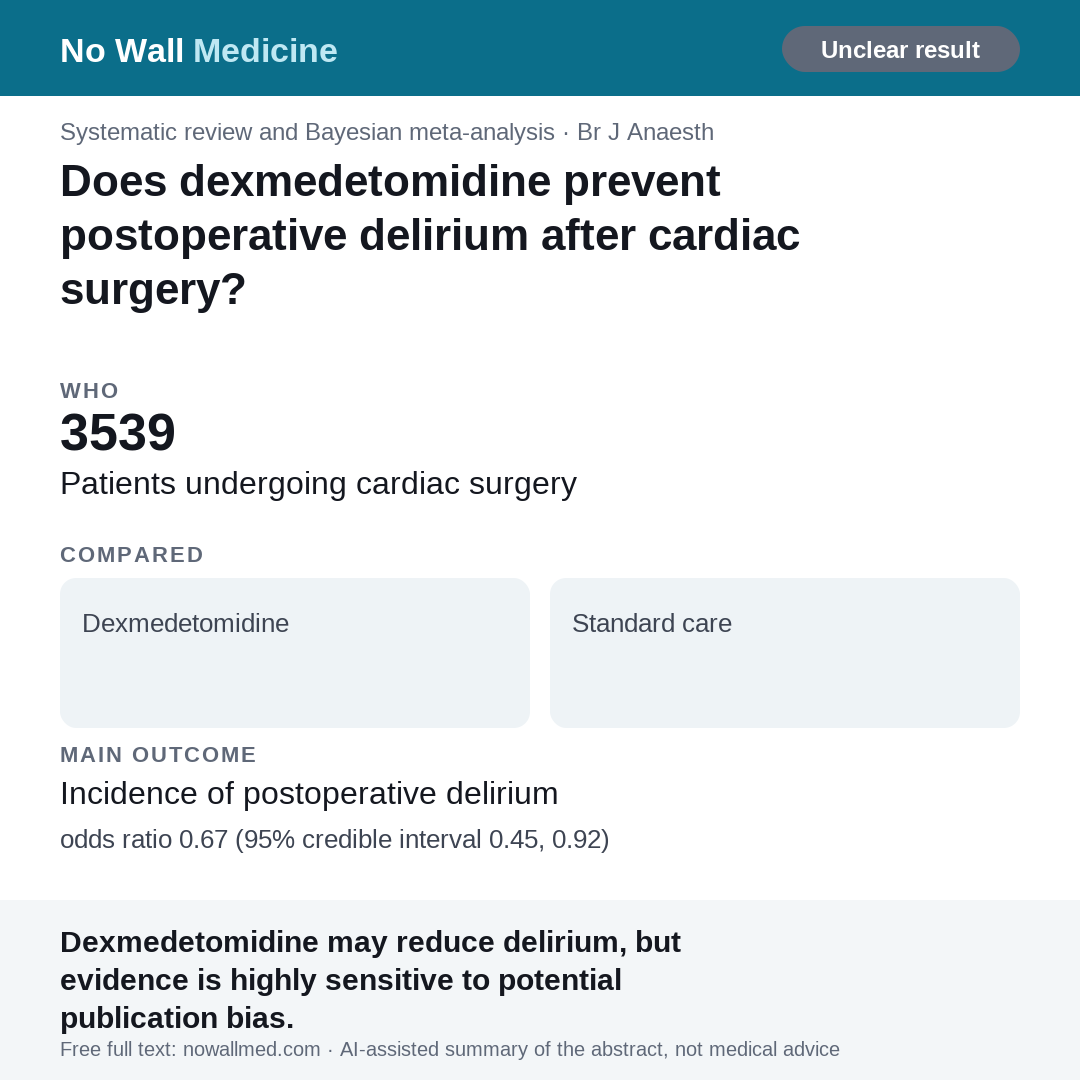
Perioperative dexmedetomidine for the prevention of postoperative delirium after cardiac surgery: a systematic review, Bayesian meta-analysis, and Bayesian re-analysis of the DECADE trial
Systematic review and Bayesian meta-analysisUnclear result
Does dexmedetomidine prevent postoperative delirium after cardiac surgery?
Who
3539
Patients undergoing cardiac surgery
Compared
Dexmedetomidine
Standard care
Main outcome
Incidence of postoperative delirium
Result: odds ratio 0.67 (95% credible interval 0.45, 0.92)
Bottom line: Dexmedetomidine may reduce delirium, but evidence is highly sensitive to potential publication bias.
Limitation: Results are highly sensitive to the possibility of publication bias.
Br J Anaesth · 2025-04-30Download image
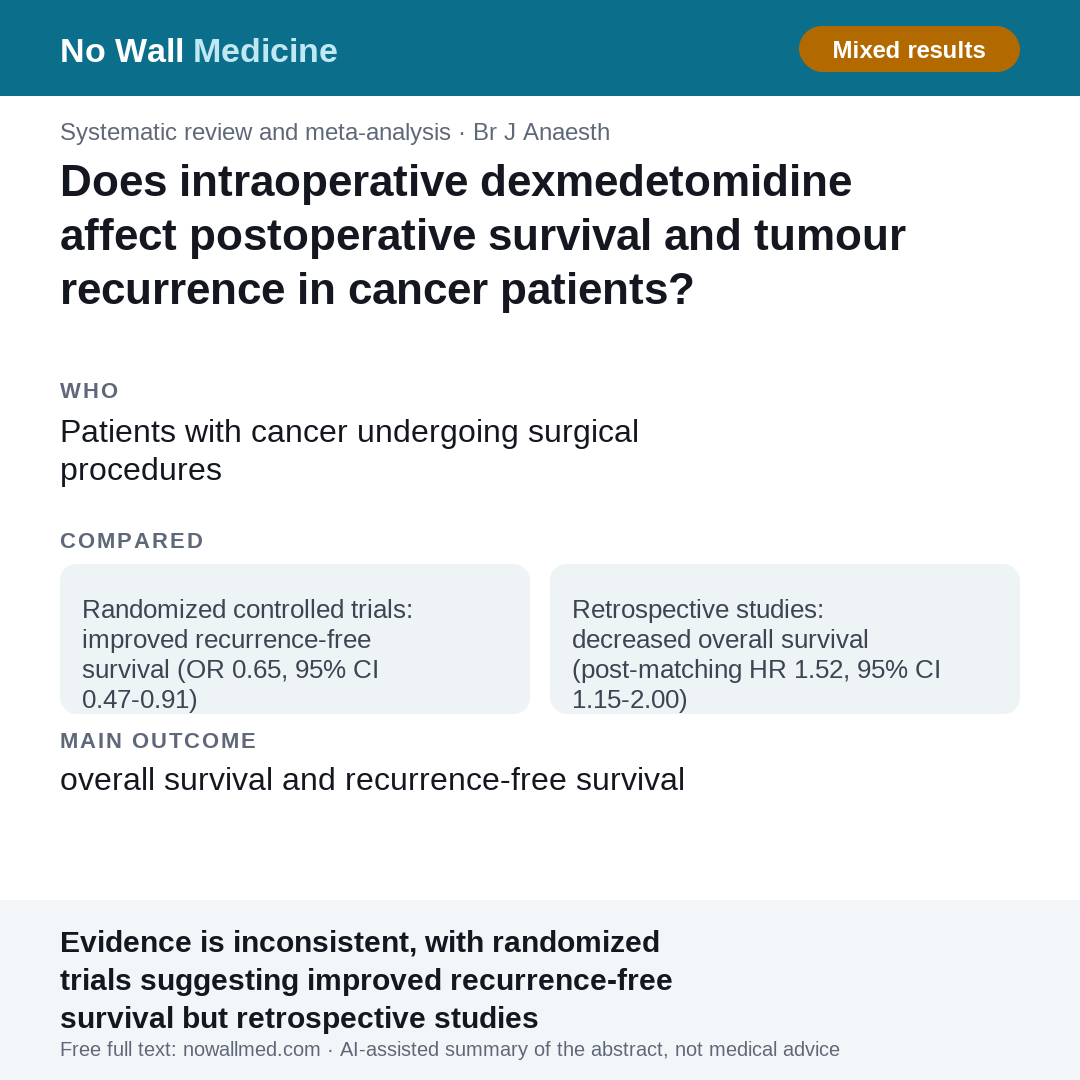
Effect of intraoperative dexmedetomidine on prognosis in patients with cancer undergoing surgical procedures: a systematic review and meta-analysis
Systematic review and meta-analysisMixed results
Does intraoperative dexmedetomidine affect postoperative survival and tumour recurrence in cancer patients?
Who
Patients with cancer undergoing surgical procedures
Compared
Randomized controlled trials: improved recurrence-free survival (OR 0.65, 95% CI 0.47-0.91)
Retrospective studies: decreased overall survival (post-matching HR 1.52, 95% CI 1.15-2.00)
Main outcome
overall survival and recurrence-free survival
Bottom line: Evidence is inconsistent, with randomized trials suggesting improved recurrence-free survival but retrospective studies suggesting decreased overall survival.
Limitation: Limited and contradictory data highlight the necessity for more high-quality randomized controlled trials.
Br J Anaesth · 2025-04-30Download image
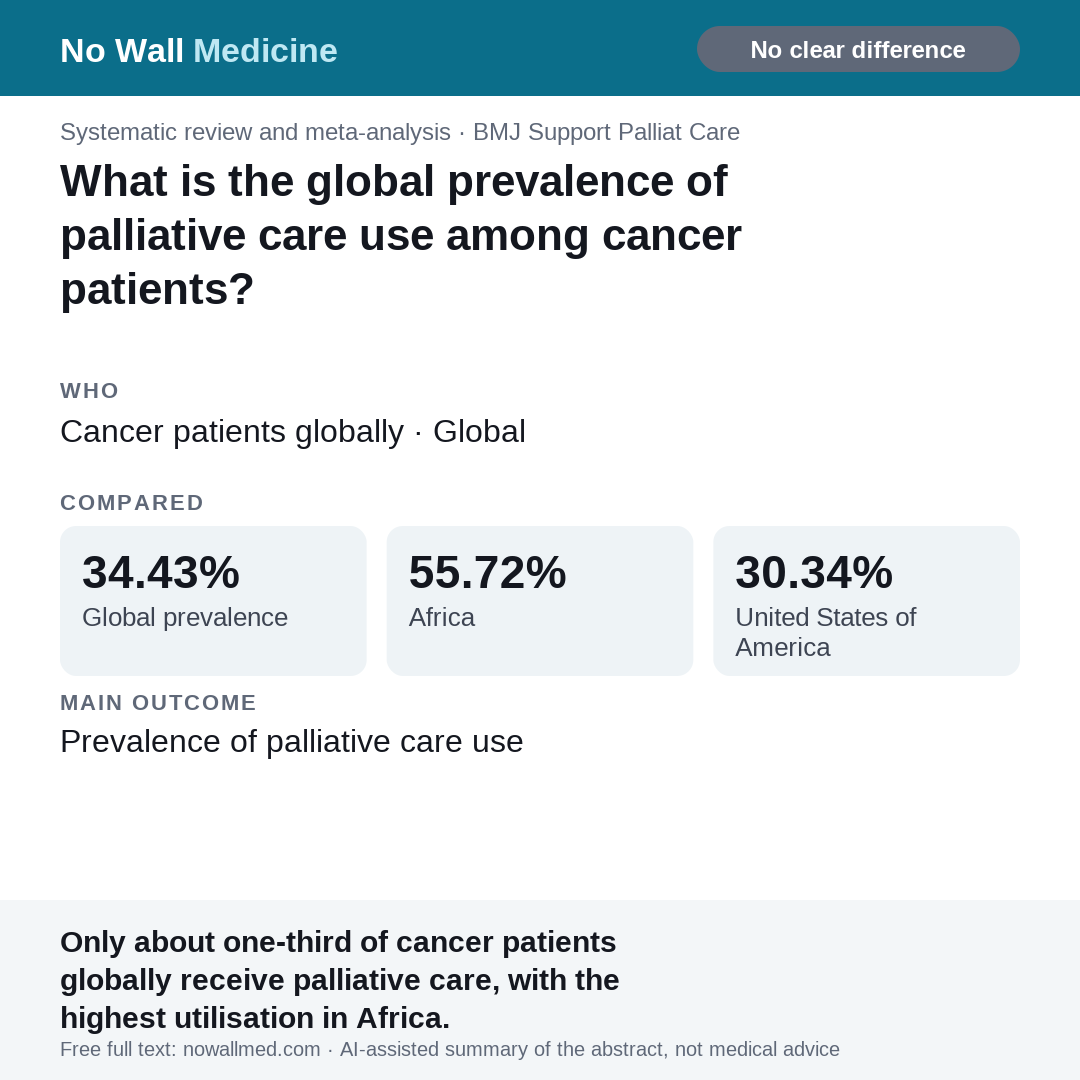
Palliative care utilisation globally by cancer patients: systematic review and meta-analysis
Systematic review and meta-analysisNo clear difference
What is the global prevalence of palliative care use among cancer patients?
Who
Cancer patients globally · Global
Compared
34.43%Global prevalence (95% CI: 26.60 to 42.25)
55.72%Africa (95% CI: 35.45 to 75.99)
30.34%United States of America (95% CI: 19.83 to 40.86)
Main outcome
Prevalence of palliative care use
Bottom line: Only about one-third of cancer patients globally receive palliative care, with the highest utilisation in Africa.
BMJ Support Palliat Care · 2025-04-30Download image
Sex differences in bacterial meningitis and associations with socioeconomic indicators: a systematic review and meta-analysis with metaregression
Systematic review and meta-analysis with metaregressionMixed results
What are the global sex-specific proportions and case fatality ratios of bacterial meningitis?
Who
157 656
Patients with community-acquired bacterial meningitis · Global
Compared
58%Males (95% CI 57%-59%)
Females
Main outcome
Sex-specific proportions and case fatality ratios
Result: male-to-female fatality ratio, 0.89, 95% CI 0.78 to 1.01
Bottom line: Human development and gender inequality indicators are associated with sex-based disparities and case fatality ratios in bacterial meningitis.
BMJ Glob Health · 2025-04-30Download image

Effects of Virtual Reality-Based Interventions on Preoperative Anxiety in Patients Undergoing Elective Surgery With Anesthesia: Systematic Review and Meta-Analysis
Systematic review and meta-analysis of 29 randomized controlled trialsBenefit found
Do virtual reality-based interventions reduce preoperative anxiety in patients undergoing elective surgery?
Who
3341
Patients undergoing elective surgery with anesthesia
Compared
Virtual reality-based interventions
Usual care
Main outcome
Preoperative anxiety
Result: standardized mean difference 0.65 (95% CI 0.37 to 0.92)
Bottom line: Virtual reality-based interventions significantly decrease preoperative anxiety in patients undergoing elective surgery, especially pediatric patients using distraction.
Limitation: More rigorous research is needed to confirm effectiveness.
J Med Internet Res · 2025-04-30Download image

Accuracy of Large Language Models When Answering Clinical Research Questions: Systematic Review and Network Meta-Analysis
Systematic review and network meta-analysisMixed results
How accurate are large language models when answering clinical research questions?
Who
35,896 questions and 3,063 clinical cases
Compared
ChatGPT-4o: SUCRA=0.9207
Aeyeconsult: SUCRA=0.9187
ChatGPT-4: SUCRA=0.8087
Human experts: SUCRA=0.9001
Main outcome
accuracy of large language models when answering clinical research questions
Bottom line: Different large language models excel at different tasks, while humans remain most accurate for top 1 and top 3 diagnoses.
J Med Internet Res · 2025-04-30Download image

"Nebulized lidocaine for intractable cough in hospice care: a comprehensive review of efficacy, safety, and future perspectives"
Systematic literature reviewBenefit found
Is nebulized lidocaine effective and safe for intractable cough in hospice care?
Who
Terminally ill patients with intractable cough · Not specified
Compared
Nebulized lidocaine: 70% rapid cough suppression in cancer patients
Asthmatic patients: 25% experienced bronchoconstriction
Main outcome
Cough suppression, safety, and clinical applicability
Bottom line: Nebulized lidocaine provides rapid cough suppression and reduces opioid reliance but requires caution in asthma and chronic obstructive pulmonary disease.
Limitation: Variability in efficacy and limited benefits in severe chronic obstructive pulmonary disease with acute respiratory failure.
BMC Palliat Care · 2025-04-30Download image

Sustainable diets and cancer: a systematic review and meta-analysis
Systematic review and meta-analysisKey finding
Do sustainable diets reduce cancer incidence and mortality?
Who
2
Healthy adults
Compared
High adherence to sustainable diets
Low adherence to sustainable diets
Main outcome
Cancer incidence and cancer mortality
Result: incidence RE = 0·93 (95% CI 0·88-0·98), mortality HR = 0·88 (95% CI 0·85-0·92)
Bottom line: Adherence to sustainable diets is linked to reduced cancer incidence and mortality.
Limitation: High heterogeneity, risk of bias, and potential residual confounding resulted in low evidence.
eClinicalMedicine · 2025-04-29Download image

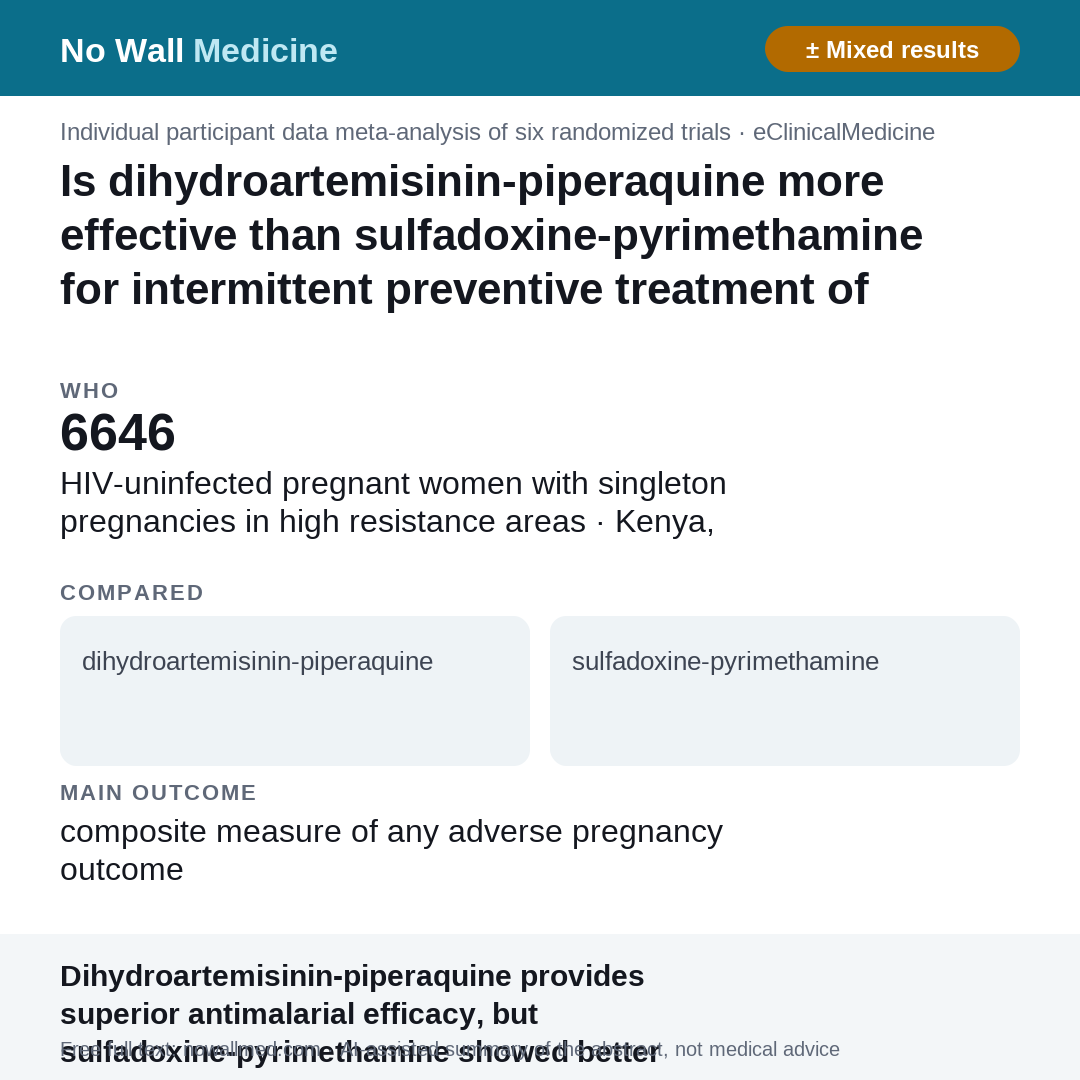
Dihydroartemisinin-piperaquine versus sulfadoxine-pyrimethamine for intermittent preventive treatment of malaria in pregnancy: a systematic review and individual participant data meta-analysis
Individual participant data meta-analysis of six randomized trialsMixed results
Is dihydroartemisinin-piperaquine more effective than sulfadoxine-pyrimethamine for intermittent preventive treatment of malaria in pregnancy?
Who
6646
HIV-uninfected pregnant women with singleton pregnancies in high resistance areas · Kenya, Malawi, Uganda and Tanzania
Compared
dihydroartemisinin-piperaquine
sulfadoxine-pyrimethamine
Main outcome
composite measure of any adverse pregnancy outcome
Result: RR 1.05 (95% CI 0.92 to 1.19)
Bottom line: Dihydroartemisinin-piperaquine provides superior antimalarial efficacy, but sulfadoxine-pyrimethamine showed better newborn birthweight and small-for-gestational-age outcomes.
Limitation: findings may have been underpowered
eClinicalMedicine · 2025-04-29Download image
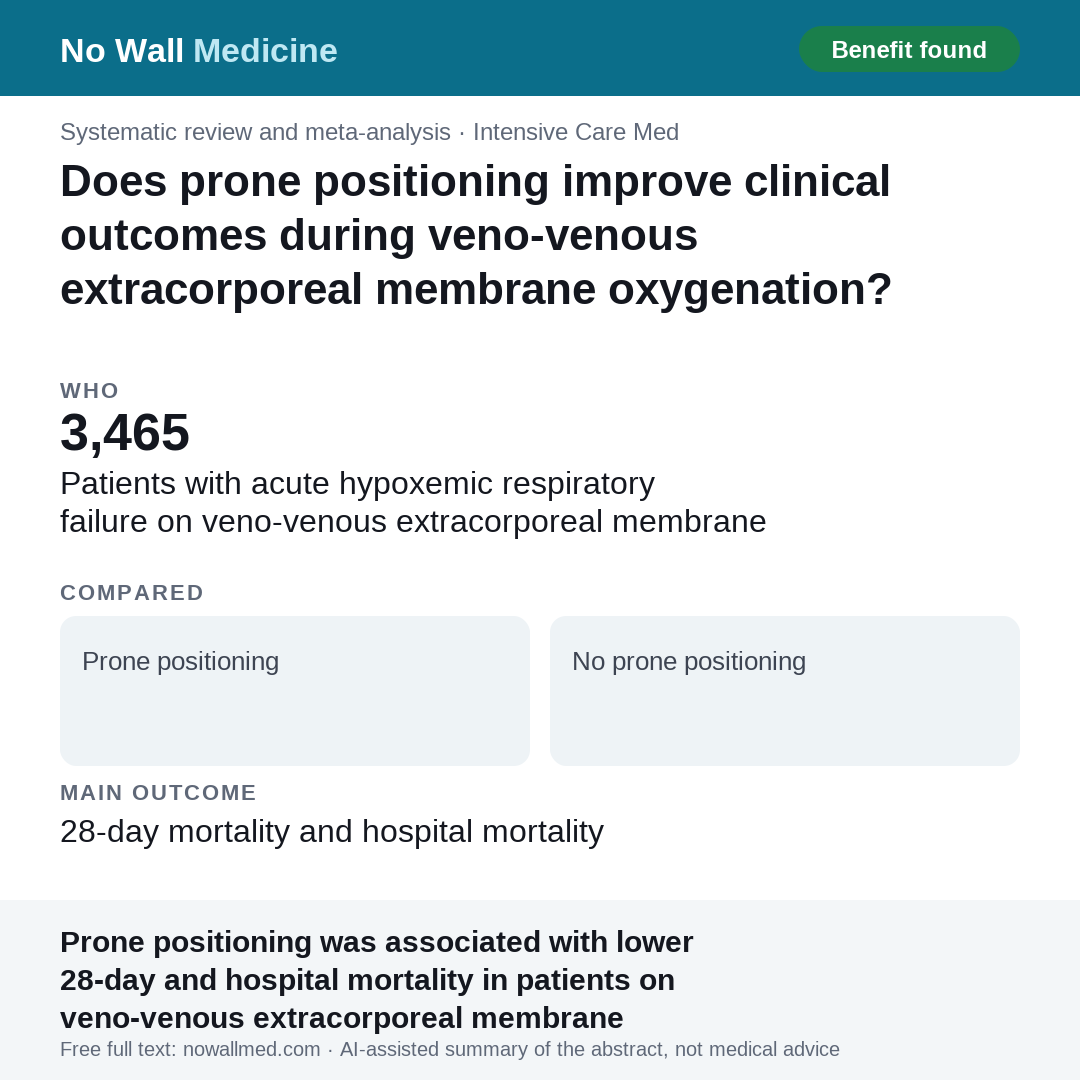
Prone positioning during veno-venous extracorporeal membrane oxygenation: a systematic review and meta-analysis
Systematic review and meta-analysisBenefit, low certainty
Does prone positioning improve clinical outcomes during veno-venous extracorporeal membrane oxygenation?
Who
3,465
Patients with acute hypoxemic respiratory failure on veno-venous extracorporeal membrane oxygenation
Compared
Prone positioning
No prone positioning
Main outcome
28-day mortality and hospital mortality
Result: odds ratio 0.64 (95% CI 0.42-0.98) for 28-day mortality
Bottom line: Prone positioning was associated with lower 28-day and hospital mortality in patients on veno-venous extracorporeal membrane oxygenation.
Limitation: Findings do not imply causation and evidence certainty is low.
Intensive Care Med · 2025-04-29Download image
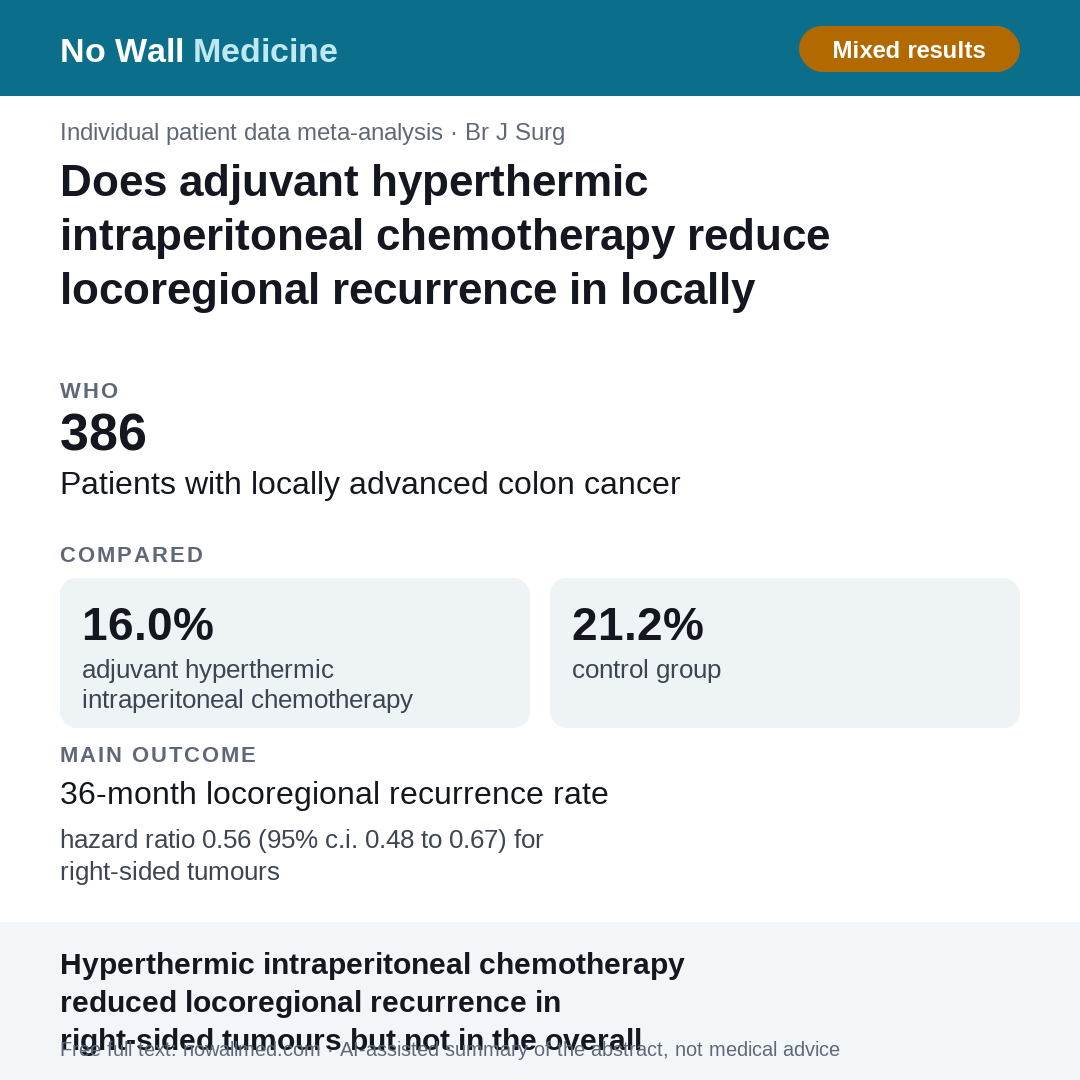
Adjuvant hyperthermic intraperitoneal chemotherapy in patients with colon cancer at high risk of peritoneal metastases: individual patient data meta-analysis
Individual patient data meta-analysisMixed results
Does adjuvant hyperthermic intraperitoneal chemotherapy reduce locoregional recurrence in locally advanced colon cancer?
Who
386
Patients with locally advanced colon cancer
Compared
16.0%adjuvant hyperthermic intraperitoneal chemotherapy
21.2%control group
Main outcome
36-month locoregional recurrence rate
Result: hazard ratio 0.56 (95% c.i. 0.48 to 0.67) for right-sided tumours
Bottom line: Hyperthermic intraperitoneal chemotherapy reduced locoregional recurrence in right-sided tumours but not in the overall population.
Br J Surg · 2025-04-29Download image
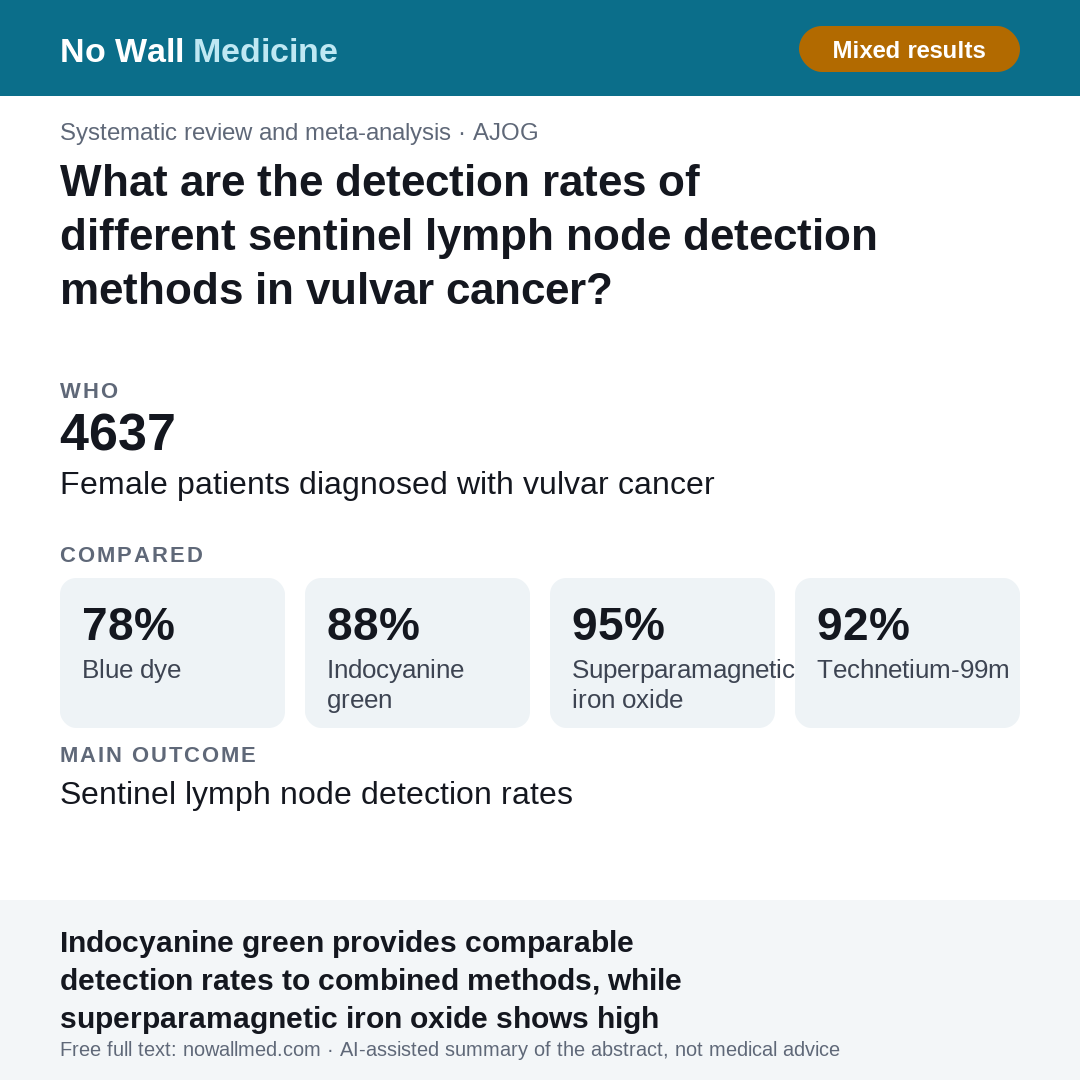
Assessing the comparative efficacy of sentinel lymph node detection techniques in vulvar cancer: a systematic review and meta-analysis
Systematic review and meta-analysisMixed results
What are the detection rates of different sentinel lymph node detection methods in vulvar cancer?
Who
4637
Female patients diagnosed with vulvar cancer
Compared
78%Blue dye (95% confidence interval, 69%; 85%)
88%Indocyanine green (95% confidence interval, 76%-95%)
95%Superparamagnetic iron oxide (95% confidence interval, 81%-99%)
92%Technetium-99m (95% confidence interval, 87%-95%)
Main outcome
Sentinel lymph node detection rates
Bottom line: Indocyanine green provides comparable detection rates to combined methods, while superparamagnetic iron oxide shows high potential detection rates.
Limitation: Superparamagnetic iron oxide lacked sufficient per-groin data.
AJOG · 2025-04-29Download image