Visual abstracts
New randomized trials and meta-analyses from leading journals at a glance: who was studied, what was compared, and what was found. Every paper is free to read in full.
All specialtiesCardiology 4877Oncology 4138Gastroenterology & Hepatology 1942Infectious Disease 3837Neurology 1905Psychiatry & Mental Health 2273Pulmonology 2143Critical Care 1365Endocrinology & Diabetes 2580Pediatrics 2980Surgery 2559Orthopedics & Sports Medicine 931Neurosurgery 537Cardiothoracic & Vascular Surgery 674Plastic & Reconstructive Surgery 591Nephrology 1133Rheumatology 823Hematology 1109Dermatology 621Ophthalmology 543Obstetrics & Gynecology 1686Public & Global Health 1058Radiology & Imaging 648Anesthesiology 986Urology 764ENT (Otolaryngology) 503Emergency Medicine 511Allergy & Immunology 313Geriatrics 981Family Medicine & Primary Care 562Medical Genetics & Genomics 676Pathology & Laboratory Medicine 159Physical Medicine & Rehabilitation 757Palliative Care 444Nutrition 1588Digital Health & AI 2201General Medicine 321
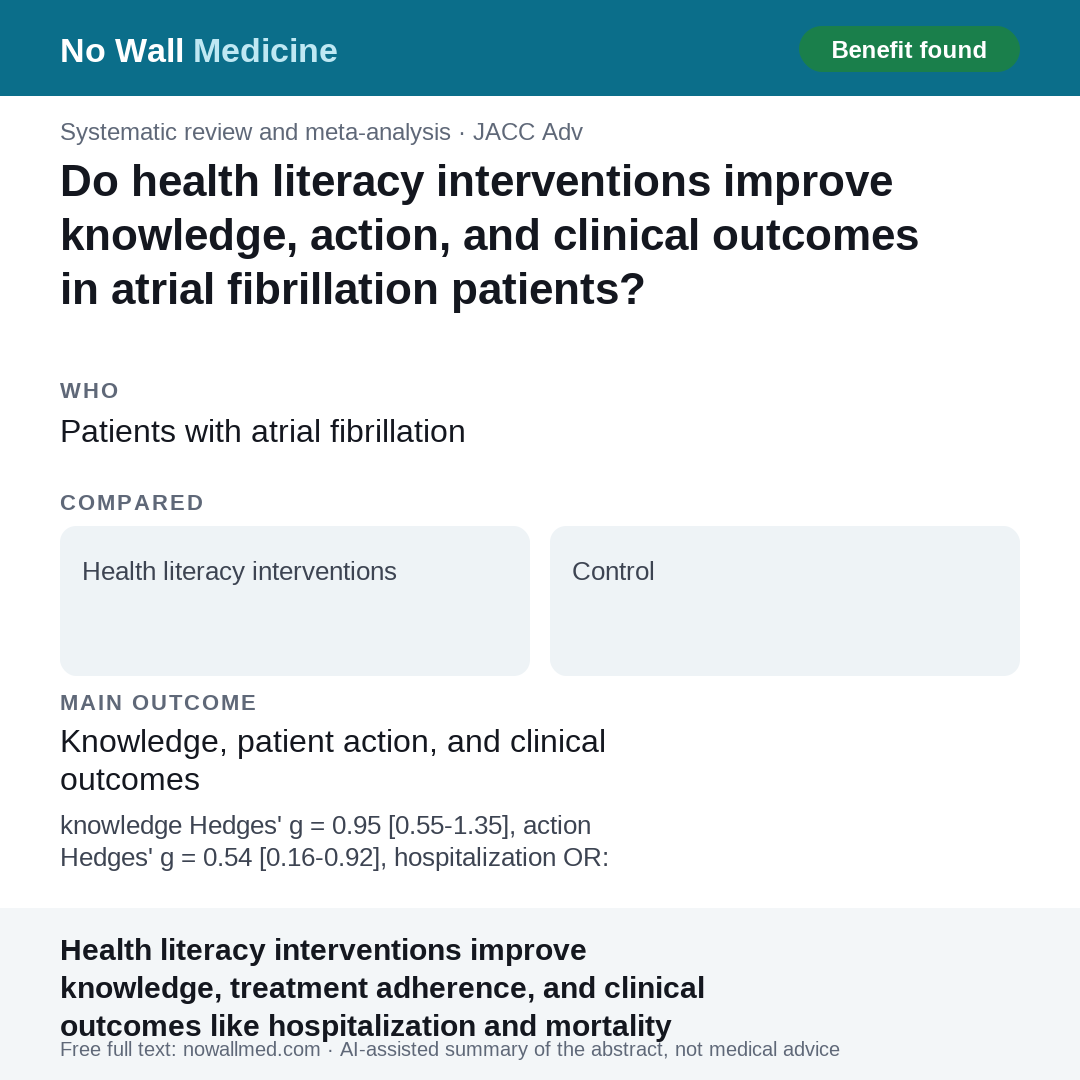
Health Literacy Interventions and Outcomes in Patients WithAtrial Fibrillation: A Systematic Review and Meta-Analysis
Systematic review and meta-analysisBenefit found
Do health literacy interventions improve knowledge, action, and clinical outcomes in atrial fibrillation patients?
Who
53
Patients with atrial fibrillation
Compared
Health literacy interventions
Control
Main outcome
Knowledge, patient action, and clinical outcomes
Result: knowledge Hedges' g = 0.95 [0.55-1.35], action Hedges' g = 0.54 [0.16-0.92], hospitalization OR: 0.56 [0.44-0.73], mortality OR: 0.64 [0.49-0.82]
Bottom line: Health literacy interventions improve knowledge, treatment adherence, and clinical outcomes like hospitalization and mortality in atrial fibrillation patients.
JACC Adv · 2026-03-25Download image
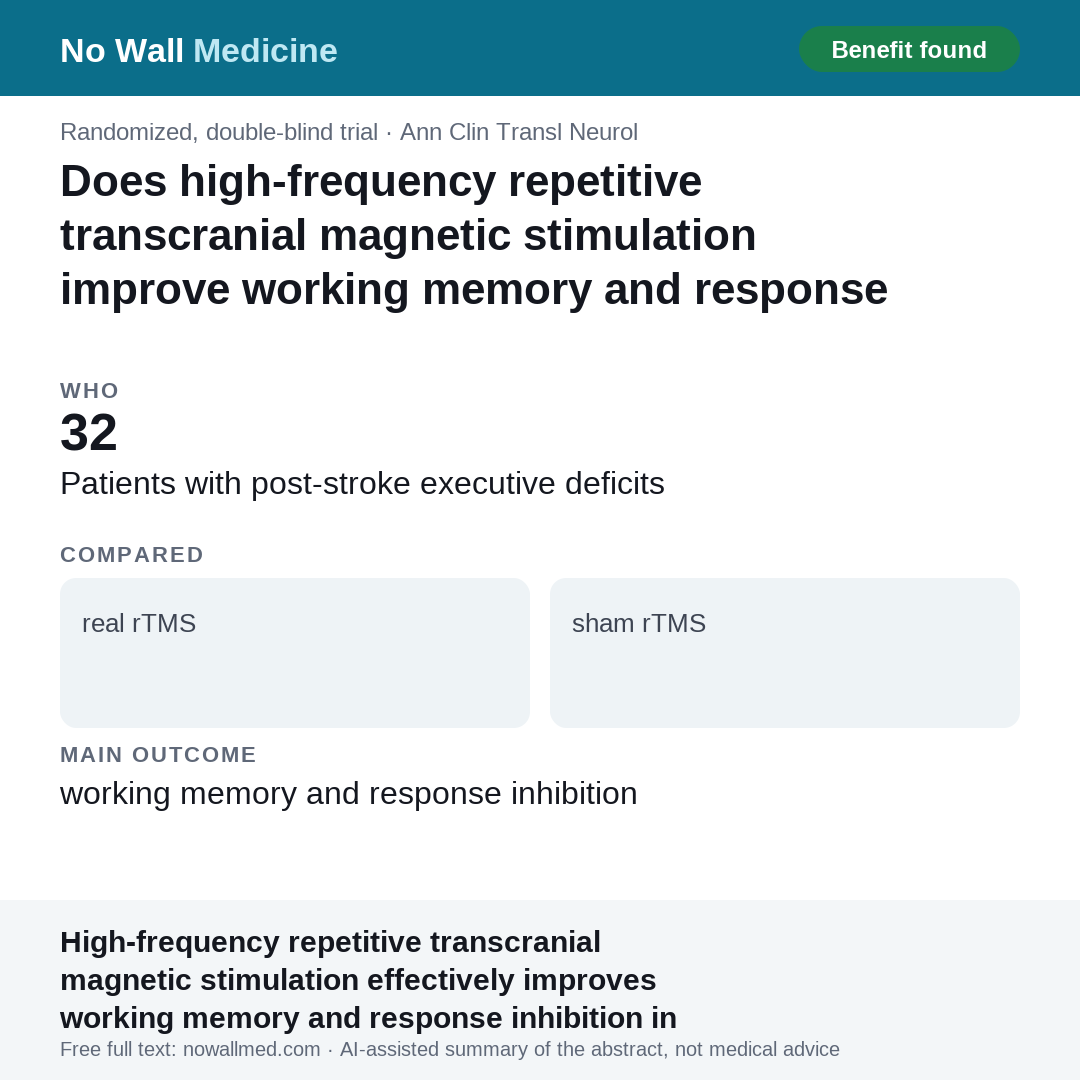
Effectiveness of rTMS on Working Memory and Inhibitory Impairments in Patients With Post-Stroke Executive Deficits
Randomized, double-blind trialBenefit found
Does high-frequency repetitive transcranial magnetic stimulation improve working memory and response inhibition in post-stroke executive deficits?
Who
32
Patients with post-stroke executive deficits
Compared
real rTMS
sham rTMS
Main outcome
working memory and response inhibition
Bottom line: High-frequency repetitive transcranial magnetic stimulation effectively improves working memory and response inhibition in patients with post-stroke executive deficits.
Ann Clin Transl Neurol · 2026-03-25Download image
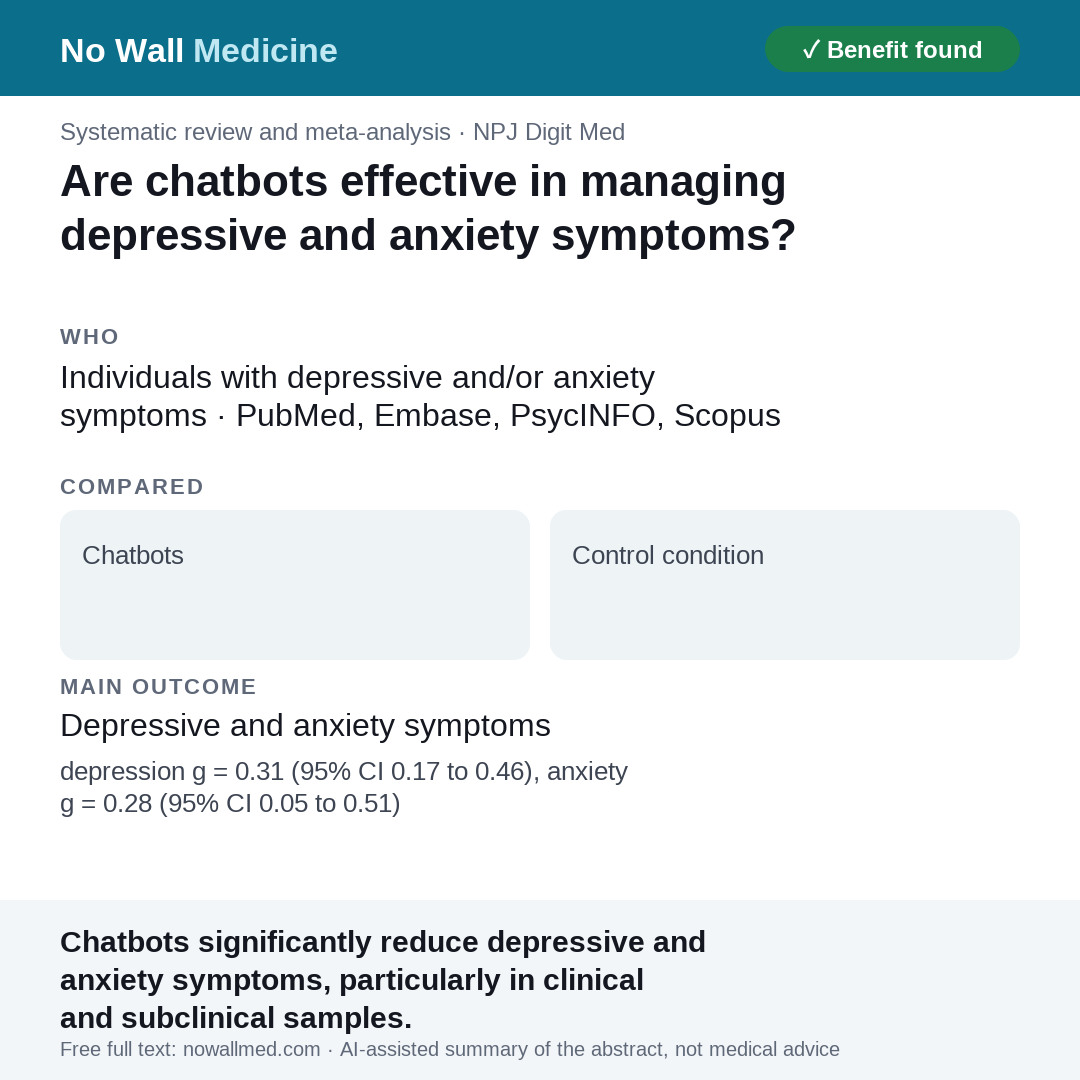
Systematic review and meta analysis of chatbots in the management of depressive and anxiety symptoms
Systematic review and meta-analysisBenefit found
Are chatbots effective in managing depressive and anxiety symptoms?
Who
Individuals with depressive and/or anxiety symptoms · PubMed, Embase, PsycINFO, Scopus and Web of Science
Compared
Chatbots
Control condition
Main outcome
Depressive and anxiety symptoms
Result: depression g = 0.31 (95% CI 0.17 to 0.46), anxiety g = 0.28 (95% CI 0.05 to 0.51)
Bottom line: Chatbots significantly reduce depressive and anxiety symptoms, particularly in clinical and subclinical samples.
NPJ Digit Med · 2026-03-25Download image
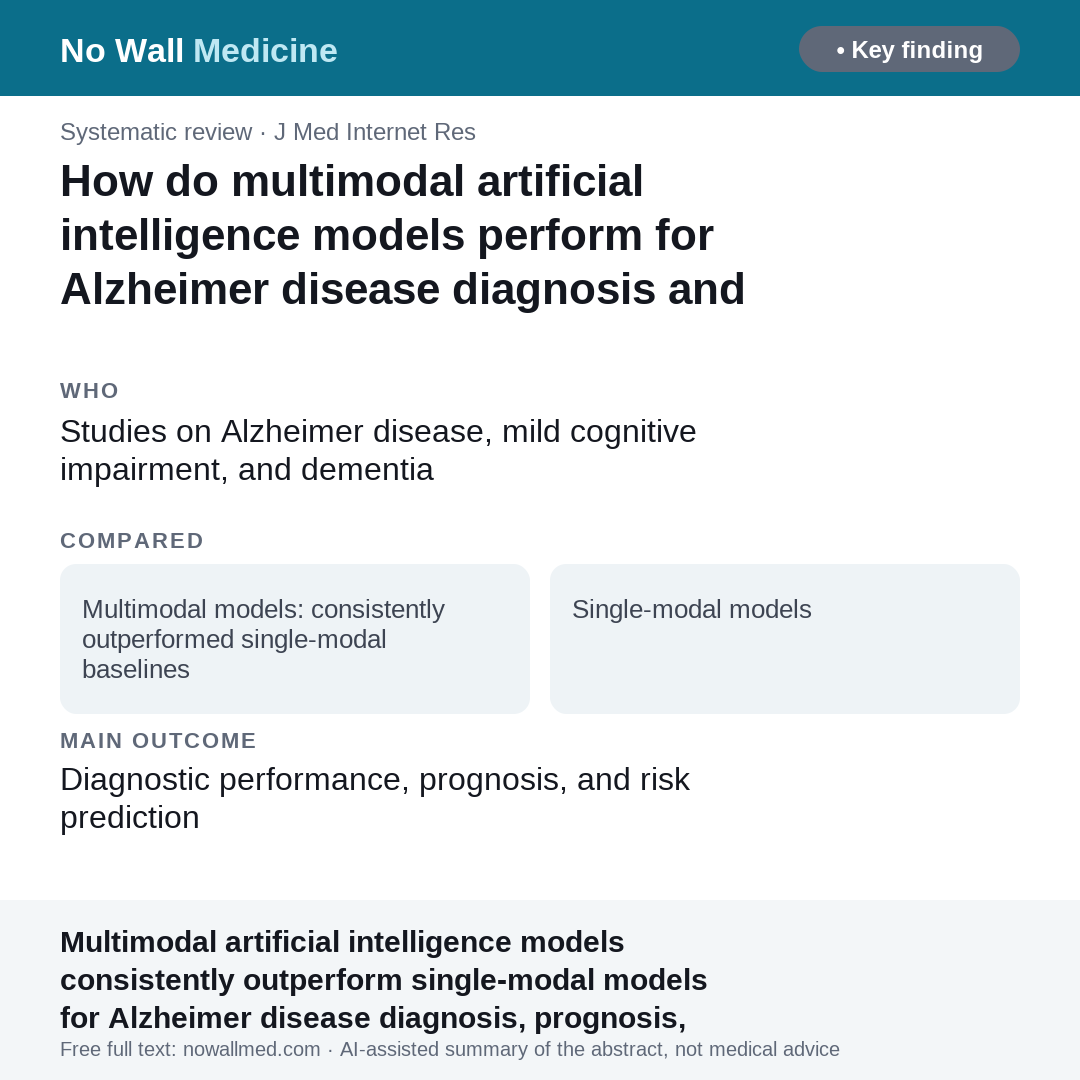
Multimodal AI for Alzheimer Disease Diagnosis: Systematic Review of Datasets, Models, and Modalities
Systematic reviewBenefit found
How do multimodal artificial intelligence models perform for Alzheimer disease diagnosis and prognosis?
Who
66
Studies on Alzheimer disease, mild cognitive impairment, and dementia
Compared
Multimodal models: consistently outperformed single-modal baselines
Single-modal models
Main outcome
Diagnostic performance, prognosis, and risk prediction
Bottom line: Multimodal artificial intelligence models consistently outperform single-modal models for Alzheimer disease diagnosis, prognosis, and risk prediction.
Limitation: Generalizability was limited by substantial heterogeneity in dataset composition, outcome definitions, validation, and prevalent risks of bias.
J Med Internet Res · 2026-03-25Download image
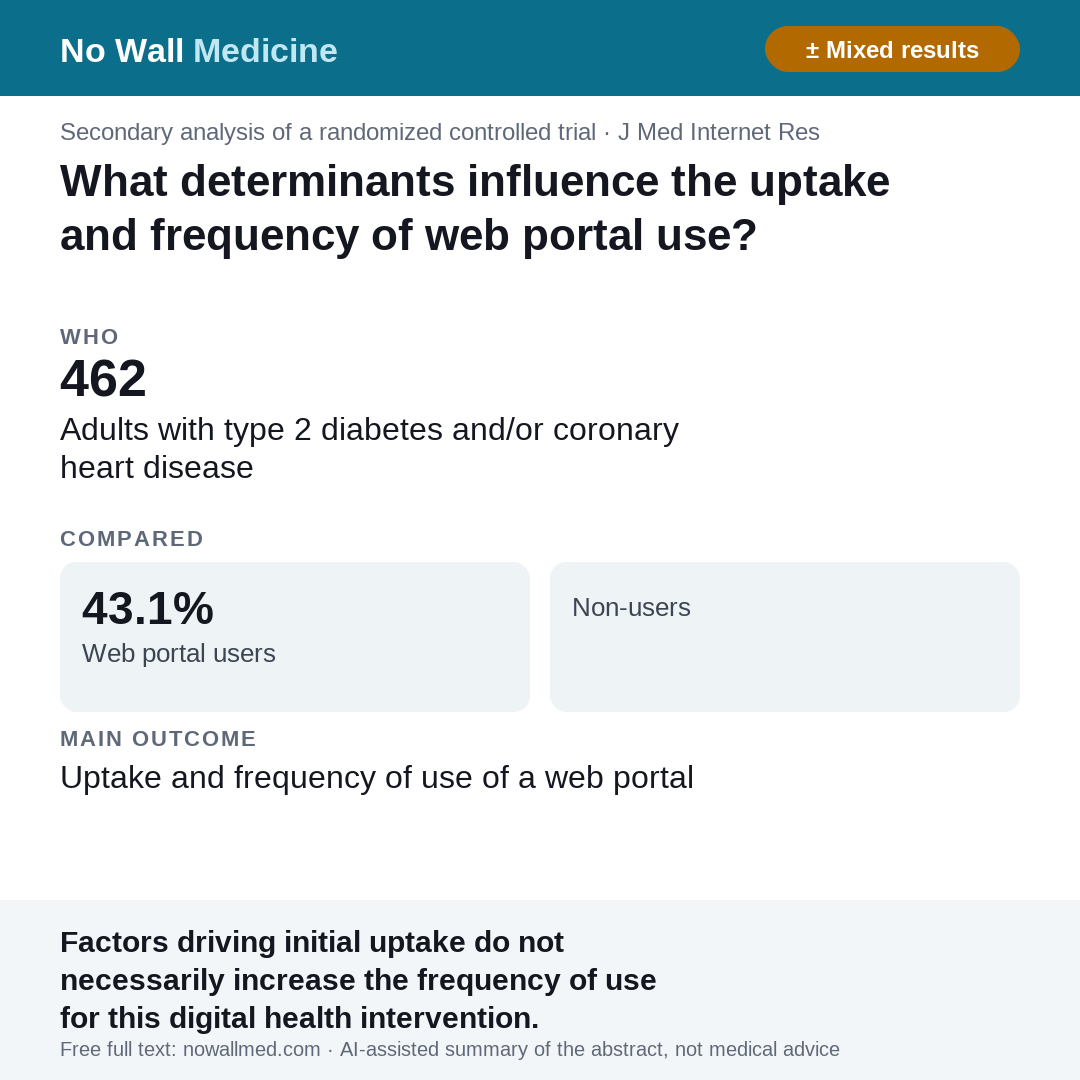
Determinants of the Uptake and Frequency of Use of a Web Portal Digital Health Intervention in Patients With Type 2 Diabetes and/or Coronary Heart Disease: Secondary Analysis of a Randomized Controlled Trial
Secondary analysis of a randomized controlled trialMixed results
What determinants influence the uptake and frequency of web portal use?
Who
462
Adults with type 2 diabetes and/or coronary heart disease
Compared
43.1%Web portal users (199/462)
Non-users
Main outcome
Uptake and frequency of use of a web portal
Bottom line: Factors driving initial uptake do not necessarily increase the frequency of use for this digital health intervention.
J Med Internet Res · 2026-03-25Download image
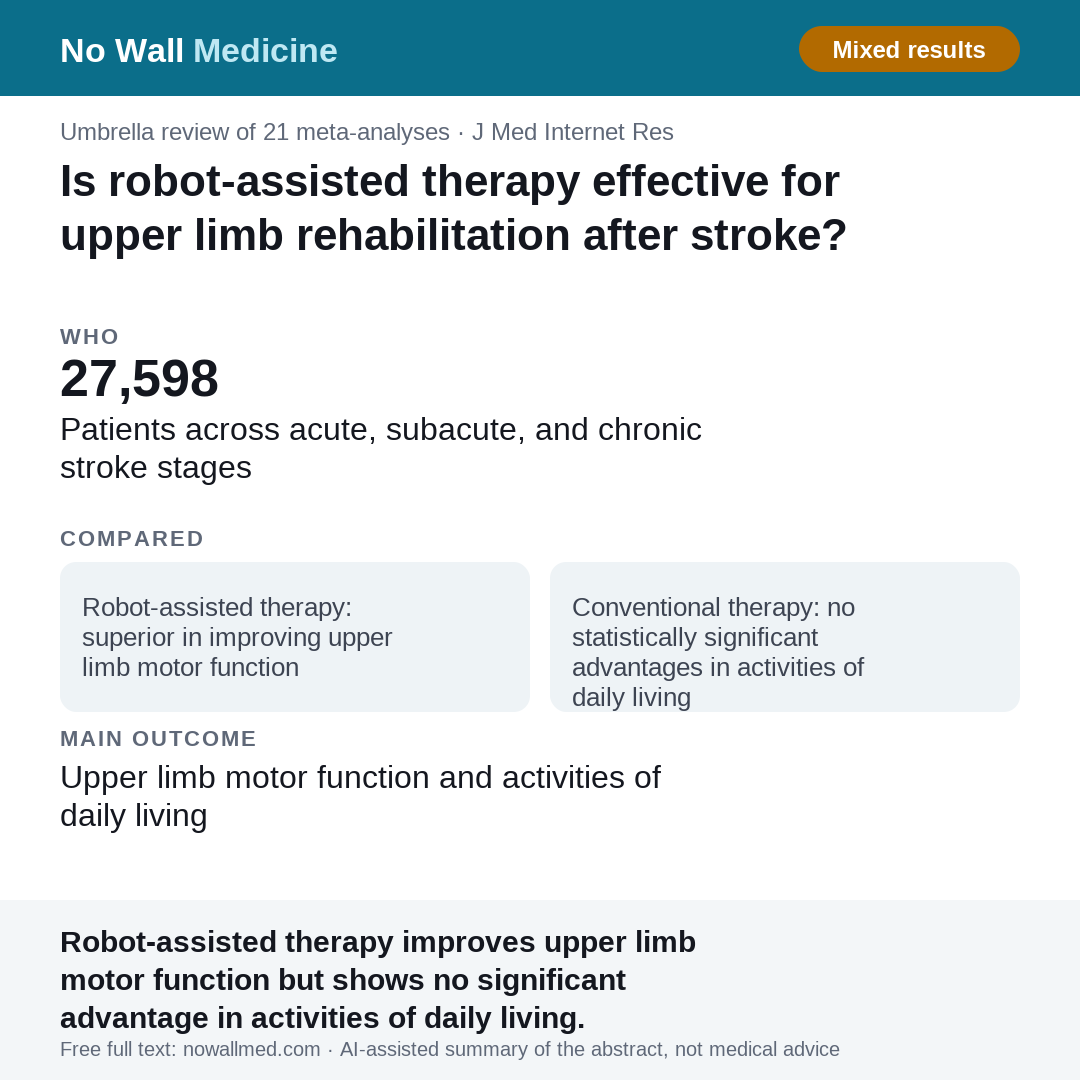
Robot-Assisted Therapy for Upper Limb Rehabilitation After Stroke: Umbrella Review
Umbrella review of 21 meta-analysesMixed results
Is robot-assisted therapy effective for upper limb rehabilitation after stroke?
Who
27,598
Patients across acute, subacute, and chronic stroke stages
Compared
Robot-assisted therapy: superior in improving upper limb motor function
Conventional therapy: no statistically significant advantages in activities of daily living
Main outcome
Upper limb motor function and activities of daily living
Bottom line: Robot-assisted therapy improves upper limb motor function but shows no significant advantage in activities of daily living.
Limitation: Significant outcome heterogeneity and methodological limitations inherent to umbrella reviews.
J Med Internet Res · 2026-03-25Download image
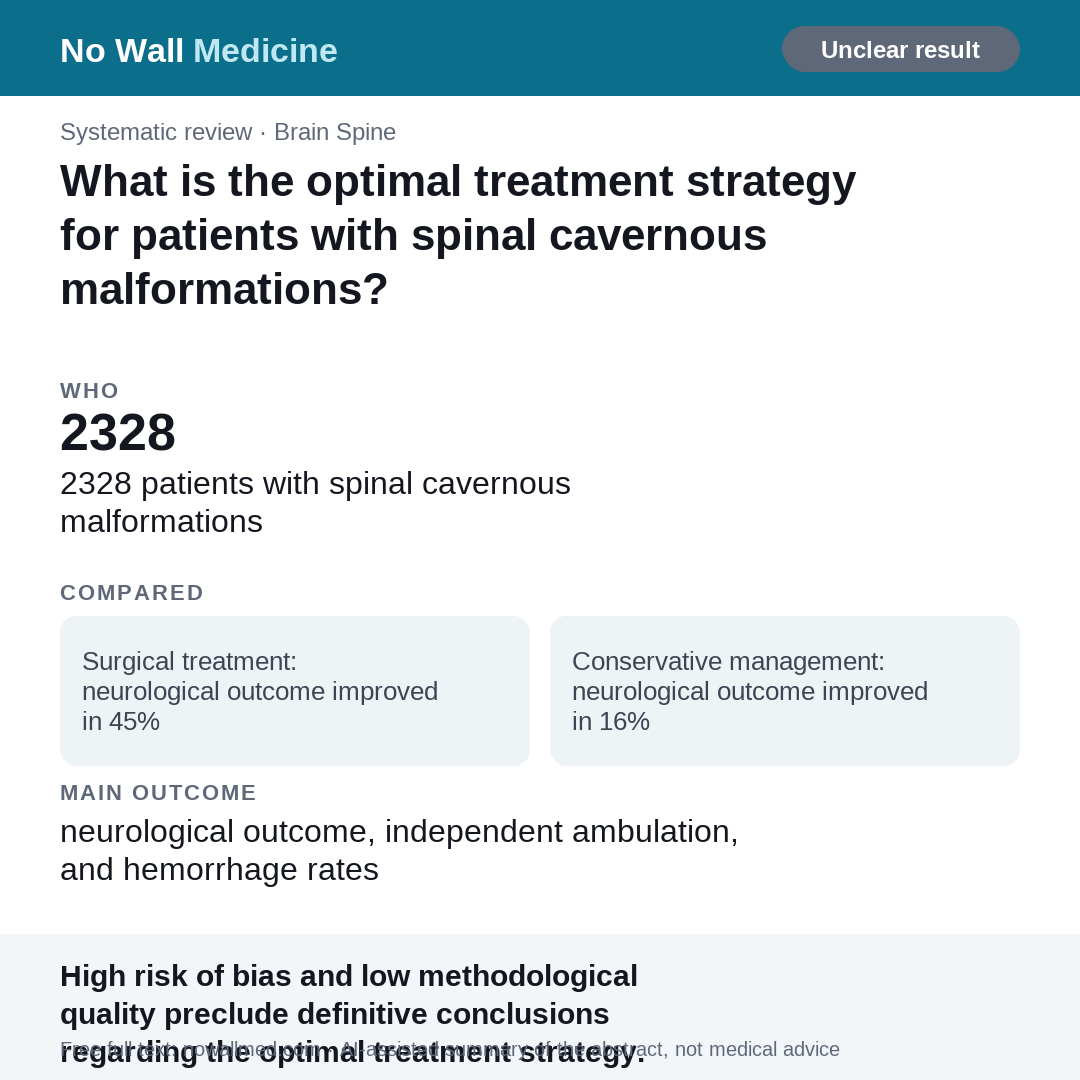
Treatment of patients with spinal cavernous malformations: a systematic review
Systematic reviewUnclear result
What is the optimal treatment strategy for patients with spinal cavernous malformations?
Who
2328
2328 patients with spinal cavernous malformations
Compared
Surgical treatment: neurological outcome improved in 45%
Conservative management: neurological outcome improved in 16%
Main outcome
neurological outcome, independent ambulation, and hemorrhage rates
Bottom line: High risk of bias and low methodological quality preclude definitive conclusions regarding the optimal treatment strategy.
Limitation: Low methodological quality and high risk of bias complicated direct comparisons.
Brain Spine · 2026-03-25Download image
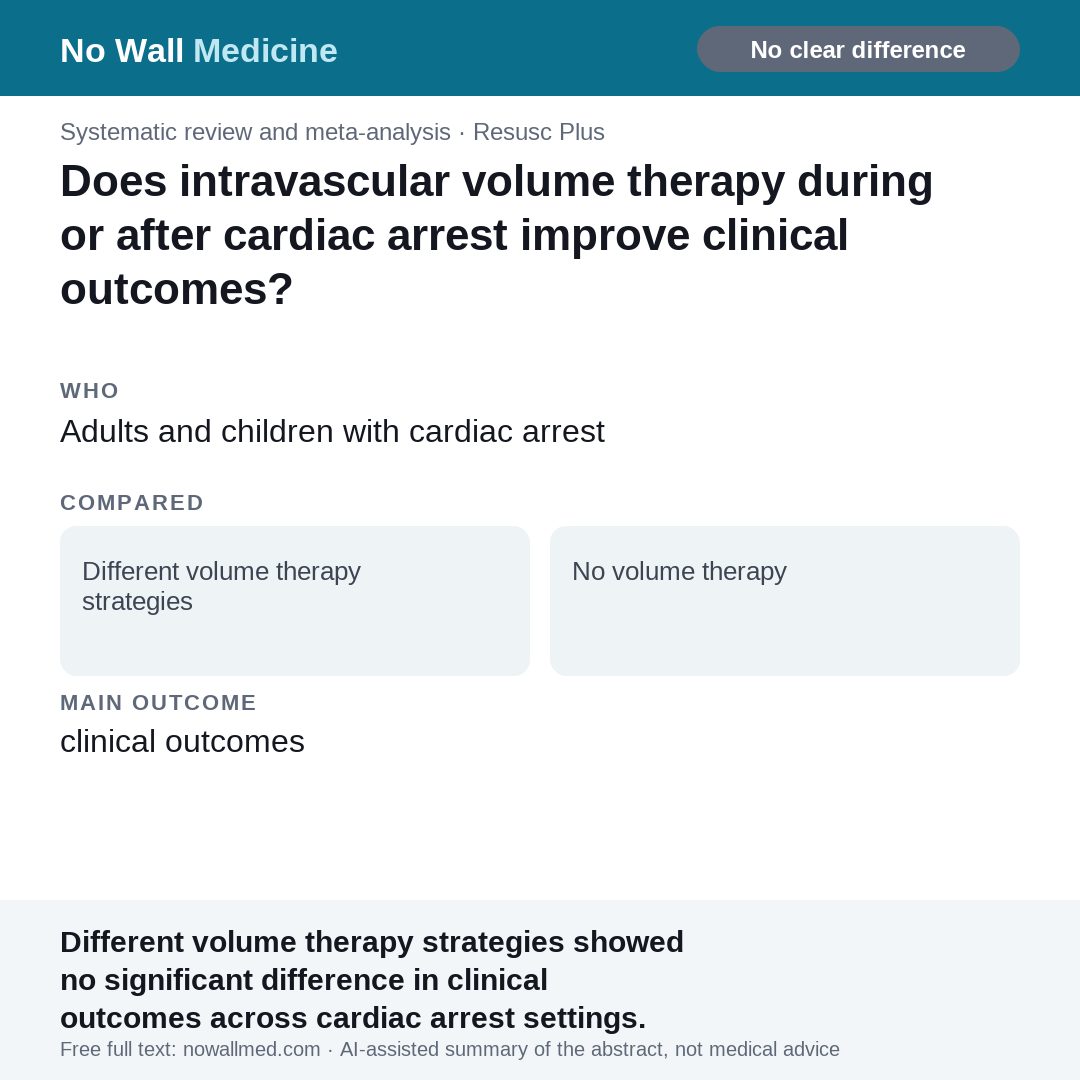
Volume therapy for cardiac arrest: a systematic review and meta-analysis
Systematic review and meta-analysisNo clear difference
Does intravascular volume therapy during or after cardiac arrest improve clinical outcomes?
Who
Adults and children with cardiac arrest
Compared
Different volume therapy strategies
No volume therapy
Main outcome
clinical outcomes
Bottom line: Different volume therapy strategies showed no significant difference in clinical outcomes across cardiac arrest settings.
Limitation: Randomized trials had some concern to high risk of bias and certainty of evidence was low.
Resusc Plus · 2026-03-25Download image
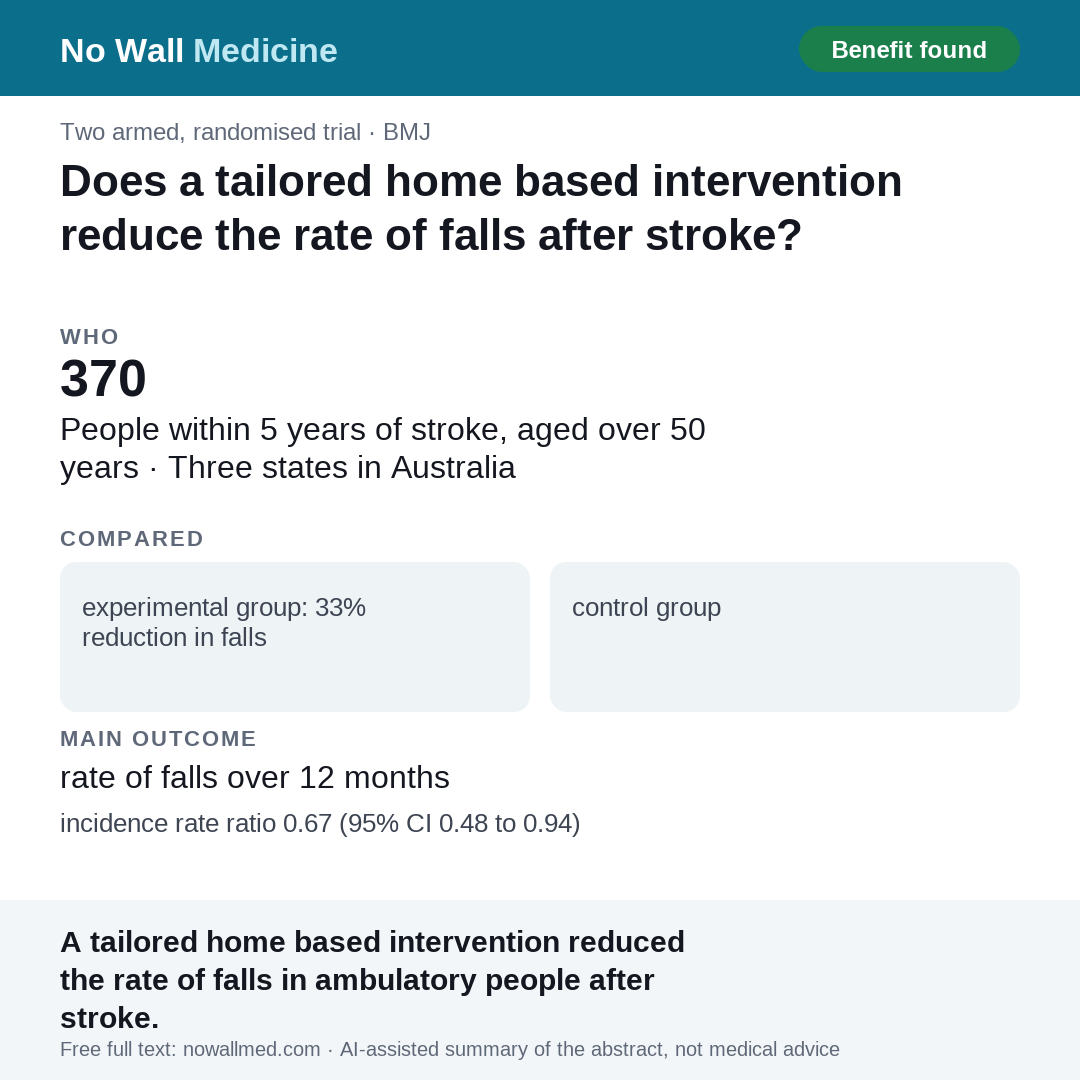
Home based, tailored intervention to reduce rate of falls after stroke (FAST): randomised trial
Two armed, randomised trialBenefit found
Does a tailored home based intervention reduce the rate of falls after stroke?
Who
370
People within 5 years of stroke, aged over 50 years · Three states in Australia
Compared
experimental group: 33% reduction in falls
control group
Main outcome
rate of falls over 12 months
Result: incidence rate ratio 0.67 (95% CI 0.48 to 0.94)
Bottom line: A tailored home based intervention reduced the rate of falls in ambulatory people after stroke.
BMJ · 2026-03-24Download image
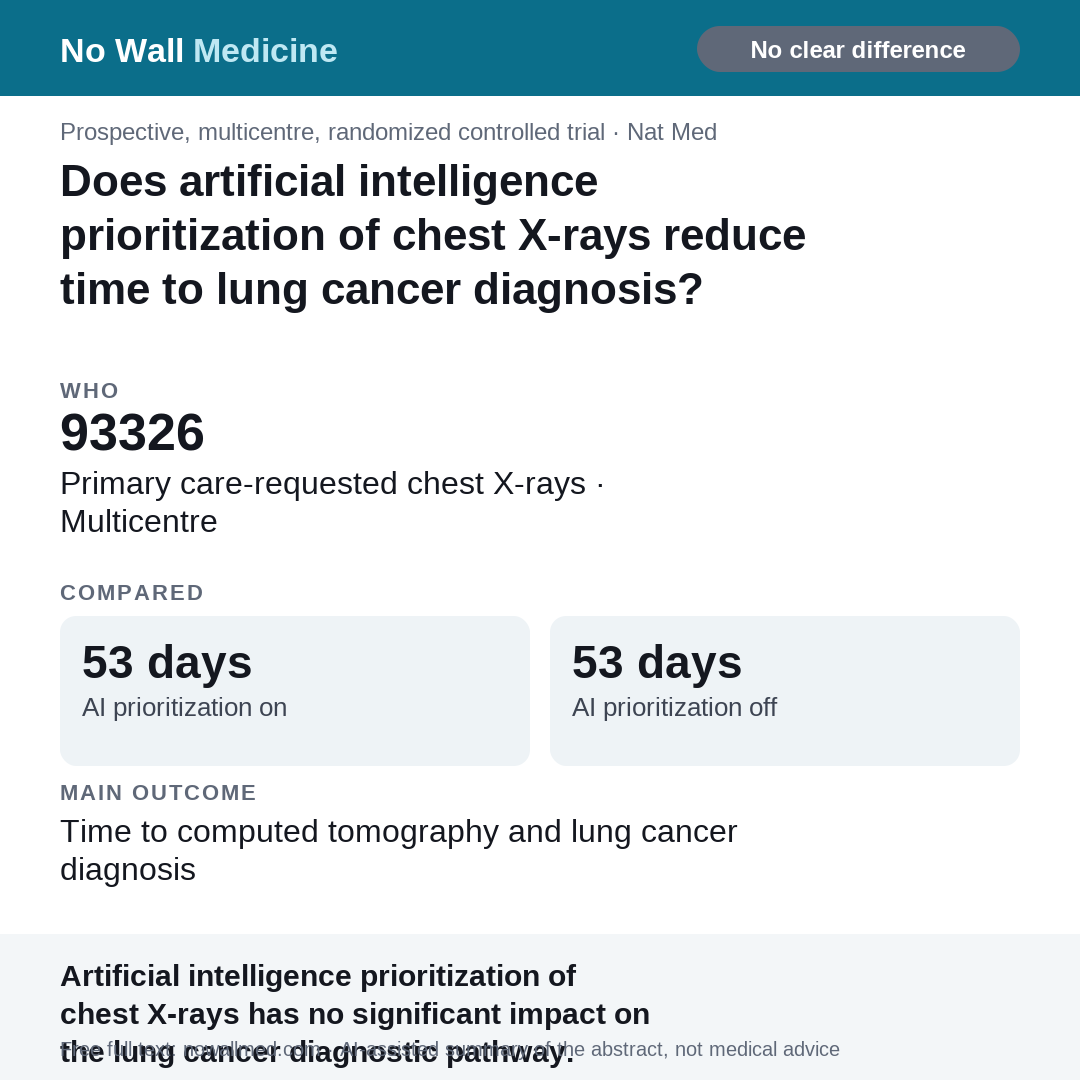
AI-based chest X-ray prioritization in the lung cancer diagnostic pathway: the LungIMPACT randomized controlled trial
Prospective, multicentre, randomized controlled trialNo clear difference
Does artificial intelligence prioritization of chest X-rays reduce time to lung cancer diagnosis?
Who
93326
Primary care-requested chest X-rays · Multicentre
Compared
53 daysAI prioritization on (17-145)
53 daysAI prioritization off (19-141)
Main outcome
Time to computed tomography and lung cancer diagnosis
Result: ratio of geometric means 0.97 (95% CI 0.93-1.02)
Bottom line: Artificial intelligence prioritization of chest X-rays has no significant impact on the lung cancer diagnostic pathway.
Nat Med · 2026-03-24Download image
Prevention of Recurrent Nephrolithiasis in Adults and Children : A Systematic Review
Systematic review of 31 studiesMixed results
Can diet, pharmacologic therapy, or imaging prevent recurrent kidney stones?
Who
Nonpregnant adults or children
Compared
Increased water intake
Dietary interventions
Pharmacologic therapy
Main outcome
Recurrent nephrolithiasis prevention
Bottom line: Increased water, specific diets, thiazides, alkali, and allopurinol may reduce stone recurrence in adults.
Limitation: Studies not published in English or with fewer than 30 participants per group were excluded.
Funded by: Patient-Centered Outcomes Research Institute and Agency for Healthcare Research and Quality
Ann Intern Med · 2026-03-24Download image

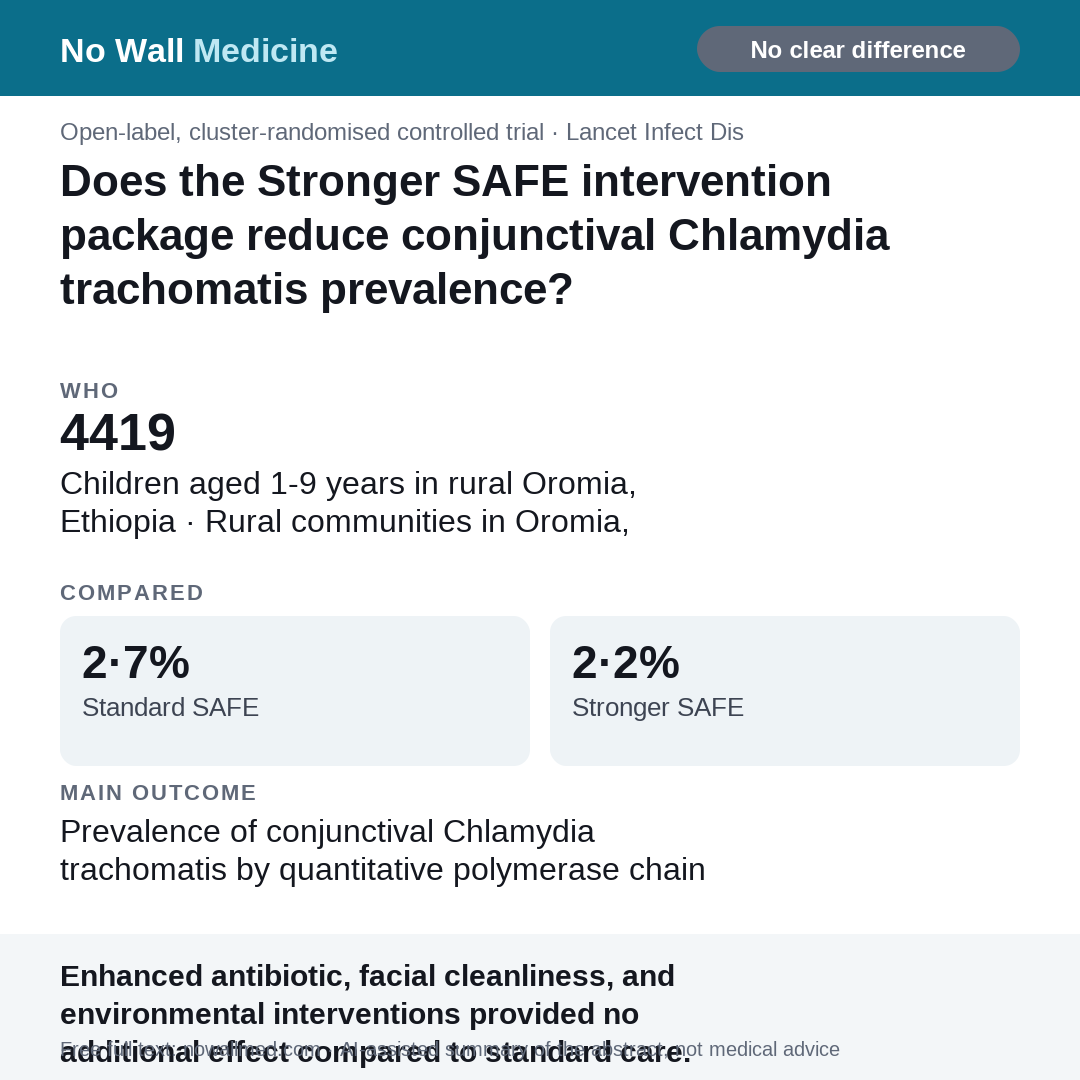
Double-dose azithromycin mass drug administration, facial cleanliness, and fly control measures for trachoma control in Oromia, Ethiopia (Stronger SAFE): a cluster-randomised controlled trial
Open-label, cluster-randomised controlled trialNo clear difference
Does the Stronger SAFE intervention package reduce conjunctival Chlamydia trachomatis prevalence?
Who
4419
Children aged 1-9 years in rural Oromia, Ethiopia · Rural communities in Oromia, Ethiopia
Compared
2·7%Standard SAFE (95% CI 1·3-5·0)
2·2%Stronger SAFE (0·6-7·9)
Main outcome
Prevalence of conjunctival Chlamydia trachomatis by quantitative polymerase chain reaction
Result: adjusted prevalence difference of -0·02% [-2·73 to 2·68]
Bottom line: Enhanced antibiotic, facial cleanliness, and environmental interventions provided no additional effect compared to standard care.
Funded by: Wellcome Trust and Children's Investment Fund Foundation
Lancet Infect Dis · 2026-03-24Download image
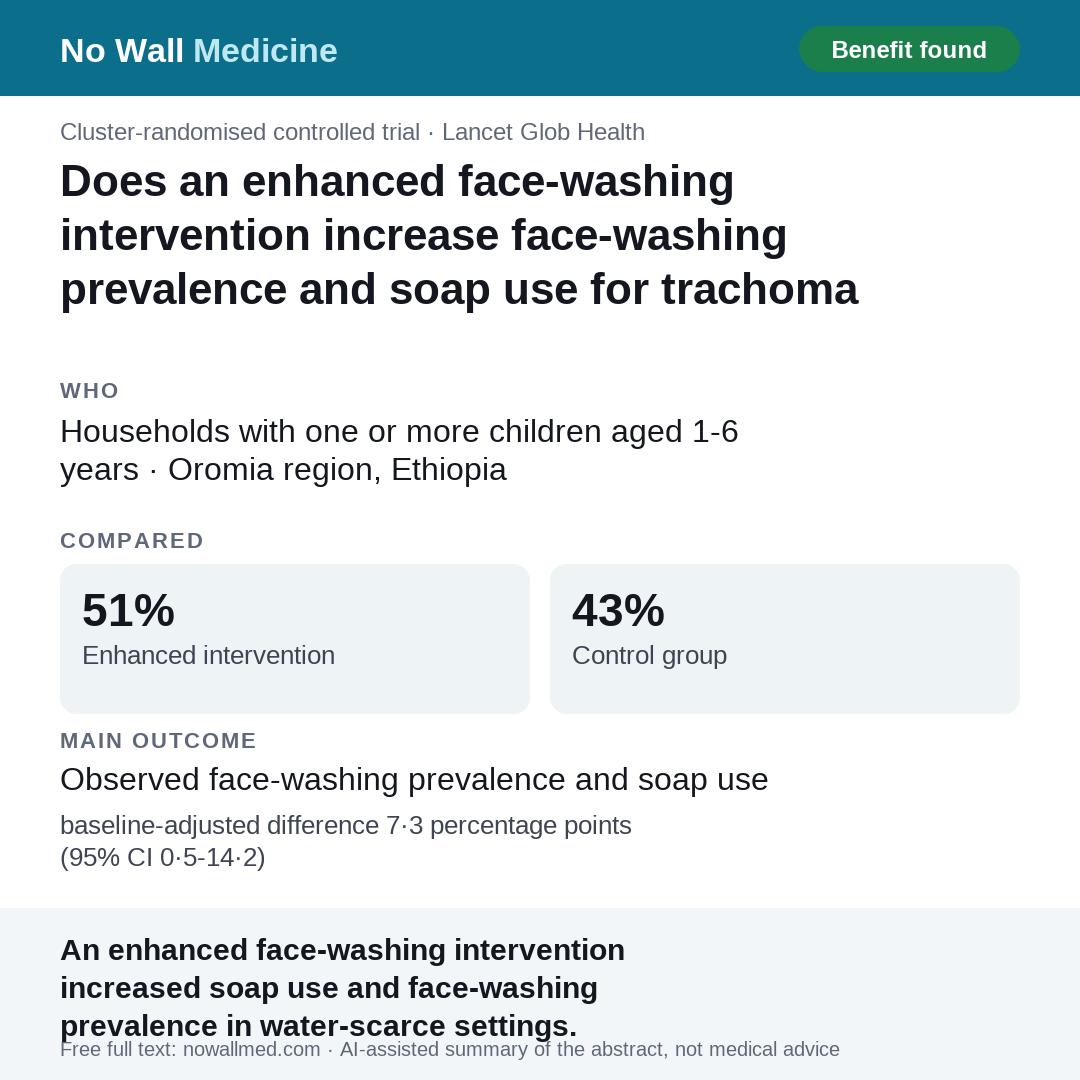
Evaluation of a face-washing behaviour change intervention for trachoma prevention in Oromia, Ethiopia (Stronger SAFE): secondary outcomes of a cluster-randomised controlled trial
Cluster-randomised controlled trialBenefit found
Does an enhanced face-washing intervention increase face-washing prevalence and soap use for trachoma prevention?
Who
Households with one or more children aged 1-6 years · Oromia region, Ethiopia
Compared
51%Enhanced intervention (SD 15·3)
43%Control group (13·3)
Main outcome
Observed face-washing prevalence and soap use
Result: baseline-adjusted difference 7·3 percentage points (95% CI 0·5-14·2)
Bottom line: An enhanced face-washing intervention increased soap use and face-washing prevalence in water-scarce settings.
Funded by: Wellcome Trust and the Children's Investment Fund Foundation
Lancet Glob Health · 2026-03-24Download image
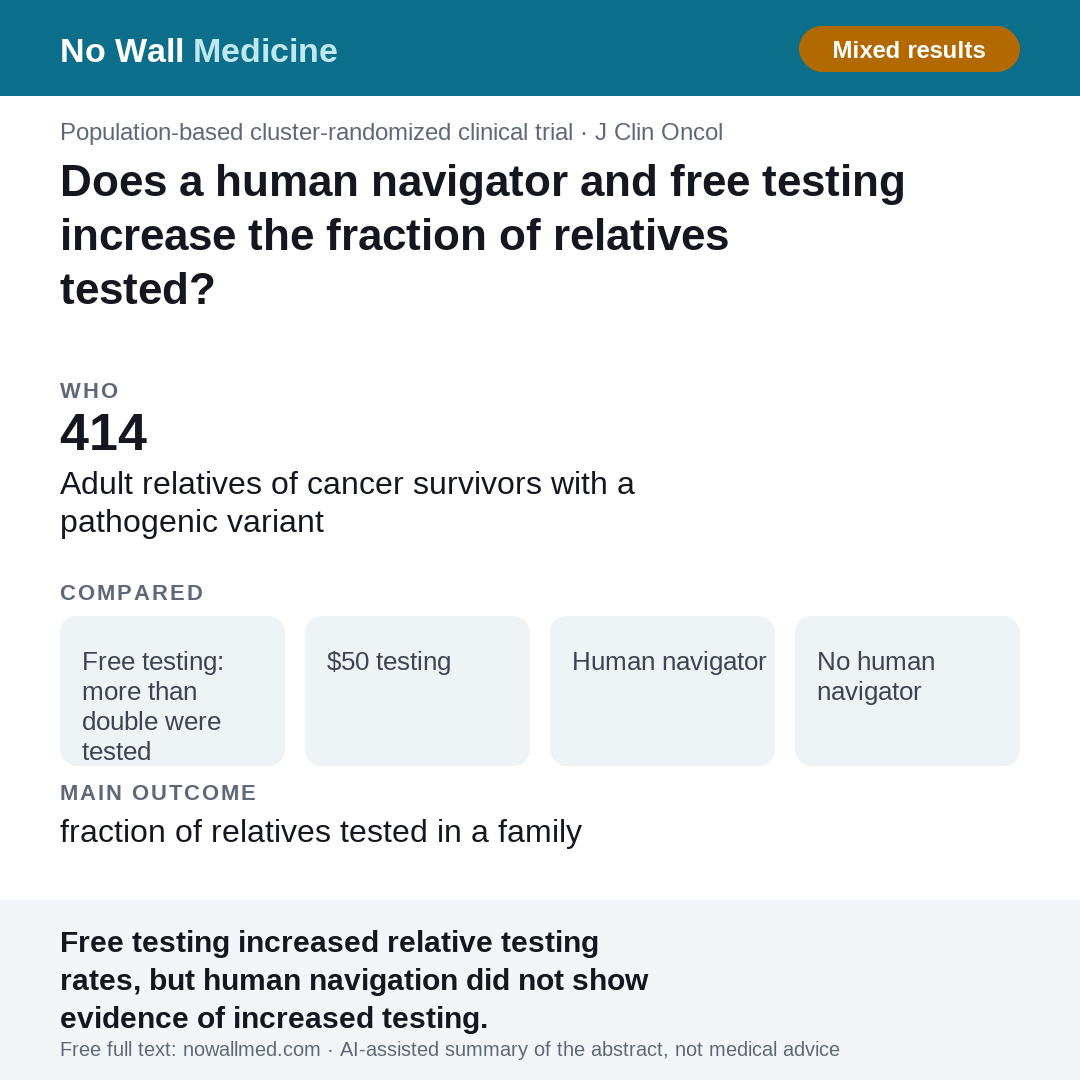
Results From the Genetic Information and Family Testing Study: A Cluster-Randomized Trial
Population-based cluster-randomized clinical trialMixed results
Does a human navigator and free testing increase the fraction of relatives tested?
Who
414
Adult relatives of cancer survivors with a pathogenic variant
Compared
Free testing: more than double were tested
$50 testing
Human navigator
No human navigator
Main outcome
fraction of relatives tested in a family
Result: odds ratio 2.5 (95% CI 1.6 to 3.9) for free versus $50 testing; odds ratio 1.3 (95% CI 0.8 to 2.1) for navigation
Bottom line: Free testing increased relative testing rates, but human navigation did not show evidence of increased testing.
J Clin Oncol · 2026-03-24Download image
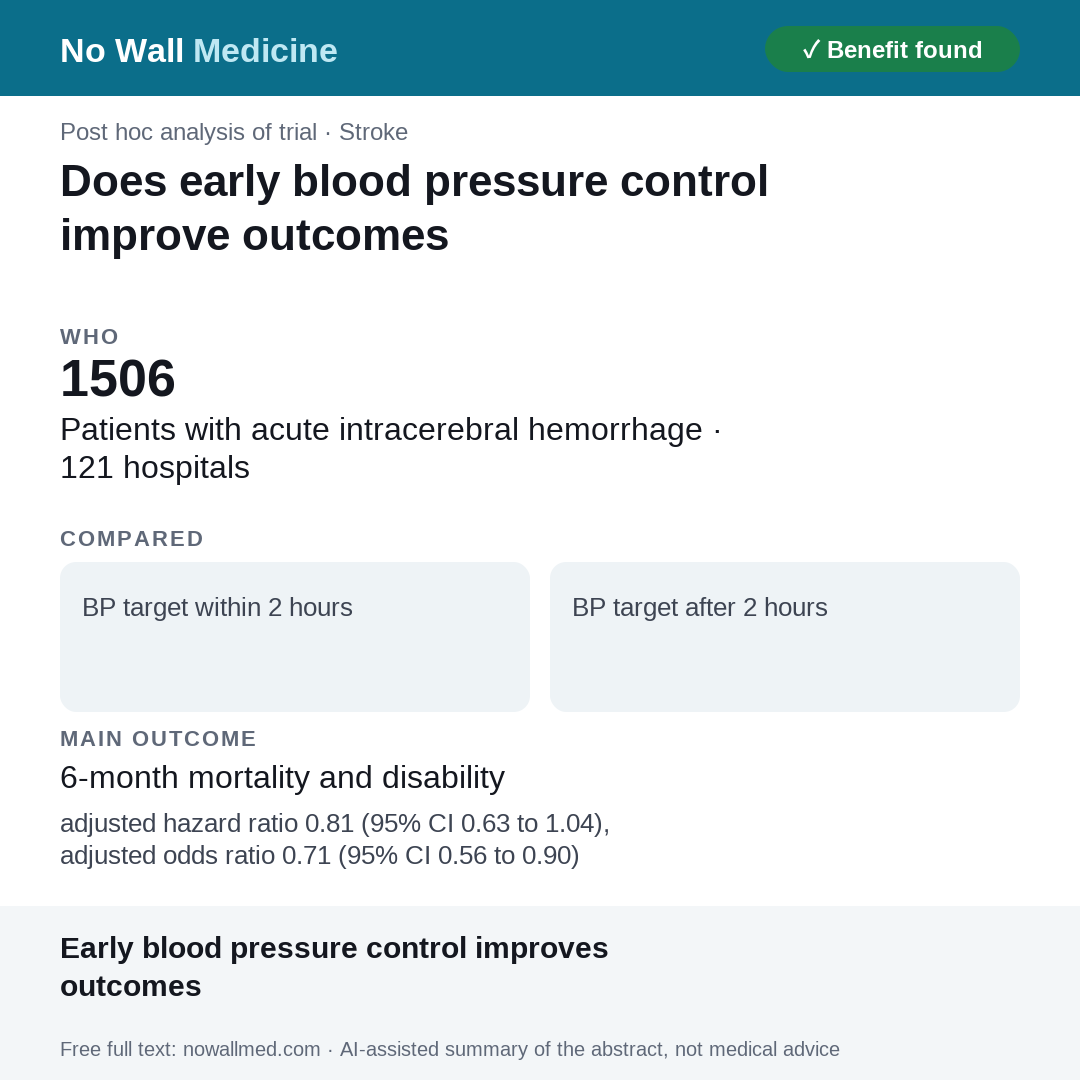
Impact of Ultra-Early Perioperative Antihypertensive Therapy in Acute Intracerebral Hemorrhage
Post hoc analysis of trialBenefit found
Does early blood pressure control improve outcomes
Who
1506
Patients with acute intracerebral hemorrhage · 121 hospitals
Compared
BP target within 2 hours
BP target after 2 hours
Main outcome
6-month mortality and disability
Result: adjusted hazard ratio 0.81 (95% CI 0.63 to 1.04), adjusted odds ratio 0.71 (95% CI 0.56 to 0.90)
Bottom line: Early blood pressure control improves outcomes
Stroke · 2026-03-24Download image
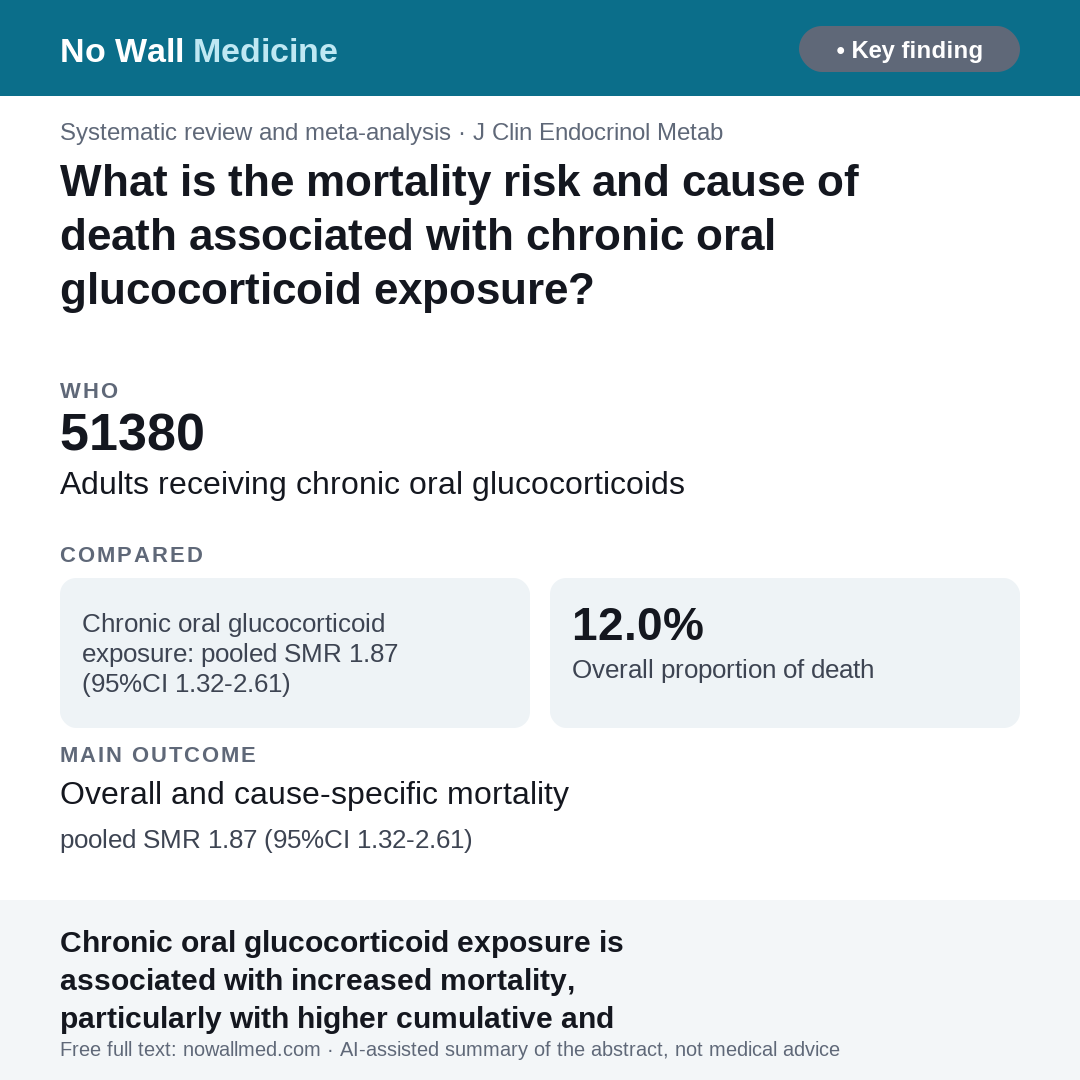
Mortality risk and causes of death in exogenous Cushing's syndrome: a systematic review and meta-analysis
Systematic review and meta-analysisHarm found
What is the mortality risk and cause of death associated with chronic oral glucocorticoid exposure?
Who
51380
Adults receiving chronic oral glucocorticoids
Compared
Chronic oral glucocorticoid exposure: pooled SMR 1.87 (95%CI 1.32-2.61)
12.0%Overall proportion of death (95%CI 10-14%)
Main outcome
Overall and cause-specific mortality
Result: pooled SMR 1.87 (95%CI 1.32-2.61)
Bottom line: Chronic oral glucocorticoid exposure is associated with increased mortality, particularly with higher cumulative and early-treatment doses.
Limitation: Causal attribution remains uncertain due to confounding by indication, limited disease-severity data, and exposure misclassification.
J Clin Endocrinol Metab · 2026-03-24Download image
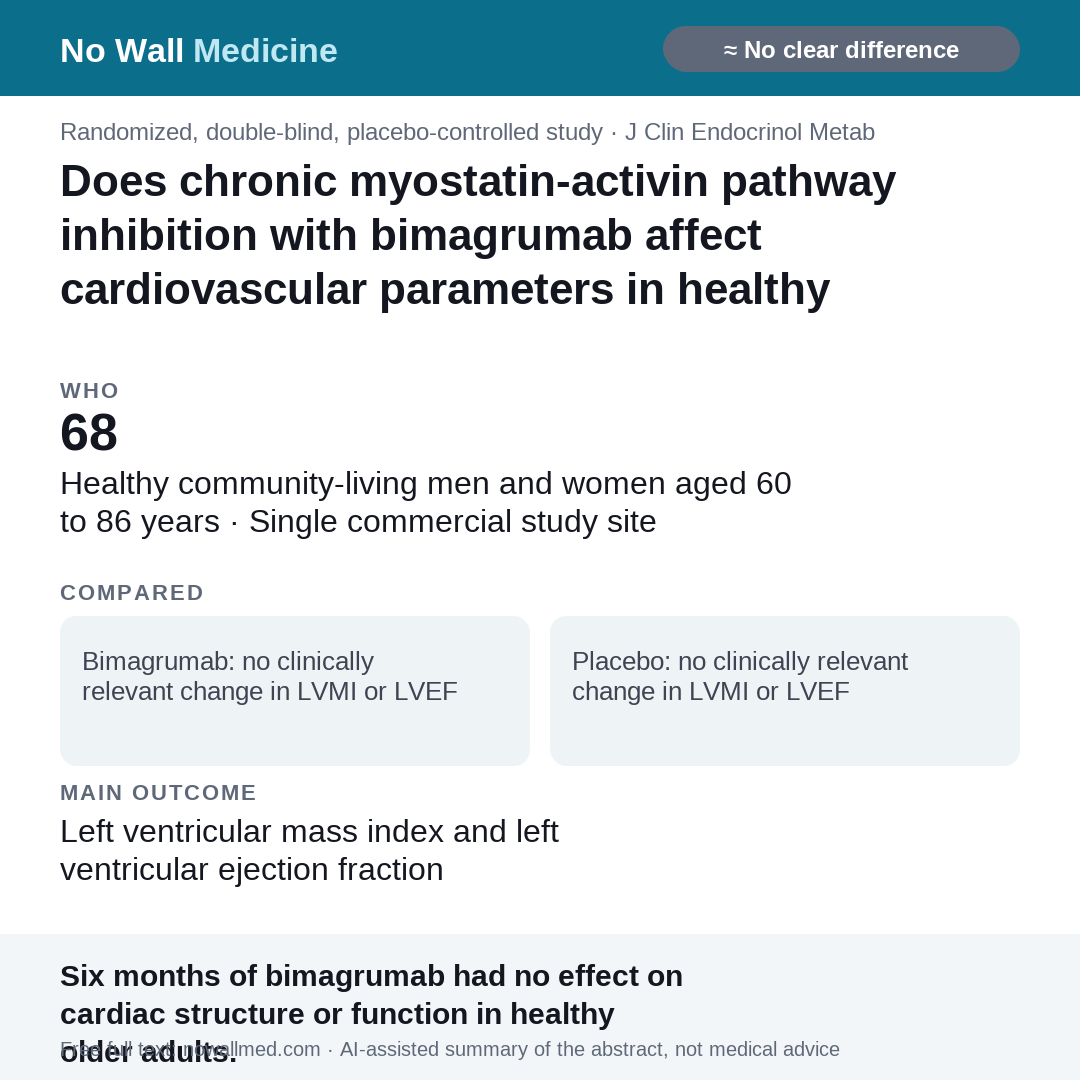
Cardiac safety of chronic inhibition of the myostatin-activin pathway with bimagrumab in healthy older adults
Randomized, double-blind, placebo-controlled studyNo clear difference
Does chronic myostatin-activin pathway inhibition with bimagrumab affect cardiovascular parameters in healthy older adults?
Who
68
Healthy community-living men and women aged 60 to 86 years · Single commercial study site
Compared
Bimagrumab: no clinically relevant change in LVMI or LVEF
Placebo: no clinically relevant change in LVMI or LVEF
Main outcome
Left ventricular mass index and left ventricular ejection fraction
Bottom line: Six months of bimagrumab had no effect on cardiac structure or function in healthy older adults.
J Clin Endocrinol Metab · 2026-03-24Download image
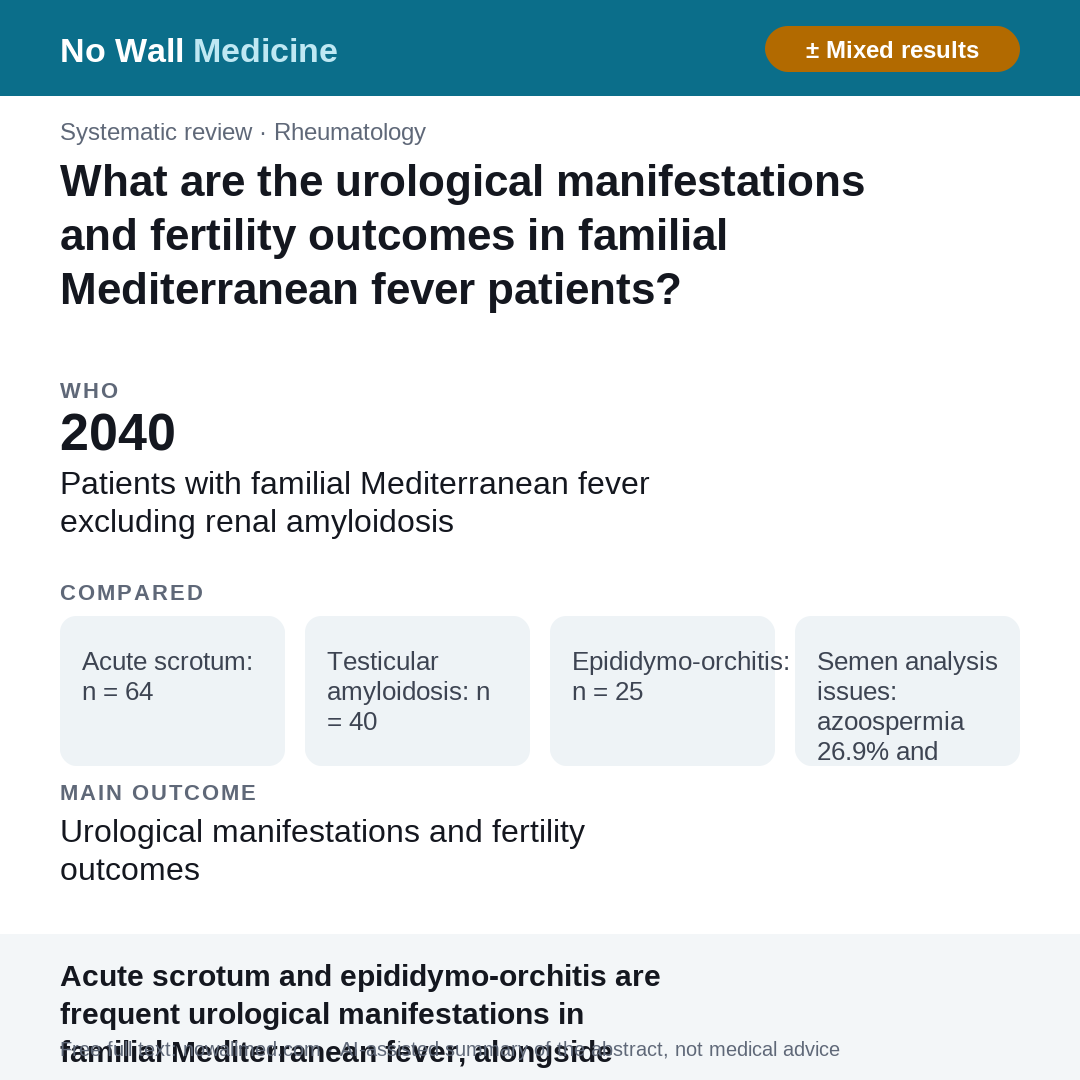
Urological manifestations in familial Mediterranean fever excluding renal amyloidosis: a systematic review
Systematic reviewMixed results
What are the urological manifestations and fertility outcomes in familial Mediterranean fever patients?
Who
2040
Patients with familial Mediterranean fever excluding renal amyloidosis
Compared
Acute scrotum: n = 64
Testicular amyloidosis: n = 40
Epididymo-orchitis: n = 25
Semen analysis issues: azoospermia 26.9% and oligospermia 14.8%
Main outcome
Urological manifestations and fertility outcomes
Bottom line: Acute scrotum and epididymo-orchitis are frequent urological manifestations in familial Mediterranean fever, alongside testicular amyloidosis and fertility impairment.
Rheumatology · 2026-03-24Download image
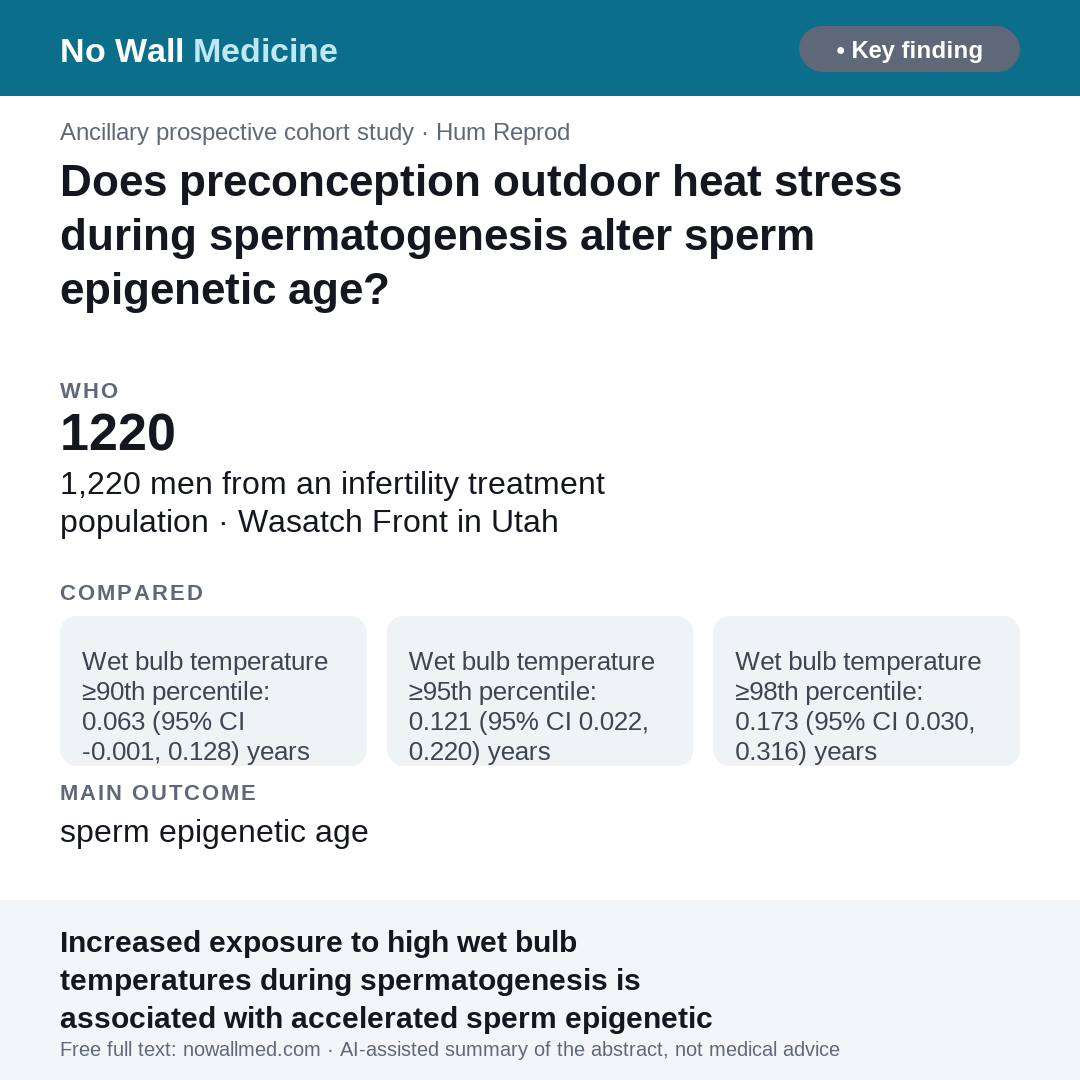
Heat exposure during susceptible windows of spermatogenesis and sperm epigenetic age
Ancillary prospective cohort studyHarm found
Does preconception outdoor heat stress during spermatogenesis alter sperm epigenetic age?
Who
1220
1,220 men from an infertility treatment population · Wasatch Front in Utah
Compared
Wet bulb temperature ≥90th percentile: 0.063 (95% CI -0.001, 0.128) years accelerated age
Wet bulb temperature ≥95th percentile: 0.121 (95% CI 0.022, 0.220) years accelerated age
Wet bulb temperature ≥98th percentile: 0.173 (95% CI 0.030, 0.316) years accelerated age
Main outcome
sperm epigenetic age
Result: 0.173 (95% CI 0.030, 0.316) years accelerated age
Bottom line: Increased exposure to high wet bulb temperatures during spermatogenesis is associated with accelerated sperm epigenetic age.
Limitation: Reliance on outdoor temperatures rather than personal exposure may cause misclassification of exposure.
Funded by: National Institute of Environmental Health Sciences
Hum Reprod · 2026-03-24Download image
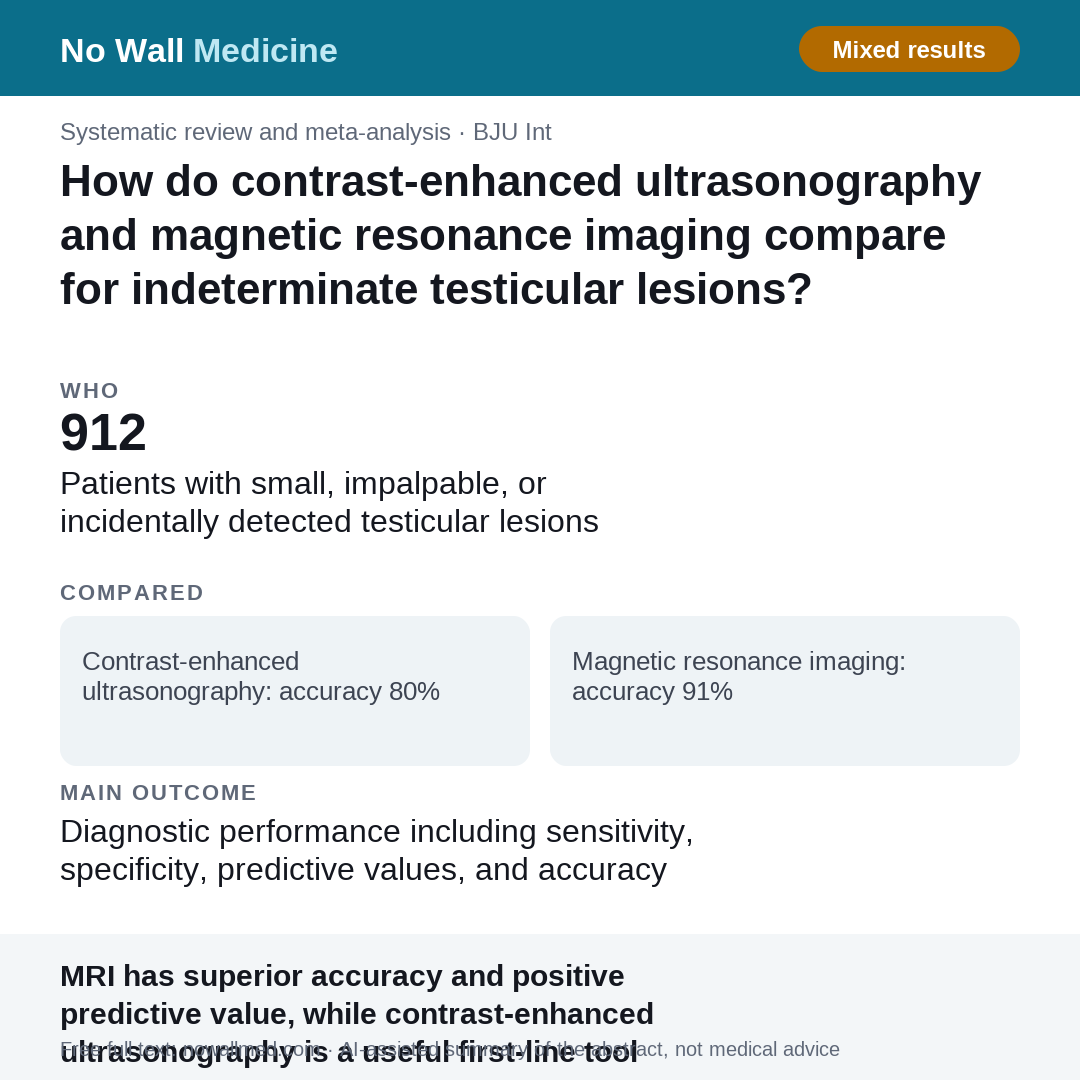
Contrast-enhanced ultrasonography vs MRI for indeterminate testicular lesions: a systematic review and meta-analysis
Systematic review and meta-analysisMixed results
How do contrast-enhanced ultrasonography and magnetic resonance imaging compare for indeterminate testicular lesions?
Who
912
Patients with small, impalpable, or incidentally detected testicular lesions
Compared
Contrast-enhanced ultrasonography: accuracy 80%
Magnetic resonance imaging: accuracy 91%
Main outcome
Diagnostic performance including sensitivity, specificity, predictive values, and accuracy
Result: Differences in positive predictive value and accuracy significantly favoured MRI (P = 0.025 and P = 0.031)
Bottom line: MRI has superior accuracy and positive predictive value, while contrast-enhanced ultrasonography is a useful first-line tool due to high negative predictive value.
Limitation: Protocol heterogeneity, operator dependence, and small sample sizes.
BJU Int · 2026-03-24Download image