Visual abstracts
New randomized trials and meta-analyses from leading journals at a glance: who was studied, what was compared, and what was found. Every paper is free to read in full.
All specialtiesCardiology 4765Oncology 4048Gastroenterology & Hepatology 1906Infectious Disease 3759Neurology 1874Psychiatry & Mental Health 2217Pulmonology 2046Critical Care 1323Endocrinology & Diabetes 2545Pediatrics 2891Surgery 2482Orthopedics & Sports Medicine 917Neurosurgery 526Cardiothoracic & Vascular Surgery 657Plastic & Reconstructive Surgery 574Nephrology 1108Rheumatology 810Hematology 1090Dermatology 611Ophthalmology 532Obstetrics & Gynecology 1646Public & Global Health 1037Radiology & Imaging 620Anesthesiology 958Urology 745ENT (Otolaryngology) 494Emergency Medicine 481Allergy & Immunology 309Geriatrics 973Family Medicine & Primary Care 534Medical Genetics & Genomics 659Pathology & Laboratory Medicine 156Physical Medicine & Rehabilitation 736Palliative Care 421Nutrition 1561Digital Health & AI 2136General Medicine 316
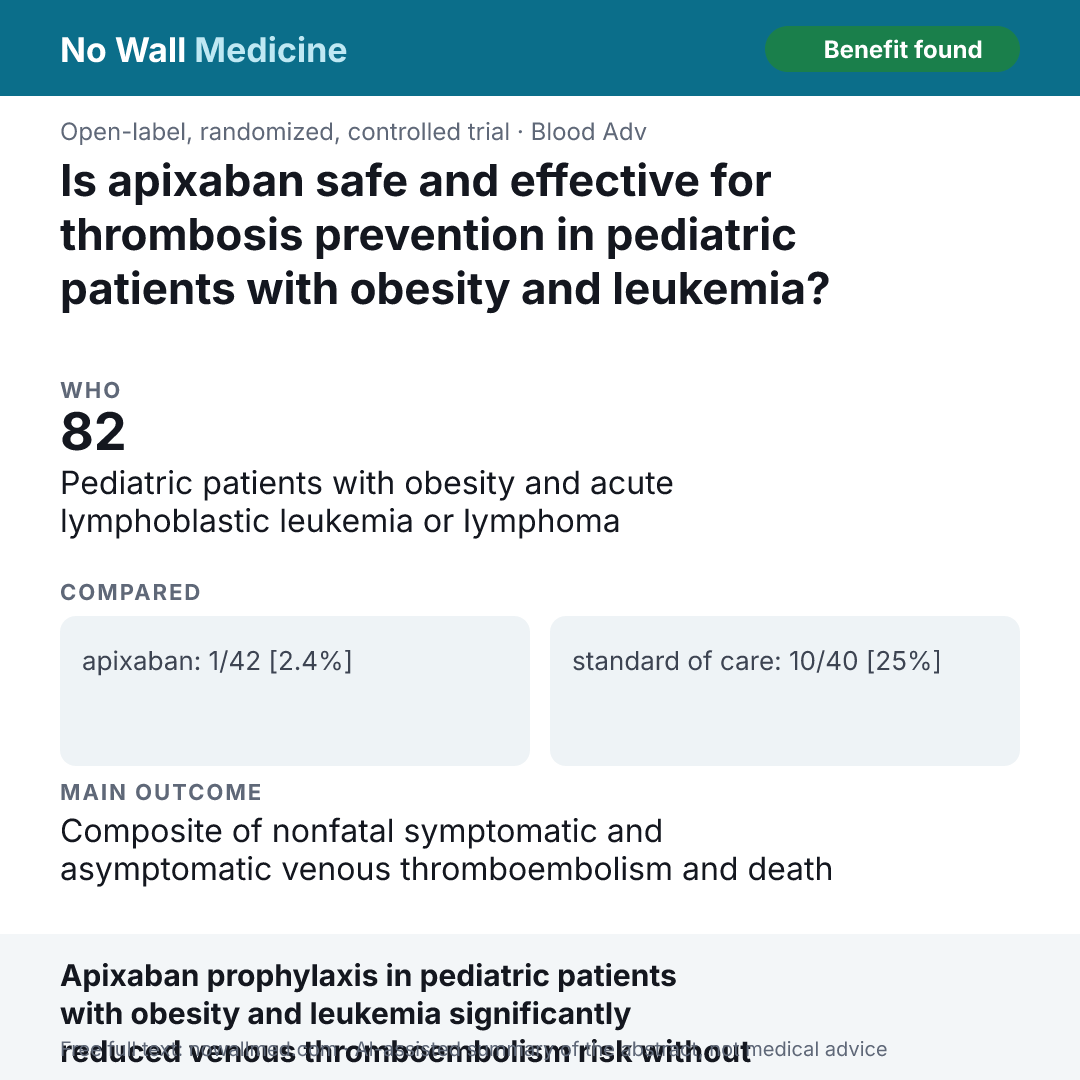
Safety and efficacy of apixaban thrombosis prevention in pediatric patients with obesity and acute lymphoblastic leukemia
Open-label, randomized, controlled trialBenefit found
Is apixaban safe and effective for thrombosis prevention in pediatric patients with obesity and leukemia?
Who
82
Pediatric patients with obesity and acute lymphoblastic leukemia or lymphoma
Compared
apixaban: 1/42 [2.4%]
standard of care: 10/40 [25%]
Main outcome
Composite of nonfatal symptomatic and asymptomatic venous thromboembolism and death
Result: relative risk 0.09 (95% CI 0.01-0.97)
Bottom line: Apixaban prophylaxis in pediatric patients with obesity and leukemia significantly reduced venous thromboembolism risk without increasing bleeding.
Blood Adv · 2025-06-12 · Save PNG
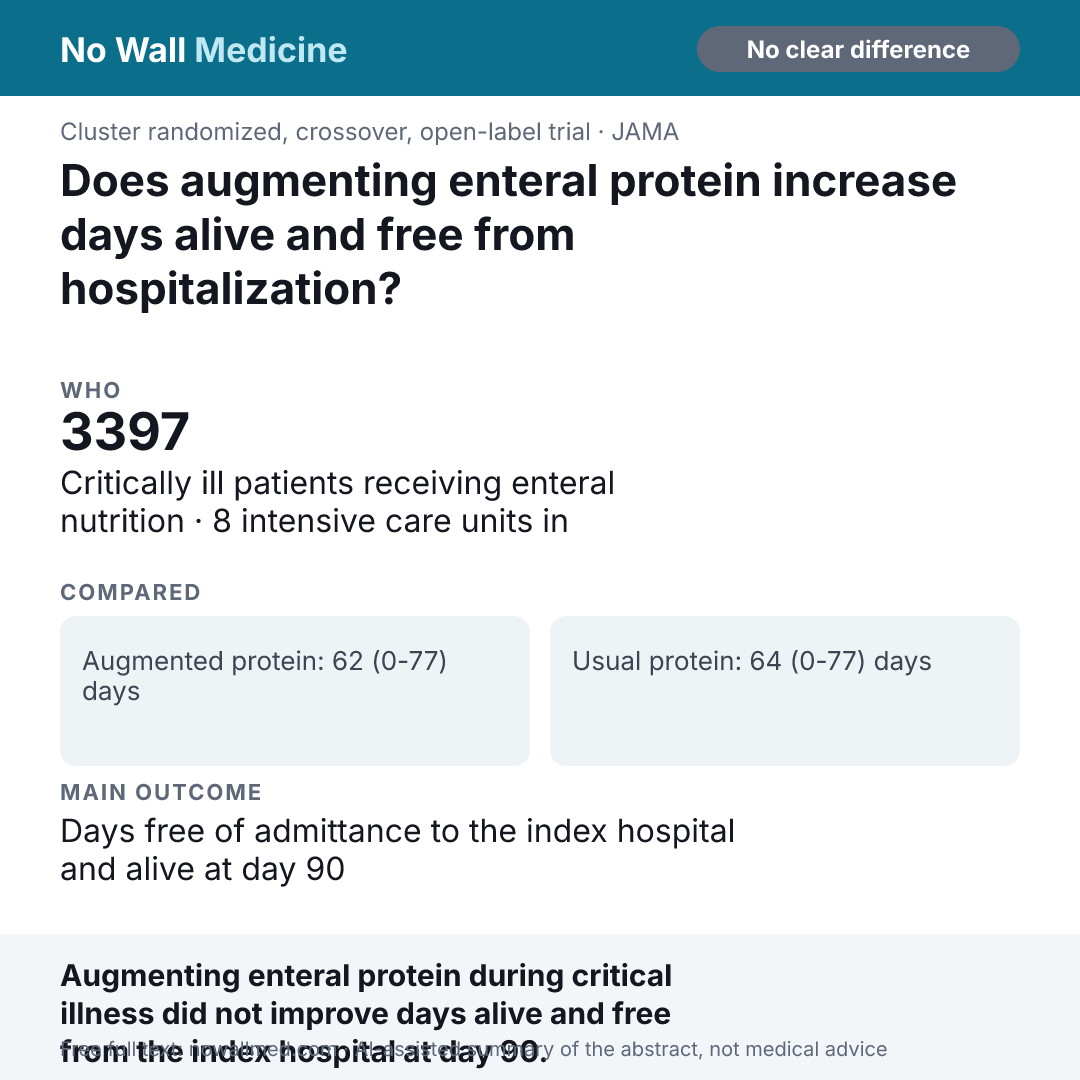
Augmented Enteral Protein During Critical Illness: The TARGET Protein Randomized Clinical Trial
Cluster randomized, crossover, open-label trialNo clear difference
Does augmenting enteral protein increase days alive and free from hospitalization?
Who
3397
Critically ill patients receiving enteral nutrition · 8 intensive care units in Australia and New Zealand
Compared
Augmented protein: 62 (0-77) days
Usual protein: 64 (0-77) days
Main outcome
Days free of admittance to the index hospital and alive at day 90
Result: -1.97 (95% CI, -7.24 to 3.30) days
Bottom line: Augmenting enteral protein during critical illness did not improve days alive and free from the index hospital at day 90.
JAMA · 2025-06-11 · Save PNG
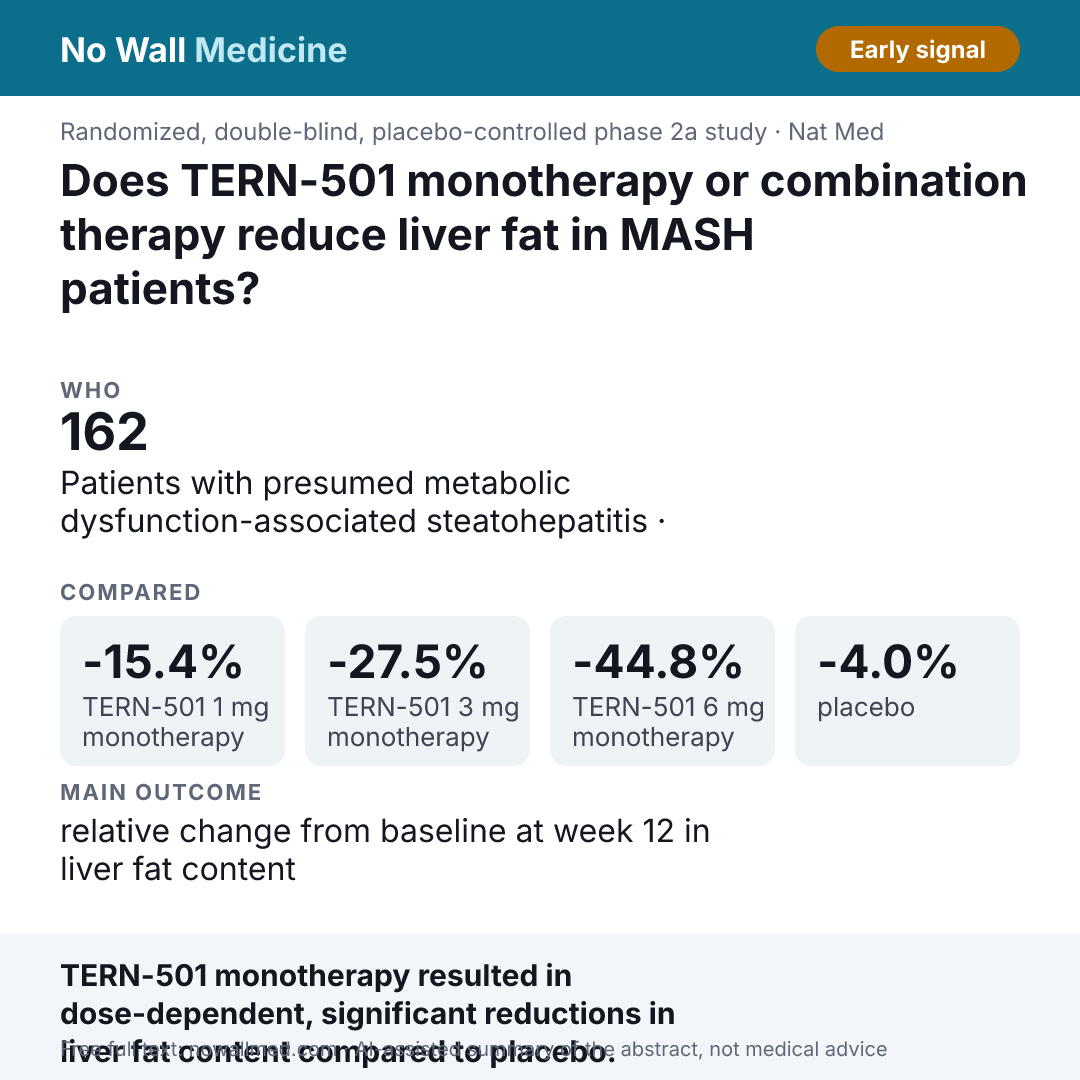
TERN-501 monotherapy and combination therapy with TERN-101 in metabolic dysfunction-associated steatohepatitis: the randomized phase 2a DUET trial
Randomized, double-blind, placebo-controlled phase 2a studyEarly signal
Does TERN-501 monotherapy or combination therapy reduce liver fat in MASH patients?
Who
162
Patients with presumed metabolic dysfunction-associated steatohepatitis · multicenter
Compared
-15.4%TERN-501 1 mg monotherapy (5.2%)
-27.5%TERN-501 3 mg monotherapy (5.7%)
-44.8%TERN-501 6 mg monotherapy (5.9%)
-4.0%placebo (5.4%)
Main outcome
relative change from baseline at week 12 in liver fat content
Bottom line: TERN-501 monotherapy resulted in dose-dependent, significant reductions in liver fat content compared to placebo.
Nat Med · 2025-06-11 · Save PNG
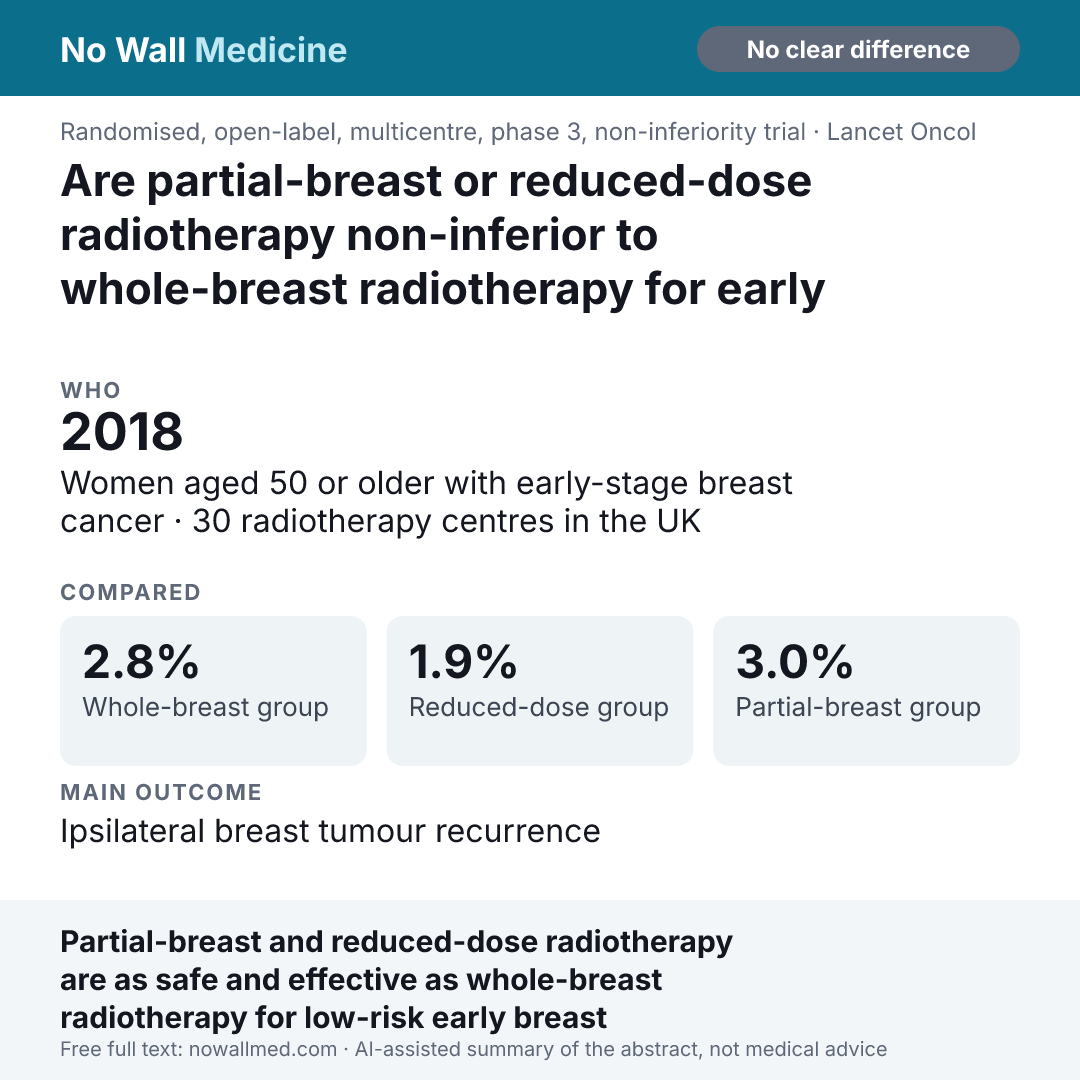
Partial-breast radiotherapy after breast conservation surgery for women with early breast cancer (UK IMPORT LOW): 10-year outcomes from a multicentre, open-label, randomised, controlled, phase 3, non-inferiority trial
Randomised, open-label, multicentre, phase 3, non-inferiority trialNo clear difference
Are partial-breast or reduced-dose radiotherapy non-inferior to whole-breast radiotherapy for early breast cancer?
Who
2018
Women aged 50 or older with early-stage breast cancer · 30 radiotherapy centres in the UK
Compared
2.8%Whole-breast group (17/674)
1.9%Reduced-dose group (11/673)
3.0%Partial-breast group (17/669)
Main outcome
Ipsilateral breast tumour recurrence
Result: absolute difference -1.02% (95% CI -1.98 to 0.99) and 0.16% (-1.28 to 2.89)
Bottom line: Partial-breast and reduced-dose radiotherapy are as safe and effective as whole-breast radiotherapy for low-risk early breast cancer.
Funded by: Cancer Research UK
Lancet Oncol · 2025-06-11 · Save PNG
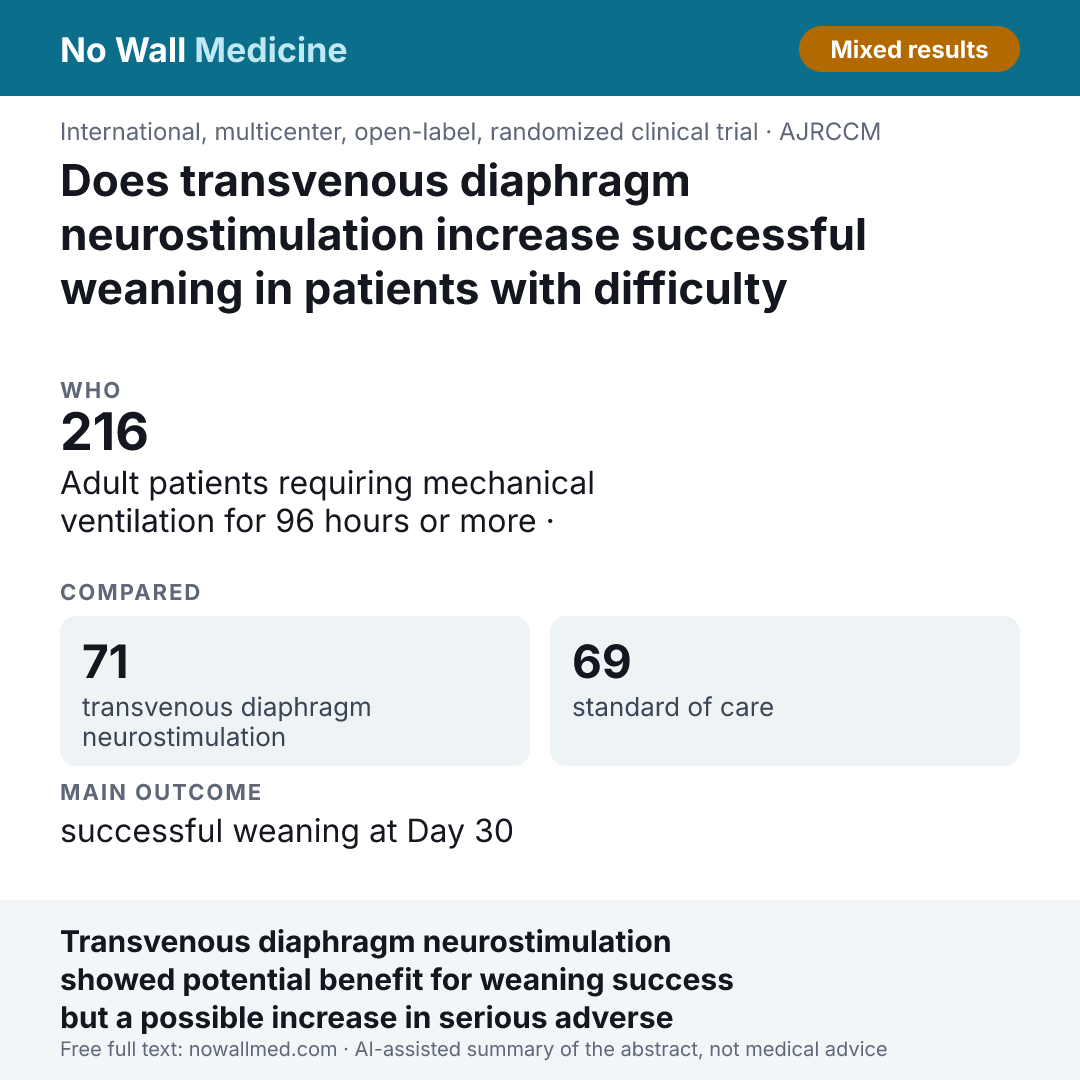
Temporary Transvenous Diaphragm Neurostimulation for Weaning from Mechanical Ventilation (RESCUE-3): A Randomized Clinical Trial
International, multicenter, open-label, randomized clinical trialMixed results
Does transvenous diaphragm neurostimulation increase successful weaning in patients with difficulty weaning?
Who
216
Adult patients requiring mechanical ventilation for 96 hours or more · International, multicenter
Compared
71transvenous diaphragm neurostimulation (70%)
69standard of care (61%)
Main outcome
successful weaning at Day 30
Result: adjusted hazard ratio 1.34 (95% credible interval 1.01-1.78)
Bottom line: Transvenous diaphragm neurostimulation showed potential benefit for weaning success but a possible increase in serious adverse events.
AJRCCM · 2025-06-11 · Save PNG
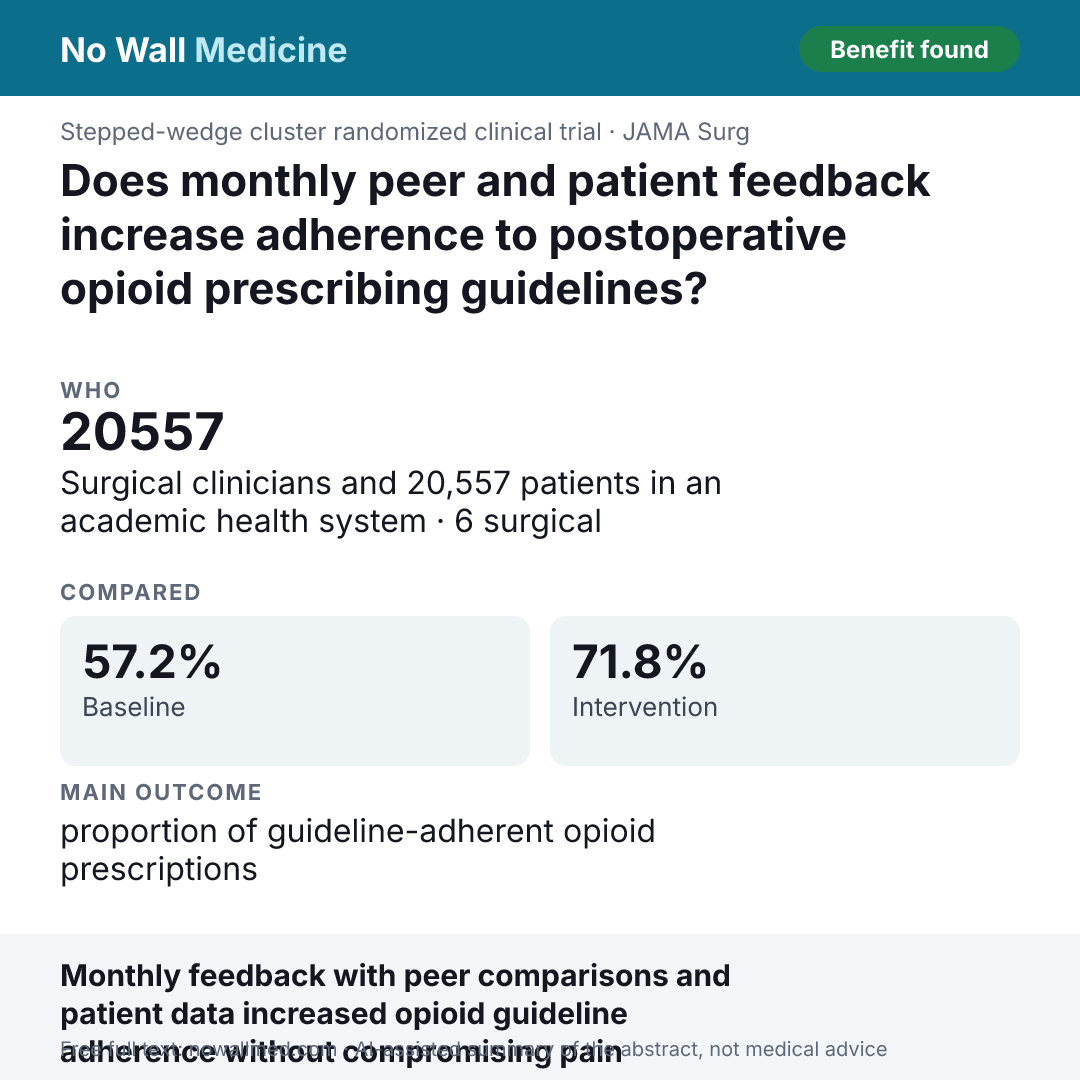
Peer and Patient Feedback to Increase Adherence to Postoperative Opioid Prescribing Guidelines: A Stepped-Wedge Cluster Randomized Clinical Trial
Stepped-wedge cluster randomized clinical trialBenefit found
Does monthly peer and patient feedback increase adherence to postoperative opioid prescribing guidelines?
Who
20557
Surgical clinicians and 20,557 patients in an academic health system · 6 surgical departments in Pennsylvania and New Jersey
Compared
57.2%Baseline
71.8%Intervention
Main outcome
proportion of guideline-adherent opioid prescriptions
Result: adjusted intervention effect of 5.3% (95% CI, 2.0%-8.7%)
Bottom line: Monthly feedback with peer comparisons and patient data increased opioid guideline adherence without compromising pain management.
JAMA Surg · 2025-06-11 · Save PNG
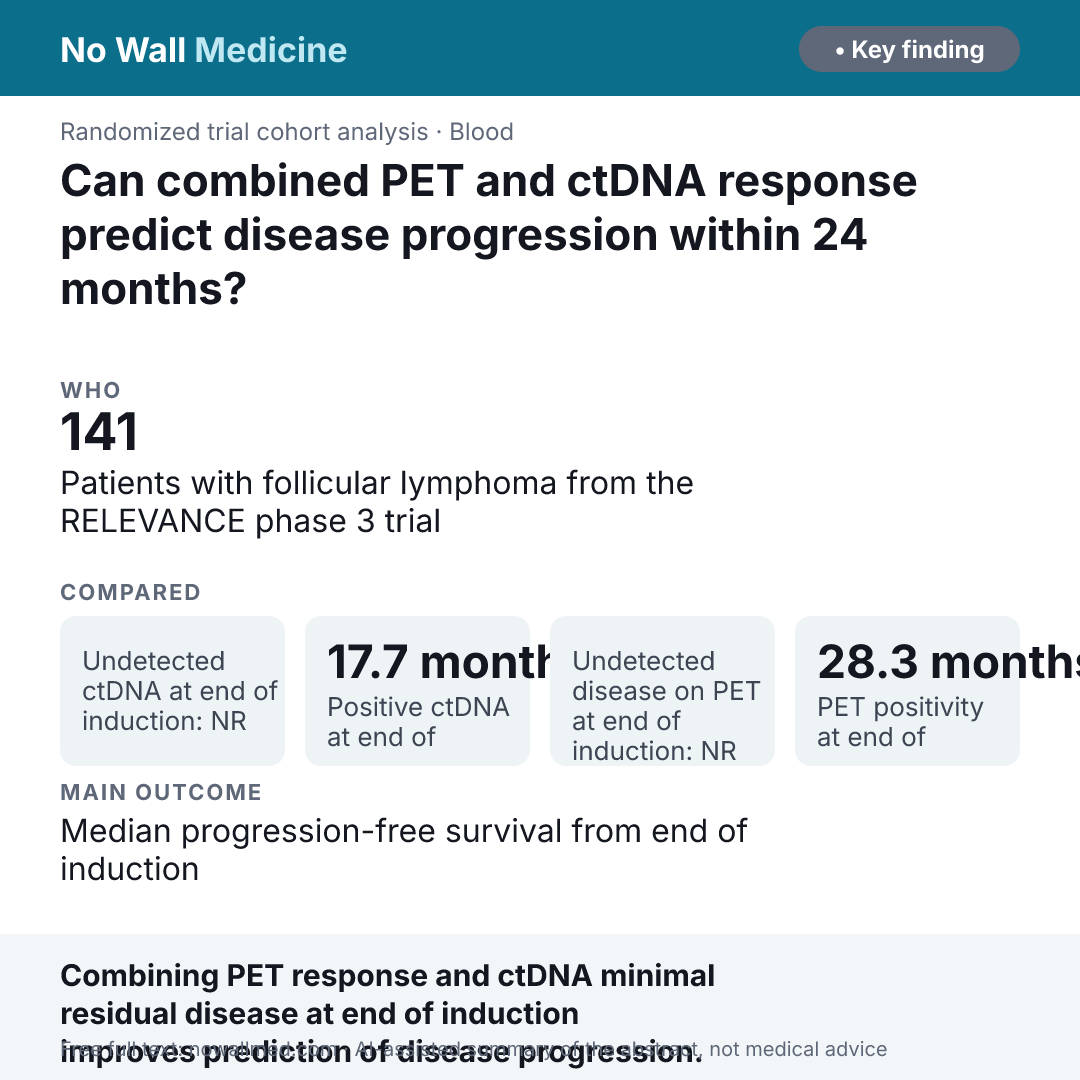
Combined PET and ctDNA response as a predictor of POD24 for follicular lymphoma after first-line induction treatment
Randomized trial cohort analysisKey finding
Can combined PET and ctDNA response predict disease progression within 24 months?
Who
141
Patients with follicular lymphoma from the RELEVANCE phase 3 trial
Compared
Undetected ctDNA at end of induction: NR
17.7 monthsPositive ctDNA at end of induction (95% CI, 1.4 to NR)
Undetected disease on PET at end of induction: NR
28.3 monthsPET positivity at end of induction (95% CI, 2.9 to NR)
Main outcome
Median progression-free survival from end of induction
Bottom line: Combining PET response and ctDNA minimal residual disease at end of induction improves prediction of disease progression.
Blood · 2025-06-11 · Save PNG
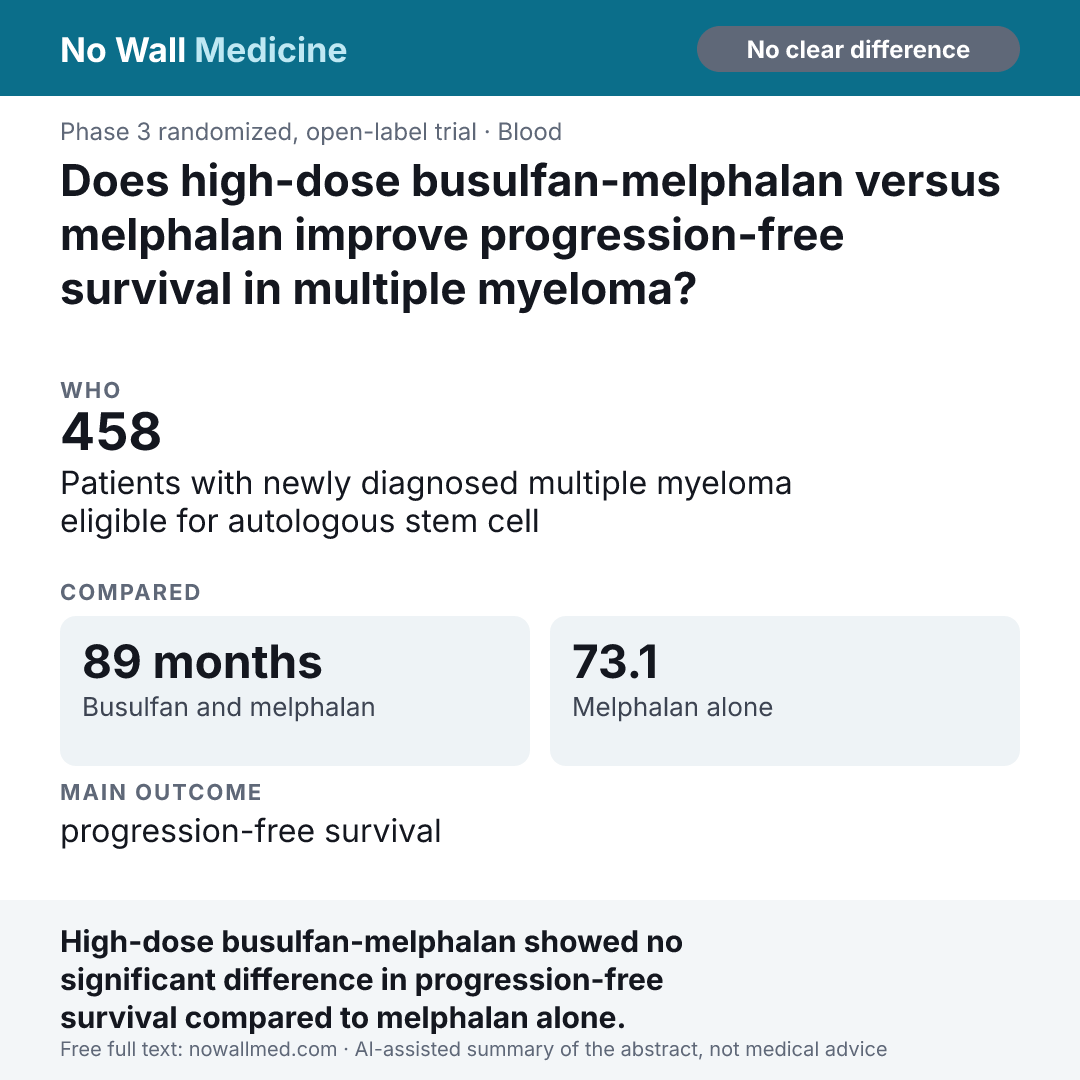
High-dose busulfan-melphalan vs melphalan and reinforced VRD for newly diagnosed multiple myeloma: a phase 3 GEM trial
Phase 3 randomized, open-label trialNo clear difference
Does high-dose busulfan-melphalan versus melphalan improve progression-free survival in multiple myeloma?
Who
458
Patients with newly diagnosed multiple myeloma eligible for autologous stem cell transplantation
Compared
89 monthsBusulfan and melphalan
73.1Melphalan alone
Main outcome
progression-free survival
Result: hazard ratio 0.89 (95% confidence interval, 0.70-1.14)
Bottom line: High-dose busulfan-melphalan showed no significant difference in progression-free survival compared to melphalan alone.
Blood · 2025-06-11 · Save PNG
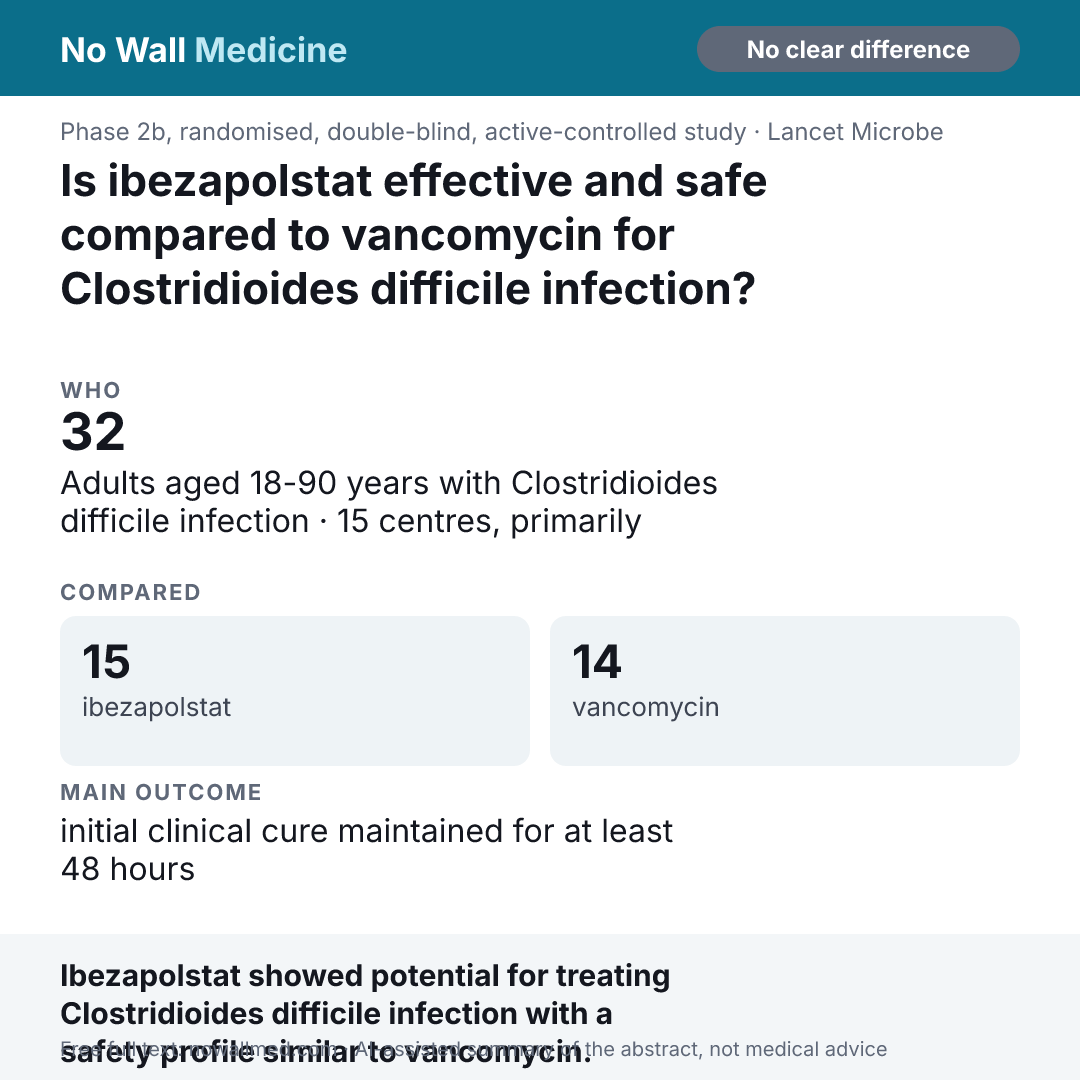
Efficacy, safety, pharmacokinetics, and associated microbiome changes of ibezapolstat compared with vancomycin in adults with Clostridioides difficile infection: a phase 2b, randomised, double-blind, active-controlled, multicentre study
Phase 2b, randomised, double-blind, active-controlled studyNo clear difference
Is ibezapolstat effective and safe compared to vancomycin for Clostridioides difficile infection?
Who
32
Adults aged 18-90 years with Clostridioides difficile infection · 15 centres, primarily outpatient clinics and hospitals, USA
Compared
15ibezapolstat (94%)
14vancomycin (100%)
Main outcome
initial clinical cure maintained for at least 48 hours
Result: treatment difference -6·3% (95% CI -30·7 to 19·4)
Bottom line: Ibezapolstat showed potential for treating Clostridioides difficile infection with a safety profile similar to vancomycin.
Funded by: Acurx Pharmaceuticals
Lancet Microbe · 2025-06-11 · Save PNG
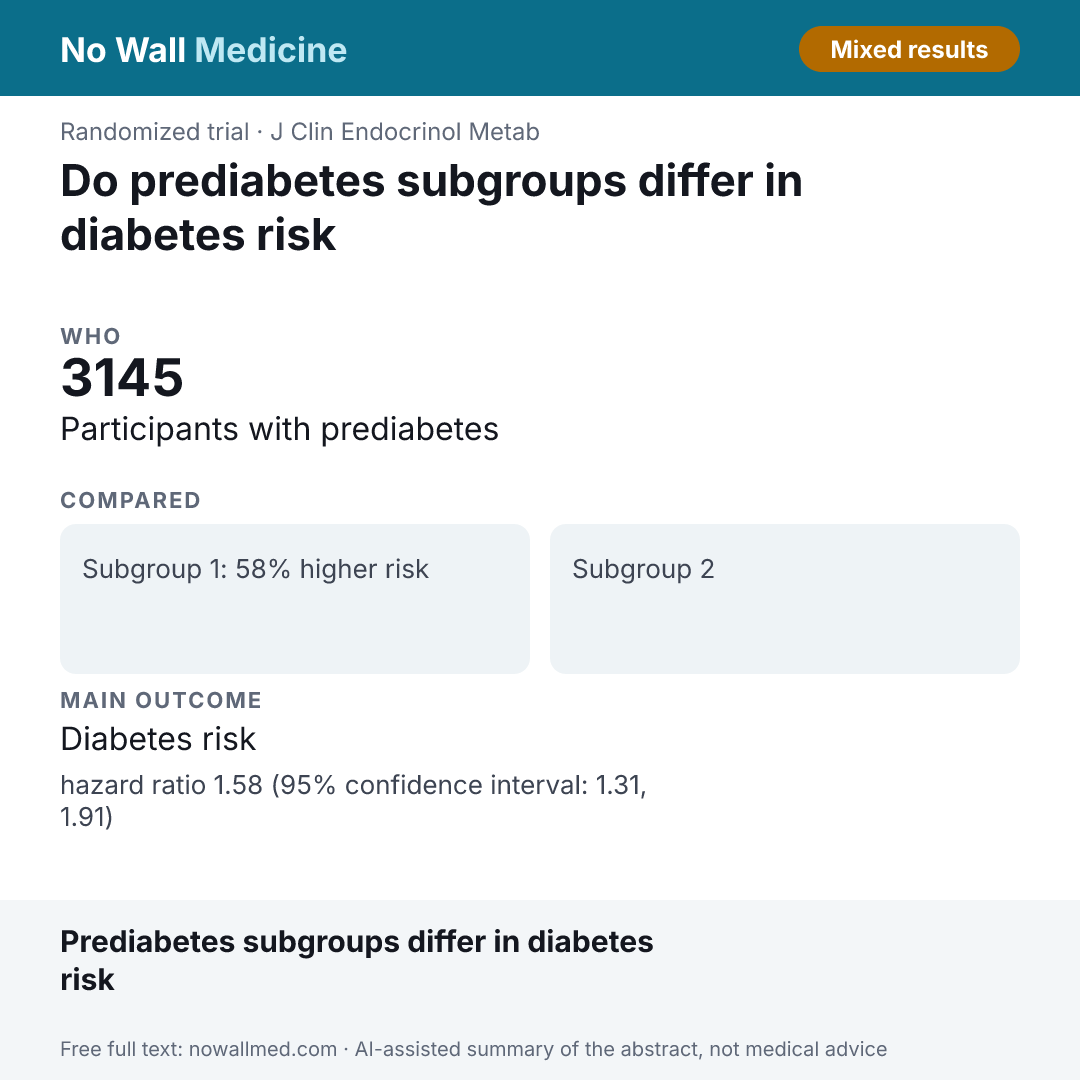
Prediabetes Subgroups, Type 2 Diabetes Risk, and Differential Effects of Preventive Interventions
Randomized trialMixed results
Do prediabetes subgroups differ in diabetes risk
Who
3145
Participants with prediabetes
Compared
Subgroup 1: 58% higher risk
Subgroup 2
Main outcome
Diabetes risk
Result: hazard ratio 1.58 (95% confidence interval: 1.31, 1.91)
Bottom line: Prediabetes subgroups differ in diabetes risk
J Clin Endocrinol Metab · 2025-06-11 · Save PNG
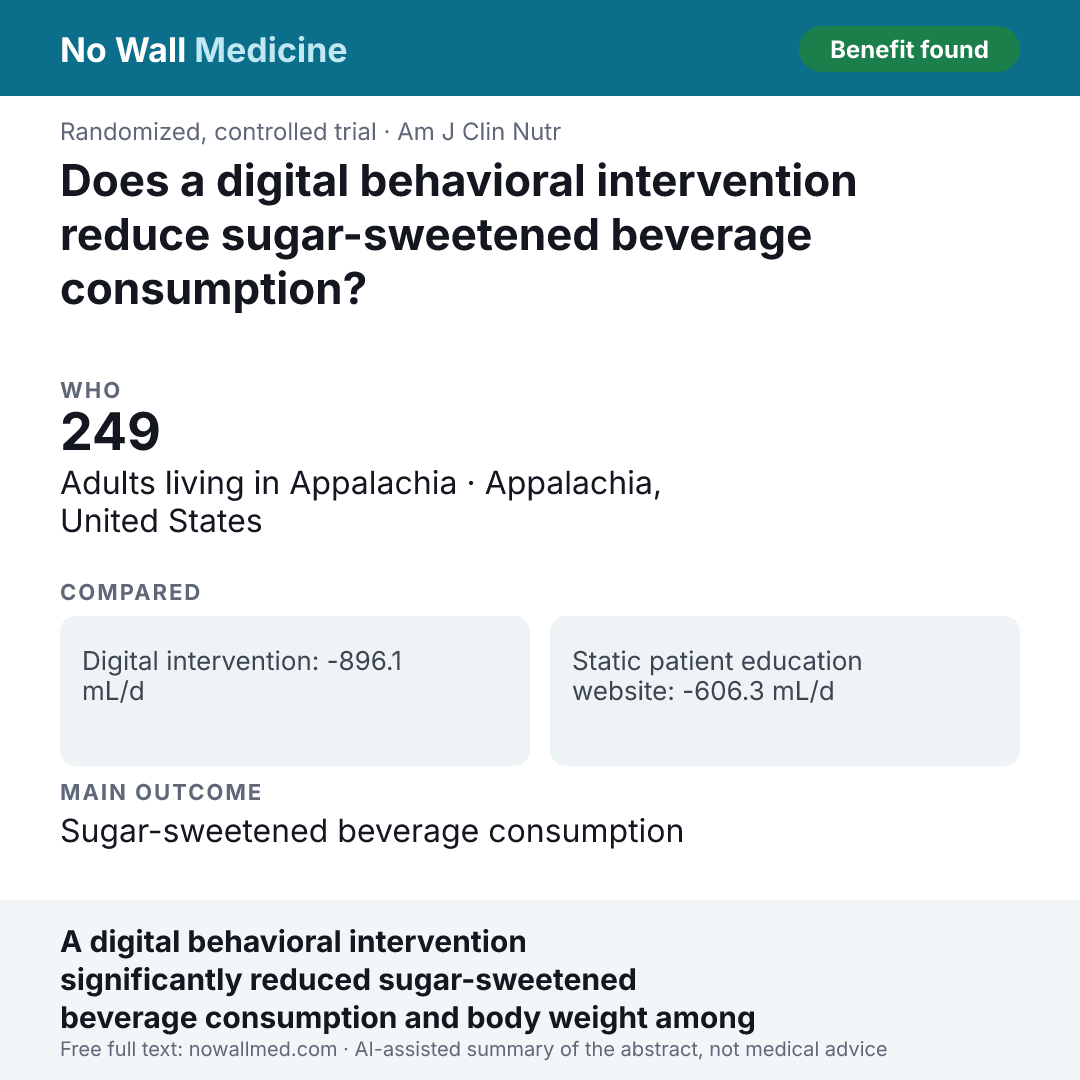
A digital behavioral intervention to reduce sugar-sweetened beverage consumption: a randomized, controlled trial
Randomized, controlled trialBenefit found
Does a digital behavioral intervention reduce sugar-sweetened beverage consumption?
Who
249
Adults living in Appalachia · Appalachia, United States
Compared
Digital intervention: -896.1 mL/d
Static patient education website: -606.3 mL/d
Main outcome
Sugar-sweetened beverage consumption
Result: -289.8 (95% CI: -493.9, -88.7) mL/d
Bottom line: A digital behavioral intervention significantly reduced sugar-sweetened beverage consumption and body weight among Appalachian adults.
Am J Clin Nutr · 2025-06-11 · Save PNG
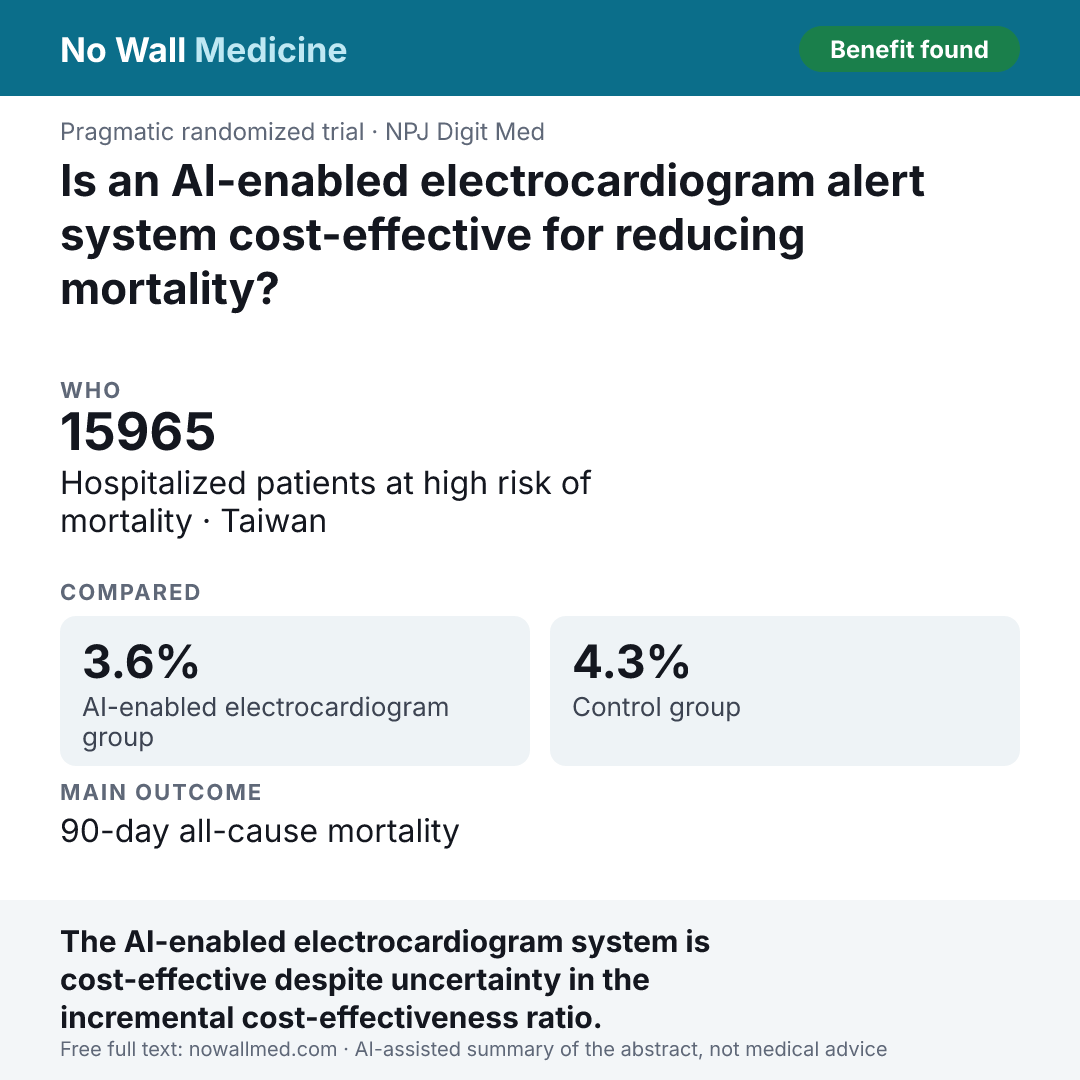
Effect of Time Delay on Reperfusion After Tenecteplase in an Extended Time Window: Analysis From the CHABLIS-T Trials
Analysis from two randomized trialsHarm found
Does time delay reduce reperfusion odds after tenecteplase in extended time window stroke?
Who
199
Patients with acute ischemic stroke treated with tenecteplase
Compared
Longer onset-to-arrival time: odds ratio 0.98 per 10 minutes
Prolonged onset-to-thrombolysis time: odds ratio 0.98 per 10 minutes
Main outcome
Major reperfusion assessed via imaging or digital subtraction angiography
Result: odds ratio 0.98 per 10 minutes (P=0.004)
Bottom line: Time delay is associated with reduced postthrombolytic reperfusion odds in patients treated with tenecteplase.
J Am Heart Assoc · 2025-06-11 · Save PNG
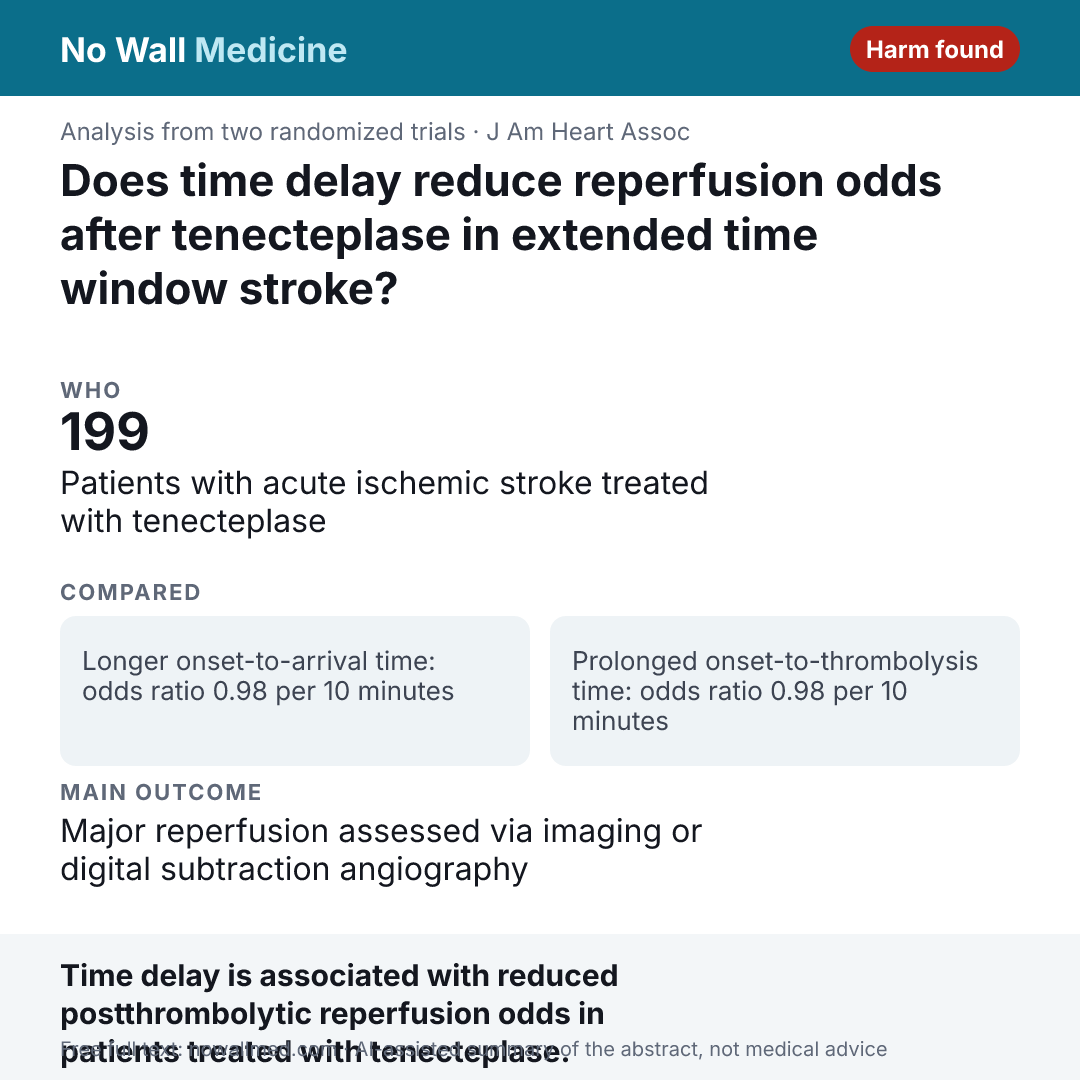
A large-scale multimodal investigation of the interplay between the serotonergic system and emotion processing
Randomized trial with neuroimagingBenefit found
How does citalopram affect emotion processing and the serotonergic system?
Who
153
153 subjects including 44 with major depressive disorder
Compared
Citalopram: reduced fMRI activation in fear processing regions
Placebo
Main outcome
fMRI activation during facial emotion processing task
Bottom line: Citalopram reduces brain activation in fear processing regions, potentially providing acute anxiolytic effects.
Transl Psychiatry · 2025-06-11 · Save PNG
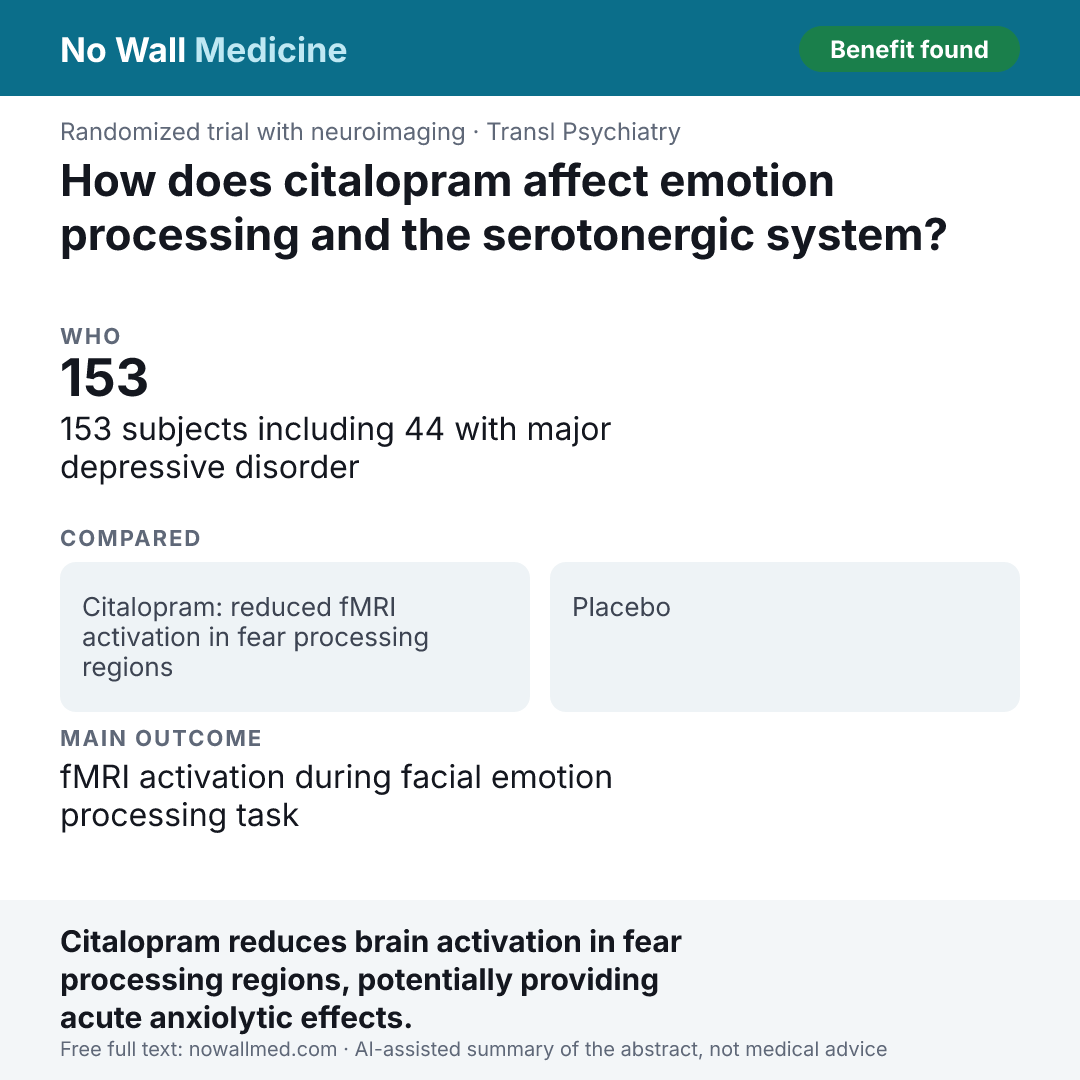
Real-time digital intervention on oral pre-exposure prophylaxis adherence among MSM: randomized controlled trial
Randomized controlled trialBenefit found
Does real-time digital intervention improve oral pre-exposure prophylaxis adherence among men who have sex with men?
Who
442
Men who have sex with men
Compared
83.1%intervention
59.8%control
Main outcome
oral pre-exposure prophylaxis adherence
Result: adjusted net difference: 21.0%, 95% confidence interval: 12.9-29.2%
Bottom line: Real-time digital intervention significantly increased oral pre-exposure prophylaxis adherence but had no effect on high-risk behaviors.
NPJ Digit Med · 2025-06-11 · Save PNG
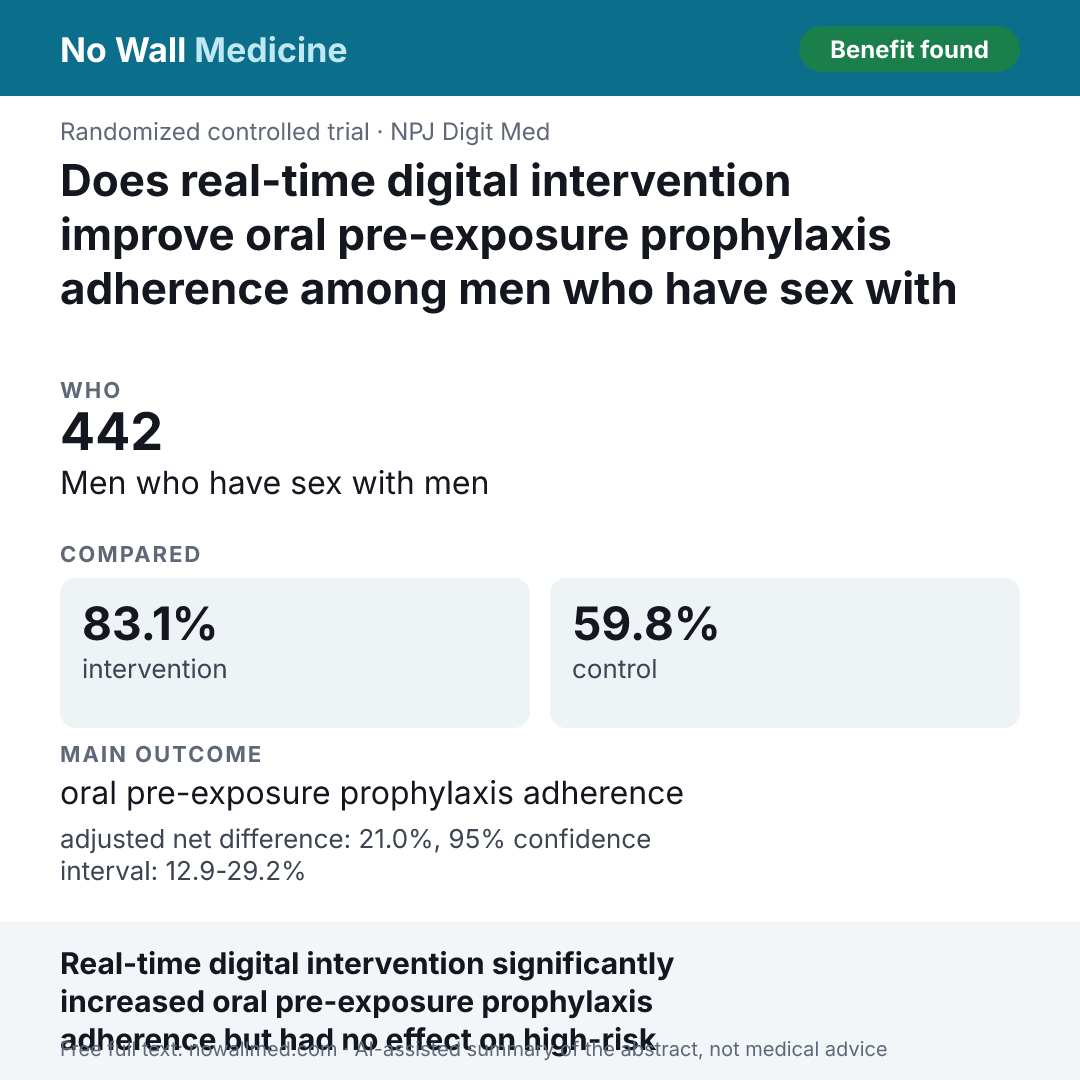
Economic analysis of an AI-enabled ECG alert system: impact on mortality outcomes from a pragmatic randomized trial
Pragmatic randomized trialBenefit found
Is an AI-enabled electrocardiogram alert system cost-effective for reducing mortality?
Who
15965
Hospitalized patients at high risk of mortality · Taiwan
Compared
3.6%AI-enabled electrocardiogram group
4.3%Control group
Main outcome
90-day all-cause mortality
Bottom line: The AI-enabled electrocardiogram system is cost-effective despite uncertainty in the incremental cost-effectiveness ratio.
NPJ Digit Med · 2025-06-11 · Save PNG
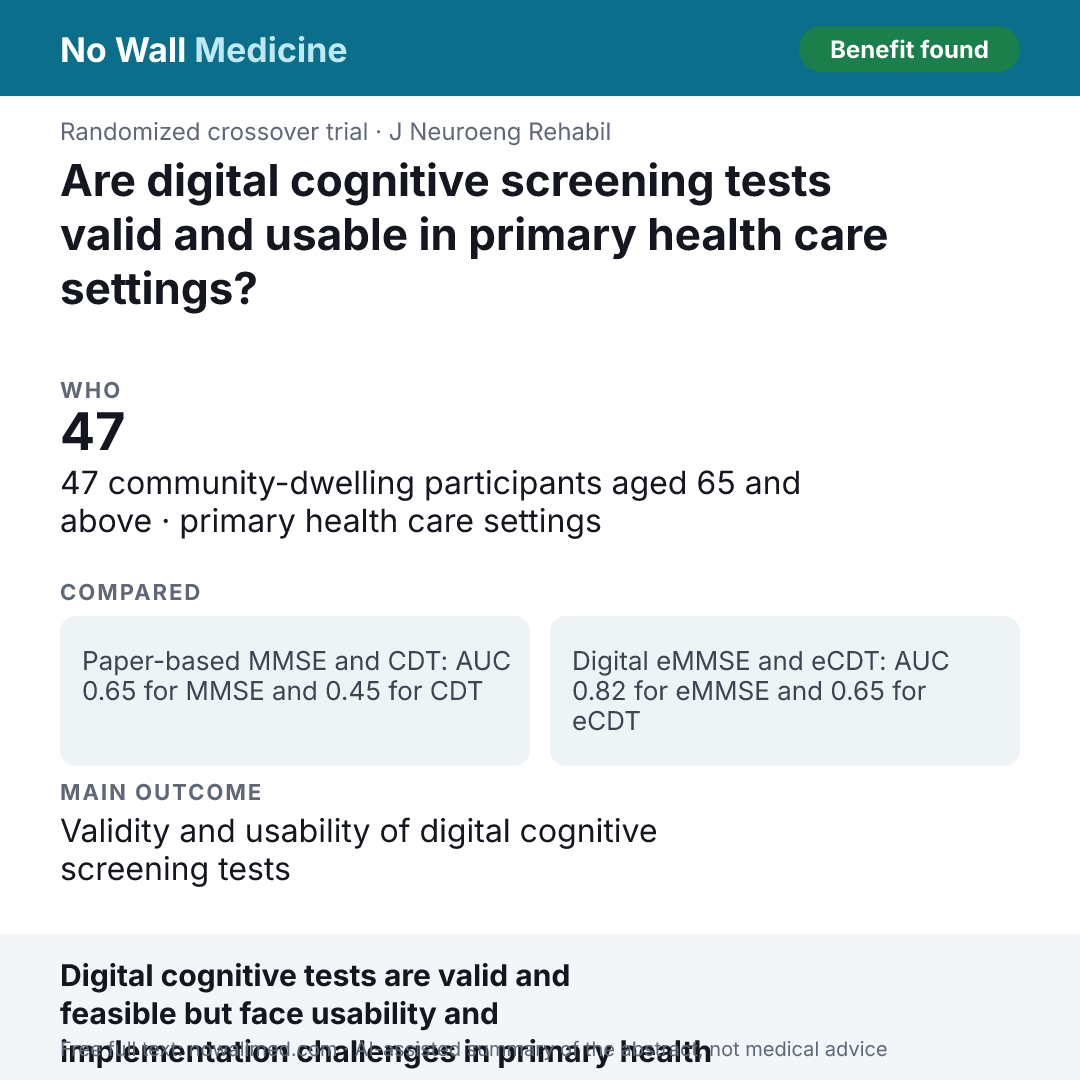
Validity and usability for digital cognitive assessment tools to screen for mild cognitive impairment: a randomized crossover trial
Randomized crossover trialBenefit found
Are digital cognitive screening tests valid and usable in primary health care settings?
Who
47
47 community-dwelling participants aged 65 and above · primary health care settings
Compared
Paper-based MMSE and CDT: AUC 0.65 for MMSE and 0.45 for CDT
Digital eMMSE and eCDT: AUC 0.82 for eMMSE and 0.65 for eCDT
Main outcome
Validity and usability of digital cognitive screening tests
Bottom line: Digital cognitive tests are valid and feasible but face usability and implementation challenges in primary health care.
J Neuroeng Rehabil · 2025-06-11 · Save PNG
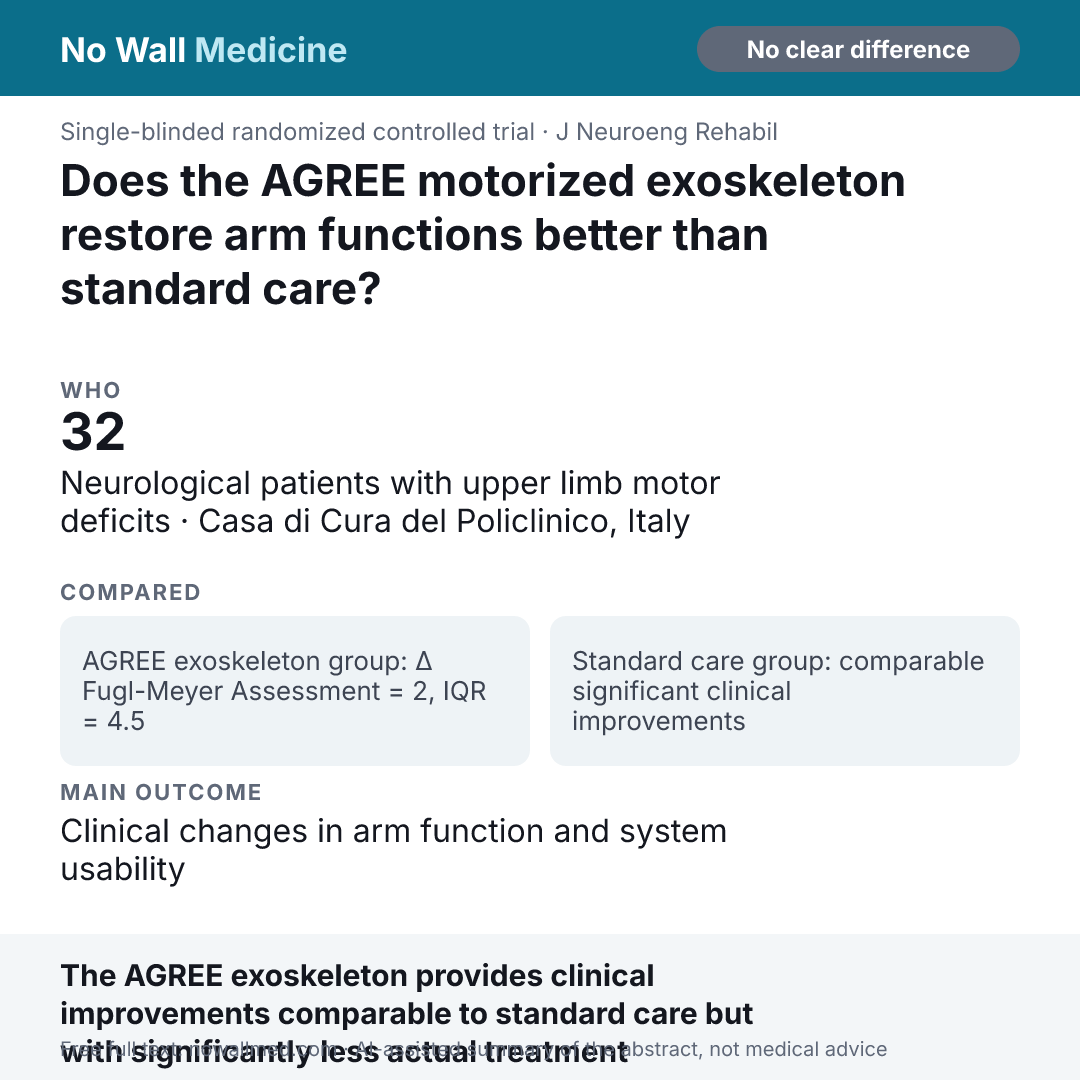
AGREE: an upper limb motorized exoskeleton for restoring arm functions: a single-blinded randomized controlled trial
Single-blinded randomized controlled trialNo clear difference
Does the AGREE motorized exoskeleton restore arm functions better than standard care?
Who
32
Neurological patients with upper limb motor deficits · Casa di Cura del Policlinico, Italy
Compared
AGREE exoskeleton group: Δ Fugl-Meyer Assessment = 2, IQR = 4.5
Standard care group: comparable significant clinical improvements
Main outcome
Clinical changes in arm function and system usability
Bottom line: The AGREE exoskeleton provides clinical improvements comparable to standard care but with significantly less actual treatment time.
J Neuroeng Rehabil · 2025-06-11 · Save PNG
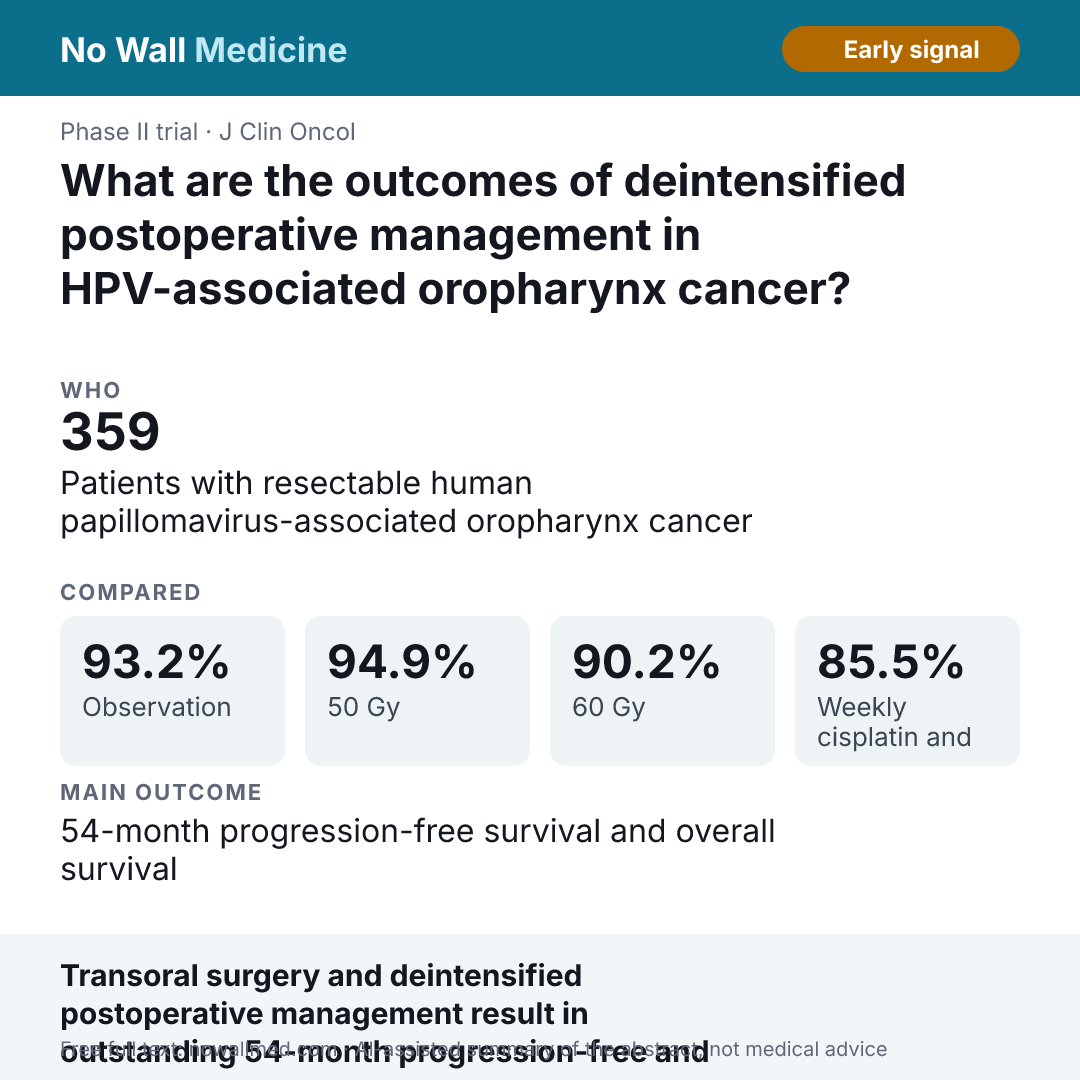
Long-Term Follow-Up of E3311, an ECOG-ACRIN Cancer Research Group Phase II Trial of Transoral Surgery and Risk-Based Adjuvant Treatment in Human Papillomavirus-Initiated Oropharynx Cancer
Phase II trialEarly signal
What are the outcomes of deintensified postoperative management in HPV-associated oropharynx cancer?
Who
359
Patients with resectable human papillomavirus-associated oropharynx cancer
Compared
93.2%Observation (79.6% to 97.8%)
94.9%50 Gy (89.7% to 97.5%)
90.2%60 Gy (82.7% to 94.6%)
85.5%Weekly cisplatin and 60-66 Gy (77.5% to 90.8%)
Main outcome
54-month progression-free survival and overall survival
Bottom line: Transoral surgery and deintensified postoperative management result in outstanding 54-month progression-free and overall survival.
J Clin Oncol · 2025-06-10 · Save PNG
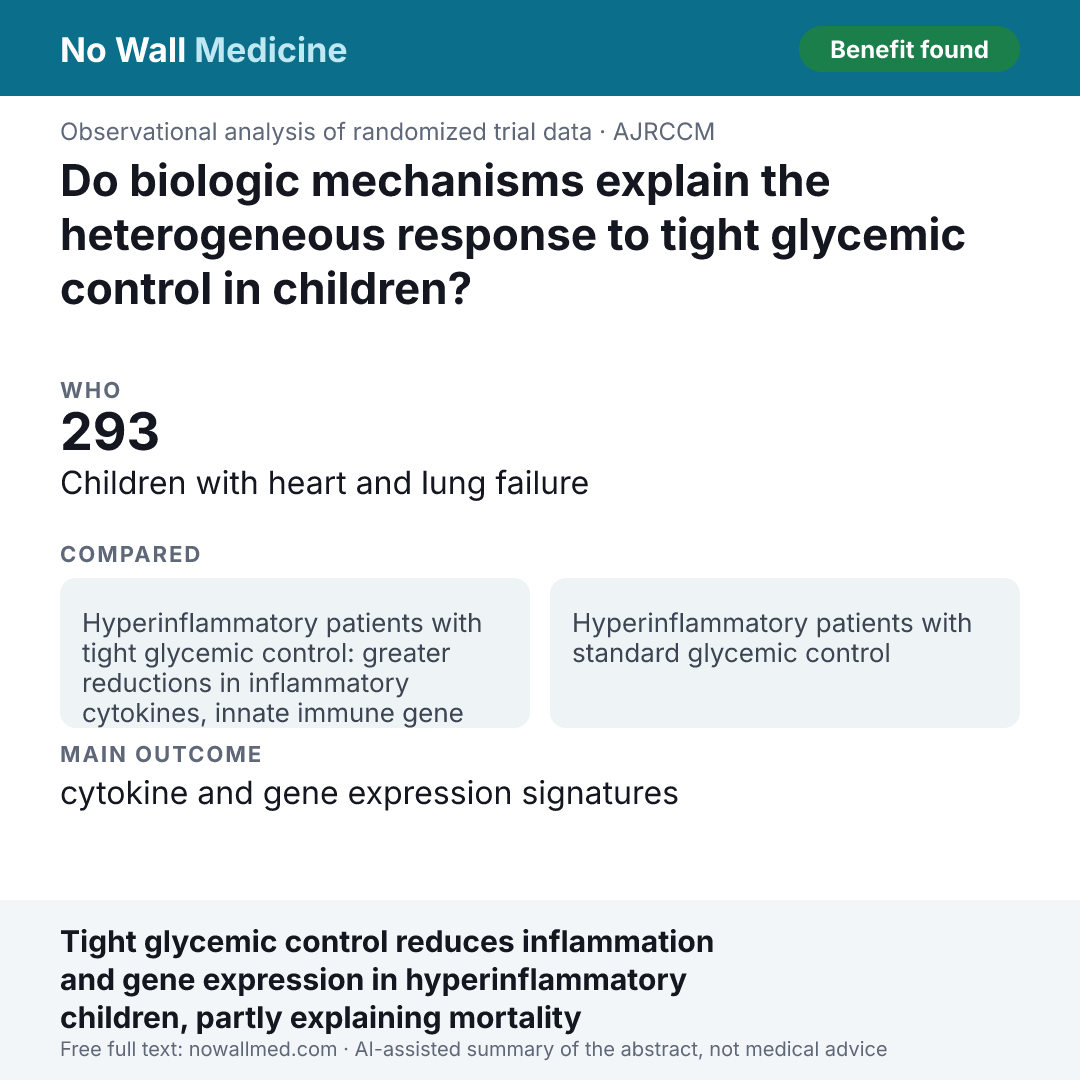
Biologic Mechanisms Underlying the Heterogeneous Response to Tight Glycemic Control among Differentially Inflamed Patients in the HALF-PINT Trial
Observational analysis of randomized trial dataBenefit found
Do biologic mechanisms explain the heterogeneous response to tight glycemic control in children?
Who
293
Children with heart and lung failure
Compared
Hyperinflammatory patients with tight glycemic control: greater reductions in inflammatory cytokines, innate immune gene expression, and heme metabolism gene expression
Hyperinflammatory patients with standard glycemic control
Main outcome
cytokine and gene expression signatures
Bottom line: Tight glycemic control reduces inflammation and gene expression in hyperinflammatory children, partly explaining mortality benefits.
AJRCCM · 2025-06-10 · Save PNG
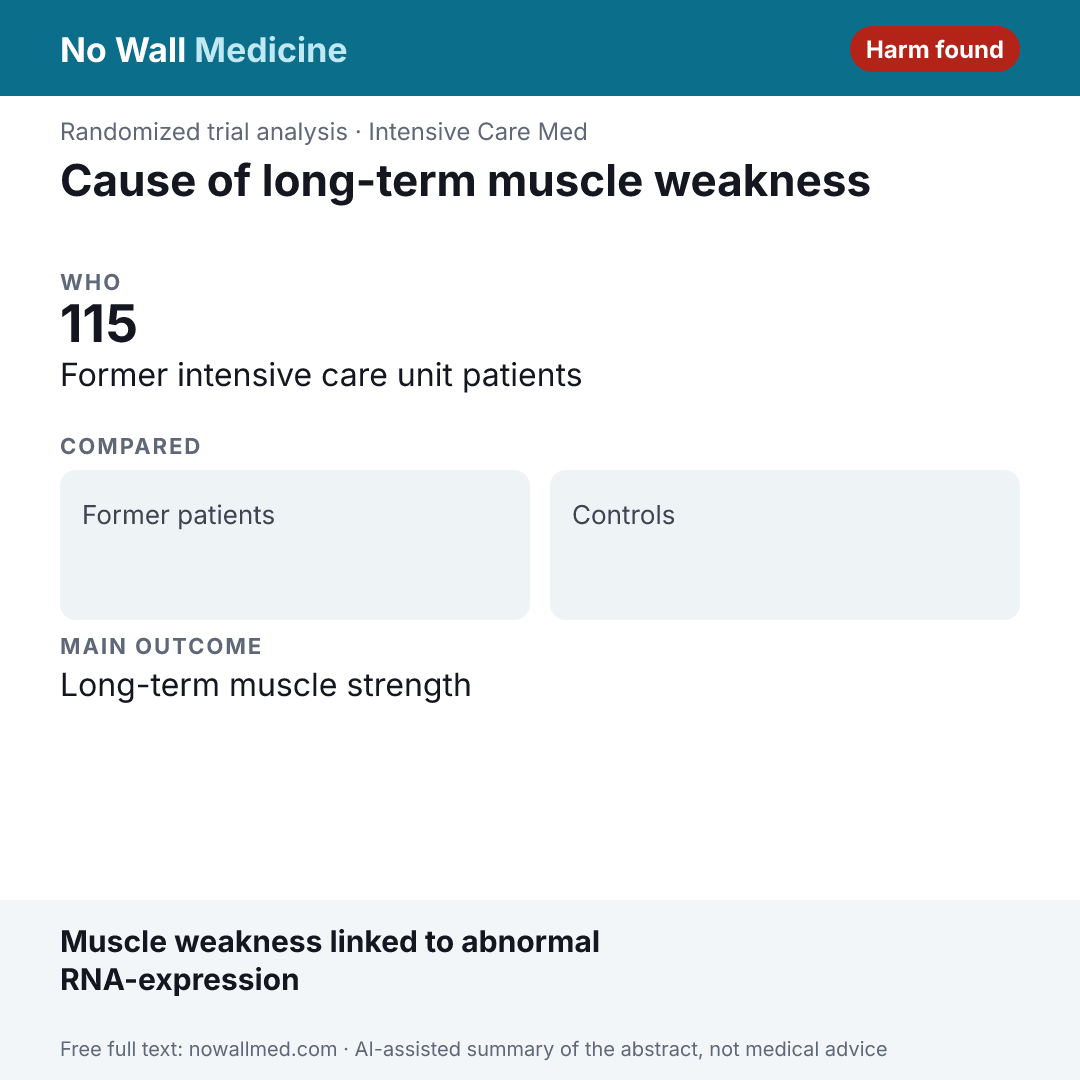
Altered muscle transcriptome as molecular basis of long-term muscle weakness in survivors from critical illness
Randomized trial analysisHarm found
Cause of long-term muscle weakness
Who
115
Former intensive care unit patients
Compared
Former patients
Controls
Main outcome
Long-term muscle strength
Bottom line: Muscle weakness linked to abnormal RNA-expression
Intensive Care Med · 2025-06-10 · Save PNG