Visual abstracts
New randomized trials and meta-analyses from leading journals at a glance: who was studied, what was compared, and what was found. Every paper is free to read in full.
All specialtiesCardiology 4877Oncology 4138Gastroenterology & Hepatology 1942Infectious Disease 3837Neurology 1905Psychiatry & Mental Health 2273Pulmonology 2143Critical Care 1365Endocrinology & Diabetes 2580Pediatrics 2980Surgery 2559Orthopedics & Sports Medicine 931Neurosurgery 537Cardiothoracic & Vascular Surgery 674Plastic & Reconstructive Surgery 591Nephrology 1133Rheumatology 823Hematology 1109Dermatology 621Ophthalmology 543Obstetrics & Gynecology 1686Public & Global Health 1058Radiology & Imaging 648Anesthesiology 986Urology 764ENT (Otolaryngology) 503Emergency Medicine 511Allergy & Immunology 313Geriatrics 981Family Medicine & Primary Care 562Medical Genetics & Genomics 676Pathology & Laboratory Medicine 159Physical Medicine & Rehabilitation 757Palliative Care 444Nutrition 1588Digital Health & AI 2201General Medicine 321
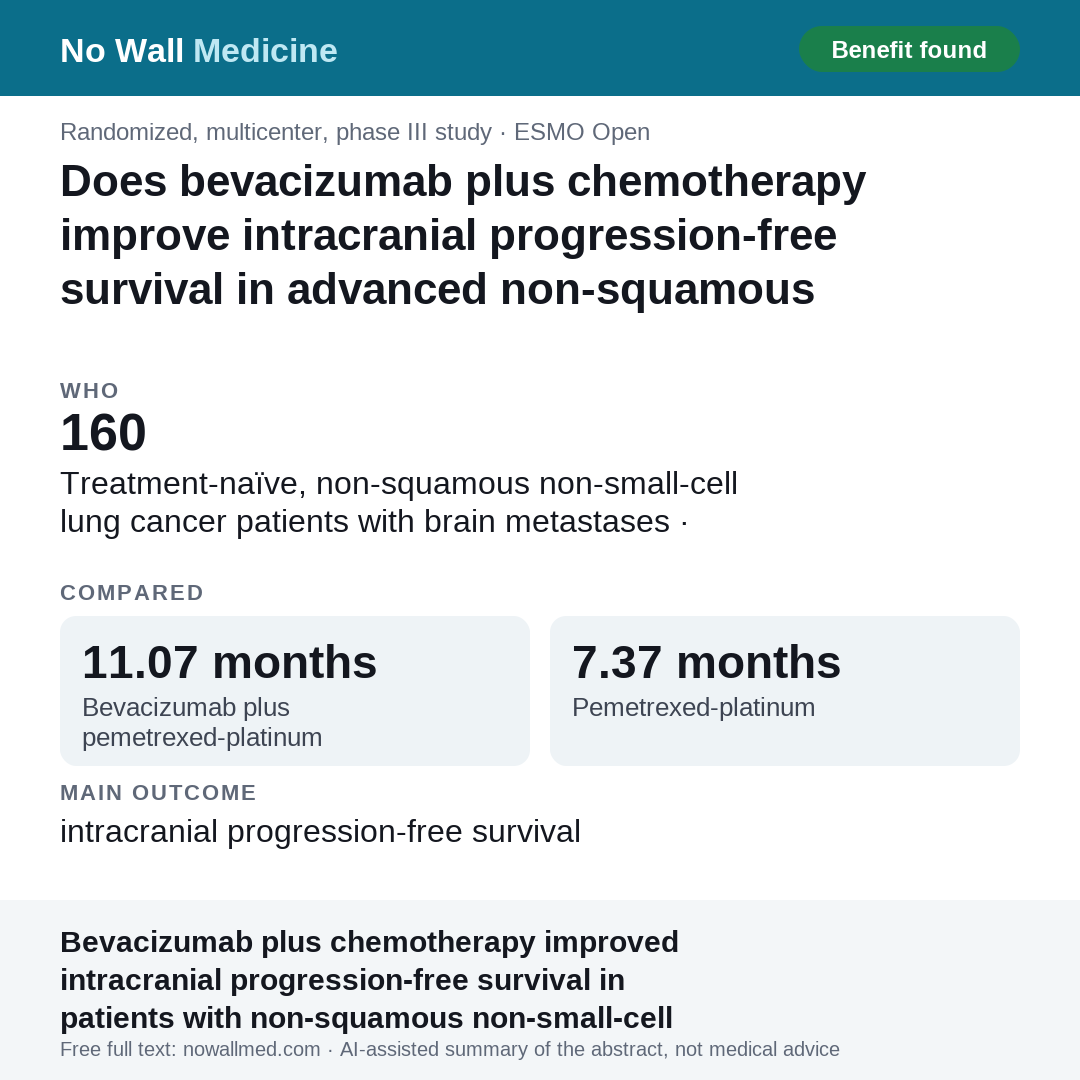
Bevacizumab plus chemotherapy versus chemotherapy in untreated advanced non-squamous non-small-cell lung cancer patients with brain metastases (BAP BRAIN): an open-label, randomized, multicenter, phase III study
Randomized, multicenter, phase III studyBenefit found
Does bevacizumab plus chemotherapy improve intracranial progression-free survival in advanced non-squamous non-small-cell lung cancer?
Who
160
Treatment-naïve, non-squamous non-small-cell lung cancer patients with brain metastases · 11 centers in China
Compared
11.07 monthsBevacizumab plus pemetrexed-platinum
7.37 monthsPemetrexed-platinum
Main outcome
intracranial progression-free survival
Result: hazard ratio 0.494, P < 0.001
Bottom line: Bevacizumab plus chemotherapy improved intracranial progression-free survival in patients with non-squamous non-small-cell lung cancer and brain metastases.
ESMO Open · 2025-11-20Download image
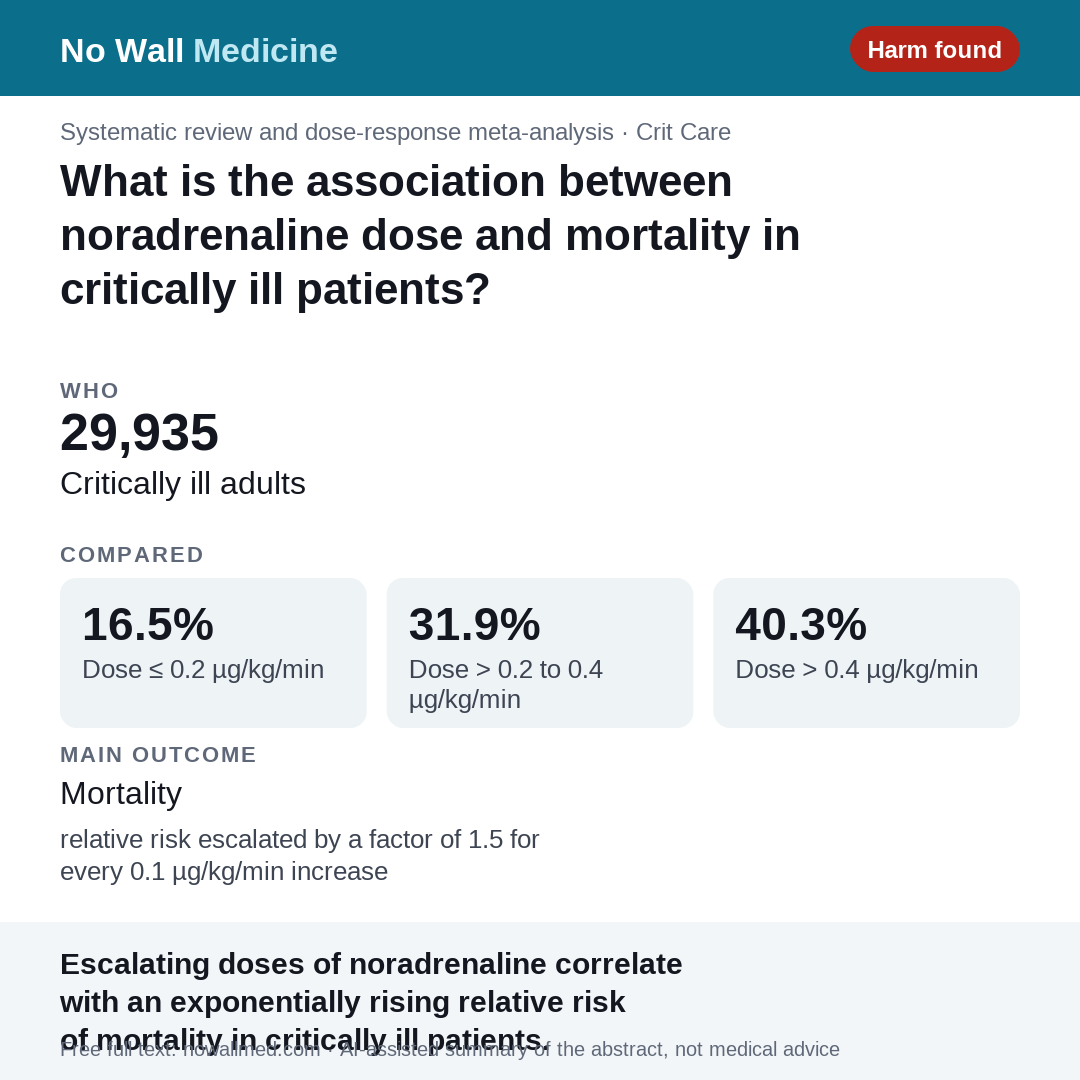
Association of noradrenaline dose with mortality in critically ill patients: a systematic review and dose-response meta-analysis
Systematic review and dose-response meta-analysisHarm found
What is the association between noradrenaline dose and mortality in critically ill patients?
Who
29,935
Critically ill adults
Compared
16.5%Dose ≤ 0.2 µg/kg/min
31.9%Dose > 0.2 to 0.4 µg/kg/min
40.3%Dose > 0.4 µg/kg/min
Main outcome
Mortality
Result: relative risk escalated by a factor of 1.5 for every 0.1 µg/kg/min increase
Bottom line: Escalating doses of noradrenaline correlate with an exponentially rising relative risk of mortality in critically ill patients.
Crit Care · 2025-11-20Download image
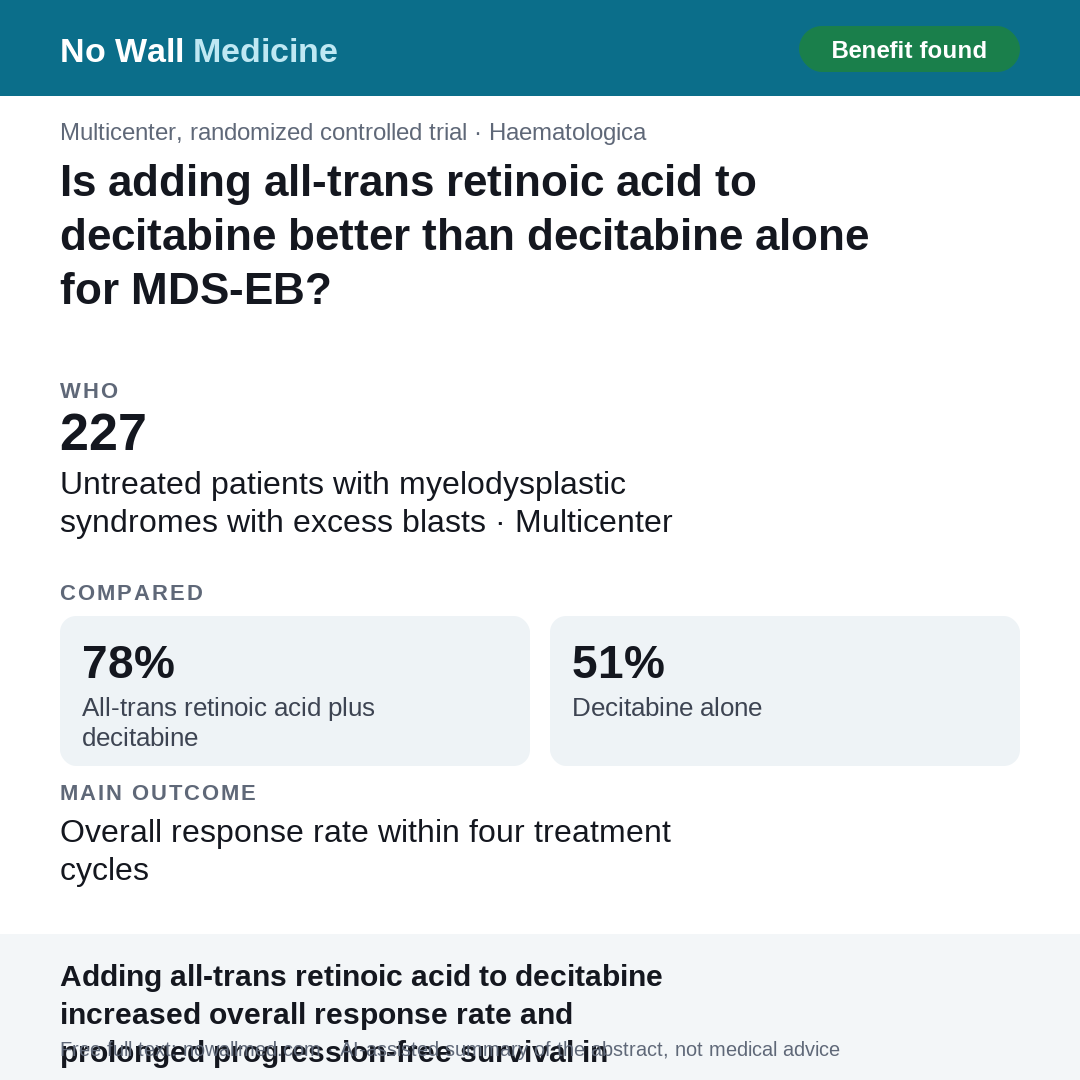
Decitabine plus all-trans retinoic acid versus decitabine monotherapy for myelodysplastic syndromes with excess blasts: a multicenter, randomized controlled trial
Multicenter, randomized controlled trialBenefit found
Is adding all-trans retinoic acid to decitabine better than decitabine alone for MDS-EB?
Who
227
Untreated patients with myelodysplastic syndromes with excess blasts · Multicenter
Compared
78%All-trans retinoic acid plus decitabine (86/110)
51%Decitabine alone (58/113)
Main outcome
Overall response rate within four treatment cycles
Result: odds ratio =3.40; 95% confidence interval [CI]: 1.90-6.09
Bottom line: Adding all-trans retinoic acid to decitabine increased overall response rate and prolonged progression-free survival in MDS-EB patients.
Haematologica · 2025-11-20Download image
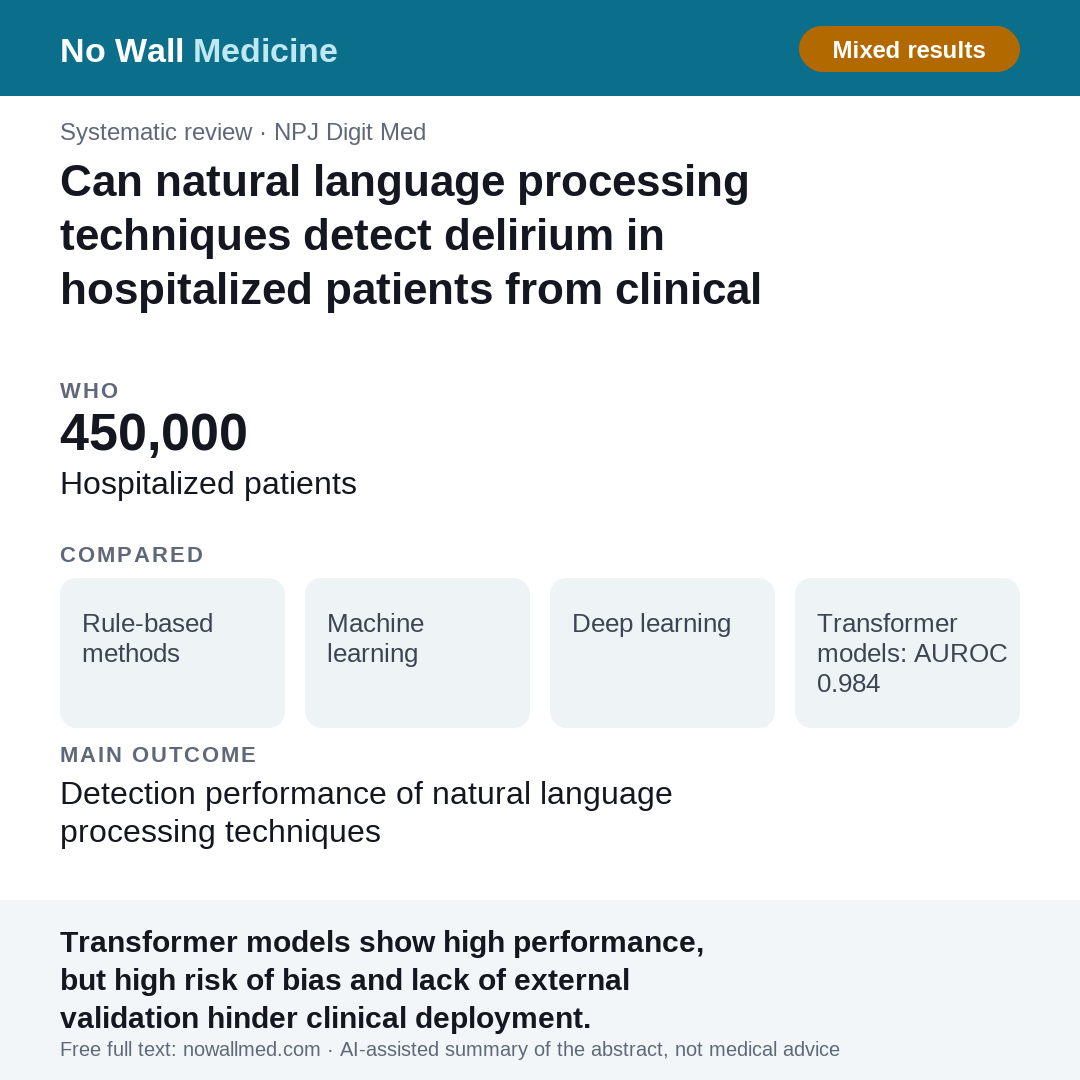
Natural language processing techniques to detect delirium in hospitalized patients from clinical notes: a systematic review
Systematic reviewMixed results
Can natural language processing techniques detect delirium in hospitalized patients from clinical notes?
Who
450,000
Hospitalized patients
Compared
Rule-based methods
Machine learning
Deep learning
Transformer models: AUROC 0.984
Main outcome
Detection performance of natural language processing techniques
Result: sensitivity ranged from 28.5% to 99.1%
Bottom line: Transformer models show high performance, but high risk of bias and lack of external validation hinder clinical deployment.
Limitation: High risk of bias due to inadequate validation and lack of prospective implementation studies.
NPJ Digit Med · 2025-11-20Download image
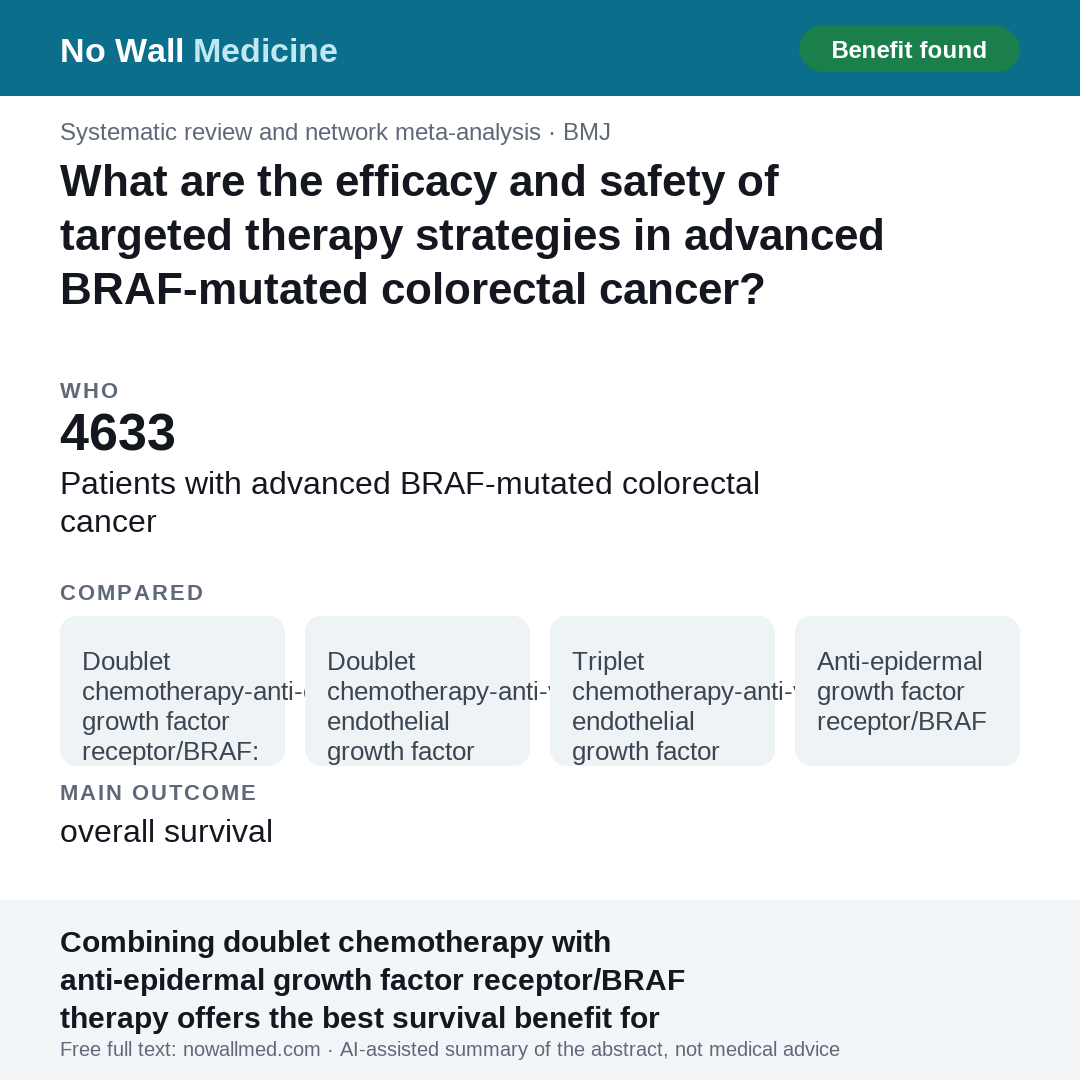
Targeted therapy in advanced BRAF-mutated colorectal cancer: systematic review and network meta-analysis
Systematic review and network meta-analysisBenefit found
What are the efficacy and safety of targeted therapy strategies in advanced BRAF-mutated colorectal cancer?
Who
4633
Patients with advanced BRAF-mutated colorectal cancer
Compared
Doublet chemotherapy-anti-epidermal growth factor receptor/BRAF: best overall survival
Doublet chemotherapy-anti-vascular endothelial growth factor
Triplet chemotherapy-anti-vascular endothelial growth factor
Anti-epidermal growth factor receptor/BRAF
Main outcome
overall survival
Result: hazard ratio 0.49 (95% CrI 0.36 to 0.66)
Bottom line: Combining doublet chemotherapy with anti-epidermal growth factor receptor/BRAF therapy offers the best survival benefit for initial treatment.
BMJ · 2025-11-19Download image
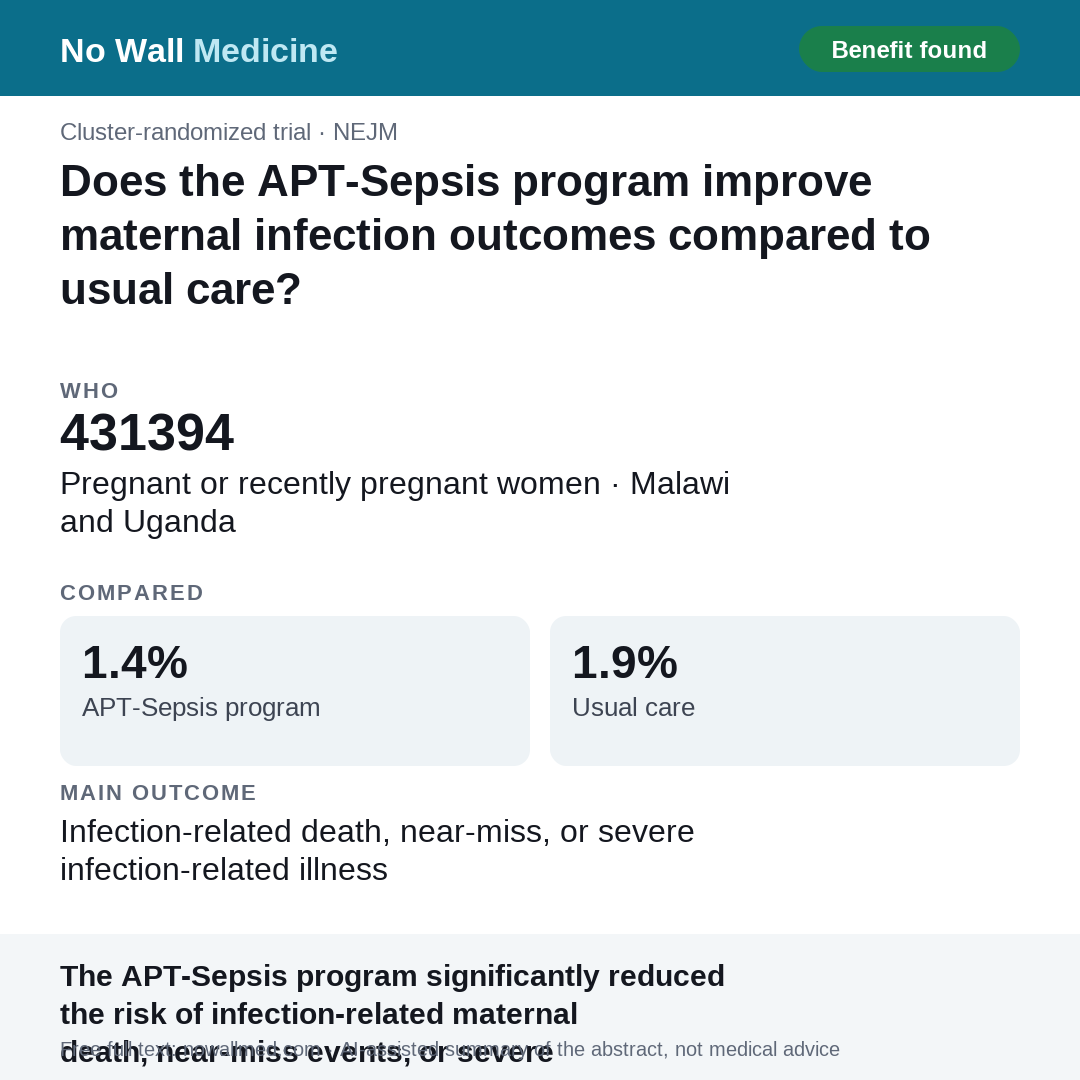
A Multicomponent Intervention to Improve Maternal Infection Outcomes
Cluster-randomized trialBenefit found
Does the APT-Sepsis program improve maternal infection outcomes compared to usual care?
Who
431394
Pregnant or recently pregnant women · Malawi and Uganda
Compared
1.4%APT-Sepsis program
1.9%Usual care
Main outcome
Infection-related death, near-miss, or severe infection-related illness
Result: risk ratio 0.68 (95% confidence interval 0.55 to 0.83)
Bottom line: The APT-Sepsis program significantly reduced the risk of infection-related maternal death, near-miss events, or severe infection-related illness.
Funded by: Joint Global Health Trials scheme and others
NEJM · 2025-11-19Download image
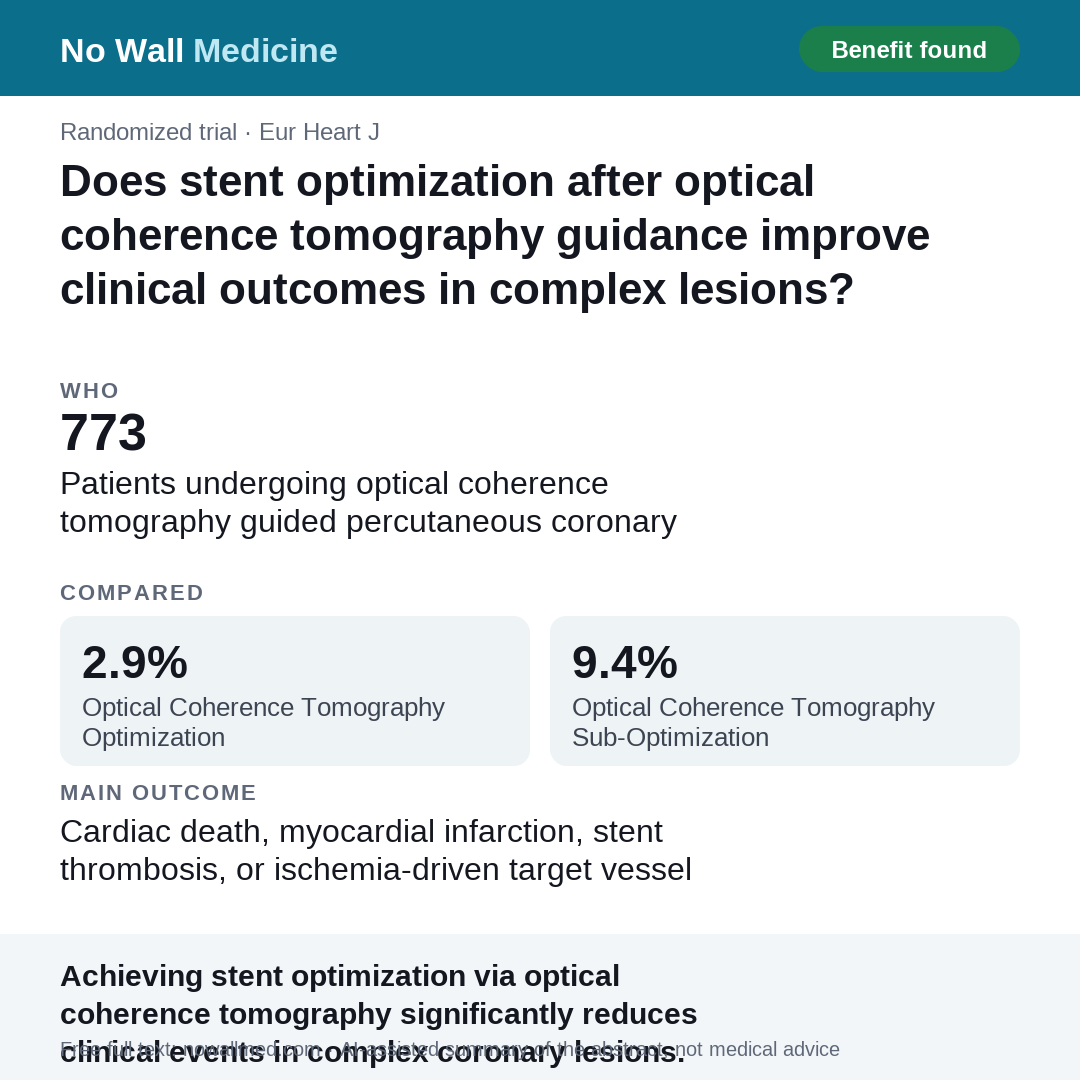
Optical coherence tomography-guided stent optimization for complex coronary lesions: the OCCUPI trial
Randomized trialBenefit found
Does stent optimization after optical coherence tomography guidance improve clinical outcomes in complex lesions?
Who
773
Patients undergoing optical coherence tomography guided percutaneous coronary intervention
Compared
2.9%Optical Coherence Tomography Optimization
9.4%Optical Coherence Tomography Sub-Optimization
Main outcome
Cardiac death, myocardial infarction, stent thrombosis, or ischemia-driven target vessel revascularization
Result: hazard ratio 0.30 (95% CI 0.16-0.58)
Bottom line: Achieving stent optimization via optical coherence tomography significantly reduces clinical events in complex coronary lesions.
Eur Heart J · 2025-11-19Download image
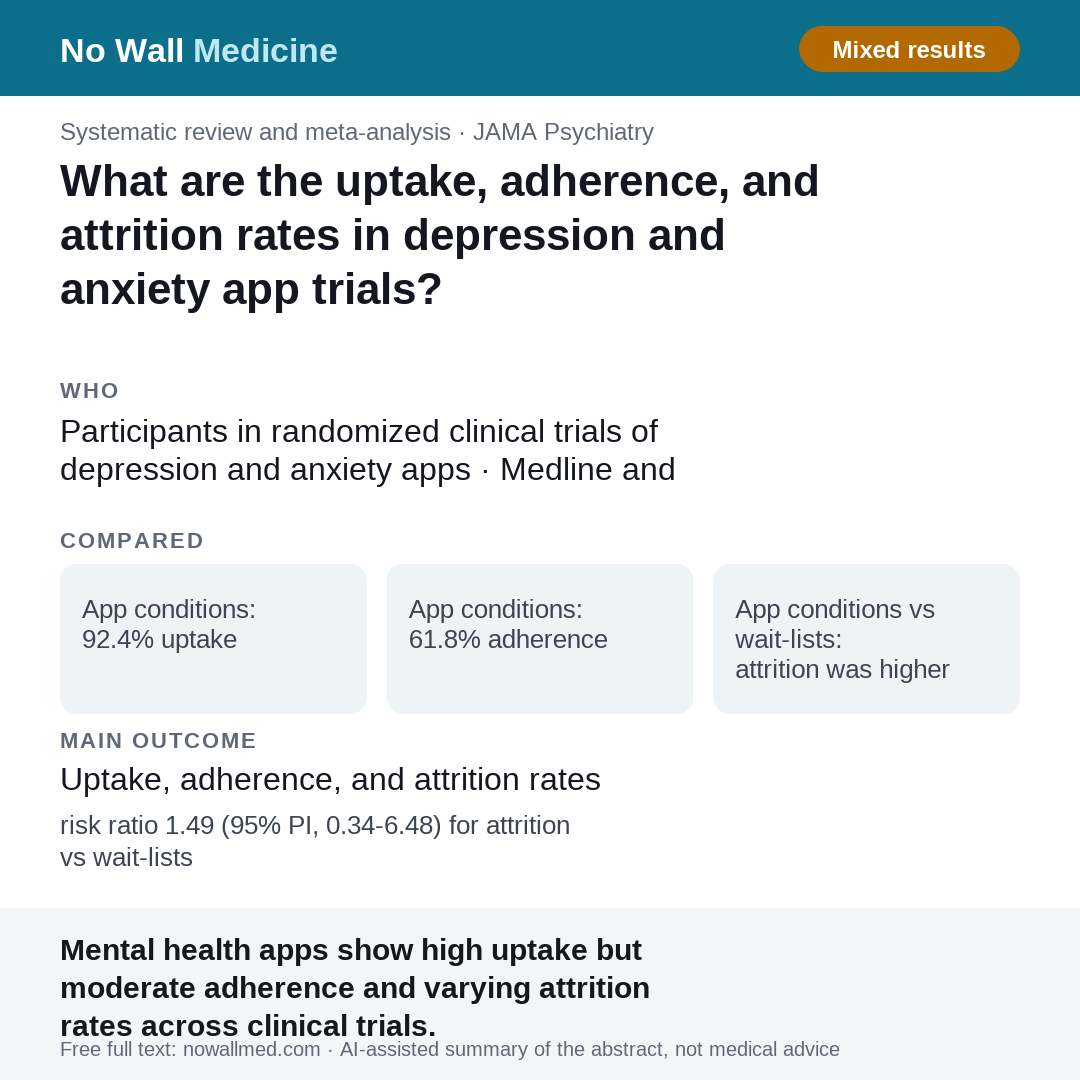
Uptake, Adherence, and Attrition in Clinical Trials of Depression and Anxiety Apps: A Systematic Review and Meta-Analysis
Systematic review and meta-analysisMixed results
What are the uptake, adherence, and attrition rates in depression and anxiety app trials?
Who
Participants in randomized clinical trials of depression and anxiety apps · Medline and PsycINFO
Compared
App conditions: 92.4% uptake
App conditions: 61.8% adherence
App conditions vs wait-lists: attrition was higher
Main outcome
Uptake, adherence, and attrition rates
Result: risk ratio 1.49 (95% PI, 0.34-6.48) for attrition vs wait-lists
Bottom line: Mental health apps show high uptake but moderate adherence and varying attrition rates across clinical trials.
JAMA Psychiatry · 2025-11-19Download image
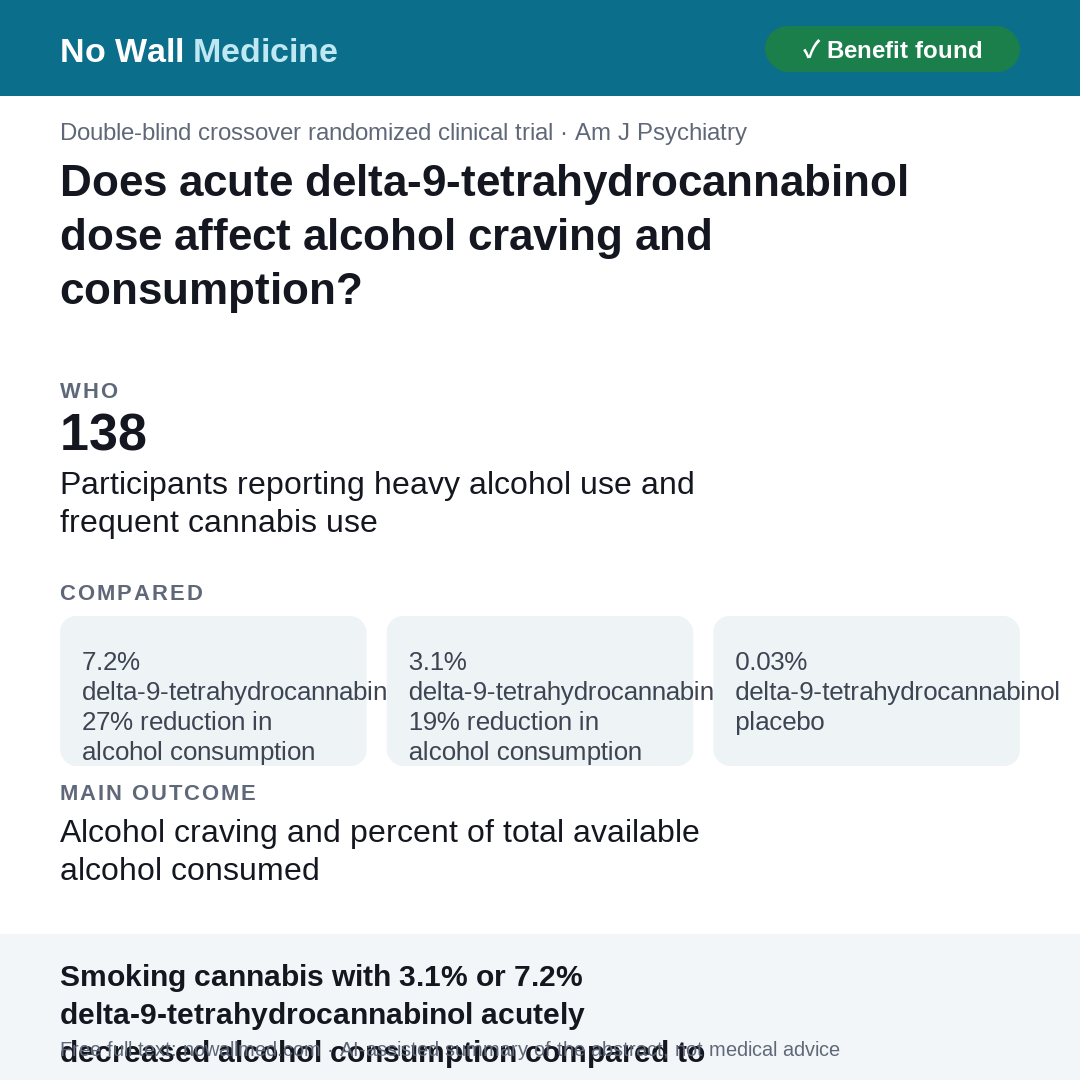
Acute Effects of Cannabis on Alcohol Craving and Consumption: A Randomized Controlled Crossover Trial
Double-blind crossover randomized clinical trialBenefit found
Does acute delta-9-tetrahydrocannabinol dose affect alcohol craving and consumption?
Who
138
Participants reporting heavy alcohol use and frequent cannabis use
Compared
7.2% delta-9-tetrahydrocannabinol: 27% reduction in alcohol consumption
3.1% delta-9-tetrahydrocannabinol: 19% reduction in alcohol consumption
0.03% delta-9-tetrahydrocannabinol placebo
Main outcome
Alcohol craving and percent of total available alcohol consumed
Bottom line: Smoking cannabis with 3.1% or 7.2% delta-9-tetrahydrocannabinol acutely decreased alcohol consumption compared to placebo.
Limitation: Further controlled research on a variety of cannabinoids is needed.
Am J Psychiatry · 2025-11-19Download image
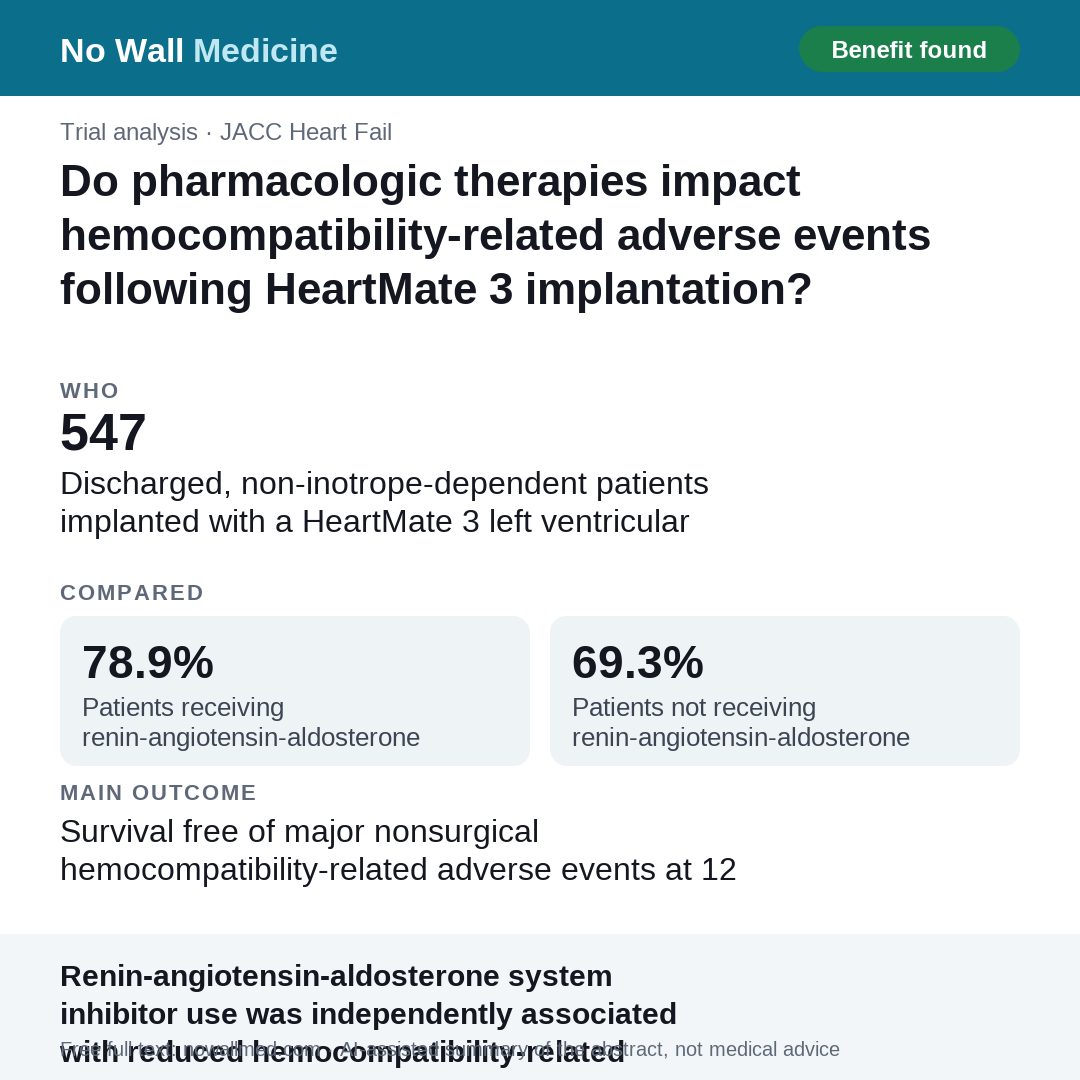
Hemocompatibility Outcomes With Pharmacological Therapy Following LVAD Implantation: Insights From the ARIES-HM3 Trial
Trial analysisBenefit found
Do pharmacologic therapies impact hemocompatibility-related adverse events following HeartMate 3 implantation?
Who
547
Discharged, non-inotrope-dependent patients implanted with a HeartMate 3 left ventricular assist device
Compared
78.9%Patients receiving renin-angiotensin-aldosterone system inhibitors
69.3%Patients not receiving renin-angiotensin-aldosterone system inhibitors
Main outcome
Survival free of major nonsurgical hemocompatibility-related adverse events at 12 months
Result: hazard ratio 0.61 (95% CI 0.37-1.01)
Bottom line: Renin-angiotensin-aldosterone system inhibitor use was independently associated with reduced hemocompatibility-related adverse events.
Limitation: These were exploratory observations.
JACC Heart Fail · 2025-11-19Download image
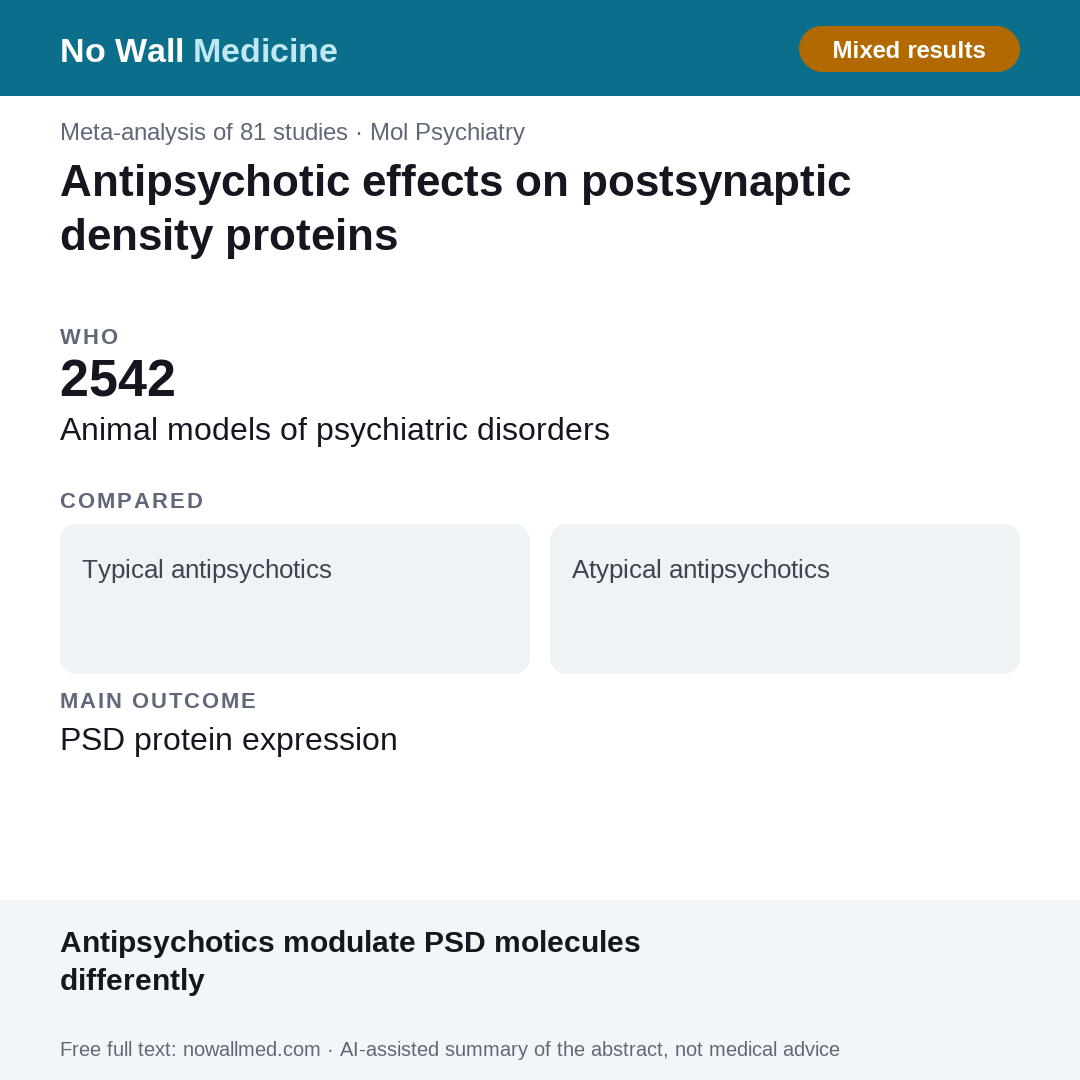
Molecular and topographic mapping of antipsychotic effects: a meta-analysis of postsynaptic density proteins in animal models with translational implications
Meta-analysis of 81 studiesMixed results
Antipsychotic effects on postsynaptic density proteins
Who
2542
Animal models of psychiatric disorders
Compared
Typical antipsychotics
Atypical antipsychotics
Main outcome
PSD protein expression
Bottom line: Antipsychotics modulate PSD molecules differently
Mol Psychiatry · 2025-11-19Download image
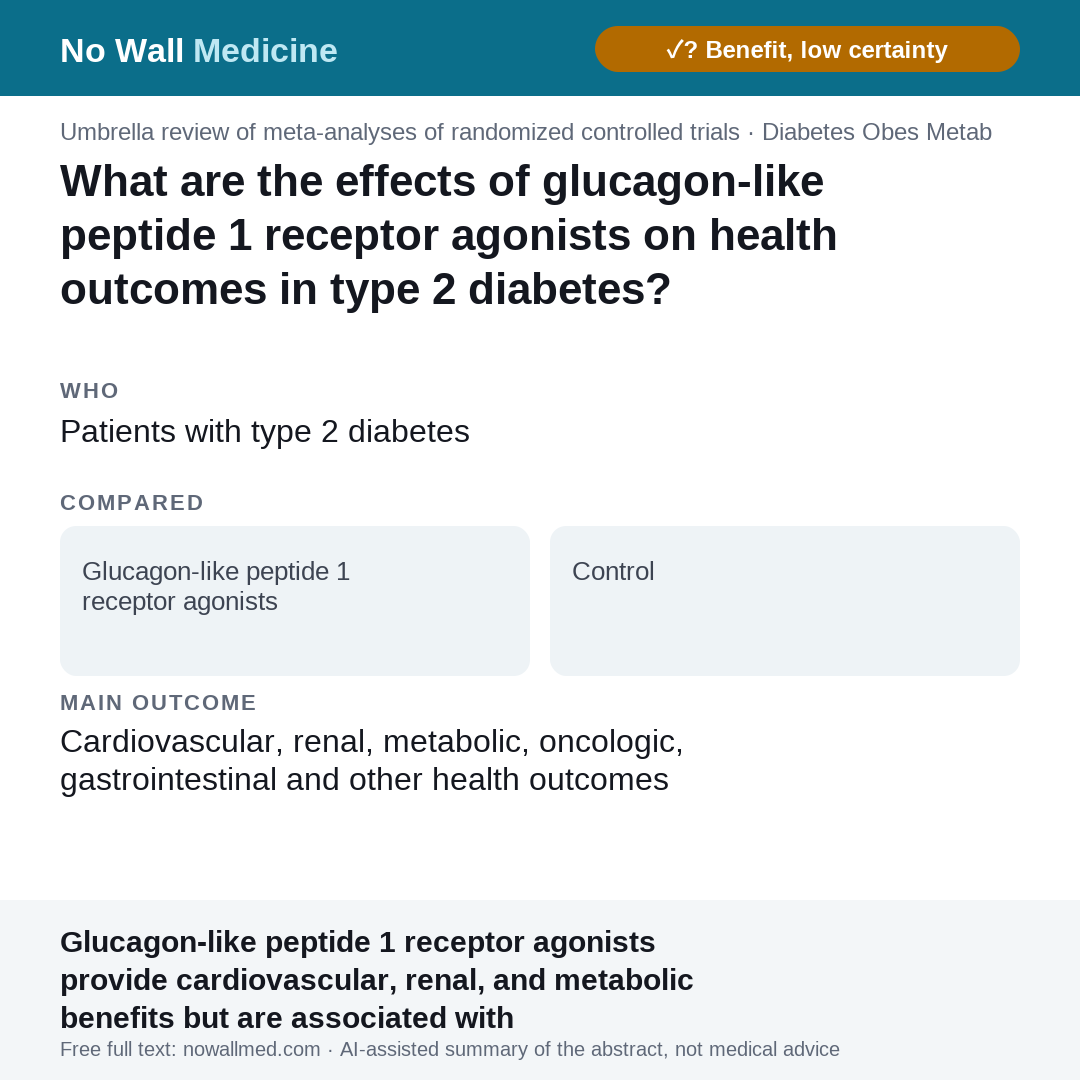
Efficacy and safety of glucagon-like peptide 1 receptor agonists across all health outcomes in type 2 diabetes: An umbrella review and evidence map of randomised controlled trials
Umbrella review of meta-analyses of randomized controlled trialsBenefit found
What are the effects of glucagon-like peptide 1 receptor agonists on health outcomes in type 2 diabetes?
Who
432
Patients with type 2 diabetes
Compared
Glucagon-like peptide 1 receptor agonists
Control
Main outcome
Cardiovascular, renal, metabolic, oncologic, gastrointestinal and other health outcomes
Bottom line: Glucagon-like peptide 1 receptor agonists provide cardiovascular, renal, and metabolic benefits but are associated with gastrointestinal adverse events.
Diabetes Obes Metab · 2025-11-19Download image
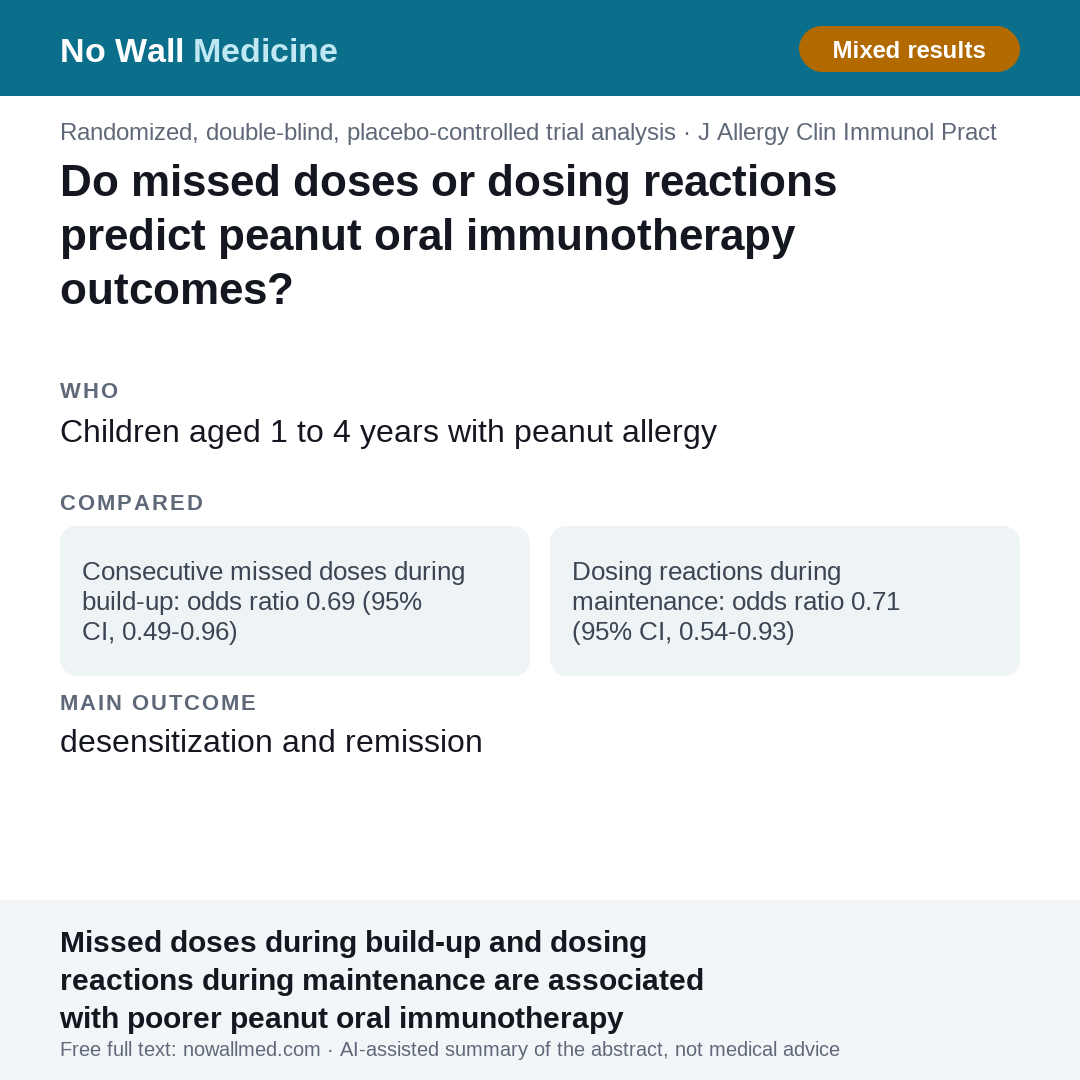
Dosing Reactions and Missed Doses Affect Peanut Oral Immunotherapy Outcomes
Randomized, double-blind, placebo-controlled trial analysisMixed results
Do missed doses or dosing reactions predict peanut oral immunotherapy outcomes?
Who
Children aged 1 to 4 years with peanut allergy
Compared
Consecutive missed doses during build-up: odds ratio 0.69 (95% CI, 0.49-0.96)
Dosing reactions during maintenance: odds ratio 0.71 (95% CI, 0.54-0.93)
Main outcome
desensitization and remission
Bottom line: Missed doses during build-up and dosing reactions during maintenance are associated with poorer peanut oral immunotherapy outcomes.
J Allergy Clin Immunol Pract · 2025-11-19Download image
Optimizing Autologous Fat Grafting: A Systematic Review of Enhancement Strategies and Graft Survival
Systematic reviewBenefit found
Does enriching lipoaspirate with additional substances optimize autologous fat graft survival?
Who
Animal models and clinical settings · PubMed and Web of Science
Compared
Enriched lipoaspirate
Standard lipoaspirate
Main outcome
Autologous fat graft survival
Bottom line: Enriching lipoaspirate with substances like stromal vascular fraction or platelet-rich plasma appears to enhance graft survival.
Aesthet Surg J · 2025-11-19Download image

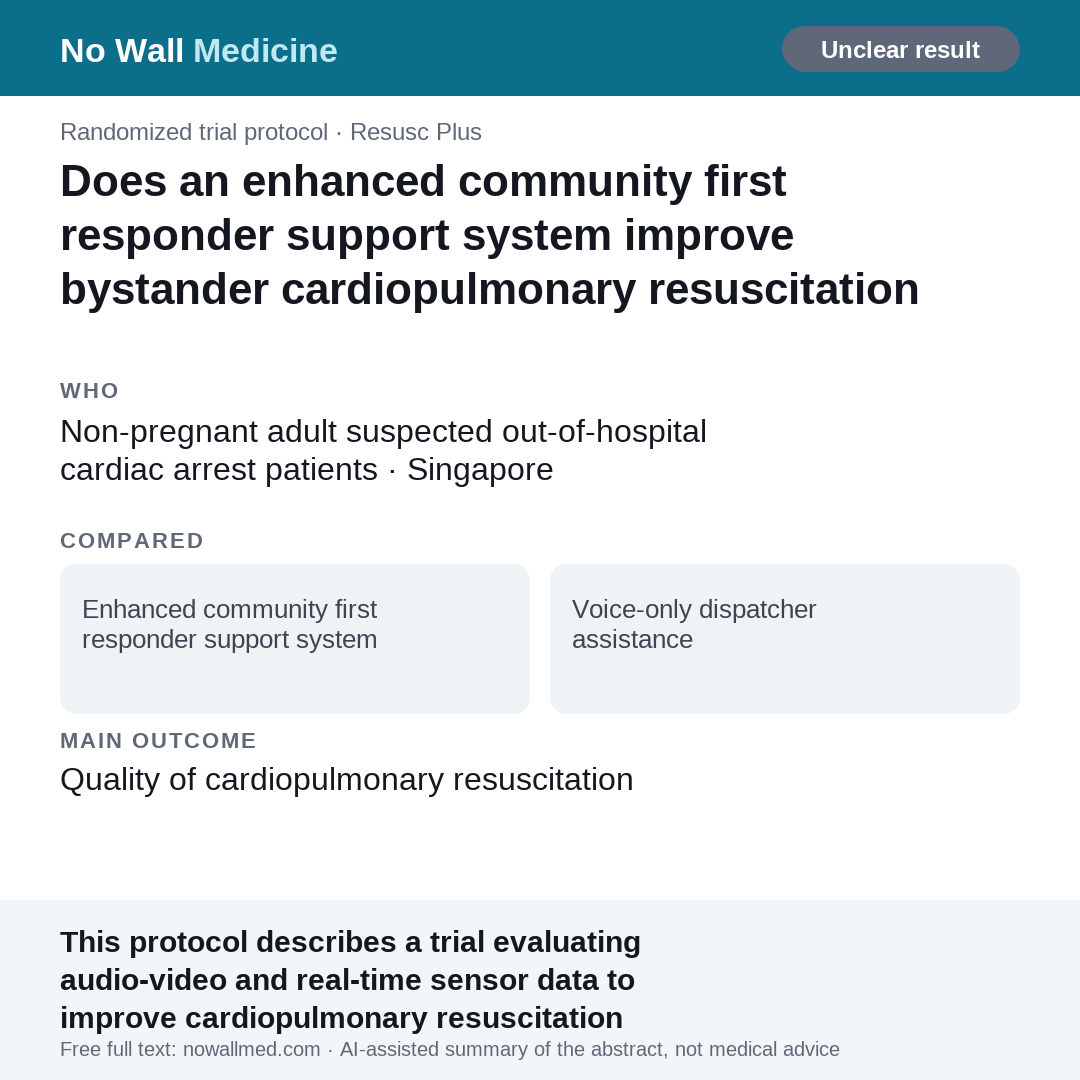
Enhanced community first responder support system: protocol of a randomized trial to improve bystander cardiopulmonary resuscitation quality for out-of-hospital cardiac arrest patients
Randomized trial protocolUnclear result
Does an enhanced community first responder support system improve bystander cardiopulmonary resuscitation quality?
Who
Non-pregnant adult suspected out-of-hospital cardiac arrest patients · Singapore
Compared
Enhanced community first responder support system
Voice-only dispatcher assistance
Main outcome
Quality of cardiopulmonary resuscitation
Bottom line: This protocol describes a trial evaluating audio-video and real-time sensor data to improve cardiopulmonary resuscitation quality.
Funded by: Singapore Civic Defence Force
Resusc Plus · 2025-11-19Download image
Enhancing theoretical BLS knowledge with virtual reality: a randomized controlled trial in medical students
Single blind randomized controlled trialMixed results
Does a virtual reality session enhance basic life support knowledge and performance?
Who
126
Fourth-year medical students with prior basic life support training
Compared
Intervention group with virtual reality: significantly greater gains in knowledge at post-course and follow-up
Control group receiving standard preparation: no significant differences in OSCE performance
Main outcome
Theoretical knowledge and practical performance of basic life support skills
Bottom line: A virtual reality session enhanced theoretical knowledge but did not significantly affect practical performance in medical students.
Limitation: Further research is needed to evaluate long-term impact and optimal integration methods.
Resusc Plus · 2025-11-19Download image

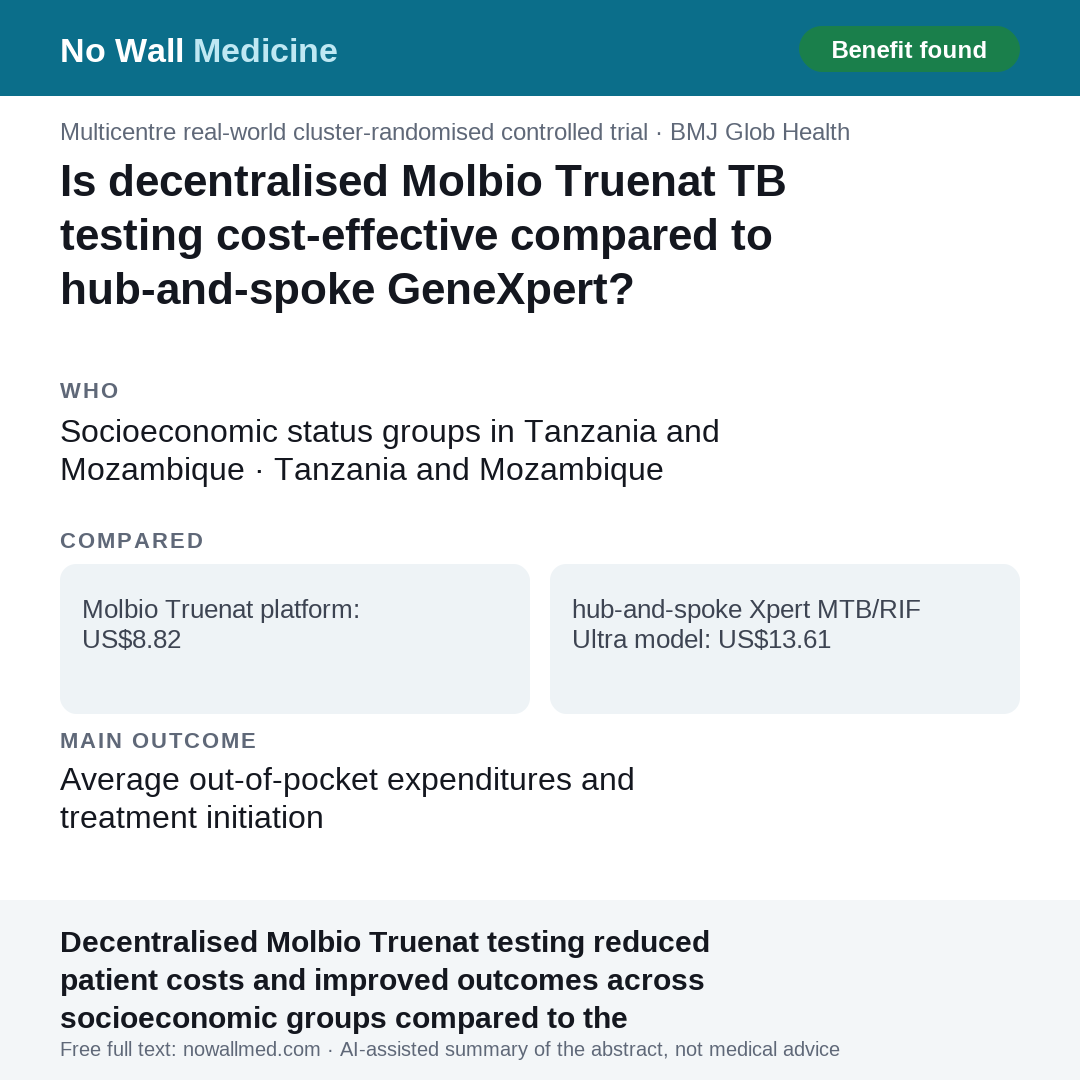
An extended cost-effectiveness analysis of decentralised TB diagnostic testing with Molbio Truenat MTB/RIF versus hub-and-spoke GeneXpert MTB/RIF in Mozambique and Tanzania
Multicentre real-world cluster-randomised controlled trialBenefit found
Is decentralised Molbio Truenat TB testing cost-effective compared to hub-and-spoke GeneXpert?
Who
Socioeconomic status groups in Tanzania and Mozambique · Tanzania and Mozambique
Compared
Molbio Truenat platform: US$8.82
hub-and-spoke Xpert MTB/RIF Ultra model: US$13.61
Main outcome
Average out-of-pocket expenditures and treatment initiation
Bottom line: Decentralised Molbio Truenat testing reduced patient costs and improved outcomes across socioeconomic groups compared to the hub-and-spoke model.
BMJ Glob Health · 2025-11-19Download image
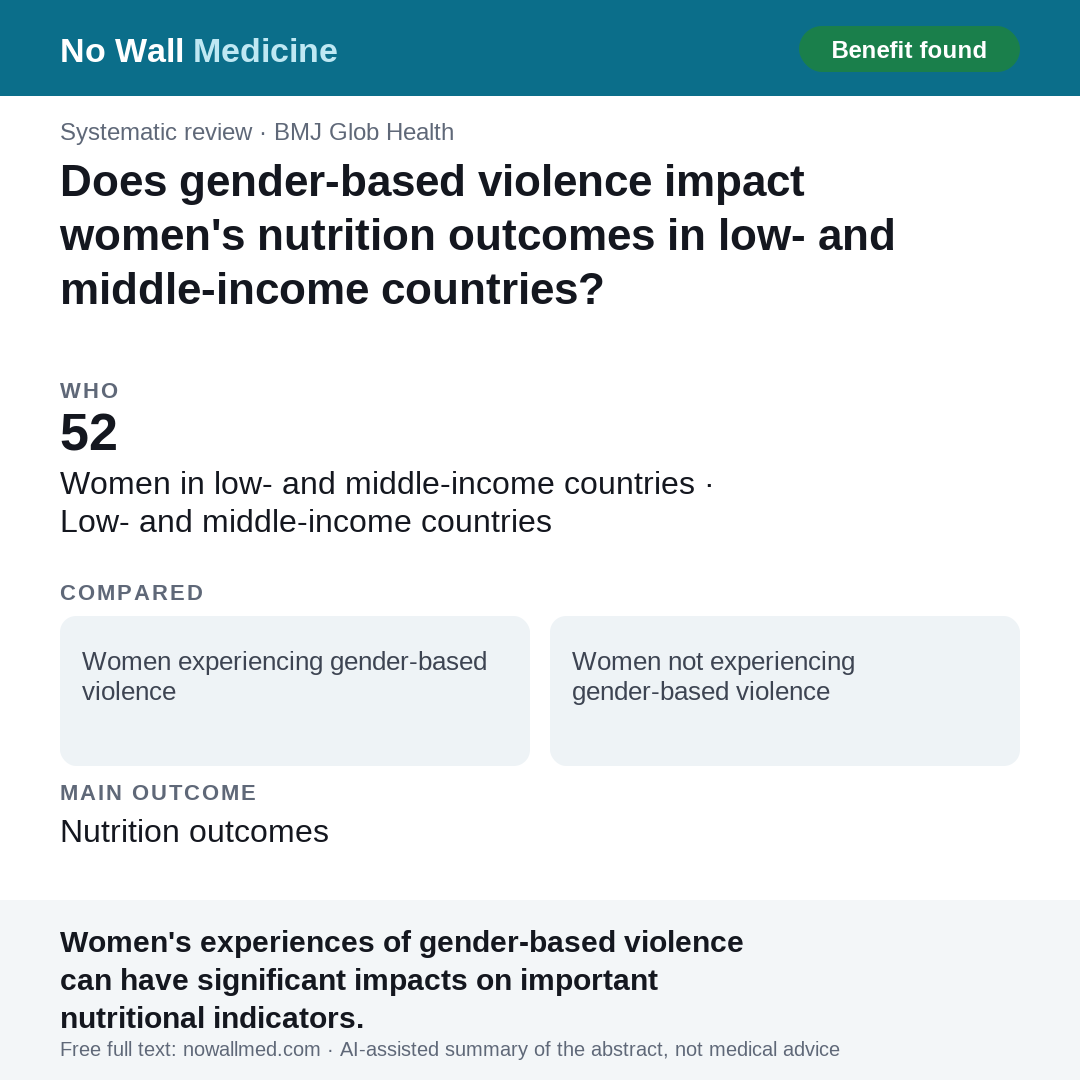
Gender-based violence and women's nutrition: a systematic review
Systematic reviewBenefit found
Does gender-based violence impact women's nutrition outcomes in low- and middle-income countries?
Who
52
Women in low- and middle-income countries · Low- and middle-income countries
Compared
Women experiencing gender-based violence
Women not experiencing gender-based violence
Main outcome
Nutrition outcomes
Bottom line: Women's experiences of gender-based violence can have significant impacts on important nutritional indicators.
Limitation: Sparse consideration of role and need for study designs enabling understanding of causal mechanisms.
BMJ Glob Health · 2025-11-19Download image
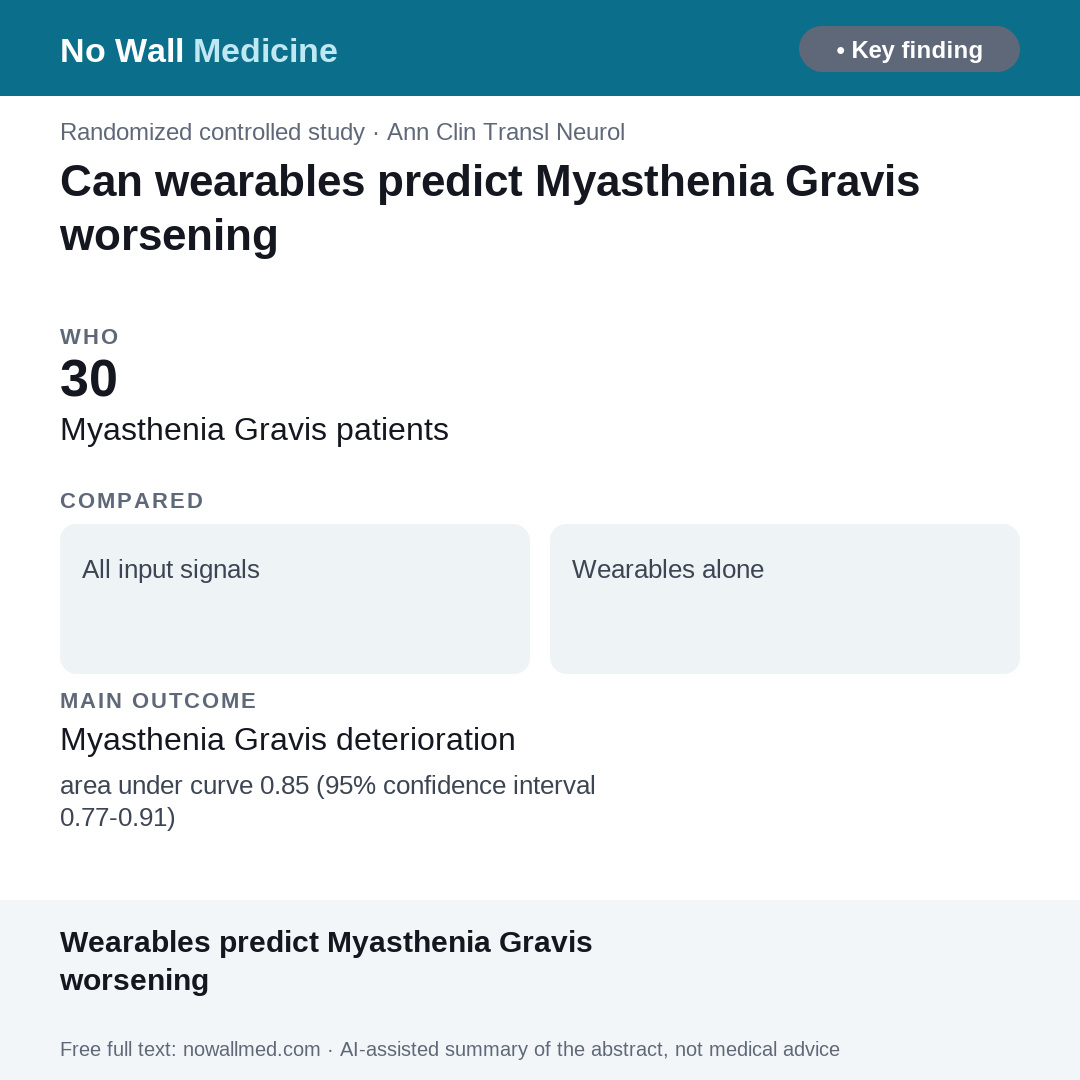
Prediction of Myasthenia Gravis Worsening: A Machine Learning Algorithm Using Wearables and Patient-Reported Measures
Randomized controlled studyBenefit found
Can wearables predict Myasthenia Gravis worsening
Who
30
Myasthenia Gravis patients
Compared
All input signals
Wearables alone
Main outcome
Myasthenia Gravis deterioration
Result: area under curve 0.85 (95% confidence interval 0.77-0.91)
Bottom line: Wearables predict Myasthenia Gravis worsening
Ann Clin Transl Neurol · 2025-11-19Download image
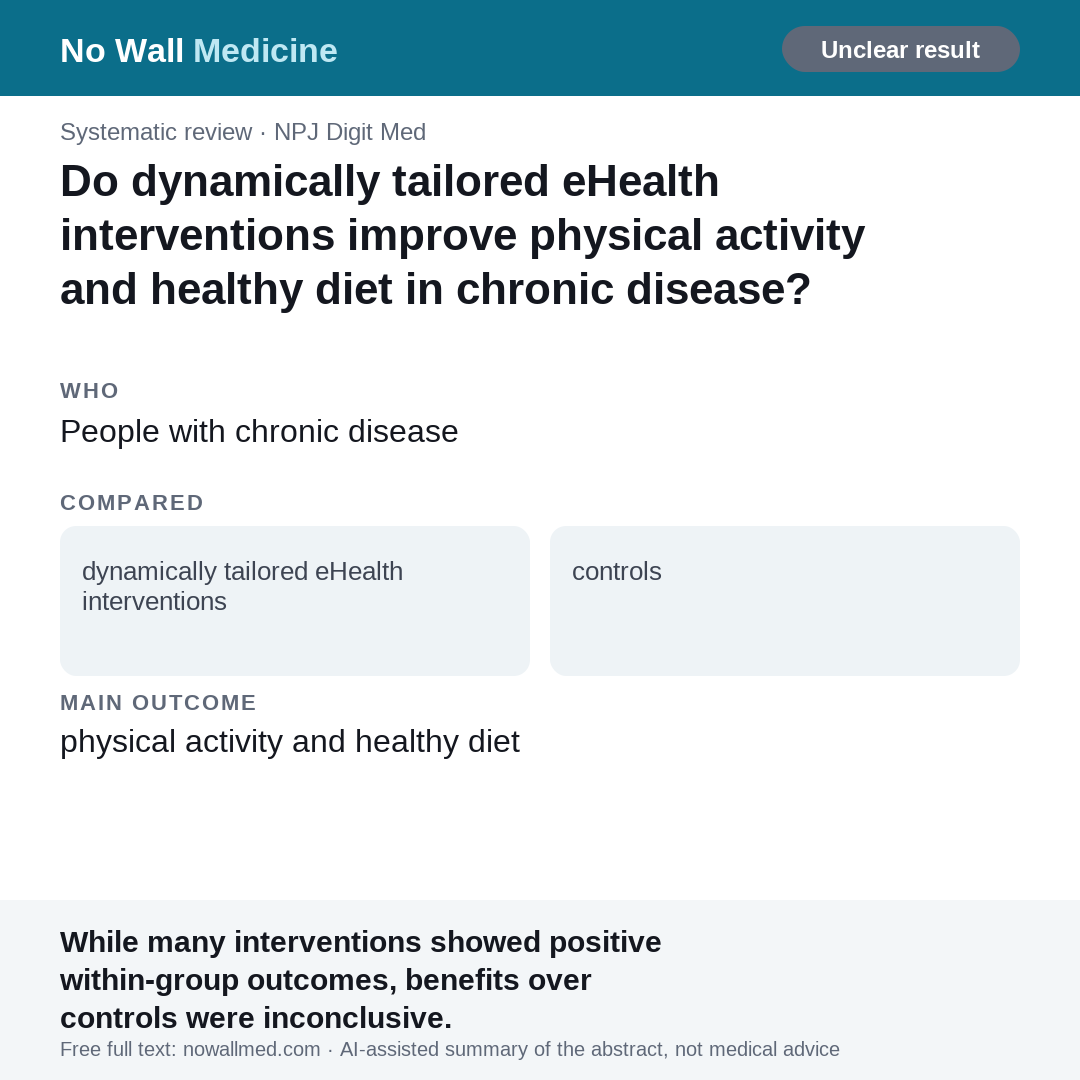
Systematic review of dynamically tailored eHealth interventions targeting physical activity and healthy diet in chronic disease
Systematic reviewUnclear result
Do dynamically tailored eHealth interventions improve physical activity and healthy diet in chronic disease?
Who
People with chronic disease
Compared
dynamically tailored eHealth interventions
controls
Main outcome
physical activity and healthy diet
Bottom line: While many interventions showed positive within-group outcomes, benefits over controls were inconclusive.
NPJ Digit Med · 2025-11-19Download image