Visual abstracts
New randomized trials and meta-analyses from leading journals at a glance: who was studied, what was compared, and what was found. Every paper is free to read in full.
All specialtiesCardiology 4877Oncology 4138Gastroenterology & Hepatology 1942Infectious Disease 3837Neurology 1905Psychiatry & Mental Health 2273Pulmonology 2143Critical Care 1365Endocrinology & Diabetes 2580Pediatrics 2980Surgery 2559Orthopedics & Sports Medicine 931Neurosurgery 537Cardiothoracic & Vascular Surgery 674Plastic & Reconstructive Surgery 591Nephrology 1133Rheumatology 823Hematology 1109Dermatology 621Ophthalmology 543Obstetrics & Gynecology 1686Public & Global Health 1058Radiology & Imaging 648Anesthesiology 986Urology 764ENT (Otolaryngology) 503Emergency Medicine 511Allergy & Immunology 313Geriatrics 981Family Medicine & Primary Care 562Medical Genetics & Genomics 676Pathology & Laboratory Medicine 159Physical Medicine & Rehabilitation 757Palliative Care 444Nutrition 1588Digital Health & AI 2201General Medicine 321
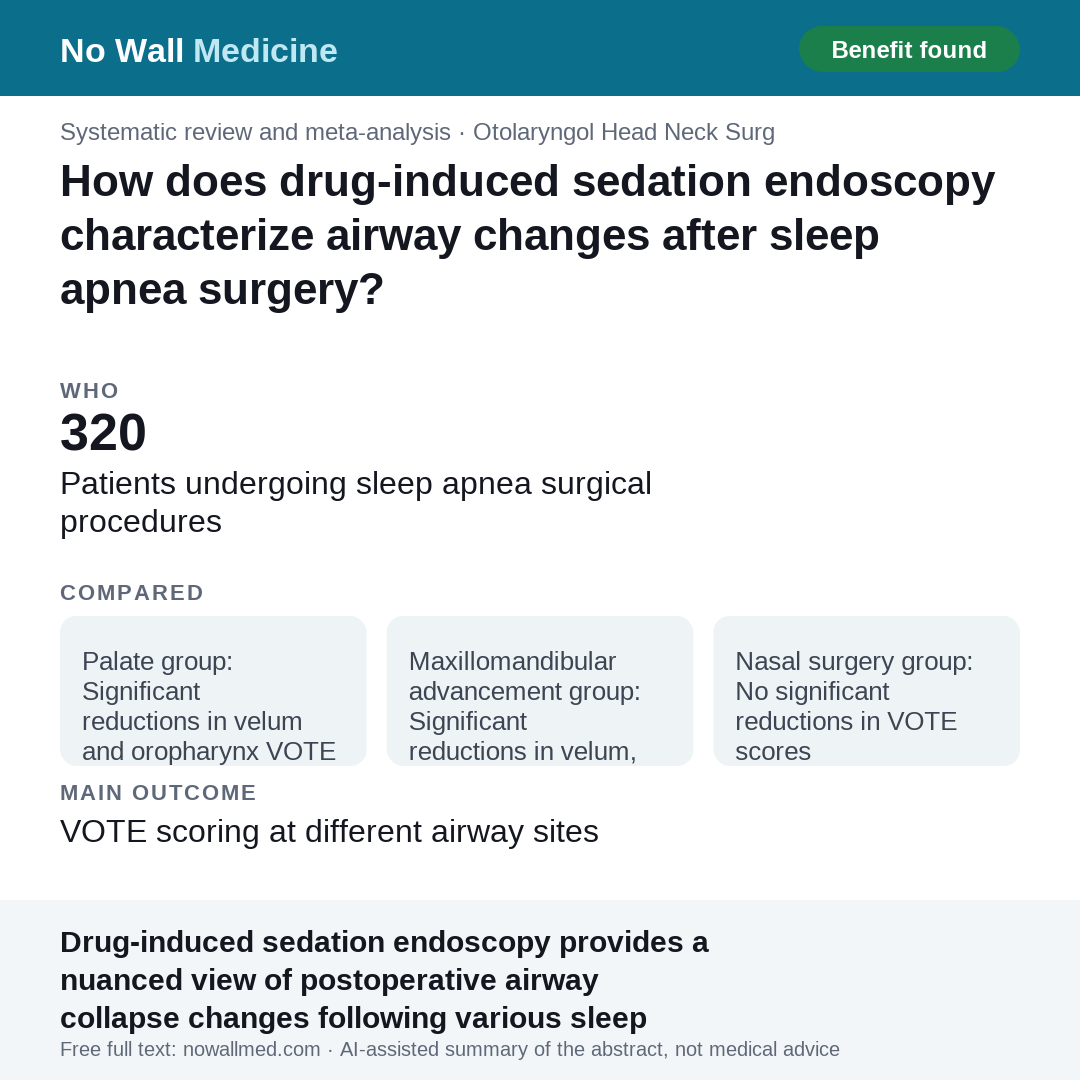
Airway Changes After Sleep Apnea Surgery Using Drug-Induced Sedation Endoscopy: A Systematic Review and Meta-analysis
Systematic review and meta-analysisBenefit found
How does drug-induced sedation endoscopy characterize airway changes after sleep apnea surgery?
Who
320
Patients undergoing sleep apnea surgical procedures
Compared
Palate group: Significant reductions in velum and oropharynx VOTE scoring
Maxillomandibular advancement group: Significant reductions in velum, oropharynx, and tongue VOTE scoring
Nasal surgery group: No significant reductions in VOTE scores
Main outcome
VOTE scoring at different airway sites
Bottom line: Drug-induced sedation endoscopy provides a nuanced view of postoperative airway collapse changes following various sleep apnea surgeries.
Limitation: Further research is needed to correlate these findings to existing outcome measures.
Otolaryngol Head Neck Surg · 2025-11-12Download image
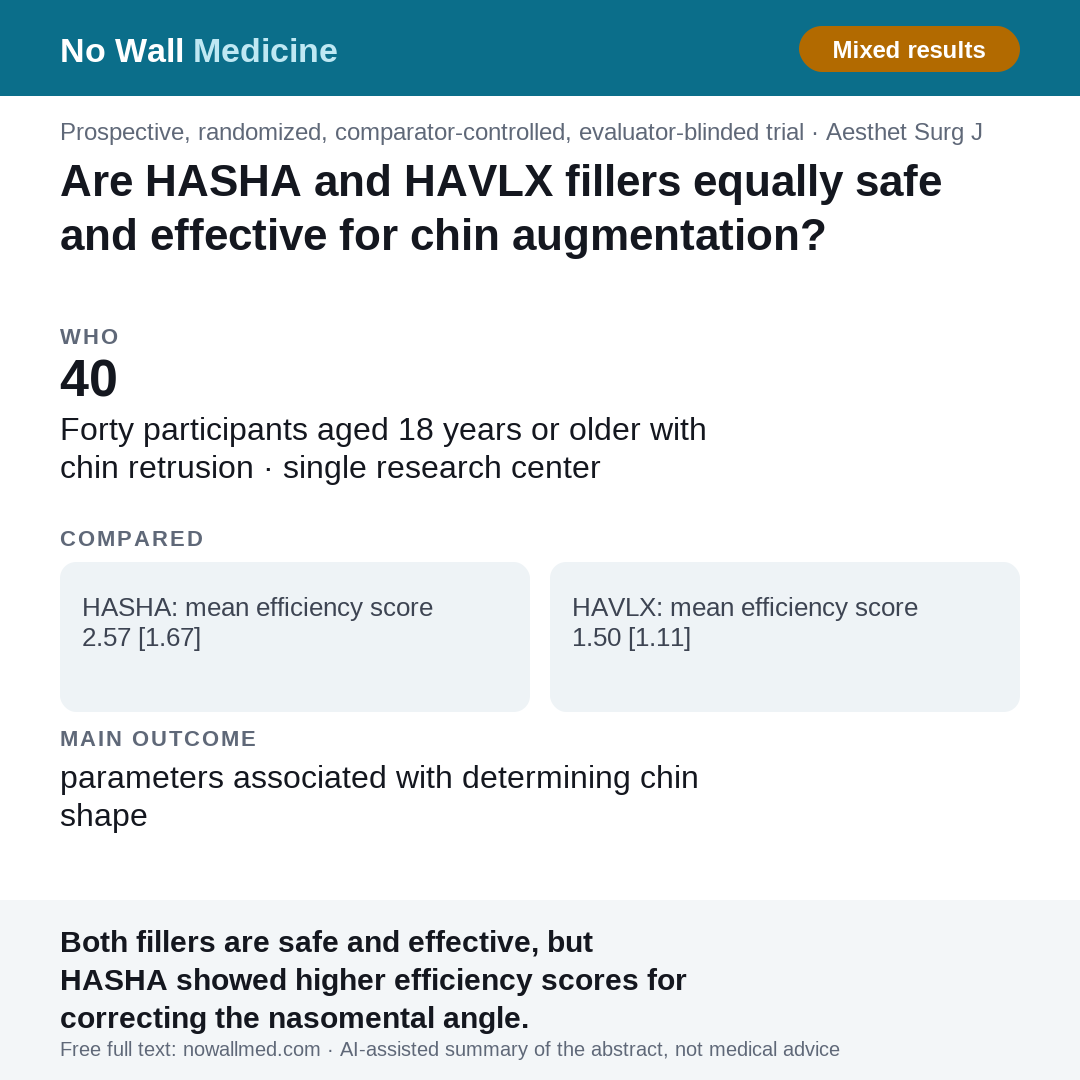
Safety and Effectiveness of Two High-G' Soft Tissue Fillers for Chin Augmentation: A Prospective, Randomized, Comparator-Controlled, Evaluator-Blinded Trial
Prospective, randomized, comparator-controlled, evaluator-blinded trialMixed results
Are HASHA and HAVLX fillers equally safe and effective for chin augmentation?
Who
40
Forty participants aged 18 years or older with chin retrusion · single research center
Compared
HASHA: mean efficiency score 2.57 [1.67]
HAVLX: mean efficiency score 1.50 [1.11]
Main outcome
parameters associated with determining chin shape
Bottom line: Both fillers are safe and effective, but HASHA showed higher efficiency scores for correcting the nasomental angle.
Aesthet Surg J · 2025-11-12Download image
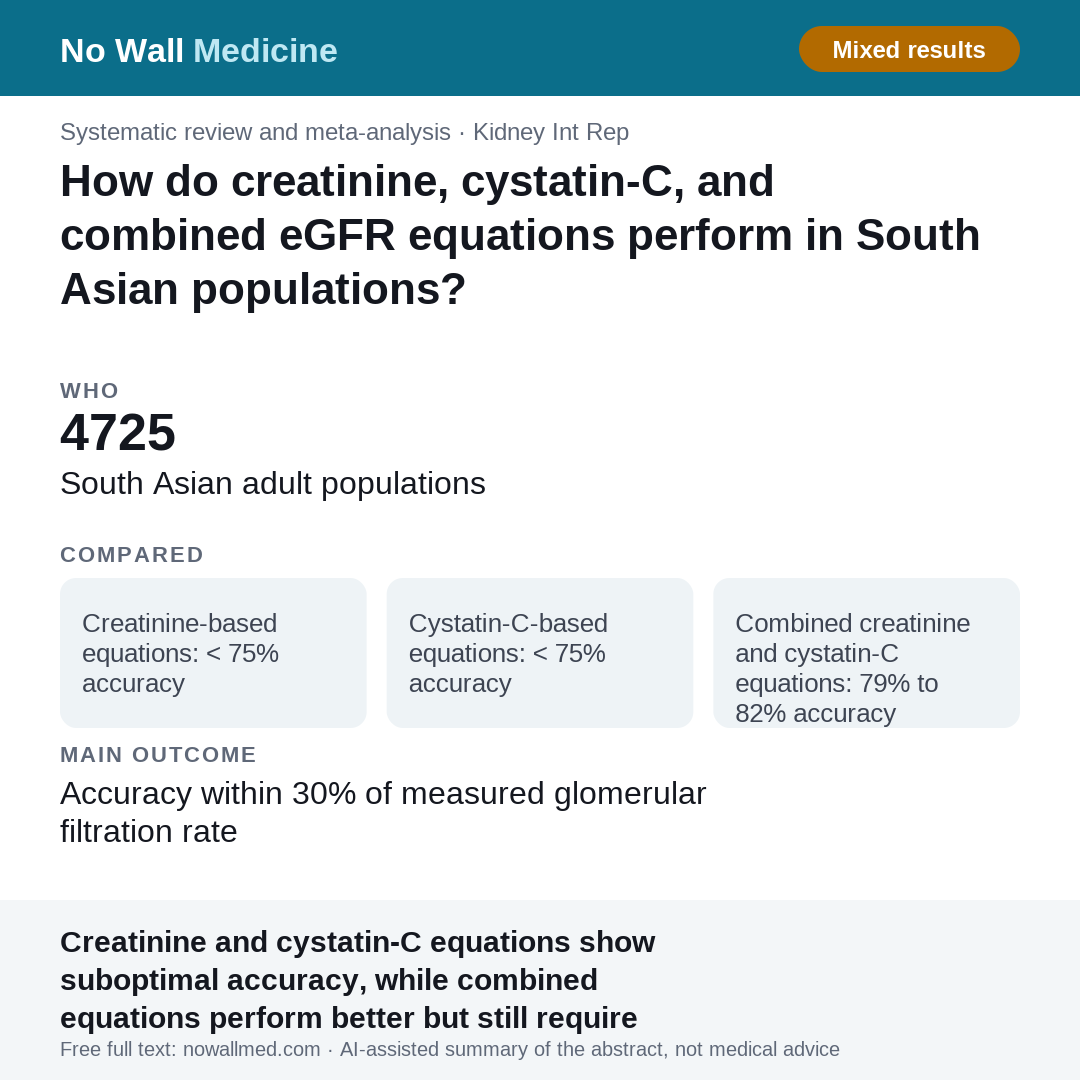
A Systematic Review Evaluating Estimated GFR Performance in South Asian Populations
Systematic review and meta-analysisMixed results
How do creatinine, cystatin-C, and combined eGFR equations perform in South Asian populations?
Who
4725
South Asian adult populations
Compared
Creatinine-based equations: < 75% accuracy
Cystatin-C-based equations: < 75% accuracy
Combined creatinine and cystatin-C equations: 79% to 82% accuracy
Main outcome
Accuracy within 30% of measured glomerular filtration rate
Bottom line: Creatinine and cystatin-C equations show suboptimal accuracy, while combined equations perform better but still require population-specific calibration.
Kidney Int Rep · 2025-11-12Download image
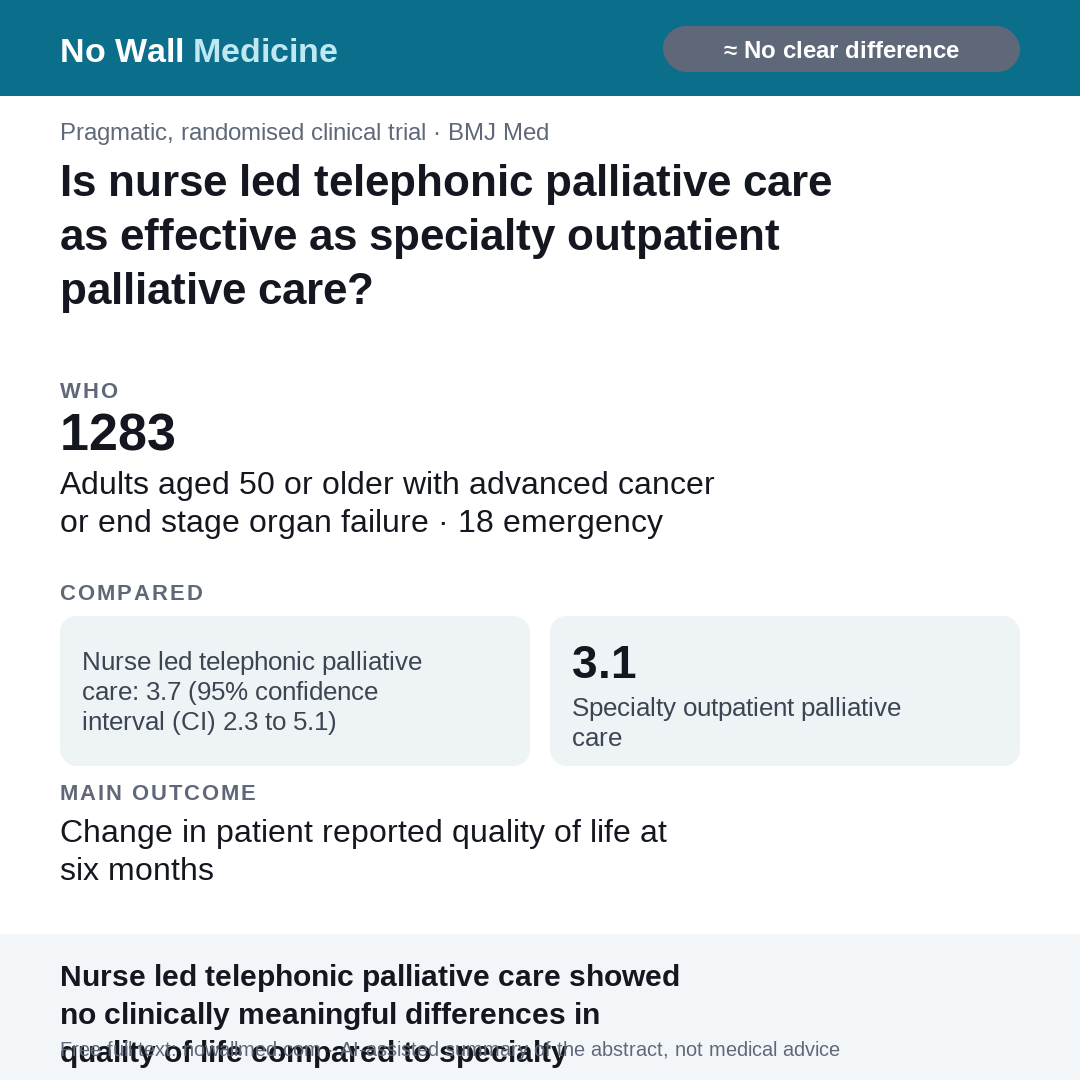
Nurse led telephonic palliative care versus specialty outpatient palliative care: pragmatic, randomised clinical trial
Pragmatic, randomised clinical trialNo clear difference
Is nurse led telephonic palliative care as effective as specialty outpatient palliative care?
Who
1283
Adults aged 50 or older with advanced cancer or end stage organ failure · 18 emergency departments in 15 US healthcare systems
Compared
Nurse led telephonic palliative care: 3.7 (95% confidence interval (CI) 2.3 to 5.1)
3.1Specialty outpatient palliative care (1.6 to 4.6)
Main outcome
Change in patient reported quality of life at six months
Result: 0.71 (95% CI -1.19 to 2.61) points higher in nurse led telephonic arm
Bottom line: Nurse led telephonic palliative care showed no clinically meaningful differences in quality of life compared to specialty outpatient palliative care.
BMJ Med · 2025-11-12Download image
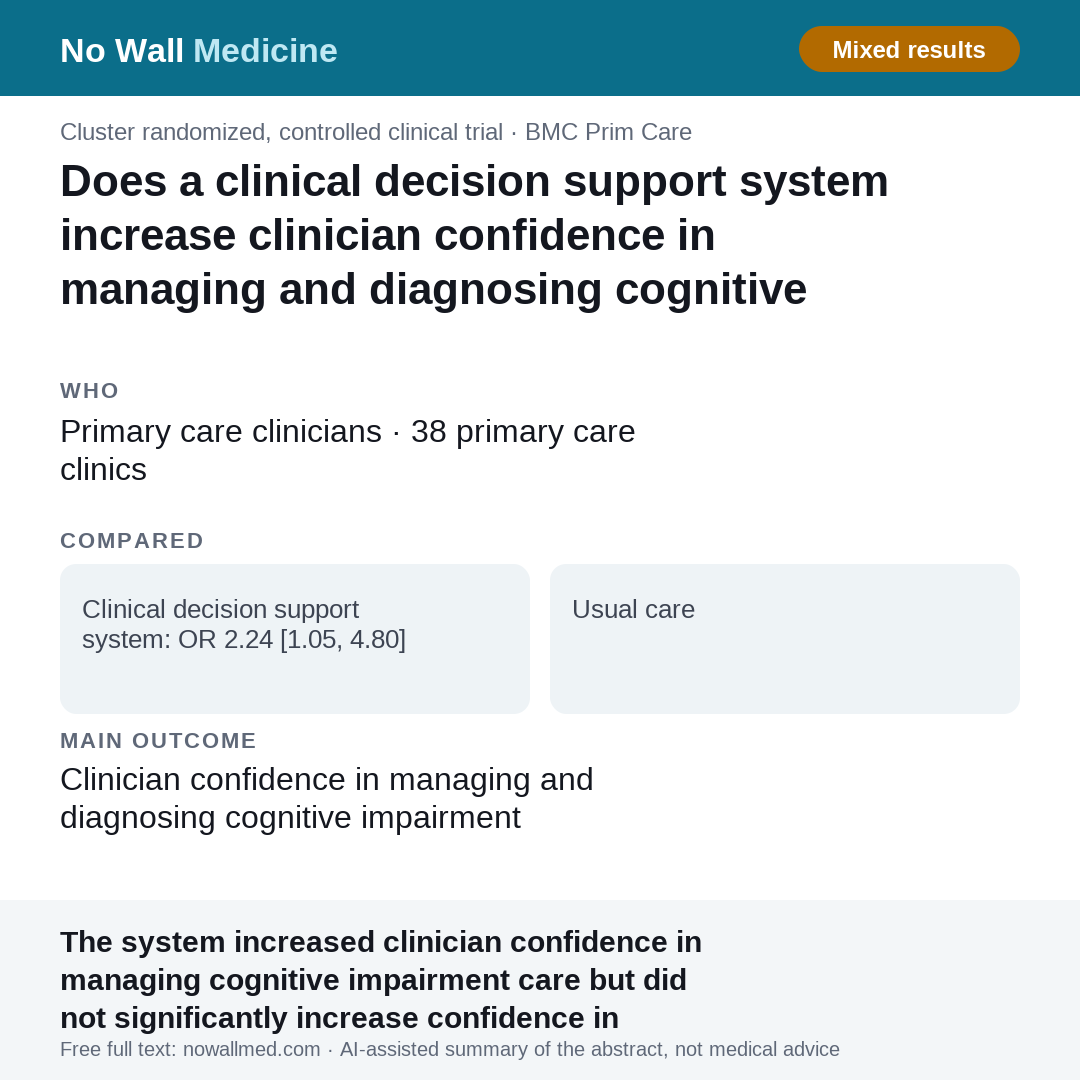
Exposure to clinical decision support and training increases primary care clinician confidence in managing cognitive impairment care but not confidence to diagnose
Cluster randomized, controlled clinical trialMixed results
Does a clinical decision support system increase clinician confidence in managing and diagnosing cognitive impairment?
Who
Primary care clinicians · 38 primary care clinics
Compared
Clinical decision support system: OR 2.24 [1.05, 4.80]
Usual care
Main outcome
Clinician confidence in managing and diagnosing cognitive impairment
Result: OR 2.24 [1.05, 4.80]
Bottom line: The system increased clinician confidence in managing cognitive impairment care but did not significantly increase confidence in diagnosing it.
Limitation: Self-reported use of the clinical decision support system was modest.
BMC Prim Care · 2025-11-12Download image
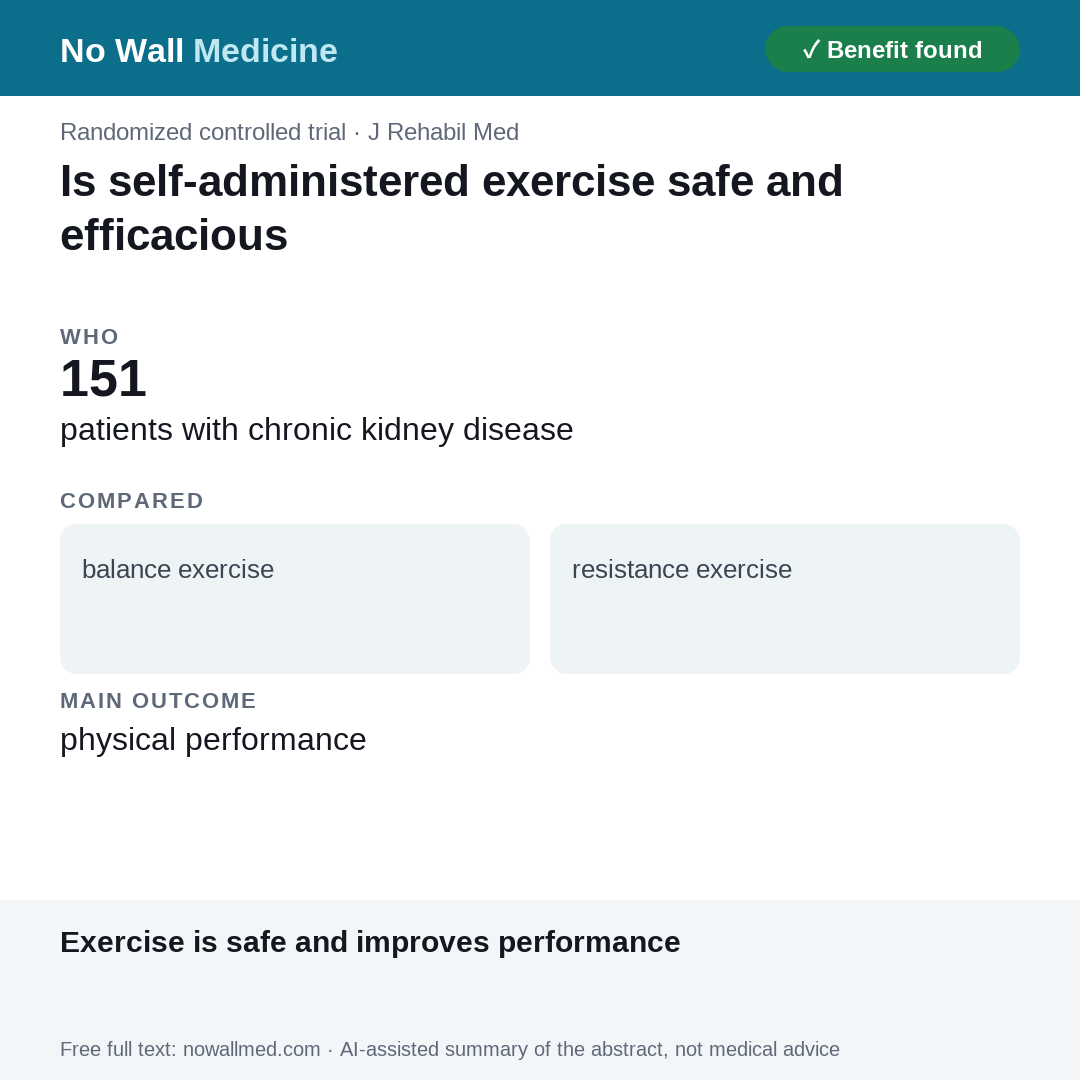
The Borg scale is safe and efficacious for prescribing and monitoring self-administered balance and resistance exercise in patients with chronic kidney disease: a post-hoc analysis of RENEXC, a randomized controlled trial
Randomized controlled trialBenefit found
Is self-administered exercise safe and efficacious
Who
151
patients with chronic kidney disease
Compared
balance exercise
resistance exercise
Main outcome
physical performance
Bottom line: Exercise is safe and improves performance
J Rehabil Med · 2025-11-12Download image
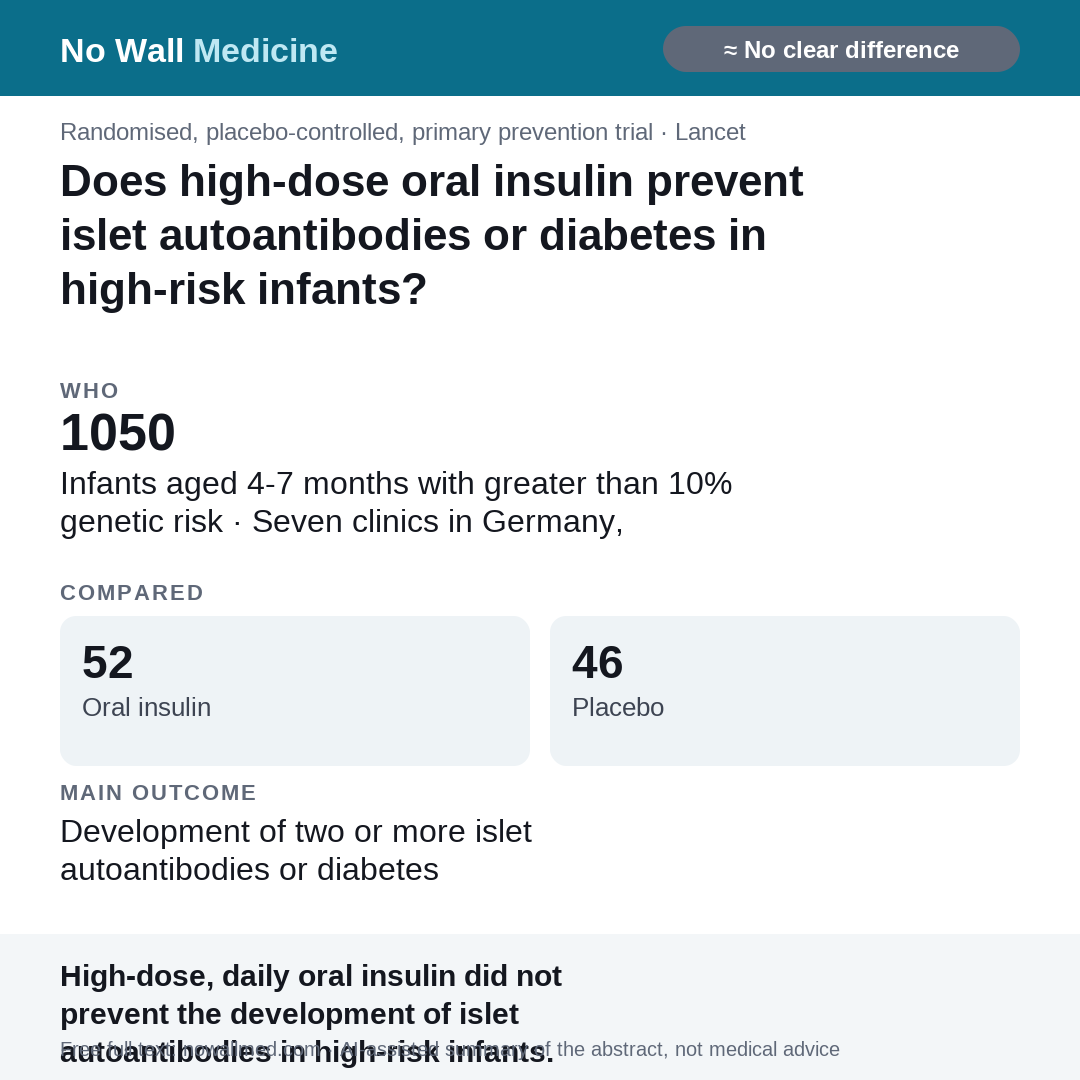
Efficacy of once-daily, high-dose, oral insulin immunotherapy in children genetically at risk for type 1 diabetes (POInT): a European, randomised, placebo-controlled, primary prevention trial
Randomised, placebo-controlled, primary prevention trialNo clear difference
Does high-dose oral insulin prevent islet autoantibodies or diabetes in high-risk infants?
Who
1050
Infants aged 4-7 months with greater than 10% genetic risk · Seven clinics in Germany, Poland, Sweden, Belgium, and UK
Compared
52Oral insulin (10%)
46Placebo (9%)
Main outcome
Development of two or more islet autoantibodies or diabetes
Result: hazard ratio 1·12 (95% CI 0·76-1·67)
Bottom line: High-dose, daily oral insulin did not prevent the development of islet autoantibodies in high-risk infants.
Funded by: Leona M and Harry B Helmsley Charitable Trust
Lancet · 2025-11-11Download image
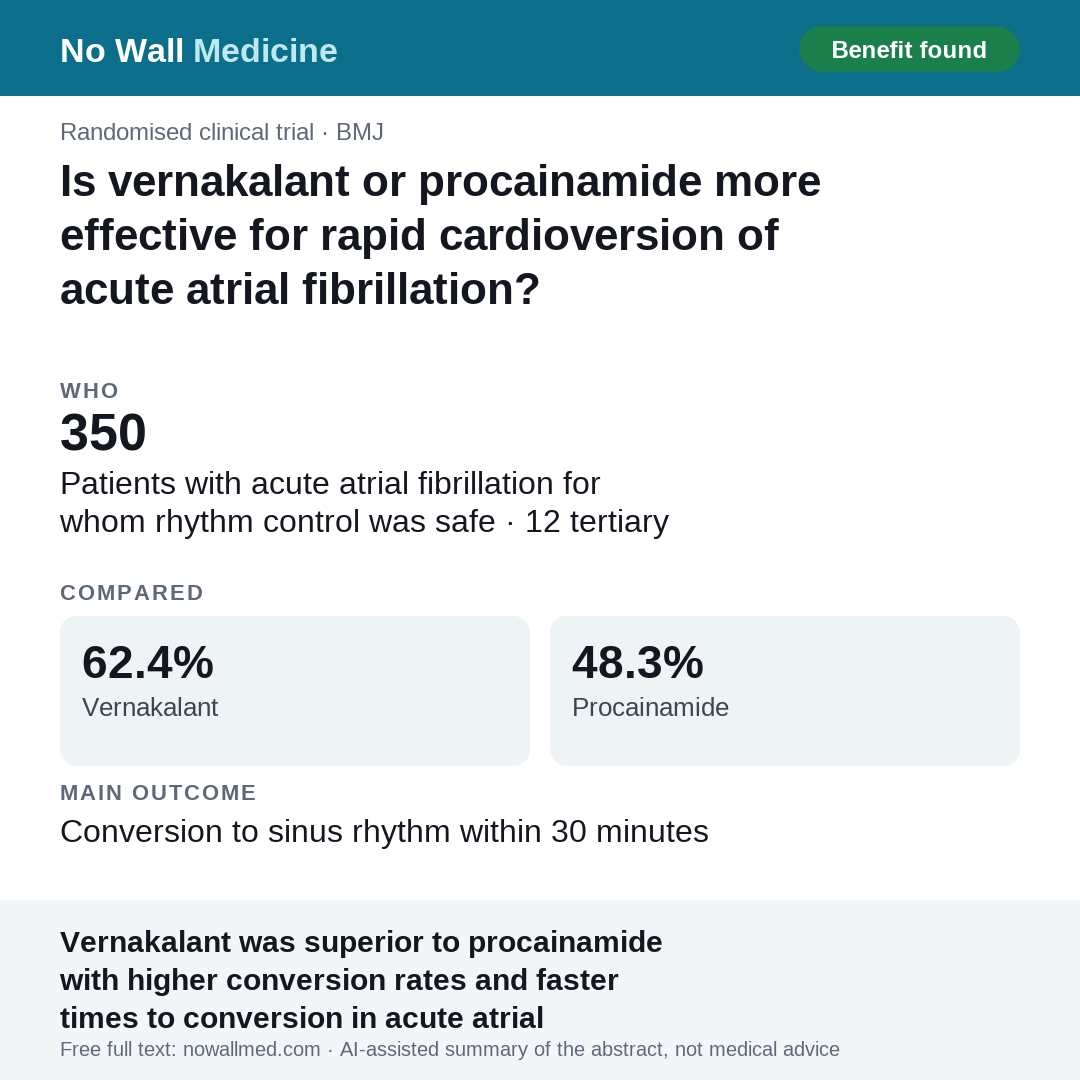
Vernakalant versus procainamide for rapid cardioversion of patients with acute atrial fibrillation (RAFF4): randomised clinical trial
Randomised clinical trialBenefit found
Is vernakalant or procainamide more effective for rapid cardioversion of acute atrial fibrillation?
Who
350
Patients with acute atrial fibrillation for whom rhythm control was safe · 12 tertiary care emergency departments in Canada
Compared
62.4%Vernakalant
48.3%Procainamide
Main outcome
Conversion to sinus rhythm within 30 minutes
Result: adjusted odds ratio 1.87 (95% confidence interval 1.2 to 2.9)
Bottom line: Vernakalant was superior to procainamide with higher conversion rates and faster times to conversion in acute atrial fibrillation.
BMJ · 2025-11-11Download image
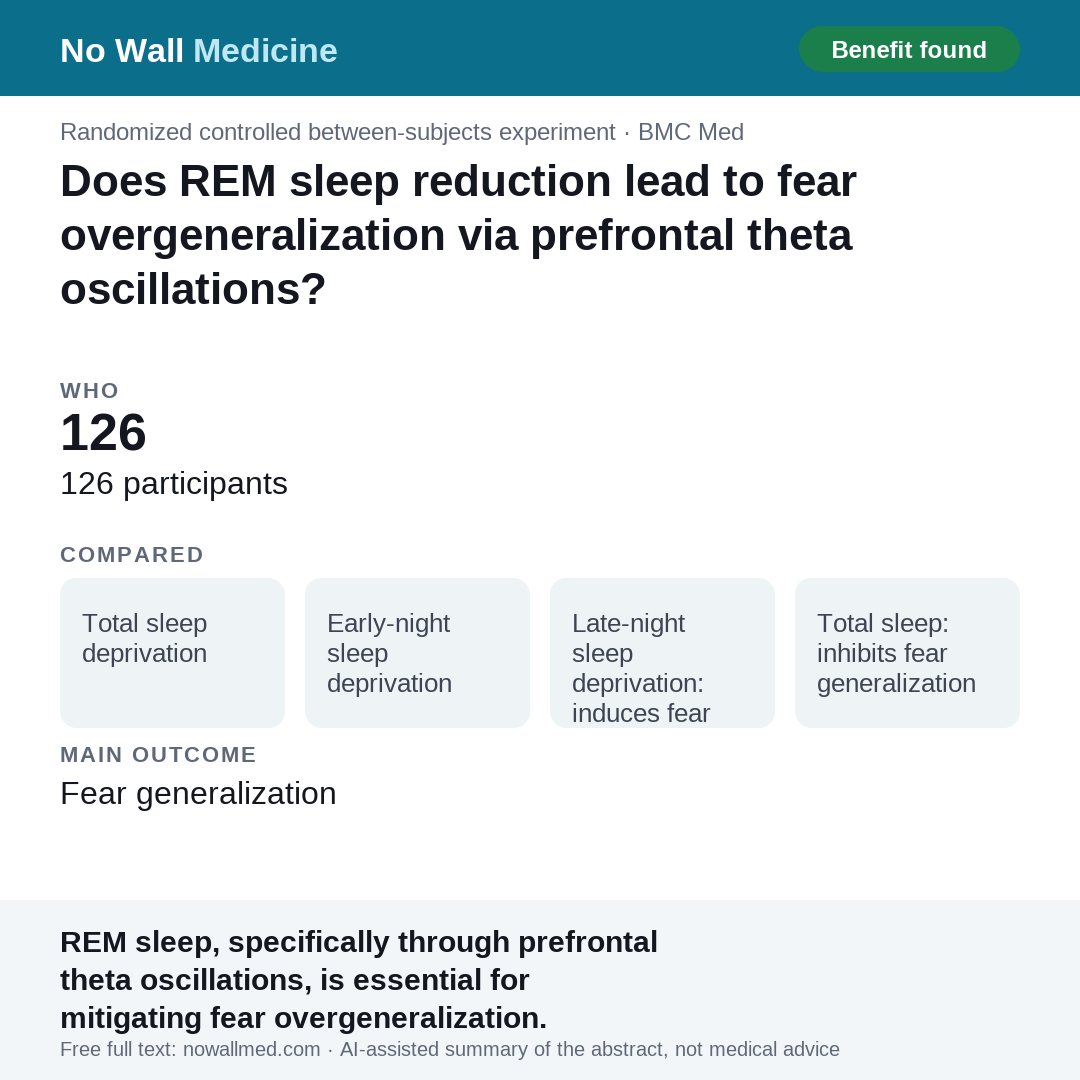
REM sleep reduction leads to fear overgeneralization via negatively modulating prefrontal theta oscillations
Randomized controlled between-subjects experimentBenefit found
Does REM sleep reduction lead to fear overgeneralization via prefrontal theta oscillations?
Who
126
126 participants
Compared
Total sleep deprivation
Early-night sleep deprivation
Late-night sleep deprivation: induces fear overgeneralization comparable to total sleep deprivation
Total sleep: inhibits fear generalization
Main outcome
Fear generalization
Bottom line: REM sleep, specifically through prefrontal theta oscillations, is essential for mitigating fear overgeneralization.
BMC Med · 2025-11-11Download image
Safety, tolerability, and immunogenicity of the ChAdOx1 RVF vaccine against Rift Valley fever among healthy adults in Uganda: a single-centre, single-blind, randomised, placebo-controlled, dose-escalation, phase 1 trial
Single-blind, randomised, placebo-controlled, dose-escalation, phase 1 trialBenefit found
Is the ChAdOx1 RVF vaccine safe, tolerable, and immunogenic in healthy adults?
Who
30
Healthy, non-pregnant adults aged 18-50 years in Uganda · Masaka, southwestern Uganda
Compared
Vaccine recipients: 17 (71%) local solicited adverse events
Placebo recipients: no local solicited adverse events
Main outcome
Safety, tolerability, and immunogenicity of the vaccine
Bottom line: A single dose of ChAdOx1 RVF vaccine was safe, tolerable, and immunogenic in healthy adults.
Limitation: Further evaluation in larger and more diverse populations is warranted.
Funded by: UK Department of Health and Social Care
Lancet Infect Dis · 2025-11-11Download image

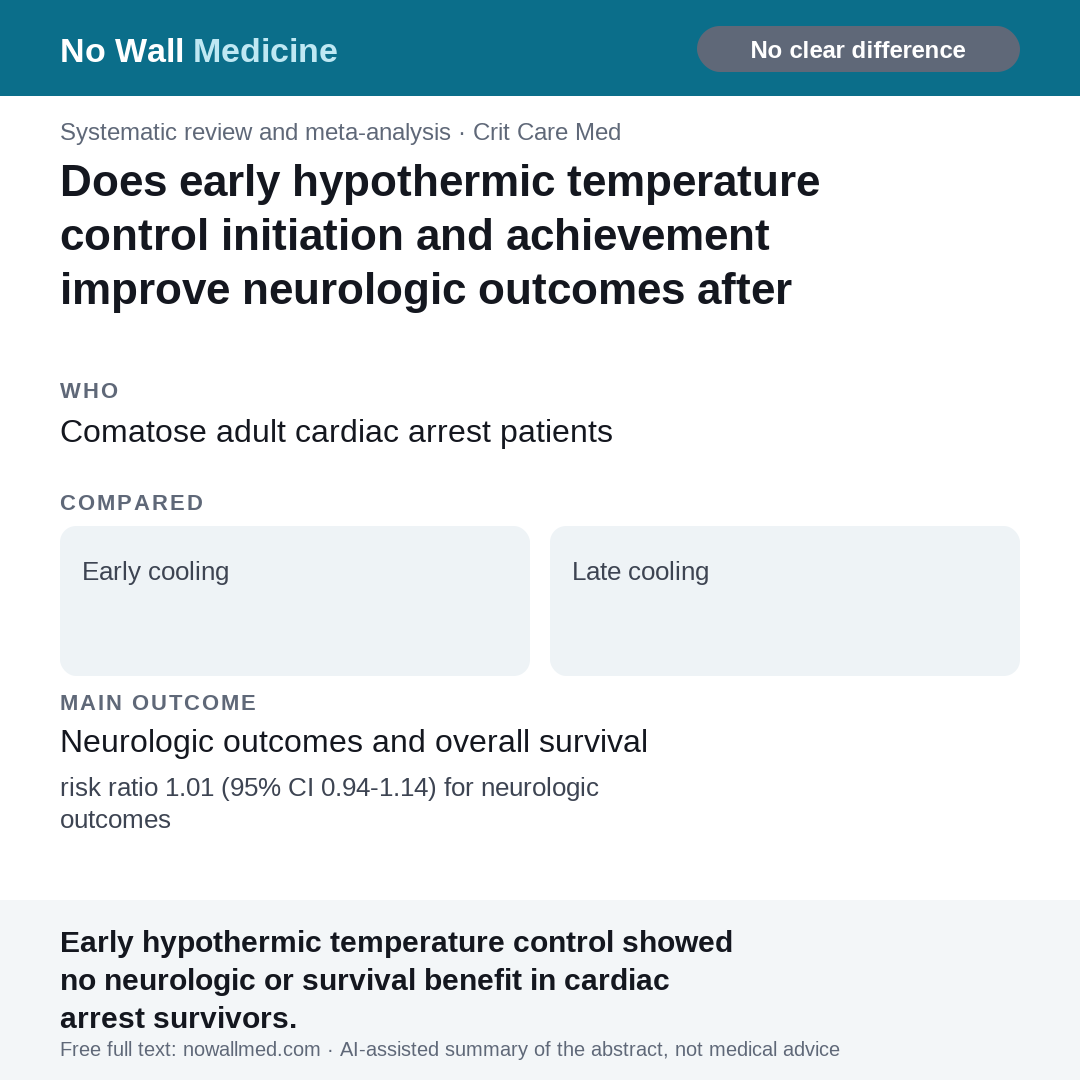
Does Time to Achieve a Targeted Body Temperature Matter for Survivors of Cardiac Arrest? A Systematic Review and Meta-Analysis
Systematic review and meta-analysisNo clear difference
Does early hypothermic temperature control initiation and achievement improve neurologic outcomes after cardiac arrest?
Who
Comatose adult cardiac arrest patients
Compared
Early cooling
Late cooling
Main outcome
Neurologic outcomes and overall survival
Result: risk ratio 1.01 (95% CI 0.94-1.14) for neurologic outcomes
Bottom line: Early hypothermic temperature control showed no neurologic or survival benefit in cardiac arrest survivors.
Crit Care Med · 2025-11-11Download image
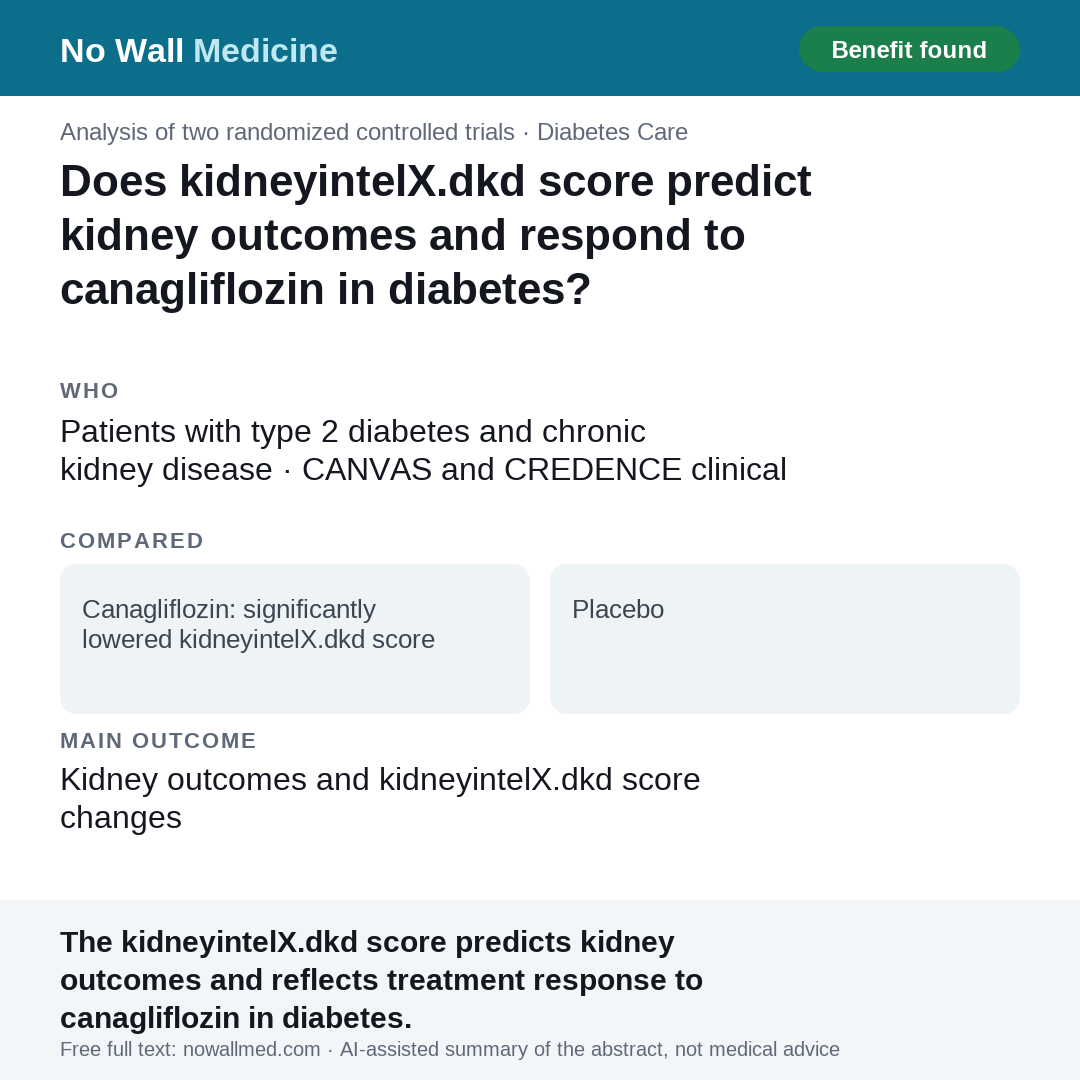
Baseline Risk and Longitudinal Changes in kidneyintelX.dkd and Its Association With Kidney Outcomes in the CANVAS and CREDENCE Trials
Analysis of two randomized controlled trialsBenefit found
Does kidneyintelX.dkd score predict kidney outcomes and respond to canagliflozin in diabetes?
Who
Patients with type 2 diabetes and chronic kidney disease · CANVAS and CREDENCE clinical trials
Compared
Canagliflozin: significantly lowered kidneyintelX.dkd score
Placebo
Main outcome
Kidney outcomes and kidneyintelX.dkd score changes
Bottom line: The kidneyintelX.dkd score predicts kidney outcomes and reflects treatment response to canagliflozin in diabetes.
Diabetes Care · 2025-11-11Download image
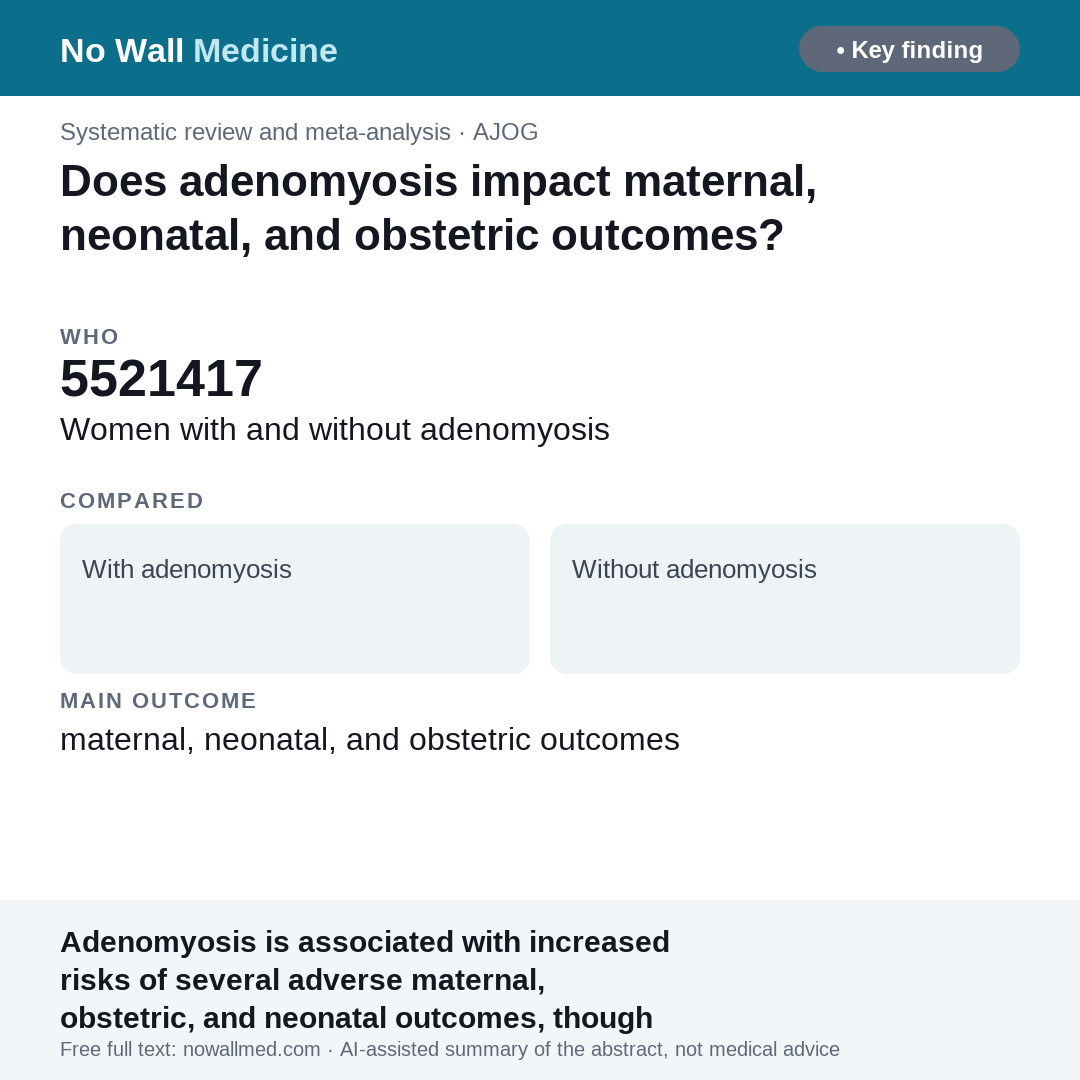
The ADELIN analysis: the presence of ADenomyosis and its effects on matErnal, neonataL, and obstetrIc outcomes: a systematic review and meta-aNalysis
Systematic review and meta-analysisHarm found
Does adenomyosis impact maternal, neonatal, and obstetric outcomes?
Who
5521417
Women with and without adenomyosis
Compared
With adenomyosis
Without adenomyosis
Main outcome
maternal, neonatal, and obstetric outcomes
Bottom line: Adenomyosis is associated with increased risks of several adverse maternal, obstetric, and neonatal outcomes, though evidence certainty is low.
Limitation: certainty of evidence was low to very low
AJOG · 2025-11-11Download image
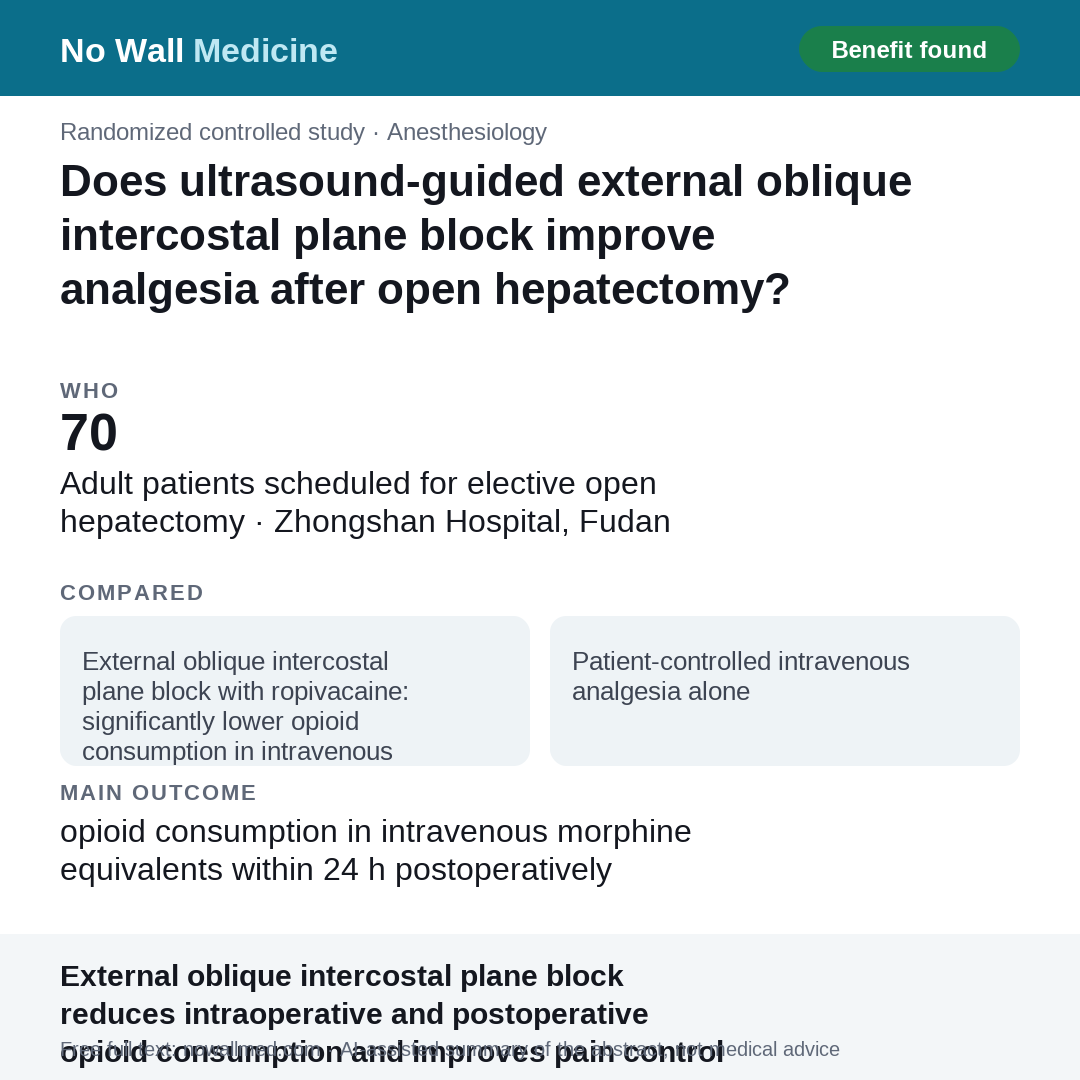
Ultrasound-guided External Oblique Intercostal Plane Block with Ropivacaine for Analgesia after Open Hepatectomy: A Randomized Controlled Study
Randomized controlled studyBenefit found
Does ultrasound-guided external oblique intercostal plane block improve analgesia after open hepatectomy?
Who
70
Adult patients scheduled for elective open hepatectomy · Zhongshan Hospital, Fudan University, Shanghai, China
Compared
External oblique intercostal plane block with ropivacaine: significantly lower opioid consumption in intravenous morphine equivalents at 24 h postoperatively
Patient-controlled intravenous analgesia alone
Main outcome
opioid consumption in intravenous morphine equivalents within 24 h postoperatively
Result: mean difference, -2.91; P = 0.019
Bottom line: External oblique intercostal plane block reduces intraoperative and postoperative opioid consumption and improves pain control after open hepatectomy.
Anesthesiology · 2025-11-11Download image
Targeting IL-22RA1 with temtokibart: A novel approach in atopic dermatitis: Phase 2a monotherapy study results
Phase 2a randomized trialBenefit found
Is temtokibart effective and safe in adults with moderate-to-severe atopic dermatitis?
Who
58
adults with moderate-to-severe atopic dermatitis
Compared
temtokibart 450 mg: 65.4% improvement in Eczema Area Severity Index
placebo: 19.7% improvement in Eczema Area Severity Index
Main outcome
change in Eczema Area Severity Index from baseline to week 16
Bottom line: Temtokibart is clinically effective and well tolerated for treating moderate-to-severe atopic dermatitis.
JACI · 2025-11-11Download image

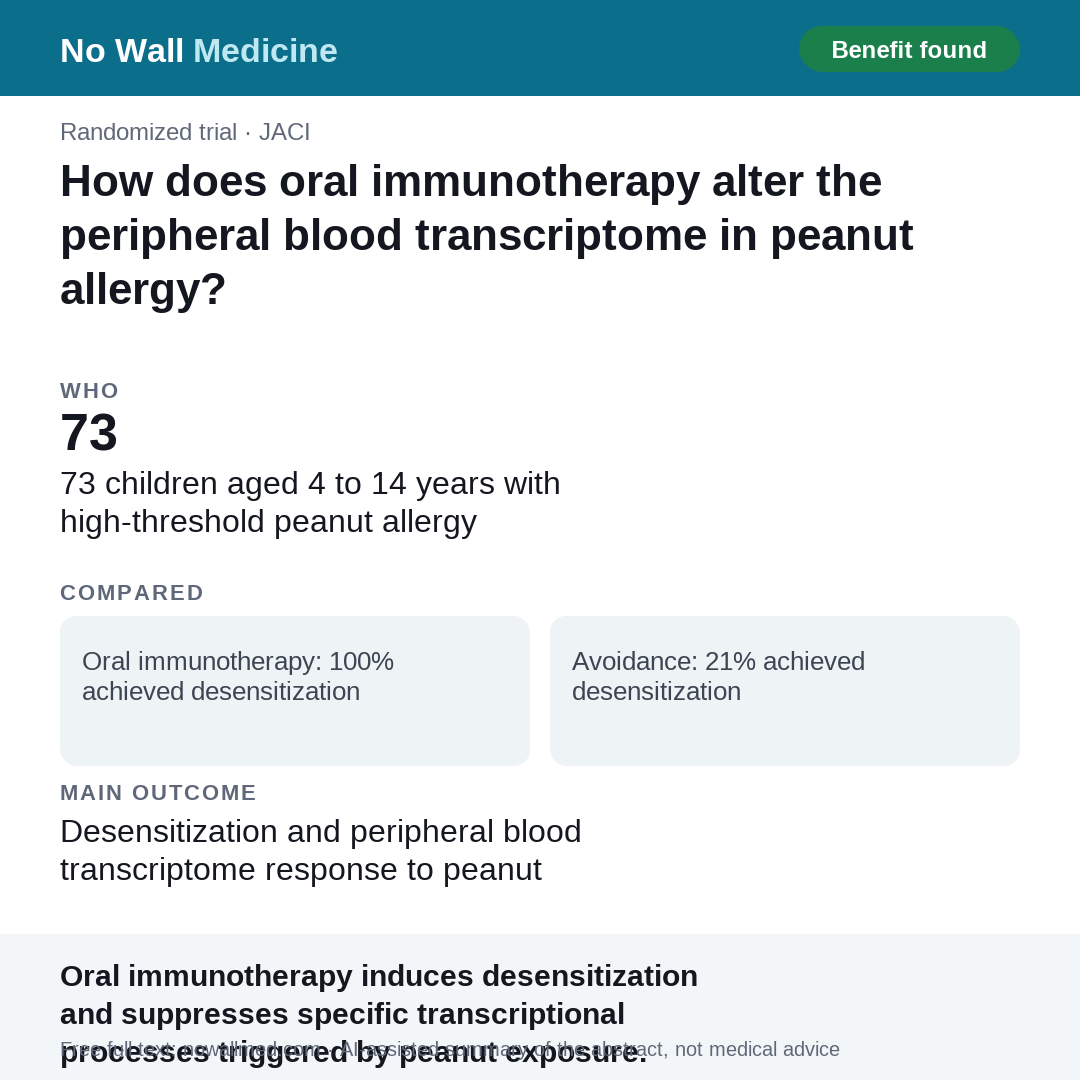
Oral immunotherapy suppresses peripheral blood transcriptomic response to peanut in peanut allergy
Randomized trialBenefit found
How does oral immunotherapy alter the peripheral blood transcriptome in peanut allergy?
Who
73
73 children aged 4 to 14 years with high-threshold peanut allergy
Compared
Oral immunotherapy: 100% achieved desensitization
Avoidance: 21% achieved desensitization
Main outcome
Desensitization and peripheral blood transcriptome response to peanut
Bottom line: Oral immunotherapy induces desensitization and suppresses specific transcriptional processes triggered by peanut exposure.
JACI · 2025-11-11Download image
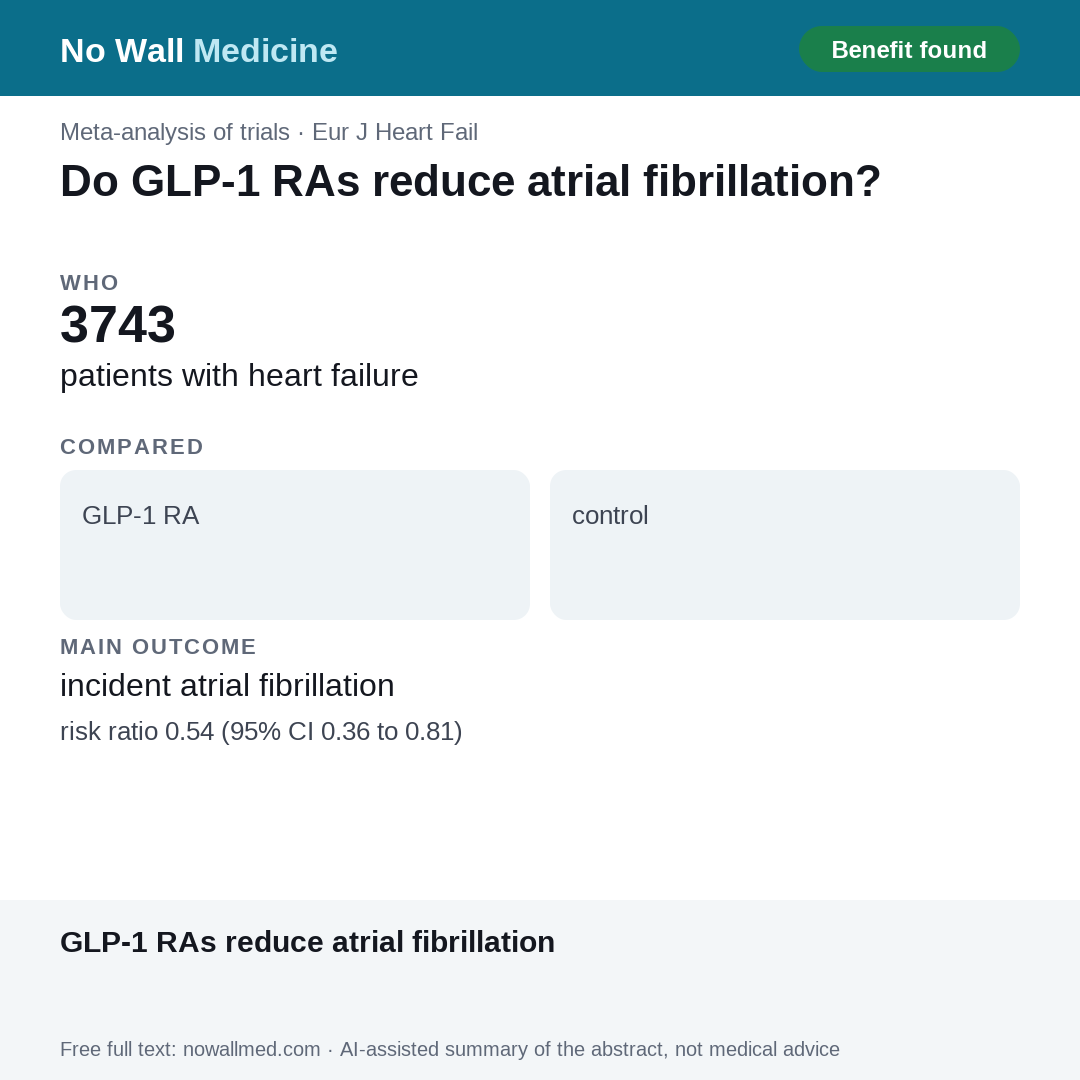
Glucagon-like peptide-1 receptor agonists reduce atrial fibrillation among patients with heart failure with preserved and mildly reduced ejection fraction - a meta-analysis of randomized controlled trials
Meta-analysis of trialsBenefit found
Do GLP-1 RAs reduce atrial fibrillation?
Who
3743
patients with heart failure
Compared
GLP-1 RA
control
Main outcome
incident atrial fibrillation
Result: risk ratio 0.54 (95% CI 0.36 to 0.81)
Bottom line: GLP-1 RAs reduce atrial fibrillation
Eur J Heart Fail · 2025-11-11Download image
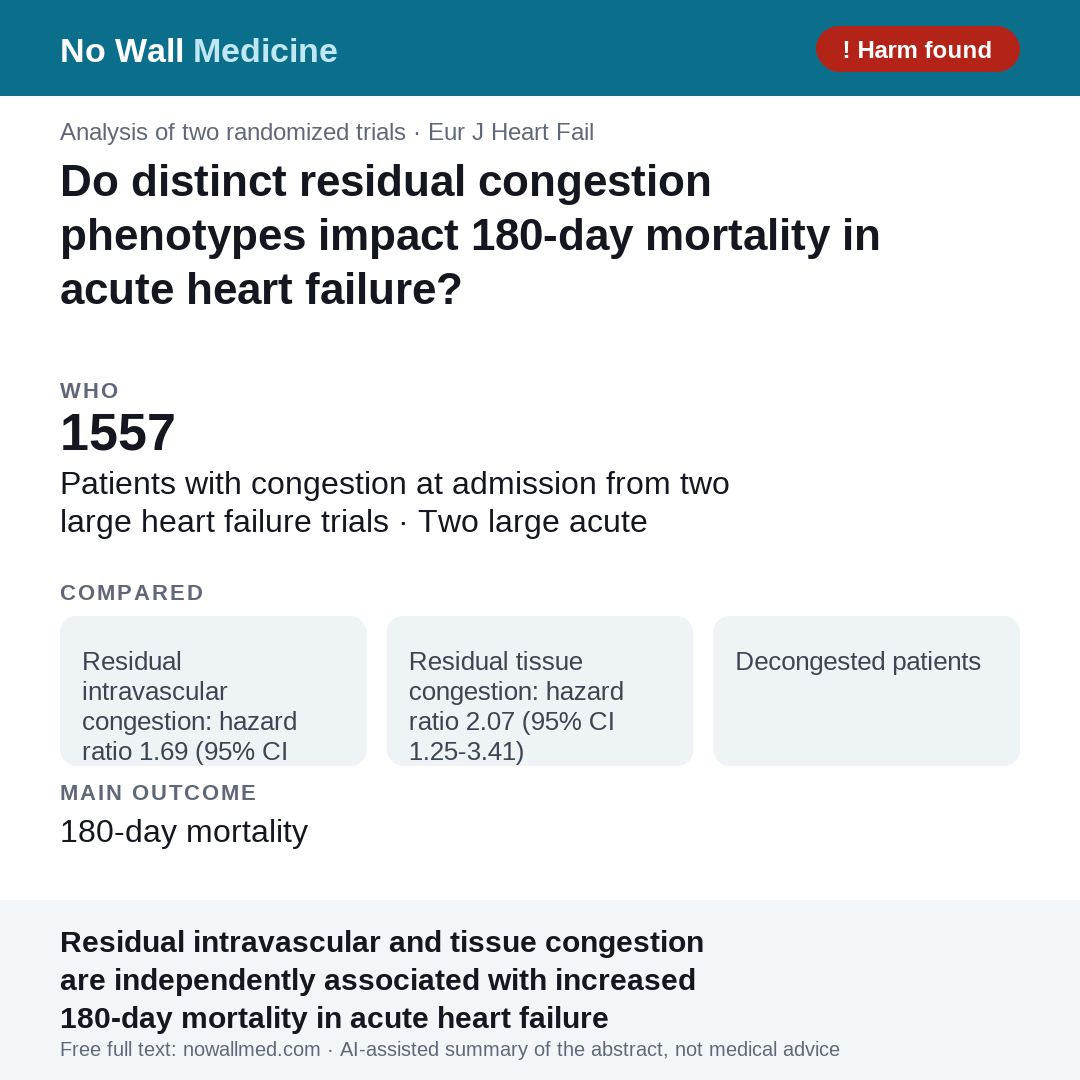
Clinical profiles and prognostic impact of residual intravascular and tissue congestion in acute heart failure
Analysis of two randomized trialsHarm found
Do distinct residual congestion phenotypes impact 180-day mortality in acute heart failure?
Who
1557
Patients with congestion at admission from two large heart failure trials · Two large acute decompensated heart failure trials
Compared
Residual intravascular congestion: hazard ratio 1.69 (95% CI 1.15-2.49)
Residual tissue congestion: hazard ratio 2.07 (95% CI 1.25-3.41)
Decongested patients
Main outcome
180-day mortality
Result: hazard ratio 1.69 (95% CI 1.15-2.49) and 2.07 (95% CI 1.25-3.41)
Bottom line: Residual intravascular and tissue congestion are independently associated with increased 180-day mortality in acute heart failure patients.
Eur J Heart Fail · 2025-11-11Download image
Effects of Immediate Postpartum Diuretic Treatment on Postpartum Blood Pressure Among Individuals With Hypertensive Disorders of Pregnancy: A Systematic Review and Meta-Analysis
Systematic review and meta-analysisMixed results
Does immediate postpartum diuretic treatment affect postpartum blood pressure in hypertensive pregnancy disorders?
Who
1624
Individuals with hypertensive disorders of pregnancy
Compared
Postpartum diuretics
Controls
Main outcome
Postpartum systolic and diastolic blood pressure
Result: standardized mean difference -0.44 (95% CI -0.66 to -0.21) for systolic blood pressure
Bottom line: Postpartum diuretics modestly reduced systolic blood pressure but did not change persistent hypertension or medication use.
Limitation: Significant heterogeneity in the diuretic effect on outcomes.
Hypertension · 2025-11-11Download image

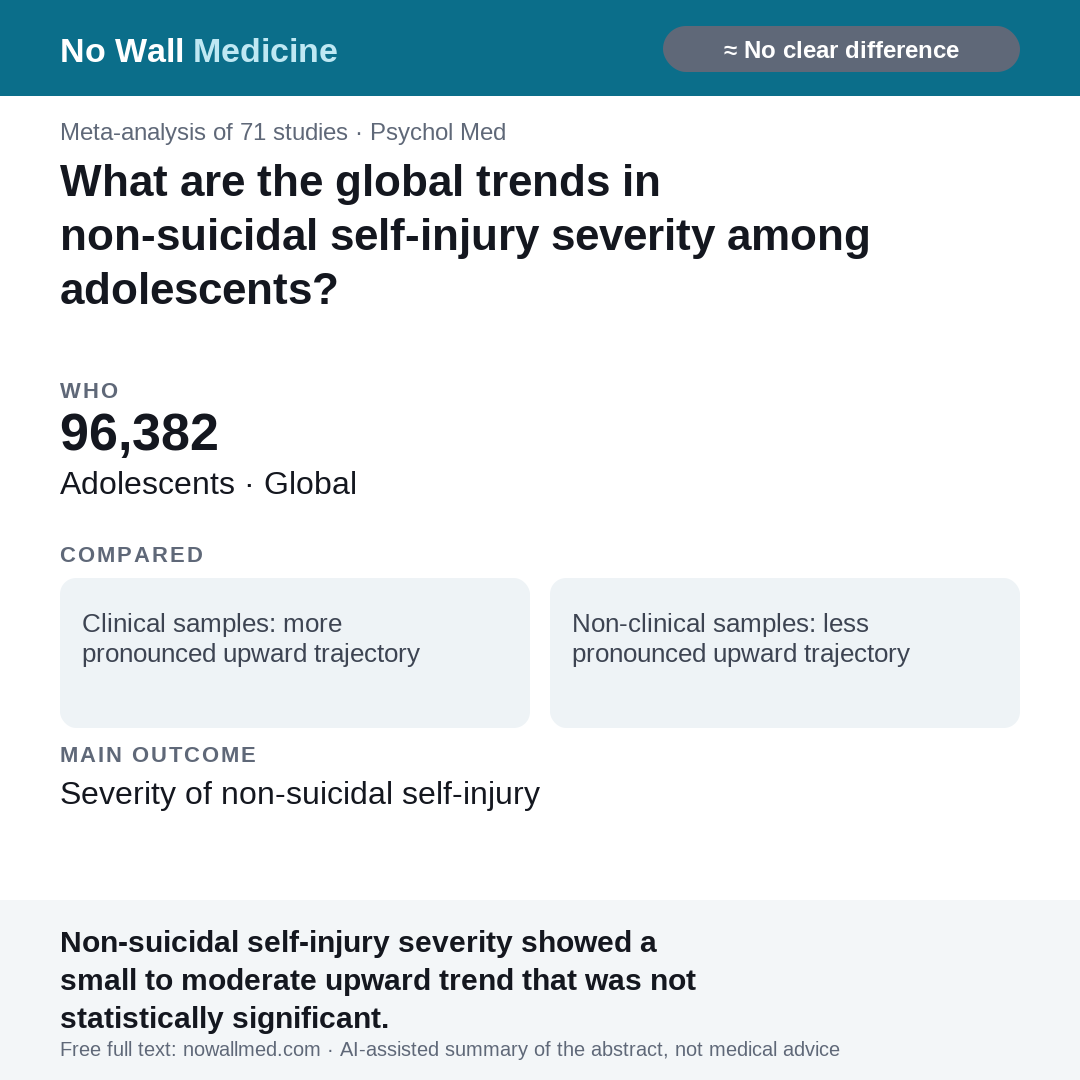
Trends in non-suicidal self-injury among adolescents: A global cross-temporal meta-analysis, 2007-2023
Meta-analysis of 71 studiesNo clear difference
What are the global trends in non-suicidal self-injury severity among adolescents?
Who
96,382
Adolescents · Global
Compared
Clinical samples: more pronounced upward trajectory
Non-clinical samples: less pronounced upward trajectory
Main outcome
Severity of non-suicidal self-injury
Bottom line: Non-suicidal self-injury severity showed a small to moderate upward trend that was not statistically significant.
Psychol Med · 2025-11-11Download image