Visual abstracts
New randomized trials and meta-analyses from leading journals at a glance: who was studied, what was compared, and what was found. Every paper is free to read in full.
All specialtiesCardiology 1552Oncology 1372Gastroenterology & Hepatology 566Infectious Disease 989Neurology 648Psychiatry & Mental Health 771Pulmonology 672Critical Care 458Endocrinology & Diabetes 843Pediatrics 915Surgery 764Orthopedics & Sports Medicine 295Neurosurgery 199Cardiothoracic & Vascular Surgery 179Plastic & Reconstructive Surgery 247Nephrology 325Rheumatology 206Hematology 332Dermatology 167Ophthalmology 178Obstetrics & Gynecology 502Public & Global Health 298Radiology & Imaging 207Anesthesiology 308Urology 287ENT (Otolaryngology) 210Emergency Medicine 174Allergy & Immunology 100Geriatrics 337Family Medicine & Primary Care 190Medical Genetics & Genomics 167Pathology & Laboratory Medicine 52Physical Medicine & Rehabilitation 272Palliative Care 140Nutrition 408Digital Health & AI 819General Medicine 129
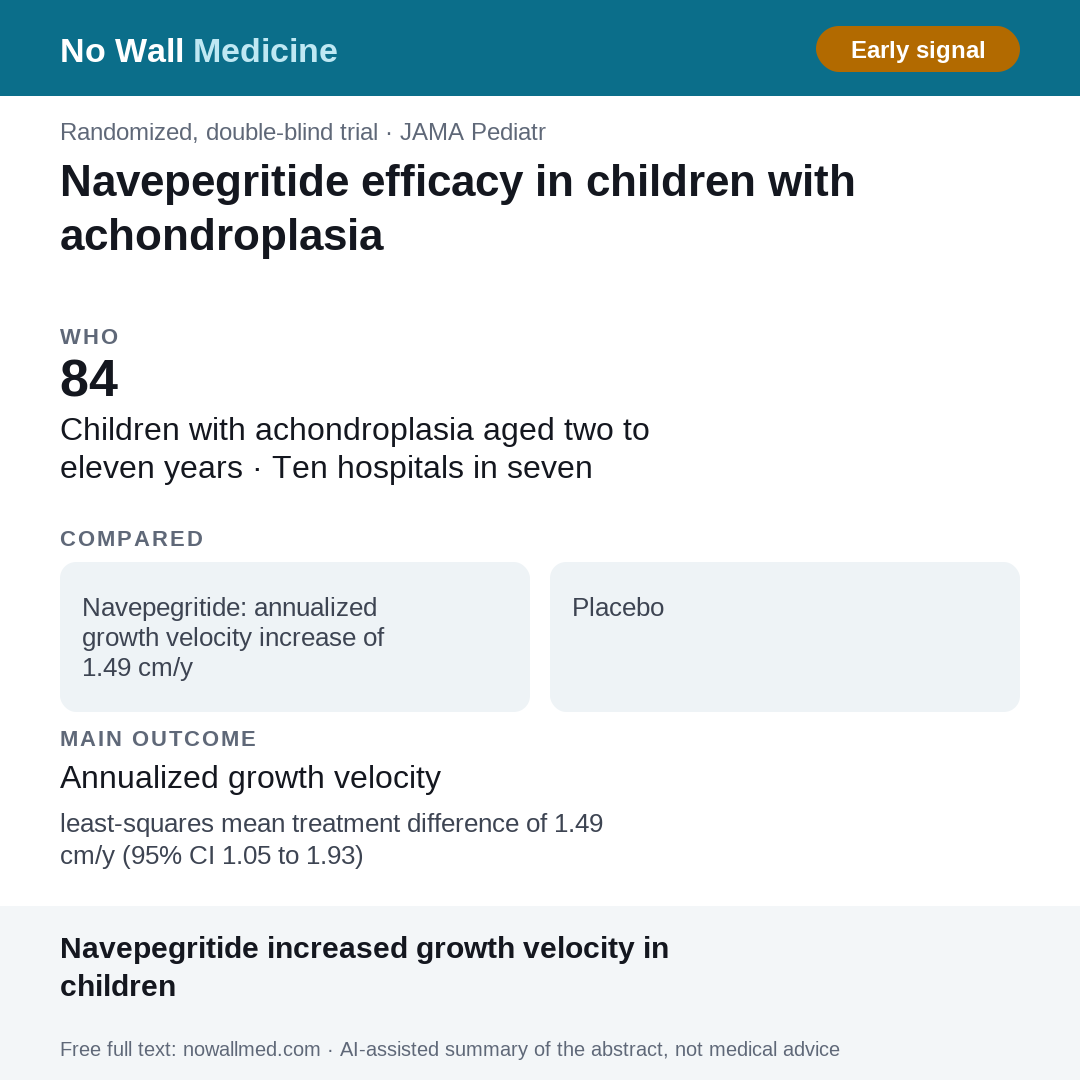
Once-Weekly Navepegritide in Children With Achondroplasia: The APPROACH Randomized Clinical Trial
Randomized, double-blind trialBenefit found
Navepegritide efficacy in children with achondroplasia
Who
84
Children with achondroplasia aged two to eleven years · Ten hospitals in seven countries
Compared
Navepegritide: annualized growth velocity increase of 1.49 cm/y
Placebo
Main outcome
Annualized growth velocity
Result: least-squares mean treatment difference of 1.49 cm/y (95% CI 1.05 to 1.93)
Bottom line: Navepegritide increased growth velocity in children
JAMA Pediatr · 2025-11-17Download image
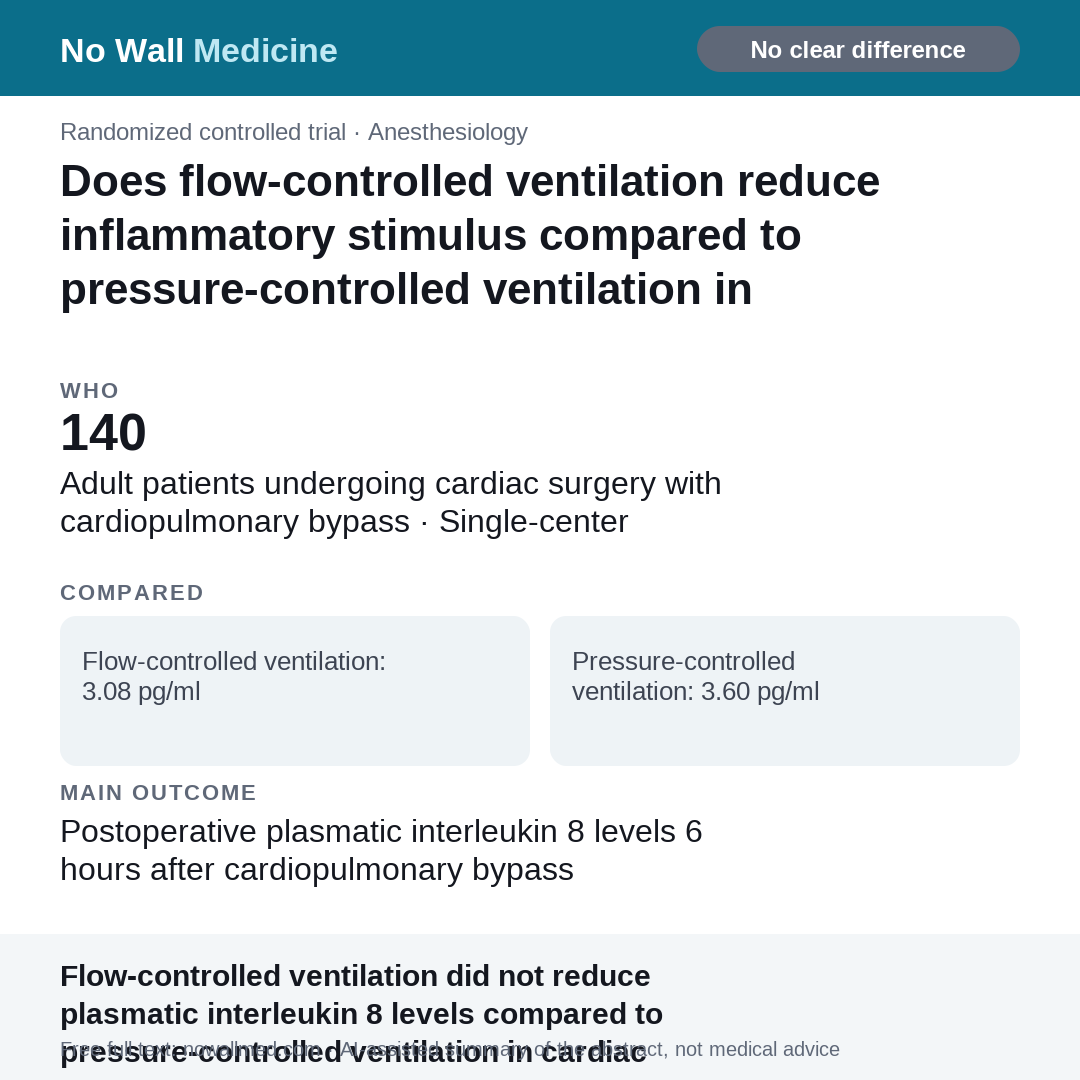
Individualized Flow-controlled versus Pressure-controlled Ventilation in Cardiac Surgery: A Randomized Controlled Trial
Randomized controlled trialNo clear difference
Does flow-controlled ventilation reduce inflammatory stimulus compared to pressure-controlled ventilation in cardiac surgery?
Who
140
Adult patients undergoing cardiac surgery with cardiopulmonary bypass · Single-center
Compared
Flow-controlled ventilation: 3.08 pg/ml
Pressure-controlled ventilation: 3.60 pg/ml
Main outcome
Postoperative plasmatic interleukin 8 levels 6 hours after cardiopulmonary bypass
Result: β, 0.08 pg/ml; 95% CI, -0.17 to 0.33
Bottom line: Flow-controlled ventilation did not reduce plasmatic interleukin 8 levels compared to pressure-controlled ventilation in cardiac surgery patients.
Limitation: Secondary outcomes including pulmonary and extrapulmonary complications were explorative.
Anesthesiology · 2025-11-17Download image
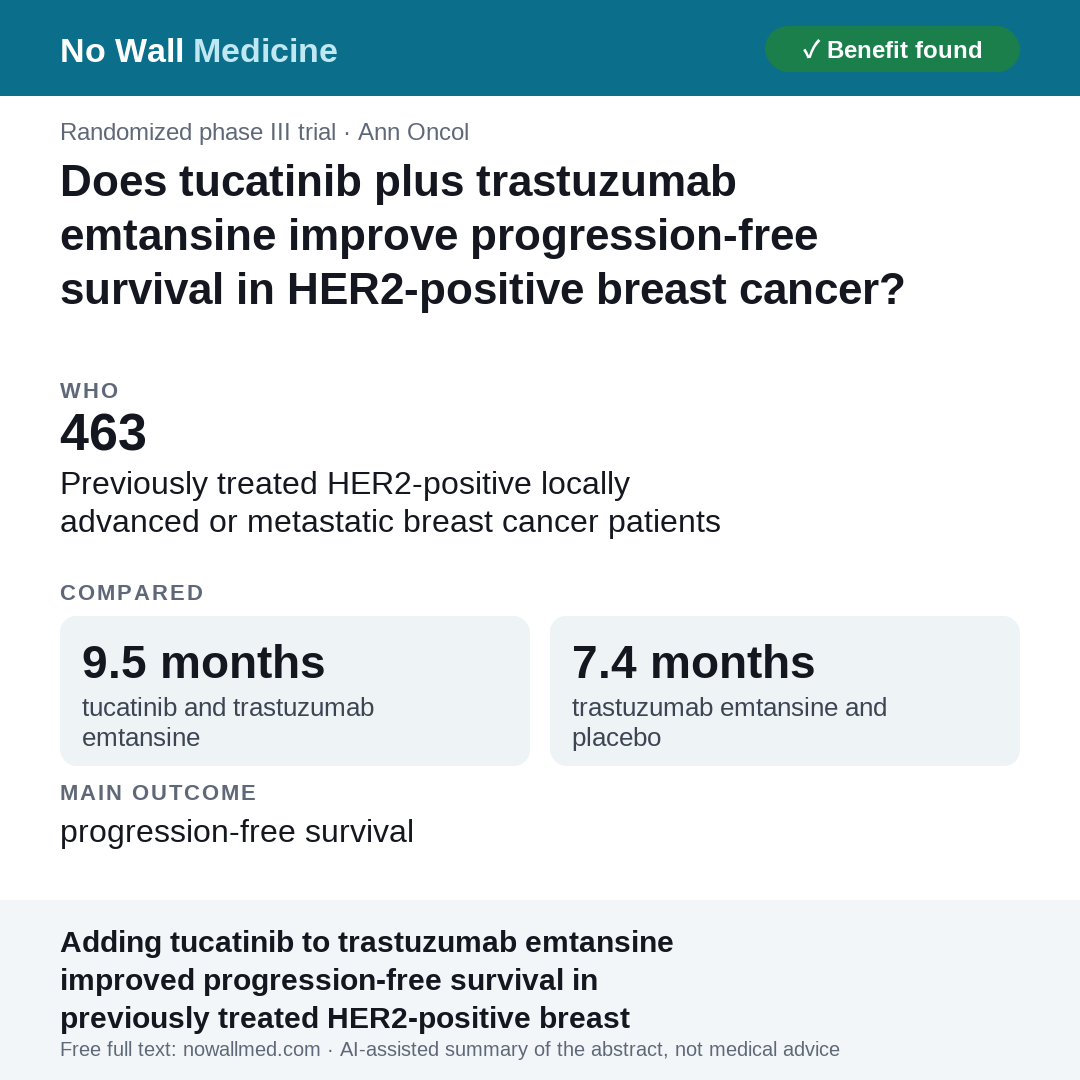
Tucatinib and trastuzumab emtansine for patients with previously treated HER2-positive locally advanced and metastatic breast cancer: primary analysis of the randomized phase III trial HER2CLIMB-02
Randomized phase III trialBenefit found
Does tucatinib plus trastuzumab emtansine improve progression-free survival in HER2-positive breast cancer?
Who
463
Previously treated HER2-positive locally advanced or metastatic breast cancer patients
Compared
9.5 monthstucatinib and trastuzumab emtansine
7.4 monthstrastuzumab emtansine and placebo
Main outcome
progression-free survival
Result: hazard ratio 0.76 (95% CI 0.61-0.95)
Bottom line: Adding tucatinib to trastuzumab emtansine improved progression-free survival in previously treated HER2-positive breast cancer patients.
Ann Oncol · 2025-11-17Download image
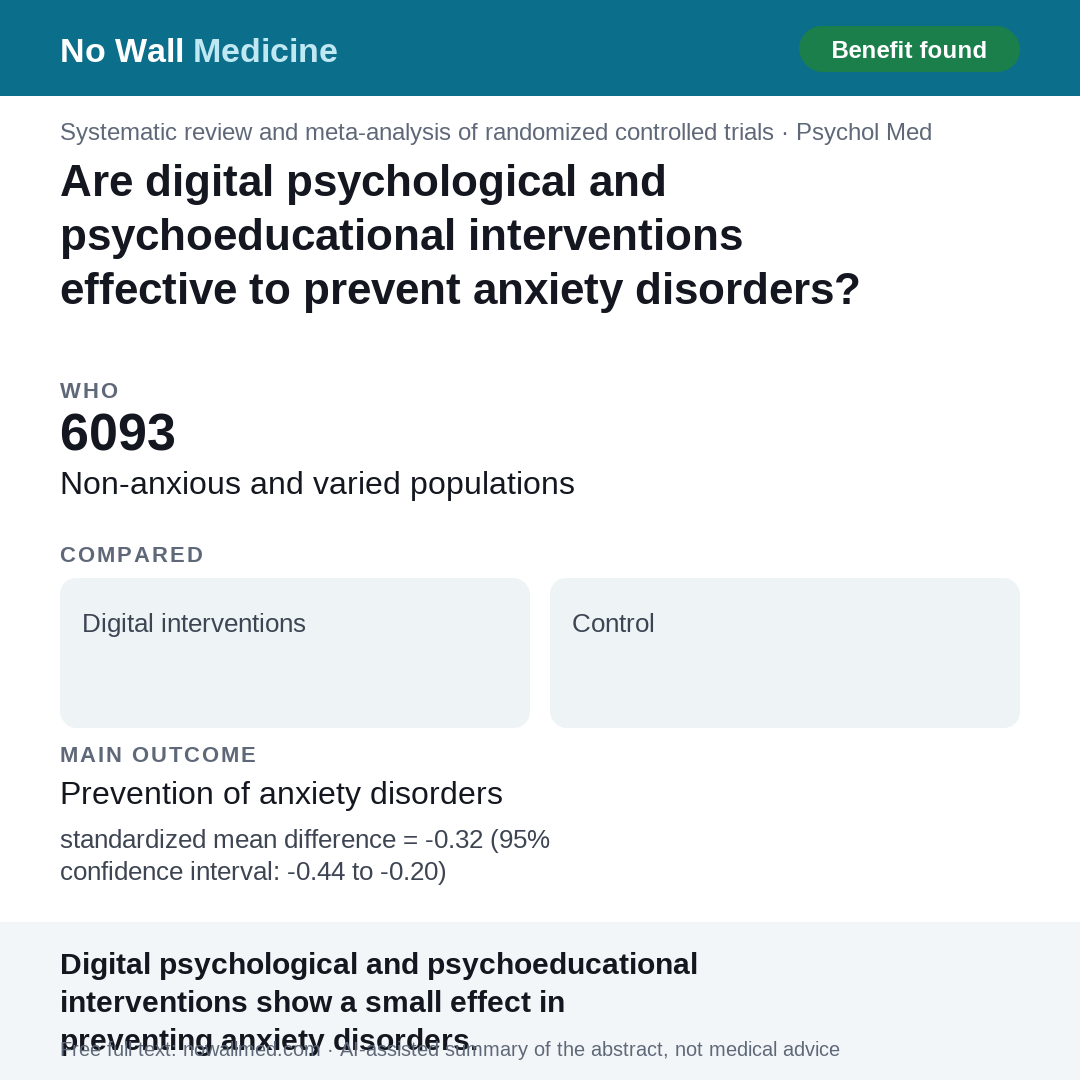
Effectiveness of digital psychological and psychoeducational interventions to prevent anxiety: Systematic review and meta-analysis of randomized controlled trials
Systematic review and meta-analysis of randomized controlled trialsBenefit found
Are digital psychological and psychoeducational interventions effective to prevent anxiety disorders?
Who
6093
Non-anxious and varied populations
Compared
Digital interventions
Control
Main outcome
Prevention of anxiety disorders
Result: standardized mean difference = -0.32 (95% confidence interval: -0.44 to -0.20)
Bottom line: Digital psychological and psychoeducational interventions show a small effect in preventing anxiety disorders.
Limitation: High heterogeneity and very low quality of evidence according to Grading of Recommendations Assessment, Development, and Evaluation.
Psychol Med · 2025-11-17Download image
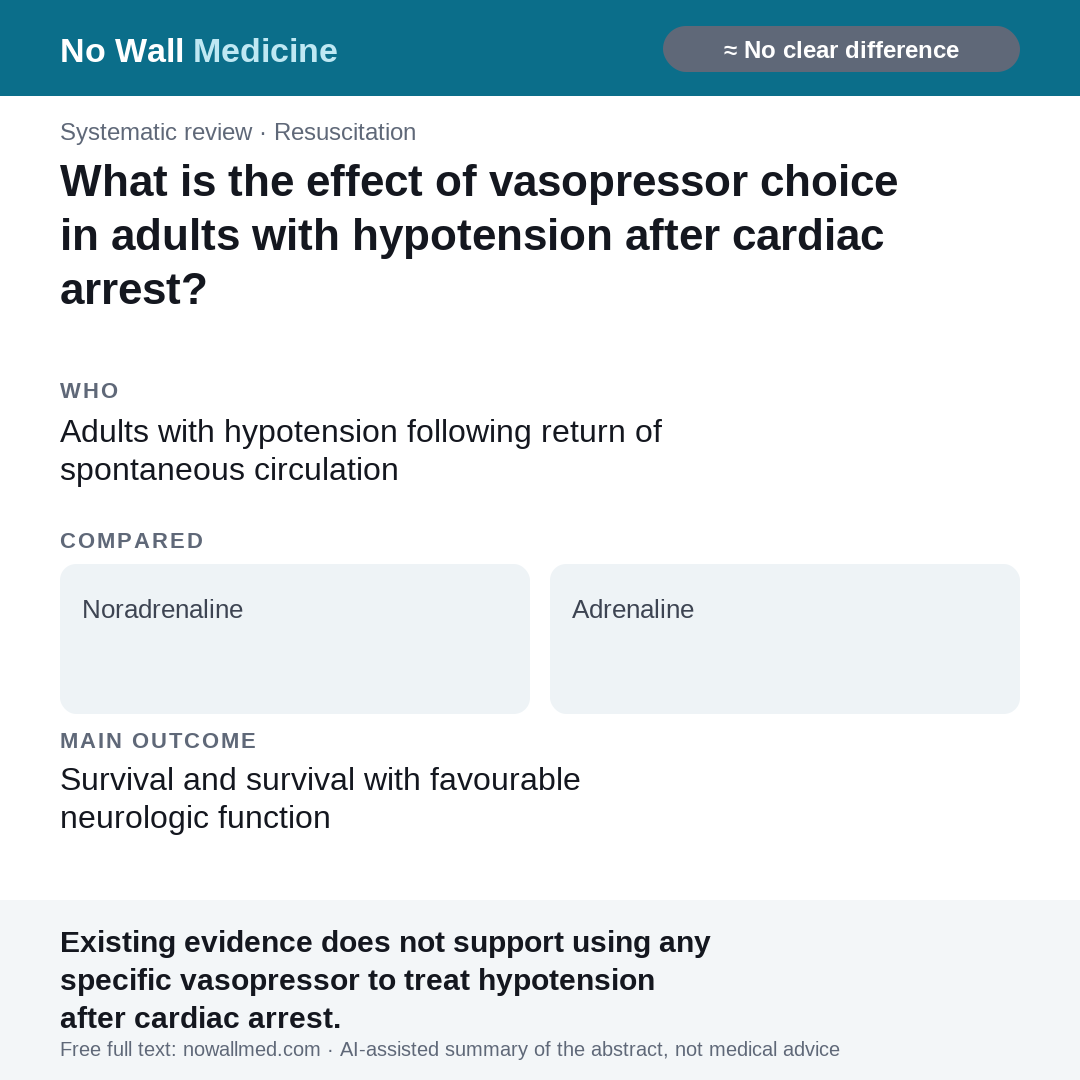
The impact of vasopressor choice in patients with hypotension after cardiac arrest: a systematic review
Systematic reviewNo clear difference
What is the effect of vasopressor choice in adults with hypotension after cardiac arrest?
Who
Adults with hypotension following return of spontaneous circulation
Compared
Noradrenaline
Adrenaline
Main outcome
Survival and survival with favourable neurologic function
Bottom line: Existing evidence does not support using any specific vasopressor to treat hypotension after cardiac arrest.
Limitation: Risk of bias was moderate or high and evidence certainty was very low.
Resuscitation · 2025-11-17Download image
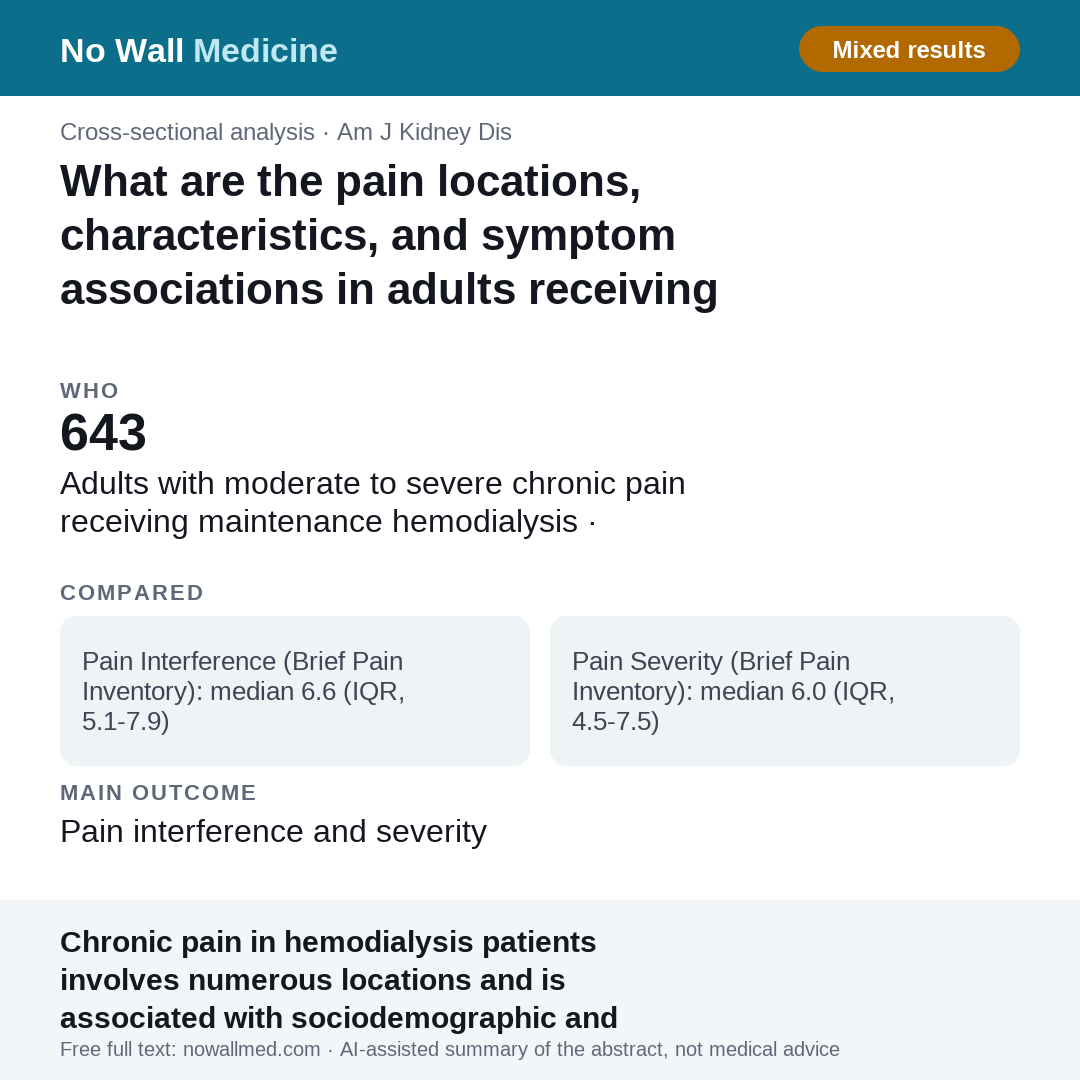
Chronic Pain Locations, Characteristics, and Associations With Other Symptoms in Adults Receiving Maintenance Hemodialysis: Findings From the HOPE Consortium Trial
Cross-sectional analysisMixed results
What are the pain locations, characteristics, and symptom associations in adults receiving maintenance hemodialysis?
Who
643
Adults with moderate to severe chronic pain receiving maintenance hemodialysis · Multicenter
Compared
Pain Interference (Brief Pain Inventory): median 6.6 (IQR, 5.1-7.9)
Pain Severity (Brief Pain Inventory): median 6.0 (IQR, 4.5-7.5)
Main outcome
Pain interference and severity
Bottom line: Chronic pain in hemodialysis patients involves numerous locations and is associated with sociodemographic and psychological factors.
Limitation: Neither relationship directionality nor causality can be inferred.
Am J Kidney Dis · 2025-11-17Download image
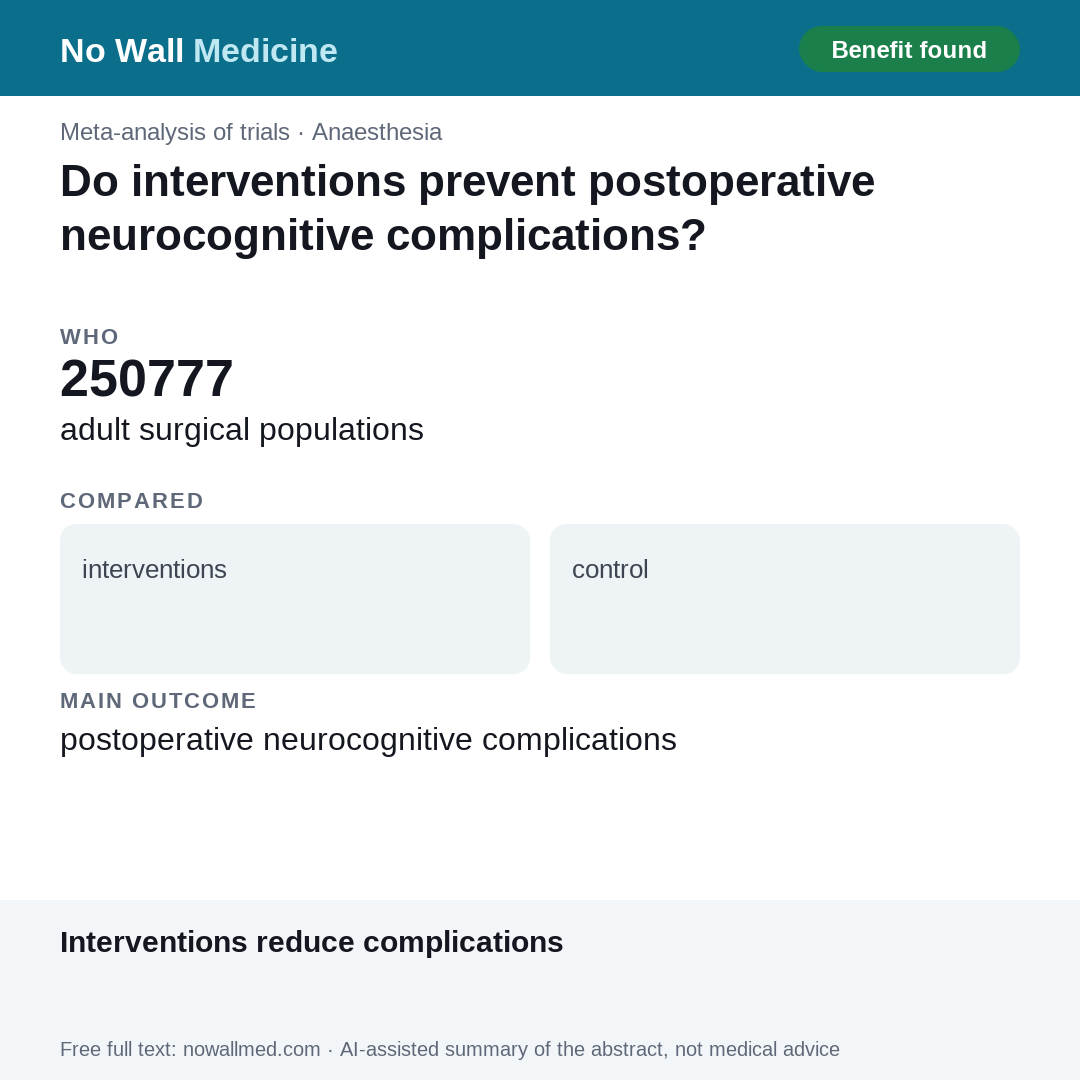
Interventions to prevent postoperative neurocognitive complications: an umbrella review of meta-analyses of randomised controlled trials
Meta-analysis of trialsBenefit found
Do interventions prevent postoperative neurocognitive complications?
Who
250777
adult surgical populations
Compared
interventions
control
Main outcome
postoperative neurocognitive complications
Bottom line: Interventions reduce complications
Limitation: very low certainty of evidence
Anaesthesia · 2025-11-17Download image
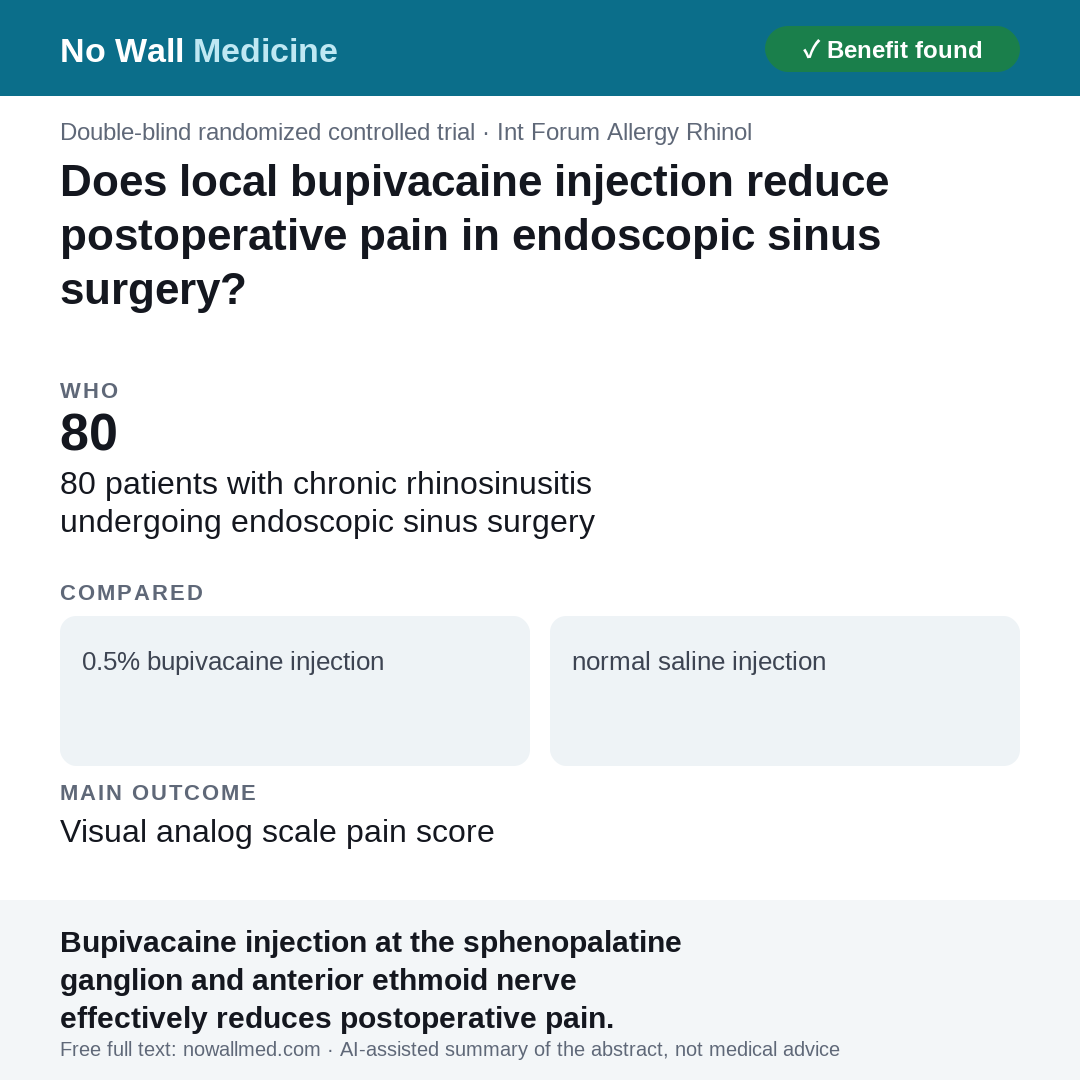
Efficacy of Local Bupivacaine Injection of Postoperative Pain in Endoscopic Sinus Surgery
Double-blind randomized controlled trialBenefit found
Does local bupivacaine injection reduce postoperative pain in endoscopic sinus surgery?
Who
80
80 patients with chronic rhinosinusitis undergoing endoscopic sinus surgery
Compared
0.5% bupivacaine injection
normal saline injection
Main outcome
Visual analog scale pain score
Result: 95% CI = 0.51-1.74, p < 0.001
Bottom line: Bupivacaine injection at the sphenopalatine ganglion and anterior ethmoid nerve effectively reduces postoperative pain.
Int Forum Allergy Rhinol · 2025-11-17Download image
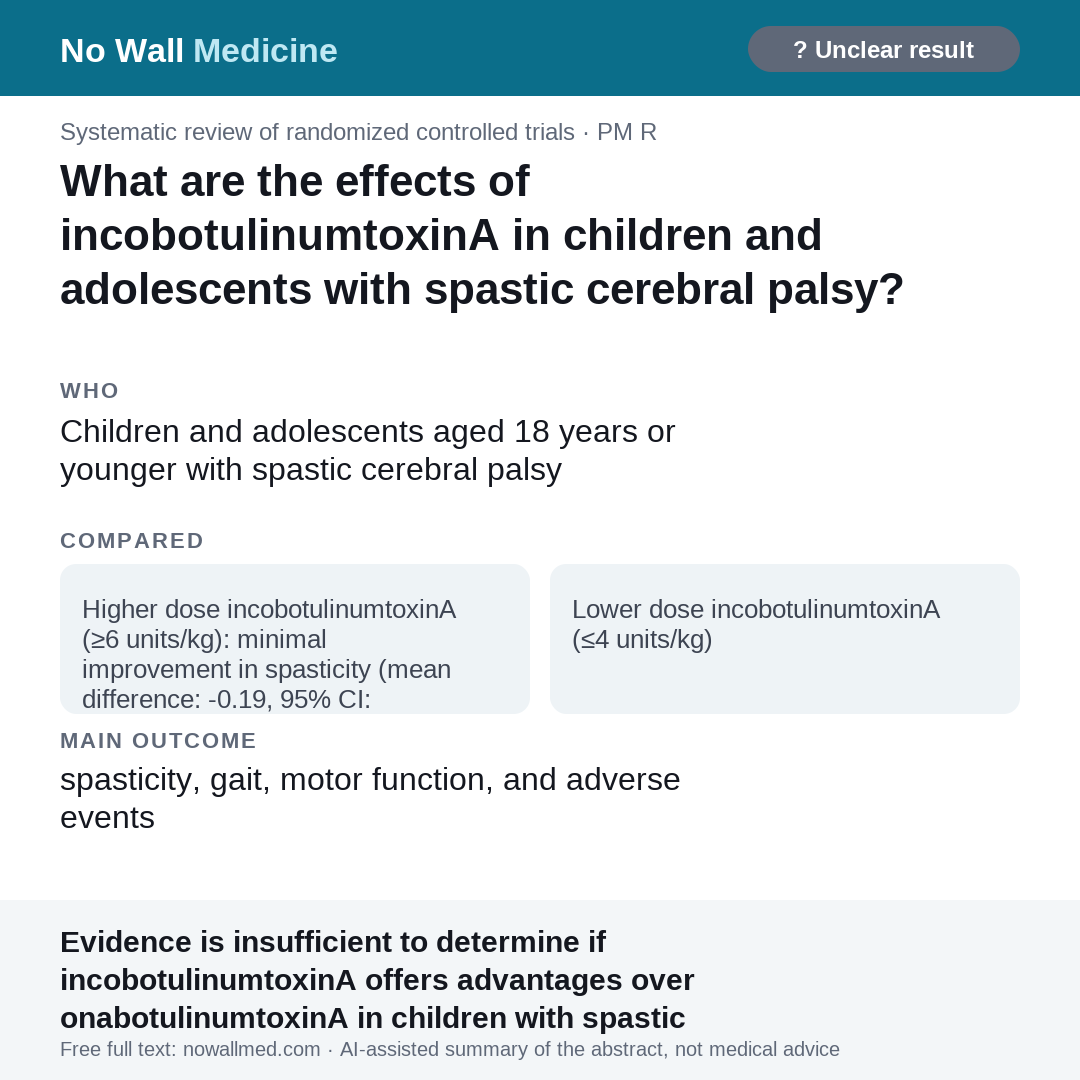
Effects of incobotulinumtoxinA in children and adolescents with spastic cerebral palsy: A systematic review of randomized controlled trials
Systematic review of randomized controlled trialsUnclear result
What are the effects of incobotulinumtoxinA in children and adolescents with spastic cerebral palsy?
Who
Children and adolescents aged 18 years or younger with spastic cerebral palsy
Compared
Higher dose incobotulinumtoxinA (≥6 units/kg): minimal improvement in spasticity (mean difference: -0.19, 95% CI: -0.36 to -0.01)
Lower dose incobotulinumtoxinA (≤4 units/kg)
Main outcome
spasticity, gait, motor function, and adverse events
Result: mean difference: -0.19, 95% confidence interval: -0.36 to -0.01
Bottom line: Evidence is insufficient to determine if incobotulinumtoxinA offers advantages over onabotulinumtoxinA in children with spastic cerebral palsy.
PM R · 2025-11-17Download image
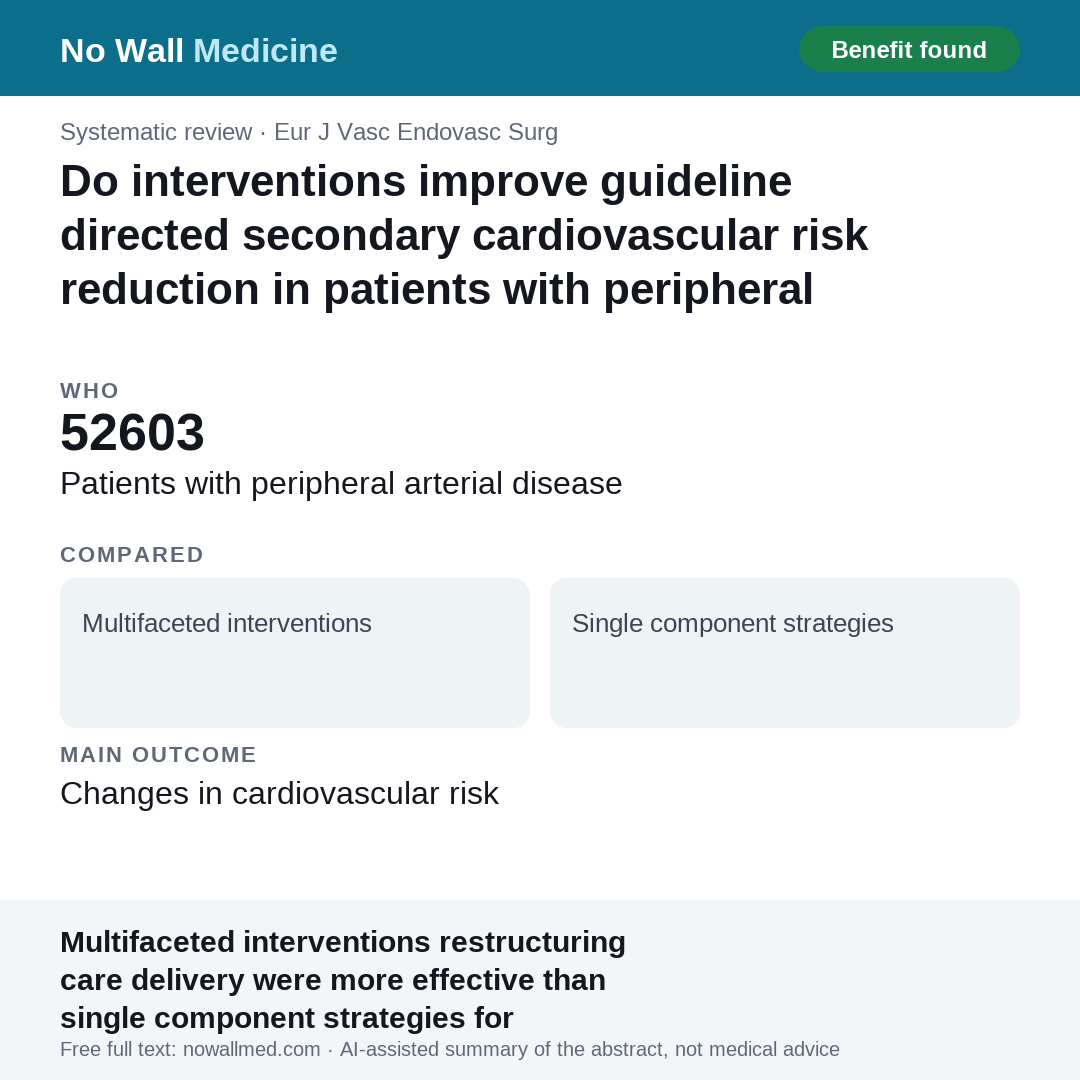
Editor's Choice - A Systematic Review of Interventions to Improve Guideline Directed Secondary Cardiovascular Risk Reduction in Patients with Peripheral Arterial Disease
Systematic reviewBenefit found
Do interventions improve guideline directed secondary cardiovascular risk reduction in patients with peripheral arterial disease?
Who
52603
Patients with peripheral arterial disease
Compared
Multifaceted interventions
Single component strategies
Main outcome
Changes in cardiovascular risk
Bottom line: Multifaceted interventions restructuring care delivery were more effective than single component strategies for cardiovascular risk reduction.
Limitation: Study quality was limited, and consistent outcome measurements were lacking.
Eur J Vasc Endovasc Surg · 2025-11-17Download image
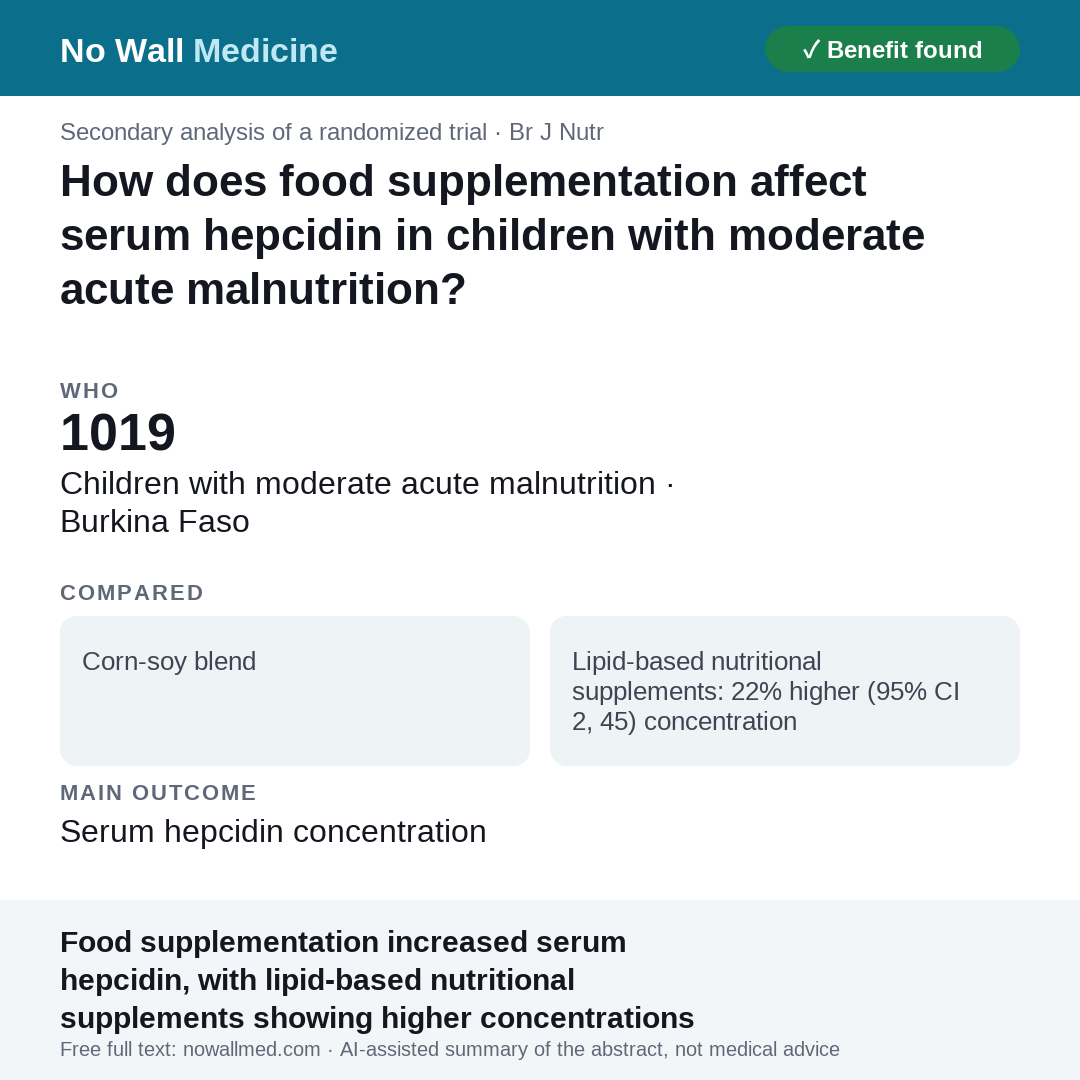
Hepcidin is low in children with moderate acute malnutrition and asymptomatic malaria: secondary analysis of a 2×2×3 factorial randomised trial in Burkina Faso
Secondary analysis of a randomized trialBenefit found
How does food supplementation affect serum hepcidin in children with moderate acute malnutrition?
Who
1019
Children with moderate acute malnutrition · Burkina Faso
Compared
Corn-soy blend
Lipid-based nutritional supplements: 22% higher (95% CI 2, 45) concentration
Main outcome
Serum hepcidin concentration
Result: 61% (95% CI 38, 87) increase after 12 weeks
Bottom line: Food supplementation increased serum hepcidin, with lipid-based nutritional supplements showing higher concentrations than corn-soy blend.
Br J Nutr · 2025-11-17Download image
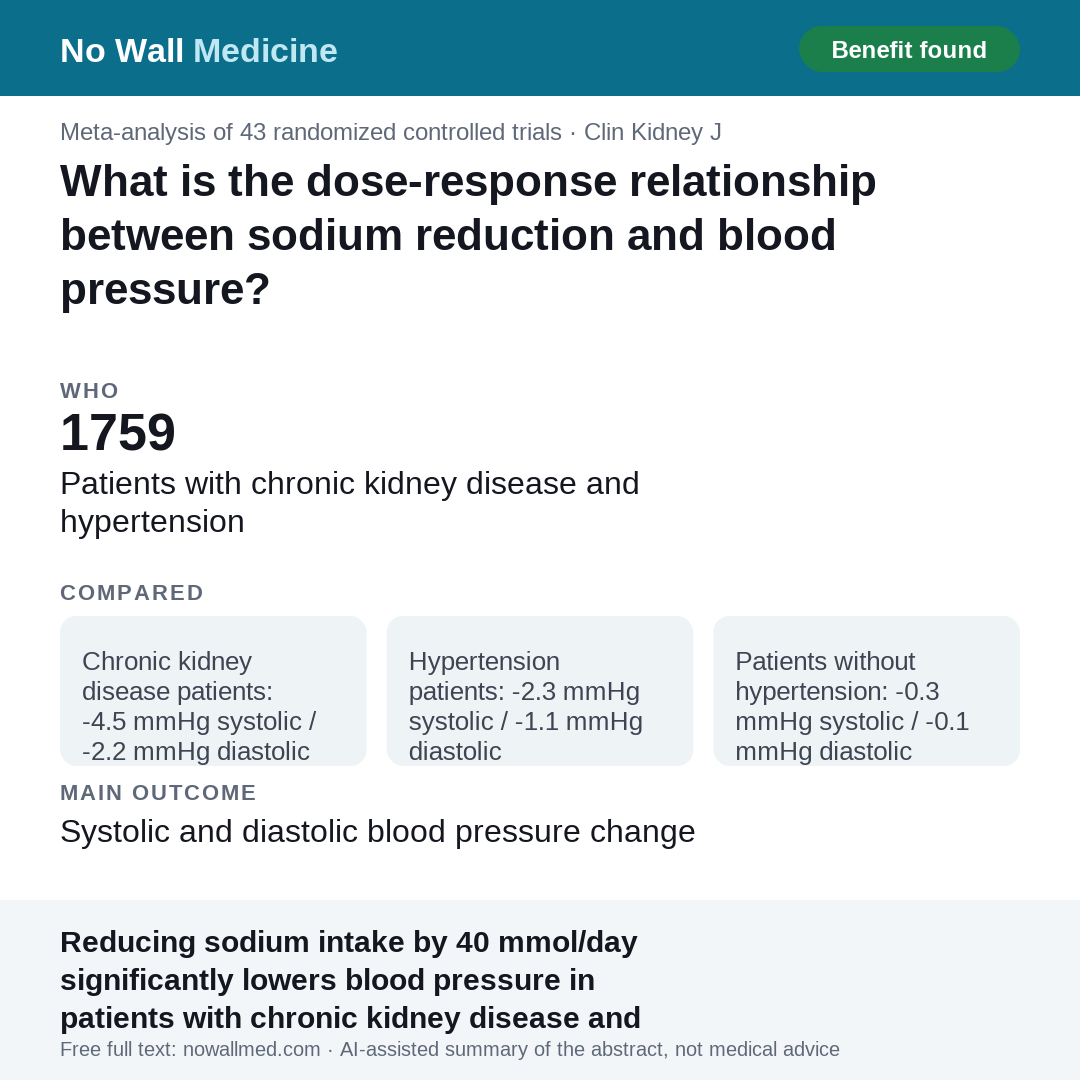
Dietary sodium reduction and blood pressure: a dose-response meta-analysis in hypertensive and chronic kidney disease patients
Meta-analysis of 43 randomized controlled trialsBenefit found
What is the dose-response relationship between sodium reduction and blood pressure?
Who
1759
Patients with chronic kidney disease and hypertension
Compared
Chronic kidney disease patients: -4.5 mmHg systolic / -2.2 mmHg diastolic
Hypertension patients: -2.3 mmHg systolic / -1.1 mmHg diastolic
Patients without hypertension: -0.3 mmHg systolic / -0.1 mmHg diastolic
Main outcome
Systolic and diastolic blood pressure change
Bottom line: Reducing sodium intake by 40 mmol/day significantly lowers blood pressure in patients with chronic kidney disease and hypertension.
Clin Kidney J · 2025-11-17Download image
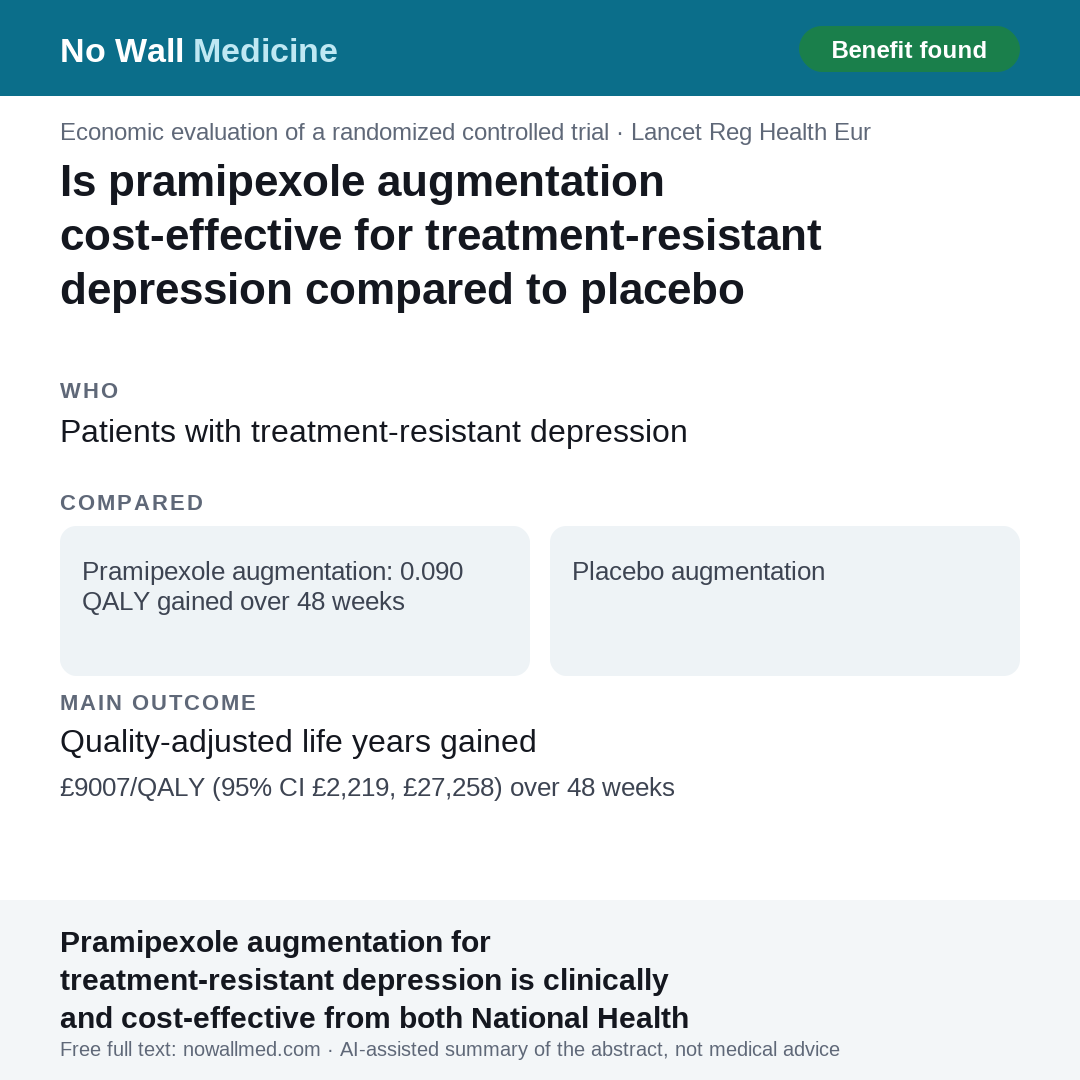
Cost-effectiveness of pramipexole augmentation for acute phase and maintenance therapy of treatment-resistant depression compared to placebo augmentation: economic evaluation of the PAX-D randomised controlled trial
Economic evaluation of a randomized controlled trialBenefit found
Is pramipexole augmentation cost-effective for treatment-resistant depression compared to placebo augmentation?
Who
Patients with treatment-resistant depression
Compared
Pramipexole augmentation: 0.090 QALY gained over 48 weeks
Placebo augmentation
Main outcome
Quality-adjusted life years gained
Result: £9007/QALY (95% CI £2,219, £27,258) over 48 weeks
Bottom line: Pramipexole augmentation for treatment-resistant depression is clinically and cost-effective from both National Health Service and societal perspectives.
Funded by: National Institute for Health and Care Research
Lancet Reg Health Eur · 2025-11-17Download image
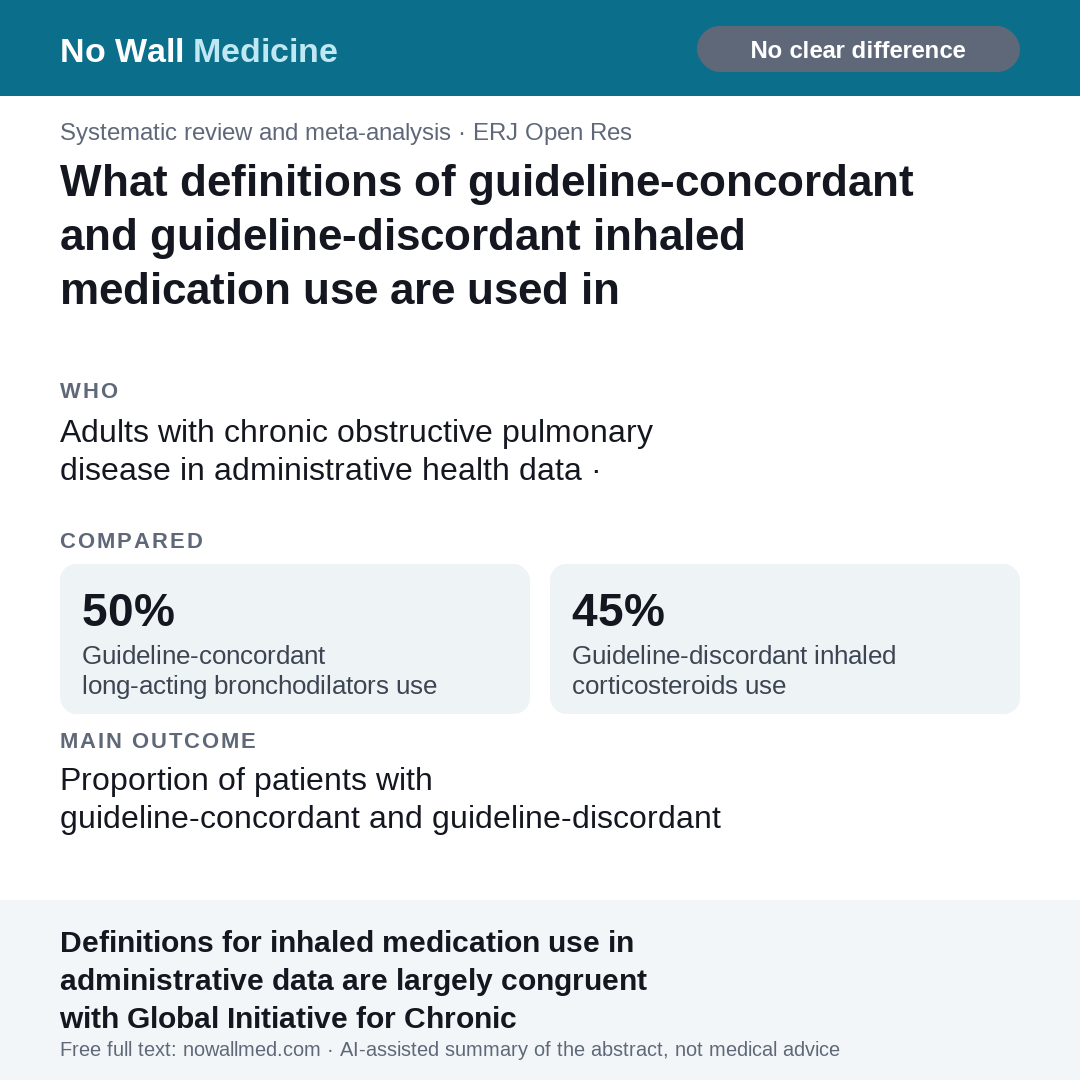
Guideline-concordant inhaled medication use in COPD: a systematic review of definitions used in administrative health data
Systematic review and meta-analysisNo clear difference
What definitions of guideline-concordant and guideline-discordant inhaled medication use are used in administrative health data?
Who
Adults with chronic obstructive pulmonary disease in administrative health data · MEDLINE and Embase databases
Compared
50%Guideline-concordant long-acting bronchodilators use
45%Guideline-discordant inhaled corticosteroids use
Main outcome
Proportion of patients with guideline-concordant and guideline-discordant medication use
Bottom line: Definitions for inhaled medication use in administrative data are largely congruent with Global Initiative for Chronic Obstructive Lung Disease recommendations.
ERJ Open Res · 2025-11-17Download image
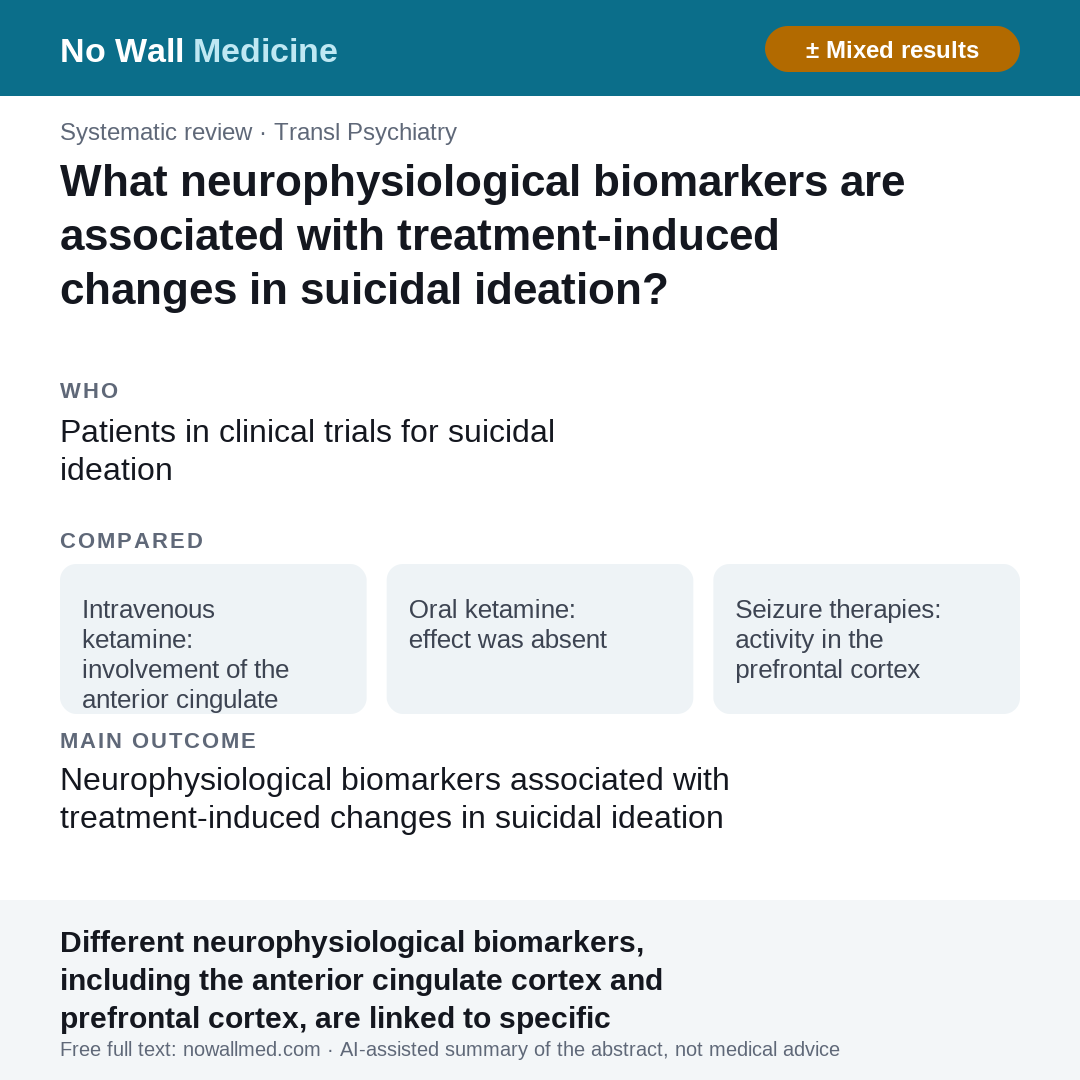
Neurophysiological biomarkers of treatment response in suicidal ideation: a systematic review
Systematic reviewMixed results
What neurophysiological biomarkers are associated with treatment-induced changes in suicidal ideation?
Who
Patients in clinical trials for suicidal ideation
Compared
Intravenous ketamine: involvement of the anterior cingulate cortex
Oral ketamine: effect was absent
Seizure therapies: activity in the prefrontal cortex
Main outcome
Neurophysiological biomarkers associated with treatment-induced changes in suicidal ideation
Bottom line: Different neurophysiological biomarkers, including the anterior cingulate cortex and prefrontal cortex, are linked to specific suicidal ideation treatments.
Limitation: Methodological heterogeneity, non-randomized designs, concurrent interventions, and unvalidated assessments of suicidal ideation.
Transl Psychiatry · 2025-11-17Download image
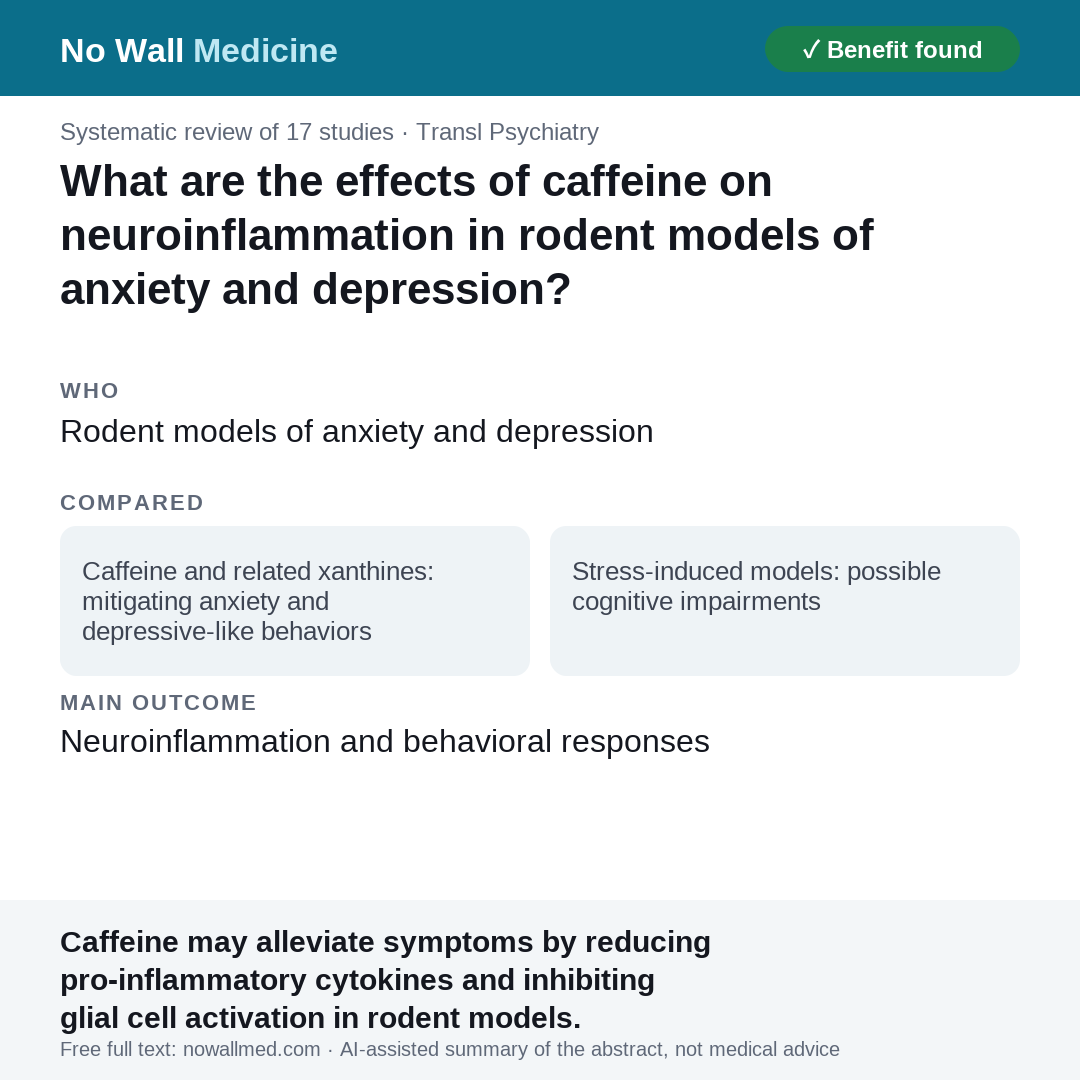
Effects of caffeine on neuroinflammation in anxiety and depression: a systematic review of rodent studies
Systematic review of 17 studiesBenefit found
What are the effects of caffeine on neuroinflammation in rodent models of anxiety and depression?
Who
Rodent models of anxiety and depression
Compared
Caffeine and related xanthines: mitigating anxiety and depressive-like behaviors
Stress-induced models: possible cognitive impairments
Main outcome
Neuroinflammation and behavioral responses
Bottom line: Caffeine may alleviate symptoms by reducing pro-inflammatory cytokines and inhibiting glial cell activation in rodent models.
Limitation: Doses and routes of caffeine administration were highly variable among eligible studies.
Transl Psychiatry · 2025-11-17Download image
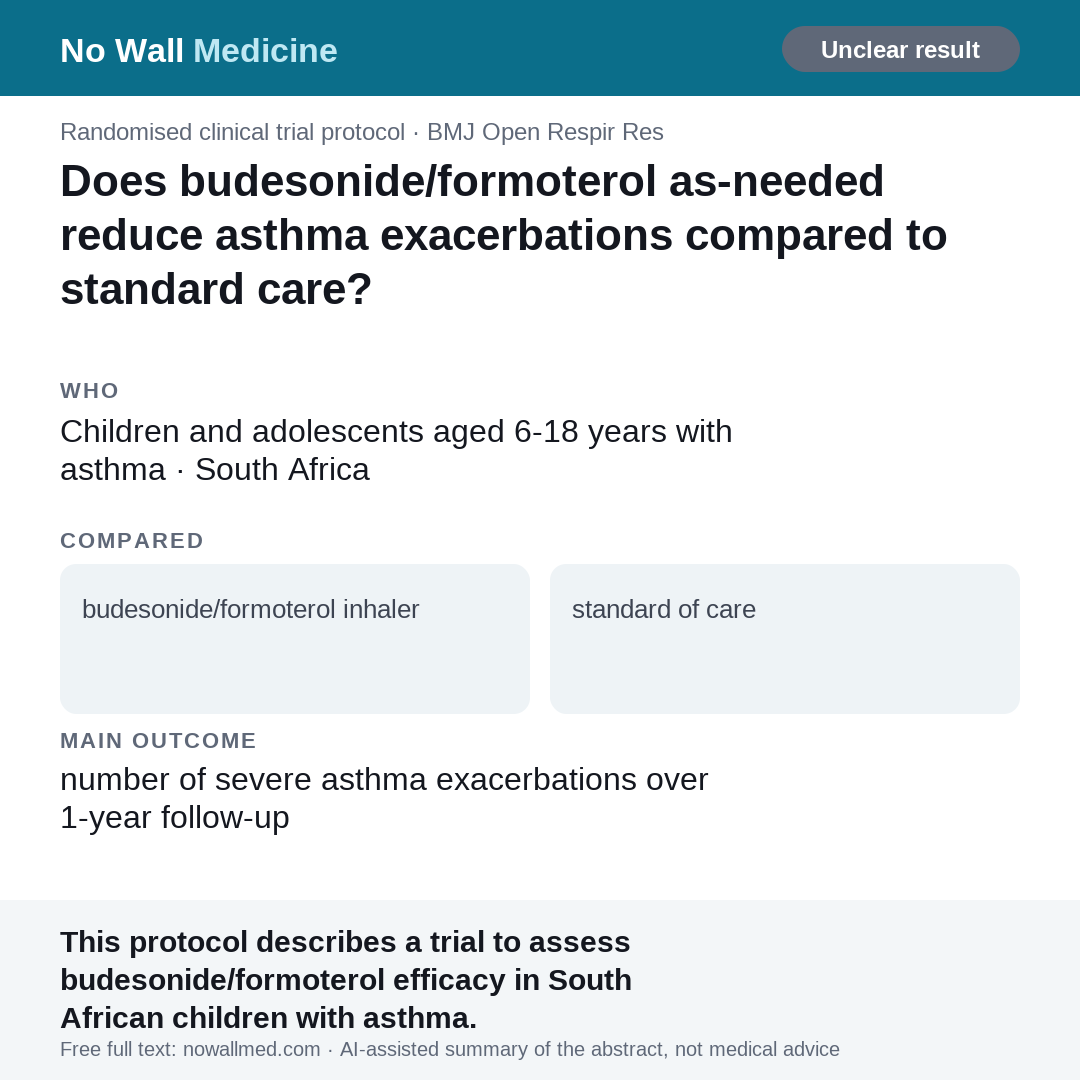
Anti-inflammatory reliever therapy for asthma using inhaled budesonide/formoterol as-needed with or without maintenance in South African children (AIR-SA 001): a description of a randomised clinical trial protocol
Randomised clinical trial protocolUnclear result
Does budesonide/formoterol as-needed reduce asthma exacerbations compared to standard care?
Who
Children and adolescents aged 6-18 years with asthma · South Africa
Compared
budesonide/formoterol inhaler
standard of care
Main outcome
number of severe asthma exacerbations over 1-year follow-up
Bottom line: This protocol describes a trial to assess budesonide/formoterol efficacy in South African children with asthma.
BMJ Open Respir Res · 2025-11-17Download image
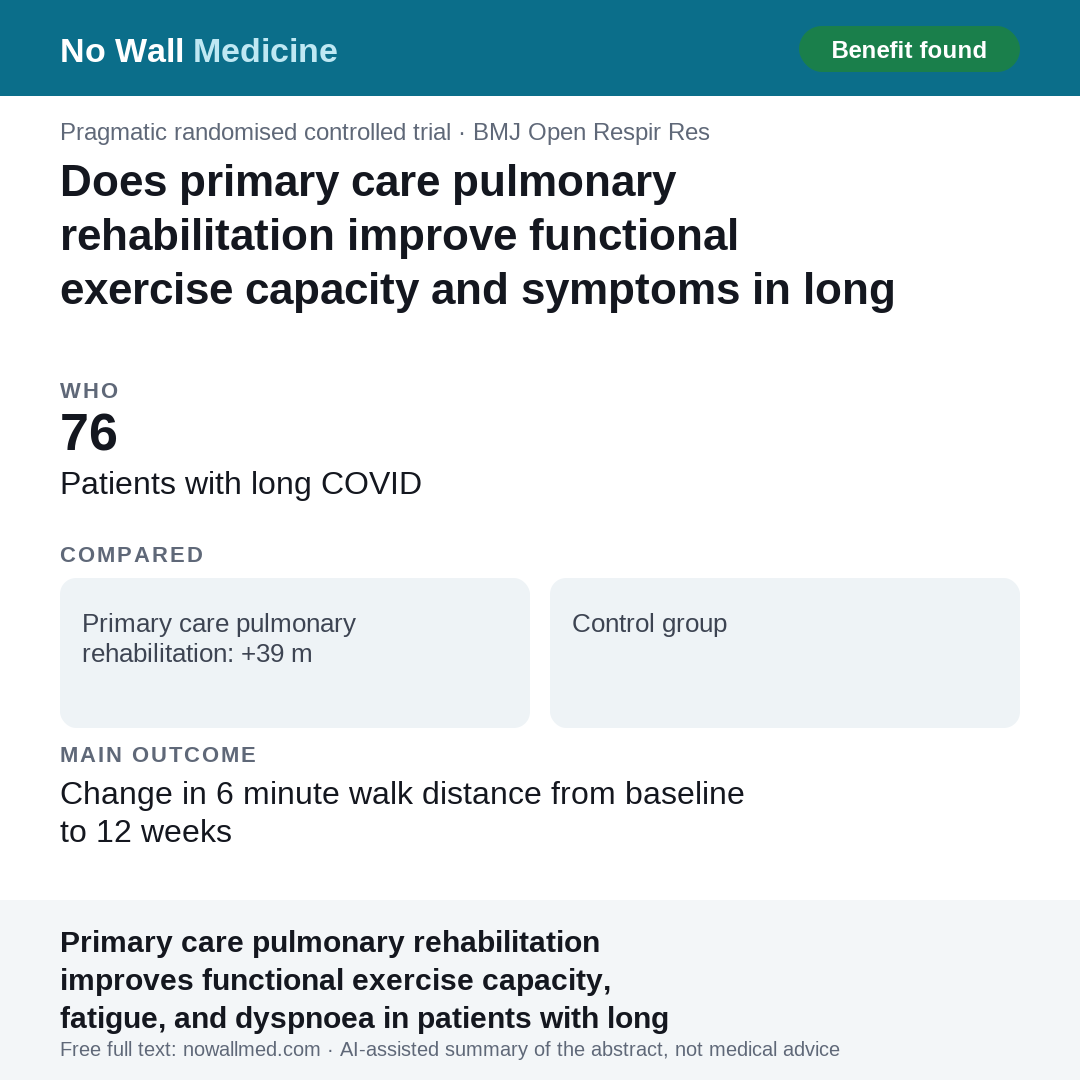
Improved functional exercise capacity after primary care pulmonary rehabilitation in patients with long COVID (PuRe-COVID): a pragmatic randomised controlled trial
Pragmatic randomised controlled trialBenefit found
Does primary care pulmonary rehabilitation improve functional exercise capacity and symptoms in long COVID?
Who
76
Patients with long COVID
Compared
Primary care pulmonary rehabilitation: +39 m
Control group
Main outcome
Change in 6 minute walk distance from baseline to 12 weeks
Result: +39 m (95% CI 18 to 59)
Bottom line: Primary care pulmonary rehabilitation improves functional exercise capacity, fatigue, and dyspnoea in patients with long COVID.
BMJ Open Respir Res · 2025-11-17Download image
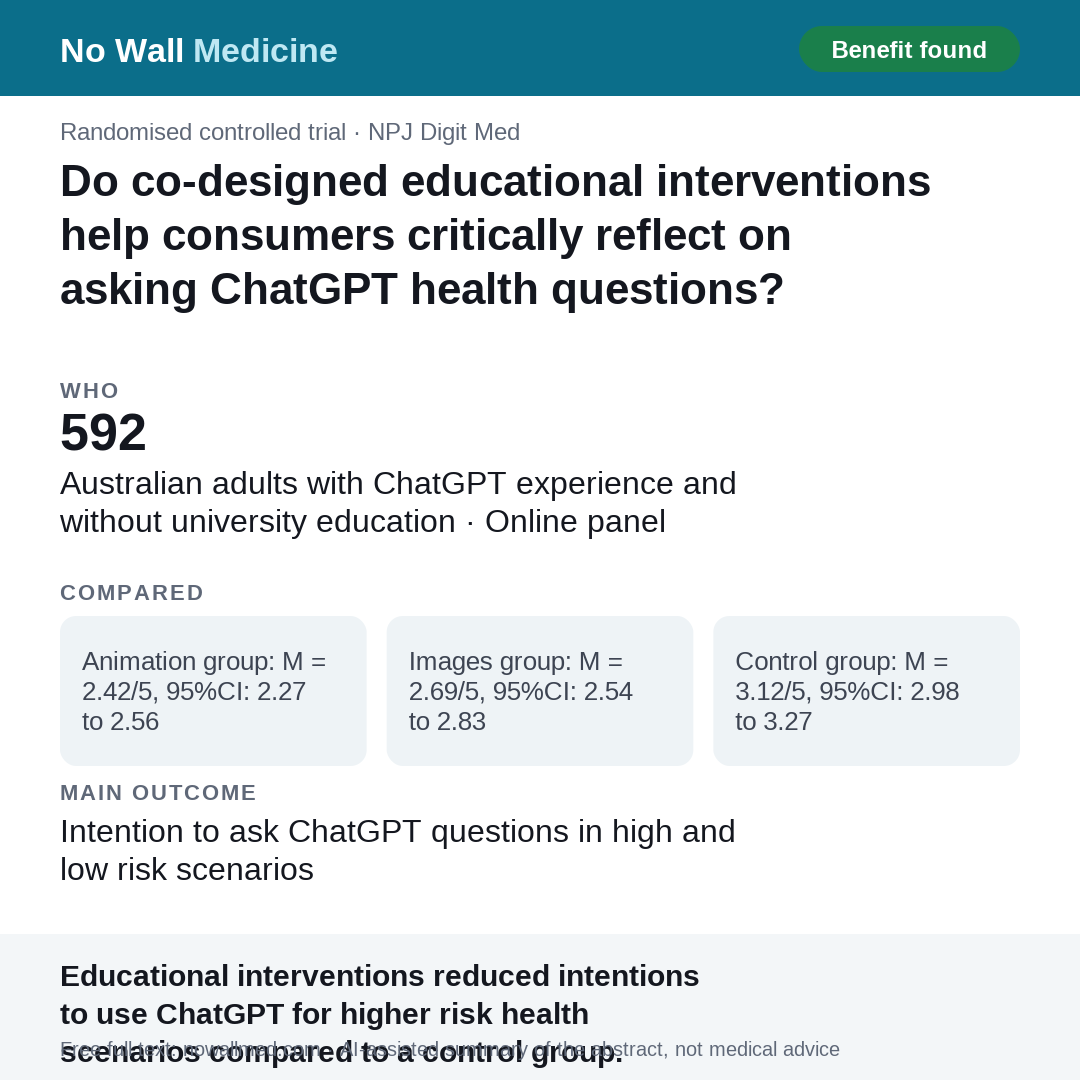
Can co-designed educational interventions help consumers think critically about asking ChatGPT health questions? Results from a randomised-controlled trial
Randomised controlled trialBenefit found
Do co-designed educational interventions help consumers critically reflect on asking ChatGPT health questions?
Who
592
Australian adults with ChatGPT experience and without university education · Online panel
Compared
Animation group: M = 2.42/5, 95%CI: 2.27 to 2.56
Images group: M = 2.69/5, 95%CI: 2.54 to 2.83
Control group: M = 3.12/5, 95%CI: 2.98 to 3.27
Main outcome
Intention to ask ChatGPT questions in high and low risk scenarios
Bottom line: Educational interventions reduced intentions to use ChatGPT for higher risk health scenarios compared to a control group.
NPJ Digit Med · 2025-11-17Download image
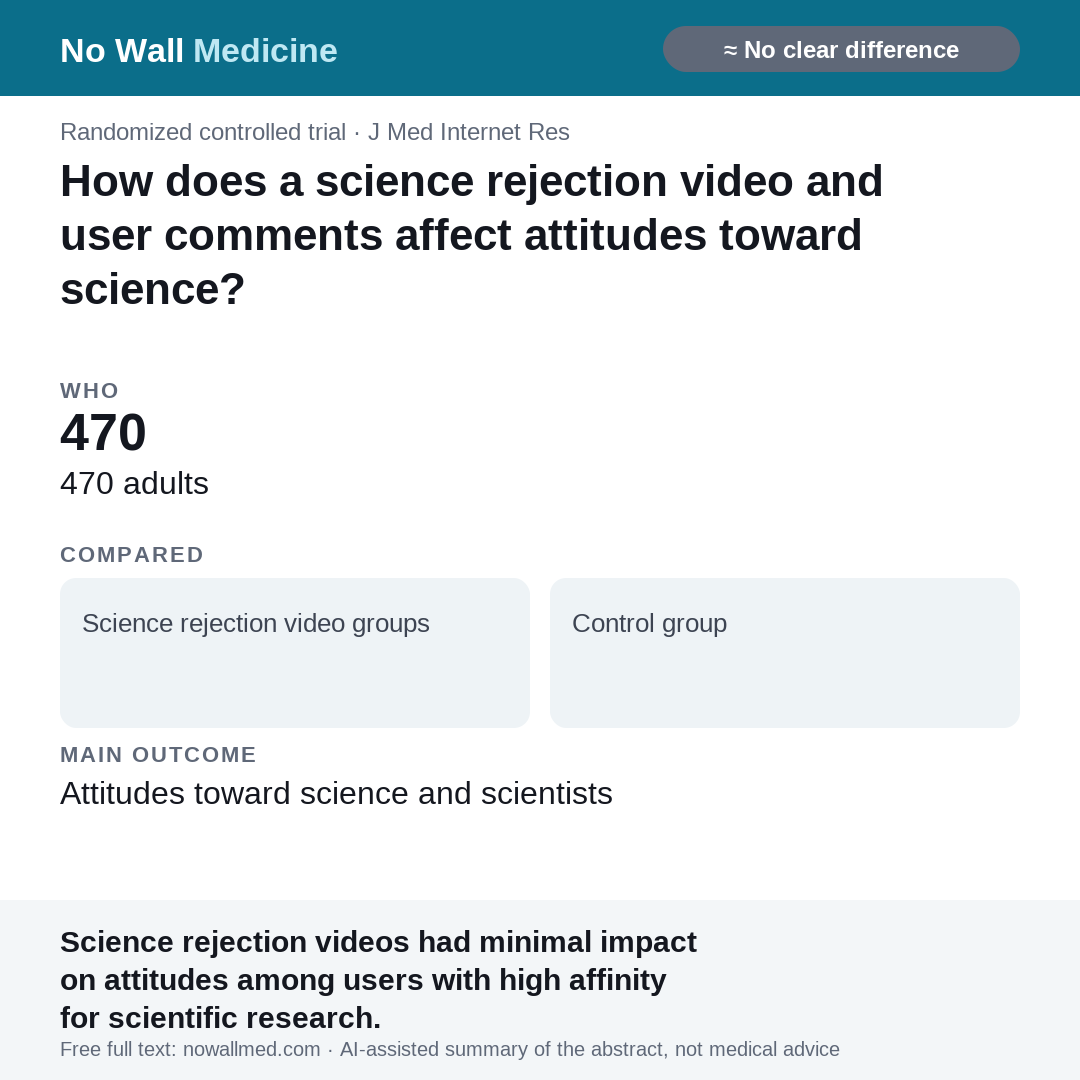
Effects of a Video of Science Rejection by a Social Media Influencer and User Comments: Randomized Controlled Trial
Randomized controlled trialNo clear difference
How does a science rejection video and user comments affect attitudes toward science?
Who
470
470 adults
Compared
Science rejection video groups
Control group
Main outcome
Attitudes toward science and scientists
Bottom line: Science rejection videos had minimal impact on attitudes among users with high affinity for scientific research.
Limitation: Findings require further study, particularly in individuals with little or no affinity toward scientific research.
J Med Internet Res · 2025-11-17Download image