Visual abstracts
New randomized trials and meta-analyses from leading journals at a glance: who was studied, what was compared, and what was found. Every paper is free to read in full.
All specialtiesCardiology 1740Oncology 1496Gastroenterology & Hepatology 644Infectious Disease 1098Neurology 718Psychiatry & Mental Health 856Pulmonology 741Critical Care 503Endocrinology & Diabetes 939Pediatrics 1028Surgery 853Orthopedics & Sports Medicine 324Neurosurgery 220Cardiothoracic & Vascular Surgery 194Plastic & Reconstructive Surgery 272Nephrology 359Rheumatology 236Hematology 383Dermatology 190Ophthalmology 207Obstetrics & Gynecology 564Public & Global Health 336Radiology & Imaging 235Anesthesiology 348Urology 308ENT (Otolaryngology) 233Emergency Medicine 195Allergy & Immunology 112Geriatrics 372Family Medicine & Primary Care 211Medical Genetics & Genomics 186Pathology & Laboratory Medicine 55Physical Medicine & Rehabilitation 306Palliative Care 154Nutrition 462Digital Health & AI 921General Medicine 135
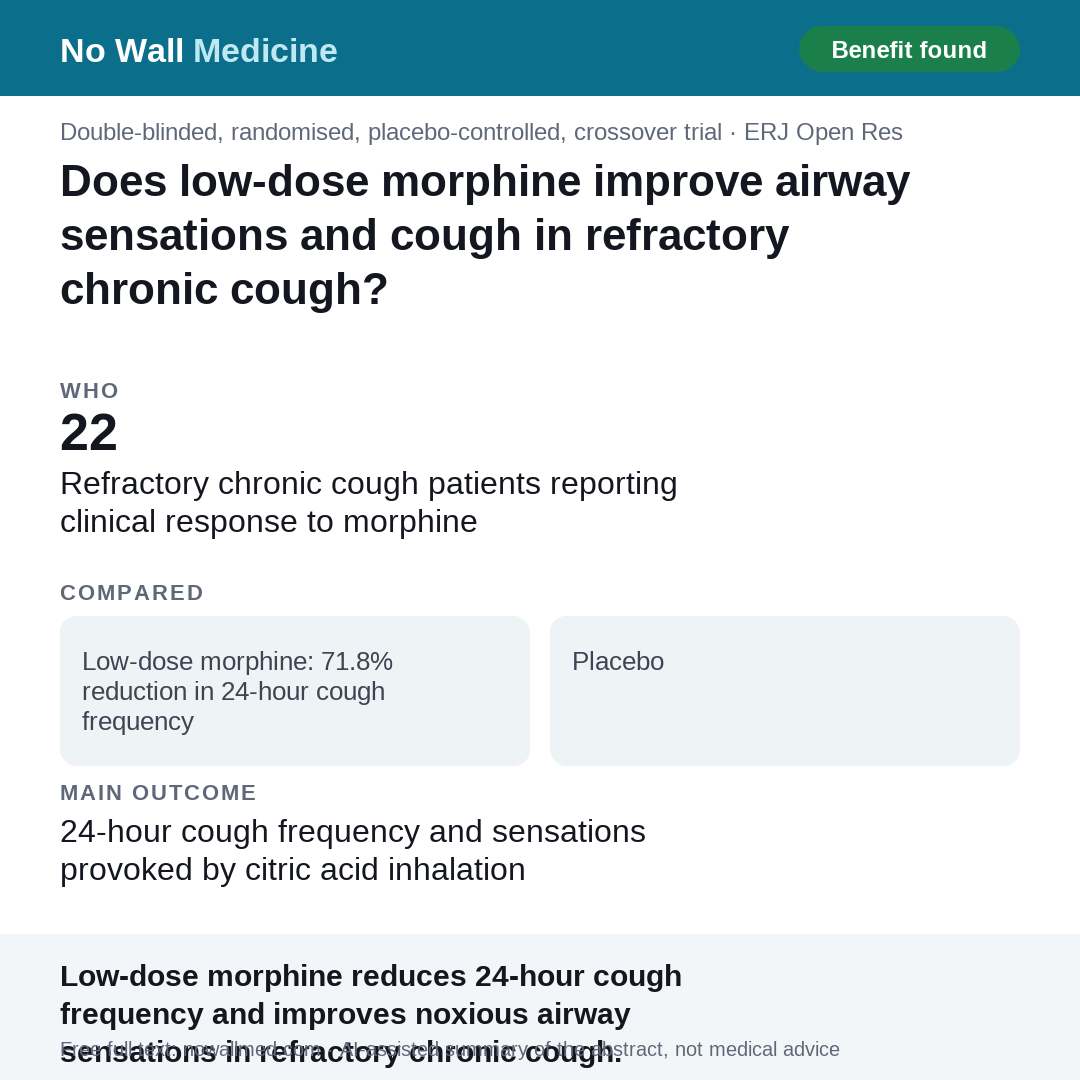
Low-dose morphine and airway sensations in refractory chronic cough: a randomised control trial
Double-blinded, randomised, placebo-controlled, crossover trialBenefit found
Does low-dose morphine improve airway sensations and cough in refractory chronic cough?
Who
22
Refractory chronic cough patients reporting clinical response to morphine
Compared
Low-dose morphine: 71.8% reduction in 24-hour cough frequency
Placebo
Main outcome
24-hour cough frequency and sensations provoked by citric acid inhalation
Bottom line: Low-dose morphine reduces 24-hour cough frequency and improves noxious airway sensations in refractory chronic cough.
ERJ Open Res · 2026-09-01Download image
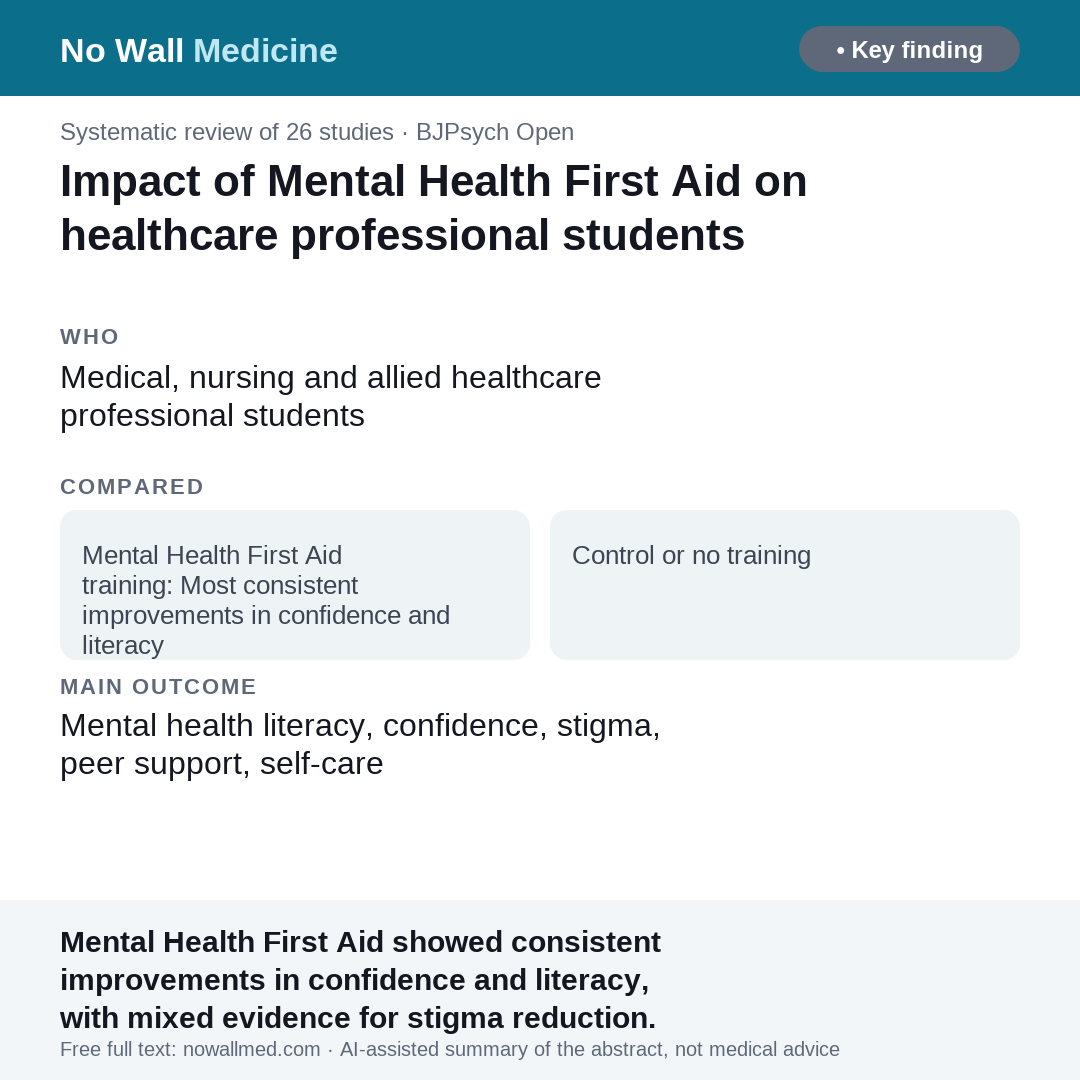
A systematic review of the impact of Mental Health First Aid on medical, nursing and allied healthcare professional students
Systematic review and narrative synthesisMixed results
What is the impact of Mental Health First Aid on healthcare professional students?
Who
Medical, nursing and allied healthcare professional students
Compared
Mental Health First Aid training
No training
Main outcome
Mental health literacy, confidence, intentions, stigma, peer support and self-care
Bottom line: Mental Health First Aid shows promise in enhancing mental health literacy and confidence, though evidence for stigma reduction was mixed.
Limitation: Peer support, self-care and student well-being were infrequently examined.
BJPsych Open · 2026-09-01Download image
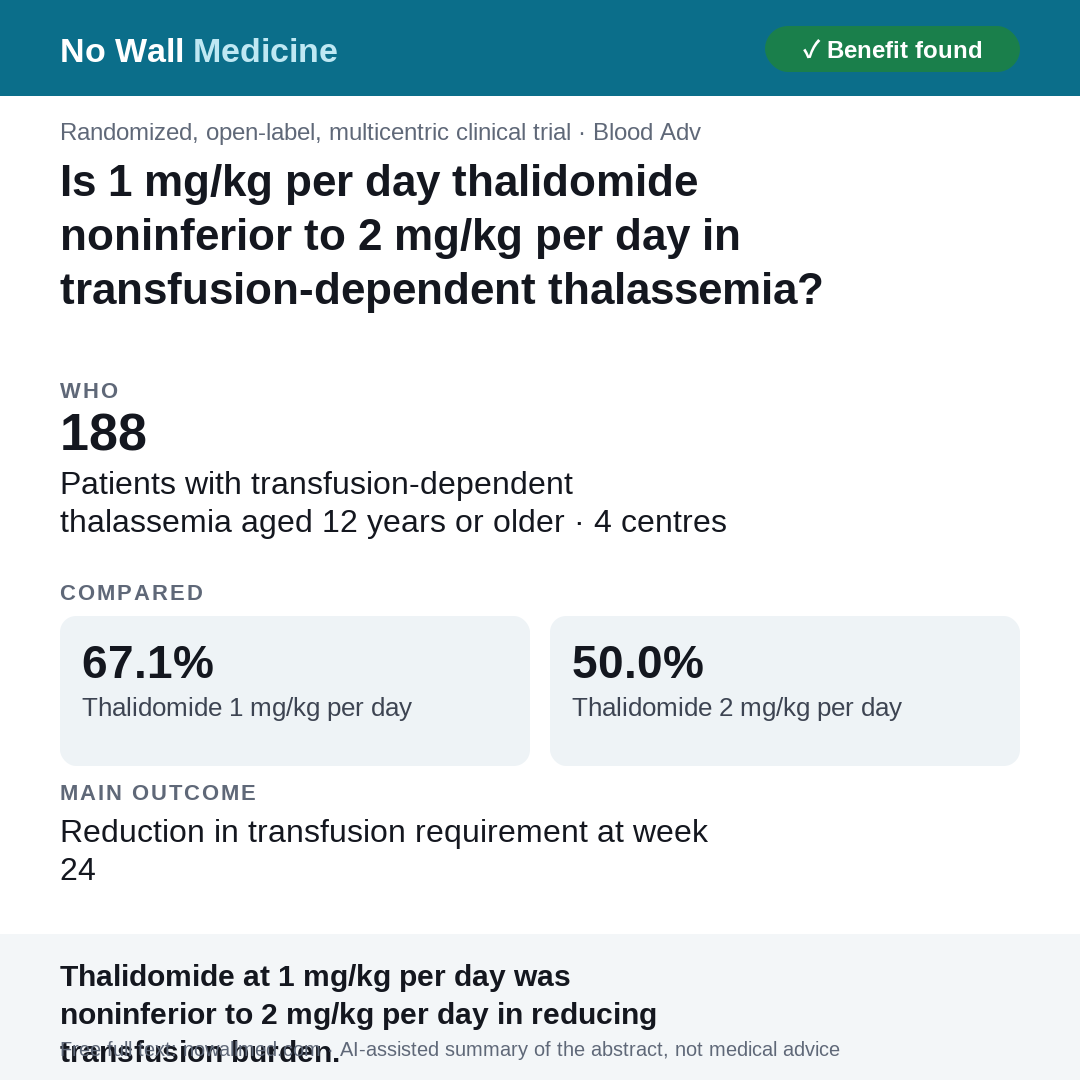
Efficacy and safety of thalidomide (1 vs 2 mg/kg per day) in transfusion-dependent thalassemia: a noninferiority trial
Randomized, open-label, multicentric clinical trialBenefit found
Is 1 mg/kg per day thalidomide noninferior to 2 mg/kg per day in transfusion-dependent thalassemia?
Who
188
Patients with transfusion-dependent thalassemia aged 12 years or older · 4 centres in India
Compared
67.1%Thalidomide 1 mg/kg per day
50.0%Thalidomide 2 mg/kg per day
Main outcome
Reduction in transfusion requirement at week 24
Bottom line: Thalidomide at 1 mg/kg per day was noninferior to 2 mg/kg per day in reducing transfusion burden.
Blood Adv · 2026-09-01Download image
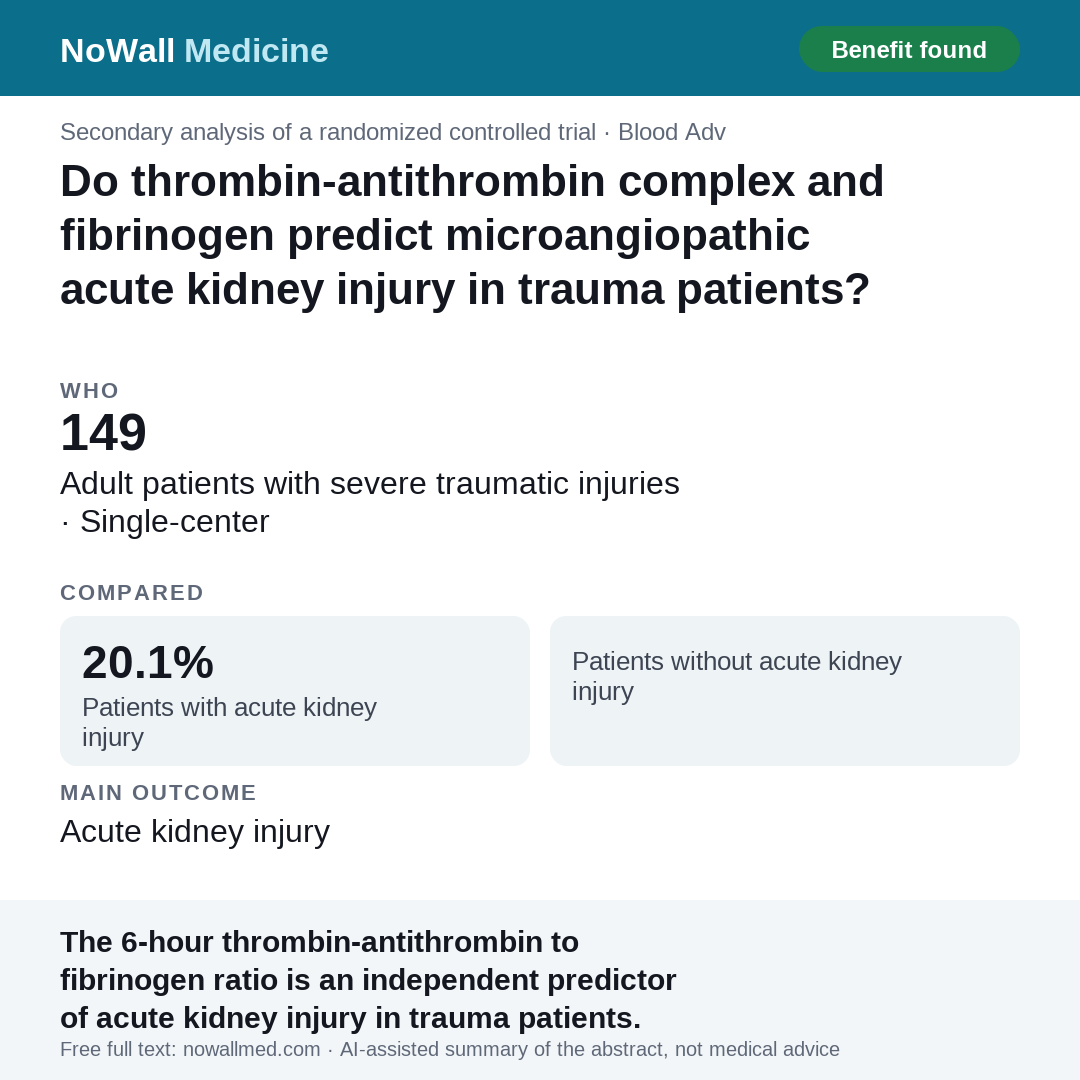
Thrombin-antithrombin complex and fibrinogen predict microangiopathic acute kidney injury in patients with traumatic injuries
Secondary analysis of a randomized controlled trialBenefit found
Do thrombin-antithrombin complex and fibrinogen predict microangiopathic acute kidney injury in traumatic injuries?
Who
149
Adult patients with severe traumatic injuries · Single-center
Compared
20.1%Patients with acute kidney injury
Patients without acute kidney injury
Main outcome
Acute kidney injury
Result: adjusted odds ratio 7.17 (95% confidence interval, 2.34-21.9)
Bottom line: The 6-hour thrombin-antithrombin to fibrinogen ratio is independently associated with acute kidney injury in trauma patients.
Blood Adv · 2026-09-01Download image
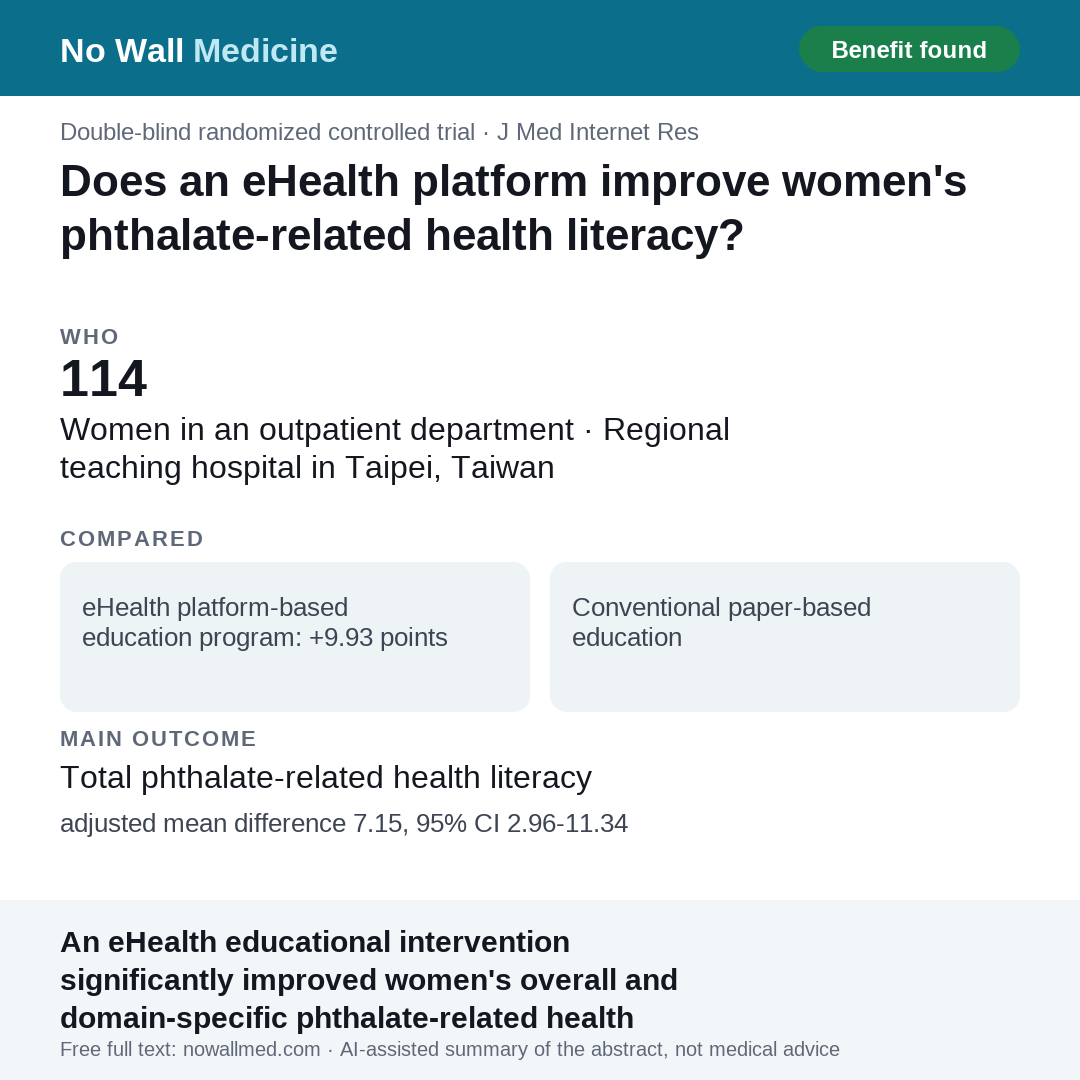
Effectiveness of a Web-Based Educational eHealth Platform on Women's Health Literacy About Phthalate Exposure: Randomized Controlled Trial
Double-blind randomized controlled trialBenefit found
Does an eHealth platform improve women's phthalate-related health literacy?
Who
114
Women in an outpatient department · Regional teaching hospital in Taipei, Taiwan
Compared
eHealth platform-based education program: +9.93 points
Conventional paper-based education
Main outcome
Total phthalate-related health literacy
Result: adjusted mean difference 7.15, 95% CI 2.96-11.34
Bottom line: An eHealth educational intervention significantly improved women's overall and domain-specific phthalate-related health literacy over 6 months.
J Med Internet Res · 2026-09-01Download image
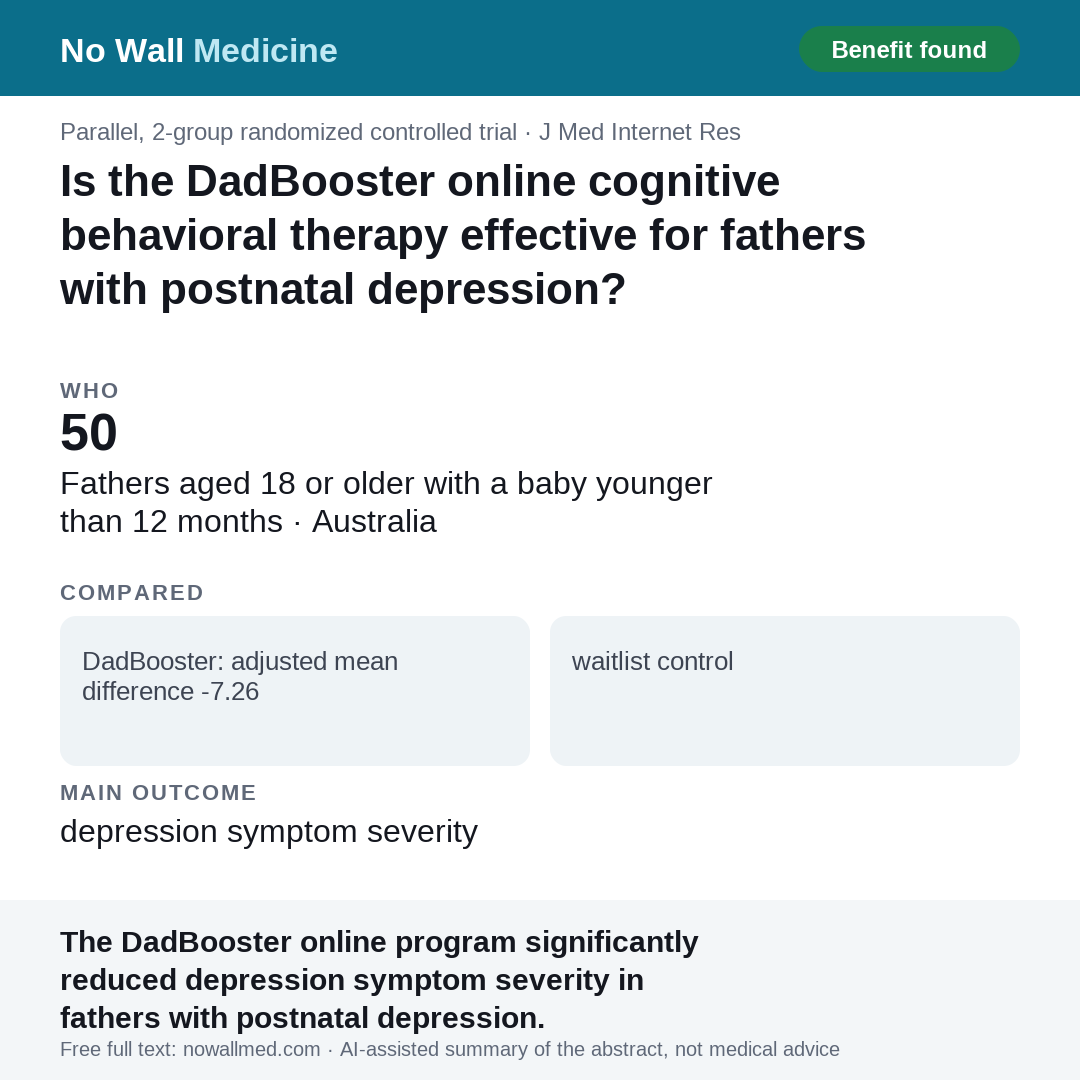
Internet-Delivered Cognitive Behavioral Therapy for Fathers With Postnatal Depression: Randomized Controlled Trial of DadBooster
Parallel, 2-group randomized controlled trialBenefit found
Is the DadBooster online cognitive behavioral therapy effective for fathers with postnatal depression?
Who
50
Fathers aged 18 or older with a baby younger than 12 months · Australia-wide
Compared
DadBooster: 72% reduction in average DASS-21 scores
Waitlist control: 40% reduction in average DASS-21 scores
Main outcome
Depression symptom severity and depressive episode remission
Result: adjusted mean difference -7.26 (95% CI -11.34 to -3.18)
Bottom line: DadBooster online cognitive behavioral therapy significantly reduced depression symptom severity in fathers with postnatal depression.
Limitation: Participants were not blinded.
J Med Internet Res · 2026-09-01Download image
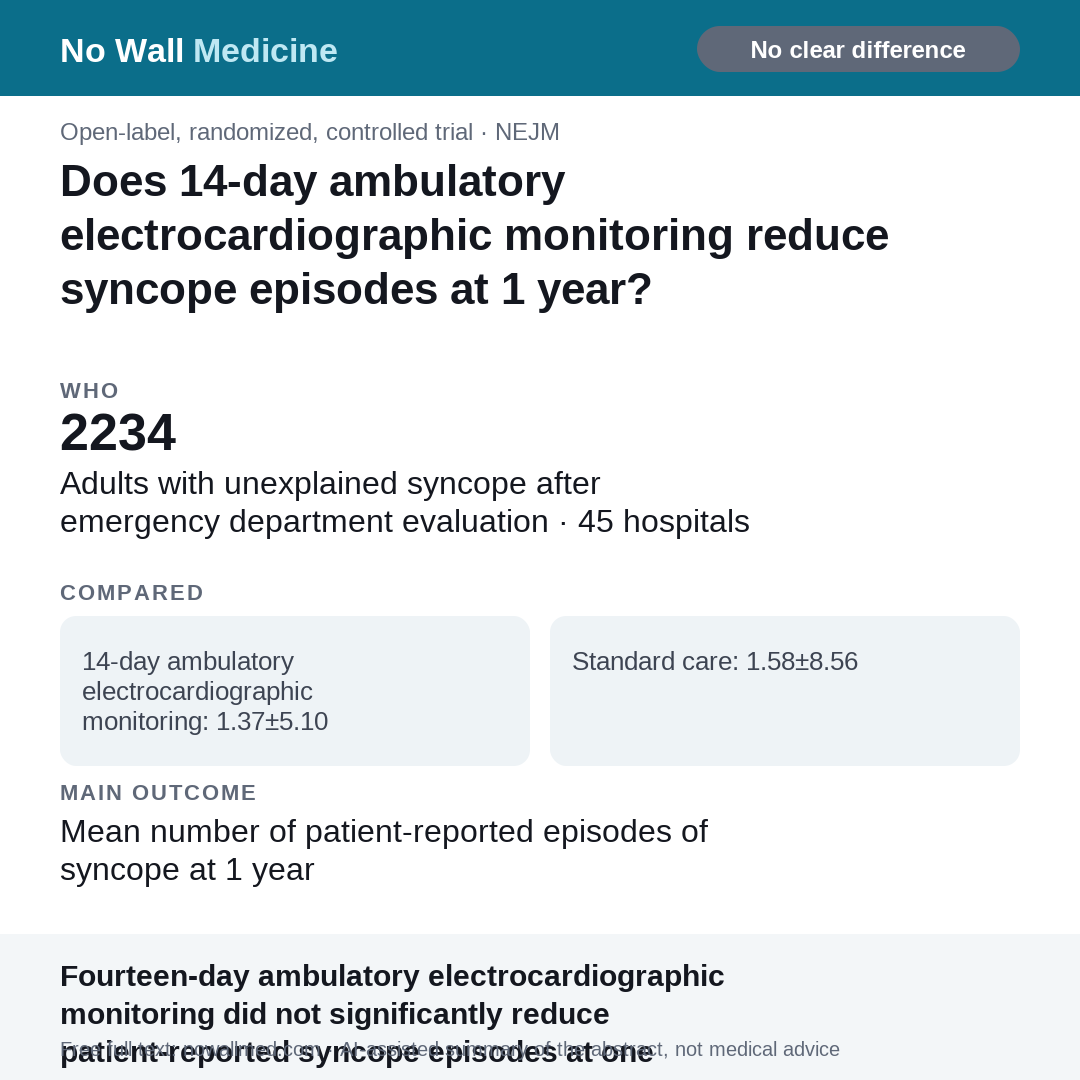
Immediate Ambulatory Electrocardiographic Monitoring in Syncope
Open-label, randomized, controlled trialNo clear difference
Does 14-day ambulatory electrocardiographic monitoring reduce syncope episodes at 1 year?
Who
2234
Adults with unexplained syncope after emergency department evaluation · 45 hospitals in the United Kingdom
Compared
14-day ambulatory electrocardiographic monitoring: 1.37±5.10
Standard care: 1.58±8.56
Main outcome
Mean number of patient-reported episodes of syncope at 1 year
Result: incidence rate ratio 0.89 (95% confidence interval 0.68 to 1.18)
Bottom line: Fourteen-day ambulatory electrocardiographic monitoring did not significantly reduce patient-reported syncope episodes at one year compared to standard care.
Funded by: British Heart Foundation and National Health Service Research Scotland
NEJM · 2026-08-31Download image
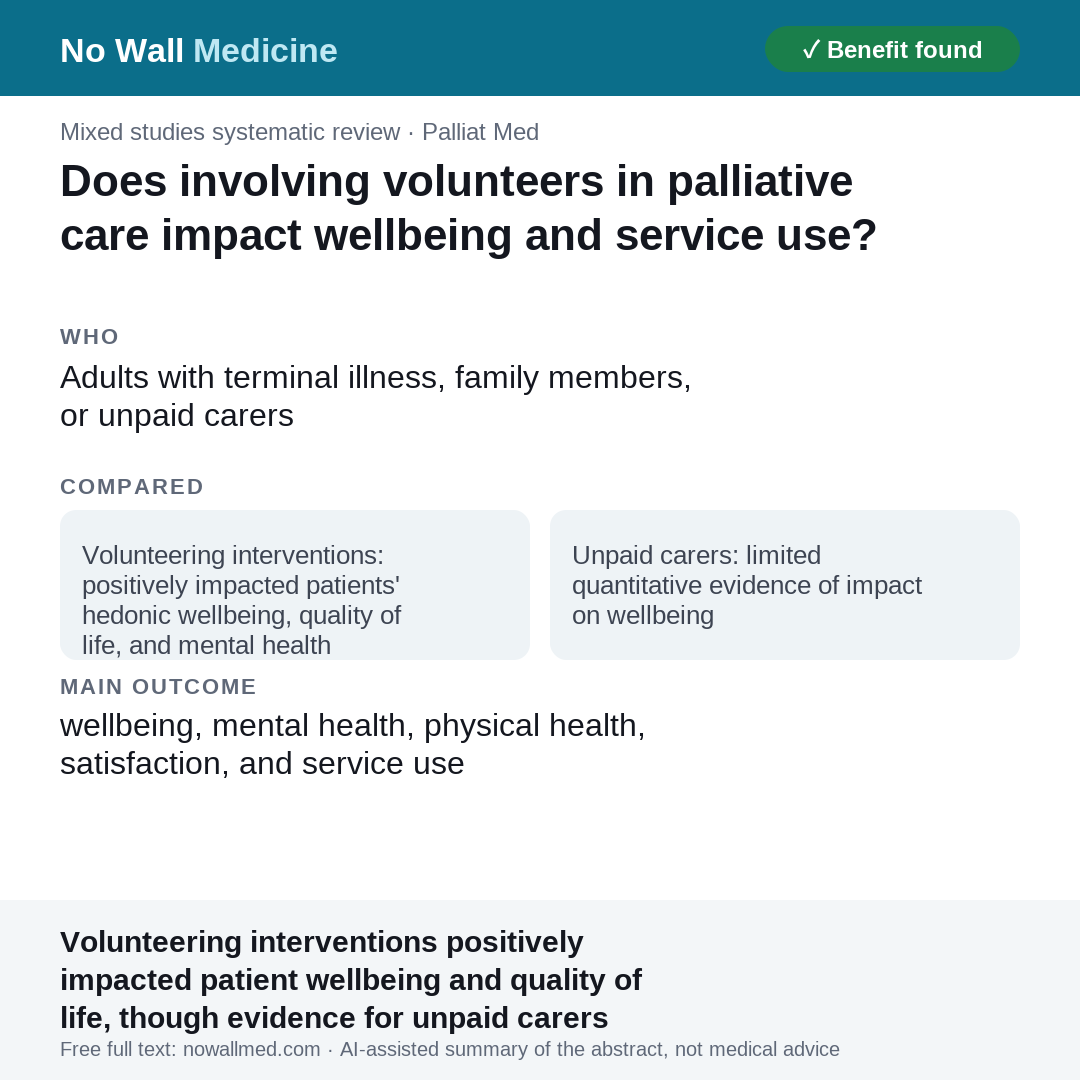
Effects of Evolocumab on Mortality Outcomes in Patients Without Previous Myocardial Infarction or Stroke: A Prespecified Analysis of the VESALIUS-CV Randomized Clinical Trial
Randomized, double-blind trialBenefit found
Does evolocumab affect mortality in patients without previous myocardial infarction or stroke?
Who
12257
Patients with atherosclerosis or high-risk diabetes without previous myocardial infarction or stroke
Compared
7.9%evolocumab
9.7%placebo
Main outcome
all-cause mortality
Result: hazard ratio 0.80 (95% CI 0.70-0.91)
Bottom line: Evolocumab reduced all-cause mortality in high-risk patients without previous myocardial infarction or stroke.
Circulation · 2026-08-31Download image
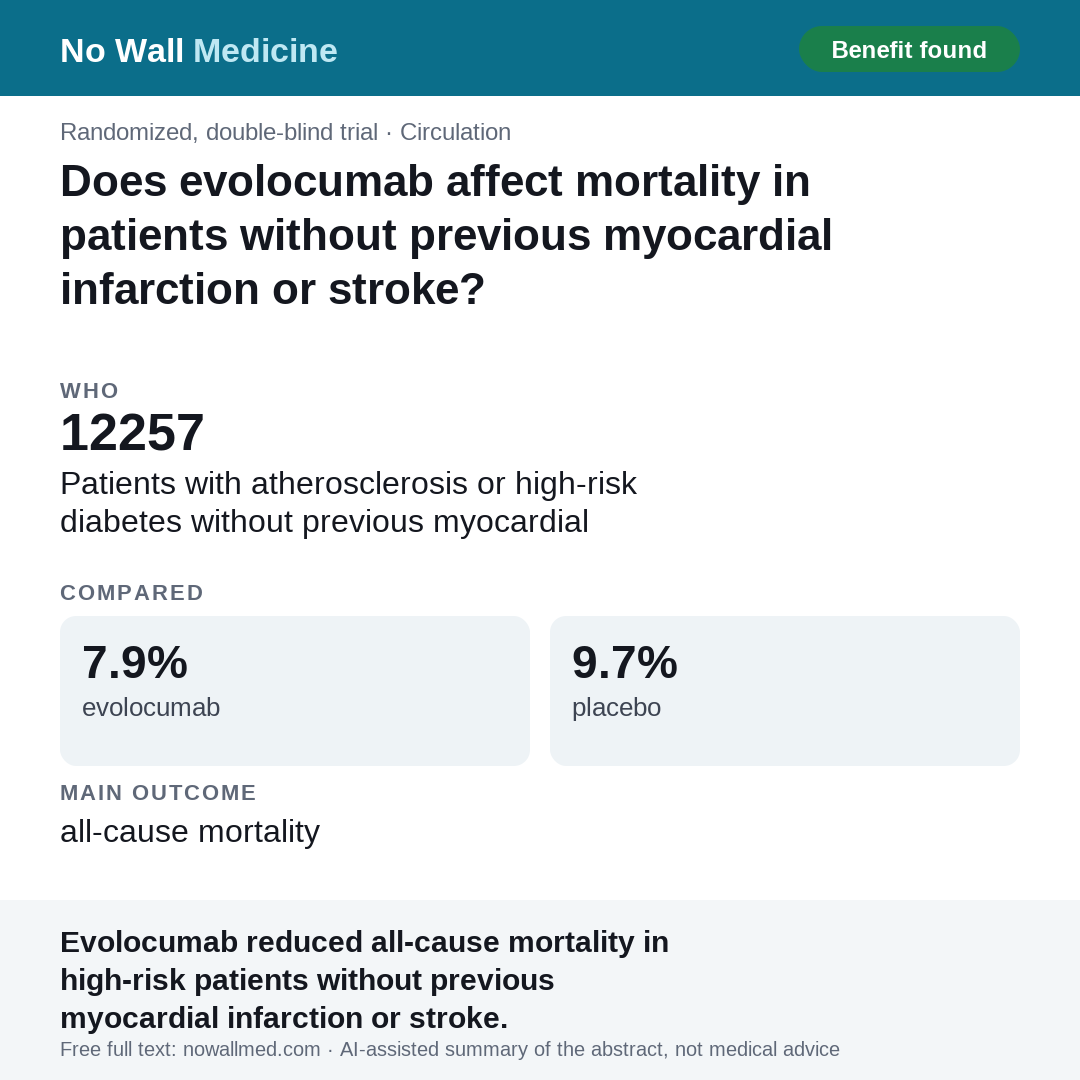
Nirmatrelvir-ritonavir targeting viral persistence in post-COVID-19 condition (long COVID) in the USA (RECOVER-VITAL): a randomised, double-blind, placebo-controlled, phase 2 trial
Randomised, double-blind, placebo-controlled, phase 2 trialNo clear difference
Does nirmatrelvir-ritonavir improve long COVID symptoms across three major symptom phenotypes?
Who
959
Adults with persistent symptoms for at least 12 weeks · 69 US sites
Compared
15-day nirmatrelvir-ritonavir regimen
25-day nirmatrelvir-ritonavir regimen
25-day placebo-ritonavir regimen
Main outcome
Clinically significant change in patient-reported outcomes at day 90
Bottom line: Nirmatrelvir-ritonavir for 15 or 25 days showed no evidence of benefit for long COVID phenotypes.
Funded by: National Institutes of Health
Lancet Infect Dis · 2026-08-31Download image
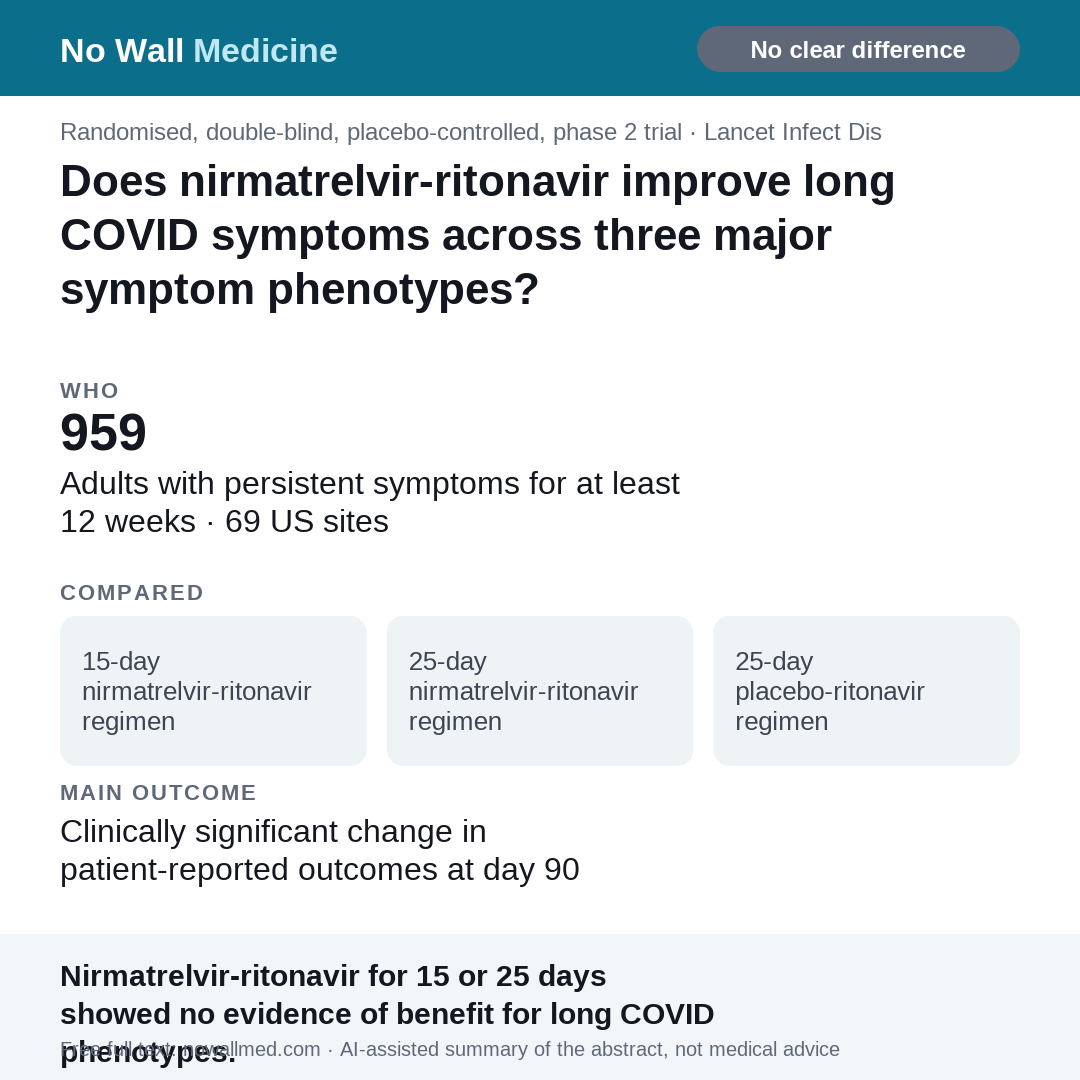
Tirofiban for Branch Atheromatous Disease-Related Stroke: The STRATEGY Randomized Clinical Trial
Multicenter, double-blind, randomized, placebo-controlled trialNo clear difference
Does intensive antiplatelet therapy with tirofiban and aspirin improve outcomes in branch atheromatous disease-related stroke?
Who
970
Patients with branch atheromatous disease-related acute ischemic stroke · 38 hospitals in China
Compared
17.1%tirofiban plus aspirin
19.6%placebo plus aspirin
Main outcome
early neurological deterioration within 7 days or new stroke within 90 days
Result: hazard ratio 0.88 (95% CI 0.65-1.19)
Bottom line: Tirofiban combined with aspirin did not significantly reduce early neurological deterioration or new stroke compared to aspirin alone.
JAMA Neurol · 2026-08-31Download image
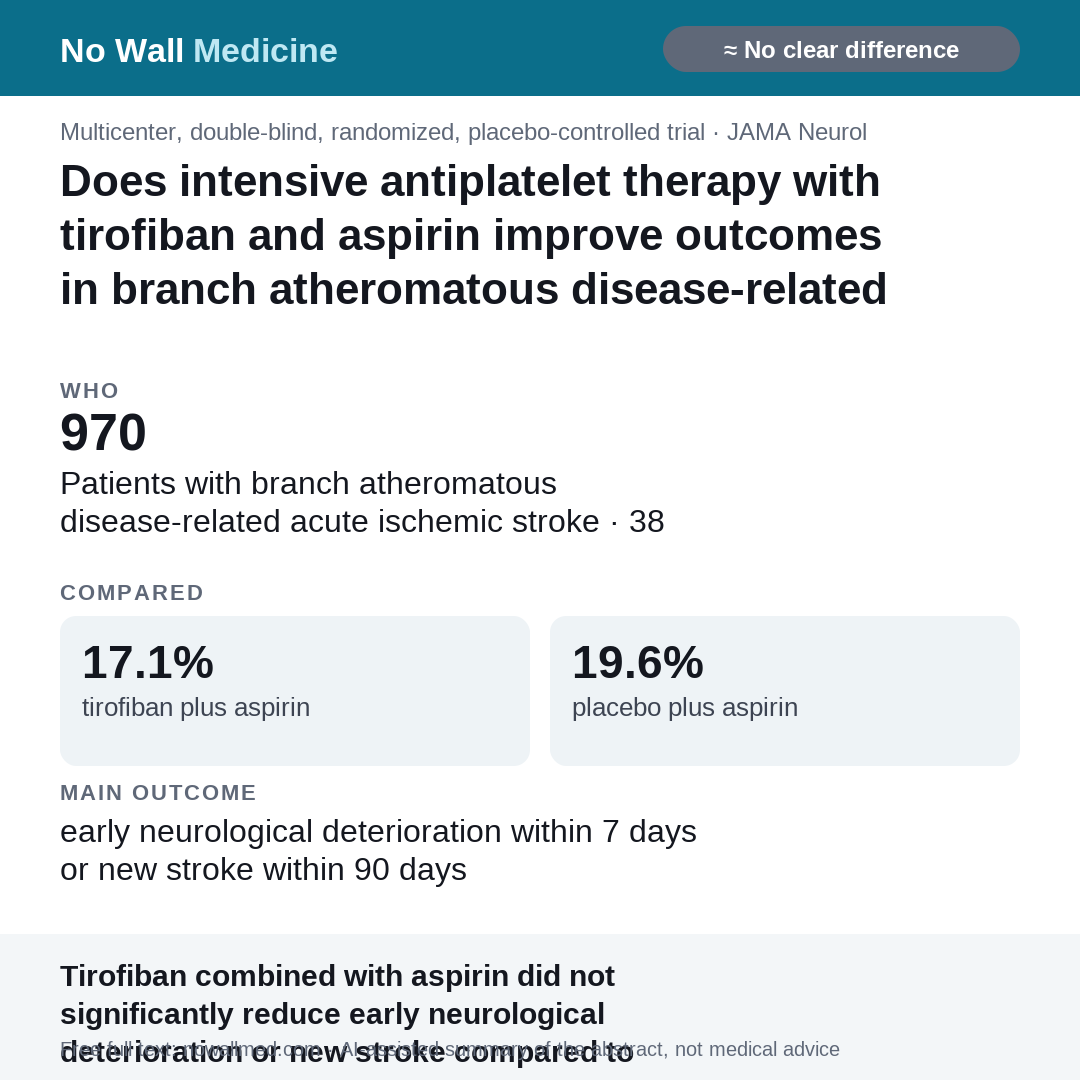
Does involving volunteers in the provision of palliative care make a difference to patient, family, and unpaid carer wellbeing and service use? A systematic review
Mixed studies systematic reviewBenefit found
Does involving volunteers in palliative care impact wellbeing and service use?
Who
Adults with terminal illness, family members, or unpaid carers
Compared
Volunteering interventions: positively impacted patients' hedonic wellbeing, quality of life, and mental health
Unpaid carers: limited quantitative evidence of impact on wellbeing
Main outcome
wellbeing, mental health, physical health, satisfaction, and service use
Bottom line: Volunteering interventions positively impacted patient wellbeing and quality of life, though evidence for unpaid carers remains limited.
Limitation: Quantitative studies were limited by small sample sizes
Palliat Med · 2026-08-31Download image
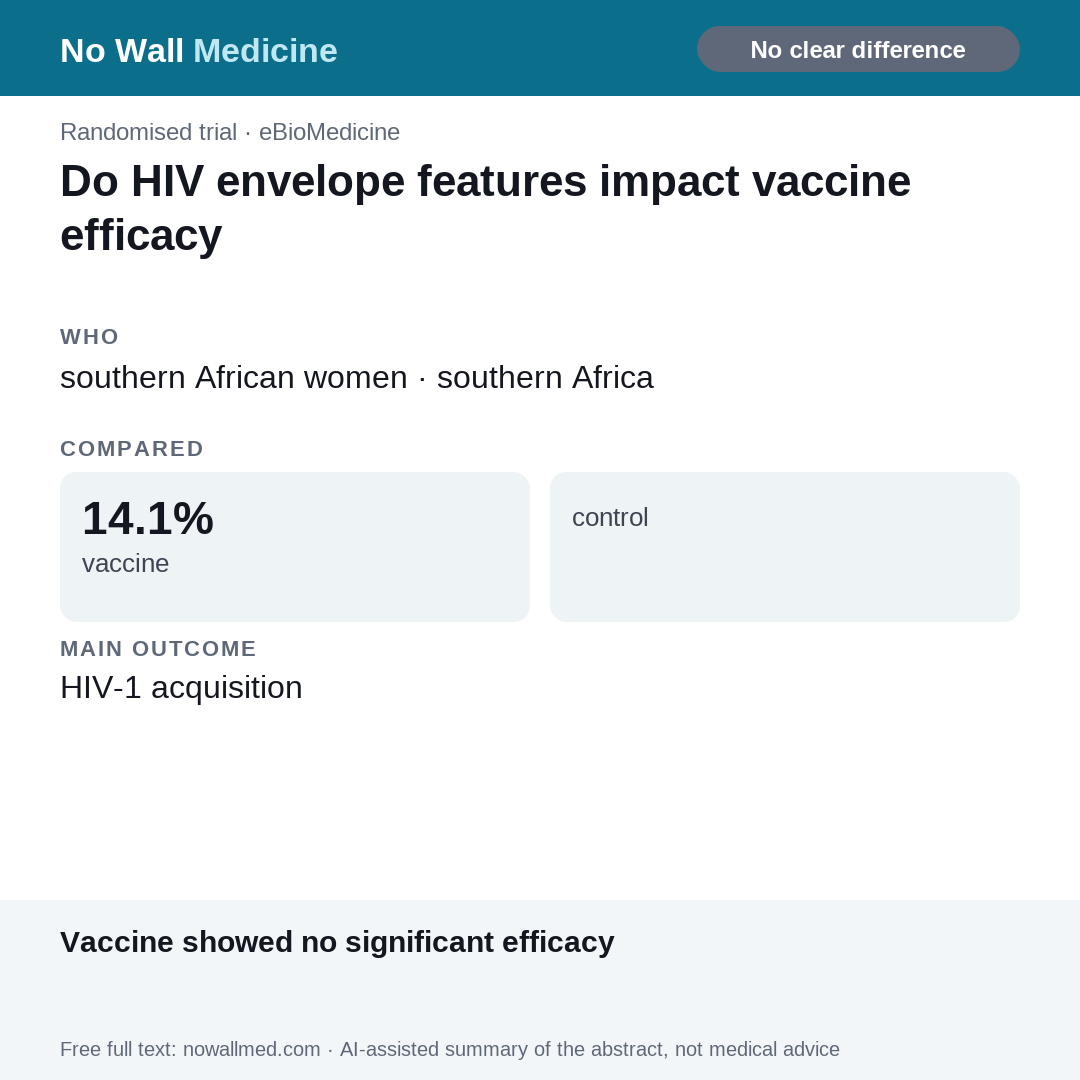
Quantifying how HIV-1 envelope sequence features impact vaccine efficacy in the HVTN 705/HPX2008 randomised trial in southern African women
Randomized trialMixed results
How do HIV-1 envelope sequence features impact vaccine efficacy in southern African women?
Who
Southern African women · Southern Africa
Compared
91.7%Viral populations with ≥99% L832 prevalence (95% CI, 67.4-97.9)
-7.0%Viral populations with <99% L832 prevalence (95% CI, -55.5 to 26.4)
Main outcome
Vaccine efficacy against HIV-1 diagnosis
Result: unadjusted P = 0.0002 for differential vaccine efficacy
Bottom line: Limited, weak evidence suggests specific HIV-1 envelope sequence features may modify vaccine efficacy.
Funded by: National Institutes of Health and Johnson & Johnson
eBioMedicine · 2026-08-31Download image
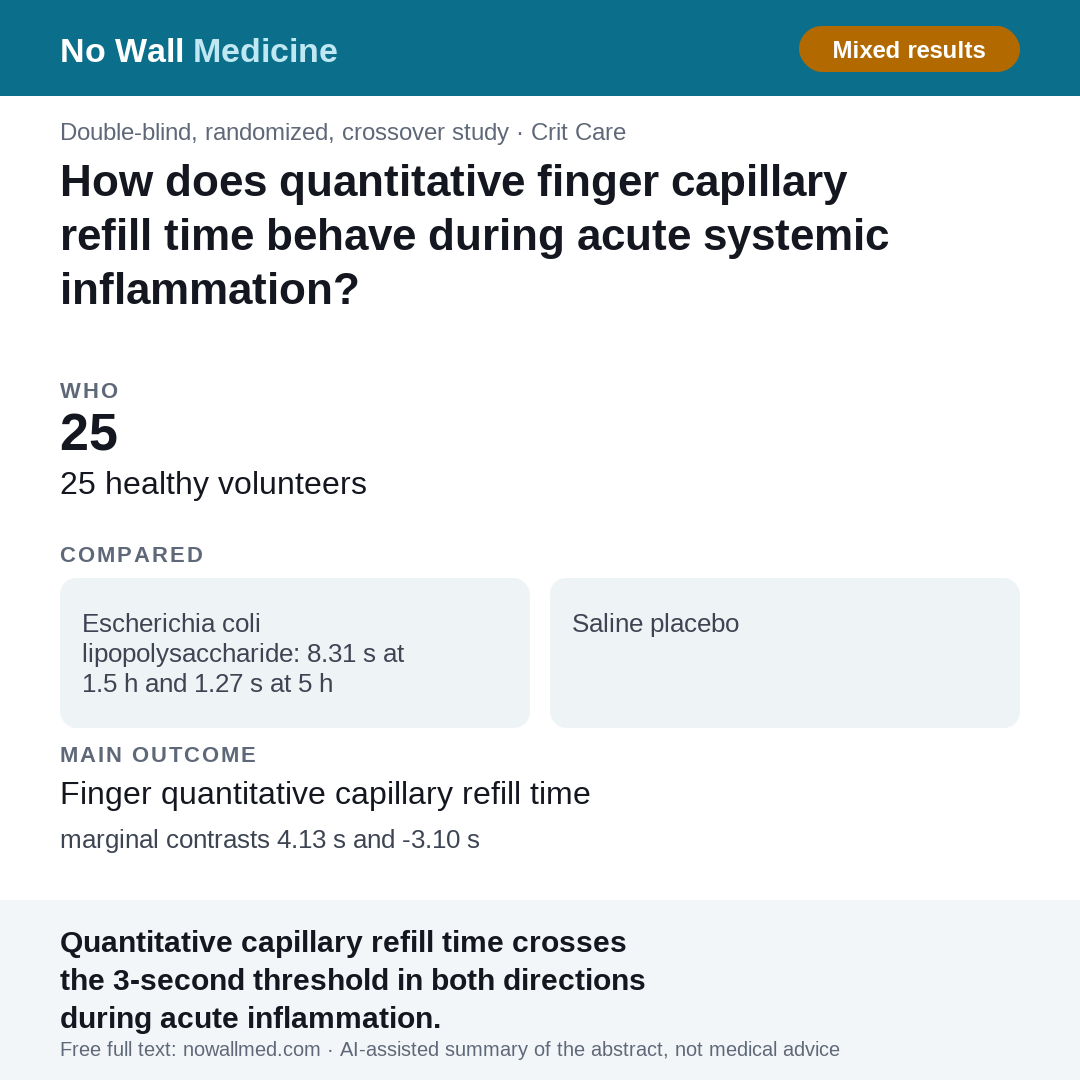
Physiological limits of capillary refill time: a human endotoxemia study
Double-blind, randomized, crossover studyMixed results
How does quantitative finger capillary refill time behave during acute inflammation?
Who
25
25 healthy volunteers
Compared
Escherichia coli lipopolysaccharide: 8.31 s at 1.5 h and 1.27 s at 5 h
Saline placebo
Main outcome
Quantitative finger capillary refill time
Result: marginal contrasts 4.13 s and -3.10 s (p < 0.0001)
Bottom line: Capillary refill time crosses the 3-second threshold in both directions during acute inflammation, making fixed thresholds unreliable.
Limitation: Findings in healthy participants are not directly generalizable to septic shock.
Crit Care · 2026-08-31Download image
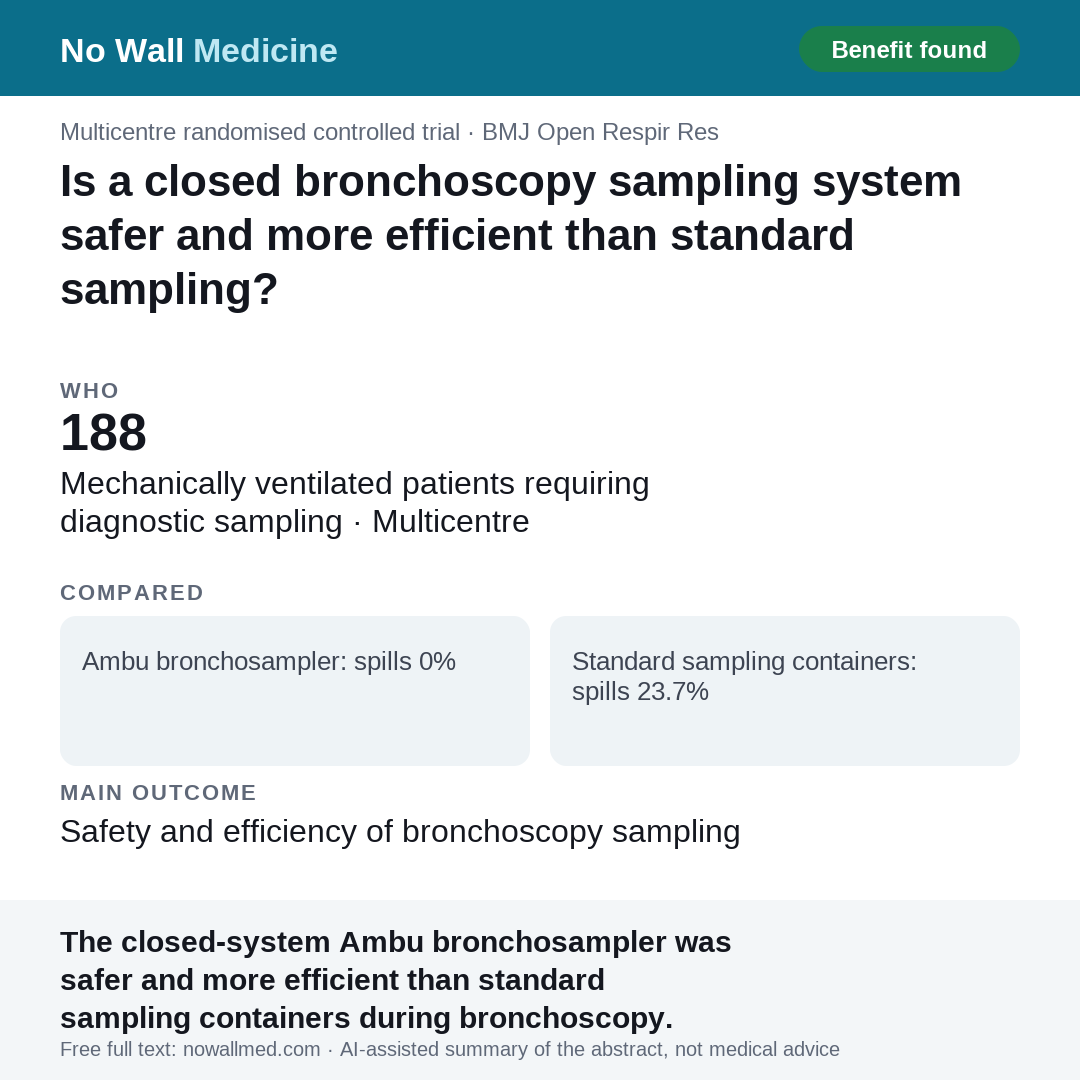
Randomised controlled trial to assess the safety and efficiency of a self-contained sampling device/disposable bronchoscope system versus usual sampling procedure (RASECAL)
Multicentre randomised controlled trialBenefit found
Is a closed bronchoscopy sampling system safer and more efficient than standard sampling?
Who
188
Mechanically ventilated patients requiring diagnostic sampling · Multicentre
Compared
Ambu bronchosampler: spills 0%
Standard sampling containers: spills 23.7%
Main outcome
Safety and efficiency of bronchoscopy sampling
Bottom line: The closed-system Ambu bronchosampler was safer and more efficient than standard sampling containers during bronchoscopy.
BMJ Open Respir Res · 2026-08-31Download image
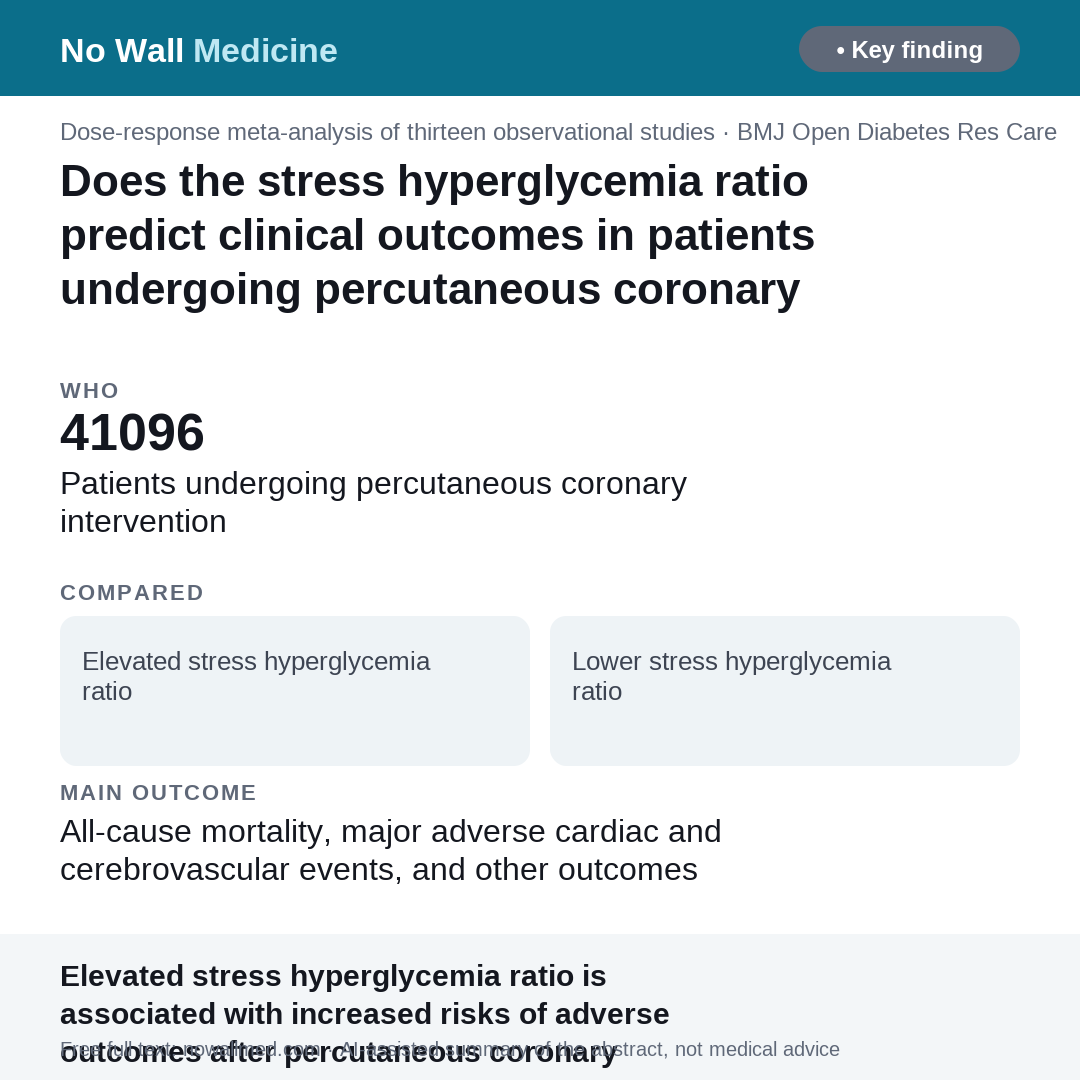
Prognostic significance of stress hyperglycemia ratio in patients undergoing percutaneous coronary intervention: a dose-response meta-analysis
Dose-response meta-analysis of thirteen observational studiesHarm found
Does the stress hyperglycemia ratio predict clinical outcomes in patients undergoing percutaneous coronary intervention?
Who
41096
Patients undergoing percutaneous coronary intervention
Compared
Elevated stress hyperglycemia ratio
Lower stress hyperglycemia ratio
Main outcome
All-cause mortality, major adverse cardiac and cerebrovascular events, and other outcomes
Bottom line: Elevated stress hyperglycemia ratio is associated with increased risks of adverse outcomes after percutaneous coronary intervention.
Limitation: Most studies were observational, definitions varied, and residual confounding cannot be excluded.
BMJ Open Diabetes Res Care · 2026-08-31Download image
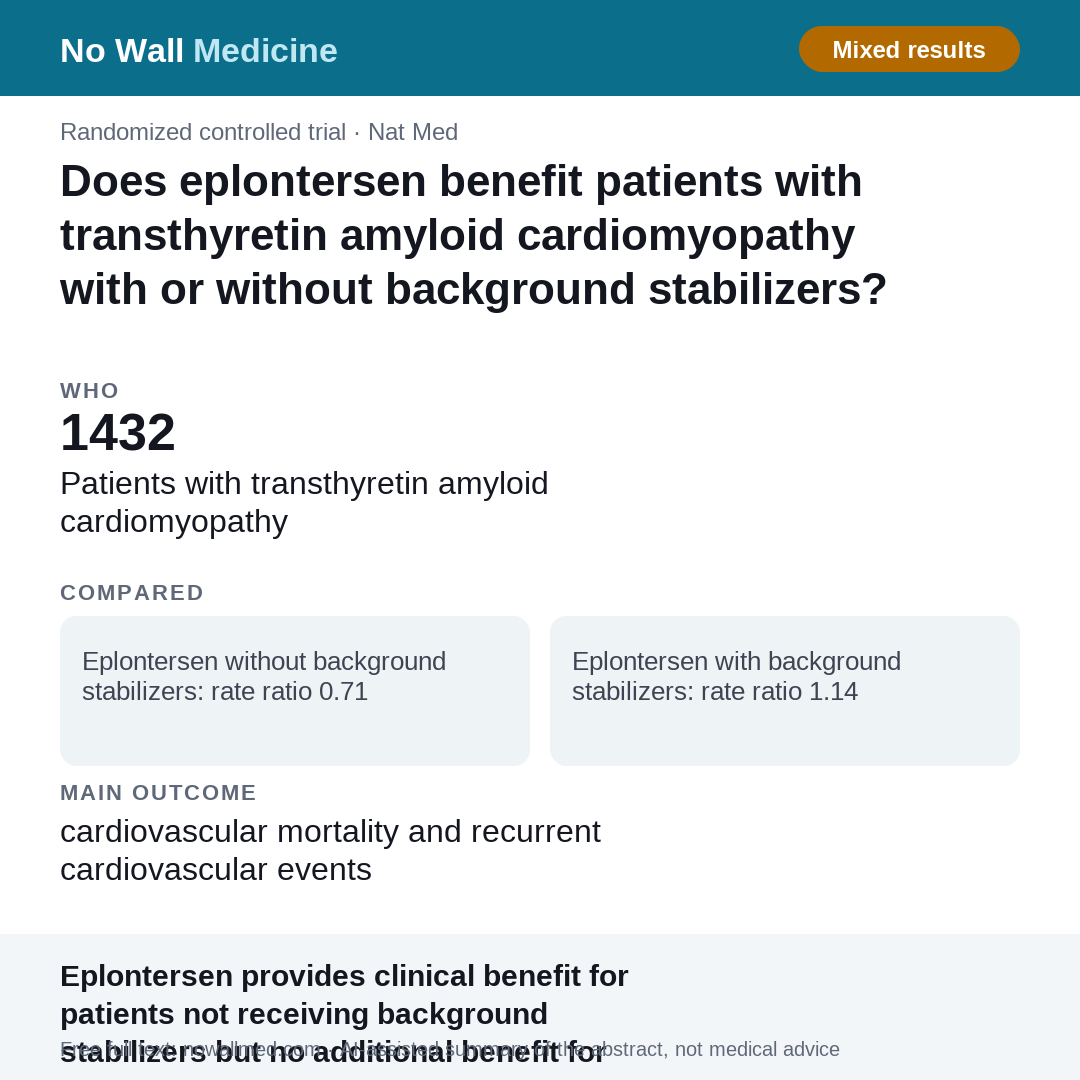
Eplontersen with and without background transthyretin stabilizers in transthyretin amyloid cardiomyopathy: secondary analysis of a phase 3, randomized controlled trial
Randomized controlled trialMixed results
Does eplontersen benefit patients with transthyretin amyloid cardiomyopathy with or without background stabilizers?
Who
1432
Patients with transthyretin amyloid cardiomyopathy
Compared
Eplontersen without background stabilizers: rate ratio 0.71
Eplontersen with background stabilizers: rate ratio 1.14
Main outcome
cardiovascular mortality and recurrent cardiovascular events
Result: rate ratio 0.71 (95% CI 0.54 to 0.93) for those not on stabilizers
Bottom line: Eplontersen provides clinical benefit for patients not receiving background stabilizers but no additional benefit for those already on stabilizers.
Nat Med · 2026-08-30Download image
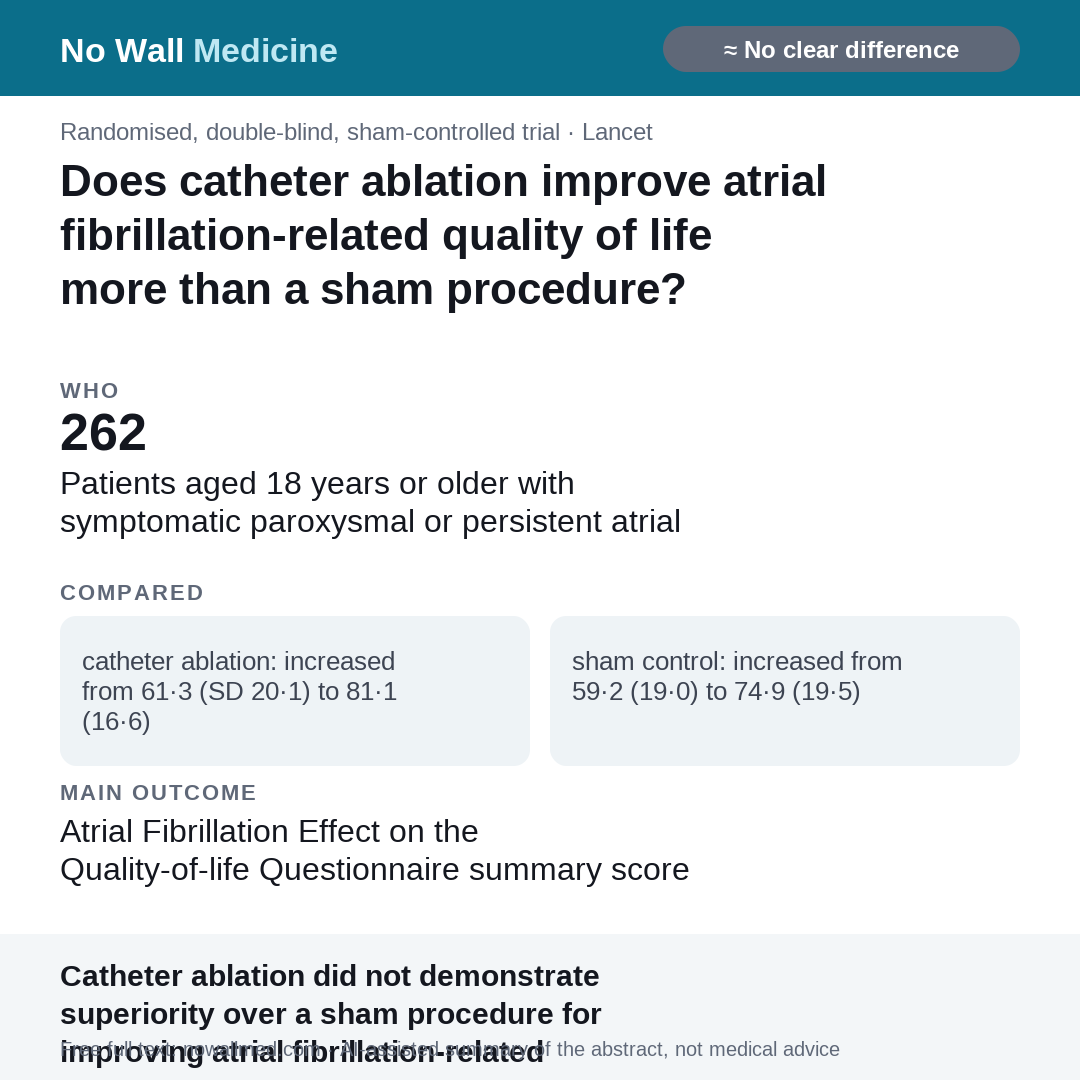
Catheter ablation for symptomatic atrial fibrillation (PVI-SHAM-AF): a randomised, double-blind, sham-controlled, multicentre trial
Randomised, double-blind, sham-controlled trialNo clear difference
Does catheter ablation improve atrial fibrillation-related quality of life more than a sham procedure?
Who
262
Patients aged 18 years or older with symptomatic paroxysmal or persistent atrial fibrillation · Nine study sites in Germany and Poland
Compared
catheter ablation: increased from 61·3 (SD 20·1) to 81·1 (16·6)
sham control: increased from 59·2 (19·0) to 74·9 (19·5)
Main outcome
Atrial Fibrillation Effect on the Quality-of-life Questionnaire summary score
Result: Hodges-Lehmann estimate 2·6 (95% CI -2·7 to 8·0)
Bottom line: Catheter ablation did not demonstrate superiority over a sham procedure for improving atrial fibrillation-related quality of life at 6 months.
Funded by: Helios Gesundheit (Förderung Leipziger Herzmedizin)
Lancet · 2026-08-30Download image
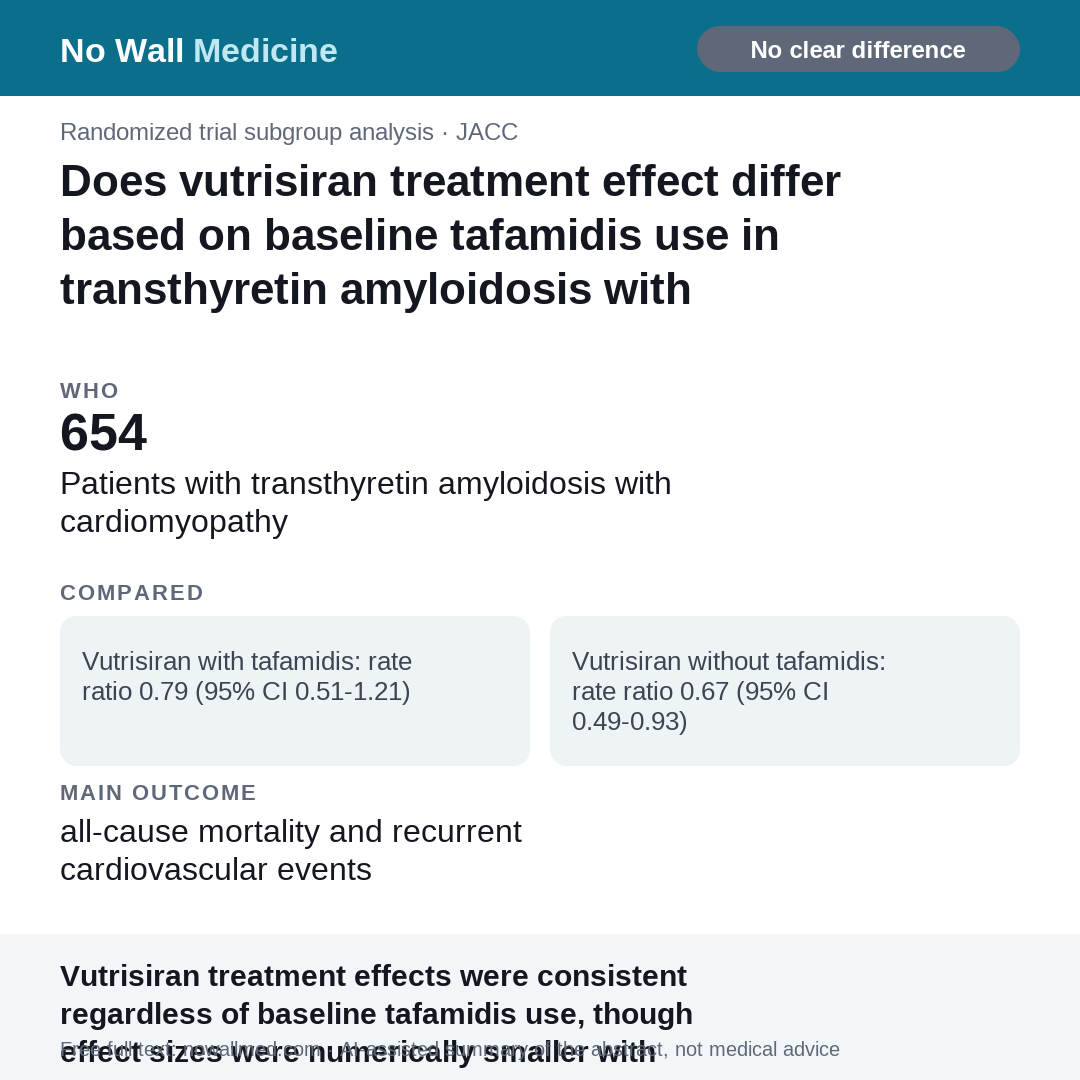
Effect of Vutrisiran According to Baseline Tafamidis Use in Transthyretin Amyloidosis With Cardiomyopathy: Insights From HELIOS-B
Randomized trial subgroup analysisNo clear difference
Does vutrisiran treatment effect differ based on baseline tafamidis use in transthyretin amyloidosis with cardiomyopathy?
Who
654
Patients with transthyretin amyloidosis with cardiomyopathy
Compared
Vutrisiran with tafamidis: rate ratio 0.79 (95% CI 0.51-1.21)
Vutrisiran without tafamidis: rate ratio 0.67 (95% CI 0.49-0.93)
Main outcome
all-cause mortality and recurrent cardiovascular events
Result: rate ratio 0.79 (95% CI 0.51-1.21) with tafamidis vs 0.67 (95% CI 0.49-0.93) without
Bottom line: Vutrisiran treatment effects were consistent regardless of baseline tafamidis use, though effect sizes were numerically smaller with tafamidis.
Limitation: The study highlights the need for future prospective studies examining combination therapy.
JACC · 2026-08-30Download image
Influence of Disease-Modifying Therapy on the Efficacy of Vutrisiran in Transthyretin Cardiac Amyloidosis
Post hoc analysis of randomized trialNo clear difference
Does concomitant therapy modify the efficacy of vutrisiran in transthyretin amyloid cardiomyopathy?
Who
654
Patients with transthyretin amyloid cardiomyopathy
Compared
Vutrisiran
Placebo
Main outcome
All-cause mortality and recurrent cardiovascular events
Bottom line: Vutrisiran efficacy remains consistent regardless of concomitant use of tafamidis or heart failure medications.
JACC · 2026-08-30Download image
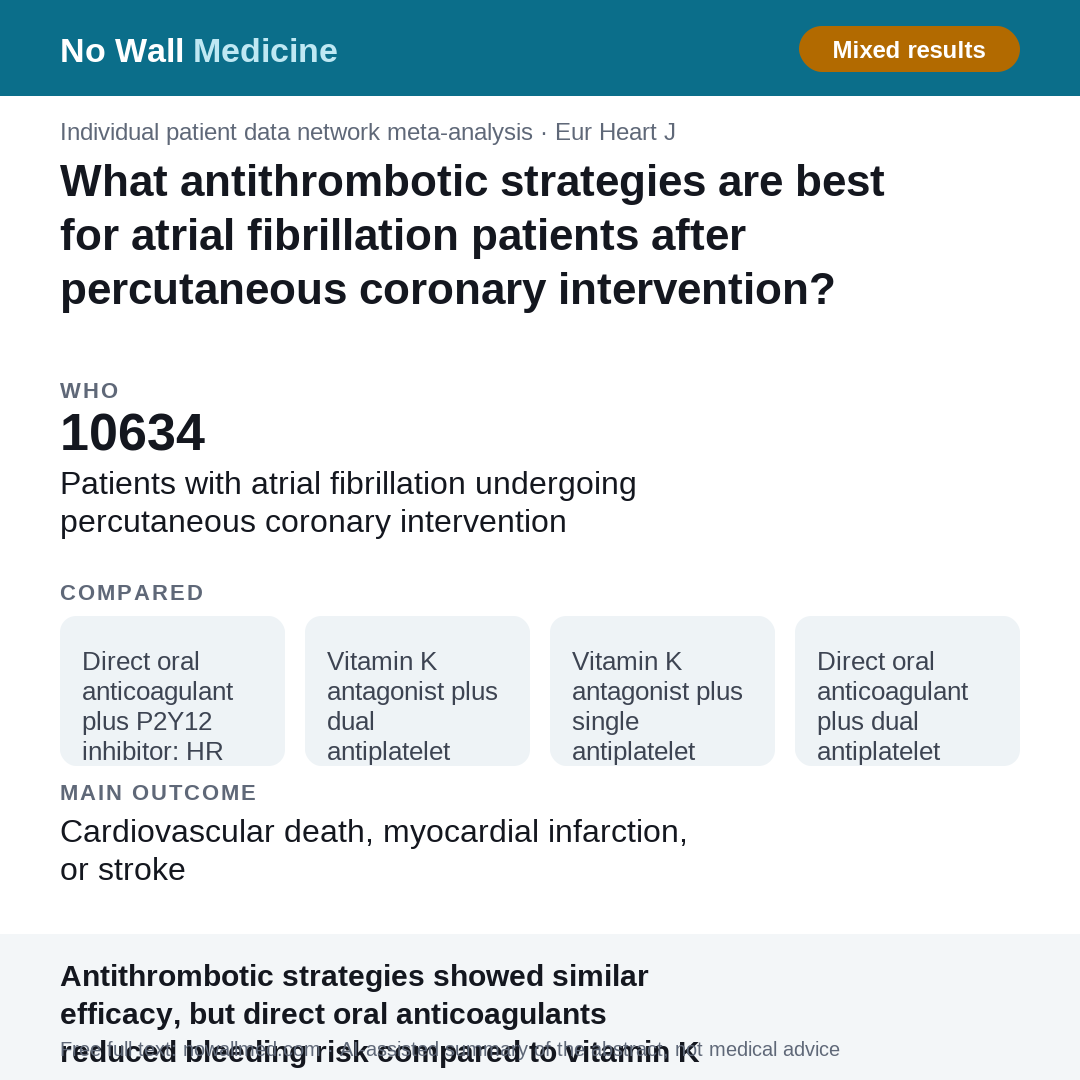
Antithrombotic therapy after percutaneous coronary intervention in patients with atrial fibrillation: an individual patient data network meta-analysis
Individual patient data network meta-analysisMixed results
What antithrombotic strategies are best for atrial fibrillation patients after percutaneous coronary intervention?
Who
10634
Patients with atrial fibrillation undergoing percutaneous coronary intervention
Compared
Direct oral anticoagulant plus P2Y12 inhibitor: HR 1.16 (95%CI 0.97-1.41)
Vitamin K antagonist plus dual antiplatelet therapy: Reference
Vitamin K antagonist plus single antiplatelet therapy: HR 1.14 (95%CI 0.85-1.54)
Direct oral anticoagulant plus dual antiplatelet therapy: HR 0.99 (95%CI 0.75-1.30)
Main outcome
Cardiovascular death, myocardial infarction, or stroke
Result: HR 1.16 (95%CI 0.97-1.41)
Bottom line: Antithrombotic strategies showed similar efficacy, but direct oral anticoagulants reduced bleeding risk compared to vitamin K antagonists.
Limitation: A modest increase in risk with single compared with dual antiplatelet therapy cannot be excluded.
Eur Heart J · 2026-08-30Download image