Visual abstracts
New randomized trials and meta-analyses from leading journals at a glance: who was studied, what was compared, and what was found. Every paper is free to read in full.
All specialtiesCardiology 275Oncology 220Gastroenterology & Hepatology 124Infectious Disease 229Neurology 128Psychiatry & Mental Health 189Pulmonology 130Critical Care 83Endocrinology & Diabetes 178Pediatrics 127Surgery 83Orthopedics & Sports Medicine 52Neurosurgery 17Cardiothoracic & Vascular Surgery 31Plastic & Reconstructive Surgery 59Nephrology 55Rheumatology 54Hematology 68Dermatology 27Ophthalmology 49Obstetrics & Gynecology 81Public & Global Health 86Radiology & Imaging 22Anesthesiology 45Urology 61ENT (Otolaryngology) 36Emergency Medicine 28Allergy & Immunology 28Geriatrics 86Family Medicine & Primary Care 39Medical Genetics & Genomics 28Pathology & Laboratory Medicine 5Physical Medicine & Rehabilitation 72Palliative Care 40Nutrition 105Digital Health & AI 248General Medicine 40
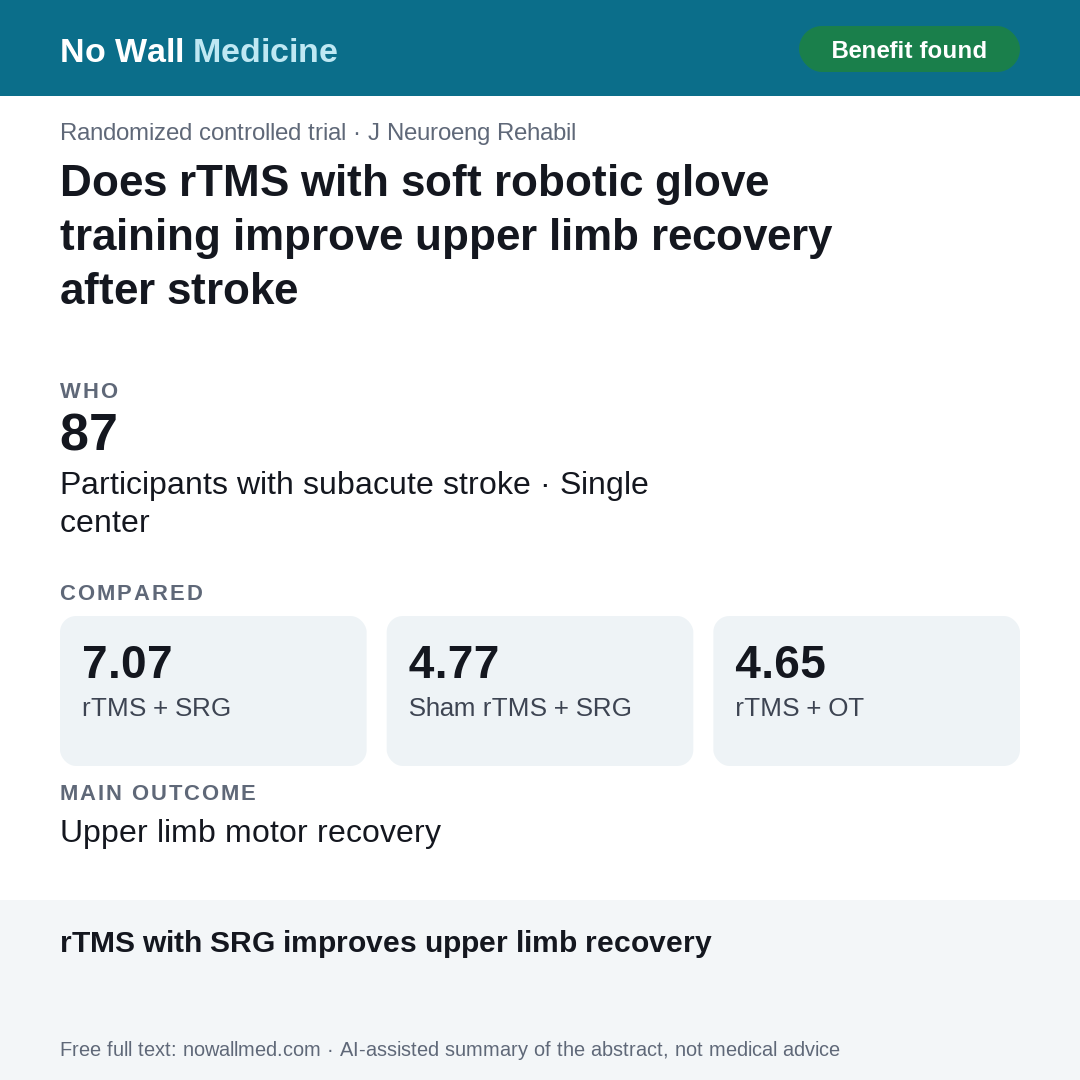
Clinical and neurophysiological effects of rTMS combined with soft robotic glove training on upper-limb recovery after subacute stroke: a three-arm randomized controlled trial
Randomized, three-arm trialBenefit found
Does rTMS with soft robotic glove training improve stroke recovery
Who
87
Participants with subacute stroke · single center
Compared
rTMS + SRG
sham rTMS + SRG
rTMS + conventional therapy
Main outcome
Upper-limb motor recovery
Result: greater improvement
Bottom line: rTMS with SRG improves upper-limb recovery
J Neuroeng Rehabil · 2026-08-20Download image
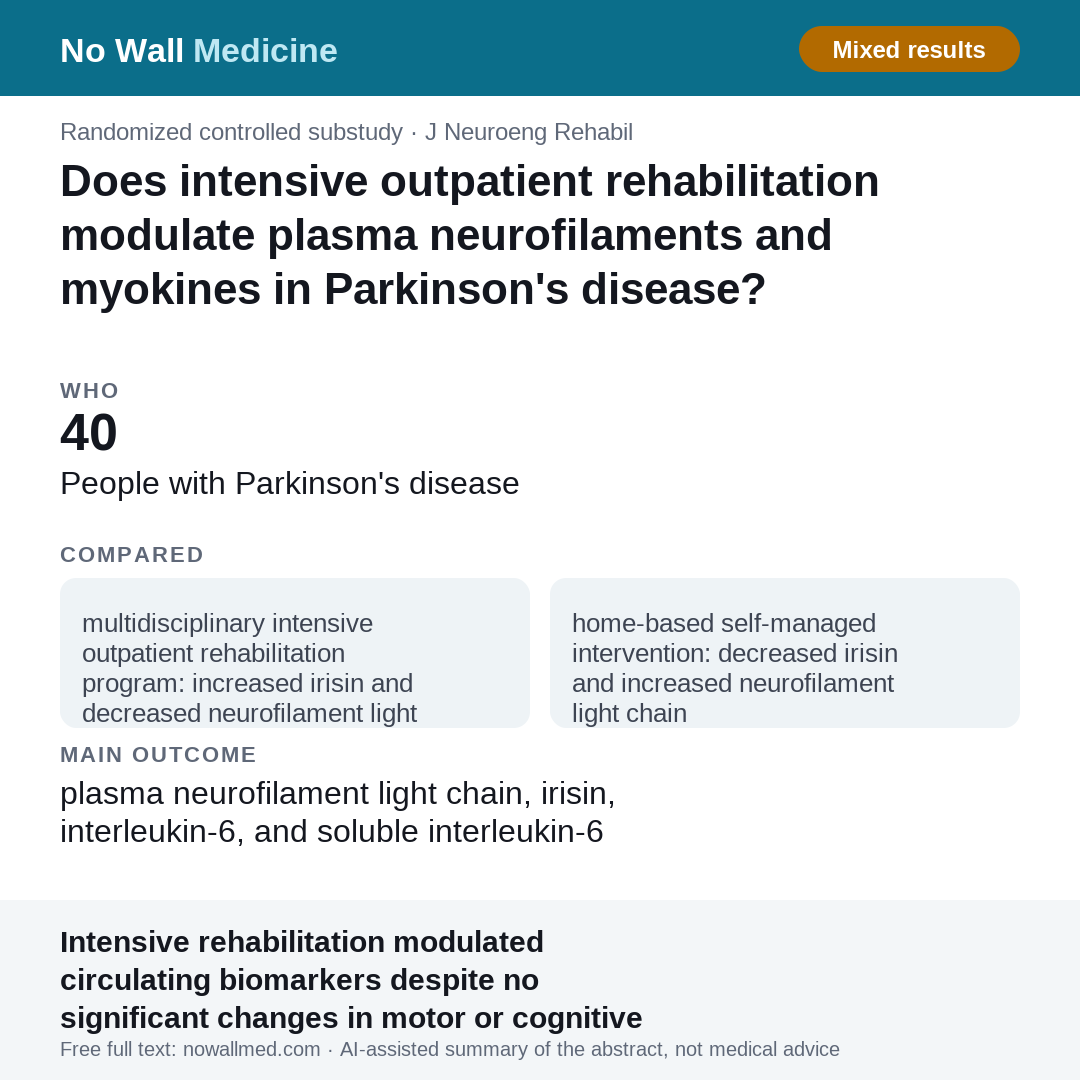
Effect of a multidisciplinary intensive outpatient rehabilitation program on plasma neurofilaments and myokines in Parkinson's disease: an exploratory analysis
Randomized controlled substudyMixed results
Does intensive outpatient rehabilitation modulate plasma neurofilaments and myokines in Parkinson's disease?
Who
40
People with Parkinson's disease
Compared
multidisciplinary intensive outpatient rehabilitation program: increased irisin levels
home-based self-managed intervention: decreasing irisin levels
Main outcome
plasma neurofilament light chain, irisin, interleukin-6, and soluble interleukin-6 receptor
Bottom line: Intensive rehabilitation modulated circulating biomarkers despite no significant changes in motor or cognitive outcomes.
J Neuroeng Rehabil · 2026-08-20Download image
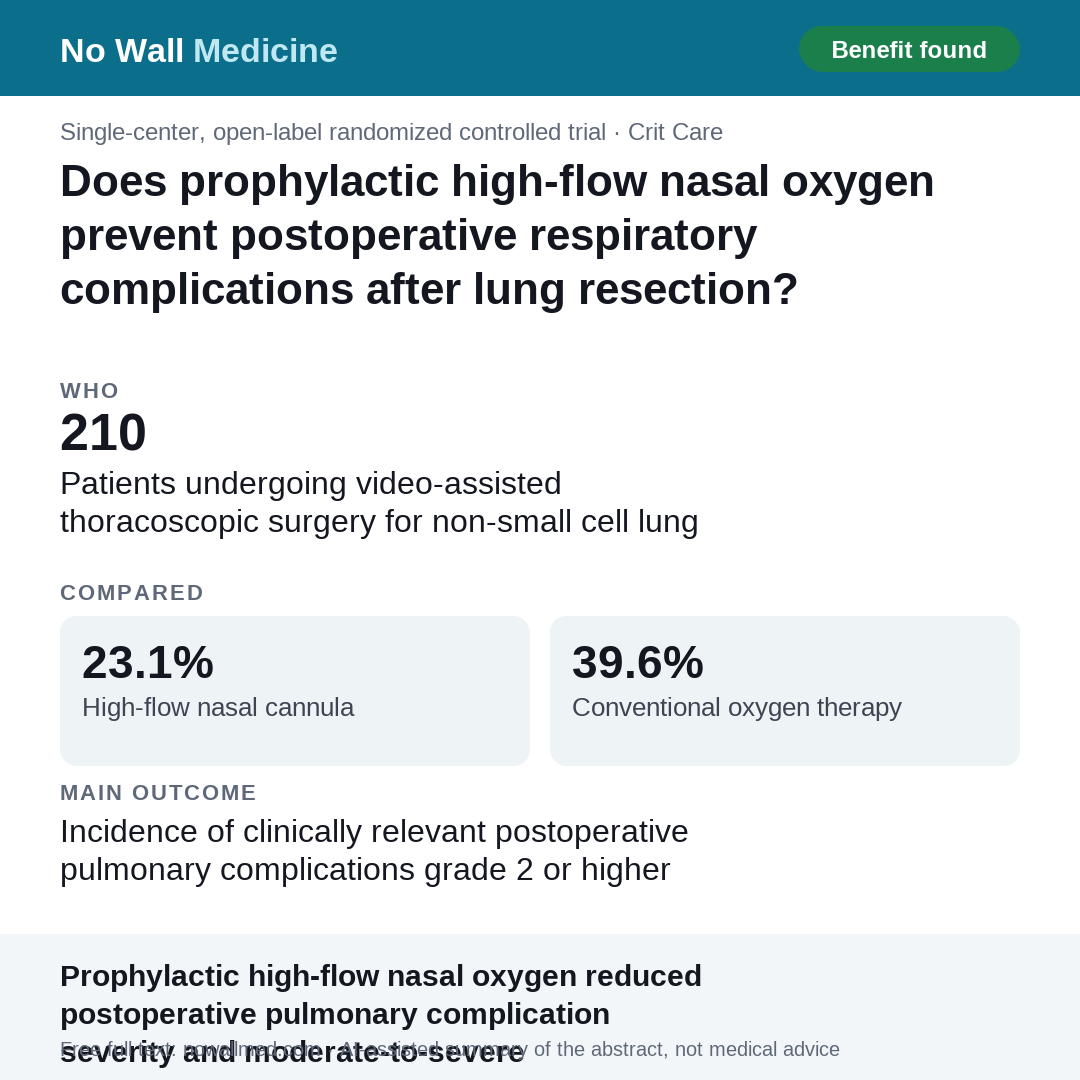
Prophylactic high-flow nasal oxygen vs. conventional oxygen for prevention of postoperative respiratory complications: a randomized trial
Single-center, open-label randomized controlled trialBenefit found
Does prophylactic high-flow nasal oxygen prevent postoperative respiratory complications after lung resection?
Who
210
Patients undergoing video-assisted thoracoscopic surgery for non-small cell lung cancer · Single-center
Compared
23.1%High-flow nasal cannula
39.6%Conventional oxygen therapy
Main outcome
Incidence of clinically relevant postoperative pulmonary complications grade 2 or higher
Result: ordinal OR, 0.50 (95% CI, 0.28-0.91)
Bottom line: Prophylactic high-flow nasal oxygen reduced postoperative pulmonary complication severity and moderate-to-severe complications after lung resection.
Crit Care · 2026-08-20Download image
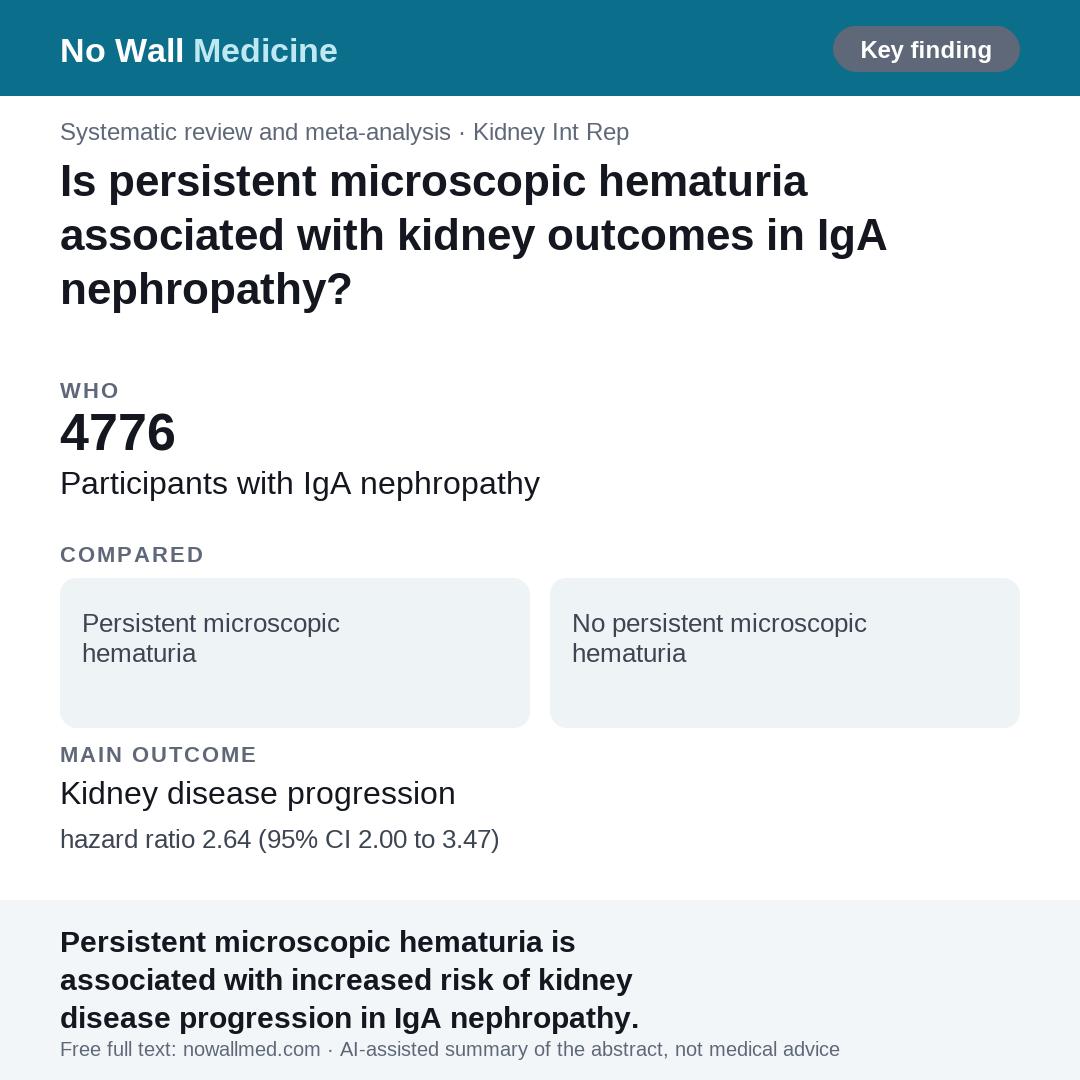
Systematic Review of Persistent Microscopic Hematuria and Kidney Outcomes in IgAN
Systematic review and meta-analysisBenefit found
Is persistent microscopic hematuria associated with kidney outcomes in IgA nephropathy?
Who
4776
Participants with IgA nephropathy
Compared
Persistent microscopic hematuria
No persistent microscopic hematuria
Main outcome
Kidney disease progression
Result: hazard ratio 2.64 (95% CI 2.00 to 3.47)
Bottom line: Persistent microscopic hematuria is associated with increased risk of kidney disease progression in IgA nephropathy.
Kidney Int Rep · 2026-08-20Download image
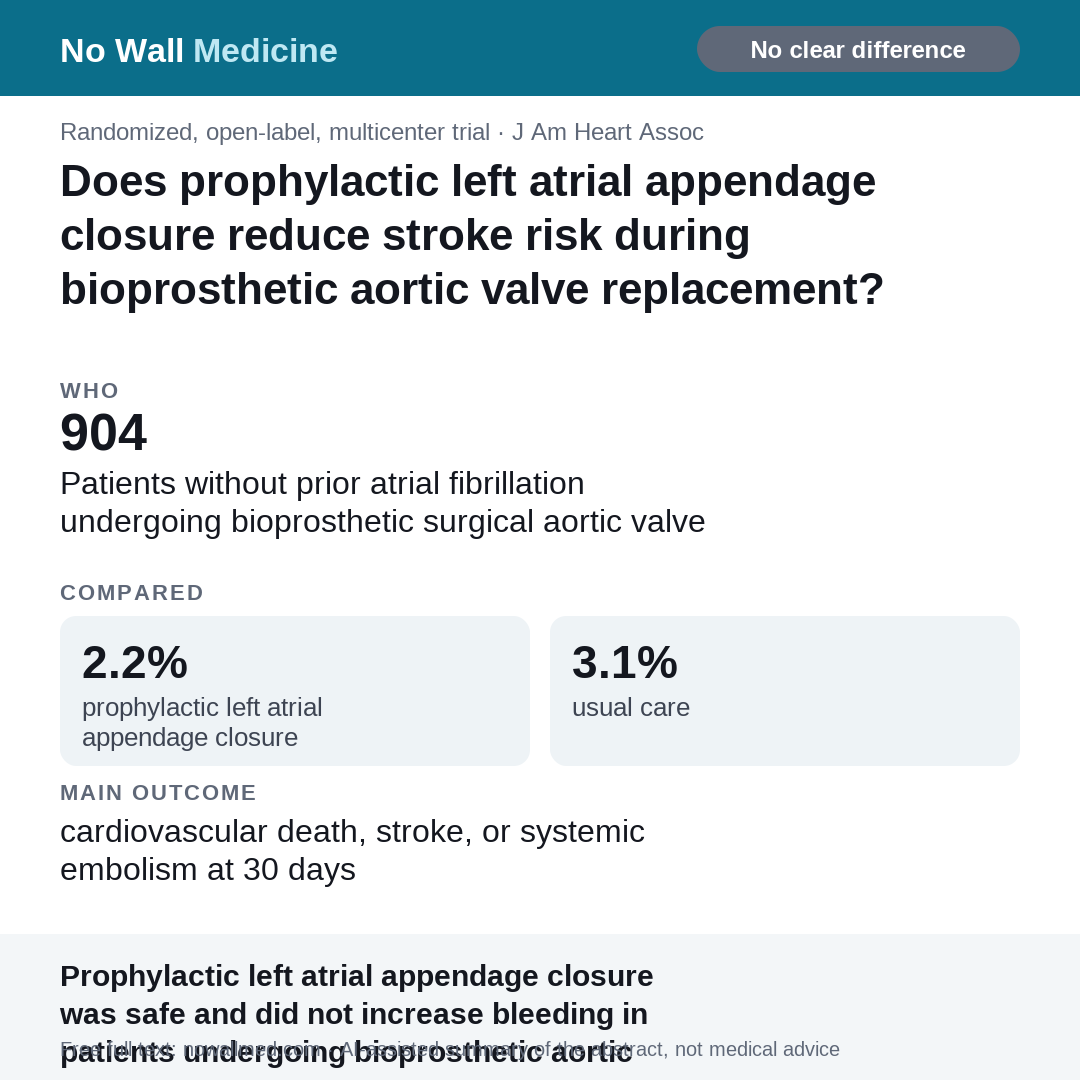
Prophylactic Surgical Left Atrial Appendage Closure in Bioprosthetic Aortic Valve Replacement: Short-Term Outcomes of Randomized Controlled LAA-CLOSURE Trial
Randomized, open-label, multicenter trialNo clear difference
Does prophylactic left atrial appendage closure reduce stroke risk during bioprosthetic aortic valve replacement?
Who
904
Patients without prior atrial fibrillation undergoing bioprosthetic surgical aortic valve replacement · multicenter
Compared
2.2%prophylactic left atrial appendage closure (10/434)
3.1%usual care (14/452)
Main outcome
cardiovascular death, stroke, or systemic embolism at 30 days
Result: hazard ratio 0.29 (95% CI 0.080-1.0) between 7 and 30 days
Bottom line: Prophylactic left atrial appendage closure was safe and did not increase bleeding in patients undergoing bioprosthetic aortic valve replacement.
Limitation: the treatment effect changed direction at approximately 7 days
J Am Heart Assoc · 2026-08-20Download image
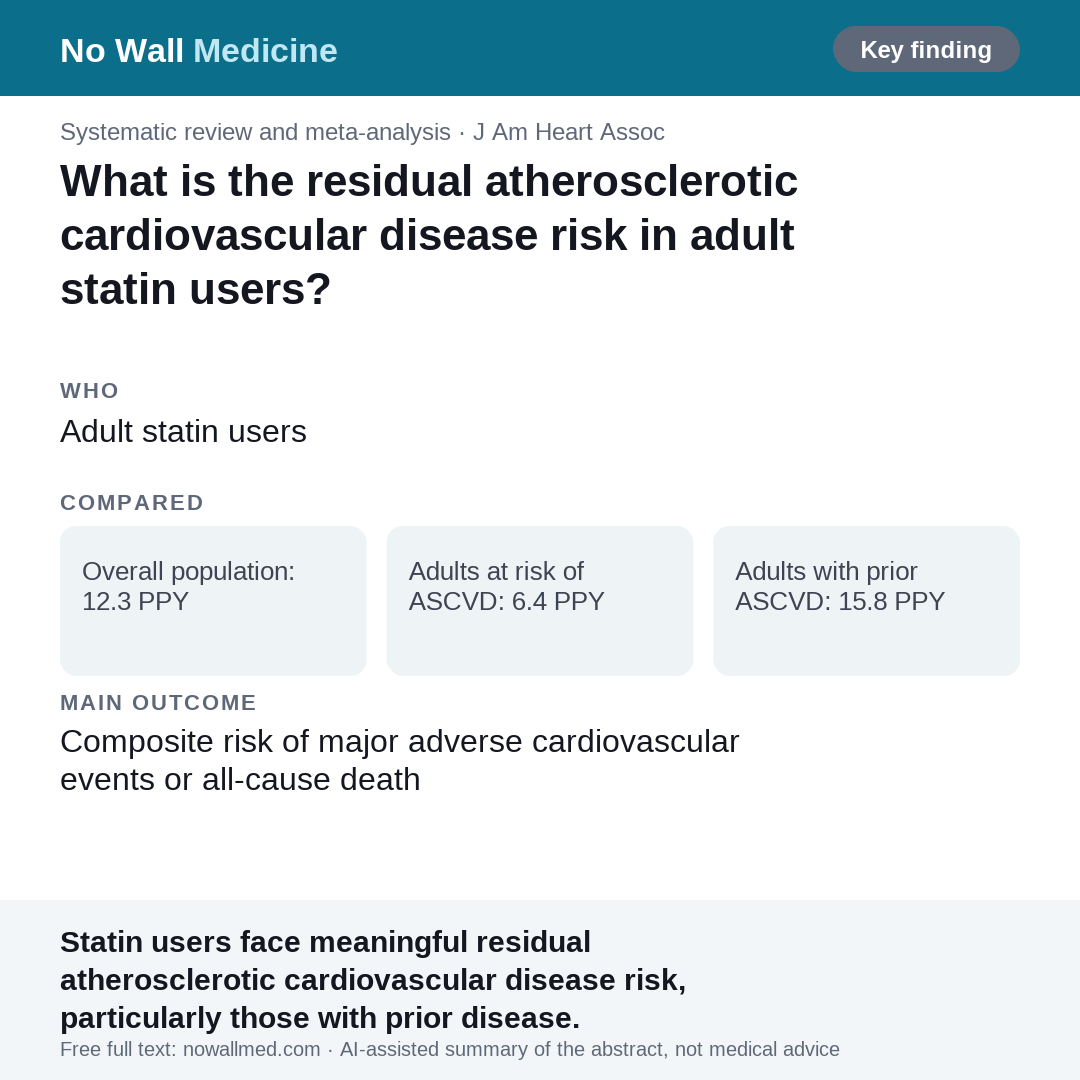
Residual Atherosclerotic Cardiovascular Disease Risk in Statin Users: A Systematic Review and Meta-Analysis
Systematic review and meta-analysisHarm found
What is the residual atherosclerotic cardiovascular disease risk in adult statin users?
Who
Adult statin users
Compared
Overall population: 12.3 PPY
Adults at risk of ASCVD: 6.4 PPY
Adults with prior ASCVD: 15.8 PPY
Main outcome
Composite risk of major adverse cardiovascular events or all-cause death
Bottom line: Statin users face meaningful residual atherosclerotic cardiovascular disease risk, particularly those with prior disease.
Limitation: substantial between-study variability
J Am Heart Assoc · 2026-08-20Download image
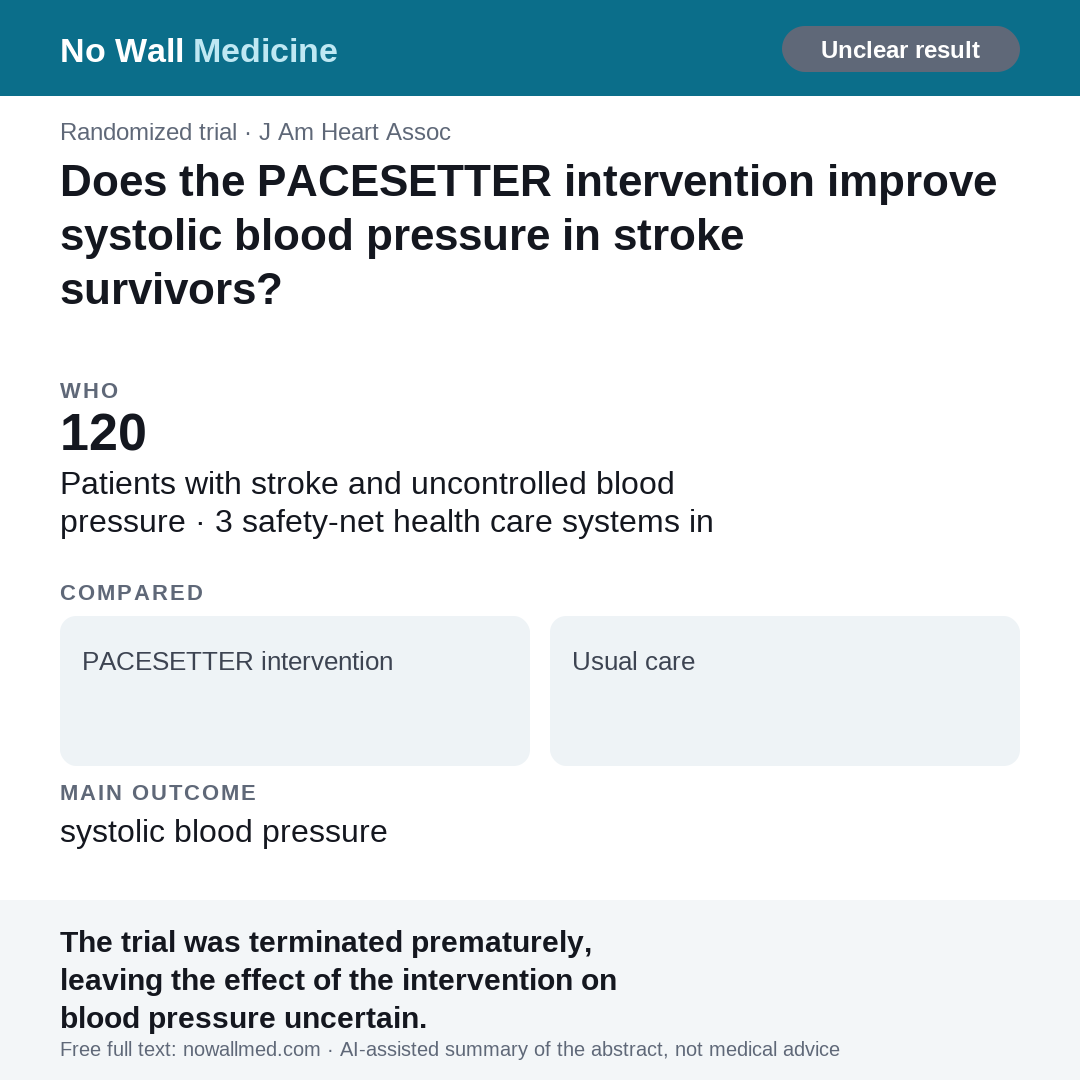
Program to Avoid Cerebrovascular Events Through Systematic Electronic Tracking and Tailoring of an Eminent Risk Factor: A Randomized Trial
Randomized trialUnclear result
Does the PACESETTER intervention improve systolic blood pressure in stroke survivors?
Who
120
Patients with stroke and uncontrolled blood pressure · 3 safety-net health care systems in South Carolina
Compared
PACESETTER intervention
Usual care
Main outcome
systolic blood pressure
Bottom line: The trial was terminated prematurely, leaving the effect of the intervention on blood pressure uncertain.
J Am Heart Assoc · 2026-08-20Download image
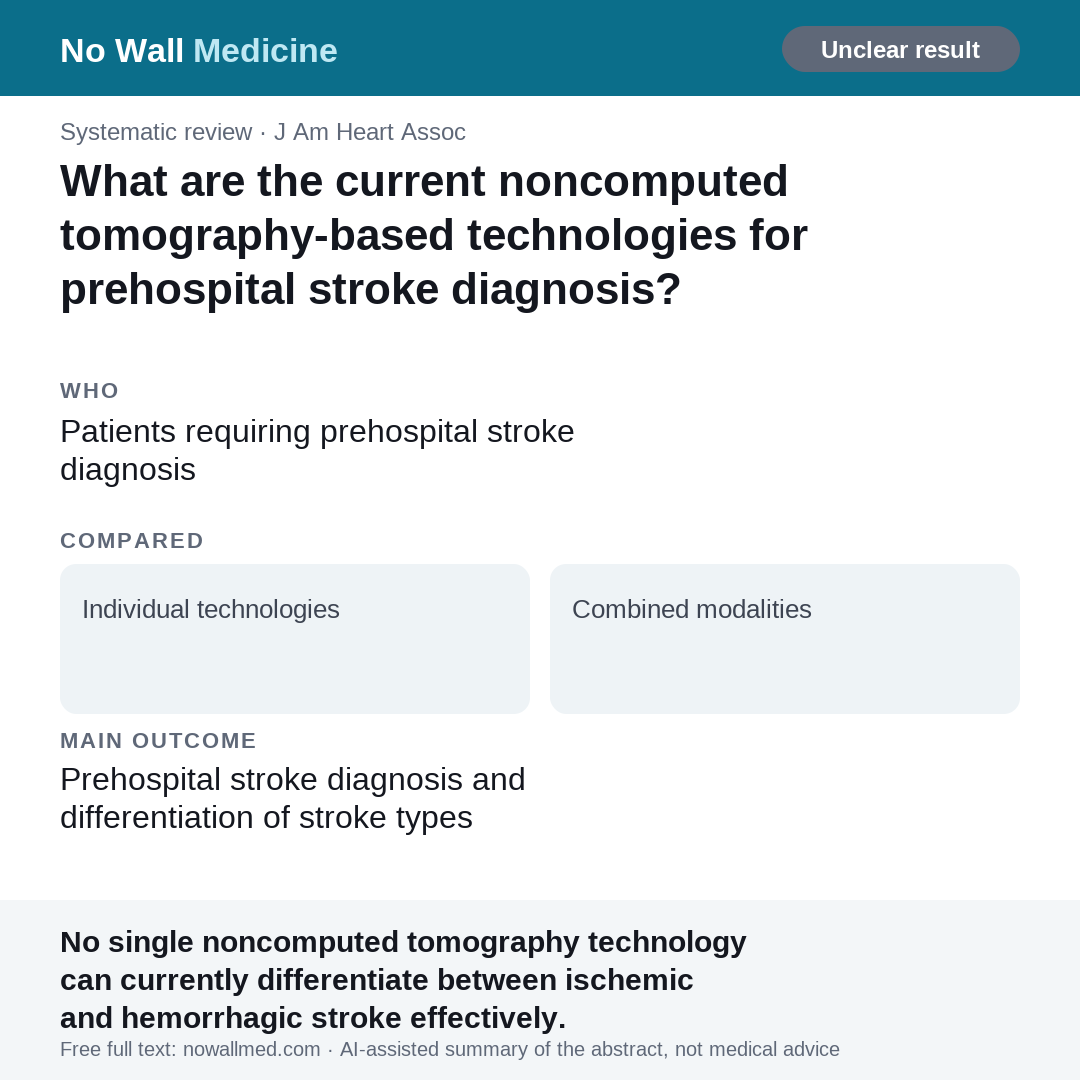
Systematic Review on Noncomputed Tomography-Based Technologies for Prehospital Stroke Diagnosis
Systematic reviewUnclear result
What are the current noncomputed tomography-based technologies for prehospital stroke diagnosis?
Who
Patients requiring prehospital stroke diagnosis
Compared
Individual technologies
Combined modalities
Main outcome
Prehospital stroke diagnosis and differentiation of stroke types
Bottom line: No single noncomputed tomography technology can currently differentiate between ischemic and hemorrhagic stroke effectively.
Limitation: No single technology provides capabilities similar to computed tomography for stroke differentiation.
J Am Heart Assoc · 2026-08-20Download image
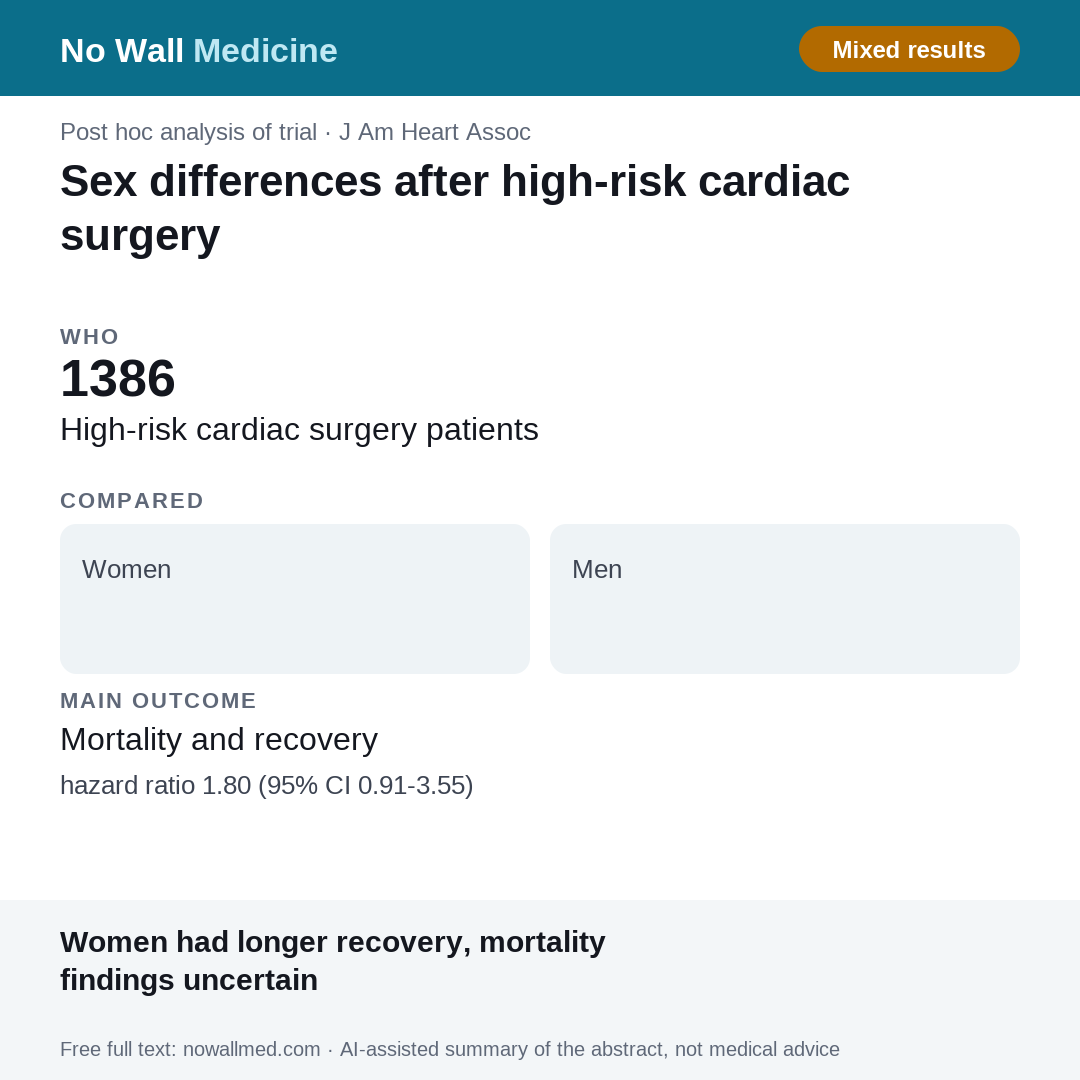
Sex Differences in Postoperative Recovery and Mortality After High-Risk Cardiac Surgery: A Propensity Score-Matched Post Hoc Analysis of the SUSTAIN-CSX Trial
Post hoc analysis of trialMixed results
Sex differences after high-risk cardiac surgery
Who
1386
High-risk cardiac surgery patients
Compared
Women
Men
Main outcome
Mortality and recovery
Result: hazard ratio 1.80 (95% CI 0.91-3.55)
Bottom line: Women had longer recovery, mortality findings uncertain
J Am Heart Assoc · 2026-08-20Download image
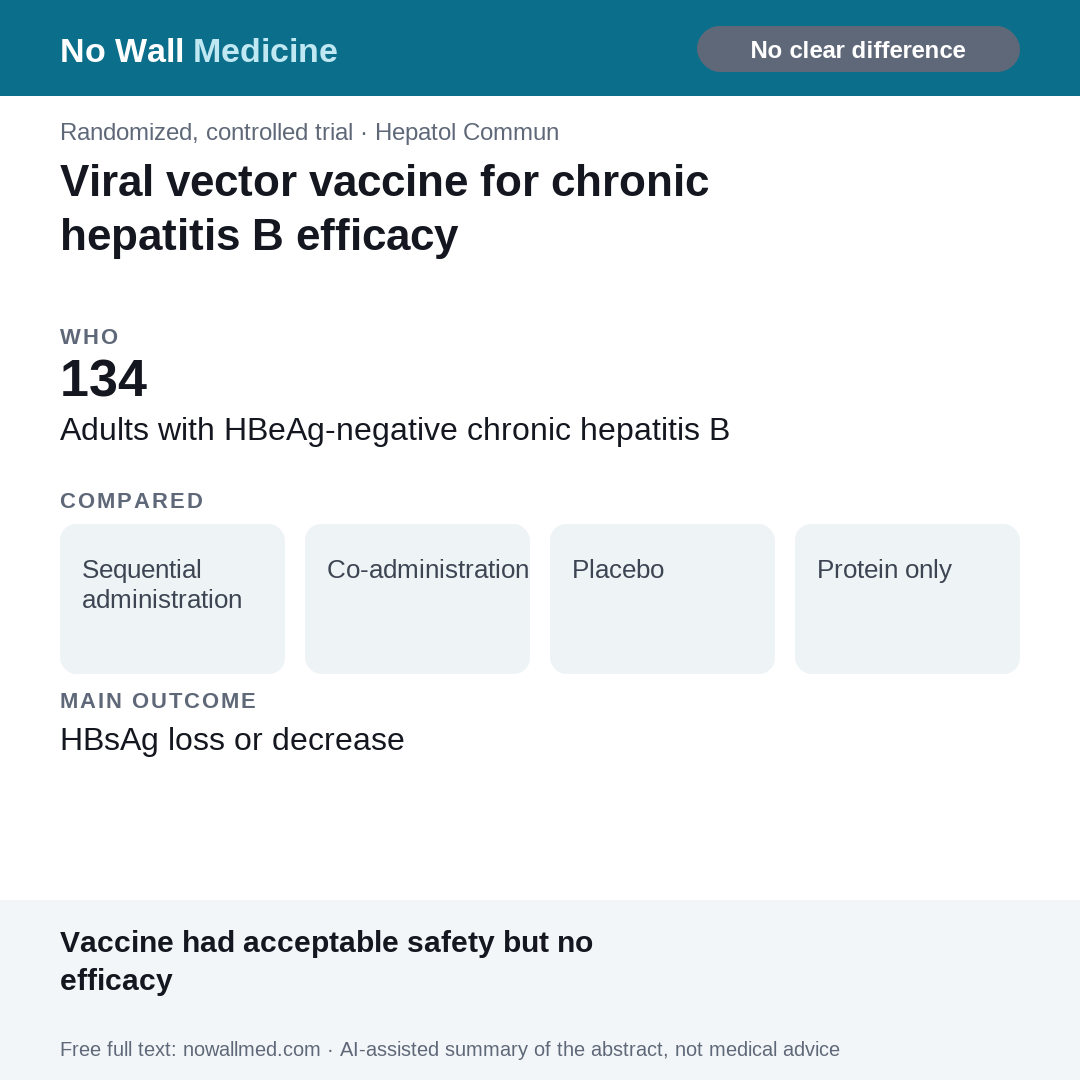
A randomized trial of viral vector and adjuvanted protein HBV therapeutic vaccine in people with chronic hepatitis B on nucleos(t)ide analogs
Randomized, controlled trialNo clear difference
Viral vector vaccine for chronic hepatitis B efficacy
Who
134
Adults with HBeAg-negative chronic hepatitis B
Compared
Sequential administration
Co-administration
Placebo
Protein only
Main outcome
HBsAg loss or decrease
Bottom line: Vaccine had acceptable safety but no efficacy
Hepatol Commun · 2026-08-20Download image
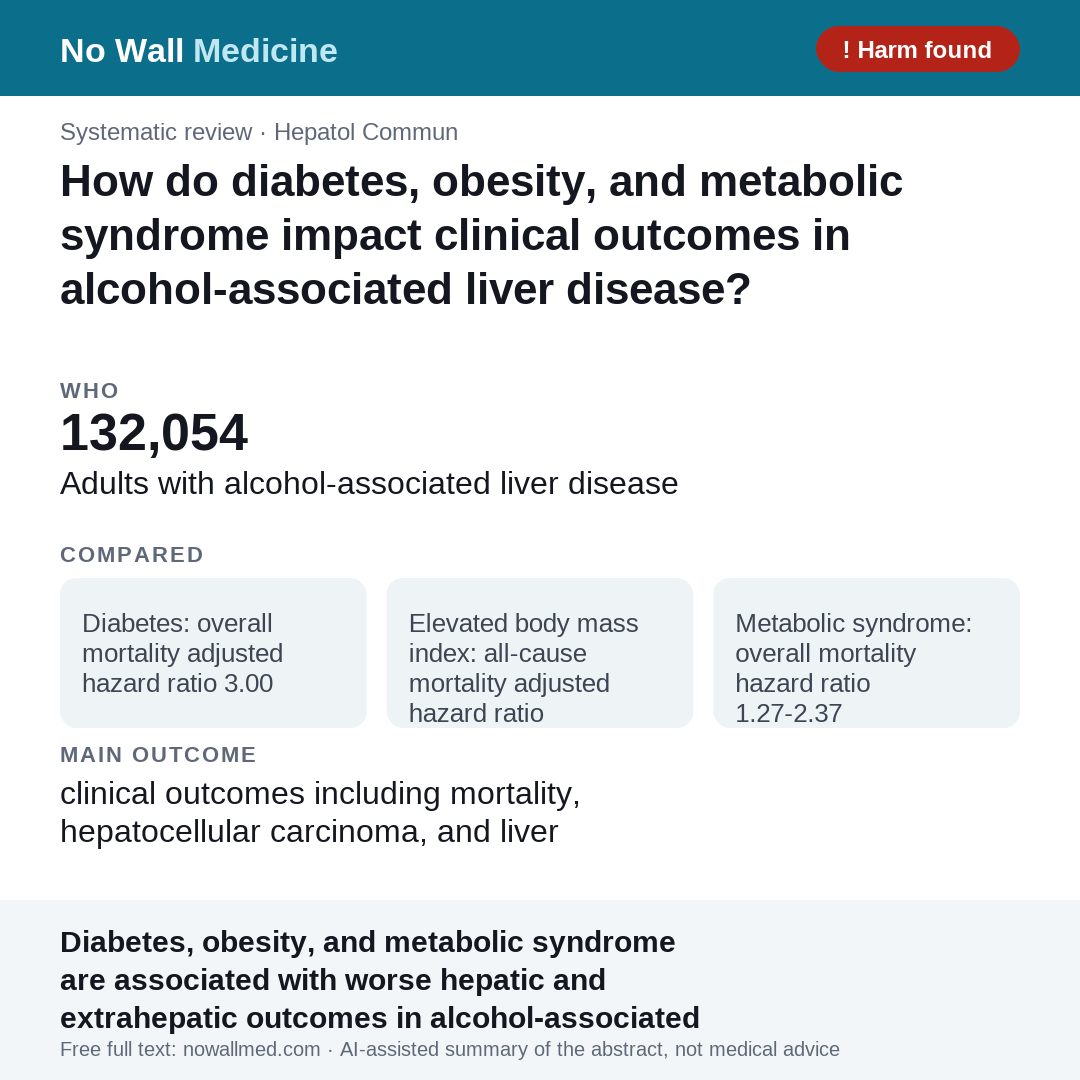
Effects of diabetes, obesity, and metabolic syndrome on alcohol-associated liver disease: A systematic review
Systematic reviewHarm found
How do diabetes, obesity, and metabolic syndrome impact clinical outcomes in alcohol-associated liver disease?
Who
132,054
Adults with alcohol-associated liver disease
Compared
Diabetes: overall mortality adjusted hazard ratio 3.00
Elevated body mass index: all-cause mortality adjusted hazard ratio 1.16-1.58
Metabolic syndrome: overall mortality hazard ratio 1.27-2.37
Main outcome
clinical outcomes including mortality, hepatocellular carcinoma, and liver transplantation
Bottom line: Diabetes, obesity, and metabolic syndrome are associated with worse hepatic and extrahepatic outcomes in alcohol-associated liver disease.
Hepatol Commun · 2026-08-20Download image
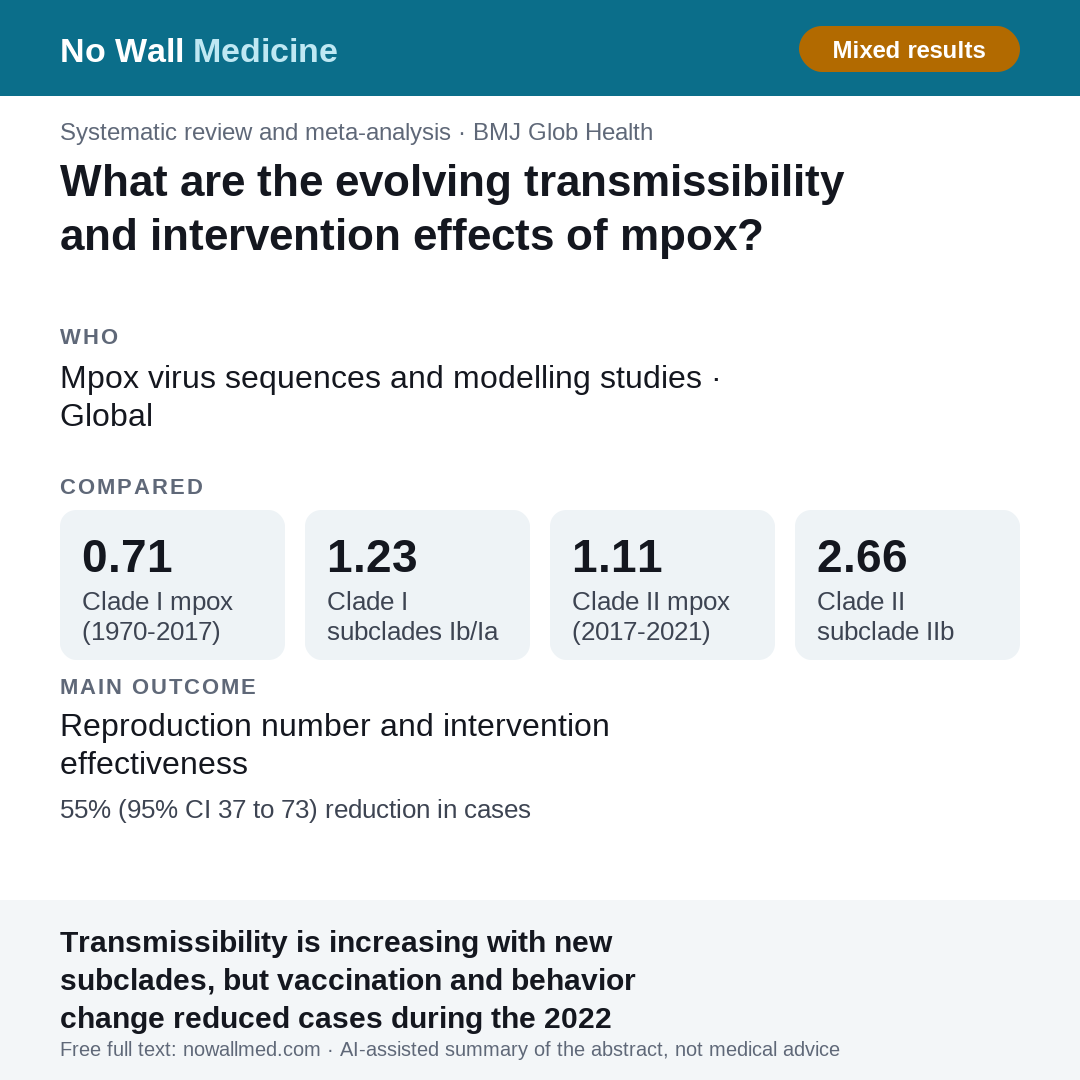
Dynamics of global mpox epidemics, 1970-2025: a systematic review and meta-analysis of evolving transmissibility and intervention effects
Systematic review and meta-analysisMixed results
How have mpox transmissibility and intervention effects evolved from 1970 to 2025?
Who
Mpox virus sequences and modeling studies · Global
Compared
0.71Clade I mpox 1970-2017 (95% CI 0.26 to 1.17)
1.23Clade I subclades Ib/Ia after 2023 (1.12-1.33)
1.11Clade II mpox 2017-2021 (0.90-1.32)
2.66Clade II subclade IIb 2022-2023 (2.31-3.00)
Main outcome
Reproduction number estimates and intervention effectiveness
Bottom line: Mpox transmissibility has increased with the emergence of new subclades, requiring proactive vaccine rollout and risk communication.
BMJ Glob Health · 2026-08-20Download image
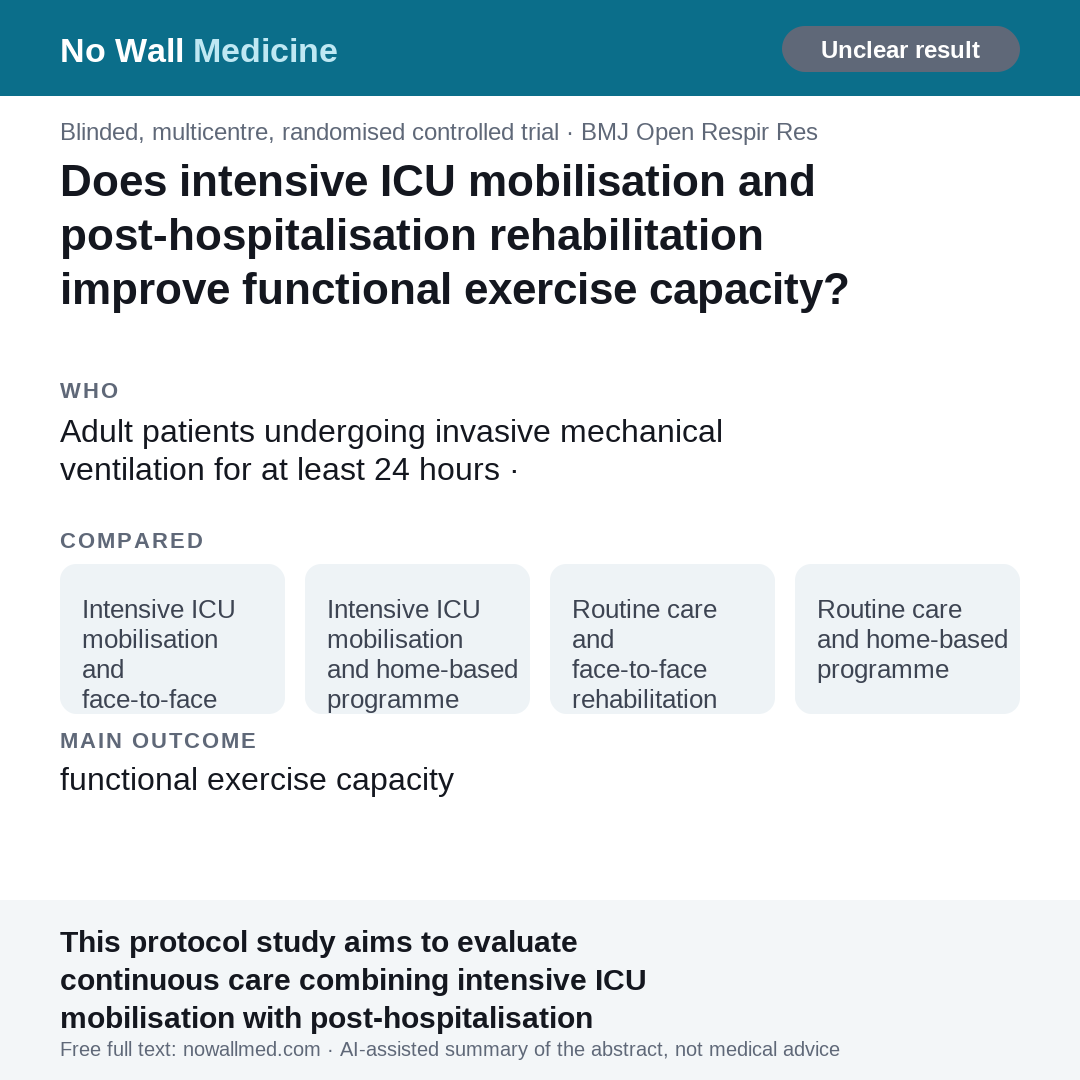
A protocol for the rehabilitation of patients undergoing mechanical ventilation from the ICU to the post-hospital phase: the MOVE-ICUtoHOME, a multicentre randomised controlled trial
Blinded, multicentre, randomised controlled trialUnclear result
Does intensive ICU mobilisation and post-hospitalisation rehabilitation improve functional exercise capacity?
Who
Adult patients undergoing invasive mechanical ventilation for at least 24 hours · Multicentre
Compared
Intensive mobilisation and face-to-face rehabilitation
Intensive mobilisation and home-based programme
Routine care and face-to-face rehabilitation
Routine care and home-based programme
Main outcome
functional exercise capacity
Bottom line: This protocol study evaluates intensive ICU mobilisation combined with different post-hospitalisation rehabilitation strategies.
BMJ Open Respir Res · 2026-08-20Download image
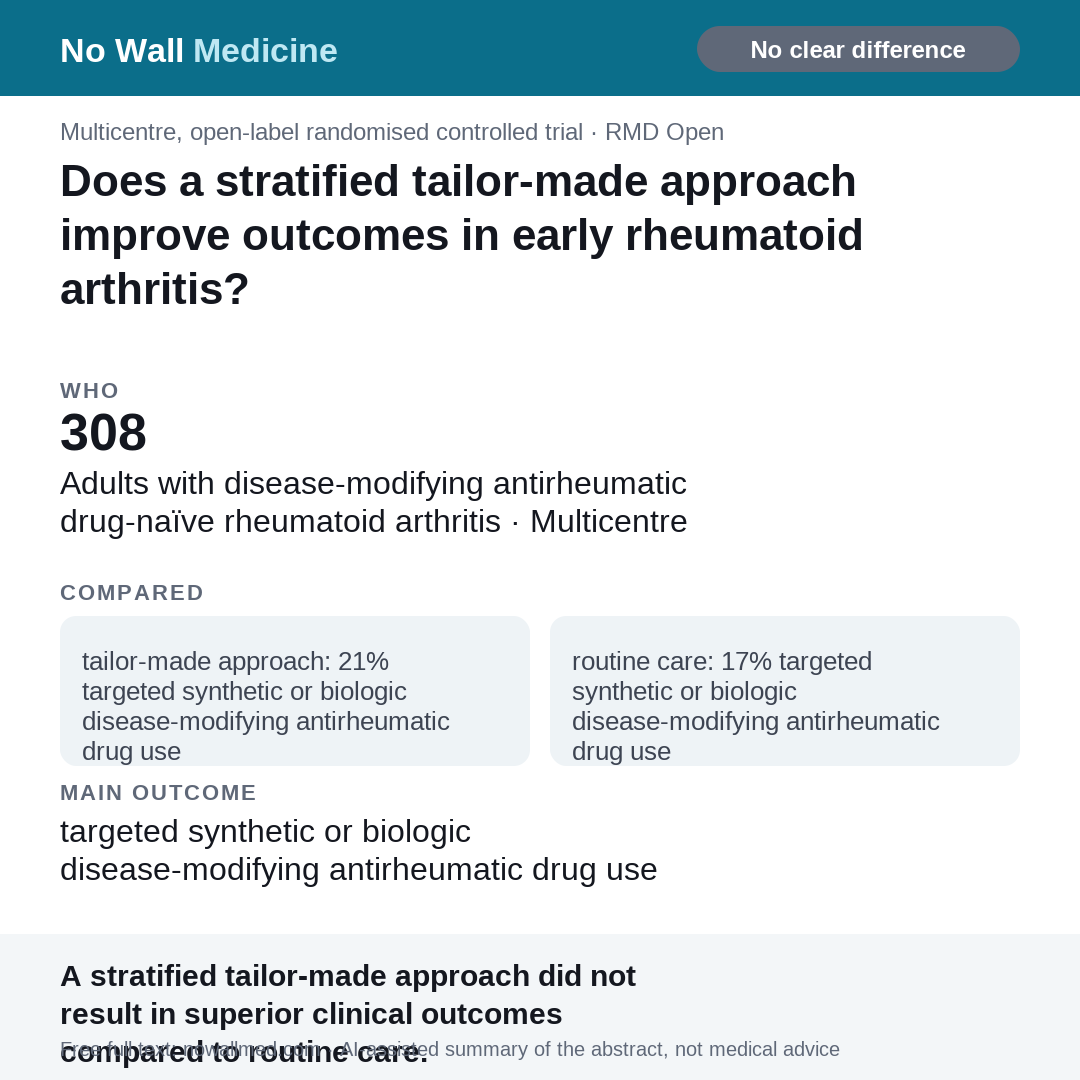
Exploring possibilities towards PeRsonalIsed MEdicine in Rheumatoid Arthritis (PRIMERA): tailored modifications to standard treat-to-target management-a multicentre, randomised, open-label trial
Multicentre, open-label randomised controlled trialNo clear difference
Does a stratified tailor-made approach improve outcomes in early rheumatoid arthritis?
Who
308
Adults with disease-modifying antirheumatic drug-naïve rheumatoid arthritis · Multicentre
Compared
tailor-made approach: 21% targeted synthetic or biologic disease-modifying antirheumatic drug use
routine care: 17% targeted synthetic or biologic disease-modifying antirheumatic drug use
Main outcome
targeted synthetic or biologic disease-modifying antirheumatic drug use
Bottom line: A stratified tailor-made approach did not result in superior clinical outcomes compared to routine care.
RMD Open · 2026-08-20Download image
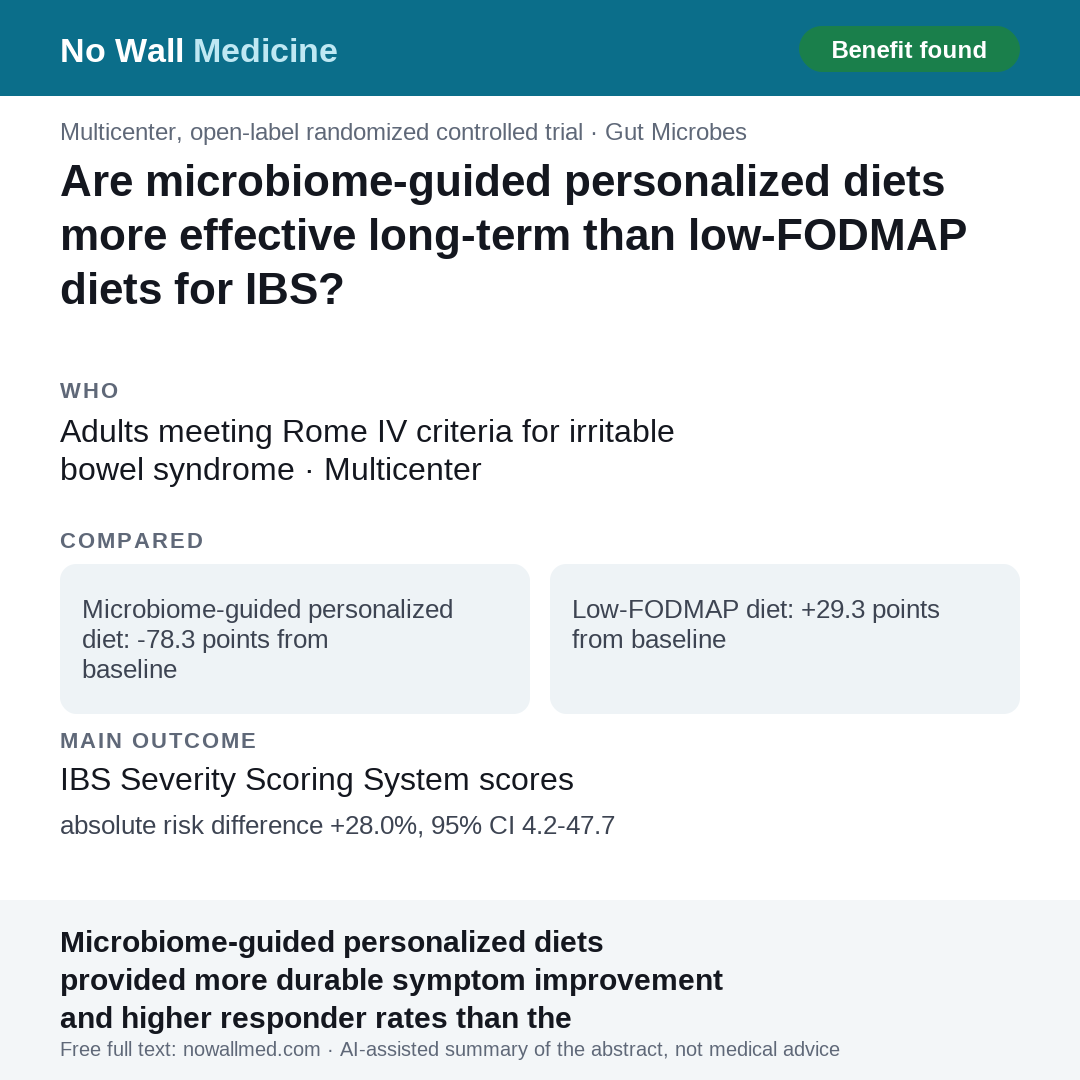
Long-term microbiome and clinical effects of a microbiome-guided personalized diet versus low-FODMAP diet in irritable bowel syndrome: A 12-month follow-up randomized controlled trial
Multicenter, open-label randomized controlled trialBenefit found
Are microbiome-guided personalized diets more effective long-term than low-FODMAP diets for IBS?
Who
Adults meeting Rome IV criteria for irritable bowel syndrome · Multicenter
Compared
Microbiome-guided personalized diet: -78.3 points from baseline
Low-FODMAP diet: +29.3 points from baseline
Main outcome
IBS Severity Scoring System scores
Result: absolute risk difference +28.0%, 95% CI 4.2-47.7
Bottom line: Microbiome-guided personalized diets provided more durable symptom improvement and higher responder rates than the low-FODMAP diet at 12 months.
Gut Microbes · 2026-08-20Download image
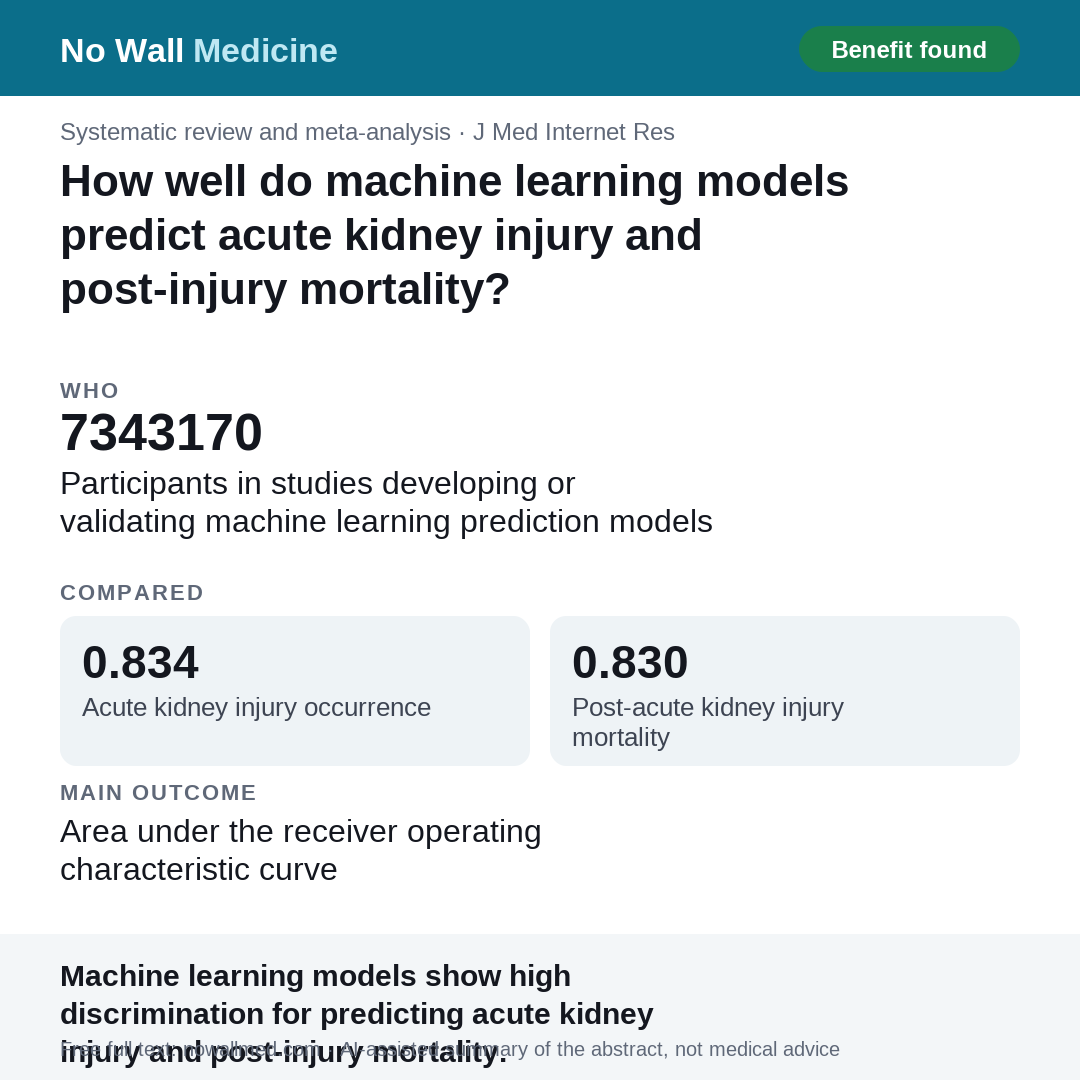
AI Models for Predicting Acute Kidney Injury (AKI) and Post-AKI Mortality: Systematic Review and Meta-Analysis
Systematic review and meta-analysisBenefit found
How well do machine learning models predict acute kidney injury and post-injury mortality?
Who
7343170
Participants in studies developing or validating machine learning prediction models
Compared
0.834Acute kidney injury occurrence (95% CI 0.821-0.846)
0.830Post-acute kidney injury mortality (95% CI 0.807-0.851)
Main outcome
Area under the receiver operating characteristic curve
Bottom line: Machine learning models show high discrimination for predicting acute kidney injury and post-injury mortality.
Limitation: High heterogeneity, limited external or prospective validation, and inconsistent reporting of calibration and clinical utility.
J Med Internet Res · 2026-08-20Download image
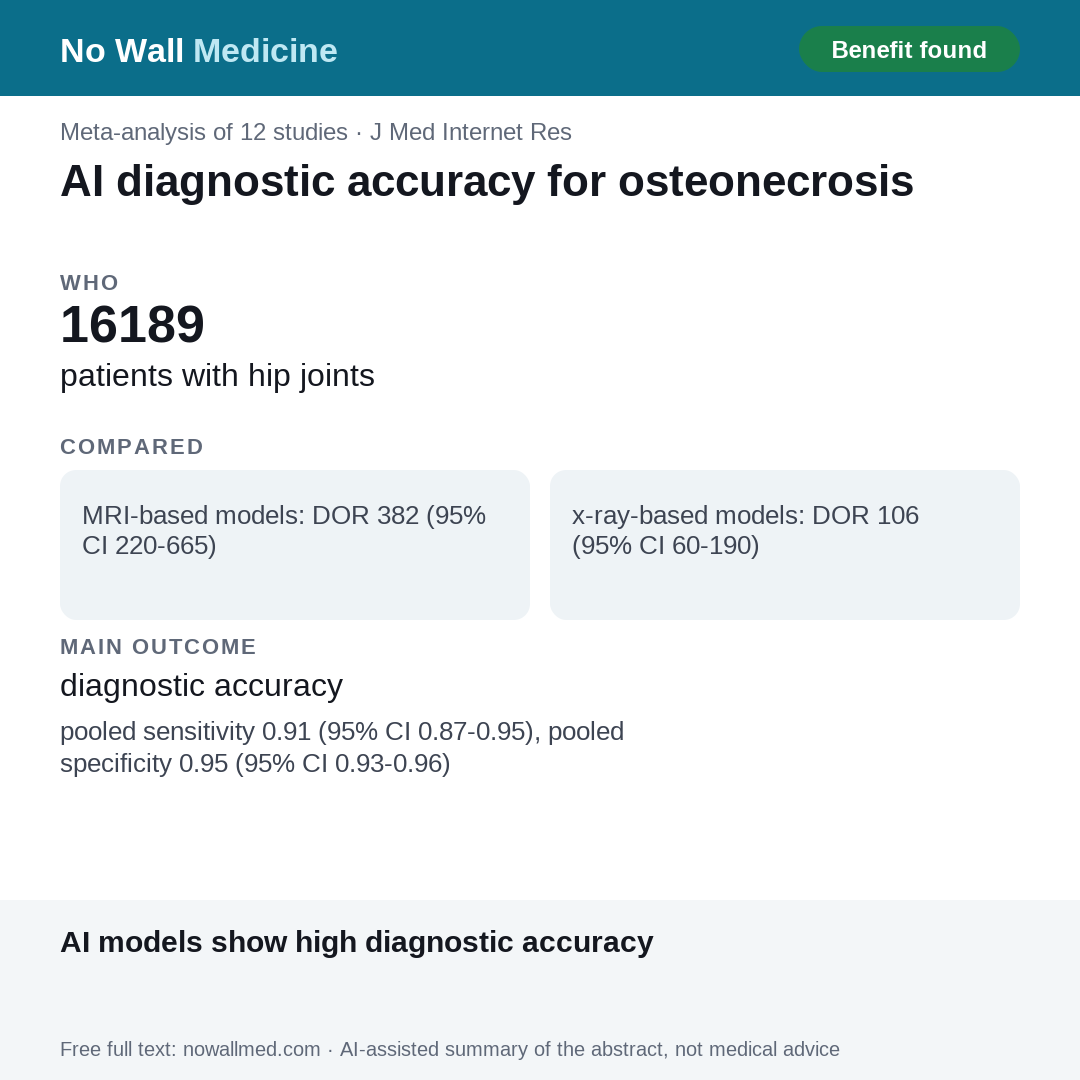
Diagnostic Accuracy of Medical Imaging-Based Artificial Intelligence for Osteonecrosis of the Femoral Head: Systematic Review and Meta-Analysis
Meta-analysis of 12 studiesBenefit found
AI diagnostic accuracy for osteonecrosis
Who
16189
patients with hip joints
Compared
MRI-based models: DOR 382 (95% CI 220-665)
x-ray-based models: DOR 106 (95% CI 60-190)
Main outcome
diagnostic accuracy
Result: pooled sensitivity 0.91 (95% CI 0.87-0.95), pooled specificity 0.95 (95% CI 0.93-0.96)
Bottom line: AI models show high diagnostic accuracy
Limitation: limited studies and retrospective designs
J Med Internet Res · 2026-08-20Download image
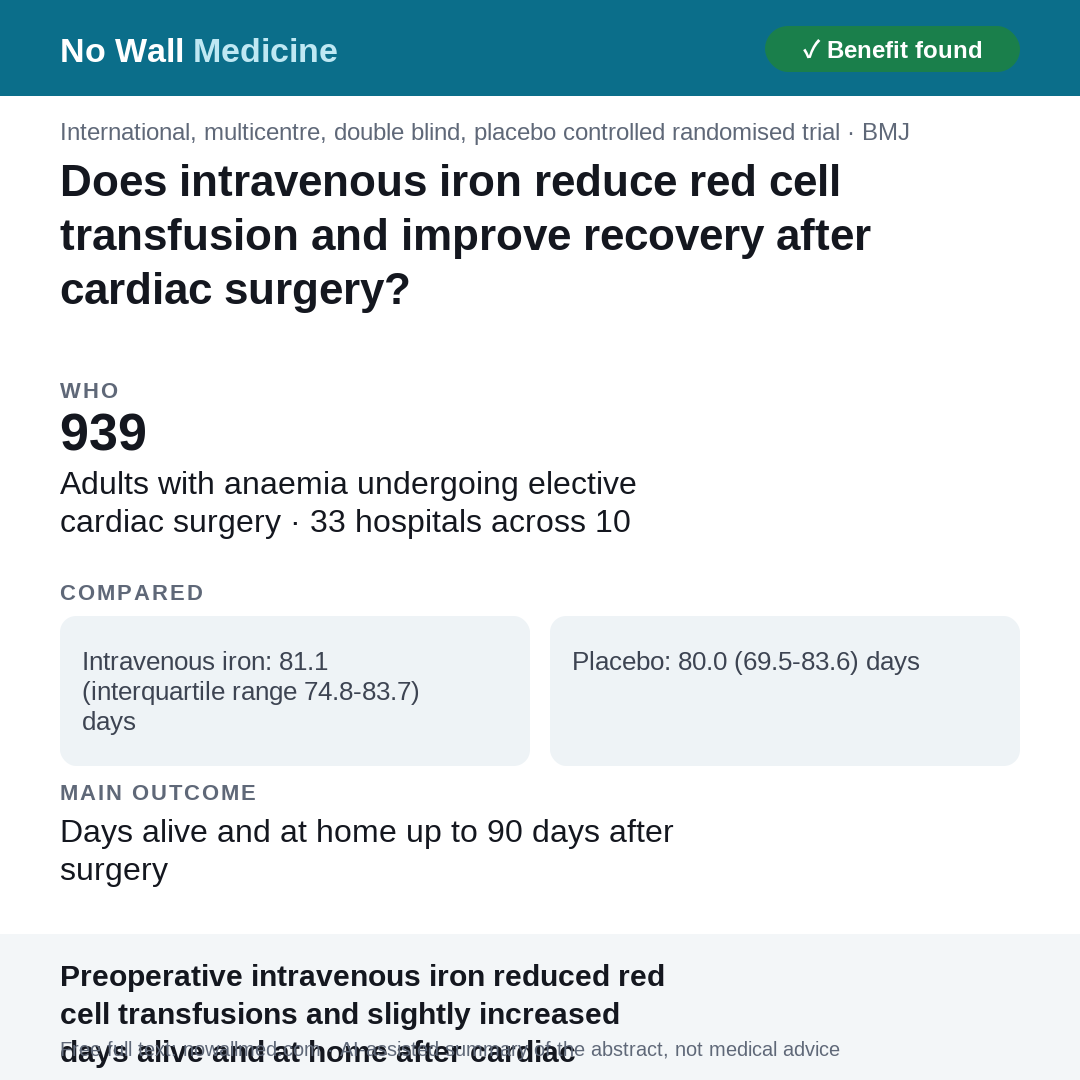
Intravenous iron to treat anaemia before cardiac surgery (ITACS): international, double blind, placebo controlled randomised trial
International, multicentre, double blind, placebo controlled randomised trialBenefit found
Does intravenous iron reduce red cell transfusion and improve recovery after cardiac surgery?
Who
939
Adults with anaemia undergoing elective cardiac surgery · 33 hospitals across 10 countries
Compared
Intravenous iron: 81.1 (interquartile range 74.8-83.7) days
Placebo: 80.0 (69.5-83.6) days
Main outcome
Days alive and at home up to 90 days after surgery
Result: adjusted median difference 1.0 day, 95.4% confidence interval 0.0 to 2.1 days
Bottom line: Preoperative intravenous iron reduced red cell transfusions and slightly increased days alive and at home after cardiac surgery.
BMJ · 2026-08-19Download image
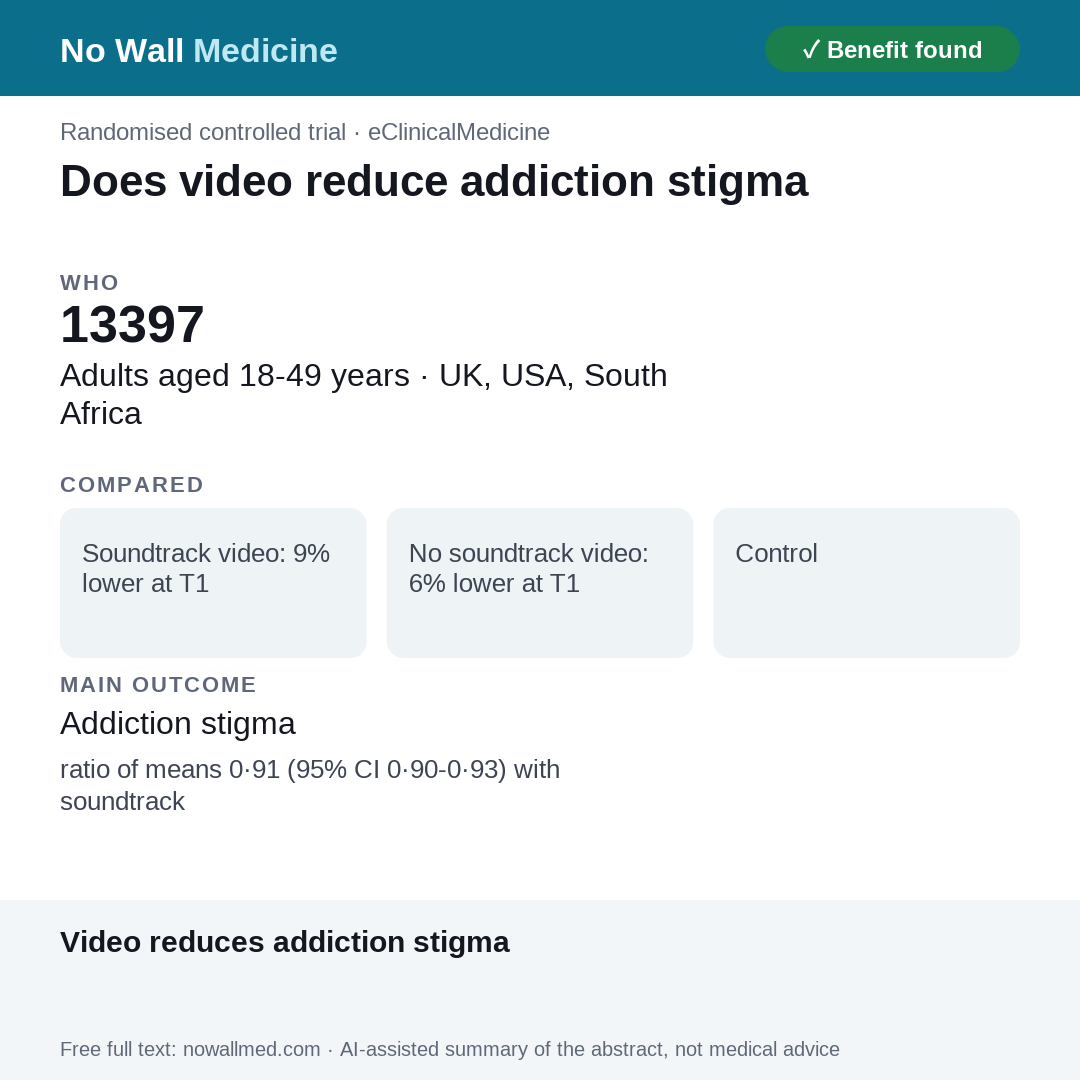
Short, animated storytelling social contact videos reduce addiction stigma in the UK, USA, and South Africa: a randomised controlled trial of 13,397 participants
Randomised controlled trialBenefit found
Does video reduce addiction stigma
Who
13397
Adults aged 18-49 years · UK, USA, South Africa
Compared
Soundtrack video: 9% lower at T1
No soundtrack video: 6% lower at T1
Control
Main outcome
Addiction stigma
Result: ratio of means 0·91 (95% CI 0·90-0·93) with soundtrack
Bottom line: Video reduces addiction stigma
Funded by: Heidelberg Institute for Global Health
eClinicalMedicine · 2026-08-19Download image
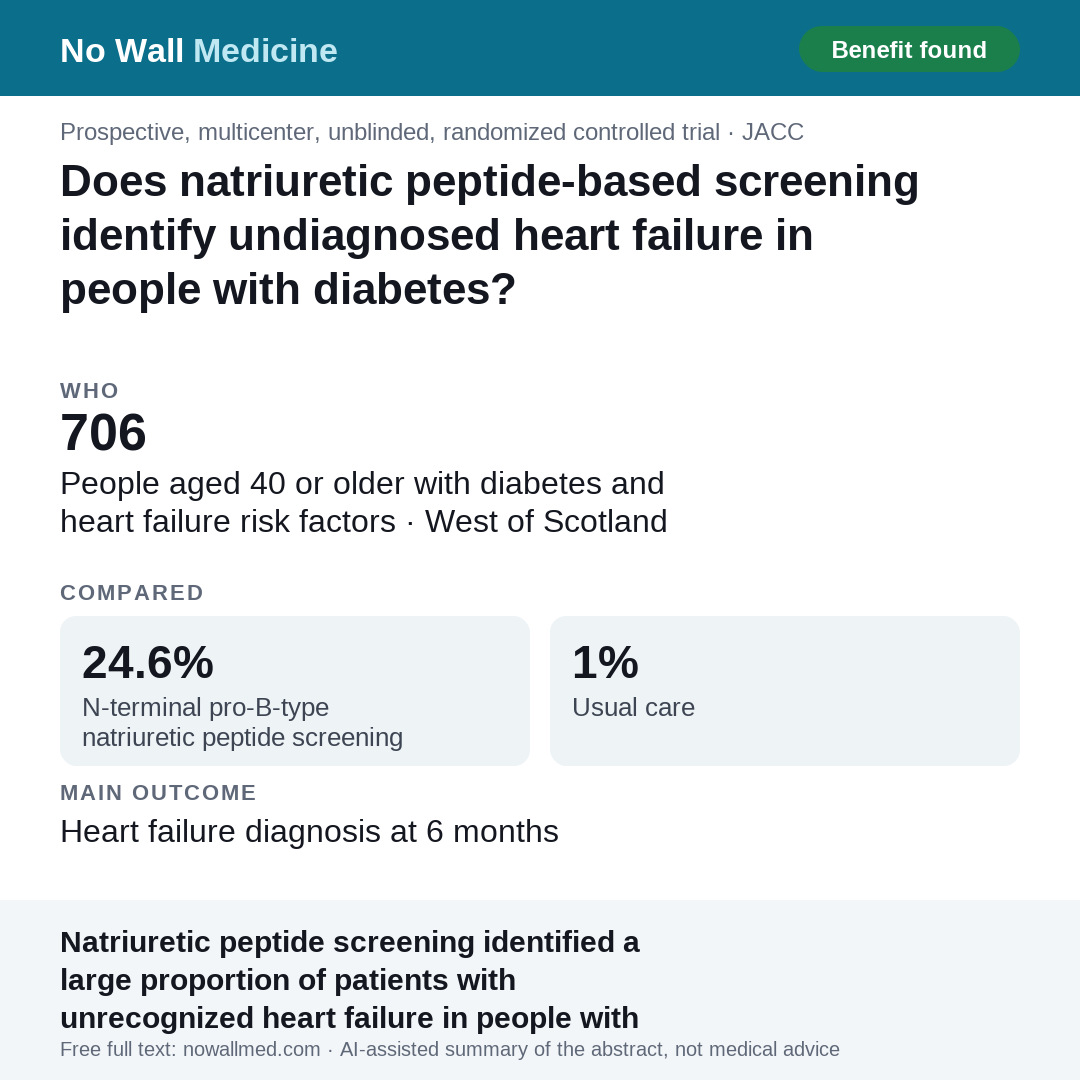
Targeted Assessment in High-Risk Patients With Diabetes to Identify Undiagnosed Heart Failure (TARTAN-HF)
Prospective, multicenter, unblinded, randomized controlled trialBenefit found
Does natriuretic peptide-based screening identify undiagnosed heart failure in high-risk diabetes patients?
Who
706
People aged 40 or older with diabetes and one heart failure risk factor · West of Scotland
Compared
24.6%N-terminal pro-B-type natriuretic peptide screening
1%Usual care
Main outcome
Heart failure diagnosis at 6 months
Result: OR: 58 (95% CI: 14-236)
Bottom line: Natriuretic peptide screening identified a large proportion of patients with unrecognized heart failure in people with diabetes.
JACC · 2026-08-19Download image