Visual abstracts
New randomized trials and meta-analyses from leading journals at a glance: who was studied, what was compared, and what was found. Every paper is free to read in full.
All specialtiesCardiology 4877Oncology 4138Gastroenterology & Hepatology 1942Infectious Disease 3837Neurology 1905Psychiatry & Mental Health 2273Pulmonology 2143Critical Care 1365Endocrinology & Diabetes 2580Pediatrics 2980Surgery 2559Orthopedics & Sports Medicine 931Neurosurgery 537Cardiothoracic & Vascular Surgery 674Plastic & Reconstructive Surgery 591Nephrology 1133Rheumatology 823Hematology 1109Dermatology 621Ophthalmology 543Obstetrics & Gynecology 1686Public & Global Health 1058Radiology & Imaging 648Anesthesiology 986Urology 764ENT (Otolaryngology) 503Emergency Medicine 511Allergy & Immunology 313Geriatrics 981Family Medicine & Primary Care 562Medical Genetics & Genomics 676Pathology & Laboratory Medicine 159Physical Medicine & Rehabilitation 757Palliative Care 444Nutrition 1588Digital Health & AI 2201General Medicine 321
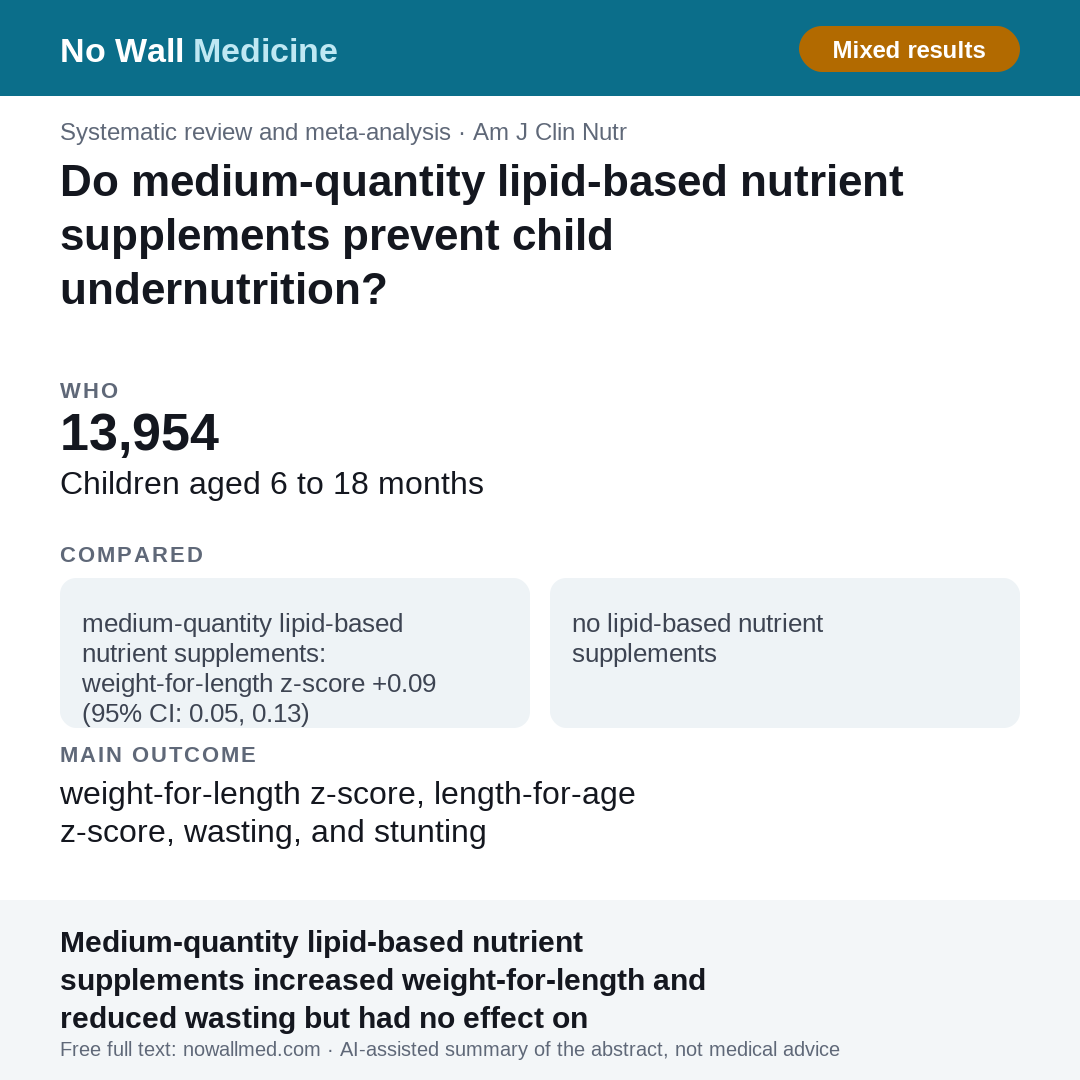
Lipid-based nutrient supplements for prevention of child undernutrition: when less may be more
Systematic review and meta-analysisMixed results
Do medium-quantity lipid-based nutrient supplements prevent child undernutrition?
Who
13,954
Children aged 6 to 18 months
Compared
medium-quantity lipid-based nutrient supplements: weight-for-length z-score +0.09 (95% CI: 0.05, 0.13)
no lipid-based nutrient supplements
Main outcome
weight-for-length z-score, length-for-age z-score, wasting, and stunting
Result: weight-for-length z-score +0.09 (95% CI: 0.05, 0.13)
Bottom line: Medium-quantity lipid-based nutrient supplements increased weight-for-length and reduced wasting but had no effect on length-for-age or stunting.
Limitation: Possible incomplete consumption of the medium-quantity lipid-based nutrient supplement ration.
Am J Clin Nutr · 2023-09-23Download image
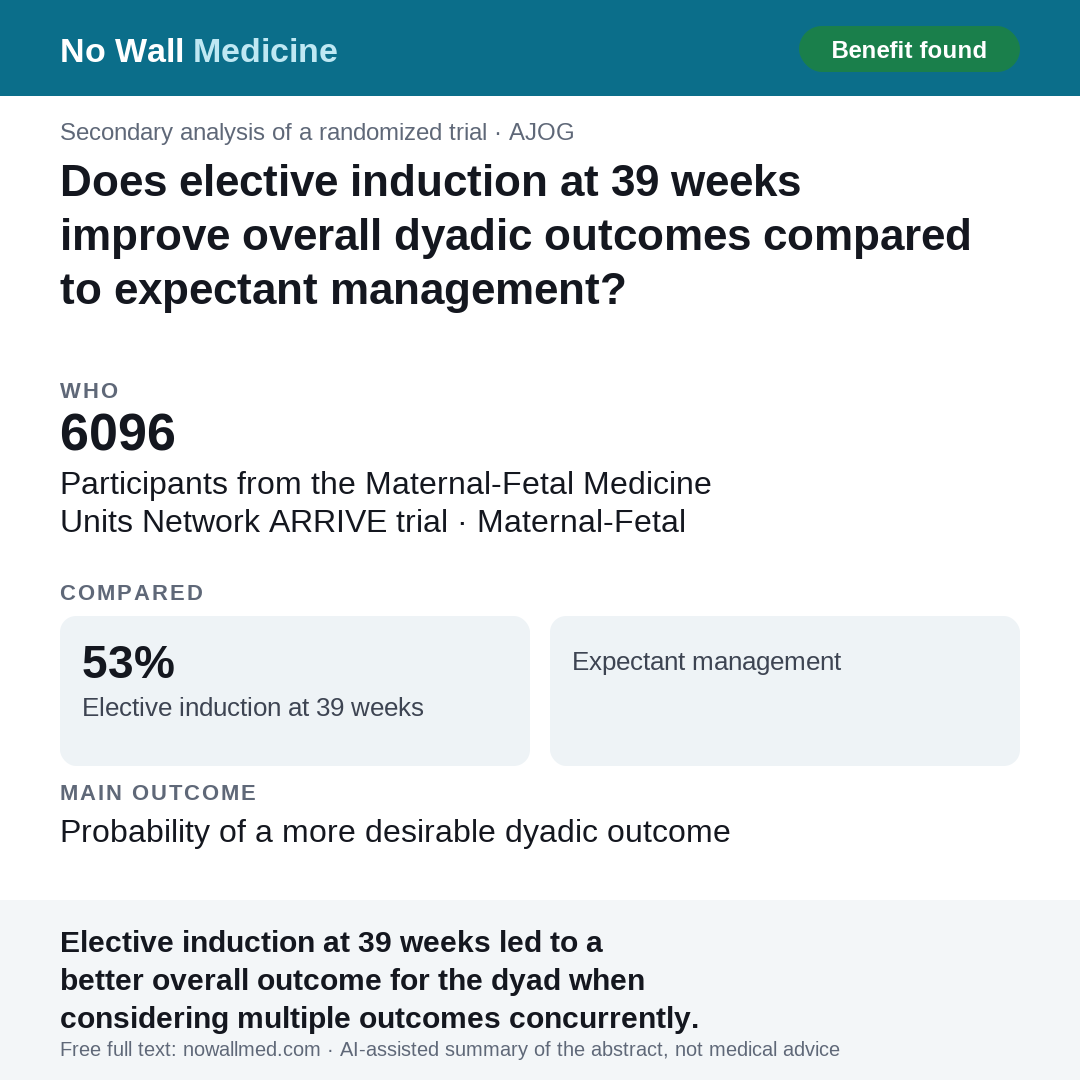
Desirability of outcome ranking for obstetrical trials: illustration and application to the ARRIVE trial
Secondary analysis of a randomized trialBenefit found
Does elective induction at 39 weeks improve overall dyadic outcomes compared to expectant management?
Who
6096
Participants from the Maternal-Fetal Medicine Units Network ARRIVE trial · Maternal-Fetal Medicine Units Network
Compared
53%Elective induction at 39 weeks (95% confidence interval, 51-54)
Expectant management
Main outcome
Probability of a more desirable dyadic outcome
Result: 53% (95% confidence interval, 51-54)
Bottom line: Elective induction at 39 weeks led to a better overall outcome for the dyad when considering multiple outcomes concurrently.
AJOG · 2023-09-22Download image
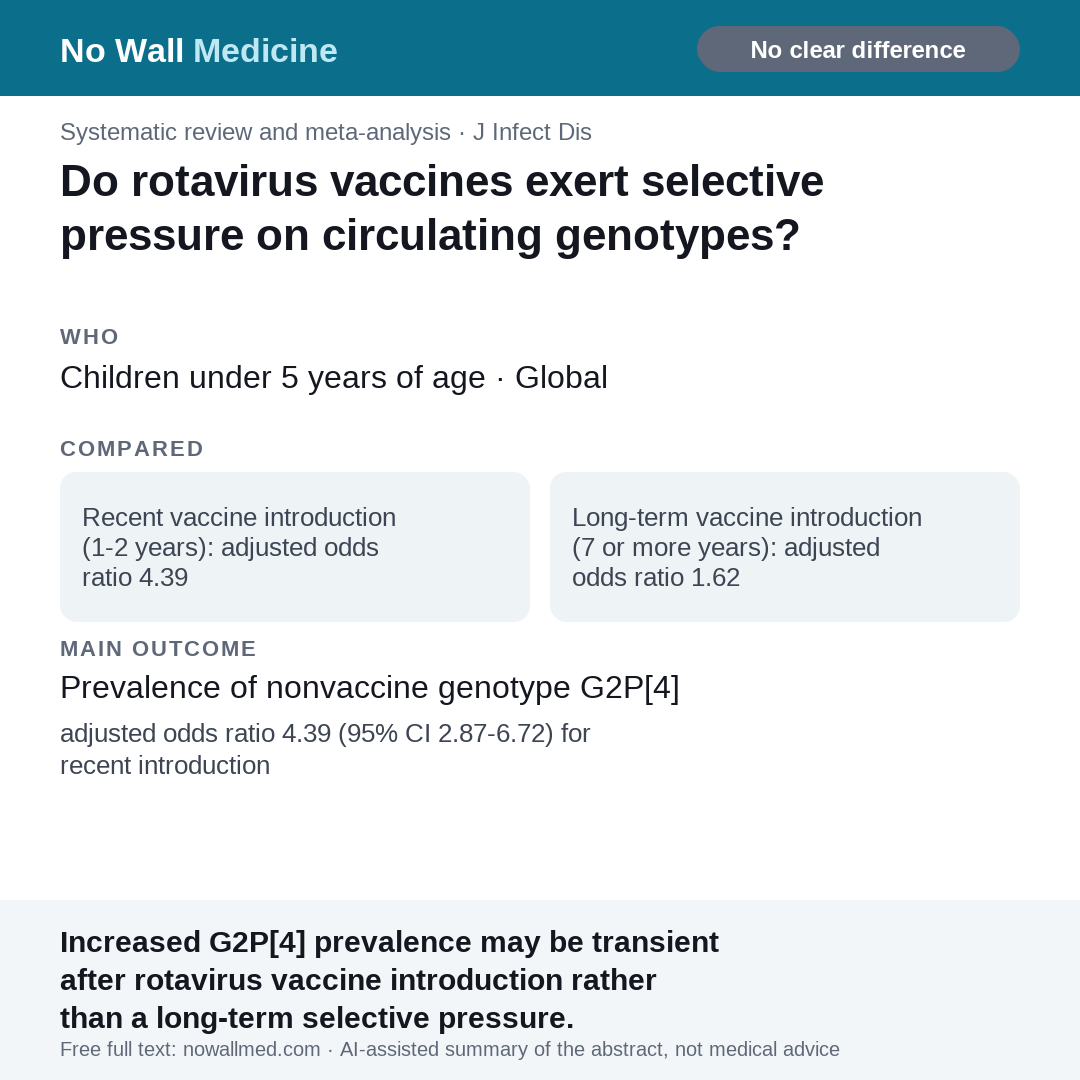
Rotavirus Genotypes in the Postvaccine Era: A Systematic Review and Meta-analysis of Global, Regional, and Temporal Trends by Rotavirus Vaccine Introduction
Systematic review and meta-analysisNo clear difference
Do rotavirus vaccines exert selective pressure on circulating genotypes?
Who
Children under 5 years of age · Global
Compared
Recent vaccine introduction (1-2 years): adjusted odds ratio 4.39
Long-term vaccine introduction (7 or more years): adjusted odds ratio 1.62
Main outcome
Prevalence of nonvaccine genotype G2P[4]
Result: adjusted odds ratio 4.39 (95% CI 2.87-6.72) for recent introduction
Bottom line: Increased G2P[4] prevalence may be transient after rotavirus vaccine introduction rather than a long-term selective pressure.
J Infect Dis · 2023-09-22Download image
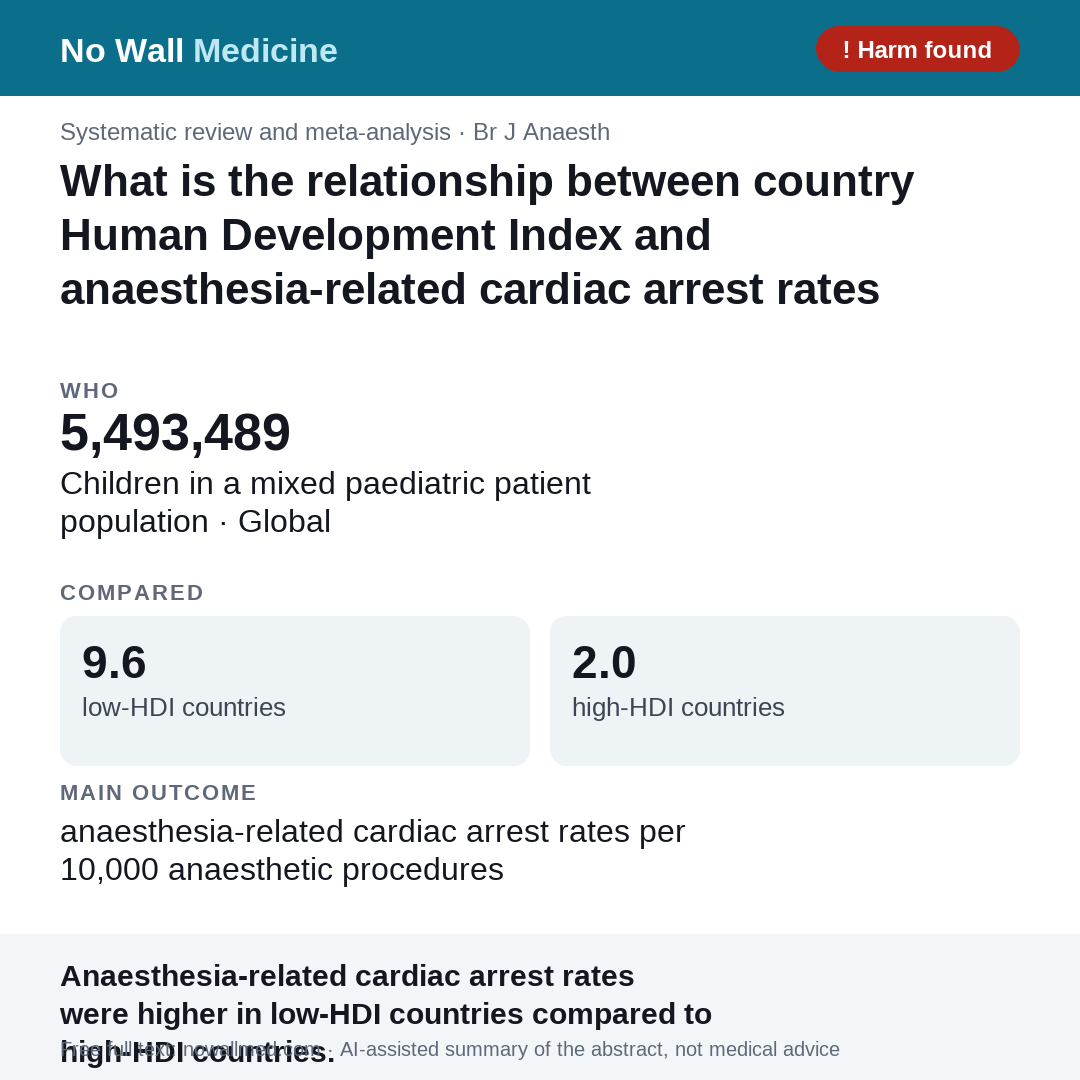
Global anaesthesia-related cardiac arrest rates in children: a systematic review and meta-analysis
Systematic review and meta-analysisHarm found
What is the relationship between country Human Development Index and anaesthesia-related cardiac arrest rates in children?
Who
5,493,489
Children in a mixed paediatric patient population · Global
Compared
9.6low-HDI countries
2.0high-HDI countries
Main outcome
anaesthesia-related cardiac arrest rates per 10,000 anaesthetic procedures
Result: 9.6 vs 2.0; P<0.0001
Bottom line: Anaesthesia-related cardiac arrest rates were higher in low-HDI countries compared to high-HDI countries.
Br J Anaesth · 2023-09-22Download image
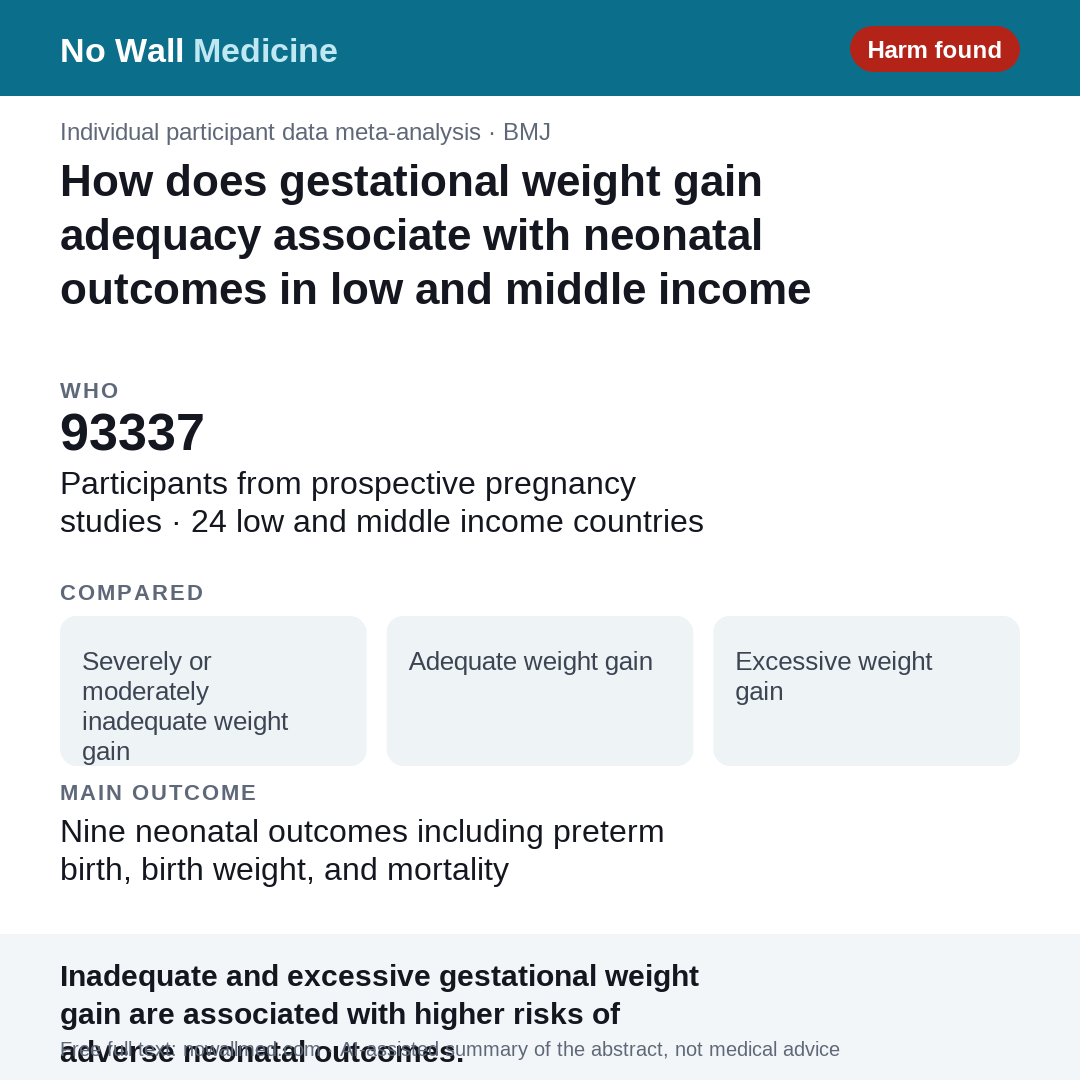
Suboptimal gestational weight gain and neonatal outcomes in low and middle income countries: individual participant data meta-analysis
Individual participant data meta-analysisHarm found
How does gestational weight gain adequacy associate with neonatal outcomes in low and middle income countries?
Who
93337
Participants from prospective pregnancy studies · 24 low and middle income countries
Compared
Severely or moderately inadequate weight gain
Adequate weight gain
Excessive weight gain
Main outcome
Nine neonatal outcomes including preterm birth, birth weight, and mortality
Bottom line: Inadequate and excessive gestational weight gain are associated with higher risks of adverse neonatal outcomes.
Limitation: Further research is needed to assess optimal weight gain ranges for low and middle income countries.
BMJ · 2023-09-21Download image
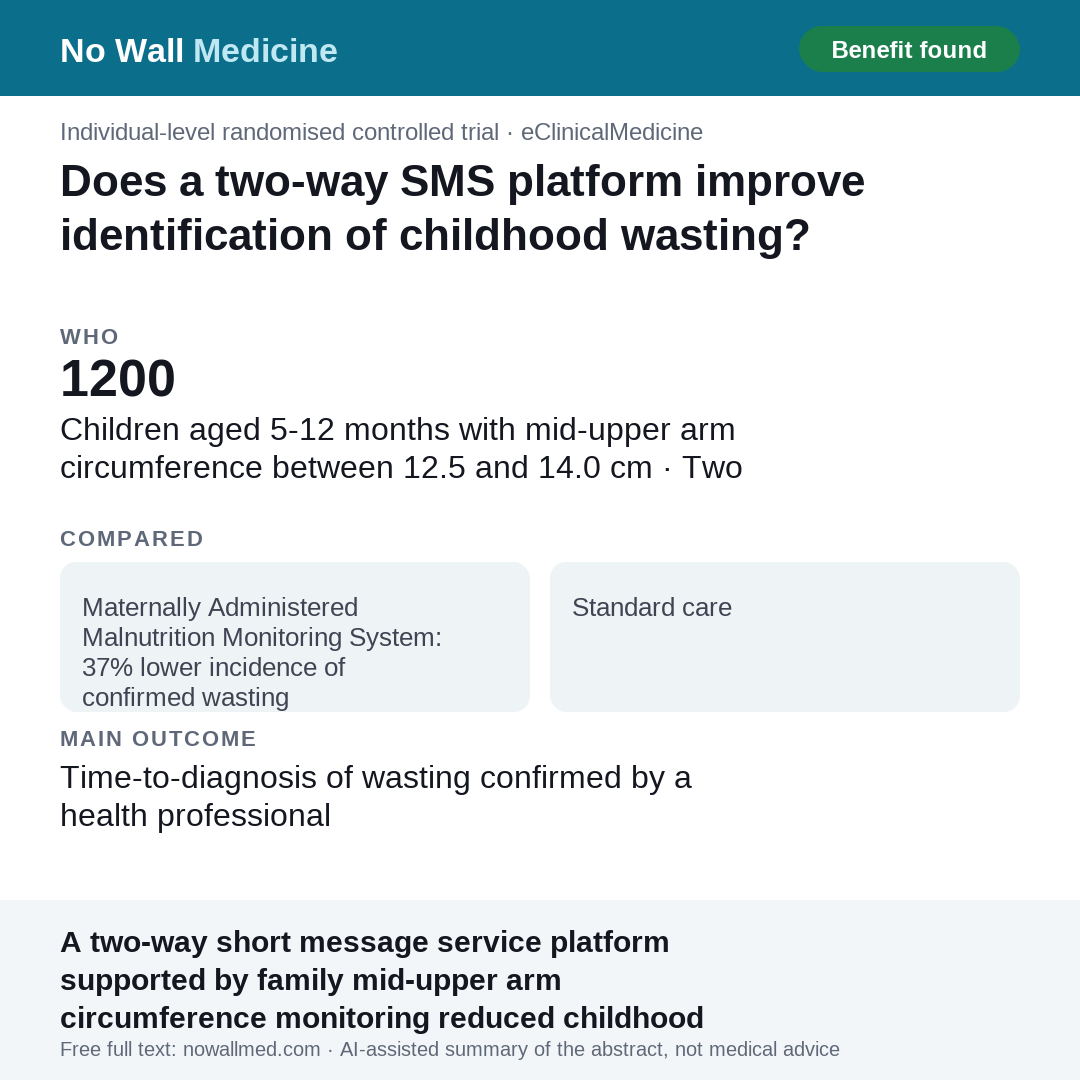
Family MUAC supported by a two-way SMS platform for identifying children with wasting: the Mama Aweza randomised controlled trial
Individual-level randomised controlled trialBenefit found
Does a two-way SMS platform improve identification of childhood wasting?
Who
1200
Children aged 5-12 months with mid-upper arm circumference between 12.5 and 14.0 cm · Two rural counties in western Kenya
Compared
Maternally Administered Malnutrition Monitoring System: 37% lower incidence of confirmed wasting
Standard care
Main outcome
Time-to-diagnosis of wasting confirmed by a health professional
Result: hazard ratio 0.63 (95% CI 0.42-0.94)
Bottom line: A two-way short message service platform supported by family mid-upper arm circumference monitoring reduced childhood wasting incidence by 37%.
Funded by: Thrasher Research Foundation and Pamela and Evan Fowler
eClinicalMedicine · 2023-09-21Download image
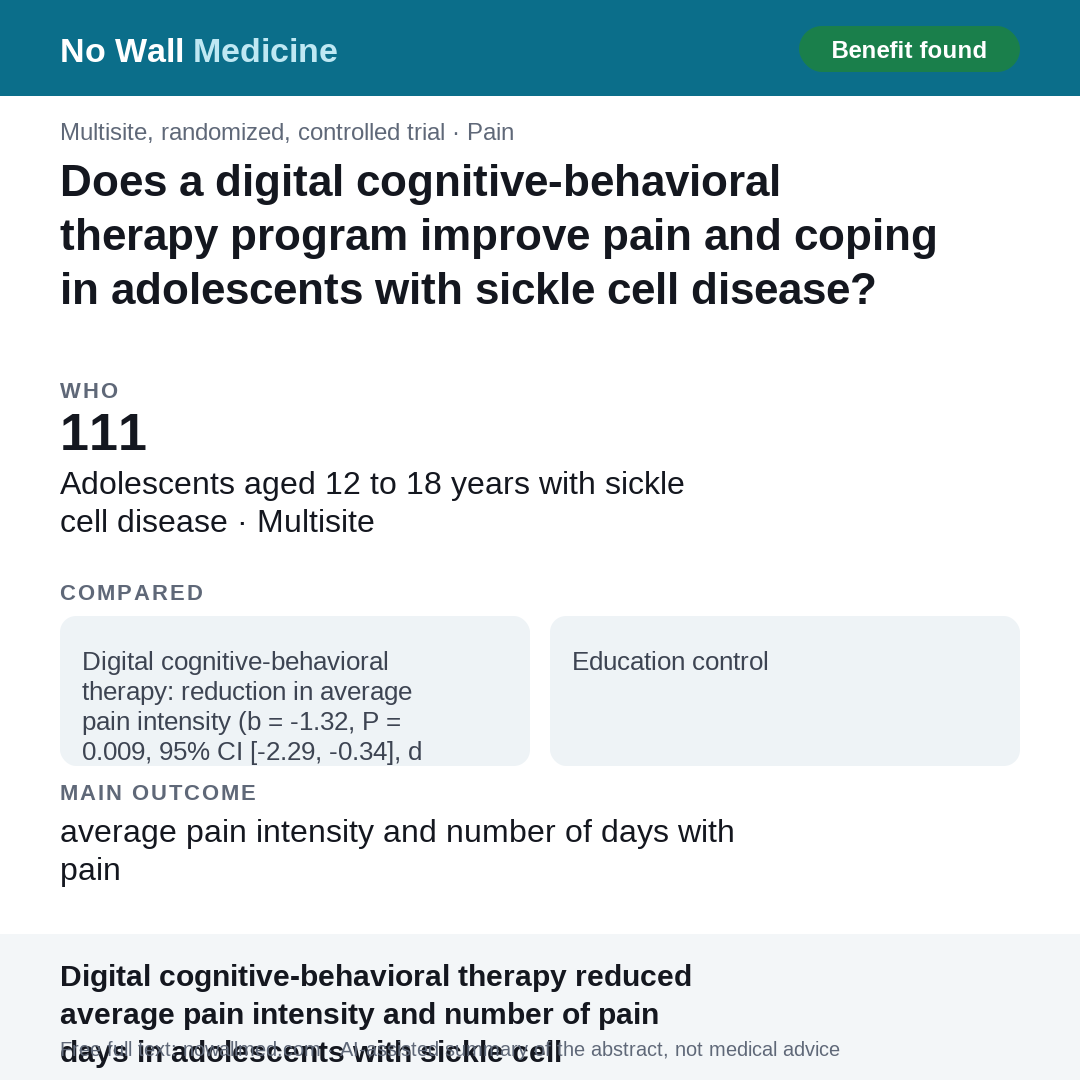
A cognitive-behavioral digital health intervention for sickle cell disease pain in adolescents: a randomized, controlled, multicenter trial
Multisite, randomized, controlled trialBenefit found
Does a digital cognitive-behavioral therapy program improve pain and coping in adolescents with sickle cell disease?
Who
111
Adolescents aged 12 to 18 years with sickle cell disease · Multisite
Compared
Digital cognitive-behavioral therapy: reduction in average pain intensity (b = -1.32, P = 0.009, 95% CI [-2.29, -0.34], d = 0.50)
Education control
Main outcome
average pain intensity and number of days with pain
Result: incident rate ratio = 0.63, P = 0.006, 95% CI [0.30, 0.95], d = 0.53
Bottom line: Digital cognitive-behavioral therapy reduced average pain intensity and number of pain days in adolescents with sickle cell disease.
Pain · 2023-09-21Download image
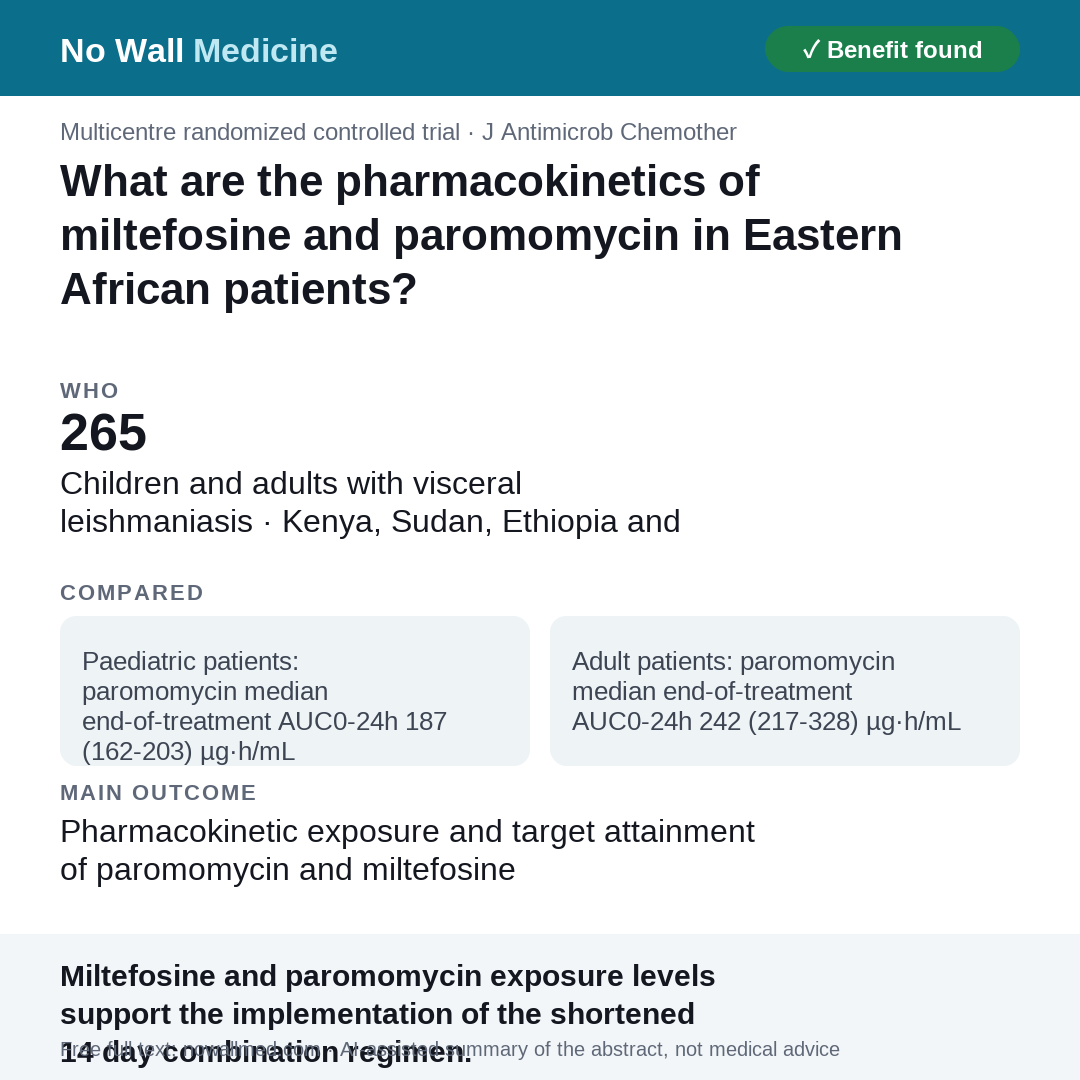
Population pharmacokinetics of a combination of miltefosine and paromomycin in Eastern African children and adults with visceral leishmaniasis
Multicentre randomized controlled trialBenefit found
What are the pharmacokinetics of miltefosine and paromomycin in Eastern African patients?
Who
265
Children and adults with visceral leishmaniasis · Kenya, Sudan, Ethiopia and Uganda
Compared
Paediatric patients: paromomycin median end-of-treatment AUC0-24h 187 (162-203) µg·h/mL
Adult patients: paromomycin median end-of-treatment AUC0-24h 242 (217-328) µg·h/mL
Main outcome
Pharmacokinetic exposure and target attainment of paromomycin and miltefosine
Bottom line: Miltefosine and paromomycin exposure levels support the implementation of the shortened 14 day combination regimen.
J Antimicrob Chemother · 2023-09-20Download image
Efficacy and safety of ciclosporin versus methotrexate in the treatment of severe atopic dermatitis in children and young people (TREAT): a multicentre parallel group assessor-blinded clinical trial
Parallel group assessor-blinded randomized controlled trialMixed results
Is ciclosporin or methotrexate more effective and safe for severe atopic dermatitis in children?
Who
103
Children and young people aged 2-16 years with severe atopic dermatitis · 13 UK and Irish centres
Compared
Ciclosporin: mean difference in o-SCORAD -5.69
Methotrexate
Main outcome
change in Objective Severity Scoring of Atopic Dermatitis at 12 weeks
Result: mean difference in o-SCORAD -5.69, 97.5% confidence interval -10.81 to -0.57
Bottom line: Ciclosporin provided more rapid improvement, but methotrexate offered more sustained disease control after treatment cessation.
Br J Dermatol · 2023-09-19Download image

Incremental yield of whole-genome sequencing over chromosomal microarray analysis and exome sequencing for congenital anomalies in prenatal period and infancy: systematic review and meta-analysis
Systematic review and meta-analysisMixed results
What is the incremental yield of whole-genome sequencing over chromosomal microarray and exome sequencing?
Who
902
Fetuses, neonates and infants with congenital anomalies
Compared
26%Whole-genome sequencing over chromosomal microarray
1%Whole-genome sequencing over chromosomal microarray and exome sequencing
Main outcome
Incremental yield of whole-genome sequencing
Result: 1% (95% CI 0-4%)
Bottom line: Whole-genome sequencing provides significant incremental yield over chromosomal microarray but shows little additional benefit over exome sequencing.
Ultrasound Obstet Gynecol · 2023-09-19Download image

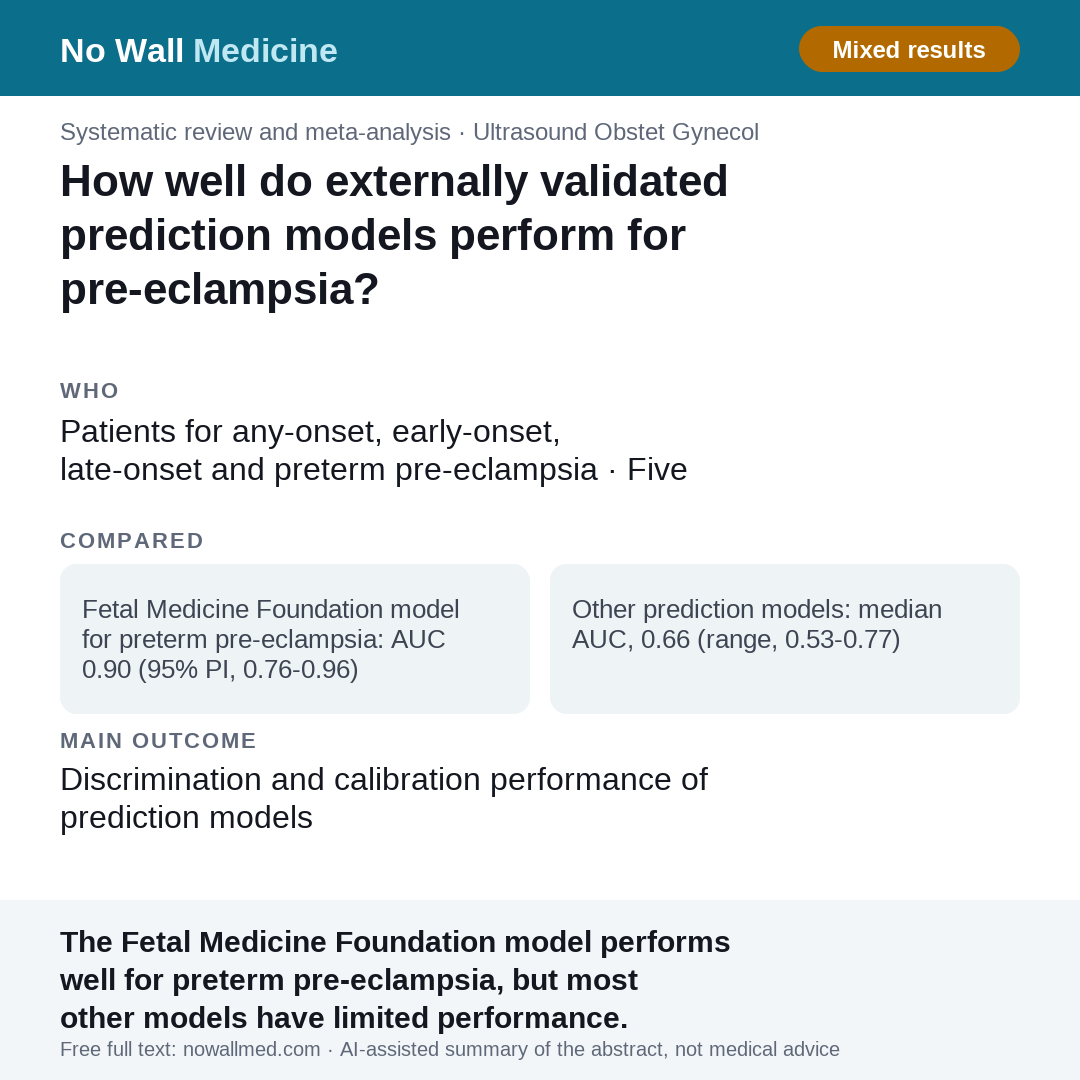
Externally validated prediction models for pre-eclampsia: systematic review and meta-analysis
Systematic review and meta-analysisMixed results
How well do externally validated prediction models perform for pre-eclampsia?
Who
Patients for any-onset, early-onset, late-onset and preterm pre-eclampsia · Five databases including MEDLINE and EMBASE
Compared
Fetal Medicine Foundation model for preterm pre-eclampsia: AUC 0.90 (95% PI, 0.76-0.96)
Other prediction models: median AUC, 0.66 (range, 0.53-0.77)
Main outcome
Discrimination and calibration performance of prediction models
Result: pooled area under the receiver-operating-characteristics curve (AUC) of 0.90 (95% prediction interval (PI), 0.76-0.96)
Bottom line: The Fetal Medicine Foundation model performs well for preterm pre-eclampsia, but most other models have limited performance.
Limitation: Inclusion of specialized biomarkers may limit feasibility and implementation outside of high-resource settings.
Ultrasound Obstet Gynecol · 2023-09-19Download image
The Use of Mobile Assessments for Monitoring Mental Health in Youth: Umbrella Review
Umbrella reviewBenefit found
What are the characteristics and results of mobile mental health assessments in youth?
Who
Children, adolescents, and young adults
Compared
21Systematic reviews (70%)
9Narrative reviews (30%)
Main outcome
Characteristics, mental health conditions, and mobile approaches investigated
Bottom line: Ecological momentary assessments and trace data are promising tools for monitoring and intervening in youth mental health.
Limitation: Absence of theoretical frameworks and difficulty assessing reliability and effectiveness of such approaches.
J Med Internet Res · 2023-09-19Download image

Effect of Extracurricular After-School Physical Activities on Academic Performance of Schoolchildren: A Cluster Randomized Clinical Trial
Cluster randomized clinical trialBenefit found
Does additional extracurricular physical activity after school compromise academic performance in schoolchildren?
Who
2032
Children in grades 3 and 4 · 24 elementary schools in Yudu, Jiangxi, China
Compared
Intervention group: 78.01 (17.56) points
Control group: 77.70 (17.29) points
Main outcome
Mathematics test scores at the end of 1 academic year
Result: adjusted between-group mean difference 0.65 points (95% CI, -2.85 to 4.15)
Bottom line: Adding two hours of outdoor after-school physical activity was noninferior for academic performance and improved physical fitness.
JAMA Pediatr · 2023-09-18Download image

Burden of paediatric hospitalisations to the health care system, child and family: a systematic review of Australian studies (1990-2022)
Systematic reviewHarm found
What are the trends in costs and burden of paediatric hospitalisations in Australia?
Who
88
Children in Australian tertiary hospitals · Australia
Compared
In-patient direct hospital costs: AUD$2000 to AUD$20,000 or more
Family unit costs: upward of AUD$500 per day
Main outcome
Financial costs and burden of paediatric hospitalisations
Bottom line: Paediatric hospitalisations incur significant financial costs for health systems and families that have not decreased over time.
Funded by: Hospitals United for Sick Kids
Lancet Reg Health West Pac · 2023-09-18Download image

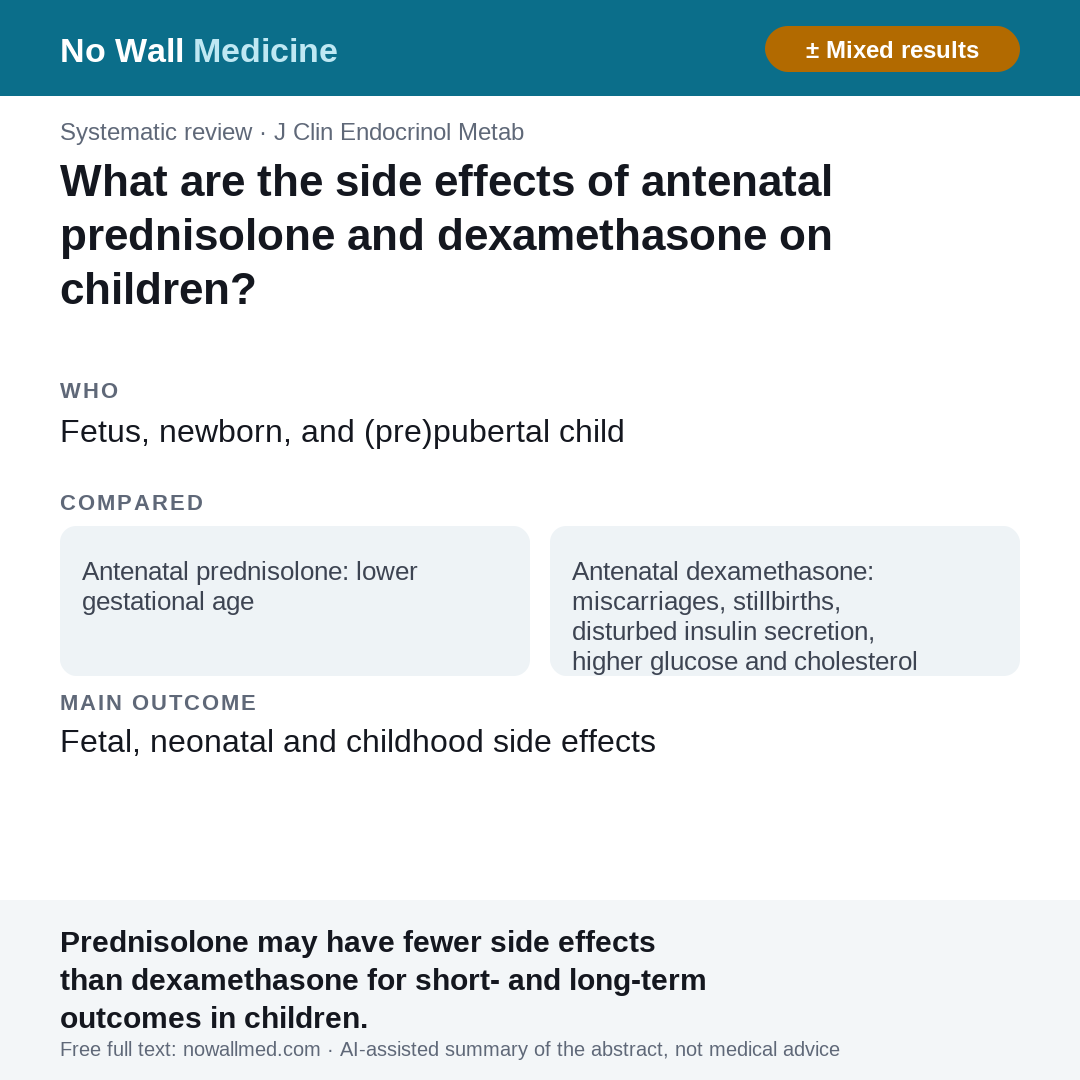
Safety of Antenatal Predniso(lo)ne and Dexamethasone on Fetal, Neonatal and Childhood Outcomes: A Systematic Review
Systematic reviewMixed results
What are the side effects of antenatal prednisolone and dexamethasone on children?
Who
Fetus, newborn, and (pre)pubertal child
Compared
Antenatal prednisolone: lower gestational age
Antenatal dexamethasone: miscarriages, stillbirths, disturbed insulin secretion, higher glucose and cholesterol levels
Main outcome
Fetal, neonatal and childhood side effects
Bottom line: Prednisolone may have fewer side effects than dexamethasone for short- and long-term outcomes in children.
Limitation: Limited evidence found in current literature.
J Clin Endocrinol Metab · 2023-09-16Download image
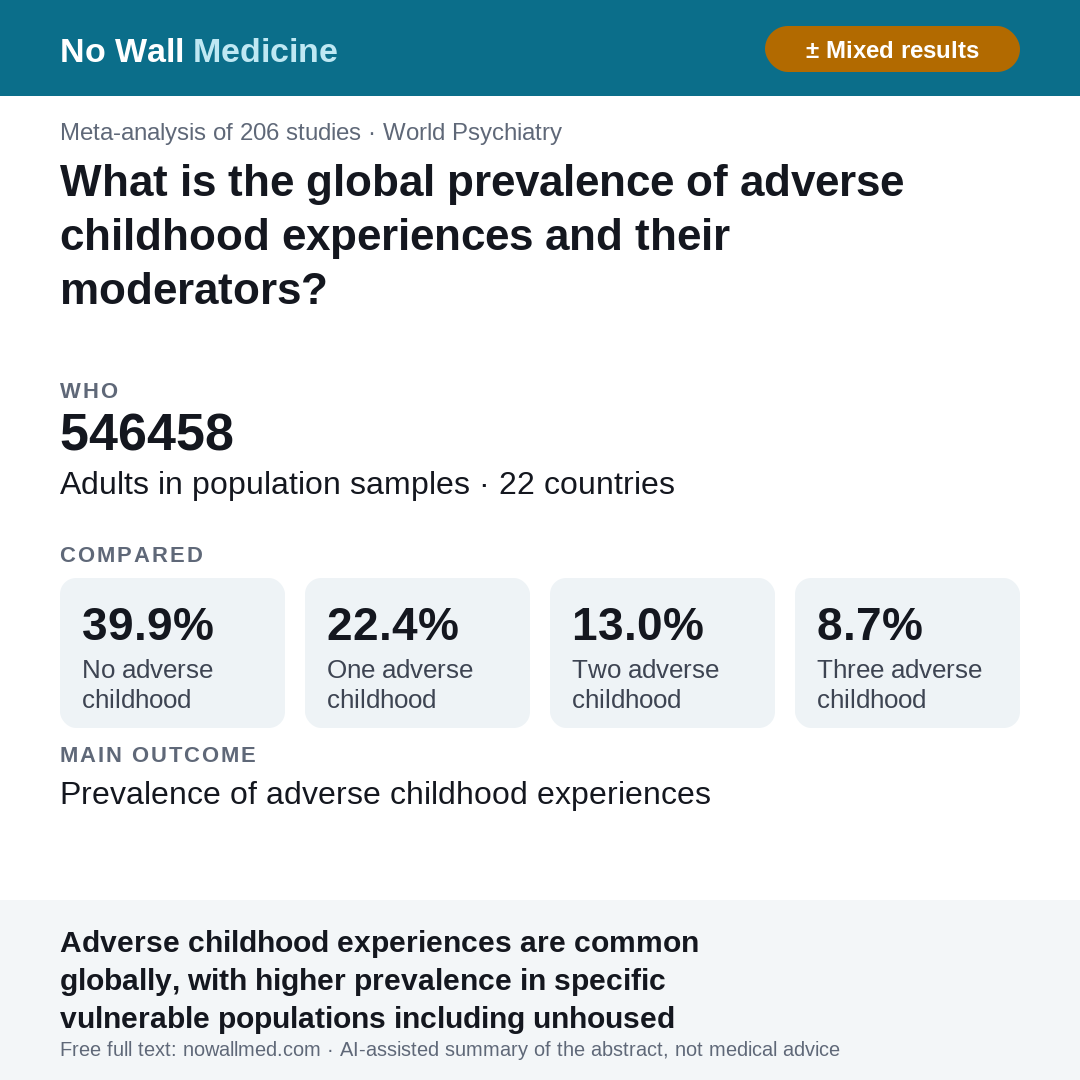
Adverse childhood experiences: a meta-analysis of prevalence and moderators among half a million adults in 206 studies
Meta-analysis of 206 studiesMixed results
What is the global prevalence of adverse childhood experiences and their moderators?
Who
546458
Adults in population samples · 22 countries
Compared
39.9%No adverse childhood experiences (95% CI: 29.8-49.2)
22.4%One adverse childhood experience (95% CI: 14.1-30.6)
13.0%Two adverse childhood experiences (95% CI: 6.5-19.8)
8.7%Three adverse childhood experiences (95% CI: 3.4-14.5)
Main outcome
Prevalence of adverse childhood experiences
Bottom line: Adverse childhood experiences are common globally, with higher prevalence in specific vulnerable populations including unhoused and minoritized groups.
World Psychiatry · 2023-09-15Download image
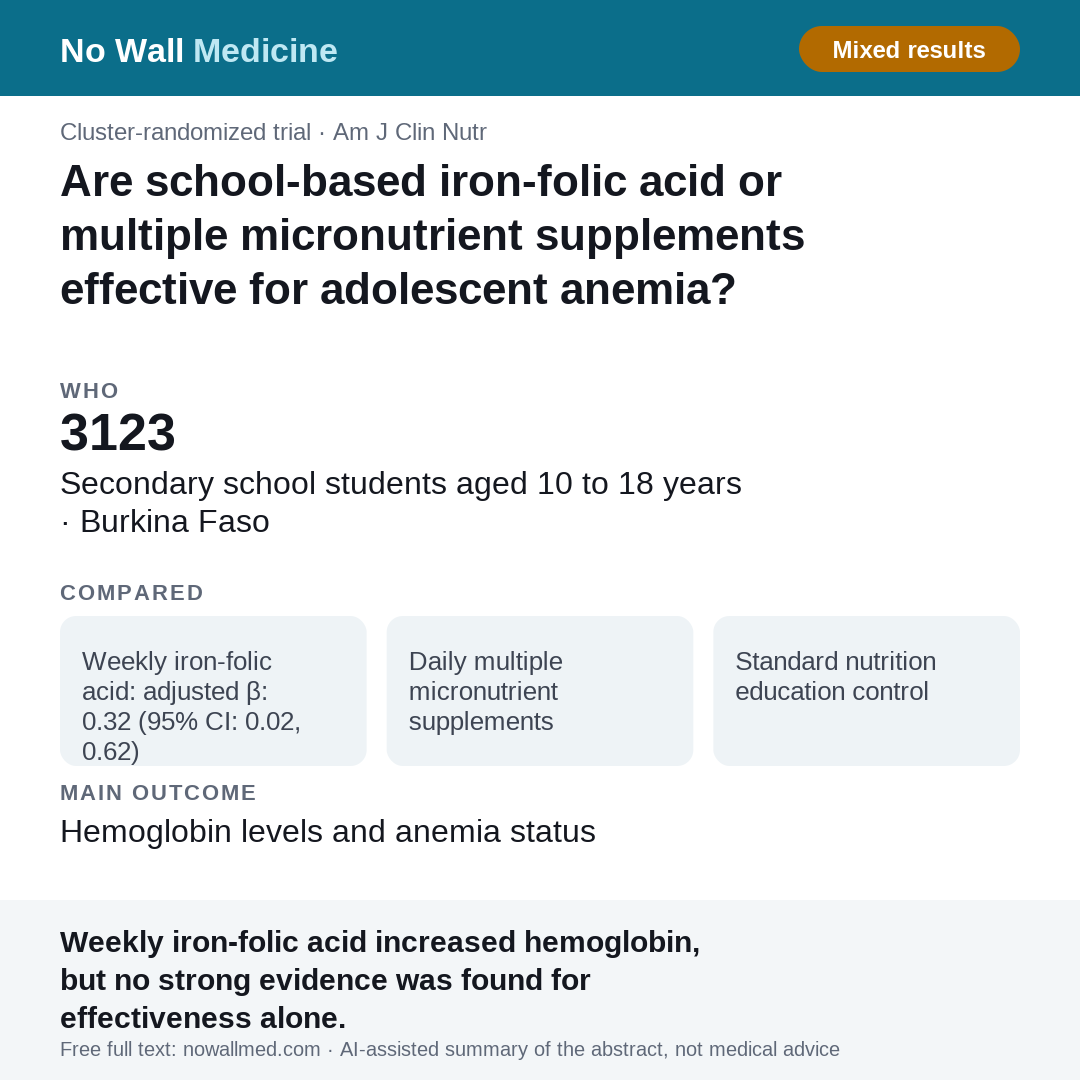
School-based supplementation with iron-folic acid or multiple micronutrient tablets to address anemia among adolescents in Burkina Faso: a cluster-randomized trial
Cluster-randomized trialMixed results
Are school-based iron-folic acid or multiple micronutrient supplements effective for adolescent anemia?
Who
3123
Secondary school students aged 10 to 18 years · Burkina Faso
Compared
Weekly iron-folic acid: adjusted β: 0.32 (95% CI: 0.02, 0.62)
Daily multiple micronutrient supplements
Standard nutrition education control
Main outcome
Hemoglobin levels and anemia status
Result: adjusted β: 0.32 (95% CI: 0.02, 0.62)
Bottom line: Weekly iron-folic acid increased hemoglobin, but no strong evidence was found for effectiveness alone.
Limitation: Additional research is required to determine the best strategy to address anemia.
Am J Clin Nutr · 2023-09-15Download image
Policy, Systems, and Environmental Changes in Child Nutrition Programs: A Systematic Literature Review
Systematic literature reviewMixed results
What is the effectiveness of policy, systems, and environmental strategies on food consumption and waste?
Who
United States K-12 school students · United States K-12 school settings
Compared
Policy level
Systems level
Environmental level
Multi-category
Main outcome
Consumption and waste of fruits, vegetables, milk, and water
Bottom line: Policy, systems, and environmental changes can increase consumption of fruits, vegetables, milk, and water.
Adv Nutr · 2023-09-15Download image

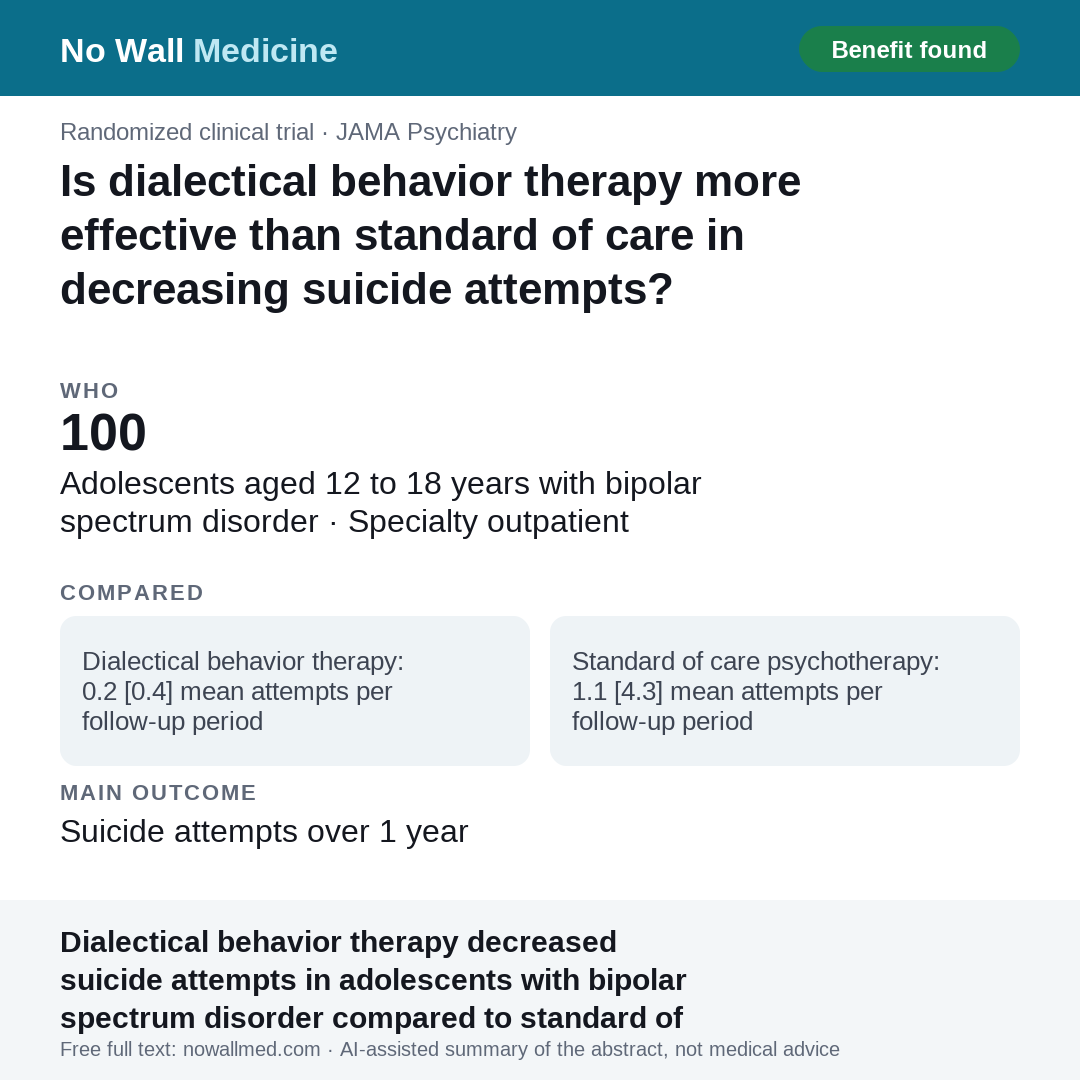
Dialectical Behavior Therapy for Adolescents With Bipolar Disorder: A Randomized Clinical Trial
Randomized clinical trialBenefit found
Is dialectical behavior therapy more effective than standard of care in decreasing suicide attempts?
Who
100
Adolescents aged 12 to 18 years with bipolar spectrum disorder · Specialty outpatient psychiatric clinic
Compared
Dialectical behavior therapy: 0.2 [0.4] mean attempts per follow-up period
Standard of care psychotherapy: 1.1 [4.3] mean attempts per follow-up period
Main outcome
Suicide attempts over 1 year
Result: incidence rate ratio 0.32 (95% CI, 0.11-0.96)
Bottom line: Dialectical behavior therapy decreased suicide attempts in adolescents with bipolar spectrum disorder compared to standard of care psychotherapy.
JAMA Psychiatry · 2023-09-13Download image
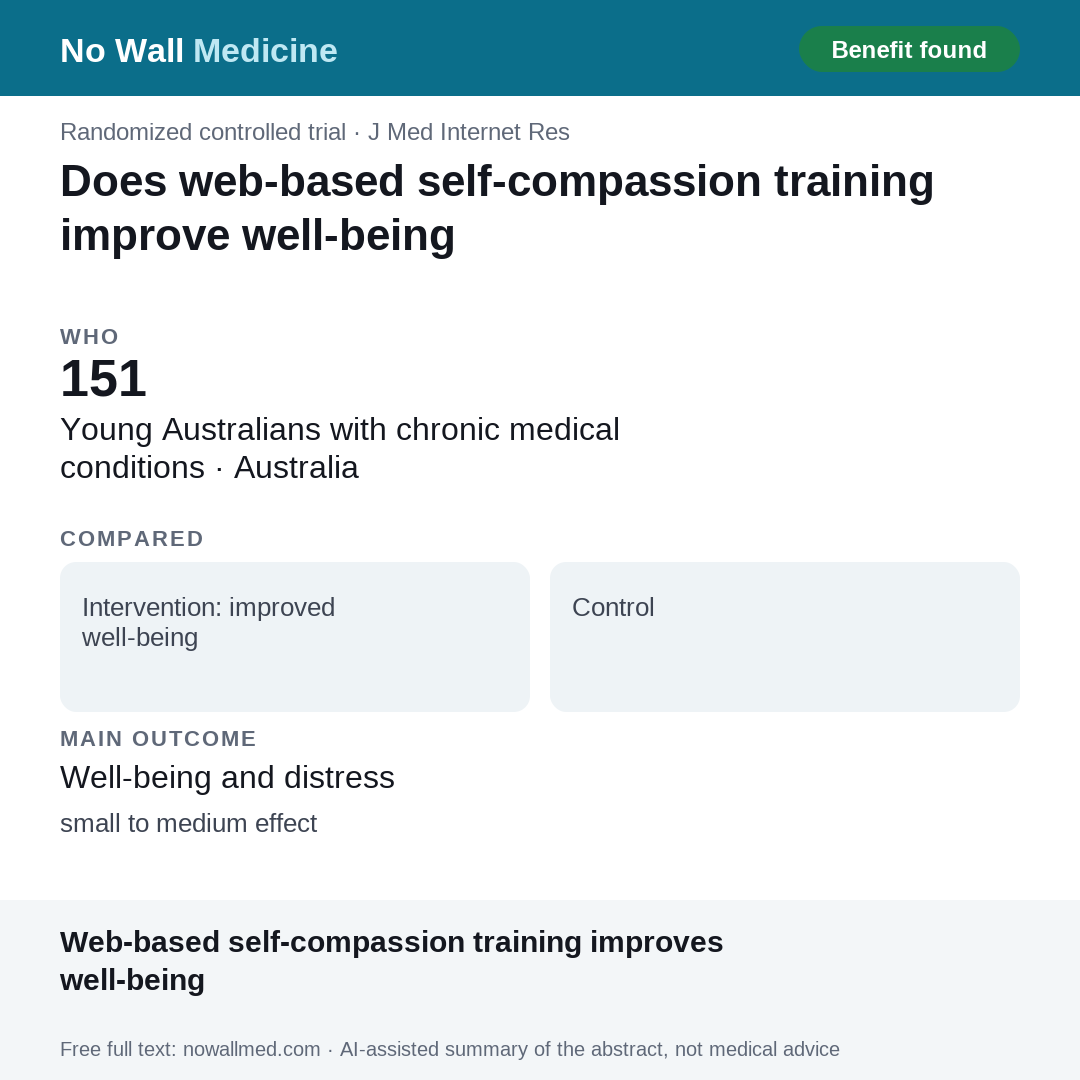
Web-Based Self-Compassion Training to Improve the Well-Being of Youth With Chronic Medical Conditions: Randomized Controlled Trial
Randomized controlled trialBenefit found
Does web-based self-compassion training improve well-being
Who
151
Young Australians with chronic medical conditions · Australia
Compared
Intervention: improved well-being
Control
Main outcome
Well-being and distress
Result: small to medium effect
Bottom line: Web-based self-compassion training improves well-being
Limitation: suboptimal program engagement and retention
J Med Internet Res · 2023-09-13Download image