Visual abstracts
New randomized trials and meta-analyses from leading journals at a glance: who was studied, what was compared, and what was found. Every paper is free to read in full.
All specialtiesCardiology 281Oncology 225Gastroenterology & Hepatology 126Infectious Disease 226Neurology 131Psychiatry & Mental Health 196Pulmonology 130Critical Care 85Endocrinology & Diabetes 172Pediatrics 131Surgery 86Orthopedics & Sports Medicine 56Neurosurgery 17Cardiothoracic & Vascular Surgery 30Plastic & Reconstructive Surgery 61Nephrology 58Rheumatology 55Hematology 70Dermatology 27Ophthalmology 49Obstetrics & Gynecology 83Public & Global Health 89Radiology & Imaging 24Anesthesiology 47Urology 65ENT (Otolaryngology) 37Emergency Medicine 29Allergy & Immunology 30Geriatrics 87Family Medicine & Primary Care 46Medical Genetics & Genomics 28Pathology & Laboratory Medicine 5Physical Medicine & Rehabilitation 72Palliative Care 42Nutrition 103Digital Health & AI 246General Medicine 39
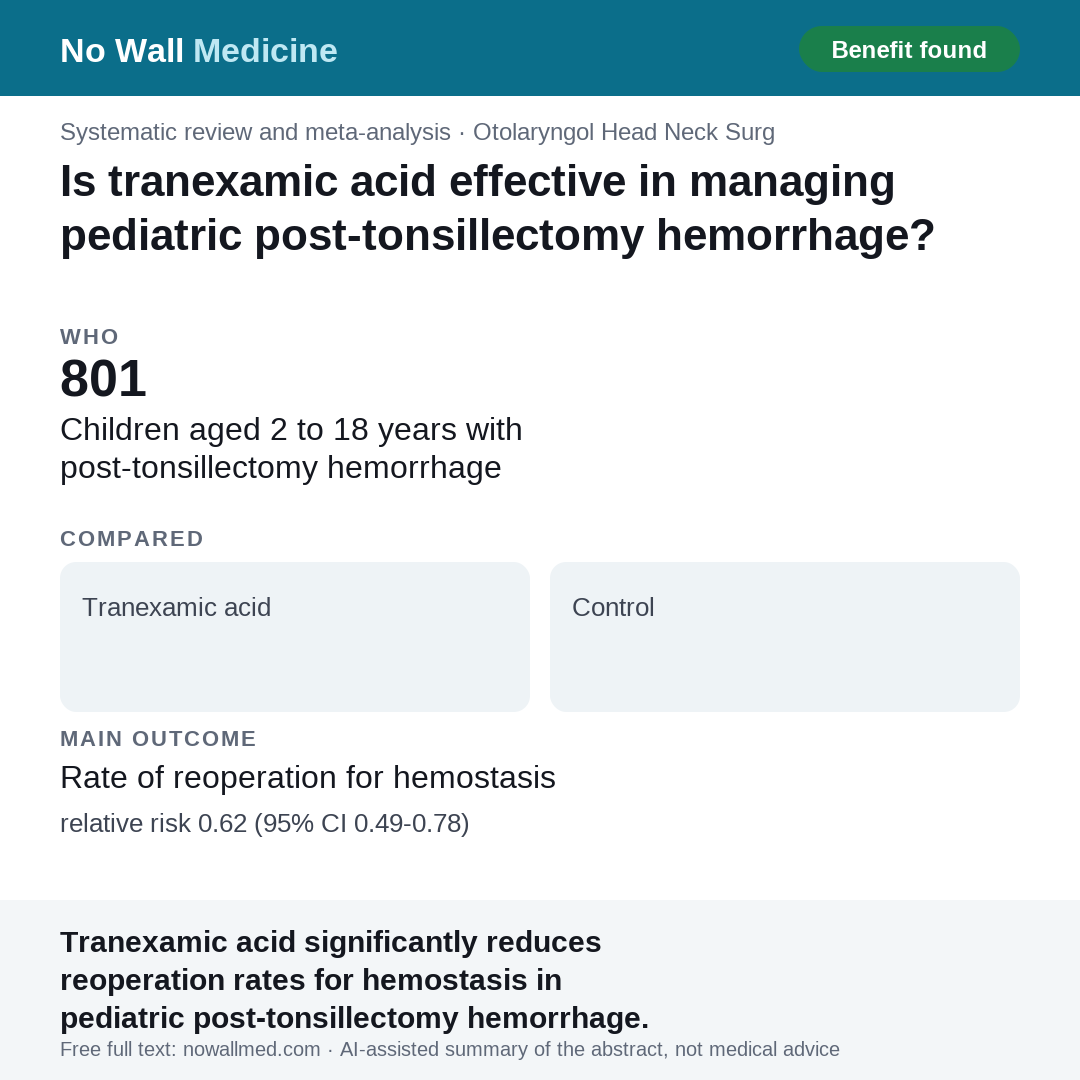
The Effectiveness of Tranexamic Acid in Pediatric Posttonsillectomy Hemorrhage (A Systematic Review and Meta-Analysis)
Systematic review and meta-analysisBenefit found
Is tranexamic acid effective in managing pediatric post-tonsillectomy hemorrhage?
Who
801
Children aged 2 to 18 years with post-tonsillectomy hemorrhage
Compared
Tranexamic acid
Control
Main outcome
Rate of reoperation for hemostasis
Result: relative risk 0.62 (95% CI 0.49-0.78)
Bottom line: Tranexamic acid significantly reduces reoperation rates for hemostasis in pediatric post-tonsillectomy hemorrhage.
Limitation: Retrospective study designs, small sample sizes, and risk of bias.
Otolaryngol Head Neck Surg · 2026-05-04Download image
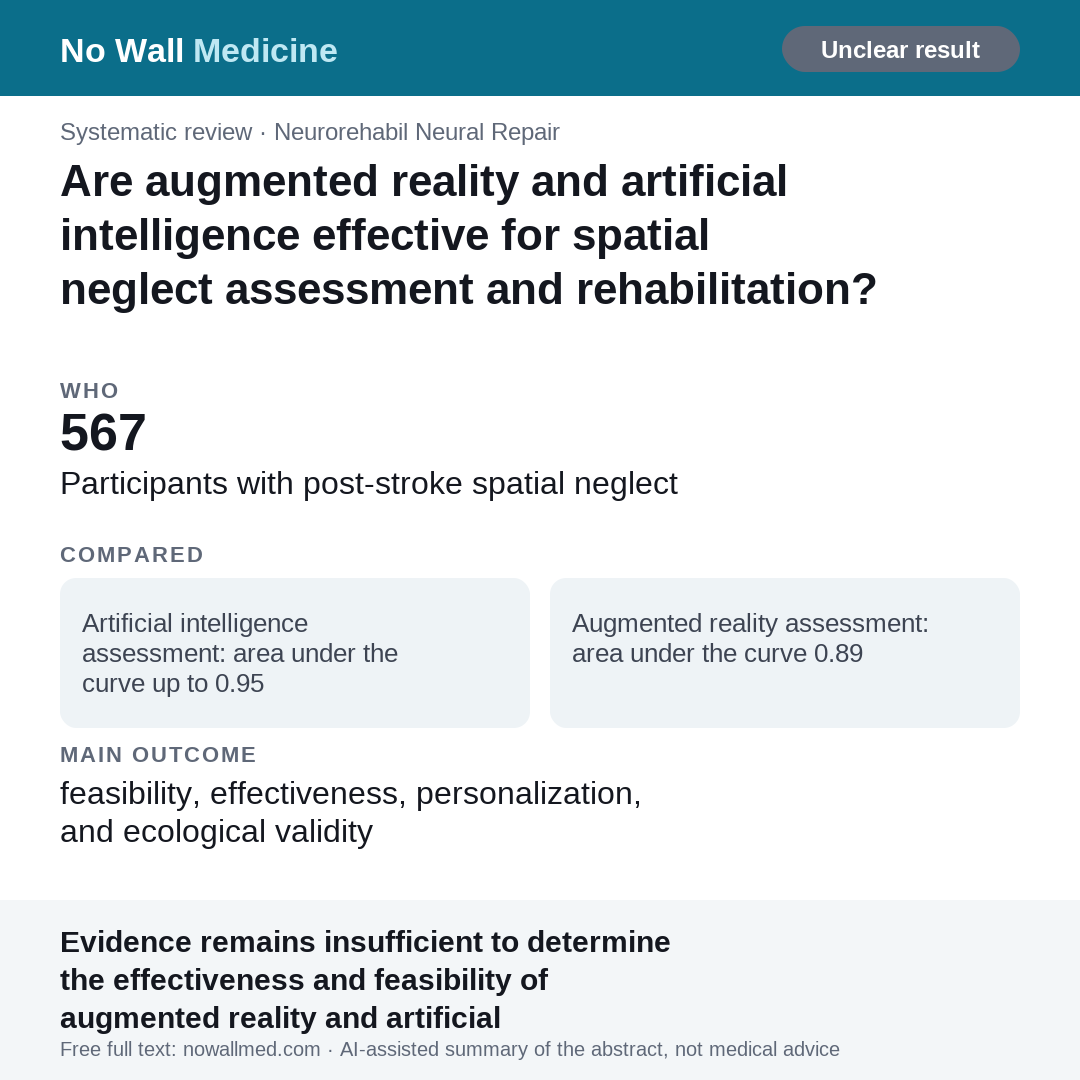
Augmented Reality and Artificial Intelligence for the Assessment and Rehabilitation of Spatial Neglect: A Systematic Review
Systematic reviewUnclear result
Are augmented reality and artificial intelligence effective for spatial neglect assessment and rehabilitation?
Who
567
Participants with post-stroke spatial neglect
Compared
Artificial intelligence assessment: area under the curve up to 0.95
Augmented reality assessment: area under the curve 0.89
Main outcome
feasibility, effectiveness, personalization, and ecological validity
Bottom line: Evidence remains insufficient to determine the effectiveness and feasibility of augmented reality and artificial intelligence for spatial neglect.
Limitation: Small sample sizes, methodological heterogeneity, and limited number of randomized controlled trials.
Neurorehabil Neural Repair · 2026-05-04Download image
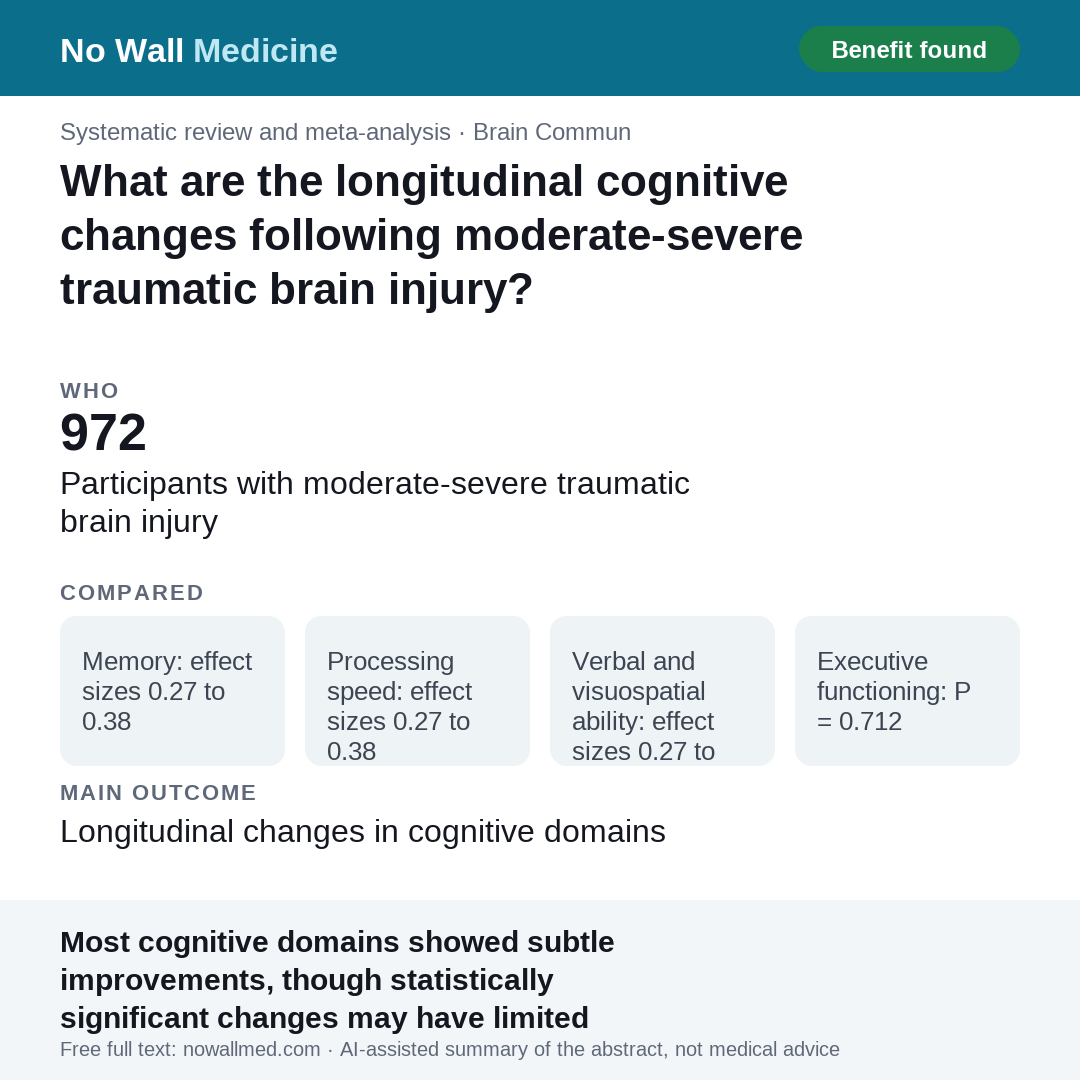
Longitudinal changes in cognitive ability following traumatic brain injury: a systematic review and meta-analysis
Systematic review and meta-analysisBenefit found
What are the longitudinal cognitive changes following moderate-severe traumatic brain injury?
Who
972
Participants with moderate-severe traumatic brain injury
Compared
Memory: effect sizes 0.27 to 0.38
Processing speed: effect sizes 0.27 to 0.38
Verbal and visuospatial ability: effect sizes 0.27 to 0.38
Executive functioning: P = 0.712
Main outcome
Longitudinal changes in cognitive domains
Bottom line: Most cognitive domains showed subtle improvements, though statistically significant changes may have limited clinical significance.
Limitation: Statistically significant improvements have limited clinical significance.
Brain Commun · 2026-05-04Download image
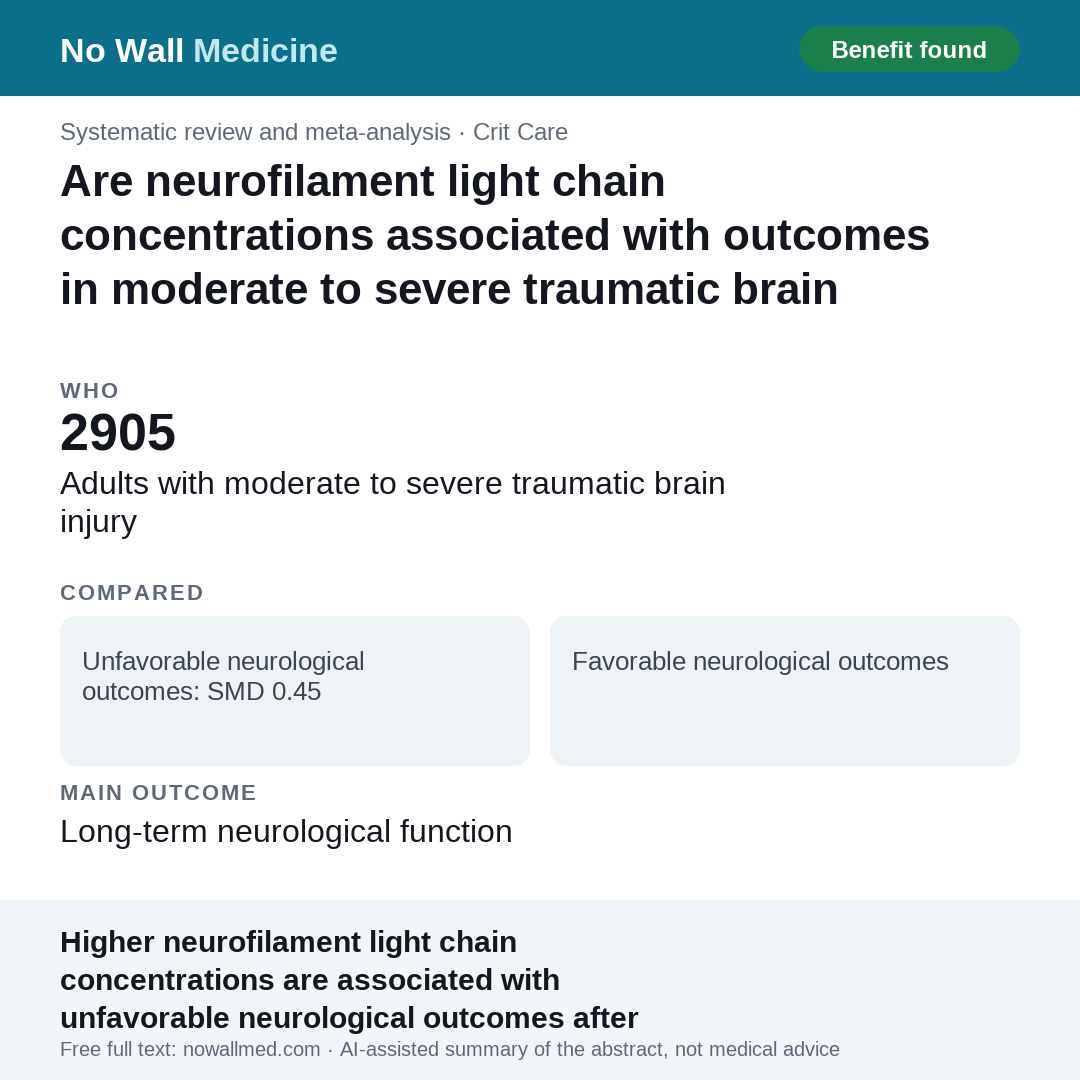
Association between neurofilament light chain concentrations and outcomes in patients with moderate to severe traumatic brain injury: a systematic review and meta-analysis
Systematic review and meta-analysisBenefit found
Are neurofilament light chain concentrations associated with outcomes in moderate to severe traumatic brain injury?
Who
2905
Adults with moderate to severe traumatic brain injury
Compared
Unfavorable neurological outcomes: SMD 0.45
Favorable neurological outcomes
Main outcome
Long-term neurological function
Result: SMD 0.45 (95% CI 0.33-0.56)
Bottom line: Higher neurofilament light chain concentrations are associated with unfavorable neurological outcomes after moderate-to-severe traumatic brain injury.
Limitation: Certainty of evidence was very low due to risk of bias, inconsistency, and imprecision.
Crit Care · 2026-05-04Download image
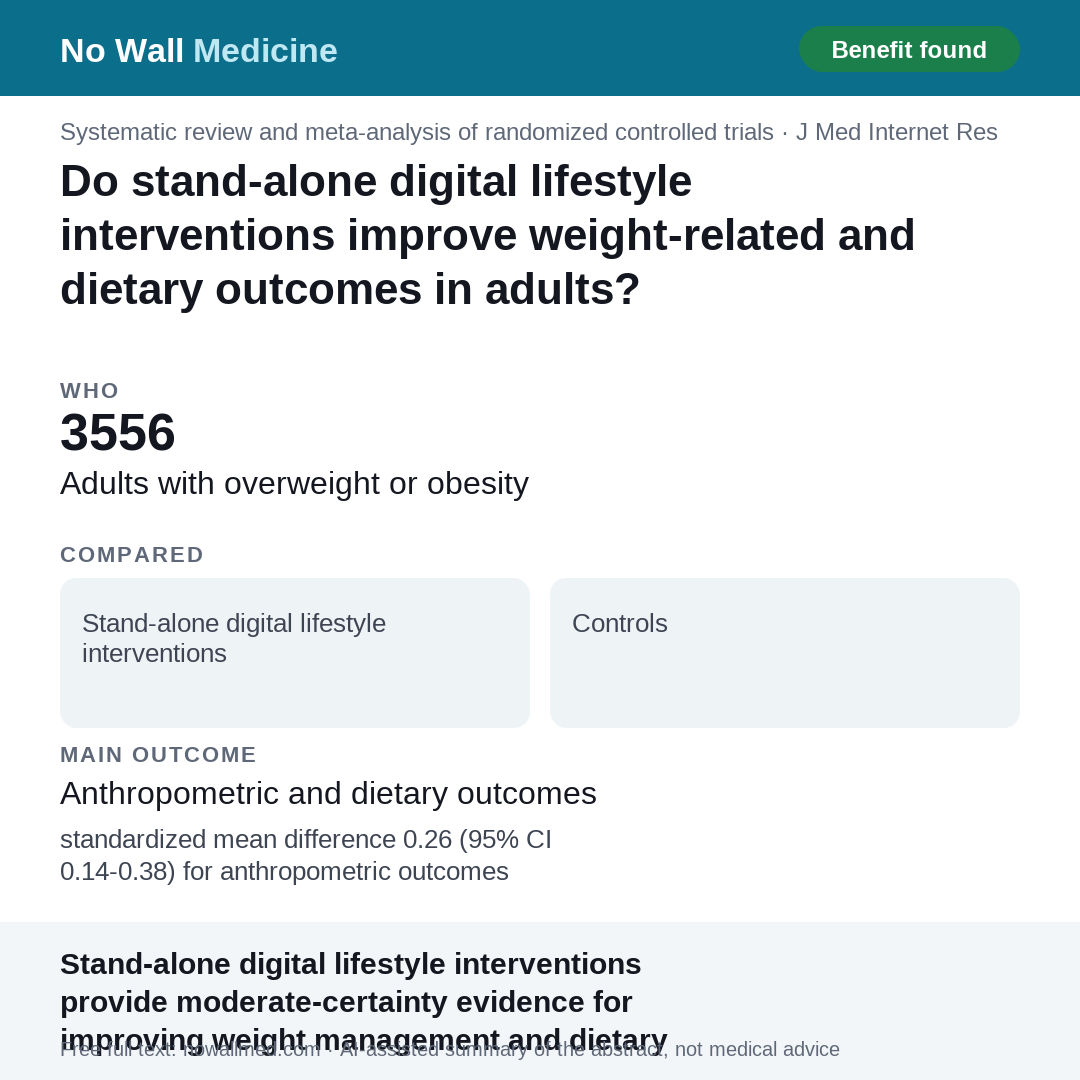
Effects of Stand-Alone Digital Lifestyle Interventions on Weight-Related Outcomes in Adults With Overweight or Obesity: Systematic Review and Meta-Analysis of Randomized Controlled Trials
Systematic review and meta-analysis of randomized controlled trialsBenefit found
Do stand-alone digital lifestyle interventions improve weight-related and dietary outcomes in adults?
Who
3556
Adults with overweight or obesity
Compared
Stand-alone digital lifestyle interventions
Controls
Main outcome
Anthropometric and dietary outcomes
Result: standardized mean difference 0.26 (95% CI 0.14-0.38) for anthropometric outcomes
Bottom line: Stand-alone digital lifestyle interventions provide moderate-certainty evidence for improving weight management and dietary outcomes without human intervention.
Limitation: Substantial statistical heterogeneity was observed and prediction intervals included zero.
J Med Internet Res · 2026-05-04Download image
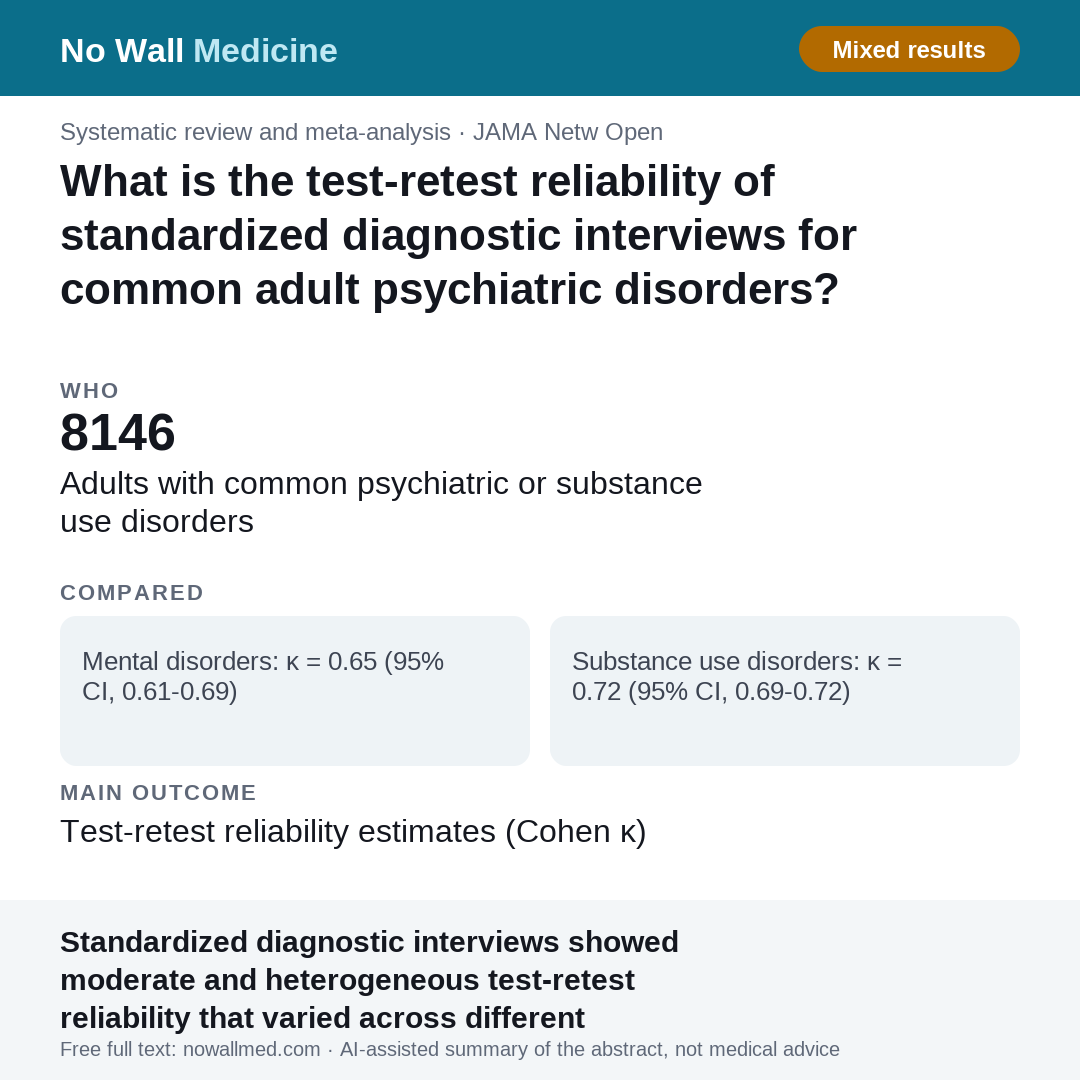
Test-Retest Reliability of Standardized Diagnostic Interviews for Common Adult Psychiatric Disorders: A Systematic Review and Meta-Analysis
Systematic review and meta-analysisMixed results
What is the test-retest reliability of standardized diagnostic interviews for common adult psychiatric disorders?
Who
8146
Adults with common psychiatric or substance use disorders
Compared
Mental disorders: κ = 0.65 (95% CI, 0.61-0.69)
Substance use disorders: κ = 0.72 (95% CI, 0.69-0.72)
Main outcome
Test-retest reliability estimates (Cohen κ)
Result: κ = 0.69 (95% CI, 0.66-0.72)
Bottom line: Standardized diagnostic interviews showed moderate and heterogeneous test-retest reliability that varied across different psychiatric disorders.
Limitation: Substantial between-study heterogeneity was observed.
JAMA Netw Open · 2026-05-01Download image
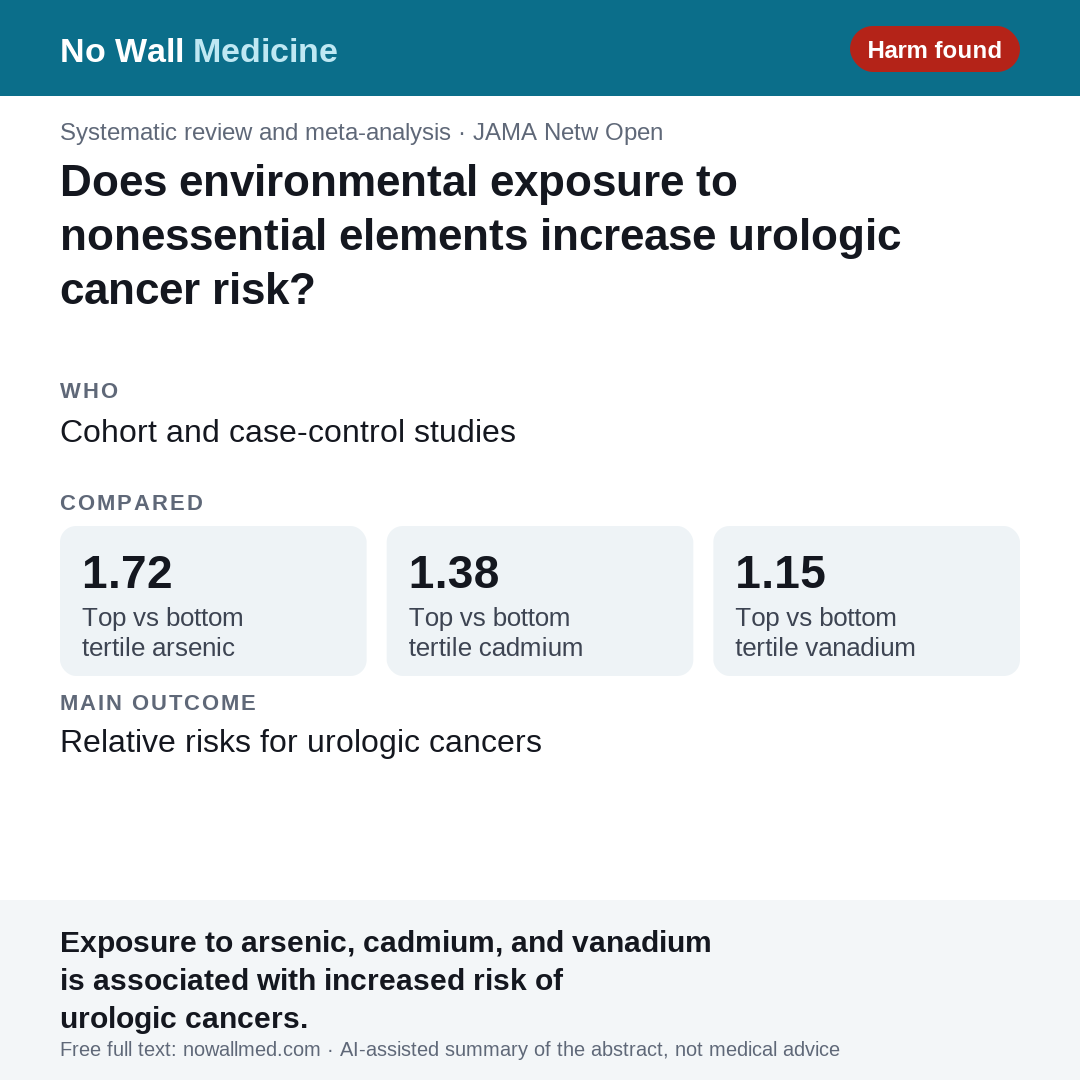
Environmental Nonessential Element Exposure and Urologic Cancer: A Systematic Review and Meta-Analysis
Systematic review and meta-analysisHarm found
Does environmental exposure to nonessential elements increase urologic cancer risk?
Who
Cohort and case-control studies
Compared
1.72Top vs bottom tertile arsenic exposure (95% CI, 1.33-2.22)
1.38Top vs bottom tertile cadmium exposure (95% CI, 1.04-1.82)
1.15Top vs bottom tertile vanadium exposure (95% CI, 1.05-1.26)
Main outcome
Relative risks for urologic cancers
Bottom line: Exposure to arsenic, cadmium, and vanadium is associated with increased risk of urologic cancers.
Limitation: High heterogeneity across studies limited interpretability.
JAMA Netw Open · 2026-05-01Download image
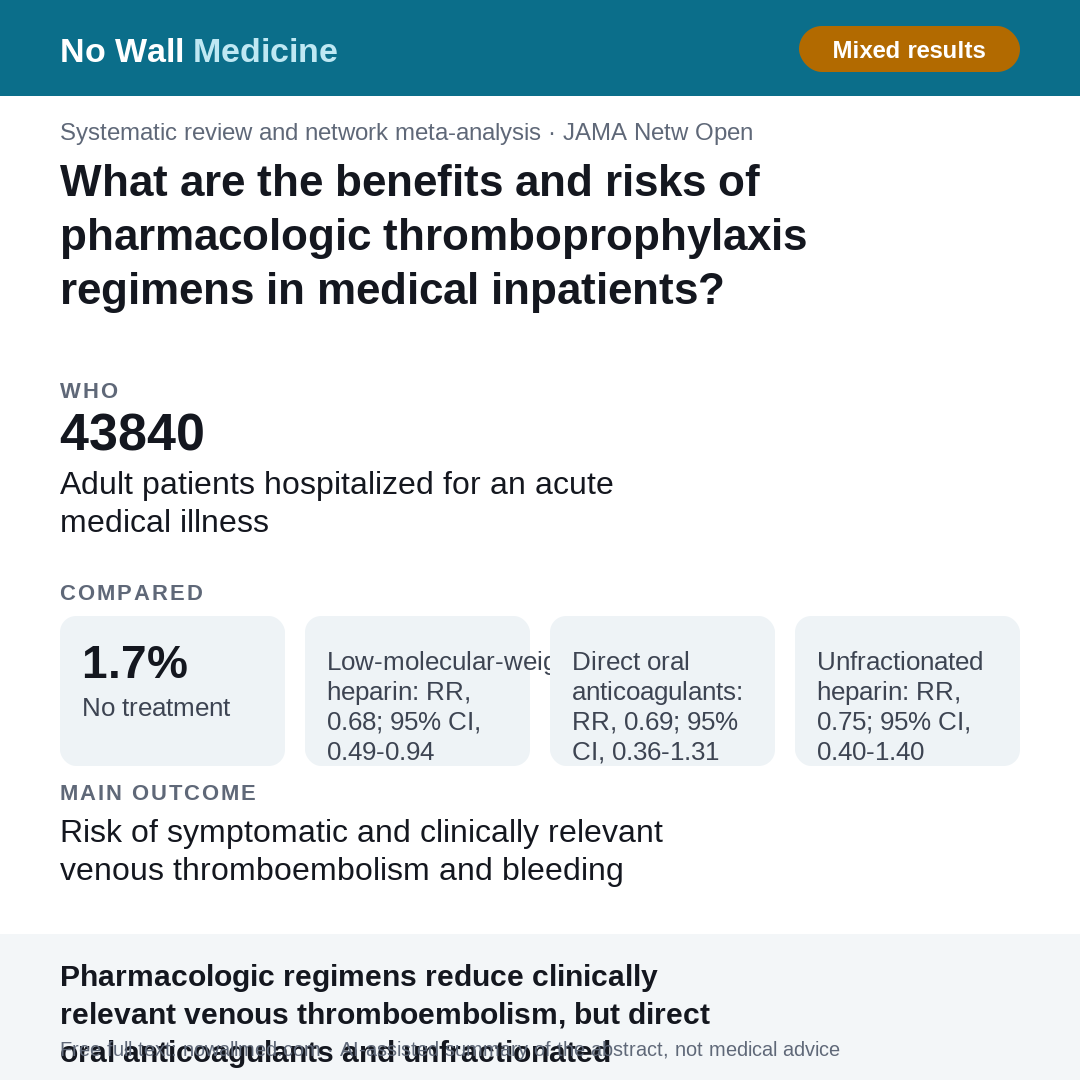
Pharmacologic Thromboprophylaxis in Medical Inpatients: A Systematic Review and Network Meta-Analysis
Systematic review and network meta-analysisMixed results
What are the benefits and risks of pharmacologic thromboprophylaxis regimens in medical inpatients?
Who
43840
Adult patients hospitalized for an acute medical illness
Compared
1.7%No treatment (95% CI, 0.6%-4.4%)
Low-molecular-weight heparin: RR, 0.68; 95% CI, 0.49-0.94
Direct oral anticoagulants: RR, 0.69; 95% CI, 0.36-1.31
Unfractionated heparin: RR, 0.75; 95% CI, 0.40-1.40
Main outcome
Risk of symptomatic and clinically relevant venous thromboembolism and bleeding
Result: RR, 0.68; 95% CI, 0.49-0.94
Bottom line: Pharmacologic regimens reduce clinically relevant venous thromboembolism, but direct oral anticoagulants and unfractionated heparin increase major bleeding risk.
Limitation: Proper selection of patients is critical given the overall low absolute risk of venous thromboembolism.
JAMA Netw Open · 2026-05-01Download image
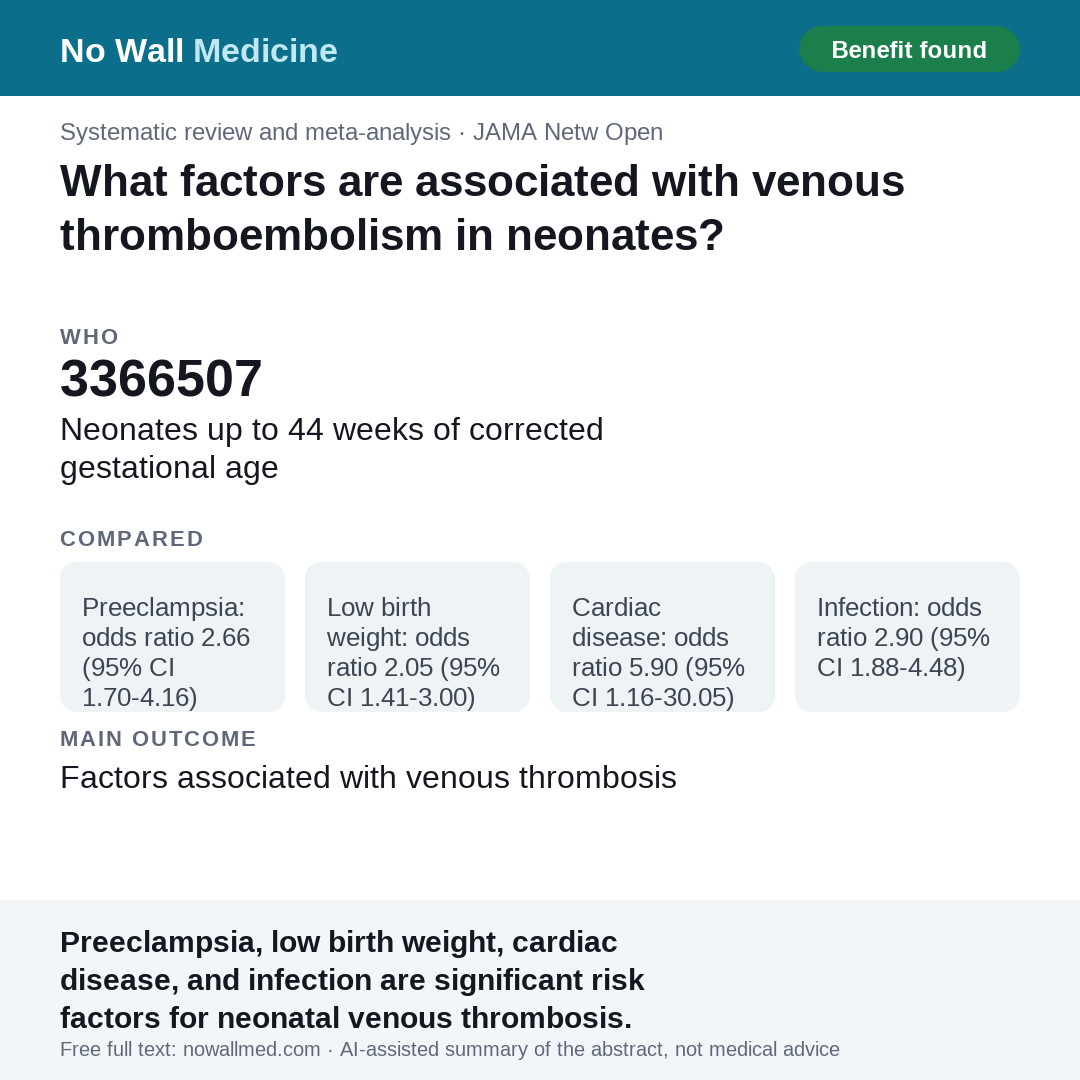
Factors Associated With Thromboembolism in Neonates: A Systematic Review and Meta-Analysis
Systematic review and meta-analysisBenefit found
What factors are associated with venous thromboembolism in neonates?
Who
3366507
Neonates up to 44 weeks of corrected gestational age
Compared
Preeclampsia: odds ratio 2.66 (95% CI 1.70-4.16)
Low birth weight: odds ratio 2.05 (95% CI 1.41-3.00)
Cardiac disease: odds ratio 5.90 (95% CI 1.16-30.05)
Infection: odds ratio 2.90 (95% CI 1.88-4.48)
Main outcome
Factors associated with venous thrombosis
Bottom line: Preeclampsia, low birth weight, cardiac disease, and infection are significant risk factors for neonatal venous thrombosis.
Limitation: Heterogeneity between studies, lack of thrombosis outcome definition, and limited studies addressing common conditions.
JAMA Netw Open · 2026-05-01Download image
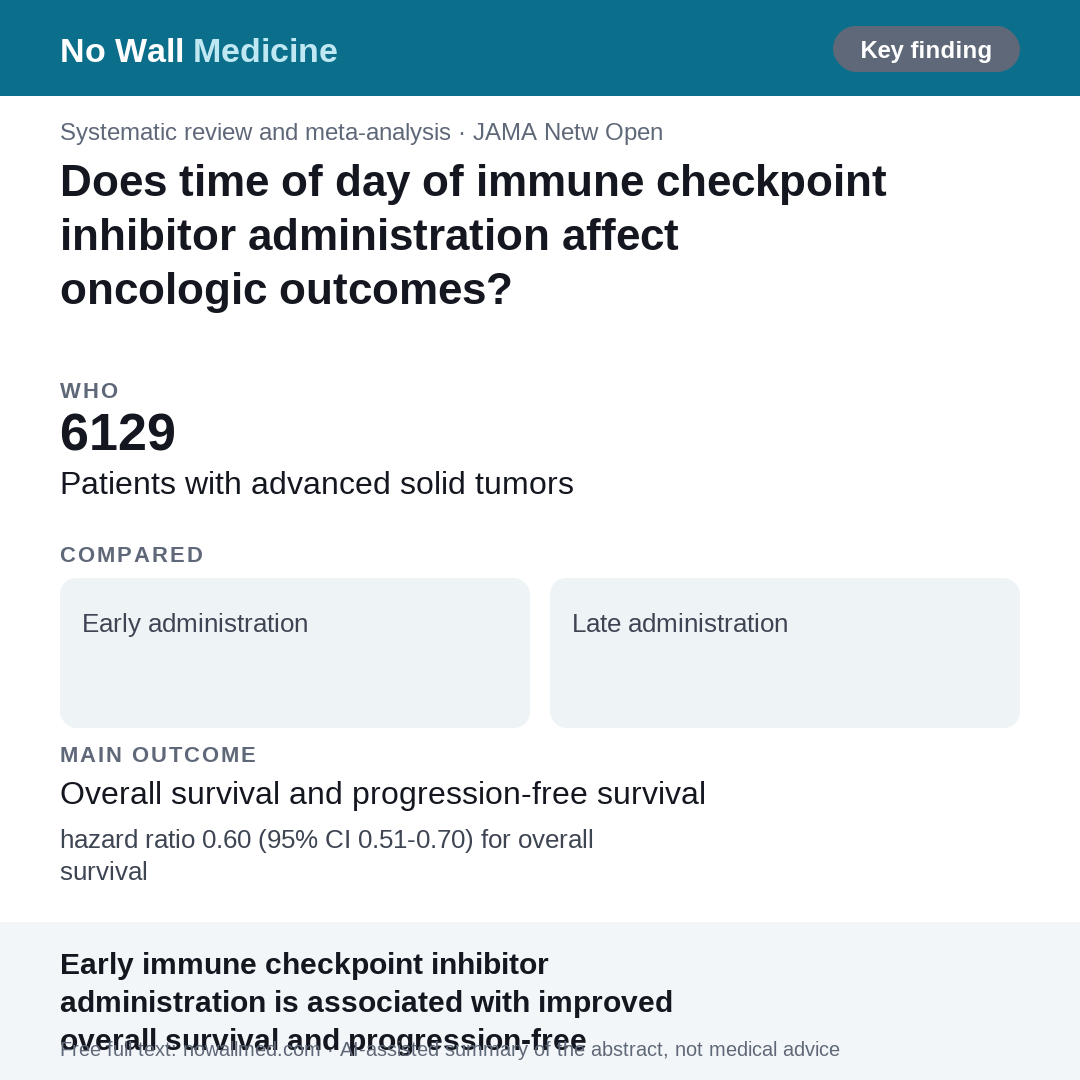
Time-of-Day Immunotherapy Administration and Outcomes in Advanced Cancers: A Systematic Review and Meta-Analysis
Systematic review and meta-analysisBenefit found
Does time of day of immune checkpoint inhibitor administration affect oncologic outcomes?
Who
6129
Patients with advanced solid tumors
Compared
Early administration
Late administration
Main outcome
Overall survival and progression-free survival
Result: hazard ratio 0.60 (95% CI 0.51-0.70) for overall survival
Bottom line: Early immune checkpoint inhibitor administration is associated with improved overall survival and progression-free survival in advanced cancers.
JAMA Netw Open · 2026-05-01Download image
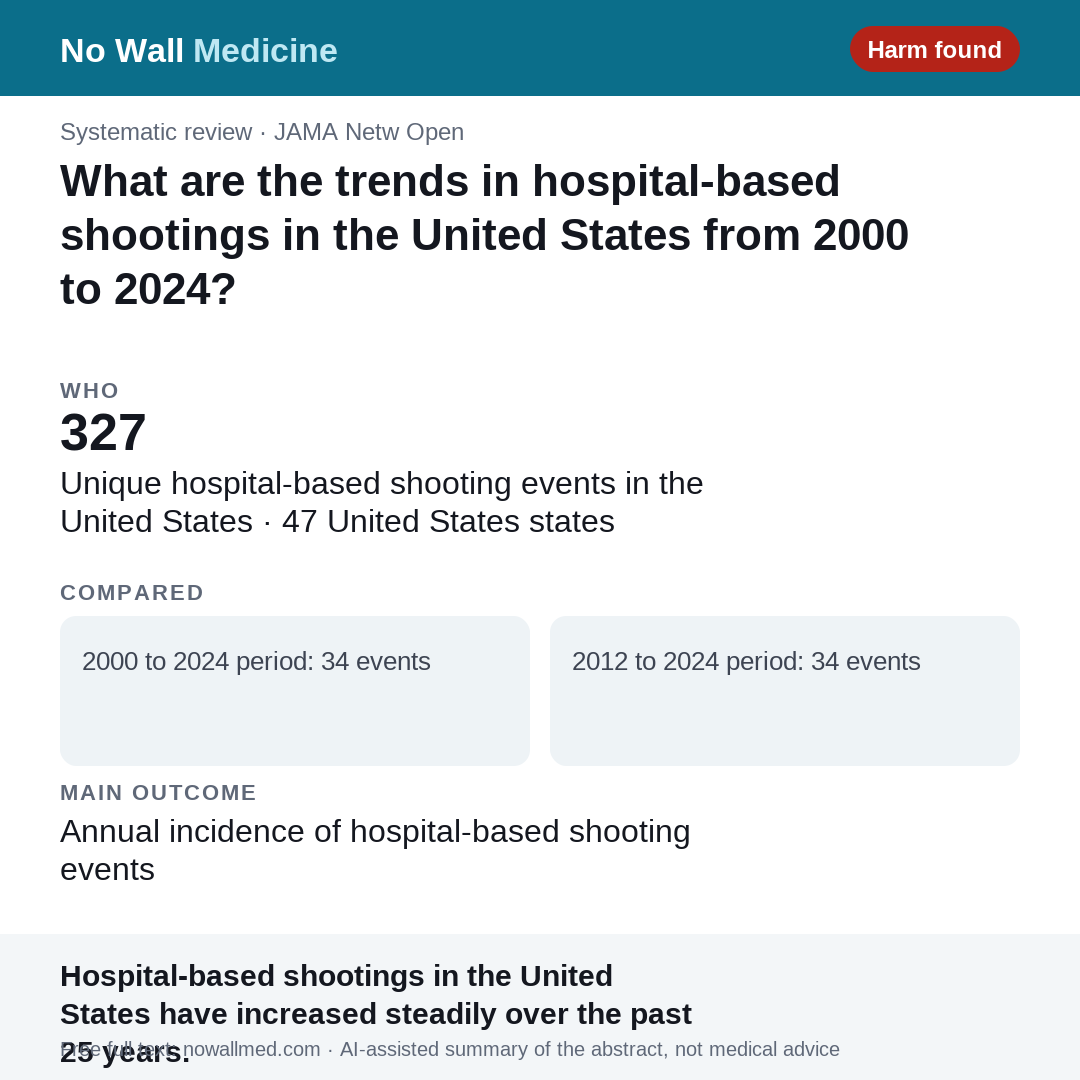
Hospital-Based Shootings in the US, 2000-2024: A Systematic Review
Systematic reviewHarm found
What are the trends in hospital-based shootings in the United States from 2000 to 2024?
Who
327
Unique hospital-based shooting events in the United States · 47 United States states
Compared
2000 to 2024 period: 34 events
2012 to 2024 period: 34 events
Main outcome
Annual incidence of hospital-based shooting events
Bottom line: Hospital-based shootings in the United States have increased steadily over the past 25 years.
JAMA Netw Open · 2026-05-01Download image
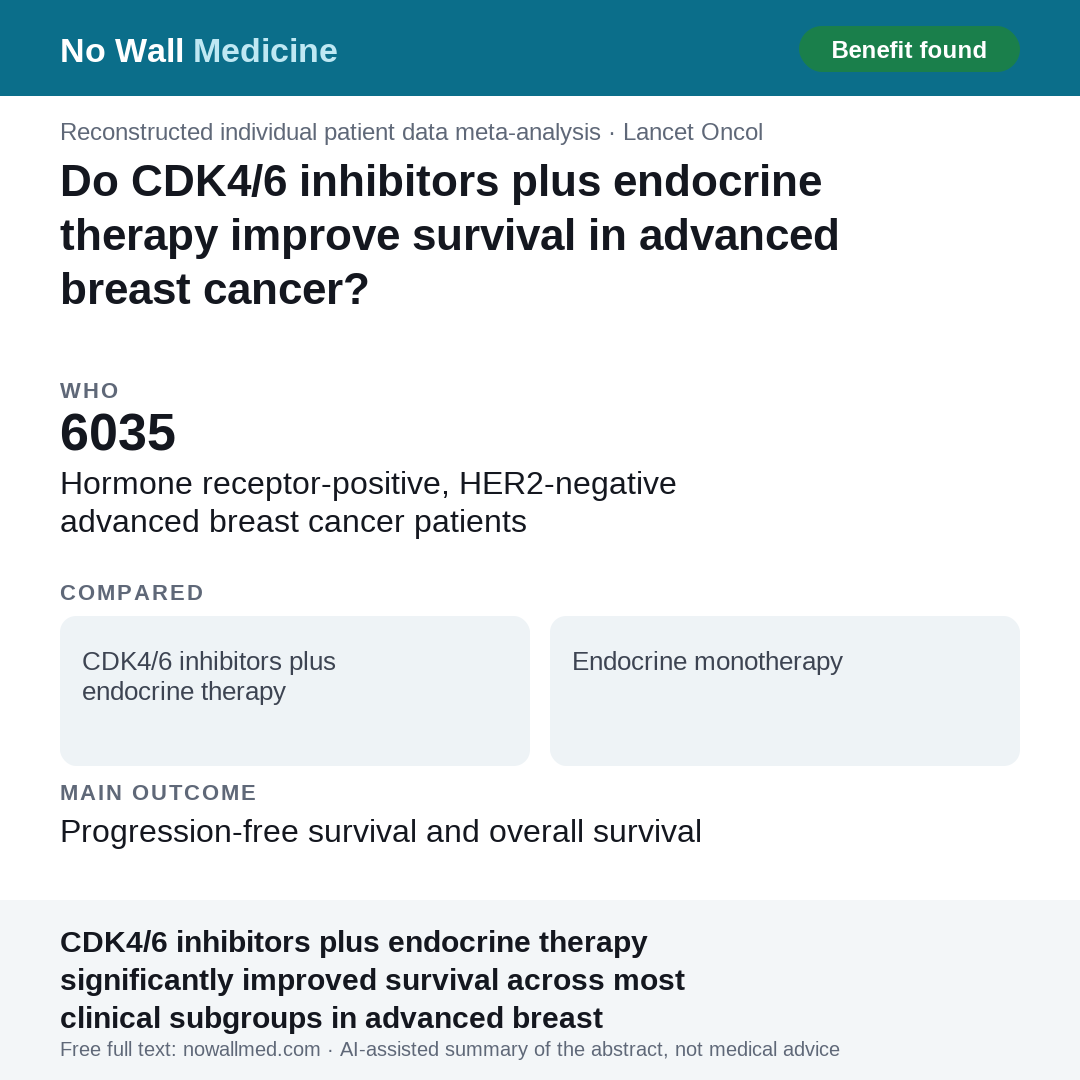
CDK4/6 inhibitors plus endocrine therapy versus endocrine monotherapy in hormone receptor-positive, HER2-negative advanced breast cancer: a reconstructed individual patient data meta-analysis of phase 3 randomised controlled trials
Reconstructed individual patient data meta-analysisBenefit found
Do CDK4/6 inhibitors plus endocrine therapy improve survival in advanced breast cancer?
Who
6035
Hormone receptor-positive, HER2-negative advanced breast cancer patients
Compared
CDK4/6 inhibitors plus endocrine therapy
Endocrine monotherapy
Main outcome
Progression-free survival and overall survival
Result: not explicitly pooled for both arms in one value
Bottom line: CDK4/6 inhibitors plus endocrine therapy significantly improved survival across most clinical subgroups in advanced breast cancer.
Limitation: Palbociclib did not reach statistical significance for overall survival and dalpiciclib data remain immature.
Lancet Oncol · 2026-05-01Download image
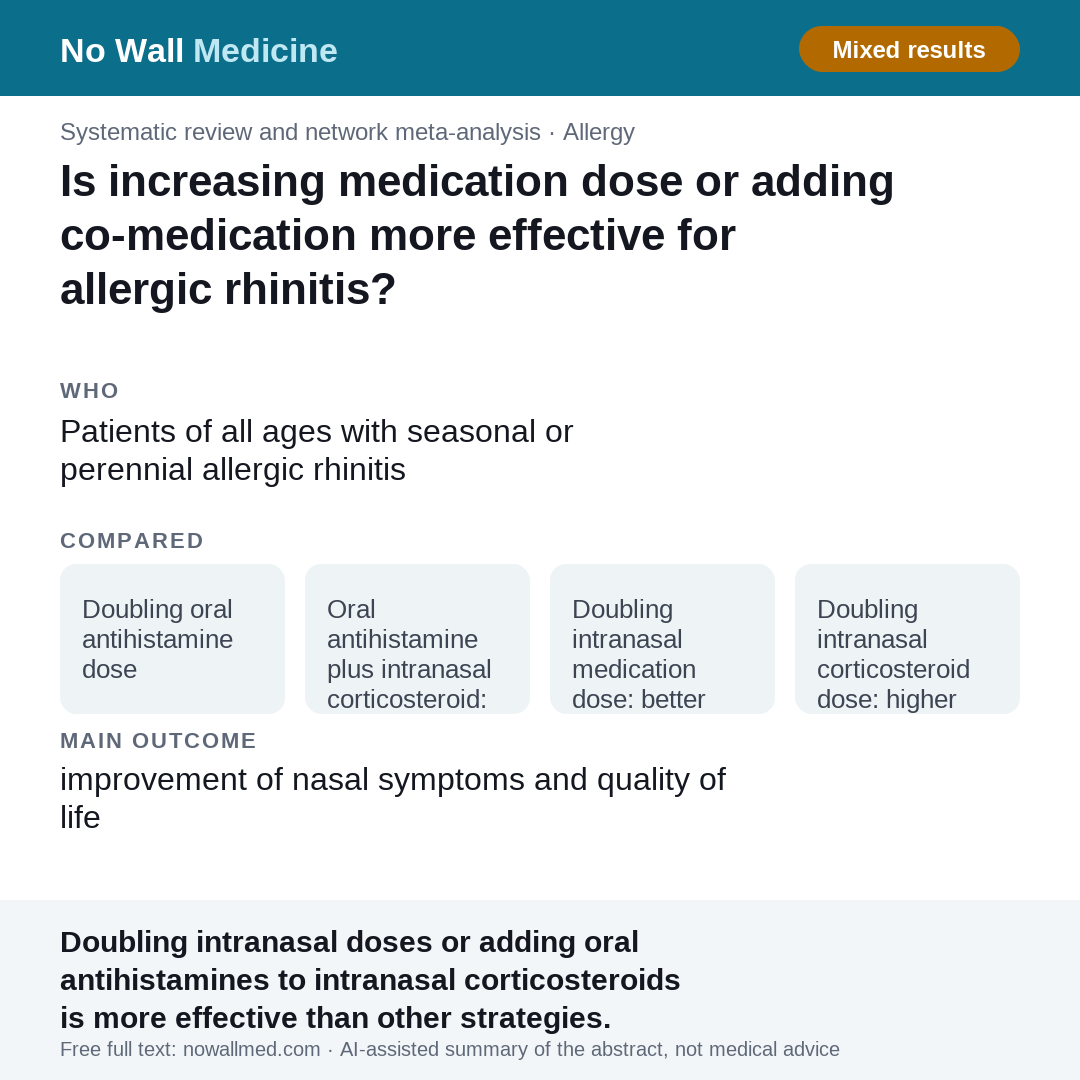
Treatment Dose Increase Versus Co-Medication in Allergic Rhinitis: Systematic Review With Dose-Response Network Meta-Analysis
Systematic review and network meta-analysisMixed results
Is increasing medication dose or adding co-medication more effective for allergic rhinitis?
Who
Patients of all ages with seasonal or perennial allergic rhinitis
Compared
Doubling oral antihistamine dose
Oral antihistamine plus intranasal corticosteroid: higher improvements of nasal symptoms and quality of life
Doubling intranasal medication dose: better results than having intranasal medications plus oral antihistamines
Doubling intranasal corticosteroid dose: higher efficacy than adding intranasal antihistamines
Main outcome
improvement of nasal symptoms and quality of life
Bottom line: Doubling intranasal doses or adding oral antihistamines to intranasal corticosteroids is more effective than other strategies.
Allergy · 2026-05-01Download image
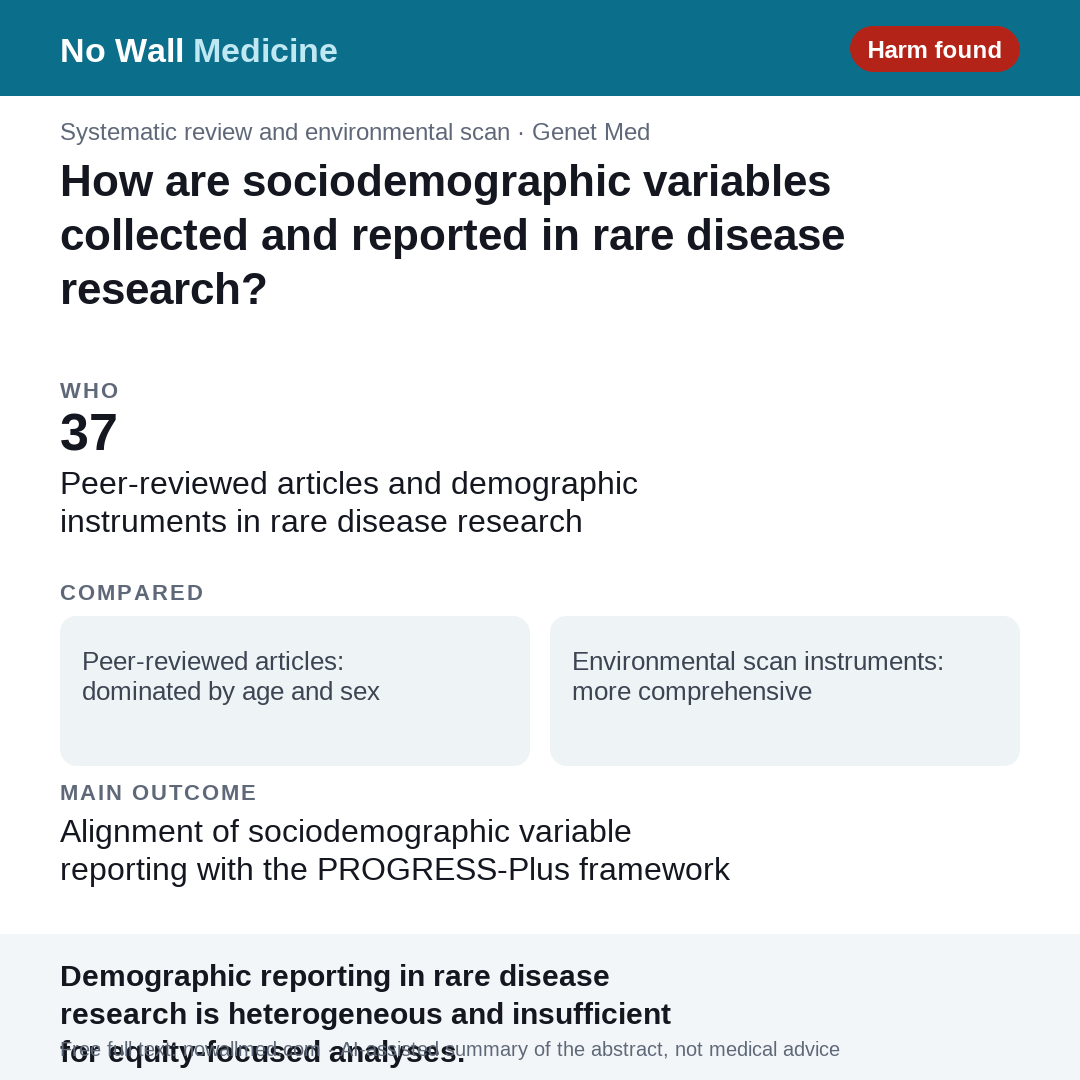
Best practices in demographic data collection for equity, diversity, and inclusion in rare disease research: A systematic review
Systematic review and environmental scanHarm found
How are sociodemographic variables collected and reported in rare disease research?
Who
37
Peer-reviewed articles and demographic instruments in rare disease research
Compared
Peer-reviewed articles: dominated by age and sex
Environmental scan instruments: more comprehensive
Main outcome
Alignment of sociodemographic variable reporting with the PROGRESS-Plus framework
Bottom line: Demographic reporting in rare disease research is heterogeneous and insufficient for equity-focused analyses.
Genet Med · 2026-05-01Download image
Meta-analysis across six global biobanks identifies recessive coding associations with complex traits and diseases
Meta-analysis of six global biobanksBenefit found
Do recessive coding variants associate with complex traits and diseases?
Who
948,690
Exome- or whole-genome-sequenced individuals · Six global biobanks
Compared
Recessive model: 58 significant associations
Additive model
Main outcome
Associations between bi-allelic damaging genotypes and complex traits
Bottom line: Recessive gene-based analyses identified 58 significant associations between rare bi-allelic variation and complex traits.
Am J Hum Genet · 2026-05-01Download image

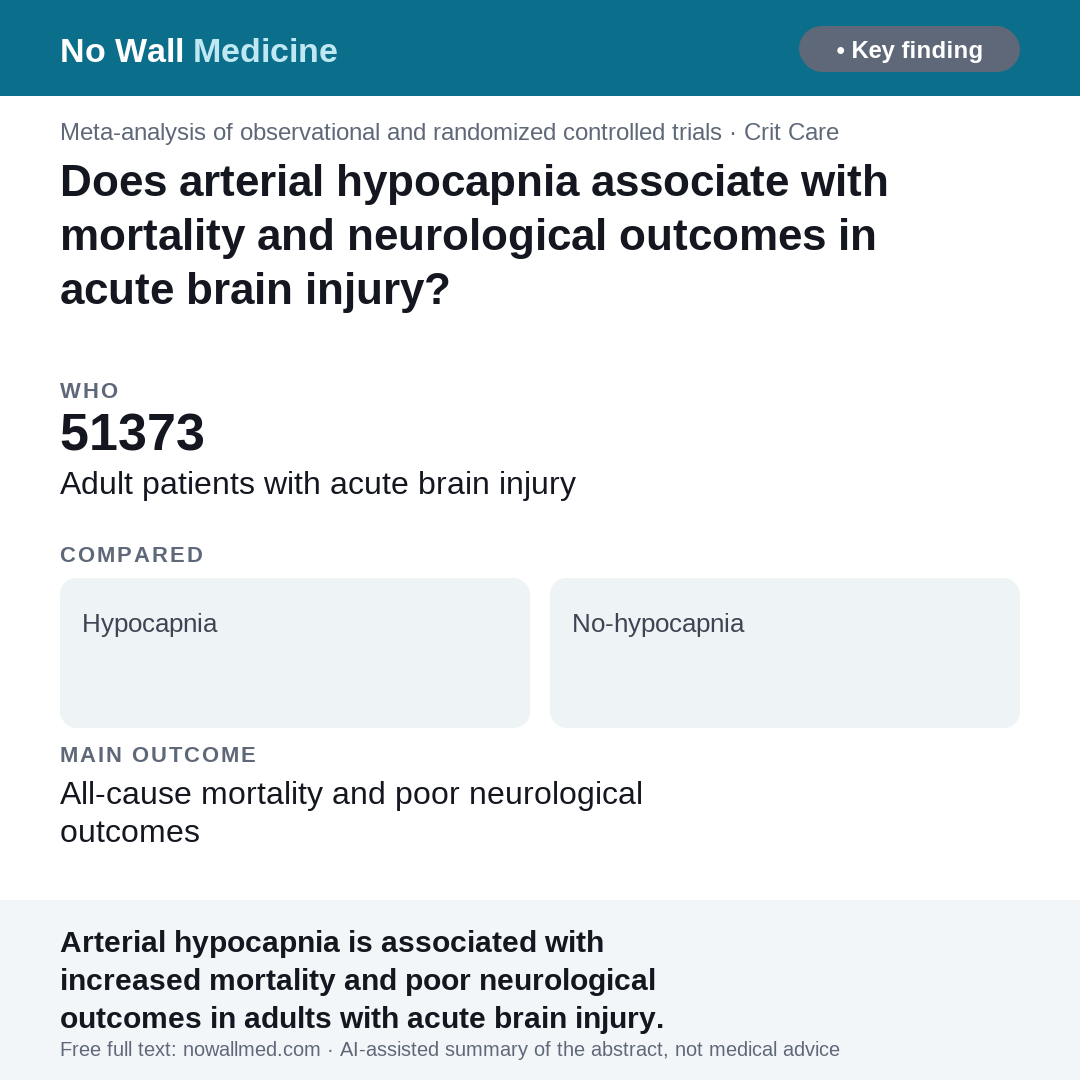
Association of mortality and neurological outcomes with hypocapnia in adult patients with acute brain injury: an updated meta-analysis
Meta-analysis of observational and randomized controlled trialsHarm found
Does arterial hypocapnia associate with mortality and neurological outcomes in acute brain injury?
Who
51373
Adult patients with acute brain injury
Compared
Hypocapnia
No-hypocapnia
Main outcome
All-cause mortality and poor neurological outcomes
Result: odds ratio 1.29 (95% CI 1.05-1.59) for mortality; odds ratio 2.09 (95% CI 1.24-3.54) for poor neurological outcomes
Bottom line: Arterial hypocapnia is associated with increased mortality and poor neurological outcomes in adults with acute brain injury.
Limitation: The evidence is predominantly observational and limited randomized data are available.
Crit Care · 2026-05-01Download image
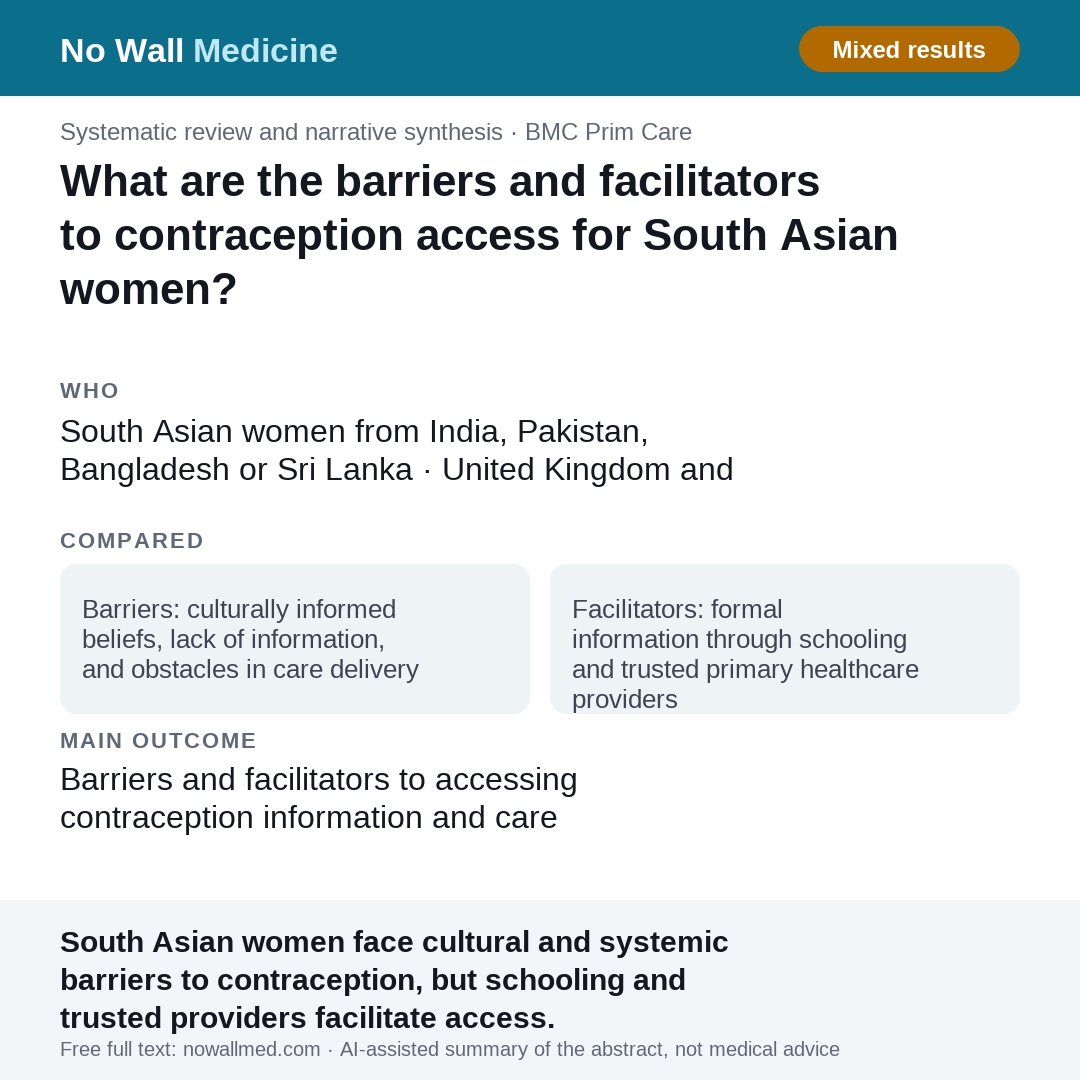
Barriers and facilitators to contraception access for South Asian women in high-income, English-speaking countries: a systematic review
Systematic review and narrative synthesisMixed results
What are the barriers and facilitators to contraception access for South Asian women?
Who
South Asian women from India, Pakistan, Bangladesh or Sri Lanka · United Kingdom and The United States of America
Compared
Barriers: culturally informed beliefs, lack of information, and obstacles in care delivery
Facilitators: formal information through schooling and trusted primary healthcare providers
Main outcome
Barriers and facilitators to accessing contraception information and care
Bottom line: South Asian women face cultural and systemic barriers to contraception, but schooling and trusted providers facilitate access.
BMC Prim Care · 2026-05-01Download image
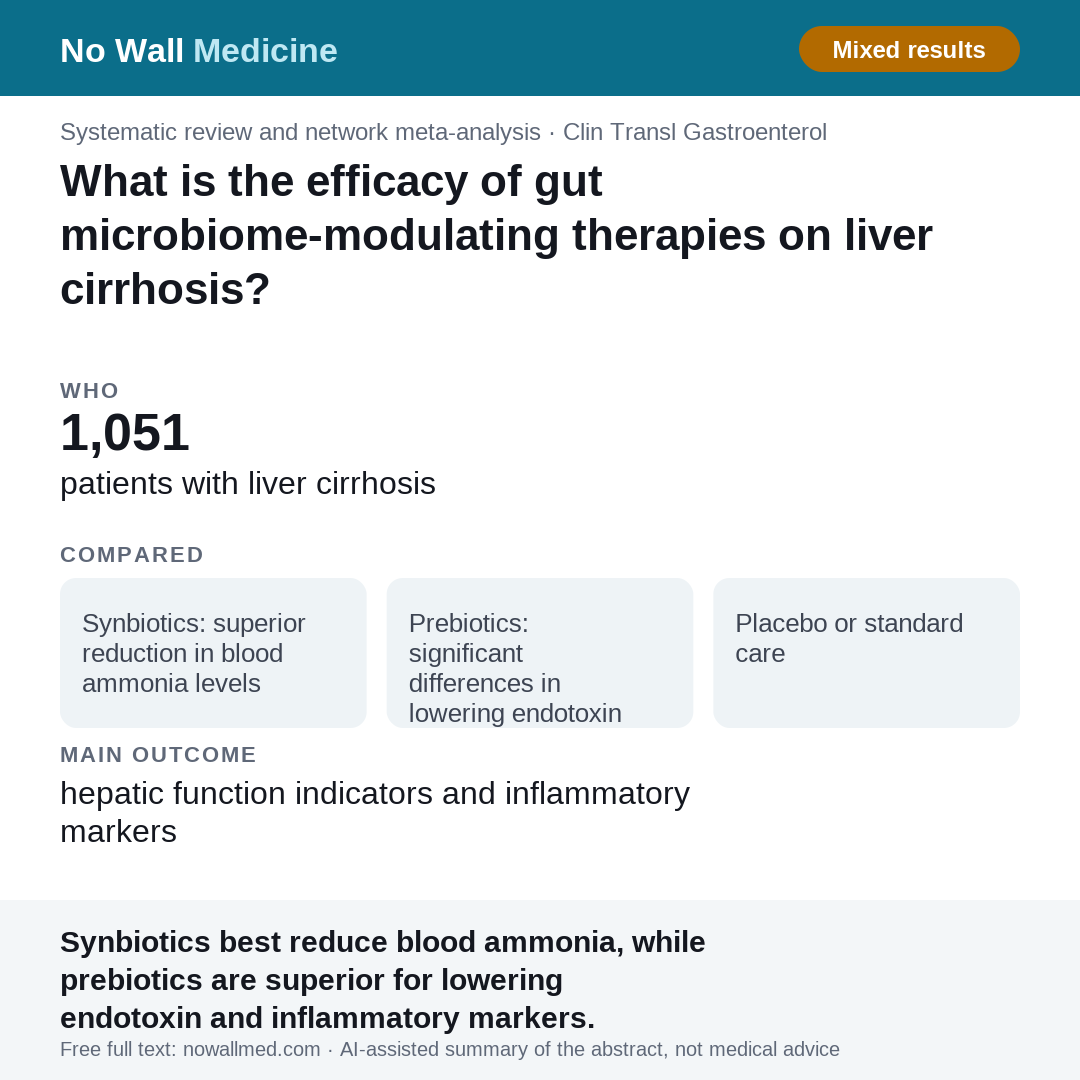
The Efficacy of Gut Microbiome-Modulating Therapies on Liver Cirrhosis: A Systematic Review and Network Meta-Analysis
Systematic review and network meta-analysisMixed results
What is the efficacy of gut microbiome-modulating therapies on liver cirrhosis?
Who
1,051
patients with liver cirrhosis
Compared
Synbiotics: superior reduction in blood ammonia levels
Prebiotics: significant differences in lowering endotoxin levels
Placebo or standard care
Main outcome
hepatic function indicators and inflammatory markers
Bottom line: Synbiotics best reduce blood ammonia, while prebiotics are superior for lowering endotoxin and inflammatory markers.
Clin Transl Gastroenterol · 2026-05-01Download image
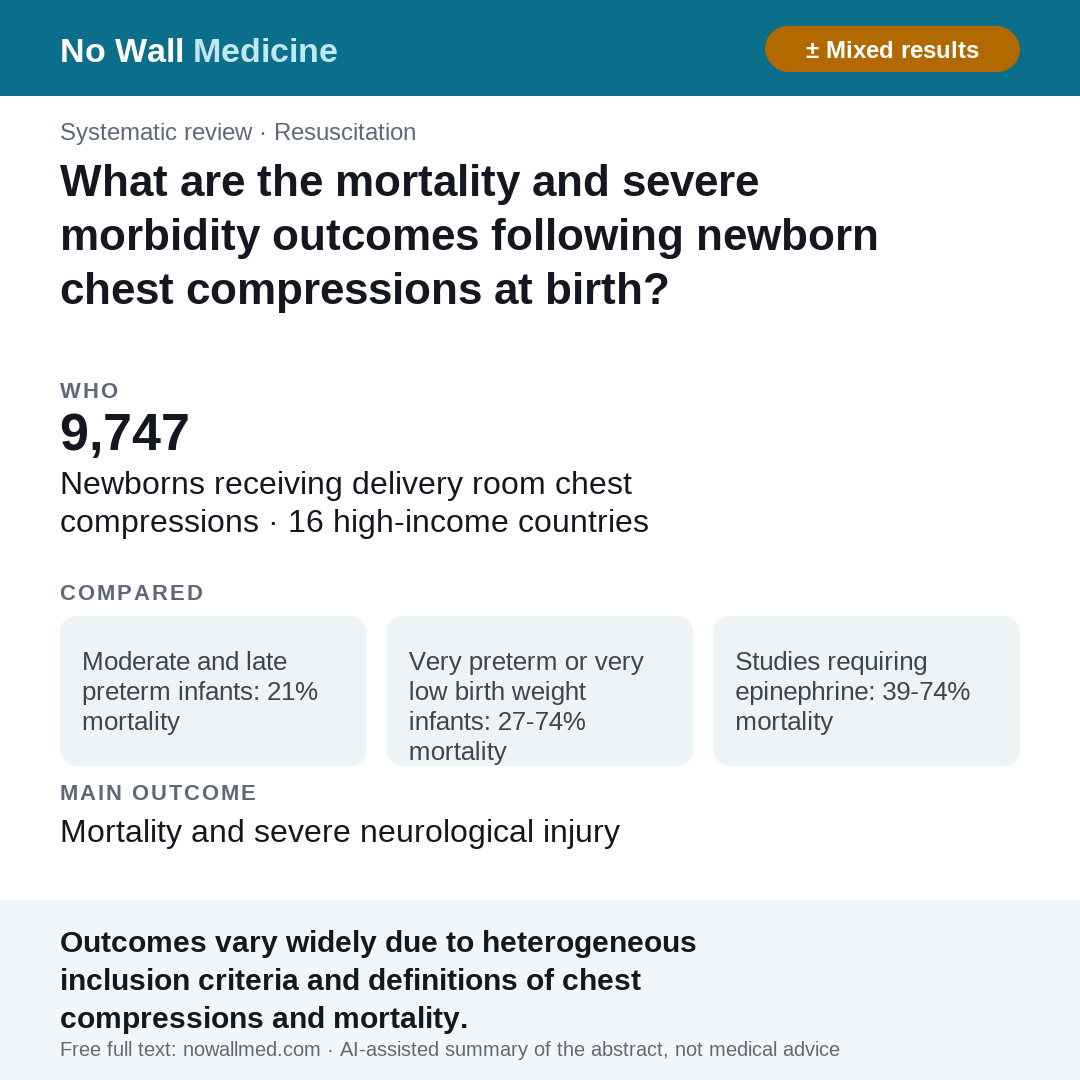
A systematic review of mortality and severe morbidities following newborn chest compressions at birth
Systematic reviewMixed results
What are the mortality and severe morbidity outcomes following newborn chest compressions at birth?
Who
9,747
Newborns receiving delivery room chest compressions · 16 high-income countries
Compared
Moderate and late preterm infants: 21% mortality
Very preterm or very low birth weight infants: 27-74% mortality
Studies requiring epinephrine: 39-74% mortality
Main outcome
Mortality and severe neurological injury
Bottom line: Outcomes vary widely due to heterogeneous inclusion criteria and definitions of chest compressions and mortality.
Limitation: Heterogeneity in inclusion criteria and sparse evidence for low- and middle-income countries.
Resuscitation · 2026-04-30Download image
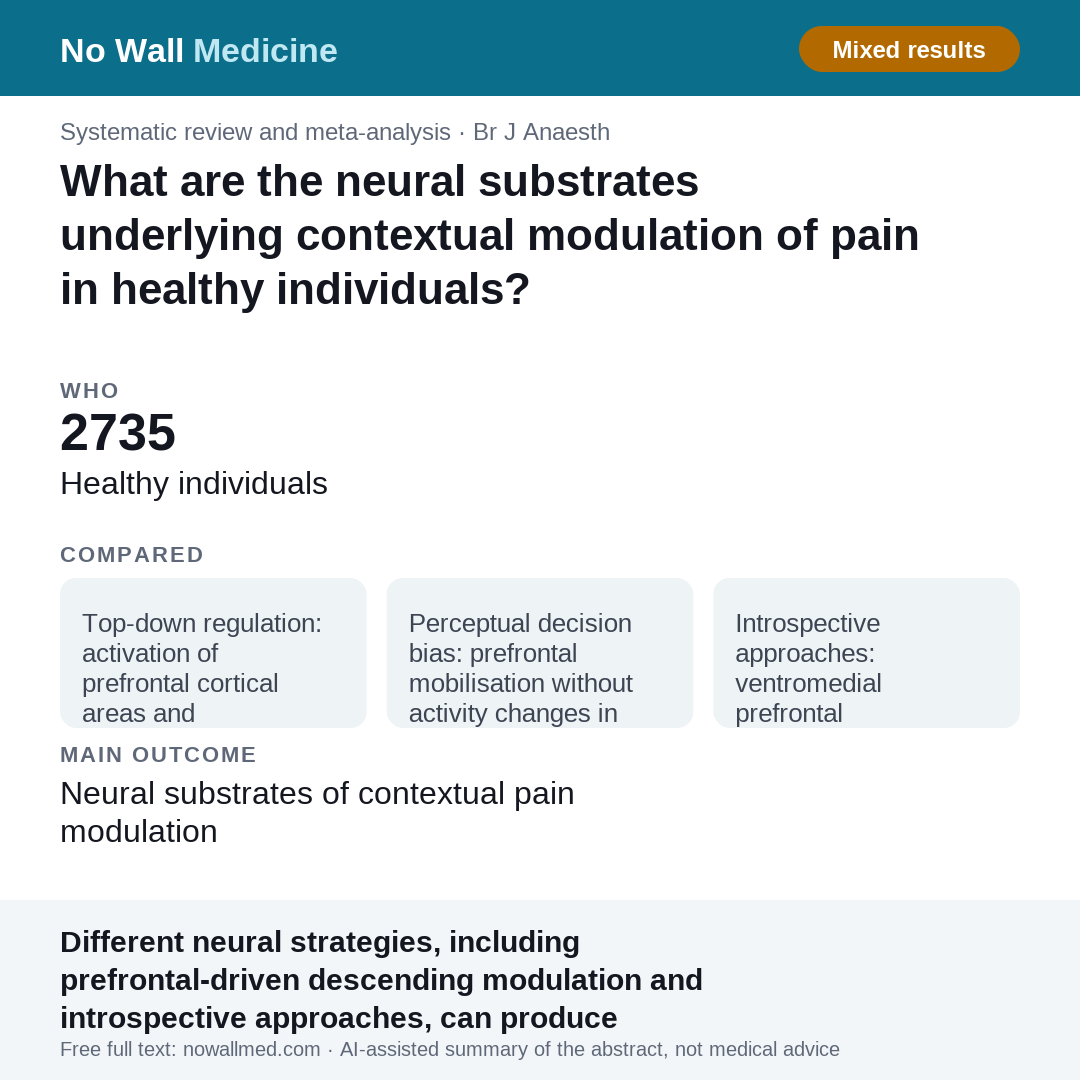
The multifaceted neural architecture of pain modulation by emotion and cognition: a systematic review and meta-analysis
Systematic review and meta-analysisMixed results
What are the neural substrates underlying contextual modulation of pain in healthy individuals?
Who
2735
Healthy individuals
Compared
Top-down regulation: activation of prefrontal cortical areas and modification of sensory message
Perceptual decision bias: prefrontal mobilisation without activity changes in nociceptive areas
Introspective approaches: ventromedial prefrontal involvement and deactivation in dorsolateral and ventrolateral prefrontal areas
Main outcome
Neural substrates of contextual pain modulation
Bottom line: Different neural strategies, including prefrontal-driven descending modulation and introspective approaches, can produce similar subjective pain changes.
Limitation: Studies on chronic pain were excluded
Br J Anaesth · 2026-04-30Download image