Visual abstracts
New randomized trials and meta-analyses from leading journals at a glance: who was studied, what was compared, and what was found. Every paper is free to read in full.
All specialtiesCardiology 4763Oncology 4042Gastroenterology & Hepatology 1902Infectious Disease 3756Neurology 1872Psychiatry & Mental Health 2214Pulmonology 2042Critical Care 1319Endocrinology & Diabetes 2544Pediatrics 2889Surgery 2479Orthopedics & Sports Medicine 917Neurosurgery 525Cardiothoracic & Vascular Surgery 656Plastic & Reconstructive Surgery 574Nephrology 1107Rheumatology 810Hematology 1090Dermatology 611Ophthalmology 532Obstetrics & Gynecology 1645Public & Global Health 1037Radiology & Imaging 617Anesthesiology 957Urology 745ENT (Otolaryngology) 494Emergency Medicine 481Allergy & Immunology 309Geriatrics 972Family Medicine & Primary Care 533Medical Genetics & Genomics 659Pathology & Laboratory Medicine 156Physical Medicine & Rehabilitation 734Palliative Care 421Nutrition 1560Digital Health & AI 2133General Medicine 318
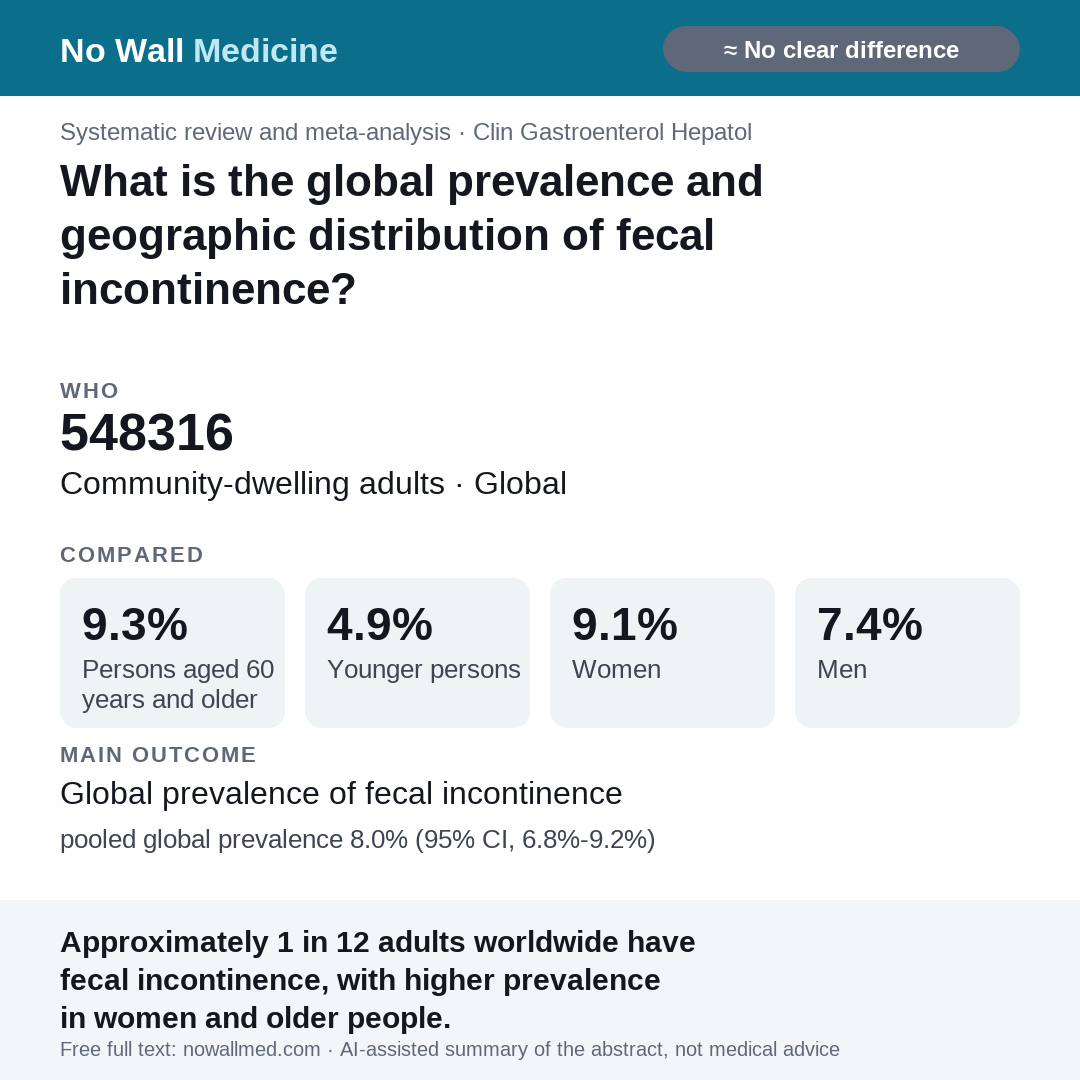
Global Prevalence of Fecal Incontinence in Community-Dwelling Adults: A Systematic Review and Meta-analysis
Systematic review and meta-analysisNo clear difference
What is the global prevalence and geographic distribution of fecal incontinence?
Who
548316
Community-dwelling adults · Global
Compared
9.3%Persons aged 60 years and older (95% CI, 6.6%-12.0%)
4.9%Younger persons (95% CI, 2.9%-6.9%)
9.1%Women (95% CI, 7.6%-10.6%)
7.4%Men (95% CI, 6.0%-8.8%)
Main outcome
Global prevalence of fecal incontinence
Result: pooled global prevalence 8.0% (95% CI, 6.8%-9.2%)
Bottom line: Approximately 1 in 12 adults worldwide have fecal incontinence, with higher prevalence in women and older people.
Limitation: Prevalence could not be estimated in Africa and the Middle East.
Clin Gastroenterol Hepatol · 2023-09-19Download image
Evaluating Robustness of Brain Stimulation Biomarkers for Depression: A Systematic Review of Magnetic Resonance Imaging and Electroencephalography Studies
Systematic reviewUnclear result
What are the most robust brain biomarkers for predicting response to noninvasive brain stimulation in depression?
Who
Patients receiving repetitive transcranial magnetic stimulation for depression
Compared
Magnetic resonance imaging biomarkers
Electroencephalography biomarkers
Main outcome
Robustness of brain biomarkers for predicting treatment response
Bottom line: Functional connectivity and specific EEG frequencies are the most robust biomarkers identified for depression treatment response.
Limitation: Future prospective studies are needed to investigate the clinical actionability of these specific biomarkers.
Biol Psychiatry · 2023-09-19Download image

Randomized Controlled Trial of Thresholds for Drain Removal After Anatomic Lung Resection
Single-center randomized controlled trialNo clear difference
Does a weight-adjusted fluid output threshold improve outcomes after anatomic lung resection?
Who
337
Patients planned for open or thoracoscopic anatomical lung resections · Single-center
Compared
Weight-adjusted fluid threshold group
Traditional fluid threshold group
Main outcome
Pleural effusion and dyspnea at discharge and 30 days
Bottom line: A weight-based formula for chest drain removal caused no increased postoperative complications compared to traditional thresholds.
Ann Thorac Surg · 2023-09-19Download image

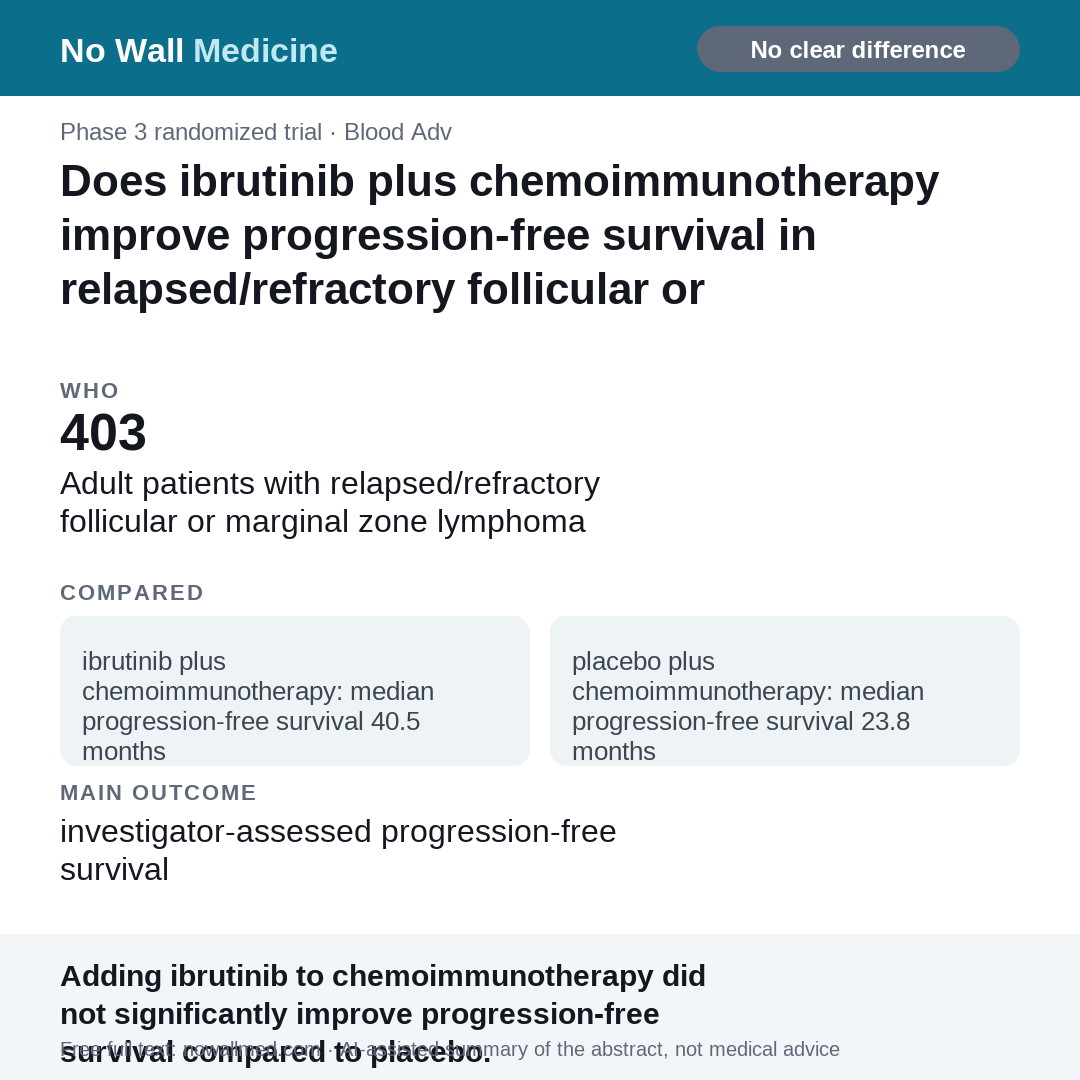
Phase 3 SELENE study: ibrutinib plus BR/R-CHOP in previously treated patients with follicular or marginal zone lymphoma
Phase 3 randomized trialNo clear difference
Does ibrutinib plus chemoimmunotherapy improve progression-free survival in relapsed/refractory follicular or marginal zone lymphoma?
Who
403
Adult patients with relapsed/refractory follicular or marginal zone lymphoma
Compared
ibrutinib plus chemoimmunotherapy: median progression-free survival 40.5 months
placebo plus chemoimmunotherapy: median progression-free survival 23.8 months
Main outcome
investigator-assessed progression-free survival
Result: hazard ratio 0.806 (95% confidence interval 0.626-1.037)
Bottom line: Adding ibrutinib to chemoimmunotherapy did not significantly improve progression-free survival compared to placebo.
Blood Adv · 2023-09-19Download image
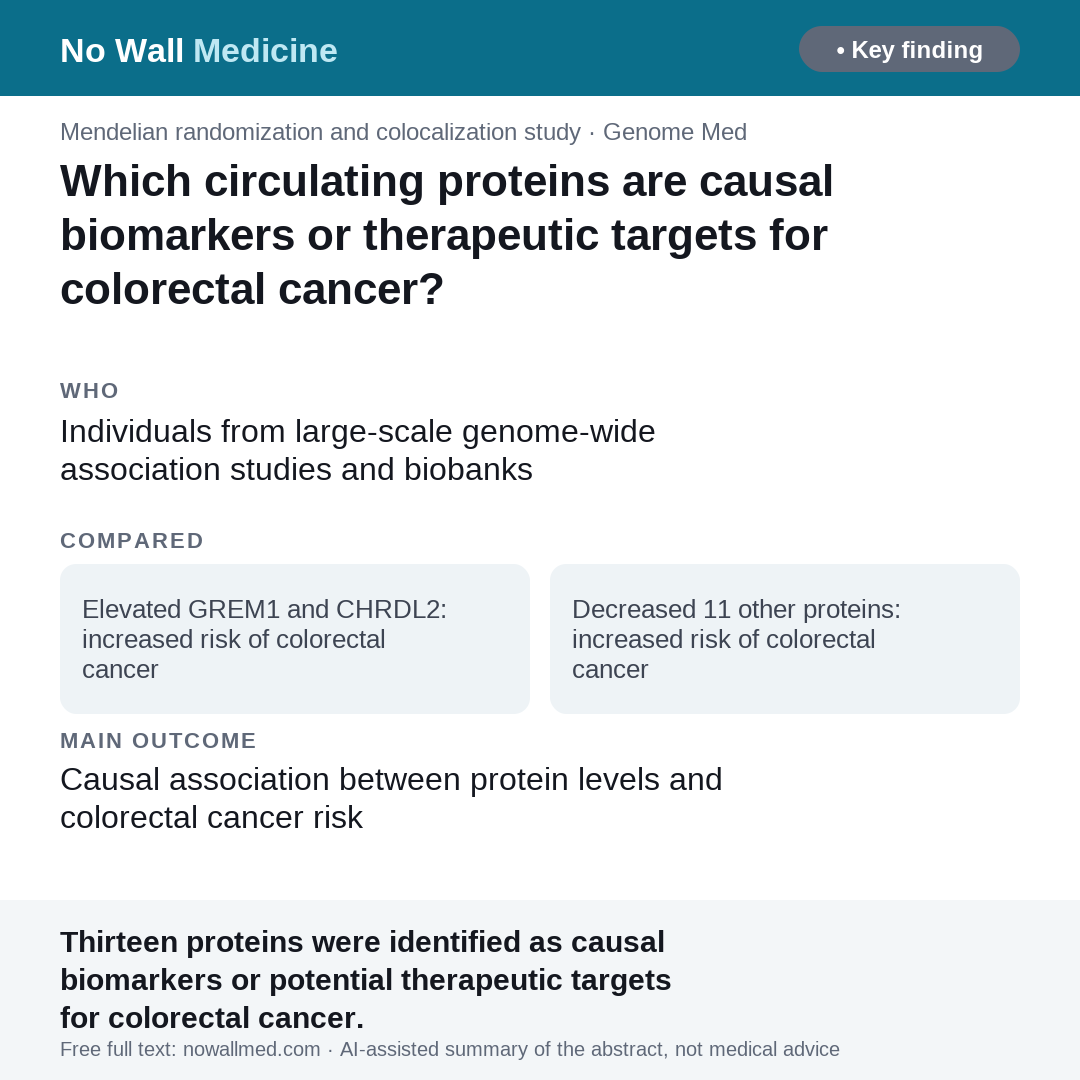
Identification of novel protein biomarkers and drug targets for colorectal cancer by integrating human plasma proteome with genome
Mendelian randomization and colocalization studyKey finding
Which circulating proteins are causal biomarkers or therapeutic targets for colorectal cancer?
Who
Individuals from large-scale genome-wide association studies and biobanks
Compared
Elevated GREM1 and CHRDL2: increased risk of colorectal cancer
Decreased 11 other proteins: increased risk of colorectal cancer
Main outcome
Causal association between protein levels and colorectal cancer risk
Bottom line: Thirteen proteins were identified as causal biomarkers or potential therapeutic targets for colorectal cancer.
Genome Med · 2023-09-19Download image
Screening for Hypertensive Disorders of Pregnancy: Updated Evidence Report and Systematic Review for the US Preventive Services Task Force
Systematic review of 6 studiesNo clear difference
Are alternative screening strategies more effective than routine prenatal blood pressure measurement?
Who
10165
Pregnant or postpartum individuals
Compared
Alternative screening strategies
Usual care
Main outcome
Morbidity, mortality, or health-related quality of life
Bottom line: No evidence found that alternative screening strategies were more effective than routine in-person prenatal blood pressure measurement.
Limitation: Estimates were imprecise for serious, rare health outcomes.
JAMA · 2023-09-18Download image

Impact of taxes and warning labels on red meat purchases among US consumers: A randomized controlled trial
Randomized controlled trialBenefit found
Will taxes and warning labels reduce red meat purchases?
Who
3518
United States adults · Naturalistic online grocery store
Compared
39%Control (95% CI [38%, 40%])
36%Warning labels (95% CI [35%, 37%])
34%Tax (95% CI [33%, 35%])
31%Combined warning labels and tax (95% CI [30%, 32%])
Main outcome
Percent of red meat-containing items purchased
Bottom line: Warning labels and taxes reduced red meat purchases in a naturalistic online grocery store.
Limitation: Study differed in sociodemographic characteristics from the US population and only few shop online.
PLOS Med · 2023-09-18Download image

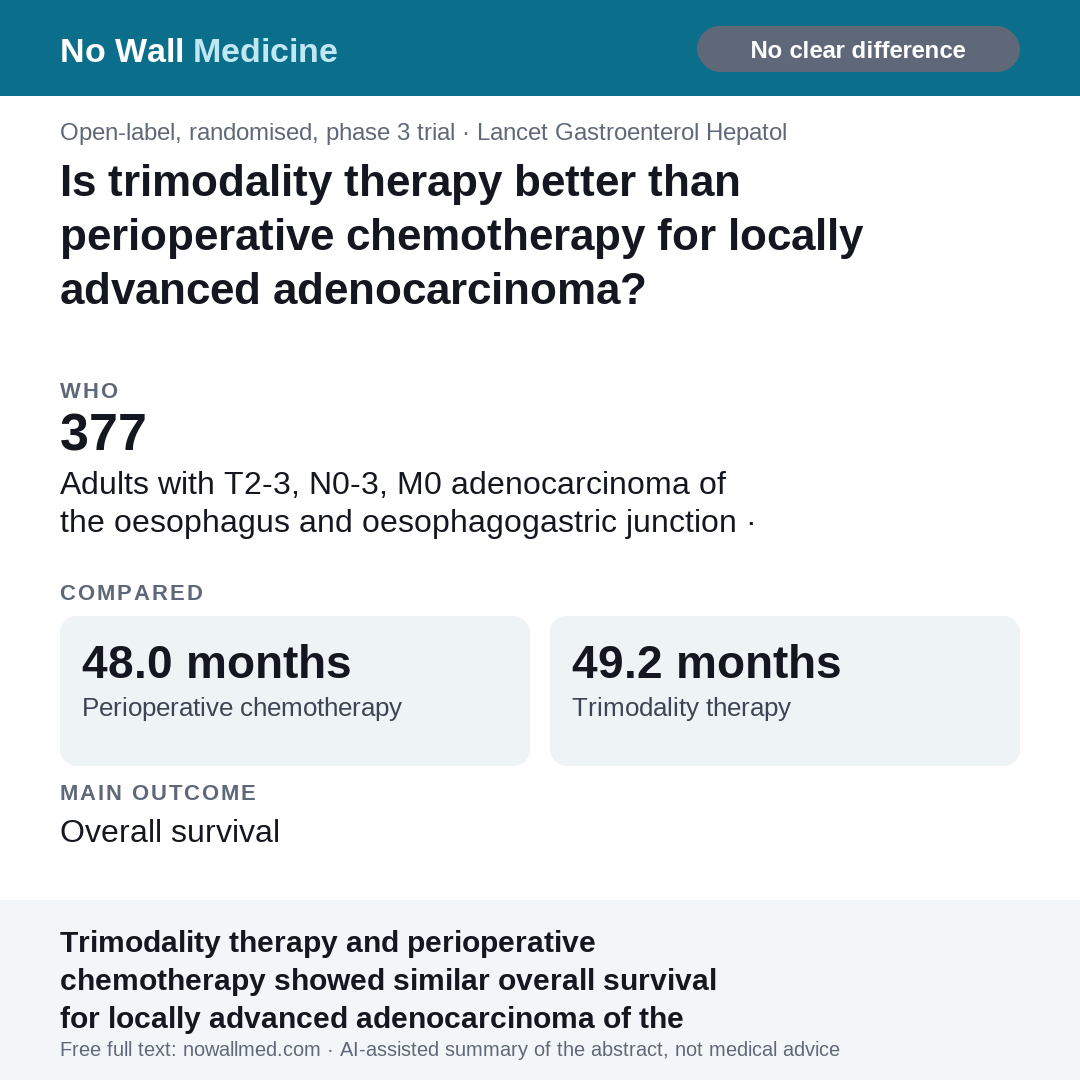
Trimodality therapy versus perioperative chemotherapy in the management of locally advanced adenocarcinoma of the oesophagus and oesophagogastric junction (Neo-AEGIS): an open-label, randomised, phase 3 trial
Open-label, randomised, phase 3 trialNo clear difference
Is trimodality therapy better than perioperative chemotherapy for locally advanced adenocarcinoma?
Who
377
Adults with T2-3, N0-3, M0 adenocarcinoma of the oesophagus and oesophagogastric junction · 24 centres in Europe
Compared
48.0 monthsPerioperative chemotherapy
49.2 monthsTrimodality therapy
Main outcome
Overall survival
Result: hazard ratio 1.03 (95% CI 0.77 to 1.38)
Bottom line: Trimodality therapy and perioperative chemotherapy showed similar overall survival for locally advanced adenocarcinoma of the oesophagus and oesophagogastric junction.
Lancet Gastroenterol Hepatol · 2023-09-18Download image
Automated Large Vessel Occlusion Detection Software and Thrombectomy Treatment Times: A Cluster Randomized Clinical Trial
Cluster randomized stepped-wedge clinical trialKey finding
Does automated large vessel occlusion detection and secure messaging improve endovascular therapy workflows?
Who
243
Patients with large vessel occlusion ischemic stroke · 4 comprehensive stroke centers in Houston, Texas
Compared
Unexposed period: 100 (IQR, 81-116) minutes
Exposed period
Main outcome
door-to-groin time
Result: reduction in door-to-groin time by 11.2 minutes (95% CI, -18.22 to -4.2)
Bottom line: Automated large vessel occlusion detection and secure messaging reduced door-to-groin and treatment start times.
JAMA Neurol · 2023-09-18Download image

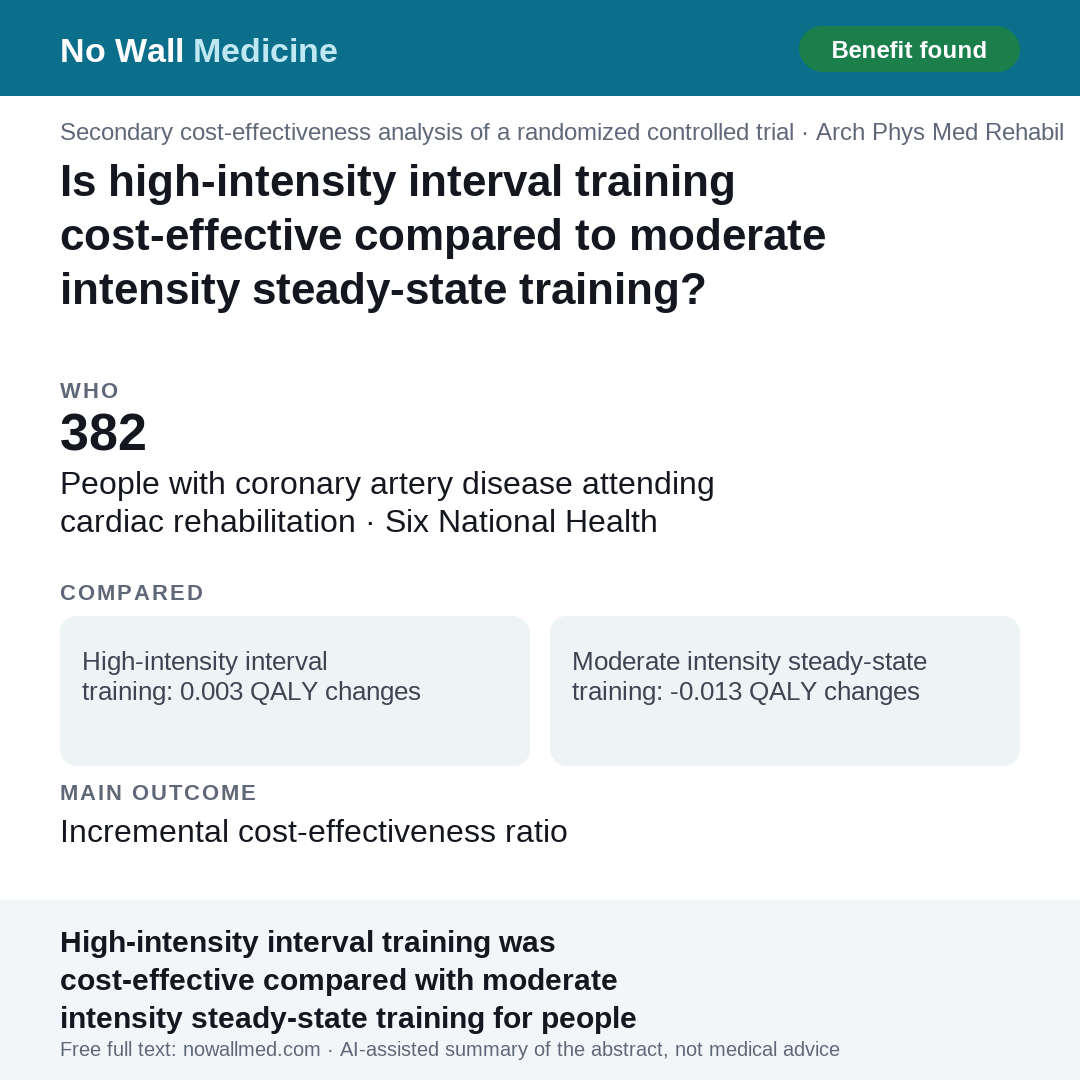
Cost-effectiveness of High-Intensity Interval Training (HIIT) vs Moderate Intensity Steady-State (MISS) Training in UK Cardiac Rehabilitation
Secondary cost-effectiveness analysis of a randomized controlled trialBenefit found
Is high-intensity interval training cost-effective compared to moderate intensity steady-state training?
Who
382
People with coronary artery disease attending cardiac rehabilitation · Six National Health Service centers in England and Wales
Compared
High-intensity interval training: 0.003 QALY changes
Moderate intensity steady-state training: -0.013 QALY changes
Main outcome
Incremental cost-effectiveness ratio
Result: £1448 per quality-adjusted life year
Bottom line: High-intensity interval training was cost-effective compared with moderate intensity steady-state training for people with coronary artery disease.
Arch Phys Med Rehabil · 2023-09-18Download image
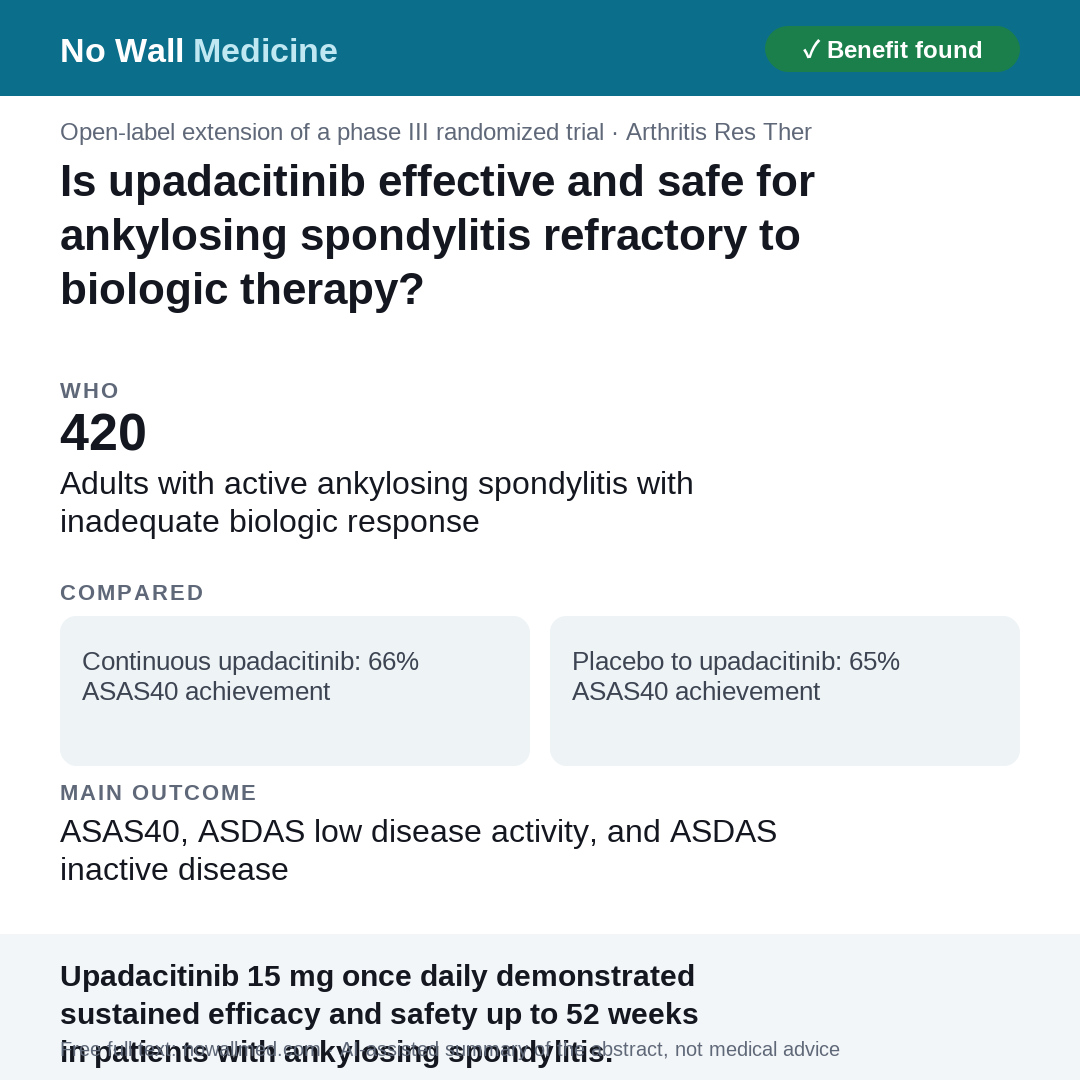
Efficacy and safety of upadacitinib in patients with ankylosing spondylitis refractory to biologic therapy: 1-year results from the open-label extension of a phase III study
Open-label extension of a phase III randomized trialBenefit found
Is upadacitinib effective and safe for ankylosing spondylitis refractory to biologic therapy?
Who
420
Adults with active ankylosing spondylitis with inadequate biologic response
Compared
Continuous upadacitinib: 66% ASAS40 achievement
Placebo to upadacitinib: 65% ASAS40 achievement
Main outcome
ASAS40, ASDAS low disease activity, and ASDAS inactive disease
Bottom line: Upadacitinib 15 mg once daily demonstrated sustained efficacy and safety up to 52 weeks in patients with ankylosing spondylitis.
Arthritis Res Ther · 2023-09-18Download image
Implications for implementation and adoption of telehealth in developing countries: a systematic review of China's practices and experiences
Systematic reviewUnclear result
Telehealth in developing countries
Who
Developing countries, China · China
Compared
Telehealth
Traditional care
Main outcome
Telehealth implementation
Bottom line: Telehealth helped in China during pandemic
NPJ Digit Med · 2023-09-18Download image
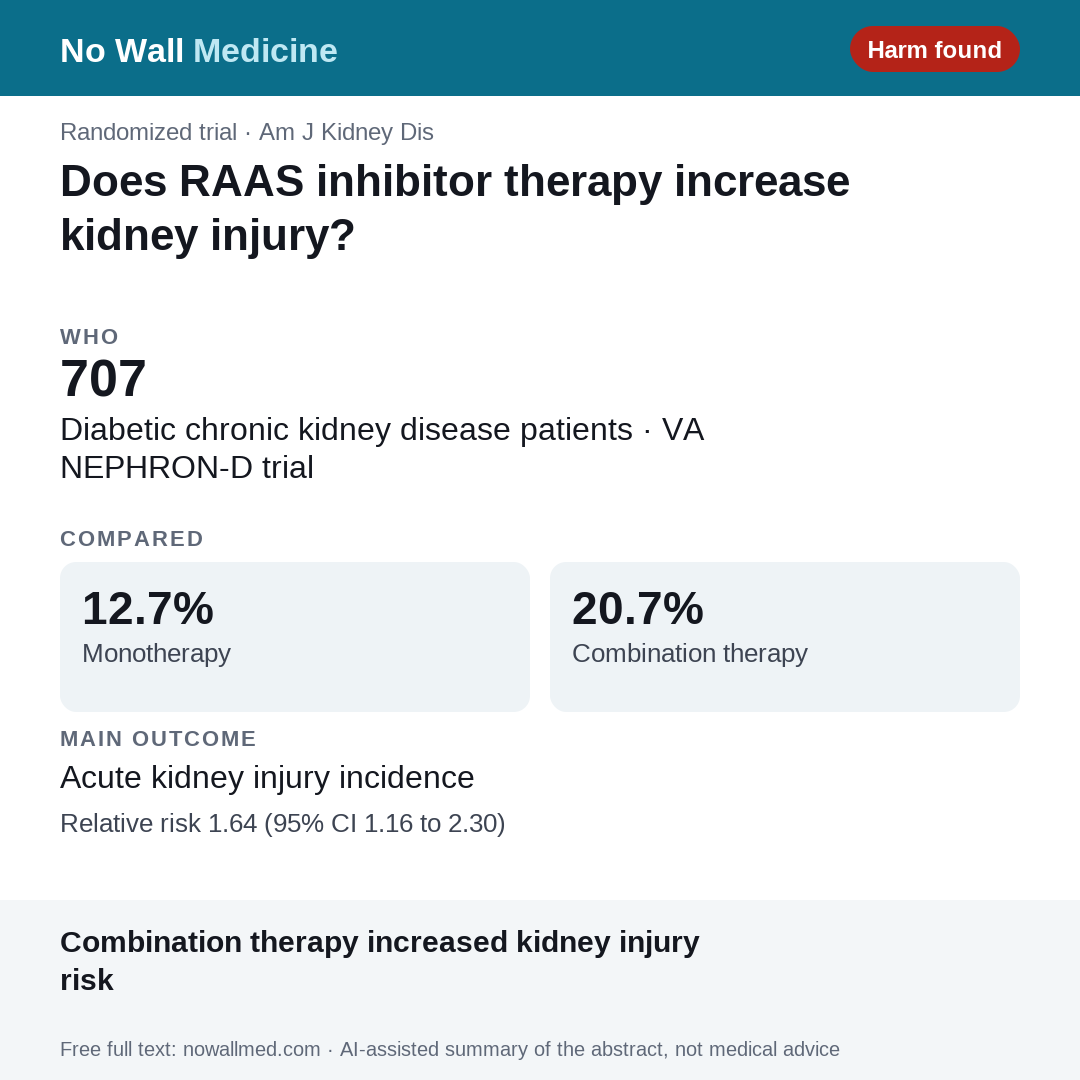
Urinary Biomarkers and Kidney Injury in VA NEPHRON-D: Phenotyping Acute Kidney Injury in Clinical Trials
Randomized trialHarm found
Does RAAS inhibitor therapy increase kidney injury?
Who
707
Diabetic chronic kidney disease patients · VA NEPHRON-D trial
Compared
12.7%Monotherapy
20.7%Combination therapy
Main outcome
Acute kidney injury incidence
Result: Relative risk 1.64 (95% CI 1.16 to 2.30)
Bottom line: Combination therapy increased kidney injury risk
Limitation: Biomarker measurement limited to two time points
Am J Kidney Dis · 2023-09-17Download image
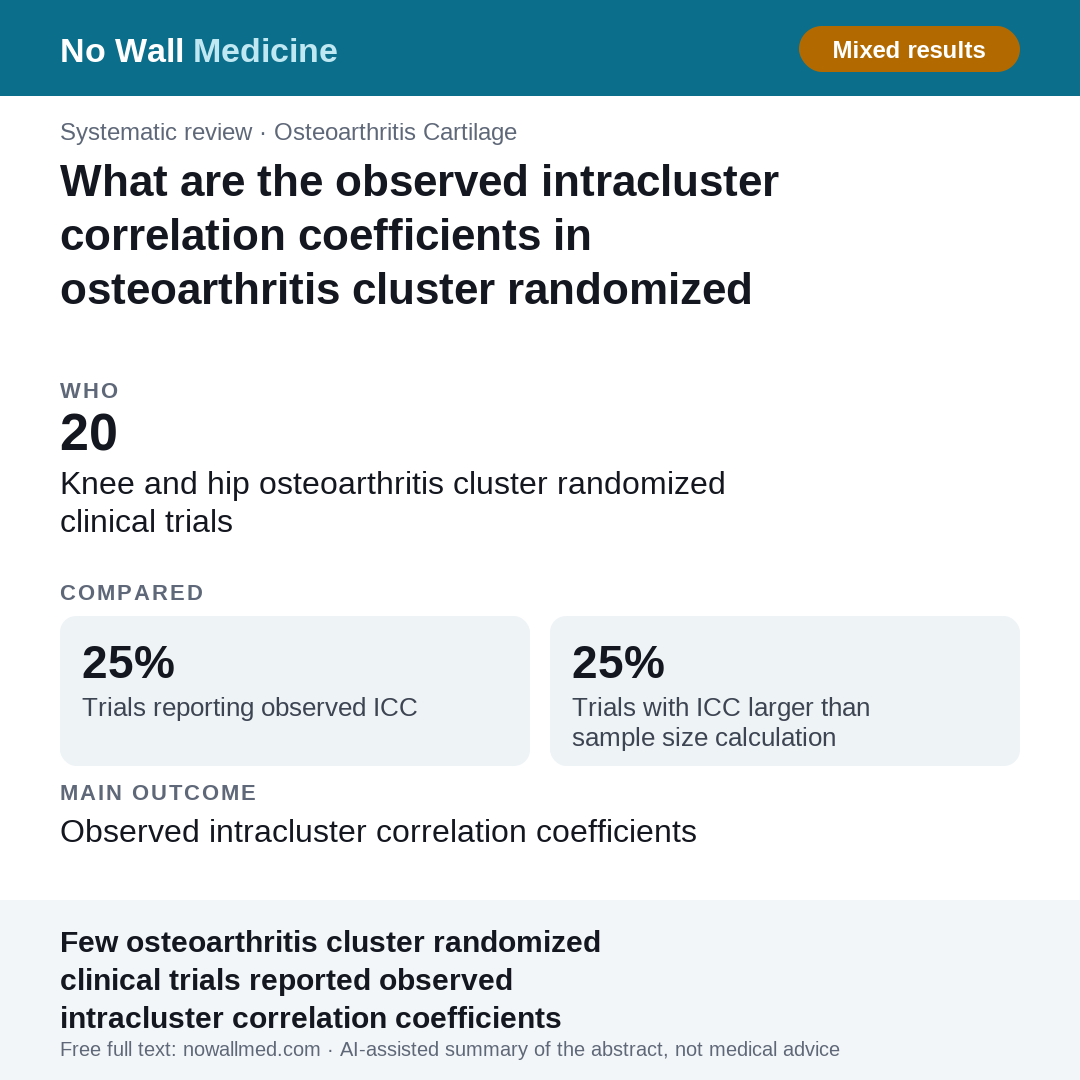
Intracluster correlation coefficients in osteoarthritis cluster randomized trials: A systematic review
Systematic reviewMixed results
What are the observed intracluster correlation coefficients in osteoarthritis cluster randomized clinical trials?
Who
Knee and hip osteoarthritis cluster randomized clinical trials
Compared
25%Trials reporting observed ICC
25%Trials with ICC larger than sample size calculation
Main outcome
Observed intracluster correlation coefficients
Bottom line: Few osteoarthritis cluster randomized clinical trials reported observed intracluster correlation coefficients despite recommendations.
Osteoarthritis Cartilage · 2023-09-17Download image
Effect of Isoenergetic Substitution of Cheese with Other Dairy Products on Blood Lipid Markers in the Fasted and Postprandial State: An Updated and Extended Systematic Review and Meta-Analysis of Randomized Controlled Trials in Adults
Systematic review and meta-analysis of randomized controlled trialsBenefit found
Does replacing cheese with other dairy products affect blood lipid markers?
Who
Adults consuming isoenergetic substitution of cheese with other dairy
Compared
Cheese
Other dairy products
Main outcome
Fasting total cholesterol, LDL-C and HDL-C concentrations
Result: total cholesterol WMD: -0.24 mmol/L (95% CI: -0.34, -0.15); LDL-C WMD: -0.19 mmol/L (95% CI: -0.27, -0.12); HDL-C WMD: -0.04 mmol/L (95% CI: -0.08, -0.00)
Bottom line: Replacing cheese with other dairy products may reduce fasting total cholesterol, LDL-C, and HDL-C concentrations.
Limitation: Considerable heterogeneity and limited studies require further confirmation from randomized controlled trials.
Adv Nutr · 2023-09-17Download image

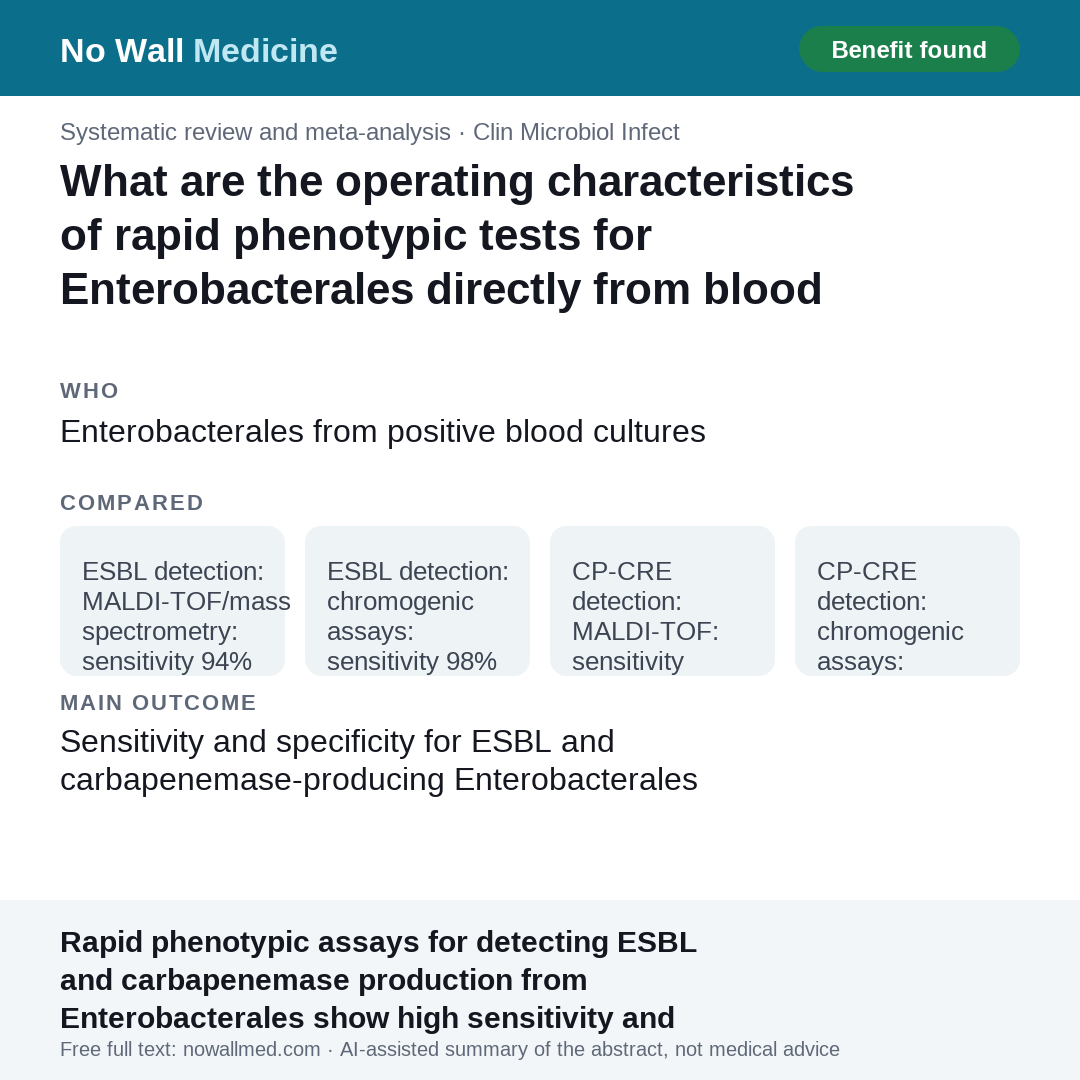
Rapid phenotypic testing for detection of carbapenemase- or extended-spectrum ß-lactamase-producing Enterobacterales directly from blood cultures: a systematic review and meta-analysis
Systematic review and meta-analysisBenefit found
What are the operating characteristics of rapid phenotypic tests for Enterobacterales directly from blood cultures?
Who
Enterobacterales from positive blood cultures
Compared
ESBL detection: MALDI-TOF/mass spectrometry: sensitivity 94% (95% CI 93-99%) and specificity 97% (95% CI 95-100%)
ESBL detection: chromogenic assays: sensitivity 98% (95% CI 92-100%) and specificity 100% (95% CI 96-100%)
CP-CRE detection: MALDI-TOF: sensitivity 100% (95% CI 99-100%) and specificity 100% (95% CI 100-100%)
CP-CRE detection: chromogenic assays: sensitivity 96% (95% CI 77-99%) and specificity 100% (95% CI 81-100%)
Main outcome
Sensitivity and specificity for ESBL and carbapenemase-producing Enterobacterales detection
Bottom line: Rapid phenotypic assays for detecting ESBL and carbapenemase production from Enterobacterales show high sensitivity and specificity.
Limitation: clinical studies are limited
Clin Microbiol Infect · 2023-09-16Download image
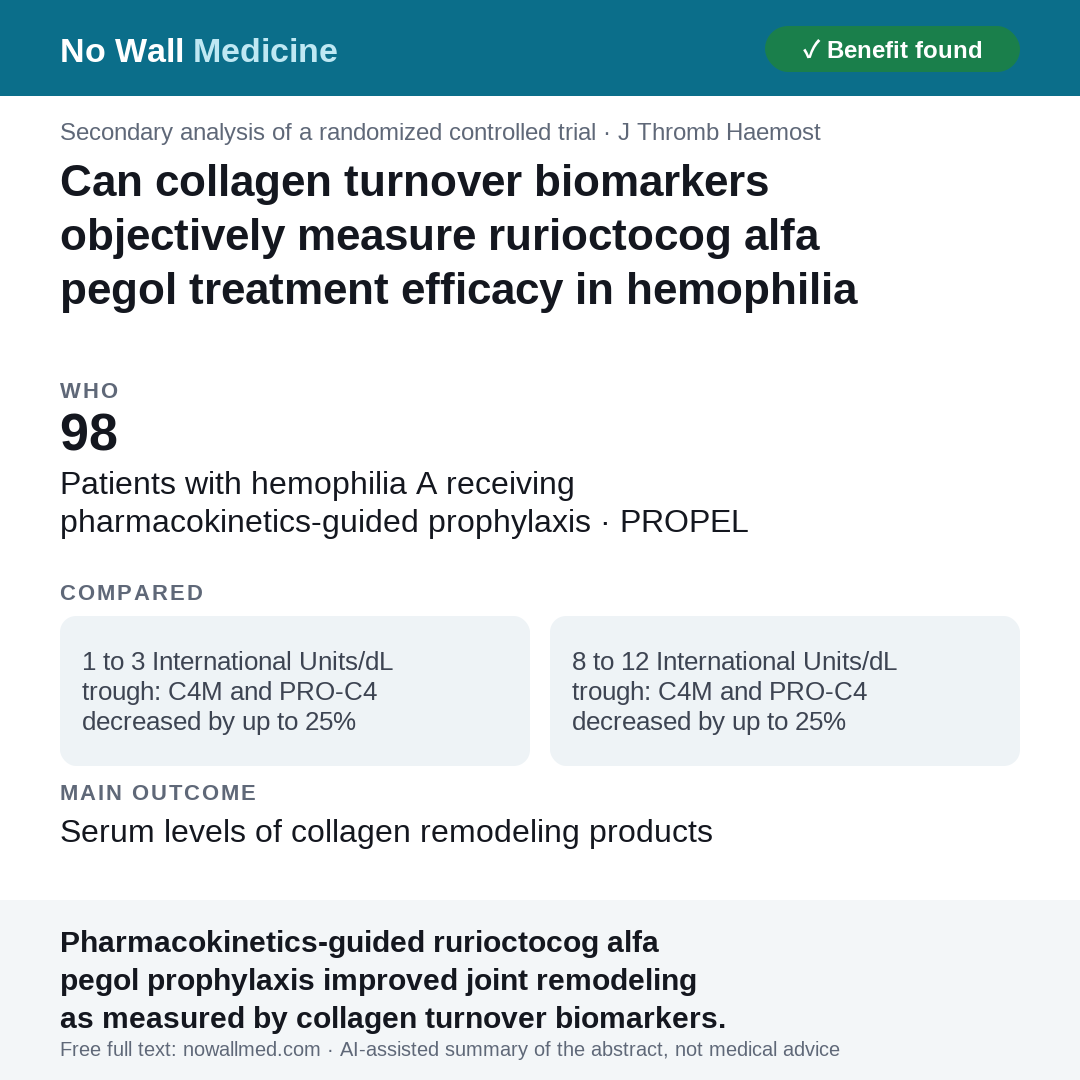
Evaluation of collagen turnover biomarkers as an objective measure for efficacy of treatment with rurioctocog alfa pegol in patients with hemophilia A: a secondary analysis of a randomized controlled trial
Secondary analysis of a randomized controlled trialBenefit found
Can collagen turnover biomarkers objectively measure rurioctocog alfa pegol treatment efficacy in hemophilia A?
Who
98
Patients with hemophilia A receiving pharmacokinetics-guided prophylaxis · PROPEL study
Compared
1 to 3 International Units/dL trough: C4M and PRO-C4 decreased by up to 25%
8 to 12 International Units/dL trough: C4M and PRO-C4 decreased by up to 25%
Main outcome
Serum levels of collagen remodeling products
Bottom line: Pharmacokinetics-guided rurioctocog alfa pegol prophylaxis improved joint remodeling as measured by collagen turnover biomarkers.
J Thromb Haemost · 2023-09-16Download image
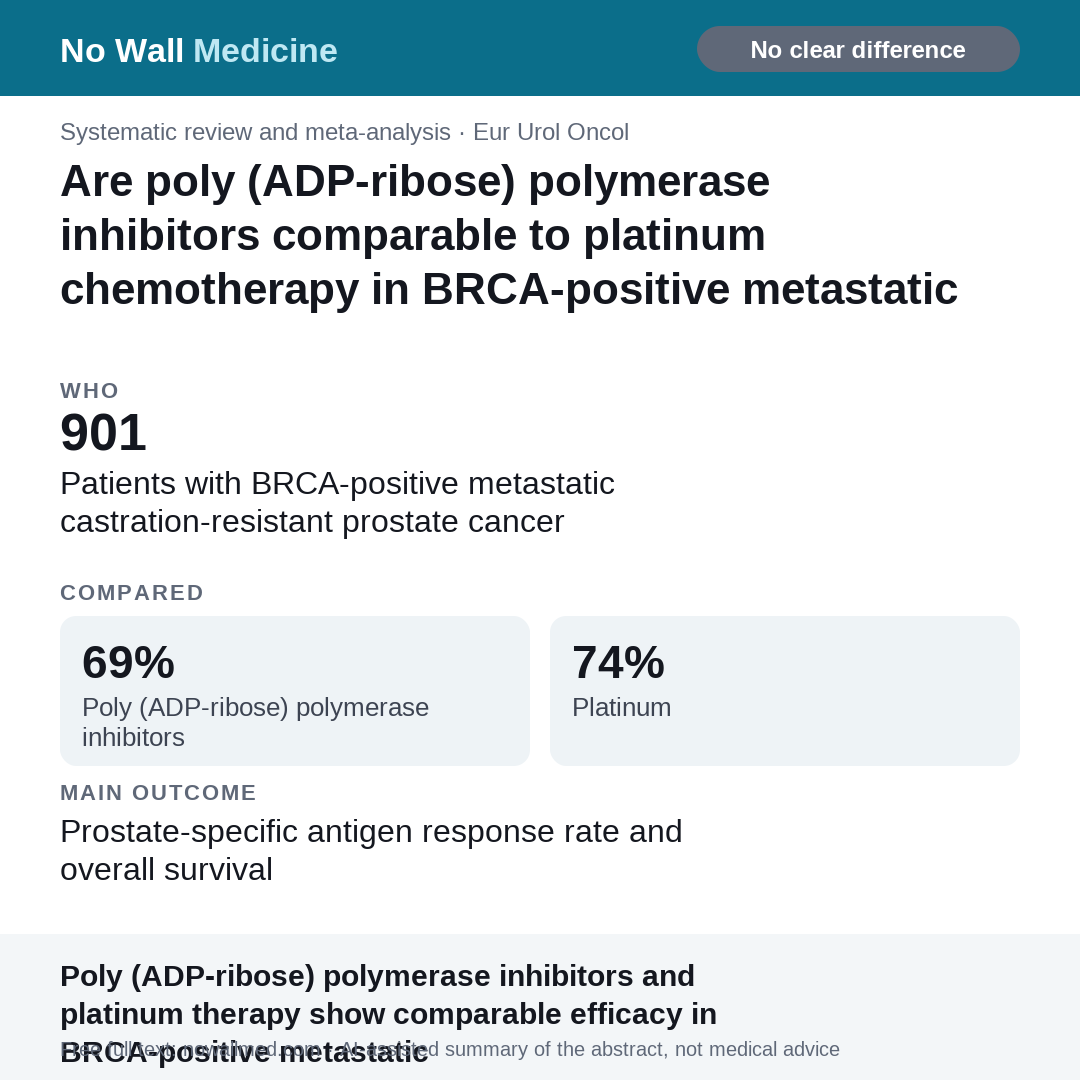
Poly (ADP-ribose) Polymerase Inhibitors Have Comparable Efficacy with Platinum Chemotherapy in Patients with BRCA-positive Metastatic Castration-resistant Prostate Cancer. A Systematic Review and Meta-analysis
Systematic review and meta-analysisNo clear difference
Are poly (ADP-ribose) polymerase inhibitors comparable to platinum chemotherapy in BRCA-positive metastatic castration-resistant prostate cancer?
Who
901
Patients with BRCA-positive metastatic castration-resistant prostate cancer
Compared
69%Poly (ADP-ribose) polymerase inhibitors (CI: 53-82%)
74%Platinum (CI: 49-90%)
Main outcome
Prostate-specific antigen response rate and overall survival
Result: hazard ratio 0.86 (95% CI 0.49-1.52)
Bottom line: Poly (ADP-ribose) polymerase inhibitors and platinum therapy show comparable efficacy in BRCA-positive metastatic castration-resistant prostate cancer.
Limitation: Prospective interventional studies comparing these agents are essential to provide a higher level of evidence.
Eur Urol Oncol · 2023-09-16Download image
A systematic review and meta-analysis on the influence of sociodemographic factors on amputation in patients with peripheral arterial disease
Systematic review and meta-analysisMixed results
How do sociodemographic factors influence major lower limb amputation in peripheral arterial disease patients?
Who
Patients with peripheral arterial disease
Compared
Blacks/African Americans: OR, 2.02 (95% CI, 1.81-2.26)
Native Americans: OR, 1.22 (95% CI, 1.04-1.45)
Hispanics: OR, 1.36 (95% CI, 1.22-1.52)
Medicare patients: OR, 1.38 (95% CI, 1.27-1.50)
Main outcome
Major lower limb amputation rates
Bottom line: Sociodemographic disparities in race, ethnicity, insurance, and income are associated with higher major lower limb amputation rates.
J Vasc Surg · 2023-09-16Download image

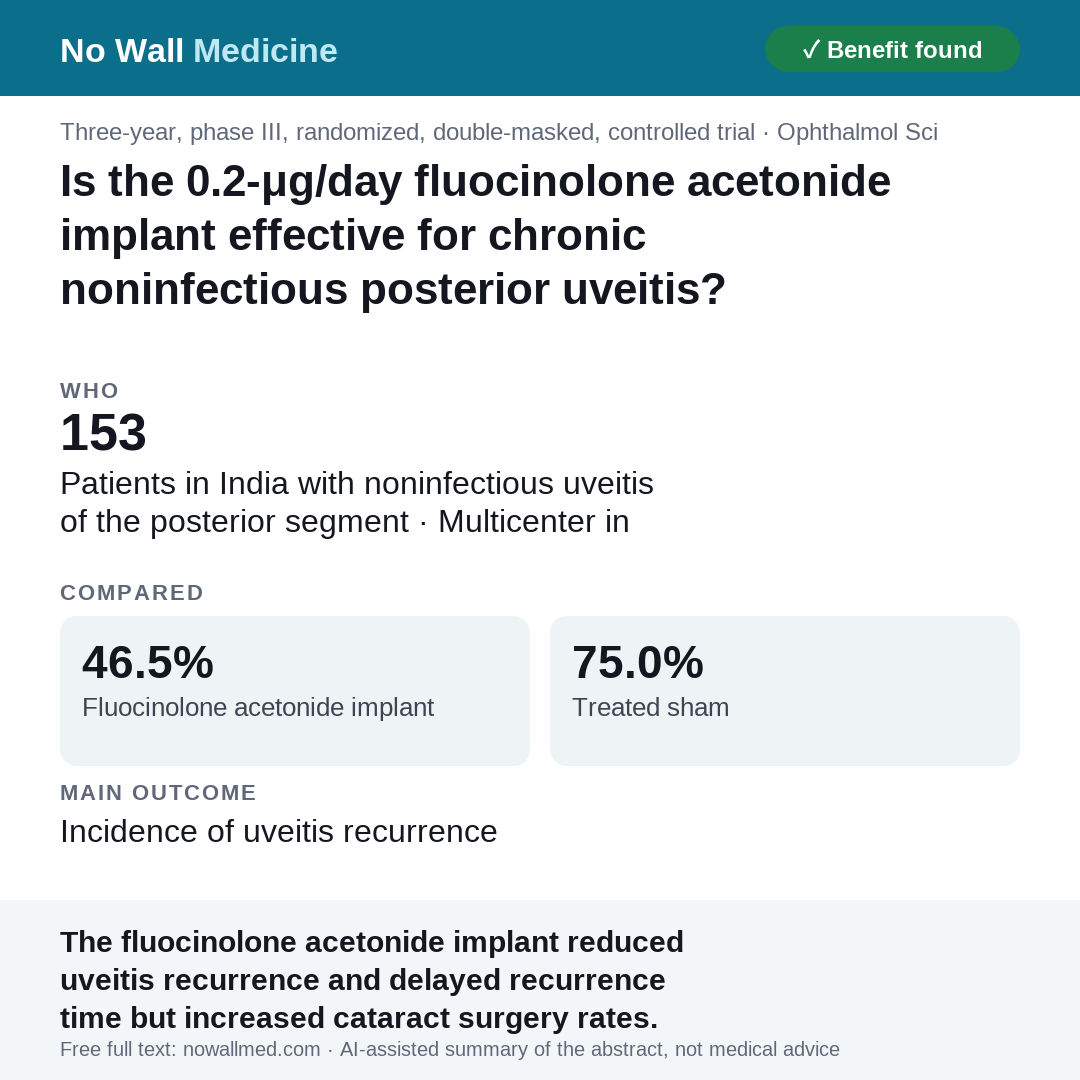
The 0.2-μg/day Fluocinolone Acetonide Intravitreal Implant in Chronic Noninfectious Posterior Uveitis: A 3-year Randomized Trial in India
Three-year, phase III, randomized, double-masked, controlled trialBenefit found
Is the 0.2-μg/day fluocinolone acetonide implant effective for chronic noninfectious posterior uveitis?
Who
153
Patients in India with noninfectious uveitis of the posterior segment · Multicenter in India
Compared
46.5%Fluocinolone acetonide implant
75.0%Treated sham
Main outcome
Incidence of uveitis recurrence
Result: median time to recurrence 1116.0 (95% CI 847.00 to not evaluable) vs 190.5 (95% CI 100.0-395.0) days
Bottom line: The fluocinolone acetonide implant reduced uveitis recurrence and delayed recurrence time but increased cataract surgery rates.
Ophthalmol Sci · 2023-09-16Download image