Visual abstracts
New randomized trials and meta-analyses from leading journals at a glance: who was studied, what was compared, and what was found. Every paper is free to read in full.
All specialtiesCardiology 4877Oncology 4138Gastroenterology & Hepatology 1942Infectious Disease 3837Neurology 1905Psychiatry & Mental Health 2273Pulmonology 2143Critical Care 1365Endocrinology & Diabetes 2580Pediatrics 2980Surgery 2559Orthopedics & Sports Medicine 931Neurosurgery 537Cardiothoracic & Vascular Surgery 674Plastic & Reconstructive Surgery 591Nephrology 1133Rheumatology 823Hematology 1109Dermatology 621Ophthalmology 543Obstetrics & Gynecology 1686Public & Global Health 1058Radiology & Imaging 648Anesthesiology 986Urology 764ENT (Otolaryngology) 503Emergency Medicine 511Allergy & Immunology 313Geriatrics 981Family Medicine & Primary Care 562Medical Genetics & Genomics 676Pathology & Laboratory Medicine 159Physical Medicine & Rehabilitation 757Palliative Care 444Nutrition 1588Digital Health & AI 2201General Medicine 321
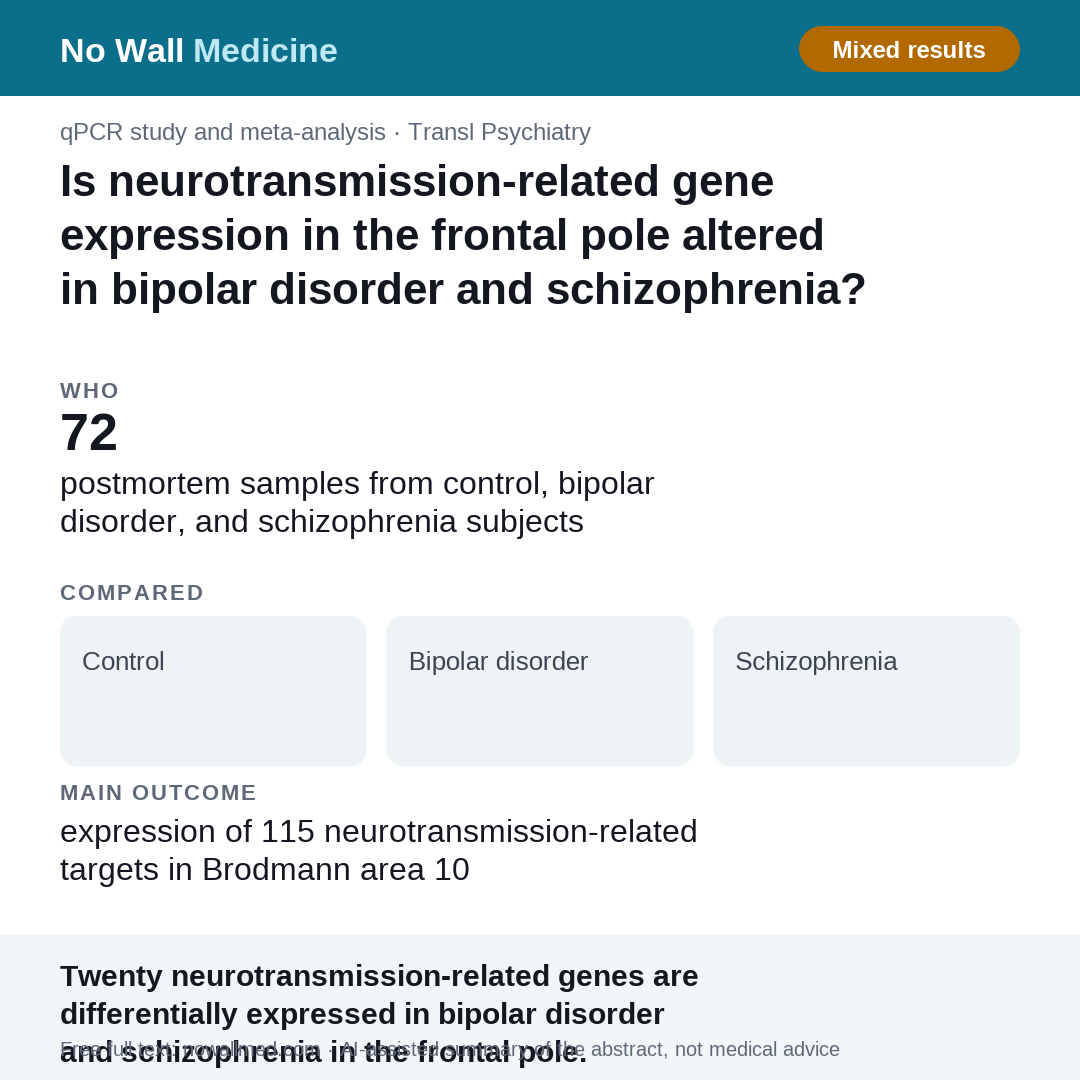
Neurotransmission-related gene expression in the frontal pole is altered in subjects with bipolar disorder and schizophrenia
qPCR study and meta-analysisMixed results
Is neurotransmission-related gene expression in the frontal pole altered in bipolar disorder and schizophrenia?
Who
72
postmortem samples from control, bipolar disorder, and schizophrenia subjects
Compared
Control
Bipolar disorder
Schizophrenia
Main outcome
expression of 115 neurotransmission-related targets in Brodmann area 10
Bottom line: Twenty neurotransmission-related genes are differentially expressed in bipolar disorder and schizophrenia in the frontal pole.
Transl Psychiatry · 2023-04-08Download image
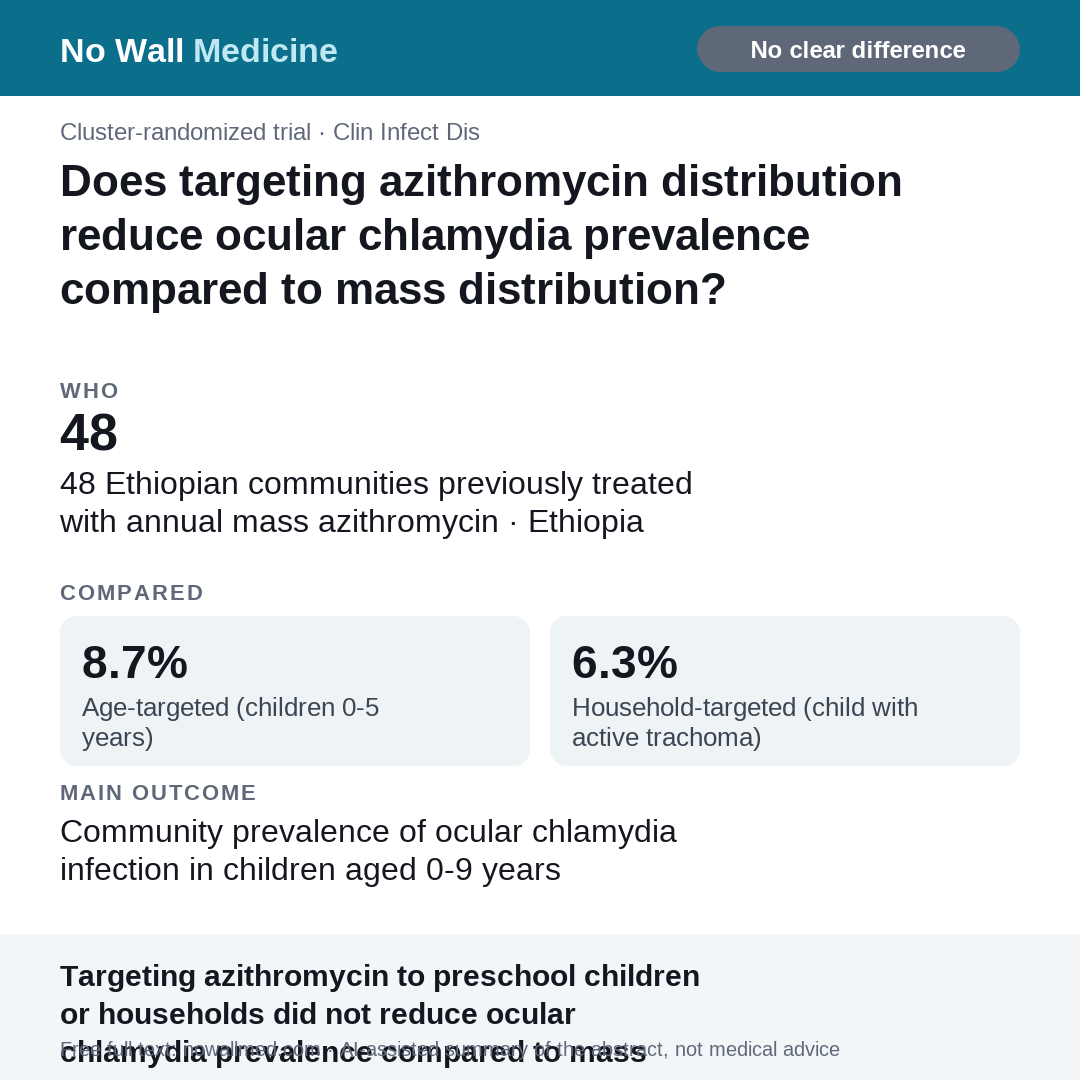
Targeted Mass Azithromycin Distribution for Trachoma: A Community-Randomized Trial (TANA II)
Cluster-randomized trialNo clear difference
Does targeting azithromycin distribution reduce ocular chlamydia prevalence compared to mass distribution?
Who
48
48 Ethiopian communities previously treated with annual mass azithromycin · Ethiopia
Compared
8.7%Age-targeted (children 0-5 years) (95% CI, 4.2%-13.9%)
6.3%Household-targeted (child with active trachoma) (95% CI, 2.9%-10.6%)
Main outcome
Community prevalence of ocular chlamydia infection in children aged 0-9 years
Result: 2.4 percentage points greater (95% CI, -4.8% to 9.6%)
Bottom line: Targeting azithromycin to preschool children or households did not reduce ocular chlamydia prevalence compared to mass distribution.
Clin Infect Dis · 2023-04-07Download image
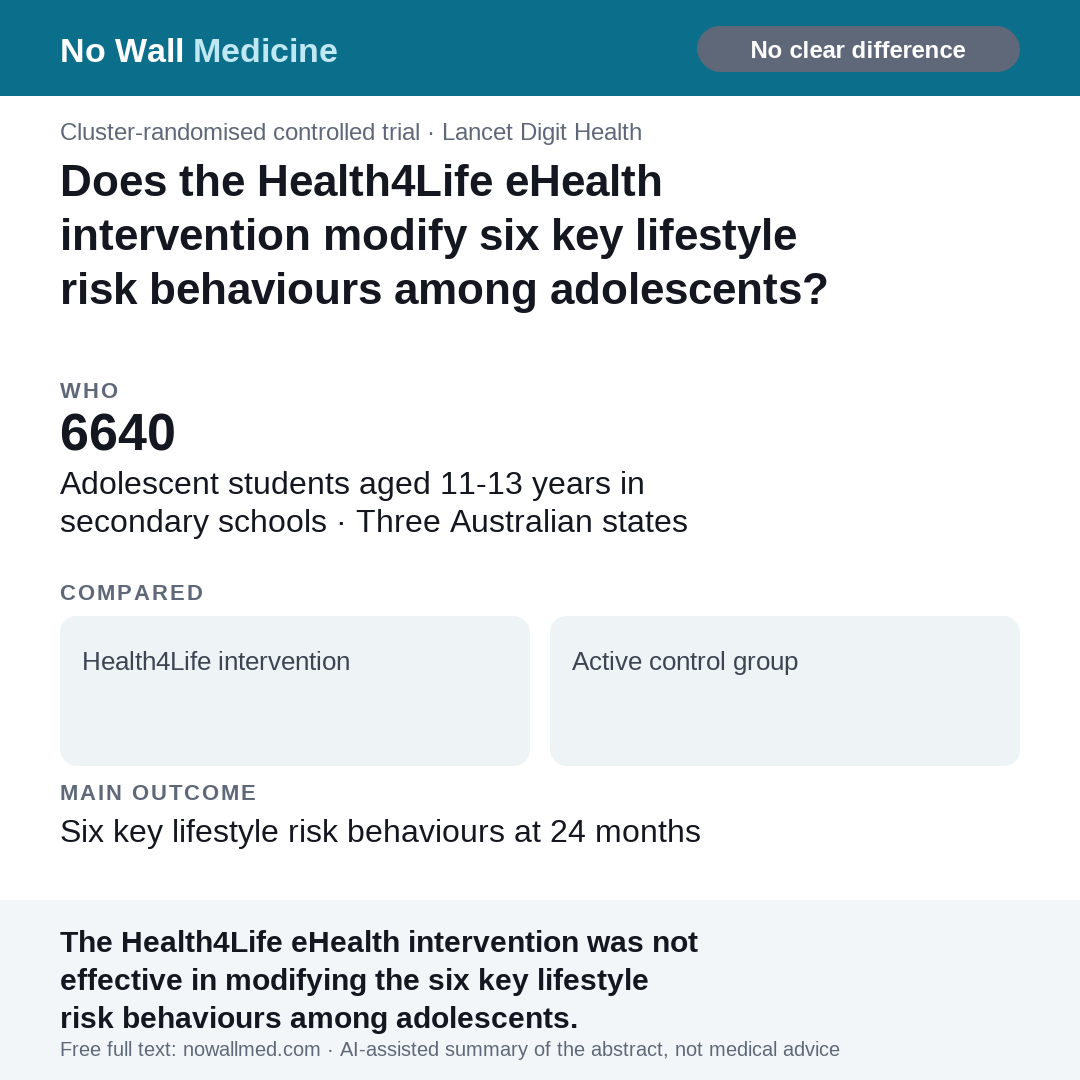
Health4Life eHealth intervention to modify multiple lifestyle risk behaviours among adolescent students in Australia: a cluster-randomised controlled trial
Cluster-randomised controlled trialNo clear difference
Does the Health4Life eHealth intervention modify six key lifestyle risk behaviours among adolescents?
Who
6640
Adolescent students aged 11-13 years in secondary schools · Three Australian states
Compared
Health4Life intervention
Active control group
Main outcome
Six key lifestyle risk behaviours at 24 months
Result: no between-group differences found for any primary outcome
Bottom line: The Health4Life eHealth intervention was not effective in modifying the six key lifestyle risk behaviours among adolescents.
Limitation: Fourteen schools were excluded or withdrew, mostly due to a lack of time.
Funded by: Paul Ramsay Foundation, NHMRC, Australian Government, and US NIH
Lancet Digit Health · 2023-04-07Download image
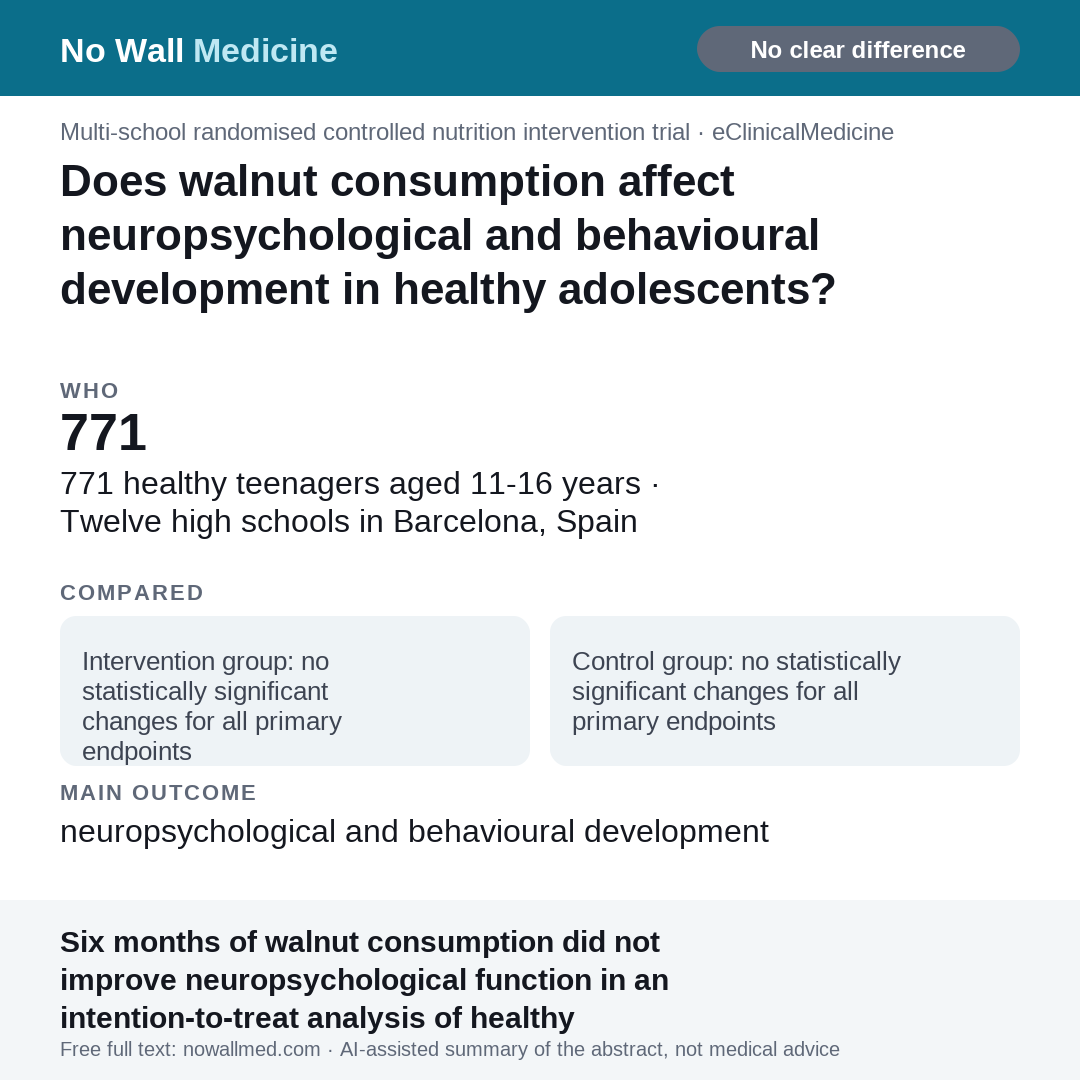
Effect of walnut consumption on neuropsychological development in healthy adolescents: a multi-school randomised controlled trial
Multi-school randomised controlled nutrition intervention trialNo clear difference
Does walnut consumption affect neuropsychological and behavioural development in healthy adolescents?
Who
771
771 healthy teenagers aged 11-16 years · Twelve high schools in Barcelona, Spain
Compared
Intervention group: no statistically significant changes for all primary endpoints
Control group: no statistically significant changes for all primary endpoints
Main outcome
neuropsychological and behavioural development
Bottom line: Six months of walnut consumption did not improve neuropsychological function in an intention-to-treat analysis of healthy adolescents.
Funded by: Instituto de Salud Carlos III and California Walnut Commission
eClinicalMedicine · 2023-04-06Download image
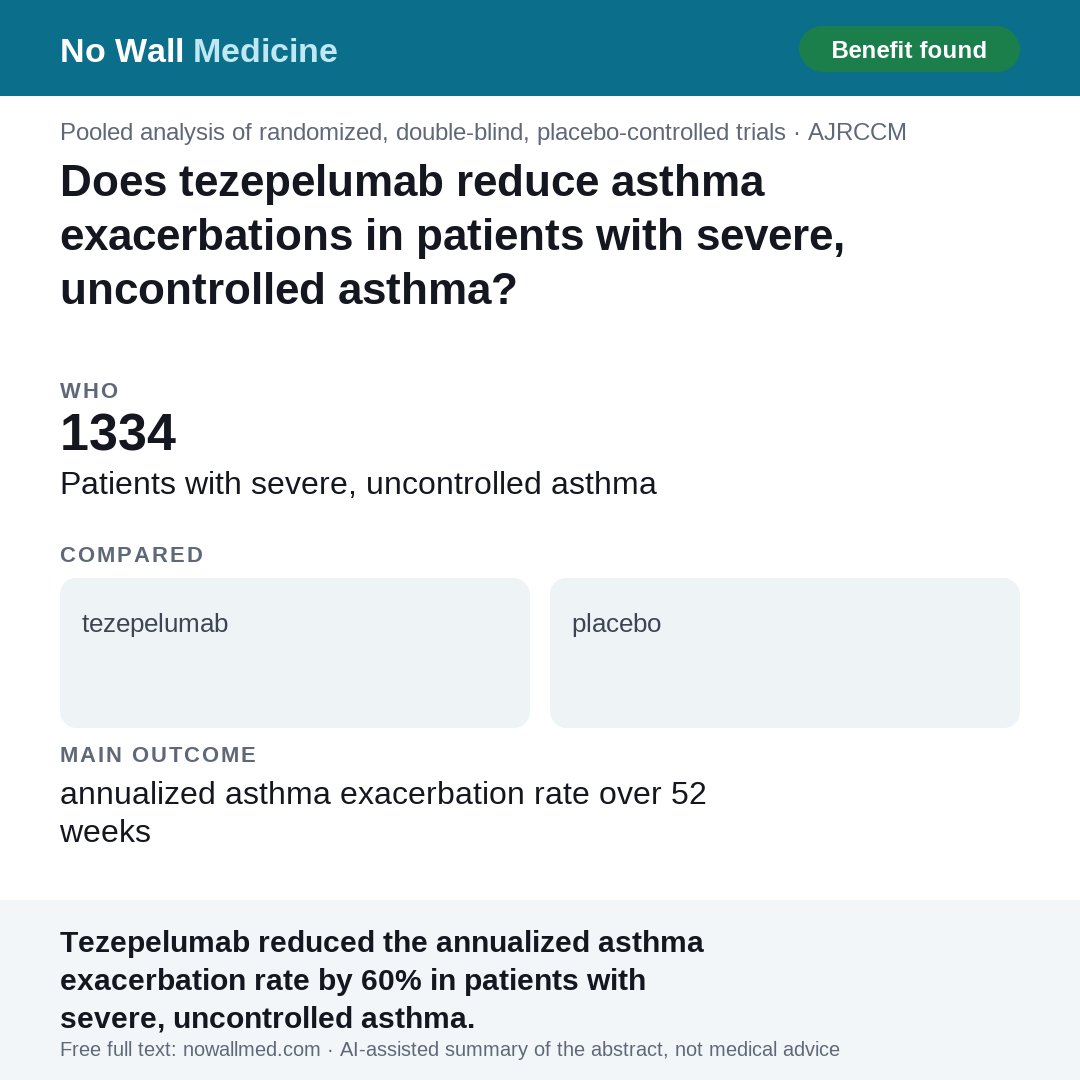
Efficacy of Tezepelumab in Severe, Uncontrolled Asthma: Pooled Analysis of the PATHWAY and NAVIGATOR Clinical Trials
Pooled analysis of randomized, double-blind, placebo-controlled trialsBenefit found
Does tezepelumab reduce asthma exacerbations in patients with severe, uncontrolled asthma?
Who
1334
Patients with severe, uncontrolled asthma
Compared
tezepelumab
placebo
Main outcome
annualized asthma exacerbation rate over 52 weeks
Result: rate ratio, 0.40 (95% confidence interval, 0.34-0.48)
Bottom line: Tezepelumab reduced the annualized asthma exacerbation rate by 60% in patients with severe, uncontrolled asthma.
AJRCCM · 2023-04-05Download image
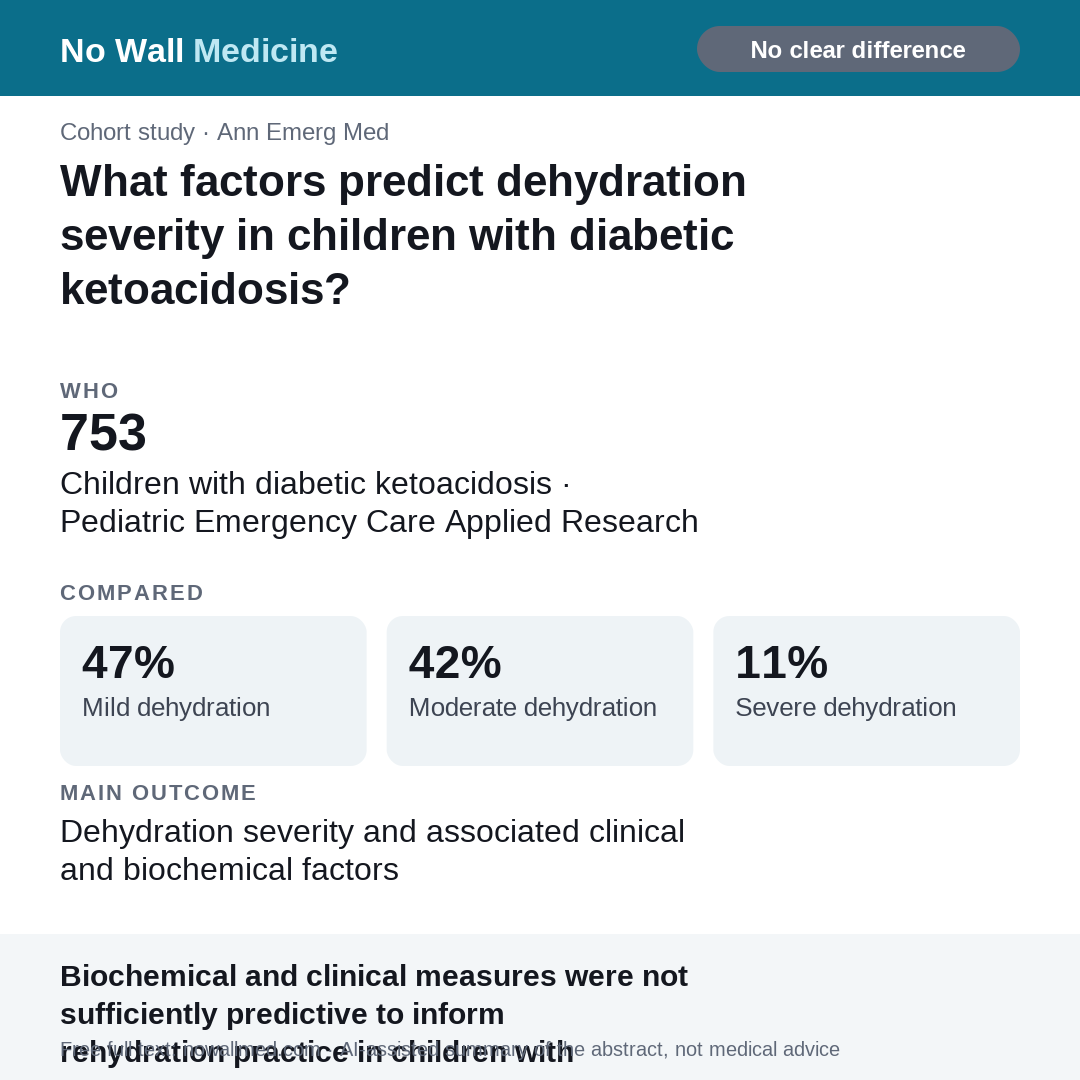
Clinical and Laboratory Predictors of Dehydration Severity in Children With Diabetic Ketoacidosis
Cohort studyNo clear difference
What factors predict dehydration severity in children with diabetic ketoacidosis?
Who
753
Children with diabetic ketoacidosis · Pediatric Emergency Care Applied Research Network
Compared
47%Mild dehydration (N=379)
42%Moderate dehydration (N=343)
11%Severe dehydration (N=89)
Main outcome
Dehydration severity and associated clinical and biochemical factors
Bottom line: Biochemical and clinical measures were not sufficiently predictive to inform rehydration practice in children with diabetic ketoacidosis.
Limitation: Substantial overlap in variables between dehydration groups.
Ann Emerg Med · 2023-04-05Download image
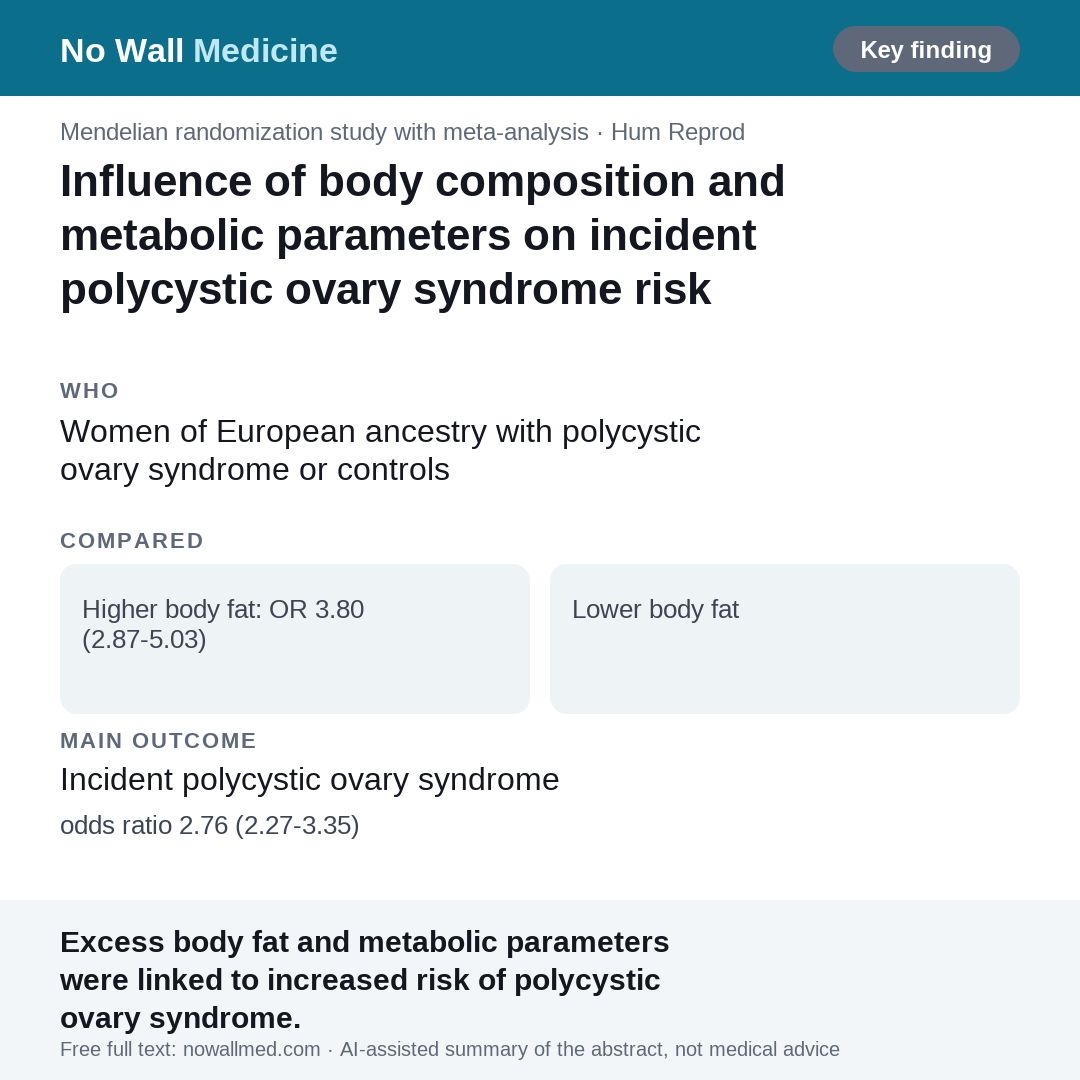
Childhood, adolescent, and adulthood adiposity are associated with risk of PCOS: a Mendelian randomization study with meta-analysis
Systematic review and Mendelian randomization meta-analysisBenefit found
How does body composition and metabolic parameters influence incident polycystic ovary syndrome risk?
Who
63
Subjects of European ancestry
Compared
Overweight: OR 3.80, 2.87-5.03
Obesity: OR 4.99, 3.74-6.67
Central obesity: OR 2.93, 2.08-4.12
Main outcome
Odds of incident polycystic ovary syndrome
Result: OR 2.76 (2.27-3.35) per standard deviation increase in BMI
Bottom line: Excess body fat in childhood, adolescence, and adulthood significantly increases polycystic ovary syndrome risk.
Limitation: Meta-analysis included cross-sectional and retrospective studies; Mendelian randomization limited to European ancestry.
Funded by: National Institute for Health and Care Research
Hum Reprod · 2023-04-05Download image
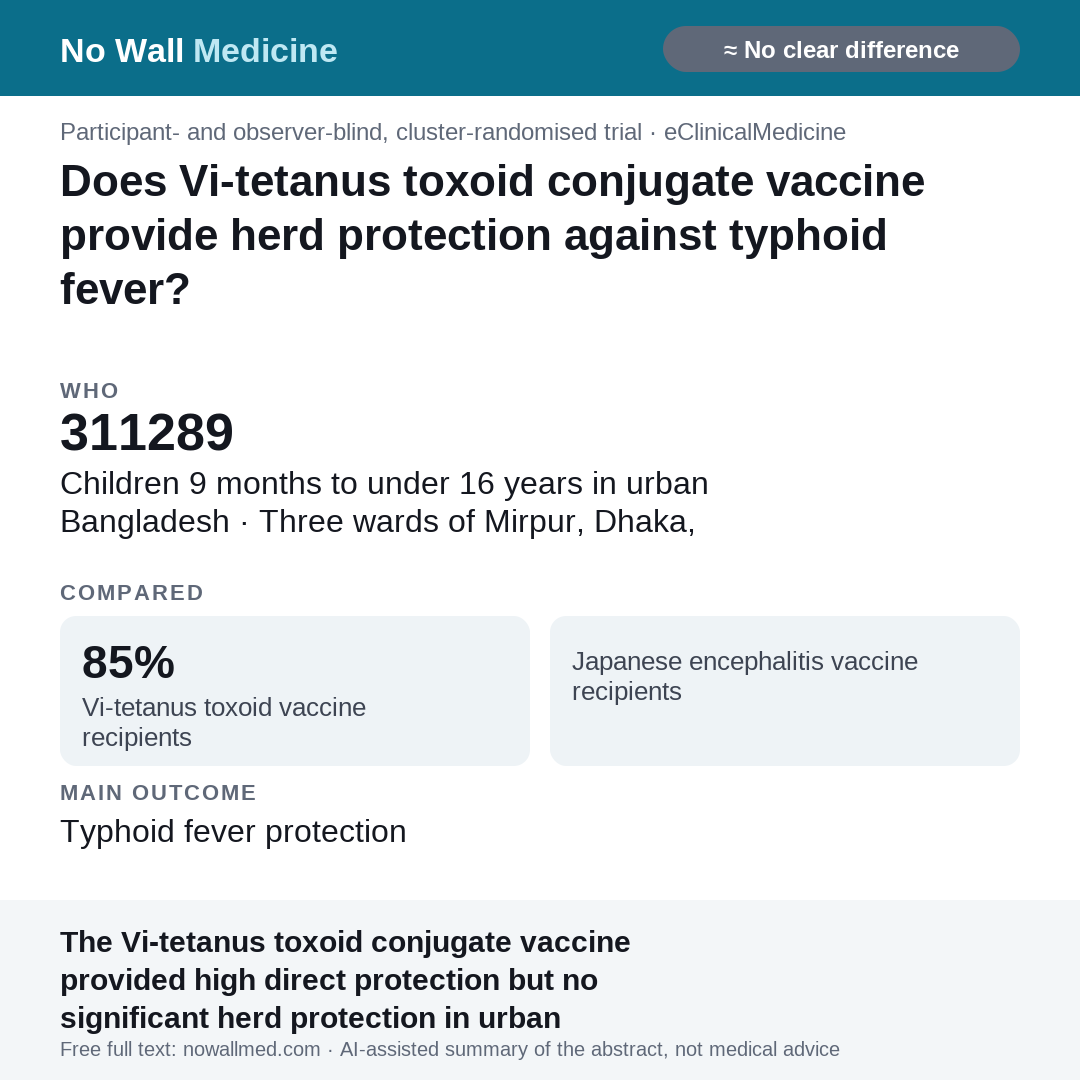
Assessment of vaccine herd protection in a cluster-randomised trial of Vi conjugate vaccine against typhoid fever: results of further analysis
Participant- and observer-blind, cluster-randomised trialNo clear difference
Does Vi-tetanus toxoid conjugate vaccine provide herd protection against typhoid fever?
Who
311289
Children 9 months to under 16 years in urban Bangladesh · Three wards of Mirpur, Dhaka, Bangladesh
Compared
85%Vi-tetanus toxoid vaccine recipients (95% CI: 76%, 90%)
Japanese encephalitis vaccine recipients
Main outcome
Typhoid fever protection
Result: indirect effectiveness 17% (95% CI -13%, 40%)
Bottom line: The Vi-tetanus toxoid conjugate vaccine provided high direct protection but no significant herd protection in urban Bangladeshi children.
Funded by: Bill & Melinda Gates Foundation
eClinicalMedicine · 2023-04-04Download image
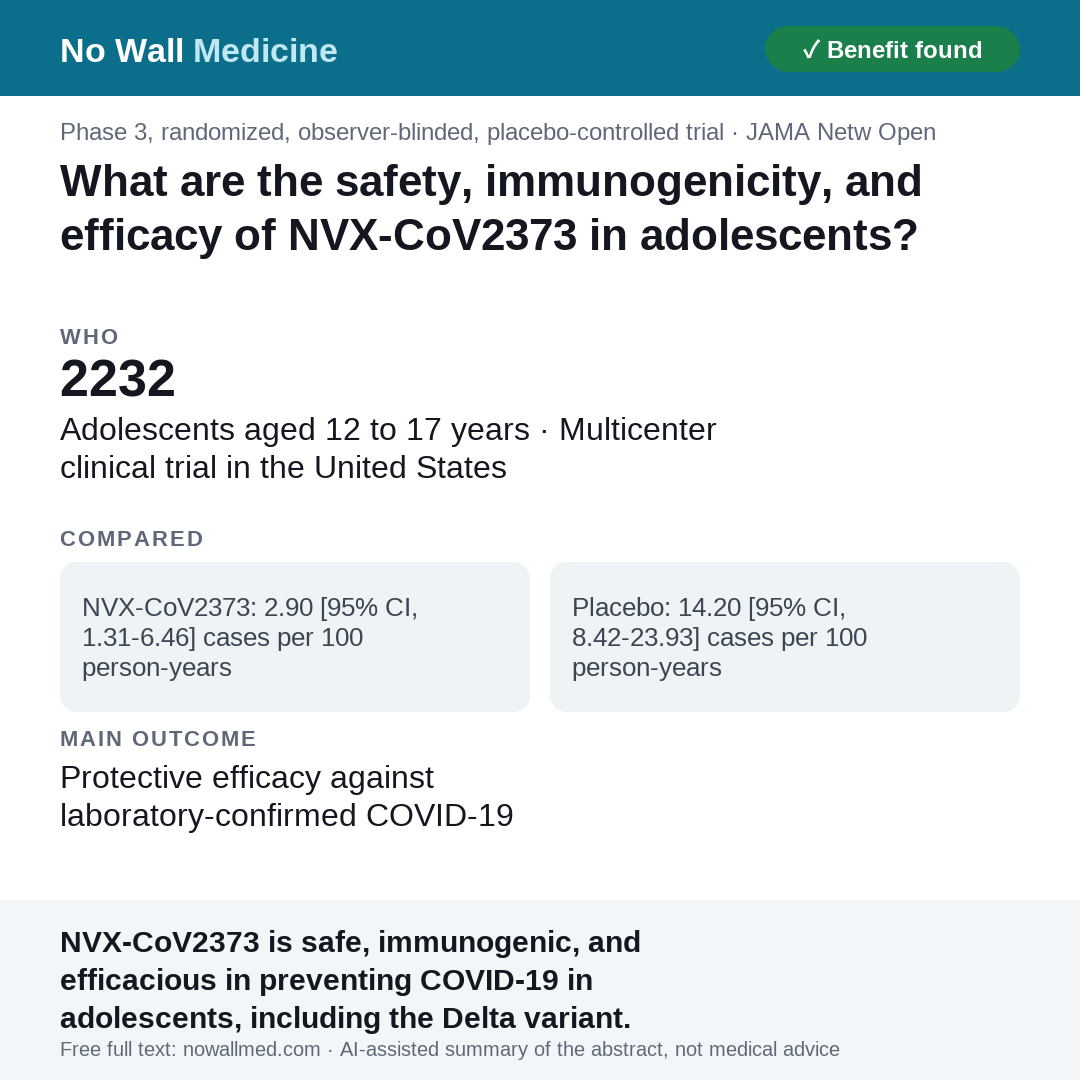
Safety, Immunogenicity, and Efficacy of the NVX-CoV2373 COVID-19 Vaccine in Adolescents: A Randomized Clinical Trial
Phase 3, randomized, observer-blinded, placebo-controlled trialBenefit found
What are the safety, immunogenicity, and efficacy of NVX-CoV2373 in adolescents?
Who
2232
Adolescents aged 12 to 17 years · Multicenter clinical trial in the United States
Compared
NVX-CoV2373: 2.90 [95% CI, 1.31-6.46] cases per 100 person-years
Placebo: 14.20 [95% CI, 8.42-23.93] cases per 100 person-years
Main outcome
Protective efficacy against laboratory-confirmed COVID-19
Result: vaccine efficacy of 79.5% (95% CI, 46.8%-92.1%)
Bottom line: NVX-CoV2373 is safe, immunogenic, and efficacious in preventing COVID-19 in adolescents, including the Delta variant.
JAMA Netw Open · 2023-04-03Download image
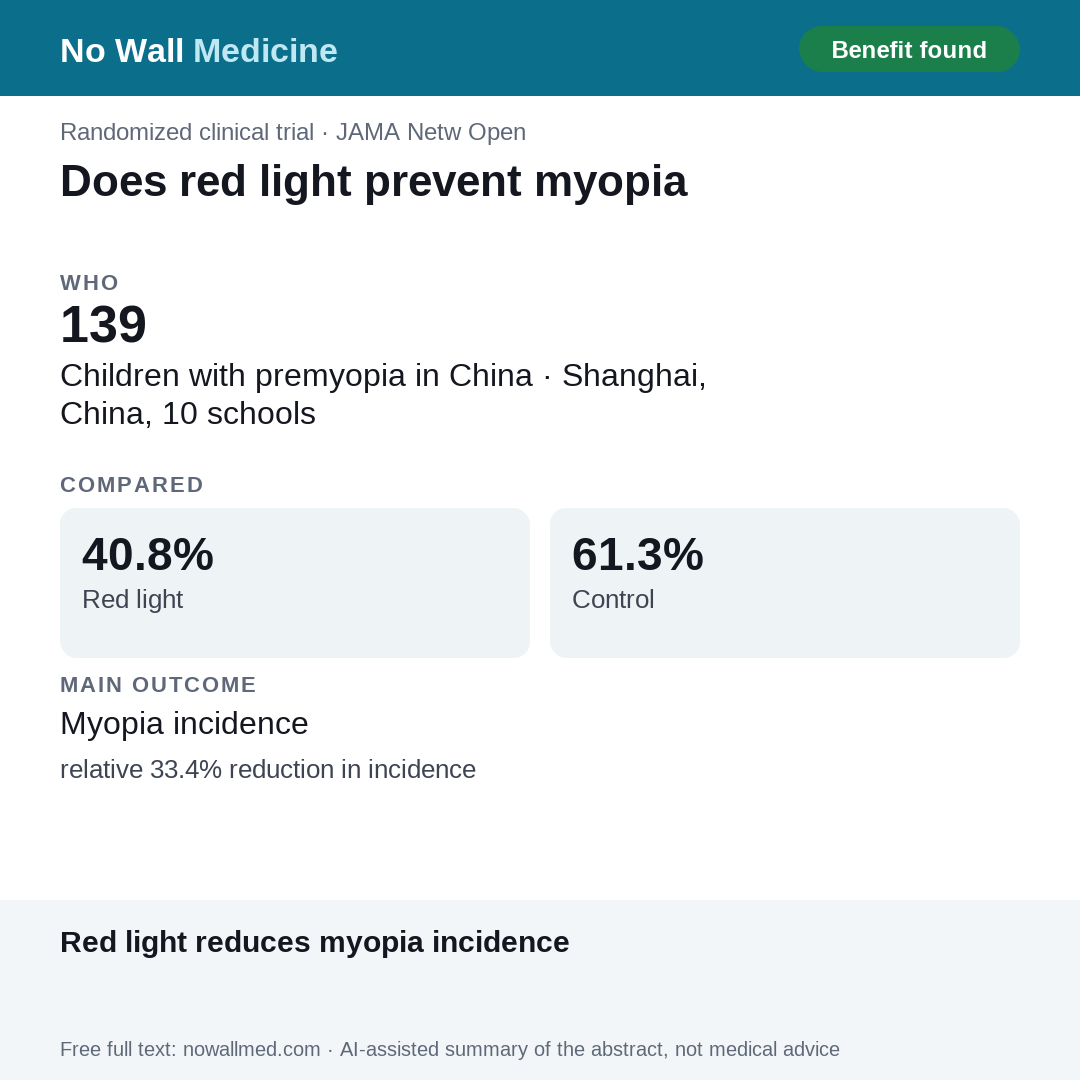
Effect of Repeated Low-level Red Light on Myopia Prevention Among Children in China With Premyopia: A Randomized Clinical Trial
Randomized clinical trialBenefit found
Does red light prevent myopia
Who
139
Children with premyopia in China · Shanghai, China, 10 schools
Compared
40.8%Red light (49/120)
61.3%Control (68/111)
Main outcome
Myopia incidence
Result: relative 33.4% reduction in incidence
Bottom line: Red light reduces myopia incidence
Limitation: COVID-19 pandemic interruption
JAMA Netw Open · 2023-04-03Download image
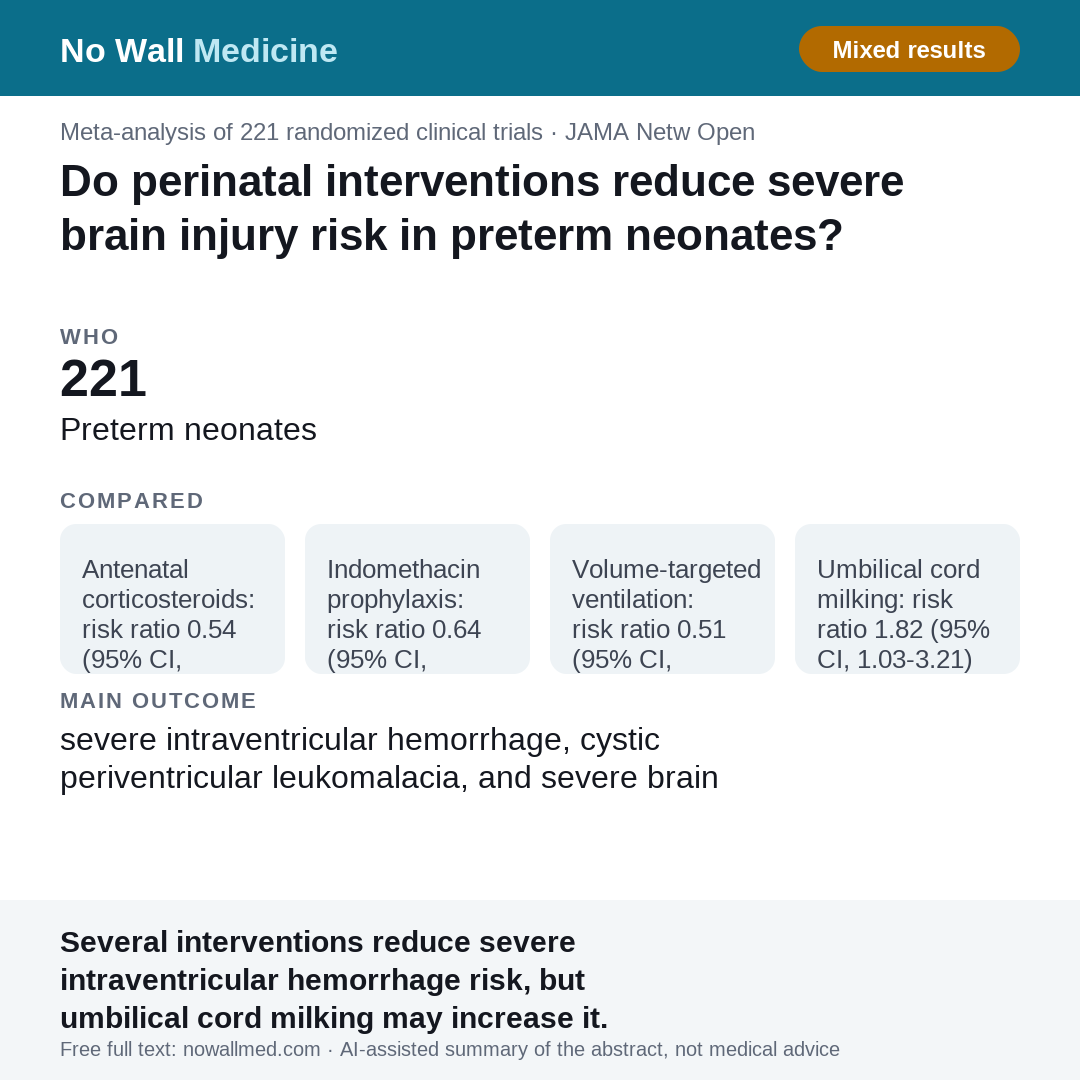
Interventions to Reduce Severe Brain Injury Risk in Preterm Neonates: A Systematic Review and Meta-analysis
Meta-analysis of 221 randomized clinical trialsMixed results
Do perinatal interventions reduce severe brain injury risk in preterm neonates?
Who
221
Preterm neonates
Compared
Antenatal corticosteroids: risk ratio 0.54 (95% CI, 0.35-0.82)
Indomethacin prophylaxis: risk ratio 0.64 (95% CI, 0.52-0.79)
Volume-targeted ventilation: risk ratio 0.51 (95% CI, 0.36-0.72)
Umbilical cord milking: risk ratio 1.82 (95% CI, 1.03-3.21)
Main outcome
severe intraventricular hemorrhage, cystic periventricular leukomalacia, and severe brain injury
Bottom line: Several interventions reduce severe intraventricular hemorrhage risk, but umbilical cord milking may increase it.
Limitation: Clinicians should consider the certainty of evidence before applying these interventions to clinical practice.
JAMA Netw Open · 2023-04-03Download image
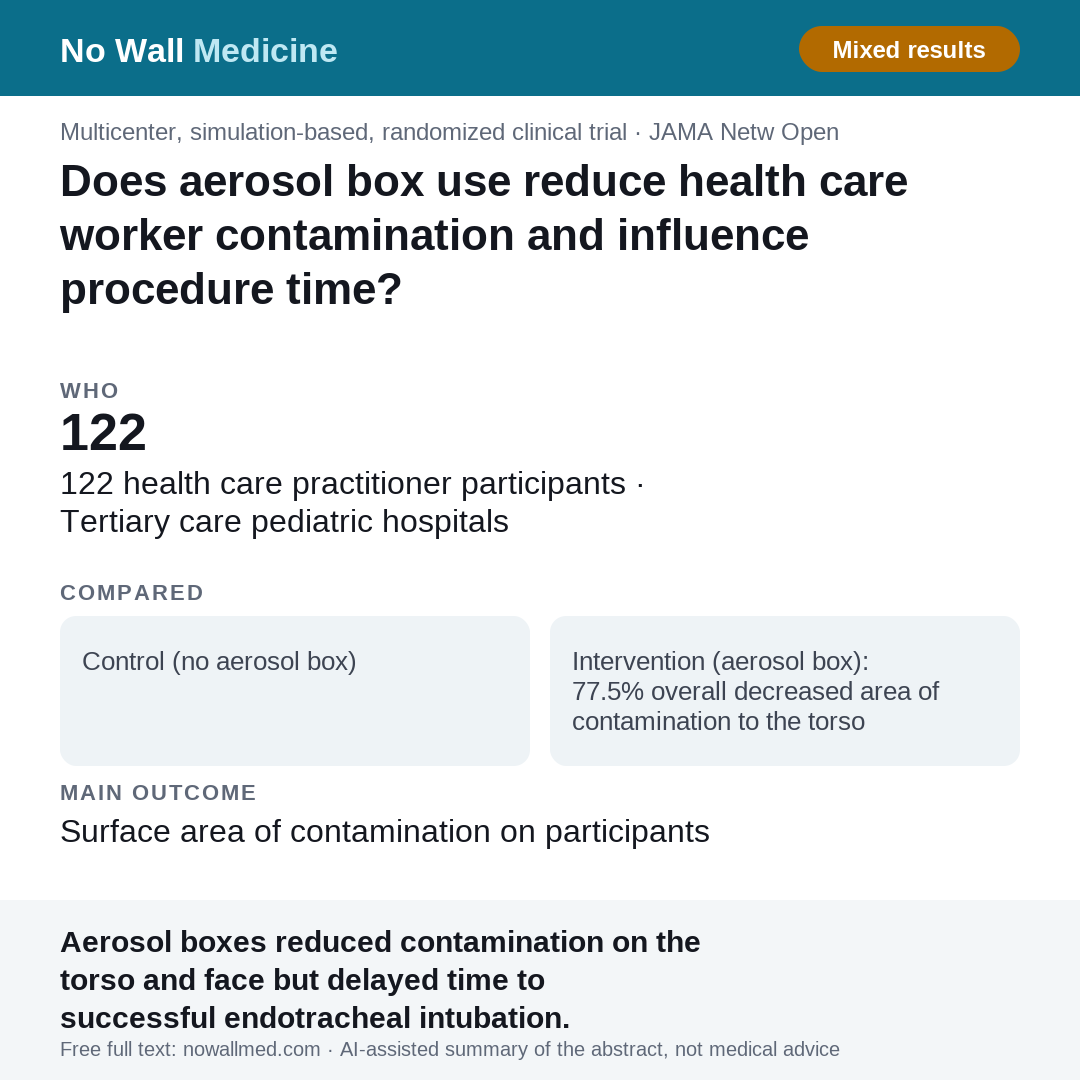
Aerosol Box Use in Reducing Health Care Worker Contamination During Airway Procedures (AIRWAY Study): A Simulation-Based Randomized Clinical Trial
Multicenter, simulation-based, randomized clinical trialMixed results
Does aerosol box use reduce health care worker contamination and influence procedure time?
Who
122
122 health care practitioner participants · Tertiary care pediatric hospitals
Compared
Control (no aerosol box)
Intervention (aerosol box): 77.5% overall decreased area of contamination to the torso
Main outcome
Surface area of contamination on participants
Result: 77.5% overall decreased area of contamination to the torso (95% CI, -86.3% to -62.9%)
Bottom line: Aerosol boxes reduced contamination on the torso and face but delayed time to successful endotracheal intubation.
JAMA Netw Open · 2023-04-03Download image
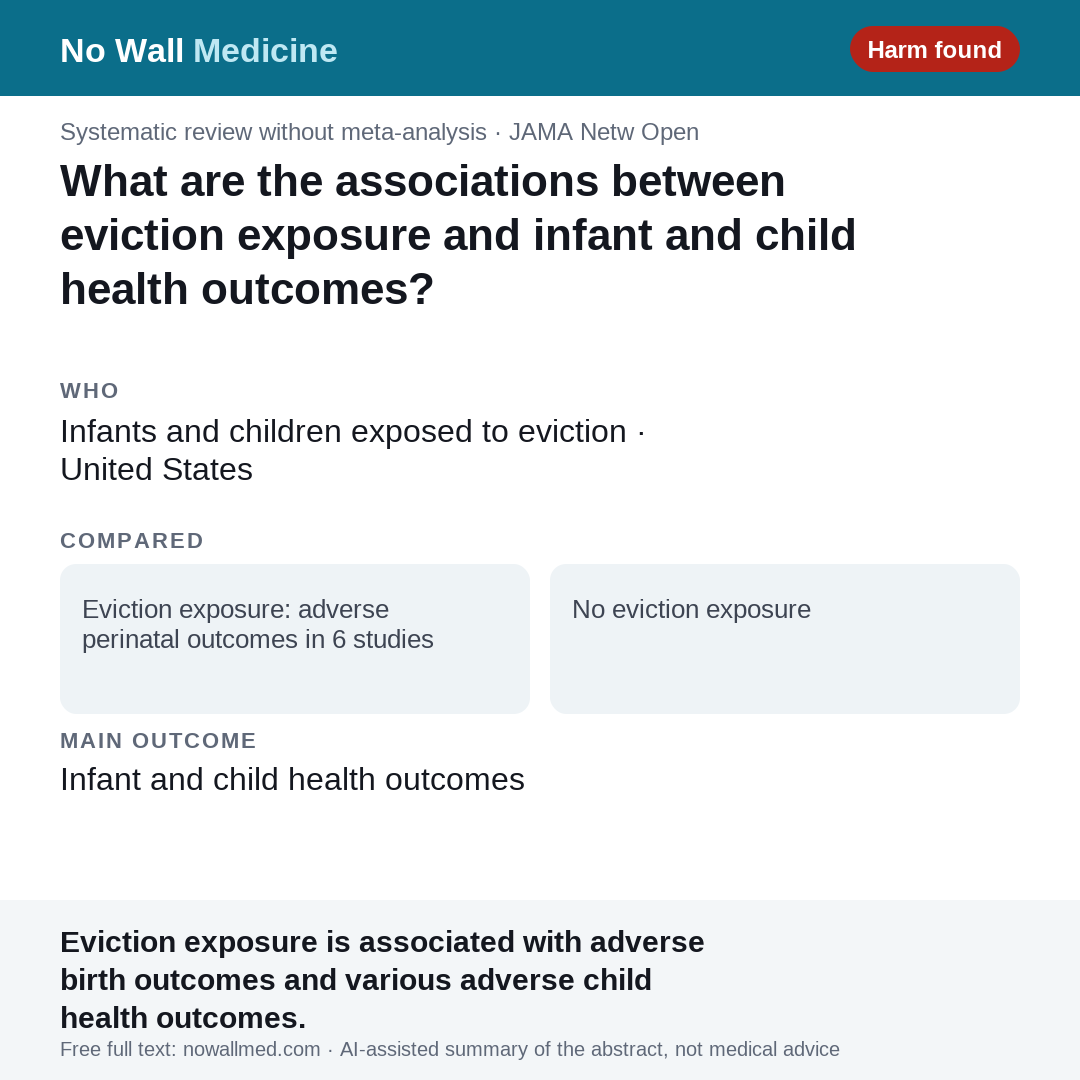
Evictions and Infant and Child Health Outcomes: A Systematic Review
Systematic review without meta-analysisHarm found
What are the associations between eviction exposure and infant and child health outcomes?
Who
Infants and children exposed to eviction · United States
Compared
Eviction exposure: adverse perinatal outcomes in 6 studies
No eviction exposure
Main outcome
Infant and child health outcomes
Bottom line: Eviction exposure is associated with adverse birth outcomes and various adverse child health outcomes.
JAMA Netw Open · 2023-04-03Download image
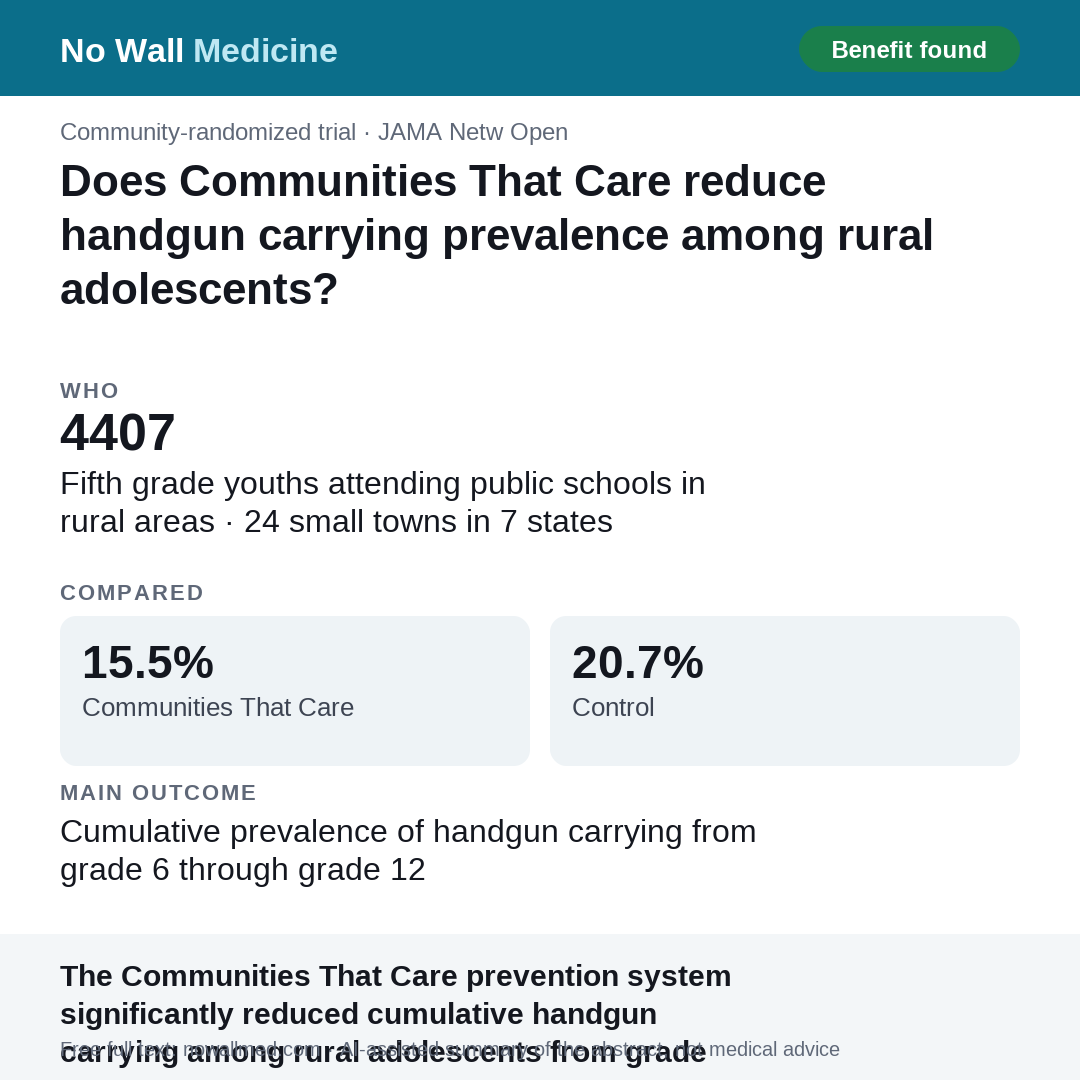
Effect of the Communities That Care Prevention System on Adolescent Handgun Carrying: A Cluster-Randomized Clinical Trial
Community-randomized trialBenefit found
Does Communities That Care reduce handgun carrying prevalence among rural adolescents?
Who
4407
Fifth grade youths attending public schools in rural areas · 24 small towns in 7 states
Compared
15.5%Communities That Care
20.7%Control
Main outcome
Cumulative prevalence of handgun carrying from grade 6 through grade 12
Result: odds ratio 0.76 (95% CI, 0.70-0.84)
Bottom line: The Communities That Care prevention system significantly reduced cumulative handgun carrying among rural adolescents from grade 6 through grade 12.
JAMA Netw Open · 2023-04-03Download image
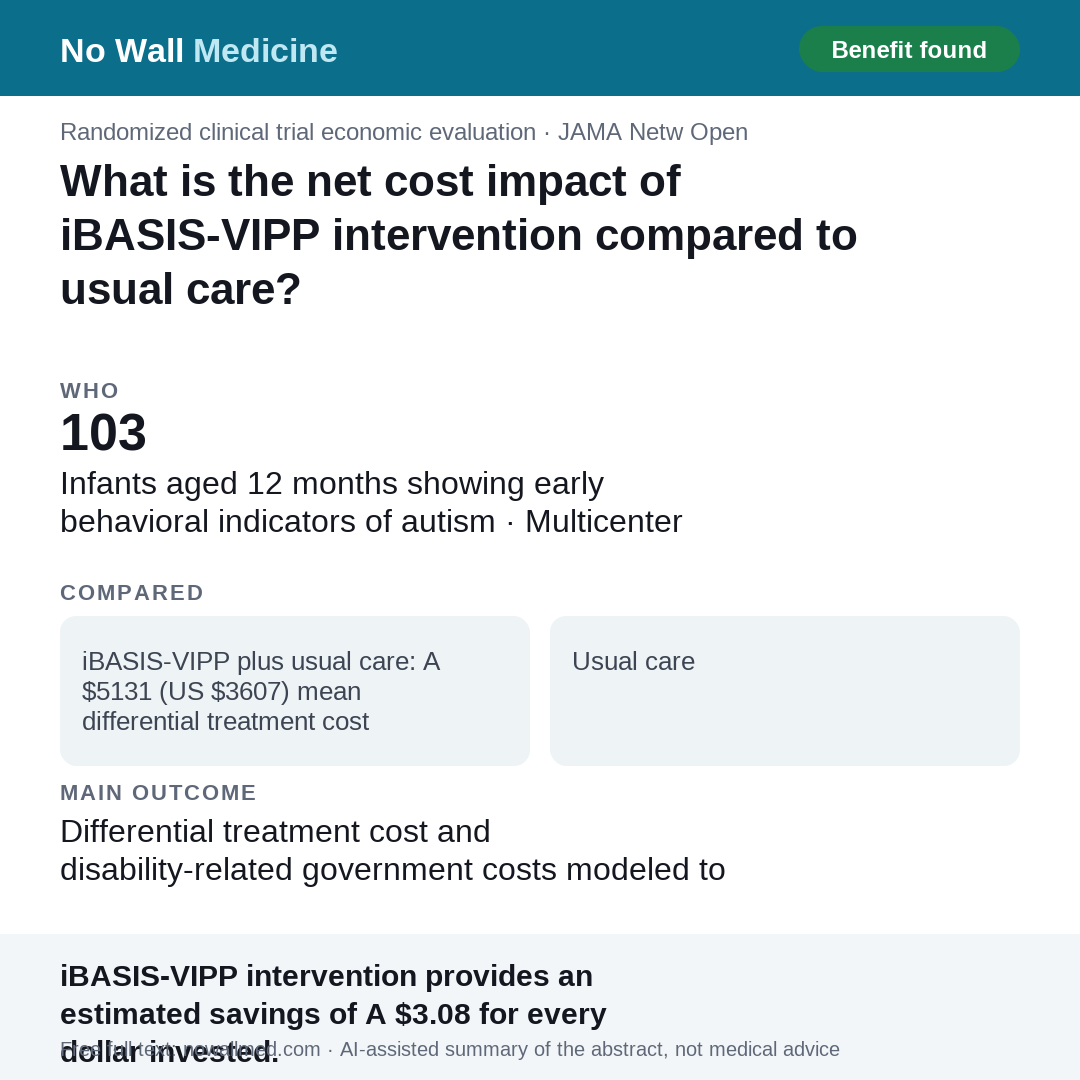
Estimated Therapy Costs and Downstream Cost Consequences of iBASIS-Video Interaction to Promote Positive Parenting Intervention vs Usual Care Among Children Displaying Early Behavioral Signs of Autism in Australia
Randomized clinical trial economic evaluationBenefit found
What is the net cost impact of iBASIS-VIPP intervention compared to usual care?
Who
103
Infants aged 12 months showing early behavioral indicators of autism · Multicenter community settings in Australia
Compared
iBASIS-VIPP plus usual care: A $5131 (US $3607) mean differential treatment cost
Usual care
Main outcome
Differential treatment cost and disability-related government costs modeled to age 12
Result: NPV cost savings of A $10 695 (US $7519) per child
Bottom line: iBASIS-VIPP intervention provides an estimated savings of A $3.08 for every dollar invested.
JAMA Netw Open · 2023-04-03Download image
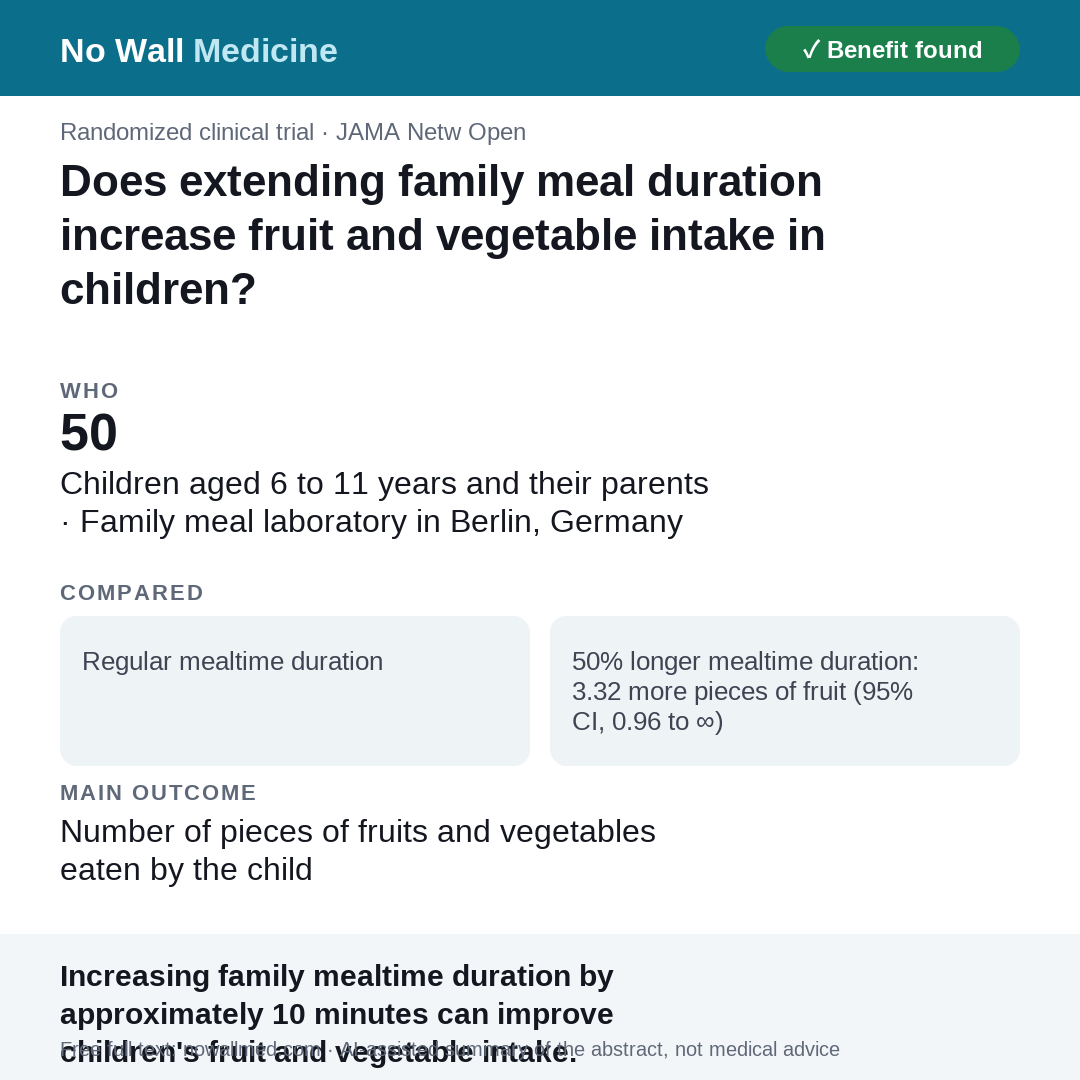
Effect of Longer Family Meals on Children's Fruit and Vegetable Intake: A Randomized Clinical Trial
Randomized clinical trialBenefit found
Does extending family meal duration increase fruit and vegetable intake in children?
Who
50
Children aged 6 to 11 years and their parents · Family meal laboratory in Berlin, Germany
Compared
Regular mealtime duration
50% longer mealtime duration: 3.32 more pieces of fruit (95% CI, 0.96 to ∞)
Main outcome
Number of pieces of fruits and vegetables eaten by the child
Result: mean difference 3.32 (95% CI 0.96 to ∞) for fruit; mean difference 4.05 (95% CI 2.19 to ∞) for vegetables
Bottom line: Increasing family mealtime duration by approximately 10 minutes can improve children's fruit and vegetable intake.
JAMA Netw Open · 2023-04-03Download image
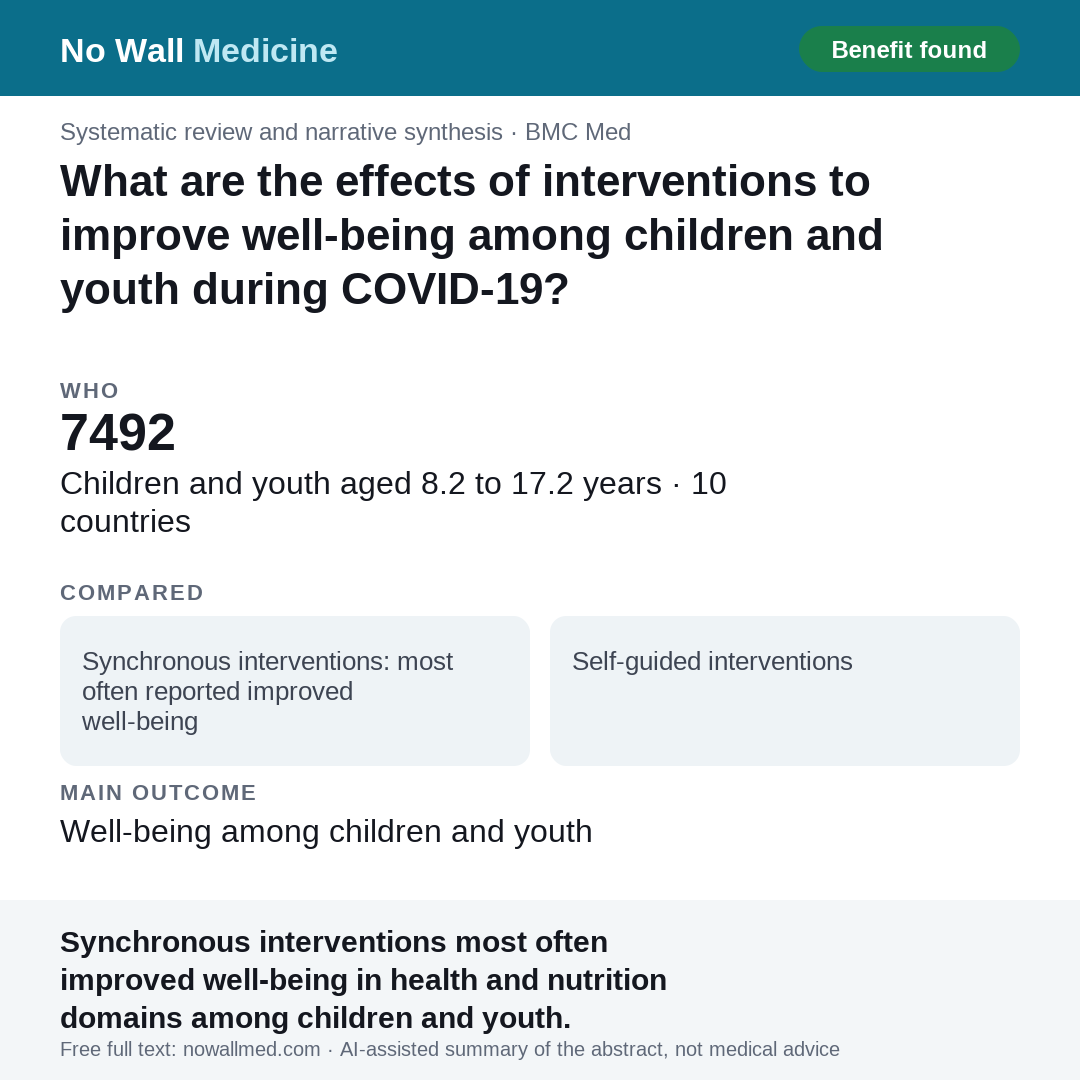
Interventions to improve well-being among children and youth aged 6-17 years during the COVID-19 pandemic: a systematic review
Systematic review and narrative synthesisBenefit found
What are the effects of interventions to improve well-being among children and youth during COVID-19?
Who
7492
Children and youth aged 8.2 to 17.2 years · 10 countries
Compared
Synchronous interventions: most often reported improved well-being
Self-guided interventions
Main outcome
Well-being among children and youth
Bottom line: Synchronous interventions most often improved well-being in health and nutrition domains among children and youth.
BMC Med · 2023-04-03Download image
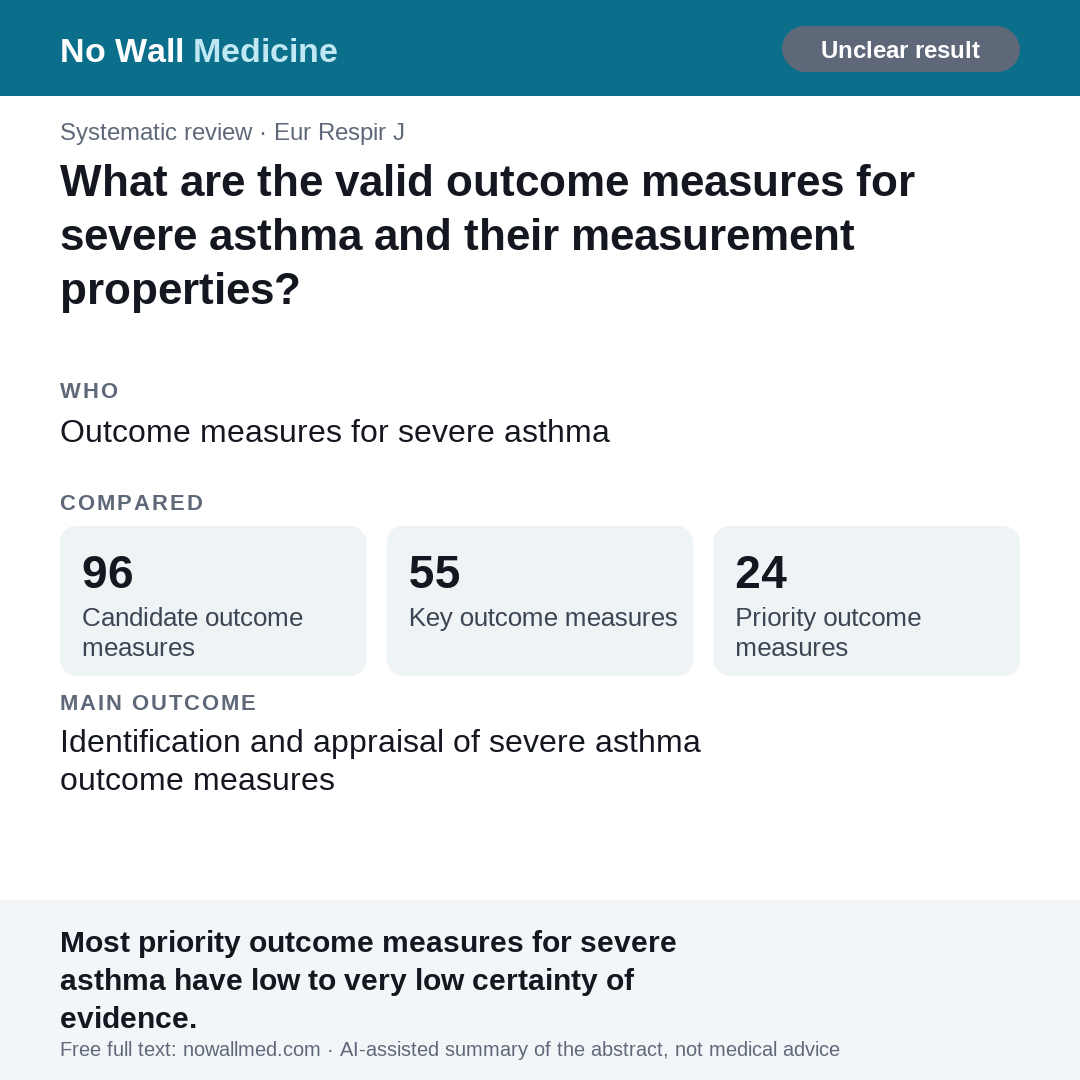
Identifying and appraising outcome measures for severe asthma: a systematic review
Systematic reviewUnclear result
What are the valid outcome measures for severe asthma and their measurement properties?
Who
Outcome measures for severe asthma
Compared
96Candidate outcome measures
55Key outcome measures
24Priority outcome measures
Main outcome
Identification and appraisal of severe asthma outcome measures
Bottom line: Most priority outcome measures for severe asthma have low to very low certainty of evidence.
Eur Respir J · 2023-04-03Download image
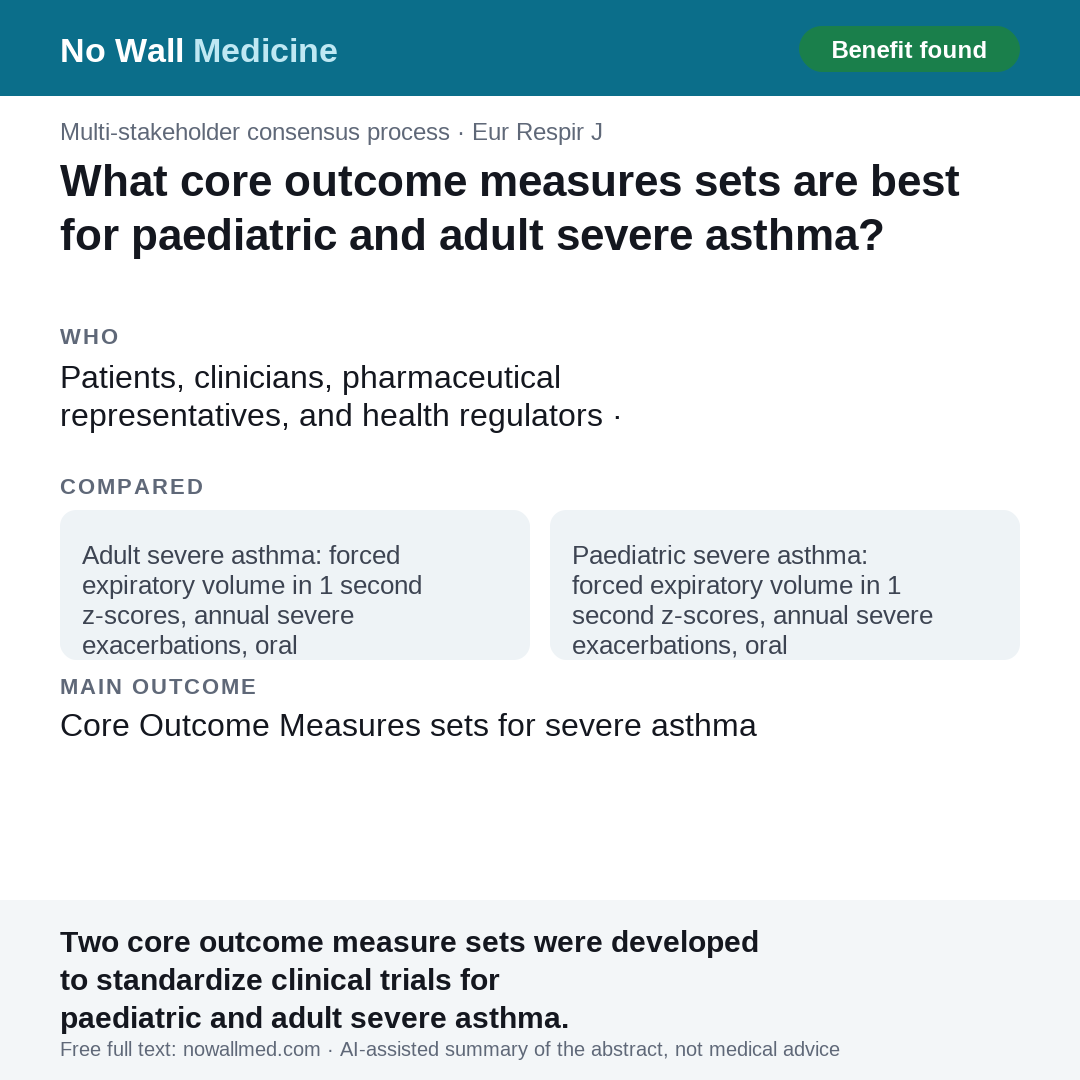
Development of Core Outcome Measures sets for paediatric and adult Severe Asthma (COMSA)
Multi-stakeholder consensus processBenefit found
What core outcome measures sets are best for paediatric and adult severe asthma?
Who
Patients, clinicians, pharmaceutical representatives, and health regulators · Europe
Compared
Adult severe asthma: forced expiratory volume in 1 second z-scores, annual severe exacerbations, oral corticosteroid use, Severe Asthma Questionnaire, Asthma Control Questionnaire-6
Paediatric severe asthma: forced expiratory volume in 1 second z-scores, annual severe exacerbations, oral corticosteroid use, Paediatric Asthma Quality of Life Questionnaire, Asthma Control Test or Childhood Asthma Control Test
Main outcome
Core Outcome Measures sets for severe asthma
Bottom line: Two core outcome measure sets were developed to standardize clinical trials for paediatric and adult severe asthma.
Eur Respir J · 2023-04-03Download image
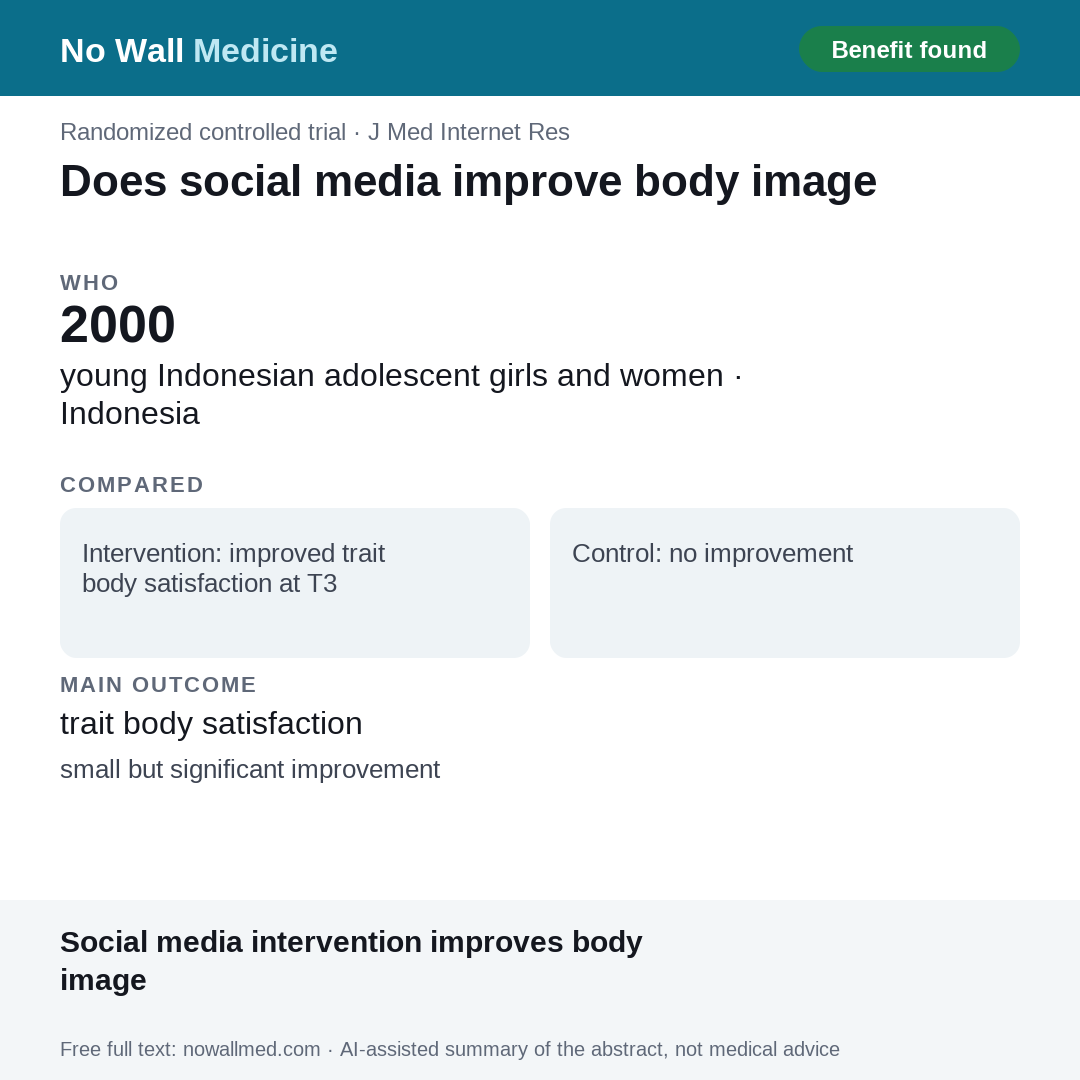
Evaluating the Efficacy of a Social Media-Based Intervention (Warna-Warni Waktu) to Improve Body Image Among Young Indonesian Women: Parallel Randomized Controlled Trial
Randomized controlled trialBenefit found
Does social media improve body image
Who
2000
young Indonesian adolescent girls and women · Indonesia
Compared
Intervention: improved trait body satisfaction at T3
Control: no improvement
Main outcome
trait body satisfaction
Result: small but significant improvement
Bottom line: Social media intervention improves body image
J Med Internet Res · 2023-04-03Download image