Visual abstracts
New randomized trials and meta-analyses from leading journals at a glance: who was studied, what was compared, and what was found. Every paper is free to read in full.
All specialtiesCardiology 3146Oncology 2678Gastroenterology & Hepatology 1228Infectious Disease 2097Neurology 1256Psychiatry & Mental Health 1485Pulmonology 1323Critical Care 889Endocrinology & Diabetes 1585Pediatrics 1882Surgery 1677Orthopedics & Sports Medicine 561Neurosurgery 374Cardiothoracic & Vascular Surgery 366Plastic & Reconstructive Surgery 451Nephrology 661Rheumatology 492Hematology 700Dermatology 379Ophthalmology 350Obstetrics & Gynecology 1043Public & Global Health 593Radiology & Imaging 444Anesthesiology 647Urology 536ENT (Otolaryngology) 343Emergency Medicine 347Allergy & Immunology 198Geriatrics 661Family Medicine & Primary Care 359Medical Genetics & Genomics 379Pathology & Laboratory Medicine 104Physical Medicine & Rehabilitation 498Palliative Care 277Nutrition 886Digital Health & AI 1507General Medicine 220
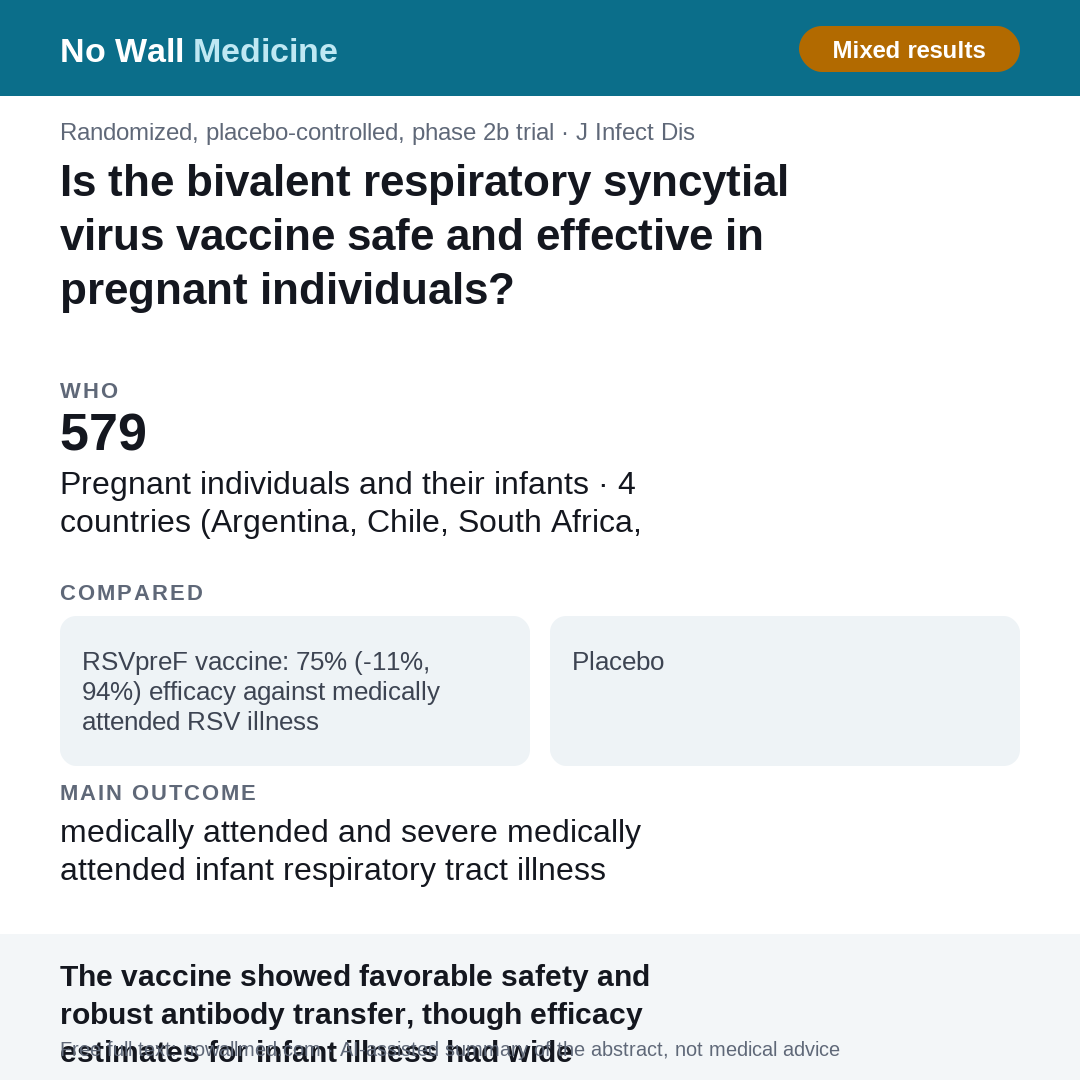
Phase 2 Randomized Bivalent RSVpreF Maternal Vaccine Trial: Final Safety, Antibody Persistence and Efficacy
Randomized, placebo-controlled, phase 2b trialMixed results
Is the bivalent respiratory syncytial virus vaccine safe and effective in pregnant individuals?
Who
579
Pregnant individuals and their infants · 4 countries (Argentina, Chile, South Africa, United States)
Compared
RSVpreF vaccine: 75% (-11%, 94%) efficacy against medically attended RSV illness
Placebo
Main outcome
medically attended and severe medically attended infant respiratory tract illness
Result: 75% (-11%, 94%) for medically attended; 83% (-48%, 99%) for severe
Bottom line: The vaccine showed favorable safety and robust antibody transfer, though efficacy estimates for infant illness had wide confidence intervals.
J Infect Dis · 2026-07-23Download image
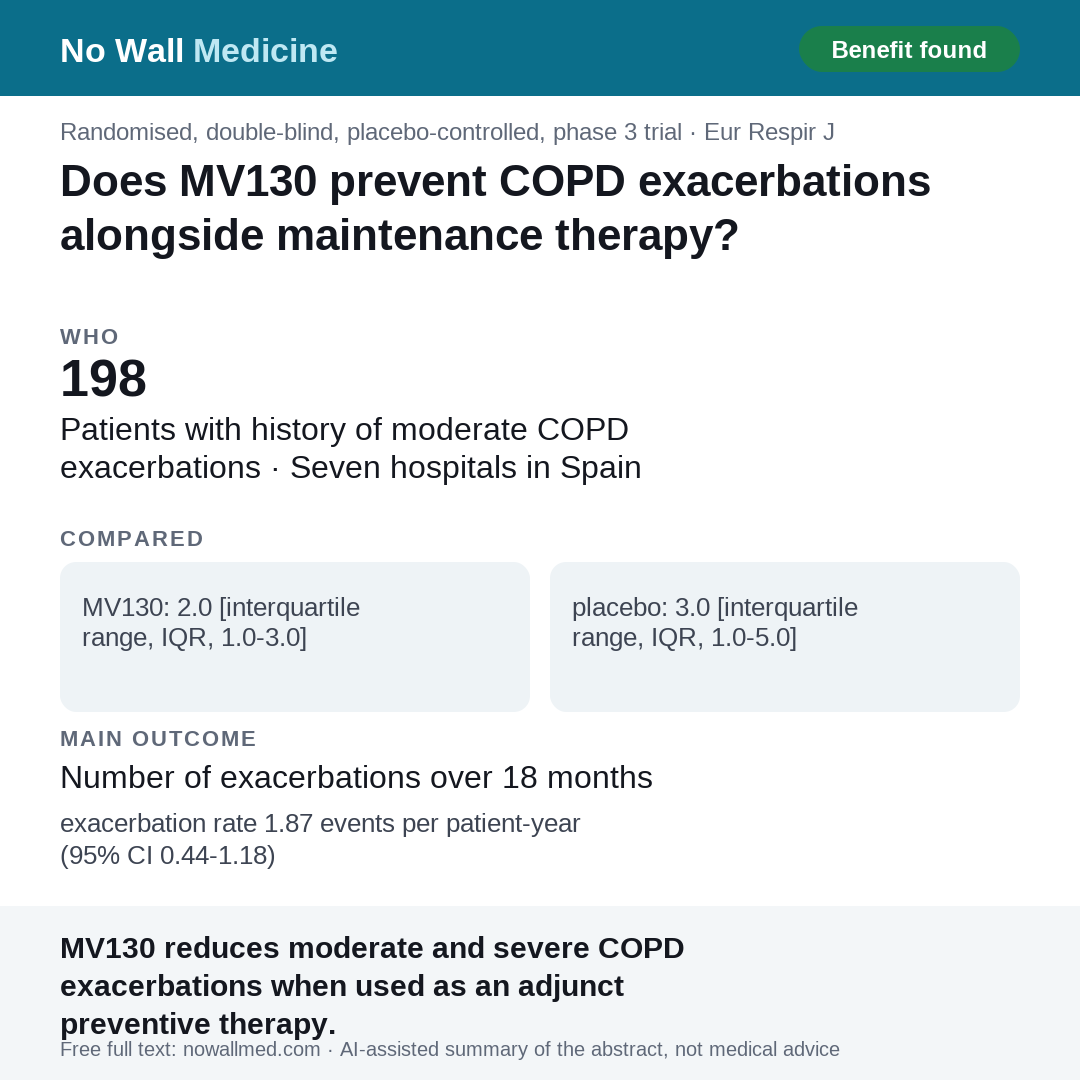
Prevention of COPD exacerbations with a mucosal trained immunity-based vaccine (MV130): a randomised phase 3 trial
Randomised, double-blind, placebo-controlled, phase 3 trialBenefit found
Does MV130 prevent COPD exacerbations alongside maintenance therapy?
Who
198
Patients with history of moderate COPD exacerbations · Seven hospitals in Spain
Compared
MV130: 2.0 [interquartile range, IQR, 1.0-3.0]
placebo: 3.0 [interquartile range, IQR, 1.0-5.0]
Main outcome
Number of exacerbations over 18 months
Result: exacerbation rate 1.87 events per patient-year (95% CI 0.44-1.18)
Bottom line: MV130 reduces moderate and severe COPD exacerbations when used as an adjunct preventive therapy.
Eur Respir J · 2026-07-23Download image
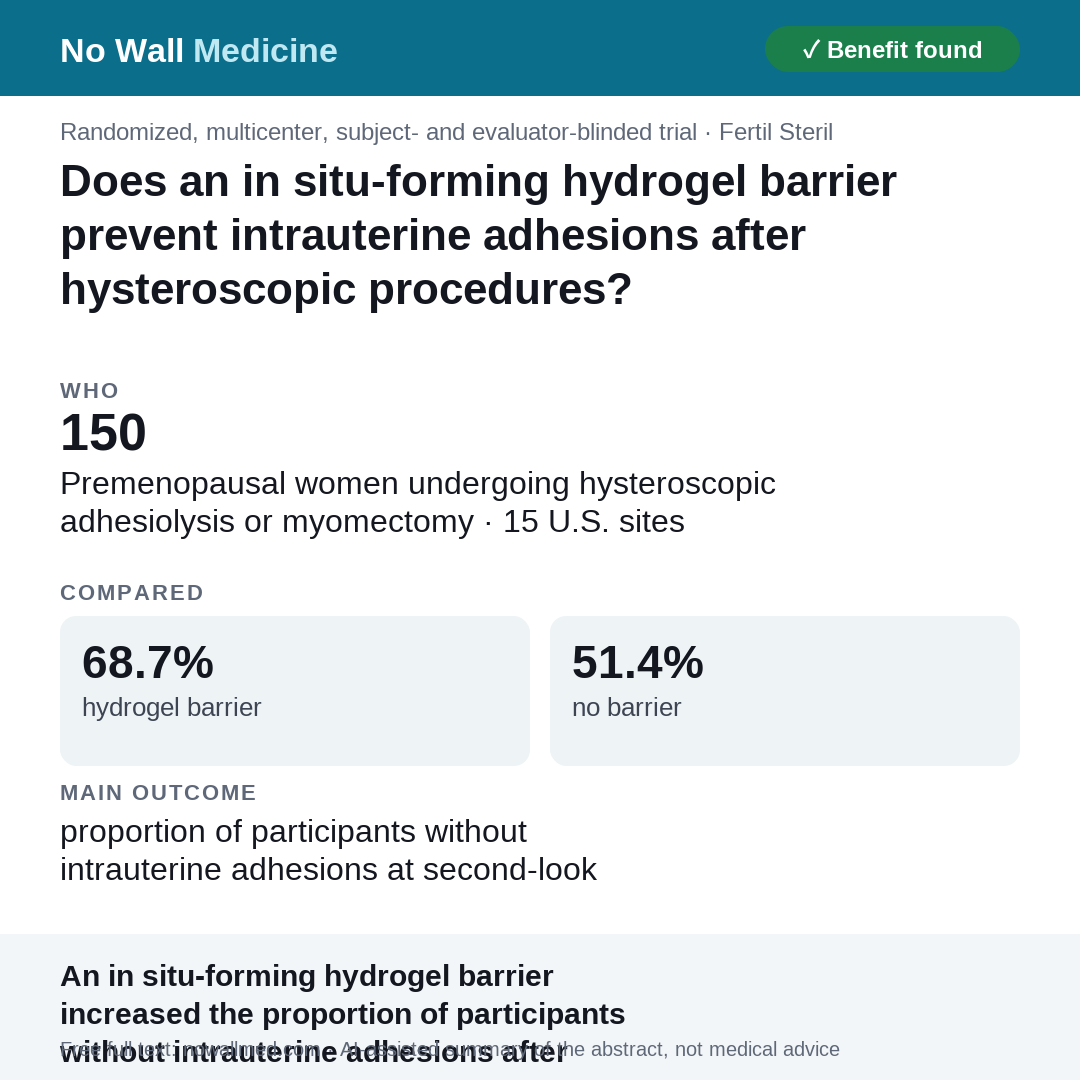
Safety and effectiveness of an in situ-forming hydrogel barrier in preventing intrauterine adhesions after adhesiogenic hysteroscopic procedures: a multicenter, randomized, controlled trial
Randomized, multicenter, subject- and evaluator-blinded trialBenefit found
Does an in situ-forming hydrogel barrier prevent intrauterine adhesions after hysteroscopic procedures?
Who
150
Premenopausal women undergoing hysteroscopic adhesiolysis or myomectomy · 15 U.S. sites
Compared
68.7%hydrogel barrier
51.4%no barrier
Main outcome
proportion of participants without intrauterine adhesions at second-look hysteroscopy
Result: odds ratio 3.19 (95% CI 1.29-7.90) in adhesiolysis subgroup
Bottom line: An in situ-forming hydrogel barrier increased the proportion of participants without intrauterine adhesions after hysteroscopic procedures.
Limitation: The leiomyoma subgroup treatment effect was imprecise due to limited sample size.
Fertil Steril · 2026-07-23Download image
Clinical characteristics and prognosis of SDHD pathogenic variant carriers: a systematic review and meta-analysis
Systematic review and meta-analysisBenefit found
What are the penetrance, multifocality, metastatic risk, and mortality in SDHD pathogenic variant carriers?
Who
Carriers of succinate dehydrogenase subunit D pathogenic variants
Compared
20%Age-specific penetrance at 20 years (95% CI 16% to 25%)
58%Age-specific penetrance at 40 years (95% CI 48% to 67%)
82%Age-specific penetrance at 60 years (95% CI 75% to 90%)
Affected carriers: 75% (95% CI 72% to 79%) multifocal tumours
Main outcome
Penetrance, multifocality, metastatic disease, and mortality
Bottom line: SDHD carriers show increasing age-specific penetrance and high multifocality, but low metastatic disease and mortality rates.
Limitation: Evidence linking specific variants to these phenotypes is limited.
J Med Genet · 2026-07-23Download image

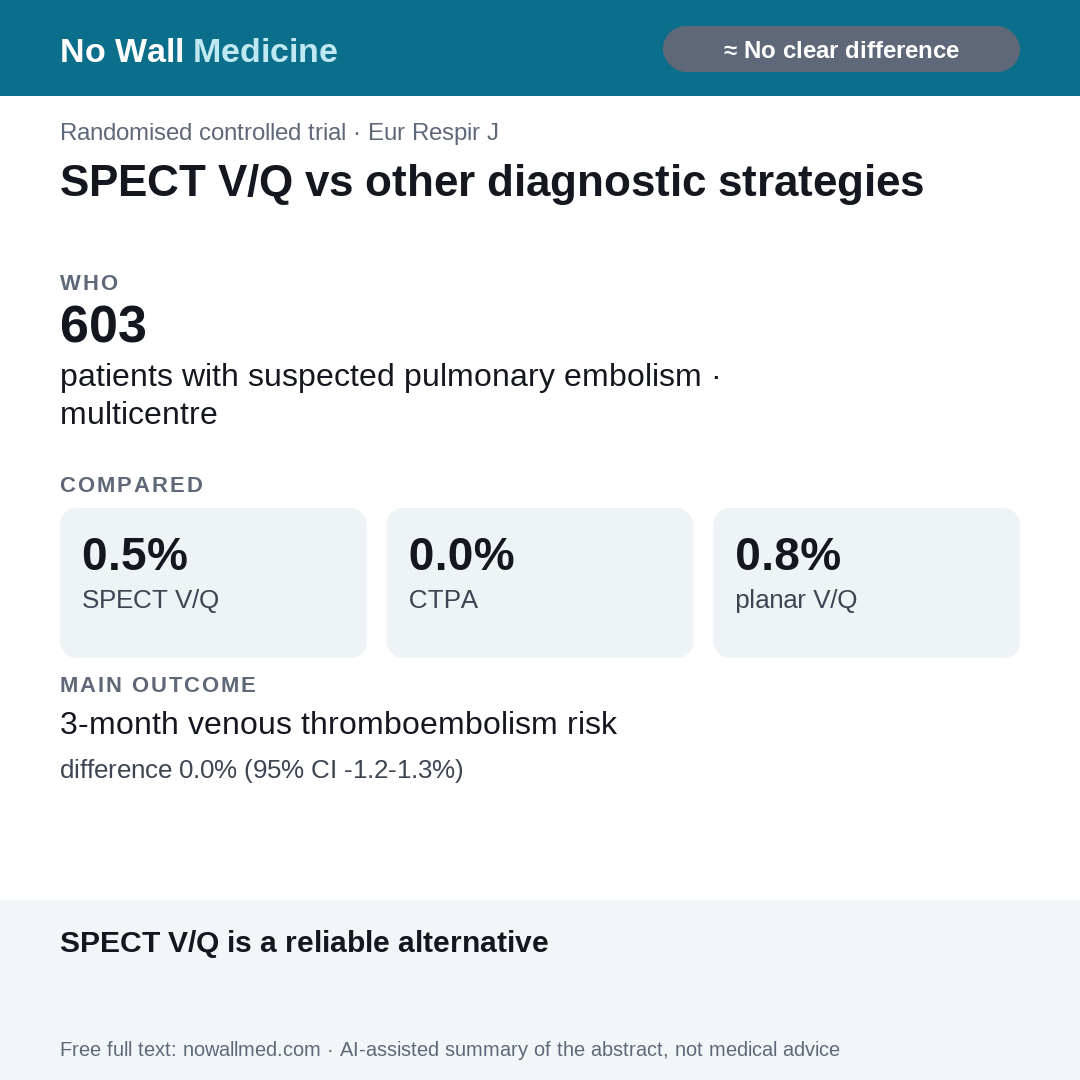
Comparison of three diagnostic strategies for suspicion of pulmonary embolism: planar ventilation/perfusion scan, CT pulmonary angiography and single-photon emission CT ventilation/perfusion scan - a multicentre, non-inferiority randomised controlled trial
Randomised controlled trialNo clear difference
SPECT V/Q vs other diagnostic strategies
Who
603
patients with suspected pulmonary embolism · multicentre
Compared
0.5%SPECT V/Q (1/221)
0.0%CTPA (0/107)
0.8%planar V/Q (1/118)
Main outcome
3-month venous thromboembolism risk
Result: difference 0.0% (95% CI -1.2-1.3%)
Bottom line: SPECT V/Q is a reliable alternative
Limitation: slow recruitment and funding limitations
Eur Respir J · 2026-07-23Download image
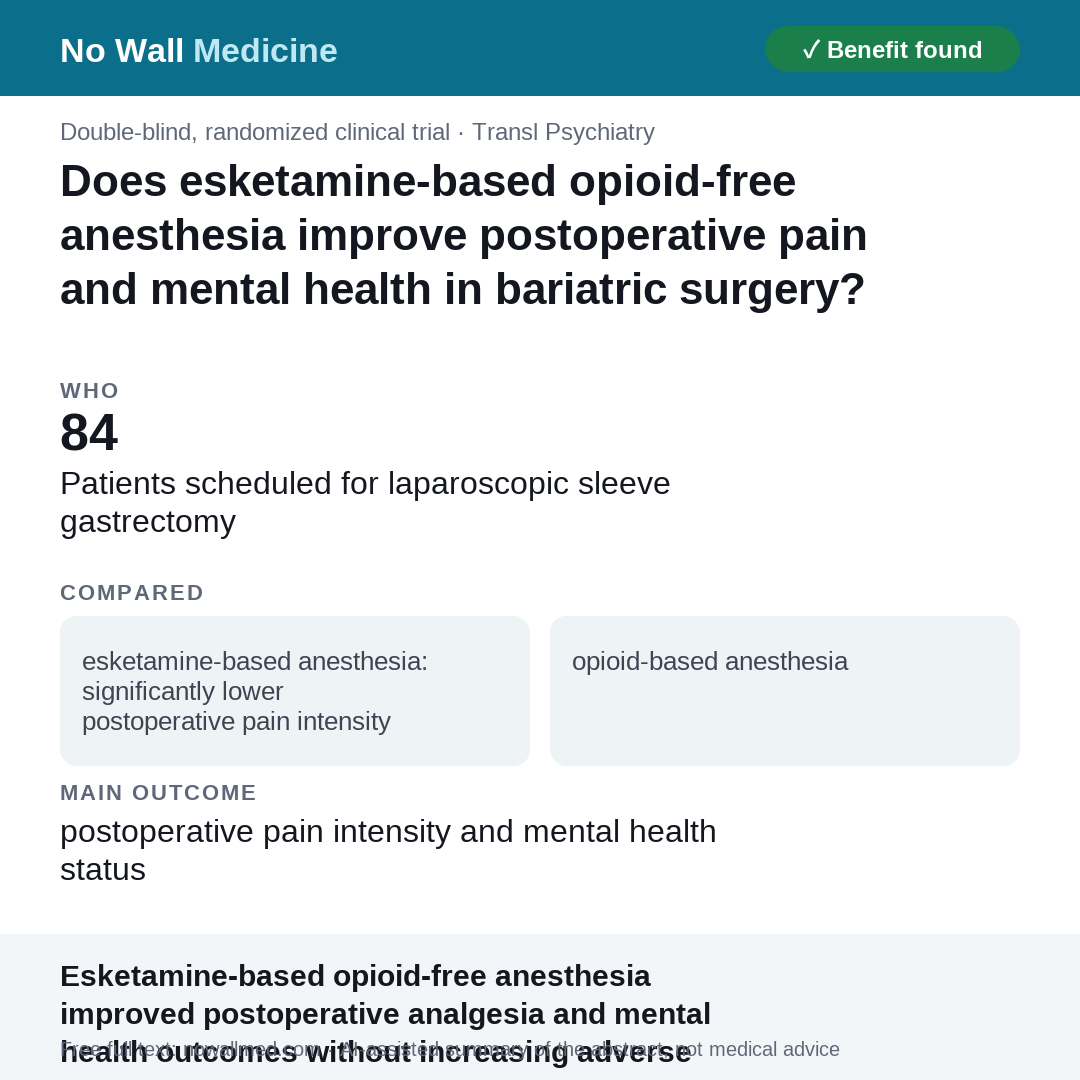
Dual benefit of esketamine-based opioid-free anesthesia on postoperative pain and mental health outcomes in patients undergoing bariatric surgery: a randomized controlled trial
Double-blind, randomized clinical trialBenefit found
Does esketamine-based opioid-free anesthesia improve postoperative pain and mental health in bariatric surgery?
Who
84
Patients scheduled for laparoscopic sleeve gastrectomy
Compared
esketamine-based anesthesia: significantly lower postoperative pain intensity
opioid-based anesthesia
Main outcome
postoperative pain intensity and mental health status
Bottom line: Esketamine-based opioid-free anesthesia improved postoperative analgesia and mental health outcomes without increasing adverse events.
Transl Psychiatry · 2026-07-23Download image
Small Interfering RNA for LDL-Cholesterol Reduction: A Systematic Review and Meta-Analysis of Randomized Controlled Trials
Meta-analysis of 9 randomized controlled trialsBenefit found
Does inclisiran reduce low-density lipoprotein cholesterol compared to placebo?
Who
6355
Diverse patient populations
Compared
Inclisiran
Placebo
Main outcome
mean percent change in low-density lipoprotein cholesterol from baseline
Result: -48.77% (95% CI: -54.26 to -43.27)
Bottom line: Inclisiran achieves substantial reductions in low-density lipoprotein cholesterol across diverse patient populations.
JACC Adv · 2026-07-23Download image

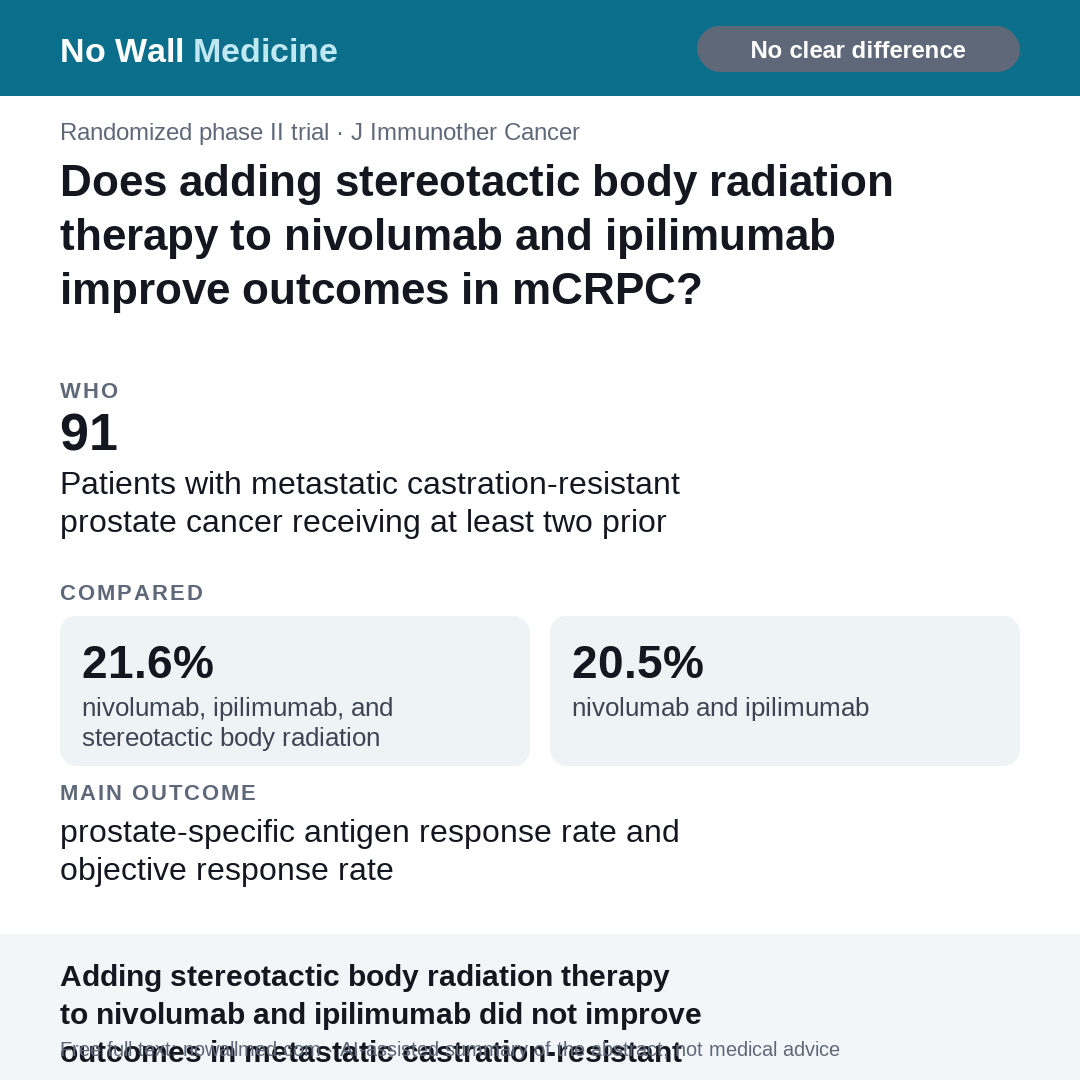
Randomized phase II trial of nivolumab and ipilimumab with or without stereotactic body radiation therapy in patients with metastatic castration-resistant prostate cancer: the CheckPRO, CA209-8TY trial
Randomized phase II trialNo clear difference
Does adding stereotactic body radiation therapy to nivolumab and ipilimumab improve outcomes in mCRPC?
Who
91
Patients with metastatic castration-resistant prostate cancer receiving at least two prior therapies
Compared
21.6%nivolumab, ipilimumab, and stereotactic body radiation therapy (95% CI 9.8% to 38.2%)
20.5%nivolumab and ipilimumab (95% CI 9.8% to 35.3%)
Main outcome
prostate-specific antigen response rate and objective response rate
Bottom line: Adding stereotactic body radiation therapy to nivolumab and ipilimumab did not improve outcomes in metastatic castration-resistant prostate cancer.
Limitation: Explorative translational research is needed to identify possible biomarkers of response.
J Immunother Cancer · 2026-07-23Download image
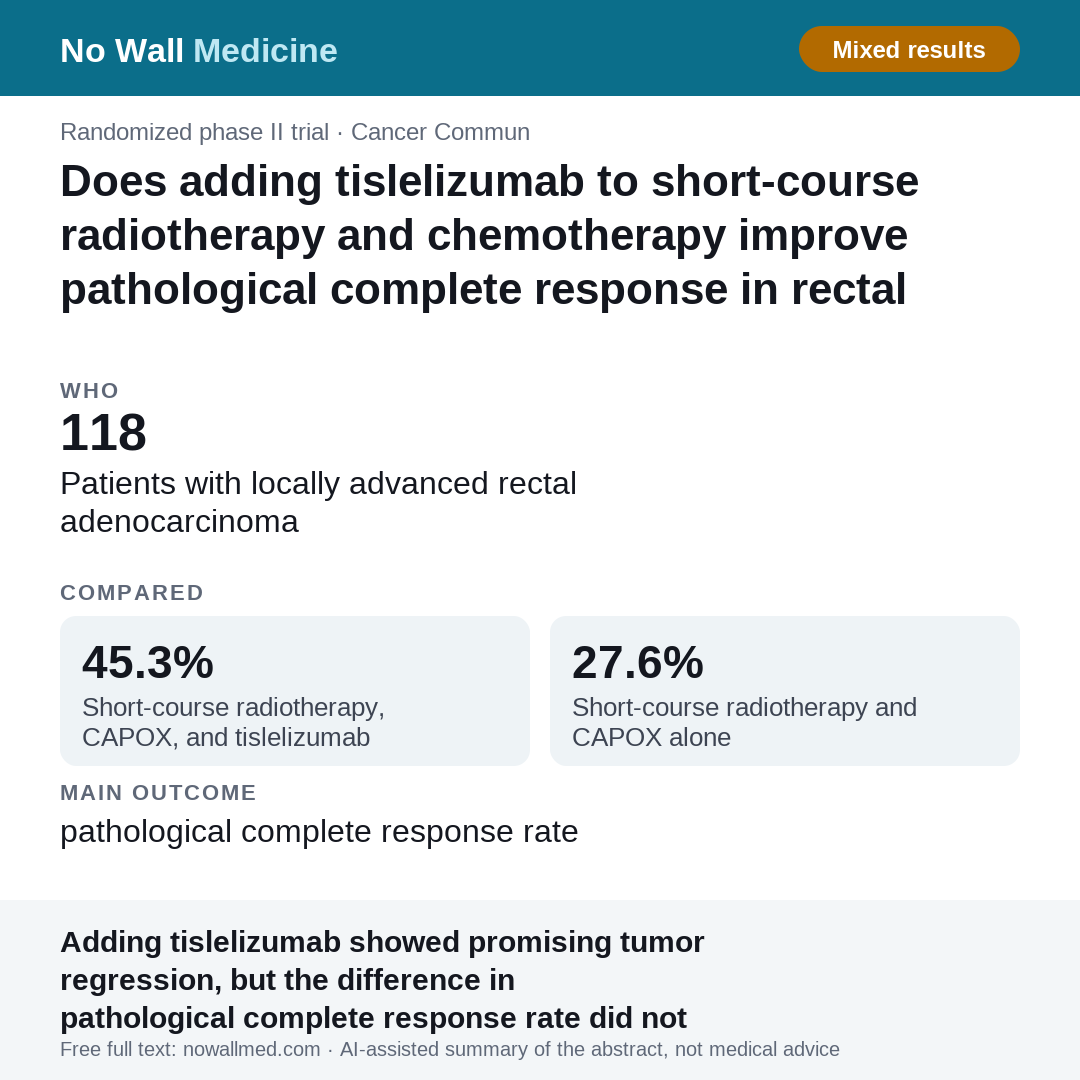
Short-Course Radiotherapy-Based Total Neoadjuvant Therapy plus Tislelizumab for Locally Advanced Rectal Cancer (Neo-STAR): Early Outcomes of a Randomized Phase II Trial
Randomized phase II trialMixed results
Does adding tislelizumab to short-course radiotherapy and chemotherapy improve pathological complete response in rectal cancer?
Who
118
Patients with locally advanced rectal adenocarcinoma
Compared
45.3%Short-course radiotherapy, CAPOX, and tislelizumab (95% CI, 31.5% to 59.8%)
27.6%Short-course radiotherapy and CAPOX alone (95% CI, 16.6% to 40.8%)
Main outcome
pathological complete response rate
Result: odds ratio = 2.17; 95% CI, 0.99 to 4.79
Bottom line: Adding tislelizumab showed promising tumor regression, but the difference in pathological complete response rate did not reach statistical significance.
Limitation: This phase II study provides preliminary evidence warranting further validation in phase III trials.
Cancer Commun · 2026-07-23Download image
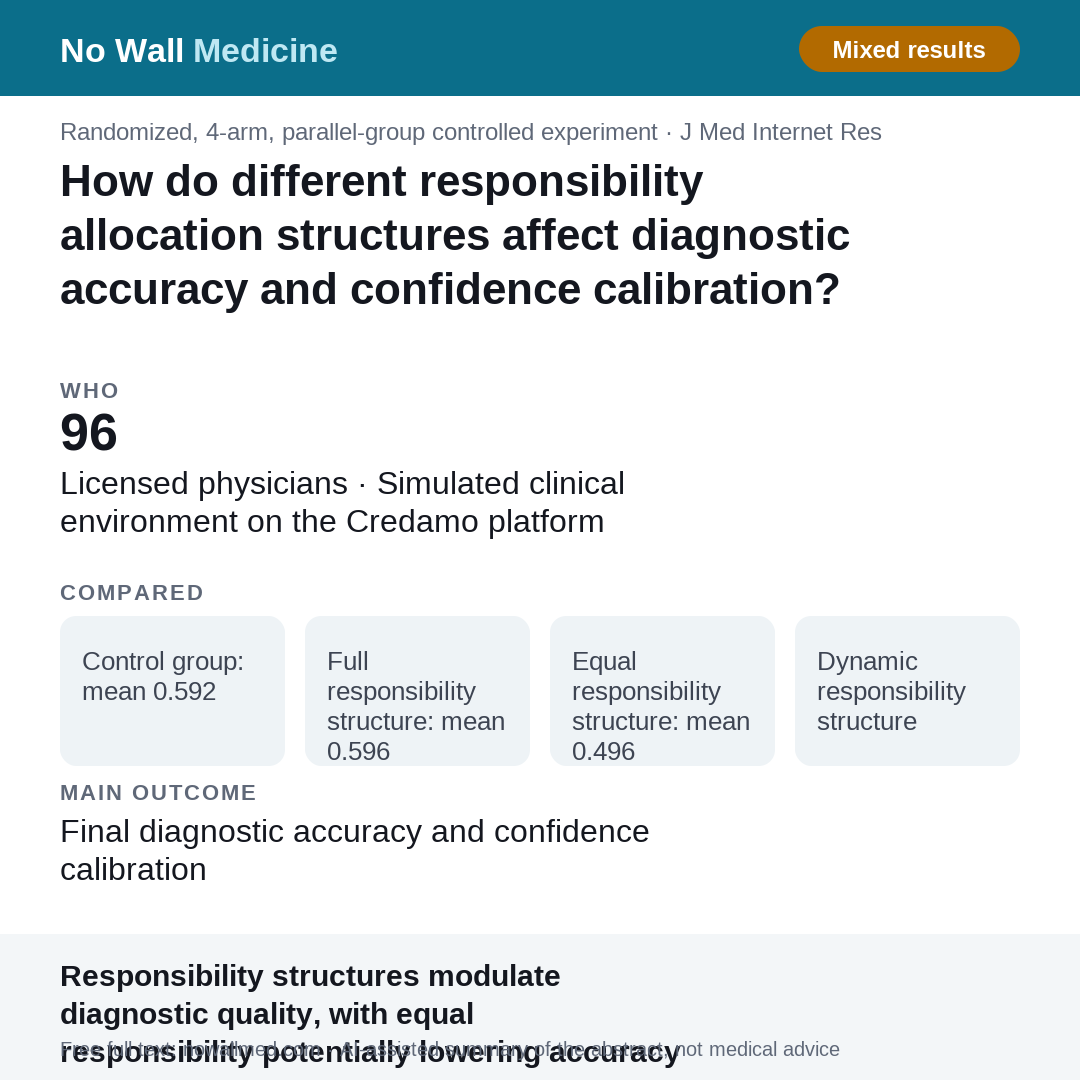
Impact of Responsibility Allocation Structures on Diagnostic Quality in AI-Assisted Diagnosis: Randomized Controlled Experiment
Randomized, 4-arm, parallel-group controlled experimentBenefit found
How do responsibility allocation structures affect diagnostic accuracy and confidence calibration?
Who
96
96 licensed physicians · Simulated clinical environment on the Credamo platform
Compared
Control group: mean 0.592
Full responsibility: mean 0.596
Equal responsibility: mean 0.496
Dynamic responsibility: mean 0.717
Main outcome
final diagnostic accuracy and confidence calibration
Result: mean difference 0.125 (95% CI 0.043 to 0.207) for accuracy
Bottom line: Dynamic responsibility structure significantly improved diagnostic accuracy and reduced confidence calibration compared to the control group.
J Med Internet Res · 2026-07-23Download image
Effects of Virtual Reality-Based Physical Exercise Interventions on Behavioral, Executive Function, and Motor Outcomes in Children and Adolescents With Autism Spectrum Disorder: Systematic Review and Meta-Analysis
Systematic review and meta-analysisMixed results
Do virtual reality-based physical exercise interventions improve outcomes in children and adolescents with autism spectrum disorder?
Who
439
Children and adolescents aged 6-18 years with autism spectrum disorder
Compared
Virtual reality-based physical exercise
Control
Main outcome
Behavioral, executive function, and motor performance outcomes
Result: executive function SMD 0.75 (95% CI 0.32-1.18); motor performance SMD 1.08 (95% CI 0.08-2.08)
Bottom line: Virtual reality-based physical exercise may improve executive function and motor performance, but effects on behavioral outcomes remain inconsistent.
Limitation: Substantial heterogeneity in study designs, assessment instruments, and wide prediction intervals suggest uncertainty.
J Med Internet Res · 2026-07-23Download image

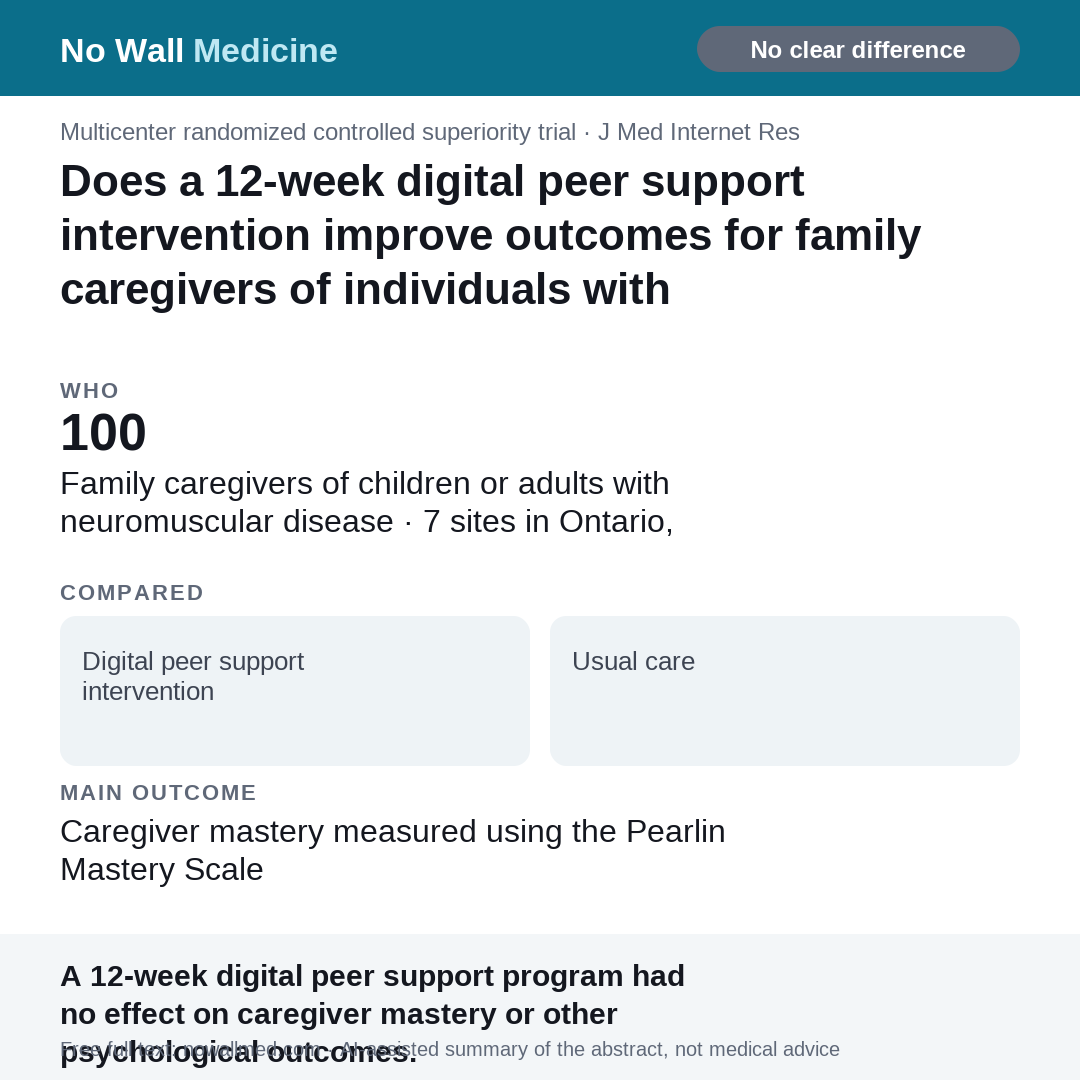
Digital Peer Support Intervention for Family Caregivers of Individuals With Neuromuscular Disease: Randomized Controlled Trial
Multicenter randomized controlled superiority trialNo clear difference
Does a 12-week digital peer support intervention improve outcomes for family caregivers of individuals with neuromuscular disease?
Who
100
Family caregivers of children or adults with neuromuscular disease · 7 sites in Ontario, Canada
Compared
Digital peer support intervention
Usual care
Main outcome
Caregiver mastery measured using the Pearlin Mastery Scale
Result: adjusted mean difference 0.67, 95% CI -1.7 to 3.1
Bottom line: A 12-week digital peer support program had no effect on caregiver mastery or other psychological outcomes.
Limitation: Moderate fidelity and variability in participant engagement.
J Med Internet Res · 2026-07-23Download image
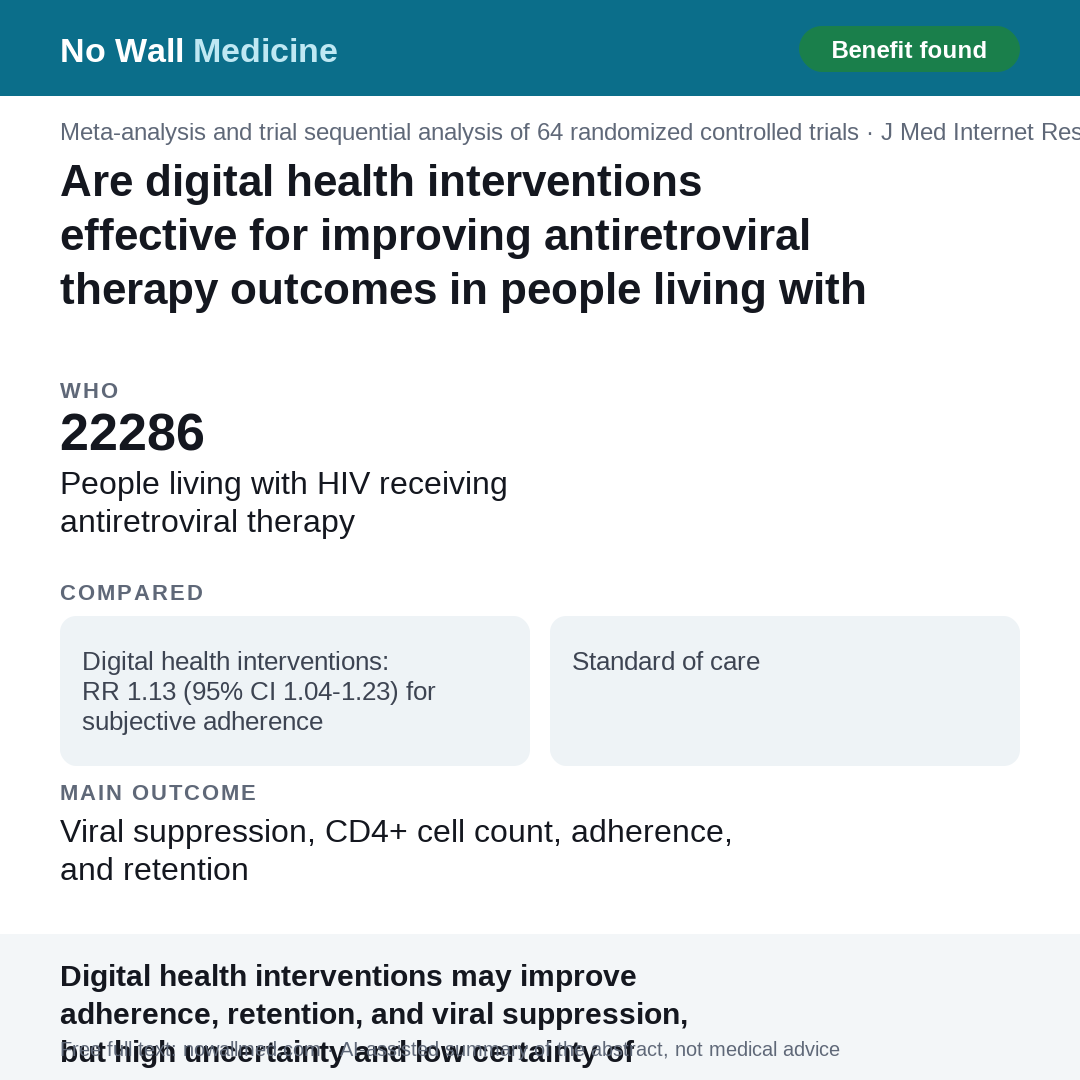
Effectiveness of Digital Health Interventions for Improving Antiretroviral Therapy Outcomes in People With HIV: Meta-Analysis and Trial Sequential Analysis of Randomized Controlled Trials
Meta-analysis and trial sequential analysis of 64 randomized controlled trialsBenefit found
Are digital health interventions effective for improving antiretroviral therapy outcomes in people living with HIV?
Who
22286
People living with HIV receiving antiretroviral therapy
Compared
Digital health interventions: RR 1.13 (95% CI 1.04-1.23) for subjective adherence
Standard of care
Main outcome
Viral suppression, CD4+ cell count, adherence, and retention
Result: RR 1.04 (95% CI 1.01-1.07) for viral suppression
Bottom line: Digital health interventions may improve adherence, retention, and viral suppression, but high uncertainty and low certainty of evidence remain.
Limitation: Wide prediction intervals, high risk of bias, small-study effects, and low to very low certainty of evidence.
J Med Internet Res · 2026-07-23Download image
Autonomous bladder training for neurogenic bladder: a randomized controlled trial
Single-centre randomized controlled trialBenefit found
Does autonomous bladder training improve bladder function in patients with neurogenic bladder?
Who
168
Adults with neurogenic bladder · Single-centre
Compared
Autonomous bladder training plus routine rehabilitation care: 79.8% RUV reduction ≥50 mL
Routine care alone: 42.9% RUV reduction ≥50 mL
Main outcome
Change in post-void residual urine volume at 4 weeks
Result: adjusted mean difference in change, -55.8 mL (95% CI, -64.7 to -46.9)
Bottom line: Autonomous bladder training improved post-void residual urine volume and patient-reported outcomes at 4 weeks.
J Rehabil Med · 2026-07-23Download image

A Telerehabilitation-Based Fine Motor Training Program for Children With Inattentive Attention-Deficit/Hyperactivity Disorder: Randomized Controlled Trial
Randomized controlled trialBenefit found
Does a 12-week telerehabilitation fine motor training program improve inattentive ADHD symptoms and skills?
Who
66
66 children aged 6 to 10 years with inattentive attention-deficit/hyperactivity disorder
Compared
telerehabilitation-based fine motor training: MD=-3.85 (95% CI -5.01 to -2.68) for inattention symptoms
waitlist control
Main outcome
parent-reported inattention symptoms, executive functions, and fine motor skills
Result: MD=-3.85 (95% CI -5.01 to -2.68)
Bottom line: A 12-week telerehabilitation fine motor training program may benefit inattention symptoms, executive functions, and fine motor skills in children.
Limitation: waitlist control design, parent-reported symptom outcome, and exploratory mediation analysis
J Med Internet Res · 2026-07-23Download image

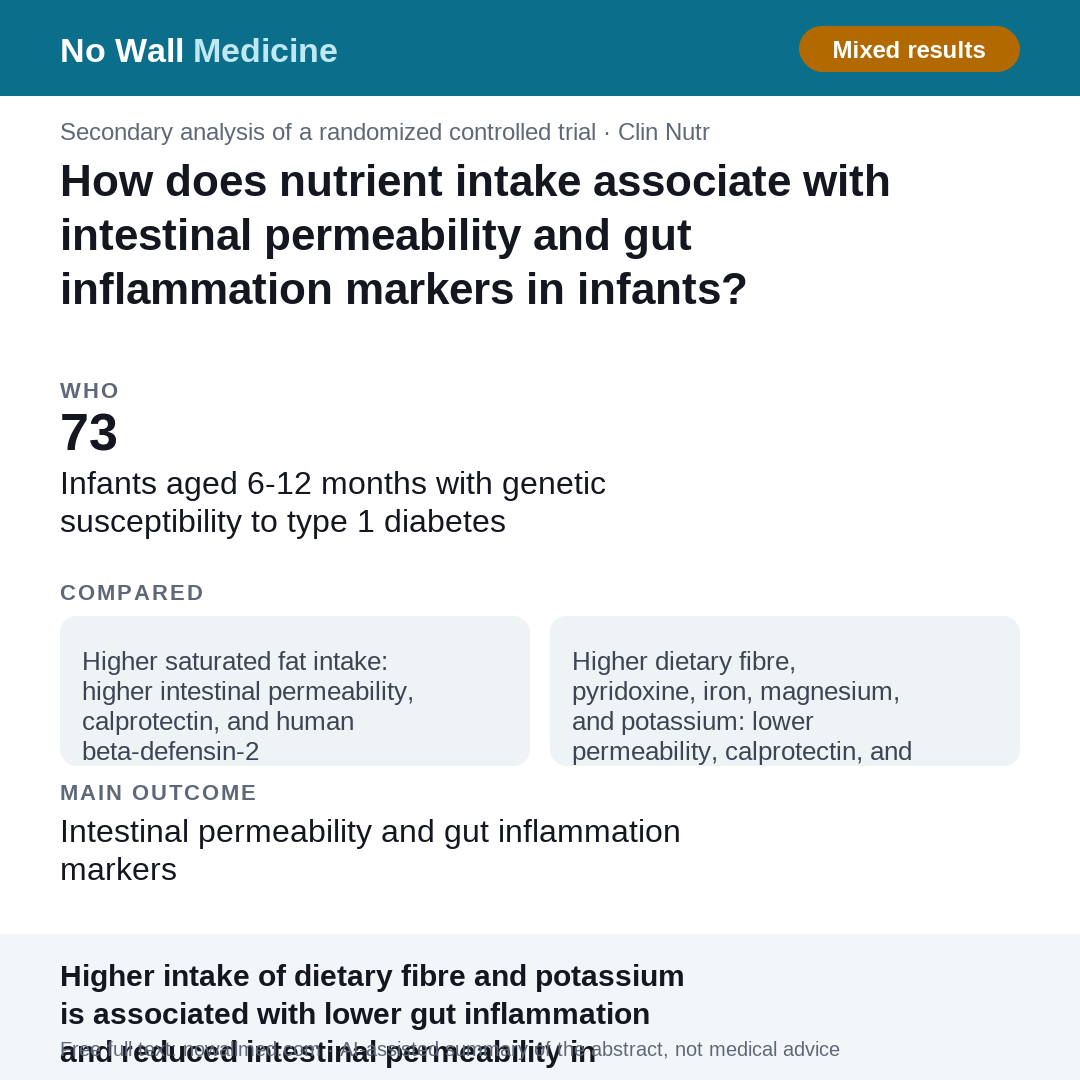
Nutrient intake, gut inflammation markers, and intestinal permeability in infants aged 6-12 months
Secondary analysis of a randomized controlled trialMixed results
How does nutrient intake associate with intestinal permeability and gut inflammation markers in infants?
Who
73
Infants aged 6-12 months with genetic susceptibility to type 1 diabetes
Compared
Higher saturated fat intake: higher intestinal permeability, calprotectin, and human beta-defensin-2
Higher dietary fibre, pyridoxine, iron, magnesium, and potassium: lower permeability, calprotectin, and human beta-defensin-2
Main outcome
Intestinal permeability and gut inflammation markers
Bottom line: Higher intake of dietary fibre and potassium is associated with lower gut inflammation and reduced intestinal permeability in infants.
Limitation: Adjusting for breast milk energy proportion attenuated many nutrient associations.
Clin Nutr · 2026-07-22Download image
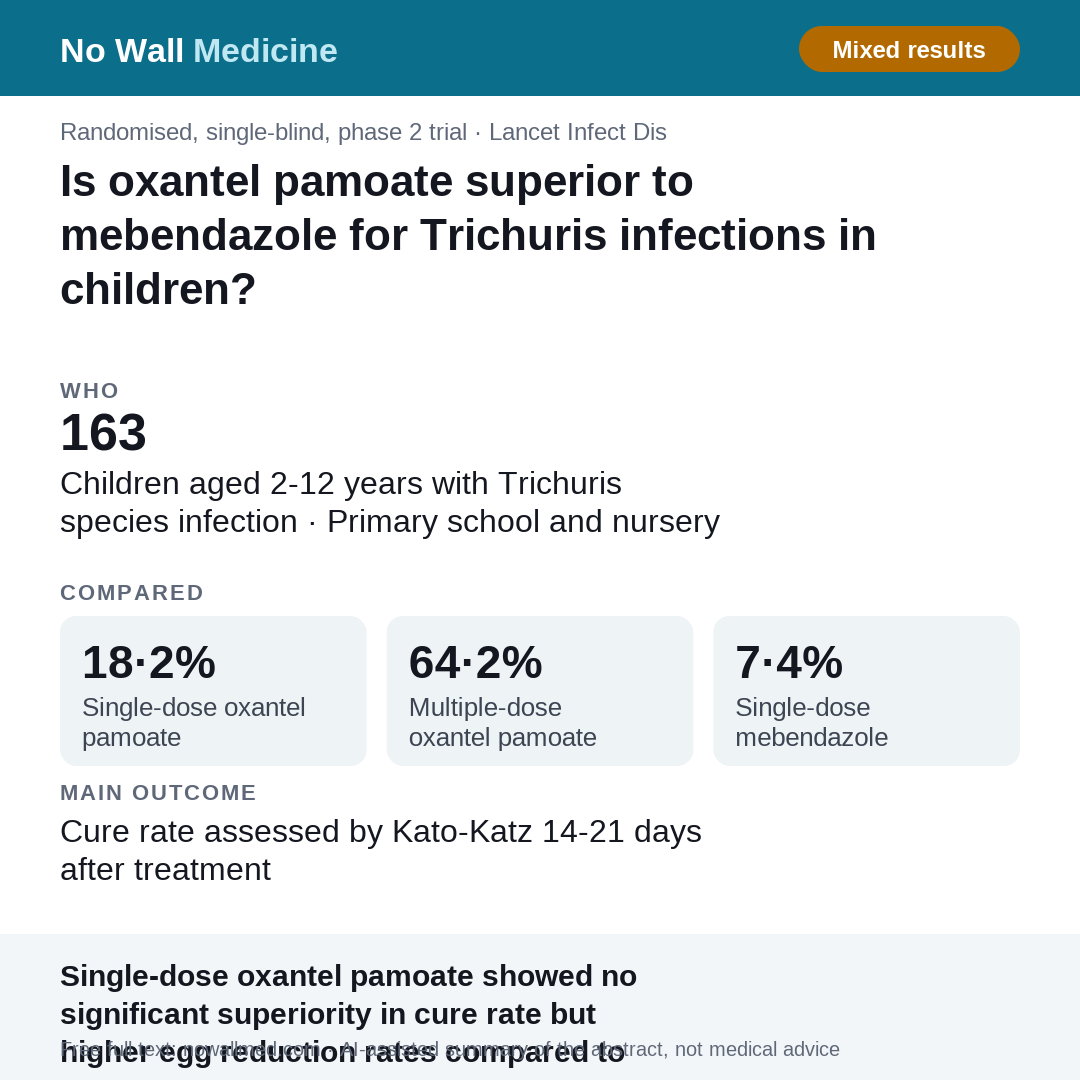
Efficacy, safety, and acceptability of a child-friendly, chewable formulation of oxantel pamoate versus mebendazole for Trichuris spp infections in children aged 2-12 years in Tanzania: a randomised, single-blind, phase 2 trial
Randomised, single-blind, phase 2 trialMixed results
Is oxantel pamoate superior to mebendazole for Trichuris infections in children?
Who
163
Children aged 2-12 years with Trichuris species infection · Primary school and nursery on Pemba Island, Tanzania
Compared
18·2%Single-dose oxantel pamoate (95% CI 9·1-30·9)
64·2%Multiple-dose oxantel pamoate (49·8-76·9)
7·4%Single-dose mebendazole (2·1-17·9)
Main outcome
Cure rate assessed by Kato-Katz 14-21 days after treatment
Result: odds ratio 0·36, 95% CI 0·09-1·16
Bottom line: Single-dose oxantel pamoate showed no significant superiority in cure rate but higher egg reduction rates compared to mebendazole.
Limitation: The study did not provide sufficient evidence of superiority in terms of cure rate.
Funded by: European Union
Lancet Infect Dis · 2026-07-22Download image
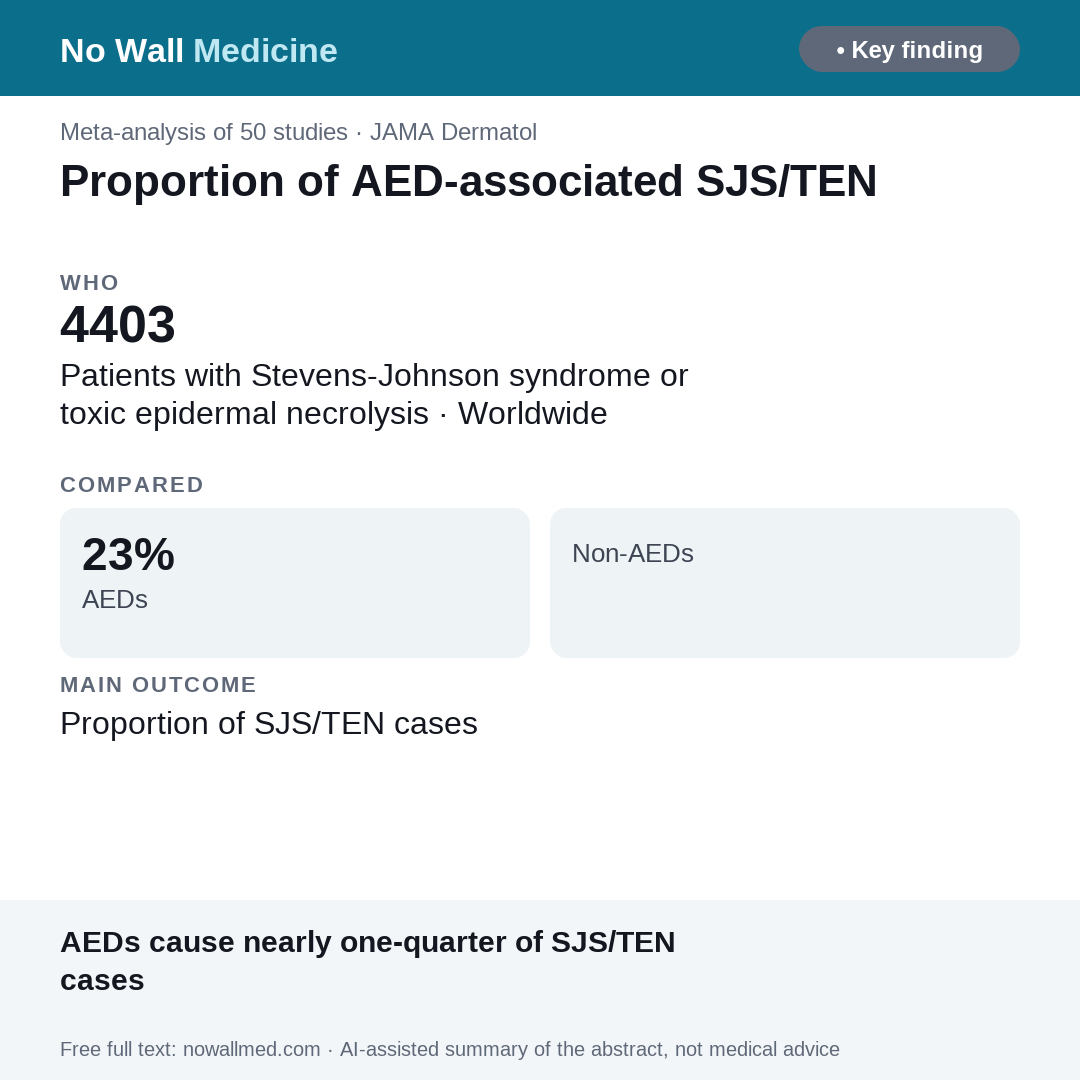
Proportion of Antiepileptic Drug-Associated Stevens-Johnson Syndrome and Toxic Epidermal Necrolysis: A Meta-Analysis
Meta-analysis of 50 studiesHarm found
Proportion of AED-associated SJS/TEN
Who
4403
Patients with Stevens-Johnson syndrome or toxic epidermal necrolysis · Worldwide
Compared
23%AEDs (95% CI, 19-26)
Non-AEDs
Main outcome
Proportion of SJS/TEN cases
Bottom line: AEDs cause nearly one-quarter of SJS/TEN cases
JAMA Dermatol · 2026-07-22Download image
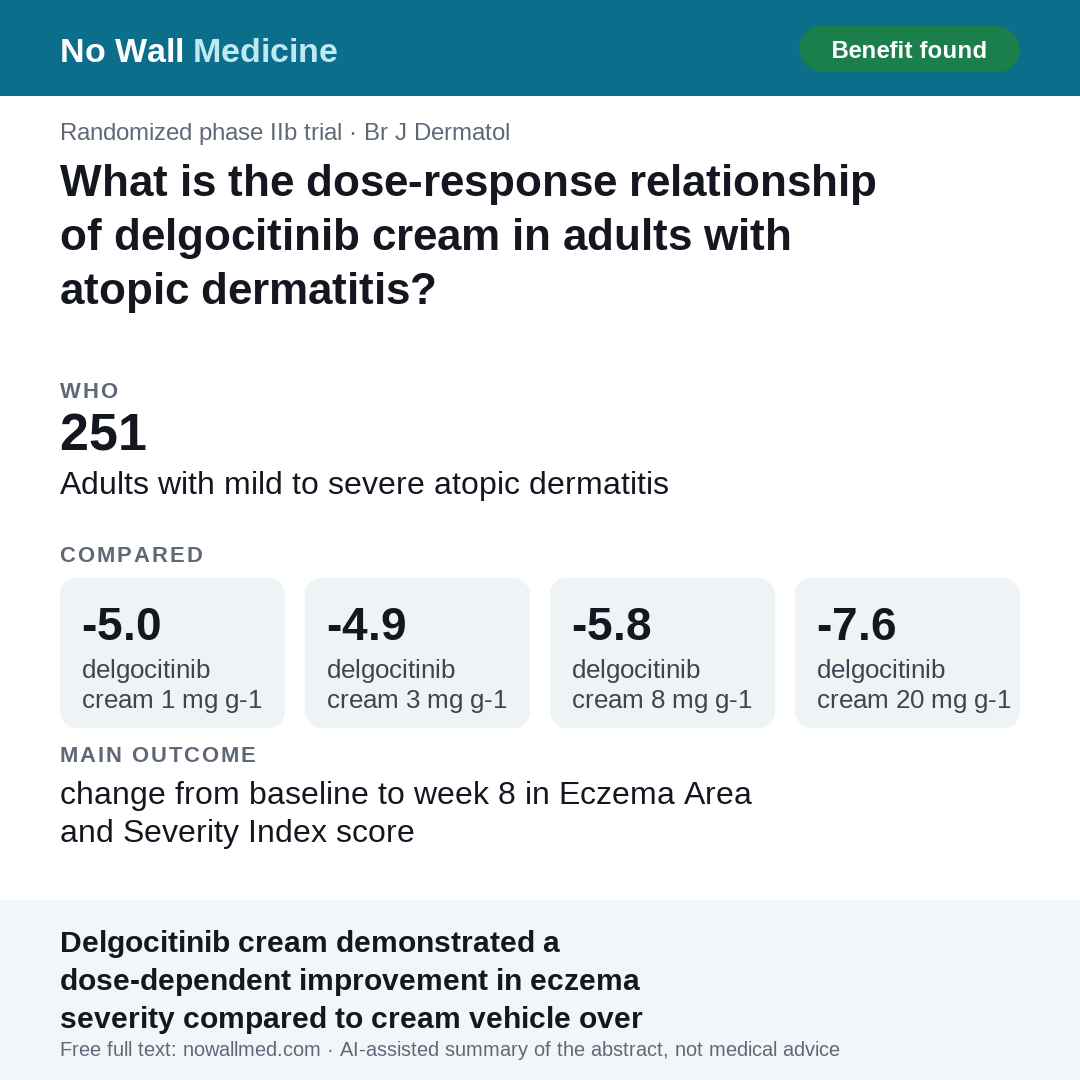
Delgocitinib cream formulation demonstrates a dose-dependent response in adults with mild to severe atopic dermatitis: results from an 8-week randomized phase IIb trial
Randomized phase IIb trialBenefit found
What is the dose-response relationship, efficacy and safety of delgocitinib cream in adults with atopic dermatitis?
Who
251
Adults with mild to severe atopic dermatitis
Compared
-5.0delgocitinib cream 1 mg g-1
-4.9delgocitinib cream 3 mg g-1
-5.8delgocitinib cream 8 mg g-1
-7.6delgocitinib cream 20 mg g-1
Main outcome
change from baseline to week 8 in Eczema Area and Severity Index score
Bottom line: Delgocitinib cream demonstrated a dose-dependent improvement in eczema severity compared to cream vehicle in adults.
Br J Dermatol · 2026-07-22Download image
Extreme temperatures and out-of-hospital cardiac arrest: a systematic review and narrative synthesis
Systematic review and narrative synthesisHarm found
How do extreme ambient temperatures associate with out-of-hospital cardiac arrest incidence and outcomes?
Who
People experiencing out-of-hospital cardiac arrest · Asia, Europe, North America, Middle East, and Oceania
Compared
Cold temperature extremes: elevated incidence and poorer clinical outcomes
Hot temperature extremes: elevated incidence and poorer clinical outcomes
Main outcome
Out-of-hospital cardiac arrest incidence and clinical outcomes
Bottom line: Extreme temperatures, especially cold, increase out-of-hospital cardiac arrest incidence and worsen clinical outcomes.
Resuscitation · 2026-07-22Download image