Visual abstracts
New randomized trials and meta-analyses from leading journals at a glance: who was studied, what was compared, and what was found. Every paper is free to read in full.
All specialtiesCardiology 4877Oncology 4138Gastroenterology & Hepatology 1942Infectious Disease 3837Neurology 1905Psychiatry & Mental Health 2273Pulmonology 2143Critical Care 1365Endocrinology & Diabetes 2580Pediatrics 2980Surgery 2559Orthopedics & Sports Medicine 931Neurosurgery 537Cardiothoracic & Vascular Surgery 674Plastic & Reconstructive Surgery 591Nephrology 1133Rheumatology 823Hematology 1109Dermatology 621Ophthalmology 543Obstetrics & Gynecology 1686Public & Global Health 1058Radiology & Imaging 648Anesthesiology 986Urology 764ENT (Otolaryngology) 503Emergency Medicine 511Allergy & Immunology 313Geriatrics 981Family Medicine & Primary Care 562Medical Genetics & Genomics 676Pathology & Laboratory Medicine 159Physical Medicine & Rehabilitation 757Palliative Care 444Nutrition 1588Digital Health & AI 2201General Medicine 321
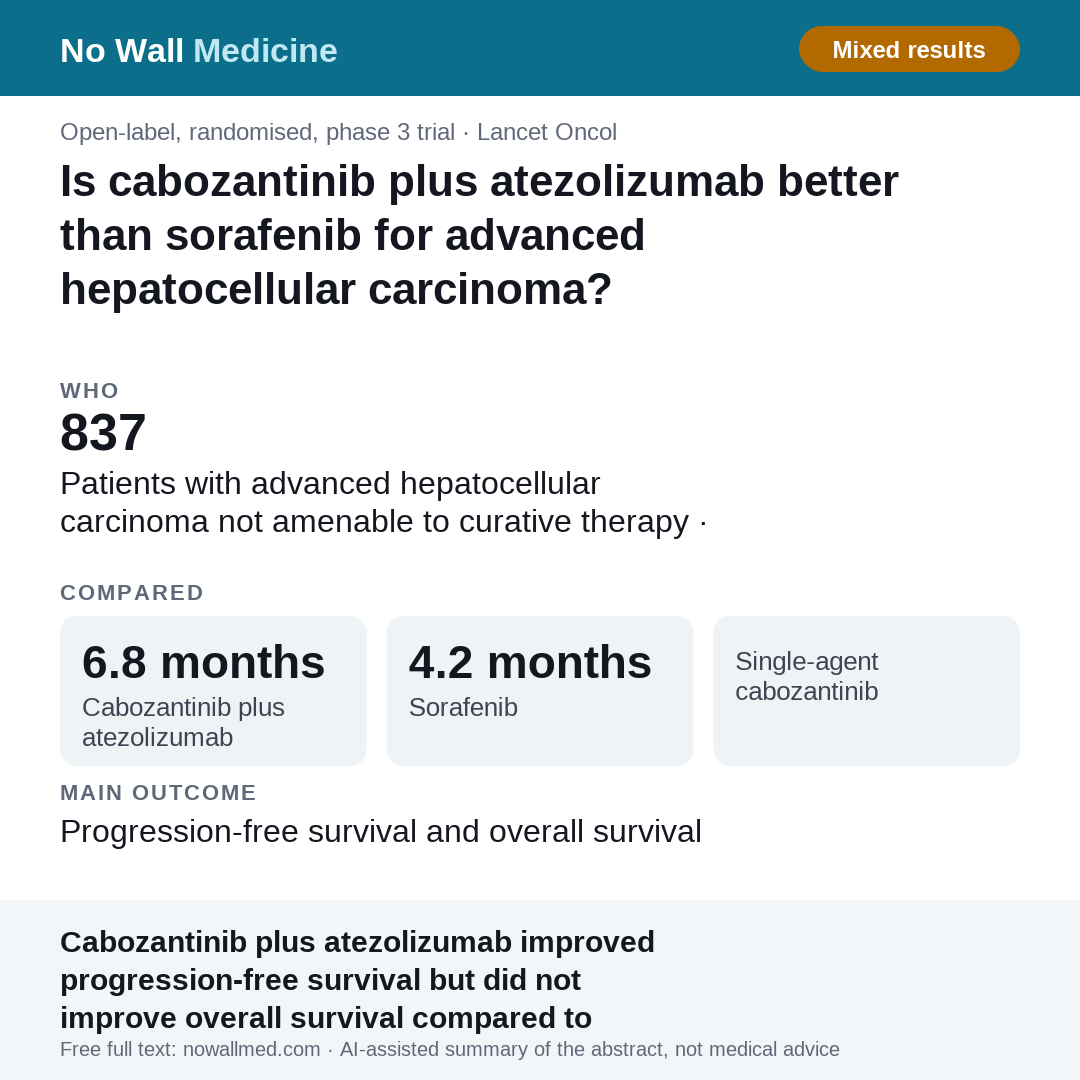
Cabozantinib plus atezolizumab versus sorafenib for advanced hepatocellular carcinoma (COSMIC-312): a multicentre, open-label, randomised, phase 3 trial
Open-label, randomised, phase 3 trialMixed results
Is cabozantinib plus atezolizumab better than sorafenib for advanced hepatocellular carcinoma?
Who
837
Patients with advanced hepatocellular carcinoma not amenable to curative therapy · 178 centres in 32 countries
Compared
6.8 monthsCabozantinib plus atezolizumab (99% CI 5.6-8.3)
4.2 monthsSorafenib (2.8-7.0)
Single-agent cabozantinib
Main outcome
Progression-free survival and overall survival
Result: hazard ratio 0.63 (99% CI 0.44-0.91)
Bottom line: Cabozantinib plus atezolizumab improved progression-free survival but did not improve overall survival compared to sorafenib.
Lancet Oncol · 2022-07-04Download image
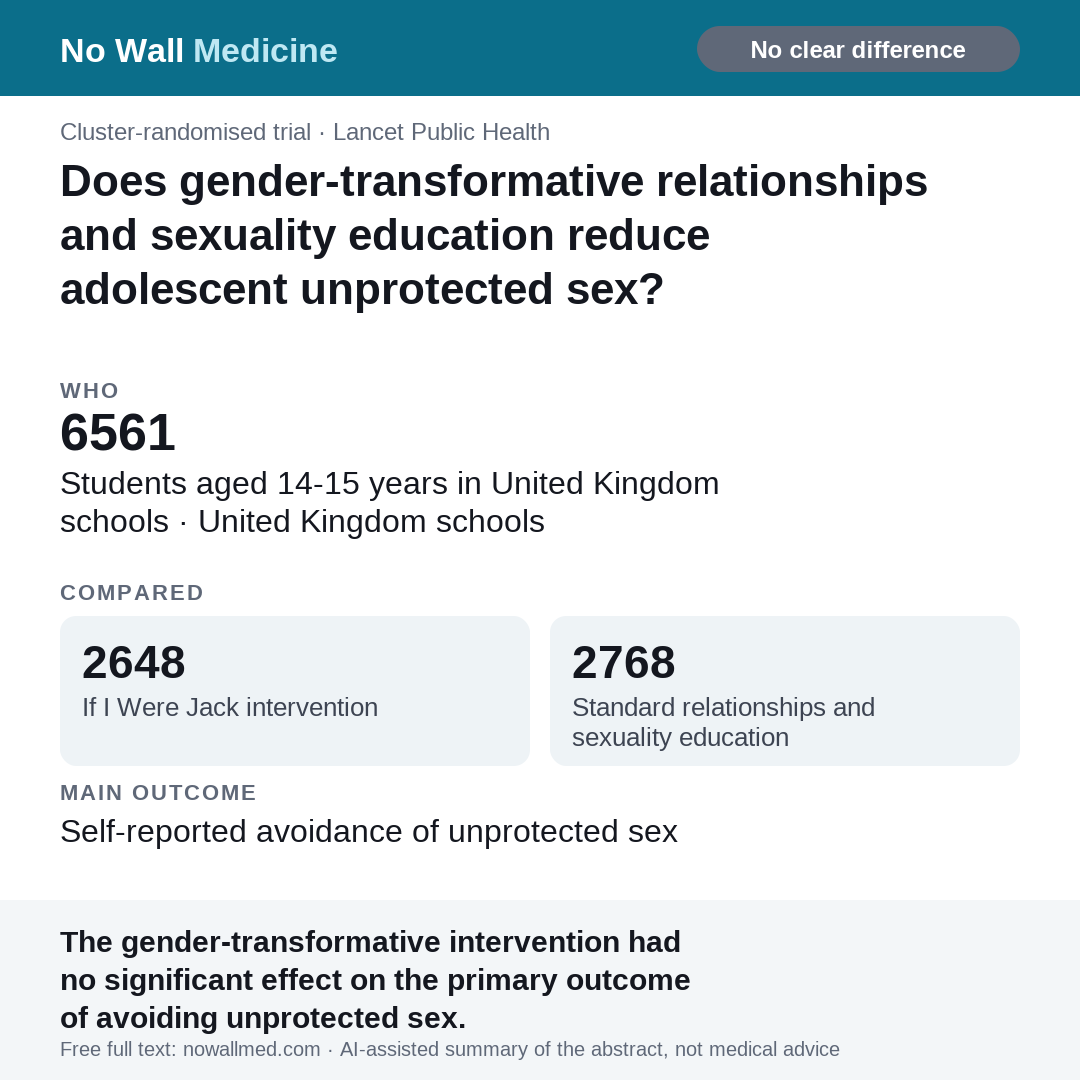
Effects of gender-transformative relationships and sexuality education to reduce adolescent pregnancy (the JACK trial): a cluster-randomised trial
Cluster-randomised trialNo clear difference
Does gender-transformative relationships and sexuality education reduce adolescent unprotected sex?
Who
6561
Students aged 14-15 years in United Kingdom schools · United Kingdom schools
Compared
2648If I Were Jack intervention (86·62%)
2768Standard relationships and sexuality education (86·41%)
Main outcome
Self-reported avoidance of unprotected sex
Result: adjusted odds ratio 0·85 (95% CI 0·58-1·26)
Bottom line: The gender-transformative intervention had no significant effect on the primary outcome of avoiding unprotected sex.
Funded by: National Institute for Health Research
Lancet Public Health · 2022-07-03Download image
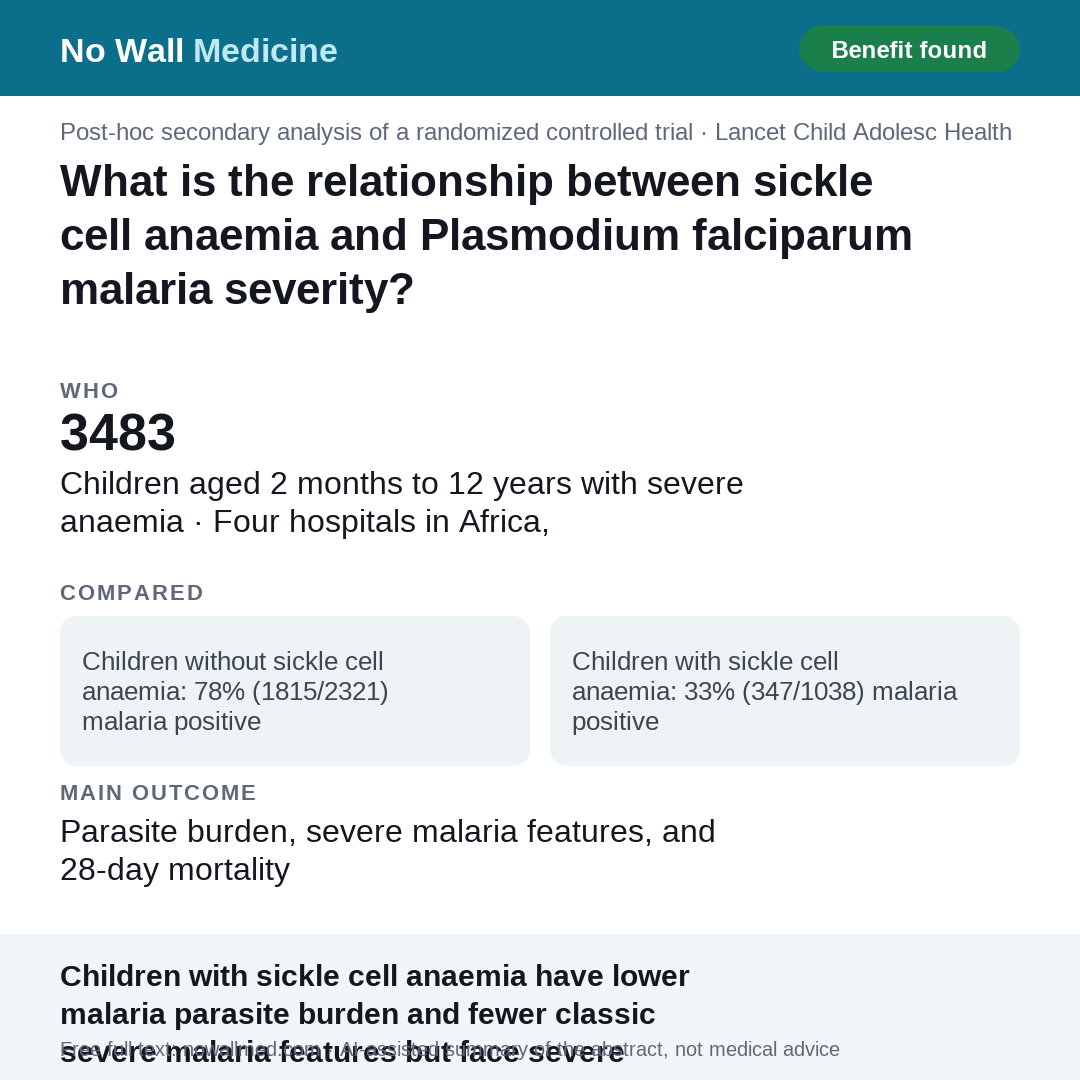
Sickle cell anaemia and severe Plasmodium falciparum malaria: a secondary analysis of the Transfusion and Treatment of African Children Trial (TRACT)
Post-hoc secondary analysis of a randomized controlled trialBenefit found
What is the relationship between sickle cell anaemia and Plasmodium falciparum malaria severity?
Who
3483
Children aged 2 months to 12 years with severe anaemia · Four hospitals in Africa, specifically Uganda
Compared
Children without sickle cell anaemia: 78% (1815/2321) malaria positive
Children with sickle cell anaemia: 33% (347/1038) malaria positive
Main outcome
Parasite burden, severe malaria features, and 28-day mortality
Result: hazard ratios 1·07 [95% CI 0·31-3·76] and 0·67 [0·15-2·90]
Bottom line: Children with sickle cell anaemia have lower malaria parasite burden and fewer classic severe malaria features but face severe anaemic crises.
Limitation: This is a post-hoc secondary analysis of existing trial data.
Funded by: UK Medical Research Council, Wellcome, and UK NIHR
Lancet Child Adolesc Health · 2022-07-02Download image
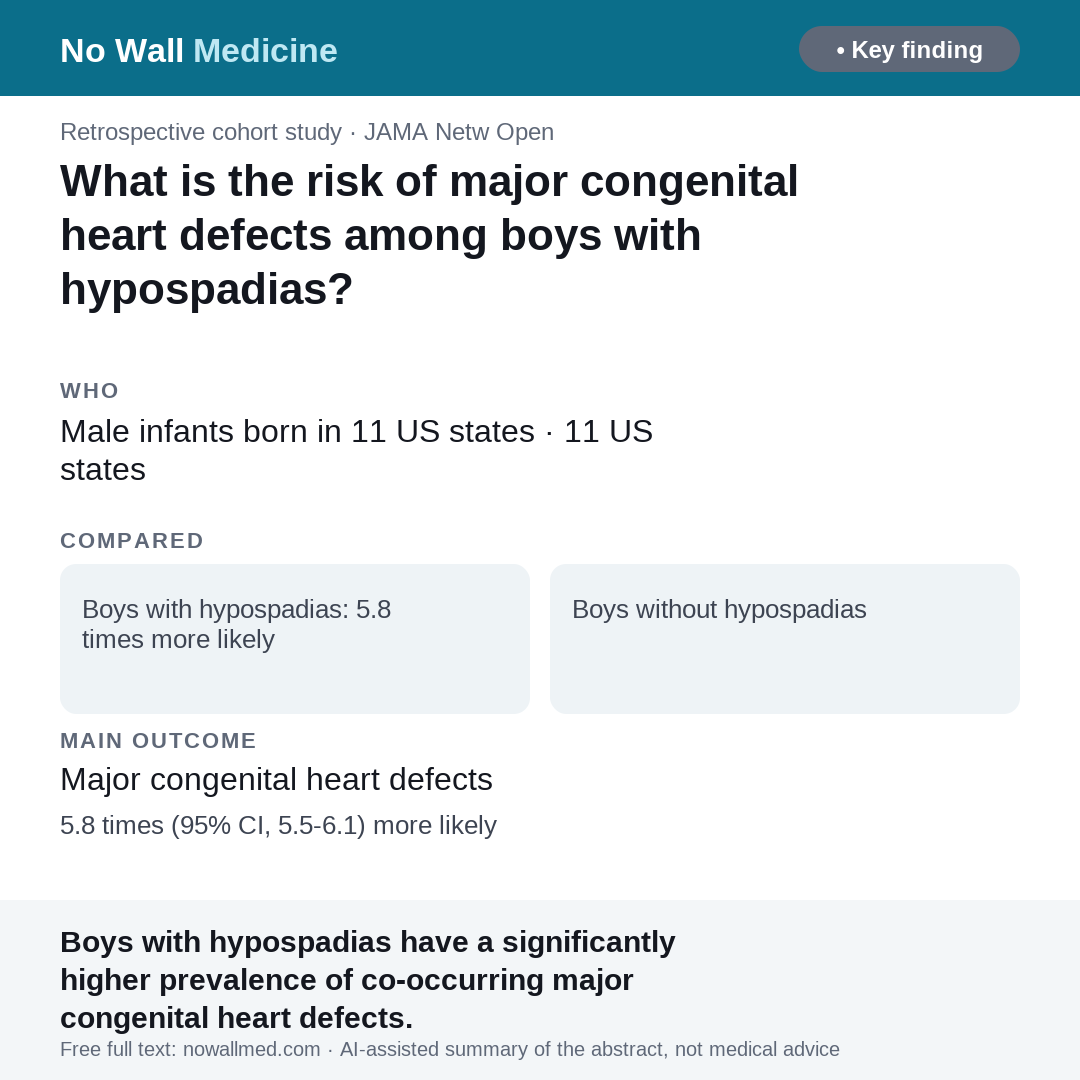
Prevalence and Clustering of Congenital Heart Defects Among Boys With Hypospadias
Retrospective cohort studyHarm found
What is the risk of major congenital heart defects among boys with hypospadias?
Who
Male infants born in 11 US states · 11 US states
Compared
Boys with hypospadias: 5.8 times more likely
Boys without hypospadias
Main outcome
Major congenital heart defects
Result: 5.8 times (95% CI, 5.5-6.1) more likely
Bottom line: Boys with hypospadias have a significantly higher prevalence of co-occurring major congenital heart defects.
JAMA Netw Open · 2022-07-01Download image
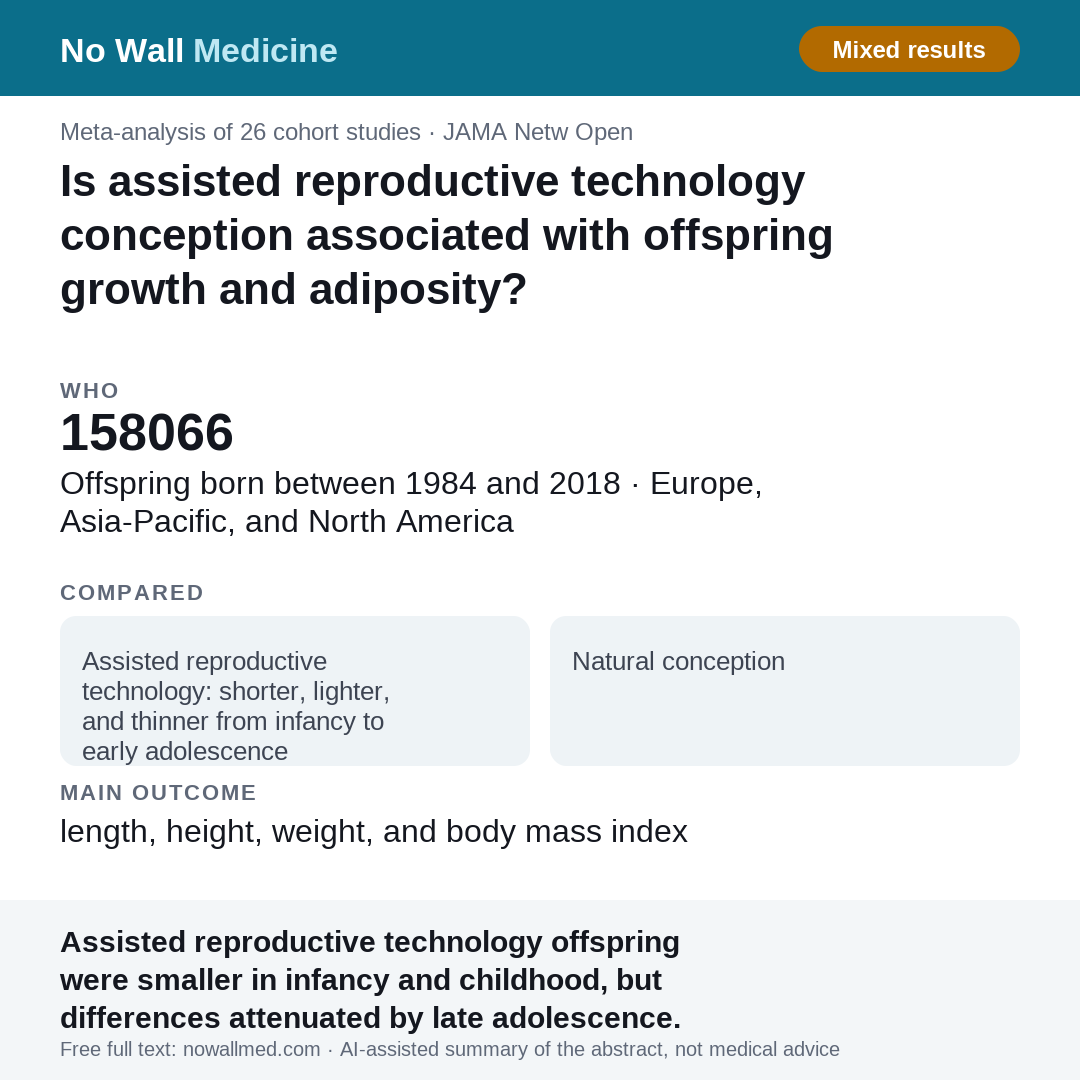
Association of Assisted Reproductive Technology With Offspring Growth and Adiposity From Infancy to Early Adulthood
Meta-analysis of 26 cohort studiesMixed results
Is assisted reproductive technology conception associated with offspring growth and adiposity?
Who
158066
Offspring born between 1984 and 2018 · Europe, Asia-Pacific, and North America
Compared
Assisted reproductive technology: shorter, lighter, and thinner from infancy to early adolescence
Natural conception
Main outcome
length, height, weight, and body mass index
Bottom line: Assisted reproductive technology offspring were smaller in infancy and childhood, but differences attenuated by late adolescence.
Limitation: imprecise evidence regarding greater adiposity by early adulthood
JAMA Netw Open · 2022-07-01Download image
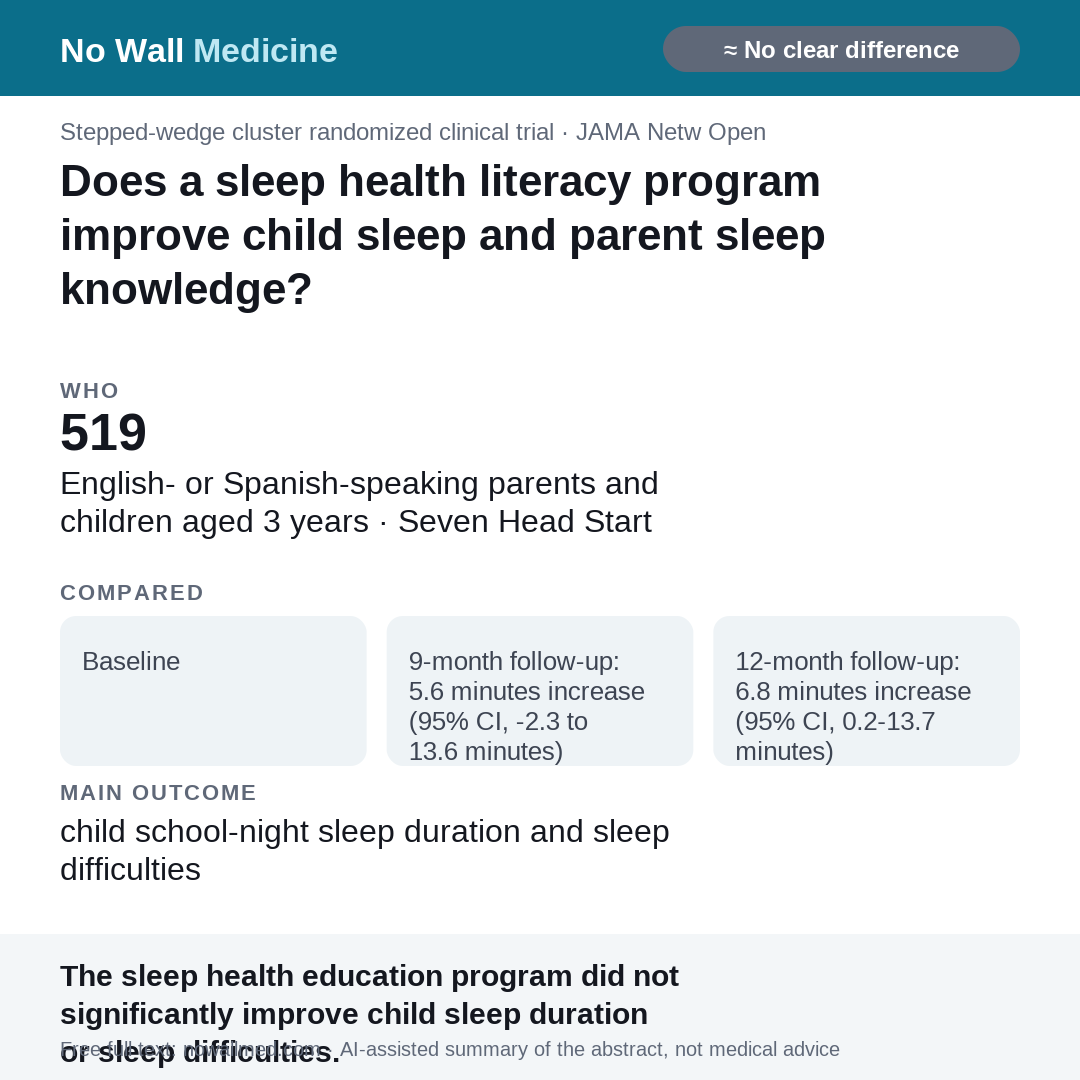
Effects of a Sleep Health Education Program for Children and Parents on Child Sleep Duration and Difficulties: A Stepped-Wedge Cluster Randomized Clinical Trial
Stepped-wedge cluster randomized clinical trialNo clear difference
Does a sleep health literacy program improve child sleep and parent sleep knowledge?
Who
519
English- or Spanish-speaking parents and children aged 3 years · Seven Head Start agencies across New York State
Compared
Baseline
9-month follow-up: 5.6 minutes increase (95% CI, -2.3 to 13.6 minutes)
12-month follow-up: 6.8 minutes increase (95% CI, 0.2-13.7 minutes)
Main outcome
child school-night sleep duration and sleep difficulties
Result: odds ratio 1.13 (95% CI 0.62-2.09) for sleep difficulties
Bottom line: The sleep health education program did not significantly improve child sleep duration or sleep difficulties.
JAMA Netw Open · 2022-07-01Download image
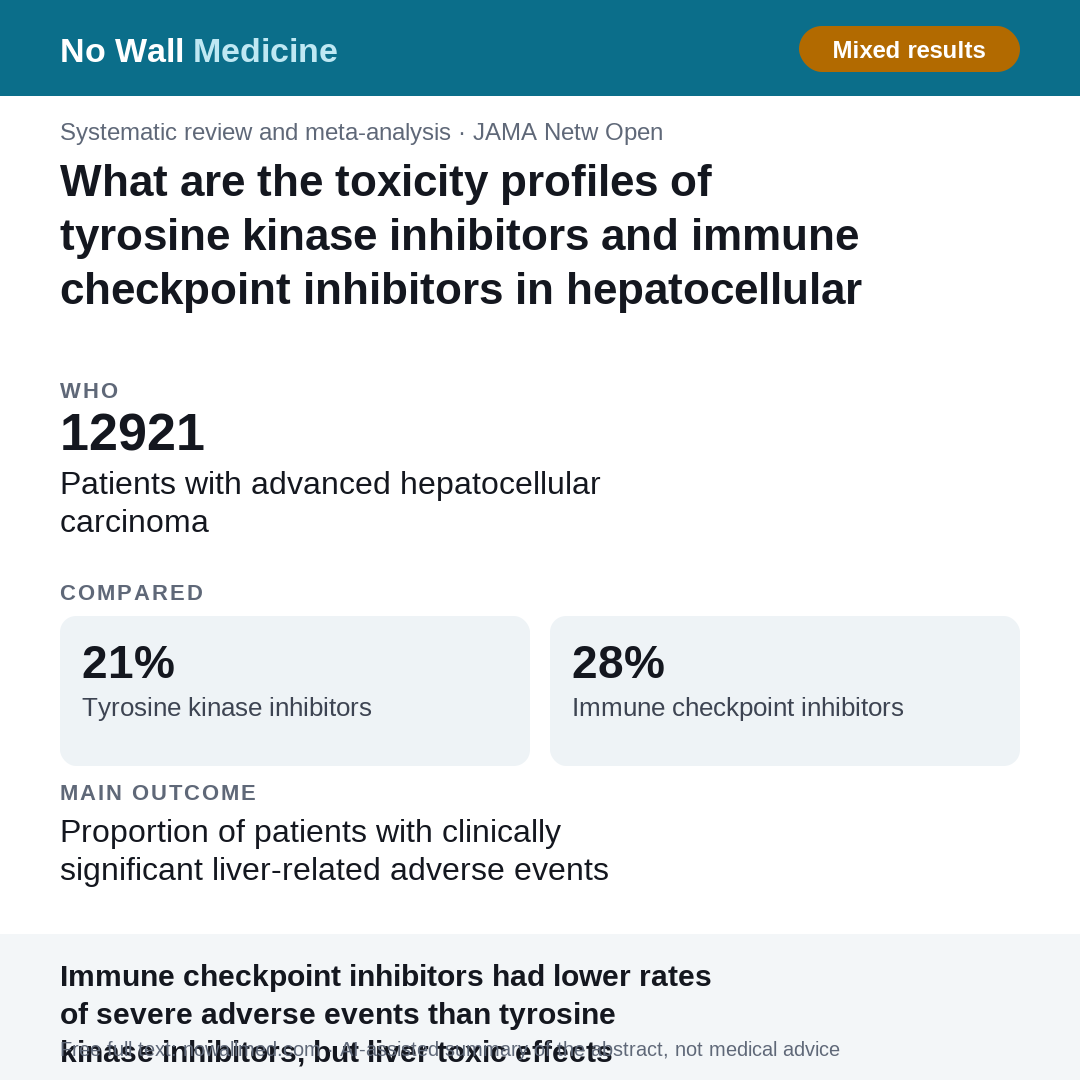
Toxicity Profiles of Systemic Therapies for Advanced Hepatocellular Carcinoma: A Systematic Review and Meta-analysis
Systematic review and meta-analysisMixed results
What are the toxicity profiles of tyrosine kinase inhibitors and immune checkpoint inhibitors in hepatocellular carcinoma?
Who
12921
Patients with advanced hepatocellular carcinoma
Compared
21%Tyrosine kinase inhibitors (95% CI, 16%-26%)
28%Immune checkpoint inhibitors (95% CI, 21%-35%)
Main outcome
Proportion of patients with clinically significant liver-related adverse events
Bottom line: Immune checkpoint inhibitors had lower rates of severe adverse events than tyrosine kinase inhibitors, but liver toxic effects were similar.
JAMA Netw Open · 2022-07-01Download image
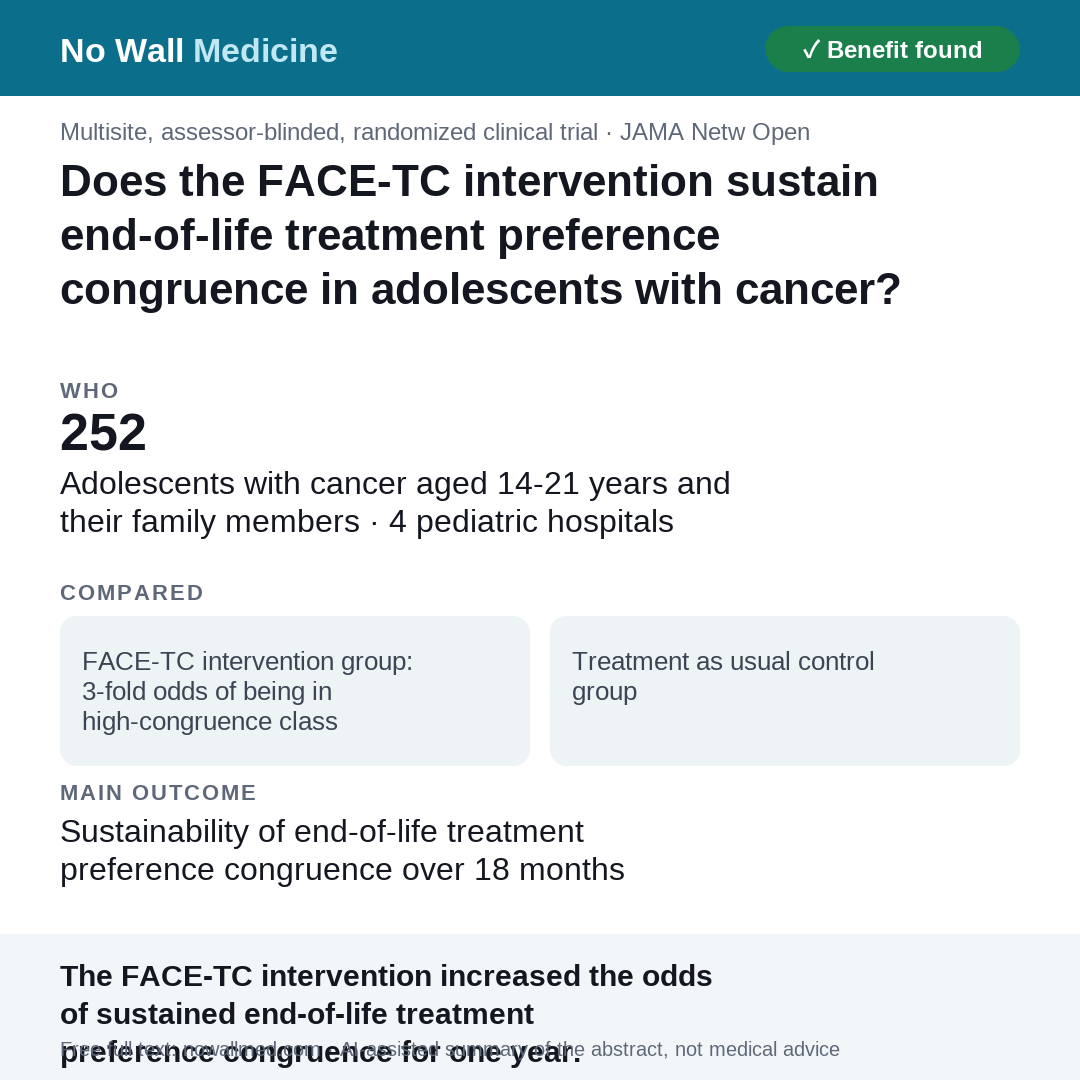
Effect of the Family-Centered Advance Care Planning for Teens with Cancer Intervention on Sustainability of Congruence About End-of-Life Treatment Preferences: A Randomized Clinical Trial
Multisite, assessor-blinded, randomized clinical trialBenefit found
Does the FACE-TC intervention sustain end-of-life treatment preference congruence in adolescents with cancer?
Who
252
Adolescents with cancer aged 14-21 years and their family members · 4 pediatric hospitals
Compared
FACE-TC intervention group: 3-fold odds of being in high-congruence class
Treatment as usual control group
Main outcome
Sustainability of end-of-life treatment preference congruence over 18 months
Result: odds ratio 3.22 (95% CI, 1.09-9.57)
Bottom line: The FACE-TC intervention increased the odds of sustained end-of-life treatment preference congruence for one year.
JAMA Netw Open · 2022-07-01Download image
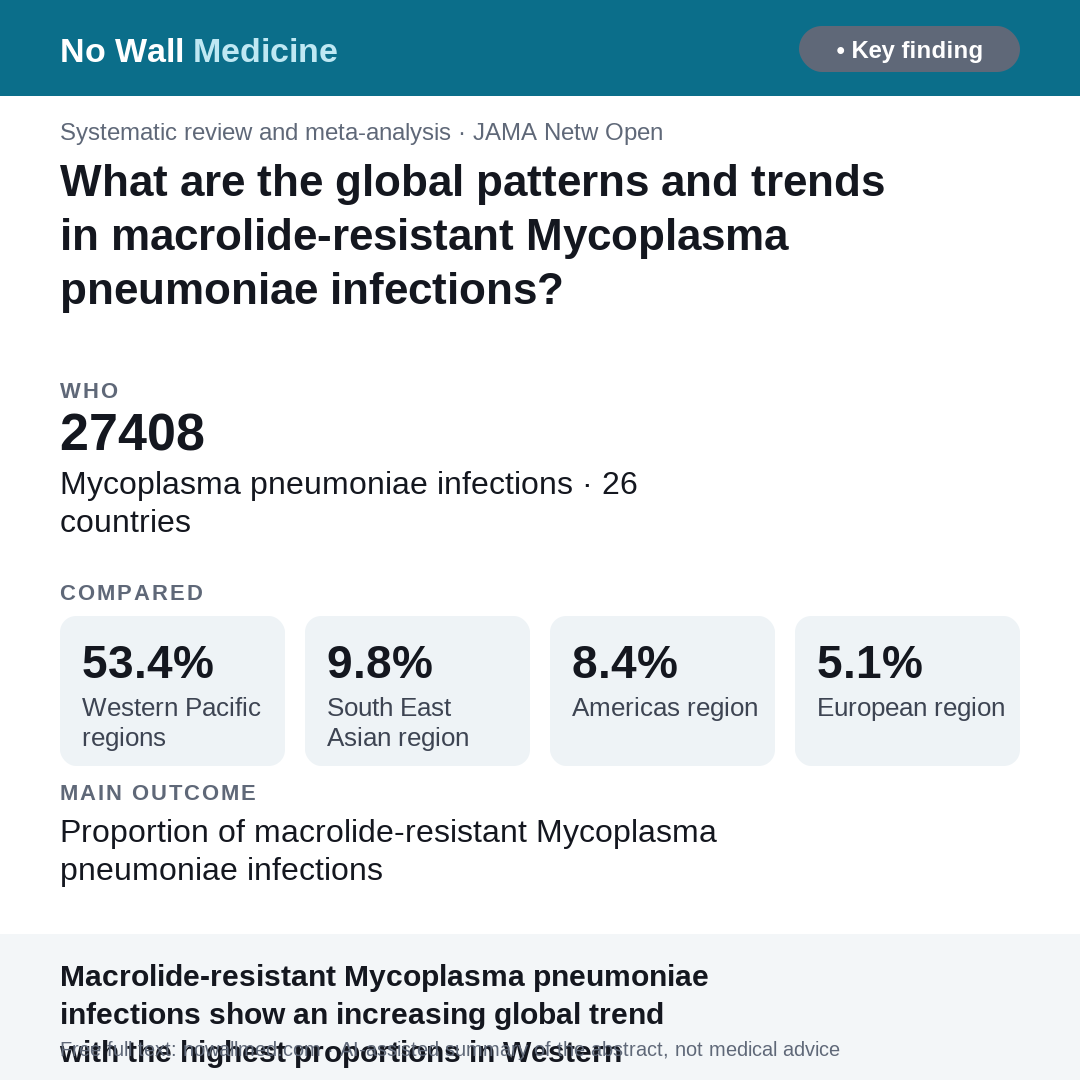
Global Trends in the Proportion of Macrolide-Resistant Mycoplasma pneumoniae Infections: A Systematic Review and Meta-analysis
Systematic review and meta-analysisHarm found
What are the global patterns and trends in macrolide-resistant Mycoplasma pneumoniae infections?
Who
27408
Mycoplasma pneumoniae infections · 26 countries
Compared
53.4%Western Pacific regions (95% CI, 47.4%-60.3%)
9.8%South East Asian region (95% CI, 0.8%-100%)
8.4%Americas region (95% CI, 6.1%-11.6%)
5.1%European region (95% CI, 3.3%-8.0%)
Main outcome
Proportion of macrolide-resistant Mycoplasma pneumoniae infections
Bottom line: Macrolide-resistant Mycoplasma pneumoniae infections show an increasing global trend with the highest proportions in Western Pacific regions.
JAMA Netw Open · 2022-07-01Download image
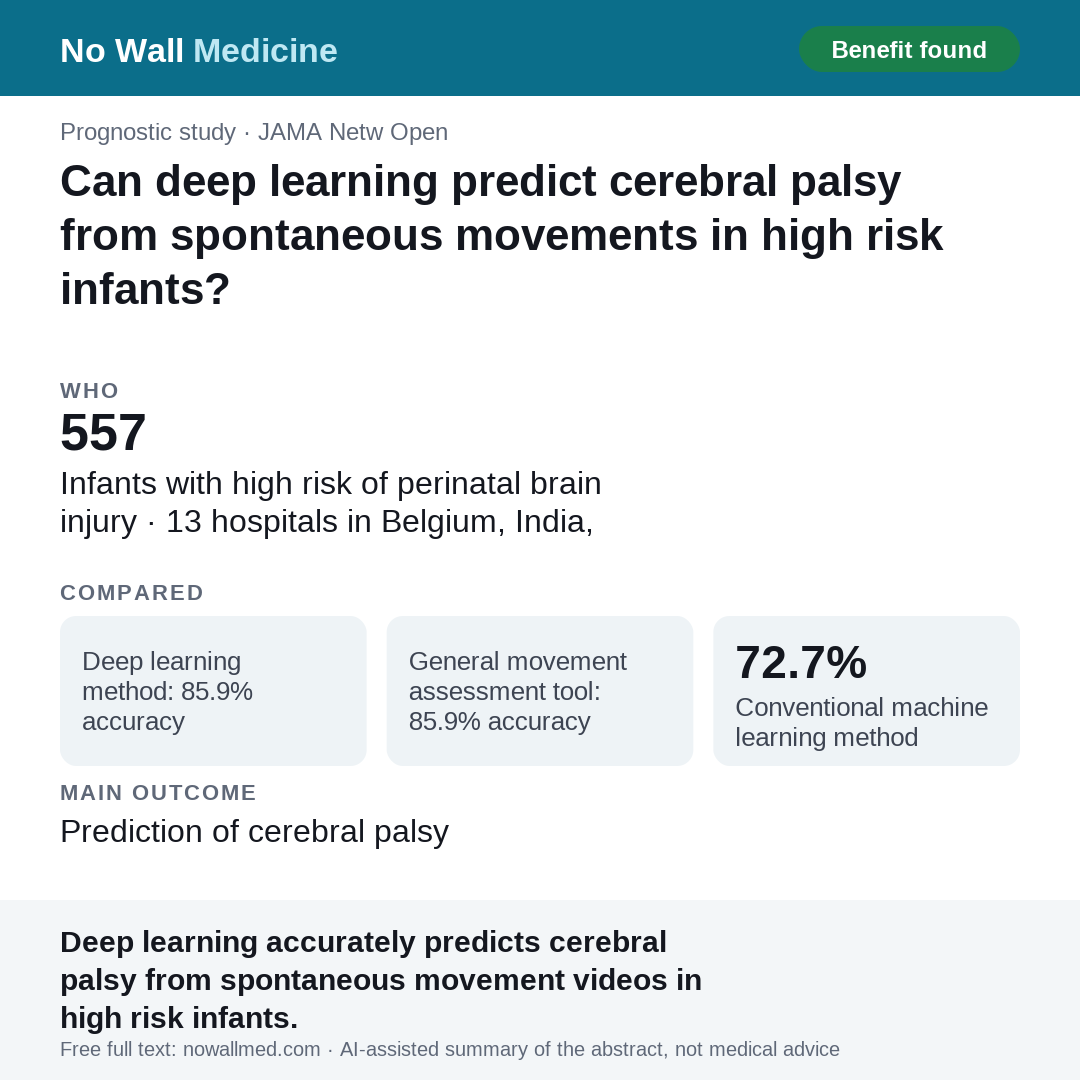
Development and Validation of a Deep Learning Method to Predict Cerebral Palsy From Spontaneous Movements in Infants at High Risk
Prognostic studyBenefit found
Can deep learning predict cerebral palsy from spontaneous movements in high risk infants?
Who
557
Infants with high risk of perinatal brain injury · 13 hospitals in Belgium, India, Norway, and the US
Compared
Deep learning method: 85.9% accuracy
General movement assessment tool: 85.9% accuracy
72.7%Conventional machine learning method (95% CI, 64.5%-79.9%)
Main outcome
Prediction of cerebral palsy
Result: sensitivity 71.4% (95% CI, 47.8%-88.7%)
Bottom line: Deep learning accurately predicts cerebral palsy from spontaneous movement videos in high risk infants.
JAMA Netw Open · 2022-07-01Download image
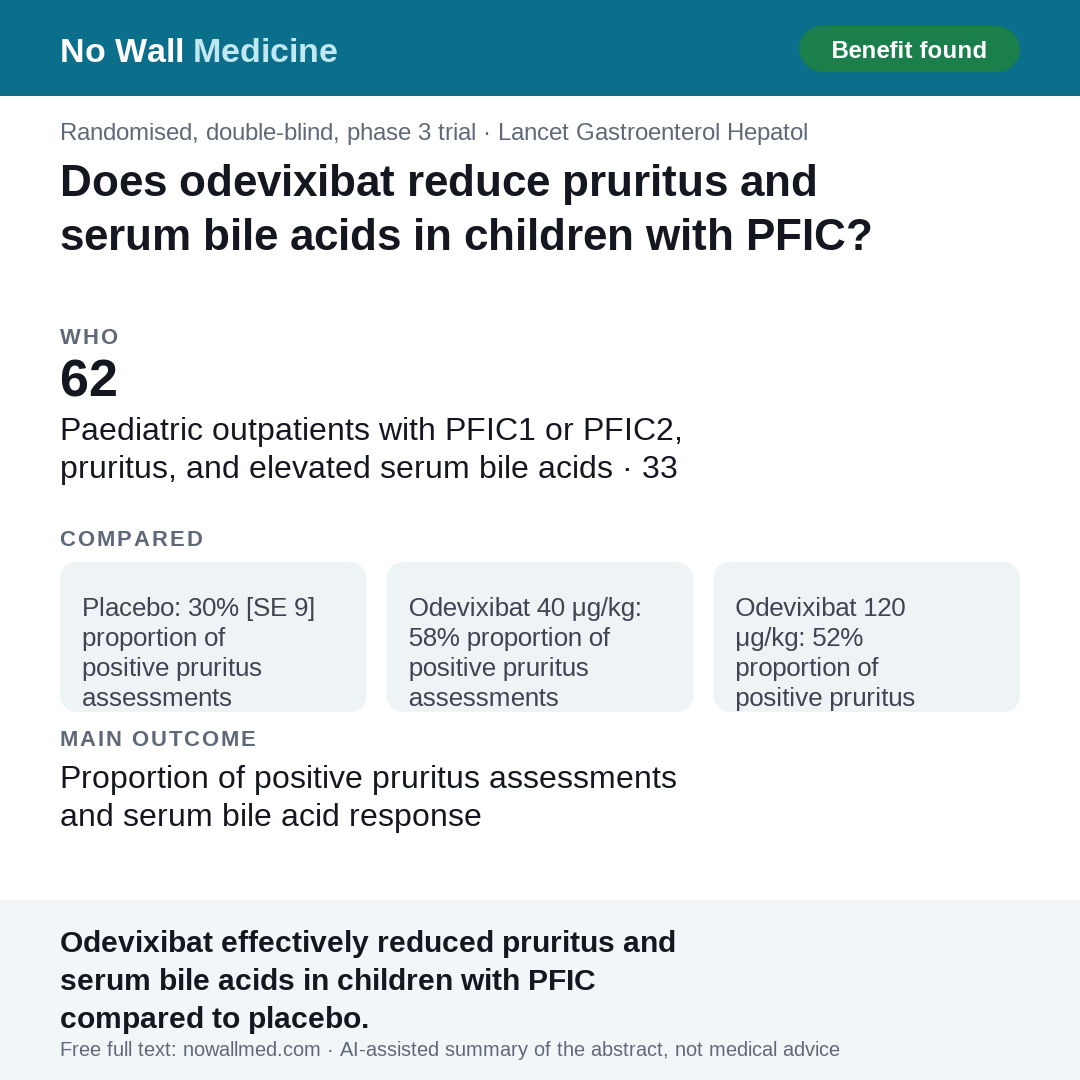
Odevixibat treatment in progressive familial intrahepatic cholestasis: a randomised, placebo-controlled, phase 3 trial
Randomised, double-blind, phase 3 trialBenefit found
Does odevixibat reduce pruritus and serum bile acids in children with PFIC?
Who
62
Paediatric outpatients with PFIC1 or PFIC2, pruritus, and elevated serum bile acids · 33 global sites
Compared
Placebo: 30% [SE 9] proportion of positive pruritus assessments
Odevixibat 40 μg/kg: 58% proportion of positive pruritus assessments
Odevixibat 120 μg/kg: 52% proportion of positive pruritus assessments
Main outcome
Proportion of positive pruritus assessments and serum bile acid response
Result: model-adjusted mean difference 25·0% [95% CI 8·5-41·5]
Bottom line: Odevixibat effectively reduced pruritus and serum bile acids in children with PFIC compared to placebo.
Funded by: Albireo Pharma
Lancet Gastroenterol Hepatol · 2022-07-01Download image
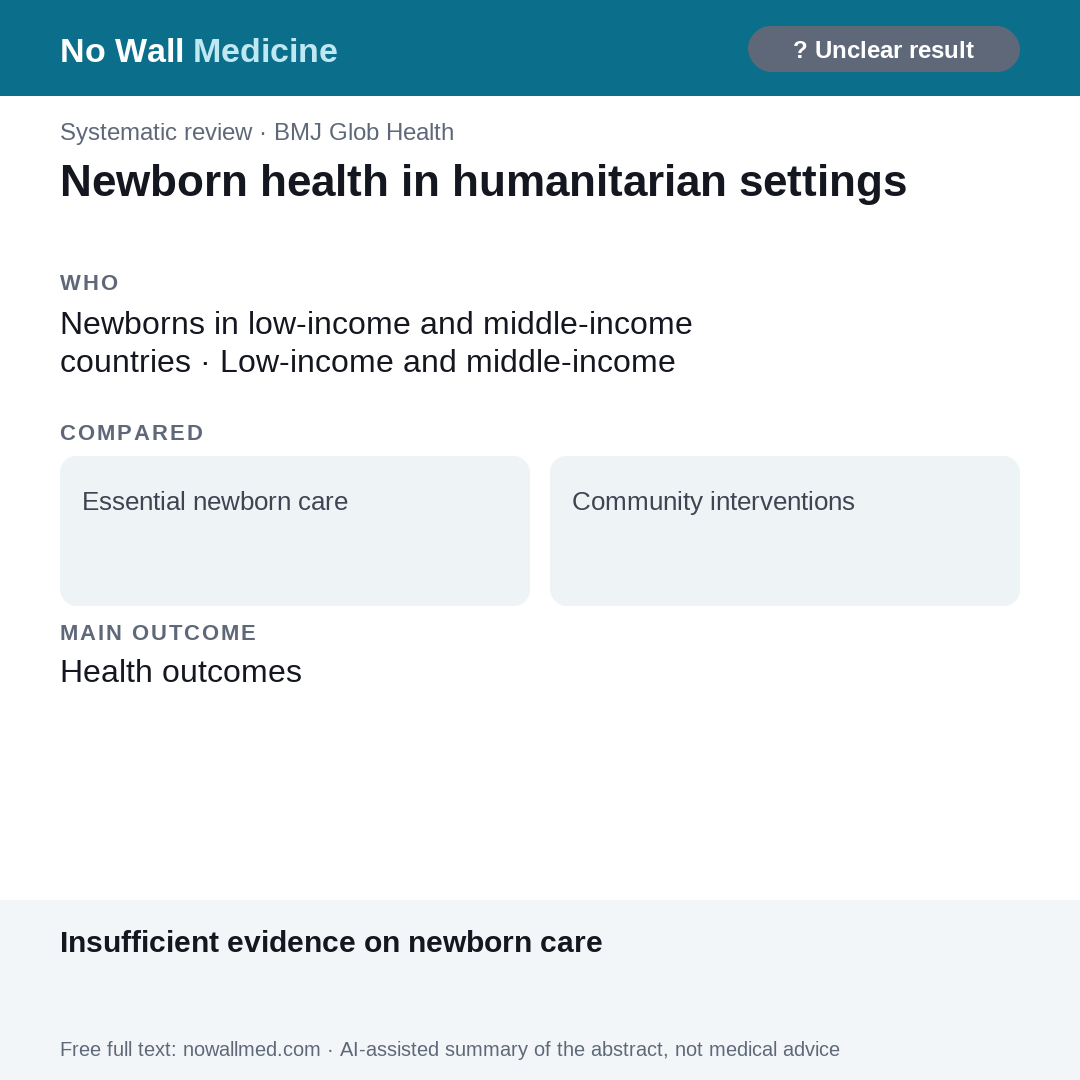
A systematic review of newborn health interventions in humanitarian settings
Systematic reviewUnclear result
Newborn health in humanitarian settings
Who
Newborns in low-income and middle-income countries · Low-income and middle-income countries
Compared
Essential newborn care
Community interventions
Main outcome
Health outcomes
Bottom line: Insufficient evidence on newborn care
BMJ Glob Health · 2022-07-01Download image
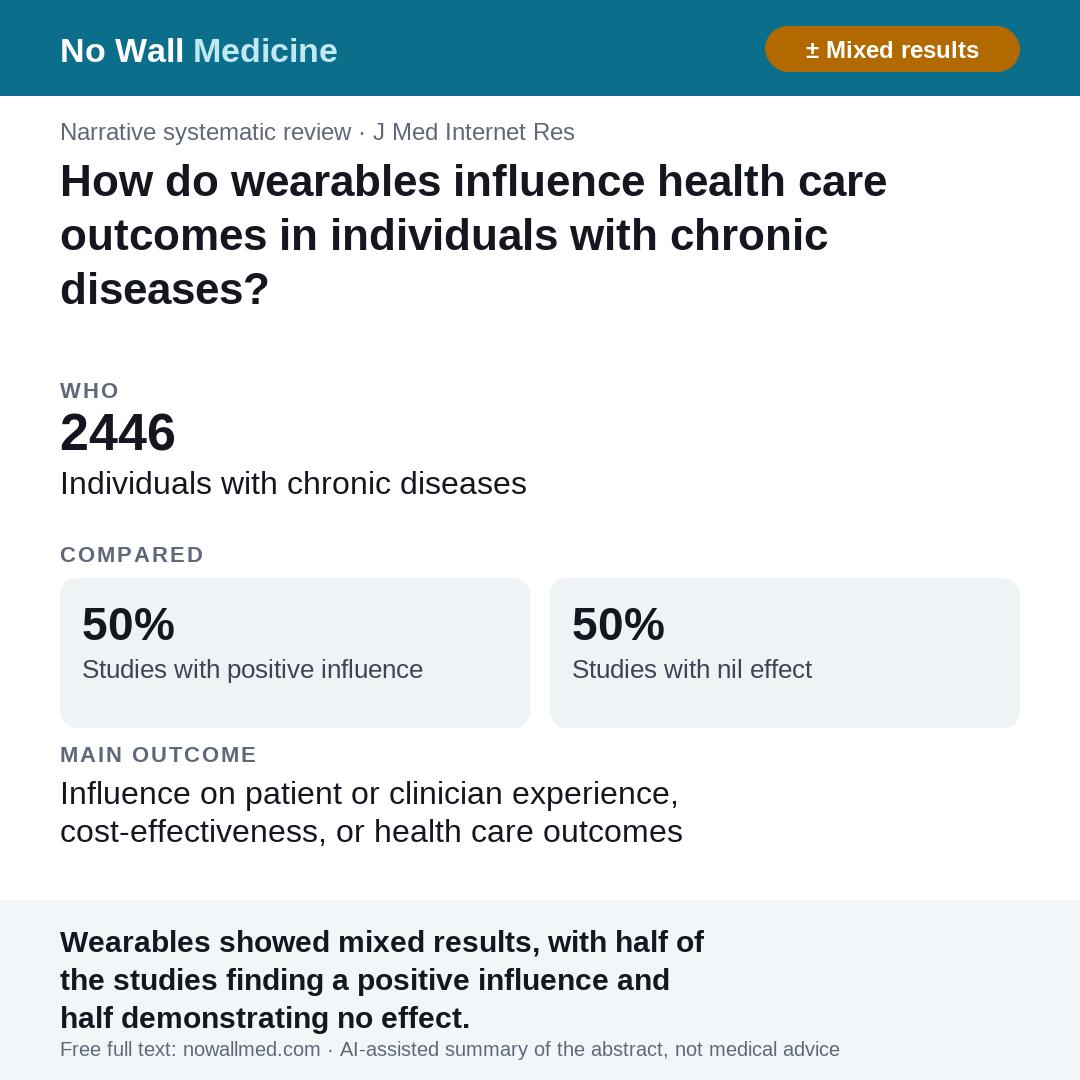
The Influence of Wearables on Health Care Outcomes in Chronic Disease: Systematic Review
Narrative systematic reviewMixed results
How do wearables influence health care outcomes in individuals with chronic diseases?
Who
2446
Individuals with chronic diseases
Compared
50%Studies with positive influence (15/30)
50%Studies with nil effect (15/30)
Main outcome
Influence on patient or clinician experience, cost-effectiveness, or health care outcomes
Bottom line: Wearables showed mixed results, with half of the studies finding a positive influence and half demonstrating no effect.
Limitation: Further research is required to generate a strong evidence base for safe and effective implementation.
J Med Internet Res · 2022-07-01Download image
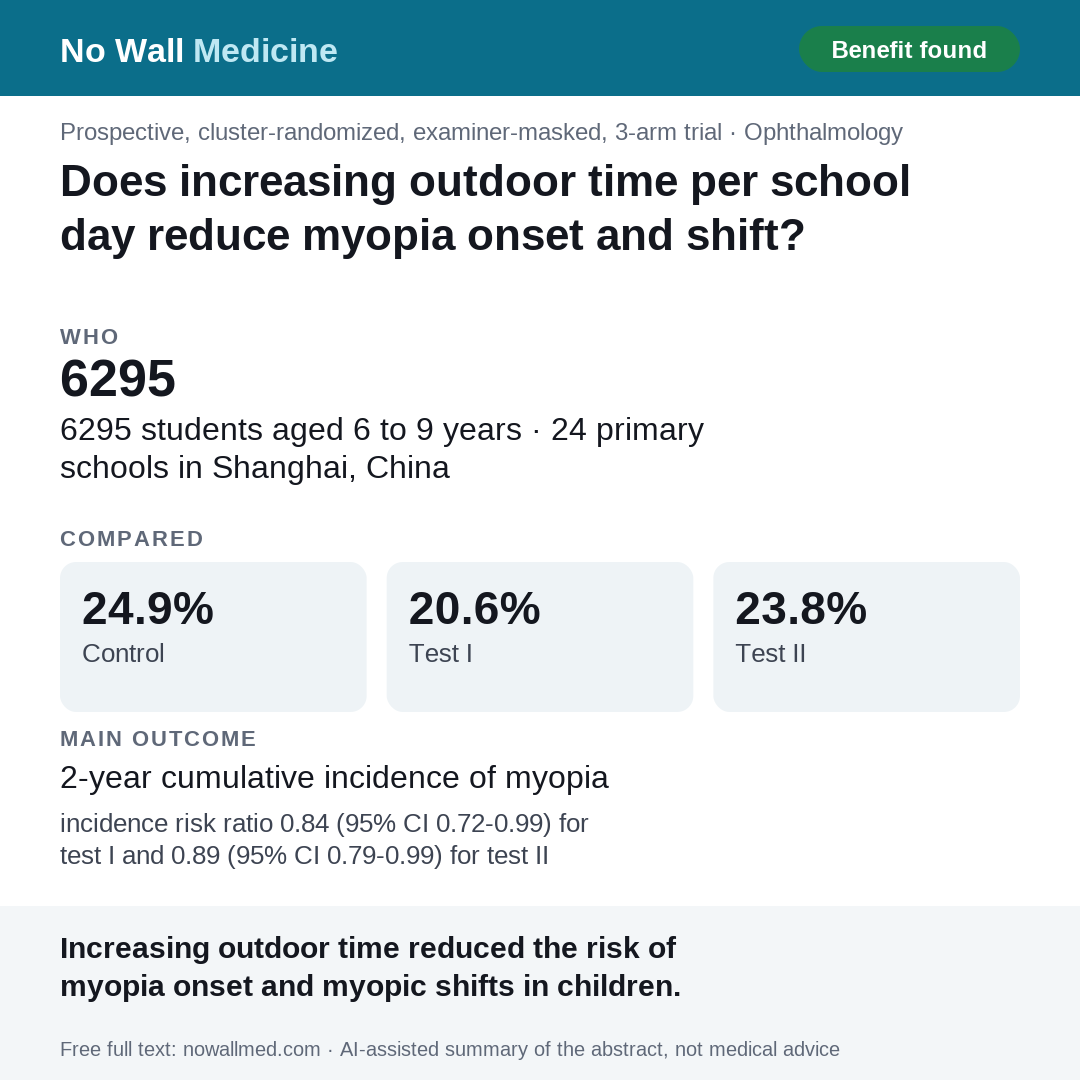
Time Outdoors in Reducing Myopia: A School-Based Cluster Randomized Trial with Objective Monitoring of Outdoor Time and Light Intensity
Prospective, cluster-randomized, examiner-masked, 3-arm trialBenefit found
Does increasing outdoor time per school day reduce myopia onset and shift?
Who
6295
6295 students aged 6 to 9 years · 24 primary schools in Shanghai, China
Compared
24.9%Control
20.6%Test I
23.8%Test II
Main outcome
2-year cumulative incidence of myopia
Result: incidence risk ratio 0.84 (95% CI 0.72-0.99) for test I and 0.89 (95% CI 0.79-0.99) for test II
Bottom line: Increasing outdoor time reduced the risk of myopia onset and myopic shifts in children.
Ophthalmology · 2022-06-30Download image
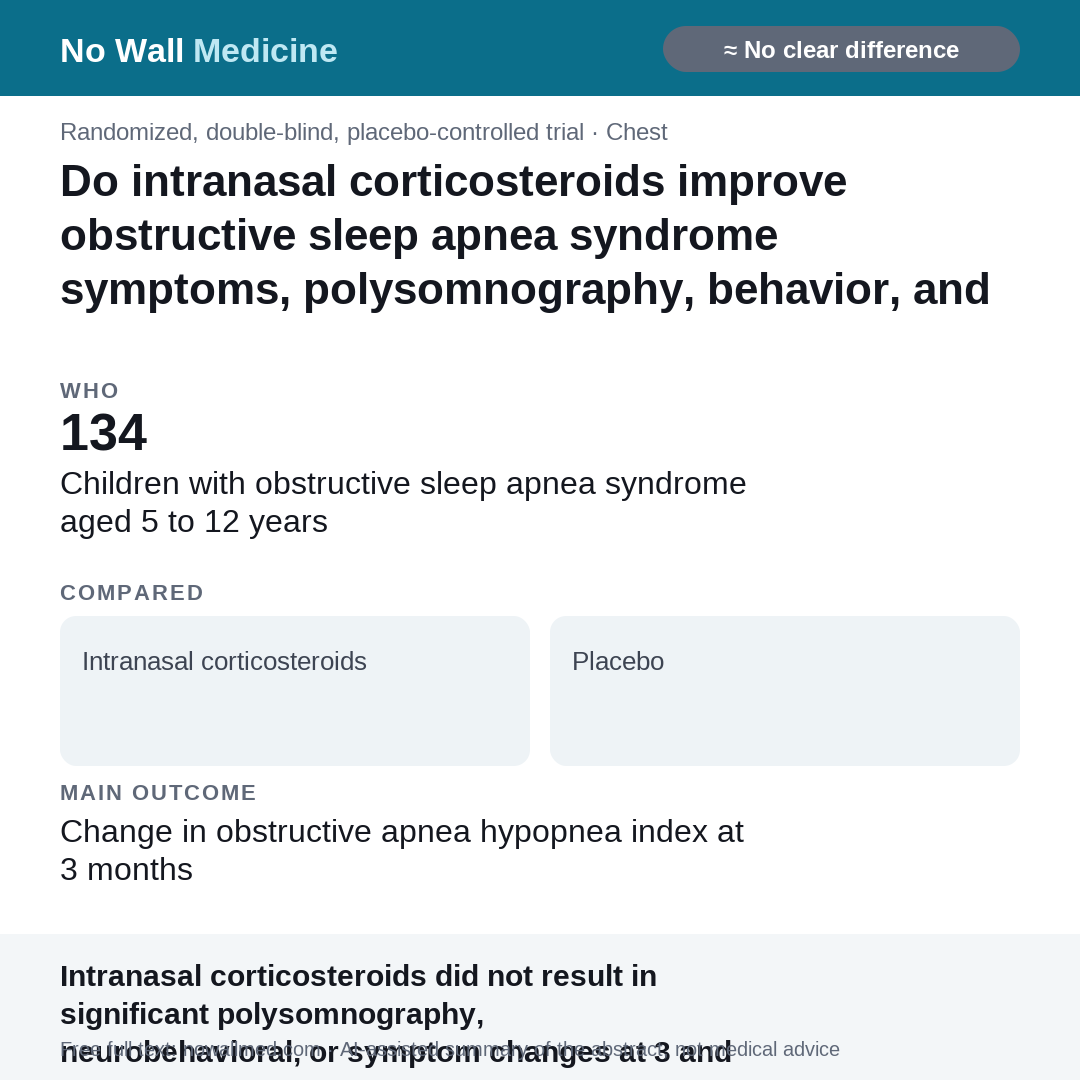
A Trial of Intranasal Corticosteroids to Treat Childhood OSA Syndrome
Randomized, double-blind, placebo-controlled trialNo clear difference
Do intranasal corticosteroids improve obstructive sleep apnea syndrome symptoms, polysomnography, behavior, and quality of life?
Who
134
Children with obstructive sleep apnea syndrome aged 5 to 12 years
Compared
Intranasal corticosteroids
Placebo
Main outcome
Change in obstructive apnea hypopnea index at 3 months
Bottom line: Intranasal corticosteroids did not result in significant polysomnography, neurobehavioral, or symptom changes at 3 and 12 months.
Limitation: Twelve months of treatment resulted in a statistically significant but not clinically relevant reduction.
Chest · 2022-06-30Download image
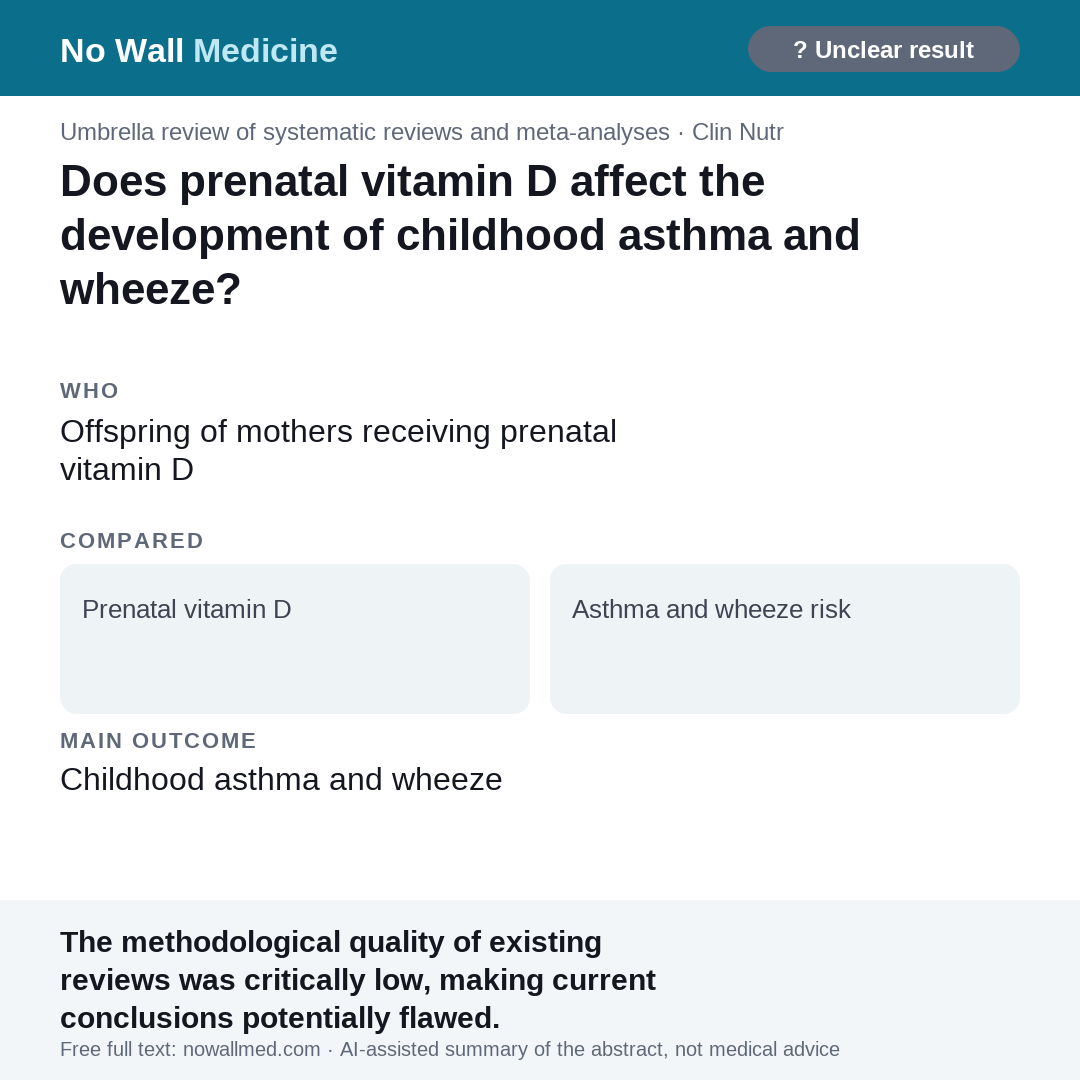
The role of prenatal vitamin D on the development of childhood asthma and wheeze: An umbrella review of systematic reviews and meta-analyses
Umbrella review of systematic reviews and meta-analysesUnclear result
Does prenatal vitamin D affect the development of childhood asthma and wheeze?
Who
Offspring of mothers receiving prenatal vitamin D
Compared
Prenatal vitamin D
Asthma and wheeze risk
Main outcome
Childhood asthma and wheeze
Bottom line: The methodological quality of existing reviews was critically low, making current conclusions potentially flawed.
Clin Nutr · 2022-06-30Download image
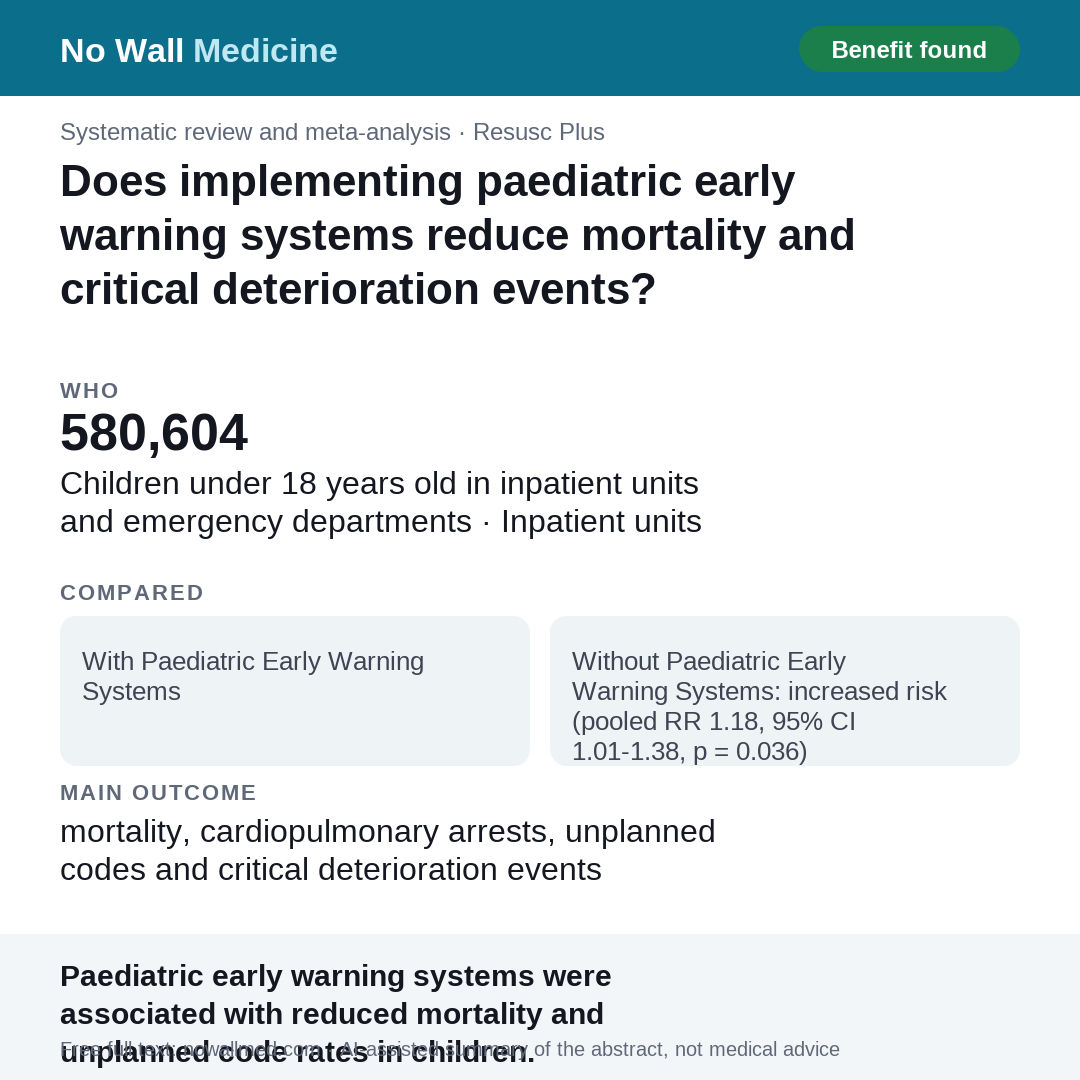
Do paediatric early warning systems reduce mortality and critical deterioration events among children? A systematic review and meta-analysis
Systematic review and meta-analysisBenefit found
Does implementing paediatric early warning systems reduce mortality and critical deterioration events?
Who
580,604
Children under 18 years old in inpatient units and emergency departments · Inpatient units and emergency departments
Compared
With Paediatric Early Warning Systems
Without Paediatric Early Warning Systems: increased risk (pooled RR 1.18, 95% CI 1.01-1.38, p = 0.036)
Main outcome
mortality, cardiopulmonary arrests, unplanned codes and critical deterioration events
Result: pooled RR 1.18 (95% CI 1.01-1.38)
Bottom line: Paediatric early warning systems were associated with reduced mortality and unplanned code rates in children.
Limitation: potential confounders and imprecision among included studies
Resusc Plus · 2022-06-29Download image
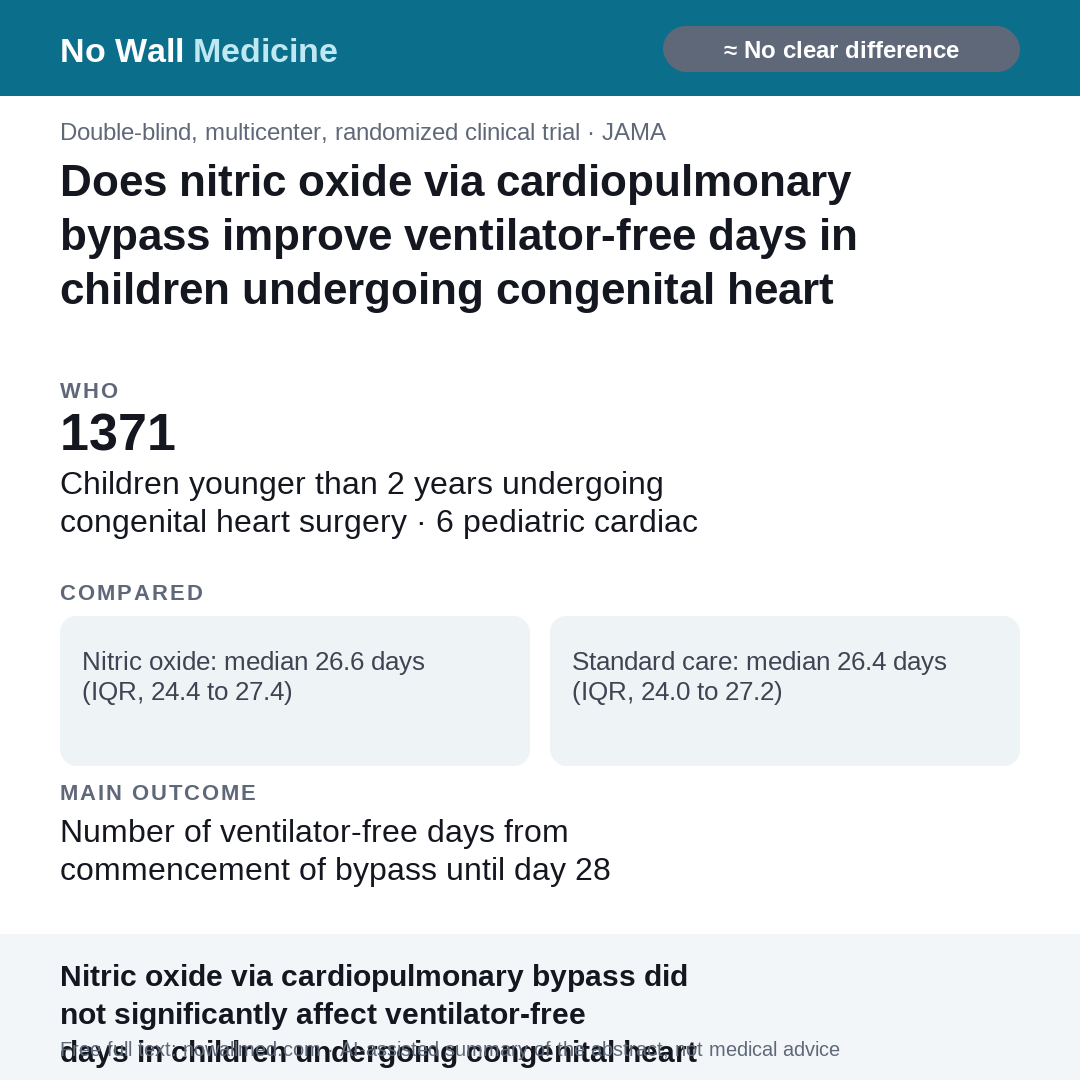
Effect of Nitric Oxide via Cardiopulmonary Bypass on Ventilator-Free Days in Young Children Undergoing Congenital Heart Disease Surgery: The NITRIC Randomized Clinical Trial
Double-blind, multicenter, randomized clinical trialNo clear difference
Does nitric oxide via cardiopulmonary bypass improve ventilator-free days in children undergoing congenital heart disease surgery?
Who
1371
Children younger than 2 years undergoing congenital heart surgery · 6 pediatric cardiac surgical centers in Australia, New Zealand, Netherlands
Compared
Nitric oxide: median 26.6 days (IQR, 24.4 to 27.4)
Standard care: median 26.4 days (IQR, 24.0 to 27.2)
Main outcome
Number of ventilator-free days from commencement of bypass until day 28
Result: absolute difference of -0.01 days (95% CI, -0.25 to 0.22)
Bottom line: Nitric oxide via cardiopulmonary bypass did not significantly affect ventilator-free days in children undergoing congenital heart surgery.
JAMA · 2022-06-28Download image
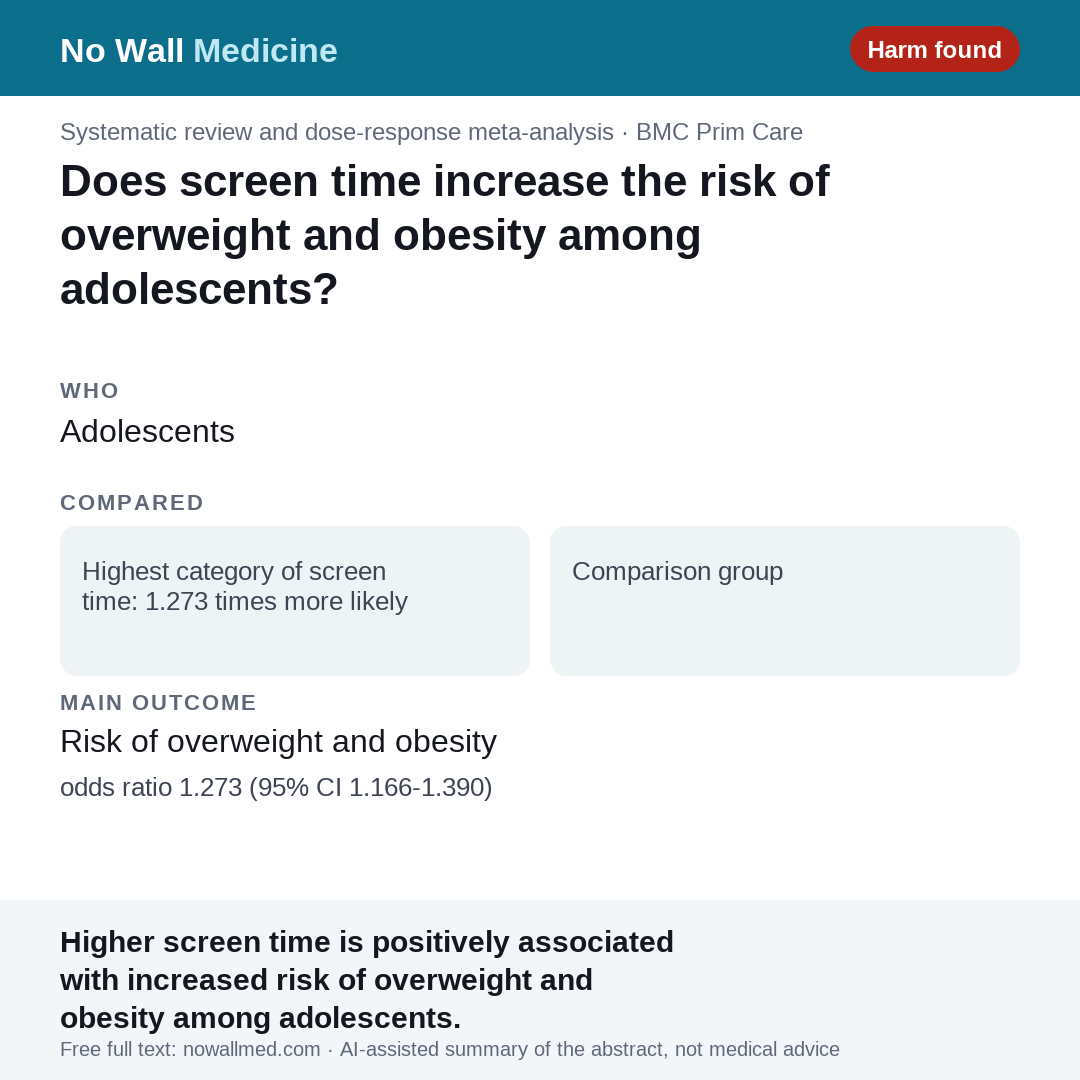
Screen time increases overweight and obesity risk among adolescents: a systematic review and dose-response meta-analysis
Systematic review and dose-response meta-analysisHarm found
Does screen time increase the risk of overweight and obesity among adolescents?
Who
44
Adolescents
Compared
Highest category of screen time: 1.273 times more likely
Comparison group
Main outcome
Risk of overweight and obesity
Result: odds ratio 1.273 (95% CI 1.166-1.390)
Bottom line: Higher screen time is positively associated with increased risk of overweight and obesity among adolescents.
BMC Prim Care · 2022-06-28Download image
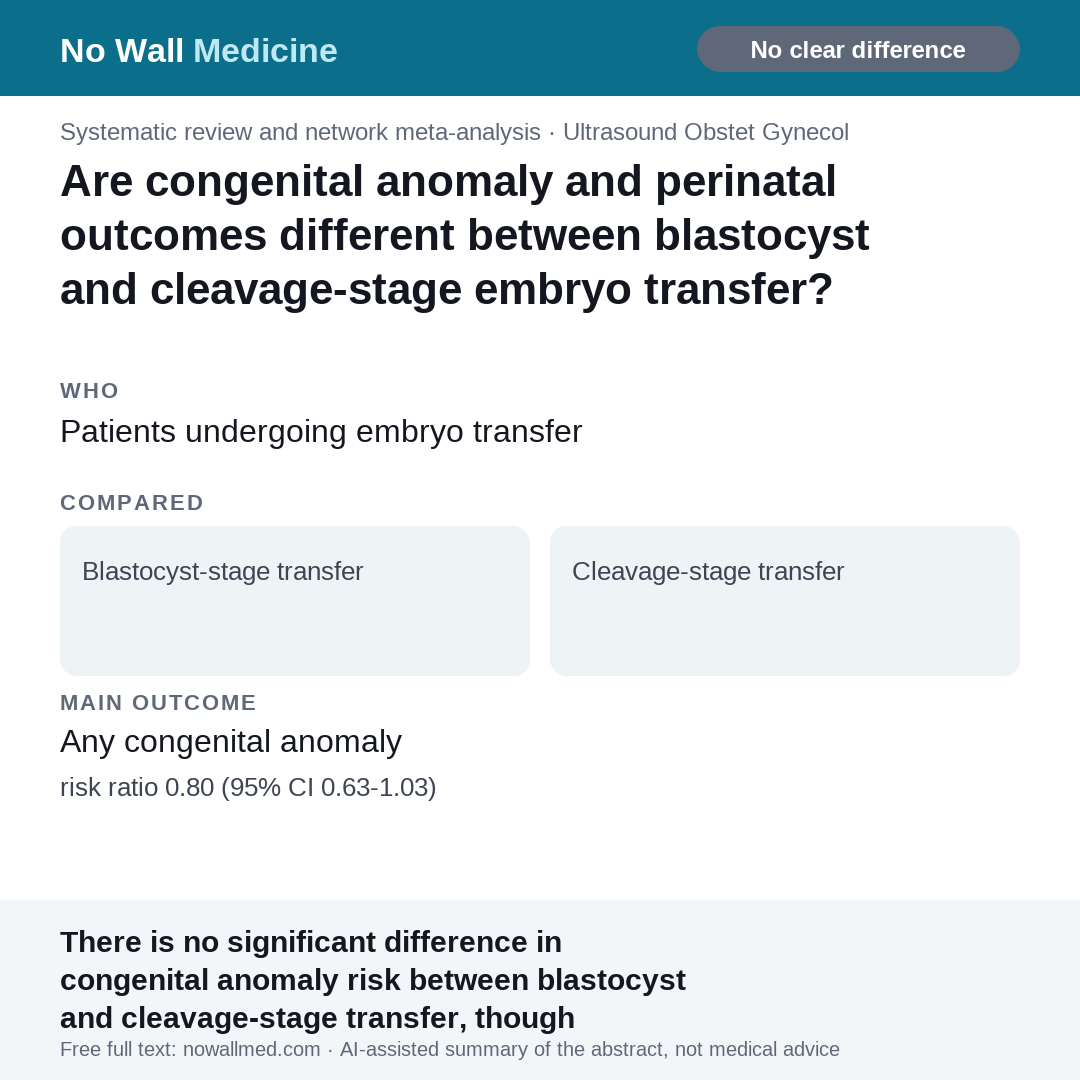
Congenital anomaly and perinatal outcome following blastocyst- vs cleavage-stage embryo transfer: systematic review and network meta-analysis
Systematic review and network meta-analysisNo clear difference
Are congenital anomaly and perinatal outcomes different between blastocyst and cleavage-stage embryo transfer?
Who
Patients undergoing embryo transfer
Compared
Blastocyst-stage transfer
Cleavage-stage transfer
Main outcome
Any congenital anomaly
Result: risk ratio 0.80 (95% CI 0.63-1.03)
Bottom line: There is no significant difference in congenital anomaly risk between blastocyst and cleavage-stage transfer, though blastocyst transfer shows increased male neonate probability.
Limitation: All outcomes were assessed to be of very-low certainty of evidence.
Ultrasound Obstet Gynecol · 2022-06-26Download image