Visual abstracts
New randomized trials and meta-analyses from leading journals at a glance: who was studied, what was compared, and what was found. Every paper is free to read in full.
All specialtiesCardiology 4877Oncology 4138Gastroenterology & Hepatology 1942Infectious Disease 3837Neurology 1905Psychiatry & Mental Health 2273Pulmonology 2143Critical Care 1365Endocrinology & Diabetes 2580Pediatrics 2980Surgery 2559Orthopedics & Sports Medicine 931Neurosurgery 537Cardiothoracic & Vascular Surgery 674Plastic & Reconstructive Surgery 591Nephrology 1133Rheumatology 823Hematology 1109Dermatology 621Ophthalmology 543Obstetrics & Gynecology 1686Public & Global Health 1058Radiology & Imaging 648Anesthesiology 986Urology 764ENT (Otolaryngology) 503Emergency Medicine 511Allergy & Immunology 313Geriatrics 981Family Medicine & Primary Care 562Medical Genetics & Genomics 676Pathology & Laboratory Medicine 159Physical Medicine & Rehabilitation 757Palliative Care 444Nutrition 1588Digital Health & AI 2201General Medicine 321
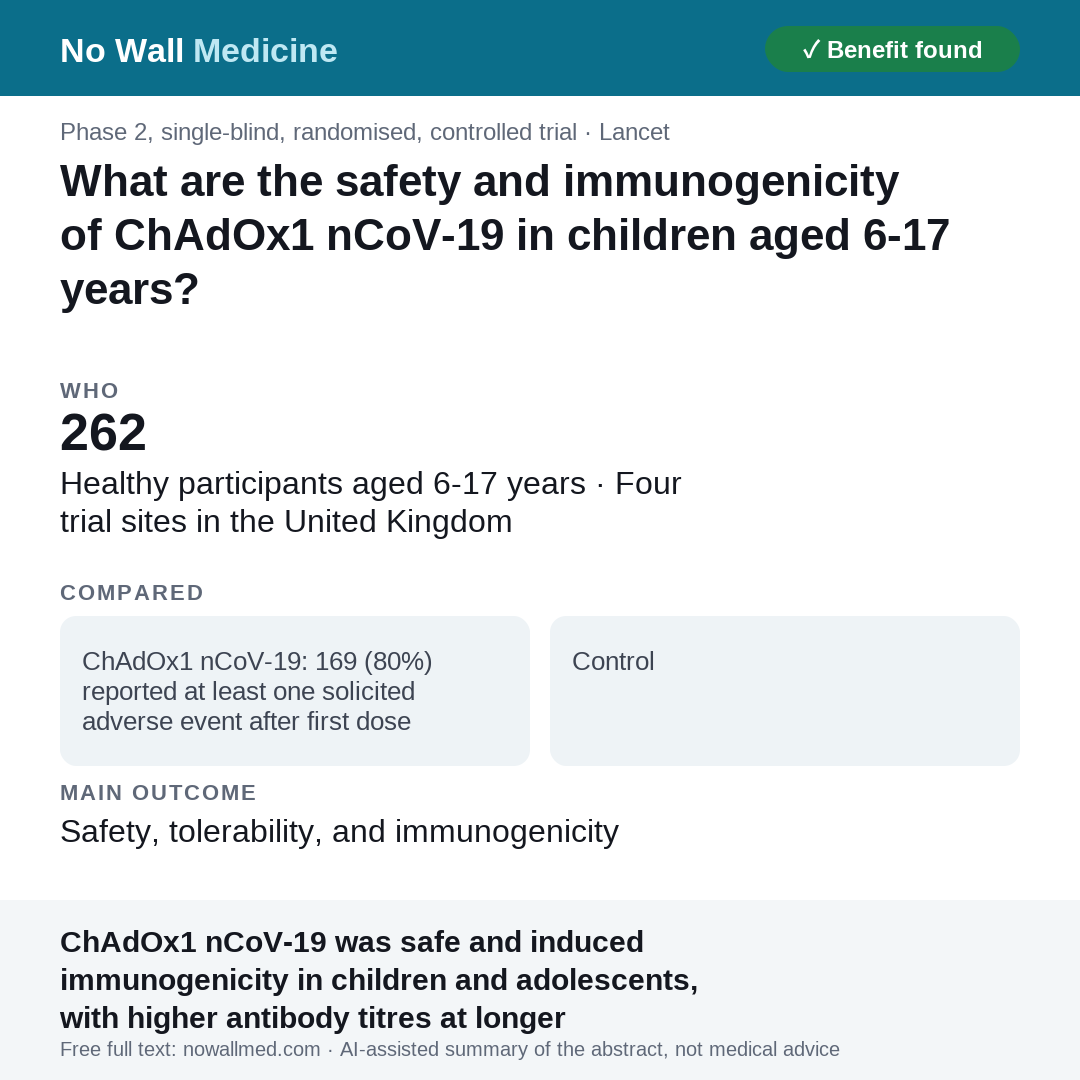
Safety and immunogenicity of the ChAdOx1 nCoV-19 (AZD1222) vaccine in children aged 6-17 years: a preliminary report of COV006, a phase 2 single-blind, randomised, controlled trial
Phase 2, single-blind, randomised, controlled trialBenefit found
What are the safety and immunogenicity of ChAdOx1 nCoV-19 in children aged 6-17 years?
Who
262
Healthy participants aged 6-17 years · Four trial sites in the United Kingdom
Compared
ChAdOx1 nCoV-19: 169 (80%) reported at least one solicited adverse event after first dose
Control
Main outcome
Safety, tolerability, and immunogenicity
Bottom line: ChAdOx1 nCoV-19 was safe and induced immunogenicity in children and adolescents, with higher antibody titres at longer intervals.
Lancet · 2022-06-12Download image
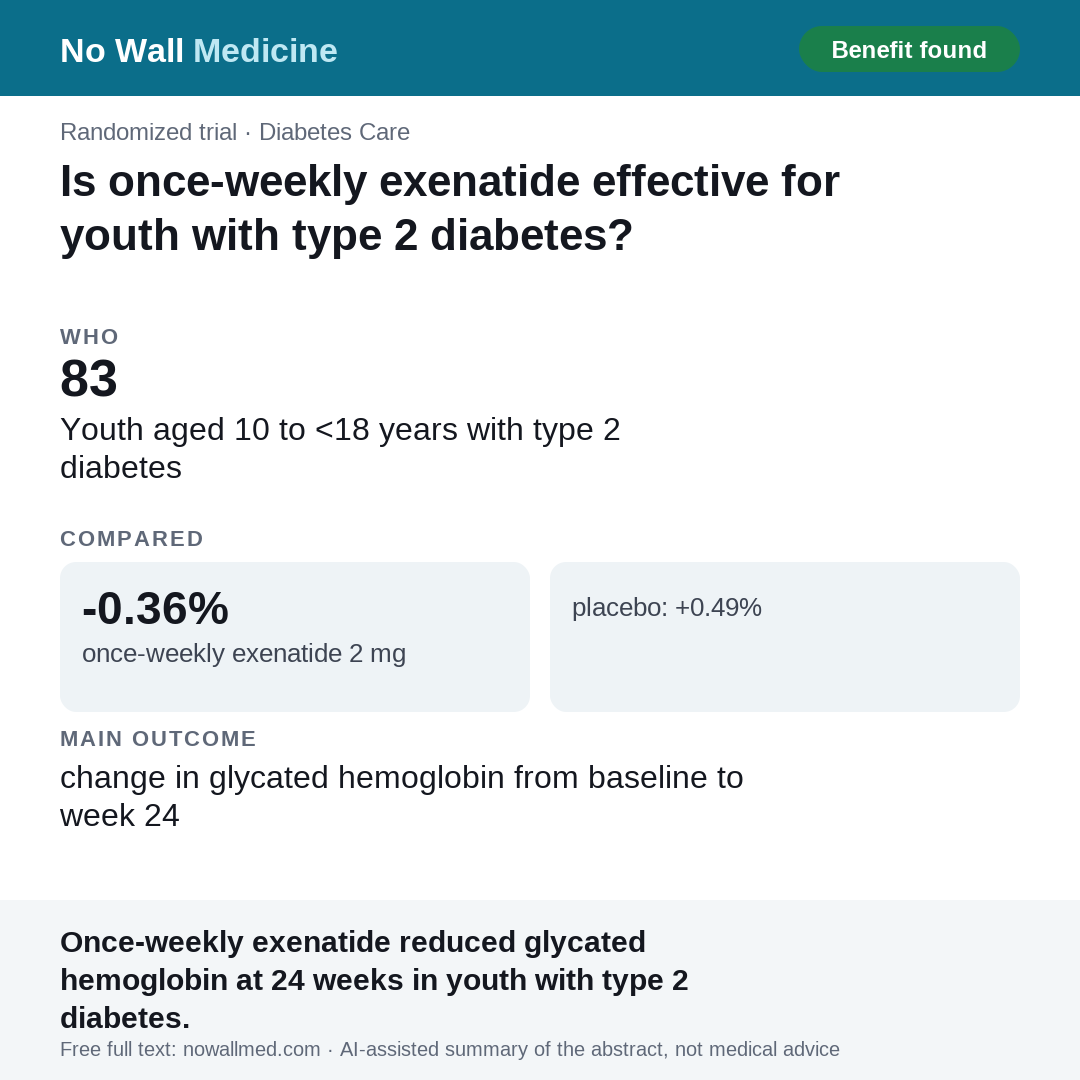
Once-Weekly Exenatide in Youth With Type 2 Diabetes
Randomized trialBenefit found
Is once-weekly exenatide effective for youth with type 2 diabetes?
Who
83
Youth aged 10 to <18 years with type 2 diabetes
Compared
-0.36%once-weekly exenatide 2 mg
placebo: +0.49%
Main outcome
change in glycated hemoglobin from baseline to week 24
Result: -0.85% (95% CI -1.51, -0.19)
Bottom line: Once-weekly exenatide reduced glycated hemoglobin at 24 weeks in youth with type 2 diabetes.
Diabetes Care · 2022-06-10Download image
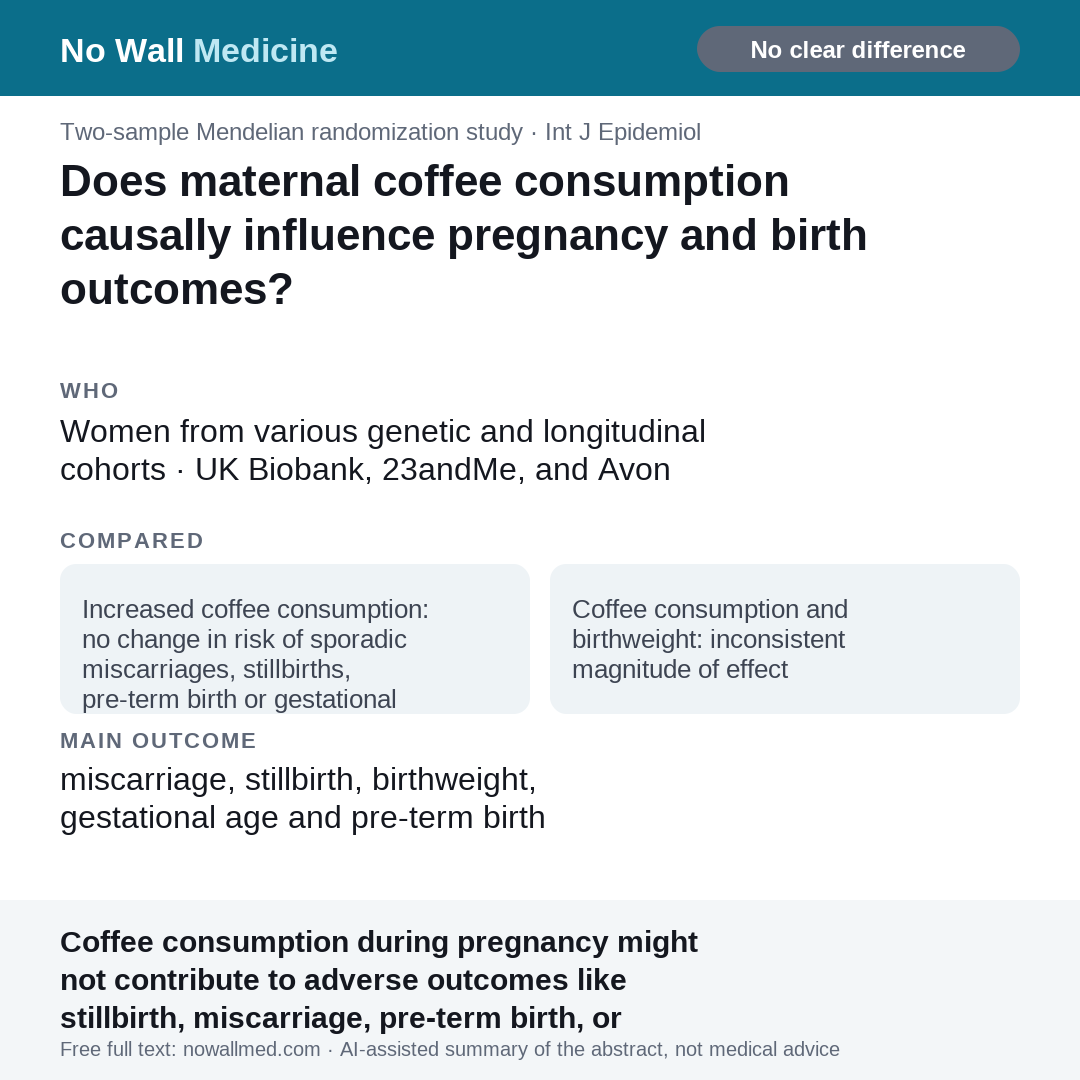
Mendelian randomization study of maternal coffee consumption and its influence on birthweight, stillbirth, miscarriage, gestational age and pre-term birth
Two-sample Mendelian randomization studyNo clear difference
Does maternal coffee consumption causally influence pregnancy and birth outcomes?
Who
Women from various genetic and longitudinal cohorts · UK Biobank, 23andMe, and Avon Longitudinal Study
Compared
Increased coffee consumption: no change in risk of sporadic miscarriages, stillbirths, pre-term birth or gestational age
Coffee consumption and birthweight: inconsistent magnitude of effect
Main outcome
miscarriage, stillbirth, birthweight, gestational age and pre-term birth
Bottom line: Coffee consumption during pregnancy might not contribute to adverse outcomes like stillbirth, miscarriage, pre-term birth, or lower birthweight.
Int J Epidemiol · 2022-06-10Download image
Starting complementary feeding with vegetables only increases vegetable acceptance at 9 months: a randomized controlled trial
Randomized, controlled, parallel-group studyBenefit found
Does starting complementary feeding with vegetables only increase vegetable acceptance at 9 months?
Who
117
Auckland infants aged 4 to 6 months · Auckland
Compared
vegetables only: 86.3 (52.5, 146.3) g
fruit and vegetables: 67.5 (37.5, 101.3) g
Main outcome
intake of target vegetables at 9 months of age
Result: mean difference 11.83 (95% CI 0.82, 22.84) g for broccoli
Bottom line: Starting complementary feeding with vegetables only increases vegetable intake and acceptance at 9 months of age.
Am J Clin Nutr · 2022-06-10Download image

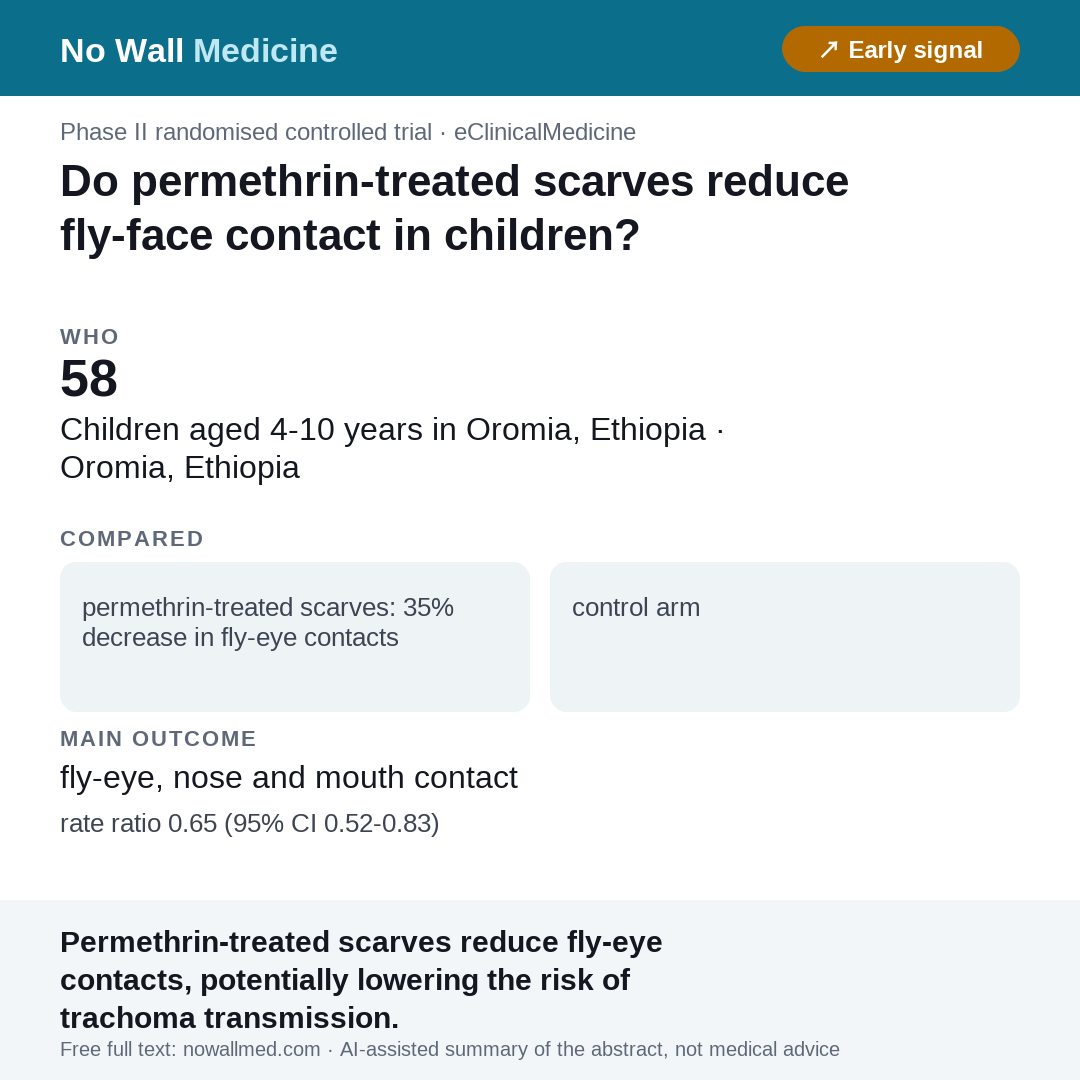
Evaluation of the efficacy of insecticide-treated scarves to protect children from the trachoma vector Musca sorbens (Diptera: Muscidae): A phase II randomised controlled trial in Oromia, Ethiopia
Phase II randomised controlled trialBenefit found
Do permethrin-treated scarves reduce fly-face contact in children?
Who
58
Children aged 4-10 years in Oromia, Ethiopia · Oromia, Ethiopia
Compared
permethrin-treated scarves: 35% decrease in fly-eye contacts
control arm
Main outcome
fly-eye, nose and mouth contact
Result: rate ratio 0.65 (95% CI 0.52-0.83)
Bottom line: Permethrin-treated scarves reduce fly-eye contacts, potentially lowering the risk of trachoma transmission.
Funded by: Wellcome Trust
eClinicalMedicine · 2022-06-08Download image
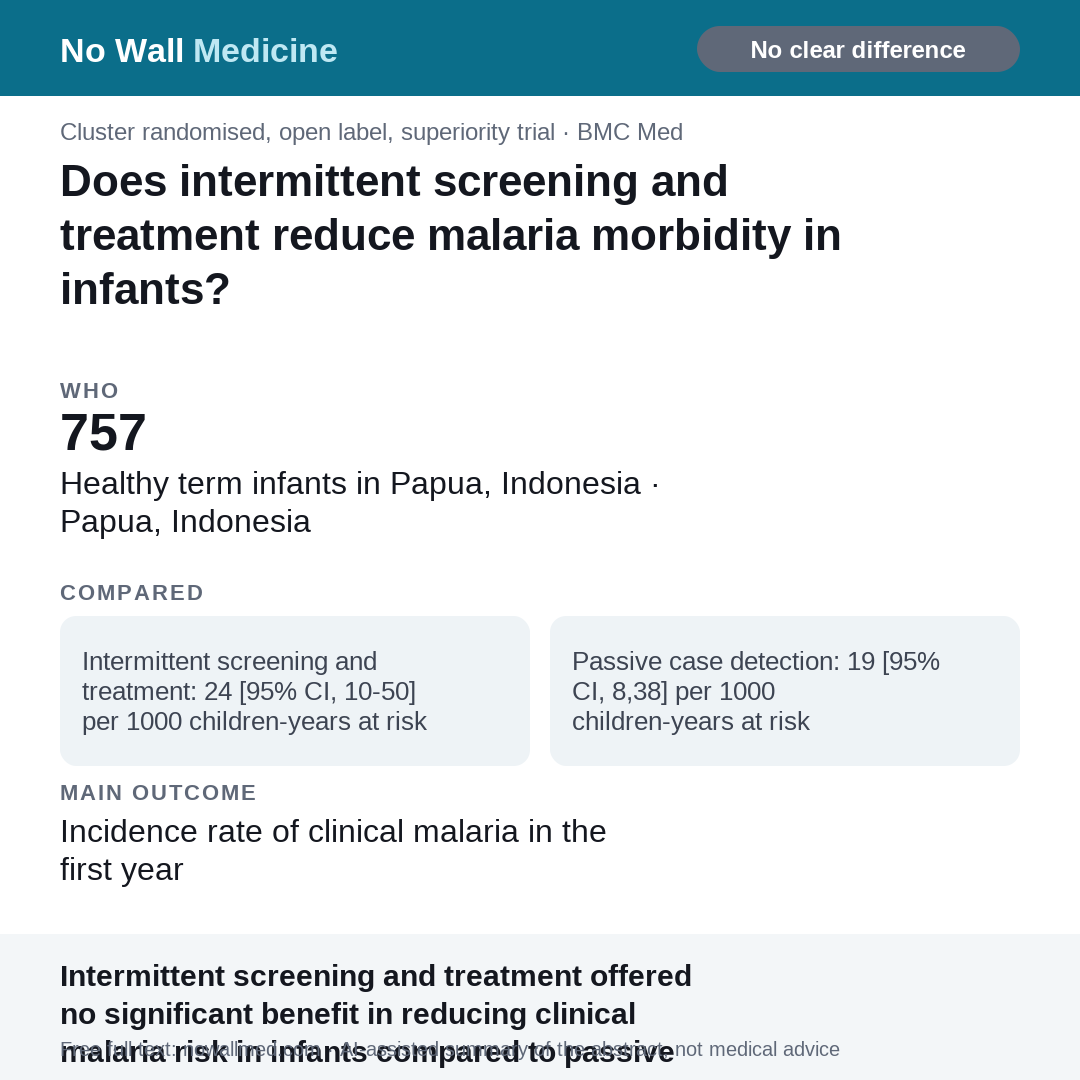
Intermittent screening and treatment for malaria complementary to routine immunisation in the first year of life in Papua, Indonesia: a cluster randomised superiority trial
Cluster randomised, open label, superiority trialNo clear difference
Does intermittent screening and treatment reduce malaria morbidity in infants?
Who
757
Healthy term infants in Papua, Indonesia · Papua, Indonesia
Compared
Intermittent screening and treatment: 24 [95% CI, 10-50] per 1000 children-years at risk
Passive case detection: 19 [95% CI, 8,38] per 1000 children-years at risk
Main outcome
Incidence rate of clinical malaria in the first year
Result: adjusted incidence rate ratio 1.77 (95% CI 0.62-5.01)
Bottom line: Intermittent screening and treatment offered no significant benefit in reducing clinical malaria risk in infants compared to passive case detection.
BMC Med · 2022-06-08Download image
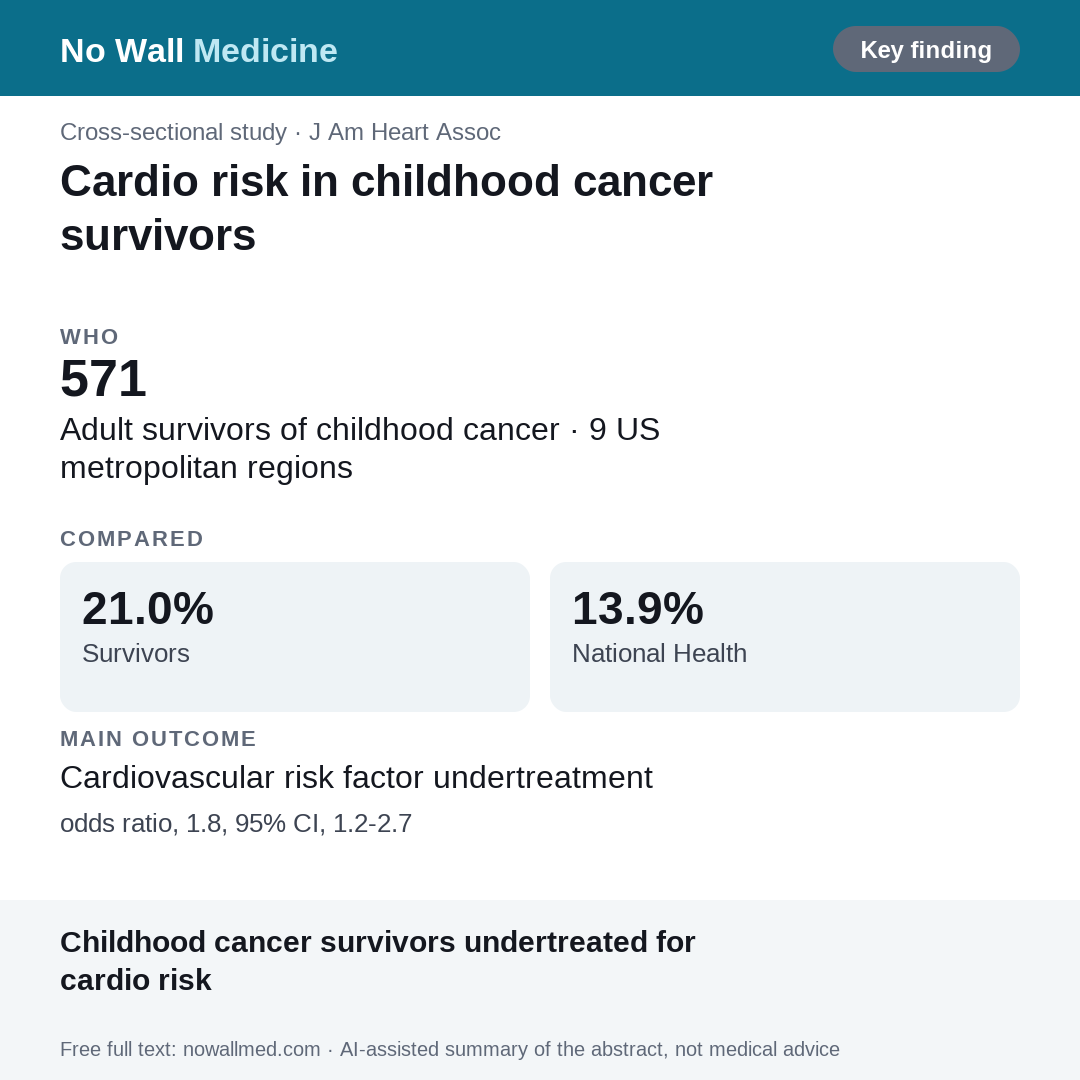
Underdiagnosis and Undertreatment of Modifiable Cardiovascular Risk Factors Among Survivors of Childhood Cancer
Cross-sectional studyHarm found
Cardio risk in childhood cancer survivors
Who
571
Adult survivors of childhood cancer · 9 US metropolitan regions
Compared
21.0%Survivors
13.9%National Health
Main outcome
Cardiovascular risk factor undertreatment
Result: odds ratio, 1.8, 95% CI, 1.2-2.7
Bottom line: Childhood cancer survivors undertreated for cardio risk
J Am Heart Assoc · 2022-06-08Download image
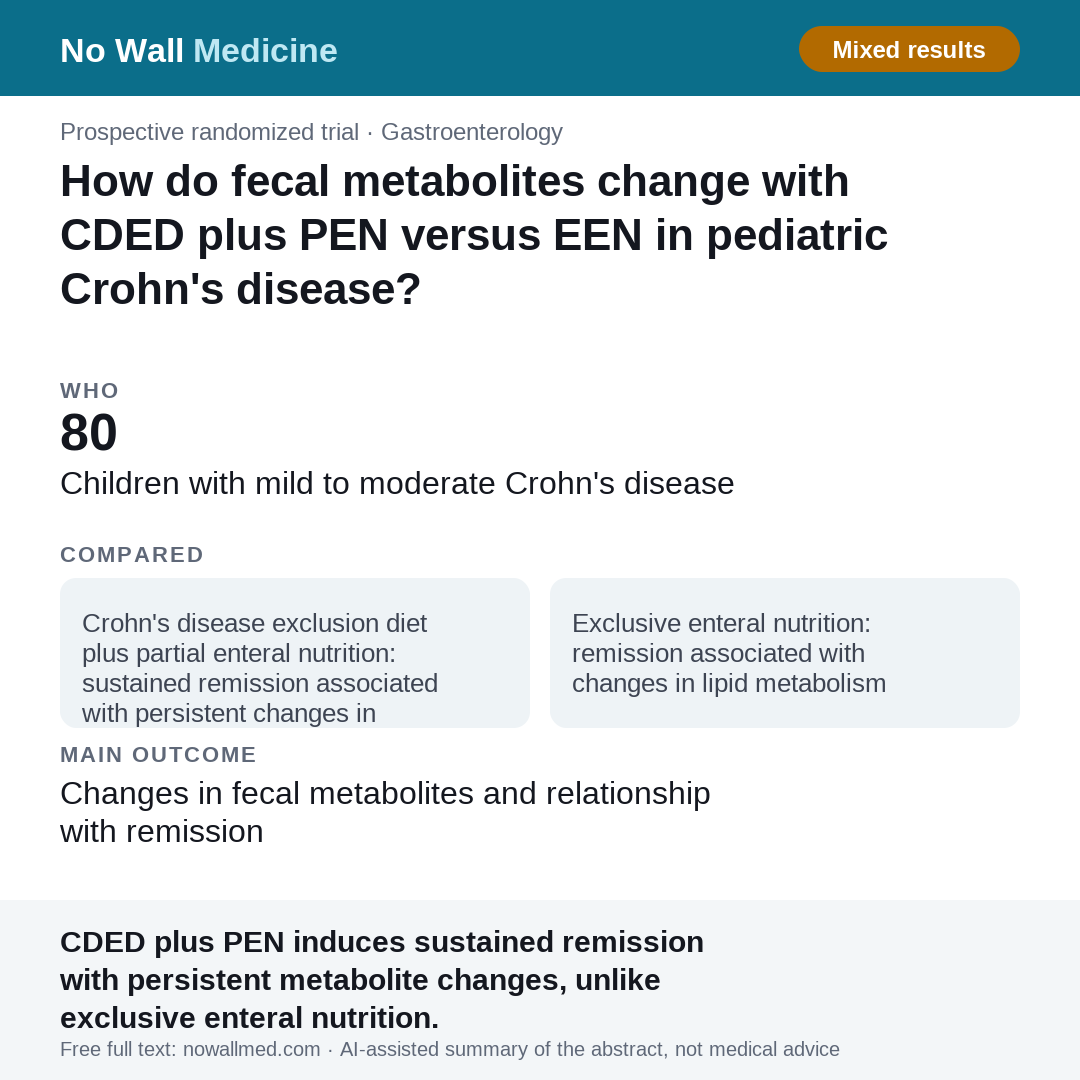
Metabolome Changes With Diet-Induced Remission in Pediatric Crohn's Disease
Prospective randomized trialMixed results
How do fecal metabolites change with CDED plus PEN versus EEN in pediatric Crohn's disease?
Who
80
Children with mild to moderate Crohn's disease
Compared
Crohn's disease exclusion diet plus partial enteral nutrition: sustained remission associated with persistent changes in metabolites
Exclusive enteral nutrition: remission associated with changes in lipid metabolism
Main outcome
Changes in fecal metabolites and relationship with remission
Bottom line: CDED plus PEN induces sustained remission with persistent metabolite changes, unlike exclusive enteral nutrition.
Gastroenterology · 2022-06-07Download image
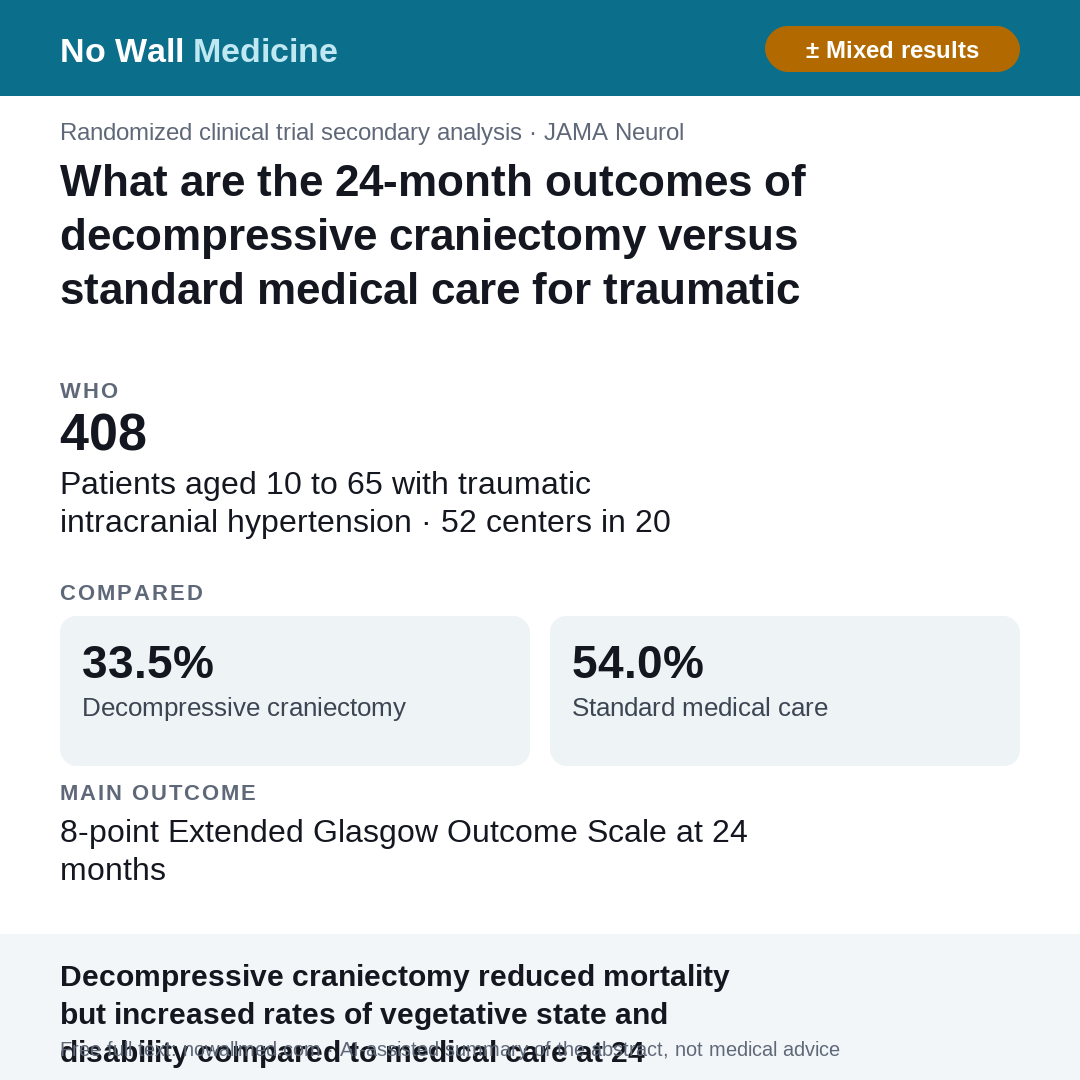
Evaluation of Outcomes Among Patients With Traumatic Intracranial Hypertension Treated With Decompressive Craniectomy vs Standard Medical Care at 24 Months: A Secondary Analysis of the RESCUEicp Randomized Clinical Trial
Randomized clinical trial secondary analysisMixed results
What are the 24-month outcomes of decompressive craniectomy versus standard medical care for traumatic intracranial hypertension?
Who
408
Patients aged 10 to 65 with traumatic intracranial hypertension · 52 centers in 20 countries
Compared
33.5%Decompressive craniectomy
54.0%Standard medical care
Main outcome
8-point Extended Glasgow Outcome Scale at 24 months
Result: absolute difference, -20.5 [95% CI, -30.8 to -10.2]
Bottom line: Decompressive craniectomy reduced mortality but increased rates of vegetative state and disability compared to medical care at 24 months.
JAMA Neurol · 2022-06-07Download image
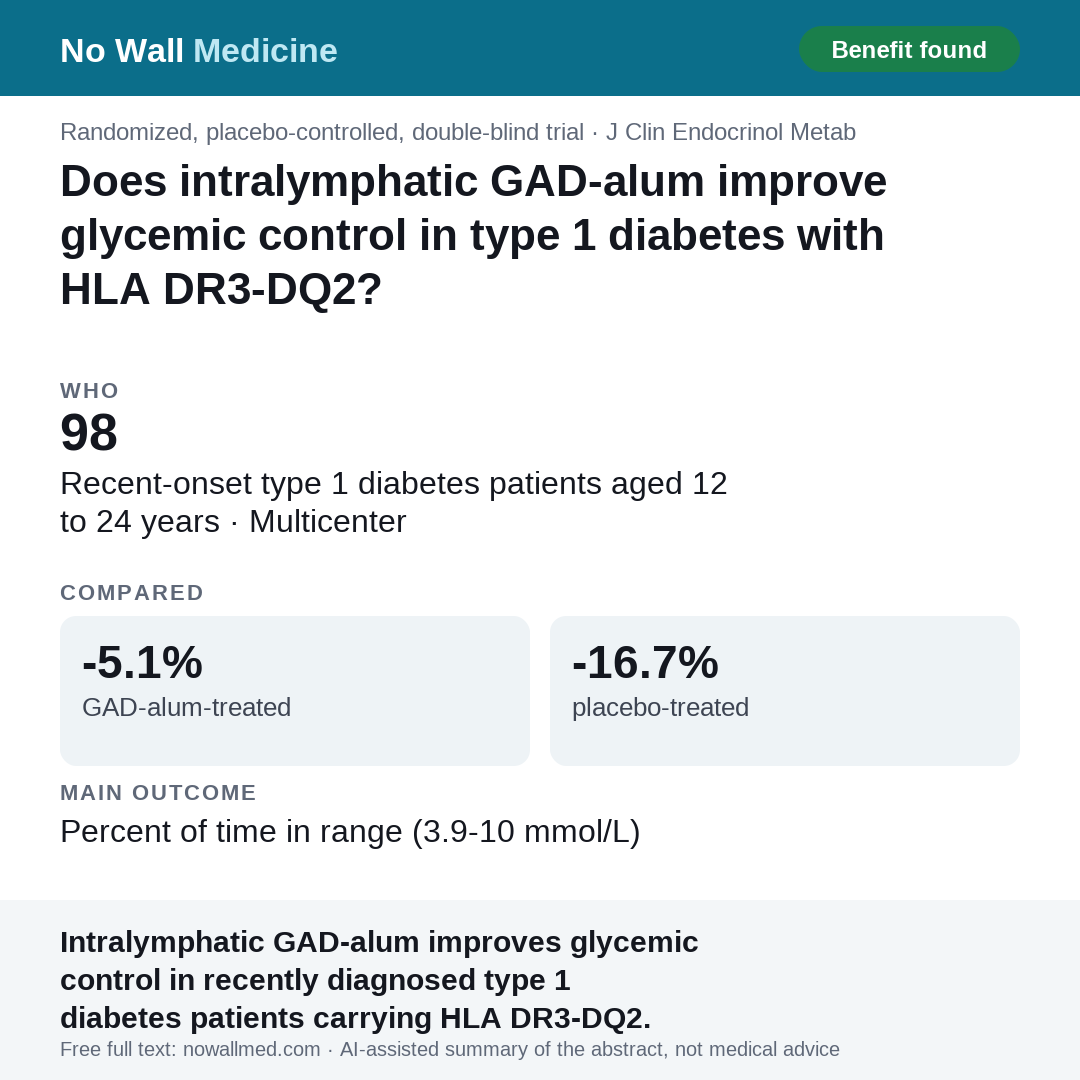
Intralymphatic GAD-Alum (Diamyd®) Improves Glycemic Control in Type 1 Diabetes With HLA DR3-DQ2
Randomized, placebo-controlled, double-blind trialBenefit found
Does intralymphatic GAD-alum improve glycemic control in type 1 diabetes with HLA DR3-DQ2?
Who
98
Recent-onset type 1 diabetes patients aged 12 to 24 years · Multicenter
Compared
-5.1%GAD-alum-treated
-16.7%placebo-treated
Main outcome
Percent of time in range (3.9-10 mmol/L)
Bottom line: Intralymphatic GAD-alum improves glycemic control in recently diagnosed type 1 diabetes patients carrying HLA DR3-DQ2.
J Clin Endocrinol Metab · 2022-06-07Download image
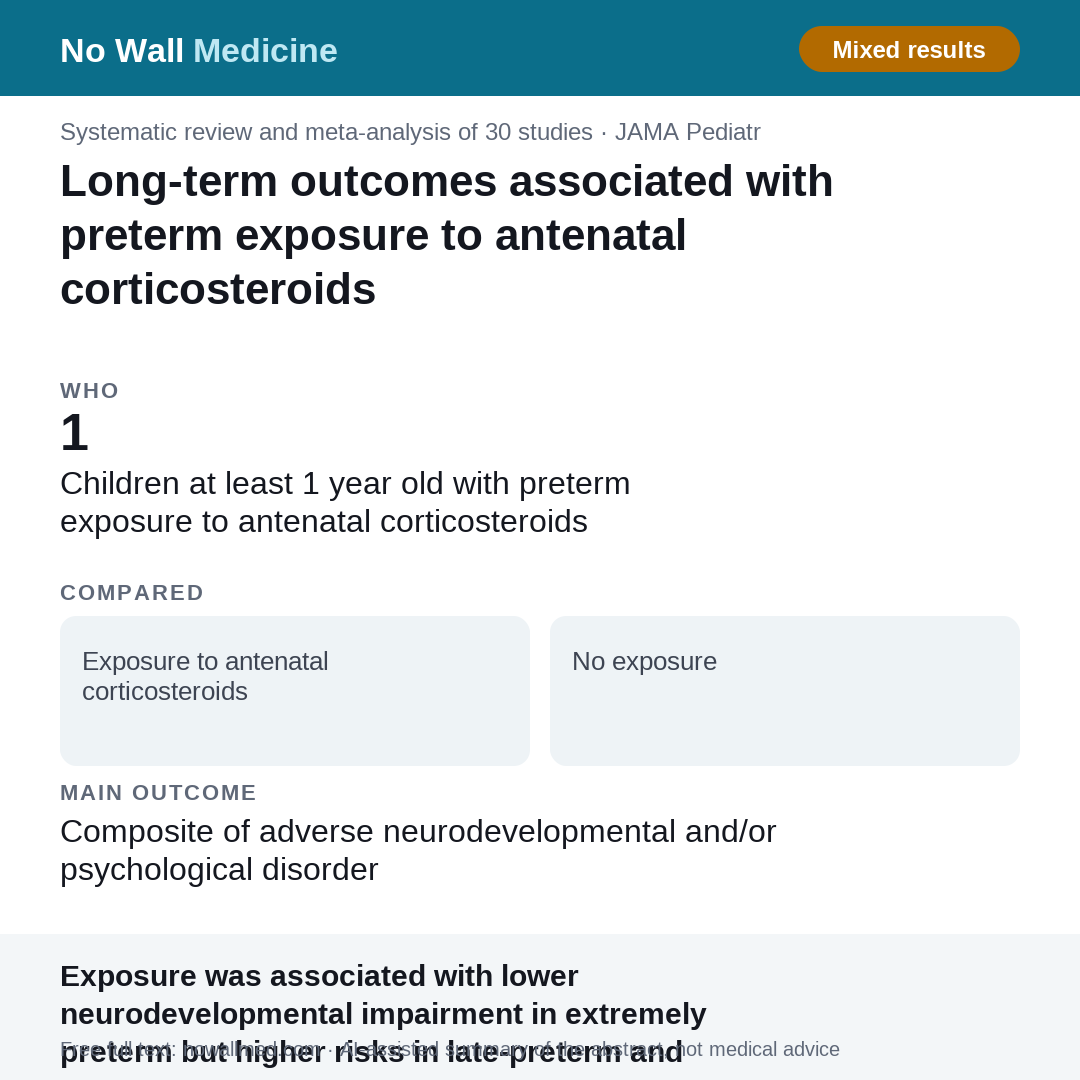
Evaluation of Long-term Outcomes Associated With Preterm Exposure to Antenatal Corticosteroids: A Systematic Review and Meta-analysis
Systematic review and meta-analysisMixed results
What are the long-term outcomes of preterm exposure to antenatal corticosteroids?
Who
1
Children at least 1 year of age
Compared
Extremely preterm birth: adjusted odds ratio, 0.69 (95% CI, 0.57-0.84)
Late-preterm birth: adjusted hazard ratio, 1.12 (95% CI, 1.05-1.20)
Full-term birth: aHR, 1.47 (95% CI, 1.36-1.60)
Main outcome
adverse neurodevelopmental and/or psychological disorder
Bottom line: Corticosteroids reduce neurodevelopmental impairment in extremely preterm infants but increase neurocognitive or psychological risks in late-preterm and full-term children.
Limitation: low certainty
JAMA Pediatr · 2022-06-06Download image
Cost-effectiveness of antenatal corticosteroids and tocolytic agents in the management of preterm birth: A systematic review
Systematic reviewMixed results
Is antenatal corticosteroids and tocolytic agents cost-effective for preterm birth management?
Who
Women at risk of imminent preterm birth
Compared
Antenatal corticosteroids prior to 34 weeks: cost-effective
Antenatal corticosteroids at 34 to 37 weeks: conflicting
Main outcome
Cost-effectiveness of management interventions
Bottom line: Antenatal corticosteroids are cost-effective before 34 weeks, but evidence for late preterm use is conflicting.
Funded by: UNFPA/UNICEF/WHO/World Bank Special Programme of Research, Development and Research Training in Human Reproduction
eClinicalMedicine · 2022-06-03Download image

Prognostic accuracy and clinical utility of psychometric instruments for individuals at clinical high-risk of psychosis: a systematic review and meta-analysis
Meta-analysis of 22 studiesBenefit found
Prognostic accuracy of psychosis risk assessments
Who
4966
individuals at clinical high-risk for psychosis
Compared
CHR-P+
CHR-P-
Main outcome
prognostic accuracy for psychosis
Result: area-under-the-curve 0.85 (95% CI: 0.81-0.88)
Bottom line: Psychometric instruments accurately predict psychosis risk
Mol Psychiatry · 2022-06-03Download image

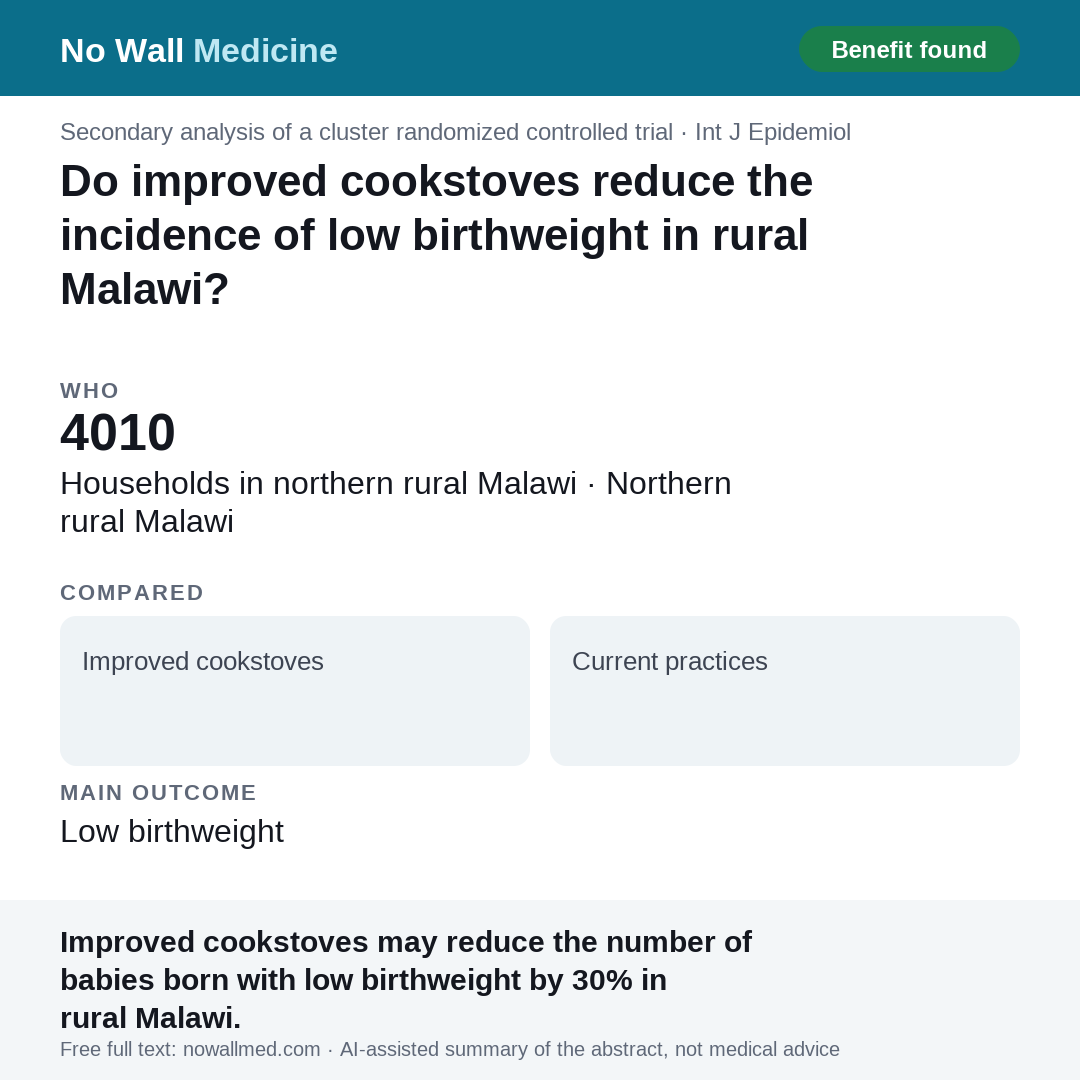
A secondary data analysis of a cluster randomized controlled trial: improved cookstoves associated with reduction in incidence of low birthweight in rural Malawi
Secondary analysis of a cluster randomized controlled trialBenefit found
Do improved cookstoves reduce the incidence of low birthweight in rural Malawi?
Who
4010
Households in northern rural Malawi · Northern rural Malawi
Compared
Improved cookstoves
Current practices
Main outcome
Low birthweight
Result: adjusted odds ratio 0.69 (95% CI 0.48 to 0.99)
Bottom line: Improved cookstoves may reduce the number of babies born with low birthweight by 30% in rural Malawi.
Int J Epidemiol · 2022-06-03Download image
The views of people with a lived experience of deafness and the general public regarding genetic testing for deafness in the reproductive setting: A systematic review
Systematic reviewMixed results
Views on genetic testing for deafness
Who
people with deafness and general public · many countries
Compared
people with deafness
general public
Main outcome
views on genetic testing
Bottom line: Mixed views on genetic testing for deafness
Limitation: small and old studies
Genet Med · 2022-06-03Download image

Artificial intelligence for radiological paediatric fracture assessment: a systematic review
Systematic reviewUnclear result
What is the diagnostic performance of artificial intelligence for paediatric fracture assessment?
Who
Children with fractures on imaging · Not specified
Compared
Artificial intelligence: 88.8 to 97.9%
Human readers
Main outcome
Diagnostic accuracy for paediatric fracture assessment
Bottom line: Artificial intelligence shows high accuracy, but limited external validation makes generalisability to wider paediatric populations difficult to understand.
Limitation: Wide heterogeneity and limited information on algorithm performance on external datasets.
Insights Imaging · 2022-06-03Download image

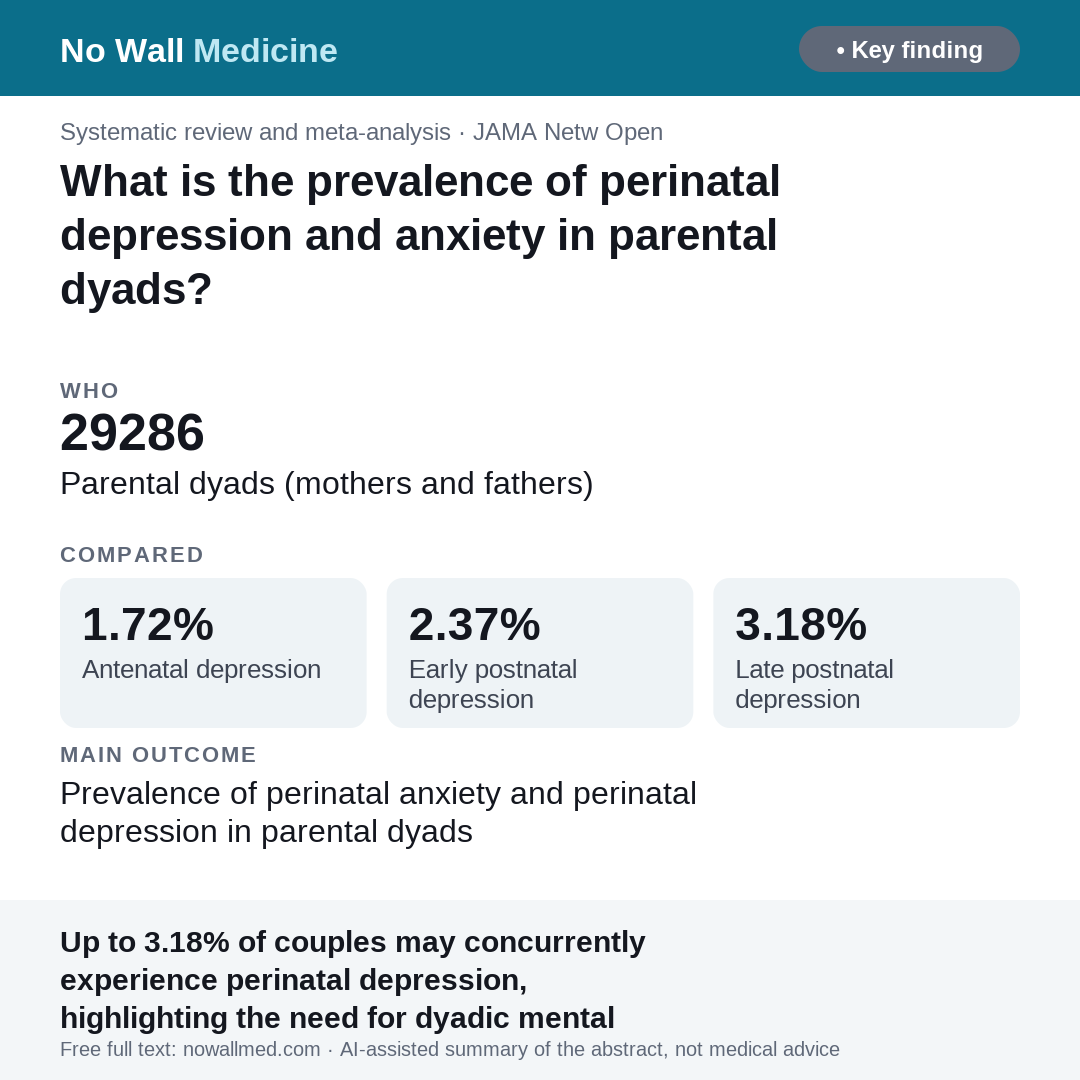
Prevalence of Perinatal Depression and Anxiety in Both Parents: A Systematic Review and Meta-analysis
Systematic review and meta-analysisBenefit found
What is the prevalence of perinatal depression and anxiety in parental dyads?
Who
29286
Parental dyads (mothers and fathers)
Compared
1.72%Antenatal depression (95% CI, 0.96%-2.48%)
2.37%Early postnatal depression (95% CI, 1.66%-3.08%)
3.18%Late postnatal depression (95% CI, 2.3-4.05)
Main outcome
Prevalence of perinatal anxiety and perinatal depression in parental dyads
Bottom line: Up to 3.18% of couples may concurrently experience perinatal depression, highlighting the need for dyadic mental health care.
JAMA Netw Open · 2022-06-01Download image
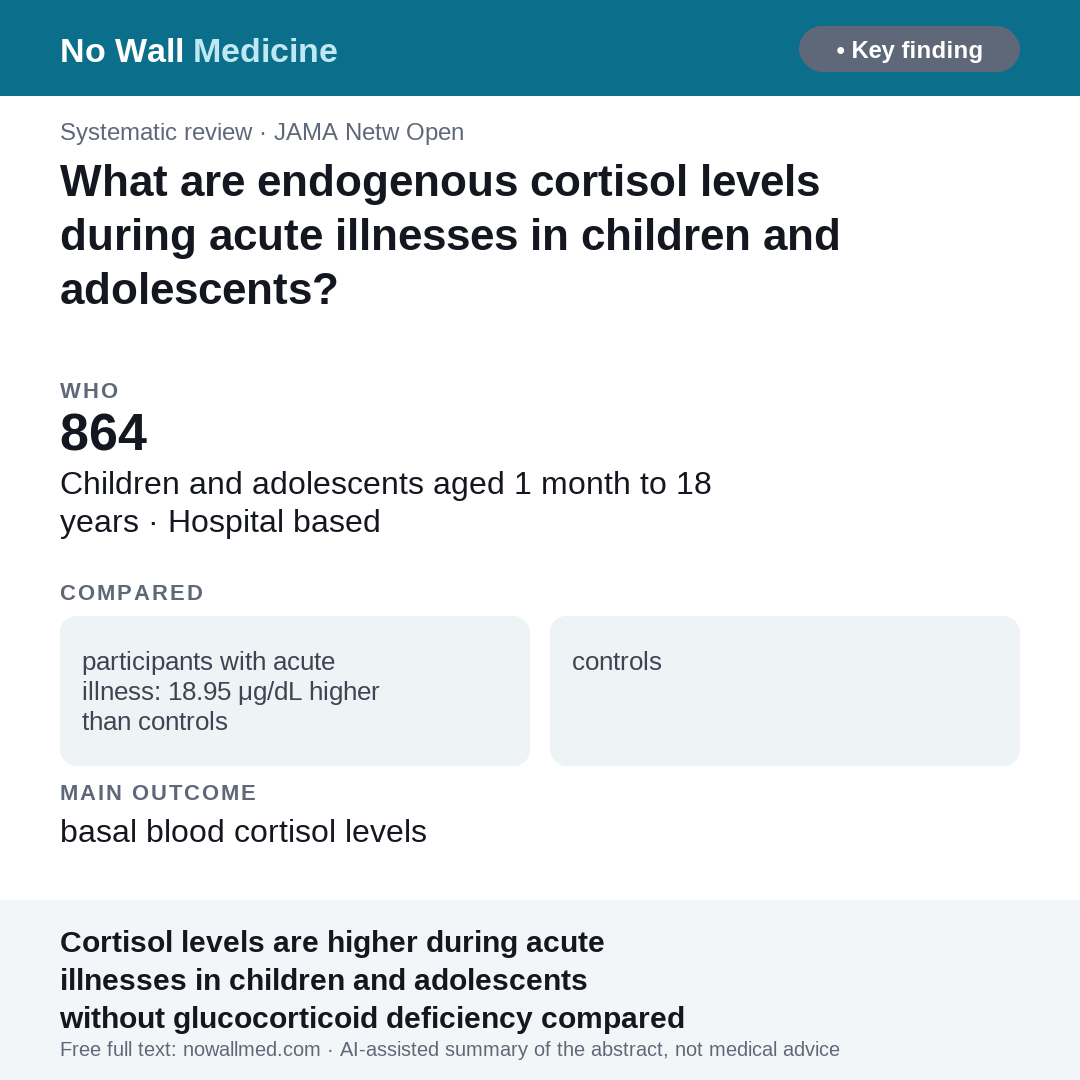
Cortisol Levels During Acute Illnesses in Children and Adolescents: A Systematic Review
Systematic reviewBenefit found
What are endogenous cortisol levels during acute illnesses in children and adolescents?
Who
864
Children and adolescents aged 1 month to 18 years · Hospital based
Compared
participants with acute illness: 18.95 μg/dL higher than controls
controls
Main outcome
basal blood cortisol levels
Result: difference in weighted means, 18.95 μg/dL; 95% CI, 16.68-21.22 μg/dL
Bottom line: Cortisol levels are higher during acute illnesses in children and adolescents without glucocorticoid deficiency compared to controls.
JAMA Netw Open · 2022-06-01Download image
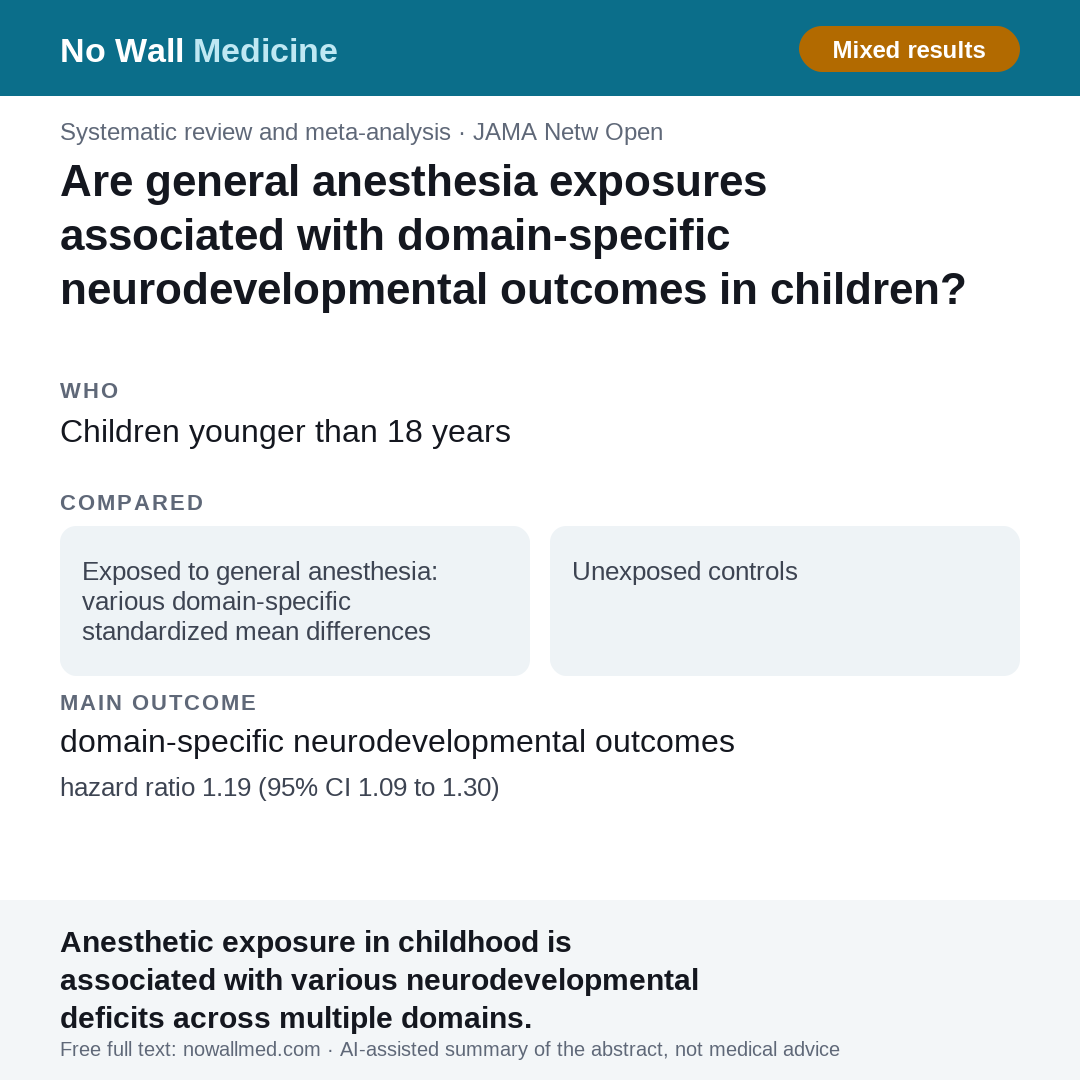
Anesthetic Exposure During Childhood and Neurodevelopmental Outcomes: A Systematic Review and Meta-analysis
Systematic review and meta-analysisMixed results
Are general anesthesia exposures associated with domain-specific neurodevelopmental outcomes in children?
Who
Children younger than 18 years
Compared
Exposed to general anesthesia: various domain-specific standardized mean differences
Unexposed controls
Main outcome
domain-specific neurodevelopmental outcomes
Result: hazard ratio 1.19 (95% CI 1.09 to 1.30)
Bottom line: Anesthetic exposure in childhood is associated with various neurodevelopmental deficits across multiple domains.
JAMA Netw Open · 2022-06-01Download image
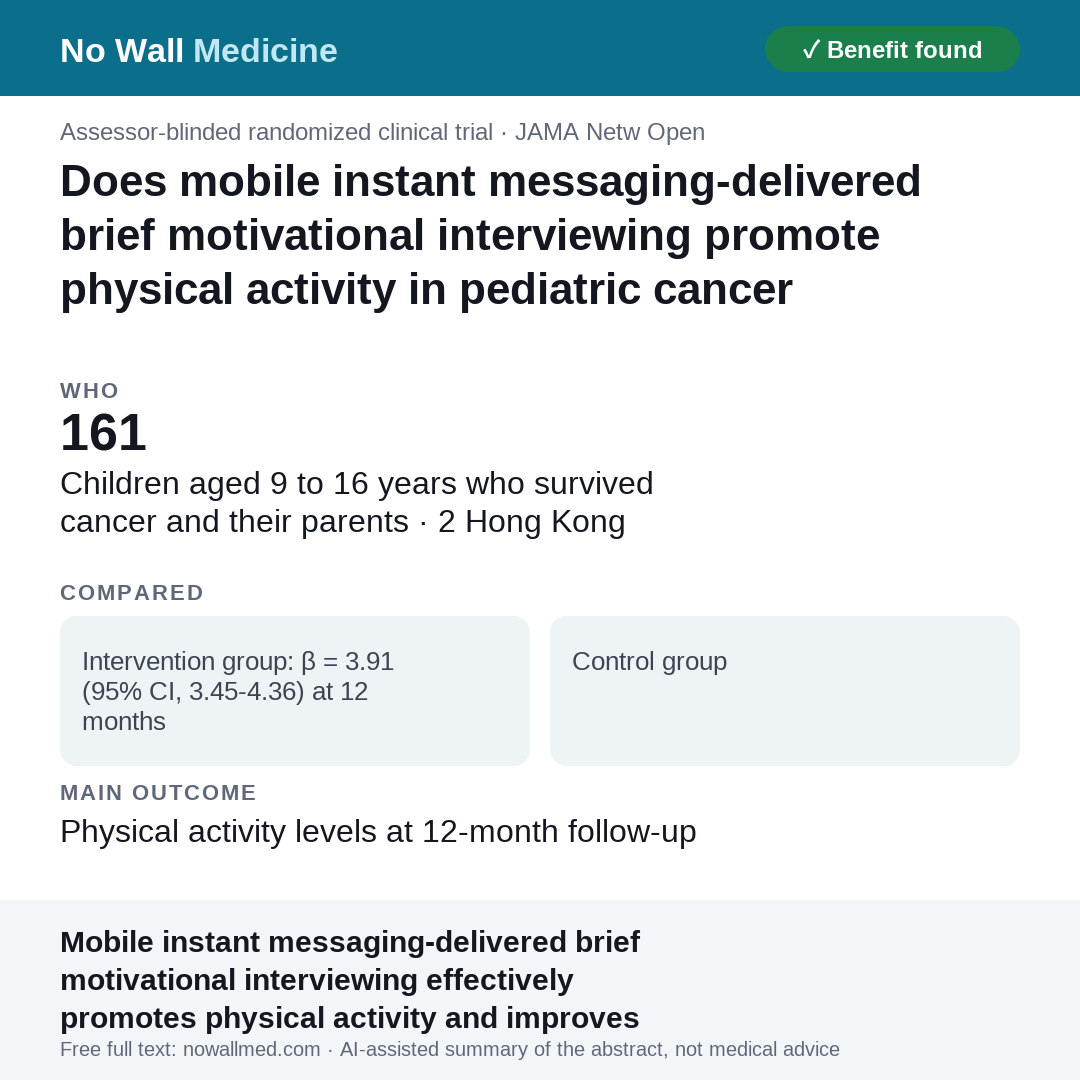
Efficacy of Mobile Instant Messaging-Delivered Brief Motivational Interviewing for Parents to Promote Physical Activity in Pediatric Cancer Survivors: A Randomized Clinical Trial
Assessor-blinded randomized clinical trialBenefit found
Does mobile instant messaging-delivered brief motivational interviewing promote physical activity in pediatric cancer survivors?
Who
161
Children aged 9 to 16 years who survived cancer and their parents · 2 Hong Kong pediatric oncology outpatient clinics
Compared
Intervention group: β = 3.91 (95% CI, 3.45-4.36) at 12 months
Control group
Main outcome
Physical activity levels at 12-month follow-up
Result: β = 3.91 (95% CI, 3.45-4.36)
Bottom line: Mobile instant messaging-delivered brief motivational interviewing effectively promotes physical activity and improves health outcomes in pediatric cancer survivors.
JAMA Netw Open · 2022-06-01Download image